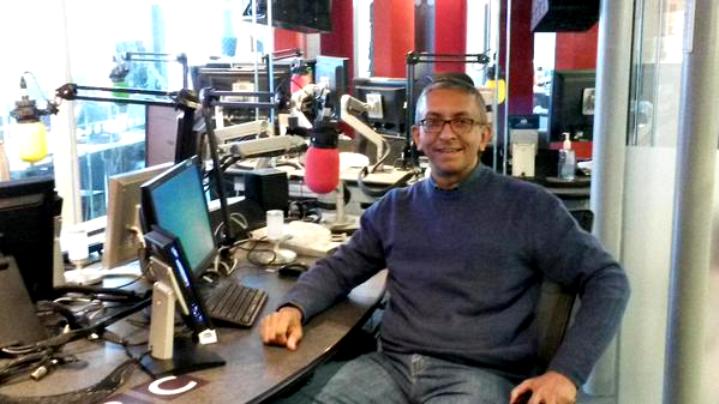
On 13 Feb 2015, while briefly in London, I visited BBC’s new Media Centre and recorded brief interviews with BBC Sinhala and BBC Tamil services (radio) on the role of social media during the Sri Lanka Presidential Election 2015 – the topic of my talk at University of London the previous day.
BBC Sinhala published the story online on 22 Feb 2015, along with an edited down audio track.
An impressive 81.52% of registered voters turned up, and their majority choice changed the regime. A well-oiled system that has been holding elections since 1931 proved its efficacy again. And if its integrity came under threat, the formidable Commissioner of Elections stood up for the due process.
As we pat ourselves on the back, however, let us remember: an election is a necessary but not a sufficient condition for a vibrant democracy. There is much more to democracy than holding free and fair elections.
The ‘sufficient conditions’ include having public institutions that allow citizens the chance to participate in political process on an on-going basis; a guarantee that all people are equal before the law (independent and apolitical judiciary); respect for cultural, ethnic and religious diversity; and freedom of opinion without fearing any repercussions. Sri Lanka has much work to do on all these fronts.
Democracy itself, as practised for centuries, can do with some ‘upgrading’ to catch up with modern information societies.
Historically, people have responded to bad governance by changing governments at elections, or by occasionally overthrowing corrupt or despotic regimes through mass agitation.
Yet such ‘people power’ has its own limits: in country after country where one political party – or the entire political system — was replaced with another through popular vote (or revolt), people have been disappointed at how quickly the new brooms lose their bristles.
The solution must, therefore, lie in not just participating in elections (or revolutions), but in constantly engaging governments and keeping the pressure on them to govern well.
In practice, we citizens must juggle it along with our personal and professional lives. As information society advances, however, new tools and methods are becoming available to make it easier.
Social Accountability
This relatively new approach involves citizens gathering data, systematically analysing it and then engaging (or confronting, when necessary) elected and other officials in government. Citizens across the developing world are using information to improve the use of common property resources (e.g. water, state land and electromagnetic spectrum, etc.), and management of funds collected through taxation or borrowed from international sources.
Such engagement enables citizens as well as civil society organisations (CSOs) to engage with policymakers and citizen service providers. Some call it social accountability (or SAcc), and others refer to it as participatory democracy. Whatever the label, the idea is to ensure greater accountability in how the public sector manages public funds and responds to citizens’ needs.
For this to work, citizens need to access public sector information – about budgets, expenditures, problems and performance. Over 100 countries now have laws guaranteeing people’s right to information (RTI). Sadly, Sri Lanka is lagging behind all other SAARC countries, five of which have already enacted RTI laws and two (Afghanistan and Bhutan) have draft bills under consideration. Attempts to introduce RTI in Sri Lanka were repeatedly thwarted by the previous government.
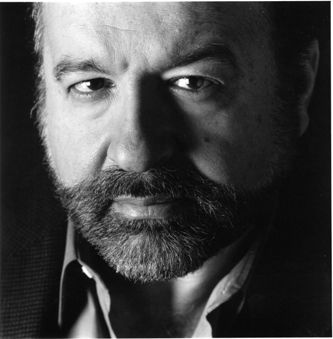
Economist Hernando de Soto (image from Wikipedia)
An early champion of social accountability was the Peruvian economist Hernando de Soto who has been researching on poverty, development and governance issues. He says: “Supposedly in a democracy, if the majority of people are poor, then they set the criteria of what is right. Yet all those mechanisms that allow [society] to decide where the money goes — and that it is appropriately allocated — are not in place throughout the Third World.”
The result? “We take turns electing authoritarian governments. The country, therefore, is left to the [whims] of big-time interests, and whoever funded the elections or parties. We have no right of review or oversight. We have no way for the people’s voice to be heard — except for eight hours on election day!”
It is this important right of review and oversight in between elections that SAcc promotes. Call it an ‘insurance’ against democracy being subverted by big money, corrupt officials or special interest groups…
A dozen years ago, concerned by development investments being undermined by pervasive corruption and excessive bureaucracy, the World Bank started advocating SAcc. Their research shows how, even in the most hopeless situations, ordinary people often come together to collect their voice and exert pressure on governments to be responsive.
“Social accountability is about affirming and operationalising direct accountability relationships between citizens and the state. It refers to the broad range of actions and mechanisms beyond voting that citizens can use to hold the state to account,” says a World Bank sourcebook on the subject. (See: http://go.worldbank.org/Y0UDF953D0)
What does that mean in plain language? Seeking to go beyond theory and jargon, the Bank funded a global documentary in 2003, which I co-produced. Titled ‘Earth Report: People Power’ and first broadcast on BBC in February 2004, it featured four inspiring SAcc examples drawn from Brazil, India, Ireland and Malawi (online: http://goo.gl/xQnr9v).
These case studies, among the best at the time, showed how SAcc concepts could be adapted in different societies and economic systems
In Porto Alegre, Brazil, community members participate annually in a series of meetings to decide on the City Budget. This material is presented to Parliament which finds it difficult to refuse the recommendations — because over 20,000 have contribute to its preparation. As many or more watch how the budget is spent.
In Rajasthan, India, an advocacy group named MKSS holds a public meeting where the affidavits of local candidates standing for the state elections are available to the people. This ‘right to information’ extends all the way down to villages where people can find out about public spending.
In Ireland, the government has partnered with trade unions, employers, training institutions and community groups on a strategy to deal with problems affecting youth (such as school drop-outs and high unemployment). Citizens set priorities for social spending.
In Malawi, villagers participate in assessing local health clinics by scoring various elements of the service. A Health Village Committee then meets the service providers who also assess themselves. Together, they work out ways to improve the service.
During the last decade, many more examples have emerged – some driven by public intellectuals, others by civil society groups or socially responsible companies. Their issues, challenges and responses vary but everyone is looking for practical ways to sustain civic engagement in between elections.
The development community has long held romanticized views on grassroots empowerment. While SAcc builds on that, it is no castle in the air: the rise of digital technologies, web and social media allows better monitoring, analysis and dissemination. And government monopolies over public information have been breached — not just by progressive policies and RTI laws but also by efforts such as WikiLeaks.
Confronted by the growing flood of often technical information, citizens need to be well organised and skilled to use in the public interest. Evidence-based advocacy is harder than rhetorical protests.
Dr Bela Bhatia, then an associate fellow at the Centre for the Study of Developing Societies in India, says on the film: “Ultimately the responsibility in a democracy is ours…and if today we have corrupt politicians, it is because we have allowed corruption to happen, to take root.”
Rather than debating endlessly on how things became so bad, SAcc promoters show a way forward – with emphasis on collaboration, not confrontation.
“It’s up to the governments to make up their mind whether they want to respect the more participatory model or invite more confrontation, to invite violence and perhaps ultimately the dismantling of the very democratic system,” says Bhatia.
How can we deepen our democracy with SAcc? Start with RTI, and see what happens.
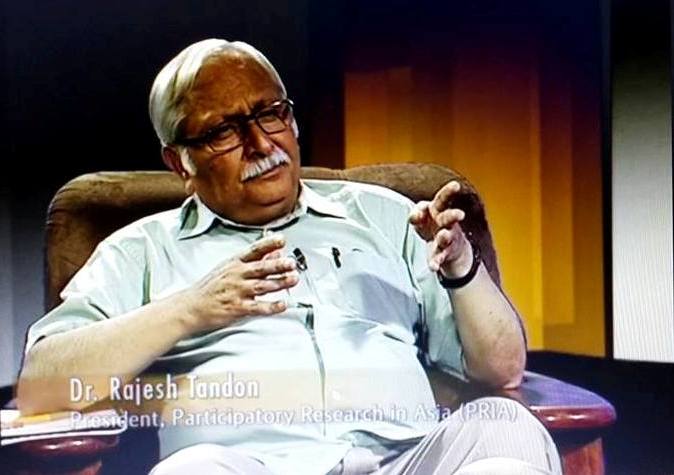
In this week’s Ravaya column (in Sinhala), I continue the Sinhala adaptation of my June 2014 TV interview with Dr Rajesh Tandon of India, an internationally acclaimed leader and practitioner of participatory research and development.
Last week, we discussed the civil space and political space available for advocacy and activism – and how far civil society activists have been able to engage the formal political process in India.
Today, we discuss how anti-corruption movement evolved into the Aam Aadmi Party, AAP, and the relevance of India’s experiences to Sri Lanka. We also discuss India’s Right to Information Act and how that has empowered citizens to seek a more open and accountable government at national, state and local levels. Dr Tandon ends by emphasizing that democracy is a work in progress that needs constant engagement and vigilance.
තොරතුරුදැනගැනීමේඅයිතිය(Right to Information Act) නීතියෙන්තහවුරුවීඉන්දියාවේදැන්දශකයක්පමණකල්ගතවීතිබෙනවා. පුරවැසිහාසිවිල්සමාජක්රියාකාරීත්වයටහායහපාලනයටමෙයදායකවීඇත්තේකෙසේද?
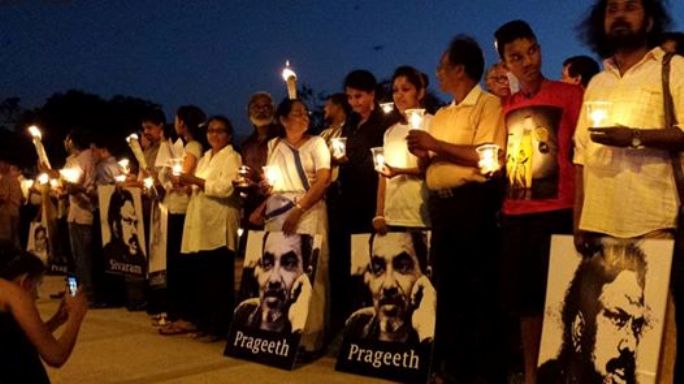
Citizens’ vigil for murdered and disappeared Lankan journalists: 5 January 2015 at Vihara Maha Devi Park, Colombo.
Civil society – in its widest sense – played a key role in the recent peaceful change of government in Sri Lanka. It was civil society advocacy – for ending corruption, ensuring independence of judiciary, and increasing democratic checks and balances on the executive presidency – that inspired a larger citizen demand for better governance. The parliamentary opposition was pushed into belated action by these citizen demands.
What is the role of civil society in the political process? How and where does the civil space intersect with the political space? How can civil society engage formal political parties without being subsumed or co-opted?
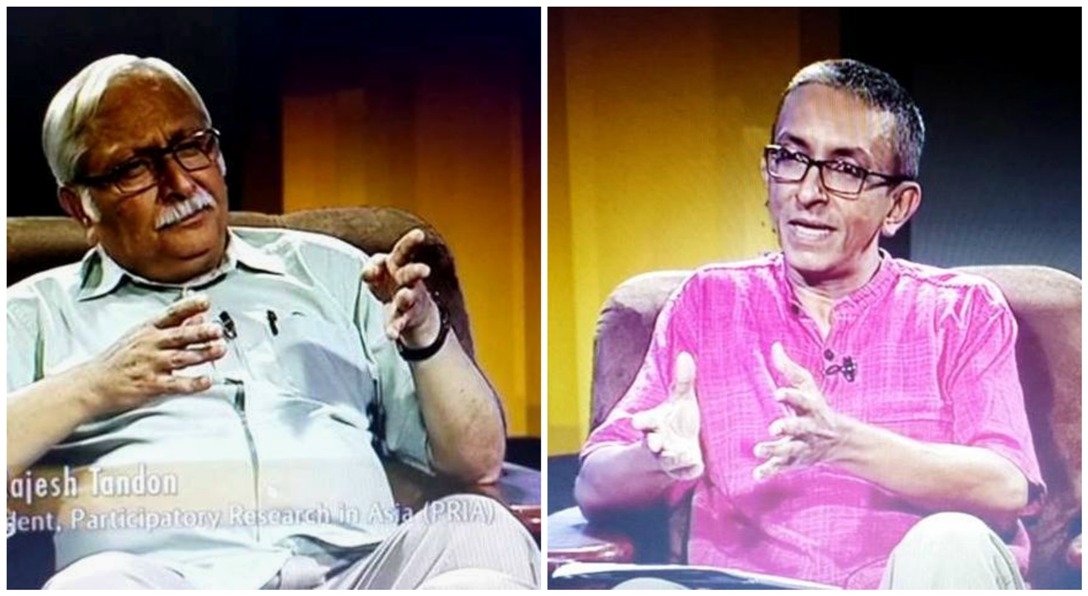
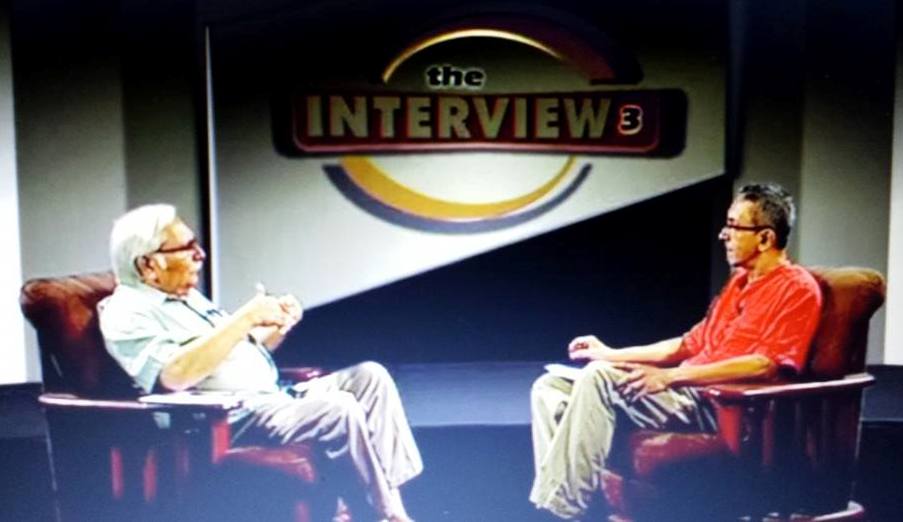
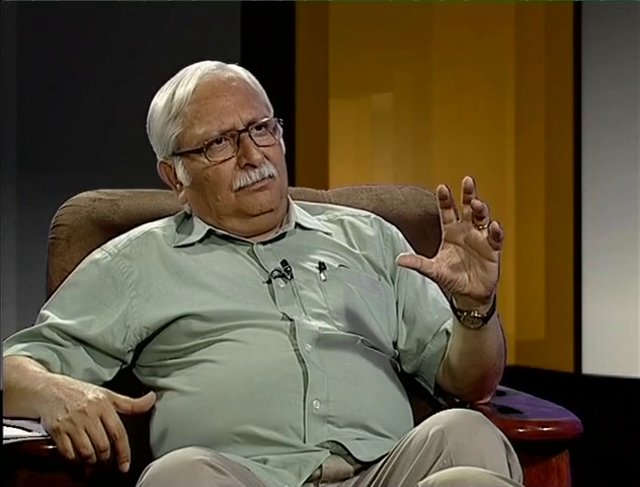
In June 2014, I posed these questions to Dr Rajesh Tandon of India, an internationally acclaimed leader and practitioner of participatory research and development, when I interviewed him for Young Asia Television (YATV) – I was just ‘standing in’ for the regular host Sanjana Hattotuwa.
That interview’s contents are now more relevant to Sri Lanka than 8 months ago. So I have just rendered it into Sinhala. In this week’s Ravaya column (in Sinhala), I share the first half of the interview. To be continued next week…
Dr Rajesh Tandon (left) in conversation with Nalaka Gunawardene: Young Asia Television – The Interview, June 2014
As a science journalist, I have been covering scientific aspects of the public health emergency of mass kidney failure that has killed an estimated 20,000 persons in Sri Lanka over the past two decades.
It emerged in the early 1990s, when hundreds of people in Sri Lanka’s Dry Zone – heartland of its farming — developed kidney failure without having the common causative factors of diabetes or high blood pressure.
Most affected were men aged between 30 and 60 years who worked as farmers. The disease built up inside the body without tell-tale signs or symptoms, manifesting only in advanced stages.
Over the years, many scientific studies have been carried out on what causes this mysterious disease, now called Chronic Kidney Disease of unknown aetiology, or CKDu. Various environmental, geochemical and lifestyle related factors have been probed. Researchers now suspect environmental and genetic factors as causes – but a definitive link to a specific factor has yet to be found.
On 23 January 2015, I answered a few questions posed by BBC World Service (radio) on CKDu, to feed a news report they were producing for global broadcast.
My full answers are shared here in the public interest.
Science writer Nalaka Gunawardene responds to questions from BBC World Service on the mysterious mass kidney failure in Sri Lanka: 23 January 2015
Question 1: What are the various theories that scientists have put forward as a possible cause for this disease which has been studied for 20 years?
Question 2: As a science journalist, you’ve been tracking the research on this public health concern for some years. What do you think is most likely cause?
Question 3: The World Health Organisation supported research has suggested a link with agrochemical use. Don’t you think that such a link is likely?
Question 4: The new government of Sri Lanka has just pledged to give high priority to the kidney disease. What are the challenges faced by the government in dealing with this crisis?
In this week’s Ravaya column (in Sinhala), published in the issue dated 11 January 2015, I offer an initial analysis of media-based political campaign communications during the run-up to Sri Lanka’s 7th Presidential Election on 8 January 2015. The column was written on 5 January, as physical campaigning (meetings and outdoor promotion) came to an end. The Ravaya issue carrying this hit the newsstands on election day.
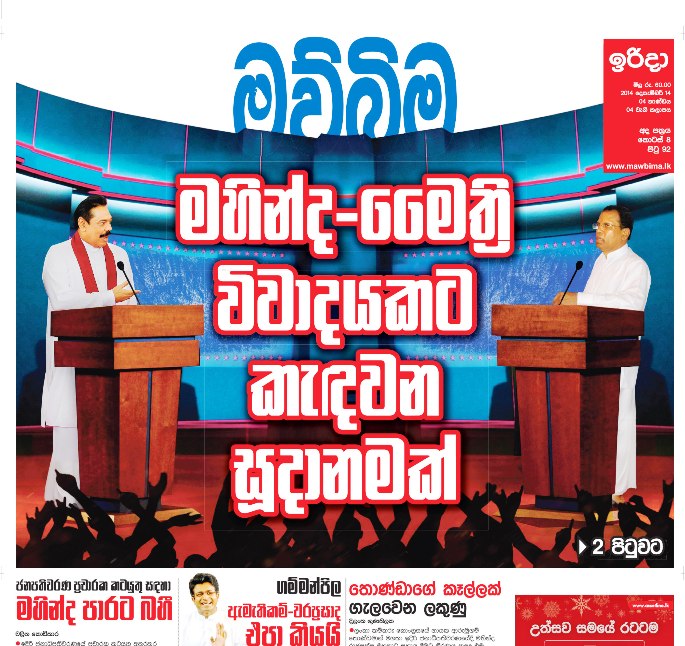
In this, I pay particular attention to the use of social media by political parties as well as independent citizens and civil society groups. I also discuss the missed opportunity of holding a televised live debate between the two main candidates – to which opposition’s common candidate Maithripala Sirisena agreed, but was declined by incumbent president Mahinda Rajapaksa.
See also my recent other columns on elections, digital democracy and social media:
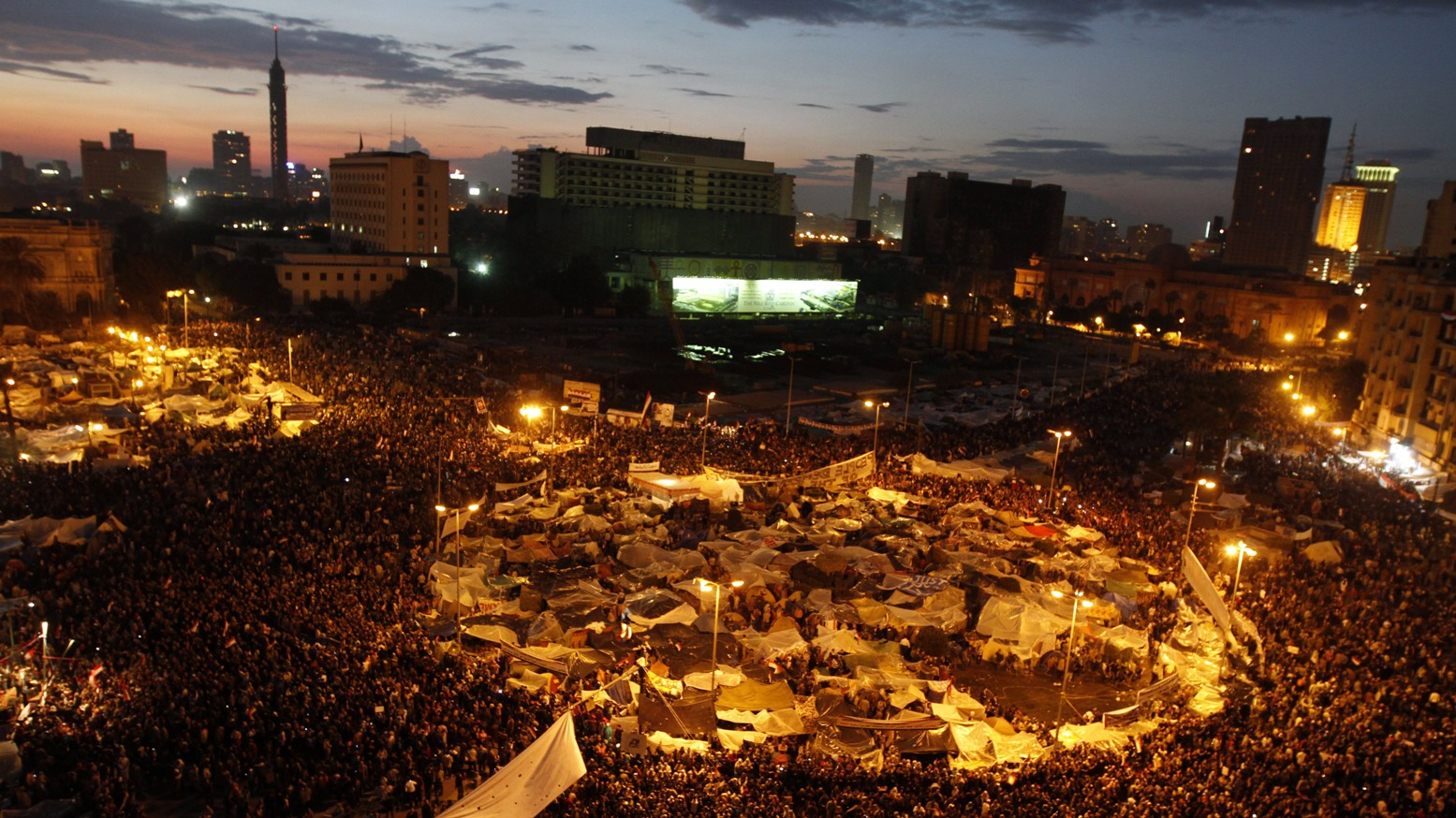
Anti-government demonstrators crowd Cairo’s Tahrir Square in February 2011
In this week’s Ravaya column (in Sinhala), published in the issue dated 4 January 2015, I pose a topical question: are there necessary and sufficient conditions for a spontaneous people’s uprising in Sri Lanka similar to what happened in the collective phenomenon known as the Arab Spring?
I address this because both the ruling party and opposition politicians in Sri Lanka have been loosely referring to Arab Spring during their current campaigns running up to the Presidential Election scheduled for 8 January 2015.
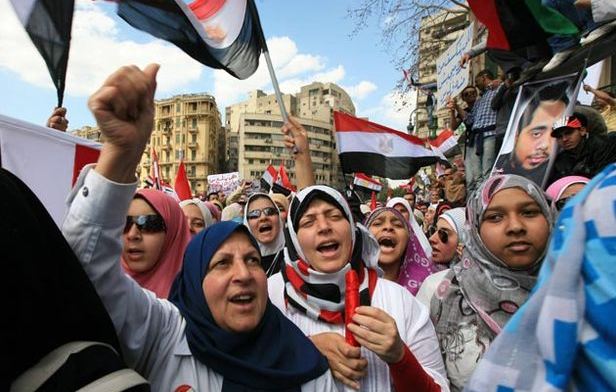
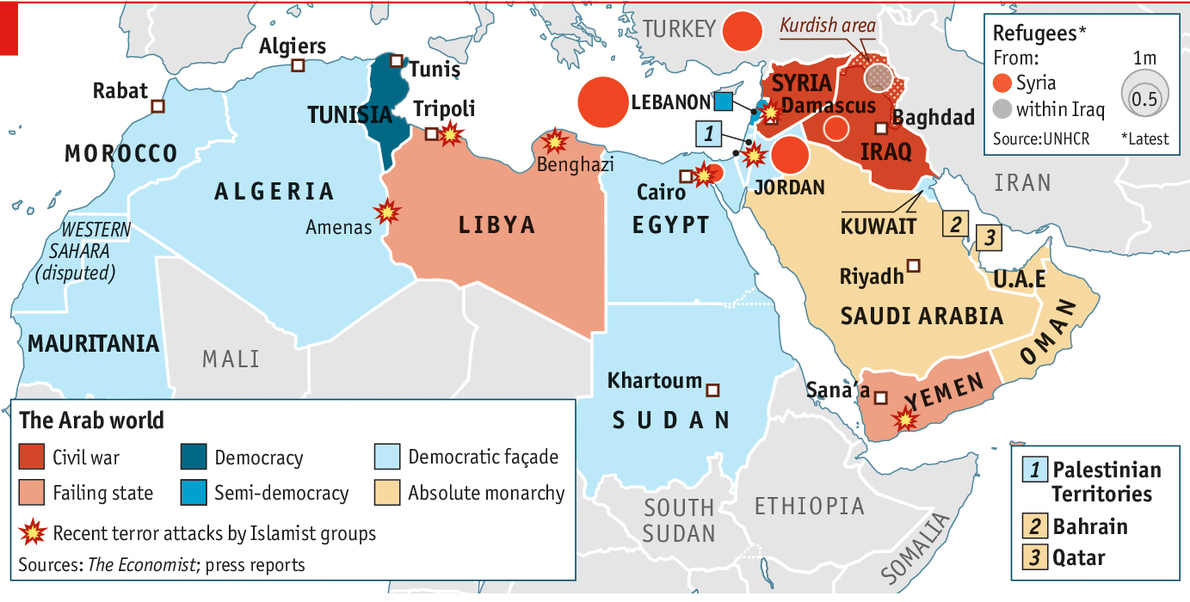
In this column, I briefly chronicle what happened in the Middle East and North Africa during 2010-11, and then explore the many factors that triggered or sustained the complex series of events. I discern three key factors: demographics (especially a low median age with large youthful populations); democracy deficit; and proliferation of information and communications technologies ranging from easy access to trans-boundary satellite television broadcasts, mobile phones and Internet.
I argue that while Sri Lanka of today has achieved the ICT factor in good measure, the other two factors fall short. With a median age of 31 years (in 2012), ours is no longer a youthful population and the demographic impetus for uprisings has passed. And while there are serious concerns about governance, the country’s democratic deficit is only partially present.
Thus, it is very unlikely that an Arab Spring style uprising could happen in Sri Lanka. So both the ruling coalition and opposition parties relax — and should let go of this much-hyped prospect.
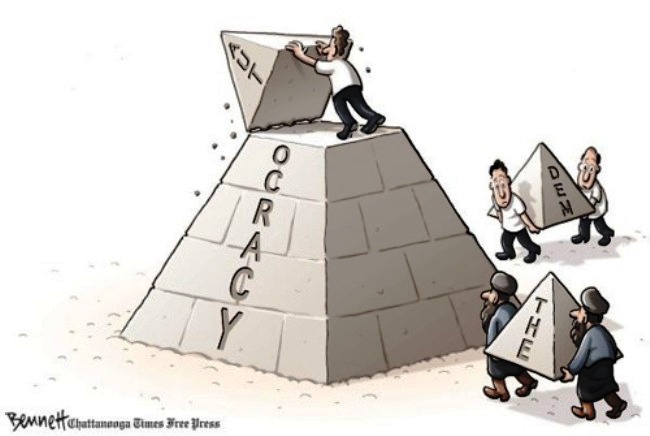
Replace autocracy with democracy or theocracy? Changing the top isn’t that easy! Cartoon by Clay Bennett on 1 February 2011. Cartoon courtesy timesfreepress.com
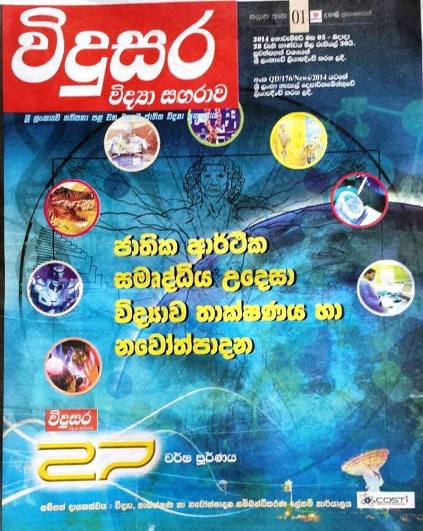
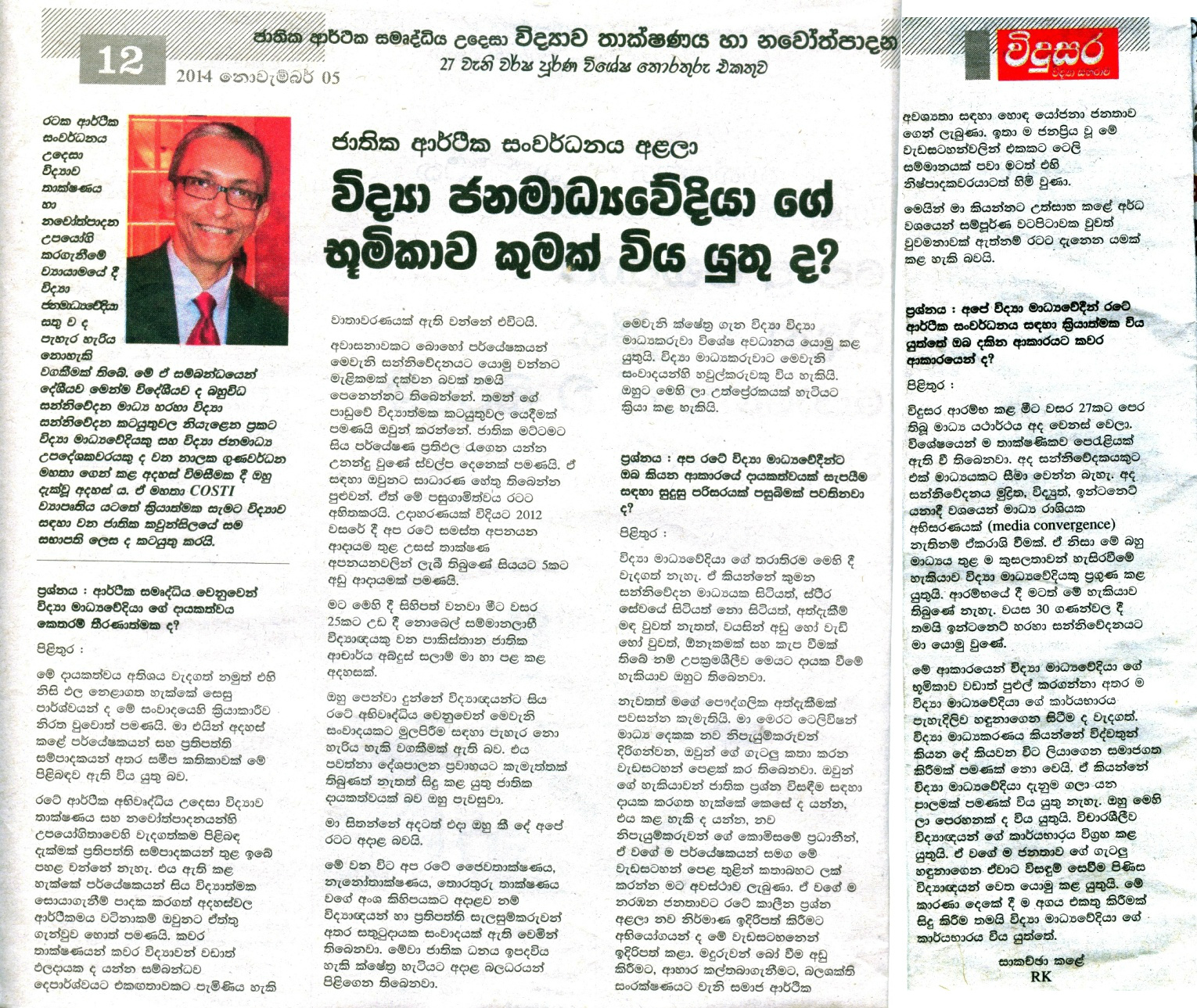
Vidusara, Sri Lanka’s only science and technology weekly magazine, has interviewed me in their issue dated 5 November 2014, which marks their 27th anniversary. They talked to me about the role of science journalists and other science communications in promoting science and technology for national economic development.
Here’s my Q&A with the newspaper’s editor, Rajendra Kulasinghe:
Although it has been discussed for centuries, there is no universally accepted definition of basic human needs. During the 1970s, basic needs emerged as a key topic in development debates. Various studies – catalysed by UN agencies and the Club of Rome – tried to define it.
In 1976, the International Labour Organization (ILO) prepared a report that identified basic needs as food, clothing, housing, education and public transportation. It partially drew on ILO’s country reports on Columbia, Kenya and Sri Lanka. Since then, different development agencies have adopted variations of the original ILO list. National planners have used the concept to benchmark economic growth.
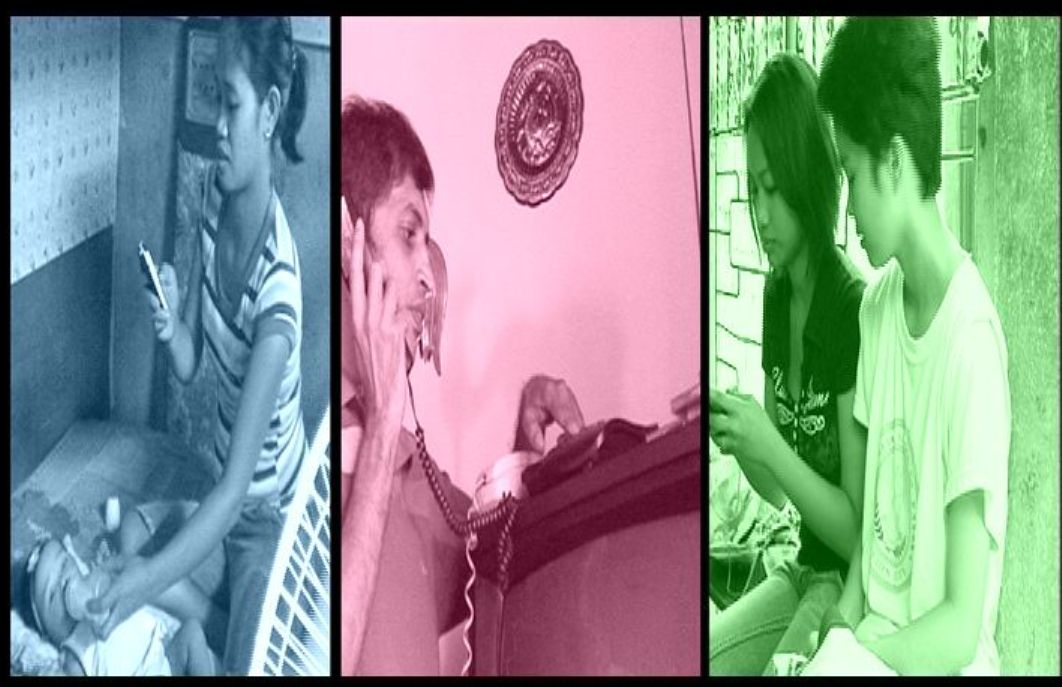
The ground reality has changed drastically since those heady days. In view of the rapid evolution of information society, communication should be considered a basic human need. This is the basic thrust in my latest Ravaya column (in Sinhala).
See also my related writing on revisiting basic needs:





 Open Minds!