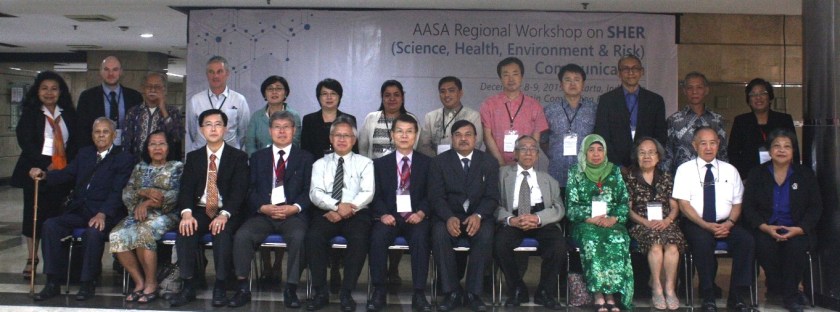
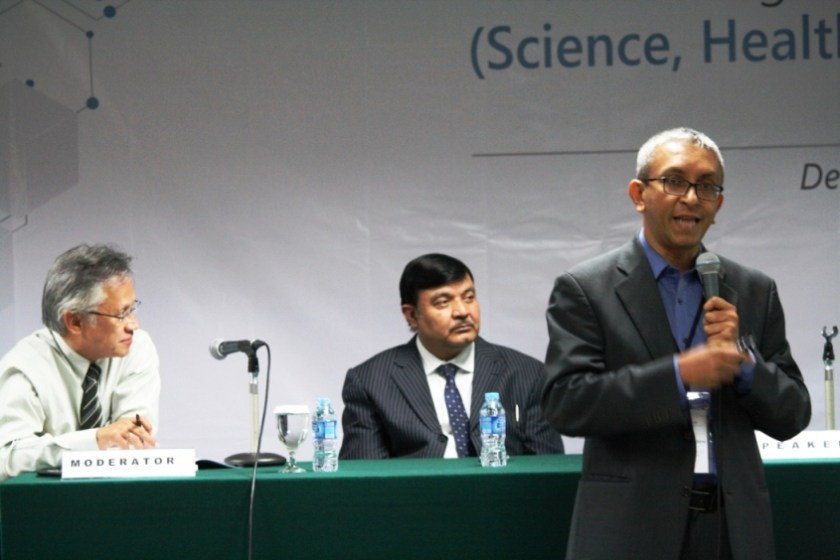
Participants of SHER (Science, Health, Environment & Risk) Communication – Role of S&T Communication in Disaster Management and Community Preparedness held in Jakarta, Indonesia, on 8-9 Dec 2015
It was organised by the Association of Academies and Societies of Sciences in Asia (AASSA) in collaboration with the Indonesian Academy of Sciences (AIPI), Korean Academy of Science and Technology (KAST) and the Agency for Assessment and Application of Technology (BPPT) in Indonesia.
The workshop brought together around 25 participants, most of them scientists researching or engaged in publication communication of science, technology and health related topics. I was one of two journalists in that gathering, having been nominated by the National Academy of Sciences of Sri Lanka (NAASL).
I drew on over 25 years of journalistic and science communication experience, during which time I have worked with disaster managers and researchers, and also co-edited a book, Communicating Disasters: An Asian Regional Handbook (2007).
Nalaka Gunawardene speaking at Science, Health, Environment & Risk Communication Asian regional workshop held in Jakarta, Indonesia, 8-9 Dec 2015
The challenge in disaster early warnings is to make the best possible decisions quickly using imperfect information. With lives and livelihoods at stake, there is much pressure to get it right. But one can’t be timely and perfectly accurate at the same time.
We have come a long way since the devastating Boxing Day tsunami of December 2004 caught Indian Ocean countries by surprise. Many of the over 230,000 people killed that day could have been saved by timely coastal evacuations.
The good news is that advances in science and communications technology, greater international cooperation, and revamped national systems have vastly improved tsunami early warnings during the past decade. However, some critical gaps and challenges remain.
The Indian Ocean Tsunami Warning and Mitigation System (IOTWS) was set up in 2005 under UNESCO’s Intergovernmental Oceanographic Commission. Over USD 400 million has been invested in state of the art equipment for rapid detection and assessment. However, the system’s overall effectiveness is limited by poor local infrastructure and lack of preparedness. Some countries also lack efficient decision-making for issuing national level warnings based on regionally provided rapid assessments.
Warnings must reach communities at risk early enough for action. False warnings can cause major economic losses and reduce compliance with future evacuation orders. Only governments can balance these factors. It is important that there be clearer protocols within governments to consider the best available information and make the necessary decisions quickly.
Now, the proliferation of information and communication technologies (ICTs) is making this delicate balance even more difficult. To remain effective in the always-connected and chattering Global Village, disaster managers have to rethink their engagement strategies.
Controlled release of information is no longer an option for governments. In the age of 24/7 news channels and social media, many people will learn of breaking disasters independently of official sources. Some social media users will also express their views instantly – and not always accurately.
How can this multiplicity of information sources and peddlers be harnessed in the best public interest? What are the policy options for governments, and responsibilities for technical experts? How to nurture public trust, the ‘lubricant’ that helps move the wheels of law and order – as well as public safety – in the right direction?
As a case study, I looked at what happened on 11 April 2012, when an 8.6-magnitude quake occurred beneath the ocean floor southwest of Banda Aceh, Indonesia. Several Asian countries issued quick warnings and some also ordered coastal evacuations. For example, Thai authorities shut down the Phuket International Airport, while Chennai port in southern India was closed for a few hours. In Sri Lanka, panic and chaos ensued.
In the end, the quake did not generate a tsunami (not all such quakes do) – but it highlighted weaknesses in the covering the ‘last mile’ in disseminating early warnings clearly and efficiently.
Speakers on ‘ICT Applications for Disaster Prevention and Treatment’ in Jakarta, Indonesia, 8-9 Dec 2015
I concluded: Unless governments communicate in a timely and authoritative manner during crises, that vacuum will be filled by multiple voices. Some of these may be speculative, or mischievously false, causing confusion and panic.
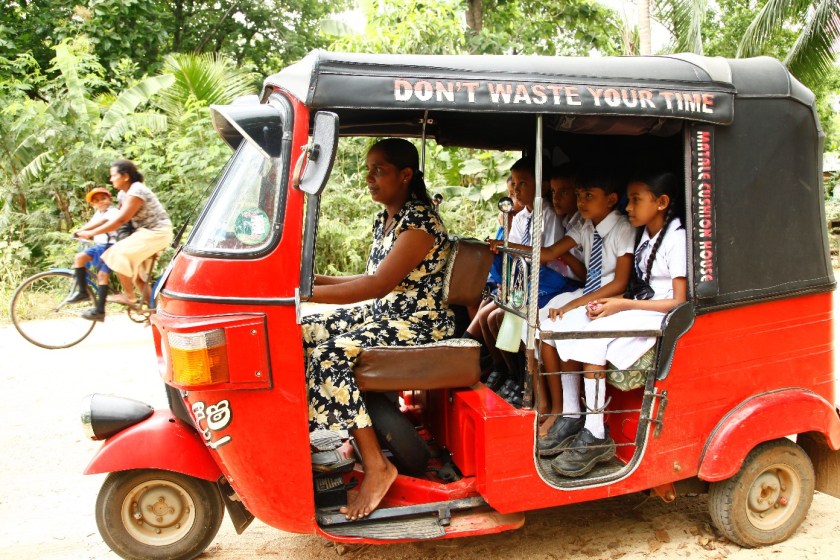
There are at least three post-1977 introductions that have transformed our society across all social and economic levels. They are: trishaws or three wheelers (came in 1978); broadcast television (started small in 1979 and went nationwide in 1982) and mobile telephony (1989).
According to government statistics, a total of 929,495 trishaws (officially called ‘motor tricycles’) were registered in Sri Lanka by end 2014. That makes it the second most common type of motorized transport (there were 2,988,612 motor cycles by end 2014). In comparison, there were 97,279 buses and 566,874 motor cars.
With 2015 additions to this fleet, we can say that one million trishaws are running on our roads. They have become the leading provider of informal public transport (IPT) services, carrying passengers as well as goods (sometimes well in excess of intended capacity).
An entirely a market driven phenomenon without any state subsidies, they are the lifeline of income to a very large number of families in Sri Lanka.
In in this week’s Ravaya column (appearing in issue of 6 Dec 2015), I look at the social, economic and cultural impacts of this vehicle in the Lankan context.
I ask: Can better regulation streamline the industry and improve the drivers’ social status?
Versatile three-wheelers or trishaws have become pervasive in Sri Lanka. Photo taken in Polonnaruwa by Anomaa Rajakaruna, in 2011
Findings of the survey by Yapa Mahinda Bandara of Moratuwa University based on sample of 342 three wheeler drivers in Western Province, Sri Lanka, 2015
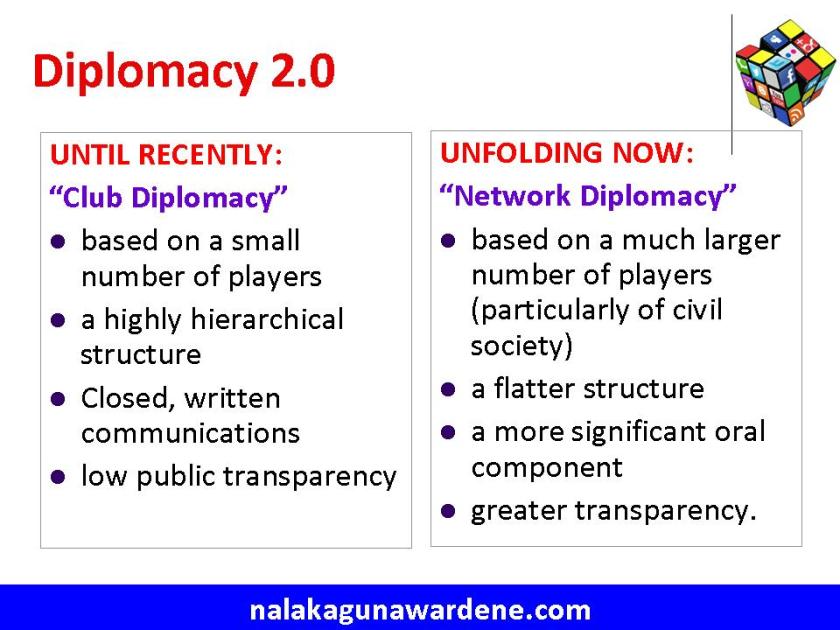
“The key to successful foreign policy in today’s world is networked diplomacy. Managing international crises requires mobilizing international networks of public and private actors,” says Anne-Marie Slaughter, an international lawyer and political scientist who is a former Princeton academic and ex-Director of Policy Planning at the US State Department under U.S. Secretary of StateHillary Clinton.
Diplomacy then…and now
The nature of this ‘networked diplomacy’ is still being documented and studied. Some governments are not even convinced of its value, but meanwhile, others are encouraging it perhaps as a way of ‘exploiting the inevitable’.
I am neither diplomat nor scholar, but sometimes dabble as a writer and researcher on how new media – including social media – impact our society, economy and governance. So I welcomed an opportunity to engage a group of mid-career professionals on the topic Diplomacy & Foreign Relations in the Social Media Age.
I made this presentation on 14 November 2015 as part of the Certificate Course in Creative Diplomacy, conducted by the Regional Centre for Strategic Studies (RCSS) in Colombo, Sri Lanka – a think tank on international relations.
In this, I introduce and briefly explore the new kind of real-time, public diplomacy that is being ushered in with the spreading of social media. I show how diplomats and other government officials can no longer ignore this mass medium, but at the same time their traditional ways of communications need to be reoriented to suit the realities of this new information ecosystem that is informal, irreverent and fleeting.
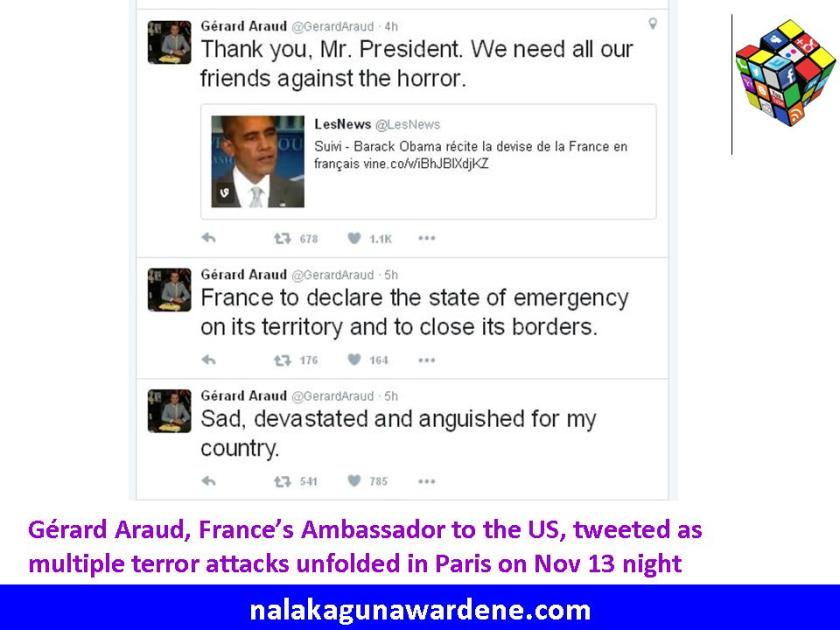
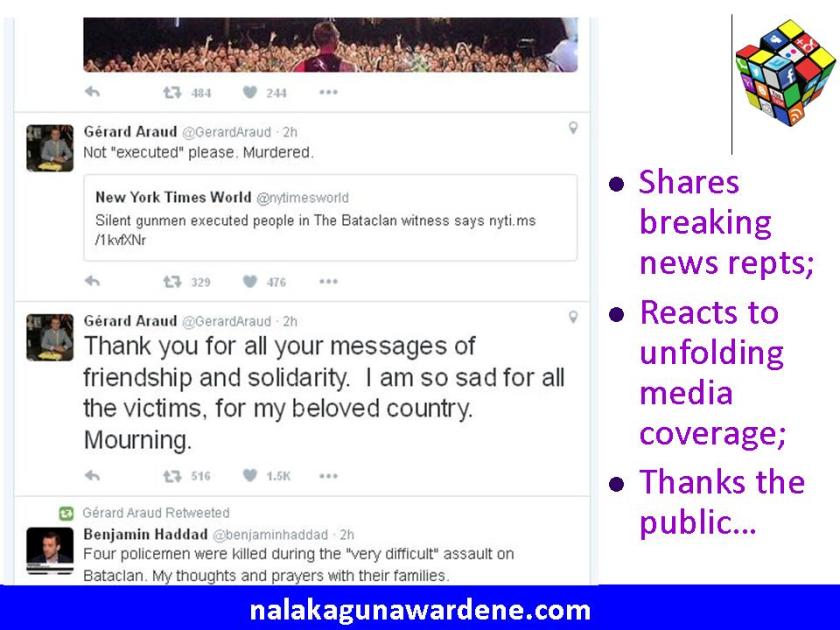
As I spoke on the day after the ISIS terrorist attacks in France, I used (among others) the latest examples of how Gérard Araud, France’s Ambassador to the US, tweeted live as multiple terror attacks unfolded in Paris on Nov 13 night.
Real time tweeting by French Ambassador to the US while Paris attack was underway on 13 Nov 2015…More tweets from Ambassador Gérard Araud on 13 Nov 2015…
To see the bigger picture, I’ve distilled some wisdom of key researchers in this area including: Anne-Marie Slaughter, former Princeton Academic and ex-Director of Policy Planning, US State Department; Philip Seib, Professor of Journalism and Public Diplomacy, University of Southern California; and Ramesh Thakur, Professor, Crawford School of Public Policy, Australian National University (ANU).
I also used the case study of Indian Ministry of External Affairs using social media for crisis management when 18,000 Indian nationals were stranded in Libya in Feb – March 2011 who had to be evacuated urgently.
As Ramesh Thakur has written, it is “a useful case study in the utility of social media tools in connecting the government with people who are normally well outside their range, but who can be a useful channel to send out time-urgent critical information and to receive equally valuable information from sources on the ground.”
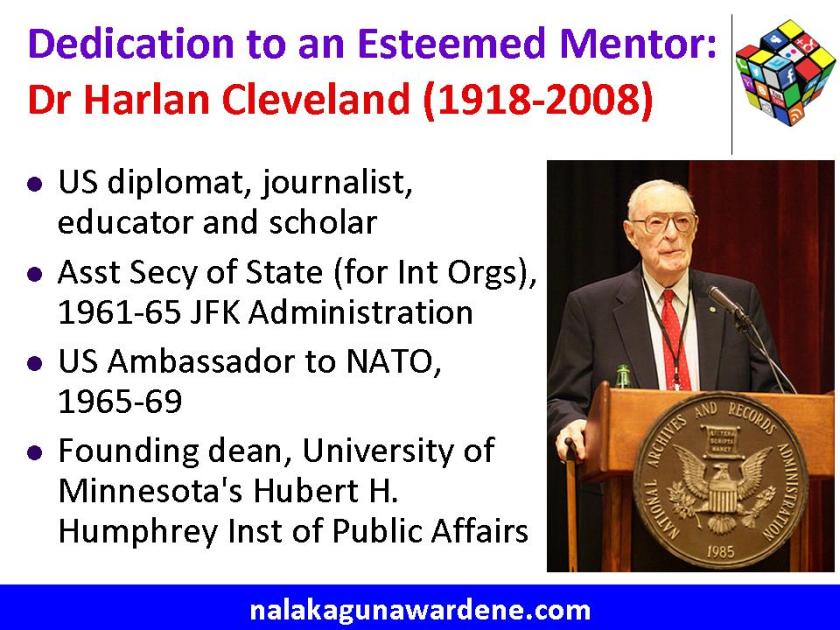
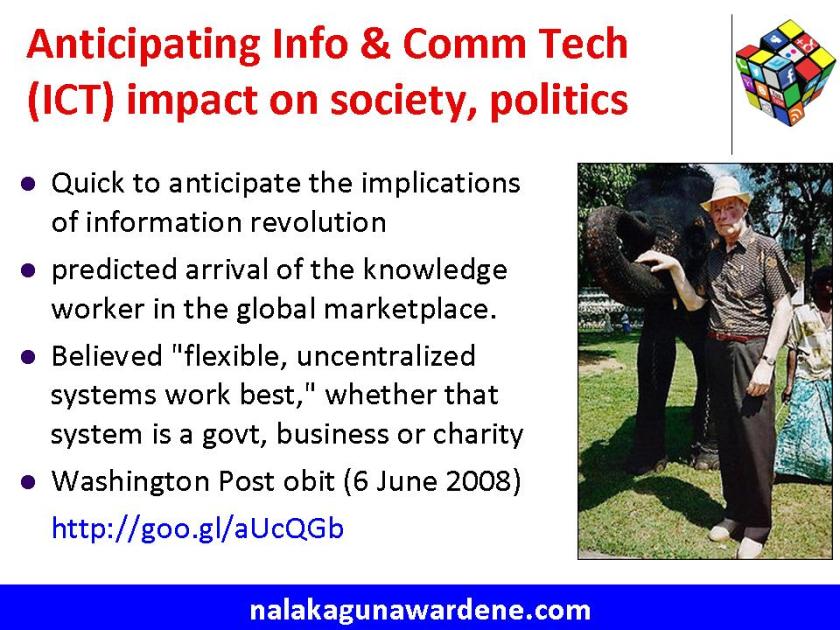
Dedication to a remarkable diplomat-scholar who spent a few days in the Summer of 1995 mentoring a group of youth leaders from around the world, including myself, who were brought to the UN Headquarters in New York…
I dedicated this presentation to a diplomat and scholar whose mentoring I was privileged to receive 20 years ago: Dr Harlan Cleveland (1918 – 2008) who served as US Ambassador to NATO, 1965–1969 (Johnson Administration), and earlier as US Assistant Secretary of State for International Organization Affairs, 1961–1965 (Kennedy Administration).
Harlan Cleveland, among the first ‘philosophers’ of the Information Age
According to RCSS, their Course in Creative Diplomacy “provides theoretical and practical insights into the various facets of Creative Diplomacy. The course will expand participants’ understanding of the concept of diplomacy and expose them to new skills and alternative perspectives to engage with stakeholders. It is further envisioned that this post-disciplinary approach, which will be followed by the course, will explore a whole host of new mediums through which mediation, cooperation and negotiation can be carried out.”
The level of urbanization is an indicator of a country’s economic development and the living standards of its people.
Some purists might disagree, but it is universally agreed that urban areas – cities and towns of various size and shape – offer better facilities and opportunities for their residents.
So how urbanized is Sri Lanka? Many among us keep repeating a notion that ‘we are predominantly rural’, but is it really so?
The 2012 Census of Population and Housing categorised only 18.2% of the Lankan population as being urban. However, that figure is highly misleading because we currently use a narrow definition.
Currently, only those living in Municipal Council (MC) or Urban Council (UC) areas are considered urban. However, some Pradeshiya Sabha areas (the next local government unit) are just as urbanised.
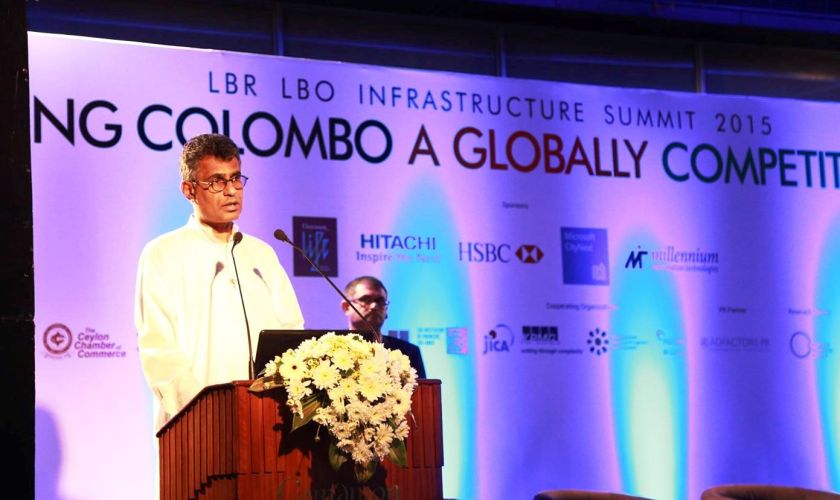
Minister of Megapolis and Western Development Champika Ranawaka speaks at LBO-LBR Infrastructure Summit 2015 (Image courtesy LBO)
At the recent LBR/LBO Infrastructure Summit 2015 held in Colombo in early November, Minister of Megapolis and Western Development Champika Ranawaka took on this myth head on. He argued that Sri Lanka’s urban population share is probably as high as 48% — which is two and a half times higher than the current figure.
He mentioned as examples Pradeshiya Sabha areas like Homagama, Beruwala and Weligama that are administratively classified as ‘rural’ despite having many urban characteristics.
His concern: misconceptions such as this distort the country’s policy decisions on infrastructure planning and urban development.
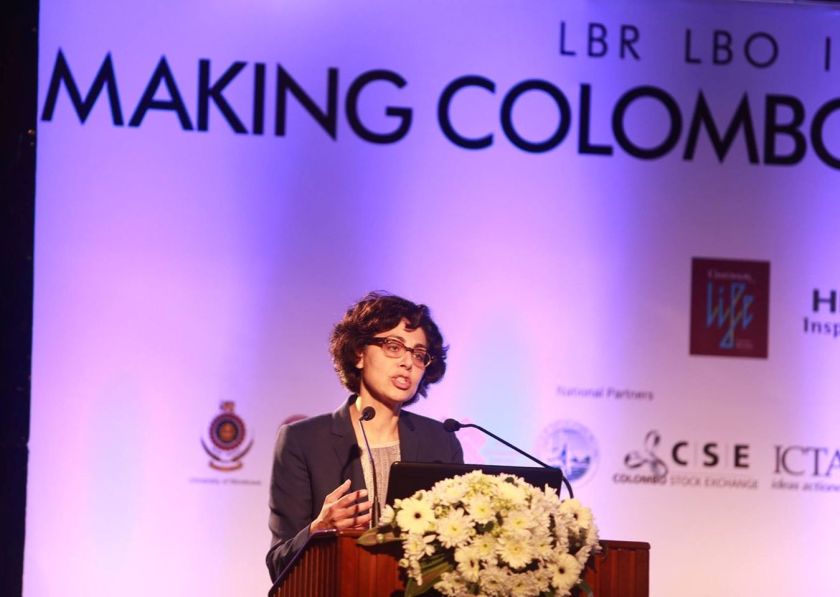
The World Bank’s global lead for urban development strategies, Sumila Gulyani, who spoke during the opening session, agreed with the Minister’s contention of nearly half of Sri Lanka’s population having already become urban.
The Bank’s own estimates are roughly the same, she said. “The official statistics of urban population in Sri Lanka is from 14% to 18% — but if you look at the agglomeration, it is (actually) around 47%”.
World Bank’s Sumila Gulyani speaks in Colombo, 3 Nov 2015. (Image courtesy LBO)
She added: “All South Asia countries under-state their urbanization level relative to, say, Latin America. In India it’s the same story. The reason has traditionally been that the rural areas got more national subsidy programmes — and no administration wanted to be called urban!”
Taking South Asia as a whole, 30% of its combined population now lives in cities. A massive rise in this urban share is expected in the coming decades. Sri Lanka cannot buck this trend.
Despite this, old myths linger on for years. The problem, as Gulyani highlighted, is in the mismatch of capabilities: “If the (local government) council that is managing an urban area is a rural council, you are not going to see the kind of planning and urban management you need to see for productive urban growth.”
Hidden Urbanization
Meanwhile, a new World Bank report on urban trends in South Asia reminds us that Sri Lanka’s share of the population officially classified as living in urban areas actually fell slightly between 2000 and 2010.
The report suggests that as much as one-third of Sri Lanka’s population may be living in areas that, while not officially classified as urban, “nevertheless possess strong urban characteristics”.
This report tries to overcome our region’s data deficiencies by drawing on some unconventional data sources — such as nighttime lights and other forms of remotely sensed earth observation data.
Analysis of night lights has also revealed a more general growth of multi-city agglomerations – continuously lit belts of urbanization containing two or more sizeable cities – across South Asia. Their number has risen from 37 in 1999 to 45 in 2010.
In Sri Lanka, the report says, such ‘ribbon development’ radiates out from Colombo along major transport arteries to link it with both Kandy and Galle/Matara, revealing a dynamic urbanization process.
A general conclusion of the report is that South Asian countries urgent need to increase higher quality and more comprehensive data on urban trends and conditions.
South Asia at night – composite satellite image taken in April & Oct 2012 (Image courtesy NASA)
Anomaly of 1987
In Sri Lanka, the low figure for urban population is the direct result of an administrative decision to count all Pradeshiya Sabha areas as being rural. This has long been critiqued by experts such as town planner Prof Ashley L S Perera of the University of Moratuwa.
When the new local government unit was created in 1987 for political expediency, their demarcations totally ignored the existing ground realities, he says. That has led to much confusion about ‘urban areas’ in Sri Lanka for the past quarter century.
Statisticians in Sri Lanka’s government are also well aware of this. Analysing the key findings of the 2012 head count, the Department of Census and Statistics says that the country’s urban percentage “would have been much higher if the definitional issues were resolved”.
In its Census of Population and Housing 2012: Key Findings, the Department notes: “Areas coming under all Municipal Councils (MC) and Urban Councils (UC) are currently considered as urban sector in Sri Lanka. Prior to 1987, Town Councils were also included in the definition of urban areas. With the setting up of Provincial Councils in 1987, these Town Councils were absorbed into Pradeshiya Sabhas which fall into the rural sector since then.”
After 1987, some towns lost their urban status and overnight became ‘officially rural’. The Department acknowledges that there are many areas outside MCs and UCs that “have urban outlook but still classified as rural”.
This leads to underestimation of the degree of urbanization and comparison becomes difficult over the years, it says.
The Department highlights the need to “introduce a realistic definition of urban areas taking into account of the characteristics of the population rather than based on pure administrative considerations.”
It says that Sri Lanka’s urban percentage “would have been much higher if the definitional issues were resolved”.
At the time of the 2012 Census, Sri Lanka had a total of 23 MCs and 41 UCs. According to the Census findings, the country’s eight largest cities – Colombo, Kaduwela, Dehiwala-Mount Lavinia, Moratuwa, Negombo, Kotte, Kesbewa and Maharagama – made up nearly half (48%) of what is officially considered the ‘urban’ population. All these are located in the Western Province.
The balance 56 urban areas include 26 small cities with population below 25,000. “This shows the uneven distribution of the urbanization” says the Department.
The Census found that in the Colombo district, three out of four people (77.6%) already live in urban areas. Batticaloa (28.7%), Ampara (23.6%), Trincomalee (22.4%) districts in Eastern province and Mannar (24.5%), Vavuniya (20.2%), Jaffna (20.1%) districts in Northern province all have urbanization levels higher than the current national average of 18.2%.
Misleading the world
Adopting a more pragmatic and realistic definition of ‘urban’ is thus a policy priority for Sri Lanka. That can help better planning of our rapidly urbanising human habitats.
Such a move can, hopefully, also awaken those Lankans who insist about their ‘very rural island’ contrary to what the evidence suggests.
It would also stop international organisations and researchers from mistakenly labelling Sri Lanka as a country with only a small urban population.
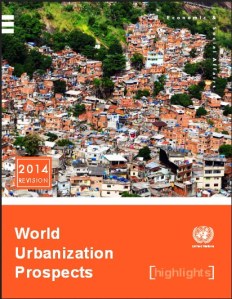
For example, World Urbanization Prospects 2014, a global overview published by the UN Department of Economic and Social Affairs, has listed Sri Lanka as one of 16 countries worldwide that “still have low levels of urbanization, i.e. below 20 per cent”. (As an inter-governmental body, the UN goes by national governmental data.)
The largest (by population) among these ‘low urbanized countries’, were listed as Burundi, Ethiopia, Malawi, Niger, South Sudan, Uganda, Nepal and Sri Lanka. “By 2050, all of these countries are expected to become significantly more urbanized, with as much as twice their respective proportions urban in 2014,” the UN report noted.
However, as minister Ranawaka just publicly declared, that doubling has already happened in Sri Lanka! Now if only official data custodians can change definitions, we can finally move away from the illusion of being a rural country…
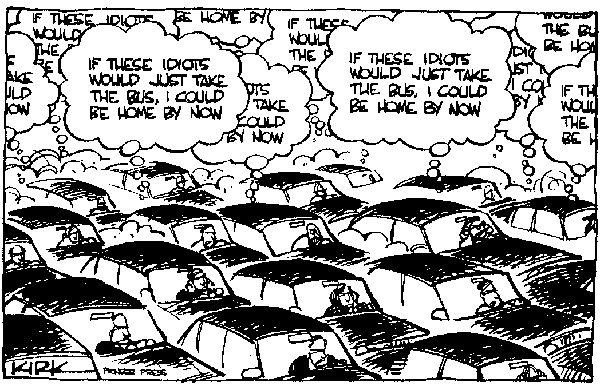
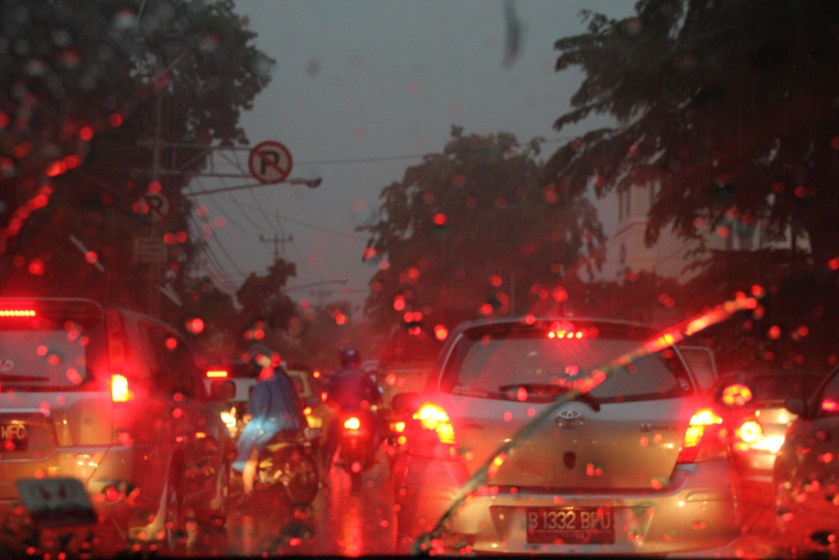
City design, transport planning, air quality and public health may fall under the purview of different government agencies. But in our chaotic cities, these factors come together to create urban nightmares. Solutions also require an integrated approach.
Can we awaken from this sleep-walking before it’s too late?
This is the question I pose – and try to answer — in this week’s Ravaya column, (appearing in issue of 1 Nov 2015).
I quote the transport specialist Professor Amal Kumarage of the University of Moratuwa as saying that the national average speed is already down to 26 km per hour. Within the Colombo district, the average speed is 22 km per hour. The national average speed is projected to drop to 19 km per hour, while the Colombo district figure would drop to 15 km per hour, by 2031.
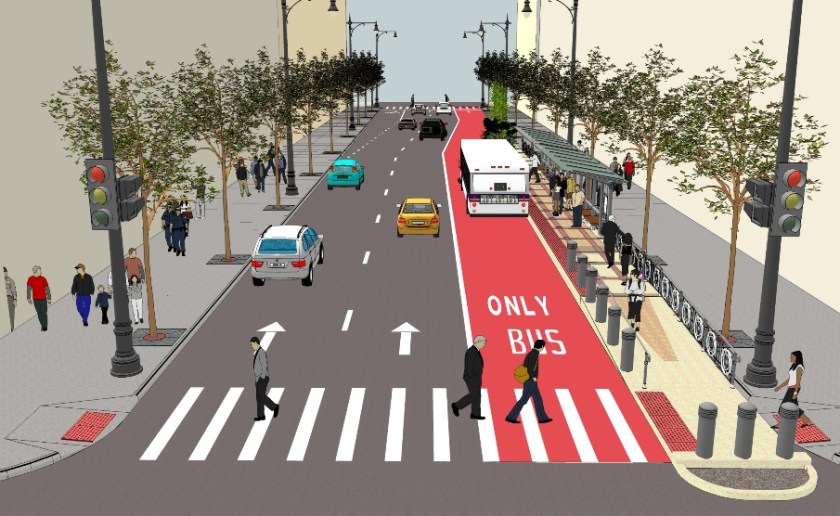
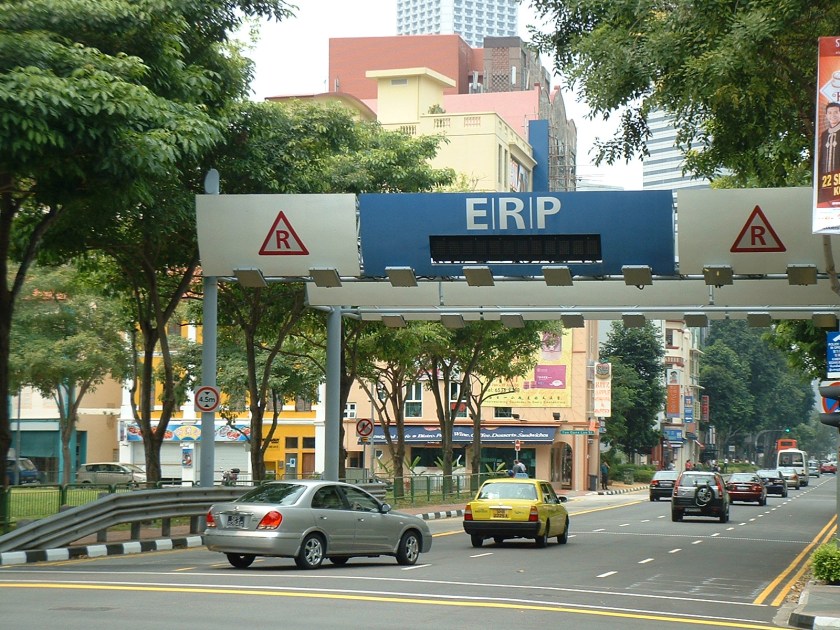
What are the smart solutions? I highlight the greater emphasis and investment needed in mass transit systems. In particular, I mention solutions such as dedicated bus lanes, bus rapid transit arrangements, congestion charges, and other demand side management options.
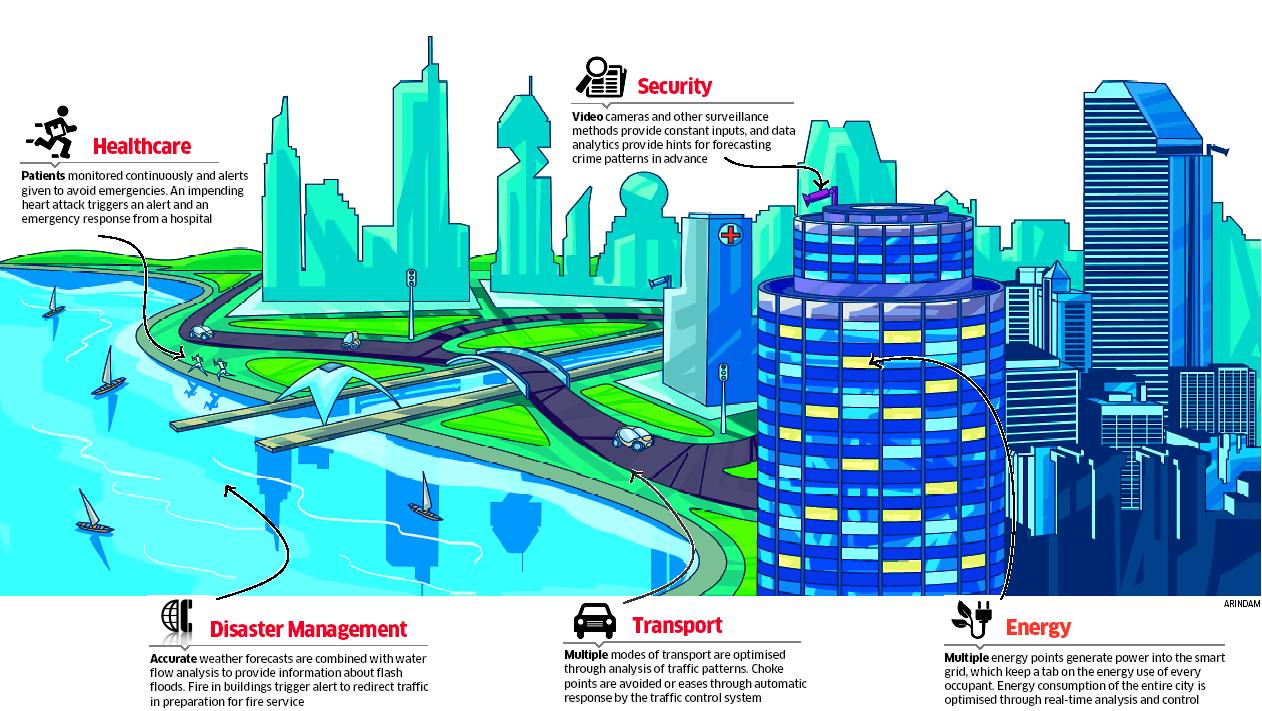
The term ‘smart city’ refers to urban systems, and not to the smartness of residents. In fact, there is no universal definition of smart cities: it can mean smart utilities, smart housing, smart mobility or smart design.
Smart cities use information and communications technologies (ICTs) as their principal infrastructure. These become the basis for improving the quality and performance of urban services, reducing costs and resource consumption, and for engaging citizens more effectively.
ICTs – ranging from automatic sensors to data centres — would create ‘feedback loops’ within the complex city systems. If processed properly, this flow of data in real time can vastly improve the design of “hard” physical environment and the provision of “soft” services to citizens.
In this week’s Ravaya column, (in Sinhala, appearing in issue of 4 Oct 2015), I explore the concept of smart cities, which the new government of Sri Lanka wants to develop.
It is a formidable task. India in 2014 announced an ambitious programme to create 100 smart cities. Under this, state capitals, as well as many tourist and heritage cities are to receive funding for upgrading their infrastructure. But Prime Minister Modi and his technocrats have been struggling since then to explain just what they mean by smart cities.
I argue that smart cities need empowered people and engaged city administrators. I have argued in earlier in this column, concrete and steel do not a city make. Likewise, ICT enabled smart infrastructure alone will not create smart cities – unless the human factor is well integrated.
More hands make better democracy – but it can also lead to chaos, unless we’re careful…
Regular elections are a necessary but not a sufficient condition for a vibrant democracy. There is much more to democracy than holding free and fair elections.
The ‘sufficient conditions’ include having public institutions that allow citizens the chance to participate in political process on an on-going basis; a guarantee that all people are equal before the law (independent and apolitical judiciary); respect for cultural, ethnic and religious diversity; and freedom of opinion without fearing any repercussions. Sri Lanka has much work to do on all these fronts.
Democracy itself, as practised for centuries, can do with some ‘upgrading’ to catch up with modern information societies.
In this week’s Ravaya column, (in Sinhala, appearing in issue of 23 August 2015), I discuss methodologies that enable citizens as well as civil society organisations (CSOs) to engage with policymakers and citizen service providers on an on-going basis.
Some call it social accountability (or SAcc), and others refer to it as participatory democracy. Whatever the label, the idea is to ensure greater accountability in how the public sector manages public funds and responds to citizens’ needs.
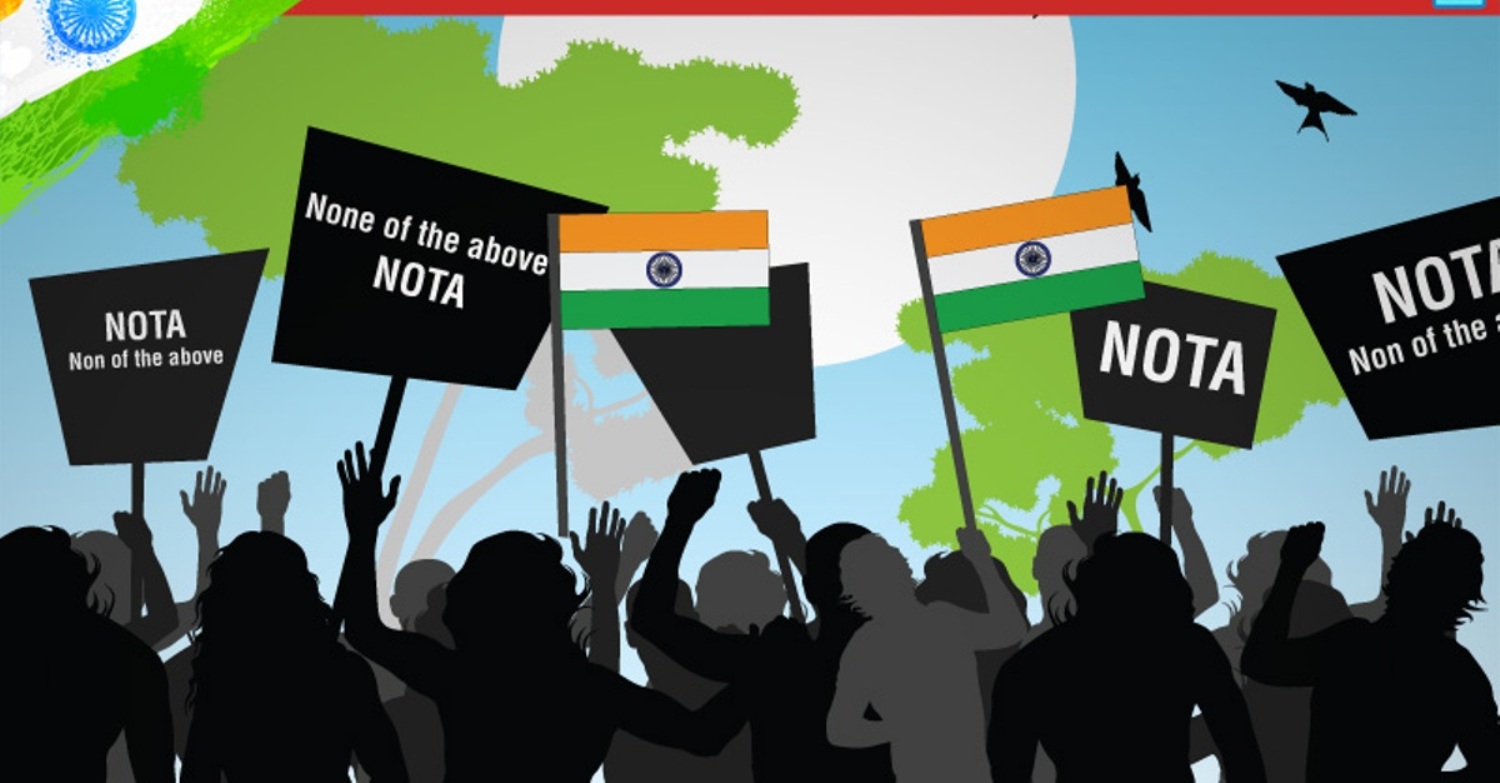
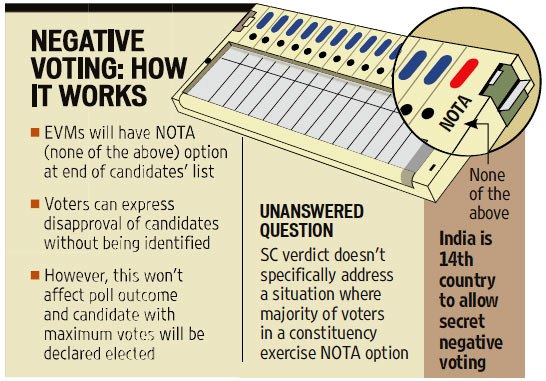
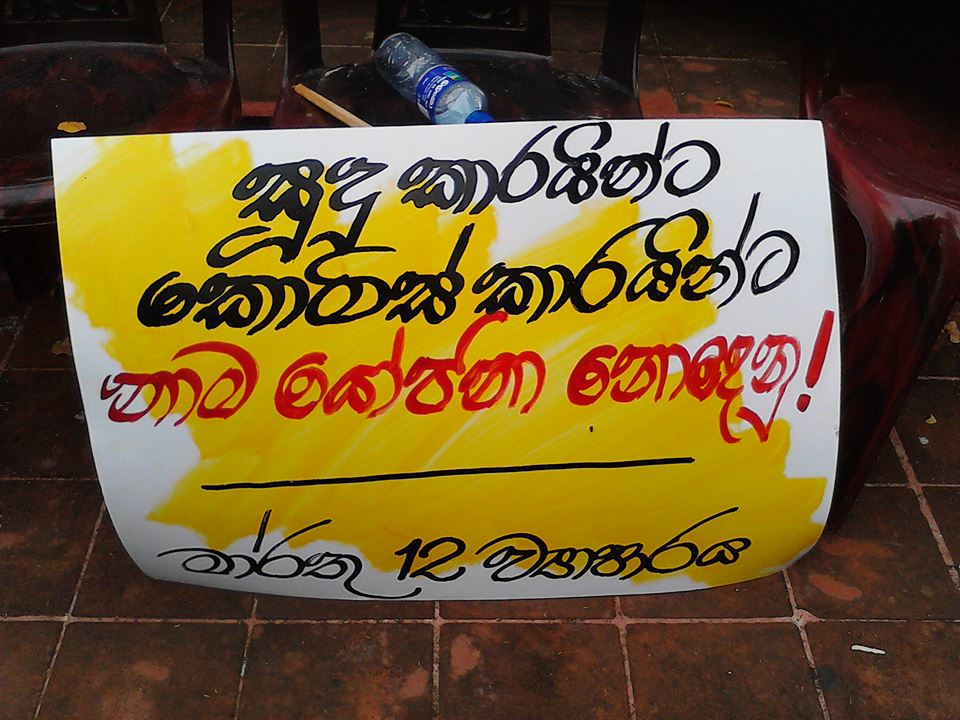
Indian campaign for “None of the Above” (NOTA) option at elections
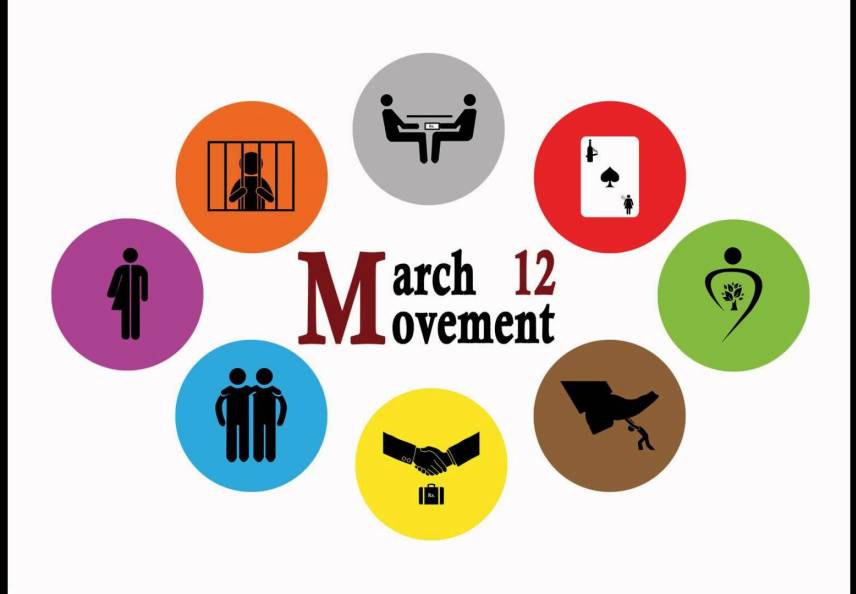
In this week’s Ravaya column, (in Sinhala, appearing in issue of 9 August 2015), I discuss two concepts that could make representative democracy more meaningful.
First is adding the option of None of the Above (NOTA) to the list of candidates in an election, so voters can exercise a negative vote – and send a powerful message to political parties and personalities about the quality of politicians society prefers.
In this week’s Ravaya column, (in Sinhala, appearing in issue of 26 July 2015), I review how Lankan politicians and political parties are using social media in the run-up to the general election to be held on 17 August 2015.
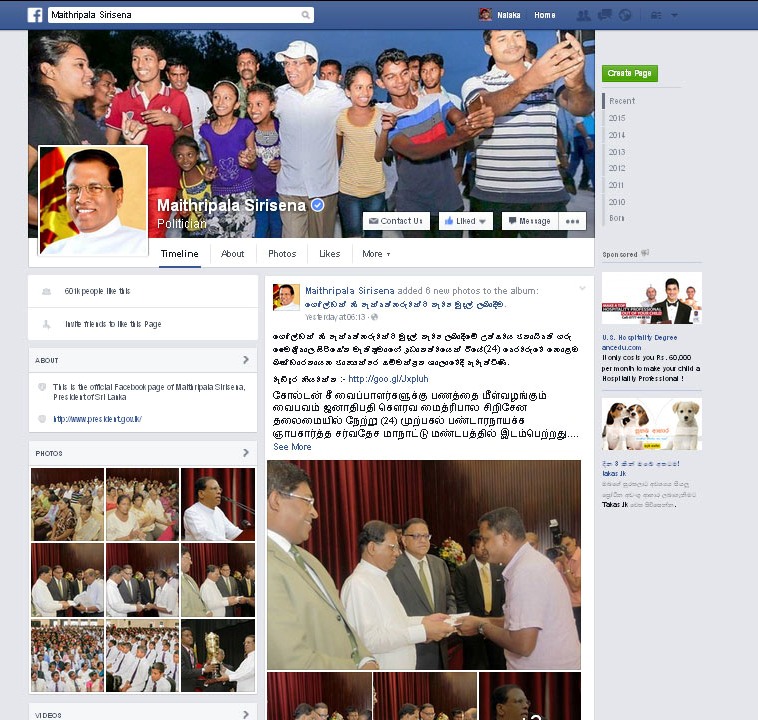
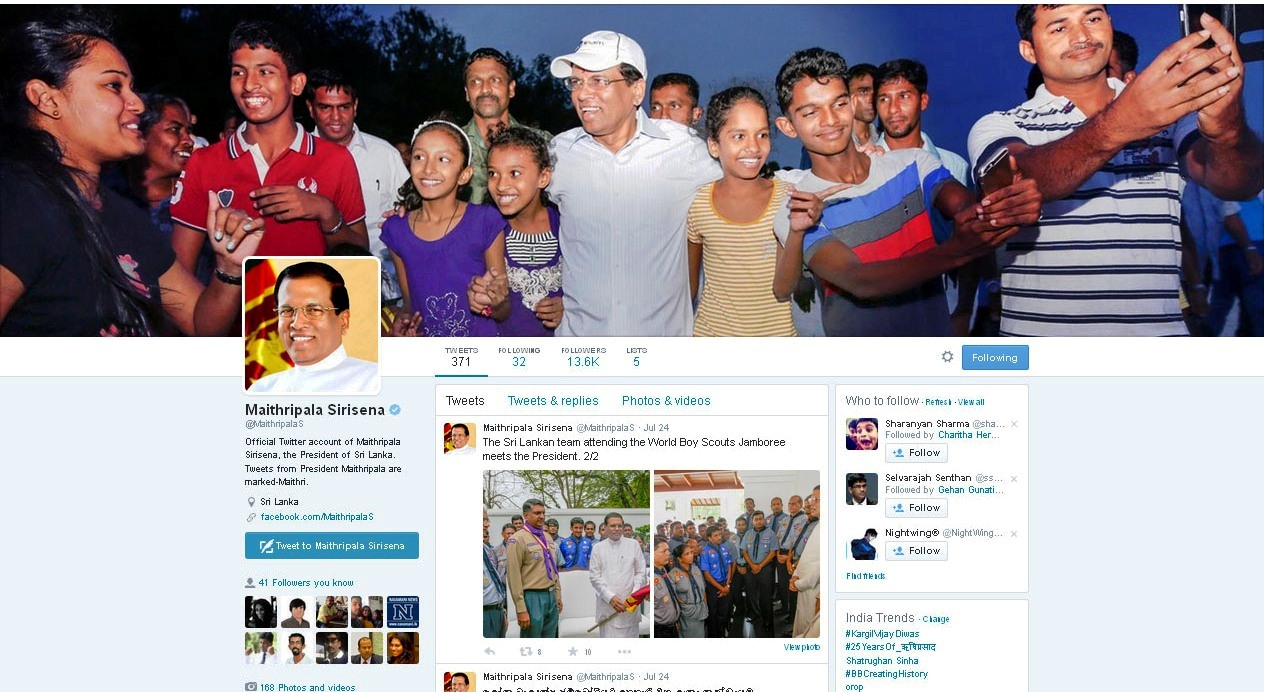
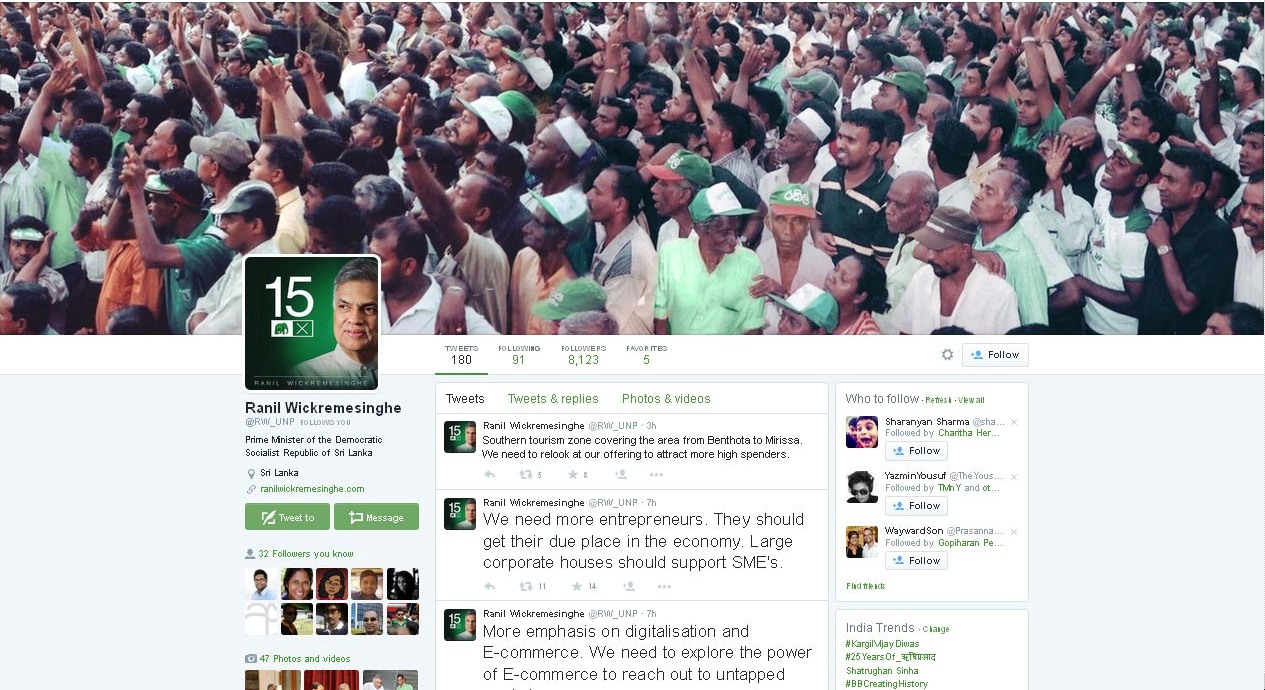
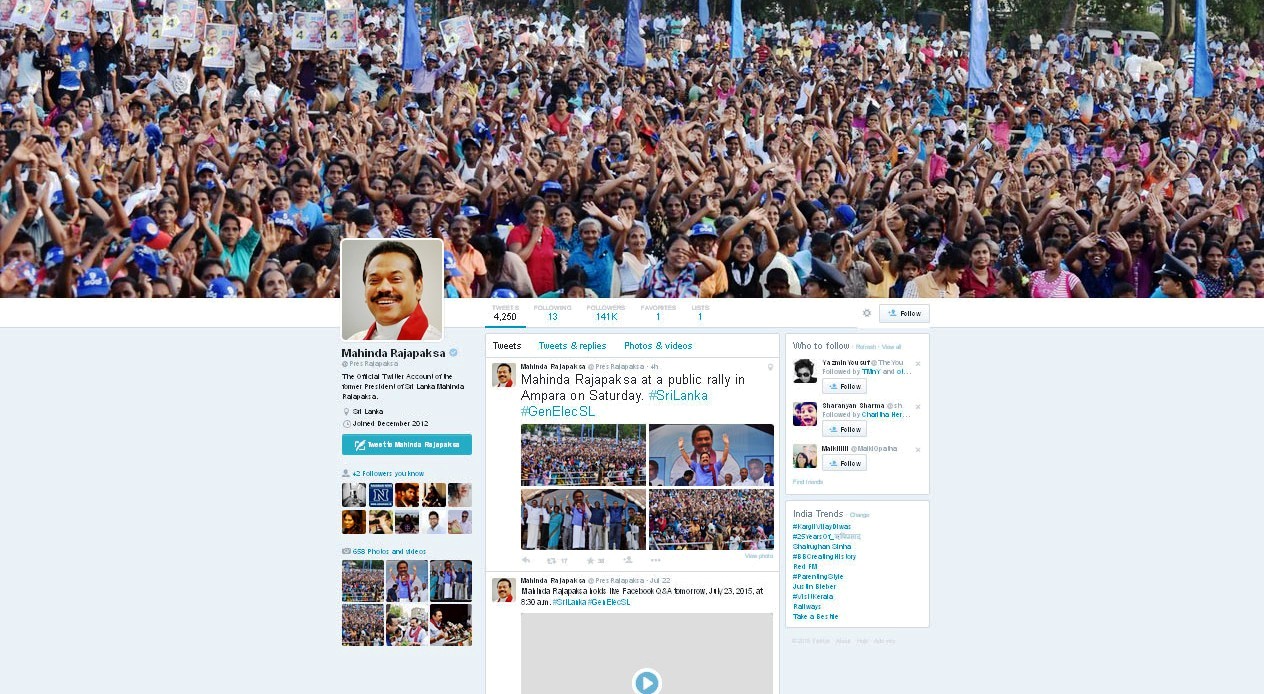
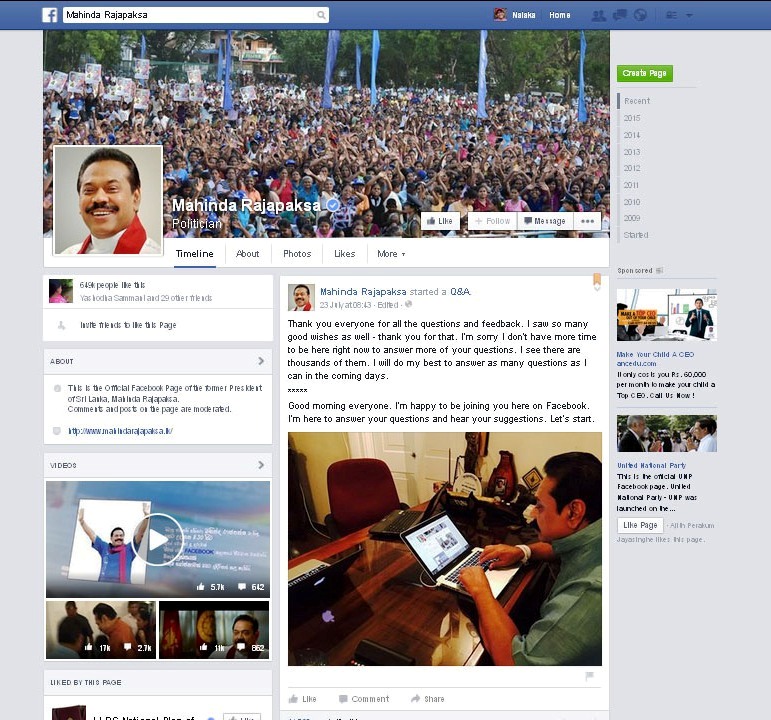
In particular, I look at how President Maithripala Sirisena and Prime Minister Ranil Wickremesinghe are using Facebook and Twitter (mostly to ‘broadcast’ their news and images, and hardly ever to engage citizens). I also remark on two other politicians who have shown initiative in social media use, i.e. former President Mahinda Rajapaksa and JHU leader Champika Ranawaka (both of who have held live Q&As on social media with varying degrees of engagement).
I raise questions like these: Can political parties afford to not engage 25% of Lankan population now regularly using the web? When would election campaigners – rooted in the legacy media’s practice of controlling and fine-tuning messages – come to terms with the unpredictable and sometimes unruly nature of social media?
While politicians, their campaigners and parties struggle to find their niches on social media, politically conscious citizens need to up their game too. Cyber literacy has been slower to spread than mere internet connectivity in Sri Lanka, and we need enlightened and innovative use of social media in the public interest. Every citizen, activist and advocacy group can play a part.
Can social media communications influence voting patterns?
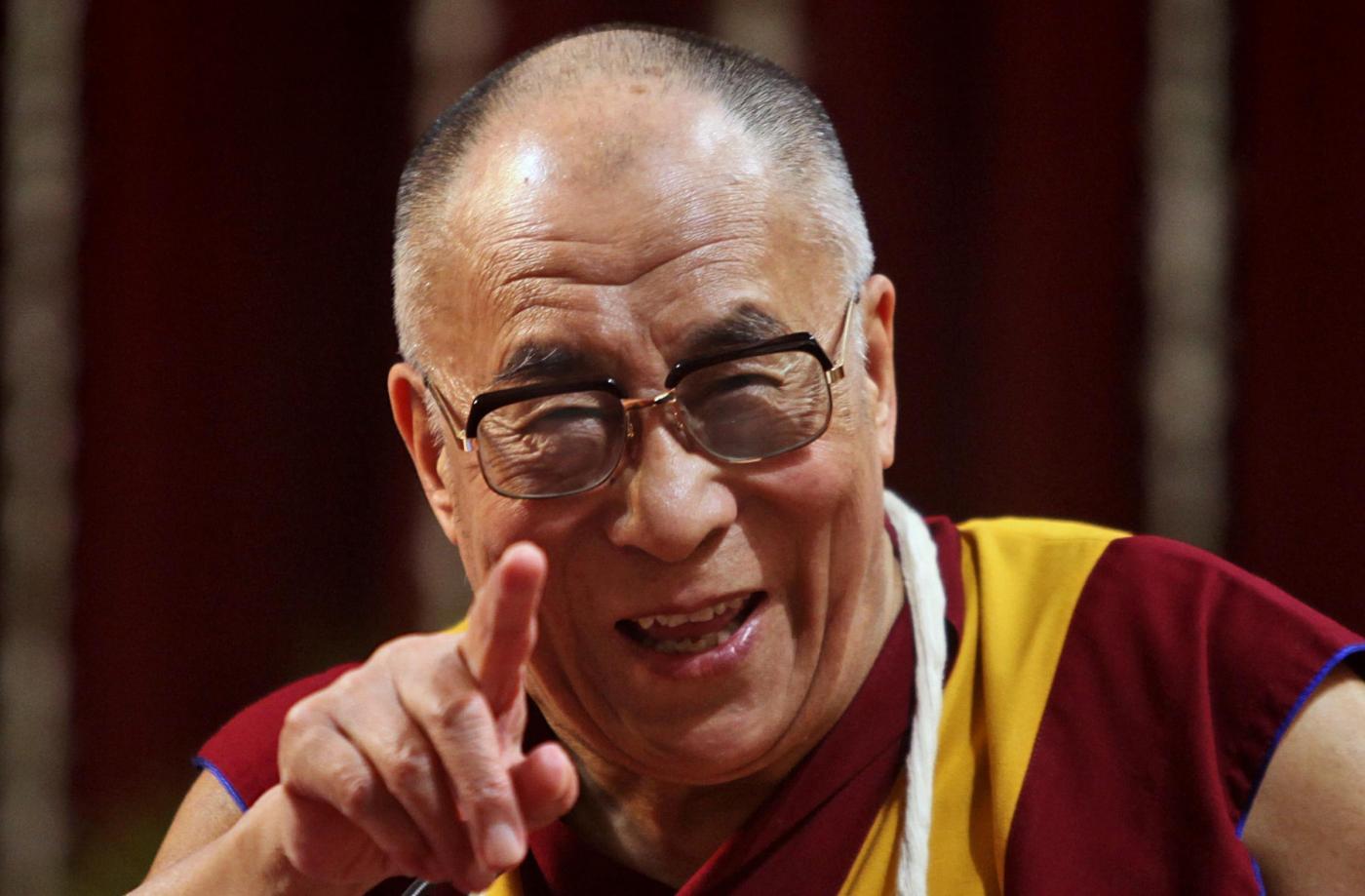
In this Feb. 18, 2011 photo, Tibetan spiritual leader the Dalai Lama gestures as he addresses the Mumbai University students in Mumbai, India. (AP Photo/Rafiq Maqbool)
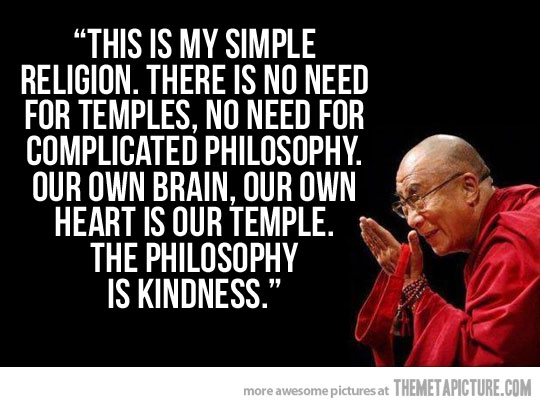
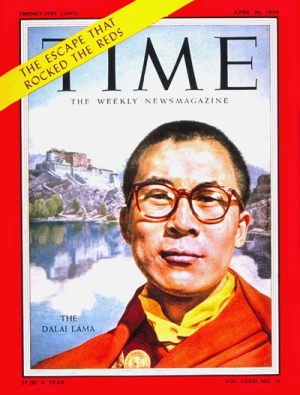
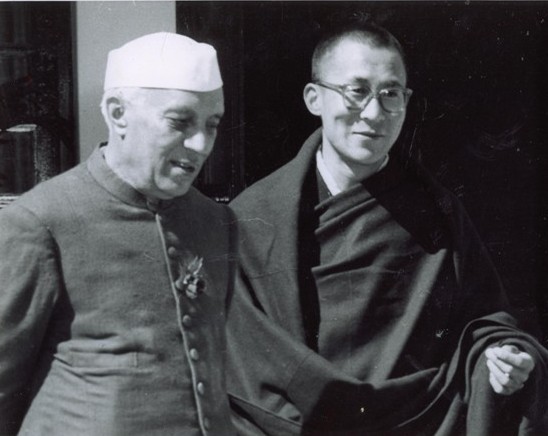
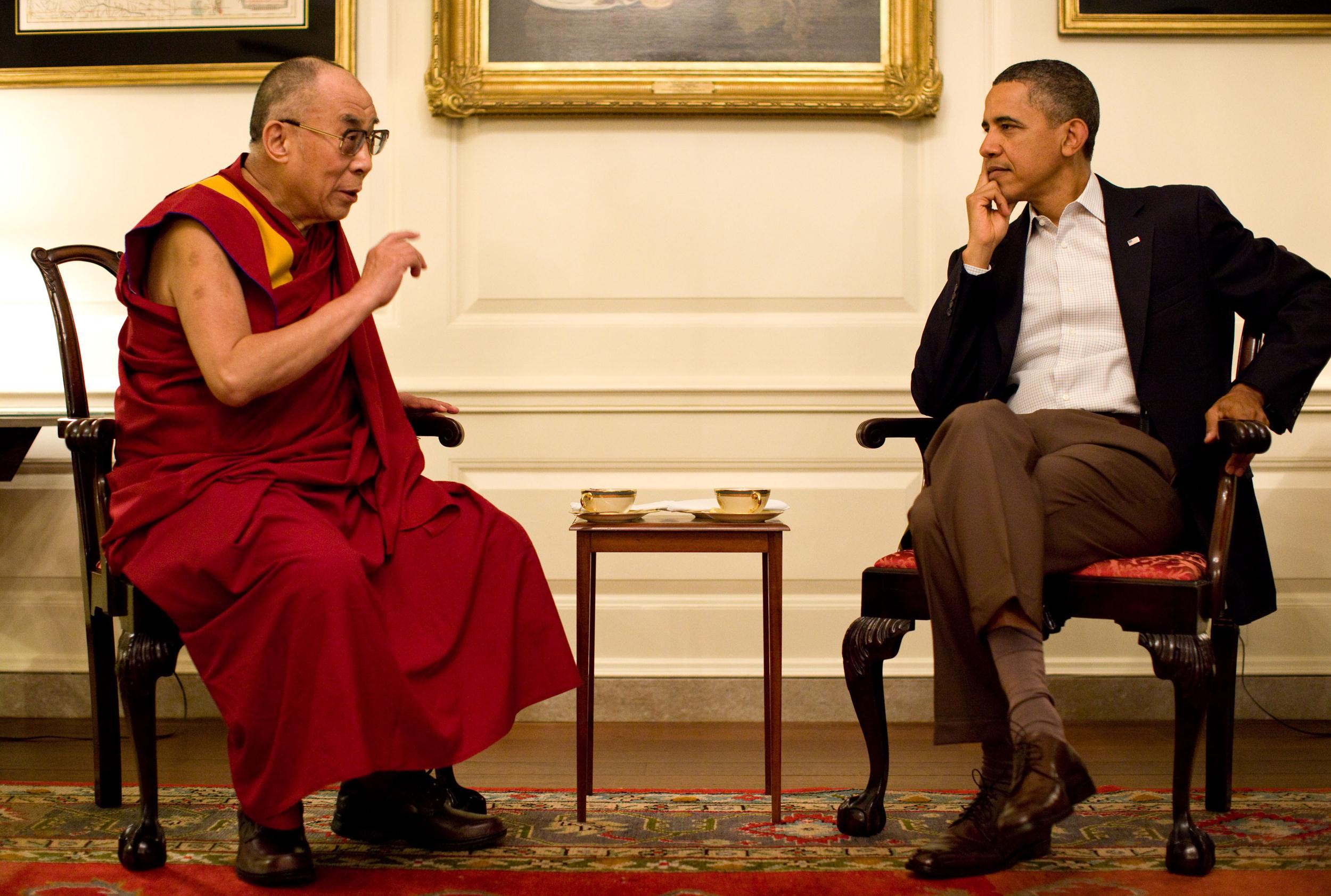
In this week’s Ravaya column, (in Sinhala, appearing in issue of 19 July 2015), I salute the Dalai Lama who turned 80 on July 6. One of the world’s best known and admired public figures, the Tibetan Buddhist spiritual leader has earned the respect of many non-Buddhists because of his wisdom, tolerance and pragmatism.
Why are Lankan governments so beholden to China? Why isn’t this Buddhist leader allowed to visit the island when three Popes have visited during the past half century? Questions that citizens of Lanka must keep posing to their government…
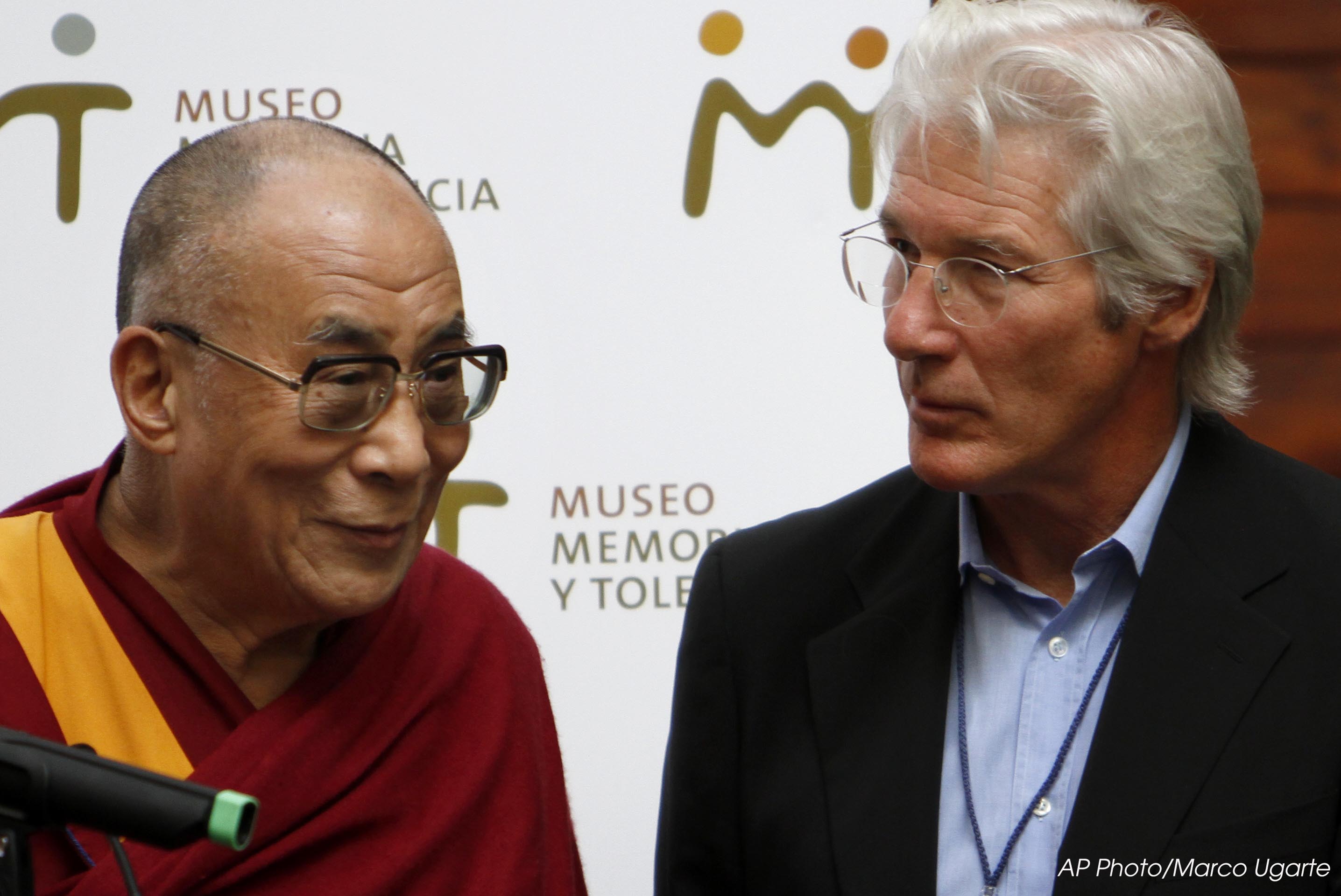
Tibet’s spiritual leader the Dalai Lama and actor Richard Gere hold hands during the inauguration of the exhibit; Tibet, Memories of a Lost Motherland at the Museum of Memory and Tolerance in Mexico City, Saturday Sept. 10, 2011. On Sunday the Dalai Lama and Gere, a Buddhist, will host a public event titled, Finding Happiness in Difficult Times at the Cruz Azul stadium in which 30,000 people are expected to attend. This is the spiritual leader’s third visit to Mexico. (AP Photo/Marco Ugarte)


 Meanwhile, a new World Bank report on urban trends in South Asia reminds us that Sri Lanka’s share of the population officially classified as living in urban areas actually fell slightly between 2000 and 2010.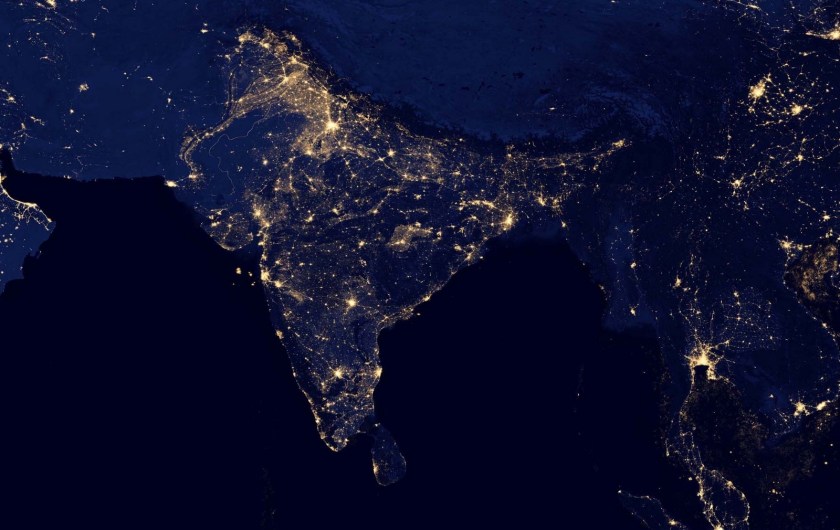
 For example,