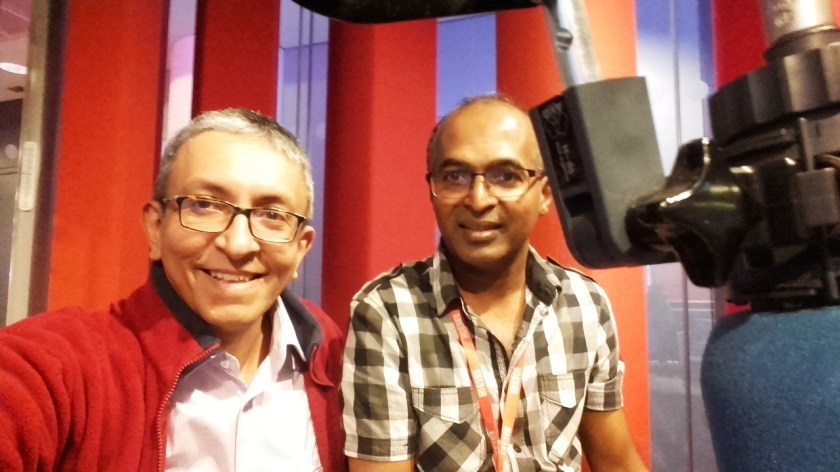
I was interviewed by BBC Sinhala in London on 21 June 2016, on the eve of Sri Lanka’s Parliament passing the long-waited Right to Information law. In this interview with BBC’s Saroj Pathirana, I look at the journey so far (it took over 2o years to get this law adopted) and challenges than remain.
Chief among the challenges from now on: reorienting all state structures to be open and info-sharing rather than closed and secretive (default mode until now); raising public awareness on the provisions and benefits of RTI law (including debunking of myths and misconceptions); and learning to be a more information-literate society as a whole.
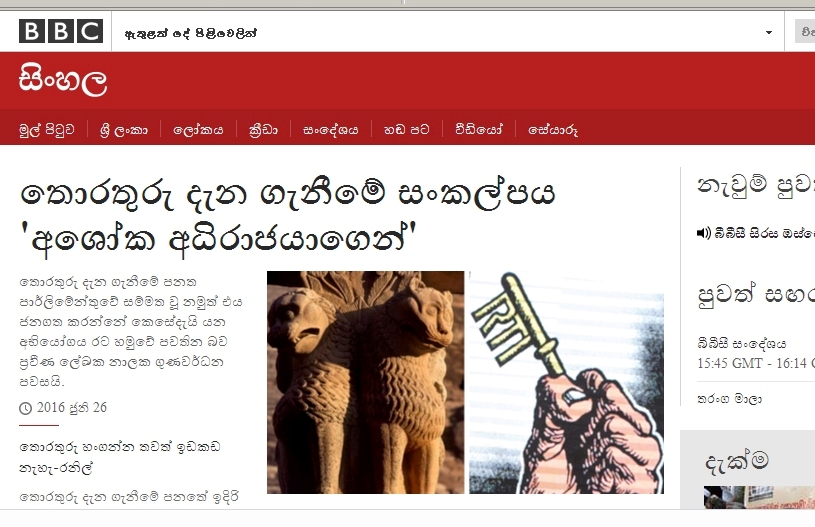
BBC Sinhala home page on 27 June 2016, featuring Nalaka Gunawardene interview on Right to Information in Sri Lanka
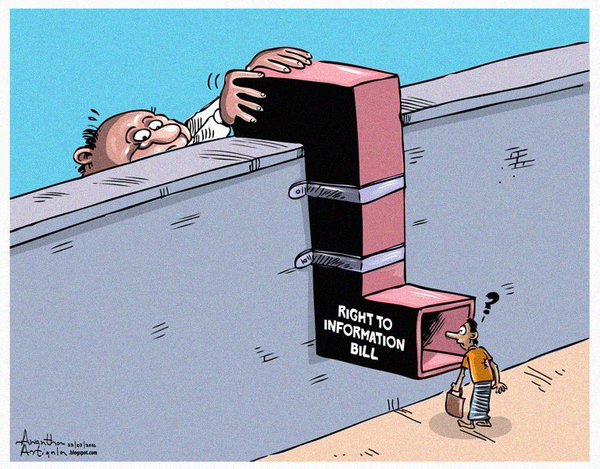
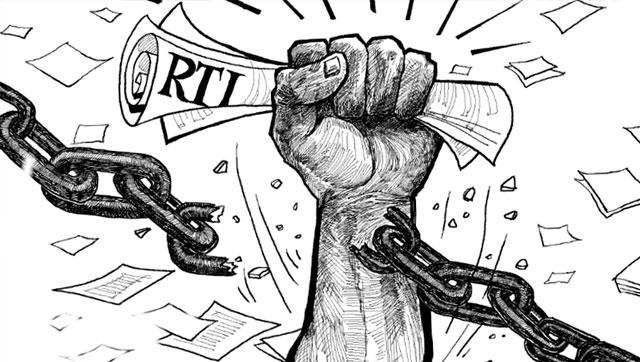
Cartoon by Awantha Artigala, Daily Mirror newspaper Sri Lanka
Right to Information: A New Journey Begins Now!
By Nalaka Gunawardene
On 24 June 2016, Sri Lanka’s Parliament unanimously adopted the Right to Information (RTI) law.
This marks the culmination of over two decades of advocacy by civil society groups and journalists. It also fulfills a key promise of the yahapalana government.
Passing the law has been no easy task, as it went through a year of drafting, judicial review by Supreme Court, and considerable political scrutiny. The government and other political parties in Parliament – who rarely agree on anything – came together to pass the law without a vote.
However, our challenges are far from over. Now begins the daunting task of implementing the new law. RTI calls for a complete reorientation of government in how it handles information and promotes openness. This is unfamiliar ground.
As one skeptical citizen, Harindra Dassanayake (@HarindraBD) said on Twitter within hours of the law passing: “Lanka as many good laws, with hopeless or zero impact. Hope RTI [would] be different. It’s time to act and not celebrate.”
Indeed, there is much to do. The law’s adoption is only a fresh start. Proper implementation requires political will, administrative support and sufficient public funds.
We would also need on-going monitoring by civil society groups and the media to guard against the whole process becoming mired in too much red tape.
Late comers, quick learners?
With the new law, Sri Lanka becomes the 108th country in the world to have introduced RTI laws, also known as freedom of information laws.
That leaves only Bhutan in South Asia without a national RTI law, according to Venkatesh Nayak, Programme Coordinator with the Commonwealth Human Rights Initiative (CHRI) in New Delhi.
Nayak, a noted RTI expert and activist, says that countries without RTI laws are becoming a smaller and smaller minority on the planet.
He adds: “But for the long drawn ethnic conflict, Sri Lanka would have been the second country in South Asia to enact a national RTI law if efforts made in 2003-4 had reached fruition.”
In the event, Sri Lanka took the belated first step in April 2015, when the 19th Amendment to the Constitution made the right to information a fundamental right. The RTI Act puts in place the administrative arrangement to enable citizens can exercise that right.
Sri Lanka is certainly a late comer to the global RTI community, but we can exploit this to our advantage. Our neighbours and others countries have so much experience in this respect that can help us in implementation.
For example, RTI has emerged such a powerful tool in the hands of Indian citizens since the national law came into effect in 2005. So much so that it is now become a verb (as in “We will RTI this information” when confronted with a problem).
Across India, young schoolchildren and grandmothers with no formal education are using RTI requests to solve local level problems – from overdue scholarship payments to restoring suspended rural bus services.
Meanwhile in Bangladesh, which adopted its RTI law in 2009, citizens and NGOs are creatively using public information to combat poverty and counter corruption.
RTI has transformed Indian society within a decade
RTI needs imagination
What transformative impacts can the RTI law have on Lankan society, politics and governance? The answer is in everybody’s hands.
Unlike most other laws, RTI is one for citizens to seize and use. That, in turn, requires a commitment to the public interest, plus plenty of imagination and tenacity.
When the new Act comes into effect six months from now, any citizen of any age should be able to seek and receive information held with a public authority at central, provincial or local levels.
The law covers all organs of the State – Parliament, Executive (President and Cabinet) and the Judiciary. This includes the police and public sector corporations, local government bodies, as well as private entities carrying out public functions or providing public services under contract or license from local authorities (to the extent such work is concerned).
To be sure, the law has some exemptions when the right of access to information may be denied on legitimate grounds such as protecting the privacy of individuals, safeguarding national security and preventing the premature release of vital economic data (e.g. exchange rates, regulation of banking and taxation). These are common to RTI laws the world over.
Some are not happy with the extent of exemptions. But in my view, we should focus on so much information that now becomes our right to ask for — and receive within 21 days or less.
On the part of public authorities, they will no longer be allowed to release information as and when they wish. RTI law defines how it must be done and failure to do so has consequences for public officials.
Citizens, on their part, must find sufficient purpose and focus in information they can demand and receive. RTI is not a mere political slogan, but a practical tool for solving problems.
Problem solving
For example, how does our local body spend our tax money? On what basis are Samurdhi beneficiaries selected? Or how are government jobs given to some and not others?
RTI will prise open the hitherto closely guarded ‘reservoirs’ of information.
A five member RTI Commission appointed by the President — on the recommendations of the Constitutional Council — will monitor and process and investigate citizen complaints and appeals. The Commission’s decisions can also be challenged before the Court of Appeal.
All this concerns the ‘supply side’ of public information, which is surely going to be enhanced. But what about the demand side? Are we ready for active citizenship armed with more information?
To draw an analogy from water management, opening sluice gates of a water reservoir can benefit only if the downstream systems are in place and the users are ready. With both water and information, recipients need to know how to make the best use of what comes through.
In the coming weeks and months, much needs to be done to ensure RTI readiness among public officials, and RTI awareness among the public.
Finally, citizens can look back at govt…do we know how?
Bigger Picture
As we get busy with the nitty-gritty operational details, let us not lose sight of the bigger picture. RTI signifies unleashing a new potential, and a major change in the status quo.
First, we must shake off a historical legacy of governments not being open or accountable to citizens. For over 2,000 years of monarchy, over 400 years of colonial rule and 67 years of self-rule since independence, all our governments have restricted public information – even mundane ones unrelated to any security or sensitive issues.
The ‘default setting’ in most government agencies is to deny and restrict information. To change this, both public servants and citizens will need a paradigm shift in their minds.
As long-standing champions of RTI, Lankan media and civil society must now switch roles. While benefiting from RTI themselves, they can nurture the newly promised openness in every sphere of public life. They can show, inspire and equip other citizens how best to make use of it.
However, RTI is not just a piece of law or changing how governments share public information. At its most basic, RTI is a collective state of mind. With its adoption, our society can start moving along a more open, informed and inquisitive pathway.
Science writer and columnist Nalaka Gunawardene has long chronicled the rise of Sri Lanka’s information society. He tweets at @NalakaG
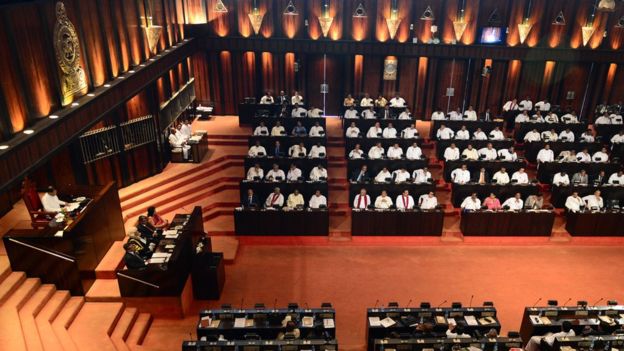
Sri Lanka’s Parliament is debating the Right to Information (RTI) Bill on June 23 – 24.
Over 15 years in the making, the RTI law represents a potential transformation across the whole government by opening up hitherto closed public information (with certain clearly specified exceptions related to national security, trade secrets, privacy and intellectual property, etc.).
While the media benefits from RTI, it is primarily a law for ordinary citizens to demand and receive information related to everyday governance (most of it at local levels). RTI changes the default mode of government from being classified to open.
In this week’s Ravaya column (appearing in the print issue of 26 June 2016), I point out that although the modern-day concept of Right to Information (also known as Freedom of Information) arose in Europe in the 18th century, there are comparable precedents in the East that date back to over two millennia.
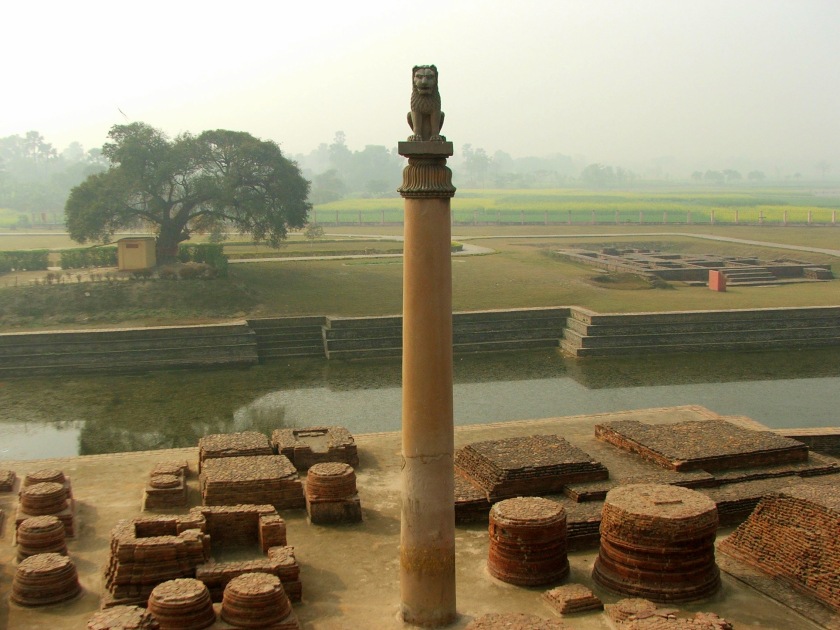
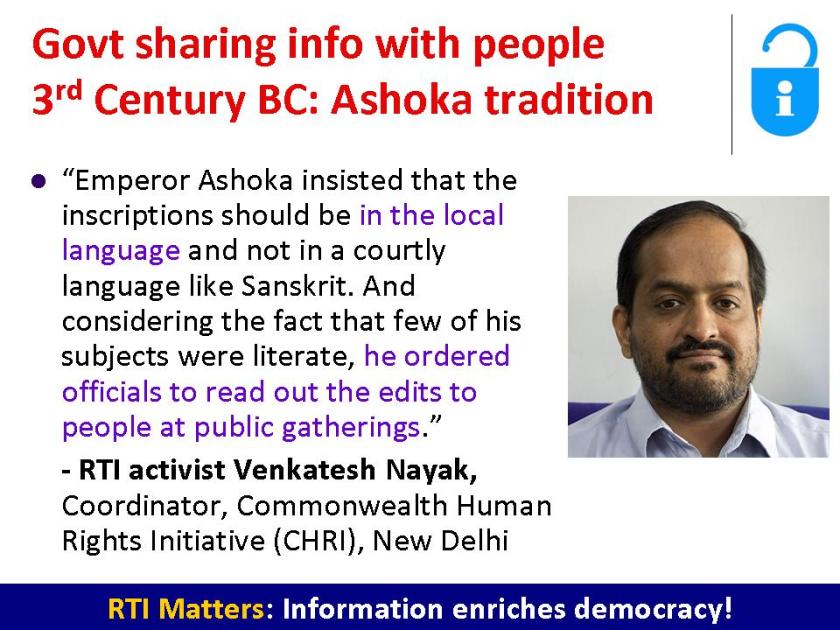
Indian Emperor Ashoka (who reigned from c. 268 to 232 Before Christ) was the first to grant his subjects the Right to Information (RTI), according to Indian RTI activist Venkatesh Nayak, Coordinator, Commonwealth Human Rights Initiative (CHRI).
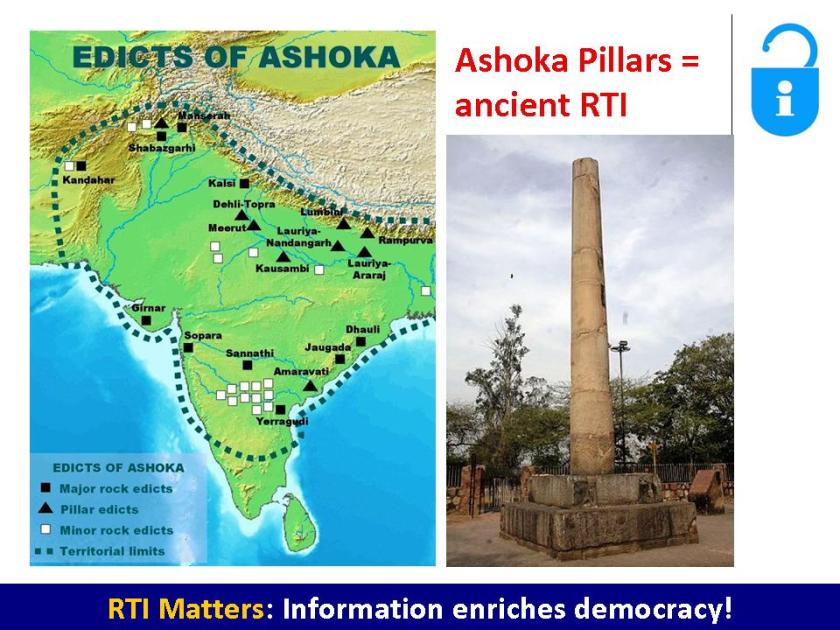
Speaking at a seminar on RTI in Colombo last month, Nayak said that Ashoka had inscribed on rocks all over the Indian subcontinent his government’s policies, development programmes and his ideas on various social, economic and political issues — including how religious co-existence.
“He insisted that the inscriptions should be in the local language and not in a courtly language like Sanskrit. And considering the fact that few of his subjects were literate, he enjoined officials to read out the edits to people at public gatherings,” Nayak added.
Therefore, adopting an RTI law signifies upholding a great Ashokan tradition in Sri Lanka. And implementing it would be a huge challenge – reorienting the entire public sector to change its mindset and practices to promote a culture of information sharing and transparent government.
Half a century after narrowly missing the opportunity to eliminate malaria in the mid 1960s, Sri Lanka seems to have reached this significant public health goal.
“With no indigenous malaria cases being reported since October 2012, Sri Lanka is currently in the malaria elimination and prevention of re-introduction phase,” says the website of the Sri Lanka Anti-Malaria Campaign.
In this week’s Ravaya column (appearing in the print issue of 22 May 2016), I summarise how we reached here, and what challenges remain.
I point out that Malaria is an ancient enemy in Sri Lanka that has killed tens of thousands and affected millions over centuries. There is speculation that malaria contributed to the historical shifting of the seat of government (kingdom at the time) and majority of human settlements from the dry zone to the intermediate and wet zones.
A severe epidemic in 1934-35 led to an estimated 5.5 million cases and 80,000 reported deaths – around 2 per cent of the total population of 5.3 million in the 1931 census. My father, now 83, is one of its survivors.
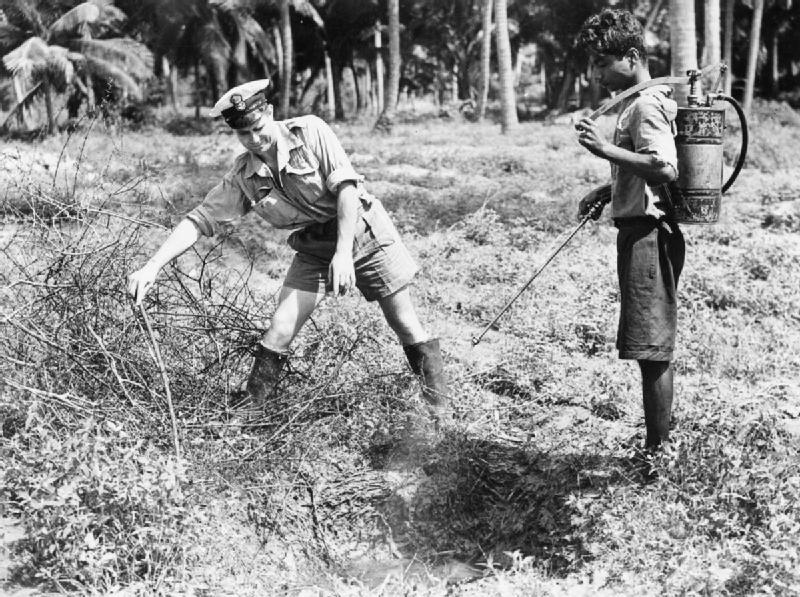
In the mid 1940s, Ceylon became the first Asian country to develop a scheme of indoor industrial spraying using DDT. In 1946, when spraying commenced in earnest, the island still had around 3 million malaria cases, high for a population of 6.6 million (1946 census). With widespread use of DDT and other measures, there was a drastic reduction: down to 7,300 cases in 1956 and just 17 in 1963.
Then there was a resurgence, which took over two decades to bring under control. As Dr Risintha Premaratne, Director of Sri Lanka’s anti-malaria campaign, told WHO, “Key components in the elimination efforts included enhanced malaria parasite screening in high transmission areas through active case detection using mobile malaria clinics; early diagnosis and prompt treatment effectively reducing the parasite reservoir and the potential for transmission; and strengthening the malaria mosquito surveillance leading to evidence based vector control.”
Malaria elimination in Sri Lanka has been achieved through a period overlapping with a 30-year separatist war in areas that were endemic for malaria. The challenge now entails sustaining a malaria-free country and preventing the reintroduction of malaria to Sri Lanka…in the context of rapid postwar developments in the country, say three Lankan leaders in this struggle writing in WHO South East Asia Journal of Public Health in Jan-March 2014.
Image courtesy – Health Education Bureau of Sri Lanka
In this week’s Ravaya column (in Sinhala, published in issue dated 15 May 2016),, I revisit a public health emergency that I have been writing about for several years: mass kidney failure for no known reason.
Beginning in the 1990s, thousands of people in Sri Lanka’s Dry Zone – heartland of its rice farming — developed kidney failure without having diabetes or high blood pressure, the common causative factors. Most affected were men aged 30 to 60 years, who worked as farmers. As numbers rose, puzzled doctors and other scientists started probing possible causes for what is now named Chronic Kidney Disease of unknown etiology (abbreviated as CKDu).
CKDu has become a fully fledged humanitarian emergency, affecting thousands of people and their families – most of them subsistence farmers.
Investigating causes of this ailment — still not pinned down to a specific cause or factor — has proven difficult. While scientists follow rigorous scientific methods, some ultra-nationalists and opportunistic politicians are trying to hijack the issue for their own agenda setting. Some journalists have added fuel to the fire with sensationalist reporting and unwarranted fear-mongering.
On 9 May 2016, I moderated High Level Media Dialogue on Chronic Kidney Disease of Unknown Aetiology (CKDu) and Public Health in Colombo. It was organised jointly by the Ministry of Health, Nutrition and Indigenous Medicine; Ministry of Parliamentary Reforms and Mass Media; and theCoordinating Secretariat for Science, Technology and Innovation (COSTI) of the Ministry of Science, Technology and Research.
Three experienced medical professionals joined our conversation: Dr Tilak Abeysekera, Consultant Nephrologist, Nephrology Dialysis and Transplant Unit, General Hospital, Kandy; Dr Palitha Mahipala, Director General, Health Services, Ministry of Health, Nutrition and Indigenous Medicine; and Dr Vinya Ariyaratne, General Secretary of Sarvodaya and consultant community physician.
In this column, I summarise some of the latest scientific analysis and humanitarian issues that were presented during the event.
See also my other writing on the subject (some early ones are updated in this latest Ravaya column):
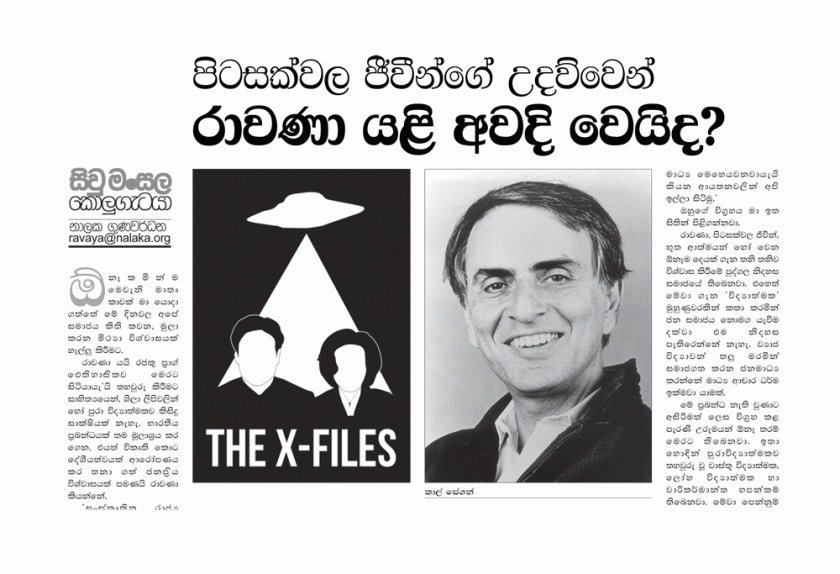
In this week’s Ravaya column (appearing in the print issue of 10 April 2016), I return to the topic of pseudoscience — a claim, belief, or practice presented as scientific, but which does not adhere to the scientific method.
Pseudoscience is often characterized by contradictory, exaggerated or unprovable claims; over-reliance on confirmation rather than rigorous attempts at refutation; lack of openness to evaluation by other experts in the field; and absence of systematic practices when rationally developing theories.
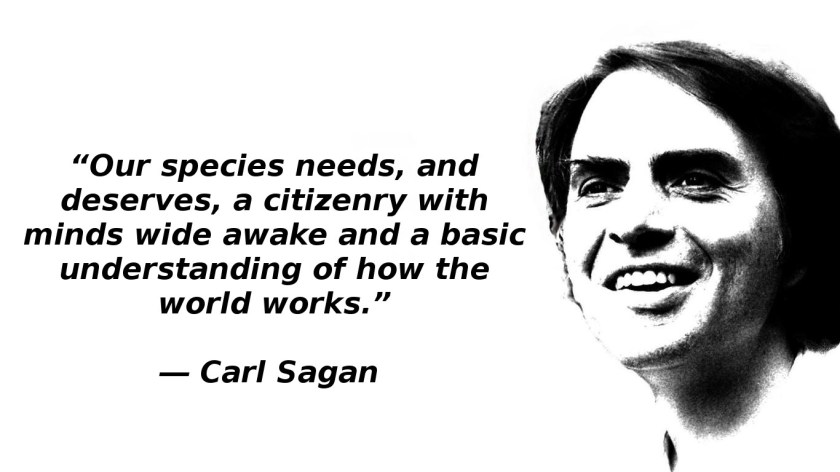
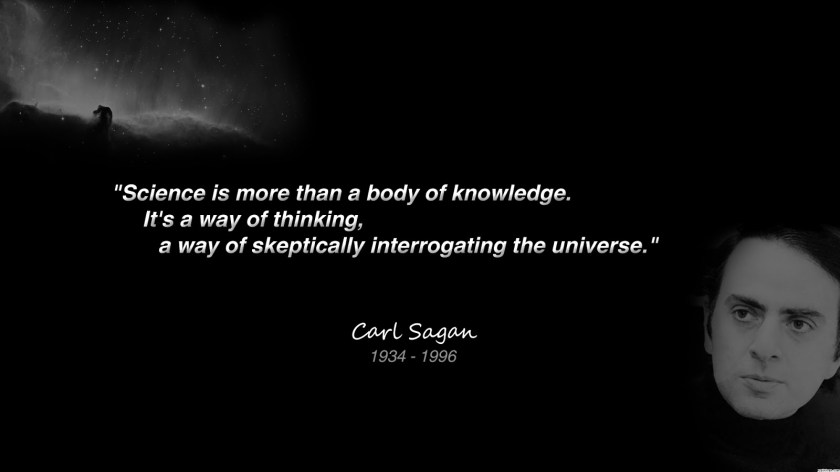
American astronomer Carl Sagan (1934 – 1996) was at the forefront in promoting science for its sense of wonder and also for countering pseudoscience. As he used to say, “Our species needs, and deserves, a citizenry with minds wide awake and a basic understanding of how the world works.”
Sri Lanka has its share of pseudoscience, sometimes dressed up in politically correct ‘clothes’ of indigenous knowledge. Even many educated persons uncritically believe in pseudoscientific claims and practices.
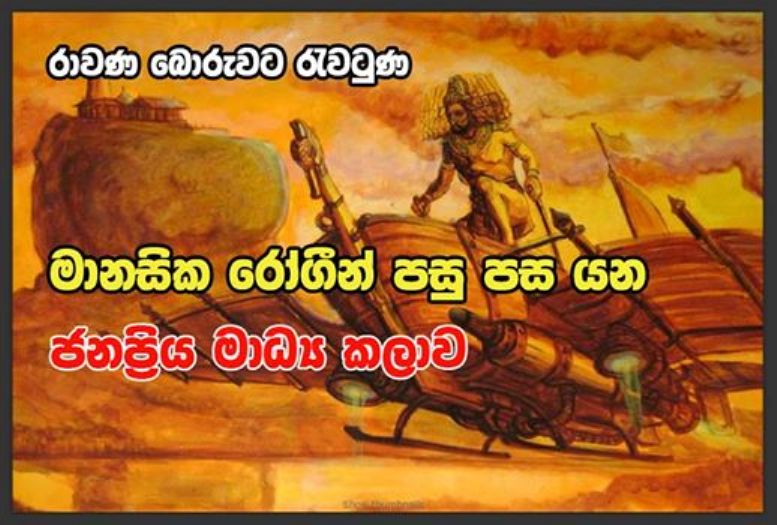
As an example, I cite a currently fashionable pursuit of the Sinhalese community: going in search of archaeological ‘evidence’ for a mythical king of Lanka named Ravana (who is only a character in the Indian epic, Ramayana – but some people take it literally).
I argue that believing in Ravana after reading Ramayana is akin to believing in alien abductions and other modern mysteries after watching X-Files TV series.
Beware of pseudoscience in Sri Lanka, says Nalaka Gunawardene
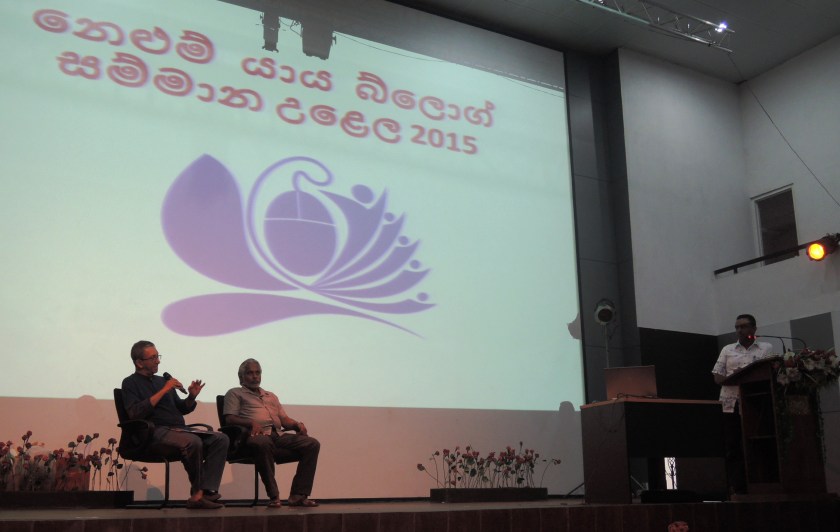
Nalaka Gunawardene (left) & Ajith Perakum Jayasinghe at Nelum Yaya Blog awards for 2015, held on 26 March 2016
In this week’s Ravaya column (appearing in the print issue of 3 April 2016), I probe why the blogosphere and other social media platforms are vital for public discourse in the Lankan context.
Sri Lanka’s mainstream media does not serve as an adequate platform for wide-ranging public discussion and debate. Besides being divided along ethnic and political lines, the media is also burdened by self-imposed restrictions where most don’t critique certain social institutions. Among the top-ranked ‘sacred cows’ are the armed forces and clergy (especially Buddhist clergy).
No such “no-go areas” for bloggers, tweeps and Facebookers. New media platforms have provided a space where irreverence can thrive: a healthy democracy badly needs such expression. I base this column partly on my remarks at the second Nelum Yaya Blog Awards ceremony held on 26 March 2016.
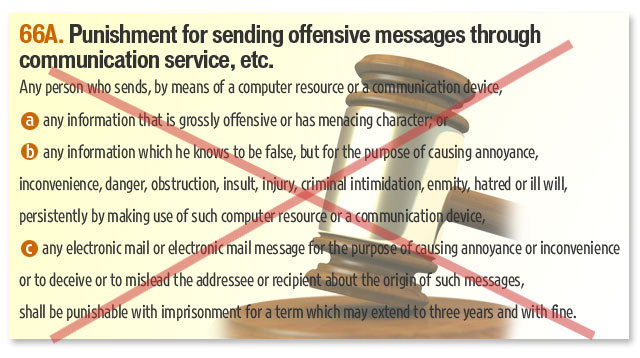
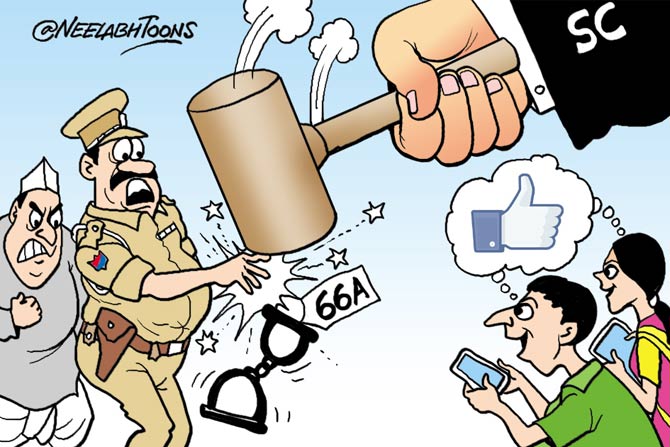
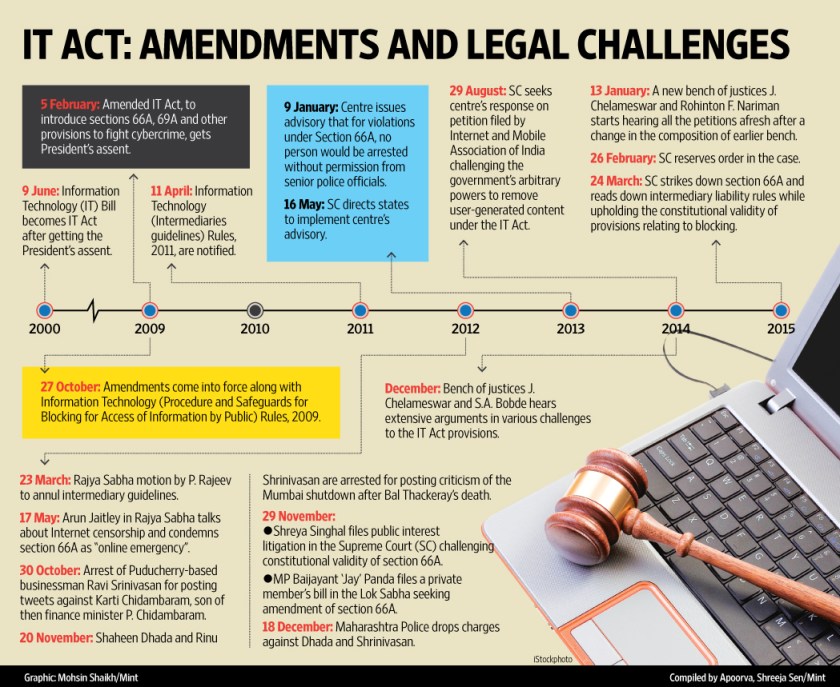
I also refer to a landmark ruling in March 2015, where the Supreme Court of India struck down a “draconian” law that allowed police to arrest people for comments on social media networks and other websites.
India’s apex court ruled that Section 66A of the Information Technology Act was unconstitutional in its entirety, and the definition of offences under the provision was “open-ended and undefined”.
The provision carried a punishment of up to three years in jail. Since its adoption in 2008, several people have been arrested for their comments on Facebook or Twitter. The law was challenged in a public interest litigation case by a law student after two young women were arrested in November 2012 in Mumbai for comments on Facebook following the death of a politician.
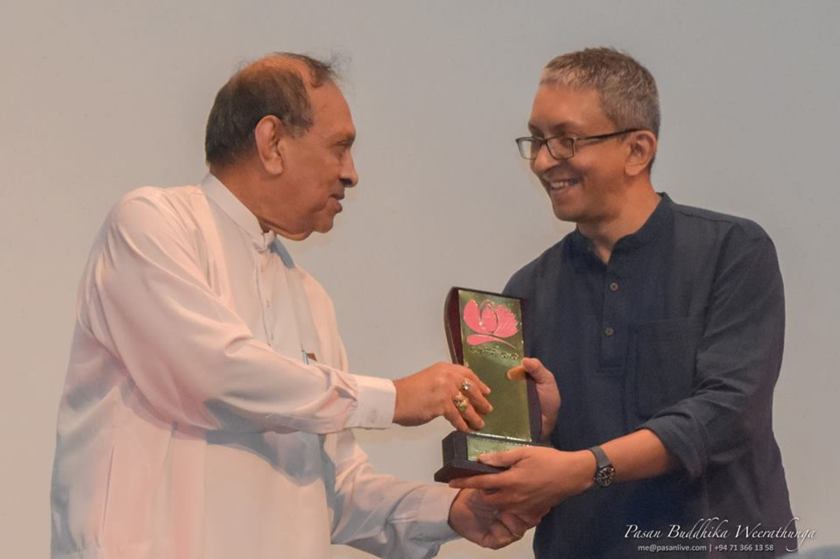
Speaker Karu Janasuriya presents Lifetime Award to Nalaka Gunawardene at Nelum Yaya Blog Awards on 26 March 2016 – Photo by Pasan B Weerasinghe
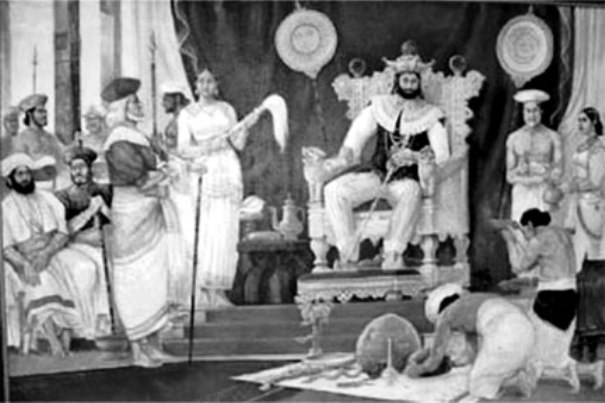
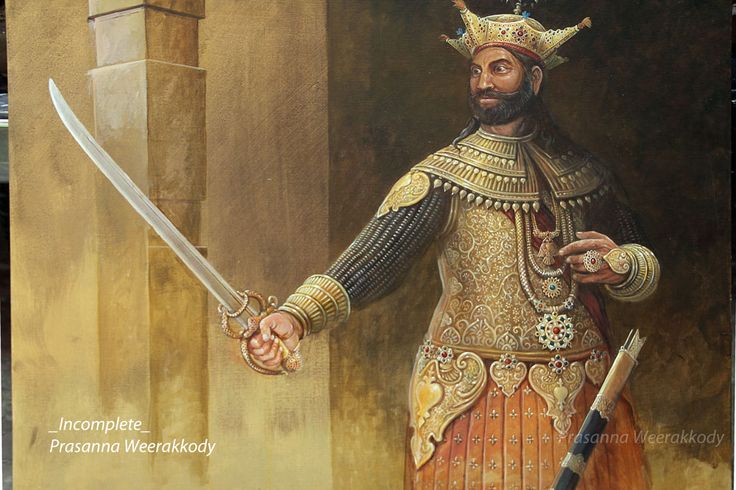
Last king of Ceylon, Sri Wickrama Rajasinghe’s court
In this week’s Ravaya column (appearing in issue of 24 January 2016), I wonder why some people in Sri Lanka – including educated ones – keep clamouring for a return to monarchy that ended 200 years ago.
The Lankan monarchy always remained absolute until it ended in 1815. There were no formal limits to the monarch’s powers, even though Dasa-Raja-Dhamma or the ‘Ten Royal Virtues’ in Buddhism were meant to moderate that power. In practice, many monarchs ignored it.
There was never a local equivalent of the Magna Carta, adopted in medieval England in 1215 as the first formal document stating that a King had to follow the laws of the land (‘Rule of Law’). It guaranteed the rights of individuals against the wishes of the King. This paved the way for trial by jury which means people are tried by their peers and guaranteed the civil rights of the individual.
This was never the case in Sri Lanka where all powerful and feudal king could – and often did – execute anyone who disagreed with him.
Those who clamour for the restoration of monarchy in Sri Lanka don’t know or overlook how feudal, unrestrained and unaccountable the monarchy was. And shrewd politicians use this misplaced desire to project themselves as modern-day monarchs, i.e. figures of veneration who by historical implication need to be treated as ‘above the law’, and custodian of all the state’s wealth. Hmm…
I also look at how Nepal abolished its monarchy in 2008 and Bhutan became a Constitutional Monarchy in recent years – steps towards modernity and democracy.
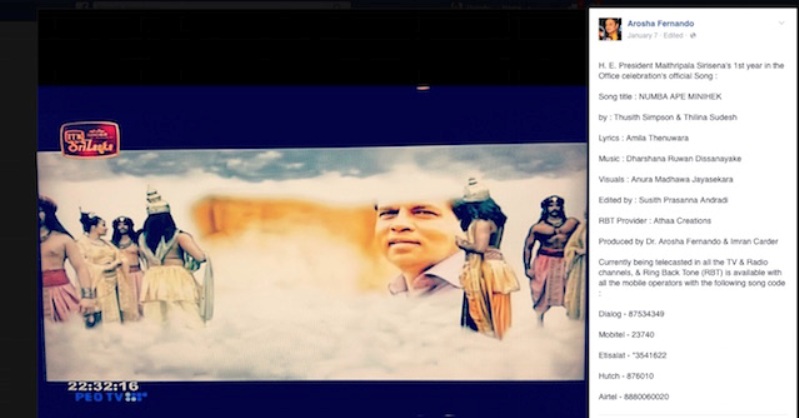
Controversial song to mark first anniversary of Maithripala Sirisena – later disowned by the Presidential Secretariat of Sri Lanka
Here are my wishes for 2016, shared on Facebook and Twitter as home-made web memes.
I wish for a truly OPEN SOCIETY in Sri Lanka in 2016
where good ideas flow freely,
public debate is informed, wide-ranging and courteous
and there are no Sacred Cows!
Let’s make it so! The power is with each and every one of us.
On New Year’s eve, I shared this timeless quote of Mahatma Gandhi, which I felt was relevant for raging debates in Sri Lanka on what constitutes ‘our culture’ and how best to preserve it.
Mahatma Gandhi on the value of open, inclusive and multicultural societies
And here is how I rendered it into Sinhala language:
“මගේනිවසවටාසැමඅතින්පවුරුබැඳ,
එහිකවුළුසියල්ලවසාදමන්නටමාකොහෙත්මකැමතිනැහැ.
ලොවනොයෙකුත්සංස්කෘතීන්ගේආභාෂප්රවාහයන්
මනිවසේනිදහසේසංසරණයවීමමටඅවශ්යයි.
එහෙත්ඒකිසිවකින්මාපෙරළාදමන්නටනම්මාඉඩදෙන්නේනැහැ.”
Mahatma Gandhi on the value of open, inclusive and multicultural societies – translated by Nalaka Gunawardene
Managing disaster early warnings is both a science and an art. When done well, it literally saves lives — but only if the word quickly reaches all those at risk, and they know how to react.
We have come a long way since the devastating Boxing Day tsunami of December 2004 caught Indian Ocean countries by surprise. Many of the over 230,000 people killed that day could have been saved by timely coastal evacuations.
Early warnings work best when adequate technological capability is combined with streamlined decision-making, multiple dissemination systems and well prepared communities.
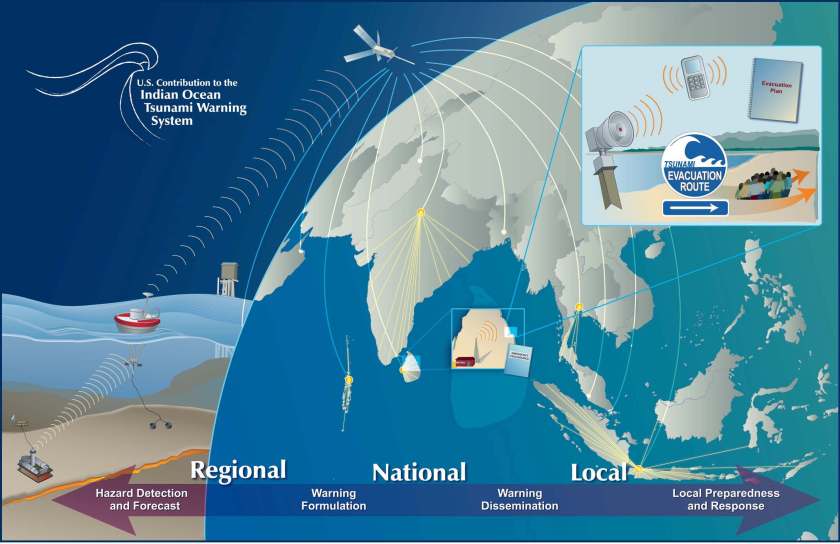
Rapid onset disasters — such as tsunamis and flash floods — allow only a tight window from detection to impact, typically 15 to 90 minutes. When it comes to tsunamis, it is a real race against time. Effective tsunami warnings require very rapid evaluation of undersea earthquakes and resulting sea level changes, followed by equally rapid dissemination of that assessment.
Following the 2004 disaster, the Indian Ocean Tsunami Warning and Mitigation System (IOTWS) was set up in 2005 under UNESCO’s Intergovernmental Oceanographic Commission. It is a regional collaboration that brings together three regional tsunami service providers – scientific facilities operated by the governments of Australia, India and Indonesia — and over a dozen national tsunami centres. The latter are state agencies designated by governments to handle in-country warnings and other mitigation activities.