සිවුමංසල කොලූගැටයා #240: සියවසක් පැරණි පුවත් ආකෘතියෙන් ඔබ්බට අපේ මාධ්‍ය පරිනාමය වේද?

On 2 October 2015, I gave a talk to a group of provincial level provincial journalists in Sri Lanka who had just completed a training course in investigative journalism.

I looked at the larger news media industry in Sri Lanka to which provincial journalists supply ground level news, images and video materials. These are used on a discretionary basis by media companies mostly based in the capital Colombo (and some based in the northern provincial capital of Jaffna). Suppliers have no control over whether or how their material is processed. They work without employment benefits, are poorly paid, and also exposed to various pressures and coercion.

I drew an analogy with the nearly 150-year old Ceylon Tea industry, which in 2014 earned USD 1.67 billion through exports. For much of its history, Ceylon tea producers were supplying high quality tea leaves in bulk form to London based tea distributors and marketers like Lipton. Then, in the 1970s, a former tea taster called Merrill J Fernando established Dilmah brand – the first producer owned tea brand that did product innovation at source, and entered direct retail.

He wanted to “change the exploitation of his country’s crop by big global traders” – Dilmah has today become one of the top 10 tea brands in the world.

The media industry also started during British colonial times, and in fact dates back to 1832. But I questioned why, after 180+ years, our media industry broadly follows the same production model: material sourced is centrally processed and distributed, without much adaptation to new digital media realities.

In this week’s Ravaya column, (appearing in issue of 11 Oct 2015), I have adapted my talk into Sinhala.
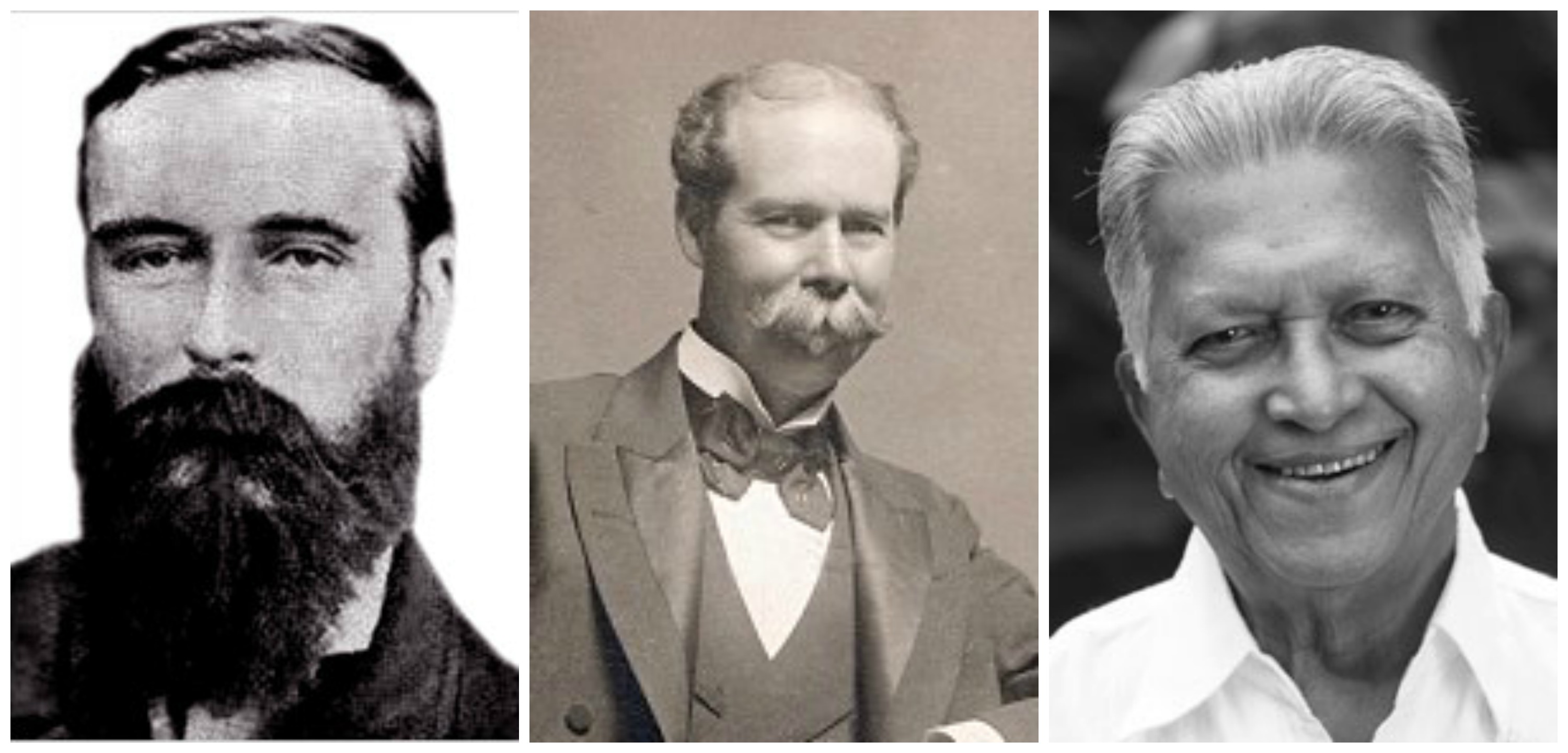
Ceylon Tea industry pioneers and innovator: L to R - James Taylor, Thomas Lipton, Merril Fernando
Ceylon Tea industry pioneers and innovator: L to R – James Taylor, Thomas Lipton, Merrill Fernando

ප‍්‍රාදේශීය මාධ්‍යවේදීන් සිය ගණනක් අපේ දිවයිනේ නන් දෙස විසිර සිටිනවා. තම ගමේ, නගරයේ හා අවට ප‍්‍රදේශවල සිදුවීම් ගැන තොරතුරු හා රූප/වීඩියෝ දර්ශන පුවත්පත් ආයතන හා විද්‍යුත් මාධ්‍ය ආයතනවලට නිරතුරුව ලබා දෙන්නේ මේ අයයි.

මේ නිසා ප‍්‍රාදේශීය මාධ්‍යවේදීන් බිම් මට්ටමින් සක‍්‍රීය හා සංවේදී පිරිසක්. ඔවුන් බහුතරයක් කොළඹ පිහිටි මාධ්‍ය ආයතනවලටත්, සෙසු අය යාපනයේ පිහිටි මාධ්‍ය ආයතනවලටත් වාර්තා කරනවා.

මේ කේන්ද්‍ර ද්විත්වයේදී ඔවුන්ගේ දායකත්වය නිසි තක්සේරුවකට හෝ සැලකීමකට හෝ ලක් වන්නේ නැහැ. ඇත්තටම ප‍්‍රාදේශීය මාධ්‍යවේදීන් ඉතා අඩු ගෙවීම්වලට ලොකු අවදානම් ගනිමින් සේවයේ නිරත වනවා යයි කිව හැකියි.

ප‍්‍රාදේශීය මාධ්‍යවේදීන් 75 දෙනකුට ගවේෂණාත්මක වාර්තාකරණය පිළිබඳ පුහුණුවක් අවසානයේ සහතික ප‍්‍රදාන උත්සවයක් පසුගිය සතියේ කොළඹදී පැවැත්වුණා. එය සංවිධානය කළේ ට‍්‍රාන්ස්පේරන්සි ඉන්ටර්නැෂනල් ශ‍්‍රී ලංකා කාර්යාලය හා ශ‍්‍රී ලංකා පුවත්පත් ආයතනයයි. එහිදී දේශන පැවැත්වීමට මහාචාර්ය රොහාන් සමරජීවටත්, මටත් ඇරයුම් කර තිබුණා.

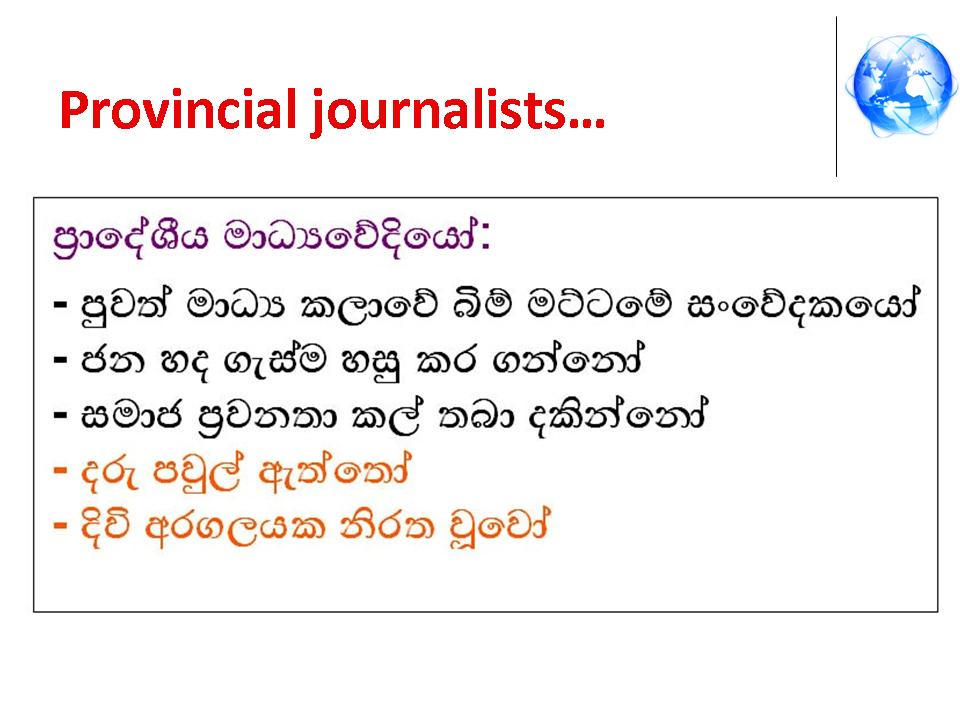
ප‍්‍රාදේශීය මාධ්‍යවේදීන් විවිධාකාරයෙන් හඳුන්වා දිය හැකියි. ප‍්‍රවෘත්ති මාධ්‍ය කලාවේ බිම් මට්ටමේ සංවේදකයෝ, ජන හද ගැස්ම හඳුනන්නෝ හා සමාජ ප‍්‍රවණතා කල් තබා දකින්නෝ ආදී වශයෙන්. මගේ කතාවේ මා මීට අමතරව ඔවුන් දරු පවුල් ඇත්තෝ හා දිවි අරගලයක නිරත වූවෝ කියා ද හැඳින් වූවා.

2015 සැප්තැම්බර් මුලදී මින්නේරිය සමඟිපුරදී වල් අලි ප‍්‍රහාරයකට ලක්ව ඉතා අවාසනාවන්ත ලෙසින් මිය ගිය කේ. එච්. ප‍්‍රියන්ත රත්නායක නම් ප‍්‍රාදේශීය මාධ්‍යවේදියා මා සිහිපත් කළා. එම අනතුර ගැන සටහනක් ලියූ සමාජ විචාරක හා බ්ලොග් රචක අජිත් පැරකුම් ජයසිංහ කීවේ මෙයයි.
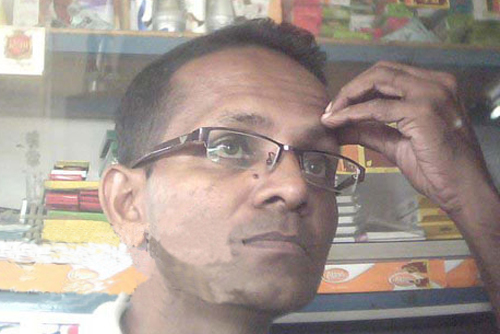
Priyantha Ratnayake, Sri Lanka provincial journalist who died of an elephant attack in September 2015

“සාමාන්‍යයෙන් ප්‍රාදේශීය මාධ්‍යකරුවෝ විවිධ ආකාරයෙන් මාධ්‍ය ආයතන ගණනාවකට එක වර සේවය සපයති. සපයනු ලබන ප්‍රවෘත්තිවලට පමණක් සුළු ගෙවීමක් ලබන ඔවුන්ට පැවැත්මක් තිබෙන්නේ එවිටය. අඩු තරමේ ඔවුන්ගේ නම හෝ ප්‍රචාරය වන්නේ දේශපාලකයකුගෙන් ගුටි කෑම වැනි අනතුරුදායක කටයුත්තකදී පමණි.

“ප්‍රාදේශීය මාධ්‍යකරුවන් යනු මාධ්‍ය ආයතනවල සූරාකෑමට දරුණු ලෙස ගොදුරු වන පිරිසකි. ඔවුන්ට සාමාන්‍යයෙන් ගත් කල කිසිදු පුහුණුවක් නැත. මාධ්‍යකරුවන්ට ලබා දෙන විධිමත් ආරක්ෂක පුහුණුවකදී නම් වාර්තාකරණයේදී ආත්මාරක්ෂාව සපයා ගන්නා ආකාරය පුහුණු කරනු ලැබේ. එහෙත් ලංකාවේ බහුතරයක් ප්‍රාදේශීය මාධ්‍යකරුවන්ට ප්‍රවෘත්ති පිළිබඳ මූලික අවබෝධය පවා නැත. බොහොමයක් මාධ්‍යකරුවන් එවන ප්‍රවෘත්ති නැවත ලියන්නට සිදු වේ.

“මාධ්‍ය ආයතනවලට ප්‍රාදේශීය මාධ්‍යකරුවා තවත් එක් උපකරණයක් පමණි. මොන යම් ආකාරයකින් හෝ ප්‍රාදේශීය ප්‍රවෘත්ති ලැබෙනවා නම් මාධ්‍ය ආයතනවලට ඇතිය. රටේම මිනිසුන්ට වන අසාධාරණකම් විවේචනය කරන මාධ්‍ය ආයතනවල ප්‍රාදේශීය මාධ්‍යකරුවන් සූරාකෑම නැවැත්වීමට කටයුතු කළ යුතුය.”

Full text: ප්‍රාදේශීය මාධ්‍යකරුවන්ගේ ජීවිත සූරා කන මාධ්‍ය ආයතන

මේ විග‍්‍රහයට මා එකඟයි. මාධ්‍යවේදීන්ට “මාධ්‍ය කම්කරුවන්’’ මට්ටමින් සැලකීම හුදෙක් ප‍්‍රාදේශීය වාර්තාකරුවන්ට පමණක් සීමා වී නැතත්, එය වඩාත් බරපතළ වන්නේ ඔවුන් සම්බන්ධයෙනුයි.

හොඳින් ලාභ ලබන මුද්‍රිත හා විද්‍යුත් මාධ්‍ය ආයතන පවා ප‍්‍රාදේශීය මාධ්‍යවේදීන්ට ගෙවන්නේ ඉතා අඩුවෙන්. එය ද ඔවුන් සපයන තොරතුරක් හෝ රූපයක් හෝ භාවිත වූවොත් පමණයි. එයට අමතරව නිවාඩු, රක්ෂණ ආවරණ ආදී කිසිවක් ඔවුන්ට හිමි නැහැ.

මේ අසාධාරණයට ලක් වන රාදේශීය මාධ්යවේදීන්ට සිය මාධ්යකරණයේ නියැලීමට විකල්ප රමවේද හා අවකාශයන් තිබේද? ඒවා විවර කර ගැනීමට කුමක් කළ යුතුද?

මේ ගැන මගේ කතාවේදී මා මෙනෙහි කළා. එහිදී මාධ්‍ය කර්මාන්තයේ පුවත් සම්පාදන ආකෘතිය සමීපව විමර්ෂනය කළ යුතු බව මගේ අදහසයි.

Colombo Journal, first newspaper in Ceylon, founded in January 1832

(1802 දී ආරම්භ කළ ගැසට් පත‍්‍රය මාධ්‍ය අංගයක් ලෙස නොසැළකුවොත්) ශ‍්‍රී ලංකාවේ නූතන මාධ්‍යකරණය ඇරැඹුණේ 1832 ජනවාරියේදී. කලම්බු ජර්නල් (Colombo Journal) නම් සති දෙකකට වරක් පළ වූ ඉංග‍්‍රීසි සඟරාව මෙරට මුල්ම වාරික ප‍්‍රකාශනයයි. එවකට බි‍්‍රතාන්‍ය යටත් විජිත රජයේ මුද්‍රණාලයාධිපතිව සිටි ජෝර්ජ් ලී එහි කතුවරයා වූවා. එකල ආණ්ඩුකාරයා වූ රොබට් විල්මට් හෝට්න් ද එයට ලිපි සැපයුවා.

මෙබඳු රාජ්‍ය සබඳතා තිබුණත් පෞද්ගලික මට්ටමින් පවත්වා ගෙන ගිය කලම්බු ජර්නල් සඟරාව පැවති රජය විවේචනය කිරීම නිසා ටික කලකින් පාලකයන්ගේ උදහසට ලක් වූවා. (රජය හා මාධ්‍ය අතර මත අරගලය මාධ්‍ය ඉතිහාසය තරම්ම පැරණියි!) මේ නිසා 1833 දෙසැම්බර් මස සඟරාව නවතා දමනු ලැබුවා.

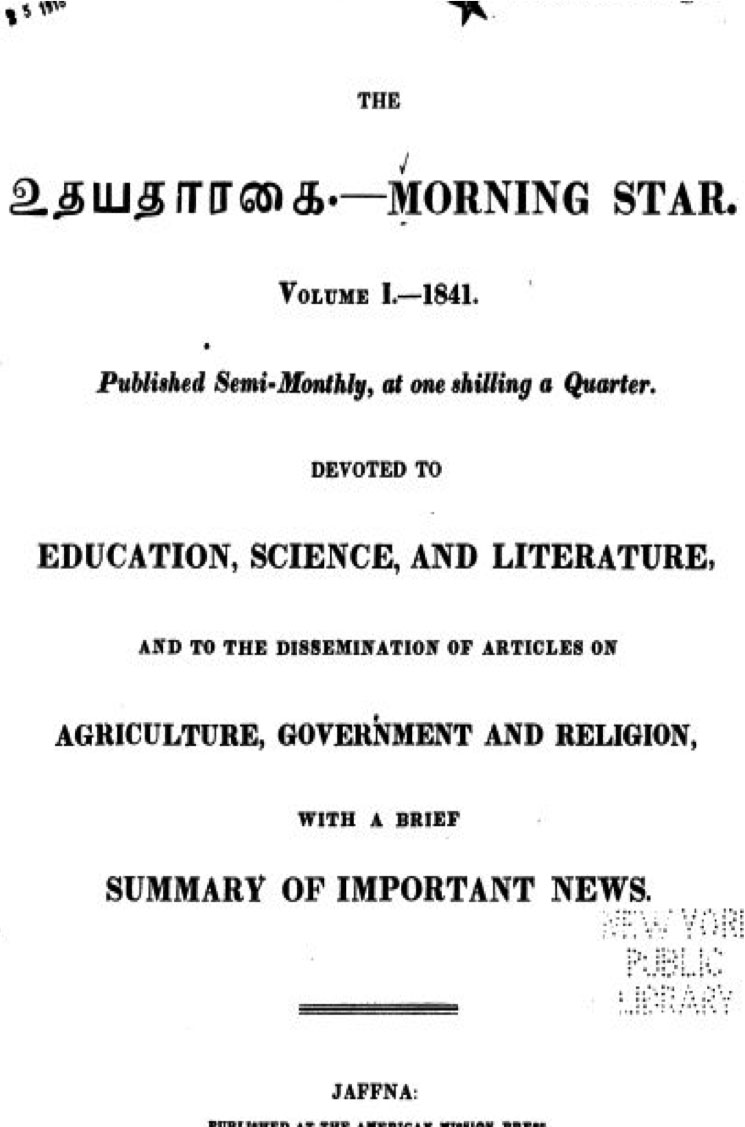
දෙමළ බසින් මුල්ම වාරික ප‍්‍රකාශනය වූ “උදය තාරකායි’’ 1841දී යාපනයෙන්ද, මුල්ම සිංහල පුවත්පත ලෙස සැලකෙන “ලංකාලෝක’’ 1860දී ගාල්ලෙන්ද අරඹනු ලැබුවා. (මෙයින් පෙනෙන්නේ මුල් යුගයේ මාධ්‍ය ප‍්‍රකාශනය කොළඹට පමණක් කේන්ද්‍ර නොවූ බවයි.)

The first Tamil newspaper in Sri Lanka, Udaya Tharakai, was started in 1841 from Jaffna
The first Tamil newspaper in Sri Lanka, Udaya Tharakai (=Morning Star), was started in 1841 from Jaffna

1832 ආරම්භය ලෙස ගත් විට වසර 180කට වඩා දිග ඉතිහාසයක් අපේ මාධ්‍ය කර්මාන්තයට තිබෙනවා. එය වඩාත් සංවිධානාත්මක කර්මාන්තයක් බවට පත් වූයේ 20 වන සියවසේදී. 1925දී රේඩියෝ මාධ්‍යයත්, 1979දී ටෙලිවිෂන් මාධ්‍යයත්, 1995දී ඉන්ටර්නෙට් සබඳතාවත් මෙරටට හඳුන්වා දෙනු ලැබුවා.

මුද්‍රිත හා විද්‍යුත් මාධ්‍යවලට දශක ගණනක ඉතිහාසයක් ඇතත් එහි පුවත් එකතු කිරීමේ ආකෘතිය තවමත් වෙනස් වී නැහැ. එහි සැපයුම්දාමය ප‍්‍රාදේශීය මාධ්‍යවේදීන්ගේ සිට කොළඹ/යාපනය ප‍්‍රධාන කාර්යාලවලට එනවා. එතැනදී තේරීමකට හා ප‍්‍රතිනිර්මාණයට ලක් වනවා. ඉන් පසු රටටම බෙදා හරිනවා.

එම ක‍්‍රියාවලියේදී ප‍්‍රාදේශීය මාධ්‍යවේදීන්ට තීරක බලයක් නැහැ. කලකට පෙර නම් ඔවුන්ගේ නම පවා පත්තරවල පළ කළේ කලාතුරකින්. පුවත් ප‍්‍රමුඛතාව හා කුමන ආකාරයේ පුවත් පළ කරනවා ද යන්න ගැන න්‍යාය පත‍්‍රය මුළුමනින්ම තීරණය කරන්නේ කේන්ද්‍රීය කාර්යාල විසින්. ගතානුගතිකත්වය හා වැඩවසම් ආකල්ප තවමත් අපේ මාධ්‍ය කර්මාන්තයේ බහුලයි.

මෙය කෙසේ වෙනස් කළ හැකිද? මාධ්‍ය කර්මාන්ත ආකෘති කෙසේ නවෝත්පාදනයට ලක් කළ හැකිද? වෙනත් කර්මාන්තවලින් ආදර්ශයක් ගත හැකි දැයි මා ටිකක් විපරම් කළා.

තේ කර්මාන්තය ද බි‍්‍රතාන්‍ය පාලන සමයේ ඇරැඹි මේ වන විට ඉතා සංවිධානාත්මකව ක‍්‍රියාත්මක වන දැවැන්ත කර්මාන්තයක්. 2014දී ඇමෙරිකානු ඩොලර් බිලියන 1.67ක් (රුපියල් බිලියන 231) ආදායම් ලද මේ කර්මාන්තය ඍජුව ලක්ෂ හත හමාරකට ජීවිකාව සපයනවා.

චීනයේ සිට මුලින්ම තේ පැළයක් මෙරටට ගෙනාවේ 1824දී වුවත්, වැවිලි කර්මාන්තයක් ලෙස තේ වැවීම පටන් ගත්තේ කෝපි වගාව දිලීර රෝගයකින් විනාශ වූ විටයි. මුල්ම තේ වත්ත 1867දී මහනුවර දිස්ත‍්‍රික්කයේ අරඹන ලද ලූල්කඳුර වත්තයි. එය ඇරැඹු ජේම්ස් ටේලර් (James Taylor: 1835-1892) තේ වගාවෙ පුරෝගාමියා ලෙස සැලකෙනවා.

සුළුවෙන් පටන් ගත් තේ වගාව ටිකෙන් ටික උඩරට හා පහතරට වෙනත් ප‍්‍රදේශවලට ව්‍යාප්ත වුණා. මෙරට භාවිතයට මෙන්ම පිටරට යැවීමටත් තේ කොළ නිෂ්පාදනය කරනු ලැබුවා.

සන්ධිස්ථානයකත් වූයේ තොමස් ලිප්ටන් (Thomas Lipton: 1841-1931) නම් බි‍්‍රතාන්‍ය ව්‍යාපාරිකයා 1890දී මෙරටට පැමිණ ජේම්ස් ටේලර් ඇතුළු තේ වැවිලිකරුවන් මුණ ගැසීමයි. තොග වශයෙන් ලංකා තේ මිලට ගෙන ලන්ඩනයට ගෙන ගොස් එහිදී පැකට් කර ලොව පුරා බෙදාහැරීම හා අලෙවිකරණය ඔහු ආරම්භ කළා. ලිප්ටන් තේ ලොව ප‍්‍රමුඛතම වෙළඳ සන්නාමයක් වූ අතර අපේ තේවලින් වැඩිපුරම මුදල් උපයා ගත්තේ එබඳු සමාගම්.

Lipton Advertisement for Ceylon Tea in 1892

මේ තත්ත්වය නිදහසෙන් පසුද දිගටම පැවතියා. ගෝලීය මට්ටමෙන් තේ බෙදා හැරීමේ හැකියාව හා අත්දැකීම් තිබුණේ යුරෝපීය සමාගම් කිහිපයකට පමණයි.

තේ රස බලන්නකු ලෙස වෘත්තීය ජීවිතය ඇරැඹු මෙරිල් J ප‍්‍රනාන්දු නම් ලාංකික තරුණයා ලන්ඩනයේ 1950 ගණන්වල පුහුණුව ලබද්දී මේ විසමතාව ඉතා සමීපව දුටුවා. යළි සිය රට පැමිණ තේ කර්මාන්තයේ සියලූ අංශවල අත්දැකීම් ලත් ඔහු 1988දී ගෝලීය දැවැන්තයන්ට අභියෝග කිරීමට තමාගේම සමාගමක් ඇරැඹුවා. එහි නම ඩිල්මා (Dilmah Tea: www.dilmah.com)

ඩිල්මා සමාගම කළේ මෙරට නිපදවන තේ කොළ මෙහිදීම අගය එකතු කොට, තේ බෑග් එකක් ඇසුරුම් කොට ඔවුන්ගේ වෙළඳනාමයෙන් ගෝලීය වෙළඳපොළට යැවීමයි. මුලදී දැවැන්ත බහුජාතික සමාගම් සමග තරග කිරීමට ඉතා දුෂ්කර වුවත් නවෝත්පාදනය හා නිර්මාණශීලී අලෙවිකරණය හරහා ලෝක වෙළඳපොළ ජය ගන්නට ඩිල්මා සමත්ව සිටිනවා.

අද ලොව රටවල් 100කට ආසන්න ගණනක සුපර්මාර්කට්වල ලිප්ටන් වැනි තේ අතර ඩිල්මා ද අලෙවි කැරෙනවා.

ඩිල්මා යනු මෙරටින් බිහි වූ විශිෂ්ටතම වෙළඳ සන්නාමයන්ගෙන් එකක්. එහි සාර්ථකත්වයට මුල දශක ගණනක් පැවැති තේ කර්මාන්ත ආකෘතිය අභියෝගයට ලක් කිරීමයි.

Image courtesy Dilmah.com website

තේ කර්මාන්තය මෙසේ නවෝත්පාදනයට ලක් වෙමින් විවිධාංගීකරණය වෙද්දී අපේ මාධ් කර්මාන්ත ආකෘතිය සියවසක් තිස්සේ එතරම් වෙනස් වී නැහැ. මුද්රණ තාක්ෂණය හා ඩිජිටල් උපාංග අතින් නවීකරණය වුවද රාදේශී් පුවත් කේන්ද්රයකට ලබා ගෙන, පෙරහන් කොට රටටම එතැනින් බදීම එදත් අදත් එසේම කර ගෙන යනවා.

මේ ක‍්‍රියාදාමය තුළ ප‍්‍රාදේශීය මාධ්‍යවේදීන් මා සම කළේ කුඩා තේ වතු හිමිකරුවන්ටයි. අක්කර 10ට වඩා අඩු බිම්වල තේ වවන මොවුන් ලක්ෂ 4ක් පමණ සිටිනවා. 2013 මෙරට සමස්ත තේ නිපැයුමෙන් 60%ක් වගා කළේ ඔවුන්.

තමන්ගේ තේ දළු අවට තිබෙන ලොකු තේ වත්තකට විකිණීම ඔවුන්ගේ ක‍්‍රමයයි. එතැනින් ඔබ්බට තම ඵලදාව ගැන පාලනයක් ඔවුන්ට නැහැ.

මේ උපමිතිය මා සඳහන් කළ විට මගේ සභාවේ සිටි එක් ප‍්‍රාදේශීය මාධ්‍යවේදියෙක් කීවේ තමන් සුළු තේ වතු හිිමියන්ටත් වඩා අසරණ බවයි. තේ දළු විකුණා ගැනීම සාමාන්‍යයෙන් ප‍්‍රශ්නයක් නොවෙතත්, තමන් සම්පාදනය කරන පුවත් හා රූපවලින් භාවිතයට ගැනෙන්නේ (හා ගෙවීම් ලබන්නේ) සමහරකට පමණක් බව ඔහු කියා සිටියා.

මෙරට මාධ්‍ය කර්මාන්තය සමස්තයක් ලෙස පර්යේණාත්මකව හදාරමින් සිටින මා මතු කළ ඊළඟ ප‍්‍රශ්නය මෙයයි. තේ කර්මාන්තයේ පිළිගත් ආකෘතියට අභියෝග කළ මෙරිල් ප‍්‍රනාන්දුට සමාන්තරව මාධ්‍ය කර්මාන්තයේ මුල් බැස ගත් ආකෘතිය අභියෝගයට ලක් කරන්නේ කවුද?

යම් තාක් දුරට මෙය පුරවැසි මාධ්‍යවේදීන් කරනවා. බ්ලොග් ලේඛකයන්, සමාජ ජාල මාධ්‍ය භාවිත කරන්නන් ප‍්‍රධාන ප‍්‍රවාහයේ මාධ්‍ය ගැන නොතකා කෙලින්ම තම තොරතුරු, අදහස් හා රූප ලොවට මුදා හරිනවා. රටේ ජනගහනයෙන් 20%ක් ඉන්ටර්නෙට් භාවිත කරන නිසා මෙය තරමක් දුරට සීමිත වූවත් (මා මීට පෙර විග‍්‍රහ කර ඇති පරිදි) එසේ සම්බන්ධිත වූවන් හරහා සමාජයේ තව විශාල සංඛ්‍යාවකට එම තොරතුරු ගලා යනවා.

මෙය දිගු කාලීනව ප‍්‍රධාන ප‍්‍රවාහයේ මාධ්‍යවලට අභියෝගයක්. එහෙත් අපේ බොහෝ මාධ්‍ය එය හරිහැටි වටහාගෙන නැහැ. ඔවුන් තවමත් සිටින්නේ ලිප්ටන් ආකෘතියේ මානසිකත්වයකයි.

හැකි පමණට වෙබ් හරහා තම තොරතුරු හා රූප මුදාහැරීම සමහර ප‍්‍රාදේශීය මාධ්‍යවේදීන් ආරම්භ කොට තිබෙනවා. උදාහරණ ලෙස මා ගෙන හැර දැක්වූයේ ගාල්ලේ බෙහෙවින් සක‍්‍රීය හා උද්‍යෝගීමත් මාධ්‍යවේදී සජීව විජේවීරයි. ඔහු ෆේස්බුක් හරහා බොහෝ දේ බෙදා ගන්නා අතර Ning.com නම් සමාජ මාධ්‍ය වේදිකාව හරහා ගාලූ පුරවැසියෝ නම් එකමුතුවක්ද කලක් කර ගෙන ගියා.
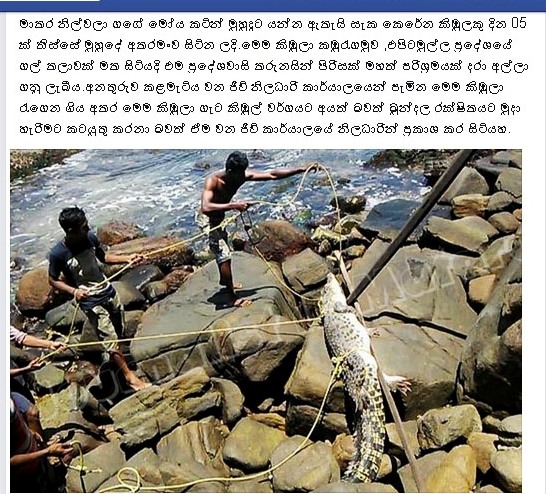
Example from journalist in Matara Facebook group: Catching a crocodile in Kamburugamuwa, Matara, 23 Sep 2015

මේ අතර මාතර දිස්ත‍්‍රික්කයේ ප‍්‍රාදේශීය මාධ්‍යවේදීන් 70 දෙනෙකු එක් වී Journalist in Matara නම් විවෘත ෆේස්බුක් පිටුවක් කරනවා. ඒ හරහා තමන් එකතු කරන තොරතුරු හා රූප බෙදා ගන්නවා. ප‍්‍රාදේශීය වශයෙන් වැදගත් එහෙත් සැම විටම ජාතික මාධ්‍යවලට අදාළ නොවන බොහෝ දේ එහි හමු වනවා.

මෙබඳු තවත් උදාහරණ වෙනත් ප‍්‍රදේශවලද සිංහලෙන් හා දෙමළෙන් තිබෙනවා. එහෙත් මේ කිසිවකුට තවම ඒ හරහා ජීවිකාව උපයා ගන්නට බැහැ. හොඳ මාධ්‍ය අංග සඳහා පාඨකයන් කැමති ගානක් ගෙවා නඩත්තු කරන ආකාරයේ සමූහ සම්මාදම් නැතිනම් ජනතා ආයෝජන ක්‍රමවේදයන් (crowd-funding) වඩාත් දියුණු රටවල දැන් තිබෙනවා. එම ආකෘති අප අධ්‍යයනය කොට හැකි නම් අදාළ කර ගත යුතුයි.

මේ කිසිවක් ප‍්‍රධාන ප‍්‍රවාහයේ මාධ්‍යවලට ඍජුව අභියෝග කිරීමක් නොවේ. එහෙත් නිසි පිළි ගැනීමකට හෝ සාධාරණ ගෙවීමකට ලක් නොවී සිටින ප‍්‍රාදේශීය මාධ්‍යවේදීන් තාක්ෂණය හරහාවත් බලාත්මක කොට ඒ හරහා අපේ තොරතුරු සමාජය වඩාත් සවිමත් කළ හැකි නම් කොතරම් අපූරුද?

A tale of two industries:  one that evolved, and the other that hasn't quite done so...
A tale of two industries: one that evolved, and the other that hasn’t quite done so…

සිවුමංසල කොලූගැටයා #239: ශ‍්‍රී ලංකාවේ ස්මාට් නගර බිහි කරන්නට අප සූදානම්ද?
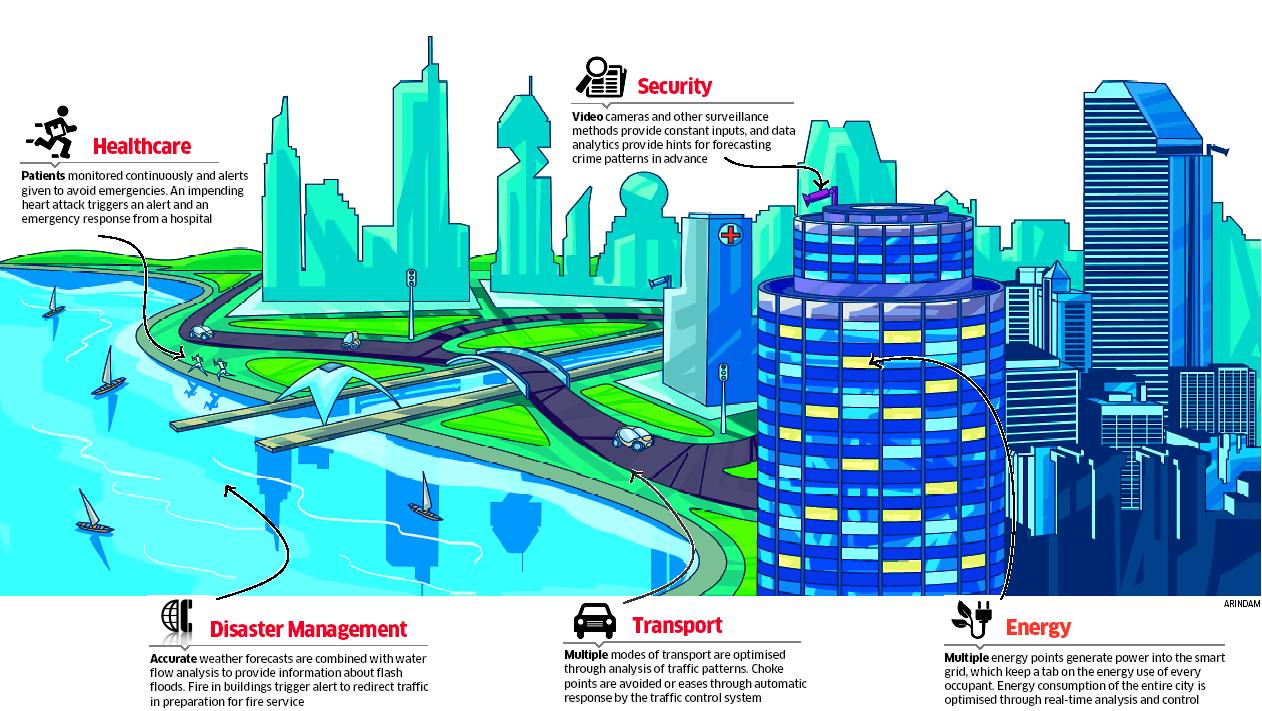
Smart city visualisation

The term ‘smart city’ refers to urban systems, and not to the smartness of residents. In fact, there is no universal definition of smart cities: it can mean smart utilities, smart housing, smart mobility or smart design.

Smart cities use information and communications technologies (ICTs) as their principal infrastructure. These become the basis for improving the quality and performance of urban services, reducing costs and resource consumption, and for engaging citizens more effectively.

ICTs – ranging from automatic sensors to data centres — would create ‘feedback loops’ within the complex city systems. If processed properly, this flow of data in real time can vastly improve the design of “hard” physical environment and the provision of “soft” services to citizens.

In this week’s Ravaya column, (in Sinhala, appearing in issue of 4 Oct 2015), I explore the concept of smart cities, which the new government of Sri Lanka wants to develop.

It is a formidable task. India in 2014 announced an ambitious programme to create 100 smart cities. Under this, state capitals, as well as many tourist and heritage cities are to receive funding for upgrading their infrastructure. But Prime Minister Modi and his technocrats have been struggling since then to explain just what they mean by smart cities.

I argue that smart cities need empowered people and engaged city administrators. I have argued in earlier in this column, concrete and steel do not a city make. Likewise, ICT enabled smart infrastructure alone will not create smart cities – unless the human factor is well integrated.

Smart City illustration by Times of India

ස්මාට් නගර ගැන කතාබහක් මතුවෙමින් තිබෙනවා. යෝජිත බස්නාහිර මෙගා නගරය (Western Regional Megapolis) ස්මාට් නගර ආකෘතියේ එකක් වනු ඇතැයි ද කියනවා.

ඒ අතර නගර සැලසුම් අමාත්‍ය රවුෆ් හකීම් සැප්තැම්බර් මුලදී කීවේ මහනුවර මෙරට මුල්ම ස්මාට් නගරය කිරීමට තමන්ට ඕනෑ බවයි.

ස්මාට් නගර යනු මොනවාදැයි හරිහැටි දැනගෙන මේ සංවාද කිරීම වැදගත්.

ඉංග‍්‍රීසියෙන් Smart Cities කියන්නේ ඩිජිටල් තාක්ෂණය හෙවත් තොරතුරු හා සන්නිවේදන තාක්ෂණ (ICT) සූක්ෂම ලෙස යොදා ගනිමින් නාගරික සේවාවල තත්ත්වය හා ප‍්‍රමිතිය උසස් කරන නාගරික ප‍්‍රදේශවලටයි.

ඒ හරහා සම්පත් හා බලශක්ති පරිභෝජනය කාර්යක්ෂම කර ගන්නා අතර වියදම් අඩු කර ගන්නවා. නාගරික කළමනාකරණය විද්වත් පදනමක් මත කරන ගමන් ජනතා සහභාගීත්වය ද වැඩි කරනවා. අප කවුරුත් පතන්නේ මෙවැනි නගර තමයි!

Smart Cities යන්නට වඩා සුදුසු සිංහල යෙදුම කුමක්ද?
මීට සති කිහිපයකට පෙර මේ ප‍්‍රශ්නය මා ෆේස්බුක් ජාලයේ මතු කළා. යෝජනා ගණනාවක් ලැබුණා. සූක්ෂ්ම නගර, බුද්ධිමත් නගර හා සවිඥානික නගර ආදී වශයෙන්.

ආචාර්ය සුනිල් විජේසිරිවර්ධන නුවණැති නගර යන්නත්, ආචාර්ය සුමනසිරි ලියනගේ දැනුමැති නගර යන යෙදුමත් යෝජනා කළා. මේ අතර රෙන්ටන් ද අල්විස් කීවේ උදාර නගර හෝ නැණැති නගර උචිත බවයි. ආචාර්ය හර්ෂණ රඹුක්වැල්ල සිතන්නේ ප‍්‍රබුද්ධ නගර වඩා හොඳ බවයි.

බ්ලොග් ලේඛක අජිත් පැරකුම් ජයසිංහ සංවාදයට එක් වෙමින් කීවේ මෙයයි: ‘‘ස්මාට් කියන වචනය දැන් බොහෝ දුරට සිංහල වෙලා නිසා මෙයට වෙනත් වචනයක් හදන්න උත්සාහ නොකර ස්මාට් පුරවර කියන යෙදුම හොඳයි.’’

ස්මාට් නගර ගැන පුළුල්ව සංවාද කිරීම අවශ්‍යයි. පණ්ඩිත යෙදුමක් වෙනුවට කාටත් පහසුවෙන් තේරුම් ගත හැකි සම්මත සිංහල වචනයක් එකඟ විය හැකි නම් හොඳයි. එතෙක් ස්මාට් නගර හා ස්මාට් පුරවර යන්න මා යොදා ගන්නවා.

Smart Cities image

ස්මාට් නගරවලට තනි නිර්වචනයක් නැහැ. නගරයක් ‘ස්මාට්’ වන්නේ යටිතල සැලසුම් පහසුකම්, ප‍්‍රවාහන සේවාවන් හෝ සැලසුම්කරණය අතින් විය හැකියි. පොදු සාධකය වන්නේ සංකීර්ණ පද්ධතිවල ක‍්‍රියාකාරීත්වය නිරතුරුව හා සජීවී ලෙසින් නිරික්සමින් නඩත්තු කිරීමේ තීරණ හා පියවර ක්ෂණිකව ගනිමින් සිටීමයි.

මෙයට ඉංග‍්‍රීසියෙන් feedback loop යයි කියනවා. නිරතුරු ප‍්‍රතිශෝෂණය හරහා ප‍්‍රමිතීන්ට අනුකූලව සේවා ප‍්‍රශස්තව පවත්වා ගැනීම යයි අපට සිංහලෙන් කිව හැකියි.

තාක්ෂණික හෝ පාරිභාෂික යෙදුම්වලට වඩා වැදගත් වන්නේ සංකල්පීය නිරවුල් බවයි. කොන්ක‍්‍රීට් හා වානේ ගොඩක් එක් තැන් කළ පමණට කිසිදිනෙක ස්මාට් නගර බිහි වන්නේ නැහැ. ප‍්‍රවේශම් විය යුතු තැනත් එතැනයි. ජනතා සිතුම් පැතුම් නොතකා තැනූ හම්බන්තොට වැනි නගර ස්මාට් නගරවල විරුද්ධ පදය වැනියි.

ස්මාට් නගරවල මුඛ්‍ය අරමුණ එහි සියලූ නේවාසික වැසියන්ට හා එයට පිටතින් පැමිණෙන අයට ආයාසය හා වියදම් අඩු කාර්යක්ෂම සේවා සපයාදීමයි. නගරයක විසීම හෝ නගරයකට යම් කාරියක් සඳහා යාම වදයක් නොවී ප‍්‍රමෝදයක් බවට පත් කිරීමයි.

නාගරීකරණය නොනැවතී ඉදිරියට යන ලෝක ව්‍යාප්ත සංසිද්ධියක්. 2010දී අප වැදගත් කඩඉමක් පසු කළා. ලෝක ඉතිහාසයේ මුල් වතාවට ලොව ජනගහනයෙන් අඩක් (50%) නගරවල වෙසෙන බව සංඛ්‍යා ලේඛන තහවුරු කළා.

කලාපීය වශයෙන් ගත් විට දකුණු ආසියාවේ දැනට නාගරික ජන ප‍්‍රතිශතය 30%යි. එහෙත් එය සීග‍්‍රයෙන් ඉහළ යමින් තිබෙනවා. ඉදිරි දශකවල (2050 වනවිට) ඉන්දියාවේ පමණක් නාගරික ජනගහනය තවත් මිලියන 404ක් එකතු වෙතැයි ගණන් බලා තිබෙනවා.

මේ සඳහා වැඩිපුර දායක වන්නේ ග‍්‍රාමීය පෙදෙස්වලින් නගරවලට ඇදී එන ජන සංක‍්‍රමණයයි. පහසුකම් හා අවස්ථා සොයාගෙන එසේ පැමිණීම තහනම් කරන්නට ප‍්‍රජාතන්ත‍්‍රවාදී රටවලට බැහැ. කළ හැකි එකම දෙය එය දරාගන්නට සැලසුම් හා ආයෝජන කිරීමයි.

14 Sep 2015: World Bank Report on Leveraging Urbanization in South Asia

ස්මාට් නගර සන්නිවේදන තාක්ෂණය යොදා ගන්නේ දත්ත මත පදනම් වී සජීව ලෙසින් තීරණ ගන්නටග ඉන්ටර්නෙට් පරිනාමයේ ඊළඟ අදියර නම් ස්වයංක‍්‍රීයව අවට පරිසරය නිරීක්ෂණය කරමින්, දත්ත රැස් කරමින්, ඒවා එසැනින් හා නිරතුරුව ඉන්ටර්නෙට් හරහා යම් නිශ්චිත කේන්ද්‍රයකට සපයන සංවේදක (Sensors) ප‍්‍රචලිත වීමයි. මෙය දැනටමත් ඇරැඹී තිබෙනවා.

ඉදිරි වසර කිහිපයේ මේ ප‍්‍රවණතාව අධිවේගීව වර්ධනය වනු ඇති. ඉන්ටර්නෙට් මාධ්‍යය ස්වයංක‍්‍රීයව අපේ ලෝකය ගැන සංවේදී වීම හඳුන්වන්නේ Internet of Things (IOT) කියායි. මෙහි මූලික පදනම මුළුමනින් යන්ත‍්‍ර අතර කැරෙන සන්නිවේදනය හෙවත් තොරතුරු හුවමාරුවයි. (Machine-to-machine communications, M2M).

මේ හැම සංවේදකයටම එයට ආවේණික වූ අංකයක් (IP Address) තිබෙන නිසා එය නිශ්චිතව හඳුනා ගත හැකියි. සංවේදක ප‍්‍රමාදයකින් තොරව සජීවී ලෙසින් සපයන දත්ත හරහා යම් තැනෙක, යම් ප‍්‍රවාහයක අලූත්ම තත්ත්වය දුර සිට නිරීක්ෂණය කළ හැකියි. (මේ සංවේදක CCTV කැමරා සමග පටලවා නොගන්න. අප මෙහිදී කතා කරන්නේ ක්ෂුද්‍ර පරිපථ මට්ටමේ සියුම් උපාංග ගැනයි.)

මෙබදු සංවේදක දැනටමත් විශාල පරිමාණයෙන් දකුණු කොරියාව, ඩෙන්මාර්කය, ස්විට්සර්ලන්තය, ඇමරිකා එක්සත් ජනපදය හා ජර්මනිය වැනි රටවල නවීන නගරවල හා සමහර කර්මාන්තවල භාවිත වනවා.

සංවේදකවලට අමතරව හැම වස්තුවකටම එයට ආවේණික අනන්‍යතාවක් ලබාදීම ද තාක්ෂණික ප‍්‍රගමනයේ තවත් අරමුණක්. මේ සඳහා බාර්කෝඞ්, QR කෝඞ් ආදී තාක්ෂණ දැනටමත් බහුලව යොදා ගන්නවා.

නගරයක පොදු අවකාශයේ ඇති හැම ලයිට් කණුවක්, ටෙලිෆෝන් කනුවක්, කසල බාල්දියක්, පොදු දුරකතනයක් ආදිය මෙසේ සංවේදක හරහා අනන්‍යතාවට ලක් කළ විට ඒවායේ තත්ත්වය දුර සිට විමර්ෂනය කළ හැකියි. ක‍්‍රියාකාරීත්වයේ ගැටලූවක් මතු වූ විට හරියටම ප‍්‍රශ්නකාරී තැන ඉක්මනින් හඳුනා ගත හැකියි. ඉලක්කගතව ප‍්‍රශ්න කඩිනමින් විසඳිය හැකියි.

බලශක්ති අරපිරිමැසුම, පාරිසරික තත්ත්වය නිරීක්ෂණය, කසල කළමනාකරණය, ප‍්‍රවාහන පද්ධති ප‍්‍රශස්තිකරණය ආදී බොහෝ භාවිතයන්ට මේ තාක්ෂණය දැනටමත් සමහර දියුණු රටවල නගර යොදා ගන්නවා. අලූතෙන් බිහි වන ස්මාට් නගර මුල පටන්ම නිර්මාණය කැරෙන්නේ මේ තාක්ෂණය පදනම් කර ගෙනයි.

South Korea's Songdo is one of the world's first smart cities
South Korea’s Songdo is one of the world’s first smart cities

උදාහරණයක් නම් දකුණු කොරියාවේ සොංඩෝ (Songdo) ස්මාට් නගරය. අගනුවර සෝල් සිට කි.මි. 65ක් නිරිතදිගින් හෙක්ටාර් 600ක විසිරුණු මේ නගරය මුළුමනින්ම ස්වයං-සංවේදක මගින් නිරීක්ෂණය කැරෙන හා කළමනාකරණය කැරෙන ස්ථානයක්. තවමත් ඉදි වෙමින් පවතින මෙය ව්‍යාපාරික, නේවාසික හා පොදු පහසුකම් රැසකින් සමන්විත වනු ඇති.

එය මතු වන්නේ ඉන්චොන් (Incheon) නුවරට ආසන්නව මුහුද ගොඩ කර තනා ගත් බිම් පෙදෙසකයි. 2015 අගවන විට නිම කිරීමට නියමිත මෙහි වියදම ඩොලර් බිලියන 40ක්. තනිකරම පෞද්ගලික අංශයේ ආයෝජනයක්.

මෙසේ මුල සිටම සැලසුම් කොට අලූතෙන් ගොඩ නගන නගර ‘ස්මාට්’ කිරීම සාපේක්ෂව වඩා පහසුයි. එහෙත් ඓතිහාසිකව අක‍්‍රමිකවත් ලෙස වර්ධනය වූ හා අවුල් සහගතව පවතින නගරවලටත් නව තාක්ෂණයන් නැණවත්ව යොදා ගෙන ස්මාට් වීමට හැකියි.

පවතින නගර ස්මාට් නගර බවට පරිවර්තනය කිරීමේ දැවැන්ත ප‍්‍රතිසැලසුම්කරණ ව්‍යාපෘති අරඹා තිබෙනවාට උදාහරණ ගණනාවක් තිබෙනවා. නෙදර්ලන්තයේ ඇම්ස්ටර්ඩෑම්, ස්පාඤ්ඤයේ බාසෙලෝනා, ස්වීඩනයේ ස්ටොකෝම්, ඇමෙරිකාවේ කැලිෆෝනියා ජනපදයේ සැන්ටා කෲස් ඒ අතර වනවා.

ඉන්දියාව මුහුණ දි සිටින දැවැන්ත නාගරිකකරණ අභියෝගයට ප‍්‍රතිචාර දක්වමින් 2014 මැදදී අගමැති නරේන්ද්‍ර මෝඩිගේ රජය ප‍්‍රකාශ කළේ එළැඹෙන වසර කිහිපයේදී ස්මාට් නගර 100ක් ඇති කිරීමට ඉන්දියාව පියවර ගන්නා බවයි. ප‍්‍රාන්තවල අගනගර, සංචාරකයන්ට වැදගත් ඓතිහාසික නගර ආදිය මේ ලැයිස්තුවට අයත්. ඒ අතර අලූතින්ම සැලසුම් කොට මුල සිටම බිහි කරන නගරත් කිහිපයක් තිබෙනවා. http://smartcities.gov.in/

එහෙත් වසරකට පසුව මේ ස්මාට් නගර සඳහා නිශ්චිත ඉදිරි දැක්මක් ප‍්‍රකාශ කිරීම ඉන්දීය නිලධාරීන්ට අපහසු වී තිබෙනවා. අතිශයින් සංකීර්ණ නාගරික කළමනාකරණ ගැටලූවලට තනිකර තාක්ෂණික විසඳුම් නැහැ. සමාජ විද්‍යාත්මක උපදෙස් මත, ජනතා සිතුම් පැතුම්වලට සංවේදීවෙමින් ක‍්‍රමයෙන් කළ යුතු වෙනස්කම් රැසක් තිබෙනවා.

India's proposed smart cities
India’s proposed smart cities

හරිහැටි මූලික පහසුකම් පවා නොමැතිව ජීවත්වන මිලියන ගණන් ජනයා ඉන්දියානු නගරවල සිටිනවා. ස්මාට් නගර බිහි කිරීමේ අරමුණ සාර්ථක වන්නේ සානුකම්පිතව හා සංවේදීව නාගරික සංවර්ධනය කළ හොත් පමණයි. ඉන්දියාවේ සබුද්ධික හා සක‍්‍රීය සිවිල් සමාජ ක‍්‍රියාකාරිකයන් නිසා රජයකට හිතුමතේ ක‍්‍රියා කරන්නට බැහැ.

ස්මාට් නගරයක මූලිකම ගුණාංගය නම් ඉහළ කාර්යක්ෂමතාවයි. කාර්යක්ෂම නගර සැලසුම් කරන්නට හා කළමනාකරණය කරන්නට නම් නේවාසික ජනයා සහ දිනපතා නගරයට ඇදී එන ජනයාගේ චර්යා රටා සමීපව හඳුනාගත යුතුයි.

නගරයක වැඩිපුර ජනයා ගැවසෙන්නේ කුමන ස්ථානවල කිනම් වේලාවකද? සතියේ දිනවල හා සති අන්ත දිනවල වෙනස්කම් මොනවාද? මහාමාර්ග, බස් හා දුම්රිය නැවතුම් පොළවල්, කඩපිල් හා සාප්පු සංකීර්ණ මෙන්ම උද්‍යාන හා වෙනත් විවෘත ස්ථානවල දවසේ පැය 24 ගෙවී යන්නේ කුමන ජන රාශිගත වීම් අනුවද?

මෙකී නොකී තොරතුරු හැකිතාක් දැන ගැනීම සැලසුම්කරණයට උපකාර වනවා. මේවා ගැන දළ හැගීමක් නාගරික ජනයාට ඇතත් සැලසුම්කරණයට නිශ්චිත දත්ත හා ඒවායේ විචල්‍ය පරාසය (වෙනස් වන සැටි) දැනගැනීම අවශ්‍යයි.

මේ සඳහා මෙතෙක් යොදාගත්තේ විටින් විට කරන සමීක්ෂණයි. එහෙත් සමීක්ෂණවලට සංකීර්ණ පද්ධතියක සියලූ විස්තර හසු කර ගන්න බැහැ. මේ නිසා පරිගණක හා සන්නිවේදන තාක්ෂණ යොදාගනිමින් දැන් නව දත්ත විශ්ලේෂණ ක්ෂේත‍්‍රයක් බිහිවී තිබෙනවා.

ඉංග‍්‍රීසියෙන් Big Data යයි කියන මෙයට මහා දත්ත විශ්ලේෂණය යයි අපට කිව හැකියි. මේ ගැන වෙනම කොලමකින් ඉදිරි සතියක කතා කරමු.

ස්මාට්, සංවේදී හා සානුකම්පිත යන ගුණාංග සියල්ල කැටිකරගත් විට තමයි සැබෑ ස්මාට් නගර බිහිවන්නේ.


Grassroots Journalism in the Digital Age: Innovate or Perish!

Grassroots Journalism in the Digital Age - by Nalaka Gunawardene
Grassroots Journalism in the Digital Age – by Nalaka Gunawardene

I just spoke to a group of 75 provincial level provincial journalists in Sri Lanka who were drawn from around the island. They had completed a training course in investigative journalism conducted by Transparency International Sri Lanka (TISL), with support from InterNews.

The certificate award ceremony was held at Sri Lanka Press Institute (SLPI), Colombo, on 2 October 2015.

In this talk, I look at the larger news media industry in Sri Lanka to which provincial journalists supply ground level news, images and video materials. These are used on a discretionary basis by media companies mostly based in the capital Colombo (and some based in the northern provincial capital of Jaffna). Suppliers have no control over whether or how their material is processed. They work without employment benefits, are poorly paid, and also exposed to various pressures and coercion.

A tale of two industries: one that evolved, and the other that hasn't quite done so...
A tale of two industries: one that evolved, and the other that hasn’t quite done so…

I draw a rough analogy with the nearly 150-year old Ceylon Tea industry, which directly employs around 750,000 people, sustains an estimated 2 million (10% of the population) and in 2014 earned USD 1.67 billion through exports. For much of its history, the Ceylon tea producers were supplying high quality tea leaves in bulk form to London based tea distributors and marketers like Lipton.

Then, in the 1970s, a former tea taster called Merrill J Fernando established Dilmah brand – the first producer owned tea brand that did product innovation at source, and entered direct retail. He wanted to “change the exploitation of his country’s crop by big global traders” – Dilmah has today become one of the top 10 tea brands in the world.

The media industry also started during British colonial times, and in fact dates back to 1832. But I question why, after 180+ years, our media industry broadly follows the same production model: material sourced is centrally processed and distributed, without much adaptation to new digital media realities.

I draw a parallel between tea small holders – those growing on lands less than 10 acres (4 ha) who account for 60% of Sri Lanka’s annual tea production – and the provincial journalists. Both are supplies at the beginning of a chain. Neither has much or any say in how their material is processed and marketed.

Provincial Journalists - Ground level ‘eyes and ears’ of media industry, unsung & often unknown
Provincial Journalists – Ground level ‘eyes and ears’ of media industry, unsung & often unknown

As usual, I don’t have all the answers, but I ask some pertinent questions:

Where are the Merrill Fernandos of our media industry?

Who can disrupt these old models and innovate?

Can disruptive innovators emerge from among provincial journalists?

How can they leverage digital tools and web based platforms?

What if they start value-adding at source and direct distribution via the web?

But since they have families to feed, how to make an honest living doing that?

PPT on SLIDEShare:

http://www.slideshare.net/NalakaG/grassroots-journalism-in-the-digital-age-by-nalaka-gunawardene

Corridors of Power Panel: Tapping our ‘Hybrid Media Reality’ to secure democracy in Sri Lanka

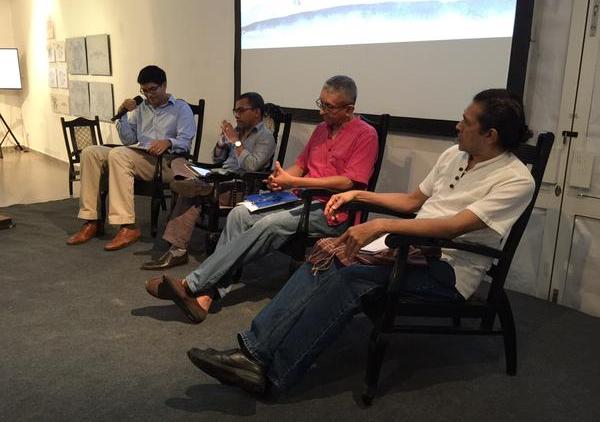
Sanjana Hattotuwa, curator, introduces panel L to R Asoka Obeyesekere, Amantha Perera, Nalaka Gunawardene, Lakshman Gunasekera
Sanjana Hattotuwa, curator, introduces panel L to R Asoka Obeyesekere, Amantha Perera, Nalaka Gunawardene, Lakshman Gunasekera. Photo by Manisha Aryal

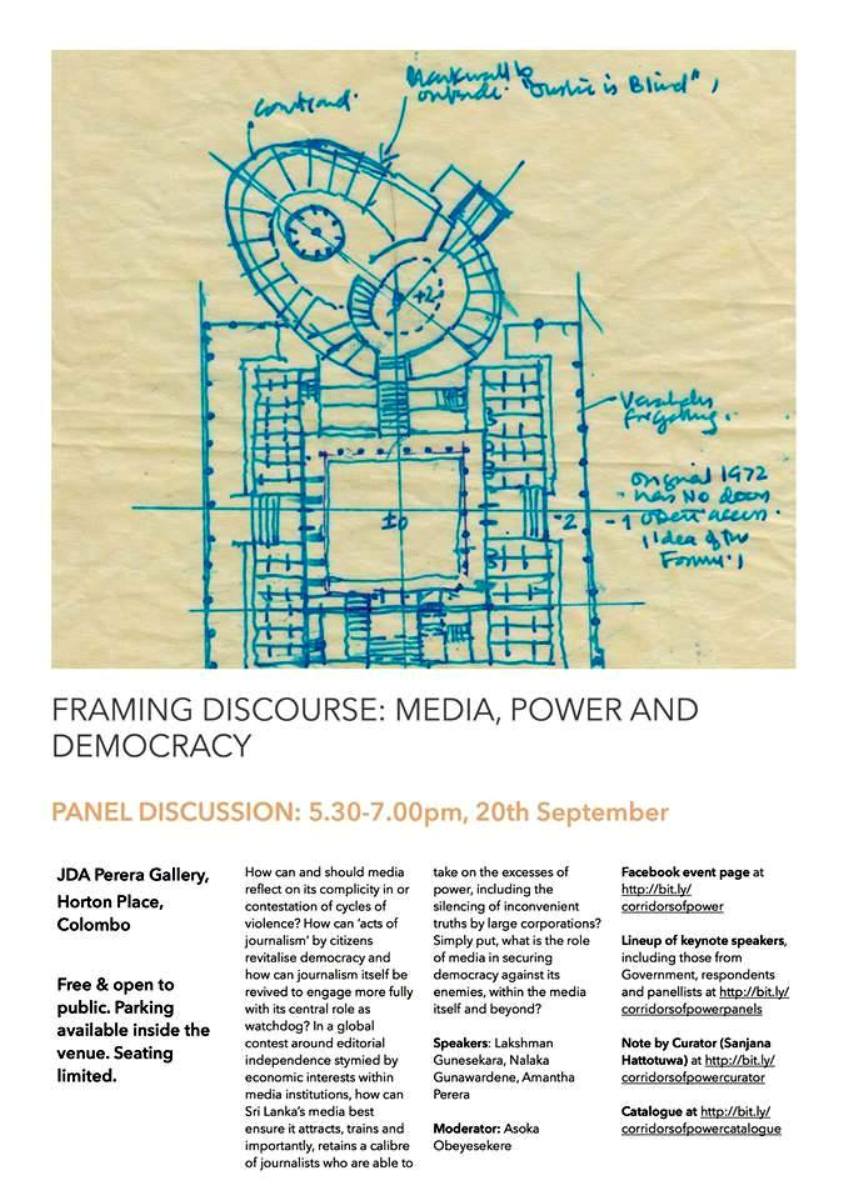
I just spoke on a panel on “Framing discourse: Media, Power and Democracy” which was part of the public exhibition in Colombo called Corridors of power: Drawing and modelling Sri Lanka’s tryst with democracy.

Media panel promo

The premise for our panel was as follows:

The architecture of the mainstream media, and increasingly, social media (even though distinct divisions between the two are increasingly blurred) to varying degrees reflects or contests the timbre of governance and the nature of government.

How can ‘acts of journalism’ by citizens revitalise democracy and how can journalism itself be revived to engage more fully with its central role as watchdog?

In a global contest around editorial independence stymied by economic interests within media institutions, how can Sri Lanka’s media best ensure it attracts, trains and importantly, retains a calibre of journalists who are able to take on the excesses of power, including the silencing of inconvenient truths by large corporations?

The panel, moderated by lawyer and political scientist Asoka Obeyesekere comprised freelance journalist Amantha Perera, Sunday Observer editor Lakshman Gunasekera, and myself.

Here are my opening remarks (including some remarks made during Q&A).

Nalaka Gunawardene speaks during media panel at Corridors of Power - Photo by Manisha Aryal
Nalaka Gunawardene speaks during media panel at Corridors of Power – Photo by Manisha Aryal

Panel on “Framing discourse: Media, Power and Democracy”

20 Sep 2015, Colombo

Remarks by Nalaka Gunawardene

Curator Sanjana has asked us to reflect on a key question: What is the role of media in securing democracy against its enemies, within the media itself and beyond?

I would argue that we are in the midst of multiple, overlapping deficits:

  • Democracy Deficit, a legacy of the past decade in particular, which is now recognised and being addressed (but we have a long way to go)
  • Public Trust Deficit in politicians and public institutions – not as widely recognised, but is just as pervasive and should be worrying us all.
  • Media Deficit, probably the least recognised deficit of all. This has nothing to do with media’s penetration or outreach. Rather, it concerns how our established (or mainstream) MEDIA FALLS SHORT IN PERFORMING the responsibilities of watchdog, public platform and the responsibility to “comfort the afflicted and afflict the comfortable”.

In this context, can new media – citizens leveraging the web, mobile devices and the social media platforms – bridge this deficit?

My answer is both: YES and NO!

YES because new media opportunities can be seized – and are being seized — by our citizens to enhance a whole range of public interest purposes, including:

  • Political participation
  • Advocacy and activism
  • Transparency and accountability in public institutions
  • Peace-building and reconciliation
  • Monitoring and critiquing corporate conduct

All these trends are set to grow and involve more and more citizens in the coming years. Right now, one in four Lankans uses the web, mostly thru mobile devices.

BUT CAN IT REPLACE THE MAINSTREAM MEDIA?

NO, not in the near term. For now, these counter-media efforts are not sufficient by themselves to bridge the three deficits I have listed above. The mainstream media’s products have far more outreach and and the institutions, far more resources.

Also, the rise of citizen-driven new media does NOT – and should NOT — allow mainstream media to abdicate its social responsibilities.

This is why we urgently need MEDIA SECTOR REFORMS in Sri Lanka – to enhance editorial independence AND professionalism.

The debate is no longer about who is better – Mainstream media (MSM) or citizen driven civic media.

WE NEED BOTH.

So let us accept and celebrate our increasingly HYBRID MEDIA REALITY (‘hybrid’ seems to be currently popular!). This involves, among other things:

  • MSM drawing on Civic Media content; and
  • Civic Media spreading MSM content even as they critique MSM

To me, what really matters are the ACTS OF JOURNALISM – whether they are RANDOM acts or DELIBERATE acts of journalism.

Let me end by drawing on my own experience. Trained and experienced in mainstream print and broadcast media, I took to web-based social media 8 years ago when I started blogging (for fun). I started tweeting five years ago, and am about to cross 5,000 followers.

It’s been an interesting journey – and nowhere near finished yet.

Everyday now, I have many and varied CONVERSATIONS with some of my nearly 5,000 followers on Twitter. Here are some of the public interest topics we have discussed during this month:

  • Rational demarcation of Ministry subject areas (a lost cause now)
  • Implications of XXL Cabinet of the National/Consensus Govt
  • Questionable role of our Attorney General in certain prosecutions
  • Report on Sri Lanka at the UN Human Rights Council (UNHRC) Session
  • Is Death Penalty the right response to rise of brutal murders?
  • Can our media be more restrained and balanced in covering sexual crimes involving minors?
  • How to cope with Hate Speech on ethnic or religious grounds
  • What kind of Smart Cities or MegaCity do we really need?
  • How to hold CocaCola LK responsible for polluting Kelani waters?

Yes, many of these are fleeting and incomplete conversations. So what?

And also, there’s a lot of noise in social media: it’s what I call the Global Cacophony.

BUT these conversations and cross-talk often enrich my own understanding — and hopefully help other participants too.

Self-promotional as this might sound, how many Newspaper Editors in Sri Lanka can claim to have as many public conversations as I am having using social media?

Let me end with the closing para in a chapter on social media and governance I recently wrote for Transparency International’s Sri Lanka Governance Report 2014 (currently in print):

“Although there have been serious levels of malgovernance in Sri Lanka in recent years, the build up on social media platforms to the Presidential Election 2015 showed that Lankan citizens have sufficient maturity to use ICTs and other forms of social mobilisation for a more peaceful call for regime change. Channelling this civic energy into governance reform is the next challenge.”

Photo by Sanjana Hattotuwa

Sri Lanka Parliamentary Election 2015: How did Social Media make a difference?

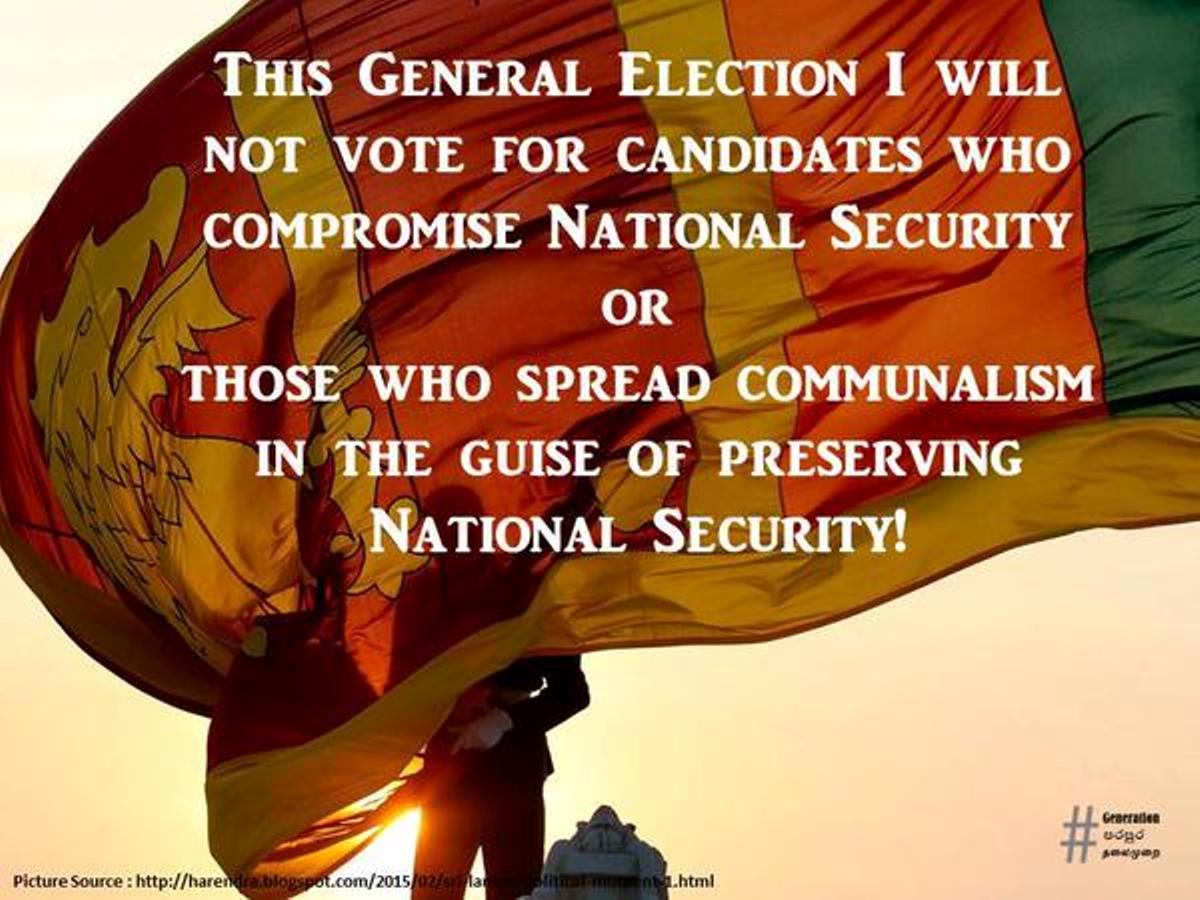
A Popular Election Meme created by Hashtag Generation, Sri Lanka

“Every citizen – including activists and academics — can play a part in shaping the future of our democracy. In this, technology is not the only key driver; what matters even more is the strategic use of our imagination and determination.

“We may not yet have all the detailed answers of our digital future, but one thing is clear. In 2015, we the people of Sri Lanka embarked on a progressive digitalization of our politics and governance.

“It is going to be a bumpy road – be forewarned — but there is no turning back.”

These are the closing paras of a long format essay I have just written on the role of social media in the recently concluded Sri Lanka Parliamentary (General) Election on 17 August 2015.  It has been published by Groundviews.org citizen journalism website.

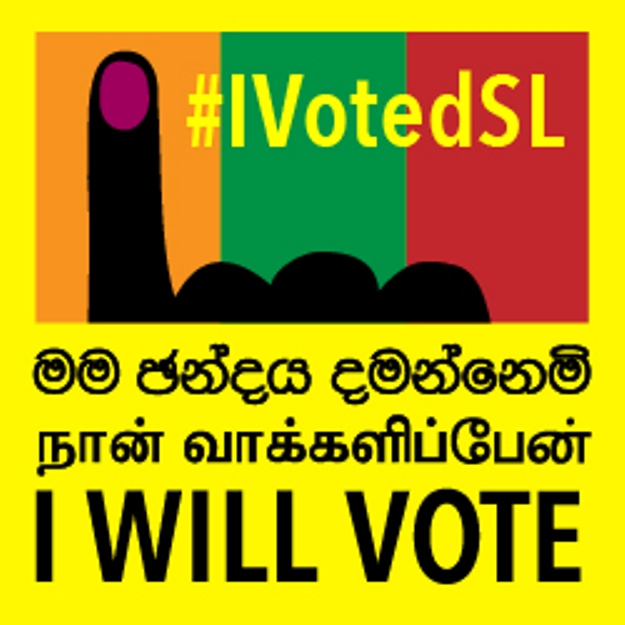
I Will Vote meme created by Groundviews.org - trilingual version
I Will Vote meme created by Groundviews.org – trilingual version

Shortly after the Presidential Election of 8 January 2015 ended, I called it Sri Lanka’s first cyber election. That was based on my insights from over 20 years of watching and chronicling the gradual spread of information and communications technologies (ICTs) in Sri Lanka and the resulting rise of an information society.

Since then, things have evolved further. In this essay, I look at how the Elections Commission, political parties, election candidates, civil society advocacy groups and individual cyber activists have used various social media tools and platforms in the run-up to, during and immediately after the Parliamentary Election.

Read full text at:

Groundviews.org 3 September 2015: Sri Lanka Parliamentary Election 2015: How did Social Media make a difference

A compact version appeared in Daily Mirror, 3 September 2015: Social Media and LK General Election 2015: Has E-democracy arrived in Sri Lanka?

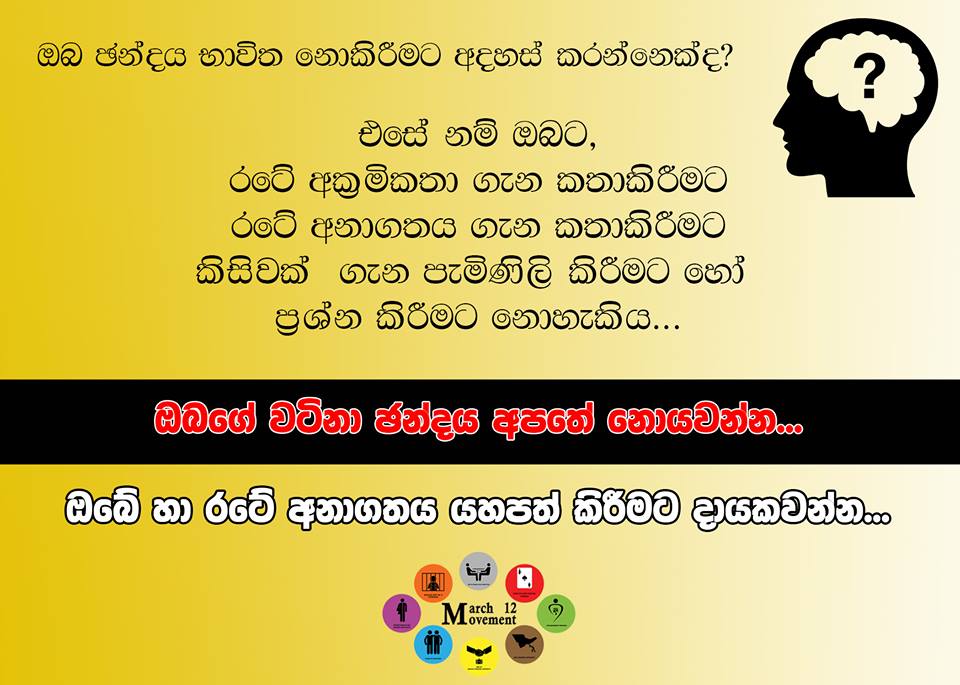
Not voting - then you have no right to complain afterwards! Voter message from March 12 Movement for Clean Politicians, Sri Lanka
Not voting – then you have no right to complain afterwards! Voter message from March 12 Movement for Clean Politicians, Sri Lanka

Social Media and LK General Election 2015: Has E-democracy arrived in Sri Lanka?

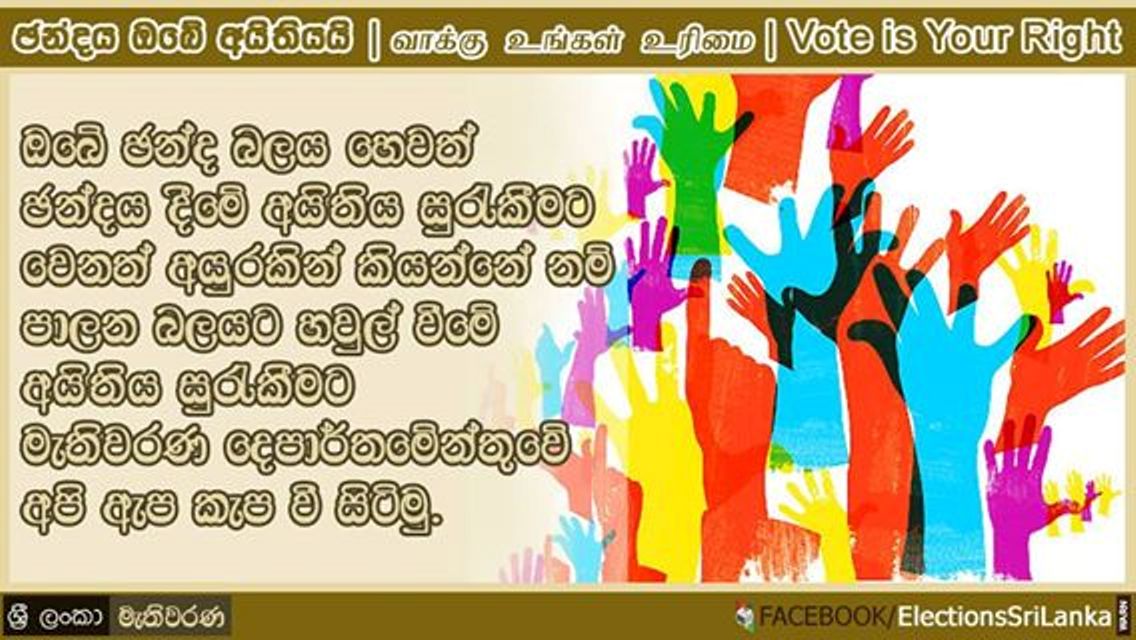
From Sri Lanka Elections Department Facebook page

“What role (if any) did social media play in the recently concluded General Election on 17 August 2015?

“Many are asking this question – and coming up with different answers. That is characteristic of the cyber realm: there is no single right answer when it comes to a multi-faceted and fast-evolving phenomenon like social media.

“Shortly after the Presidential Election of 8 January 2015 ended, I called it Sri Lanka’s first cyber election. That was based on my insights from over 20 years of watching and chronicling the gradual spread of information and communications technologies (ICTs) in Sri Lanka and the resulting rise of an information society.

“That was not the first time social media had figured in Lankan election campaigns. The trend started slowly some years ago, with a few tech-aware politicians and advertising agencies using websites, Facebook pages and twitter accounts for political outreach. However, such uses did not reach a ‘critical mass’ in the general and presidential elections held in 2010, or in the provincial and local government elections held thereafter.

“By late 2014, that changed significantly but this time the frontrunners were politically charged and digitally empowered citizens, not politicians or their support teams.”

The above is an extract from an op-ed I have just written and published in Daily Mirror broadsheet national newspaper in Sri Lanka (3 Sep 2015).

Full text is found online here:

Special thanks to Sanjana Hattotuwa and Yudhanjaya Wijeratne from whose analyses I have drawn. The unattributed opinions are all mine.

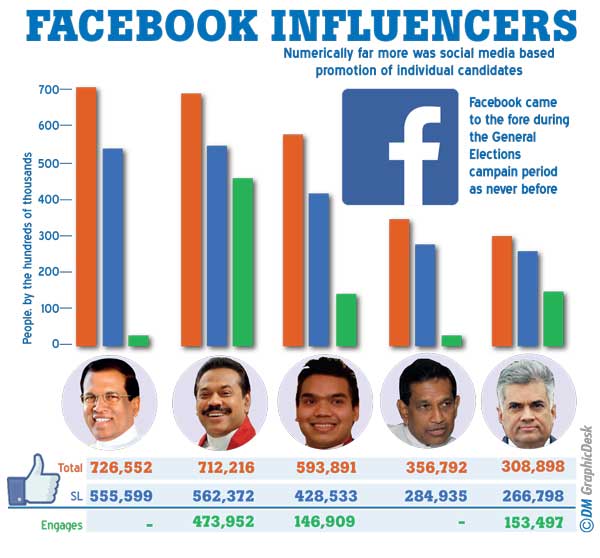
Infographic by Daily Mirror Sri Lanka

Echelon August 2015 column: Media Reforms – The Unfinished Agenda

Text of my column written for Echelon monthly business magazine, Sri Lanka, August 2015 issue

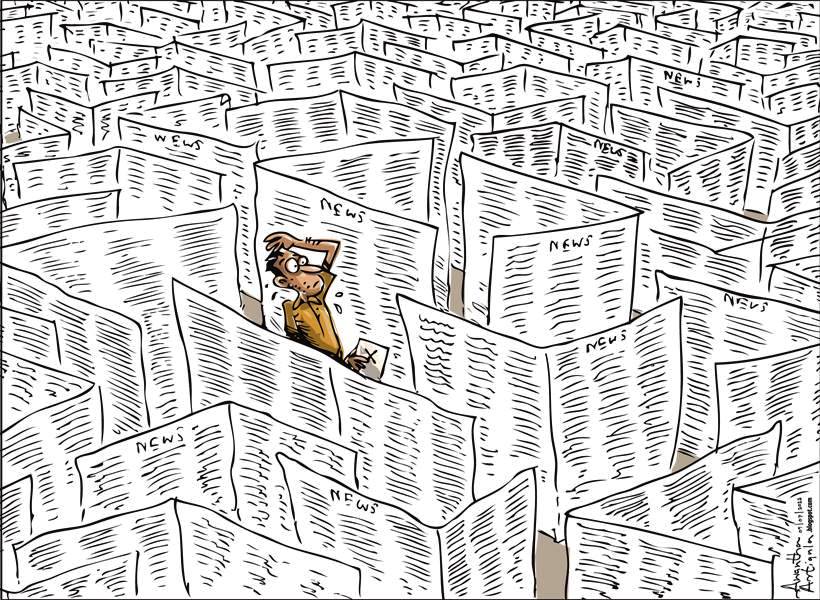
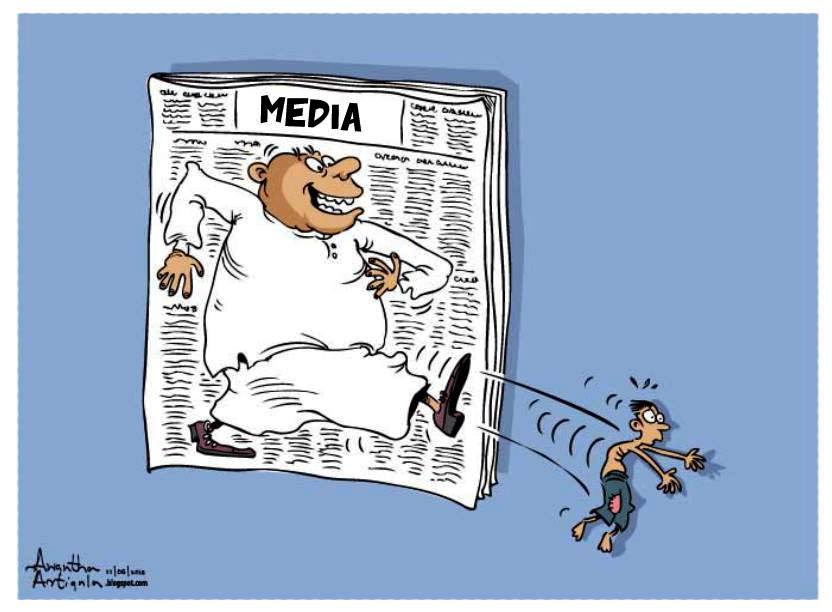
Cartoon by Awantha Artigala, Sri Lanka Cartoonist of the Year 2014

Media Reforms: The Unfinished Agenda

By Nalaka Gunawardene

When I was growing up in the 1970s, Sri Lanka’s media landscape was very different. We had only one radio station (state-owned SLBC) and three newspaper houses (Lake House, Times of Ceylon and Independent Newspapers). There was no TV, and the web wasn’t even invented.

At that time, most discussions on media freedom and reforms centred around how to contain the overbearing state – which was a key publisher, as well as the sole broadcaster, dominant advertiser and media regulator, all rolled into one.

Four decades on, the state still looms large on our media landscape, but there are many more players. The number of media companies, organisations and products has steadily increased, especially after private sector participation in broadcasting was allowed in 1992.

More does not necessarily mean better, however. Media researchers and advocacy groups lament that broadcast diversification has not led to a corresponding rise in media pluralism – not just in terms of media ownership and content, but also in how the media reflects diversity of public opinion, particularly of those living on the margins of society.

As the late Tilak Jayaratne and Sarath Kellapotha, two experienced broadcasters, noted in a recent book, “There exists a huge imbalance in both media coverage and media education as regards minorities and the marginalised. This does not come as a surprise, as it is known that media in Sri Lanka, both print and broadcast, cater mainly to the elite, irrespective of racial differences.”

 Media under pressure

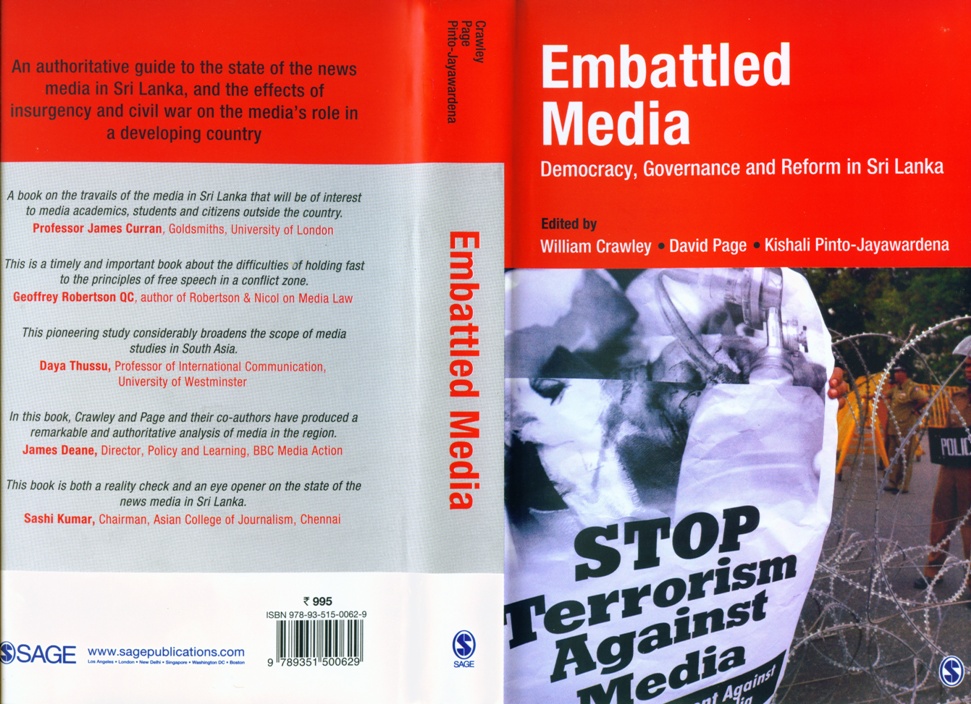
 The multi-author book, titled Embattled Media: Democracy, Governance and Reform in Sri Lanka (Sage Publications, Feb 2015), was compiled during 2012-14 by a group of researchers and activists who aspired for a freer and more responsible media. It came out just weeks after the last Presidential Election, where media freedom and reforms were a key campaigning issue.

In their preface, co-editors William Crawley, David Page and Kishali Pinto-Jayawardena say: “Media liberalisation from the 1990s onwards had extended the range of choice for viewers and listeners and created a more diverse media landscape. But the war in the north and insurrections in the south had taken their toll of media freedoms. The island had lived under a permanent state of emergency for nearly three decades. The balance of power between government, judiciary, the media and the public had been put under immense strain.”

Embattled Media - Democracy, Governance and Reform in Sri Lanka
Embattled Media – Democracy, Governance and Reform in Sri Lanka

The book, to which I have contributed a chapter on new media, traces the evolution mass media in post-colonial Sri Lanka, with focus on the relevant policies and laws, and on journalism education. It discusses how the civil war continues to cast “a long shadow” on our media. Breaking free from that legacy is one of many challenges confronting the media industry today.

Some progress has been made since the Presidential election. The new government has taken steps to end threats against media organisations and journalists, and started or resumed criminal investigations on some past atrocities. Political websites that were arbitrarily blocked from are once again accessible. Journalists who went into exile to save their lives have started returning.

On the law-making front, meanwhile, the 19th Amendment to the Constitution recognized the right to information as a fundamental right. But the long-awaited Right to Information Bill could not be adopted before Parliament’s dissolution.

Thus much more remains to be done. For this, a clear set of priorities has been identified through recent consultative processes that involved media owners, practitioners, researchers, advocacy groups and trainers. These discussions culminated with the National Summit on Media Reforms organised by the Ministry of Media, the University of Colombo, Sri Lanka Press Institute (SLPI) and International Media Support (IMS), and held in Colombo on 13 and 14 May.

Parallel to this, there were two international missions to Sri Lanka (in March and May) by representatives of leading organisations like Article 19, UNESCO and the International Federation of Journalists (IFJ). I served as secretary to the May mission that met a range of political and media leaders in Colombo and Jaffna.

 Unfinished business

We can only hope that the next Parliament, to be elected at the August 17 general election, would take up the policy and law related aspects of the media reform agenda (while the media industry and profession tackles issues like capacity building and greater professionalism, and the education system works to enhance media literacy of everyone).

Pursuing these reforms needs both political commitment and persistent advocacy efforts.


  • Right to Information: The new Parliament should pass, on a priority basis, the Right to Information Bill that was finalised in May 2015 with inputs from media and civil society groups.


  • Media Self-Regulation: The Press Council Act 5 of 1973, which created a quasi-judicial entity called the Press Council with draconian powers to punish journalists, should be abolished. Instead, the self-regulatory body established in 2003, known as the Press Complaints Commission of Sri Lanka (PCCSL), should be strengthened. Ideally its scope should expand to cover the broadcast media as well.


  • Law Review and Revision: Some civil and criminal laws pose various restrictions to media freedom. These include the Official Secrets Act and sedition laws (both relics of the colonial era) and the draconian Prevention of Terrorism Act that has outlived the civil war. There are also needlessly rigid laws covering contempt of court and Parliamentary privileges, which don’t suit a mature democracy. All these need review and revision to bring them into line with international standards regarding freedom of expression.


  • Broadcast regulation: Our radio and TV industries have expanded many times during the past quarter century within an ad hoc legal framework. This has led to various anomalies and the gross mismanagement of the electromagnetic spectrum, a finite public property. Sri Lanka urgently needs a comprehensive law on broadcasting. Among other things, it should provide for an independent body to regulate broadcasting in the public interest, more equitable and efficient allocation of frequencies, and a three-tier system of broadcasting which recognises public, commercial and community broadcasters. All broadcasters – riding on the public owned airwaves — should have a legal obligation be balanced and impartial in coverage of politics and other matters of public concern.


  • Restructuring State Broadcasters: The three state broadcasters – the Sri Lanka Rupavahini Corporation (SLRC), the Sri Lanka Broadcasting Corporation (SLBC) and the Independent Television Network (ITN) – should be transformed into independent public service broadcasters. There should be legal provisions to ensure their editorial independence, and a clear mandate to serve the public (and not the political parties in office). To make them less dependent on the market, they should be given some public funding but in ways that don’t make them beholden to politicians or officials.


  • Reforming Lake House: Associated Newspapers of Ceylon Limited or Lake House was nationalised in 1973 to ‘broadbase’ its ownership. Instead, it has remained as a propaganda mill of successive ruling parties. Democratic governments committed to good governance should not be running newspaper houses. To redeem Lake House after more than four decades of state abuse, it needs to operate independently of government and regain editorial freedom. A public consultation should determine the most appropriate way forward and the best business model.


  • Preventing Censorship: No prior censorship should be imposed on the media. Where necessary, courts may review media content for their legality after publication (on an urgent basis). Laws and regulations that permit censorship should be reviewed and amended. We must revisit the Public Performance Ordinance, which empowers a state body to pre-approve all feature films and drama productions.


  • Blocking of Websites: Ensuring internet freedoms is far more important than setting up free public WiFi services. There should be no attempts to limit online content and social media activities contravening fundamental freedoms guaranteed by the Constitution and international conventions. Restrictions on any illegal content may be imposed only through the courts (and not via unwritten orders given by the telecom regulator). There should be a public list of all websites blocked through such judicial sanction.


  • Privacy and Surveillance: The state should protect the privacy of all citizens. There should be strict limits to the state’s surveillance of private individuals’ and private entities’ telephone conversations, emails and other electronic communications. In exceptional situations (e.g. crime investigations), such surveillance should only be permitted with judicial oversight and according to a clear set of guidelines.
Cartoon by Awantha Artigala, Sri Lanka Cartoonist of the Year 2014

 Dealing with Past Demons

While all these are forward looking steps, the media industry as a whole also needs state assistance to exorcise demons of the recent past — when against journalists and ‘censorship by murder’ reached unprecedented levels. Not a single perpetrator has been punished by law todate.

This is why media rights groups advocate an independent Commission of Inquiry should be created with a mandate and adequate powers to investigate killings and disappearances of journalists and attacks on media organisations. Ideally, it should cover the entire duration of the war, as well as the post-war years.

Science writer Nalaka Gunawardene is on Twitter @NalakaG and blogs at http://nalakagunawardene.com

Beyond Google Loon: More Needed to Bring Internet for All

Article published in Daily Mirror newspaper (Sri Lanka) on 3 August 2015

Beyond Google Loon: More Needed to Bring Internet for All

 By Nalaka Gunawardene

Google's Project Loon is necessary, but not sufficient for Sri Lanka to provide Internet for All
Google’s Project Loon is necessary, but not sufficient for Sri Lanka to provide Internet for All

On July 28, the government of Sri Lanka signed a memorandum of understanding with Google, Inc., to spread wireless Internet access throughout the island.

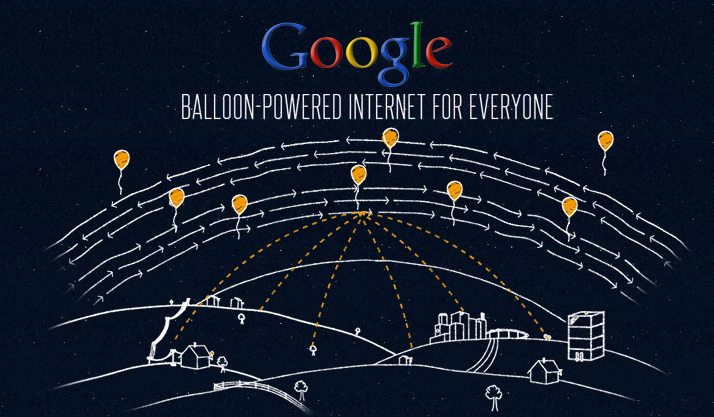
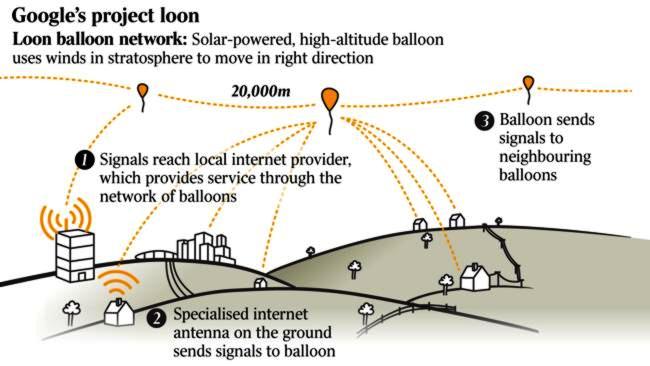
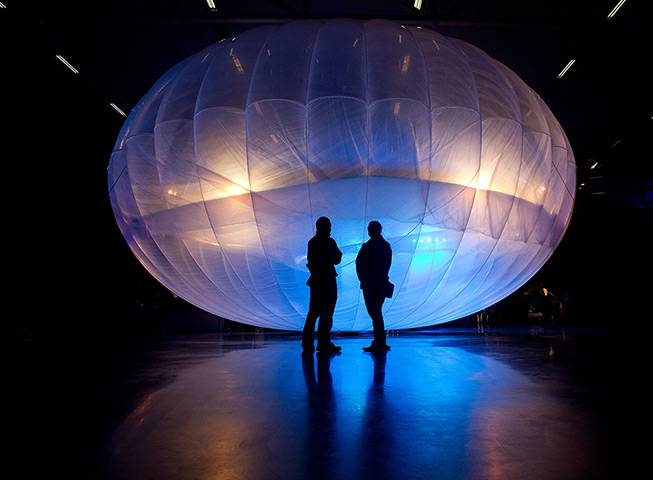
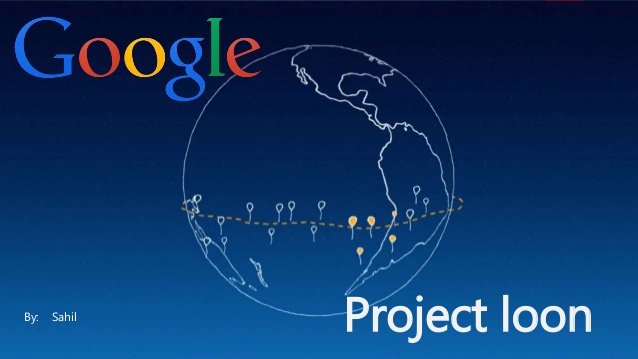
The partnership with Google Project Loon is for setting up a network of 13 high-tech balloons strategically positioned some 20 km above the island. These helium-filled and solar-powered balloons will act as ‘floating cell towers’ that distribute 3G mobile signals wider than ground-based towers can.

When commissioned in early 2016, this system would “make Sri Lanka potentially the first country in the world to have universal Internet access”, according to news reports.

This deal with Google was brokered by Lankan-born Silicon Valley venture capitalist Chamath Palihapitiya. The government’s Information and Communications Technology Agency (ICTA) hailed it as a major accomplishment.

Is it really so? What exactly does this deal bring us, and at what apparent or hidden costs? How will the average Internet user benefit?

Simplified diagram of how Google Loon system would work

Project Loon

We can only speculate, as the Lankan government’s MOU with the global media company has not been made public (Requests posed on Twitter were evaded by ICTA’s CEO.)

Going by generic information available online, Loon partnership seems a useful first step forward in enhancing Internet access in Sri Lanka. But it cannot work by itself. Other factors must fall into place.

According to Google, Project Loon (www.google.com/loon/) is “a network of balloons traveling on the edge of space, designed to connect people in rural and remote areas, help fill coverage gaps, and bring people back online after disasters”.

Sri Lanka’s Project Loon partnership promises to substantially extend the mobile broadband signal coverage of our existing Internet Service Providers, or ISPs.

Five mobile cellular telephone networks currently compete in our market where there are 107 mobile subscriptions for every 100 persons.

Airtel, Dialog, Etisalat, Hutch and Mobitel all use what is popularly known as Third Generation (3G) mobile broadband technologies. Some have also ventured into 4G.

Right now operators rely on their own networks of terrestrial towers for signal coverage. This naturally concentrates on where more people, businesses and offices are located. Thus, the south-western quadrant of the island enjoys much better signal coverage than many other areas. There are gaps that the market alone would probably never fill.

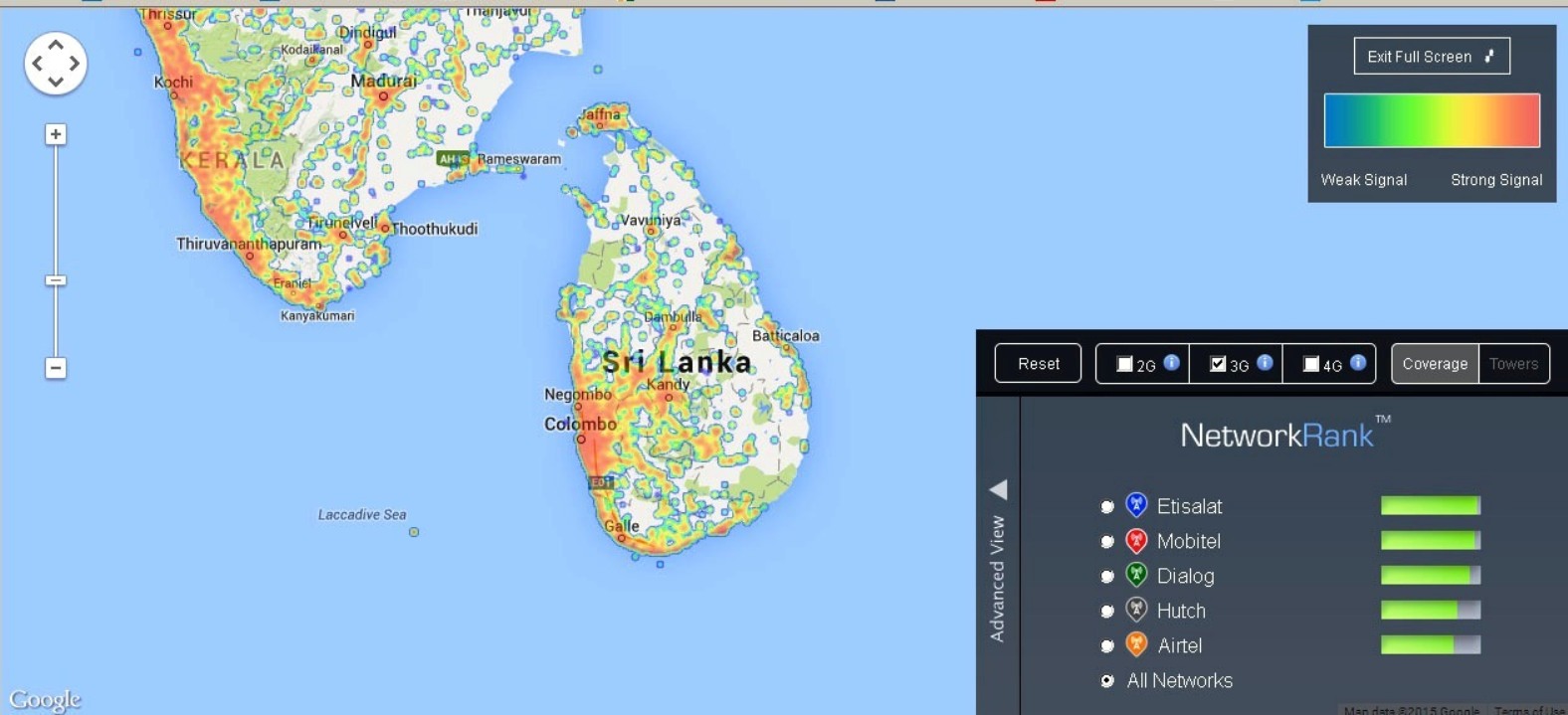
If we look at publicly available signal coverage maps on http://opensignal.com, for example, we see plenty of areas in Sri Lanka not yet covered by 3G from any telecom network.

All networks' 3G signal coverage - on 30 July 2015
All networks’ 3G signal coverage – on 30 July 2015

In theory, Google Loon’s 13 balloons over Lanka should extend our ISPs’ mobile broadband coverage to the whole land area of 65,610 sq km (25,332 square miles). Each balloon can provide connectivity to a ground area about 40 km in diameter using a wireless communications technology called LTE.

“To use LTE, Project Loon partners with telecommunications companies to share cellular spectrum so that people will be able to access the Internet everywhere directly from their phones and other LTE-enabled devices. Balloons relay wireless traffic from cell phones and other devices back to the global Internet using high-speed links,” says the project’s website.

There is one clear benefit of extra-terrestrial telecom towers: they are beyond the reach of geological and hydro-meteorological disasters that can knock out terrestrial ones. As a back-up system in the sky, well above most atmospheric turbulence, Loon can be invaluable in disaster communications.

Universal access?

But it’s important to remember that universal signal coverage does not necessarily mean universal access or universal use.

It is now two decades since Sri Lanka became the first in South Asia to introduce commercial Internet services. By end 2014, there were some 3.3 million Internet subscriptions in Sri Lanka, most of them (82%) were mobile subscriptions, says the Telecom Regulatory Commission (TRC).

Internet subscriptions are often shared among family members or co-workers so the number of users is higher. The Internet Society – a global association of technical professionals – estimated last year that 22% of Sri Lanka’s population regularly uses the Internet. So almost one in four Lankans gets online.

What about the rest? There can be different reasons why the rest is not connected – such as the lack of need, non-availability of service, affordability, and absence of skill.

I can think of three other important factors for successful Internet use:

  • COST: Contrary to some media reports, Project Loon by itself does not provide free wireless Internet or WiFi. Existing rates and packages of mobile operators would continue to apply. We already have some of the lowest data communication rates in Asia, so how much lower can these drop?
  • QUALITY of service: Mobile companies must ensure that broadband speeds don’t drop drastically as more users sign up. Such increase of backhaul capacity hasn’t always happened, leading to complaints that we get FRAUDBAND in the name of broadband!
  • USER CAPACITY: The Census and Statistics Department’s latest (2014) survey found basic computer literacy in Sri Lanka has reached 25%. Since the survey covered only desk top computers and laptops, this figure could be under-estimating the digital skills of our young people who quickly master smartphones and other digital devices. But then, most are not careful with privacy and data protection.

So beyond Project Loon, we have much more to do on the ground to reach a knowledge based economy and inclusive information society.

Google Project Loon balloon on display at Airforce Museum in Christchurch, New Zealand

Google’s Benefits

Finally, what is in it for Google? Why are they giving this facility to our telecom companies apparently for free?

The information and media giant is investing millions of US Dollars for research, development and launching the service. Yes Google has deep pockets, but it is not a charity. So what do they gain?

For one thing, the Sri Lanka experience will produce proof of concept for Loon in a relatively small sized market. To operate, Google Loon balloons need permission to hover over Lankan airspace – this concession can inspire confidence in other governments to also agree.

In the long term, more people going online will generate more users for Google, which already dominates search engines globally (over 85%) and offers a growing range of other services. The company can then market its myriad eyeballs to advertisers…

There is no such thing as a free lunch. But as long as we engage Google without illusions, it can be a win-win partnership.

Science writer Nalaka Gunawardene has been chronicling and analysing the rise of new media in Sri Lanka since the early 1990s. He is active on Twitter @NalakaG and blogs at http://nalakagunawardene.com

project-loonppt-1-638

සිවුමංසල කොලූගැටයා #230: ජාතික ආරක්ෂාවට යයි කියා රජය පුරවැසියන්ගේ ඔත්තු බැලීම හරිද?

The July 21 Statement on Freedom of Expression and Media Freedom, issued by 10 media associations and advocacy groups in Sri Lanka for the attention of political parties contesting in General Election 2015, included this recommendation:

Privacy and Surveillance: The state should respect and protect the privacy of all citizens. There should be strict limits to the state surveillance of private individuals’ and entities’ telephone conversations and electronic communications. In exceptional situations, such surveillance should only be permitted with judicial oversight and according to a clear set of guidelines.”

In this week’s Ravaya column, (in Sinhala, appearing in issue of 2 August 2015), I have expanded on this by exploring the extent of state electronic surveillance in Sri Lanka.

It is a murky field where evidence is not easily found, and I rely heavily on the published accounts by leading national and international media groups: Freedom on the Net Report on Sri Lanka; Reporter Sans Frontiers (RSF) report on countries under state surveillance: Sri Lanka section; and investigative articles published by Sri Lanka’s Groundviews.org.

I also look at the legal provisions for surveillance and gaps in legal protection for privacy in Sri Lanka. All this points out to an overbearing state that spies on private citizens as and when it pleases, all on the pretext of national security. We need clearer guidelines and judicial oversight to restrain the state from turning into Big Brother.

Are we being watched by our government without our knowledge or consent? Is it legal?

භාෂණයේ නිදහස හා මාධ්‍ය නිදහස සඳහා දේශපාලන පක්ෂවලට ප‍්‍රමුඛතා දහයක් ඉදිරිපත් කරන්නට ජූලි 21 වනදා කොළඹදී පැවති මාධ්‍ය සාකච්ඡාවේදී මාධ්‍යවේදීනී සීතා රන්ජනී මෙසේ කීවා.

‘‘පසුගිය වකවානුවේ (2014 අග දක්වා) අප බොහෝ දෙනකුගේ දුරකථන සංවාද හා ගමන් බිමන් සියල්ල සොයා බලන බව අපට තේරුණා. අප දුරකථන මගින් කතා කොට මාධ්‍යවේදී පුහුණු වැඩමුළු සැලසුම් කර අදාල තැනට යන විට කොහෙන්දෝ එකවර මතු වන විරෝධතාවලට අප මුහුණු දුන්නා. අප රැස්වන තැන්, යොදා ගන්නා සම්පත්දායකයන් ආදී හැම තොරතුරක්ම කෙසේ හෝ මේ උදවිය කල් තබා දැන සිටියා. මෙය හැකි වුණේ අප නිරතුරු ආවේක්ෂණයට ලක් වූ නිසායි.’’

මෙය බරපතල තත්ත්වයක්. රාජ්‍ය ආවේක්ෂණ (state surveillance) අත්දැකීම අඩු වැඩි පමණින් ලද තවත් බොහෝ මාධ්‍යවේදීන්, සිවිල් සමාජ ක‍්‍රියාකාරිකයන් හා දේශපාලකයන් මෙරට සිටිනවා. ගෙවී ගිය දශකයේදී මෙරට රජය විසින් පුරවැසියන් ආවේක්ෂණය කිරීම බොහෝ සෙයින් පුළුල් වූ බවට ඉඟි තිබෙනවා.

See: Freedom on the Net: Sri Lanka Report 2014

යුද්ධය පවතින විට ජාතික ආරක්ෂාව සඳහා යම් පුද්ගලයනගේ හා කණ්ඩායම්වල කතාබහ ආවේක්ෂණය කළත් යුද්ධය නිමා වීමෙන් පසුවත් වසර ගණනක් එය දිගටම පවත්වාගෙන යාම කෙසේ සාධාරණීකරණය කළ හැකිද?

එසේම අපරාධකරුවන්, කැරලිකරුවන් හෝ වෙනත් නීති විරෝධී ක‍්‍රියාවල නිරත වූවන්ගේ සැලසුම් කල් තබා අනාවරණය කර ගන්නට යයි කියා කරන ආවේක්ෂණ විපක්ෂ දේශපාලකයන්, සිවිල් සමාජ ක‍්‍රියාකාරිකයන්, මාධ්‍යවේදීන් හා සරසවි ඇදුරන් දක්වා දිගු වූයේ ඇයි? ජාතික ආරක්ෂාව නම් සංකල්පය පවත්නා රජයේ ආරක්ෂාව ලෙසින් පටු ලෙස විග‍්‍රහ කිරීම නිසාද?

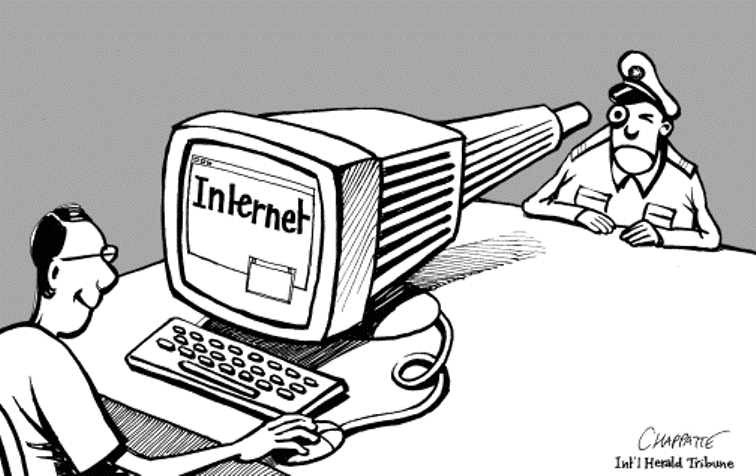
Do you know who is watching you?

Dialog CEO Hans Wijesuriya: “No surveillance program in Sri Lanka, but telecoms have to comply”’. The Republic Square, 28 September 2013

මහා පරිමාණ ආවේක්ෂණය වෙත ගෙවී ගිය දශක දෙක තුනක් තිස්සේ මෙරට පැවති සියලූ රජයන් යොමු වීම සිවිල් අයිතිවාසිකම් පැත්තෙන් බලන විට මහත් අහිතකර ප‍්‍රවණතාවක්.

මෙය පුරවැසියන් නොදැනුවත්ව, අධිකරණ අධීක්ෂණයකින් තොරව දිගටම සිදුවීමට එරෙහිව ඇති තරම් සමාජ ප‍්‍රතිවිරෝධයක් මතු නොවීමද තැති ගත යුතු මට්ටමේ කාරණයක්. අප මේ තරමට දැන් සමාජයක් ලෙස උදාසීන වී සිටිනවාද?

2014 දෙසැම්බර් 25 වනදා නිව්යෝර්ක් ටයිම්ස් පුවත්පත ශ‍්‍රී ලංකාවේ එවකට උත්සන්න වෙමින් තිබූ ජනාධිපතිවරණ කැම්පේන් ගැන දීර්ඝ ලිපියක් පළ කළා. විවිධ දේශපාලන චරිත සමග සාකච්ඡා කිරීමෙන් පසු ලියැවුණු එහි එක් තැනෙක හිටපු ධීවර අමාත්‍ය (දැන් සෞඛ්‍ය අමාත්‍ය) දොස්තර රාජිත සේනාරත්න උපුටා දක්වමින් කියන්නේ නොවැම්බර් 21 වනදාට පෙර පොදු විපක්ෂ අපේක්ෂකයා ගැන කතාබහ ඉතා රහසිගතව සිදු කරන ලද බවයි.

With Viber's help, opposition politicians dodged Rajapaksa regime's surveillance in late 2014
With Viber’s help, opposition politicians dodged Rajapaksa regime’s surveillance in late 2014

හොරෙන් අසා සිටීමට ලක් නොවන ආකාරයේ (චන්ද්‍රිකා?) දුරකථන භාවිත කරමින්, සංකේත බසින් තමා ඇතුළු පිරිසක් මෛත‍්‍රීපාල සිරිසේන පොදු අපේක්ෂකයා කිරීම සැලසුම් කළ බව ඔහු කියනවා. ඉන්ටනෙට් හරහා කටහඬ හා ලිඛිත පණිවුඩ හුවමාරු කර ගත හැකි වයිබර් (Viber) නම් මෘදුකාංගයද මේ පිරිස යොදාගෙන තිබෙනවා.

මෙතරම් ප‍්‍රවේශම්කාරී වීමට හේතුව බොහෝ විපක්ෂ දේශපාලකයන් මෙන්ම ඇතැම් (එවකට) ආණ්ඩු පක්ෂයේ දේශපාලකයන්ද ගිය රජය විසින් දැඩි ලෙස ආවේක්ෂණයට ලක් කර තිබූ නිසායි. මේ බව හිටපු ජනාධිපතිනි චන්ද්‍රිකා කුමාරතුංග ද වරක් ප‍්‍රසිද්ධියේ ප‍්‍රකාශ කළා.

රජයන් විසින් සිවිල් ජනයා ආවේක්ෂණය මුල් යුගයේ කරනු ලැබුවේ දුරකථන සංවාදවලට දුරකථන හුවමාරු (phone exchange) හරහා රහසිගතව සවන් දීමෙන්. එහෙත් පරිගණක හා සන්නිවේදන තාක්ෂණයේ දියුණුවත් සමග වඩාත් සූක්ෂමව, පුළුල්ව හා ස්වයංක‍්‍රීය ලෙසින් දුරකථන සංවාද පමණක් නොව ඊමේල්, ස්කයිප් කතාබහ හා ඉන්ටර්නෙට් හරහා කරන බොහෝ හුවමාරු කිසිවකුට නොදැනී ආවේක්ෂණය කළ හැකිව තිබෙනවා.

Internet surveillance: not just in China...
Internet surveillance: not just in China…

ඉන්ටර්නෙට් ජාලයට සම්බන්ධිත පරිගණකයක් හෝ ජංගම දුරකථනයක් තුළට හොර රහසේ පිවිසී එහි දත්ත හා පණිවුඩ හීන්සීරුවේ පිටස්තර පාර්ශ්වයකට ලබා දීමේ ඔත්තු බලන ක‍්‍රම දියුණු කොට තිබෙනවා.

පරිගණක හෝ ජංගම දුරකථන භාවිත කරන බොහෝ දෙනකුට මේ ගැන වැටහීමක් නැහැ. රජයට පමණක් නොව ටෙලිකොම් සමාගම්වලටද මේ හැකියාව තිබෙනවා.

ආවේක්ෂණ තාක්ෂණයන් හා සේවාවන් අධික මිලකට අලෙවි කරන තාක්ෂණ සමාගම් ලෝකයේ තිබෙනවා. බොහෝ විට ඔවුන්ගේ ගැනුම්කරුවන් වන්නේ රාජ්‍ය බුද්ධි අංශ හා අපරාධ පරීක්ෂණ පොලිසි ආදියයි.

ඉතාලියේ මිලාන් නුවර පිහිටි මෙබඳු එක් සමාගමක් ‘හැකිං ටීම්’ (Hacking Team) නම් වනවා. 2013දී දේශසීමා විරහිත වාර්තාකරුවෝ (RSF) නම් ජාත්‍යන්තර මාධ්‍ය නිදහස් ක‍්‍රියාකාරී සංවිධානය ප‍්‍රසිද්ධ චෝදනාවක් කළා. එනම් හැකිං ටීම් මගින් සපයන ආවේක්ෂණ පහසුකම් යොදා ගනිමින් මර්දනකාරී ආණ්ඩු භාෂණ නිදහස හා මාධ්‍ය නිදහසට තර්ජනය වන ලෙස මාධ්‍යවේදීන්, විකල්ප මතධාරීන් හා වෙබ් ක‍්‍රියාකාරිකයන්ට එරෙහිව ක‍්‍රියා කරන බවයි.

RSF report on countries under state surveillance: Sri Lanka

2015 ජූලි මස මුලදී හැකිං ටීම් සමාගමේ පරිගණකවලට ද යම් කිසිවකු අනවසරයෙන් පිවිසී (හැක් කොට) ඔවුන්ගේ දත්ත අතිවිශාල සමුදායක් (400GB) ඕනෑම කෙනකුට බලා ගත හැකි වන්නට ඉන්ටර්නෙට් ජාලයට මුදා හරිනු ලැබුවා. මේ සමාගම ලෝකයේ කිනම් රජයන්ට කුමන ආවේක්ෂණ උපකරණ හා සේවා සපයා ඇත්ද යන්න ගැන මෙතෙක් රහසිගතව තිබූ තොරතුරු රැසක් මේ හරහා අනාවරණය වුණා.

මේ අනුව ලොව පුරා විසිර සිටින පොලිසි, මිලිටරි, මධ්‍යම රජයන් හා පළාත් රජයන් 70කට වැඩි ගණනකට ඔවුන් අවේක්ෂණ තාක්ෂණයන් ලබා දී යූරෝ මිලියන් 40කට වඩා උපයා ගෙන තිබෙනවා.

Hacking Team Emails Expose Proposed Death Squad Deal, Secret U.K. Sales Push and Much More

Groundviews: Going beyond mainstream media in the public interest

මේ ඔස්සේ ගවේෂණය කළ මෙරට පුරවැසි මාධ්‍ය වෙබ් අඩවියක් වන ග‍්‍රවුන්ඞ්වීව්ස් (Groundviews.org), මෙම ඉතාලි සමාගම 2013-14 කාලයේ ශ‍්‍රී ලංකාවේ බුද්ධි සේවාවලට ද සිය සේවා අලෙවි කිරීමට ඊමේල් ගණනාවක් හුවමාරු කරගෙන ඇති බව සොයා ගත්තා.

විශේෂයෙන් ඕනෑම ආරක්ෂිත පරිගණකයකට හොරෙන් පිවිසී ඔත්තු බැලිය හැකි Remote Control System (RCS) නම් තාක්ෂණය ගැන මෙරට සිට ඔවුන්ගෙන් විමසා තිබුණා. 2014 මාර්තුවේ ඔවුන්ට මෙරටින් යවන ලද එක් ඊමේල් පණිවුඩයක් කීවේ ‘ශ‍්‍රී ලංකාවේ ආරක්ෂක අමාත්‍යංශය, සරසවියක් ද සමග එක්ව විද්‍යුත් ආවේක්ෂණ හා සෙවීමේ ක‍්‍රමයක් පිහිටුවීමට සැලසුම් කරන’ බවයි.

මේ සරසවිය කුමක්ද යයි පැහැදිලි නැහැ (කොළඹ හෝ මොරටුව විය යුතුයි). එසේම ගිය රජය විසින් මෙම තාක්ෂණය මිලට ගත්තා ද යන්න ඊමේල් හුවමාරුවෙන් හරිහැටි කිව නොහැකියි. එහෙත් කිසිදා නොතිබූ තරම් දැවැන්ත ආවේක්ෂණ ප‍්‍රයත්නයක් සඳහා සැලසුම් කළ බව නම් පෙනෙනවා.

Hacking the hackers: Surveillance in Sri Lanka revealed

Sanjana Hattotuwa
Sanjana Hattotuwa

ඩිජිටල් හා සයිබර් මාධ්‍ය හරහා අප ලෙහෙසියෙන් සන්නිවේදනය කරන අතර පෞද්ගලිකත්වය රැක ගැනීමට වගකීමෙන් හා අරපරීක්ෂාවෙන් ක‍්‍රියාකළ යුතුයි. ඩිජිටල් ක‍්‍රියාකාරී හා ග‍්‍රවුන්ඞ්වීව්ස් කතුවර සංජන හත්තොටුව මෙය යළි යළිත් අවධාරණය කරනවා.

ඉතාලි ආවේක්ෂණ තාක්ෂණය කෙසේ වෙතත්, 2010-12දී චීන ටෙලිකොම් සමාගම්වලට මෙරටට උපකරණ සැපයීමට ඉඩදීම හරහා ආවේක්ෂණ හැකියාව ලැබෙන්නට ඇතැයි සංජන අනුමාන කරනවා. මහජනතාවට තොරතුරු දැනගැනීමේ අයිතිය තවමත් නීතිගතව නැති නිසා විස්තර සොයා යෑම අපහසුයි.

2012 පෙබරවාරි 16 වනදා විග‍්‍රහයක් පළ කරමින් සංජන කීවේ හුවාවෙයි (Huawei) හා ZTE නම් චීන සමාගම් මෙරටට ඩොලර් මිලියන ගණන් වටිනා විදුලි සංදේශ උපකරණ සපයන බවයි. බටහිර රටවලට ඉන් පෙර සපයන ලද උපකරණ හරහා නොදැනීම සයිබර් ඔත්තු බැලීමට චීන රජයට ආධාර කළා යැයි මේ චීන සමාගම් දෙකටම බරපතල චෝදනා එල්ල වී තිබුණා.

විශේෂයෙන්ම ශ‍්‍රී ලංකා ටෙලිකොම් සමාගමේ ADSL ඉන්ටර්නෙට් බෙදාහැරීම් පද්ධතිය Huawei තාක්ෂණය යොදා ගන්නවා. අහිංසක ලෙස පෙනුණත් මේ හරහා හොර රහසේ ග‍්‍රාහකයන්ගේ පෞද්ගලික ඊමේල්, ස්කයිප් හා අනෙක් හුවමාරුවලට ප‍්‍රවේශම්වීමේ හැකියාව මෙරට බුද්ධි අංශවලට දැනටමත් ලැබී ඇත්ද? සංජන හත්තොටුව මේ ගැන වසර කිහිපයක සිට අනතුරු අඟවනවා.

Are Chinese Telecoms acting as the ears for the Sri Lankan government?

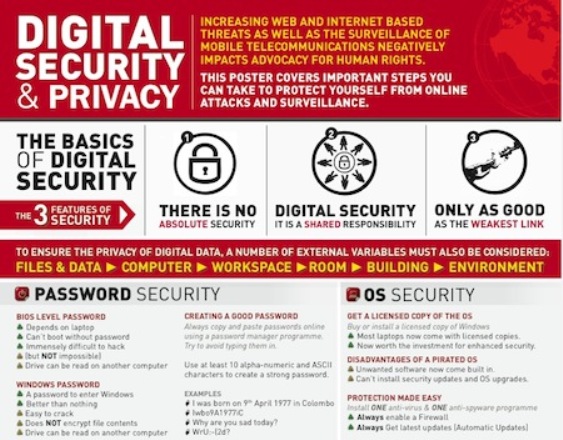
තමන්ගේ ඩිජිටල් ආරක්ෂාව මුළුමනින්ම තහවුරු කර ගැනීම අසීරු වුවත් වඩා හොඳින් ශක්තිමත් කර ගැනීමට ගත හැකි සරල පියවර කියා දෙන පෝස්ටර් පෙළක් විකල්ප ප‍්‍රතිපත්ති කේන්ද්‍රය මගින් 2012දී භාෂා තුනෙන්ම නිකුත් කරනු ලැබුවා.

තමන්ගේ ඩිජිටල් ආරක්ෂාව ශක්තිමත් කර ගැනීමට ගත හැකි සරල පියවර...
තමන්ගේ ඩිජිටල් ආරක්ෂාව ශක්තිමත් කර ගැනීමට ගත හැකි සරල පියවර…

1991 අංක 25 දරණ විදුලි සංදේශ පනත (1996දී සංශෝධිත) හා 2007 අංක 24 දරණ පරිගණක අපරාධ පනත යම් පටු පරාසයක් තුළ විද්‍යුත් ආවේක්ෂණය හා අනවසරයෙන් පණිවුඩ/දත්ත ග‍්‍රහණය කිරීම වරදක් යයි පිළි ගන්නවා. එහෙත් නීතිය ක‍්‍රියාත්මක කරන රජයේ ආයතනවලට අවශ්‍ය අවස්ථාවන්හිදී එසේ කිරීමට ඉඩකඩ තිබෙනවා. (ඒ කියන්නේ පාඨක ඔබ හෝ මා එය කළොත් නීති විරෝධියි. එහෙත් රජය කළොත් එසේ නැහැ!).

එසේ ආවේක්ෂණය කරන විට කුමන විනයක්, සීමාවක් හෝ ක‍්‍රමවේදයක් රාජ්‍ය ආයතන අනුගමනය කළ යුතුද යන්න නීතිවලින් කියා නැහැ. ජාතික ආරක්ෂාවයටතේ සිත් සේ ක‍්‍රියා කිරීමේ ඉඩ තිබෙනවා වගෙයි.

ඕනෑම කෙනකුට පෞද්ගලිකත්වයක් තිබෙනවා. එයට මානව අයිතියක් ද තිබෙනවා. පොදු අවකාශයේ ඉතා ප‍්‍රකට ජීවිත සතු කලාකරුවන්, ක‍්‍රීඩකයන් හා දේශපාලකයන්ට ද මේ අයිතිය තිබිය යුතුයි. එය ස්ව-කැමැත්තෙන් පසෙක ලීම පුද්ගල අභිමතයක්. එහෙත් එසේ නොකරන තුරු රටේ ආණ්ඩුවට හෝ වෙනත් පිරිසකට (උදා: පැපිරාට්සි ආකාරයේ ඡායාරූප ශිල්පීන්) පෞද්ගලික ජීවිතවල ඔත්තු බැලීම සදාචාර සම්පන්න නැහැ. බොහෝ රටවල මෙය නීති විරෝධියි.

අපේ ආණ්ඩුකරම ව්යවස්ථාවෙන් පිළිගැනෙන හා සහතික කරන මූලික මානව අයිතිවාසිකම් අතර පෞද්ගලිකත්වය (privacy) රැක ගැනීමට ඇති අයිතිය ඇතුළත් නැහැ. එහෙත් සෑම කෙනකුටම එම අයිතිය හිමි බව ශිෂ්ඨ සමාජවල පුළුල්ව පිළි ගැනෙනවා.

නීතියෙන් නොවුවත් සමාජ සම්මතයට අනුව කෙනකුගේ පෞද්ගලික සිතුම් පැතුම්, ලියුම් හා අනෙකුත් සන්නිවේදනයන් පොදු අවකාශයට අයත් නැහැ. එසේම රාජ්‍යයට හෝ රාජ්‍යයේ තාවකාලික භාරකරු ලෙස කටයුතු කරන ආණ්ඩුවකට පුරවැසියන්ගේ පෞද්ගලික සන්නිවේදනවලට පිවිසෙන්නට හා ඒ හරහා තොරතුරු එක් රැස් කරන්නට සදාචාරමය අයිතියක් නැහැ.

මේ සම්මතය බිඳ වැටෙන අවස්ථා ඉඳහිට තිබෙනවා. යුද බිමෙහි ක‍්‍රියාන්විත සේවයේ නිරතව සිටින හමුදා සෙබලූන් හා ඔවුන්ගේ පවුල් අතර සන්නිවේදන හමුදා බලධාරීන්ගේ ආවේක්ෂණයට ලක් විය හැකියි. දැනවුත්ව හෝ නොදැනුවත්ව යුද බිමේ සැබෑ තොරතුරු හෝ හමුදා රහස් හෝ පිටත යාමට ඉඩක් ඇති නිසා. එසේම සමහර රටවල සිරකරුවන් ලබන හා යවන සන්නිවේදන ද විමර්ශනයට ලක් කැරෙනවා.

එහෙත් හමුදා සේවයේ හෝ සිරභාරයේ හෝ නොසිටින සෙසු පුරවැසියන්ට සිය පෞද්ගලිකත්වය රැක ගැනීමට සෑම අයිතියක්ම තිබෙනවා.

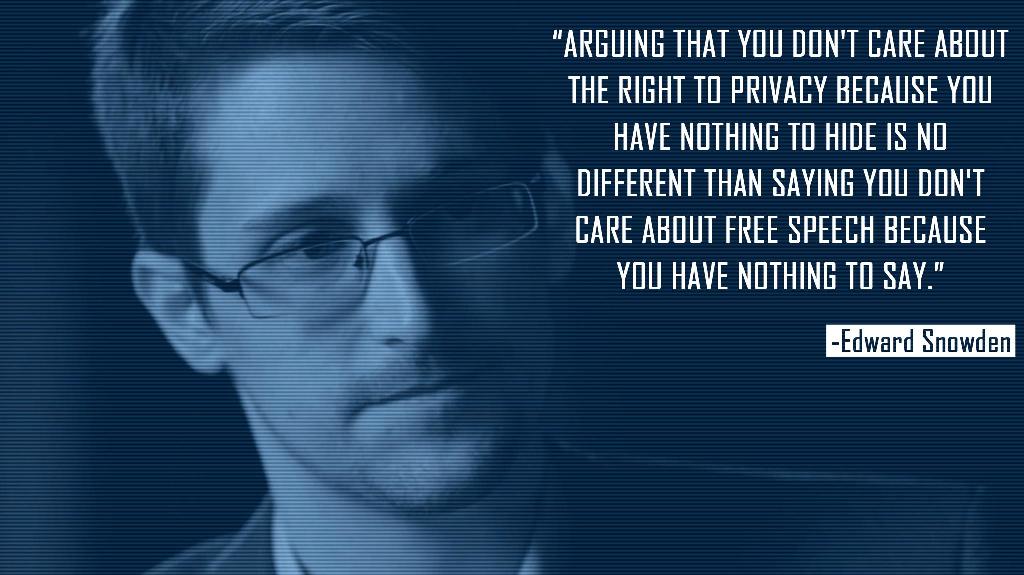
Edward Snowden on the right to privacy

‘අපි නීතිගරුක මිනිස්සු. අපට සඟවන්න දෙයක් නැහැ. ආණ්ඩුව අපේ කතාබහ-ලියුම් කියුම් හොරෙන් ඇසුවත් බැලූවත් අපට බිය වන්නට දෙයක් නැහැ’ යයි ඇතැමෙක් කිව හැකියි. මෙය අනුවණකාරී තර්කයක්. හරියට ‘අපට භාෂණ නිදහසක් කුමටද? අපට කියන්නට කිසි දෙයක් නැහැ’ වැනිම පරාජිත ප‍්‍රකාශයක්.

ජූලි 21 ප්‍රකාශයේ ආවේක්ෂණය වැලැක්වීම ගැන නිර්දේශය මෙයයි: “තොරතුරු සමාජයේ ප්‍රගමනය සමග නූතන සන්නිවේදන තාක්ෂණයන් භාවිතය පුළුල් වෙයි. රජය විසින් සියලු පුරවැසියන්ගේ පෞද්ගලිකත්වය ගරු කොට ආරක්ෂා කළ යුතුය. පෞද්ගලික පුරවැසියන්ගේ හා ආයතනවල දුරකථන සංවාද හා විද්‍යුත් සන්නිවේදන ආවේක්ෂණය කිරීම රජය විසින් කිසි විටෙකත් දේශපාලන වාසි පිනිස නොකළ යුතුය. අපරාධ විමර්ශනය වැනි විශේෂිත අවස්ථාවන්හිදී පමණක් එවැනි ආවේක්ෂණය සඳහා අවසර දිය යුත්තේ අධිකරණ අධීක්ෂණය යටතේ හා නිශ්චිත සීමාවලට යටත් වන පරිදිය.”

සිවුමංසල කොලූගැටයා #229: සමාජ මාධ්‍ය යුගයේ අපේ දේශපාලන සන්නිවේදනය

In this week’s Ravaya column, (in Sinhala, appearing in issue of 26 July 2015), I review how Lankan politicians and political parties are using social media in the run-up to the general election to be held on 17 August 2015.

In particular, I look at how President Maithripala Sirisena and Prime Minister Ranil Wickremesinghe are using Facebook and Twitter (mostly to ‘broadcast’ their news and images, and hardly ever to engage citizens). I also remark on two other politicians who have shown initiative in social media use, i.e. former President Mahinda Rajapaksa and JHU leader Champika Ranawaka (both of who have held live Q&As on social media with varying degrees of engagement).

I raise questions like these: Can political parties afford to not engage 25% of Lankan population now regularly using the web? When would election campaigners – rooted in the legacy media’s practice of controlling and fine-tuning messages – come to terms with the unpredictable and sometimes unruly nature of social media?

While politicians, their campaigners and parties struggle to find their niches on social media, politically conscious citizens need to up their game too. Cyber literacy has been slower to spread than mere internet connectivity in Sri Lanka, and we need enlightened and innovative use of social media in the public interest. Every citizen, activist and advocacy group can play a part.

Can social media communications influence voting patterns?

ජනගහනයෙන් හතරෙන් එකක් පමණ ඉන්ටර්නෙට් භාවිත කරන මට්ටමට එළැඹ සිටින අපේ රටේ මෙම සයිබර් සාධකය මැතිවරණ ප‍්‍රචාරණයට හා ඡන්දදායක මතයට කෙසේ බලපානවාද යන්න විමසීම වැදගත්.

2010 මහ මැතිවරණයේ භාවිත වූවාට වඩා බෙහෙවින් මෙවර මැතිවරණයේ ඉන්ටර්නෙට් භාවිතය සිදුවන බව නම් කල් තබාම කිව හැකියි.

දේශපාලන පක්ෂ, ඡන්ද අපේක්ෂකයන්, සිවිල් සමාජ සංවිධාන හා සාමාන්‍ය පුරවැසියන් යන මේ පිරිස් සතරම වෙබ් අඩවි හා සමාජ මාධ්‍ය වෙත යොමු වීමත් සමග දේශපාලන තොරතුරු හා මතවාද ගලා යෑම පෙර පැවතියාට වඩා වෙනස්වන්නේ කෙලෙසද?

විශේෂයෙන්ම සමාජ මාධ්‍ය හරහා දේශපාලන චරිත හා පක්ෂවලින් ප‍්‍රශ්න කරන්නට හා ඔවුන් අභියෝගයට ලක් කරන්නට හැකි වීම හරහා දේශපාලන සංවාද වඩා හරවත් විය හැකිද? මෙය කෙතරම් පුළුල්ව රටේ සමාජගත වනවාද?

Twitter and Facebook - leading social media platforms
Twitter and Facebook – leading social media platforms

ශ‍්‍රී ලංකාවේ ජනප‍්‍රියතම සමාජ මාධ්‍ය ජාලය ෆේස්බුක් (Facebook). එහි මෙරට ගිණුම් මිලියන් 2.5කට වඩා තිබෙනවා. ව්‍යාජ ගිණුම් හෝ ද්විත්ව ගිණුම් පසෙක තැබුවහොත් අඩු තරමින් මිලියන් 2ක් ලාංකිකයන් ෆේස්බුක් සැරිසරනවා යැයි කිව හැකියි. මෙරට ජනප‍්‍රිය අනෙක් සමාජ මාධ්‍යවන්නේ ට්විටර් (Twitter), වීඩියෝ බෙදා ගන්නා යූටියුබ් (YouTube) හා ඡායාරූප හුවමාරු කැරෙන ඉන්ස්ටග‍්‍රෑම් (Instagram).

මේ හැම සයිබර් වේදිකාවකම මේ දිනවල දේශපාලනයට අදාළ තොරතුරු, මතවාද හා රූප බෙහෙවින් සංසරණය වනවා.

දේශපාලන පක්ෂවලට හා ඡන්ද අපේක්ෂකයන්ට මේ යථාර්ථය නොසලකා සිටීමට බැහැ. එහෙත් බොහෝ පක්ෂවල මැතිවරණ කැම්පේන් හසුරුවන්නේ සාම්ප‍්‍රදායික මාධ්‍ය ගැන දන්නා, එහෙත් නව මාධ්‍ය ගැන හරි අවබෝධයක් නැති හිටපු මාධ්‍යවේදීන් හෝ දැන්වීම් ඒජන්සි විසින්.

පත්තරවල මුදල් ගෙවා ඉඩ මිලට ගැනීමට හා රේඩියෝ-ටෙලිවිෂන් නාලිකාවල ගුවන් කාලය මිලට ගැනීමට මේ උදවිය හොඳහැටි දන්නවා. මුදලට වඩා කාලය, ශ‍්‍රමය හා නිර්මාණශීලී බව අවශ්‍ය වන සමාජ මාධ්‍යවලට නිසි ලෙස ප‍්‍රවේශ වන හැටි මේ අයට වැටහීමක් නැහැ.

සමාජ මාධ්‍යවලටත් මුදල් ගෙවා ඕනැම කෙනකුට තම ප‍්‍රචාරය උත්සන්න කර ගත හැකියි. ෆේස්බුක් ගෝලීය වේදිකාවක් වුවත්, තම භාණ්ඩය හෝ සේවාව හෝ පණිවුඩය නිශ්චිත රටක, නිශ්චිත වයස් කාණ්ඩයකට ඉලක්ක කොට පෙන්වීම කර ගත හැකියි.

එසේම ෆේස්බුක් හා ට්විටර් ගිණුම් සඳහා තොග වශයෙන් ලෝලීන් (fans) හා මනාප (likes) විකුණන විදේශීය සමාගම් තිබෙනවා. අපේ සමහර දේශපාලන චරිත අරඹා ඇති සමාජ මාධ්‍ය ගිණුම්වලට ඔවුන් හීන්සීරුවේ මුදල් ගෙවා මෙසේ තොග පිටින් ලෝලීන් හා මනාප ලබා ගෙන ඇති බව හෙළිව තිබෙනවා. සමහර දේශපාලකයන්ට ශ‍්‍රී ලංකාවේ සිටින Fans ගණනටත් වඩා තුර්කියේ සිටින සංඛ්‍යාව වැඩිවීමට හේතුව එයයි.

20 March 2015: Social Media Analysis: Sri Lankan Politicians and Social Media

මුදල් ගෙවා ලබා ගන්නා සමාජ මාධ් රමුඛත්වය විශ්වසනීය හෝ සාර්ථක වන්නේ නැහැ. මෙය කුලියට ගත් බස් රථවලින් මුදල් ගෙවා සෙනග රැළිවලට ගෙනෙනවාට සමානයිග සයිබර් සාක්ෂරතාව පුළුල් වන විට මෙබඳු උපක‍්‍රම ගැන වැඩි දෙනකු දැන ගන්නවා.

social-media

කෙටි කාලීනවත් දිගු කාලීනවත් වඩාත් සාර්ථක ප‍්‍රවේශය නම් නිරතුරු සමාජ මාධ්‍ය හරහා පුරවැසියන් සමග සාමීචියේ හා සංවාදයේ යෙදී සිටීමයි (මැතිවරණයක් එළැඹි විට පමණක් නොවෙයි).

දේශපාලන නායකයන් හා කැම්පේන්කරුවන් කියන දෙය ඡන්දදායක මහජනතාව වැඳ ගෙන ඔහේ අසා සිටි කාලය ඉවරයි. දැන් මතුව එන්නේ අප කාටත් සංවාද විසංවාද හා තර්ක කළ හැකි නව සන්නිවේදන යථාර්ථයක්.

සමාජ ජාල මාධ්‍ය භාවිත කරන සියලූ ලාංකික දේශපාලකයන් හෝ දේශපාලන පක්ෂ හෝ නිතිපතා ෆලෝ කරන්නට මට හැකි වී නැහැ. එය ලේසි පාසු කාරියක්ද නොවෙයි.

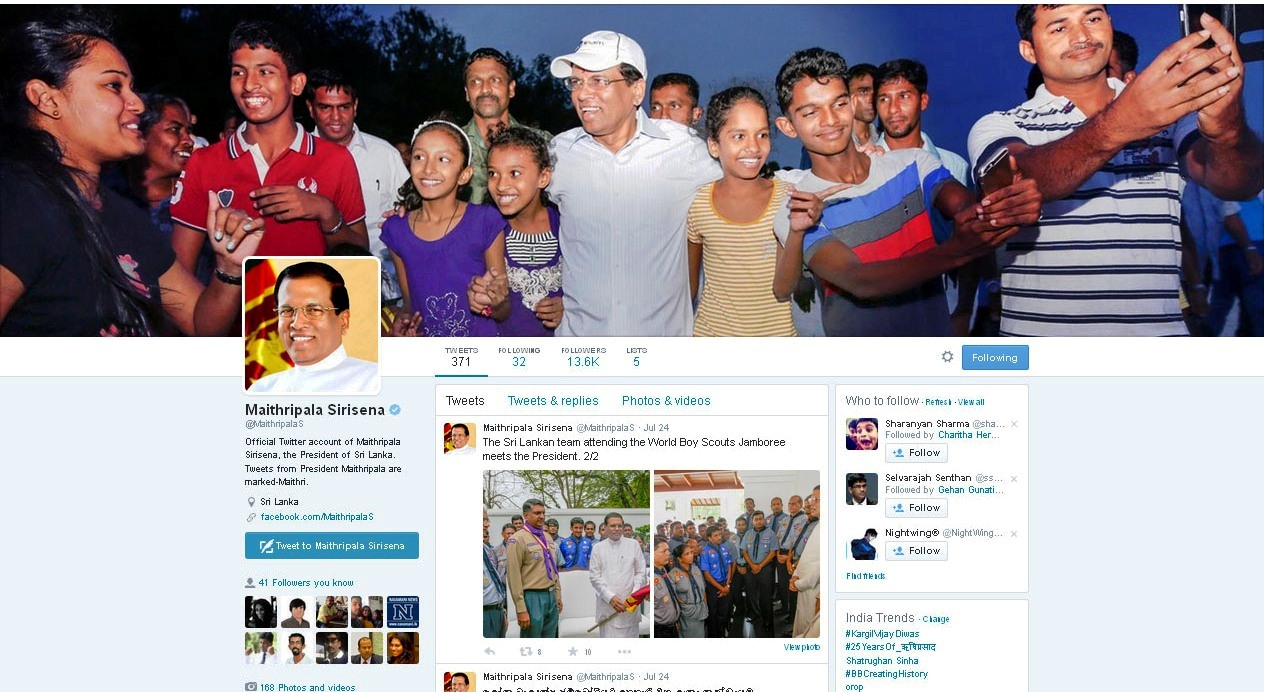
එහෙත් ජනාධිපති මෛත‍්‍රීපාල සිරිසේනගේ නිල ෆේස්බුක් හා ට්විටර් ගිණුම් ද, අගමැති රනිල් වික‍්‍රමසිංහගේ ට්විටර් ගිණුමද හරහා කුමක් සන්නිවේදනය වේද යන්න ගැන මා විමසිලිමත්ව සිටිනවා.

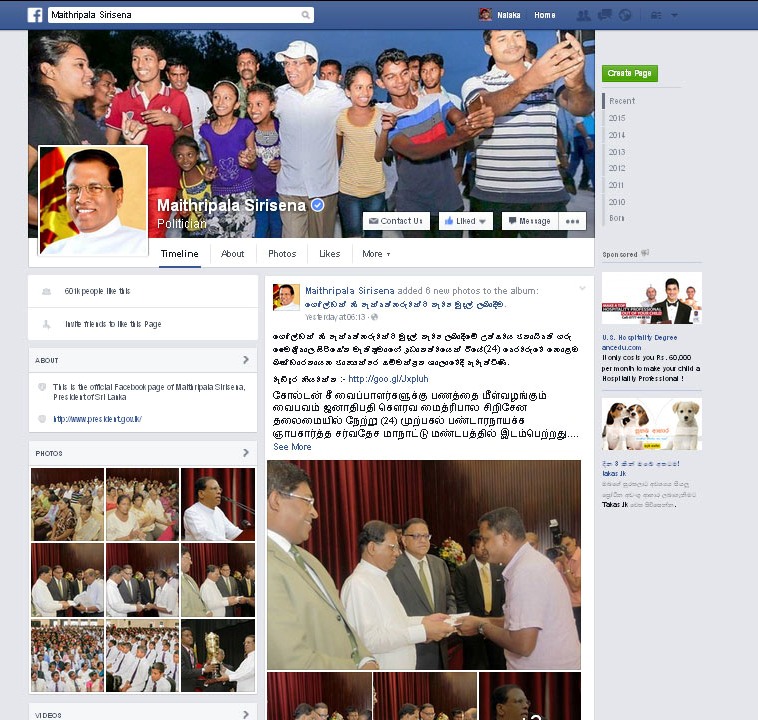
President Sirisena's verified Facebook page, screen shot on 26 July 2015 at 14.00 Sri Lanka Time
President Sirisena’s verified Facebook page, screen shot on 26 July 2015 at 14.00 Sri Lanka Time

කාර්යබහුල මෙවන් නායකයන්ගේ සමාජ මාධ්‍ය ගිණුම් පවත්වාගෙන යන්නේ ඔවුන්ගේ මාධ්‍ය කණ්ඩායම් විසින්. එය ලොව පුරා සම්ප‍්‍රදායක්. බොහෝ විට මේ ගිණුම් හරහා නායකයා කරන කියන දේ ගැන සංක්ෂිප්ත තොරතුරු හා ඡායාරූප/කෙටි වීඩියෝ බෙදා හැරෙනවා.

මේ අන්තර්ගතයම නිල වෙබ්අඩවි හා මාධ්‍ය ප‍්‍රකාශන හරහා ද නිකුත් කැරෙන නමුත් ප‍්‍රධාන ප‍්‍රවාහයේ මාධ්‍ය පවා අද කාලේ නායකයන්ගේ සමාජ මාධ්‍ය ගිණුම් හරහා කියැවෙන දේ ගැන අවධානයෙන් සිටිනවා. අවශ්‍ය විටදී යම් දේ එතැනින් උපුටා දක්වනවා.

සමාජ මාධ්‍ය ගත වන දේශපාලන නායකයන් හා ඔවුන්ගේ මාධ්‍ය කණ්ඩායම් මුහුණ දෙන අභියෝග ගණනාවක් තිබෙනවා. මූලික එකක් නම් තමන්ගේ සමාජ මාධ්‍ය ගිණුම් විශ්වාසදායක නිල ගිනුම් (verified accounts) බව තහවුරු කර ගැනීමයි.

ඉන්ටර්නෙට් වෙබ් අඩවි ලිපිනයන් (URLs) මෙන්ම සමාජ මාධ්‍ය ගිණුම් නාමයන් ද මුලින්ම එය ලියාපදිංචි කරන්නාට හිමි කර ගත හැකියි. රාජ්‍ය නිලධාරිවාදය නැති සයිබර් අවකාශයේ අපූර්වත්වය එය වුවත් එය අවභාවිතයට යොදන අයද සිටිනවා.

President Sirisena's verified Twitter account - screen shot taken on 26 July 2015 at 13.45 Sri Lanka time
President Sirisena’s verified Twitter account – screen shot taken on 26 July 2015 at 13.45 Sri Lanka time


මෙරට ජනාධිපති හා අගමැති දෙදෙනාගේම නම් පදනම් කර ගෙන ඇරඹූ ව්යාජ ෆේස්බුක් හා ට්විටර් ගිණුම් තිබෙනවා. ඕනෑකමින් අධ්යයනය කළ විට මේවා ව්යාජ බව පෙනී යතත්, බැලූ බැල්මට ජනයා මුලා කිරීමේ හැකියාව තිබෙනවා. මේ නිසා රසිද්ධ පුද්ගලයන් (දේශපාලන නායකයන්, සිනමා තරු, රීඩකයන් ආදීන්) අනන්යතාව තහවුරු කළ සමාජ මාධ් ගිණුම් සකසා ගැනීමත්, එය පැහැදිලිව පෙන්නුම් කිරීමත් වැදගත්.

පසුගිය ජනාධිපතිවරණයේදී කැම්පේන් වැඩට සමාජ මාධ්‍ය යම් පමණකට ඔවුන් යොදා ගත්තද ජනාධිපති සිරිසේන හා අගමැති වික‍්‍රමසිංහ දෙපළටම අනන්‍යතාව තහවුරු කළ සමාජ මාධ්‍ය ගිණුම් තිබුණේ නැහැ. මේවායේ අවශ්‍යතාව අප සමහරක් දෙනා ප‍්‍රසිද්ධ අවකාශයේ පෙන්වා නිතර දුන්නා.

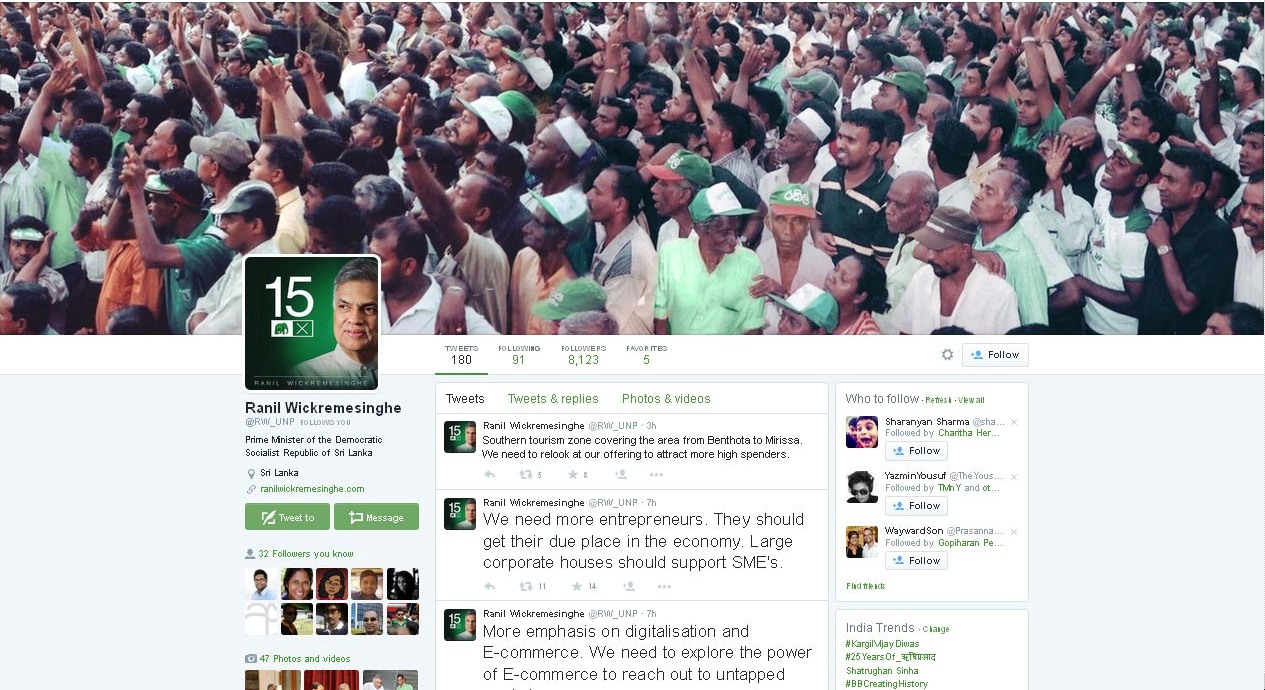
මේ අනුව 2015 මැයි මාසයේ පටන් ජනාධිපති සිරිසේනට තහවුරු කරන ලද නිල ට්විටර් හා ෆේස්බුක් ගිණුම් තිබෙනවා. ප‍්‍රමාද වී හෝ මෙය ලබා ගැනීම හිතකර ප‍්‍රවණතාවක්. එහෙත් වික‍්‍රමසිංහ නමින් ට්විටර් ගිණුම් ගණනාවක් පවතින අතර එයින් කුමක් ඔහුගේ නිල ගිණුම් ද යන්න තහවුරු කර නැහැ. අපට කළ හැක්කේ අනුමාන පමණයි.

මේ දෙදෙනාගේ සමාජ මාධ්‍ය භාවිතය ද ප‍්‍රශස්ත මට්ටමක නැහැ. ගිය වසර අගදී කැම්පේන් කරන විටත්, ජනාධිපති ලෙස තේරී පත් වූ පසුවත් මෛත‍්‍රිපාල සිරිසේන සමාජ මාධ්‍ය භාවිත කරන්නේ තොරතුරු හා ඡායාරූප බෙදාහරින්නට මිස පුරවැසියන් සමග සංවාදයට නොවෙයි.

ජනපතිවරණයට පෙර හා පසු සමාජ මාධ්‍ය හරහා පුරවැසි ප‍්‍රශ්නවලට පිළිතුරු දෙන සජීව සැසි වාරයක් (Live Q&A) කරන මෙන් අප ඉල්ලා සිටියා. මේ වනතුරු එබන්දක් සිදුකර නැහැ. තම ජයග්‍රහනයට උපකාර වූවා යයි ඔහුම ප්‍රසිද්ධියේ පැසසූ සමාජ මාධ්‍ය හරහා පුරවැසි ප්‍රශ්නවලට මුහුණ දීමට ජනපති සිරිසේන පැකිලෙන්නේ ඇයි?

Ranil Wickremesinghe Twitter account - IS THIS OFFICIAL? screen shot taken on 26 July 2015 at 13.55 Sri Lanka time.jpg
Ranil Wickremesinghe Twitter account – IS THIS OFFICIAL? screen shot taken on 26 July 2015 at 13.55 Sri Lanka time.jpg

වික‍්‍රමසිංහ අගමැතිවරයාගේ සමාජ මාධ්‍ය භාවිතය වඩාත් පසුගාමීයි. ඔහුගේ ෆේස්බුක් ගිණුමෙන් මේ දිනවල ප‍්‍රචාරක රැලිවල ඡායාරූප හා කෙටි කෙටි වීඩියෝ බෙදා හරිනවා. එහෙත් රටේ ප‍්‍රශ්න ගැන හෝ ප‍්‍රතිපත්ති/විසඳුම් ගැන කිසිදු සංවාදයක් පෙනෙන්නට නැහැ.

සමාජ මාධ්‍ය භාවිතය හරහා දේශපාලන චරිත ප‍්‍රචාරණයට එහා යන තවත් බොහෝ දේ කළ හැකියි. මැතිවරණ ප‍්‍රතිපත්ති ප‍්‍රකාශයන්ට අදහස් හා යෝජනා ඉල්ලා ලබා ගත හැකියි. රටේ දැවෙන ප‍්‍රශ්න ගැන (සීරුවෙන් හා ප‍්‍රවේශමෙන්) සංවාද කොට මහජන මතය ගැන දළ හැඟීමක් ලද හැකියි. ඡන්දදායකයන්ගේ රුචි අරුචිකම්, ප‍්‍රමුඛතා හා අපේක්ෂා ගැන ගවේෂණය කළ හැකියි.

ඉන්දියාව, ඉන්දුනීසියාව, තායිලන්තය හා පිලිපීනය වැනි ආසියානු රටවල දේශපාලකයන් හා පක්ෂ මෙසේ වඩාත් හරවත් හා පුළුල් ලෙසින් සමාජ මාධ්‍ය යොදා ගන්නවා.

මැතිවරණ ආසන්න වන විට මිලියන් ගණන් වැය කරමින් ජනමත සමීක්ෂණ පැවැත්වීම දැන් අපේ ප‍්‍රධාන දේශපාලන පක්ෂවලත් සිරිතක්. බොහෝ විට සොයා ගැනීම් ප‍්‍රසිද්ධියට පත් නොකරන මේ සමීක්ෂණවලින් කැම්පේන් පණිවුඩ හා අවධාරණය කළ යුතු තැන් ආදිය ගැන යම් ඉඟි ලැබෙන බව ඇත්තයි. එහෙත් සමීක්ෂකයන් අසන හැම ප‍්‍රශ්නයකටම ජනයා අවකංව පිළිතුරු නොදෙන නිසා මේ සමීක්ෂණවල ආවේණික සීමා තිබෙනවා.

එයට වඩා විවෘත ලෙස මත දැක්වීමක් සමාජ මාධ්‍ය තුළ කැරෙනවා. මේවා විශ්ලේෂණය කරන මෘදුකාංග හරහා යම් සමුච්චිත ප‍්‍රවණතා සොයා ගත හැකියි. එබඳු විශ්ලේෂණ දැන් වෙනත් රටවල දේශපාලන පක්ෂ සන්නිවේදකයෝ කරනවා. ඒ හරහා කැම්පේන් පණිවුඩ වඩාත් සමාජගත කර ගත හැකියි.

සමාජ මාධ්‍යවල විභවය තේරුම් ගෙන ඇතැයි පෙනෙන ජාතික මට්ටමේ දේශපාලන චරිත දෙකක් නම් මහින්ද රාජපක්ෂ හා චම්පික රණවකයි. ඔවුන්ගේ දේශපාලන මතවාදයන් කුමක් වෙතත්, මෙරට සෙසු දේශපාලකයන්ට සාපේක්ෂව ඔවුන් සමාජ මාධ්‍ය හරහා යම් පුරවැසි පිරිසක් සමග සන්නිවේදනය කරනවා. නිතිපතා නොවූවත් විටින් විට හෝ පුරවැසි ප‍්‍රශ්නවලට සමාජ මාධ්‍ය හරහා පිළිතුරු ද දෙනවා.

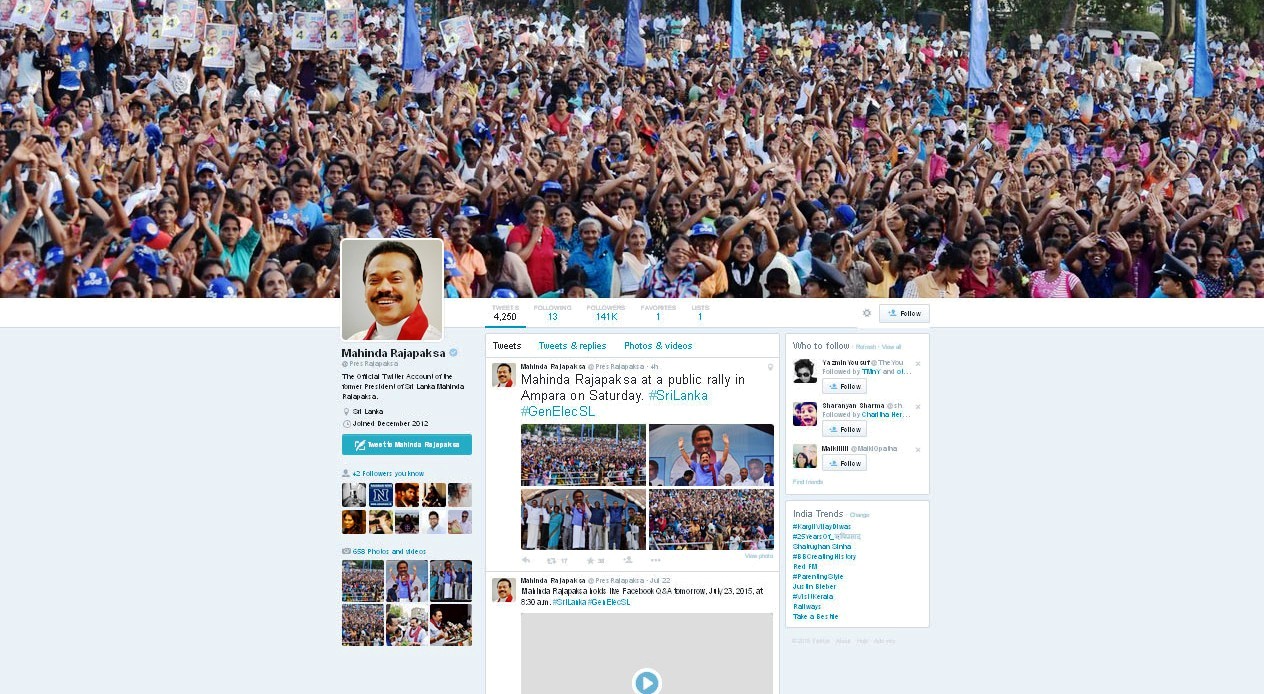
Mahinda Rajapaksa verified Twitter account, screen shot on 26 July 2015 at 14.05 Sri Lanka Time

ගිය වසරේ මේ දෙපළ පැවැත් වූ ට්විටර් ප‍්‍රශ්නෝත්තර සැසිවලදී දුෂ්කර යැයි සැලකිය හැකි අන්දමේ ප‍්‍රශ්න මා ඉදිරිපත් කළා. රාජපක්ෂ එවන් ප‍්‍රශ්න නොතකා හැර ලෙහෙසි යයි පෙනෙන ප‍්‍රශ්නවලට පමණක් පිළිතුරු දුන්නා. එහෙත් රණවක ආන්දෝලනාත්මක මාතෘකා ගැන පවා තම මතයේ සිට පිළිතුරු සැපයූවා. එම පිළිතුරු ගැන මා සෑහීමකට පත් නොවූවත් ඔහු එසේ සංවාදයේ නියැලීම මා අගය කරනවා.

සමාජ මාධ්‍යවල බොරු පුරාජේරු පම්පෝරි කරන්න අමාරුයි. එය භාවිත කරන සමහර පුරවැසියන් ගරුසරු නොවීමට හා සත්‍යවාදී නොවීමට ද ඉඩ තිබෙනවා. සමහර දේශපාලන කැම්පේන්කරුවන් සමාජ මාධ්‍ය සංවාදවලට ඉඩ නොදෙන්නේ මේ අවදානම නිසා විය හැකියි.

දේශපාලන රැස්වීම් වේදිකාවක කථිකයකුට ඉඳහිට හූ හඬක් ලැබිය හැකි වුවත් ඉන් ඔබ්බට යන අභියෝග මතු වන්නේ නැහැ. ටෙලිවිෂන් දේශපාලන සංවාදවලත් මෙහෙයවන්නා විසින් යම් සමනයක් පවත්වා ගන්නවා. මෙබඳු තිරිංග නැති සමාජ මාධ්‍ය හරහා දුෂ්කර ප‍්‍රශ්න, අවලාද, බොරු චෝදනා හා අපහාස එල්ල විය හැකියි.

එහෙත් පොදු අවකාශයේ සිටින, මහජන නියෝජිතයන් වීමට වරම් පතන දේශපාලකයන් මෙබඳු මහජන රතිචාරවලට මුහුණ දීමේ හැකියාව හා පරිණත බව සමාජ මාධ් හරහා රටටම පෙනෙනවා.

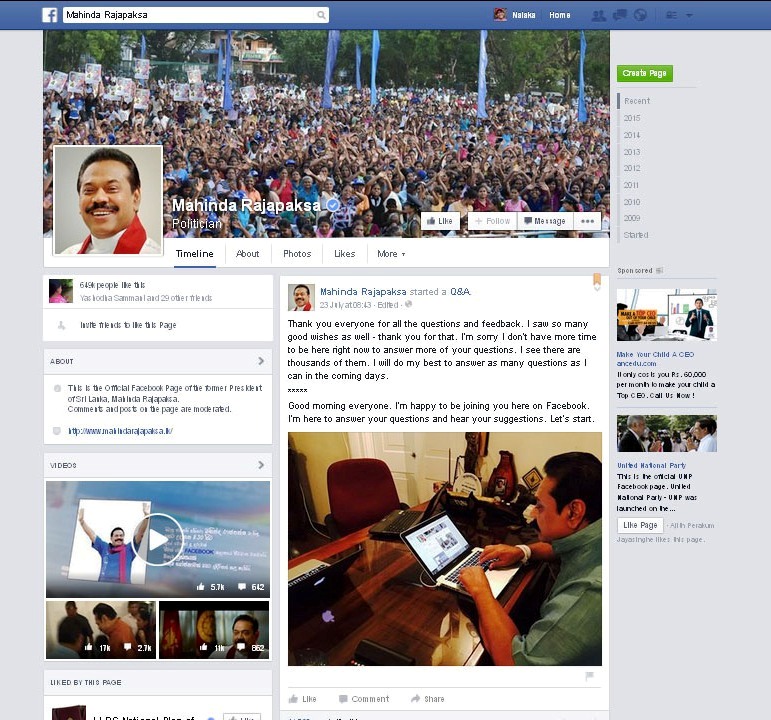
Mahinda Rajapaksa's verified Facebook account, screen shot on 26 July 2015 at 14.02 Sri Lanka Time
Mahinda Rajapaksa’s verified Facebook account, screen shot on 26 July 2015 at 14.02 Sri Lanka Time

සමාජ මාධ්‍ය පරිහරණය කරන පුරවැසි අපටත් වගකීම් තිබෙනවා. අප කැමති දේශපාලන පක්ෂයට හා චරිතවලට සයිබර් සහයෝගය දෙන අතරේ යම් සංයමයක් පවත්වා ගත යුතුයි. ප‍්‍රතිවිරුද්ධ මතධාරීන්ට අසැබි ලෙසින් පහර නොගසා තර්කයට තර්කය මතු කළ යුතුයි. එසේම නොකඩවා ගලා එන විවිධ විග‍්‍රහයන් හා රූප වැඩිදුර පතුරුවන්නට පෙර ඒවා වෛරීය දේශපාලනයට අදාළදැයි මඳක් සිතිය යුතුයි.

මෙරට ඉන්ටර්නෙට් භාවිත කරන්නන්ගෙන් 80%කට වඩා එහි රවේශ වන්නේ ස්මාට් ෆෝන් හරහායි. ස්මාට්ෆෝන් තිබුනාට මදි. ස්මාට් පුරවැසියන් වීමටත් ඕනෑ! වැඩවසම් ගතානුගතිකත්වය හා වෛරීය ජාතිකත්වය පසු කර නව දේශපාල සදාචාරයක් බිහි කරන්නට අප දායක විය යුතුයි!

See also other related columns of mine:

16 March 2014: සිවුමංසල කොලූගැටයා #160: දේශපාලන සන්නිවේදනයෙ ටෙලිවිෂන් සාධකය

23 March 2014: සිවුමංසල කොලූගැටයා #161: සමාජ මාධ්‍යවලට ඇයි මේ තරම් බය?

21 Dec 2014: සිවුමංසල කොලූගැටයා #199: සමාජ මාධ්‍ය, මැතිවරණ හා ඩිජිටල් ප‍්‍රජාතන්ත‍්‍රවාදය

28 Dec 2014: සිවුමංසල කොලූගැටයා #200: ඩිජිටල් තාක්‍ෂණයෙන් මැතිවරණ ක‍්‍රියාදාමය පිරිසුදු කළ ඉන්දුනීසියාව

4 January 2015: සිවුමංසල කොලූගැටයා #201: ශ‍්‍රී ලංකාවේ අරාබි වසන්තයක් හට ගත හැකිද?

11 January 2015: සිවුමංසල කොලූගැටයා #202: 2015 ජනාධිපතිවරණයේ සන්නිවේදන පාඩම්