“What role (if any) did social media play in the recently concluded General Election on 17 August 2015?
“Many are asking this question – and coming up with different answers. That is characteristic of the cyber realm: there is no single right answer when it comes to a multi-faceted and fast-evolving phenomenon like social media.
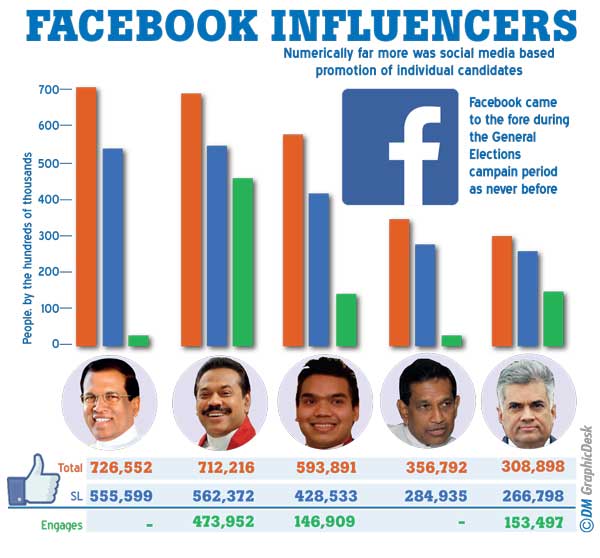
“Shortly after the Presidential Election of 8 January 2015 ended, I called it Sri Lanka’s first cyber election. That was based on my insights from over 20 years of watching and chronicling the gradual spread of information and communications technologies (ICTs) in Sri Lanka and the resulting rise of an information society.
“That was not the first time social media had figured in Lankan election campaigns. The trend started slowly some years ago, with a few tech-aware politicians and advertising agencies using websites, Facebook pages and twitter accounts for political outreach. However, such uses did not reach a ‘critical mass’ in the general and presidential elections held in 2010, or in the provincial and local government elections held thereafter.
“By late 2014, that changed significantly but this time the frontrunners were politically charged and digitally empowered citizens, not politicians or their support teams.”
The above is an extract from an op-ed I have just written and published in Daily Mirror broadsheet national newspaper in Sri Lanka (3 Sep 2015).
Text of my column written for Echelon monthly business magazine, Sri Lanka, August 2015 issue
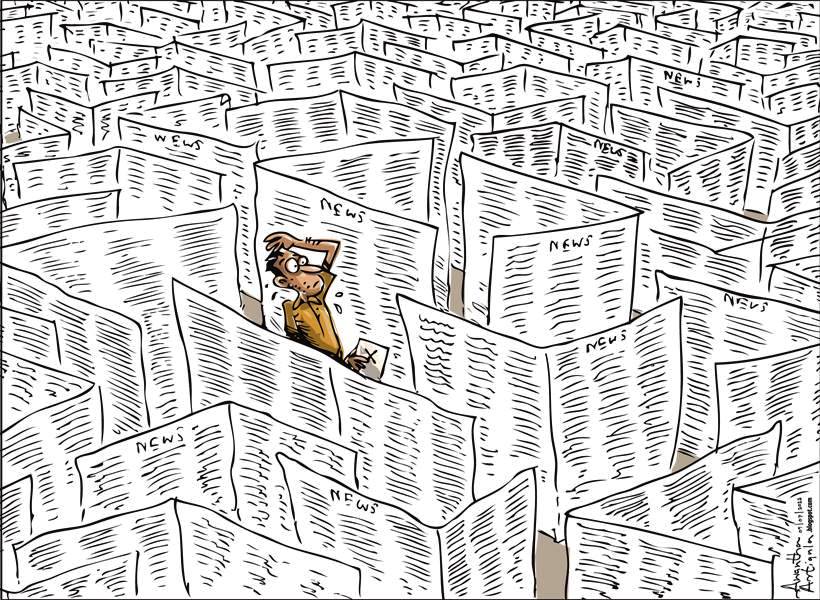
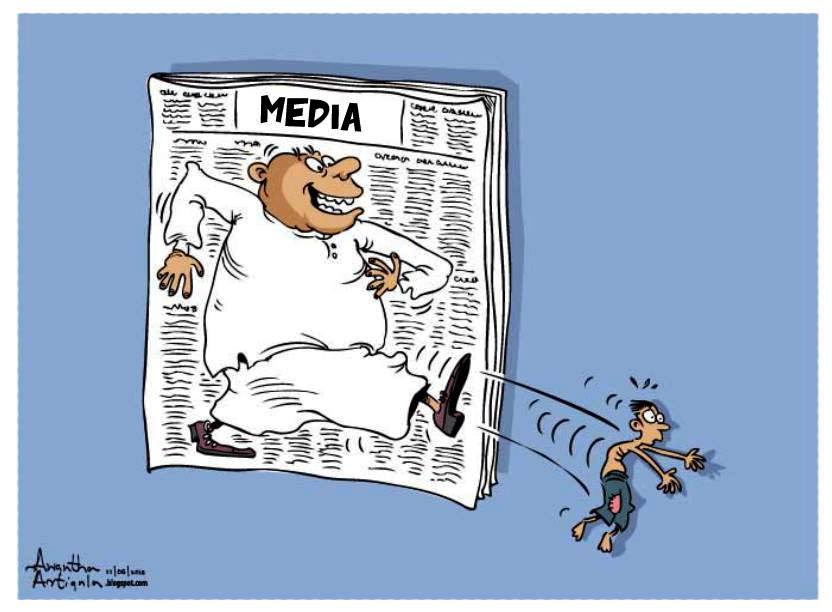
Cartoon by Awantha Artigala, Sri Lanka Cartoonist of the Year 2014
Media Reforms: The Unfinished Agenda
By Nalaka Gunawardene
When I was growing up in the 1970s, Sri Lanka’s media landscape was very different. We had only one radio station (state-owned SLBC) and three newspaper houses (Lake House, Times of Ceylon and Independent Newspapers). There was no TV, and the web wasn’t even invented.
At that time, most discussions on media freedom and reforms centred around how to contain the overbearing state – which was a key publisher, as well as the sole broadcaster, dominant advertiser and media regulator, all rolled into one.
Four decades on, the state still looms large on our media landscape, but there are many more players. The number of media companies, organisations and products has steadily increased, especially after private sector participation in broadcasting was allowed in 1992.
More does not necessarily mean better, however. Media researchers and advocacy groups lament that broadcast diversification has not led to a corresponding rise in media pluralism – not just in terms of media ownership and content, but also in how the media reflects diversity of public opinion, particularly of those living on the margins of society.
As the late Tilak Jayaratne and Sarath Kellapotha, two experienced broadcasters, noted in a recent book, “There exists a huge imbalance in both media coverage and media education as regards minorities and the marginalised. This does not come as a surprise, as it is known that media in Sri Lanka, both print and broadcast, cater mainly to the elite, irrespective of racial differences.”
Media under pressure
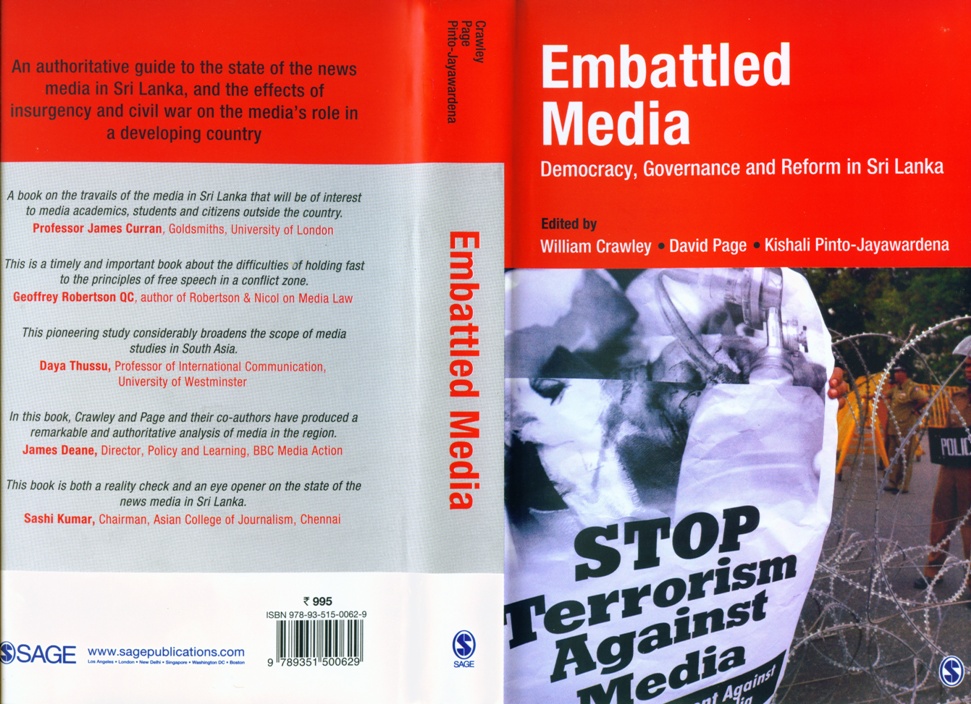
The multi-author book, titled Embattled Media: Democracy, Governance and Reform in Sri Lanka(Sage Publications, Feb 2015), was compiled during 2012-14 by a group of researchers and activists who aspired for a freer and more responsible media. It came out just weeks after the last Presidential Election, where media freedom and reforms were a key campaigning issue.
In their preface, co-editors William Crawley, David Page and Kishali Pinto-Jayawardena say: “Media liberalisation from the 1990s onwards had extended the range of choice for viewers and listeners and created a more diverse media landscape. But the war in the north and insurrections in the south had taken their toll of media freedoms. The island had lived under a permanent state of emergency for nearly three decades. The balance of power between government, judiciary, the media and the public had been put under immense strain.”
Embattled Media – Democracy, Governance and Reform in Sri Lanka
The book, to which I have contributed a chapter on new media, traces the evolution mass media in post-colonial Sri Lanka, with focus on the relevant policies and laws, and on journalism education. It discusses how the civil war continues to cast “a long shadow” on our media. Breaking free from that legacy is one of many challenges confronting the media industry today.
Some progress has been made since the Presidential election. The new government has taken steps to end threats against media organisations and journalists, and started or resumed criminal investigations on some past atrocities. Political websites that were arbitrarily blocked from are once again accessible. Journalists who went into exile to save their lives have started returning.
On the law-making front, meanwhile, the 19th Amendment to the Constitution recognized the right to information as a fundamental right. But the long-awaited Right to Information Bill could not be adopted before Parliament’s dissolution.
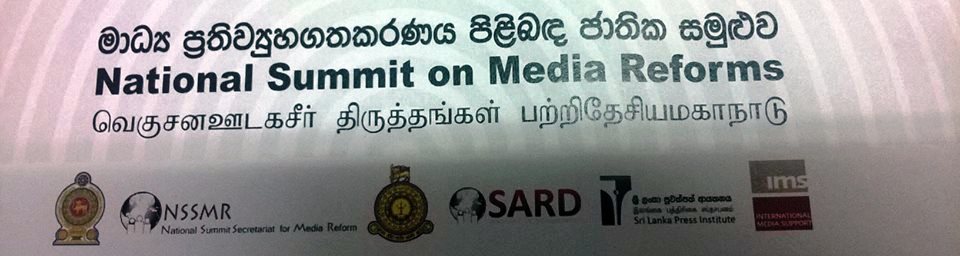
Thus much more remains to be done. For this, a clear set of priorities has been identified through recent consultative processes that involved media owners, practitioners, researchers, advocacy groups and trainers. These discussions culminated with the National Summit on Media Reforms organised by the Ministry of Media, the University of Colombo, Sri Lanka Press Institute (SLPI) and International Media Support (IMS), and held in Colombo on 13 and 14 May.
We can only hope that the next Parliament, to be elected at the August 17 general election, would take up the policy and law related aspects of the media reform agenda (while the media industry and profession tackles issues like capacity building and greater professionalism, and the education system works to enhance media literacy of everyone).
Pursuing these reforms needs both political commitment and persistent advocacy efforts.
Right to Information: The new Parliament should pass, on a priority basis, the Right to Information Bill that was finalised in May 2015 with inputs from media and civil society groups.
Media Self-Regulation: The Press Council Act 5 of 1973, which created a quasi-judicial entity called the Press Council with draconian powers to punish journalists, should be abolished. Instead, the self-regulatory body established in 2003, known as the Press Complaints Commission of Sri Lanka (PCCSL), should be strengthened. Ideally its scope should expand to cover the broadcast media as well.
Law Review and Revision: Some civil and criminal laws pose various restrictions to media freedom. These include the Official Secrets Act and sedition laws (both relics of the colonial era) and the draconian Prevention of Terrorism Act that has outlived the civil war. There are also needlessly rigid laws covering contempt of court and Parliamentary privileges, which don’t suit a mature democracy. All these need review and revision to bring them into line with international standards regarding freedom of expression.
Broadcast regulation: Our radio and TV industries have expanded many times during the past quarter century within an ad hoc legal framework. This has led to various anomalies and the gross mismanagement of the electromagnetic spectrum, a finite public property. Sri Lanka urgently needs a comprehensive law on broadcasting. Among other things, it should provide for an independent body to regulate broadcasting in the public interest, more equitable and efficient allocation of frequencies, and a three-tier system of broadcasting which recognises public, commercial and community broadcasters. All broadcasters – riding on the public owned airwaves — should have a legal obligation be balanced and impartial in coverage of politics and other matters of public concern.
Restructuring State Broadcasters: The three state broadcasters – the Sri Lanka Rupavahini Corporation (SLRC), the Sri Lanka Broadcasting Corporation (SLBC) and the Independent Television Network (ITN) – should be transformed into independent public service broadcasters. There should be legal provisions to ensure their editorial independence, and a clear mandate to serve the public (and not the political parties in office). To make them less dependent on the market, they should be given some public funding but in ways that don’t make them beholden to politicians or officials.
Reforming Lake House: Associated Newspapers of Ceylon Limited or Lake House was nationalised in 1973 to ‘broadbase’ its ownership. Instead, it has remained as a propaganda mill of successive ruling parties. Democratic governments committed to good governance should not be running newspaper houses. To redeem Lake House after more than four decades of state abuse, it needs to operate independently of government and regain editorial freedom. A public consultation should determine the most appropriate way forward and the best business model.
Preventing Censorship: No prior censorship should be imposed on the media. Where necessary, courts may review media content for their legality after publication (on an urgent basis). Laws and regulations that permit censorship should be reviewed and amended. We must revisit the Public Performance Ordinance, which empowers a state body to pre-approve all feature films and drama productions.
Blocking of Websites: Ensuring internet freedoms is far more important than setting up free public WiFi services. There should be no attempts to limit online content and social media activities contravening fundamental freedoms guaranteed by the Constitution and international conventions. Restrictions on any illegal content may be imposed only through the courts (and not via unwritten orders given by the telecom regulator). There should be a public list of all websites blocked through such judicial sanction.
Privacy and Surveillance: The state should protect the privacy of all citizens. There should be strict limits to the state’s surveillance of private individuals’ and private entities’ telephone conversations, emails and other electronic communications. In exceptional situations (e.g. crime investigations), such surveillance should only be permitted with judicial oversight and according to a clear set of guidelines.
Cartoon by Awantha Artigala, Sri Lanka Cartoonist of the Year 2014
Dealing with Past Demons
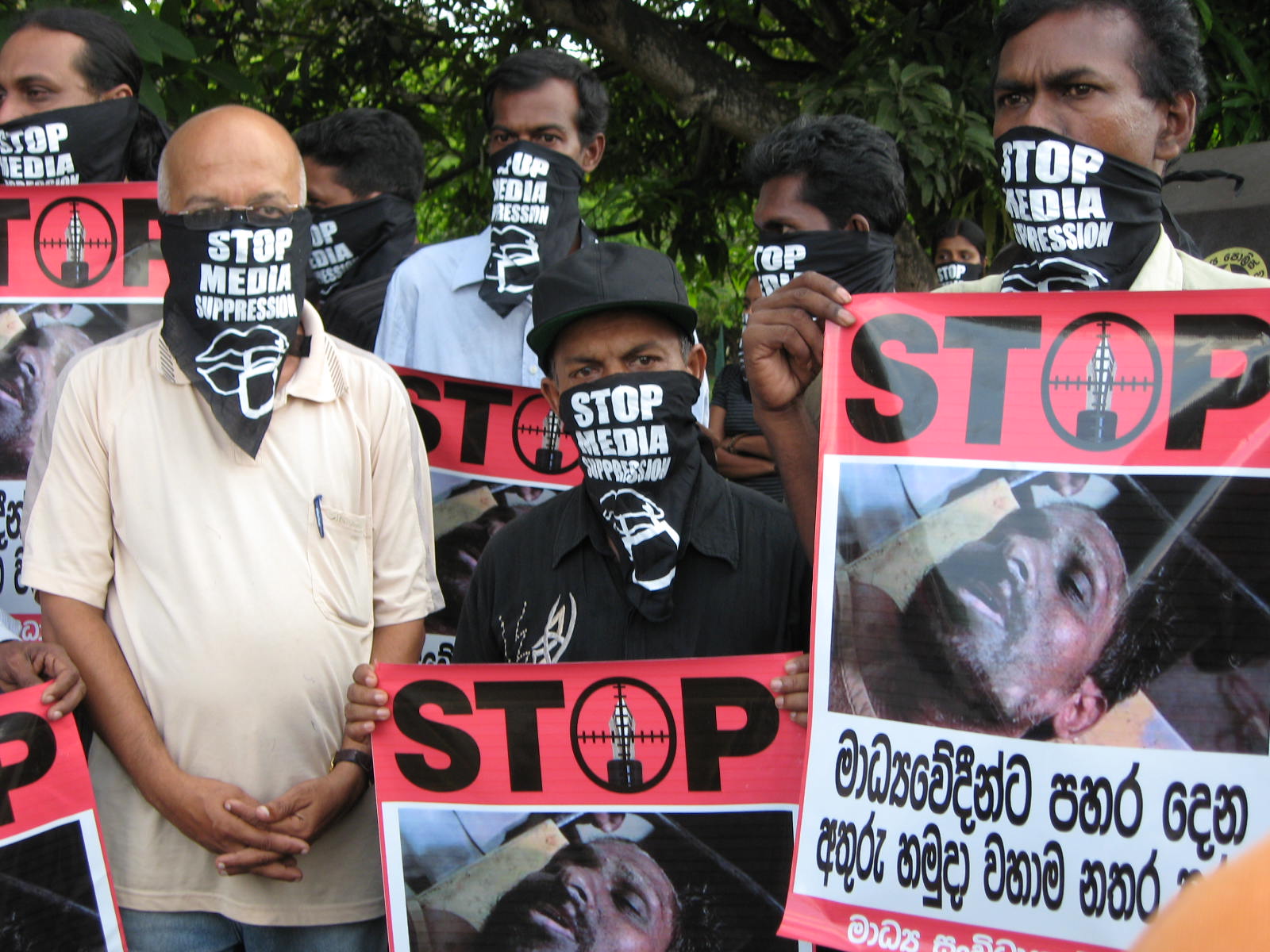
While all these are forward looking steps, the media industry as a whole also needs state assistance to exorcise demons of the recent past — when against journalists and ‘censorship by murder’ reached unprecedented levels. Not a single perpetrator has been punished by law todate.
This is why media rights groups advocate an independent Commission of Inquiry should be created with a mandate and adequate powers to investigate killings and disappearances of journalists and attacks on media organisations. Ideally, it should cover the entire duration of the war, as well as the post-war years.
Text of my column written for Echelon monthly business magazine, Sri Lanka, July 2015 issue
Kidney Disease Needs ‘Heart and Mind’ solutions
By Nalaka Gunawardene
Mass kidney failure in Sri Lanka is a sign of wider systemic failure in land and water care
If bans and prohibitions were a measure of good governance, Sri Lanka would probably score well in global rankings. Successive governments have shown a penchant for banning – usually without much evidence or debate.
The latest such ban concerns glyphosate — the world’s most widely used herbicide – on the basis that it was causing chronic kidney disease in parts of the Dry Zone.
Then, on 29 May 2015, state-owned Daily News reported under Cabinet decisions: “The scientists who carry out research on renal diseases prevailing in many parts of the country have pointed out that the use of pesticides, weedicides and chemical fertiliser could be contributing to this situation. Accordingly the government has already banned the import and usage of four identified chemical fertilizer and pesticides. In addition to this President has decided to totally ban the import and usage of glyphosate.”
Has this decision tackled the massive public health and humanitarian crisis caused by mass kidney failure? Sadly, no. The new government has ignored the views of a vast majority of Lankan scientists, and sided with an unproven hypothesis. This undermines evidence-based policy making and allows activist rhetoric to decide affairs of the state.
The chronic kidney disease was first reported from certain parts of the Dry Zone in the early 1990s. Hundreds were diagnosed with kidney failure – but none had the common risk factors of diabetes, high blood pressure or obesity. Hence the official name: Chronic Kidney Disease of uncertain aetiology, or CKDu.
The disease built up stealthily in the body, manifesting only in advanced stages. By then, regular dialysis or transplants were the only treatment options. Most affected were male farmers in working age, between 30 and 60 years.
In early 2013, the Ministry of Health estimated that some 450,000 persons were affected. The cumulative death toll has been reported between 20,000 and 22,000, but these numbers are not verified.
The kidney specialist who first detected the disease worries that some activists are exaggerating CKDu numbers. Dr Tilak Abeysekera, who heads the department of nephrology and transplantation at the Kandy Teaching Hospital, underlines the critical need for correct diagnosis. CKDu should not be confused with regular types of kidney disease, he says.
It is clear, however, that CKDu has become a national humanitarian emergency. Providing medication and dialysis for those living with CKDu already costs more than 5% of the country’s annual health budget. With each dialysis session costing around LKR 12,000 (and 3 or 4 needed every week), very few among the affected can afford private healthcare.
Besides the mounting humanitarian cost, CKDu also has implications for agricultural productivity and rural economies as more farmers are stricken. With the cause as yet unknown (although confirmed as non-communicable), fears, myths and stigma are also spreading.
Looking for Causes
For two decades, researchers in Sri Lanka and their overseas collaborators have been investigating various environmental, geochemical and lifestyle-related factors. They have come up with a dozen hypotheses, none of it proven as yet.
Among the environmental factors suspected are: naturally high levels of Fluoride in groundwater; use of Aluminium utensils with such water; naturally occurring hard water (with high mineral content); cyanobacterial toxins in water; pesticide residues; and higher than safe levels of Cadmium or Arsenic. Lifestyle factors studied include the locally brewed liquor (kasippu), and certain Ayurvedic medicinal concoctions. Genetic predisposition to kidney failure has also been probed in some areas.
Researchers are baffled why CKDu is found only in certain areas of the Dry Zone when these environmental and lifestyle factors are common to a much larger segment of population. This makes it much harder to pinpoint a specific cause.
The most comprehensive study to date, the National CKDu Research Project (2009-2011), concluded that CKDu results from not one but several causes. The multidisciplinary study, led by Ministry of Health with support from the World Health Organisation (WHO), highlighted several risk factors. These include long-term exposure to low levels of cadmium and arsenic through the food chain, which are linked to the wide use of chemical fertilisers and pesticides. Selenium deficiency in the diet and genetic susceptibility might also play a part, the study found.
These findings were academically published in BMC Nephrology journal in August 2013 (See: www.biomedcentral.com/1471-2369/14/180). The paper ended with these words: “Steps are being taken to strengthen the water supply scheme in the endemic area as well as the regulations related to procurement and distribution of fertilizers and pesticides. Further studies are ongoing to investigate the contributory role of infections in the pathogenesis of CKDu.”
Hazards of Pseudoscience
One thing is clear. Remedial or precautionary measures cannot be delayed until a full understanding of the disease emerges. Indeed, WHO has recommended taking care of the affected while science takes its own course.
CKDu needs a well-coordinated response from public health, agriculture and water supply sectors that typically fall under separate government ministries and agencies. We need to see mass kidney failure as more than just a public health emergency or environmental crisis. It is a sign of cascading policy failures in land care, water management and farming over decades.
In such complex situations, looking for a single ‘villain’ is both simplistic and misleading. For sure, the double-edged legacy of the Green Revolution — which promoted high external inputs in agriculture — must be critiqued, and past policy blunders need correction. Yet knee-jerk reactions or patchy regulation can do more harm than good.
“In Sri Lanka we have a powerful lobby of pseudoscientists who seek cheap popularity by claiming to work against the multinational corporations for their own vested political interests,” says Dr Oliver A Ileperuma, a senior professor of chemistry at Peradeniya University. In his view, the recent glyphosate ban is a pure political decision without any scientific basis.
His concerns are shared by several hundred eminent Lankan scientists who are fellows of NASSL, an independent scientific body (not a state agency). The Academy said in a statement in mid June that it was “not aware of any scientific evidence from studies in Sri Lanka or abroad showing that CKDu is caused by glyphosate.”
NASSL President Prof Vijaya Kumar said: “The very limited information available on glyphosate in Sri Lanka does not show that levels of glyphosate in drinking water in CKDu affected areas (North Central Province) are above the international standards set for safety. CKDu is rarely reported among farmers in neighbouring areas such as Ampara, Puttlam and Jaffna or even the wet zone, where glyphosate is used to similar extent. It has also not been reported in tea growing areas where glyphosate is far more intensively used.”
Agrochemical regulation
In recent years, the search for CKDu causes has become too mixed up with the separate case for tighter regulation of agrochemicals, a policy need on its own merit. International experience shows that a sectoral approach works better than a chemical by chemical one.
The bottomline: improving Sri Lanka’s agrochemical regulation needs an evidence-based, rigorous process that does not jeopardize the country’s food security or farmers’ livelihoods. A gradual shift to organic farming (currently practiced on less than 2% of our farmland) is ideal, but can take decades to accomplish.
Our health and environmental activists must rise above their demonise-and-ban approaches to grasp the bigger picture. They can do better than ridiculing senior scientists who don’t support populist notions. Effective policy advocacy in today’s world requires problem solving and collaboration – not conspiracy theories or confrontation.
Hijacking a human tragedy like CKDu for scoring cheap debating points is not worthy of any true activist or politician.
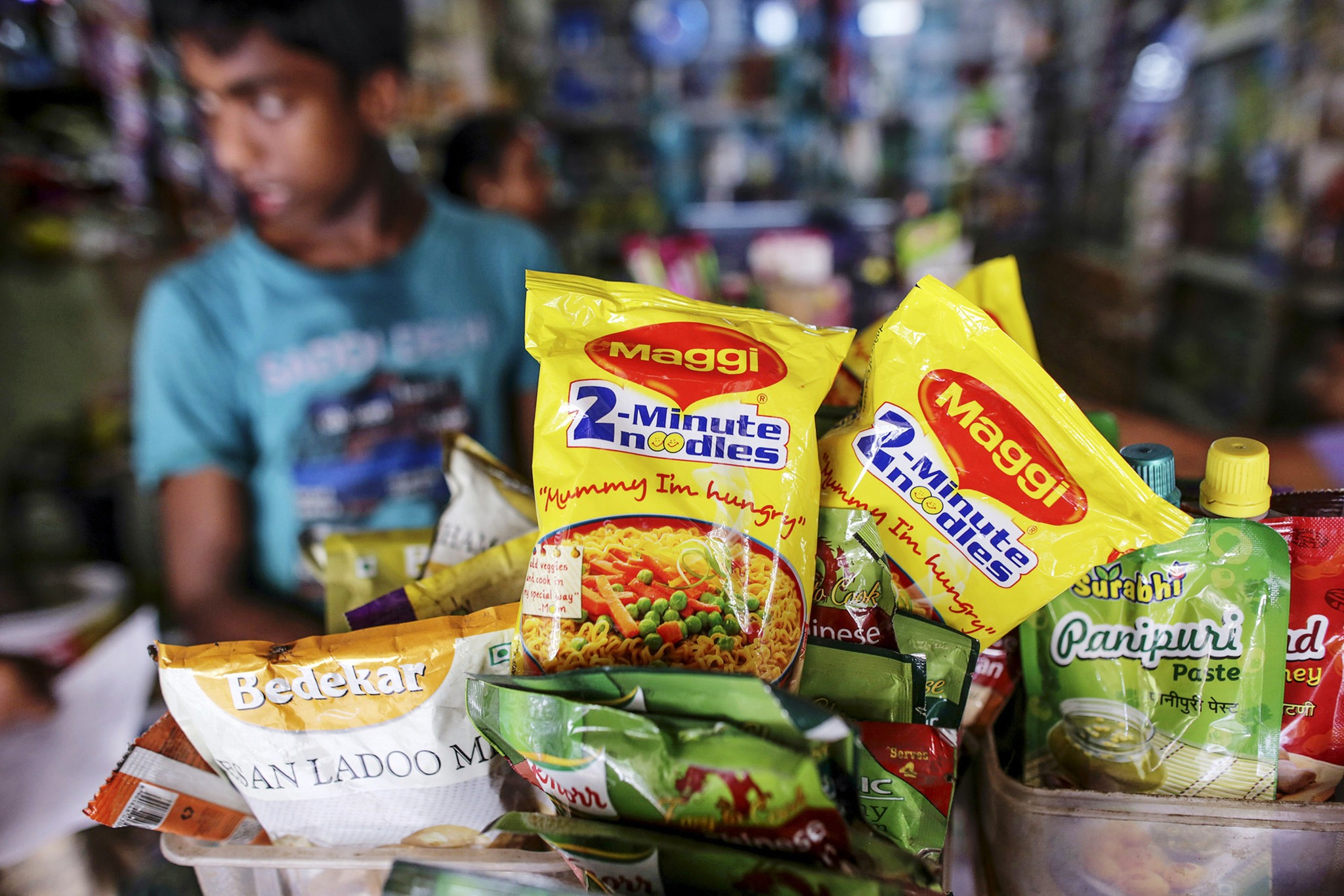
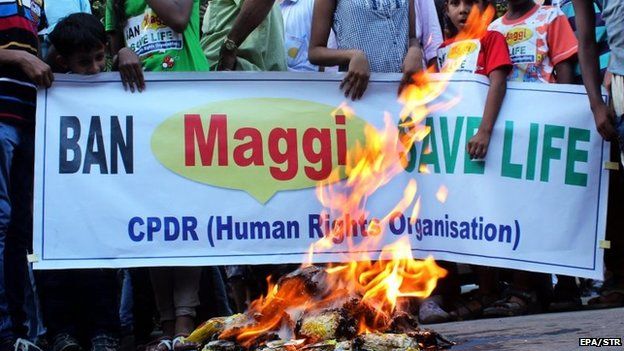
The recent controversy involving Maggi noodles in India is an eye opener for the entire region. The popular instant food, which has been sold for over three decades, was banned in early June by India’s food safety regulator after tests found excessive levels of lead.
Some samples also found Monosodium Glutamate (MSG), a flavor enhancer.
This episode brings into focus the need for tighter food safety regulations, as well as more responsible conduct by companies – both multinational and national – that produce and promote food products.
Eating is a personal and cultural activity where experts and regulators can go only so far. However, governments and corporations can do more to enable informed choices – by ensuring consumers have sufficient information through food labelling and are educated about health implications of diet.
To deal with growing concerns about processed food, South Asia needs greater consumer awareness, better regulation and product innovation.
Without this combination, the health of 1.5 billion people could be compromised by bad dietary habits.
This is the essence (no pun intended!) of my latest Ravaya column (in Sinhala, published on 5 July 2015). I covered similar ground in English in this essay:
Sri Lanka’s mainstream media – especially in the Sinhala language (and perhaps in Tamil too?) – lacks sensitivity and restraint when reporting and/or commenting on incidents of violence – covering suicide, homicide, rape and child abuse – as well as on topics like mental illness and HIV/AIDS.
This is my cumulative impression having closely watched different print and broadcast media outlets for over a quarter century. It is good that some younger professionals recognise the need to improve in this respect – to correct the ways of industry seniors who have set bad precedents for long.
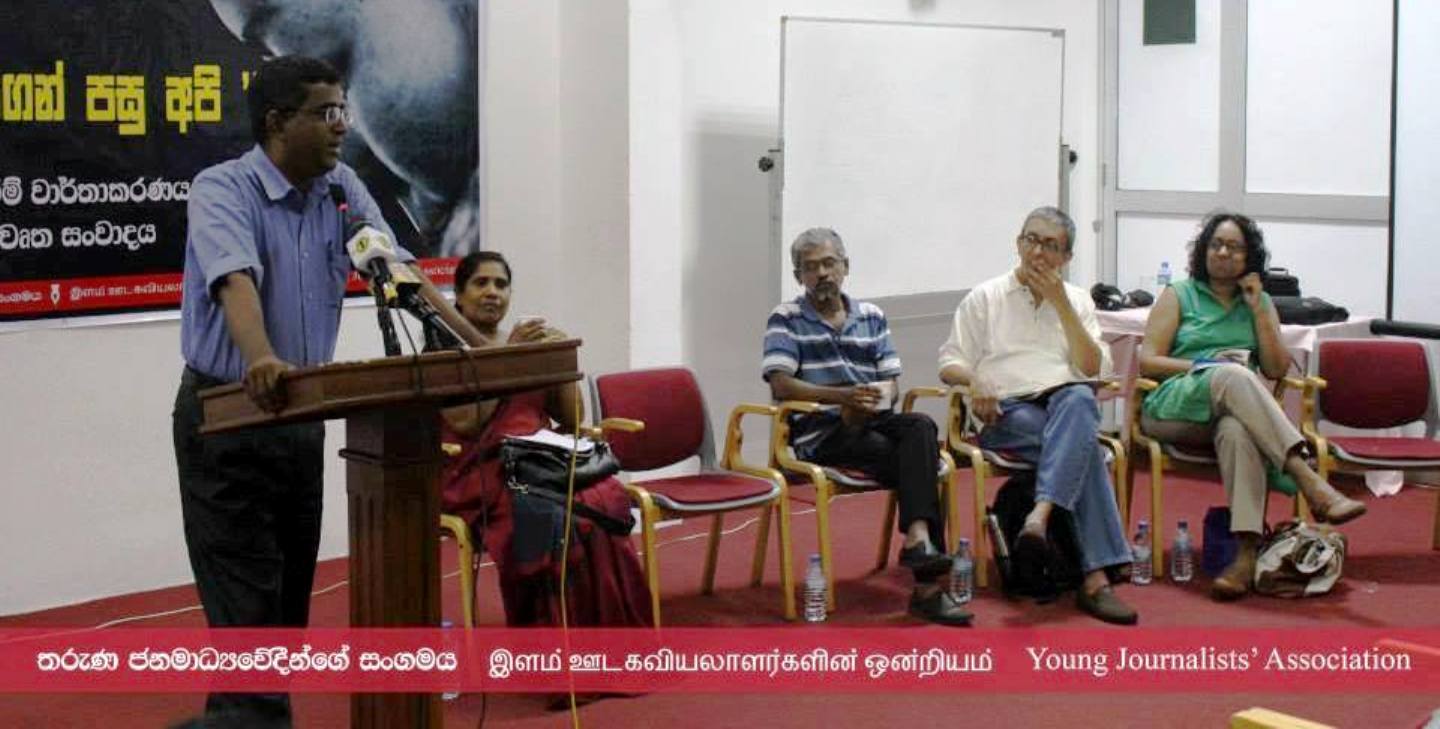
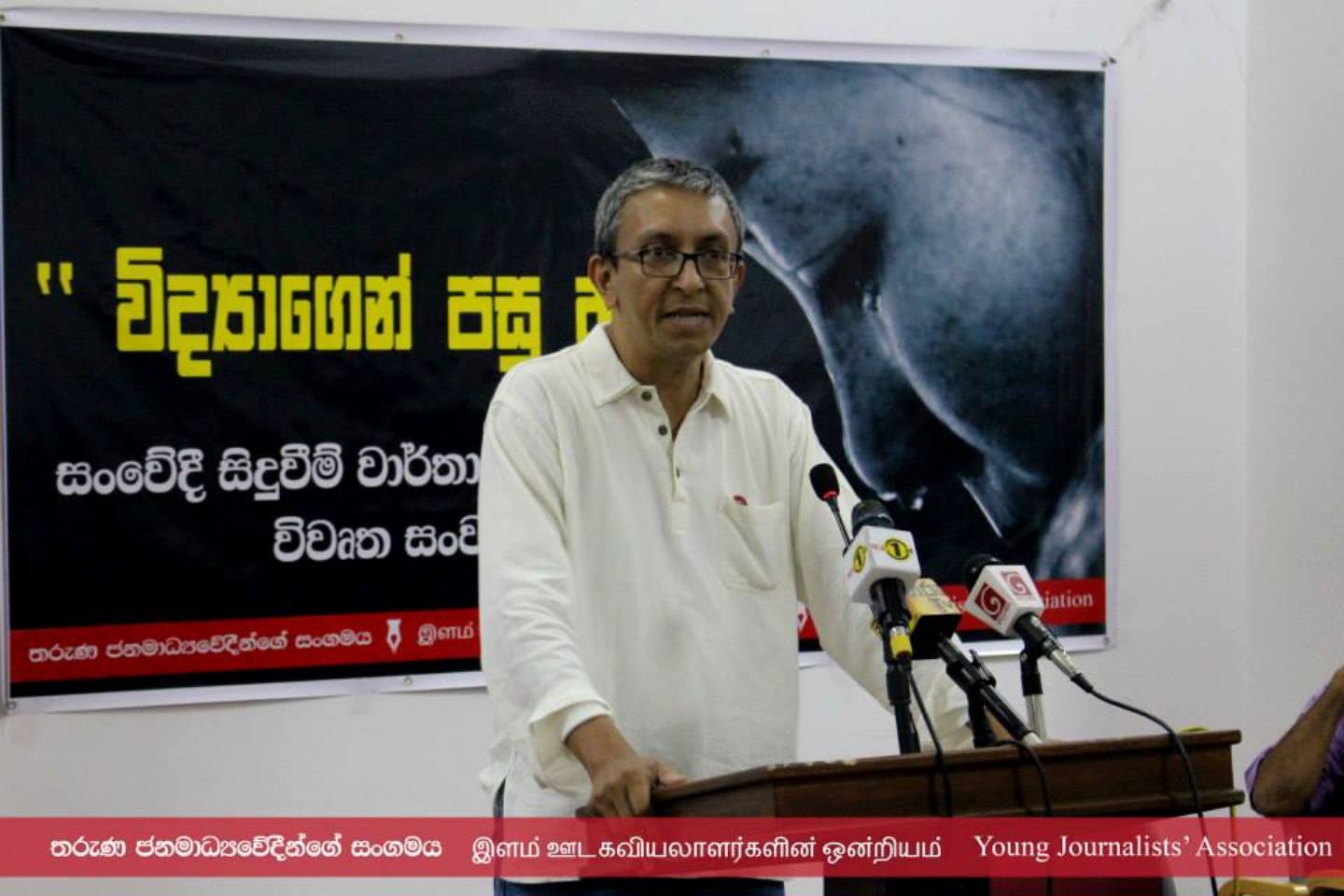
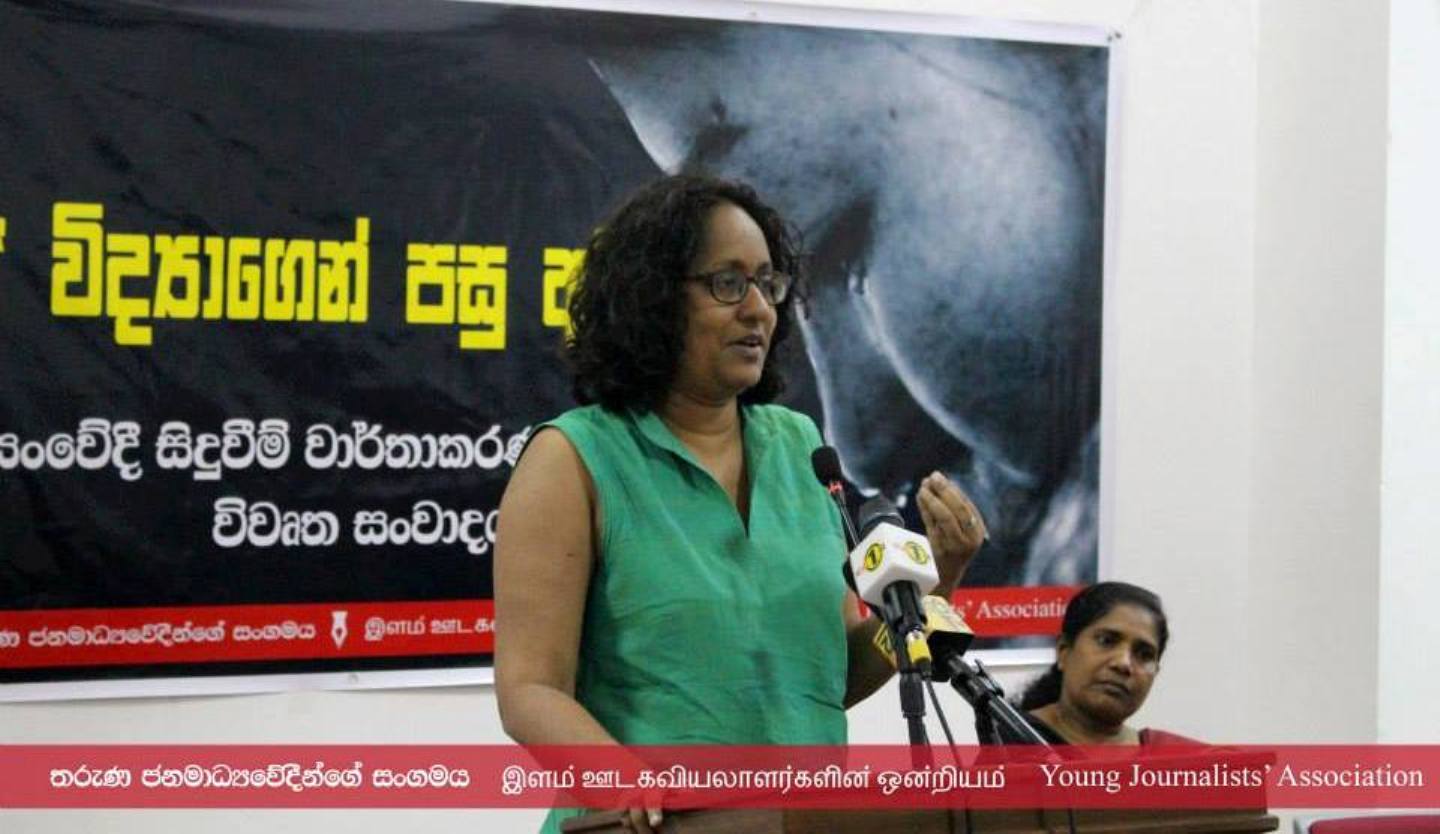
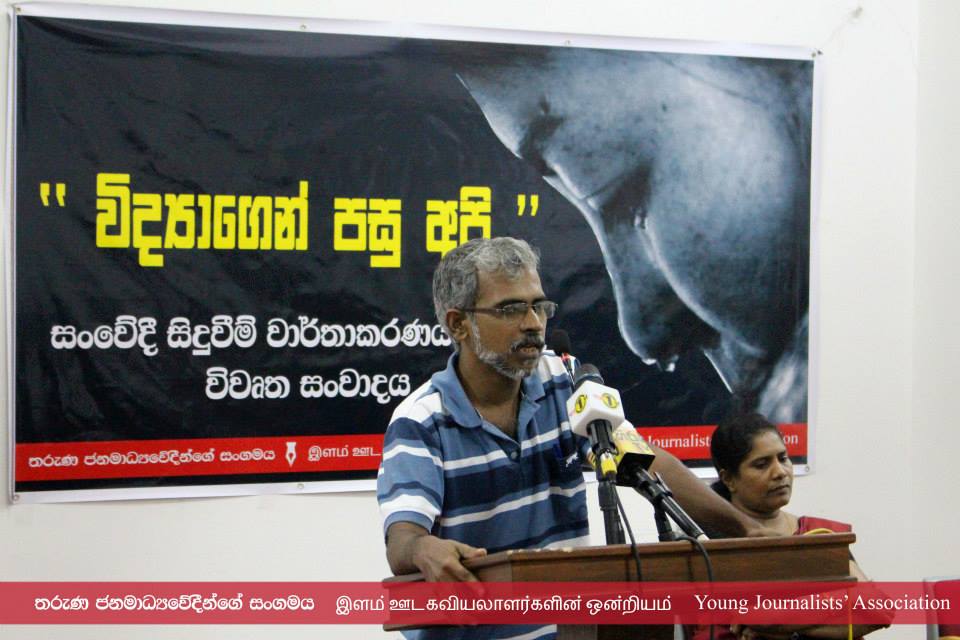
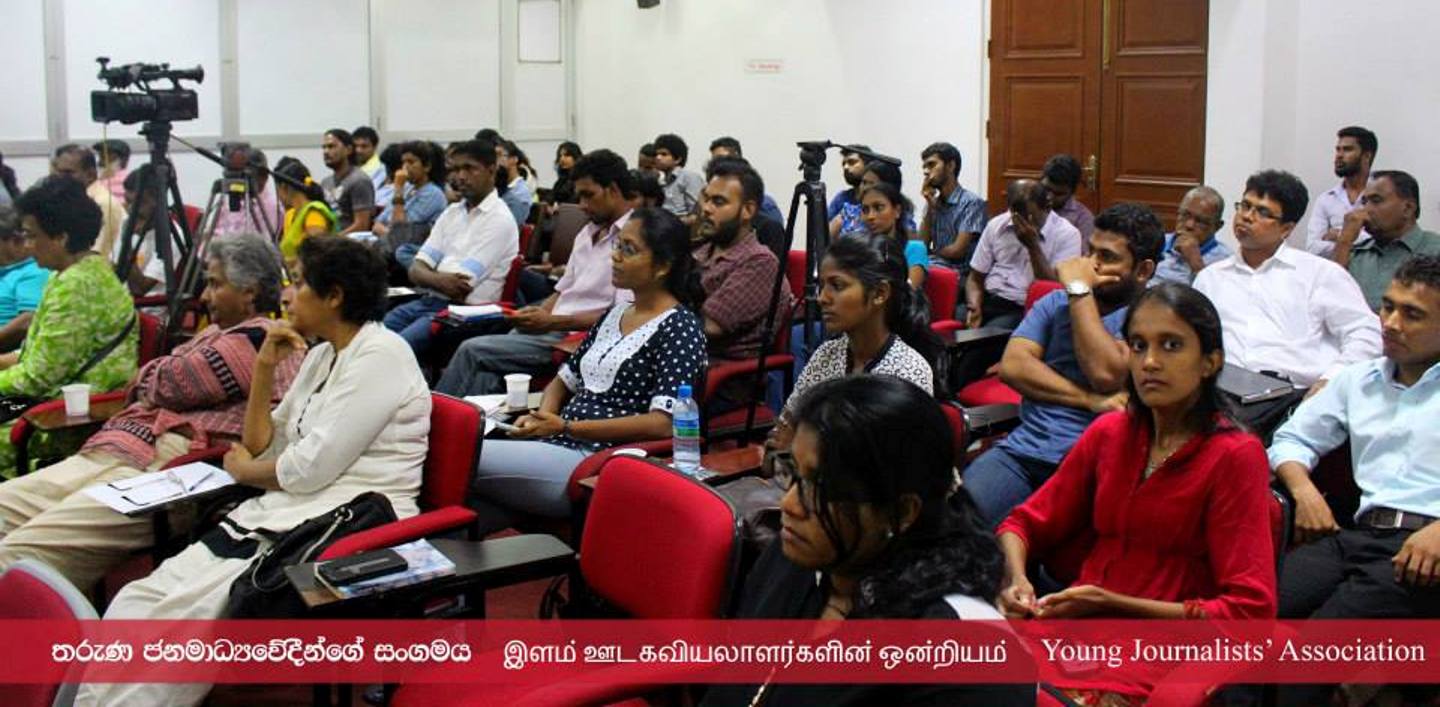
I was thus happy to speak at a recent public forum on sensitive media reporting, organised by Sri Lanka Young Journalists Association and held in Colombo on 9 June 2015. In my remarks, I tried to understand why large sections of Lankan media so lacks sensitivity, respect for privacy and respect for societal diversity. This is a complex sociological situation that I cannot fully explain, but among the reasons I cited are: cultural orthodoxy, gender insensitivity, heightened competition among media groups for market share; and an overall lack of professionalism.
I sum up my remarks, and some discussion points, in this week’s Ravaya column (published on 28 June 2015).
Ravaya Chief Editor K W Janaranjana speaks at Public Forum
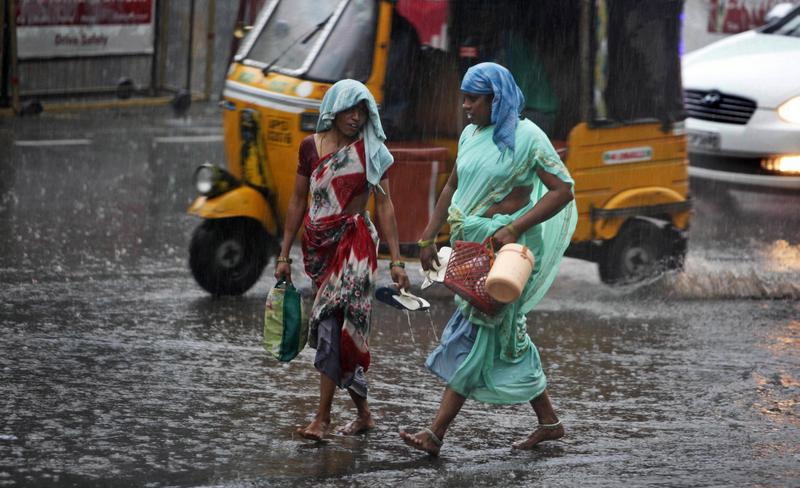
Not quite singing in the rain – but welcoming it all the same!
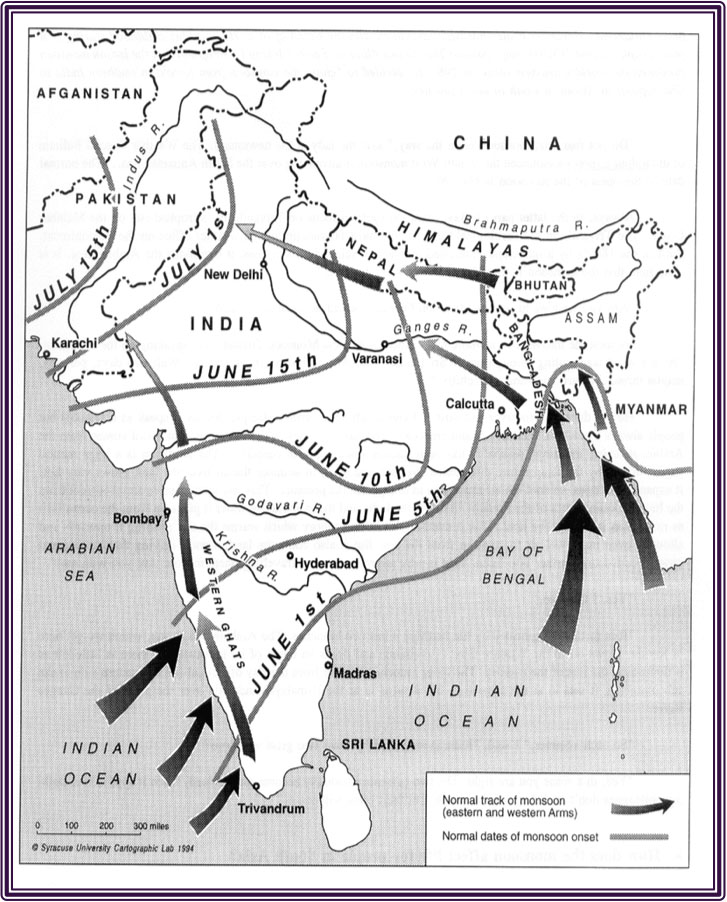
Every year in May, over a billion and a half South Asians join a waiting and guessing game for the mighty rain-carrying oceanic winds, one of the great forces of nature on this planet. Few things – human or natural – evoke such anxiety and anticipation of the South Asian Summer Monsoon, also known as Southwest Monsoon.
The rains that the summer monsoon brings are literally life giving for most parts of South Asia – for drinking, farming, industry and power generation.
An ample monsoon that arrives on time boosts harvests, drives production and generates wealth across South Asia where large numbers are still engaged in farming. A delayed or failed monsoon, on the other hand, causes much concern for governments and communities. Former Finance Minister (now President) Pranab Mukherjee acknowledged this power when he described the monsoon as the country’s “real finance minister”.
The big question – and growing worry – is whether human induced climate change is affecting the Indian Ocean monsoons…and how.
In this week’s Ravaya column (published on 7 June 2015) I explore our close historical and cultural nexus with the Monsoon.
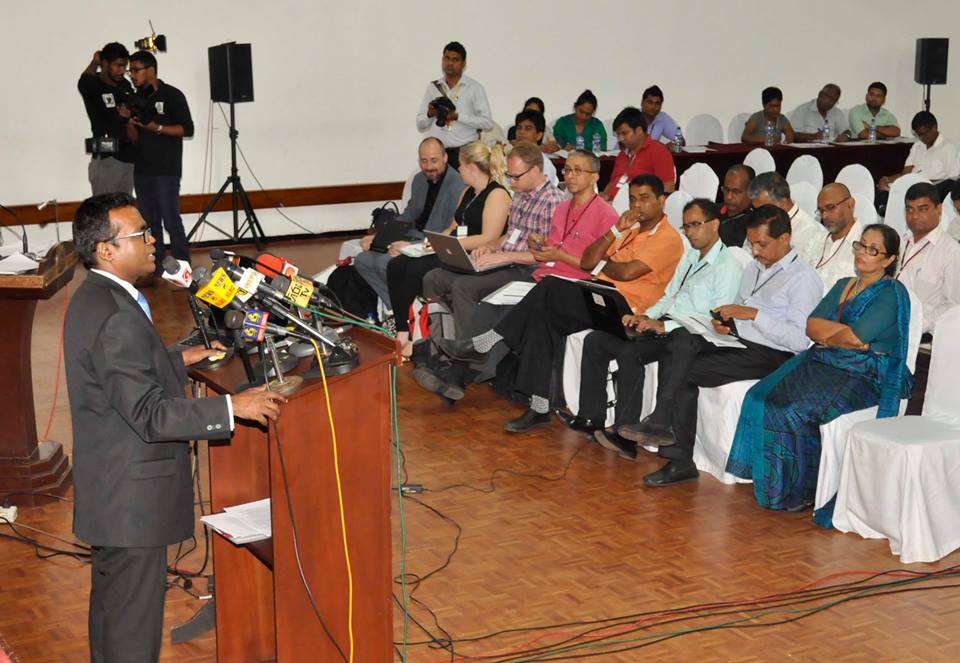
The National Summit for Media Reform in Sri Lanka was organised by the Ministry of Mass Media and Information, University of Colombo, Sri Lanka Press Institute (SLPI) and International Media Support (IMS) and held on 13 – 14 May 2015 at the Sri Lanka Foundation Institute, Colombo 7.
Its aim was “to maximise the contribution of all stakeholders in initiating and sustaining the process facilitating media structural reforms that will foster democracy, good governance and sustainable development in Sri Lanka”. It brought together high level reps from government, media industry, academia and civil society groups concerned with the state of our media.
Ahead of this, I was commissioned by the organisers to carry out a rapid assessment of the state of media in Sri Lanka using UNESCO’s Media Development Indicator framework – a globally used methodology adopted by the inter-governmental body in 2009. At the Summit opening plenary, I presented highlights of this study which was based on literature review and interviews.
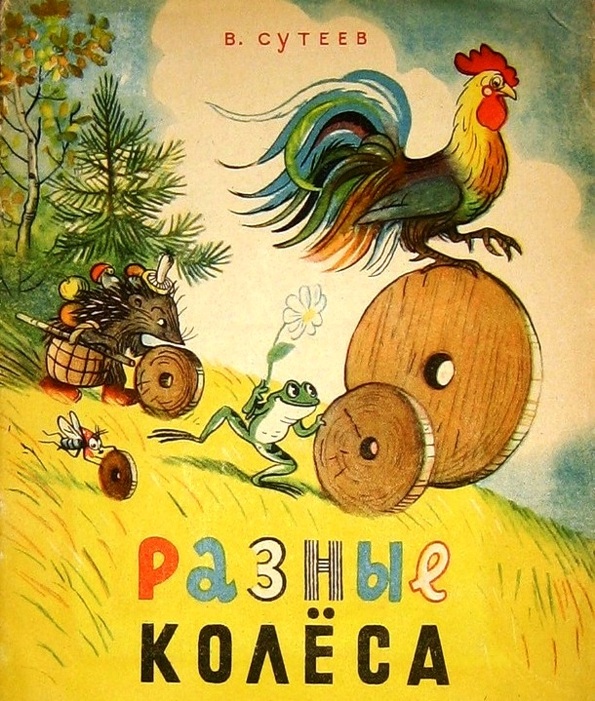
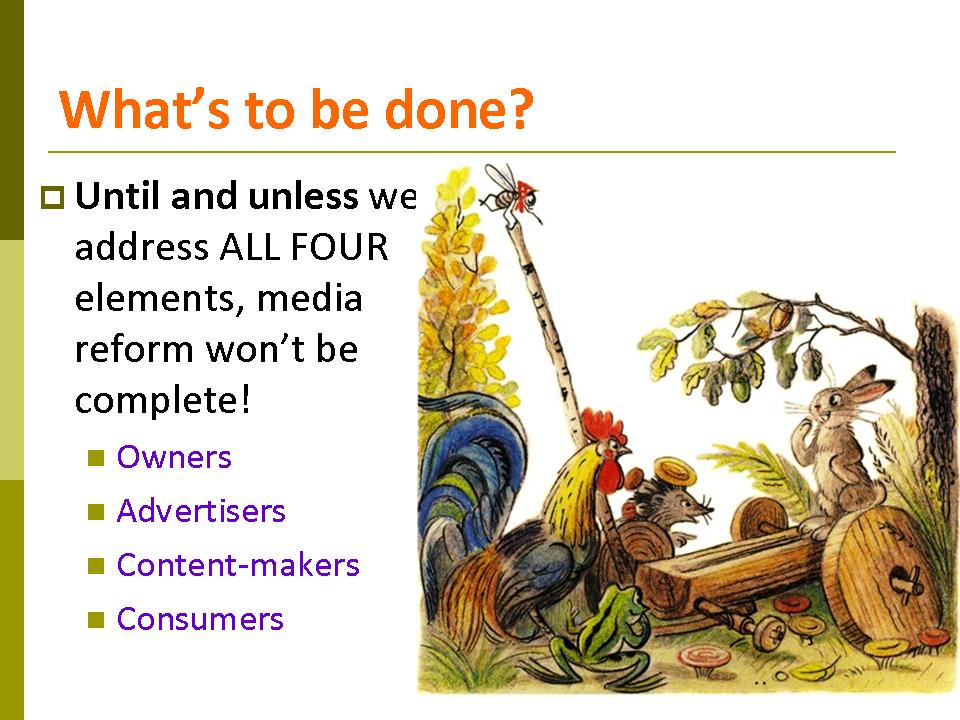
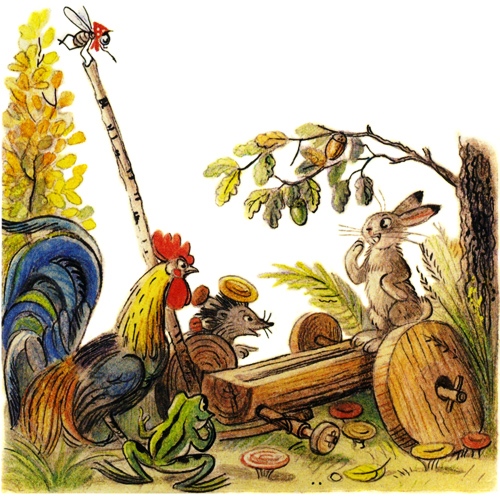
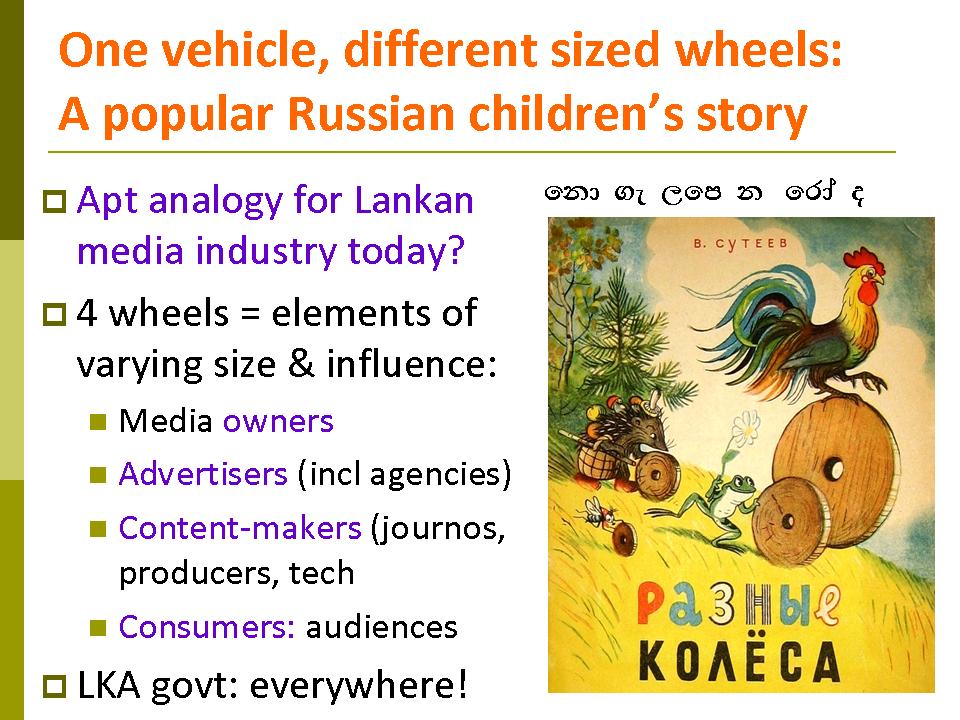
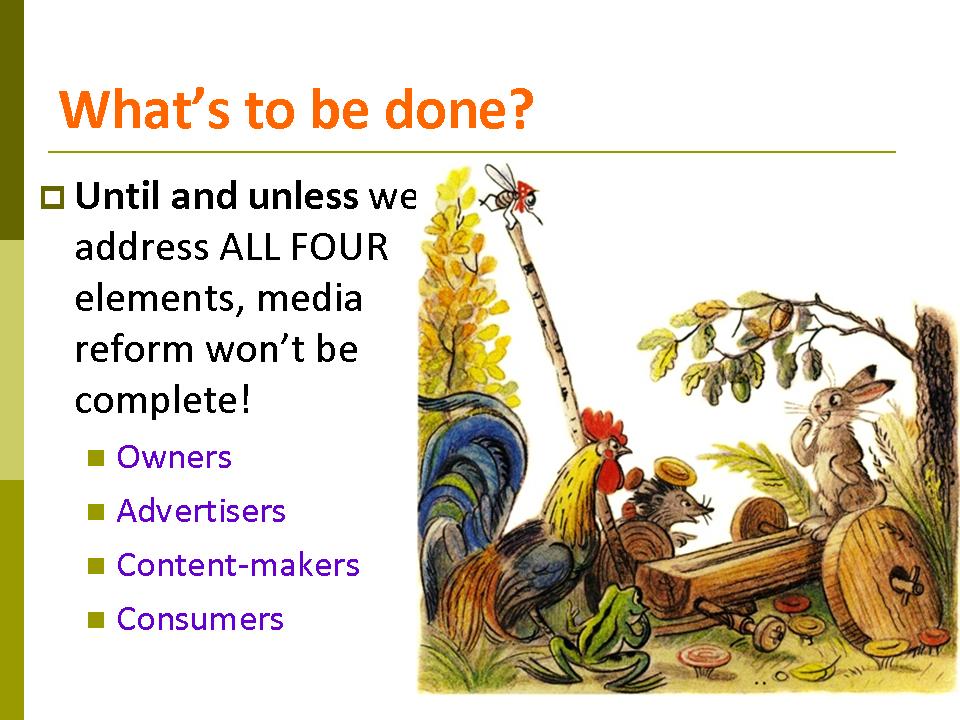
To capture the diversity and disparities in the media sector,I used a well-loved Russian children’s story that was known in Sinhala translation as නොගැලපෙන රෝද — the story of one vehicle with different sized wheels, and how animal friends tried to make it move and when it proved impossible, how they put each wheel to a unique use…
This week’s Ravaya column (published on 17 May 2015) captures some of these highlights. I plan to write another one, with specific focus on the broadcast sector, in the coming weeks.
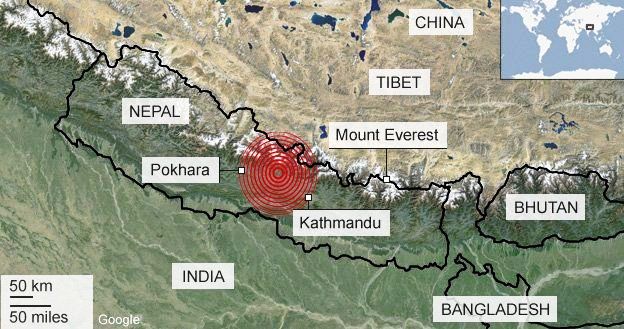
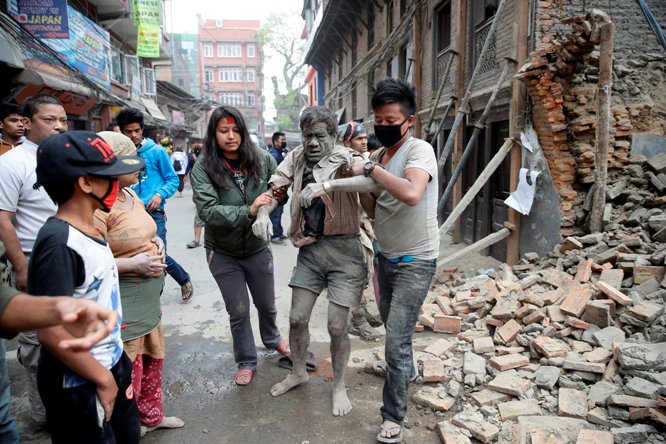
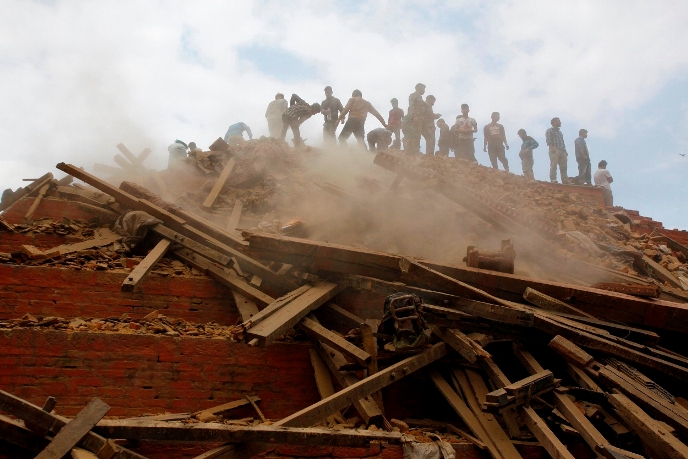
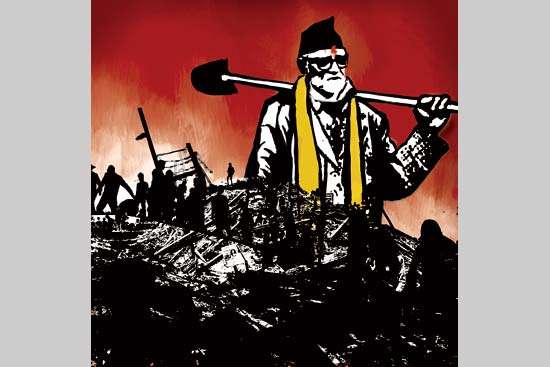
In this week’s Ravaya column (in Sinhala, published in issue of 10 May 2015), I explore the aftermath of the major earthquake that hit Nepal on 25 April 2015, causing widespread damage. I quote Nepali experts and activists on how the lack of preparedness aggravated impact, and the challenge of recovery that now faces Nepali society.
I quote my journalist and activist friend Kanak Mani Dixit, who wrote on May 1: “There’s nothing to do but to try to convert the Great Nepal Earthquake of 2015 into an opportunity to transform the conduct of politics and in the process lift up Nepal at least from the status of a ‘least developed nation’ to that of a ‘developing nation’. For a beginning to be made in that direction, the polity must be jolted out of its stupor. Only then can the advantages Nepal has—of nature, history and demography—be fully realised.”
I also comment on outrageous claim by some religious nuts who make a bizarre claim that Nepal’s earthquake was “karmic justice” for the sacrifice of some 5,000 buffaloes for a religious festival held last year. I paraphrase in Sinhala these words by young Lankan blogger Yudhanjaya Wijeratne.
Volunteers help remove debris of a building that collapsed at Durbar Square, after an earthquake in Kathmandu, Nepal, Saturday, April 25, 2015. A strong magnitude-7.9 earthquake shook Nepal’s capital and the densely populated Kathmandu Valley before noon Saturday, causing extensive damage with toppled walls and collapsed buildings, officials said. (AP Photo/ Niranjan Shrestha)
Managing Demographic Transition: The ‘Silver Dividend’
By Nalaka Gunawardene
Infographic by Echelon based on HelpAge International analysis
Back in December 1993, Wired magazine asked readers to nominate seven modern wonders of the world – extraordinary structures or phenomena that characterise our age. Its editors made the final choices based on hundreds of ideas received.
Predictably enough, the list was dominated by high tech developments like the Human Genome Project, the Internet and micro-manufacturing. With remarkable foresight, they also included senior citizens.
That’s right! The editors said: “Among the greatest feats of bio-social engineering ever executed and yet one that remains strangely overlooked is our abundance of senior citizens.”
There is no historical precedent for this, in any place or any time. Prior to the Second World War, Wired noted, an old person was ‘an oddity’ in Western cultures, with only an insignificant proportion of the population reaching that age. But by end 20th century, old people and their needs “will dominate political and social debate.”
“The dream of an immortal society is the dominant engine powering the bulk of most 20th century research in countless areas including medicine, pharmaceuticals, surgery, and life extension techniques as well as developments in politics and finance — entitlements, pension funds and mutual funds,” added Wired.
Now, into the second decade of the new century, societies worldwide are facing the challenge of ageing populations. To manage this demographic transition well, they need the right attitudes and policies.
Gradual shift
Population ageing happens when older people (typically over 60) account for an increasingly large proportion of the total population. It is the result of declining fertility rates, lower infant mortality and increasing survival at older ages – all triumphs of development.
Infographic by HelpAge International
This happened slowly but steadily during the last few decades. Worldwide, older people’s share of population has risen sharply. In 1950, when the world’s population was 2.5 billion, there were 205 million persons over 60. In 2014, there were 868 million such persons – nearly 12% of the total.
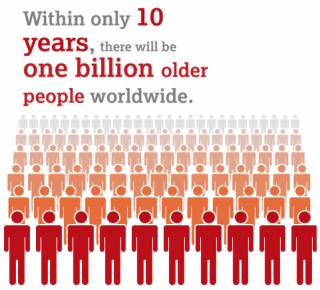
Meanwhile, the number of new-borns has been falling. In 2000, for the first time in history, there were more people over 60 globally than children below 5. And within the next decade, the number of older persons will surpass 1 billion.
Proportions matter more than absolute numbers. It is the age structure of a country’s population that directly affects economic productivity and human development.
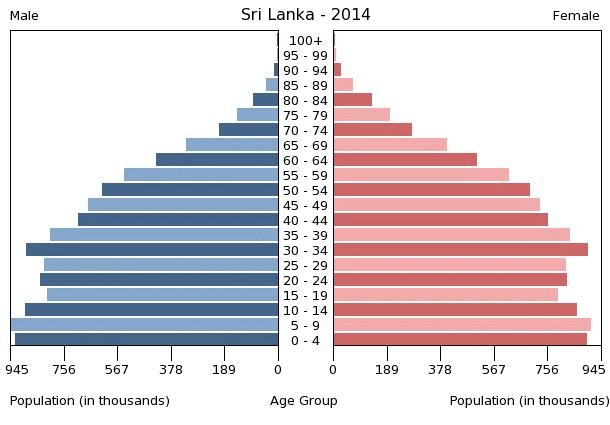
In South Asia (SAARC region), Sri Lanka has the highest proportion of older people, which was 13% in 2014. This is projected to rise to 20% by 2031, and a quarter by 2041. Parallel to this, the proportion of working age population – which reached its peak in 2006 (65.1%) – will keep falling. This is similar to what is happened in many East Asian countries.
“As Sri Lanka experiences a demographic transition, the country will face several economic and social challenges, especially in handling the social protection and health care needs of a rising elderly population,” cautioned the Institute of Policy Studies (IPS) in its ‘Sri Lanka State of the Economy 2014’ report. “In addition, Sri Lanka will also have to address the implications of a shrinking workforce on the growth of the country.”
How can we prepare for this shift, to avoid being overwhelmed economically and socially?
Philip O’Keefe, the World Bank’s lead economist on social protection and labour, says the risks associated with ageing are real — but can be mitigated with the right policy responses.
For example, as people enjoy longer and healthier lives, retirement age and habits need rethinking.
O’Keefe says that many Asian countries’ retirement age has not kept up with rising life expectancy. But rather than embarking on the often contentious revision of retirement age, countries could gradually ‘blur the line’ between working and stopping it – as Japan, Korea and Singapore have done.
In Sri Lanka, mandatory retirement age for public servants is 60 years (with some exceptions). Last year, then health minister (and now President) Maithripala Sirisena proposed that this be raised to 65, with the option of retiring at 60.
The rationale is clear. Lankans have an average life expectancy of over 76 years, with women living a few years longer than men. Also, today’s older people are markedly different compared to those two generations ago. They are healthier and remain more active well into their 70s or 80s. This enhances their value to society: they are a resource to be harnessed.
This is the trend across Asia. To benefit from this, societies must redesign and realign themselves, says Eduardo Klien, regional director of HelpAge International for East Asia and Pacific. Countries need to make far-reaching changes to address population ageing so as to optimise older people’s contributions.
Governments, civil society, private sector, development donors and the research community all have roles to play. The policy window is limited, Klien says. “The time to act is the next few years.”
In formulating policies, it is important to avoid alarmism. The common media portrayal of ageing as a ‘demographic time-bomb’ or ‘silver tsunami’ is not accurate. Nor is this fate inevitable as developed country experience shows.
Global AgeWatch 2014 report – country rankings
Evidence-based policies
Better data gathering and analysis can help promote a more balanced approach. For example, censuses need to collect statistics that are more disaggregated by age and gender (lumping together everyone over 60 or 65 is no longer good enough).
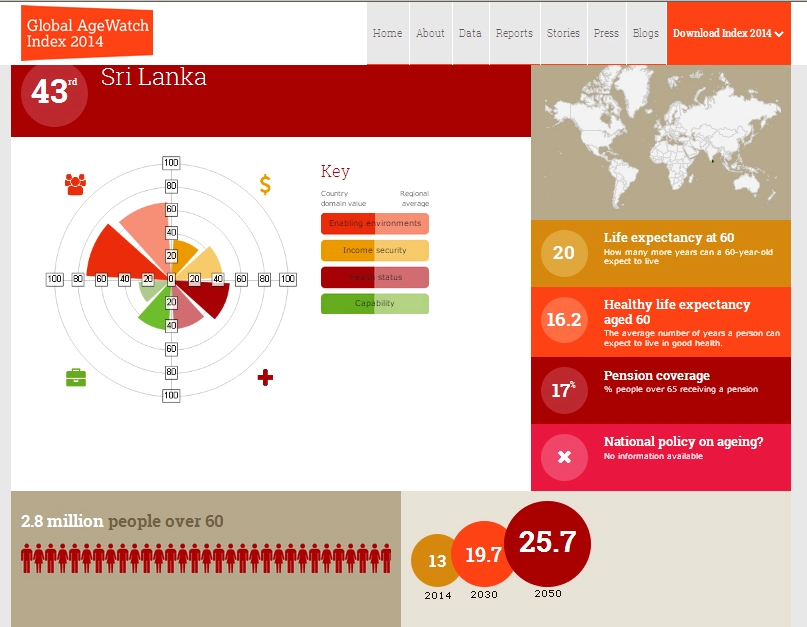
The Global AgeWatch Index, which ranks countries by how well their ageing populations are faring, takes stock of how countries are faring. Compiled by HelpAge International, it measures performance in four areas: income, health, employment and education, and existence of an ‘enabling environment’ (based on factors like physical safety, civic freedom and access to public transport).
Global AgeWatch Index 2014 assessed 96 countries which covered nine out of ten people over 60 worldwide. Norway topped the list, followed by Sweden and Switzerland. The only Asian country among the top 10 was Japan (No 9). In South Asia, Sri Lanka was placed higher (No 43) than other SAARC countries – but there is much to be done.
According to the data crunched, an average Lankan of 60 years can expect to live for another 20 years, 16.2 of which are likely to be in good health. But many of our older persons experience problems of psychological wellbeing – and a lack of counseling support.
More worrying is income security. Pension income coverage in Sri Lanka is 17% of older persons, despite there being several public and private schemes. Given that more people work in the informal sectors – such as farming, fishing and trading – enhancing coverage will need a multi-pronged approach.
One option is non-contributory social pension schemes, but this needs to be balanced with long-term viability. Sri Lanka already spends around 1.5% of GDP on public sector pensions. Pension reform with innovation thus becomes a policy priority.
I’m a story teller at heart. I sometimes moonlight as a media researcher or commentator but have no pretensions of being academic. I always try to make my points as interesting as possible — using analogies, metaphors, examples, etc.
This is the approach I used when asked to talk to the working group on Sri Lanka Media Reforms, convened by the Media Ministry, Sri Lanka Press Institute, International Media Support (IMS) and the University of Colombo.
I used a well-loved Russian children’s story that was known in Sinhala translation as නොගැලපෙන රෝද — the story of one vehicle with different sized wheels, and how animal friends tried to make it move and when it proved impossible, how they put each wheel to a unique use…
A framework for media reform in Sri Lanka…by Nalaka GunawardeneA framework for media reform in Sri Lanka…by Nalaka Gunawardene
Well, in the case of media reforms, we can’t go off in different directions. We must make the vehicle work, somehow.













 Open Minds!