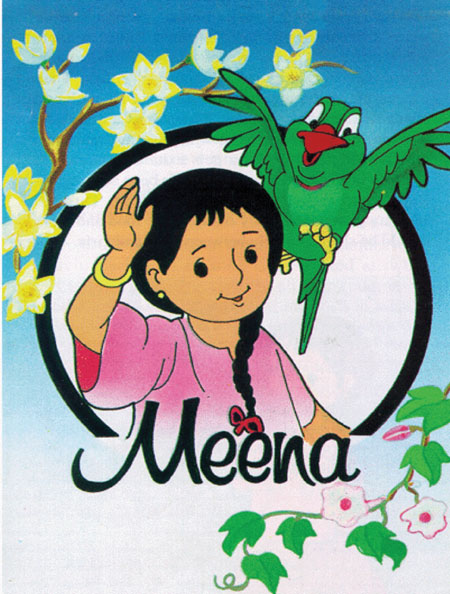
Long before Malala, there was another spirited young girl named Meena.
Like Malala Yousafzai does today, Meena too spoke out for and on behalf of girls — their right to education, good health, nutrition and, most important, to be treated the same way as boys.
Like Malala, young Meena too spoke passionately yet courteously. While Malala challenged the ferocious Taliban, Meena took on the equally formidable adversary named tradition.
Malala and Meena could well have been sisters in arms — except that the latter isn’t quite real. She is a cartoon character imagined and developed by some of South Asia’s most talented animators and development communicators two decades ago.
UNICEF developed the Meena Communication Initiative (MCI) as a mass communication project aimed at changing perceptions and behaviour that hamper the survival, protection and development of girls in South Asia.
Here’s how their website describes Meena:
“Meena is a cartoon character from South Asia. She is a spirited, nine-year-old girl who braves the world – whether in her efforts to go to school or in fighting the stigma surrounding HIV/AIDS in her village.”
UNICEF launched Meena in September 1998 after eight years of extensive research in the region since the initial conceptualization. The name Meena was carefully chosen as it was found to span the different cultures in the region: people in Bangladesh, Bhutan, India, Maldives, Nepal, Pakistan and Sri Lanka could relate to the name.
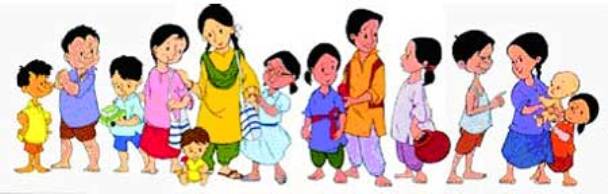
A cast of carefully researched characters was created for Meena’s family and community. It included Meena’s talkative pet parrot Mithu, brother Raju, mom and dad, grandma and village school teacher.
There was no fundamentalist group threatening Meena’s village. Instead, it was grappling with poverty, ignorance and orthodoxy.
The Meena stories are entertaining and fun, but also reflect the realities of girls’ lives in South Asia. Through story-telling, important social messages are conveyed, such as the value of educating girls, freedom from exploitation and abuse, need for hygiene and proper sanitation, and the right of girls to a proper childhood not marred by under-age marriages.
In total, 13 Meena episodes were produced through a collaboration that involved Ram Mohan Studios of Mumbai and Hanna-Barbera affiliate Fil Cartoons of Manila.
Three examples:
Meena: Will Meena Leave School?
Meena: Count Your Chickens
Meena: Too Young to Marry
Meena is widely recognised and appreciated in most South Asian countries, and is a successful advocacy and teaching tool for girls’ and children’s rights. The Meena figure has achieved remarkable popularity as she tackles the key issues affecting children, and the threats to the rights of millions of girls in South Asia.
In early August, Sri Lanka stopped the import of milk from New Zealand after discovering trace amounts of dicyanamide (DCD) a fertilizer additive, in four batches of milk sold by several firms. Concerns were also expressed on the presence of whey protein, a natural byproduct in cheese production.
After nearly a month of confusion and panic, the government now says it “probably overreacted” in its response to stories of contamination in milk powder imported from New Zealand.
Ensuring food safety is vital, and constant vigilance is needed – both on imported as well as locally produced food and beverages. What is the role of medical doctors and other scientifically trained professionals in such vital debates on public health and safety? How best can they conduct themselves in contentious policy issues with broad implications?
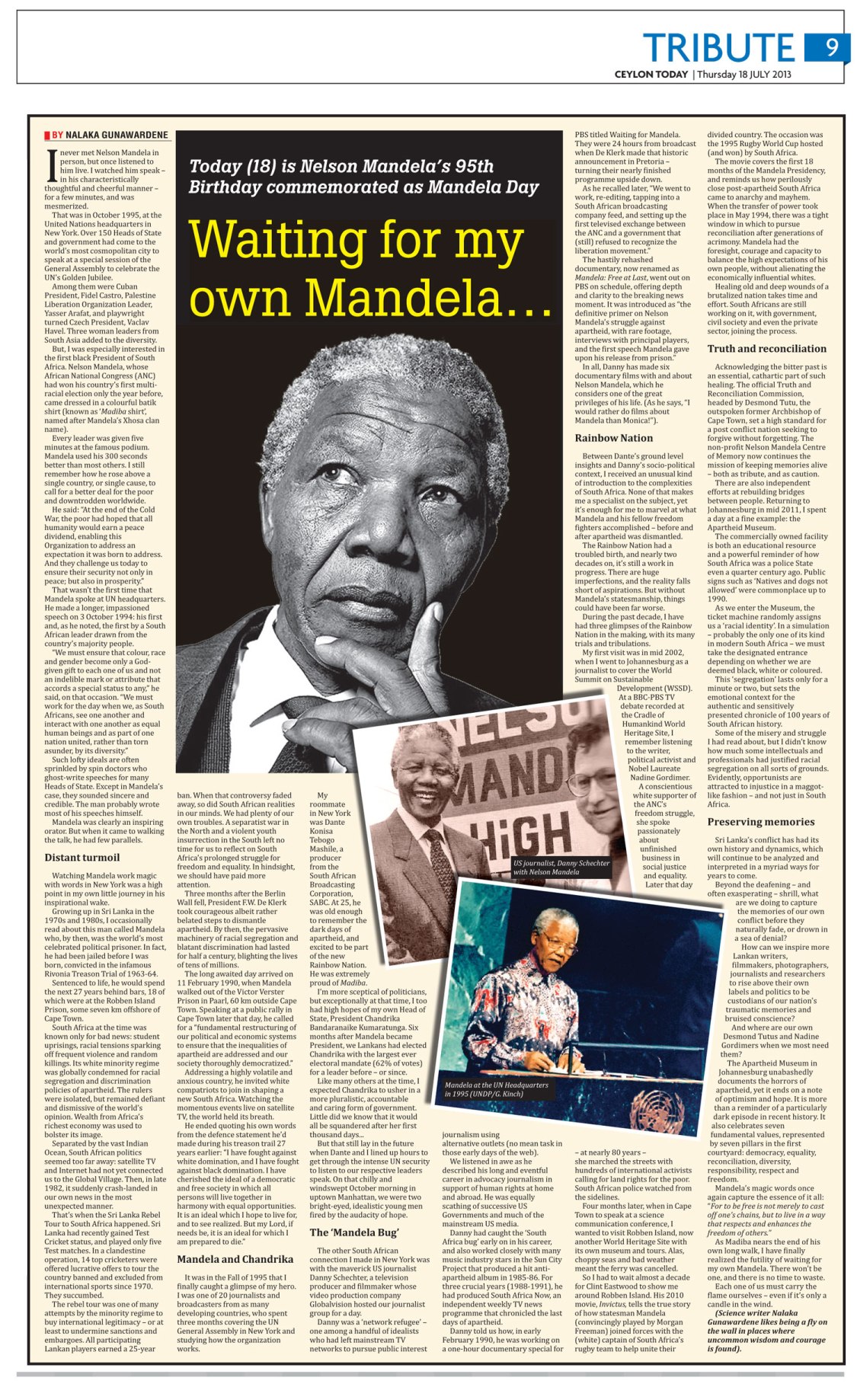
In a wistful essay titled ‘Memories of War, Dreams of Peace, hurriedly put together in mid May 2009 as Sri Lanka’s long and brutal civil war ended, I wrote: “Our political leaders, in whom we entrust our collective destiny, now face a historic choice… African analogies can go only so far in Asia, but at this juncture, it is tempting to ask: would our leaders now choose the Mandela Road or the Mugabe Road for the journey ahead?”
Four years on, that now reads rather naïve. In hindsight, I should have known better — and not pinned any hopes on political leaders again.
I say “again” because, just once before in my life, I did so: In mid 1994, six months after Nelson Mandela became the first majority elected President of South Africa, we Lankans elected Chandrika Bandaranaike Kumaratunga as our own President, with the largest ever electoral mandate (62% of votes).
Like many others at the time, I expected Chandrika to usher in a more pluralistic, accountable and caring form of government. Little did we know that it would all be squandered after her first 1,000 days…
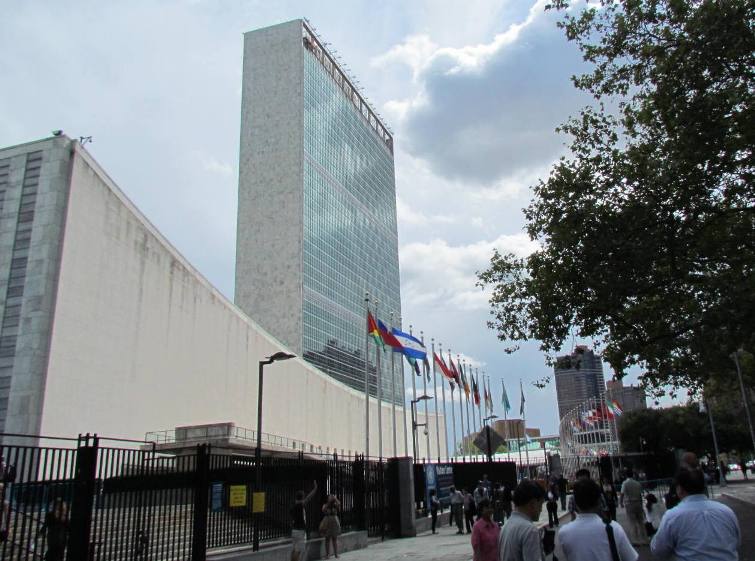
The essay draws on my own memorable experience of listening to Mandela speak at the UN Headquarters in New York, in October 1995, and my three brief visits to post-apartheid South Africa over the past dozen years.
Oh, President Chandrika also came to the UN in New York on that occasion, accompanied by her astute foreign minister, the late Lakshman Kadirgamar — who came closest to being Lanka’s moral and intellectual colossus of global stature.
My South African room mate in New York, Dante Mashile, and I lined up hours ahead of the event to get through the intense UN security. On that chilly and windswept October morning in uptown Manhattan, we were two bright-eyed, idealistic young men fired by the audacity of hope.
In the end, my own leader didn’t walk her talk. But Dante’s did. That made all the difference for our two nations…
The Rainbow Nation had a troubled birth, and nearly two decades on, it’s still a work in progress. There are huge imperfections, and the reality falls short of aspirations. But without Mandela’s statesmanship, things could have been far worse.
As I note in this new essay:
“I have finally realized the futility of waiting for my own Mandela. There won’t be one, and there’s no time to waste.
“We must carry the flame ourselves — even if it’s only a candle in the wind.”
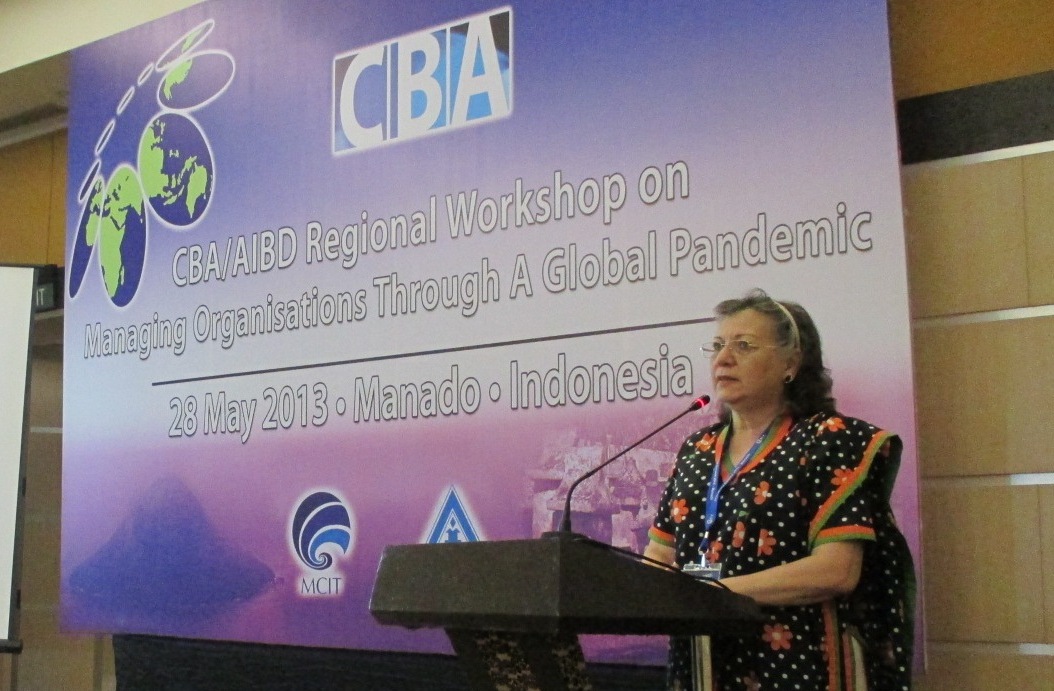
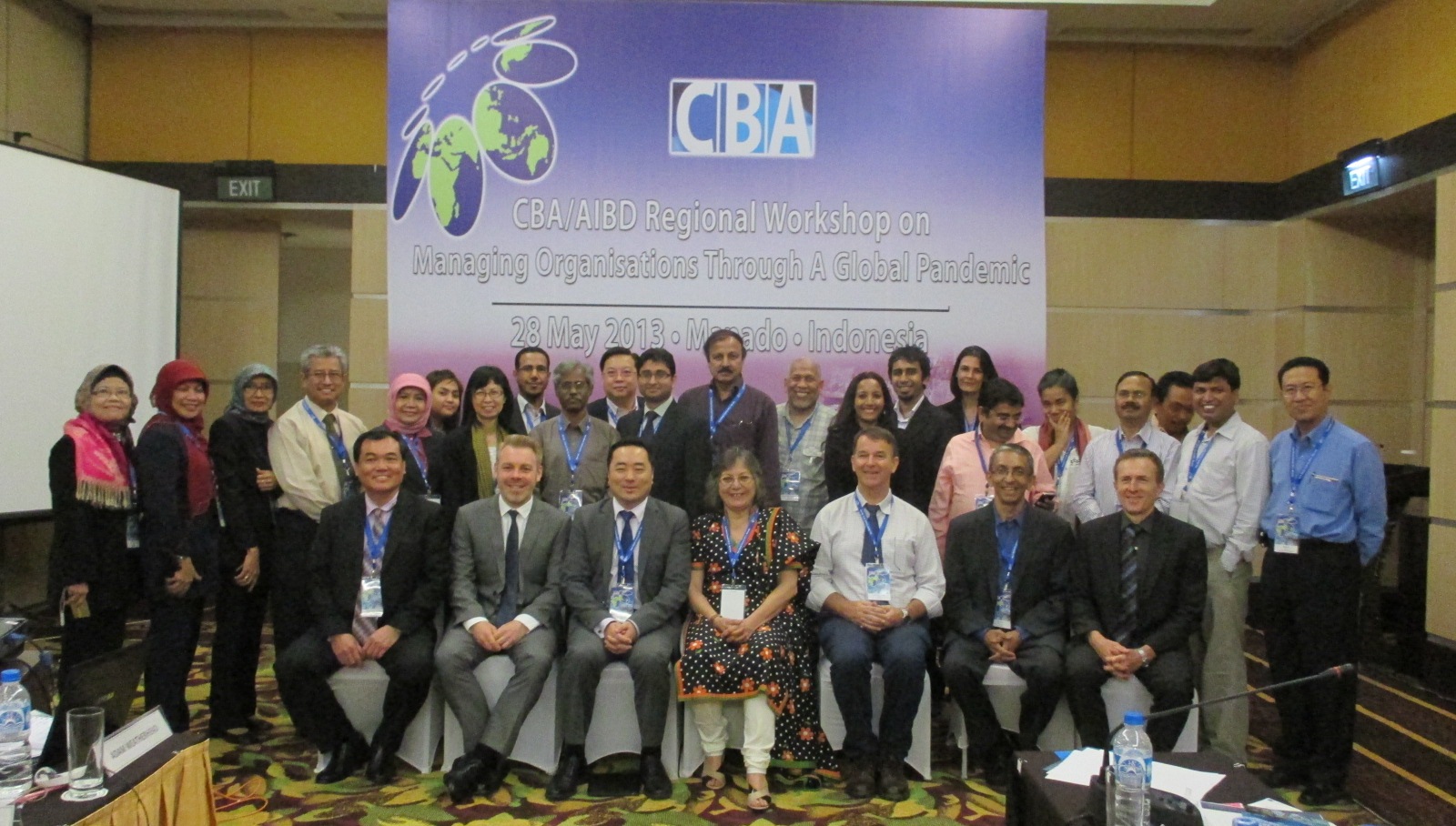
CBA President Moneeza Hashmi opens workshop on Pandemics and broadcasting, Manado, 28 May 2013
The discussion on the role of information and communication in disaster situations continues. Media-based communication is vitally necessary, but not sufficient, in meeting the multiple information needs of disaster risk reduction and disaster management. Other forms of participatory, non-media communications are needed to create more resilient communities.
During the past decade, the world’s humanitarian and disaster management communities have acknowledged the central and crucial role of communications — not just for outreach, but as a frontline activity and a core component of response.
It was organised by the Commonwealth Broadcasting Association (CBA) in collaboration with the Asia Pacific Institute for Broadcasting Development (AIBD), and held on 28 May 2013.
Perhaps the most significant sentence in the booklet is this: “WHO believes it is now time to acknowledge that communication expertise has become an essential outbreak control as epidemiological training & laboratory analysis…”
It is preceded by this candid appraisal: “Communication, generally through the media, is another feature of the outbreak environment. Unfortunately, examples abound of communication failures which have delayed outbreak control, undermined public trust and compliance, and unnecessarily prolonged economic, social and political turmoil.”
The document is certainly a leap forward in thinking, but eight years since it was published, the ICT and media realities have changed drastically. As I noted in my opening remarks, social media, then fledgling, have exploded and completely changed the dynamics of emergency communications.
In a recent op-ed published in SciDev.Net, Rohan Samarajiva and I made this point: “The proliferation of ICTs adds a new dimension to disaster warnings. Having many information sources, dissemination channels and access devices is certainly better than few or none. However, the resulting cacophony makes it difficult to achieve a coherent and coordinated response…”
We added: “The controlled release of information is no longer an option for any government. In the age of social media and 24/7 news channels, many people will learn of distant hazards independently of official sources.”
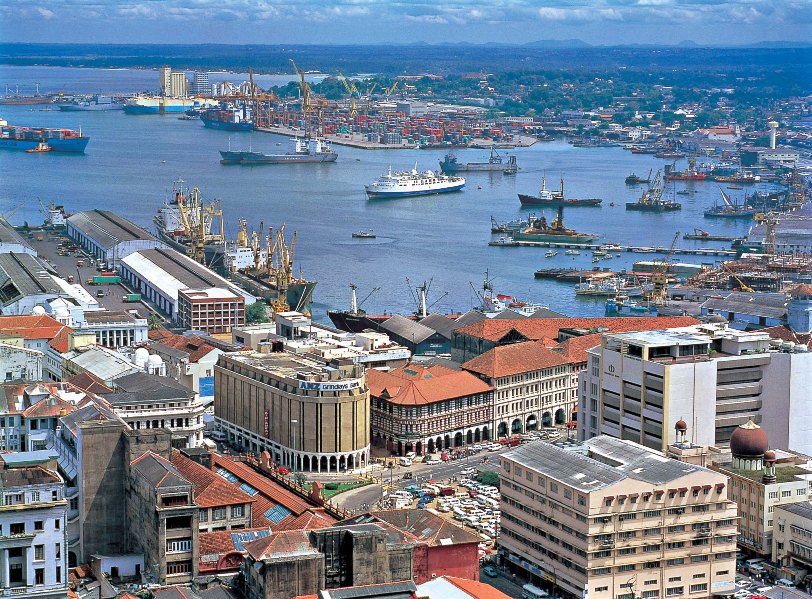
In this weekend’s Ravaya column (in Sinhala), I ask: are there real cities in Sri Lanka that embody liberal values and distinctive identities that cities – both in the East and West – have. If not, what are our urban areas? Over-built neighbourhoods to which residents have transplanted their village mindsets — including feudalism that is rampant in our villages?
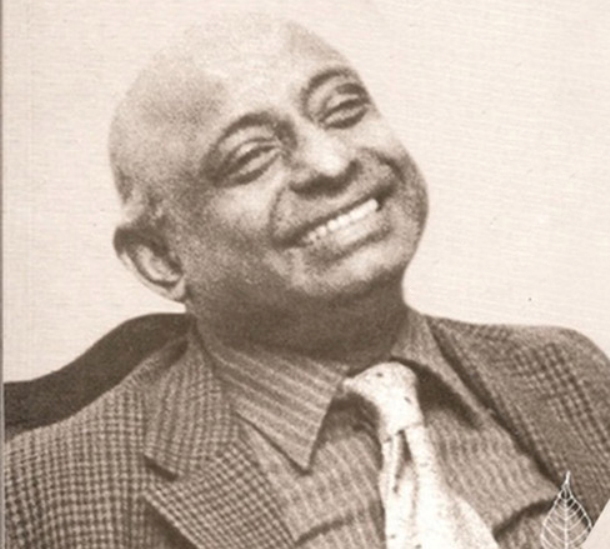
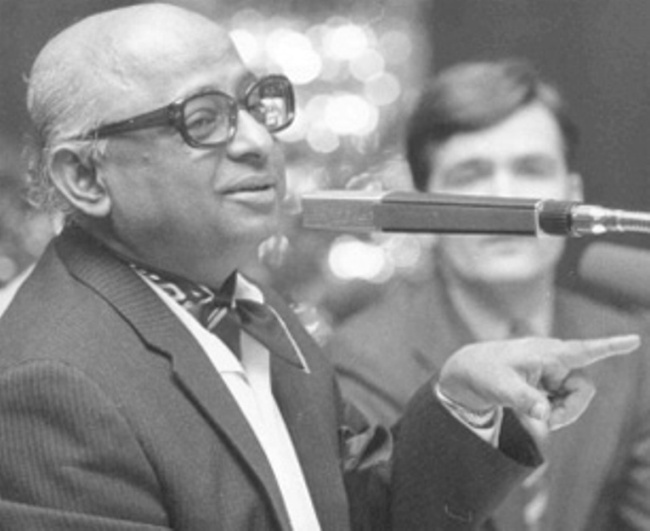
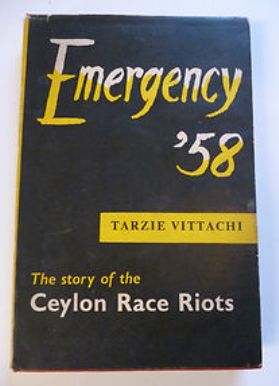
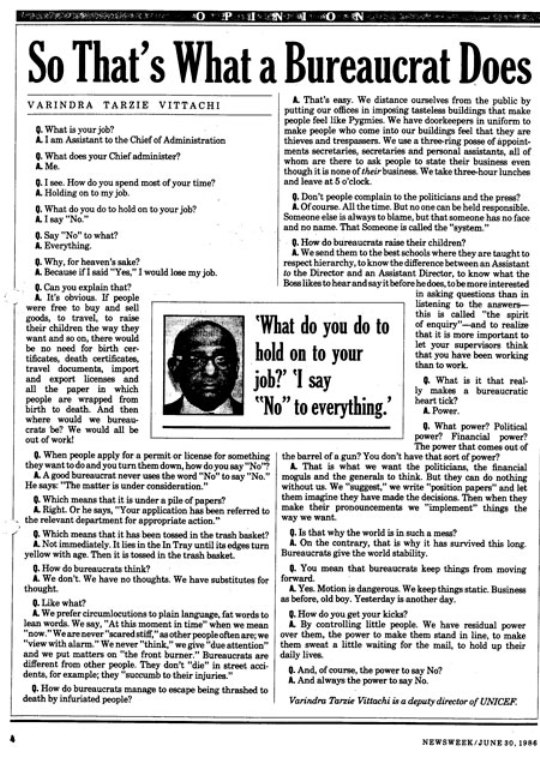
I have devoted another weekend column in Ravaya newspaper (in Sinhala) to celebrate the memory of the illustrious Lankan journalist, editor and development communicator, Tarzie Vitachi (1921 – 1993). This time, I talk about his time at the United Nations, first as communication chief at UNFPA, and then as Deputy Executive Director at UNICEF.
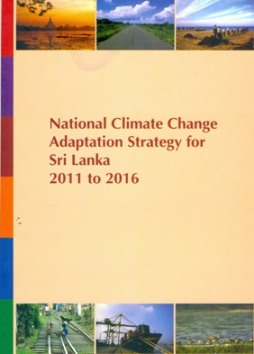
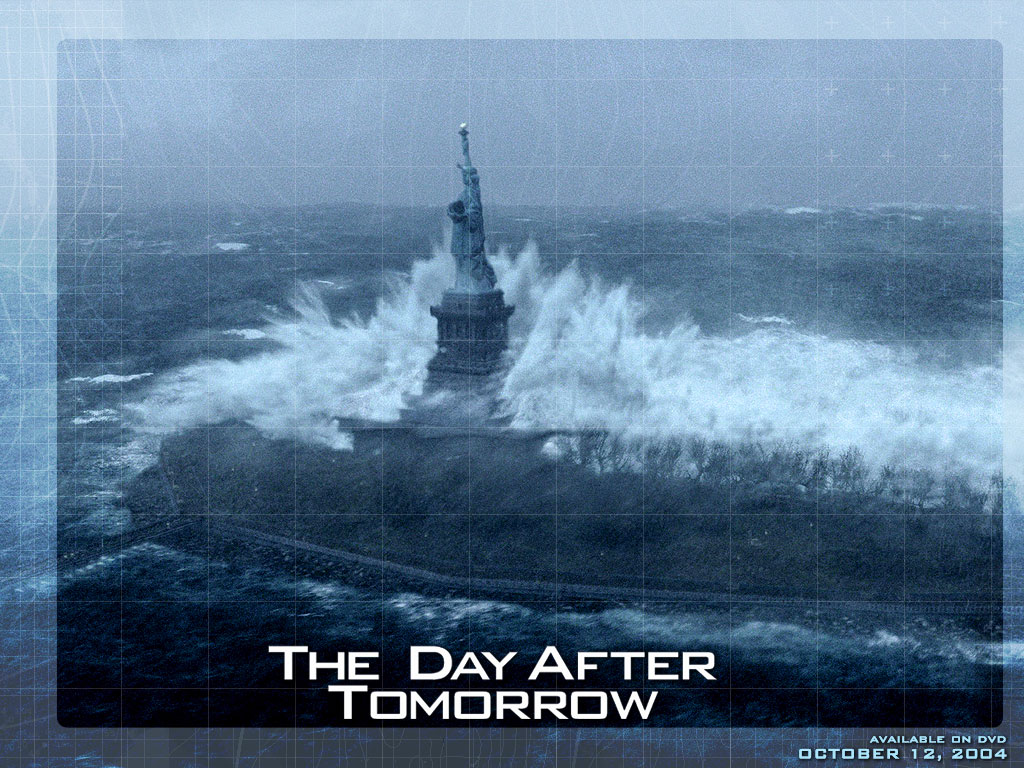
How can we discern signs of climate change that unfold slowly over time, and manifest in many different ways? And how best to prepare ourselves and increase our resilience against inevitable impacts?
My weekend column in Ravaya newspaper (in Sinhala) is devoted this week to remember the illustrious Lankan journalist, editor and development communicator, Tarzie Vitachi (1921 – 1993).
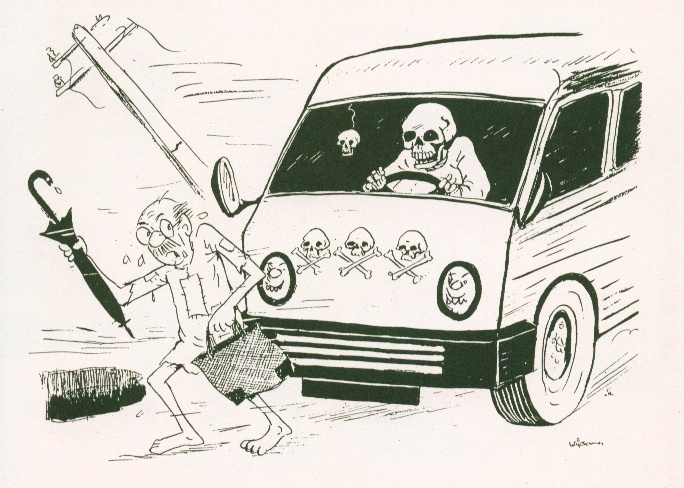
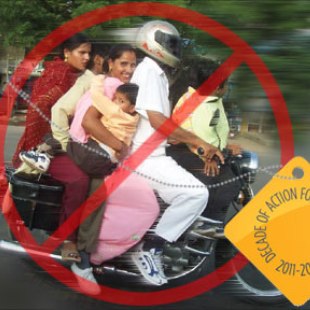
I draw from the Global Status Report on Road Safety 2013, released by WHO in mid March 2013, for this week’s Ravaya column (in Sinhala). I discuss how the attitudes of Lankan road users — pedestrians, cyclists and motorists — contribute to road traffic accidents.
The challenge of reducing Sri Lanka’s alarmingly high rate of road accidents needs technocratic, sociological and attitudinal responses. This isn’t simply a law and order issue, or one that can be fixed by traffic engineering.
Cartoon by W R Wijesoma, first published on 14 February 1994





 Open Minds!