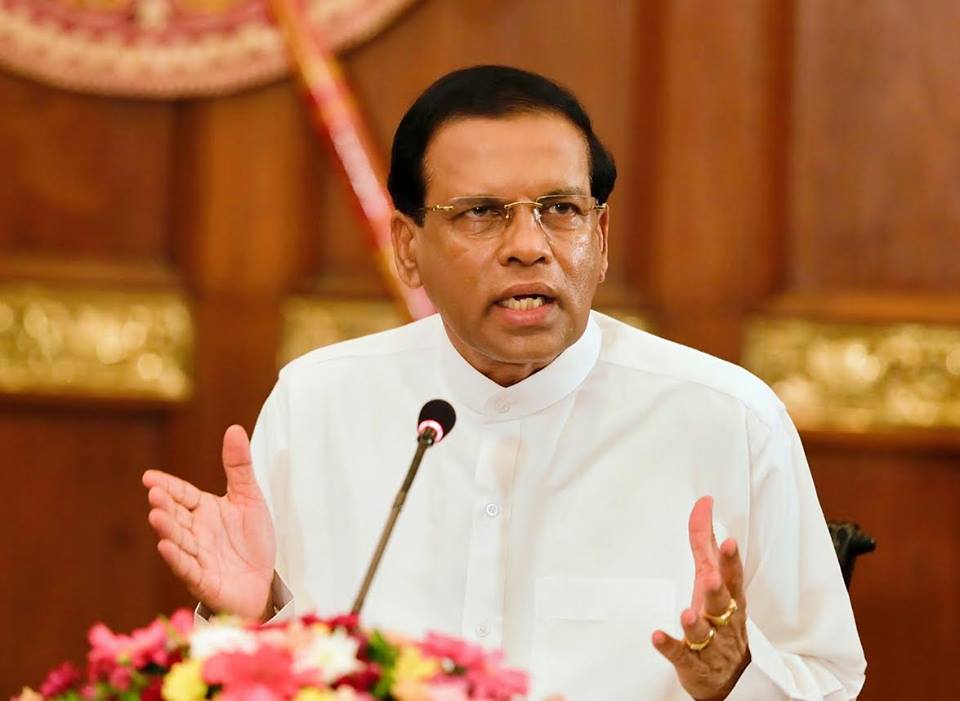
Echelon August 2015 column: Media Reforms – The Unfinished Agenda

Text of my column written for Echelon monthly business magazine, Sri Lanka, August 2015 issue
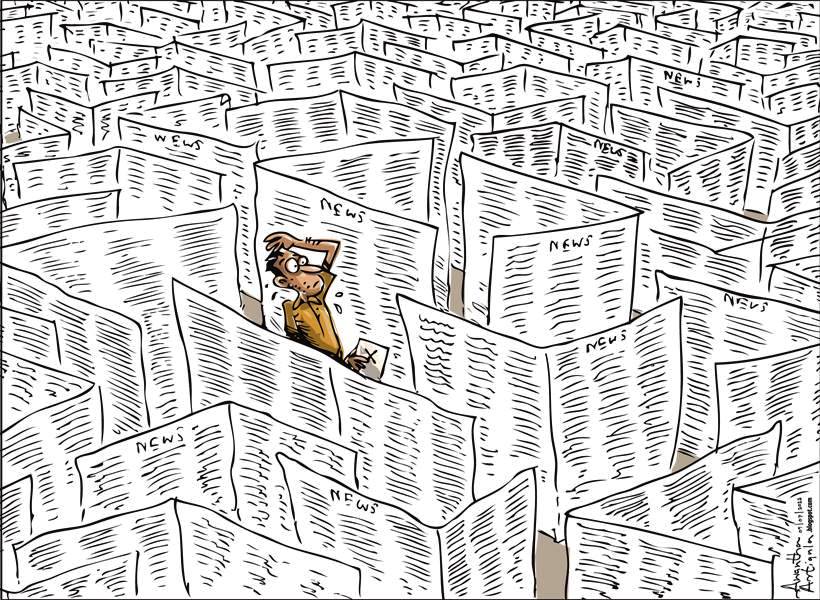
Cartoon by Awantha Artigala, Sri Lanka Cartoonist of the Year 2014

Media Reforms: The Unfinished Agenda

By Nalaka Gunawardene

When I was growing up in the 1970s, Sri Lanka’s media landscape was very different. We had only one radio station (state-owned SLBC) and three newspaper houses (Lake House, Times of Ceylon and Independent Newspapers). There was no TV, and the web wasn’t even invented.

At that time, most discussions on media freedom and reforms centred around how to contain the overbearing state – which was a key publisher, as well as the sole broadcaster, dominant advertiser and media regulator, all rolled into one.

Four decades on, the state still looms large on our media landscape, but there are many more players. The number of media companies, organisations and products has steadily increased, especially after private sector participation in broadcasting was allowed in 1992.

More does not necessarily mean better, however. Media researchers and advocacy groups lament that broadcast diversification has not led to a corresponding rise in media pluralism – not just in terms of media ownership and content, but also in how the media reflects diversity of public opinion, particularly of those living on the margins of society.

As the late Tilak Jayaratne and Sarath Kellapotha, two experienced broadcasters, noted in a recent book, “There exists a huge imbalance in both media coverage and media education as regards minorities and the marginalised. This does not come as a surprise, as it is known that media in Sri Lanka, both print and broadcast, cater mainly to the elite, irrespective of racial differences.”

 Media under pressure

 The multi-author book, titled Embattled Media: Democracy, Governance and Reform in Sri Lanka (Sage Publications, Feb 2015), was compiled during 2012-14 by a group of researchers and activists who aspired for a freer and more responsible media. It came out just weeks after the last Presidential Election, where media freedom and reforms were a key campaigning issue.

In their preface, co-editors William Crawley, David Page and Kishali Pinto-Jayawardena say: “Media liberalisation from the 1990s onwards had extended the range of choice for viewers and listeners and created a more diverse media landscape. But the war in the north and insurrections in the south had taken their toll of media freedoms. The island had lived under a permanent state of emergency for nearly three decades. The balance of power between government, judiciary, the media and the public had been put under immense strain.”
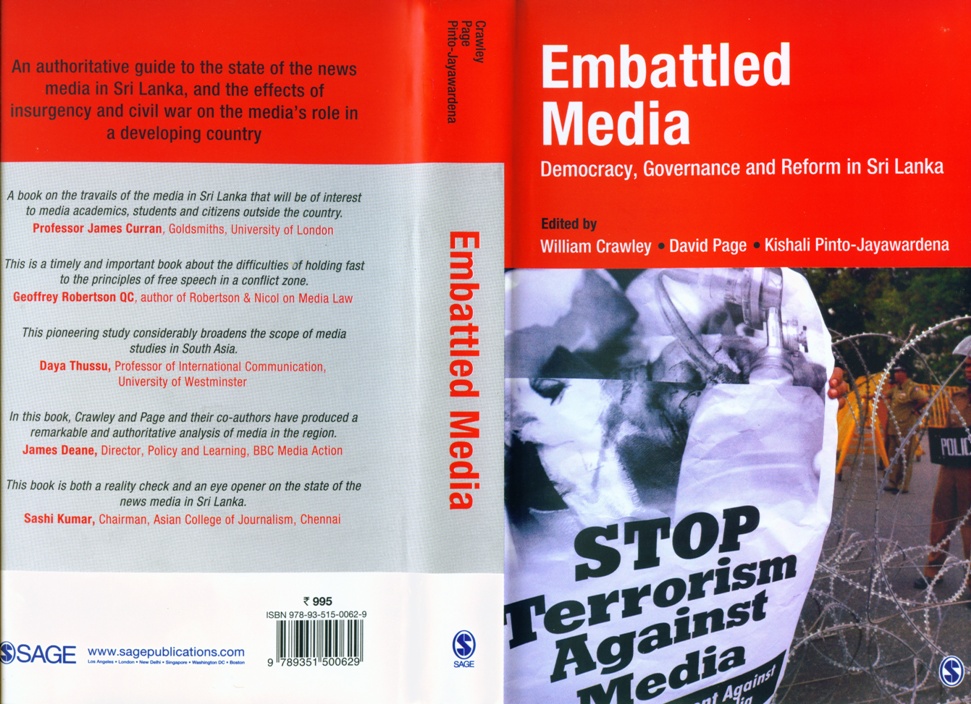
Embattled Media - Democracy, Governance and Reform in Sri Lanka
Embattled Media – Democracy, Governance and Reform in Sri Lanka

The book, to which I have contributed a chapter on new media, traces the evolution mass media in post-colonial Sri Lanka, with focus on the relevant policies and laws, and on journalism education. It discusses how the civil war continues to cast “a long shadow” on our media. Breaking free from that legacy is one of many challenges confronting the media industry today.

Some progress has been made since the Presidential election. The new government has taken steps to end threats against media organisations and journalists, and started or resumed criminal investigations on some past atrocities. Political websites that were arbitrarily blocked from are once again accessible. Journalists who went into exile to save their lives have started returning.

On the law-making front, meanwhile, the 19th Amendment to the Constitution recognized the right to information as a fundamental right. But the long-awaited Right to Information Bill could not be adopted before Parliament’s dissolution.

Thus much more remains to be done. For this, a clear set of priorities has been identified through recent consultative processes that involved media owners, practitioners, researchers, advocacy groups and trainers. These discussions culminated with the National Summit on Media Reforms organised by the Ministry of Media, the University of Colombo, Sri Lanka Press Institute (SLPI) and International Media Support (IMS), and held in Colombo on 13 and 14 May.

Parallel to this, there were two international missions to Sri Lanka (in March and May) by representatives of leading organisations like Article 19, UNESCO and the International Federation of Journalists (IFJ). I served as secretary to the May mission that met a range of political and media leaders in Colombo and Jaffna.

 Unfinished business

We can only hope that the next Parliament, to be elected at the August 17 general election, would take up the policy and law related aspects of the media reform agenda (while the media industry and profession tackles issues like capacity building and greater professionalism, and the education system works to enhance media literacy of everyone).

Pursuing these reforms needs both political commitment and persistent advocacy efforts.


  • Right to Information: The new Parliament should pass, on a priority basis, the Right to Information Bill that was finalised in May 2015 with inputs from media and civil society groups.


  • Media Self-Regulation: The Press Council Act 5 of 1973, which created a quasi-judicial entity called the Press Council with draconian powers to punish journalists, should be abolished. Instead, the self-regulatory body established in 2003, known as the Press Complaints Commission of Sri Lanka (PCCSL), should be strengthened. Ideally its scope should expand to cover the broadcast media as well.


  • Law Review and Revision: Some civil and criminal laws pose various restrictions to media freedom. These include the Official Secrets Act and sedition laws (both relics of the colonial era) and the draconian Prevention of Terrorism Act that has outlived the civil war. There are also needlessly rigid laws covering contempt of court and Parliamentary privileges, which don’t suit a mature democracy. All these need review and revision to bring them into line with international standards regarding freedom of expression.


  • Broadcast regulation: Our radio and TV industries have expanded many times during the past quarter century within an ad hoc legal framework. This has led to various anomalies and the gross mismanagement of the electromagnetic spectrum, a finite public property. Sri Lanka urgently needs a comprehensive law on broadcasting. Among other things, it should provide for an independent body to regulate broadcasting in the public interest, more equitable and efficient allocation of frequencies, and a three-tier system of broadcasting which recognises public, commercial and community broadcasters. All broadcasters – riding on the public owned airwaves — should have a legal obligation be balanced and impartial in coverage of politics and other matters of public concern.


  • Restructuring State Broadcasters: The three state broadcasters – the Sri Lanka Rupavahini Corporation (SLRC), the Sri Lanka Broadcasting Corporation (SLBC) and the Independent Television Network (ITN) – should be transformed into independent public service broadcasters. There should be legal provisions to ensure their editorial independence, and a clear mandate to serve the public (and not the political parties in office). To make them less dependent on the market, they should be given some public funding but in ways that don’t make them beholden to politicians or officials.


  • Reforming Lake House: Associated Newspapers of Ceylon Limited or Lake House was nationalised in 1973 to ‘broadbase’ its ownership. Instead, it has remained as a propaganda mill of successive ruling parties. Democratic governments committed to good governance should not be running newspaper houses. To redeem Lake House after more than four decades of state abuse, it needs to operate independently of government and regain editorial freedom. A public consultation should determine the most appropriate way forward and the best business model.


  • Preventing Censorship: No prior censorship should be imposed on the media. Where necessary, courts may review media content for their legality after publication (on an urgent basis). Laws and regulations that permit censorship should be reviewed and amended. We must revisit the Public Performance Ordinance, which empowers a state body to pre-approve all feature films and drama productions.


  • Blocking of Websites: Ensuring internet freedoms is far more important than setting up free public WiFi services. There should be no attempts to limit online content and social media activities contravening fundamental freedoms guaranteed by the Constitution and international conventions. Restrictions on any illegal content may be imposed only through the courts (and not via unwritten orders given by the telecom regulator). There should be a public list of all websites blocked through such judicial sanction.


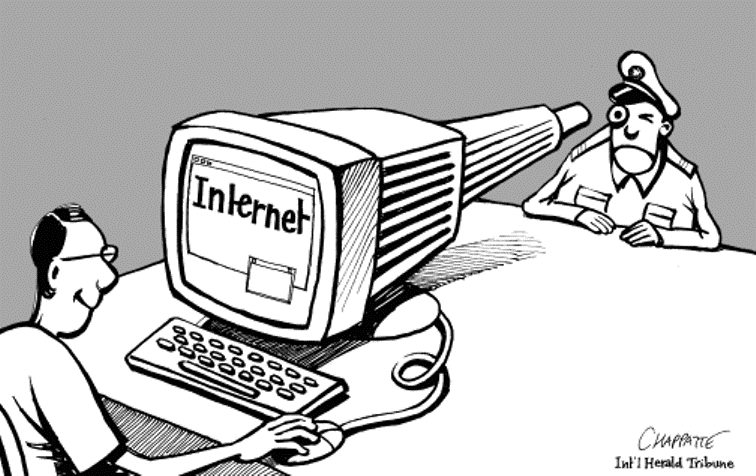
  • Privacy and Surveillance: The state should protect the privacy of all citizens. There should be strict limits to the state’s surveillance of private individuals’ and private entities’ telephone conversations, emails and other electronic communications. In exceptional situations (e.g. crime investigations), such surveillance should only be permitted with judicial oversight and according to a clear set of guidelines.
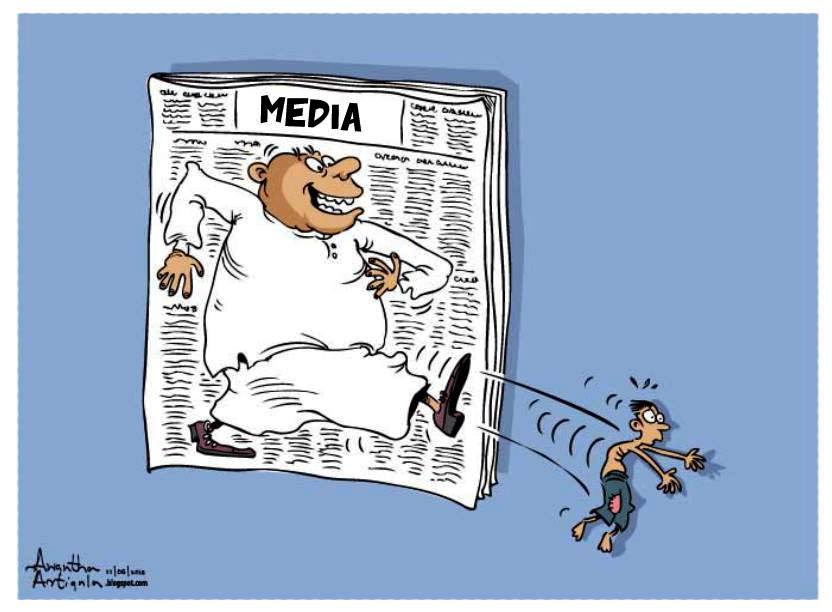
Cartoon by Awantha Artigala, Sri Lanka Cartoonist of the Year 2014

 Dealing with Past Demons

While all these are forward looking steps, the media industry as a whole also needs state assistance to exorcise demons of the recent past — when against journalists and ‘censorship by murder’ reached unprecedented levels. Not a single perpetrator has been punished by law todate.

This is why media rights groups advocate an independent Commission of Inquiry should be created with a mandate and adequate powers to investigate killings and disappearances of journalists and attacks on media organisations. Ideally, it should cover the entire duration of the war, as well as the post-war years.

Science writer Nalaka Gunawardene is on Twitter @NalakaG and blogs at http://nalakagunawardene.com

සිවුමංසල කොලූගැටයා #232: මන්ත‍්‍රී කෙරුවාව පුරවැසි අධීක්ෂණයට ලක් කරන්නට තාක්ෂණයේ පිහිට

March 12 Movement for Cleaner election candidates in Sri Lanka

Sri Lanka will hold a general election on 17 August 2015 to elect a new Parliament. It has been preceded by a high level of citizen and civil society advocacy for raising the standard for who should be elected to represent the people as their Members of Parliament.

Public concerns about deteriorating Parliamentary debate and the overall decline and degradation in representative politics were captured by the ‘March 12 Movement’, a mission to elect clean and corruption-free politicians to Parliament.

The Movement was initiated by People’s Action for Free and Fair Elections (PAFFREL) and supported by Transparency International, Sarvodaya Movement, Sri Lanka Chamber of Commerce, Sri Lanka Administrative Officers’ Association and trade unions.

Parallel to this advocacy, data analysis tools have been used by citizens to probe the conduct of MPs in the last Parliament, which was dissolved on 26 June 2015.

Manthri.lk is a trilingual website that tracks the performance of the 225 Members of Parliament in Sri Lanka. It goes by the official record (Hansard), analysing and coding each statement which is fed into a customised system developed by the website owner and operator – Verite Research, a thinktank that provides strategic analysis and advice for decision-makers and opinion-formers.

In this week’s Ravaya column, (in Sinhala, appearing in issue of 16 August 2015), I share some of the key findings by Manthri.lk website on the conduct of 225 MPs in the last Parliament – 202 of whom are seeking re-election.

See also:

සිවුමංසල කොලූගැටයා #231: ඡන්දදායකයා වඩාත් බලගතු කැරෙන නව සංකල්ප දෙකක්

සිවුමංසල කොලූගැටයා #229: සමාජ මාධ්‍ය යුගයේ අපේ දේශපාලන සන්නිවේදනය

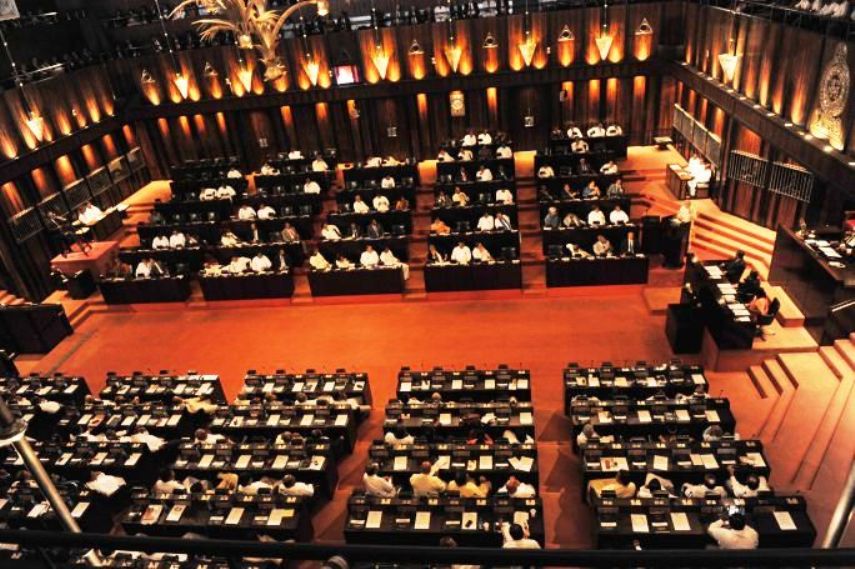
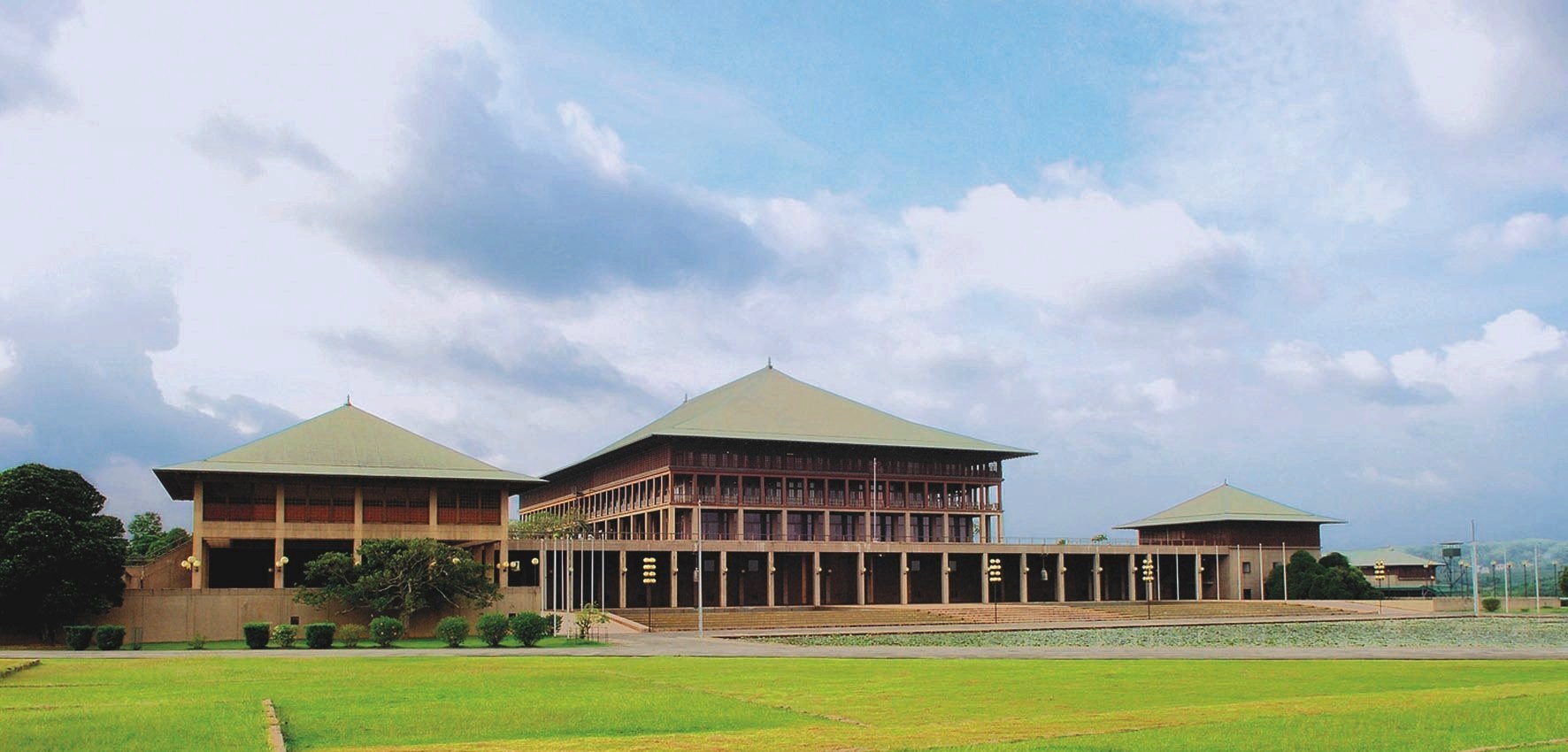
Sri Lanka Parliamentary Complex

පාර්ලිමේන්තුව විසුරුවා හරිනු ලැබුවේ 2015 ජුනි 26 වනදා මධ්‍යම රාත‍්‍රියේ සිටයි. 2015 සැප්තැම්බර් 1 වනදා අභිනව පාර්ලිමේන්තුව රැස්වීමට නියමිතයි. එයට මන්ත‍්‍රීවරුන් 225ක් තෝරා ගැනීමට මහමැතිවරණය 2015 අගෝස්තු 17 වනදා පැවැත්වෙනවා.

පිරිසිදු දේශපාලනයක් සඳහා නිසි නාමයෝජනා හරහා වඩාම උචිත ජනතා නියෝජිතයන් පාර්ලිමේන්තුවට (හා අනෙක් ජනතා නියෝජිත ආයතනවලට) පත් කර යැවීම මාර්තු 12 පුරවැසි ව්‍යාපාරයේ අරමුණයි.

මේ සඳහා දැනුවත් වූ, බලාත්මක වූ හා තාර්කිකව සිතන ඡන්දදායකයන් අවශ්‍ය වනවා. ඡන්ද අපේක්ෂකයන් කිරා මැන බැලීමට හා ඇගයීම සඳහා මූලික සාධක 8ක් මාර්තු 12 ව්‍යාපාරය ප‍්‍රවර්ධනය කරනවා. අපරාධ සඳහා දඬුවම් ලද්දකු නොවීම, දූෂණ හා වංචාවලින් තොර වීම, සමාජ විරෝධී (මත්පැන්, කැසිනෝ, ගණිකා ආදී) ව්‍යාපාරවල නිරත නොවීම, බලය අනිසි ලෙස භාවිත නොකළ අයකු වීම ආදිය මේ අතර වනවා.

පාර්ලි‌මේන්තු මන්ත්‍රීවරයකු වශයෙන් තේරී පත්වීම සඳහා නීතිමය සුදුසුකම්

මෙයට සමාන්තරව මෙවර පාර්ලිමේන්තු මැතිවරණය අරභයා මාර්තු 12 ව්‍යාපාරයට සම්බන්ධ සිවිල් සමාජ සංවිධාන ඡුන්දදායකයන්ගෙන් ඉල්ලා සිටින්නේ පාර්ලිමේන්තුවට ගොස් එහි ප‍්‍රධාන කාර්යය වන නීති තැනීමට අවශ්‍ය දැනුම හා හැකියාව මන්ත‍්‍රී ධුර අපේක්ෂකයන්ට ඇත්දැයි විමසා බලන ලෙසයි.

මේ හැකියාව සොයා බැලීම හැමවිටම ලෙහෙසි නැහැ. මෙහිදී අපට උදව් වන්නේ මන්ත‍්‍රී.lk වෙබ් අඩවියයි (www.manthri.lk).

http://www.manthri.lk/

ශ‍්‍රී ලංකා පාර්ලිමේන්තුවට හොඳින් පවත්වාගෙන යන ත්‍රෛභාෂික නිල වෙබ් අඩවියක් ද තිබෙනවා (www.parliament.lk). පාර්ලිමේන්තු දින දර්ශනය, කාරක සභා කටයුතු, මැති සබයේ විවාද නිල වාර්තා (හැන්සාඞ්), මන්ත‍්‍රීවරුන්ගේ ජීව දත්ත, පාර්ලිමේන්තු පුවත් හා ඡායාරූප ආදිය මෙහි ඇතුළත්. පාර්ලිමේන්තු මහ ලේකම්වරයා ප‍්‍රමුඛ කාර්ය මණ්ඩලය විසින් සපයන සේවාවන්ගෙන් එකක් වන මේ වෙබ් අඩවිය මන්ත‍්‍රීවරුන්ගේ මෙන්ම මහජනයාගේ ද තොරතුරු අවශ්‍යතා සම්පාදනය කරන්නට කැප වී සිටිනවා.

එහෙත් මේ නිල වෙබ් අඩවිය තුළ එක් එක් මන්ත‍්‍රීවරයකුගේ කාර්ය භාරය ගැන හෝ යම් තේමාවක් ගැන සිදු වූ සියලූ වාද විවාද ගැන හෝ ලෙහෙසියෙන් තොරතුරු සොයා ගැනීම අපහසුයි. එසේම මන්ත‍්‍රීන් සංසන්දනය කිරීම හෝ යම් නිර්ණායකයක් මත විවාද ලැයිස්තු ගත කිරීම ආදිය නිල වෙබ් අඩවියකට කළ නොහැකියි.

මන්ත‍්‍රී.lk වෙබ් අඩවිය මේ හිදැස පුරවමින් පාර්ලිමේන්තු මන්ත‍්‍රීන් ගැන මහජන අධීක්ෂණය වඩාත් හරවත් හා තීව‍්‍ර කිරීමට උපකාර වනවා.

පාර්ලිමේන්තු වාද විවාද කාරක සභා කටයුතු හා මන්ත‍්‍රීවරුන්ගේ දායකත්වය ස්වාධීනව විශ්ලේෂණය කරන පර්යේෂණායතන ප‍්‍රජාතන්ත‍්‍රවාදී රටවල් සමහරක තිබෙනවා. පක්ෂ දේශපාලනයෙන් බාහිර වූ ද හා රාජ්‍ය සේවකයන් වන පාර්ලිමේන්තු කාර්ය මණ්ඩලයේ සීමාවලින් ඔබ්බට යන්නා වූ ද මේ විශ්ලේෂණ හා විග‍්‍රහයන් පාර්ලිමේන්තු ක‍්‍රියාදාමය නඩත්තු කිරීමට මුදල් සපයන මහජනතාවට වැදගත් ප‍්‍රතිශෝෂණයක් (feedback) ලබා දෙනවා.

ව්‍යවස්ථාදායක පර්යේෂණ (legislative research) නමින් හැදින්වෙන මෙම ක්ෂේත‍්‍රයේ ක‍්‍රියාත්මක වන විද්වත් ආයතන, පර්යේෂණායතන ඉන්දියාව, පාකිස්ථානය වැනි රටවල මෙන්ම බි‍්‍රතාන්‍ය, ජපානය, අමෙරිකා එක්සත් ජනපදය වැනි රටවල ද හමුවනවා.

2010-2015 පාර්ලිමේන්තුවේ වඩාත්ම සක්‍රිය මන්ත්‍රීවරුන් - Data analysis by Manthri.lk
2010-2015 පාර්ලිමේන්තුවේ වඩාත්ම සක්‍රිය මන්ත්‍රීවරුන් – Data analysis by Manthri.lk

මෙතෙක් ශ‍්‍රී ලංකාවේ එබන්දක් නොතිබීමේ අඩුව යම් තාක් දුරට සපුරාලන්නේ ස්වාධීනව ආර්ථික ප‍්‍රතිපත්ති පර්යේෂණ කරන වෙරිටේ පර්යේෂණායතනයයි (Verité Research, www.veriteresearch.org).

සබීරියන් Saberion (Pvt) Ltd නම් තොරතුරු තාක්ෂණ සමාගම සමග සහයෝගයෙන් 2012දී වෙරිටේ ඇරැඹූ මන්ත‍්‍රී.lk වෙබ් අඩවිය, පාර්ලිමේන්තු කටයුතු දත්ත මත පදනම් වූ විශ්ලේෂණයට ලක් කරනවා. ඒ ප‍්‍රතිඵල නීතිගත වෙබ් අඩවිය හරහා සාමාන්‍ය මහජනයාට තේරෙන ලෙසින් සන්නිවේදනය කැරෙනවා. මෙය ඉතා වැදගත් සේවාවක්.

ඔවුන්ගේ මූලාශ‍්‍රය පාර්ලිමේන්තුවේ නිල වාර්තාව වන හැන්සාඞ් ප‍්‍රකාශනයයි. පාර්ලිමේන්තුවේ හැම සැසි වාර දිනයකම කැරෙන සියලූම ප‍්‍රකාශයන් හා විවාදයන් හැන්සාඞ් වාර්තාවට අනුව යමින් වෙරිටේ පර්යේෂණායතනයට ආවේණික වූ ක‍්‍රමයකට වර්ගීකරණය කරනු ලබනවා. පරිගණක ගත කරන මේ වාර්තා විවිධ මූලපද (keywords) හරහා සෙවිල්ලට ලක් කළ හැකියි.

මන්ත‍්‍රීවරයකු පාර්ලිමේන්තු වැඩ කටයතුවලට කරන දායකත්වය 15 ආකාරයකට වර්ග කිරීම මේ විශ්ලේෂණයේ මූලික පදනමයි. මේ 15 ආකාරය වන්නේ: 1. ලිඛිත ප‍්‍රශ්න මතු කිරීම; 2. ලිඛිත ප‍්‍රශ්නවලට ප‍්‍රතිචාර දැක්වීම; 3. ලිඛිත ප‍්‍රශ්නවලින් මතු වන අනුබැඳුණු ප‍්‍රශ්න මතු කිරීම; 4. අනුබැඳුණු ප‍්‍රශ්නවලට වාචිකව පිළිතුරු දීම; 5. ලිඛිත පිළිතුරු බැඳීම; 6. කෙටුම්පතක්/රෙගුලාසියක්/ආඥාවක් සභාගත කිරීම; 7. කෙටුම්පතක්/රෙගුලාසියක්/ආඥාවක් විවාද කිරීමේදී වාචික සහභාගිත්වය; 8. රීති ප‍්‍රශ්න මතු කිරීම (තාක්ෂණික හෝ පටිපාටිය සම්බන්ධ); 9. වෙනත් රීති ප‍්‍රශ්න මතු කිරීම; 10. සභාව කල් තැබීමේ යෝජනා – වාචික දායකත්වය; 11. පුරවැසියන් වෙනුවෙන් පෙත්සම් සභාගත කිරීම; 12. සභාවේ වැඩ කටයුතුවලට බාධා කිරීම; 13. නිල සභා වාර්තාවෙන් ඉවත් කරන ලද ප‍්‍රකාශ කිරීම; 14. වාචික දායකත්වය; 15. වාචික දායකත්වය – සාරවත් ප‍්‍රකාශයන්

Standing Orders of Sri Lanka Parliament

පාර්ලිමේන්තුවේ ස්ථාවර නි‌‌යෝග

When Indian PM Narendra Modi addressed Sri Lanka Parliament, 13 March 2015

මන්ත‍්‍රී.lk වෙබ් අඩවියේ 2012 මැයි සිට 2015 ජුනි දක්වා වකවානුවට අයත් පාර්ලිමේන්තු හැන්සාඞ් වාර්තා 28,000කට වඩා විශ්ලේෂණය කොට දත්ත බවට පත් කොට ගබඩා කර තිබෙනවා.

හැන්සාඩ් වාර්තාවල වචන ලක්ෂ ගණනක් තුළ ඇති කරුණු මෙහි වඩාත් සරල හා සංසන්දනාත්මක ලෙසින් හමු වීම සුවිශේෂයි. යහපාලනයට තොරතුරු තාක්ෂණය හරිහැටි යොදා ගන්නට නම් මෙවැනි පුරවැසි උත්සාහයන් තව තවත් ඕනෑ!

මේ වෙබ් අඩවිය යොදා ගනිමින් හිටපු මන්ත්‍රීන් දෙදෙනකු හෝ වැඩි දෙනකු සසදන්නට ද හැකියි. එසේම තෝරා ගත් මාතෘකාවක් ගැන වැඩිපුරම කථා කළ මන්ත්‍රීන්, වඩාත්ම අක්‍රිය හා නිහඩව සිටි මන්ත්‍රීන් ආදී බොහෝ තොරතුරු මෙහි තිබෙනවා.

“මේ දත්ත හා වැදගත් සභාවාරවලදී මන්ත‍්‍රීවරුන් සභාවේ ඡන්දය භාවිත කළ ආකාරය සලකා බලන විට පසුගිය පාර්ලිමේන්තුවේ අපේ මන්ත‍්‍රීවරුන්ගේ කෙරුවාව ගැන විස්තරාත්මක චිත‍්‍රයක් අපට පෙනී යනවා” යයි වෙරිටේ පර්යේෂණායතනයේ ආණ්ඩුකරණය පිළිබඳ විශේෂඥ හා මන්ත‍්‍රී වෙබ් අඩවියේ මොළකාරයා ද වන අසෝක ඔබේසේකර කියනවා.

පසුගිය පාර්ලිමේන්තුවේ සිටි මන්ත‍්‍රීන්ගෙන් 202 දෙනෙකු නැවතත් මෙවර 2015 මැතිවරණයේ තරග කරනවා. මේ අය පසුගිය පාර්ලිමේන්තුව තුළ නීති සම්පාදන හා වෙනත් මන්ත‍්‍රී වගකීම් කෙතරම් කැපවීමකින් ඉටු කළා ද යන්න සාක්ෂි මත පදනම්ව දැන් ඡන්දදායකයන්ට අපේ වෙබ් අඩවිය හරහා බලාගත හැකියි.”

පසුගිය පාර්ලිමේන්තුව මුල් වරට රැස්වූයේ 2010 අපේ‍්‍රල් 22 වනදායි. නිල මූලශ්‍රයකට අනුව පාර්ලිමේන්තු සැසිවාර පැවැත් වූ සමස්ත දින ගණන 466යි.

පාර්ලිමේන්තු නිල වෙබ් අඩවියට අනුව ප‍්‍රථම වතාවට මන්ත‍්‍රී ධුරයට පත් වූ මන්ත‍්‍රීවරුන් 83 දෙනකු එම පාර්ලිමේන්තුවේ සිටියා. එනම් ඉතිරිය (බහුතරය) ඉන් පෙර ද වරක් හෝ කිහිප වරක් මන්ත‍්‍රී ධුරයක් හොබවා අත්දැකීම් තිබූ අය බවයි.

මන්ත‍්‍රී.lk විශේලේෂණයට අනුව පසුගිය පාර්ලිමේන්තුවේ සිට නැවත ඡන්දය ඉල්ලන මන්ත‍්‍රීන් 202 දෙනාගෙන් 30%ක් වසර පහක් පුරා කිසිදු ඡන්දදායකයකු වෙනුවෙන් මහජන පෙත්සමක් ඉදිරිපත් කොට නැහැ. තවත් 30% එසේ කොට ඇත්තේ එක් වරක් පමණයි.

මේ මහජන පෙත්සම්වල (public petitions) වැදගත්කම නම් පරිපාලන තන්ත‍්‍රයේ දුර්වලතා රජයේ අවධානයට යොමු කිරීම හරහා නිලධාරිවාදය සම්බන්ධ පුරවැසියන් අත් විඳින දුක්ගැහැටවලට විසඳුම් සෙවීමයි.

මේ අනුව සිය ඡන්දදායකයන් වෙනුවෙන් කළ හැකි මේ නිශ්චිත මෙහෙය මන්ත‍්‍රීන් 43%ක් පැහැර හැර ඇති බව මන්ත‍්‍රී.lk කියනවා.

Asoka Obeyesekere
Asoka Obeyesekere

හැම අමාත්‍යංශයකම ප‍්‍රගතිය සමාලෝචනය හා අධීක්ෂණයට කාරක සභා තිබෙනවා. හැම මන්ත‍්‍රීවරයකුම කාරක සභා කිහිපයකට අනුයුක්ත කැරෙනවා. 2014 මැයි-සැප්තැම්බර් කාලය සඳහා කාරක සභා සහභාගිත්වය අධ්‍යයනය කළ මන්ත‍්‍රී’lk සොයා ගත්තේ නැවත තරග කරන මන්ත‍්‍රීවරුන්ගෙන් 30%ක් කිසිදු කාරක සභාවකදී කිසිදු ප‍්‍රශ්නයක් හෝ මතු කර නැති බවයි. තවත් 45%ක් දෙනා මතු කළ ප‍්‍රශ්නවල සාමාන්‍යය මාසයකට එකකටත් අඩුයි.

“මේ අක‍්‍රිය හා උදාසීන බව දැඩි ලෙස පුරවැසි අවධානයට ලක් විය යුතුයි. මන්ත‍්‍රීවරුන් තමා අනුයුක්ත කැරෙන කාරක සභාවල වඩාත් සක‍්‍රීය විය යුතු මෙන්ම ඒ හරහා නීති සංශෝධනයට හෝ නව නීති සම්පාදනයට යොමු විය යුතුයි,” මන්ත‍්‍රී’lk වෙබ් අඩවියේ ප‍්‍රධාන නියමුවා කියනවා.

වඩාත් සුබදායක ආරංචිය නම් යළිත් තරග කරන හිටපු මන්තරීන්ගෙන් 37%ක් දෙනා පසුගිය පාර්ලිමේන්තුවේ කිසි විටෙක සභාවට බාධා වන පරිදි හැසිරී නැති බවයි. තවත් 14%ක් එසේ කොට ඇත්තේ කලාතුරකින් පමණයි.

“බහුතරයක් මන්ත‍්‍රීන් සභාවට බාධා කරන, කලහකාරී අය බවට පැතිර තිබෙන පොදු මතය නිවැරදි නැහැ. ඇත්තටම ඔවුන් වැඩි දෙනෙක් ස්ථාවර නියෝගවලට අනුව හැසිරී තිබෙනවා. එහෙත් කලබලකාරී මන්ත‍්‍රීන් ටික දෙනෙකුට සභාවේ වැඩට නිතර බාධා කළ හැකි බව නම් පසුගිය පාර්ලිමේන්තුවේ සමස්ත වාර්තා දෙස බලන විට පෙනී යනවා,” යයි අසෝක ඔබේසේකර කියනවා.

නැවත තරග කරන හැම මන්තී‍්‍ර කෙනෙකුගේම ප‍්‍රගති වාර්තාව හෙවත් ‘රිපෝට් කාඞ්’ එක දත්ත විශ්ලේෂණය හරහා මන්ත‍්‍රී’lk සම්පාදනය කොට තිබෙනවා. පසුගිය පාර්ලිමේන්තුවේ වැදගත්ම ඡන්ද විමසීම්වලදී මන්ත‍්‍රීන් ගත් ස්ථාවරයන් ද එයට ඇතුළත්. එනම් ජනාධිපති ධුර කාල සීමාව ඉවත් කළ 18 වන ව්‍යවස්ථා සංශෝධනය, අගවිනිසුරු ශිරාණි බණ්ඩාරනායක මහත්මියට එරෙහි දෝෂාභියෝගය, 19 වන ව්‍යවස්ථා සංශෝධනය හා කැසිනෝ හඳුන්වාදීමේ පනත (අවස්ථා තුනකදී) විවාදය යන අවස්ථායි.

අද යහපාලනය ගැන කතා කරන සමහර හිටපු මන්තරීන් මේ තීරණාත්මක සංධිස්ථානවලදී එම යෝජනාවලට පක්ෂ වූවාද, විපක්ෂ වූවාද, සභාවේ නොසිටියාද යන්න ලෙහෙසියෙන්ම බලා ගත හැකියි.

දැනුවත් වූ ඡන්දදායකයන් බිහි කිරීමට පාර්ලිමේන්තු දත්ත විශ්ලේෂණනය ප‍්‍රයෝජනවත්. මේ විග‍්‍රහයන් හැකි තාක් සමාජගත කිරීම සියලූ මාධ්‍යවලට හා ප‍්‍රජාතන්ත‍්‍රවාදයට හිතකාමී ක‍්‍රියාකාරිකයන්ට පැවරෙන වගකීමක්.

ජනතා සේවකයන් යයි කියමින් මහජන මුදලින් ඉහළ වරප්රසාද ලබන මන්ත්රීන්ගේ කයිවාරුව හා කෙරුවාව අතර හිදැස කොපමණ දැයි එවිට පුරවැසියන්ට බලා ගත හැකියි!

අපේ ඡන්දය නැණවත්ව භාවිත කරමු!

වගකීම් දැරීමට හැකි හා කැප වූවන් පමණක් පාර්ලිමේතුවට යවමු.

ඉන් පසුවත් ඔවුන්ගේ කෙරුවාව දිගටම අධීක්ෂණය කරමු!

Sri Lankans join March 12 Movement for Cleaner Politicians
Sri Lankans join March 12 Movement for Cleaner Politicians – Photo courtesy March 12 Movement Facebook page


සිවුමංසල කොලූගැටයා #231: ඡන්දදායකයා වඩාත් බලගතු කැරෙන නව සංකල්ප දෙකක්

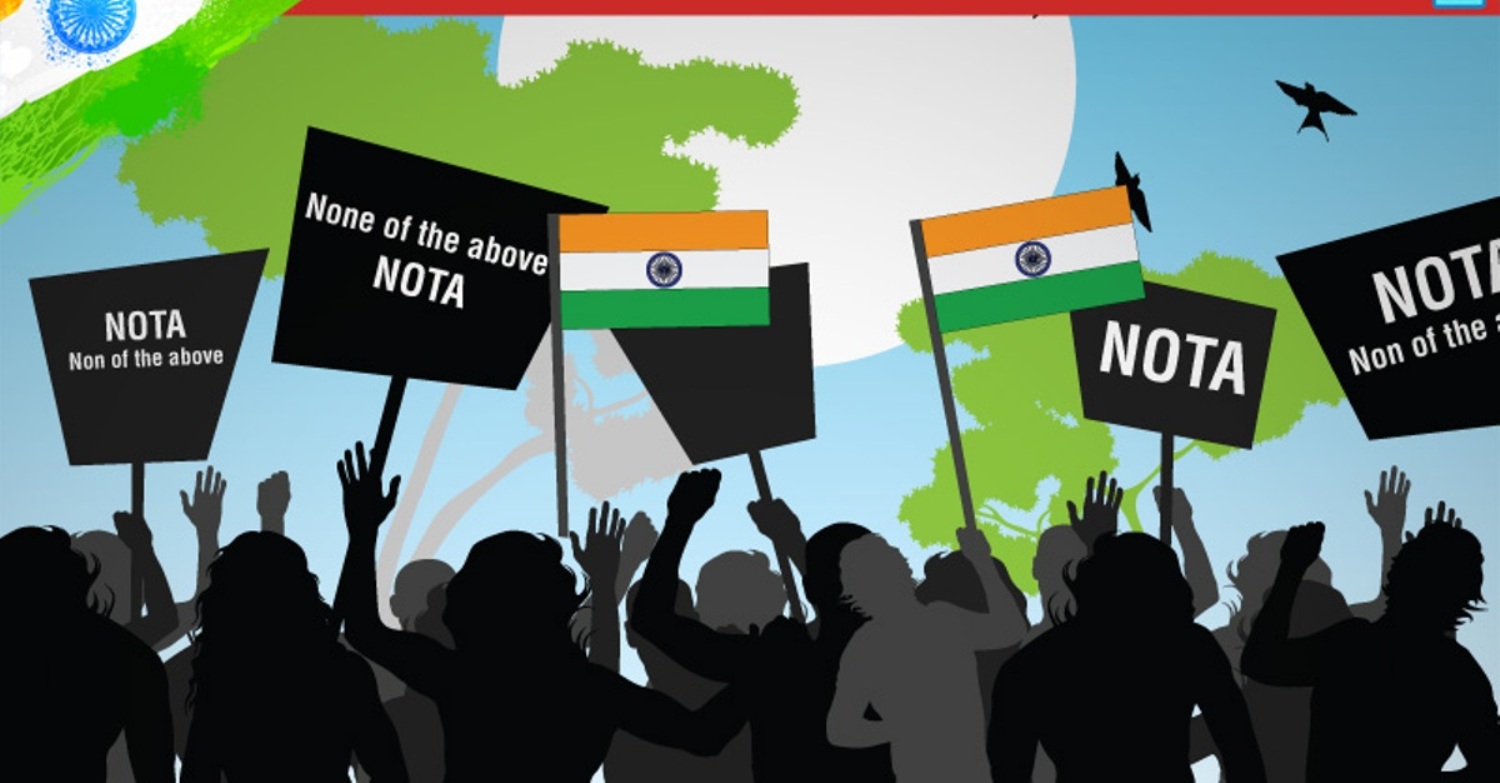
Indian campaign for "None of the Above" (NOTA) option at elections
Indian campaign for “None of the Above” (NOTA) option at elections

In this week’s Ravaya column, (in Sinhala, appearing in issue of 9 August 2015), I discuss two concepts that could make representative democracy more meaningful.

First is adding the option of None of the Above (NOTA) to the list of candidates in an election, so voters can exercise a negative vote – and send a powerful message to political parties and personalities about the quality of politicians society prefers.

Second is the Right to Recall (RTR), a law that would allow citizens to ‘sack’ elected officials in government before the term of office is over, if the officials are proven guilty of misuse of power. The UK just adopted such a law (Recall of MPs Act 2015) in March 2015, and there has been a campaign in India for such a law since the late 1990s.

Can Sri Lanka advocate such laws to improve the electoral political process? A promising start has been made with the March 12 Declaration and Movement for clean candidates at elections. But we have a long way to go.

Refusing to accept business as usual is the essential first step. I believe that step has been taken in the current build-up to the Sri Lanka General Election scheduled for 17 August 2015.

Sri Lanka's March 12 Movement for clean candidates at elections - they must meet 8 basic criteria
Sri Lanka’s March 12 Movement for clean candidates at elections – they must meet 8 basic criteria

ප‍්‍රජාතන්ත‍්‍රවාදය යනු නිරතුරුව සුපරීක්ෂාකාරී වීම හරහා රැක ගත යුතු ක‍්‍රමවේදයක්. එසේම එය කාලානුරූපව නවීකරණයට හා දියුණු කිරීමට ලක් විය යුතුයි.

මෙරට මැතිවරණ ක‍්‍රමවේදය ප‍්‍රතිසංස්කරණය කිරීමේ බරපතල අවශ්‍යතාව මේ දිනවල පාරට බැස වටපිට බලන විට හොඳටම පෙනී යනවා. එයට ඉලක්ක කළ ව්‍යවස්ථාවේ 20 වන සංශෝධනය පසුගිය පාර්ලිමේන්තුවට සම්මත කරන්නට බැරි වුණා.

අපට වඩා පරිණත දේශපාලන තන්ත‍්‍රයන් හා ආයතන ව්‍යුහයන් ඇති ප‍්‍රජාතන්ත‍්‍රවාදී රටවලත් විද්වතුන්, වෘත්තිකයන් හා සිවිල් ක‍්‍රියාකාරිකයන් නිතර උත්සාහ කරන්නේ ක‍්‍රමවේදය වඩාත් සාධාරණ, වගකීම් සහගත හා කාර්යක්ෂම කිරීමටයි.

මේ විදෙස් අත්දැකීම්වලින් අපට යමක් උගත හැකිද? ඒ රටවල වාද විවාද ගැන අප මෙනෙහි කිරීම වැදගත්. මේ අරභයා සංකල්ප දෙකක් අද මා හඳුන්වා දීමට කැමතියි.

මැතිවරණයකදී සිදු වන්නේ දේශපාලන පක්ෂවල නාමයෝජනා ලද අපේක්ෂකයන් හා ස්වාධීනව ඉදිරිපත් වන අපේක්ෂකයන් අතරින් අප වඩාත්ම කැමති අයට අපේ ඡන්දය/මනාපය ප‍්‍රකාශ කිරීමයි.

එහෙත් මේ හැම දෙනා අතරින් කිසිවකුත් අපට රිසි නොවෙයි නම්? එවිට සමහරුන් ඡන්ද පත‍්‍රිකාව කටුගෑම කරනවා. එය ඡන්දය අපතේ යැවීමක්.

ලොව සමහර රටවල ඡන්දදායකයන්ට දැන් විකල්පයක් තිබෙනවා. එනම් ඡන්ද අපේක්ෂකයන්ට අමතරව ‘මේ කිසිවකුත් නොවේ’ (None of the Above, NOTA) යනුවෙන්ද ඡන්ද පත‍්‍රිකාවේ සඳහන් වීමයි. මෙය අපේක්ෂකයන් ප්‍රතික්ෂේප කිරීමට ඇති අයිතිය (Right to Reject) ලෙසද විග්‍රහ කළ හැකියි.

NOTAට ඡන්දය ප‍්‍රකාශ කළොත් එය වෙනම ගණන් කරනු ලබනවා (ඡන්ද අපතේ යාමක් හෝ ප‍්‍රතික්ෂේප වීමක් නොවෙයි.) ඡන්ද ප‍්‍රතිඵලයේදීත් එය වෙනම ප‍්‍රකාශයට පත් වනවා.

මේ විකල්පය විවාදාත්මකයි. එයින් ඡන්දදායකයන්ගේ විරෝධය නිසි ලෙස හසු කර ගනු ලැබුවත්, නියෝජිත ප‍්‍රජාතන්ත‍්‍රවාදයට ඒ මොහොතේ ඉක්මන් දායකත්වයක් නැහැ. එය දිගු කාලීනව දේශපාලනය පවිත්‍ර කිරීමට උදවු වන්නක්.

එයින් සියලූ ඡන්ද අපේක්ෂකයන්ටත් දේශපාලන පක්ෂවලටත් වැදගත් හා ප්රබල පණිවුඩයක් දෙනවා. අප නියෝජනය කිරීමට මීට වඩා හොඳ අපේක්ෂකයන් අප බලාපොරොත්තු වනවා කියලා.

මෙය මුල්වරට අත්හදා බැලුනේ අමෙරිකා එක්සත් ජනපදයේ කැලිෆෝර්නිය ප්‍රාන්තයේ සන්ටා බාබරා ප්‍රදේශයේග පසුව එය නෙවාඩා ජනපදයේ නීතියක් වුණා. නමුත් ජාතික මට්ටමට තවම නීතිගත වී නැහැ.

NOTA-Logo

1980 හා 1990 දශකවල මෙය කෙමෙන් වෙනත් රටවලත් අදාල කර ගනු ලැබුවා. ඉන්දියානු දේශපාලනයේ ‘මේ කිසිවකුත් නොවේ’ යන්න මතුව ආවේ ප‍්‍රධාන ප‍්‍රවාහයේ හැම දේශපාලන පක්ෂයකින්ම නාමයෝජනා ලබන අපේක්ෂකයන් පිළිබඳ මහජන අප‍්‍රසාදය හේතුවෙන්.

දූෂණ චෝදනා ලද, අපරාධ නඩු හරහා පෙර දඬුවම් ලද හෝ වෙනත් වංචනික රියා නිසා නම පලූදු කර ගත් දේශපාලකයන් සංඛ්යාව වැඩිවත්ම මැතිවරණවලදී තමන්ට හරි තේරීමක් කිරීමට අමාරු බව එරට ඡන්දදායකයන්ට පෙනී ගියා.

මේ නිසා ඡන්ද පත‍්‍රිකා කටු ගා දැමීම වෙනුවට එම විරෝධය නිල වශයෙන් ප‍්‍රකාශ කිරීමට ඡන්දදායකයන්ට විකල්පයක් සම්පාදනය කළ යුතු යයි ඉන්දියානු මැතිවරණ කොමිසම මුල් වරට යෝජනා කළේ 2001දී. එහෙත් බලයේ සිටි රජයන් මෙයට කැමති නොවූ නිසා එය ක‍්‍රියාත්මක වීම වසර ගණනක් කල් ගියා.

ඉන්දියාවේ සිවිල් සමාජ ක‍්‍රියාකාරිත්වය ප‍්‍රබලයි. ඔවුන් හොඳ අදහසක් ලෙහෙසියෙන් අත හරින්නේ නැහැ. මැතිවරණ කොමිසමේ සහායට ආවේ වෘත්තිකයන් හා සිවිල් සංවිධානයි. ඔවුන් මේ ගැන ජන මතයක් ගොඩ නැගුවා.

අන්තිමේදී සිවිල් අයිතිවාසිකම් සඳහා ජනතා සංවිධානය (People’s Union for Civil Liberties, www.pucl.org) නම් රාජ්‍ය නොවන සංවිධානය මේ උදෙසා උද්ඝෝෂණය ඉන්දීය ශ්‍රේෂ්ඨාධිකරණය දක්වා ගෙන ගියා. ඔවුන් පොදු උන්නතිය සඳහා වන පෙත්සමක් (public interest litigation) ශ්‍රේෂ්ඨාධිකරණයේ ගොනු කරමින් NOTA සඳහා මැතිවරණ නීති සංශෝධනය කරන්න රජයට නියම කරන මෙන් අයැද සිටියා.

දීර්ඝ වශයෙන් මේ ගැන සලකා බැලූ ඉන්දීය ශ්‍රේෂ්ඨාධිකරණය 2013 සැප්තැම්බර් 27 වනදා ඓතිහාසික තීන්දුවක් ප‍්‍රකාශයට පත් කළා. අගවිනිසුරු පී. සතාසිවම් ප‍්‍රමුඛ තුන් විනිසුරු මඩුල්ලක් කියා සිටියේ: ‘ප‍්‍රජාතන්ත‍්‍රවාදයේ මූලික හරයක් වන්නේ තෝරා ගැනීමේ හැකියාවයි. ඉදිරිපත්ව සිටින කිසිදු මැතිවරණ ඡන්ද අපේක්ෂකයකු පත් වීමට නොසුදුසු යයි සිතන ඡන්දදායකයන්ට එයට එරෙහිව සිය ඍණ ඡන්දයක් ප‍්‍රකාශ කිරීමට අවකාශ ලබා දිය යුතුයි’ කියායි.

Full judgement by Indian Supreme Court

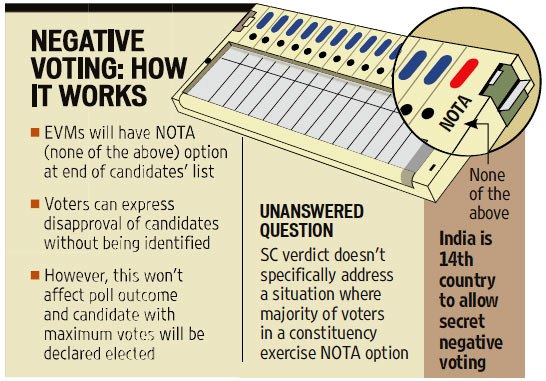
How NOTA works in India

ඒ වන විටත් එබඳු ඍණ ඡන්ද (negative voting) ප‍්‍රකාශ කිරීමේ වරම ලබා දී ඇති රටවල් 13ක් මේ තීරණයේ නම් වශයෙන් සඳහන් වුණා. ඒ අතර ප‍්‍රංශය, අමෙරිකා එක්සත් ජනපදය, ස්වීඩනය, ෆින්ලන්තය වැනි දියුණු රටවල් මෙන්ම බංගලාදේශය, බ‍්‍රසීලය, චිලී, කොලොම්බියා වැනි දියුණු වන රටවල් ද වනවා.

ඡන්ද අපේක්ෂකයන් කිසිවකුත් ගැන පැහැදීමක් නැති ඡන්දදායකයන් මැතිවරණවලට සහභාගී වීම වඩාත් දිරිමත් කැරෙන රමවේදයක් ලෙස මෙය හඳුන්වා දුන් ඉන්දීය ශ්රේෂ්ඨාධිකරණය, සඳහා විධිවිධාන යෙදීමට එරට මැතිවරණ කොමිසමට නියෝග කළා.

වසර දොලහකටත් වඩා මේ පියවර හඳුන්වාදීමට කැමැත්තෙන් සිටි කොමිසම මේ තීන්දුව ඕනෑකමින් ක‍්‍රියාත්මක කළා. 2013 ඔක්තෝබර් 28 වනදා පැහැදිලි කිරීමක් කළ කොමිසම කීවේ ‘මේ කිසිවකුත් නොවේ’ යන්නට යම් ඡන්ද කොට්ඨාශයක වැඩිම ඡන්ද ගණන ලැබුණොත් එම ආසනයේ නියෝජනය හිස් නොවනු පිණිස ඊළඟට වැඩිම ඡන්ද ලැබූ අපේක්ෂකයා තේරී පත් වන බවයි. (එහෙත් ඡන්දදායකයන්ගේ විරෝධය ඒ වන විට මැනවින් ප‍්‍රකාශ වී හමාරයි!)

ඉන්දියාවේ ප්‍රකට බුද්ධිමතකු වන ප්‍රතාප් භානු මේථා මෙසේ කියනවා: “අපේ අඩුපාඩු බහුල ප්‍රජාතන්ත්‍රවාදී ක්‍රමය වඩාත් ප්‍රශස්ත කිරීමට මෙය ඉදිරි පියවරක්. මේ හරහා ඡන්දදායකයන්ගේ බලය වැඩි වනවා. දේශපාලන පක්ෂ වඩාත් සුපරීක්ෂාකාරීව අපේක්ෂකයන්ට නාමයෝජනා දීමට පොලඹවනවා. අනාගතයේ ඡන්දය ඉල්ලීමට පෙරුම් පුරන උදවියත් වඩාත් ප්‍රවේශම්සහගත වනවා.”

1999 සිට ඉන්දියාවේ ඡන්දය ප‍්‍රකාශ කරන්නේ විද්‍යුත් ඡුන්ද පුවරුවක (electronic voting machine, EVM) බොත්තම් තද කිරීමෙන්. 2014 අපේ‍්‍රල්-මැයි මහ මැතිවරණයේදී මුල් වරට ජාතික මට්ටමින් NOTA විකල්පය එරට මිලියන 800කට වැඩි ඡන්දදායකයන්ට ලැබුණා.

NOTA option in electronic voting machine in India

ලෝකයේ විශාලතම මැතිවරණය වූ එහිදී ආසන 543ක් සඳහා ඡන්ද අපේක්ෂකයන් 8,251ක් තරග කළා. ලියාපදිංචි ඡන්දදායකයන්ගෙන් 66.38%ක් (එනම් මිලියන 551.3ක්) විද්‍යුත් ඡන්ද යන්ත‍්‍ර මිලියන 1.4ක් හරහා සිය ඡන්දය ප‍්‍රකාශ කළා. මේ දැවැන්ත ව්‍යායාමයේ ප‍්‍රතිඵල 2014 මැයි මැදදී නිකුත් වුණා. ඒ අනුව භාරතීය ජනතා පක්ෂය (BJP)පෙරටු කර ගත් NDA සන්ධානය ආසන 336ක් දිනා ජය ගත් බව අපට මතකයි.

ඡන්දය ප‍්‍රකාශ කළ මුළු සංඛ්‍යාවෙන් 1.1%ක් NOTA යන්න තෝරා තිබුණා. සංඛ්‍යාත්මකව එය 5,997,054ක් (මිලියන 6කට ආසන්නයි.) NOTA ලද ප්‍රතිශතය ප‍්‍රදේශයෙන් ප‍්‍රදේශයට වෙනස් වුණා. පුඩුචෙරි ප‍්‍රාන්තයේ 3%, මෙගාලයාහි 2.8%ක්, ගුජරාටයේ හා චටිස්ගා වැනි ප‍්‍රාන්තවල 1.8%ක් ආදී වශයෙන්.

එය සංඛ්‍යාත්මකව සුළුතරයක් වුවද NOTA හරහා මහජනතාව ඉන්දීය දේශපාලන පක්ෂවලට ප්‍රබල පණිවුඩයක් දී තිබෙනවා. එසේම තමන් කැමති අපේක්ෂකයන් කිසිවකුත් නොසිටීම නිසා මෙතෙක් කල් ඡන්දය දීමට නොගිය ඡන්දදායකයන් සැලකිය යුතු පිරිසක්ද මේ විකල්පය නිසා සහභාගී වූවා යැයි සිතිය හැකියි. (2014 මැතිවරණයේදී එරට මහ මැතිවරණයක ඉහළම ප‍්‍රකාශිත ඡන්ද ප‍්‍රතිශතය වාර්තා වුණා.)

මේ අතර NOTA සංකල්පය බි‍්‍රතාන්‍ය මැතිවරණ ක‍්‍රමයට හඳුන්වා දීමට දැනට වසර ගණනක සිට සමහර සිවිල් ක‍්‍රියාකාරීන් උත්සාහ කරනවා. පාලක පක්ෂ හා විපක්ෂ දෙපසම දූෂිත, විෂමාචාර චෝදනා ලද මන්ත‍්‍රීන් සංඛ්‍යාව මෑත කාලයේ වැඩි වීමත් සමග සමස්ත නියෝජිත ප‍්‍රජාතන්ත‍්‍රවාදී සංකල්පය එරට ඡන්දදායකයන්ට එපා වීමේ අවදානම මතුව තිබෙනවා.

‘කිසි අපේක්ෂකයකුට මගේ ඡන්දය නෑ’ (No Candidate Deserves My Vote!) නම් දේශපාලන පක්ෂයක් ද මේ ක‍්‍රියාකාරීන් පිහිටුවාගෙන තිබෙනවා. එහෙත් කවදා ඔවුන්ගේ උත්සාහය සාර්ථක වේවි දැයි කිව නොහැකියි.

Image courtesy Sri Lanka Brief

ජන ප්රසාදයෙන් ජය ලැබූ අපේක්ෂකයකු ඡන්දයෙන් පසු පිල් මාරු කිරීම, දූෂිත වීම, ඡන්දදායකයන් නොතකා හැරීම හෝ වෙනත් අයුරින් පිස්සු නැටීම කළොත් අපට කුමක් කළ හැකිද?

ඉන්දියාව ප‍්‍රජාතන්ත‍්‍රවාදය වඩාත් පරිපූර්ණ කිරීමට අත්හදා බැලීම් කරන දැවැන්ත පර්යේෂණාගාරයක්. එරට සමහර ක‍්‍රියාකාරිකයන් ප‍්‍රවර්ධනය කරන තවත් සංකල්පයක් නම් ඡන්දයෙන් තේරී පත් වන නියෝජිතයන් වැරදි වැඩ කළ විට ඉක්මනින් ගෙදර යැවීමේ හැකියාවයි (Right to Recall, RTR).

මෙය වඩා හොඳින් ක‍්‍රියාත්මක කළ හැක්කේ සමානුපාතික ඡන්ද ක‍්‍රමය නොව කේවල ඡන්ද ක‍්‍රමය ඇති රටවලයි. මේ සංකල්පය දැනටමත් ඇමෙරිකාවේ ජනපද රැසක හා පේරු රටේ නීතිගතයි. පේරු රටේ ඡන්දදායකයන් අතරින් 50%ක් යම් මහජන නියෝජිතයකුගේ ඉවත් කිරීම ඉල්ලා සිටියොත් එය බලාත්මක වනවා.

ඇමරිකාවේ සමහර නාමධාරී නගරාධිපතිවරුන්, ප‍්‍රාන්ත ආණ්ඩුකාරයන්, සෙනෙට් සභිකයන් සිය ධුර කාලය හමාර වීමට පෙර ජනතාව විසින් ගෙදර යැවූ අවස්ථා රැසක් පසුගිය සියවස පුරාම තිබෙනවා.

එසේම එය අසාර්ථක වූ අවස්ථාද තිබෙනවා. චෝදනා එල්ල කිරීම ලෙහෙසි වුවත් තහවුරු කිරීම අමාරු වැඩක්. එහෙත් අදාළ නීති රීති හා ආයතන ව්‍යුහය සවිමත් නම් ජනතා පරමාධිපත්‍යය ද වඩා සවිමත් වනවා.

ස්විට්සර්ලන්තයේ ජාතික මට්ටමෙන් මෙය නීතිගත කර නැතත්, ප‍්‍රාන්ත (කැන්ටන්) මට්ටමෙන් කිහිපයක එයට ඉඩ දී තිබෙනවා. 1995දී කැනඩාවේ බි‍්‍රටිෂ් කොලොම්බියා ප‍්‍රාන්තය ද මෙවැනි නීතියක් හඳුන්වා දුන්නා.

ඉන්දියාවේ මේ RTR සංකල්පය කලෙක සිට ප‍්‍රවර්ධනය කරන්නේ රාහුල් චිමන්භායි මේථා නම් පරිගණක වෘත්තිකයා. මේ සංකල්පය විස්තර කරමින් ඔහු වෙබ් අඩවි, පුවත්පත් දැන්වීම් හා සංවාද මණ්ඩප ආදිය පවත්වාගෙන යනවා. 1998 ඇරැඹි මේ ව්‍යායාමය තවමත් සාර්ථක වී නැතත් රටේ තුන්වන බලවේගය ලෙස දැන් සැළකෙන පොදු මිනිසාගේ පක්ෂය හෙවත් ආම් ආද්මි පක්ෂය (AAP) එය පිළිගැනීම ලොකු ඉදිරි පියවරක්.

AAP නිල වෙබ් අඩවියේ මෙසේ කියනවා. ‘අපේ ඡන්දය ලබා දිනන සමහර අපේක්ෂකයන් ඊට පස්සෙ සොයා ගන්නවත් බැරි වෙනවා. ඡන්ද කොට්ඨාශයේ මහජනයාගේ ප‍්‍රශ්න නොතකා හරිනවා. එහෙත් වත්මන් ක‍්‍රමයේදී මේ අය අවුරුදු පහකට තනතුරු දරනවා. අප යෝජනා කරන්නේ මේ ධුර කාලය හමාර වීමට පෙර වුවත් දූෂිත හෝ වගකීම් රහිත මහජන මන්ත‍්‍රීවරයකු ගෙදර යැවීමට හැකි නීතිගත අයිතියක්. මැතිවරණ කොමිසමට එබඳු මන්ත‍්‍රීන් ගැන පැමිණිලි කිරීමට මහජනයාට අවකාශ තිබිය යුතුයි. ඔවුන්ගේ තැනට (අතුරු මැතිවරණයකින්) නව නියෝජිතයකු පත් කළ හැකි විය යුතුයි.’

ඉන්දියාවේ මේ සංකල්පය කවදා ක‍්‍රියාත්මක වේද යන්න කිව නොහැකියි. දේශපාලන සදාචාරයට ඍජුවම බලපෑම් කළ හැකි මෙබඳු ප‍්‍රතිසංස්කරණවලට පක්ෂ භේදයකින් තොරව දේශපාලන පක්ෂ නොකැමති වීම හෝ උදාසීන වීම දැකිය හැකියි.

එහෙත් වසර ගණනාවක ප‍්‍රමාදයකින් පසුව 2015 මාර්තු 26 වනදා RTR සංකල්පය බි‍්‍රතාන්‍යයේ නීතියක් ලෙස සම්මත වී ක‍්‍රියාත්මක වීම ඇරඹුණා.

මන්ත‍්‍රීවරයකු සිර දඬුවමක් ලැබුවහොත් හෝ අයථා හැසිරීම නිසා සභා දින 21ක් අවම වශයෙන් තහනමකට ලක් වුවහොත් එම මන්ත‍්‍රීවරයා ගෙදර යැවීමට එය හේතුවක් කොට ගත හැකියි. එහිදී සති 8ක් පුරා අදාල ඡන්ද කොට්ඨාශයේ ඡන්දදායකයන්ට අත්සන් කළ හැකි පෙත්සමක් 10%කට වඩා අත්සන් ලබා ගතහොත් මන්ත‍්‍රීවරයා ගෙදර! ඉන් පසු අතුරු මැතිවරණයක් පැවැත්විය යුතුයි.

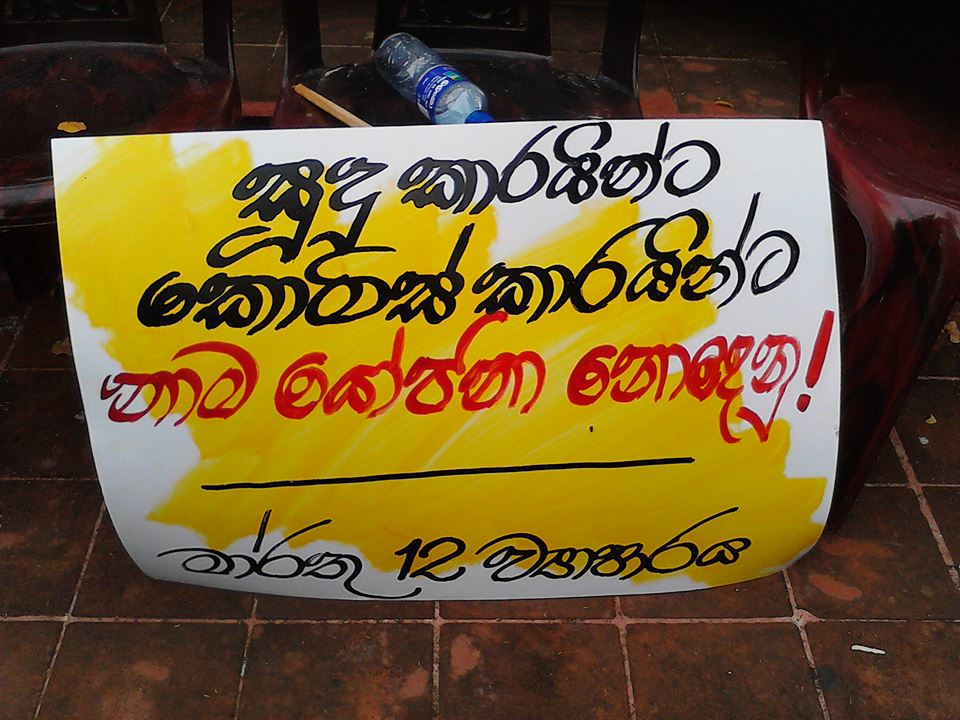
"Don't give nominations to politicians with casino or corruption links" - March 12 Movement's poster in Sri Lanka in mid 2015
“Don’t give nominations to politicians with casino or corruption links” – March 12 Movement’s poster in Sri Lanka in mid 2015

Beyond Google Loon: More Needed to Bring Internet for All

Article published in Daily Mirror newspaper (Sri Lanka) on 3 August 2015

Beyond Google Loon: More Needed to Bring Internet for All

 By Nalaka Gunawardene

Google's Project Loon is necessary, but not sufficient for Sri Lanka to provide Internet for All
Google’s Project Loon is necessary, but not sufficient for Sri Lanka to provide Internet for All

On July 28, the government of Sri Lanka signed a memorandum of understanding with Google, Inc., to spread wireless Internet access throughout the island.

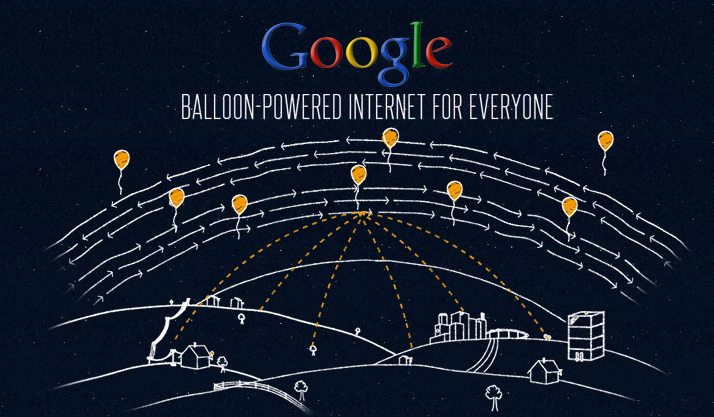
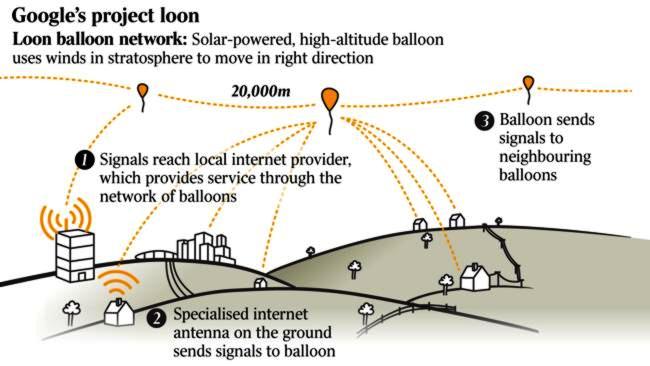
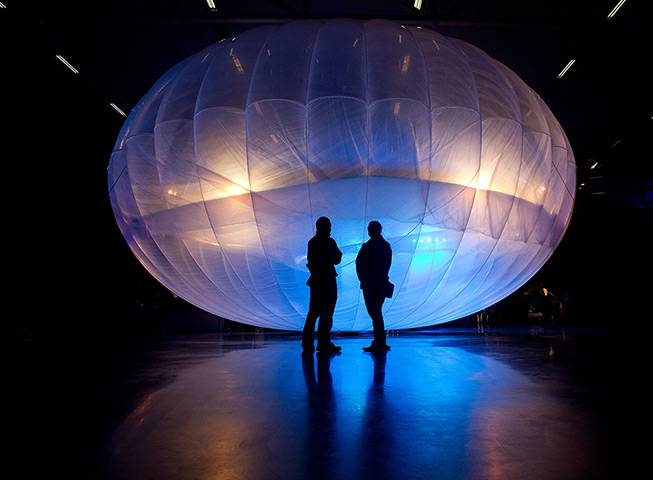
The partnership with Google Project Loon is for setting up a network of 13 high-tech balloons strategically positioned some 20 km above the island. These helium-filled and solar-powered balloons will act as ‘floating cell towers’ that distribute 3G mobile signals wider than ground-based towers can.

When commissioned in early 2016, this system would “make Sri Lanka potentially the first country in the world to have universal Internet access”, according to news reports.

This deal with Google was brokered by Lankan-born Silicon Valley venture capitalist Chamath Palihapitiya. The government’s Information and Communications Technology Agency (ICTA) hailed it as a major accomplishment.

Is it really so? What exactly does this deal bring us, and at what apparent or hidden costs? How will the average Internet user benefit?

Simplified diagram of how Google Loon system would work

Project Loon

We can only speculate, as the Lankan government’s MOU with the global media company has not been made public (Requests posed on Twitter were evaded by ICTA’s CEO.)

Going by generic information available online, Loon partnership seems a useful first step forward in enhancing Internet access in Sri Lanka. But it cannot work by itself. Other factors must fall into place.

According to Google, Project Loon (www.google.com/loon/) is “a network of balloons traveling on the edge of space, designed to connect people in rural and remote areas, help fill coverage gaps, and bring people back online after disasters”.

Sri Lanka’s Project Loon partnership promises to substantially extend the mobile broadband signal coverage of our existing Internet Service Providers, or ISPs.

Five mobile cellular telephone networks currently compete in our market where there are 107 mobile subscriptions for every 100 persons.

Airtel, Dialog, Etisalat, Hutch and Mobitel all use what is popularly known as Third Generation (3G) mobile broadband technologies. Some have also ventured into 4G.

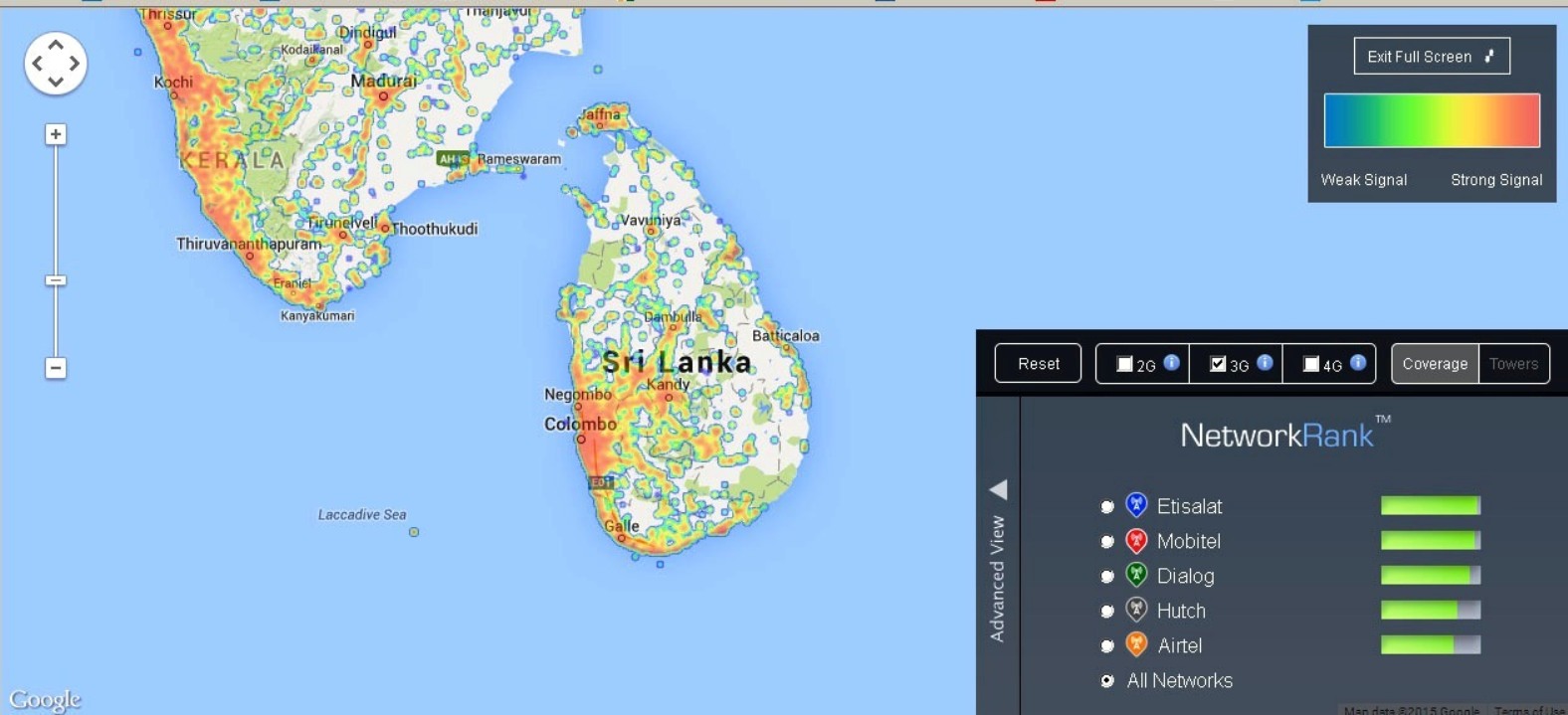
Right now operators rely on their own networks of terrestrial towers for signal coverage. This naturally concentrates on where more people, businesses and offices are located. Thus, the south-western quadrant of the island enjoys much better signal coverage than many other areas. There are gaps that the market alone would probably never fill.

If we look at publicly available signal coverage maps on http://opensignal.com, for example, we see plenty of areas in Sri Lanka not yet covered by 3G from any telecom network.

All networks' 3G signal coverage - on 30 July 2015
All networks’ 3G signal coverage – on 30 July 2015

In theory, Google Loon’s 13 balloons over Lanka should extend our ISPs’ mobile broadband coverage to the whole land area of 65,610 sq km (25,332 square miles). Each balloon can provide connectivity to a ground area about 40 km in diameter using a wireless communications technology called LTE.

“To use LTE, Project Loon partners with telecommunications companies to share cellular spectrum so that people will be able to access the Internet everywhere directly from their phones and other LTE-enabled devices. Balloons relay wireless traffic from cell phones and other devices back to the global Internet using high-speed links,” says the project’s website.

There is one clear benefit of extra-terrestrial telecom towers: they are beyond the reach of geological and hydro-meteorological disasters that can knock out terrestrial ones. As a back-up system in the sky, well above most atmospheric turbulence, Loon can be invaluable in disaster communications.

Universal access?

But it’s important to remember that universal signal coverage does not necessarily mean universal access or universal use.

It is now two decades since Sri Lanka became the first in South Asia to introduce commercial Internet services. By end 2014, there were some 3.3 million Internet subscriptions in Sri Lanka, most of them (82%) were mobile subscriptions, says the Telecom Regulatory Commission (TRC).

Internet subscriptions are often shared among family members or co-workers so the number of users is higher. The Internet Society – a global association of technical professionals – estimated last year that 22% of Sri Lanka’s population regularly uses the Internet. So almost one in four Lankans gets online.

What about the rest? There can be different reasons why the rest is not connected – such as the lack of need, non-availability of service, affordability, and absence of skill.

I can think of three other important factors for successful Internet use:

  • COST: Contrary to some media reports, Project Loon by itself does not provide free wireless Internet or WiFi. Existing rates and packages of mobile operators would continue to apply. We already have some of the lowest data communication rates in Asia, so how much lower can these drop?
  • QUALITY of service: Mobile companies must ensure that broadband speeds don’t drop drastically as more users sign up. Such increase of backhaul capacity hasn’t always happened, leading to complaints that we get FRAUDBAND in the name of broadband!
  • USER CAPACITY: The Census and Statistics Department’s latest (2014) survey found basic computer literacy in Sri Lanka has reached 25%. Since the survey covered only desk top computers and laptops, this figure could be under-estimating the digital skills of our young people who quickly master smartphones and other digital devices. But then, most are not careful with privacy and data protection.

So beyond Project Loon, we have much more to do on the ground to reach a knowledge based economy and inclusive information society.

Google Project Loon balloon on display at Airforce Museum in Christchurch, New Zealand

Google’s Benefits

Finally, what is in it for Google? Why are they giving this facility to our telecom companies apparently for free?

The information and media giant is investing millions of US Dollars for research, development and launching the service. Yes Google has deep pockets, but it is not a charity. So what do they gain?

For one thing, the Sri Lanka experience will produce proof of concept for Loon in a relatively small sized market. To operate, Google Loon balloons need permission to hover over Lankan airspace – this concession can inspire confidence in other governments to also agree.

In the long term, more people going online will generate more users for Google, which already dominates search engines globally (over 85%) and offers a growing range of other services. The company can then market its myriad eyeballs to advertisers…

There is no such thing as a free lunch. But as long as we engage Google without illusions, it can be a win-win partnership.

Science writer Nalaka Gunawardene has been chronicling and analysing the rise of new media in Sri Lanka since the early 1990s. He is active on Twitter @NalakaG and blogs at http://nalakagunawardene.com

project-loonppt-1-638

සිවුමංසල කොලූගැටයා #230: ජාතික ආරක්ෂාවට යයි කියා රජය පුරවැසියන්ගේ ඔත්තු බැලීම හරිද?

The July 21 Statement on Freedom of Expression and Media Freedom, issued by 10 media associations and advocacy groups in Sri Lanka for the attention of political parties contesting in General Election 2015, included this recommendation:
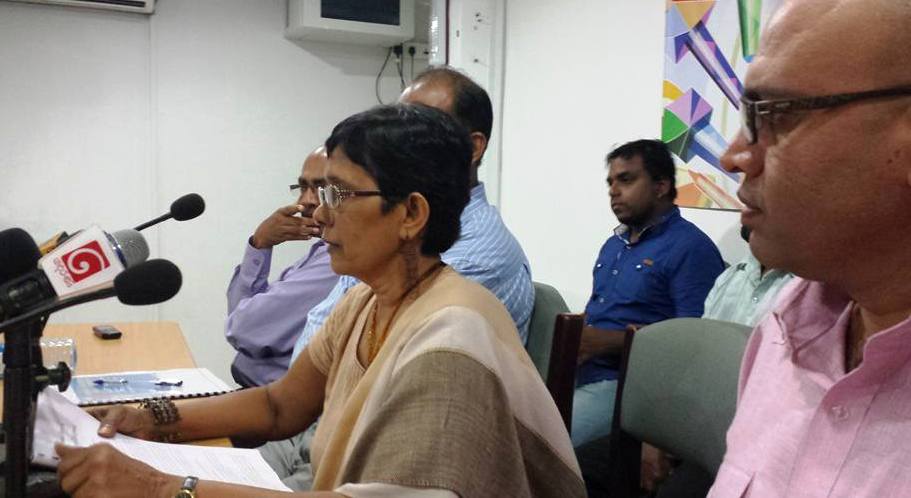
Privacy and Surveillance: The state should respect and protect the privacy of all citizens. There should be strict limits to the state surveillance of private individuals’ and entities’ telephone conversations and electronic communications. In exceptional situations, such surveillance should only be permitted with judicial oversight and according to a clear set of guidelines.”

In this week’s Ravaya column, (in Sinhala, appearing in issue of 2 August 2015), I have expanded on this by exploring the extent of state electronic surveillance in Sri Lanka.

It is a murky field where evidence is not easily found, and I rely heavily on the published accounts by leading national and international media groups: Freedom on the Net Report on Sri Lanka; Reporter Sans Frontiers (RSF) report on countries under state surveillance: Sri Lanka section; and investigative articles published by Sri Lanka’s Groundviews.org.
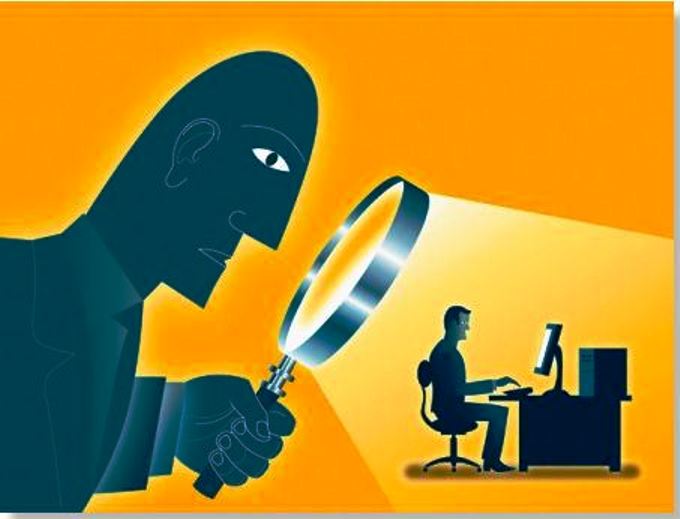
I also look at the legal provisions for surveillance and gaps in legal protection for privacy in Sri Lanka. All this points out to an overbearing state that spies on private citizens as and when it pleases, all on the pretext of national security. We need clearer guidelines and judicial oversight to restrain the state from turning into Big Brother.

Are we being watched by our government without our knowledge or consent? Is it legal?

භාෂණයේ නිදහස හා මාධ්‍ය නිදහස සඳහා දේශපාලන පක්ෂවලට ප‍්‍රමුඛතා දහයක් ඉදිරිපත් කරන්නට ජූලි 21 වනදා කොළඹදී පැවති මාධ්‍ය සාකච්ඡාවේදී මාධ්‍යවේදීනී සීතා රන්ජනී මෙසේ කීවා.

‘‘පසුගිය වකවානුවේ (2014 අග දක්වා) අප බොහෝ දෙනකුගේ දුරකථන සංවාද හා ගමන් බිමන් සියල්ල සොයා බලන බව අපට තේරුණා. අප දුරකථන මගින් කතා කොට මාධ්‍යවේදී පුහුණු වැඩමුළු සැලසුම් කර අදාල තැනට යන විට කොහෙන්දෝ එකවර මතු වන විරෝධතාවලට අප මුහුණු දුන්නා. අප රැස්වන තැන්, යොදා ගන්නා සම්පත්දායකයන් ආදී හැම තොරතුරක්ම කෙසේ හෝ මේ උදවිය කල් තබා දැන සිටියා. මෙය හැකි වුණේ අප නිරතුරු ආවේක්ෂණයට ලක් වූ නිසායි.’’

මෙය බරපතල තත්ත්වයක්. රාජ්‍ය ආවේක්ෂණ (state surveillance) අත්දැකීම අඩු වැඩි පමණින් ලද තවත් බොහෝ මාධ්‍යවේදීන්, සිවිල් සමාජ ක‍්‍රියාකාරිකයන් හා දේශපාලකයන් මෙරට සිටිනවා. ගෙවී ගිය දශකයේදී මෙරට රජය විසින් පුරවැසියන් ආවේක්ෂණය කිරීම බොහෝ සෙයින් පුළුල් වූ බවට ඉඟි තිබෙනවා.

See: Freedom on the Net: Sri Lanka Report 2014

යුද්ධය පවතින විට ජාතික ආරක්ෂාව සඳහා යම් පුද්ගලයනගේ හා කණ්ඩායම්වල කතාබහ ආවේක්ෂණය කළත් යුද්ධය නිමා වීමෙන් පසුවත් වසර ගණනක් එය දිගටම පවත්වාගෙන යාම කෙසේ සාධාරණීකරණය කළ හැකිද?

එසේම අපරාධකරුවන්, කැරලිකරුවන් හෝ වෙනත් නීති විරෝධී ක‍්‍රියාවල නිරත වූවන්ගේ සැලසුම් කල් තබා අනාවරණය කර ගන්නට යයි කියා කරන ආවේක්ෂණ විපක්ෂ දේශපාලකයන්, සිවිල් සමාජ ක‍්‍රියාකාරිකයන්, මාධ්‍යවේදීන් හා සරසවි ඇදුරන් දක්වා දිගු වූයේ ඇයි? ජාතික ආරක්ෂාව නම් සංකල්පය පවත්නා රජයේ ආරක්ෂාව ලෙසින් පටු ලෙස විග‍්‍රහ කිරීම නිසාද?

Do you know who is watching you?

Dialog CEO Hans Wijesuriya: “No surveillance program in Sri Lanka, but telecoms have to comply”’. The Republic Square, 28 September 2013

මහා පරිමාණ ආවේක්ෂණය වෙත ගෙවී ගිය දශක දෙක තුනක් තිස්සේ මෙරට පැවති සියලූ රජයන් යොමු වීම සිවිල් අයිතිවාසිකම් පැත්තෙන් බලන විට මහත් අහිතකර ප‍්‍රවණතාවක්.

මෙය පුරවැසියන් නොදැනුවත්ව, අධිකරණ අධීක්ෂණයකින් තොරව දිගටම සිදුවීමට එරෙහිව ඇති තරම් සමාජ ප‍්‍රතිවිරෝධයක් මතු නොවීමද තැති ගත යුතු මට්ටමේ කාරණයක්. අප මේ තරමට දැන් සමාජයක් ලෙස උදාසීන වී සිටිනවාද?

2014 දෙසැම්බර් 25 වනදා නිව්යෝර්ක් ටයිම්ස් පුවත්පත ශ‍්‍රී ලංකාවේ එවකට උත්සන්න වෙමින් තිබූ ජනාධිපතිවරණ කැම්පේන් ගැන දීර්ඝ ලිපියක් පළ කළා. විවිධ දේශපාලන චරිත සමග සාකච්ඡා කිරීමෙන් පසු ලියැවුණු එහි එක් තැනෙක හිටපු ධීවර අමාත්‍ය (දැන් සෞඛ්‍ය අමාත්‍ය) දොස්තර රාජිත සේනාරත්න උපුටා දක්වමින් කියන්නේ නොවැම්බර් 21 වනදාට පෙර පොදු විපක්ෂ අපේක්ෂකයා ගැන කතාබහ ඉතා රහසිගතව සිදු කරන ලද බවයි.

With Viber's help, opposition politicians dodged Rajapaksa regime's surveillance in late 2014
With Viber’s help, opposition politicians dodged Rajapaksa regime’s surveillance in late 2014

හොරෙන් අසා සිටීමට ලක් නොවන ආකාරයේ (චන්ද්‍රිකා?) දුරකථන භාවිත කරමින්, සංකේත බසින් තමා ඇතුළු පිරිසක් මෛත‍්‍රීපාල සිරිසේන පොදු අපේක්ෂකයා කිරීම සැලසුම් කළ බව ඔහු කියනවා. ඉන්ටනෙට් හරහා කටහඬ හා ලිඛිත පණිවුඩ හුවමාරු කර ගත හැකි වයිබර් (Viber) නම් මෘදුකාංගයද මේ පිරිස යොදාගෙන තිබෙනවා.

මෙතරම් ප‍්‍රවේශම්කාරී වීමට හේතුව බොහෝ විපක්ෂ දේශපාලකයන් මෙන්ම ඇතැම් (එවකට) ආණ්ඩු පක්ෂයේ දේශපාලකයන්ද ගිය රජය විසින් දැඩි ලෙස ආවේක්ෂණයට ලක් කර තිබූ නිසායි. මේ බව හිටපු ජනාධිපතිනි චන්ද්‍රිකා කුමාරතුංග ද වරක් ප‍්‍රසිද්ධියේ ප‍්‍රකාශ කළා.

රජයන් විසින් සිවිල් ජනයා ආවේක්ෂණය මුල් යුගයේ කරනු ලැබුවේ දුරකථන සංවාදවලට දුරකථන හුවමාරු (phone exchange) හරහා රහසිගතව සවන් දීමෙන්. එහෙත් පරිගණක හා සන්නිවේදන තාක්ෂණයේ දියුණුවත් සමග වඩාත් සූක්ෂමව, පුළුල්ව හා ස්වයංක‍්‍රීය ලෙසින් දුරකථන සංවාද පමණක් නොව ඊමේල්, ස්කයිප් කතාබහ හා ඉන්ටර්නෙට් හරහා කරන බොහෝ හුවමාරු කිසිවකුට නොදැනී ආවේක්ෂණය කළ හැකිව තිබෙනවා.

Internet surveillance: not just in China...
Internet surveillance: not just in China…

ඉන්ටර්නෙට් ජාලයට සම්බන්ධිත පරිගණකයක් හෝ ජංගම දුරකථනයක් තුළට හොර රහසේ පිවිසී එහි දත්ත හා පණිවුඩ හීන්සීරුවේ පිටස්තර පාර්ශ්වයකට ලබා දීමේ ඔත්තු බලන ක‍්‍රම දියුණු කොට තිබෙනවා.

පරිගණක හෝ ජංගම දුරකථන භාවිත කරන බොහෝ දෙනකුට මේ ගැන වැටහීමක් නැහැ. රජයට පමණක් නොව ටෙලිකොම් සමාගම්වලටද මේ හැකියාව තිබෙනවා.

ආවේක්ෂණ තාක්ෂණයන් හා සේවාවන් අධික මිලකට අලෙවි කරන තාක්ෂණ සමාගම් ලෝකයේ තිබෙනවා. බොහෝ විට ඔවුන්ගේ ගැනුම්කරුවන් වන්නේ රාජ්‍ය බුද්ධි අංශ හා අපරාධ පරීක්ෂණ පොලිසි ආදියයි.

ඉතාලියේ මිලාන් නුවර පිහිටි මෙබඳු එක් සමාගමක් ‘හැකිං ටීම්’ (Hacking Team) නම් වනවා. 2013දී දේශසීමා විරහිත වාර්තාකරුවෝ (RSF) නම් ජාත්‍යන්තර මාධ්‍ය නිදහස් ක‍්‍රියාකාරී සංවිධානය ප‍්‍රසිද්ධ චෝදනාවක් කළා. එනම් හැකිං ටීම් මගින් සපයන ආවේක්ෂණ පහසුකම් යොදා ගනිමින් මර්දනකාරී ආණ්ඩු භාෂණ නිදහස හා මාධ්‍ය නිදහසට තර්ජනය වන ලෙස මාධ්‍යවේදීන්, විකල්ප මතධාරීන් හා වෙබ් ක‍්‍රියාකාරිකයන්ට එරෙහිව ක‍්‍රියා කරන බවයි.

RSF report on countries under state surveillance: Sri Lanka

2015 ජූලි මස මුලදී හැකිං ටීම් සමාගමේ පරිගණකවලට ද යම් කිසිවකු අනවසරයෙන් පිවිසී (හැක් කොට) ඔවුන්ගේ දත්ත අතිවිශාල සමුදායක් (400GB) ඕනෑම කෙනකුට බලා ගත හැකි වන්නට ඉන්ටර්නෙට් ජාලයට මුදා හරිනු ලැබුවා. මේ සමාගම ලෝකයේ කිනම් රජයන්ට කුමන ආවේක්ෂණ උපකරණ හා සේවා සපයා ඇත්ද යන්න ගැන මෙතෙක් රහසිගතව තිබූ තොරතුරු රැසක් මේ හරහා අනාවරණය වුණා.

මේ අනුව ලොව පුරා විසිර සිටින පොලිසි, මිලිටරි, මධ්‍යම රජයන් හා පළාත් රජයන් 70කට වැඩි ගණනකට ඔවුන් අවේක්ෂණ තාක්ෂණයන් ලබා දී යූරෝ මිලියන් 40කට වඩා උපයා ගෙන තිබෙනවා.

Hacking Team Emails Expose Proposed Death Squad Deal, Secret U.K. Sales Push and Much More

Groundviews: Going beyond mainstream media in the public interest

මේ ඔස්සේ ගවේෂණය කළ මෙරට පුරවැසි මාධ්‍ය වෙබ් අඩවියක් වන ග‍්‍රවුන්ඞ්වීව්ස් (Groundviews.org), මෙම ඉතාලි සමාගම 2013-14 කාලයේ ශ‍්‍රී ලංකාවේ බුද්ධි සේවාවලට ද සිය සේවා අලෙවි කිරීමට ඊමේල් ගණනාවක් හුවමාරු කරගෙන ඇති බව සොයා ගත්තා.

විශේෂයෙන් ඕනෑම ආරක්ෂිත පරිගණකයකට හොරෙන් පිවිසී ඔත්තු බැලිය හැකි Remote Control System (RCS) නම් තාක්ෂණය ගැන මෙරට සිට ඔවුන්ගෙන් විමසා තිබුණා. 2014 මාර්තුවේ ඔවුන්ට මෙරටින් යවන ලද එක් ඊමේල් පණිවුඩයක් කීවේ ‘ශ‍්‍රී ලංකාවේ ආරක්ෂක අමාත්‍යංශය, සරසවියක් ද සමග එක්ව විද්‍යුත් ආවේක්ෂණ හා සෙවීමේ ක‍්‍රමයක් පිහිටුවීමට සැලසුම් කරන’ බවයි.

මේ සරසවිය කුමක්ද යයි පැහැදිලි නැහැ (කොළඹ හෝ මොරටුව විය යුතුයි). එසේම ගිය රජය විසින් මෙම තාක්ෂණය මිලට ගත්තා ද යන්න ඊමේල් හුවමාරුවෙන් හරිහැටි කිව නොහැකියි. එහෙත් කිසිදා නොතිබූ තරම් දැවැන්ත ආවේක්ෂණ ප‍්‍රයත්නයක් සඳහා සැලසුම් කළ බව නම් පෙනෙනවා.

Hacking the hackers: Surveillance in Sri Lanka revealed

Sanjana Hattotuwa
Sanjana Hattotuwa

ඩිජිටල් හා සයිබර් මාධ්‍ය හරහා අප ලෙහෙසියෙන් සන්නිවේදනය කරන අතර පෞද්ගලිකත්වය රැක ගැනීමට වගකීමෙන් හා අරපරීක්ෂාවෙන් ක‍්‍රියාකළ යුතුයි. ඩිජිටල් ක‍්‍රියාකාරී හා ග‍්‍රවුන්ඞ්වීව්ස් කතුවර සංජන හත්තොටුව මෙය යළි යළිත් අවධාරණය කරනවා.

ඉතාලි ආවේක්ෂණ තාක්ෂණය කෙසේ වෙතත්, 2010-12දී චීන ටෙලිකොම් සමාගම්වලට මෙරටට උපකරණ සැපයීමට ඉඩදීම හරහා ආවේක්ෂණ හැකියාව ලැබෙන්නට ඇතැයි සංජන අනුමාන කරනවා. මහජනතාවට තොරතුරු දැනගැනීමේ අයිතිය තවමත් නීතිගතව නැති නිසා විස්තර සොයා යෑම අපහසුයි.

2012 පෙබරවාරි 16 වනදා විග‍්‍රහයක් පළ කරමින් සංජන කීවේ හුවාවෙයි (Huawei) හා ZTE නම් චීන සමාගම් මෙරටට ඩොලර් මිලියන ගණන් වටිනා විදුලි සංදේශ උපකරණ සපයන බවයි. බටහිර රටවලට ඉන් පෙර සපයන ලද උපකරණ හරහා නොදැනීම සයිබර් ඔත්තු බැලීමට චීන රජයට ආධාර කළා යැයි මේ චීන සමාගම් දෙකටම බරපතල චෝදනා එල්ල වී තිබුණා.

විශේෂයෙන්ම ශ‍්‍රී ලංකා ටෙලිකොම් සමාගමේ ADSL ඉන්ටර්නෙට් බෙදාහැරීම් පද්ධතිය Huawei තාක්ෂණය යොදා ගන්නවා. අහිංසක ලෙස පෙනුණත් මේ හරහා හොර රහසේ ග‍්‍රාහකයන්ගේ පෞද්ගලික ඊමේල්, ස්කයිප් හා අනෙක් හුවමාරුවලට ප‍්‍රවේශම්වීමේ හැකියාව මෙරට බුද්ධි අංශවලට දැනටමත් ලැබී ඇත්ද? සංජන හත්තොටුව මේ ගැන වසර කිහිපයක සිට අනතුරු අඟවනවා.

Are Chinese Telecoms acting as the ears for the Sri Lankan government?

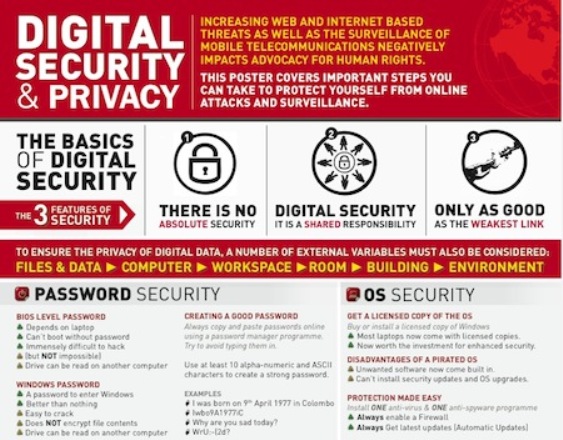
තමන්ගේ ඩිජිටල් ආරක්ෂාව මුළුමනින්ම තහවුරු කර ගැනීම අසීරු වුවත් වඩා හොඳින් ශක්තිමත් කර ගැනීමට ගත හැකි සරල පියවර කියා දෙන පෝස්ටර් පෙළක් විකල්ප ප‍්‍රතිපත්ති කේන්ද්‍රය මගින් 2012දී භාෂා තුනෙන්ම නිකුත් කරනු ලැබුවා.

තමන්ගේ ඩිජිටල් ආරක්ෂාව ශක්තිමත් කර ගැනීමට ගත හැකි සරල පියවර...
තමන්ගේ ඩිජිටල් ආරක්ෂාව ශක්තිමත් කර ගැනීමට ගත හැකි සරල පියවර…

1991 අංක 25 දරණ විදුලි සංදේශ පනත (1996දී සංශෝධිත) හා 2007 අංක 24 දරණ පරිගණක අපරාධ පනත යම් පටු පරාසයක් තුළ විද්‍යුත් ආවේක්ෂණය හා අනවසරයෙන් පණිවුඩ/දත්ත ග‍්‍රහණය කිරීම වරදක් යයි පිළි ගන්නවා. එහෙත් නීතිය ක‍්‍රියාත්මක කරන රජයේ ආයතනවලට අවශ්‍ය අවස්ථාවන්හිදී එසේ කිරීමට ඉඩකඩ තිබෙනවා. (ඒ කියන්නේ පාඨක ඔබ හෝ මා එය කළොත් නීති විරෝධියි. එහෙත් රජය කළොත් එසේ නැහැ!).

එසේ ආවේක්ෂණය කරන විට කුමන විනයක්, සීමාවක් හෝ ක‍්‍රමවේදයක් රාජ්‍ය ආයතන අනුගමනය කළ යුතුද යන්න නීතිවලින් කියා නැහැ. ජාතික ආරක්ෂාවයටතේ සිත් සේ ක‍්‍රියා කිරීමේ ඉඩ තිබෙනවා වගෙයි.

ඕනෑම කෙනකුට පෞද්ගලිකත්වයක් තිබෙනවා. එයට මානව අයිතියක් ද තිබෙනවා. පොදු අවකාශයේ ඉතා ප‍්‍රකට ජීවිත සතු කලාකරුවන්, ක‍්‍රීඩකයන් හා දේශපාලකයන්ට ද මේ අයිතිය තිබිය යුතුයි. එය ස්ව-කැමැත්තෙන් පසෙක ලීම පුද්ගල අභිමතයක්. එහෙත් එසේ නොකරන තුරු රටේ ආණ්ඩුවට හෝ වෙනත් පිරිසකට (උදා: පැපිරාට්සි ආකාරයේ ඡායාරූප ශිල්පීන්) පෞද්ගලික ජීවිතවල ඔත්තු බැලීම සදාචාර සම්පන්න නැහැ. බොහෝ රටවල මෙය නීති විරෝධියි.

අපේ ආණ්ඩුකරම ව්යවස්ථාවෙන් පිළිගැනෙන හා සහතික කරන මූලික මානව අයිතිවාසිකම් අතර පෞද්ගලිකත්වය (privacy) රැක ගැනීමට ඇති අයිතිය ඇතුළත් නැහැ. එහෙත් සෑම කෙනකුටම එම අයිතිය හිමි බව ශිෂ්ඨ සමාජවල පුළුල්ව පිළි ගැනෙනවා.

නීතියෙන් නොවුවත් සමාජ සම්මතයට අනුව කෙනකුගේ පෞද්ගලික සිතුම් පැතුම්, ලියුම් හා අනෙකුත් සන්නිවේදනයන් පොදු අවකාශයට අයත් නැහැ. එසේම රාජ්‍යයට හෝ රාජ්‍යයේ තාවකාලික භාරකරු ලෙස කටයුතු කරන ආණ්ඩුවකට පුරවැසියන්ගේ පෞද්ගලික සන්නිවේදනවලට පිවිසෙන්නට හා ඒ හරහා තොරතුරු එක් රැස් කරන්නට සදාචාරමය අයිතියක් නැහැ.

මේ සම්මතය බිඳ වැටෙන අවස්ථා ඉඳහිට තිබෙනවා. යුද බිමෙහි ක‍්‍රියාන්විත සේවයේ නිරතව සිටින හමුදා සෙබලූන් හා ඔවුන්ගේ පවුල් අතර සන්නිවේදන හමුදා බලධාරීන්ගේ ආවේක්ෂණයට ලක් විය හැකියි. දැනවුත්ව හෝ නොදැනුවත්ව යුද බිමේ සැබෑ තොරතුරු හෝ හමුදා රහස් හෝ පිටත යාමට ඉඩක් ඇති නිසා. එසේම සමහර රටවල සිරකරුවන් ලබන හා යවන සන්නිවේදන ද විමර්ශනයට ලක් කැරෙනවා.

එහෙත් හමුදා සේවයේ හෝ සිරභාරයේ හෝ නොසිටින සෙසු පුරවැසියන්ට සිය පෞද්ගලිකත්වය රැක ගැනීමට සෑම අයිතියක්ම තිබෙනවා.

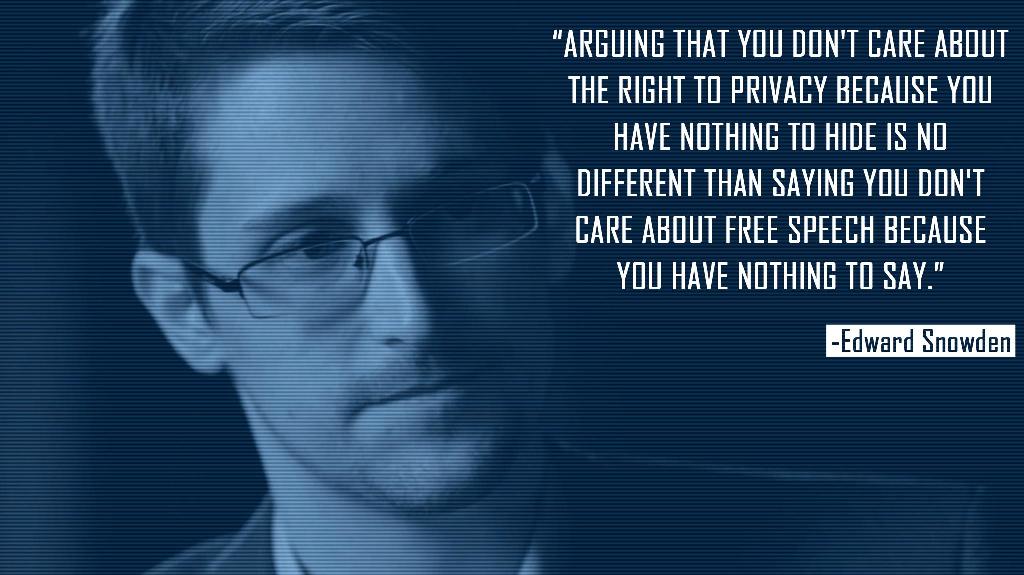
Edward Snowden on the right to privacy

‘අපි නීතිගරුක මිනිස්සු. අපට සඟවන්න දෙයක් නැහැ. ආණ්ඩුව අපේ කතාබහ-ලියුම් කියුම් හොරෙන් ඇසුවත් බැලූවත් අපට බිය වන්නට දෙයක් නැහැ’ යයි ඇතැමෙක් කිව හැකියි. මෙය අනුවණකාරී තර්කයක්. හරියට ‘අපට භාෂණ නිදහසක් කුමටද? අපට කියන්නට කිසි දෙයක් නැහැ’ වැනිම පරාජිත ප‍්‍රකාශයක්.

ජූලි 21 ප්‍රකාශයේ ආවේක්ෂණය වැලැක්වීම ගැන නිර්දේශය මෙයයි: “තොරතුරු සමාජයේ ප්‍රගමනය සමග නූතන සන්නිවේදන තාක්ෂණයන් භාවිතය පුළුල් වෙයි. රජය විසින් සියලු පුරවැසියන්ගේ පෞද්ගලිකත්වය ගරු කොට ආරක්ෂා කළ යුතුය. පෞද්ගලික පුරවැසියන්ගේ හා ආයතනවල දුරකථන සංවාද හා විද්‍යුත් සන්නිවේදන ආවේක්ෂණය කිරීම රජය විසින් කිසි විටෙකත් දේශපාලන වාසි පිනිස නොකළ යුතුය. අපරාධ විමර්ශනය වැනි විශේෂිත අවස්ථාවන්හිදී පමණක් එවැනි ආවේක්ෂණය සඳහා අවසර දිය යුත්තේ අධිකරණ අධීක්ෂණය යටතේ හා නිශ්චිත සීමාවලට යටත් වන පරිදිය.”

සිවුමංසල කොලූගැටයා #229: සමාජ මාධ්‍ය යුගයේ අපේ දේශපාලන සන්නිවේදනය

In this week’s Ravaya column, (in Sinhala, appearing in issue of 26 July 2015), I review how Lankan politicians and political parties are using social media in the run-up to the general election to be held on 17 August 2015.

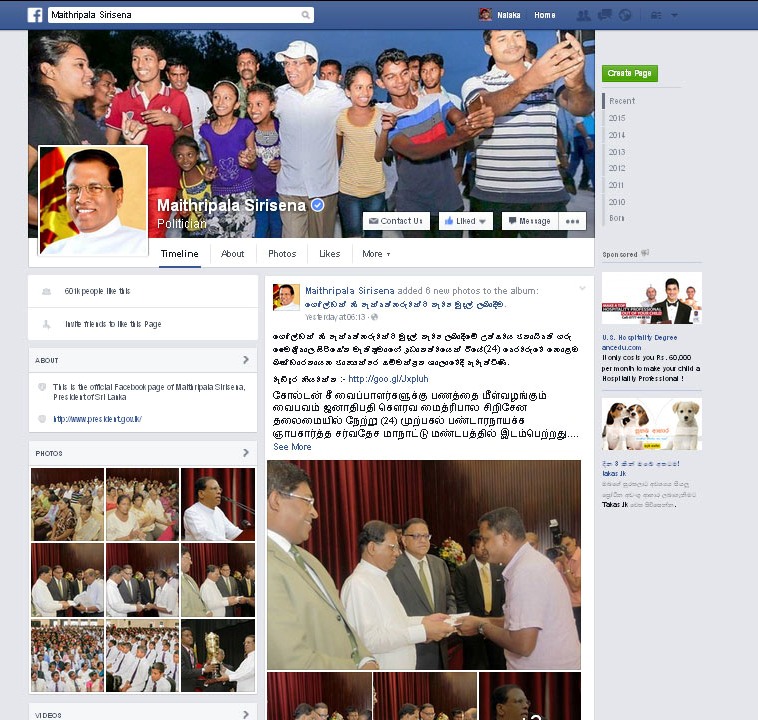
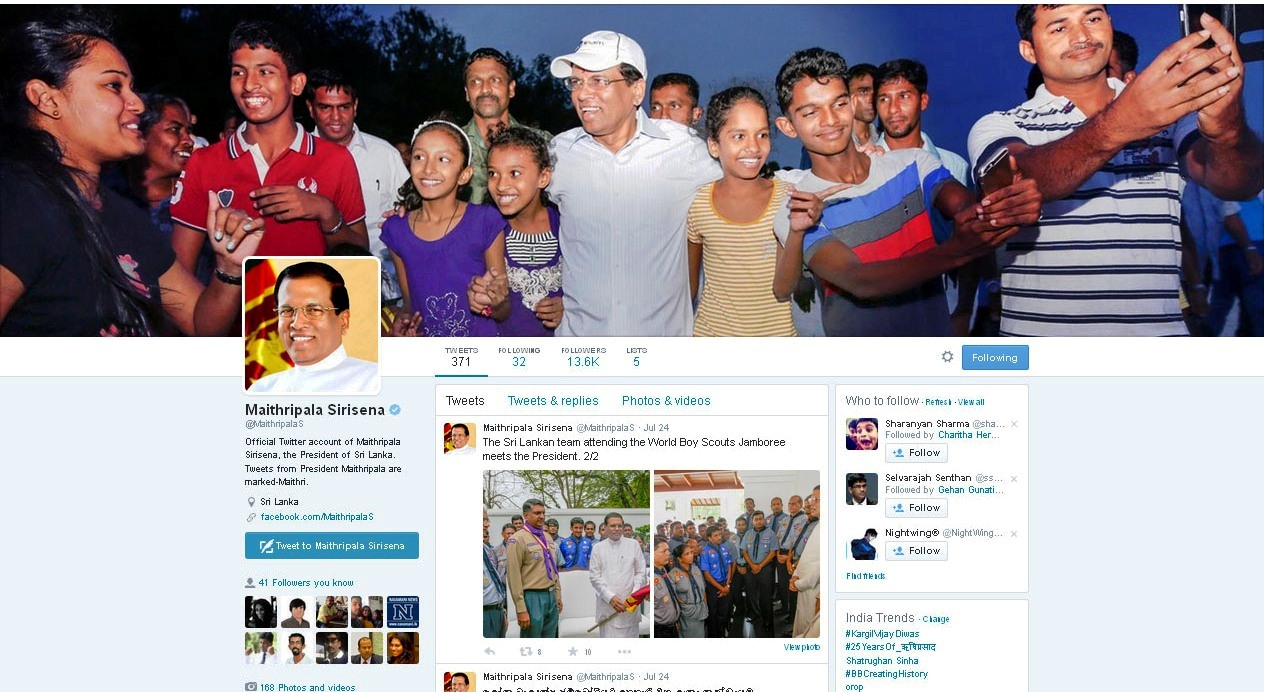
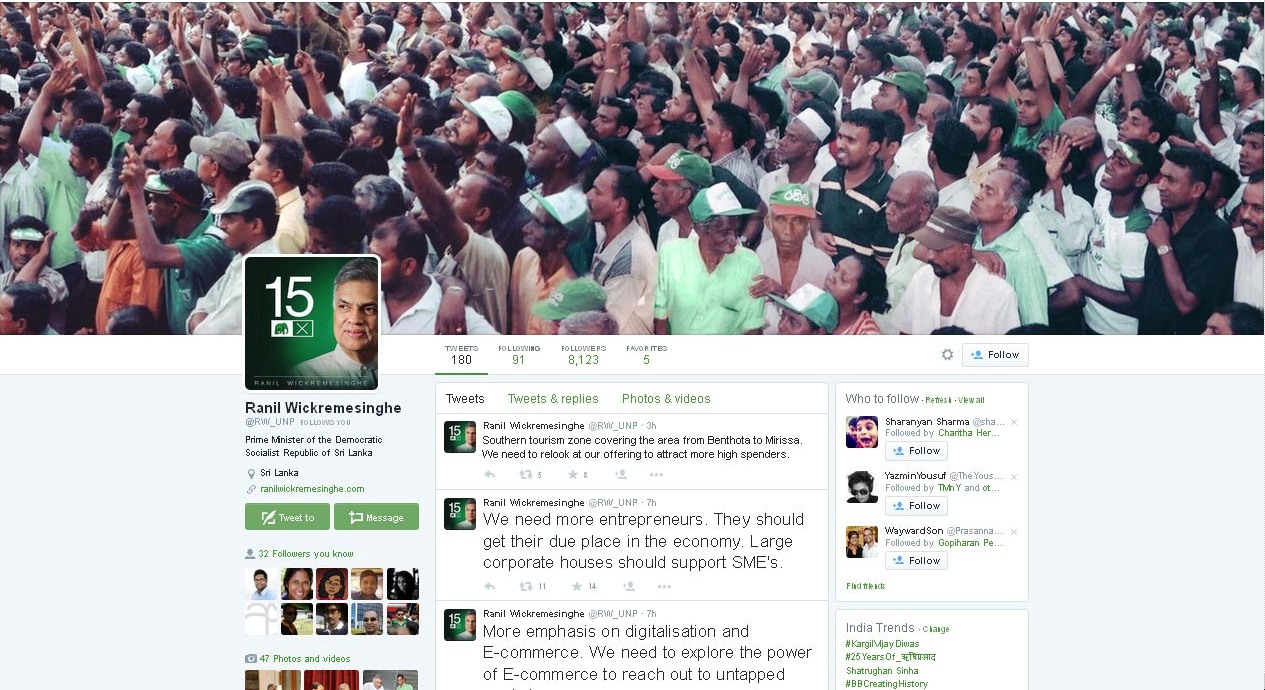
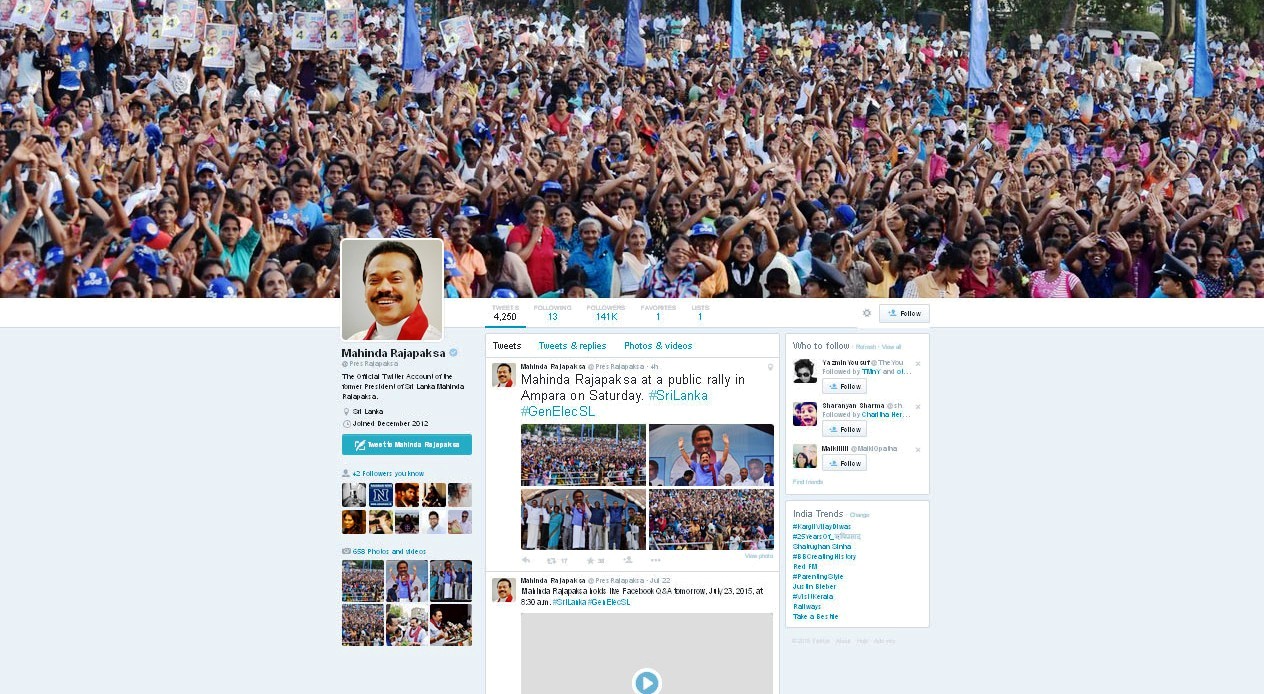
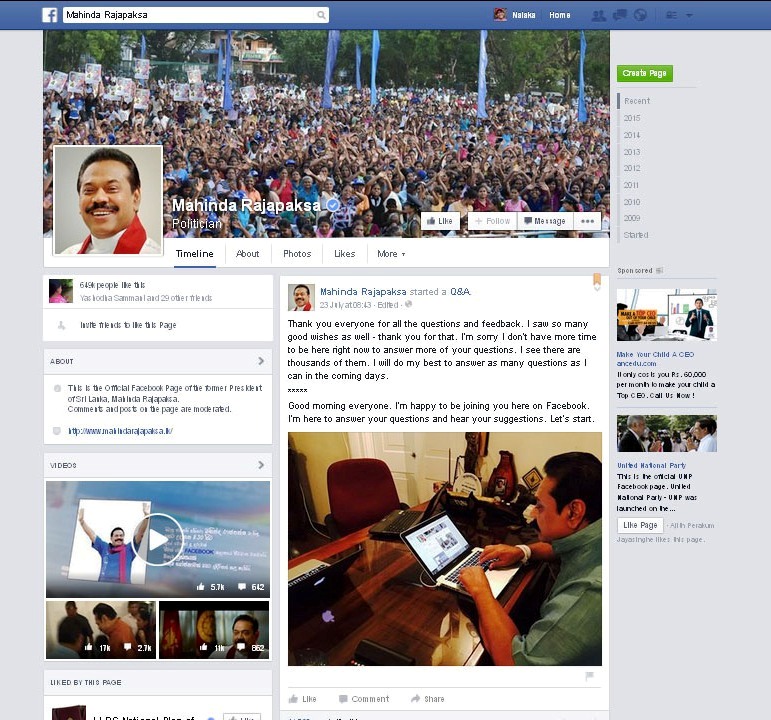
In particular, I look at how President Maithripala Sirisena and Prime Minister Ranil Wickremesinghe are using Facebook and Twitter (mostly to ‘broadcast’ their news and images, and hardly ever to engage citizens). I also remark on two other politicians who have shown initiative in social media use, i.e. former President Mahinda Rajapaksa and JHU leader Champika Ranawaka (both of who have held live Q&As on social media with varying degrees of engagement).

I raise questions like these: Can political parties afford to not engage 25% of Lankan population now regularly using the web? When would election campaigners – rooted in the legacy media’s practice of controlling and fine-tuning messages – come to terms with the unpredictable and sometimes unruly nature of social media?

While politicians, their campaigners and parties struggle to find their niches on social media, politically conscious citizens need to up their game too. Cyber literacy has been slower to spread than mere internet connectivity in Sri Lanka, and we need enlightened and innovative use of social media in the public interest. Every citizen, activist and advocacy group can play a part.

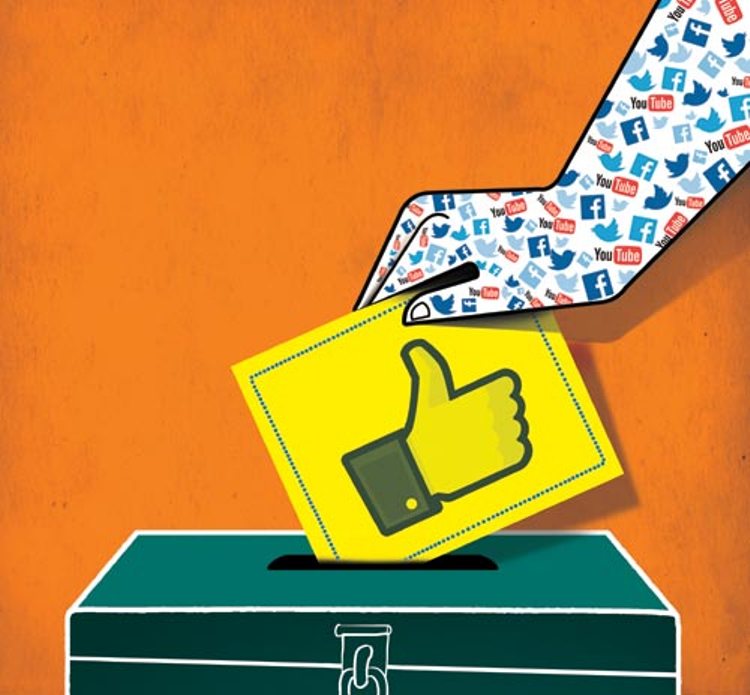
Can social media communications influence voting patterns?

ජනගහනයෙන් හතරෙන් එකක් පමණ ඉන්ටර්නෙට් භාවිත කරන මට්ටමට එළැඹ සිටින අපේ රටේ මෙම සයිබර් සාධකය මැතිවරණ ප‍්‍රචාරණයට හා ඡන්දදායක මතයට කෙසේ බලපානවාද යන්න විමසීම වැදගත්.

2010 මහ මැතිවරණයේ භාවිත වූවාට වඩා බෙහෙවින් මෙවර මැතිවරණයේ ඉන්ටර්නෙට් භාවිතය සිදුවන බව නම් කල් තබාම කිව හැකියි.

දේශපාලන පක්ෂ, ඡන්ද අපේක්ෂකයන්, සිවිල් සමාජ සංවිධාන හා සාමාන්‍ය පුරවැසියන් යන මේ පිරිස් සතරම වෙබ් අඩවි හා සමාජ මාධ්‍ය වෙත යොමු වීමත් සමග දේශපාලන තොරතුරු හා මතවාද ගලා යෑම පෙර පැවතියාට වඩා වෙනස්වන්නේ කෙලෙසද?

විශේෂයෙන්ම සමාජ මාධ්‍ය හරහා දේශපාලන චරිත හා පක්ෂවලින් ප‍්‍රශ්න කරන්නට හා ඔවුන් අභියෝගයට ලක් කරන්නට හැකි වීම හරහා දේශපාලන සංවාද වඩා හරවත් විය හැකිද? මෙය කෙතරම් පුළුල්ව රටේ සමාජගත වනවාද?

Twitter and Facebook - leading social media platforms
Twitter and Facebook – leading social media platforms

ශ‍්‍රී ලංකාවේ ජනප‍්‍රියතම සමාජ මාධ්‍ය ජාලය ෆේස්බුක් (Facebook). එහි මෙරට ගිණුම් මිලියන් 2.5කට වඩා තිබෙනවා. ව්‍යාජ ගිණුම් හෝ ද්විත්ව ගිණුම් පසෙක තැබුවහොත් අඩු තරමින් මිලියන් 2ක් ලාංකිකයන් ෆේස්බුක් සැරිසරනවා යැයි කිව හැකියි. මෙරට ජනප‍්‍රිය අනෙක් සමාජ මාධ්‍යවන්නේ ට්විටර් (Twitter), වීඩියෝ බෙදා ගන්නා යූටියුබ් (YouTube) හා ඡායාරූප හුවමාරු කැරෙන ඉන්ස්ටග‍්‍රෑම් (Instagram).

මේ හැම සයිබර් වේදිකාවකම මේ දිනවල දේශපාලනයට අදාළ තොරතුරු, මතවාද හා රූප බෙහෙවින් සංසරණය වනවා.

දේශපාලන පක්ෂවලට හා ඡන්ද අපේක්ෂකයන්ට මේ යථාර්ථය නොසලකා සිටීමට බැහැ. එහෙත් බොහෝ පක්ෂවල මැතිවරණ කැම්පේන් හසුරුවන්නේ සාම්ප‍්‍රදායික මාධ්‍ය ගැන දන්නා, එහෙත් නව මාධ්‍ය ගැන හරි අවබෝධයක් නැති හිටපු මාධ්‍යවේදීන් හෝ දැන්වීම් ඒජන්සි විසින්.

පත්තරවල මුදල් ගෙවා ඉඩ මිලට ගැනීමට හා රේඩියෝ-ටෙලිවිෂන් නාලිකාවල ගුවන් කාලය මිලට ගැනීමට මේ උදවිය හොඳහැටි දන්නවා. මුදලට වඩා කාලය, ශ‍්‍රමය හා නිර්මාණශීලී බව අවශ්‍ය වන සමාජ මාධ්‍යවලට නිසි ලෙස ප‍්‍රවේශ වන හැටි මේ අයට වැටහීමක් නැහැ.

සමාජ මාධ්‍යවලටත් මුදල් ගෙවා ඕනැම කෙනකුට තම ප‍්‍රචාරය උත්සන්න කර ගත හැකියි. ෆේස්බුක් ගෝලීය වේදිකාවක් වුවත්, තම භාණ්ඩය හෝ සේවාව හෝ පණිවුඩය නිශ්චිත රටක, නිශ්චිත වයස් කාණ්ඩයකට ඉලක්ක කොට පෙන්වීම කර ගත හැකියි.

එසේම ෆේස්බුක් හා ට්විටර් ගිණුම් සඳහා තොග වශයෙන් ලෝලීන් (fans) හා මනාප (likes) විකුණන විදේශීය සමාගම් තිබෙනවා. අපේ සමහර දේශපාලන චරිත අරඹා ඇති සමාජ මාධ්‍ය ගිණුම්වලට ඔවුන් හීන්සීරුවේ මුදල් ගෙවා මෙසේ තොග පිටින් ලෝලීන් හා මනාප ලබා ගෙන ඇති බව හෙළිව තිබෙනවා. සමහර දේශපාලකයන්ට ශ‍්‍රී ලංකාවේ සිටින Fans ගණනටත් වඩා තුර්කියේ සිටින සංඛ්‍යාව වැඩිවීමට හේතුව එයයි.

20 March 2015: Social Media Analysis: Sri Lankan Politicians and Social Media

මුදල් ගෙවා ලබා ගන්නා සමාජ මාධ් රමුඛත්වය විශ්වසනීය හෝ සාර්ථක වන්නේ නැහැ. මෙය කුලියට ගත් බස් රථවලින් මුදල් ගෙවා සෙනග රැළිවලට ගෙනෙනවාට සමානයිග සයිබර් සාක්ෂරතාව පුළුල් වන විට මෙබඳු උපක‍්‍රම ගැන වැඩි දෙනකු දැන ගන්නවා.

social-media

කෙටි කාලීනවත් දිගු කාලීනවත් වඩාත් සාර්ථක ප‍්‍රවේශය නම් නිරතුරු සමාජ මාධ්‍ය හරහා පුරවැසියන් සමග සාමීචියේ හා සංවාදයේ යෙදී සිටීමයි (මැතිවරණයක් එළැඹි විට පමණක් නොවෙයි).

දේශපාලන නායකයන් හා කැම්පේන්කරුවන් කියන දෙය ඡන්දදායක මහජනතාව වැඳ ගෙන ඔහේ අසා සිටි කාලය ඉවරයි. දැන් මතුව එන්නේ අප කාටත් සංවාද විසංවාද හා තර්ක කළ හැකි නව සන්නිවේදන යථාර්ථයක්.

සමාජ ජාල මාධ්‍ය භාවිත කරන සියලූ ලාංකික දේශපාලකයන් හෝ දේශපාලන පක්ෂ හෝ නිතිපතා ෆලෝ කරන්නට මට හැකි වී නැහැ. එය ලේසි පාසු කාරියක්ද නොවෙයි.

එහෙත් ජනාධිපති මෛත‍්‍රීපාල සිරිසේනගේ නිල ෆේස්බුක් හා ට්විටර් ගිණුම් ද, අගමැති රනිල් වික‍්‍රමසිංහගේ ට්විටර් ගිණුමද හරහා කුමක් සන්නිවේදනය වේද යන්න ගැන මා විමසිලිමත්ව සිටිනවා.

President Sirisena's verified Facebook page, screen shot on 26 July 2015 at 14.00 Sri Lanka Time
President Sirisena’s verified Facebook page, screen shot on 26 July 2015 at 14.00 Sri Lanka Time

කාර්යබහුල මෙවන් නායකයන්ගේ සමාජ මාධ්‍ය ගිණුම් පවත්වාගෙන යන්නේ ඔවුන්ගේ මාධ්‍ය කණ්ඩායම් විසින්. එය ලොව පුරා සම්ප‍්‍රදායක්. බොහෝ විට මේ ගිණුම් හරහා නායකයා කරන කියන දේ ගැන සංක්ෂිප්ත තොරතුරු හා ඡායාරූප/කෙටි වීඩියෝ බෙදා හැරෙනවා.

මේ අන්තර්ගතයම නිල වෙබ්අඩවි හා මාධ්‍ය ප‍්‍රකාශන හරහා ද නිකුත් කැරෙන නමුත් ප‍්‍රධාන ප‍්‍රවාහයේ මාධ්‍ය පවා අද කාලේ නායකයන්ගේ සමාජ මාධ්‍ය ගිණුම් හරහා කියැවෙන දේ ගැන අවධානයෙන් සිටිනවා. අවශ්‍ය විටදී යම් දේ එතැනින් උපුටා දක්වනවා.

සමාජ මාධ්‍ය ගත වන දේශපාලන නායකයන් හා ඔවුන්ගේ මාධ්‍ය කණ්ඩායම් මුහුණ දෙන අභියෝග ගණනාවක් තිබෙනවා. මූලික එකක් නම් තමන්ගේ සමාජ මාධ්‍ය ගිණුම් විශ්වාසදායක නිල ගිනුම් (verified accounts) බව තහවුරු කර ගැනීමයි.

ඉන්ටර්නෙට් වෙබ් අඩවි ලිපිනයන් (URLs) මෙන්ම සමාජ මාධ්‍ය ගිණුම් නාමයන් ද මුලින්ම එය ලියාපදිංචි කරන්නාට හිමි කර ගත හැකියි. රාජ්‍ය නිලධාරිවාදය නැති සයිබර් අවකාශයේ අපූර්වත්වය එය වුවත් එය අවභාවිතයට යොදන අයද සිටිනවා.

President Sirisena's verified Twitter account - screen shot taken on 26 July 2015 at 13.45 Sri Lanka time
President Sirisena’s verified Twitter account – screen shot taken on 26 July 2015 at 13.45 Sri Lanka time


මෙරට ජනාධිපති හා අගමැති දෙදෙනාගේම නම් පදනම් කර ගෙන ඇරඹූ ව්යාජ ෆේස්බුක් හා ට්විටර් ගිණුම් තිබෙනවා. ඕනෑකමින් අධ්යයනය කළ විට මේවා ව්යාජ බව පෙනී යතත්, බැලූ බැල්මට ජනයා මුලා කිරීමේ හැකියාව තිබෙනවා. මේ නිසා රසිද්ධ පුද්ගලයන් (දේශපාලන නායකයන්, සිනමා තරු, රීඩකයන් ආදීන්) අනන්යතාව තහවුරු කළ සමාජ මාධ් ගිණුම් සකසා ගැනීමත්, එය පැහැදිලිව පෙන්නුම් කිරීමත් වැදගත්.

පසුගිය ජනාධිපතිවරණයේදී කැම්පේන් වැඩට සමාජ මාධ්‍ය යම් පමණකට ඔවුන් යොදා ගත්තද ජනාධිපති සිරිසේන හා අගමැති වික‍්‍රමසිංහ දෙපළටම අනන්‍යතාව තහවුරු කළ සමාජ මාධ්‍ය ගිණුම් තිබුණේ නැහැ. මේවායේ අවශ්‍යතාව අප සමහරක් දෙනා ප‍්‍රසිද්ධ අවකාශයේ පෙන්වා නිතර දුන්නා.

මේ අනුව 2015 මැයි මාසයේ පටන් ජනාධිපති සිරිසේනට තහවුරු කරන ලද නිල ට්විටර් හා ෆේස්බුක් ගිණුම් තිබෙනවා. ප‍්‍රමාද වී හෝ මෙය ලබා ගැනීම හිතකර ප‍්‍රවණතාවක්. එහෙත් වික‍්‍රමසිංහ නමින් ට්විටර් ගිණුම් ගණනාවක් පවතින අතර එයින් කුමක් ඔහුගේ නිල ගිණුම් ද යන්න තහවුරු කර නැහැ. අපට කළ හැක්කේ අනුමාන පමණයි.

මේ දෙදෙනාගේ සමාජ මාධ්‍ය භාවිතය ද ප‍්‍රශස්ත මට්ටමක නැහැ. ගිය වසර අගදී කැම්පේන් කරන විටත්, ජනාධිපති ලෙස තේරී පත් වූ පසුවත් මෛත‍්‍රිපාල සිරිසේන සමාජ මාධ්‍ය භාවිත කරන්නේ තොරතුරු හා ඡායාරූප බෙදාහරින්නට මිස පුරවැසියන් සමග සංවාදයට නොවෙයි.

ජනපතිවරණයට පෙර හා පසු සමාජ මාධ්‍ය හරහා පුරවැසි ප‍්‍රශ්නවලට පිළිතුරු දෙන සජීව සැසි වාරයක් (Live Q&A) කරන මෙන් අප ඉල්ලා සිටියා. මේ වනතුරු එබන්දක් සිදුකර නැහැ. තම ජයග්‍රහනයට උපකාර වූවා යයි ඔහුම ප්‍රසිද්ධියේ පැසසූ සමාජ මාධ්‍ය හරහා පුරවැසි ප්‍රශ්නවලට මුහුණ දීමට ජනපති සිරිසේන පැකිලෙන්නේ ඇයි?

Ranil Wickremesinghe Twitter account - IS THIS OFFICIAL? screen shot taken on 26 July 2015 at 13.55 Sri Lanka time.jpg
Ranil Wickremesinghe Twitter account – IS THIS OFFICIAL? screen shot taken on 26 July 2015 at 13.55 Sri Lanka time.jpg

වික‍්‍රමසිංහ අගමැතිවරයාගේ සමාජ මාධ්‍ය භාවිතය වඩාත් පසුගාමීයි. ඔහුගේ ෆේස්බුක් ගිණුමෙන් මේ දිනවල ප‍්‍රචාරක රැලිවල ඡායාරූප හා කෙටි කෙටි වීඩියෝ බෙදා හරිනවා. එහෙත් රටේ ප‍්‍රශ්න ගැන හෝ ප‍්‍රතිපත්ති/විසඳුම් ගැන කිසිදු සංවාදයක් පෙනෙන්නට නැහැ.

සමාජ මාධ්‍ය භාවිතය හරහා දේශපාලන චරිත ප‍්‍රචාරණයට එහා යන තවත් බොහෝ දේ කළ හැකියි. මැතිවරණ ප‍්‍රතිපත්ති ප‍්‍රකාශයන්ට අදහස් හා යෝජනා ඉල්ලා ලබා ගත හැකියි. රටේ දැවෙන ප‍්‍රශ්න ගැන (සීරුවෙන් හා ප‍්‍රවේශමෙන්) සංවාද කොට මහජන මතය ගැන දළ හැඟීමක් ලද හැකියි. ඡන්දදායකයන්ගේ රුචි අරුචිකම්, ප‍්‍රමුඛතා හා අපේක්ෂා ගැන ගවේෂණය කළ හැකියි.

ඉන්දියාව, ඉන්දුනීසියාව, තායිලන්තය හා පිලිපීනය වැනි ආසියානු රටවල දේශපාලකයන් හා පක්ෂ මෙසේ වඩාත් හරවත් හා පුළුල් ලෙසින් සමාජ මාධ්‍ය යොදා ගන්නවා.

මැතිවරණ ආසන්න වන විට මිලියන් ගණන් වැය කරමින් ජනමත සමීක්ෂණ පැවැත්වීම දැන් අපේ ප‍්‍රධාන දේශපාලන පක්ෂවලත් සිරිතක්. බොහෝ විට සොයා ගැනීම් ප‍්‍රසිද්ධියට පත් නොකරන මේ සමීක්ෂණවලින් කැම්පේන් පණිවුඩ හා අවධාරණය කළ යුතු තැන් ආදිය ගැන යම් ඉඟි ලැබෙන බව ඇත්තයි. එහෙත් සමීක්ෂකයන් අසන හැම ප‍්‍රශ්නයකටම ජනයා අවකංව පිළිතුරු නොදෙන නිසා මේ සමීක්ෂණවල ආවේණික සීමා තිබෙනවා.

එයට වඩා විවෘත ලෙස මත දැක්වීමක් සමාජ මාධ්‍ය තුළ කැරෙනවා. මේවා විශ්ලේෂණය කරන මෘදුකාංග හරහා යම් සමුච්චිත ප‍්‍රවණතා සොයා ගත හැකියි. එබඳු විශ්ලේෂණ දැන් වෙනත් රටවල දේශපාලන පක්ෂ සන්නිවේදකයෝ කරනවා. ඒ හරහා කැම්පේන් පණිවුඩ වඩාත් සමාජගත කර ගත හැකියි.

සමාජ මාධ්‍යවල විභවය තේරුම් ගෙන ඇතැයි පෙනෙන ජාතික මට්ටමේ දේශපාලන චරිත දෙකක් නම් මහින්ද රාජපක්ෂ හා චම්පික රණවකයි. ඔවුන්ගේ දේශපාලන මතවාදයන් කුමක් වෙතත්, මෙරට සෙසු දේශපාලකයන්ට සාපේක්ෂව ඔවුන් සමාජ මාධ්‍ය හරහා යම් පුරවැසි පිරිසක් සමග සන්නිවේදනය කරනවා. නිතිපතා නොවූවත් විටින් විට හෝ පුරවැසි ප‍්‍රශ්නවලට සමාජ මාධ්‍ය හරහා පිළිතුරු ද දෙනවා.

Mahinda Rajapaksa verified Twitter account, screen shot on 26 July 2015 at 14.05 Sri Lanka Time

ගිය වසරේ මේ දෙපළ පැවැත් වූ ට්විටර් ප‍්‍රශ්නෝත්තර සැසිවලදී දුෂ්කර යැයි සැලකිය හැකි අන්දමේ ප‍්‍රශ්න මා ඉදිරිපත් කළා. රාජපක්ෂ එවන් ප‍්‍රශ්න නොතකා හැර ලෙහෙසි යයි පෙනෙන ප‍්‍රශ්නවලට පමණක් පිළිතුරු දුන්නා. එහෙත් රණවක ආන්දෝලනාත්මක මාතෘකා ගැන පවා තම මතයේ සිට පිළිතුරු සැපයූවා. එම පිළිතුරු ගැන මා සෑහීමකට පත් නොවූවත් ඔහු එසේ සංවාදයේ නියැලීම මා අගය කරනවා.

සමාජ මාධ්‍යවල බොරු පුරාජේරු පම්පෝරි කරන්න අමාරුයි. එය භාවිත කරන සමහර පුරවැසියන් ගරුසරු නොවීමට හා සත්‍යවාදී නොවීමට ද ඉඩ තිබෙනවා. සමහර දේශපාලන කැම්පේන්කරුවන් සමාජ මාධ්‍ය සංවාදවලට ඉඩ නොදෙන්නේ මේ අවදානම නිසා විය හැකියි.

දේශපාලන රැස්වීම් වේදිකාවක කථිකයකුට ඉඳහිට හූ හඬක් ලැබිය හැකි වුවත් ඉන් ඔබ්බට යන අභියෝග මතු වන්නේ නැහැ. ටෙලිවිෂන් දේශපාලන සංවාදවලත් මෙහෙයවන්නා විසින් යම් සමනයක් පවත්වා ගන්නවා. මෙබඳු තිරිංග නැති සමාජ මාධ්‍ය හරහා දුෂ්කර ප‍්‍රශ්න, අවලාද, බොරු චෝදනා හා අපහාස එල්ල විය හැකියි.

එහෙත් පොදු අවකාශයේ සිටින, මහජන නියෝජිතයන් වීමට වරම් පතන දේශපාලකයන් මෙබඳු මහජන රතිචාරවලට මුහුණ දීමේ හැකියාව හා පරිණත බව සමාජ මාධ් හරහා රටටම පෙනෙනවා.

Mahinda Rajapaksa's verified Facebook account, screen shot on 26 July 2015 at 14.02 Sri Lanka Time
Mahinda Rajapaksa’s verified Facebook account, screen shot on 26 July 2015 at 14.02 Sri Lanka Time

සමාජ මාධ්‍ය පරිහරණය කරන පුරවැසි අපටත් වගකීම් තිබෙනවා. අප කැමති දේශපාලන පක්ෂයට හා චරිතවලට සයිබර් සහයෝගය දෙන අතරේ යම් සංයමයක් පවත්වා ගත යුතුයි. ප‍්‍රතිවිරුද්ධ මතධාරීන්ට අසැබි ලෙසින් පහර නොගසා තර්කයට තර්කය මතු කළ යුතුයි. එසේම නොකඩවා ගලා එන විවිධ විග‍්‍රහයන් හා රූප වැඩිදුර පතුරුවන්නට පෙර ඒවා වෛරීය දේශපාලනයට අදාළදැයි මඳක් සිතිය යුතුයි.

මෙරට ඉන්ටර්නෙට් භාවිත කරන්නන්ගෙන් 80%කට වඩා එහි රවේශ වන්නේ ස්මාට් ෆෝන් හරහායි. ස්මාට්ෆෝන් තිබුනාට මදි. ස්මාට් පුරවැසියන් වීමටත් ඕනෑ! වැඩවසම් ගතානුගතිකත්වය හා වෛරීය ජාතිකත්වය පසු කර නව දේශපාල සදාචාරයක් බිහි කරන්නට අප දායක විය යුතුයි!

See also other related columns of mine:

16 March 2014: සිවුමංසල කොලූගැටයා #160: දේශපාලන සන්නිවේදනයෙ ටෙලිවිෂන් සාධකය

23 March 2014: සිවුමංසල කොලූගැටයා #161: සමාජ මාධ්‍යවලට ඇයි මේ තරම් බය?

21 Dec 2014: සිවුමංසල කොලූගැටයා #199: සමාජ මාධ්‍ය, මැතිවරණ හා ඩිජිටල් ප‍්‍රජාතන්ත‍්‍රවාදය

28 Dec 2014: සිවුමංසල කොලූගැටයා #200: ඩිජිටල් තාක්‍ෂණයෙන් මැතිවරණ ක‍්‍රියාදාමය පිරිසුදු කළ ඉන්දුනීසියාව

4 January 2015: සිවුමංසල කොලූගැටයා #201: ශ‍්‍රී ලංකාවේ අරාබි වසන්තයක් හට ගත හැකිද?

11 January 2015: සිවුමංසල කොලූගැටයා #202: 2015 ජනාධිපතිවරණයේ සන්නිවේදන පාඩම්


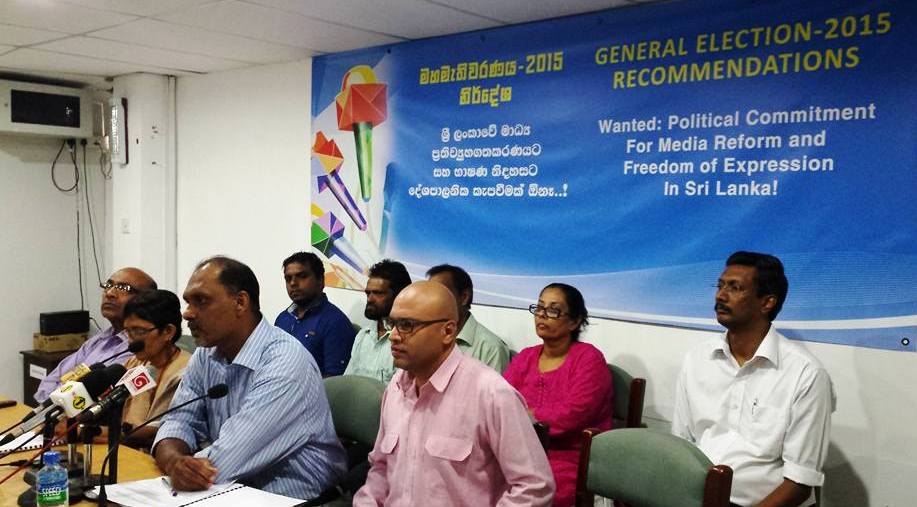
SL General Election 2015: Statement on Freedom of Expression and Media Freedom

Statement on Freedom of Expression and Media Freedom

For the attention of political parties contesting in Sri Lanka General Election 2015

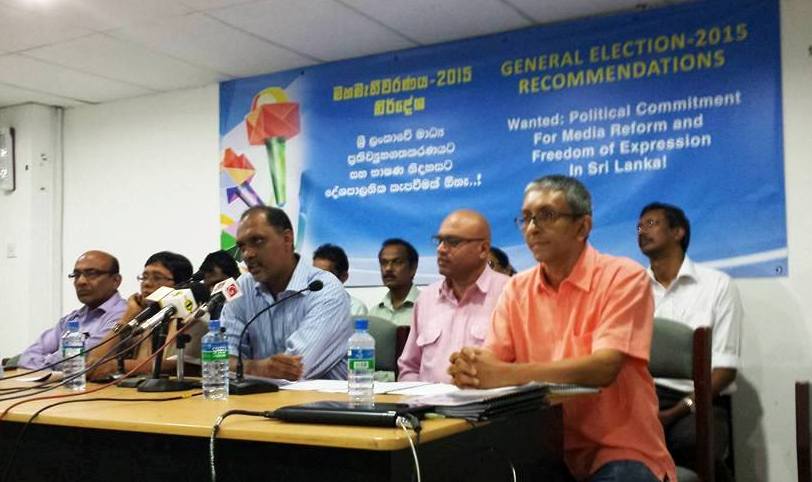
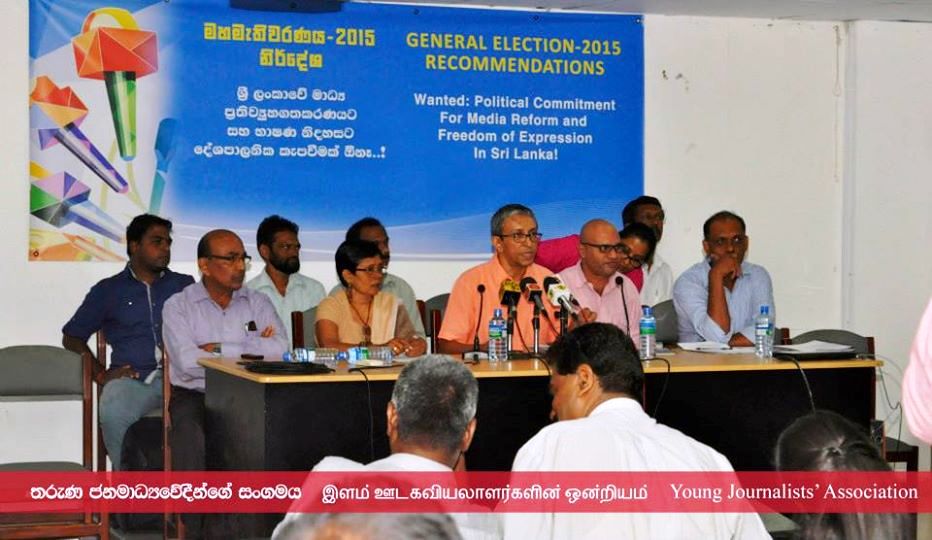
Issued at a press conference held at Sri Lanka Press Institute (SLPI) in Colombo on 21 July 2015

Sinhala version: 2015 මහ මැතිවරණය: භාෂණයේ නිදහස හා මාධ්‍ය නිදහස පිළිබඳ ප්‍රකාශය

Lasantha Ruhunage, President of Sri Lanka Working Journalists’ Association, speaks at press conference at SLPI, Colombo, 21 July 2015

Since the Presidential Election on 8 January 2015, some progress has been made with regards to freedom of expression (FOE) and media freedom in Sri Lanka.

These include: steps being taken to end threats against and pressure on media organisations and journalists; the unblocking of political websites that were arbitrarily blocked; the 19th Amendment to the Constitution recognizing the right of access to information as a fundamental right; and the government extending an open invitation to exiled journalists to return to Sri Lanka.

But much more remains to be done to improve FOE and media freedom situation in Sri Lanka, and to ensure a more conducive environment for the media. Such policy, legal and structural reforms would require the political will of all political parties in the next Parliament of Sri Lanka.

In view of this, we urge the political parties contesting in the General Election to be held on 17 August 2015 to give a firm commitment to the following specific measures for meaningful media freedom and reforms.

These are not listed in any order of priority.

  1. Right to Information: A right to information law, which gives individuals the right to access information held by public authorities, should be adopted. The new Parliament should pass, on a priority basis, the Right to Information Bill that was finalised in May 2015 with inputs from media stakeholders.


  1. Media Self-Regulation: The Press Council Act 5 of 1973 should be repealed, and the government-controlled Press Council should be abolished. The self-regulatory body established in 2003 by the media industry, known as the Press Complaints Commission of Sri Lanka (PCCSL), should be strengthened and ideally its scope should be expanded to cover the broadcast media as well.


  1. Law Review and Revision: Civil and criminal laws that pose various restrictions on media freedom should be reviewed and revised to bring them into line with international standards regarding freedom of expression. Such laws include the Prevention of Terrorism Act, the Official Secrets Act, sedition laws, and the rules on contempt of court and Parliamentary privileges.


  1. Crimes Against Journalists: An independent Commission of Inquiry should be created with a mandate and adequate powers to investigate past killings of, threats to, disappearances of and other attacks on journalists, media workers and media outlets, with a view to ensuring that those responsible are prosecuted and that appropriate compensation is paid to the victims and their families.


  1. Broadcast Regulation: Comprehensive legislation on broadcasting should be adopted in line with international guarantees of freedom of expression. This should provide for, among other things, proper planning in relation to the frequencies allocated to broadcasting, including through the digital transition, a three-tier system of broadcasting which recognises public, commercial and community broadcasters, and obligations on broadcasters to be balanced and impartial in their coverage of politics and other matters of public concern. An independent Broadcasting Authority should be set up to regulate the entire broadcasting sector in the public interest. This regulator should ensure a fair, pluralistic and efficient broadcasting system.


Nalaka Gunawardene, Consultant to the Secretariat for Sri Lanka Media Reforms,  speaks at the press conference at SLPI, Colombo, 21 July 2015
Nalaka Gunawardene, Consultant to the Secretariat for Sri Lanka Media Reforms, speaks at the press conference at SLPI, Colombo, 21 July 2015
  1. Community Broadcasting: The broadcasting regulation to be introduced should support the development of community broadcasting services owned and operated by communities through clear definitions of what constitutes a community broadcaster, a tailored licensing process, and lower fees for frequency allocation and other concessions.


  1. Restructuring State Media: The three State broadcasters – the Sri Lanka Rupavahini Corporation (SLRC), the Sri Lanka Broadcasting Corporation (SLBC) and the Independent Television Network (ITN) – should be transformed into independent public service broadcasters which enjoy editorial independence, have a clear mandate to serve the public and benefit from public funding which does not compromise their independence. Measures should also be taken to ensure that Associated Newspapers of Ceylon Limited (ANCL or Lake House) can operate independently of government and enjoy editorial freedom. A public consultation should determine the most appropriate way forward.
Seetha Ranjanee, Convenor of Free Media Movement of Sri Lanka, speaks at press conference on media reforms: Sri Lanka Press Institute, Colombo. 21 July 2015


  1. Preventing Censorship: No prior censorship should be imposed on the media. Where necessary, courts can review media content for legality after publication on an urgent basis. Laws and regulations that permit censorship – including the Public Performance Ordinance – should be reviewed and amended to bring them into line with international standards.


  1. No Blocking Political Websites: There should be no attempts to limit online content or social media activities contravening fundamental freedoms guaranteed by the Constitution and international conventions. Restrictions on illegal content may be imposed only through an independent judicial process which ensures that fundamental rights to access information and freedom of expression are not hindered.


  1. Privacy and Surveillance: The state should respect and protect the privacy of all citizens. There should be strict limits to the state surveillance of private individuals’ and entities’ telephone conversations and electronic communications. In exceptional situations, such surveillance should only be permitted with judicial oversight and according to a clear set of guidelines.


Media Reform Agenda for Lankan Political Parties - 21 July 2015
Media Reform Agenda for Lankan Political Parties – 21 July 2015


2015 මහ මැතිවරණය: භාෂණයේ නිදහස හා මාධ්‍ය නිදහස පිළිබඳ ප්‍රකාශය

2015 මහ මැතිවරණය සඳහා ඉදිරිපත් වන

සියලු දේශපාලන පක්ෂවල අවධානය සඳහා…

භාෂණයේ නිදහස හා

මාධ්‍ය නිදහස පිළිබඳ ප්‍රකාශය

2015 ජූලි 21

English version: SL General Election 2015: Statement on Freedom of Expression and Media Freedom

Media Reform Agenda for Lankan Political Parties - 21 July 2015
Media Reform Agenda for Lankan Political Parties – 21 July 2015

භාෂණයේ නිදහස, මාධ්‍ය නිදහස හා මාධ්‍ය උන්නතිය පිළිබද දේශපාලන පක්ෂවල සැබෑ කැපවීම පෙන්වන තෙක් ඡන්දදායක රටවැසියන් මහත් අපේක්ෂාවෙන් පසු වේ.

  • ජනමාධ්‍ය ප්‍රතිව්‍යුහගතකරණය පිළිබඳ සමුළු ලේකම් කාර්යාලය
  • ශ්‍රී ලංකා පුවත්පත් ආයතනය (SLPI)
  • නිදහස් මාධ්‍ය ව්‍යාපාරය (FMM)
  • ශ්‍රී ලංකා වෘත්තීය ජනමාධ්‍යවේදීන්ගේ සංගමය
  • ශ්‍රී ලංකා පත්‍රකලාවේදීන්ගේ සංගමය
  • ප්‍රාදේශීය මාධ්‍යවේදීන්ගේ ජාතික සංධානය
  • ප්‍රජා ගුවන්විදුලි මාධ්‍යවේදීන්ගේ ජාතික කමිටුව
  • තරුණ ජනමාධ්‍යවේදීන්ගේ සමාජය
  • ශ්‍රී ලංකා මුස්ලිම් ජනමාධ්‍යවේදීන්ගේ සංගමය
  • යාපනය ජනමාධ්‍යවේදීන්ගේ සංගමය (Jaffna Press Club)

එක්ව කරන ප්‍රකාශනයකි.

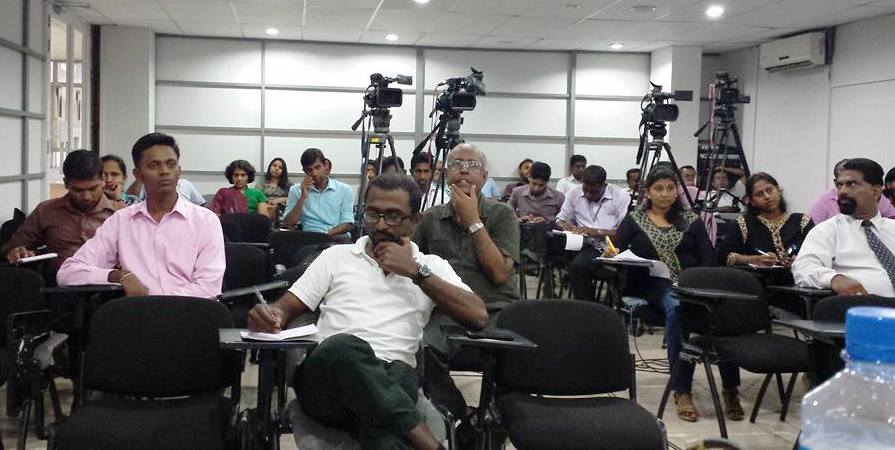
Media Reform Recommendations for Political Party Commitment prior to Sri Lanka General Election 2015. Press Conference at Sri Lanka Press Institute, 21 July 2015

2015 ජනවාරි 8 ජනාධිපතිවරණයෙන් පසු ශ්‍රී ලංකාව භාෂණයේ හා මාධ්‍ය නිදහස පිළිබඳව යම් මට්ටමක සාධනීය තත්ත්වයක් ඇති කර ගැනීමට සමත් වූ බව පෙනෙන්නට තිබේ.

මාධ්‍ය ආයතන හා මාධ්‍යවේදීන් වෙත එල්ල වූ බලපෑම් හා තර්ජන වැලැක්වීමට ගත් ක්‍රියා මාර්ග, පදනම් විරහිත ලෙස අවහිර කරන ලද දේශපාලනික වෙබ් අඩවි නැවත නිදහස් කිරීම, තොරතුරු දැන ගැනීමේ අයිතිය 19 වන ව්‍යවස්ථා සංශෝධනයේදී මුලික අයිතිවාසිකමක් ලෙස පිළි ගැනීම, දේශපාලනික හේතුන් මත රට හැර ගොස් සිටින ජනමාධ්‍යවේදීන්ට නැවත ශ්‍රී ලංකාවට පැමිණෙන ලෙසට රජය විසින් කරනු ලබන විවෘත ආරාධනා, වැනි පියවර මේ බවට මූලික නිමිති සපයයි.

කෙසේ වෙතත් භාෂණයේ නිදහස හා මාධ්‍ය නිදහස වර්ධනය කිරීම සඳහා තවත් කටයුතු රාශියක් ඉතිරි වී ඇති බව අපගේ අදහසයි. ඉදිරි මහ මැතිවරණයෙන් පසු තේරී පත් වන නව පාර්ලිමේන්තුව නියෝජනය කරන සියලුම දේශපාලන පක්ෂ මෙම ප්‍රතිපත්තිමය, නීතිමය, ව්‍යුහාත්මක වෙනස්කම් සඳහා අවශ්‍ය වන දේශපාලනික කැපවීම ප්‍රදර්ශනය කරනු ඇතැයි යන්න අපගේ අපේක්ෂාවයි.

මේ කරුණු සැලකිල්ලට ගනිමින් ජනමාධ්‍ය නිදහස වර්ධනය කිරීමට හා එහි සාධනීය ව්‍යුහාත්මක වෙනසක් ඇති කීරීම පිළිබඳ පහත සඳහන් නිශ්චිත නිර්දේශ කෙරෙහි සිය කැපවීම ප්‍රකාශ කරන මෙන් 2015 අගෝස්තු 17 වන දින මහා මැතිවරණයට ඉදිරිපත් වන සියලු දේශපාලන පක්ෂවලින් අපි ඉල්ලා සිටිමු.

(මෙම කරුණු පෙළගැස්වීම එහි ප්‍රමුඛතාවය අනුව නොවන බව සලකන්න)

1. තොරතුරු දැනගැනීමේ අයිතිය: පුරවැසියන්ට රජය හා රජයේ ආයතන සතු තොරතුරු ලබා ගැනීමේ අයිතිය නීතියෙන් සම්මත කළ යුතුය. සියලුම මාධ්‍ය පාර්ශවකරුවන්ගේ දායකත්වය සහිතව 2015 මැයි මස සකස් කොට අවසන් කරන ලද තොරතුරු දැන ගැනීමේ අයිතිය පිළිබඳ පනත් කෙටුම්පත නව පාර්ලිමේන්තුව විසින් හැකි තාක් ඉක්මනින් හා දියාරු නොකොට සම්මත කර ගත යුතුය.

2. මාධ්‍ය ස්වයං නියාමනය: 1973 අංක 5 දරණ පුවත්පත් කොමිසම පනත ඉවත් කළ යුතු අතර රජය විසින් පාලනය කරන පුවත්පත් මණ්ඩලය මුළුමනින්ම අහෝසි කළ යුතුය. ඒ වෙනුවට මාධ්‍ය කර්මාන්තය විසින්ම 2003 වසරේ ස්ථාපිත කරන ලද ශ්‍රී ලංකා පුවත්පත් පැමිණිලි කොමිසම ශක්තිමත් කොට සියලු මුද්‍රිත හා විද්‍යුත් මාධ්‍ය ආවරණය වන පරිදි පුළුල් කිරීමෙන් වඩාත් සවිමත් හා සක්‍රිය ස්වයං නියාමන ව්‍යුහයක් ස්ථාපිත කළ යුතුය.

3. නීති විමර්ශනය හා සංශෝධනය: මාධ්‍ය නිදහස කෙරෙහි ප්‍රායෝගිකව යම් යම් සීමා පන වන සිවිල් හා අපරාධ නීති තවමත් මෙරට නීති පොත්වල ඉතිරිව පවතී. ත්‍රස්තවාදය වැලැක්වීමේ පනත, රාජ්‍ය ද්‍රෝහිත්වය පිළිබඳ නීති, අධිකරණයට අපහස කිරීමේ හා පාර්ලිමේන්තු වරප්‍රසාද කඩ කිරීම පිළිබඳ නීති මෙයට ඇතුලත්ය. මේවා විමර්ශනය කොට භාෂණයේ නිදහස හා මාධ්‍ය නිදහස පිළිබඳ ජාත්‍යන්තර ප්‍රමිතීන්ට අනුකූල වන අයුරින් සංශෝධනය කළ යුතුය.

4. ජනමාධ්‍යවේදීන්ට එරහි අපරාධ විමර්ශනය: ඝාතනය කරන ලද, පහරදීම්වලට ලක් වූ, තර්ජනයට ලක් කරන ලද, අතුරුදන් කරන ලද හෝ වෙනත් අයුරකින් හිරිහැරයට ලක් වූ මාධ්‍යවේදීන් හා ජනමාධ්‍ය ආයතන පිළිබඳව අපක්ෂපාතීව විමර්ශනය කොට, වරදකරුවන් නීතිය ඉදිරියට ගෙන ඒමටත්, අගතියට පත් පාර්ශව සඳහා වන්දි ලබා දීමටත් වගකීම දරන ඉහළ මට්ටමේ ස්වාධීන කොමිසමක් පත් කළ යුතුය.

Seetha Ranjanee, Convenor of Free Media Movement of Sri Lanka, speaks at press conference on media reforms: Sri Lanka Press Institute, Colombo. 21 July 2015

5. විද්‍යුත් මාධ්‍ය ක්ෂේත්‍රය නියාමනය: භාෂණයේ නිදහස තහවුරු කරන ජාත්‍යන්තර නීති රීති වලට අනුගත වෙමින් ශ්‍රී ලංකාව තුල විද්‍යුත් මාධ්‍ය විකාශන නියාමනය කළ යුතුය. එසේ කිරීම මගින් රේඩියෝ සහ ටෙලිවිෂන් සඳහා විකාශන සංඛ්‍යාත වෙන් කිරීම විධිමත් ලෙස සැලසුම්කරණය කළ යුතුය. එසේම මහජන සේවා, වාණිජ හා ප්‍රජා යන තල තුන තුළම සේවා සැපයීම සඳහා අවස්ථා සැලසිය යුතුය. එමගින් දේශපාලනික හා වෙනත් පොදු උන්නතියට අදාල තොරතුරු ආවරණය වඩාත් සමබරව හා අපක්ෂපාතීව ගෙන ඒමට විද්‍යුත් මාධ්‍ය ආයතනවලට ඇති වගකීම ඉටු කිරීමට නියාමන බලපෑමක් කළ හැකි වනු ඇත. මහජන අභිලාෂයන් මුදුන්පත් වන අයුරුන් සමස්ත නියාමනය සිදු කළ හැකි පරිදි ස්වාධීන විකාශන අධිකාරියක් ස්ථාපනය කළ යුතුය.

6. ප්‍රජා විද්‍යුත් මාධ්‍ය: විද්‍යුත් මාධ්‍ය ක්ෂේත්‍රය නියාමනය මගින් ප්‍රජා විකාශන සේවා (community broadcasting) උනන්දු කල යුතුය. ජාත්‍යන්තර අර්ථ දැක්වීම් වලට අනුව ප්‍රජා විකාශනයන්හි හිමිකාරිත්වය හා මෙහෙයවීම ප්‍රජාව සතු විය යුතු අතර ඒවාට වඩාත් උචිත හා දරාගත හැකි ලෙස සකස් කරන ලද බලපත්‍ර ක්‍රමවේදයක් හඳුන්වා දිය යුතුය.

7. රාජ්‍ය මාධ්‍ය ප්‍රතිව්‍යුහගතකරණය: මහජනයා සතු රාජ්‍ය මාධ්‍ය ආයතන, බලයේ සිටින පක්ෂයේ ප්‍රචාරක වැඩට යොදා ගන්නා අශීලාචාර සම්ප්‍රදායෙන් දැන්වත් අත්මිදිය යුතුය. රාජ්‍ය විද්‍යුත් මාධ්‍ය ආයතන තුන වන ශ්‍රී ලංකා රූපවාහිනී සංස්ථාව (SLRC), ශ්‍රී ලංකා ගුවන්විදුලි සංස්ථාව (SLBC) ස්වාධීන රුපවාහිනී සේවය (ITN) ස්වාධීන මහජන සේවා ආයතන බවට පත් කළ යුතුය. එමගින් කර්තෘ නිදහස ආරක්ෂා කරන මහජන සේවා සපයන්නෙකු බවට මේ ආයතන කෙමෙන් පරිවර්තනය කළ යුතුය. මෙම ආයතනවලට දේශපාලන බලපෑම් කිරීමට ඉඩක් නැති පරිදි ස්වාධීන ලෙස මුදල් ප්‍රතිපාදන ලැබෙන ක්‍රමවේදයක් සකස් කළ යුතුය. එම ක්‍රියාමාර්ග මගින් එම ආයතනයන්හි මෙතෙක් කිසිදා නොපැවති ස්වාධීනත්වය ටිකෙන් ටික තහවුරු කර ගත හැකිය. ලේක්හවුස් ආයතනයටද (Associated Newspapers Ceylon Limited, ANCL) රාජ්‍ය බලපෑමෙන් ස්වාධීනව කර්තෘ නිදහස භුක්ති විඳීම සඳහා ක්‍රියාදාමයක් සකස් කල යුතුය. ඒ සඳහා සුදුසු ක්‍රියාමාර්ග පිළිබඳ මහජන අදහස් විමසීමක් කළ යුතුය.

Lasantha Ruhunage, President of Sri Lanka Working Journalists’ Association, speaks at press conference at SLPI, Colombo, 21 July 2015

8. මාධ්‍ය වාරණය වැලැක්වීම: කිසිදු මාධ්‍යයක් කිසිවක් ප්‍රකාශනයට පෙර බලධාරීන්ගෙන් අවසර පතන වාරණ ක්‍රම සියල්ල ඉවත් කළ යුතුය. ප්‍රකාශනයෙන් හෝ විකාශයෙන් පසුව කිසිවකුට අගතියක් වේ නම් උසාවියක් මගින් මාධ්‍ය අන්තර්ගතය පරික්ෂා කිරීම සඳහා අවශ්‍ය පියවර ගත හැකිය. (ප්‍රසිද්ධ රැගුම් පාලන පනතද ඇතුළු) වාරණ නීති හා රෙකුලාසි නැවත සලක බැලිය යුතු අතර භාෂණයේ නිදහස හා මාධ්‍ය නිදහස පිළිබඳ ජාත්‍යන්තර ප්‍රමිතීන්ට අනුකූල වන අයුරින් සංස්කරණය කළ යුතුය.

9. දේශපාලන වෙබ් අඩවි සඳහා සීමා ඉවත් කිරීම: ව්‍යවස්ථාවෙන් හා ජාත්‍යන්තර සම්මුතීන් මගින් සහතික කරන ලද භාෂණයේ නිදහස උල්ලංගනය කරන පරිදි සමාජ ජාල හා අන්තර්ජාල අන්තර්ගතය පාලනය නොකළ යුතුය. රට තුළ සිට කියැවීමට නොහැකි වන සේ දේශපාලන වෙබ් අඩවි අවහිර කිරීම කිසිසේත්ම නොකළ යුතුය. රටේ නීතියට නිශ්චිතවම එරෙහි වන (අසැබි රූප ආදිය ඇතුළත්) වෙබ් අඩවි පාලනය කිරීම පිළිබඳ සීමා පැන වීමේදී එය සැම විටම අධිකරණ අධීක්ෂළය යටතේ පමණක් කළ යුතු අතර එමගින් මහජනයාගේ තොරතුරු ලබා ගැනීමේ නිදහසට හා භාෂණයේ නිදහස සඳහා වන මූලික මානව අයිතිවාසිකම්වලට කිසිදු බාධාවක් ඇති නොවිය යුතුය.

10. අවේක්ෂණය වැලැක්වීම: තොරතුරු සමාජයේ ප්‍රගමනය සමග නූතන සන්නිවේදන තාක්ෂනයන් භාවිතය පුළුල් වෙයි. රජය විසින් සියලු පුරවැසියන්ගේ පෞද්ගලිකත්වය ගරු කොට ආරක්ෂා කළ යුතුය. පෞද්ගලික පුරවැසියන්ගේ හා ආයතනවල දුරකථන සංවාද හා විද්‍යුත් සන්නිවේදන අවේක්ෂණය කිරීම (surveillance) රජය විසින් කිසි විටෙකත් දේශපාලන වාසි පිනිස නොකළ යුතුය. අපරාධ විමර්ශනය වැනි විශේෂිත අවස්ථාවන්හිදී පමණක් එවැනි අවේක්ෂණය සඳහා අවසර දිය යුත්තේ අධිකරණ අධීක්ෂණය යටතේ හා නිශ්චිත සීමාවලට යටත් වන පරිදිය.

Covering the Press Conference at SLPI, 21 July 2015


සිවුමංසල කොලූගැටයා #228: දලයිලාමාට කවුද බය?

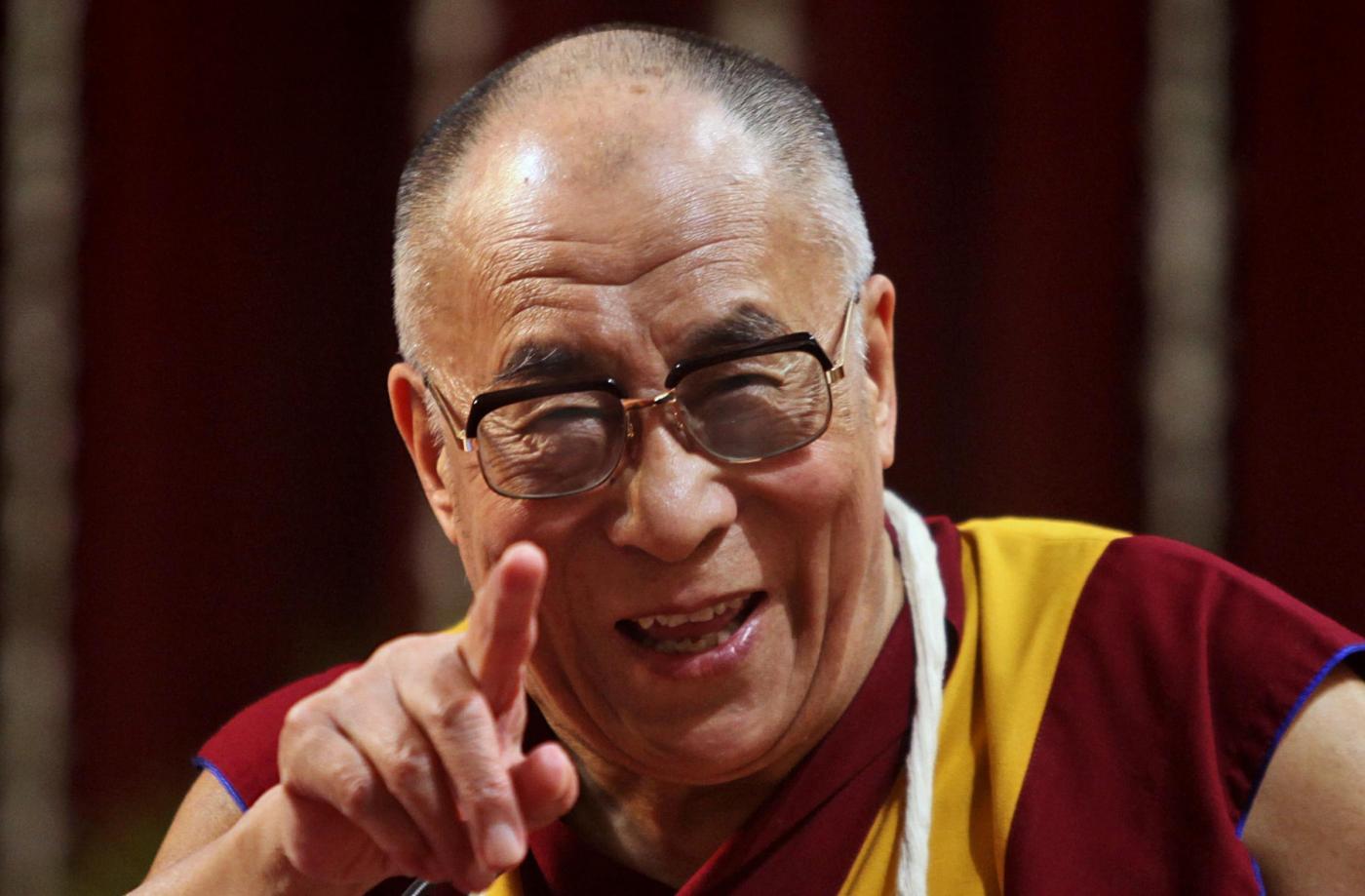
In this Feb. 18, 2011 photo, Tibetan spiritual leader the Dalai Lama gestures as he addresses the Mumbai University students in Mumbai, India. The Dalai Lama said Thursday, March 10, 2011, that he will give up his political role in Tibet's government-in-exile, shifting that power to an elected representative. The Tibetan spiritual leader, speaking on the anniversary of the 1959 Tibetan uprising against Chinese control, said the time has come "to devolve my formal authority to the elected leader. (AP Photo/Rafiq Maqbool, File)
In this Feb. 18, 2011 photo, Tibetan spiritual leader the Dalai Lama gestures as he addresses the Mumbai University students in Mumbai, India.             (AP Photo/Rafiq Maqbool)

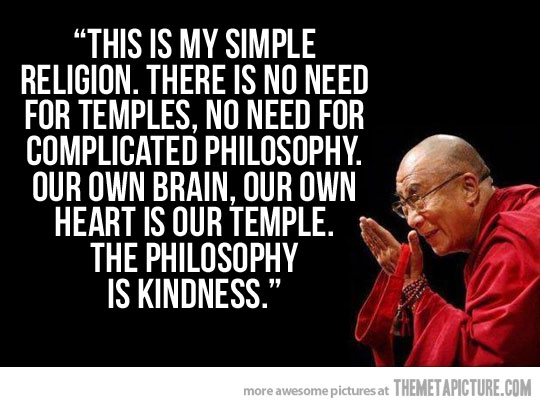
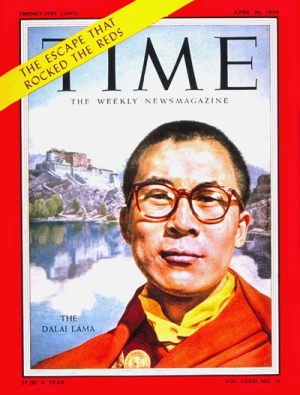
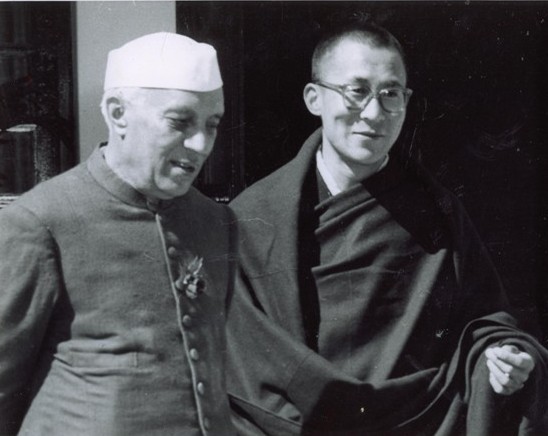
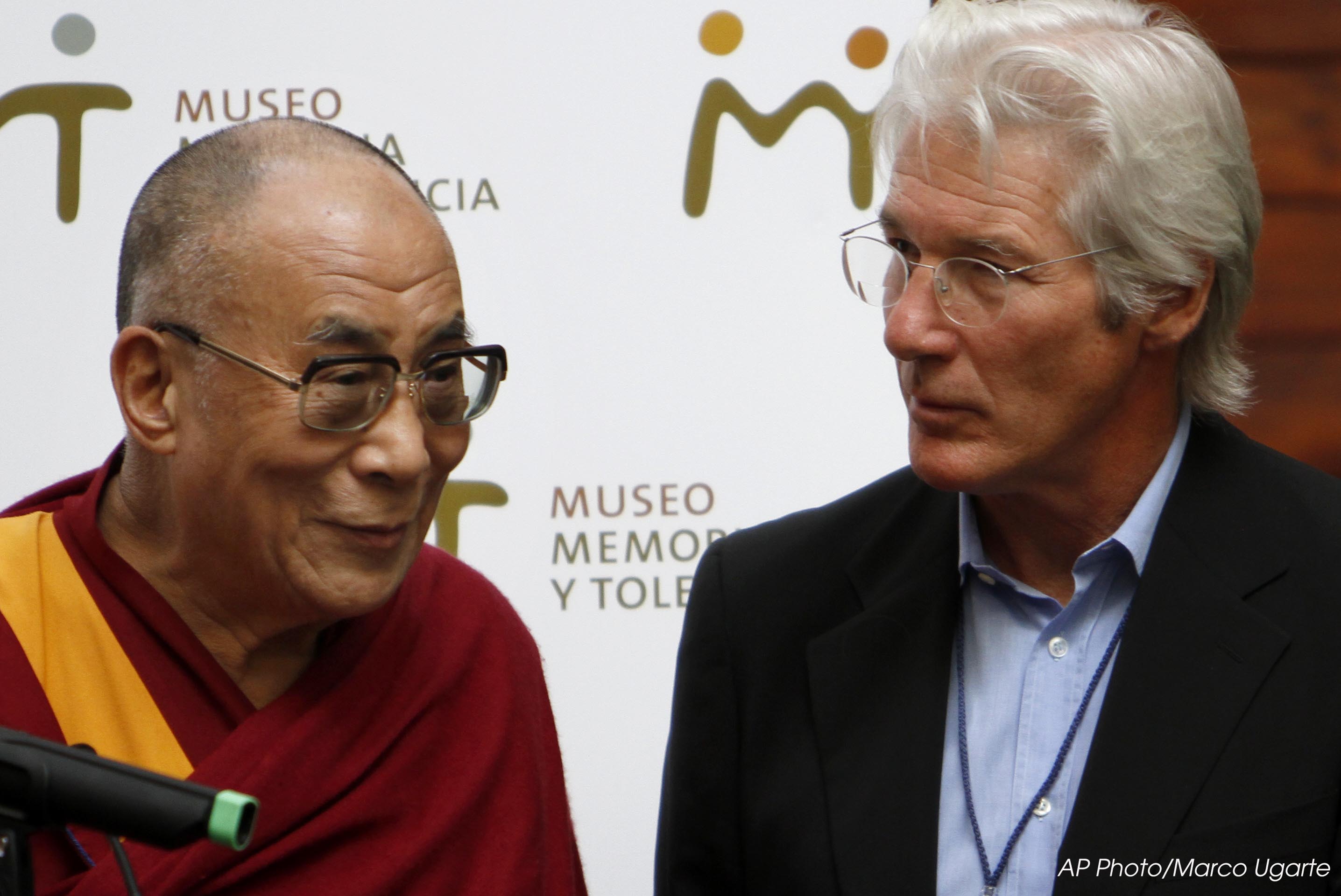
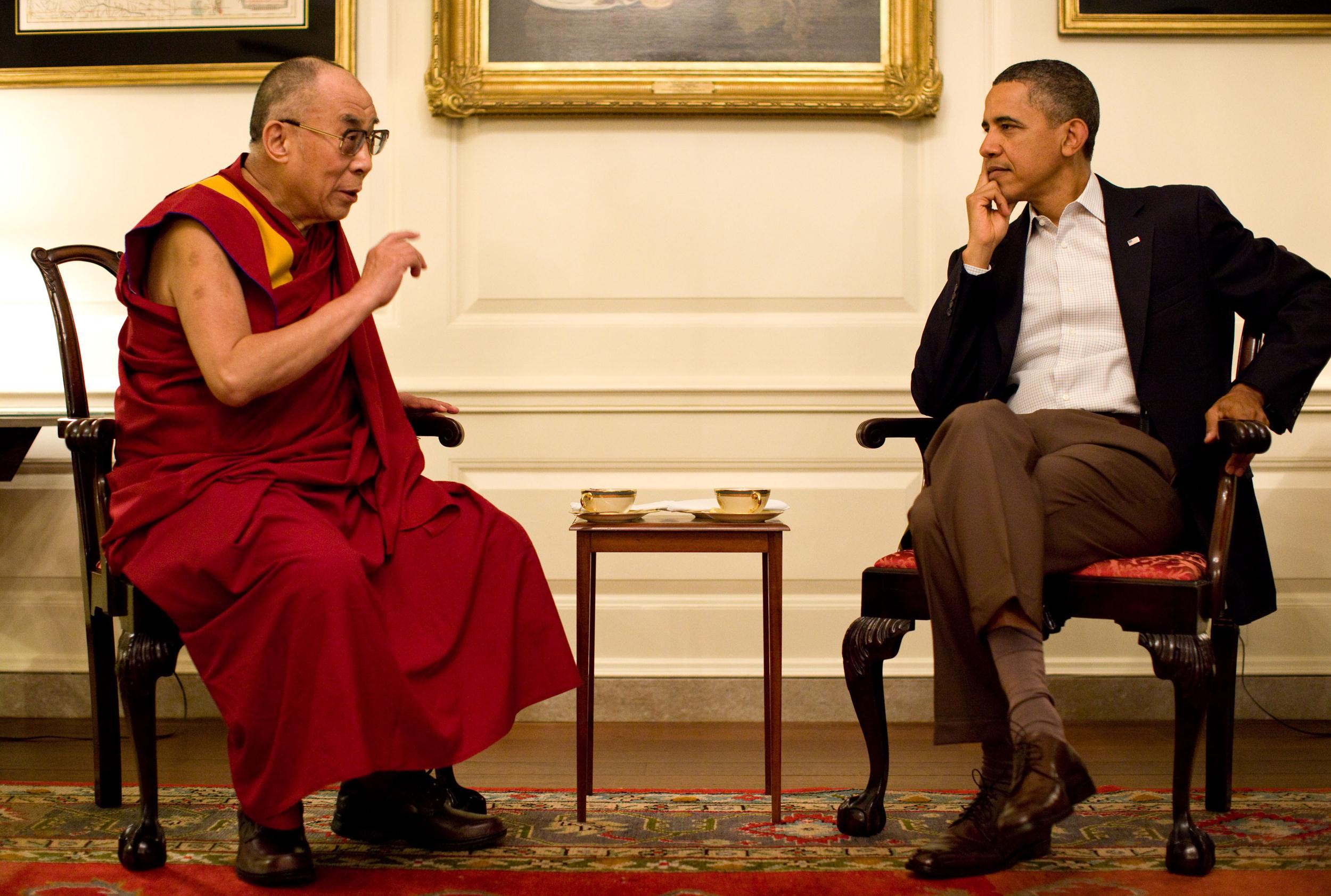
In this week’s Ravaya column, (in Sinhala, appearing in issue of 19 July 2015), I salute the Dalai Lama who turned 80 on July 6. One of the world’s best known and admired public figures, the Tibetan Buddhist spiritual leader has earned the respect of many non-Buddhists because of his wisdom, tolerance and pragmatism.

I also raise the thorny issue: why has this global figure been refused visa to visit Sri Lanka (at least six times) by successive governments? This is due to heavy pressure from China – which invaded and annexed Tibet in 1950-51 and continues to occupt the land for over half a century.

Why are Lankan governments so beholden to China? Why isn’t this Buddhist leader allowed to visit the island when three Popes have visited during the past half century? Questions that citizens of Lanka must keep posing to their government…

Dalai-Lama-quote-religion

ශ‍්‍රී ලංකාවේ විදේශ ප‍්‍රතිපත්තිය කලින් කලට වෙනස් වනවා. 1960 හා 1970 දශකවල නොබැඳි ව්‍යාපාරයට මුල් තැන දුන් හා වඩාත් සමාජවාදී නැඹුරුවක් තිබූ එය 1980 දශකයේදී වඩාත් ධනවාදී කඳවුරට සමීප වූවා. 2005 සිට රාජපක්ෂ රජය චීනයට ගැති වී ක්‍රියා කළා.

එදා මෙදා කුමන ආකාරයේ රජයක් බලයේ සිටියත් කුමන විදේශ ප‍්‍රතිපත්තියක් යටතේ වුවත් දිගටම පවත්වා ගෙන ගිය එක් ස්ථාවරයක් නම් දලයිලාමාතුමාට මෙරටට පැමිණීමට වීසා නොදීමයි.

අඩු තරමින් හය වතාවක් විවිධ රජයන් මගින් එය ප‍්‍රතික්ෂේප කෙරුණා. 2015 ජනවාරියේ ආණ්ඩු පෙරළියෙන් පසුව මහාබෝධි සමාගමේ මූලිකත්වයෙන් එතුමන් මෙරටට කැඳවීමට ගත් උත්සාහය ද අසාර්ථක වුණා.

මෙයට හේතුව හැම ලක් රජයක්ම චීන බලපෑමට නතු වී මේ ලෝක පූජිත බෞද්ධ නායකයා මෙහි පැමිණීම බ්ලොක් කිරීමයි. ජීවිතයේ එක් වරක් ශ‍්‍රී ලංකාවේ දළදා මාලිගාව වැඳ පුදා ගැනීමට මහත් ඕනෑකමින් සිටින බව දලයිලාමා කියනවා.

The Sunday Times (Sri Lanka) Editorial: 18 January 2015: Welcome for Pope; Dalai Lama next

අපේ සියළු ආණ්ඩු මෙතරම් චීන බලපෑම්වලට නතු වන්නේ ඇයි?

ලොව පුරා විසිරි කතෝලිකයන්ගේ සාමයික නායකයා වන පාප්තුමා හරසරින් පිලිගත් මෙරටට ලොව ප්රකටම බෞද්ධ නායකයාට එන්න බැරි ඇයි?

එමෙන්ම ලොව බලවත්ම රටක් වන චීනය අවිහිංසාවාදී සාමයික නායකයකු වන දලයිලාමාට මෙතරම් බිය වන්නේ ඇයි?

දලයිලාමා (Dalai Lama) යනු තනතුරක්. 1642 සිට ටිබෙට් දේශයේ රාජ්‍ය නායකයා මෙන්ම ටිබෙට් තන්ත‍්‍රික බෞද්ධයන්ගේ සාමයික නායකයා ද වන්නේ දලයිලාමා කෙනෙක්.

වත්මන් දලයිලාමා මේ තනතුරට පත් 14 වැන්නායි. ඔහුගේ උපන් නම ටෙන්සිං ග්යාට්සෝ (Tenzin Gyatso).

දලයිලාමා පදවිය පරපුරෙන් උරුම වන්නක් නොවෙයි. එක් දලයිලාමා කෙනකු මිය ගිය පසු ඔහුගේ අනුප‍්‍රාප්තිකයා සොයා ගන්නට කල් ගත වන ක‍්‍රමවේදයක් තිබෙනවා. ටිබෙට් වැසියන්ගේ විශ්වාසය මිය ගිය දලයිලාමා නැවතත් පිරිමි දරුවකුව උපදින බවයි. එනිසා සම්ප‍්‍රදායට අනුව ඔවුන් සොයා යන්නේ නිසි චරිත ලක්ෂණ ඇති පිරිමි දරුවකුයි.

වත්මන් දලයිලාමා උපන්නේ 1935 ජූලි 6 වැනිදා ටිබෙටයේ අම්ඩෝ නම් ස්ථානයේ. ඔහු ඉන් පෙර විසූ දලයිලාමාගේ පුනරුත්පත්තිය යයි නිර්ණය කොට තෝරා ගන්නා විට වයස 4යි. 1950දී වයස 15 වන විට ටිබෙටයේ පූර්ණ රාජ්‍ය හා සාමයික නායක බලතල ඔහුට පවරනු ලැබුවා.

TIME, 20 April 1959 cover story on Dalai Lama fleeting Tibet to India

1949 ඔක්තෝබරයේ පිහිටුවනු ලැබූ මහජන චීන ජනරජය, ටිබෙටය තම රටේම ප‍්‍රාන්තයක් යයි අයිතිවාසිකම් කියා බලහත්කාරකමින් භූමිය අත්පත් කර ගැනීම ඇරඹුවේ 1950දී. චීනය සමග සටන් කරනු වෙනුවට ටිබෙට් වැසියන් බේජින් රජය සමග ස්වයංපාලන එකඟතා ගිවිසුමක් අත්සන් කළා. ඒ යටතේ දලයිලාමාට සීමිත බලතල සහිතව ටිබෙට් අගනුවර ලාසා (Lhasa) නගරයේ දිගටම සිටීමට හැකි වුණා. එහෙත් එය තිරසාර විසඳුමක් වූයේ නැහැ.

1959දී කැරැල්ලක් ඇති වී චීන හමුදා සමග ගැටුම්වලදී අඩු තරමින් ටිබෙට් ජාතිකයන් 85,000ක් මිය ගියා. පණ බේරා ගත් දලයිලාමා අසල්වැසි ඉන්දියාවට පළා ගියා. ඉන්දියාවේ එවකට අගමැති වූ ජවහර්ලාල් නේරු ඔහුට සරණාගත පහසුකම් හා දිවි ඇති තෙක් විසීමට විශේෂ වරප‍්‍රසාද රැසක් ලබා දුන්නා.

උතුරු ඉන්දියාවේ හිමාචල් ප‍්‍රදේශ් ප‍්‍රාන්තයේ ධරම්සාලාහි (Dharamshala) ආශ‍්‍රමයක් පිහිටුවා ගත් දලයිලාමා ඇතුලූ ඔහුගේ අනුගාමිකයන් අද දක්වා වසර 50කට වැඩි කාලයක් ජීවත් වන්නේ එතැනයි. ටිබෙට් විවාසික රජයේ (Tibet Government in Exile: http://tibet.net) මූලස්ථානයත් එහි සිට ක‍්‍රියාත්මක වනවා.

Prime Minister Jawaharlal Nehru and the Dalai Lama on April 24, 1959

1950 සිට 2011 දක්වා ටිබෙට් දේශයේ දේශපාලනික හා සාමයික නායකයා වූයේ වත්මන් දලයිලාමායි. එහෙත් 2011 දී ඔහු දේශපාලන නායකත්වය ටිබෙටයෙන් බැහැරව පිහිටුවා ගත් රජයකට පැවරුවා. කෙසේ වුවත් අද වනතුරුත් ටිබෙට් දේශය සමග ඉතා සමීපව හඳුනා ගැනෙන ලෝ ප‍්‍රකට සංකේතය වන්නේ දලයිලාමායි.

ටිබෙට් වැසියන්ගේ මානව අයිතිවාසිකම් හා සංස්කෘතික උරුමය රැක ගැනීම සඳහා 1959 පටන් අද දක්වා දලයිලාමා ලෝක ව්‍යාප්ත අවිහිංසාවාදී ප‍්‍රයත්නයක යෙදී සිටිනවා. චීන රජය සමග එක එල්ලේ ගැටීමට ඔහු කැමති නැහැ. එහෙත් තම වැසියන්ට තමන්ගේ පාඩුවේ සිටීමටත්, බලහත්කාරයෙන් චීනකරණය නොවී බේරීමටත් ඇති අයිතිය උදෙසා ඔහු එක්සත් ජාතීන්ගේ සංවිධානය ඇතුළු විවිධ ලෝක සභාවල දිගටම කතා කරනවා.

මෙයට සමාන්තරව ඉන්දියාව, නේපාලය හා වෙනත් රටවලට පළා ගොස් සරණාගතයන් ලෙස ජීවත් වන දහස් ගණනක් ටිබෙට් ජාතිකයන්ගේ අනන්‍යතාව රැක ගන්නත් ඔහු උදව් කරනවා. බෞද්ධ දර්ශනය නූතන ලෝකයේ අභියෝගවලට අනුව කාලානුරූපව හැඩ ගස්වා ගන්නට බුද්ධිමය වශයෙන් ඔහුගෙන් ලැබෙන දායකත්වය ඉමහත්. යුරෝපය හා ඇමරිකාවේ වඩාත්ම ප‍්‍රකට වූත්, ගෞරවයට පාත‍්‍ර වූත් බෞද්ධ සාමයික නායකයා ඔහුයි.

සාමකාමී සහජීවනය හා අවිහිංසාව පරමාදර්ශීව ප‍්‍රවර්ධනය කිරීම නිසාත්, ආගම් අතර සංහිඳියාව සඳහා පෙනී සිටීම නිසාත්, ඔහු වෙනත් ආගම් අදහන අය මෙන්ම නිර්ආගමික මා වැන්නන්ගේද නොමඳ ප‍්‍රණාමයට ලක්ව සිටිනවා.

ටිබෙට් දේශය නිදහස් කර ගැනීමට ගෙන යන අරගලය හා සාමකාමී විසඳුමකට පෙන්වන කැපවීම නිමිත්ත ලෙස දක්වමින් 1989 නොබෙල් සාම ත්‍යාගය දලයිලාමාට පිරිනැමුණා. මීට අමතරව විවිධ රටවල සරසවි, විද්වත් ආයතන හා අන්තර් රාජ්‍ය සංවිධානවලින් ඔහුට බොහෝ ත්‍යාග හා ගෞරවයන් ලබාදී තිබෙනවා.

25 Years since Dalai Lama won Nobel Peace Prize

රාජ්‍ය නායක හා සාමයික නායක තනතුරු දැරුවත් කිසිදු ආඩම්බරයක් නැති දලයිලාමා, සීමිත ආරක්ෂකයන් පිරිසක් සමග ඉන්දියාව පුරා හා ලොව වටා සංචාරය කරනවා. ඔහුගේ චාම් හා සරල ගතිසොබා අන් නායකයන්ට ආදර්ශයක් දෙනවා.

පස් වසරකට පමණ පෙර නවදිල්ලියට ගිය විටෙක මා නැවතුණේ එනුවර විද්වතුන් හා පර්යේෂකයන්ට නවාතැන් දෙන හැබිටැට් (Habitat) මධ්‍යස්ථානයේ. එදින මගේ කාමරයට ඉදිරිපස කාමරයේ සිටියේ දලයිලාමායි. දුසිම් ගණන් බැතිමතුන් හා මිතුරන් ඔහු මුණ ගැසීමට ඇදී ආවා. මේ නිසා හෝටල් කොරිඩෝව තරමක් කලබලකාරී වුණා. මේ ගැන සංවේදී වූ එතුමාගේ ආරක්‍ෂක නිලධාරීන් දිනකට දෙතුන් වතාවක් බැගින් මට කණගාටුව ප‍්‍රකාශ කළා. (ප‍්‍රභූ ආරක්‍ෂකයන් පිළිබිඹු කරන්නේ ඔවුන් රකින ප‍්‍රභූවරයාගේ ආකල්පයි.)

විද්‍යා-කලා-වාණිජ හැම ක්ෂේත‍්‍රයකම ලොව දක්ෂයන් සමග දලයිලාමා සබඳතා පවත්වනවා. භාවනාව හා මිනිස් මනසේ ක‍්‍රියාකාරීත්වය අධ්‍යයනය කරන අමෙරිකානු හා ජපන් විද්‍යාඥයන් සමග ඔහු කල් ගත කරනවා. හොලිවුඞ්පුරයේ ප‍්‍රවීණයන් සමග එක්ව ටිබෙටය පිළිබඳ පණිවුඩය නිර්මාණාත්මකව ලොවට කියනවා. තොරතුරු හා සන්නිවේදන තාක්ෂණයන් හරහා ටිබෙට් ලකුණ හා බුදු දහමේ දාර්ශනික හරය ප‍්‍රවර්ධනය කරන නව මාර්ග අත්හදා බලනවා.

Tibet's spiritual leader the Dalai Lama and actor Richard Gere hold hands during the inauguration of the exhibit; Tibet, Memories of a Lost Motherland at the Museum of Memory and Tolerance in Mexico City, Saturday Sept. 10, 2011. On Sunday the Dalai Lama and Gere, a Buddhist, will host a public event titled, Finding Happiness in Difficult Times at the Cruz Azul stadium in which 30,000 people are expected to attend. This is the spiritual leader's third visit to Mexico. (AP Photo/Marco Ugarte)
Tibet’s spiritual leader the Dalai Lama and actor Richard Gere hold hands during the inauguration of the exhibit; Tibet, Memories of a Lost Motherland at the Museum of Memory and Tolerance in Mexico City, Saturday Sept. 10, 2011. On Sunday the Dalai Lama and Gere, a Buddhist, will host a public event titled, Finding Happiness in Difficult Times at the Cruz Azul stadium in which 30,000 people are expected to attend. This is the spiritual leader’s third visit to Mexico. (AP Photo/Marco Ugarte)

ලෝකයේ (පිරිස් බලය අතින්) විශාලතම හමුදාව හා ලෝකයේ දෙවන විශාලතම ආර්ථිකය හිමි වුවත් චීන රජය දලයිලාමාගේ නිරායුධ ප‍්‍රතිපත්තිමය අරගලයට හොඳටම බයයි.

පෙර කවරදාටත් වඩා ලෝක මහජන මතය ගැන තැකීමක් කරන චීන රජය, තමන්ගේ සමස්ත රාජ්‍ය තාන්ත‍්‍රික හා ප‍්‍රචාරණ බල පරාක‍්‍රමයට වඩා තනි දලයිලාමාගේ ලෝක පිළි ගැනීම බලවත් බව හොඳ හැටි දන්නවා.

හැකි සෑම උපක‍්‍රමයකින්ම චීන රජය ඔහුට බාධා කරනවා. ඔහුට වීසා නොදෙන්නට රටවලට බලපෑම් කරනවාට අමතරව බොරු දලයිලාමාවරයකු පත් කර ප‍්‍රවර්ධනය කරනවා. ටිබෙට් ඉතිහාසය විකෘති කර නැවත ලියනවා. තාඩන පීඩන හෝ ලාබ ප‍්‍රයෝජන හෝ හරහා ටිබෙට් ජන නායකයන් දිනා ගන්නට හදනවා. ශීලාචාර රජයකට නොසරිලන අන්දමේ ක‍්‍රියා රැසක් චීනය කරනවා.

සියවස් ගණනක් හිමාල ප‍්‍රදේශයේ ස්වාධීන රාජ්‍යයක්ව පැවති ටිබෙට් දේශය සුවිසල් භූමි ප‍්‍රදේශයක්. වර්ග කිලෝමීටර් 1,228,400ක් වූ එරට 1950දී ඈඳා ගැනීමෙන් පසු චීනයේ භූමි ප‍්‍රමාණය තුනෙන් එකකින් විශාල වුණා. එසේම ආසියාවේ ප‍්‍රධානතම ගංගා ගණනාවක් පැන නගින පාරිසරිකව ඉතා වැදගත් ජලධාරක ප‍්‍රදේශයක් චීනය අත්පත් කර ගත්තා.

ටිබෙටයේ භූමිය, භූ දේශපාලනික වැදගත්කම හා සොබාවික සම්පත් ගැන මිස එරට ජනයාගේ සංස්කෘතික උරුමය හෝ සිතුම් පැතුම් ගැන චීනයට කිසිදු තැකීමක් නැහැ. ටිබෙටය ‘චීනකරණය‘ කිරීමට බලහත්කාරයෙන් අඩ සියවසක් තිස්සේ විවිධ ‘සංවර්ධන කටයුතු’ කරනු ලබනවා.

ටිබෙට් වැසියන් වසර 60ක් පුරා ස්වයංපාලන අයිතිය සඳහා උද්ඝෝෂණ කරනවා. එහෙත් එය සෑම විටම සාමකාමී මට්ටමක පවත්වා ගැනීමට දලයිලාමාතුමාගේ බලපෑම් සමත්ව තිබෙනවා. චීනයේ නිර්දන මර්දන පිළිවෙත් හමුවේ කිසිදු ප‍්‍රචණ්ඩ හෝ ත‍්‍රස්තවාදී ක‍්‍රියාවකට යොමු නොවී සිටීම ටිබෙට් වැසියන්ගේ ප‍්‍රතිපත්තිමය හා ආධ්‍යාත්මික ජයග‍්‍රහණයක්.

Dalai Lama and Bishop Desmond Tutu of South Africa

එහෙත් මේ තත්ත්වය දිගටම පවත්වා ගත හැකිද? 2015 ජූලි 6 වනදා 80 විය සැමරූ වත්මන් දලයිලාමා අනාගතයේ කෙදිනක හෝ මිය ගිය පසු ටිබෙට් දේශය අස්ථාවර විය හැකි යයි දේශපාලන විචාරකයන් අනතුරු අඟවනවා.

මීට පෙර සිටි 13 වන දලයිලාමා 1933දී මිය ගිය පසු වත්මන් දලයිලාමා තෝරා ගන්නා තුරු එරට මහත් අවිනිශ්චිත කාලසීමාවක් පසු කළා. ස්වයංපාලනය යටතේ පවතින විටත් එසේ වී නම් චීන ආක‍්‍රමණය යටතේ එය වඩාත් කැලඹිලි සහිත විය හැකියි.

ලෝකයේ පියස්ස වැනි ටිබෙට් සානුවේ ප‍්‍රචණ්ඩකාරී විමුක්ති අරගලයක් ඇවිලූනහොත් එය හුදෙක් අසල්වැසි චීනය, ඉන්දියාව, නේපාලනය හා භූතානය යන රටවලට පමණක් නොව සමස්ත ආසියානු මහද්වීපයටම බලපෑ හැකි යයි නවදිල්ලියේ දේශපාලන විචාරකයකු වන මහාචාර්ය බ‍්‍රහ්ම චෙලානි කියනවා.

‘සාමාන්‍යයෙන් අලූතෙන් තෝරා ගන්නා දලයිලාමා ළමා වියේ පසු වන්නෙක්. ඔහු පරිනත වීමට හා සිය ජනතාවට දේශපාලන නායකත්වය ලබා දීමට වසර කිහිපයක් ගත වනවා. මේ අතරවාරයේ ව්‍යාජ දලයිලාමා කෙනෙකු චීනය විසින් ප‍්‍රවර්ධනය කරමින් සිටින නිසා ටිබෙට් ජනයා එයට එරෙහිව කැරලි ගසන තැනට යා හැකියි. චීන මර්දනය හමුවේ දශක ගණනක් ඔවුන් ඉවසාගෙන සිටින්නේ වත්මන් දලයිලාමාගේ සාමකාමී ආධ්‍යාත්මික බලපෑම නිසයි.’ ඔහු කියනවා.

ගෙවී ගිය වසර 60 පුරා චීනය ක‍්‍රමානුකූලව ටිබෙට් සංස්කෘතික උරුමයන්, ජීවන රටාවන් හා ආවේණික දේශීයත්වය මකා දමන විටත් ටිබෙට් වැසියෝ මහත් සංයමයෙන් එය ඉවසා දරා සිටියා. අවි අතට ගෙන එරෙහි වනු වෙනුවට ඔවුන් කළේ සත්‍යග‍්‍රහයන් හා උපරිම විරෝධතාවය ලෙස සියොළඟ ගිනි තබා ගෙන මිය යාමයි. 2009 සිට ටිබෙට් වැසියන් 140 දෙනෙකු මෙසේ ප‍්‍රසිද්ධියේ දිවි නසා ගෙන තිබෙනවා.

අන්තවාදී නොවී මැද පිළිවෙතක් අනුගමනය කරන දලයිලාමා කියන්නේ චීන රාජ්‍යය තුළ ටිබෙටයට ස්වයංපාලන හිමිකම ලැබේ නම් තම ජනයාට එය සෑහෙන බවයි. තව දුරටත් ටිබෙටය ලොව ස්වාධීන රාජ්‍යයක් වීමට ඔහු උද්ඝෝෂණ කරන්නේ නැහැ. කාලානුරූපව නම්‍යශීලී වීමේ හැකියාව ඔහු පෙන්නුම් කරනවා.

President Obama met with Dalai Lama in the White House on July 16, 2011. Photo courtesy - White House
President Obama met with Dalai Lama in the White House on July 16, 2011. Photo courtesy – White House


Op-ed Essay: The Price of Silence in Social Media Age

This op-ed essay of mine was published in Daily FT newspaper, Sri Lanka, on 16 July 2015.

The Price of Silence in Social Media Age

By Nalaka Gunawardene

Just when we began to worry that our recently elected head of state had lost his tongue, he broke his silence.

On July 14 evening, President Maithripala Sirisena finally addressed the nation. He spoke calmly and clearly. He was resolute — but with none of the pomp and bravado that characterised his predecessor Mahinda Rajapaksa.

Speech of the President Maithripala Sirisena – 14 July 2015 (in Sinhala)

Sirisena’s speech outlined his key actions and accomplishments since being elected less than 200 days ago in one of the biggest election surprises in Lankan political history. He was mildly defensive of his low-key style of governance, which includes extended periods of silence.

I’ll leave it for political scientists and activists to analyse the substance of the President’s Bastille Day speech. My concern here is why he waited this long.

If a week is a long time in politics, 10 days is close to an eon in today’s information society driven by 24/7 broadcast news and social media. An issue can evolve fast, and a person can get judged and written off in half that time.

For sure, there is a time to keep silence, and a time to speak – and the President must have had some good reasons keep mum. But in this instance, he paid a heavy price for it: he was questioned, ridiculed and maligned by many of us who had heartily cheered him only six months ago. (Full disclosure: I joined this chorus, creating several easy-to-share ‘memes’ and introducing an unkind twitter hashtag: #අයියෝසිරිසේන.)

President Maithripala Sirisena

Sri Lanka’s democratic recovery can’t afford too much of this uncertainty and distraction created by strategic presidential silences. Zen-like long pauses don’t sit well with impatient citizen expectations.

And the President himself must reconsider this strategy (if it is indeed one) — his political opponents are hyperactive in both mainstream and social media, spinning an endless array of stories that discredit him.

Until a generation ago, we used to say that a lie can travel half way around the world while the truth is still putting on its shoes. In today’s networked society, when information travels at the speed of light, fabrications and half-truths spread faster than ever.

Public trust in leaders and institutions is also being redefined. Transparent governance needs political leaders to keep talking with their citizens, ideally in ways that enrich public conversations.

President Sirisena is not the only Lankan leader who needs to catch up with this new communications reality. When a controversy erupted over how the Central Bank of Sri Lanka handled Treasury Bond issue on February 27, the government took more than two weeks to respond properly.

On March 17, Prime Minister Ranil Wickremesinghe made a detailed statement in Parliament, which he opened with the words: “I felt my first statement with regard to the so-called controversy over Treasury bonds should be made to this House…”

In a strict legalistic or technocratic sense, Wickremesinghe was probably right (as he usually is). But in the meantime, too many speculations had circulated, some questioning the new administration’s commitment to transparency and accountability. Political detractors had had a field day.

Could it have been handled differently? Should the government spokespersons have turned more defensive or even combative?

More generically, is maintaining a stoic silence until full clarity emerges realistic when governments no longer have a monopoly over information dissemination? Is it ever wise, in today’s context, to stay quiet hoping things would eventually blow away? How does this lack of engagement affect public trust in governments and governance?

These are serious questions that modern day politicians and elected officials must address. In my view, we need a President and Prime Minister who are engaged with citizens — so that we are not left guessing wildly or speculating endlessly on what is going on.

No, this is not a call for political propaganda, which has also been sidelined by the increasingly vocal social media voices and debates.

What we need is what I outlined in an open letter to President Sirisena in January: “As head of state, we expect you to strive for accuracy, balance and credibility in all communications. The last government relied so heavily on spin doctors and costly lobbyists both at home and abroad. Instead, we want you to be honest with us and the outside world. Please don’t airbrush the truth.”


Science writer Nalaka Gunawardene has been chronicling and analysing the rise of new media in Sri Lanka since the early 1990s. He is active on Twitter @NalakaG and blogs at http://nalakagunawardene.com