Promo note for my latest Sinhala language book, being released this week at Colombo International Book Fair to be held from 10 – 17 September 2014.
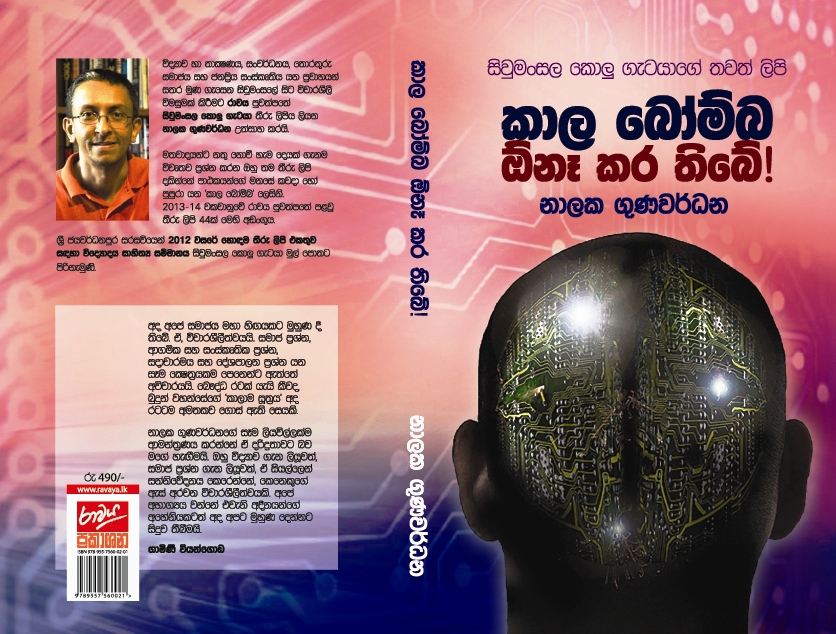
Kaala Bomba One Kara Thibe – by Nalaka Gunawardene (Ravaya Publishers, 2014) book cover
Award winning science writer Nalaka Gunawardene’s latest Sinhala book, Kaala Bomba One Kara Thibe (‘කාල බෝම්බ ඕනෑ කර තිබේ!’ = Wanted: Time Bombs of the Mind!), will be released at the Colombo International Book Fair that starts on 10 September 2014.
A Ravaya Publication, the book compiles 44 of his weekly columns named Sivu Mansala Kolu Getaya published in the Ravaya newspaper during 2013-14.
Launched in 2011, the popular column offers musings of a sceptical inquirer who sits at the intersection (or confluence) of science, development, mass media and information society. The University of Sri Jayawardenapura presented Nalaka a Vidyodaya Literary Award for the best newspaper column of 2012.
Written in an easy, conversational Sinhala rich in metaphor and analogy, Nalaka connects the local with global and also bridges sciences and humanities. The new collection touches on pharmaceuticals, organic farming, tobacco control, rationalism, citizen journalism and social media among many other topics.
“Lankan society today suffers from a major deficiency of critical thinking. Blind faith and sycophancy dominate our social, religious, political and cultural spheres. Whether writing on science, development or social issues, Nalaka Gunawardene comes up with refreshing doses of scepticism,” says Gamini Viyangoda, leading Sinhala writer and political commentator.
In his quest for clarity and reason, Nalaka talks to researchers, activists and officials. He also draws on his many experiences and global travels as a journalist and development communicator.
In his foreword, researcher and university lecturer Dr Udan Fernando says: “At a time when insularity and monoculturalism are being celebrated in Sri Lanka, Nalaka represents the endangered cosmopolitan perspective.”
Nalaka has dedicated this book to two giants of public science in Sri Lanka: late Prof Cyril Ponnamperuma (1923-1994) and late Dr Ray Wijewardene (1924-2010). “They embraced the best of East and West without losing their roots. We urgently need such public intellectuals today,” Nalaka says.
The book includes columns profiling the work of both scientists, including the Sinhala adaptation of a long interview with Dr Wijewardene.
The title is inspired by the words of Swedish economist, Gunnar Myrdal, who once said, “Books are like time bombs. If they contain ideas that are correct, then one day they will explode. And if they don’t, they will be consigned to the dustbin of history.”
The 300-page book is priced at Rs. 490. It will be available from leading bookstores, and at special discounts from the Ravaya booth during the Colombo Book Fair.
Sivu Mansala Kolu Getaya – columnhead in Ravaya newspaper
Although it has been discussed for centuries, there is no universally accepted definition of basic human needs. During the 1970s, basic needs emerged as a key topic in development debates. Various studies – catalysed by UN agencies and the Club of Rome – tried to define it.
In 1976, the International Labour Organization (ILO) prepared a report that identified basic needs as food, clothing, housing, education and public transportation. It partially drew on ILO’s country reports on Columbia, Kenya and Sri Lanka. Since then, different development agencies have adopted variations of the original ILO list. National planners have used the concept to benchmark economic growth.
The ground reality has changed drastically since those heady days. In view of the rapid evolution of information society, communication should be considered a basic human need. This is the basic thrust in my latest Ravaya column (in Sinhala).
See also my related writing on revisiting basic needs:
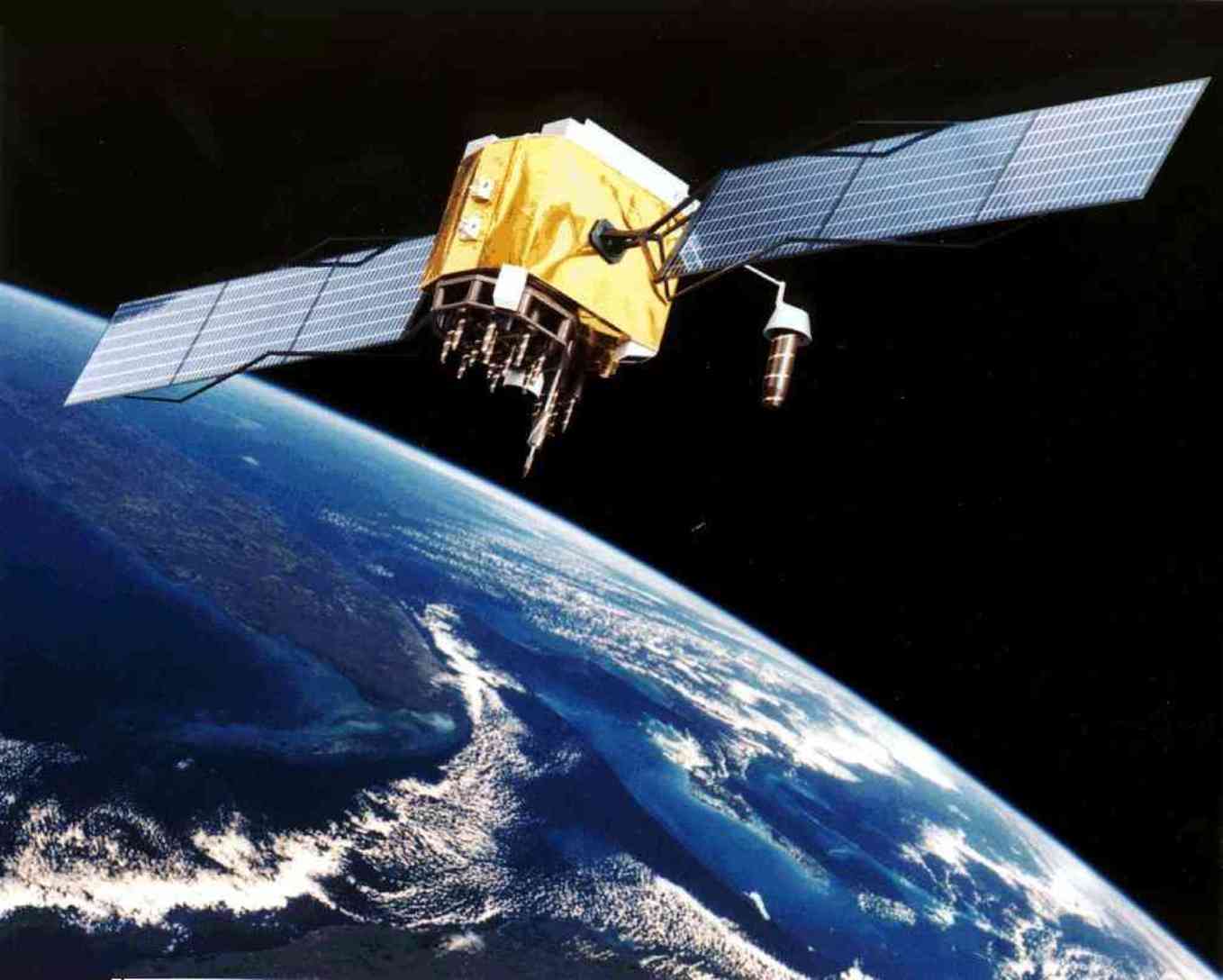
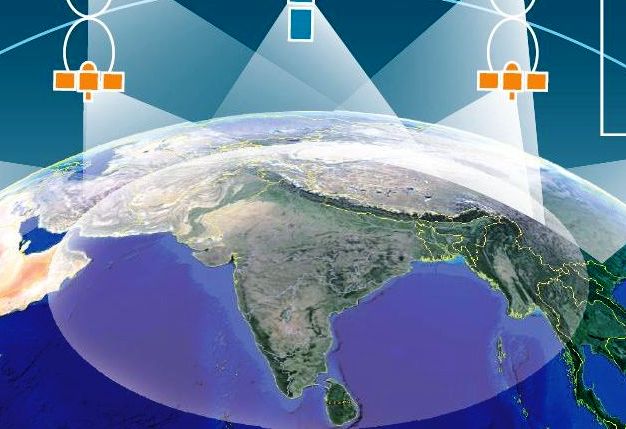
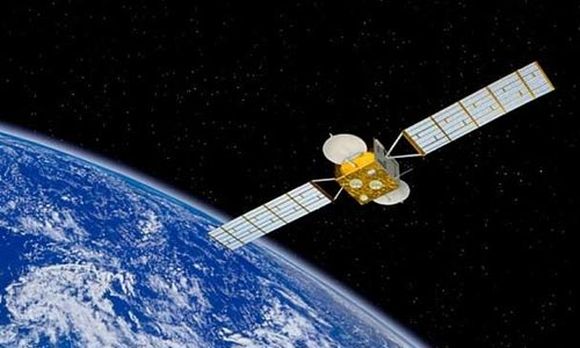
Both China and India are keen to enhance links with smaller Asian countries in using satellites as part of their ‘space diplomacy’ strategies.
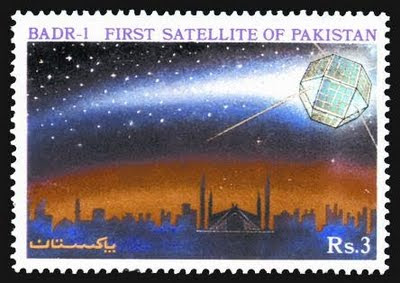
Last week in my Ravaya column (in Sinhala), I wrote about space technology capabilities of South Asian countries. This week’s column probes whether or not Sri Lanka needs its own satellite.
New opportunities for South Asian collaboration in space technologies can help reduce poverty and promote sustainable development.
Both China and India are keen to enhance links with smaller Asian countries in using satellites for communications, weather services, land use monitoring and navigation. They have also realised the value of ‘space diplomacy’, or using space related technical cooperation for strengthening foreign relations.
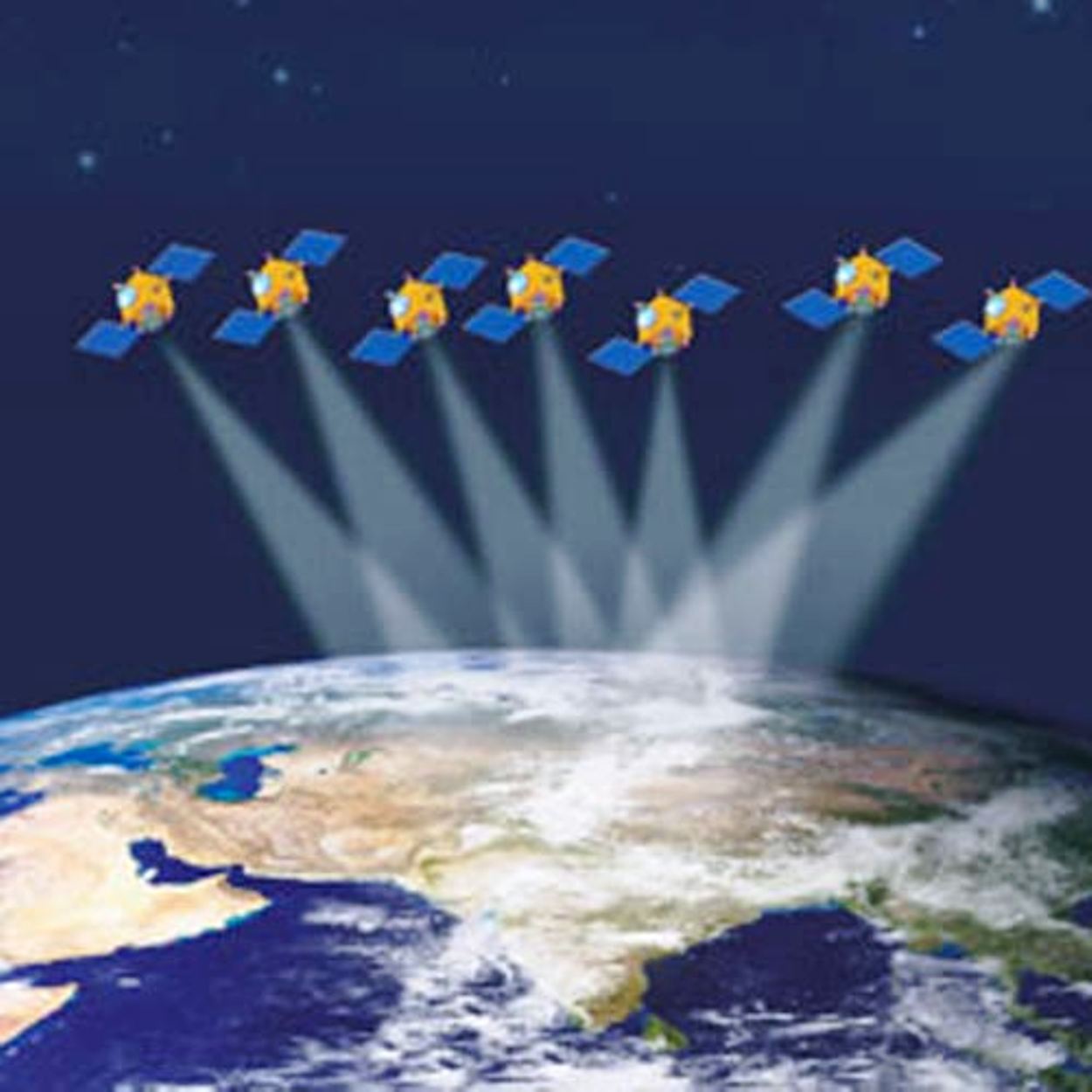
In this week’s Ravaya column (in Sinhala), I look at South Asian countries investing in space technologies, and discuss the prospects for a common South Asian satellite, an idea recently revived by the Indian Prime Minister.
In this week’s Ravaya column (in Sinhala), I revisit the on-going debate on social media and social accountability, this time from the perspective of freedom of expression.
Unless a user takes consistent precautions, everything published online is ultimately traceable to the point of origin. However, for most practical purposes, options of anonymity and pseudonymity are still available on the web – and widely used by users, for a variety of reasons. Contrary to what some misinformed people say, there is nothing legally or morally wrong with this practice.
Of course, the facilities can be misused, most notably in spreading hate speech and deliberate falsehoods. But this reality, by itself, is not a sufficient argument against online anonymity or pseudonymity. Indeed, as I argue in this column, being able to conceal one’s real identity is a safe way for social activists and public intellectuals to express their views living in countries with repressive regimes and/or intolerant societies.
While I myself have always expressed my views online under my own name — and sometimes received vitriol and threats as a result — I defend the right for anyone to remain anonymous or use pseudonyms.
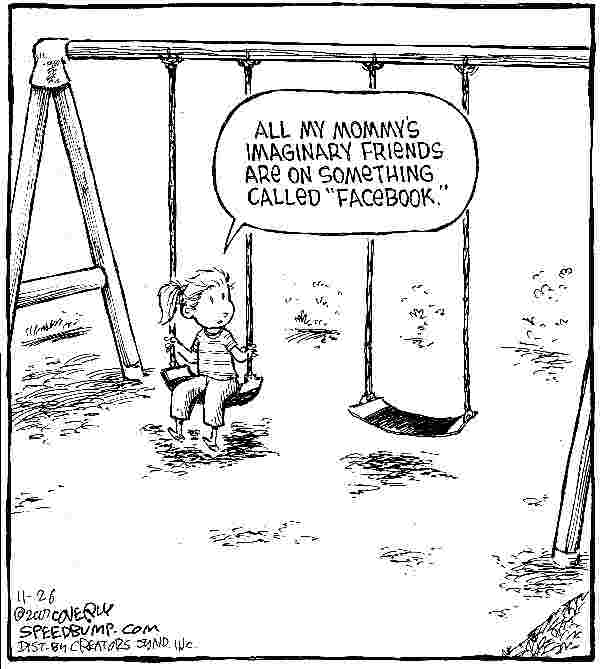
In this week’s Ravaya column (in Sinhala), I return to the oft-discussed topic of social media in today’s Lankan society.
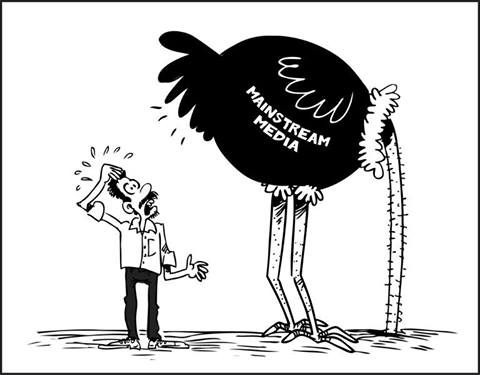
If media mirror the realities of its land and times, don’t social media reflect its society as well? And if some among us don’t like what is expressed by fellow citizens using social media platforms, could it be that many inconvenient issues and questions – excluded in the mainstream media – are being raised?
Yes, we need to discuss the social, cultural and political implications of growing social media use. However, that debate will not be served by insular and insecure mindsets that see every aspect of globalization as a threat or conspiracy.
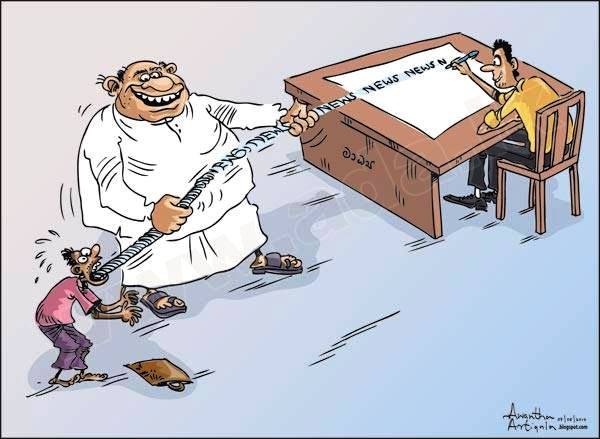
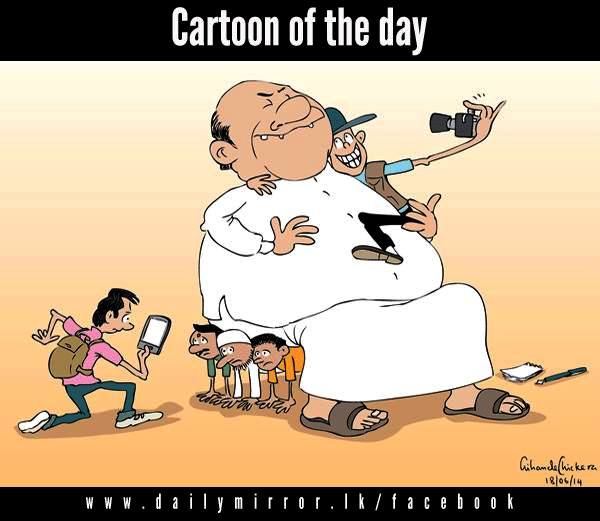
For over 48 hours, there was little coverage of the incidents in newspapers, or on radio and TV. This gap was partly filled by social media and international media reports – but only to the extent they have outreach in the island. Those who rely on local newspapers, radio and TV had to settle for ‘radio silence’ while media gatekeepers hesitated and held back.
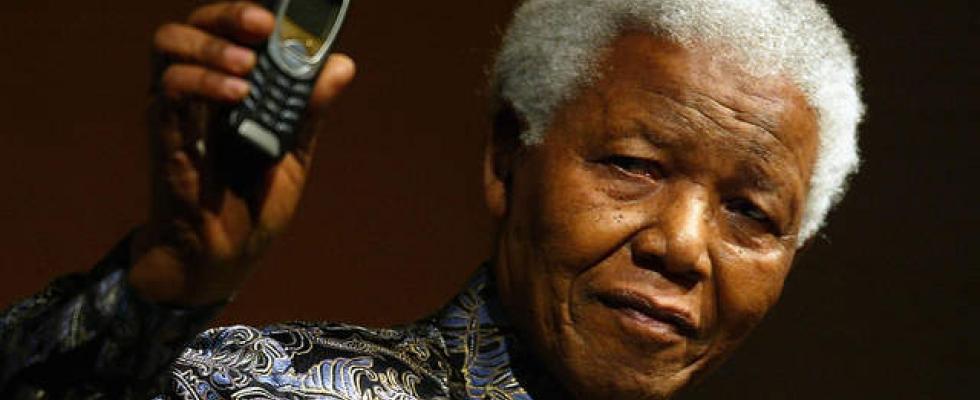
“The mobile phone is the biggest social leveller in Sri Lankan society since the trouser became ubiquitous (initially for men, and belatedly for women). Our elders can probably recall various arguments heard 30 or 40 years ago on who should be allowed to wear the western garb: it was okay for the educated and/or wealthy mahattayas, but not for the rest. Absurd and hilarious as these debates might seem today, they were taken very seriously at the time.
“Make no mistake: the mobile is the trouser of our times –- and thus becomes the lightning rod for class tensions, petty jealousies and accumulated frustrations of an elite that sees the last vestiges of control slipping away.”
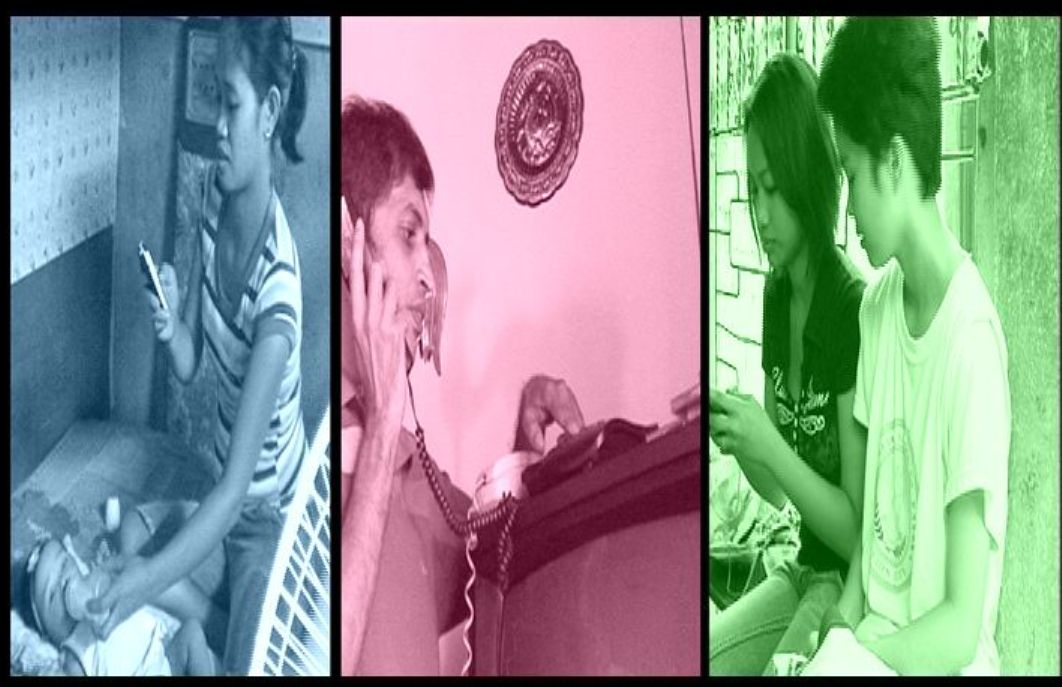
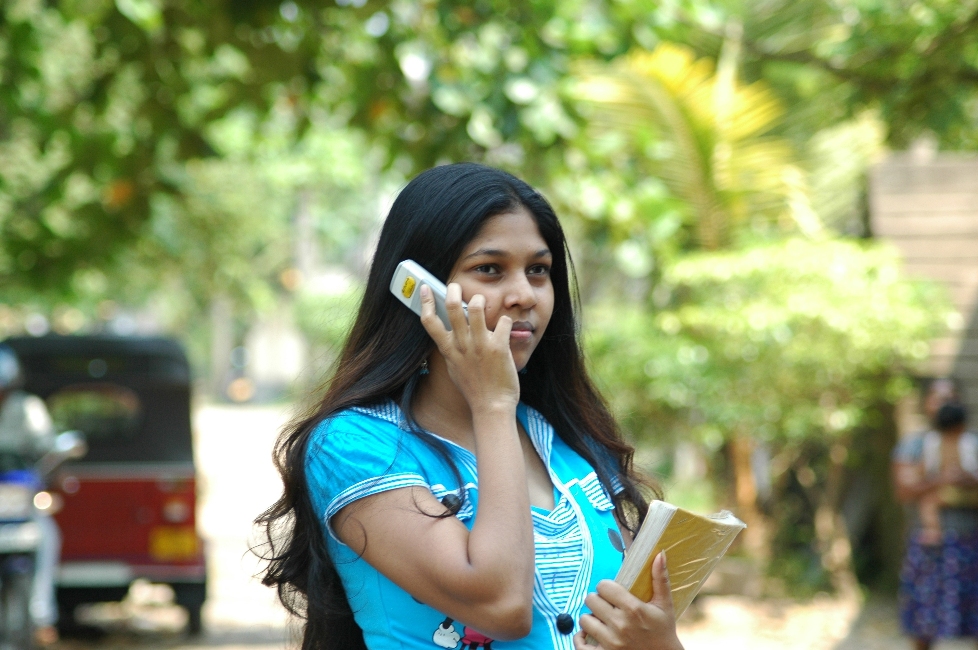
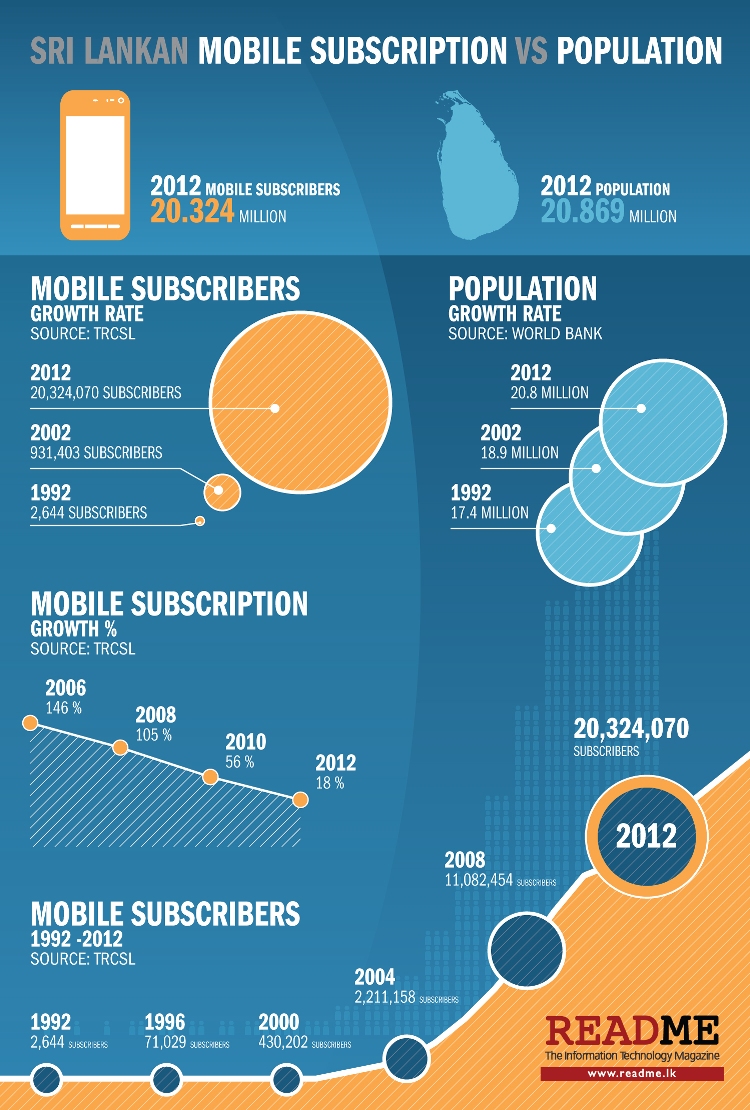
Six years on, pockets of resistance and cynicism still prevail. I was taken aback by a recent Sinhala-language commentary appearing in the official magazine of a respected Lankan development organisation that reiterated many such prejudices. In this week’s Ravaya column (in Sinhala), I look at how Lankans in lower socio-economic groups perceive benefits from their mobile phones. I draw from LIRNEasia’s research on teleuse at bottom of the pyramid.
Young woman uses her mobile phone on the road – Photo by Niroshan Fernando
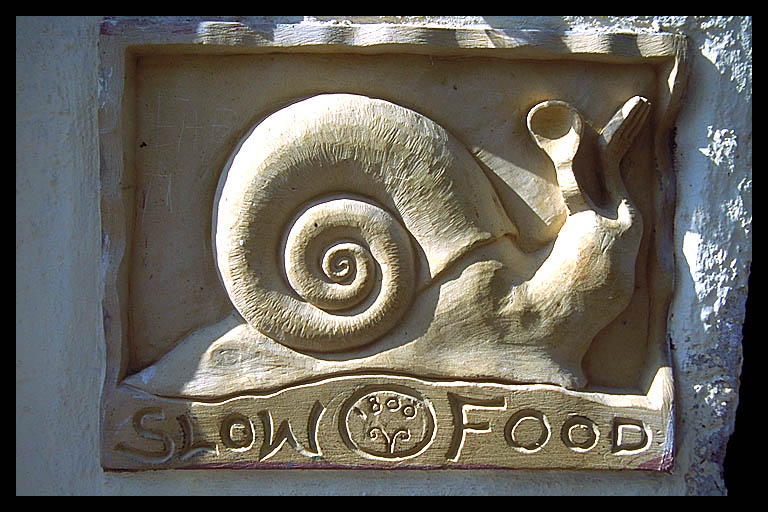
In this week’s Ravaya column (in Sinhala), I continue my exploration of the global Slow Movement, which started with Slow Food in Italy in 1986, originally as a defiance of fastfood. It has since inspired other pursuits of doing things more reflectively and deliberately slowly – such as Slow Cities, Slow Reading, Slow Travel and Slow Art.








 Open Minds!