සිවුමංසල කොලූගැටයා #246: තොරතුරු අයිතිය විවෘත ආණ්ඩුකරණයට මුල් පියවරයි

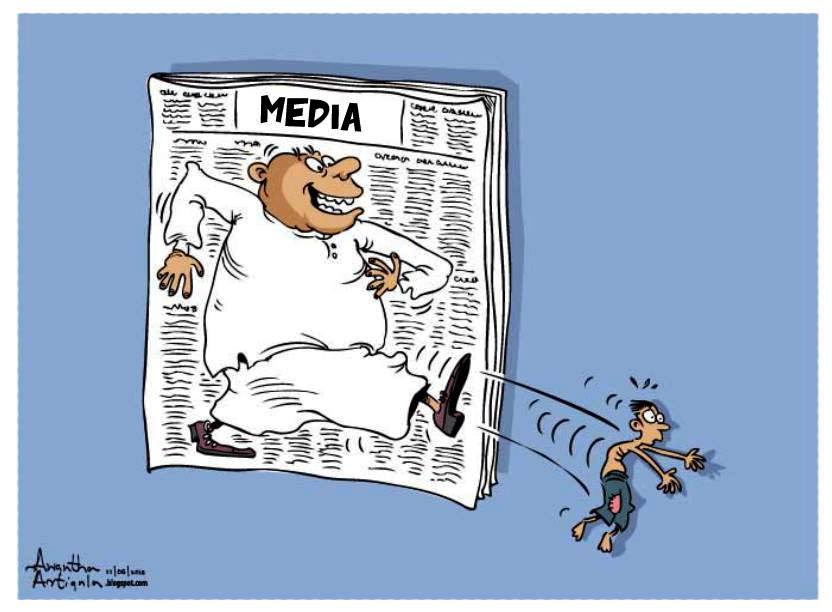
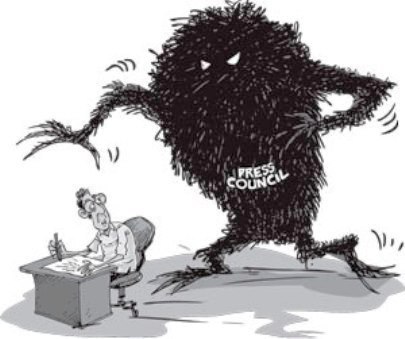
Illustration by Echelon magazine, http://www.echelon.lk

After many years of advocacy by civil society groups and journalists, Sri Lanka is set to soon adopt a law guaranteeing citizens’ Right to Information (RTI, also known as freedom of information laws in some countries). With that, we will join over 100 other countries that have introduced such progressive laws.

The first step is already taken. The 19th Amendment to the Constitution, passed in Parliament in April 2015, made the right to information a fundamental right. The Right to Information Act is meant to institutionalize the arrangement – i.e. put in place the administrative arrangement where a citizen can seek and receive public information.

RTI signifies unleashing a new potential, and a major change in status quo. First, we need to shake off a long historical legacy of governments not being open or accountable to citizens.

In this week’s Ravaya column, (appearing in issue of 22 Nov 2015), I explore how RTI can gradually lead to open government. I also introduce the 9 key principles of RTI.

I have covered the same ground in English here:

20 Nov 2015: Right to Information should be a step towards Open Government
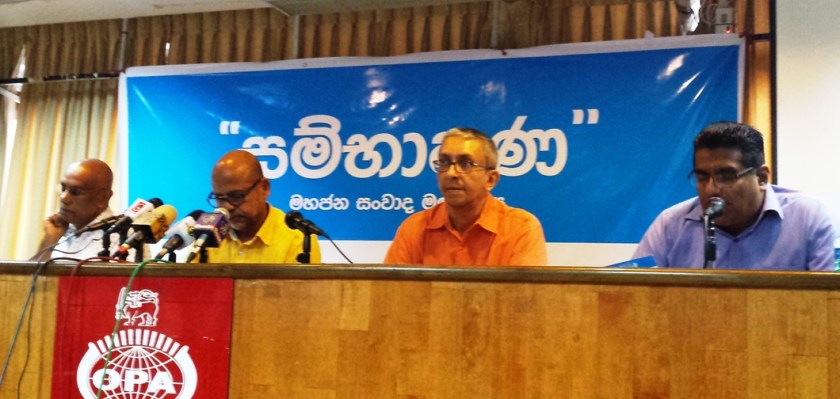
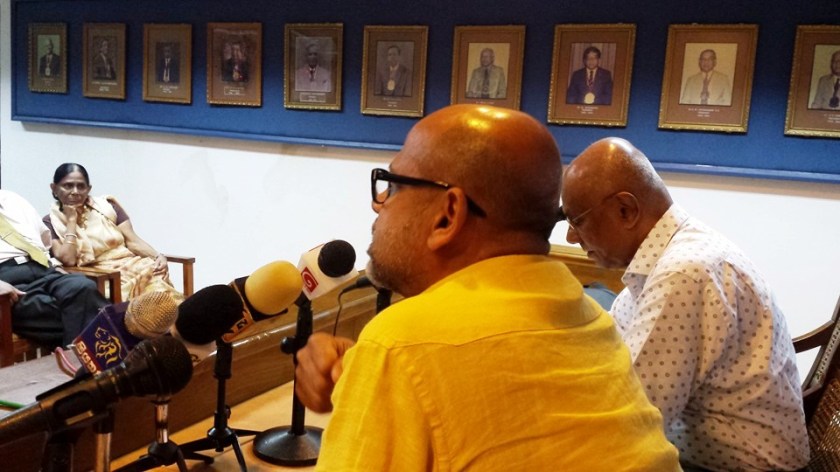
L to R - Wijayananda Jayaweera, Gamini Viyangoda, Nalaka Gunawardene, Shan Wijetunge. At Right to Information public forum on 17 Nov 2015 in Colombo. Photo by Sampath Samarakoon
L to R – Wijayananda Jayaweera, Gamini Viyangoda, Nalaka Gunawardene, Shan Wijetunge. At Right to Information public forum on 17 Nov 2015 in Colombo. Photo by Sampath Samarakoon

තොරතුරු දැනගැනීමේ අයිතිය තහවුරු කැරෙන නීතිය සම්මත වන තුරු මේ වසර පුරාම අපි බලා සිටිනවා. ‘අද නෑ හෙට’ වගේ වැඩක්!

යහපාලනයේ එක් ප‍්‍රධාන පොරොන්දුවක් වූයේද තොරතුරු අයිතියයි. එක් අඩක් ඉටු වී තිබෙනවා කිව හැකියි. මන්ද 2015 අපේ‍්‍රල් 28දා පාර්ලිමේන්තුවේ සම්මත වූ 19 වන ව්‍යවස්ථා සංශෝධනයේ තොරතුරු අයිතිය මූලික අයිතිවාසිකමක් ලෙස පැහැදිලිවම පිළිගෙන තිබෙනවා.

මේ අයිතිය ප‍්‍රායෝගිකව ක‍්‍රියාත්මක කිරීමට තොරතුරු නීතිය අවශ්‍යයි. ඒ හරහා සමස්ත රාජ්‍ය පරිපාලන තන්ත‍්‍රයේම වෙනසක් සිදු කැරෙනවා. හැකි තාක් මහජනයාට රහසිගතව කටයුතු කිරීමේ ඓතිහාසික සම්ප‍්‍රදායෙන් මිදී වඩාත් විවෘත හා තොරතුරු බෙදා ගන්නා රාජ්‍ය පාලනයකට යොමුවීමේ ක‍්‍රමවේදයක් මේ නීතිය හරහා හඳුන්වා දීමට නියමිතයි.

තොරතුරු නීති කෙටුම්පත් හරිහැටි හදා ගන්නට මෙතරම් කල් ගත වන්නේ ඇයි?

මනා නීති සම්පාදනය සඳහා ආදර්ශයට ගත හැකි තොරතුරු නීති දකුණු ආසියාවේත්, ඉන් පිටතත් රටවල් 100ක තිබෙනවා. මේ නිසා හැම නීති වැකියක්ම අලූතෙන්ම වචන ගැලපිය යුතු නැහැ. තොරතුරු අයිතිය පිළිබඳ ජාත්‍යන්තර යහ සම්ප‍්‍රදායන් ගැන බොහෝ ලේඛනද තිබෙනවා. යුනෙස්කෝ ආයතනය මේ ගැන විශේෂ අවධානය යොමු කොට තිබෙනවා.

මෙතැන ඇත්තේ නීති හැකියාවන් පිළිබඳ ගැටලූවක් නොව ආකල්පමය එල්බ ගැනීම් බවයි දැන ගන්නට තිබෙන්නේ. අපේ නීතිපති දෙපාර්තමේන්තුව හා නීති කෙටුම්පත් දෙපාර්තමේන්තුව බෙහෙවින් ගතානුගතික පදනමක පිහිටා ක‍්‍රියාකිරීම නිසා තොරතුරු බෙදා ගන්නවාට වඩා බදා ගන්නට නැඹුරු වූ නීතියක් බිහි වීමේ අවදානම තිබෙනවා. මේ අවසාන අදියරේදී ස්වාධීන නීති විශාරදයන් හා සිවිල් සමාජ ක‍්‍රියාකාරිකයන් අවදියෙන් හා අවධානයෙන් සිටීම අත්‍යවශ්‍යයි. නැතිනම් එතරම් ප‍්‍රයෝජනයක් ගත නොහැකි නාමමාත‍්‍රික තොරතුරු නීතියක් සම්මත විය හැකියි.

රාජ්‍ය දෙපාර්තමේන්තු දෙකක පටු මානසිකත්වයට වඩා පුළුල් අභියෝගයක්ද මෙහිදී මා දකිනවා. එනම් අපේ ඉතා වැඩවසම් ඓතිහාසික උරුමය හා නූතනත්වය අතර අරගලයයි.

සියවස් 25ක ලිඛිත ඉතිහාසයක් ඇති අපේ රටේ විවෘත හා මහජනතාවට වගකියන ආණ්ඩුකරණයක් ඉතා මෑතක් වන තුරු කිසි දිනෙක පැවතියේ නැහැ. මැග්නා කාර්ටා (Magna Carta) වැනි සම්මුතියක් හරහා අපේ රජුන්ගේ බලතල කිසි ලෙසකින් හෝ සමනය වූයේ ද නැහැ.

1 May 2015: සිවුමංසල කොලූගැටයා #217: වසර 800කට පෙර යහපාලන අඩිතාලම දැමූ මැග්නා කාටාව

සීමාන්තික බලතල සහිත රජවරුන් අපේ රට පාලනය කළ වසර 2,000ක පමණ කාලයක් තුළ රටේ කිසිදු පරිපාලන තොරතුරක් (හෝ වෙනත් කිසිම අයිතිවාසිකමක්) ඉල්ලීමේ වරම ජනතාවට තිබුණේ නැහැ. අපේ පැරැන්නෝ යටත් වැසියන් මිස කිසි දිනෙක පුරවැසියන් වූයේ නැහැ.

ඉන්පසු එළැඹුණු යටත් විජිත පාලන යුගවලත් එම පාලකයන් කිසි විටෙක තොරතුරු හෙළි කිරීමට බැඳී සිටියේ නැහැ. බි‍්‍රතාන්‍ය පාලන තන්ත‍්‍රය තුළ ලේඛන පවත්වා ගැනීම ඉතා හොඳින් සිදු කළත්, ඒ ලේඛන ඔවුන්ගේ ලන්ඩනයේ යටත් විජිත පරිපාලකයන්ට මිස මෙරට සාමාන්‍ය ජනයාට පරිශීලනය කළ හැකි වූයේ නැහැ. (මේ වාර්තා දැන් නම් බි‍්‍රතාන්‍ය කෞතුකාගාරයේ ඕනෑම කෙනෙකුට කියවිය හැකියි. බි‍්‍රතාන්‍ය පාලන යුගය දැඩි ලෙස විවේචනය කරන හැම දෙනෙකුම පාහේ තම මූලාශ‍්‍ර යොදා ගන්නේ එම වාර්තායි.)

නිදහසින් පසුව රට පාලනය කළ අපේම ආණ්ඩුත් බොහෝ දුරට රටවැසියන්ට තොරතුරු කැමැත්තෙන් දෙනවා වෙනුවට හැකි තාක් වසන් කිරීමේ සම්ප‍්‍රදාය දිගටම ගෙන ගියා. යටත් විජිත සමයේ ආභාෂය මෙන්ම ඉතිහාසයේ කිසි දිනෙක රටවැසියාට විවෘත වූ ආණ්ඩුකරණයක් (Open Government) නොතිබීම ද එයට හේතු වූවා විය හැකියි.
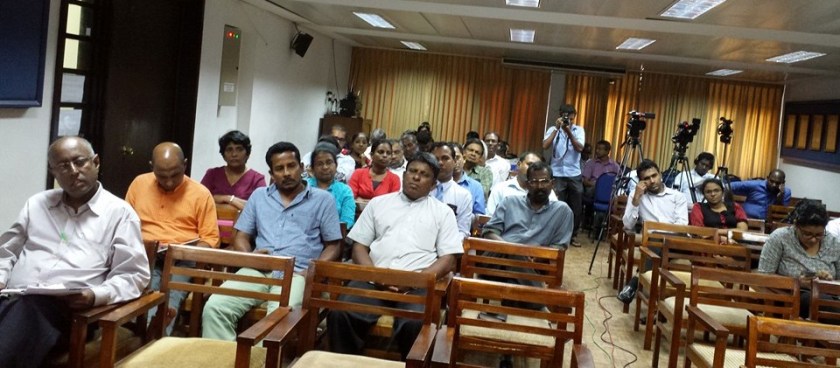
Part of the audience at RTI Public Forum on 17 Nov 2015 in Colombo

මෙයින් අදහස් කැරෙන්නේ නිදහසින් පසු අපට තිබූ සියලූ රජයන් දුර්දාන්ත හෝ දරදඬු පාලනයන් වීය කියා නොවෙයි. ඇතැම් ප‍්‍රජාතන්ත‍්‍රවාදී නායකයන් පවා රට වැසියන්ට සැලකුවේ හරියට දෙමවුපියන් ළමයින් දෙස බලන ආකල්පයට සමාන මානසිකත්වයකින්. වැසියන් රැක බලා ගෙන ඔවුන්ට අවශ්‍ය සම්පාදන කර දීම විනා ඔවුන් ස්වාධීනව සිතන පතන “වැඩිහිටියන්” වීම අවශ්‍ය යැයි ඩී එස් හා ඩඩ්ලි වැනි නායකයන්ට නොසිතෙන්නට ඇති.

සමාජ ක‍්‍රියාකාරික හා ලේඛක ගාමිණී වියන්ගොඩගේ මතය නම් තොරතුරු උවමනාවෙන්ම රටවැසියන්ට නොදී සිටින්නේ තොරතුරු හරහා රටවැසියන් බලාත්මක වන නිසායි. වසන් කළ යුතු අමිහිරි හා අශෝබන බොහෝ දේ හැම රාජ්‍ය පාලනයකම තිබෙන බවත්, මේ තොරතුරු පිට වීම හා ගලා යාම පවතින බල සංකේන්ද්‍රයන්ට බරපතල ප‍්‍රශ්නයක් බවත් ඔහු කියනවා.

Writer and activist Gamini Viyangoda speaks at RTI Public Forum on 17 Nov 2015

කාලානුරූපව වෙනස් වෙන්නට කාලය ඇවිත්! අපේ ඓතිහාසික උරුමය කිසි දිනෙක විවෘත ආණ්ඩුකරණයකට නැඹුරු නොවූවත්, 21 වන සියවසේ යහපාලනයට හා ප‍්‍රජාතන්ත‍්‍රවාදයට එය අත්‍යවශ්‍ය ගුණයක් ලෙස දැන් සැලකෙනවා.

විවෘත ආණ්ඩුකරණයේ සංකල්පය 18 වන සියවසේ බටහිර යුරෝපයේ පුනරුදය (Age of Enlightenment) වෙත දිවෙනවා. සීමාන්තික බලතල සහිත රාජාණ්ඩු වඩාත් බල තුලනයකට යටත් කළ යුතු බවටත්, මහජන මතයට සංවේදී ආණ්ඩුකරණයක් බිහි විය යුතු බවටත් ප‍්‍රංශ හා ජර්මන් දාර්ශනිකයන් තර්ක කිරීම ඇරඹුණේ ඒ සමයේයි.

මෙය නීතිගත කරමින් ලොව මුල්ම තොරතුරු නීතිය 1766දී හඳුන්වා දුන්නේ ස්වීඩනයයි. මාධ්‍ය නිදහස හා තොරතුරු අයිතිය නීතියෙන් තහවුරු කිරීම ඉන් පසු එළැඹි දශකවල බොහෝ බටහිර රටවල සිදු කෙරුණා. රාජ්‍ය පාලනයේ රහසිගත බව වඩ වඩාත් පටු පරාසයකට සීමා කිරීමෙන්, විවෘත බව සාමාන්‍යකරණය කිරීමට 20 වන සියවස පුරා පරිණත ප‍්‍රජාතන්ත‍්‍රවාදී රටවල නීතිමය, ප‍්‍රතිපත්තිමය මෙන්ම යහ සම්ප‍්‍රදායික පියවර ගෙන තිබෙනවා.

මේ ගෝලීය ඓතිහාසික පසුබිම තුළ මා තොරතුරු නීතිය දකින්නේ මෙරට සමස්ත ආණ්ඩුකරණය වඩාත් විවෘත හා මහජනතාවට වගකියන තත්ත්වයට පත් කරන්නට දායක වන එක් පියවරක් හැටියටයි.

මෙයට සමාන්තරව සමාලෝචනයට ලක් විය යුතු හා සංශෝධනය කළ යුතු තවත් නීති තිබෙනවා. 1955 අංක 32 දරණ රාජ්‍ය රහස් පනත එයින් ප‍්‍රමුඛයි. 1911දී බි‍්‍රතාන්‍යයේ සම්මත වූ නීතියක් ආශ‍්‍රයෙන් සම්පාදිත අපේ 1955 රාජ්‍ය රහස් නීතිය යල්පැන ගිය, නූතන ප‍්‍රජාතන්ත‍්‍රවාදී සම්ප‍්‍රදායන්ට කිසිසේත් නොගැළපෙන එකක්.

එහි රාජ්‍ය රහස් යන්න අනවශ්‍ය තරම් පුළුල්ව නිර්වචනය කැරෙන බවත්, එය නිදහසට කාරණයක් ලෙස දක්වමින් දශක ගණනාවක් පුරා රාජ්‍ය නිලධාරීන් සැබැවින්ම රහසිගත නොවිය යුතු බොහෝ තොරතුරු ද වසන් කරන බවත් නීති පර්යේෂකයන් කියනවා.

‘1911 රාජ්‍ය රහස් නීතිය 1989දී බි‍්‍රතාන්‍යය සංශෝධනය කළා. එය වඩාත් ජන සම්මතවාදී ප‍්‍රමිතියකට ඔවුන් දැන් ගෙනැවිත් තිබෙනවා. අප තවමත් 1911 බි‍්‍රතාන්‍ය නීතියට සමාන වන නීතියක එල්බ ගෙන සිටීම ඛෙදජනකයි.’ නීතිඥ හා පර්යේෂිකා කිෂාලි පින්ටෝ ජයවර්ධන කියනවා.

තොරතුරු නීතිය ගැන මෑතදී පොතක් ලියා ඇති නීති පර්යේෂක ගිහාන් ගුණතිලක කියන්නේ හොඳ තොරතුරු නීතියක ගැබ් විය යුතු මූලධර්ම 9ක් තිබෙන බවයි. ඒවා සැකෙවින් මෙසේයි.

  1. රජයක් හැම විටම හැකි තාක් තොරතුරු හෙළි කිරීමට නැඹුරු විය යුතුයි (Maximum Disclosure). බදා ගෙන සිටිනවා වෙනුවට බෙදා ගැනීමට මුල් තැන දිය යුතුයි.
  2. යම් කෙනකු තොරතුරක් ඉල්ලන තුරු නොසිට, ස්වේච්ඡුාවෙන්ම මහජන තොරතුරු පළ කිරීම කළ යුතුයි (Obligation to Publish). මෙයට පරිපාලන මෙන්ම මූල්‍ය තොරතුරු හා වෙනත් දත්තද ඇතුළත් විය හැකියි. (තම වෙබ් අඩවි හරහා මෙසේ කරන රාජ්‍ය ආයතන ගණනාවක් තිබෙනවා.)
  3. මහජන ආයතන සියල්ලම විවෘත ආණ්ඩුකරණය ^Open Government& සංකල්පයට අනුගත විය යුතුයි. රහසිගතභාවය පෙරටු කොට ගත් පරිපාලන සම්ප‍්‍රදායන් ඉවත දමා විවෘත භාවය මුල් කර ගත් ක‍්‍රමවේදයන් හඳුන්වා දිය යුතුයි.
  4. නිශ්චිත හේතු නිසා මහජනයාට තොරතුරු දිය නොහැකි අවස්ථා හෙවත් ව්‍යතිරේක (Exceptions) හැකි තාක් සීමා කළ යුතුයි. එසේ නොදී සිටීමට පැහැදිලි සාධාරණීකරණයක් තිබිය යුතුයි.
  5. තොරතුරු අයිතිය ප‍්‍රායෝගිකව ක‍්‍රියාත්මක වීමට නිශ්චිත පරිපාලන ක‍්‍රමවේදයක් බිහි කළ යුතුයි. තොරතුරු සොයා එන මහජනයා රස්තියාදු නොකර කාර්යක්ෂමව හා ආචාරශීලීව තොරතුරු ලබාදෙන ක‍්‍රමයක් මේ නීතිය හරහා ස්ථාපිත විය යුතුයි. එසේම තොරතුරු සම්පාදනය කොට ලබාදීමට නීතියෙන් සීමිත කාලයක් නිශ්චය කළ යුතුයි. එසේම හරිහැටි ඉටු නොකෙරෙන තොරතුරු ඉල්ලීම් ගැන විමර්ශනය කළ හැකි ස්වාධීන ආයතනයක් පිහිටුවිය යුතුයි. (තොරතුරු කොමිසම නම් වන්නේ එයයි.)
  6. තොරතුරු ලබා ගැනීමේදී එයට යම් ගෙවීමක් කළ යුතු වුවත්, එම අය කිරීම සාධාරණ හා මහජනයාට දරා ගත හැකි එකක් විය යුතුයි. එහිදී මූලික සංකල්පය විය යුත්තේ තොරතුරුවලින් සන්නද්ධ වන ජන සමාජයේ වටිනාකම, එම තොරතුරු සම්පාදනය කිරීමට වැය වන මුදලට වඩා බෙහෙවින් වැඩි බවයි.
  7.  සියලූ රාජ්‍ය ආයතනවල සියලූ රැස්වීම් මහජනතාවට විවෘත විය යුතුයි (Open Meetings). මන්ද තමන්ගේ නාමයෙන් නිලධාරීන් කුමක් කරන්නේද යන්න දැන ගැනීමට ජනතාවට අයිතියක් ඇති නිසා. ඉඳහිට ඇතැම් රැස්වීම් මහජනයාට විවෘත නොවුවත්, ඒවා පැවැත් වූ බව ප‍්‍රසිද්ධියේ ප‍්‍රකාශ කළ යුතුයි. සංවෘත රැස්වීම් පැවැත්වීම සාධාරණීකරණය කළ හැකි විය යුතුයි.
  8. තොරතුරු නීතිය සම්මත කර ගත් පසුව, රටේ පවතින අන් සියලූ නීති එයට අනුගත වන පරිදි නැවත විග‍්‍රහ කළ යුතුයි. ඉදිරියේදී සම්මත වන කිසිදු නීතියක් මගින් තොරතුරු හෙළි කිරීම සීමා නොකළ යුතුයි. එසේම යහ චේතනාවෙන් තොරතුරු මහජනයාට ලබා දෙන රාජ්‍ය නිලධාරීන්ට නිසි ආරක්ෂාව ලැබිය යුතුයි. නොබියව තම රාජකාරිය නීති ගරුකව කිරීමට රාජ්‍ය සේවකයන් සැමට හැකි වන පරිසරයක් තිබිය යුතුයි.
  9. රාජ්‍ය තන්ත‍්‍රයේ සේවය කිරීම නිසා තමන් අතට පත් වන, පොදු උන්නතියට වැදගත් තොරතුරු හෙළිදරවු කරන පුද්ගලයන්ට නීතිමය රැකවරණ ලැබිය යුතුයි (Protection for Whistle-blowers). රජයේ ආයතන තුළ කැරෙන අකටයුතුකම් ගැන තොරතුරු මාධ්‍යවලට හෝ වෙනත් පිරිසකට හෝ ලබා දීම අපරාධයක් හෝ විනය විරෝධී ක‍්‍රියාවක් ලෙස නොව පොදු උන්නතියට උදව් කිරීමක් ලෙස සැලකිය යුතුයි. එහිදී ආයතන සංග‍්‍රහයේ විධිවිධාන උල්ලංඝනය වුවත් එයට ඔබ්බට යන විනිශ්චයක් හරහා අදාළ තොරතුරු මුදා හරින පුද්ගලයන් එසේ කිරීමේ පොදු වැදගත්කම සැලකිල්ලට ගත යුතුයි.

තොරතුරු නීතිය පිළිබඳව නොවැම්බර් 17 වැනිදා කොළඹදී පැවති මහජන සංවාදයකදී මා කීවේ මෙයයි:

තොරතුරු අයිතිය දිනා ගැනීම දශක එක හමාරක පමණ සිවිල් ක‍්‍රියාකාරීත්වයේ මංසළකුණක්. එහෙත් නීතිය සම්මත කර ගත් පමණීන් අභියෝග හමාර වන්නේ නැහැ.

වඩාත් විවෘත වුත්, මහජනයාට වග වන්නා වුත් ආණ්ඩුකරණයකට දේශපාලකයන් හා රාජ්‍ය නිලධාරීන් සැවොම ආකල්පමය වශයෙන් ප‍්‍රවේශ විය යුතුයි.

තොරතුරු සොයා යන, තොරතුරු ලද විට ඒවා නිසි ලෙස විග‍්‍රහ කොට නිගමනවලට එළැඹීමේ හැකියාව හෙවත් තොරතුරු සාක්ෂරතාව (information literacy) සමාජයේ ප‍්‍රවර්ධනය කිරීම අප කාගේත් වගකීමක්.

ආවේග, අනුමාන, කුමන්ත‍්‍රණ තර්ක හෝ විශ්වාස මත පදනම් වනවා වෙනුවට දත්ත හා විග‍්‍රහයන් මත පදනම් වී නිගමනවලට එළඹීමටත්, ඒ හරහා අපේ ප‍්‍රජාතන්ත‍්‍රවාදය වඩාත් සවිබල ගැනීවීමටත් ලොකු වගකීමක් පුරවැසි හැමට තිබෙනවා.

See also:

15 October 2015: Exploring Open Data and Open Government in Sri Lanka

23 July 2015: සිවුමංසල කොලූගැටයා #227: භාෂණයේ නිදහසට හා ප‍්‍රශස්ත මාධ්‍යකරණයට දේශපාලන කැපවීමක් ඕනෑ!

21 Feb 2015: සිවුමංසල කොලූගැටයා #208: තොරතුරු අයිතිය තහවුරු කරන්නට තොරතුරු සාක්ෂරතාව අත්‍යවශ්‍යයි!

17 Feb 2015: සිවුමංසල කොලූගැටයා #207: “තොරතුරු නීතිය ලැබුණාට මදි. එයින් නිසි ඵල නෙළා ගත යුතුයි!”


Corridors of Power Panel: Tapping our ‘Hybrid Media Reality’ to secure democracy in Sri Lanka

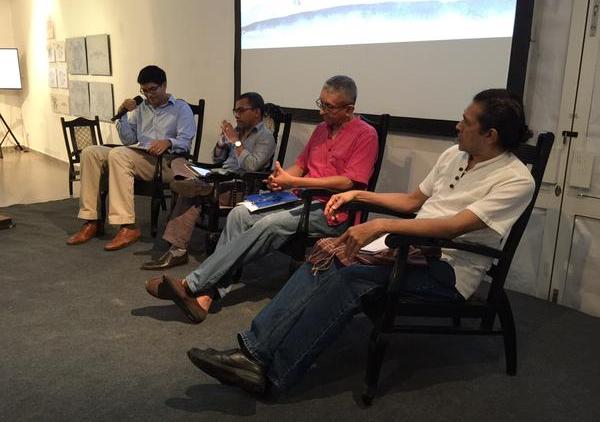
Sanjana Hattotuwa, curator, introduces panel L to R Asoka Obeyesekere, Amantha Perera, Nalaka Gunawardene, Lakshman Gunasekera
Sanjana Hattotuwa, curator, introduces panel L to R Asoka Obeyesekere, Amantha Perera, Nalaka Gunawardene, Lakshman Gunasekera. Photo by Manisha Aryal

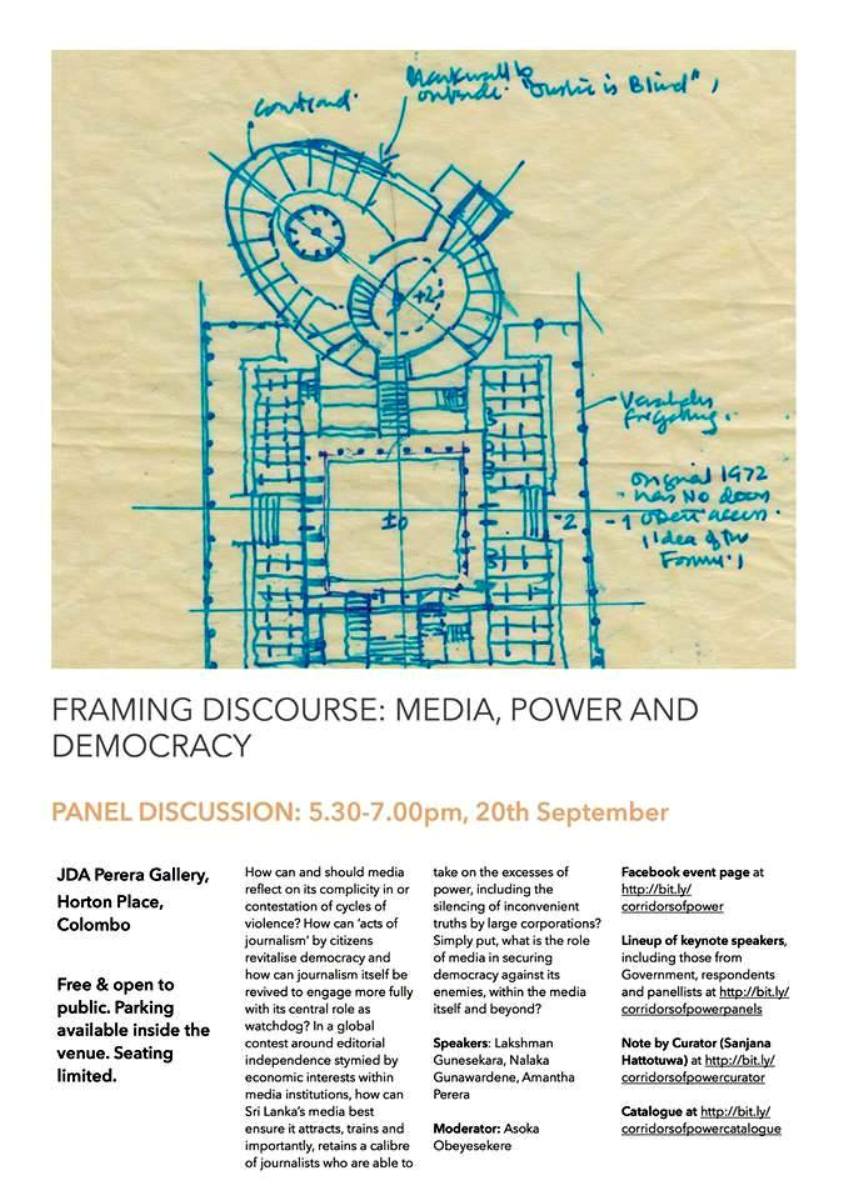
I just spoke on a panel on “Framing discourse: Media, Power and Democracy” which was part of the public exhibition in Colombo called Corridors of power: Drawing and modelling Sri Lanka’s tryst with democracy.

Media panel promo

The premise for our panel was as follows:

The architecture of the mainstream media, and increasingly, social media (even though distinct divisions between the two are increasingly blurred) to varying degrees reflects or contests the timbre of governance and the nature of government.

How can ‘acts of journalism’ by citizens revitalise democracy and how can journalism itself be revived to engage more fully with its central role as watchdog?

In a global contest around editorial independence stymied by economic interests within media institutions, how can Sri Lanka’s media best ensure it attracts, trains and importantly, retains a calibre of journalists who are able to take on the excesses of power, including the silencing of inconvenient truths by large corporations?

The panel, moderated by lawyer and political scientist Asoka Obeyesekere comprised freelance journalist Amantha Perera, Sunday Observer editor Lakshman Gunasekera, and myself.

Here are my opening remarks (including some remarks made during Q&A).

Nalaka Gunawardene speaks during media panel at Corridors of Power - Photo by Manisha Aryal
Nalaka Gunawardene speaks during media panel at Corridors of Power – Photo by Manisha Aryal

Panel on “Framing discourse: Media, Power and Democracy”

20 Sep 2015, Colombo

Remarks by Nalaka Gunawardene

Curator Sanjana has asked us to reflect on a key question: What is the role of media in securing democracy against its enemies, within the media itself and beyond?

I would argue that we are in the midst of multiple, overlapping deficits:

  • Democracy Deficit, a legacy of the past decade in particular, which is now recognised and being addressed (but we have a long way to go)
  • Public Trust Deficit in politicians and public institutions – not as widely recognised, but is just as pervasive and should be worrying us all.
  • Media Deficit, probably the least recognised deficit of all. This has nothing to do with media’s penetration or outreach. Rather, it concerns how our established (or mainstream) MEDIA FALLS SHORT IN PERFORMING the responsibilities of watchdog, public platform and the responsibility to “comfort the afflicted and afflict the comfortable”.

In this context, can new media – citizens leveraging the web, mobile devices and the social media platforms – bridge this deficit?

My answer is both: YES and NO!

YES because new media opportunities can be seized – and are being seized — by our citizens to enhance a whole range of public interest purposes, including:

  • Political participation
  • Advocacy and activism
  • Transparency and accountability in public institutions
  • Peace-building and reconciliation
  • Monitoring and critiquing corporate conduct

All these trends are set to grow and involve more and more citizens in the coming years. Right now, one in four Lankans uses the web, mostly thru mobile devices.

BUT CAN IT REPLACE THE MAINSTREAM MEDIA?

NO, not in the near term. For now, these counter-media efforts are not sufficient by themselves to bridge the three deficits I have listed above. The mainstream media’s products have far more outreach and and the institutions, far more resources.

Also, the rise of citizen-driven new media does NOT – and should NOT — allow mainstream media to abdicate its social responsibilities.

This is why we urgently need MEDIA SECTOR REFORMS in Sri Lanka – to enhance editorial independence AND professionalism.

The debate is no longer about who is better – Mainstream media (MSM) or citizen driven civic media.

WE NEED BOTH.

So let us accept and celebrate our increasingly HYBRID MEDIA REALITY (‘hybrid’ seems to be currently popular!). This involves, among other things:

  • MSM drawing on Civic Media content; and
  • Civic Media spreading MSM content even as they critique MSM

To me, what really matters are the ACTS OF JOURNALISM – whether they are RANDOM acts or DELIBERATE acts of journalism.

Let me end by drawing on my own experience. Trained and experienced in mainstream print and broadcast media, I took to web-based social media 8 years ago when I started blogging (for fun). I started tweeting five years ago, and am about to cross 5,000 followers.

It’s been an interesting journey – and nowhere near finished yet.

Everyday now, I have many and varied CONVERSATIONS with some of my nearly 5,000 followers on Twitter. Here are some of the public interest topics we have discussed during this month:

  • Rational demarcation of Ministry subject areas (a lost cause now)
  • Implications of XXL Cabinet of the National/Consensus Govt
  • Questionable role of our Attorney General in certain prosecutions
  • Report on Sri Lanka at the UN Human Rights Council (UNHRC) Session
  • Is Death Penalty the right response to rise of brutal murders?
  • Can our media be more restrained and balanced in covering sexual crimes involving minors?
  • How to cope with Hate Speech on ethnic or religious grounds
  • What kind of Smart Cities or MegaCity do we really need?
  • How to hold CocaCola LK responsible for polluting Kelani waters?

Yes, many of these are fleeting and incomplete conversations. So what?

And also, there’s a lot of noise in social media: it’s what I call the Global Cacophony.

BUT these conversations and cross-talk often enrich my own understanding — and hopefully help other participants too.

Self-promotional as this might sound, how many Newspaper Editors in Sri Lanka can claim to have as many public conversations as I am having using social media?

Let me end with the closing para in a chapter on social media and governance I recently wrote for Transparency International’s Sri Lanka Governance Report 2014 (currently in print):

“Although there have been serious levels of malgovernance in Sri Lanka in recent years, the build up on social media platforms to the Presidential Election 2015 showed that Lankan citizens have sufficient maturity to use ICTs and other forms of social mobilisation for a more peaceful call for regime change. Channelling this civic energy into governance reform is the next challenge.”

Photo by Sanjana Hattotuwa

Sri Lanka Parliamentary Election 2015: How did Social Media make a difference?

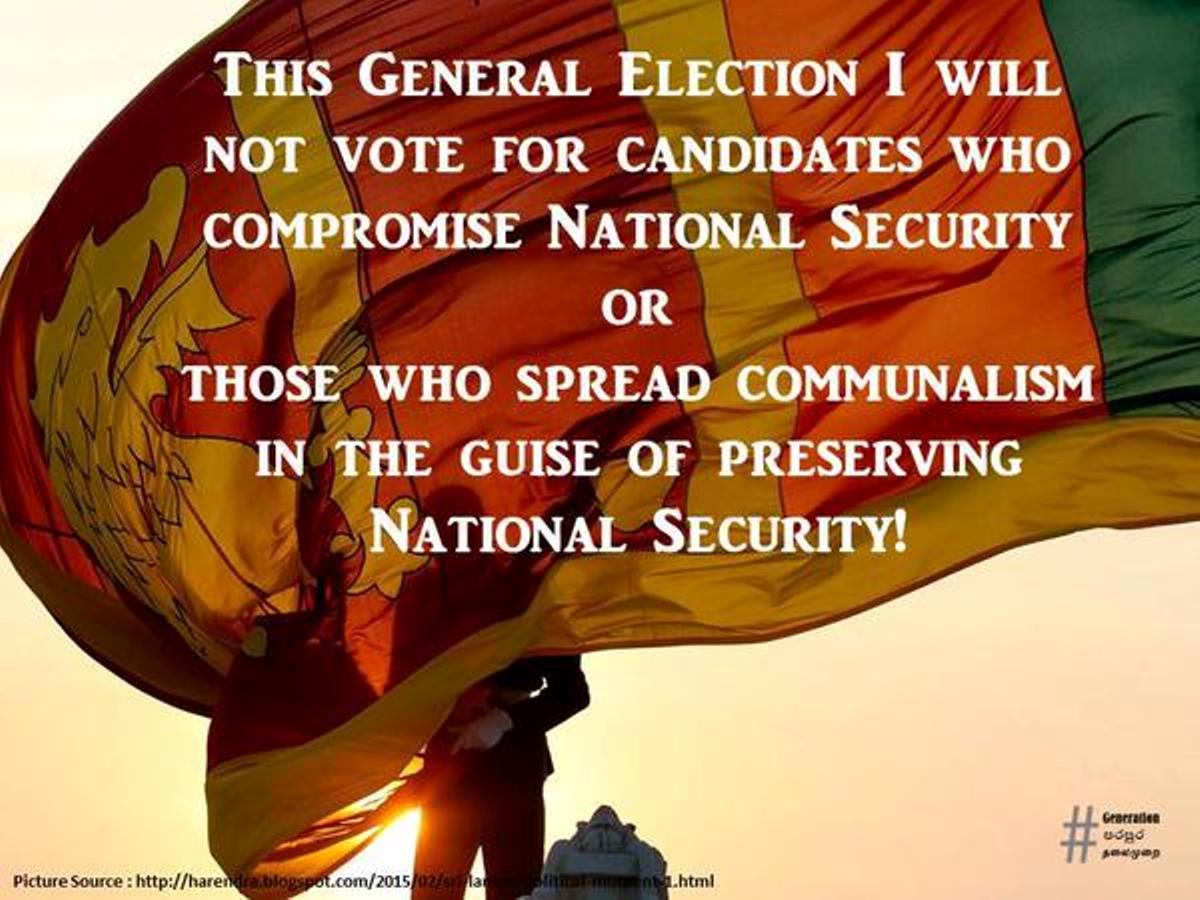
A Popular Election Meme created by Hashtag Generation, Sri Lanka

“Every citizen – including activists and academics — can play a part in shaping the future of our democracy. In this, technology is not the only key driver; what matters even more is the strategic use of our imagination and determination.

“We may not yet have all the detailed answers of our digital future, but one thing is clear. In 2015, we the people of Sri Lanka embarked on a progressive digitalization of our politics and governance.

“It is going to be a bumpy road – be forewarned — but there is no turning back.”

These are the closing paras of a long format essay I have just written on the role of social media in the recently concluded Sri Lanka Parliamentary (General) Election on 17 August 2015.  It has been published by Groundviews.org citizen journalism website.

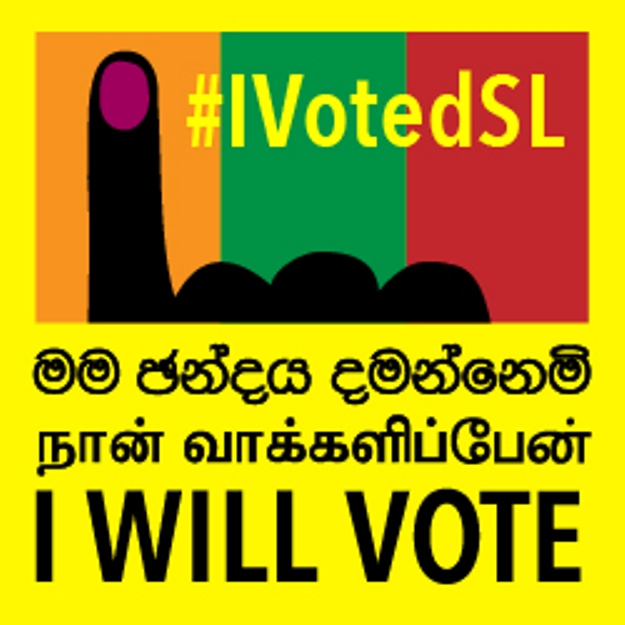
I Will Vote meme created by Groundviews.org - trilingual version
I Will Vote meme created by Groundviews.org – trilingual version

Shortly after the Presidential Election of 8 January 2015 ended, I called it Sri Lanka’s first cyber election. That was based on my insights from over 20 years of watching and chronicling the gradual spread of information and communications technologies (ICTs) in Sri Lanka and the resulting rise of an information society.

Since then, things have evolved further. In this essay, I look at how the Elections Commission, political parties, election candidates, civil society advocacy groups and individual cyber activists have used various social media tools and platforms in the run-up to, during and immediately after the Parliamentary Election.

Read full text at:

Groundviews.org 3 September 2015: Sri Lanka Parliamentary Election 2015: How did Social Media make a difference

A compact version appeared in Daily Mirror, 3 September 2015: Social Media and LK General Election 2015: Has E-democracy arrived in Sri Lanka?

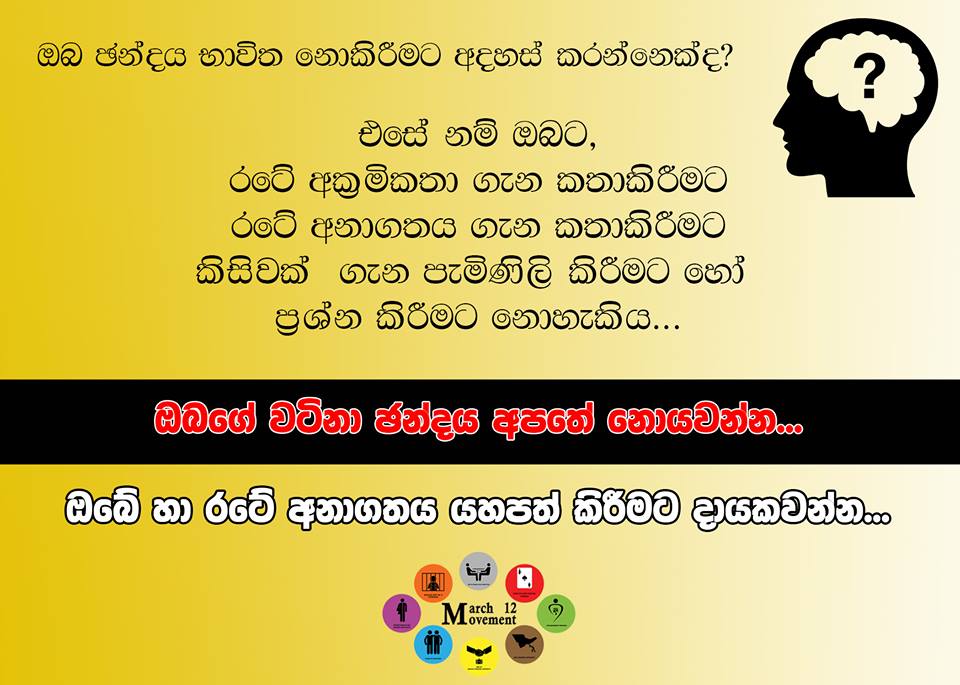
Not voting - then you have no right to complain afterwards! Voter message from March 12 Movement for Clean Politicians, Sri Lanka
Not voting – then you have no right to complain afterwards! Voter message from March 12 Movement for Clean Politicians, Sri Lanka

Echelon August 2015 column: Media Reforms – The Unfinished Agenda

Text of my column written for Echelon monthly business magazine, Sri Lanka, August 2015 issue

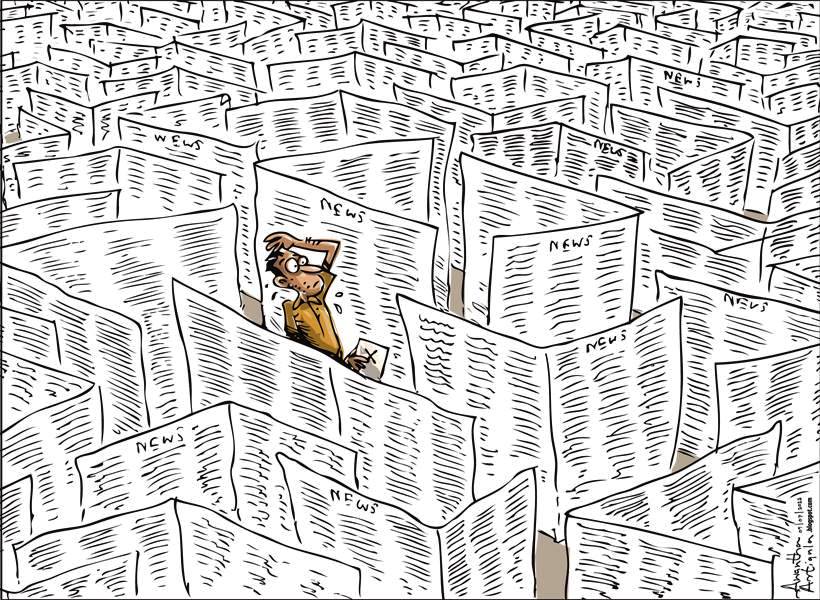
Cartoon by Awantha Artigala, Sri Lanka Cartoonist of the Year 2014

Media Reforms: The Unfinished Agenda

By Nalaka Gunawardene

When I was growing up in the 1970s, Sri Lanka’s media landscape was very different. We had only one radio station (state-owned SLBC) and three newspaper houses (Lake House, Times of Ceylon and Independent Newspapers). There was no TV, and the web wasn’t even invented.

At that time, most discussions on media freedom and reforms centred around how to contain the overbearing state – which was a key publisher, as well as the sole broadcaster, dominant advertiser and media regulator, all rolled into one.

Four decades on, the state still looms large on our media landscape, but there are many more players. The number of media companies, organisations and products has steadily increased, especially after private sector participation in broadcasting was allowed in 1992.

More does not necessarily mean better, however. Media researchers and advocacy groups lament that broadcast diversification has not led to a corresponding rise in media pluralism – not just in terms of media ownership and content, but also in how the media reflects diversity of public opinion, particularly of those living on the margins of society.

As the late Tilak Jayaratne and Sarath Kellapotha, two experienced broadcasters, noted in a recent book, “There exists a huge imbalance in both media coverage and media education as regards minorities and the marginalised. This does not come as a surprise, as it is known that media in Sri Lanka, both print and broadcast, cater mainly to the elite, irrespective of racial differences.”

 Media under pressure

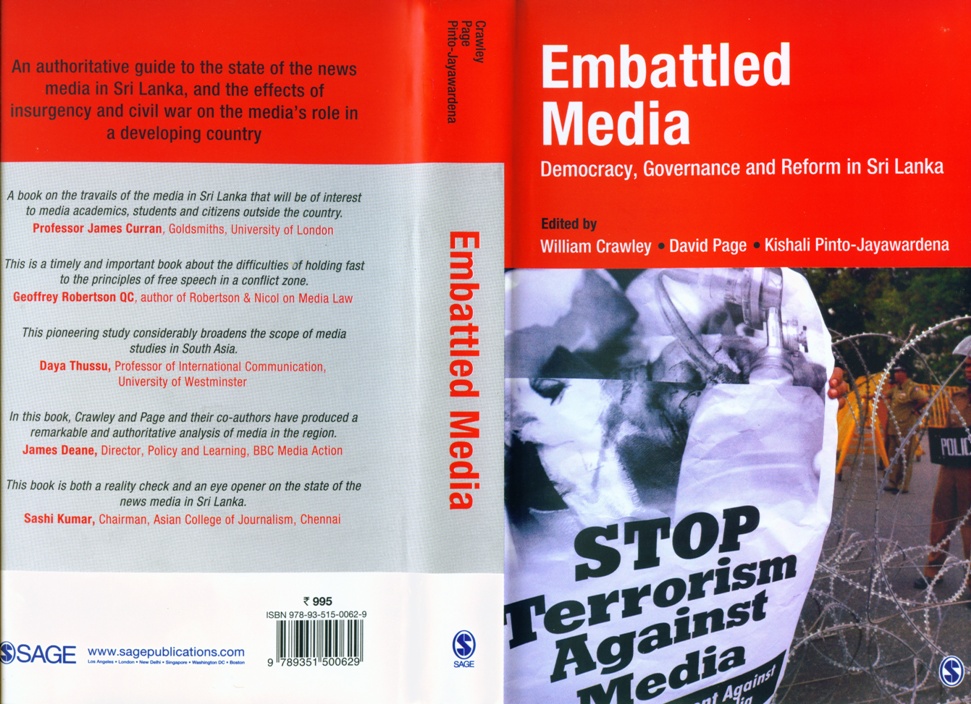
 The multi-author book, titled Embattled Media: Democracy, Governance and Reform in Sri Lanka (Sage Publications, Feb 2015), was compiled during 2012-14 by a group of researchers and activists who aspired for a freer and more responsible media. It came out just weeks after the last Presidential Election, where media freedom and reforms were a key campaigning issue.

In their preface, co-editors William Crawley, David Page and Kishali Pinto-Jayawardena say: “Media liberalisation from the 1990s onwards had extended the range of choice for viewers and listeners and created a more diverse media landscape. But the war in the north and insurrections in the south had taken their toll of media freedoms. The island had lived under a permanent state of emergency for nearly three decades. The balance of power between government, judiciary, the media and the public had been put under immense strain.”

Embattled Media - Democracy, Governance and Reform in Sri Lanka
Embattled Media – Democracy, Governance and Reform in Sri Lanka

The book, to which I have contributed a chapter on new media, traces the evolution mass media in post-colonial Sri Lanka, with focus on the relevant policies and laws, and on journalism education. It discusses how the civil war continues to cast “a long shadow” on our media. Breaking free from that legacy is one of many challenges confronting the media industry today.

Some progress has been made since the Presidential election. The new government has taken steps to end threats against media organisations and journalists, and started or resumed criminal investigations on some past atrocities. Political websites that were arbitrarily blocked from are once again accessible. Journalists who went into exile to save their lives have started returning.

On the law-making front, meanwhile, the 19th Amendment to the Constitution recognized the right to information as a fundamental right. But the long-awaited Right to Information Bill could not be adopted before Parliament’s dissolution.

Thus much more remains to be done. For this, a clear set of priorities has been identified through recent consultative processes that involved media owners, practitioners, researchers, advocacy groups and trainers. These discussions culminated with the National Summit on Media Reforms organised by the Ministry of Media, the University of Colombo, Sri Lanka Press Institute (SLPI) and International Media Support (IMS), and held in Colombo on 13 and 14 May.

Parallel to this, there were two international missions to Sri Lanka (in March and May) by representatives of leading organisations like Article 19, UNESCO and the International Federation of Journalists (IFJ). I served as secretary to the May mission that met a range of political and media leaders in Colombo and Jaffna.

 Unfinished business

We can only hope that the next Parliament, to be elected at the August 17 general election, would take up the policy and law related aspects of the media reform agenda (while the media industry and profession tackles issues like capacity building and greater professionalism, and the education system works to enhance media literacy of everyone).

Pursuing these reforms needs both political commitment and persistent advocacy efforts.


  • Right to Information: The new Parliament should pass, on a priority basis, the Right to Information Bill that was finalised in May 2015 with inputs from media and civil society groups.


  • Media Self-Regulation: The Press Council Act 5 of 1973, which created a quasi-judicial entity called the Press Council with draconian powers to punish journalists, should be abolished. Instead, the self-regulatory body established in 2003, known as the Press Complaints Commission of Sri Lanka (PCCSL), should be strengthened. Ideally its scope should expand to cover the broadcast media as well.


  • Law Review and Revision: Some civil and criminal laws pose various restrictions to media freedom. These include the Official Secrets Act and sedition laws (both relics of the colonial era) and the draconian Prevention of Terrorism Act that has outlived the civil war. There are also needlessly rigid laws covering contempt of court and Parliamentary privileges, which don’t suit a mature democracy. All these need review and revision to bring them into line with international standards regarding freedom of expression.


  • Broadcast regulation: Our radio and TV industries have expanded many times during the past quarter century within an ad hoc legal framework. This has led to various anomalies and the gross mismanagement of the electromagnetic spectrum, a finite public property. Sri Lanka urgently needs a comprehensive law on broadcasting. Among other things, it should provide for an independent body to regulate broadcasting in the public interest, more equitable and efficient allocation of frequencies, and a three-tier system of broadcasting which recognises public, commercial and community broadcasters. All broadcasters – riding on the public owned airwaves — should have a legal obligation be balanced and impartial in coverage of politics and other matters of public concern.


  • Restructuring State Broadcasters: The three state broadcasters – the Sri Lanka Rupavahini Corporation (SLRC), the Sri Lanka Broadcasting Corporation (SLBC) and the Independent Television Network (ITN) – should be transformed into independent public service broadcasters. There should be legal provisions to ensure their editorial independence, and a clear mandate to serve the public (and not the political parties in office). To make them less dependent on the market, they should be given some public funding but in ways that don’t make them beholden to politicians or officials.


  • Reforming Lake House: Associated Newspapers of Ceylon Limited or Lake House was nationalised in 1973 to ‘broadbase’ its ownership. Instead, it has remained as a propaganda mill of successive ruling parties. Democratic governments committed to good governance should not be running newspaper houses. To redeem Lake House after more than four decades of state abuse, it needs to operate independently of government and regain editorial freedom. A public consultation should determine the most appropriate way forward and the best business model.


  • Preventing Censorship: No prior censorship should be imposed on the media. Where necessary, courts may review media content for their legality after publication (on an urgent basis). Laws and regulations that permit censorship should be reviewed and amended. We must revisit the Public Performance Ordinance, which empowers a state body to pre-approve all feature films and drama productions.


  • Blocking of Websites: Ensuring internet freedoms is far more important than setting up free public WiFi services. There should be no attempts to limit online content and social media activities contravening fundamental freedoms guaranteed by the Constitution and international conventions. Restrictions on any illegal content may be imposed only through the courts (and not via unwritten orders given by the telecom regulator). There should be a public list of all websites blocked through such judicial sanction.


  • Privacy and Surveillance: The state should protect the privacy of all citizens. There should be strict limits to the state’s surveillance of private individuals’ and private entities’ telephone conversations, emails and other electronic communications. In exceptional situations (e.g. crime investigations), such surveillance should only be permitted with judicial oversight and according to a clear set of guidelines.
Cartoon by Awantha Artigala, Sri Lanka Cartoonist of the Year 2014

 Dealing with Past Demons

While all these are forward looking steps, the media industry as a whole also needs state assistance to exorcise demons of the recent past — when against journalists and ‘censorship by murder’ reached unprecedented levels. Not a single perpetrator has been punished by law todate.

This is why media rights groups advocate an independent Commission of Inquiry should be created with a mandate and adequate powers to investigate killings and disappearances of journalists and attacks on media organisations. Ideally, it should cover the entire duration of the war, as well as the post-war years.

Science writer Nalaka Gunawardene is on Twitter @NalakaG and blogs at http://nalakagunawardene.com

SL General Election 2015: Statement on Freedom of Expression and Media Freedom

Statement on Freedom of Expression and Media Freedom

For the attention of political parties contesting in Sri Lanka General Election 2015

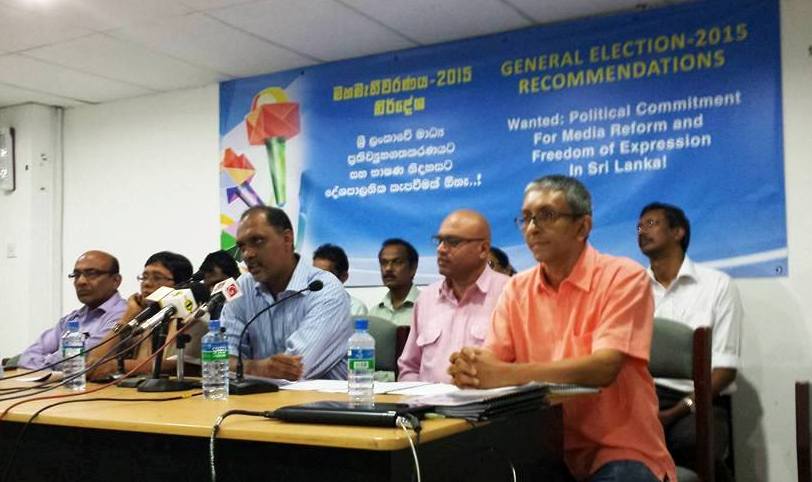
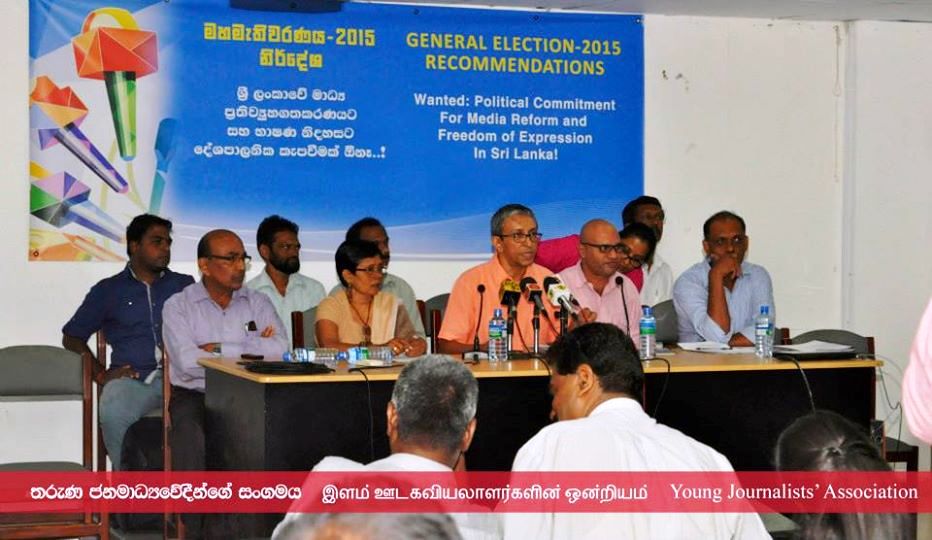
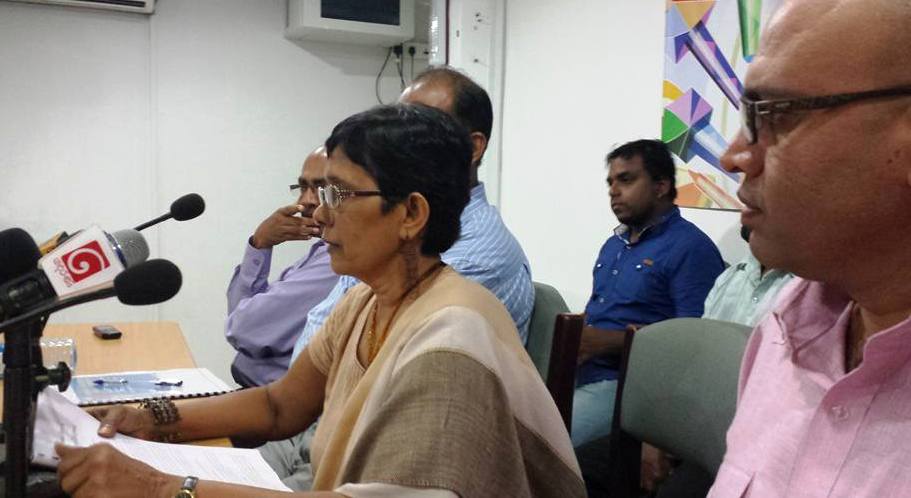
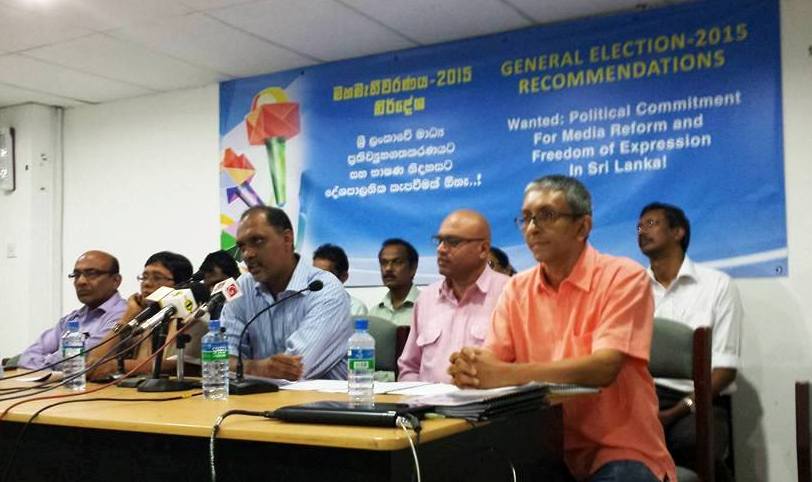
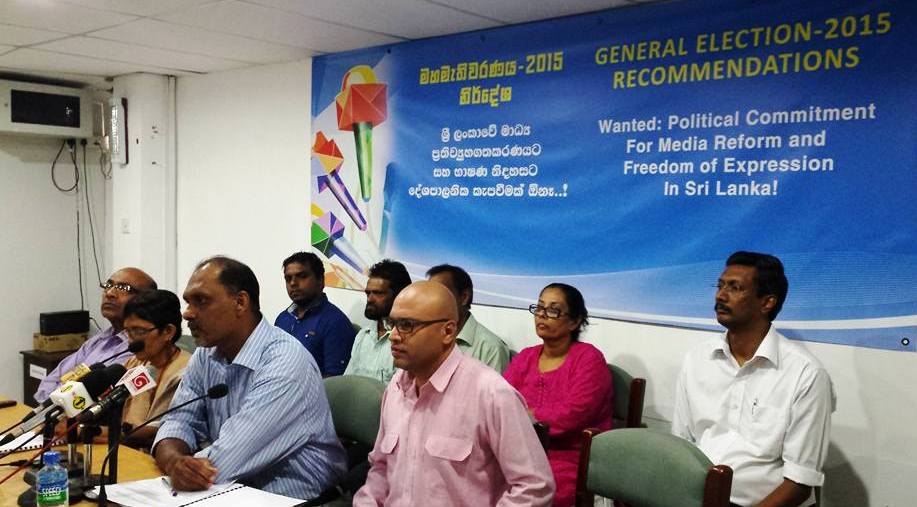
Issued at a press conference held at Sri Lanka Press Institute (SLPI) in Colombo on 21 July 2015

Sinhala version: 2015 මහ මැතිවරණය: භාෂණයේ නිදහස හා මාධ්‍ය නිදහස පිළිබඳ ප්‍රකාශය

Lasantha Ruhunage, President of Sri Lanka Working Journalists’ Association, speaks at press conference at SLPI, Colombo, 21 July 2015

Since the Presidential Election on 8 January 2015, some progress has been made with regards to freedom of expression (FOE) and media freedom in Sri Lanka.

These include: steps being taken to end threats against and pressure on media organisations and journalists; the unblocking of political websites that were arbitrarily blocked; the 19th Amendment to the Constitution recognizing the right of access to information as a fundamental right; and the government extending an open invitation to exiled journalists to return to Sri Lanka.

But much more remains to be done to improve FOE and media freedom situation in Sri Lanka, and to ensure a more conducive environment for the media. Such policy, legal and structural reforms would require the political will of all political parties in the next Parliament of Sri Lanka.

In view of this, we urge the political parties contesting in the General Election to be held on 17 August 2015 to give a firm commitment to the following specific measures for meaningful media freedom and reforms.

These are not listed in any order of priority.

  1. Right to Information: A right to information law, which gives individuals the right to access information held by public authorities, should be adopted. The new Parliament should pass, on a priority basis, the Right to Information Bill that was finalised in May 2015 with inputs from media stakeholders.


  1. Media Self-Regulation: The Press Council Act 5 of 1973 should be repealed, and the government-controlled Press Council should be abolished. The self-regulatory body established in 2003 by the media industry, known as the Press Complaints Commission of Sri Lanka (PCCSL), should be strengthened and ideally its scope should be expanded to cover the broadcast media as well.


  1. Law Review and Revision: Civil and criminal laws that pose various restrictions on media freedom should be reviewed and revised to bring them into line with international standards regarding freedom of expression. Such laws include the Prevention of Terrorism Act, the Official Secrets Act, sedition laws, and the rules on contempt of court and Parliamentary privileges.


  1. Crimes Against Journalists: An independent Commission of Inquiry should be created with a mandate and adequate powers to investigate past killings of, threats to, disappearances of and other attacks on journalists, media workers and media outlets, with a view to ensuring that those responsible are prosecuted and that appropriate compensation is paid to the victims and their families.


  1. Broadcast Regulation: Comprehensive legislation on broadcasting should be adopted in line with international guarantees of freedom of expression. This should provide for, among other things, proper planning in relation to the frequencies allocated to broadcasting, including through the digital transition, a three-tier system of broadcasting which recognises public, commercial and community broadcasters, and obligations on broadcasters to be balanced and impartial in their coverage of politics and other matters of public concern. An independent Broadcasting Authority should be set up to regulate the entire broadcasting sector in the public interest. This regulator should ensure a fair, pluralistic and efficient broadcasting system.


Nalaka Gunawardene, Consultant to the Secretariat for Sri Lanka Media Reforms,  speaks at the press conference at SLPI, Colombo, 21 July 2015
Nalaka Gunawardene, Consultant to the Secretariat for Sri Lanka Media Reforms, speaks at the press conference at SLPI, Colombo, 21 July 2015
  1. Community Broadcasting: The broadcasting regulation to be introduced should support the development of community broadcasting services owned and operated by communities through clear definitions of what constitutes a community broadcaster, a tailored licensing process, and lower fees for frequency allocation and other concessions.


  1. Restructuring State Media: The three State broadcasters – the Sri Lanka Rupavahini Corporation (SLRC), the Sri Lanka Broadcasting Corporation (SLBC) and the Independent Television Network (ITN) – should be transformed into independent public service broadcasters which enjoy editorial independence, have a clear mandate to serve the public and benefit from public funding which does not compromise their independence. Measures should also be taken to ensure that Associated Newspapers of Ceylon Limited (ANCL or Lake House) can operate independently of government and enjoy editorial freedom. A public consultation should determine the most appropriate way forward.
Seetha Ranjanee, Convenor of Free Media Movement of Sri Lanka, speaks at press conference on media reforms: Sri Lanka Press Institute, Colombo. 21 July 2015


  1. Preventing Censorship: No prior censorship should be imposed on the media. Where necessary, courts can review media content for legality after publication on an urgent basis. Laws and regulations that permit censorship – including the Public Performance Ordinance – should be reviewed and amended to bring them into line with international standards.


  1. No Blocking Political Websites: There should be no attempts to limit online content or social media activities contravening fundamental freedoms guaranteed by the Constitution and international conventions. Restrictions on illegal content may be imposed only through an independent judicial process which ensures that fundamental rights to access information and freedom of expression are not hindered.


  1. Privacy and Surveillance: The state should respect and protect the privacy of all citizens. There should be strict limits to the state surveillance of private individuals’ and entities’ telephone conversations and electronic communications. In exceptional situations, such surveillance should only be permitted with judicial oversight and according to a clear set of guidelines.


Media Reform Agenda for Lankan Political Parties - 21 July 2015
Media Reform Agenda for Lankan Political Parties – 21 July 2015


2015 මහ මැතිවරණය: භාෂණයේ නිදහස හා මාධ්‍ය නිදහස පිළිබඳ ප්‍රකාශය

2015 මහ මැතිවරණය සඳහා ඉදිරිපත් වන

සියලු දේශපාලන පක්ෂවල අවධානය සඳහා…

භාෂණයේ නිදහස හා

මාධ්‍ය නිදහස පිළිබඳ ප්‍රකාශය

2015 ජූලි 21

English version: SL General Election 2015: Statement on Freedom of Expression and Media Freedom

Media Reform Agenda for Lankan Political Parties - 21 July 2015
Media Reform Agenda for Lankan Political Parties – 21 July 2015

භාෂණයේ නිදහස, මාධ්‍ය නිදහස හා මාධ්‍ය උන්නතිය පිළිබද දේශපාලන පක්ෂවල සැබෑ කැපවීම පෙන්වන තෙක් ඡන්දදායක රටවැසියන් මහත් අපේක්ෂාවෙන් පසු වේ.

  • ජනමාධ්‍ය ප්‍රතිව්‍යුහගතකරණය පිළිබඳ සමුළු ලේකම් කාර්යාලය
  • ශ්‍රී ලංකා පුවත්පත් ආයතනය (SLPI)
  • නිදහස් මාධ්‍ය ව්‍යාපාරය (FMM)
  • ශ්‍රී ලංකා වෘත්තීය ජනමාධ්‍යවේදීන්ගේ සංගමය
  • ශ්‍රී ලංකා පත්‍රකලාවේදීන්ගේ සංගමය
  • ප්‍රාදේශීය මාධ්‍යවේදීන්ගේ ජාතික සංධානය
  • ප්‍රජා ගුවන්විදුලි මාධ්‍යවේදීන්ගේ ජාතික කමිටුව
  • තරුණ ජනමාධ්‍යවේදීන්ගේ සමාජය
  • ශ්‍රී ලංකා මුස්ලිම් ජනමාධ්‍යවේදීන්ගේ සංගමය
  • යාපනය ජනමාධ්‍යවේදීන්ගේ සංගමය (Jaffna Press Club)

එක්ව කරන ප්‍රකාශනයකි.

Media Reform Recommendations for Political Party Commitment prior to Sri Lanka General Election 2015. Press Conference at Sri Lanka Press Institute, 21 July 2015

2015 ජනවාරි 8 ජනාධිපතිවරණයෙන් පසු ශ්‍රී ලංකාව භාෂණයේ හා මාධ්‍ය නිදහස පිළිබඳව යම් මට්ටමක සාධනීය තත්ත්වයක් ඇති කර ගැනීමට සමත් වූ බව පෙනෙන්නට තිබේ.

මාධ්‍ය ආයතන හා මාධ්‍යවේදීන් වෙත එල්ල වූ බලපෑම් හා තර්ජන වැලැක්වීමට ගත් ක්‍රියා මාර්ග, පදනම් විරහිත ලෙස අවහිර කරන ලද දේශපාලනික වෙබ් අඩවි නැවත නිදහස් කිරීම, තොරතුරු දැන ගැනීමේ අයිතිය 19 වන ව්‍යවස්ථා සංශෝධනයේදී මුලික අයිතිවාසිකමක් ලෙස පිළි ගැනීම, දේශපාලනික හේතුන් මත රට හැර ගොස් සිටින ජනමාධ්‍යවේදීන්ට නැවත ශ්‍රී ලංකාවට පැමිණෙන ලෙසට රජය විසින් කරනු ලබන විවෘත ආරාධනා, වැනි පියවර මේ බවට මූලික නිමිති සපයයි.

කෙසේ වෙතත් භාෂණයේ නිදහස හා මාධ්‍ය නිදහස වර්ධනය කිරීම සඳහා තවත් කටයුතු රාශියක් ඉතිරි වී ඇති බව අපගේ අදහසයි. ඉදිරි මහ මැතිවරණයෙන් පසු තේරී පත් වන නව පාර්ලිමේන්තුව නියෝජනය කරන සියලුම දේශපාලන පක්ෂ මෙම ප්‍රතිපත්තිමය, නීතිමය, ව්‍යුහාත්මක වෙනස්කම් සඳහා අවශ්‍ය වන දේශපාලනික කැපවීම ප්‍රදර්ශනය කරනු ඇතැයි යන්න අපගේ අපේක්ෂාවයි.

මේ කරුණු සැලකිල්ලට ගනිමින් ජනමාධ්‍ය නිදහස වර්ධනය කිරීමට හා එහි සාධනීය ව්‍යුහාත්මක වෙනසක් ඇති කීරීම පිළිබඳ පහත සඳහන් නිශ්චිත නිර්දේශ කෙරෙහි සිය කැපවීම ප්‍රකාශ කරන මෙන් 2015 අගෝස්තු 17 වන දින මහා මැතිවරණයට ඉදිරිපත් වන සියලු දේශපාලන පක්ෂවලින් අපි ඉල්ලා සිටිමු.

(මෙම කරුණු පෙළගැස්වීම එහි ප්‍රමුඛතාවය අනුව නොවන බව සලකන්න)

1. තොරතුරු දැනගැනීමේ අයිතිය: පුරවැසියන්ට රජය හා රජයේ ආයතන සතු තොරතුරු ලබා ගැනීමේ අයිතිය නීතියෙන් සම්මත කළ යුතුය. සියලුම මාධ්‍ය පාර්ශවකරුවන්ගේ දායකත්වය සහිතව 2015 මැයි මස සකස් කොට අවසන් කරන ලද තොරතුරු දැන ගැනීමේ අයිතිය පිළිබඳ පනත් කෙටුම්පත නව පාර්ලිමේන්තුව විසින් හැකි තාක් ඉක්මනින් හා දියාරු නොකොට සම්මත කර ගත යුතුය.

2. මාධ්‍ය ස්වයං නියාමනය: 1973 අංක 5 දරණ පුවත්පත් කොමිසම පනත ඉවත් කළ යුතු අතර රජය විසින් පාලනය කරන පුවත්පත් මණ්ඩලය මුළුමනින්ම අහෝසි කළ යුතුය. ඒ වෙනුවට මාධ්‍ය කර්මාන්තය විසින්ම 2003 වසරේ ස්ථාපිත කරන ලද ශ්‍රී ලංකා පුවත්පත් පැමිණිලි කොමිසම ශක්තිමත් කොට සියලු මුද්‍රිත හා විද්‍යුත් මාධ්‍ය ආවරණය වන පරිදි පුළුල් කිරීමෙන් වඩාත් සවිමත් හා සක්‍රිය ස්වයං නියාමන ව්‍යුහයක් ස්ථාපිත කළ යුතුය.

3. නීති විමර්ශනය හා සංශෝධනය: මාධ්‍ය නිදහස කෙරෙහි ප්‍රායෝගිකව යම් යම් සීමා පන වන සිවිල් හා අපරාධ නීති තවමත් මෙරට නීති පොත්වල ඉතිරිව පවතී. ත්‍රස්තවාදය වැලැක්වීමේ පනත, රාජ්‍ය ද්‍රෝහිත්වය පිළිබඳ නීති, අධිකරණයට අපහස කිරීමේ හා පාර්ලිමේන්තු වරප්‍රසාද කඩ කිරීම පිළිබඳ නීති මෙයට ඇතුලත්ය. මේවා විමර්ශනය කොට භාෂණයේ නිදහස හා මාධ්‍ය නිදහස පිළිබඳ ජාත්‍යන්තර ප්‍රමිතීන්ට අනුකූල වන අයුරින් සංශෝධනය කළ යුතුය.

4. ජනමාධ්‍යවේදීන්ට එරහි අපරාධ විමර්ශනය: ඝාතනය කරන ලද, පහරදීම්වලට ලක් වූ, තර්ජනයට ලක් කරන ලද, අතුරුදන් කරන ලද හෝ වෙනත් අයුරකින් හිරිහැරයට ලක් වූ මාධ්‍යවේදීන් හා ජනමාධ්‍ය ආයතන පිළිබඳව අපක්ෂපාතීව විමර්ශනය කොට, වරදකරුවන් නීතිය ඉදිරියට ගෙන ඒමටත්, අගතියට පත් පාර්ශව සඳහා වන්දි ලබා දීමටත් වගකීම දරන ඉහළ මට්ටමේ ස්වාධීන කොමිසමක් පත් කළ යුතුය.

Seetha Ranjanee, Convenor of Free Media Movement of Sri Lanka, speaks at press conference on media reforms: Sri Lanka Press Institute, Colombo. 21 July 2015

5. විද්‍යුත් මාධ්‍ය ක්ෂේත්‍රය නියාමනය: භාෂණයේ නිදහස තහවුරු කරන ජාත්‍යන්තර නීති රීති වලට අනුගත වෙමින් ශ්‍රී ලංකාව තුල විද්‍යුත් මාධ්‍ය විකාශන නියාමනය කළ යුතුය. එසේ කිරීම මගින් රේඩියෝ සහ ටෙලිවිෂන් සඳහා විකාශන සංඛ්‍යාත වෙන් කිරීම විධිමත් ලෙස සැලසුම්කරණය කළ යුතුය. එසේම මහජන සේවා, වාණිජ හා ප්‍රජා යන තල තුන තුළම සේවා සැපයීම සඳහා අවස්ථා සැලසිය යුතුය. එමගින් දේශපාලනික හා වෙනත් පොදු උන්නතියට අදාල තොරතුරු ආවරණය වඩාත් සමබරව හා අපක්ෂපාතීව ගෙන ඒමට විද්‍යුත් මාධ්‍ය ආයතනවලට ඇති වගකීම ඉටු කිරීමට නියාමන බලපෑමක් කළ හැකි වනු ඇත. මහජන අභිලාෂයන් මුදුන්පත් වන අයුරුන් සමස්ත නියාමනය සිදු කළ හැකි පරිදි ස්වාධීන විකාශන අධිකාරියක් ස්ථාපනය කළ යුතුය.

6. ප්‍රජා විද්‍යුත් මාධ්‍ය: විද්‍යුත් මාධ්‍ය ක්ෂේත්‍රය නියාමනය මගින් ප්‍රජා විකාශන සේවා (community broadcasting) උනන්දු කල යුතුය. ජාත්‍යන්තර අර්ථ දැක්වීම් වලට අනුව ප්‍රජා විකාශනයන්හි හිමිකාරිත්වය හා මෙහෙයවීම ප්‍රජාව සතු විය යුතු අතර ඒවාට වඩාත් උචිත හා දරාගත හැකි ලෙස සකස් කරන ලද බලපත්‍ර ක්‍රමවේදයක් හඳුන්වා දිය යුතුය.

7. රාජ්‍ය මාධ්‍ය ප්‍රතිව්‍යුහගතකරණය: මහජනයා සතු රාජ්‍ය මාධ්‍ය ආයතන, බලයේ සිටින පක්ෂයේ ප්‍රචාරක වැඩට යොදා ගන්නා අශීලාචාර සම්ප්‍රදායෙන් දැන්වත් අත්මිදිය යුතුය. රාජ්‍ය විද්‍යුත් මාධ්‍ය ආයතන තුන වන ශ්‍රී ලංකා රූපවාහිනී සංස්ථාව (SLRC), ශ්‍රී ලංකා ගුවන්විදුලි සංස්ථාව (SLBC) ස්වාධීන රුපවාහිනී සේවය (ITN) ස්වාධීන මහජන සේවා ආයතන බවට පත් කළ යුතුය. එමගින් කර්තෘ නිදහස ආරක්ෂා කරන මහජන සේවා සපයන්නෙකු බවට මේ ආයතන කෙමෙන් පරිවර්තනය කළ යුතුය. මෙම ආයතනවලට දේශපාලන බලපෑම් කිරීමට ඉඩක් නැති පරිදි ස්වාධීන ලෙස මුදල් ප්‍රතිපාදන ලැබෙන ක්‍රමවේදයක් සකස් කළ යුතුය. එම ක්‍රියාමාර්ග මගින් එම ආයතනයන්හි මෙතෙක් කිසිදා නොපැවති ස්වාධීනත්වය ටිකෙන් ටික තහවුරු කර ගත හැකිය. ලේක්හවුස් ආයතනයටද (Associated Newspapers Ceylon Limited, ANCL) රාජ්‍ය බලපෑමෙන් ස්වාධීනව කර්තෘ නිදහස භුක්ති විඳීම සඳහා ක්‍රියාදාමයක් සකස් කල යුතුය. ඒ සඳහා සුදුසු ක්‍රියාමාර්ග පිළිබඳ මහජන අදහස් විමසීමක් කළ යුතුය.

Lasantha Ruhunage, President of Sri Lanka Working Journalists’ Association, speaks at press conference at SLPI, Colombo, 21 July 2015

8. මාධ්‍ය වාරණය වැලැක්වීම: කිසිදු මාධ්‍යයක් කිසිවක් ප්‍රකාශනයට පෙර බලධාරීන්ගෙන් අවසර පතන වාරණ ක්‍රම සියල්ල ඉවත් කළ යුතුය. ප්‍රකාශනයෙන් හෝ විකාශයෙන් පසුව කිසිවකුට අගතියක් වේ නම් උසාවියක් මගින් මාධ්‍ය අන්තර්ගතය පරික්ෂා කිරීම සඳහා අවශ්‍ය පියවර ගත හැකිය. (ප්‍රසිද්ධ රැගුම් පාලන පනතද ඇතුළු) වාරණ නීති හා රෙකුලාසි නැවත සලක බැලිය යුතු අතර භාෂණයේ නිදහස හා මාධ්‍ය නිදහස පිළිබඳ ජාත්‍යන්තර ප්‍රමිතීන්ට අනුකූල වන අයුරින් සංස්කරණය කළ යුතුය.

9. දේශපාලන වෙබ් අඩවි සඳහා සීමා ඉවත් කිරීම: ව්‍යවස්ථාවෙන් හා ජාත්‍යන්තර සම්මුතීන් මගින් සහතික කරන ලද භාෂණයේ නිදහස උල්ලංගනය කරන පරිදි සමාජ ජාල හා අන්තර්ජාල අන්තර්ගතය පාලනය නොකළ යුතුය. රට තුළ සිට කියැවීමට නොහැකි වන සේ දේශපාලන වෙබ් අඩවි අවහිර කිරීම කිසිසේත්ම නොකළ යුතුය. රටේ නීතියට නිශ්චිතවම එරෙහි වන (අසැබි රූප ආදිය ඇතුළත්) වෙබ් අඩවි පාලනය කිරීම පිළිබඳ සීමා පැන වීමේදී එය සැම විටම අධිකරණ අධීක්ෂළය යටතේ පමණක් කළ යුතු අතර එමගින් මහජනයාගේ තොරතුරු ලබා ගැනීමේ නිදහසට හා භාෂණයේ නිදහස සඳහා වන මූලික මානව අයිතිවාසිකම්වලට කිසිදු බාධාවක් ඇති නොවිය යුතුය.

10. අවේක්ෂණය වැලැක්වීම: තොරතුරු සමාජයේ ප්‍රගමනය සමග නූතන සන්නිවේදන තාක්ෂනයන් භාවිතය පුළුල් වෙයි. රජය විසින් සියලු පුරවැසියන්ගේ පෞද්ගලිකත්වය ගරු කොට ආරක්ෂා කළ යුතුය. පෞද්ගලික පුරවැසියන්ගේ හා ආයතනවල දුරකථන සංවාද හා විද්‍යුත් සන්නිවේදන අවේක්ෂණය කිරීම (surveillance) රජය විසින් කිසි විටෙකත් දේශපාලන වාසි පිනිස නොකළ යුතුය. අපරාධ විමර්ශනය වැනි විශේෂිත අවස්ථාවන්හිදී පමණක් එවැනි අවේක්ෂණය සඳහා අවසර දිය යුත්තේ අධිකරණ අධීක්ෂණය යටතේ හා නිශ්චිත සීමාවලට යටත් වන පරිදිය.

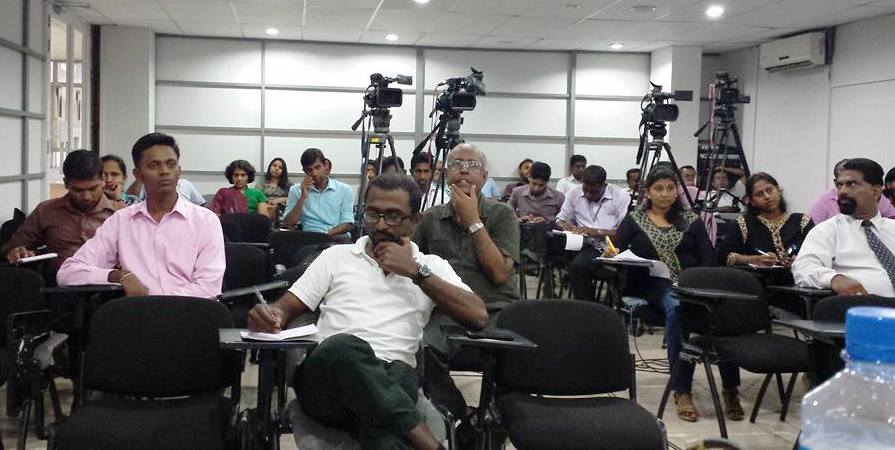
Covering the Press Conference at SLPI, 21 July 2015


සිවුමංසල කොලූගැටයා #228: දලයිලාමාට කවුද බය?

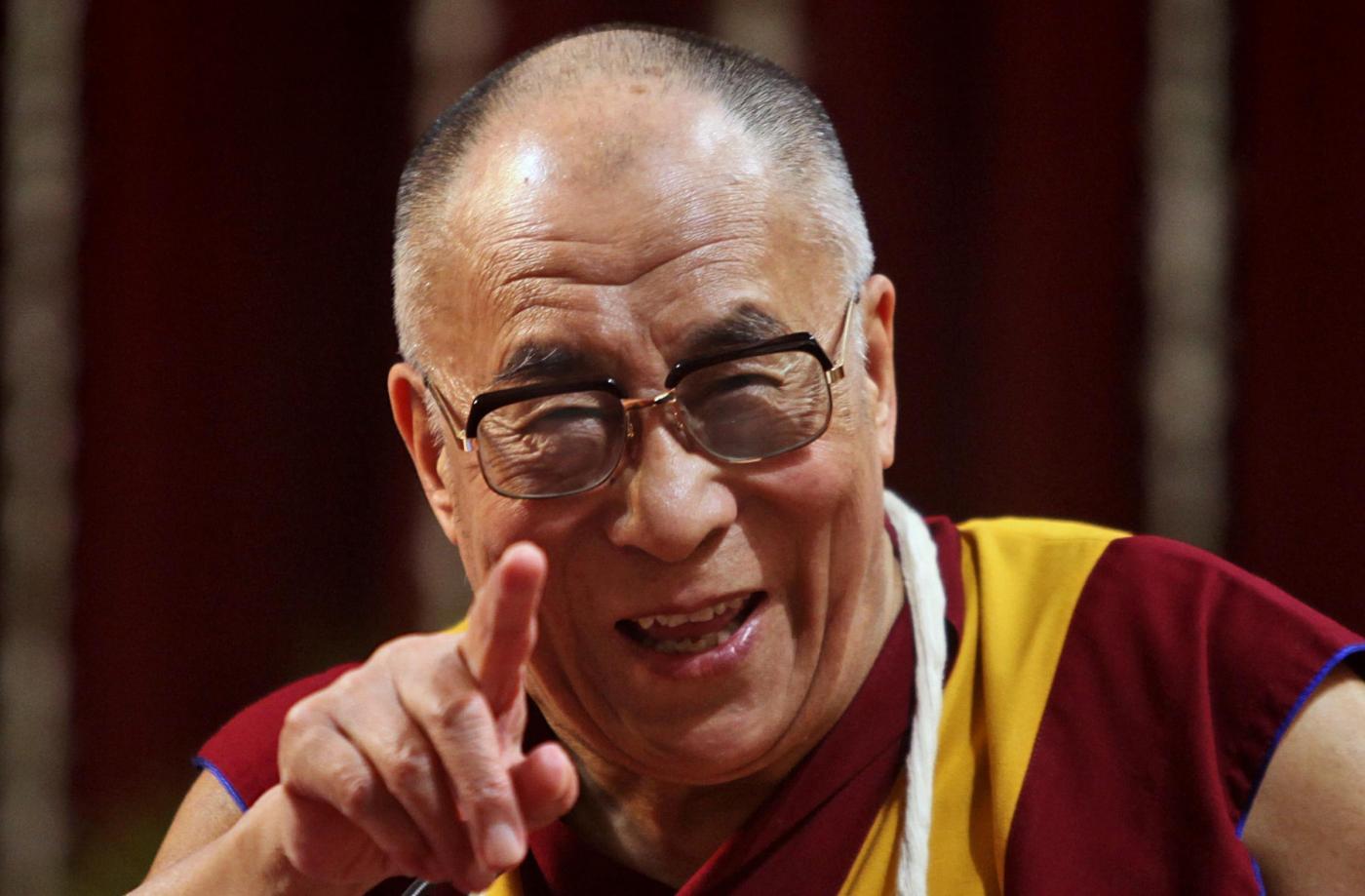
In this Feb. 18, 2011 photo, Tibetan spiritual leader the Dalai Lama gestures as he addresses the Mumbai University students in Mumbai, India. The Dalai Lama said Thursday, March 10, 2011, that he will give up his political role in Tibet's government-in-exile, shifting that power to an elected representative. The Tibetan spiritual leader, speaking on the anniversary of the 1959 Tibetan uprising against Chinese control, said the time has come "to devolve my formal authority to the elected leader. (AP Photo/Rafiq Maqbool, File)
In this Feb. 18, 2011 photo, Tibetan spiritual leader the Dalai Lama gestures as he addresses the Mumbai University students in Mumbai, India.             (AP Photo/Rafiq Maqbool)

In this week’s Ravaya column, (in Sinhala, appearing in issue of 19 July 2015), I salute the Dalai Lama who turned 80 on July 6. One of the world’s best known and admired public figures, the Tibetan Buddhist spiritual leader has earned the respect of many non-Buddhists because of his wisdom, tolerance and pragmatism.

I also raise the thorny issue: why has this global figure been refused visa to visit Sri Lanka (at least six times) by successive governments? This is due to heavy pressure from China – which invaded and annexed Tibet in 1950-51 and continues to occupt the land for over half a century.

Why are Lankan governments so beholden to China? Why isn’t this Buddhist leader allowed to visit the island when three Popes have visited during the past half century? Questions that citizens of Lanka must keep posing to their government…

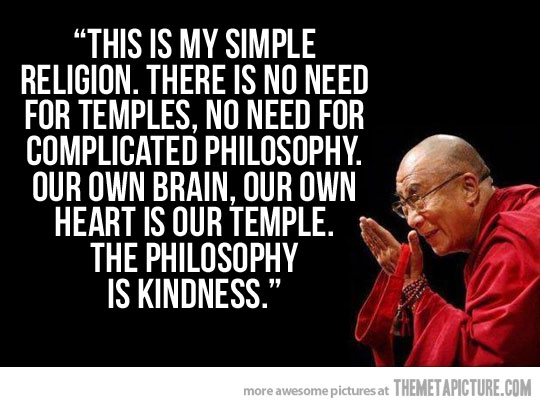
Dalai-Lama-quote-religion

ශ‍්‍රී ලංකාවේ විදේශ ප‍්‍රතිපත්තිය කලින් කලට වෙනස් වනවා. 1960 හා 1970 දශකවල නොබැඳි ව්‍යාපාරයට මුල් තැන දුන් හා වඩාත් සමාජවාදී නැඹුරුවක් තිබූ එය 1980 දශකයේදී වඩාත් ධනවාදී කඳවුරට සමීප වූවා. 2005 සිට රාජපක්ෂ රජය චීනයට ගැති වී ක්‍රියා කළා.

එදා මෙදා කුමන ආකාරයේ රජයක් බලයේ සිටියත් කුමන විදේශ ප‍්‍රතිපත්තියක් යටතේ වුවත් දිගටම පවත්වා ගෙන ගිය එක් ස්ථාවරයක් නම් දලයිලාමාතුමාට මෙරටට පැමිණීමට වීසා නොදීමයි.

අඩු තරමින් හය වතාවක් විවිධ රජයන් මගින් එය ප‍්‍රතික්ෂේප කෙරුණා. 2015 ජනවාරියේ ආණ්ඩු පෙරළියෙන් පසුව මහාබෝධි සමාගමේ මූලිකත්වයෙන් එතුමන් මෙරටට කැඳවීමට ගත් උත්සාහය ද අසාර්ථක වුණා.

මෙයට හේතුව හැම ලක් රජයක්ම චීන බලපෑමට නතු වී මේ ලෝක පූජිත බෞද්ධ නායකයා මෙහි පැමිණීම බ්ලොක් කිරීමයි. ජීවිතයේ එක් වරක් ශ‍්‍රී ලංකාවේ දළදා මාලිගාව වැඳ පුදා ගැනීමට මහත් ඕනෑකමින් සිටින බව දලයිලාමා කියනවා.

The Sunday Times (Sri Lanka) Editorial: 18 January 2015: Welcome for Pope; Dalai Lama next

අපේ සියළු ආණ්ඩු මෙතරම් චීන බලපෑම්වලට නතු වන්නේ ඇයි?

ලොව පුරා විසිරි කතෝලිකයන්ගේ සාමයික නායකයා වන පාප්තුමා හරසරින් පිලිගත් මෙරටට ලොව ප්රකටම බෞද්ධ නායකයාට එන්න බැරි ඇයි?

එමෙන්ම ලොව බලවත්ම රටක් වන චීනය අවිහිංසාවාදී සාමයික නායකයකු වන දලයිලාමාට මෙතරම් බිය වන්නේ ඇයි?

දලයිලාමා (Dalai Lama) යනු තනතුරක්. 1642 සිට ටිබෙට් දේශයේ රාජ්‍ය නායකයා මෙන්ම ටිබෙට් තන්ත‍්‍රික බෞද්ධයන්ගේ සාමයික නායකයා ද වන්නේ දලයිලාමා කෙනෙක්.

වත්මන් දලයිලාමා මේ තනතුරට පත් 14 වැන්නායි. ඔහුගේ උපන් නම ටෙන්සිං ග්යාට්සෝ (Tenzin Gyatso).

දලයිලාමා පදවිය පරපුරෙන් උරුම වන්නක් නොවෙයි. එක් දලයිලාමා කෙනකු මිය ගිය පසු ඔහුගේ අනුප‍්‍රාප්තිකයා සොයා ගන්නට කල් ගත වන ක‍්‍රමවේදයක් තිබෙනවා. ටිබෙට් වැසියන්ගේ විශ්වාසය මිය ගිය දලයිලාමා නැවතත් පිරිමි දරුවකුව උපදින බවයි. එනිසා සම්ප‍්‍රදායට අනුව ඔවුන් සොයා යන්නේ නිසි චරිත ලක්ෂණ ඇති පිරිමි දරුවකුයි.

වත්මන් දලයිලාමා උපන්නේ 1935 ජූලි 6 වැනිදා ටිබෙටයේ අම්ඩෝ නම් ස්ථානයේ. ඔහු ඉන් පෙර විසූ දලයිලාමාගේ පුනරුත්පත්තිය යයි නිර්ණය කොට තෝරා ගන්නා විට වයස 4යි. 1950දී වයස 15 වන විට ටිබෙටයේ පූර්ණ රාජ්‍ය හා සාමයික නායක බලතල ඔහුට පවරනු ලැබුවා.

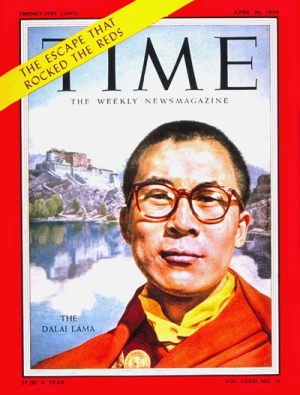
TIME, 20 April 1959 cover story on Dalai Lama fleeting Tibet to India

1949 ඔක්තෝබරයේ පිහිටුවනු ලැබූ මහජන චීන ජනරජය, ටිබෙටය තම රටේම ප‍්‍රාන්තයක් යයි අයිතිවාසිකම් කියා බලහත්කාරකමින් භූමිය අත්පත් කර ගැනීම ඇරඹුවේ 1950දී. චීනය සමග සටන් කරනු වෙනුවට ටිබෙට් වැසියන් බේජින් රජය සමග ස්වයංපාලන එකඟතා ගිවිසුමක් අත්සන් කළා. ඒ යටතේ දලයිලාමාට සීමිත බලතල සහිතව ටිබෙට් අගනුවර ලාසා (Lhasa) නගරයේ දිගටම සිටීමට හැකි වුණා. එහෙත් එය තිරසාර විසඳුමක් වූයේ නැහැ.

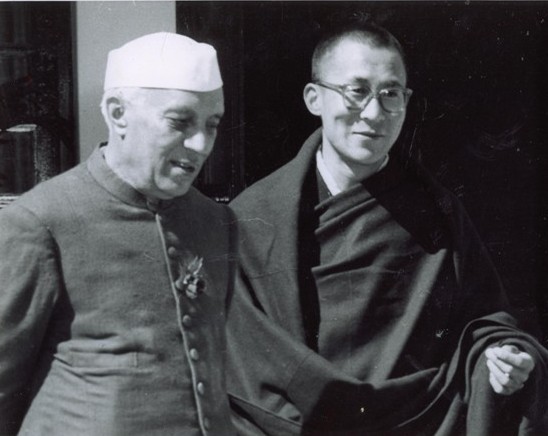
1959දී කැරැල්ලක් ඇති වී චීන හමුදා සමග ගැටුම්වලදී අඩු තරමින් ටිබෙට් ජාතිකයන් 85,000ක් මිය ගියා. පණ බේරා ගත් දලයිලාමා අසල්වැසි ඉන්දියාවට පළා ගියා. ඉන්දියාවේ එවකට අගමැති වූ ජවහර්ලාල් නේරු ඔහුට සරණාගත පහසුකම් හා දිවි ඇති තෙක් විසීමට විශේෂ වරප‍්‍රසාද රැසක් ලබා දුන්නා.

උතුරු ඉන්දියාවේ හිමාචල් ප‍්‍රදේශ් ප‍්‍රාන්තයේ ධරම්සාලාහි (Dharamshala) ආශ‍්‍රමයක් පිහිටුවා ගත් දලයිලාමා ඇතුලූ ඔහුගේ අනුගාමිකයන් අද දක්වා වසර 50කට වැඩි කාලයක් ජීවත් වන්නේ එතැනයි. ටිබෙට් විවාසික රජයේ (Tibet Government in Exile: http://tibet.net) මූලස්ථානයත් එහි සිට ක‍්‍රියාත්මක වනවා.

Prime Minister Jawaharlal Nehru and the Dalai Lama on April 24, 1959

1950 සිට 2011 දක්වා ටිබෙට් දේශයේ දේශපාලනික හා සාමයික නායකයා වූයේ වත්මන් දලයිලාමායි. එහෙත් 2011 දී ඔහු දේශපාලන නායකත්වය ටිබෙටයෙන් බැහැරව පිහිටුවා ගත් රජයකට පැවරුවා. කෙසේ වුවත් අද වනතුරුත් ටිබෙට් දේශය සමග ඉතා සමීපව හඳුනා ගැනෙන ලෝ ප‍්‍රකට සංකේතය වන්නේ දලයිලාමායි.

ටිබෙට් වැසියන්ගේ මානව අයිතිවාසිකම් හා සංස්කෘතික උරුමය රැක ගැනීම සඳහා 1959 පටන් අද දක්වා දලයිලාමා ලෝක ව්‍යාප්ත අවිහිංසාවාදී ප‍්‍රයත්නයක යෙදී සිටිනවා. චීන රජය සමග එක එල්ලේ ගැටීමට ඔහු කැමති නැහැ. එහෙත් තම වැසියන්ට තමන්ගේ පාඩුවේ සිටීමටත්, බලහත්කාරයෙන් චීනකරණය නොවී බේරීමටත් ඇති අයිතිය උදෙසා ඔහු එක්සත් ජාතීන්ගේ සංවිධානය ඇතුළු විවිධ ලෝක සභාවල දිගටම කතා කරනවා.

මෙයට සමාන්තරව ඉන්දියාව, නේපාලය හා වෙනත් රටවලට පළා ගොස් සරණාගතයන් ලෙස ජීවත් වන දහස් ගණනක් ටිබෙට් ජාතිකයන්ගේ අනන්‍යතාව රැක ගන්නත් ඔහු උදව් කරනවා. බෞද්ධ දර්ශනය නූතන ලෝකයේ අභියෝගවලට අනුව කාලානුරූපව හැඩ ගස්වා ගන්නට බුද්ධිමය වශයෙන් ඔහුගෙන් ලැබෙන දායකත්වය ඉමහත්. යුරෝපය හා ඇමරිකාවේ වඩාත්ම ප‍්‍රකට වූත්, ගෞරවයට පාත‍්‍ර වූත් බෞද්ධ සාමයික නායකයා ඔහුයි.

සාමකාමී සහජීවනය හා අවිහිංසාව පරමාදර්ශීව ප‍්‍රවර්ධනය කිරීම නිසාත්, ආගම් අතර සංහිඳියාව සඳහා පෙනී සිටීම නිසාත්, ඔහු වෙනත් ආගම් අදහන අය මෙන්ම නිර්ආගමික මා වැන්නන්ගේද නොමඳ ප‍්‍රණාමයට ලක්ව සිටිනවා.

ටිබෙට් දේශය නිදහස් කර ගැනීමට ගෙන යන අරගලය හා සාමකාමී විසඳුමකට පෙන්වන කැපවීම නිමිත්ත ලෙස දක්වමින් 1989 නොබෙල් සාම ත්‍යාගය දලයිලාමාට පිරිනැමුණා. මීට අමතරව විවිධ රටවල සරසවි, විද්වත් ආයතන හා අන්තර් රාජ්‍ය සංවිධානවලින් ඔහුට බොහෝ ත්‍යාග හා ගෞරවයන් ලබාදී තිබෙනවා.

25 Years since Dalai Lama won Nobel Peace Prize

රාජ්‍ය නායක හා සාමයික නායක තනතුරු දැරුවත් කිසිදු ආඩම්බරයක් නැති දලයිලාමා, සීමිත ආරක්ෂකයන් පිරිසක් සමග ඉන්දියාව පුරා හා ලොව වටා සංචාරය කරනවා. ඔහුගේ චාම් හා සරල ගතිසොබා අන් නායකයන්ට ආදර්ශයක් දෙනවා.

පස් වසරකට පමණ පෙර නවදිල්ලියට ගිය විටෙක මා නැවතුණේ එනුවර විද්වතුන් හා පර්යේෂකයන්ට නවාතැන් දෙන හැබිටැට් (Habitat) මධ්‍යස්ථානයේ. එදින මගේ කාමරයට ඉදිරිපස කාමරයේ සිටියේ දලයිලාමායි. දුසිම් ගණන් බැතිමතුන් හා මිතුරන් ඔහු මුණ ගැසීමට ඇදී ආවා. මේ නිසා හෝටල් කොරිඩෝව තරමක් කලබලකාරී වුණා. මේ ගැන සංවේදී වූ එතුමාගේ ආරක්‍ෂක නිලධාරීන් දිනකට දෙතුන් වතාවක් බැගින් මට කණගාටුව ප‍්‍රකාශ කළා. (ප‍්‍රභූ ආරක්‍ෂකයන් පිළිබිඹු කරන්නේ ඔවුන් රකින ප‍්‍රභූවරයාගේ ආකල්පයි.)

විද්‍යා-කලා-වාණිජ හැම ක්ෂේත‍්‍රයකම ලොව දක්ෂයන් සමග දලයිලාමා සබඳතා පවත්වනවා. භාවනාව හා මිනිස් මනසේ ක‍්‍රියාකාරීත්වය අධ්‍යයනය කරන අමෙරිකානු හා ජපන් විද්‍යාඥයන් සමග ඔහු කල් ගත කරනවා. හොලිවුඞ්පුරයේ ප‍්‍රවීණයන් සමග එක්ව ටිබෙටය පිළිබඳ පණිවුඩය නිර්මාණාත්මකව ලොවට කියනවා. තොරතුරු හා සන්නිවේදන තාක්ෂණයන් හරහා ටිබෙට් ලකුණ හා බුදු දහමේ දාර්ශනික හරය ප‍්‍රවර්ධනය කරන නව මාර්ග අත්හදා බලනවා.

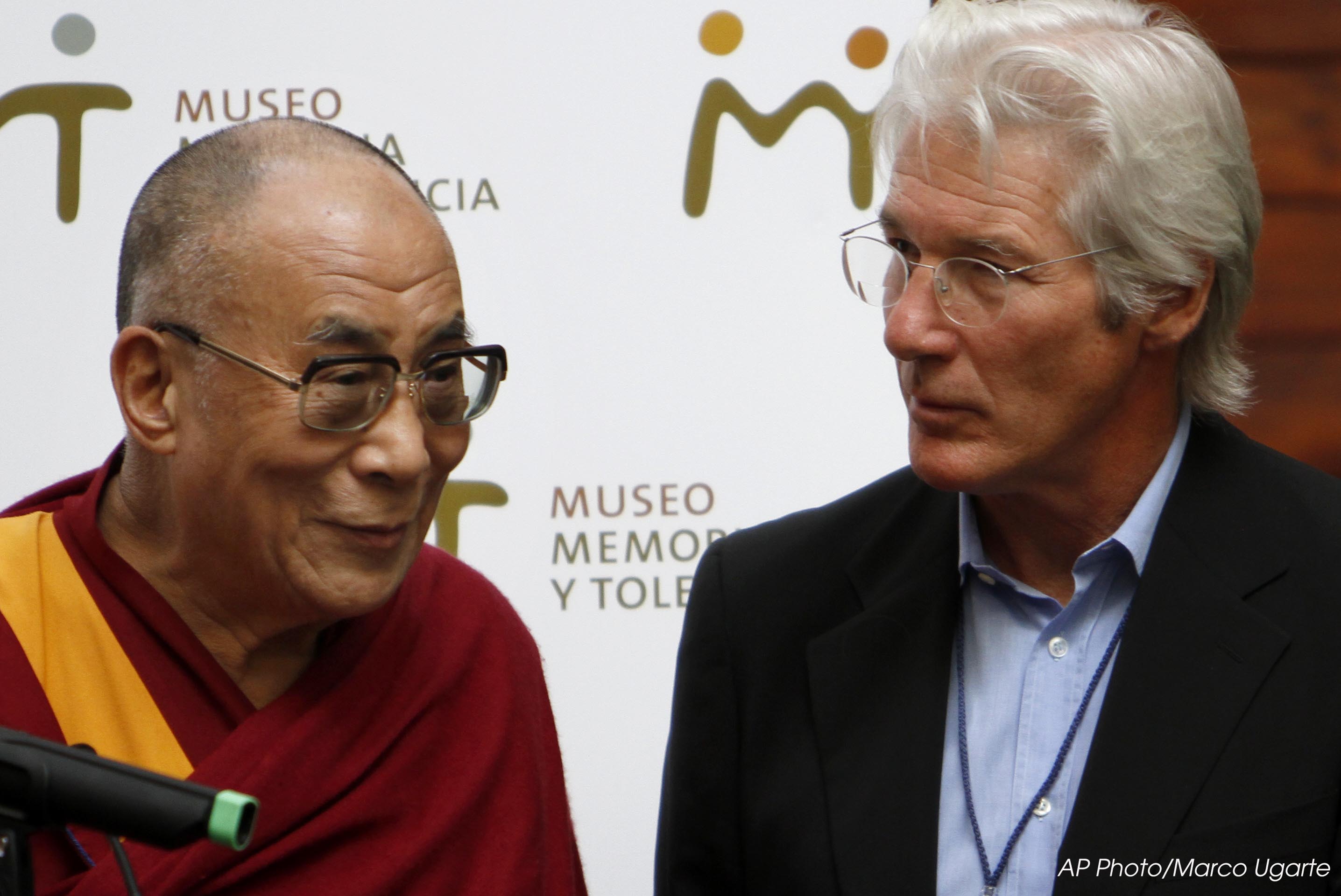
Tibet's spiritual leader the Dalai Lama and actor Richard Gere hold hands during the inauguration of the exhibit; Tibet, Memories of a Lost Motherland at the Museum of Memory and Tolerance in Mexico City, Saturday Sept. 10, 2011. On Sunday the Dalai Lama and Gere, a Buddhist, will host a public event titled, Finding Happiness in Difficult Times at the Cruz Azul stadium in which 30,000 people are expected to attend. This is the spiritual leader's third visit to Mexico. (AP Photo/Marco Ugarte)
Tibet’s spiritual leader the Dalai Lama and actor Richard Gere hold hands during the inauguration of the exhibit; Tibet, Memories of a Lost Motherland at the Museum of Memory and Tolerance in Mexico City, Saturday Sept. 10, 2011. On Sunday the Dalai Lama and Gere, a Buddhist, will host a public event titled, Finding Happiness in Difficult Times at the Cruz Azul stadium in which 30,000 people are expected to attend. This is the spiritual leader’s third visit to Mexico. (AP Photo/Marco Ugarte)

ලෝකයේ (පිරිස් බලය අතින්) විශාලතම හමුදාව හා ලෝකයේ දෙවන විශාලතම ආර්ථිකය හිමි වුවත් චීන රජය දලයිලාමාගේ නිරායුධ ප‍්‍රතිපත්තිමය අරගලයට හොඳටම බයයි.

පෙර කවරදාටත් වඩා ලෝක මහජන මතය ගැන තැකීමක් කරන චීන රජය, තමන්ගේ සමස්ත රාජ්‍ය තාන්ත‍්‍රික හා ප‍්‍රචාරණ බල පරාක‍්‍රමයට වඩා තනි දලයිලාමාගේ ලෝක පිළි ගැනීම බලවත් බව හොඳ හැටි දන්නවා.

හැකි සෑම උපක‍්‍රමයකින්ම චීන රජය ඔහුට බාධා කරනවා. ඔහුට වීසා නොදෙන්නට රටවලට බලපෑම් කරනවාට අමතරව බොරු දලයිලාමාවරයකු පත් කර ප‍්‍රවර්ධනය කරනවා. ටිබෙට් ඉතිහාසය විකෘති කර නැවත ලියනවා. තාඩන පීඩන හෝ ලාබ ප‍්‍රයෝජන හෝ හරහා ටිබෙට් ජන නායකයන් දිනා ගන්නට හදනවා. ශීලාචාර රජයකට නොසරිලන අන්දමේ ක‍්‍රියා රැසක් චීනය කරනවා.

සියවස් ගණනක් හිමාල ප‍්‍රදේශයේ ස්වාධීන රාජ්‍යයක්ව පැවති ටිබෙට් දේශය සුවිසල් භූමි ප‍්‍රදේශයක්. වර්ග කිලෝමීටර් 1,228,400ක් වූ එරට 1950දී ඈඳා ගැනීමෙන් පසු චීනයේ භූමි ප‍්‍රමාණය තුනෙන් එකකින් විශාල වුණා. එසේම ආසියාවේ ප‍්‍රධානතම ගංගා ගණනාවක් පැන නගින පාරිසරිකව ඉතා වැදගත් ජලධාරක ප‍්‍රදේශයක් චීනය අත්පත් කර ගත්තා.

ටිබෙටයේ භූමිය, භූ දේශපාලනික වැදගත්කම හා සොබාවික සම්පත් ගැන මිස එරට ජනයාගේ සංස්කෘතික උරුමය හෝ සිතුම් පැතුම් ගැන චීනයට කිසිදු තැකීමක් නැහැ. ටිබෙටය ‘චීනකරණය‘ කිරීමට බලහත්කාරයෙන් අඩ සියවසක් තිස්සේ විවිධ ‘සංවර්ධන කටයුතු’ කරනු ලබනවා.

ටිබෙට් වැසියන් වසර 60ක් පුරා ස්වයංපාලන අයිතිය සඳහා උද්ඝෝෂණ කරනවා. එහෙත් එය සෑම විටම සාමකාමී මට්ටමක පවත්වා ගැනීමට දලයිලාමාතුමාගේ බලපෑම් සමත්ව තිබෙනවා. චීනයේ නිර්දන මර්දන පිළිවෙත් හමුවේ කිසිදු ප‍්‍රචණ්ඩ හෝ ත‍්‍රස්තවාදී ක‍්‍රියාවකට යොමු නොවී සිටීම ටිබෙට් වැසියන්ගේ ප‍්‍රතිපත්තිමය හා ආධ්‍යාත්මික ජයග‍්‍රහණයක්.

Dalai Lama and Bishop Desmond Tutu of South Africa

එහෙත් මේ තත්ත්වය දිගටම පවත්වා ගත හැකිද? 2015 ජූලි 6 වනදා 80 විය සැමරූ වත්මන් දලයිලාමා අනාගතයේ කෙදිනක හෝ මිය ගිය පසු ටිබෙට් දේශය අස්ථාවර විය හැකි යයි දේශපාලන විචාරකයන් අනතුරු අඟවනවා.

මීට පෙර සිටි 13 වන දලයිලාමා 1933දී මිය ගිය පසු වත්මන් දලයිලාමා තෝරා ගන්නා තුරු එරට මහත් අවිනිශ්චිත කාලසීමාවක් පසු කළා. ස්වයංපාලනය යටතේ පවතින විටත් එසේ වී නම් චීන ආක‍්‍රමණය යටතේ එය වඩාත් කැලඹිලි සහිත විය හැකියි.

ලෝකයේ පියස්ස වැනි ටිබෙට් සානුවේ ප‍්‍රචණ්ඩකාරී විමුක්ති අරගලයක් ඇවිලූනහොත් එය හුදෙක් අසල්වැසි චීනය, ඉන්දියාව, නේපාලනය හා භූතානය යන රටවලට පමණක් නොව සමස්ත ආසියානු මහද්වීපයටම බලපෑ හැකි යයි නවදිල්ලියේ දේශපාලන විචාරකයකු වන මහාචාර්ය බ‍්‍රහ්ම චෙලානි කියනවා.

‘සාමාන්‍යයෙන් අලූතෙන් තෝරා ගන්නා දලයිලාමා ළමා වියේ පසු වන්නෙක්. ඔහු පරිනත වීමට හා සිය ජනතාවට දේශපාලන නායකත්වය ලබා දීමට වසර කිහිපයක් ගත වනවා. මේ අතරවාරයේ ව්‍යාජ දලයිලාමා කෙනෙකු චීනය විසින් ප‍්‍රවර්ධනය කරමින් සිටින නිසා ටිබෙට් ජනයා එයට එරෙහිව කැරලි ගසන තැනට යා හැකියි. චීන මර්දනය හමුවේ දශක ගණනක් ඔවුන් ඉවසාගෙන සිටින්නේ වත්මන් දලයිලාමාගේ සාමකාමී ආධ්‍යාත්මික බලපෑම නිසයි.’ ඔහු කියනවා.

ගෙවී ගිය වසර 60 පුරා චීනය ක‍්‍රමානුකූලව ටිබෙට් සංස්කෘතික උරුමයන්, ජීවන රටාවන් හා ආවේණික දේශීයත්වය මකා දමන විටත් ටිබෙට් වැසියෝ මහත් සංයමයෙන් එය ඉවසා දරා සිටියා. අවි අතට ගෙන එරෙහි වනු වෙනුවට ඔවුන් කළේ සත්‍යග‍්‍රහයන් හා උපරිම විරෝධතාවය ලෙස සියොළඟ ගිනි තබා ගෙන මිය යාමයි. 2009 සිට ටිබෙට් වැසියන් 140 දෙනෙකු මෙසේ ප‍්‍රසිද්ධියේ දිවි නසා ගෙන තිබෙනවා.

අන්තවාදී නොවී මැද පිළිවෙතක් අනුගමනය කරන දලයිලාමා කියන්නේ චීන රාජ්‍යය තුළ ටිබෙටයට ස්වයංපාලන හිමිකම ලැබේ නම් තම ජනයාට එය සෑහෙන බවයි. තව දුරටත් ටිබෙටය ලොව ස්වාධීන රාජ්‍යයක් වීමට ඔහු උද්ඝෝෂණ කරන්නේ නැහැ. කාලානුරූපව නම්‍යශීලී වීමේ හැකියාව ඔහු පෙන්නුම් කරනවා.

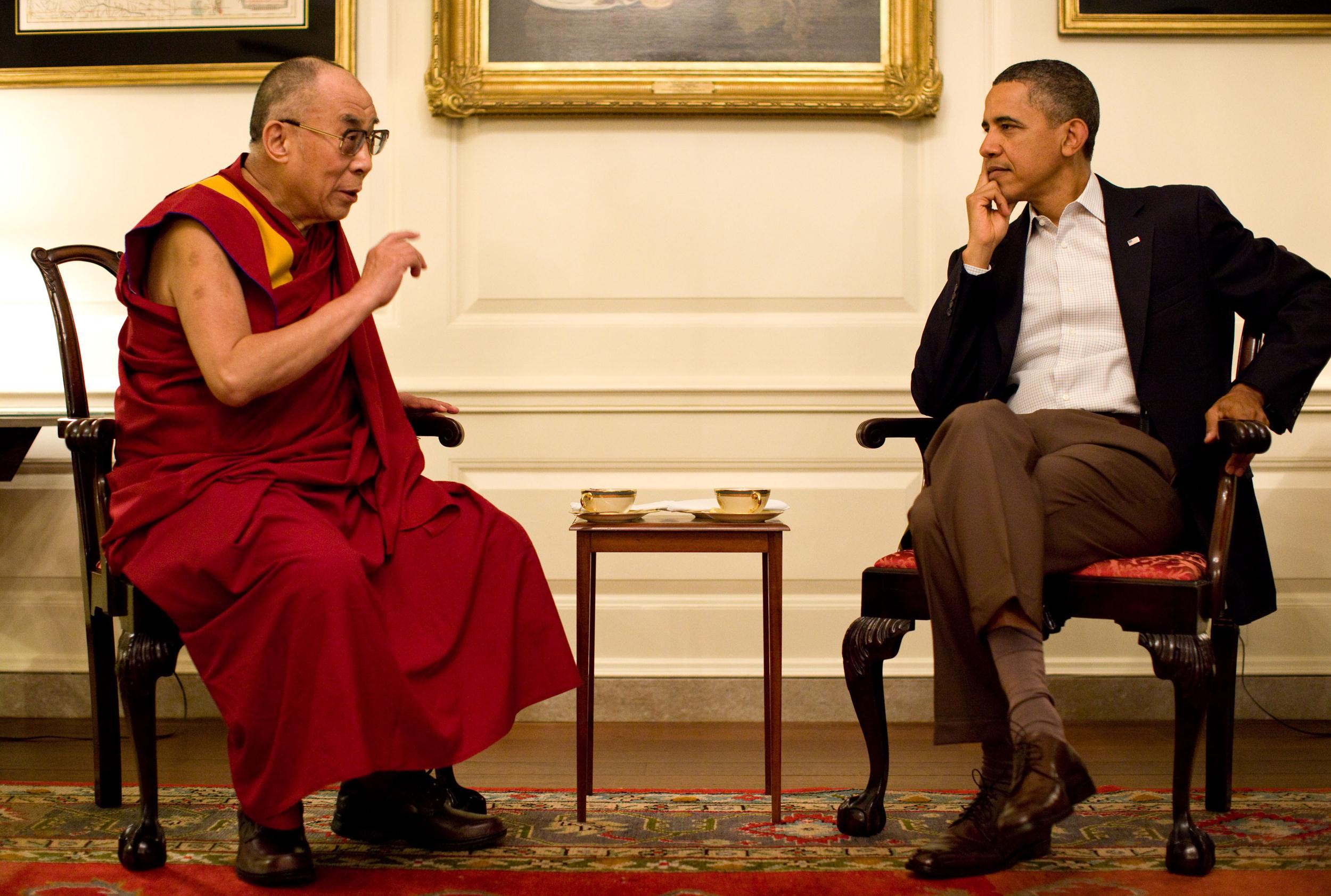
President Obama met with Dalai Lama in the White House on July 16, 2011. Photo courtesy - White House
President Obama met with Dalai Lama in the White House on July 16, 2011. Photo courtesy – White House


සිවුමංසල කොලූගැටයා #227: භාෂණයේ නිදහසට හා ප‍්‍රශස්ත මාධ්‍යකරණයට දේශපාලන කැපවීමක් ඕනෑ!

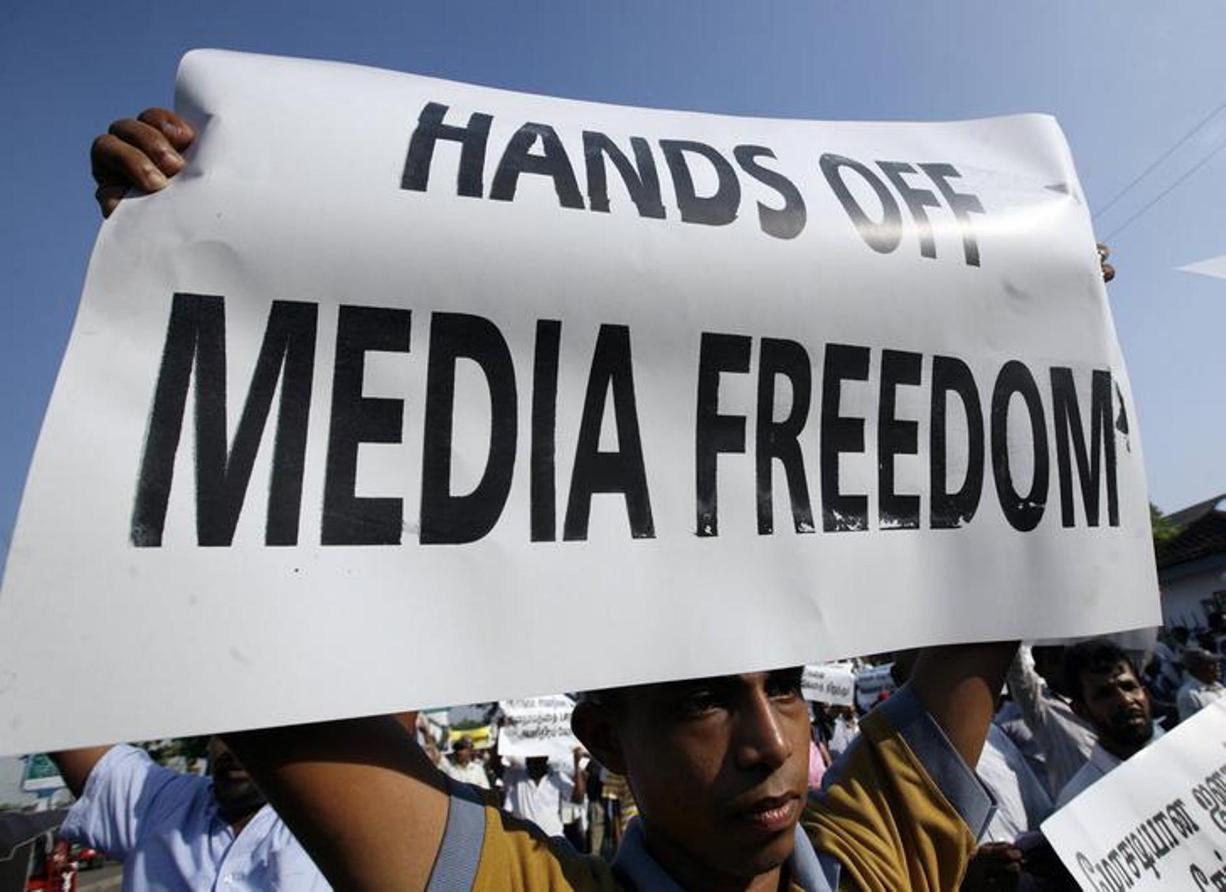
Hands off media freedom!

Media sector reforms in Sri Lanka have become both urgent and important. Media freedom cannot be consolidated without other reforms that create a more professional and responsible media.

Some progress has been made since the Presidential election. The new government has taken steps to end threats against media organisations and journalists, and started or resumed criminal investigations on some past atrocities. Political websites that were arbitrarily blocked from are once again accessible. Journalists who went into exile to save their lives have started returning.

On the law-making front, meanwhile, the 19th Amendment to the Constitution recognized the right to information as a fundamental right. But the long-awaited Right to Information Bill could not be adopted before Parliament’s dissolution.

Thus much more remains to be done. For this, a clear set of priorities has been identified through recent consultative processes that involved media owners, practitioners, researchers, advocacy groups and trainers. These discussions culminated with the National Summit on Media Reforms organised by the Ministry of Media, the University of Colombo, Sri Lanka Press Institute (SLPI) and International Media Support (IMS), and held in Colombo on 13 and 14 May.

In my latest Ravaya column (in Sinhala language, published on 12 July 2015), I list the priorities for media policy and law reforms that require political commitment by all political parties in Sri Lanka.

See also:

26 April 2015: සිවුමංසල කොලූගැටයා #216: ලොවම හිනස්සන ලක් රජයේ සන්නිවේදන විහිළු

24 May 2015: සිවුමංසල කොලූගැටයා #220: ශ‍්‍රී ලංකාවේ මාධ්‍ය ප‍්‍රතිසංස්කරණ කෙසේ විය යුතුද?

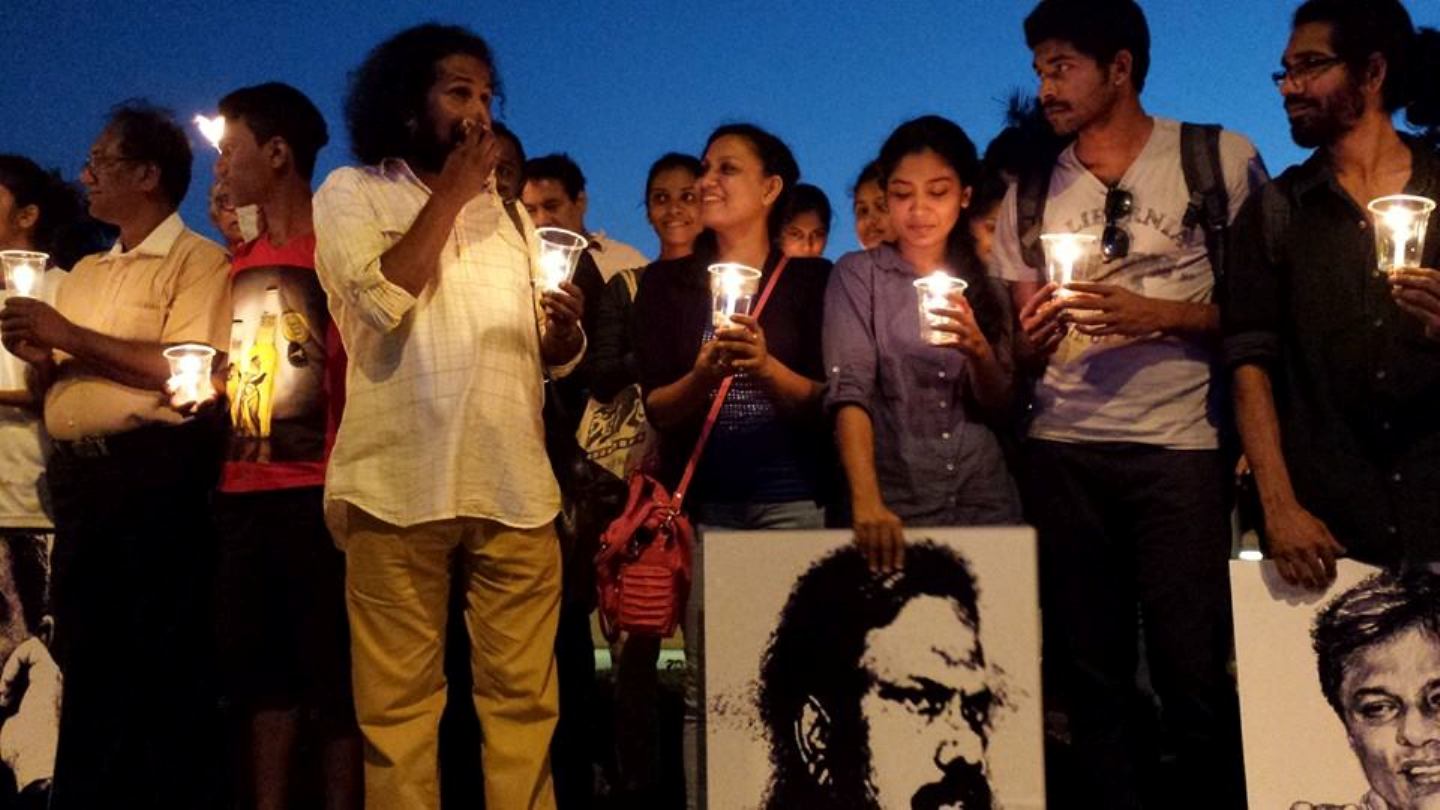
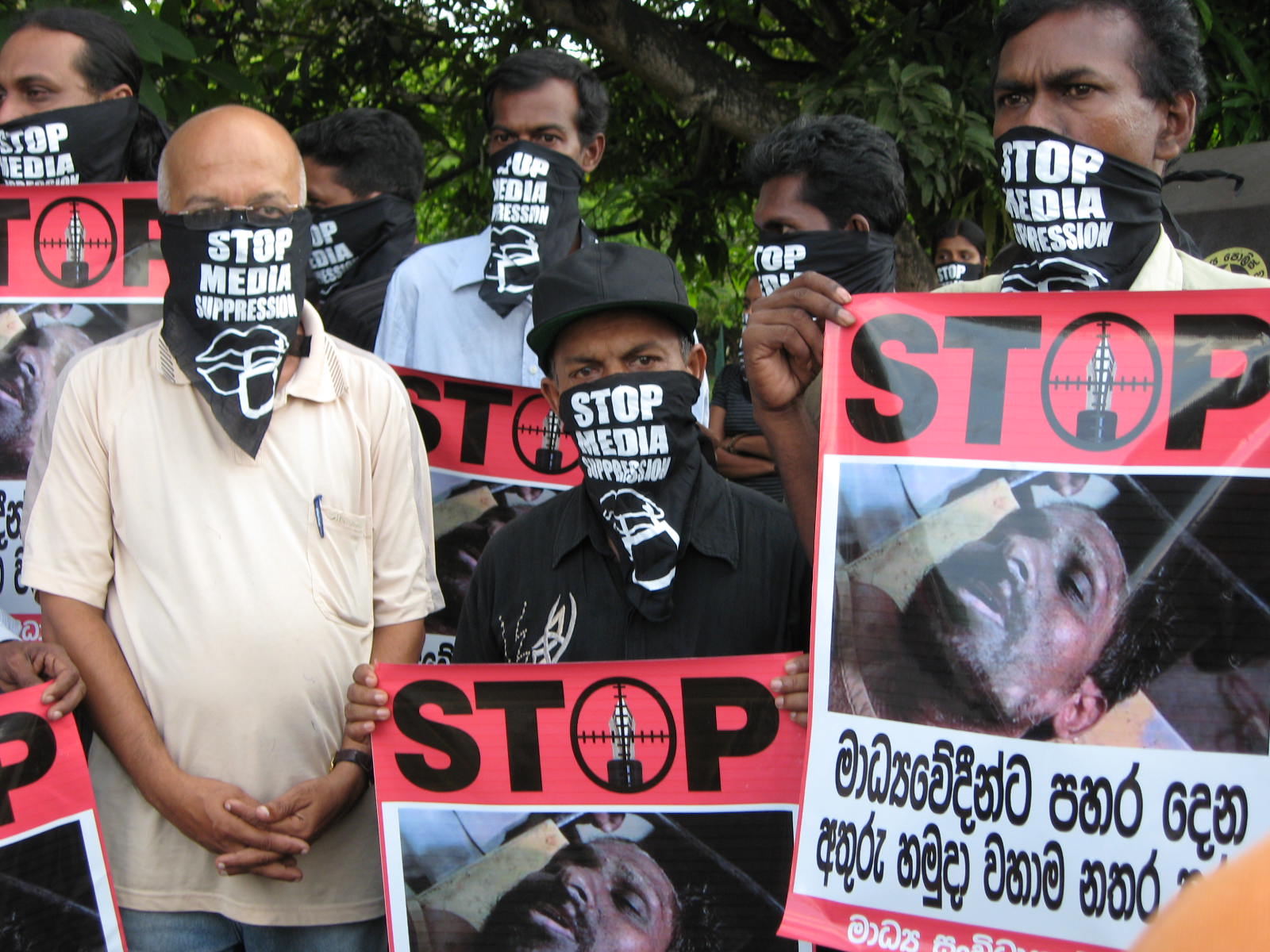
Vigil for dead and disappeared Lankan journalists - held in Colombo, 4 Jan 2015
Vigil for dead and disappeared Lankan journalists – held in Colombo, 4 Jan 2015

අගෝස්තු 17 වනදා පැවැත්වීමට නියමිත මහ මැතිවරණය සඳහා දේශපාලන පක්ෂ සූදානම් වනවා. ඡන්ද පොරොන්දු ගැන මහජන විශ්වාසය පළුදු වී ඇතත්, ප‍්‍රධාන පෙළේ දේශපාලන පක්ෂ සියල්ලම පාහේ මැතිවරණ ප‍්‍රතිපත්ති ප‍්‍රකාශන හා ප‍්‍රතිඥා ඉදිරි දිනවලදී එළි දක්වනු ඇති.

අපේක්ෂකයන්ගේ පසුබිමත්, පක්ෂ ප‍්‍රතිපත්ති හා ප‍්‍රතිඥාත් සලකා බලා ඡුන්දය ප‍්‍රකාශ කිරීම වඩාත් සුදුසුයි.

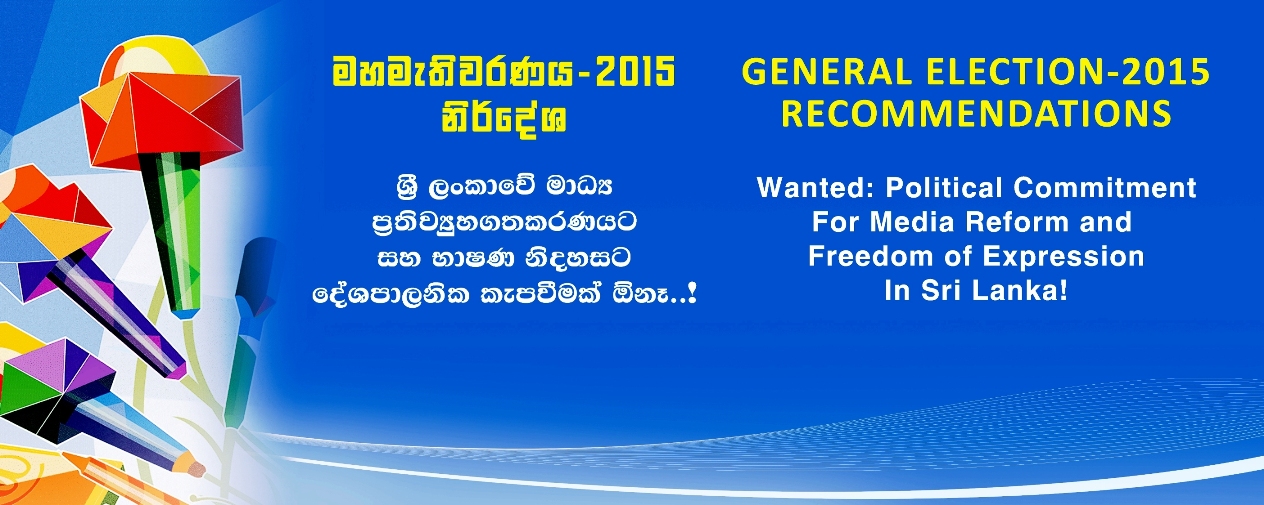
මාධ්‍ය ප‍්‍රතිව්‍යුහකරණය සඳහාත්, භාෂණ නිදහස තහවුරු කිරීම සඳහාත් දේශපාලනික කැපවීමක් (political commitment) අවශ්‍යයි. මැතිවරණ ප‍්‍රතිපත්ති ප‍්‍රකාශන සම්පාදනය කරන අයගේ අවධානයටත්, සෙසු සමාජයේ දැන ගැනීමටත් මේ ක්ෂේත‍්‍රයේ ප‍්‍රමුඛතා මොනවාදැයි කැටි කිරීමට මා අද උත්සාහ කරනවා.

මාධ්‍ය නිදහස පසුගිය ජනාධිපතිවරණයේදී ප්‍රධාන තේමාවක් වූවා. මැතිවරණයක් එලඹෙන විට ‘මාධ්‍ය නිදහස රකිනවා’ කීම පමණක් සෑහෙන්නේ නැහැ. එය සැබැවින්ම සාක්ෂාත් කර ගැනීමට ගත යුතු නීතිමය, ප‍්‍රතිපත්තිමය හා නියාමන මට්ටමේ පියවර ගණනාවක් තිබෙනවා.

20 වන සියවස මැද භාගයේ පැවති යථාර්ථයට අනුව සකස් වූ මාධ්‍ය නීතිරීති 21 වන සියවසේ දෙවැනි දශකය දක්වා තවමත් අපේ රටේ යොදා ගැනෙනවා. තොරතුරු සමාජය ඉදිරියට යන අතර ලක් සමාජය පසුගාමී වීමටත්, මාධ්‍ය ක්ෂේත‍්‍රයේ විසමතා ඇති වීමටත් මේ නොගැලපීම දායක වනවා.

දේශපාලන ප‍්‍රතිඥාවලට සියල්ල වෙනස් කළ නොහැකි බව ඇත්තයි. එහෙත් සමාජයට කේන්ද්‍රීය වශයෙන් බලපාන මාධ්‍ය ක්ෂේත‍්‍රය වඩාත් වගකීම් සහගත හා බලාත්මක කරන්නට ව්‍යුහමය ප‍්‍රතිසංස්කරණ අවශ්‍ය වනවා.

මැයි මස 13-14 දෙදින තුළ කොළඹදී පැවති මාධ්‍ය ප‍්‍රතිව්‍යුහකරණය සඳහා ජාතික සමුළුව හරහා මෙම අවශ්‍යතා හඳුනා ගෙන අදාළ සියලූ පාර්ශ්වකරුවන්ගේ සහභාගීත්වයෙන් ප‍්‍රමුඛතා ගත කෙරුණා. මේ පියවර 12 මා තෝරා ගත්තේ එතැනින්.

1. තොරතුරු දැන ගැනීමේ අයිතිය නීතියෙන් තහවුරු කැරෙන පනත් කෙටුම්පතක් මැයි මාසය අවසන් වන විට සූදානම්ව තිබුණා. අංග සම්පූර්ණ නොවූවත් යම් තරමකට මහජනතාවගේ තොරතුරු අයිතිය සම්පාදනය කළ හැකි මේ කෙටුම්පත අවාසනාවකට පාර්ලිමේන්තුව විසුරුවන තෙක් සම්මත කරගත නොහැකි වුණා. මීළඟ පාර්ලිමේන්තුවේදී මෙය හැකි තාක් ඉක්මනින් විවාදයට ගෙන සම්මත කර ගන්නා මෙන් අප සියළු දේශපාලන පක්ෂවලින් ඉල්ලා සිටිනවා. එය සඳහා පැහැදිලි කැපවීමක් මැතිවරණ ප‍්‍රකාශයන්ගෙන් අප අපේක්ෂා කරනවා. 2002 සිට විවිධ උත්සාහයන් ගත්ත ද තවමත් නීතිගත කර ගන්නට බැරි වූ තොරතුරු පනත 2015 වසර ගෙවී යන්නට පෙර සම්මත කර ගැනීම සියලූ පුරවැසියන් මෙන්ම සියලූ මාධ්‍යවේදීන්ගේ ද ප‍්‍රමුඛතාවක් විය යුතුයි.

2. බි‍්‍රතාන්‍ය පාලකයන් යටත් විජිතවල වැසියන් සිය පරිපාලනය ගැන ඇති තරම් තොරතුරු දැන ගැනීම වැළැක්වීමට හඳුන්වා දුන් සීමා හා දණ්ඩන බොහෝ දුරට ගෙඩි පිටින් නිදහස් ලංකාව ද පිළිගෙන තිබෙනවා. 1955 අංක 32 දරණ රාජ්‍ය රහස් පනත දැන් වසර 60ක් පැරණියි. එයට ආකෘතිය වූ 1911 බි‍්‍රතාන්‍යයේ රාජ්‍ය රහස් පනත සම්මත කර ගත්තේ පළමුවන ලෝක යුද්ධ සමයටත් පෙර යුරෝපයේ පැවති අවිනිශ්චිතබව තුළ රාජ්‍ය රහස් සතුරන් අතට යාම වැළැක්වීමටයි.

පසු කාලීනව මතු වූ සාධාරණ විවේචනවලට සංවේදී වූ බි‍්‍රතාන්‍ය රජය 1989දී රාජ්‍ය රහස් පිළිබඳව වඩා ප‍්‍රගතිශීලී පනතක් සම්මත කළා. එහෙත් සියවසක් පැරණි ආකෘතියකට සාදන ලද අපේ පනත තවමත් ‘රාජ්‍ය රහස්’ යන්න පුළුල්ව නිර්වචනය කරනවා. මේ අනුව රටේ ආර්ථිකයට හා ජන ජීවිතයට ඍජුවම අදාළ තොරතුරු පවා ‘රහසිගත’ ලේබලය ගසා යටපත් කිරීමට නිලධාරීන්ට ඉඩ ලැබෙනවා. රජයකට යම් තොරතුරු රහසිගතව පවත්වා ගැනීමට සාධාරණ අයිතියක් ඇතත්, එය නූතන ප‍්‍රජාතන්ත‍්‍රවාදී ප‍්‍රමිතීන්ට හා තොරතුරු සමාජයේ තාක්ෂණික යථාර්ථයන්ට අනුකූල විය යුතුයි. රාජ්‍ය රහස් පනත සංශෝධනය කොට කාලානුරූප කිරීමේ ප‍්‍රතිඥාවක් අප අපේක්ෂා කරනවා.

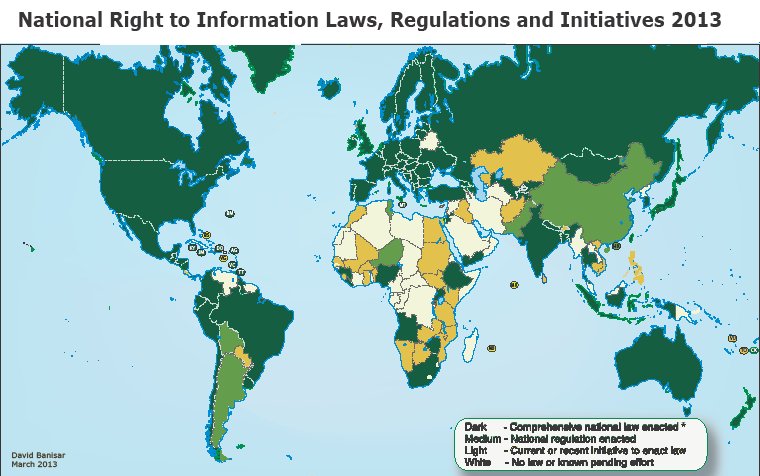
National Right to Information laws status - as of 2013
National Right to Information laws status – as of 2013

3. මාධ්‍යවේදීන් හා සෙසු සිවිල් සමාජ ක‍්‍රියාකාරිකයන් පොදු උන්නතිය උදෙසා සන්නිවේදනය කරන විට ඔවුන්ට බලපෑම් කළ හැකි හා හිරිහැර කිරීමට රජයන් විසින් යොදා ගන්නා තවත් ආන්දෝලනාත්මක නීති තිබෙනවා. ත‍්‍රස්තවාදය වැළැක්වීමේ පනත හා එහි සංශෝධන, පාර්ලිමේන්තු වරප‍්‍රසාද පිළිබඳ නීතිය මෙන්ම රාජ්‍ය ද්‍රෝහීත්වය පිළිබඳ යටත්විජිත සමයේ සිට පැවතෙන නීති ද මේ අතර වනවා.

භාෂණ නිදහසට සැබැවින්ම කැප වන්නේ නම් අපේ දේශපාලන පක්ෂ මෙවැනි සියලූ නීති සමීප විමර්ශනයකට ලක් කිරීමකට එකඟ විය යුතුයි. එහිදී යල්පැන ගිය නීති ජාත්‍යන්තර ප‍්‍රමිතීන්ට අනුව නව සියවසට හා පවතින යථාර්ථයන්ට සරිලන පරිදි අලූත් කිරීමට ප‍්‍රතිඥාවක් අප බලාපොරොත්තු වනවා.

4. අධිකරණයට නිසි ගරුසරු දැක්විය යුතු බව ශිෂ්ඨ සමාජයන් පිළි ගන්නවා. එයට සමාන්තරව අධිකරණයේ ක‍්‍රියාදාමය ද මාධ්‍යවල හා මහජනතාවගේ නිරීක්ෂණ හා විචාරයන්ට ලක් විය යුතුයි. යහපාලනයේ එක් වැදගත් ගුණාංගයක් වන්නේ යුක්තිය පසිඳලීම සඳහා ඇති ආයතන පිළිබඳ මහජන පිළිගැනීම ඉහළ යාමයි. අධිකරණ නඩු තීන්දු මෙන්ම විනිසුරුකරුවන්ගේ ක‍්‍රියාදාමයන් ගැන විචාරය කිරීමට අපේ මාධ්‍ය බොහෝ විට මැලි වන්නේ අධිකරණයට අපහාස කිරීම (contempt of court) යටතේ චෝදනා ලැබෙතැයි බියෙන්.

ඇමෙරිකාව, බි‍්‍රතාන්‍ය හා ඉන්දියාව වැනි රටවල අධිකරණ අපහාස නීතිය අපේ මෙන් පුළුල් නැහැ. භාෂණ නිදහස හා අධිකරණයේ ගරුත්වය ඔවුන් වඩා හොඳින් තුලනය කරනවා. සැබැවින්ම අධිකරණයට අපහාසයක් යනු කුමක්ද යන්න පැහැදිලිව නිර්වචනය කරමින් මේ පිළිබඳ නව නීතියක අවශ්‍යතාව මෙරට මතුව තිබෙනවා. මෙය මාධ්‍යවලට මෙන්ම සියලූ පුරවැසියන්ගේ භාෂණ නිදහස තහවුරු කරන්නක්. මෙයටත් දේශපාලන පක්ෂවල කැපවීමක් අවශ්‍යයි.

Sri Lanka revives Press Council devil5. 1973දී පනතක් හරහා පිහිට වූ රජයට අයත් පුවත්පත් මණ්ඩලය (Press Council) බොහෝ මාධ්‍යවේදීන් දකින්නේ මර්දනකාරී ආයතනයක් ලෙසයි. එය මුළුමනින් වසා දමා එහි අදාළ නීතිය ද නීති පොතෙන් ඉවත් කළ යුතුයි.

මුද්‍රිත මාධ්‍ය කර්මාන්තය විසින්ම ස්වයං නියාමනය කිරීමේ උත්සාහයක් නම් 2003දී පිහිටුවා ගත් පුවත්පත් පැමිණිලි කොමිසමයි (PCCSL, www.pccsl.lk). මෙහි තීරණ පිළිගැනීමට බහුතරයක් පුවත්පත් එකඟ වී සිටිනවා. රටේ තිබෙන 50කට අධික රේඩියෝ නාලිකා හා 20කට අධික ටෙලිවිෂන් නාලිකාවල අන්තර්ගතය ගැන ස්වයං නියාමනයක් කිරීමට මෙබඳු ආයතනයක් බිහිවීමේ ඕනෑකම තදින් දැනෙනවාග නමුත් එය රජයේ නොව කර්මාන්තයෙන්ම මතු විය යුතුයිග රජය මාධ්‍ය අන්තර්ගතය නියාමනය කිරීමේ වැඩවසම් මානසිකත්වයෙන් අප මිදිය යුතුයි.

6. 1990 දශකය මුල පටන් මෙරට රේඩියෝ හා ටෙලිවිෂන් ක්ෂේත‍්‍රවලට පෞද්ගලික සමාගම් සම්බන්ධ වී නාලිකා සංඛ්‍යාව ඉහළ ගොස් තිබෙනවා. එහෙත් විද්‍යුත් මාධ්‍ය බලපත‍්‍ර නිකුත් කිරීම හා සංඛ්‍යාත ලබාදීම වසර 25ක් තිස්සේ විවිධ රජයන් යටතේ සිදුව ඇත්තේ කිසිදු ක‍්‍රමවේදයකින් තොරව බලයේ සිටින පක්ෂයේ අභිමතයටයි. මෙය කල්ගත වී හෝ නිසි පිළිවෙළකට යොමු කරන්නට ස්වාධීන විද්‍යුත් මාධ්‍ය කොමිසමක් (Independent Broadcast Commission) අවශ්‍යයි. විද්‍යුත් මාධ්‍ය භාවිතා කරන්නේ මහජනයා සතු පොදු දේපලක් වන විද්‍යුත් චුම්භක වර්ණාවලියේ කොටස් නිසා දේශපාලකයන්ට, නිලධාරීන්ට හා ව්‍යාපාරිකයන්ට හිතුමතේට එය බදා ගෙන සිටීමට අයිතියක් නැහැ. විද්‍යුත් මාධ්‍ය කොමිසම කළ යුත්තේ විද්‍යුත් මාධ්‍ය ක්ෂේත‍්‍රයේ තාක්ෂණික නියාමනය පමණක් මිස අන්තර්ගතය පාලනය කිරීම නොවෙයි.

7. විද්‍යුත් මාධ්‍ය ක්ෂේත‍්‍රයේ රජය යටතේ පවතින ගුවන්විදුලි සංස්ථාව, රූපවාහිනී සංස්ථාව හා ITN ආයතනය මෙතෙක් ක‍්‍රියාත්මක වී ඇත්තේ පවත්නා රජයේ ප‍්‍රචාරක මාධ්‍ය ලෙසයි. මේ ගැති බවින් අත්මිදී සැබෑ මහජන සේවා විද්‍යුත් මාධ්‍ය (public service broadcasters) ලෙස ක‍්‍රියාකිරීමට ඒවාට ව්‍යුහමය ස්වාධීනත්වය හා මූල්‍ය ප‍්‍රතිපාදන ලබා දීම බොහෝ කලෙක සිට මේ ක්ෂේත‍්‍රයේ වෘත්තිකයන් ඉල්ලා සිටින්නක්.

එයට සමාන්තරව ප‍්‍රජා මට්ටමේ රේඩියෝ සේවා පවත්වා ගැනීමට සරසවිවලට, සිවිල් සමාජ සංවිධානවලට වෙනත් පුරවැසි කණ්ඩායම්වලට ඉඩ ලැබෙන පරිදි පවතින නීතිරීති ප‍්‍රතිසංස්කරණය විය යුතුයි. (රජයේ ගුවන්විදුලිය යටතේ ‘ප‍්‍රජා’ යයි හඳුන්වා ගත් රේඩියෝ සේවා කිසිසේත්ම ප‍්‍රජා සේවා නොවෙයි.)

8. 1973දී රජයට පවරා ගෙන බලයේ සිටින පක්ෂයේ ප‍්‍රචාරණයක් ලෙස පත්තර පළ කරන ලේක්හවුස් ආයතනය ද එම ඛේදනීය තත්ත්වයෙන් මුදවා ගත යුතුයි. එය කෙසේ කරනවාද යන්න මාධ්‍ය වෘත්තිකයන් සමග සංවාදයෙන් විවෘතව තීරණය කළ යුතුයි. ආණ්ඩුව පත්තර ගැසීම මෙන්ම රේඩියෝ හා ටෙලිවිෂන් සේවා පවත්වා ගෙන යාම වැනි 20 වන සියවසේ යල් පැන ගිය පුරුදුවලින් අත්මිදිය යුතුව තිබෙනවා.

9. මාධ්‍ය නිදහසට ඍජුව බලපාන තවත් සාධකයක් වන්නේ මාධ්‍ය හිමිකාරීත්වයයි. ප‍්‍රාග්ධනය ඇති, දේශපාලන සබඳතා ඇති ඕනෑම අයකුට හෝ සමාගමකට පත්තර, රේඩියෝ හෝ ටෙලිවිෂන් ව්‍යාපාර ඇරඹිය හැකිව තිබෙනවා. ප‍්‍රකාශන නිදහස හා වෙළෙඳපොළ නිදහස සීමා නොවන පරිදි මෙය ද යම් නියාමනයකට ලක් විය යුතුයි.

වඩාත් පරිනත ප‍්‍රජාතන්ත‍්‍රවාදයක් ඇති රටවල එක සමාගමකට හෝ හිමිකරුවකුට පවත්වා ගෙන යා හැකි මාධ්‍ය ප‍්‍රකාශන හෝ චැනල් සංඛ්‍යාවට යම් නීතිමය සීමා පනවනවා. එකම මාධ්‍ය ආයතනය පුවත්පත්, රේඩියෝ, ටෙලිවිෂන් මාධ්‍ය දියත් කිරීම ද යම් සීමාවලට නතුවනවා. එසේ කරන්නේ තනි හිමිකරුවෙක් හෝ සමාගමක් ජනමතයට උවමනාවට වඩා බලපෑම් ඇති කිරීම වැළැක්වීමට. මින් පෙර නොවූ විරූ පරිදි අපේ මාධ්‍ය ක්ෂේත‍්‍රය විස්තාරණය වන නිසා අපටත් මෙබඳු නියාමන සීමා අවශ්‍යයි.

10. මෛත‍්‍රීපාල සිරිසේන ජනාධිපතිවරයා තේරී පත් වී දින කිහිපයක් ඇතුළත මෙරට තුළ සිට පිවිසීමට නොහැකි වන සේ අවහිර කොට තිබූ දේශපාලනික හා කාලීන පුවත් වෙබ් අඩවි ගණනාවක් අපට යළිත් කියවිය හැකි වුණා. එහෙත් විදුලි සංදේශ නියාමන කොමිසම (TRC) 2007 සිට වසර ගණනක් තිස්සේ ඒවා අවහිර කළේ කෙසේද යන්න ගැන අද වන තුරු කිසිදු වගවීමක් හෝ විපරමක් නැහැ.

ශිෂ්ඨ සමාජවල වෙබ් අඩවි බ්ලොක් කළ හැක්කේ නීතිමය රාමුවක් තුළ අධිකරණ අධීක්ෂණය/අනුමැතිය යටතේ පමණයි. (උදා: ලිංගිකව අසැබි වෙබ් අඩවි අවහිර කිරීම.) මේ සීමාවන් පැහැදිලිව ප‍්‍රකාශ කැරෙන ජාතික මට්ටමේ වෙබ් ප‍්‍රතිපත්තියක් අවශ්‍යයි. එසේ නැති වුවහොත් අනාගතයේ යළිත් හිතුමතේට වෙබ් අඩවි බ්ලොක් කිරීමට දේශපාලකයන්ට හා නිලධාරීන්ට හොඳටම ඉඩ තිබෙනවා.

11. තොරතුරු තාක්ෂණය වඩාත් සමාජගත වීමත් සමග අලූත් අභියෝග මතුව තිබෙනවා. පවත්නා තොරතුරු තාක්ෂණ ජාතික ප‍්‍රතිපත්ති මගින් මේවා හරිහැටි ආවරණය වන්නේ නැහැ. මහජනයාගේ පෞද්ගලික ටෙලිෆෝන් කතාබහ, SMS පණිවුඩ, ඊමේල් හා සමාජජාල සාමීචි කතා අනවසරයෙන් ග‍්‍රහණය කිරීමට ආරක්ෂක අංශවලට ඇති ඉඩකඩ දැඩිව සීමා කළ යුතුයි. එබඳු අන්වේක්ෂණය (state surveillance) අත්‍යවශ්‍ය විට අධිකරණ අනුමැතිය මත පමණක් සිදුවීම වැදගත්.

එසේම ඩිජිටල් මාධ්‍ය හරහා එකතු වන මහජන තොරතුරු නිසි දත්ත ආරක්ෂණ ප‍්‍රතිපත්ති යටතේ ගබඩා කිරීමටත්, පුරවැසියන්ගේ පෞද්ගලිකත්වය (privacy) රැකෙන ලෙස කටයුතු කිරීමටත් රජයට මෙන්ම ටෙලිකොම් සමාගම්වලට සදාචාරාත්මක වගකීමක් තිබෙනවා. එය තහවුරු කැරෙන නීති හා නියාමන පිළිවෙත් ද අවශ්‍යයි. එසේ නැතිව නොමිලේ රැහැන් රහිත ඉන්ටර්නෙට් (Free WiFi) දුන්නාට මදි!

12. අවසන් වශයෙන් මාධ්‍යවේදීන්ට හා මාධ්‍ය ආයතනවලට අනිසි බලපෑම් හා තර්ජනවලින් තොරව තමන්ගේ වගකීම් ඉටුකිරීමට හැකි වන නීතියේ අධිපාලනය (Rule of Law) ස්ථාපිත වූ ලක් සමාජයක් යළි බිහි කිරීම ද හදිසි අවශ්‍යතාවක්.

Demanding media freedom

‘මාධ්‍යවලට අත නොතබනු’ යන උද්‍යොග පාඨයට සමාජයේ බහුතරයක් දෙනා එකඟයි. මාධ්‍ය අන්තර්ගතය නියාමනයට රජය හෝ බාහිර පාර්ශ්වයන් මැදිහත් නොවිය යුතුයි. එහෙත් ආචාර ධර්මීය රාමුවක් තුළ වෘත්තිමය මට්ටම ඉහළ නැංවීමේ සැබෑ උනන්දුවක් මාධ්‍යවේදීන් තුළින් ම මතුවීම ද අවශ්‍යයි.

පෙර තිබුණාට සාපේක්ෂව තත්ත්වය ටිකක් යහපත් වී ඇතැයි කියා පසෙකට වී සිටින්නට පුරවැසියන්ට හෝ මාධ්‍යවේදීන් බැහැ. ජනවාරි 9 වනදා ඇරඹි ගමනේ තව බොහෝ දුර යා යුතුව තිබෙනවා!

සිවුමංසල කොලූගැටයා #224: මහත්මා ගාන්ධි: ඉතිහාසය වෙනස් කළ සඟරා කතුවරයා

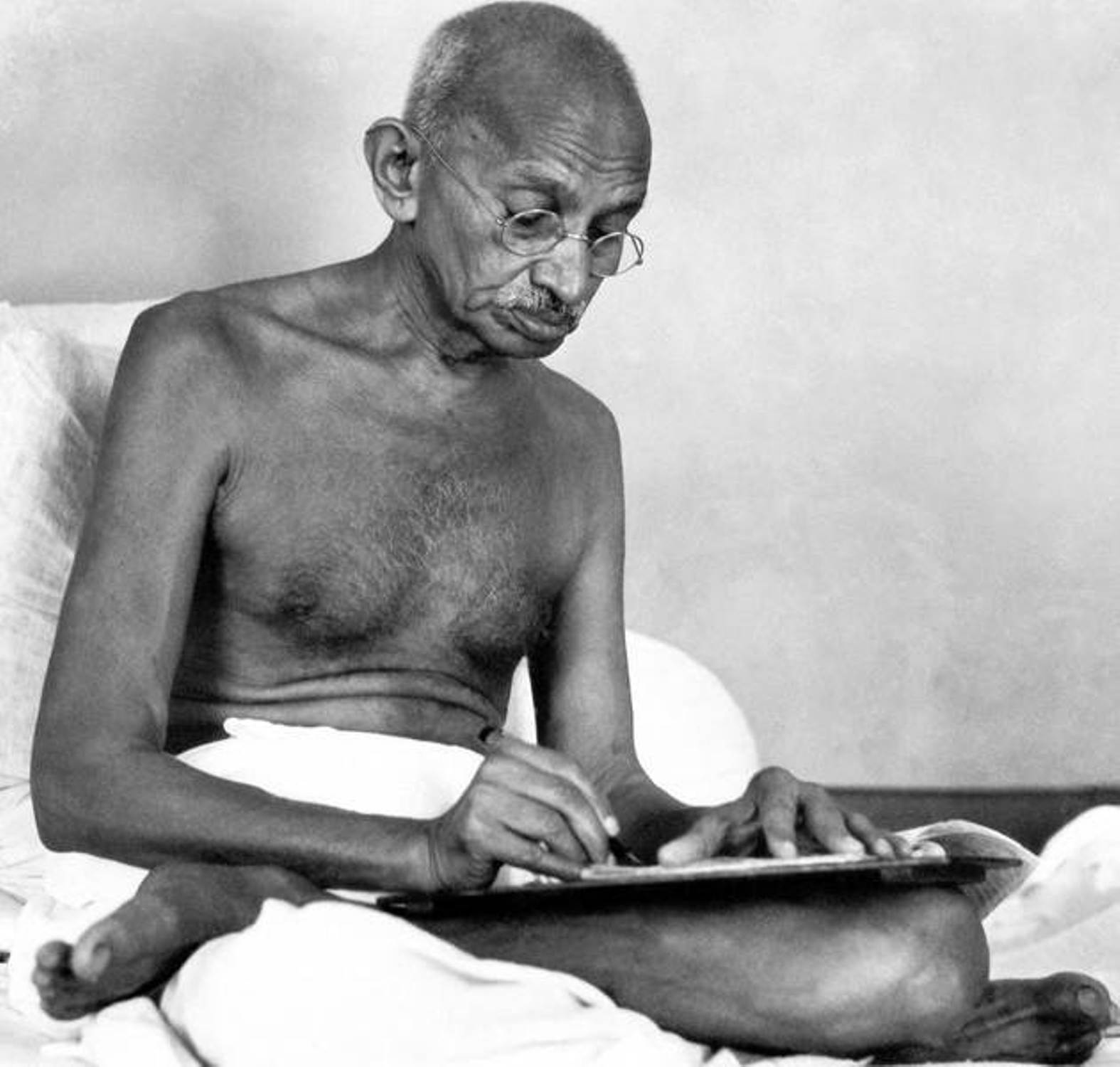
Mahatma Gandhi writing an article

Besides being a political leader and social reformer, Mahatma Gandhi was also a prolific writer, journalist and editor for much of his life. He was the editor of three English weeklies, namely Indian Opinion (in South Africa during 1903-1915), Young India (1919- 1931), and Harijan (1933-1942 and 1946-January 1948).

These journals, which he described as “viewspapers”, were means of political and social movements. But they were also printed, distributed and sold in the open market just like other journalistic products.

What can today’s journalists and publishers learn from Gandhi? I revisit this again in this week’s Ravaya column (published on 21 June 2015), continuing an exploration started last week.

See also: සිවුමංසල කොලූගැටයා #223: මෝහන්දාස් කේ. ගාන්ධි නම් වූ ජන සන්නිවේදකයා

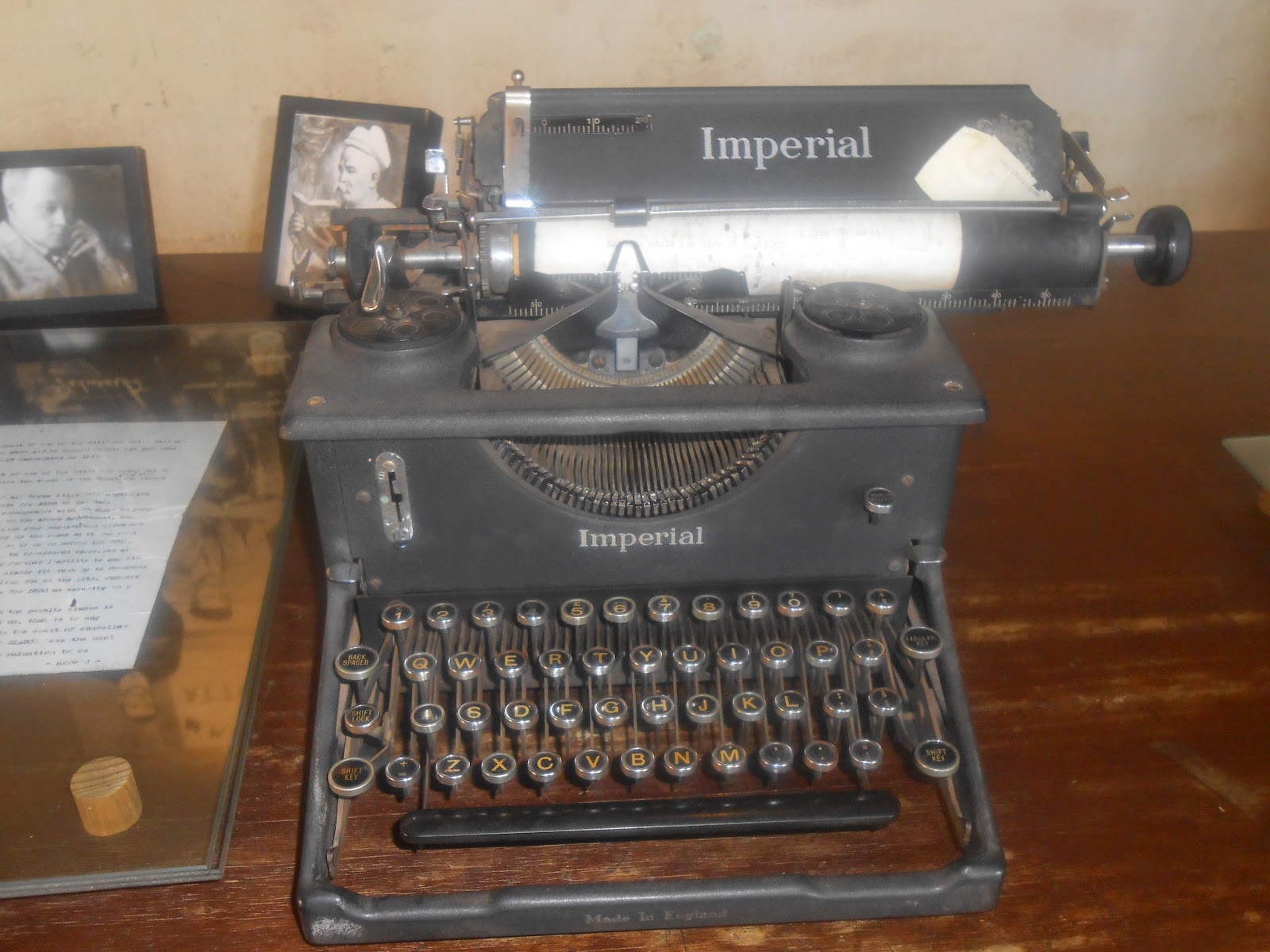
The Typewriter used by Mahatma Gandhi while  living and working in South Africa
The Typewriter used by Mahatma Gandhi while living and working in South Africa

මහත්මා ගාන්ධි තරුණ වියේදී වසර 21ක් දකුණු අප‍්‍රිකාවේ ගත කළ සැටිත්, ඒ වකවානුවේදී පොදු උන්නතිය හා සමාජ සාධාරණත්වය උදෙසා අරගල කරන්නට ලිඛිත සන්නිවේදනය හා පුවත්පත් කලාව යොදා ගැනීම ප‍්‍රගුණ කළ සැටිත් අප ගිය සතියේ කතා කළා.

මුළුමනින්ම ආචාරධර්මීය රාමුවක් තුළ සිය සඟරා පවත්වා ගෙන යන්නටත්, සැම විටම ආචාරශීලී බස් වහරකින් දේශපාලනික හා සමාජයීය ප‍්‍රශ්න ගැන විග‍්‍රහයන් හා සංවාද කිරීමටත් ඔහු වග බලා ගත්තා.

පත්‍ර කලාව ඉතා වැදගත් හා උතුම් සමාජ කාරියක් ලෙස ඔහු සැළකුවා. වරෙක ඔහු කීවේ: “බයිබලය, කෝරානය, භගවත් ගීතාව වැනි සාමයික ග‍්‍රන්ථ තරම්ම ජන සමාජයට වැදගත් තැනක් අපේ කාලයේ පුවත්පත් ලබා ගනිමින් සිටිනවා. මේ වැදගත්කම හා ගාම්භීර බව රැක ගත යුතුයි. හොඳ පත‍්‍රකලාවේදියකු සිය පාඨකයන් බිය නොවද්දා, නොරවටා ඒ වෙනුවට ඔවුන්ට තොරතුරු හා විග‍්‍රහයන් ලබා දෙමින් හරි දේ සඳහා පෙනී සිටිය යුතුයි.’’

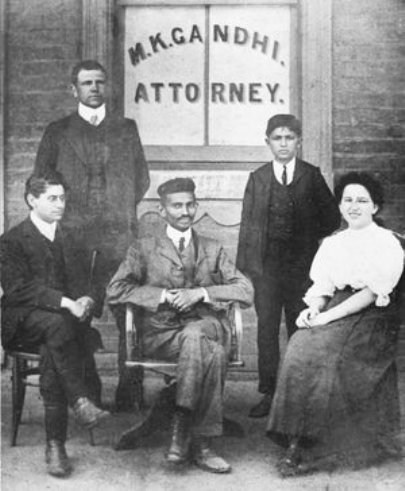
සිය ජීවිත කාලය (1869 – 1948) තුළ සංස්කාරක හෝ තීරක මට්ටමෙන් වාරික ප‍්‍රකාශන හයක් සමග ගාන්ධි සමීපව සම්බන්ධ වුණා. දකුණු අප‍්‍රිකාවේ කළ Indian Opinion සඟරාව එයින් පළමුවැන්නයි. ජොහැනස්බර්ග් නුවර කේන්ද්‍ර කර ගෙන සඟරාව කරමින් හා වෙනත් දේශපාලන කටයුතුවල නියැලෙමින් සිටි ගාන්ධි, විටින් විට සුදු ජාතික බලධාරීන් සමග මතවාදීව ගැටුණා.

Mohandas Gandhi (center) sits with co-workers at his Johannesburg law office in 1902

1906දී හඳුන්වා දුන් ‘ආසියාතික ආඥා පනත’ යටතේ දකුණු අප‍්‍රිකාවේ සිටි සියලූ ආසියාතිකයන් ලියාපදිංචි විය යුතු බව හා සැම විටම අනන්‍යතා පත‍්‍රිකා රැගෙන යා යුතු බවට නියම වුණා. සුදු යුරෝපීයයන්ට නොතිබි මේ නීතීයට එරෙහිව ගාන්ධි ප‍්‍රමුඛ ආසියාතිකයන් උද්ඝෝෂණය කළා.

ලියාපදිංචි වීම ප‍්‍රතික්ෂේප කළ ගාන්ධි ඇතුළු ඉන්දියානුවන් කිහිප දෙනකු 1908 ජනවාරියේ සිරගත කරනු ලැබුවා. ඔහුගේ ජීවිතයේ දේශපාලන සිරකරුවා වූ වාර ගණනින් මුල් වතාව එයයි.

ගාන්ධිට එරෙහිව තීන්දුව ප‍්‍රකාශ වූ දිනයේ ඔහුගේ Indian Opinion සඟරාව සිය පාඨකයන්ගෙන් ඉල්ලීමක් කළා. “සිවිල් අකීකරුකම හා සාමකාමී විරෝධය යන සංකල්ප දෙක කැටි කර ගත්, ඉන්දීය භාෂා උරුමයෙන් සකසා ගත් යෙදුමක් යෝජනා කරන්න.’’

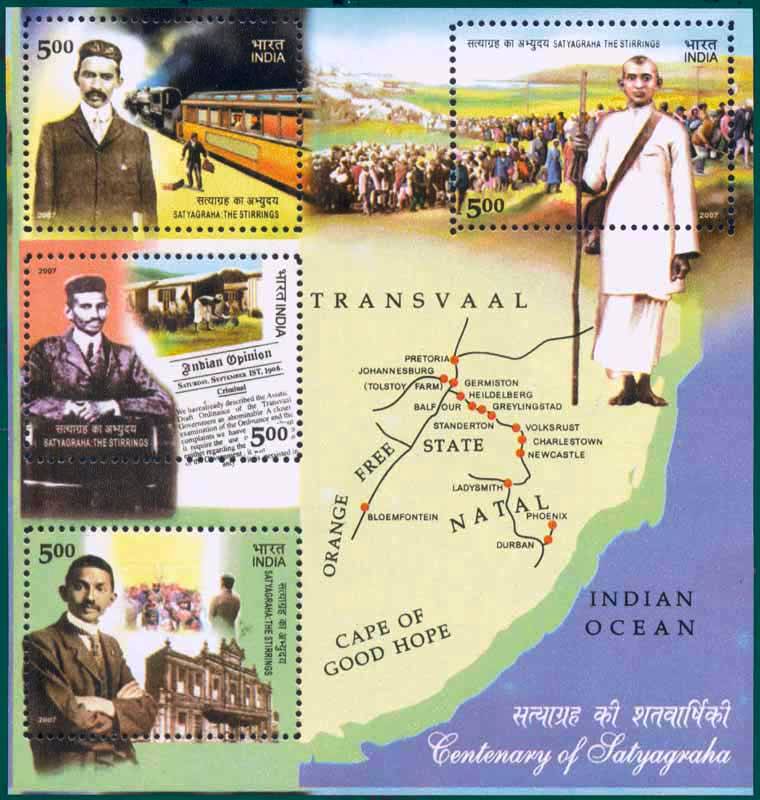
පාඨක යෝජනා අතරින් ගාන්ධි තේරීමක් කළා. ‘සත්‍යාග‍්‍රහ’ (satyagraha) නම් යෙදුම හැදුණෙත්, භාවිතයට ආවේත් එලෙසයි. ඒ යෙදුම වටා අවිහිංසාවාදී උද්ඝෝෂණ සඳහා සංකල්පීය රාමුවක් ගාන්ධි හඳුන්වා දුන්නා.

පසු කලෙක ඉන්දීය නිදහස් අරගලය, අමෙරිකාවේ කළු ජාතිකයන්ගේ සමානතා අරගලය මෙන්ම දකුණු අප‍්‍රිකාවේ වර්ණභේදවාදයට එරෙහි අරගලය යන සියල්ලට මතවාදීව විශාල බලපෑමක් කළේ මේ සත්‍යාග‍්‍රහ සංකල්පයයි.

සිය පුවත්පත් හා සඟරාවලට වෙළෙඳ දැන්වීම් භාර නොගැනීම ගාන්ධි ප‍්‍රතිපත්තියක් සේ දිගටම පවත්වා ගත්තා. අමාරුවෙන් වුවත් පිටපත් අලෙවියෙන් ලැබෙන ආදායම, ස්වේච්ඡා ශ‍්‍රම දායකත්වය හා (ඇතැම් විට) දානපති ආධාර සංකලනය කොට ඔහු එම ප‍්‍රකාශන නඩත්තු කළා.

මේ ගැන ඔහු පසුව ආවර්ජනය කළේ මෙසේයි. ‘‘දැන්වීම් නොගත් නිසාවට අපට එතරම් ලොකු පාඩුවක් වූයේ නැහැ. අප කෙසේ හෝ අය-වැය පියවා ගත්තා. එහෙත් දැන්වීම් නැති නිසා කිසිදු බලපෑමකින් තොරව ස්වාධීනව මත දැක්වීමේ නිදහස අපට ලැබුණා.’’

Indian postage stamps issued in 2006 to mark the centenary of Satyagraha

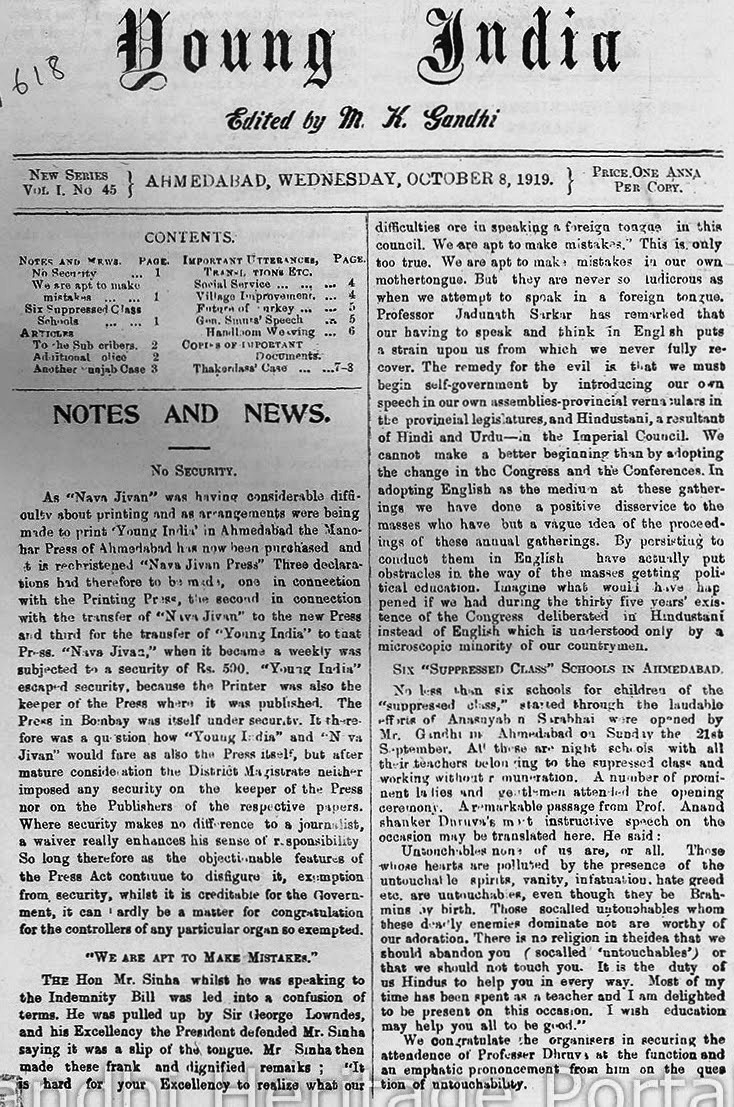
1914දී ආපසු ඉන්දියාවට පැමිණි පසු ගාන්ධි Young India සහ Navjivan නම් සඟරා දෙකක් සඳහා වගකීම භාර ගත්තා. 1919-1932 කාලයේ සතිපතා පළකරනු ලැබූ Young India හරහා බි‍්‍රතාන්‍ය යටත්විජිත පාලකයන්ගේ අත්තනෝමතික ක‍්‍රියා ක‍්‍රමානුකූලව විවේචනය කළා. එසේම අවිහිංසාවාදී විරෝධය පළ කිරීමට සත්‍යාග‍්‍රහ කිරීම ගැන ජනමතයක් ප‍්‍රවර්ධනය කළා.

ඉංග‍්‍රීසියෙන් කරන සඟරා කලාව ඉන්දීය ප‍්‍රභූ පැළැන්තිය නිදහස් අරගලය සඳහා ඒකරාශී කිරීමට වැදගත් වූවත්, එතැනින් නතර නොවූ ගාන්ධි හින්දි හා (ඔහුගේ මවු බස වූ) ගුජරාටි බසින් නව්ජීවන් සඟරාව පළ කළා. මේ ස්වභාෂා සඟරාවේ බහුතරයක් පාඨකයන් ඉන්දියාවේ හද ගැස්මට වඩා සමීප ගොවීන් හා කම්කරුවන් බව ඔහු නිතර කියා සිටියා.

සඟරා සංස්කරණය, මුද්රණය හා බෙදාහැරීම ගැන ඔහු අධීක්ෂණය කළේ වෙනත් බොහෝ දේශපාලනික හා සමාජයීය වගකීම්වලට උර දෙන අතරයි. ඔහු කෙතරම් කාර්යශූර කෙනකු වී ද යන්න අපට සිතා ගත හැකියි.

ඉංග‍්‍රීසි ලිපි ටයිප් කළත් ගුජරාටි හා හින්දි ලිපි ඔහු ලිව්වේ අත් අකුරින්. සමහර දිනවල ඔහු නිදි වරාගෙන පාන්දර යාමය වන තුරු ලියනවා. ඔහුගේ ජීවන තොරතුරුවලට අනුව දකුණතින් ලියා වෙහෙස වූ විට වමතින් ද ලිවීමට ඔහු සමත් වුණා.

Young India, Edited by M K Gandhi

රටේ දුර ප‍්‍රදේශවලට දුම්රියෙන් යන විටද ඔහු ලිපි ලිව්වා. සමහර ප‍්‍රසිද්ධ ලිපි හා ප‍්‍රකාශ ඔහු ලියා ඇත්තේ මෙබඳු ගමන්වලදී. ඔහු වචන හරඹයේ සංයමය මෙන්ම ලිවීමට පටන් ගත් විට කාලය කළමනාකරණය කර ගැනීමේ විනය ද තිබූ අයෙක්. වරෙක දුම්රිය ගමනකදී ලියා නිම කළ යුතු වූ ලිපියක් වෙත පූර්ණ අවධානය යොමු කරන්නට ඔහු දුම්රිය වැසිකිළියට වී දොර වසා ගෙන වැඩ කළ බව වාර්තා වී තිබෙනවා.

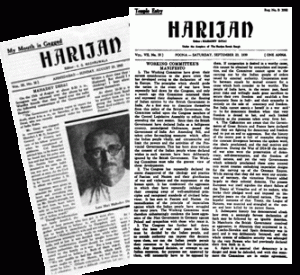
Harijan magazine
Harijan magazine

කුල පීඩිත යැයි කොන් කර සිටි මිලියන් ගණනක් ඉන්දීය ජනයාගේ අයිතීන් හා අභිවෘද්ධිය උදෙසා ඔහු 1932 පෙබරවාරියේ හරිජන් Harijan නම් සඟරාවක් සතිපතා ඉංග‍්‍රීසි, හින්දි හා ගුජරාටි බසින් ඇරැඹුවා. මාස දෙකක කාලයක් තුළ වෙළෙඳපොළේ පිටපත් අලෙවියෙන් පමණක් සඟරාව පාඩු නැතිව කරන්නට ඔහුට හැකි වුණා. හරිජන් ජනප‍්‍රිය වීමත් සමග ස්වේච්ඡුා සේවකයන්ගේ උපකාර ඇතිව එහි තවත් මුද්‍රණ උර්දු, දෙමළ, තෙළිඟු, මරාති. කන්නඩා හා බෙංගාල භාෂාවලින්ද පළ කළා.

ගාන්ධි සඟරා නිෂ්පාදන හා වෙළදපොල පැතිකඩ ද අත්දැකීමෙන් ප්‍රගුණ කළා.

‘‘දකුණු අප‍්‍රිකාවේ සඟරා කතුකම හරහා මා හොඳින් තේරුම් ගත්තේ මෙබඳු ප‍්‍රකාශනයකට තමන්ගේම මුද්‍රණාලයක් අවශ්‍ය බවයි. බි‍්‍රතාන්‍ය පාලකයන් යටතේ මුද්‍රණාල පිළිබඳ නීතිරීති තදින් ක‍්‍රියාත්මක වූ බැවින් මා වැනි නිවහල් අදහස් ලියන්නකුගේ ප‍්‍රකාශන මුද්‍රණය කිරීමට වාණිජ මට්ටමේ මුද්‍රණාල හිමියන් පසුබට වන බව මා දන්නවා. මේ නිසා අපේම මුද්‍රණාලයක් අප අහමදාබාද්හි ඇරඹුවා.’’

ඒ වන විටත් නවජීවන් සඟරාව අහමදාබාද් කේන්ද්‍ර කරගෙන පළ කරමින් තිබුණා. මුලදී බොම්බායෙන් පළ වූ ශදමබට ෂබාස් සඟරාව ද එනුවරට ගෙන ඒමට ගාන්ධි ක‍්‍රියා කළා.

දැන්වීම් නැතිව වුවත් සඟරා පාඩු නොලබා කර ගෙන යන්නට කාර්යශූර වූ ඔහුට ඉංග‍්‍රීසි හා ස්වභාෂා සඟරාවලින් පිටපත් 40,000ක් පමණ අලෙවි කරන්නට හැකි වුණා. ඔහු සිරගත කරනු ලැබූ වකවානුවල අනුගාමිකයන් හා සහෘදයන් ප‍්‍රකාශන නොකඩවා පළ කළා.

දේශපාලන අරගල හා සත්‍යග‍්‍රහයන් කිරීම නිසා 1920-1940 වකවානුවේ ගාන්ධි ඇතුළු නායකයන් විටින් විට කෙටි කලකට සිර ගත කැරෙනවා. එවිට ඔහුගේ අනුගාමිකයන් සඟරා දිගටම පවත්වා ගෙන යතත් අලෙවිය පහත වැටෙනවා. සිරෙන් නිදහස් වූ විගස ගාන්ධි යළිත් සඟරා අලෙවිය වැඩි කිරීමට වෙහෙස වනවා.

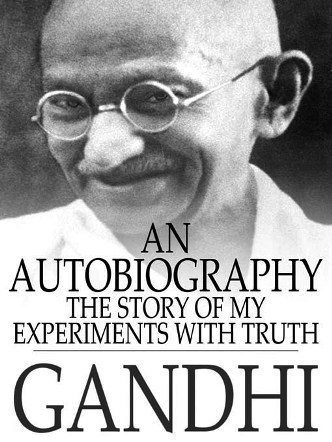
This was first serialised in Gandhi's magazines
This was first serialised in Gandhi’s magazines

පළමුවරට ඉන්දියාවේ සිරබත් කා නිදහස් වූ පසු ගාන්ධි ඒ දක්වා තම චරිත කථාව කොටස් වශයෙන් සිය සඟරාවල පළකිරීමට පටන් ගත්තා. වසර තුනක් සතිපතා පළවූ මේ චරිතාපදානය ඉන්දියාවේ පමණක් නොව ලොව පුරා පාඨක අවධානයට යොමු වුණා. පසුව මෙය පොතක් ලෙස (The Story of My Experiments with Truth, 1927) නමින් ප්‍රකාශ කෙරුණා.

සිරගත කරනු ලැබු කිසි විටෙක රජයේ කොන්දේසි මත ලිපි ලිවීමට ඔහු එකඟ වූයේ නැහැ. වාරණය පිළිගනු වෙනුවට නොලියා සිටීමට ඔහු තීරණය කළා. තම සඟරා යටත්විජිත රජය විසින් නවතනු ලැබුවහොත් තම අදහස් තව දුරටත් සමාජයේ සංසරණය වනු ඇති බව ද ඔහු දැන සිටියා.

එසේම අතිශයින් දුෂ්කර වූ 1920 හා 1930 දශකවල තමන්ගේ මානසික ඒකාග‍්‍රතාව පවත්වා ගන්නට ද පුවත්පත් ලිපි ලිවීම හා කතුකම උපකාර වූ බව ඔහු කියනවා.

‘‘මේ සඟරා කිරීම හරහා මට මානසික සුවයක් ලැබුණා. බි‍්‍රතාන්‍ය පාලනයට එළිපිටම එරෙහි වෙමින් සත්‍යාග‍්‍රහ කිරීමට නීතිමය බාධා එළැඹුණු විටදී පවා මතවාදීව හා බුද්ධිමය වශයෙන් ඔවුන්ට එරෙහිව ජනමතය ගොඩ නංවන්නට මට මේ සඟරා වේදිකාවක් ලබා දුන්නා. දැඩි මර්දනකාරී මාෂල් නීතී වාතාවරණයක් තුළ අපට නිදහස් අරගලය ටිකෙන් ටික හෝ ඉදිරියට ගෙන යාමට සඟරා හරහා අප අවකාශයක් සොයා ගත්තා.’’

ගාන්ධිගේ පත කලාව සමීපව අධ්යයනය කළ පර්යේෂකයන් කියන්නේ ඔහු උද්වේගකාරී, භාව රකෝපකාරී කිසිවක් නොලියූ හා පළ නොකළ බවයි. ඔහු යළි යළිත් මහත් ඕනෑකමින් ප‍්‍රවර්ධනය කළ මාතෘකා අතර හින්දු-මුස්ලිම් සමගිය, අවිහිංසාව, සත්‍යග‍්‍රහ හරහා අධිරාජ්‍යවාදයට එරෙහිවීම. නිසි පෝෂණය, ස්වභාවික බෙහෙත් මගින් රෝග නිවාරණය, මත්පැන් පිටු දැකීම, තමන්ගේ කපු ඇඳුම් තමන්ම වියා ගැනීම, ස්වදේශිකත්වය හා දේශීය කර්මාන්ත නගා සිටුවීම ආදිය වූවා.

Mahatma Gandhi As A Journalist

නිදහස හුදු දේශපාලනික සංකල්පයක් නොවී ආර්ථික, සමාජයීය හා චින්තනමය ස්වාධිපත්‍යය ද ලබා ගත යුතු බවට ඔහුගේ දැක්ම මේ මාතෘකා විදහා දක්වනවා.

පත‍්‍ර කලාව හා කර්මාන්තය ගැන ගාන්ධිගේ අදහස් පරමාදර්ශී මට්ටමේ තිබුණා යැයි කිව හැකියි.

‘‘ජන සමාජයට ඉමහත් බලපෑමක් කළ හැකි ඇතැම් කාර්යයන් රැකියාවක් ලෙස පමණක් කිරීමෙන් එහි අරමුණු අයාලේ යන්නට ඉඩ තිබෙනවා. පුවත්පත් කලාව එබන්දක්. එසේම පුවත්පත් පළ කිරීම ලාබ ලැබීමේ අරමුණින් ව්‍යාපාරයක් ලෙස පමණක් කිරීමෙන් නොයෙක් අකටයුතුකම් සිදු විය හැකියි.’’

Gandhi reading newspaper in 1947

ගාන්ධි දිගටම ගත් ස්ථාවරය වූයේ පුවත්පතේ ප‍්‍රධාන වගකීම තත්කාලීන සිදුවීම් හා සමාජ ප‍්‍රශ්න ගැන ජනයා දැනුවත් කිරීම හා ජන අවබෝධය පුළුල් කිරීම බවයි.

‘‘මෙය අති භාරදුර වගකීමක්. එසේම පුවත්පත් සැම විට විශ්වාස කළ නොහැකි බවත් පාඨකයන් දන්නවා. සමහර පුවත්පත් වාර්තා කරන දෙය සැබෑ සිදුවීමකට වඩා හාත්පසින් වෙනස්. මෙයට එක් හේතුවක් නම් කඩිමුඩියේ ප‍්‍රවෘත්ති හා වෙනත් ලිපි සම්පාදනය කිරීමට සිදු වීමයි. දුෂ්කර තත්ත්වයන් යටතේ ප‍්‍රවෘත්ති සොයා ගෙන, පෙළ ගස්වා, පළ කිරීම කතුවරුන් නිතිපතා මුහුණ දෙන අභියෝගයක්. ඇත්ත නැත්ත තෝරා බේරා ගන්නට ඔවුන්ට බොහෝ විට ලැබෙන්නේ ඉතා කෙටි කාලයක්. මේ සියල්ල එසේ වූවත් මගේ අදහස නම් යම් තහවුරු කිරීමකින් තොරව කිසිදු වාර්තාවක් පළ කිරීමට වඩා නොකර සිටීම වඩා හොඳ බවයි.’’

තම පුවත්පතේ සමස්ත අන්තර්ගතය ආචාර ධර්මවලට අනුකූලව පවත්වා ගත යුතු බව ඔහු විශ්වාස කළා. පත්තරය හා සඟරාවක අන්තර්ගතය තරමටම එහි කතුවරුන්ගේ සමාජ දැක්ම හා ප‍්‍රතිපත්තිමය ස්ථාවරයන් ද සංකේතාත්මක වැදගත්කමක් ගන්නා බව ඔහු විශ්වාස කළා.

ඔහු කීවේ: ‘‘පිටපත් අලෙවියෙන් පමණක් පුවත්පතක් පවත්වා ගෙන යාම අසීරුයි. මේ නිසා වෙළෙඳ දැන්වීම් හරහා ආදායම් ඉපැදවීමට බොහෝ පුවත්පත්වලට සිදු වනවා. ඒ හරහා නොදැනුවත්වම පරස්පර විරෝධී තත්ත්වයන් පැන නගිනවා. පත‍්‍රයක කතුවැකිය හෝ ලිපි මගින් සමාජයට අහිතකර යයි විවේචනය කැරෙන දේ එම පත‍්‍රයේම දැන්වීම් මගින් ප‍්‍රවර්ධනය කළ හැකියි.’’

‘‘වෛද්‍ය හා සෞඛ්‍ය ක්ෂේත‍්‍රයට සම්බන්ධ බොහෝ දැන්වීම් මා පත‍්‍රවල දකිනවා. මේවා බහුතරයක් අපේ ජනයාගේ සෞඛ්‍යයට දිගුකාලීනව හානිකරයි. මහජනයා යහමඟට යොමු කිරීමේ වගකීම ඇති පුවත්පත් ඔවුන්ට වැරදි පණිවුඩ දීම කෙතරම් වැරදිද? වෙළෙඳපොල බලපෑම් හමුවේ පත‍්‍ර කලාව තවදුරටත් මහජන සේවයක් ලෙස කරන්නට අපහසු වී තිබෙනවා. නොයෙක් වැල්වටාරම් හෝ ප‍්‍රලාපයන් සමාජගත කර ජන මනස කිලිටි නොකිරීමට හැම පුවත්පතක්ම දැඩි සංයමයකින් ක‍්‍රියා කළ යුතු වනවා.’’

පත‍්‍රකලාව හා ජනසන්නිවේදනය ගැන ඔහු නොයෙක් විට ලියා හා කතා පවත්වා තිබෙනවා. වරෙක ඔහු කීවේ: ‘‘හොඳ පත‍්‍රකලාවේදියෙක් හරියට ඉක්මනින් පැතිරෙන බෝවන රෝගයක් මෙන් විය යුතුයි. එක් සමාජ ස්ථරයකට සීමා නොවී ජන සමාජයේ හැම තැනකටම කාර්යක්ෂමව සංසරණය වන ප‍්‍රකාශන බිහි කළ යුතුයි.’’

ගාන්ධිගේ පත‍්‍රකලා ජීවිතය පුරාම ඔහු ප‍්‍රගුණ කළ මූලික ගුණාංග තුන වූයේ සංලේඛ්‍ය නිදහස (editorial independence), සත්‍යගරුක වීම හා සංයමයෙන් බස හැසිරවීමයි. මේ ගුණාංග අදත් මාධ්‍යකරණයකට අත්‍යවශ්‍ය වෙනවා.

එසේම සමාජ උන්නතිය සඳහා පෙනී සිටි පමණට පුවත්පත් පූජනීය තත්ත්වයකින් සැලකිය යුතු නොවන බවත් ගාන්ධිගේ අදහස වුණා. පුවත්පත් හා සඟරා වැරදි ස්ථාවරයන් ගත් විට සමාජයේ වියතුන් හා සෙසු පාඨකයන්ට ඒවා විවේචනය කිරීමේ පූර්ණ අයිතිය ඇති බව ඔහු කියා සිටියා.

ගාන්ධි වෙබ් ලේඛනාගාරය https://www.gandhiheritageportal.org/


Echelon June 2015 column: Sri Lanka – Unclear on Nuclear

Text of my column written for Echelon monthly business magazine, Sri Lanka, June 2015 issue

Sri Lanka: Unclear on Nuclear

 By Nalaka Gunawardene

Sri Lanka's President Maithripala Sirisena meets Indian Prime Minister Narendra Modi in New Delhi, 16 Feb 2015
Sri Lanka’s President Maithripala Sirisena meets Indian Prime Minister Narendra Modi in New Delhi, 16 Feb 2015

Should Sri Lanka consider nuclear energy for its medium to meet its long term electricity generation needs?

This has been debated for years in scientific and policy circles. It has come into sharp focus again after Sri Lanka signed a bilateral agreement with India “to cooperate in peaceful uses of nuclear energy”.

Under the agreement, signed in New Delhi on 16 February 2015 during President Maithripala Sirisena’s first overseas visit, India will help Sri Lanka build its nuclear energy infrastructure, upgrade existing nuclear technologies and train specialised staff. The two countries will also collaborate in producing and using radioactive isotopes.

On the same day, a story filed from the Indian capital by the Reuters news agency said, “India could also sell light small-scale nuclear reactors to Sri Lanka which wants to establish 600 megawatts of nuclear capacity by 2030”.

This was neither confirmed nor denied by officials. The full text has not been made public, but a summary appeared on the website of Sri Lanka’s Atomic Energy Board. In it, AEB reassured the public that the deal does not allow India to “unload any radioactive wastes” in Sri Lanka, and that all joint activities will comply with standards and guidelines set by the International Atomic Energy Agency (IAEA), a UN body in which both governments are members.

According to AEB, Sri Lanka has also signed a memorandum of understanding on nuclear cooperation with Russia, while another is being worked out with Pakistan.

Beyond such generalities, no specific plans have been disclosed. We need more clarity, transparency and adequate public debate on such a vital issue with many economic, health and environmental implications. Yaha-paalanaya (good governance) demands nothing less.

Radiation_sign_cropped

 South Asia’s nuclear plans

The South Asian precedent is not encouraging. Our neighbouring countries with more advanced in nuclear programmes have long practised a high level of opacity and secrecy.

Two countries — India and Pakistan – already have functional nuclear power plants, which generate around 4% of electricity in each country. Both have ambitious expansion plans involving global leaders in the field like China, France, Russia and the United States. Bangladesh will soon join the nuclear club: it is building two Russian-supplied nuclear power reactors, the first of which will be operational by 2020.

India and Pakistan also possess home-built nuclear weapons, and have refused to sign the Treaty on the Non-Proliferation of Nuclear Weapons (NPT). Specifics of their arsenals remain unknown.

Both countries have historically treated their civilian and military nuclear establishments as ‘sacred cows’ beyond any public scrutiny. India’s Official Secrets Act of 1923 covers its nuclear energy programme which cannot be questioned by the public or media. Even senior Parliamentarians complain about the lack of specific information.

It is the same, if not worse, in Pakistan. Pakistani nuclear physicist Dr Pervez Hoodbhoy, an analyst on science and security, finds this unacceptable. “Our nuclear power programme is opaque since it was earlier connected to the weapons programme. Under secrecy, citizens have much essential information hidden from them both in terms of safety and costs.”

Safety of nuclear energy dominates the agenda more than four years after Japan’s Fukushima nuclear accident of March 2011. The memories of Chernobyl (April 1986) still linger. These concerns were flagged in a recent online debate on South Asia’s critical nuclear issues that I moderated for SciDev.Net. With five panellists drawn from across the opinion spectrum, the debate highlighted just how polarised positions are when it comes to anything nuclear in our part of the world.

Nuclear debate promo

Bottomline

The bottomline: all South Asian countries need more electricity as their economies grow. Evidence suggests that increasing electricity consumption per capita enhance socio-economic development.

The World Bank says South Asia has around 500 million people living without electricity (most of them in India). Many who are connected to national grids have partial and uneven supply due to frequent power outages or scheduled power cuts.

The challenge is how to generate sufficient electricity, and fast enough, without high costs or high risks? What is the optimum mix of options: should nuclear be considered alongside hydro, thermal, solar and other sources?

In 2013, Sri Lanka’s total installed electricity generation capacity in the grid was 3,290 MegaWatts (MW). The system generated a total electricity volume of 12,019.6 GigWatt-hours (GWh) that year. The relative proportions contributed by hydro, thermal and new renewable energies (wind, solar and biomass) vary from year to year. (Details at: http://www.info.energy.gov.lk/)

In a year of good rainfall, (such as 2013), half of the electricity can still come from hydro – the cheapest kind to generate. But rainfall is unpredictable, and in any case, our hydro potential is almost fully tapped. For some years now, it is imported oil and coal that account for a lion’s share of our electricity. Their costs depend on international market prices and the USD/LKR exchange rate.

Image courtesy Ministry of Power and Energy, Sri Lanka, website

Should Sri Lanka phase in nuclear power at some point in the next two decades to meet demand that keeps rising with lifestyles and aspirations? Much more debate is needed before such a decision.

Nuclear isn’t a panacea. In 2003, a study by the Massachusetts Institute of Technology (MIT) on the future of nuclear power traced the “limited prospects for nuclear power” to four unresolved problems, i.e. costs, safety, waste and proliferation (http://web.mit.edu/nuclearpower/).

A dozen years on, the nuclear industry is in slow decline in most parts of the world says Dr M V Ramana, a physicist with the Program on Science and Global Security at Woodrow Wilson School of Public and International Affairs at Princeton University. “In 1996, nuclear power contributed about 17.6% to the world’s electricity. By 2013, it was been reduced to a little over 10%. A large factor in this decline has been the fact that it was unable to compete economically with other sources of power generation.”

Safety issues

Beyond capital and recurrent cost considerations, issues of public safety and operator liability dominate the nuclear debate.

Take, for example, Pakistan’s recent decision to install two Chinese-supplied 1,100 MW reactors near Karachi, a megacity that packs almost Sri Lanka’s population. When concerned citizens challenged this in court, the government pleaded “national security was at stake” and so the public could not be involved in the process.

Dr Hoodbhoy is unconvinced, and cautions that his country is treading on very dangerous ground. He worries about what can go wrong – including reactor design problems, terrorist attacks, and the poor safety culture in South Asia that can lead to operator error.

He says: “The reactors to be built in Karachi are a Chinese design that has not yet been built or tested anywhere, not even in China. They are to be sited in a city of 20 million which is also the world’s fastest growing and most chaotic megalopolis. Evacuating Karachi in the event of a Fukushima or Chernobyl-like disaster is inconceivable!”

Princeton’s Dr Ramana, who has researched about opacity of India’s nuclear programmes, found similar aloofness. “The claim about national security is a way to close off democratic debate rather than a serious expression of some concern. It should be the responsibility of authorities to explain exactly in what way national security is affected.”
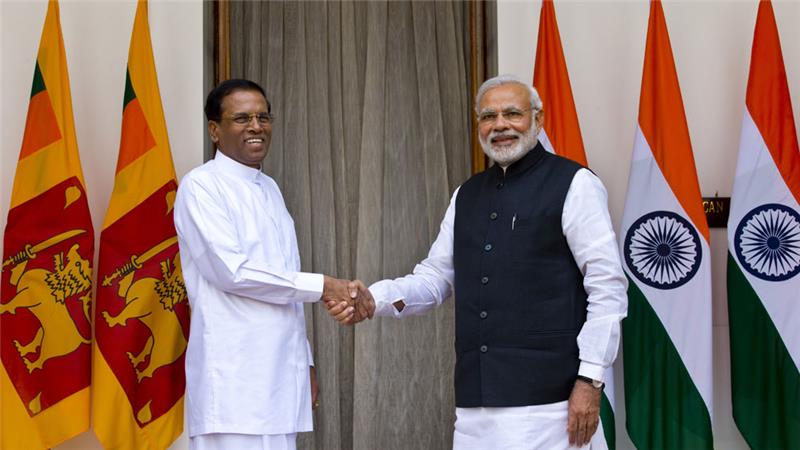
See also: India’s Nuclear Enclave and Practice of Secrecy. By M V Ramana. Chapter in ‘South Asian Cultures of the Bomb’ (Itty Abraham, ed., Indiana University Press, 2009)

Construction of the Koodankulam Nuclear Power Plant in Tamil Nadu

 Nuclear Dilemmas

Putting the nuclear ‘genie’ back in the bottle may not be realistic. The World Nuclear Association, an industry network, says there were 435 commercial nuclear power reactors operating in 31 countries by end 2014. Another 70 are under construction.

Following Fukushima, public apprehensions on the safety of nuclear power plants have been heightened. Governments – at least in democracies – need to be sensitive to public protests while seeking to ensure long term energy security.

By end 2014, India had 21 nuclear reactors in operation in 7 nuclear power plants, with a total installed capacity of 5,780 MW. Plans to build more have elicited sustained protests from local residents in proposed sites, as well as from national level advocacy groups.

For example, the Kudankulam Nuclear Power Plant in Tamil Nadu, southern India — which started supplying to the national power grid in mid 2013 — has drawn protests for several years. Local people are worried about radiation safety in the event of an accident – a concern shared by Sri Lanka, which at its closest (Kalpitiya) is only 225 km away.

India’s Nuclear Liability Law of 2010 covers both domestic and trans-boundary concerns. But the anti-nuclear groups are sceptical. Praful Bidwai, one of India’s leading anti-nuclear activists, says the protests have tested his country’s democracy. He has been vocal about the violent police response to protestors.

Nuclear Power Plants in India - official map 2014
Nuclear Power Plants in India – official map 2014

Meanwhile, advocates of a non-nuclear future for the region say future energy needs can be met by advances in solar and wind technologies as well as improved storage systems (batteries). India is active on this front as well: it wants to develop a solar capacity of 100,000 MW by 2022.

India’s thrust in renewables does not affect its nuclear plans. However, even pro-nuclear experts recognise the need for better governance. Dr R Rajaraman, an emeritus professor of physics at Jawaharlal Nehru University in New Delhi, wants India to retain the nuclear option — but with more transparency and accountability.

He said during our online debate: “We do need energy in India from every possible source. Nuclear energy, from all that I know, is one good source. Safety considerations are vital — but not enough to throw the baby out with the bathwater.”

Rajaraman argued that nuclear energy’s dangers need to be compared with the hazards faced by those without electricity – a development dilemma. He also urged for debate between those who promote and oppose nuclear energy, which is currently lacking.

Any discussion on nuclear energy is bound to generate more heat than light. Yet openness and evidence based discussion are essential for South Asian countries to decide whether and how nuclear power should figure in their energy mix.

In this, Sri Lanka must do better than its neighbours.

Full online debate archived at: http://www.scidev.net/south-asia/nuclear/multimedia/live-debate-unclear-on-nuclear.html

Science writer Nalaka Gunawardene is on Twitter @NalakaG and blogs at http://nalakagunawardene.com.