සිවුමංසල කොලූගැටයා #90: වකුගඩු රෝගය හරහා මතුවන ‘ජනමාධ්‍ය රෝගය’

In Sri Lanka, mass kidney failure during the past two decades has been followed by what I call a mass media failure. Most of our media have failed to understand, analyse and report adequately on this public health emergency. Instead of helping affected people and policy makers to work out solutions, some journalists have become amplifiers of extreme activist positions.

I talked about this at at the International Science Communication Leadership Workshop, held as part of Association of Academies & Societies of Sciences in Asia (AASSA) General Assembly in Colombo, 16-19 October 2012. An English article based on my talk appeared in Ceylon Today a few days ago:
Mass Kidney Failure & Mass Media Failure: Go ‘Upstream’ for Remedies!

I have just written up similar views (NOT a translation!) for my weekend Sinhala language column in Ravaya broadsheet newspaper:
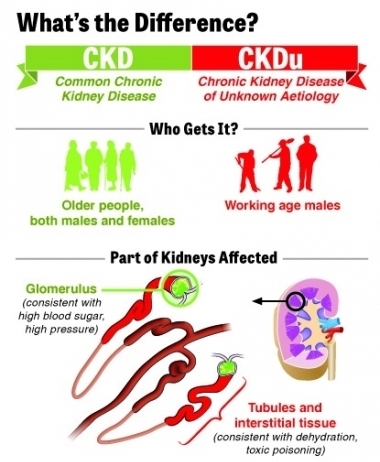
CKDu infographic courtesy Center for Public Integrity, USA

ආසියා පැසිෆික් කලාපයේ ජාතික විද්‍යා ඇකඩමි එකතුවේ ජාත්‍යාන්තර සමුළුවක් ඔක්තෝබර් 16-19 දිනවල කොළඹදී පැවැත් වුණා. එහි එක් අංගයක් ලෙස විද්‍යා සන්නිවේදන නායකත්වය ගැන එක් දින සැසිවාරයක් සංවිධානය කර තිබූ අතර විවිධ රටවලින් පැමිණි ආරාධිතයන් එය අමතා කථා කළා.

අපේ ජාතික විද්‍යා ඇකඩමියේ ඇරැයුමින් එයට සහභාගි වූ මට පසුව පෙනී ගියේ විද්‍යා සන්නිවේදනය ගැන ශී‍්‍ර ලංකාවෙන් කථා කළ එක ම දේශකයා මා බවයි. සාමාන්‍යයෙන් එබඳු අවස්ථාවල සත්කාරක රටේ දේශකයන් තෝරා ගන්නේ විවාදයට ලක් නොවන, ජාතිකත්වය මතු කරන ආකාරයේ ප‍්‍රවේශම් සහගත තේමාවක්.

එහෙත් ඇඟ බේරා ගෙන කථා කිරීමේ නිල අවශ්‍යතාවයක් හෝ වෘත්තිමය පුරුද්දක් හෝ මට නැති නිසා මෙරට පැන නැගී ඇති, විද්‍යා සන්නිවේදනයට ද බරපතල අභියෝග එල්ල කරන මාතෘකාවක් ගැන මා විවෘතව අදහස් දැක්වූවා. එනම් රජරටින් මතුව ආ නිදන්ගත වකුගඩු රෝගය හා එයට ලක් සමාජයේත්, මෙරට මාධ්‍යවලත් ප‍්‍රතිචාරයයි. අද මා ගොනු කරන්නේ ඒ වියත් සභාවට මා දැක් වූ අදහස්වල සම්පිණ්ඩනයක්.

2012 සැප්තැම්බර් 2 වනදා කොලමින් (වකුගඩු රෝගයේ විද්‍යාව හා විජ්ජාව) මා කී පරිදි මෙය මාධ්‍යවලට ප‍්‍රබල මාතෘකාවක් වුවත් ලෙහෙසියෙන් ග‍්‍රහණය කර ගත හැකි දෙයක් නොවෙයි. වකුගඩු රෝගයේ හේතුකාරක විය හැකි සාධක ගණනාවක් ගැන තවමත් නොවිසඳුණු විද්‍යාත්මක වාද විවාද තිබෙනවා. එහෙත් සම්පූර්ණ සත්‍ය අවබෝධයක් මතු වන තුරු පිළියම් යෙදීම ප‍්‍රමාද කරන්නටත් නොහැකියි.

දැනටමත් රෝගාතුර වූ සියළු දෙනාට අවශ්‍ය වෛද්‍ය ප‍්‍රතිකාර සපයන අතර එම රෝගය වාර්තා වන ප‍්‍රදේශවල වෙසෙන සෙසු ජනයාට ප‍්‍රවේශම් විය හැකි ප‍්‍රායෝගික ක‍්‍රම සොයා දීම හා දැනුවත් කිරීම වැදගත්. මෙහිදී පිවිතුරු පානීය ජලය සැපයීමේ වැදගත්කම පිළි ගෙන තිබෙනවා.

වකුගඩු ශරීරයේ ඉතා වැදගත් කාර්යයක් ඉටු කරනවා. රුධිරයේ බහිශ‍්‍රාවීය ද්‍රව්‍ය හා වැඩිපුර ජලය පෙරා වෙන් කොට බැහැර කිරීම නියාමනය කරන්නේත්, ඒ හරහා රුධිරයේ හා ශරීරයේ රසායනික සමතුලිතතාව පවත්වා ගන්නේත් වකුගඩු මගින්. එය දිවා රාත‍්‍රී කි‍්‍රයා කරන පෙරහනක් වැනියි.

සමස්ත සමාජය දෙස බැලූ විට ජන මාධ්‍යවල සමාජයීය භූමිකාවත් එයට සමානයි. නිවැරදි තොරතුරුත්, නිරවුල් විග‍්‍රහයනුත් සමාජයට ඉතිරි කරමින් සම්ප‍්‍රපලාපයන්, මුසාවන්, මිථ්‍යාවන් හා අනෙකුත් විකෘති කිරීම් බැහැර කිරීම මාධ්‍යවලින් සමාජය බලාපොරොත්තු වනවා.

රෝගී වූ වකුගඩුවලට ජෛව විද්‍යාත්මක කාර්යය හරිහැටි කරන්නට නොහැකි වනවා සේ ම ‘රෝගී’ වූ ජනමාධ්‍යවලට ද සිය සමාජ මෙහෙවර හරිහැටි කර ගත නොහැකි බව මගේ මතයයි. මෙය මා ඉංග‍්‍රීසියෙන් කීවේ “Mass kidney failure is followed by a mass media failure” කියායි.

මෙසේ කියන්නේ මෙරට සිංහල හා ඉංග‍්‍රීසි මාධ්‍ය (පාරිසරික සගරා හෝ විශේෂිත වාර ප‍්‍රකාශන නොවේ) වකුගඩු රෝගය වාර්තා කරන ආකාරය ගැන කලක් තිස්සේ ඕනෑකමින් බලා සිටින, මේ ක්‍ෂේත‍්‍රයේ ම පය ගසා සිටින කෙනෙකු හැටියටයි.

මුද්‍රිත මාධ්‍ය ගත් විට, අන්තර්ගතය මූලිකව කොටස් තුනකට බෙදිය හැකියි. කර්තෘ මණ්ඩල සම්බන්ධයක් නැති, එහෙත් පැවැත්මට අවශ්‍ය වෙළඳ දැන්වීම් එක් කොටසක්. ඉතිරි කියවන අන්තර්ගතය තුළ ද මාණ්ඩලික ලේඛකයන් ලියන දේ මෙන් ම බැහැර සිට ලබා දෙන විද්වත් ලිපි තිබෙනවා. විද්වත් ලිපිවල මත දැක්වීම ඒවා ලියන අයගේයි. මා මෙහිදී අවධානය යොමු කරන්නේ කර්තෘ මාණ්ඩලික ලේඛකයන් අතින් ලියැවෙන මාධ්‍ය අන්තර්ගතය ගැනයි. මාධ්‍ය කලාවේ සාරධර්ම රැකීම වැඩිපුර අපේක්‍ෂා කරන්නේත් මේ සන්නිවේදන තුළයි.

පුවත්පත් කලාවේ මූලික සාරධර්මයක් ලෙස සැළකෙන්නේ සමබරතාවය රැකෙන පරිදි වාර්තාකරණය විය යුතු බවයි. එනම් ප‍්‍රශ්නයක් හෝ සිද්ධියක් ගැන වාර්තා හෝ විග‍්‍රහ කරන විට එයට සම්බන්ධ සියළු පාර්ශවයන්ට සාධාරණ නියෝජනයක් ලබා දීමයි.

වකුගඩු රෝගය පිළිබඳ වාර්තාකරණයේදී අපේ ඇතැම් පුවත්පත් හා විද්යුත් මාධ්‍ය නාලිකා ක‍්‍රියා කර ඇත්තේ එබඳු පුළුල් විග‍්‍රහයක යෙදෙන අන්දමින් නොවෙයි. සංකීර්ණ ප‍්‍රශ්නයේ විවිධ පැතිකඩ ග‍්‍රාහකයන්ට නොවලහා ඉදිරිපත් කොට අවසාන විනිශ්චය ඔවුන්ට භාර කරනු වෙනුවට තෝරා ගත් තොරතුරු හා මතවාදයන් කිහිපයක් පමණක් ප‍්‍රතිරාවය කරනු දැකිය හැකියි. එයට සමාන්තරව තමන් ප‍්‍රවර්ධනය කරන මතවාදයට වෙනස් වූ මතවලට හා එම මතධාරීන්ට සමච්චල් කිරීමත්, ඇතැම් විට වාග් ප‍්‍රහාර එල්ල කිරීමත් සිදු වනවා.

පරිසර සංරක්‍ෂණය හා මහජන සෞඛ්‍යය වැනි පොදු උන්නතියට සෘජුව අදාල තේමා ගැන මාධ්‍ය වාර්තාකරණයේ නියැලෙන විට මාධ්‍යවේදීන්ගේ භූමිකාව කෙසේ විය යුතු ද?

කලක් තිස්සේ ලොව පුරා මාධ්‍ය සම්ප‍්‍රදායක් වූයේ මාධ්‍යවේදියාගේ පෞද්ගලික මතිමතාන්තර වාර්තාකරණයට මිශ‍්‍ර නොකළ යුතු බවයි. යම් මතවාදයක් හෝ අදහසක් පළ කරන්නට ඕනෑ නම් එය කතුවැකියට හෝ කතුවැකි පිටුවේ මත දැක්වීමට සීමා වුණා. එහෙත් 1970 දශකයේ පටන් සෞඛ්‍යය, පරිසරය හා මානව මානව හිමිකම් ආදී තේමා ගැන මාධ්‍ය වාර්තාකරණයේදී මාධ්‍යවේදියා දරණ ස්ථාවරය හා මතය ද යම් තාක් දුරට වාර්තාකරණයේ පිළිබිඹු වීම සාධාරණ යයි ප‍්‍රගතිශීලී මාධ්‍යකරුවන් අතර පිළි ගැනීමක් මතුව ආවා. මෙය ඉංග‍්‍රීසියෙන් advocacy journalism ලෙස හඳුන්වනවා.

නාගරික සිදුවීම් හා පුවත් මවන්නන් කේන්ද්‍ර කොට ගත් අපේ බොහෝ ජනමාධ්‍ය මුල් කාලයේ වකුගඩු රෝගය වාර්තා කලේ ඉඳහිට හා යාන්තමට. එය බොහෝ දෙනෙකුට බලපාන රෝගයක් බව පසක් වූ විට මේ තත්ත්වය වෙනස් වූවත්, තවමත් විවිධ මානයන් විග‍්‍රහ කරමින් සානුකම්පික වූත්, මැදහත් වූත් වාර්තාකරණයක් කරන්නට අපේ බොහෝ මාධ්‍ය සමත් වී නැහැ.

ඒ වෙනුවට වකුගඩු රෝගය සංත‍්‍රාසය දනවන හෙඩිම් සපයන හා හරිත ක‍්‍රියාකාරිකයන් සමහර දෙනෙකුගේ න්‍යාය පත‍්‍රයට අනුගත වන අන්දමේ මාධ්‍ය ”කට ගැස්මක්” බවට පත් වී තිබෙන බව කණගාටුවෙන් වුවත් පිළිගත යුතුයි.

වකුගඩු රෝගය වාර්තාකරණයේදී ඉස්මතුව එන්නේ පොදුවේ අපේ ජනමාධ්‍ය ෙක්‍ෂත‍්‍රයේ පවතින විසමතා හා දුර්වලතායි. එයින් සමහරක් නම්: ප‍්‍රශ්නයක විවිධ පැතිකඩ විපරම් කරනු වෙනුවට මාධ්‍යවේදීන් හෝ මාධ්‍ය ආයතන පෙර තේරීමක් කළ පැතිකඩ දෙක තුනකට පමණක් අවධානය යොමු කිරීමත අදාල පාර්ශවයන් කිහිපයක් සිටින අවස්ථාවක තෝරා ගත් දෙතුන් දෙනෙකුගේ මත පමණක් දිගට ම විස්තාරණය කිරීමත සහ සංකීර්ණ ප‍්‍රශ්නයක් උවමනාවට වඩා සරලව හා මතුපිටින් පමණක් කඩිමුඩියේ වාර්තා කිරීම හරහා ග‍්‍රාහකයන්ගේ මනස වඩාත් ව්‍යාකූල කිරීම.

එමෙන්ම තහවුරු කරගත් තොරතුරු මත වාර්තාකරණය පදනම් කර ගන්නවා වෙනුවට ඕපාදුප, කුමන්ත‍්‍රණවාදී පරිකල්පනයන් හා ප‍්‍රහාරාත්මක බස හැසිරවීම ද අපේ මාධ්‍ය ක්‍ෂේත‍්‍රයේ නිතර දැකිය හැකියි.

මෙය අදහස් ප‍්‍රකාශනයේ හා මාධ්‍ය නිදහසේ කොටසක් යයි යමකුට කිව හැකියි. තර්කයක් ලෙස එය සත්‍ය වුවත්, ආපදා හා වෙනත් හදිසි අවස්ථාවල විශාල ජන සංඛ්‍යාවක් විපතට හා දුකට පත්ව සිටින විට, එය කි‍්‍රකට් තරඟාවලියක් හෝ මැතිවරණයක් හෝ ගැන වාර්තා කරනවාට වඩා සංයමයකින් හා සංවේදීව කරනු ඇතැයි මාධ්‍ය ග‍්‍රාහකයන් අපේක්ෂා කරනවා.

මාධ්‍යවේදීන්ට තොරතුරු මූලාශ‍්‍ර ඉතා වටිනවා. බොහෝ දෙනෙකු කලක් තිස්සේ උත්සාහයෙන් ගොඩ නඟා ගත් සබඳතා තිබෙනවා. කඩිමුඩියේ දුරකථනයෙන් පවා තොරතුරක් විමසීමට, අදහසක් ලබා ගැනීමට හැකි වීම ලොකු දෙයක්. එහෙත් මූලාශ‍්‍ර වන ඇතැම් දෙනාට තමන්ගේ ම න්‍යාය පත‍්‍ර ද තිබෙනවා. මාධ්‍ය හරහා තම මතවාද පතුරුවන්නට ඔවුන් තැත් කිරීම ඔවුන්ගේ පැත්තෙන් සාධාරණයි. එහෙත් මූලාශ‍්‍රවලට ඕනෑ ලෙසට අවිචාරවත්ව ක‍්‍රියා නොකිරීමටත්, සමබරතාවය පවත්වා ගැනීමටත් මාධ්‍ය ආයතන ප‍්‍රවේශම් විය යුතුයි.

වකුගඩු රෝගයේ මාධ්‍ය වාර්තාකරණය කලක් තිස්සේ බලා සිටින ජ්‍යෙෂ්ඨ මාධ්‍ය සගයෙකු මට කීවේ මේ ගැන වාර්තාකරණයේදී අපේ බොහෝ මාධ්‍ය තම මූලාශ‍්‍රවලට බෙහෙවින් හෝ මුළුමනින් හෝ නතු වී ඇති බවයි. තර්කානුකූල නොවන, සාක්‍ෂි මත පදනම් නොවූ විග‍්‍රහයන් හා විනිශ්චයන් මහජනතාව අතරට යළි යළිත් ගියේ එනිසායි.

වාර්තාකරණයේ දුර්වලතාවල වගකීම මුළුමනින් මාධ්‍යවලට පැවරීමට ද නොහැකියි. උග‍්‍ර වෙමින් පවතින මේ මහජන සෞඛ්‍ය ප‍්‍රශ්නය හා ඛේදවාචකය ගැන ලෝක සෞඛ්‍ය සංවිධානයේ (WHO) විද්වත් උපදෙස් ඇතිව සෞඛ්‍ය අමාත්‍යාංශය 2009-2011 කාලයේ අපේ විද්‍යාඥ කණ්ඩායම් 10ක් හරහා ප‍්‍රශ්නයේ විවිධ පැතිකඩ විමසමින් පර්යේෂණ කළා. එය මේ දක්වා මේ ගැන සිදු කළ වඩාත් ම විස්තරාත්මක අධ්‍යයනයයි. එහි වාර්තාව මේ වසර මුලදී සෞඛ්‍ය අමාත්‍යාංශයට භාර දුන්නා. එය මෙතෙක් (2012 ඔක් 31 දක්වා) ප‍්‍රකාශයට පත් නොකිරීම හරහා සෞඛ්‍ය අමාත්‍යංශය ද මේ තත්ත්වය ව්‍යාකූලවීමට ඉඩ හැරියා.

මේ අතර WHO අභ්‍යන්තර වාර්තාවකැයි කියන, එහෙත් කිසිදු නිල ලක්ෂණයක් (ලිපි ශීර්ෂයක්, වැඩි විස්තර ලබා ගත හැකි ක‍්‍රමයක්) නොමැති, පිටු 3ක කෙටි ලේඛනයක් ක‍්‍රියාකාරීන් කිහිප දෙනෙකු 2012 අගෝස්තු මස මැදදී මාධ්‍යවලට ලබා දුන්නා. එය WHOහි බව තහවුරු කිරීමක් හෝ විචාරයක් හෝ නොමැතිව ගෙඩි පිටින් ප‍්‍රකාශයට පත් කිරීමට අපේ ඇතැම් මාධ්‍ය පෙළඹුණා.

විද්‍යාත්මක කරුණක් ගැන අපේ මාධ්‍ය මෙතරම් අපරික්ෂාකාරී වන්නේ ඇයි? දේශපාලනික හෝ ක‍්‍රීඩා ආන්දෝලනයක් ගැන තහවුරු නොවූ ලේඛනයක් ලැබුණොත් මෙලෙසින් එය පළ කිරීමට කතුවරුන් සූදානම් ද?

මේ උද්වේගකාරී වාර්තාකරණය ගැන සාධාරණ ප‍්‍රතිතර්ක මතු කළ ජ්‍යෙෂ්ඨ විද්‍යාඥයන් හා වෛද්‍යවරුන් මෙකී මාධ්‍ය විසින් ඉක්මනින් හංවඩු ගසනු ලැබුවේ ”පලිබෝධ නාශක සමාගම්වල මුදල් බලයට නතු වූවන්” හැටියටයි. එයට සාක්ෂි තිබේ ද? නැතිනම් කුමන්ත‍්‍රණවාදී තර්කයක් පමණ ද?

වසර 25ක් පුරා එදත් අදත් මා කියන්නේ පලිබෝධ නාශක, රසායනික පොහොර ඇතුළු සියළු නවීන විද්‍යාත්මක මෙවලම් ප‍්‍රවේශමින් පරිහරණය කළ යුතු බවයි. ඒවාට විරුද්ධවීමේ පූර්ණ අයිතියක් පරිසරවේදීන්ට තිබෙනවා. එහෙත් ඇතැම් පරිසරවේදීන් ප‍්‍රායෝගික විකල්ප යෝජනා නොකර, රාජ්‍ය ප‍්‍රතිපත්ති හා විද්වත් මතයන් විවේචනය කරන විට, එම තර්ක ගැන ප‍්‍රතිපත්ති සම්පාදකයන්ගේ හා මැදහත් විද්වතුන්ගේ මත විමසීමට මාධ්‍යවලට වගකීමක් ද තිබෙනවා.

වකුගඩු රෝගය හා කෘෂි රසායන ද්‍රව්‍ය ගැන සංවාදයේදී අවශ්‍ය තරමට සිදු නොවූයේ ද එයයි. ඒ වෙනුවට ජනතාව බියපත් කරවන, රාජ්‍ය නිලධාරීන් අපහසුතාවයට පත් කරන හා මැදහත් විද්‍යාඥයන්ට නිරපරාදේ චෝදනා එල්ල කරන වාර්තාකරණයක් අප දකිනවා.

මෙබදු වාර්තාකරණයකින් මානසික කම්පනයට පත් මෙරට සිටින ජ්‍යෙෂ්ඨතම විද්‍යා මහාචාර්යවරයෙකු මට කීවේ මෙයයි: “එප්පාවල ඇපටයිට් නිධිය බහු ජාතික සමාගම්වලට දෙන්නට යන විට ප‍්‍රතිපත්තිමය හේතු මත එයට විරුද්ධ වීම නිසා මට මරණ තර්ජන පවා ලැබුණා. එසේ පොදු උන්නතියට ජීවිත කාලයක් ක‍්‍රියා කළ මට, ජනතාවට වස කවන ජාති ද්‍රෝහියකු යයි චෝදනා කරන්නේ ඇයි?”

මේ මහාචාර්යවරයාට දිගට ම අවලාද නගන ජාතික පුවත්පතක්, ඔහු යැවූ පිලිතුර පවා පළ කොට නැහැ. (පිළිතුරු දීමේ අයිතිය සුරැකීමට අපේ බොහෝ මාධ්‍ය ආයතන ප‍්‍රසිද්ධියේ ප‍්‍රතිඥා දෙනවා.) මේ මහාචාර්යවරයා ඇතුළු විද්‍යාඥයන් රැසක් වකුගඩු රෝගයේ හේතුකාරක ගැන විවිධ කල්පිතයන් ගවේෂණය කරමින් සිටිනවා. ඔවුන්ගේ එක ම අරමුණ මෙහි අක්මුල් පාදා ගැනීමයි.

බලන්න: http://tiny.cc/CKDuMed

සිවුමංසල කොලූගැටයා #81: වකුගඩු රෝගයේ විද්‍යාව හා විජ්ජාව

Mass Kidney Failure and Mass Media Failure in Sri Lanka

The kidneys are vital organs in our body that help keep the blood clean and chemically balanced through filtering. Healthy kidneys separate waste and excess water.

Similarly, a healthy and vibrant media helps separate fact from fiction, and provides clarity and context vital for an open, pluralistic society to function.

In Sri Lanka, mass kidney failure during the past two decades has been followed by what I see as a mass media failure to understand, analyse and report adequately on this public health emergency. Instead of helping affected people and policy makers to work out solutions, some journalists have become mere amplifiers of extreme activist positions.

As health officials and policy makers struggle with the prolonged humanitarian crisis, partisan media coverage has added to public confusion, suspicion and fear. As a science writer and journalist, I have watched this with growing concern.

I just gave a talk on this to the Science Communication Leadership Workshop which was part of the First General Assembly of Association of Academies and Societies of Sciences in Asia (AASSA) held in Colombo, Sri Lanka, on 17 October 2012.

Here is my presentation:

See also my recent writing on this topic:

Sunday column 19 Aug 2012: Science and Politics of Kidney Disease in Sri Lanka

Sunday column 26 Aug 2012: Watch out! Everybody Lives Downstream…

Video: Sri Lanka’s Lost Generations: Systems Ecologist Ranil Senanayake on genepool implications of insurrection & war


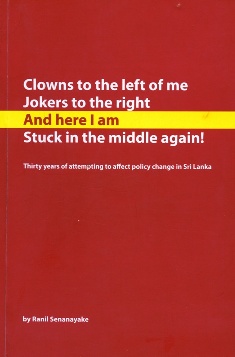
Last year, I read an uncommon book with an unusually long title written by an unorthodox author.

Clowns to the Left of Me, Jokers to the Right and Here I am Stuck in the Middle again: 30 years of attempting policy change in Sri Lanka was an author-published volume by systems ecologist Dr Ranil Senanayake. In it, he collected some of his more noteworthy media articles and non-technical writing on forestry, biodiversity, agriculture, conservation and the broader issues of sustainable development, published over three decades.

In his Epilogue, I came across one of the most chilling passages I read that year: “It has been commented that this nation twice removed from its gene pool the genes for activism. In 1971 the government ‘removed’ up to 20,000 or more of the educated. Those who attended university, demonstrated interest in radical politics, were young or unemployed were singled out for liquidation. The next programme was in the late 1980s when over 40,000 were ‘removed’ with hardly a word being uttered in protest on any international stage…These people never passed their genes on. Genetically speaking, we removed from our race a large percentage of the traits for high intellectual potential and activism. Metaphorically it has become the time of the bottom feeders to manifest themselves as intellectuals and leaders.”

I touched on this when I filmed a long interview with Ranil (now published on Groundviews.org: read Part 1 and Part 2). Here is the short video I edited, where his expressions match the gravity of his concerns:

Reproduced below is the full transcript of this short video (11 mins). My questions posed to him have been paraphrased on-screen; his spoken answers are verbatim.

You can debate Ranil’s views either on this blog, or on Groundviews where this video is also published.

Sri Lanka’s Lost Generations: Ranil Senanayake Speaks

An Eye for an Eye?

See, in 1971 and in the late 80s, when we heard these so called JVP revolution. We went out and we killed first 20,00 mass of men, more or less. And the second time, about 40,000. Young people, children of this country. Why? Because they were a threat to the established government of this country.

Now, I can see that if there is indeed a revolution, a country must respond. But responding in this brutal manner because the response was not merely a military response, it was a response of pure terrorism. It was terrorised the whole nation.

Collateral Damage?

One story that I can share with you is that a senior person who was involved in this, in the control, at a table made the statement that “If 10% of the people that we destroy were hardcore JVPers we would have broken the back of the revolution”. This totally horrified me. It, it…I was depressed for weeks when I heard that.

It meant 90% of those people they killed were innocent. Their only ‘crime’ was they were young, they were educated and they had the fire of youth in them.

I, as a person, said I could not live in a country that kills its own people — own children — for its survival and I left, I went away for sometime. I wrote a poem which Hon Lakshman Jayakody read into the Parliament, into the Hansard, pointing out where we were going wrong, in this case.

What Have We Done?

But worse, what that action brought was the REMOVAL from our gene pool of the genes for intellect, education. The genes for revolution. The genes that would drive people forward; the genes that produced people who would fight and die for a country, for a nation. We removed this and as from my genetics, as an geneticist, you remove 60,000 children from a population as small as ours, you are taking away a large ocean of the cleverest of our population. And we shot ourselves in the foot.

This is karma vipaka, as the Buddha says. For the action ghastly action, for the action of taking away of our youth, killing our youth, removing them from our gene pool, we will have to suffer the fate of having a gene pool, well, you see what we have today…

We ALL live with the consequences…

Unfortunately, there is something else, as a Sri Lankan and as a Buddhist, which I find loathsome and that is — when ever somebody dies for whatever reason even a murderer, it is our tradition to give a dana (alms giving). First, a week after they deceased, then a month and annually. We have lost 60,000 children for our own society, for maintaining our status quo. Has anyone EVER given a Dane to these people who have departed? Up to today, no!

So is it a surprise that as a nation we suffer what we suffer? We are responsible for that and yet uptodate we are not willing to accept the responsibility for the actions we did. I think that is something that we have to deal with. Sri Lankans will have to deal with in the future to come. Because, as Buddha says, karma vipaka — for every action there is a reaction. And for that action, look what we have today.

On Sri Lanka’s Separatist War…

The separatism that came after the youth insurrection was again something that was building up for sometime. It was the similar, shall we say almost parallel, political moment that happened in the North. Where the separatism when they were talking about it on a political platform then descended into a violent struggle, if you want to call it.

I think it was, it is still pointless, but I think what most people fail to realise is that it is rooted in our history. It’s rooted in 3,000 years of history. And that is why it is so difficult for us to deal with the subject of finding a common ground, to deal with the subject of extending our hands out, to deal with the subject of trying to understand the other position, because unfortunately we are still rooted in these many, many years, thousands of years of history.

Breaking Free of History’s Grip?

It is indeed, it should be the task of the leaders and the politicians to bring us into the modern age. To demonstrate that that history is past, that we have to now forge something into the future. That involves all of us.

But our shallow politicians have chosen otherwise, from both areas, from both sectors. They have chosen division as their power, division as their source of strength, because as I told you , because of the past history this is the easiest, this is the least common denominator — this is the easiest place to go to, it’s the shallowest political refuge.

And that’s what politicians from both sides have been doing. Not looking at the future, not working towards bringing us into the future but dragging us back into the past and opening up the old wounds and the old fears that we brought along with this for all these years and capitalising on them, from both sides.

Aren’t we ALL immigrants on the island of Lanka?

Indeed, you are absolutely right! Humanity has been wandering around this planet for thousands and thousands, tens of thousands of years. People have come and people have gone. I mean, this whole question of I came first or you came first is spurious at best, I mean, this is just the refuge of a cheap politician to say I came first, you came later, you came first, I came first, this is all ridiculous…

Prisoners of Our Fathers’ Hopes & Fears?

We are prisoners of our own constructs. Or, as the song goes, “We are indeed prisoners of our father’s hopes and fears.”

Fears. Fears is where the politicians move to. Fear is what they use as their tool of power. We are trapped in this thing and until that fear is removed, and until we are educated into understanding where we are, and we are educated into understanding that there is nothing lost, in treating another human being as equal and as a brother, we are lost.

We are a nation of people who claim to live by the words of the Buddha. If we do, this would never come about. Never. So it shows as a nation a loss, it shows as a nation, that we have failed to live up to what we claim we are – Buddhists…

Dr Ranil Senanayake
Interviewed by Nalaka Gunawardene
Colombo, Sri Lanka, on 19 March 2012

Released online: June 2012
Dr Ranil Senanayake Online profile

No copyright restriction.This video may be used by anyone, anywhere.

New Media, Old Minds: A Bridge Too Far?

National Media Summit 2012 at University of Kelaniya, 25 May 2012

New Media, Old Minds: A Bridge Too Far?

This was the title of a presentation I made at National Media Summit 2012, at University of Kelaniya, Sri Lanka, this morning. I was asked to talk about New Media and policies for Sri Lanka.

In my audience were academics and researchers on journalism and mass communication drawn from several universities of Sri Lanka. I was told the biennial event is to help frame new research frameworks and projects.

Now, I’m not a researcher in the conventional sense of that term, and am fond of saying I don’t have a single academic bone in my body. Despite this, occasionally, universities and research institutes invite me to join their events as speaker, panelist or moderator.

University of Kelaniya, a state university in Sri Lanka, has the island’s oldest mass communication department, started in the late 1960s.

Perhaps inertia and traditions weigh down such places — while I had a patient hearing, I found our ensuing discussion disappointing. The historical analogies, policy dilemmas and coping strategies I touched on in my presentation didn’t get much comment or questions.

Instead, rather predictably, the ill-moderated discussion meandered on about the adverse social and cultural impacts of Internet and mobile phones and the need to ‘control’ everything in the public interest (where have I heard that before?).

And much time was wasted on debating on what exactly was new media and how to define and categorise it (I’d argued: it all depends on who answers the question!).

Part of the confusion arose from many conflating private, closed communications online (e.g. Facebook) with the open, more public interest online content (e.g. news websites). Similarly, the critical need for common technical standards (to ensure inter-operability) was mistaken by some as the need for dull and dreary orthodoxy in content!

Concepts like Citizen Journalism, user-generated content, privacy, right to information were all bandied around — but without clarity, focus or depth. Admittedly we couldn’t cover everything under the Sun. But we didn’t even discuss what options and choices policy makers have when confronted with rapidly evolving new media types.

Half anticipating this, I had included a line in my talk that said: “Academics must research, analyse & advise (policy makers). But are Lankan academics thought-leaders in ICT?

I was being a polite guest by not explicitly answering my own question (but as a helpful hint, I mentioned dinosaurs a few times!). In the end, my audience provided a clear (and sadly, negative) answer: far from being path-finders or thought-leaders, they are mostly laggards who don’t even realise how much they have to catch up!

And some of them are framing Lankan media policy and/or advising government on information society issues. HELP!

Don’t take my word for it. Just try to find ANY online mention of National Media Summit 2012 that just ended a few hour ago. Google indexes content pretty fast these days — but there is NONE that I can find on Google as May 25 draws to an end (except my own PPT on SlideShare!).

Or try accessing the Mass Communication Dept at University of Kelaniya. For the past few weeks and even now, it remains inaccessible while the rest of that university website works.

New Media, Old Minds: A Bridge Too Far? YES, for now, it does seem that way…

සිවුමංසල කොලූගැටයා #44: HIV ආසාදිතයන් වැළද ගන්නා නේපාලය

In my latest column written for Ravaya newspaper on 11 Dec 2011, I question why people living with HIV in Sri Lanka face such a high level of stigma and discrimination irrespective of their educational level and social class. The perpetrators of such discrimination also come from all strata in society: doctors and healthcare workers are among them. I recall the bitter experience of pediatrician Dr Mrs Kamalika Abeyaratne, the first Lankan to publicly acknowledge her HIV status, who stood up and spoke out for the rights of those living with HIV in Sri Lanka.

I then contrast the Sri Lanka situation with that in Nepal, where the communities have gradually come around to accept those living with HIV. What cultural, social and other factors enabled such a transformation? I draw from a 2002 documentary called Love for a Longer Life, made by Nepali film maker Durba Basnet, which I earlier blogged about.

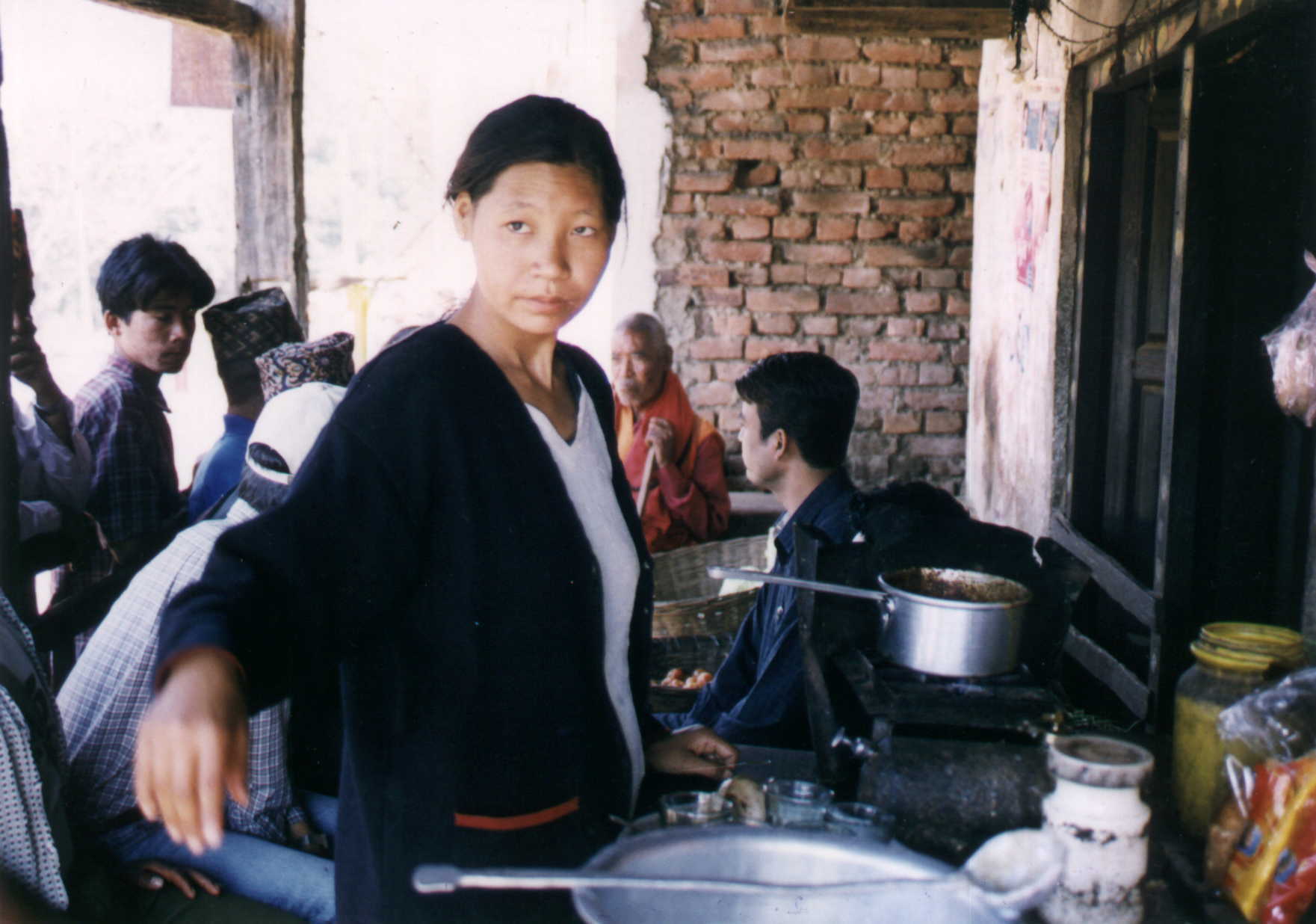
Lakshmi Lama at her tea shop in Ratomate, central Nepal

පසුගිය සතියේ HIV/AIDS සහ මෙරට මාධ්‍ය වාර්තාකරණය ගැන මගේ විග්‍රහයට එක් ප්‍රතිචාරයක් ලැබුණේ මාධ්‍ය ක‍ෂත්‍රයේ ම දිගු කලක් අත්දැකීම් ඇති, මැදහත් මතධාරියකු සේ මා සළකන කෙනකුගෙන්. ඔහු මගේ විග්‍රහය පිළි ගන්නා අතර බහුතරයක් මාධ්‍යවේදීන් හා කතුවරුන් HIV ආසාදිතයන් ගැන දක්වන ආකල්පය සමස්ත ලක් සමාජයේ ම ආකල්පවල පිළිබිඹුවක් බවට තර්ක කළා. ඔහු කියන්නේ සමාජයේ තිත්ත ඇත්ත, ඇති සැටියෙන් හසු කර ගන්නා මාධ්‍යවලට දොස් තබනවා වෙනුවට එයට අදාල සමාජ තත්ත්වයන් ගැන අවධානය යොමු කළ යුතු බවයි.

බොහෝ විට අපේ මාධ්‍යවලින් පෙන්නුම් කරන්නේ මෙරට පොදු සමාජයේ සිතුම් පැතුම්, භීතිකා හා ආශාවන් බව ඇත්තයි. එහෙත් අන්තවාදී මත දැක්වීමට හා කතුවරුන්ගේ පෞද්ගලික සුචරිතවාදය පොදු මතයක් බවට පත් කිරීමට නම් මා එකග වන්නේ නැහැ.

HIV සමග ජීවත් වන බහුතරයක් ලාංකිකයන් තම සැබෑ තත්ත්වය රහසිගතව පවත්වා ගන්නේ මේ වයිරසය ගැන අපේ සමාජයේ මුල බැස ගෙන ඇති දරුණු අපකීර්තිය නිසායි. සමාජ මට්ටම් හෝ උගත්කම් හෝ අනුව මේ අපකීර්තිය වෙනස් නොවන බව ද පෙනී යනවා.

2011 නොවැම්බර් 13දා රාවය 18 වන පිටුවේ පළ වූ ප්‍රින්සි මංගලිකා සමග කරන ලද සම්මුඛ සාකච්ඡාව කියවන්න. HIV සමග ජීවත් වෙමින් එම තත්ත්වය ප්‍රසිද්ධියේ පිළිගන්නා ලාංකිකකයන් අතලොස්ස අතරට ප්‍රින්සි ද අයත්. ඇය Positive Women’s Network නම් ස්වෙච්ඡා ආයතනය හරහා HIV සමග ජීවත් වන අයගේ සුබසිද්ධිය තකා වැඩ කරන ක්‍රියාකාරිනියක්.

ඇගේ අනුවේදනීය කථාවේ දරුණුතම පැතිකඩ නම් ඇගේ HIV තත්ත්වය පරීක‍ෂා කළ රෝහලේ කාර්ය මණ්ඩලයෙන් ම රහසිගත තොරතුර ඇගේ ගමට කාන්දු වීම හා එයින් පසු හට ගත් අමානුෂික ප්‍රතිචාරයයි. අපරාධකරුවන් ලෙස හංවඩු ගසා කොන් කිරීමට ලක් වන ඇයගේ පවුලට ගේදොර ගම් අතහැර දමා යන්නට සිදු වුණා. ඒ 2001දී. 2005 HIV මාධ්‍ය වැඩමුළුවකදී මා ප්‍රින්සි මුණ ගැසෙන විට ඇය HIV ක්‍රියාකාරිනියක් වී සිටියා. එදා වැඩමුළුව අමතා වෛද්‍ය විශේෂඥයන් හා සන්නිවේදකයන් ද කථා කළත් ඉතා ම සංවේදී හා හෘදයංගම කථාව කළේ ඇයයි.

ප්‍රින්සිගේ කථාවට සමාන්තර අත්දැකීම් ලැබූ HIV ආසාදිතයන් මෙරට සිටිනවා. මෑතදී අසන්නට ලැබුණේ ඩෙංගු රෝගය නිසා රෝහල් ගත කෙරුණු 15 හැවිරිදි දැරියකට රෝහලේදී HIV මිශ්‍ර වූ රුධිරය දීමෙන් ඇය HIV ආසාදිත වූ සැටියි. දැන් ඇයත් සමග පන්තිකාරයේ සිටින්නට අනෙකුත් දැරියන් (හා ඔවුන්ගේ දෙමවුපියන්) අදිමදි කරනවා. පාසල් වෑන් රියක ඇයට යන්නට බැහැ. සාමාන්‍ය ස්පර්ශයෙන් බෝ විය නොහැකි HIV වයිරසයට ලක් සමාජය මෙතරම් බිය ඇයි?

මේ තත්ත්වය දැනුවත්කම හා අධ්‍යාපනික මට්ටම් ඉහළ යාමෙන් පමණක් වෙනස් වන්නේද නැහැ. වෛද්‍යවරුන් හා සෞඛ්‍ය සේවක සේවිකාවන් ඇතැම් දෙනාත් ්‍යෂඪ භීතිකාව කරපින්නා ගත් අයයි.

තමන්ගේ HIV තත්ත්වය විවෘතව හා ප්‍රසිද්ධියේ ප්‍රකාශයට පත් කළ ප්‍රථම ලාංකිකයා වුයේ ළමා රෝග විශේෂඥ වෛද්‍ය කාමලිකා අබේරත්න මහත්මියයි (1934 – 2004). දරුණු රිය අනතුරකට ලක් වීමෙන් තුවාල ලබා ප්‍රතිකාර කිරීමේදි රජයේ ප්‍රධාන රෝහලකදී HIV මිශ්‍ර වූ රුධිරය දීමෙන් ඇය ආසාදිත වුණා. මේ ප්‍රශ්නය ගැන මාධ්‍ය හා ජන සංවිධාන හරහා සංවාදයක් ගොඩ නංවන්නට ඇය මහත් කැපවීමෙන් ක්‍රියා කළා.

2006දී පළ වූ ඇගේ චරිත කතාවේ (A Life in the Round) විස්තර කැරෙන ආකාරයට ඇගේ HIV ආසාදනය ප්‍රකට වු පසු එයට දරුණු ම ප්‍රතිචාරයන් ලැබුණේ වෛද්‍යවරුන්ගෙන්. ඔවුන් බහුතරයක් ඇය හා වෛද්‍යවරයකු වූ ඇගේ සැමියා ඇසුරු කිරීම නවතා දැමූවා. ඇතැම් වෛද්‍යවරු ඇගේ චරිතය ගැන අසත්‍ය හා අභූත චෝදනා එල්ල කළා. වෛද්‍යවරුන් සමහරකගේ ආකල්පය මෙය නම්, සෙසු ජන සමාජය ගැන කවර කථා ද? HIV ආසාදිත අයට වෛද්‍ය උපදෙස් දීමට හා ප්‍රතිකාර කිරීමට දැඩි සේ මැලි වන සෞඛ්‍ය සේවක සේවිකාවන් ගැන විටින් විට වාර්තා වෙනවා.

අපේ රටේ මේ අවාසනාවන්ත තත්ත්වය පවතින අතරේ දකුණු ආසියාවේ අධ්‍යාපන හා සමාජ සංවර්ධන දර්ශකයන් අතින් අපට වඩා බොහෝ සේ පිටුපසින් සිටින නේපාලයේ HIV පිළිබද මහජන ආකල්පය වෙනස් වී තිඛෙනවා. මේ උදාහරණ කිහිපය සළකා බලන්න.

රජීව් කෆ්ලේ (Rajiv Kafle) HIV සමග ජීවත්වන, ඒ ගැන විවෘතව කථා කරන නේපාල තරුණයෙක්. ඔහුට HIV ආසාදනය වුණේ ‘කොලූකමට මත්ද්‍රව්‍ය අත්හදා බලන්නට ගිහින්’ HIV ආසාදිතයකු පාවිච්චි කළ එන්නත් ඉඳිකටුවක් හරහා. ඒ බව දැන ගත් පසු රජීව් කළේ තම HIV තත්ත්වය ප්‍රසිද්ධ කළ මුල් ම නේපාල ජාතිකයා බවට පත් වීමයි. තමන් ඒ තත්ත්වයට පත් කළ නොදැනුවත්කමට එරෙහිව සිය ජීවිතය කැප කිරීමයි. ඔහු පාසල් හා විශ්ව විද්‍යාලවලට ගොස් ඒවායේ බලධාරීන්ගේ ඇරයුමින් HIV/AIDS ගැන දේශන කරනවා. HIV ගැන පොතෙන් උගත් වෛද්‍යවරයකුට වඩා විශ්වාසනීය හා සමීප ලෙසින් ඒ ගැන කථා කරන්නට ඔහුට කුසලතාව තිඛෙනවා. ඛෙහෙවින් ගතානුගතික නේපාල සමාජයේ මෙය ඉදිරි පිම්මක්.

රජීව්ගෙන් පසු තමන්ගේ HIV තත්ත්වය ප්‍රසිද්ධියේ කියා සිටීමට තවත් නේපාල ජාතිකයන් පෙළඹුණා. ඔවුන්ට HIV ආසාදනය සිදු වූ ආකාරය එකිනෙකට වෙනස්, සමහර කාන්තාවන් බලහත්කාරයෙන් ඉන්දියාවට පැහැරගෙන ගොස් ගණිකා වෘත්තියේ යෙදවීම නිසා ආසාදිත වුණා. දෙවසරක් මුම්බායි නගරයේ සිර වී සිටි බූනා ලාමා (Buna Lama) HIV ආසාදිත යයි දැන ගත් විට ඇගේ ලිංගික ජාවාරම්කරුවන් මුදා හරිනු ලැබුවා. දැන් ඇය නේපාලයේ නගර හා ගම්වල සැරිසරමින් කාන්තාවන්ට HIV පිළිබද තතු කියා දෙනවා. එමෙන්ම HIV සමග වසන අයට මානසික සහනය ලබා දෙන ආකාරයත්, සෙසු ප්‍රජාව ඔවුන්ට බද්ධ විය යුතු සැටි ගැනත් උපදෙස් දෙනවා.

HIV/AIDS ගැන මෙසේ විවෘතව කථා කිරීමට හැකි වීම පවා ගතානුගතික නේපාල සමාජයට (සාපේක‍ෂව) අළුත් දෙයක්. අගහිගකම් හා පසුගාමීත්වය ඉස්මතු වූ සමාජයක HIV ගැන චින්තන විප්ලවයක් ඇති වූයේ කෙලෙස ද?

HIV සමග ජීවත්වන මිනිසුන්, ගැහැණුන් හා ළමයින් සමාජයෙන් කොන් කිරීම වෙනුවට ඔවුන්ට ආදරයෙන්, කරුණාවෙන් හා සුහදත්වයෙන් සැළකීමට නේපාලයේ සාමාන්‍ය ජනතාව ටිකෙන් ටික හුරු වී තිඛෙනවා. මෙය ක්‍රම ක්‍රමයෙන් ඇති වූ ආකල්පමය වෙනසක්.

මධ්‍යම නේපාලයේ රතොමාටේ (Ratomate) නම් ගමක් තිඛෙනවා. ගමේ තේ කඩය එහි කේන්ද්‍රස්ථානයක්. තේ කඩ හිමියාත්, ඔහුගේ දියණියත් එහි වැඩ කරනවා. එහෙත් ගමේ වැඩි දෙනකුගේ මනාපය ඇත්තේ ලක්ෂ්මී ලාමා හදන තේ කෝප්පයටයි. ‘අපේ අය කැමති හොදට කහටට තේ බොන්නටයි. තාත්තා හදන තේවලට වඩා මගේ තේ රසවත් බව හැමෝ ම කියනවා’ ලක්ෂ්මී කියන්නේ අහිංසක උද්දාමයකින්.

ලක්ෂ්මී HIV සමග වාසය කරන නේපාල කාන්තාවක්. ඇගේ HIV තත්ත්වය ගමේ අය දන්නවා. එය ඇයට උරුම වුණේ ලාබාල වියේදී බලහත්කාරයෙන් ඇය ඉන්දියාවේ වාණිජ ලිංගික කර්මාන්තයට ගෙන යාම නිසා. වසර තුනකට පසු ඇය ආපසු ආවේ HIV ආසාදිත බව නොදැනයි. අළුත් ජීවිතයක් අරඹන්නට සිතා ගෙන ඇය විවාහ වුණත් සෞඛ්‍ය සේවිකාවක් කළ රුධිර පරීක‍ෂණයකින් ඇගේ HIV තත්ත්වය සොයා ගනු ලැබුවා. ඒ තොරතුර ගමේ පැතිරුණු විට මුලදී ගමේ සැවොම ඇය හා දෙමවුපියන් කොන් කළත්, කල් ගත වන විට මේ ආකල්පය වෙනස් වුණා.

ලක්ෂ්මීට සිය පියාගේ තේ කඩයේ වැඩ කරමින් තමන්ටත් පවුලටත් ප්‍රයෝජනවත් ලෙස කල් ගෙවන්නට හැකි වී ඇත්තේ ප්‍රජාවගේ ආකල්පමය වෙනස නිසායි. ලක්ෂ්මී අතින් හදන තේ කෝප්පය හරහා HIV වයිරසය කිසි ලෙසකින් පැතිරිය නොහැකි බව දැන් ඇගේ ගම් වැසියන් දන්නවා. ඇය මුණ ගැසී කථා බහ කිරීමෙන් හෝ සමාජ සබදතාවලින් හෝ තමන්ට කිසිදු අවදානමක් නැති බව ඔවුන්ට පසක් වී තිඛෙනවා. “ඇයට අවශ්‍ය අපේ ආදරය හා සැළකීමයි. ඒවා ලැබුණොත් තව කලක් ඇයට ජීවත් වන්නට පුළුවන්” අසල්වැසියකු වන කුමාරි ශ්‍රේෂ්තා කියනවා.

මේ නේපාල ජාතිකයන් හමු වන්නේ ජීවමාන චරිත නිරූපණය කැරෙන, ඔවුන්ගේ අවසරය ඇතිව 2002දී නිර්මාණය වූ Love for a Longer Life නම් වාර්තා චිත්‍රපටයකයි. එය අධ්‍යක‍ෂණය කළේ සංවේදීව නේපාල ප්‍රශ්න විග්‍රහ කිරීමේ කුසලතාව ඇති නේපාල ජාතික දුර්බා බස්නෙට් (Dhurba Basnet). ආසියාවේ දියුණුවන රටවල සංවර්ධන අභියෝග හා අර්බුදවලට සිවිල් සමාජය ප්‍රතිචාර දක්වන හැටි නිරූපනය වන Truth Talking නම් වූ වාර්තා චිත්‍රපට මාලාවේ එක් චිත්‍රපටයක්.

මෙබදු ජන ආකල්ප වෙනසක් සිදු වන්නේ කෙසේ ද? එයට උපකාර වන සමාජ සාධක මොනවා ද? දුර්බා වරක් මා සමග කීවේ HIV ආසාදිතයන්ට ගැරහීම නේපාල ජන මාධ්‍ය ද කරමින් සිටි බවයි. සානුකම්පිතව HIV ආසාදිතයන්ගේ අදහස් විමසමින් ඔවුන්ට සවන් දීමට සමාජ විද්‍යාඥයන් හා සමාජ ක්‍රියාකාරිකයන් කිහිප දෙනකු පෙරට විත් තිඛෙනවා. මේ නිසා HIV පිළිබදව වඩාත් විවෘත වූත්, හරවත් වූත් සමාජ සංවාදයක් 1990 දශකය අගදී හා 2000 දශකය මුලදී ඇති වූ බව ඔහු කියනවා. එවකට එරට HIV සමග ජීවත් වන සංඛ්‍යාව 50,000ක් වූ අතර 2008 වන විට එම සංඛ්‍යාව 70,000ක් බව නේපාල රජය අනුමාන කළා.

බහුතර හින්දු භක්තික නේපාල සමාජයේ මෙබදු විපර්යාසයක් හට ගත හැකි නම්, උදේ සවස පිරිත් කියන, මෙත්තා-මුදිතා-කරුණා-උපේක‍ෂා ගැන නිරතුරුව කථා කරන ලංකාවේ HIV චින්තන වෙනසක් කවදා ඇති වෙයි ද?

චිත්‍රපටය නරඹන්න:

Sarvodaya Leader A T Ariyaratne at 80: Conscience of a Bruised Nation

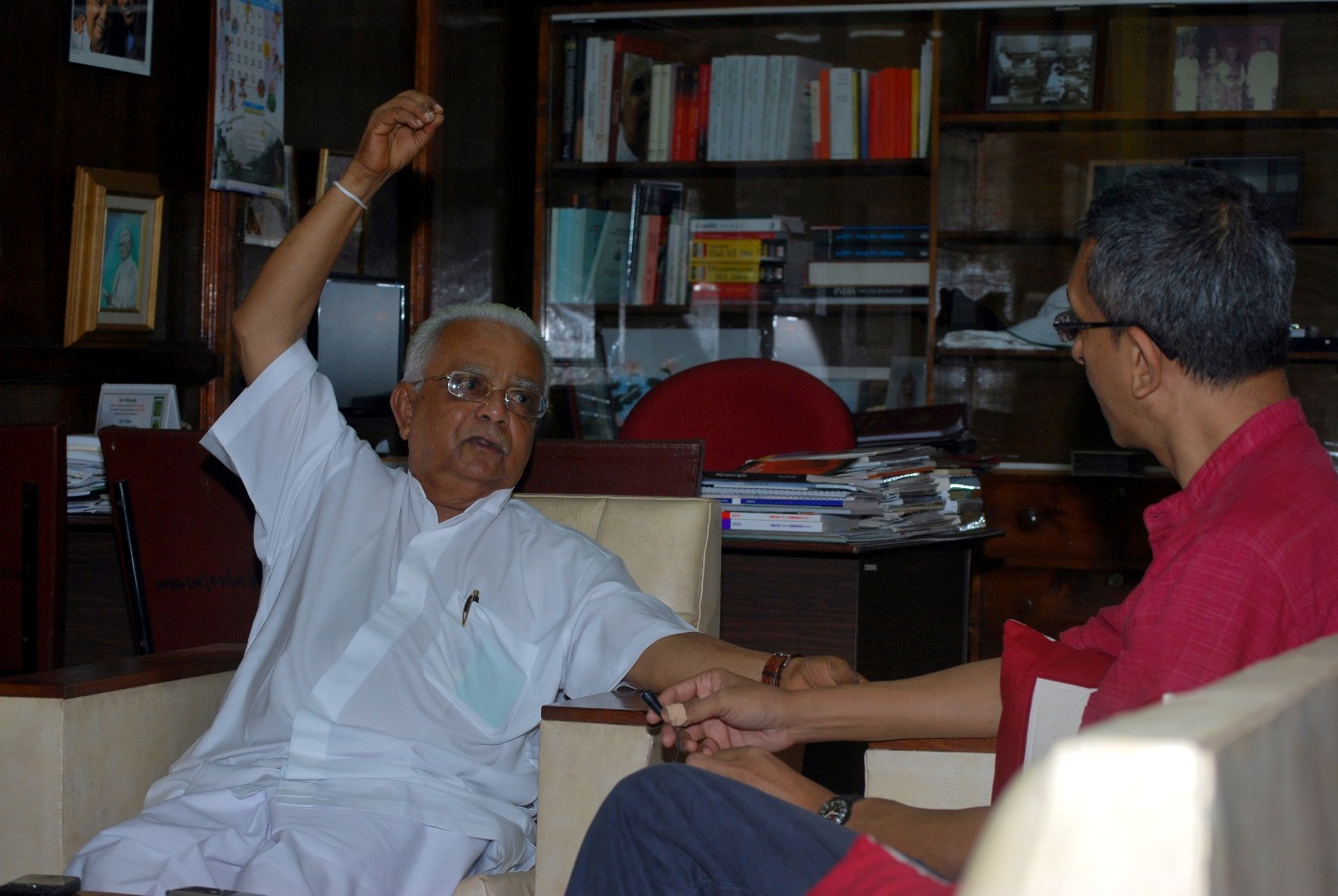
Dr A T Ariyaratne (left) in an expressive moment with Nalaka Gunawardene

When Dr A T Ariyaratne, founder and president of the Sarvodaya Shramadana Movement of Sri Lanka, turned 80 years on 5 November 2011, felicitations poured in from all over the world. This spontaneous act was an indication — if any were needed — of how much and how widely he has touched the lives of millions.

Ari is also our elder statesman of inclusive development. For over half a century, he and Sarvodaya have advocated a nuanced approach to overcoming poverty, illiteracy and various social exclusions. Unlike some die-hard activists, Ari doesn’t ask us to denounce materialism or revert to pre-industrial lifestyles. Instead, he seeks a world without extreme poverty or extreme affluence.

Suddenly, his quest for social justice and equality is resonating all over the world. In fact, Ari has been speaking out for the 99 per cent of less privileged people decades before a movement by that name emerged in the West. In a sense, those occupying Wall Street and other centres of affluence are all children of Sarvodaya.

While Ari shares their moral outrage, his own strategy has been quite different. He didn’t occupy physical spaces in his struggle; he went straight to the fount of all injustice – our minds.

* * * * *

Thus opens my personalised tribute, published on Groundviews.org as Ari of Sarvodaya: Conscience of a Bruised Nation.

In this 2,400-word essay, I salute a hero of mine who continues to speak truth to power, and makes a difference to millions of people in his land and elsewhere. For doing this, he has been ridiculed, harassed and vilified by small minds and the state. He continues undaunted, and shows no sign of slowing down after turning 80.

Here’s another excerpt:

In Ari, we find elements of Mahatma Gandhi (non-violent pursuit of the greater good); the Dalai Lama (interpreting Buddhist philosophy for the modern world); Martin Luther King, Jr. (struggling for the rights and dignity of marginalised people); Nelson Mandela (nurturing democracy and healing society); and Jimmy Carter (globalism with a humanitarian agenda).

“Yet Ari is more than the sum of these noble parts; he is his own unique visionary. And an adroit ‘remixer’ who constantly blends the best of East and West. He adapts our civilisational heritage to tackle the Twenty First Century’s anxieties and uncertainties. Thankfully, though, he doesn’t peddle simplistic solutions to today’s complex problems.

I also recall my first encounter with Ari, in early 1991, when a tyrant leader of Sri Lanka had virtually declared ‘war’ on this unarmed, non-violent small man. I have interviewed him several times since then – the most recent was in March 2011, when I accompanied my journalist friend Aditya Batra from India to talk to Ari (photo, below).

Read the full essay on Groundviews.org: Ari of Sarvodaya: Conscience of a Bruised Nation

Read a compact version of the essay on Light Millennium website (New York)

Read a compact version on Down to Earth magazine (New Delhi): Sri Lanka’s Gandhi Turns 80

L to R - Nalaka Gunawardene, Aditya Batra & Dr A T Ariyaratne of Sarvodaya, March 2011

සිවුමංසල කොලූගැටයා #30: නීතිය, සාමය, ජාතික ආරක‍ෂාව හා ඉන්ටර්නෙට්

Text of my weekly column, printed in Ravaya newspaper on 4 September 2011. This week I take off from the role of social media in fuelling, as well as countering the recent London riots – and discuss how governments, telecom operators and law enforcement authorities should respond to the always on, pervasive connectivity now enabled by mobile phones and other devices.

Tweeting while London burns?

2011 අගෝස්තු 6 සිට 11 වනදා අතර කාලයේ බ්‍රිතාන්‍යයේ ලන්ඩන් ඇතුළු නගර ගණනාවක වීදි කලහ කිරීම්, පොදු හා පෞද්ගලික දේපල ගිනි තැබීම් හා කොල්ලකෑම් සිදුවුණා. සාමාන්‍යයෙන් සාමකාමී රටක් ලෙස ප්‍රකට බ්‍රිතාන්‍යයේ මේ සිදුවීම් නිසා එරට පමණක් නොවෙයි මුළු ලෝකය ම කැළඹීමට පත් වුණා. මේ ගැන ප්‍රවෘත්ති වාර්තාකරණය දුර සිට බලා සිටි මගේ වැඩි අවධානය යොමු වුණේ ජංගම දුරකථන සේවා හා ඉන්ටර්නෙට් මාධ්‍යයන් මේ කලහයන්ට බද්ධ වූ ආකාරය ගැනයි.

ඇතැම් කලහකරුවන් තම ප්‍රචන්ඩ ක්‍රියා සම්බන්ධීකරණයට මේ සන්නිවේදන තාක‍ෂණයන් යොදා ගත් බව සනාථ වී තිඛෙනවා. එහෙත් ඊට වඩා අති විශාල සංඛ්‍යාවක් සාමකාමී ජනයා නීතිය හා සාමය රැකීමටත්, ප්‍රහාරයන්ට ගොදුරු වූ පොදු හා පෞද්ගලික ස්ථාන පිලිසකර කිරීමටත් එම සන්නිවේදන තාක‍ෂණයන් ම යොදා ගත් සැටි ද වාර්තාගතයි. හොදට නරකට දෙකට ම දායක විය හැකි තොරතුරු තාක‍ෂණයන් හා සන්නිවේදන සේවා ගැන අපේ ප්‍රතිචාරය විය යුත්තේ කුමක් ද? ඒවායේ නියාමනය කෙසේ විය යුතු ද?

නීතිය හා සාමය කඩ වූ අවස්ථා වල දැඩි ස්ථාවරයක සිටීමට ඕනෑ ම රටක රජයට සමාජයීය බලපෑම් එල්ල වනවා. ඇති වූ කලහකාරී තත්ත්වය ගැන බ්‍රිතාන්‍ය අගමැති ඩේවිඩ් කැමරන් අගෝස්තු 11 වනදා පාර්ලිමේන්තුවේ විශේෂ ප්‍රකාශයක් කළා. කලහකරුවන්ට එරෙහිව රටේ පවත්නා නීතිය දැඩි සේ ක්‍රියාත්මක කරන බවට ප්‍රතිඥා දෙමින් ඔහු කියා සිටියේ මේ ගිනි තැබීම්, කොල්ලකෑම්වලට තුඩු දුන් සමාජ හා ආර්ථීක සාධක ගැනත් ගැඹුරින් අධ්‍යයනයකට යොමු වන බවයි.

එම ප්‍රකාශයේදී මේ කලහකරුවන් සන්නිවේදන තාක‍ෂණ හා Facebook, Twitter වැනි වෙබ් මාධ්‍ය (social media) යොදා ගත් ආකාරය ගැනත් ඔහු සදහන් කළා. “කලහකරුවන් වෙබ් මාධ්‍ය භාවිතය හරහා කාර්යක‍ෂම ලෙසින් සංවිධානය වූ බවක් අපට පෙනී ගියා. නිදහසේ තොරතුරු ගලා යාම සමාජයට හිතකර බව ඇත්තයි. එහෙත් එම නිදහස ම සමාජයට එරෙහිවත් යොදා ගත හැකියි. සමාජ විරෝධී පුද්ගලයන් නීති විරෝධී ක්‍රියා සදහා වෙබ් මාධ්‍ය යොදා ගන්නා විට අප එය නතර කළ යුතුයි. ඒ නිසා පොලීසිය, බුද්ධි සේවා ගැන සන්නිවේදන සමාගම් සමග අප කථා කරනවා. ඉදිරියේදී මෙබදු අවස්ථාවල නීතිවිරෝධී ප්‍රචන්ඩ ක්‍රියා ස`දහා වෙබ් අඩවි, දුරකථන සේවා හෝ වෙනත් වෙබ් මාධ්‍ය තාක‍ෂණයන් යොදාගන්නා බව පෙනී ගිය හොත් එයට ඇති ඉඩකඩ නැති කළ හැකිද නැති කළ යුතු ද කියා.”

බ්‍රිතාන්‍යයේ මේ සිදුවීම් වන අතරේ ඊට කිලෝමීටර් දහස් ගණනක් දුර අමෙරිකාවේ සැන්ෆ්රැන්සිස්කෝ නගරයේ තවත් සිදුවීමක් වාර්තා වුණා. BART නමින් හදුන්වන එනුවර දුම්රිය සේවය අගෝස්තු 12 වනදා පැය තුනක් පුරා ජංගම දුරකථන සේවාවල සංඥා දුම්රිය තුළ ඛෙදාහැරීම නතර කළා. ඊට දින කිහිපයකට පෙර පොලීසිය විසින් දුම්රියක් මතට නැගි පුද්ගලයකුට වෙඩි තබා මරා දැමීමට එරෙහිව දුම්රිය මගීන් සාමකාමී විරෝධතාවයක් සැළසුම් කර තිබුණා. BART සේවයේ ප්‍රධාන දුම්රිය ස්ථානයට මහ පිරිසක් එකවර රැස් වුවහොත් සේවා අඩාල විය හැකි බවත්, නීතිය හා සාමය කඩවිය හැකි බවත් කියමින් දුම්රිය බලධාරීන් දුරකථන සංඥා මෙසේ ක්‍රියා විරහිත කළා. මෙයින් කුපිත වූ ඇතැම් මගීන් දිගින් දිගට දුම්රිය සේවයට එරෙහිව විරෝධතා දක්වන්නට පටන් ගත්තා. ඒ අතර නිර්නාමික (Anonymous) නමින් හදුන්වන පරිගණක කි්‍රයාකාරීන් පිරිසක් BART සේවයේ පරිගණකවලට අනවසරයෙන් පිවිසී (hack කොට) බලපෑම් කළා.

A call to arms? Or to heal?
මේ සිදුවීම් වලට ආසන්න ම හේතූන් කුමක් වූවත් මෙබදු අවස්ථාවල (උසාවි නියෝගයකින් තොරව) දුරකථන හෝ ඉන්ටර්නෙට් සේවා තාවකාලිකව නතර කිරීමේ අයිතිය පොලීසියට හෝ දුම්රිය පාලකයන්ට හෝ නැති බවට අමෙරිකාවේ ප්‍රකාශන අයිතිය පිළිබ`ද ක්‍රියාකාරිකයන් දැඩි ලෙස තර්ක කරනවා.

ප්‍රජාතන්ත්‍රවාදය උදෙසා උද්ඝෝෂණය කරමින් 2011 ජනවාරියේ ඊජිප්තු රටවැසියන් පෙළගැසෙන විට හිටපු ඒකාධිපති පාලක හොස්නි මුබාරක් එරට ඉන්ටර්නෙට්, දුරකථන හා මාධ්‍ය සේවා ක්‍රියා විරහිත කළා. එසේ කළේ සන්නිවේදන ජාලයන් හරහා ක්‍රියාකාරිකයන් මනා සේ සම්බන්ධීකරණය වීම වළක්වන්නටයි. එහෙත් එය අන්තිමේදී මුබාරක්ගේ වසර 30 ක පාලනයේ බිද වැටීම වඩාත් ඉක්මන් කළා. අමෙරිකාවේ එක් නගරයක සිදු වු ප්‍රවාහන සිදුවීම සමස්ත ඊජිප්තු රාජ්‍ය පෙරළිය සමග සැසදිය නොහැකි වුනත්, අවස්ථා දෙකේ ම මූලධර්මය එකයි.

නීතිය හා සාමය හෝ ජාතික ආරක‍ෂාව හෝ රැකීමට යයි කියමින් මහජන සන්නිවේදන සේවා අඩපණ කිරීමට නැතිනම් නතර කිරීමට බලධාරීන්ට නීතිමය හා සදාචාරාමය අයිතියක් ඇත් ද? ඒ අයිතිය ක්‍රියාත්මක කිරීමේදී පාලකයන් කුමන තුලනයන්ට හා අධීක‍ෂණයන්ට නතු විය යුතු ද? තොරතුරු සමාජයේ සීඝ්‍ර ප්‍රගමනය සමග මේ ප්‍රශ්න වඩාත් ප්‍රබල ලෙසින් මතුව එනවා. ලෝකයේ කිසිම රටක් මේ අභියෝගයන්ට මුහුණදීමේ සම්පූර්ණ ක්‍රමවේදයක් තවම සකසා ගෙන නැහැ. අද අවශ්‍ය වන්නේ ආවේගශීලී නොවී, අදාල සියළු පාර්ශවයන් මේ ගැන හොදින් වාද විවාද කිරීමයි. පරිනත ප්‍රජාතන්ත්‍රවාදයක් පවතින රටවල හා ශිෂ්ට සමාජවල ස්වභාවය එයයි. එහිදී රාජ්‍යයේ හෝ බලයේ සිටින රජයේ හෝ මතය පමණක් ක්‍රියාත්මක කිරීම සෑහෙන්නේ නැහැ.

බ්‍රිතාන්‍යයේ දැනට සිටින ජ්‍යෙෂ්ඨතම විද්‍යා කතුවරයකු වන ඩේවිඩ් ඩික්සන් (David Dickson) මේ ගැන ඉතා මැදහත් විග්‍රහයක් කරනවා. සන්නිවේදන තාක‍ෂණයේ බල මහිමය හා පොදු සමාජ යහපත තුලනය කර ගැනීමේ අභියෝගයට දියුණු රටවල් මෙන් ම දියුණු වන රටවල් ද එක සේ මුහුණ දෙන බව SciDev.Net වෙබ් අඩිවියේ අගෝස්තු 19 වනදා කතුවැකිය ලියමින් ඔහු පෙන්වා දෙනවා.

ඔහු කියන හැටියට:”ඉදහිට ඇතැම් දෙනකු සන්නිවේදන තාක‍ෂණයන් නීති විරෝධී වැඩකට යොදා ගත් පමණින් මුළු තාක‍ෂණයක් ම දෝෂාරෝපණයට ලක් කිරීම හෝ ඒවා සීමා කිරීමට උත්සාහ කිරීම හො`ද නැහැ. තොරතුරු ගලනයේ හා අදහස් ප්‍රකාශනයේ සීමා ඇති කිරීමට එබදු සිද්ධීන් යොදා ගැනීම පරිනත සමාජයකට ගැලපෙන ප්‍රතිචාරයක් නොවෙයි. නවීන සන්නිවේදන තාක‍ෂණයන්ගේ ඉමහත් බලය හ`දුනාගෙන, ඒවා වඩාත් වගකීම් සහිතව යොදා ගන්නේ කෙසේ ද යන්න තීරණය කළ යුතුයි.”

ඩේවිඩ්ගේ කතුවැකිය කියවන විට මට සිහිපත් වූයේ කලකට පෙර රාජ්‍යයට එරෙහිව අරගල කළ මෙරට උදවිය තැපැල් සේවය හා පුවත්පත්වල ලූහු`ඩු දැන්වීම් නිර්මාණශීලි ලෙස තමන්ගේ සන්නිවේදන ස`දහා යොදා ගත් ආකාරයයි.

අයහපත් පුවතක් රැගෙන එන පණිවුඩකරුට පහර දෙන්නට එපා (Don’t shoot the messenger!) යයි ප්‍රකට කියමනක් තිඛෙනවා. සමාජයේ විෂමතා හා අකටයුතුකම් ගැන මාධ්‍ය වාර්තා කරන විට එයින් අපහසුතාවයට පත් වන ඇතැම් අය මාධ්‍යවලට පහරදීම වැරදි ප්‍රතිචාරයක්. සන්නිවේදන තාක‍ෂණයන් හා ඒවා භාවිතා කරන අයගේ කි්‍රයා කලාපය යනු එකක් නොව දෙකක් බවටත්, සංඛ්‍යාත්මකව සුළුතරයක් අතින් සිදුවන තාක‍ෂණික නොපනත්කම් නිසා තොරතුරු සමාජයේ ඉදිරිගමනට වැටකඩුළු බාධක පැනවිය යුතු නැති බවටත් ඩේවිඩ් ඩික්සන් තර්ක කරනවා.

ඩේවිඩ් තවදුරටත් කියන හැටියට: “ලෝකයේ ඕනෑම තැනකට ක්ෂණිකව බද්ධවීමේ හැකියාව ලබා දෙන නූතන සන්නිවේදන තාක‍ෂණයන් අපට ලැබී ඇති දෙපැත්ත කැපෙන පිහියක් වගෙයි. සමාජ යහපතට පමණක් ඒවායේ හැකියාව යොදා ගන්නට අවශ්‍ය නීතිමය, සදාචාරමය හා අධ්‍යාපනික පසුබිම සකස් කිරීම අප කාගේත් ලොකු වගකීමක් වෙනවා. එහිදී ඉතා දැඩි (draconian) නීතිරීතිවලට වඩා අපට අවශ්‍ය වන්නේ නම්‍යශීලී, ප්‍රජාතන්ත්‍රවාදී හා සුමට ප්‍රතිචාරයක්. එමෙන් ම බ්‍රිතාන්‍යය, ඇමෙරිකාව වැනි ප්‍රජාතන්ත්‍රවාදී රටවල් නව සන්නිවේදන තාක‍ෂණයන් නියාමනය කරන්නේ කෙසේ ද යන්න ලෝකයේ සෙසු රටවල් ඉතා විමසිල්ලෙන් බලා සිටින බව ද අමතක නොකරන්න.”

විකිලීක්ස් වෙබ් අඩවිය හරහා තම තානාපති නිලධාරීන්ගේ රහස් වාර්තා හෙළිදරවු වන්නට ගත් විට ඇමෙරිකානු රජය මුහුණ දුන් අපහසුතාවයට සමාන තත්ත්වයකට ලන්ඩන් කලහයන්ගේ පසු බි්‍රතාන්‍ය රජය ද පත්ව සිටිනවා. අදහස් ප්‍රකාශනයේ හා තොරතුරු ගලනයේ මානව අයිතීන්ට දශක ගණනක් තිස්සේ සැබැවින් ම කැපවුණු එම රටවල වෙබ් මාධ්‍ය මතු කරන නව අභියෝගයන්ට මුහුණ දෙන්නේ කෙසේ ද යන්න ගැන ලොකු විවාදයක් සිදු වනවා.

පරිනත ප්‍රජාතන්ත්‍රවාදයක් පවතින බි්‍රතාන්‍ය වැනි රටවල හොඳ ලක්ෂණයක් නම් ඕනෑ ම නව ප්‍රතිපත්තියක් හෝ නීතියක් හෝ පුළුල් වශයෙන් ප්‍රසිද්ධ වාද විවාදයට ලක් වීම. අත්තනෝමතිකව කි්‍රයා කරන්නට බලයේ සිටින රජයට හෝ ආරක‍ෂක අංශවලට හැකියාවක් නැහැ. අගෝස්තු 24 වැනිදා ලන්ඩනයේ නගරාධිපති, පාලක කොන්සර්වේටිව් පාක‍ෂික බොරිස් ජොන්සන් වැදගත් ප්‍රකාශයක් කළා. අර්බුදකාරී අවස්ථාවල නව මාධ්‍යවල කි්‍රයාකාරීත්වය පාලනය කිරීමට හෝ තාවකාලිකව නතර කිරීමට හෝ වඩා සූක‍ෂම (smart) ප්‍රතිචාරය වන්නේ ඒවා හරහා සන්නිවේදනය වන තොරතුරු හා මතිමතාන්තර බුද්ධිසේවා මගින් අධ්‍යයනය කිරීම බව ඔහු කියනවා.

ඔහු තම ස්ථාවරය පැහැදිළි කළා: “ලන්ඩනයේ කළහකාරී කි්‍රයාවලට හේතු වූ බහුවිධ සාධක තිඛෙනවා. එමෙන්ම එයට සම්බන්ධ වූ අය විවිධ සන්නිවේදන ක්‍රම භාවිතා කළා. ලන්ඩන් පොලිස් අධිකාරීන් සමග මේ ගැන කථා කළ පසු මගේ අවබෝධය නම් අර්බුදකාරී අවස්ථාවක වෙබ් මාධ්‍ය හරහා හුවමාරු වන පණිවුඩ නීරීක‍ෂණය හා විශ්ලේෂණය වඩාත් ප්‍රයෝජනවත් බවයි. ඒ මාධ්‍ය තාවකාලිකව වසා දැමුවහොත් ඒවාට වඩා රහසිගත සන්නිවේදන ක්‍රමවලට කලහකරුවන් යොමු වන්නටත් හැකියි.”

අගෝස්තුවේ ප්‍රචණ්ඩ කි්‍රයා සිදුවන විට ම කලහකරුවන් හඳුනා ගැනීම සඳහා වෙබ් මාධ්‍ය යොදා ගන්නට ලන්ඩන් පොලීසිය උත්සුක වුණා. උදාහරණයක් හැටියට ප්‍රහාරයට ලක් වූ කඩ සාප්පු හා කාර්යාලවල සවිකර තිබූ ආවෘත පරිපථ වීඩියෝ කැමරා (CCTV) වලට හසු වූ ප්‍රහාරකයන්ගේ රූපරාමු පොලීසිය විසින් ත‍කසජනරගජදප නමැති ඡායාරූප හුවමාරු කර ගන්නා ජනපි්‍රය වෙබ් අඩවියේ ප්‍රසිද්ධ කරනු ලැබුවා. ප්‍රහාරකයන් හඳුනා ගන්නට මහජන උපකාර ඉල්ලා සිටියා.

නමුත් CCTV රූපරාමුවල හසු වී ඇති හැම කෙනකුගේ ම රූප කලහකරුවන්ගේ බව සැක හැර දැන ගන්නේ කෙසේ ද? ඒ මොහොතේ එතැන සිටි වික‍ෂිප්ත වූවත් ද රූපවලට හසු විය හැකියි නේද?

මෙබදු ප්‍රශ්නවලට තවමත් හරිහැටි පිළිතුරු නැහැ. නමුත් තොරතුරු සමාජයේ ප්‍රගමනයත් සමග අර්බුද අවස්ථාවල රජයන්, ආරක‍ෂක සේවාවන් හා තාක‍ෂණවේදීන් ක්‍රියා කරන ආකාරය ගැන තුලනාත්මකව හා ප්‍රවේශමෙන් සිතා බැලිය යුතු බව හා විවාද කළ යුතු බව නම් ඉතා පැහැදිලියි.

සිවුමංසල කොලූගැටයා #21: ප‍්‍රතිනිර්මාණය වූ සියැටල් නායක කථාව/මිථ්‍යාව

In this Ravaya column, in Sinhala and printed in the Ravaya newspaper of 3 July 2011,
I point out that a certain speech said to be uttered by a native American chief is, in fact, a latter day script by a filmmaker.

The same ground was covered in English in my April 2009 blog post: ‘Chief Seattle speech’: Global environmental legend, or pervasive myth?

අද්භූත හෝ අහඹු සිදුවීම් පාදක කර ගත් කථාන්තරවලට අපි මිථ්‍යා (myths) යයි කියනවා. දේව විශ්වාස, ඇදහිලි ආදියත් ඇතැම් අය මේ ගණයට ම එකතු කරනවා. ඒවායේ ඇත්ත නැත්ත කෙසේ වෙතත් මිථ්‍යාවන්ට දැඩි ඇල්මක් එදා මෙන් ම අදත් මිනිස් සමාජයේ තිබෙනවා. 21 වන සියවසට පිවිසියත් අප ඇතැම් දෙනකු තවමත් නූතන මිථ්‍යාවන් වැළඳගන්නේ ඒ නිසයි. එබදු මිථ්‍යාවන්, උගත් හා වෘත්තිකයන් සේ පුහුණව ලැබූ අය අතරත් හමුවනවා. ‘සියැටල් නායකයාගේ මහා දාර්ශනික පාරිසරික පණිවුඩය’ එයින් එකක්.

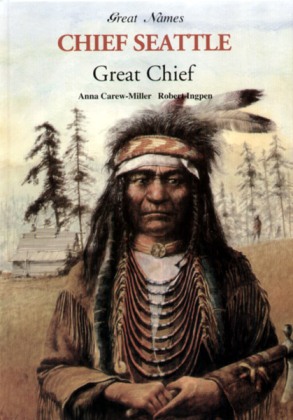
මේ කථාවේ කතුවරයා ලෙස බොහෝ දෙනා සළකන්නේ Chief Seattle නමින් ප‍්‍රකට, 1780-1866 කාලයේ වාසය කළ අමෙරිකාවේ ආදිවාසී ජන නායකයෙක්. (ඉතිහාසයේ වැරදි නම් කිරීමක් නිසා කලක් මේ ජනයාට ‘රතු ඉන්දියනුවන්’ යයි කීවත් අද ඒ නම භාවිතයේ නැහැ.) ඒ ආදිවාසීන්ගේ නිජබිම්වල 16 හා 17 වන සියවස්වල පැමිණ පදිංචි වූ යුරෝපීය සුදු ජාතිකයන් සමග සාමකාමීව සහජීවනය වෙත යොමු වූ නායකයකු ලෙස සියැටල් ඉතිහාසගත වී තිබෙනවා. ඔහුගේ නම විවිධාකාරයෙන් ලියනවා. Sealth, Seathl හා See-ahth වශයෙන්. එහෙත් වඩාත් ම ප‍්‍රකට සියැටල් නායකයා හැටියටයි. මිනිසාගේ පාරිසරික වගකීම් ගැනත්, මිහිතලය හා අප කරන ගනුදෙනුව ගැනත් උදාර අදහස් පළ කළ කෙනකු ලෙස අප ඔහු ගැන අසා තිබෙනවා.

The man was real; the speech wasn't his
1854 වසරේ මුල් කාර්තුවේ දවසක බටහිර ඇමෙරිකාවේ සියැටල් නගරයේ එලිමහන් රැස්වීමකදී සියැටල් නායකයා හැගීම්බර කථාවක් කළ බවට යම් සාක්‍ෂි තිබෙනවා. එයට ආසන්න ම හේතුව වූයේ පාරම්පරිකව ආදිවාසීන් ජීවත් වූ ඉඩම් සුදු ජාතිකයන්ට විකුණන ලෙස රජයෙන් කළ ඉල්ලීමයි. ‘ඉඩම් අයිතිය’ පිළිබඳ සංකල්පයක් නොතිබූ ආදිවාසීන් මෙයින් වික්‍ෂිප්ත වුණා. ඒ වන විට සිදුවෙමින් තිබූ පාරිසරික හා සාමාජයීය අකටයුතුකම් ගැන ද නායකයාගේ සිතේ ලොකු කලකිරීමක් තිබෙන්නට ඇති. නමුත් ඔහු තමන්ගේ බසින් එදා කළ කථාවේ වාර්තාවක් නැහැ.

ඊට වසර කිහිපයකට පසු සුදු ජාතික වෛද්‍යවරයකු හා ලේඛකයකු වූ හෙන්රි ස්මිත් මුල් වරට ඒ කථාවේ ඉංග‍්‍රීසි අනුවාදයක් සකස් කළා. ඒ සඳහා ඔහු කිහිප වතාවක් සියැටල් නායකයා මුණ ගැසී කථා බහ කළත් ඔහුගේ අනුවාදයට වැල්වටාරම් හා මනරම් අදහස් එකතු කළ බව ඇන්ඩි කාර් (Andy Carr) නම් අමෙරිකානු පරිසරවේදියා හා පර්යේෂකයා විශ්වාස කරනවා.

1887දී මේ ඉංග‍්‍රීසි අනුවාදය මුල් වරට Seattle Sunday Star පුවත්පතේ පළ වුණා. එයින් පසු විවිධ දාර්ශනික, ආගමික හා පාරිසරික ප‍්‍රකාශනවල එය නැවත නැවතත් පළ කරනු ලැබුවා. 1969 දී අමෙරිකාවේ ටෙක්සස් විශ්ව විද්‍යාලයේ සම්භාව්‍ය සාහිත්‍යය පිළිබඳ මහාචාර්ය විලියම් ඇරෝස්මිත් (Prof William Arrowsmith) නැවත වරක් එය කාලානුරූපිත ලෙස සංස්කරණය කළා.

1970 අපේ‍්‍රල් 22 දා අමෙරිකාවෙන් ඇරඹුණු මිහිතල දිනය (Earth Day) සඳහා පරිසරවේදීන් මිලියන් 20ක් දෙනා යොදා ගත්තේ ඒ සංශෝධිත කථාවයි. ඒ වන විට වාත දුෂණය, ජල දුෂණය හා රසායනික ද්‍රව්‍ය අධික ලෙස ආහාරපානවලට මිශ‍්‍රවිම ආදී කරුණු ගැන අමෙරිකානු ජනතාව දැනුවත් වෙමින්, කලබල වෙමින් සිටියා. මේ කාලීන සිතුම් පැතුම් මහාචාර්යවරයාගේ සංශෝධනයට ඔහු ඇතුළත් කළා.

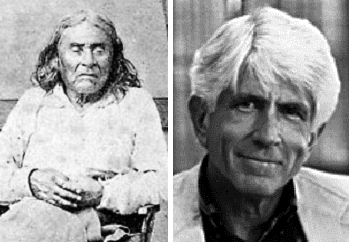
Chief Seattle (left) and actual speech writer Ted Perry

මේ සංශෝධිත කථාව මුල් මිහිතල දිනයේදී ඇසු අය අතර ටෙඞ් පෙරී (Ted Perry) නම් චිත‍්‍රපට තිර රචකයකු ද සිටියා. ඊට ටික දිනකට පසුව එරට කි‍්‍රස්තියානි ටෙලිවිෂන් සමාගමක් (Southern Baptist Television Commission) ඔහුට ඇරයුම් කළා ඒ වන විට සිදුවෙමින් තිබූ පරිසර විපත් පිළිබඳව කිතු දහම පදනම් කරගෙන සාමයිකව විග‍්‍රහ කරන වාර්තා චිත‍්‍රපටයක් රචනා කරන්නට.

සියැටල් නායකයා 1970 දී සිටියා නම්, එවකට මතු වී තිබූ පාරිසරික ප‍්‍රශ්න හා සංවර්ධන පිළිබඳ සංකල්පමය අර්බුද ගැන ඔහු කුමක් කියනු ඇත්දැයි ටෙඞ් පෙරී කල්පනා කළා. මේ අනුව යමින් සියැටල් නායකයාගේ කථාවේ අළුත්ම ප‍්‍රතිනිර්මාණයක් ඔහු ලයාන්විත හා කාව්‍යමය බසින් තිර රචනයකට නැගුවා. මුල් කථාවේ නොතිබුණු දෙවියන් පිළිබඳ ක‍්‍රිස්තියානි සංකල්පත් ඔහු මේ තිර රචනයට එකතු කළා. 1973දී මේ වාර්තා චිත‍්‍රපටය එළි දැක්කේ Home නමින්. චිත‍්‍රපටයට වඩා විශාල ජනප‍්‍රියතාවයක් ලැබුණේ එහි යොදා ගත් සියැටල් නායකයා කළා යැයි කියන දාර්ශනික කථාවටයි.

පසුගිය වසර 40කට අසන්න කාලයක් තිස්සේ ලොව පුරා ප‍්‍රචලිත වී, විවිධ භාෂාවලට පෙරැළී ඇත්තේ මෙසේ හෙන්රි ස්මිත්ගේ මුල් අනුවාදය, විලියම් ඇරෝස්මිත් විසින් කාලානුරූපීව සංශෝධනය කර ටෙඞ් පෙරී විසින් ප‍්‍රතිනිර්මාණය කරන ලද කථාවයි! එඞ්වින් ආරියදාස හා ධර්මසිරි ගමගේ යන ලේඛකයන් මෙහි අගනා සිංහල අනුවාදයන් කර තිබෙනවා.

1980 දශකය අගවන විට ලොව පුරා පාරිසරික ශුද්ධ ලියවිල්ලක මට්ටමට පිළිගැනීමක් ලැබුණු මේ කථාවේ ඓතිහාසික විශ්වාසනීයත්වය ගැන ටික දෙනකු ප‍්‍රශ්න කරන්නට පටන් ගත්තා. සියවසකට වැඩි කාලයක් පුරා සියැටල් නායක කථාවේ පරිනාමය ගැන ජෝන් ස්කල් (John Scull) නම් පර්යේෂකයා විස්තරාත්මකව අධ්‍යයනය කළා. ආදිවාසී නායකයකුගෙන් පටන්ගෙන ක‍්‍රිස්තියානි වාර්තා චිත‍්‍රපටයකින් හමාර වූ ඒ ගමනේදී, මුල් අදහස් විශාල වශයෙන් වෙනස් වී ඇති සැටි ඔහු සාක්‍ෂි සහිතව පෙන්වා දුන්නා. (සාමයික කලා කෘතීන් ගැන මට ප‍්‍රශ්නයක් නැහැ. මෙහිදී අප කථා කරන්නේ පසු කාලීනව සාමයික මුහුණුවරක් දීමෙන් මුල් කෘතිය විකෘති වීම ගැනයි. එහෙත් ‘මුල් කෘතිය’ කුමක්දැයි කිසිවකු හරිහැටි නොදන්නා නිසා සිදු වී ඇති වෙනස්කම් සිතාගන්නටත් අමාරුයි!)

1992 වන විට මේ සැබෑ තත්ත්වය හෙළි කරන ගවේශණාත්මක වාර්තා New York Times හා Newsweek ප‍්‍රකාශනවල පළ වුණා. එහෙත් ඒ වන විට සියැටල් නායක කථාව ලෝක ව්‍යාප්ත මිථ්‍යාවක් බවට පත් වී හමාරයි. ‘සියැටල් නායකයා මෙබදු අදහස් සැබැවින් ම කීවත්, නොකීවත් ඔහු වැනි ශ්‍රේෂ්ඨ පරිසරවේදියකුගේ මුවට මෙබදු අදහස් ආරෝපණය කිරීමේ වරදක් නැතැයි’ පරිසරවේදීන් තර්ක කළා.

එය ප‍්‍රශ්න කරන අයට පරිසරවේදීන්ගෙන් දැඩි විවේචන එල්ල වුණා. ‘සම්ප‍්‍රදායික දැනුම හෙළා දකින්නට උත්සාහ කරන සුදු ජාතික කුමන්ත‍්‍රණයක කොටස්කරුවන්’ හැටියට හදුන්වා දෙනු ලැබුවා. (2009 අපේ‍්‍රල් 22 වනදා මගේ බ්ලොග් අඩවියේ මේ ගැන විග‍්‍රහයක් මා ලියා පළ කළා. එයට ලැබුණු පාඨක ප‍්‍රතිචාර බහුතරයක් ද මේ ආකාරයේ එවායි. ආදිවාසී දැනුම හෙලා දකින බටහිර ඒජන්තයෙකු ලෙස ඇතැම් පාඨකයන් මට අවලාද නැගුවා. (http://tiny.cc/Seattle බලන්න).

ජෝන් ස්කල් මීට වසර කිහිපයකට පෙර මුලින් මතු කළ, මා මතවාදීව එකග වෙන තර්කය මෙයයි. පරිසරය රැකගන්නට අධ්‍යාත්මික හා චින්තනමය වෙනසක් ද අවශ්‍ය බව ඇත්ත. එහෙත් කාව්‍යමය බසින් විසිතුරු වුණු, තාර්කික බවින් හීන වූ මෙබදු ලියැවිල්ලක් කරන්නේ මානව පරිනාමය ගැන අප තුළ මහා කලකිරීමක් හා ඉච්ඡභංගත්වයක් ඇති කිරීමයි. ගොඩ ගන්නට බැරි තරම් අසාධ්‍ය වුණු රෝගියකුගේ මට්ටමට මිහිතලය පත්ව ඇතැයි අදහසක් ද එයින් ජනිත වෙනවා. පරිසරය හා මිනිසා අතර යම් තුලනයක් හා සංහිදියාවක් ඇති කිරීමට අවශ්‍ය මානසික රාමුව මෙය යයි මා සිතන්නේ නැහැ.

1990දී ආචාර්ය ආනන්ද ඩබ්ලිව් පී ගුරුගේ මහාවංශයේ සඳහන් වන ප‍්‍රධාන ඓතිහාසික අවස්ථා පාදක කර ගෙන නිර්මාණාත්මක කෘතියක් ලිව්වා. ‘Voices of Ancient Sri Lanka’ නම් එහි අඩංගු වූයේ මෙරට ඉතිහාසයේ වැදගත් සංධිස්ථානවලදී එවකට විසූ රජවරුන් හා අනෙකුත් ප‍්‍රභූන් පවත්වන්නට ඇතැයි අනුමාන කළ හැකි මහජන කථා පෙළක්. එය පසුව ‘ශ්‍රී ලංකා ප‍්‍රතිරාවය’ නමින් සිංහලෙන් ද පළවුණා.

ඒ පොතේ ලියැවී ඇති වදන්මාලා ගුරුගේ සූරීන්ගේ පරිකල්පනයෙන් මතු වූ, ඔහුගේ කෘතහස්ත ශෛලියෙන් ඔප් වැටුණු ඒවායි. සැබැවින් ම ඒ පුද්ගලයන් එම අදහස් කී බවට තිරසාර සාක්‍ෂි නැහැ. එහෙත් එසේ වූ පමණට එම කතා රසවීදීමට අපට බාධාවක් ද නැහැ. සියැටල් නායකයාගේ කථාවත් මෙයට සමාන තත්ත්වයක්.

සියැටල් නායකයා හරබර කථාවක් කරන්නට ඇති. එය ඔහුට ම ආවේණික උපමා, රූපක ආදියෙන් පිරී තිබෙන්නටත් ඇති. එහෙත් අද ලෝකයේ සංසරනය වන විචිත‍්‍ර කථාව සියැටල්ගේ නොව තිර රචක ටෙඞ් පෙරීගේ බව සිහි තබා ගැනීම වැදගත්. චිත‍්‍රපටය පරිකල්පනාවේ නිදහස ඇති කලාවක්. අප සැබෑ ලෝකය හා පරිකල්පනා ලෝකය අතර වෙනස හදුනාගත යුතුයි.

This 1991 book built on the Chief Seattle fable
නොකපන ලද දියමන්තියක් සියැටල් බිහි කළා නම් එය ටෙඞ් පෙරීගේ අතින් හැඩ වැඩ වී ඔටුන්නක සවි වුණා යයි කිව හැකියි. මුල් දියමන්තියේ කාන්තිය වඩාත් ප‍්‍රබල කිරීමේ ගෞරවය තිර රචකයාට හිමි විය යුතුයි. සියැටල් ඇත්තට ම කී දේ කුමක්ද තිර රචකයා එයට එකතු කළේ මොනවාද යන්න මේ වන විට පැහැදිළි නැහැ. ආදීවාසී නායකයෙකු මහා ප‍්‍රාඥයකු හැටියට හුවා දක්වන්නට පරිසරවේදීන් මෙන් ම අධ්‍යාපනවේදීන් ද කැමතියි. එහි ලොකු වරදක් නැති වූවත් මිථ්‍යාවක් මත ගොඩ නගන දර්ශනයට කල් පැවතිය නොහැකි බව අප සිහි තබා ගත යුතුයි.

සියැටල් නායකයා මහ පොළවේ පය ගසා ගෙන එහි හද ගැස්ම හදුනාගත් අය බවට විවාදයක් නැහැ. තමන් මිහිතලය සමග නිරන්තර ගනුදෙනුවක් කරමින් සිටින බවත්, එහිදී ඕනෑවට වඩා උකහා ගත්තොත් එහි අහිතකර විපාක විදින්නට සිදුවන බවත් ආදිවාසීන් හොදාකාර දන්නවා. අද ලෝකයේ සංවර්ධන අර්බුදයේ ලොකු ම අභියෝගයත් එයයි. අපේ (සහ අන් ජීවීන්ගේ) පැවැත්මට අවශ්‍ය පාරිසරික ප‍්‍රවාහයන් විනාශ නොකොට අපේ භෞතික අවශ්‍යතා සපුරා ගන්නේ කෙසේ ද?

ප‍්‍රාග්-නූතන යුගයේ හෝ ගල් යුගයේ ජීවන රටාවකට ආපසු යන්නට හැකියාවක් නැහැ. අල්පේච්ඡ දිවි පෙවෙතක් ගැන කථා කරන පරිසරවේදීන් පවා එබන්දකට සූදානම් නැහැ. මේ නිසා ප‍්‍රායෝගිකව කළ හැකි තුලනයන් මොනවා ද යන්න හදුනාගෙන ඒ සඳහා අපේ කාලය, ශ‍්‍රමය හා නිර්මානශීලී හැකියාව යොමු කිරීමයි අවශ්‍ය වන්නේ. එසේ නැතිව යටගිය දවසකින් නොතිබුණු රොමෑන්ටික් සිහිනයකට හෝ චිත‍්‍රපට තිරනාටක රචකයෙකුගේ වදන් සිත්තමකට හෝ අපේ ලෝකයේ මහා ප‍්‍රශ්න විසඳන්නට හැකියාවක් නැහැ.

පරිසරවේදීනි, දැන්වත් අවදිවන්න!

‘Amazing Grace’ movie: Story of William Wilberforce, the Model Campaigner

One man, one resolve -- and history is changed!
“When people speak of great men, they think of men like Napoleon – men of violence. Rarely do they think of peaceful men. But contrast the reception they will receive when they return home from their battles. Napoleon will arrive in pomp and in power, a man who’s achieved the very summit of earthly ambition. And yet his dreams will be haunted by the oppressions of war. William Wilberforce, however, will return to his family, lay his head on his pillow and remember: the slave trade is no more.”

Those words are uttered by the character Lord Charles Fox in the British House of Commons towards the end of the 2006 movie Amazing Grace. They sum up the singular accomplishment of William Wilberforce (1759 – 1833), British politician, philanthropist and leader of the movement to abolish the slave trade.

The movie, based on his true story, is not just a well-made period drama. It also offers dramatic insights into one of the most successful – and consequential – social justice campaigns in history. It reminds us that a determined man or woman can, indeed, make a difference in our complex world.

Inspired by a recent visit to Yorkshire, where Wilberforce hailed from, I’ve just watched the movie — and am amazed to find how many such striking parallels there are to evidence-based policy change and law reform in a very different world of ours more than two centuries later.

But first, here’s the storyline from the Internet Movie Database (IMDb):

“In 1797, William Wilberforce, the great crusader for the British abolition of slavery, is taking a vacation for his health even while he is sicker at heart for his frustrated cause. However, meeting the charming Barbara Spooner, Wilberforce finds a soulmate to share the story of his struggle. With few allies such as his mentor, John Newton, a slave ship captain turned repentant priest who penned the great hymn, “Amazing Grace,” Prime William Pitt, and Olaudah Equiano, the erudite former slave turned author, Wilberforce fruitlessly fights both public indifference and moneyed opposition determined to keep their exploitation safe. Nevertheless, Wilberforce finds the inspiration in newfound love to rejuvenate the fight with new ideas that would lead to a great victory for social justice.”

A detailed plot synopsis on IMDB

Wikipedia has a good summary of how Wilberforce and his few determined friends sustained a campaign against this inhuman yet highly lucrative trade.

Wilberforce was every bit the resolute campaigner: used every trick in the book, and then some. He diligently amassed incriminating evidence about the mass-scale abuse of human rights taking place in far-away Africa and on the high seas transporting captured African slaves. He wrote and spoke extensively using facts and figures as well as appeals to human emotions. He collected eye witness testimonials, and gathered over 300,000 signatures in a petition from ordinary people calling for abolition of slavery — which countered the political argument that people didn’t care.

William Wilberforce by Karl Anton Hickel, circa 1794
Wilberforce must have been among the first to realise the power of collective consumer action. On his urging, conscientious consumers in Britain boycotted sugar grown in the Caribbean with slave labour. One of the most sucessful campaigns the Abolition Movement was responsible for was the Sugar Boycott. According to one source: “In 1791 the society distributed leaflets encouraging the public, and especially women, not to buy or use sugar produced in the West Indies by slaves. As a result about 300,000 people boycotted sugar and sales began to drop. In an effort to increase sales, some shops stocked only sugar imported from India, which had not been produced by slaves, and goods were labelled to show this.”

He also worked on and with influential religious and political connections. He surrounded himself with a few trustworthy friends who stay the course despite multiple setbacks, ridicule and character assassination. He was passionate to the point of being obsessive. Yet he also knew when to speak and when to make a tactical retreat. His timing was impeccable as were his patience and commitment.

He wasn’t successful with every social justice campaign he took up. First elected to Parliament in 1780, he campaigned unsuccessfully for penal and electoral reform. It was in 1787, at the encouragement of William Pitt the Younger — his long-long friend and Prime Minister — that he took up the cause of abolition at Westminster. But his humanitarian and ethical arguments had to meet the economic interests of those who had made vast fortunes from the slave trade or the use of slave labour. Many of his fellow Parliamentarians had deep vested interests that wanted to see the status quo continue. Others were in the pay of slave traders.

It was not until 1807 — full 20 years after Wilberforce first started his campaign — that the Abolition Bill was finally passed. Just before that, Wilberforce wrote his famous ‘Letter on the Abolition of the Slave Trade, Addressed to the Freeholders and Other Inhabitants of Yorkshire’, justifying his preoccupation with abolition against claims that he was neglecting their local interests at Westminster, and setting out all his arguments against the slave trade.

Then, as now, elected people’s representatives have to perform this difficult balancing act — between their constituency’s immediate, everyday needs and the greater good or national interest. Which is why all progressive legislators and social justice campaigners should watch Amazing Grace, and read the Wilberforce biography.

Times have indeed changed, but their challenges have not.

Wikipedia entry on Amazing Grace movie

Watch the trailer for Amazing Grace:

Living secular in the ‘Sinhala Buddhist Republic’ of Sri Lanka

Two years ago, in a moment of panic, I rushed my young daughter to Colombo’s only children’s hospital. To be honest, I don’t normally turn to our overcrowded government hospitals for healthcare. But a doctor friend had recommended the Lady Ridgeway Hospital as the best place for administering the anti-rabies vaccine.

As with all government hospitals, they first wanted to record the patient’s basic bio data. Fair enough. I provided the child’s name, age and street address. For some reason, the form also asked for the patient’s religion. Before I could say anything, the nurse in charge wrote ‘Buddhist’.

Now, this was both incorrect and highly presumptuous. But when I objected, it sparked off an argument. The formidable woman insisted that with a ‘good Sinhalese surname’ like ours, we simply had to be Buddhists!

When I said her assumption was wrong, she asked me with some disdain: are you then a Christian? No again. Now she was beginning to be get really irritated: who is this man who speaks fluent Sinhala, but is neither Buddhist nor Christian?

I was not about to declare in public a matter I consider to be intensely private: my religious faith. With the fellow public behind me becoming impatient, and the public servant in front of me taking a dogged stand, I retreated with a heavy heart. (I later paid a few thousand rupees for the same course of vaccines at a private clinic, where my religious faith or ethnicity was never questioned.)

I thought this was an isolated incident, and didn’t think further. But a few months later, I ran into a similar situation at my area police station. I’d gone to make a formal complaint about a serious matter concerning personal safety, and once again, the process started with my bio data. When it came to fixing labels, the woman constable recording my statement categorised me as ‘Sinhalese Buddhist’ — without even raising her head from the big book of complaints.

In case you are wondering, I bear absolutely no tell-tale signs of belonging any faith: I don’t wear a religious symbol as jewellery, or wrap pirith nool (pieces of thread blessed by monks) on my wrist. I also carefully avoid sprinkling my everyday speech with any religious phrases. Even my occasional swearing is devoid of religious references. (An observant friend once likened my colloquial speech to that of my favourite cartoon charter Tintin’s: no harsh swear words, and only secular references.)

Must biology be destiny in the 21st Century? Blind chance of birth placed me in a family of ethnic Sinhala parents who also happened to be Buddhists. But these cosmic accidents don’t make me a Buddhist any more than, say, I become a believing and practising Aquarian simply because I was born in February. My brand loyalty to the randomly assigned religion and star sign are about the same: zero.

Just so that I put all my cards on the table, I have not practised any religion or belonged to any religious faith (with their trappings of scripture, priests and places of worship) from my teen years. That’s 30 years of uninterrupted secular humanism.

Indeed, ‘secular humanist’ is the only label that I proudly wear in both public and private. But in the Sinhala Buddhist Republic of Sri Lanka that my land of birth is turning into, various public agencies find this ‘aberration’ either unsettling or unacceptable. My self-exclusion on matters of faith makes me an instant misfit in many state procedures. And yet, we are supposedly an open and democratic society……and in theory at least, not a religious state.

But that matters little in practice. For example, I recently gave evidence under oath in a court of law in a civil case. All along, my lawyer advised me to just ‘pretend’ to be a Buddhist for that solemn occasion. Apparently the system can’t handle ‘spiritually neutral’ — my preferred (and very honest) answer when asked about my faith.

I don’t see how and why a citizen’s religious affiliation – or its complete absence – should matter in the least when dispensing vaccines or justice in the modern world. Is this not a residual habit from colonial times that no longer serves a purpose? Actually, I find it worse than redundant; it’s plain insulting.

Religion is not the only private matter that our governments love to poke its clumsy and unwelcome noses into. Also falling into this category: everyone’s sanitary habits, and sexual relations between consenting adults.

For sure, what private individuals do in the privacy of their homes can have some implications for the community, economy and national statistics. In today’s highly inter-dependent and interlinked world, no man or woman or nation is an island.

Despite this, there are at least three aspects of modern living where choices must remain strictly and entirely personal: what we do in our bed rooms, wash rooms and (metaphorical) shrine rooms. I, for one, will resist all arms of the state and government, as well as self-appointed guardians of our morals and values, from intruding into any of these hallowed spaces of my free will and choice.

Especially when it comes to matters of faith – or its complete avoidance – the Jackboot of government means absolutely nothing.

Well, at least until they perfect the Thought Police

* * * * *

Explanation for non-Lankan readers:
The ethnic mix and religious mix in Sri Lanka don’t coincide, making it (at least for me!) a delightfully chaotic melting pot. While some Sinhalese are Buddhist and some Tamils are Hindu in their choice of faith, that is not to be assumed. Indeed, there are statistically significant numbers of both Sinhalese and Tamils who are Christians (of various denominations). While all our muslim friends are Islamic, there are also some ethnic Sinhalese and Tamils who have converted to Islam. So one has to be very careful in making generalisations, and it’s altogether better to avoid them….