Brief comment provided to Daily Mirror newspaper, Sri Lanka, on 20 January 2017:
‘Eyes in the Sky’ need ethical and careful ‘pilots’
By Nalaka Gunawardene
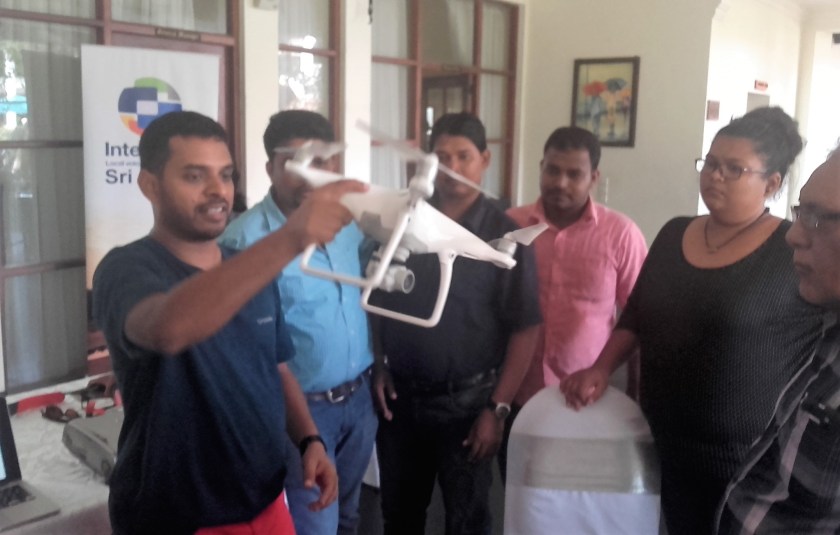
Bird’s eye view provides a new, useful perspective in journalistic story telling. Image courtesy InterNews Sri Lanka
For some, drones conjure images of death and destruction – military applications have been their most widely reported application. But unmanned aerial vehicles or UAVs are increasingly being used for many peaceful purposes. That poses a host of ethical and legal challenges we must confront to get the best of this new technology while minimizing potential harms.
In the past few years, the cost of drones came down (an entry level unit sells for around LKR 35,000 in Colombo) as their versatility increased. This spurred many uses from newsgathering and post-disaster assessments to goods delivery and smart farming.
In Sri Lanka, surveyors, photographers, TV journalists and political parties were among the early civilian users of drones. They all grasped the value of the ‘bigger picture’ perspective such aerial photos or videos can provide. Until recently, accessing that vantage point was possible only through helicopters or fixed wing aircraft – a facility few could afford.
Having the bird’s eye view helps journalists and their audiences to make sense of complex situations like climate change impacts, conflicts over resources or political agitations. We certainly need more field-based and investigative reporting that goes beyond press releases and press conferences. Drones are fast joining the journalists’ toolkit — but what matters is their imaginative and responsible use.
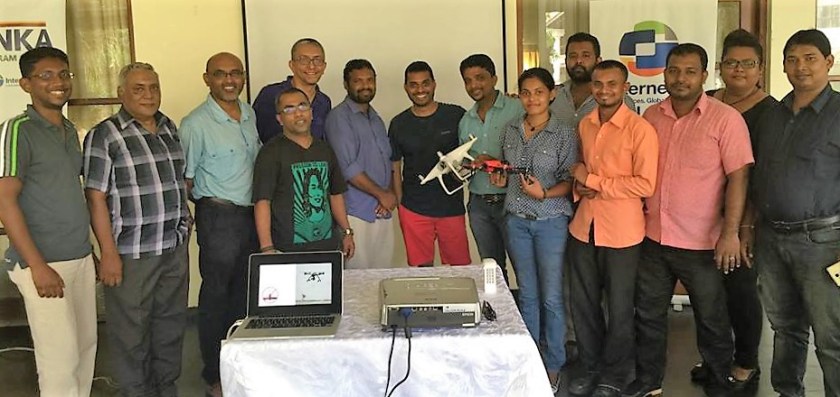
Participants and trainers at Sri Lanka’s first workshop on drone assisted journalism, Aug 2016 in Mt Lavinia
Here, we have both good news and bad news. On the positive side, over two dozen journalists and photojournalists have been trained in drone-assisted journalism during 2016 by drone journalism enthusiast (and drone pilot) Sanjana Hattotuwa and journalist Amantha Perera. Some trainees have since done good stories with drone-gathered images. Examples include probing the drought’s impacts in the dry zone, rising garbage crisis in Kattankudy on the east coast, and taking a close look at land use patterns in Hambantota.
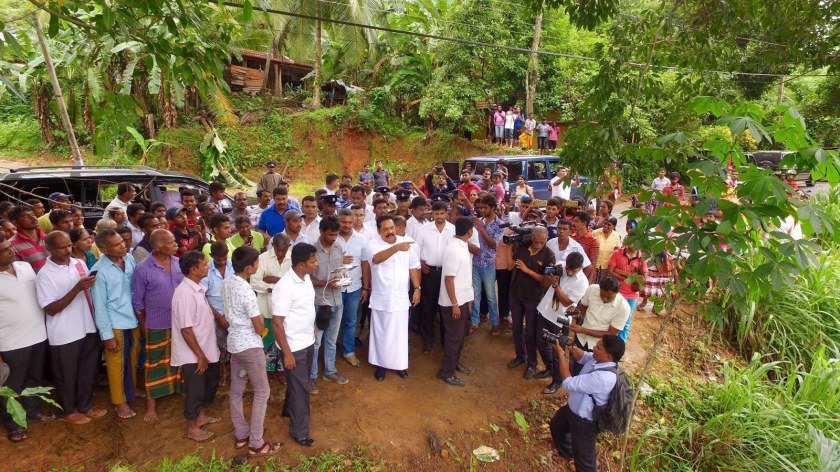
Internews Sri Lanka: Drone gathered footage supporting journalism
The downside is that some news organisations are deploying drones without due regard for public safety or existing codes of media ethics. A drone hovered over the Colombo general cemetery as slain editor Lasantha Wickremetunge’s body was exhumed in September 2016. That disregarded a family request for privacy.
The end never justifies the means in good journalism. If some media groups continue to operate drones in such reckless manner, they risk discrediting the new technology and attracting excessive regulations.
Drones or any other new technologies need to be anchored in the basic ethics of journalism. Each new tool would also bring along its own layer of ethics. Where drone use is concerned, respecting privacy and considering the safety of others is far more important than, say, when using a handheld camera.
In February 2016, the Civil Aviation Authority of Sri Lanka (CAASL) published regulations for drone operation which apply to all users including journalists. This has been updated in January 2017. The Information Department, in a recent release, says it is working with CAASL to simplify these rules and streamline approval processes. That is a welcome move.
For now, Lankan journalists can follow the Code of Ethics for Drone Journalists already formulated by practitioners and researchers in the United States. It is available at: http://www.dronejournalism.org/code-of-ethics/
Nalaka Gunawardene is a columnist and independent media researcher. He tweets from @NalakaG
For some, drones still conjure images of death and destruction – that has been their most widely reported use. But that reality is fast changing. Unmanned aerial vehicles (UAVs) are being used for many peaceful purposes, from newsgathering and post-disaster assessments to goods delivery and smart farming.
Drones come in various shapes and sizes: as miniature fixed-wing airplanes or, more commonly, quadcopters and other multi-bladed small helicopters. All types are getting simpler, cheaper and more versatile.
Unlike radio-controlled model aircraft, which aviation hobbyists have used for decades, UAVs are equipped with an autopilot using GPS and a camera controlled by the autopilot. These battery operated flying machines can be manually controlled or pre-programmed for an entire, low altitude flight.
In this week’s Ravaya column (in Sinhala, appearing in the print issue of 25 Sep 2016), I survey the many civilian applications of drones – and the legal, ethical and technical challenges they pose.
Drones are already being used in Sri Lanka by photographers, TV journalists and political parties but few seem to respect public safety or privacy of individuals.
I quote Sanjana Hattotuwa, a researcher and activist on ICTs, who in August 2016 conducted Sri Lanka’s first workshop on drone journalism which I attended. I agree with his view: drones are here to stay, and are going to be used in many applications. So the sooner we sort out public safety and privacy concerns, the better for all.
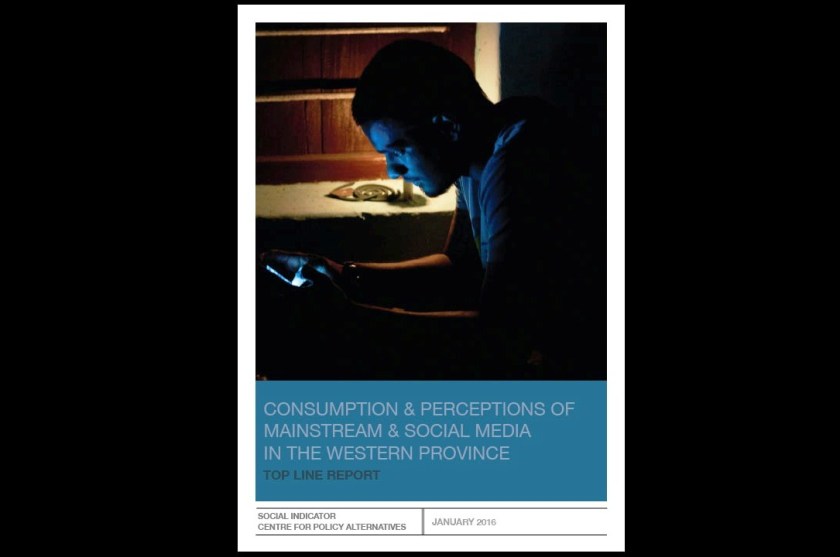
The report draws on a survey of 1,743 randomly selected men and women, interviewed in Sinhala or Tamil language during June-July 2015. They were asked about mobile phone use and web access. The survey was conducted by Social Indicator, CPA’s survey research unit.
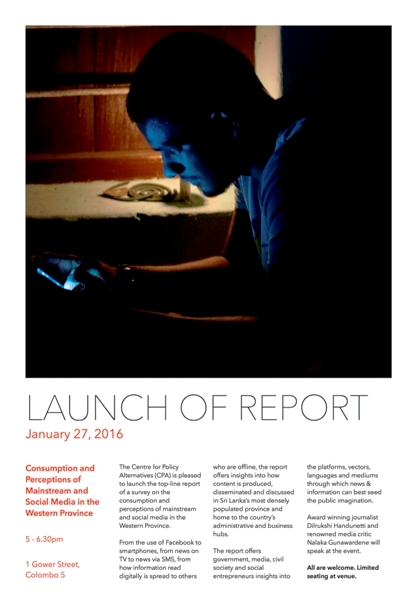
As the launch media release noted, “From the use of Facebook to smartphones, from news on TV to news via SMS, from how information read digitally is spread to others who are offline, the report offers insights into how content is produced, disseminated and discussed in Sri Lanka’s most densely populated province and home to the country’s administrative and business hubs.”
Launch of the top-line report of a survey on the consumption and perceptions of mainstream and social media in the Western Province of Sri Lanka, 27 Jan 2016
On 27 January 2016, the Centre for Policy Alternatives (CPA) launched the top-line report of a survey on the consumption and perceptions of mainstream and social media in the Western Province of Sri Lanka.
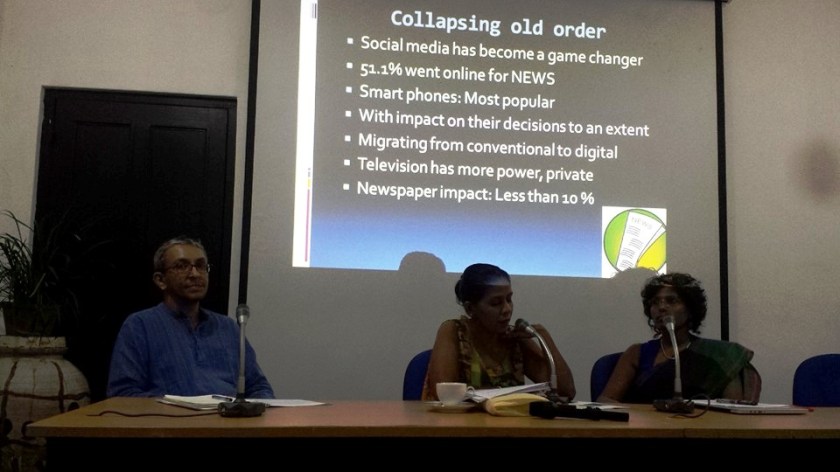
I was one of the launch speakers, and my presentation was titled: Information Society is Rising in Sri Lanka: ARE YOU READY?
The report draws on a survey of 1,743 randomly selected men and women, interviewed in Sinhala or Tamil language during June-July 2015. They were asked about mobile phone use and web access. The survey was conducted by Social Indicator, CPA’s survey research unit.
As the launch media release noted, “From the use of Facebook to smartphones, from news on TV to news via SMS, from how information read digitally is spread to others who are offline, the report offers insights into how content is produced, disseminated and discussed in Sri Lanka’s most densely populated province and home to the country’s administrative and business hubs.
It added: “The report offers government, media, civil society and social entrepreneurs insights into the platforms, vectors, languages and mediums through which news & information can best seed the public imagination.”
Dilrukshi Handunnetti (centre) speaks as Nalaka Gunawardene (left) and Iromi Perera listen at the launch on 27 Jan 2016 in Colombo – Photo by Sampath Samarakoon
In my remarks, I said it was vital to draw more insights on what I saw as ‘demand-side’ of media. But at the same time, I noted how a growing number of media consumers are no longer passively receiving, but also critiquing, repackaging and generating related (or new) content on their own.
I applauded the fact that this survey’s findings are shared in the public domain – in fact, Iromi Perera, head of Social Indicator, offered to share the full dataset with any interested person. This contrasts with similar surveys conducted by market research companies that are, by their very nature, not going to be made public.
Why do demand-side insights being available in the public domain matter so much? I cited four key reasons:
The new government is keen on media sector reforms at policy and regulatory levels: these should be based on evidence and sound analysis, not conjecture.
Media, telecom and digital industries are converging: everyone looking for ‘killer apps’ and biz opps (but only some find it).
Media companies are competing for a finite advertising budget: knowing more about media consumption can help improve production and delivery.
Advertisers want the biggest bang for their buck: Where are eyeballs? How to get to them? Independent studies can inform sound decision-making.
On this last point, I noted how Sri Lanka’s total ad spend up to and including 2014 does not show any significant money going into digital advertising. According to Neilsen Sri Lanka, ad-spending is dominated by broadcast TV, followed by radio an print. Experience elsewhere suggests this is going to change – but how soon, and what can guide new digital ad spending? Studies like this can help.
I also highlighted some interesting findings of this new study, such as:
Private TV is most popular source of news, followed by Facebook/web.
Across different age groups, smartphone is the device most used to access web
Online culture of sharing engenders TRUST: peer influence is becoming a key determinant in how fast and widely a given piece of content is consumed
None of this surprises me, and in fact confirms my own observations as a long-standing observer and commentator of the spread of ICTs in Sri Lanka.
Everyone – from government and political parties to civil society groups and corporates – who want to engage the Lankan public must take note of the changing media consumption and creation patterns indicated by this study, I argued.
I identified these big challenges particularly for civil society and others engaged in public interest communication (including mainstream and citizen journalists):
Acknowledge that we live in a media-rich information society (Get used to it!)
Appreciate that younger Lankans consume and process media content markedly differently from their elders and previous generations
Understand these differences (stop living in denial)
Leverage the emerging digital pathways and channels for social advocacy & public interest work
In my view, rising to this challenge is not a CHOICE, but an IMPERATIVE!
I ended reiterating my call for more research on information society issues, and with particular focus on mobile web content access which trend dominates user behaviour in Sri Lanka.
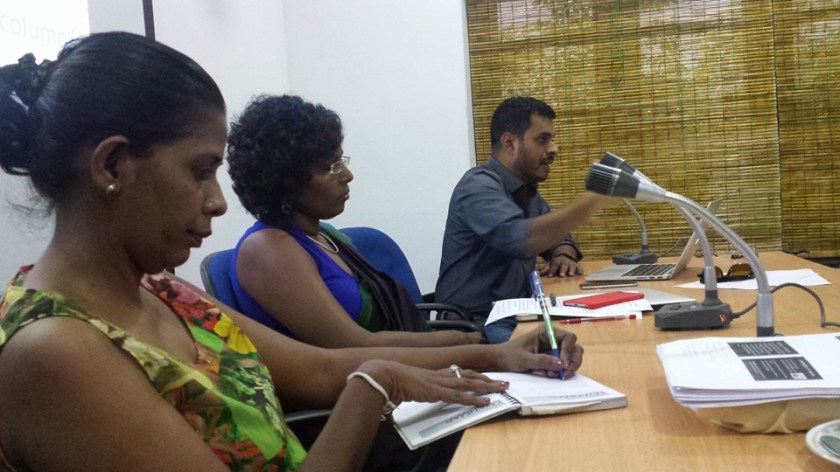
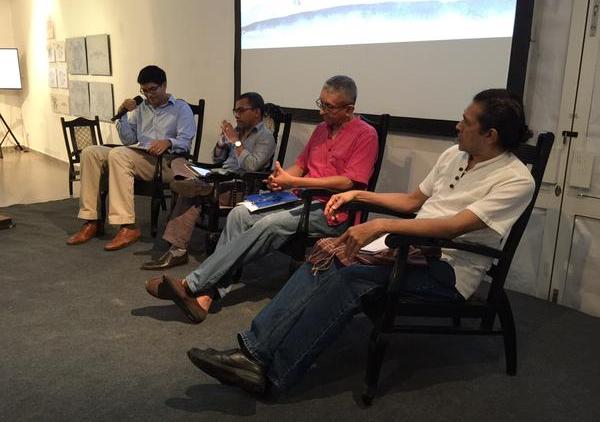
Award winning journalist Dilrukshi Handunnetti, and head of Social Indicator Iromi Perera were my fellow panelists at the launch, which was moderated by the study’s co-author and CPA senior researcher Sanjana Hattotuwa.
L to R – Dilrukshi Handunnetti, Iromi Perera, Sanjana Hattotuwa at CPA report launch, Colombo, 27 Jan 2016
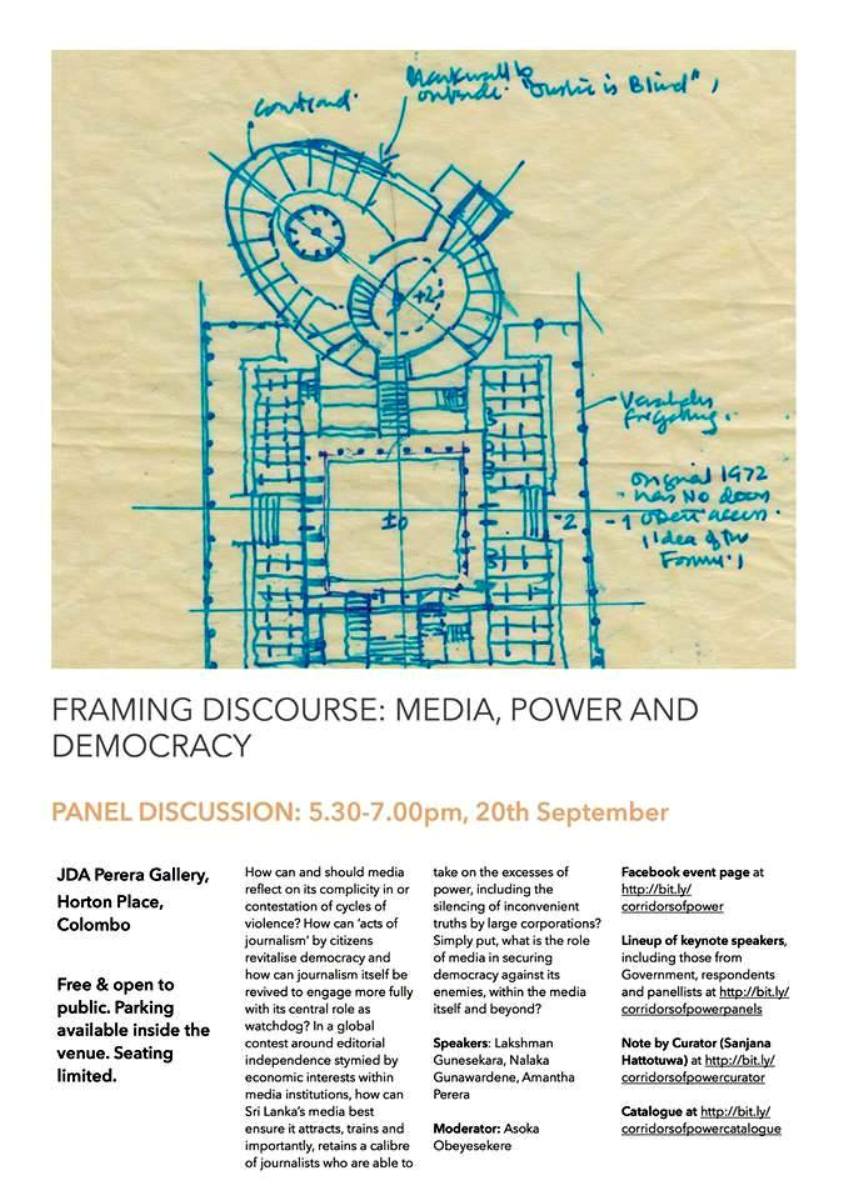
The architecture of the mainstream media, and increasingly, social media (even though distinct divisions between the two are increasingly blurred) to varying degrees reflects or contests the timbre of governance and the nature of government.
How can ‘acts of journalism’ by citizens revitalise democracy and how can journalism itself be revived to engage more fully with its central role as watchdog?
In a global contest around editorial independence stymied by economic interests within media institutions, how can Sri Lanka’s media best ensure it attracts, trains and importantly, retains a calibre of journalists who are able to take on the excesses of power, including the silencing of inconvenient truths by large corporations?
The panel, moderated by lawyer and political scientist Asoka Obeyesekere comprised freelance journalist Amantha Perera, Sunday Observer editor Lakshman Gunasekera, and myself.
Here are my opening remarks (including some remarks made during Q&A).
Nalaka Gunawardene speaks during media panel at Corridors of Power – Photo by Manisha Aryal
Panel on “Framing discourse: Media, Power and Democracy”
20 Sep 2015, Colombo
Remarks by Nalaka Gunawardene
Curator Sanjana has asked us to reflect on a key question: What is the role of media in securing democracy against its enemies, within the media itself and beyond?
I would argue that we are in the midst of multiple, overlapping deficits:
Democracy Deficit, a legacy of the past decade in particular, which is now recognised and being addressed (but we have a long way to go)
Public Trust Deficit in politicians and public institutions – not as widely recognised, but is just as pervasive and should be worrying us all.
Media Deficit, probably the least recognised deficit of all. This has nothing to do with media’s penetration or outreach. Rather, it concerns how our established (or mainstream) MEDIA FALLS SHORT IN PERFORMING the responsibilities of watchdog, public platform and the responsibility to “comfort the afflicted and afflict the comfortable”.
In this context, can new media – citizens leveraging the web, mobile devices and the social media platforms – bridge this deficit?
My answer is both: YES and NO!
YES because new media opportunities can be seized – and are being seized — by our citizens to enhance a whole range of public interest purposes, including:
Political participation
Advocacy and activism
Transparency and accountability in public institutions
Peace-building and reconciliation
Monitoring and critiquing corporate conduct
All these trends are set to grow and involve more and more citizens in the coming years. Right now, one in four Lankans uses the web, mostly thru mobile devices.
BUT CAN IT REPLACE THE MAINSTREAM MEDIA?
NO, not in the near term. For now, these counter-media efforts are not sufficient by themselves to bridge the three deficits I have listed above. The mainstream media’s products have far more outreach and and the institutions, far more resources.
Also, the rise of citizen-driven new media does NOT – and should NOT — allow mainstream media to abdicate its social responsibilities.
This is why we urgently need MEDIA SECTOR REFORMS in Sri Lanka – to enhance editorial independence AND professionalism.
The debate is no longer about who is better – Mainstream media (MSM) or citizen driven civic media.
WE NEED BOTH.
So let us accept and celebrate our increasingly HYBRID MEDIA REALITY (‘hybrid’ seems to be currently popular!). This involves, among other things:
MSM drawing on Civic Media content; and
Civic Media spreading MSM content even as they critique MSM
To me, what really matters are the ACTS OF JOURNALISM – whether they are RANDOM acts or DELIBERATE acts of journalism.
Let me end by drawing on my own experience. Trained and experienced in mainstream print and broadcast media, I took to web-based social media 8 years ago when I started blogging (for fun). I started tweeting five years ago, and am about to cross 5,000 followers.
It’s been an interesting journey – and nowhere near finished yet.
Rational demarcation of Ministry subject areas (a lost cause now)
Implications of XXL Cabinet of the National/Consensus Govt
Questionable role of our Attorney General in certain prosecutions
Report on Sri Lanka at the UN Human Rights Council (UNHRC) Session
Is Death Penalty the right response to rise of brutal murders?
Can our media be more restrained and balanced in covering sexual crimes involving minors?
How to cope with Hate Speech on ethnic or religious grounds
What kind of Smart Cities or MegaCity do we really need?
How to hold CocaCola LK responsible for polluting Kelani waters?
Yes, many of these are fleeting and incomplete conversations. So what?
And also, there’s a lot of noise in social media: it’s what I call the Global Cacophony.
BUT these conversations and cross-talk often enrich my own understanding — and hopefully help other participants too.
Self-promotional as this might sound, how many Newspaper Editors in Sri Lanka can claim to have as many public conversations as I am having using social media?
Let me end with the closing para in a chapter on social media and governance I recently wrote for Transparency International’s Sri Lanka Governance Report 2014 (currently in print):
“Although there have been serious levels of malgovernance in Sri Lanka in recent years, the build up on social media platforms to the Presidential Election 2015 showed that Lankan citizens have sufficient maturity to use ICTs and other forms of social mobilisation for a more peaceful call for regime change. Channelling this civic energy into governance reform is the next challenge.”
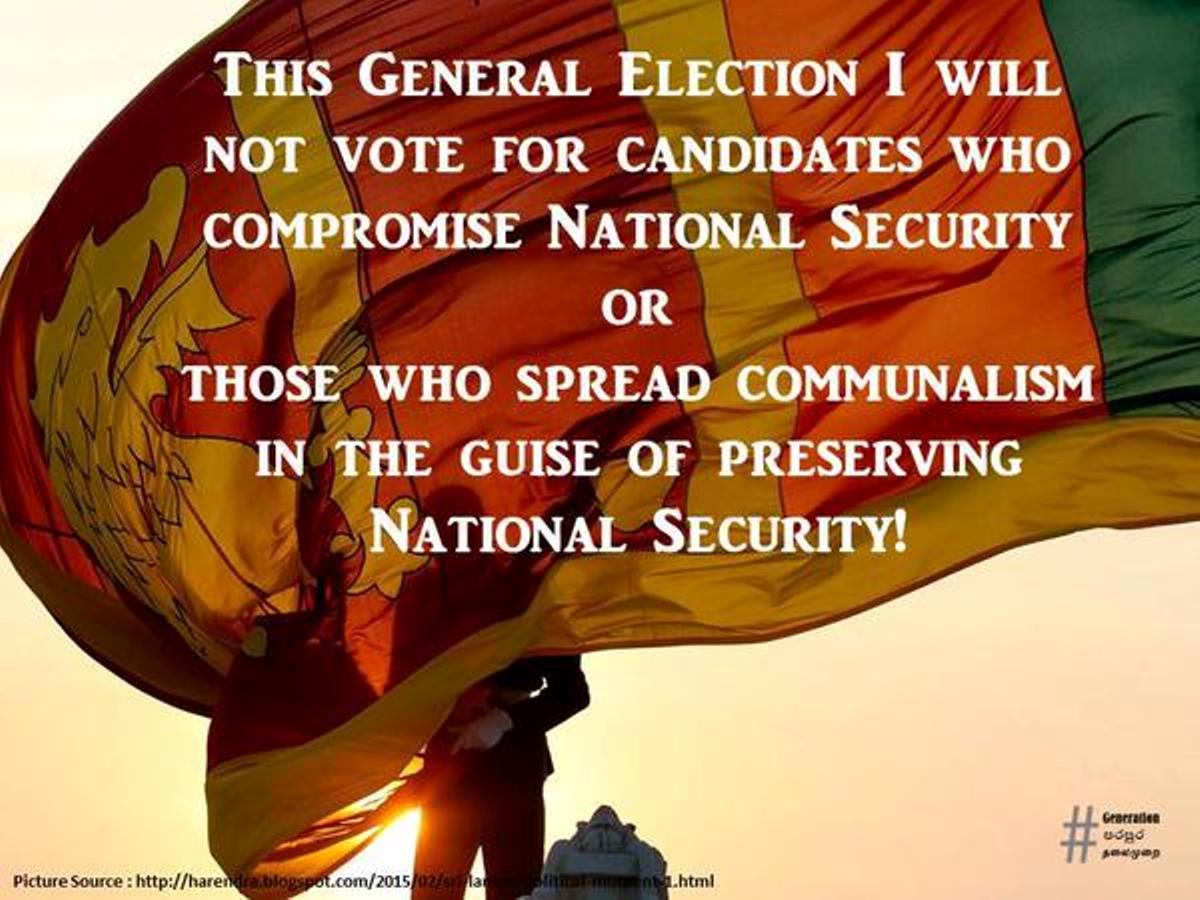
A Popular Election Meme created by Hashtag Generation, Sri Lanka
“Every citizen – including activists and academics — can play a part in shaping the future of our democracy. In this, technology is not the only key driver; what matters even more is the strategic use of our imagination and determination.
“We may not yet have all the detailed answers of our digital future, but one thing is clear. In 2015, we the people of Sri Lanka embarked on a progressive digitalization of our politics and governance.
“It is going to be a bumpy road – be forewarned — but there is no turning back.”
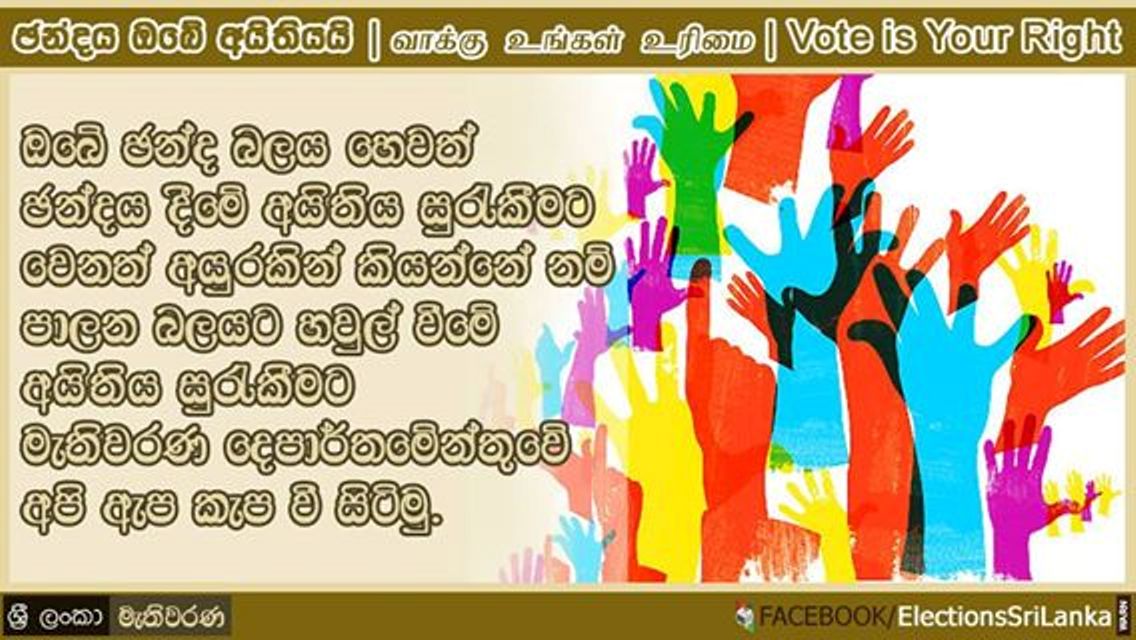
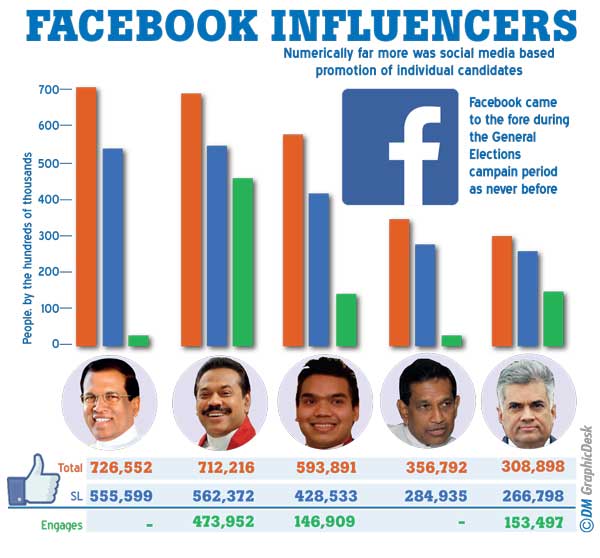
Since then, things have evolved further. In this essay, I look at how the Elections Commission, political parties, election candidates, civil society advocacy groups and individual cyber activists have used various social media tools and platforms in the run-up to, during and immediately after the Parliamentary Election.
“What role (if any) did social media play in the recently concluded General Election on 17 August 2015?
“Many are asking this question – and coming up with different answers. That is characteristic of the cyber realm: there is no single right answer when it comes to a multi-faceted and fast-evolving phenomenon like social media.
“Shortly after the Presidential Election of 8 January 2015 ended, I called it Sri Lanka’s first cyber election. That was based on my insights from over 20 years of watching and chronicling the gradual spread of information and communications technologies (ICTs) in Sri Lanka and the resulting rise of an information society.
“That was not the first time social media had figured in Lankan election campaigns. The trend started slowly some years ago, with a few tech-aware politicians and advertising agencies using websites, Facebook pages and twitter accounts for political outreach. However, such uses did not reach a ‘critical mass’ in the general and presidential elections held in 2010, or in the provincial and local government elections held thereafter.
“By late 2014, that changed significantly but this time the frontrunners were politically charged and digitally empowered citizens, not politicians or their support teams.”
The above is an extract from an op-ed I have just written and published in Daily Mirror broadsheet national newspaper in Sri Lanka (3 Sep 2015).
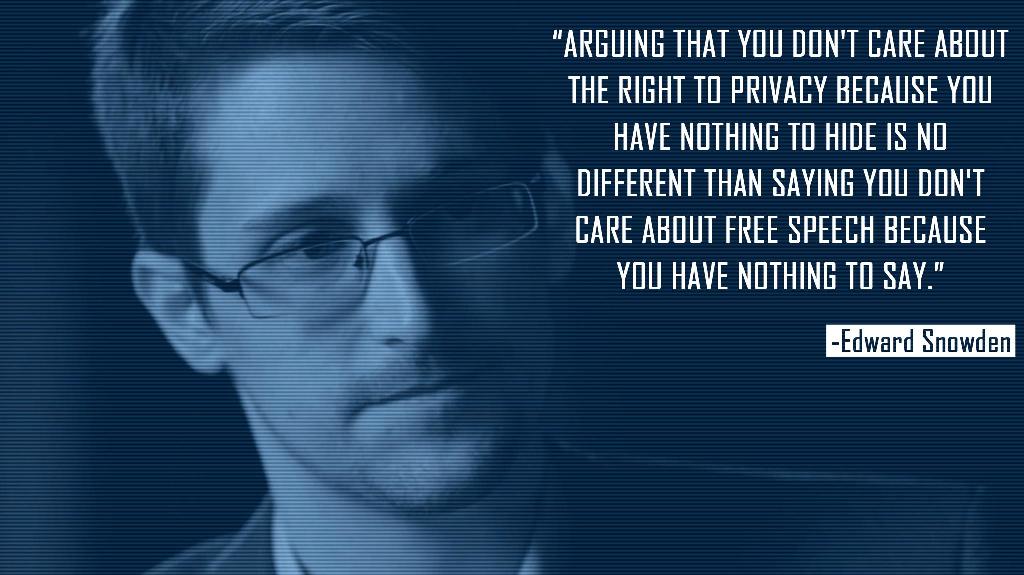
“Privacy and Surveillance: The state should respect and protect the privacy of all citizens. There should be strict limits to the state surveillance of private individuals’ and entities’ telephone conversations and electronic communications. In exceptional situations, such surveillance should only be permitted with judicial oversight and according to a clear set of guidelines.”
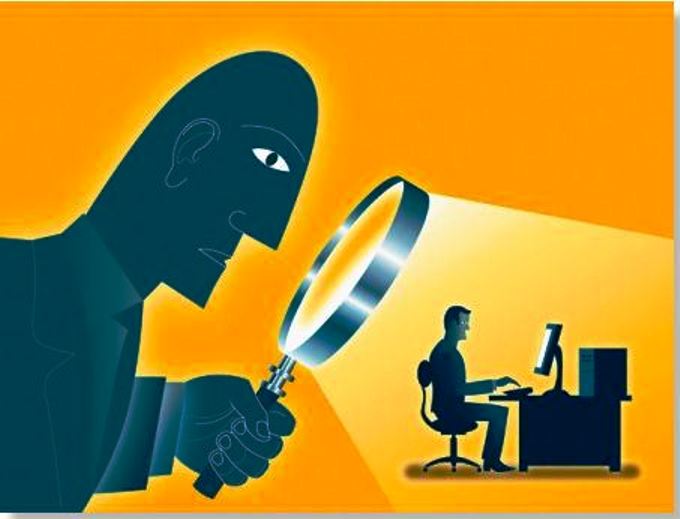
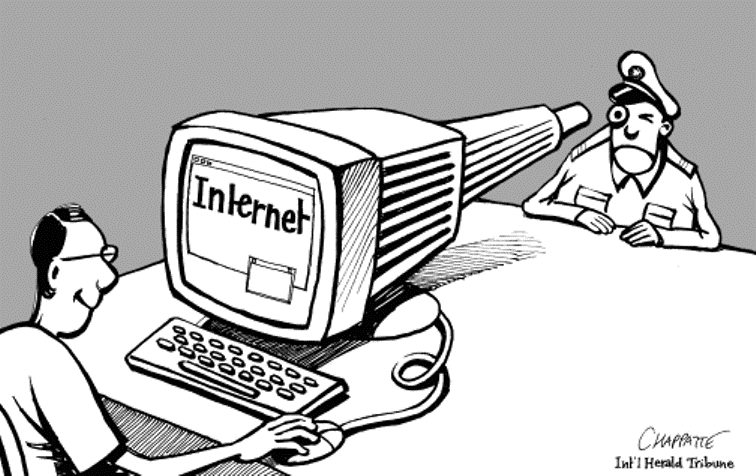
In this week’s Ravaya column, (in Sinhala, appearing in issue of 2 August 2015), I have expanded on this by exploring the extent of state electronic surveillance in Sri Lanka.
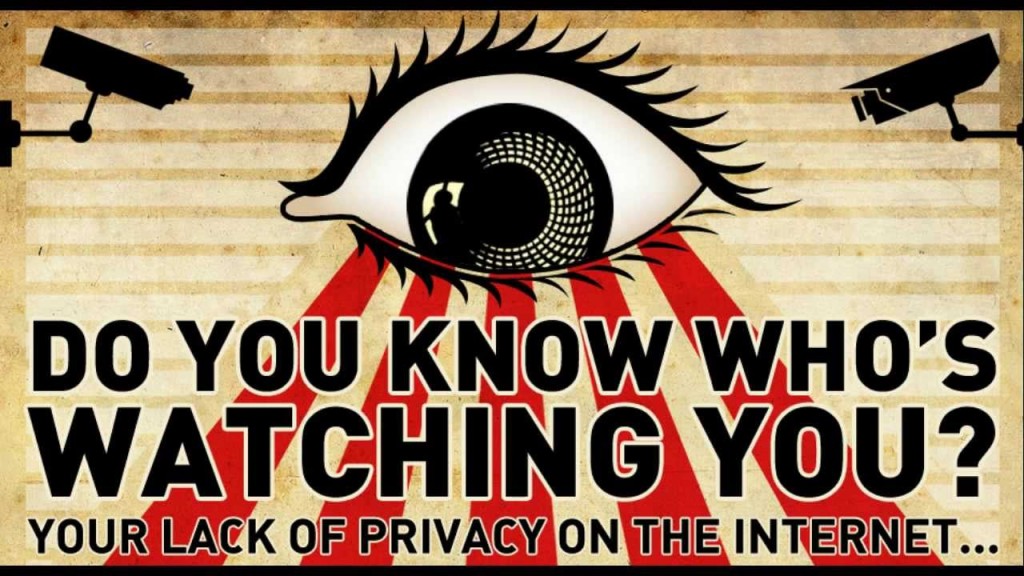
I also look at the legal provisions for surveillance and gaps in legal protection for privacy in Sri Lanka. All this points out to an overbearing state that spies on private citizens as and when it pleases, all on the pretext of national security. We need clearer guidelines and judicial oversight to restrain the state from turning into Big Brother.
Are we being watched by our government without our knowledge or consent? Is it legal?
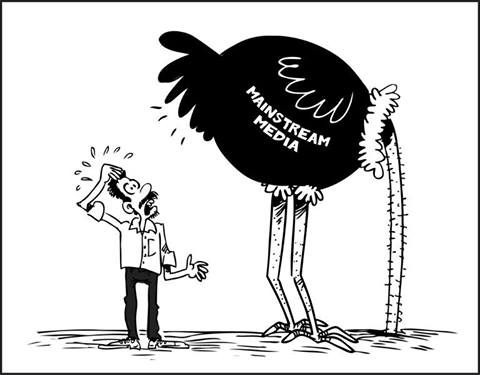
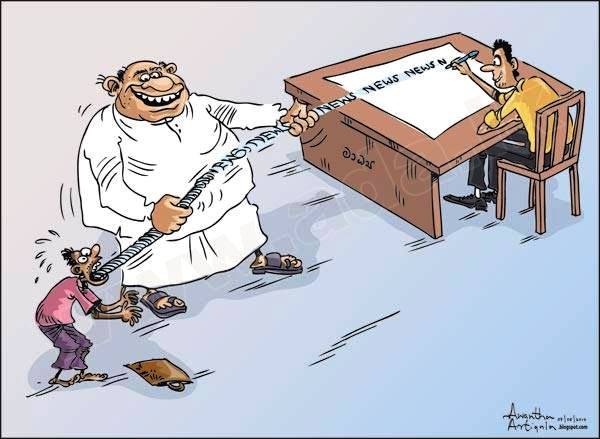
For over 48 hours, there was little coverage of the incidents in newspapers, or on radio and TV. This gap was partly filled by social media and international media reports – but only to the extent they have outreach in the island. Those who rely on local newspapers, radio and TV had to settle for ‘radio silence’ while media gatekeepers hesitated and held back.
In this week’s Ravaya column (in Sinhala language), I probe why sections of Lankan society are habouring growing fears of social media, especially Facebook.
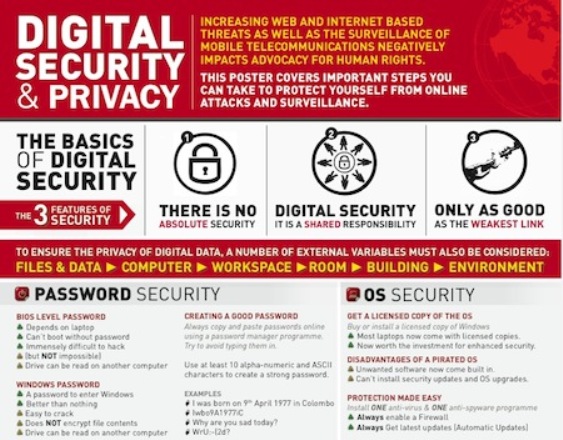
A few have called for a blanket ban of Facebook, which the secretary to the Ministry of Media has assured (in his Twitter feed) would not happen. There is an urgent need, however, to enhance public understanding in Sri Lanka of social media use, with particular attention on safety precautions, privacy protection and cyber civility.









 Open Minds!