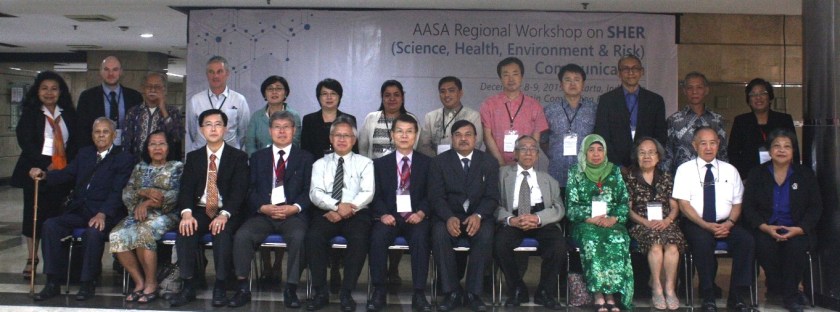
Participants of SHER (Science, Health, Environment & Risk) Communication – Role of S&T Communication in Disaster Management and Community Preparedness held in Jakarta, Indonesia, on 8-9 Dec 2015
It was organised by the Association of Academies and Societies of Sciences in Asia (AASSA) in collaboration with the Indonesian Academy of Sciences (AIPI), Korean Academy of Science and Technology (KAST) and the Agency for Assessment and Application of Technology (BPPT) in Indonesia.
The workshop brought together around 25 participants, most of them scientists researching or engaged in publication communication of science, technology and health related topics. I was one of two journalists in that gathering, having been nominated by the National Academy of Sciences of Sri Lanka (NAASL).
I drew on over 25 years of journalistic and science communication experience, during which time I have worked with disaster managers and researchers, and also co-edited a book, Communicating Disasters: An Asian Regional Handbook (2007).
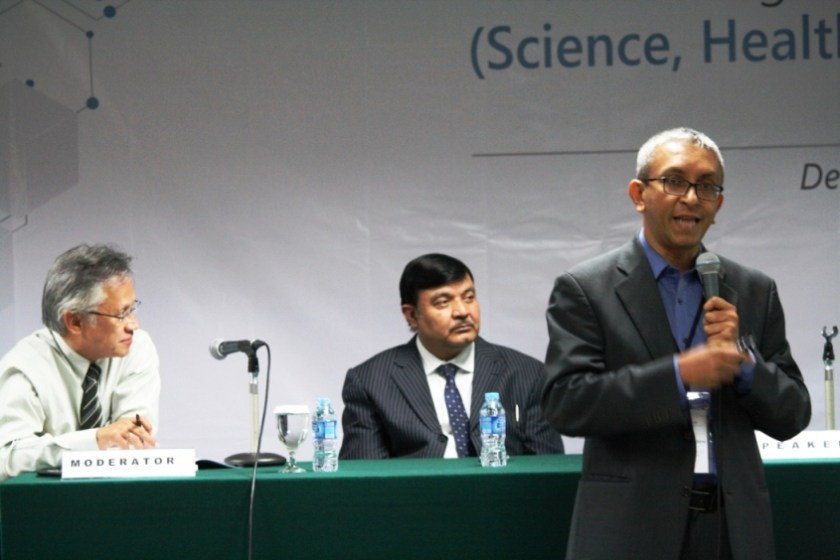
Nalaka Gunawardene speaking at Science, Health, Environment & Risk Communication Asian regional workshop held in Jakarta, Indonesia, 8-9 Dec 2015
The challenge in disaster early warnings is to make the best possible decisions quickly using imperfect information. With lives and livelihoods at stake, there is much pressure to get it right. But one can’t be timely and perfectly accurate at the same time.
We have come a long way since the devastating Boxing Day tsunami of December 2004 caught Indian Ocean countries by surprise. Many of the over 230,000 people killed that day could have been saved by timely coastal evacuations.
The good news is that advances in science and communications technology, greater international cooperation, and revamped national systems have vastly improved tsunami early warnings during the past decade. However, some critical gaps and challenges remain.
The Indian Ocean Tsunami Warning and Mitigation System (IOTWS) was set up in 2005 under UNESCO’s Intergovernmental Oceanographic Commission. Over USD 400 million has been invested in state of the art equipment for rapid detection and assessment. However, the system’s overall effectiveness is limited by poor local infrastructure and lack of preparedness. Some countries also lack efficient decision-making for issuing national level warnings based on regionally provided rapid assessments.
Warnings must reach communities at risk early enough for action. False warnings can cause major economic losses and reduce compliance with future evacuation orders. Only governments can balance these factors. It is important that there be clearer protocols within governments to consider the best available information and make the necessary decisions quickly.
Now, the proliferation of information and communication technologies (ICTs) is making this delicate balance even more difficult. To remain effective in the always-connected and chattering Global Village, disaster managers have to rethink their engagement strategies.
Controlled release of information is no longer an option for governments. In the age of 24/7 news channels and social media, many people will learn of breaking disasters independently of official sources. Some social media users will also express their views instantly – and not always accurately.
How can this multiplicity of information sources and peddlers be harnessed in the best public interest? What are the policy options for governments, and responsibilities for technical experts? How to nurture public trust, the ‘lubricant’ that helps move the wheels of law and order – as well as public safety – in the right direction?
As a case study, I looked at what happened on 11 April 2012, when an 8.6-magnitude quake occurred beneath the ocean floor southwest of Banda Aceh, Indonesia. Several Asian countries issued quick warnings and some also ordered coastal evacuations. For example, Thai authorities shut down the Phuket International Airport, while Chennai port in southern India was closed for a few hours. In Sri Lanka, panic and chaos ensued.
In the end, the quake did not generate a tsunami (not all such quakes do) – but it highlighted weaknesses in the covering the ‘last mile’ in disseminating early warnings clearly and efficiently.
Speakers on ‘ICT Applications for Disaster Prevention and Treatment’ in Jakarta, Indonesia, 8-9 Dec 2015
I concluded: Unless governments communicate in a timely and authoritative manner during crises, that vacuum will be filled by multiple voices. Some of these may be speculative, or mischievously false, causing confusion and panic.
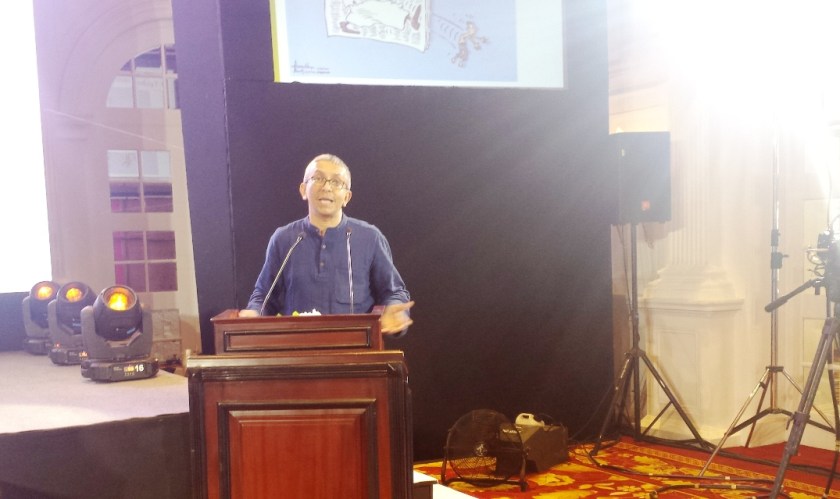
Science writer Nalaka Gunawardene speaks at National Policy Workshop on Prevention of Chronic Kidney Disease, held in Colombo on 16 Dec 2015
On 16 December 2015, I was invited by Sri Lanka’s Presidential Task Force for the Prevention of Chronic Kidney Disease to speak on this topic at the NATIONAL WORKSHOP ON PREVENTION OF CHORNIC KIDNEY DISEASE held in Colombo.
Speaking to an audience of scientists, health and agriculture sector public officials and policy makers, I briefly explored the kind of misinformation, myths and pseudo-science uncritically peddled by Lankan media.
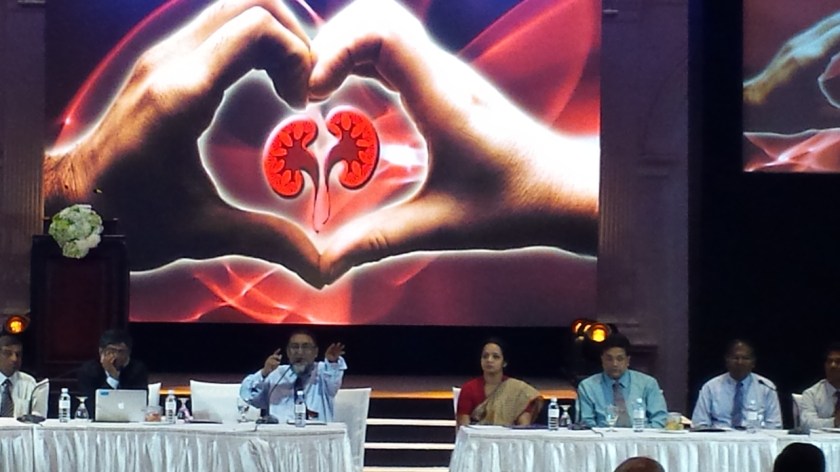
Professor Rezvi Sheriff, Sri Lanka’s top kidney specialist, chairing National Policy Workshop on CKDu in Colombo, 16 Dec 2015
Scientists are researching widely on what causes the Chronic Kidney Disease of unknown etiology (CKDu) in Sri Lanka that affects thousands of people (mostly farm workers) and burdens the public healthcare system. As health officials and policy makers struggle with the prolonged humanitarian emergency, unprofessional and fear-mongering media coverage often adds to public confusion and fear.
As a science writer, I have long been concerned about public communication of risk in times of distress. In late 2012, speaking at an Asian science communication workshop held in Colombo, I first coined the phrase: Mass Media Failure is complicating Mass Kidney Failure.
I revisited and updated this analysis,arguing that there are many reasons for systemic media failure in Sri Lanka that has allowed ultra-nationalists and certain environmental activists to pollute the public mind with half-truths and conspiracy theories. These need media industry level reform.
Meanwhile, for improving the CKDu information flow in society, I proposed some short, medium and long term recommendations.
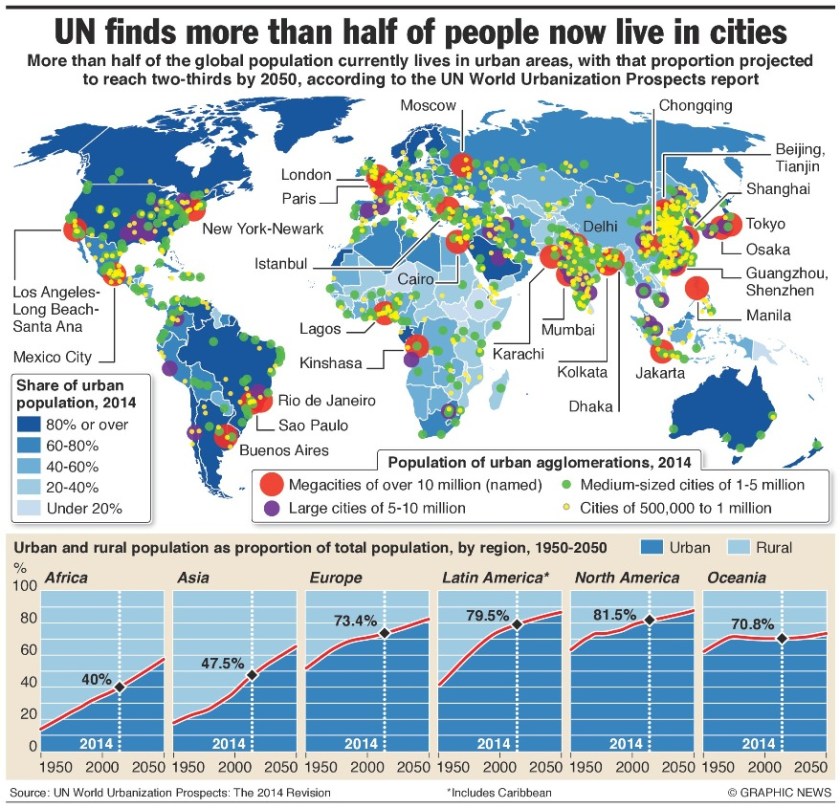
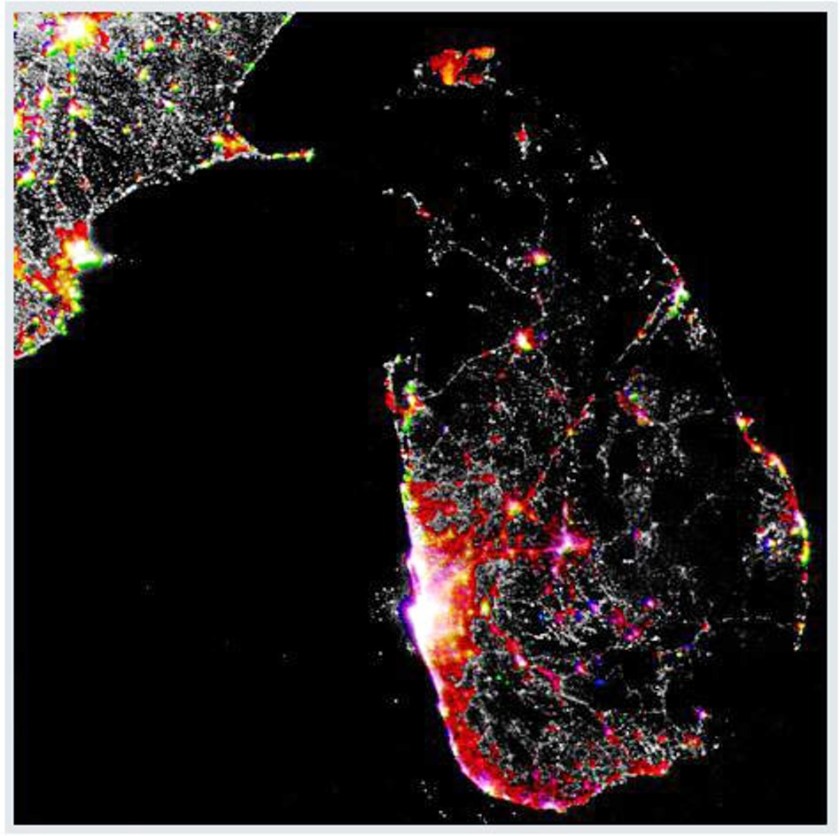
Sri Lanka’s 2012 Census of Population and Housing categorised only 18.2% of the Lankan population as being urban. However, that figure is highly misleading because we currently use a narrow definition.
Currently, only those living in Municipal Council (MC) or Urban Council (UC) areas are considered urban. However, some Pradeshiya Sabha areas (the next local government unit) are just as urbanised.
At the recent LBR/LBO Infrastructure Summit 2015 held in Colombo in early November, Minister of Megapolis and Western Development Champika Ranawaka took on this myth head on. He argued that Sri Lanka’s urban population share is probably as high as 48% — which is two and a half times higher than the current figure.
His concern: misconceptions such as this distort the country’s policy decisions on infrastructure planning and urban development.
The World Bank’s global lead for urban development strategies, Sumila Gulyani, who spoke during the opening session, agreed with the Minister’s contention of nearly half of Sri Lanka’s population having already become urban.
I discuss the matter in this week’s Ravaya column, (appearing in issue of 29 Nov 2015).
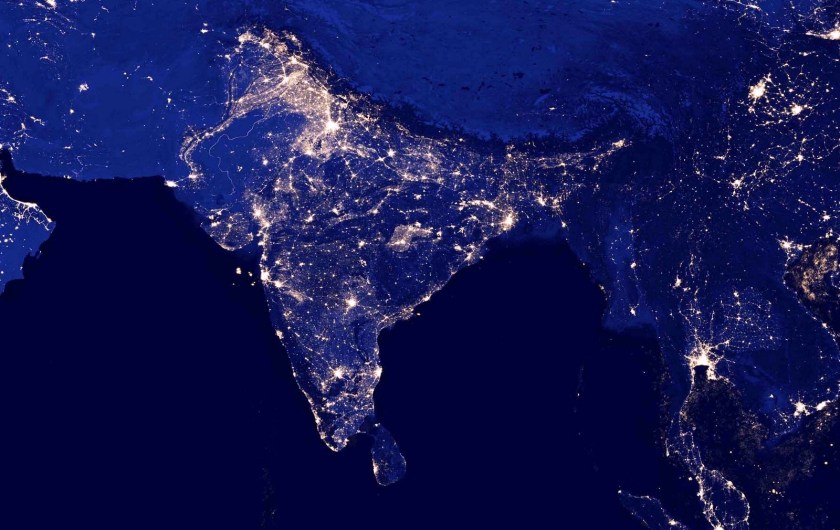
South Asia at night – composite satellite image acquired by NASA between April 18 – October 23, 2012 This new image of the Earth at night is a composite assembled from data acquired by the Suomi National Polar-orbiting Partnership (Suomi NPP) satellite over nine days in April 2012 and thirteen days in October 2012. It took 312 orbits and 2.5 terabytes of data to get a clear shot of every parcel of Earth’s land surface and islands.
Today, I gave the opening speech at an introductory seminar on ‘open data’ held at the Sri Lanka Press Institute, Colombo, on 15 Oct 2015.
Organised by InterNews and Transparency International Sri Lanka, the seminar explored the concepts of ‘open data’ and ‘big data’ and discussed that role civil society, media and technologists can play in advocating to government to open up its data, enabling a culture of transparency and open government.
An Open Dialogue on Open Data – 15 Oct 2015 Coloombo – L to R – Sriganesh Lokanathan, Nalaka Gunawardene, Sanjana Hattotuwa [Photo by Sam de Silva]My premise was that while the proliferation of digital tools and growth of web-based data storage (the cloud) opens up new possibilities for information generation and sharing, South Asian societies need to tackle institutional and cultural factors before democratised and digital data can really transform governance and development. Our countries must adopt more inclusive policies and practices for public sharing of scientific and other public data.
This resonates with a call by the United Nations for a ‘data revolution for development’. I cited the UN Secretary-General’s Independent Expert Advisory Group on a Data Revolution for Sustainable Development (IEAG) highlighted this in a report titled A World That Counts: Mobilising The Data Revolution for Sustainable Development (Nov 2014).
A World that Counts…
I also referred to the Sustainable Development Goals (SDGs) that were adopted by member states of the UN at a heads of state level summit in New York on 25-27 September 2015. Underpinning all 17 SDGs is an explicit recognition of the value of data for development — to better inform decisions, and to better monitor progress.
Sri Lanka’s President Maithripala Sirisena addressed the Summit, and officially committed Sri Lanka to the SDGs. I argue that implicit in that commitment is a recognition of data for development and open data policies. We now need to ask our government to introduce a government-wide policy on data collection, storage and sharing. In short, it must open up!
This was my open call to the President to open up:
Open Your Govt’s Data, Mr President! Hope you don’t give us HAL’s famous answer…
Sri Lanka has taken tentative steps towards open data. In 2013, the Open Data initiative of Government started making some official datasets freely available online. It focuses on machine-readable (well-structured and open) datasets.
I quoted from my own recent op-ed published in Daily Mirror broadsheet newspaper:
After many years of advocacy by civil society, Sri Lanka will soon adopt a law that guarantees citizens’ Right to Information (RTI). It has recently been added to the Constitution as a fundamental right.
Passing the RTI law is only a beginning — institutionalising it requires much effort, considerable funds, and continued vigilance on civil society’s part.
RTI is Coming: Are We Ready? My question to Lankan civil society and media
As champions of RTI, media and civil society must now switch roles, I said. While benefiting from RTI themselves, they can nurture the newly promised openness in every sphere, showing citizens how best to make use of it. Reorienting our public institutions to a new culture of openness and information sharing will be an essential step.
Text of my column written for Echelon monthly business magazine, Sri Lanka, July 2015 issue
Kidney Disease Needs ‘Heart and Mind’ solutions
By Nalaka Gunawardene
Mass kidney failure in Sri Lanka is a sign of wider systemic failure in land and water care
If bans and prohibitions were a measure of good governance, Sri Lanka would probably score well in global rankings. Successive governments have shown a penchant for banning – usually without much evidence or debate.
The latest such ban concerns glyphosate — the world’s most widely used herbicide – on the basis that it was causing chronic kidney disease in parts of the Dry Zone.
Then, on 29 May 2015, state-owned Daily News reported under Cabinet decisions: “The scientists who carry out research on renal diseases prevailing in many parts of the country have pointed out that the use of pesticides, weedicides and chemical fertiliser could be contributing to this situation. Accordingly the government has already banned the import and usage of four identified chemical fertilizer and pesticides. In addition to this President has decided to totally ban the import and usage of glyphosate.”
Has this decision tackled the massive public health and humanitarian crisis caused by mass kidney failure? Sadly, no. The new government has ignored the views of a vast majority of Lankan scientists, and sided with an unproven hypothesis. This undermines evidence-based policy making and allows activist rhetoric to decide affairs of the state.
The chronic kidney disease was first reported from certain parts of the Dry Zone in the early 1990s. Hundreds were diagnosed with kidney failure – but none had the common risk factors of diabetes, high blood pressure or obesity. Hence the official name: Chronic Kidney Disease of uncertain aetiology, or CKDu.
The disease built up stealthily in the body, manifesting only in advanced stages. By then, regular dialysis or transplants were the only treatment options. Most affected were male farmers in working age, between 30 and 60 years.
In early 2013, the Ministry of Health estimated that some 450,000 persons were affected. The cumulative death toll has been reported between 20,000 and 22,000, but these numbers are not verified.
The kidney specialist who first detected the disease worries that some activists are exaggerating CKDu numbers. Dr Tilak Abeysekera, who heads the department of nephrology and transplantation at the Kandy Teaching Hospital, underlines the critical need for correct diagnosis. CKDu should not be confused with regular types of kidney disease, he says.
It is clear, however, that CKDu has become a national humanitarian emergency. Providing medication and dialysis for those living with CKDu already costs more than 5% of the country’s annual health budget. With each dialysis session costing around LKR 12,000 (and 3 or 4 needed every week), very few among the affected can afford private healthcare.
Besides the mounting humanitarian cost, CKDu also has implications for agricultural productivity and rural economies as more farmers are stricken. With the cause as yet unknown (although confirmed as non-communicable), fears, myths and stigma are also spreading.
Looking for Causes
For two decades, researchers in Sri Lanka and their overseas collaborators have been investigating various environmental, geochemical and lifestyle-related factors. They have come up with a dozen hypotheses, none of it proven as yet.
Among the environmental factors suspected are: naturally high levels of Fluoride in groundwater; use of Aluminium utensils with such water; naturally occurring hard water (with high mineral content); cyanobacterial toxins in water; pesticide residues; and higher than safe levels of Cadmium or Arsenic. Lifestyle factors studied include the locally brewed liquor (kasippu), and certain Ayurvedic medicinal concoctions. Genetic predisposition to kidney failure has also been probed in some areas.
Researchers are baffled why CKDu is found only in certain areas of the Dry Zone when these environmental and lifestyle factors are common to a much larger segment of population. This makes it much harder to pinpoint a specific cause.
The most comprehensive study to date, the National CKDu Research Project (2009-2011), concluded that CKDu results from not one but several causes. The multidisciplinary study, led by Ministry of Health with support from the World Health Organisation (WHO), highlighted several risk factors. These include long-term exposure to low levels of cadmium and arsenic through the food chain, which are linked to the wide use of chemical fertilisers and pesticides. Selenium deficiency in the diet and genetic susceptibility might also play a part, the study found.
These findings were academically published in BMC Nephrology journal in August 2013 (See: www.biomedcentral.com/1471-2369/14/180). The paper ended with these words: “Steps are being taken to strengthen the water supply scheme in the endemic area as well as the regulations related to procurement and distribution of fertilizers and pesticides. Further studies are ongoing to investigate the contributory role of infections in the pathogenesis of CKDu.”
Hazards of Pseudoscience
One thing is clear. Remedial or precautionary measures cannot be delayed until a full understanding of the disease emerges. Indeed, WHO has recommended taking care of the affected while science takes its own course.
CKDu needs a well-coordinated response from public health, agriculture and water supply sectors that typically fall under separate government ministries and agencies. We need to see mass kidney failure as more than just a public health emergency or environmental crisis. It is a sign of cascading policy failures in land care, water management and farming over decades.
In such complex situations, looking for a single ‘villain’ is both simplistic and misleading. For sure, the double-edged legacy of the Green Revolution — which promoted high external inputs in agriculture — must be critiqued, and past policy blunders need correction. Yet knee-jerk reactions or patchy regulation can do more harm than good.
“In Sri Lanka we have a powerful lobby of pseudoscientists who seek cheap popularity by claiming to work against the multinational corporations for their own vested political interests,” says Dr Oliver A Ileperuma, a senior professor of chemistry at Peradeniya University. In his view, the recent glyphosate ban is a pure political decision without any scientific basis.
His concerns are shared by several hundred eminent Lankan scientists who are fellows of NASSL, an independent scientific body (not a state agency). The Academy said in a statement in mid June that it was “not aware of any scientific evidence from studies in Sri Lanka or abroad showing that CKDu is caused by glyphosate.”
NASSL President Prof Vijaya Kumar said: “The very limited information available on glyphosate in Sri Lanka does not show that levels of glyphosate in drinking water in CKDu affected areas (North Central Province) are above the international standards set for safety. CKDu is rarely reported among farmers in neighbouring areas such as Ampara, Puttlam and Jaffna or even the wet zone, where glyphosate is used to similar extent. It has also not been reported in tea growing areas where glyphosate is far more intensively used.”
Agrochemical regulation
In recent years, the search for CKDu causes has become too mixed up with the separate case for tighter regulation of agrochemicals, a policy need on its own merit. International experience shows that a sectoral approach works better than a chemical by chemical one.
The bottomline: improving Sri Lanka’s agrochemical regulation needs an evidence-based, rigorous process that does not jeopardize the country’s food security or farmers’ livelihoods. A gradual shift to organic farming (currently practiced on less than 2% of our farmland) is ideal, but can take decades to accomplish.
Our health and environmental activists must rise above their demonise-and-ban approaches to grasp the bigger picture. They can do better than ridiculing senior scientists who don’t support populist notions. Effective policy advocacy in today’s world requires problem solving and collaboration – not conspiracy theories or confrontation.
Hijacking a human tragedy like CKDu for scoring cheap debating points is not worthy of any true activist or politician.
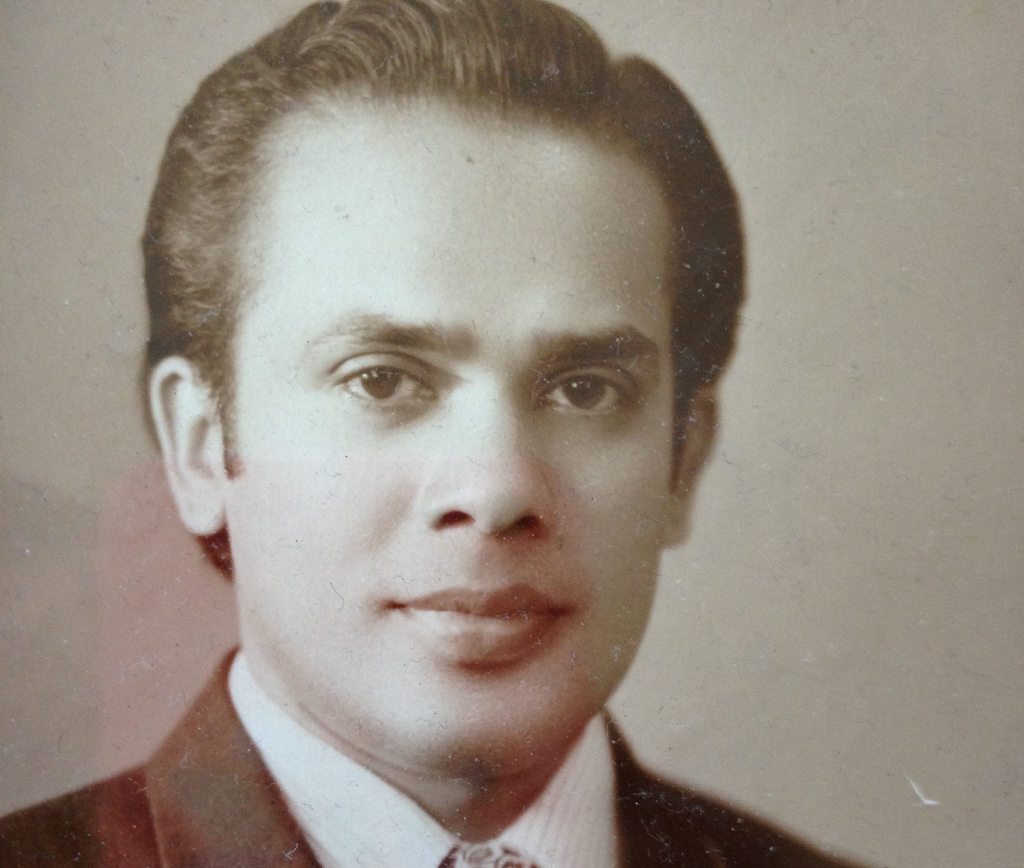
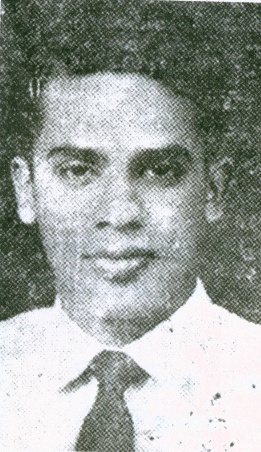
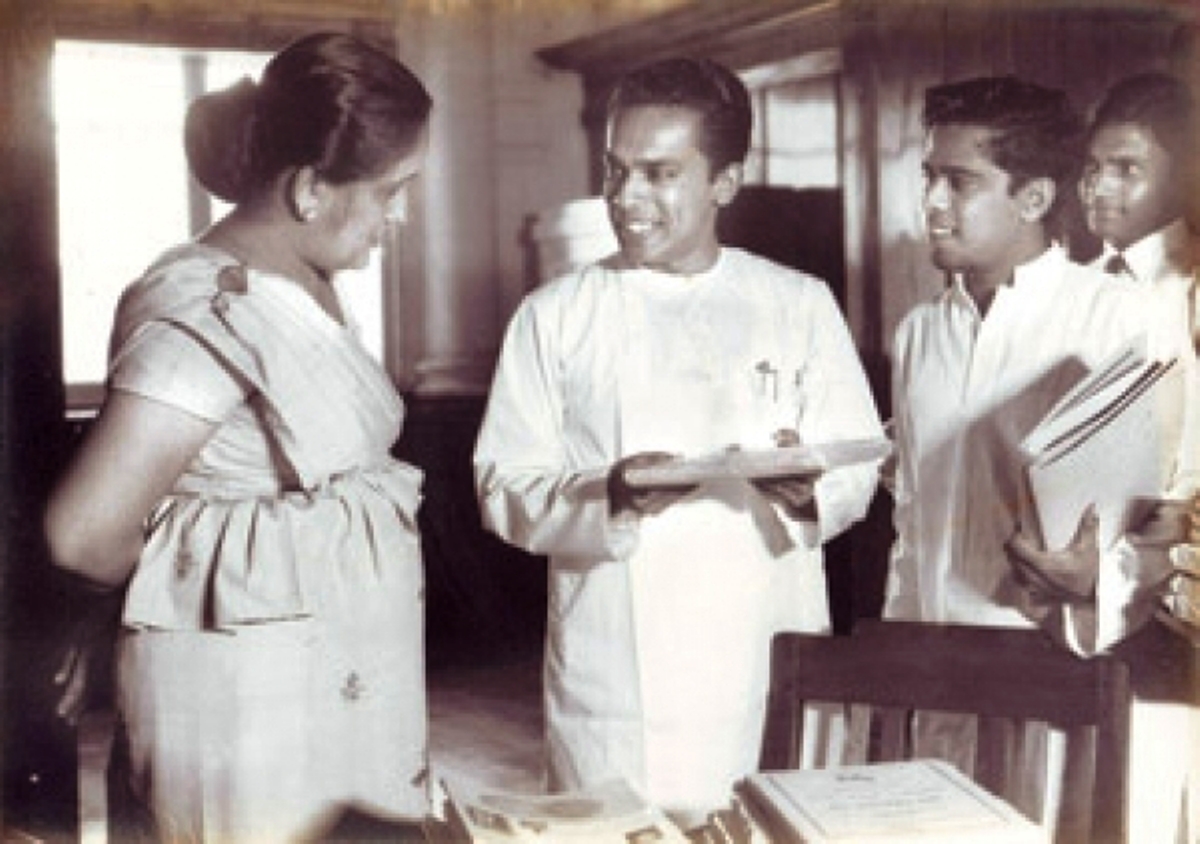
Dr Buddhadasa Bodhinayake – Science communication trail-blazer in Sri Lanka
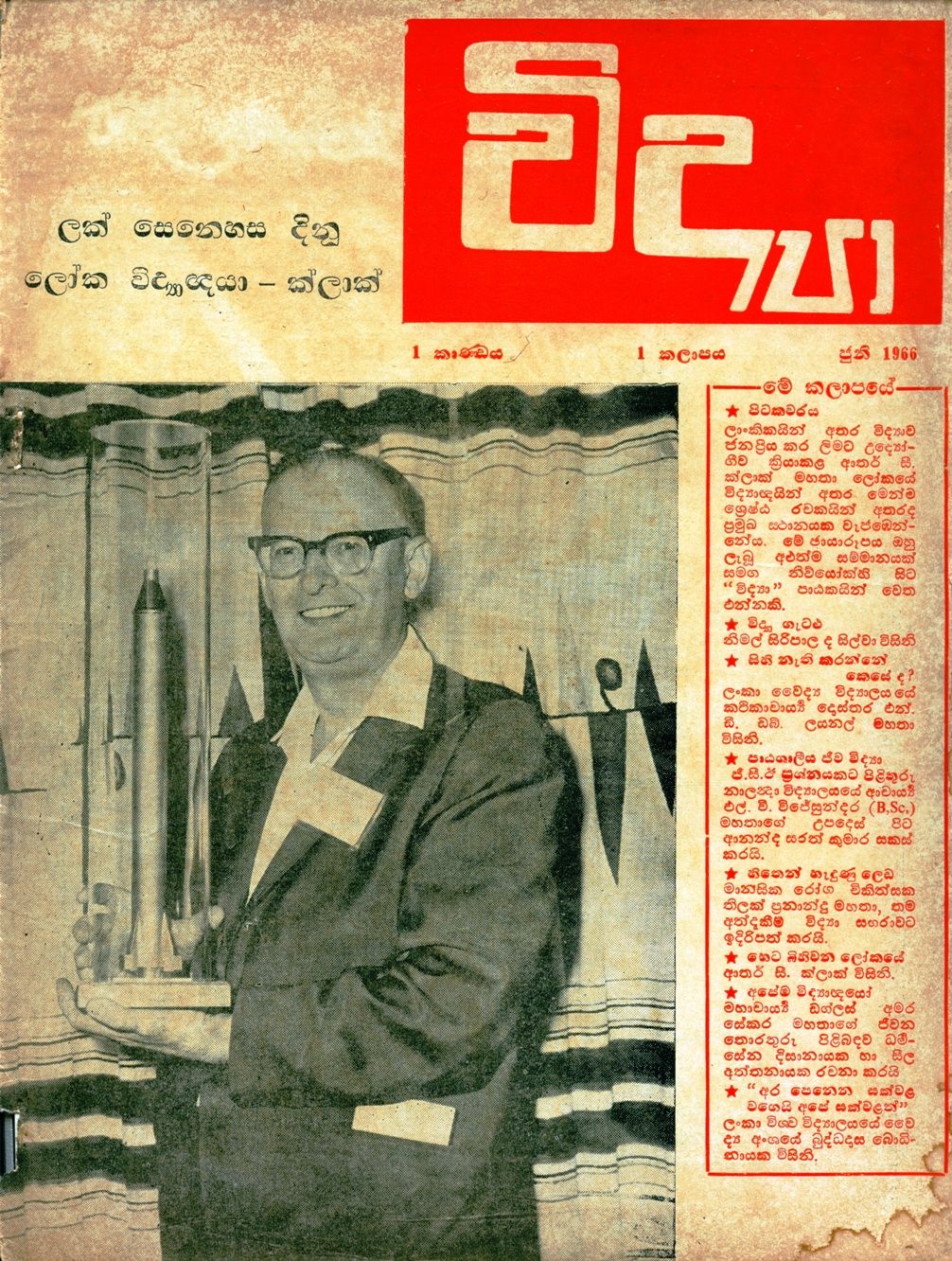
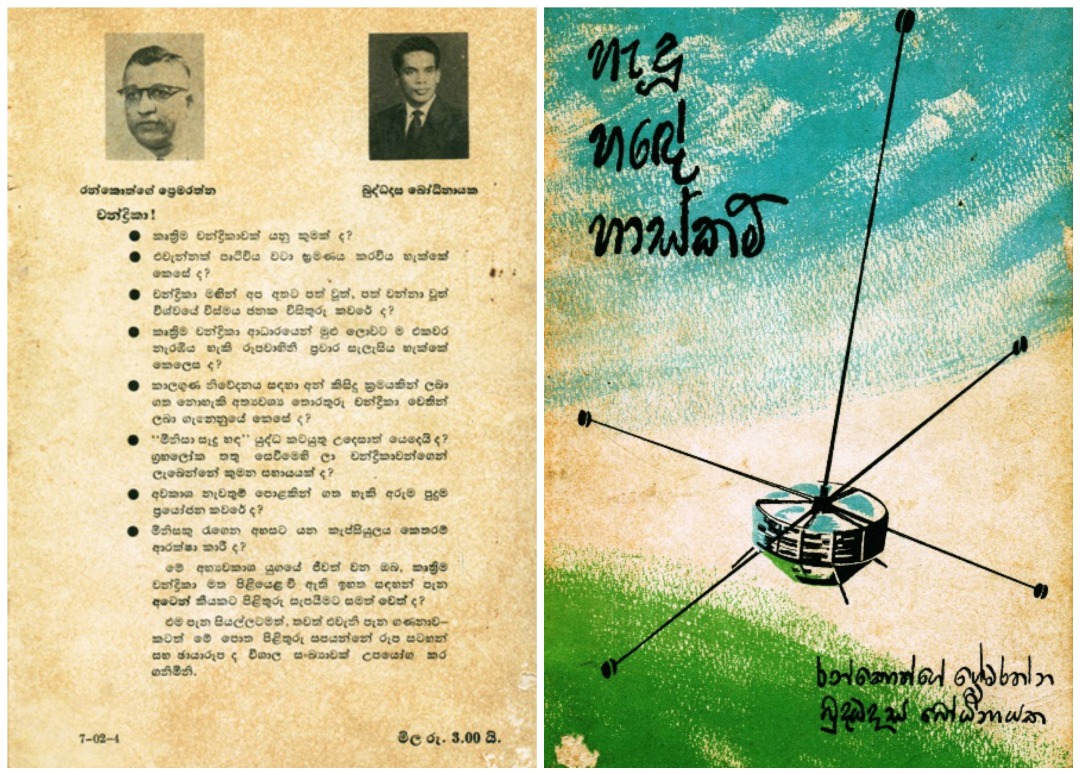
Dr Buddhadasa Bodhinayake, who died on 4 March 2015 in the UK, was a trail-blazing science and health communicator in Sri Lanka in the 1960s and 1970s. While still a schoolboy, he wrote the first Sinhala language book on space travel in 1961, which he co-authored with Arthur C Clarke. In the early 1970s, he also wrote the first local book on child psychology.
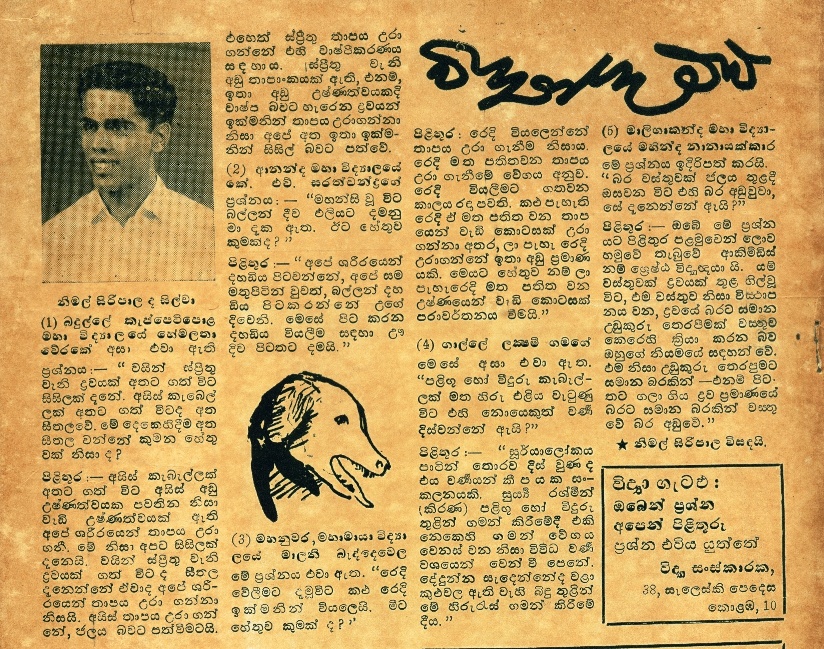
While being a high school student, medical student and after becoming a medical doctor, Bodhinayake continued writing to newspapers and presenting science programmes on radio. In June 1966, he launched Vidya monthly science magazine, which had a long and illustrious innings until 2006.
In this week’s Ravaya column (in Sinhala, published on 22 March 2015), I recall highlights of Dr Bodhi’s science communication work, and capture memories of some of his teachers and contemporaries. I also acknowledge the inspiration I derived from his work while growing up in the 1970s.
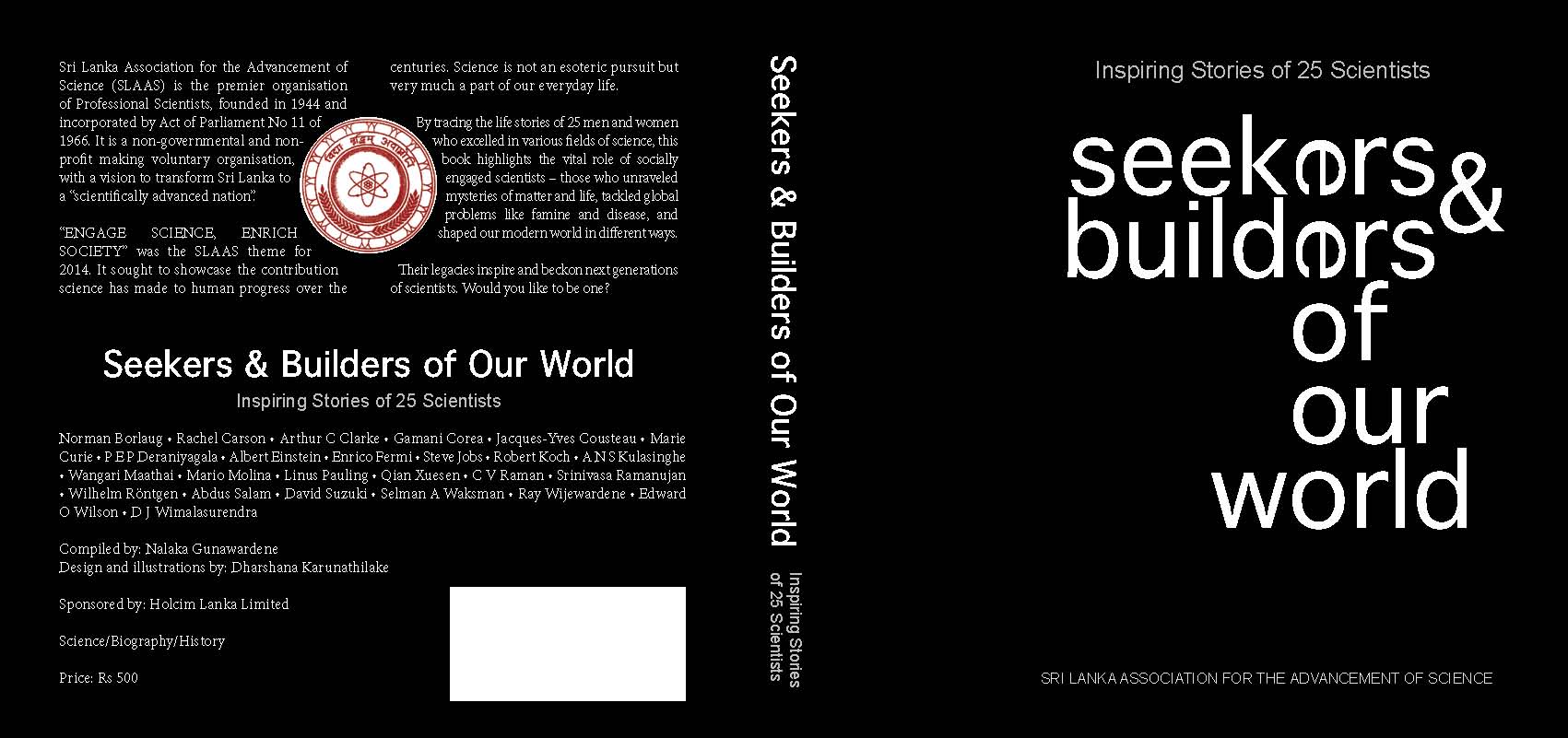
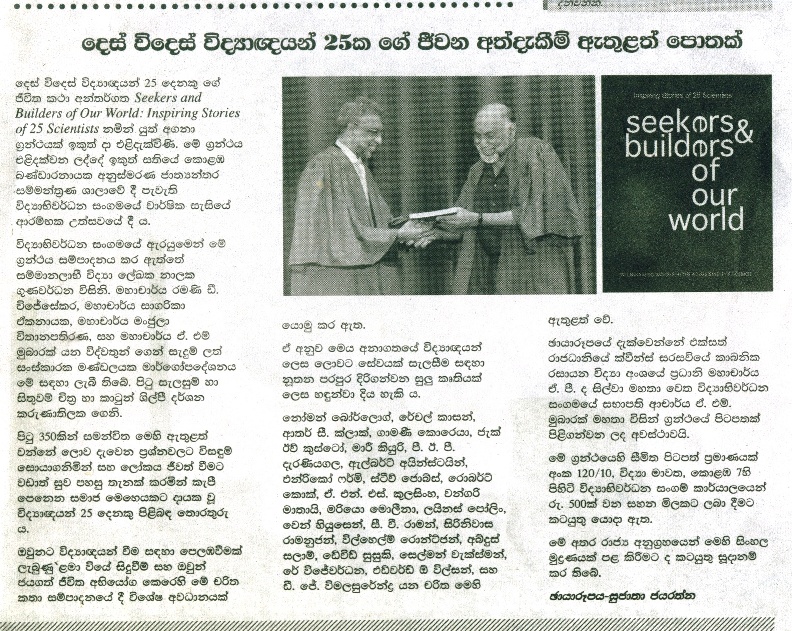
Vidusara, Sri Lanka’s only weekly science newspaper, carries this news item in its issue of 10 December 2014 on my latest book, just published by Sri Lanka Association for the Advancement of Science (SLAAS):
Titled ‘Seekers and Builders of Our World: Inspiring Stories of 25 Scientists’, the 350-page book highlights the vital role of socially engaged scientists – those who unraveled mysteries of matter and life, tackled global problems like famine and disease, and shaped our modern world in different ways.
The book will be launched at the opening ceremony of SLAAS Annual Sessions at BMICH Colombo on 1 December 2014.
At the invitation of SLAAS, the book was authored by the award-winning science writer Nalaka Gunawardene. It was designed and illustrated by artist and cartoonist Dharshana Karunathilake.
“Publication of this book hopes to ignite an interest in young minds and engage the next generation of scientists early so that they can be a part of the knowledge base that we badly need to nurture in our country,” says Dr A M Mubarak, General President of SLAAS for 2014, in his foreword to the book.
Among those profiled in the book are biologists, chemists, engineers, mathematicians, physicists and information technology pioneers. Some of them made pioneering discoveries – such as antibiotics, radioactivity and relativity – while others were responsible for pushing the limits of knowledge, design and technology.
Particular focus has been given to childhood influences that inspired them to pursue scientific careers, as well as life challenges – including poverty, societal discrimination or disability — they overcame with hard work, resolve and imagination.
The 25 personalities (in alphabetical order) are: Norman Borlaug; Rachel Carson; Arthur C Clarke; Gamani Corea; Jacques-Yves Cousteau; Marie Curie; P E P Deraniyagala; Albert Einstein; Enrico Fermi; Steve Jobs; Robert Koch; A N S Kulasinghe; Wangari Maathai, Mario Molina; Linus Pauling; Qian Xuesen; C V Raman; Srinivasa Ramanujan; WilhelmRöntgen; Abdus Salam; David Suzuki; Selman A Waksman; Ray Wijewardene; Edward O Wilson; and D J Wimalasurendra.
These names were chosen to inspire not only recent science graduates but also students in GCE Ordinary Level and Advanced Level classes and to promote a culture of research and spirit of inquiry.
“Engage Science, Enrich Society” has been the SLAAS theme for 2014. It sought to showcase the contribution science has made to human progress over the centuries. Through life stories of local and international scientists, the book reminds us that science is not an esoteric pursuit but very much a part of everyday life.
SLAAS is the premier organisation of professional scientists in Sri Lanka. Founded in 1944 and incorporated by Act of Parliament No 11 of 1966, it is a non-governmental and non-profit making voluntary organisation, with a vision to transform Sri Lanka to a “scientifically advanced nation”.
The book is being sold at a subsidised price of Rs 500. Limited copies will be available for sale from SLAAS office, “Vidya Mandiraya”, 120/10, Wijerama Road, Colombo 7, from December 5 onwards.
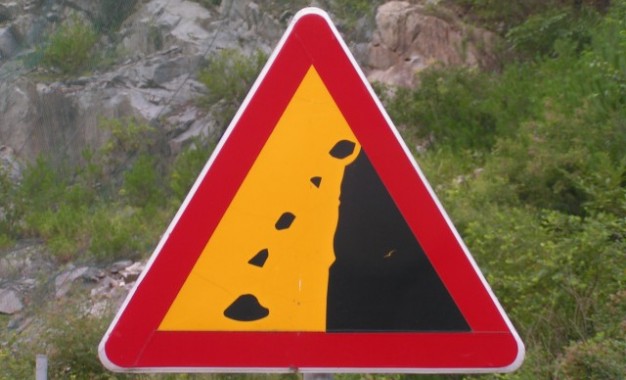
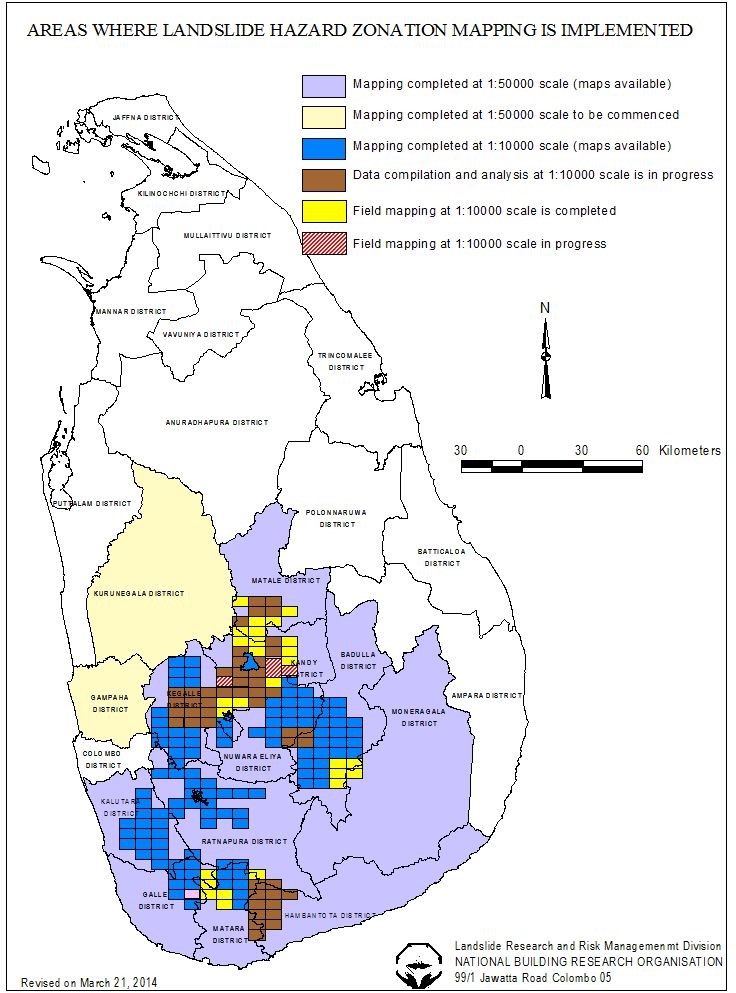
In this week’s Ravaya column (in Sinhala), published on 9 November 2014, I reflect on the recent landslide in Meeriyabedda, Koslanda, Sri Lanka on 29 October. The disaster wiped out an entire settlement of plantation workers whose houses were built on a hill already identified as prone to landslide hazards.
I discuss landslide hazard mapping being done for two decades by National Building Research Organisation (NBRO) and ask what failures in risk communication led to this preventable tragedy. I also quote NBRO scientists as saying how climate change and resulting increase in extreme rainfall events can trigger more landslides.
The Sunday Observer newspaper in Sri Lanka recently sought my views on the concept of ‘Science for All’, which comes into focus with World Science Day observed globally on November 10. I sent them an op-ed of 700 words, from which they have quoted extensively in a long feature published today: http://www.sundayobserver.lk/2014/11/09/spe05.asp
Here, for the record, is my full essay in original form:
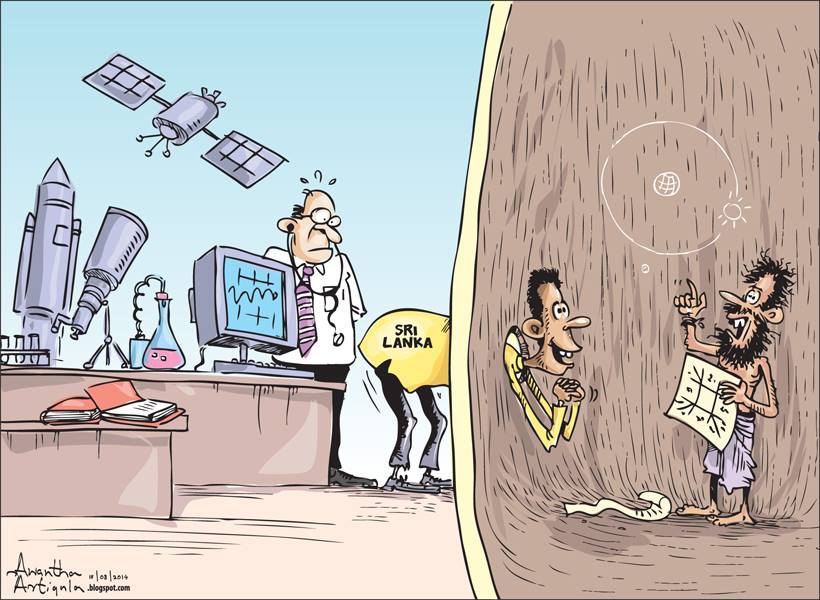
We can take the citizen to Science but…? Cartoon by Awantha Artigala
The annual, global event was initiated in 2001 by UNESCO, the UN agency covering education, science and culture. It is an opportunity to remind ourselves why science is relevant to our daily lives.
World Science Day aims to ensure that everyone is kept informed of new developments in science, and the role scientists in society is understood and valued.
The notion of ‘Science for All’ is not confined to scientific subjects studied in school or university. Science is much more than textbooks, laboratories and experts.
Some among us are drawn to studying science and technology in depth and pursue careers in medicine, engineering or other specialized fields. Sri Lanka certainly needs such highly skilled persons to transform the economy and society.
Beyond this, however, every citizen needs a certain minimum knowledge and understanding of science and technology to lead productive and safe lives today. Without it, we can get easily confused, sidelined or exploited by various scams.
Consider a few recent headline-making developments.
Last month, an international health conference held in Colombo heard that no new malaria cases had been reported in Sri Lanka since October 2012. It suggests that we have probably eliminated the ancient disease from our island. Science based disease surveillance and control measures were responsible for this feat in public health.
The Koslanda landslide on 29 October destroyed an entire settlement, instantly burying many innocent people and making hundreds more homeless. That was a national tragedy, especially as the hazard was identified by scientists at the National Building Research Organisation (NBRO) who had repeatedly warned the people at risk to relocate.
Alas, that did not happen for socio-economic reasons. A key lesson of Koslanda is that hazard information and warnings need timely and effective communication. To be effective, they need to be accompanied by viable alternatives to those at risk.
We often read media reports that can be scary. We hear about pesticide residues in our food, the rising number of road traffic accidents, and the danger of digital identity theft. Some basic scientific knowledge and technical skills become essential survival tools in the 21st century. Science cannot be left to scientists alone.
We can understand this with a sporting analogy. Our national passion of cricket is played professionally by a handful of men and women who make up the national teams and pools. But practically all 20 million Lankans know enough about cricket to follow and appreciate the game.
Similarly, we have a few thousand professionals practising or teaching science and technology for a living. The rest of society also needs to know at least the basic concepts — and limits — of science.
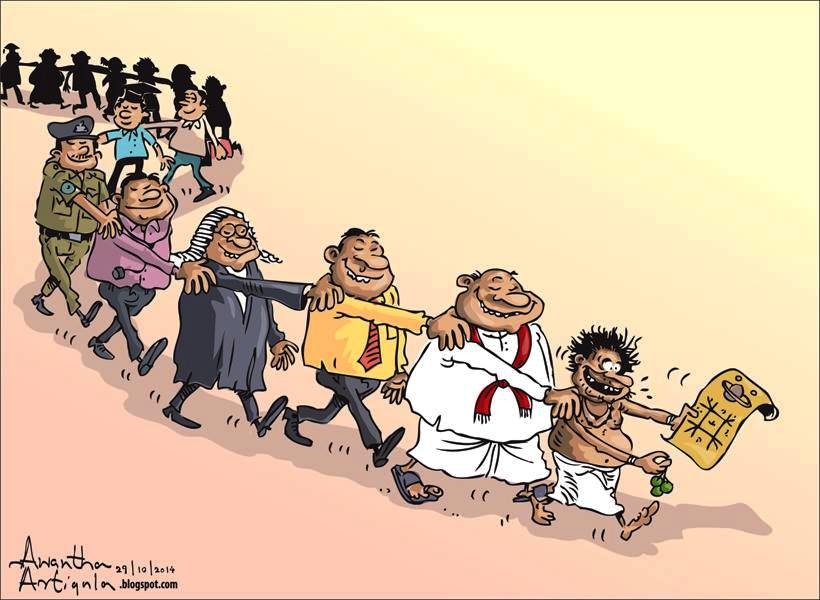
Science for All would be a ‘good idea’ for a nation obsessed with astrology! Cartoon by Awantha Artigala
For example, the scientific method involves questioning and investigating before accepting anything. A healthy dose of scepticism is very useful to safeguard ourselves from superstitions and increasingly sophisticated – but not always honest – product advertising.
The Coordinating Secretariat for Science, Technology and Innovation (COSTI, website: http://costi.gov.lk), set up in 2013 under the Senior Minister of Science and Technology, has recently set up a National Coordinating Council on Science for All in Sri Lanka. Its mandate is to empower Lankans of all ages and walks of life with science knowledge to enable them to make informed decisions in everyday life.
The Council wants to play a catalytic role, inspiring media, education and professional institutions to promote science communication as an essential survival skill for modern times. It will collaborate with such message ‘multipliers’ who can help reach large numbers of people quickly. A national policy on science communication is to be drawn up to guide future activities.
American astronomer Carl Sagan (1934 – 1996) was at the forefront in promoting science for its sense of wonder and also for countering pseudoscience. As he used to say, “Our species needs, and deserves, a citizenry with minds wide awake and a basic understanding of how the world works.”
[Award-winning science writer Nalaka Gunawardene counts over 25 years of national and international experience, and serves as co-chair of the recently established National Coordinating Council on Science for All in Sri Lanka.]


![An Open Dialogue on Open Data - 15 Oct 2015 Coloombo - L to R - Sriganesh Lokanathan, Nalaka Gunawardene, Sanjana Hattotuwa [Photo by Sam de Silva]](https://nalakagunawardene.com/wp-content/uploads/2015/10/an-open-dialogue-on-open-data-15-oct-2015-coloombo-l-to-r-sriganesh-lokanathan-nalaka-gunawardene-sanjana-hattotuwa.jpg)


 Open Minds!