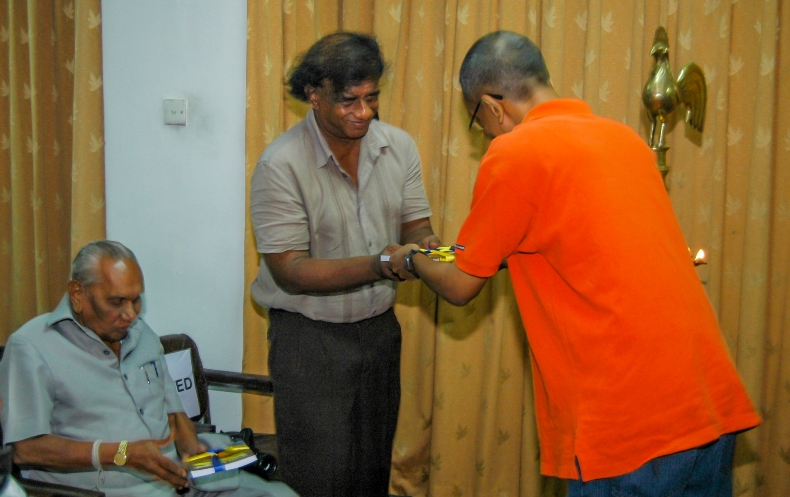
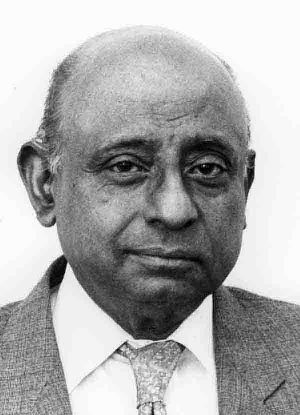
Nalaka presenting book to his science teacher & first publisher, Asanga Abeysundara
Asanga Abeysundara was my zoology teacher as well as my earliest editor-publisher. For several years in the 1980s, he edited and published (in properly printed form) a progressive science magazine in Sinhala named Maanawa (meaning ‘human’).
This non-profit publication, started in 1978 as a wall newspaper at the University of Colombo by its founder when he was an undergraduate there, later evolved into a magazine with a small circulation and loyal readership.
It was a platform for aspiring young writers – many of them in school or university at the time – to write about science, technology and their impact on society. As part of the editorial team, I remember we covered big issues like the origins of life, cost-benefits of space exploration, HIV/AIDS and human evolution.
Maanawa was entirely a labour of love: everybody, including the editor, worked for free. But printers and distributors charged for their services, which the limited sales couldn’t recover. So, despite passion and voluntary editorial inputs, the magazine stopped printing after sometime.
Yet, showing resilience and innovation, Maanawa became the first Sinhala publication to produce an Internet edition in 1996 — the year after commercial connectivity was introduced in Sri Lanka. The web edition, which played a pioneering role, is no longer online.
But this modest yet spirited publication had lasting influence on Sri Lanka’s science communication scene. Many writers who cut their teeth at Maanawa later joined Vidusara, a weekly science magazine launched by a commercial publisher in late 1987.
Others, like Chanuka Wattegama and myself, went in different directions — but are still active in science communication in one way or another.
In December 2012, I invited Asanga as a guest of honour to the launch of my Sinhala book, Mind Journeys with Arthur C Clarke. Chanuka, who wrote the introduction to the book, was a speaker (along with Dr Rohan Samarajiva).
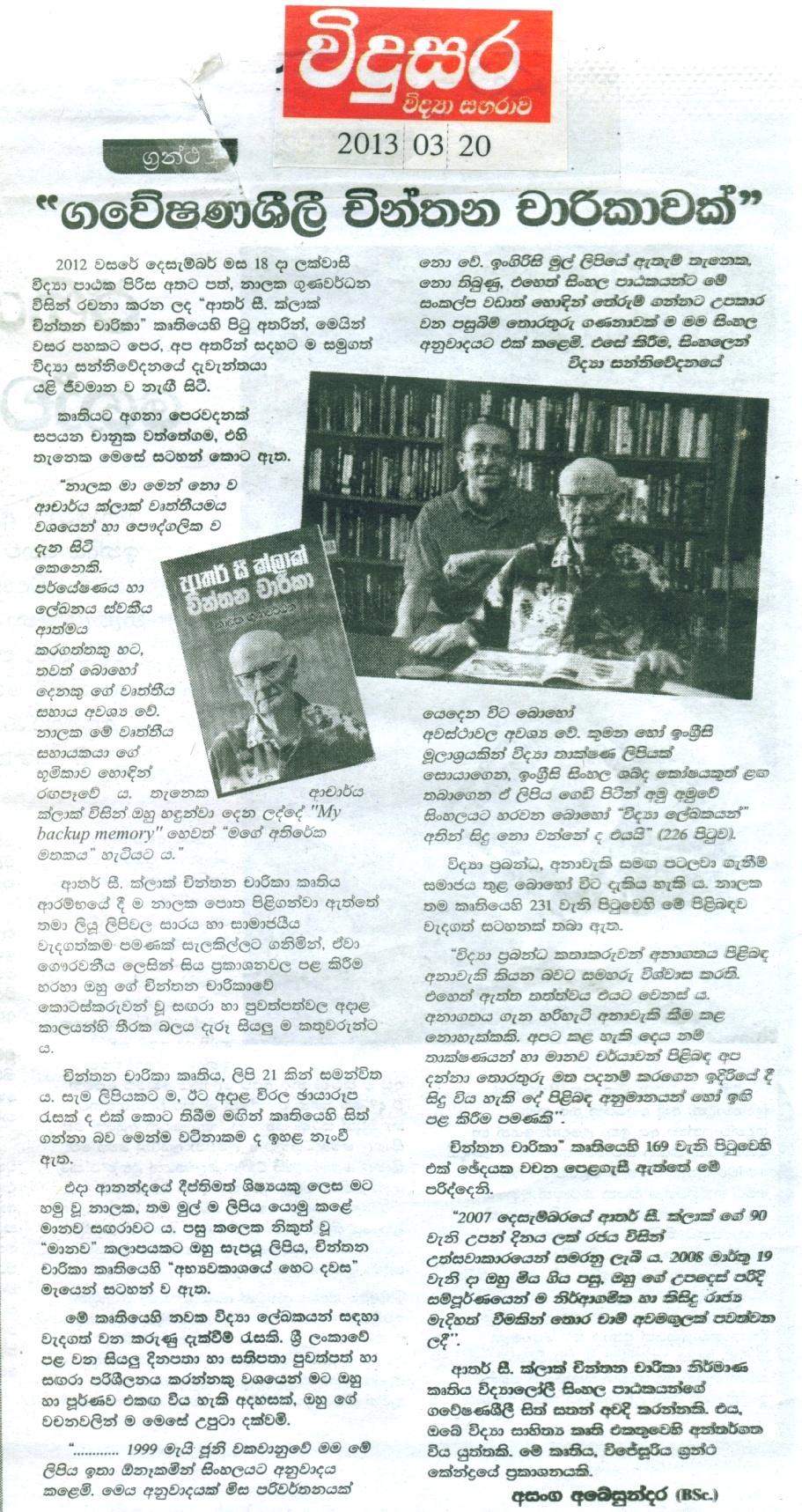
I’m delighted to read Asanga write a review of the book, which appears in Vidusara issue of 20 March 2013:
Vidusara review of Arthur C Clarke Chintana Charika by Nalaka Gunawardene
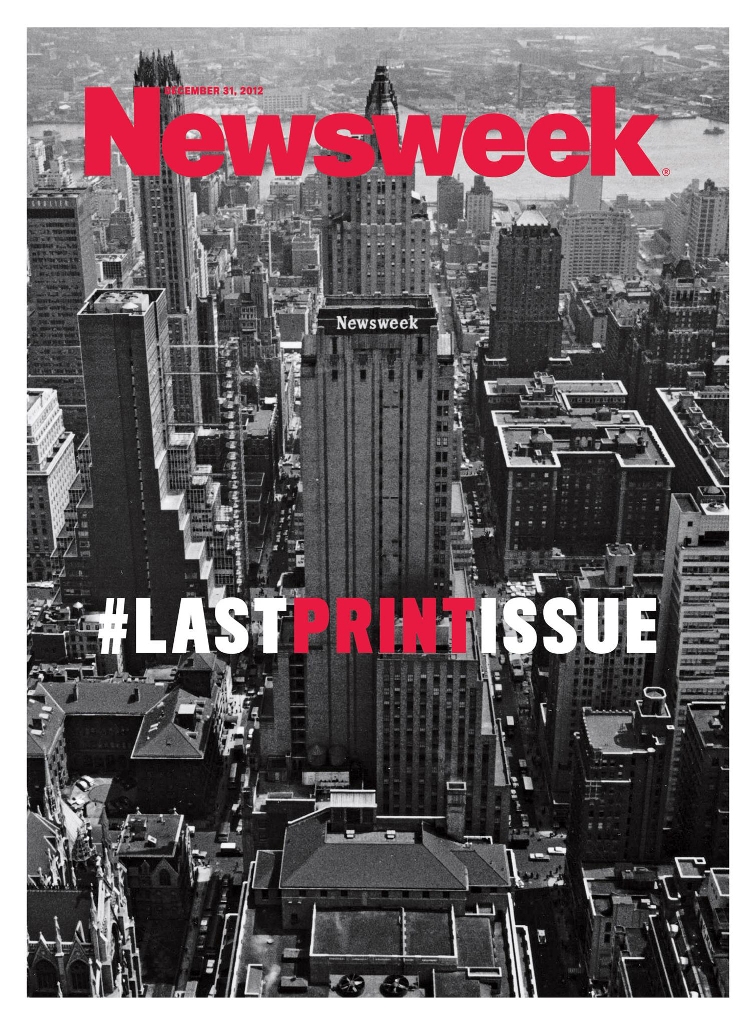
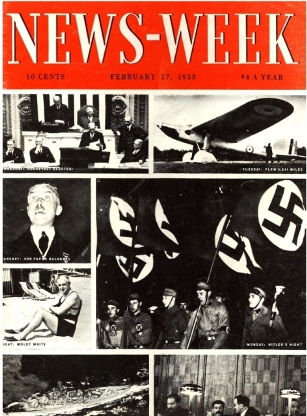
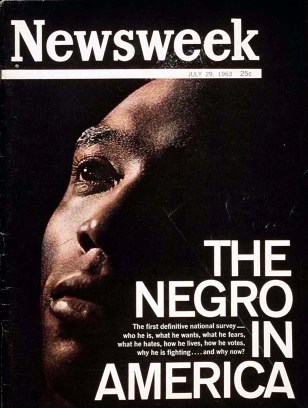
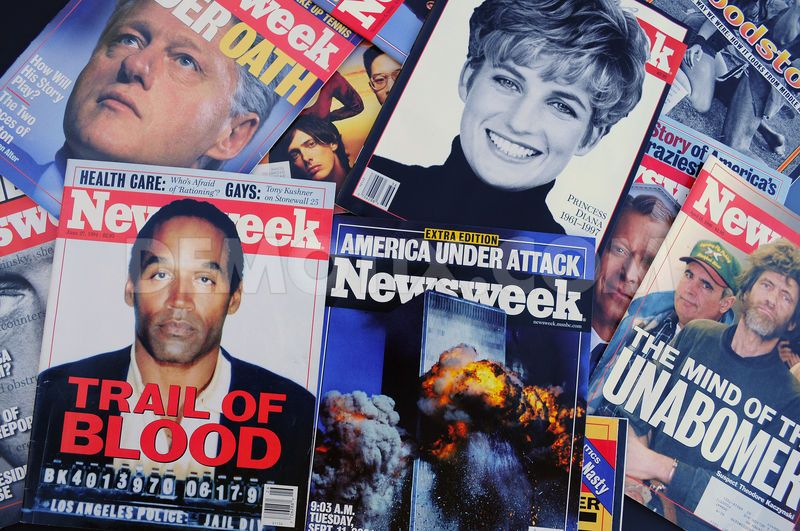
In this week’s Ravaya column (in Sinhala), I look back at the Newsweek magazine’s illustrious history of nearly 80 years, and reflect on the phenomenon of news magazines: are their days numbered, at least in print?
“Sri Lanka’s newspaper history dates back to Colombo Journal (1832) which apparently had a short but feisty life before it invoked the ire of the British Raj. Nearly two centuries and hundreds of titles later, the long march of printer’s ink — laced with courage and passion – continues.
“How long can this last?
Print journalism’s business models are crumbling in many parts of the world, with decades old publications closing down or going entirely online. This trend is less pronounced in Asia, which industry analysts say is enjoying history’s last newspaper boom. Yet, as I speculated three years ago when talking to a group of press barons, we’ll be lucky to have a decade to prepare for the inevitable…”
These are excerpts from a short essay I originally wrote last week to mark the first anniversary of Ceylon Today newspaper, where I’m a Sunday columnist. It was printed in their first anniversary supplement on 18 Nov 2012.
Groundviews.org has just republished it today, making it easily available to a much wider audience. Read full essay:
Another excerpt: “In the coming years, waves of technology, demographics and economics can sweep away some venerable old media along with much of the deadwood that deserves extinction. The adaptive and nimble players who win audience trust will be the ones left to write tomorrow’s first drafts of history.”
In Sri Lanka, mass kidney failure during the past two decades has been followed by what I call a mass media failure. Most of our media have failed to understand, analyse and report adequately on this public health emergency. Instead of helping affected people and policy makers to work out solutions, some journalists have become amplifiers of extreme activist positions.
I talked about this at at the International Science Communication Leadership Workshop, held as part of Association of Academies & Societies of Sciences in Asia (AASSA) General Assembly in Colombo, 16-19 October 2012. An English article based on my talk appeared in Ceylon Today a few days ago:
Mass Kidney Failure & Mass Media Failure: Go ‘Upstream’ for Remedies!
I have just written up similar views (NOT a translation!) for my weekend Sinhala language column in Ravaya broadsheet newspaper:
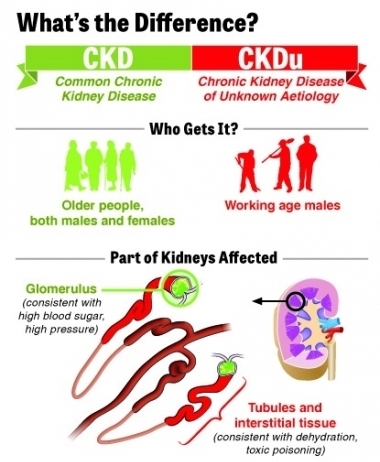
CKDu infographic courtesy Center for Public Integrity, USA
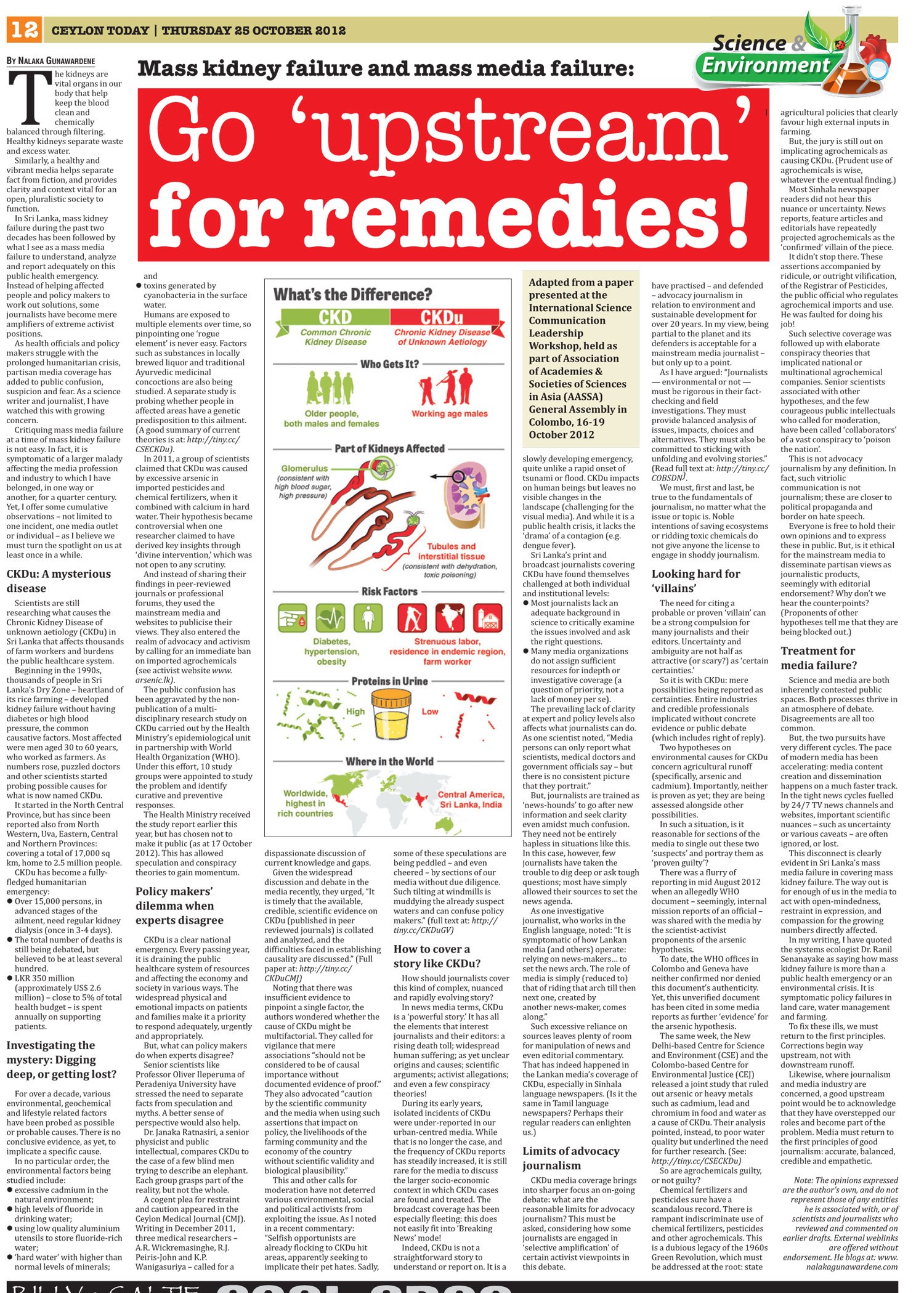
Ceylon Today newspaper has just published my article titled: Mass Kidney Failure & Mass Media Failure: Go ‘Upstream’ for Remedies!
It is adapted from a paper I presented last week at the International Science Communication Leadership Workshop, held as part of Association of Academies & Societies of Sciences in Asia (AASSA) General Assembly in Colombo, 16-19 October 2012.
In Sri Lanka, mass kidney failure during the past two decades has been followed by what I call a mass media failure. Most of our media have failed to understand, analyse and report adequately on this public health emergency. Instead of helping affected people and policy makers to work out solutions, some journalists have become amplifiers of extreme activist positions.
As health officials and policy makers struggle with the prolonged humanitarian crisis, partisan media coverage has added to public confusion, suspicion and fear. As a science writer and journalist, I have watched this with growing concern.
This is a critique of the Lankan media sector to which I have belonged, in one way or another, for a quarter century. I hope this will inspire some much-needed self-reflection among our media, which I feel over overstepped the boundaries of advocacy journalism in this issue. As I suggest, a return to first principles can help…
Full article below. Constructive engagement is welcomed.
Mass Kidney Failure & Mass Media Failure – Nalaka Gunawardene – Ceylon Today 25 Oct 2012
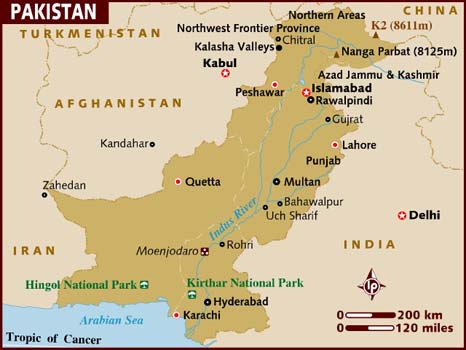
In this week’s Ravaya column (in Sinhala), I reflect on my recent visit to Pakistan, after 15 years.
When I last visited, in 1997, there were only state owned radio and TV channels. That changed in 2002 when private ownership was allowed. In a decade, private broadcasting has grown and expanded — especially in news and current affairs TV channels, which are now a dominant factor in Pakistan’s everyday life.
What does this mean for media pluralism, governance and social order in a country as complex as Pakistan? Are 24/7 news channels part of the problem or part of the solution? Since the genie cannot be sent back into the lamp, how best can its powers be harnessed for the public interest?
“ඇෆ්ගනිස්ථානයට යාබදව තිබෙන විකාර දේශය” හැටියට මගේ මිය ගිය පාකිස්ථානු මිතුරිය සනියා හුසේන් ඇගේ උපන් බිම හදුන්වා දෙන්නට පුරුදුව සිටියා. එය වඩාත් තිව්ර ලෙස දැනුනේ ඉංගී්රසියෙන් කී විටයි. ‘I live in Absurdistan, located next to Afghanistan!’
Despite the recent International Year of Chemistry (2011), chemicals don’t get good press in Sri Lanka. If at all they make it to the news, or become a current affairs topic, that is usually as a bad story: a chemical spill, water contamination or suspected pesticide residues in our food.
All these happen, and we should be concerned. But chemicals are everywhere in our modern lives — reducing drudgery, protecting us from disease and overall improving the quality of life. It’s all a question of balancing risks with benefits. Also discerning what we really need as opposed to what we want.
Focusing on bad news is the media’s typical approach, and demonising science and technology is common in many sections of our print and broadcast media. Such posturing also fits well into the prevailing narrative of the ‘whole world being out to undermine, destabilise and destroy us’. So chemical industries must be part of that ‘conspiracy’, no?
Many of Lanka’s environmental activists don’t allow facts and analysis to get in the way of a good scare story. Uncritical journalists and their editors often peddle their half-baked arguments and conspiracy theories unsupported by any evidence. Very few scientists speak out for science and reason.
So when the Centre for Environmental Justice (CEJ), a moderate advocacy group, invited me to talk to a group of journalists and broadcasters at a media workshop, I welcomed the opportunity.
I based my talk on five scientists each of who took on once-revered chemicals and formidable industry interests, all in the public interest. By showcasing these champions of public science, I wanted to show that there are honest, diligent scientists who engage in evidence-based advocacy. Not all scientists are part of some global conspiracy to poison us…
The five are those who worked tirelessly and left their mark in their discipline, and in how we look at chemical and environmental management: Rachel Carson (1907 – 1964) Alice Hamilton (1869 – 1970) Sherwood Rowland (1927 – 2012) Theo Colborn (1927 – ) Anil Agarwal (1947 – 2002)
I ended by urging journalists to look for credible and moderate scientists who are led by evidence, not conjecture or prejudice. Amplifying their voices is something we in the media are well positioned to do, but don’t do nearly enough.
Presentation to Media workshop on scientific reporting on chemical issues, organised by Centre for Environmental Justice in Colombo, 25 September 2012:
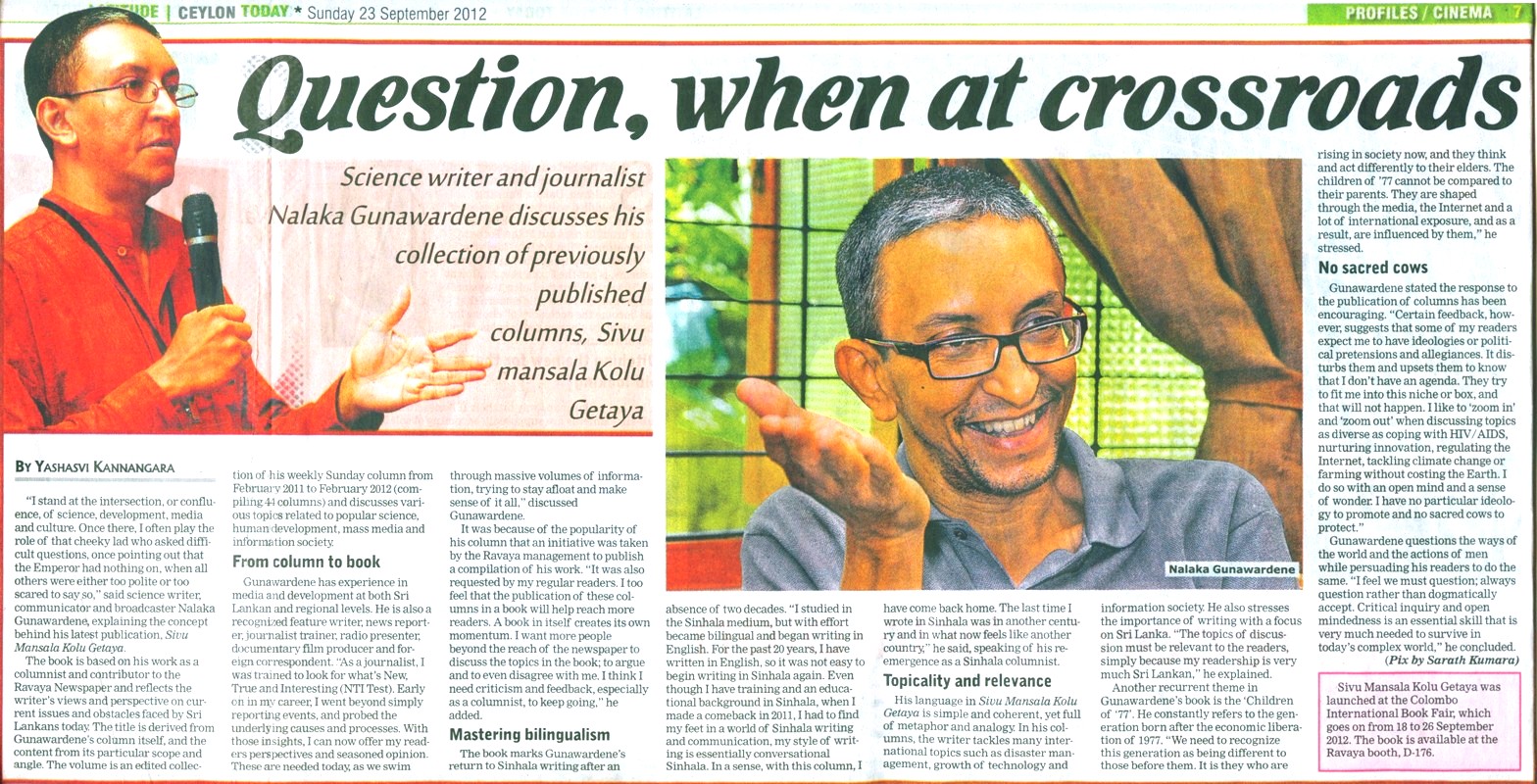
Nalaka Gunawardene, photo by Sarath Kumara“Question, When At Crossroads”
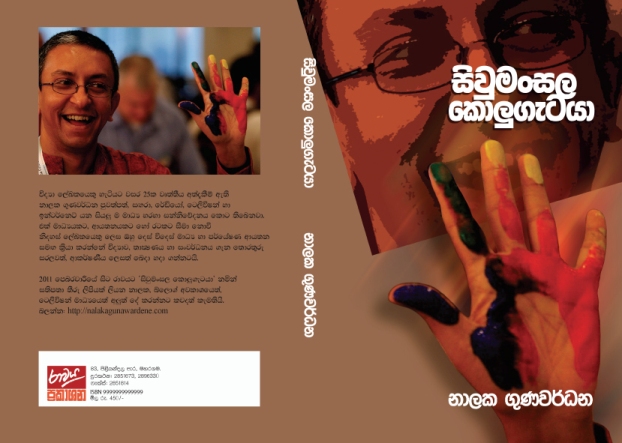
With that title, Ceylon Today on Sunday 23 September 2012 carries a profile of my new Sinhala language book, Sivu Mansala Kolu Getaya (SMKG for short).
The article is written by Yashasvi Kannangara based on an interview with myself, and her reading of the book that came out last week.
A recurrent theme in SMKG is my interest in Sri Lanka’s ‘Children of ’77’ — the generation who were born after the economy was liberalised in 1977 which, in turn, ushered in radical changes in our society, culture and media. So I’m intrigued to be profiled by a member of that very generation, @YashasviK!
Here’s an excerpt, where she quotes me directly:
“I studied in the Sinhala medium, but with effort became bilingual and began writing in English. For the past 20 years, I have written in English, so it was not easy to begin writing in Sinhala again. Even though I have training and an educational background in Sinhala, when I made a comeback in 2011, I had to find my feet in a world of Sinhala writing and communication, my style of writing is essentially conversational Sinhala. In a sense, with this column, I have come back home. The last time I wrote in Sinhala was in another century and in what now feels like another country!”