සිවුමංසල කොලූගැටයා #261: මහජන විශ්වාසය නැති පුවත්පත් නව තාක්ෂණයේ උදව්වෙන් පවත්වා ගත හැකිද?

Can newspapers survive the challenge from digital and online media?

Plenty of printer’s ink has been spent reflecting on this question. I once again addressed it when moderating a panel at the D R Wijewardene commemorative event held on 26 February 2016 at Lakshman Kadirgamar Institute, Colombo.

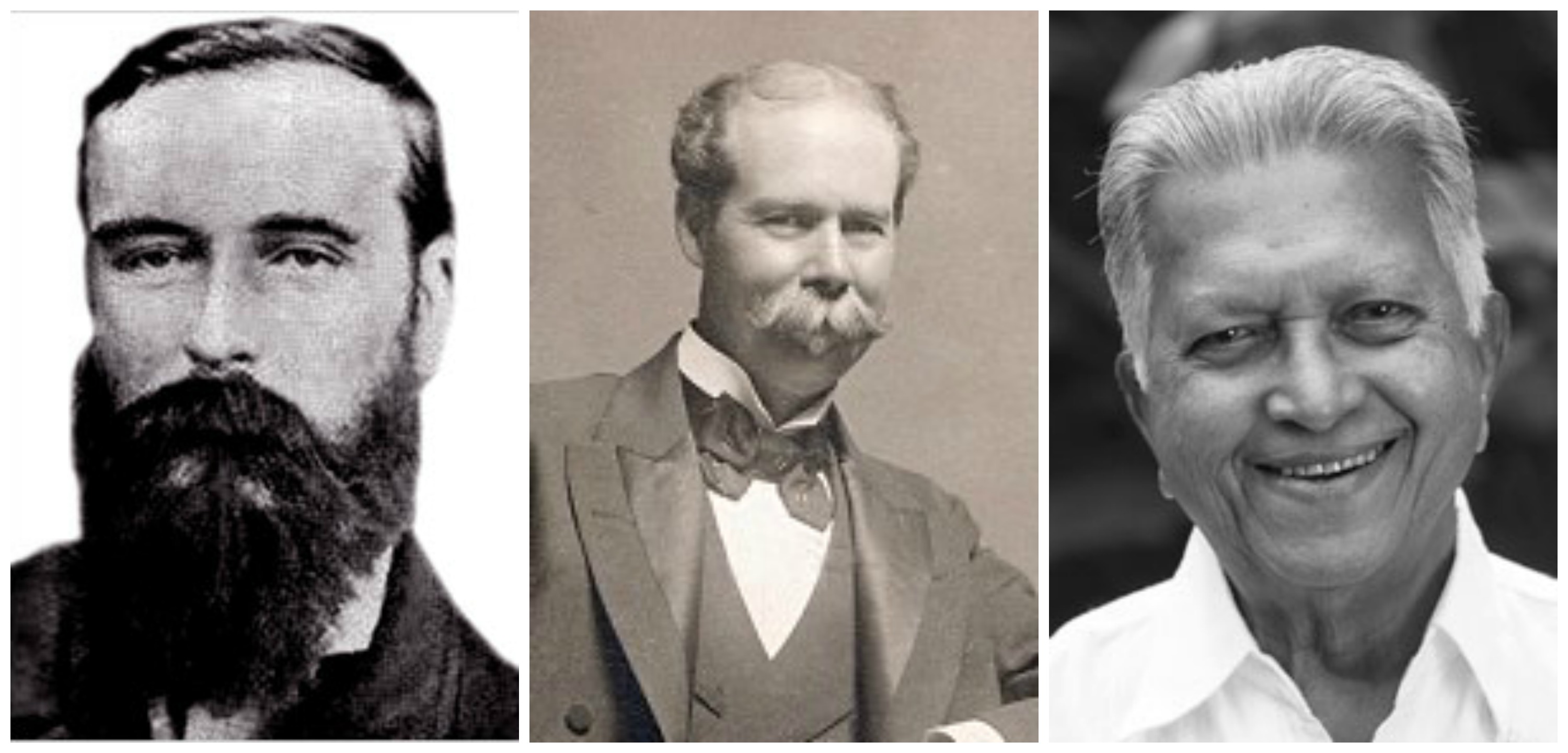
Wijewardene was Sri Lanka’s first Press Baron. About a century ago, he laid the foundation for his publishing house, Associated Newspapers of Ceylon Limited, which still remains a dominant player.

Many like me, of a certain age and above, seem to have a nostalgic attachment to newspapers. One key question for the print industry: beyond tapping such sentimental appeal (which diminishes over time), can newspapers stay relevant and viable? How can they adapt and evolve to keep serving the public interest?

Perhaps the more pertinent question to ask is: where are the budding D R Wijewardenes of the 21st Century? What are their start-ups and how are their dreams unfolding? Are they trying to balance reasonable profits with public interest journalism?

I discuss these in my Ravaya column (appearing in the print issue of 13 March 2016).

See also my op-ed article in English:

Sunday Observer, 6 March 2016: Can good journalism outlive newspapers?
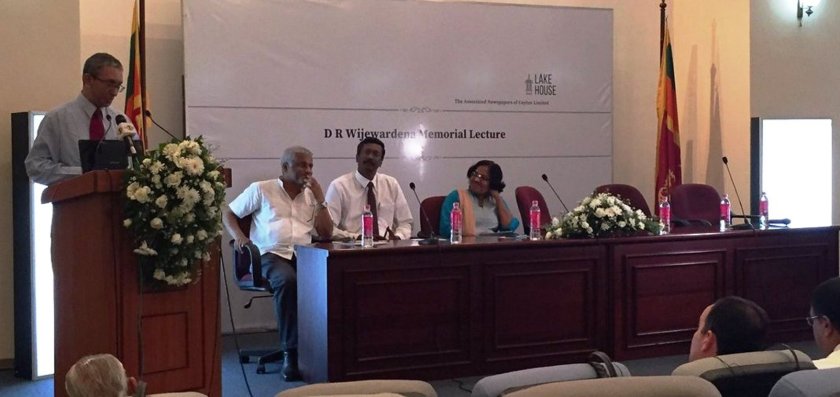
Nalaka Gunawardene speaks at D R Wijewardene memorial event on 26 February 2016 - Photo by Sam de Silva
Nalaka Gunawardene speaks at D R Wijewardene memorial event on 26 February 2016 – Photo by Sam de Silva

පුවත්පත් කර්මාන්තයේ අනාගතය කෙබඳු විය හැකිද? ඩිජිටල් හා වෙබ් ප‍්‍රකාශන මාධ්‍යයන්ගේ සමාජ පැතිර යාම වසරක් පාසා වැඩි වීමත් සමග කඩදාසියේ මුද්‍රිත පත්තරවලට තව කොපමණ කලක් ආයුෂ තිබේද?

මේ ප‍්‍රශ්න ගැන මා කලෙක සිට අවධානයෙන් සිටිනවා. යළිත් වරක් මේ තේමාව යටතේ කතා කරන්නට හා සංවාද කරන්නට අවස්ථාවක් මෑතදී මතු වුණා.

ලේක්හවුස් ආයතනය සිය ආදි කර්තෘවර ඞී.ආර්. විජේවර්ධනයන්ගේ 130 වන ජන්ම සංවත්සරය සැමරීමට පෙබරවාරි 26 වැනිදා කොළඹදී රැස්වීමක් සංවිධානය කළා. එහිදී මුද්‍රිත පුවත්පත්වල සුරැකීම හා පරිණාමය මැයෙන් විද්වත් මණ්ඩපයක් පැවැත් වූ අතර, එය මෙහෙයවීමට මට ඇරැයුම් කොට තිබුණා.

What would (Sri Lanka’s first press baron) D R Wijewardene do if he confronted today’s media realities?

මගේ විද්වත් මඩුල්ලේ සිටියේ සන්නිවේදන විශේෂඥ මහාචාර්ය රොහාන් සමරජීව, ප‍්‍රවීණ පත‍්‍රකලාවේදිනී හා සන්ඬේ ඔබ්සර්වර් පත‍්‍රයේ ජ්‍යෙෂ්ඨ කතුවර හැනා ඉබ‍්‍රාහිම්, ශ‍්‍රී ලංකා පුවත්පත් ආයතනයේ ප‍්‍රධානී කුමාර් ලෝපේස් සහ වෙරිටේ රිසර්ච් පර්යේෂණායතනයේ දේශපාලන හා මාධ්‍ය අංශ ප‍්‍රධානී සුමිත් චාමින්දයි.

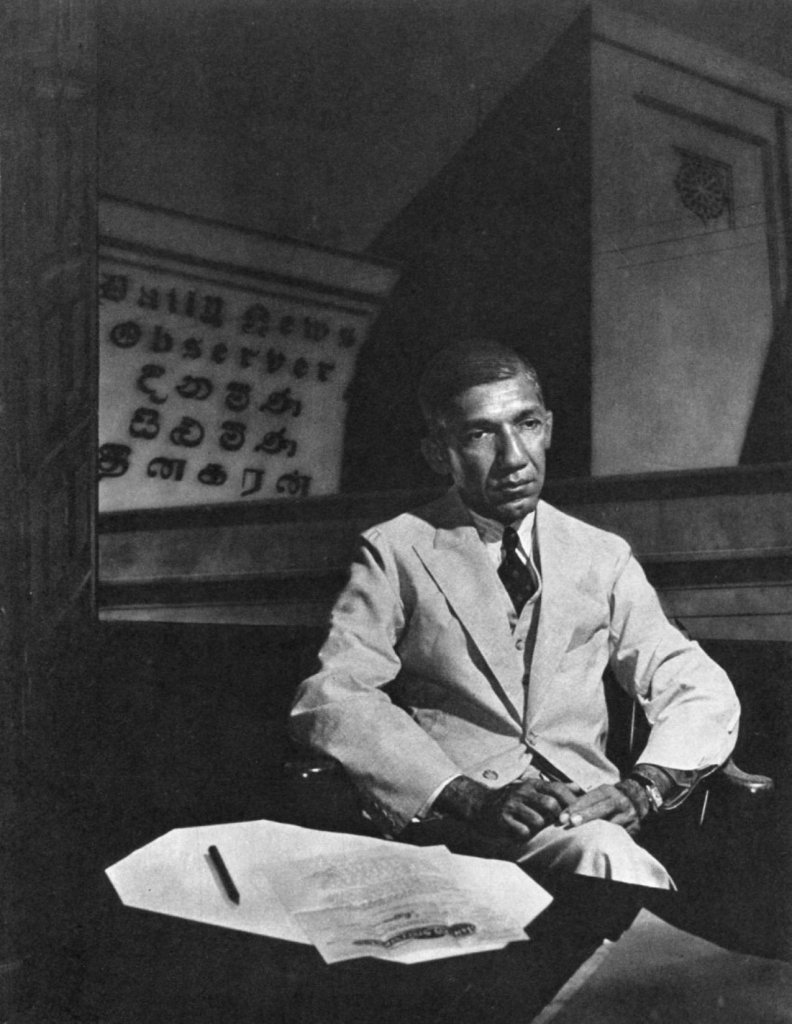
D R Wijewardene - photo by by Lionel Wendt
D R Wijewardene – photo by by Lionel Wendt

ශ‍්‍රී ලංකාවේ පුවත්පත් කර්මාන්තය නවීකරණය කරමින් මෙරට මුල්ම සාර්ථක පත‍්‍ර හිමි ව්‍යාපාරිකයා (press baron) වූයේ විජේවර්ධනයි. 1832දී කලම්බු ජර්නල් දෙසතිපතා පත‍්‍රයෙන් ඇරැඹි අපේ පත‍්‍ර කලාව දශක ගණනක් පැවතුණේ සීමිත පිටපත් සංඛ්‍යාවක් ටික දෙනකු අතරට ගෙන ගිය කුඩා කර්මාන්තයක් ලෙසින්.

1910 හෝ 1915 පමණ වන විටත් පුවත්පතක පිටපත් තුන් හාර දහසකට වඩා විකිණුනේ නැහැ. බොහෝ පත‍්‍ර හා සඟරා ඇරඹුණත් වසර දෙක තුනකට වඩා පවත්වා ගත හැකි වූයේ අතළොස්සක් පමණයි. කළුකොඳයාවේ ප‍්‍රඥාශේඛර හිමියන් ලියු පුවත්පත් කලා ඉතිහාසය ග‍්‍රන්ථ මාලාවේ එය මැනවින් විස්තර කැරෙනවා.

කේම්බි‍්‍රජ් සරසවියෙන් නීතිඥයෙකු ලෙස උගෙන මෙරට ආ විජේවර්ධනට දේශපාලන ප‍්‍රතිසංස්කරණ සඳහා ජනමතය ගොඩනැංවීමට  ඕනෑ වුණා. බි‍්‍රතාන්‍යයේ ලිබරල් ප‍්‍රජාතන්ත‍්‍රවාදී අත්දැකීම් මත ඔහු තීරණය කළේ ඒ සඳහා පාර්ලිමේන්තුව, පත‍්‍ර කලාව හා දේශපාලන වේදිකාව ඉතා වැදගත් බවයි.

ඍජු දේශපාලනයට පිවිසෙනවා වෙනුවට ඔහු පත‍්‍ර කලාව හරහා ජනමතය හැසිරවීමේ මාර්ගය තෝරා ගත්තා.

විජේවර්ධන සිය මාධ්‍ය සමාගම ටිකෙන් ටික ගොඩ නැගුවේ ව්‍යාපාරිකව අසාර්ථක වූ පත‍්‍ර මිලට ගැනීමෙන්. මේ අනුව 1914දී දිනමිණ පත‍්‍රයට හිමිකම ලබා ගත්තා. 1918දී ද සිලනීස් (The Ceylonese) නම් පත‍්‍රය හිමිකරගෙන එය සිලෝන් ඬේලි නිවුස් Ceylon Daily News නමින් ප‍්‍රතිසංවිධානය කළා. 1923දී මෙරට පළ වු පැරණිම ඉංග‍්‍රීසි පත‍්‍රය වූ ඔබ්සර්වර් The Observer හිමිකර ගත්තා. තමන්ගේම අලූත් පත්තර බිහි කිරීම ඔහු පටන් ගත්තේ 1930දී සිළුමිණ හරහායි.

විජේවර්ධන ලේඛකයකු නොවෙයි. ජීවිත කාලය පුරාම ඔහු ලිපි දෙක තුනකට වඩා ලිව්වේ නැහැ. එහෙත් එකල සිටි දක්ෂතම පත‍්‍රකලාවේදීන් හා ලේඛකයන් සේවයට බඳවා ගෙන, ශූර කළමනාකරුවන්ගේ උදව්වෙන් ලේක්හවුස් පත‍්‍ර සමාගම ව්‍යාපාරිකව සාර්ථක පත්තර මහ ගෙදර බවට පත් කළා.

පත‍්‍රයේ අන්තර්ගතය මෙන්ම නිමාව හා මුද්‍රණය ගැනත් ඔහු අවධානය යොමු කළා. ඡායාරූප භාවිතය, අධිවේග මුද්‍රණය, රට පුරා නිසි ලෙස බෙදා හැරීම ආදිය සම්බන්ධයෙන් නවෝත්පාදනය කළා. ඔහු 1950 මිය යනවිට දිනමිණ පිටපත් 70,000ක්  පමණද, ඬේලි නිවුස් පිටපත් 55,000ක් පමණද අලෙවි වුණා. තරගකාරී සමාගම්වල වෙළඳපොළ ද විජේවර්ධනගේ ඉදිරි දැක්ම නිසා පුළුල් වී තිබුණා.
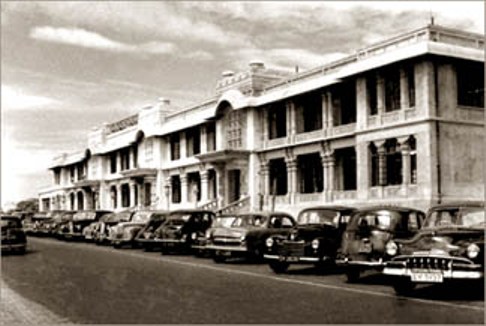
Lake House building: Home of ANCL from where D R Wijewardene influenced public opinion for decades

විජේවර්ධනගේ ධනවාදී ක‍්‍රියා කලාපය හා ඔහු තෝරා ගත් දේශපාලන දැක්ම මෙහිදී අපට අදාල නැහැ. පත්තර යනු දිනපතාම ජනතා මනාපය මත වෙළඳපොළේ අලෙවි කැරෙන භාණ්ඩයක්. එහිදී මාධ් පාරිභෝගිකයාට රයෝජනවත් යමක් ලබා දී එයින් සාධාරණ ලාභ ඉපැයීම මේ කර්මාන්තයේ මූලික හරයයි.

මහජන සේවාවක් කළත් පත්තර යනු පුණ්යායතන නොවෙයි. මේ පසුබිම තුළ විජේවර්ධනගේ ව්‍යාපාරික සාර්ථකත්වය අද වුවත් සමීපව අධ්‍යයනය කිරීම වටිනවා.

විජේවර්ධනගේ කාලයට වඩා අද යථාර්ථය බෙහෙවින් වෙනස්. 1925දී මෙරටට හඳුන්වා දෙන ලද රේඩියෝ මාධ්‍යය හා 1979දී මෙරටට ආ ටෙලිවිෂන් මාධ්‍යය සමග අනුගත වන්නට මුද්‍රිත මාධ්‍යයට හැකි වුණා.

පැය 24 පුරා එසැණින් පුවත් ගෙනෙන විද්‍යුත් මාධ්‍ය හමුවේ සිය අන්තර්ගතයේ ආකෘතිය වෙනස් කිරීමට පත්තරවලට සිදු වුණා. අද බොහෝ පත්තර කරන්නේ හුදෙක් පුවතක් වාර්තා කිරීමෙන් නොනැවතී එය විග‍්‍රහ කිරීම හා වාද විවාදවලට ඉඩක් දීමයි. මේ නිසා බටහිර දැන් newspaper යන නම වෙනුවට viewspaper යන්න භාවිත කැරෙනවා. (පුවත්පත වෙනුවට අදහස්පත).

එහෙත් 1995දී මෙරටට හඳුන්වා දුන් ඉන්ටර්නෙට් මාධ්‍යයෙන් පුවත්පතට එල්ල වන  අභියෝගය රේඩියෝ හා ටෙලිවිෂන් දෙකේ අභියෝගයට වඩා ප‍්‍රබලයි.

මේ වන විට අපේ ජනගහනයෙන් 28%ක් පමණ ඉන්ටර්නෙට් භාවිත කරනවා. ඔවුන්ට තොරතුරු හා අදහස් ලබා ගන්නට අනේක විධ මූලාශ‍්‍ර ඉන්ටර්නෙට් හරහා විවර වනවා. මේ අනුව තව දුරටත් පත්තර මත යැපීම අවශ්‍ය නැති යථාර්ථයක් බිහි වෙලා.

ඇත්තටම අද ලොව බොහෝ රටවල දරුවන් හා තරුණ තරුණියන් මුද්‍රිත පත්තර කියවන්නේ නැහැ. සමහරු පත‍්‍රවල වෙබ් අඩවි කියවනවා. එහෙත් බහුතරයක් තොරතුරු ලබා ගැනීමට ගූගල්, ෆේස්බුක් හා වෙනත් වෙබ්ගත මූලාශ‍්‍රයන්ට යොමු වනවා.

මේ නිසා පත්තර අලෙවිය පහත වැටීම ලොව පුරා බොහෝ රටවල ප‍්‍රවණතාවක්. මෙයට එරෙහිව යන්නේ චීනය හා ඉන්දියාවයි. මේ දෙරටේ නම් මුද්‍රිත පත්තරවලට තවමත් හොඳ ඉල්ලූමක් තිබෙනවා. මෑතදී මධ්‍යම පාංතික වූ බොහෝ චීන හා ඉන්දියානු නිවෙස්වල (කියෙව්වත් නැතත්) පත්තරයක් ගැනීම සිරිතක්. පත්තරය කාටත් පෙනෙන්න ගෙයි සාලයේ දමා තිබීම හරහා අපිත් දැන් ඇති හැකි උදවිය යන පණිවුඩය වක්‍රව කියා පානවා.

එහෙත් ඒ දෙරටේ පවා නව පරපුර තොරතුරු සොයා ඩිජිටල් හා වෙබ් මාධ්‍යවලට පිවිසෙනවා. වැඩි ජනතාවක් වෙබ් මූලාශ‍්‍රවලට යන බව දකින දැන්වීම්කරුවන්ද ටිකෙන් ටික ඒවාට දැන්වීම් වැඩියෙන් දීමට පෙළඹෙනවා.

මේ නිසා කල් යත්ම මුද්‍රිත පත්තරවල අලෙවිය මෙන්ම දැන්වීම් ලැබීමද පහත වැටෙනවා. මේ පසුබිම් නිසා දශක ගණනක් සාර්ථකව පවත්වාගෙන ආ නාමධාරී බටහිර පුවත්පත් රැසක් මෑත කාලයේ වසා දමනු ලැබුවා.

සමහරක් පුවත්පත් දිනපතා මුද්‍රණය කරනු වෙනුවට සතියකට වරක් පළ කිරීමට යොමු වුණා. තවත් ඒවා මුද්‍රිත ප‍්‍රකාශනයක් වෙනුවට තනිකරම වෙබ්ගත ප‍්‍රකාශන බවට පරිණාමය වී තිබෙනවා. මෙහි අලූත්ම උදාහරණය බි‍්‍රතාන්‍යයේ ද ඉන්ඩිපෙන්ඩන්ට් (The Independent) පත‍්‍රයයි.

අපේ රටේ පුවත්පත් අලෙවි කැරෙන පිටපත් ගණන ගැන ස්වාධීන දත්ත නැහැ. හැම ප‍්‍රකාශන සමාගමක්ම තමන්ගේ අලෙවිය වැඩි කොට කියනවා. මෑතදී දෙමළ පත‍්‍ර කතුවරයෙක් මට කීවේ දිනකට පිටපත් හත්අට දහසක් විකිණෙන තම පත‍්‍රය දැන්වීම්කරුවන්ට නම් කියන්නේ විසිපන් දහසක අලෙවියක් ඇති බව කියායි.

බොහෝ පත්තර යළිත් මීට සියවසකට පෙර (විජේවර්ධන නවීකරණයට පෙර) තිබූ පරිදි පිටපත් හාර පන් දහසක් විකිණෙන තත්ත්වයට පත්වෙලා. ඒ මිලියන 21ක ජනතාවක් රටේ සිටියදීයි.

මේ පසුබිම තුළ අපේ රටේ බහුතරයක් පත‍්‍ර සමාගම් අද දිගින් දිගටම ව්‍යාපාරික පාඩු ලබනවා. නිෂ්පාදන වියදමවත් පිරිමසා ගන්නට දැන්වීම් ආදායමක් නැහැ. ලාභ ලබන පත රකාශන සමාගම් දෙක තුනක් හැරුණු කොට අන් සියල්ල පවත්වා ගෙන යන්නේ ව්යාපාරික අරමුණුවලට නොව දේශපාලන අරමුණු සඳහායි. නැතිනම් (වික්ටර් අයිවන් කලෙක සිට පෙන්වා දෙන පරිදි) කලූ සල්ලි සුදු කිරීම සඳහායි.

මෙවැනි මාධ්‍ය සමාගම්වලට පොදු උන්නතිය වෙනුවෙන් සම්භාව්‍ය පත‍්‍ර කලාවක් කිරීමට සැබෑ වුවමනාවක් නැහැ. එම උතුම් අරමුණ ඇති මාධ්‍යවේදීන් හා කතුවරුන් ටික දෙනකු හෝ එම ආයතනවල සිටියත් ඔවුන්ට වෘත්තියේ ගරුත්වය රැක ගෙන කටයුතු කිරීමට ඉඩක් ද නැහැ.

මහජනතාවට වග නොකියන, වෙනත් අරමුණු සඳහා සමහර විට එළිපිටම පෙනී සිටින පත්තර ගැන ජන ප‍්‍රසාදය ටිකෙන් ටික අඩු වෙමින් පවතිනවා. මෙය මුලු පුවත්පත් කර්මාන්තයටම අහිතකරයි.

ඞී. ආර්. විජේවර්ධන අද ජීවත්ව සිටියා නම් ඔහු කුමක් කරනු ඇත්ද? මේ ප‍්‍රශ්නය අපේ සාකච්ඡාවෙත් මතු වුණා. සියවසකට පසු ඔහු මාධ්‍ය සමාගමක් ගොඩ නගනවා නම් රේඩියෝ, ටෙලිවිෂන් හා වෙබ් තුනම වෙත යොමු වන බවට අදහසක් කිය වුණා.

මා සිතන්නේ මේ ප‍්‍රශ්නය අප වෙනස් ආකාරයකින් ඇසිය යුතු බවයි. එනම් අපේ කාලයේ ඞී. ආර්. විජේවර්ධනලා කොහේද? පවතින තාක්ෂණය හා වෙළඳපොළ සාධකයන් මනාව හසුරුවා ගනිමින් පොදු උන්නතිය උදෙසා පුවත්පත් කලාවේ මූලධර්ම අදාල කර ගන්නා නව ව්‍යාපාර ආකෘතීන් බිහි වෙමින් තිබේද? එසේ නැත්නම් ඒ ඇයි?
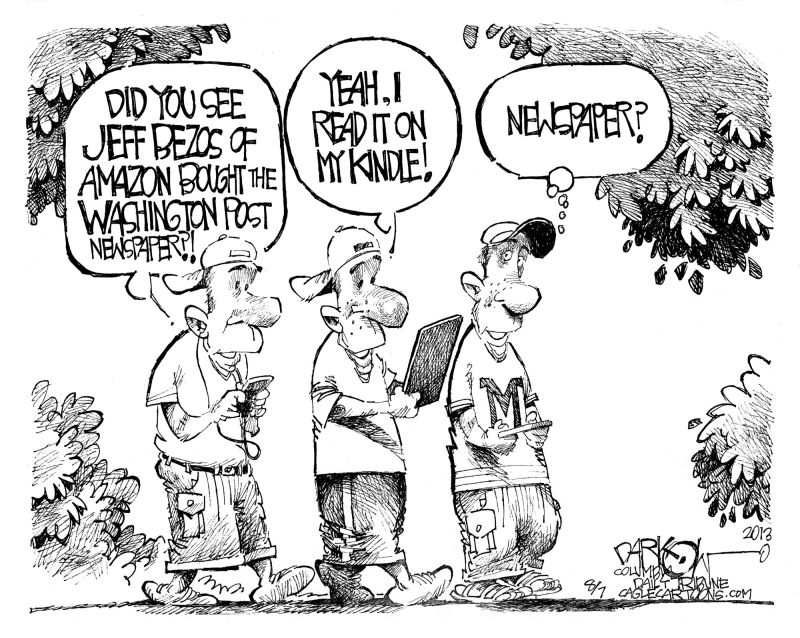
Cartoonist John Darkow on the Future of Newspapers

මෙහිදී අප සාම්ප‍්‍රදායික පත‍්‍රවල වෙබ් අඩවිවලින් ඔබ්බට ගොස් වෙබ් හරහාම තොරතුරු හා අදහස් ප‍්‍රකාශනය කරන සංවිධානාත්මක මාධ්‍ය හා ව්‍යාපාර මට්ටමෙන් කැරෙන උත්සාහයන් සොයා යා යුතුයි. (බ්ලොග් රචකයන් හා පුරවැසි මාධ්‍යකරුවන් ද මේ නව මාධ්‍ය පාරිසරික පද්ධතියේ වැදගත් භූමිකා ඉටු කරමින් සිටියත් ස්වේච්ඡාවෙන් වැඩකරන ඔවුන්ට යා හැකි දුර පරාසය සීමිතයි.)

අපේ රටේ මෙයට උදාහරණ තවමත් ඇත්තේ අතලොස්සක්. ඒවාද බහුතරයක් ඉංග‍්‍රීසි බසින්. ව්‍යාපාරික පුවත් මනාව වාර්තා කරන හා විග‍්‍රහ කරන LBO.lk yd Economy Next වෙබ් අඩවි මේ ගණයට අයත්. සමාජයීය ප‍්‍රශ්න නවතම ලෙසින් විග‍්‍රහ කරන Roar.lk වෙබ් අඩවියද  විභවයක් ඇති උත්සාහයක්.

මා මේ සඳහන් කළ වෙබ් ප‍්‍රකාශන පත‍්‍ර කලාවේ මූලධර්ම ප‍්‍රගුණ කරන, වෘත්තිමය මට්ටමේ මාධ්‍ය ලෙස හඳුනාගත හැකියි. මෙයට අමතරව නොයෙක් පුවත්වෙබ් අඩවි ගණනාවක් තිබෙනවා. ඒවායේ ප‍්‍රමිතිය එක සමාන නැහැ. සමහරක් ආචාර ධර්මීය හා වෘත්තිමය ලෙස ක‍්‍රියා කරන අතර, අනෙක්වා  ඕපා¥ප හා අන්තවාදී මත බෙදා හැරීමේ නිරත වෙනවා. මේ හැම එකක් ගැනම සමාජ විද්‍යාත්මක හා ජන සන්නිවේදන පර්යේෂකයන් විවෘත මනසකින් යුතුව පර්යේෂණ කිරීම අවශ්‍යයි.

අපේ කාලයේ විජේවර්ධනලා බිහි වීමට උදව් වන විදියේ ආකල්පමය වෙනසක් අපේ දැන්වීම්කරුවන්, හා දැන්වීම් සමාගම් අතර ද සිදුවිය යුතුයි. මේ පිරිසේ බහුතරයක් නව යථාර්ථයට අනුගත වීමට පැකිලෙන, ගතානුගතික මානසිකත්වයක් ඇති අයයි.

2014දී මෙරට මාධ්‍යවල සමස්ත දැන්වීම් සඳහා කරන ලද වියදම රුපියල් බිලියන 77ක් බව නීල්සන් පර්යේෂණ සමාගම කියනවා. මෙයින් 71%ක් ටෙලිවිෂන් දැන්වීම් සඳහාත්, 20%ක් රේඩියෝ මාධ්‍යයටත් යොමු වූ අතර පත්තරවලට ආයේ 8%ක් පමණයි. ඩිජිටල් හා වෙබ් මාධ්‍යවලට යොමු වූයේ 1%ට අඩු දැන්වීම් ප‍්‍රමාණයක්.

මේ නිසා නව මාධ්‍ය හරහා පොදු උන්නතියට කැප වූ නවෝත්පාදන කිරීමේදී හරිහැටි ආදායම් උපදවා ගැනීමේ ලොකු අභියෝගයක් තිබෙනවා. කියවන වෙබ් පාඨකයන්ගෙන් කුඩා පරිමාණ මුදල් අය කරගැනීම ^Pay wall& ද එතරම් සාර්ථක උපක‍්‍රමයක් නොවෙයි.

මගේ විග‍්‍රහයට අනුව මාධ්‍ය කර්මාන්තයේ ව්‍යාපාරික සාර්ථකත්වය සඳහා තාක්ෂණයට අනුගත වීමටත් වඩා තීරණාත්මක සාධකයක් තිබෙනවා. තාක්ෂණය හා රාග්ධනය වැදගත් වුවත් මහජන විශ්වාසය දිනා ගැනීමට නොහැකි නම් කිසිදු මාධ්යයකට සාර්ථක වීමට බැහැ.

මහජන විශ්වාස නොලබා, ව්‍යාපාරික සාර්ථකත්වය නොමැතිව වෙනත් අන්දමින් නඩත්තු කර ගෙන යන මාධ්‍ය සමාගම් කරන්නේ පුවත්පත් කලාවක් නොව දැන්වීම් කලාවක් හෙවත් ප‍්‍රචාරණයක් ^Propaganda& පමණයි. ඒවාට මාධ්‍ය ආයතන කීමත් වැරදියි.

කලක් දැවැන්ත මාධ්‍ය ආයතන ලෙස පැවති දෙකක් වැහැරී ගොස්, අසාධ්‍ය බවට පත්ව වසා දමනු මගේ ජීවිත කාලය තුළ මා දැක තිබෙනවා. 1985දී ටයිම්ස් ඔෆ් සිලෝන් සමාගමත්, 1990දී ස්වාධීන පුවත්පත් සමාගම (දවස නිවසත්) ඒ ඉරණමට ලක් වුණා.

අවසන් කාලයේ ඒ සමාගම් දෙක නවීන  ඕෆ්සෙට් මුද්‍රණ යන්ත‍්‍ර සවි කළත් එයින් වැඩක් වුණේ නැහැ. මේ ආයතන දෙකේ පිරිහීමට සාධක රැසක් දායක වූ අතර පාඨක විශ්වාසය හා සමාජ පිළිගැනීම පිරිහී යාමද එයට හේතු වූවා.

සියලූ පත්තර හා අන් මාධ්‍ය සමාගම්වලට මෙයින් පාඩමක් උගත හැකියි. එනම් කෙතරම් දැවැන්ත වුවද පාඨක/ග‍්‍රාහක විශ්වාසය නැති වූ මාධ්‍ය සමාගමකට දිගු කාලීන පැවැත්මක් නැති බවයි.

කලූ සල්ලිවලින් හෝ හිමිකාර සමාගමේ වෙනත් ව්‍යාපාරවල ආදායමින් හෝ පත්තර යම් කලක් නඩත්තු කර ගෙන යා හැකි වුවත් එසේ ගිය හැකි දුරක් තිබෙනවා. අතළොස්සක් කියවන, කිසිවකුත් විශ්වාස හෝ ගරු නොකරන පත්තරයක් පාඩු පිට දිගටම කර ගෙන යාමේ ඵලය කුමක්ද?

වැඩි වැඩියෙන් පාඨකයන්/ග‍්‍රාහකයන් පත්තරවලින් වෙනත් මාධ්‍යවලට යොමු වන්නේ තාක්ෂණයේ ආකර්ශනය නිසාම නෙවෙයි. ඔවුන්ගේ අවශ්යතාවලට සරිලන අන්තර්ගතයක් දීමට අපේ පත්තර බහුතරයක් අසමත් වීම නිසා යයි මා තර්ක කරනවා. ඉදිරි වසරවල මේ ප‍්‍රවණතා තවත් ප‍්‍රබල වනු ඇති.

මුද්‍රිත පත්තරවලට එහා දිවෙන අනාගතයක් පත‍්‍ර කලාවට තිබෙනවා. ඒ නව මාධ්‍ය ලෝකය හරහා පොදු උන්නතිය ප‍්‍රවර්ධනය වනු දැකීම මගේ ලොකුම පැතුමයි. තව දුරටත් සමාජයට වැඩක් නැති හන මිට්ටන් හා ප‍්‍රචාරකරුවන් වඳ වී ගියාවේ!

Information Society is Rising in Sri Lanka: ARE YOU READY?

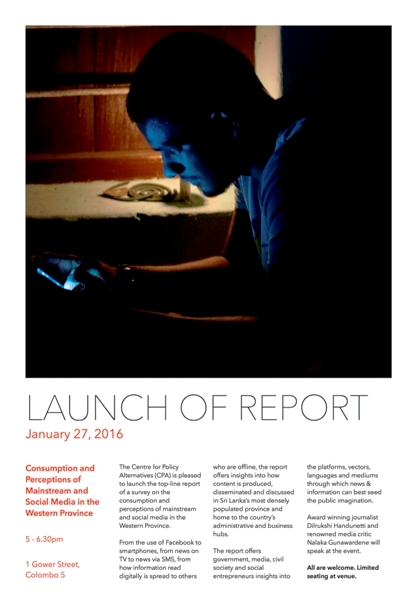
Launch of the top-line report of a survey on the consumption and perceptions of mainstream and social media in the Western Province of Sri Lanka, 27 Jan 2016

On 27 January 2016, the Centre for Policy Alternatives (CPA) launched the top-line report of a survey on the consumption and perceptions of mainstream and social media in the Western Province of Sri Lanka.

I was one of the launch speakers, and my presentation was titled: Information Society is Rising in Sri Lanka: ARE YOU READY?

The report draws on a survey of 1,743 randomly selected men and women, interviewed in Sinhala or Tamil language during June-July 2015. They were asked about mobile phone use and web access. The survey was conducted by Social Indicator, CPA’s survey research unit.

As the launch media release noted, “From the use of Facebook to smartphones, from news on TV to news via SMS, from how information read digitally is spread to others who are offline, the report offers insights into how content is produced, disseminated and discussed in Sri Lanka’s most densely populated province and home to the country’s administrative and business hubs.

It added: “The report offers government, media, civil society and social entrepreneurs insights into the platforms, vectors, languages and mediums through which news & information can best seed the public imagination.”

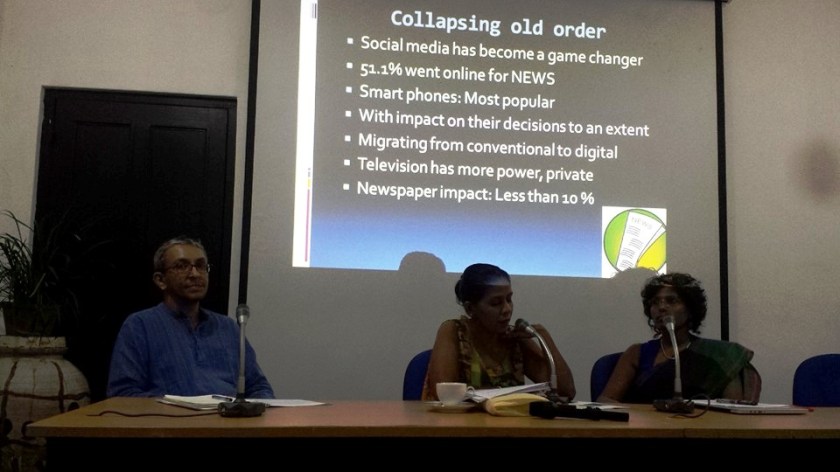
Dilrukshi Handunnetti (centre) speaks as Nalaka Gunawardene (left) and Iromi Perera listen at the launch on 27 Jan 2016 in Colombo
Dilrukshi Handunnetti (centre) speaks as Nalaka Gunawardene (left) and Iromi Perera listen at the launch on 27 Jan 2016 in Colombo – Photo by Sampath Samarakoon

In my remarks, I said it was vital to draw more insights on what I saw as ‘demand-side’ of media. But at the same time, I noted how a growing number of media consumers are no longer passively receiving, but also critiquing, repackaging and generating related (or new) content on their own.

I applauded the fact that this survey’s findings are shared in the public domain – in fact, Iromi Perera, head of Social Indicator, offered to share the full dataset with any interested person. This contrasts with similar surveys conducted by market research companies that are, by their very nature, not going to be made public.

A case in point: Jaffna has highest per capita Internet penetration in Sri Lanka, according to a market research by TNS Sri Lanka – but neither the findings nor methodology is available for scrutiny.

Why do demand-side insights being available in the public domain matter so much? I cited four key reasons:

  • The new government is keen on media sector reforms at policy and regulatory levels: these should be based on evidence and sound analysis, not conjecture.
  • Media, telecom and digital industries are converging: everyone looking for ‘killer apps’ and biz opps (but only some find it).
  • Media companies are competing for a finite advertising budget: knowing more about media consumption can help improve production and delivery.
  • Advertisers want the biggest bang for their buck: Where are eyeballs? How to get to them? Independent studies can inform sound decision-making.

On this last point, I noted how Sri Lanka’s total ad spend up to and including 2014 does not show any significant money going into digital advertising. According to Neilsen Sri Lanka, ad-spending is dominated by broadcast TV, followed by radio an print. Experience elsewhere suggests this is going to change – but how soon, and what can guide new digital ad spending? Studies like this can help.

I also highlighted some interesting findings of this new study, such as:

  • Private TV is most popular source of news, followed by Facebook/web.
  • Across different age groups, smartphone is the device most used to access web
  • Online culture of sharing engenders TRUST: peer influence is becoming a key determinant in how fast and widely a given piece of content is consumed

None of this surprises me, and in fact confirms my own observations as a long-standing observer and commentator of the spread of ICTs in Sri Lanka.

Everyone – from government and political parties to civil society groups and corporates – who want to engage the Lankan public must take note of the changing media consumption and creation patterns indicated by this study, I argued.

I identified these big challenges particularly for civil society and others engaged in public interest communication (including mainstream and citizen journalists):

  • Acknowledge that we live in a media-rich information society (Get used to it!)
  • Appreciate that younger Lankans consume and process media content markedly differently from their elders and previous generations
  • Understand these differences (stop living in denial)
  • Leverage the emerging digital pathways and channels for social advocacy & public interest work

In my view, rising to this challenge is not a CHOICE, but an IMPERATIVE!

I ended reiterating my call for more research on information society issues, and with particular focus on mobile web content access which trend dominates user behaviour in Sri Lanka.

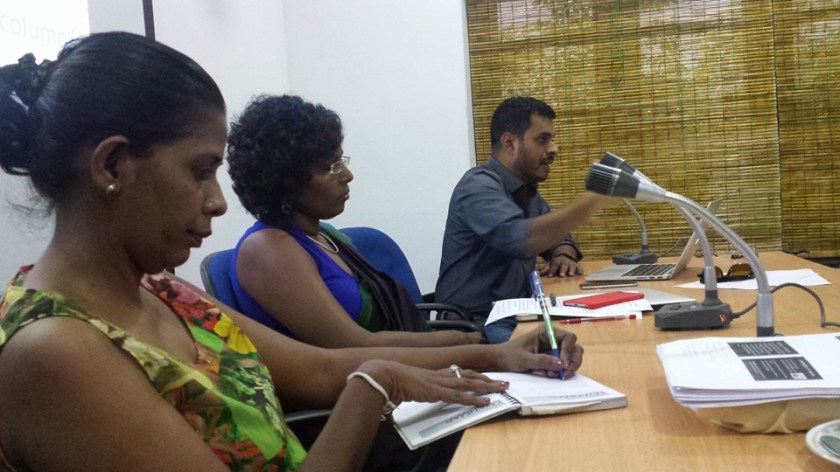
Award winning journalist Dilrukshi Handunnetti, and head of Social Indicator Iromi Perera were my fellow panelists at the launch, which was moderated by the study’s co-author and CPA senior researcher Sanjana Hattotuwa.

L to R - Dilrukshi Handunnetti, Iromi Perera, Sanjana Hattotuwa at CPA report launch, Colombo, 27 Jan 2016
L to R – Dilrukshi Handunnetti, Iromi Perera, Sanjana Hattotuwa at CPA report launch, Colombo, 27 Jan 2016

සිවුමංසල කොලූගැටයා #252: ප්‍රජාතන්ත්‍රවාදයේ ඩිජිටල් මුහුණුවර හා ජනවාරි 8 පෙරළියේ ඉතිරි අභියෝග

"For only the second time in my life, I voted for a winning candidate on 8 Jan 2015. I now keep insisting that be delivers on his promises." - Nalaka Gunwardene
“For only the second time in my life, I voted for a winning candidate on 8 Jan 2015. I now keep insisting that Maithripala Sirisena delivers on his promises.” – Nalaka Gunwardene, blogger and tweep

At Sri Lanka’s seventh presidential election, held on 8 January 2015, we citizens sent the despotic Rajapaksa regime home. Contrary to some assertions, it was an entirely a home-grown, non-violent and democratic process. An impressive 81.52% of registered voters (or 12.26 million persons) took part in choosing our next head of state and head of government: Maithripala Sirisena.

It was also Sri Lanka’s first national level election where smartphones and social media played a key role and probably made a difference in the outcome. During the weeks running up to 8 January, hundreds of thousands of Lankans from all walks of life used social media to vent their frustrations, lampoon politicians, demand clarity on election manifestos, or simply share hopes for a better future.

As I documented shortly afterwards, most of us were not supporting any political party or candidate. We were just fed up with nearly a decade of mega-corruption, nepotism and malgovernance. Our scattered and disjointed protests – both online and offline – added up to just enough momentum to defeat the strongman Mahinda Rajapaksa. Just weeks earlier, he had appeared totally invincible.

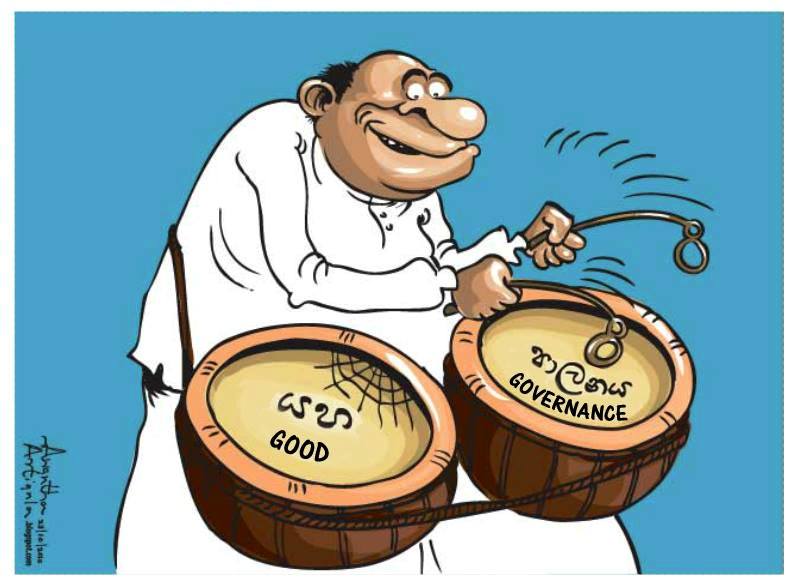
Thus began the era of yaha-palanaya or good governance.

In real life, democracy is a work in progress and good governance, an arduous journey. In this week’s Ravaya column (appearing in issue of 10 January 2016), I argue that voting in two key elections during 2015 (including Parliamtnary Election held on 17 August) was the easy part. We citizens now have to be vigilant and stay engaged with the government to ensure that our politicians actually walk their talk.

Here, we can strategically use social media among other advocacy methods and tools.

See my English essay which covers similar ground: Yahapalanaya at One: When will our leaders ‘walk the talk’? Groundviews.org, 4 January 2016

මීට වසරකට පෙර තීරණාත්මක මැතිවරණයක් අබිමුඛ්හාව නාලක ගුණවර්ධන සමාජ මාධ්‍ය හරහා බෙදාගත් 2015 අවුරුදු පැතුම

ජනාධිපතිවරණයට දින කීපයකට පෙර 2015 ජනවාරි 1 වනදා මගේ සමාජ මාධ්‍ය ගිණුම් හරහා එළැඹෙන වසරට මගේ පැතුම රූප-වචන මිශි‍්‍රත මීම් (meme) එකක ස්වරූපයෙන් මුදා හැරියා. එහි කියැවුණේ 2015 මගේ පැතුම: යටත් වැසියකු නොවන නිදහස් පුරවැසියෙක්!

2015 ජනවාරි 8 වනදා උදෙන්ම ගොස් මා ඡන්දය දුන්නේ මෛතී‍්‍රපාල සිරිසේන නම් මැතිවරණ අපේක්ෂකයාට නොවෙයි. ඔහු සංකේතවත් කළ පරමාදර්ශී යහපාලන සංකල්පයටයි. දේශපාලනයේදී පුද්ගලයින්ට වඩා සංකල්ප වටිනා බව කලක් ගත වී හෝ මා තේරුම් ගෙන සිටිනවා.

යහපාලනයේ ජයග‍්‍රහණයෙන් මා ප‍්‍රමෝදයට පත් වූයේ කිසිදා සිරිසේනගේ හෝ වෙනත් කිසිදු දේශපාලන පක්ෂයක හෝ හිතවතකු නොවූ ස්වාධීන පුරවැසියකු හැටියටයි.

ජනවාරි 9 වන දා සිට සාපේක්ෂව වඩා නිදහස් හා මානව හිමිකම් ගරු කරන වාතාවරණයක ජීවත්වීමේ අවකාශය ලක්වැසියන්ට උදා වූ බව කිව යුතුයි. බියෙන් තොරව රටේ නායකයා හා සෙසු පාලක පිරිස නිර්දය ලෙස විවේචනය කිරීමේ හැකියාව 2015 වසර පුරා මා රායෝගිකව අත්හදා බැලුවා. රටේ නායකයා යහපත් දෙයක් කළ විට එය පසසන්නත්, වැරදි දෙයක් කළ විට එය විවේචනය කරන්නත් හැකි පසුබිමක් යළි උදා වීම ලොකු දෙයක්.

එහෙත් අප හමුවේ තවමත් අභියෝග රැසක් ඉතිරිව තිබෙනවා.

එයින් එකක් නම් ජනවාරි 8 මැතිවරණ ප්‍රතිඵලය පිළිගන්නට සමහරුන් නොකැමැති වීමයි. ඒ ගැන විවිධ කුමන්ත්‍රණ තර්ක මතු වනවා. විපක්ෂයේ පොදු අපේක්ෂක මෛතී‍්‍රපාල සිරිසේනගේ ජයග‍්‍රහණය පිටුපස අදිසි හස්තයක් නැතහොත් ජාත්‍යන්තර බලපෑමක් කි‍්‍රයාත්මක වූවා ද? එය මෙරට අභ්‍යන්තර කටයුතුවලට ඇඟිලි ගැසීමේ මහා “ජාත්‍යන්තර කුමන්ත‍්‍රණයක” කොටසක්ද? මෙවන් ප‍්‍රශ්න වසරක් ගත වීත් තවමත් සමහරුන්ගේ මනසේ සැරිසරන බව පෙනෙනවා.

මෙය විග්‍රහ කරන්න මා එක්තරා උපමිතියක් යොදා ගන්නට කැමතියි.

අනුරාධපුරයේ හා පොළොන්නරුවේ හමු වන මහා දාගැබ් පුරාණ ලෝකයේ දැවැන්ත ඉදිකිරීම් අතරට ගැනෙනවා. ඒවායේ වාස්තු විද්‍යාත්මක හා ඉංජිනේරුමය නිමාව අපේ පැරැන්නන්ගේ විද්‍යා හා තාක්ෂණය හැකියාවන්ට මනා උදාහරණයි.

අනුරාධපුරයේ පිහිටි මිරිසවැටිය, රුවන්වැලි සෑය හා ජේතවනය යන මහා දාගැබ් තුන දිශා පිහිටුවීමේදී හා ඉදි කිරීමේදී පිටසක්වල බුද්ධිමත් ජීවීන්ගේ සහාය ලැබී ඇතැයි 1997දී ලාංකිකයකු ලියූ පොතකින් අසාමාන්‍ය තර්කයක් මතු කරනු ලැබුවා (Alien Mysteries in Sri Lanka & Egypt, by Mihindukulasuriya Susantha Fernando, 1997). ඊජිප්තුවේ මහා පිරමීඩ හා අපේ මහා දාගැබ් සසඳමින් ලියා ඇති මේ පොත විද්‍යාත්මක සාධක හා තර්කවලට වඩා පරිකල්පනය හා විශ්වාස මත පදනම් වූවක්.

එම පොත ගැන මගේ ප්‍රතිචාරය වූයේ මෙයයි. “ඕනෑම ඓතිහාසික හෝ කාලීන හෝ කරුණක් ගැන තමන් රිසි ලෙසින් ප‍්‍රතිවිග‍්‍රහ කිරීමේ අයිතිය විවෘත සමාජයක තිබිය යුතුයි. එසේම එවන් විග‍්‍රහයන් සංවාදයට ලක් විය යුතුයි. එසේ නමුත් අපේ මහා දාගැබ් තැනීමට පිටසක්වල ජීවීන්ගේ සහාය ලැබුණා යන කල්පිතයේ යටි අරුත එවැනි හපන්කම් අපේ ඇත්තන්ට තනිවම කළ නොහැකි වූ බවද?”

ඈත හෝ මෑත ඉතිහාසය ගැන ෆැන්ටසි ආකාරයේ කල්පිත හෝ කුමන්ත‍්‍රණ කථා මතු කරන විට බෙහෙවින් ප‍්‍රවේශම් විය යුතු බවට මෙය හොඳ උදාහරණයක්.

2015 ජනවරි 8 වනදා සිදු වූ දේශපාලන බල සංක‍්‍රාන්තිය ගැන පරාජිතයන් හා ඔවුන්ගේ අනුගාමිකයන් මතු කරන විග‍්‍රහයන් අභව්‍යයි.

එදා මෙරට සිදු වූයේ මෑත ඉතිහාසයේ සාපේක්ෂව වඩා සාමකාමී මැතිවරණය හරහා ඡන්දදායකයන් විසින් නව ජනාධිපතිවරයකු තෝරා ගැනීමයි. ලියාපදිංචි ඡන්දදායකයන්ගෙන් 81.52%ක් (එනම් 12,264,377ක්) ඡන්දය ප‍්‍රකාශ කළා. නිදහස් හා සාධාරණ මැතිවරණයක් පැවැත්වීමට මැතිවරණ කොමසාරිස්වරයා හා කාර්ය මණ්ඩලය වග බලා ගත්තා.

මැතිවරණ කැම්පේන් කාලය තුළ බලයේ සිටි ජනාධිපතිවරයාගේ වාසියට රාජ්‍ය මාධ්‍ය හා රාජ්‍ය සම්පත් අනිසි ලෙස යොදා ගත් නමුත් අවසානයේදී තීරකයන් වූයේ ඡන්දදායක අපියි. වැඩි ඡන්ද 449,072කින් විපක්ෂයේ පොදු අපේක්ෂකයා ජය ගත්තේ ප‍්‍රජාතන්ත‍්‍රවාදයේ සැබෑ කි‍්‍රයාකාරීත්වය සංකේතවත් කරමින්.

අපේ මැතිවරණ නිලධාරීන් මහත් ආයාසයෙන් පැවැත් වූ මැතිවරණයකින් අපේ ඡන්දදායකයන් බහුතරයකගේ රහසිතගව රකාශ ඡන්දවල සමුච්චිත රතිඵලය ලෙස සාමකාමී බල සංකරාන්තියක් සිදු කිරීමේ සම්පූර්ණ ගෞරවය හිමි වන්නේ අපටමයි.

එය රටින පිටත සිටින කුමන හෝ බලවේගයකට පැවරීමට තැත් කිරීම අපේ ඡන්දදායකයින්ට, මැතිවරණ යාන්ත‍්‍රණයට හා සමස්ත ප‍්‍රජාතන්ත‍්‍රවාදයට කරන නිග‍්‍රහයක්. පටු අරමුණු තකා උඩ බලාගෙන කෙළ ගැසීමක්.

මැතිවරණයේ ප‍්‍රතිඵලය ගැන සමහරුන් ප‍්‍රමෝදයට පත්වූ අතර, තවත් සමහරුන් කණගාටුවට පත් වූවා. එය ප‍්‍රජාතන්ත‍්‍රවාදයේ ස්වභාවයයි. අපේ පෞද්ගලික රුචි අරුචිකම් කුමක් වුවත් එම කි‍්‍රයාදාමය හා ප‍්‍රතිඵලය අවතක්සේරු කිරීම හෝ ගැරහීමට ලක් කිරීම අනුවණකාරී වැඩක්.

ජනාධිපතිවරණයට පසුදා නාලක ගුණවර්ධන කඩිමුඩියේ නිමවා සමාජමාධ්‍යවලට මුදා හැරි මීමය - සිය ගණනින් ෂෙයාර් කරන ලදී
ජනාධිපතිවරණයට පසුදා නාලක ගුණවර්ධන කඩිමුඩියේ නිමවා සමාජමාධ්‍යවලට මුදා හැරි මීමය – සිය ගණනින් ෂෙයාර් කරන ලදී


ජයග‍්‍රාහකයාගේ වැඩි ඡන්ද 449,072ට දායක වූ සාධක ගැන ද විවාදයක් තිබෙනවා.

රාජපක්ෂ පාලනය යටතේ පැවති දශකයක පමණ කාලය තුළ රටේ සිදු වූ ප‍්‍රජාතන්ත‍්‍රවාදයේ ගරා වැටීම ගැන කලකිරීමට පත් සිංහල මධ්‍යම පාන්තිකයක්ගෙන් කොටසක් වෙනසක් සඳහා ඡන්දය ප‍්‍රකාශ කළ බව එක් මතයක්. මාන්නාධික පාලකයකුගේ යටත් වැසියන් ලෙස නොව නිවහල් පුරවැසියන් ලෙස යළිත් විසීමට අපට ඕනෑ වුණා.

එසේම පසුගිය පාලන සමයේ නිතර අවමානයට හා වෙනස්කම්වලට ලක් වූ සුළුජාතීන් හා ආගමික සුළුතරයන් අතර සමහරෙක් ද පැවති පාලනය වෙනස් කිරීමට ඡන්දය දුන්නා යයි අනුමාන කළ හැකියි.

මෙයට අමතරව එතරම් අවධානයට ලක් නොවූ සාධකයක් මා දකිනවා. ජනවාරි 8 වනදා ජනාධිපතිවරණයට ලියාපදිංචි ඡන්දදායකයන් 15,044,490ක් සිටියා. මේ අතර මෑතදී වයස 18 පසු කිරීම නිසා ජීවිතයේ මුල් වතාවට ඡන්දය දැමීමේ වරම ලද තරුණ තරුණියන් මිලියනයක් පමණ ද සිටියා.

මේ පිරිසේ බොහෝ දෙනෙකු ජංගම දුරකථන භාවිත කරන, ස්මාට්ෆෝන් හරහා ඉන්ටර්නෙට් සම්බන්ද වන අයයි. (ඉන්ටර්නෙට් තව දුරටත් ටික දෙනෙකුට සීමා වූ නාගරික වරප‍්‍රසාදයක් නොවෙයි.) ඉන්ටර්නෙට් හා සමාජ මාධ්‍ය ජාල (විශේෂයෙන් ම ෆේස්බුක්, ට්විටර් හා යූටියුබ්) හරහා මැතිවරණ සමයේ බොහෝ නොනිල තොරතුරු ගලා ගියා. සංවාද සිදු කෙරුණා.

මේ හරහා තරුණ ඡන්දවලට යම් බලපෑමක් සිදු කරන්නට ඇතැයි මා සිතනවා. මෙය ආසියානු කලාපයේ වෙනත් රටවල සමාජ මාධ්‍ය හා මැතිවරණ කි‍්‍රයාදාමයන්ට සමකළ හැකියි.

ජනවාරි 8 වනදා සිදුවූ සාමකාමී හා ප‍්‍රජාතන්ත‍්‍රවාදී ආණ්ඩු පෙරළියට වෙබ්ගත සමාජ මාධ්‍යයද සැළකිය යුතු මට්ටමින් දායක වූ බව ජනාධිපති වීමෙන් ටික දිනකට පසු මෛතී‍්‍රපාල සිරිසේන කියා සිටියා. ජනාධිපතිවරණයේ සන්නිවේදන කි‍්‍රයාදාමයන් ගැන කළ විග‍්‍රහයකදී මා එයට හේතු වූ සාධක විස්තරාත්මකව සාකච්ඡා කළා. [කියවන්න: Was #PresPollSL 2015 Sri Lanka’s first Cyber Election? By Nalaka Gunawardene. Groundviews.org, 13 January 2015].

සැකෙවින් කිව හොත් ප‍්‍රධාන ප‍්‍රවාහයේ මාධ්‍ය හරහා මුදල් ගෙවා හෝ මැතිවරණ ප‍්‍රචාරණය කිරීමට විපක්ෂයේ පොදු අපේක්ෂකයාට තිබුණේ සීමිත සම්පත් හා හැකියාවක්. බලයේ සිටි නායකයාට මෙන් ව්‍යාපාරික අනුග‍්‍රහය ලැබීමට හෝ රාජ්‍ය මාධ්‍ය අයථා ලෙස භාවිතයට හෝ හැකි වූයේ නැහැ.

මේ පසුබිම තුළ සිරිසේනගේ යහපාලන මැතිවරණ පණිවුඩ සමාජගත කිරීමට ප‍්‍රබලව දායක වූයේ (නිල මැතිවරණ ව්‍යාපාරයට කිසිසේත් සම්බන්ධ නොවූ) ස්වේච්ඡාවෙන් පෙරට ආ ඩිජිටල් හැකියාවන් තිබූ නිර්මාණශීලී තරුණ තරුණියන් පිරිසක්.

ඔවුන් සමාජ මාධ්‍යවලට හා වෙනත් වෙබ් අඩවිවලට මුදා හැරි කෙටි පණිඩුව, හාස්‍යජනක රූපමය පණිවුඩ (මීම්) හා වෙනත් අන්තර්ගතයන් ඉක්මණින් වෙබ් භාවිත කරන්නන් අතර සංසරණය වුණා. එතැනින් නොනැවතී සෙසු ජන සමාජයට ද කාන්දු වී පැතිරුණා.

මේ මගේ නිරීක්ෂණ පමණක් නොවෙයි. එය ගැන අවධානයෙන් සිටි තවත් අයගේ ද පිළිගැනීමයි. මට අමතරව රංග කලන්සූරිය හා අජිත් පැරකුම් ජයසිංහ වැන්නවුන් ද මේ සයිබර් සාධකය තහවුරු කරමින් ගෙවී ගිය වසරේ ලියා තිබෙනවා.

ජනවාරි 8 වනදා බහුතරයක් ලක්වැසි ඡන්දදායකයින් විසින් විවර කර ගත් යහපාලන අවකාශය, අගෝස්තු 17 වනදා පාර්ලිමේන්තු මැතිවරණයේදී යළිත් තහවුරු කරනු ලැබුවා.

එහෙත් පුරවැසි අපේ වගකීම එතැනින් හමාර වී නැහැ. යහපාලනය අයාලේ යන්නට, බඩගෝස්තරවාදයට නතු වන්නට බොහෝ ඉඩ තිබෙනවා. මේ අවදානම අවම කර ගත හැක්කේ අප දිගටම ආණ්ඩුකරණ කි‍්‍රයාදාමයේ සකි‍්‍රය කොටස්කරුවන් ලෙස සිටිය හොත් පමණයි.

කියන කොට එහෙමයි කරන කොට මෙහෙමයි! යහපාලනයේ කයිය හා කෙරුවාව අතර මහා හිදැසක්!
කියන කොට එහෙමයි, කරන කොට මෙහෙමයි! යහපාලනයේ කයිය හා කෙරුවාව අතර මහා හිදැසක්!

මැතිවරණ අතරතුර කාලයේ දේශපාලනය හා ආණ්ඩුකරණය (politics and governance) එම කාර්යයේ පූර්ණකාලීනව නිරතවන දේශපාලකයන් පිරිසකට පවරා අපේ වැඩක් බලාගෙන ඔහේ ඉන්නට ඉඩක් අපට නැහැ. දශක ගණනක් එසේ කිරීමේ බරපතල විපාක අප දැන් අත් විඳිනවා.

තොරතුරු තාක්ෂණයෙන් ජවය ලබන හා ඒකරාශී වන තරුණ පුරවැසියන් තව දුරටත් පාලකයන්ට රිසි පරිදි “අමන පාලනයක්” ගෙන යාමට ඉඩ නොදෙනු ඇති. බොහෝ ගතානුගතික දේශපාලකයන් නව සන්නිවේදන තාක්ෂණයන්ට හා සමාජ මාධ්‍යවලට බිය වන්නේ ද මේ නිසායි! මෙතෙක් කල් කළ සටකපටකම් දිගටම කිරීම අසීරු වන බැවින්.

25 August 2015: සිවුමංසල කොලූගැටයා #233: ප‍්‍රජාතන්ත‍්‍රවාදය නවීකරණය කරන සමාජයීය වගවීම

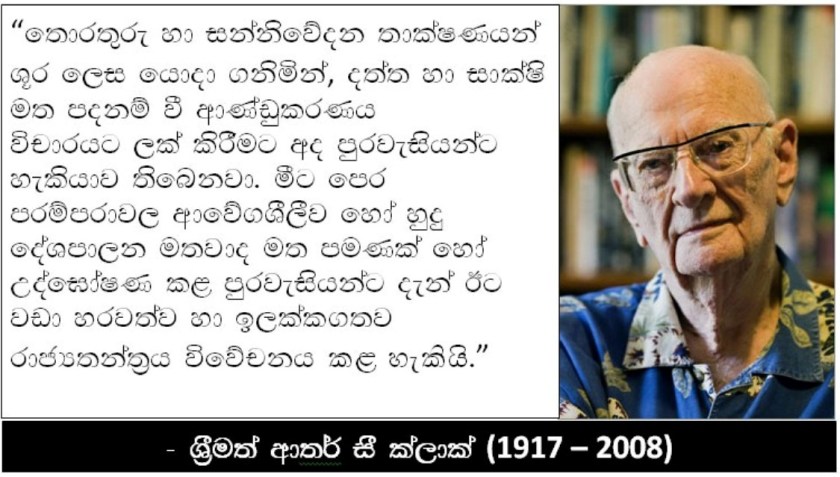
අඩ සියවසකට වැඩි කාලයක් (1956 – 2008) ශී‍්‍ර ලංකාවේ පදිංචිව සිටි, විද්‍යා ලේඛක හා අනාගතවේදී ශී‍්‍රමත් ආතර් සී ක්ලාක්ගේ අදහස් කිහිපයක් සිහිපත් කිරීම වැදගත්.

ඔහු අවසන් වරට මෙරට ප‍්‍රකාශනයක් සමග දීර්ඝ සම්මුඛ සාකච්ඡාවක් කළේ 2005 මුලදී. සුනාමියෙන් සති කිහිපයකට පසු LMD ව්‍යාපාරික සඟරාව සමග කළ ඒ සංවාදය අතරතුර මෙරටට උචිත ආණ්ඩුකරණයක් ගැනත් කථා කළා.

රටේ අවශ්‍යතාවලට ගැළපෙන හොඳම පාලන ක‍්‍රමය කුමක්දැයි ඔහුගෙන් ඇසූ විට දුන් පිළිතුර මෙයයි.

රජාතන්තරවාදය හොඳයි හා නරකයි යන තර්ක දෙකම අපට නිතර අසන්නට ලැබෙනවා. රජාතන්තරවාදය පරිපූර්ණ නැහැ. එය යාවත්කාලීන කිරීම හා රටේ හැටියට යම් තරමකට හැඩගස්වා ගැනීම අවශ්යයි. එසේම සියවස් ගණනක් පැවත රජාතාන්තිරක සම්ප්‍රදායන් නූතන තාක්ෂණයන්ගේ පිහිටෙන් වඩාත් දියුණු තියුණු කළ හැකියි.

 “සීඝරයෙන් ගෝලීයකරණය වන අපේ ලෝකයේ දුගී බව පිටු දැකීමට හා සියලූ ජනයාගේ ජීවන මට්ටම් නඟා සිටුවීමට නම් රාජ් තන්තරයේ නිසි වගකීම සහ වගවීම අවශ්යයි. එය මධ්යම, පළාත් හා පළාත් පාලන යන සියලූ මට්ටම්වල සිදුවිය යුතුයි.

 “මෙය සාක්ෂාත් කර ගත හැක්කේ පුරවැසියන් මැතිවරණවල ඡන්දය දීමෙන් හා කලින් කලට ආණ්ඩු මාරු කිරීමෙන් නොනැවතී දිගටම රජයන් හා ජනතා නියෝජිතයන් සමග ගණුදෙනුවක යෙදීමෙන්. මෙයට සමාජයීය වගවීම (social accountability) යයි කියනවා.

 “තොරතුරු හා සන්නිවේදන තාක්ෂණයන් ශූර ලෙස යොදා ගනිමින්. දත්ත හා සාක්ෂි මත පදනම් වී ආණ්ඩුකරණය විචාරයට ලක් කිරීමට අද පුරවැසියන්ට හැකියාව තිබෙනවා. මීට පෙර පරම්පරාවල ආවේගශීලීව හෝ හුදු දේශපාලන මතවාද මත පමණක් උද්ඝෝෂණ කළ පුරවැසියන්ට දැන් ඊට වඩා හරවත්ව හා ඉලක්කගතව රාජ් තන්තරය විවේචනය කළ හැකියි.

 “මහජන මුදල් භාවිතය, රාජ් ආයතනවල අකාර්යක්ෂමතා, දූෂණ, වංචා හා බොරු ප්රෝඩා ගැන සූක්ෂම ලෙස ගවේෂණය කිරීමට හා තමා සොයා ගන්නා දේ ඉක්මණින් වෙබ් ගත කිරීමට අද ඩිජිටල් තාක්ෂණයෙන් සන්නද්ධ වූ පුරවැසියන්ට හැකියි. මේ නව හැකියාවන් හරහා යහපත් ආණ්ඩුකරණයට සියලූ දේශපාලකයන්ට හා රාජ් නිලධාරීන්ට බල කිරීමේ විභවය ජනතාවට ලැබෙනවා. මේ බලය නිසි ලෙස භාවිත කිරීමට අප උත්සුක විය යුතුයි.

Arthur C Clarke's remarks on ICTs and good governance, made in 2005
Arthur C Clarke’s remarks on ICTs and good governance, made in 2005

2008 මාර්තුවේ අප අතරින් නික්ම යන තුරුම ක්ලාක් නිතර කීවේ මේ නව සියවසේ ප‍්‍රබලම අවිය හා වටිනාම ඉන්ධනය වන්නේ තොරතුරු හා දැනුම බවයි. (තොරතුරුවලට සමාජයීය අගයක් එකතු කළ විට එය දැනුම බවට පත් වනවා.)

See also:
4 January 2015: සිවුමංසල කොලූගැටයා #201: ශ‍්‍රී ලංකාවේ අරාබි වසන්තයක් හට ගත හැකිද?

11 January 2015: සිවුමංසල කොලූගැටයා #202: 2015 ජනාධිපතිවරණයේ සන්නිවේදන පාඩම්

18 January 2015: සිවුමංසල කොලූගැටයා #203: මෛත‍්‍රීගේ මැන්ඩෙලා මොහොත!


My Wish for 2016: For an Open Society engaged with the world!

Here are my wishes for 2016, shared on Facebook and Twitter as home-made web memes.

I wish for a truly OPEN SOCIETY in ‪Sri Lanka in 2016
where good ideas flow freely,
public debate is informed, wide-ranging and courteous
and there are no Sacred Cows!

Let’s make it so! The power is with each and every one of us.

And here is the Sinhala language version:

හරබර අදහස් නිදහසේ ගලා යන,
පුළුල් හා ආචාරශීලී සංවාද නිරතුරු සිදුවන
අධිපතිවාදයන් හා හණමිටි ආකල්ප පිටු දකින
විවෘත ලක් සමාජයක් 2016 බිහි කරමු!

Nalaka Gunawardene's New Year Wish for 2016
Nalaka Gunawardene’s New Year Wish for 2016


On New Year’s eve, I shared this timeless quote of Mahatma Gandhi, which I felt was relevant for raging debates in Sri Lanka on what constitutes ‘our culture’ and how best to preserve it.

Mahatma Gandhi on the value of open, inclusive and multicultural societies


And here is how I rendered it into Sinhala language:

මගේ නිවස වටා සැම අතින් පවුරු බැඳ,

එහි කවුළු සියල්ල වසා දමන්නට මා කොහෙත්ම කැමති නැහැ.

ලොව නොයෙකුත් සංස්කෘතීන්ගේ ආභාෂ ප්රවාහයන්

මනිවසේ නිදහසේ සංසරණය වීම මට අවශ්යයි.

එහෙත් කිසිවකින් මා පෙරළා දමන්නට නම් මා ඉඩ දෙන්නේ නැහැ.

Mahatma Gandhi on the value of open, inclusive and multicultural societies - translated by Nalaka Gunawardene
Mahatma Gandhi on the value of open, inclusive and multicultural societies – translated by Nalaka Gunawardene

Exploring Open Data and Open Government in Sri Lanka

An Open Dialogue about Open Data

Today, I gave the opening speech at an introductory seminar on ‘open data’ held at the Sri Lanka Press Institute, Colombo, on 15 Oct 2015.

Organised by InterNews and Transparency International Sri Lanka, the seminar explored the concepts of ‘open data’ and ‘big data’ and discussed that role civil society, media and technologists can play in advocating to government to open up its data, enabling a culture of transparency and open government.

An Open Dialogue on Open Data - 15 Oct 2015 Coloombo - L to R - Sriganesh Lokanathan, Nalaka Gunawardene, Sanjana Hattotuwa [Photo by Sam de Silva]
An Open Dialogue on Open Data – 15 Oct 2015 Coloombo – L to R – Sriganesh Lokanathan, Nalaka Gunawardene, Sanjana Hattotuwa [Photo by Sam de Silva]
My premise was that while the proliferation of digital tools and growth of web-based data storage (the cloud) opens up new possibilities for information generation and sharing, South Asian societies need to tackle institutional and cultural factors before democratised and digital data can really transform governance and development. Our countries must adopt more inclusive policies and practices for public sharing of scientific and other public data.

This resonates with a call by the United Nations for a ‘data revolution for development’. I cited the UN Secretary-General’s Independent Expert Advisory Group on a Data Revolution for Sustainable Development (IEAG) highlighted this in a report titled  A World That Counts: Mobilising The Data Revolution for Sustainable Development (Nov 2014).

A World that Counts...
A World that Counts…

I also referred to the Sustainable Development Goals (SDGs) that were adopted by member states of the UN at a heads of state level summit in New York on 25-27 September 2015. Underpinning all 17 SDGs is an explicit recognition of the value of data for development — to better inform decisions, and to better monitor progress.

Sri Lanka’s President Maithripala Sirisena addressed the Summit, and officially committed Sri Lanka to the SDGs. I argue that implicit in that commitment is a recognition of data for development and open data policies. We now need to ask our government to introduce a government-wide policy on data collection, storage and sharing. In short, it must open up!

This was my open call to the President to open up:

Open Your Govt's Data, Mr President! Hope you don't give us HAL's famous answer...
Open Your Govt’s Data, Mr President! Hope you don’t give us HAL’s famous answer…

Sri Lanka has taken tentative steps towards open data. In 2013, the Open Data initiative of Government started making some official datasets freely available online. It focuses on machine-readable (well-structured and open) datasets.

I quoted from my own recent op-ed published in Daily Mirror broadsheet newspaper:

Daily Mirror, 14 Sep 2015: Beyond RTI: Moving to Open Data and Open Govt. by Nalaka Gunawardene

After many years of advocacy by civil society, Sri Lanka will soon adopt a law that guarantees citizens’ Right to Information (RTI). It has recently been added to the Constitution as a fundamental right.

Passing the RTI law is only a beginning — institutionalising it requires much effort, considerable funds, and continued vigilance on civil society’s part.

RTI is Coming: Are We Ready? My question to Lankan civil society and media

As champions of RTI, media and civil society must now switch roles, I said. While benefiting from RTI themselves, they can nurture the newly promised openness in every sphere, showing citizens how best to make use of it. Reorienting our public institutions to a new culture of openness and information sharing will be an essential step.

Here is my full PPT:


සිවුමංසල කොලූගැටයා #240: සියවසක් පැරණි පුවත් ආකෘතියෙන් ඔබ්බට අපේ මාධ්‍ය පරිනාමය වේද?

On 2 October 2015, I gave a talk to a group of provincial level provincial journalists in Sri Lanka who had just completed a training course in investigative journalism.

I looked at the larger news media industry in Sri Lanka to which provincial journalists supply ground level news, images and video materials. These are used on a discretionary basis by media companies mostly based in the capital Colombo (and some based in the northern provincial capital of Jaffna). Suppliers have no control over whether or how their material is processed. They work without employment benefits, are poorly paid, and also exposed to various pressures and coercion.

I drew an analogy with the nearly 150-year old Ceylon Tea industry, which in 2014 earned USD 1.67 billion through exports. For much of its history, Ceylon tea producers were supplying high quality tea leaves in bulk form to London based tea distributors and marketers like Lipton. Then, in the 1970s, a former tea taster called Merrill J Fernando established Dilmah brand – the first producer owned tea brand that did product innovation at source, and entered direct retail.

He wanted to “change the exploitation of his country’s crop by big global traders” – Dilmah has today become one of the top 10 tea brands in the world.

The media industry also started during British colonial times, and in fact dates back to 1832. But I questioned why, after 180+ years, our media industry broadly follows the same production model: material sourced is centrally processed and distributed, without much adaptation to new digital media realities.

In this week’s Ravaya column, (appearing in issue of 11 Oct 2015), I have adapted my talk into Sinhala.

Ceylon Tea industry pioneers and innovator: L to R - James Taylor, Thomas Lipton, Merril Fernando
Ceylon Tea industry pioneers and innovator: L to R – James Taylor, Thomas Lipton, Merrill Fernando

ප‍්‍රාදේශීය මාධ්‍යවේදීන් සිය ගණනක් අපේ දිවයිනේ නන් දෙස විසිර සිටිනවා. තම ගමේ, නගරයේ හා අවට ප‍්‍රදේශවල සිදුවීම් ගැන තොරතුරු හා රූප/වීඩියෝ දර්ශන පුවත්පත් ආයතන හා විද්‍යුත් මාධ්‍ය ආයතනවලට නිරතුරුව ලබා දෙන්නේ මේ අයයි.

මේ නිසා ප‍්‍රාදේශීය මාධ්‍යවේදීන් බිම් මට්ටමින් සක‍්‍රීය හා සංවේදී පිරිසක්. ඔවුන් බහුතරයක් කොළඹ පිහිටි මාධ්‍ය ආයතනවලටත්, සෙසු අය යාපනයේ පිහිටි මාධ්‍ය ආයතනවලටත් වාර්තා කරනවා.

මේ කේන්ද්‍ර ද්විත්වයේදී ඔවුන්ගේ දායකත්වය නිසි තක්සේරුවකට හෝ සැලකීමකට හෝ ලක් වන්නේ නැහැ. ඇත්තටම ප‍්‍රාදේශීය මාධ්‍යවේදීන් ඉතා අඩු ගෙවීම්වලට ලොකු අවදානම් ගනිමින් සේවයේ නිරත වනවා යයි කිව හැකියි.

ප‍්‍රාදේශීය මාධ්‍යවේදීන් 75 දෙනකුට ගවේෂණාත්මක වාර්තාකරණය පිළිබඳ පුහුණුවක් අවසානයේ සහතික ප‍්‍රදාන උත්සවයක් පසුගිය සතියේ කොළඹදී පැවැත්වුණා. එය සංවිධානය කළේ ට‍්‍රාන්ස්පේරන්සි ඉන්ටර්නැෂනල් ශ‍්‍රී ලංකා කාර්යාලය හා ශ‍්‍රී ලංකා පුවත්පත් ආයතනයයි. එහිදී දේශන පැවැත්වීමට මහාචාර්ය රොහාන් සමරජීවටත්, මටත් ඇරයුම් කර තිබුණා.

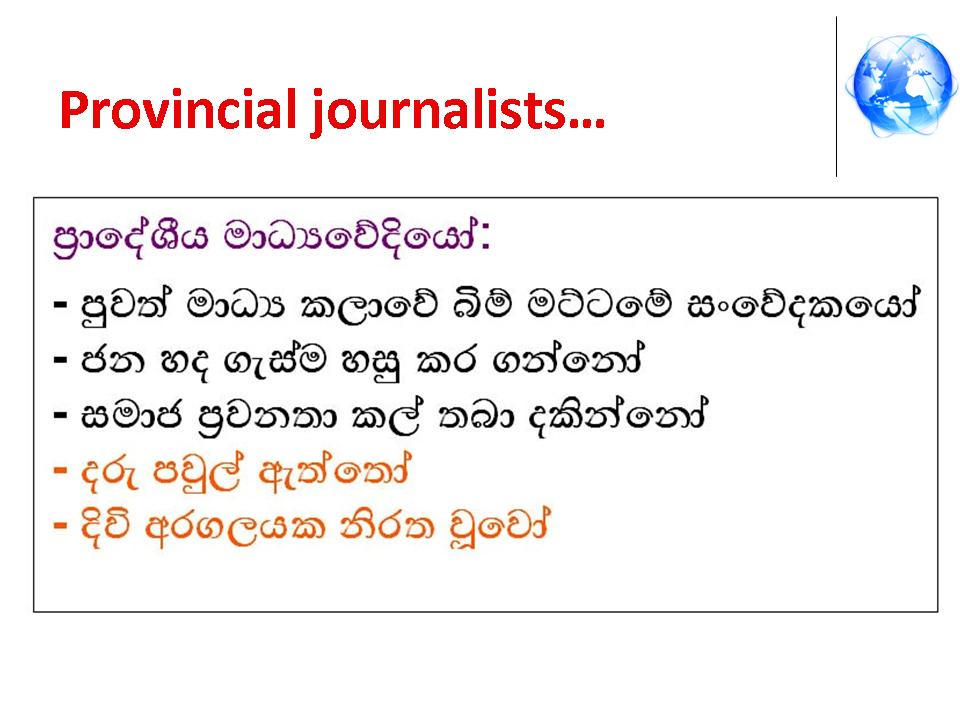
ප‍්‍රාදේශීය මාධ්‍යවේදීන් විවිධාකාරයෙන් හඳුන්වා දිය හැකියි. ප‍්‍රවෘත්ති මාධ්‍ය කලාවේ බිම් මට්ටමේ සංවේදකයෝ, ජන හද ගැස්ම හඳුනන්නෝ හා සමාජ ප‍්‍රවණතා කල් තබා දකින්නෝ ආදී වශයෙන්. මගේ කතාවේ මා මීට අමතරව ඔවුන් දරු පවුල් ඇත්තෝ හා දිවි අරගලයක නිරත වූවෝ කියා ද හැඳින් වූවා.

2015 සැප්තැම්බර් මුලදී මින්නේරිය සමඟිපුරදී වල් අලි ප‍්‍රහාරයකට ලක්ව ඉතා අවාසනාවන්ත ලෙසින් මිය ගිය කේ. එච්. ප‍්‍රියන්ත රත්නායක නම් ප‍්‍රාදේශීය මාධ්‍යවේදියා මා සිහිපත් කළා. එම අනතුර ගැන සටහනක් ලියූ සමාජ විචාරක හා බ්ලොග් රචක අජිත් පැරකුම් ජයසිංහ කීවේ මෙයයි.

Priyantha Ratnayake, Sri Lanka provincial journalist who died of an elephant attack in September 2015

“සාමාන්‍යයෙන් ප්‍රාදේශීය මාධ්‍යකරුවෝ විවිධ ආකාරයෙන් මාධ්‍ය ආයතන ගණනාවකට එක වර සේවය සපයති. සපයනු ලබන ප්‍රවෘත්තිවලට පමණක් සුළු ගෙවීමක් ලබන ඔවුන්ට පැවැත්මක් තිබෙන්නේ එවිටය. අඩු තරමේ ඔවුන්ගේ නම හෝ ප්‍රචාරය වන්නේ දේශපාලකයකුගෙන් ගුටි කෑම වැනි අනතුරුදායක කටයුත්තකදී පමණි.

“ප්‍රාදේශීය මාධ්‍යකරුවන් යනු මාධ්‍ය ආයතනවල සූරාකෑමට දරුණු ලෙස ගොදුරු වන පිරිසකි. ඔවුන්ට සාමාන්‍යයෙන් ගත් කල කිසිදු පුහුණුවක් නැත. මාධ්‍යකරුවන්ට ලබා දෙන විධිමත් ආරක්ෂක පුහුණුවකදී නම් වාර්තාකරණයේදී ආත්මාරක්ෂාව සපයා ගන්නා ආකාරය පුහුණු කරනු ලැබේ. එහෙත් ලංකාවේ බහුතරයක් ප්‍රාදේශීය මාධ්‍යකරුවන්ට ප්‍රවෘත්ති පිළිබඳ මූලික අවබෝධය පවා නැත. බොහොමයක් මාධ්‍යකරුවන් එවන ප්‍රවෘත්ති නැවත ලියන්නට සිදු වේ.

“මාධ්‍ය ආයතනවලට ප්‍රාදේශීය මාධ්‍යකරුවා තවත් එක් උපකරණයක් පමණි. මොන යම් ආකාරයකින් හෝ ප්‍රාදේශීය ප්‍රවෘත්ති ලැබෙනවා නම් මාධ්‍ය ආයතනවලට ඇතිය. රටේම මිනිසුන්ට වන අසාධාරණකම් විවේචනය කරන මාධ්‍ය ආයතනවල ප්‍රාදේශීය මාධ්‍යකරුවන් සූරාකෑම නැවැත්වීමට කටයුතු කළ යුතුය.”

Full text: ප්‍රාදේශීය මාධ්‍යකරුවන්ගේ ජීවිත සූරා කන මාධ්‍ය ආයතන

මේ විග‍්‍රහයට මා එකඟයි. මාධ්‍යවේදීන්ට “මාධ්‍ය කම්කරුවන්’’ මට්ටමින් සැලකීම හුදෙක් ප‍්‍රාදේශීය වාර්තාකරුවන්ට පමණක් සීමා වී නැතත්, එය වඩාත් බරපතළ වන්නේ ඔවුන් සම්බන්ධයෙනුයි.

හොඳින් ලාභ ලබන මුද්‍රිත හා විද්‍යුත් මාධ්‍ය ආයතන පවා ප‍්‍රාදේශීය මාධ්‍යවේදීන්ට ගෙවන්නේ ඉතා අඩුවෙන්. එය ද ඔවුන් සපයන තොරතුරක් හෝ රූපයක් හෝ භාවිත වූවොත් පමණයි. එයට අමතරව නිවාඩු, රක්ෂණ ආවරණ ආදී කිසිවක් ඔවුන්ට හිමි නැහැ.

මේ අසාධාරණයට ලක් වන රාදේශීය මාධ්යවේදීන්ට සිය මාධ්යකරණයේ නියැලීමට විකල්ප රමවේද හා අවකාශයන් තිබේද? ඒවා විවර කර ගැනීමට කුමක් කළ යුතුද?

මේ ගැන මගේ කතාවේදී මා මෙනෙහි කළා. එහිදී මාධ්‍ය කර්මාන්තයේ පුවත් සම්පාදන ආකෘතිය සමීපව විමර්ෂනය කළ යුතු බව මගේ අදහසයි.

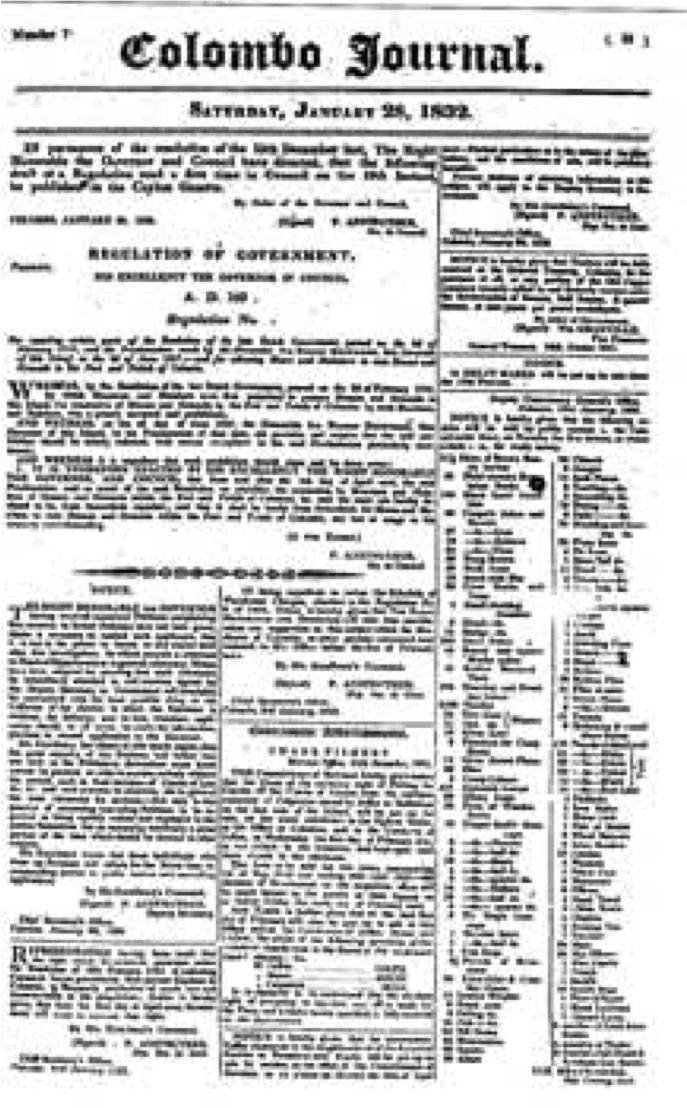
Colombo Journal, first newspaper in Ceylon, founded in January 1832

(1802 දී ආරම්භ කළ ගැසට් පත‍්‍රය මාධ්‍ය අංගයක් ලෙස නොසැළකුවොත්) ශ‍්‍රී ලංකාවේ නූතන මාධ්‍යකරණය ඇරැඹුණේ 1832 ජනවාරියේදී. කලම්බු ජර්නල් (Colombo Journal) නම් සති දෙකකට වරක් පළ වූ ඉංග‍්‍රීසි සඟරාව මෙරට මුල්ම වාරික ප‍්‍රකාශනයයි. එවකට බි‍්‍රතාන්‍ය යටත් විජිත රජයේ මුද්‍රණාලයාධිපතිව සිටි ජෝර්ජ් ලී එහි කතුවරයා වූවා. එකල ආණ්ඩුකාරයා වූ රොබට් විල්මට් හෝට්න් ද එයට ලිපි සැපයුවා.

මෙබඳු රාජ්‍ය සබඳතා තිබුණත් පෞද්ගලික මට්ටමින් පවත්වා ගෙන ගිය කලම්බු ජර්නල් සඟරාව පැවති රජය විවේචනය කිරීම නිසා ටික කලකින් පාලකයන්ගේ උදහසට ලක් වූවා. (රජය හා මාධ්‍ය අතර මත අරගලය මාධ්‍ය ඉතිහාසය තරම්ම පැරණියි!) මේ නිසා 1833 දෙසැම්බර් මස සඟරාව නවතා දමනු ලැබුවා.

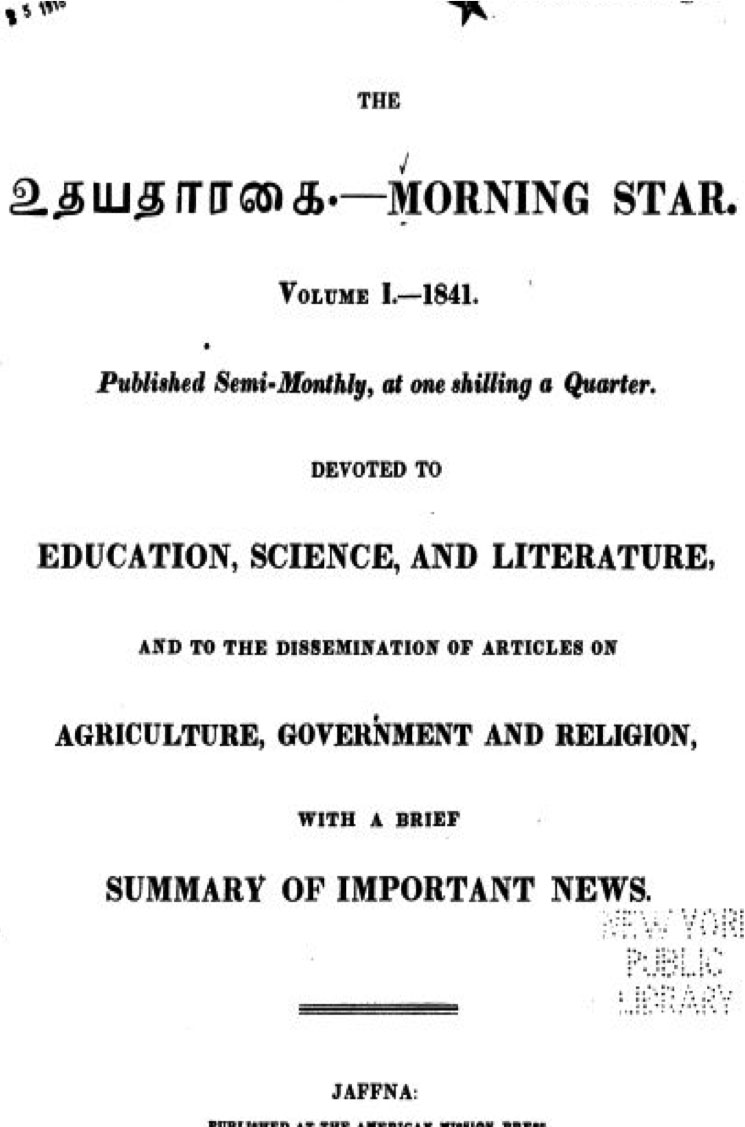
දෙමළ බසින් මුල්ම වාරික ප‍්‍රකාශනය වූ “උදය තාරකායි’’ 1841දී යාපනයෙන්ද, මුල්ම සිංහල පුවත්පත ලෙස සැලකෙන “ලංකාලෝක’’ 1860දී ගාල්ලෙන්ද අරඹනු ලැබුවා. (මෙයින් පෙනෙන්නේ මුල් යුගයේ මාධ්‍ය ප‍්‍රකාශනය කොළඹට පමණක් කේන්ද්‍ර නොවූ බවයි.)

The first Tamil newspaper in Sri Lanka, Udaya Tharakai, was started in 1841 from Jaffna
The first Tamil newspaper in Sri Lanka, Udaya Tharakai (=Morning Star), was started in 1841 from Jaffna

1832 ආරම්භය ලෙස ගත් විට වසර 180කට වඩා දිග ඉතිහාසයක් අපේ මාධ්‍ය කර්මාන්තයට තිබෙනවා. එය වඩාත් සංවිධානාත්මක කර්මාන්තයක් බවට පත් වූයේ 20 වන සියවසේදී. 1925දී රේඩියෝ මාධ්‍යයත්, 1979දී ටෙලිවිෂන් මාධ්‍යයත්, 1995දී ඉන්ටර්නෙට් සබඳතාවත් මෙරටට හඳුන්වා දෙනු ලැබුවා.

මුද්‍රිත හා විද්‍යුත් මාධ්‍යවලට දශක ගණනක ඉතිහාසයක් ඇතත් එහි පුවත් එකතු කිරීමේ ආකෘතිය තවමත් වෙනස් වී නැහැ. එහි සැපයුම්දාමය ප‍්‍රාදේශීය මාධ්‍යවේදීන්ගේ සිට කොළඹ/යාපනය ප‍්‍රධාන කාර්යාලවලට එනවා. එතැනදී තේරීමකට හා ප‍්‍රතිනිර්මාණයට ලක් වනවා. ඉන් පසු රටටම බෙදා හරිනවා.

එම ක‍්‍රියාවලියේදී ප‍්‍රාදේශීය මාධ්‍යවේදීන්ට තීරක බලයක් නැහැ. කලකට පෙර නම් ඔවුන්ගේ නම පවා පත්තරවල පළ කළේ කලාතුරකින්. පුවත් ප‍්‍රමුඛතාව හා කුමන ආකාරයේ පුවත් පළ කරනවා ද යන්න ගැන න්‍යාය පත‍්‍රය මුළුමනින්ම තීරණය කරන්නේ කේන්ද්‍රීය කාර්යාල විසින්. ගතානුගතිකත්වය හා වැඩවසම් ආකල්ප තවමත් අපේ මාධ්‍ය කර්මාන්තයේ බහුලයි.

මෙය කෙසේ වෙනස් කළ හැකිද? මාධ්‍ය කර්මාන්ත ආකෘති කෙසේ නවෝත්පාදනයට ලක් කළ හැකිද? වෙනත් කර්මාන්තවලින් ආදර්ශයක් ගත හැකි දැයි මා ටිකක් විපරම් කළා.

තේ කර්මාන්තය ද බි‍්‍රතාන්‍ය පාලන සමයේ ඇරැඹි මේ වන විට ඉතා සංවිධානාත්මකව ක‍්‍රියාත්මක වන දැවැන්ත කර්මාන්තයක්. 2014දී ඇමෙරිකානු ඩොලර් බිලියන 1.67ක් (රුපියල් බිලියන 231) ආදායම් ලද මේ කර්මාන්තය ඍජුව ලක්ෂ හත හමාරකට ජීවිකාව සපයනවා.

චීනයේ සිට මුලින්ම තේ පැළයක් මෙරටට ගෙනාවේ 1824දී වුවත්, වැවිලි කර්මාන්තයක් ලෙස තේ වැවීම පටන් ගත්තේ කෝපි වගාව දිලීර රෝගයකින් විනාශ වූ විටයි. මුල්ම තේ වත්ත 1867දී මහනුවර දිස්ත‍්‍රික්කයේ අරඹන ලද ලූල්කඳුර වත්තයි. එය ඇරැඹු ජේම්ස් ටේලර් (James Taylor: 1835-1892) තේ වගාවෙ පුරෝගාමියා ලෙස සැලකෙනවා.

සුළුවෙන් පටන් ගත් තේ වගාව ටිකෙන් ටික උඩරට හා පහතරට වෙනත් ප‍්‍රදේශවලට ව්‍යාප්ත වුණා. මෙරට භාවිතයට මෙන්ම පිටරට යැවීමටත් තේ කොළ නිෂ්පාදනය කරනු ලැබුවා.

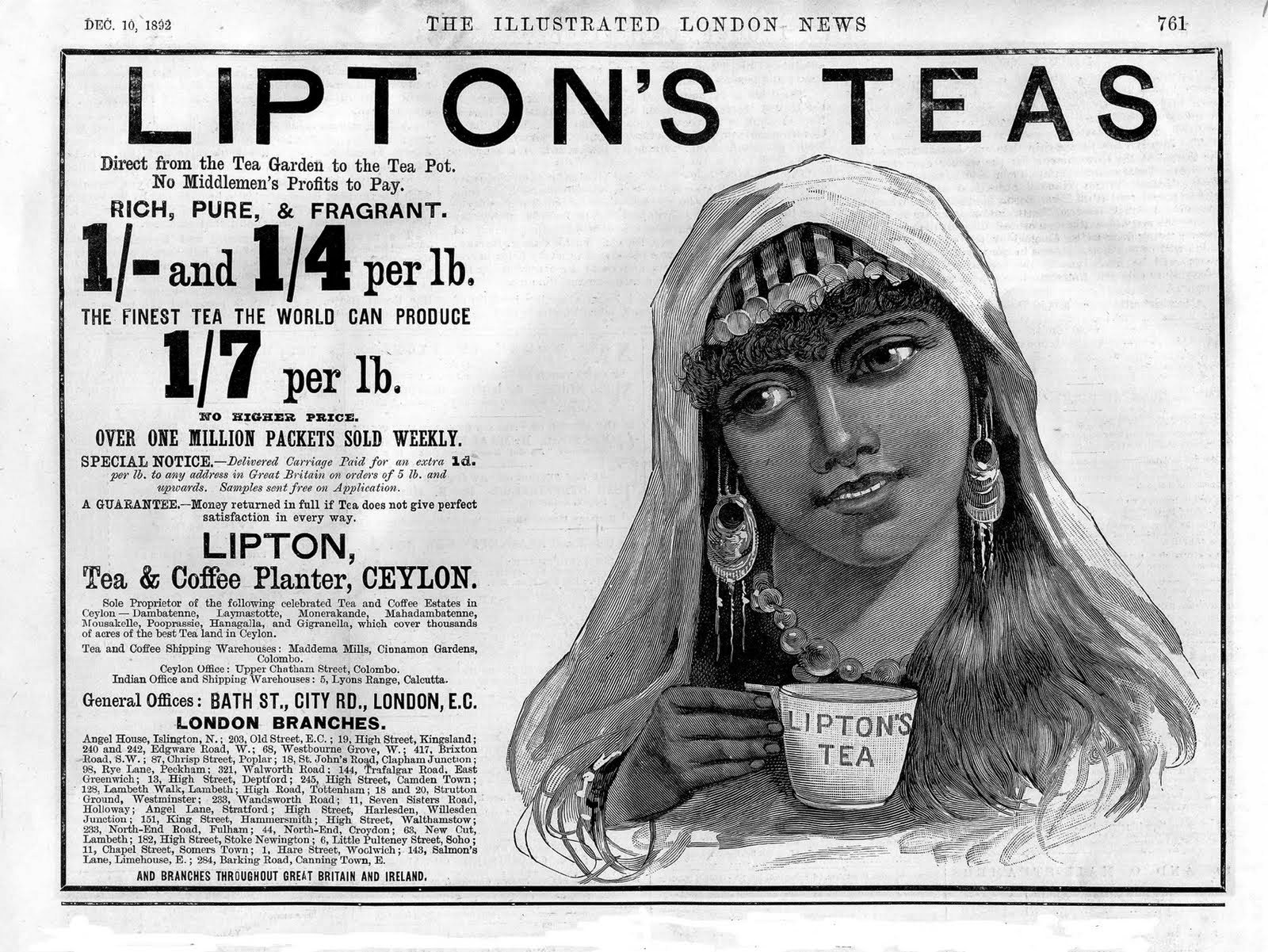
සන්ධිස්ථානයකත් වූයේ තොමස් ලිප්ටන් (Thomas Lipton: 1841-1931) නම් බි‍්‍රතාන්‍ය ව්‍යාපාරිකයා 1890දී මෙරටට පැමිණ ජේම්ස් ටේලර් ඇතුළු තේ වැවිලිකරුවන් මුණ ගැසීමයි. තොග වශයෙන් ලංකා තේ මිලට ගෙන ලන්ඩනයට ගෙන ගොස් එහිදී පැකට් කර ලොව පුරා බෙදාහැරීම හා අලෙවිකරණය ඔහු ආරම්භ කළා. ලිප්ටන් තේ ලොව ප‍්‍රමුඛතම වෙළඳ සන්නාමයක් වූ අතර අපේ තේවලින් වැඩිපුරම මුදල් උපයා ගත්තේ එබඳු සමාගම්.

Lipton Advertisement for Ceylon Tea in 1892

මේ තත්ත්වය නිදහසෙන් පසුද දිගටම පැවතියා. ගෝලීය මට්ටමෙන් තේ බෙදා හැරීමේ හැකියාව හා අත්දැකීම් තිබුණේ යුරෝපීය සමාගම් කිහිපයකට පමණයි.

තේ රස බලන්නකු ලෙස වෘත්තීය ජීවිතය ඇරැඹු මෙරිල් J ප‍්‍රනාන්දු නම් ලාංකික තරුණයා ලන්ඩනයේ 1950 ගණන්වල පුහුණුව ලබද්දී මේ විසමතාව ඉතා සමීපව දුටුවා. යළි සිය රට පැමිණ තේ කර්මාන්තයේ සියලූ අංශවල අත්දැකීම් ලත් ඔහු 1988දී ගෝලීය දැවැන්තයන්ට අභියෝග කිරීමට තමාගේම සමාගමක් ඇරැඹුවා. එහි නම ඩිල්මා (Dilmah Tea: www.dilmah.com)

ඩිල්මා සමාගම කළේ මෙරට නිපදවන තේ කොළ මෙහිදීම අගය එකතු කොට, තේ බෑග් එකක් ඇසුරුම් කොට ඔවුන්ගේ වෙළඳනාමයෙන් ගෝලීය වෙළඳපොළට යැවීමයි. මුලදී දැවැන්ත බහුජාතික සමාගම් සමග තරග කිරීමට ඉතා දුෂ්කර වුවත් නවෝත්පාදනය හා නිර්මාණශීලී අලෙවිකරණය හරහා ලෝක වෙළඳපොළ ජය ගන්නට ඩිල්මා සමත්ව සිටිනවා.

අද ලොව රටවල් 100කට ආසන්න ගණනක සුපර්මාර්කට්වල ලිප්ටන් වැනි තේ අතර ඩිල්මා ද අලෙවි කැරෙනවා.

ඩිල්මා යනු මෙරටින් බිහි වූ විශිෂ්ටතම වෙළඳ සන්නාමයන්ගෙන් එකක්. එහි සාර්ථකත්වයට මුල දශක ගණනක් පැවැති තේ කර්මාන්ත ආකෘතිය අභියෝගයට ලක් කිරීමයි.

Image courtesy Dilmah.com website

තේ කර්මාන්තය මෙසේ නවෝත්පාදනයට ලක් වෙමින් විවිධාංගීකරණය වෙද්දී අපේ මාධ් කර්මාන්ත ආකෘතිය සියවසක් තිස්සේ එතරම් වෙනස් වී නැහැ. මුද්රණ තාක්ෂණය හා ඩිජිටල් උපාංග අතින් නවීකරණය වුවද රාදේශී් පුවත් කේන්ද්රයකට ලබා ගෙන, පෙරහන් කොට රටටම එතැනින් බදීම එදත් අදත් එසේම කර ගෙන යනවා.

මේ ක‍්‍රියාදාමය තුළ ප‍්‍රාදේශීය මාධ්‍යවේදීන් මා සම කළේ කුඩා තේ වතු හිමිකරුවන්ටයි. අක්කර 10ට වඩා අඩු බිම්වල තේ වවන මොවුන් ලක්ෂ 4ක් පමණ සිටිනවා. 2013 මෙරට සමස්ත තේ නිපැයුමෙන් 60%ක් වගා කළේ ඔවුන්.

තමන්ගේ තේ දළු අවට තිබෙන ලොකු තේ වත්තකට විකිණීම ඔවුන්ගේ ක‍්‍රමයයි. එතැනින් ඔබ්බට තම ඵලදාව ගැන පාලනයක් ඔවුන්ට නැහැ.

මේ උපමිතිය මා සඳහන් කළ විට මගේ සභාවේ සිටි එක් ප‍්‍රාදේශීය මාධ්‍යවේදියෙක් කීවේ තමන් සුළු තේ වතු හිිමියන්ටත් වඩා අසරණ බවයි. තේ දළු විකුණා ගැනීම සාමාන්‍යයෙන් ප‍්‍රශ්නයක් නොවෙතත්, තමන් සම්පාදනය කරන පුවත් හා රූපවලින් භාවිතයට ගැනෙන්නේ (හා ගෙවීම් ලබන්නේ) සමහරකට පමණක් බව ඔහු කියා සිටියා.

මෙරට මාධ්‍ය කර්මාන්තය සමස්තයක් ලෙස පර්යේණාත්මකව හදාරමින් සිටින මා මතු කළ ඊළඟ ප‍්‍රශ්නය මෙයයි. තේ කර්මාන්තයේ පිළිගත් ආකෘතියට අභියෝග කළ මෙරිල් ප‍්‍රනාන්දුට සමාන්තරව මාධ්‍ය කර්මාන්තයේ මුල් බැස ගත් ආකෘතිය අභියෝගයට ලක් කරන්නේ කවුද?

යම් තාක් දුරට මෙය පුරවැසි මාධ්‍යවේදීන් කරනවා. බ්ලොග් ලේඛකයන්, සමාජ ජාල මාධ්‍ය භාවිත කරන්නන් ප‍්‍රධාන ප‍්‍රවාහයේ මාධ්‍ය ගැන නොතකා කෙලින්ම තම තොරතුරු, අදහස් හා රූප ලොවට මුදා හරිනවා. රටේ ජනගහනයෙන් 20%ක් ඉන්ටර්නෙට් භාවිත කරන නිසා මෙය තරමක් දුරට සීමිත වූවත් (මා මීට පෙර විග‍්‍රහ කර ඇති පරිදි) එසේ සම්බන්ධිත වූවන් හරහා සමාජයේ තව විශාල සංඛ්‍යාවකට එම තොරතුරු ගලා යනවා.

මෙය දිගු කාලීනව ප‍්‍රධාන ප‍්‍රවාහයේ මාධ්‍යවලට අභියෝගයක්. එහෙත් අපේ බොහෝ මාධ්‍ය එය හරිහැටි වටහාගෙන නැහැ. ඔවුන් තවමත් සිටින්නේ ලිප්ටන් ආකෘතියේ මානසිකත්වයකයි.

හැකි පමණට වෙබ් හරහා තම තොරතුරු හා රූප මුදාහැරීම සමහර ප‍්‍රාදේශීය මාධ්‍යවේදීන් ආරම්භ කොට තිබෙනවා. උදාහරණ ලෙස මා ගෙන හැර දැක්වූයේ ගාල්ලේ බෙහෙවින් සක‍්‍රීය හා උද්‍යෝගීමත් මාධ්‍යවේදී සජීව විජේවීරයි. ඔහු ෆේස්බුක් හරහා බොහෝ දේ බෙදා ගන්නා අතර Ning.com නම් සමාජ මාධ්‍ය වේදිකාව හරහා ගාලූ පුරවැසියෝ නම් එකමුතුවක්ද කලක් කර ගෙන ගියා.

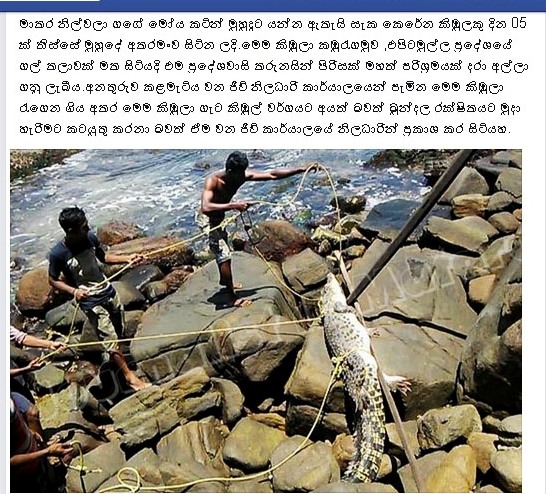
Example from journalist in Matara Facebook group: Catching a crocodile in Kamburugamuwa, Matara, 23 Sep 2015

මේ අතර මාතර දිස්ත‍්‍රික්කයේ ප‍්‍රාදේශීය මාධ්‍යවේදීන් 70 දෙනෙකු එක් වී Journalist in Matara නම් විවෘත ෆේස්බුක් පිටුවක් කරනවා. ඒ හරහා තමන් එකතු කරන තොරතුරු හා රූප බෙදා ගන්නවා. ප‍්‍රාදේශීය වශයෙන් වැදගත් එහෙත් සැම විටම ජාතික මාධ්‍යවලට අදාළ නොවන බොහෝ දේ එහි හමු වනවා.

මෙබඳු තවත් උදාහරණ වෙනත් ප‍්‍රදේශවලද සිංහලෙන් හා දෙමළෙන් තිබෙනවා. එහෙත් මේ කිසිවකුට තවම ඒ හරහා ජීවිකාව උපයා ගන්නට බැහැ. හොඳ මාධ්‍ය අංග සඳහා පාඨකයන් කැමති ගානක් ගෙවා නඩත්තු කරන ආකාරයේ සමූහ සම්මාදම් නැතිනම් ජනතා ආයෝජන ක්‍රමවේදයන් (crowd-funding) වඩාත් දියුණු රටවල දැන් තිබෙනවා. එම ආකෘති අප අධ්‍යයනය කොට හැකි නම් අදාළ කර ගත යුතුයි.

මේ කිසිවක් ප‍්‍රධාන ප‍්‍රවාහයේ මාධ්‍යවලට ඍජුව අභියෝග කිරීමක් නොවේ. එහෙත් නිසි පිළි ගැනීමකට හෝ සාධාරණ ගෙවීමකට ලක් නොවී සිටින ප‍්‍රාදේශීය මාධ්‍යවේදීන් තාක්ෂණය හරහාවත් බලාත්මක කොට ඒ හරහා අපේ තොරතුරු සමාජය වඩාත් සවිමත් කළ හැකි නම් කොතරම් අපූරුද?

A tale of two industries:  one that evolved, and the other that hasn't quite done so...
A tale of two industries: one that evolved, and the other that hasn’t quite done so…

Grassroots Journalism in the Digital Age: Innovate or Perish!

Grassroots Journalism in the Digital Age - by Nalaka Gunawardene
Grassroots Journalism in the Digital Age – by Nalaka Gunawardene

I just spoke to a group of 75 provincial level provincial journalists in Sri Lanka who were drawn from around the island. They had completed a training course in investigative journalism conducted by Transparency International Sri Lanka (TISL), with support from InterNews.

The certificate award ceremony was held at Sri Lanka Press Institute (SLPI), Colombo, on 2 October 2015.

In this talk, I look at the larger news media industry in Sri Lanka to which provincial journalists supply ground level news, images and video materials. These are used on a discretionary basis by media companies mostly based in the capital Colombo (and some based in the northern provincial capital of Jaffna). Suppliers have no control over whether or how their material is processed. They work without employment benefits, are poorly paid, and also exposed to various pressures and coercion.

A tale of two industries: one that evolved, and the other that hasn't quite done so...
A tale of two industries: one that evolved, and the other that hasn’t quite done so…

I draw a rough analogy with the nearly 150-year old Ceylon Tea industry, which directly employs around 750,000 people, sustains an estimated 2 million (10% of the population) and in 2014 earned USD 1.67 billion through exports. For much of its history, the Ceylon tea producers were supplying high quality tea leaves in bulk form to London based tea distributors and marketers like Lipton.

Then, in the 1970s, a former tea taster called Merrill J Fernando established Dilmah brand – the first producer owned tea brand that did product innovation at source, and entered direct retail. He wanted to “change the exploitation of his country’s crop by big global traders” – Dilmah has today become one of the top 10 tea brands in the world.

The media industry also started during British colonial times, and in fact dates back to 1832. But I question why, after 180+ years, our media industry broadly follows the same production model: material sourced is centrally processed and distributed, without much adaptation to new digital media realities.

I draw a parallel between tea small holders – those growing on lands less than 10 acres (4 ha) who account for 60% of Sri Lanka’s annual tea production – and the provincial journalists. Both are supplies at the beginning of a chain. Neither has much or any say in how their material is processed and marketed.

Provincial Journalists - Ground level ‘eyes and ears’ of media industry, unsung & often unknown
Provincial Journalists – Ground level ‘eyes and ears’ of media industry, unsung & often unknown

As usual, I don’t have all the answers, but I ask some pertinent questions:

Where are the Merrill Fernandos of our media industry?

Who can disrupt these old models and innovate?

Can disruptive innovators emerge from among provincial journalists?

How can they leverage digital tools and web based platforms?

What if they start value-adding at source and direct distribution via the web?

But since they have families to feed, how to make an honest living doing that?

PPT on SLIDEShare:

http://www.slideshare.net/NalakaG/grassroots-journalism-in-the-digital-age-by-nalaka-gunawardene

Corridors of Power Panel: Tapping our ‘Hybrid Media Reality’ to secure democracy in Sri Lanka

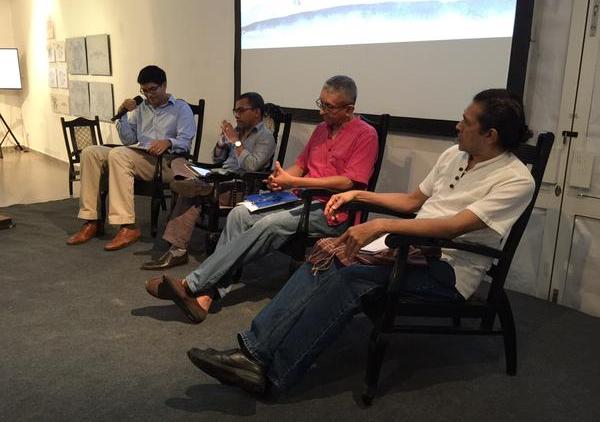
Sanjana Hattotuwa, curator, introduces panel L to R Asoka Obeyesekere, Amantha Perera, Nalaka Gunawardene, Lakshman Gunasekera
Sanjana Hattotuwa, curator, introduces panel L to R Asoka Obeyesekere, Amantha Perera, Nalaka Gunawardene, Lakshman Gunasekera. Photo by Manisha Aryal

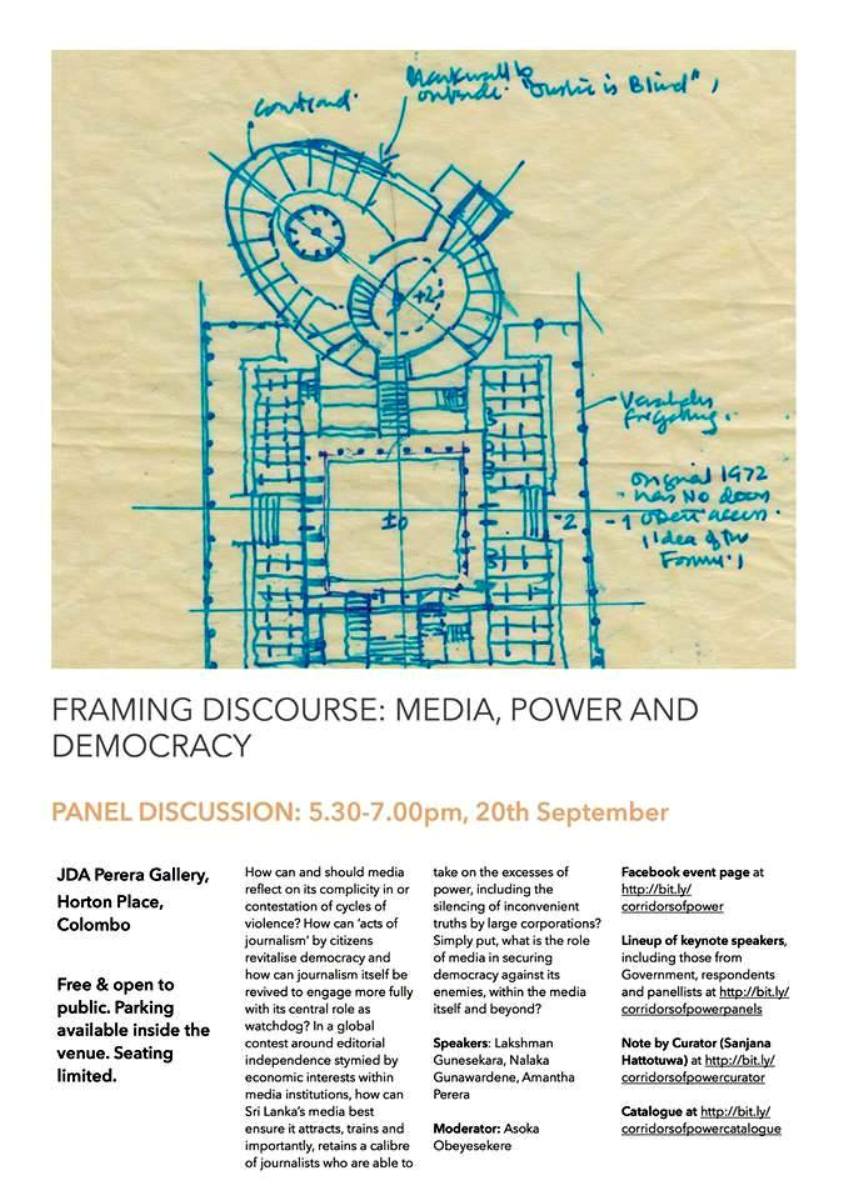
I just spoke on a panel on “Framing discourse: Media, Power and Democracy” which was part of the public exhibition in Colombo called Corridors of power: Drawing and modelling Sri Lanka’s tryst with democracy.

Media panel promo

The premise for our panel was as follows:

The architecture of the mainstream media, and increasingly, social media (even though distinct divisions between the two are increasingly blurred) to varying degrees reflects or contests the timbre of governance and the nature of government.

How can ‘acts of journalism’ by citizens revitalise democracy and how can journalism itself be revived to engage more fully with its central role as watchdog?

In a global contest around editorial independence stymied by economic interests within media institutions, how can Sri Lanka’s media best ensure it attracts, trains and importantly, retains a calibre of journalists who are able to take on the excesses of power, including the silencing of inconvenient truths by large corporations?

The panel, moderated by lawyer and political scientist Asoka Obeyesekere comprised freelance journalist Amantha Perera, Sunday Observer editor Lakshman Gunasekera, and myself.

Here are my opening remarks (including some remarks made during Q&A).

Nalaka Gunawardene speaks during media panel at Corridors of Power - Photo by Manisha Aryal
Nalaka Gunawardene speaks during media panel at Corridors of Power – Photo by Manisha Aryal

Panel on “Framing discourse: Media, Power and Democracy”

20 Sep 2015, Colombo

Remarks by Nalaka Gunawardene

Curator Sanjana has asked us to reflect on a key question: What is the role of media in securing democracy against its enemies, within the media itself and beyond?

I would argue that we are in the midst of multiple, overlapping deficits:

  • Democracy Deficit, a legacy of the past decade in particular, which is now recognised and being addressed (but we have a long way to go)
  • Public Trust Deficit in politicians and public institutions – not as widely recognised, but is just as pervasive and should be worrying us all.
  • Media Deficit, probably the least recognised deficit of all. This has nothing to do with media’s penetration or outreach. Rather, it concerns how our established (or mainstream) MEDIA FALLS SHORT IN PERFORMING the responsibilities of watchdog, public platform and the responsibility to “comfort the afflicted and afflict the comfortable”.

In this context, can new media – citizens leveraging the web, mobile devices and the social media platforms – bridge this deficit?

My answer is both: YES and NO!

YES because new media opportunities can be seized – and are being seized — by our citizens to enhance a whole range of public interest purposes, including:

  • Political participation
  • Advocacy and activism
  • Transparency and accountability in public institutions
  • Peace-building and reconciliation
  • Monitoring and critiquing corporate conduct

All these trends are set to grow and involve more and more citizens in the coming years. Right now, one in four Lankans uses the web, mostly thru mobile devices.

BUT CAN IT REPLACE THE MAINSTREAM MEDIA?

NO, not in the near term. For now, these counter-media efforts are not sufficient by themselves to bridge the three deficits I have listed above. The mainstream media’s products have far more outreach and and the institutions, far more resources.

Also, the rise of citizen-driven new media does NOT – and should NOT — allow mainstream media to abdicate its social responsibilities.

This is why we urgently need MEDIA SECTOR REFORMS in Sri Lanka – to enhance editorial independence AND professionalism.

The debate is no longer about who is better – Mainstream media (MSM) or citizen driven civic media.

WE NEED BOTH.

So let us accept and celebrate our increasingly HYBRID MEDIA REALITY (‘hybrid’ seems to be currently popular!). This involves, among other things:

  • MSM drawing on Civic Media content; and
  • Civic Media spreading MSM content even as they critique MSM

To me, what really matters are the ACTS OF JOURNALISM – whether they are RANDOM acts or DELIBERATE acts of journalism.

Let me end by drawing on my own experience. Trained and experienced in mainstream print and broadcast media, I took to web-based social media 8 years ago when I started blogging (for fun). I started tweeting five years ago, and am about to cross 5,000 followers.

It’s been an interesting journey – and nowhere near finished yet.

Everyday now, I have many and varied CONVERSATIONS with some of my nearly 5,000 followers on Twitter. Here are some of the public interest topics we have discussed during this month:

  • Rational demarcation of Ministry subject areas (a lost cause now)
  • Implications of XXL Cabinet of the National/Consensus Govt
  • Questionable role of our Attorney General in certain prosecutions
  • Report on Sri Lanka at the UN Human Rights Council (UNHRC) Session
  • Is Death Penalty the right response to rise of brutal murders?
  • Can our media be more restrained and balanced in covering sexual crimes involving minors?
  • How to cope with Hate Speech on ethnic or religious grounds
  • What kind of Smart Cities or MegaCity do we really need?
  • How to hold CocaCola LK responsible for polluting Kelani waters?

Yes, many of these are fleeting and incomplete conversations. So what?

And also, there’s a lot of noise in social media: it’s what I call the Global Cacophony.

BUT these conversations and cross-talk often enrich my own understanding — and hopefully help other participants too.

Self-promotional as this might sound, how many Newspaper Editors in Sri Lanka can claim to have as many public conversations as I am having using social media?

Let me end with the closing para in a chapter on social media and governance I recently wrote for Transparency International’s Sri Lanka Governance Report 2014 (currently in print):

“Although there have been serious levels of malgovernance in Sri Lanka in recent years, the build up on social media platforms to the Presidential Election 2015 showed that Lankan citizens have sufficient maturity to use ICTs and other forms of social mobilisation for a more peaceful call for regime change. Channelling this civic energy into governance reform is the next challenge.”

Photo by Sanjana Hattotuwa

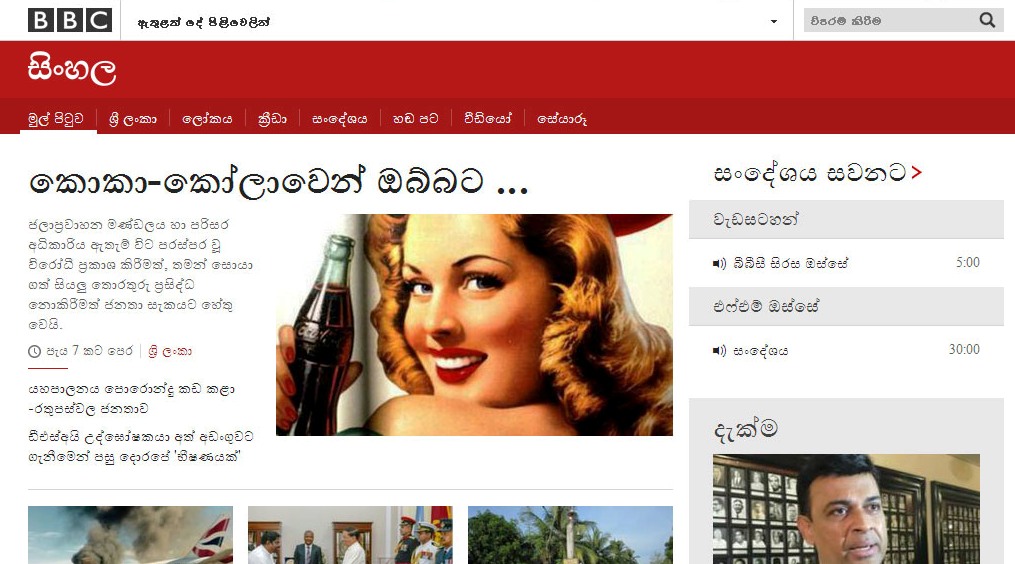
Op-ed in BBC Sinhala: කොකා-කෝලාවෙන් ඔබ්බට… (Beyond Coca Cola)

BBC Sinhala home page on 9 September 2015


BBC Online Sinhala has just published an opinion article I wrote on Coca Cola Sri Lanka factory polluting the Kelani River, the main source of water supply for Greater Colombo area in Sri Lanka.

Their version is found at: http://www.bbc.com/sinhala/sri_lanka/2015/09/150909_sp_coca_cola_nalaka#orb-banner

Here is my original submission. BBC Online does not, as a policy, provide links to outside websites, but the version below includes some relevant to my commentary.

කොකා-කෝලා ශ‍්‍රී ලංකා සමාගමේ බියගම පිහිටි කර්මාන්ත ශාලාවෙන් නිකුත් වූ අපද්‍රව්‍යයක් කැලණි ගඟට මුසුවීම මහත් ආන්දෝලනයක් ඇති කොට තිබෙනවා.

මහ මැතිවරණය පැවති අගෝස්තු 17 වැනිදා කොළඹ නගරයේ හා තදාසන්න ප‍්‍රදේශවල ජල නලයේ අසාමාන්‍ය ගන්ධයක් ගැන ලැබුනු පැමිණිලි අනුව ජලසම්පාදන හා ජලාප‍්‍රවාහන මණ්ඩලය කඩිනමින් විපරම් කළා. පැය කිහිපයකට ජල සැපයුම නතර කොට දූෂණයේ මූලාශ‍්‍රය සොයා ගත්තා.

අගෝස්තු 28 වැනිදා දෙවන වරටත් එම කර්මාන්තශාලාවෙන් අපද්‍රව්‍ය කාන්දුවක් සිදු වී නැවතත් කොළඹ හා අවට ජල සැපයුම තාවකාලිකව නතර කෙරුණා.

මාධ්‍ය වාර්තා මුලදී කීවේ මෙයට හේතුව කොකා-කෝලා කම්හලෙන් නිකුත් වූ ඞීසල් තෙල් කාන්දුවක් බවයි. එහෙත් සැප්තැම්බර් 5 වනදා මණ්ඩලයේ සභාපතිවරයා කියා තිබෙන්නේ එය කාබනික රසායනික ද්‍රව්‍යයක් විය හැකි බවයි.

වැඩිදුර පරීක්ෂණ සඳහා ඉන්දියාවට යවන ලද ජල සාම්පල හරහා ජලයේ මෙතිලින් සාන්ද්‍රණය ඉහළ ගිය බවක් පෙන්නුම් කරන බව ඔහු කියනවා. එහෙත් එයට නිශ්චිත හේතු කාරකය කුමක්දැයි තවමත් නිර්ණය කොට නැහැ.

මේ අතර මධ්‍යම පරිසර අධිකාරිය කියන්නේ අඹතලේ ජලාශයෙන් ලබා ගත් සාම්පල රසායනාගාර පරීක්ෂාවට ලක් කළ විට එහි ඛනිජ තෙල් මුසු වීමක් හමු වූ බවයි.

ජලාප‍්‍රවාහන මණ්ඩලය හා පරිසර අධිකාරිය ඇතැම් විට පරස්පර විරෝධී ප‍්‍රකාශ කිරීමත්, තමන් සොයා ගත් සියලූ තොරතුරු ප‍්‍රසිද්ධියට පත් නොකිරීමත් ජනතා සැකයට හේතු වනවා.

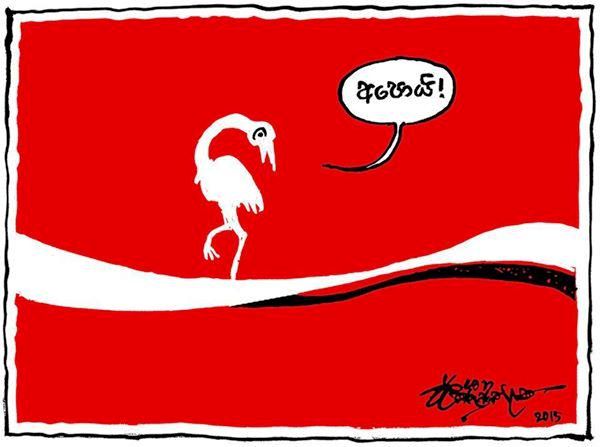
Coca Cola pollutes Kelani River in Sri Lanka: Cartoon by Dharshana Karunathilake

කි.මී. 145ක් දිග කැලණි ගඟට අයිති ගංගා නිම්න ප‍්‍රදේශය වර්ග කි.මී. 2,292ක්. එය මෙරට වඩාත්ම දූෂිත ජල ප‍්‍රවාහය බව මධ්‍යම පරිසර අධිකාරිය කියනවා.

පිරිපහදු කළ හා නොකළ කර්මාන්ත අපද්‍රව්‍ය, කෘෂිකර්මාන්ත අපද්‍රව්‍ය, ගෘහාශ‍්‍රිත හා නගරාශ‍්‍රිත බැහැර කිරීම් විශාල ප්‍රමාණයක් කැලණි ගඟට එකතු කරනවා. විශේෂයෙන් බතික් හා ලෝහ නිමැවීමේ කර්මාන්ත නිසා කැලණි ගඟ දිනපතා අපවිත‍්‍ර වනවා.

ගංගා පතුළ මුහුදු මට්ටමට වඩා පහත් වීම නිසා මුහුදු ජලයද විටින් විට ගඟ තුළට පැමිණ යම් තාක් දුරට උඩුගං බලා විහිදෙනවා (salt water intrusion). මෙයට හේතුවක් නම් ගං පතුළින් අධික ලෙස වැලි ගොඩ දැමීමයි. කැලණි ගං මෝයට කිමී 14ක් උඩුංගව පිහිටි අඹතලේ ජලාශය දක්වා මුහුදු ජලය ඇදී ආ අවස්ථා තිබෙනවා.

පසුගිය දශක කිහිපය පුරා කර්මාන්තශාලා පිහිටු වන විට පුළුල් සැලැස්මක් යටතේ ඒවා ස්ථානගත කිරීම සිදු වුණේ නැහැ. දියර අපද්‍රව්‍ය යම් පවිත‍්‍ර කිරීමකට (effluent treatment) ලක් කළ හැකි තාක්ෂණය හැම කර්මාන්තශාලාවකටම එක බැගින් ඉදි කිරීම වියදම් අධික කාරියක්. ආයෝජන ප‍්‍රවර්ධන කලාපයන්හි මෙය සීමිත වශයෙන් කරනවා.

එහෙත් කුඩා හා මධ්‍යම පරිමාණයේ කර්මාන්තශාලා රැසකට මේ පහසුකම නැහැ. ඔවුන් හීන් සීරුවේ අවට ඇති කාණුවකට හෝ දිය පාරකට අපද්‍රව්‍ය පිට කරනවා. ඉන්ධන පිරවුම්හල්, මෝටර් කාර්මික ගරාජයන්, ලියවන පට්ටල්, වාත්තු කම්හල් ආදී ස්ථානවලින් ඉවත ලන තෙල් හා අනෙකුත් රසායන ද්‍රව්‍ය ද කාණු ඔස්සේ ගලා ගොස් අවට ජල ධාරාවන්ට එකතු වනවා.

1990 පමණ පටන් මධ්‍යම පරිසර අධිකාරිය කර්මාන්තවලට පරිසර ආරක්ෂණ බලපත‍්‍ර (Environmental Protection License, EPL) නිකුත් කරනවා. ඒ වායු, ද්‍රව හා ඝන අපද්‍රව්‍ය පාලනය කරන්නට නිසි පියවර ගන්නා බවට තහවුරු වූ පසුවයි.

Citizen meme demanding justice for Kelani River after Coca Cola Sri Lanka discharged untreated effluent on 17 and 28 August 2015

කොකා-කෝලා සමාගමටත් එබන්දක් තිබුණා. එසේ තිබියදීත් සිදු වූ තෙල්/රසායනික කාන්දුව ‘අත්වැරදීමක්’ බවයි සමාගම කියන්නේ. අගෝස්තු 20 වනදා ක්‍රියාකරිත්වය නතර කළ කොකා-කෝලා කම්හල යළි සැප්තැම්බර් 1 වනදා වැඩ ඇරඹුවේ පරිසර අධිකාරියෙන් කොන්දේසි සහගත අනුමැතියක් ලබා ගෙන බව සමාගම ප්‍රකාශ කරනවා.

කොතරම් ප‍්‍රවේශමින් ක‍්‍රියාත්මක වන කර්මාන්තශාලාවක වුවත් ඉඳහිට වැරදි සිදු විය හැකියි. අනපේක්ෂිත ගැටලූ මතු විය හැකියි. එවන් අවස්ථාවල දිවා රැය නොබලා වහා ක‍්‍රියාත්මක වී හානිය අවම කර ගැනීමට සැලසුමක් (contingency plan) තිබිය යුතුයි.

එසේම හුදු කොකා-කෝලා විරෝධයකට හා බහුජාතික සමාගම් හෙළා දැකීමකට එහා යන පුළුල් ජන ආවේගයකට මේ සිදුවීම අප පෙරළා ගත යුතුයි.

කොකා-කෝලා සිද්ධිය තේමා කරගෙන 2015 සැප්තැම්බර් 5 වැනිදා රාවයට ලිපියක් ලියූ තරිඳු උඩුවරගෙදර කීවේ කොකා-කෝලා සමාගමට එල්ල වන ජන විරෝධයෙන් ඔබ්බට ගොස් සමස්ත කැලණි ගෙඟහි දූෂණය හා එයට දායක වන ලොකු කුඩා ප‍්‍රභවයන් ගැන ද අප දැනුවත් හා සංවේදී විය යුතු බවයි.

මෙයට සමාන්තර අදහසක් ජල සම්පත් පර්යේෂිකාවක් හා ක‍්‍රියාකාරිනියක් වන කුසුම් අතුකෝරල මතු කරනවා. අප හමුවේ තිබෙන්නේ හුදෙක් තනි සමාගමක වරදක් හෝ එක් දූෂණ සිද්ධියක් පමණක් නොවන බවත්, මේ අලුත්ම අර්බුදය සියළුම ප‍්‍රභවයන්ගෙන් ජල සම්පත අපවිත‍්‍රවීම වළක්වා ගැනීමේ වැදගත්කම යළි සිහිපත් කරවන බවත් ඇය කියනවා.

‘‘ගෘහාශ‍්‍රිත අපද්‍රව්‍ය, වැසිකිළි අපද්‍රව්‍ය මෙන්ම කර්මාන්ත අපද්‍රව්‍ය බොහොමයක් ද කිසිදු පවිත‍්‍ර කිරීමකින් තොරව අසල ඇති ජල ධාරාවකට හෝ ජලාශයකට මුදා හැරීම කලෙක පටන් රටේ බොහෝ ප‍්‍රදේශවල කැරෙනවා. මේ ගැන අපි ටික දෙනෙක් හඬ නැගුවත් බොහෝ දෙනකුට එය ප‍්‍රමුඛතාවක් වුණේ නැහැ.’’ ඇය කියනවා.

දැනට මෙරට නිවාසවලින් 45%කට නල ජලය ලැබෙනවා. 2020 වන විට එය 60% දක්වා වැඩි කිරීමට සැලසුම් තිබෙනවා. නල ජලයේ ප්‍රමිතිය සහතික කිරීම ජලසම්පාදන මණ්ඩලයේ වගකීමක්.

නල ජලය නොලබන බහුතරයක් නිවාස පානීය හා වෙනත් ගෙදර දොර අවශ්‍යතා සඳහා වැසි ජලය එකතු කර ගැනීම, මතුපිට ජලය (වැව්, ඇල දොල, ගංගා) හෝ භූගත ජලය මත යැපෙනවා. වැසි ජලය රැස් කිරීමේදී හැර අන් හැම ප‍්‍රභවයකින්ම යම් ජල දූෂක මිශ‍්‍ර විය හැකියි.

උදාහරණයක්: යාපනය දිස්ත‍්‍රික්කයේ චුන්නාකම් ප‍්‍රදේශයේ භූගත ජලය අපවිත‍්‍ර වීම නිසා 18,000කට වැඩි වැසියන් සංඛ්‍යාවක් මාස ගණනක සිට බලවත් හිරිහැරයකට මුහුණ පා සිටිනවා. මේ දූෂණයට චෝදනා ලැබ සිටින්නේ MTD වෝකර්ස් නම් සමාගමට අයත් එහි පිහිටි 30MW ධාරිතාවෙන් යුතු තාප විදුලි බලාගාරයයි.

2009දී ක‍්‍රියාකාරීත්වය ඇරඹූ මේ බලාගාරයෙන් මුදා හරින අපද්‍රව්‍ය තම ළිං ජලය හා භූගත ජල සම්පත දූෂණය කරන බවට එහි වැසියන් නගන චෝදනාව සමාගම ප‍්‍රසිද්ධියේ ප‍්‍රතික්ෂේප කර තිබෙනවා.

තමන් සියලූ පාරිසරික අනුමැතියන් ලබාගෙන නිසි ප‍්‍රමිතීන්ට අනුකූලව ක‍්‍රියාකරන බවත්, අදාළ රාජ්‍ය ආයතනවලට ඕනෑම වෙලාවක පරීක්ෂා කර බැලිය හැකි බවත් බලාගාර සමාගම කියනවා.

12 Feb 2015: Tamil Guardian: Protests continue in Chunnakam over water contamination

School children in Jaffna protesting against Chunnakam water pollution - image from Tamil Guardian
School children in Jaffna protesting against Chunnakam water pollution – image from Tamil Guardian

මෙබඳු චෝදනා ලබන සමාගම්වල ස්ථාවරය තමන් රටේ නීතියට හා ප්‍රමිතීන්ට අනුකූල වන බවයි. බොහෝ සමාගම් ඉන් ඔබ්බට සමාජයීය වගකීමක් භාර ගන්නේ නැහැ.

2013 අගෝස්තුවේ වැලිවේරියේ රතුපස්වල රබර් අත්වැසුම් කර්මාන්තශාලාව හා ප‍්‍රදේශවාසීන් අතර හට ගත් මෙබඳුම මතභේදයක් කෙළවර වූයේ පසුගිය රජය හමුදා බලය යොදවා නිර්දය ලෙස ප‍්‍රදේශවාසීන් මර්දනය කිරීමෙන්.

කම්හල් හිමියන් හා රාජ්‍ය ආයතන ගැන මහජන විශ්වාසය පළුදු වී තිබෙනවා. ඔවුන් ඇත්ත කීවත් සැක කරන තරමට විරසකය දුරදිග ගිහින්. හැම ව්‍යාපාරකයාම වංචනික නොවන්නා සේ ම හැම රාජ්‍ය ආයතනයම ධනයට බලයට යට වී රාජකාරි මග හරින්නේ ද නැහැ.

මේ පාර්ශවයන් හා මහජනයා අතර තොරතුරු ගෙන යන ජනමාධ්‍ය හා පරිසරවේදීන්ටද ආවේගශීලී නොවී සංයමයෙන් ගැටලූ විසඳීමට උදව්වීමට වගකීමක් තිබෙනවා.

කර්මාන්තවලට දිරි දීම රටේ නිල ප්‍රතිපත්තිය නිසා වඩාත් සමාජයීය වගකීම් සහගත පිලිවෙතකට ඔවුන් යොමු කර ගත යුතුයි. එසේ නැතිව කර්මාන්ත වැසුවොත් රැකියා අහිමි වන්නේ අපේම ජනතාවටයි. තරුණ බ්ලොග් ලේඛක සෙනෙල් වන්නිආරච්චි කොකා-කෝලා ප්‍රශ්නය පටන් ගත් දිනවලම මෙය පෙන්වා දුන්නා.

Citizen meme courtesy Senel Wanniarachchi, blogger and youth activist

චුන්නාකම් ජල දූෂනය උතුරේ ජනයාට පමණක් ප්‍රශ්නයක් වෙද්දී කැලණි දූෂනය දකුණේ බොහෝ අයට ආවේගයක් ගෙන දුන්නාග සමාජ ජාලවල විරෝධය මතු වුණා. ඒ ගැන මීම් රූප රැසක් බිහි වුණා.

කොකා-කෝලාවට වඩා දුරදිග යන ප‍්‍රශ්නයක් මෙතැන ඇතැයි මා ට්විටර් සමාජ මාධ්‍ය ජාලයේ කී විට එම සමාගමට සුදුහුණු ගාන්නට තැත් කරනවා යැයි සමහරුන් මට ද චෝදනා කළා.

සමාගම කැලණි ගඟට අපද්‍රව්‍ය මුදාහැරීමට සමාව අයැද, සම්පූර්ණ හානියට වන්දි ගෙවා දඩයක් ද ගෙවිය යුතුය යන්න මගේ මතයයි. එතැනින් ඔබ්බට කොකා-කෝලා බොන නොබොන එක පෞද්ගලික තේරීමක්. දැනමටත් සංකීර්ණ ප‍්‍රශ්නයක් තවත් ව්‍යාකූල කළ යුතු නැහැ.

Image courtesy http://www.sathhanda.lk/feature

Sri Lanka Parliamentary Election 2015: How did Social Media make a difference?

A Popular Election Meme created by Hashtag Generation, Sri Lanka

“Every citizen – including activists and academics — can play a part in shaping the future of our democracy. In this, technology is not the only key driver; what matters even more is the strategic use of our imagination and determination.

“We may not yet have all the detailed answers of our digital future, but one thing is clear. In 2015, we the people of Sri Lanka embarked on a progressive digitalization of our politics and governance.

“It is going to be a bumpy road – be forewarned — but there is no turning back.”

These are the closing paras of a long format essay I have just written on the role of social media in the recently concluded Sri Lanka Parliamentary (General) Election on 17 August 2015.  It has been published by Groundviews.org citizen journalism website.

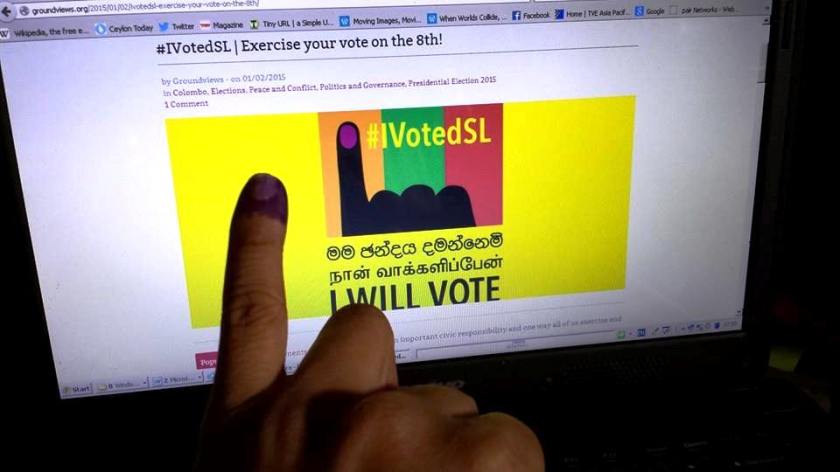
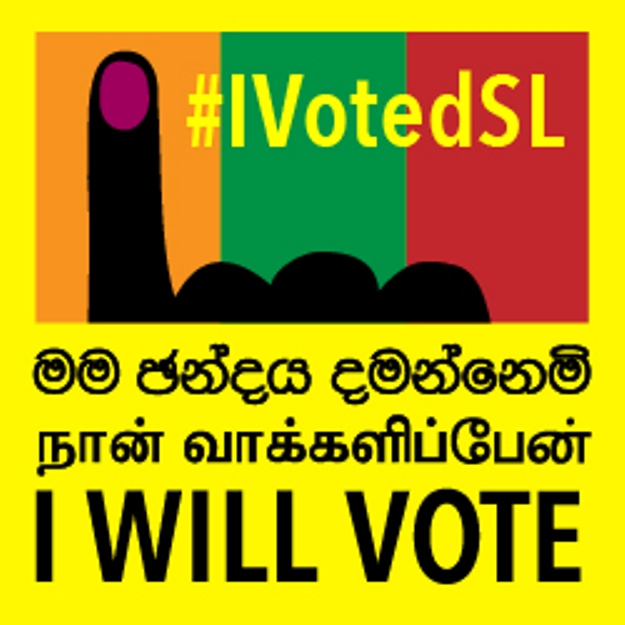
I Will Vote meme created by Groundviews.org - trilingual version
I Will Vote meme created by Groundviews.org – trilingual version

Shortly after the Presidential Election of 8 January 2015 ended, I called it Sri Lanka’s first cyber election. That was based on my insights from over 20 years of watching and chronicling the gradual spread of information and communications technologies (ICTs) in Sri Lanka and the resulting rise of an information society.

Since then, things have evolved further. In this essay, I look at how the Elections Commission, political parties, election candidates, civil society advocacy groups and individual cyber activists have used various social media tools and platforms in the run-up to, during and immediately after the Parliamentary Election.

Read full text at:

Groundviews.org 3 September 2015: Sri Lanka Parliamentary Election 2015: How did Social Media make a difference

A compact version appeared in Daily Mirror, 3 September 2015: Social Media and LK General Election 2015: Has E-democracy arrived in Sri Lanka?

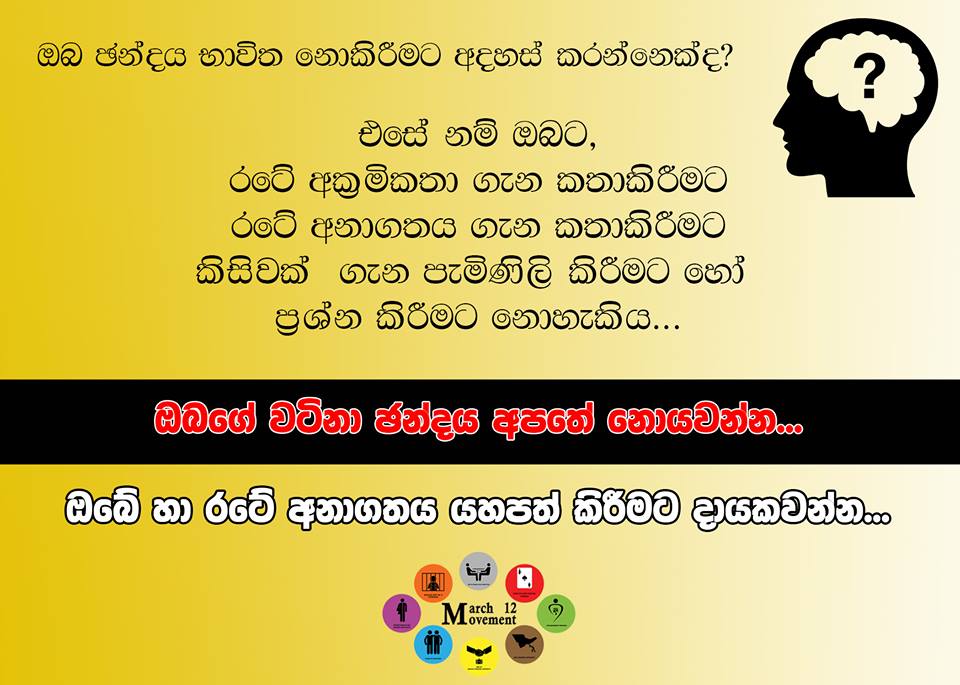
Not voting - then you have no right to complain afterwards! Voter message from March 12 Movement for Clean Politicians, Sri Lanka
Not voting – then you have no right to complain afterwards! Voter message from March 12 Movement for Clean Politicians, Sri Lanka