සිවුමංසල කොලූගැටයා #123: පුරවැසි මාධ්‍ය සහ අධිපති මාධ්‍ය

Who is a citizen journalist? Does everyone who blogs and tweets automatically become one? If not, who qualifies? Who judges this on what criteria? And what niche in media and public sphere do citizen journalists fill when compared with salaried journalists working for more institutionalised or mainstream media?

These have been debated for years, and there is no global consensus. They are belatedly being asked and discussed in Sri Lanka, and form the basis of my latest Ravaya column (in Sinhala).

My views were summed up sometime ago in this comment I left on a blog: “Just as journalism is too important to be left solely to full-time, salaried journalists, citizen journalism is too important to be left simply to irresponsible individuals with internet access who may have opinions (and spare time) without the substance or clarity to make those opinions count.”

See also my English language posts on this topic in the past:
7 Aug 2009: Can Citizen Kane and Citizen Journalist join hands in the public interest?

10 June 2008: Who’s Afraid of Citizen Journalists 2: Reflections from Asia Media Summit 2008

3 May 2008: Who is afraid of Citizen Journalists? Thoughts on World Press Freedom Day

Lots of chat

‘තමුසෙ කවුද?’

අපේ රටේ පොදු අවකාශයේ, පොදු උන්නතිය උදෙසා පෙරට එන ටික දෙනාට බොහෝ විට මුහුණ දෙන්නට සිදුවන පොදු ප‍්‍රශ්නයක්.

තවමත් වැඩවසම් හා අධිපතිවාදී මානසිකත්වයන් කරපින්නා ගත් අපේ සමාජයේ සැබෑ ගති සොබා මැනවින් විදහා පාන්නක් මේ ප‍්‍රශ්නය. එයින් අදහස් කැරෙන්නේ යමකුගේ පැටිකිරිය, සමාජයීය හා අධ්‍යාපනික පසුබිම වඩා වැදගත් බවත්, කැපවීම, උද්‍යොගය හා බැවහර ඥානය එතරම් වැදගත් නැති බවත්.

පුරවැසි මාධ්‍යවේදයේ (Citizen Journalism) නිරත වන ලාංකිකයන් ද මේ ප‍්‍රශ්නයට නිතර මුහුණ දෙනවා. නවීන සන්නිවේදන තාක්‍ෂණයන් හරහා සමාජයේ පොදු ප‍්‍රශ්න ගැන වාර්තාකරණයට, විග‍්‍රහයට හා සන්නිවේදනයට මේ අයට ඇති අයිතිය හා සුදුසුකම් මොනවාදැයි වැඩිපුර ම අසන්නේ මාධ්‍ය ආයතනවල වැටුපට රැකියාව කරන, වෘත්තීය මාධ්‍යවේදීන්. මේ වෘත්තිකයන්, ස්වේච්ඡුාවෙන් කි‍්‍රයා කරන පුරවැසි මාධ්‍යවේදීන් ලෙස බොහෝ විට බලන්නේ අවඥාවෙන්, සැකයෙන් නැතිනම් විමතියෙන්.

පුරවැසි මාධ්‍යකරණය ගැන විවිධ අර්ථ දැක්වීම් හා විග‍්‍රහයන් තිබෙනවා. සරලතම විදියට කිවහොත් මාධ්‍ය ආයතනගතව, වැටුප් ලබමින් මාධ්‍යකරණයේ නියැලෙනවා වෙනුවට එම කාරිය ම නොමිලයේ, උද්යෝගයෙන් කරන අය පුරවැසි මාධ්‍යවේදීන්. පොදු අවකාශයේ තොරතුරු, රූප, හඬ, වීඩියෝ හා මේවායේ සංකලයන් ඔවුන්ට නිර්මාණය කළ හැකියි.

නව සන්නිවේදන තාක්‍ෂණ මෙවලම් ප‍්‍රචලිත හා ලාබදායක වීම නිසා රටේ හා ලෝකයේ තමන් අවට සිදු වන දේ ලිඛිතව හා රූප හරහා හසු කර ගනිමින් ‘සාක්‍ෂි දැරීමේ’ (bearing witness) හැකියාව අද බොහෝ දෙනකුට ලැබී තිබෙනවා. කැමරාවක් සහිත ජංගම දුරකථනයක් වුවත් මෙයට සෑහෙනවා.

මේ හැකියාව ලැබී තවමත් දශක දෙකක්වත් ගත වී නැහැ. ඓතිහාසිකව මෙසේ සාක්‍ෂි දැරීමේ හා වාර්තා කිරීමේ හැකියාව තිබුණේ ආයතනගත මාධ්‍යවේදීන්ට පමණයි. ඒ සීමිත බලය හරහා ඔවුන්ට යම් ප‍්‍රතාපවත් බවක් හා අධිපති බවක් ද ආරෝපණය වූවා. පුරවැසි මාධ්‍යකරුවන්ගේ ආගමනය හරහා ඒ යථාර්ථය උඩුකුරු වනවා. අධිපති මාධ්‍යවේදයේ සමහරුන් තමන්ගේ සමාජ තත්ත්වය දියාරු වීම හා නැතිවීම ගැන කැමැති නැහැ.

පුරවැසි මාධ්‍යවේදීන් ආධුනිකයන් ද? සමහර ආයතනගත මාධ්‍යවේදීන් තමන් වෘත්තිකයන් බවත්, එතැනට පැමිණීමට පුහුණුවක් හා අභ්‍යාසයක් කලක් ප‍්‍රගුණ කළ බවත් කියමින් පුරවැසි මාධ්‍යවේදීන් හෑල්ලූ කරන්නට තැත් කරනවා. එහෙත් අද වනවිට මේ ආධුනික/වෘත්තික බෙදුම බොඳ වී ගිහින්.

වැටුපට කී‍්‍රඩා කරන කී‍්‍රඩකයන් වෘත්තීමය වන අතර එසේ නොකරන්නවුන් ආධුනික යයි සැළකෙනවා. ඔලිම්පික් තරග මුඵමනින් වෙන් වන්නේ ආධුනික කී‍්‍රඩකයන්ටයි. එයින් ඔවුන්ගේ කුසලතාවය හා කැපවීම අවතක්සේරු වන්නේ නැහැ.

මෙනයින් බලන කල පුරවැසි මාධ්‍යවේදීන් මාධ්‍ය කලාවේ ඔලිම්පික් පරමාදර්ශයන් මූර්තිමත් කරනවා යයි කිව හැකියි. වැදගත් වන්නේ ඔවුන් නිරවද්‍යාතවය, සමබරතාවය හා සදාචාරාත්මක රාමුවක් මත කි‍්‍රයා කරනවා ද යන්නයි.

වෙබ්ගත සමාජ මාධ්‍ය (Social Media) භාවිත කරන හැම අයකු ම පුරවැසි මාධ්‍යකරුවකු වන්නේ ද නැහැ. බහුතරයක් දෙනා ගැවසෙන Facebook ජාලය බොහෝ කොට සංවෘත කලාපයක්. එහි විවෘත පිටු යම් තරමක් තිබුණත්, අති විශාල පරාසයකට පිවිසීමට තමන්ගේ ගිණුමක් හා අන් අයගේ අනුමැතිය (friend වීම) අවශ්‍යයි.

සමස්ත වෙබ් අවකාශය සැබෑ ලෝකයේ ඝෝෂාකාරී, ඕනෑ ම කෙනකුට විවෘත පොළකට සම කළහොත්, Facebook එක සාමාජිකයන්ට පමණක් විවෘත, අවසරයෙන් පමණක් පිවිසිය හැකි සමාජශාලා (clubs) වගෙයි.

ක්ලබ් ඇතුළේ සිට රටේ ලෝකයේ ප‍්‍රශ්න ගැන මහ ලොකුවට කථා කරන බොහෝ උදවිය විවෘතව පොදු අවකාශයේ එම අදහස් පවසන්නට පැකිළෙනවා. මෙබඳු ප‍්‍රවණතාවක් Facebook තුළත් තිබෙනවා.

තියුණු සමාජ දේශපාලන දැක්මක් තිබෙන හා මැනවින් අදහස් පැවසීමේ කුසලතාව ඇති මගේ මිතුරෙක් දිනපතා ම පාහේ සිය Facebook කණ්ඩායම තුළ රටේ ප‍්‍රශ්න ගැන ඉතා වැදගත් අදහස් දැක්වීමක් කරනවා. එහෙත් එය ග‍්‍රහණය වන්නේ ඔහුගේ කණ්ඩායමට පිවිසීමේ වරම ලද තුන් හාර සිය දෙනෙකුට පමණයි. (එසේ ස්වයං සීමිතව අදහස් පැවසීමට ඔහුට ඇති අයිතිය මා පිළිගන්නවා.)

පුරවැසි මාධ්‍යකරණයට නම් කොයි කාටත් පෙනෙන මානයේ, විවෘතව සිට තොරතුරු, අදහස් හා රූප බෙදාහදා ගත යුතුයි. විවෘත වෙබ් ‘පොලේ’ ගාල ගෝට්ටිය වැඩි වුවත් පුරවැසි මාධ්‍යවේදීන් එබඳු පොදු අවකාශයේ ම සැරිසරිය යුතුයි. සංවෘත ක්ලබ් ඇතුළේ පඩි කථා හෝ චණ්ඩි කථා කීම සෑහෙන්නේ නැහැ!

Groundviews.org වෙබ් අඩවිය ගැන මා ගිය සතියේ කළ විග‍්‍රහය නොපිළිගත් පාඨකයන් ද සිටිනවා. Groundviews මුඵමනින් ම වෙබ් හරහා ප‍්‍රකාශිත වූවත්, එහි බරපැන උසුලන්නේ රාජ්‍ය නොවන සංවිධානයක් (විකල්ප ප‍්‍රතිපත්ති කේන්ද්‍රය) වීම සමහරුන්ට ප‍්‍රශ්නයක්.

මා ගරු කරන මගේ විද්වත් මිතුරකු වන සන්නිවේදන විශෙෂඥ මහාචාර්ය රොහාන් සමරජීව කියන්නේ Groundviews පුරවැසි මාධ්‍යයක් නොවන බවයි. 2012දී රාවයේ 25වන සංවත්සරය වෙනුවෙන් පළ කෙරුණු ‘ජනමාධ්‍ය සංස්කෘතිය: විවේචනාත්මක ඇගැයීමක්’ ග‍්‍රන්ථයට ලිපියක් ලියමින් ඔහු මෙසේ කියනවා:

“ග්‍රවුන්ඩ්වීව්ස් තමන් හඳුන්වාගන්නේ පුරවැසි මාධ්‍ය කලාවෙන් යුත් වෙබ් අඩවියක් ලෙසිනි. මේ හඳුන්වා ගැනීම තුලින් මූලාශ්‍ර එකකට වැඩි ගණනක් යොදා ගැනීම සහ කරුණුවල සත්‍යාසත්‍යතාවය පරීක්ෂා කිරීම වැනි සාමාන්‍ය මාධ්‍ය කලාවේ වගකීම් ඉටු කිරීමෙන් ඔවුන් තමන් නිදහස් කර ගෙන තිබේ. කෙසේ වුවත්, එය කතුවරුන්ට ගෙවන වැටුප් සහ සැලසුම සහ බෙදා හැරීම සඳහා කර ඇති ආයෝජන වැනි සියළු ම ආකාරවලින් සාමාන්‍ය මාධ්‍යයකි. සැම මාධ්‍යයක මෙන් පල කරන කරුණු සහ මතවාදයන් අනුමත කරන්නේ කර්තෘ කෙනෙක්ය. වෙනස ව්‍යාජ ලෙස පුරවැසි පුවත්පත් කලාවේදී නම ආරූඪ කර ගෙන සම්මාන ලබා ගැනීම ය. මේ පුවත්පතේ එන කරුණු සහ මතවාද බොහෝ විට සපයනු ලබන්නේ සාම්ප්‍රදායික පුවත්පත්වලට නිතර ලිපි සපයන ලේඛක මහත් මහත්මීන්ම ය. පුරවැසි පුවත්පතේ නැත්තේ පුරවැසියන්ය.”

විකල්ප මතවාද හා සංවාද සඳහා ඇති තරම් අවකාශ ලැබේ නම් ධනපති, අධිපති හෝ NGO අනුග‍්‍රහය යටතේ පවත්වා ගෙන යාම එතරම් ලොකු සීමාකාරී සාධකයක් යයි මා නම් සිතන්නේ නැහැ.

වෙබ්ගත සමාජ මාධ්‍ය හරහා පෞද්ගලික හා පොදු සංවාද සුවහසක් දිවා රැයේ සිදුවීම හරහා නූතන තොරතුරු සමාජය අඵත් ආකාරයේ ගෝලීය පරිසරයක් බිහි කරනවා. නිතිපතා වෙබ් භාවිතයේ නියැලෙන බිලියන් 2.7ක් ජනයා ලොව පුරා මේ නව ප‍්‍රපංචයට දායක වනවා. ඉන්ටර්නෙට් හා බද්ධ වන මිලියන් 3ක් පමණ වන ලාංකිකයන් ද මේ ප‍්‍රවාහයේ කොටසක්.

Chat Republic by Angelo Fernando
මේ නව තොරතුරු සමාජය බෙහෙවින් ශාස්තී‍්‍රය මට්ටමින් මෙන් ම ලිහිල් හා සරල වෙනත් මානයන්ගෙන් ද විග‍්‍රහ කළ හැකියි. අලෙවිකරණය හා සමාජ ජාලකරණය (Marketing and Social Networking) කෝණයෙන් මෙය විග‍්‍රහ කැරෙන අඵත් පොතක් ලාංකික සන්නිවේදන හා අලෙවිකරණවේදියකු වන (අමෙරිකාවේ කලෙක සිට වාසය කරන) ඇන්ජලෝ ප‍්‍රනාන්දු මෑතදී ලියා තිබෙනවා.

ඔහු පොත නම් කොට ඇත්තේ Chat Republic යනුවෙන්. තොර තෝංචියක් නැතිව අසීමිත දේ ගැන ලිහිල්ව හෝ ගැඹුරින් හෝ ‘චැට්’ කරන නූතන තොරතුරු සමාජය, ඉතිහාසයේ නොතිබූ ආකාරයේ, දේශසීමා ඉක්මවා යන අඵත් ගෝලීය සබැදියාවක් බිහි කරමින් සිටින බව ඔහුගේ අදහසයි.

ආණ්ඩු හා වෙනත් බලාධිකාරයන් කැමති වුණත් නැතත් මෙය සිදු වනවා. (ශී‍්‍රමත් ආතර් සී. ක්ලාක් කලෙකට ඉහත මෙය නුවණැසින් දැක අවවාද කළේ ප‍්‍රතිරෝධය දක්වනු වෙනුවට සුක්‍ෂම ලෙස මේ නව ලොවට අනුගත වන ලෙසයි: “Exploit the inevitable!”)

ඇන්ජලෝගේ පොතේ යම් කොටසක් වෙන් කොට ඇත්තේ පුරවැසි මාධ්‍යවේදයේ පැතිකඩ කිහිපයක් විස්තර කරන්නයි. ඔහු ලෝක මට්ටමෙන් විවිධ රටවල අත්දැකීම් විස්තර කරන අතර ශී‍්‍ර ලංකාවෙන් ද උදාහරණ ගන්නවා. නම් වශයෙන් හඳුන්වා දී අදහස් උපුටා දක්වා තිබෙන්නේ සංජන හත්තොටුව හා ඉන්ද්‍රජිත් (ඉන්දි) සමරජීව යන තරුණ සයිබර් කි‍්‍රයාකාරිකයන් දෙදෙනායි.

මෙයට අමතරව සර්වෝදය සංවිධානයේ නව මාධ්‍ය භාවිතය ගම් මට්ටමෙන් ලාංකික සුඵ ව්‍යාපාරිකයන්ට නව වෙළඳපොළ විවෘත කරන සැටිත් එහි වාර්තාගතයි. http://chatrepublic.wordpress.com

2013 ජූනි 12දා Chat Republic එළි දැක්වීමට කොළඹ පැවති සංවාදයකට මාත් සහභාගී වුණා. ඇන්ජලෝ එහිදී කීවේ ඕපාදුප (gossip) යනු මානව සමාජයේ පැරණි ම සන්නිවේදන ක‍්‍රමයක් බවයි. අද වෙබ් මාධ්‍ය හරහා එයට නව පණක් හා වේගයක් ලැබී තිබෙනවා.
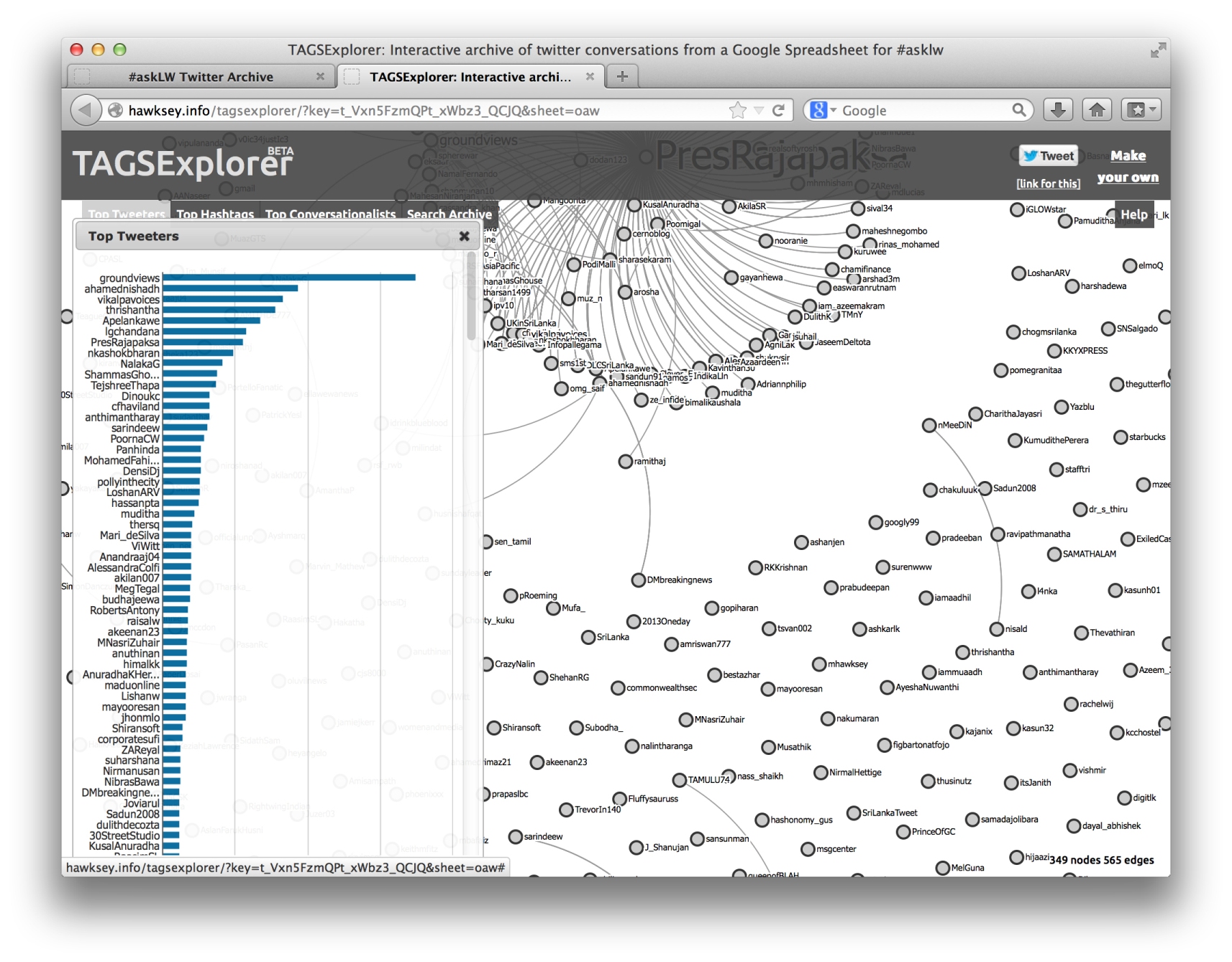
#AskLW Twitter Q&A on 19 June 2013: Asking was easy; getting answers was not…

Screen Shot 2013-06-19 at 8.31.53 PM Courtesy Groundviews.org

Along with dozens of tweeps, I took part in an interesting Twitter Q&A session with Lalith Weeratunga, Secretary to the President of Sri Lanka, which unfolded from 14:30 to 16:00 Sri Lanka Time on 19 June 2013.

Our questions were posed using the hashtag #AskLW: they are all displayed on Twitter at https://twitter.com/search/realtime?q=%23askLW While most were in English, some came in the local languages of Sinhala and Tamil too.

Groundviews.org, the citizen journalism website, has archived online 2,680+ tweets related to this exchange. Of these, some 1,140 are original tweets (posted since 14 June 2013, when #askLW was first announced) while others are retweets.

Twitter user @gopiharan created a bundle of tweets Lalith Weeratunga answered in the one and a half hours of the Q&A session.

As Groundviews.org noted, “There was no historical precedent for this kind of engagement over social media, especially for someone so high up in Government and in daily contact with the (Lankan) President.”

Commenting on the timing of this exchange, Groundviews editor Sanjana added: “Ironically, the announcement of the Twitter Q&A with Weeratunga came on the same day Gotabaya Rajapaksa, the President’s brother, in a spark of unrivalled genius, called social media no less than a national security threat in post-war Sri Lanka.”

Sanjana has done a quick and very good analysis of what was asked, which selected few among many were actually answered, and which topics gained traction among those participating – especially during the period the event was live.

Even more interesting is how contentious and controversial topics were completely ignored. To be sure, Weeratunga isn’t the first public official to do so, and some might even argue that he had the right to choose his questions. (That won’t have been so easy in a physical press conference.)

All the same, it is highly revealing that the top public servant in Sri Lanka chose not to respond to questions on Islamphobia, Buddhist extremism, hate speech, militarisation, human rights and other topics of great public interest in today’s Sri Lanka.

It’s remarkable that such questions were posed, in a public platform, which is more than what the mainstream media (MSM) of Sri Lanka regularly ask at official press conferences given by senior government officials. From all accounts, the monthly breakfast meetings that the President has with newspaper editors is also a lame affair where no critical questions are raised.

Yes, MSM and citizen journalists are not directly comparable. In the prevailing intolerant environment, it is telling that many social media users took cover under pseudonyms to pose questions to the top civil servant of Lanka (while the rest of us asked under our own names). There was even speculation among some tweeps about what might happen to those who ask pesky questions…

In this post, I want to collate and briefly annotate my own questions to Weeratunga – all of which he chose not to answer. I’m not surprised and certainly not sulky: these were admittedly not as easy as some others.

I posed a few questions in advance, and then some more during the live event. They were in one way or another related to the multiple positions that Weeratunga holds in the Lankan government.

Among other things, he is Chairman of the Telecommunication Regulatory Commission of Sri Lanka is also the current Chair of the Information and Communication Technology (ICT) Committee of UNESCAP – the UN Economic and Social Commission for Asia and the Pacific.

One question stemmed from Weeratunga’s meaningful speech at the fifth National Conference on the Role of ICT in Reconciliation held at the Lakshman Kadirgamar Institute for International Relations and Strategic Studies (LKIIRSS) in Colombo in Nov 2012.

Not answered.

I also asked a question on the ICT Agency of Sri Lanka, which has outlived its original lifespan and whose efficacy is in question.

Not answered. See also my 2006 critique, ICT: Hypes and realities

Commenting on the very different – sometimes contradictory – messages given out by senior elected and other public officials of the Lankan government on matters of domestic and global interest, I asked:

Not answered. But then, I didn’t expect one! To his credit, Weeratunga has been the mild, amiable and intelligent face of the government…

Picking up my lasting interesting seeing a secular state in Sri Lanka, I posed this question:

Not answered.

When the live exchange started, and some tweets were asking him on all sorts of specific interventions, I tweeted this reminder to fellow tweeps:

Not quite heeded – but I didn’t expect it either.

Weeratunga, who does not yet have his own Twitter account, gave his selected answers using the President’s official account, @PresRajapaksa. This was noted by others, and I replied to one:

Many tweeps asked him to comment on the Defence Secretary’s recent remark on social media. Having noted, only minutes earlier, that “Social Media is a powerful tool”, Weeratunga added later: “Sec/Defence has a point; since it has been used for destructive purposes elsewhere, he has said so.”

Some tweeps reacted to this observation among ourselves. My contribution:

Knowing well Lankans don’t like to be compared to Indians, who nevertheless hold many lessons for us in managing diversity and in balancing modernity with tradition, I asked:

Not answered — but elicited some supportive replies from other tweeps.

As Weeratunga and team was slow in responding to the torrent of tweets coming in, I remarked:

As I noticed how easy questions were being answered while a whole lot of hard ones were not, I decided to press on with what seemed like a lost cause:

Not answered. (Well, after all, this wasn’t Hard Talk!).

Prompted by @Groundviews, there was a brief exchange on Sri Lanka’s fully state owned budget airline Mihin, which has been losing billions of public funds from Day One. I reacted:

I’ve described myself as a hybrid journalist with ‘one foot in each grave’ — straddling the worlds of mainstream media and citizen journalism. In years of mainstream journalism — practised in Sri Lanka and across Asia — I have sharpened the art of asking pointed questions. I often ask more questions than I find answers for. So this is part of that process.

But I’m very glad all our questions are archived online — which is highly significant as part of the public record of our times. When Weeratunga next speaks about ICTs nationally or internationally, this digital record will be part of his legacy.

For now, many thanks to Weeratunga and @PresRajapaksa new media team for having organised this event. It’s a good start, and hopefully they will repeat this from time to time with improved capability at their end to cope with the info flood…

My last tweet in this exchange was a salute to the original cyber politician of Sri Lanka:

සිවුමංසල කොලූගැටයා #41: ඉන්ටර්නෙට්වලට කවුද බය?

This is the Sinhala text of my weekly column in Ravaya newspaper of 20 Nov 2011. This week, I continue our discussion on Internet freedom: what can – and must – be regulated online, and how regulation is fundamentally different from control and censorship. I insist that conceptual clarity is as important as technical understanding of how the Internet works.

Similar grounds was covered in two blog posts:
April 2007: Press Freedom in the Digital Age – Seeing beyond our noses and tummies
May 2008: Who is afraid of Citizen Journalists? Thoughts on World Press Freedom Day

The web is (largely) free for now...but for how long? Assorted babus are out to cage it!

දස වසරක් කියන්නේ මානව ඉතිහාසයට කෙටි කාල පරාසයක්. එහෙත් මානවයකුගේ ජීවිතයේ සැළකිය යුතු කාල වකවානුවක්. නව සන්නිවේදන තාක‍ෂණයන් පැත්තෙන් බැලූවොත් දිගු කාලයක්. ඉන්ටර්නෙට් මාධ්‍යයේ එක් වසරක් තුළ සාමාන්‍ය ලෝකයේ වසර ගණනාවක තරම් පරිනාමයක් සිදු වනවා. මේ පරිනාමීය සීඝ්‍රතාව හා එයින් මාධ්‍ය ලෝකයට හා සමස්ත ජන සමාජයට ඇති වන බලපෑම් ගැන අවධියෙන් සිටීම වැදගත්.

දස වසකට පෙරල 2001 ලෝක මාධ්‍ය නිදහස් සමරු දිනය (මැයි 3) සමරන්නට කර්තෘ මණ්ඩල සංසදය හා මාධ්‍යවේදීන්ගේ සංවිධාන ගණනාවක් එක්ව කොළඹ බණ්ඩාරනායක සම්මන්ත්‍රණ ශාලාවේ පැවැත් වූ රැස්වීමේ කථීකයකු ලෙස මටත් ඇරැයුම් කළා. සංවිධායකයන් මගෙන් ඉල්ලා සිටියේ නව සන්නිවේදන තාක‍ෂණයන් මාධ්‍ය නිදහසට දායක වන සැටි ගැන කථා කරන්නයි.

එවකට ජංගම දුරකථන භාවිතය ඇරඹී වසර 12ක් හා වාණිජ මට්ටමෙන් ඉන්ටර්නෙට් ලංකාවට හදුන්වා දී වසර 6ක් ගත වී තිබුණා. නමුත් ජංගම දුරකථනවල වටිනාකම හදුනා ගත්ත ද මාධ්‍ය ආයතන ඉන්ටර්නෙට් ගැන හරිහැටි අවබෝධයක් ලබා තිබුණේ නැහැ. ගෝලීය ප්‍රවණතා හා ආසියා කලාපීය අත්දැකීම් හුවා දක්වමින් මා තර්ක කළේ එළඹෙන වසරවල මාධ්‍ය නිදහසට හා තොරතුරු ගලනයට විප්ලවීය දායකත්වයක් ඉන්ටර්නෙට් හරහා ලැඛෙන බවයි. ඉන්ටර්නෙට් ප්‍රගමනය මාධ්‍යවේදීන්ට ප්‍රයෝජනවත් වන අතර එයින් නව අභියෝග ද මතු කරන සැටි මා පෙන්වා දුන්නා.

මගේ කරුණු දැක්වීම මෙරට මාධ්‍යවේදීන්ට අදාල නොවන ‘බටහිර’ සංකල්පයක් බවට ප්‍රබල තර්කයක් සභාවෙන් මතුව ආවා. මාධ්‍යවේදීන් හා කතුවරුන් බහුතරයක් නිහඩව සිටිද්දී සුළුතරයක් පුන පුනා කියා සිටියේ රජය හා මාධ්‍ය හිමිකරුවන්ගෙන් විවිධාකාර හිරිහැර විදින අපේ මාධ්‍යවේදීන්ට ‘ඔය ඉන්ටර්නෙට් විලාසිතාවලට කාලයක් නැති’ බවයි. එක් පසෙකින් මරණීය තර්ජනවලට මුහුණ දෙමින්, තවත් පසෙකින් අඩු වැටුප් හා අවම පහසුකම් යටතේ වැඩ කරමින් සිටින බහුතරයක් මාධ්‍යවේදීන්ට ඉන්ටර්නෙට් ගැන කථා කිරීම ම ඔවුන්ට අවමන් කිරීමක් බවට එක් තරුණ මාධ්‍ය සගයෙක් කියා සිටියා!

ඔවුන්ගේ සංදේහවාදය (scepticism) අගය කරමින් මා ඉල්ලා සිටියේ මාධ්‍ය නිදහස සදහා අරගල කරද්දී අද ගැන පමණක් නොව හෙට ගැන ද අවධානය යොමු කරන ලෙසයි. ඉන්ටර්නෙට් පෙරටු කරගත් නව සන්නිවේදන තාක‍ෂණයන්ගේ සිඝ්‍ර ව්‍යාප්තිය සමග සාම්ප්‍රදායිකව තොරතුරු ගලනය පාලනය කරන්නට රාජ්‍යයන්, සමාගම් හා වෙනත් බලාධිකාරයන් යොදා ගත් උපක්‍රම තව දුරටත් සාර්ථක නොවනු ඇතැයි මා අනාවැකි පළ කළා. එහෙත් ඒ තොරතුරු ප්‍රවාහය උත්සන්න වීමත් සමග තොරතුරු ජනනය හා ගලනය කරවන මාධ්‍යවේදීන් හා අනෙකුත් විද්වතුන්ට අළුත් වගකීම් සමුදායක් බිහි වන බවත්, තොරතුරු ප්‍රවාහයට වේලි බැදීමේ නව උපක්‍රම බලාධිකාරීන් සොයා ගනු ඇති බවත් මා තව දුරටත් කියා සිටියා.

එදා ආවේගශීලීව මා සමග තර්ක කළ තරුණ මාධ්‍යවේදීන් වසර පහක් යන්නට පෙර තමන්ගේ ම ප්‍රවෘත්ති හෝ මතවාදී වෙබ් අඩවි ඇරඹීම දෙස මා බලා සිටියේ උපේක‍ෂා සහගතවයි. එමෙන් ම දස වසක ඇවෑමෙන් ඉන්ටර්නෙට්, මාධ්‍ය නිදහස හා මාධ්‍ය සදාචාරය ගැන මා එදා කී ලෙසින් ම සංවාදයක් ඇති වී තිඛෙන ආකාරය මා දකින්නේ ද මහත් ඕනෑකමින්.

සරසවි ඇදුරන්ට සීමා වූ ඉන්ටර්නෙට් භාවිතයක් 1990 සිට මෙරට ක්‍රියාත්මක වූවත් වාණිජ මට්ටමෙන් ඕනෑ ම කෙනකුට මුදල් ගෙවා ලබාගත හැකි ඉන්ටර්නෙට් සේවා ඇරඹුණේ 1995 අප්‍රේල් මාසයේ. 1995 සැප්තැම්බර්යේ ලේක්හවුස් ඉංග්‍රීසි පුවත්පත්වල වෙබ් අඩවි ඇරඹීමත් සමග මෙරට මාධ්‍ය ටිකෙන් ටික ඉන්ටර්නෙට් වෙත ප්‍රවේශ වුණා.

මේ වන විට මෙරට ජනගහනයෙන් අඩු තරමින් සියයට 10ක් (ලක‍ෂ 20 ක් දෙනා) නිතිපතා ඉන්ටර්නෙට් පරිශීලනය කරනවා. (ඉන්ටර්නෙට් ගිණුම් සංඛ්‍යාව මීට අඩුයි. ඇතැම් දෙනා හවුලේ භාවිත කරන ගිණුම් රැසක් තිඛෙනවා.) සෘජුව භාවිත කරන ජන සංඛ්‍යාවට අමතරව එම මාධ්‍යයේ බලපෑම වක්‍රව ලබන තවත් ජන පිරිසක් ද සිටිනවා.

අද වන විට ඉතා විශාල තොරතුරු සමුදායක් නිතිපතා ඉන්ටර්නෙට් හරහා හුවමාරු වනවා. එය විවිධ මට්ටම්වල සිදු වනවා. පුද්ගලයන් හෝ ආයතන අතර පෞද්ගලිකව සිදුවන හුවමාරු තිඛෙනවා. (email, Skype, Facebook කථා බහ ආදිය). මේවා සෙසු අයට විවෘත නැහැ. ඇතැම් වෙබ් අඩවි ද මුරපදයක් (password) යොදා අවසර ගෙන ඇතුල් විය යුතු ආකාරයේ ඒවායි. සමහර මාධ්‍ය ආයතනවල වෙබ් අඩවි මේ ගණයට අයිතියි.

එසේ නොමැතිව ඕනෑ ම කෙනෙකුට නොමිළයේ පිවිසීමට හැකි වෙබ් අඩවි අති විශාල සංඛ්‍යාවක් තිඛෙනවා. ඒවා තුළ ප්‍රවෘත්ති, මතවාද, ඡායාරූප, කාටුන් රේඩියෝ හා ටෙලිවිෂන් වැඩසටහන් මෙන්ම අධ්‍යාපනික හා වෙනත් විශේෂිත අන්තර්ගතයන් තිඛෙනවා. අසත්‍ය තොරතුරු ප්‍රචාරය කරන වෙබ් අඩවි, මිනිසුන් මුලා කරමින් මුදල් වංචා කරන්නට තැත් කරන වෙබ් අඩවි මෙන්ම අසභ්‍ය පින්තූර හා විඩියෝ ඇතුළත් අඩවි ද තිඛෙනවා.

බලා ගෙන ගියා ම මුද්‍රිත මාධ්‍යයේත් අඩු වැඩි පමණට මේ විවිධත්වය හමු වනවා. එහෙත් එක් ප්‍රධාන වෙනසක් වන්නේ මුද්‍රිත මාධ්‍ය සංසරණයට තැපෑල හෝ පත්තර ලෑලි හෝ පොත් සාප්පු හෝ අවශ්‍ය වූවත් ඉන්ටර්නෙට් හරහා මේ අන්තර්ගතයන් පරිශීලනයට අවශ්‍ය වන්නේ පරිගණකයක් හෝ ඉහළ මට්ටමේ ජංගම දුරකථනයක් හා ඉන්ටර්නෙට් පහසුකම පමණයි. එ නිසා නිවසේ, කාර්යාලයේ මෙන් ම මහමගදී වූවත් එයට බද්ධ විය හැකියි.

අතට හසු නොවන, මනසට පවා නුහුරු මේ අළුත් ‘සෙල්ලම’ ගැන ඇතැම් දෙනා බිය සැක උපදවා ගැනීම පුදුමයක් නොවෙයි. වසර 16ක් ගත වීත් ලක් සමාජය තවමත් ඉන්ටර්නෙට් සමග බද්ධ වන්නේ යම් චකිතයක්, සැකයක් හා දෙගිඩියාවක් සමගයි. අළුත් දෙයකට හුරු වන්නට කල් ගත වීම ස්වාභාවික වූවත්, දිගින් දිගට ම නව මාධ්‍යයක් දෙස වපර ඇසින් බැලීම හොද ද?

වත්මන් ආන්දෝලනයට හේතු වී ඇත්තේ සුළුතරයක් වෙබ් අඩවි විසින් ප්‍රවෘත්ති වාර්තාකරණයට හා කාලීන සිදුවීම් විග්‍රහයන්ට යොමු වීමයි. මේ ප්‍රවණතාව රජයට පමණක් නොව සාම්ප්‍රදායික ජන මාධ්‍යවලටත් ප්‍රශ්නයක් වී ඇති බව පෙනෙනවා.

ලොව පුරා ම ඉන්ටර්නෙට් හරහා පමණක් ප්‍රවෘත්ති ඛෙදා හරින හා අදහස් ප්‍රකාශනයේ යෙදෙන වෙබ් අඩවි ගණන වැඩි වෙමින් තිඛෙනවා. මේවා ප්‍රධාන ප්‍රවාහයේ පුවත්පත්වල වෙබ් අඩවිවලට වඩා ආකෘතියෙන් හා ස්වභාවයෙන් වෙනස්. යම් තරමකට මේවා සම කළ හැක්කේ පැය 24 පුරා ම පුවත් ආවරණයේ යෙදෙන, චන්ද්‍රිකා හරහා විකාශය කැරෙන ටෙලිවිෂන් නාලිකාවලටයි (උදා. CNN). දේශ සීමා හා රාජ්‍ය නීතිරීතිවලට නතු නොවී වාර්තාකරණයේ යෙදීමේ හැකියාව මේ දෙවර්ගයට ම තිඛෙනවා. අසාධාරණ මාධ්‍ය මර්දනය හෝ නිල පුවත් පාලනයක් හෝ පවතින රටවල (උදා. බුරුමය) සැබෑ තොරතුරු එරට වැසියන් දැන ගන්නෙත්, පිටස්තර ලෝකයට යන්නේත් මෙබදු සේවා හරහායි.

ඉන්ටර්නෙට් යනු මුළුමනින් පාලනය (control) කළ හැකි මාධ්‍යයක් නොවේ. අපේ රට තුළ වෙබ් අඩවි තහනම් කිරීම ගැන විටින් විට සංවාදයන් මතු වනවා. වෙබ් අඩවියක් තහනම් කිරීම යනුවෙන් මෙරට අදහස් වන්නේ රට තුළ ඉන්ටර්නෙට් සබදතා හරහා යම් වෙබ් අඩවිවලට පිවිසීම අවහිර කිරීම (blocking) පමණයි. ඒ වෙබ් අඩවි සෙසු ලෝකයට ම බලා ගත හැකියි. එසේම චරදංහ නම් වට රවුම් තාක‍ෂණික ක්‍රමයක් හරහා අවහිර කළ වෙබ් අඩවි මෙරට සිට බලා ගන්නටත් හැකියි. මෙරට හිතුමතයට, හිතෙන වෙලාවට වෙබ් අඩවි අවහිර කරන්නට බලධාරීන් කි්‍රයා කළත් පරිනත වූ ප්‍රජාතන්ත්‍රවාදයක් ඇති රටවල එසේ කළ හැක්කේ අධිකරණ නියෝග මත පමණයි. එහිදී නිශ්චිත අපහාසයක් හෝ අගතියක් හෝ සිදු වන බවට අධිකරණයට ඒත්තු ගිය යුතුයි.

පුවත් වාර්තාකරණයේ යෙදෙන ඉන්ටර්නෙට් වෙබ් අඩවිවල හිමිකරුවන් හා සංස්කාරකයන් සොයා ගත නොහැකි යයි කීම මුළුමනින් ම සත්‍ය නැහැ. ඉන්ටර්නෙට් අක්මුල් ආපසු සොයා ගෙන යා හැකි තාක‍ෂණයක්. අවශ්‍ය තාක‍ෂණික දැනුම, ශිල්ප ඥානය හා අධිකරණ නියෝගයක් තිබේ නම් අනන්‍යතාවය හෙළි නොකර ප්‍රකාශනයේ යෙදෙන වෙබ් අඩවියක පසුබිම අනාවරණය කර ගත හැකියි. එහෙත් එය ලෙහෙසි නැහැ. එමෙන් ම ජාත්‍යන්තර සහයෝගය අවශ්‍යයි. බොහෝ වෙබ් අඩවි යොදා ගන්නා වෙබ් ඉඩකඩ (servers) ඇත්තේ බටහිර රටවල හෝ සිංගප්පූරුව වැනි ස්ථානවලයි. (මෙයට වෙළදපොල හේතු තිඛෙනවා)

ලංකාවේ ඉන්ටර්නෙට් ආගමනය වූ දා පටන් ඒ ගැන අධ්‍යයනය කරන මා මිත්‍ර චානුක වත්තේගම කියන්නේ රුසියාව වැනි රටවල් එබදු සහයෝගය නොදෙන නිසා එබදු රටක වෙබ් අඩවියක් මුල්ගත (host) කළොත් එහි හිමිකරුවන් හදුනාගැනීම දුෂ්කර වන බවයි.

චානුක අවධාරණය කරන පරිදි, මුද්‍රිත මාධ්‍ය (පුවත්පත්, සගරා) හා විද්යුත් මාධ්‍ය (රේඩියෝ, ටෙලිවිෂන්) සම්බන්ධයෙන් අදාල භෞතික තත්ත්වයන් හා නියාමන/පාලන හැකියාවන් ඉන්ටර්නෙට් මාධ්‍යයට ඍජුව අදාල නොවන බව තේරුම් ගැනීම ඉතා වැදගත්. එය මුද්‍රිත හා විද්යුත් මාධ්‍ය මෙන් භෞතික ලෝකයේ සංසරනය වන මාධ්‍යයක් නොවෙයිග පත්තර, රේඩියෝ හා ටෙලිවිෂන් මානසිකත්වයේ හැදී වැඩුණු අප බොහෝ දෙනකුට ඉන්ටර්නෙට් සංකල්පමය අභියෝගයක් එල්ල කරනවා.

ඉන්ටර්නෙට් මුල පටන් ම සැළසුම් කොට නිර්මාණය කර ඇත්තේ කිසිදු තනි බලාධිකාරියකට (රාජ්‍ය, හමුදා හෝ සමාගම්) නතු කර ගෙන පාලනය කළ නොහැකි ලෙසටයි. ඉන්ටර්නෙට් බිහි කිරීමට තාක‍ෂණික දැනුම හා මූල්‍යමය සම්පත් ලබා දුන් අමෙරිකානු රජයට වුවත් ඉන්ටර්නෙට් හසුරුවන්නට බැහැ. විකිලීක්ස් වෙබ් අඩවිය හරහා අමෙරිකානු රාජ්‍ය තාන්ති්‍රක රහස් හෙළදරවු වීම නතර කරන්නට ඔවුන්ට මහත් ඕනෑකමක් තිබුණත් එයට තාක‍ෂණික හැකියාවක් තිබුණේ නැහැ. තනි රජයකට නොව ලෝකයේ රාජ්‍යන්ගේ සාමුහිකය වන එක්සත් ජාතීන්ගේ සංවිධානයට පවා ඉන්ටර්නෙට් පාලනය පිළිබද අවසන් බලතල නැහැ.

නමුත් මෙයින් අදහස් කරන්නේ ඉන්ටර්නෙට් ඇති සයිබර් අවකාශය අරාජික, අනාරක‍ෂිත හා අන්තරාදායක පරිසරයක් යන්න නොවෙයි. ඉන්ටර්නෙට් හරහා ඩිජිටල් (අංකිත) ස්වරූපයෙන් තොරතුරු ගලා යාමට ලොව පුරා ක්‍රියාත්මක වන පරිගණක විද්‍යාත්මක ප්‍රමිතීන් හා එකගතාවයන් තිඛෙනවා. ඒවා ස්වයං නියාමනය කැරෙන ක්‍රමවේදයන් ද පසුගිය වසර 25 තුළ බිහි වී තිඛෙනවා.

සරල උදාහරණයකට රාවය වෙබ් අඩවියේ www.ravaya.lk ලිපිනය බලන්න. මේ ලිපිනය (URL) රාවය වෙඩ් අඩවියට සුවිශේෂීයි. එය ලබාගෙන ඇත්තේ .lk මගින් අවසන් වන සියළු වෙබ් ලිපිනයන් අනුමත කිරීමේ බලය ලත් LK Domain Name Registry (www.nic.lk) නම් ආයතනයෙන්. එය මොරටුව විශ්ව විද්‍යාලයට අනුබද්ධව ක්‍රියාත්මක වෙතත් එහි බල මූලය වන්නේ ICANN (www.icann.org) නමැති ලෝකයේ ම වෙබ් නාමකරණය නියාමනය කරන සංවිධානයයි. ඔබ .lk නොකැමති නම් .com හා .org වැනි ලිපිනයන් භාවිත කළ හැකියි. ඒවා නිකුත් කිරීමේ වරම ඇති සමාගම් විශාල සංඛ්‍යාවක් තිඛෙනවා. එහෙත් ඒ සියල්ල අන්තිමේදී සම්බන්ධ වන පොදු ICANN ප්‍රමිති හා රීති මාලාවක් තිඛෙනවා. මේ රාමුවට පිටින් යන හිතුවක්කාර කිසිවකුට ඉන්ටර්නෙට් හරහා තොරතුරු දෙන්න හෝ ලබන්න හෝ නොහැකියි. නමුත් මේ නියාමනය සිදු වන්නේ ඉන්ටර්නෙට් යටිතල පහසුකම්වලට (internet infrastructure) අදාල ව මිස ඒ හරහා ගලා යන තොරතුරු සම්බන්ධයෙන් නොවෙයි.

අප කැමති වූවත් නැතත් නව සන්නිවේදන තාක‍ෂණයන් හා මාධ්‍යයන් ලෝකයේ පරිනාමය වනවා. ඒවා අභිමුඛව අපට තෝරා ගත හැකි ප්‍රතිචාර දෙකක් තිඛෙනවා. එකක් නම් ‘ඕවා අපට එපා’ කියමින් අපේ රටට එම තාක‍ෂණය/මාධ්‍යය පිවිසීම නතර කිරීමයි. (1968දී ජර්මනියෙන් ත්‍යාග කරන්නට ගිය ටෙලිවිෂන් විකාශ පහසුකම් එවකට පැවති රජය ප්‍රතික්ශෙප කළේ ඇතැම් පණ්ඩිතයන්ගේ අවවාද නිසයි.) දෙවැනි විකල්පය නම් අවධි වූ සිහියෙන් යුතුවල නිසි නියාමනයක් (regulation) සහිතව නව සන්නිවේදන තාක‍ෂණයන් මෙරට ස්ථාපිත වන්නට ඉඩ දීමයි.

ළිං මැඩියන් බදු ජාතියක් බිහි නොකර, ලෝකයත් සමග ගනුදෙනු කරන තත්ත්වයකට යන්නට නම් දෙවැනි විකල්පය තෝරා ගත යුතුයි. එහිදී ප්‍රශස්ත ප්‍රතිපත්ති රාමුවක් හා නියාමන ක්‍රමවේදයක් අවශ්‍ය වනවා. එය හරි හැටි තෝරා බේරා නොගැනීම නිසයි අද දක්වා ම ඉන්ටර්නෙට් ගැන මේ තරම් බයක් සැකක් පවතින්නේ.

සිවුමංසල කොලූගැටයා #30: නීතිය, සාමය, ජාතික ආරක‍ෂාව හා ඉන්ටර්නෙට්

Text of my weekly column, printed in Ravaya newspaper on 4 September 2011. This week I take off from the role of social media in fuelling, as well as countering the recent London riots – and discuss how governments, telecom operators and law enforcement authorities should respond to the always on, pervasive connectivity now enabled by mobile phones and other devices.

Tweeting while London burns?

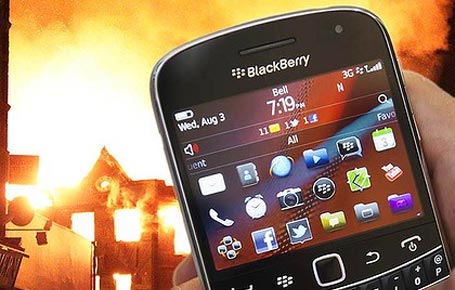
2011 අගෝස්තු 6 සිට 11 වනදා අතර කාලයේ බ්‍රිතාන්‍යයේ ලන්ඩන් ඇතුළු නගර ගණනාවක වීදි කලහ කිරීම්, පොදු හා පෞද්ගලික දේපල ගිනි තැබීම් හා කොල්ලකෑම් සිදුවුණා. සාමාන්‍යයෙන් සාමකාමී රටක් ලෙස ප්‍රකට බ්‍රිතාන්‍යයේ මේ සිදුවීම් නිසා එරට පමණක් නොවෙයි මුළු ලෝකය ම කැළඹීමට පත් වුණා. මේ ගැන ප්‍රවෘත්ති වාර්තාකරණය දුර සිට බලා සිටි මගේ වැඩි අවධානය යොමු වුණේ ජංගම දුරකථන සේවා හා ඉන්ටර්නෙට් මාධ්‍යයන් මේ කලහයන්ට බද්ධ වූ ආකාරය ගැනයි.

ඇතැම් කලහකරුවන් තම ප්‍රචන්ඩ ක්‍රියා සම්බන්ධීකරණයට මේ සන්නිවේදන තාක‍ෂණයන් යොදා ගත් බව සනාථ වී තිඛෙනවා. එහෙත් ඊට වඩා අති විශාල සංඛ්‍යාවක් සාමකාමී ජනයා නීතිය හා සාමය රැකීමටත්, ප්‍රහාරයන්ට ගොදුරු වූ පොදු හා පෞද්ගලික ස්ථාන පිලිසකර කිරීමටත් එම සන්නිවේදන තාක‍ෂණයන් ම යොදා ගත් සැටි ද වාර්තාගතයි. හොදට නරකට දෙකට ම දායක විය හැකි තොරතුරු තාක‍ෂණයන් හා සන්නිවේදන සේවා ගැන අපේ ප්‍රතිචාරය විය යුත්තේ කුමක් ද? ඒවායේ නියාමනය කෙසේ විය යුතු ද?

නීතිය හා සාමය කඩ වූ අවස්ථා වල දැඩි ස්ථාවරයක සිටීමට ඕනෑ ම රටක රජයට සමාජයීය බලපෑම් එල්ල වනවා. ඇති වූ කලහකාරී තත්ත්වය ගැන බ්‍රිතාන්‍ය අගමැති ඩේවිඩ් කැමරන් අගෝස්තු 11 වනදා පාර්ලිමේන්තුවේ විශේෂ ප්‍රකාශයක් කළා. කලහකරුවන්ට එරෙහිව රටේ පවත්නා නීතිය දැඩි සේ ක්‍රියාත්මක කරන බවට ප්‍රතිඥා දෙමින් ඔහු කියා සිටියේ මේ ගිනි තැබීම්, කොල්ලකෑම්වලට තුඩු දුන් සමාජ හා ආර්ථීක සාධක ගැනත් ගැඹුරින් අධ්‍යයනයකට යොමු වන බවයි.

එම ප්‍රකාශයේදී මේ කලහකරුවන් සන්නිවේදන තාක‍ෂණ හා Facebook, Twitter වැනි වෙබ් මාධ්‍ය (social media) යොදා ගත් ආකාරය ගැනත් ඔහු සදහන් කළා. “කලහකරුවන් වෙබ් මාධ්‍ය භාවිතය හරහා කාර්යක‍ෂම ලෙසින් සංවිධානය වූ බවක් අපට පෙනී ගියා. නිදහසේ තොරතුරු ගලා යාම සමාජයට හිතකර බව ඇත්තයි. එහෙත් එම නිදහස ම සමාජයට එරෙහිවත් යොදා ගත හැකියි. සමාජ විරෝධී පුද්ගලයන් නීති විරෝධී ක්‍රියා සදහා වෙබ් මාධ්‍ය යොදා ගන්නා විට අප එය නතර කළ යුතුයි. ඒ නිසා පොලීසිය, බුද්ධි සේවා ගැන සන්නිවේදන සමාගම් සමග අප කථා කරනවා. ඉදිරියේදී මෙබදු අවස්ථාවල නීතිවිරෝධී ප්‍රචන්ඩ ක්‍රියා ස`දහා වෙබ් අඩවි, දුරකථන සේවා හෝ වෙනත් වෙබ් මාධ්‍ය තාක‍ෂණයන් යොදාගන්නා බව පෙනී ගිය හොත් එයට ඇති ඉඩකඩ නැති කළ හැකිද නැති කළ යුතු ද කියා.”

බ්‍රිතාන්‍යයේ මේ සිදුවීම් වන අතරේ ඊට කිලෝමීටර් දහස් ගණනක් දුර අමෙරිකාවේ සැන්ෆ්රැන්සිස්කෝ නගරයේ තවත් සිදුවීමක් වාර්තා වුණා. BART නමින් හදුන්වන එනුවර දුම්රිය සේවය අගෝස්තු 12 වනදා පැය තුනක් පුරා ජංගම දුරකථන සේවාවල සංඥා දුම්රිය තුළ ඛෙදාහැරීම නතර කළා. ඊට දින කිහිපයකට පෙර පොලීසිය විසින් දුම්රියක් මතට නැගි පුද්ගලයකුට වෙඩි තබා මරා දැමීමට එරෙහිව දුම්රිය මගීන් සාමකාමී විරෝධතාවයක් සැළසුම් කර තිබුණා. BART සේවයේ ප්‍රධාන දුම්රිය ස්ථානයට මහ පිරිසක් එකවර රැස් වුවහොත් සේවා අඩාල විය හැකි බවත්, නීතිය හා සාමය කඩවිය හැකි බවත් කියමින් දුම්රිය බලධාරීන් දුරකථන සංඥා මෙසේ ක්‍රියා විරහිත කළා. මෙයින් කුපිත වූ ඇතැම් මගීන් දිගින් දිගට දුම්රිය සේවයට එරෙහිව විරෝධතා දක්වන්නට පටන් ගත්තා. ඒ අතර නිර්නාමික (Anonymous) නමින් හදුන්වන පරිගණක කි්‍රයාකාරීන් පිරිසක් BART සේවයේ පරිගණකවලට අනවසරයෙන් පිවිසී (hack කොට) බලපෑම් කළා.

A call to arms? Or to heal?
මේ සිදුවීම් වලට ආසන්න ම හේතූන් කුමක් වූවත් මෙබදු අවස්ථාවල (උසාවි නියෝගයකින් තොරව) දුරකථන හෝ ඉන්ටර්නෙට් සේවා තාවකාලිකව නතර කිරීමේ අයිතිය පොලීසියට හෝ දුම්රිය පාලකයන්ට හෝ නැති බවට අමෙරිකාවේ ප්‍රකාශන අයිතිය පිළිබ`ද ක්‍රියාකාරිකයන් දැඩි ලෙස තර්ක කරනවා.

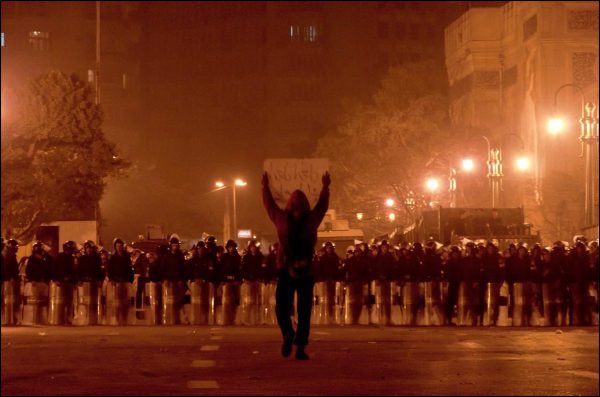
ප්‍රජාතන්ත්‍රවාදය උදෙසා උද්ඝෝෂණය කරමින් 2011 ජනවාරියේ ඊජිප්තු රටවැසියන් පෙළගැසෙන විට හිටපු ඒකාධිපති පාලක හොස්නි මුබාරක් එරට ඉන්ටර්නෙට්, දුරකථන හා මාධ්‍ය සේවා ක්‍රියා විරහිත කළා. එසේ කළේ සන්නිවේදන ජාලයන් හරහා ක්‍රියාකාරිකයන් මනා සේ සම්බන්ධීකරණය වීම වළක්වන්නටයි. එහෙත් එය අන්තිමේදී මුබාරක්ගේ වසර 30 ක පාලනයේ බිද වැටීම වඩාත් ඉක්මන් කළා. අමෙරිකාවේ එක් නගරයක සිදු වු ප්‍රවාහන සිදුවීම සමස්ත ඊජිප්තු රාජ්‍ය පෙරළිය සමග සැසදිය නොහැකි වුනත්, අවස්ථා දෙකේ ම මූලධර්මය එකයි.

නීතිය හා සාමය හෝ ජාතික ආරක‍ෂාව හෝ රැකීමට යයි කියමින් මහජන සන්නිවේදන සේවා අඩපණ කිරීමට නැතිනම් නතර කිරීමට බලධාරීන්ට නීතිමය හා සදාචාරාමය අයිතියක් ඇත් ද? ඒ අයිතිය ක්‍රියාත්මක කිරීමේදී පාලකයන් කුමන තුලනයන්ට හා අධීක‍ෂණයන්ට නතු විය යුතු ද? තොරතුරු සමාජයේ සීඝ්‍ර ප්‍රගමනය සමග මේ ප්‍රශ්න වඩාත් ප්‍රබල ලෙසින් මතුව එනවා. ලෝකයේ කිසිම රටක් මේ අභියෝගයන්ට මුහුණදීමේ සම්පූර්ණ ක්‍රමවේදයක් තවම සකසා ගෙන නැහැ. අද අවශ්‍ය වන්නේ ආවේගශීලී නොවී, අදාල සියළු පාර්ශවයන් මේ ගැන හොදින් වාද විවාද කිරීමයි. පරිනත ප්‍රජාතන්ත්‍රවාදයක් පවතින රටවල හා ශිෂ්ට සමාජවල ස්වභාවය එයයි. එහිදී රාජ්‍යයේ හෝ බලයේ සිටින රජයේ හෝ මතය පමණක් ක්‍රියාත්මක කිරීම සෑහෙන්නේ නැහැ.

බ්‍රිතාන්‍යයේ දැනට සිටින ජ්‍යෙෂ්ඨතම විද්‍යා කතුවරයකු වන ඩේවිඩ් ඩික්සන් (David Dickson) මේ ගැන ඉතා මැදහත් විග්‍රහයක් කරනවා. සන්නිවේදන තාක‍ෂණයේ බල මහිමය හා පොදු සමාජ යහපත තුලනය කර ගැනීමේ අභියෝගයට දියුණු රටවල් මෙන් ම දියුණු වන රටවල් ද එක සේ මුහුණ දෙන බව SciDev.Net වෙබ් අඩිවියේ අගෝස්තු 19 වනදා කතුවැකිය ලියමින් ඔහු පෙන්වා දෙනවා.

ඔහු කියන හැටියට:”ඉදහිට ඇතැම් දෙනකු සන්නිවේදන තාක‍ෂණයන් නීති විරෝධී වැඩකට යොදා ගත් පමණින් මුළු තාක‍ෂණයක් ම දෝෂාරෝපණයට ලක් කිරීම හෝ ඒවා සීමා කිරීමට උත්සාහ කිරීම හො`ද නැහැ. තොරතුරු ගලනයේ හා අදහස් ප්‍රකාශනයේ සීමා ඇති කිරීමට එබදු සිද්ධීන් යොදා ගැනීම පරිනත සමාජයකට ගැලපෙන ප්‍රතිචාරයක් නොවෙයි. නවීන සන්නිවේදන තාක‍ෂණයන්ගේ ඉමහත් බලය හ`දුනාගෙන, ඒවා වඩාත් වගකීම් සහිතව යොදා ගන්නේ කෙසේ ද යන්න තීරණය කළ යුතුයි.”

ඩේවිඩ්ගේ කතුවැකිය කියවන විට මට සිහිපත් වූයේ කලකට පෙර රාජ්‍යයට එරෙහිව අරගල කළ මෙරට උදවිය තැපැල් සේවය හා පුවත්පත්වල ලූහු`ඩු දැන්වීම් නිර්මාණශීලි ලෙස තමන්ගේ සන්නිවේදන ස`දහා යොදා ගත් ආකාරයයි.

අයහපත් පුවතක් රැගෙන එන පණිවුඩකරුට පහර දෙන්නට එපා (Don’t shoot the messenger!) යයි ප්‍රකට කියමනක් තිඛෙනවා. සමාජයේ විෂමතා හා අකටයුතුකම් ගැන මාධ්‍ය වාර්තා කරන විට එයින් අපහසුතාවයට පත් වන ඇතැම් අය මාධ්‍යවලට පහරදීම වැරදි ප්‍රතිචාරයක්. සන්නිවේදන තාක‍ෂණයන් හා ඒවා භාවිතා කරන අයගේ කි්‍රයා කලාපය යනු එකක් නොව දෙකක් බවටත්, සංඛ්‍යාත්මකව සුළුතරයක් අතින් සිදුවන තාක‍ෂණික නොපනත්කම් නිසා තොරතුරු සමාජයේ ඉදිරිගමනට වැටකඩුළු බාධක පැනවිය යුතු නැති බවටත් ඩේවිඩ් ඩික්සන් තර්ක කරනවා.

ඩේවිඩ් තවදුරටත් කියන හැටියට: “ලෝකයේ ඕනෑම තැනකට ක්ෂණිකව බද්ධවීමේ හැකියාව ලබා දෙන නූතන සන්නිවේදන තාක‍ෂණයන් අපට ලැබී ඇති දෙපැත්ත කැපෙන පිහියක් වගෙයි. සමාජ යහපතට පමණක් ඒවායේ හැකියාව යොදා ගන්නට අවශ්‍ය නීතිමය, සදාචාරමය හා අධ්‍යාපනික පසුබිම සකස් කිරීම අප කාගේත් ලොකු වගකීමක් වෙනවා. එහිදී ඉතා දැඩි (draconian) නීතිරීතිවලට වඩා අපට අවශ්‍ය වන්නේ නම්‍යශීලී, ප්‍රජාතන්ත්‍රවාදී හා සුමට ප්‍රතිචාරයක්. එමෙන් ම බ්‍රිතාන්‍යය, ඇමෙරිකාව වැනි ප්‍රජාතන්ත්‍රවාදී රටවල් නව සන්නිවේදන තාක‍ෂණයන් නියාමනය කරන්නේ කෙසේ ද යන්න ලෝකයේ සෙසු රටවල් ඉතා විමසිල්ලෙන් බලා සිටින බව ද අමතක නොකරන්න.”

විකිලීක්ස් වෙබ් අඩවිය හරහා තම තානාපති නිලධාරීන්ගේ රහස් වාර්තා හෙළිදරවු වන්නට ගත් විට ඇමෙරිකානු රජය මුහුණ දුන් අපහසුතාවයට සමාන තත්ත්වයකට ලන්ඩන් කලහයන්ගේ පසු බි්‍රතාන්‍ය රජය ද පත්ව සිටිනවා. අදහස් ප්‍රකාශනයේ හා තොරතුරු ගලනයේ මානව අයිතීන්ට දශක ගණනක් තිස්සේ සැබැවින් ම කැපවුණු එම රටවල වෙබ් මාධ්‍ය මතු කරන නව අභියෝගයන්ට මුහුණ දෙන්නේ කෙසේ ද යන්න ගැන ලොකු විවාදයක් සිදු වනවා.

පරිනත ප්‍රජාතන්ත්‍රවාදයක් පවතින බි්‍රතාන්‍ය වැනි රටවල හොඳ ලක්ෂණයක් නම් ඕනෑ ම නව ප්‍රතිපත්තියක් හෝ නීතියක් හෝ පුළුල් වශයෙන් ප්‍රසිද්ධ වාද විවාදයට ලක් වීම. අත්තනෝමතිකව කි්‍රයා කරන්නට බලයේ සිටින රජයට හෝ ආරක‍ෂක අංශවලට හැකියාවක් නැහැ. අගෝස්තු 24 වැනිදා ලන්ඩනයේ නගරාධිපති, පාලක කොන්සර්වේටිව් පාක‍ෂික බොරිස් ජොන්සන් වැදගත් ප්‍රකාශයක් කළා. අර්බුදකාරී අවස්ථාවල නව මාධ්‍යවල කි්‍රයාකාරීත්වය පාලනය කිරීමට හෝ තාවකාලිකව නතර කිරීමට හෝ වඩා සූක‍ෂම (smart) ප්‍රතිචාරය වන්නේ ඒවා හරහා සන්නිවේදනය වන තොරතුරු හා මතිමතාන්තර බුද්ධිසේවා මගින් අධ්‍යයනය කිරීම බව ඔහු කියනවා.

ඔහු තම ස්ථාවරය පැහැදිළි කළා: “ලන්ඩනයේ කළහකාරී කි්‍රයාවලට හේතු වූ බහුවිධ සාධක තිඛෙනවා. එමෙන්ම එයට සම්බන්ධ වූ අය විවිධ සන්නිවේදන ක්‍රම භාවිතා කළා. ලන්ඩන් පොලිස් අධිකාරීන් සමග මේ ගැන කථා කළ පසු මගේ අවබෝධය නම් අර්බුදකාරී අවස්ථාවක වෙබ් මාධ්‍ය හරහා හුවමාරු වන පණිවුඩ නීරීක‍ෂණය හා විශ්ලේෂණය වඩාත් ප්‍රයෝජනවත් බවයි. ඒ මාධ්‍ය තාවකාලිකව වසා දැමුවහොත් ඒවාට වඩා රහසිගත සන්නිවේදන ක්‍රමවලට කලහකරුවන් යොමු වන්නටත් හැකියි.”

අගෝස්තුවේ ප්‍රචණ්ඩ කි්‍රයා සිදුවන විට ම කලහකරුවන් හඳුනා ගැනීම සඳහා වෙබ් මාධ්‍ය යොදා ගන්නට ලන්ඩන් පොලීසිය උත්සුක වුණා. උදාහරණයක් හැටියට ප්‍රහාරයට ලක් වූ කඩ සාප්පු හා කාර්යාලවල සවිකර තිබූ ආවෘත පරිපථ වීඩියෝ කැමරා (CCTV) වලට හසු වූ ප්‍රහාරකයන්ගේ රූපරාමු පොලීසිය විසින් ත‍කසජනරගජදප නමැති ඡායාරූප හුවමාරු කර ගන්නා ජනපි්‍රය වෙබ් අඩවියේ ප්‍රසිද්ධ කරනු ලැබුවා. ප්‍රහාරකයන් හඳුනා ගන්නට මහජන උපකාර ඉල්ලා සිටියා.

නමුත් CCTV රූපරාමුවල හසු වී ඇති හැම කෙනකුගේ ම රූප කලහකරුවන්ගේ බව සැක හැර දැන ගන්නේ කෙසේ ද? ඒ මොහොතේ එතැන සිටි වික‍ෂිප්ත වූවත් ද රූපවලට හසු විය හැකියි නේද?

මෙබදු ප්‍රශ්නවලට තවමත් හරිහැටි පිළිතුරු නැහැ. නමුත් තොරතුරු සමාජයේ ප්‍රගමනයත් සමග අර්බුද අවස්ථාවල රජයන්, ආරක‍ෂක සේවාවන් හා තාක‍ෂණවේදීන් ක්‍රියා කරන ආකාරය ගැන තුලනාත්මකව හා ප්‍රවේශමෙන් සිතා බැලිය යුතු බව හා විවාද කළ යුතු බව නම් ඉතා පැහැදිලියි.

Revolution at the Bottom of the Pyramid: Egyptians want freedom – video

This short video is currently a high favourite online. Created by Tamer Shaaban. Another Egyptian who’s had enough.

Their blurb: “Violent clashes between police and demonstrators as over ten thousand gather on the streets of Cairo. The Egyptian people have endured a tyrant’s rule for far too long, millions struggle each day to find where their next meal is coming from. January 25th, 2011 marks the day when the people rise and take back what’s rightfully there’s. This isn’t the end, but hopefully the beginning to a long awaited regime change! Send to everyone and let them know.”

Song: “Into the Fire” – Thirteen Senses

Thanks to the following news sources for their footage
Daily News Egypt
The Guardian
CNN
New York Times
Al Masry Al Youm

The video was posted on reddit and has gained momentum!

#Facebook Link: Egypt’s Peaceful Revolution

Related blog post: Wanted: More courageous little ‘Mack’s to unsettle Yertle Kings of our times!

Revolution in the making...at the bottom of the pyramid

Wanted: More courageous little ‘Mack’s to unsettle Yertle Kings of our times!

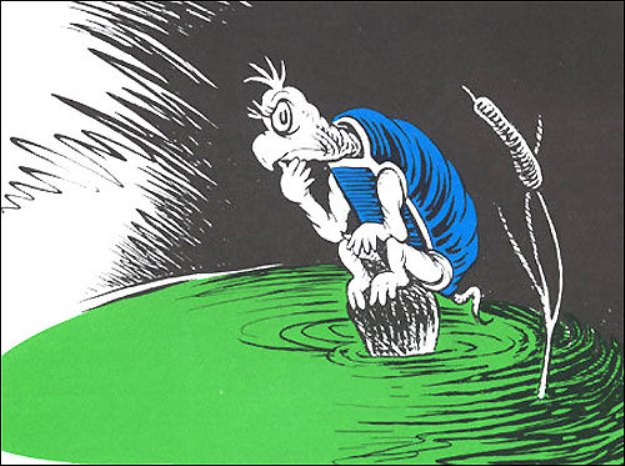
Yertle the Turtle King: My mental image of a despotic ruler!

Related blog post on 7 Feb 2011: Of Dictators and Terrible Cockroaches: A Russian children’s story…from 1925!

January 2011 has been an eventful month for democratic reform in the Middle East. As People Power successfully toppled the deeply entrenched dictator Ben Ali in Tunisia, and the ordinary Egyptians intensified their pressure on own 30-year-long regime of Hosni Mubarak, commentators around the world have been trying to make sense of the rapidly unfolding developments. One of them, David Kravets, writing in Wired linked to a blog post of mine that talked about the experience of one of the earliest successful demonstrations of people power — in the Philippines, when they toppled a long-misruling dictator in 1986.

Amidst all this, and while following the developments on the web, I have been re-reading my Dr Seuss. In particular, the delightfully inspiring tale of Yertle the Turtle King. To me, that is the perfect example of People Power in action — cleverly disguised as children’s verse!

The story was first published in April 1958, in a picture book collection by Theodor Geisel, published under his more commonly-known pseudonym, Dr. Seuss. In 2001, Publishers Weekly listed it at No 125 on a list of the best-selling children’s books of all time.

For those poor Seuss-deprived readers, here’s a helpful summary I have adapted from Wikipedia:

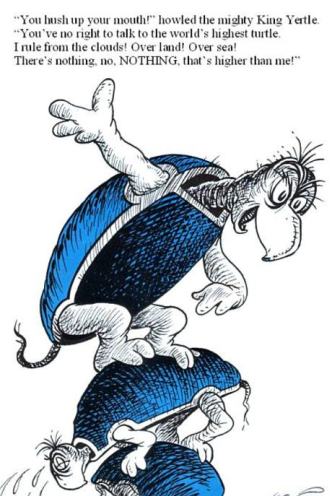
The story is about Yertle the Turtle, the king of the pond in the far-away island of Sala-ma-Sond. Unsatisfied with the stone that serves as his throne, he commands the other turtles to stack themselves beneath him so that he can see further and expand his kingdom (he considers himself the master of all he can see). However, the stacked turtles are in pain. Mack, a very ordinary little turtle at the very bottom of the pile, asks Yertle for a respite, but Yertle just tells him to shut up. Dissent is suppressed.

King Yertle is still not happy: he wants ‘to expand his kingdom’. So he commands more and more turtles to add to his throne. Mack again asks for a respite because the increased weight is now causing extreme pain to the turtles at the bottom. Again Yertle yells at Mack to shut up. At this point, little Mack decides he has had enough and decides to do something to vent his anger and frustration: he just burps. That simple action shakes up the entire stack of turtles, and the mighty king comes crashing down into the pond — and all turtles are freed at last!

Required reading for all despots?Years ago, when I first read the story to my then very young daughter, I could immediately see strong parallels between the vain, merciless Yertle the turtle king and the equally egotistic megalomaniacs in the world of human politics and governance. I would later learn that Dr Seuss meant Yertle to be Adolf Hitler: the turtle’s rule of the pond and takeover of the surrounding areas signified Hitler’s regime in Germany and invasion of surrounding Europe.

The ordinary but courageous Mack epitomises long-suffering Everyman and Everywoman in all countries where autocratic or dictatorial regimes rule, piling ever more burdens on their people. Like the turtles in the stack, the people can go on for years taking a great deal of suffering and sacrifice while the despots plunder and make merry. But there comes a day when a ‘Mack’ says enough is enough…and emits a humble ‘burp’ that shakes up everyone.

As Dr Seuss wrote (and this is my favourite part!):

But, as Yertle, the Turtle King, lifted his hand
And started to order and give the command,
That plain little turtle below in the stack,
That plain little turtle whose name was just Mack,
Decided he’d taken enough. And he had.
And that plain little lad got a bit mad.
And that plain little Mack did a plain little thing.
He burped!
And his burp shook the throne of the king!

And Yertle the Turtle, the king of the trees,
The king of the air and the birds and the bees,
The king of a house and a cow and a mule…
Well, that was the end of the Turtle King’s rule!
For Yertle, the King of all Sala-ma-Sond,
Fell off his high throne and fell Plunk! in the pond!

And today the great Yertle, that Marvelous he,
Is King of the Mud. That is all he can see.
And the turtles, of course… all the turtles are free
As turtles and, maybe, all creatures should be.

Read the text of Yertle the Turtle King

I don’t mean to oversimplify or belittle the enormous courage and resolve it takes for ordinary people to take on a brutal regime, but as pop-culture metaphors go, it’s hard to find a better one than Mack and his defiant burp. That little burp by a tiny turtle brought a vain king down, and its real-world equivalent is called people power: when long-oppressed ordinary people take to the streets to protest against the accumulated excesses of their rulers, demanding reform or regime change.

Not all such ‘burps’ bring all ‘Yertles’ down in the real world. The mighty Soviet Union crumbled in the late 1980s thanks to the courage and persistence of ordinary people who stood up and stepped out. It also worked twice in the Philippines: first against an outright dictator (Marcos) in 1986, and then against a renegade elected president (Estrada) in 2001. A variation of it happened in Nepal against the brutal King Gyanendra, who was dumped into the dustbin of history with the entire monarchy in 2006. Each case had its own history, dynamics and outcomes but shared the common feat of people power.

Sounds familiar? That's because it's all too common!
But elsewhere, as in Tiananmen Square of China (1989) Burma (2007) and Thailand (2010), people power failed to change regimes and led to much violence and bloodshed. What particular combination of social, political and technological factors make people power work is currently the subject of intense study and debate among scholars, diplomats and activists.

But there’s no doubt that recent history has been shaped and made by Macks who broke the silence and, figuratively speaking, burped. Some such burps were heard around the world, and some Macks went on to lead prolonged revolutions that ended with them becoming rulers themselves: Lech Walesa, Cory Aquino and Valclav Havel come to mind.

For every ‘Mack’ who succeeds, though, there are many who go unsung —or much worse. We still have no idea what happened to that much photographed and celebrated ‘Tank Man’ who stood up against the Red Army’s tanks on Tiananman Square one fateful day in June 1989. We don’t even know his name, but his defiance against such enormous odds still inspires assorted Macks all over the world.

For sure, our world is a tiny bit larger — and more complex — than that muddy pond in far away Sala-ma-Sond. And we have an abundance of Yertles, of various colours and hues, riding literally on the backs of their fellow people.

At least some of these tyrants must be following the recent developments in Tunisia and Egypt with growing anxiety. We can only hope that there will be a steady stream of courageous little ‘Macks’ in all such countries who will finally speak up and say: ‘Oi, Enough is enough!’

And then…BURP!

PS: Interesting footnote: Dr Seuss was the first to use the word “burp” in print. That apparently was cause for some concern before publication. According to him, the publishers at Random House, including the president, had to meet to decide whether or not they could use “burp” because “nobody had ever burped before on the pages of a children’s book”.


See also this interesting poem The Vain King, by American poet Henry Van Dyke (1852 – 1933)

Saluting Journalism’s First Decade of I-Me-Mine!

My DIY as POY: Famous at last?
“All I can hear I me mine, I me mine, I me mine.
Even those tears I me mine, I me mine, I me mine.
No-one’s frightened of playing it
Ev’ryone’s saying it,
Flowing more freely than wine,
All thru’ your life I me mine…”

When George Harrison sang those words in the 1970 Beatles song ‘I-Me-Mine’, he was in two minds about expressing in the first person (or ego). He wasn’t alone: mainstream journalism has long had reservations about where ‘I’ fit in journalistic narratives.

“Never bring yourself into what you write,” we were told in journalism school 20 years ago. Journalists, as observers and chroniclers of events, write the first drafts of history – and without the luxury of time or perspective that historians and biographers take for granted. We often have to package information and provide analysis on the run. Bringing ourselves into that process would surely distort messages and confuse many, it was argued. We had to keep our feelings out of our reportage lest it affects our ‘objectivity’.

In other words, we were simply mirrors reflecting (and recording) the events happening around us. Mirrors can’t – and shouldn’t — emit light of their own.

Occasionally, if we felt the urge to express how we personally felt about such trends and events, we were allowed the luxury of an op-ed or commentary piece. Of course, as long as we ensured that it was a measured and guarded expression. And if we really wanted to bring ourselves into the narrative, we could use the archaic phrase ‘this writer…’ to refer to ourselves.

But never use I-Me-Mine! That would surely sour, taint and even contaminate good journalism – right?

Well, it used to be the ‘norm’ for decades — but mercifully, not any longer. Thanks largely to the new media revolution triggered by the Internet, writing in the I-Me-Mine mode is no longer frowned upon as egotistic or narcissistic. It sometimes is one or both these, but hey, that’s part of cultural diversity that our information society has belatedly learnt to live with…

We journalists are late arrivals to this domain. The first person narrative was always valued in other areas of creative arts such as literary fiction, poetry and the cinema. In such endeavours, their creators are encouraged to tell the world exactly how they feel and what they think.

Of course, some writers ignored orthodoxy and wrote in the first person all along. One example I know personally is the acclaimed writer of science fiction and science fact, Sir Arthur C Clarke. Shortly after I’d started working with him in 1987, Sir Arthur encouraged me to fearlessly use the first person narrative even in technical and business writing. A lot of writing ended up being too dull and dreary, he said, because their writers were afraid of speaking their minds.

Yet we had to wait for the first decade of the Twenty First Century to see I-Me-Mine being widely accepted in the world of journalism. Did the old guard finally cave in, or (as sounds more likely) did Generation Me just redefine the rules of the game?

Whatever it is, I-Me-Mine is now very much in vogue. And not a moment too soon!

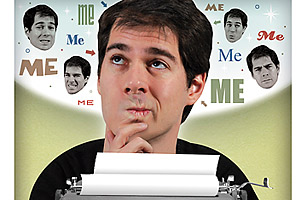
Joel Stein (Photo-illustration by John Ueland for TIME)
As Time columnist Joel Stein, who often writes with his tongue firmly in his cheek, noted in a recent column: “All bloggers write in first person, spending hours each day chronicling their anger at their kids for taking away their free time. Every Facebook update and tweet is sophomoric, solipsistic, snarky and other words I’ve learned by Googling myself.”

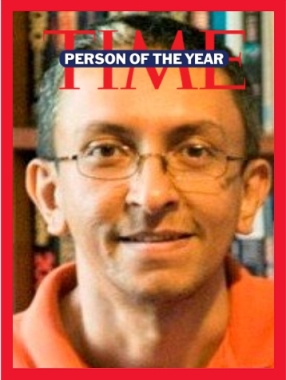
And look at what Time just tempted me to do: put myself on their cover, as the Person of the Year (POY), no less. While designating Facebook’s founder Mark Zuckerberg as its POY 2010, Time teamed up with the social media network to introduce a new application that allows anyone to become POY with just a few key strokes. Provided you have a Facebook account, of course.

Joel Stein quotes Jean M Twenge, professor of psychology at San Diego State University, as saying that we are living in the Age of Individualism, a radical philosophical shift that began with Sigmund Freud. It has exploded during the past decade with reality television, Facebook and blogging. “You’re supposed to craft your own image and have a personal brand. That was unheard of 10 years ago,” Twenge says.

What a difference a decade can make. Although trained in the pre-me era, I was never convinced as to why I had to keep myself out of what I write. However, my use of I-Me-Mine was done sparingly in the late 1980s (when I started my media work) and during the 1990s. It was only in the 2000s that I finally found both the freedom to speak my mind – and the ideal platforms for doing so: blogging and tweeting.

As my regular readers know, I blog about my family, friends, pet, travels, writing and conference speaking. I liberally sprinkle photographs of myself doing various things. I tell you more than you really want to know about my life. Ah yes, I’m self-referential too.

And not just on this blog. I’ve also been writing op ed essays for various mainstream media outlets for much of the past decade, and have never hesitated in expressing what I think, feel and even dream about. (Isn’t that what opinion pieces are meant to be?)

But the Digital Immigrant that I am, all my writing is shaped by my pre-Internet training. Even for a blog post or tweet, I still gather information, marshal my thoughts and agonise over every word, sentence and paragraph.

As my own editor and publisher on the blog, I don’t have gatekeepers who insist on any of this. My readers haven’t complained either. Yet I write the way I do for a simple reason. I may indulge in a lot of I-Me-Mine, but I don’t write just for myself. You, gentle reader, are the main reason why I strive for coherence and relevance.

(OK, if you really must know, it also ensures a joyful read when I occasionally go back and read my own writing…)

Facebook’s Mark Zuckerberg: Digital Pied Piper of our times?

The Face of Facebook

“For connecting more than half a billion people and mapping the social relations among them, for creating a new system of exchanging information and for changing how we live our lives, Mark Elliot Zuckerberg is TIME’s 2010 Person of the Year,” TIME magazine’s editors announced on 15 December 2010.

As if to support their choice, their profile of Facebook’s co-founder added: “One out of every dozen people on the planet has a Facebook account. They speak 75 languages and collectively lavish more than 700 billion minutes on Facebook every month. Last month the site accounted for 1 out of 4 American page views. Its membership is currently growing at a rate of about 700,000 people a day.”

As usual, TIME’s selection was eagerly awaited, and the most popular choice online was WikiLeaks founder Julian Assange. He ended as a runner-up as the next four newsmakers of 2010 — perhaps it was too controversial a choice for TIME’s editors considering the heavy polarisation of views at home about WikiLeaks?

I first read about this selection on Twitter. By coincidence, I was just finishing my latest essay, which was more about the challenges of living in the WikiLeakable world that we now find ourselves in. But Mark Zuckerberg and Facebook get honourable mentions in there.

The essay, now published as Living in the Global Glass House: An Open Letter to Sir Arthur C Clarke, includes these paras:

“I’m not so sure what you might have made of this thing called Facebook. With more than 500 million active members, the social networking website is the largest of its kind (well ahead of its nearest rival Myspace, owned by your friend Rupert).

“Going by the sheer numbers, Facebook is behind only China and India in population terms. But those who compare it to a major league country don’t imagine far enough — it’s really becoming another planet…

An essential survival skill in this Info Age...
“While Facebook’s high numbers are impressive, not everyone is convinced of its usefulness and good intentions. Can we trust so much power in the hands of a few very bright (and by now, very rich) twentysomethings? How exactly is Facebook going to safeguard our privacy when we (wittingly or unwittingly) reveal so much of our lives in there?

“I raise these concerns not only as a long-time ICT-watcher, but also as the father of a teenager who is an avid Facebooker. I once called Facebook co-founder Mark Zuckerberg a ‘Digital Pied Piper’: might we someday see Hamelin the sequel?”

Read the full essay: Living in the Global Glass House: An Open Letter to Sir Arthur C Clarke

PS: On 1 Oct 2010, when the movie The Social Network (based on the Facebook story) opened, I tweeted: “www.thesocialnetwork-movie.com Story of da world’s biggest Pied Piper. And his 500 million+ rats!”

Political Satire: When making fun is no laughing matter

Paper paper shining bright...but for how long? Cartoon by Mike Luckovich

My regular readers know my deep interest in political satire, and fascination with cartoons of all kinds including those political. On this blog, we’ve also discussed the worldwide decline in mainstream journalism.

I’ve just blended my thoughts in these strands in my latest op ed essay, ostensibly a book review. It has just been published by Groundviews.org as Political Satire in Sri Lanka: When Making Fun is No Laughing Matter

Here are the opening paras:

Political satire is nothing new: it has been around for as long as organised government, trying to keep the wielders of power in check. Over the centuries, it has manifested in many oral, literary or theatrical traditions, some of it more enduring — such as Gulliver’s Travels and Animal Farm. And for over a century, political cartoonists have also been doing it with such brilliant economy of words. Together, these two groups probably inspire more nightmares in tyrants than anyone or anything else.

“Today, political satire has also emerged as a genre on the airwaves and in cyberspace, and partly compensates for the worldwide decline in serious and investigative journalism. Many mainstream media outlets have become too submissive and subservient to political and corporate powers. Those who still have the guts often lack the resources and staff to pursue good journalism.

“If Nature abhors a vacuum, so does human society — and both conjure ways of quickly filling it up. Into this ‘journalism void’ have stepped two very different groups of people: citizen journalists, who take advantage of the new information and communications technologies (ICTs), and political satirists who revive the ancient arts of caricaturisation and ego-blasting…”

In this essay, I revisit a question I first posed in my July 2009 blog post: News wrapped in laughter: Is this the future of current affairs journalism?

Read the full essay:
Political Satire in Sri Lanka: When Making Fun is No Laughing Matter

You might also like to look at these other related blog posts:

August 2009: The XYZ Show: New horizon in political satire on African TV, but room to grow?

Sep 2009: XYZ Show controversy: Kenyan politicians forgetting ‘Hakuna matata’?

Why are ‘Smart Mobs’ also very fickle? Looking for an antidote to fleeting activism

Smart but fleeting mobs?
‘Smart mobs’ is an interesting term for like-minded groups that behave intelligently (or just efficiently) because of their exponentially increasing network links.

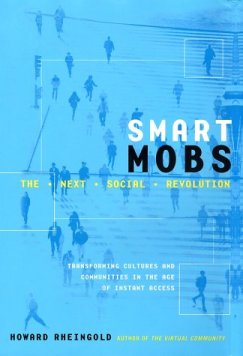
The idea was first proposed by author Howard Rheingold in his 2002 book, Smart Mobs: The Next Social Revolution. It deals with the social, economic and political changes implicated by developing information and communications technology. The topics range from text-messaging culture and wireless internet to the impact of the web on the marketplace.

In the eight years since the book first appeared, we’ve seen a proliferation and evolution of smart mobs, fuelled by the growth web 2.0 tools and, more recently, the many and varied social media. In fact, author Rheingold is credited with inventing the term virtual communities.

But the reality is that smart mobs can also be very fickle — their attention can be easily distracted. A smart mob can disperse just as fast as it forms, even while its original provocation remains.

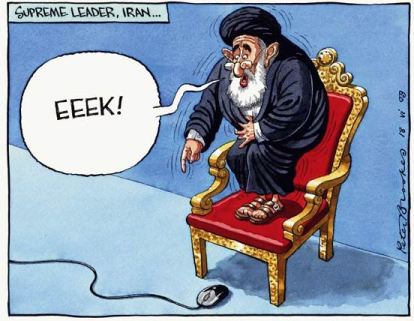
This was demonstrated in dramatic terms in June 2009. Following a hotly disputed presidential election in Iran, there was a surge of online support for pro-democracy activists there who launched a massive protest. A main point of convergence for online reporting and agitation was micro-blogging platform Twitter. Within a few days, mainstream media like TIME and Washington Post were all talking about this phenomenon in gushing terms.

'Rescued' by Michael Jackson?
Then something totally unexpected happened. On June 25, Michael Jackson’s sudden death in Los Angeles shocked the world. As the news spread around the world at the speed of light, it crashed some social networking sites and slowed down even the mighty Google. Online interest on Iran dipped — and never regained its former levels.

As I wrote at the time: “I have no idea if the Ayatollahs are closet fans of Michael Jackson. But they must surely have thanked the King of Pop for creating a much-needed diversion in cyberspace precisely when the theocracy in Tehran needed it most.”

Other recent experiences have demonstrated how online interest can both build up and dissipate very fast. Staying with a single issue or cause seems hard in a world where news is breaking 24/7.

Here’s a current example. Following the massive oil spill in the Gulf of Mexico that started on 20 April 2010, local communities and environmental activists deployed various social media tools to track the unfolding disaster. BP, the giant oil company implicated in the disaster, has also tried to use social media to communicate its positions, but not too successfully. On Twitter, it was not BP’s official account but the satirical @BPGlobalPR that was dominating the online conversation. As one commentator wrote: “It is an object lesson in how social media can shape and control a company’s message during a crisis.”

Beyond PR?
By early July 2010, however, there were already signs that online interest on the issue was already waning — even as the oil continued to leak from this largest offshore oil spill in US history. In a detailed analysis of main social media platforms’ coverage of the issue, Mashable noted last week: “An estimated 100 million gallons or more of oil have surged into the Gulf of Mexico…Yet on Twitter, Google, blogs and even YouTube, we’re already wrapping up our collective discussion of the oil spill and how to repair its damage.”

Riding the wave can be fun, but waves form and break quickly. Those who want to use social media tools for social activism still need to learn how to hitch a ride with the ocean current beneath the fickle waves.

How I wish I could get some practical advice on this from a certain ancient mariner named Sinbad.