සිවුමංසල කොලූගැටයා #83: රසායනික පොහොර උගුලෙන් කාම්බෝජය ගලවා ගත් විප්ලවවාදියා

This week’s Ravaya column (in Sinhala) is about a maverick scientist: Dr Yang Saing Koma. For 15 years, this Cambodian agronomist has driven a grassroots revolution that is changing farming and livelihoods in one of the least developed countries in Asia.

A champion of farmer-led innovation in sustainable agriculture, Koma founded the Cambodian Centre for Study and Development in Agriculture (CEDAC) in 1997. Today, it is the largest agricultural and rural development organisation in Cambodia, supporting 140,000 farmer families in 21 provinces.

He has just been honoured as one of this year’s six recipients of the Ramon Magsaysay Awards — the Asian Nobel Prize. I wrote about him in a recent English column too.
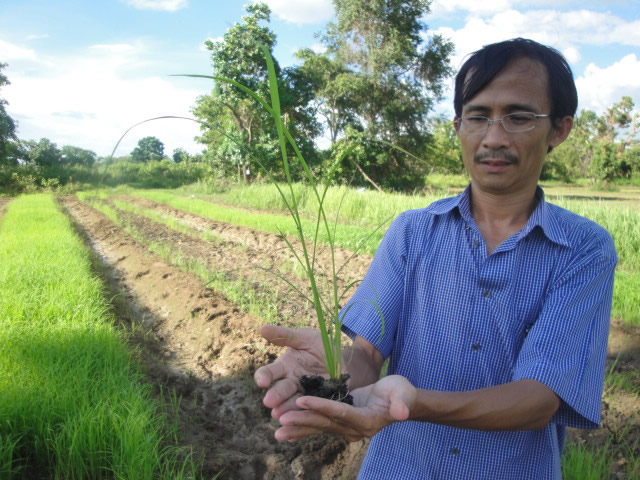
Dr Yang Saing Koma, visionary behind Cambodia’s rice farming revolution – photo courtesy Cornell University SRI website

ලක් ගොවීන් රසායනික පොහොරට දැඩි සේ ඇබ්බැහි වීම ගැන ගිය සතියේ මා කළ විග‍්‍රහයට හොඳ ප‍්‍රතිචාර ලැබුණා. එ අතර කෘෂි විද්‍යා ක්‍ෂෙත‍්‍රය ද මනාව දත් පාඨකයකු කීවේ “ශ‍්‍රී ලංකාව වැනි කුඩා දුප්පත් රටවලට මෙබඳු ගෝලීය ප‍්‍රවණතාවලට එරෙහිවීමට අවශ්‍ය වුවත් ලෙහෙසියෙන් කළ නොහැකි බවයි”.

ඕනෑ ම ඇබ්බැහිකමකින් අත්මිදීම අසීරුයි. එහෙත් අපේ රට ඇතැම් දෙනා සිතන තරම් කුඩා හෝ “අසරණ” හෝ නොවන බව මා මීට පෙර මේ කොලමින් සාක්‍ෂි සහිතව පෙන්වා දී තිබෙනවා. ඕනෑකම හා අධිෂ්ඨානය ඇත්නම් අපේ අයාලේ ගිය කෘෂි ක්‍ෂෙත‍්‍රය නැවතත් යහපත් ප‍්‍රතිපත්ති හා පුරුදුවලට යොමු කර ගත හැකියි.

ගෝලීය පසුබිම තුළ අපේ රටේ “අසරණකම” ගැන අශූභවාදී තර්ක කරන අයට මා ගෙන හැර දක්වන්නේ අපටත් වඩා කුඩා, දුගී බවින් අධික ආසියානු රටවල් යහ අරමුණු සාර්ථක ලෙස ජය ගන්නා හැටියි. රසායනික පොහොර මත අධික ලෙස යැපීමේ හරිත විප්ලව සංකල්පයෙන් මෑතදී ඉවත් වූ කාම්බෝජයේ උදාහරණය මා අද මතු කරන්නට කැමතියි.

1958 සිට පිලිපීනයේ ස්වාධීන පදනමක් විසින් වාර්ෂිකව පිරිනමනු ලබන රේමන් මැග්සායිසායි ත්‍යාගය (Ramon Magsaysay Award) ආසියානු නොබෙල් ත්‍යාගය ලෙස හඳුන්වනවා. එය පිරිනමන්නේ සිය රටට, සමාජයට හා ලෝකයට සුවිශේෂී සේවයක් කරන අයටයි.

2012 මැග්සායිසායි ත්‍යාග අගෝස්තු 31 වනදා පිලිපීනයේ මැනිලා අගනුවරදී උත්සවාකාරයෙන් පිරිනමනු ලැබුවා. එහිදී මහජන සේවය සඳහා වන මැග්සායිසායි ත්‍යාගය කාම්බෝජයේ ආචාර්ය යැං සයිංග් කෝමාට (Dr. Yang Saing Koma) හිමි වුණා. සිය රටෙහි ගොවිතැන් කටයුතුවල නිහඬ විප්ලවයක් කරමින් සහල් නිෂ්පාදනය වැඩි කරන අතර ගොවීන්ගේ ජීවන තත්ත්වය හා ආත්ම අභිමානය දියුණු කිරීම ත්‍යාගයේ හේතු පාඨය ලෙස සඳහන් වුණා.

ආසියාවේ වඩාත් දුගී දුප්පත්කම වැඩි රටක් වන කාම්බෝජයේ ඒක පුද්ගල දළ දේශීය නිෂ්පාදිතය (GDP) ඩොලර් 930යි. එරට සමස්ත ආර්ථික නිෂ්පාදනයෙන් සියයට 33ක් ලැබෙන්නේ බෝග වගාවෙන් හා සත්ත්ව පාලනයෙන්. එරට මිලියන් 14ක ජනයාගෙන් තුනෙන් දෙකක් ජීවිකාව සපයා ගන්නේ් වී ගොවිතැනින්.

සිය රටේ ජීවන තත්ත්වය නඟා සිටුවීමට නම් වී ගොවිතැනින් පටන් ගත යුතු බව ජර්මන් සරසවියකින් ශෂ්‍ය විද්‍යාවේ ආචාර්ය උපාධියක් ලබා 1995දී සිය රට පැමිණි ආචාර්ය කෝමා මනා සේ වටහා ගත්තා. එහෙත් බටහිරින් උගෙන අපේ වැනි රටවලට ආපසු පැමිණ එ් දැනුම ගෙඩි පිටින් ආරෝපණය කරන උගතුන්වට වඩා කෝමා වෙනස් චරිතයක්.

ඔහුට ක‍්‍රමීය චින්තනයක් තිබෙනවා. ප‍්‍රශ්නවල මුල සොයා ගවේෂණය කිරීමත්, රෝග ලක්‍ෂණවලට මතුපිටින් ප‍්‍රතිකර්ම යොදනවා වෙනුවට රෝග නිධාන සොයා ප‍්‍රතිචාර දැක්වීමත් ඔහුගේ ක‍්‍රමවේදයයි.

ගොවීන්ගේ අවශ්‍යතාවන්ට කේන්ද්‍ර වූ ගොවිතැන් පිළිවෙත් මතු කර ගැනීම මුල පටන් ම කෝමාගේ ප‍්‍රමුඛතාවය වුණා. බොහෝ රටවල් කරන්නේ ජාතික අස්වනු ඉලක්ක සාදා ගෙන, එවා සාක්ෂාත් කරන්නට ගොවීන් ඉත්තන් සේ යොදා ගැනීමයි. එ මහා පරිමාණ ව්‍යාපෘතිවලදී, කෙටි කාලීන අධික අස්වනු ලැබීම සඳහා උවමනාවට වඩා කෘෂි රසායන ද්‍රව්‍ය යොදමින් කඩිනම් අරගලයක් කරනවා. දේශපාලන උද්යෝගපාඨ හා ජාතිකාභිමානී ප‍්‍රකාශ හමාර වූ පසු ණය බරිත වූ ගොවීන් ගැන නිලධාරීන් හෝ දේශපාලකයන් හෝ තකන්නේ නැහැ (අඩු තරමින් ඊළඟ මැතිවරණය එලඹෙන තුරු!)

මේ ක‍්‍රමයට වෙනස් වූ, කළබල නැති, ගොවි හිතකාමී හා පරිසර හිතකාමී ක‍්‍රමවේදයන් ප‍්‍රගුණ කරන්නට 1997දී කෝමා ගොවි කටයුතු අධ්‍යයන හා සංවර්ධනයට කැප වූ කාම්බෝජියානු කේන්ද්‍රය (Cambodian Centre for Study and Development in Agriculture, CEDAC) නම් රාජ්‍ය නොවන, ස්වෙච්චා සංවිධානය ඇරඹුවා. වසර 15ක් තුළ CEDAC ගොවි කටයුතු හා ග‍්‍රාම සංවර්ධනය පිළිබඳ කාමිබෝජයේ විශාලතම ජනතා සංවිධානය බවට පත් වී තිබෙනවා. අද ඔවුන් පළාත් 21ක ගොවි පවුල් 140,000ක් සමඟ ගනුදෙනු කරනවා. ගොවි තොරතුරු ජාල හරහා තවත් විශාල ගොවි ජනතාවක දැනුම වැඩි කරනවා.
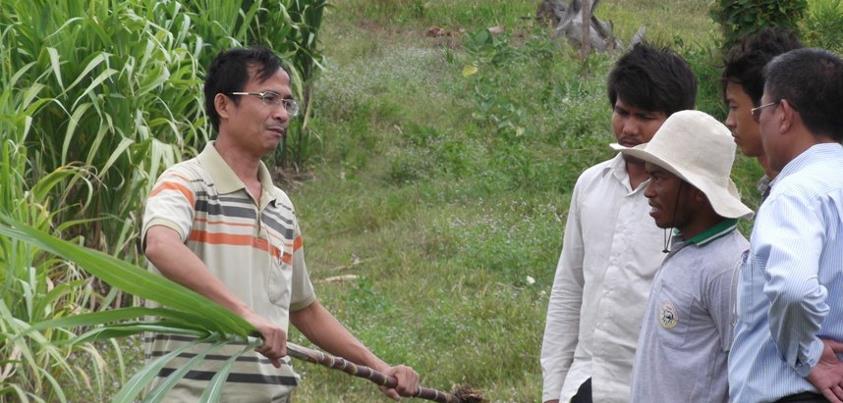
Dr Yang Saing Koma photo courtesy Friedrich Naumann Foundation Southeast & East Asia

ආචාර්ය කෝමා අප සාමාන්‍යයෙන් සිතින් මවා ගන්නා ආකාරයේ (රැවුල වවා ගත්, උද්‍යොගපාඨ කියමින් මොර දෙන) විප්ලවවාදියකු නොවෙයි. ඔහු සිරුරින් කෙසග, සිහින් හඬින් කථා කරන, ඉතා ආචාරශීලී පුද්ගලයෙක්. එහෙත් මේ කුඩා මිනිසා චින්තන විප්ලවයක් හරහා කාම්බෝජ ගොවිතැන නව මගකට යොමු කර තිබෙනවා. උගත්කමේ මාන්නය පොඩියක්වත් නැති මේ අපුරු විද්‍යාඥයා ගොවීන්, කෘෂි පර්යේෂකයන්, රාජ්‍ය නිලධාරීන්, රාජ්‍ය නොවන සංවිධාන ක‍්‍රියාකාරිකයන් මෙන් ම අදාළ පෞද්ගලික සමාගම් නියෝජිතයින් සමඟත් සාමූහිකව කටයුතු කරමින් පොදු උන්නතියට ක‍්‍රියා කරන අයෙක්.

කෝමා සහ CEDAC ආයතනයේ බලපෑම ඉතා හොඳින් කියා පාන උදාහරණය නම් වී වගාවේ SRI ක‍්‍රමය (System of Rice Intensification) කාම්බෝජයේ ව්‍යාප්ත කිරීමයි. දශකයක් තුළ වී ගොවීන් 100,000කට වැඩි දෙනෙකු SRI ක‍්‍රමයට නම්මවා ගන්නටත්, එ් හරහා එරට වී අස්වැන්න 60%කින් වැඩි කරන අතර රසායනික පොහොර හා දෙමහුම් වී ප‍්‍රභේද භාවිතය බොහෝ සෙයින් අඩු කිරීමටත් හැකි වී තිබෙනවා.

2002දී ටොන් මිලියන 3.82ක් වූ කාම්බෝජ වාර්ෂික වී නිෂ්පාදනය 2010 වන විට ටොන් මිලියන් 7.97 දක්වා ඉහළ ගියා. මේ වර්ධනයට සැලකිය යුතු දායකත්වයක් SRI ක‍්‍රමය හරහා ලැබුණු බව එරට රජය පිළි ගන්නවා. 2005දී කාම්බෝජය නිල වශයෙන් SRI ක‍්‍රමය එරට වී නිෂ්පාදන ක‍්‍රමෝපායක් බවට පත් කළා.

වී වගාවේ SRI ක‍්‍රමය මුලින් ම අත්හදා බලා හඳුන්වා දුන්නේ අප‍්‍රිකා මහද්වීපයට සමීප මැඩගස්කාරයේයි. 1980 ගණන්වල සුළුවෙන් ඇරඹි මේ ක‍්‍රමය මේ වන විට වී වගා කරන ඝර්ම කලාපයේ බොහෝ රටවල පැතිරී තිබෙනවා. SRI ක‍්‍රමය මෙරටට හඳුන්වා දී ඇතත් එතරම් ප‍්‍රචලිත වී නැහැ.

SRI ක‍්‍රමයේදී උත්සාහ කරන්නේ වඩාත් සකසුරුවම් ලෙසින් වාරි ජලය යොදා ගෙන වී වගා කිරීමට. සාම්ප‍්‍රදායිකව කුඹුරුවලට විශාල ජල ප‍්‍රමාණයක් යොමු කරනවා. 1990 ගණන්වලදී ආචාර්ය රේ විජේවර්ධන වරක් මට කීවේ වී කිලෝ එකක් නිපදවන්නට වාරි ජලය ටොන් 20ක් පමණ යොදන බවයි. මේ ජලයෙන් ඉතා වැඩි ප‍්‍රමාණයක් කරන්නේ වෙල් යායේ වල් පැළෑටි බිහි වීම වැළැක්වීම. වී ශාකය වර්ධනයට එතරම් ජලය කන්දරාවක් උවමනා නැහැ.

වල් පැළෑටි පාලනය සඳහා ජලය වෙනුවට තෙත කොළරොඩු (leaf mulch) යොදන SRI ක‍්‍රමයේදී කුඹුරුවල ජල අවශ්‍යතාවය බාගයකටත් වඩා අඩු කරනවා. ජල හිඟයට නිතර මුහුණ දෙන අද කාලේ මෙය විශාල සහනයක්.

SRI ක‍්‍රමයේ තවත් වෙනසක් නම් ඉතා ලාබාල (දින 10-12) වියේදී ගොයම් පැළ නිශ්චිත දුරකින් කුඹුරේ සිටුවීමයි. එමෙන් ම ගොයම් පැළ අතර (පසට නයිට‍්‍රජන් පොහොර තනා දීමේ ස්වභාවික හැකියාව ඇති) වෙනත් බෝග වවන්නට (inter-cropping) ගොවීන් උනන්දු කරවනවා. මෙබඳු පියවර කිහිපයක් හරහා අඩු ජලයක් හා අඩු රසායනික පොහොර යොදා වුවත් හොඳ අස්වැන්නක් ලද හැකියි.

1999දී SRI ක‍්‍රමය ගැන විදෙස් සඟරාවක ලිපියක් කියවූ ආචාර්ය කෝමා මුලින් එය තමන්ගේ වෙල් යායේ අත්හදා බැලූවා. ”මට උවමනා වුයේ මේ සංකල්ප කාම්බෝජයේ තත්ත්වයන්ට ගැලපෙනවා ද යන්න තහවුරු කර ගන්නයි. එය ප‍්‍රතිථල පෙන්වන විට මා අසල්වැසි ගොවි මහතුන් කැඳවා එය පෙන්නුවා. මුලින් ඔවුන් මේ ක‍්‍රමය විශ්වාස කළේ නැහැ. මා සතු සියළු දැනුම ඔවුන්ට දී මා කිව්වේ එය අත්හදා බලන්න කියායි”.

මෙසේ කුඩා පරිමාන වී ගොවීන් ටික දෙනෙකුගෙන් පටන් ගත් කාම්බෝජයේ SRI ක‍්‍රමය වසර කිහිපයක් තුළ රට පුරා ව්‍යාප්ත වී ගියා. එය ඉබේ සිදු වුයේ නැහැ. කෝමා හා CEDAC ආයතනය ආදර්ශක කෙත් යායන් පවත්වා ගෙන ගියා. රට පුරා සංචාරය කරමින් ගොවීන්ට ශිල්පක‍්‍රම කියා දුන්නා. ගොවි සඟරාවක්, රේඩියෝ හා ටෙලිවිෂන් මාධ්‍ය හරහා අත්දැකීම් බෙදා ගත්තා.

“මා හැම විට ම අපේ ගොවීන්ට කියන්නේ පොතේ උගතුන් වන අප කියන දේ එක විට පිළි ගන්නට එපා. ඔබ ම අත්හදා බලන්න. ඔබේ ගැටළු විසඳමින් වැඩි අස්වනු ලබා දෙන ක‍්‍රමවේදයක් පමණක් දිගට ම භාවිත කරන්න.”

කෝමා, ගොවීන්ගේ සහජ බුද්ධිය හා ප‍්‍රායෝගික දැනුම ඉතා ඉහළින් අගය කරන අසාමාන්‍ය ගණයේ උගතෙක්. “ගොවිතැන් කිරීම සම්බන්ධයෙන් ලෝකයේ සිටින ඉහළ ම විශේෂඥයන් වන්නේ කුඩා පරිමාණයේ ගොවියන් හා ගෙවිලියන්. විද්‍යාව ෙසෙද්ධාන්තිකව උගත් අප වැනි අය ගොවීන්ගෙන් ගුරුහරුකම් ලද යුතුයි! ඔවුන්ගෙන් උගනිමින්, ඔවුන් සමඟ ගොවිතැනේ ගැටළු විසඳීම කළ යුතුයි!”

කෝමා මෙසේ කියන විට මට සිහි වන්නේ ආචාර්ය රේ විජේවර්ධනගේ එ සමාන ආකල්පයන්. (2011 අගෝස්තු 21 හා 28 කොලම් බලන්න.) මූණ ඉච්ඡවට ගොවි රජා හා ගොවි මහතා ආදී යෙදුම් භාවිතා කළත් අපේ පොතේ උගතුන් හා පර්යේෂකයන් ගොවීන් ගැන දරණ ආකල්ප මා හොඳාකාර දැක තිබෙනවා. ලොව පුරා මේ පොත-කෙත අතර පරතරය තිබෙනවා.

කාම්බෝජයේ කෘෂිවිද්‍යා උපාධිධාරීන් ගොවි බිමට ගෙන ගොස් ඔවුන් සැබැවින් ම ගොවිතැනට යොමු කරන්නට කෝමා උත්සාහ කරනවා. SRI ක‍්‍රමයේ සාර්ථකත්වයෙන් පසු ඔහු තෝරා ගෙන ඇති ඊටත් වඩා භාර දුර අභියෝගය නම් එරට ගතානුගතික සරසවි හා වෘත්තීය අධ්‍යාපන ක්‍ෂෙත‍්‍රයේ දැක්ම පුළුල් කිරීමයි.

“මා හැම ගොවියකු ම දකින්නේ මනුෂ්‍යයකු හැටියටයි. ඔවුන්ට උපතින් ලද සහජ බුද්ධියත්, කුසලතාවයත් තිබෙනවා. එයට අමතරව අප බොහෝ දෙනාට නැති ප‍්‍රායෝගික අත්දැකීම් රැසක් තිබෙනවා. අප උත්සාහ කරන්නේ ගොවීන්ට ගෞරවාන්විතව සළකමින් ඔවුන් සමඟ සහයෝගයෙන් ගොවිතැන් කටයුතු වඩාත් ඵලදායී හා පරිසර හිතකාමී කරන්නටයි.” ඔහු කියනවා.

පරිසර හිතකාමී ගොවිතැනේදී අළුත් සංකල්ප හා ක‍්‍රමවේදයන් ගොවින් තුළින් ඉස්මතු කිරිමේ අරමුණින් ආසියාව හා අප‍්‍රිකාව පුරා කි‍්‍රයාත්මක වන PROLINNOVA නම් පර්යේෂණ ජාලයකට 2004 සිට CEDAC ආයතනය සම්බන්ධ වී සිටිනවා. මේ ජාලයේ දශකයක ක‍්‍රියාකාරකම් ගැන කෙටි වාර්තා චිත‍්‍රපට මාලාවක් 2010-11දී මා නිෂ්පාදනය කළා. එහි එක් කතාවක් සඳහා අප තෝරා ගත්තේ කාම්බෝජයේ ප‍්‍රති-හරිත විප්ලවයයි.

“ගොවියාට සවන් දෙන්න. ඔහුගේ මතයට ගරු කරන්න. සෙමින් සෙමින් පවත්නා තත්ත්වය වෙනස් කරන්න!” විනාඩි 40ක් පුරා ඔහු පටිගත කළ විඩියෝ සම්මුඛ සාකච්ඡව පුරා නැවත නැවතත් කීවේ මෙයයි. සාකච්ඡවේ ඉංග‍්‍රිසි පිටපත කියවන්න http://tiny.cc/KomaInt

විද්‍යා ගුරුකුලවාදයක් හෝ දේශපාලන මතවාදයක් හෝ කුමන්ත‍්‍රණ මානසිකත්වයක් නැති මේ දාර්ශනික කෘෂි විද්‍යාඥයාට අවශ්‍ය කාම්බෝජයේ ගොවීන්ගේ ජිවන මට්ටම නඟා සිටුවමින් එරට පරිසරය හා සොබා සම්පත් රැක ගැනීමයි. ඔවුන් දෙදෙනා කිසි දිනෙක මුණ නොගැසුනත්, කාම්බෝජයේ රේ විජේවර්ධන හැටියට යං සයින් කෝමා මා දකින්නේ එ නිසයි.

කෙටි වාර්තා චිත‍්‍රපට නරඹන්න: http://tiny.cc/ProFilms
Introducing Kanak Mani Dixit, a ‘Media Typhoon’ in South Asia

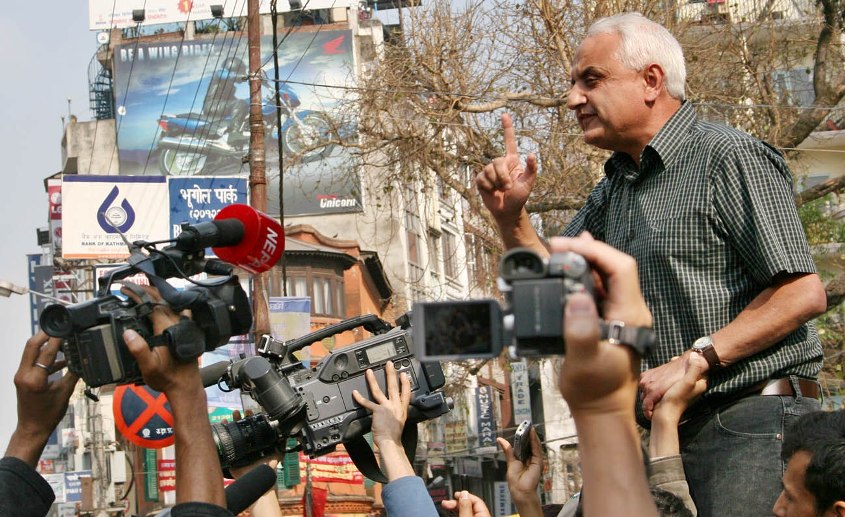
Journalist Kanak Dixit in a protesting rally in Kathmandu on 5 April 2006, Kathmandu. Photo by Shehab Uddin

Expanded from introductory remarks at Ceylon Newspapers Limited office in Colombo, Sri Lanka, on 2 Aug 2012:

There are many ways to introduce my good friend and partner in crime, Kanak Mani Dixit.

Aunty Google, as well as his own website (www.kanakmanidixit.com) can tell you the basic info about his education and career path, which I won’t repeat here. Instead, let me personalise what I know about this courageous man I’ve known and worked with for over 15 years.

Kanak is a journalist, editor and activist – all rolled into one. And if you think that journalists cannot become effective social or democracy activists, just watch him balance these seemingly daunting roles. Study how he juggles reporting, commentary writing, editing and social intervention.

Kanak came from a privileged family background, and could easily have spent his life in leisurely scholarship and endlessly doing the cocktail and conference circuits in South Asia and beyond. He CHOSE to be different.

Kanak spent a few years with the UN Department of Public Information in New York, and yet chucked up a promising international career to return to South Asia – a chaotic, unpredictable but also exhilarating part of the world that we call home. Another conscious choice.

Back home, Kanak could have watched over his beloved Kathmandu Valley and simply commented or satirised about the politics, economy and society of his impoverished land, one of 49 least developed countries in the world. He does that, too, but when needed he takes to the streets. As he did back in 2005/2006 when Nepalis rose against a tyrannical king…

He paid a price for his frontline activism. He was arrested – along with thousands of others – for defying a curfew and demanding democratic reform. He spent 19 days in a Kathmandu jail that he once pointed out to me from afar. As an influential publisher, he could have worked out some deal for a quicker release, but again, chose not to.

How many other South Asia editors or publishers do you know who won’t peddle influence for their personal gain or safety?

Some editors and publishers think of themselves as ‘king-makers’ in the political arena. This editor-publisher was literally a ‘king-dumper’: Nepal’s People Power forced autocratic King Gyanendra to restore Parliament in April 2006. Two years later, the whole monarchy was phased out.

Kanak has spoken truth to power, stared authority in the eye, and yet he has not allowed himself to be corrupted by the temptations of political, diplomatic or other positions. He continues to critique and needle those in public and elected office.

In fact, the very revolutionaries he too helped to bring into office – through elections – now don’t seem to like him much: he was recently dubbed ‘an Enemy of the People’.

He must be doing a few things right to be reviled by both monarchists and republicans!

But Kanak is much more than a media and political activist. He has too many involvements and interests to keep track of.

To cite but a few:

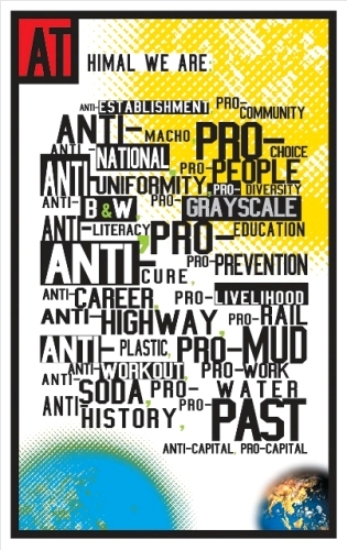
What Himal is all about…
• He is a great believer in the idea of South Asian integration, going well beyond the bureaucratic trappings of SAARC. (His Southasia, which he insists on spelling as one word, includes Tibet and Burma.)
• He founded Himal Southasian magazine in 1987, and sustained it for 25 years with great effort and dedication. It is the first and only regional news and analysis magazine in our region of 1.4 billion people.
• He promotes documentaries as a means of cultural self expression and exchange, and in 1997 founded Film South Asia, a biennial festival that brings the best of South Asian films.
• He nurtures social science research and scholarly exchange, and is endlessly incubating new ventures or institutions in the public interest.
• He supports spinal injury rehabilitation in Nepal, having realised the pitiful state of such care when he suffered serious spinal injury himself a few years ago after a mountain hiking accident.

Amidst all this, he finds time to write regular columns and op-eds – in both English AND Nepali – as well as occasional books.

For these and many other reasons, Kanak Dixit is one of my role models, and a constant source of inspiration. He is one of the few human beings that I’d like to CLONE if and when that becomes a real prospect.

We need many more Media Typhoons like him to drive change in South Asia.

In fact, I sometimes wonder if there is more than one Kanak Dixit already! But that’s only speculation. For now, my friends, meet the one and only Kanak Mani Dixit confirmed to exist…

සිවුමංසල කොලූගැටයා #70: ශ‍්‍රී ලංකාවෙන් ලෝකයට දායාද කළ සදෘශ්‍ය වනවගා විප්ලවය

In this week’s Ravaya column (in Sinhala), I write about Analog Forestry, a Lankan innovation that is now adopted in many tropical countries in Africa, Asia and Latin America.

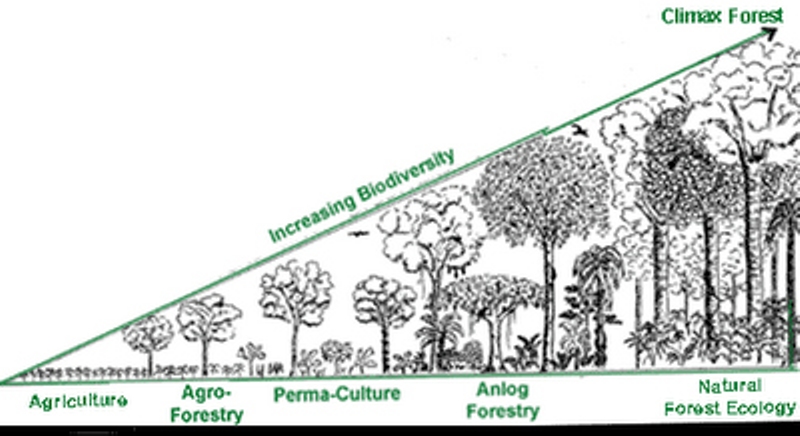
Analog Forestry is a system of planned, managed forests that are designed to mimic the function and ecology of the pre-existing climax vegetation for the area, and are also designed to provide economic benefits.

Read: Just like a forest by Aditya Batra, Down to Earth magazine, 15 June 2011

තවත් ලෝක පරිසර දිනයක් ජුනි 5 වනදා සමරනු ලැබුවා. සෑම වසරක ම මේ කාලයට පරිසරය හා සොබා සම්පත් ගැන අවධානය යොමු වනවා. පරිසරවේදීන් කියන්නේ මහා පරිමානයේ සංවර්ධන ව්‍යාපෘති හා පාරිභෝගික සමාජය නිසා අපේ පරිසරයට විශාල තර්ජන ඇති බවයි. පරිසරයේ නිල සුරැකුම්කරුවන් ලෙස නීතිමය බලතල හා ප‍්‍රතිපත්තිමය වගකීම් ඇති රාජ්‍ය ආයතන කියන්නේ අභියෝග බොහොමයකට නිසි ප‍්‍රතිචාර දක්වන බවයි.

මේ දෙපිරිස වාද විවාද කරන අතරේ නිහඩව නමුත් ගැඹුරින් පාරිසරික තත්ත්වයන් අධ්‍යයනය කරමින් ප‍්‍රායෝගික විසදුම් සොයන හා නව සංකල්ප අත්හදා බලන ටික දෙනෙකුත් සිටිනවා. නිලබලය හෝ ප‍්‍රසිද්ධිය හෝ හඹා නොයන එහෙත් සොබා සම්පත් හා මානව සමාජය අතර සංහිදියාවක් ඇති කරන්නට වෙර දරන පර්යේෂකයන්, බිම් මට්ටමේ ක‍්‍රියාකාරිකයන් අපේ රටේ සිටිනවා. බැනර්, මාධ්‍ය ප‍්‍රකාශ හෝ පෙළපාලිවලින් තොරව නිහඩව වැඩ කර ගෙන යන මේ අය සැබෑ පරිසර වීරයෝ. මා කවදත් වැඩි අවධානයක් යොමු කරන්නේ ඔවුන් ගැනයි.

අපට සොබා දහම මවන්නනට බැහැ. එහෙත් සොබාදහම අධ්‍යයනය කොට එහි ක‍්‍රියාදාමයන් අනුකරණය කළ හැකියි. සොබාදහමට එරෙහි වනවා වෙනුවට සොබාදහම සමග සහයෝගයෙන් අපේ අවශ්‍යතා ඉටුකර ගැනීමේ ක‍්‍රමවේදයන් දැන් හඳුනා ගෙන තිබෙනවා. ගිය සතියේ කොලමින් මා හදුන්වා දුන් මෙරට සිටින ප‍්‍රවීණතම පාරිසරික විද්‍යාඥයකු වන ආචාර්ය රනිල් සේනානායකගේ නව්‍යකරණයක් වන සදෘශ්‍ය වන වගාව (Analog Forestry) ගැන සොයා බලමු.

සදෘශ්‍ය වන වගාවේ ආරම්භය 1975 දක්වා අතීතයට යනවා. රනිල් සේනානායක සිය පරිසර විද්‍යා ආචාර්ය උපාධියට ක්ෂේත‍්‍ර පර්යේෂණ කරමින් ශ‍්‍රී ලංකාවේ බොහෝ ගම්බද හා කැලෑබද ප‍්‍රදේශවල සංචාරය කළා. කෙටි කලකින් පසුව වුවත් එක ම ස්ථානයට නැවත ගිය විට එතැන ඉන් පෙර හමු වූ උභයජීවින්, කටුස්සන්, සර්පයන් හා අනෙකුත් ජීවීන් සංඛ්‍යාවෙනුත් විවිධත්වයෙනුත් අඩු වන සැටි ඔහු දුටුවා. මෙයට හේතුව ඔවුන්ට උන්හිටි තැන් අහිමිවීමයි. ස්වභාවික වනාන්තර අඩු වීමයි.

ස්වභාවික වනාන්තරවලට පසුව වඩාත් ම මේ ජීවින්ට හිතකර පරිසරයක් ඇත්තේ අපේ පුරාණ ගම්වල බව විකී අතුකෝරාල නම් මිතුරකු රනිල්ට පෙන්වා දුන්නා. මේ ඔස්සේ ගවේෂණය කළ රනිල් සොයා ගත්තේ පුරාණ ගම්වල තුරුලතා හා භූමි සැකසුම බොහෝ දුරට ස්වභාවික වනාන්තරය අනුකරණය කළ බවයි. මේ නිසා මිනිස් ජනවාස අතර වුවත් අනතුරකින් තොරව පවතින්නට සොබා දහමට ඉඩ ලැබී තිබුණා.

අමෙරිකාවේ කැලිෆෝනියා සරසවියෙන් ආචාර්ය උපාධිය ලබා 1978දී යළි ශ‍්‍රී ලංකාවට ආ රනිල්, 1980 දශකයේ වැඩි කලක් ගත කළේ වනාන්තර අනුකරණය කරමින් සොබා දහමටත් ගැමියන්ටත් හිතකර හා ප‍්‍රයෝජනවත් පරිසර පද්ධති බිහි කළ හැකි ද යන්න සෙවීමටයි.

වනාන්තරයක් වැවෙන්නේ පියවරෙන් පියවර දශක ගණනාවක් පුරා. තණ කොළ හා කුඩා පදුරුවලින් ඇරැඹී ටිකෙන් ටික වඩාත් විශාල ගස් බිහි වනවා. ඒ වටා සංකීර්ණ වූත් විචිත‍්‍ර වූත් ශාක හා සත්තව සමුහයක් එක්තැන් වනවා. මේ ක‍්‍රියාදාමය සමීපව අධ්‍යයනය කිරිමෙන් පසු මුඩුබිමක් හෝ විවෘත බිම් පෙදෙසක ටිකෙන් ටික වනාන්තරයක් අනුකරණය කැරෙන විදියේ ගස්වැල් වැඩෙන්නට සැලැස්විය හැකියි.

අපේ පුරාණ ගම්මානවල භූමි පරිභෝජන රටාවට අමතරව දකුණු අමෙරිකාවේ ගෝතමාලා රටේ වනාන්තර හා ගම්බද ප‍්‍රදේශ ආශ‍්‍රිතවත් ඔහු පර්යේෂණ කළා. මේ සියල්ලේ ප‍්‍රතිඵලය හැටියට සදෘශ්‍ය වනවගාව නමින් අළුත් සංකල්පයක් ලෝකයාට ඉදිරිපත් කරන්නට රනිල්ට හැකි වුණා.

සදෘශ්‍ය වන වගාව යනු වනාන්තරයක හා ගොවි බිමක සම්මිශ‍්‍රණයක්. සීමිත භූමි ප‍්‍රමාණයක මිලියන් 20ක මානව ජනගහනයක් හා විශාල ජෛව විවිධත්වයක් පවත්වා ගන්නට උපකාර වන එක් ක‍්‍රමවේදයක්. ගොවිබිම් සොයා වනබිම් ගිනි තබා එලි පෙහෙලි කරනවා වෙනුවට වනාන්තර හා ගොවිබිම් එක ම බිම් පෙදෙසහි එක ම කාලයේ පවත්වා ගැනීමට හැකිවිම මෙහි සුවිශේෂී ලක්ෂණයයි.

මෙහි විද්‍යාත්මක සිද්ධාන්ත තහවුරු කර ගත් පසු ප‍්‍රායෝගිකව අත්හදා බලන්නට රනිල්ට ඕනෑ වුණා. එහෙත් රජයේ වන දෙපාර්තමේන්තුව මේ සංකල්පය ගැන කිසිදු උනන්දුවක් දැක් වූයේ නැති බව ඔහු කියනවා.

එයින් අධෛර්්‍යයට පත් නොවූ ඔහු, පාරම්පරිකව තමන්ට කොළඹ හිමි වූ ඉඩමක් විකුණා ඒ මුදලින් ඌව පළාතේ බණ්ඩාරවෙලට සමීප මිරහවත්ත ප‍්‍රදේශයෙන් ඉඩමක් මිළට ගෙන සදෘශ්‍ය වන වගාවේ ප‍්‍රායෝගික අත්හදා බැලීම් ඇරඹුවා. පුරාණ ගම්මානවලින් හා ලෝකයේ වෙනත් රටවලින් උගත් දේ එහිදී වසර අටක් පුරා පෞද්ගලික වියදමින් හා පරිශ‍්‍රමයෙන් ක‍්‍රියාත්මක කළා. මේ සඳහා තවත් උද්යෝගිමත් පර්යේෂක පිරිසක්ද සම්බන්ධ කරගෙන Neo-Synthesis Research Centre (NSRC) නම් ලාබ නොලබන, පර්යේෂණ ආයතනයක් ද ආරම්භ කළා.

‘‘අපේ වන දෙපාර්තමේන්තුව යටත් විජිත යුගයේ ආරම්භ කළේ දැව උකහා ගැනීමේ මුඛ්‍ය අරමුණින් මිස වනාන්තර රැුක ගැනීමට නොවෙයි. අවාසනාවකට අද දක්වා එහි බොහෝ නිලධාරීන් වනාන්තර දකින්නේ දැව සඳහා උකහා ගත හැකි ගස් එකතුවක් ලෙසයි. වනාන්තර යනු ඉතා සංකීර්ණ පරිසර පද්ධති බවත්, ඒවායේ ජෛව විවිධත්වයේ බහුතරයක් ඇත්තේ මහ ගස්වල නොව කුඩා පැළෑටි, පඳුරු, වැල්, අපිශාක හා පාංශු ජීවින්ගේ බව ඔවුන් දකින්නේ නැහැ’’ ඔහු කියනවා.

සදෘශ්‍ය වන වගා බිමෙහි ආර්ථික වශයෙන් ප‍්‍රයෝජනවත් කුළුබඩු, පළතුරු හා වෙනත් බෝග වර්ග වවන්නට හැකියි. වගා කරන්නට පෙර ස්වභාවිකව යම් තැනෙක තිබෙන සියළු ගස්වැල් කපා ඉවත් කිරිම වෙනුවට ඒවා සෙවනෙහි ම වගා කළ හැකියි. සමශීතෝෂ්ණ දේශගුණය ඇති රටවල පුළුල්ව කැරෙන විවෘත වගාබිම් සංකල්පය ගෙඩිපිටින් ඝර්ම කලාපීය අපේ රටට ආදේශ කරනු වෙනුවට මේ විකල්පය වඩාත් පරිසර හිතකාමියි.

එමෙන්ම බෝග ඵලදායිතාවේ හා ගොවීන්ගේ ආදායම්වල වැඩිවීමක් මිස අඩුවක් වන්නෙත් නැහැ. එහෙත් බටහිර සංකල්පවලට නතු වූ අපේ කෘෂි විද්‍යාඥයන්ට හා කෘෂි ව්‍යාපෘති නිලධාරින්ට මෙලෙස වනය හා ගොවිබිම මුසු කිරිම දිරවා ගන්නට අමාරුයි. මේ නිසා සදෘශ්‍ය වන වගාවේ සාර්ථක හා හිතකර බව හොදින් සනාථ වී තිබියදීත් අපේ කෘෂි හා වන දෙපාර්තමේන්තු තවමත් එය පිළි ගන්නේ නැහැ.

“1980 දශකයේ වන දෙපාර්තමේන්තුව හා ඔවුන්ගේ විදේශ විශේෂඥයන් විශ්වාස කලේ මෙරටට තනිකර ම ආගන්තුක පයිනස් හා යුකැලිප්ටස් ගස් යොදා ගෙන කෘත‍්‍රිම වන වගා කිරීම ගැන පමණයි. වන බිම් අසල වෙසෙන ගම් වාසීන්ගේ ආදායම් උවමනාකම් ගැන කිසිදු හැගීමක් හෝ තැකීමක් වන නිලධාරින්ට තිබුණේ නැහැ. මේ නිසා සදෘශ්‍ය වන වගාව වැනි සංකල්පයක් නිලධාරින් අගය කළේ නැහැ,” රනිල් කියනවා.

වනාන්තර අනුකරණය කරමින් ගම්වල සදෘශ්‍ය වන වගා කිරීම හරහා වනය රැක ගන්නා අතර ගැමි ජනයාගේ ආදායම් ද වැඩි කළ හැකි බව වසර 25 ක් පුරා NSRC පර්යේෂණ ආයතනය මෙරට බදුල්ල, මොණරාගල වැනි දිස්ති‍්‍රක්කවල අත්දැකීමෙන් ඔප්පු කොට තිබෙනවා.

ශ‍්‍රී ලංකාවේ මිරහවත්තෙන් පටන් ගත් වනය හා ගොවිබිම් එක්තැන් කිරිමේ විප්ලවය දැන් ලෝකයේ ඝර්ම කලාපීය රටවල් ගණනාවකට පැතිර ගොස් තිබෙනවා. Analog Forestry Network (www.analogforestrynetwork.org) නමැති විද්වත් ජාලයට රටවල් 16ක සදෘශ්‍ය වන වගාකරුවන් අයත්. එය ක‍්‍රියාත්මක වන්නේ ඒ රටවල රාජ්‍ය නිලධාරී, පර්යේෂක හා ගොවි සංවිධානවල සහභාගිත්වයෙන්. සදෘශ්‍ය වන වගාව දශක දෙකක් තිස්සේ විද්‍යාත්මක අධ්‍යයනයට ද ලක්ව තිබෙනවා. ඒ ගැන MSc හා PhD මට්ටමේ පර්යේෂණ නිබන්ධන ගණනාවක් හා ජාත්‍යන්තර නිබන්ධන රැසක් ලියැවී තිබෙනවා.

“සදෘශ්‍ය වන වගාව සෑබැ ලෝකයේ ප‍්‍රායෝගික ලෙස ක‍්‍රියාත්මක වන, පාරිසරික මෙන් ම සමාජයීය ලෙසින් විපුල ඵල දෙන ක‍්‍රමවේදයක් බවට අද ආසියාව, අප‍්‍රිකාව හා දකුණු ඇමෙරිකාව පුරා පිළි ගෙන තිබෙනවා. එහෙත් එය උපන් ශ‍්‍රී ලංකාවේ තවමත් කිසි පිළි ගැනීමක් නොලැබීම අපේ අවාසනාවක්. නිලධාරින්ගේ අධිපතිවාදයේ දරුණුකම එයින් පෙනෙනවා,” යයි රනිල් සේනානායක කියනවා.

2008දී මා විධායක නිෂ්පාදනය කළ “2048 ශ‍්‍රී ලංකාව” ටෙලිවිෂන් සංවාද මාලාවේ එක් වැඩසටහනකට, මොණරාගල මාරගලකන්ද ගම්මානය ආශ‍්‍රිතව කැරෙන සදෘශ්‍ය වන වගාව ගැන කෙටි වීඩියෝ වාර්තාවක් නිෂ්පාදනය කළා. රජයේ සෘජු මැදිහත්වීමකින් තොරව, පෞද්ගලික ඉඩම් යොදා ගෙන ගම්වාසීන්ගේ විශ්වාසය හා සහයෝගය දිනා ගෙන කරගෙන යන මේ වන වගාවේ සාර්ථකත්වය හොඳාකාර දැක බලා ගන්නට අපට හැකි වුණා. http://tiny.cc/SL48AF

රනිල් සේනානායක ඇරඹු NSRC අද ඉදිරියට යන්නේ එහි වත්මන් අධ්‍යක්ෂ කැමී මෙල්වානිගේ නායකත්වයෙන්. උඩරට කදුකරයේ ලොකු කුඩා තේ වතු ආශ‍්‍රිතව සදෘශ්‍ය වන වගා ඔවුන් අරඹා තිබෙනවා. මේවා අවට ගම්වාසීන්ට අතුරු ආදායම් ලබාදෙන අතර කලක් තිස්සේ වගාකිරිමෙන් නිසරු වූ බිම්වලට නැවත ජීවය ලබා දීමක් (Ecological Restoration) හැටියටත් NSRC දකිනවා. කුරුදු, කරාබුනැටි, අලිගැට පේර වැනි ආර්ථික වටිනාකමක් ඇති බෝග මේ වන වගා අතර වවනවා. මේ සඳහා තේවතු හිමියන් මෙන් ම වතු කම්කරුවන් ද හවුල් කර ගෙන තිබෙනවා.

“සදෘශ්‍ය වන වගාවක සාර්ථකත්වය දකින්නට වසර ගණනාවක් ඉවසිල්ලෙන් ක‍්‍රියා කළ යුතුයි. සොබාවික පරිසරයේ සිටින ගෙම්බන්, සමනලයන්, කූරන් ආදී සතුන් සදෘශ්‍ය වන වගාවට පැමිණෙන්නට ගත් විට එය වනයක හොඳ අනුකරණයක් බවට පත්ව හමාරයි,” මෙල්වානි කියනවා.

NSRC අමතරව ඌව පළාත කේන්ද්‍ර කර ගත් අනාගතේ අපේ අතේ (Future in Our Hands) නම් ස්වෙච්ඡ සංවිධානය ද සදෘශ්‍ය වන වගාවේ යෙදෙනවා. හේන් ගොවිතැන සඳහා අක්කර ගණන් කැලෑ බිම් ගිනි තබා හෙළි පෙහෙලි කරනු වෙනුවට සදෘශ්‍ය වන වගාවේ නිරත වීම හරහා ආදායම් ලැබීමට ගොවීන් කැමතියි.www.futureinourhands.org

මේ ක‍්‍රියාදාමයන්ට බිම් මට්ටමේ රාජ්‍ය නිලධාරින්ගේ සහයෝගය ලැබෙනවා. ජාතික මට්ටමේ නිල පිළගැනිම හෝ අනුදැනුම නැතිව වුවත් දැනුම, කැපවීම හා සංවිධානය වීම හරහා පරිසරය රැක ගනිමින් ගැමි ආදායම් ද ඉහළ නැංවිය හැකි බවට සදෘශ්‍ය වන වගාව හොඳ උදාහරණයක්.

පරිසරය රැක ගන්නවා කියන්නේ සොබා සම්පත් පරිහරණය නොකර ඒවා කොටු කර, හමුදා ආරක්ෂාව යටතේ තැබීම නොවේ! සොබාදහමේ පුනර්ජනනීය සම්පත්, යම් සීමාවන්ට අදාළව නැණවත්ව හා ප‍්‍රවේශමින් පරිහරණය කිරීමේ කිසිදු වරදක් නැහැ. අද අපට අවශ්‍ය වන්නේ පරිසරය ද නොනසා, මානවයන් ද රැක ගන්නට හැකි තිරසාර වූත් ප‍්‍රායෝගික වූත් සංවර්ධන දැක්මක්.

සිවුමංසල කොලූගැටයා #65: විකල්ප ඉතිහාසයන් සොයා යන ගමනක්…

Journalists are trained to ask six basic questions in pursuit of their stories. “What If?” is not among them – but is one of my personal favourites. I’ve been fascinated by might-have-beens all my life, at all levels: personal and collective.

In this week’s Sunday column (6 May 2012) in Ravaya newspaper (in Sinhala), I start exploring alternative history possibilities for Sri Lanka where very few creative writers have ventured into that realm. Is this because Lankan history is considered ‘sacrosanct’ by many?

I set off by challenging this widely held assumption, pointing out that history is but a set of chronicles written by the winners and the powerful, that is (or should be!) open to question, scrutiny and speculation. I plan to revisit this theme with specific alternative history scenarios for Sri Lanka in the coming weeks. Watch this space — and make your own suggestions!

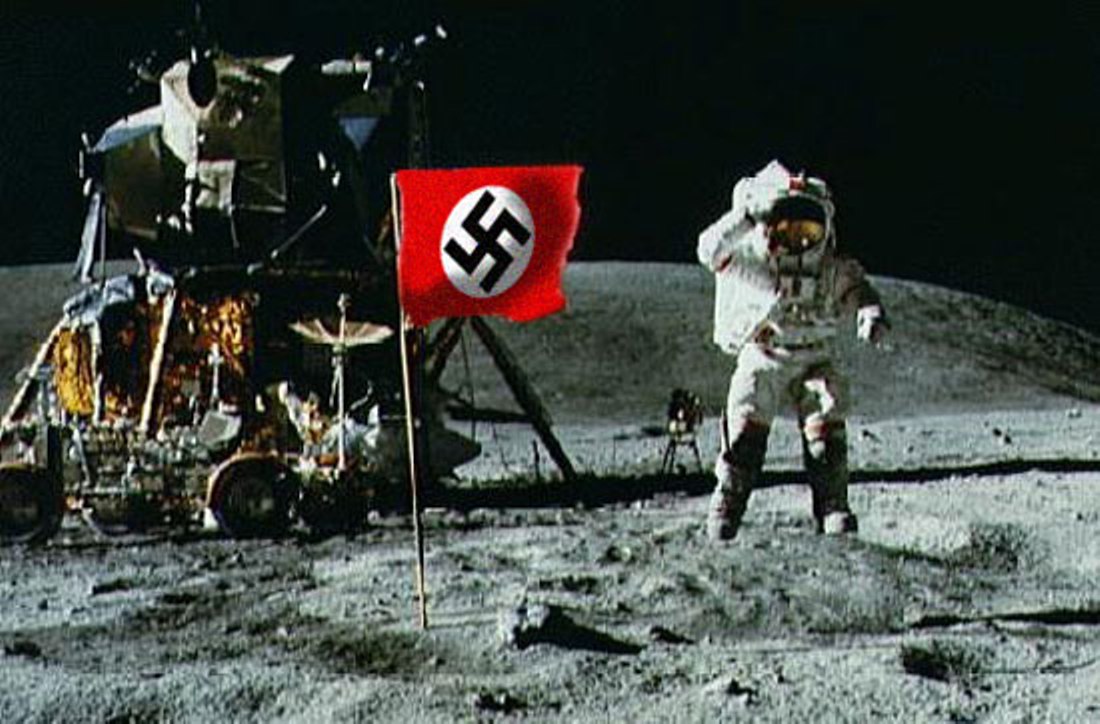
What if Germany won World War 2 – and conquered not just Earth, but outer space?

ඉතිහාසය ප‍්‍රබන්ධයක් ද?

මේ සරල ප‍්‍රශ්නය බොහෝ වාද විවාද හා ආන්දෝලයන්ට තුඩු දෙන්නක්. තොරතුරු සමාජයේ ප‍්‍රගමනයත් සමග එදිනෙදා රටතොට සිදුවීම් විවිධාකාරයෙන් වාර්තා කරන මූලාශ‍්‍රයන් තිබෙනවා. ජනමාධ්‍ය ඒ අතර මුල් තැන ගන්නවා. එහෙත් සංවිධානාත්මක මුද්‍රිත මාධ්‍ය බිහි වී වසර 500කට වැඩි කලක් නැහැ. විද්‍යුත් මාධ්‍ය සියල්ල බිහි වූයේ 20 සියවසේදී.

වාර්තාකරණයට හසු නොවූ දිගු කලක් පුරා මිනිස් ශිෂ්ටාචාරයන් හා ජන සමාජයන් ඇති වී, පරිනාමය වී, ඇතැම් විට බිඳ වැටී ගොස් තිබෙනවා. ඒ  ගැන විස්තරාත්මකව හදාරන්නට පුරාවිද්‍යාත්මක සාක්ෂි හා ශාස්ත‍්‍රීය ලිපි ලේඛණ ආදී මුලාශ‍්‍රයන්ට යොමු විය යුතුයි. ඒ සියල්ල පරිශිලනය කිරිමෙන් පසුවත් “ඉතිහාසය” යනු අංග සම්පුර්ණ ලේඛනගත කිරිමක් නොව සිදුවීම් මාලාවක් ගැන එය වාර්තා කරන අයගේ විග‍්‍රහයක් ලෙස සැළකිය හැකියි.

එහෙත් වාර්තාකරණයේදී හෝ ශාස්ත‍්‍රීය විග‍්‍රහයන් කිරිමේදී හෝ බල පවත්වන සාක්ෂි මත පදනම් වීම, මැදහත් වීම ආදී ගුණාංග ප‍්‍රබන්ධ රචකයන්ට අදාල නැහැ. ඒ නිසා ඉතිහාසය පදනම් කර ගෙන විවිධාකාරයේ කල්පනා ලෝක මවන්නට නවකථා හා කෙටිකථා ලියන අයටත්, චිත‍්‍රපට නිපදවන්නන්ටත් පූර්ණ නිර්මාණාත්මක නිදහස තිබෙනවා.

විකල්ප ඉතිහාසයක් ගැන පරිකල්පනය කිරිම ලොව පුරා විද්‍යා ප‍්‍රබන්ධ ලේඛකයන් අතර ජනප‍්‍රිය තේමාවක්. ඉතිහාසයේ තීරණාත්මක මොහොතක අප දන්නා සිදුවීම වෙනස් ආකාරයකට සිදු වූවා නම් එතැන් සිට ජන සමාජයක, රටක හෝ මුළු ලෝකයේ ම කථාව දිග හැරෙන්නේ කෙසේ ද? විකල්ප ඉතිහාසය කථා (alternative history stories) කියන්නේ මේ ඔස්සේ යමින් ප‍්‍රබන්ධ කිරීමයි.

එහෙත් විකල්ප ඉතිහාසයන්  යනු අතීතයේ සැබෑ සිද්ධීන් විකෘති කිරීම හෝ තමන්ගේ මතවාදයට ගැලපෙන පරිදි ප‍්‍රතිනිර්මාණය කිරීම හෝ නොවෙයි. (එසේ කිරීම මේ දිනවල ඇතැම් රටවල මහත්  ඕනෑකමින් කෙරෙනවා. එයට කියන්නේ revisionist history හෙවත් ප‍්‍රතිශෝධිත ඉතිහාසය කියායි.)

මෙරට සිංහලෙන් ස්වතන්ත‍්‍ර විද්‍යා ප‍්‍රබන්ධ ලිවීම ගැන ගිය වසරේ කොලමකින් (2011 මාර්තු 20) මා විග‍්‍රහ කළා. සිංහල විද්‍යා ප‍්‍රබන්ධ රචකයන් තවමත් හරිහැටි ගවේෂණය කොට නැති බොහෝ සංකල්ප ඇති බව මා පෙන්වා දුන්නා. එයින් එකක් නම් විකල්ප ඉතිහාසයන් මැවීමයි.

ලොව විද්‍යා ප‍්‍රබන්ධ සාහිත්‍යයේ වඩාත් ජනප‍්‍රිය විකල්ප ඉතිහාස තේමාවක් වන්නේ දෙවන ලෝක යුද්ධයෙන් මිත‍්‍ර පාක්‍ෂික හමුදා පරාජය වී හිට්ලර්ගේ ජර්මනිය පෙරටු කොට ගත් (ඉතාලිය හා ජපානය ද ඇතුළත් වූ) ප‍්‍රතිපක්‍ෂය ජය ගැනීමයි. මෙය විවිධාකාරයෙන් හසු කර ගත් ප‍්‍රබන්ධ ලියැවී තිබෙනවා. 2006දී රොබට් හැරිස් ලියූ Fatherland නවකථාවේ සිදුවීම් පෙළ දිග හැරෙන්නේ දිවි ඇති තෙක් නායකයා වන හිට්ලර්ගේ 75 වන උපන්දිනය වටායි. (අප අත්දුටු ඉතිහාසයේ නම් පරාජය අබිමුඛව හිට්ලර් සිය දිවි නසා ගත්තේ වයස 56දී.) ප‍්‍රමුඛ පෙළේ බි‍්‍රතාන්‍ය විද්‍යා ප‍්‍රබන්ධ ලේඛකයකු වන ස්ටීවන් බැක්ස්ටර් ද ජර්මනිය දෙවන ලෝක යුද්ධය ජය ගැනීම ගැන ප‍්‍රබන්ධ ලියා තිබෙනවා.

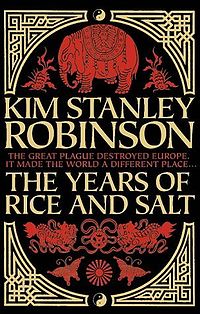
අමෙරිකානු විද්‍යා ප‍්‍රබන්ධ ලේඛක කිම් ස්ටැන්ලි රොබින්සන්ගේ ‘The Years of Rice and Salt‘ නව කථාවේ පදනම මධ්‍ය කාලීන යුරෝපයේ ජනගහනයෙන් සියයට 99ක් ම මහමාරියෙන් මිය යාමයි. අප දන්නා ඉතිහාසයේ මහමාරිය යුරෝපයට  තර්ජනයක් එල්ල කළත් ඒ වසංගතය ජන සමාජයන් අතු ගා දැම්මේ නැහැ. එසේ වූවා නම් කාර්මික විප්ලවය බිහිවන්නේ බි‍්‍රතාන්‍යයෙන් නොව ඉන්දියාවෙන් බවත්, අමෙරිකා මහාද්වීපය සොයා ගෙන එහි ජනවාස ඇති කරන්නේ චීන ජාතිකයන් බවත් ඔහුගේ කථාවේ දිග හැරෙන විකල්ප ඉතිහාසයයි.

වසංගත රෝග, කෘමි උවදුරු හා ස්වාභාවික ව්‍යසන නිසා ගරා වැටුණු හෝ බිඳ වැටුණු මිනිස් ශිෂ්ඨාචාර ගණනාවක් ඉතිහාසයේ තිබෙනවා. අපේ දිවයිනේ වියලි කලාපයේ සහශ‍්‍රයකට වැඩි කලක් පැවති දියුණු ශිෂ්ඨාචාරය හා රාජධානි කෙමෙන් අතරමැදි කලාපයට හා තෙත් කලාපයට සංක‍්‍රමණය වීමට එක් හේතුවක් ලෙස පිළි ගැනෙන්නේ මැලේරියා උවදුරයි. මැලේරියාව ඇති කරන රුධිර පරපෝෂිතයා පැතිරෙන්නේ එක්තරා මදුරු විශේෂයක් හරහා බව සොයා ගත්තේ 1897දී. ඉන්දියාවේ කල්කටාවේ සිටි ඉංග‍්‍රීසි වෛද්‍යවරයකු වූ රොනල්ඞ් රොස් විසින්. එය එසේ නොවී මැලේරියා-මදුරු සම්බන්ධය සියවස් ගණනකට පෙර ලාංකිකයන් තේරුම් ගත්තා නම් අපේ ඉතිහාසය මීට වෙනස් විය හැකි ද? අද අපට කළ හැක්කේ එබදු දේ ගැන අනුමාන හා පරිකල්පනය කිරීම පමණයි.

ඉන්දියානු සාගරයේ වැදගත් සංධිස්ථානයක පිහිටි ලංකා දුපත ප‍්‍රාග් ඉතිහාසයේ මෙන්ම ලිඛිත ඉතිහාස කාලය පුරා ම විවිධාකාර බාහිර සම්බන්ධතා රාශියකට පාත‍්‍ර වී තිබෙනවා. මේවායින් සමහරක් අහිතකර බලපෑම් (උදා: යටත් විජිතවාදීන්). තවත් ඒවා හිතකර බලපෑම් (උදා: ඉන්දියාවෙන් බුදු දහම, ආයුර්වේදය, පාලි – සංස්කෘත හා කලා ආභාෂයන් ලැබීම).

විකල්ප ඉතිහාස සංකල්පයන් ලංකා ඉතිහාසයට අදාල කොට විද්‍යා ප‍්‍රබන්ධ ලියැ වී ඇත්දැයි මා විපරම් කළා. සොයා ගන්නට නැහැ. එයට හේතුවක් නම් අපේ ඉතිහාසය “ශුද්ධ ලියවිල්ලක්” මෙන් ලක් සමාජය සළකන බැවින් ඒ ගැන ප‍්‍රශ්න කිරීමට, පරිකල්පනය කිරීමට බොහෝ දෙනා පැකිලීමයි.

එහෙත් ඉතිහාසය යනු දේව භාෂිතයක් නොවෙයි. ලොව හැමදාමත්, හැම තැනෙකමත් ඉතිහාසය ලියා ඇත්තේ ජයග‍්‍රාහකයන්, ප‍්‍රබලයන් හා බලාධිකාරීන් විසින්. මේ නිසා ඉතිහාසය හැටියට අපට හුරු පුරුදු සංකල්ප බොහෝ දුරට පුරුෂාධිපත්‍යය හා බහුතර කොටස්වල නැඹුරුව පෙන්නුම් කරන ලියැවීම් මිස අපක්‍ෂපාතී ශාස්ත‍්‍රීය විමර්ශන නොවෙයි.

ඉතිහාසය ගැන කථා කිරිමේදී බොහෝ දෙනා ආවේගශීලි වන සැටිත් අපට දැකිය හැකියි. එයට හේතුව තමන්ගේ පෞද්ගලික හා සාමූහික අනන්‍යතාවය රාමු කර ගන්නට ඉතිහාසයේ ඇතැම් සිද්ධින් හෝ ප‍්‍රවාදයන් හෝ උපකාර කර ගැනීමයි. රාමුව යන්තමින්වත් ප‍්‍රශ්න කරනවාට ඔවුන් නොකැමති වන්නේ එයින් තමන් ගොඩ නගා මතවාද හා තර්කයන් බිඳ වැටේ යයි බියකින් විය යුතුයි.

ඉතිහාසය සැබෑ සිදුවීම් මෙන් ම අතිශයෝක්තීන්, ප‍්‍රලාප හා අතරමැදි කථාවලින් සංයුක්ත මිශ‍්‍රණයක්. එහි තනි කතුවරයකු නැහැ. එසේ ම තනි උරුමක්කාරයකුත් නැහැ. මේ නිසා ඉතිහාසය ප‍්‍රවේශමින් පරිහරණය කරනවා වෙනුවට එය වාද විවාද හා සියුම් ශාස්ත‍්‍රීය පරික්ෂාවන්ට ලක් කළ යුතුයි. එමෙන්ම ප‍්‍රබන්ධ නිර්මාණකරුවන්ට තමන් කැමති පරිදි ඉතිහාසයේ සැරිසරන්නට ඉඩ තිබිය යුතුයි.

අපේ රටේ ඈත හා මෑත ඉතිහාසය විකල්ප ඉතිහාසයයන් සඳහා විද්‍යා ප‍්‍රබන්ධ කෝණයෙන් බැලීම තුළින් ඉතිහාසය ගැන අපේ ආකල්ප වෙනස් කළ හැකි ද?

* 1959 සැප්තැම්බර් 25 වනදා අගමැති එස්. ඩබ්ලිව්. ආර්. ඞී. බණ්ඩාරනායකට කුමන්ත‍්‍රණකාරී සාහසිකයා එල්ල කළ වෙඩි පහරවල් නොවැදුණා නම්?

* 1962 ජනවාරි 27 වනදා සිරිමාවෝ බණ්ඩාරනායක රජය පෙරළන්නට තැත් කළ හමුදා කුමන්ත‍්‍රණය සාර්ථක වූවා නම්?

* 1993 මැයි 1 වනදා මැයි දින පෙළපාලියට මරාගෙන මැරෙන බෝම්බ ප‍්‍රහාරය එල්ල වූ අවස්ථාවේ ජනාධිපති ආර්. පේ‍්‍රමදාස නිරුපද්‍රිතව බේරුණා නම්?

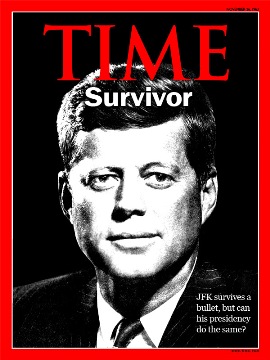
Imaginary TIME Cover – What if JFK survived assassination attempt
මේ අයුරින් මෑත ඉතිහාසයේ තීරණාත්මක අවස්ථා ගැන අපට විවිධාකාරයෙන් පරිකල්පනය කළ හැකියි. (වෙනත් රටවලත් ඔවුන්ට අදාළ දෛවෝපගත සිදුවීම් ගැන මෙසේ ප‍්‍රබන්ධ කැරෙනවා: මහත්මා ගාන්ධි හෝ ජනාධිපති ජෝන් කෙනඩි ඝාතන උත්සාහයන් අසාර්ථක වූවා නම්?)

මා ඉතිහාසඥයකු නොවෙයි. මේ නිසා විකල්ප ඉතිහාස පරිකල්පනය තනිවම කරන්නේ නැතිව මා දන්නා හදුනන විද්වතුන් කිහිප දෙනකුට මෙරටට අදාලව තමන්ගේ ප‍්‍රියතම විකල්ප ඉතිහාසයන් යෝජනා කරන ලෙස මා ඉල්ලා සිටියා. ඔවුන්ගෙන් මතු වූ විකල්ප ඉතිහාස අදහස් අපට “නොගෙවුණු කාල” (might-have-beens) හැටියට සළකමින් ඉතිහාසගත සිහින දකින්නට යොදා ගත හැකියි.

ඉදිරි කොලම්වලින් මෙරට ඈත – මෑත ඉතිහාසයේ ප‍්‍රකට මෙන් ම අප‍්‍රකට තීරණාත්මක සිදුවීම් අරභයා විකල්ප ඉතිහාසයන් ගැන පරිකල්පනය කරන්නට මා අදහස් කරනවා. මෙයට පාඨක ඔබටත් දායක විය හැකියි. තනි වැකියකින් හෝ ජේදයකින් ඔබේ ප‍්‍රියතම විකල්ප ඉතිහාසය ලියා එවන්න. ravaya at nalaka.org

සිවුමංසල කොලූගැටයා #64: අවුරුදු සුනාමිය 2: ඉතිං ඊට පස්සෙ?

In this week’s Ravaya Sunday column (in Sinhala) appearing on 29 April 2012, I reflect on the Indian Ocean undersea quake on 11 April 2012, and the tsunami watch that followed.

Taking Sri Lanka as the example, I raise some basic concerns that go beyond the individual incident, and address fundamentals of disaster early warning and information management in the Internet age.

I ask: Was the tsunami warning and coastal evacuation on April 11 justified in Sri Lanka? I argue that this needs careful, dispassionate analysis in the coming weeks. ‘Better safe than sorry’ might work the first few times, but let us remember the cry-wolf syndrome. False alarms and evacuation orders can reduce public trust and cooperation over time.

I have covered similar ground in an English op ed essay just published on Groundviews.org: Nurturing Public Trust in Times of Crisis: Reflections on April 11 Tsunami Warning

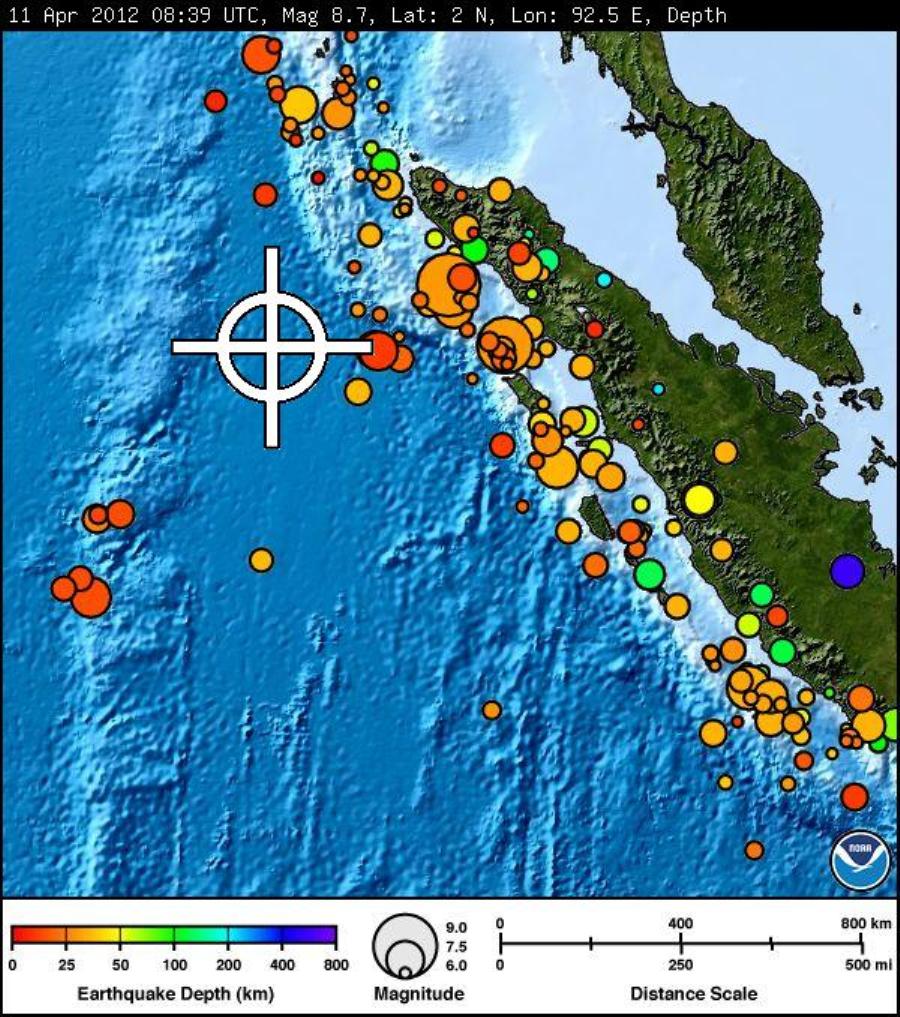
Map showing epicentre of undersea quake in Indian Ocean on 11 April 2012 - courtesy Pacific Tsunami Warning Centre & US Geological Survey

“පිටසක්වලින් ආ අවුරුදු සුනාමිය” මැයෙන් කොලමක් මා ලිව්වේ හරියට ම වසරකට පෙර, 2011 අපේ‍්‍රල් 24දා. ඒ 2011 අපේ‍්‍රල් 15 වනදා මෙරට ටෙලිවිෂන් නාලිකාවක් වගකීම් විරහිතව කළ සජීව විකාශයක් නිසා හට ගත් මහජන භීතිය හා එයට පසුබිම් වූ කරුණු විග‍්‍රහ කරමින්.

2012 අපේ‍්‍රල් 11 වනදාත් ශ‍්‍රී ලංකාවේ වෙරළබඩ ප‍්‍රදේශ බොහොමයක සුනාමි අනතුරක සේයාව මතු වීම නිසා කලබල තත්ත්වයක් හටගත්තා. මෙය ආවේ පිටසක්වලින් නෙවෙයි. ඉන්දියානු සාගරයේ පතුලෙන්. හරියටම කිවහොත් ඉන්දුනීසියාවේ බන්ඩා අචි නගරයට කිමි 440ක් නිරිතදිගින් සාගරයේ කිමි 33ක් යටින්. එදින ශ‍්‍රී ලංකා වේලාවෙන් පස්වරු 2.08ට භූකම්පන මානයේ 8.6ක් සටහන් කළ ප‍්‍රබල භූමිකම්පාවක් හට ගත්තා.

එය සැර බාල වූ භූචලනයක් ලෙස අපේ රටේද විවිධ තැන්වලට දැනුනා. එයින් විනාඩි 6ක් ගත වූ පසු අමෙරිකාවේ හවායි දුපත්වල පිහිටි, අමෙරිකානු රාජ්‍ය ආයතනයක් වන පැසිෆික් සුනාමි අනතුරු ඇගවිමේ කේන්ද්‍රය (PTWC) විසින් ඒ ගැන මුල් ම විද්‍යාත්මක තොරතුරු සන්නිවේදන සිය වෙබ් අඩවිය හරහා නිකුත් කළා. එයින් කියැවුණේ ඉන්දියානු සාගර සුනාමියක් හට ගැනිමේ යම් අවදානමක් ඇති බවත්, මේ කලාපයේ වෙරළබඩ රටවල් තව දුරටත් ආරක්ෂාකාරි පියවර ගැනිම සදහා සුදානමින් හා සීරුවෙන් සිටිය යුතු බවත්. මේ සීරුවෙන් සිටීම විද්‍යාඥයන් Tsunami Watch ලෙස ලෙස නම් කරනවා.

මුහුදු පතුලේ ප‍්‍රබල භූචලනයක් සිදු වූ මොහොතේ පටන් PTWC විද්‍යාඥයන් ඉතා කඩිසර ලෙසින් මුහුදු රළ ක‍්‍රියාකාරිත්වය හා සාගර තරංග ගැන දුර සිට මැනීම කරනවා. මේ සදහා ස්වයංක‍්‍රීය ලෙස තොරතුරු සැපයීමේ හැකියාව ඇති සංවේදී උපකරණ ඉන්දියානු සාගරයේ බොහෝ ස්ථානවල පිහිටුවා තිබෙනවා. සමහරක් සාගරයේ පාවෙමින් චන්ද්‍රිකා හරහා තොරතුරු එවේලේ ම විකාශය කරන අතර තවත් ඒවා වෙරළබඩ යම් ස්ථානවල සවි කර තිබෙනවා.

මේවායින් එසැනින් ලැබෙන අළුත් ම විද්‍යාත්මක දත්තල එම සාගර ප‍්‍රදේශයේ ඓතිහාසික සුනාමි ඇති වීමේ ප‍්‍රවණතා ද සැලකිල්ලට ගෙන සුනාමියක් හට ගැනීමේ හැකියාව ගැන PTWC විද්‍යාඥයින් ඉක්මන් තක්සේරුවක් කරනවා.

අපේ‍්‍රල් 11 වනදා ඉන්දියානු සාගරයේ මුල් භූචලනයෙන් හා ඉනික්බිති හටගත් පසු කම්පන (aftershocks) නිසා සුළු මට්ටමේ සාගර තරංග බලපෑමක් හට ගත්තත් එය සුනාමියක් බවට පත් වූයේ නැහැ. මේ නිසා ශ‍්‍රි ලංකා වේලාවෙන් පස්වරු 2.15ට හදුන්වා දෙනු ලැබූ සුනාමි සීරුවෙන් සිටීම සවස 6.06ට PTWC විසින් නතර කරනු ලැබුවා.

මේ පැය හතරකට ආසන්න කාලය තුළ ඔවුන් විද්‍යාත්මක නිවේදන (Indian Ocean Tsunami Watch Bulletins) හයක් නිකුත් කළා. එම විග‍්‍රහයන් සැළකිල්ලට ගෙන ජාතික මට්ටමෙන් තීරණ ගැනීම හා ක‍්‍රියාත්මක වීම එක් එක් රටවලට භාර වගකීමක්. අපේ‍්‍රල් 11 වනදා එය අදාළ රටවල විවිධ ආකාරයෙන් සිදු වුණා. මුල් භූ චලනයෙන් විනාඩි 6ක් ඇතුළත එයට සමීපතම රටවන ඉන්දුනීසියාව අනතුරු ඇගවීමක් නිකුත් කළ අතර, ඉන්දියාව විනාඩි 8කින් සිය නැගෙනහිර වෙරළට එබදු අනතුරු ඇගවීමක් නිකුත් කළා.

ශ‍්‍රි ලංකාවේ ජාතික මට්ටමේ නිල අනතුරු ඇගවීම නිකුත් කරනු ලැබුවේ එදින පස්වරු 3.30ට පමණයි. ශ‍්‍රි ලංකාවේ නැගෙනහිර හා දකුණු වෙරළබඩ ප‍්‍රදේශවල ජිවත් වන ජනතාව හැකි ඉක්මණින් ආරක්ෂිත ස්ථාන කරා ඉවත්වන ලෙස අවවාද කරනු ලැබේ, එයින් කියැවුණා.

සුනාමි අනතුරු ඇගවීමක් දේශීය වශයෙන් නිකුත් කිරිම ඉතා වගකිම් සහගත තීරණයක්. එහිදී විද්‍යාත්මක සාධක මත පදනම් වී, මහජන ආරක්ෂාව ද සැලකිල්ලට ගෙන හැකි තාක් ඉක්මනින් ක‍්‍රියා කළ යුතු වනවා. එහෙත් හැමදෙයක් ම මුළුමනින් තහවුරු කර ගන්නා තුරු බලා සිටිය හොත් කඩිනමින් පැමිණෙන සුනාමි වැනි ආපදාවකදී අනතුරු ඇගවීම ප‍්‍රමාද වැඩි විය හැකියි.

අවම වශයෙන් වෙරළ ප‍්‍රදේශවලින් රට තුළට යාමට පැය බාගයකට කාලයක් තිබිය යුතුයි. මේ නිසා තමන්ට තිබෙන අළුත් ම එහෙත් අසම්පුර්ණ විද්‍යාත්මක තොරතුරු මත, රට ලෝකය ගැන තමන් සතු පුළුල් අවබෝධය ද යොදා ගනිමින් සුනාමි අනතුරු ඇගවීමක් නිකුත් කරනවා ද නැද්ද යන තීරණය ගන්නට අදාළ නිලධාරින්ට සිදු වනවා.

මාධ්‍ය, සිවිල්, සංවිධාන හා ආරක්ෂක හමුදාවලට කළ හැක්කේ එසේ නිල වශයෙන් ගන්නා තීරණයක් පතුරුවා හැරිම පමණයි. අනතුරු ඇගවීමක් නිකුත් කිරිමේ බලය තනිකර ම රටක මධ්‍යම රජයට පමණක් සීමා විය යුතුයි.

2004දී අපට තිබුනු ලොකු ම අඩුපාඩුව වූයේ ජාත්‍යන්තරව ලැබෙන සුනාමි අනතුරු ඇගවීමක් ගැන දේශීය වශයෙන් තීරණයක් ගැනීමට හා ඒ තීරණය හැකි ඉක්මණින් අදාළ ප‍්‍රදේශවල මහජනතාවට දැනුම් දීමට නොහැකි වීමයි. 2004 සුනාමියෙන් පසුව මේ මුලික අඩුපාඩු මග හරවා ගෙන ඇතත්, සුනාමි අනතුරක සේයාව මතු වූ විටෙක ආරක්ෂිත පියවර මනා සේ සම්බන්ධිකරණය වීම ගැන තවමත් විසදා නොගත් ගැටළු තිබෙන බව අපේ‍්‍රල් 11දා අත්දැකීමෙන් පෙනී ගියා.

සුනාමි අනතුරු ඇගවීමකදී හැසිරිය යුතු ආකාරය ගැන බොහෝ වෙරළබඩ ප‍්‍රදේශවල ජනතාව මේ වන විට දැනුවත් කර තිබෙනවා. මෙයට ආපදා කළමණාකරන මධ්‍යස්ථානය (DMC) මෙන් ම සර්වෝදය හා රතු කුරුස සංගමය වැනි ස්වේච්චා ආයතන ද මුල් වුණා. එහෙත් සුනාමි අනතුරු ඇගවීමෙන් පසු බටහිර, දකුණු හා නැගෙනහිර වෙරළ ප‍්‍රදේශවල ඇති වුණු විකෂිප්ත තත්ත්වය හා සංත‍්‍රාසය (panic) ගැන පසු විපරමක් කළ යුතුයි.

2004 – 2011 කාලය තුළ සන්නිවේදන තාක්ෂණය බොහෝ සේ දියුණු වී තිබෙනවා. 2004දී මිලියන් 2ක් පමණ වූ මෙරට ජංගම දුරකථන සංඛ්‍යාව 2011 අග වන විට මිලියන් 18 ඉක්මවා ගියා. මෙරට ජනගහනයෙන් සියයට 15 – 20ක් දෙනා නිතිපතා ඉන්ටර්නෙට් භාවිතා කරනවා. මේ නිසා සම්ප‍්‍රදායික රේඩියෝ හා ටෙලිවිෂන් මාධ්‍යවලට අමතරව ජංගම දුරකථන හා ඉන්ටර්නෙට් හරහා ද හදිසි අවස්ථාවල තොරතුරු ගලා යනවා.

හදිසි අවස්ථාවක ජංගම දුරකථන ජාල ධාරිතාව ඉක්මවා ගොස් තදබදයක් හට ගැනීම සුලබයි. ඉන්ටර්නෙට් සේවා අඩාල නොවී ක‍්‍රියාත්මක වූ නිසා Facebook හා Twitter වැනි වෙබ් මාධ්‍යවල සැලකිය යුතු තොරතුරු හුවාමරුවක් සිදු වුණා. ඒ අතර ඇතැම් රේඩියෝ හා ටෙලිවිෂන් නාලිකාවල නිවේදකයන් ආවේගශීලිව ජනතාව බියපත් කිරිමට හා කලබල වැඩි කිරිමට දායක වූ බවත් කිව යුතුයි.

මේ ගැන විග‍්‍රහයක් කරමින් මෙරට හිටපු විදුලි සංදේශ නියාමකවරයකු හා සන්නිවේදන විශේෂඥයකු වන මහාචාර්ය රොහාන් සමරජීව කීවේ: “හදිසි අවස්ථාවක තොරතුරු හුවමාරු වීමේදි නිල මුලාශ‍්‍රවලට හෝ ප‍්‍රධාන ප‍්‍රවාහයේ (විද්‍යුත්) මාධ්‍යවලට සීමා වූ යුගය හමාරයි. ඉන්ටර්නෙට් ප‍්‍රචලිත වීම හා ජනප‍්‍රියවිමත් සමග ලෝකයේ නොයෙක් තැන්වලින් මතු වන අළුත් ම තොරතුරු හා විග‍්‍රහයන් එසැනින්ම ලබා ගැනිමේ හැකියාව අපේ සමාජයේ දැන් විවෘත වී තිබෙනවා. මේ නව සන්නිවේදන යථාර්ථය ආපදා අනතුරු ඇගවීම් නිකුත් කිරිමේ වගකීම හා නිල බලය ඇති රාජ්‍ය ආයතන හා නිලධාරින් සැලකිල්ලට ගත යුතුයි.”

නිල රාජ්‍ය මුලාශ‍්‍ර මුලික අනතුරු ඇගවීමෙන් පසු දිගින් දිගට අළුත් තොරතුරු සැපයීමට පෙරට ආවේ නැහැ. මෙබදු අවස්ථාවක රාජ්‍ය නිලධාරින් තනි නාලිකාවකට දෙකකට සම්බන්ධ වීම සෑහෙන්නේ නැහැ. එමෙන්ම ජේ්‍යෂ්ඨ නිලධාරින් මාධ්‍ය හරහා ජනතාවට තොරතුරු දීම ඉතා වැදගත්. ජන මනස කැළඹි ඇති විට යම් තරමකට හෝ ඔවුන්ට අස්වැසිල්ලක් ලැබෙන්නේ එවිටයි.

භූ චලනයෙන් කෙටි වේලාවක් ඇතුළත දෙස් විදෙස් ජනමාධ්‍ය සියල්ලට ම විවෘත වෙමින් බහුවිධ මාධ්‍ය හරහා මිලියන් 235කට අධික සිය රටවැසියන්ට සම්බන්ධ වූ ඉන්දුනීසියානු ජනාධිපති සුසිලෝ යොදියෝනෝ ඒ කාර්යය ඉතා දක්ෂ ලෙස ඉටු කළ බව ටයිම් සගරාවේ ශ‍්‍රී ලංකා වාර්තාකරු අමන්ත පෙරේරා පෙන්වා දෙනවා.

“තනතුරෙන් උසස් රාජ්‍ය නිලධාරියකු හෝ නායකයකු එදින අපේ රටේ දේශීය සන්නිවේදනයට මැදිහත් නොවීම කණගාටුවට කරුණක්. සජීව විද්‍යුත් මාධ්‍ය වාර්තාකරණයේදී හදිසි අවස්ථාව පහව යන තුරු දිගින් දිගට ම ජනමාධ්‍ය හරහා ජනතාවට තොරතුරු දීම හා සන්සුන් කිරිම අත්‍යවශ්‍යයි. මේ සදහා ඇති තරම් ලක් රජයෙන් නිල ප‍්‍රකාශකයන් සොයා ගන්නට මාධ්‍යවලට නොහැකි වුණා,” අමන්ත කියනවා.

අපේ‍්‍රල් 11දා සුනාමි අනතුරු ඇගවීම් නිකුත් කිරිම හා එයින් පසු සිදු වූ සමස්ත ක‍්‍රියාදාමය ගැන මැදහත් විමර්ශනයක් කළ යුතුයි. එදා බලය ලත් නිලධාරින් ක‍්‍රියා කරන්නට ඇත්තේ පරිස්සම හා ආරක්ෂාව පැත්තට වැඩි බරක් තබමින් විය යුතුයි. එය එදින තත්ත්වය බේරා ගන්නට උදවු වුණත්, මෙබදු අනතුරු ඇගවීම් විටින් විට නිකුත් කර සුනාමි නොඑන විට අනතුරු ඇගවීම් පිළිබද මහජන විශ්වාසය ටිකෙන් ටික අඩු වීමේ අවදානමක් තිබෙනවා. False Alarms නමින් හැදින්වෙන මේ තත්ත්වය දිගු කාලීනව ආපදා කළමණාකරනයට අහිතකරයි.

“කොටියා ආවා” යයි නිතර නිතර කෑගසමින් විහිලූ කරන්නට පුරුදුව සිටි තරුණයාගේ කථාව අප දන්නවා. ඇත්තට ම කොටියකු ආ විට ඔහුගේ අනතුරු ඇගවීම කිසිවකු විශ්වාස කළේ නැහැ!

බංගලාදේශය, පිලිපීනය, තායිලන්තය වැනි අපේ කලාපයේ රටවල මෑත වසරවල අත්දැකීම්වලින් පෙනී යන්නේ අනවශ්‍ය ලෙස කලබල වී අනතුරු ඇගවීමක් නිකුත් කොටල එනවා යැයි කී සුනාමි නොපැමිණි විට අදාල නිල ආයතන ගැන ජන මනසේ ඇති විශ්වාසය පළුදු වන බවයි. මේ නිසා අපේ‍්‍රල් 11 වනදා ප‍්‍රවේශම්කාරිවීම ගැන උදම් අනන අතරේ මේ දිගු කාලීන විපාකය ගැන සීරුවෙන් සිතා කටයුතු කළ යුතු බව මහාචාර්ය සමරජීව අවධාරණය කරනවා.

එසේ ම සුනාමි සන්නිවේදනයේදී වචන හරඹයේ සිදුවන ව්‍යාකුලතා වළක්වා ගැනිමට සරල වර්ණ සංකේත ක‍්‍රමයක් යොදා ගත හැකියි. එහිදී සුනාමි නොමැති තත්ත්වය කොළ පාටිනුත්, සුනාමියක් සිදුවීමේ සේයාව හෝ අවදානම (Watch) තැඹිලි පාටිනුත්, නියත වශයෙන්ම සුනාමියක් මහ එන බව දත් විට (Warning) රතු පාටිනුත් නියෝජනය කළ හැකියි. මෙය රථවාහන සංඥා ක‍්‍රමයට සමාන නිසා මාධ්‍යවේදීන් හෝ පොදු මහජනතාව හෝ වරදවා වටහා ගන්නට ඉඩක් නැහැ.

Public Trust in Times of Crisis: Reflections on April 11 Indian Ocean Tsunami Warning

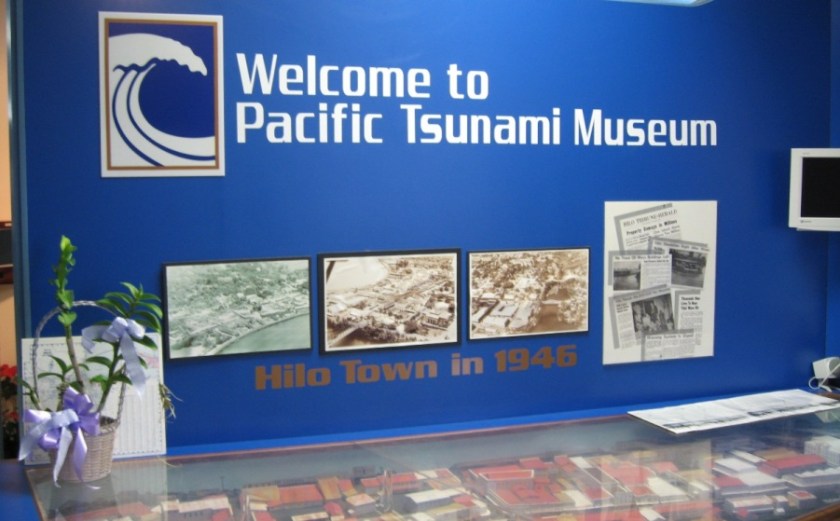
Entrance to Pacific Tsunami Museum in Hilo, Hawaii, photo by Nalaka Gunawardene, Jan 2007

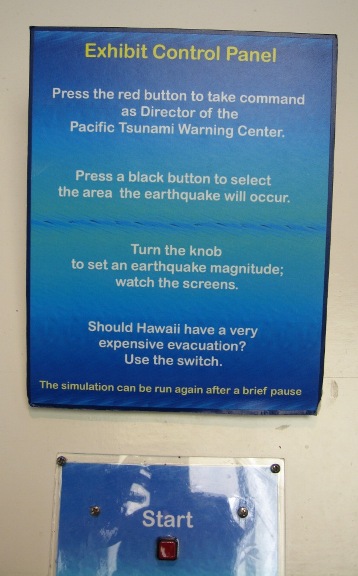
Five years ago, on a visit to the Pacific Tsunami Museum in Hilo, Hawaii, I played an interesting simulation game: setting off an undersea earthquake and deciding whether or not to issue a tsunami warning to the many countries in and around the Pacific.

The volunteer-run museum, based in ‘the tsunami capital of the world’, engages visitors on the science, history and sociology of tsunamis. The exhibits are mostly mechanical or use basic electronic displays, but the messages are carefully thought out.

The game allowed me to imagine being Director of the Pacific Tsunami Warning Centre (PTWC), a US government scientific facility in Ewa Beach, Hawaii, where geophysicists monitor seismic activity round the clock. When the magnitude exceeds 7.5, its epicentre is located and a tsunami watch is set up. Then, combining the seismic, sea level and historical data, PTWC decides if it should be upped to a warning.

Tsunami simulation game - low tech, high lesson
The museum game allows players to choose one of three locations where an earthquake happens — Alaska, Chile or Japan — and also decide on its magnitude from 6.0 to 8.5 on the Richter Scale.

This is an instance where scientists must quickly process large volumes of information and add their own judgement to the mix. With rapid onset hazards like tsunamis, every second counts. Delays or inaction can be costly — but false alarms don’t come cheap either.

I played the game thrice, and erring on the side of caution, issued a local (Hawaiian) evacuation every time. If it were for real, that would have caused chaos and cost the islanders a lot of money.

In fact, those who make decisions on tsunami alerts or warnings have to take many factors into account – including safety, economic impact and even political fall-out.

After playing the simulation game, I can better appreciate the predicament government officials who shoulder this responsibility. They walk a tight rope, balancing short-term public safety and long term public trust in the entire early warning system.

This is how I open a new op ed essay that reflects on the Indian Ocean undersea quake on 11 April 2012, and the tsunami watch that followed.

Taking Sri Lanka as the example, but sometimes referring to how other Indian Ocean rim countries reacted to the same situation, I raise some basic concerns that go beyond this individual incident, and address fundamentals of disaster early warning and information management in the Internet age.

Another except:
“So was the tsunami warning and coastal evacuation on April 11 justified? This needs careful, dispassionate analysis in the coming weeks. ‘Better safe than sorry’ might work the first few times, but let us remember the cry-wolf syndrome. False alarms and evacuation orders can reduce public trust and cooperation over time.”

In particular, I focus on nurturing public trust — which I call the ‘lubricant’ that can help move the wheels of law and order, as well as public safety, in the right direction.

Read full essay on Groundviews.org:
Nurturing Public Trust in Times of Crisis: Reflections on April 11 Tsunami Warning

Baby Ruth Villarama on researching and filming “Asia’s Titanic” for National Geographic

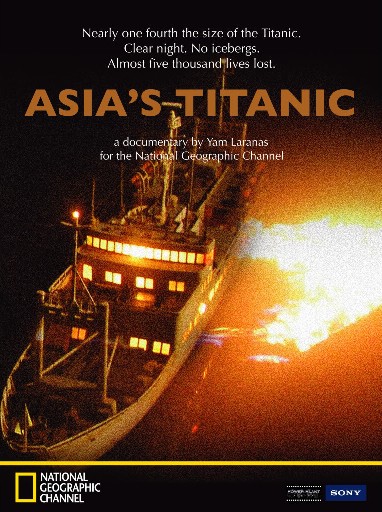
Asia's Titanic - NatGeo poster for 2009 film
How and where do you begin to tell the story of the biggest peace-time disaster at sea in modern times — where only 24 people survived and more than 4,000 perished within an hour or two?

That was the challenge that my Filipino filmmaker friend Baby Ruth Villarama and her colleagues faced, when they made an hour-long documentary, Asia’s Titanic, which National Geographic TV broadcast in mid 2009.

They came together to tell the world an under-reported and relatively less known story from their country: the tragic mid-sea accident that sank MV Dona Paz on the night of 20 December 1987.

Former television journalist and now an independent TV producer, Baby Ruth Villarama specialises in story research and documentary producing. Runs her own production company, Voyage Film, based in Manila but active across Asia.

Ruth was the researcher and assistant producer of Asia’s Titanic, directed by award-winning Filipino director Yam Laranas.

A few days ago, I asked Ruth for her own memories and reflections. This is what she shared with me, in her own words — the moving story behind the moving images creation:

With the Doña Paz story, sharing their memories was the most difficult part of covering it as the tragedy is something they’d rather not talk about – and, if possible, forget.

I spent a year ‘off-the-record’ understanding the holes in their memories. I felt I had to retrace the steps of these 4,000 souls and learn the relationship of man and the sea.

They’ve lost their children, parents and comrades on Christmas eve over a sea mishap – drowning and burning in the quiet water. We can only imagine the pain they went through.

The tragedy is the peak of memory they have left of their loved ones too, so every Christmas, some relatives of the dead gather together to live the lives their loved ones would have wanted to continue.

I joined that gathering for about three Christmases in between my research efforts. It was then that I began to understand the rabbit holes in each one of them — and the rabbit hole I had in me for not knowing my mother personally.

We started sharing pains and the “what-could-have-beens” of those lost memories. That was the connection they were looking for: to be able to speak of the pain to a stranger, or worst, to a group of filmmakers who would broadcast their story to millions of households around the globe.

This documentary was initiated not just to tell their story but to attempt to fill a hole of justice to the many casualties and their families.

It was through them that we were able to speak to the remaining living survivors. We became part of that annual gathering. Despite the requirements of the studio and my director to deliver deadlines, we tried my best to balance their readiness to speak. Good thing NatGeo was willing to wait 3 – 5 years in the timeline…

I remember visiting a survivor in his sleepy town in the province of Samar sometime in 2005. He owns a small sari-sari (convenient) store then. He said that it took him a year to speak again after the tragedy — and another year before he could eat properly because he couldn’t swallow soups and liquids right.

He never really set foot outside his island again – always fearing for fire and water, including the air as he vividly remembers how it added fume to the fire on that fateful night at sea.

After a while, he started talking about the details of that trip. He stopped, wept and couldn’t carry on anymore. He couldn’t breathe and seemingly battled against the air.

A huge part of me personally felt wrong seeing him again but I know that if we do not tell this story, no one will — and the world will just forget about this huge ‘mistake’ in navigational history.

I’d like to think that the impact of the story outside the Philippines is to remind the world fact that Titanic is not the worst maritime disaster — that somewhere in South East Asia, there was a small ship that killed more than 4,000 lives. It created maritime talks in international forums and the fact that accidents in this magnitude didn’t occur anymore — I think people are more careful now.

It’s a shame that Doña Paz was not as celebrated as the Titanic. One big difference between the Titanic and Doña Paz, aside from its route and technical specifications, is the status of passengers.

The Titanic carried a large number of wealthy westerners. Those who boarded the Doña Paz were mostly average Filipinos — no names, no status in society, even in their own country.


Related post: Remembering Asia’s Titanic: The Doña Paz tragedy that killed over 4,000 in Dec 1987

Remembering Asia’s Titanic: The Doña Paz tragedy that killed over 4,000 in Dec 1987

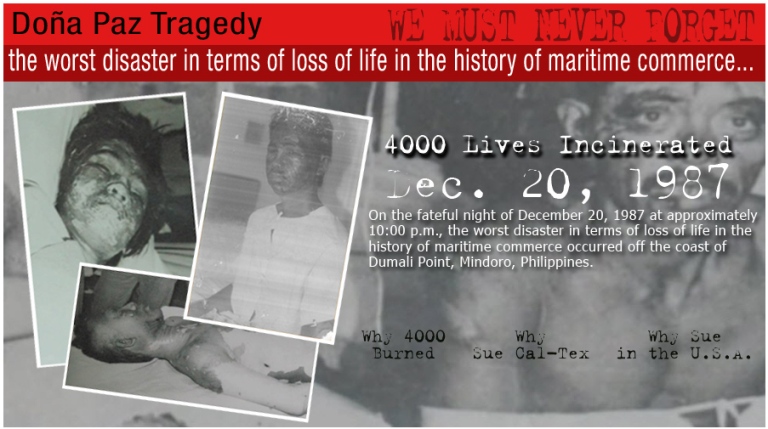
Dona Paz tragedy - image from the survivor website

What is the world’s worst peace-time maritime disaster?

No, it’s not the sinking of the Titanic. It’s a disaster that happened 75 later, on the other side of the planet – in Asia.

It is the sinking of the MV Doña Paz, off the coast of Dumali Point, Mindoro, in the Philippines on 20 December 1987. That night, the 2,215-ton passenger ferry sailed into infamy with a loss of over 4,000 lives – many of them burnt alive in an inferno at sea.

Nobody is certain exactly how many lives were lost — because many of them were not supposed to be on that overcrowded passenger ferry, sailing in clear tropical weather on an overnight journey.

Passenger ferries like the Doña Paz are widely used in the Philippines, an archipelago in Southeast Asia comprising over 7,000 islands. They are among the cheapest and most popular ways to travel.

Just 5 days before Christmas of 1987, hundreds of ordinary people boarded the Doña Paz for a 24-hour voyage from the Leyte island to Manila, the capital.

The Doña Paz – originally built and used in Japan in 1963 and bought by a Filipino ferry company in 1975 — was authorized to carry a maximum load of 1,518 passengers.

But the on the night of the accident, survivors say there may have been more than 4,000 people on board – a gross violation of safety procedures.

Only 24 of them survived the journey — and only just. The entire crew and most of its passengers perished in an accident happened due to negligence, recklessness and callous disregard for safety.

For a glimpse of what happened, watch these first few minutes from 2009 National Geographic documentary,Asia’s Titanic:

For a summary compiled from several journalistic and activist sources, read on…

The Doña Paz had an official passenger list of 1,493 with a crew of 59 on board. But later media investigations showed that the list did not include as many as 1,000 children below the age of four — and many passengers who paid their fare after boarding.

The ship was going at a steady pace. The passengers were settling in for the night. The Doña Paz was scheduled to arrive in Manila by morning. A survivor later said that the weather that night was clear, but the sea was choppy.

Around 10.30 pm local time, without any warning, the Doña Paz collided with another vessel. It was no ordinary ship: the MT Vector was en route from Bataan to Masbate, carrying 8,800 barrels of gasoline, diesel and kerosene owned by Caltex Philippines.

Immediately upon collision, the tanker’s cargo ignited, setting off a massive fire that soon engulfed both ships. Thousands of passengers were trapped inside the burning ferry.

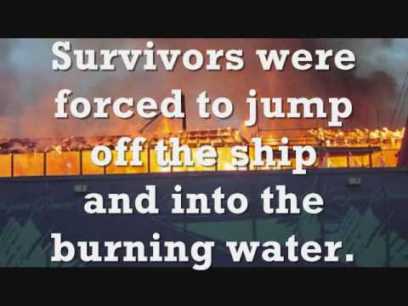
Dozens of passengers leaped into the sea without realizing that the petroleum products had also set the surrounding seas ablaze. Those in the water had to keep diving to avoid the flames spreading on the surface.

Of all the passengers and crew on board, only 24 survived. Everything known about this maritime disaster is based largely on their accounts – and investigative work done by a handful of journalists.

MV Doña Paz in 1984, three years before its tragic end - Photo courtesy Wikimedia Commons - lindsaybridge

One survivor claimed that the lights onboard went out soon after the collision: there had been no life vests on the Doña Paz, and that none of the crew was giving any orders. It was later said that the life jackets were locked up beyond emergency reach.

The few survivors were later rescued swimming among many charred bodies in the shark-infested Tablas Strait that separates Mindoro and Panay islands.

The first help arrived at the scene around one and a half hours after the collision – it was another passing ship. By this time, most passengers of the ferry were dead.

The Doña Paz sank within two hours of the collision, while the Vector sank in four hours. The sea is about 545 meters deep in the collision site.

The Philippines Coast Guard did not learn about the disaster until eight hours after it happened. An official search and rescue mission took more hours to get started.

In the days that followed, the full scale of the horrible tragedy became clear. The ferry’s owner company, Sulpicio Lines, argued that the ferry was not overcrowded. It also refused to acknowledge anyone other than those officially listed on its passenger manifest.

Manifests on Philippine inter-island vessels are notoriously inaccurate. They often record children as “half-passengers” or disregard them entirely. Corrupt officials frequently accept bribes to allow overloading.

Many victims were probably incinerated when the vessels exploded and will never be accounted for. Rescuers found only 108 bodies, many of them charred and mutilated beyond recognition. More bodies were later washed ashore to nearby islands where the local people buried them after religious rituals.

All officers on board the Doña Paz were killed in the disaster, and the two from the Vector who survived had both been asleep at the time. This left the field entirely to lawyers from all sides to endlessly argue over what went wrong, how – and who was responsible.

It was later found that, at the time of the collision, both ships had been moving slowly: the Doña Paz at 26 km per hour, and Vector at 8 km per hour. They were surrounded by 37 square km of wide open sea – plenty of time and space to avoid crashing into each other!

Experts also wondered why the two ships had not communicated with each other before the crash. It is internationally required that all ships carry VHF radio. The Vector was found to have an expired radio license. The radio license for the Doña Paz was a fake.

Survivors told investigators that the crew of the Doña Paz were having a party on board minutes before it collided with the oil tanker. Some reports suggested that the captain himself had been among the revelers.

Being ordinary people, the passenger didn’t know details of maritime rank or procedure. It is likely that a mate or apprentice was steering the Doña Paz. Not a single crew member survived to tell their version of the incident.

After a long and contentious inquiry, the investigators placed the blame on the Vector.

Independent analyses have identified multiple factors that contributed to this tragedy: lack of law enforcement arising from corruption and connivance; under-qualified and overworked crew; telecommunications failures; and inadequate search and rescue efforts in the event of accidents.

Asia's Titanic - NatGeo poster for 2009 film
In August 2009, National Geographic Channel broadcast an investigative documentary titled Asia’s Titanic that tried to piece together the evidence and understand what happened.

Directed by award-winning Filipino director Yam Laranas, it was the first for any Filipino filmmaker to direct a full-length documentary for the global channel noted for its factual films.

Through dramatic first hand accounts from survivors and rescuers, transcripts from the Philippine congressional inquiry into the tragedy, archival footage and photos and a re-enactment of the collision, dissect the unfolding tragedy of Doña Paz.

The 10-million Filipino peso project took more than 3 years to make, but even its makers could not find all the answers.

“The truth may never be known. In the years after the Doña Paz tragedy, shipping disasters continue to plague the Philippines,” says the documentary as it ends.

Watch the NatGeo film in full on Doña Paz survivors’ website

Meanwhile, nearly 25 years on, the struggle for justice for the victims and survivors is still on.

Related post: Baby Ruth Villarama on researching and filming “Asia’s Titanic” for National Geographic

Battle of Ceylon: 70 years on, still waiting for its place in the movies…

Memories of Battle of Ceylon, April 1942
While human memories fade and disappear, photographs and films help preserve moments of history – either as factual documentation, or as fictionalised stories.

The Battle of Ceylon, or the Easter Sunday Japanese air raid of Ceylon took place 70 years ago this week. There can’t be too many people who have personal memories of that eventful day, 5 April 1942.

The definitive feature film about this facet of WW2 remains to be made. This blog post explores what (little) that is available online.

The attack on Colombo Harbour and the nearby Ratmalana Airport took place exactly 119 days after the Pearl Harbour attack in Hawaii. In that relatively short time, the Japanese military had advanced westwards in the Indian Ocean with astonishing speed and success.

When Singapore fell in February 1942, it was widely believed that the next Japanese target was Ceylon. Once their battleships, aircraft carriers and submarines were based in Ceylon, their domination over the Indian Ocean would be consolidated.

If the Allies read Japanese intentions correctly, they completely underestimated their adversary’s capabilities. Lack – or deliberate blocking – of information had characterised the build up of Japanese military capabilities for years.

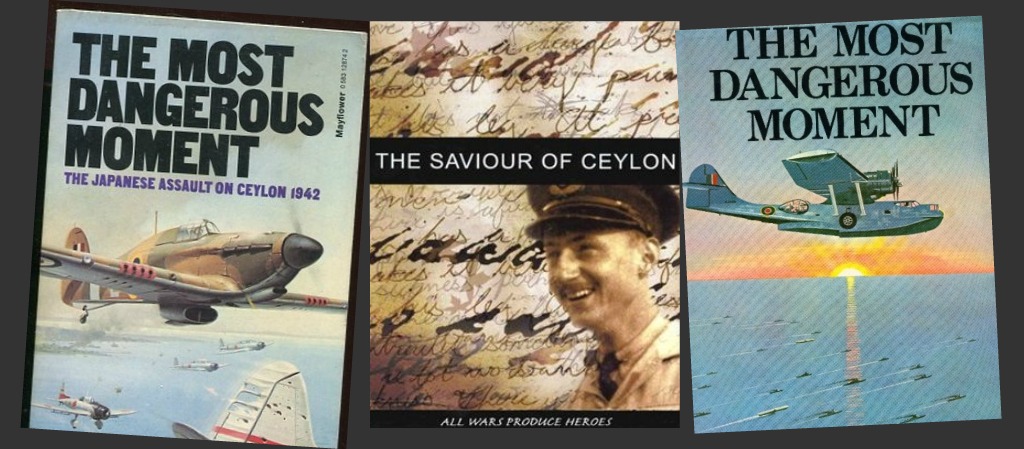
Michael Tomlinson, an Englishman who was posted in Ceylon with the Royal Air Force in 1942, later wrote the definitive book about those fateful days and weeks. Its title, The Most Dangerous Moment, was derived from a remark by British Prime Minister Sir Winston Churchill.

Looking back later, Churchill said the most dangerous moment of the Second World War, and the moment that caused him the most alarm, was when the formidable Japanese fleet was approaching Ceylon.

As it turned out, the Japanese fleet that mounted the air raid on Ceylon was under the command of Admiral Chuichi Nagumo, who, as commander of the First Air Fleet of the Imperial Japanese Navy, had earlier overseen the devastating attack on Pearl Harbour on 7 December 1941.

As Tomlinson has written, “True the [Pearl Harbour] attack was unleashed without a declaration of war and has thus been stamped as an act of infamy, though the Americans had very solid reasons for expecting it and the enormous surprise which the Japanese managed to achieve over the Americans was quite unexpected by their own flyers. Sadly enough when these same airmen, almost man for man the same, were to attack targets in Ceylon four months later, the British, though having extremely accurate and complete intelligence of the Japanese intentions and movements, were taken only a little less by surprise than were the Americans at Hawaii.”

Things didn’t start off that way. The island’s civilian administrators and British military high command had initiated preparations and precautions. These included building several new airstrips, and placing RAF squadrons on the island.

Operating from the Koggala lagoon, on the island’s southern top, Allied airmen conducted aerial patrols of the Indian Ocean using long-range Catalina aircraft – multipurpose ‘flying boats’.

With no satellites in orbit (the Space Age had not yet dawned), and radar still in its infancy, these ‘eyes in the air’ offered crucial surveillance. And the vigilance paid off.

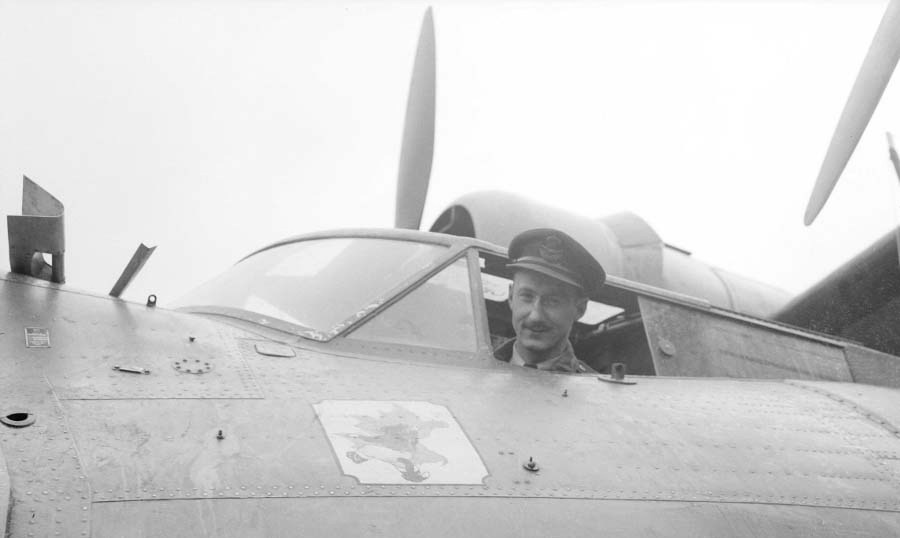
Sq Ldr Leonard Birchall, 'Saviour of Ceylon' aboard his Catalina aircraft

On the evening of 4 April 1942, just before dusk, one Catalina on patrol made a chance observation that changed the course of history. As they were about to turn back, Leonard Birchall, a young Squadron Leader of the Royal Canadian Air Force (RCAF), saw a ‘black speck’ in the Indian Ocean. Upon investigation, they discovered a Japanese aircraft carrier fleet, at the time 400 miles (640km) south of the island.

As the Catalina’s crew took a closer look, its radio operator radioed to Colombo the location, composition, course and estimated speed of the advancing fleet. Moments later, they were shot down by Zero fighters: Birchall and crew mates spent the rest of the War as Japanese prisoners.

The message reached Colombo “a little garbled but essential correct” and immediately passed on to all the Services. But what happened thereafter shows that an early warning by itself serves little purpose unless it is properly acted upon.

I have just written a column on how and why:
Near-misses in the ‘Battle of Ceylon’ (Japanese Air Raid on 5 April 1942)

“Failure in communications all around was to bring tragic results in its wake,” says Tomlinson. “Afterwards, there was even talk about sabotage, but this cannot be taken seriously.”

The Easter Sunday Raid, or the Battle of Ceylon, is well documented. Much to the surprise and disappointment of the Japanese, the Allied naval fleet had been moved out of the Colombo harbour. Another Pearl Harbour was thus avoided.

The Colombo air raid lasted some 20 minutes, and the civilian casualties amounted to 85 dead and 77 injured. The British claimed destroying “27 enemy aircraft” that morning, but the Japanese admitted losing only five. Tomlinson speculates that some damaged aircraft never managed the long flight back.

According to him, only three Japanese planes fell on Ceylonese soil: one each in Horana, on the playground of St Thomas’s College in Mount Lavinia and at Pita Kotte junction.

Hailing from this last area, an eastern suburb of Colombo, I had family elders who actually witnessed the incident. As a schoolboy, I used to walk past that crash site every week day.

Indian Ocean raid April 1942

On April 9, the Japanese bombed Trincomalee harbour on Ceylon’s east coast and also attacked British ships off Batticaloa. The strategic damage was greater, but somehow the defences held. Owing to a combination of factors, the Japanese never returned.

Close to a thousand Allied servicemen lost their lives defending Ceylon that week. But Leonard Birchall survived the notorious Japanese prison camps. Decorated and hailed as the ‘Saviour of Ceylon’, he died in September 2004 aged 89.

A few years ago, Norflicks Productions, a Toronto-based video company, produced a historical documentary about his life. Titled THE SAVIOUR OF CEYLON: The Story of Leonard Birchall (92 mins), it was directed by Marta Nielsen. Producer and Scriptwriter was Richard Nielsen.

See trailer online:

While Pearl Harbour attack and aftermath has been the basis of many documentaries and feature films, the Battle of Ceylon is still under-represented in moving images

While researching for my Sunday column, I stumbled upon two other interesting short video clips on this aspect the Second World War.

They are both evidently computer-generated scenarios, but seemingly well made. Despite some minor historical inaccuracies, they illustrate the rich story-telling potential of this vignette of history, largely overlooked by movie makers.

Easter Sunday Raid: The Battle of Ceylon. Prelude

Battle Of Ceylon

I recently tracked down their creator, Bob Baeyens, who goes by the online moniker Skinny. He says the two clips were made using IL-2 Sturmovik, a World War II combat flight simulator video game that focused on the air battles of the Eastern Front. Here is my brief email exchange with him a few days ago (slightly edited for clarity):

What made you choose the Battle of Ceylon?

We were always looking for (historical) scenarios to create multiplayer missions. Since the game is over 12 years old now, most theaters were covered pretty well, so I bumped in to this one searching for something new — and decided to try making a movie about it as it’s a rather compelling story.”

Do you have a personal link to Ceylon, WW2 or aviation?

No, no and a small one. I used to be a glider pilot.

Why hasn’t anything further happened with Battle of Ceylon film?

The whole jeep/battlefields things must have looked a little weird to you. That’s because its actually a critique and (an) inside joke. I couldn’t get my squad mates from battlefields (on UK dedicated server) to help out making that movie. I needed a couple of real pilots to fly some scenes, drive jeeps, etc. The a.i. in the game made it hard too to make them without human pilots. But I was getting no response or help, so I finally got frustrated and gave up.

I didn’t quite give up; I “finished” it with a parody and a jab! Hence the words, “Best IL2 movie never made”. See this also:

Do you make films for fun, or for a living?

Fun.

Finally, how may I describe you? Is there a website or blogsite or online intro that I can link to?

No need to describe me. If you want to refer to me, use my online
callsign “Skinny”.

සිවුමංසල කොලුගැටයා #48: නව නිපැයුම්කරුවන්ට සැබෑ ලෝකයෙන් අභියෝග රැසක්

In our age of technology, hundreds of millions of people — most of them poor, and women — are still toiling away in tasks where simple machines or devices could reduce their daily drudgery. Few inventors have bothered with these — probably because the beneficiaries are on the margins of society. Their needs are not a priority for most research institutes or high tech laboratories.

This is the theme of my Ravaya column (in Sinhala) published on 8 Jan 2012, reproduced in full below.It was inspired by, and mostly based on the inaugural Ray Wijewardene memorial lecture delivered by Dr Anil Kumar Gupta, India’s top innovation-spotter, in Colombo on 13 December 2011. He spoke on “Grassroots Innovation for Inclusive Development: From Rhetoric to Reality”

It covers the same ground as did my English op-ed essay, published in The Sunday Times on 25 Dec 2011: Wanted: More ‘Idiots’ to tackle grassroots innovation challenges.

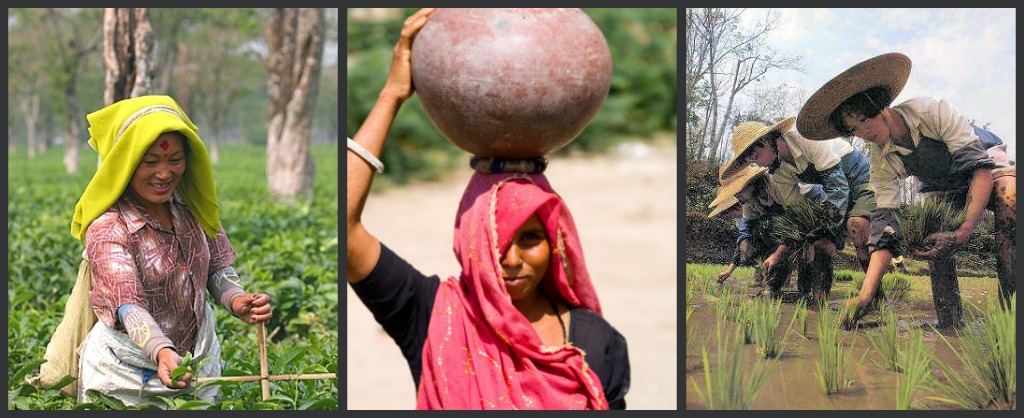
Tea plucking, water fetching and rice transplanting -- three tasks that millions of women do manually everyday...

‘එළිමහනේ එදිනෙදා වැඩකටයුතුවලදී අපට ඉතා ප්‍රයෝජනවත් වන, මිනිස් බලයෙන් දිවෙන තනි රෝදයේ වාහනය කුමක්ද?’

මා පාසල් යන කාලයේ රසවත්ව හා හරවත්ව විද්‍යාව ඉගැන් වූ ගුරුවරයෙකු මේ ප්‍රශ්නය අපට යොමු කළා තවමත් මතකයි. උත්තරය – වීල් බැරෝව නැතිනම් වීල් බැරැක්කය.

මීට සියවස් 24කට පෙර පුරාණ ග්‍රීසියේත්, සියවස් 18කට පෙර චීනයේත් වීල් බැරැක්ක භාවිත වූ බවට සාක්ෂි තිබෙනවා. වීල් බැරැක්කය ලීවර හා රෝදය නමැති යාන්ත්‍රික සංකල්ප දෙක දක්ෂ ලෙස සංකලනය කොට නිපදවා ගත් සරල විසඳුමක්. එදිනෙදා ජීවිතයේ මානවයන් වෙහෙස කරන ආයාසය (drudgery) අඩු කරමින් ඔවුන්ගේ ඵලදායීතාව වැඩි කරන නිපැයුමක්.

වීල් බැරැක්කය මගේ සිහියට ආවේ 2011 දෙසැම්බරයේ කොළඹදී රේ විජේවර්ධන සමරු දේශනය පැවැත් වූ ඉන්දියාවේ ආචාර්ය අනිල් කුමාර් ගුප්තට සවන් දෙන විටයි. නවෝත්පාදනයන් (innovations) ගම් මට්ටමින් හා බිම් මට්ටමින් හඟනා ගෙන ප්‍රවර්ධනය කිරීමේ භාරත-ව්‍යාප්ත ප්‍රයත්නයක යෙදී සිටින මේ අසාමාන්‍ය ගණයේ විද්වතා දැක් වූ අදහස් කීපයක් අප ගිය සතියේ සාරාංශගත කළා.

සිය දේශනයේදී අනිල් ගුප්ත අවධානය යොමු කළ එක් තේමාවක් වූයේ නව නිපැයුම්කරුවන්ට තවමත් හරිහැටි විසඟම් සොයා ගන්නට නොහැකිව ඉතිරි වී තිබෙන ප්‍රායෝගික අභියෝගයි. වසරක් පාසා ලෝකයේ නව නිපැයුම් හා සංකල්පවල බුද්ධිමය අයිතිය තහවුරු කැරෙන පේටන්ට් ලක්ෂ ගණනක් අදාල බලධාරීන් නිකුත් කරනවා. එසේ වූවත් මානවයන් මිලියන් සිය ගණනක් දිනපතා මුහුණදෙන ගැටළු ගණනාවකට තවමත් පිළිගත හැකි හා ප්‍රචලිත මට්ටමේ විසඟම් ලැබී නැහැ.

“කෘත්‍රිම චන්ද්‍රිකා නිපදවා උඩුගුවන් ගත කිරීමේ හැකියාව ඉන්දියාව ලබා තිබෙනවා. ලෝකයේ ඉහළ ම පෙළේ විද්‍යා පර්යේෂණාගාර හා පරිගණක සමාගම් රැසක් ඉන්දියාවේ තිබෙනවා. ඒත් දිගු කලක් තිස්සේ මිලියන් ගණනක් දුගී ඉන්දියානුවන් දිනපතා මහත් සේ වෙහෙස කරවන ප්‍රායෝගික ගැටළු රැසකට හරිහැටි විසඟම් සපයාගන්නට අපට තවමත් නොහැකි වී තිබෙනවා,” ආචාර්ය ගුප්ත අවංක තක්සේරුවක් කළා. ඔහු මෙය දකින්නේ අධි තාක්ෂණික ජයග්‍රහණ ගැන උදම් වන විද්‍යාවේ පසුබෑමක් හැටියටයි.

ආචාර්ය ගුප්තගේ පුරෝගාමීත්වයෙන් 1987දී ඇරඹි මී මැසි ජාලය (Honey Bee Network) හරහා ගම් හා බිම් මට්ටමේ සාමාන්‍ය ඉන්දියානුවන් අතින් බිහි වූ නවෝත්පාදන දහස් ගණනක් ලේඛනගත කොට තිබෙනවා. එහෙත් තවමත් සාර්ථක ලෙස විසඳා ගත නොහැකි වූ ප්‍රායෝගික අභියෝග ගණනාවක් ද ඇති බව ඔහු පෙන්වා දෙනවා.

එයට ප්‍රබල උදාහරණ තුනක්:

• ආසියාව පුරා ම හමුවන වෙල්යාය බොහොමයක ගොයම් සිටුවීමේ කාර්යය තවමත් කැරෙන්නේ දෛනික ශ්‍රමිකයන් ලෙස සුළු ගෙවීමක් ලබන කාන්තාවන් අතින්. දිගු වේලාවක් කොන්ද නවා ගෙන වතුරේ බැස ගෙන කළ යුතු මෙය ලෙහෙසි පහසු කාරියක් නොවෙයි. වතුරේ සිටීමෙන් විවිධ සමේ රෝග ඇති වීමේ අවදානමක් ද තිබෙනවා. ගොයම් සිටුවීමේ යන්ත්‍ර සැළසුම් කිහිපයක් ම යෝජනා වී ඇතත් කාර්යක්ෂම හා පාවිච්චියට පහසු යන්ත්‍රයක් තවමත් භාවිතයට පැමිණ නැති බව ගුප්ත කියනවා.

• ලිප් ගල් තුනක් මත පදනම් වූ දර ලිප ආසියාව හා අප්‍රිකාව පුරා සියවස් ගණනක් තිස්සේ පාවිච්චි කැරෙනවා. සාම්ප්‍රදායික දර ලිප, බලශක්තිය අපතේ යවන අතර දුම් පිට කිරීම හරහා ගෘහණියන්ගේ සෞඛ්‍යයට ද අහිතකර බලපෑම් කරනවා. වඩාත් අරපිරිමැසුම්දායක දර ලිපක් සැළසුම් කිරීමට දශක ගණනාවක සිට විවිධ රටවල උත්සාහ කර ඇතත් විද්‍යාඥයන් හා ඉංජිනේරුවන් යෝජනා කරන සැළසුම් බොහොමයක් ගෘහණියන් අතර ජනප්‍රිය වී නැහැ. විවිධ හැඩයේ භාජන යොදා ගනිමින්, විවිධාකාර ආහාර ද්‍රව්‍ය නොයෙක් ක්‍රමවලට පිස ගැනීමට හැකියාව ඇති සරල දර ලිපක් සැළසුම් කිරීමේ අභියෝගය තවමත් මුළුමනින් ජය ගෙන නැති බවයි ගුප්තගේ මතය. මේ සඳහා තාක්ෂණය, සැලසුම්කරණය හා සාංස්කෘතික සාධක යන කාරණා ත්‍රිත්වය ම සැලකිල්ලට ගත යුතුයි.

• ලංකාව, ඉන්දියාව, කෙන්යාව වැනි රටවල තේ කර්මාන්තයේ තේ දළු නෙළීම තවමත් මුළුමනින් ම පාහේ කරන්නේ කාන්තාවන් විසින්. තේ දළු කූඩයක් පිටේ බැඳ ගෙන, බෑවුම් සහිත බිම්වල ගමන් කරමින් සියුම්ව තේ දළු නෙළීම දිනකට පැය කිහිපයක් කළ යුතුයි. තේ පානය රස විඳින බොහෝ දෙනෙකු දළු නෙළීමේදී අතට හා ගතට දැනෙන වේදනාත්මක විඩාව ගැන දන්නේ නැහැ. දළු නෙළීමේ කාර්යය අර්ධ වශයෙන් හෝ යාන්ත්‍රීකරණය කළ හැකි නම් නෙළන්නියන්ගේ රැකියාවලට තර්ජනයක් නොකොට ඔවුන්ගේ ආයාසය අඩු කළ හැකියි.

“මේ අභියෝග ගැන සරසවි හා විද්‍යා පර්යේෂණ ආයතන එතරම් තැකීමක් කරන්නේ නැහැ. මේ දෛනික කාර්යයන්ගෙන් පීඩාවට පත් වන්නේ දුගී හා ග්‍රාමීය මිනිසුන් – විශේෂයෙන් ම කාන්තාවන්. එබඳු අයට තමන්ගේ ගැටළු ගැන හඬක් නැඟීමට ඇති ඉඩකඩ ඉතා අඩුයි. බිම් මට්ටමේ නව නිපැයුම්කරුවන් පවා මේ අභියෝග ගැන ඇති තරම් අවධානයක් යොමු කර නැහැ!” ඔහු පෙන්වා දුන්නා.

සමහර ගැටළුවලට අර්ධ විසඳුම් ලබා දීමට නව නිපැයුම්කරුවන් සමත්ව සිටිනවා. උදාහරණයක්ථ බොහෝ ග්‍රාමීය ප්‍රදේශවල කාන්තාවන් බීමට ජලය සොයා කිලෝමීටර් ගණනක් දුර ගමන් කරනවා. සොයා ගන්නා ජලය කලගෙඩි හෝ වෙනත් භාජනවලට පුරවා හිසේ හෝ ඉනේ තබා ගෙන ගෙදර ගෙන යාමයි සිරිත. මේ ක්‍රියාවේ ආයාසය අඩු කර ගන්නට පානි හාරි (Pani Hari) නම් සරල ඇටවුමක් ඉන්දියාවේ කිම්ජිබායි කනාඩියා (Khimjibhai Kanadia) නිපද වූවා. එයින් කරන්නේ හිස මත තබා ගත් වතුර කලයේ බර, උරහිස් දෙකට බෙදා හැරීමයි. මීට අමතරව වතුර පුරවා පැළඳගෙන යා හැකි වතුර කබායක් (water-carrying jacket) තවත් නිපැයුම්කරුවෙකු සැලසුම් කර තිබෙනවා. මේවා යම් මට්ටමකට ගැටළුව විසඳන නමුත් පුළුල් භාවිතයට ගන්නට පෙර වැඩි දියුණු කළ යුතු බව ගුප්ත කියනවා.

තවත් පුළුල්ව අත්දකින ප්‍රායෝගික ගැටළුවක් නම් කඳුකර බෑවුම් ප්‍රදේශවල භාණ්ඩ ප්‍රවාහනයයි. අඩි පාරක් පමණක් ඇති, බයිසිකලයක්වත් පැද ගෙන යා නොහැකි බෑවුම් ප්‍රදේශවල පදිංචිකරුවන් හැම දෙයක් ම කරපිටින් ඔසවා ගෙන යා යුතුයි. නැතිනම් ගවයන්, බූරුවන් වැනි සතුන් යොදා ගත යුතුයි. කඳුහෙල් බහුල බෑවුම් බිමෙහි යා හැකි ට්‍රොලියක් වැනි ප්‍රවාහන ක්‍රමයක් නිපද වූවොත් කඳුකර වැසියන් මිලියන ගණනක් එයින් වාසි ලබනවා නියතයි.

පසුගිය අඩ සියවසක කාලය පුරා විශාල වශයෙන් ආයෝජන කළත් තවමත් සාර්ථකව විසඳා නොගත් සංවර්ධන අභියෝගයක් නම් ග්‍රාමීය වැසිකිළි සැළසුමයි. ජලය භාවිතය අරපිරිමසින, මළ මුත්‍ර මනා සේ ඉවත දමන, අඩු වියදමින් තනා ගත හැකි වැසිකිළි සැළසුම් තවමත් ජය නොගත් අභියෝගයක්. ලෝකයේ බිලියන 7ක ජනගහනයෙන් බිලියන 2කට කිසි වැසිකිළි පහසුමකමක් නැහැ. නිරාවරණය වූ එළිමහන් තැන්වල මළපහ කිරීම නිසා ජලය අපවිත්‍ර වීමෙන් හට ගන්නා පාචන රෝග හා අකල් මරණ සංඛ්‍යාව විශාලයි.

හඳ මතුපිට ජල සම්පත් ගවේෂණය කරන්නට ස්වයංක්‍රීය අභ්‍යවකාශ යානා නිර්මාණය කළ ඉන්දියාවේ ම තවමත් මිලියන් 400ක් මිනිසුන් අන්ත දුගී ජීවිත ගත කරමින් බීමට පිරිසිදු වතුර සොයා ගැනීමේ දෛනික අරගලයක යෙදෙනවා. දියුණු වන ලෝකයේ බොහෝ රටවල යථාර්ථය මෙයට වෙනස් නැහැ. තවමත් හරිහැටි විසඳා නොගත් මෙකී නොකී ප්‍රායෝගික අභියෝගවල ලැයිස්තුවක් ආචාර්ය ගුප්ත සම්පාදනය කර තිබෙනවා.

නාගරික හා ග්‍රාමීය දුගී ජනයා දිනපතා මුහුණ දෙන ආයාසකාරී තත‍වයන්ට හැකි තාක් විසඳුම් සොයා දීමට ජාතික මට්ටමේ ප්‍රමුඛතාවක්, ආයෝජනයක් හා කැපවීමක් අවශ්‍ය බව ගුප්ත අවධාරණය කරනවා. තනි නිපැයුම්කරුවන්, රාජ්‍ය පර්යේෂණයාතන මෙන් ම පෞද්ගලික අංශය ද මේ අභියෝගවලට මීට වඩා ප්‍රතිචාර දැක්විය යුතු බව ඔහු කියනවා.

අප ගිය සතියේ ද සඳහන් කළ පරිදි හැම නව නිපැයුමක් ම ලොව හොල්ලන හෝ වෙළඳපොළ අල්ලන හෝ ඒවා වීම අවශ්‍ය නැහැ. ප්‍රායෝගික ගැටළුවලට විසඳුම් සොයා යාමේදී කුඩා පරිමාණයේ දියුණු කිරීමකින් වුවත්, බොහෝ දෙනෙකුට සහනයක්, උපකාරයක් ලබා දිය හැකියි. එබන්දකට පේටන්ට් බලපත්‍රයක් නොලැබෙන්නට පුළුවනිග එහෙත් නව නිපැයුම්කරුවන්ගේ එක ම අරමුණ විය යුත්තේ පේටන්ට් ගොන්නක් හිමි කර ගැනීම නොවෙයි.

‘3 Idiots’ හින්දි චිත්‍රපටයේ එක් ජවනිකාවක යාන්ත්‍රික ඉංජිනේරු ගුරුවරයා යන්ත්‍රයක් නිර්වචනය කරන ලෙස සිසුන්ට කියනවා. අමීර් ඛාන් රඟපාන චරිතය වන රංචෝගේ විග්‍රහයට අනුව යන්ත්‍රයක් යනු මිනිස් ආයාසය අඩු කරන ඕනෑ ම උපක්‍රමයක් හෝ උපකරණයක්. එහෙත් උගත්කමේ මාන්නයෙන් පිම්බුණු මහාචාර්යවරයාට ඒ සරල විග්‍රහය සෑහෙන්නේ නැහැ. පාරිභාෂික වචන හා බරපතල සංකල්ප ඇතුළත් මහ දිග නිර්වචනයක් ඔහුට අවශ්‍යයි. ඉංජිනේරු තාක්ෂණය ජනතාවගේ ප්‍රශ්න විසඳන්නට මීට වඩා යොදා නොගැනීමට හේතුව මෙබඟ පොතේ ගුරුන් අපේ සමාජයේ බහුලවීමයි.

එදිනෙදා ගැටළු විසඳන්නට වඩාත් ප්‍රයෝජනවත් වන්නේ තැනට සුදුසු විදියට හා සූක්ෂම බුද්ධියෙන් යුක්තව පවතින මෙවලම් (tools) සහ යන්ත්‍ර (machines) යොදා ගැනීමයි. පවතින මෙවලමක් හෝ යන්ත්‍රයක් හෝ සකසා ගත නොහැකි නම් අලුතින් යමක් නිපදවීමේ අවකාශය තිබෙනවා. එහිදී නිපැයුම්කරුවන් කළ යුත්තේ හැකි තාක් සරල හා අඩු වියදම් විසඳුම් සොයා යාමයි.

ප්‍රායෝගික ගැටළු විසඳීමේදි ඒවාට නිතිපතා මුහුණ දෙන මිනිසුන්, ගැහණුන් හා ළමයින් සම්බන්ධ කර ගැනීම ද වැදගත්. තාක්ෂණවේදීන්, ඉංජිනේරුවන් හා විද්‍යාඥයන්ට ගැටළු විසඳීමේ මූලධර්ම මට්ටමේ චින්තනය ලබා දිය හැකියි. අත්හදා බැලීම් කළ හැකියි. එහෙත් අන්තිමේදී විසඳුමක් සාර්ථක වන්නේ එය පාවිච්චි කරන අය අතර පිළිගැනීමට ලක් වූවොත් පමණයි.

නාගරික හා ග්‍රාමීය දුගී ජනයා දිනපතා මුහුණ දෙන ආයාසකාරී තත‍වයන්ට හැකි තාක් විසඳුම් සොයා දීමට ජාතික මට්ටමේ ප්‍රමුඛතාවක්, ආයෝජනයක් හා කැපවීමක් අවශ්‍ය බව ගුප්ත අවධාරණය කරනවා. තනි නිපැයුම්කරුවන්, රාජ්‍ය පර්යේෂණයාතන මෙන් ම පෞද්ගලික අංශය ද මේ අභියෝගවලට මීට වඩා ප්‍රතිචාර දැක්විය යුතු බව ඔහු කියනවා.

ගැටළු විසඳීමේ සාර්ථකත්වයට සාධක තුනක් මුසු වීම අවශ්‍ය බව ගුප්තගේ මතයයි. ඉංග්‍රීසි C අකුරෙන් ඇරඹෙන ඒ වචන තුන: curiosity (කුතුහලය), compassion (මානව දයාව) හා collaboration (සාමුහික ක්‍රියාකාරිත්වය).

ආචාර්ය ගුප්ත ලාංකික විද්වතුන්ට හා නව නිපැයුම්කරුවන්ට දාර්ශනික ඔවදනක් ද දුන්නා. “දශක ගණනාවක් ඉන්දියාවේ උගතුන් හා පර්යේෂකයන් අපට තිබෙන ගැටළු හා අභියෝග ගැඹුරින් අධ්‍යයනය කළා. ඒවාට විසඳුම් ගැනත් බෙහෙවින් වාද විවාද කළා. ඒත් ප්‍රායෝගිකව යමක් කරන්නට අප පෙරට ආවේ නැහැ. මගේ පරම්පරාවේ උගතුන් කළ මේ ලොකු වරද නැවතත් නොකරන්නට වග බලා ගන්න!”

නව නිපැයුම්කරුවන්ට ඔහු දුන් වැදගත් ම අවවාදය මෙයයි: “පන්ති කාමර, විද්‍යාගාර හා වැඩපොළවලට කොටු වී නොසිට සැබෑ ලෝකයේ හැකි තරම් සැරිසරන්නග මඟ තොටේ, කඩමණ්ඩියේ, වෙල් යායවල, හේන්වල හා ගං ඉවුරුවල විසඳා ගත යුතූ – හැකි ප්‍රායෝගික ගැටළු රැසක් තිබෙනවාග පවතින සමාජ තත්ත‍වයන් ගැන තෘප්තිමත් නොවූ මානවයන් ඒවා ගැන සංවේදී වනවා. නව නිපැයුම් බිහිවන්නේ ඔවුන් අතින්. ඔවුන්ගේ පර්යේෂණාගාරය මුළු මහත් ජන සමාජයයි!”