සිවුමංසල කොලූගැටයා #123: පුරවැසි මාධ්‍ය සහ අධිපති මාධ්‍ය

Who is a citizen journalist? Does everyone who blogs and tweets automatically become one? If not, who qualifies? Who judges this on what criteria? And what niche in media and public sphere do citizen journalists fill when compared with salaried journalists working for more institutionalised or mainstream media?

These have been debated for years, and there is no global consensus. They are belatedly being asked and discussed in Sri Lanka, and form the basis of my latest Ravaya column (in Sinhala).

My views were summed up sometime ago in this comment I left on a blog: “Just as journalism is too important to be left solely to full-time, salaried journalists, citizen journalism is too important to be left simply to irresponsible individuals with internet access who may have opinions (and spare time) without the substance or clarity to make those opinions count.”

See also my English language posts on this topic in the past:
7 Aug 2009: Can Citizen Kane and Citizen Journalist join hands in the public interest?

10 June 2008: Who’s Afraid of Citizen Journalists 2: Reflections from Asia Media Summit 2008

3 May 2008: Who is afraid of Citizen Journalists? Thoughts on World Press Freedom Day

Lots of chat

‘තමුසෙ කවුද?’

අපේ රටේ පොදු අවකාශයේ, පොදු උන්නතිය උදෙසා පෙරට එන ටික දෙනාට බොහෝ විට මුහුණ දෙන්නට සිදුවන පොදු ප‍්‍රශ්නයක්.

තවමත් වැඩවසම් හා අධිපතිවාදී මානසිකත්වයන් කරපින්නා ගත් අපේ සමාජයේ සැබෑ ගති සොබා මැනවින් විදහා පාන්නක් මේ ප‍්‍රශ්නය. එයින් අදහස් කැරෙන්නේ යමකුගේ පැටිකිරිය, සමාජයීය හා අධ්‍යාපනික පසුබිම වඩා වැදගත් බවත්, කැපවීම, උද්‍යොගය හා බැවහර ඥානය එතරම් වැදගත් නැති බවත්.

පුරවැසි මාධ්‍යවේදයේ (Citizen Journalism) නිරත වන ලාංකිකයන් ද මේ ප‍්‍රශ්නයට නිතර මුහුණ දෙනවා. නවීන සන්නිවේදන තාක්‍ෂණයන් හරහා සමාජයේ පොදු ප‍්‍රශ්න ගැන වාර්තාකරණයට, විග‍්‍රහයට හා සන්නිවේදනයට මේ අයට ඇති අයිතිය හා සුදුසුකම් මොනවාදැයි වැඩිපුර ම අසන්නේ මාධ්‍ය ආයතනවල වැටුපට රැකියාව කරන, වෘත්තීය මාධ්‍යවේදීන්. මේ වෘත්තිකයන්, ස්වේච්ඡුාවෙන් කි‍්‍රයා කරන පුරවැසි මාධ්‍යවේදීන් ලෙස බොහෝ විට බලන්නේ අවඥාවෙන්, සැකයෙන් නැතිනම් විමතියෙන්.

පුරවැසි මාධ්‍යකරණය ගැන විවිධ අර්ථ දැක්වීම් හා විග‍්‍රහයන් තිබෙනවා. සරලතම විදියට කිවහොත් මාධ්‍ය ආයතනගතව, වැටුප් ලබමින් මාධ්‍යකරණයේ නියැලෙනවා වෙනුවට එම කාරිය ම නොමිලයේ, උද්යෝගයෙන් කරන අය පුරවැසි මාධ්‍යවේදීන්. පොදු අවකාශයේ තොරතුරු, රූප, හඬ, වීඩියෝ හා මේවායේ සංකලයන් ඔවුන්ට නිර්මාණය කළ හැකියි.

නව සන්නිවේදන තාක්‍ෂණ මෙවලම් ප‍්‍රචලිත හා ලාබදායක වීම නිසා රටේ හා ලෝකයේ තමන් අවට සිදු වන දේ ලිඛිතව හා රූප හරහා හසු කර ගනිමින් ‘සාක්‍ෂි දැරීමේ’ (bearing witness) හැකියාව අද බොහෝ දෙනකුට ලැබී තිබෙනවා. කැමරාවක් සහිත ජංගම දුරකථනයක් වුවත් මෙයට සෑහෙනවා.

මේ හැකියාව ලැබී තවමත් දශක දෙකක්වත් ගත වී නැහැ. ඓතිහාසිකව මෙසේ සාක්‍ෂි දැරීමේ හා වාර්තා කිරීමේ හැකියාව තිබුණේ ආයතනගත මාධ්‍යවේදීන්ට පමණයි. ඒ සීමිත බලය හරහා ඔවුන්ට යම් ප‍්‍රතාපවත් බවක් හා අධිපති බවක් ද ආරෝපණය වූවා. පුරවැසි මාධ්‍යකරුවන්ගේ ආගමනය හරහා ඒ යථාර්ථය උඩුකුරු වනවා. අධිපති මාධ්‍යවේදයේ සමහරුන් තමන්ගේ සමාජ තත්ත්වය දියාරු වීම හා නැතිවීම ගැන කැමැති නැහැ.

පුරවැසි මාධ්‍යවේදීන් ආධුනිකයන් ද? සමහර ආයතනගත මාධ්‍යවේදීන් තමන් වෘත්තිකයන් බවත්, එතැනට පැමිණීමට පුහුණුවක් හා අභ්‍යාසයක් කලක් ප‍්‍රගුණ කළ බවත් කියමින් පුරවැසි මාධ්‍යවේදීන් හෑල්ලූ කරන්නට තැත් කරනවා. එහෙත් අද වනවිට මේ ආධුනික/වෘත්තික බෙදුම බොඳ වී ගිහින්.

වැටුපට කී‍්‍රඩා කරන කී‍්‍රඩකයන් වෘත්තීමය වන අතර එසේ නොකරන්නවුන් ආධුනික යයි සැළකෙනවා. ඔලිම්පික් තරග මුඵමනින් වෙන් වන්නේ ආධුනික කී‍්‍රඩකයන්ටයි. එයින් ඔවුන්ගේ කුසලතාවය හා කැපවීම අවතක්සේරු වන්නේ නැහැ.

මෙනයින් බලන කල පුරවැසි මාධ්‍යවේදීන් මාධ්‍ය කලාවේ ඔලිම්පික් පරමාදර්ශයන් මූර්තිමත් කරනවා යයි කිව හැකියි. වැදගත් වන්නේ ඔවුන් නිරවද්‍යාතවය, සමබරතාවය හා සදාචාරාත්මක රාමුවක් මත කි‍්‍රයා කරනවා ද යන්නයි.

වෙබ්ගත සමාජ මාධ්‍ය (Social Media) භාවිත කරන හැම අයකු ම පුරවැසි මාධ්‍යකරුවකු වන්නේ ද නැහැ. බහුතරයක් දෙනා ගැවසෙන Facebook ජාලය බොහෝ කොට සංවෘත කලාපයක්. එහි විවෘත පිටු යම් තරමක් තිබුණත්, අති විශාල පරාසයකට පිවිසීමට තමන්ගේ ගිණුමක් හා අන් අයගේ අනුමැතිය (friend වීම) අවශ්‍යයි.

සමස්ත වෙබ් අවකාශය සැබෑ ලෝකයේ ඝෝෂාකාරී, ඕනෑ ම කෙනකුට විවෘත පොළකට සම කළහොත්, Facebook එක සාමාජිකයන්ට පමණක් විවෘත, අවසරයෙන් පමණක් පිවිසිය හැකි සමාජශාලා (clubs) වගෙයි.

ක්ලබ් ඇතුළේ සිට රටේ ලෝකයේ ප‍්‍රශ්න ගැන මහ ලොකුවට කථා කරන බොහෝ උදවිය විවෘතව පොදු අවකාශයේ එම අදහස් පවසන්නට පැකිළෙනවා. මෙබඳු ප‍්‍රවණතාවක් Facebook තුළත් තිබෙනවා.

තියුණු සමාජ දේශපාලන දැක්මක් තිබෙන හා මැනවින් අදහස් පැවසීමේ කුසලතාව ඇති මගේ මිතුරෙක් දිනපතා ම පාහේ සිය Facebook කණ්ඩායම තුළ රටේ ප‍්‍රශ්න ගැන ඉතා වැදගත් අදහස් දැක්වීමක් කරනවා. එහෙත් එය ග‍්‍රහණය වන්නේ ඔහුගේ කණ්ඩායමට පිවිසීමේ වරම ලද තුන් හාර සිය දෙනෙකුට පමණයි. (එසේ ස්වයං සීමිතව අදහස් පැවසීමට ඔහුට ඇති අයිතිය මා පිළිගන්නවා.)

පුරවැසි මාධ්‍යකරණයට නම් කොයි කාටත් පෙනෙන මානයේ, විවෘතව සිට තොරතුරු, අදහස් හා රූප බෙදාහදා ගත යුතුයි. විවෘත වෙබ් ‘පොලේ’ ගාල ගෝට්ටිය වැඩි වුවත් පුරවැසි මාධ්‍යවේදීන් එබඳු පොදු අවකාශයේ ම සැරිසරිය යුතුයි. සංවෘත ක්ලබ් ඇතුළේ පඩි කථා හෝ චණ්ඩි කථා කීම සෑහෙන්නේ නැහැ!

Groundviews.org වෙබ් අඩවිය ගැන මා ගිය සතියේ කළ විග‍්‍රහය නොපිළිගත් පාඨකයන් ද සිටිනවා. Groundviews මුඵමනින් ම වෙබ් හරහා ප‍්‍රකාශිත වූවත්, එහි බරපැන උසුලන්නේ රාජ්‍ය නොවන සංවිධානයක් (විකල්ප ප‍්‍රතිපත්ති කේන්ද්‍රය) වීම සමහරුන්ට ප‍්‍රශ්නයක්.

මා ගරු කරන මගේ විද්වත් මිතුරකු වන සන්නිවේදන විශෙෂඥ මහාචාර්ය රොහාන් සමරජීව කියන්නේ Groundviews පුරවැසි මාධ්‍යයක් නොවන බවයි. 2012දී රාවයේ 25වන සංවත්සරය වෙනුවෙන් පළ කෙරුණු ‘ජනමාධ්‍ය සංස්කෘතිය: විවේචනාත්මක ඇගැයීමක්’ ග‍්‍රන්ථයට ලිපියක් ලියමින් ඔහු මෙසේ කියනවා:

“ග්‍රවුන්ඩ්වීව්ස් තමන් හඳුන්වාගන්නේ පුරවැසි මාධ්‍ය කලාවෙන් යුත් වෙබ් අඩවියක් ලෙසිනි. මේ හඳුන්වා ගැනීම තුලින් මූලාශ්‍ර එකකට වැඩි ගණනක් යොදා ගැනීම සහ කරුණුවල සත්‍යාසත්‍යතාවය පරීක්ෂා කිරීම වැනි සාමාන්‍ය මාධ්‍ය කලාවේ වගකීම් ඉටු කිරීමෙන් ඔවුන් තමන් නිදහස් කර ගෙන තිබේ. කෙසේ වුවත්, එය කතුවරුන්ට ගෙවන වැටුප් සහ සැලසුම සහ බෙදා හැරීම සඳහා කර ඇති ආයෝජන වැනි සියළු ම ආකාරවලින් සාමාන්‍ය මාධ්‍යයකි. සැම මාධ්‍යයක මෙන් පල කරන කරුණු සහ මතවාදයන් අනුමත කරන්නේ කර්තෘ කෙනෙක්ය. වෙනස ව්‍යාජ ලෙස පුරවැසි පුවත්පත් කලාවේදී නම ආරූඪ කර ගෙන සම්මාන ලබා ගැනීම ය. මේ පුවත්පතේ එන කරුණු සහ මතවාද බොහෝ විට සපයනු ලබන්නේ සාම්ප්‍රදායික පුවත්පත්වලට නිතර ලිපි සපයන ලේඛක මහත් මහත්මීන්ම ය. පුරවැසි පුවත්පතේ නැත්තේ පුරවැසියන්ය.”

විකල්ප මතවාද හා සංවාද සඳහා ඇති තරම් අවකාශ ලැබේ නම් ධනපති, අධිපති හෝ NGO අනුග‍්‍රහය යටතේ පවත්වා ගෙන යාම එතරම් ලොකු සීමාකාරී සාධකයක් යයි මා නම් සිතන්නේ නැහැ.

වෙබ්ගත සමාජ මාධ්‍ය හරහා පෞද්ගලික හා පොදු සංවාද සුවහසක් දිවා රැයේ සිදුවීම හරහා නූතන තොරතුරු සමාජය අඵත් ආකාරයේ ගෝලීය පරිසරයක් බිහි කරනවා. නිතිපතා වෙබ් භාවිතයේ නියැලෙන බිලියන් 2.7ක් ජනයා ලොව පුරා මේ නව ප‍්‍රපංචයට දායක වනවා. ඉන්ටර්නෙට් හා බද්ධ වන මිලියන් 3ක් පමණ වන ලාංකිකයන් ද මේ ප‍්‍රවාහයේ කොටසක්.

Chat Republic by Angelo Fernando
මේ නව තොරතුරු සමාජය බෙහෙවින් ශාස්තී‍්‍රය මට්ටමින් මෙන් ම ලිහිල් හා සරල වෙනත් මානයන්ගෙන් ද විග‍්‍රහ කළ හැකියි. අලෙවිකරණය හා සමාජ ජාලකරණය (Marketing and Social Networking) කෝණයෙන් මෙය විග‍්‍රහ කැරෙන අඵත් පොතක් ලාංකික සන්නිවේදන හා අලෙවිකරණවේදියකු වන (අමෙරිකාවේ කලෙක සිට වාසය කරන) ඇන්ජලෝ ප‍්‍රනාන්දු මෑතදී ලියා තිබෙනවා.

ඔහු පොත නම් කොට ඇත්තේ Chat Republic යනුවෙන්. තොර තෝංචියක් නැතිව අසීමිත දේ ගැන ලිහිල්ව හෝ ගැඹුරින් හෝ ‘චැට්’ කරන නූතන තොරතුරු සමාජය, ඉතිහාසයේ නොතිබූ ආකාරයේ, දේශසීමා ඉක්මවා යන අඵත් ගෝලීය සබැදියාවක් බිහි කරමින් සිටින බව ඔහුගේ අදහසයි.

ආණ්ඩු හා වෙනත් බලාධිකාරයන් කැමති වුණත් නැතත් මෙය සිදු වනවා. (ශී‍්‍රමත් ආතර් සී. ක්ලාක් කලෙකට ඉහත මෙය නුවණැසින් දැක අවවාද කළේ ප‍්‍රතිරෝධය දක්වනු වෙනුවට සුක්‍ෂම ලෙස මේ නව ලොවට අනුගත වන ලෙසයි: “Exploit the inevitable!”)

ඇන්ජලෝගේ පොතේ යම් කොටසක් වෙන් කොට ඇත්තේ පුරවැසි මාධ්‍යවේදයේ පැතිකඩ කිහිපයක් විස්තර කරන්නයි. ඔහු ලෝක මට්ටමෙන් විවිධ රටවල අත්දැකීම් විස්තර කරන අතර ශී‍්‍ර ලංකාවෙන් ද උදාහරණ ගන්නවා. නම් වශයෙන් හඳුන්වා දී අදහස් උපුටා දක්වා තිබෙන්නේ සංජන හත්තොටුව හා ඉන්ද්‍රජිත් (ඉන්දි) සමරජීව යන තරුණ සයිබර් කි‍්‍රයාකාරිකයන් දෙදෙනායි.

මෙයට අමතරව සර්වෝදය සංවිධානයේ නව මාධ්‍ය භාවිතය ගම් මට්ටමෙන් ලාංකික සුඵ ව්‍යාපාරිකයන්ට නව වෙළඳපොළ විවෘත කරන සැටිත් එහි වාර්තාගතයි. http://chatrepublic.wordpress.com

2013 ජූනි 12දා Chat Republic එළි දැක්වීමට කොළඹ පැවති සංවාදයකට මාත් සහභාගී වුණා. ඇන්ජලෝ එහිදී කීවේ ඕපාදුප (gossip) යනු මානව සමාජයේ පැරණි ම සන්නිවේදන ක‍්‍රමයක් බවයි. අද වෙබ් මාධ්‍ය හරහා එයට නව පණක් හා වේගයක් ලැබී තිබෙනවා.
සිවුමංසල කොලූගැටයා #72: ඉන්ටර්නෙට් නොදැන ගොස් මංමුලා වූ උගත්තු…

My Sunday (Sinhala) column in Ravaya this week was on impressions of the National Media Summit 2012 held at the University of Kelaniya, Sri Lanka, on 24-25 May 2012. My own talk at the Summit, during a session New Media policies for Sri Lanka, was titled New Media, Old Minds: A Bridge Too Far?.

I shared my impressions in an English blog post on May 25 itself.

National Media Summit 2012 at University of Kelaniya, 25 May 2012

සාමාන්‍ය ජනතාව බැලූ බැල්මට පෙනෙන පරිද්දෙන් හෝ කලක් තිස්සේ සිතේ මුල් බැසගත් ආකල්පයන් පදනම් කර ගෙන හෝ ප‍්‍රශ්න විග‍්‍රහ කළත්, සරසවි ඇදුරන් හා පර්යේෂකයන් ඊට වඩා විවෘත මනසකින් ක‍්‍රමානුකූලව කටයුතු කරනු ඇතැයි අපේක්‍ෂාවක් තිබෙනවා.

පෙනෙන මානය (perception) හා සැබෑ තත්ත්‍වය අතර වෙනසක් තිබිය හැකියි. මේ හිඩැස අඩු කර ගන්නට අපට සමීක්‍ෂණ, නිල සංඛ්‍යා ලේඛන හා විද්වත් පර්යේෂණ උදවු වනවා. සාක්‍ෂි මත පදනම් වූ තර්ක වඩාත් ප‍්‍රබලයි. එහෙත් යල්පැන ගිය දත්ත හා තොරතුරු භාවිත නොකිරීමට අප සැවොම වග බලා ගත යුතුයි.

කැළණිය සරසවිය 2012 මැයි 24 – 25 දෙදින පැවැත් වූ 2012 ජාතික මාධ්‍ය සමුළුවේ නව මාධ්‍ය හා ප‍්‍රතිපත්ති ගැන සැසියේ කථා කරන්නට මට ද ඇරැයුම් කර තිබුණා. සංවාද කරන්නට ඇරැයුම් ලද විට මා කරන්නේ බහුලව එල්බගත් මතවාදයන් හා ජනප‍්‍රිය තර්කවලින් ඔබ්බට ගොස් අසම්මත විදියට ප‍්‍රශ්න විග‍්‍රහ කිරිමට මා අමතන සභාවට අභියෝග කිරිමයි.

මෙරට ජන මාධ්‍ය හා සන්නිවේදනය උගන්වන හැම සරසවියකින් ම ඇදුරු හා සිසු මට්ටමේ නියෝජිතයන් කැළණිය සරසවියට පැමිණ සිටියා. අපේ ජන මාධ්‍ය ක්ෂේත‍්‍රයට ඉදිරි වෘත්තිකයන් බිහි කරන්නෙත්, මාධ්‍ය හා තොරතුරු සමාජයට අදාළ ප‍්‍රතිපත්ති ගැන රජයට උපදෙස් දෙන්නෙත් මේ දැනුම් ගවේෂක උදවියයි.

මේ අයට මා සරල ප‍්‍රශ්න දෙකක් ඉදිරිපත් කළා. මේ ප‍්‍රකාශ දෙක සත්‍ය ද අසත්‍ය දැයි විමසුවා.

• මෙරට ග‍්‍රාමීය ප‍්‍රදේශවල තවමත් වැඩිපුර ම ප‍්‍රචලිත ජනමාධ්‍යය රේඩියෝවයි.

• ඉන්ටර්නෙට් යනු අපේ ජනගහනයෙන් 5%කට අඩු ප‍්‍රතිශතයක් භාවිත කරන, ඇති හැකි අයට සීමා වූ වියදම් අධික මාධ්‍යයකි.

සභාවේ බහුතරයක් දෙනා කියා සිටියේ රේඩියෝව අපේ ගම්වල ප‍්‍රචලිත ම මාධ්‍යය බවයි. ඉන්ටර්නෙට් ගැන ප‍්‍රකාශය හරි ද වැරදි ද යන්න ගැන ඊට වඩා මත බෙදුමක් ඇති බව පෙනී ගියා.

මෙහි සැබෑ තත්ත්වය මොකක්ද? නිල සංඛ්‍යා ලේඛන පදනම් කර ගනිමින් මා පෙන්වා දුන්නේ බොහෝ දෙනා සිත් සෝදිසියට විශ්වාස කරන දේ සත්‍ය නොවන බවයි.

• ජන ලේඛන හා සංඛ්‍යාලේඛන දෙපාර්තමේන්තුව කළ 2009-2010 ගෘහස්ත ඒකක ආදායම් හා වියදම් සමික්ෂණයට අනුව මෙරට නාගරික, ග‍්‍රාමීය හා වතු යන ප‍්‍රදේශ තුනේ ම නිවෙස්වල මේ වන විට රේඩියෝ යන්ත‍්‍රවලට වඩා ටෙලිවිෂන් යන්ත‍්‍ර තිබෙනවා. දීප ව්‍යාප්තව නිවාස 80%ක ටෙලිවිෂන් හමු වන විට රේඩියෝ ඇත්තේ නිවාස 75.4%ක පමණයි. (2012 පෙබරවාරි 26 කොලම කියවන්න) www.tiny.cc/HIES910 බලන්න.

ශ‍්‍රී ලංකා විදුලි සංදේශ නියාමන කොමිසම එක් රැස් කරන නිල තොරතුරුවලට අනුව 2011 අවසන් වන විට මෙරට ස්ථාපිත ඉන්ටර්නෙට් සබඳතා 375,000ක් සහ ජංගම ඉන්ටර්නෙට් සබඳතා 711,000ක් තිබුණා. මේ දෙක එකතු කළ විට සබ`දතා 1,086,000 (මිලියන් එකයි අසුහය දහසක්) වුණා. එක සබඳතාවකින් තිදෙනකු ඉන්ටර්නෙට් හා බද්ධ වනවා යයි උපකල්පනය කළොත් ඉන්ටර්නෙට් භාවිත කරන්නන්ගේ සංඛ්‍යාව මිලියන් 3 ඉක්මවා යනවා. ලෝක විදුලිසංදේශ සංගමය (ITU) දත්ත දුවා දක්වන තවත් මුලාශ‍්‍රයක් කියන්නේ ශ‍්‍රී ලංකාවේ අඩු තරමින් ඉන්ටර්නෙට් නිතිපතා (සතියකට දෙතුන් වතාවක්වත්) භාවිත කරන සංඛ්‍යාව මිලියන් 2.5ක් පමණ වන බවයි. මේ අඩු ඇස්තමේන්තුව ගත්ත ද එය ජනගහනයෙන් 10% ඉක්මවා යනවා.

මෙරට ඉන්ටර්නෙට් භාවිත කරන සමස්ත සංඛ්‍යාව හරිහැටි ගණන් බැලීම ඉතා අසීරු නමුත් 2012 පෙබරවාරිය වන විට එය මිලියන් 2 හා 2.5 අතර සංඛ්‍යාවක තිබු බව තොරතුරු සමාජයේ ප‍්‍රගමනය අධ්‍යයනය කරන ලර්න්ඒෂියා (LIRNEasia) පර්යේෂණායතනය ඒ මාසයේ ප‍්‍රකාශයට පත් කළ Broadband in Sri Lanka නම් වාර්තාවේ කියනවා. http://tiny.cc/BBSL බලන්න.

මෙබදු නිල සංඛ්‍යා ලේඛන හා විද්වත් විශ්ලේෂණ අද වන විට පහසුවෙන් ඉන්ටර්නෙට් හරහා ම සොයා ගත හැකියි. එසේ තිබියදීත් අපේ ඇතැම් ජනමාධ්‍ය ඇදුරන් පිළුණු වූ දත්ත මත එල්බ ගෙන සිිටින්නේ ඇයි?

ශ‍්‍රී ලංකාවට ජංගම දුරකථන තාක්ෂණය 1989දීත්, වාණිජ මට්ටමේ ඉන්ටර්නෙට් සේවා 1995දීත් හදුන්වා දුන්නා. වසර 23ක ජංගම දුරකථන ඉතිහාසයක් හා වසර 17ක ඉන්ටර්නෙට් අත්දැකීමක් ලක් සමාජයට තිබෙනවා. මුල් වසරවල ඇති හැකි අය අතර සෙමින් පැතිරුණු මේ නව මාධ්‍ය තාක්ෂණයන් 2000 දශකයේදී සමාජයේ විවිධ ආර්ථික මට්ටම් හරහා විහිද ගියා. නිසි විදුලි සංදේශ නියාමන ප‍්‍රතිපත්ති හා වඩා ලාබදායක විද්යුත් උපකරණ බිහි වීම මෙයට දායක වුණා.

ඉක්මණින් පරිනාමය වන විද්යුත් මාධ්‍ය හා වෙබ් මාධ්‍ය ගැන විද්‍යාත්මක පර්යේෂණ නිබන්ධන හා පෙළපොත් ලියැවෙන තුරු බලා සිටිය නොහැකියි. ලෝකයේ වෙනත් රටවල මාධ්‍ය ඇදුරන් හා පර්යේෂකයන් කරන්නේ නව මාධ්‍ය හා නව තාක්ෂණය ඔස්සේ ම ඒවා ගැන නිරික්ෂණ කරමින්, අළුත් මතවාද හා සංවාද ඒ හරහා ගොඩ නැංවීමයි.

බි‍්‍රතාන්‍යයේ විවෘත විශ්ව විද්‍යාලයේ ආචාර්ය ජෝන් නෝට්න් (Dr John Naughton) එවැනි අයෙක්. ප‍්‍රධාන ප‍්‍රවාහයේ The Observer පුවත්පතට කොලම් ලියන අතර ඔහු මාධ්‍ය හා තොරතුරු සමාජය ගැන ඒවා හරහා ම බ්ලොග්, ට්විටර් ආදිය ඔස්සේ නිතර කථා බහ කරනවා. එබදු ගවේෂණය කරන ඉන්දියානු, ඉන්දුනීසියානු, තායි හා සෙසු ආසියානු පර්යේෂකයන් ද සිටිනවා.

අපේ කිසිදු සරසවියක එබදු නව මාධ්‍ය පෙරගමන්කරුවකු සිටිදැයි සොයා ගන්නට අපහසුයි. කැළණියේ මාධ්‍ය සමුළුවේ වෙබ් මාධ්‍ය ගැන සංවාද හරවත්ව හෝ ඉලක්කගතව කිරීමට රැස්ව සිටි උගතුන් අපොහොසත් වුණා.

නව මාධ්‍ය (new media) අර්ථ දක්වන්නේ කෙසේ ද? මෙය සෙද්ධාන්තිකව ක්ෂේත‍්‍රය හැදැරීමේදී අදාළ සහ වැදගත් වුවත් ප‍්‍රායෝගිකව විග‍්‍රහ කිරිම එතරම් ලෙහෙසි නැහැ. නව මාධ්‍ය සැසියේ සැළකිය යුතු කාලයක් මේ ගැන තර්ක විතර්කවලට වෙන් කෙරුණා. මගේ අදහස වුයේ ඕනෑ ම මාධ්‍යයක් “නව” මාධ්‍යයක් වීම පුද්ගලයාට මෙන් ම ජන සමාජයකටත් සාපේක්ෂ සාධකයක් බවයි. (1980 දශකයේ ටෙලිවිෂන් අපට නව මාධ්‍යයක් වන විට ලෝකයේ බොහෝ රටවල එය අරභයා පරම්පරාවක හෝ දෙකක අත්දැකීම් සමුදායක් තිබුණා.)

ඉන්ටර්නෙට් මාධ්‍යය හරහා ප‍්‍රවෘත්ති හෝ ඕපාදුප බෙදා හරින වෙබ් අඩවි සුළුතරයක් තිබෙනවා. මේවා ගැන උඩින් පල්ලෙන් බලා පොදු නිගමනවලට එළඹීම හා ප‍්‍රතිපත්ති නිර්දේශ කිරිම අනතුරුදායක මෙන්ම ඇතැම් විට හාස්‍යජනක ක‍්‍රියාවක්. “රජයට හා ප‍්‍රභූන්ට අපහසා කරන වෙබ් අඩවි පාලනය කළ යුතුයි”, වැනි සරල උද්‍යොගපාඨ දේශපාලන වේදිකාවලින් ඇසී පුරුදු වුණත්, විද්වත් සභාවල මීට වඩා කරුණු තෝරා බේරා ගෙන සමබරව විග‍්‍රහ කිරිමේ හැකියාවක් උගතුන්ට තිබිය යුතුයි. අවාසනාවකට එදා සංවාදයේ මෙබදු විසමතා, අතිශයෝක්තීන් හා අනවශ්‍ය තරමට ලඝු කිරීම් ගණනාවක් දකින්නට හා අසන්නට ලැබුණා.

උදාහරණයකට බොහෝ කොට සංවෘත අවකාශයක් වන Facebook සහ සහජයෙන් ම විවෘත හා පොදු අවකාශයක් (Public Space) වන සමස්ත ඉන්ටර්නෙට් මාධ්‍යය අතර මූලික වෙනස පවා තේරුම් නොගත් උගතුන් සිටින බව පෙනී ගියා.

ලක් සමාජය අන් කවරදාටත් වඩා වේගයෙන් වෙනස් වෙමින් පවතිනවා. එය ආර්ථික, දේශපාලනමය, සාංස්කෘතික මෙන් ම තාක්ෂණික අංශයන්ට ද අදාළයි. මේ වෙනස්කම්වලට ජන ව්‍යූහයේ (demographic), තාක්‍ෂණයේ මෙන්ම පාරිභෝගික රටාවල බලපෑම ද හේතු වනවා. අපේ පෞද්ගලික අත්දැකීම්වලට සීමා වී මිලියන් 20ක ජන සමාජයේ තත්ත්‍වය ගැන නිගමනවලට එළඹීම ශාස්ත‍්‍රවේදීන් නොකළ යුත්තක්. ඔවුන් ඊට වඩා පර්යේෂණ හා තර්කානුකූල පදනමකින් ක‍්‍රියා කළ යුතුයි.

ඉන්ටර්නෙට් හරහා පැමිණෙන මාධ්‍ය අපේ සමාජයේ හා ජනප‍්‍රිය සංස්කෘතියේ තවත් පැතිකඩක් බවට පත් වී ගෙන යනවා. මෙය එයට සමීප හා එයත් සමග ගනුදෙනු කරන අයට නම් අරුමයක් හෝ අසාමාන්‍ය දෙයක් නොවෙයි. එහෙත් එයට ආගන්තුක උදවියට නම් මේ ප‍්‍රවාහය “උන්මාදයක්” හෝ “මනෝ විකාරයක්” ලෙස පෙනිය හැකියි.

නමුත් ඉන්ටර්නෙට් නොදැන හා පරිහරණය නොකර වත්මන් තොරතුරු සමාජයේ යම් මට්ටමකින් ඔබ්බට යා නොහැකි ආකාරයේ යථාර්ථයක් බිහි වෙමින් පවතිනවා. විශේෂයෙන් නව දැනුම සොයා යන, දැනුම ගවේෂණය කරමින් එයට එකතු කරන පර්යේෂකයන්ට, ශිෂ්‍යයන්ට හා සරසවි ඇදුරන්ට නව මාධ්‍ය හැකියාව අවශ්‍යයි.

එයින් අදහස් වන්නේ පරිගණක දෘඩාංග හා මෘදුකාංග ගැන ඉංජිනේරු මට්ටමේ දැනුමක් හැමට තිබිය යුතුයි කියා නොවෙයි. වසර 20කට වැඩි කලක් දිනපතා පරිගණක භාවිත කරන මට පරිගණකයක් අළුත්වැඩියා කිරීමට හෝ එහි කාර්මික ගැටළු විසඳීමට හැකියාව නැහැ. මා එය දකින්නේ මෝටර් රථ භාවිතය වගෙයි.

වත්මන් සමාජයේ මධ්‍යම පාංතික බොහෝ දෙනා තමන්ගේ කාරයක්, මෝටර් බයිසිකලයක් හෝ ත‍්‍රීරෝද රථයක් මිළට ගෙන පදවා ගෙන යන්නට පෙළඹෙනවා. එසේ කරන බොහෝ දෙනා මෝටර් කාර්මික තාක්ෂණය ගැඹුරින් දන්නේ නැහැ. වාහනයේ ඉන්ධන, ලිහිස්සි තෙල් හා වතුර අවශ්‍ය පමණට යොදන්නටත්, හදිසියේ රෝදයක හුළං බැස්සොත් එය මාරු කර ගන්නටත් රියදුරන් වන අප බොහෝ දෙනාට හැකියි. එමෙන්ම මාර්ග නීතිවලට අනුව ආරක්‍ෂාකාරී ලෙස රිය පදවන සැටි අප දන්නවා. වඩාත් සංකීර්ණ නඩත්තු හෝ අලූත්වැඩියාවක් අවශ්‍ය වූ විට අප මෝටර් කාර්මික ගරාජයකට යනවා.

පරිගණක භාවිතය හරහා සයිබර් අවකාශයේ සැරිසරන අයටත් තිබිය යුතු මූලික දැනුමක්, කුසලතාවක් හා රීති මාලාවක් තිබෙනවා. මේවා නොදත් ඇතැම් විද්වතුන් හා වෘත්තිකයන්, ලෙහෙසියෙන් වළක්වා ගත හැකි තොරතුරු තාක්‍ෂණ වැරදි කරනවා. බැට කෑ විට තාක්‍ෂණයට දොස් පවරනවා. කුමන්ත‍්‍රණවාදී තර්ක කරනවා!

ස්වයංමුලාවට පත් සරසවි ඇදුරන්ගෙන් උගන්නා සිසුන් මෙන් ම ඔවුන්ගෙන් ගුරුහරුකම් ගන්නා රාජ්‍ය නිලධාරින්ට කුමක් සිදු වේද? තොරතුරු සමාජයේ ඉදිරි ගමන උපෙක්ෂා සහගතවත්, මැදහත් ලෙසිනුත් නිරික්සමින් විද්වත් අදහස් දැක්වීමේ වගකීම සරසවි ඇදුරන්ට තිබෙනවා. එය හරිහැටි ඉටු නොවන බව පැය කිහිපයක් ඔවුන් සමග ගත කිරිමෙන් මට පෙනී ගියා. http://tiny.cc/NMOM ද බලන්න.

New Media, Old Minds: A Bridge Too Far?

National Media Summit 2012 at University of Kelaniya, 25 May 2012

New Media, Old Minds: A Bridge Too Far?

This was the title of a presentation I made at National Media Summit 2012, at University of Kelaniya, Sri Lanka, this morning. I was asked to talk about New Media and policies for Sri Lanka.

In my audience were academics and researchers on journalism and mass communication drawn from several universities of Sri Lanka. I was told the biennial event is to help frame new research frameworks and projects.

Now, I’m not a researcher in the conventional sense of that term, and am fond of saying I don’t have a single academic bone in my body. Despite this, occasionally, universities and research institutes invite me to join their events as speaker, panelist or moderator.

University of Kelaniya, a state university in Sri Lanka, has the island’s oldest mass communication department, started in the late 1960s.

Perhaps inertia and traditions weigh down such places — while I had a patient hearing, I found our ensuing discussion disappointing. The historical analogies, policy dilemmas and coping strategies I touched on in my presentation didn’t get much comment or questions.

Instead, rather predictably, the ill-moderated discussion meandered on about the adverse social and cultural impacts of Internet and mobile phones and the need to ‘control’ everything in the public interest (where have I heard that before?).

And much time was wasted on debating on what exactly was new media and how to define and categorise it (I’d argued: it all depends on who answers the question!).

Part of the confusion arose from many conflating private, closed communications online (e.g. Facebook) with the open, more public interest online content (e.g. news websites). Similarly, the critical need for common technical standards (to ensure inter-operability) was mistaken by some as the need for dull and dreary orthodoxy in content!

Concepts like Citizen Journalism, user-generated content, privacy, right to information were all bandied around — but without clarity, focus or depth. Admittedly we couldn’t cover everything under the Sun. But we didn’t even discuss what options and choices policy makers have when confronted with rapidly evolving new media types.

Half anticipating this, I had included a line in my talk that said: “Academics must research, analyse & advise (policy makers). But are Lankan academics thought-leaders in ICT?

I was being a polite guest by not explicitly answering my own question (but as a helpful hint, I mentioned dinosaurs a few times!). In the end, my audience provided a clear (and sadly, negative) answer: far from being path-finders or thought-leaders, they are mostly laggards who don’t even realise how much they have to catch up!

And some of them are framing Lankan media policy and/or advising government on information society issues. HELP!

Don’t take my word for it. Just try to find ANY online mention of National Media Summit 2012 that just ended a few hour ago. Google indexes content pretty fast these days — but there is NONE that I can find on Google as May 25 draws to an end (except my own PPT on SlideShare!).

Or try accessing the Mass Communication Dept at University of Kelaniya. For the past few weeks and even now, it remains inaccessible while the rest of that university website works.

New Media, Old Minds: A Bridge Too Far? YES, for now, it does seem that way…

සිවුමංසල කොලූගැටයා #41: ඉන්ටර්නෙට්වලට කවුද බය?

This is the Sinhala text of my weekly column in Ravaya newspaper of 20 Nov 2011. This week, I continue our discussion on Internet freedom: what can – and must – be regulated online, and how regulation is fundamentally different from control and censorship. I insist that conceptual clarity is as important as technical understanding of how the Internet works.

Similar grounds was covered in two blog posts:
April 2007: Press Freedom in the Digital Age – Seeing beyond our noses and tummies
May 2008: Who is afraid of Citizen Journalists? Thoughts on World Press Freedom Day

The web is (largely) free for now...but for how long? Assorted babus are out to cage it!

දස වසරක් කියන්නේ මානව ඉතිහාසයට කෙටි කාල පරාසයක්. එහෙත් මානවයකුගේ ජීවිතයේ සැළකිය යුතු කාල වකවානුවක්. නව සන්නිවේදන තාක‍ෂණයන් පැත්තෙන් බැලූවොත් දිගු කාලයක්. ඉන්ටර්නෙට් මාධ්‍යයේ එක් වසරක් තුළ සාමාන්‍ය ලෝකයේ වසර ගණනාවක තරම් පරිනාමයක් සිදු වනවා. මේ පරිනාමීය සීඝ්‍රතාව හා එයින් මාධ්‍ය ලෝකයට හා සමස්ත ජන සමාජයට ඇති වන බලපෑම් ගැන අවධියෙන් සිටීම වැදගත්.

දස වසකට පෙරල 2001 ලෝක මාධ්‍ය නිදහස් සමරු දිනය (මැයි 3) සමරන්නට කර්තෘ මණ්ඩල සංසදය හා මාධ්‍යවේදීන්ගේ සංවිධාන ගණනාවක් එක්ව කොළඹ බණ්ඩාරනායක සම්මන්ත්‍රණ ශාලාවේ පැවැත් වූ රැස්වීමේ කථීකයකු ලෙස මටත් ඇරැයුම් කළා. සංවිධායකයන් මගෙන් ඉල්ලා සිටියේ නව සන්නිවේදන තාක‍ෂණයන් මාධ්‍ය නිදහසට දායක වන සැටි ගැන කථා කරන්නයි.

එවකට ජංගම දුරකථන භාවිතය ඇරඹී වසර 12ක් හා වාණිජ මට්ටමෙන් ඉන්ටර්නෙට් ලංකාවට හදුන්වා දී වසර 6ක් ගත වී තිබුණා. නමුත් ජංගම දුරකථනවල වටිනාකම හදුනා ගත්ත ද මාධ්‍ය ආයතන ඉන්ටර්නෙට් ගැන හරිහැටි අවබෝධයක් ලබා තිබුණේ නැහැ. ගෝලීය ප්‍රවණතා හා ආසියා කලාපීය අත්දැකීම් හුවා දක්වමින් මා තර්ක කළේ එළඹෙන වසරවල මාධ්‍ය නිදහසට හා තොරතුරු ගලනයට විප්ලවීය දායකත්වයක් ඉන්ටර්නෙට් හරහා ලැඛෙන බවයි. ඉන්ටර්නෙට් ප්‍රගමනය මාධ්‍යවේදීන්ට ප්‍රයෝජනවත් වන අතර එයින් නව අභියෝග ද මතු කරන සැටි මා පෙන්වා දුන්නා.

මගේ කරුණු දැක්වීම මෙරට මාධ්‍යවේදීන්ට අදාල නොවන ‘බටහිර’ සංකල්පයක් බවට ප්‍රබල තර්කයක් සභාවෙන් මතුව ආවා. මාධ්‍යවේදීන් හා කතුවරුන් බහුතරයක් නිහඩව සිටිද්දී සුළුතරයක් පුන පුනා කියා සිටියේ රජය හා මාධ්‍ය හිමිකරුවන්ගෙන් විවිධාකාර හිරිහැර විදින අපේ මාධ්‍යවේදීන්ට ‘ඔය ඉන්ටර්නෙට් විලාසිතාවලට කාලයක් නැති’ බවයි. එක් පසෙකින් මරණීය තර්ජනවලට මුහුණ දෙමින්, තවත් පසෙකින් අඩු වැටුප් හා අවම පහසුකම් යටතේ වැඩ කරමින් සිටින බහුතරයක් මාධ්‍යවේදීන්ට ඉන්ටර්නෙට් ගැන කථා කිරීම ම ඔවුන්ට අවමන් කිරීමක් බවට එක් තරුණ මාධ්‍ය සගයෙක් කියා සිටියා!

ඔවුන්ගේ සංදේහවාදය (scepticism) අගය කරමින් මා ඉල්ලා සිටියේ මාධ්‍ය නිදහස සදහා අරගල කරද්දී අද ගැන පමණක් නොව හෙට ගැන ද අවධානය යොමු කරන ලෙසයි. ඉන්ටර්නෙට් පෙරටු කරගත් නව සන්නිවේදන තාක‍ෂණයන්ගේ සිඝ්‍ර ව්‍යාප්තිය සමග සාම්ප්‍රදායිකව තොරතුරු ගලනය පාලනය කරන්නට රාජ්‍යයන්, සමාගම් හා වෙනත් බලාධිකාරයන් යොදා ගත් උපක්‍රම තව දුරටත් සාර්ථක නොවනු ඇතැයි මා අනාවැකි පළ කළා. එහෙත් ඒ තොරතුරු ප්‍රවාහය උත්සන්න වීමත් සමග තොරතුරු ජනනය හා ගලනය කරවන මාධ්‍යවේදීන් හා අනෙකුත් විද්වතුන්ට අළුත් වගකීම් සමුදායක් බිහි වන බවත්, තොරතුරු ප්‍රවාහයට වේලි බැදීමේ නව උපක්‍රම බලාධිකාරීන් සොයා ගනු ඇති බවත් මා තව දුරටත් කියා සිටියා.

එදා ආවේගශීලීව මා සමග තර්ක කළ තරුණ මාධ්‍යවේදීන් වසර පහක් යන්නට පෙර තමන්ගේ ම ප්‍රවෘත්ති හෝ මතවාදී වෙබ් අඩවි ඇරඹීම දෙස මා බලා සිටියේ උපේක‍ෂා සහගතවයි. එමෙන් ම දස වසක ඇවෑමෙන් ඉන්ටර්නෙට්, මාධ්‍ය නිදහස හා මාධ්‍ය සදාචාරය ගැන මා එදා කී ලෙසින් ම සංවාදයක් ඇති වී තිඛෙන ආකාරය මා දකින්නේ ද මහත් ඕනෑකමින්.

සරසවි ඇදුරන්ට සීමා වූ ඉන්ටර්නෙට් භාවිතයක් 1990 සිට මෙරට ක්‍රියාත්මක වූවත් වාණිජ මට්ටමෙන් ඕනෑ ම කෙනකුට මුදල් ගෙවා ලබාගත හැකි ඉන්ටර්නෙට් සේවා ඇරඹුණේ 1995 අප්‍රේල් මාසයේ. 1995 සැප්තැම්බර්යේ ලේක්හවුස් ඉංග්‍රීසි පුවත්පත්වල වෙබ් අඩවි ඇරඹීමත් සමග මෙරට මාධ්‍ය ටිකෙන් ටික ඉන්ටර්නෙට් වෙත ප්‍රවේශ වුණා.

මේ වන විට මෙරට ජනගහනයෙන් අඩු තරමින් සියයට 10ක් (ලක‍ෂ 20 ක් දෙනා) නිතිපතා ඉන්ටර්නෙට් පරිශීලනය කරනවා. (ඉන්ටර්නෙට් ගිණුම් සංඛ්‍යාව මීට අඩුයි. ඇතැම් දෙනා හවුලේ භාවිත කරන ගිණුම් රැසක් තිඛෙනවා.) සෘජුව භාවිත කරන ජන සංඛ්‍යාවට අමතරව එම මාධ්‍යයේ බලපෑම වක්‍රව ලබන තවත් ජන පිරිසක් ද සිටිනවා.

අද වන විට ඉතා විශාල තොරතුරු සමුදායක් නිතිපතා ඉන්ටර්නෙට් හරහා හුවමාරු වනවා. එය විවිධ මට්ටම්වල සිදු වනවා. පුද්ගලයන් හෝ ආයතන අතර පෞද්ගලිකව සිදුවන හුවමාරු තිඛෙනවා. (email, Skype, Facebook කථා බහ ආදිය). මේවා සෙසු අයට විවෘත නැහැ. ඇතැම් වෙබ් අඩවි ද මුරපදයක් (password) යොදා අවසර ගෙන ඇතුල් විය යුතු ආකාරයේ ඒවායි. සමහර මාධ්‍ය ආයතනවල වෙබ් අඩවි මේ ගණයට අයිතියි.

එසේ නොමැතිව ඕනෑ ම කෙනෙකුට නොමිළයේ පිවිසීමට හැකි වෙබ් අඩවි අති විශාල සංඛ්‍යාවක් තිඛෙනවා. ඒවා තුළ ප්‍රවෘත්ති, මතවාද, ඡායාරූප, කාටුන් රේඩියෝ හා ටෙලිවිෂන් වැඩසටහන් මෙන්ම අධ්‍යාපනික හා වෙනත් විශේෂිත අන්තර්ගතයන් තිඛෙනවා. අසත්‍ය තොරතුරු ප්‍රචාරය කරන වෙබ් අඩවි, මිනිසුන් මුලා කරමින් මුදල් වංචා කරන්නට තැත් කරන වෙබ් අඩවි මෙන්ම අසභ්‍ය පින්තූර හා විඩියෝ ඇතුළත් අඩවි ද තිඛෙනවා.

බලා ගෙන ගියා ම මුද්‍රිත මාධ්‍යයේත් අඩු වැඩි පමණට මේ විවිධත්වය හමු වනවා. එහෙත් එක් ප්‍රධාන වෙනසක් වන්නේ මුද්‍රිත මාධ්‍ය සංසරණයට තැපෑල හෝ පත්තර ලෑලි හෝ පොත් සාප්පු හෝ අවශ්‍ය වූවත් ඉන්ටර්නෙට් හරහා මේ අන්තර්ගතයන් පරිශීලනයට අවශ්‍ය වන්නේ පරිගණකයක් හෝ ඉහළ මට්ටමේ ජංගම දුරකථනයක් හා ඉන්ටර්නෙට් පහසුකම පමණයි. එ නිසා නිවසේ, කාර්යාලයේ මෙන් ම මහමගදී වූවත් එයට බද්ධ විය හැකියි.

අතට හසු නොවන, මනසට පවා නුහුරු මේ අළුත් ‘සෙල්ලම’ ගැන ඇතැම් දෙනා බිය සැක උපදවා ගැනීම පුදුමයක් නොවෙයි. වසර 16ක් ගත වීත් ලක් සමාජය තවමත් ඉන්ටර්නෙට් සමග බද්ධ වන්නේ යම් චකිතයක්, සැකයක් හා දෙගිඩියාවක් සමගයි. අළුත් දෙයකට හුරු වන්නට කල් ගත වීම ස්වාභාවික වූවත්, දිගින් දිගට ම නව මාධ්‍යයක් දෙස වපර ඇසින් බැලීම හොද ද?

වත්මන් ආන්දෝලනයට හේතු වී ඇත්තේ සුළුතරයක් වෙබ් අඩවි විසින් ප්‍රවෘත්ති වාර්තාකරණයට හා කාලීන සිදුවීම් විග්‍රහයන්ට යොමු වීමයි. මේ ප්‍රවණතාව රජයට පමණක් නොව සාම්ප්‍රදායික ජන මාධ්‍යවලටත් ප්‍රශ්නයක් වී ඇති බව පෙනෙනවා.

ලොව පුරා ම ඉන්ටර්නෙට් හරහා පමණක් ප්‍රවෘත්ති ඛෙදා හරින හා අදහස් ප්‍රකාශනයේ යෙදෙන වෙබ් අඩවි ගණන වැඩි වෙමින් තිඛෙනවා. මේවා ප්‍රධාන ප්‍රවාහයේ පුවත්පත්වල වෙබ් අඩවිවලට වඩා ආකෘතියෙන් හා ස්වභාවයෙන් වෙනස්. යම් තරමකට මේවා සම කළ හැක්කේ පැය 24 පුරා ම පුවත් ආවරණයේ යෙදෙන, චන්ද්‍රිකා හරහා විකාශය කැරෙන ටෙලිවිෂන් නාලිකාවලටයි (උදා. CNN). දේශ සීමා හා රාජ්‍ය නීතිරීතිවලට නතු නොවී වාර්තාකරණයේ යෙදීමේ හැකියාව මේ දෙවර්ගයට ම තිඛෙනවා. අසාධාරණ මාධ්‍ය මර්දනය හෝ නිල පුවත් පාලනයක් හෝ පවතින රටවල (උදා. බුරුමය) සැබෑ තොරතුරු එරට වැසියන් දැන ගන්නෙත්, පිටස්තර ලෝකයට යන්නේත් මෙබදු සේවා හරහායි.

ඉන්ටර්නෙට් යනු මුළුමනින් පාලනය (control) කළ හැකි මාධ්‍යයක් නොවේ. අපේ රට තුළ වෙබ් අඩවි තහනම් කිරීම ගැන විටින් විට සංවාදයන් මතු වනවා. වෙබ් අඩවියක් තහනම් කිරීම යනුවෙන් මෙරට අදහස් වන්නේ රට තුළ ඉන්ටර්නෙට් සබදතා හරහා යම් වෙබ් අඩවිවලට පිවිසීම අවහිර කිරීම (blocking) පමණයි. ඒ වෙබ් අඩවි සෙසු ලෝකයට ම බලා ගත හැකියි. එසේම චරදංහ නම් වට රවුම් තාක‍ෂණික ක්‍රමයක් හරහා අවහිර කළ වෙබ් අඩවි මෙරට සිට බලා ගන්නටත් හැකියි. මෙරට හිතුමතයට, හිතෙන වෙලාවට වෙබ් අඩවි අවහිර කරන්නට බලධාරීන් කි්‍රයා කළත් පරිනත වූ ප්‍රජාතන්ත්‍රවාදයක් ඇති රටවල එසේ කළ හැක්කේ අධිකරණ නියෝග මත පමණයි. එහිදී නිශ්චිත අපහාසයක් හෝ අගතියක් හෝ සිදු වන බවට අධිකරණයට ඒත්තු ගිය යුතුයි.

පුවත් වාර්තාකරණයේ යෙදෙන ඉන්ටර්නෙට් වෙබ් අඩවිවල හිමිකරුවන් හා සංස්කාරකයන් සොයා ගත නොහැකි යයි කීම මුළුමනින් ම සත්‍ය නැහැ. ඉන්ටර්නෙට් අක්මුල් ආපසු සොයා ගෙන යා හැකි තාක‍ෂණයක්. අවශ්‍ය තාක‍ෂණික දැනුම, ශිල්ප ඥානය හා අධිකරණ නියෝගයක් තිබේ නම් අනන්‍යතාවය හෙළි නොකර ප්‍රකාශනයේ යෙදෙන වෙබ් අඩවියක පසුබිම අනාවරණය කර ගත හැකියි. එහෙත් එය ලෙහෙසි නැහැ. එමෙන් ම ජාත්‍යන්තර සහයෝගය අවශ්‍යයි. බොහෝ වෙබ් අඩවි යොදා ගන්නා වෙබ් ඉඩකඩ (servers) ඇත්තේ බටහිර රටවල හෝ සිංගප්පූරුව වැනි ස්ථානවලයි. (මෙයට වෙළදපොල හේතු තිඛෙනවා)

ලංකාවේ ඉන්ටර්නෙට් ආගමනය වූ දා පටන් ඒ ගැන අධ්‍යයනය කරන මා මිත්‍ර චානුක වත්තේගම කියන්නේ රුසියාව වැනි රටවල් එබදු සහයෝගය නොදෙන නිසා එබදු රටක වෙබ් අඩවියක් මුල්ගත (host) කළොත් එහි හිමිකරුවන් හදුනාගැනීම දුෂ්කර වන බවයි.

චානුක අවධාරණය කරන පරිදි, මුද්‍රිත මාධ්‍ය (පුවත්පත්, සගරා) හා විද්යුත් මාධ්‍ය (රේඩියෝ, ටෙලිවිෂන්) සම්බන්ධයෙන් අදාල භෞතික තත්ත්වයන් හා නියාමන/පාලන හැකියාවන් ඉන්ටර්නෙට් මාධ්‍යයට ඍජුව අදාල නොවන බව තේරුම් ගැනීම ඉතා වැදගත්. එය මුද්‍රිත හා විද්යුත් මාධ්‍ය මෙන් භෞතික ලෝකයේ සංසරනය වන මාධ්‍යයක් නොවෙයිග පත්තර, රේඩියෝ හා ටෙලිවිෂන් මානසිකත්වයේ හැදී වැඩුණු අප බොහෝ දෙනකුට ඉන්ටර්නෙට් සංකල්පමය අභියෝගයක් එල්ල කරනවා.

ඉන්ටර්නෙට් මුල පටන් ම සැළසුම් කොට නිර්මාණය කර ඇත්තේ කිසිදු තනි බලාධිකාරියකට (රාජ්‍ය, හමුදා හෝ සමාගම්) නතු කර ගෙන පාලනය කළ නොහැකි ලෙසටයි. ඉන්ටර්නෙට් බිහි කිරීමට තාක‍ෂණික දැනුම හා මූල්‍යමය සම්පත් ලබා දුන් අමෙරිකානු රජයට වුවත් ඉන්ටර්නෙට් හසුරුවන්නට බැහැ. විකිලීක්ස් වෙබ් අඩවිය හරහා අමෙරිකානු රාජ්‍ය තාන්ති්‍රක රහස් හෙළදරවු වීම නතර කරන්නට ඔවුන්ට මහත් ඕනෑකමක් තිබුණත් එයට තාක‍ෂණික හැකියාවක් තිබුණේ නැහැ. තනි රජයකට නොව ලෝකයේ රාජ්‍යන්ගේ සාමුහිකය වන එක්සත් ජාතීන්ගේ සංවිධානයට පවා ඉන්ටර්නෙට් පාලනය පිළිබද අවසන් බලතල නැහැ.

නමුත් මෙයින් අදහස් කරන්නේ ඉන්ටර්නෙට් ඇති සයිබර් අවකාශය අරාජික, අනාරක‍ෂිත හා අන්තරාදායක පරිසරයක් යන්න නොවෙයි. ඉන්ටර්නෙට් හරහා ඩිජිටල් (අංකිත) ස්වරූපයෙන් තොරතුරු ගලා යාමට ලොව පුරා ක්‍රියාත්මක වන පරිගණක විද්‍යාත්මක ප්‍රමිතීන් හා එකගතාවයන් තිඛෙනවා. ඒවා ස්වයං නියාමනය කැරෙන ක්‍රමවේදයන් ද පසුගිය වසර 25 තුළ බිහි වී තිඛෙනවා.

සරල උදාහරණයකට රාවය වෙබ් අඩවියේ www.ravaya.lk ලිපිනය බලන්න. මේ ලිපිනය (URL) රාවය වෙඩ් අඩවියට සුවිශේෂීයි. එය ලබාගෙන ඇත්තේ .lk මගින් අවසන් වන සියළු වෙබ් ලිපිනයන් අනුමත කිරීමේ බලය ලත් LK Domain Name Registry (www.nic.lk) නම් ආයතනයෙන්. එය මොරටුව විශ්ව විද්‍යාලයට අනුබද්ධව ක්‍රියාත්මක වෙතත් එහි බල මූලය වන්නේ ICANN (www.icann.org) නමැති ලෝකයේ ම වෙබ් නාමකරණය නියාමනය කරන සංවිධානයයි. ඔබ .lk නොකැමති නම් .com හා .org වැනි ලිපිනයන් භාවිත කළ හැකියි. ඒවා නිකුත් කිරීමේ වරම ඇති සමාගම් විශාල සංඛ්‍යාවක් තිඛෙනවා. එහෙත් ඒ සියල්ල අන්තිමේදී සම්බන්ධ වන පොදු ICANN ප්‍රමිති හා රීති මාලාවක් තිඛෙනවා. මේ රාමුවට පිටින් යන හිතුවක්කාර කිසිවකුට ඉන්ටර්නෙට් හරහා තොරතුරු දෙන්න හෝ ලබන්න හෝ නොහැකියි. නමුත් මේ නියාමනය සිදු වන්නේ ඉන්ටර්නෙට් යටිතල පහසුකම්වලට (internet infrastructure) අදාල ව මිස ඒ හරහා ගලා යන තොරතුරු සම්බන්ධයෙන් නොවෙයි.

අප කැමති වූවත් නැතත් නව සන්නිවේදන තාක‍ෂණයන් හා මාධ්‍යයන් ලෝකයේ පරිනාමය වනවා. ඒවා අභිමුඛව අපට තෝරා ගත හැකි ප්‍රතිචාර දෙකක් තිඛෙනවා. එකක් නම් ‘ඕවා අපට එපා’ කියමින් අපේ රටට එම තාක‍ෂණය/මාධ්‍යය පිවිසීම නතර කිරීමයි. (1968දී ජර්මනියෙන් ත්‍යාග කරන්නට ගිය ටෙලිවිෂන් විකාශ පහසුකම් එවකට පැවති රජය ප්‍රතික්ශෙප කළේ ඇතැම් පණ්ඩිතයන්ගේ අවවාද නිසයි.) දෙවැනි විකල්පය නම් අවධි වූ සිහියෙන් යුතුවල නිසි නියාමනයක් (regulation) සහිතව නව සන්නිවේදන තාක‍ෂණයන් මෙරට ස්ථාපිත වන්නට ඉඩ දීමයි.

ළිං මැඩියන් බදු ජාතියක් බිහි නොකර, ලෝකයත් සමග ගනුදෙනු කරන තත්ත්වයකට යන්නට නම් දෙවැනි විකල්පය තෝරා ගත යුතුයි. එහිදී ප්‍රශස්ත ප්‍රතිපත්ති රාමුවක් හා නියාමන ක්‍රමවේදයක් අවශ්‍ය වනවා. එය හරි හැටි තෝරා බේරා නොගැනීම නිසයි අද දක්වා ම ඉන්ටර්නෙට් ගැන මේ තරම් බයක් සැකක් පවතින්නේ.

Saluting Journalism’s First Decade of I-Me-Mine!

My DIY as POY: Famous at last?
“All I can hear I me mine, I me mine, I me mine.
Even those tears I me mine, I me mine, I me mine.
No-one’s frightened of playing it
Ev’ryone’s saying it,
Flowing more freely than wine,
All thru’ your life I me mine…”

When George Harrison sang those words in the 1970 Beatles song ‘I-Me-Mine’, he was in two minds about expressing in the first person (or ego). He wasn’t alone: mainstream journalism has long had reservations about where ‘I’ fit in journalistic narratives.

“Never bring yourself into what you write,” we were told in journalism school 20 years ago. Journalists, as observers and chroniclers of events, write the first drafts of history – and without the luxury of time or perspective that historians and biographers take for granted. We often have to package information and provide analysis on the run. Bringing ourselves into that process would surely distort messages and confuse many, it was argued. We had to keep our feelings out of our reportage lest it affects our ‘objectivity’.

In other words, we were simply mirrors reflecting (and recording) the events happening around us. Mirrors can’t – and shouldn’t — emit light of their own.

Occasionally, if we felt the urge to express how we personally felt about such trends and events, we were allowed the luxury of an op-ed or commentary piece. Of course, as long as we ensured that it was a measured and guarded expression. And if we really wanted to bring ourselves into the narrative, we could use the archaic phrase ‘this writer…’ to refer to ourselves.

But never use I-Me-Mine! That would surely sour, taint and even contaminate good journalism – right?

Well, it used to be the ‘norm’ for decades — but mercifully, not any longer. Thanks largely to the new media revolution triggered by the Internet, writing in the I-Me-Mine mode is no longer frowned upon as egotistic or narcissistic. It sometimes is one or both these, but hey, that’s part of cultural diversity that our information society has belatedly learnt to live with…

We journalists are late arrivals to this domain. The first person narrative was always valued in other areas of creative arts such as literary fiction, poetry and the cinema. In such endeavours, their creators are encouraged to tell the world exactly how they feel and what they think.

Of course, some writers ignored orthodoxy and wrote in the first person all along. One example I know personally is the acclaimed writer of science fiction and science fact, Sir Arthur C Clarke. Shortly after I’d started working with him in 1987, Sir Arthur encouraged me to fearlessly use the first person narrative even in technical and business writing. A lot of writing ended up being too dull and dreary, he said, because their writers were afraid of speaking their minds.

Yet we had to wait for the first decade of the Twenty First Century to see I-Me-Mine being widely accepted in the world of journalism. Did the old guard finally cave in, or (as sounds more likely) did Generation Me just redefine the rules of the game?

Whatever it is, I-Me-Mine is now very much in vogue. And not a moment too soon!

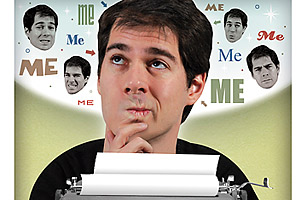
Joel Stein (Photo-illustration by John Ueland for TIME)
As Time columnist Joel Stein, who often writes with his tongue firmly in his cheek, noted in a recent column: “All bloggers write in first person, spending hours each day chronicling their anger at their kids for taking away their free time. Every Facebook update and tweet is sophomoric, solipsistic, snarky and other words I’ve learned by Googling myself.”

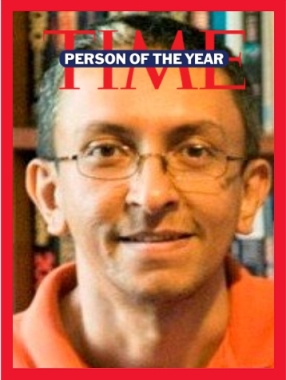
And look at what Time just tempted me to do: put myself on their cover, as the Person of the Year (POY), no less. While designating Facebook’s founder Mark Zuckerberg as its POY 2010, Time teamed up with the social media network to introduce a new application that allows anyone to become POY with just a few key strokes. Provided you have a Facebook account, of course.

Joel Stein quotes Jean M Twenge, professor of psychology at San Diego State University, as saying that we are living in the Age of Individualism, a radical philosophical shift that began with Sigmund Freud. It has exploded during the past decade with reality television, Facebook and blogging. “You’re supposed to craft your own image and have a personal brand. That was unheard of 10 years ago,” Twenge says.

What a difference a decade can make. Although trained in the pre-me era, I was never convinced as to why I had to keep myself out of what I write. However, my use of I-Me-Mine was done sparingly in the late 1980s (when I started my media work) and during the 1990s. It was only in the 2000s that I finally found both the freedom to speak my mind – and the ideal platforms for doing so: blogging and tweeting.

As my regular readers know, I blog about my family, friends, pet, travels, writing and conference speaking. I liberally sprinkle photographs of myself doing various things. I tell you more than you really want to know about my life. Ah yes, I’m self-referential too.

And not just on this blog. I’ve also been writing op ed essays for various mainstream media outlets for much of the past decade, and have never hesitated in expressing what I think, feel and even dream about. (Isn’t that what opinion pieces are meant to be?)

But the Digital Immigrant that I am, all my writing is shaped by my pre-Internet training. Even for a blog post or tweet, I still gather information, marshal my thoughts and agonise over every word, sentence and paragraph.

As my own editor and publisher on the blog, I don’t have gatekeepers who insist on any of this. My readers haven’t complained either. Yet I write the way I do for a simple reason. I may indulge in a lot of I-Me-Mine, but I don’t write just for myself. You, gentle reader, are the main reason why I strive for coherence and relevance.

(OK, if you really must know, it also ensures a joyful read when I occasionally go back and read my own writing…)

Facebook’s Mark Zuckerberg: Digital Pied Piper of our times?

The Face of Facebook

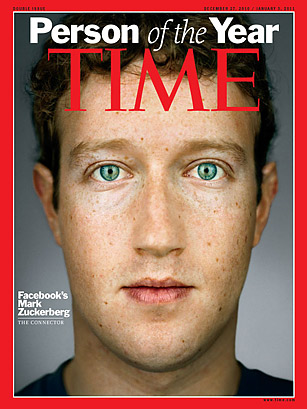
“For connecting more than half a billion people and mapping the social relations among them, for creating a new system of exchanging information and for changing how we live our lives, Mark Elliot Zuckerberg is TIME’s 2010 Person of the Year,” TIME magazine’s editors announced on 15 December 2010.

As if to support their choice, their profile of Facebook’s co-founder added: “One out of every dozen people on the planet has a Facebook account. They speak 75 languages and collectively lavish more than 700 billion minutes on Facebook every month. Last month the site accounted for 1 out of 4 American page views. Its membership is currently growing at a rate of about 700,000 people a day.”

As usual, TIME’s selection was eagerly awaited, and the most popular choice online was WikiLeaks founder Julian Assange. He ended as a runner-up as the next four newsmakers of 2010 — perhaps it was too controversial a choice for TIME’s editors considering the heavy polarisation of views at home about WikiLeaks?

I first read about this selection on Twitter. By coincidence, I was just finishing my latest essay, which was more about the challenges of living in the WikiLeakable world that we now find ourselves in. But Mark Zuckerberg and Facebook get honourable mentions in there.

The essay, now published as Living in the Global Glass House: An Open Letter to Sir Arthur C Clarke, includes these paras:

“I’m not so sure what you might have made of this thing called Facebook. With more than 500 million active members, the social networking website is the largest of its kind (well ahead of its nearest rival Myspace, owned by your friend Rupert).

“Going by the sheer numbers, Facebook is behind only China and India in population terms. But those who compare it to a major league country don’t imagine far enough — it’s really becoming another planet…

An essential survival skill in this Info Age...
“While Facebook’s high numbers are impressive, not everyone is convinced of its usefulness and good intentions. Can we trust so much power in the hands of a few very bright (and by now, very rich) twentysomethings? How exactly is Facebook going to safeguard our privacy when we (wittingly or unwittingly) reveal so much of our lives in there?

“I raise these concerns not only as a long-time ICT-watcher, but also as the father of a teenager who is an avid Facebooker. I once called Facebook co-founder Mark Zuckerberg a ‘Digital Pied Piper’: might we someday see Hamelin the sequel?”

Read the full essay: Living in the Global Glass House: An Open Letter to Sir Arthur C Clarke

PS: On 1 Oct 2010, when the movie The Social Network (based on the Facebook story) opened, I tweeted: “www.thesocialnetwork-movie.com Story of da world’s biggest Pied Piper. And his 500 million+ rats!”

Sinbad in Beijing: How to tame the many-headed hydra called Social Media

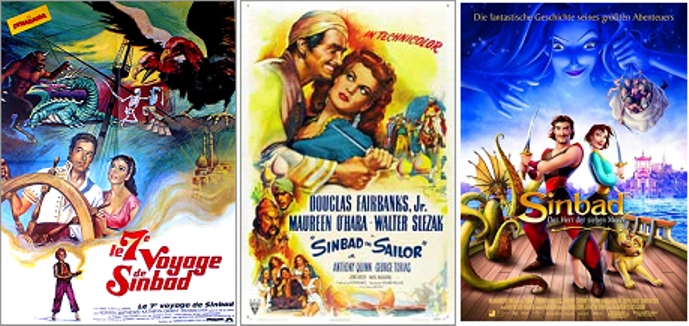
Sinbad: The legend endures, entertains...and inspires!

I have always been intrigued by the tales of Sinbad the legendary sailor. My interest is heightened by living in Serendib, destination of Sinbad’s sixth journey, which is modern-day Sri Lanka.

Being a professional story teller, I always try to connect the old world with the new. So in Beijing this week, I proposed: In the brave new world of social media, we need to be as daring and adventurous as Sinbad.

Like the legendary sailor of Baghdad, we have to take our chances and venture into unknown seas. Instead of maps or GPS or other tools, we must rely on our ingenuity, intuition and imagination.

And we have to be prepared for a potentially perilous journey where we may be lost, shipwrecked or even sunk. On the other hand, with careful planning, hard work and some luck, we may well sail into calmer seas and discover new lands and treasures – just like Sinbad did.

One thing is for sure: it’s not for the faint-hearted. There are no guarantees of success, and certainly no travel insurance…Are we ready to take the plunge?

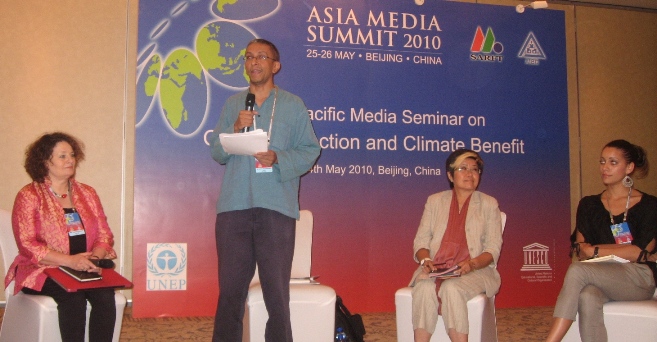
This was the thrust of my opening remarks to a panel on social media that I moderated at the Asia Media Summit 2010 in Beijing, China, this week. The panel was part of the Asia-Pacific Media Seminar on Ozone Protection and Climate Benefit, one of several pre-Summit events held on 24 May 2010.

L to R: Pauline Couture, Nalaka Gunawardene (speaking), Chutharat Thanapaisarnkit and Minna Epps

My enthusiasm for social media was not dampened by the fact that some key social media platforms were not accessible from the Chinese capital because they are officially blocked. Ah, if we aren’t allowed to walk the talk, we story tellers can still talk the talk, right?

In my opening remarks, I added:

Those of us working on development, humanitarian or social issues always have plenty of public interest messages to communicate. We are also keen to amplify grassroots voices so that policy-makers and business leaders would get a reality check.

The social media present many opportunities for all this. They offer us the potential for not just outreach, but sustained engagement. The development community has long wished for more interactive and participatory communications tools. The social media do precisely this! There’s no longer any excuse for not jumping in…

I then added the caution: It’s a big pond, and keeps getting bigger and deeper by the day. Social media is a basket that includes a lot more than (the more visible and controversial) Facebook and YouTube. According to the Wikipedia (itself an example), social media is a collective term to describe online media that is based on two key attributes: conversations, and interactions between people.

One of the many strange creatures that Sinbad encountered on his journeys was the Hydra — a many-headed serpent (or dragon). Chop one off, and two would grow instantly — a bit like how new social media applications are popping up these days!

Modern-day Sinbads have plenty of new horizons and uncharted waters to explore. Yes, it can be cacophonous, confusing, dizzy and even a bit frivolous at times. Hey, so is the real world! We need discernment in both worlds.

Social media started with the geeks, but soon spilled over to involve the rest of us. How can we — the non-geeks — come to terms with this new realm? How do we find our niche that makes us more effective communicators and agents of social change? The key to engaging this bewildering world of social media is to…just do it. And see what works.

I also introduced my own rough guide to get started and keep going in using social media for communicating public interest content. As a salute to Sinbad’s seven voyages, I call it the 7-‘ups’.

MediaHelpingMedia has just published my 7-Ups Rough Guide to using social media.

Twitterless in Beijing: Talking aspirationally about social media…

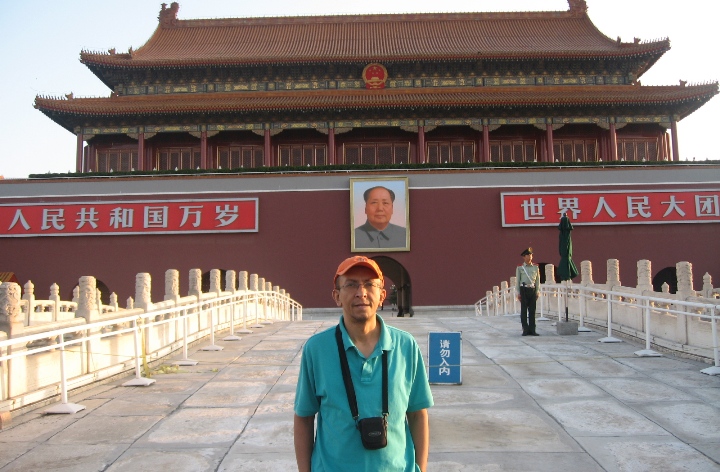
Under Chairman Mao's watchful eyes...

“Reading computer manuals without the hardware is as frustrating as reading sex manuals without the software!”

This is one of the less known, but more entertaining, dicta by Arthur C Clarke – he called it ‘Clarke’s 64th Law’, and I personally know he used to bring it up when meeting with particularly crusty or glum intellectuals. (Not all were amused.)

Clarke’s words kept turning in my mind as I moderated and spoke at a session on social media at Asia Media Summit 2010 held in Beijing China from 24 to 26 May 2010. The country with the world’s largest media market is not exactly the world’s most open or free – and certainly when it comes to social media, it’s a very different landscape to what we are used to…

These days, International visitors arriving in China discover quickly that access to YouTube, Twitter and Facebook is completely blocked. Apparently the brief ‘thaw’ in restrictions, seen before and during the 2008 Beijing Olympics, is now over — the current restrictions have been in place since the spring of 2009.

This doesn’t mean there is no social media in China. In fact, I heard from several Chinese friends and colleagues that there is a very large, dynamic and fast-evolving social media scene in China. For the most part, however, it’s not based on globally used and familiar platforms, and is happening in a digital universe of China’s own — under the watchful eye of the government.

Jump in...but some conditions apply!
For example, I found from this March 2010 blog post by Merritt Colaizzi that:
* 221 million people have blogs, largely in a diary-style.
* 176 million Chinese connect via social networking system (SNS) with their “real” friends and online networks.
* 117 million connect anonymously via bulletin board system (BBS). These interactive online message boards are the heart of social media in China. They’re where people go to find topic-based communities and where consumers talk about products and services.

There are lots of other blogs, mainstream media reports and research commentary on social media in China — just Google and see (now that’s another thing with limited – and uneven – access in China: Google itself is available, but search results come with lots of links that simply aren’t accessible). Much or all of this interaction happens in Chinese, of course. It’s a significant part of the web and social media landscapes, but if you’re in China on a short visit and want to stay connected to your own social media networks, that’s not at all helpful.

And, of course, it undermines one of the key attributes of a globally integrated information society: the interoperability of systems and platforms.

Luckily for me, perhaps, I can survive a few days without my social media fix: I have an appalling record of updating my Facebook account: days pass without me even going there. For the moment, at least, I’m also taking a break from regular blogging (well, sort of). But I’m more regular in my micro-blogging on Twitter, and visit YouTube at least once a day, sometimes more often. I could do neither during the few days in Beijing – and that was frustrating.

So imagine having to talk about social media as a new media phenomenon in such a setting. That’s only a tiny bit better than reading computer manuals without the hardware…But this is just what I did, with all the eagerness that I typically bring into everything I do. I planned and moderated a 90-minute session on Social Media: Navigating choppy seas in search of Treasures?

The session was part of the Asia-Pacific Media Seminar on Ozone Protection and Climate Benefit, so our context was how to use the social media to raise public awareness and understanding on the somewhat technical topics of ozone layer depletion and climate change (two related but distinctive atmospheric phenomena).

With access to key global social media platforms denied, we visitors and Chinese colleagues in the audience could speak mostly generically, theoretically and aspirationally. I didn’t want to place my hosts and seminar organisers in difficulty by harping on what was missing. Instead, we focused on what is possible and happening: how development communicators are increasingly social media networks and platforms to get their messages out, and to create online communities and campaigns in the public interest.

The thrust of my own opening remarks to the session was this: In the brave new world of social media, we all have to be as daring as Sinbad. Like the legendary sailor of Baghdad, we have to take our chances and venture into unknown seas. Instead of maps or GPS or other tools, we have to rely on our ingenuity, intuition and imagination.

More about the session itself in future blog posts.

For now, I want to share this TED Talk by American watcher of the Internet Clay Shirky on how cellphones, Twitter, Facebook can make history. Shirky shows how Facebook, Twitter and TXTs help citizens in repressive regimes to report on real news, bypassing censors (however briefly). The end of top-down control of news is changing the nature of politics.

PS: All this holds more than an academic interest for me, because there have been media reports in recent weeks that the Sri Lankan government is working with Chinese experts in formulating strategies for censoring internet access from Sri Lanka.

TV Will Save the World, says Charles Kenny in TIME’s ’10 ideas for next 10 years’

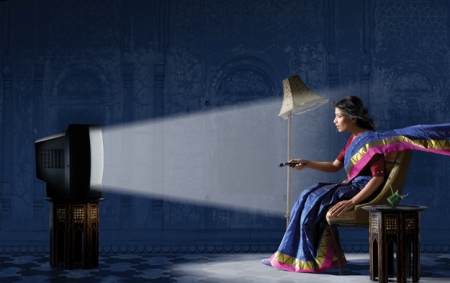
Photo by Reza Deghati

This is one of my favourite photos in media and development. It was taken by Reza Deghati, the renowned Iranian-French photojournalist (who works under the name Reza). I don’t know the story behind this photo, but even without a single word of annotation, it says a great deal.

I like this photo partly because it symobolises the enduring appeal of broadcast television in much of the developing world. For long years, the old-fashioned, boxy TV set used to be the top-selling consumer electronic item in the world — until the mobile phone came along. But even now, the much-maligned idiot box hasn’t lost its appeal to a significant section of humanity, never mind what the jaded academics and geeks might say.

So I was intrigued to read, in the latest issue of TIME Magazine, development economist Charles Kenny, reminding us that television is still the most influential medium around. In this gizmo-ridden new media age, it takes much courage to say so in public.

In a powerful short essay titled ‘TV Will Save the World’, he writes: “Forget Twitter and Facebook, Google and the Kindle. Forget the latest sleek iGadget. Television is still the most influential medium around. Indeed, for many of the poorest regions of the world, it remains the next big thing — poised, finally, to attain truly global ubiquity. And that is a good thing, because the TV revolution is changing lives for the better.”

Across the developing world, he says, some 60% of the households had their own TV set in 2005 — up from 45% in 1995. He adds: “Five million more households in sub-Saharan Africa will get a TV over the next five years. In 2005, after the fall of the Taliban, which had outlawed TV, 1 in 5 Afghans had one. The global total is another 150 million by 2013 — pushing the numbers to well beyond two-thirds of households.”

He ends his essay with these words that strongly resonate with me: “Too much TV has been associated with violence, obesity and social isolation. But TV is having a positive impact on the lives of billions worldwide, and as the spread of mobile TV, video cameras and YouTube democratize both access and content, it will become an even greater force for humbling tyrannical governments and tyrannical husbands alike.”

As Sir Arthur C Clarke, inventor of the communications satellie whose second death anniversary we mark this week, told me in a 2003 interview: “I’m not impressed by the attacks on television because of some truly dreadful programmes. I believe that every TV programme has some educational content. The cathode ray tube – and now the plasma screen – is a window to the world. Often it may be a very murky window, but I’ve slowly come to the conclusion that, on balance, even bad TV is preferable to no TV at all.”

Kenny’s essay is one of 10 ideas for the next 10 years that TIME has put together for its annual innovation issue.

Image courtesy Foreign Policy
The TIME essay is a much compacted version of what he wrote in November 2009 issue of Foreign Policy magazine, titled Revolution in a Box. That article noted the continuing global spread of television sets and an explosion of viewer choice driven by cable, satellite and digital technologies. It suggested this is a good thing, pointing to evidence that access to competitive television can improve womens’ standing in the home, increase girls schooling, reduce fertility rates, lower drug use, improve governance and (possibly) help foster global peace.

The editors of Foreign Policy ran the following blurb: “It’s not Twitter or Facebook that’s reinventing the planet. Eighty years after the first commercial broadcast crackled to life, television still rules our world. And let’s hear it for the growing legions of couch potatoes: All those soap operas might be the ticket to a better future after all.”

The full essay is well worth a careful read. At a time when I have been questioning many of the founding premises of my own work at TVE Asia Pacific, he has provided conceptual clarity and sharper focus.

Confessions of a Digital Immigrant: Reflections on mainstream and new media

The Digital Native: Was there a life before the Internet, Dad?

In early August 2009, I talked to a captive audience of media owners, senior journalists and broadcasters in Colombo about the ‘digital tsunami’ now sweeping across the media world. (It has been reported and discussed in a number of blog posts on Aug 6, Aug 7, Aug 8 and Aug 31).

As I later heard, some in my audience had mistakenly believed that I was advocating everything going entirely online. Actually, I wasn’t. I like to think that both the physical and virtual media experiences enrich us in their own ways. Real world is never black and white; it’s always a mix or hybrid of multiple processes or influences.

So I’ve just revisited the topic. I adapted part of the talk, and included more personalised insights, and wrote an essay titled ‘Confessions of a Digital Immigrant‘, which has just been published on Groundviews, the path-breaking citizen journalism initiative.

It opens with these words:

“My daughter Dhara, 13, finds it incredible that I had never seen a working television until I had reached her current age — that’s when broadcast television was finally introduced in Sri Lanka, in April 1979. It is also totally inconceivable to her that my entire pre-teen media experience was limited to newspapers and a single, state-owned radio station.

“And she simply doesn’t believe me when I say — in all honesty and humility — that I was already 20 when I first used a personal computer, 29 when I bought my first mobile phone, and 30 when I finally got wired. In fact, my first home Internet connectivity — using a 33kbps dial-up modem — and our daughter arrived just a few weeks apart in mid 1996. I have never been able to decide which was more disruptive…

Groundviews: 1,000 posts and counting...“Dhara (photographed above, in mid 2007) is growing up taking completely for granted the digital media and tools of our time. My Christmas presents to her in the past three years have been a basic digital camera, an i-pod and a mobile phone, each of which she mastered with such dexterity and speed. It amazes me how she keeps up with her Facebook, chats with friends overseas on Skype and maintains various online accounts for images, designs and interactive games. Yet she is a very ordinary child, not a female Jimmy Neutron.

“Despite my own long and varied association with information and communication technologies (ICTs), I know I can never be the digital native that Dhara so effortlessly is. No matter how well I mimic the native ‘accent’ or how much I fit into the bewildering new world that I now find myself in, I shall forever be a digital immigrant.”

Read the full essay ‘Confessions of a Digital Immigrant’ on Groundviews…