Speech of the President Maithripala Sirisena – 14 July 2015 (in Sinhala)
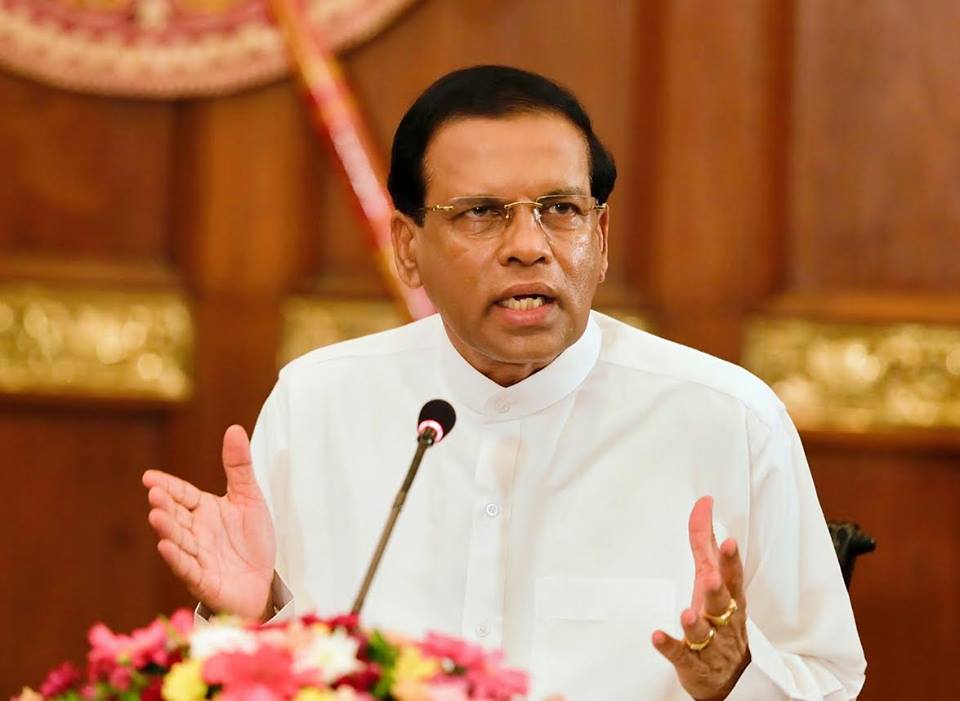
Sirisena’s speech outlined his key actions and accomplishments since being elected less than 200 days ago in one of the biggest election surprises in Lankan political history. He was mildly defensive of his low-key style of governance, which includes extended periods of silence.
I’ll leave it for political scientists and activists to analyse the substance of the President’s Bastille Day speech. My concern here is why he waited this long.
If a week is a long time in politics, 10 days is close to an eon in today’s information society driven by 24/7 broadcast news and social media. An issue can evolve fast, and a person can get judged and written off in half that time.
For sure, there is a time to keep silence, and a time to speak – and the President must have had some good reasons keep mum. But in this instance, he paid a heavy price for it: he was questioned, ridiculed and maligned by many of us who had heartily cheered him only six months ago. (Full disclosure: I joined this chorus, creating several easy-to-share ‘memes’ and introducing an unkind twitter hashtag: #අයියෝසිරිසේන.)
President Maithripala Sirisena
Sri Lanka’s democratic recovery can’t afford too much of this uncertainty and distraction created by strategic presidential silences. Zen-like long pauses don’t sit well with impatient citizen expectations.
And the President himself must reconsider this strategy (if it is indeed one) — his political opponents are hyperactive in both mainstream and social media, spinning an endless array of stories that discredit him.
Until a generation ago, we used to say that a lie can travel half way around the world while the truth is still putting on its shoes. In today’s networked society, when information travels at the speed of light, fabrications and half-truths spread faster than ever.
Public trust in leaders and institutions is also being redefined. Transparent governance needs political leaders to keep talking with their citizens, ideally in ways that enrich public conversations.
President Sirisena is not the only Lankan leader who needs to catch up with this new communications reality. When a controversy erupted over how the Central Bank of Sri Lanka handled Treasury Bond issue on February 27, the government took more than two weeks to respond properly.
In a strict legalistic or technocratic sense, Wickremesinghe was probably right (as he usually is). But in the meantime, too many speculations had circulated, some questioning the new administration’s commitment to transparency and accountability. Political detractors had had a field day.
Could it have been handled differently? Should the government spokespersons have turned more defensive or even combative?
More generically, is maintaining a stoic silence until full clarity emerges realistic when governments no longer have a monopoly over information dissemination? Is it ever wise, in today’s context, to stay quiet hoping things would eventually blow away? How does this lack of engagement affect public trust in governments and governance?
These are serious questions that modern day politicians and elected officials must address. In my view, we need a President and Prime Minister who are engaged with citizens — so that we are not left guessing wildly or speculating endlessly on what is going on.
No, this is not a call for political propaganda, which has also been sidelined by the increasingly vocal social media voices and debates.
What we need is what I outlined in an open letter to President Sirisena in January: “As head of state, we expect you to strive for accuracy, balance and credibility in all communications. The last government relied so heavily on spin doctors and costly lobbyists both at home and abroad. Instead, we want you to be honest with us and the outside world. Please don’t airbrush the truth.”
Science writer Nalaka Gunawardene has been chronicling and analysing the rise of new media in Sri Lanka since the early 1990s. He is active on Twitter @NalakaG and blogs at http://nalakagunawardene.com
Text of my column written for Echelon monthly business magazine, Sri Lanka, July 2015 issue
Kidney Disease Needs ‘Heart and Mind’ solutions
By Nalaka Gunawardene
Mass kidney failure in Sri Lanka is a sign of wider systemic failure in land and water care
If bans and prohibitions were a measure of good governance, Sri Lanka would probably score well in global rankings. Successive governments have shown a penchant for banning – usually without much evidence or debate.
The latest such ban concerns glyphosate — the world’s most widely used herbicide – on the basis that it was causing chronic kidney disease in parts of the Dry Zone.
Then, on 29 May 2015, state-owned Daily News reported under Cabinet decisions: “The scientists who carry out research on renal diseases prevailing in many parts of the country have pointed out that the use of pesticides, weedicides and chemical fertiliser could be contributing to this situation. Accordingly the government has already banned the import and usage of four identified chemical fertilizer and pesticides. In addition to this President has decided to totally ban the import and usage of glyphosate.”
Has this decision tackled the massive public health and humanitarian crisis caused by mass kidney failure? Sadly, no. The new government has ignored the views of a vast majority of Lankan scientists, and sided with an unproven hypothesis. This undermines evidence-based policy making and allows activist rhetoric to decide affairs of the state.
The chronic kidney disease was first reported from certain parts of the Dry Zone in the early 1990s. Hundreds were diagnosed with kidney failure – but none had the common risk factors of diabetes, high blood pressure or obesity. Hence the official name: Chronic Kidney Disease of uncertain aetiology, or CKDu.
The disease built up stealthily in the body, manifesting only in advanced stages. By then, regular dialysis or transplants were the only treatment options. Most affected were male farmers in working age, between 30 and 60 years.
In early 2013, the Ministry of Health estimated that some 450,000 persons were affected. The cumulative death toll has been reported between 20,000 and 22,000, but these numbers are not verified.
The kidney specialist who first detected the disease worries that some activists are exaggerating CKDu numbers. Dr Tilak Abeysekera, who heads the department of nephrology and transplantation at the Kandy Teaching Hospital, underlines the critical need for correct diagnosis. CKDu should not be confused with regular types of kidney disease, he says.
It is clear, however, that CKDu has become a national humanitarian emergency. Providing medication and dialysis for those living with CKDu already costs more than 5% of the country’s annual health budget. With each dialysis session costing around LKR 12,000 (and 3 or 4 needed every week), very few among the affected can afford private healthcare.
Besides the mounting humanitarian cost, CKDu also has implications for agricultural productivity and rural economies as more farmers are stricken. With the cause as yet unknown (although confirmed as non-communicable), fears, myths and stigma are also spreading.
Looking for Causes
For two decades, researchers in Sri Lanka and their overseas collaborators have been investigating various environmental, geochemical and lifestyle-related factors. They have come up with a dozen hypotheses, none of it proven as yet.
Among the environmental factors suspected are: naturally high levels of Fluoride in groundwater; use of Aluminium utensils with such water; naturally occurring hard water (with high mineral content); cyanobacterial toxins in water; pesticide residues; and higher than safe levels of Cadmium or Arsenic. Lifestyle factors studied include the locally brewed liquor (kasippu), and certain Ayurvedic medicinal concoctions. Genetic predisposition to kidney failure has also been probed in some areas.
Researchers are baffled why CKDu is found only in certain areas of the Dry Zone when these environmental and lifestyle factors are common to a much larger segment of population. This makes it much harder to pinpoint a specific cause.
The most comprehensive study to date, the National CKDu Research Project (2009-2011), concluded that CKDu results from not one but several causes. The multidisciplinary study, led by Ministry of Health with support from the World Health Organisation (WHO), highlighted several risk factors. These include long-term exposure to low levels of cadmium and arsenic through the food chain, which are linked to the wide use of chemical fertilisers and pesticides. Selenium deficiency in the diet and genetic susceptibility might also play a part, the study found.
These findings were academically published in BMC Nephrology journal in August 2013 (See: www.biomedcentral.com/1471-2369/14/180). The paper ended with these words: “Steps are being taken to strengthen the water supply scheme in the endemic area as well as the regulations related to procurement and distribution of fertilizers and pesticides. Further studies are ongoing to investigate the contributory role of infections in the pathogenesis of CKDu.”
Hazards of Pseudoscience
One thing is clear. Remedial or precautionary measures cannot be delayed until a full understanding of the disease emerges. Indeed, WHO has recommended taking care of the affected while science takes its own course.
CKDu needs a well-coordinated response from public health, agriculture and water supply sectors that typically fall under separate government ministries and agencies. We need to see mass kidney failure as more than just a public health emergency or environmental crisis. It is a sign of cascading policy failures in land care, water management and farming over decades.
In such complex situations, looking for a single ‘villain’ is both simplistic and misleading. For sure, the double-edged legacy of the Green Revolution — which promoted high external inputs in agriculture — must be critiqued, and past policy blunders need correction. Yet knee-jerk reactions or patchy regulation can do more harm than good.
“In Sri Lanka we have a powerful lobby of pseudoscientists who seek cheap popularity by claiming to work against the multinational corporations for their own vested political interests,” says Dr Oliver A Ileperuma, a senior professor of chemistry at Peradeniya University. In his view, the recent glyphosate ban is a pure political decision without any scientific basis.
His concerns are shared by several hundred eminent Lankan scientists who are fellows of NASSL, an independent scientific body (not a state agency). The Academy said in a statement in mid June that it was “not aware of any scientific evidence from studies in Sri Lanka or abroad showing that CKDu is caused by glyphosate.”
NASSL President Prof Vijaya Kumar said: “The very limited information available on glyphosate in Sri Lanka does not show that levels of glyphosate in drinking water in CKDu affected areas (North Central Province) are above the international standards set for safety. CKDu is rarely reported among farmers in neighbouring areas such as Ampara, Puttlam and Jaffna or even the wet zone, where glyphosate is used to similar extent. It has also not been reported in tea growing areas where glyphosate is far more intensively used.”
Agrochemical regulation
In recent years, the search for CKDu causes has become too mixed up with the separate case for tighter regulation of agrochemicals, a policy need on its own merit. International experience shows that a sectoral approach works better than a chemical by chemical one.
The bottomline: improving Sri Lanka’s agrochemical regulation needs an evidence-based, rigorous process that does not jeopardize the country’s food security or farmers’ livelihoods. A gradual shift to organic farming (currently practiced on less than 2% of our farmland) is ideal, but can take decades to accomplish.
Our health and environmental activists must rise above their demonise-and-ban approaches to grasp the bigger picture. They can do better than ridiculing senior scientists who don’t support populist notions. Effective policy advocacy in today’s world requires problem solving and collaboration – not conspiracy theories or confrontation.
Hijacking a human tragedy like CKDu for scoring cheap debating points is not worthy of any true activist or politician.
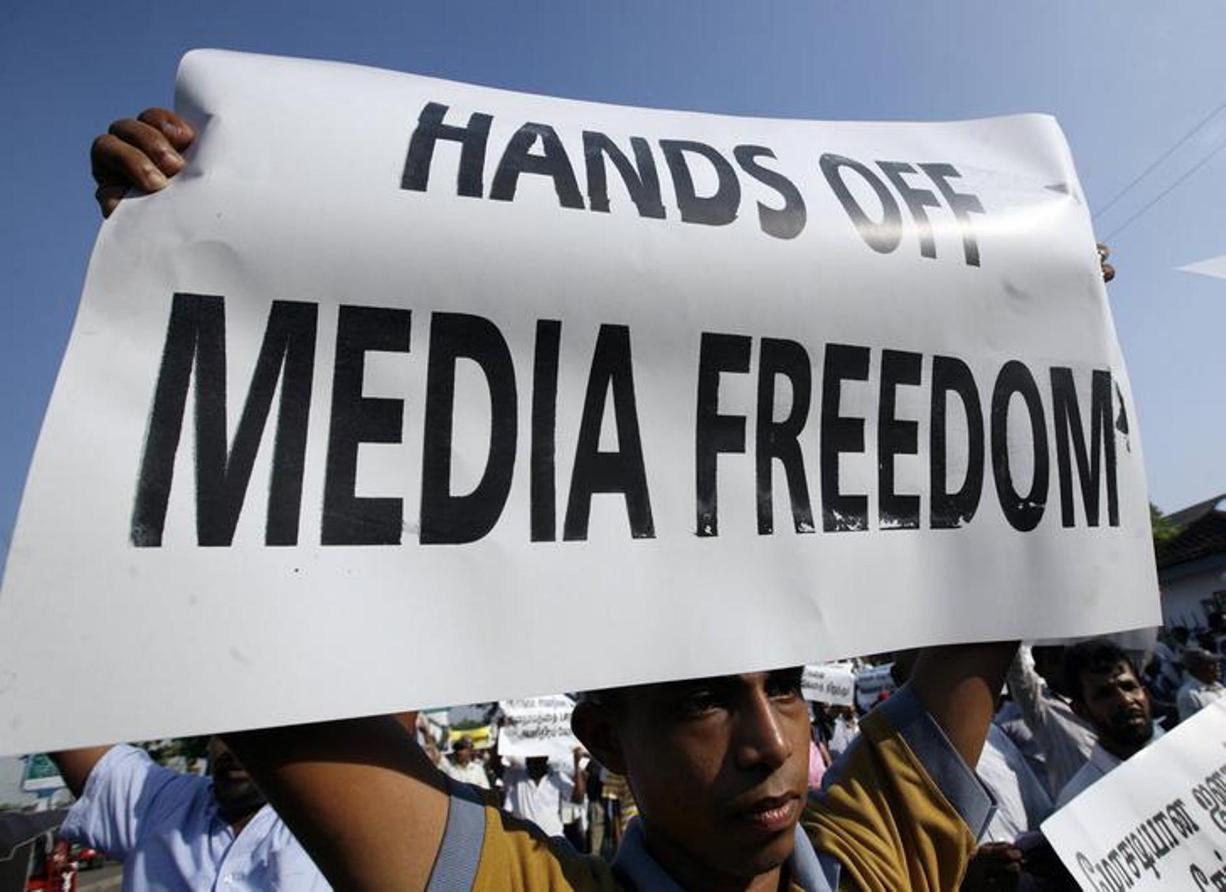
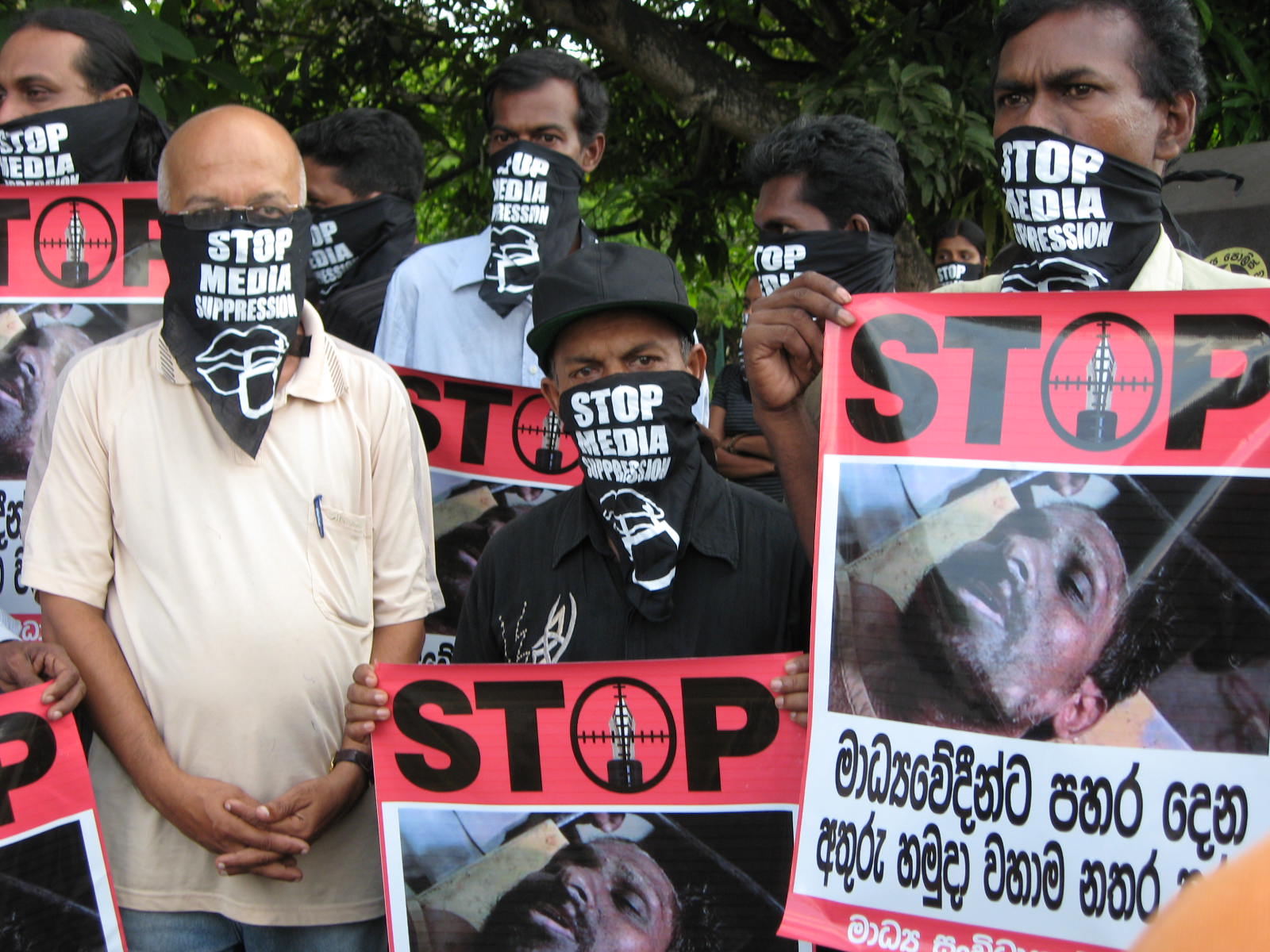
Media sector reforms in Sri Lanka have become both urgent and important. Media freedom cannot be consolidated without other reforms that create a more professional and responsible media.
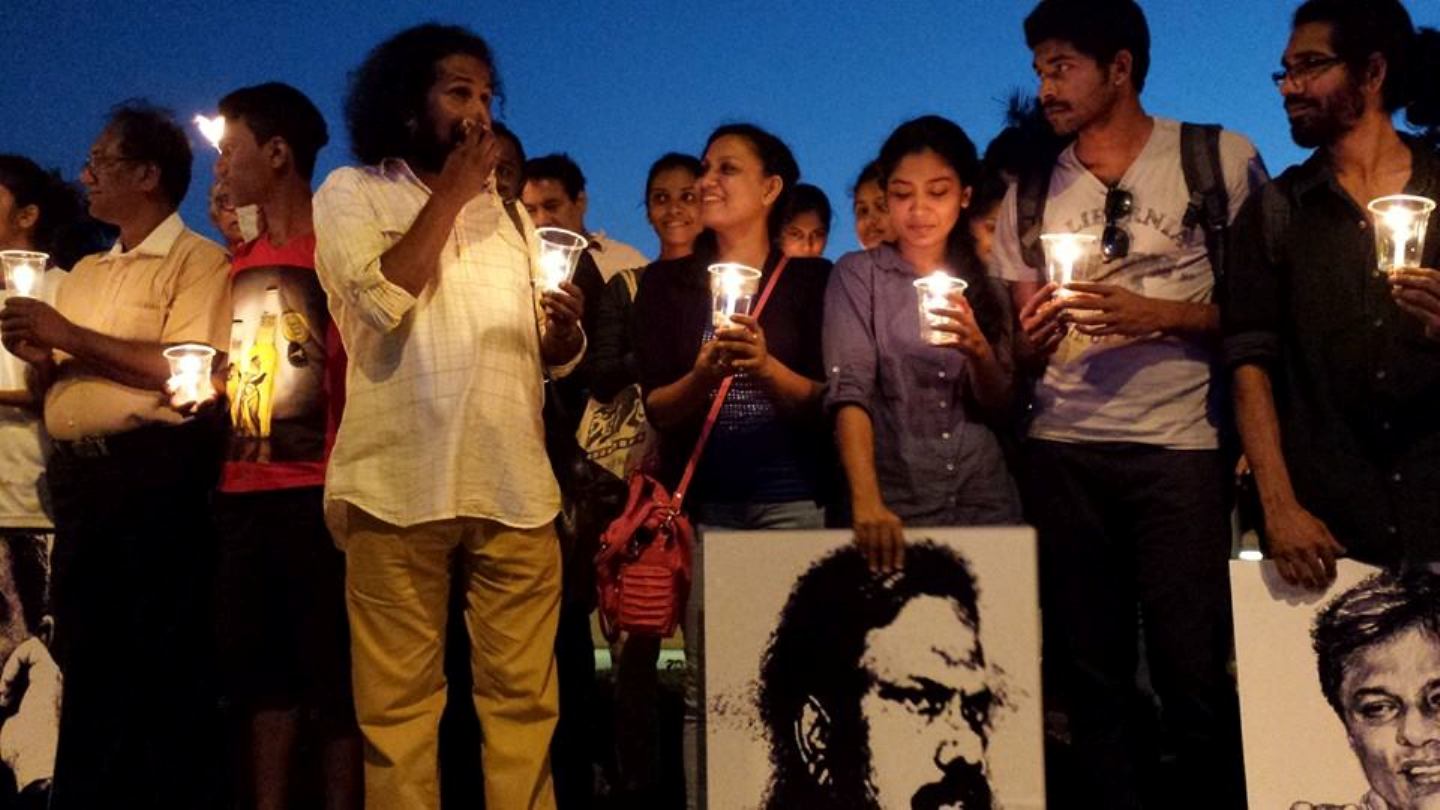
Some progress has been made since the Presidential election. The new government has taken steps to end threats against media organisations and journalists, and started or resumed criminal investigations on some past atrocities. Political websites that were arbitrarily blocked from are once again accessible. Journalists who went into exile to save their lives have started returning.
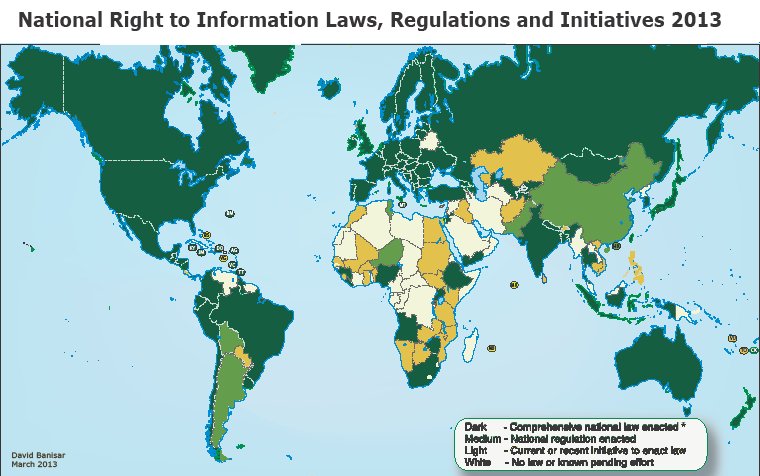
On the law-making front, meanwhile, the 19th Amendment to the Constitution recognized the right to information as a fundamental right. But the long-awaited Right to Information Bill could not be adopted before Parliament’s dissolution.
Thus much more remains to be done. For this, a clear set of priorities has been identified through recent consultative processes that involved media owners, practitioners, researchers, advocacy groups and trainers. These discussions culminated with the National Summit on Media Reforms organised by the Ministry of Media, the University of Colombo, Sri Lanka Press Institute (SLPI) and International Media Support (IMS), and held in Colombo on 13 and 14 May.
In my latest Ravaya column (in Sinhala language, published on 12 July 2015), I list the priorities for media policy and law reforms that require political commitment by all political parties in Sri Lanka.
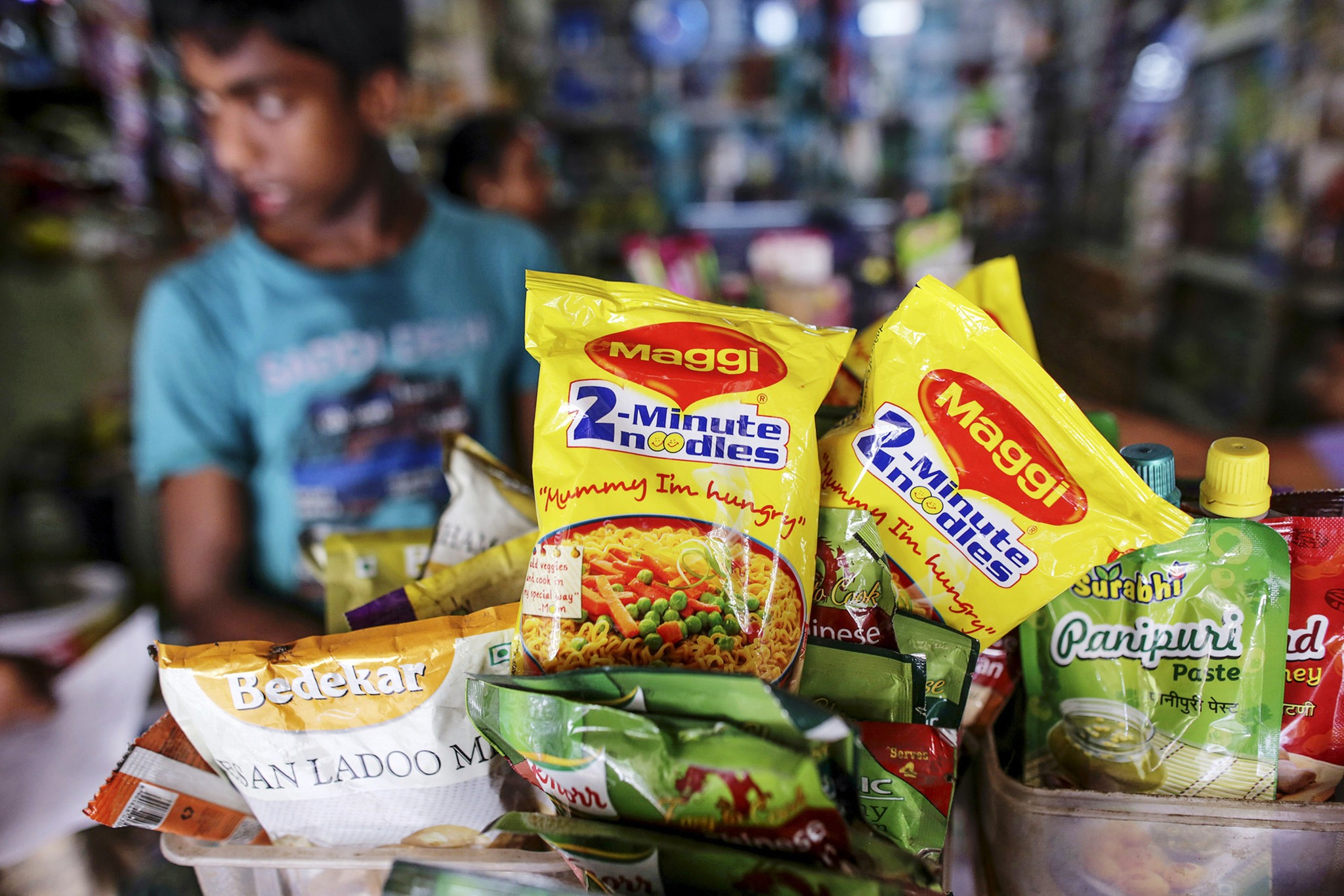
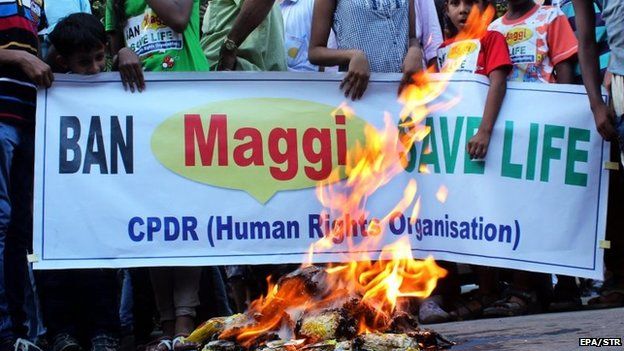
The recent controversy involving Maggi noodles in India is an eye opener for the entire region. The popular instant food, which has been sold for over three decades, was banned in early June by India’s food safety regulator after tests found excessive levels of lead.
Some samples also found Monosodium Glutamate (MSG), a flavor enhancer.
This episode brings into focus the need for tighter food safety regulations, as well as more responsible conduct by companies – both multinational and national – that produce and promote food products.
Eating is a personal and cultural activity where experts and regulators can go only so far. However, governments and corporations can do more to enable informed choices – by ensuring consumers have sufficient information through food labelling and are educated about health implications of diet.
To deal with growing concerns about processed food, South Asia needs greater consumer awareness, better regulation and product innovation.
Without this combination, the health of 1.5 billion people could be compromised by bad dietary habits.
This is the essence (no pun intended!) of my latest Ravaya column (in Sinhala, published on 5 July 2015). I covered similar ground in English in this essay:
Sri Lanka’s mainstream media – especially in the Sinhala language (and perhaps in Tamil too?) – lacks sensitivity and restraint when reporting and/or commenting on incidents of violence – covering suicide, homicide, rape and child abuse – as well as on topics like mental illness and HIV/AIDS.
This is my cumulative impression having closely watched different print and broadcast media outlets for over a quarter century. It is good that some younger professionals recognise the need to improve in this respect – to correct the ways of industry seniors who have set bad precedents for long.
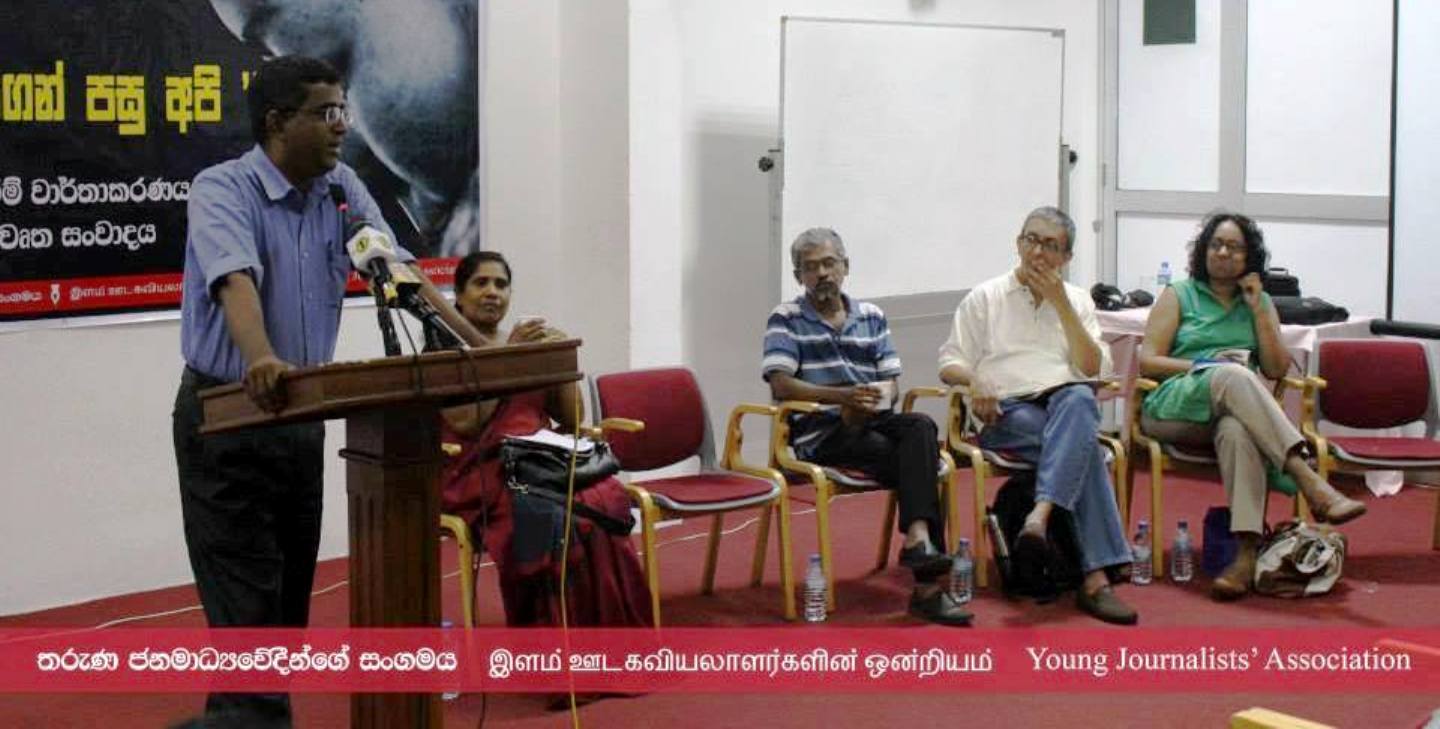
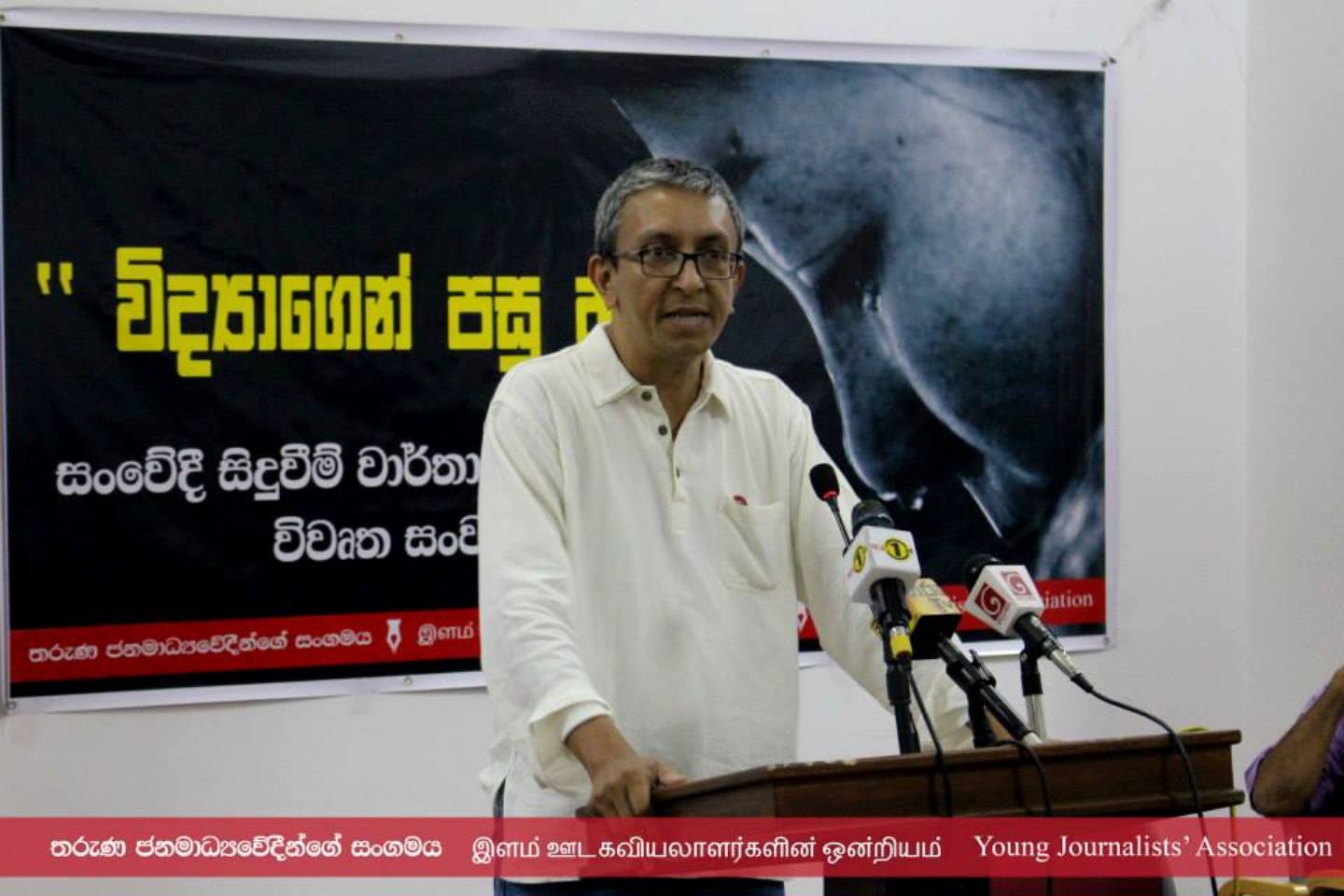
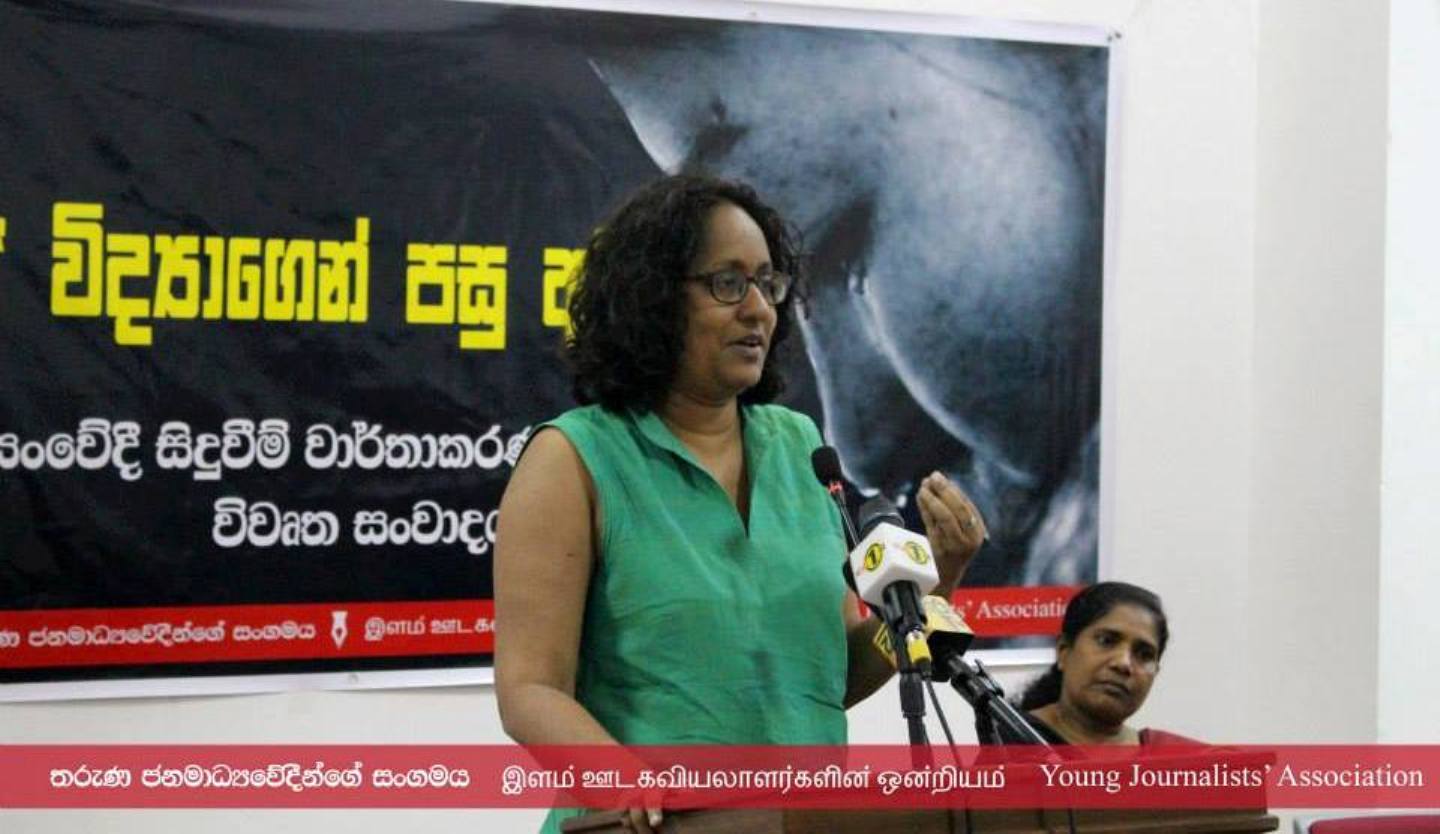
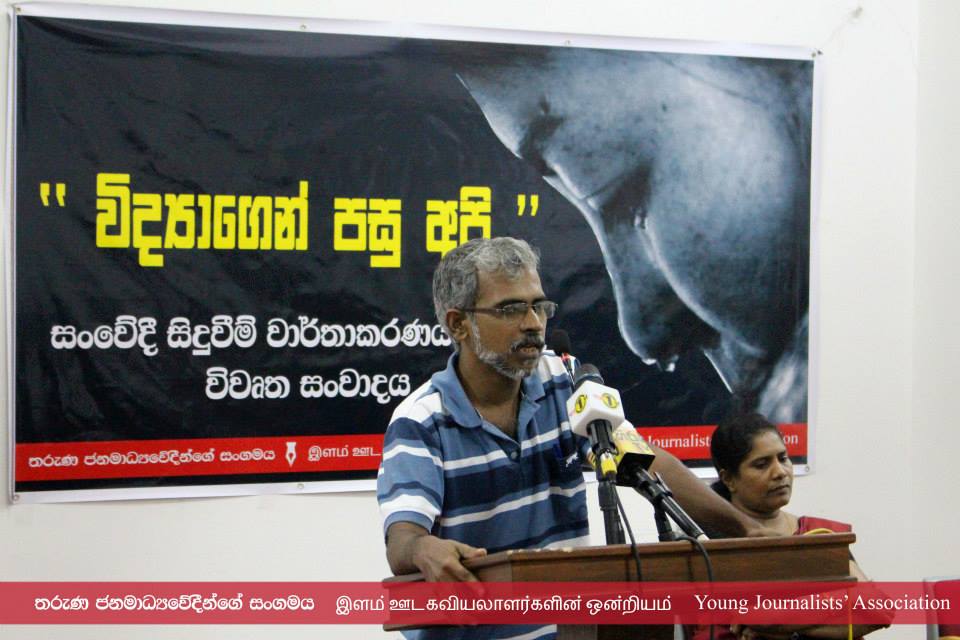
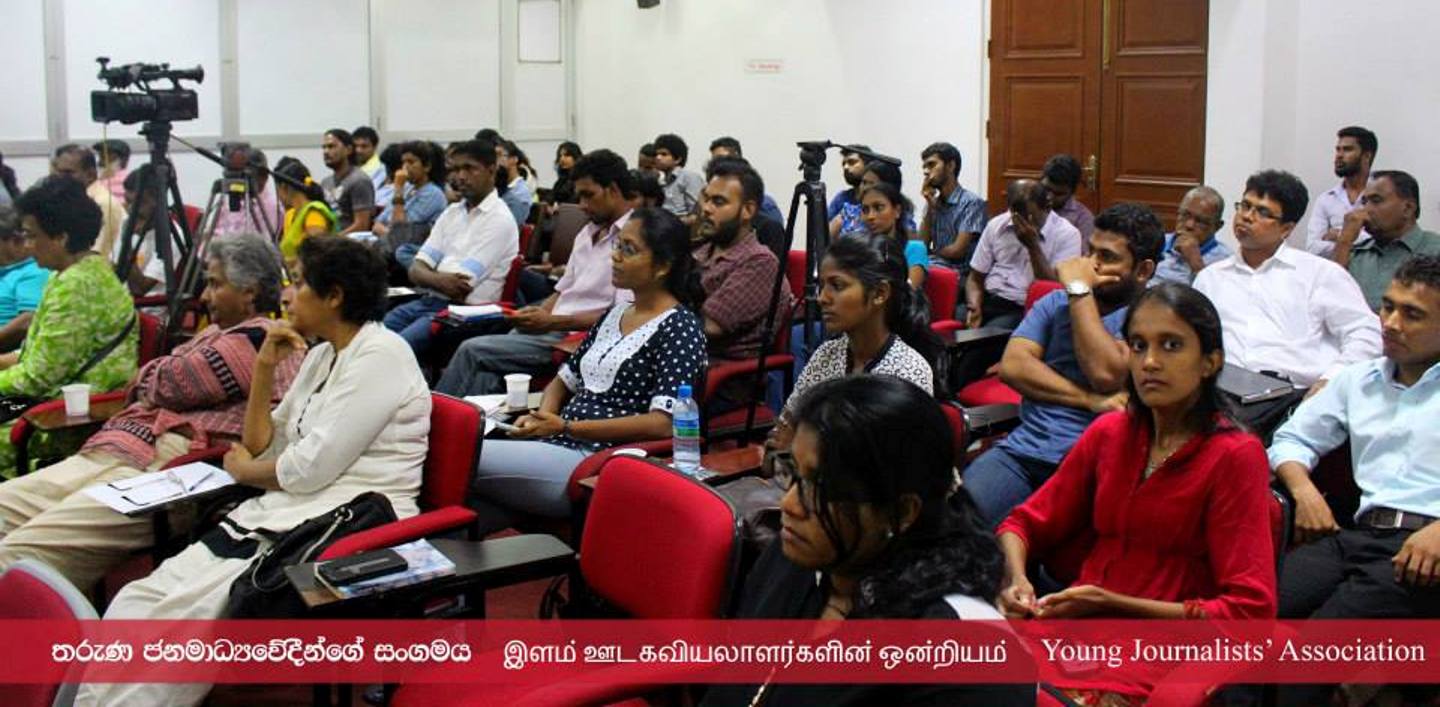
I was thus happy to speak at a recent public forum on sensitive media reporting, organised by Sri Lanka Young Journalists Association and held in Colombo on 9 June 2015. In my remarks, I tried to understand why large sections of Lankan media so lacks sensitivity, respect for privacy and respect for societal diversity. This is a complex sociological situation that I cannot fully explain, but among the reasons I cited are: cultural orthodoxy, gender insensitivity, heightened competition among media groups for market share; and an overall lack of professionalism.
I sum up my remarks, and some discussion points, in this week’s Ravaya column (published on 28 June 2015).
Ravaya Chief Editor K W Janaranjana speaks at Public Forum
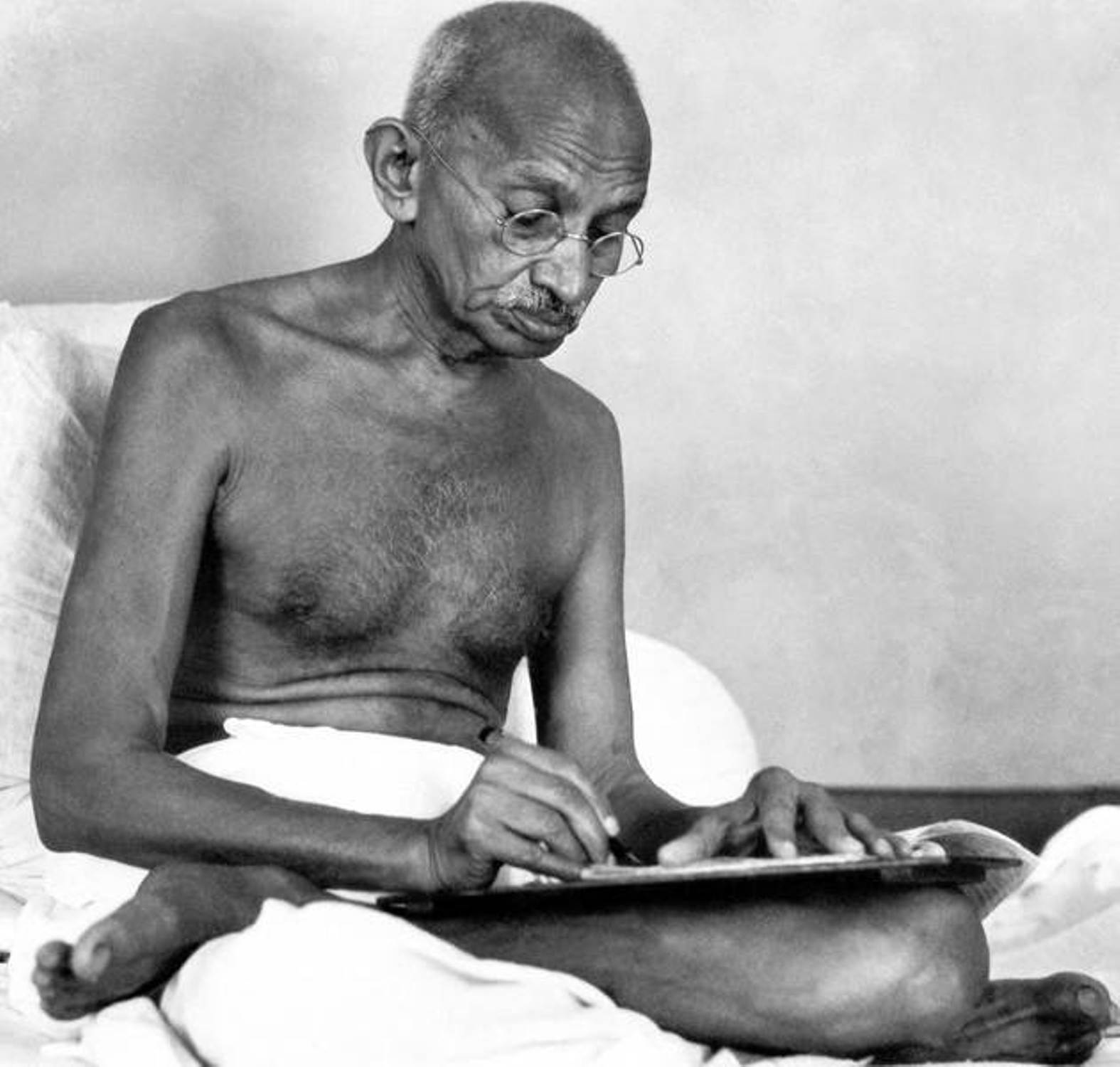
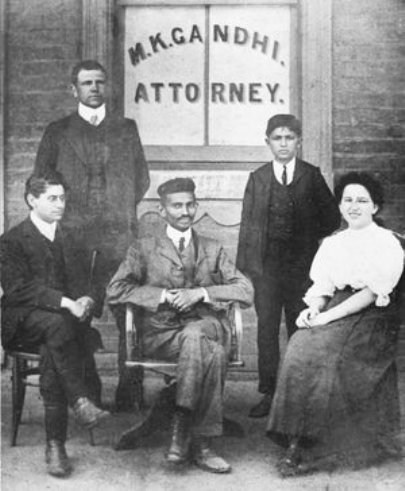
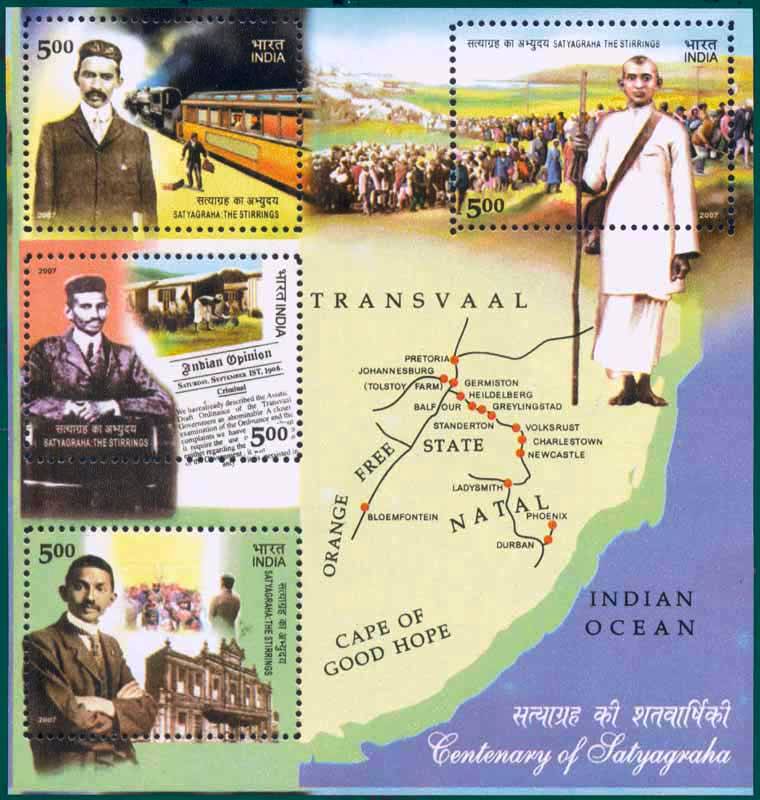
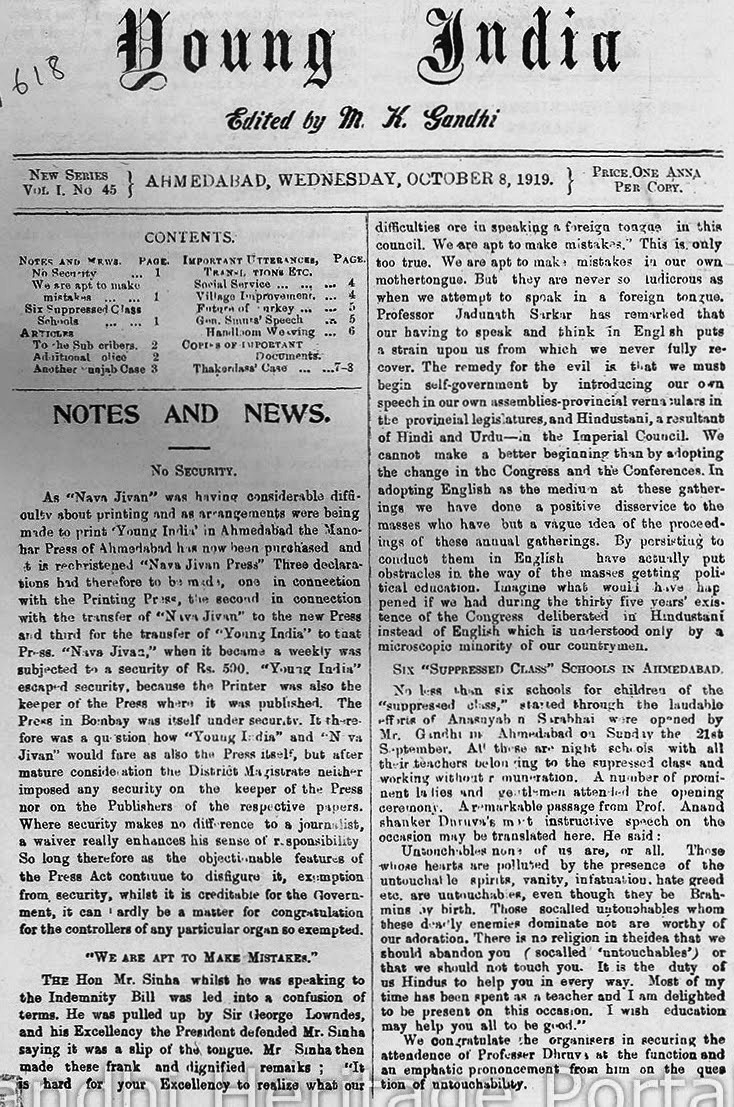
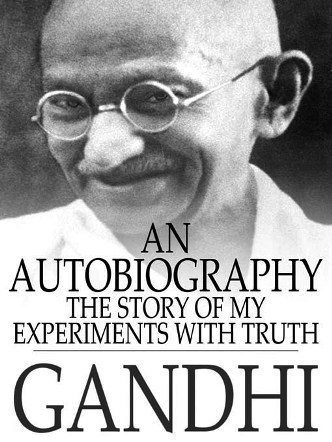
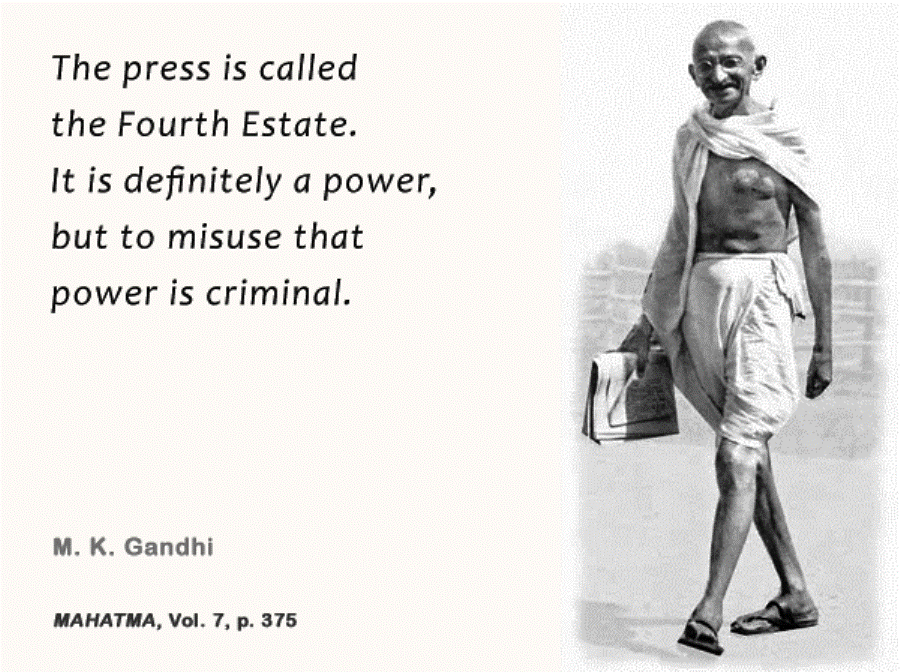
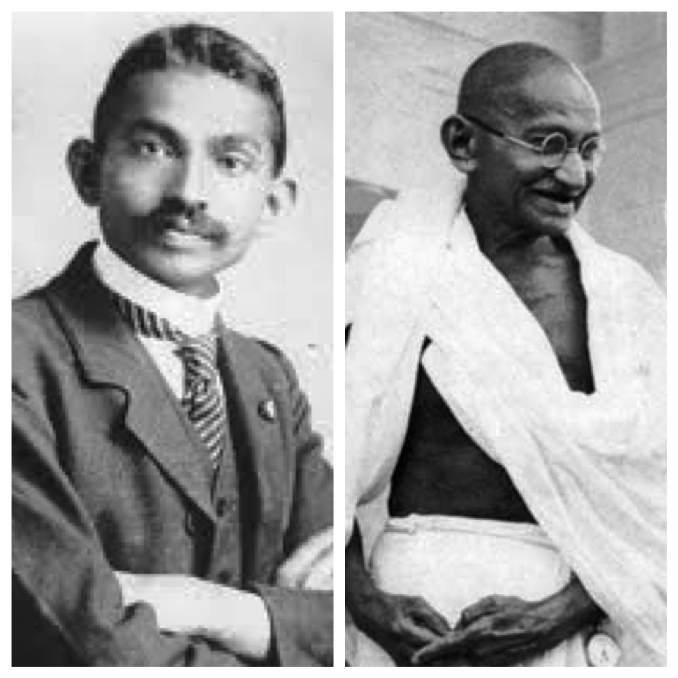
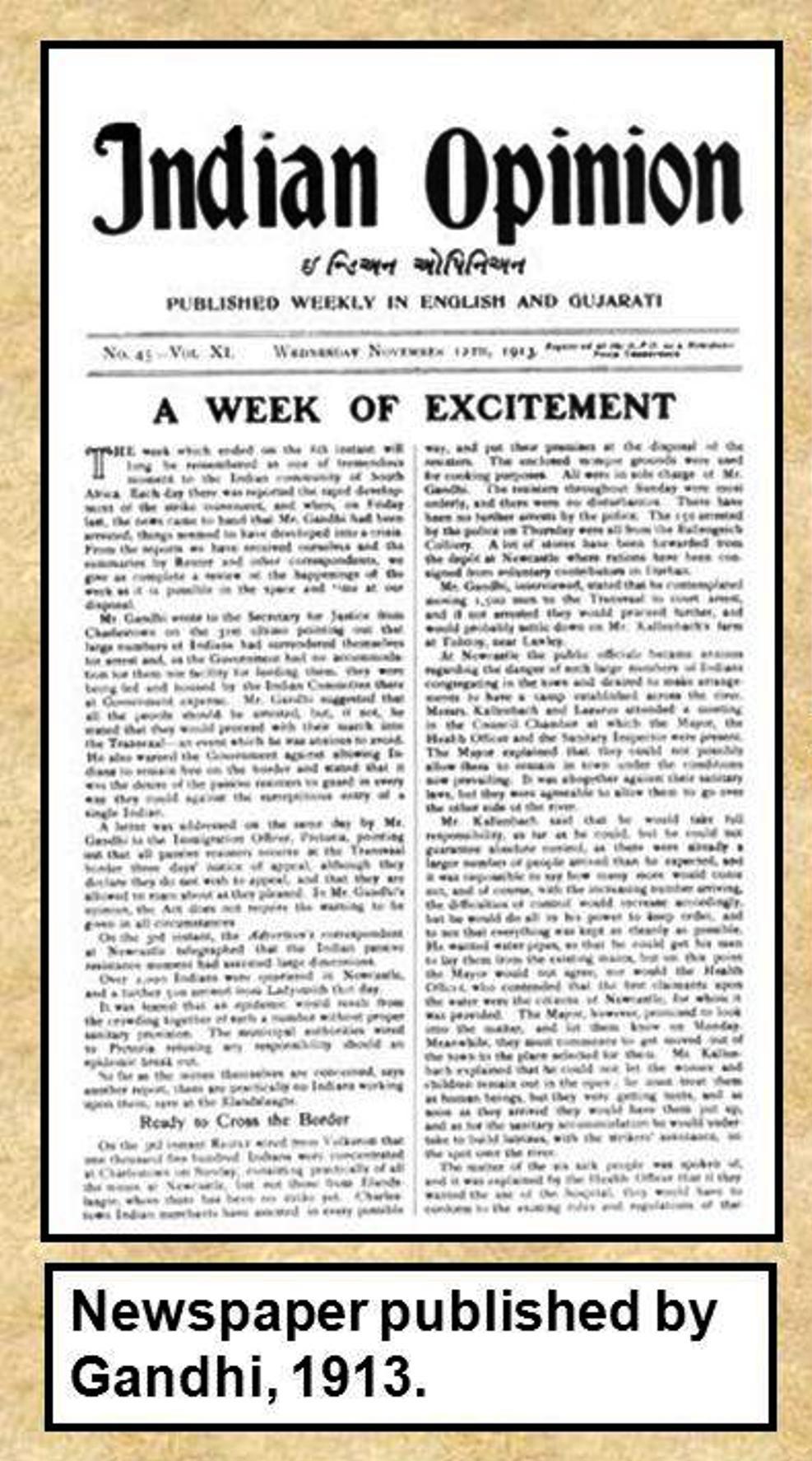
Besides being a political leader and social reformer, Mahatma Gandhi was also a prolific writer, journalist and editor for much of his life. He was the editor of three English weeklies, namely Indian Opinion (in South Africa during 1903-1915), Young India (1919- 1931), and Harijan (1933-1942 and 1946-January 1948).
These journals, which he described as “viewspapers”, were means of political and social movements. But they were also printed, distributed and sold in the open market just like other journalistic products.
What can today’s journalists and publishers learn from Gandhi? I revisit this again in this week’s Ravaya column (published on 21 June 2015), continuing an exploration started last week.
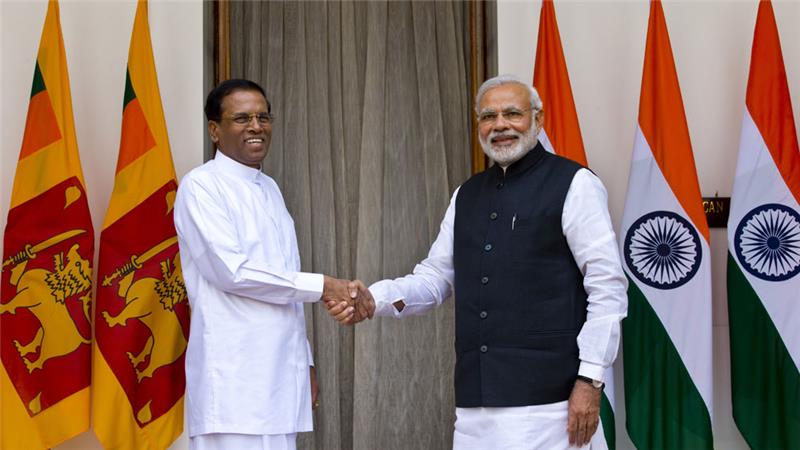
Under the agreement, signed in New Delhi on 16 February 2015 during President Maithripala Sirisena’s first overseas visit, India will help Sri Lanka build its nuclear energy infrastructure, upgrade existing nuclear technologies and train specialised staff. The two countries will also collaborate in producing and using radioactive isotopes.
On the same day, a story filed from the Indian capital by the Reuters news agency said, “India could also sell light small-scale nuclear reactors to Sri Lanka which wants to establish 600 megawatts of nuclear capacity by 2030”.
This was neither confirmed nor denied by officials. The full text has not been made public, but a summary appeared on the website of Sri Lanka’s Atomic Energy Board. In it, AEB reassured the public that the deal does not allow India to “unload any radioactive wastes” in Sri Lanka, and that all joint activities will comply with standards and guidelines set by the International Atomic Energy Agency (IAEA), a UN body in which both governments are members.
According to AEB, Sri Lanka has also signed a memorandum of understanding on nuclear cooperation with Russia, while another is being worked out with Pakistan.
Beyond such generalities, no specific plans have been disclosed. We need more clarity, transparency and adequate public debate on such a vital issue with many economic, health and environmental implications. Yaha-paalanaya (good governance) demands nothing less.
South Asia’s nuclear plans
The South Asian precedent is not encouraging. Our neighbouring countries with more advanced in nuclear programmes have long practised a high level of opacity and secrecy.
Two countries — India and Pakistan – already have functional nuclear power plants, which generate around 4% of electricity in each country. Both have ambitious expansion plans involving global leaders in the field like China, France, Russia and the United States. Bangladesh will soon join the nuclear club: it is building two Russian-supplied nuclear power reactors, the first of which will be operational by 2020.
Both countries have historically treated their civilian and military nuclear establishments as ‘sacred cows’ beyond any public scrutiny. India’s Official Secrets Act of 1923 covers its nuclear energy programme which cannot be questioned by the public or media. Even senior Parliamentarians complain about the lack of specific information.
It is the same, if not worse, in Pakistan. Pakistani nuclear physicist Dr Pervez Hoodbhoy, an analyst on science and security, finds this unacceptable. “Our nuclear power programme is opaque since it was earlier connected to the weapons programme. Under secrecy, citizens have much essential information hidden from them both in terms of safety and costs.”
The bottomline: all South Asian countries need more electricity as their economies grow. Evidence suggests that increasing electricity consumption per capita enhance socio-economic development.
The challenge is how to generate sufficient electricity, and fast enough, without high costs or high risks? What is the optimum mix of options: should nuclear be considered alongside hydro, thermal, solar and other sources?
In 2013, Sri Lanka’s total installed electricity generation capacity in the grid was 3,290 MegaWatts (MW). The system generated a total electricity volume of 12,019.6 GigWatt-hours (GWh) that year. The relative proportions contributed by hydro, thermal and new renewable energies (wind, solar and biomass) vary from year to year. (Details at: http://www.info.energy.gov.lk/)
In a year of good rainfall, (such as 2013), half of the electricity can still come from hydro – the cheapest kind to generate. But rainfall is unpredictable, and in any case, our hydro potential is almost fully tapped. For some years now, it is imported oil and coal that account for a lion’s share of our electricity. Their costs depend on international market prices and the USD/LKR exchange rate.
Image courtesy Ministry of Power and Energy, Sri Lanka, website
Should Sri Lanka phase in nuclear power at some point in the next two decades to meet demand that keeps rising with lifestyles and aspirations? Much more debate is needed before such a decision.
Nuclear isn’t a panacea. In 2003, a study by the Massachusetts Institute of Technology (MIT) on the future of nuclear power traced the “limited prospects for nuclear power” to four unresolved problems, i.e. costs, safety, waste and proliferation (http://web.mit.edu/nuclearpower/).
A dozen years on, the nuclear industry is in slow decline in most parts of the world says Dr M V Ramana, a physicist with the Program on Science and Global Security at Woodrow Wilson School of Public and International Affairs at Princeton University. “In 1996, nuclear power contributed about 17.6% to the world’s electricity. By 2013, it was been reduced to a little over 10%. A large factor in this decline has been the fact that it was unable to compete economically with other sources of power generation.”
Safety issues
Beyond capital and recurrent cost considerations, issues of public safety and operator liability dominate the nuclear debate.
Take, for example, Pakistan’s recent decision to install two Chinese-supplied 1,100 MW reactors near Karachi, a megacity that packs almost Sri Lanka’s population. When concerned citizens challenged this in court, the government pleaded “national security was at stake” and so the public could not be involved in the process.
Dr Hoodbhoy is unconvinced, and cautions that his country is treading on very dangerous ground. He worries about what can go wrong – including reactor design problems, terrorist attacks, and the poor safety culture in South Asia that can lead to operator error.
He says: “The reactors to be built in Karachi are a Chinese design that has not yet been built or tested anywhere, not even in China. They are to be sited in a city of 20 million which is also the world’s fastest growing and most chaotic megalopolis. Evacuating Karachi in the event of a Fukushima or Chernobyl-like disaster is inconceivable!”
Princeton’s Dr Ramana, who has researched about opacity of India’s nuclear programmes, found similar aloofness. “The claim about national security is a way to close off democratic debate rather than a serious expression of some concern. It should be the responsibility of authorities to explain exactly in what way national security is affected.”
Following Fukushima, public apprehensions on the safety of nuclear power plants have been heightened. Governments – at least in democracies – need to be sensitive to public protests while seeking to ensure long term energy security.
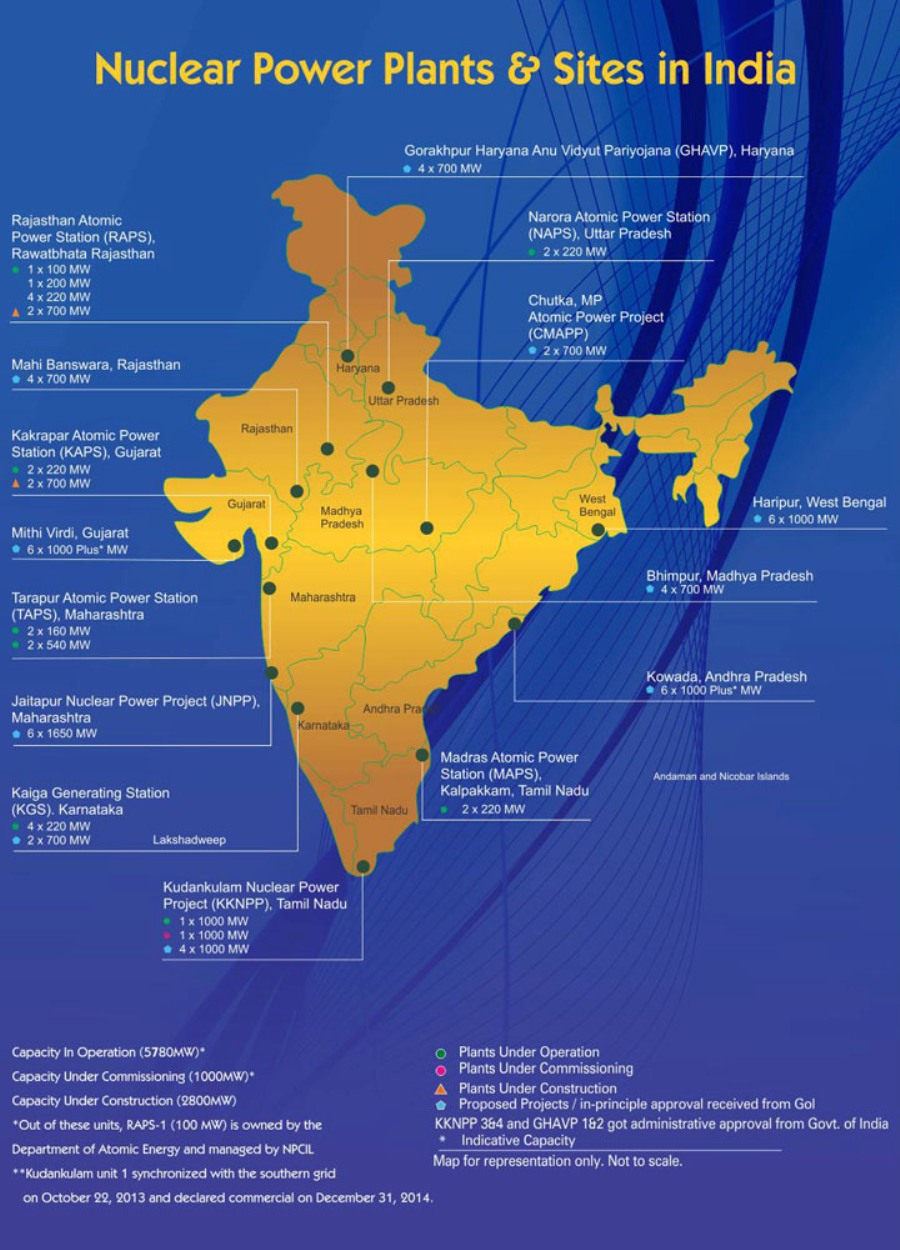
By end 2014, India had 21 nuclear reactors in operation in 7 nuclear power plants, with a total installed capacity of 5,780 MW. Plans to build more have elicited sustained protests from local residents in proposed sites, as well as from national level advocacy groups.
India’s Nuclear Liability Law of 2010 covers both domestic and trans-boundary concerns. But the anti-nuclear groups are sceptical. Praful Bidwai, one of India’s leading anti-nuclear activists, says the protests have tested his country’s democracy. He has been vocal about the violent police response to protestors.
Nuclear Power Plants in India – official map 2014
Meanwhile, advocates of a non-nuclear future for the region say future energy needs can be met by advances in solar and wind technologies as well as improved storage systems (batteries). India is active on this front as well: it wants to develop a solar capacity of 100,000 MW by 2022.
India’s thrust in renewables does not affect its nuclear plans. However, even pro-nuclear experts recognise the need for better governance. Dr R Rajaraman, an emeritus professor of physics at Jawaharlal Nehru University in New Delhi, wants India to retain the nuclear option — but with more transparency and accountability.
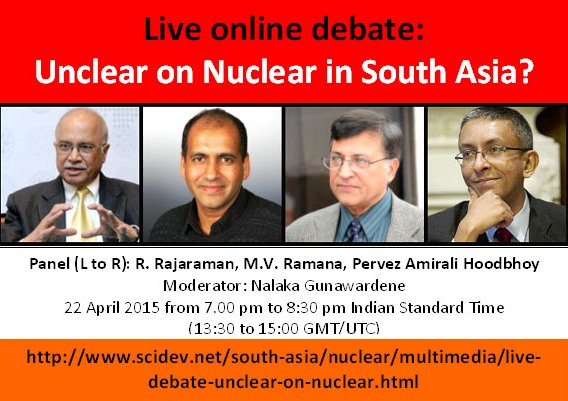
He said during our online debate: “We do need energy in India from every possible source. Nuclear energy, from all that I know, is one good source. Safety considerations are vital — but not enough to throw the baby out with the bathwater.”
Rajaraman argued that nuclear energy’s dangers need to be compared with the hazards faced by those without electricity – a development dilemma. He also urged for debate between those who promote and oppose nuclear energy, which is currently lacking.
Any discussion on nuclear energy is bound to generate more heat than light. Yet openness and evidence based discussion are essential for South Asian countries to decide whether and how nuclear power should figure in their energy mix.
In this, Sri Lanka must do better than its neighbours.
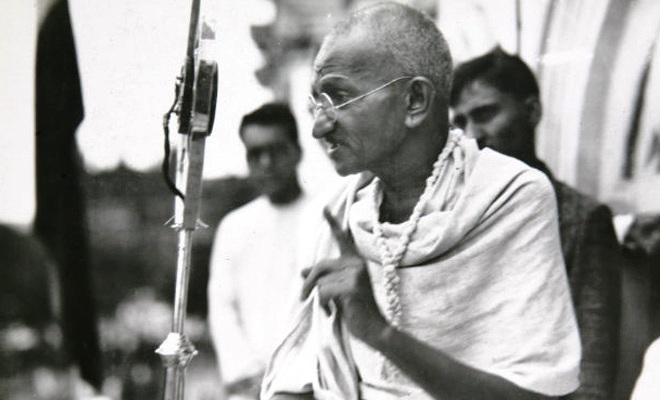
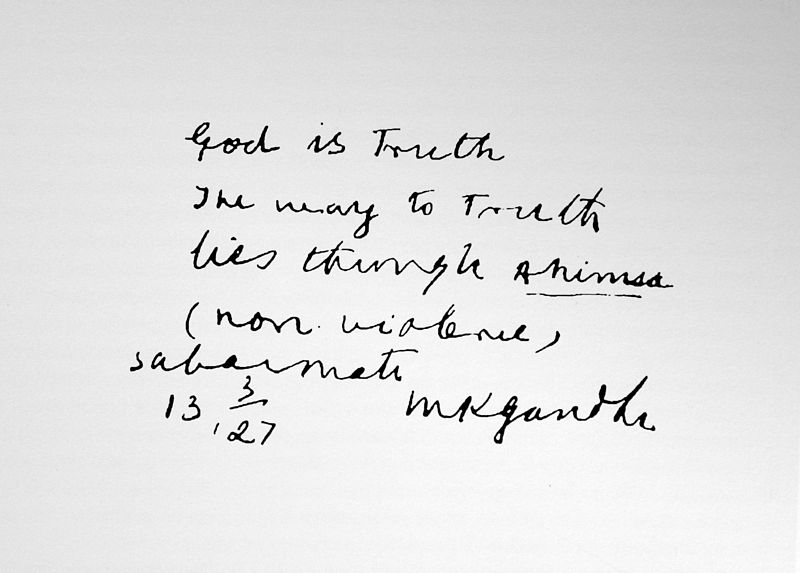
“Journalism to be useful and serviceable to the country will take its definite place only when it becomes unselfish and when it devotes its best for the service of the country, and whatever happens to the editors or to the journal itself, editors would express the views of the country irrespective of consequences…”
Mahatma Gandhi said these words on 22 March 1925, when unveiling the portrait of S. Kasthuriranga Iyengar, the late Editor of The Hindu, at the newspaper’s Chennai office. These words summed up the basic tenets of true journalism that Gandhi believed in – and practised.
Besides being a political leader and social reformer, Gandhi was also a prolific writer, journalist and editor for much of his life. He was the editor of three English weeklies, namely Indian Opinion (in South Africa during 1903-1915), Young India (1919- 1931), and Harijan (1933-1942 and 1946-January 1948).
Indian Opinion was bi-lingual (English and Gujarati). For some time it had also Hindi and Tamil sections. Young India had a Gujarati edition – Navajivan. Harijan was printed in several Indian language editions. These journals, which he described as “viewspapers”, were means of political and social movements. But they were also printed, distributed and sold in the open market just like other journalistic products.
What can today’s journalists learn from Gandhi as a mass communicator and journalist/editor? I explore this in this week’s Ravaya column (published on 14 June 2015).
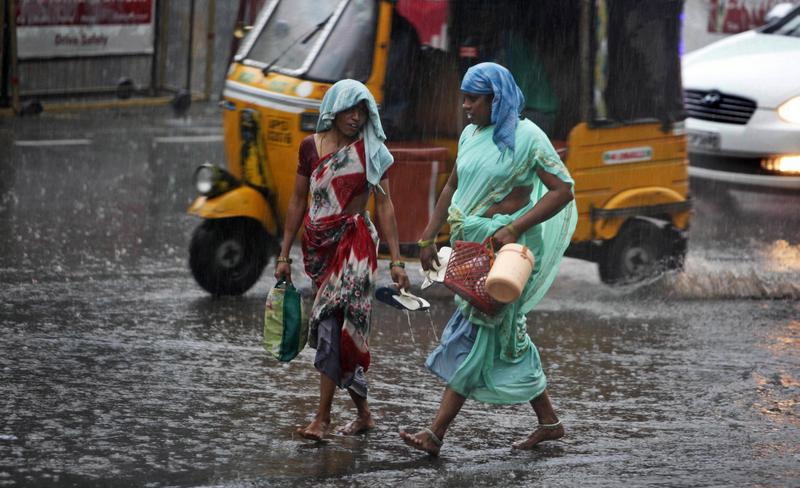
Not quite singing in the rain – but welcoming it all the same!
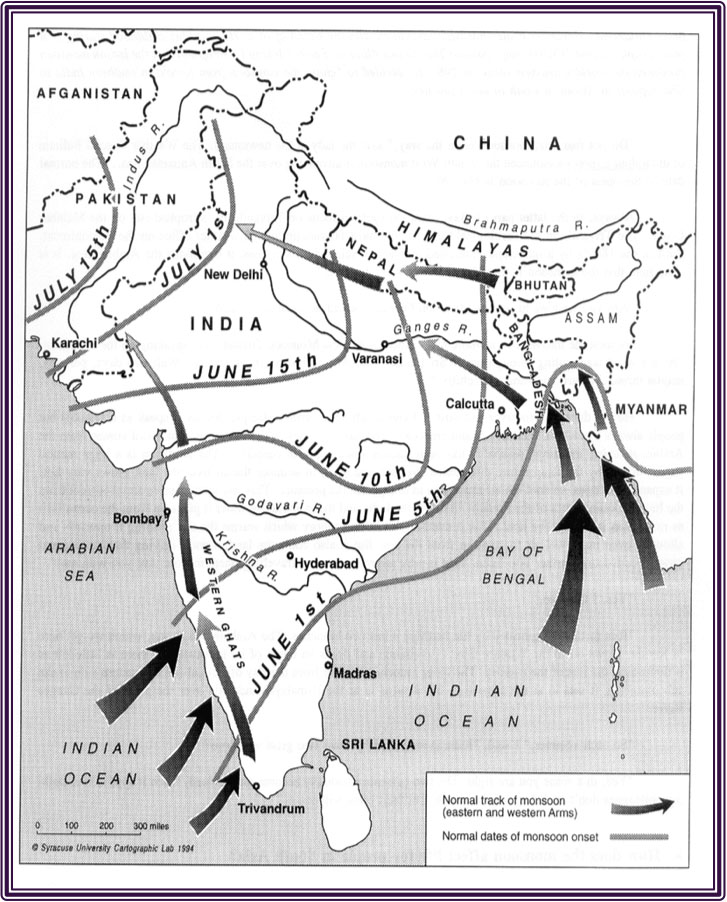
Every year in May, over a billion and a half South Asians join a waiting and guessing game for the mighty rain-carrying oceanic winds, one of the great forces of nature on this planet. Few things – human or natural – evoke such anxiety and anticipation of the South Asian Summer Monsoon, also known as Southwest Monsoon.
The rains that the summer monsoon brings are literally life giving for most parts of South Asia – for drinking, farming, industry and power generation.
An ample monsoon that arrives on time boosts harvests, drives production and generates wealth across South Asia where large numbers are still engaged in farming. A delayed or failed monsoon, on the other hand, causes much concern for governments and communities. Former Finance Minister (now President) Pranab Mukherjee acknowledged this power when he described the monsoon as the country’s “real finance minister”.
The big question – and growing worry – is whether human induced climate change is affecting the Indian Ocean monsoons…and how.
In this week’s Ravaya column (published on 7 June 2015) I explore our close historical and cultural nexus with the Monsoon.
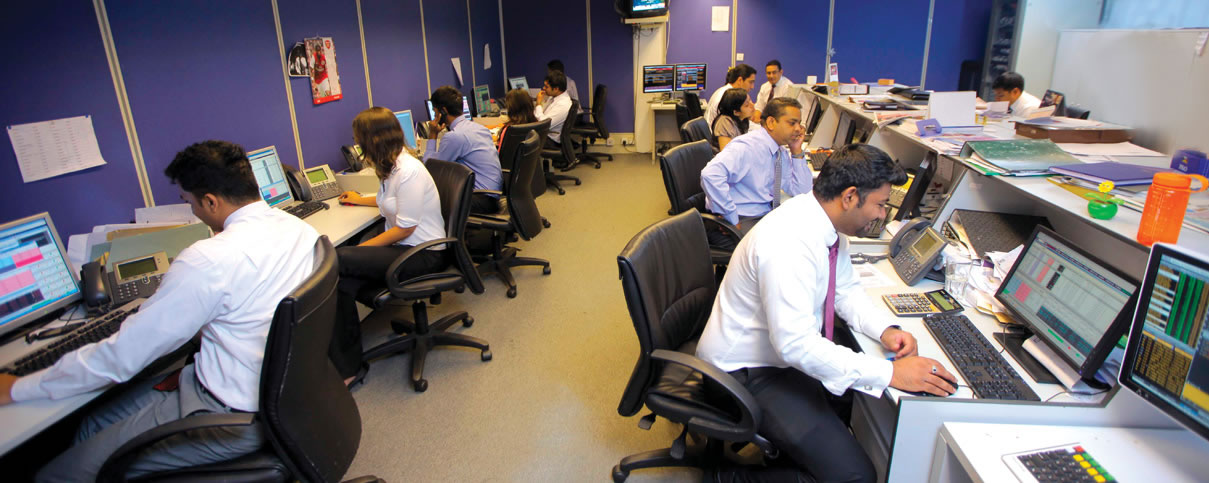
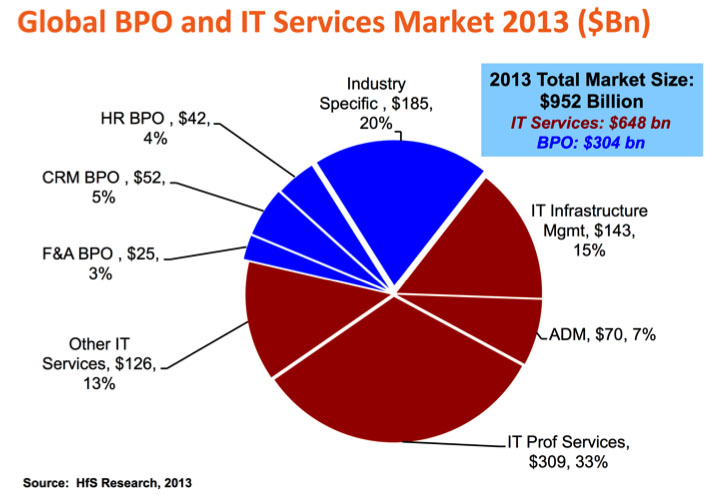
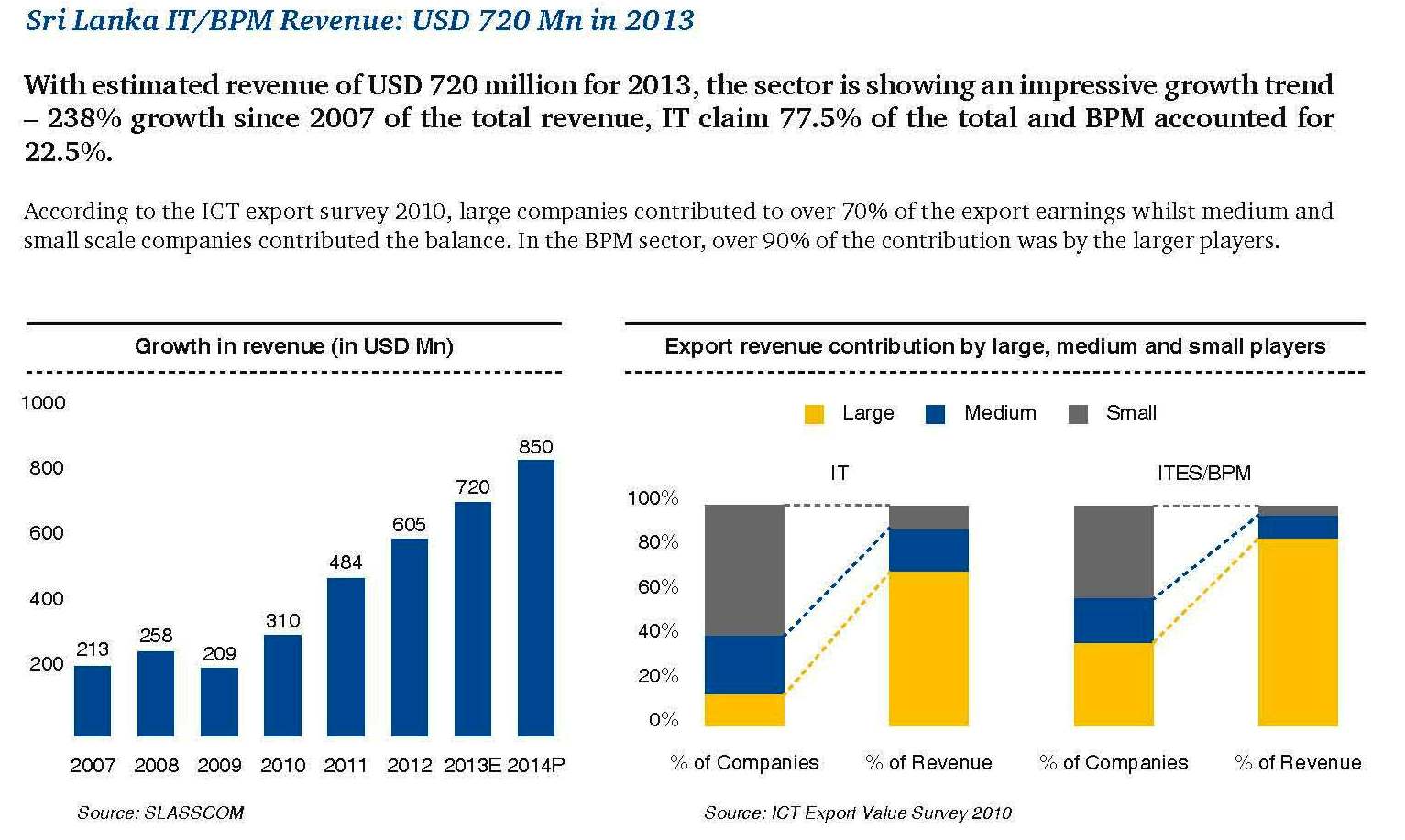
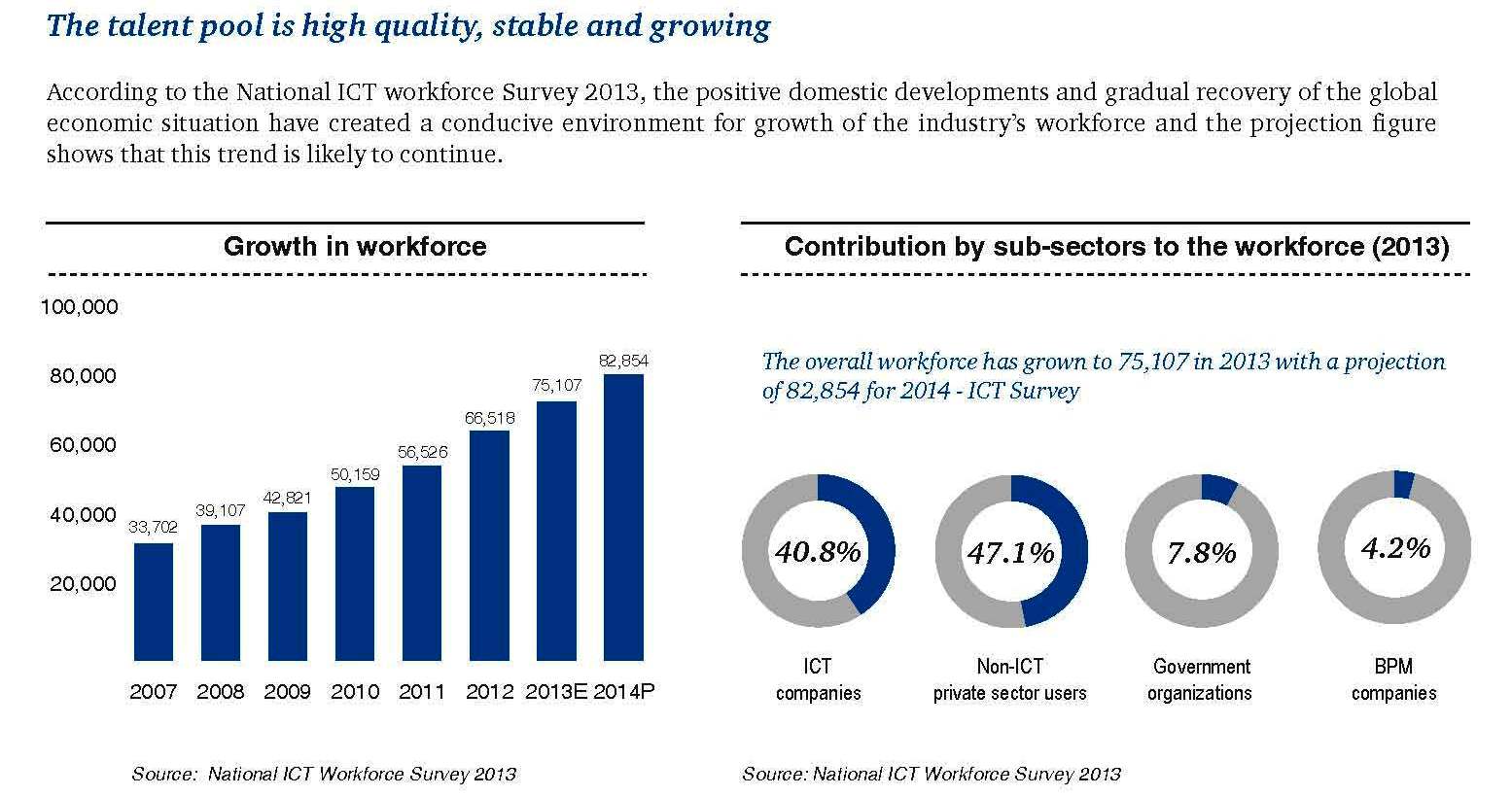
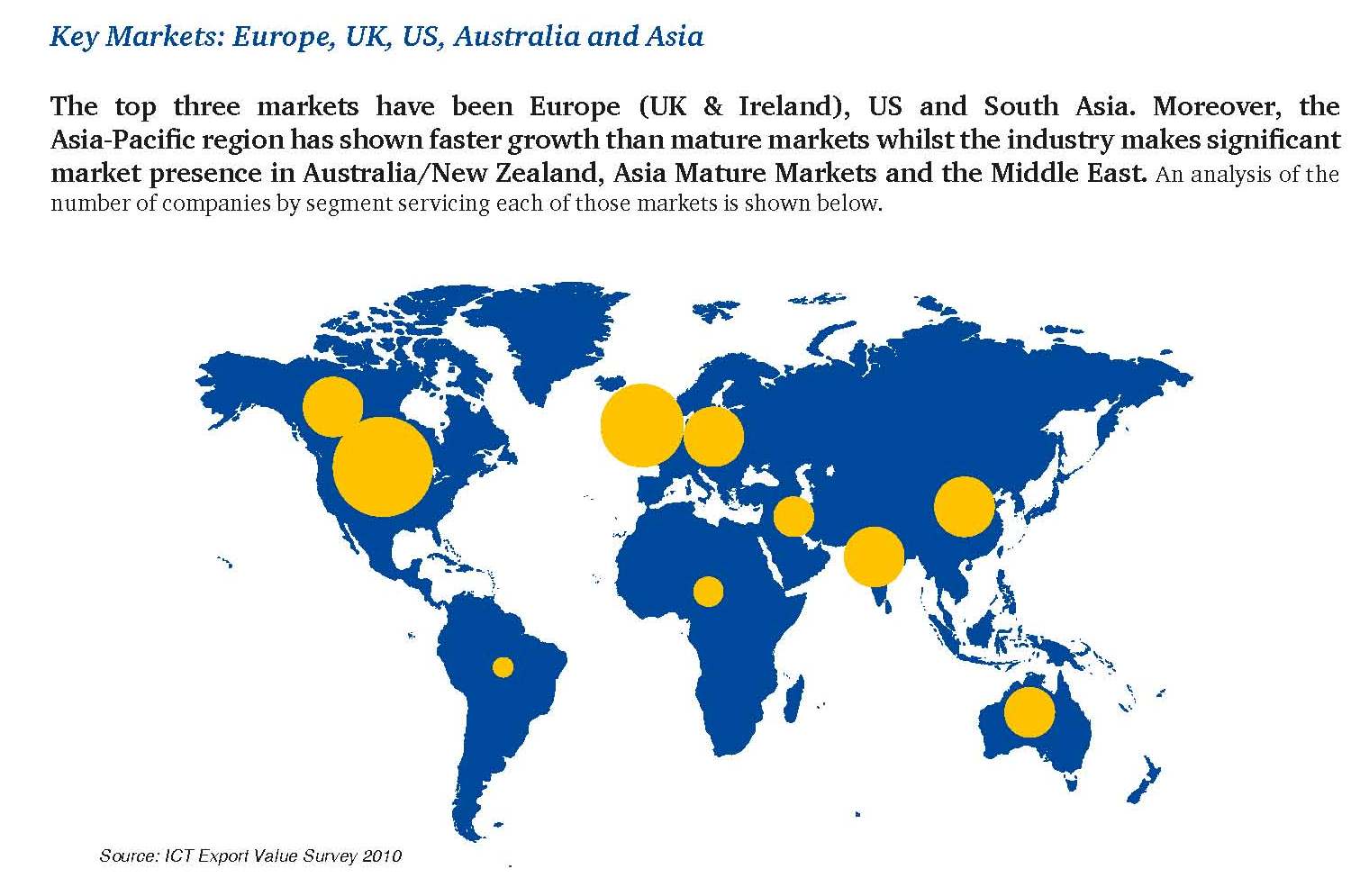
Sri Lanka is emerging as an important global destination for Information Technology supported Business process outsourcing (IT-BPO).
This knowledge service industry is one of many benefits of improving telecommunications services and IT capability in the country. It is creating many well-paid jobs, and generating growing volumes of foreign exchange for Sri Lanka’s economy (USD 720 million in 2013).
According to the industry’s trade lobby/chamber Sri Lanka Association of Software and Services Companies (SLASSCOM): “The growing IT-BPO industry…offers a unique advantage for Small and Medium Enterprises (SME) to enjoy premium access to a high quality talent pool, which is becoming increasingly challenging in large established destinations such as India and China. The environment is also highly conducive for establishing high-in-demand niche competency centers out of competition for even larger global services companies.”
In this week’s Ravaya column (published on 31 May 2015) I look at the current status, benefits and challenges of Sri Lanka’s BPO/BPM industry, and highlight its potential to create high-end jobs for educated and skilled professionals, thus containing – if not reversing – brain drain.













 Open Minds!