සිවුමංසල කොලූගැටයා #171: දුම්වැටියේ මායාව හා යථාර්ථය

In this week’s Ravaya column (in Sinhala), I explore the formidable policy dilemmas posed by tobacco control in Sri Lanka. I argue that it isn’t a simple or simplistic battle between ‘good’ and ‘evil’ as anti-tobacco activists would make us believe.

There is no doubt that tobacco kills many smokers — and some non-smokers, too. Yet starting, continuing or quitting smoking is a personal lifestyle choice which, at least in democracies, governments can’t legislate. As long as tobacco remains a legitimate trade, education and persuasion must complement legal regulation.

I covered similar ground in English in a recent column: When Worlds Collide #109: Huffing and puffing over Tobacco in Sri Lanka
May 31 is World No Tobacco Day

දුම්කොළ පිටු දැකීම සඳහා ලෝක දිනය (World No Tobacco Day) යළිත් වරක් මැයි 31 වනදා සමරනු ලැබුවා.

එයට මූලික වන ලෝක සෞඛ්‍ය සංවිධානය (WHO) කියන හැටියට දුම් කොළ භාවිතය (දුම්පානය හා දුම්කොළ විකීම) නිසා හට ගන්නා බරපතල රෝග නිසා වසරකට අඩු තරමින් මිලියන් හයක් (ලක්‍ෂ 60ක්) දෙනා අකාලයේ මිය යනවා. මේ අතරින් ලක්‍ෂ හයක් සෘජුව නොව දුම් පානය කරන්නන් අසල සිටීම නිසා නිෂ්කී‍්‍රය නැතහොත් අනියම් දුම් පානයට ලක් වන අයයි.

‘‘දුම් පානය හා දුම් කොළ ඇබ්බැහිකම දැන් ලෝකයේ වළක්වා ගත හැකි සාධකයකින් ඇති වන විශාලතම සෞඛ්‍ය තර්ජනයයි. මෙය පාලනය කර නොගතහොත් 2030 වන විට වසරකට ලොව පුරා මිලියන අටක් (ලක්‍ෂ 80ක්) මිය යනු ඇති. ඔවුන්ගෙන් බහුතරයක් (80%කට වඩා) සිටින්නේ අඩු හා මධ්‍යම ආදායම් ලබන රටවලයි’’ WHO කියනවා.

ශ‍්‍රී ලංකාවේත් මහජන සෞඛ්‍යයට ප‍්‍රබල තර්ජනයක් දුම් කොළ හරහා එල්ල වනවා. 2009දී සෞඛ්‍ය අමාත්‍යාංශය නිකුත් කළ නිල ප‍්‍රකාශනයකට (Brief Profile on Tobacco Control in Sri Lanka) අනුව වසරකට දුම්පානය නිසා හට ගන්නා රෝගාබාධ නිසා අවම වශයෙන් 20,000ක් දෙනා අකාලයේ මිය යනවා. සාමාන්‍යයක් ලෙස ගත හොත් දිනකට 56 දෙනකු බැගින්.

එසේම දුම්කොළ ඇබ්බැහිකමින් මතු වන දිගු කාලීන ආබාධවලට ප‍්‍රතිකාර කිරිමට රජයේ සෞඛ්‍ය සේවයට අති විශාල මුදලක් වැය වනවා.

2009 වාර්තාවලට අනුව මෙරට වැඩිහිටි පිරිමින්ගෙන් 39%ක්ද වැඩිහිටි කාන්තාවන්ගෙන් 2.6%ක් ද නිතිපතා දුම්පානය කරනවා. දුම්කොළ පාලනය සඳහා වන ලෝක සම්මුතියට Framework Convention on Tobacco Control (FCTC) ශ‍්‍රී ලංකා රජය අත්සන් කළේ 2003දී. එනම් එය WHO ලෝක සෞඛ්‍ය සම්මේලනයේදී සම්මත කර ගත් වසරේමයි. මේ වන විට ලොව රටවල් 178ක් එයට බැඳී සිටිනවා.

සම්මුතියට අනුකූල වෙමින් බොහෝ පොදු ස්ථානවල දුම්පානය නීතියෙන් තහනම් කොට තිබෙන අතර දුම්කොළ වෙළඳ දැන්වීම්, අනෙකුත් ප‍්‍රචාරණය හා අනුග‍්‍රාහකත්ව ද තහනම්. මේ සඳහා ජාතික දුම්කොළ හා මත්පැන් අධිකාරියක් (NATA) 2006 වසරේ පාර්ලිමේන්තු පනතකින් පිහිටුවනු ලැබුවා.

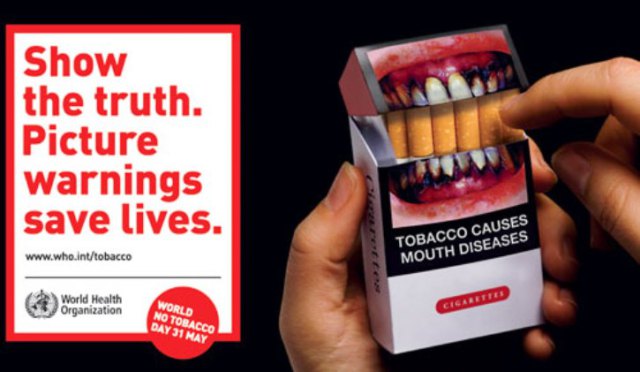
දුම් පානය පාලනය කිරීමේ අළුත්ම ක‍්‍රමෝපාය නම් සිගරට් පැකට්ටුවල රූපමය අනතුරු ඇඟවීමක් මුද්‍රණය කළ යුතුය යන්නයි. මෙය මීට මාස කිහිපයකට පෙර පාර්ලිමේන්තුවේ සම්මත වී ගැසට් කරනු ලැබුවේ පැකට්ටුවේ මතු පිටින් 80%ක් එවන් අනතුරු ඇඟවීමකට යෙදවිය යුතුය කියායි.

එහෙත් එයට අභියෝග කරමින් මෙරට දුම්වැටි ඒකාධිකාරය හිමි ලංකා දුම් කොළ සමාගම (CTC) අභියාචනාධිකරණය වෙත ගියා. දෙපාර්ශවයේම තර්ක සලකා බලා අධිකරණය තීරණය කළේ රූපමය අනතුරු ඇඟවීම මතු පිටින් 50-60%ක් දක්වා යොදා ගෙන කළ යුතු බවයි.

මෙම තීරණය සෞඛ්‍ය අමාත්‍යවරයා පිළිගත් නමුත් ප‍්‍රශ්නය එතැනින් මුළුමනින් විසඳී නැති බවත් පෙනෙනවා. රූපමය අනතුරු ඇඟවීම 80%ක් ම කළ යුතු යයි තරයේ කියා සිටින ක‍්‍රියාකාරිකයන් සිටිනවා.

WHO encourages pictorial warnings

මෙරට වෛද්‍ය වෘත්තිය නියෝජනය කරන ප‍්‍රධානතම වෘත්තික සංවිධානය වන ශ‍්‍රී ලංකා වෛද්‍ය සංගමය (SLMA) කියන්නේත් 80% අනතුරු ඇඟවීමට ඔවුන් සම්පූර්ණ සහයෝගය දෙන බවයි.

දුම් පානයට එරෙහිව අරගල කරන වෛද්‍යවරුන් හා අනෙකුත් ක‍්‍රියාකාරිකයන්ගේ අවංක බව හා කැපවීම ගැන කිසිදු විවාදයක් නැහැ. කිසිදා දුම්පානය නොකළ හා නිෂ්ක‍්‍රීය දුම්පානයෙන් නිතර බැට කා ඇති ඇදුම රෝගියකු වන මා, දුම්කොළ නිවාරණයට පෞද්ගලිකව පක්‍ෂයි. එහෙත් සමාජ අරගල කළ යුත්තේ යථාර්ථවාදීව හා ප‍්‍රායෝගික තලයක සිටයි.

සිගරට් පැකට්ටුවල වාචික හා රූපමය අනතුරු ඇගවීම් ප‍්‍රදර්ශනය කිරීම කලක් තිස්සේ දියුණු බටහිර හා ආසියාතික රටවල කැරෙන මහජන අධ්‍යාපන උපක‍්‍රමයක්. එහෙත් මෙරටට මේ උපක‍්‍රමය ගැලපෙනවා ද යන්න ප‍්‍රශ්නයක්.

හේතුව ආර්ථික සාධක නිසා අපේ දුම්බොන්නන් බහුතරයක් සිගරට් මිළට ගන්නේ සිල්ලරට. වරකට එකක් හෝ කිහිපයක් බැගින්. මුළු පැකට්ටුවම එකවර මිලට ගන්නේ 5%ක් පමණක් බවත්, අතිබහුතරය (95%) සිල්ලරට ගන්නා බවත් අම්බා පර්යේෂණායතනය (Amba Research) නම් වූ ආර්ථික විශ්ලේෂණ සමාගම හා කොළඹ කොටස් වෙළඳපොල හවුලේ 2013 ඔක්තෝබරයේ නිකුත් කළ වාර්තාවක කියනවා.

ඒ කියන්නේ මෙතරම් වෙර දරා රූපමය අනතුරු ඇඟවීම් මෙරට පටන් ගත්ත ද බහුතරයක් දුම් බොන්නන් අතට අය පත් නොවනු ඇති බවයි! මීට වඩා ප‍්‍රායෝගික විය හැක්කේ සිගරට් විකුණන හැම තැනකම ප‍්‍රබල රූපමය අවවාදයක් හා අනතුරු ඇඟවීමක් කාටත් පෙනෙන සේ ප‍්‍රදර්ශනය කිරිමයි.

සිගරට් වෙළඳාම ගැන මහජන සෞඛ්‍ය ක්‍ෂෙත‍්‍රයේ බරපතල විරෝධතා තිබුණත් එය නීති විරෝධී ව්‍යාපාරයක් නොවෙයි. සිගරට් රටේ නීතිවලට අනුකූලව නිපදවා, නීති රීතිවලින් ඉඩදී ඇති පරිදි බෙදා හැර අලෙවි කැරෙන භාණ්ඩයක්. දුම්කොළ සමාගම් සූක්‍ෂම ලෙසින් කලා, ක‍්‍රීඩා හා වෙනත් ක්‍ෂෙත‍්‍රවලට බලපෑම් කරන බවට තර්කයක් කලක සිට තිබෙනවා. එහෙත් මෑත වසරවලදී අනියම් ප‍්‍රචාරණය පවා නීතිරීති මගින් දැඩි ලෙස සීමා කොට තිබෙනවා.

දැන් නීතියෙන් කළ හැකි වැඩ කොටස සංතෘප්ත වී ගෙන එන බවත්, ඉතිරිය දැනුවත් කිරීම හා නම්මවා ගැනීම හරහා සිදු විය යුතු බවත් පිළිගත යුතුයි.

SLMA සභාපති වෛද්‍ය පාලිත අබේකෝන් හා එහි දුම්පානය හා මත්පැන් පිළිබඳ විද්වත් කමිටුවේ සභාපති මහාචාර්ය නාරද වර්ණසූරිය මෑතදී පුවත්පත් ප‍්‍රකාශයක කීවේ ‘‘මෙරට මත්පැන්, මත්ද්‍රව්‍ය හා චර්යාව සම්බන්ධ අන් සියලූ සාධකවලට වඩා විශාල හානියක් වන්නේ දුම් පානයෙන් නිසා එයට ප‍්‍රමුඛතාවයක් දීම අවශ්‍යයි.’’

රාජ්‍ය නොවන සංවිධානයක් වන මත්පැන් හා මත්ද්‍රව්‍ය තොරතුරු කේන්‍ද්‍රය (ADIC) මෙරට දුම්පානය හා මත්පැන් පානය ගැන වසරකට දෙවතාවක් බැගින් වෙනම සමීක්‍ෂණ පවත්වනවා. 1998 සිට සිදු කර ඇති සමීක්‍ෂණ ප‍්‍රතිඵල අනුව පෙනෙන්නේ දුම්පානය කරන ජන ප‍්‍රතිශතය ටිකෙන් ටික අඩුවන බවයි. එසේම ලාබාල හා තරුණ කොටස් අතර එය වඩාත් අඩු බව ද පෙනෙනවා.

Sri Lanka tobacco use trend 2000-2012 as seen in ADIC surveys [Full reports at: http://www.adicsrilanka.org/publication/]
Sri Lanka tobacco use trend 2000-2012 as seen in ADIC surveys. Full reports at: http://www.adicsrilanka.org/publication/
දැනට ප‍්‍රකාශිත අන්තිම සමීක්‍ෂණය කළේ 2013 ජූලි මාසයේ මෙරට දිස්ත‍්‍රික්ක 10කයි. වයස 14ට වැඩි පිරිමි 2,465 දෙනකු එයට හවුල් කර ගනු ලැබුවා. එහි ප‍්‍රතිඵලවලින් මෙරට දුම්පානයේ ප‍්‍රවණතා ගැන දළ ඉඟියක් ලද හැකියි.

දැනට දුම්පානය කරන අයගේ ප‍්‍රතිශතය සාම්පලයෙන් 32.5%ක් වුණා. එහෙත් වයස 40ට වැඩි පිරිස අතර එය 36.7%ක් වූ අතර වයස 15-24 අතර පිරිසේ දුම්පානය කළේ 26.9%ක් පමණයි.

දුම්බොන අයගෙන් සියයට 70ක් දෙනා දිනපතාම සිගරට් බොනවා. බහුතරයක් (තුනෙන් දෙකක්) එබඳු අය සිගරට් 5ක් හෝ ඊට අඩුවෙන් දිනකට පානය කරනවා.

සිගරට් බොන අයගෙන් තුනෙන් එකකටම ඒ සඳහා හරිහමන් හේතුවක් නැහැ. තවත් 31% කීවේ පුරුද්දට දුම් බොන බවයි. ඉතිරි හේතුන් වූයේ සන්තෝෂයට (19%), සමාජශීලි වන්නට (14%), ප‍්‍රශ්න අමතක කරන්නට (3.4%) හා මිතුරු බලපෑම් නිසා (1.1%).

දැනට දුම්පානය කරන අයගෙන් 60%ක්ම යම් අවස්ථාවක එම ඇබ්බැහිකම නතර කිරීමට උත්සාහ කර ඇතත් එය සාර්ථක වී නැහැ. මෙයින් පෙනෙන්නේ සෞඛ්‍ය අධ්‍යාපනය හා සදාචාරාත්මක සාධක ඉක්මවා යන මානසික හා සමාජයීය සාධක මෙහි ක‍්‍රියාත්මක වන බවයි. මේවා සියුම්ව ග‍්‍රහණය කිරීම වැදගත්.

හැම සමීක්‍ෂණයක ම එයට ආවේණික වූ සීමාවන් තිබෙනවා. එහෙත් හුදෙක් මතවාදයන් හා ආවේග මත දුම්වැටි විරෝධී ව්‍යාපාරයන් ගොඩනංවනවා වෙනුවට ADIC ඇතුළු විවිධ ආයතන සිදු කර ඇති සමීක්‍ෂණ හා මෙරට වෙළඳපොළ යථාර්ථය මත පදනම් වීම වඩාත් සාර්ථක ප‍්‍රතිඵල ලබාදිය හැකියි.

දුම් පානය ගැන විවාදයට එක් වෙමින් ප‍්‍රවීන ලේඛක, තීරුලිපි රචක හා නිවහල් චින්තකයකු වන ගාමිණී වියන්ගොඩ 2014 මැයි 31 රාවයේ කීවේ: ‘‘ මගේ තර්කය වන්නේ දුම් පානය සම්බන්ධයෙන් තිබිය යුත්තේ සෞඛ්‍ය සහ ආර්ථික විද්‍යා ගැන සැළකිලිමත්වීම මිස, ආගමික හෝ සදාචාර කොක්කක එල්ලීම නොවන බව පමණි. එහෙත් වෙනත් ලෞකික තහංචි සේම මේ දුම්පාන විරෝධයත් අප වෙත එන්නේ, එක්තරා ආගමික/පාරිශුද්ධවාදී හැඟීමකිනි. වරද ඇත්තේ එතැනයි.’’

මෙයට මාත් එකඟයි. සෞඛ්‍ය විද්‍යාත්මකව දුම්පානයට එරෙහි වීමට ඕනෑවටත් වඩා ප‍්‍රබල සාක්‍ෂි සමුදායක් තිබියදී අපේ වෛද්‍යවරුන් හා සමාජ ක‍්‍රීයාකාරිකයන් මෙසේ සදාචාරය ඈඳා ගැනීම අනවශ්‍ය ලෙස මේ සංවාදය ව්‍යාකූල කිරීමක්.

සමාජයක් ලෙස අපට කළ හැක්කේ පොදු අවකාශයන්හි නිෂ්ක‍්‍රීය දුම්පානයේ අවදානම තුරන් කිරීමත්, දුම්පානයෙන් අත්මිදෙන්නට යන්තමින් හෝ ඕනෑකමක් ඇති අයට (අනවශ්‍ය සුචරිතවාදී කථා නොකියා) එයට අවශ්‍ය මනෝවිද්‍යාත්මක හා සෞඛ්‍යමය අත්වැලක් සැපයීමත් පමණයි.

දුම්වැටි විරෝධය හුදෙක් ලය හෝ හෘද විශේෂඥ වෛද්‍යවරුන්ට පමණක් කළ හැකි දෙයක් නොවෙයි. දුම්බොන්නන්ගේ මානසිකත්වය හරි හැටි තේරුම් ගැනීමට මනෝ විද්‍යාඥයන් හා සමාජ විද්‍යාඥයන්ගේ සහාය අවශ්‍යයි. මෙය අපේ කාලයේ ප‍්‍රබල සන්නිවේදන අභියෝගයක් ලෙස සලකමින්, සුචරිතවාදය වෙනුවට සියුම් තර්ක හරහා දුම්පානය කරන අය සමග සංවාදශීලි විය යුතුයි. ඔවුන් සැවොම ඉක්මනින් තම චර්යාව වෙනස් නොකරන බවත් සිහිතබා ගත යුතුයි.

ප‍්‍රශස්ත සන්නිවේදනයේ මූලික අවශ්‍යතාවයක් වන්නේ තමන් අමතන්නාගේ අවධානය යොමු කරවා ගෙන ඉන් පසු ඔවුන්ගේ සිත් දිනා ගැනිමයි. අනගාරික ධර්මපාලයන් මීට සියවසකට පෙර කළා යයි කියන ආකාරයේ පරුෂ වචන යොදා ගෙන බැන වැදීම අද සංකීර්ණ සමාජයන්හි පිළිගත හැකි හෝ සාර්ථක ක‍්‍රමයක් නොවෙයි. (එකල පවා එය සාර්ථක වූවා ද යන්න සැක සහිතයි!)

දුම් පානය කරන්නවුන් මෝඩයන්වත්, පාපතරයන්වත් නොවෙයි. ඔවුන්ට නිග‍්‍රහ කිරීමෙන් හෝ සමච්චල් කිරීමෙන් හෝ ඒ පුරුද්දෙන් ඔවුන් අත්මිදෙනු වෙනුවට බොහෝ විට සිදු වන්නේ ඔවුන්ගේ අධිෂ්ඨානය තවත් තිරසාර වීමයි.

දුම්කොළ සමාගමට බෙදන හැන්දෙන් ම දුම්කොළයට ඇබ්බැහි වූවන්ට ද බෙදීම නිසි ක‍්‍රමෝපායක් නොවන බවත්, වඩාත් සංවේදී හා සංවිධානාත්මක වූ සන්නිවේදනයක් අවශ්‍ය බවත් දුම්කොළ විරෝධීන් අවබෝධ කර ගත යුතුයි.
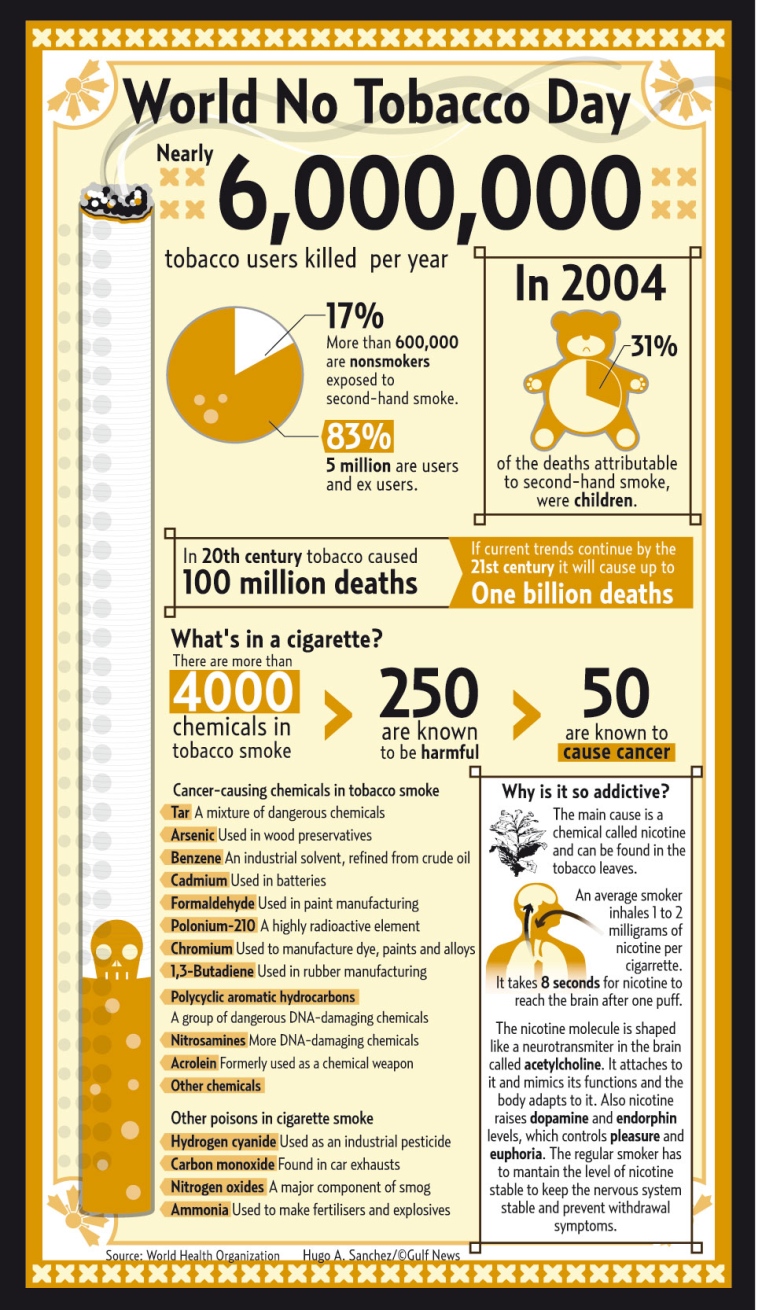
Infographic courtesy Gulf News

Thoughts on Realising Peace, Reconciliation and Ending Violence: Remarks at WCY 2014

World Conference of Youth 2014: Colombo, Sri Lanka
World Conference on Youth 2014: Colombo, Sri Lanka

When I was invited to speak at World Conference on Youth 2014, being held in Colombo, Sri Lanka, this week, I accepted on one condition: that I don’t have to ‘clear’ my remarks with anyone before delivering. (This precaution was necessary as the host government of Sri Lanka is not known for its capacity to accommodate divergent or dissenting points of view.)

The organisers — Ministry of Youth Affairs & Skills Development —  kept their word, and I just spoke at a session on Realising Peace, Reconciliation and Ending Violence. The theme is apt, especially in view of forthcoming fifth anniversary of the end of Sri Lanks civil war.

Alas, we had no opportunity to discuss any of the speeches due to sessions starting late. But I was able to engage several youth delegates, both from Sri Lanka and around the world, who apparently shared my idealism.

Here then is the text of my remarks (slightly ad-libbed during delivery):

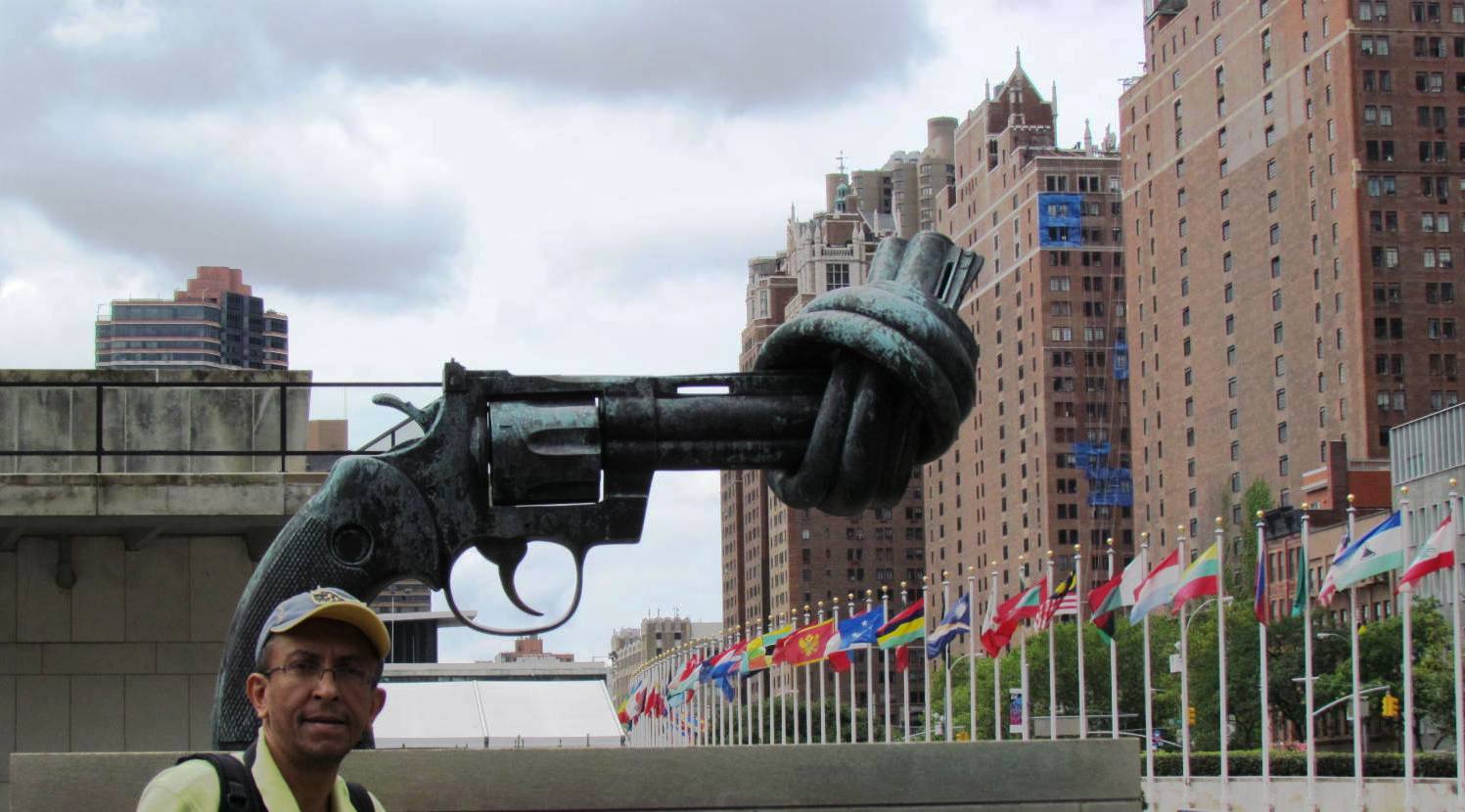
Knotted gun sculpture at UN Headquarters in New York, made by Swedish artist Carl Fredrik Reuterswärd - Photo by Dhara Gunawardene, 2011
Knotted gun sculpture at UN Headquarters in New York, made by Swedish artist Carl Fredrik Reuterswärd – Photo by Dhara Gunawardene, 2011

Theme: Realising Peace, Reconciliation and Ending Violence

Remarks by Nalaka Gunawardene

Science writer, columnist and blogger          

I thank the organisers for this opportunity.

Participating today reminds me of the IDEALISM, HOPE & PASSION with which I took part in similar events in my own youth – which was not that long ago!

In particular, I remember two instances:

A quarter century ago, as an undergraduate, I took part in an Asian regional Model United Nations conference held in Kuala Lumpur, Malaysia. The topic assigned to our group was VIOLENCE WITHIN AND BETWEEN SOCIETIES.

In all eagerness, we explored big questions such as:

  • Do we humans have an evolutionary inclination for aggression and violence?
  • What socio-economic factors trigger youth unrest and insurrection?
  • How does culture aggravate or mitigate conflicts?

For several days, a few dozen of us from across Asia discussed and debated this and other key concerns.

Five years later, as a young journalist, I had the opportunity to attend the World Youth Leadership Summit, held at the UN headquarters in New York. In the fall of 1995, around 200 of us from around the world came together to discuss the state of the world – and our role in shaping its future!

Again, a key topic that occupied our minds was the RISING VIOLENCE WITHIN OUR SOCIETIES. Not just civil wars and crime — but also INSTITUTIONALISED DISCRIMINATION and STRUCTURAL VIOLENCE.

These discussions enhanced my understanding of violence, which has become more SOPHISTICATED and INSIDIOUS in today’s world.

STRUCTURAL VIOLENCE as a concept was introduced in 1969 by the Norwegian sociologist and peace researcher Johan Galtung. He defined it as: “any form of violence where some social structure or social institution may harm people by preventing them from meeting their basic needs”.

There are many examples of STRUCTURAL VIOLENCE in our societies. Among them:

  • institutionalized elitism;
  • ethno-centrism;
  • racism;
  • sexism; and
  • nationalism

STRUCTURAL VIOLENCE affects people differently in various social structures, and is closely linked to SOCIAL INJUSTICE.

So, in a broad sense, campaigns for HUMAN RIGHTS & SOCIAL JUSTICE are attempts to resist – and ideally, reduce – structural violence. These mass movements include:

  • the CIVIL RIGHTS movement in the US;
  • WOMEN’S RIGHTS movement worldwide;
  • ANTI-APARTHEID struggles in South Africa;
  • current global efforts to reduce absolute POVERTY; and
  • the on-going struggle for recognizing rights of lesbian, gay, bisexual and transgender (LGBT) groups.

While fewer people are dying today in conflicts between nations, or even those within nations, we cannot rejoice: we still have many faces of STRUCTURAL VIOLENCE and SYSTEMIC VIOLENCE.

So did we save the world in the Fall of 1995 through all our eager and idealistic discussions at the UN Headquarters?

No, we didn’t. Our world is still an UNJUST, UNFAIR and UNSAFE place for too many human beings.

But experiences and exposure like that probably SAVED ME – from becoming an uncritical and unquestioning peddler of the dominant narrative. It opened my mind – to question rhetoric and spin, coming from governments, UN agencies and even civil society.

That is probably the greatest benefit of conferences like this:

  • opening of our minds;
  • deepening of our understanding & empathy; and
  • broadening of our perspectives.

I wish I could tell you that Sri Lanka offers a fine example of post-war RECONCILIATION. But our reality is actually more complex and complicated.

Five years ago this month, we witnessed the end of Sri Lanka’s CIVIL WAR which last for over 25 years. As a diverse nation and a pluralistic society, our people felt many different emotions about that defining moment.

One sentiment most of us shared was a HUGE SENSE OF RELIEF. And some of us also felt a huge sense of RESPONSIBILITY –

  • for HOW the war was ended; and
  • the enormous rebuilding and healing that had to be done.

Five Years later…

The factors that led to the violent conflict still remain largely unaddressed. These include concerns about governance, political power sharing, and economic benefit sharing – issues that youth feel strongly about.

In the past 40 years – in my lifetime – similar concerns have triggered two other youth insurrections in Sri Lanka — in 1971 and in the late 1980s. Both were suppressed violently by the state in the name of law and order. The scars of those wounds have not yet healed either.

In this sense, many of us have three layers of scars from recent violence. And we realise, belatedly, how HEALING involves more our HEARTS than our MINDS.

We know that PEACE is much more than the simple absence of hostility. Likewise, RECONCILIATION entails much more than a mere co-existence of groups who were once engaged in a conflict.

RECONCILIATION cannot be decreed by leaders……or legislated by governments. Technocratic solutions are helpful — but not sufficient — to achieve RECONCILIATION.

Progressive state policies can nurture RECONCILIATION — but in the end, TRUE HEALING must spring from all of us… individually and collectively.

It’s not EASY, and it’s not always POPULAR. But it’s a worthy goal to aspire to!

Building SUSTAINABLE PEACE requires time, effort – as well as a switch in our mindset. We must face HARD TRUTHS, acknowledge them, and hopefully, FORGIVE…

There is cultural conditioning that stands in the way. Historically, many societies have glorified war, weaponry and combat. AGGRESSION is often seen as a sign of strength…and of masculinity.

With this inertia of history and culture…can we replace confrontation and conflict with cooperation and collaboration?

The religious case for this is well known. But I hesitate to invoke religions as they have inspired so much hatred and violence.

In recent years, we have seen a growing body of scientific evidence and theories that argue that COLLABORATION HAS A GREATER SURVIVAL VALUE than aggression.

This is contrary to the long held Darwinian notion of the ‘survival of the fittest’. It now appears that virtues like KINDNESS, GENEROSITY and SHARING are more than just moral choices: they are useful EVOLUTIONARY TRAITS too!

The developmental psychologist Michael Tomasello has been studying the EVOLUTION OF TOLERANCE & TRUST among human beings and the role it plays in today’s societies. He and other researchers have drawn attention to the evolutionary benefits of COLLABORATION and ALTRUISM.

There is no consensus yet among experts. Anthropologists, evolutionary biologists and sociologists keep debating about:

  • individual selection vs. group selection in evolution; and
  • whether aggression or collaboration has key survival value.

As Harvard biologist Edward O Wilson summed it up in his recent book, The Social Conquest of Earth:

“The human condition is an endemic turmoil rooted in the evolution processes that created us. The worst in our nature coexists with the best, and so it will ever be.”

So our big challenge is: How to tame our worst evolutionary baggage, and instead bring out our best as a species?

I don’t have any quick answer. But this is among the questions we must all keep asking – and keep looking for practical, thoughtful answers.

Dear friends,

It’s easier to have abundant IDEALISM, HOPE & PASSION when you’re 18 or 25 or even 30. It’s harder to retain these values when you’re approaching 50 — as I am, now. But I keep trying!

I wish you stimulating conversations. I hope you’ll find enough common ground — while not forcing any artificial consensus!

Thank you.


ක්‍රිව 2500දී පෘථිවිය දෙස බැලීමක්: ආතර් සී ක්ලාක් ලියු අවසාන කෙටිකථාව

In his last published short story, written only a few months before his death, Sir Arthur C Clarke envisioned a world without religions by the year 2500.

Yes, ALL organised, institutionalised religions (i.e. those with holy scripture, priests and places of worship) will gradually go into oblivion! No exceptions.

He offered this in a futuristic story titled The View From 2500 A.D., published in Forbes.com in November 2007, as part of a special online edition on the future.

In it, Sir Arthur described the development of reliable psychological probes, using which any suspected individual could be ‘painlessly and accurately interrogated, by being asked to answer a series of questions’. While its original purpose is to keep the world safe from criminals and terrorists, the “Psi-probe” soon proves to be useful on another front: to weed out religious fanaticism – and all religions themselves – which is a greater threat to humanity.

Read the original English story: The View from 2500 A.D. by Arthur C Clarke

S M Banduseela with Sir Arthur C Clarke

A few weeks ago, with the concurrence of the Arthur C Clarke Estate, I invited S M Banduseela, the most prolific translator of Clarke’s work in Sri Lanka, to render this last story into Sinhala. Here it is, being published for the first time here:

 ක්‍රිව 2500දී පෘථිවිය දෙස බැලීමක්

ආතර් සී ක්ලාක් ලියු අවසාන කෙටිකථාව

පරිවර්තනය එස්.  එම්.  බන්දුසීල

අවුරුදු 2,500කට පසු අද අප සිටින වාසිදායක තත්වයේ සිට, බියකරු 21  වැනි සියවස දෙස ආපසු හැරී බලන විට එවැනි දුක්ඛිත යුගයක් පසු කර මිනිස් වර්ගයා තවමත් පැවතීම ඇදහිය නොහැකි දෙයක් ලෙස පෙනේ. ඉතාම අනතුරුදායක මොහොත වූයේ 2010 වර්ෂය බව දැන් නිවැරදිව කිව හැකියි.

ඉන් අවුරුදු පනහකට පමණ පෙර ප්‍රධානම තර්ජනය වූයේ තාප න්‍යෂ්ටික ආයුධයි. කෙසේ වෙතත් මේවා නිපදවිය හැකි වූයේ විශාල මූල්‍ය සම්පත් හා උසස් මට්ටමේ තාක්ෂණයක් යන දෙකම ඇති ධනවත් රටවලට පමණි.

නමුත් සම්පූර්ණයෙන්ම අනපේක්ෂිත ලෙස එක්වරම විද්යුත්-චුම්බක ස්පන්ද බෝම්බය නිපදවීමත් සමග තත්වය සම්පූර්ණයෙන්ම වෙනස් වූයේය. මෙම භයංකර උපක්‍රමයේ මූලාරම්භය පැහැදිලි නැත. සංකල්පයකට නියම කාලය පැමිණි විට, සෑම අවස්ථාවකම සිදු වී ඇත්තාක් මෙන් එය එකිනෙකාගෙන් ස්වාධීනව කීප තැනකම සොයා ගන්නට ඇත.

කෙසේ වෙතත් මේ පිළිබඳ ප්‍රසිද්ධ විස්තරයක් පළ වූයේ “පොපියුලර් මැකනික්ස්” නම් සඟරාවේ 2001 සැප්තැම්බර් කලාපයේයි. එයට සංස්කාරක යොදා තිබු ශීර්ෂපාඨය වඩාත් භාවෝද්දීපක විය:“ඉ-බෝමබය: ඇසිපිය ගසන තරම් ඉක්මනින් ශිෂ්ටාචාරය අවුරුදු200ක් ආපස්සට යැවිය හැකි විද්යුත්-චුම්බක බෝම්බයක් සෑදීමට ඕනෑම ත්‍රස්තවාදියෙකුට අවශ්‍ය වන්නේ ඩොලර්400ක් පමණයි!”

ඉ-බෝම්බයේ හදවත වුයේ ඉතා සරල උපක්‍රමයකි. අවශ්‍ය වුයේ තඹ දඟරයක් හා එය වටා දැමීමට පුපුරන ද්‍රව්‍යයක් පමණි. එය පිපිර වූ විට ඇති වන ප්‍රබල චුම්බක ස්පන්දය සියලු ඉලෙක්ට්‍රොනික පද්ධති අක්‍රිය කරනවා පමණක් නොව එය ඕනෑම තැනකට නිවැරදිව ඉලක්ක කර යැවිය හැකි වේ.

මෙම ලිපියේ රූපසටහන්ද සහිතව සියලු විස්තර අඩංගු වූ බැවින් ඕනෑම කෙනෙකුට සාර්ථක ඉ-බෝම්බයක් නිපදවිය හැකි වූයේය. ඇත්ත වශයෙන්ම සිදු වූයේත් එයයි!

පළමුවැනිමෙන් ම වාසනාවකට මෙන් අවසාන ඉ-බෝම්බය සාදන ලද්දේ කලින් දැන නොසිටි ආසියානු ත්‍රස්තවාදීන් කණ්ඩායමක් විසිනි. කුඩා බඩුනැවක එය නිවියෝර්ක් වරායට ගෙන ගිය ඔවුන් උපරිම අවුල්සහගත තත්වයක් නිර්මාණය කිරීම සඳහා එය පුපුරවා හැරියේ මධ්‍යම රාත්‍රියේයි.

මෙහොතකින් සියලු විදුලි උපකරණ ක්‍රියා විරහිත විය. මෙයට ආලෝක පද්ධති පමණක් නොව සියලු විදුලි සංදේශ හා පරිගණක උපකරණ ද ඇතුළත් විය. සියලු ගුවන්විදුලි හා රූපවාහිනි මධ්‍යස්ථාන අක්‍රිය වූ අතර එහි ප්‍රතිඵලයක් ලෙස ජනතාවට තොරතුරු නොලැබීමෙන් අවුල දෙගුණ තෙගුණ වුයේය. වහාම මිය ගියේ හෘදඋත්තේජක පැලඳ සිටි සිය ගණනක් පමණි.

එක් අතකින් ඔවුන් වාසනාවන්ත යයි කිව හැකියි. ඊළඟ දින කීපය තුළදී කිසිම ආහාරයක් ලබා ගත නොහැකි වූ අතර ඒවා බෙදා හැරීමේ මගක් ද නොවීය. සියලු ජලපොම්පාගාර පද්ධති කියාවිරහිත වූ බැවින් පානීය ජලය ලබා ගත හැකි වූයේ නැත. අසල ප්‍රදේශවලින්   මුදවා ගැනීමේ මෙහෙයුම් ක්‍රියාත්මක කිරීමට පෙර පිපාසය හා කුසගින්න නිසා සිය ගණනක් මිය ගොස් තිබුණි.

නමුත් 2001 ලෝක වෙළඳ මධ්‍යස්ථානයට එල්ල වූ යෝධ ත්‍රස්තවාදී ප්‍රහාරයෙන් පසු ඉතා ඉක්මනින් යථා තත්වයට පත් වීමෙන් නිව්යෝර්ක නගරය ප්‍රදර්ශනය කළ ශ්‍රේෂ්ඨත්වය එය නැවතත් වරක් පෙන්නුම් කළේය.

එක්සත් ජාතීන්ගෙන් ලැබුන සහයෝගය ද මෙහිදී බොහෝ දුරට උපකාරී විය. මෙයට හේතු වූයේ මෙවැනි පහරදීමක අවදානම ලෝකය පුරාම ඇති බව සෑම රටක්ම අවබෝධ කර ගැනිමයි.

ඊළඟට පැන නැගුණ ප්‍රශ්නය වුයේ මෙවැනි ආයුධයකින් ආරක්ෂා වන්නේ කෙසේ ද යන්නයි. විශේෂ පුද්ගලයන් පොළොව යට ලෝහ කුටි තුළ ආරක්ෂා කළ හැකි වුවත් මුළු ජනගහනය සඳහා එය ප්‍රායෝගික පියවරක් නොවීය.

වාසනාවකට මෙන් අවසාන විසඳුම ලැබුණේත් ප්‍රශ්නය ඇති කළ තාක්ෂණය තුළින්මයි. විශ්වසනීය මානසික පරීක්ෂක (psychological probes) නිපදවීමත් සමග ඕනෑම සැකසහිත පුද්ගලයෙක් ඉතා පහසුවෙන් හා කිසිම වේදනාවකින් තොරව මේ මගින් විමර්ශනයට ලක් කළ හැකි වූයේය. අවශ්‍ය වූයේ ප්‍රශ්නමාලාවකට පිළිතුරු ලබා ගැනීම පමණි.

මෙම ප්‍රශ්නවලින් බොහොමයක් ඉතා අහිංසක ඒවා වූ අතර සමහරක් අමූලික අසත්‍යයන් විය. නමුත්  ඒ ඒ පුද්ගලයා සම්බන්ධයෙන් මානසික පරීක්ෂකය ක්‍රමාංකනය කර ගැනීමට ඒවා අවශ්‍ය විය.

ඊළඟ පියවර නම් ඉතා විවාදාත්මක විය. අහඹු ලෙස තෝරා ගත් පුද්ගලයන් ප්‍රශ්න කිරීමට ලක් කරන ලද අතර ඔවුන දැක්වූ සහයෝගයට ගෙවීමක් කරන ලදී. මෙහිදී දුෂ්කරතාවය වූයේ සම්පුර්ණ ප්‍රතිඵලය නිවැරදි බව සහතික කිරීමට යම් කිසි ජාතියක   පරීක්ෂාවට ලක් කළ යුතු නියැදියේ ප්‍රමාණය තීරණය කිරීමයි.

මිනිස් ඉතිහාසයේ සිදු වූ මෙම යෝධ මානසික සමීක්ෂණයේ එක් ප්‍රතිපලයක් වූයේ ශිෂ්ටාචාරයට ඇති ප්‍රධාන අනතුර ආගමික අන්තවාදය පමණක් නොව ආගම් බවයි. “යක්ෂයා විසින් සියලු ආගම් නිපදවන ලද්දේ මිනිස් වර්ගයාගෙන් දෙවියන් වසං කිරීමටය” යන සුප්‍රසිද්ධ කියමනෙන් මෙය කැටි කොට දැක් වේ. (“All Religions were invented by the Devil to conceal God from Mankind.”)

රාජ්‍ය තාන්ත්‍රිකයන්, පූජකයන් හා දේශපාලනඥයින් යුග ගණනාවක් තිස්සේ දේශනා කර ඇති වචන බිලියන ගණනක් වූ භක්තිමත් කුණුකසල, වංචනික විලම්බීත හෝ (ඔවුන් අවංක වී නම්) උන්මත්තකයන්ගේ නන්දෙඩවිලි බව මෙයින් සක්සුදක් සේ පැහැදිලි විය.

මානසික පරීක්ෂකය තුළින් ලබා ගත් අලුත් තොරතුරු නිසා, මිනිස් මනස ආසාදනය කළ ඉතාම දරුණු “චිත්ත වයිරසය” සංවිධානාත්මක ආගම් බව අවබෝධ කර ගැනීමට මිනිස් වර්ගයාට හැකි වූයේය.

දැන් මෙම උපකරණය අපට මිනිස් සිත් මිලියන ගණනක් ඉලෙක්ට්‍රොනික ලෙස සම්බන්ධ කිරීමේ හැකියාව ලබා දී ඇති බැවින් සුපිරි මනසක් (“supermind”) තැනීමට ප්‍රයත්නයක් දැරිය යුතු යයි අදහසක් ඉදිරිපත් වී තිබේ. මෙයින් එයට සම්බන්ධ වන අයගේ පුද්ගලිකත්වය නැති වී යෑමේ අවදානමක් තිබේ. මේ නිසාම මෙහි හොඳනරක පිළිබඳව නිමක් නැති වාදවිවාද පැවැත්වෙයි.

සමහරුන්ගේ අදහස වී ඇත්තේ එවැනි මිනිස් සිත් ඒකාබද්ධ වීමක් ආශීර්වාදයක් විය හැකි බවයි. නියම යුතෝපියාවකට යා හැකි එකම මග ද එය විය හැකියි.

ඉන් ඔබ්බටත් යමින් සමහර විටක මෙම සුපිරි මනස, තරු වෙතට දූරානූභූතික සංඥාවක් (telepathic signal) යැවීමට ඉඩ තිබේ. එයින් කියවෙනු ඇත්තේ ගැලැක්සීය ප්‍රජාව සමග සම්බන්ධ වීමට පෘථිවි ග්‍රහලෝකය දැන් සූදානම් බවයි…

සුපිරි මනස සාදරයෙන් පිළිගනිමු!

Read interview God, Science, and Delusion: A Chat With Arthur C. Clarke in Free Inquiry magazine (Vol 19, No 2; 1999)

Read Arthur C Clarke’s well known quotes on religion

“ආගමික උමතුවෙන් ලෝකය ගලවා ගැනීමේ එකම මග සියලුම ආගම් ප්‍රතික්ෂේප කිරීමයි” – එස්. එම්. බන්දුසීල

Cartoon courtesy Daily Mirror newspaper, Sri Lanka

සිවුමංසල කොලූගැටයා #164: දකුණු ආසියාව කුල්මත් කළ හුරුබුහුටි මීනා

This week’s Ravaya column (in Sinhala) is about the Meena Communication Initiative, which used animations and popular culture to discuss serious messages related to the girl child in South Asia.

I covered the same ground in an English column some weeks ago: January 2014: When Worlds Collide 96: Before Malala Came Meena…

Meena and Mithu

මීනා කෙලිලොල් හා හුරුබුහුටි දැරියක්. වයස අවුරුදු 9 – 10ක් පමණ ඇති. ඇයට වැඩිමහලූ අයියා කෙනකුත්, අතදරු වියේ පසු වන නංගි කෙනකුත් ඉන්නවා. ඇගේ මව, පියා සහ ආච්චි සමග පවුල වාසය කරන්නේ සරල ගැමි ගෙදරක. ඔවුන්ගේ ගම්මානය දකුණු ආසියාවේ යම් තැනෙක, ඕනෑම තැනෙක විය හැකියි.

ඇත්තටම කිවහොත් මීනා කාටූන් චරිතයක්. එහෙත් ගෙවී ගිය දශක දෙක පුරා මීනාගේ කථා ටෙලිවිෂන් හා චිත‍්‍රකථා පොත් හරහා රස විදින මිලියන් ගණනක් දකුණු ආසියාවේ දරු දැරියන්ට හා වැඩිහිටියන්ට නම් මීනා ඇතුඵ පවුලේ උදවිය හරියට ජීවමාන චරිත වගෙයි.

එක්සත් ජාතීන්ගේ ළමා අරමුදල හෙවත් යුනිසෙෆ් (Unicef) ආයතනය ලොව දක්‍ෂ කාටූන් ශිල්පීන් හා සන්නිවේදනක පිරිසක් සමග එක්ව නිර්මාණය කළ මීනා කථා මාලාව, මෑත කාලයේ සංවර්ධන පණිවුඩ හා ජනපි‍්‍රය සංස්කෘතිය මනා සේ යා කළ සාර්ථක උත්සාහයක්.

1990දී ලෝකයේ රාජ්‍යයන් විසින් සම්මත කර ගත් ළමා අයිතිවාසිකම් පිළිබඳ ලෝක සම්මුතියේ කියැවෙන විවිධ අයිතීන් දකුණු ආසියාතික දැරියන්ට අදාල වන ආකාරය ගැන මීනා කථාවලින් රසවත්ව විවරණය කරනු ලැබුවා. නීති හෝ පිළිවෙත් ගැන කිසිවක් සඳහන් නොකොට එය මුළුමනින් ම මතු කරන්නේ කථා හරහායි.

දකුණු ආසියාවේ (සාක් කලාපයේ) රටවල ගැහැණු දරුවන් මුහුණ දෙන අභියෝග හා ඔවුන්ට නිසි අයිතීන් හා රැකවරණය ලබා දෙන්නට සමාජයට ඇති වගකීම් ගැන සරලවත්, විචිත‍්‍රවත් කියා දෙන මීනා කථා ඇරඹුණේ 1990 දශකය මුලදී බංග්ලාදේශයෙන්. ඇගේ මාධ්‍ය චාරිකාව මුල් යුගයේ පටන් මහත් ඕනෑකමින් අධ්‍යයනය කළ කෙනකු ලෙස මා එය සැකෙවින් බෙදා ගන්නට කැමතියි.

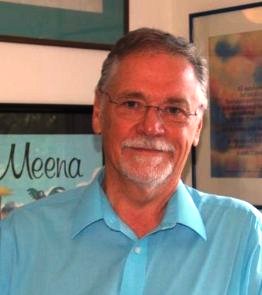
Meena originator Neill McKee

මීනා චරිතයේ හා කථා මාලාවේ නිර්මාතෘවරයා කැනේඩියානු ජාතික සන්නිවේදක නීල් මැකී (Neill Mckee). 1990 දශකය ඇරැඹෙන විට ඔහු යුනිසෙෆ් ආයතනයේ බංග්ලාදේශ් කාර්යාලයේ සන්නිවේදන ප‍්‍රධානියාව සිටියා.

ගතානුගතික දකුණු ආසියාතික ජන සමාජයන්හි පිරිමි දරුවන්ට ලැබෙන සැළකිල්ල හා ප‍්‍රමුඛත්වය බොහෝ විට එම පවුල්වල ගැහැණු දරුවන්ට නොලැබීම යුනිසෙෆ් අවධානයට ලක්ව තිබුණා. මේ නිසා ගැහැණු දරුවන්ගේ අධ්‍යාපනය, සෞඛ්‍යය, පෝෂණය හා අනාගතය අඩාල වන බවත්, මේ සමාජයීය ආකල්ප ටිකෙන් ටික වෙනස් කළ යුතු බවත් යුනිසෙෆ් තේරුම් ගත්තා.

මෙබඳු කිදා බැස ගත් ආකල්පවලට එක එල්ලේ එරෙහි වීම හෝ පණ්ඩිත විවේචන කිරීම සාර්ථක නොවන බවත් නීල් මැකී දැන සිටියා. කථාන්දර ස්වරූපයෙන්, ලිහිල් විලාසයකින් මේ ගැඹුරු පණිවුඩය ගෙන යාමට යුනිසෙෆ් තීරණය කළා.

මේ වන විට සාර්ක් කලාපයේ රාජ්‍යයන් ද මේ ගැන අවධානය යොමු කර තිබුණා. 1990 වසර ගැහැණු දරුවන් පිළිබඳ සාක් වර්ෂය (SAARC Year of Girl Child) ලෙස නම් කරනු ලැබුවා.

මීනා චෙකොස්ලොවාකියාවේ ප‍්‍රාග් නුවර දී පිළිසිඳ ගෙන, බංග්ලාදේශයේ අගනුවර ඩාකාහිදී උපත ලැබුවා යයි කිව හැකියි. හේතුව මේ අදහස මුලින්ම මැකීගේ මනසට ආවේ ප‍්‍රාග් නුවර සමුඵවකට සහභාගී වන අතර බැවින්.

ආපසු ඩාකා නුවරට පැමිණි මැකී සෙසු කාර්ය මණ්ඩලයත් සමග දිගින් දිගට මේ ගැන සාකච්ඡා කළා. හුරුබුහුටි දැරියක් කථා නායිකාව කර ගෙන, ඇගේ පවුල හා ගම පසුබිම් කර ගත් කාටූන් කථා මාලාවක් නිර්මාණය කරන්නට ඔවුන් තීරණය කළා. මේ සඳහා ආයතනය තුළ අරමුදල් නොසෑහුණු බැවින් විවිධ ආධාර ආයතනවලින් එයට මුදල් සොයා ගන්නට ද මැකී වෙහෙසුණා.

ආණ්ඩු සාමාජිකත්වය දරණ අන්තර් රාජ්‍ය ආයතනයක් ලෙස යුනිසෙෆ් කි‍්‍රයාත්මක වන්නේ රජයන්ගේ අනුදැනුම ඇතිවයි. දකුණු ආසියාවේ කොයි කාටත් තේරෙන, සමීප නමක් සෙවූ යුනිසෙෆ් කණ්ඩායම මීනා නම තෝරාගෙන එයට සාක් රටවල නිල අනුමැතිය ලබා ගත්තා.

Best friends - Meena and Mithu
Best friends – Meena and Mithu

කථා රසය වැඩි කරන්නට මීනාට සුරතල් සතෙකු සිටිය යුතු යයි ඔවුන් තීරණය කළා. මුලින් යෝජනා වූයේ හීලෑ කළ රිලා පැටවෙකු වුවත් එයට ශී‍්‍ර ලංකා රාජ්‍ය නියෝජිතයන් එකඟ නොවු නිසා කටකාර ගිරවකු තෝරා ගත් බව මැකී ලියා තිබෙනවා. මිතූ (Mithu) යයි නමක් දෙනු ලැබු මේ ගිරවා මීනා යන සැම තැනම යන, ඇයට ඉතා ලෙන්ගතු සුරතලෙක්.

මීනාගේ පෙනුම හා ඇඳුම් ද හැම දකුණු ආසියාතික රටකට ම සමීප වීම සඳහා නිර්මාණකරුවන් විශේෂ උත්සාහයක් ගත්තා. සාරියක්, සල්වා කමීසයක් වැනි සංස්කෘතික වශයෙන් එක් රටකට දෙකකට ආවේණික ඇඳුමක් වෙනුවට එතරම් සුවිශේෂි නොවන ලිහිල් කලිසමක් හා කමිසයක් ඇයට ලබා දුන්නා.

මේ පෙනුම ඇතුළු අනෙක් සියුම් කාරණා නිර්ණය කිරීමට පෙර ඉතා පුළුල්ව මත විමසීම් ගවේෂණ කරනු ලැබුවා. සාක් රටවල කුඩා කණ්ඩායම් රැස්වීම් 200ක් පමණ පවත්වා බාල හා වැඩිහිටි 10,000කට වැඩි පිරිසකගේ රුචි අරුචිකම් විමසා බැලූ බව මැකී කියනවා.

මෙතරම් පේ‍්‍රක්‍ෂක පර්යේෂණ මත පදනම්ව නිර්මාණය වූ කාටූන් කථා අපේ කලාපයේ දුර්ලභයි. (එහෙත් වෝල්ට් ඩිස්නි වැනි ලොකු සමාගම් අළුත් නිර්මාණයක් කරන්නට පෙර සැම විටම පුළුල්ව පර්යේෂණ කරනවා.)

මීනා වසන ගම්මානයත් දකුණු ආසියාවේ ඕනෑම රටක තිබිය හැකි ආකාරයේ පෙනුමක් සහිතයි. ගතානුගතික වැඩවසම් මානසිකත්වය ඇති අය මෙන් ම වඩාත් විවෘත මනසකින් යුතු පාසල් ගුරුවරිය වැනි චරිත ද එහි හමු වනවා.

Meena chief animator Ram Mohan

මේ චරිත රූප බවට පත් කොට කාටූන් කථා බිහි කරන්නට යුන්සෙෆ් ඇරයුම් කළේ ඉන්දියාවේ ප‍්‍රවීණතම කාටූන් චිත‍්‍රපට අධ්‍යක්‍ෂවරයෙකු වූ රාම් මෝහන්ටයි ( Ram Mohan). ඔහු 1956 සිට මේ ක්‍ෂෙත‍්‍රයේ නියැලී සිටි කෙනෙක්. උපදේශක මට්ටමින් ඇමරිකාවේ ප‍්‍රකට කාටූන් සමාගමක් වන හැනා-බාබරා චිත‍්‍රාගාරය (Hanna-Barbera Productions) ද ෆිලීපිනයේ ෆිල්කාටූන් සමාගම (Fil-Cartoons) ද සම්බන්ධ කර ගනු ලැබුවා. එහෙත් මේ නිර්මාණය 90%ක්ම දකුණු ආසියාතික නිර්මාණයක්.

‘‘අප විවිධාකාර හැඩතල නිර්මාණය කරමින් විවිධ ජන පිරිස් වලට ඒවා පෙන්නුවා. ඔවුන් වැඩි දෙනෙකු පි‍්‍රය කළ රසය එකතු කොට මීනාගේ පවුල, ගම හා කථා මාලාව බිහි කළා’’ රාම් මෝහන් කියනවා. මෙය වසර දෙකක් ගත වූ සාමුහික ව්‍යායාමයක්.

මුල් ම මීනා කථාව වූයේ Count Your Chicken (කුකුළු පැටවුන් ගණන් කරමු). අයියා (රාජු) පාසල් යවන නමුත් ගැහැණු දරුවෙකු නිසා මීනා පාසල් නොයවා ගෙදර තබා ගන්නවා. ඒත් අයියා පසුපස පාසල දක්වා යන මීනා, පන්ති කාමරයට පිටත සිට පාඩම් අසා සිටිනවා. එසේ දුර සිට උගත් ගණන් කිරීමේ හැකියාව ප‍්‍රායෝගිකව පාවිච්චි කොට කුකුල් හොරකු අල්ලා දෙන මීනා ගැන පැහැදෙන ඇගේ දෙමවුපියෝ ප‍්‍රමාද වී හෝ ඇයත් පාසල් යවනවා.

දෙවැනි කථාවට පාදක වූයේ රසවත් අඹ ගෙඩියක් ගෙදර ගෙනවිත් එයින් වැඩි පංගුව අයියාටත් ඇබිත්තක් පමණක් මීනාටත් දීමේ සිද්ධියයි. ගැහැණු දරුවාට එළිපිටම අඩු සැළකිලි දීමේ සම්ප‍්‍රදාය මේ කථාවෙන් හීන් සීරුවේ අභියෝගයට ලක් කැරෙනවා.

විනාඩි 10-15ක් පමණ දිගට දිවෙන මීනා කාටූන් කථා මුල් වටයේ 13ක් නිර්මාණය කළා. ඒවා ඉංගී‍්‍රසි, හින්දි, උර්දු, බංග්ලා, නේපාලි, දෙමළ, සිංහල වැනි භාෂා ගණනාවකට හඬ කවා එක් එක් රටවල ටෙලිවිෂන් නාලිකාවලට නොමිලයේ බෙදා හරිනු ලැබුවා.

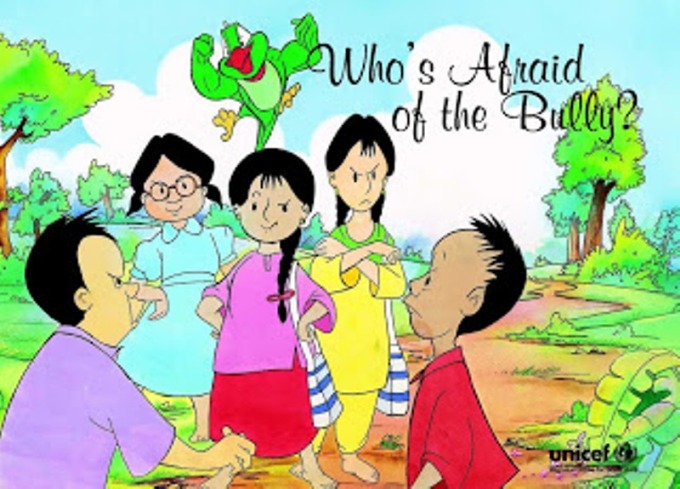
Who's Afraid of the Bully
Who’s Afraid of the Bully

ප‍්‍රතිශක්තිකරණය, සනීපාරක්‍ෂාව, බාල වයස්කරුවන්ගෙන් වැඩ ගැනීම, ආපදාවලින් සුරැකීම, සෙල්ලම් කිරීමට දරු දැරියන්ට ඇති අයිතිය, අඩු වයසින් දැරියන් විවාහ කර දීම, HIV/AIDSවලින් ආරක්‍ෂා වීම වැනි තේමා යටතේ මීනා කාටූන් කථා නිපදවනු ලැබුවා. ඒ හැම එකක්ම සංවේදීව හා නිවැරදිව අදාල කරුණු කථානුසාරයෙන් ඉදිරිපත් කළා. මෙය ලෙහෙසි පහසු වැඩක් නොවෙයි.

ටෙලිවිෂන් කාටූන් මාලාවට අමතරව එම කථා චිත‍්‍ර කථා පොත් පෙළක් ලෙස ද මුද්‍රණය කොට විවිධ භාෂාවලින් බෙදා හරිනු ලැබුවා. බංග්ලාදේශය මුල් කර ගෙන ඇරඹුණත් 1995 වන විට මීනා සන්නිවේදන ව්‍යාපෘතිය සියළු සාක් රටවලට ව්‍යාප්ත වුණා.

එහිදී වැදගත් මෙහෙවරක් ඉටු කළේ මීනා ව්‍යාපෘති කළමනාකරු ලෙස කත්මන්ඩු නුවර යුන්සෙෆ් දකුණු ආසියාතික කලාපීය කාර්යාලයට පත්ව ආ කි‍්‍රස්ටියන් ක්ලාක් (Christian Clark). කලකට පෙර ලෝක ප‍්‍රකට සෙසමි ස්ටී‍්‍රට් ළමා ටෙලිවිෂන් වැඩසටහනේ පිටපත් රචකයෙකු හා කාටුන් ශිල්පියෙකු ද වූ ඔහු කාටුන් හරහා සමාජයට වැදගත් තොරතුරු හා පණීවුඩ දීමේ විභවය මනාව හඳුනාගෙන සිටියා.

‘කිසි විටෙක කථා රසය පලූදු වන ආකාරයෙන් තොරතුරු වැඩි කිරීමට හෝ පණිවුඩ දීමේ අරමුණින් දේශනා පැවැත්වීමට හෝ අප ඉඩ දුන්නේ නැහැ,’ මා හමු වූ විටෙක ඔහු ආවර්ජනය කළා.

කෙටි කලකින් මීනා කථා දකුණු ආසියාව පුරා කෙතරම් ජනපි‍්‍රය වී ද යත් එය ආදර්ශයට ගෙන සාරා නම් අපි‍්‍රකානු කථා මාලාවක් ද පසුව නිර්මාණය කරනු ලැබුවා. ඒ හරහා මෙබඳු ම වැදගත් පණිවුඩ අපි‍්‍රකානු සමාජයන්ට දෙන්නට යුන්සෙෆ් අපි‍්‍රකානු කාර්යාල උත්සාහ කළා. මීනාට වඩා ටිකක් වැඩිමහලූ සාරා දැරියට වයස 13යි. සිංගෝ නම් හුරතල් රිලා පැටියෙකු ඇයට සිටිනවා.

‘කාටූන් චරිත හැටියට මීනා හා සාරා තීරණාත්මක සමාජ සන්නිවේදනයක පෙර ගමන්කරුවන් වුණා. බොහෝ ගතානුගතික සමාජවල විවෘතව එක එල්ලේ සාකච්ඡා කළ නොහැකි ආකල්ප ගැන නැවත සිතා බැලීමකට ඒ හරහා යොමු කළා.’ නීල් මැකී හා කි‍්‍රස්ටියන් ක්ලාක් පසු කලෙක සිය අත්දැකීම් සමාලෝචනය කරමින් ලියා තැබුවා.

කාටූන් නිසා ළමා මනස අයාලේ යනවා යයි සිතන අයට මීනා අළුත් මානයක් පෙන්වා දෙනවා. තවත් කාටූන් නිර්මාණකරුවන් මේ මාර්ගයේ යනවා නම් කෙතරම් අපූරුද?

මීට වසර 15කට පමණ පෙර පාලිත ලක්‍ෂ්මන් ද සිල්වා ළමා අයිතිවාසිකම් විදහා දැක්වෙන කෙටි (විනාඩියේ) කාටුන් මාලාවක් නිර්මාණය කළා. සිබිල් වෙත්තසිංහගේ චිත‍්‍ර යොදා ගෙන කළ මේ නිර්මාණය සීමිත සම්පත් හරහා මීනා ගිය මග යන්නට ගත් දේශීය උත්සාහයක්.


Meena: Count your Chickens

Will Meena Leave School?

Meena: Too young to Marry

Crossing the ‘Dev-Code’ Divide: Easier said than done?

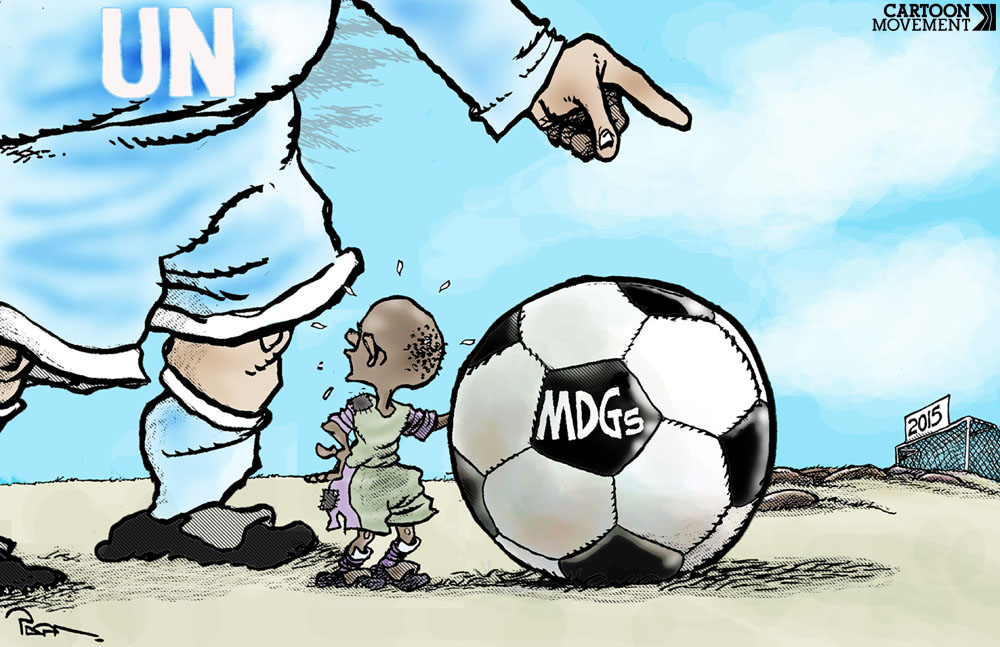
Cartoon by Popa Matumula - Courtesy Cartoon Movement
Cartoon by Popa Matumula – Courtesy Cartoon Movement

“To garner public support for their causes, the development community must connect with rest of society using everyday phrases, metaphors and images. That is a far better strategy than expecting everyone to understand their gobbledygook.”

This is the central argument in my latest op-ed essay, just published on the Communication Initiative blog.

Titled Crossing the ‘Dev-Code’ Divide, I revisit a theme familiar to my regular readers: getting development pr0fessionals to communicate better.

Another excerpt:

“After working with technological ‘geeks’ and development workers for many years, I know they have at least one thing in common: their own peculiar languages that don’t make much sense to the rest of us.

“Talking in code is fine for peer-to-peer conversations. But it’s a nonstarter for engaging policy makers and the public.”

An example of coded language is the oft-bandied Millennium Development Goals (MDGs) – lofty ideals, badly packaged.

This essay is a tribute to my mentor and former colleague Robert Lamb (1952 – 2012), who was a grandmaster in communicating development to public and policy audiences using simple language and powerful imagery.

Working with Robert for 15 years, I saw how he brought seemingly dreary development issues alive on TV and video – dominant media of his time — through simple and sincere story telling. He mixed inter-governmental processes with stark ground level realities. In three decades he produced or commissioned hundreds of international TV documentaries exploring what sustainable development meant in the real world.

Read the full essay: Crossing the ‘Dev-Code’ Divide

Republished in The Nation newspaper, Sri Lanka, 16 Feb 2014

Cartoon by Patrick Chapette
Cartoon by Patrick Chappatte, IHT

See also related blog posts:

November 2009: Satinder Bindra: It’s the message, stupid (and never mind the UN branding)!

July 2009: Asia’s Other Eclipse: The one that doesn’t make TV news!

March 2009: Mixing oil and water: Media’s challenges in covering human security

March 2009: Missing Mothers: How acronyms and jargon can kill innocent women

April 2007: MDG: A message from our spin doctors?

April 2007: Say MDG and smile, will ya?

Don’t exaggerate Lanka’s kidney disease, its discoverer pleads

Feature article published in Ceylon Today newspaper,  28 Dec 2013

Don’t exaggerate Lanka’s kidney disease, its discoverer pleads

 By Nalaka Gunawardene

See also: Science and Politics of Mass Kidney Failure in Sri Lanka, Groundviews.org, 19 Aug 2012

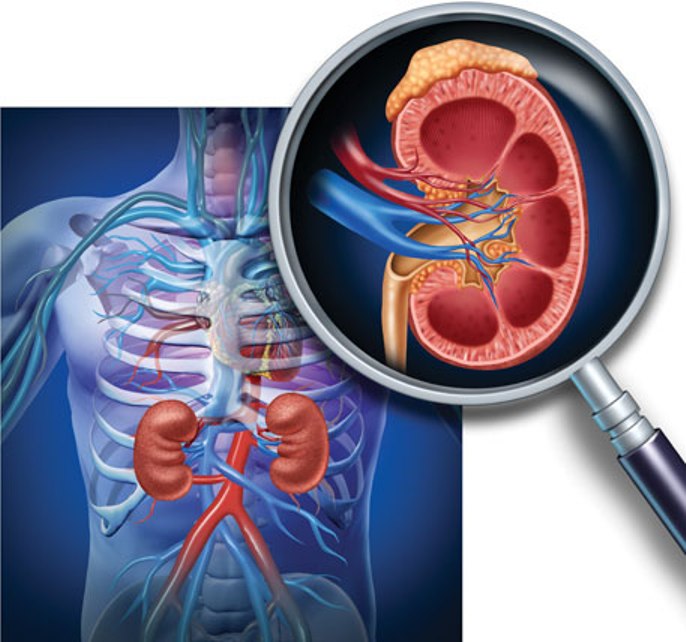
Image courtesy Down to Earth magazine, India

While unexplained mass kidney failure is a serious public health problem in Sri Lanka, some persons are exaggerating the number of cases and deaths resulting from it, says the kidney specialist who first detected the disease.

Consultant Nephrologist Dr Tilak Abeysekera, who heads the Department of Nephrology and Transplantation at the Teaching Hospital Kandy, told a recent scientific meeting that it is very important to correctly diagnose the ailment – and not get it mixed up with other types of kidney disease.

“For example, only 16% of kidney patients in the Anuradhapura district can be classified as affected by what is now called Chronic Kidney Disease of unknown aetiology, or CKDu,” he said. He was speaking at a national symposium organised by the National Academy of Sciences of Sri Lanka (NASSL).

The symposium, held in Colombo on 10 December 2013, brought together senior representatives from many public institutions, research organisations and advocacy groups. It discussed the current status of knowledge of the disease, its occurrence, cause(s) and the short and long-term action needed to combat or mitigate it.

Wide-ranging discussions at the symposium highlighted the need for better disease surveillance, and further research. Participants also agreed on the need for much caution by policy makers and the media to avoid creating panic and confusion.

“Some writers to newspapers have claimed that the kidney disease is worse than the (2004) tsunami. The two tragedies are not comparable, and many numbers being mentioned in the media are gross exaggerations,” Dr Abeysekera said.

 Mystery disease

CKDu emerged in the early 1990s, when hundreds of people in Sri Lanka’s Dry Zone – heartland of its farming — developed kidney failure without having the common causative factors of diabetes or high blood pressure.

Most affected were men aged between 30 and 60 years who worked as farmers. The disease built up inside the body without tell-tale signs or symptoms, manifesting only in advanced stages.

Dr Abeysekera was the first to notice and report this variation of the disease that had no immediately apparent cause. As the numbers rose, doctors and other scientists began probing further, trying to identify factors that triggered kidney failure.

Having first appeared in the North Central Province, CKDu has since been reported from parts of five more provinces: the North Western, Uva, Eastern, Central and Northern. The endemic area now covers around 17,000 square km, which is home to over 2.5 million people. To date, it remains exclusively a Dry Zone disease.

Owing to discrepancies in record keeping, it is difficult to arrive at a reliable estimate of deaths resulting from CKDu, According to Dr. Kingsley de Alwis, President of NASSL, deaths have variously been estimated at between 20,000 and 22,000 over the past 20 years. These numbers are not fully verified.

According to him, some 8,000 persons are currently undergoing treatment. This costs the public health sector over Rs. 4,000 million every year.

Over the years, many scientific studies have been carried out and various environmental, geochemical and lifestyle related factors have been probed. Researchers now suspect environmental and genetic factors as causes – but a definitive link to a specific factor has yet to be found.

The National CKDu research project, initiated and led by the Ministry of Health during 2009-2011, has concluded that CKDu is caused by multiple factors instead of a single one (see also box below).

In particular, it found chronic exposure of people in the endemic area to low levels of Cadmium through the food chain and also to pesticides. It also reported a genetic susceptibility in individuals with CKDu.

 Many causes

Dr Shanthi Mendis, Director, Management of Non-communicable Diseases at WHO, told the symposium that kidney disease due to environmental factors is not unique to Sri Lanka. It has also been reported from Japan, Nicaragua, El Salvador, Croatia, Bulgaria and Serbia among others.

In Sri Lanka, WHO-supported research has shown that men over 39 years of age who are engaged in chena cultivation are more prone to CKDu. A positive family history in parents or siblings also increases the risk.

According to Dr Mendis, among the factors that appear to play a role are: chronic exposure to low levels of Cadmium through the food chain; exposure to nephrotoxic (kidney-damaging) pesticides; concurrent exposure to other heavy metals (Arsenic and Lead); deficiency of Selenium in diet; genetic susceptibility to kidney failure; and the use of Ayurvedic herbal remedies containing the Sapsanda plant (Aristolochia indica).

Cadmium enters the environment mainly through chemical fertilisers. The national research project did not find drinking water as a main source of Cadmium.

“In endemic areas, high Cadmium levels were found in certain vegetables such as lotus roots, freshwater fish and tobacco. But Cadmium in rice in both endemic and nonendemic areas was less than the allowable limit of 0.2 milligrams per kilogram,” Dr Mendis said.

Traces of Fluoride and Calcium naturally occurring in groundwater may also aggravate the effect of nephrotoxins and contribute to CKDu, she added.

Agrochemicals are not the only substances to watch. Dr Mendis also highlighted 66 Ayurvedic medicinal prescriptions that contain Aristolochia, being used for treating over 20 ailments. These include remedies for snakebite, fever, body pains, labour pain, indigestion and headache. Most people have no idea what their medicine contains, making it particularly difficult to assess exposure to this factor.

As often happens, research has raised more questions while clarifying some issues. Further studies are needed to understand exactly how certain plants accumulate heavy metals from their surroundings.

According to NASSL President Dr de Alwis, this is the typical process of science. “We need not be unduly alarmed about the number of different causes to which CKDu is attributed by scientists…Science works through a series of interactions, as well as the clash of ideas.”

Dr Tissa Vitarana, Senior Minister of Scientific Affairs who opened the symposium, asked all researchers to keep an open mind in such scientific investigations, ensure rigour of testing and analyis, and discuss their findings widely.

“There has been a spate of media abuse on CKDu. I’m glad to note that the media hype has died down so that a more sensible evaluation becomes possible,” he said.

Dr Vitarana, who is a virologist by training, added: “Cadmium, the main heavy metal suspected of being responsible for CKDu, enters our environment mainly through chemical fertilisers. There is no argument that we need to reduce use of such fertilisers. But as a scientist, I need to be convinced that Cadmium is the main cause. Right now, there is no such conclusive evidence, so we need to keep an open mind.”

Remedies & prevention

While the debate on exact causes of CKDu continues in scientific circles, the public health toll keeps rising.

“CKDu is a major public health issue placing a heavy burden on Government health expenditure and is a cause of catastrophic expenditure for individuals and families leading to poverty and stigma in the community,” WHO’s Dr Mendis said.

And as Minister Vitarana noted, in affected areas of the Dry Zone, farmers’ morale is breaking down. “This can raise questions on the future of farming in Sri Lanka.”

Based on the National CKDu research project, WHO has recommended a number of short and long term actions for ministries and other state agencies concerned with health, water supply, food and agriculture sectors.

An urgent priority is to supply clean drinking water to all people living in the endemic districts. Most people currently rely on groundwater, tapped through tube wells, hand pumps, or dug wells. The government’s 2014 budget proposals have recently allocated Rs 900 million to set up Reverse Osmosis small treatment plants that can purify ground water at local level.

Meanwhile, acting on other recommendations, the Ministry of Health has intensified public education and CKDu surveillance.  At the same time, more treatment facilities – including kidney dialysis units – are being set up.

Many families of patients living with CKDu face economic hardship as their breadwinner can no longer work. They need both livelihood and counselling support.

On the preventive front, the Health Ministry now advises against consuming lotus roots in endemic areas, and asks people to be careful with all herbal medicines containing Sapsanda. One study recommendation is for regulating the use of nephrotoxic herbal medicines.

The national research study has also recommended action for stricter regulation of agrochemicals. It specifically calls for regulating the indiscriminate use of synthetic fertilisers, in particular phosphate fertilisers containing traces of Cadmium, Arsenic and Lead. Farmer reliance on these can be reduced by greater use of locally made rock phosphate. Similarly, better regulation of pesticide distribution and use is also needed.

Going a step further, the study has advocated strengthening tobacco regulation to protect people from exposure to Cadmium through passive smoking. This should add to the already strong case against tobacco.

The humanitarian crisis of CKDu has reached such levels, notes WHO, that urgent remedial actions are needed even as researchers continue their investigations.

“Translating available research findings into action should not be delayed. Implementing multisectoral measures to people’s (especially children’s) exposure to nephrotoxins is a top priority,” said Dr Mendis. “Follow-up research should not be a barrier for implementing WHO recommendations.”

Text box:

 It was a national study, clarifies Health Ministry

The national research project on CKDu was co-funded by the World Health Organization (WHO) and Sri Lanka National Science Foundation (NSF). Comprising 11 studies, it is most comprehensive investigation on the topic so far, and involved dozens of local researchers and senior public health officials.

Research teams measured arsenic, cadmium, lead, selenium, pesticides and other elements, often linked with kidney failure, in biological samples from CKDu patients from three endemic areas (Anuradhapura, Polonnaruwa and Badulla). They compared the data with control groups from the endemic areas and a non-endemic area, i.e. Hambantota. They also analysed food, water, soil and agrochemicals from all the areas for the presence of heavy metals such as Cadmium, Arsenic and Lead.

The research findings were formally released in mid 2013. They were also published as a scientific paper in the international medical journal BMC Nephrology in August 2013. The full paper can be accessed free online at: http://www.biomedcentral.com/1471-2369/14/180

“This is a national study carried out by our own experts, with World Health Organization (WHO) providing technical advice and part of the funding,” said Dr P.G. Mahipala, Director General of Health Services at the Ministry of Health.

He clarified: “It is not correct to refer to this study as a WHO study.”

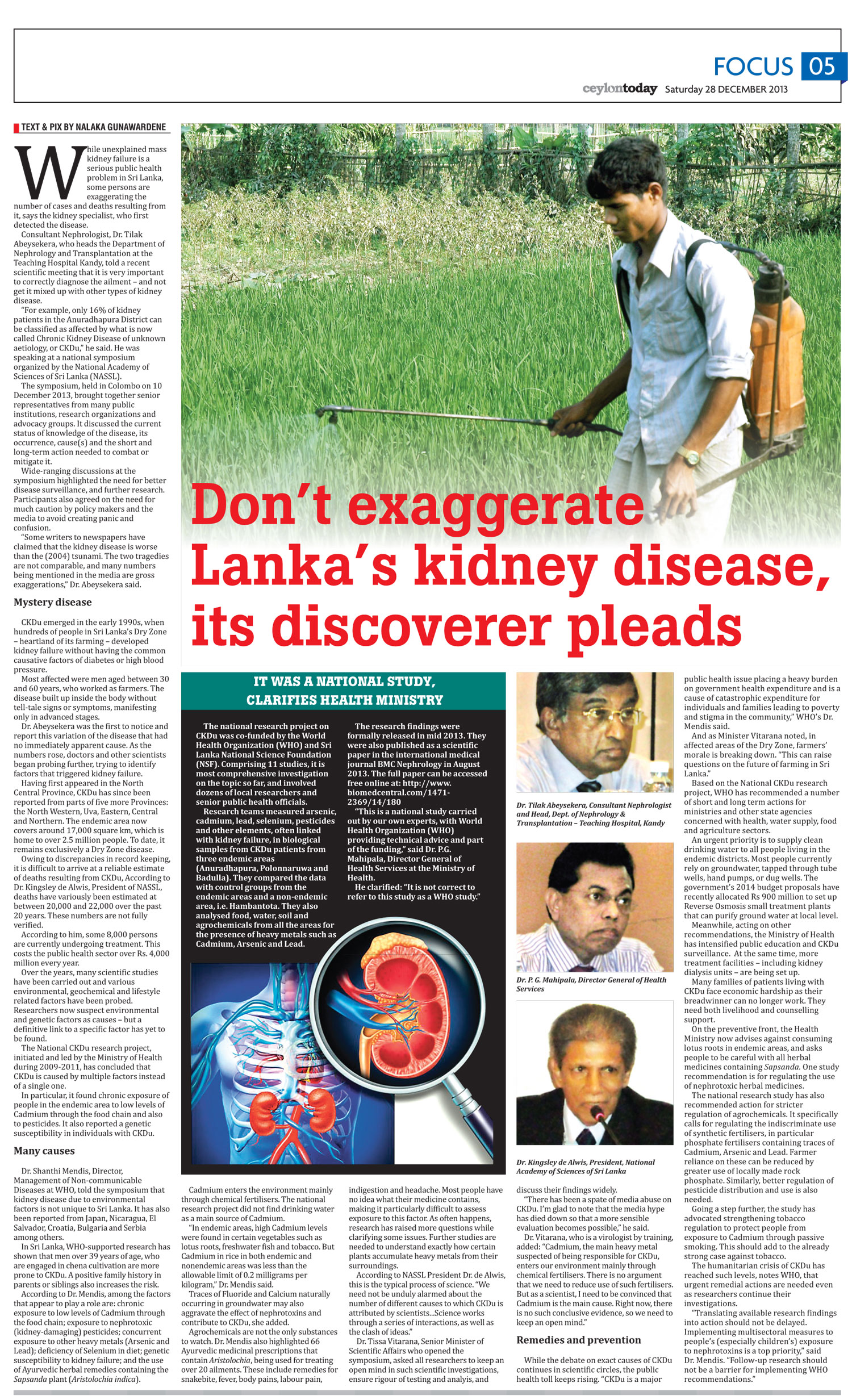
Don’t exaggerate Lanka’s kidney disease - by Nalaka Gunawardene - Ceylon Today, 28 Dec 2013
Don’t exaggerate Lanka’s kidney disease – by Nalaka Gunawardene – Ceylon Today, 28 Dec 2013

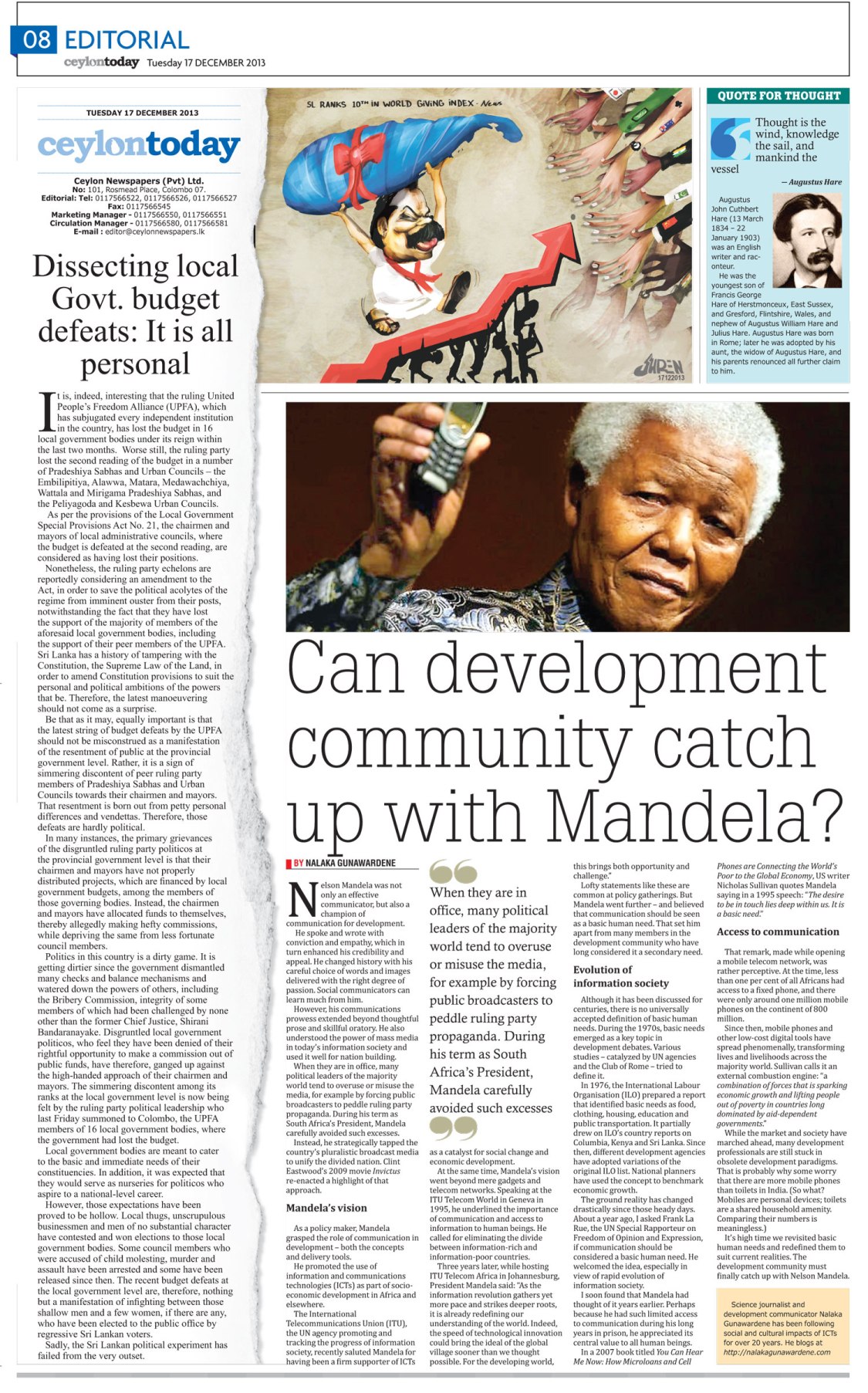
Can the Development Community catch up with Nelson Mandela?

Op-ed essay originally published by the Communications Initiative (CI) on 12 Dec 2013 and reprinted in Ceylon Today  newspaper on 17 Dec 2013.

Image courtesy - ICTD Cape Town 2013 website
Image courtesy – ICTD Cape Town 2013 website

Nelson Mandela was not only an effective communicator, but also a champion of communication for development.

He spoke and wrote with conviction and empathy, which in turn enhanced his credibility and appeal. He changed history with his careful choice of words and images delivered with the right degree of passion. Social communicators can learn much from him.

However, his communications prowess extended beyond thoughtful prose and skillful oratory. He also understood the power of mass media in today’s information society — and used it well for nation building.

When they are in office, many political leaders of the majority world tend to overuse or misuse the media, for example by forcing public broadcasters to peddle ruling party propaganda. During his term as South Africa’s president, Mandela carefully avoided such excesses.

Instead, he strategically tapped the country’s pluralistic broadcast media to unify the divided nation. Clint Eastwood’s 2009 movie Invictus re-enacted a highlight of that approach.

As a policy maker, Mandela grasped the role of communication in development – both the concepts and delivery tools.

He promoted the use of information and communications technologies (ICTs) as part of socio-economic development in Africa and elsewhere.

The International Telecommunications Union (ITU), the UN agency promoting and tracking the progress of information society, recently saluted Mandela for having been a firm supporter of ICTs as a catalyst for social change and economic development.

At the same time, Mandela’s vision went beyond mere gadgets and telecom networks. Speaking at the ITU Telecom World in Geneva in 1995, he underlined the importance of communication and access to information to human beings. He called for eliminating the divide between information-rich and information-poor countries.

Three years later, while hosting ITU Telecom Africa in Johannesburg, President Mandela said: “As the information revolution gathers yet more pace and strikes deeper roots, it is already redefining our understanding of the world. Indeed, the speed of technological innovation could bring the ideal of the global village sooner than we thought possible. For the developing world, this brings both opportunity and challenge.”

Lofty statements like these are common at policy gatherings. But Mandela went further – and believed that communication should be seen as a basic human need. That set him apart from many members in the development community who have long considered it a secondary need.

Although it has been discussed for centuries, there is no universally accepted definition of basic human needs. During the 1970s, basic needs emerged as a key topic in development debates. Various studies — catalysed by UN agencies and the Club of Rome – tried to define it.

In 1976, the International Labour Organisation (ILO) prepared a report that identified basic needs as food, clothing, housing, education and public transportation. It partially drew on ILO’s country reports on Columbia, Kenya and Sri Lanka.

Since then, different development agencies have adopted variations of the original ILO list. National planners have used the concept to benchmark economic growth.

The ground reality has changed drastically since those heady days. About a year ago, I asked Frank La Rue, the UN Special Rapporteur on Freedom of Opinion and Expression, if communication should be considered a basic human need. He welcomed the idea, especially in view of rapid evolution of information society.

I soon found that Mandela had thought of it years earlier. Perhaps because he had such limited access to communication during his long years in prison, he appreciated its central value to all human beings.

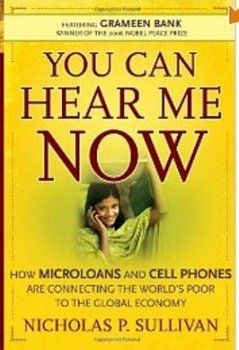
You Can Hear Me Now - book coverIn a 2007 book titled You Can Hear Me Now: How Microloans and Cell Phones are Connecting the World’s Poor to the Global Economy, US writer Nicholas Sullivan quotes Mandela saying in a 1995 speech: “The desire to be in touch lies deep within us. It is a basic need.”

That remark, made while opening a mobile telecom network, was rather perceptive. At the time, less than 1 per cent of all Africans had access to a fixed phone, and there were only around one million mobile phones on the continent of 800 million.

Since then, mobile phones and other low-cost digital tools have spread phenomenally, transforming lives and livelihoods across the majority world. Sullivan calls it an external combustion engine: “a combination of forces that is sparking economic growth and lifting people out of poverty in countries long dominated by aid-dependent governments.”

While the market and society have marched ahead, many development professionals are still stuck in obsolete development paradigms. That is probably why some worry that there are more mobile phones than toilets in India. (So what? Mobiles are personal devices; toilets are a shared household amenity. Comparing their numbers is meaningless.)

It’s high time we revisited basic human needs and redefined them to suit current realities. The development community must finally catch up with Nelson Mandela.

Science journalist and development communicator Nalaka Gunawardene has been following social and cultural impacts of ICTs for over 20 years. 

Can Development Community Catch up with Nelson Mandela - Ceylon Today, 17 Dec 2013
Can Development Community Catch up with Nelson Mandela – Ceylon Today, 17 Dec 2013

සිවුමංසල කොලූගැටයා #145: තුන්වන ලෝකයට බුද්ධිමය පහන්ටැඹක් වූ ආචාර්ය ගාමිනී කොරෙයා

In this week’s Ravaya column (in Sinhala), I pay tribute to Dr Gamani Corea (1925 – 2013), Lankan economist, diplomat, international civil servant and public intellectual.

For an English version, see: When Worlds Collide #91: Gamani Corea – Champion of the Global South

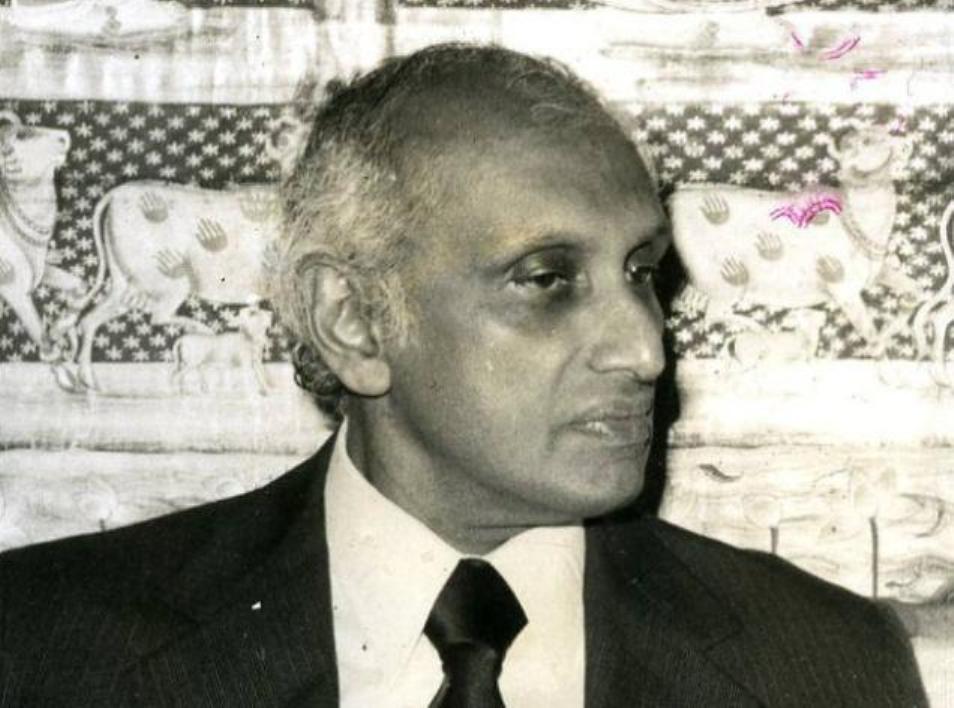
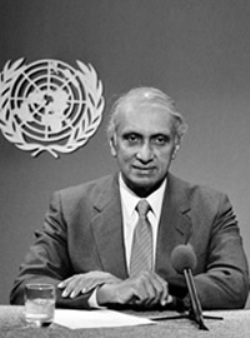
Dr Gamani Corea - photo courtesy The Hindu
Dr Gamani Corea – photo courtesy The Hindu

අදීනව හා අභිතව, එහෙත් සියුම් හා උපක‍්‍රමශීලී ලෙසින් දේශීයත්වය හා අපේ අනන්‍යතාවය බාහිර ලෝකයට ප‍්‍රක්‍ෂෙපනය කරමින් සංකීර්ණ නූතන සමාජයේ තානාපති හා විදේශ සබඳතා පවත්වා ගැනීම ලොකු අභියෝගයක්.

ප‍්‍රතිපත්ති ගරුක හා ස්වාධීන විදේශ පිළිවෙතක් අනුගමනය කිරීම නිසා 1960-1970 දශකවලදී ශී‍්‍ර ලංකාවට ලෝකයේ බොහෝ රටවල ගෞරවාදරය හිමි වුණා. මෙරටින් බිහි වූ විද්වතුන් හා තානාපතිවරුන් අන්තර් රාජ්‍ය සංවිධානවල ඉහළ තනතුරු හොබවමින් උපන් රටට කීර්තියක් මෙන් ම දියුණු වන ලෝකයට ම මඟ පෙන්වීමක් ද ලබා දුන්නා. මේ අය අතර දැවැන්තයකු වූයේ මෑතදී මිය ගිය ආචාර්ය ගාමිනී කොරෙයා (1925-2013) යි.

කොරෙයාගේ අභාවයත් සමඟ ලෝකයේ නන් දෙසින් නිකුත් කෙරුණු ශෝක පණිවුඩ හා ගුණ සමරු දෙස බලන විට ඔහු කෙතරම් කීර්ති නාමයක් දිනා සිටියා ද යන්න පැහැදිලි වනවා.

මෙරට ඉසුරුබර ප‍්‍රභූ පවුලක ඉපිද, ලංකා විශ්ව විද්‍යාලයේත්, ඉනික්බිති ඔක්ස්ෆර්ඞ් හා කේම්බි‍්‍රජ් යන බි‍්‍රතාන්‍ය සරසවි දෙකෙහිත් උසස් අධ්‍යාපනය ලැබූ කොරෙයා, 1952-1973 වකවානුවේ ලක් රජයේ විවිධ ඉහළ තනතුරු හෙබ වූවා. ආර්ථික විශේෂඥයකු ලෙස අඵතින් නිදහස ලැබූ ලංකාවේ ජාතික සැළසුම් හා මූල්‍ය ප‍්‍රතිපත්ති සම්පාදනයට මූලික වූ ඔහු, පැවති හැම රජයක් යටතේ ම වෘත්තීය ගෞරවය රැක ගනිමින් සේවය කළා.

මෙරට නිල් – කොළ – රතු හැම දේශපාලන පක්‍ෂයක ම හොඳහිත හා ගෞරවය ලැබ සිටි ඔහු, දෙවරක් මෙරට මුදල් ඇමති ධූරය ප‍්‍රතික්‍ෂෙප කොට තිබෙනවා. (1965 ඩඞ්ලි සේනානායක රජයේ හා 1988 ජයවර්ධන රජයේ අවසාන වසරේ.)

ජාතික සැළසුම් මහ ලේකම් කාර්යාලයේ අධ්‍යක්‍ෂ, මහ බැංකුවේ ආර්ථික පර්යේෂණ අධ්‍යක්‍ෂ, හා සැළසුම් හා ආර්ථික අමාත්‍යාංශයේ ලේකම් වැනි තීරණාත්මක තනතුරු දැරීමෙන් පසුවයි ඔහු 1970 දශකයේ ජාත්‍යන්තර තලයට ප‍්‍රවේශ වූයේ. ඒ වන විට ඔහු ලක් රජය නියෝජනය කරමින් විවිධ එක්සත් ජාතීන්ගේ සම්මේලනවලට සහභාගි වී අත්දැකීම් රැසක් හිමි කර ගෙන සිටියා.

කොරෙයා යුරෝපීය රටවල් ගණනාවකට අනුයුක්ත කළ ලංකා තානාපති හැටියට 1973දී පත් කරනු ලැබුවත් එහි කටයුතු කළෙ මාස කිහිපයයි. වෙළදාම හා සංවර්ධනය පිළිබඳ එක්සත් ජාතීන්ගේ සම්මේලනය (UNCTAD, http://www.unctad.org) නම් අන්තර්-රාජ්‍ය සංවිධානයේ මහ ලේකම් තනතුරට ඔහු තෝරා පත් කර ගනු ලැබුවා. එය එජා සංවිධාන ජාලයේ ඉහළ තනතුරක්. (පසු කලෙක ජයන්ත ධනපාල උප මහලේකම් තනතුරකට පත් වන තුරු එජා සංවිධානයේ ඉහළට ම ගිය ලාංකිකයා වූයේ ගාමිනී කොරෙයායි.)

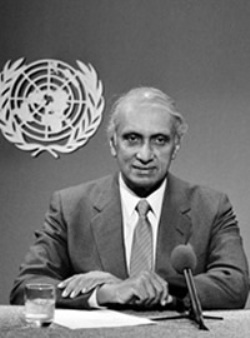
Gamani Corea, Secretary General of UNCTAD (1974-1984)

1964දී ඇරැඹුණු UNCTAD සංවිධානය ජාත්‍යන්තර වෙළදාම, ආයෝජනය හා සංවර්ධනය ගැන ප‍්‍රතිපත්ති නිර්දේශ කරන, මේ ක්‍ෂෙත‍්‍ර අරභයා දියුණු හා දියුණු වන රටවල් අතර යම් තුලනයක් පවත්වා ගන්නට අරමුණු කළ ආයතනයක්. විශේෂයෙන් 1970 – 80 දශක දෙකේදී නව ලෝක ආර්ථික රටාවක් බිහි කිරීමේ උතුරු – දකුණ සංවාදවලදී UNCTAD තීරණාත්මක බුද්ධිමය හා තානාපති මෙහෙරවක් ඉටු කළා. එම මෙහෙවරේ නායකත්වය දැරූවේ 1974-1984 කාලය තුළ (එක පිට එක) ධුර කාල හතරක් එහි මහලේකම් තනතුර දැරූ කොරෙයායි.

ඉසුරුබර රටවල් සමඟ ගැටුම් ඇති කර නොගෙන, සාධාරණත්වය හා සමානාත්මතාවය සඳහා ආචාරධර්මීය කතිකාවතක් දිගට ම පවත්වා ගන්නට ඔහු සමත් වුණා. දියුණු රටවල් (ගෝලීය උතුර) හා දියුණු වන රටවල් (ගෝලීය දකුණ) අතර මේ දිගුකාලීන සංවාදය, සංවේදීතාවන් හා තුලනයන් රැසක් පවත්වා ගත යුතු ඉතා අසීරු කාරියක්.

ධනවත් රටවල මුදල් බලයට හා ප‍්‍රබල තානාපති බලපෑම්වලට නතු නොවී, එමෙන්ම සමහර රැඩිකල්වාදී දකුණේ රටවල ආක‍්‍රමණකාරී හා කලබල ප‍්‍රවේශයන්ට ද ඉඩ නොදී කාගේත් හොඳහිත රැක ගනිමින් වැඩ කිරීමට කොරෙයා අතිශයින් දක්‍ෂයකු වූ බව ඔහුගේ සමකාලීනයන් සිහිපත් කරනවා.

ඔහුට සමාන්තරව ජිනීවා නුවර ගෝලීය සංවාදවලට එකතු වූ තවත් ආර්ථික විශෙෂඥයෙක් නම් වත්මන් ඉන්දීය අගමැති ආචාර්ය මන්මෝහන් සිං. මේ දෙදෙනා අතර දශක ගණනක සමීප මිතු දමක් පැවතුණා.

කොරෙයා ගැන අනුස්මරණ නිවේදනයකින් වත්මන් UNCTAD කාර්යාලය කියා සිටියේ ‘‘ලෝකයේ දුගී රටවලට වඩාත් සාධාරණ, දිගු කාලීන සංවර්ධනයකට පිවිසීමට උපකාර වන විදියේ ගෝලීය ආර්ථික ප‍්‍රතිසංස්කරණ ඇති කිරීම සඳහාත්, ජාතීන් අතර වෙළදාමේදී එම රටවලට වඩාත් වාසි සහගත වන පරිසරයක් බිහි කරන්නටත් ඔහු ඉමහත් බුද්ධිමය දායකත්වයක් ලබා දුන්නා’’ කියායි.

ඔහුගේ ජිනීවා සගයකු වූ ජ්‍යෙෂ්ඨ ඉන්දීය පුවත්පත් කලාවේදී චක‍්‍රවර්ති රාඝවන් මෙසේ ආවර්ජනය කළා: ‘‘තුන්වන ලෝකයේ රටවලට ලෝක ආර්ථික ක‍්‍රමය තුළින් වඩාත් හිතකර තත්ත්වයන් උදා කිරීමට කුමක් කළ යුතු ද යන්න ගැන කොරෙයාට තියුණු හා දිගු කාලීන දැක්මක් තිබුණා. එය ආර්ථික විද්‍යා න්‍යායවලට සීමා නොවී, ප‍්‍රායෝගික හා උපායමාර්ගික මට්ටමට විහිදුණා. ඔහු ඇරැඹූ යම් කි‍්‍රයාදාමයන් ඵල දරන්නට වසර හෝ දශක ගණනක් ගත වුණා.’’

මෙබඳු දිගු කාලීන ප‍්‍රතිපත්තිමය විප්ලවයකට හොඳ උදාහරණයක් නම් අත්‍යවශ්‍ය ඖෂධ පිළිබඳ ක‍්‍රමවේදයක් බිහි කිරීමයි. ලෝක සෞඛ්‍ය සංවිධානය සමඟ සමීපව කි‍්‍රයා කරමින්, බහුජාතික ඖෂධ සමාගම්වලට නතු නොවී එම ප‍්‍රතිපත්ති සැකසීමට ලාංකික ඖෂධවේදී මහාචාර්ය සේනක බිබිලේට අවශ්‍ය පසුබිම සකසා දුන්නේ ගාමිනී කොරෙයා සහ UNCTAD සංවිධානයයි. පසුව ආචාර්ය කුමාරයියා බාලසුබ‍්‍රමනියම් බිබිලේ නැවතු තැනින් ඒ ගමන ඉදිරියට ගෙන ගියේ ද UNCTAD හරහායි.

රාඝවන් සිහිපත් කරන හැටියට කොරෙයා කිසි විටෙක තදබල හෝ සැරපරුෂ ලෙස කථා කළේ නැහැ. අතිශයින් ආචාරශීලී හා සුහද ලෙස එහෙත් බුද්ධිමය ස්ථාවරයන්ගෙන් නොසැළී ඔහු ආන්දෝලනාත්මක සමුඵ සැසිවාරයන් හැසිර වූ බවත්, අමෙරිකාව හා යුරෝපීය ප‍්‍රජාව තුළින් මතුව ආ උද්දච්චකම ඔහු හීන්සීරුවේ නිශේධනය කළ බවත් රාඝවන් කියනවා.

මේ නිසා ධනවත් රටවලට කොරෙයා රිස්සුවේ  නැතත්, ඔවුන් පවා ඔහුගේ අවංක බව හා බුද්ධි මහිමය අගය කළා.

පසු කලෙක ලංකා තානාපති සේවයට ආලෝකයක් ගෙන දුන් විදේශ ඇමැති ලක්ෂ්මන් කදිරගාමර් මෙන් ම ගාමිනී කොරෙයාත් ඉංගී‍්‍රසි බස ව්‍යක්තව හා සියුම්ව හැසිරවීමට ගජ හපනෙක්. ඔහු කී සමහර වදන් කලක් ගත වීත් ලෝක ආර්ථික හා දේශපාලන තලයන්හි තවමත් ප‍්‍රතිරාවය වනවා.

මා ඇසූ එක් කොරෙයා කියමනක්: ‘‘තුන්වන ලෝකයේ බොහෝ රටවලට සැබැවින් සිටින්නේ එක ම එක මුදල් ඇමතිවරයෙක්. ඒ තමයි ලෝක බැංකුව හා ජාත්‍යන්තර මූල්‍ය අරමුදල!’’ (මේ ආයතන ද්විත්වය UNCTAD ප‍්‍රතිසංස්කරණවලට කැමති නොවී දිගින් දිගට ම කොරෙයා සමඟ වාදවලට පැටඵණා.)

පූර්ණකාලීන එජා සංවිධාන සේවයෙන් ඉවත් වූ පසුවත් ඔහු විවිධ රජයන්, ලෝක ආයතන හා සිවිල් සංවිධානවල ගරු තනතුරු හා උපදේශක තනතුරු රැසක් දරමින් තවත් කලක් ජිනීවා නුවර රැදී සිටියා. වයස 75 පමණ වනතුරු ඔහු සකි‍්‍රය වෘත්තීය දිවි පෙවෙතක් ගත කළා.

තිරසාර සංවර්ධනය ගැන ගෝලීය චින්තනයක් ගොඩ නැංවීමට 1970 හා 1980 දශකවල මුල් සංවාද රැසකට ද ඔහු සහභාගී වූවා. එබඳු සංවාදවලදී අන්ත හරිතවාදය මෙන් ම අන්ත ධනවාදයටත් එකඟ නොවී යම් සමබර ප‍්‍රවේශයන් වෙත ලෝකයේ ආණ්ඩු යොමු කළා. මේ මෙහෙවර නිසා 1992 බ‍්‍රසීලයේ රියෝ නුවර පැවති මිහිතල සමුඵවට ගිය ශී‍්‍ර ලංකා රාජ්‍ය දුත පිරිසේ විශෙෂ උපදේශකයකු ලෙස ඔහු පත් කරනු ලැබුවා.

ලෝක සංවිධානවල තනතුරුවලට පත් වන බොහෝ ලාංකිකයන් උඩගු හා උද්දච්ච බවින් පිරී යනවා. එහෙත් කොරෙයා හැමදාමත් ඉතා නිහතමානී, මිත‍්‍රශීලී චරිතයක් වුණා. මෙය මා අත්දුටුවේ වයස 24ක තරුණ මාධ්‍යවේදියකු ලෙස එවකට 65 හැවිරිදි ඔහුගෙන් සම්මුඛ සාකච්ඡාවක් ලබා ගන්නට ගිය විටදීයි. ඒ 1990 අග භාගයේදී.

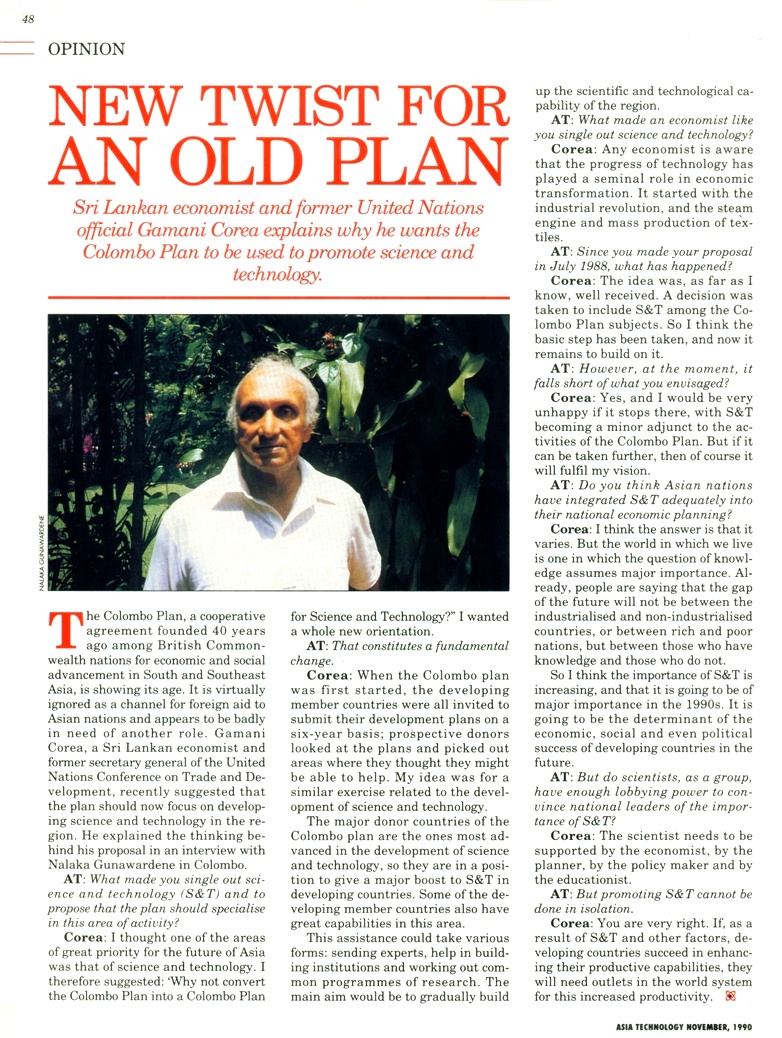
හොංකොං නුවරින් පළ කෙරුණු Asia Technology කලාපීය විද්‍යා සඟරාවේ නියෝජිතයකු ලෙස මා ඔහු මුණ ගැසුණේ ආසියාවේ දියුණු වන රටවල ආර්ථික සංවර්ධනයට විද්‍යාව හා තාක්‍ෂණය කෙසේ යොදා ගත හැකි ද යන්න ගැන ඔහුගේ අදහස් විමසීමටයි. ඉන් පෙර කිසිදු හැඳුනුම්කමක් නොතිබුණත් මා සාදරයෙන් පිළිගත් ඔහු මහත් උද්‍යොගයෙන් හා සුහද ලෙසින් මා සමඟ කථා කළා. 1950දී ඇරැඹි කොළඹ ක‍්‍රමය (Colombo Plan) නම් කලාපීය සහයෝගිතා සංවිධානයට විද්‍යා හා තාක්‍ෂණය පිළිබඳ නව අරමුණක් ආරෝපනය කළ යුතු යයි ඔහු යෝජනා කළා.

විද්‍යාව හා තාක්‍ෂණය හරිහැටි ජාතික සංවර්ධනයට යොදා ගන්නා රටවල් අන් රටවල් අභිබවා ඉදිරියට යන බවත්, එමගින් සිය ජනයාගේ ජීවන මට්ටම් දියුණු කරන බවත් ඔහු පෙන්වා දුන්නා. අද මෙය ප‍්‍රකට කරුණක් වුවත් මීට දශක දෙක හමාරකට පෙර මෙබඳු දැක්මක් බොහෝ ආර්ථික විද්‍යාඥයන්ට තිබුණේ නැහැ.

එසේ ම මතුව එන දැනුම් සමාජය ගැන ඔහු අනාගතවේදීව කථා කළා. ඒ වන විට ඉන්ටර්නෙට් හා පරිගණක තිබුණේ මූලික හා සීමිත අවධියකයි. එහෙත් එහි විප්ලවකාරී විභවය හා වැදගත්කම ඔහු කල් තබා දුටුවා.

අපේ සංවාදය පැයක් පමණ පැවතුණා. එය අවසානයේ ඔහුගේ ඡුායාරූපයක් ගන්නට මට  ඕනෑ වුණා. එයට ඔහු එකඟ වූයේ තරමක දෙගිඩියාවකින්. ‘මගේ නාසය හුඟක් විශාලයි. හැම ඡායාරූපයක ම වැඩිපුර පෙනෙන්නේ එයයි!’ ඔහු සිනාසෙමින් කීවා. ‘එහෙත් ඔබේ ලොකු නාසය ජේ. ආර්. ගේ තරම් ප‍්‍රකට නැහැ නේද?’ මාත් සැහැල්ලූවෙන් උත්තර දුන්නා.

ගාමිණී කොරෙයා සමඟ මා කළ සාකච්ඡාවේ කොටස් 1990 නොවැම්බර් Asia Technology කලාපයේ පළවුණා. මා වැනි ලාබාලයකුට ගරුසරු ඇතිව සැළකූ මේ ජ්‍යෙෂ්ඨයා ඉන් පසුවත් දෙතුන් විටක් මට විවිධ සභාවලදී මුණ ගැසුණා. ඒ හැම විටක ම සුහදව සුවදුක් විමසන්නට තරම් ඔහු කාරුණික වුණා.

කථාවට වැටුණාම ඇත්තට ම ඔහු කුඩා දරුවකු මෙන් නිර්ව්‍යාජයි. ආඩම්බරයක් ඇත්තේ ම නැහැ. මේ ගතිගුණය ඔහු ඇසුරු කළ සැවොම සනාථ කරනවා. අඩුවෙන් පිරුණු කළගෙඩි මහත් ඝෝෂා නඟන අපේ සමාජයේ පිරුණු කළයක් වූ ගාමිනී කොරෙයා හැමදාමත් සැහැල්ලූවෙන් හා සිනාවෙන් කල් ගත කළා.

එහෙත් මා ඔහු හමු වූ අවසන් දිනයේ නම් ඔහු සිටියේ වික්ෂිප්තව හා ශෝකබරිතවයි. ටික කලකට මා ජිනීවා නුවරට අනුයුක්ත කොට සිටියා. මගේ ප‍්‍රධානියා වීටස් ප‍්‍රනාන්දු එනුවර ලාංකිකයන්ගේ අවුරුදු සාදයකට මා කැඳවා ගෙන ගියා. ඒ 1993 අපේ‍්‍රල් 23 වනදා. ලලිත් ඇතුලත්මුදලිගේ ඝාතනය පිළිබඳ ප‍්‍රවෘත්තිය අපට ලැබුණේත් එදා සවසයි.

ජිනීවාහි වසන ජ්‍යෙෂ්ඨතම ලාංකිකයකු ලෙස ටික වේලාවකට කොරෙයා එම සාදයට පැමිණියත්, ඔහු බෙහෙවින් සලිත වී සිටිනු මා දුටුවා. එතරම් කථාබහ කළේත් නැහැ. ජිනීවා සාදයේ සමහරුන් නටන ගයන අතරේ අප ටික දෙනකු සමඟ කොරෙයා නිසොල්මනේ බලා සිටියා.

නිදහසෙන් පසු ලංකාවේ ගමන්මග තීරණය කරන්නට සමීපව දායක වූ ඔහු මොකද්ද මේ අපේ රටට වෙන්නේ යන ප‍්‍රශ්නය මෙනෙහි කරන්නට ඇති. ඒ අතර සැතපුම් දහස් ගණනක් දුරින් පිහිටි කොළඹදී මගේ පරම්පරාවේ ඇත්තන්ගේ අනාගතය බෙහෙවින් අවිනිශ්චිත වී තිබුණා.

Dr Gamani Corea interviewed by Nalaka Gunawardene - Asia Technology, Nov 1990
Dr Gamani Corea interviewed by Nalaka Gunawardene – Asia Technology, Nov 1990

Dr Gamani Corea (1925-2013): Economist who valued the role of science and technology

Gamani Corea, Secretary General of UNCTAD (1974-1984)

“I have a rather large nose that dominates my photos,” said Gamani Corea as I asked him to pose for a photo in his spacious garden at Horton Place, in the heart of residential Colombo.

“Then how come your nose isn’t as famous as JR’s?” I asked as I snapped a few photos. That reference was to our first Executive President J R Jayewardene, whose prominent nose was the delight of cartoonists for decades.

Economist, diplomat and international civil servant Dr Gamani Corea (1925-2013), one of the most accomplished Sri Lankans of the 20th century, had just given me an interview.

It was sometime in late 1990. Dr Corea was dividing his time between Colombo and Geneva. I was a young science reporter working for Asia Technology magazine published from Hong Kong

A few weeks earlier, I’d suggested to my editors a story about Dr Corea’s proposal to revamp the Colombo Plan — an inter-governmental organisation to strengthen economic and social development of countries in the Asia Pacific region — with a new focus on science and technology.

He didn’t know me before, but turned out to be both approachable and amiable. He matched my eagerness with energetic and optimistic answers. We chatted for the better part of an hour.

Dr. Corea, who served as Secretary-General of UNCTAD from 1974 to 1984, died on 3 November 2013 aged 87. As UNCTAD website noted, he was known for his vision of a rebalanced international economic order that would provide fairer treatment to developing countries.

I wrote up that interview for Asia Technology November 1990 issue. Here’s a scan, illustrated by my photo with his not-so-famous nose:

Dr Gamani Corea interviewed by Nalaka Gunawardene - Asia Technology, Nov 1990
Dr Gamani Corea interviewed by Nalaka Gunawardene – Asia Technology, Nov 1990

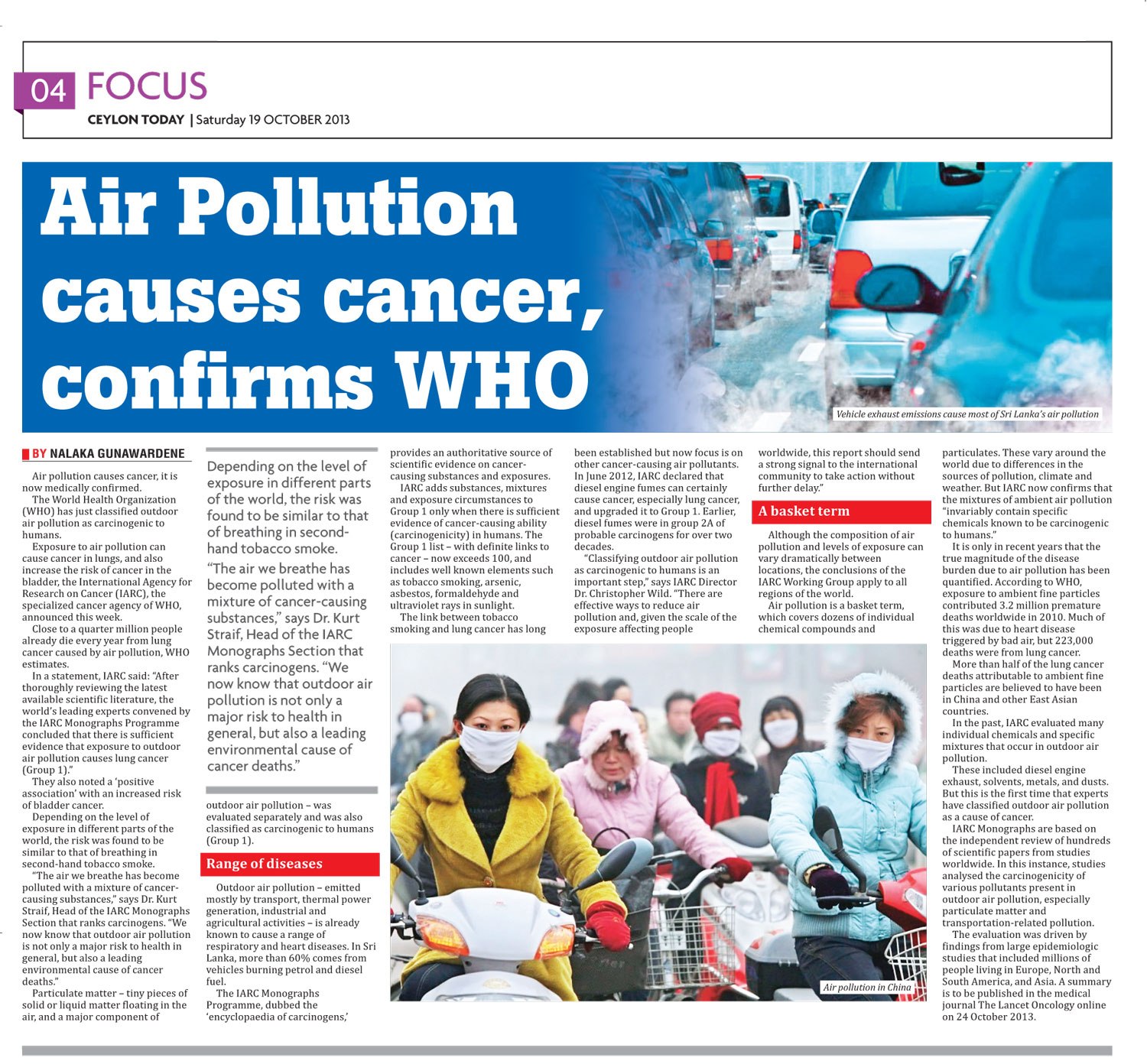
Air Pollution causes cancer, confirms WHO

News feature written for Ceylon Today newspaper, 19 Oct 2013

Air Pollution causes cancer, confirms WHO

By Nalaka Gunawardene

Air pollution causes cancer, it is now medically confirmed.

The World Health Organization (WHO) has just classified outdoor air pollution as carcinogenic to humans.

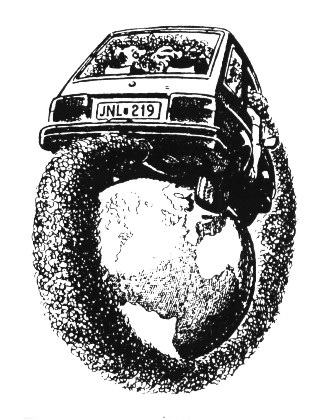
car pollution - B&W cartoon 2Exposure to air pollution can cause cancer in lungs, and also increase the risk of cancer in the bladder, the International Agency for Research on Cancer (IARC), the specialized cancer agency of WHO, announced this week.

Close to a quarter million people already die every year from lung cancer caused by air pollution, WHO estimates.

In a statement, IARC said: “After thoroughly reviewing the latest available scientific literature, the world’s leading experts convened by the IARC Monographs Programme concluded that there is sufficient evidence that exposure to outdoor air pollution causes lung cancer (Group 1).”

They also noted a “positive association” with an increased risk of bladder cancer.

Depending on the level of exposure in different parts of the world, the risk was found to be similar to that of breathing in second-hand tobacco smoke.

“The air we breathe has become polluted with a mixture of cancer-causing substances,” says Dr Kurt Straif, Head of the IARC Monographs Section that ranks carcinogens. “We now know that outdoor air pollution is not only a major risk to health in general, but also a leading environmental cause of cancer deaths.”

Particulate matter — tiny pieces of solid or liquid matter floating in the air, and a major component of outdoor air pollution– was evaluated separately and was also classified as carcinogenic to humans (Group 1).

Outdoor air pollution – emitted mostly by transport, thermal power generation, industrial and agricultural activities — is already known to cause a range of respiratory and heart diseases. In Sri Lanka, more than 60% comes from vehicles burning petrol and diesel fuel.

The IARC Monographs Programme, dubbed the “encyclopaedia of carcinogens”, provides an authoritative source of scientific evidence on cancer-causing substances and exposures.

IARC adds substances, mixtures and exposure circumstances to Group 1 only when there is sufficient evidence of cancer-causing ability (carcinogenicity) in humans.

The Group 1 list – with definite links to cancer — now exceeds 100, and includes well known elements such as tobacco smoking, arsenic, asbestos, formaldehyde and ultraviolet rays in sunlight.

The link between tobacco smoking and lung cancer has long been established but now focus is on other cancer-causing air pollutants. In June 2012, IARC declared that diesel engine fumes can certainly cause cancer, especially lung cancer, and upgraded it to Group 1. Earlier, diesel fumes were in group 2A of probable carcinogens for over two decades.

“Classifying outdoor air pollution as carcinogenic to humans is an important step,” says IARC Director Dr Christopher Wild. “There are effective ways to reduce air pollution and, given the scale of the exposure affecting people worldwide, this report should send a strong signal to the international community to take action without further delay.”

Although the composition of air pollution and levels of exposure can vary dramatically between locations, the conclusions of the IARC Working Group apply to all regions of the world.

Air pollution is a basket term, which covers dozens of individual chemical compounds and particulates. These vary around the world due to differences in the sources of pollution, climate and weather. But IARC now confirms that the mixtures of ambient air pollution “invariably contain specific chemicals known to be carcinogenic to humans”.

It is only in recent years that the true magnitude of the disease burden due to air pollution has been quantified. According to WHO, exposure to ambient fine particles contributed 3.2 million premature deaths worldwide in 2010. Much of this was due to heart disease triggered by bad air, but 223 000 deaths were from lung cancer.

More than half of the lung cancer deaths attributable to ambient fine particles are believed to have been in China and other East Asian countries.

In the past, IARC evaluated many individual chemicals and specific mixtures that occur in outdoor air pollution. These included diesel engine exhaust, solvents, metals, and dusts. But this is the first time that experts have classified outdoor air pollution as a cause of cancer.

IARC Monographs are based on the independent review of hundreds of scientific papers from studies worldwide. In this instance, studies analysed the carcinogenicity of various pollutants present in outdoor air pollution, especially particulate matter and transportation-related pollution.

The evaluation was driven by findings from large epidemiological studies that included millions of people living in Europe, North and South America, and Asia. A summary is to be published in the medical journal The Lancet Oncology online on 24 October 2013.

Air Pollution causes cancer, Ceylon Today, 19 Oct 2013