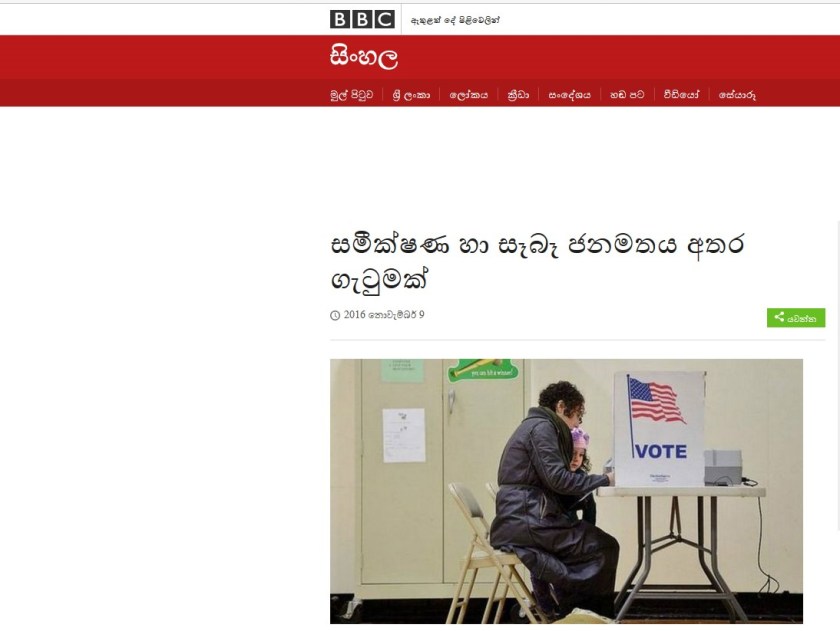
Within hours of the US Presidential Election’s results becoming known on 9 November 2016, I gave a telephone interview to BBC Sinhala service. They asked me how almost all the opinion polls did not see Donald Trump winning the election, even though many polls said it was going to be a close contest.
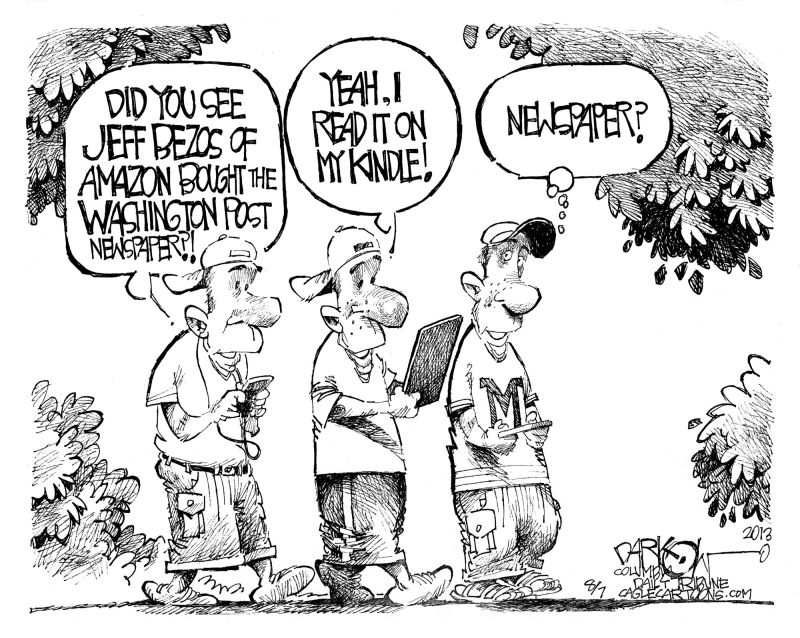
Can newspapers survive the challenge from digital and online media?
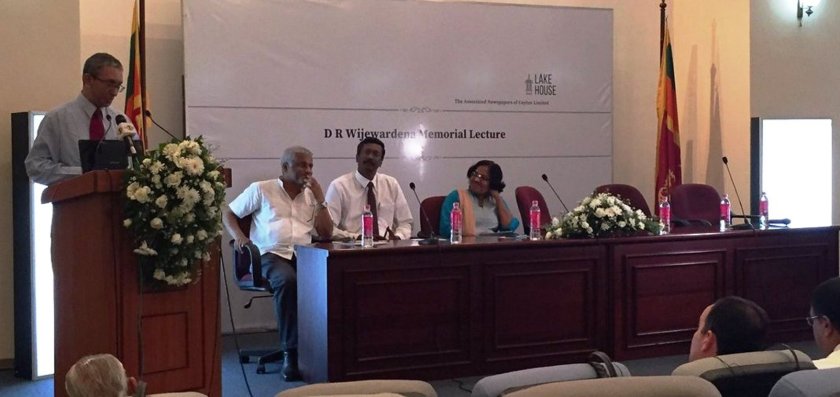
Plenty of printer’s ink has been spent reflecting on this question. I once again addressed it when moderating a panel at the D R Wijewardene commemorative event held on 26 February 2016 at Lakshman Kadirgamar Institute, Colombo.
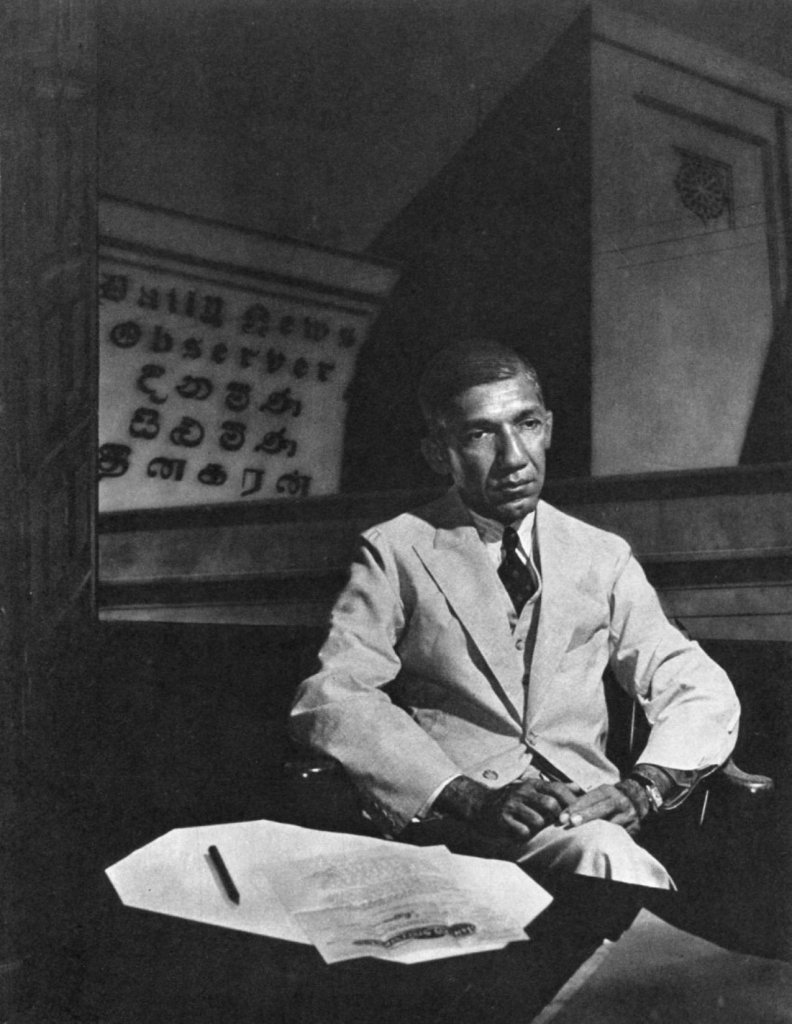
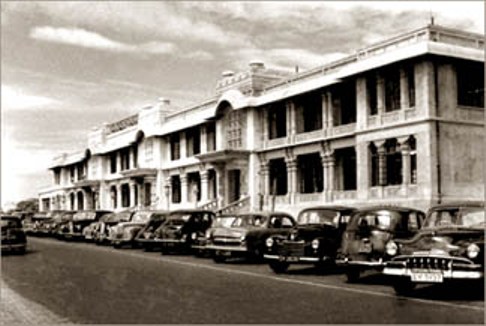
Wijewardene was Sri Lanka’s first Press Baron. About a century ago, he laid the foundation for his publishing house, Associated Newspapers of Ceylon Limited, which still remains a dominant player.
Many like me, of a certain age and above, seem to have a nostalgic attachment to newspapers. One key question for the print industry: beyond tapping such sentimental appeal (which diminishes over time), can newspapers stay relevant and viable? How can they adapt and evolve to keep serving the public interest?
Perhaps the more pertinent question to ask is: where are the budding D R Wijewardenes of the 21st Century? What are their start-ups and how are their dreams unfolding? Are they trying to balance reasonable profits with public interest journalism?
I discuss these in my Ravaya column (appearing in the print issue of 13 March 2016).
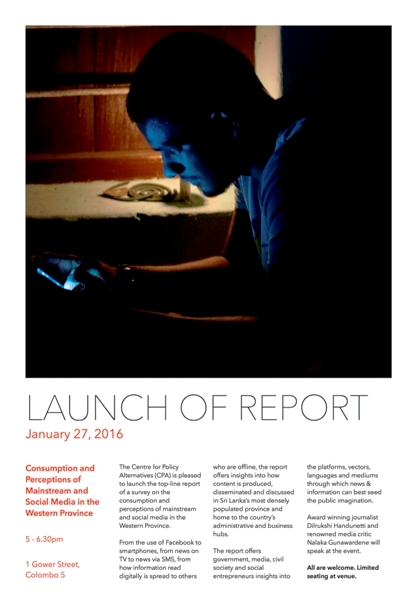
Launch of the top-line report of a survey on the consumption and perceptions of mainstream and social media in the Western Province of Sri Lanka, 27 Jan 2016
On 27 January 2016, the Centre for Policy Alternatives (CPA) launched the top-line report of a survey on the consumption and perceptions of mainstream and social media in the Western Province of Sri Lanka.
I was one of the launch speakers, and my presentation was titled: Information Society is Rising in Sri Lanka: ARE YOU READY?
The report draws on a survey of 1,743 randomly selected men and women, interviewed in Sinhala or Tamil language during June-July 2015. They were asked about mobile phone use and web access. The survey was conducted by Social Indicator, CPA’s survey research unit.
As the launch media release noted, “From the use of Facebook to smartphones, from news on TV to news via SMS, from how information read digitally is spread to others who are offline, the report offers insights into how content is produced, disseminated and discussed in Sri Lanka’s most densely populated province and home to the country’s administrative and business hubs.
It added: “The report offers government, media, civil society and social entrepreneurs insights into the platforms, vectors, languages and mediums through which news & information can best seed the public imagination.”
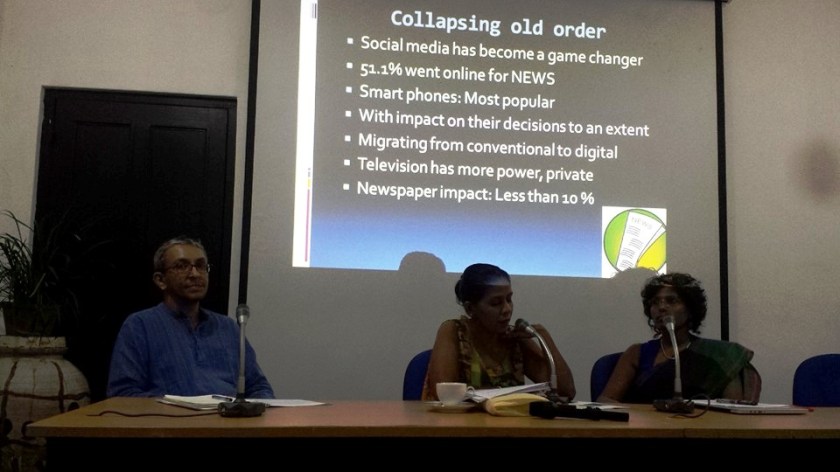
Dilrukshi Handunnetti (centre) speaks as Nalaka Gunawardene (left) and Iromi Perera listen at the launch on 27 Jan 2016 in Colombo – Photo by Sampath Samarakoon
In my remarks, I said it was vital to draw more insights on what I saw as ‘demand-side’ of media. But at the same time, I noted how a growing number of media consumers are no longer passively receiving, but also critiquing, repackaging and generating related (or new) content on their own.
I applauded the fact that this survey’s findings are shared in the public domain – in fact, Iromi Perera, head of Social Indicator, offered to share the full dataset with any interested person. This contrasts with similar surveys conducted by market research companies that are, by their very nature, not going to be made public.
Why do demand-side insights being available in the public domain matter so much? I cited four key reasons:
The new government is keen on media sector reforms at policy and regulatory levels: these should be based on evidence and sound analysis, not conjecture.
Media, telecom and digital industries are converging: everyone looking for ‘killer apps’ and biz opps (but only some find it).
Media companies are competing for a finite advertising budget: knowing more about media consumption can help improve production and delivery.
Advertisers want the biggest bang for their buck: Where are eyeballs? How to get to them? Independent studies can inform sound decision-making.
On this last point, I noted how Sri Lanka’s total ad spend up to and including 2014 does not show any significant money going into digital advertising. According to Neilsen Sri Lanka, ad-spending is dominated by broadcast TV, followed by radio an print. Experience elsewhere suggests this is going to change – but how soon, and what can guide new digital ad spending? Studies like this can help.
I also highlighted some interesting findings of this new study, such as:
Private TV is most popular source of news, followed by Facebook/web.
Across different age groups, smartphone is the device most used to access web
Online culture of sharing engenders TRUST: peer influence is becoming a key determinant in how fast and widely a given piece of content is consumed
None of this surprises me, and in fact confirms my own observations as a long-standing observer and commentator of the spread of ICTs in Sri Lanka.
Everyone – from government and political parties to civil society groups and corporates – who want to engage the Lankan public must take note of the changing media consumption and creation patterns indicated by this study, I argued.
I identified these big challenges particularly for civil society and others engaged in public interest communication (including mainstream and citizen journalists):
Acknowledge that we live in a media-rich information society (Get used to it!)
Appreciate that younger Lankans consume and process media content markedly differently from their elders and previous generations
Understand these differences (stop living in denial)
Leverage the emerging digital pathways and channels for social advocacy & public interest work
In my view, rising to this challenge is not a CHOICE, but an IMPERATIVE!
I ended reiterating my call for more research on information society issues, and with particular focus on mobile web content access which trend dominates user behaviour in Sri Lanka.
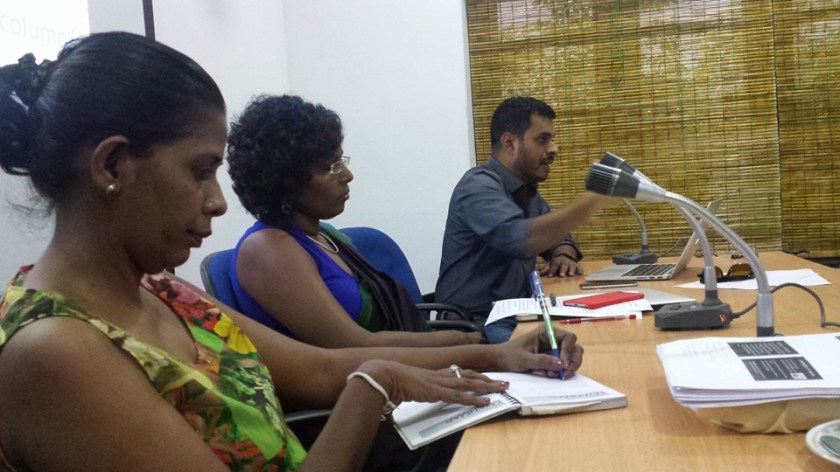
Award winning journalist Dilrukshi Handunnetti, and head of Social Indicator Iromi Perera were my fellow panelists at the launch, which was moderated by the study’s co-author and CPA senior researcher Sanjana Hattotuwa.
L to R – Dilrukshi Handunnetti, Iromi Perera, Sanjana Hattotuwa at CPA report launch, Colombo, 27 Jan 2016
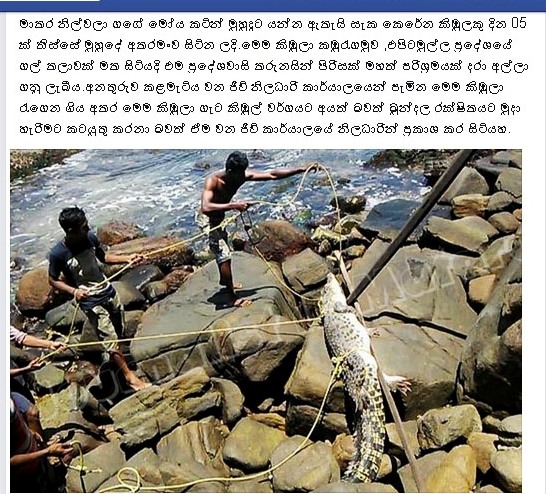
I looked at the larger news media industry in Sri Lanka to which provincial journalists supply ground level news, images and video materials. These are used on a discretionary basis by media companies mostly based in the capital Colombo (and some based in the northern provincial capital of Jaffna). Suppliers have no control over whether or how their material is processed. They work without employment benefits, are poorly paid, and also exposed to various pressures and coercion.
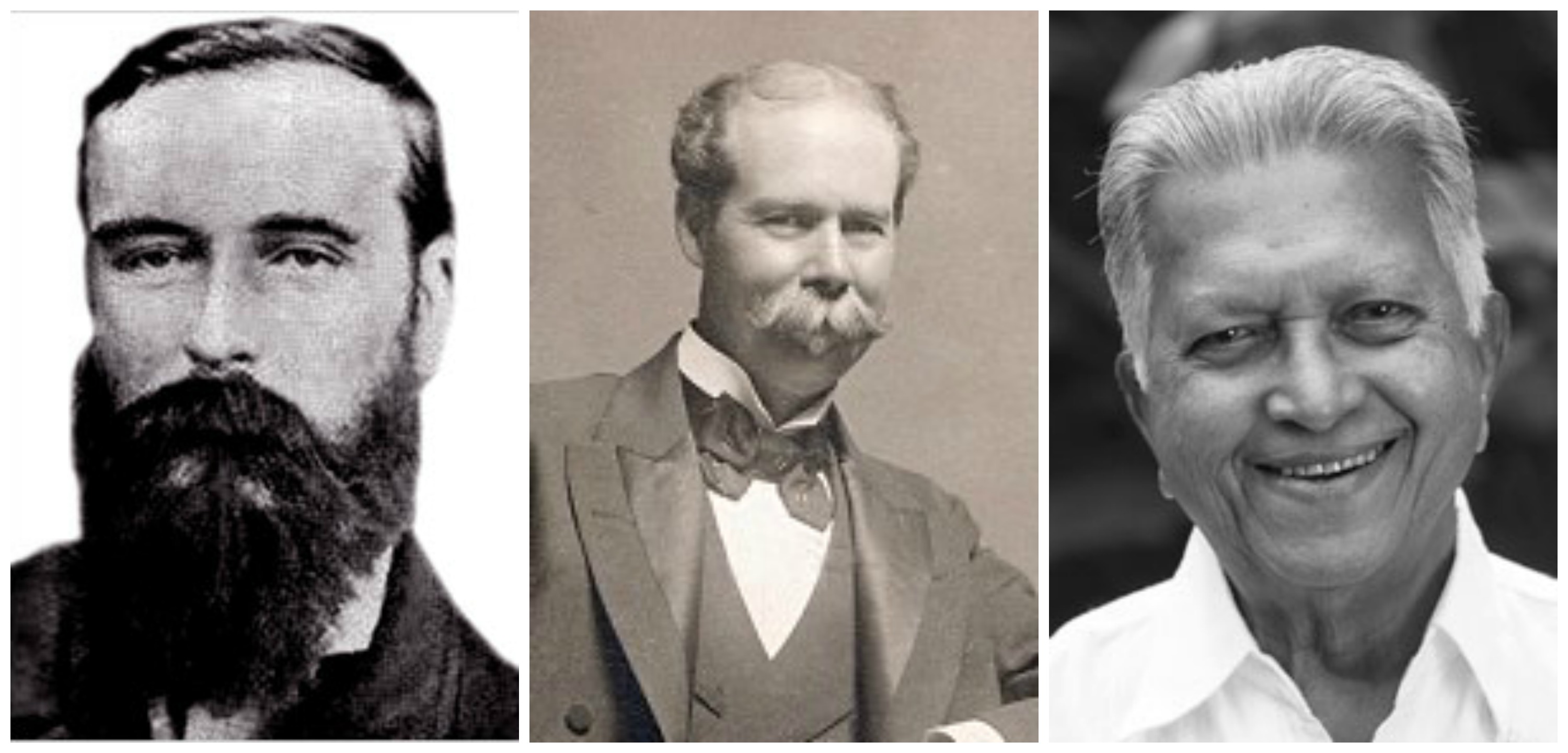
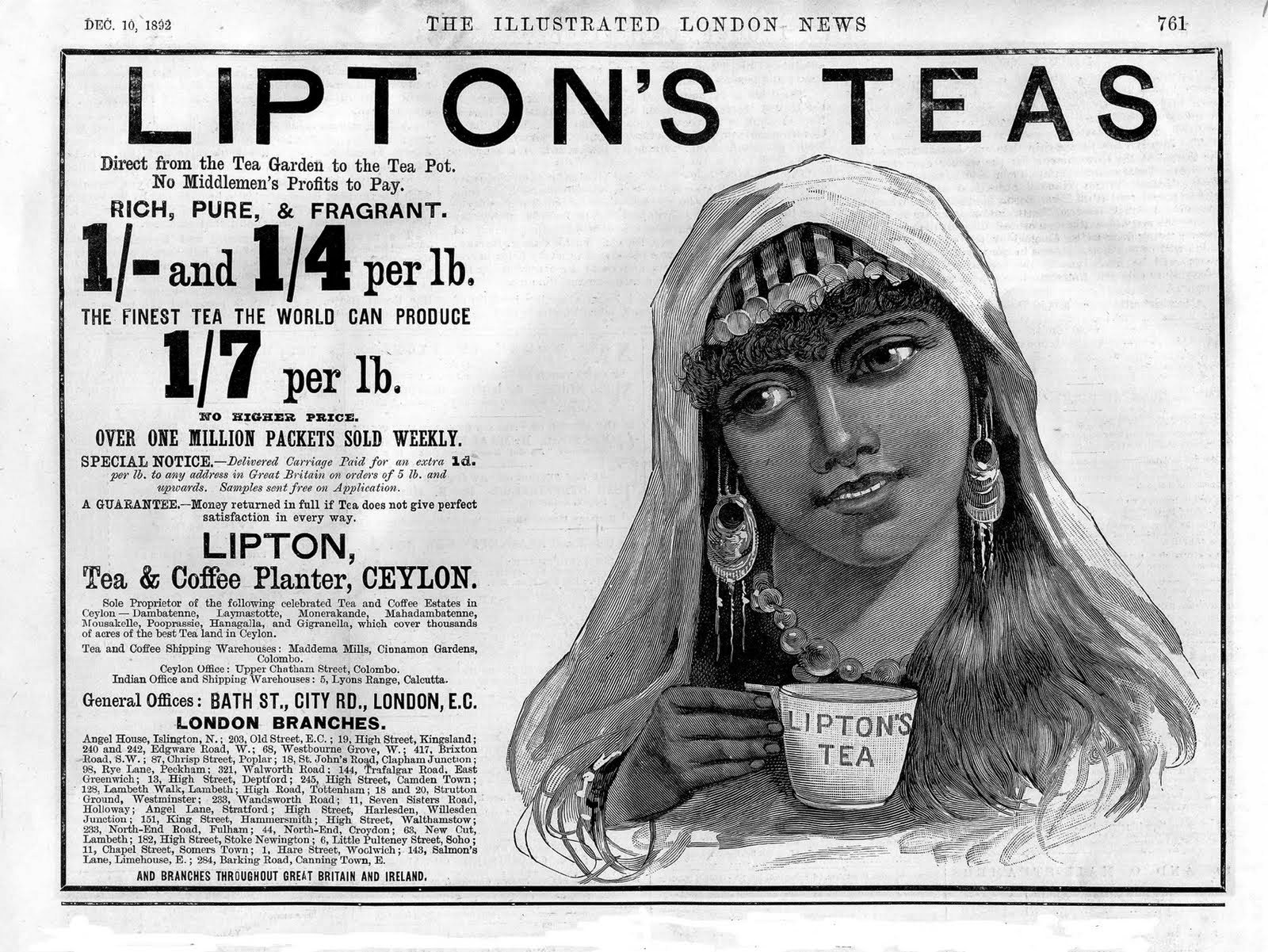
I drew an analogy with the nearly 150-year old Ceylon Tea industry, which in 2014 earned USD 1.67 billion through exports. For much of its history, Ceylon tea producers were supplying high quality tea leaves in bulk form to London based tea distributors and marketers like Lipton. Then, in the 1970s, a former tea taster called Merrill J Fernando established Dilmah brand – the first producer owned tea brand that did product innovation at source, and entered direct retail.
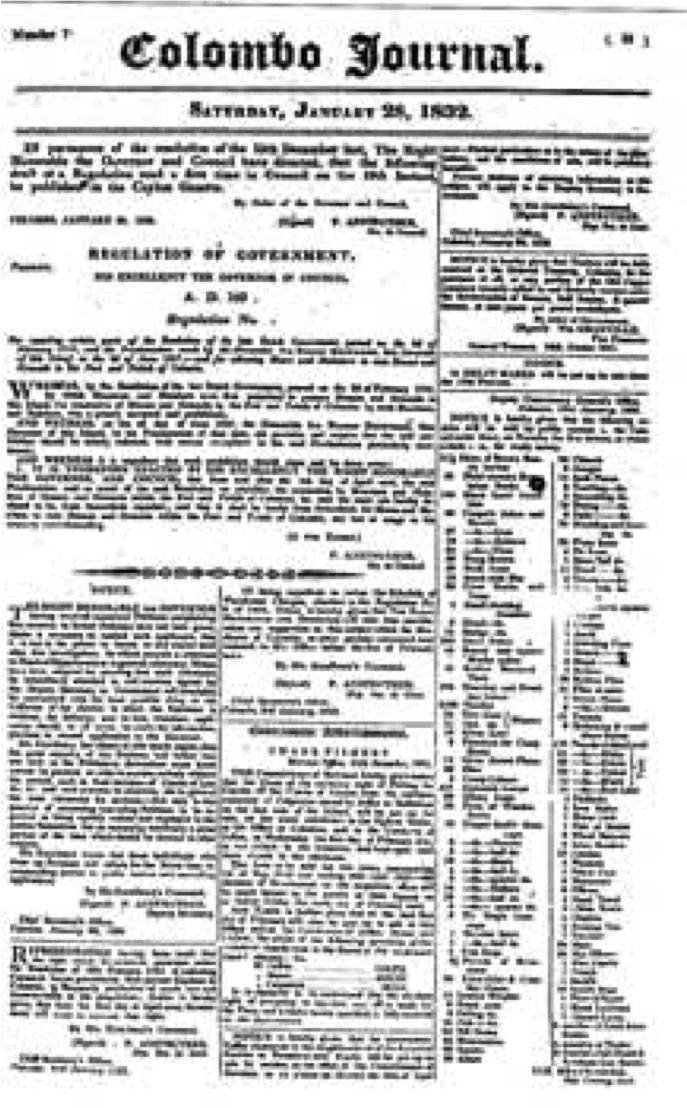
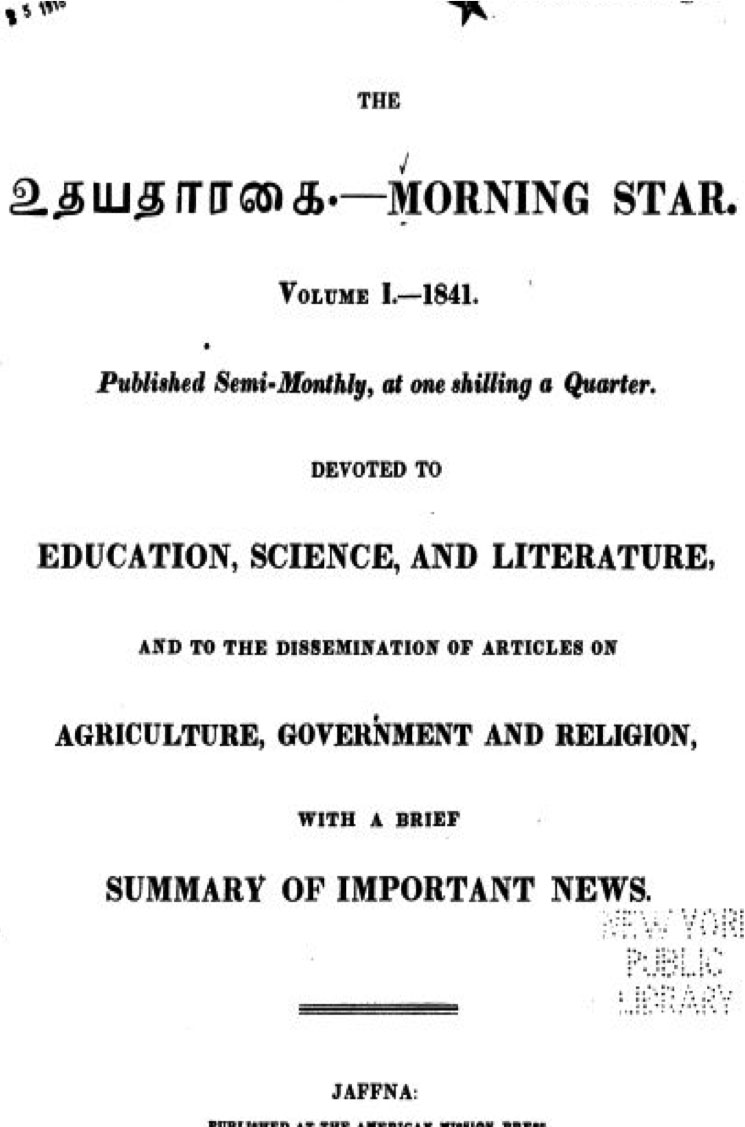
The media industry also started during British colonial times, and in fact dates back to 1832. But I questioned why, after 180+ years, our media industry broadly follows the same production model: material sourced is centrally processed and distributed, without much adaptation to new digital media realities.
In this week’s Ravaya column, (appearing in issue of 11 Oct 2015), I have adapted my talk into Sinhala.
Ceylon Tea industry pioneers and innovator: L to R – James Taylor, Thomas Lipton, Merrill Fernando
Grassroots Journalism in the Digital Age – by Nalaka Gunawardene
I just spoke to a group of 75 provincial level provincial journalists in Sri Lanka who were drawn from around the island. They had completed a training course in investigative journalism conducted by Transparency International Sri Lanka (TISL), with support from InterNews.
The certificate award ceremony was held at Sri Lanka Press Institute (SLPI), Colombo, on 2 October 2015.
In this talk, I look at the larger news media industry in Sri Lanka to which provincial journalists supply ground level news, images and video materials. These are used on a discretionary basis by media companies mostly based in the capital Colombo (and some based in the northern provincial capital of Jaffna). Suppliers have no control over whether or how their material is processed. They work without employment benefits, are poorly paid, and also exposed to various pressures and coercion.
A tale of two industries: one that evolved, and the other that hasn’t quite done so…
I draw a rough analogy with the nearly 150-year old Ceylon Tea industry, which directly employs around 750,000 people, sustains an estimated 2 million (10% of the population) and in 2014 earned USD 1.67 billion through exports. For much of its history, the Ceylon tea producers were supplying high quality tea leaves in bulk form to London based tea distributors and marketers like Lipton.
The media industry also started during British colonial times, and in fact dates back to 1832. But I question why, after 180+ years, our media industry broadly follows the same production model: material sourced is centrally processed and distributed, without much adaptation to new digital media realities.
I draw a parallel between tea small holders – those growing on lands less than 10 acres (4 ha) who account for 60% of Sri Lanka’s annual tea production – and the provincial journalists. Both are supplies at the beginning of a chain. Neither has much or any say in how their material is processed and marketed.
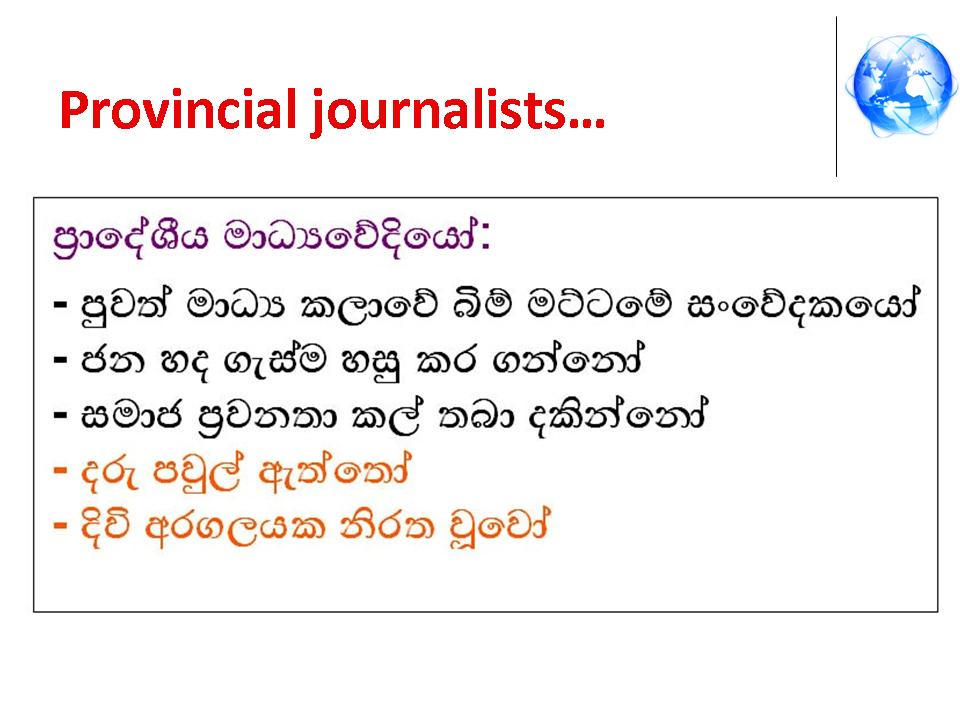
Provincial Journalists – Ground level ‘eyes and ears’ of media industry, unsung & often unknown
As usual, I don’t have all the answers, but I ask some pertinent questions:
Where are the Merrill Fernandos of our media industry?
Who can disrupt these old models and innovate?
Can disruptive innovators emerge from among provincial journalists?
How can they leverage digital tools and web based platforms?
What if they start value-adding at source and direct distribution via the web?
But since they have families to feed, how to make an honest living doing that?
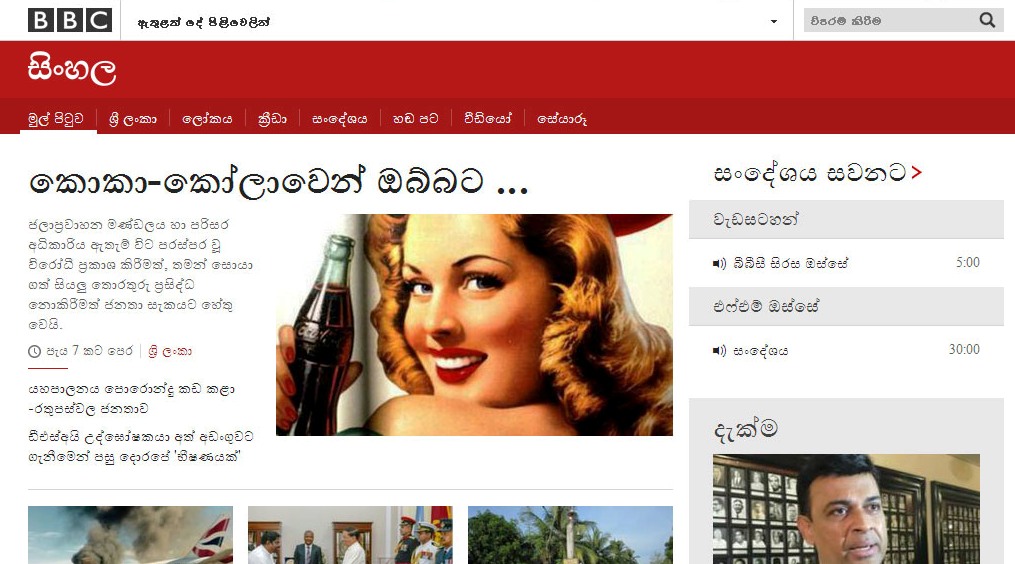
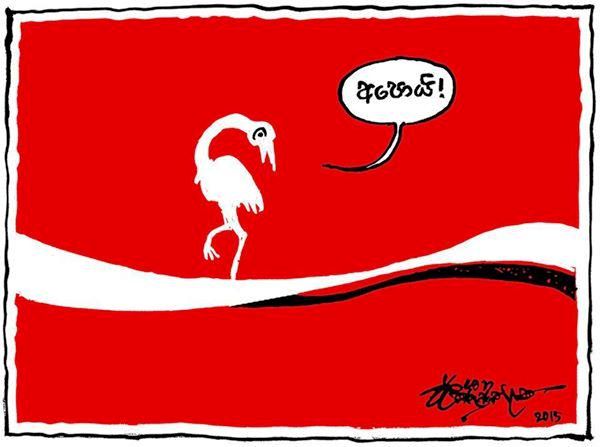
BBC Online Sinhala has just published an opinion article I wrote on Coca Cola Sri Lanka factory polluting the Kelani River, the main source of water supply for Greater Colombo area in Sri Lanka.
Here is my original submission. BBC Online does not, as a policy, provide links to outside websites, but the version below includes some relevant to my commentary.
Text of my column written for Echelon monthly business magazine, Sri Lanka, August 2015 issue
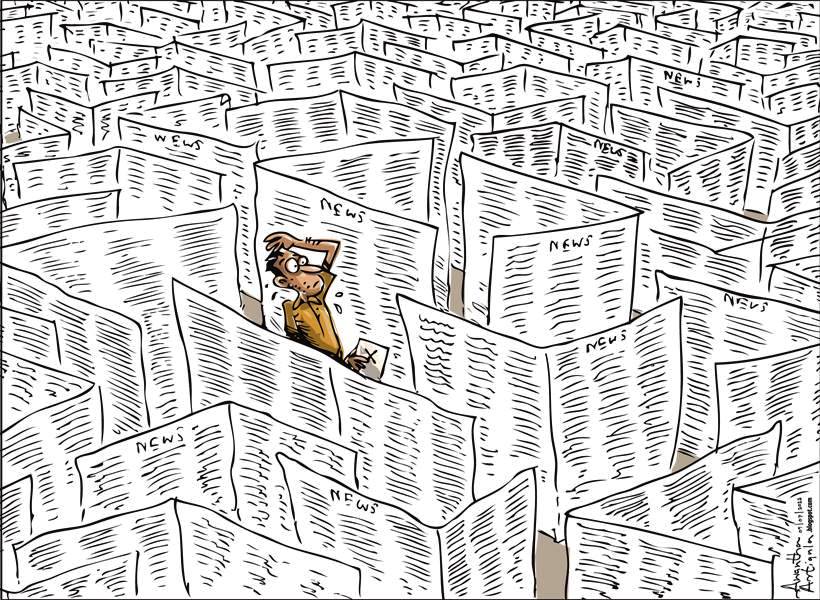
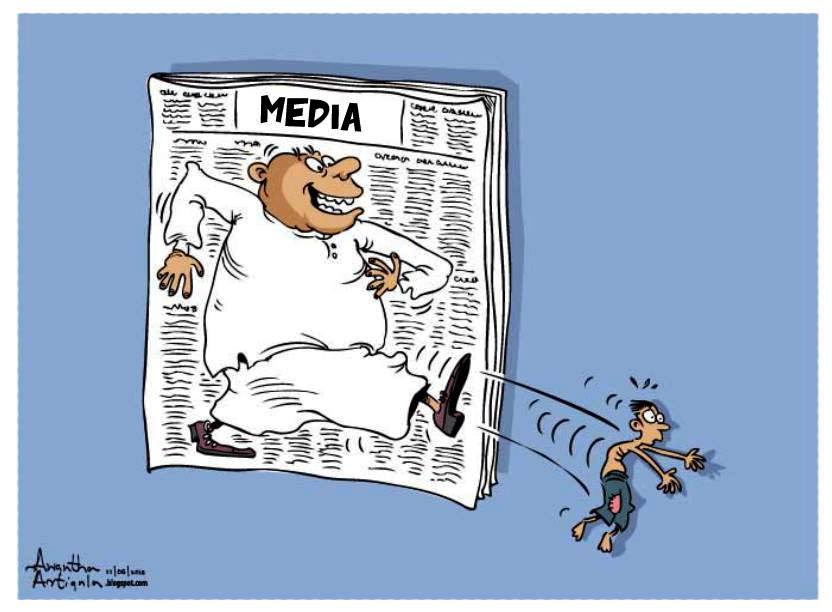
Cartoon by Awantha Artigala, Sri Lanka Cartoonist of the Year 2014
Media Reforms: The Unfinished Agenda
By Nalaka Gunawardene
When I was growing up in the 1970s, Sri Lanka’s media landscape was very different. We had only one radio station (state-owned SLBC) and three newspaper houses (Lake House, Times of Ceylon and Independent Newspapers). There was no TV, and the web wasn’t even invented.
At that time, most discussions on media freedom and reforms centred around how to contain the overbearing state – which was a key publisher, as well as the sole broadcaster, dominant advertiser and media regulator, all rolled into one.
Four decades on, the state still looms large on our media landscape, but there are many more players. The number of media companies, organisations and products has steadily increased, especially after private sector participation in broadcasting was allowed in 1992.
More does not necessarily mean better, however. Media researchers and advocacy groups lament that broadcast diversification has not led to a corresponding rise in media pluralism – not just in terms of media ownership and content, but also in how the media reflects diversity of public opinion, particularly of those living on the margins of society.
As the late Tilak Jayaratne and Sarath Kellapotha, two experienced broadcasters, noted in a recent book, “There exists a huge imbalance in both media coverage and media education as regards minorities and the marginalised. This does not come as a surprise, as it is known that media in Sri Lanka, both print and broadcast, cater mainly to the elite, irrespective of racial differences.”
Media under pressure
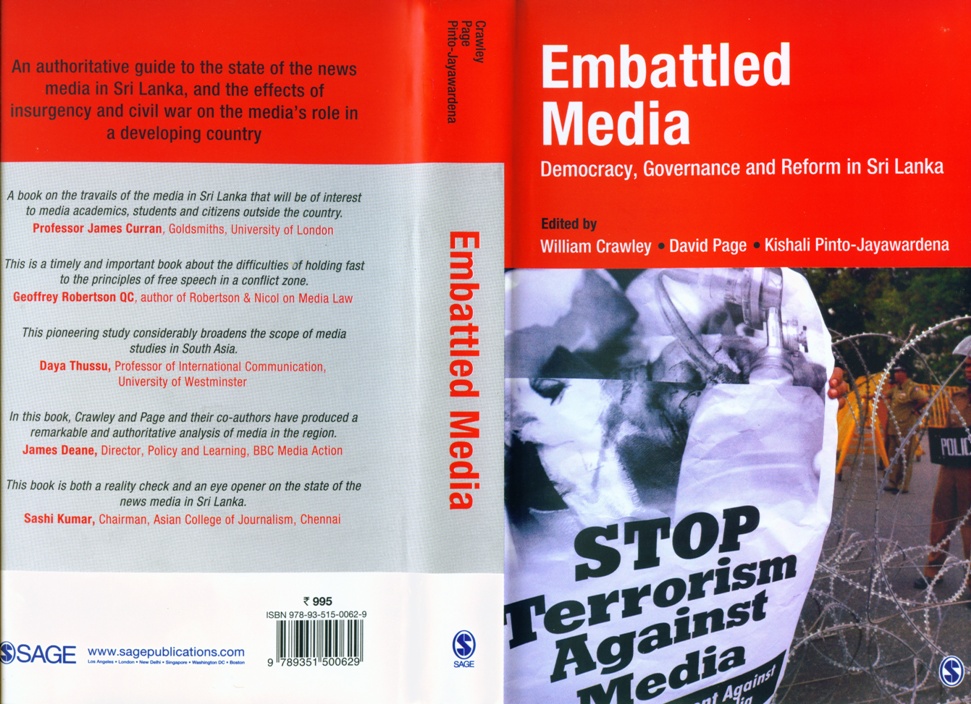
The multi-author book, titled Embattled Media: Democracy, Governance and Reform in Sri Lanka(Sage Publications, Feb 2015), was compiled during 2012-14 by a group of researchers and activists who aspired for a freer and more responsible media. It came out just weeks after the last Presidential Election, where media freedom and reforms were a key campaigning issue.
In their preface, co-editors William Crawley, David Page and Kishali Pinto-Jayawardena say: “Media liberalisation from the 1990s onwards had extended the range of choice for viewers and listeners and created a more diverse media landscape. But the war in the north and insurrections in the south had taken their toll of media freedoms. The island had lived under a permanent state of emergency for nearly three decades. The balance of power between government, judiciary, the media and the public had been put under immense strain.”
Embattled Media – Democracy, Governance and Reform in Sri Lanka
The book, to which I have contributed a chapter on new media, traces the evolution mass media in post-colonial Sri Lanka, with focus on the relevant policies and laws, and on journalism education. It discusses how the civil war continues to cast “a long shadow” on our media. Breaking free from that legacy is one of many challenges confronting the media industry today.
Some progress has been made since the Presidential election. The new government has taken steps to end threats against media organisations and journalists, and started or resumed criminal investigations on some past atrocities. Political websites that were arbitrarily blocked from are once again accessible. Journalists who went into exile to save their lives have started returning.
On the law-making front, meanwhile, the 19th Amendment to the Constitution recognized the right to information as a fundamental right. But the long-awaited Right to Information Bill could not be adopted before Parliament’s dissolution.
Thus much more remains to be done. For this, a clear set of priorities has been identified through recent consultative processes that involved media owners, practitioners, researchers, advocacy groups and trainers. These discussions culminated with the National Summit on Media Reforms organised by the Ministry of Media, the University of Colombo, Sri Lanka Press Institute (SLPI) and International Media Support (IMS), and held in Colombo on 13 and 14 May.
We can only hope that the next Parliament, to be elected at the August 17 general election, would take up the policy and law related aspects of the media reform agenda (while the media industry and profession tackles issues like capacity building and greater professionalism, and the education system works to enhance media literacy of everyone).
Pursuing these reforms needs both political commitment and persistent advocacy efforts.
Right to Information: The new Parliament should pass, on a priority basis, the Right to Information Bill that was finalised in May 2015 with inputs from media and civil society groups.
Media Self-Regulation: The Press Council Act 5 of 1973, which created a quasi-judicial entity called the Press Council with draconian powers to punish journalists, should be abolished. Instead, the self-regulatory body established in 2003, known as the Press Complaints Commission of Sri Lanka (PCCSL), should be strengthened. Ideally its scope should expand to cover the broadcast media as well.
Law Review and Revision: Some civil and criminal laws pose various restrictions to media freedom. These include the Official Secrets Act and sedition laws (both relics of the colonial era) and the draconian Prevention of Terrorism Act that has outlived the civil war. There are also needlessly rigid laws covering contempt of court and Parliamentary privileges, which don’t suit a mature democracy. All these need review and revision to bring them into line with international standards regarding freedom of expression.
Broadcast regulation: Our radio and TV industries have expanded many times during the past quarter century within an ad hoc legal framework. This has led to various anomalies and the gross mismanagement of the electromagnetic spectrum, a finite public property. Sri Lanka urgently needs a comprehensive law on broadcasting. Among other things, it should provide for an independent body to regulate broadcasting in the public interest, more equitable and efficient allocation of frequencies, and a three-tier system of broadcasting which recognises public, commercial and community broadcasters. All broadcasters – riding on the public owned airwaves — should have a legal obligation be balanced and impartial in coverage of politics and other matters of public concern.
Restructuring State Broadcasters: The three state broadcasters – the Sri Lanka Rupavahini Corporation (SLRC), the Sri Lanka Broadcasting Corporation (SLBC) and the Independent Television Network (ITN) – should be transformed into independent public service broadcasters. There should be legal provisions to ensure their editorial independence, and a clear mandate to serve the public (and not the political parties in office). To make them less dependent on the market, they should be given some public funding but in ways that don’t make them beholden to politicians or officials.
Reforming Lake House: Associated Newspapers of Ceylon Limited or Lake House was nationalised in 1973 to ‘broadbase’ its ownership. Instead, it has remained as a propaganda mill of successive ruling parties. Democratic governments committed to good governance should not be running newspaper houses. To redeem Lake House after more than four decades of state abuse, it needs to operate independently of government and regain editorial freedom. A public consultation should determine the most appropriate way forward and the best business model.
Preventing Censorship: No prior censorship should be imposed on the media. Where necessary, courts may review media content for their legality after publication (on an urgent basis). Laws and regulations that permit censorship should be reviewed and amended. We must revisit the Public Performance Ordinance, which empowers a state body to pre-approve all feature films and drama productions.
Blocking of Websites: Ensuring internet freedoms is far more important than setting up free public WiFi services. There should be no attempts to limit online content and social media activities contravening fundamental freedoms guaranteed by the Constitution and international conventions. Restrictions on any illegal content may be imposed only through the courts (and not via unwritten orders given by the telecom regulator). There should be a public list of all websites blocked through such judicial sanction.
Privacy and Surveillance: The state should protect the privacy of all citizens. There should be strict limits to the state’s surveillance of private individuals’ and private entities’ telephone conversations, emails and other electronic communications. In exceptional situations (e.g. crime investigations), such surveillance should only be permitted with judicial oversight and according to a clear set of guidelines.
Cartoon by Awantha Artigala, Sri Lanka Cartoonist of the Year 2014
Dealing with Past Demons
While all these are forward looking steps, the media industry as a whole also needs state assistance to exorcise demons of the recent past — when against journalists and ‘censorship by murder’ reached unprecedented levels. Not a single perpetrator has been punished by law todate.
This is why media rights groups advocate an independent Commission of Inquiry should be created with a mandate and adequate powers to investigate killings and disappearances of journalists and attacks on media organisations. Ideally, it should cover the entire duration of the war, as well as the post-war years.
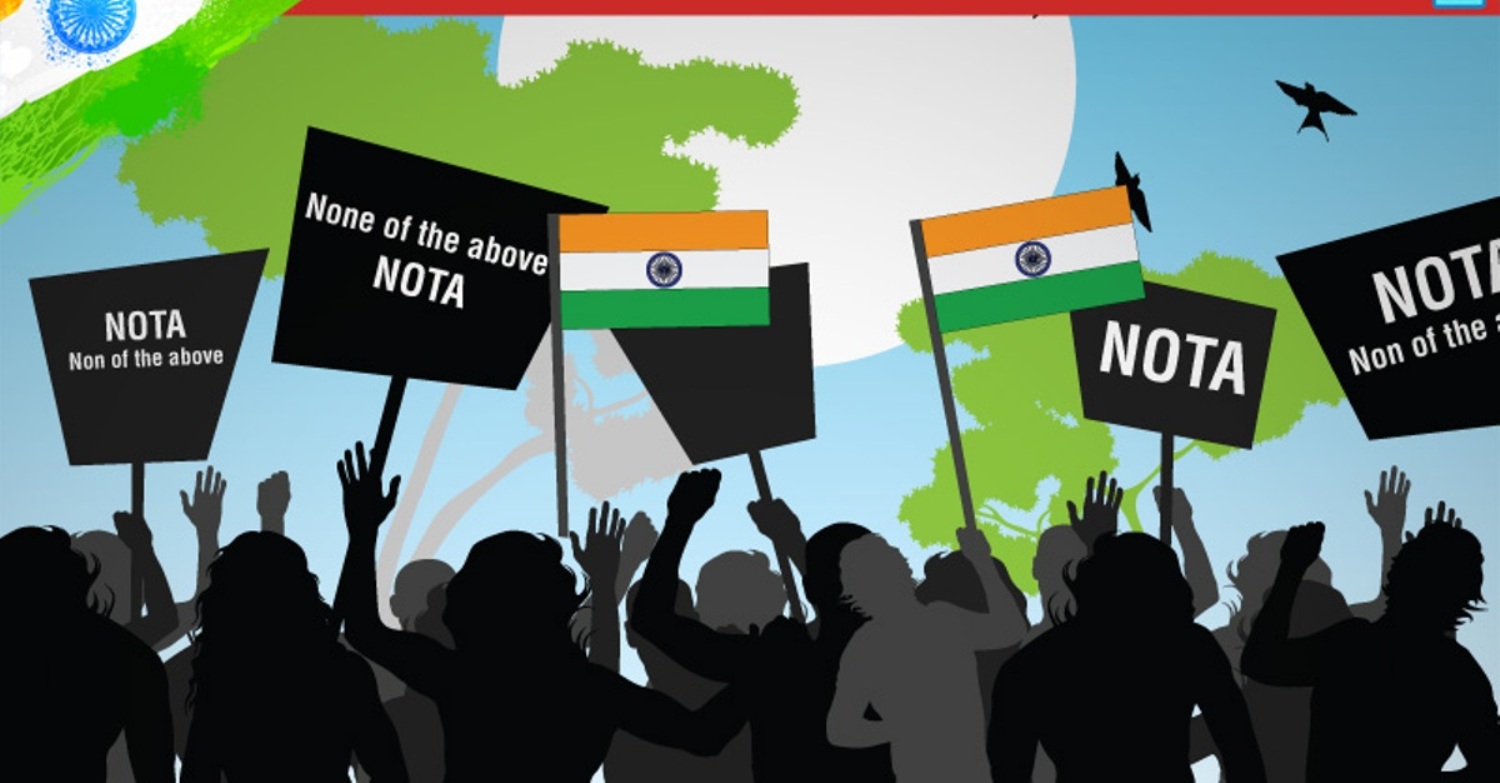
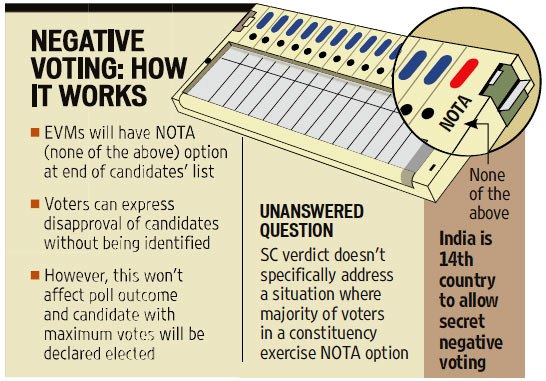
Indian campaign for “None of the Above” (NOTA) option at elections
In this week’s Ravaya column, (in Sinhala, appearing in issue of 9 August 2015), I discuss two concepts that could make representative democracy more meaningful.
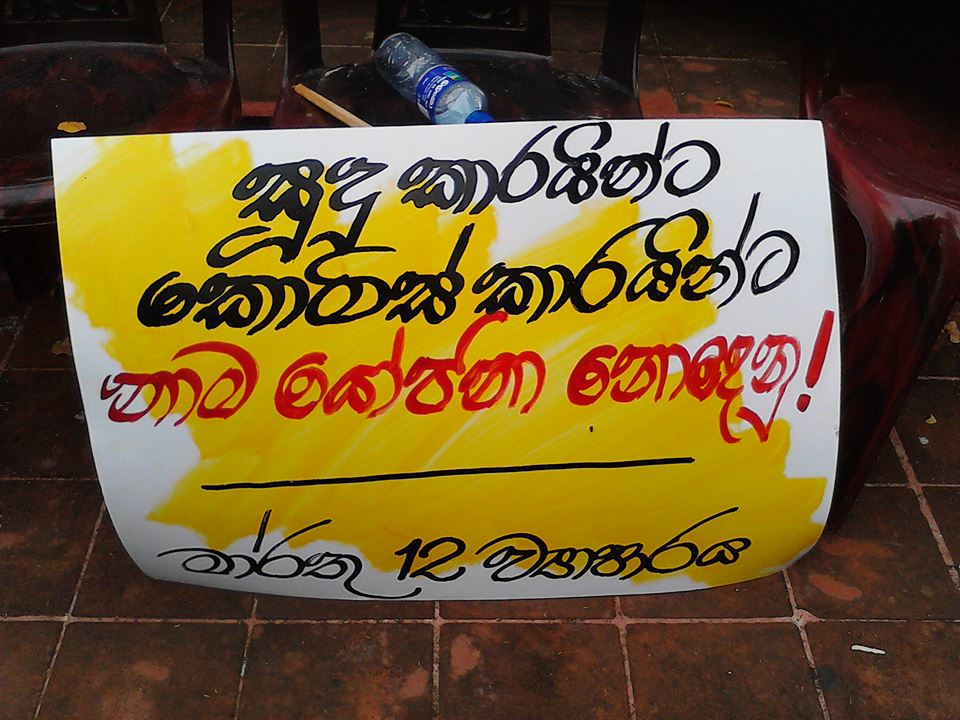
First is adding the option of None of the Above (NOTA) to the list of candidates in an election, so voters can exercise a negative vote – and send a powerful message to political parties and personalities about the quality of politicians society prefers.
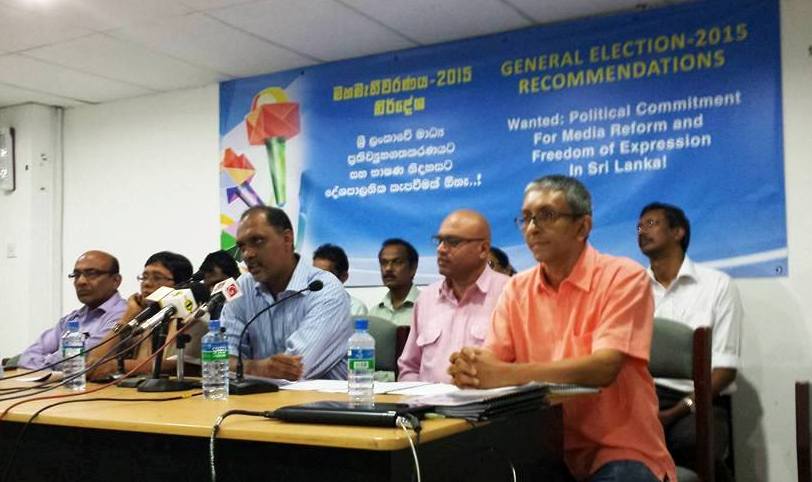
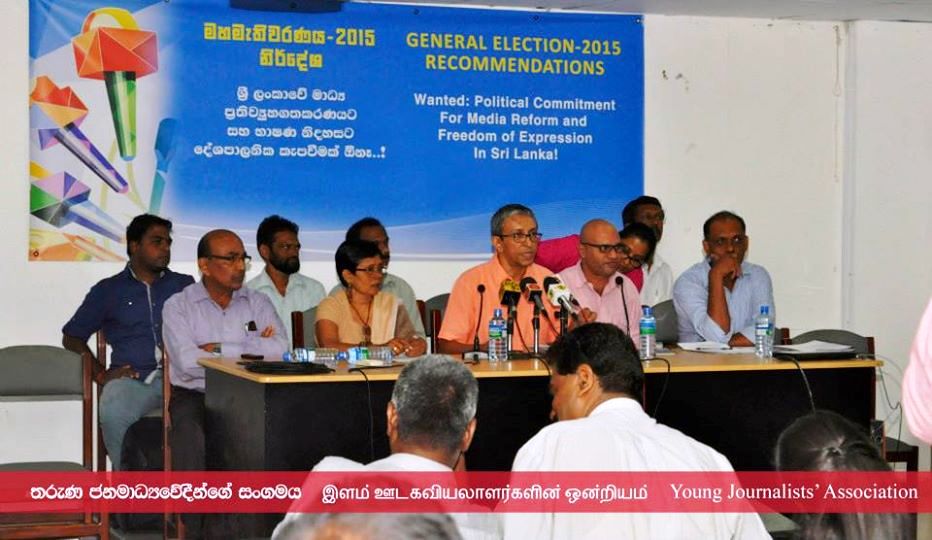
Lasantha Ruhunage, President of Sri Lanka Working Journalists’ Association, speaks at press conference at SLPI, Colombo, 21 July 2015
Since the Presidential Election on 8 January 2015, some progress has been made with regards to freedom of expression (FOE) and media freedom in Sri Lanka.
These include: steps being taken to end threats against and pressure on media organisations and journalists; the unblocking of political websites that were arbitrarily blocked; the 19th Amendment to the Constitution recognizing the right of access to information as a fundamental right; and the government extending an open invitation to exiled journalists to return to Sri Lanka.
But much more remains to be done to improve FOE and media freedom situation in Sri Lanka, and to ensure a more conducive environment for the media. Such policy, legal and structural reforms would require the political will of all political parties in the next Parliament of Sri Lanka.
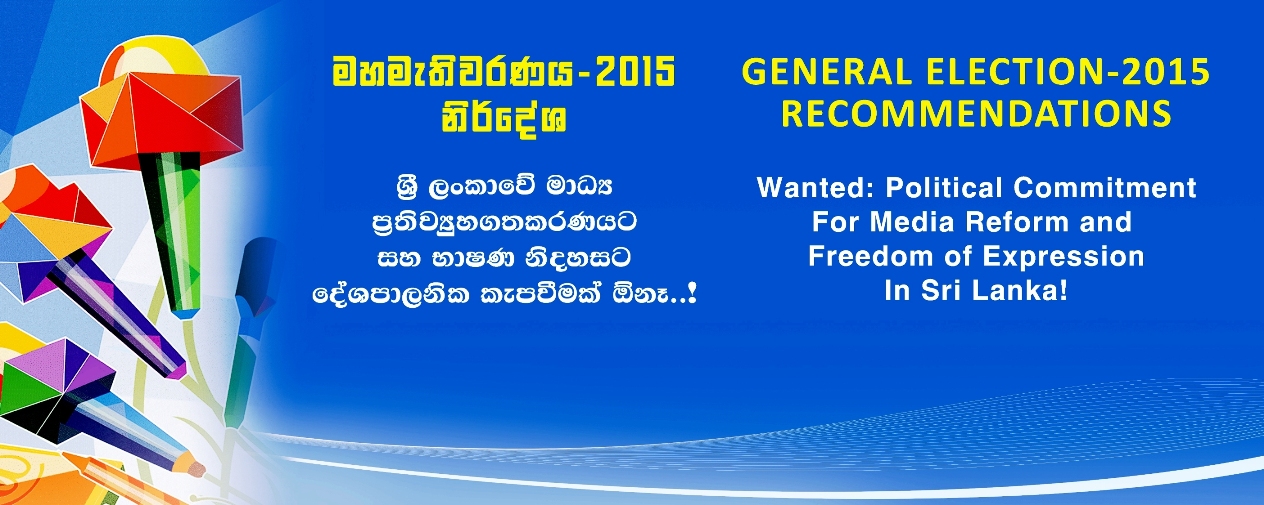
In view of this, we urge the political parties contesting in the General Election to be held on 17 August 2015 to give a firm commitment to the following specific measures for meaningful media freedom and reforms.
These are not listed in any order of priority.
Right to Information: A right to information law, which gives individuals the right to access information held by public authorities, should be adopted. The new Parliament should pass, on a priority basis, the Right to Information Bill that was finalised in May 2015 with inputs from media stakeholders.
Media Self-Regulation: The Press Council Act 5 of 1973 should be repealed, and the government-controlled Press Council should be abolished. The self-regulatory body established in 2003 by the media industry, known as the Press Complaints Commission of Sri Lanka (PCCSL), should be strengthened and ideally its scope should be expanded to cover the broadcast media as well.
Law Review and Revision: Civil and criminal laws that pose various restrictions on media freedom should be reviewed and revised to bring them into line with international standards regarding freedom of expression. Such laws include the Prevention of Terrorism Act, the Official Secrets Act, sedition laws, and the rules on contempt of court and Parliamentary privileges.
Crimes Against Journalists: An independent Commission of Inquiry should be created with a mandate and adequate powers to investigate past killings of, threats to, disappearances of and other attacks on journalists, media workers and media outlets, with a view to ensuring that those responsible are prosecuted and that appropriate compensation is paid to the victims and their families.
Broadcast Regulation: Comprehensive legislation on broadcasting should be adopted in line with international guarantees of freedom of expression. This should provide for, among other things, proper planning in relation to the frequencies allocated to broadcasting, including through the digital transition, a three-tier system of broadcasting which recognises public, commercial and community broadcasters, and obligations on broadcasters to be balanced and impartial in their coverage of politics and other matters of public concern. An independent Broadcasting Authority should be set up to regulate the entire broadcasting sector in the public interest. This regulator should ensure a fair, pluralistic and efficient broadcasting system.
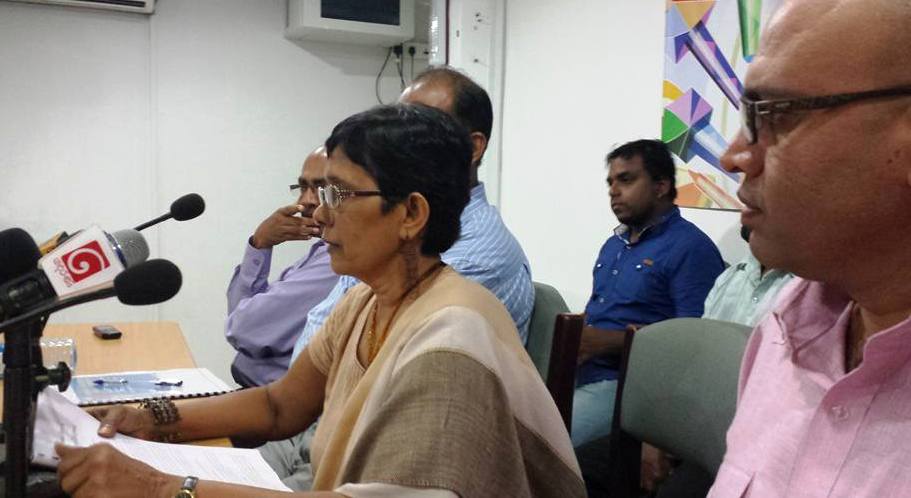
Nalaka Gunawardene, Consultant to the Secretariat for Sri Lanka Media Reforms, speaks at the press conference at SLPI, Colombo, 21 July 2015
Community Broadcasting: The broadcasting regulation to be introduced should support the development of community broadcasting services owned and operated by communities through clear definitions of what constitutes a community broadcaster, a tailored licensing process, and lower fees for frequency allocation and other concessions.
Restructuring State Media: The three State broadcasters – the Sri Lanka Rupavahini Corporation (SLRC), the Sri Lanka Broadcasting Corporation (SLBC) and the Independent Television Network (ITN) – should be transformed into independent public service broadcasters which enjoy editorial independence, have a clear mandate to serve the public and benefit from public funding which does not compromise their independence. Measures should also be taken to ensure that Associated Newspapers of Ceylon Limited (ANCL or Lake House) can operate independently of government and enjoy editorial freedom. A public consultation should determine the most appropriate way forward.
Seetha Ranjanee, Convenor of Free Media Movement of Sri Lanka, speaks at press conference on media reforms: Sri Lanka Press Institute, Colombo. 21 July 2015
Preventing Censorship: No prior censorship should be imposed on the media. Where necessary, courts can review media content for legality after publication on an urgent basis. Laws and regulations that permit censorship – including the Public Performance Ordinance – should be reviewed and amended to bring them into line with international standards.
No Blocking Political Websites: There should be no attempts to limit online content or social media activities contravening fundamental freedoms guaranteed by the Constitution and international conventions. Restrictions on illegal content may be imposed only through an independent judicial process which ensures that fundamental rights to access information and freedom of expression are not hindered.
Privacy and Surveillance: The state should respect and protect the privacy of all citizens. There should be strict limits to the state surveillance of private individuals’ and entities’ telephone conversations and electronic communications. In exceptional situations, such surveillance should only be permitted with judicial oversight and according to a clear set of guidelines.
Media Reform Agenda for Lankan Political Parties – 21 July 2015
Speech of the President Maithripala Sirisena – 14 July 2015 (in Sinhala)
Sirisena’s speech outlined his key actions and accomplishments since being elected less than 200 days ago in one of the biggest election surprises in Lankan political history. He was mildly defensive of his low-key style of governance, which includes extended periods of silence.
I’ll leave it for political scientists and activists to analyse the substance of the President’s Bastille Day speech. My concern here is why he waited this long.
If a week is a long time in politics, 10 days is close to an eon in today’s information society driven by 24/7 broadcast news and social media. An issue can evolve fast, and a person can get judged and written off in half that time.
For sure, there is a time to keep silence, and a time to speak – and the President must have had some good reasons keep mum. But in this instance, he paid a heavy price for it: he was questioned, ridiculed and maligned by many of us who had heartily cheered him only six months ago. (Full disclosure: I joined this chorus, creating several easy-to-share ‘memes’ and introducing an unkind twitter hashtag: #අයියෝසිරිසේන.)
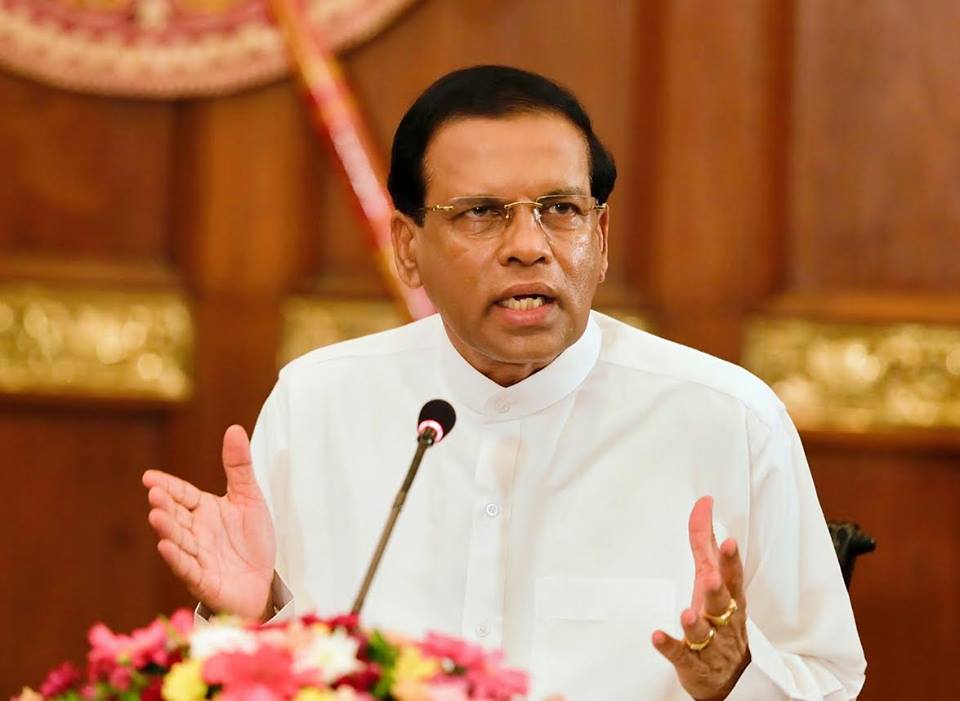
President Maithripala Sirisena
Sri Lanka’s democratic recovery can’t afford too much of this uncertainty and distraction created by strategic presidential silences. Zen-like long pauses don’t sit well with impatient citizen expectations.
And the President himself must reconsider this strategy (if it is indeed one) — his political opponents are hyperactive in both mainstream and social media, spinning an endless array of stories that discredit him.
Until a generation ago, we used to say that a lie can travel half way around the world while the truth is still putting on its shoes. In today’s networked society, when information travels at the speed of light, fabrications and half-truths spread faster than ever.
Public trust in leaders and institutions is also being redefined. Transparent governance needs political leaders to keep talking with their citizens, ideally in ways that enrich public conversations.
President Sirisena is not the only Lankan leader who needs to catch up with this new communications reality. When a controversy erupted over how the Central Bank of Sri Lanka handled Treasury Bond issue on February 27, the government took more than two weeks to respond properly.
In a strict legalistic or technocratic sense, Wickremesinghe was probably right (as he usually is). But in the meantime, too many speculations had circulated, some questioning the new administration’s commitment to transparency and accountability. Political detractors had had a field day.
Could it have been handled differently? Should the government spokespersons have turned more defensive or even combative?
More generically, is maintaining a stoic silence until full clarity emerges realistic when governments no longer have a monopoly over information dissemination? Is it ever wise, in today’s context, to stay quiet hoping things would eventually blow away? How does this lack of engagement affect public trust in governments and governance?
These are serious questions that modern day politicians and elected officials must address. In my view, we need a President and Prime Minister who are engaged with citizens — so that we are not left guessing wildly or speculating endlessly on what is going on.
No, this is not a call for political propaganda, which has also been sidelined by the increasingly vocal social media voices and debates.
What we need is what I outlined in an open letter to President Sirisena in January: “As head of state, we expect you to strive for accuracy, balance and credibility in all communications. The last government relied so heavily on spin doctors and costly lobbyists both at home and abroad. Instead, we want you to be honest with us and the outside world. Please don’t airbrush the truth.”
Science writer Nalaka Gunawardene has been chronicling and analysing the rise of new media in Sri Lanka since the early 1990s. He is active on Twitter @NalakaG and blogs at http://nalakagunawardene.com








 Open Minds!