Echelon June 2015 column: Sri Lanka – Unclear on Nuclear

Text of my column written for Echelon monthly business magazine, Sri Lanka, June 2015 issue

Sri Lanka: Unclear on Nuclear

 By Nalaka Gunawardene
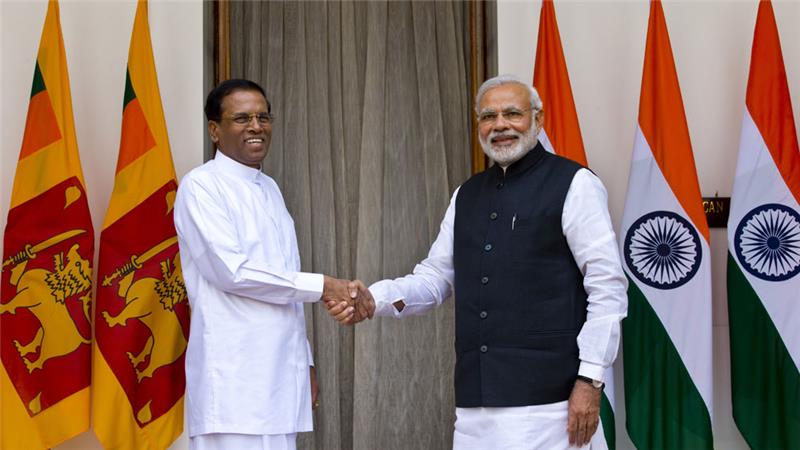
Sri Lanka's President Maithripala Sirisena meets Indian Prime Minister Narendra Modi in New Delhi, 16 Feb 2015
Sri Lanka’s President Maithripala Sirisena meets Indian Prime Minister Narendra Modi in New Delhi, 16 Feb 2015

Should Sri Lanka consider nuclear energy for its medium to meet its long term electricity generation needs?

This has been debated for years in scientific and policy circles. It has come into sharp focus again after Sri Lanka signed a bilateral agreement with India “to cooperate in peaceful uses of nuclear energy”.

Under the agreement, signed in New Delhi on 16 February 2015 during President Maithripala Sirisena’s first overseas visit, India will help Sri Lanka build its nuclear energy infrastructure, upgrade existing nuclear technologies and train specialised staff. The two countries will also collaborate in producing and using radioactive isotopes.

On the same day, a story filed from the Indian capital by the Reuters news agency said, “India could also sell light small-scale nuclear reactors to Sri Lanka which wants to establish 600 megawatts of nuclear capacity by 2030”.

This was neither confirmed nor denied by officials. The full text has not been made public, but a summary appeared on the website of Sri Lanka’s Atomic Energy Board. In it, AEB reassured the public that the deal does not allow India to “unload any radioactive wastes” in Sri Lanka, and that all joint activities will comply with standards and guidelines set by the International Atomic Energy Agency (IAEA), a UN body in which both governments are members.

According to AEB, Sri Lanka has also signed a memorandum of understanding on nuclear cooperation with Russia, while another is being worked out with Pakistan.

Beyond such generalities, no specific plans have been disclosed. We need more clarity, transparency and adequate public debate on such a vital issue with many economic, health and environmental implications. Yaha-paalanaya (good governance) demands nothing less.

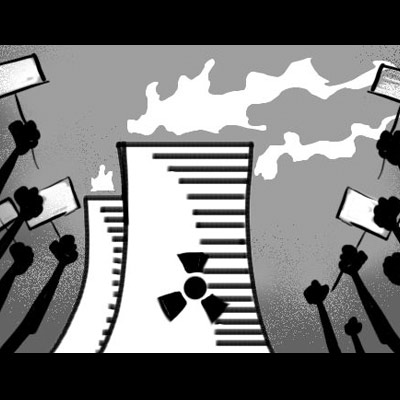
Radiation_sign_cropped

 South Asia’s nuclear plans

The South Asian precedent is not encouraging. Our neighbouring countries with more advanced in nuclear programmes have long practised a high level of opacity and secrecy.

Two countries — India and Pakistan – already have functional nuclear power plants, which generate around 4% of electricity in each country. Both have ambitious expansion plans involving global leaders in the field like China, France, Russia and the United States. Bangladesh will soon join the nuclear club: it is building two Russian-supplied nuclear power reactors, the first of which will be operational by 2020.

India and Pakistan also possess home-built nuclear weapons, and have refused to sign the Treaty on the Non-Proliferation of Nuclear Weapons (NPT). Specifics of their arsenals remain unknown.

Both countries have historically treated their civilian and military nuclear establishments as ‘sacred cows’ beyond any public scrutiny. India’s Official Secrets Act of 1923 covers its nuclear energy programme which cannot be questioned by the public or media. Even senior Parliamentarians complain about the lack of specific information.

It is the same, if not worse, in Pakistan. Pakistani nuclear physicist Dr Pervez Hoodbhoy, an analyst on science and security, finds this unacceptable. “Our nuclear power programme is opaque since it was earlier connected to the weapons programme. Under secrecy, citizens have much essential information hidden from them both in terms of safety and costs.”

Safety of nuclear energy dominates the agenda more than four years after Japan’s Fukushima nuclear accident of March 2011. The memories of Chernobyl (April 1986) still linger. These concerns were flagged in a recent online debate on South Asia’s critical nuclear issues that I moderated for SciDev.Net. With five panellists drawn from across the opinion spectrum, the debate highlighted just how polarised positions are when it comes to anything nuclear in our part of the world.
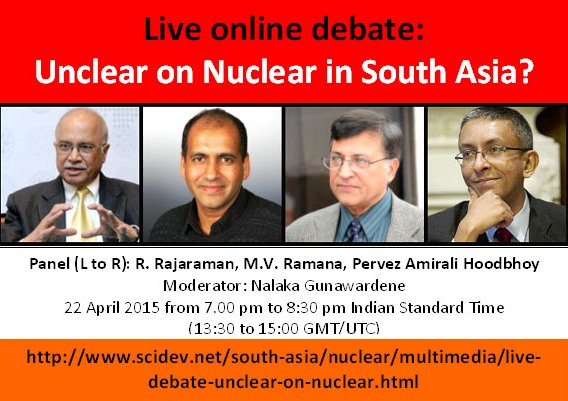
Nuclear debate promo

Bottomline

The bottomline: all South Asian countries need more electricity as their economies grow. Evidence suggests that increasing electricity consumption per capita enhance socio-economic development.

The World Bank says South Asia has around 500 million people living without electricity (most of them in India). Many who are connected to national grids have partial and uneven supply due to frequent power outages or scheduled power cuts.

The challenge is how to generate sufficient electricity, and fast enough, without high costs or high risks? What is the optimum mix of options: should nuclear be considered alongside hydro, thermal, solar and other sources?

In 2013, Sri Lanka’s total installed electricity generation capacity in the grid was 3,290 MegaWatts (MW). The system generated a total electricity volume of 12,019.6 GigWatt-hours (GWh) that year. The relative proportions contributed by hydro, thermal and new renewable energies (wind, solar and biomass) vary from year to year. (Details at: http://www.info.energy.gov.lk/)

In a year of good rainfall, (such as 2013), half of the electricity can still come from hydro – the cheapest kind to generate. But rainfall is unpredictable, and in any case, our hydro potential is almost fully tapped. For some years now, it is imported oil and coal that account for a lion’s share of our electricity. Their costs depend on international market prices and the USD/LKR exchange rate.
Image courtesy Ministry of Power and Energy, Sri Lanka, website

Should Sri Lanka phase in nuclear power at some point in the next two decades to meet demand that keeps rising with lifestyles and aspirations? Much more debate is needed before such a decision.

Nuclear isn’t a panacea. In 2003, a study by the Massachusetts Institute of Technology (MIT) on the future of nuclear power traced the “limited prospects for nuclear power” to four unresolved problems, i.e. costs, safety, waste and proliferation (http://web.mit.edu/nuclearpower/).

A dozen years on, the nuclear industry is in slow decline in most parts of the world says Dr M V Ramana, a physicist with the Program on Science and Global Security at Woodrow Wilson School of Public and International Affairs at Princeton University. “In 1996, nuclear power contributed about 17.6% to the world’s electricity. By 2013, it was been reduced to a little over 10%. A large factor in this decline has been the fact that it was unable to compete economically with other sources of power generation.”

Safety issues

Beyond capital and recurrent cost considerations, issues of public safety and operator liability dominate the nuclear debate.

Take, for example, Pakistan’s recent decision to install two Chinese-supplied 1,100 MW reactors near Karachi, a megacity that packs almost Sri Lanka’s population. When concerned citizens challenged this in court, the government pleaded “national security was at stake” and so the public could not be involved in the process.

Dr Hoodbhoy is unconvinced, and cautions that his country is treading on very dangerous ground. He worries about what can go wrong – including reactor design problems, terrorist attacks, and the poor safety culture in South Asia that can lead to operator error.

He says: “The reactors to be built in Karachi are a Chinese design that has not yet been built or tested anywhere, not even in China. They are to be sited in a city of 20 million which is also the world’s fastest growing and most chaotic megalopolis. Evacuating Karachi in the event of a Fukushima or Chernobyl-like disaster is inconceivable!”

Princeton’s Dr Ramana, who has researched about opacity of India’s nuclear programmes, found similar aloofness. “The claim about national security is a way to close off democratic debate rather than a serious expression of some concern. It should be the responsibility of authorities to explain exactly in what way national security is affected.”

See also: India’s Nuclear Enclave and Practice of Secrecy. By M V Ramana. Chapter in ‘South Asian Cultures of the Bomb’ (Itty Abraham, ed., Indiana University Press, 2009)

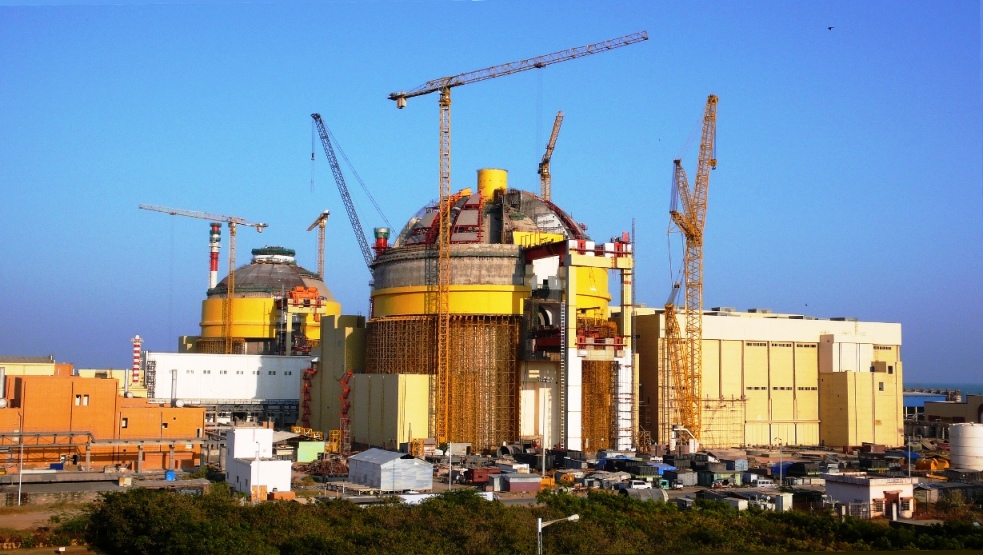
Construction of the Koodankulam Nuclear Power Plant in Tamil Nadu

 Nuclear Dilemmas

Putting the nuclear ‘genie’ back in the bottle may not be realistic. The World Nuclear Association, an industry network, says there were 435 commercial nuclear power reactors operating in 31 countries by end 2014. Another 70 are under construction.

Following Fukushima, public apprehensions on the safety of nuclear power plants have been heightened. Governments – at least in democracies – need to be sensitive to public protests while seeking to ensure long term energy security.

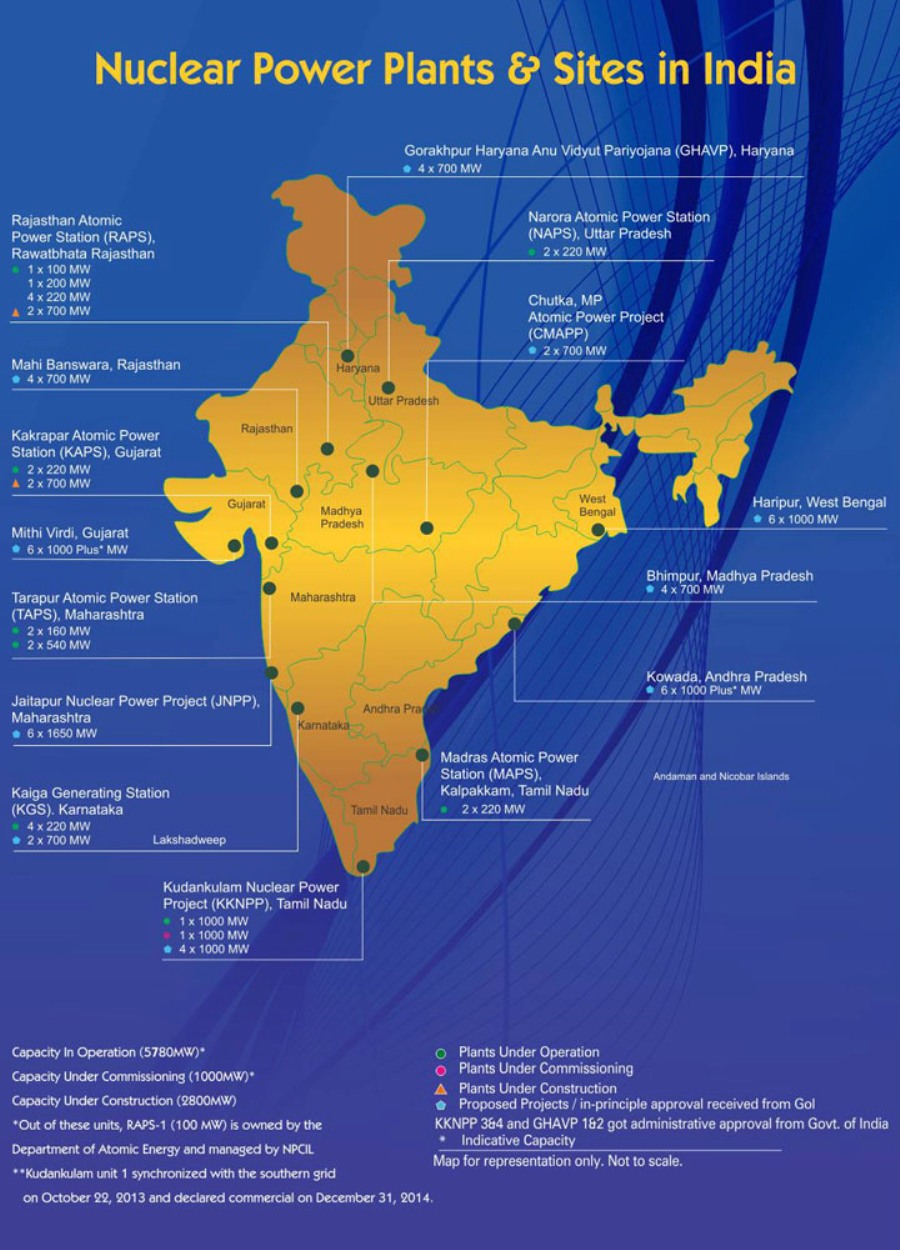
By end 2014, India had 21 nuclear reactors in operation in 7 nuclear power plants, with a total installed capacity of 5,780 MW. Plans to build more have elicited sustained protests from local residents in proposed sites, as well as from national level advocacy groups.

For example, the Kudankulam Nuclear Power Plant in Tamil Nadu, southern India — which started supplying to the national power grid in mid 2013 — has drawn protests for several years. Local people are worried about radiation safety in the event of an accident – a concern shared by Sri Lanka, which at its closest (Kalpitiya) is only 225 km away.

India’s Nuclear Liability Law of 2010 covers both domestic and trans-boundary concerns. But the anti-nuclear groups are sceptical. Praful Bidwai, one of India’s leading anti-nuclear activists, says the protests have tested his country’s democracy. He has been vocal about the violent police response to protestors.
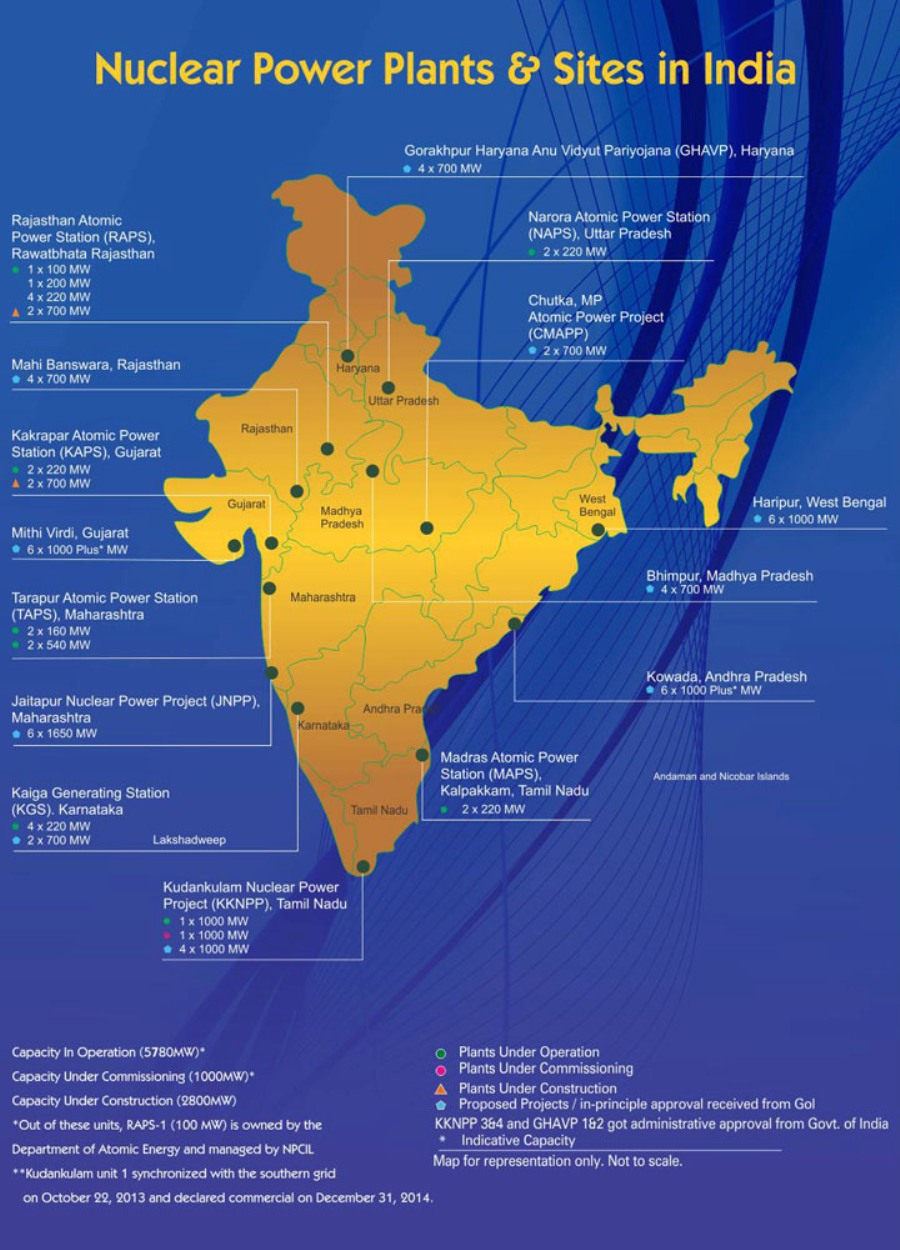
Nuclear Power Plants in India - official map 2014
Nuclear Power Plants in India – official map 2014

Meanwhile, advocates of a non-nuclear future for the region say future energy needs can be met by advances in solar and wind technologies as well as improved storage systems (batteries). India is active on this front as well: it wants to develop a solar capacity of 100,000 MW by 2022.

India’s thrust in renewables does not affect its nuclear plans. However, even pro-nuclear experts recognise the need for better governance. Dr R Rajaraman, an emeritus professor of physics at Jawaharlal Nehru University in New Delhi, wants India to retain the nuclear option — but with more transparency and accountability.

He said during our online debate: “We do need energy in India from every possible source. Nuclear energy, from all that I know, is one good source. Safety considerations are vital — but not enough to throw the baby out with the bathwater.”

Rajaraman argued that nuclear energy’s dangers need to be compared with the hazards faced by those without electricity – a development dilemma. He also urged for debate between those who promote and oppose nuclear energy, which is currently lacking.

Any discussion on nuclear energy is bound to generate more heat than light. Yet openness and evidence based discussion are essential for South Asian countries to decide whether and how nuclear power should figure in their energy mix.

In this, Sri Lanka must do better than its neighbours.

Full online debate archived at: http://www.scidev.net/south-asia/nuclear/multimedia/live-debate-unclear-on-nuclear.html

Science writer Nalaka Gunawardene is on Twitter @NalakaG and blogs at http://nalakagunawardene.com.
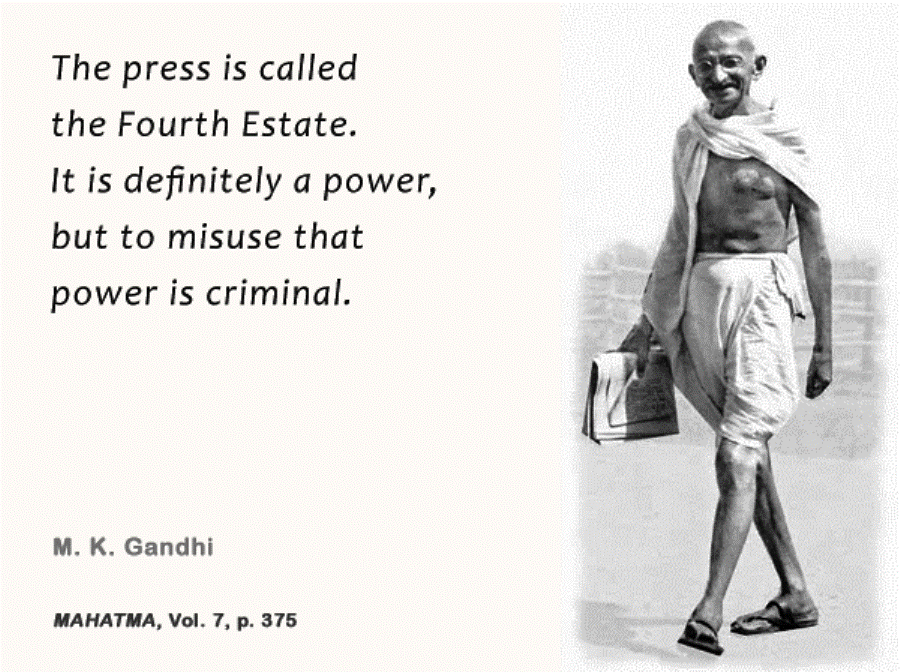
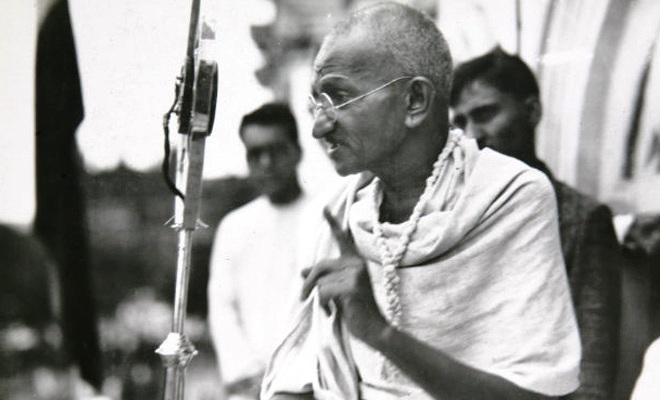
සිවුමංසල කොලූගැටයා #223: මෝහන්දාස් කේ. ගාන්ධි නම් වූ ජන සන්නිවේදකයා

Gandhi quote on the press

“Journalism to be useful and serviceable to the country will take its definite place only when it becomes unselfish and when it devotes its best for the service of the country, and whatever happens to the editors or to the journal itself, editors would express the views of the country irrespective of consequences…”

Mahatma Gandhi said these words on 22 March 1925, when unveiling the portrait of S. Kasthuriranga Iyengar, the late Editor of The Hindu, at the newspaper’s Chennai office. These words summed up the basic tenets of true journalism that Gandhi believed in – and practised.

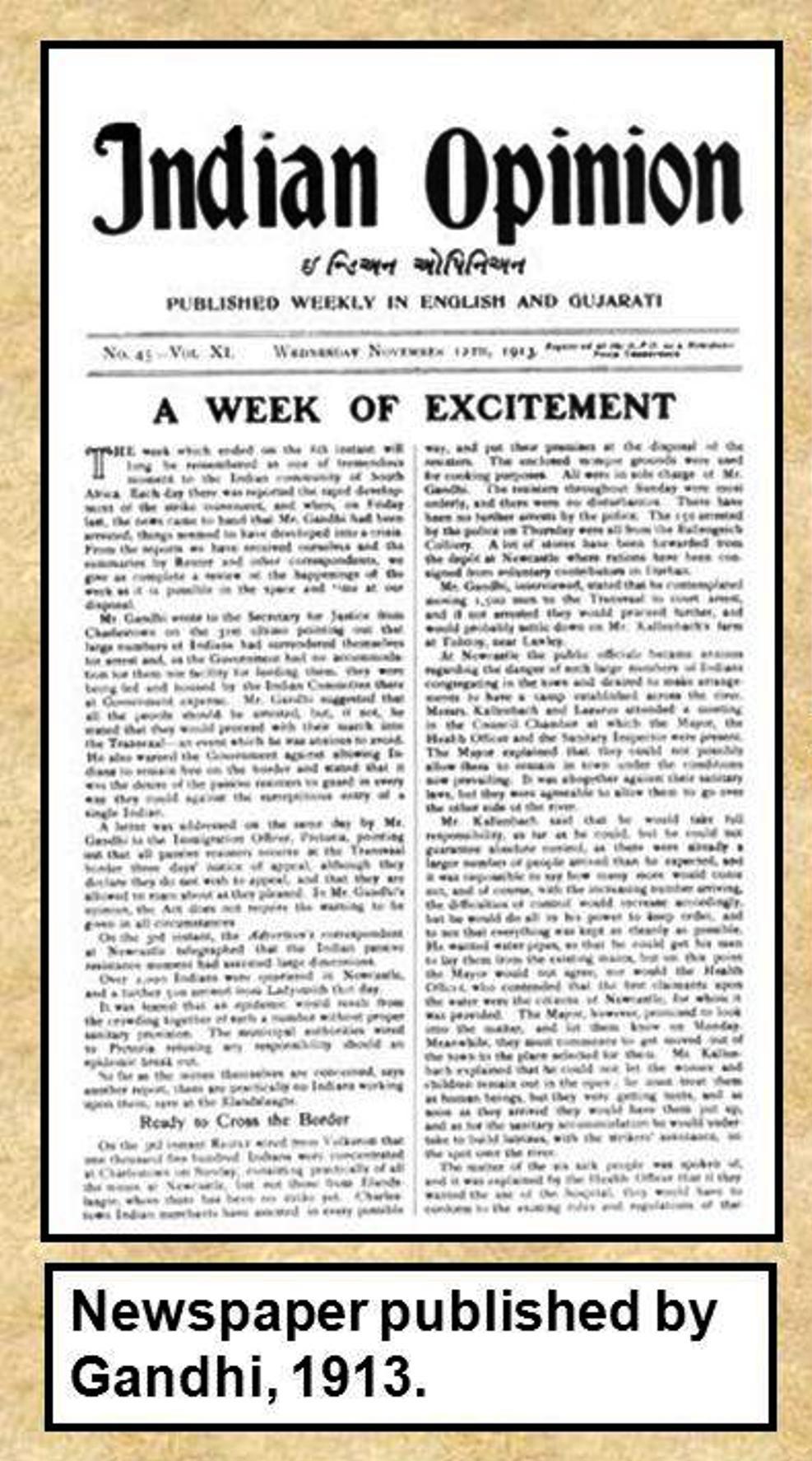
Besides being a political leader and social reformer, Gandhi was also a prolific writer, journalist and editor for much of his life. He was the editor of three English weeklies, namely Indian Opinion (in South Africa during 1903-1915), Young India (1919- 1931), and Harijan (1933-1942 and 1946-January 1948).

Indian Opinion was bi-lingual (English and Gujarati). For some time it had also Hindi and Tamil sections. Young India had a Gujarati edition – Navajivan. Harijan was printed in several Indian language editions. These journals, which he described as “viewspapers”, were means of political and social movements. But they were also printed, distributed and sold in the open market just like other journalistic products.

What can today’s journalists learn from Gandhi as a mass communicator and journalist/editor? I explore this in this week’s Ravaya column (published on 14 June 2015).

Part 2: සිවුමංසල කොලූගැටයා #224: මහත්මා ගාන්ධි: ඉතිහාසය වෙනස් කළ සඟරා කතුවරයා

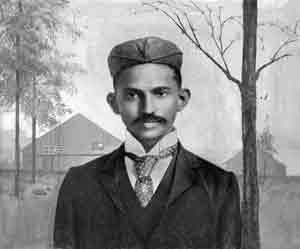
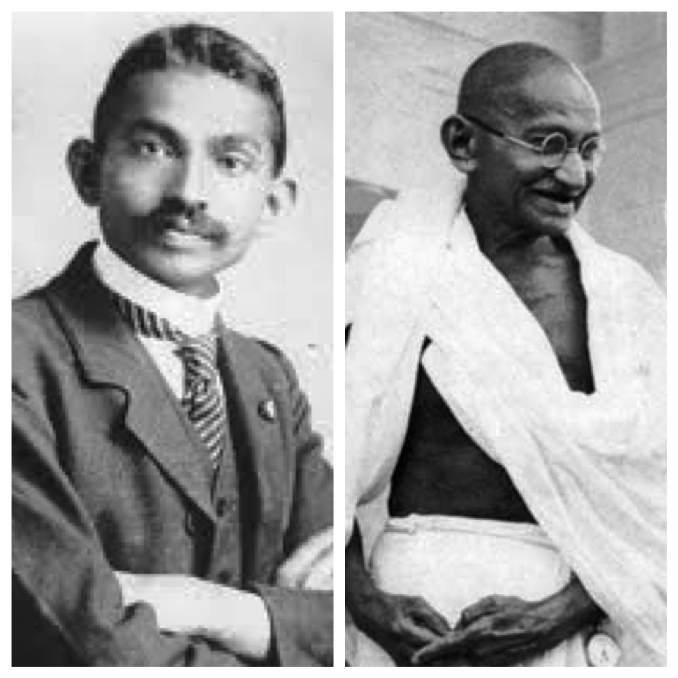
Younger and mature Mahatma Gandhi

ශ‍්‍රී ලංකාවේ ජනමාධ්‍ය ප‍්‍රතිසංවිධානය හා ප‍්‍රතිව්‍යුහකරණය ගැන සංවාද කැරෙන මේ දිනවල මාධ්‍ය බහුතරයක් ආචාර ධර්මීය නොවන ලෙසින් ක‍්‍රියා කිරීම ගැන කුමක් කළ හැකි ද යන්නත් සාකඡ්චා කැරෙනවා.

මාධ්‍ය ආචාර ධර්ම (media ethics) බටහිර රටවලින් අපේ වැනි රටවලට ආරෝපණය කරන තවත් බලපෑමක්ද? මේ ප‍්‍රශ්නය පසුගිය දිනෙක මගේ මාධ්‍යවේදී සිසුවකු අහිංසක ලෙසින් මතු කළා.

පුවත්පත් සඳහා ආචාර ධර්ම පද්ධතියක් මුල් වරට 1922දී ලේඛන ගත කළේ අමෙරිකානු පුවත්පත් කතුවරුන්ගේ සංගමය (American Society of News Editors, ASNE) බව ඓතිහාසික සත්‍යයක්. http://goo.gl/X6sS8o

පසු කලෙක එය ලොව පුරා රටවල් තමන්ට ගැලපෙන පරිදි අදාළ කර ගත්තා. හොඳ දෙයක් කොතැනින් මතු වුවත් එය අගය කළ යුතුයි. මේ ඔස්සේ තව දුරටත් කල්පනා කරන විට මට සිහි වූයේ 20 වන සියවසේ මෙන්ම මිනිස් ඉතිහාසයේම මහා පුරුෂයකු ලෙස සැලකෙන මහත්මා ගාන්ධිතුමාගේ පුවත්පත් ලේඛක හා කතුවර භූමිකාවයි.

20 වන සියවස මුලදී තරුණ ගාන්ධි තමන්ටම ආවේණික වූ ප‍්‍රතිපත්ති හා ආචාර ධර්ම රාමුවක් අනුගමනය කරමින් මාධ්‍ය හරහා සන්නිවේදනය කළා. ගාන්ධිගේ ජන සන්නිවේදන ශිල්ප ක‍්‍රම හා ආචාර ධර්ම විමසා බැලීමෙන් සියවසකට පසු අපට තවමත් ආදර්ශ ගත හැකියි.

මෝහන්දාස් කරම්චාන්ද් ගාන්ධි (1869 – 1948) අප හඳුනන්නේ අවිහිංසාවාදීව ඉතිහාසයේ විශාල වෙනසක් කළ අයකු ලෙසින්. ශ්‍රේෂ්ඨ ආත්මය යන අරුත ඇති ‘මහත්මා’ නම් ගරු නාමය ඔහුට ලැබුණේ ජීවිතයේ මැදි වියේදී.

බි‍්‍රතාන්‍යයන් පාලනය කරන ඉන්දියාවේ ඉපදී අධිරාජ්‍ය පාලකයන්ගේ ඉංග‍්‍රීසි බස මනාව උගෙන, ඔවුන්ගේ ආධිපත්‍යයට එරෙහිව අධිෂ්ඨානශීලීව හා නිරායුධව අභියෝග කළ මේ පුංචි මිනිසා ඉතිහාසයේ අතිශය කලාතුරකින් හමු වන ආකාරයේ අසාමාන්‍ය චරිතයක්.

ගාන්ධිගේ ජීවිත කතාව අධ්‍යයනය කළ බොහෝ දෙනකු ඔහුගේ අවංක බව, ප‍්‍රතිපත්ති ගරුක බව හා භේද නොතකා සියලූ දෙනාට එක දේ සැලකීමේ ගුණය අගය කරනවා.

ඔහු මිලියන සිය ගණනක සාමාන්‍ය ඉන්දියානු ජනයා නිදහස උදෙසා සාමකාමී ලෙසින් කුළු ගැන්වූයේ හා දශක ගණනක අරගලය පුරාම සංවරව පවත්වා ගත්තේ කෙසේද?

එයට ඔහුගේ තීක්ෂණ බුද්ධිය මෙන්ම උසස් සන්නිවේදන කුසලතාත් උපකාරී වූවා. ගාන්ධි නම් වූ විශිෂ්ඨ ජන සන්නිවේදකයා ගැන ඉන්දියාවේත්, ඉන් පිටතත් සන්නිවේදන පර්යේෂකයන් තවමත් අධ්‍යයනය කරන්නේ මේ නිසා. ඔහුගේ මාධ්‍ය කලාවේ පැතිකඩ කිහිපයක් විමසා බලමු.

Gandhi mobilised millions, but was never a great orator

19 හැවිරිදි තරුණයකු ලෙස 1888දී ගාන්ධි එංගලන්තයට ගියේ නීතිය උගෙන නීතීඥයකු වීමටයි. මධ්‍යම පාන්තික වෙළද පවුල් පසුබිමකින් ආ ඔහුට ඉංග‍්‍රීසි බස ආගන්තුක නොවූවත් එංගලන්තයේ වෙනස් සමාජ පසුබිමට හුරු වන්නට ටික කලක් ගත වුණා. නීති දේශනවලට යොමුවන්නටත් පෙර පටන් ඔහු එරට පුවත්පත් නිතිපතා කියැවීමට පටන් ගත්තා.

ඉන්දියාවේ සිටියදී පුවත්පත් නොකියවූ තරුණ ගාන්ධි බි‍්‍රතාන්‍ය පුවත්පත් අගය කළා. රටක දේශපාලන හා සමාජ තත්ත්වයන් ගැන අවබෝධයක් ලබන්නට පුරවැසියන්ට උදව් වන්නේ උසස් ගණයේ පුවත්පත් හා සඟරා පැවතීම බවත් නූතන සමාජයේ ජන මතය හසුරුවන්නට මේවාට ලොකු බලයක් ඇති බවත් ඔහු වටහා ගත්තා.

මුද්‍රිත ජන මාධ්‍ය ගැන ඔහු මෙසේ තරුණ වියේදී ඇතිකරගත් පැහැදීම හා විශ්වාසය ජීවිත කාලය පුරාම පැවතියා.

ගාන්ධිගේ සන්නිවේදන භූමිකාව අධ්‍යයනය කළ අහමදබාද්හි ගුජරාට් විද්‍යාපීඨ උපකුලපති සුදර්ශන් අයෙන්ගර් (Dr Sudarshan Iyengar) කියන්නේ මෙයයි. ‘‘ගාන්ධි ලිඛිත මාධ්‍යයට වඩා ළැදි වීමට තවත් හේතුවක් නම් ප‍්‍රසිද්ධ සභා අමතා කතා කිරීමට සහජයෙන් ඔහු තුළ තිබූ සබකෝලයයි. පරිණත වියේදී පවා ඔහු දක්ෂ කථිකයකු වූයේ නැහැ. කට වචනයෙන් සන්නිවේදනයට තමාගේ සීමා හඳුනා ගත් ඔහු ලිඛිත සන්නිවේදනයට හැකි තරම් කාලය හා ශ‍්‍රමය යෙදවූවා. සභා ඇමතීම බොහෝ විට කථිකත්වයෙන් තමාට වඩා දක්ෂයන්ට භාර කළා.’’

තම සබකෝලය ගැන ගාන්ධි සිය ආත්ම චරිතාපදානයේ (The Story of My Experiments with Truth, 1927) විවෘතව සාකච්ඡා කරනවා. පසු කලෙක වෘත්තීය නීතිඥයකු ලෙස උසාවි ඇමතීමට පෞරුෂය ගොඩ නගා ගත්තද ඔහු කිසි දිනෙක (නෙල්සන් මැන්ඩෙලා මෙන්) ජනකාන්ත වේදිකා කථිකයකු වූයේ නැහැ.

Gandhi was 24 when he arrived in Pretoria to work as a legal representative for the Muslim Indian Traders based there

‘‘මේ සබකෝලය හඳුනා ගත් මා එය කෙමෙන් සවියක් බවට පත් කර ගත්තා. හරි තැනට ඔබින විදිහට හිටිවනම කතා කිරීමට නොහැකි වීම ගැන මුල් යුගයේ මා පසුතැවිලි වූවත්, පසුව මා තේරුම් ගත්තේ එය වාසියක් ද වන බවයි. මගේ සිතිවිලි දැඩි සංයමයෙන් හසුරුවා ගන්නටත්, කියන්නට ඇති දේ හැකි තාක් කෙටියෙන් කියන්නටත් මා පුහුණු වුණා. මේ නිසා මගේ මුවින් වල්පල්, අතිශයෝක්ති, හරසුන් කිසිවක් පිට වන්නේ නැහැ. යමක් කතා කරන විට මෙන්ම ලියන විටත් හැකි තාක් සංක්ෂිප්තව, සරලව හා ඍජුව වචන ගලපන්නට මා සැම විටම තැත් කරනවා. එසේම නිහඬ විය යුතු තැන්හිදී නිහඬවීමට ද මා දන්නවා.’’

අයෙන්ගර්ගේ අදහසට අනුව ගාන්ධිගේ පුවත්පත් කලාව ඉහත කී ආචාර ධර්මීය හා විනයානුකූල රාමුව තුළම සිදු වුණා. ගාන්ධි ලොව තිබූ විශාලතම අධිරාජ්යයට එරෙහිව රතිපත්තිමය අරගලයක් ගෙන ගියේ දැඩි පීඩන හා හිරිහැර මැදයි. එහෙත් කෙතරම් දුෂ්කර අවස්ථාවකදීවත් ආවේගශීලී නොවන්නටත්, සීරුවෙන් හා ආචාරශීලීව භාෂිත හා ලිඛිත රකාශ හසුරු වන්නටත් ඔහු රවේශම් වුණා. ඔහු දූරදර්ශී ජන නායකයකු වීමට මේ සන්නිවේදන ගුණාංග දායක වූවා.

ගාන්ධිගේ චරිත කතාව මෙසේ කැටි කළ හැක්කක් නොවෙයි. අප මෙහිදී අවධානය යොමු කරන්නේ ඔහුගේ ජන සන්නිවේදන ක‍්‍රියා ගැන පමණයි.

තරුණ වියේදී ගාන්ධි ඉතා හොඳින් ඉංග‍්‍රීසි බස හසුරු වන්නටත් ඉංග‍්‍රීසියෙන් ටයිප් කරන්නටත් උගත්තා. මේ හැකියාවන් සමාජ හා දේශපාලන ක‍්‍රියාකාරිකයකු ලෙස ඔහුට ජීවිත කාලය පුරාම ප‍්‍රයෝජනවත් වුණා. සුද්දා සමග ගැටෙන්නට ඔහුගේ බස ඔහුටත් වඩා හොඳින් ප‍්‍රගුණ කිරීමේ අගය ගාන්ධි දැන සිටියා.

1891දී නීතිඥයකු ලෙස බි‍්‍රතාන්‍යයේ දිවුරුම් දුන් ගාන්ධි, සිය රට බලා ගියා. එහෙත් බොම්බායේ නීතිඥයකු ලෙස ක‍්‍රියා කිරීමට ඔහු ගත් උත්සාහය සාර්ථක නොවූයේ සාක්ෂිකරුවන් සමීපව ප‍්‍රශ්න කිරීමට ඔහු මැලි වූ නිසා යයි කියනවා.

1893දී ඔහු දකුණු අප‍්‍රිකාවේ වෙළෙදාම් කරමින් සිටි ඉන්දියානු මුස්ලිම් සමාගමක නීතීඥයා ලෙස එරටට ගියා. වසරක කොන්ත‍්‍රාත්තුවක් මත ගියත් අන්තිමේදී ගාන්ධි වසර 21ක් (1893 – 1914) එරට ගත කළා. ඔහුගේ දේශපාලන හා සන්නිවේදන කුසලතාවන් වඩාත් ඔප් නැංවී ආයේ මේ අත්දැකීම් හරහායි.

ගාන්ධිගේ මේ ජීවන වකවානුව දෙරටේම දේශපාලන ඉතිහාසය වෙනස් කිරීමට හේතු වුණා. දශක ගණනකට පසු ඉන්දියාවේ සංචාරය කරමින් ජනාධිපති නෙල්සන් මැන්ඩෙලා කීවේ: ‘‘භාරතය අප වෙත මොහන්දාස් ගාන්ධි දායාද කළා. අප ඔහුව ආපසු මවු රටට එව්වේ මහත්මා ගාන්ධි ලෙසින්!’’ (“You gave us Mohandas; we returned him to you as Mahatma Gandhi.”)

දකුණු අප‍්‍රිකාවේ ඉන්දියානු සම්භවය ඇති මිනිසුන්ගේ මානව අයිතීන් උදෙසා පෙනී සිටීමටත්, එවකට එරට පාලනය තළ බි‍්‍රතාන්‍ය අධිරාජ්‍යයේ නියෝජිතයන් සමග සාකච්ඡා කිරීමටත් ගාන්ධි සිය විවේක කාලය කැප කළා.

එවකට එරට පැවති දේශපාලන හා සමාජ තන්ත‍්‍රයේ විසමතා හා අසාධාරණකම්වලට එරෙහිව නිරායුධ වුත්, ප‍්‍රතිපත්තිමය වුත් අරගලයක් ඔහු දියත් කළාග ජනයා දැනුවත් කිරීම හරහා ඔවුන් බලාත්මක කිරීමේ ප‍්‍රධාන ක‍්‍රමෝපායක් ලෙස ඔහු Indian Opinion නම් සඟරාවක් 1904දී ඇරැඹුවා.

Indian Opinion in 1913

Indian Opinion සඟරා කතුවරයා මන්සුක්ලාල් නසාර් නමැත්තකු වුවත් එහි කර්තෘ මණ්ඩල වගකීම් වැඩි ප‍්‍රමාණයක් ඉසිලූවේ ගාන්ධියි. එවකට දකුණු අපි‍්‍රකානු දේශපාලන යථාර්ථය ගැන ඒ වන විට ලබා ගෙන තිබූ අවබෝධයත්, කලක් බි‍්‍රතාන්‍ය පුවත්පත් කියැවීමෙන් ලත් ආභාෂයත් ඔහුට උපකාර වුණා.

අමාරුවෙන් පවත්වාගෙන ගිය මේ සඟරාවට කර්තෘමය දායකත්වයට අමතරව ගාන්ධි නීතීඥයකු ලෙස ඉපැයූ ආදායමින් කොටසක් ද යෙදවූවා. එක් අවස්ථාවක ඔහුගේ ඉතිරි කිරීම් සියල්ල සඟරාවේ නඩත්තුවට යොමු කළ බවත්, ඒ ගැන කණගාටුවක් නැති බවත් ආත්ම චරිතාපදානයේ කියනවා.

‘‘Indian Opinion සඟරාවට මා මුළු විවේකයම හා නිර්මාණශීලීත්වයම කැප කළා. එම වකවානුවේ මගේ ජීවිතය හා සිතුම් පැතුම් පිළිබඳ හොඳ කැඩපතක් බවට එය පත්වුණා. 1904-14 කාලයේ ඉඳහිට මා සිරගත වූ විට හැරෙන්නට හැම කලාපයකම අඩු තරමින් මගේ එක් ලිපියක් හෝ අඩංගු වුණා. සංකීර්ණ වූ දේශපාලන හා සමාජයීය තත්ත්වයන් පිළිබඳව හරබරව හා තුලනාත්මකව විග‍්‍රහ කිරීමේ අසීරු කලාව මා ප‍්‍රගුණ කළේ මේ සඟරාවට ලිපි ලියූ හා අනෙක් ලිපි සංස්කරණය කළ කාලයේයි. එසේම පාඨකයන් හා කතුවරයා අතර මනා සබඳතාවක් ගොඩනංවා ගෙන පවත්වා ගන්නේ කෙසේද යන්නට මා හොඳ අත්දැකීම් ලැබුවා.’’

Gandhi's English hand writing, 1927
Gandhi’s English hand writing, 1927

මේ වකවානුව ගැන ආවර්ජනය කරමින් ගන්ධි මෙසේ ද ලියා තිබෙනවා. ‘‘Indian Opinion කර්තෘමය වගකීම් දැරූ මුල් මාසයේදීම මා හොඳ හැටි තේරුම් ගත්තේ පත‍්‍ර කලාවේ එකම අරමුණ විය යුත්තේ මහජන සේවය බවයි. පුවත්පතකට අති විශාල බලයක් තිබෙනවා. එය හොඳට මෙන්ම නරකටද යෙදවිය හැකියි. ජලය අපට අත්‍යවශ්‍ය සම්පතක් වුවද නිසි ලෙස පාලනය නොවූ ජල කඳක් නිසා ගම්බිම් හා කෙත්වතු වනසන ගංවතුරක් ඇති විය හැකියි. එසේම අසංවර වූ පෑනෙන් මහත් විනාශයක් කළ හැකියි. එනිසාවට එය සංවර කිරීමේ බලය පිටස්තර අධිකාරියකට භාර කළොත් (ප‍්‍රකාශන නිදහස නැති වී යන නිසා) එහි අහිතකර විපාක වැඩියි. අප කළ යුත්තේ පුවත්පත් කලාවේ ඉමහත් බලය අප විසින්ම සංවරයෙන් හා වගකීමෙන් යුතුව භාවිත කිරීමයි.’’

‘‘මේ අවශ්‍යතාව සපුරා ගන්නා පුවත්පත් හා සඟරා කීයක් ලොව තිබේද? ලොව හොඳ-නරක දෙකම හමු වනවා සේ පුවත්පත් කලාවේ ද හොඳ ප‍්‍රකාශන මෙන්ම නරක ප‍්‍රකාශන ද තිබෙනවා. මේ අතරින් හොඳ ප‍්‍රකාශන තෝරාබේරා ගැනීම බුද්ධිමත් පාඨකයන්ට බාරයි.’’

මාධ්‍ය වගකීම, මාධ්‍ය නිදහස හා මාධ්‍ය සාක්ෂරතාව ගැන කොතරම් වැදගත් විග‍්‍රහයක්ද?ගාන්ධි ආත්ම චරිතාපදානයේ සිවු වන කොටසේ 13 වන පර්ච්ෙඡ්දයේ මෙය හමු වනවා.

Part 2: සිවුමංසල කොලූගැටයා #224: මහත්මා ගාන්ධි: ඉතිහාසය වෙනස් කළ සඟරා කතුවරයා

Also read:

Journalist Gandhi: Selected Magazine Writings of Mahatma Gandhi

Gandhi as Journalist

Gandhi the Editor, By B. R. Nanda, Chairman, National Gandhi Museum

Mahatma Gandhi And Mass Media, by Prof V S Gupta


Echelon April 2015 column: Managing Demographic Transition: The ‘Silver Dividend’

Text of my column written for Echelon monthly business magazine, Sri Lanka, April 2015 issue. Published online at: http://www.echelon.lk/home/managing-the-demographic-transition-the-silver-dividend/

Managing Demographic Transition: The ‘Silver Dividend’

 By Nalaka Gunawardene

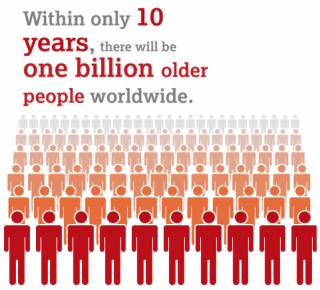
Infographic by Echelon based on HelpAge International analysis

Back in December 1993, Wired magazine asked readers to nominate seven modern wonders of the world – extraordinary structures or phenomena that characterise our age. Its editors made the final choices based on hundreds of ideas received.

Predictably enough, the list was dominated by high tech developments like the Human Genome Project, the Internet and micro-manufacturing. With remarkable foresight, they also included senior citizens.

That’s right! The editors said: “Among the greatest feats of bio-social engineering ever executed and yet one that remains strangely overlooked is our abundance of senior citizens.”

There is no historical precedent for this, in any place or any time. Prior to the Second World War, Wired noted, an old person was ‘an oddity’ in Western cultures, with only an insignificant proportion of the population reaching that age. But by end 20th century, old people and their needs “will dominate political and social debate.”

“The dream of an immortal society is the dominant engine powering the bulk of most 20th century research in countless areas including medicine, pharmaceuticals, surgery, and life extension techniques as well as developments in politics and finance — entitlements, pension funds and mutual funds,” added Wired.

Now, into the second decade of the new century, societies worldwide are facing the challenge of ageing populations. To manage this demographic transition well, they need the right attitudes and policies.

Gradual shift

Population ageing happens when older people (typically over 60) account for an increasingly large proportion of the total population. It is the result of declining fertility rates, lower infant mortality and increasing survival at older ages – all triumphs of development.

Infographic by HelpAge International

This happened slowly but steadily during the last few decades. Worldwide, older people’s share of population has risen sharply. In 1950, when the world’s population was 2.5 billion, there were 205 million persons over 60. In 2014, there were 868 million such persons – nearly 12% of the total.

Meanwhile, the number of new-borns has been falling. In 2000, for the first time in history, there were more people over 60 globally than children below 5. And within the next decade, the number of older persons will surpass 1 billion.

Proportions matter more than absolute numbers. It is the age structure of a country’s population that directly affects economic productivity and human development.

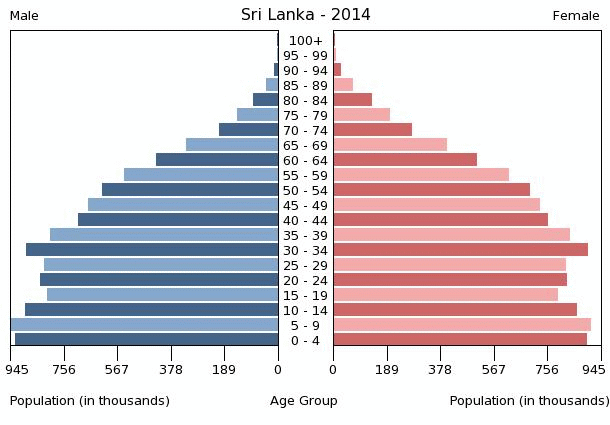
In South Asia (SAARC region), Sri Lanka has the highest proportion of older people, which was 13% in 2014. This is projected to rise to 20% by 2031, and a quarter by 2041. Parallel to this, the proportion of working age population – which reached its peak in 2006 (65.1%) – will keep falling. This is similar to what is happened in many East Asian countries.

“As Sri Lanka experiences a demographic transition, the country will face several economic and social challenges, especially in handling the social protection and health care needs of a rising elderly population,” cautioned the Institute of Policy Studies (IPS) in its ‘Sri Lanka State of the Economy 2014’ report. “In addition, Sri Lanka will also have to address the implications of a shrinking workforce on the growth of the country.”

How can we prepare for this shift, to avoid being overwhelmed economically and socially?

Philip O’Keefe, the World Bank’s lead economist on social protection and labour, says the risks associated with ageing are real — but can be mitigated with the right policy responses.

“We always look at the costs (of ageing), but the economic and business opportunities are enormous,” he told HelpAge International’s Asia regional conference in Thailand in September 2014.

Sri Lanka Population Pyramid 2014 - from http://www.indexmundi.com/sri_lanka/age_structure.html
Sri Lanka Population Pyramid 2014 – from http://www.indexmundi.com/sri_lanka/age_structure.html

Retirement Age

For example, as people enjoy longer and healthier lives, retirement age and habits need rethinking.

O’Keefe says that many Asian countries’ retirement age has not kept up with rising life expectancy. But rather than embarking on the often contentious revision of retirement age, countries could gradually ‘blur the line’ between working and stopping it – as Japan, Korea and Singapore have done.

In Sri Lanka, mandatory retirement age for public servants is 60 years (with some exceptions). Last year, then health minister (and now President) Maithripala Sirisena proposed that this be raised to 65, with the option of retiring at 60.

The rationale is clear. Lankans have an average life expectancy of over 76 years, with women living a few years longer than men. Also, today’s older people are markedly different compared to those two generations ago. They are healthier and remain more active well into their 70s or 80s. This enhances their value to society: they are a resource to be harnessed.

This is the trend across Asia. To benefit from this, societies must redesign and realign themselves, says Eduardo Klien, regional director of HelpAge International for East Asia and Pacific. Countries need to make far-reaching changes to address population ageing so as to optimise older people’s contributions.

Governments, civil society, private sector, development donors and the research community all have roles to play. The policy window is limited, Klien says. “The time to act is the next few years.”

In formulating policies, it is important to avoid alarmism. The common media portrayal of ageing as a ‘demographic time-bomb’ or ‘silver tsunami’ is not accurate. Nor is this fate inevitable as developed country experience shows.
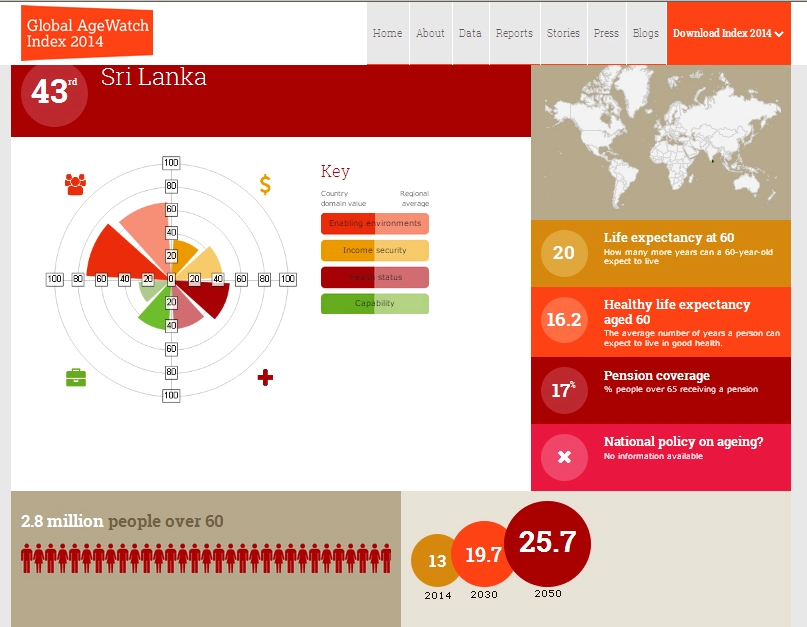
Global AgeWatch 2014 report - country rankings
Global AgeWatch 2014 report – country rankings

Evidence-based policies

Better data gathering and analysis can help promote a more balanced approach. For example, censuses need to collect statistics that are more disaggregated by age and gender (lumping together everyone over 60 or 65 is no longer good enough).

The Global AgeWatch Index, which ranks countries by how well their ageing populations are faring, takes stock of how countries are faring. Compiled by HelpAge International, it measures performance in four areas: income, health, employment and education, and existence of an ‘enabling environment’ (based on factors like physical safety, civic freedom and access to public transport).

Global AgeWatch Index 2014 assessed 96 countries which covered nine out of ten people over 60 worldwide. Norway topped the list, followed by Sweden and Switzerland. The only Asian country among the top 10 was Japan (No 9). In South Asia, Sri Lanka was placed higher (No 43) than other SAARC countries – but there is much to be done.

According to the data crunched, an average Lankan of 60 years can expect to live for another 20 years, 16.2 of which are likely to be in good health. But many of our older persons experience problems of psychological wellbeing – and a lack of counseling support.

More worrying is income security. Pension income coverage in Sri Lanka is 17% of older persons, despite there being several public and private schemes. Given that more people work in the informal sectors – such as farming, fishing and trading – enhancing coverage will need a multi-pronged approach.

One option is non-contributory social pension schemes, but this needs to be balanced with long-term viability. Sri Lanka already spends around 1.5% of GDP on public sector pensions. Pension reform with innovation thus becomes a policy priority.

Modern wonders do come with a price!

Sri Lanka analysis in Global AgeWatch 2014 Report

සිවුමංසල කොලූගැටයා #213: පරමාණු භීතිකාවෙන් තොරව න්‍යෂ්ටික තාක්ෂණය තේරුම් ගනිමු!

atom_colorOn 16 February 2015, India and Sri Lanka signed a bilateral agreement to cooperate in peaceful uses of nuclear technology. Under this, India will help the island nation build its nuclear energy infrastructure, upgrade existing nuclear technologies and train specialised staff. The two countries will also collaborate in producing and using radioactive isotopes.

On the same day, Reuters news agency reported: “India could also sell light small-scale nuclear reactors to Sri Lanka which wants to establish 600 megawatts of nuclear capacity by 2030”. Sri Lanka has no nuclear reactors, even though the option has been under discussion for some years.

The full text of the Indo-Lanka nuclear agreement has not been made public. Sri Lanka’s minister of power and energy clarified that it does not allow India to unload any radioactive wastes in Sri Lanka. He also assured that all joint activities will comply with standards and guidelines set by the IAEA.

In this week’s Ravaya column (in Sinhala, published in issue of 29 March 2015), I look at nuclear power generation and nuclear technologies used in medicine, agriculture, industry and construction, etc. I advocate moving away from shrilly rhetoric and call for an informed discussion and debate on nuclear related issues.

I covered similar ground in English here:

SciDev.Net, 28 Feb 2015: Critical nuclear issues in South Asia

radioactiv

ජනාධිපති මෛත‍්‍රීපාල සිරිසේනගේ ඉන්දියානු නිල සංචාරය අතරතුර 2015 පෙබරවාරි 16 වනදා ඉන්දු-ලංකා සාමකාමී න්‍යෂ්ටික තාක්ෂණ සහයෝගීතා ගිවිසුමක් අත්සන් කරනු ලැබුවා. මෙය එම සංචාරයේ වැදගත් ප‍්‍රතිඵලයක් ලෙස දෙරටේම මාධ්‍ය හඳුන්වා දුන් අතර ඒ ගැන විවිධ ප‍්‍රතිිචාර හා විග‍්‍රහයන් පළ වුණා.

මේ සහයෝගීතා ගිවිසුම හරහා මෙරට න්‍යෂ්ටික තාක්ෂණය යොදා ගැනීමට ඇති යටිතල පහසුකම් වැඩි දියුණු කිරීමටත්, විශේෂඥ පුහුණුවක් අපේ අදාළ ශිල්පීන් හා වෘත්තිකයන්ට ලබාදීමටත් ඉන්දියාවේ උපකාර ලැබෙනවා. එසේම විකිරණශීලී සමස්ථානික (radioactive isotopes) නම් වන න්‍යෂ්ටික ද්‍රව්‍ය නිපදවීමටත්, භාවිත කිරීමටත් දෙරට හවුලේ ක‍්‍රියා කරනු ඇති.

සාක් කලාපයේ විද්‍යා හා තාක්ෂණික ක්ෂේත‍්‍රවලින් ඉදිරියෙන්ම සිටින ඉන්දියාව සමග මෙසේ සහයෝගීතාවට එළඹීම අපට ප‍්‍රයෝජනවත් පියවරක්.

මේ ගිවිසුම හරහා ඉන්දියාවේ න්‍යෂ්ටික අපද්‍රව්‍ය කිසිසේත්ම මෙරට බැහැර කිරීමට ඉඩ නොදෙන බව විදුලිබල හා බලශක්ති අමාත්‍යවරයා අවධාරණය කළා.

න්‍යෂ්ටික මාතෘකාව ගැන ඕනෑම කතාබහකදී සැකය, බිය හා ත‍්‍රාසය එයට එක් කිරීම සමහරුන්ගේ සිරිතයි. මේ නිසා අනුමාන හෝ කුමන්ත‍්‍රණවාදී කතා වෙනුවට කරුණු හා තර්ක මත පදනම් වී න්‍යෂ්ටික තාක්ෂණ ක්ෂේත‍්‍රය අවබෝධ කර ගැනීම වැදගත්.

පරමාණු බෝම්බ, න්‍යෂ්ටික බලශක්තිය හා බහුවිධ ප‍්‍රයෝජන ලබා දෙන න්‍යෂ්ටික තාක්ෂණය යනු එකිනෙකට වෙනස් ක්ෂේත‍්‍රයන් තුනක්. පරමාණුවේ න්‍යෂ්ටික අන්තර්ගතය පිළිබඳ විද්‍යාත්මක දැනුම මත පදනම් වූවත් මේවායේ භාවිතයන් හා අරමුණු අතර පැහැදිලි වෙනස්කම් තිබෙනවා.

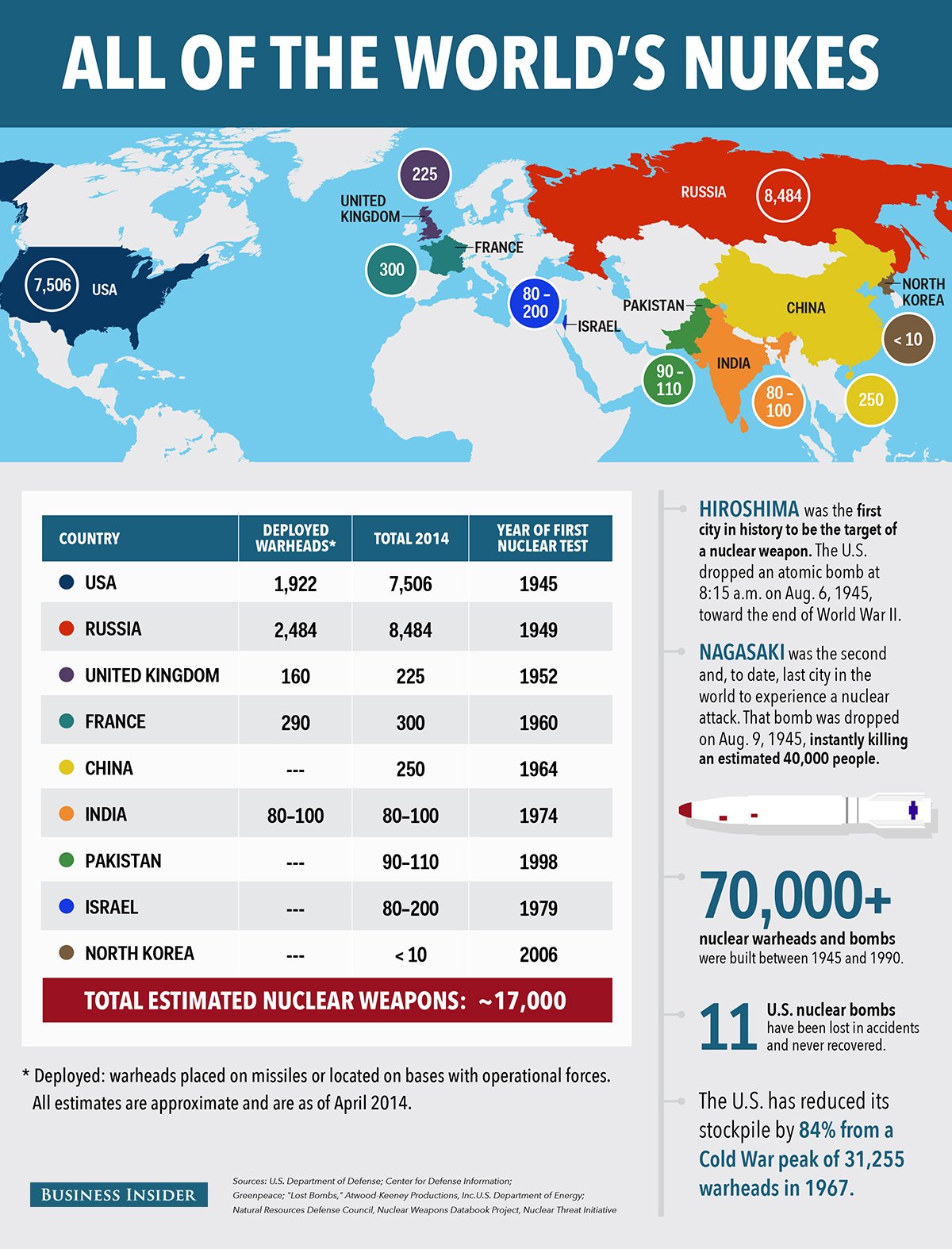
පරමාණු බෝම්බ මිනිසා විසින් නිපදවා ඇති බිහිසුණුම අවියක්. දෙවන ලෝක යුද්ධ සමයේ මුල් වරට තනනු ලදුව 1945 අගෝස්තුවේදී ජපානයේ හිරෝෂිමා හා නාගසාකි දෙනුවරට පරමාණු බෝම්බ දෙකක් හෙළනු ලැබුවා. එයට වඩා අතිශයින් බලවත් පරමාණු බෝම්බ සතු රටවල් ගණනාවක් තිබෙනවා.

2014 estimate of the world's nuclear weapons. Image from: http://walizahid.com/2014/07/pakistan-15th-most-powerful-military-in-the-world/
2014 estimate of the world’s nuclear weapons. Image from: http://walizahid.com/2014/07/pakistan-15th-most-powerful-military-in-the-world/

දකුණු ආසියාවේ ඉන්දියාව හා පකිස්ථානය යන දෙරටද මේ ගණයට ඇතුළත්. න්‍යෂ්ටික අවි ප‍්‍රචලිත වීම සීමා කරන ජාත්‍යන්තර සම්මුතිවලටද බැඳී නොමැති මේ දෙරට අතර දශක ගණනාවක් ඇදී යන භයානක න්‍යෂ්ටික අවි තරගයක් තිබෙනවා.

මේ දෙරටේම න්‍යෂ්ටික අවි ද නිපදවා ඇතත් ඒවා කීයක් තිබේද, පිපිරීම් ධාරිතාව කොපමණ ද යන්න හෙළිදරව් වී නැහැ. සාර්ක් කලාපයේ න්‍යෂ්ටික අවි සන්නද්ධ දෙරටම තම මිලිටරි හා අනෙකුත් න්‍යෂ්ටික භාවිතයන් ගැන එතරම් විවෘතභාවයක් දක්වන්නේද නැහැ.

න්‍යෂ්ටික බලශක්තිය යනු පරමාණුවේ ඇතුළත කැටි වූ ප‍්‍රබල ශක්තිය සීරුවෙන් මුදචා හැර එයින් විදුලිබලය නිපදවීමයි. මෙය වාණිජ මට්ටමින් කිරීම ඇරඹුණේ 1950 දශකයේදී.

න්‍යෂ්ටික තාක්ෂණය ශ‍්‍රී ලංකාවට අලූත් දෙයක් නෙවෙයි. මේ විෂයට අදාළ එක්සත් ජාතීන්ගේ විශේෂඥ ආයතනය වන ජාත්‍යන්තර පරමාණු බලශක්ති ඒජන්සිය (International Atomic Energy Agency, IAEA) ආරම්භ වූ 1957 වසරේ පටන්ම ශ‍්‍රී ලංකා රජය එහි රාජ්‍ය මටට්මේ සාමාජිකයකු වූවා. එම ආයතනයෙන් මෙරටට ආ විශේෂඥයන්ගේ උපදෙස් මත 1962දී කොළඹ සරසවියේ විකිරණශීලී සමස්ථානික කේන්ද්‍රයක් පිහිටවනු ලැබුවා.

න්‍යෂ්ටික තාක්ෂණය ජන ජීවිතයට හා ජාතික සංවර්ධනයට යොදා ගැනීම සඳහාම කැපවුණු ශ‍්‍රී ලංකා පරමාණු බලශක්ති අධිකාරිය පාර්ලිමේන්තු පනතකින් ස්ථාපිත කළේ 1969දී. එහි මුල්ම සභාපතිවරයා වූයේ කොළඹ සරසවියේ ද උපකුලපති වූ කීර්තිමත් විද්‍යාඥ මහාචාර්ය පී. පී. ජී. එල්. සිරිවර්ධනයි.

පරමාණු බලශක්ති අධිකාරිය (2014 පටන් පරමාණුක බලශක්ති මණ්ඩලය) ක‍්‍රමානුකූලව මෙරට න්‍යෂ්ටික තාක්ෂණ භාවිතයන් ප‍්‍රවර්ධනය කළා. වඩාත් ප‍්‍රකට භාවිතයන් ඇත්තේ වෛද්‍ය විද්‍යාවේයි. එක්ස්-රේ (එක්ස් කිරණ) හරහා ශරීරය තුළ අවයව පිළිබඳ අධ්‍යයනය රෝග නිශ්චයේදී බහුලව කරන්නක්.

මෙයින් ඔබ්බට යන වඩාත් සංකීර්ණ පරිලෝකනය කිරීම් (ස්කෑනිං) සඳහා යොදා ගන්නා යන්ත‍්‍රවලද විකිරණශීලී සමස්ථානික භාවිත කෙරෙනවා. මේවා ආරක්ෂිතව භාවිතය ගැන මෙරට රෙගුලාසි පැනවූයේ 1975දී.

කොළඹ ජාතික රෝහලේ න්‍යෂ්ටික වෛද්‍ය කටයුතු 1983දී ඇරඹුණා. අද වන විට රාජ්‍ය හා පෞද්ගලික රෝහල් ගණනාවක න්‍යෂ්ටික වෛද්‍ය විද්‍යා තාක්ෂණය පුළුල්ව යොදා ගැනෙනවා.

Radiation-Therapy WideShot(Cropped) එතරම් ප‍්‍රකට නොවුවත් තවත් ක්ෂේත‍්‍ර ගණනාවක න්‍යෂ්ටික තාක්ෂණය යොදා ගැනෙනවා. ගොඩනැගිලි හා මහ පරිමාණ ඉදි කිරීම් කර්මාන්ත, කෘෂිකර්ම පර්යේෂණ (විශේෂයෙන් සත්ත්ව පාලනයට අදාළව) ආදී ක්ෂේත‍්‍රයන්හි සියුම් විමර්ශන හා වෙනත් අවශ්‍යතා සඳහා විශේෂඥ මට්ටමේ න්‍යෂ්ටික භාවිතයන් රැසක් තිබෙනවා.

ඉන්දු-ශ‍්‍රී ලංකා න්‍යෂ්ටික ගිවිසුම අත්සත් කළ රජයන් දෙකම එය ප‍්‍රසිද්ධියට පත් කොට නැහැ. එහෙත් එහි අන්තර්ගතය ගැන සාරාංශයක් න්‍යෂ්ටික බලශක්ති මණ්ඩලය වෙබ් අඩවියේ පළ වී තිබෙනවා. http://goo.gl/uYUN8o

පරමාණුක බලශක්ති නියාමන කවුන්සිලය (Sri Lanka Atomic Energy Regulatory Council) මෑතදී පිහිට වූ රාජ්‍ය ආයතනයක්. එහි අධ්‍යක්ෂ අනිල් රංජිත් ‘සන්ඬේ ටයිම්ස්’ පත‍්‍රයට කීවේ ඉන්දු-ශ‍්‍රී ලංකා න්‍යෂ්ටික ගිවිසුම න්‍යෂ්ටික බලාගාර ගැන කොතැනකවත් ආවරණය නොකරන බවයි. ‘මේ ගිවිසුම හරහා සාමකාමී න්‍යෂ්ටික තාක්ෂණය දියුණු කිරීමට අප ඉන්දියානු උපකාර ලබනවා. වෛද්‍ය හා කාර්මික ක්ෂේත‍්‍ර මෙයින් ප‍්‍රයෝජන ලබනු ඇති’ ඔහු කියනවා.

ගිවිසුම අධ්‍යයනය කළ අය කියන්නේ න්‍යෂ්ටික ආරක්ෂාව පිළිබඳ දැනට ඇති බලපවත්නා ජාත්‍යන්තර සම්මුති දෙරටම අත්සන් කර ඇති බව ගිවිසුමේ පූර්විකාවේම සිහිපත් කරන බවයි.

එහෙත් මේ ගිවිසුම කිසි තැනක ඉන්දියානු න්‍යෂ්ටික බලාගාරයක අනතුරක් සිදු වුවහොත් එයින් එරරට මතු වන වගකීම හා එයට වන්දි ගෙවීම ආවරණය කර නැහැ.

මෙය අතපසුවීමක් නොව හිතාමතාම මඟ හැරීමක් බව සිතිය හැකියි. මේ ගිවිසුම මාස ගණනාවක් තිස්සේ දෙරටේ ජ්‍යෙෂ්ඨ නිලධාරීන් අතර සාකච්ඡා කොට එකඟ වූවක්.

Nuclear Power Plants in India - official map 2014
Nuclear Power Plants in India – official map 2014

ඉන්දියාව තම විදුලිබල ජනනය සඳහා න්‍යෂ්ටික බලාගාර ඉදිකිරීම ඇරඹුවේ 1960 දශකයේයි. බටහිර රටවල් න්‍යෂ්ටික බලාගාර සඳහා මුල් යුගයේ ඉන්දියාවට තාක්ෂණික ආධාර දුන්නේ මිලිටරි අවශ්‍යතා සඳහා න්‍යෂ්ටික බෝම්බ නිපදවීමට යොමු නොවනු ඇතැයි යන අවබෝධය ඇතිවයි. එහෙත් 1974දී ඉන්දියාව ‘සාමකාමී න්‍යෂ්ටික බෝම්බයක්’ අත්හදා බැලූ අතර බොහෝ කොට රහසිගත වූ න්‍යෂ්ටික අවි වැඩපිළිවෙළක් කලක සිට එරට ක‍්‍රියාත්මක වනවා.

එරට අති විශාල විදුලිබල ඉල්ලූම සපයා ගැනීමට වැඩි වැඩියෙන් විදුලි බලාගාර තැනීමේ අභියෝගයක් තිබෙනවා. ජල විදුලිය, ගල් අඟුරු හා ඞීසල් බලාගාර මෙන්ම න්‍යෂ්ටික බලාගාර ද තැනීම එරට බලශක්ති සැලසුමේ කොටසක්. (එසේම 2022 වනවිට සූර්ය බලයෙන් මෙගාවොට් 100,000ක් විදුලිය ජනනය කිරීමට එරට සැලසුම් කරනවා.)

2014 අග වනවිට න්‍යෂ්ටික විදුලි බලාගාර සංකීර්ණ 7ක් ඉන්දියාවේ විවිධ ප‍්‍රාන්තවල ක‍්‍රියාත්මක වුණා. ඒවායේ න්‍යෂ්ටික ප‍්‍රතික‍්‍රියාකාරක 21ක් මගින් මෙගාවොට් 5,780ක ජනන ධාරිතාවක් එරට විදුලිබල පද්ධතියට එක් කළා. එය එරට සමස්ත විදුලි ජනනයෙන් 3.5%ක් පමණ වූවා.

2020 වසර වනවිට න්‍යෂ්ටික බලාගාර ධාරිතාවය මෙගාවොට් 20,000 දක්වා වැඩි කිරීමට ඉන්දියාව සැලසුම් කරනවා. මේ සඳහා තවත් බලාගාර 4ක් ගොඩනගමින් තිබෙන අතර කිහිපයක් සැලසුම් අදියරේ පවතිනවා.

2011 මාර්තුවේ ජපානයේ ෆුකුෂිමා නුවර ඇති වූ න්‍යෂ්ටික බලාගාර අනතුරට පසු ඉන්දියාව පුරා න්‍යෂ්ටික බලයට එරෙහිව මහජන විරෝධතා උත්සන්න වුණා. විශේෂයෙන්ම මහාරාශ්ට‍්‍රයේ හා තමිල්නාඩුවේ ජන විරෝධතා ප‍්‍රබලයි.

Image courtesy - www.dnaindia.com
Image courtesy – http://www.dnaindia.com

රුසියානු තාක්ෂණය යොදා ගෙන තමිල්නාඩුවේ පිහිටුවා ඇති කූන්ඩන්කුලම් න්‍යෂ්ටික බලාගාරය මෙසේ විරෝධතා මැද දිගටම කරගෙන යන ව්‍යාපෘතියක්. එහි මුල් අදියර 2013දී විදුලි ජනනය ඇරඹුවා.

ඉන්දියානු න්‍යෂ්ටික නියාමන අධිකාරිය කියන්නේ අනතුරු වළක්වා ගැනීමට ගත හැකි සියලූ ආරක්ෂිත පියවර ගෙන ඇති බවයි. එහෙත් ජනාකීර්ණ පෙදෙසක පිහිටි කූන්ඩන්කුලම් බලාගාරය නොසිතූ පරිද්දෙන් අනතුරකට පත් වුවහොත් කඩිමුඩියේ ජනයා ඉවත් කිරීමට කොහෙත්ම හැකියාවක් නැති බව න්‍යෂ්ටික විරෝධී ජන සංවිධාන කියනවා.

ඔවුන් සමහරෙක් මේ බලාගාර සංකීර්ණයට එරෙහිව එරට ශ්‍රෙෂ්ඨාධිකරණයේ 2011දී පෙත්සමක් ගොනු කළා. එහෙත් 2013දී ඉන්දියානු ශ්‍රෙෂ්ඨාධිකරණය තීන්දු කළේ බලාගාරය පොදු උන්නතියට දායක වන බව හා අනතුරු වීමේ අවදානම සීමිත බවයි.

න්‍යෂ්ටික බලාගාරවලට එරෙහි ජන සංවිධාන තම විරෝධතා තවමත් අත්හැර නැහැ.

ශ‍්‍රී ලංකාවේ අපට වඩාත් සමීප වූ ඉන්දියානු බලාගාර දෙකක් තමිල්නාඩුවේ තිබෙනවා. එනම් ඉහත කී කුන්ඩකුලම් හා කල්පක්කම් නම් බලාගාරයි. මෙයින් කුන්ඩන්කුලම් ස්ථානයට ඍජු රේඛාවක් ඇන්දොත් අපේ රටේ වයඹ මුහුදු තීරයේ සිට කිලෝමීටර් 230ක් පමණ දුරයි. න්‍යෂ්ටික අනතුරකදී පිට විය හැකි ඇසට නොපෙනෙන, නාසයට නොදැනෙන විකිරණශීලීත්වය මෙදෙසට ඇදී ඒවිද යන්න තීරණය වන්නේ සුළං හමන දිශාව අනුවයි.

Construction of the Koodankulam Nuclear Power Plant in Tamil Nadu, India

එහෙත් මෙබඳු උවදුරක් ගැන අප අනවශ්‍ය ලෙස කළබල විය යුතු නැහැ. වාතය සමග මුසුව එන විකිරණශීලිත්වය වහා හඳුනාගත හැකි ගැමා කිරණ නිරීක්ෂණ උපකරණ මෙරට ස්ථාන 6ක සවිකර ඇති බව පරමාණුක බලශක්ති මණ්ඩලය කියනවා.

‘විකිරණශීලතාවයේ’ වැඩිවීමක් සිදු වූ විගස එය අපට දැනගත හැකියි’ මණ්ඩලයේ අධ්‍යක්ෂ අනිල් රංජිත් පවසනවා.

ඉන්දු-ශ‍්‍රී ලංකා න්‍යෂ්ටික ගිවිසුම අත්සන් තැබූ සතියේ නවදිල්ලියෙන් වාර්තා කළ රොයිටර් ජාත්‍යන්තර පුවත් සේවය කීවේ 2030 පමණ වනවිට මෙගාවොට් 600ක පමණ ධාරිතාව ඇති කුඩා න්‍යෂ්ටික විදුලි බලාගාරයක් පිහිටුවීමටද ඉන්දියානු තාක්ෂණික ආධාර මෙරටට ලැබිය හැකි බවයි. නිල ගිවිසුම මෙබන්දක් ගැන කතා නොකළත් මෙය න්‍යෂ්ටික ක්ෂේත‍්‍රයේ විද්වත් මතයක් ලෙස ඉදිරිපත් කෙරුණා. මෙය මෙරට බලධාරීන් විසින් තහවුරු කොට නැහැ.

ඉන්දියාව සමග ගිවිසුමට පෙර ශ‍්‍රී ලංකාව රුසියාව සමගද න්‍යෂ්ටික සහයෝගීතා ගිවිසුමක් අත්සන් කළා. ඉදිරි සති කිහිපයේදී පාකිස්ථානය සමගද එබඳු ගිවිසුමක් අත්සන් කිරීමට නියමිතයි.

ඉන්දියාව ළඟට සාක් කාලාපයේ න්‍යෂ්ටික තාක්ෂණයෙන් පෙරමුණ ගන්නේ පාකිස්ථානයයි. එරටද න්‍යෂ්ටික බලාගාර කිහිපයක් ඇති අතර චීන ආධාර ඇතිව කරච්චි නුවර තවත් බලාගාර ඉදි කෙරෙමින් තිබෙනවා.

ශ‍්‍රී ලංකාව විදුලි බලශක්ති ජනනය සඳහා අනාගතයේ යම් දිනෙක න්‍යෂ්ටික බලාගාර පිහිටුවීමට සැලසුම් කළහොත් එය පුළුල් මහජන සංවාදයකට ලක් විය යුතුයි. විවෘත රාජ්‍ය ප‍්‍රතිපත්ති හා තීරණ ගැනීමේ ක‍්‍රියාදාමයක් පෙරටු කොට ගත් යහපාලන රජයෙන් එය පුරවැසියන් උදක්ම අපේක්ෂා කරනවා.

සාමකාමී න්‍යෂ්ටික තාක්ෂණය මානව සුභ සිද්ධියට යොදා ගැනීම කිසිසේත්ම කලබල විය යුතු හෝ හෙළා දැකිය යුතු දෙයක් නෙවෙයි. එහෙත් ‘පරමාණුක‘ හෝ ‘න්‍යෂ්ටික’ කී පමණින්ම භයානක මනෝ චිත‍්‍රයක් මවා ගැනීම සමහරුන්ගේ ගතියක්. මේ තාක්ෂණයන් ප‍්‍රවර්ධනය කරන අපේ රාජ්‍ය ආයතන මීට වඩා සංවේදීව හා කාර්යක්ෂම ලෙසින් සන්නිවේදනය කළ යුතු යයි මා සිතනවා.

ඉතා අඩු මාත‍්‍රාවකින් හෝ මට්ටමකින් යුතු විකිරණශීලීත්වය ආරක්ෂිත උපක‍්‍රම ගණනාවක් සමග වෛද්‍ය, කාර්මික හෝ ජීව විද්‍යාත්මක භාවිතයන්ට යොදා ගැනීම ආර්ථිකයට හා ජන ජීවිතයට ප‍්‍රයෝජනවත් වන සැටි මීට වඩා ලක් සමාජයට පෙන්වා දිය යුතුයි. එසේ කිරීමේදී තාක්ෂණිකව නිවැරදි එහෙත් බොහෝ දෙනාට නුපුරුදු ‘විකිරණශීලී’ යෙදුම්වලට වඩා ‘සාමකාමී න්‍යෂ්ටික තාක්ෂණය’ හෝ ‘හිතකර න්‍යෂ්ටික තාක්ෂණය’ වැන්නක් වඩා සුදුසුයි.

Embattled Media: New Book explores aspects of Democracy, Governance and Reform in Sri Lanka

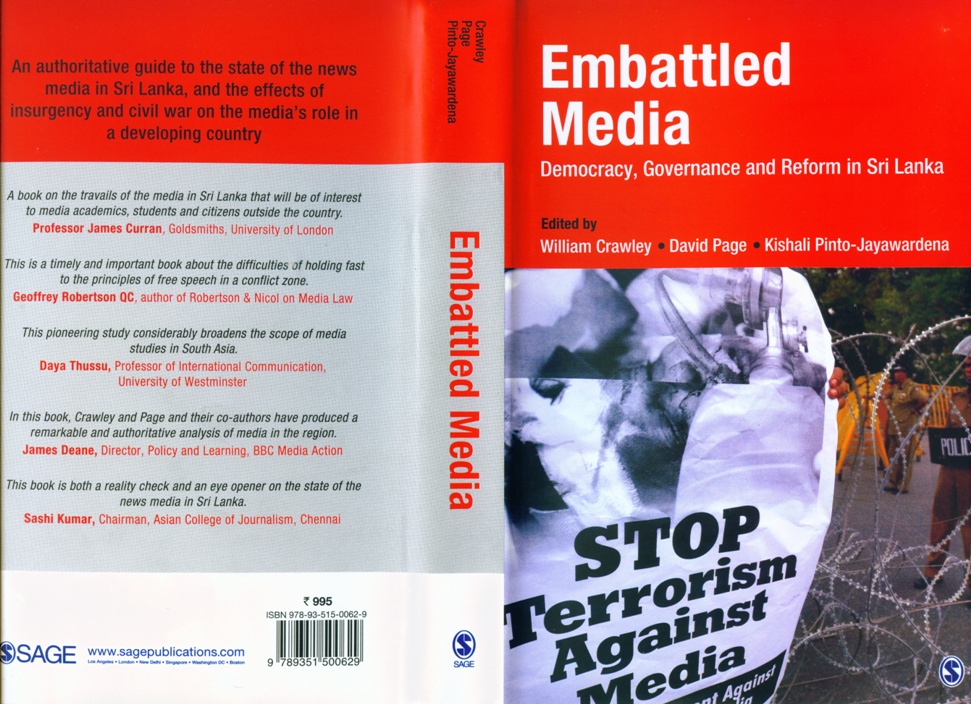
Embattled Media - Democracy, Governance and Reform in Sri Lanka (Sage, Feb 2015; 416 pages)
Embattled Media – Democracy, Governance and Reform in Sri Lanka (Sage, Feb 2015; 416 pages)

A new multi-author book offers valuable insights into the importance of independent media for democratic governance in the wider South Asian region.

Titled Embattled Media: Democracy, Governance and Reform in Sri Lanka (Sage, Feb 2015; 416 pages), the book examines the role of the media in a state committed to democracy and the rule of law which had suffered extraordinary stresses as a result of ethnic strife, insurrection and civil war.

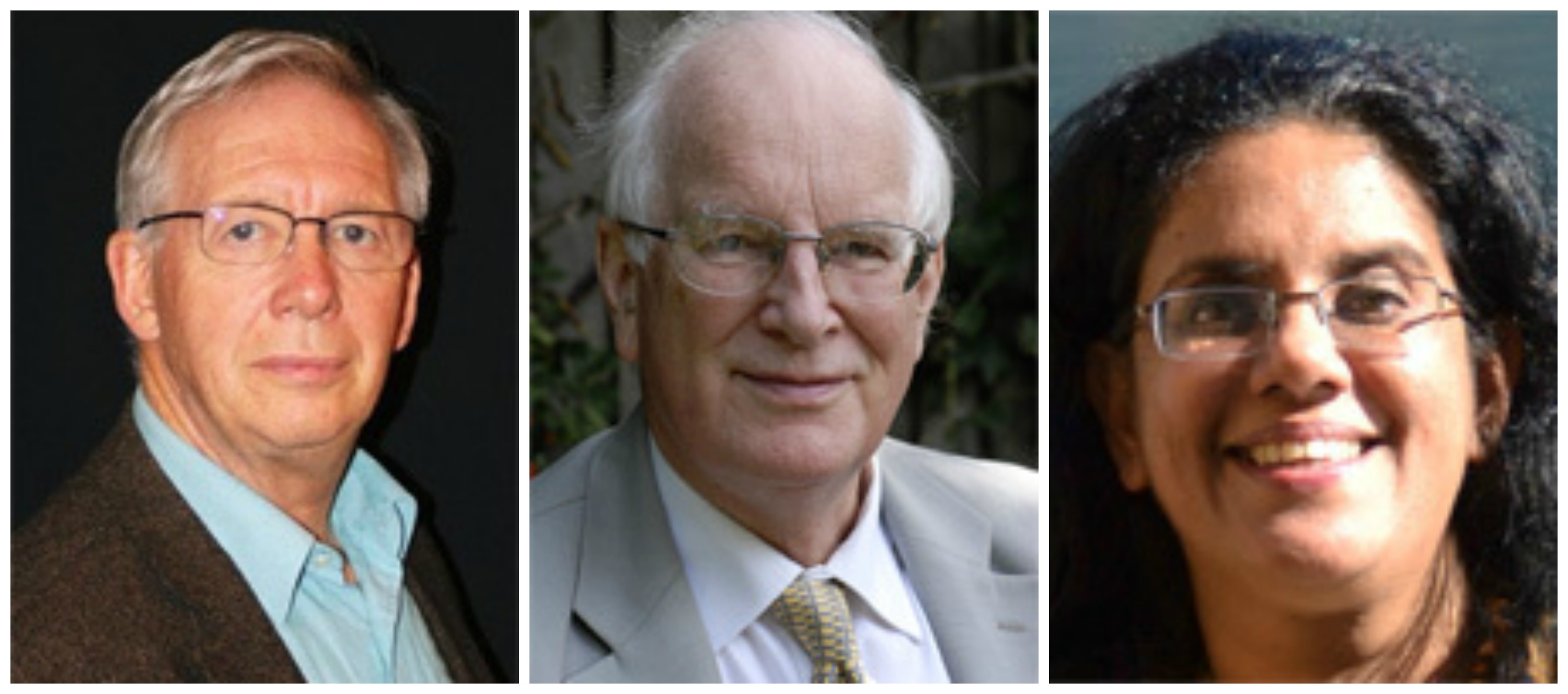
The book is co-edited by William Crawley and David Page, both fellows of Institute of Commonwealth Studies, University of London, UK, and Kishali Pinto-Jayawardena, a legal analyst on civil liberties and columnist with The Sunday Times newspaper in Sri Lanka.

According to its publishers, Sage Publications in India and the UK, the book is an ‘authoritative guide to the state of the news media in Sri Lanka, and the effects of insurgency and civil war on the media’s role in a developing country’.

This is the first book to look comprehensively at the evolution of news media in post-colonial Sri Lanka, with a focus on media policy, law and education. The book reviews the role of new media platforms in widening the scope for public debate.

Further, it provides a detailed analysis of the existing media laws and policies and of campaigns to reform them. It also focuses on the role of institutions in media education by providing a comprehensive analysis of existing media curricula and underlining the importance of improved media literacy and introduction of Right to Information Act for a healthy democracy.

The contributors to this volume, including leading journalists, broadcasters, practitioners in public law, media academics and analysts, write from extensive experience. Chapters have been written by: Sinha Ratnatunga, Ameen Izzadeen, Namini Wijedasa, Amal Jayasinghe, Tilak Jayaratne and Sarath Kellapotha, Nalaka Gunawardene, Kishali Pinto-Jayawardena and Gehan Gunatilleke, Jayantha de Almeida Guneratne, and S. Raguram.

The book is dedicated to the memory of the late Tilak Jayaratne (1943-2013), who ‘ably represented a generation of honourable and committed broadcasters’. Having contributed significantly to the book, he did not live to see its publication.

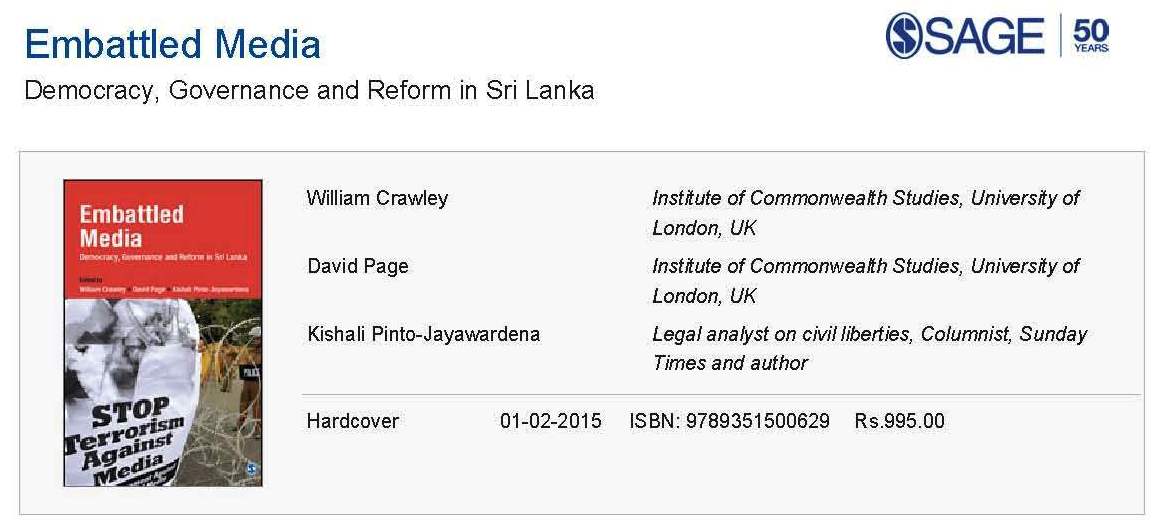
Embattled Media - Publishing Information
Embattled Media – Publishing Information

In their preface to the book, the co-editors write: “Media liberalisation from the 1990s onwards had extended the range of choice for viewers and listeners and created a more diverse media landscape. But the war in the north and insurrections in the south had taken their toll of media freedoms. The island had lived under a permanent state of emergency for nearly three decades. The balance of power between government, judiciary, the media and the public had been put under immense strain.

“In 2009, with the end of the war in the north, all this seemed about to change, increasing the relevance of our enquiries and raising hopes of media reform and greater freedom of expression. But progress towards a different sort of normality has been slow. The war and its aftermath have continued to cast a long shadow, which has limited the scope of our research…

“Over the past few years, universities have been closed for long periods. University teachers have been engaged in disputes with the government, which has affected their teaching and their research. The NGO sector has been heavily criticised by the government for pursuing foreign-funded agendas and finds itself under fire and on the defensive. Many media proprietors and journalists have maintained their long-established habit of self-censorship, for fear of inviting reprisals of one sort or another. Though not on the same scale as previously, there have been killings and disappearances of journalists since 2009 and the memory of past abuses still affects people’s thinking. All this has made the study more challenging.”

Co-editors of Embattled Media - (L to R) William Crawley, David Page and Kishali Pinto-Jayawardena (photos courtesy Sage Publications website)
Co-editors of Embattled Media – (L to R) William Crawley, David Page and Kishali Pinto-Jayawardena (photos courtesy Sage Publications website)

The book also contains a glossary of media related terms; a bibliography and an index.

The Indian edition is priced at INR 995. It is currently available from Sage Publications India: http://www.sagepub.in/books/Book244886?siteId=sage-india&prodTypes=any&q=Embattled+Media&fs=1

Echelon March 2015 column: Beyond RTI – Towards Open Government

Text of my column written for Echelon monthly business magazine, Sri Lanka, March 2015 issue. Published online at: http://www.echelon.lk/home/beyond-rti-towards-open-government/

Beyond RTI: Towards Open Government

 By Nalaka Gunawardene

Illustration by Echelon magazine, http://www.echelon.lk/

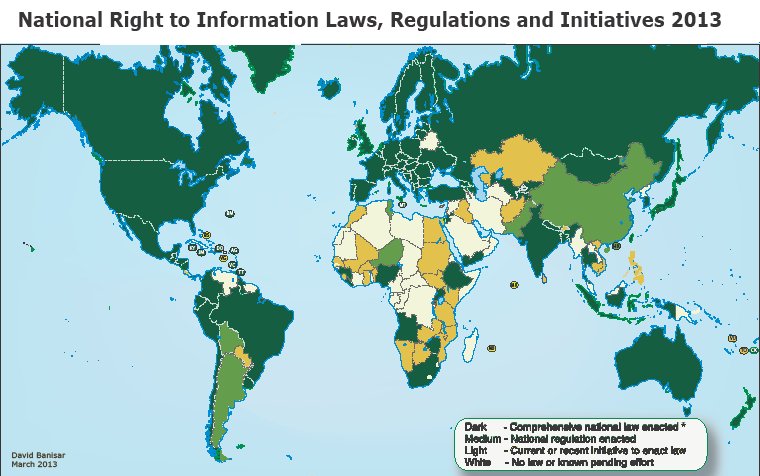
After many years of advocacy by civil society, Sri Lanka is set to adopt a law that guarantees citizens’ Right to Information (RTI). With that, we will at last catch up with nearly 100 countries that have introduced such progressive laws.

Better late than never — but passing the law is only a beginning. Institutionalising it requires effort and funds. Continued vigilance is needed on civil society’s part to guard against the process becoming mired in red tape.

RTI signifies unleashing a new potential. To draw an analogy from water management, opening a ‘sluice’ does not by itself mean much unless the downstream systems are in place. In both cases, the recipients need to know how to make the best use of what comes through.

Journey so far

Why is RTI such a big deal?

Its basis is that in democracies, the public have every right to know what is being done in their name by those entrusted with governance.

RTI is the right to access and obtain information from public officials. This right serves several purposes: improve public participation in policy making; promote transparency and accountability in government; and minimise wastage and corruption of state resources by public officials.

RTI and freedom of information are used interchangeably, but there is an important distinction between the two.

According to lawyer Gehan Gunatilleke, who recently wrote a book on the subject (published by Sri Lanka Press Institute, 2014), freedom of information implies a citizen’s freedom to access and receive public information on request. In such a situation, the government should not violate that freedom by restricting access. RTI goes further, and implies that information is an inherent right of the people. Governments are duty-bound to provide such information.

The concept of RTI can be traced back to the principle of ‘public access’ which emerged in Europe during the 18th century. In 1766, Sweden became the first country to legislate RTI: it allowed the public access to government documents.

The Universal Declaration of Human Rights, adopted at the United Nations in 1948, recognised the right to seek, impart and receive information as part the fundamental right to freedom of speech and expression (Article 19).

Article 19 of Universal Declaration of Human Rights

RTI does not mean opening up everything. Sensitive information – related to national security, for example – is excluded. The challenge is to strike a healthy balance between full transparency and a few justified exemptions.

 Indian experience

In Asia, India was a frontrunner in developing RTI laws. The campaign for RTI started in the 1990s with a grassroots movement driven by social activists and rural groups. They saw its clear value to counter the growing misuse of authority and public funds by local officials.

State level RTI laws were adopted in Tamil Nadu (1997), Goa (1997), Rajasthan (2000), Delhi (2001) and Maharashtra (2002). The national law came into effect in October 2005 after a decade of agitation.

Under the Indian law, citizens can request information from any ‘public authority’ within 30 days. It covers all branches of government — executive, legislature and judiciary – as well as institutions and statutory bodies set up by an act of national Parliament or a state legislature. Even non-governmental organisations, if they receive significant amounts of government funds, are covered.

The act required all public authorities to appoint a public information officer (PIO) to handle RTI requests. It also mandated computerizing of public records so that certain categories of information are proactively published online, enabling interested citizens to just look it up.

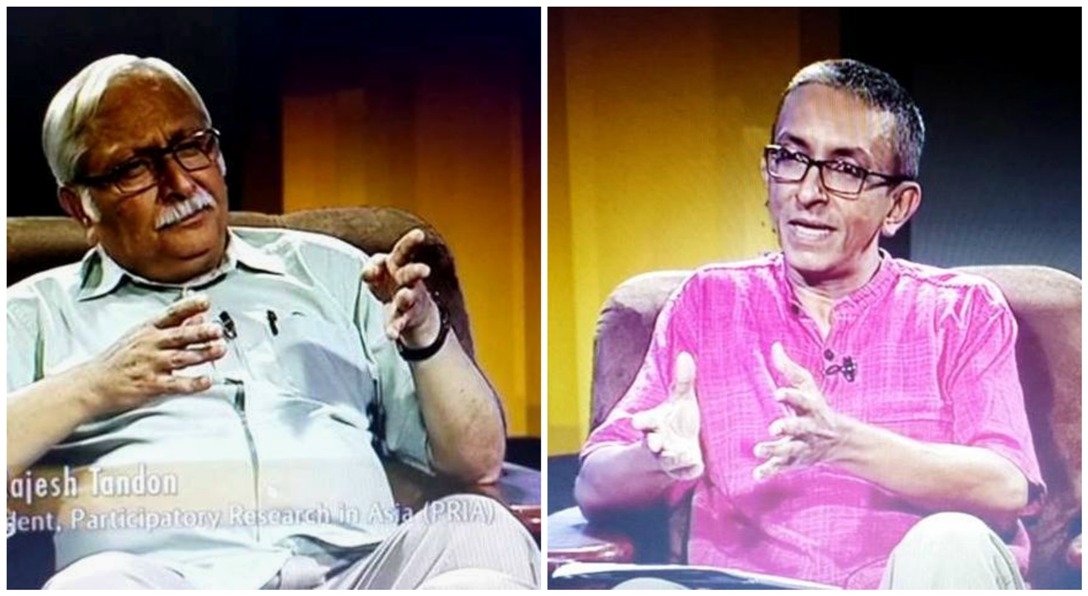
Since the RTI law was introduced, India has seen an improvement in governance, dissemination of information and involvement of civil society in the governance process, says Dr Rajesh Tandon, founder and head of the Society for Participatory Research in Asia (PRIA), a voluntary organisation providing support to grassroots initiatives.

At the same time, Tandon points out that some challenges remain at implementation level. Certain states in India have been more active in creating a culture of information sharing and open government, he told me in a television interview in mid 2014.

As Indians found out, it isn’t easy to shake off centuries of misplaced state secrecy and mistrust in the public. “Old rules and procedures continue to co-exist as new laws and methods are invented. Official Secrecy Act and Right to Information Act co-exist, just as written precedent and e-governance co-exist,” says Tandon (watch our full interview: https://vimeo.com/118544161).

 New challenges

In Sri Lanka, civil society groups and journalists’ organisations were at the forefront advocating RTI. Groups like Transparency International and Sri Lanka Press Institute (SLPI) have been lobbying, training and raising awareness on the societal value of this right.

However, RTI is not only for journalists or social activists. It is a right for all citizens living in modern societies where their well-being – sometimes even survival – depends on knowing critical information. Ignorance may have been bliss once upon a time, but it is not recommended for the 21st century.

Reorienting the public institutions to a new culture of openness and sharing will be an essential step. Undoing decades of habits will take effort.

Asanga Welikala, a legal scholar now with the Edinburgh Law School, said in a tweet that we need a moratorium of ‘at least two years’ before RTI law comes into force – so as to train officials and make all government procedures compliant.

He also says the Information Commission must have a proper budget for promotion and public awareness of the new Act, rights and procedures. For example, how to ensure citizen information requests can be accommodated equally in both official languages and the link language?

As champions of RTI, media and civil society must now switch roles. While benefiting from it themselves, they can nurture the newly promised openness in every sphere, showing citizens how best to make use of it.

National Right to Ino laws status - as of 2013 Source: http://home.broadpark.no/~wkeim/foi.htm
National Right to Ino laws status – as of 2013 Source: http://home.broadpark.no/~wkeim/foi.htm

Info Literacy

Public information can exist in many forms today – ranging from minutes of meetings, budget allocation and expense records, and scientifically gathered information such as census data, or trade statistics. These may be stored on paper, tape or – increasingly – in digital formats.

In recent years, with digital technologies the volume of specialised data held by governments has risen phenomenally. Both the data custodians and public today need higher levels of information literacy to navigate through this torrent.

The good news: the web makes it easier to store and share information. ‘Open Data’ means that certain data should be freely available to everyone to use and republish as they wish, without restrictions from copyright, patents or other mechanisms of control.

The open data approach is especially applied to scientific data and government data. But the debate is far from settled: while there are many strong arguments for opening up, some are concerned about potential misuses. Guidelines are still evolving.

A key attribute of open data is its usability. Each country needs to adopt information gathering and data storage standards, so as to minimize users facing problems that arise with the use of different devices, systems and measuring systems.

Some public data custodians in South Asia still release vast amounts of data in hard copy (paper-based) form. For example, India’s Marine Fisherfolk Census of 2010 had results running into thousands of pages of data tables – they were only released on paper. That made further analysis impossible. Undaunted, a fishers’ collective mobilised some tech-savvy volunteers to create computerised spreadsheet databases.

Like many other elements of good governance, RTI’s effectiveness depends on imagination, innovation and persistence on the part of citizens. Its best results will accrue in a society and political culture where evidence and analysis are trusted. Sri Lanka is not there yet.

The road to RTI is a journey, not a destination!

ACT


Echelon Feb 2015: ‘People Power’ Beyond Elections

Illustration by Echelon magazine, http://www.echelon.lk

Text of my column written for Echelon monthly business magazine, Sri Lanka, Feb 2015 issue. Published online at: http://www.echelon.lk/home/people-power-beyond-elections/

‘People Power’ Beyond Elections

 By Nalaka Gunawardene

Sri Lanka’s democratic credentials were put to test once again during the Presidential Election on 8 January 2015.

An impressive 81.52% of registered voters turned up, and their majority choice changed the regime. A well-oiled system that has been holding elections since 1931 proved its efficacy again. And if its integrity came under threat, the formidable Commissioner of Elections stood up for the due process.

As we pat ourselves on the back, however, let us remember: an election is a necessary but not a sufficient condition for a vibrant democracy. There is much more to democracy than holding free and fair elections.

The ‘sufficient conditions’ include having public institutions that allow citizens the chance to participate in political process on an on-going basis; a guarantee that all people are equal before the law (independent and apolitical judiciary); respect for cultural, ethnic and religious diversity; and freedom of opinion without fearing any repercussions. Sri Lanka has much work to do on all these fronts.

Democracy itself, as practised for centuries, can do with some ‘upgrading’ to catch up with modern information societies.

Historically, people have responded to bad governance by changing governments at elections, or by occasionally overthrowing corrupt or despotic regimes through mass agitation.

Yet such ‘people power’ has its own limits: in country after country where one political party – or the entire political system — was replaced with another through popular vote (or revolt), people have been disappointed at how quickly the new brooms lose their bristles.

The solution must, therefore, lie in not just participating in elections (or revolutions), but in constantly engaging governments and keeping the pressure on them to govern well.

In practice, we citizens must juggle it along with our personal and professional lives. As information society advances, however, new tools and methods are becoming available to make it easier.

Social Accountability

This relatively new approach involves citizens gathering data, systematically analysing it and then engaging (or confronting, when necessary) elected and other officials in government. Citizens across the developing world are using information to improve the use of common property resources (e.g. water, state land and electromagnetic spectrum, etc.), and management of funds collected through taxation or borrowed from international sources.

Such engagement enables citizens as well as civil society organisations (CSOs) to engage with policymakers and citizen service providers. Some call it social accountability (or SAcc), and others refer to it as participatory democracy. Whatever the label, the idea is to ensure greater accountability in how the public sector manages public funds and responds to citizens’ needs.

For this to work, citizens need to access public sector information – about budgets, expenditures, problems and performance. Over 100 countries now have laws guaranteeing people’s right to information (RTI). Sadly, Sri Lanka is lagging behind all other SAARC countries, five of which have already enacted RTI laws and two (Afghanistan and Bhutan) have draft bills under consideration. Attempts to introduce RTI in Sri Lanka were repeatedly thwarted by the previous government.

Economist Hernando de Soto (image from Wikipedia)

An early champion of social accountability was the Peruvian economist Hernando de Soto who has been researching on poverty, development and governance issues. He says: “Supposedly in a democracy, if the majority of people are poor, then they set the criteria of what is right. Yet all those mechanisms that allow [society] to decide where the money goes — and that it is appropriately allocated — are not in place throughout the Third World.”

The result? “We take turns electing authoritarian governments. The country, therefore, is left to the [whims] of big-time interests, and whoever funded the elections or parties. We have no right of review or oversight. We have no way for the people’s voice to be heard — except for eight hours on election day!”

It is this important right of review and oversight in between elections that SAcc promotes. Call it an ‘insurance’ against democracy being subverted by big money, corrupt officials or special interest groups…

A dozen years ago, concerned by development investments being undermined by pervasive corruption and excessive bureaucracy, the World Bank started advocating SAcc. Their research shows how, even in the most hopeless situations, ordinary people often come together to collect their voice and exert pressure on governments to be responsive.

“Social accountability is about affirming and operationalising direct accountability relationships between citizens and the state. It refers to the broad range of actions and mechanisms beyond voting that citizens can use to hold the state to account,” says a World Bank sourcebook on the subject. (See: http://go.worldbank.org/Y0UDF953D0)

What does that mean in plain language? Seeking to go beyond theory and jargon, the Bank funded a global documentary in 2003, which I co-produced. Titled ‘Earth Report: People Power’ and first broadcast on BBC in February 2004, it featured four inspiring SAcc examples drawn from Brazil, India, Ireland and Malawi (online: http://goo.gl/xQnr9v).

These case studies, among the best at the time, showed how SAcc concepts could be adapted in different societies and economic systems


  • In Porto Alegre, Brazil, community members participate annually in a series of meetings to decide on the City Budget. This material is presented to Parliament which finds it difficult to refuse the recommendations — because over 20,000 have contribute to its preparation. As many or more watch how the budget is spent.


  • In Rajasthan, India, an advocacy group named MKSS holds a public meeting where the affidavits of local candidates standing for the state elections are available to the people. This ‘right to information’ extends all the way down to villages where people can find out about public spending.


  • In Ireland, the government has partnered with trade unions, employers, training institutions and community groups on a strategy to deal with problems affecting youth (such as school drop-outs and high unemployment). Citizens set priorities for social spending.


  • In Malawi, villagers participate in assessing local health clinics by scoring various elements of the service. A Health Village Committee then meets the service providers who also assess themselves. Together, they work out ways to improve the service.

During the last decade, many more examples have emerged – some driven by public intellectuals, others by civil society groups or socially responsible companies. Their issues, challenges and responses vary but everyone is looking for practical ways to sustain civic engagement in between elections.

The development community has long held romanticized views on grassroots empowerment. While SAcc builds on that, it is no castle in the air: the rise of digital technologies, web and social media allows better monitoring, analysis and dissemination. And government monopolies over public information have been breached — not just by progressive policies and RTI laws but also by efforts such as WikiLeaks.

Confronted by the growing flood of often technical information, citizens need to be well organised and skilled to use in the public interest. Evidence-based advocacy is harder than rhetorical protests.

Dr Bela Bhatia, then an associate fellow at the Centre for the Study of Developing Societies in India, says on the film: “Ultimately the responsibility in a democracy is ours…and if today we have corrupt politicians, it is because we have allowed corruption to happen, to take root.”

Rather than debating endlessly on how things became so bad, SAcc promoters show a way forward – with emphasis on collaboration, not confrontation.

“It’s up to the governments to make up their mind whether they want to respect the more participatory model or invite more confrontation, to invite violence and perhaps ultimately the dismantling of the very democratic system,” says Bhatia.

How can we deepen our democracy with SAcc? Start with RTI, and see what happens.

සිවුමංසල කොලූගැටයා #207: “තොරතුරු නීතිය ලැබුණාට මදි. එයින් නිසි ඵල නෙළා ගත යුතුයි!”

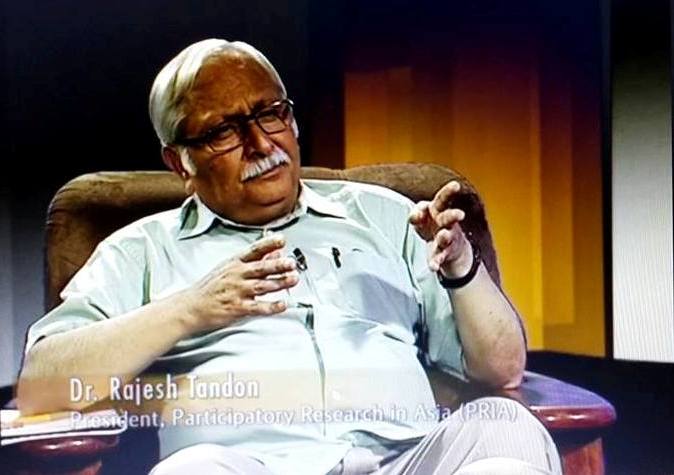
In this week’s Ravaya column (in Sinhala), I continue the Sinhala adaptation of my June 2014 TV interview with Dr Rajesh Tandon of India, an internationally acclaimed leader and practitioner of participatory research and development.

Last week, we discussed the civil space and political space available for advocacy and activism – and how far civil society activists have been able to engage the formal political process in India.

Today, we discuss how anti-corruption movement evolved into the Aam Aadmi Party, AAP, and the relevance of India’s experiences to Sri Lanka. We also discuss India’s Right to Information Act and how that has empowered citizens to seek a more open and accountable government at national, state and local levels. Dr Tandon ends by emphasizing that democracy is a work in progress that needs constant engagement and vigilance.

Part 1 of this interview: සිවුමංසල කොලූගැටයා #206: ප‍්‍රජාතන්ත‍්‍රවාදයේ සිවිල් සමාජ සාධකය ඉන්දියානු ඇසින්

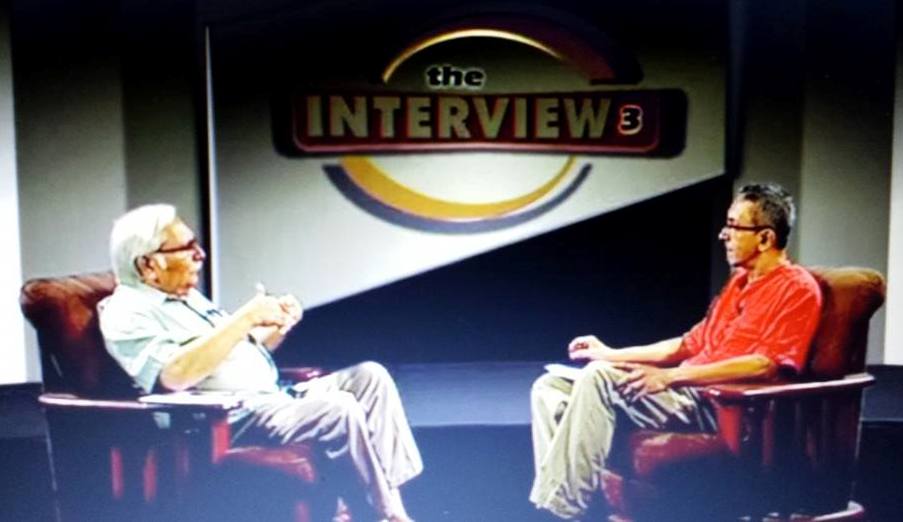
Dr Rajesh Tandon (left) in conversation with Nalaka Gunawardene, June 2014

2015 පෙබරවාරි 7 වනදා නැවතත් පැවති දිල්ලි ප්‍රාන්ත මැතිවරනයේදී පොදු මිනිසාගේ පක්ෂය ආමි ආද්මි ^Aam Aadmi Party, AAP& මුලු ආසන 70න් 67ක්ම දිනා ගනිමින් විශිෂ්ට ජයක් ලබා ගත්තා. රටේ පාලක භාරතීය ජනතා පක්ෂයට (BJP) ඉතිරි ආසන 3 හිමි වුණා.

මීට පෙර 2013 දෙසැම්බර් 4 වනදා පැවති දිල්ලි මැතිවරනය්දී ආසන 28ක් දිනා ගෙන ප්‍රාන්ත රජයක් පිහිටුවා ගත් ආම් ආද්මි එය කර ගෙන ගියේ මාස දෙකකට අඩු කාලයක්ග 2014 පෙබරවාරි 14දා ඔවුන් ඉල්ලා අස් වුණා.

මේ දෙවන වාරයේ ඔවුන්ගේ භූමිකාව කුමක් වේදැයි කිව නොහැකියි. එහෙත් 2014 ජාතික මහ මැතිවරනයෙන් පහසු ජයක් ලද භාරතීය ජනතා පක්ෂයට අභියෝග කරන්නට තරම් සිවිල් සමාජ ක්‍රියාකාරිකයන් අතරින් මතු වූ මේ ලාබාල පක්ෂයට හැකිව තිබෙනවා.

2014 ජුනි මාසයේ මා ඉන්දියාවේ ප‍්‍රවීණතම සිවිල් සමාජ ක‍්‍රියාකාරිකයකු හා සහභාගිත්ව සංවර්ධනය ගැන ලොව පිළිගත් විද්වතකු වන ආචාර්ය රාජේෂ් ටැන්ඩන් (Dr Rajesh Tandon) සමග ටෙලිවිෂන් සාකච්ඡුාවක් කළා.

එහි මුල් කොටස ගිය සතියේ පළ කළා. අද එහි ඉතිරි කොටස. මෙය මීට මාස අටකට පෙර සිදු වූ කතාබහක් බව සිහි තබා ගන්න. සාකච්ඡාව වෙබ් හරහා බලන්න – https://vimeo.com/118544161

නාලක: දූෂන විරෝධී සිවිල් සමාජ ක්රියකාරිකයන් පිරිසක් දේශපාලන පක්ෂයක් පිහිටුව ගත්තේ ඇයි?

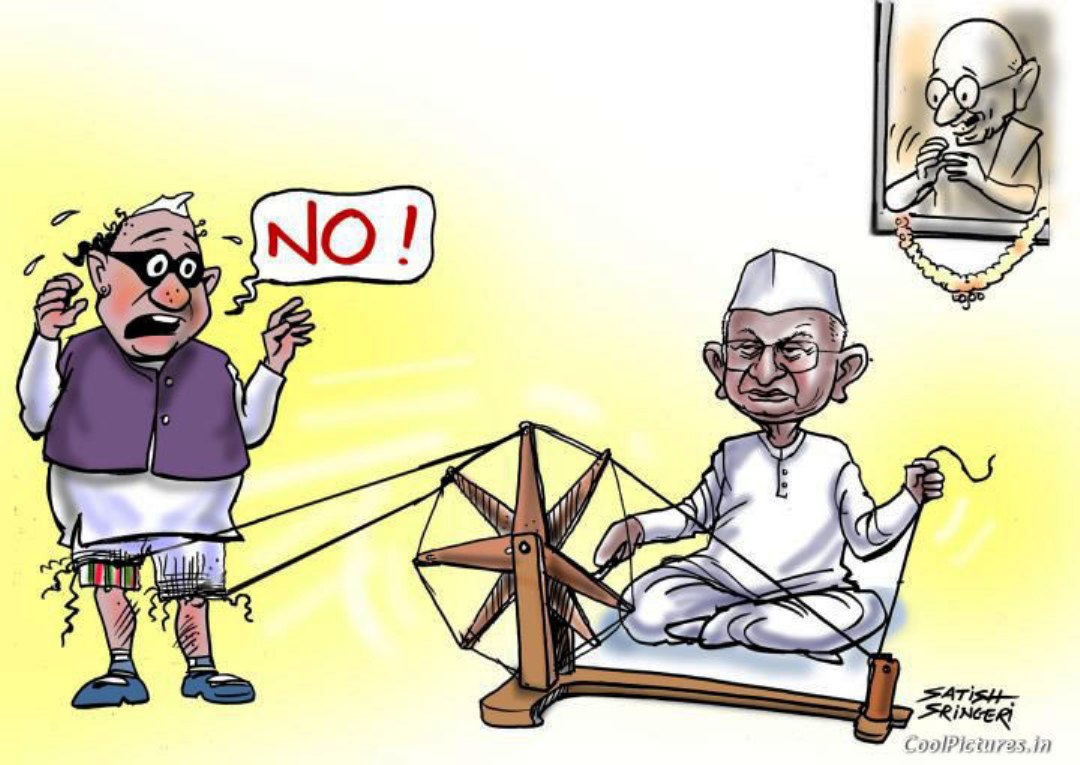
රාජේෂ් ටැන්ඩන්: ලෝක්පාල් නම් වූ දූෂණ විරෝධී පනත (Jan Lokpal Bill) පසුගිය පාර්ලිමේන්තුවේ (2009-2014) පල් වන විට අන්නා හසාරේ ඇතුළු පිරිසට පෙනී ගියා සියලු දේශපාලන පක්ෂ මේ ගැන සැබෑ උනන්දුවක් නොගන්නා බව. ඒ පසුබිම තුළ තමයි ආමි ආද්මි පක්ෂය බිහි වූයේ, දේශපාලන අවකාශයෙන් පිටත සිට කළ හැකි සියලූම බලපෑම් කිරීමෙන් අනතුරුව මේ සිවිල් ක‍්‍රියාකාරීන් එහි යා හැකි දුරේ සීමා තිබෙන බව තේරුම් ගත්තා. ඔවුන් සක‍්‍රිය පක්ෂ දේශපාලනයට පිවිසියේ ඉන් පසුවයි.

Anna Hazare (left) and Arvind Kejriwal

අන්නා හසාරේ (Anna Hazare) සහ අනුගාමිකයන් අතර මේ ගැන රතිවිරුද්ධ මත තිබුණා නේද? හසාරේ රියාකාරී දේශපාලනයට පිවිසීමට රතික්ෂේප කළත් ඔහුගේ දෙවැනියා අර්වින්ද් කෙජ්රිවාල් (Arvind Kejriwal) පොදු මිනිසාගේ පක්ෂය පිහිටුවා ගත්තා. ඔවුන් දෙමගක ගියාද?

මේ විවාදය කලක සිටම ඉන්දියාවේ පවතින්නක්. විශේෂයෙන්ම රටේ තීරණාත්මක සංධිස්ථානවලදී එයට කෙසේ ප‍්‍රතිචාර දැක්විය යුතුද යන්න සරසවි සිසුන් හා සිවිල් ක‍්‍රියාකාරිකයන් මෙනෙහි කරනවා. සක‍්‍රිය දේශපාලනයට පිවිසීම එක් ප‍්‍රතිචාරයක්. ප‍්‍රචණ්ඩ අරගලවලට යොමු වීම තවත් ප‍්‍රතිචාරයක්. සත්‍යග‍්‍රහ හා සාමකාමී උද්ඝෝෂණ කිරීම තව එකක්. මේ එක එකක් සාධාරණ යයි කීමට එයට පිවිසි අයට තර්ක ද තිබුණා.

අන්නා හසාරේ තරයේ විශ්වාස කළේ පක්ෂ දේශපාලනයට පිවිසීම හරහා දූෂණ විරෝධී ජනතා ව්‍යාපාරයේ එතෙක් පවත්වා ගෙන ආ සාරධර්මීය පිවිතුරු බව අහිමි වන බවයි. එහි යම් ඇත්තක් තිබෙනවා. අද කාලේ පක්ෂ දේශපාලනය කරන්නට මුදල්, පිරිස් බලය හා මාධ්‍ය සමග මනාව ගනුදෙනු කිරීම අවශ්‍යයි. එහෙත් අර්වින්ද් කෙජ්රිවාල් ඇතුළු පිරිසක් තර්ක කළේ ප‍්‍රශ්නයේ සැබෑ මුල් ඇති සක‍්‍රිය දේශපාලනයට පිවිසීමෙන් පමණක් දූෂණයේ අක්මුල් පාදා ගෙන විසඳුම් සැපයීමට හැකි බවයි.

ඉතා කෙටි කලක් තුළ ඔවුන් නාගරිකයන් අතර මහත් ජනාදරයට පත් වුණා නේද?

කෙටි කාලයක් තුළ කෙජ්රිවාල්ගේ පක්ෂය දිල්ලියේ ප‍්‍රාන්ත පාලන රජයක් පිහිටුවා ගන්නට මැතිවරණ ජයග‍්‍රහණයක් ලැබුවා (2013 දෙසැම්බර්). ඔවුන් වසර ගණනාවක සිට බිම් මට්ටමින් කළ ජනතා ව්‍යාපාර (ත‍්‍රීරෝද හා රික්ෂෝ රියදුරන්ගේ අයිතිවාසිකම් තහවුරු කිරීම, විදුලිබල හා ජල ප‍්‍රවාහනය විධිමත් කිරීම, දුගී ජනයාට සහන මිලට ධාන්‍ය ලබාදීම) හරහා ගොඩ නගා ගත් හොඳ හිතක් තිබුණා. එහි උපකාරයෙන් දිල්ලියේ බලයට පත්වන්නට හැකි වුණා. සීමිත බල ප‍්‍රදේශයක් තුළ ඔවුන් කෙටි කලක් පාලනය කළා.

නමුත් 2014 මහ මැතිවරණයේදී ආම් ආද්මි පක්ෂයට දිනා ගත හැකි වූයේ ආසන හතරක් පමණයි. ඉන්දියාවේ තෙවන බලවේගයක් වන්නට ඔවුන්ට හැකිද?

ආම් ආද්මි පක්ෂයේ වඩාත් ප‍්‍රමුඛව මහජනයා ඉදිරියට ආ මුහුණු බොහොමයක් කලක් තිස්සේ සිවිල් සමාජ ක‍්‍රියාකාරීත්වයේ යෙදී සිටි සමාජ සේවකයන් හා විද්වතුන්. මේ නිසා ආමි ආද්මියට හොඳ ජනතාවාදී පදනමක් හා දැක්මක් මුල පටන්ම ලැබුණා. මෙය සාම්ප‍්‍රදායික දේශපාලන පක්ෂ යම් තැති ගැන්මකට පත් කළා.

එවිට රාජ්‍ය පක්ෂ හා විපක්ෂ දෙකේම එවකට සිටි දේශපාලකයන් කළේ ආමි ආද්මි ක‍්‍රියාකාරිකයන්ගේ ඇද කුද සෙවීමයි. 2012 යම් අවස්ථාවක හිටපු අගමැති මන් මෝහන් සිං ප‍්‍රකාශයක් කළේ විදේශ බලවේගයන් රාජ්‍ය නොවන සංවිධාන (NGO) හා සිවිල් ක‍්‍රියාකාරිකයන් හරහා ඉන්දියාවේ ඉදිරි ගමන කඩාකප්පල් කරන්නට තැත් කරන බවයි!

විදෙස් හස්තය (foreign hand) නොහොත් අදිසි හස්තය (hidden hand) ගැන චෝදනා කිරීම අපේ රටවල කලක සිට කෙරෙන දෙයක් නේද?

ඇත්තටම. එක්කෝ අමෙරිකානු හස්තය, නැතිනම් ස්කනැඞ්නේවියානු හස්තයට දොස් කීම අපේ ඉන්දියානු සිරිතක්. එහෙත් රටේ නායකයා අගමැතිවරයා මෙබඳු ප‍්‍රකාශයක් කළ මුල් වතාව මෙයයි. ඊට පෙර එබඳු චෝදනා කළේ තනතුරින් වඩාත් කනිෂ්ඨ දේශපාලකයන් පමණයි.

මෙයින් පෙනි ගියේ විධිමත් දේශපාලන අවකාශයට සිවිල් සමාජ ක‍්‍රියාකාරිකයන් පිවිසීමට එරෙහිව වෘත්තීය දේශපාලකයන්ගේ ප‍්‍රතිරෝධයයි. රාජ්‍ය නිලධාරිවාදය උච්ච අන්දමින් මුදා හැර තමන් නොකැමැති රාජ්‍ය නොවන සංවිධාන පරීක්ෂා කිරීමට හා ඔවුන්ට හිරිහැර කිරීමට බලයේ සිටින දේශපාලකයන් පෙළඹෙන සැටි අපි දන්නවා. ඒ හරහා ඔවුන් සිවිල් සමාජයට වක‍්‍රව පණිවුඩයක් යවනවා….අපත් සමග හැප්පෙන්න ආවොත් බලා ගෙනයි කියා.

2014 මහ මැතිවරණයෙන් ආමි ආද්මි පක්ෂය ජාතික වශයෙන් බලවේගයක් ලෙස ඉස්මතු වූයේ නැහැ. එහි වැදගත්ම පාඩම මෙයයි. ඉන්දියාව වැනි අතිශයින් විවිධ වූත් විශාල වූත් රටක සිවිල් සමාජ ක‍්‍රියාකාරිකයන් සිවිල් අවකාශයේ සිට දේශපාලන අවකාශයට පිවිසි විට ඔවුන්ට සාර්ථක විය හැක්කේ යම් භූගෝලීය වශයෙන් සීමිත ප‍්‍රදේශයක පමණයි. ජාතික මට්ටමෙන් එතරම් බලපෑමක් කළ හැකි ඡන්ද ප‍්‍රතිශතයක් ලබා ගැනීම අසීරුයි.

එය එසේ වන්නේ ඇයි?

සිවිල් සමාජ ක‍්‍රියාකාරිකයන් සිය පොදු උන්නතියට කැපවූ කටයුතු හරහා සමාජයීය ප‍්‍රාග්ධනයක් (social capital) ගොඩනගා ගෙන තිබෙනවා. එහෙත් ඉන්දියාව වැනි විශාල රටක එය අදාළ වන්නේ එක් නගරයකට හෝ ප‍්‍රාන්තයකට පමණයි. මුළු රටටම හා බිලියන් 1.2ක ජනයාට ස්පර්ශ වන අන්දමේ සිවිල් ක‍්‍රියාකාරිකයන් බිහි වන්නේ ඉතා කලාතුරකින්.

ආමි ආද්මි පක්ෂය 2013 දිල්ලියේ රාන්ත රජය (Delhi legislative assembly) ජයගරහණය කළත් පාලනය කළේ දින 49යි. එහිදී ඔවුන්ගේ ජනපරියවාදී (populist) පිළිවෙත් බොහෝ විවේචනවලට ලක් වුණා. සිවිල් සමාජ රියාකාරිකයන් උද්ඝෝෂණවලට දක්ෂ වුවත් රාජ් පාලනයට අසමත්ද?

එබඳු හැඟීමක් සමහරුන් තුළ ජනිත කරන්නට ආමි ආද්මියේ දිල්ලි ක‍්‍රියා කලාපය හේතු වුණා. මෙය කනගාටුදායකයි. දිගු කලක් තිස්සේ වීදි බැස උද්ඝෝෂණය කළ පිරිසකට අන්තිමේදී ඡන්දයෙන් පාලන බලය ලැබුණු විට ඔවුන් ඉක්මනින් තම භූමිකාව වෙනස් කර ගත යුතුයි.

රාජ්‍ය පාලනය කිරීමේදී නිලධාරීන්, පොලිසිය, ව්‍යාපාරිකයන් ඇතුළු නොයෙකුත් පිරිස් සමග සහයෝගයෙන් වැඩ කරන්නට වනවා. ආමි ආද්මි පක්ෂය දිල්ලියේ පාලනයට පත්වූ විට එය හරිහැටි කරගෙන යෑමට අවශ්‍ය විනය හා සංවිධාන ශක්තිය ඔවුන් සතුවූයේ නැහැ. ඔවුන්ගේ සමාජ දැක්ම, අවංකබව හා කැපවීම ඉතා හොඳින් තිබුණත් නව වගකීම් සමුදායට අනුගත වීමට ඔවුන් අසමත් වුණා.

anna-hazare-gandhi-funny-cartoon

ඉන්දියාවට වඩා විශාලත්වයෙන් මෙන්ම විවිධත්වයෙන් බෙහෙවින් කුඩා වූ රී ලංකාවට මේ අත්දැකීම් අප කෙසේ අදාළ කර ගත යුතුද? මෙරට සිවිල් සමාජ රියාකාරිකයන් දේශපාලන අවකාශයට කෙසේ නම් පිවිසිය යුතුද?

පළමුවැන්න නම් සිවිල් ක‍්‍රියාකාරිකයන් ඍජුවම දේශපාලන නායකයන්, ජනතා ඡන්දයෙන් පත් වූ නියෝජිතයන් නිතර මුණ ගැසී තම ස්ථාවරයන් හා ප‍්‍රශ්න පැහැදිලිව සන්නිවේදනය කොට සංවාද කළ යුතුයි. හැම දේශපාලන පක්ෂයකම පාහේ න්‍යායචාර්යවරුන් සිටිනවා. ඔවුන් සමගත් බුද්ධිමය සංවාදයක් ගොඩ නගා ගත යුතුයි. ඔබ ඔවුන්ට මුළුමනින්ම විරුද්ධ මත දැරුවත් ඔවුන් සමග සංවාද කිරීම ඉතා වැදගත්.

මෙහිදී ස්වාධීන හා සක‍්‍රිය මාධ්‍ය පැවතීම තීරණාත්මකයි. බොහෝ විට සිවිල් සමාජ ක‍්‍රියාකාරිකයන් පවත්නා රජයන්ට කියන දේ, කරන බලපෑම් ගැන මහජන මතයක් ඇති කළ හැක්කේ මාධ්‍ය ආවරණය හරහායි. ජනතා ව්‍යාපාර හා සිවිල් සමාජ අරගලයන් ප‍්‍රතිපත්ති හා නීති දක්වා යන දුෂ්කර ගමනේදී මාධ්‍යවලින් ලැබෙන දායකත්වය ඉන්දියාවේ අතිශය වැදගත්. අනෙක් අතට ජනතාවගේ ප‍්‍රශ්න හා ප‍්‍රමුඛතා මොනවාද යන්න හඳුනා ගන්නට මාධ්‍යවලට බෙහෙවින් උපකාරවන්නේ සිවිල් සමාජ ක‍්‍රියාකාරිකයන්. ශ‍්‍රී ලංකාවේ මේ සබඳතාව වඩාත් ප‍්‍රශස්ත කරගත හැකි නම් දෙපිරිසටම එය ප‍්‍රයෝජනවත් වනු ඇති.

දෙවැන්න නම් දේශපාලකයන් මුහුණ දෙන ප‍්‍රායෝගික දුෂ්කරතා හා ඔවුන්ට ඇති සීමාවන් ගැන සිවිල් සමාජ ක‍්‍රියාකාරිකයන් මීට වඩා සංවේදී වීමද අවශ්‍ය යැයි මා සිතනවා.

තොරතුරු දැන ගැනීමේ අයිතිය (Right to Information Act) නීතියෙන් තහවුරු වී ඉන්දියාවේ දැන් දශකයක් පමණ කල් ගත වී තිබෙනවා. පුරවැසි හා සිවිල් සමාජ රියාකාරීත්වයට හා යහපාලනයට මෙය දායක වී ඇත්තේ කෙසේද?

ඉන්දියාවෙත් ශ‍්‍රී ලංකාවෙත් බි‍්‍රතාන්‍ය පාලන සමයේ හඳුන්වා දුන් රාජ්‍ය රහස් පිළිබඳ නීති (official secret laws) එක සමානයි. බි‍්‍රතාන්‍ය රාජ්‍ය පාලකයන්ට ඕනෑ වුණේ හැකි තරම් රජයේ තීරණ, ප‍්‍රතිපාදන හා වියදම් රටවැසියන්ගෙන් වසන් කොට තැබීමට. තොරතුරු දැනගැනීමේ අයිතිය නීතිගත කිරීම හරහා රාජ්‍ය ප‍්‍රතිපත්ති, වැඩපිළිවෙළ, මූල්‍ය ප‍්‍රතිපාදන, වියදම් හා වෙනත් රාජ්‍ය පාලන ක‍්‍රියාකාරකම් ගැන විස්තරාත්මක තොරතුරු ඉල්ලා සිටීමේ වරම පුරවැසියන්ට ලැබෙනවා.

ඉන්දියාවේ මෙය නීතියක් ලෙස 2005දී ලබා දෙන්නට පෙර වසර ගණනාවක් සිවිල් සමාජ සංවිධාන හා ක‍්‍රියාකාරිකයන් ඉතා ඕනෑකමින් ඒ සඳහා ජනමතයක් ගොඩ නැගුවා. එය නීතිගත වූ පසුවද එහි නිසි ක‍්‍රියාකාරීත්වය හා නිසි ඵල නෙලා ගැනීම තහවුරු කර ගන්නට සිවිල් සමාජ දායකත්වය ඉතා ඉහළයි.

මධ්‍යම තොරතුරු කොමිසමක් (Central Information Commission, CIC) ස්ථාපිත කරනු ලැබුවා. රාජ්‍ය ආයතනයකට තොරතුරු ඉල්ලීමක් කොට නිසි ප‍්‍රතිචාර නිසි කාල සීමාව තුළ නොලදහොත් එය ගැන පැමිණිලි කිරීමට හා මැදිහත්වීමට මේ කොමිසමට පූර්ණ බලතල තිබෙනවා. මුලදී තොරතුරු කොමසාරිස්වරුන් සියල්ලන්ම පරිපාලන සේවා නිලධාරීන් වුවත් දැන් ක‍්‍රමයෙන් කොමිසමට නීතිවේදීන් හා සිවිල් සමාජ ක‍්‍රියාකාරිකයන්ද පත්ව සිටිනවා.

අපේ වැදගත්ම පාඩම නම් තොරතුරු දැනගැනීමේ අයිතිය නීතිගත වීම පමණක් නොසෑහෙන බවයි. එය ප‍්‍රායෝගිකව සාක්ෂාත් කර ගැනීමට නිරන්තර සිවිල් සමාජ සහභාගිත්වය, අවදියෙන් සිටීම හා අධීක්ෂණය ඉතා වැදගත්.

Dr Rajesh Tandon (left) in conversation with Nalaka Gunawardene: Young Asia Television - The Interview, June 2014
Dr Rajesh Tandon (left) in conversation with Nalaka Gunawardene: Young Asia Television – The Interview, June 2014

තොරතුරු අයිතිය නීතිගත වීම සාමාන් ඉන්දියානු පුරවැසියාට බලපෑවේ කෙසේද?

මෙතෙක් නොයෙක් නිදහසට කාරණා දක්වමින් මහජනයාට නිලධාරිවාදී කඩතුරාවකින් වසන් කරගෙන සිටි රාජ්‍ය පාලන ක‍්‍රියාකාරීත්වය ප‍්‍රථම වතාවට නිල වශයෙන්ම විවෘත වූවා (open government).

මෙය හුදෙක් මාධ්‍යවේදීන්ට පමණක් සීමාවූ අයිතියක් නොවෙයි. බිලියන් 1.2ක් වන සියලූම ඉන්දියානුවන්ට අද මධ්‍යම, ප‍්‍රාන්ත හෝ ප‍්‍රාදේශීය මට්ටමේ රාජ්‍ය තන්ත‍්‍රයේ බොහෝ පැතිකඩ ගැන තොරතුරු දින 30ක් ඇතුළත ලබා ගැනීමේ නීතිමය අයිතිය තිබෙනවා. ජනතාවට වග කියන රාජ්‍ය පාලනයක් (accountable government) ඇති කිරීමට නම් අනවශ්‍ය රහසිගත බව පසෙක ලා මෙසේ පාරදෘශ්‍යවීම ශිෂ්ට සමාජයකට අත්‍යවශ්‍යයි.

තොරතුරු ලබාගැනීමේ හැකියාව තහවුරුවීමත් සමග තොරතුරු විග‍්‍රහ කිරීම, සාවද්‍ය තැන් හඳුනා ගැනීම, හේතු විමසීම හා සංකීර්ණ ආකාරයේ අක‍්‍රමිකතා හෝ දුෂණ සොයා යෑම ආදී කුසලතා ඉන්දීය සිවිල් සමාජ ක‍්‍රියාකාරිකයන් ප‍්‍රගුණ කොට තිබෙනවා. තොරතුරු නීතිය ලැබුණාට මදි. එයින් ඵල නෙළා ගන්නටත් හැකි විය යුතුයි.

රජාතන්තරවාදයේ නියම අරුතත් එයම නේද?

ඇත්තටම ඔව්. වඩාත් සහභාගිත්ව ප‍්‍රජාතන්ත‍්‍රවාදයක් (participatory democracy) ඒ හරහා ඉන්දියාවේ මතු වෙමින් තිබෙනවා. දුෂිත හෝ අකාර්යක්ෂම දේශපාලකයන් හා නිලධාරීන් මෙයට නොකැමැති වුවත්, අවංක හා සේවයට කැප වූවන්ට මේ තොරතුරු නීතිය හිතකරයි.

සමහර ඉන්දීය ප‍්‍රාන්තවල තොරතුරු නීතිය වඩාත් හොඳින් සාක්ෂාත් කරගෙන තිබෙනවා. එබඳු ප‍්‍රාන්තවල දැන් දේශපාලන අවකාශය හා සිවිල් අවකාශය අතර සබඳතා සවිමත් කරන යහපාලමක් ලෙස තොරතුරු නීතිය ක‍්‍රියා කරනවා.

සමහර පසුගාමී ප‍්‍රාන්තවල මෙය තවමත් සිදුව නැහැ. (ඉන්දියාව කියන්නේ සංකීර්ණ හා බහුවිධ තත්ත්වයන් පවතින රටක්.) නමුත් පොදුවේ ගත් විට තොරතුරු අයිතිය නීතිගත වීම හා එය තහවුරු කර ගැනීම හරහා ඉන්දීය ප‍්‍රජාතන්ත‍්‍රවාදයේ ගුණාත්මක බව මූලධර්මීය මට්ටමෙන්ම දියුණු වෙමින් තිබෙන බව නම් පැහැදිලියි.

නමුත් තවත් යා යුතු දුර බොහෝයි?

ප‍්‍රජාතන්ත‍්‍රවාදය කියන්නේ නිරතුරුව වෙහෙස මහන්සියෙන් නඩත්තු කිරීම් කළ යුතු සමාජ සංසිද්ධියක්. එය කිසි දිනෙක හමාරයි පරිපූර්නයි කියා අපට විරාම ගන්නට බැහැ!

තොරතුරු අයිතිය නීතිගත වීම හරහා ප‍්‍රජාතන්ත‍්‍රවාදය නඩත්තුවට අමතර මෙවලම් හා අවකාශයන් ඉන්දීය අපට විවෘත වුණා. එය පදනම් කර ගෙන පොදු උන්නතියට අවශ්‍ය සංවාද කිරීම හා හිතකර ප‍්‍රතිපත්ති වෙත යොමු වීම දේශපාලකයන්, නිලධාරීන් හා සිවිල් සමාජ ක‍්‍රියාකාරිකයන් සියලූ දෙනාටම තිබෙන අභියෝගයක්.

ආචාර්ය ටැන්ඩන්, ඔබේ දැක්ම හා අත්දැකීම් රී ලංකාවේ අපට මාහැඟි ආදර්ශයක් හා රබෝධක ආවේගයක් සපයනවා. ඔබට බෙහෙවින් ස්තුතියි!

Emerging Digital Democracy? Social Media and Sri Lanka’s Presidential Election 2015

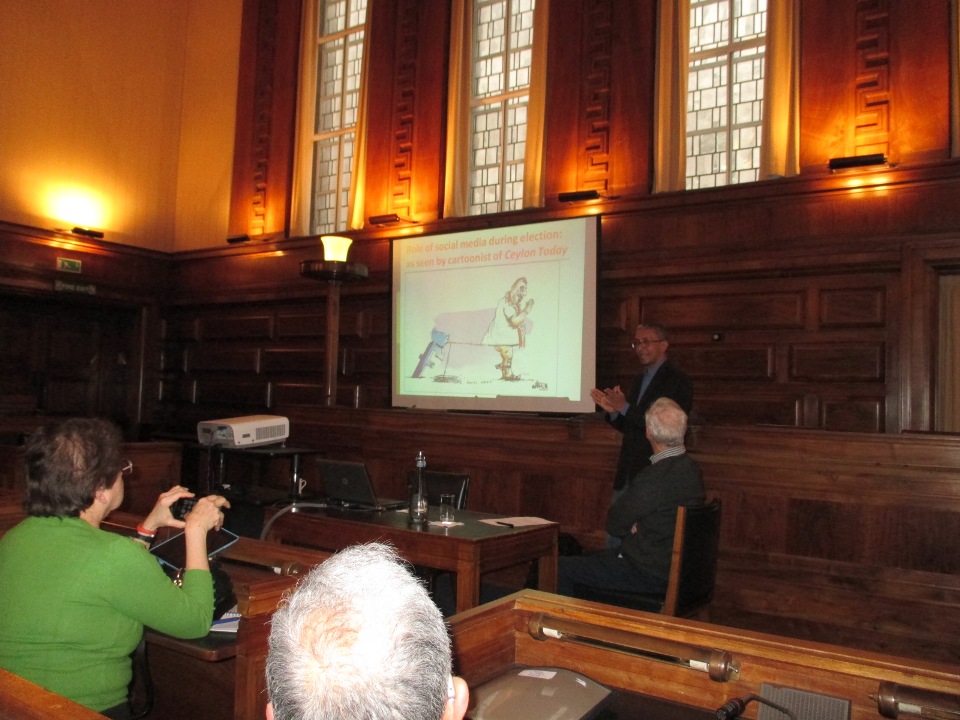
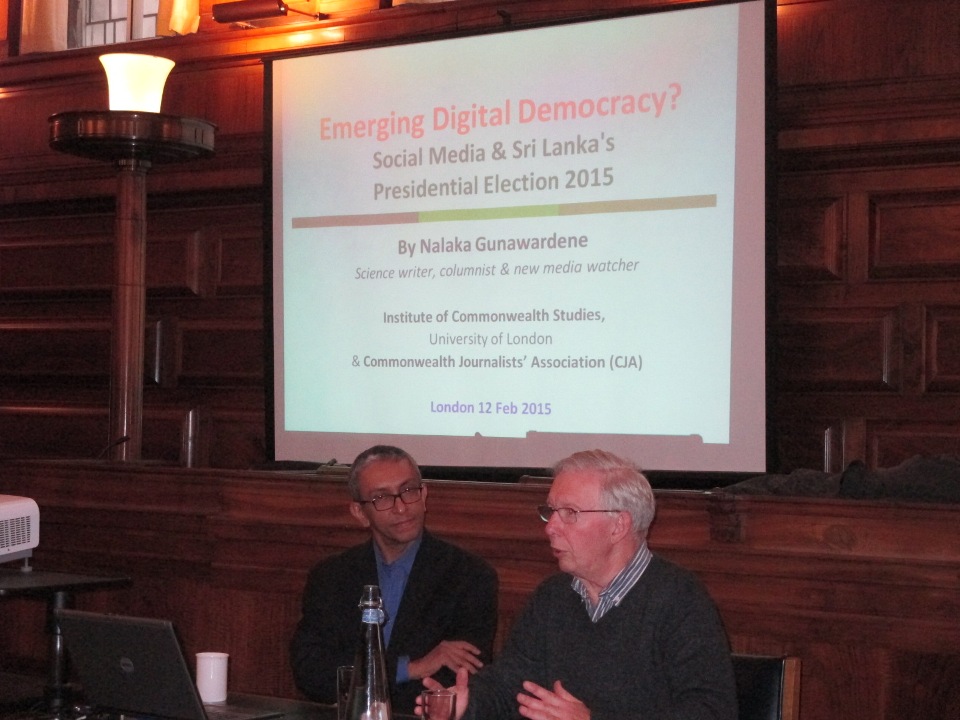
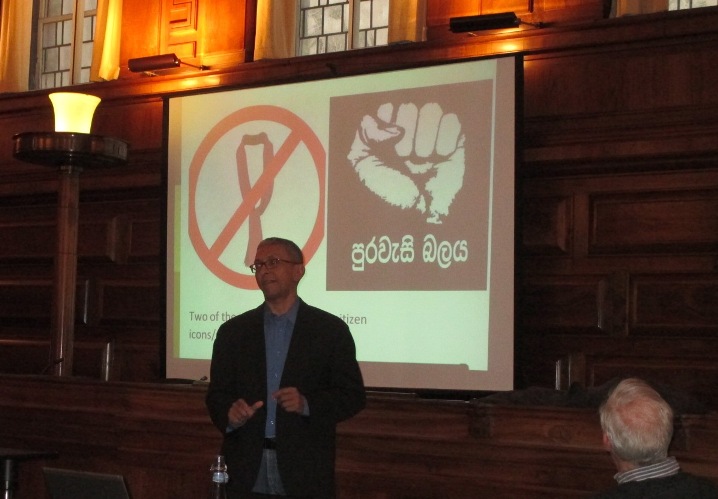
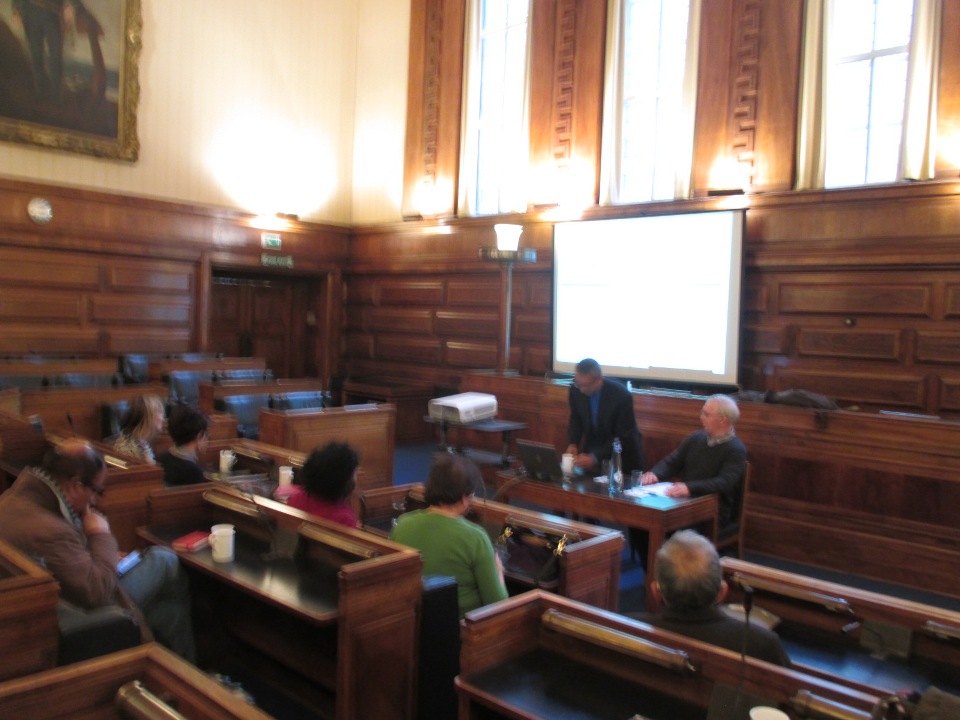
Nalaka Gunawardene talking at London University on 12 Feb 2015 on "Social Media and Sri Lanka's Presidential Election 2015"
Nalaka Gunawardene talking at London University on 12 Feb 2015 on “Social Media and Sri Lanka’s Presidential Election 2015” Photo by  Prasanna Ratnayake

Emerging Digital Democracy? Social Media and Sri Lanka’s Presidential Election 2015

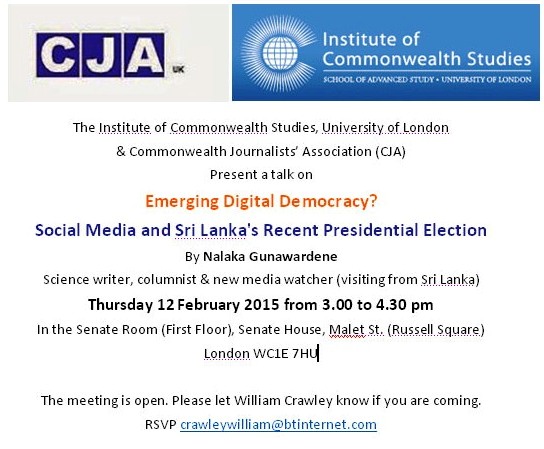
This was the topic of a public talk I gave at the University of London on 12 Feb 2015.

It was organised and hosted by the Institute of Commonwealth Studies, University of London in collaboration with the Commonwealth Journalists’ Association (CJA).

They lined up the University’s Senate Room for the talk, which was attended by a South Asian audience who engaged me in a lively discussion.

Emerging Digital Democracy? Social Media and Sri Lanka's Presidential Election 2015
Emerging Digital Democracy?
Social Media and Sri Lanka’s Presidential Election 2015

Synopsis of the talk:

A record 81.5% of registered voters took part in Sri Lanka’s presidential election on 8 January 2015 in which incumbent Mahinda Rajapaksa was defeated by his former health minister Maithripala Sirisena. The peaceful regime change has been widely acclaimed as a triumph of democracy and a mandate for political reform, improved governance and national reconciliation.

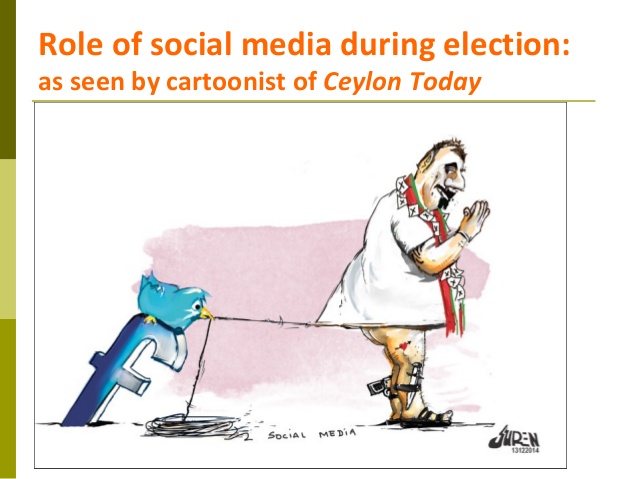
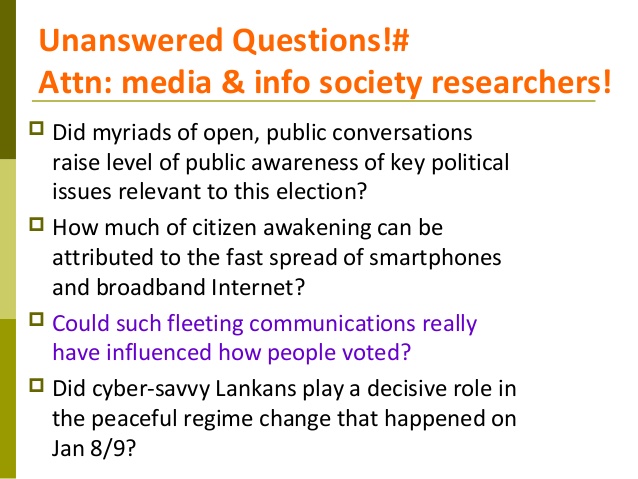
The election saw unprecedented use of social media by both candidates as well as by politically charged yet unaffiliated youth. How much of this citizen awakening can be attributed to the fast spread of smartphones and broadband? Did it really influence how people voted? What does this mean for future politics and governance in Sri Lanka?

In this illustrated talk, science journalist and new media watcher (and practitioner) Nalaka Gunawardene shares his insights and views.

Who's afraid of social media? Many Lankan politicians, for sure...
Who’s afraid of social media? Many Lankan politicians, for sure…

My PowerPoint slides:


Key questions that need more research to answer:

This is why we need better research on new media and society in Sri Lanka!

Photos by Prasanna Ratnayake

William Crawley (right), Fellow of the Institute of Commonwealth Studies, introduces Nalaka Gunawardene
Nalaka Gunawardene on Social Media and Sri Lanka’s Presidential Election 2015 at University of London, 12 Feb 2015
A section of the audience at Senate Room, University of London, listening to Nalaka Gunawardene: 12 Feb 2015


සිවුමංසල කොලූගැටයා #206: ප‍්‍රජාතන්ත‍්‍රවාදයේ සිවිල් සමාජ සාධකය ඉන්දියානු ඇසින්

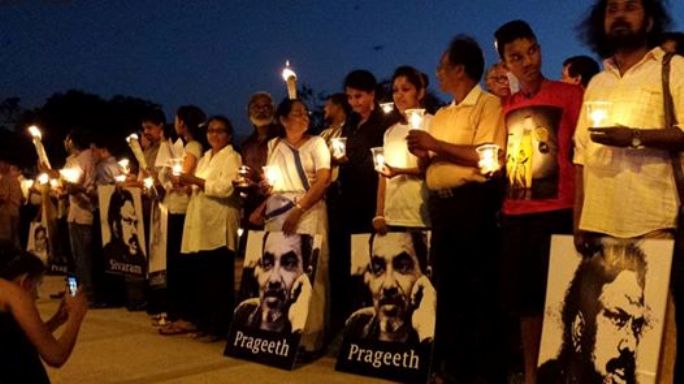
Citizens' vigil for murdered and disappeared Lankan journalists: 5 January 2015 at Vihara Maha Devi Park, Colombo.
Citizens’ vigil for murdered and disappeared Lankan journalists: 5 January 2015 at Vihara Maha Devi Park, Colombo.

Civil society – in its widest sense – played a key role in the recent peaceful change of government in Sri Lanka. It was civil society advocacy – for ending corruption, ensuring independence of judiciary, and increasing democratic checks and balances on the executive presidency – that inspired a larger citizen demand for better governance. The parliamentary opposition was pushed into belated action by these citizen demands.

What is the role of civil society in the political process? How and where does the civil space intersect with the political space? How can civil society engage formal political parties without being subsumed or co-opted?

In June 2014, I posed these questions to Dr Rajesh Tandon of India, an internationally acclaimed leader and practitioner of participatory research and development, when I interviewed him for Young Asia Television (YATV) – I was just ‘standing in’ for the regular host Sanjana Hattotuwa.

That interview’s contents are now more relevant to Sri Lanka than 8 months ago. So I have just rendered it into Sinhala. In this week’s Ravaya column (in Sinhala), I share the first half of the interview. To be continued next week…

Dr Rajesh Tandon (left) in conversation with Nalaka Gunawardene: Young Asia Television - The Interview, June 2014
Dr Rajesh Tandon (left) in conversation with Nalaka Gunawardene: Young Asia Television – The Interview, June 2014

සිවිල් සමාජය (civil society) පුළුල් සංකල්පයක්. ප‍්‍රජා මට්ටමේ සමිති සමාගම්වල සිට වඩාත් විධිමත් රාජ්‍ය නොවන සංවිධාන මෙන්ම වෘත්තීය සමිති, වෘත්තිකයන්ගේ සංවිධාන හා ජාලයන් සියල්ල සිවිල් සමාජය ගණයට අයත්.

සිවිල් සමාජයේ දේශපාලන සහභාගිත්වය කෙසේ විය යුතුද? පුරවැසියන්ගෙන් සැදුම් ලත්, පුරවැසි අපේක්ෂාව වටා සංවිධාන ගත වන සිවිල් සමාජය ඕනෑම ප‍්‍රජාතන්ත‍්‍රවාදී රටක යහපාලනය සඳහා ඉතා වැදගත් කාර්යයන් සමුදායක් ඉටු කරනවා.

දේශපාලන ක‍්‍රියාදාමය තනිකරම දේශපාලන පක්ෂවලට ඉතිරි කොට සිවිල් සමාජය සමාජ සුබ සාධනයට පමණක් සීමා විය යුතු යැයි පටු තර්කයක් ගෙවී ගිය අඳුරු දශකයේ මෙරට ප‍්‍රවර්ධනය කරනු ලැබුවා. එහෙත් 2015 ජනාධිපතිවරණයේ තීරණාත්මක වෙනස උදෙසා සිවිල් සමාජ දායකත්වය අති විශාලයි. හිටපු රජය එපා කියද්දීත්, තහංචි හා හිරිහැර මැද්දෙන් සිවිල් සමාජය ගත් යහපාලන ස්ථාවරයන් අනුමත කරන්නට හා අනුකරණය කරන්නට දේශපාලන පක්ෂවලට සිදු වුණා.

මෙය අපට පමණක් සීමා වූ අත්දැකීමක් නොවෙයි. වඩාත් පරිණත ප‍්‍රජාතන්ත‍්‍රවාදයක් පවතින ඉන්දියාවේ මේ ගැන පුළුල් අත්දැකීම් තිබෙනවා. 2014 ජුනි මාසයේ ඒ ගැන මා එරට ප‍්‍රවීණතම සිවිල් සමාජ ක‍්‍රියාකාරිකයකු හා සහභාගිත්ව සංවර්ධනය ගැන ලොව පිළිගත් විද්වතකු වන ආචාර්ය රාජේෂ් ටැන්ඩන් (Dr Rajesh Tandon) සමග දීර්ඝ ටෙලිවිෂන් සාකච්ඡාවක් කළා.

ඉංජිනේරු හා කළමනාකරණ උපාධි සතු වුවත් ඔහු ගෙවී ගිය වසර 35 කැප කොට ඇත්තේ නියෝජිත ප‍්‍රජාතන්ත‍්‍රවාදය නූතන ලෝකයේ අභියෝගවලට මුහුණදීමට හැකි පරිදි වඩාත් සහභාගිත්ව රාමුවකට ගෙන ඒමටයි. ඉන්දියාවේ සිවිල් සමාජ ආයතන හා ජාල ගණනාවක නායකත්වයට අමතරව පුරවැසි සහභාගිත්වය සඳහා ලෝක සන්ධානයේ (CIVICUS) පාලක මණ්ඩල සභිකයකු ද වන ඔහු කොළඹට පැමිණි මොහොතක YATV සාකච්ඡාවකට මා සමග එකතු වුණා.

මාස කිහිපයකට පසු එහි සිංහල අනුවාදය ඔබට ගෙන එන්නේ මෙරට අඳුරු දශකයක නිමාවෙන් පසු යහපාලනයේ පැතුම් යළිත් දැල්වෙමින් තිබෙන මොහොතක එයට යම් ජවයක් ඉන්දියාවෙන් ලද හැකියැ’යි මා විශ්වාස කරන නිසා.

Dr Rajesh Tandon
Dr Rajesh Tandon

නාලක: කොළඹදී ඔබ කළ දේශනයේ ඔබ පෙන්වා දුන්නා පොදු උන්නතිය සඳහා රියා කළ හැකි අවකාශයන් දෙකක් ඇති බව. එකක් දේශපාලන අවකාශය (political space). අනෙක සිවිල් අවකාශය (civil space). මේ දෙක එකිනෙකට මුණ ගැසෙන්නේ කෙලෙසද?

රාජේෂ් ටැන්ඩන්: මගේ ජීවිත කාලය පුරාම සිවිල් සමාජ ක‍්‍රියාකාරී ක්ෂේත‍්‍රයේ මා නිතරව සිටිනවා. ඉන්දියාවේ මෙන්ම ගෝලීය වශයෙන්. අප නිතර මෙනෙහි කරන ප‍්‍රශ්නයක් නම් දේශපාලන ක‍්‍රියාදාමයට හරියාකාර බලපෑම් කරන්නේ කෙසේද යන්නයි.

අසම්පූර්ණතා ඇතත්, ඉන්දියාවේ දේශපාලන ක‍්‍රියාදාමය ප‍්‍රජාතාන්ත‍්‍රික රාමුවක් තුළ සිදු වනවා. ජාතික, ප‍්‍රාන්ත හා ප‍්‍රාදේශීය (පළාත්පාලන) යන මට්ටම් තුනක් අපට තිබෙනවා. ඉන්දියාවේ පුළුල් වූත්, සංවිධානාත්මක වූත් සිවිල් සමාජයේ ක‍්‍රියාකාරිකයන් මේ මට්ටම් තුනේම ජනතා නියෝජිතයන් (ඡන්දයෙන් තේරී පත් වූවන්) සමග ඍජුව මෙන්ම මාධ්‍ය හරහාත් නිරතුරු සංවාදයක යෙදෙනවා.

සමහර සිවිල් සමාජ ක්රියාකාරිකයන් ඡන්දවලටත් තරග කරනවාද?

ජාතික හා ප‍්‍රාන්ත මට්ටමේ දේශපාලනයට අවතීර්ණවීමට නම් දේශපාලන පක්ෂයකට බැඳී ඒ හරහා නාමයෝජනා ලැබ මැතිවරණ ජය ගත යුතුයි. එහෙත් නගර සභා හා පංචයාත් (ප‍්‍රාදේශීය සභා) මට්ටමේ නම් තවමත් දේශපාලන පක්ෂයකට නොබැඳුණු අයටත් තරග කිරීමට හා තේරී පත්වීමට යම් ඉඩක් තිබෙනවා. ජන සංවිධාන නියෝජිතයෝ බොහෝ විට එම මට්ටමේ තරග කොට පළාත් පාලන දේශපාලන අවකාශයට ද පිවිසී පොදු උන්නතිය උදෙසා දිගටම ක‍්‍රියා කරනවා. එහෙත් අපට තිබෙන ලොකු අභියෝගයක් නම් ප‍්‍රාන්ත හා ජාතික මට්ටමේදී සිවිල් සමාජ ප‍්‍රමුඛතා හා දැක්මට දේශපාලන පක්ෂ කෙසේ නම්මවා ගත හැකි ද යන්නයි.

ඔබ සිතන්නේ රේල් පීලි මෙන් දේශපාලන අවකාශය හා සිවිල් අවකාශය සමාන්තරව දිවෙන බවද? නැත්නම් මේවා එකිනෙක හමු වනවාද?

මේ අවකාශ දෙක විටින් විට හමු වනවා. 2014 අපේ‍්‍රල්-මැයි ඉන්දියානු මහ මැතිවරණයේදීත් මෙය සිදු වුණා. උදාහරණයකට මා අයිති එක් සිවිල් ක‍්‍රියාකාරික පිරිසක් නාගරික දුගී ජනයාගේ අයිතීන් වෙනුවෙන් පෙනී සිටිනවා. මැතිවරණ කැම්පේන් කාලයේ අප ප‍්‍රධාන නාගරික ප‍්‍රදේශවල සියලූ දේශපාලන පක්ෂවල ඡන්ද අපේක්ෂකයන් හමු වී අපේ දැක්ම පහදා දුන්නා. ඔවුන්ගේ ප‍්‍රතිපත්ති ප‍්‍රකාශනවල අඩුපාඩු පෙන්වා දුන්නා. පරිසරවේදීන්, කාන්තා අයිතිවාසිකම් කණ්ඩායම් හා වෙනත් පොදු ප‍්‍රශ්න ගැන පෙනී සිටින සිවිල් කණ්ඩායම් ද මෙවැනිම සංවාදවල යෙදෙනවා. ඔවුන් අතර රාජ්‍ය නොවන සංවිධාන, වෘත්තීය සමිති, වෘත්තීයවේදීන්ගේ සංවිධාන හා ග‍්‍රාමීය ප‍්‍රජා කණ්ඩායම් සිටිනවා.

Dec 2012: People gather at a candlelit vigil for the rape victim - Photo by Saurabh Das, AP
Dec 2012: People gather at a candlelit vigil for the rape victim – Photo by Saurabh Das, AP

මෑතදී නව රවණතාවක් මතුව තිබෙන බව ඔබ පෙන්වා දුන්නා. දුෂණය, ස්තරී හිංසනය ආදී බරපතළ සමාජ රශ්නවලට එරෙහිව විශේෂයෙන් මධ්යම පාන්තික ඉන්දියානුවන් පෙළගැසෙනු හා වීදි බැස උද්ඝෝෂණය කරනු අප දකිනවා. ජංගම දුරකතන හරහා කඩිනමින් සංවිධානගත වන ඔවුන් බොහෝ දෙනා සාම්පරදායික සිවිල් සමාජ සංවිධානවලට අයත් නැහැ නේද?

මෙය ගෙවී ගිය වසර හත අට තුළ අප දකින ප‍්‍රවණතාවක්. අන්නා හසාරේ (Anna Hazare) ජන නායකයා වටා ඒකරාශි වෙමින් දුෂණයට එරෙහිව හඬ නැගුවේ බොහෝ කොටම මෙබඳු අයයි. මා මෙය දකින්නේ 1990 ගණන්වල උපන් ඉන්දියානුවන් සමාජ ප‍්‍රශ්න ගැන ආවේගයෙන් එළි බැසීමක් ලෙසටයි. මෙය මා වැන්නවුන් මවිතයට පත් කළත් එය හිතකර ප‍්‍රවණතාවක් ලෙස මා දකිනවා.

මෑතක් වන තුරු ඉන්දියාවේ නාගරික ඉසුරුබර උදවියගේ දේශපාලන සහභාගිත්වය ඉතා අඩු මට්ටමක පැවතියා. මැතිවරණවලදී ඡන්දය දීමට වැඩිපුර ගියේ නාගරික දුගී හා පහළ මධ්‍යම පාන්තිකයන් (65%). බොහෝ ඉහළ මධ්‍යම පාන්තිකයන් ඡන්දය දීමටවත් ගියේ නැහැ (10%).

ජාතික මට්ටමේ මහ මැතිවරණවලදී පවා?

ඔව්. පළාත් පාලන මැතිවරණ ගැන නම් මේ පිරිස පොඩියක්වත් තැකීමක් කළේ නැහැ. එහෙත් 2008 පමණ පටන් මෙය වෙනස් වන්නට පටන් අරන්. එය යම් තරමකට අප 2009 මහ මැතිවරණයේදී දුටුවා. එය වඩාත් හොඳින් පෙනී ගියේ 2014 මහ මැතිවරණයේදී.

මේ ස්වයංසිද්ධ ප‍්‍රවණතාවට උත්පේ‍්‍රරණය හා ගැම්ම ලබා දෙන්නේ පුවත් ටෙලිවිෂන් නාලිකා, ජංගම දුරකතන ව්‍යාප්තිය, ඉන්ටර්නෙට් හා සමාජ මාධ්‍ය භාවිතය පුළුල්වීම ආදී සාධකයි. මේ තාක්ෂණික සාධක මගින් පුරවැසියන් තුළ නව පිබිදීමක් හා කැක්කුමක් ඇති කොට තිබෙනවා.

සමාජය වෙලා ගත් ගනඳුරු පටල වැනි දුෂණය, ප‍්‍රචණ්ඩත්වය ආදියට එරෙහි විය හැකි බවත්, තත්ත්වය ගොඩ ගත නොහැකි තරම් අසාධ්‍ය නොවන බවත් තරුණ ඡන්දදායකයන් සිතන්නට පෙළඹිලා. නිලධාරීන් හෝ දේශපාලකයන් පසුපස ගොස්, ඔවුන්ට බැගෑපත් වී, ඔවුන් සතුටු කොට පුරවැසි වරප‍්‍රසාද ලබා ගැනීමේ දීනත්වය වෙනුවට ආත්ම අභිමානය සහිතව ජීවත් විය හැකි හෙට දවසක් ගැන ඔවුන් බලාපොරොත්තු ඇති කරගෙන සිටිනවා.


Anti-corruption activist Anna Hazare

මෙය නගරවල පමණක්ද? නැත්නම් රාමීය රදේශවලත් දැකිය හැකි පිබිදීමක්ද?

දැන් මෙය ගම් ප‍්‍රදේශවලටත් පැතිරිලා. මෙයට ප‍්‍රධාන හේතුව මාධ්‍ය ව්‍යාප්තියයි. ගෙවී ගිය දශකය තුළ ඉන්දියාව පුරාම පුවත් පමණක් ආවරණය කරන ටෙලිවිෂන් නාලිකා සිය ගණනක් බිහි වුණා. මේ නාලිකා අපේ භාෂා දුසිම් ගණනකින් සමාජගත වනවා. පැය 24 පුරාම සමාජ, ආර්ථික හා දේශපාලන ප‍්‍රශ්න ගැන සජීව වාද විවාද කරනවා.

1990 මුල කාලයේ උපන්, 2010 වනවිට ඡුන්දය දීමේ වයසට ළඟාවූ මිලියන ගණන් තරුණ තරුණියන් හැදුණේ වැඩුණේ මේ බහුමාධ්‍ය වාතාවරණය තුළයි. ජංගම දුරකතන බිලියනයකට ආසන්න සංඛ්‍යාවක් රට තුළ ව්‍යාප්ත වීම හා ඒවා භාවිතයේ වියදම ඉතා අඩු වීම හරහා ද තොරතුරු ගලායෑමට පෙර යුගවල තිබූ බාධක බොහෝ කොට බිඳ වැටිලා.

ඔබ කියන්නේ මාධ් හා තොරතුරු තාක්ෂණය එක පසෙකිනුත්, අතිවිශාල තරුණ හා උගත් ජනසංඛ්යාවක් තව පසෙකිනුත් මතු වීම හරහා ඉන්දීය සමාජයේ මේ නව රජාතාන්තරික පිබිදීම සිදුව ඇති බවයි?

ඔව්. ඇත්තටම ඔව්!

මේ සාධක දෙක සමාපත වූ මැදපෙරදිග සමහර රටවල අරාබි වසන්තය නම් ජන අරගල මතු වුණා. එහෙත් ඉන්දියාවේ එබන්දක් සිදු වුණේ නැහැ. වෙනුවට පොදු මිනිසාගේ පක්ෂය ආමි ආද්මි (Aam Aadmi Party, AAP) මතු වුණා. මේ වෙනසට හේතුව කුමක්ද?

ජන සංයුතිය (demographics) මෙහිදී ඉතා වැදගත් සාධකයක්. ඉන්දියාවේ ජනගහනයේ මධ්‍යන්‍ය වයස 24යි. ඒ කියන්නේ අපේ සමස්ත ජනගහනය වන මිලියන් 1,200න් බාගයක්ම (මිලියන් 600ක්) වයස 24 හෝ ඊට අඩුයි. මේ මහා තරුණ ජනකාය තමන්ගේ ආවේගයන් කෙළින්ම පොදු අවකාශයේ (වීදි බැස සාමකාමී උද්ඝෝෂණ කිරීමෙන්) හෝ සයිබර් අවකාශයේ ප‍්‍රකාශ කරනවා. මෙය පෙර කිසිදා නොතිබි අන්දමේ තත්ත්වයක්.

මෙය මා දකින්නේ අතරමැදි (දේශපාලන හෝ සිවිල් සමාජ සංවිධාන) හරහා නොගොස් ඍජුව පුරවැසියන් රාජ්‍ය පාලකයන්ට බලපෑම් කිරීමේ නව රටාවක් ලෙසයි.

පරම්පරාවකට පෙර මෙබඳු තරුණ උදවිය දේශපාලන පක්ෂවලට හෝ සිවිල් සමාජ සංවිධානවලට හෝ බැඳී ක‍්‍රියා කළා. අද බොහෝ කොට ඔවුන් ඍජුවම එය කරනවා. දුෂණ විරෝධී ජන රැල්ල හා දිල්ලියේ ස්ත‍්‍රී දුෂණයට එරෙහිව ඉන්දියාව පුරාම මතුව ආ ජන රැල්ල මෙයට මෑත උදාහරණයි. එහිදී වීදි බැස නීතිය ක‍්‍රියාත්මක කිරීමට බලකර සිටි තරුණ පිරිස් අගමැති හා ස්වදේශ ඇමතිට කෙළින්ම පණිවුඩයක් දුන්නා.

එසේම ජාතික ප‍්‍රශ්න ගැන වීදියට බසින තරුණ තරුණියෝ කෙළින්ම රට කරවන ඇත්තන්ට එහි එන්නයැ’යි බල කොට කියනවා. පොලිස්පති හෝ ජ්‍යෙෂ්ඨ රාජ්‍ය නිලධාරීන් හෝ පැමිණියාට ඔවුන්ට මදි.

Anna Hazare

එසේ රසිද්ධ ස්ථානවලට පැමිණීම දේශපාලන නායකයන්ගේ ආරක්ෂාවට තර්ජනයක් විය හැකිද?

ඒ තර්කය විවාදාත්මකයි. තරුණ උද්ඝෝෂණකරුවන් කියන්නේ මේ අගමැති, ඇමති පිරිස පත්ව සිටින්නේ මහජන ඡුන්දයෙන්. ඔවුන් නඩත්තු කරන්නේ මහජන මුදලින්. ඉතින් එම මහජනයාගේ පිරිසක් හමුවීමට දේශපාලන නායකයන්ට එන්න බැරිද?

එසේම කමාන්ඩෝ ආරක්ෂකයන් පිරිවරා ගෙන වාහන දහය විස්සක රථ පෙරහරින් දේශපාලකයන් එහා මෙහා යාම ඉන්දියාවේ තරුණ පිරිස් රුස්සන්නේ නැහැ. ඔවුන් කියන්නේ ජනතාවට ඔයිට වඩා සමීප වන්න බැරි නම්, බය නම් ලොකු ලොක්කෝ දේශපාලනයෙන් ඉවත් විය යුතු බවයි!

ඉන්දියාවේ 2014 මහ මැතිවරණයේදී රථම වතාවට ඡන්දය දීමේ වයසට ළඟා වූ තරුණ තරුණියන් මිලියන් 150ක් පමණ සිටියා. මේ පිරිස වඩා උගත්, තොරතුරු තාක්ෂණයෙන් සන්නද්ධ වූවන් වීම මැතිවරණ රතිඵලයට බලපෑවේ කෙසේද?

ඉන්දියාවේ ජාතික සාක්ෂරතාව 74%ක් වුවත් වයස 24ට අඩු ජන කොටස අතර එය 90%ක් තරම් ඉහළයි. මේ අය අඩු තරමින් වසර 10-12ක් පාසල් ගිය තොරතුරු ලැබීමේ හා හුවමාරුවේ අගය දත් පිරිසක්. මීට පෙර පරම්පරා මෙන් දේශපාලකයන් කරන කියන ඕනෑම දෙයක් ඉවසා සිටින්නට ඔවුන් සූදානම් නැහැ.

සාකච්ඡාව වෙබ් හරහා බලන්න – https://vimeo.com/118544161

ඉතිරි කොටස ලබන සතියේඉන්දියාවේ අත්දැකීම් රී ලංකාවට අප කෙසේ අදාළ කර ගත යුතුද?