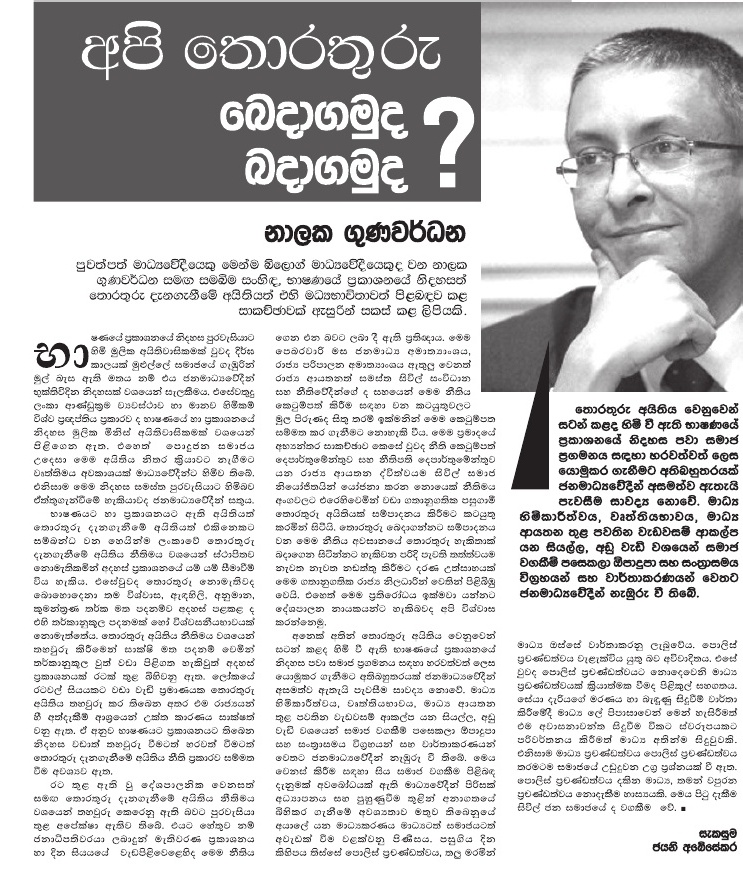
My Samabima interview: තොරතුරු බෙදා ගනිමුද – බදා ගනිමුද?

logo.png

Samabima monthly magazine, published by Rights Now human rights advocacy group in Sri Lanka, has carried an interview with me in its December 2015 issue.

In this, I discuss the societal implications of a Right to Information law, which is to be adopted by Sri Lanka’s Parliament in early 2016. I reiterate that we need to see the new law as only the beginning of a long journey. Proper implementation will require adequate political will, administrative support and sufficient public funds. We would also need sustained monitoring by civil society groups and media to guard against the whole process becoming mired in too much red tape.

I also touch on serious inadequacies in our mainstream media that often fail to serve the public interest because of incompetence, arrogance or indifference. In this interview, I coin a phrase ‘Mass Media Brutality’ meted out to victims of crime or discrimination in Sri Lanka — when the media pack descends on an individual or family and unethical, sensational coverage follows.


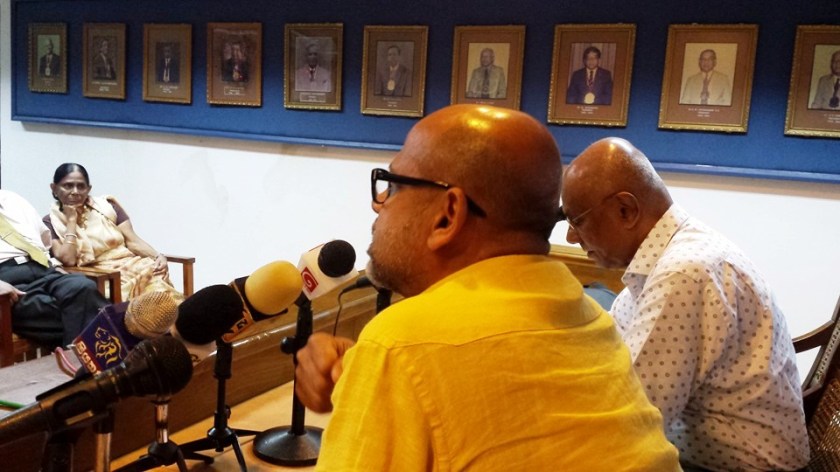
Nalaka Gunawardene interview in Samabima magazine, Dec 2015 issue

Read the full issue online at: http://www.scribd.com/doc/293307988/SANHINDA-2015-December

See also: 18 Nov 2015: Right to Information should be a step towards Open Government

සිවුමංසල කොලූගැටයා #246: තොරතුරු අයිතිය විවෘත ආණ්ඩුකරණයට මුල් පියවරයි

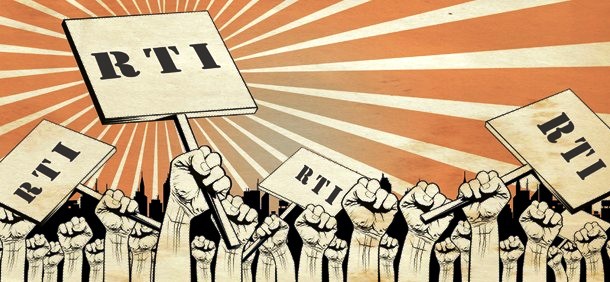
Illustration by Echelon magazine, http://www.echelon.lk

After many years of advocacy by civil society groups and journalists, Sri Lanka is set to soon adopt a law guaranteeing citizens’ Right to Information (RTI, also known as freedom of information laws in some countries). With that, we will join over 100 other countries that have introduced such progressive laws.

The first step is already taken. The 19th Amendment to the Constitution, passed in Parliament in April 2015, made the right to information a fundamental right. The Right to Information Act is meant to institutionalize the arrangement – i.e. put in place the administrative arrangement where a citizen can seek and receive public information.

RTI signifies unleashing a new potential, and a major change in status quo. First, we need to shake off a long historical legacy of governments not being open or accountable to citizens.

In this week’s Ravaya column, (appearing in issue of 22 Nov 2015), I explore how RTI can gradually lead to open government. I also introduce the 9 key principles of RTI.

I have covered the same ground in English here:

20 Nov 2015: Right to Information should be a step towards Open Government

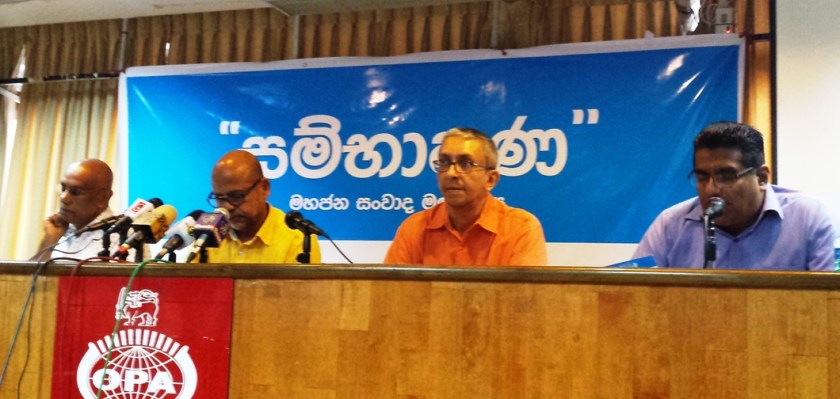
L to R - Wijayananda Jayaweera, Gamini Viyangoda, Nalaka Gunawardene, Shan Wijetunge. At Right to Information public forum on 17 Nov 2015 in Colombo. Photo by Sampath Samarakoon
L to R – Wijayananda Jayaweera, Gamini Viyangoda, Nalaka Gunawardene, Shan Wijetunge. At Right to Information public forum on 17 Nov 2015 in Colombo. Photo by Sampath Samarakoon

තොරතුරු දැනගැනීමේ අයිතිය තහවුරු කැරෙන නීතිය සම්මත වන තුරු මේ වසර පුරාම අපි බලා සිටිනවා. ‘අද නෑ හෙට’ වගේ වැඩක්!

යහපාලනයේ එක් ප‍්‍රධාන පොරොන්දුවක් වූයේද තොරතුරු අයිතියයි. එක් අඩක් ඉටු වී තිබෙනවා කිව හැකියි. මන්ද 2015 අපේ‍්‍රල් 28දා පාර්ලිමේන්තුවේ සම්මත වූ 19 වන ව්‍යවස්ථා සංශෝධනයේ තොරතුරු අයිතිය මූලික අයිතිවාසිකමක් ලෙස පැහැදිලිවම පිළිගෙන තිබෙනවා.

මේ අයිතිය ප‍්‍රායෝගිකව ක‍්‍රියාත්මක කිරීමට තොරතුරු නීතිය අවශ්‍යයි. ඒ හරහා සමස්ත රාජ්‍ය පරිපාලන තන්ත‍්‍රයේම වෙනසක් සිදු කැරෙනවා. හැකි තාක් මහජනයාට රහසිගතව කටයුතු කිරීමේ ඓතිහාසික සම්ප‍්‍රදායෙන් මිදී වඩාත් විවෘත හා තොරතුරු බෙදා ගන්නා රාජ්‍ය පාලනයකට යොමුවීමේ ක‍්‍රමවේදයක් මේ නීතිය හරහා හඳුන්වා දීමට නියමිතයි.

තොරතුරු නීති කෙටුම්පත් හරිහැටි හදා ගන්නට මෙතරම් කල් ගත වන්නේ ඇයි?

මනා නීති සම්පාදනය සඳහා ආදර්ශයට ගත හැකි තොරතුරු නීති දකුණු ආසියාවේත්, ඉන් පිටතත් රටවල් 100ක තිබෙනවා. මේ නිසා හැම නීති වැකියක්ම අලූතෙන්ම වචන ගැලපිය යුතු නැහැ. තොරතුරු අයිතිය පිළිබඳ ජාත්‍යන්තර යහ සම්ප‍්‍රදායන් ගැන බොහෝ ලේඛනද තිබෙනවා. යුනෙස්කෝ ආයතනය මේ ගැන විශේෂ අවධානය යොමු කොට තිබෙනවා.

මෙතැන ඇත්තේ නීති හැකියාවන් පිළිබඳ ගැටලූවක් නොව ආකල්පමය එල්බ ගැනීම් බවයි දැන ගන්නට තිබෙන්නේ. අපේ නීතිපති දෙපාර්තමේන්තුව හා නීති කෙටුම්පත් දෙපාර්තමේන්තුව බෙහෙවින් ගතානුගතික පදනමක පිහිටා ක‍්‍රියාකිරීම නිසා තොරතුරු බෙදා ගන්නවාට වඩා බදා ගන්නට නැඹුරු වූ නීතියක් බිහි වීමේ අවදානම තිබෙනවා. මේ අවසාන අදියරේදී ස්වාධීන නීති විශාරදයන් හා සිවිල් සමාජ ක‍්‍රියාකාරිකයන් අවදියෙන් හා අවධානයෙන් සිටීම අත්‍යවශ්‍යයි. නැතිනම් එතරම් ප‍්‍රයෝජනයක් ගත නොහැකි නාමමාත‍්‍රික තොරතුරු නීතියක් සම්මත විය හැකියි.

රාජ්‍ය දෙපාර්තමේන්තු දෙකක පටු මානසිකත්වයට වඩා පුළුල් අභියෝගයක්ද මෙහිදී මා දකිනවා. එනම් අපේ ඉතා වැඩවසම් ඓතිහාසික උරුමය හා නූතනත්වය අතර අරගලයයි.

සියවස් 25ක ලිඛිත ඉතිහාසයක් ඇති අපේ රටේ විවෘත හා මහජනතාවට වගකියන ආණ්ඩුකරණයක් ඉතා මෑතක් වන තුරු කිසි දිනෙක පැවතියේ නැහැ. මැග්නා කාර්ටා (Magna Carta) වැනි සම්මුතියක් හරහා අපේ රජුන්ගේ බලතල කිසි ලෙසකින් හෝ සමනය වූයේ ද නැහැ.

1 May 2015: සිවුමංසල කොලූගැටයා #217: වසර 800කට පෙර යහපාලන අඩිතාලම දැමූ මැග්නා කාටාව

සීමාන්තික බලතල සහිත රජවරුන් අපේ රට පාලනය කළ වසර 2,000ක පමණ කාලයක් තුළ රටේ කිසිදු පරිපාලන තොරතුරක් (හෝ වෙනත් කිසිම අයිතිවාසිකමක්) ඉල්ලීමේ වරම ජනතාවට තිබුණේ නැහැ. අපේ පැරැන්නෝ යටත් වැසියන් මිස කිසි දිනෙක පුරවැසියන් වූයේ නැහැ.

ඉන්පසු එළැඹුණු යටත් විජිත පාලන යුගවලත් එම පාලකයන් කිසි විටෙක තොරතුරු හෙළි කිරීමට බැඳී සිටියේ නැහැ. බි‍්‍රතාන්‍ය පාලන තන්ත‍්‍රය තුළ ලේඛන පවත්වා ගැනීම ඉතා හොඳින් සිදු කළත්, ඒ ලේඛන ඔවුන්ගේ ලන්ඩනයේ යටත් විජිත පරිපාලකයන්ට මිස මෙරට සාමාන්‍ය ජනයාට පරිශීලනය කළ හැකි වූයේ නැහැ. (මේ වාර්තා දැන් නම් බි‍්‍රතාන්‍ය කෞතුකාගාරයේ ඕනෑම කෙනෙකුට කියවිය හැකියි. බි‍්‍රතාන්‍ය පාලන යුගය දැඩි ලෙස විවේචනය කරන හැම දෙනෙකුම පාහේ තම මූලාශ‍්‍ර යොදා ගන්නේ එම වාර්තායි.)

නිදහසින් පසුව රට පාලනය කළ අපේම ආණ්ඩුත් බොහෝ දුරට රටවැසියන්ට තොරතුරු කැමැත්තෙන් දෙනවා වෙනුවට හැකි තාක් වසන් කිරීමේ සම්ප‍්‍රදාය දිගටම ගෙන ගියා. යටත් විජිත සමයේ ආභාෂය මෙන්ම ඉතිහාසයේ කිසි දිනෙක රටවැසියාට විවෘත වූ ආණ්ඩුකරණයක් (Open Government) නොතිබීම ද එයට හේතු වූවා විය හැකියි.

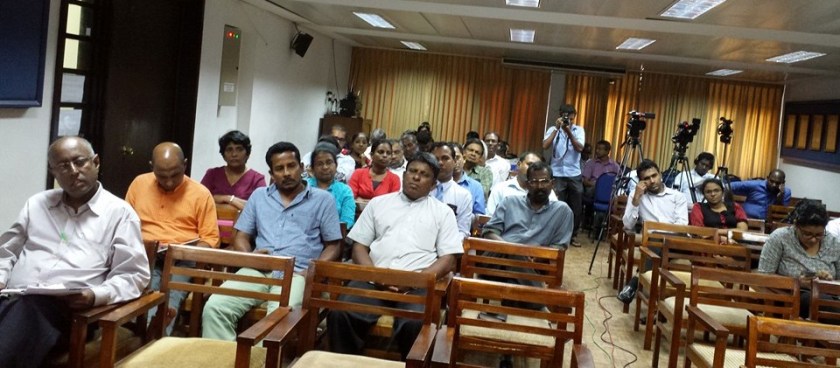
Part of the audience at RTI Public Forum on 17 Nov 2015 in Colombo

මෙයින් අදහස් කැරෙන්නේ නිදහසින් පසු අපට තිබූ සියලූ රජයන් දුර්දාන්ත හෝ දරදඬු පාලනයන් වීය කියා නොවෙයි. ඇතැම් ප‍්‍රජාතන්ත‍්‍රවාදී නායකයන් පවා රට වැසියන්ට සැලකුවේ හරියට දෙමවුපියන් ළමයින් දෙස බලන ආකල්පයට සමාන මානසිකත්වයකින්. වැසියන් රැක බලා ගෙන ඔවුන්ට අවශ්‍ය සම්පාදන කර දීම විනා ඔවුන් ස්වාධීනව සිතන පතන “වැඩිහිටියන්” වීම අවශ්‍ය යැයි ඩී එස් හා ඩඩ්ලි වැනි නායකයන්ට නොසිතෙන්නට ඇති.

සමාජ ක‍්‍රියාකාරික හා ලේඛක ගාමිණී වියන්ගොඩගේ මතය නම් තොරතුරු උවමනාවෙන්ම රටවැසියන්ට නොදී සිටින්නේ තොරතුරු හරහා රටවැසියන් බලාත්මක වන නිසායි. වසන් කළ යුතු අමිහිරි හා අශෝබන බොහෝ දේ හැම රාජ්‍ය පාලනයකම තිබෙන බවත්, මේ තොරතුරු පිට වීම හා ගලා යාම පවතින බල සංකේන්ද්‍රයන්ට බරපතල ප‍්‍රශ්නයක් බවත් ඔහු කියනවා.

Writer and activist Gamini Viyangoda speaks at RTI Public Forum on 17 Nov 2015

කාලානුරූපව වෙනස් වෙන්නට කාලය ඇවිත්! අපේ ඓතිහාසික උරුමය කිසි දිනෙක විවෘත ආණ්ඩුකරණයකට නැඹුරු නොවූවත්, 21 වන සියවසේ යහපාලනයට හා ප‍්‍රජාතන්ත‍්‍රවාදයට එය අත්‍යවශ්‍ය ගුණයක් ලෙස දැන් සැලකෙනවා.

විවෘත ආණ්ඩුකරණයේ සංකල්පය 18 වන සියවසේ බටහිර යුරෝපයේ පුනරුදය (Age of Enlightenment) වෙත දිවෙනවා. සීමාන්තික බලතල සහිත රාජාණ්ඩු වඩාත් බල තුලනයකට යටත් කළ යුතු බවටත්, මහජන මතයට සංවේදී ආණ්ඩුකරණයක් බිහි විය යුතු බවටත් ප‍්‍රංශ හා ජර්මන් දාර්ශනිකයන් තර්ක කිරීම ඇරඹුණේ ඒ සමයේයි.

මෙය නීතිගත කරමින් ලොව මුල්ම තොරතුරු නීතිය 1766දී හඳුන්වා දුන්නේ ස්වීඩනයයි. මාධ්‍ය නිදහස හා තොරතුරු අයිතිය නීතියෙන් තහවුරු කිරීම ඉන් පසු එළැඹි දශකවල බොහෝ බටහිර රටවල සිදු කෙරුණා. රාජ්‍ය පාලනයේ රහසිගත බව වඩ වඩාත් පටු පරාසයකට සීමා කිරීමෙන්, විවෘත බව සාමාන්‍යකරණය කිරීමට 20 වන සියවස පුරා පරිණත ප‍්‍රජාතන්ත‍්‍රවාදී රටවල නීතිමය, ප‍්‍රතිපත්තිමය මෙන්ම යහ සම්ප‍්‍රදායික පියවර ගෙන තිබෙනවා.

මේ ගෝලීය ඓතිහාසික පසුබිම තුළ මා තොරතුරු නීතිය දකින්නේ මෙරට සමස්ත ආණ්ඩුකරණය වඩාත් විවෘත හා මහජනතාවට වගකියන තත්ත්වයට පත් කරන්නට දායක වන එක් පියවරක් හැටියටයි.

මෙයට සමාන්තරව සමාලෝචනයට ලක් විය යුතු හා සංශෝධනය කළ යුතු තවත් නීති තිබෙනවා. 1955 අංක 32 දරණ රාජ්‍ය රහස් පනත එයින් ප‍්‍රමුඛයි. 1911දී බි‍්‍රතාන්‍යයේ සම්මත වූ නීතියක් ආශ‍්‍රයෙන් සම්පාදිත අපේ 1955 රාජ්‍ය රහස් නීතිය යල්පැන ගිය, නූතන ප‍්‍රජාතන්ත‍්‍රවාදී සම්ප‍්‍රදායන්ට කිසිසේත් නොගැළපෙන එකක්.

එහි රාජ්‍ය රහස් යන්න අනවශ්‍ය තරම් පුළුල්ව නිර්වචනය කැරෙන බවත්, එය නිදහසට කාරණයක් ලෙස දක්වමින් දශක ගණනාවක් පුරා රාජ්‍ය නිලධාරීන් සැබැවින්ම රහසිගත නොවිය යුතු බොහෝ තොරතුරු ද වසන් කරන බවත් නීති පර්යේෂකයන් කියනවා.

‘1911 රාජ්‍ය රහස් නීතිය 1989දී බි‍්‍රතාන්‍යය සංශෝධනය කළා. එය වඩාත් ජන සම්මතවාදී ප‍්‍රමිතියකට ඔවුන් දැන් ගෙනැවිත් තිබෙනවා. අප තවමත් 1911 බි‍්‍රතාන්‍ය නීතියට සමාන වන නීතියක එල්බ ගෙන සිටීම ඛෙදජනකයි.’ නීතිඥ හා පර්යේෂිකා කිෂාලි පින්ටෝ ජයවර්ධන කියනවා.

තොරතුරු නීතිය ගැන මෑතදී පොතක් ලියා ඇති නීති පර්යේෂක ගිහාන් ගුණතිලක කියන්නේ හොඳ තොරතුරු නීතියක ගැබ් විය යුතු මූලධර්ම 9ක් තිබෙන බවයි. ඒවා සැකෙවින් මෙසේයි.

  1. රජයක් හැම විටම හැකි තාක් තොරතුරු හෙළි කිරීමට නැඹුරු විය යුතුයි (Maximum Disclosure). බදා ගෙන සිටිනවා වෙනුවට බෙදා ගැනීමට මුල් තැන දිය යුතුයි.
  2. යම් කෙනකු තොරතුරක් ඉල්ලන තුරු නොසිට, ස්වේච්ඡුාවෙන්ම මහජන තොරතුරු පළ කිරීම කළ යුතුයි (Obligation to Publish). මෙයට පරිපාලන මෙන්ම මූල්‍ය තොරතුරු හා වෙනත් දත්තද ඇතුළත් විය හැකියි. (තම වෙබ් අඩවි හරහා මෙසේ කරන රාජ්‍ය ආයතන ගණනාවක් තිබෙනවා.)
  3. මහජන ආයතන සියල්ලම විවෘත ආණ්ඩුකරණය ^Open Government& සංකල්පයට අනුගත විය යුතුයි. රහසිගතභාවය පෙරටු කොට ගත් පරිපාලන සම්ප‍්‍රදායන් ඉවත දමා විවෘත භාවය මුල් කර ගත් ක‍්‍රමවේදයන් හඳුන්වා දිය යුතුයි.
  4. නිශ්චිත හේතු නිසා මහජනයාට තොරතුරු දිය නොහැකි අවස්ථා හෙවත් ව්‍යතිරේක (Exceptions) හැකි තාක් සීමා කළ යුතුයි. එසේ නොදී සිටීමට පැහැදිලි සාධාරණීකරණයක් තිබිය යුතුයි.
  5. තොරතුරු අයිතිය ප‍්‍රායෝගිකව ක‍්‍රියාත්මක වීමට නිශ්චිත පරිපාලන ක‍්‍රමවේදයක් බිහි කළ යුතුයි. තොරතුරු සොයා එන මහජනයා රස්තියාදු නොකර කාර්යක්ෂමව හා ආචාරශීලීව තොරතුරු ලබාදෙන ක‍්‍රමයක් මේ නීතිය හරහා ස්ථාපිත විය යුතුයි. එසේම තොරතුරු සම්පාදනය කොට ලබාදීමට නීතියෙන් සීමිත කාලයක් නිශ්චය කළ යුතුයි. එසේම හරිහැටි ඉටු නොකෙරෙන තොරතුරු ඉල්ලීම් ගැන විමර්ශනය කළ හැකි ස්වාධීන ආයතනයක් පිහිටුවිය යුතුයි. (තොරතුරු කොමිසම නම් වන්නේ එයයි.)
  6. තොරතුරු ලබා ගැනීමේදී එයට යම් ගෙවීමක් කළ යුතු වුවත්, එම අය කිරීම සාධාරණ හා මහජනයාට දරා ගත හැකි එකක් විය යුතුයි. එහිදී මූලික සංකල්පය විය යුත්තේ තොරතුරුවලින් සන්නද්ධ වන ජන සමාජයේ වටිනාකම, එම තොරතුරු සම්පාදනය කිරීමට වැය වන මුදලට වඩා බෙහෙවින් වැඩි බවයි.
  7.  සියලූ රාජ්‍ය ආයතනවල සියලූ රැස්වීම් මහජනතාවට විවෘත විය යුතුයි (Open Meetings). මන්ද තමන්ගේ නාමයෙන් නිලධාරීන් කුමක් කරන්නේද යන්න දැන ගැනීමට ජනතාවට අයිතියක් ඇති නිසා. ඉඳහිට ඇතැම් රැස්වීම් මහජනයාට විවෘත නොවුවත්, ඒවා පැවැත් වූ බව ප‍්‍රසිද්ධියේ ප‍්‍රකාශ කළ යුතුයි. සංවෘත රැස්වීම් පැවැත්වීම සාධාරණීකරණය කළ හැකි විය යුතුයි.
  8. තොරතුරු නීතිය සම්මත කර ගත් පසුව, රටේ පවතින අන් සියලූ නීති එයට අනුගත වන පරිදි නැවත විග‍්‍රහ කළ යුතුයි. ඉදිරියේදී සම්මත වන කිසිදු නීතියක් මගින් තොරතුරු හෙළි කිරීම සීමා නොකළ යුතුයි. එසේම යහ චේතනාවෙන් තොරතුරු මහජනයාට ලබා දෙන රාජ්‍ය නිලධාරීන්ට නිසි ආරක්ෂාව ලැබිය යුතුයි. නොබියව තම රාජකාරිය නීති ගරුකව කිරීමට රාජ්‍ය සේවකයන් සැමට හැකි වන පරිසරයක් තිබිය යුතුයි.
  9. රාජ්‍ය තන්ත‍්‍රයේ සේවය කිරීම නිසා තමන් අතට පත් වන, පොදු උන්නතියට වැදගත් තොරතුරු හෙළිදරවු කරන පුද්ගලයන්ට නීතිමය රැකවරණ ලැබිය යුතුයි (Protection for Whistle-blowers). රජයේ ආයතන තුළ කැරෙන අකටයුතුකම් ගැන තොරතුරු මාධ්‍යවලට හෝ වෙනත් පිරිසකට හෝ ලබා දීම අපරාධයක් හෝ විනය විරෝධී ක‍්‍රියාවක් ලෙස නොව පොදු උන්නතියට උදව් කිරීමක් ලෙස සැලකිය යුතුයි. එහිදී ආයතන සංග‍්‍රහයේ විධිවිධාන උල්ලංඝනය වුවත් එයට ඔබ්බට යන විනිශ්චයක් හරහා අදාළ තොරතුරු මුදා හරින පුද්ගලයන් එසේ කිරීමේ පොදු වැදගත්කම සැලකිල්ලට ගත යුතුයි.

තොරතුරු නීතිය පිළිබඳව නොවැම්බර් 17 වැනිදා කොළඹදී පැවති මහජන සංවාදයකදී මා කීවේ මෙයයි:

තොරතුරු අයිතිය දිනා ගැනීම දශක එක හමාරක පමණ සිවිල් ක‍්‍රියාකාරීත්වයේ මංසළකුණක්. එහෙත් නීතිය සම්මත කර ගත් පමණීන් අභියෝග හමාර වන්නේ නැහැ.

වඩාත් විවෘත වුත්, මහජනයාට වග වන්නා වුත් ආණ්ඩුකරණයකට දේශපාලකයන් හා රාජ්‍ය නිලධාරීන් සැවොම ආකල්පමය වශයෙන් ප‍්‍රවේශ විය යුතුයි.

තොරතුරු සොයා යන, තොරතුරු ලද විට ඒවා නිසි ලෙස විග‍්‍රහ කොට නිගමනවලට එළැඹීමේ හැකියාව හෙවත් තොරතුරු සාක්ෂරතාව (information literacy) සමාජයේ ප‍්‍රවර්ධනය කිරීම අප කාගේත් වගකීමක්.

ආවේග, අනුමාන, කුමන්ත‍්‍රණ තර්ක හෝ විශ්වාස මත පදනම් වනවා වෙනුවට දත්ත හා විග‍්‍රහයන් මත පදනම් වී නිගමනවලට එළඹීමටත්, ඒ හරහා අපේ ප‍්‍රජාතන්ත‍්‍රවාදය වඩාත් සවිබල ගැනීවීමටත් ලොකු වගකීමක් පුරවැසි හැමට තිබෙනවා.

See also:

15 October 2015: Exploring Open Data and Open Government in Sri Lanka

23 July 2015: සිවුමංසල කොලූගැටයා #227: භාෂණයේ නිදහසට හා ප‍්‍රශස්ත මාධ්‍යකරණයට දේශපාලන කැපවීමක් ඕනෑ!

21 Feb 2015: සිවුමංසල කොලූගැටයා #208: තොරතුරු අයිතිය තහවුරු කරන්නට තොරතුරු සාක්ෂරතාව අත්‍යවශ්‍යයි!

17 Feb 2015: සිවුමංසල කොලූගැටයා #207: “තොරතුරු නීතිය ලැබුණාට මදි. එයින් නිසි ඵල නෙළා ගත යුතුයි!”


Diplomacy and Foreign Relations in the Social Media Age: Presentation to RCSS Course on Creative Diplomacy

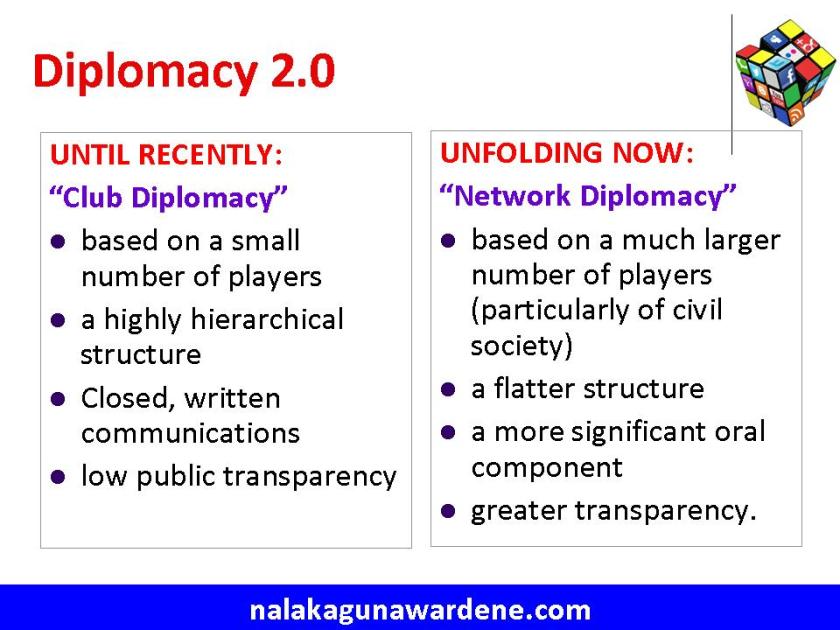
“The key to successful foreign policy in today’s world is networked diplomacy. Managing international crises requires mobilizing international networks of public and private actors,” says Anne-Marie Slaughter, an international lawyer and political scientist who is a former Princeton academic and ex-Director of Policy Planning at the US State Department under U.S. Secretary of State Hillary Clinton.

Diplomacy then...and now
Diplomacy then…and now

The nature of this ‘networked diplomacy’ is still being documented and studied. Some governments are not even convinced of its value, but meanwhile, others are encouraging it perhaps as a way of ‘exploiting the inevitable’.

I am neither diplomat nor scholar, but sometimes dabble as a writer and researcher on how new media – including social media – impact our society, economy and governance. So I welcomed an opportunity to engage a group of mid-career professionals on the topic Diplomacy & Foreign Relations in the Social Media Age.

I made this presentation on 14 November 2015 as part of the Certificate Course in Creative Diplomacy, conducted by the Regional Centre for Strategic Studies (RCSS) in Colombo, Sri Lanka – a think tank on international relations.

In this, I introduce and briefly explore the new kind of real-time, public diplomacy that is being ushered in with the spreading of social media. I show how diplomats and other government officials can no longer ignore this mass medium, but at the same time their traditional ways of communications need to be reoriented to suit the realities of this new information ecosystem that is informal, irreverent and fleeting.

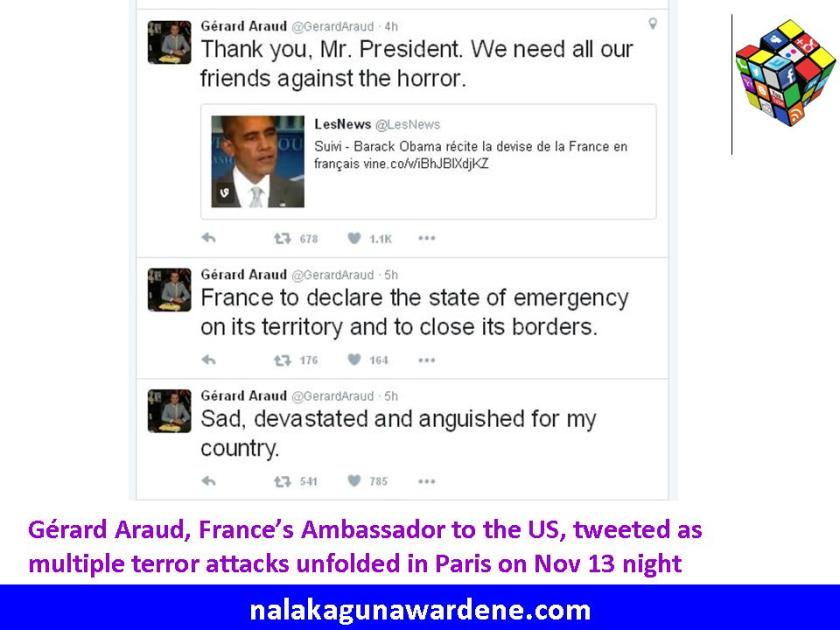
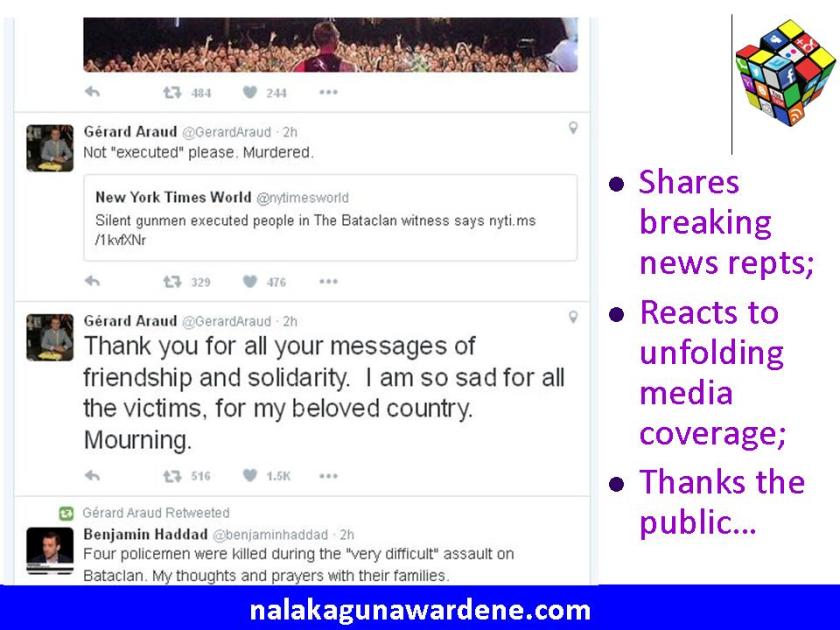
As I spoke on the day after the ISIS terrorist attacks in France, I used (among others) the latest examples of how Gérard Araud, France’s Ambassador to the US, tweeted live as multiple terror attacks unfolded in Paris on Nov 13 night.

Real time tweeting by French Ambassador to the US while Paris attack was underway on 13 Nov 2015...
Real time tweeting by French Ambassador to the US while Paris attack was underway on 13 Nov 2015…
More tweets from Ambassador Gérard Araud
More tweets from Ambassador Gérard Araud on 13 Nov 2015…


To see the bigger picture, I’ve distilled some wisdom of key researchers in this area including: Anne-Marie Slaughter, former Princeton Academic and ex-Director of Policy Planning, US State Department; Philip Seib, Professor of Journalism and Public Diplomacy, University of Southern California; and Ramesh Thakur, Professor, Crawford School of Public Policy, Australian National University (ANU).

I also used the case study of Indian Ministry of External Affairs using social media for crisis management when 18,000 Indian nationals were stranded in Libya in Feb – March 2011 who had to be evacuated urgently.

As Ramesh Thakur has written, it is “a useful case study in the utility of social media tools in connecting the government with people who are normally well outside their range, but who can be a useful channel to send out time-urgent critical information and to receive equally valuable information from sources on the ground.”

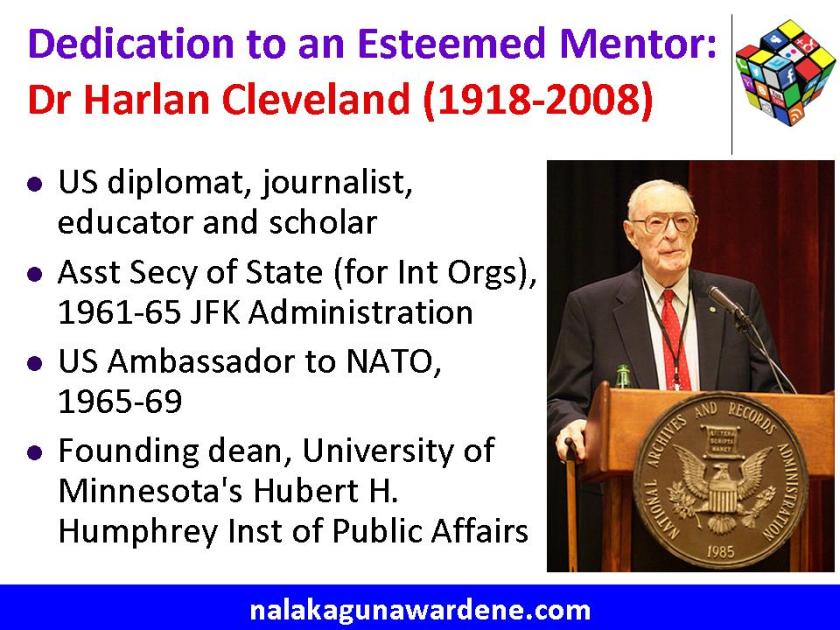
Dedication to a remarkable diplomat-scholar who spent a few days in the Summer of 1995 mentoring a group of youth leaders from around the world, including myself, who were brought to the UN Headquarters in New York...
Dedication to a remarkable diplomat-scholar who spent a few days in the Summer of 1995 mentoring a group of youth leaders from around the world, including myself, who were brought to the UN Headquarters in New York…

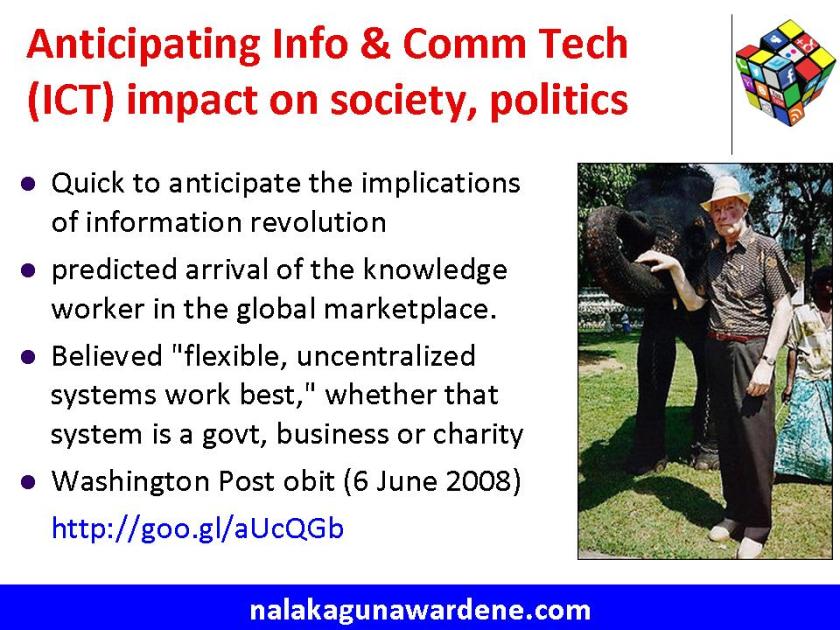
I dedicated this presentation to a diplomat and scholar whose mentoring I was privileged to receive 20 years ago: Dr Harlan Cleveland (1918 – 2008) who served as US Ambassador to NATO, 1965–1969 (Johnson Administration), and earlier as US Assistant Secretary of State for International Organization Affairs, 1961–1965 (Kennedy Administration).

Harlan Cleveland, among the first 'philosophers' of the Information Age
Harlan Cleveland, among the first ‘philosophers’ of the Information Age

According to RCSS, their Course in Creative Diplomacy “provides theoretical and practical insights into the various facets of Creative Diplomacy. The course will expand participants’ understanding of the concept of diplomacy and expose them to new skills and alternative perspectives to engage with stakeholders. It is further envisioned that this post-disciplinary approach, which will be followed by the course, will explore a whole host of new mediums through which mediation, cooperation and negotiation can be carried out.”

Right to Information should be a step towards Open Government

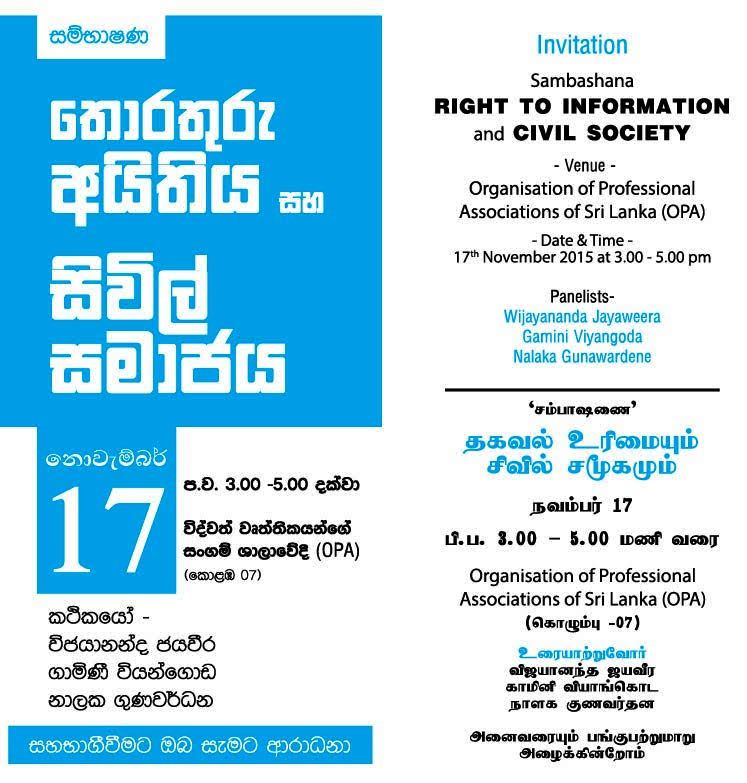
Transparency International Sri Lanka (TISL) held a Public Forum on the Right to Information in Colombo on 17 November 2015. I was one of three panelists, along with Wijayananda Jayaweera and Gamini Viyangoda. The panel was moderated by TISL’s Shan Wijetunge.

RTI Public Forum on 17 Nov 2015

The meeting was conducted in Sinhala. After the event, a journalist from an English language newspaper asked for a summary of my remarks in English, so I wrote this up.

L to R - Wijayananda Jayaweera, Gamini Viyangoda, Nalaka Gunawardene, Shan Wijetunge. At Right to Information public forum on 17 Nov 2015 in Colombo. Photo by Sampath Samarakoon
L to R – Wijayananda Jayaweera, Gamini Viyangoda, Nalaka Gunawardene, Shan Wijetunge. At Right to Information public forum on 17 Nov 2015 in Colombo. Photo by Sampath Samarakoon

Summary of remarks made at Right to Information Public Forum held in Colombo on 17 Nov 2015

 By Nalaka Gunawardene

Science writer, columnist and new media researcher

After many years of advocacy by civil society groups and journalists, Sri Lanka is set to soon adopt a law guaranteeing citizens’ Right to Information (RTI, also known as freedom of information laws in some countries). With that, we will join over 100 other countries that have introduced such progressive laws.

The first step is already taken. The 19th Amendment to the Constitution, passed in Parliament in April 2015, made the right to information a fundamental right.

The Right to Information Act is meant to institutionalize the arrangement – i.e. put in place the administrative arrangement where a citizen can seek and receive public information.

Some have been critical of the current draft of the RTI Bill as it falls short of the ideal. But in my view, adopting even an imperfect RTI law would be progress.

But we need to see the law’s adoption as only the beginning of a long journey. Proper implementation will require adequate political will, administrative support and sufficient public funds. We would also need sustained monitoring by civil society groups and media to guard against the whole process becoming mired in too much red tape.

RTI signifies unleashing a new potential, and a major change in status quo. First, we need to shake off a long historical legacy of governments not being open or accountable to citizens.

For over 2,000 years of monarchy, over 400 years of colonial rule and 67 years of self-rule since independence, all our governments have restricted public information – even mundane ones unrelated to any security or sensitive issues.

Thus, the ‘default setting’ in most government agencies seems to be to deny and restrict information. When this finally changes, both public servants and citizens will need to adjust.

Information custodians can no longer release selectively, or demand petty bribes for doing so. Citizens, on their part, must find purpose and focus in information they can demand and receive. RTI is not a mere political slogan.

To draw an analogy from water management, opening sluice gates of a water reservoir can benefit only if the downstream systems are in place and the users are ready. With both water and information, recipients need to know how to make the best use of what comes through.

As long-standing champions of RTI, Lankan media and civil society must now switch roles. While benefiting from RTI themselves, they can nurture the newly promised openness in every sphere of public life. They can show, inspire and equip other citizens how best to make use of it.

However, RTI is not just a piece of law or changing how governments share public information. At its most basic, RTI is a collective state of mind. With its adoption, a society can start moving along a more open, informed and inquisitive pathway.

Better management of public information – which covers its proper gathering, storing, analysing and disseminating – should come into sharper focus with RTI.

In a related development, Sri Lanka has just joined an international, multilateral initiative called the Open Government Partnership (OGP). It is the first country in South Asia to do so.

OGP is a global effort “to make governments better”. It aims to secure firm commitments from governments to promote transparency, empower citizens, fight corruption, and harness new technologies to strengthen governance. OGP was launched in September 2011, and since then, the partnership has grown to 69 countries representing over a third of the world’s population.

To join OGP, a country must meet minimum eligibility criteria. These cover the timely publication of essential budget documents forms the basic building blocks of budget accountability; RTI guaranteed by law; rules that require public disclosure of income and assets for elected and senior public officials; and openness to citizen participation and engagement in policymaking and governance, including basic protections for civil liberties.

With its impending RTI law, Sri Lanka became eligible to join OGP. Its membership was confirmed at the recent OGP Conference held in Mexico City in late October 2015, where Sri Lanka endorsed the Open Government Declaration committing “to foster a global culture of open government that empowers and delivers for citizens, and advances the ideals of open and participatory 21st century government.”

Sri Lanka was represented at this event by Justice Minister Wijeyadasa Rajapakshe, Deputy Minister of Foreign Affairs Dr Harsha de Silva, and Sri Lanka’s Ambassador to the United States Prasad Kariyawasam. (Embassy press release: http://slembassyusa.org/embassy_press_releases/sri-lanka-joins-the-open-government-partnership/)

In his speech in Mexico City, Minister Wijeyadasa Rajapakshe said: “Our people have proven that citizens will and should be at the heart of the destiny of any country. Importantly, the events this year reaffirm the resilience of our democracy and make it apparent that it is the people that demand an ‘open government’ for my country.”

Now the Yahapalana Government must walk this lofty talk.

OGP member countries are required to prepare a National Action Plan (NAP) which should be done collaboratively by the government and civil society. Such plans should cover a two-year period and consist of a set of commitments that advance transparency, accountability, participation and/or technological innovation.

The bottomline with Right to Information is this. RTI is not simply a legal or technocratic solution. It is not a quick fix to all problems that affect our society. But it heralds a new way of thinking – a paradigm shift, if you like – that would make our government more open, and our society more focused on using information and data to make our lives better.

Part of the audience at RTI Public Forum on 17 Nov 2015 in Colombo
Writer and activist Gamini Viyangoda speaks at RTI Public Forum on 17 Nov 2015

සිවුමංසල කොලූගැටයා #245: මැන්ඩෙලා කෙනකු හමු නොවූ සෝභිත හිමියෝ

In this week’s Ravaya column, (appearing in issue of 15 Nov 2015), I pay tribute to Maduluwawe Sobitha thero (1942 – 2015), a Buddhist monk who led an extraordinarily political life.

The fearless and politically engaged Buddhist monk stood up to every Lankan head of state beginning with President J R Jayewardene (in office: 1977-1988). He never hesitated or minced his words when he sensed that elected leaders were overstepping their mandate.

For over four decades, Sobitha used his powerful oratorical and organisational skills to mobilise people into peaceful political resistance. He won some battles and lost others, but never stopped fighting for people’s rights. With every struggle, he became more resolute and resourceful.

At certain times, this monk was more formidable – and also more feared by rulers – than the divided and endlessly bickering opposition political parties of Sri Lanka.

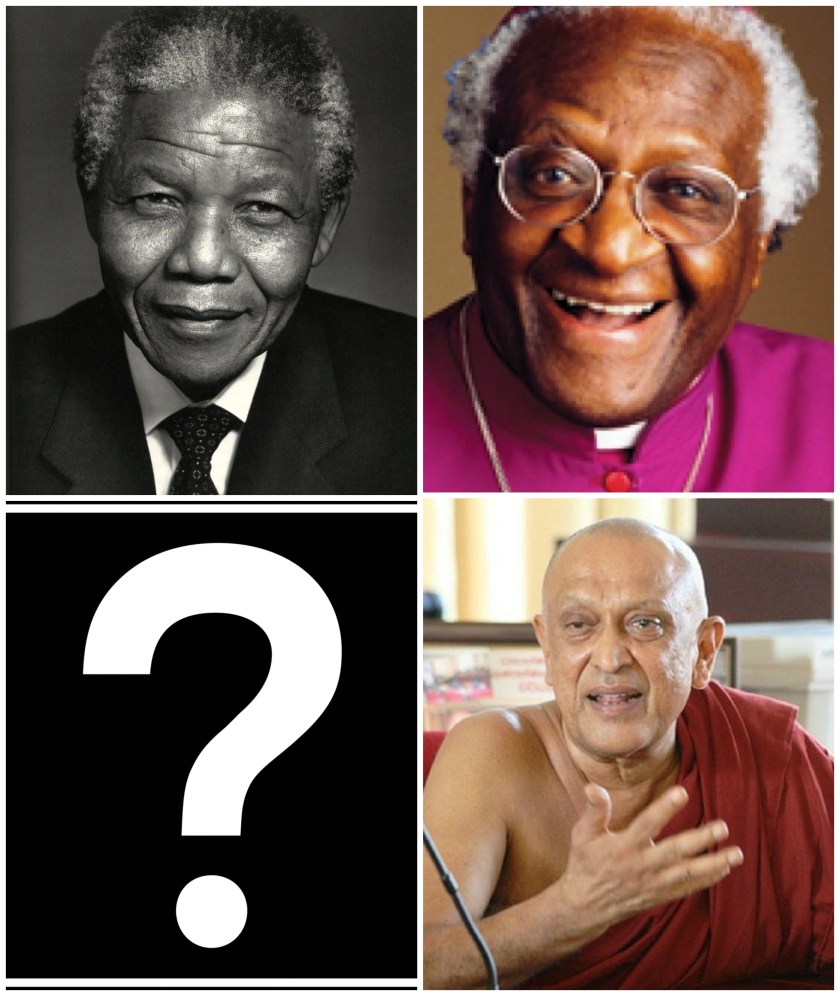
To my mind, Sobitha was like a saffron version of Desmond Tutu, the Anglican cleric who became an unstoppable force for social justice, equality and political reforms in South Africa. Both used their oratory and sense of justice to fight for all oppressed people. Neither sought any personal gains from it.

See also my tribute in English, published by Groundviews.org

Maduluwawe Sobitha Thero (1942-2015): The Monk Who Ended Sri Lanka’s Decade of Darkness

Mandela, Tutu and Sobitha

මාදුළුවාවේ සෝභිත හිමි (1942 – 2015) පිළිබඳ ගුණ කථන හා විග‍්‍රහයන් රැසක් මේ සතියේ අපට අසන්නට හා දකින්නට ලැබුණා.

මෑත යුගයේ රටේ ජාතික, සමාජයීය හා දේශපාලන ප‍්‍රශ්නවලදී පටු වාසි තකා හෝ අන්තවාදී ස්ථාවරයන් සඳහා හෝ පෙනී නොසිට ජනතාවාදී වීම නිසාම එහිමියන්ගේ වියෝව ලක් සමාජයම කම්පාවට ලක් කළා.

මා කිසි දිනෙක සෝභිත හිමියන් පෞද්ගලිකව දැන හඳුනා ගත්තේ නැහැ. එහෙත් මුළුමනින් නිර්ආගමික මා වැන්නවුන්ටත්, රටේ බෞද්ධ හෝ වෙනත් ආගම්වලට අයත් අති බහුතරයකටත් සෝභිත හිමියන් වීරයකු වූයේ සාමයික බෙදීම් හා පක්ෂ දේශපාලනය ඉක්මවා ගිය ඔහුගේ ප‍්‍රතිපත්ති නිසායි.

සෝභිත හිමියන් මා ජීවමානව අවසන් වරට දුටුවේ ගිය වසරේ මැදදී. 2014 අගෝස්තු 4 වනදා කොළඹ BMICH ශාලාවේ පැවති සර්වෝදය දෙවැනි ජාතික දේශෝදය සම්මේලනයේදී. මහාචාර්ය බෙල්ලන්විල විමලරතන හිමි, ආචාර්ය ජයම්පති වික‍්‍රමරත්න, මහාචාර්ය සරත් විජේසූරිය හා ආචාර්ය ඒ. ටී. ආරියරත්න ඇතුළු විද්වතුන් සභාව ඇමතූ අතර මට පැවරී තිබුණේ සංවාද සැසියක් මෙහෙයවීමටයි.

යහපාලනය සංකල්පීය හා ප‍්‍රායෝගික වශයෙන් කෙසේ විය යුතුද යන්න ගැන අප එදා කතා කළේ ශ‍්‍රී ලංකාවේ 2005 සිට පැවති නීතිය වල් වැදීම, දුෂණය රජ කිරීම හා ප‍්‍රජාතන්ත‍්‍රවාදී අයිතීන් නොතකා රජය අත්තනෝමතිකව ක‍්‍රියා කිරීම ආදිය උච්චස්ථානයකට පත්ව තිබි මොහොතකයි. මෙරට ගනඳුරු දශකය කවදා කෙලෙසකින් නිම වේදැයි අප කිසිවකුත් ඒ වන විට දැන සිටියේ නැහැ.

Sarvodaya leader Dr A T Ariyaratne presenting his autobiography to Ven Sobitha at BMICH on 4 Aug 2014 (Sarvodaya photo)

එදින රැස්වීමට දිවයිනේ හැම දිස්ත‍්‍රික්කයක්ම නියෝජනය කරමින් සිවිල් සමාජ සාමාජිකයන් 1,500කට වැඩි පිරිසක් පැමිණ සිටියා. ඔවුන් හා අප සැම දෙනා ප‍්‍රමෝදයට පත් වූයේ ටික වේලාවකට හෝ සෝභිත හිමියන් එහි පැමිණි විටයි. එහිමියන් ඉතා කෙටියෙන් එම තීරණාත්මක හෝරාවේ රට යා යුතු මග ගැන කතා කළ බව මට මතකයි.

ඒ වනවිට සෝභිත හිමියන් නිරතව සිටියේ ඔහුගේ ජීවිතයේ දැවැන්තම අරගලයේයි. නිදහස් හා සාධාරණ සමාජයක් සඳහා වූ ජාතික ව්‍යාපාරය බිහිකොට එයට නායකත්වය දෙමින් සිටි ඔහුට ඕනෑ වූයේ හුදෙක් පවතින රජය පෙරළා වෙනත් රජයක් ප‍්‍රජාතන්ත‍්‍රවාදීව පත් කර ගන්නට නොවෙයි. ඉන් ඔබ්බට හා ගැඹුරින් දිවෙන ක‍්‍රමීය වෙනසක් කරන්නටයි.

විධායක ජනාධිපති ක‍්‍රමය අහෝසි කිරීමේ අරමුණින් ඇරැඹි ව්‍යාපාරය පසුව යහපාලනය සඳහා මහජන රැල්ලක් හා බලවේගයක් බවට පත්වීමට දායක වූ ප‍්‍රධානතම සමාජ ක‍්‍රියාකාරිකයා ඔහුයි.

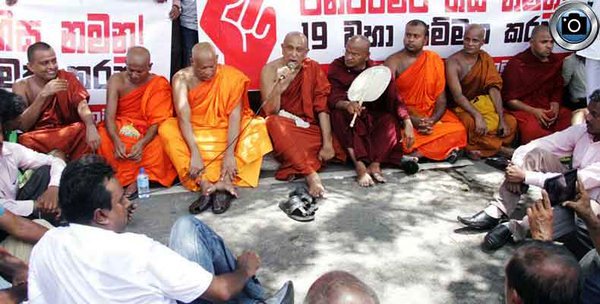
Sobitha (with microphone in hand) was always at the forefront in public agitations for political reform

සෝභිත හිමියන් සමීපව ඇසුරු කළ මාධ්‍යවේදී ධර්මන් වික‍්‍රමරත්න කියන්නේ ජනතා අරගලවලට සක‍්‍රියව සහභාගි වීම එහිමියන් ඇරැඹුවේ 1960 දශකයේ ශ‍්‍රී ජයවර්ධනපුර සරසවියේ (එවකට විද්‍යොදය) ශිෂ්‍ය නායකයකුව සිටි අවදියේ බවයි.

යහපත් වැඩකිරීම සඳහා පක්ෂ භේද නොතකා දේශපාලකයන්ට අනුබලය දුන් අතර අයුක්තිය හා අසාධාරණත්වයට එරෙහිව ඕනෑම ජගතෙකුට නොබියව විරුද්ධ වීම සෝභිත හිමියන්ගේ අදීන චරිත ගතියයි. එහිදී කලක් තමන් සමග සමීපව ක‍්‍රියා කළ දේශපාලකයන් පවා පසු කලෙක අයාලේ ගිය විට ඔවුන්ව ප‍්‍රසිද්ධියේම විවේචනය කළා.

‘සෝභිත හිමියන් කිසිදා කිසිදු දේශපාලන පක්ෂයකට බැඳුනේ නැහැ. එසේම කිසිදු නායකයකුට එරෙහි වීමට පසුබට වූයේද නැහැ. එසේ කරන විට මතුවූ තර්ජන, ගර්ජන, බාධක රැසක් හමුවේ ප‍්‍රතිපත්තිගරුක ස්ථාවරයන් වෙනස් කළේද නැහැ’ ධර්මන් කියනවා.

එනයින් බලන විට සෝභිත හිමියන් ජීවිත කාලය පුරාම විවිධාකාර අධිපතිවාදයන්ට එරෙහි වූවා යැයි කිව හැකියි. 20 වන සියවසේ සමාජයීය හා දේශපාලන අරගලයන්ට නායකත්වය හෝ මඟපෙන්වීම සැපයූ යක්කඩුවේ ප‍්‍රඥාරාම, කොටහේනේ පඤ්ඤාකිත්ති, උඩකැන්දවල සරණංකර (1902-1966) හා වල්පොල රාහුල (1907-1997) යන අසාමාන්‍ය ගණයේ හිමිවරුන්ට සෝභිත හිමියන් සම කළ හැකි බව ධර්මන්ගේ අදහසයි.

ජාත්‍යන්තරවද සෝභිත හිමියන්ගේ අද්විතීය චරිතයට සම කළ හැකි චරිතයක් මා දකිනවා. එනම් දකුණු අප‍්‍රිකාවේ වර්ණභේදවාදයට හා සෙසු සියලූ සමාජ අසාධාරණකම්වලට එරෙහිව අඩ සියවසකට වැඩි කලක් නිරායුධ හා මතවාදී අරගල කරන කේප්ටවුන් නුවර හිටපු ආච්බිෂොප්වරයා වන ඩෙස්මන්ඞ් ටූටූ (Desmond Tutu)’

ඔහු ඇංග්ලිකානු නිකායේ ක‍්‍රිස්තියානි පූජකවරයකු වුවත් එරට හා ලෝකයම හඳුනන්නේ පූජක මට්ටමකින් ඔබ්බට ගොස් මානව අයිතීන් හා සමාජ සාධාරණත්වයට කැප වූ මානව හිතවාදියකු ලෙසයි.

නෙල්සන් මැන්ඩෙලා දකුණු අපි‍්‍රකාව යළි ගොඩ නැංවීමේ දුෂ්කර කාරියේ නඬේ ගුරා වන විට ඔහුට දේශපාලන කරලියෙන් පිටත සිට ඉතා තීරණාත්මක සහයෝගයක් දුන්නේ ටූටූයි.

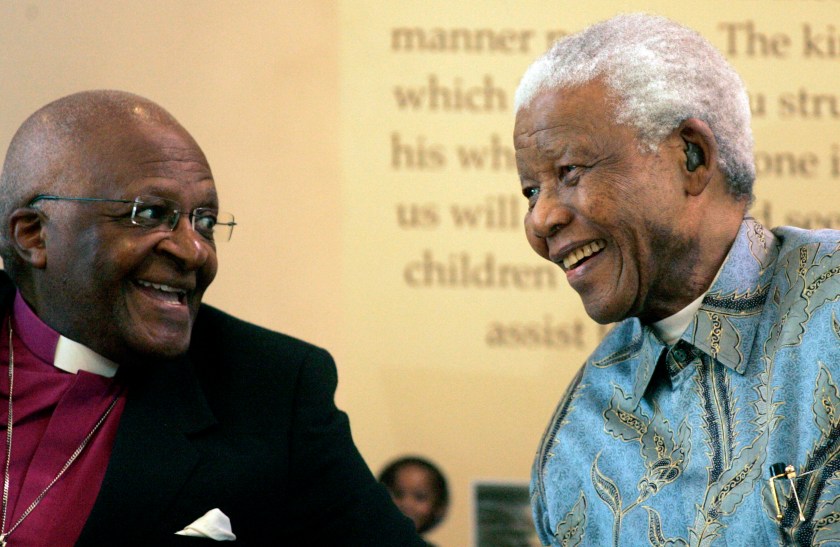
Former South African President Nelson Mandela, right, reacts with Archbishop Desmond Tutu, left, during the launch of a Walter and Albertina Sisulu exhibition, called, 'Parenting a Nation', at the Nelson Mandela Foundation in Johannesburg, South Africa, on 12 March 2008 (AP Photo/Themba Hadebe)
Former South African President Nelson Mandela, right, reacts with Archbishop Desmond Tutu, left, during the launch of a Walter and Albertina Sisulu exhibition, called, ‘Parenting a Nation’, at the Nelson Mandela Foundation in Johannesburg, South Africa, on 12 March 2008 (AP Photo/Themba Hadebe)

1931 උපන් ඔහු බි‍්‍රතාන්‍යයේ දේවධර්මවාදය උගත්, කථාවෙහි හා විවාදයෙහි අති දක්‍ෂ කඵ ජාතිකයෙක්. වර්ණභේදවාදයේ උච්චතම වකවානුවේ (1970 – 1980 දශකවල) ඔහු එහි ම්ලේච්ඡ ස්වභාවය බටහිර රටවලට මනා සේ පැහැදිලි කර දුන්නා.

දකුණු අපි‍්‍රකාවේ නිදහස් අරගලය සුදු, කඵ, මිශි‍්‍රත හැමගේ අරගලයක් බවට දිගින් දිගට ම ඔහු හඩ නැගුවේ මැන්ඩෙලා නිහඩ කොට සිරගත කොට සිටින කාලයේ පටන්. පලිගැනීමේ හා වෛරයේ දේශපාලනයෙන් ANC පාක්‍ෂිකයන් මුදවා ගෙන සමාව දීමේ මාර්ගයට යොමු කරන්නට සාමයික හා දාර්ශනික මට්ටමෙන් ද ටූටූ ඉතා විශාල මෙහෙවරක් ඉටු කළා.

සාමය හා සාධාරණත්වය උදෙසා අවිහිංසාවේ හඩ නැගීම වෙනුවෙන් 1984 නොබෙල් සාම ත්‍යාගය ඔහුට පිරි නැමුණා.

දකුණු අප‍්‍රිකාවේ හා ශ‍්‍රී ලංකාවේ දේශපාලන හා ඓතිහාසික යථාර්ථයන් බෙහෙවින් වෙනස්. එහෙත් පුළුල් චිත‍්‍ර මට්ටමින් බලන විට දෙරටෙහිම සමාජ සාධාරණත්වය සඳහා නොනිමි අරගලයක් ඉදිරියට ඇදෙන බව මා දකිනවා.

දකුණු අප‍්‍රිකාවේ එම අරගලයට දේශපාලන නායකත්වය දුන් නෙල්සන් මැන්ඩෙලා ප‍්‍රමුඛ අප‍්‍රිකානු ජාතික කොංග‍්‍රස් නායකයන් ගණනාවක් සිටියා. මේ උදවිය කෙටි කාලීනව ජනප‍්‍රිය නමුත් දිගු කාලීනව අහිතකර ප‍්‍රතිපත්ති හා තීරණවලට එළඹෙන විට විචාරශිලීව ඔවුන්ට එය පෙන්වා දී වළක්වා ගැනීමේ හැකියාව තිබූ කලාකරුවන්, විද්වතුන් හා සමාජ ක‍්‍රියාකාරිකයන් ගණනාවක් මැන්ඩෙලාට සවියක් වූ සැටි මීට පෙර කොලමකින් මා විස්තර කළා.

නෙල්සන් මැන්ඩෙලාගේ හා දකුණූ අපි‍්‍රකාවේ වාසනාවට මෙන් නැඞීන් ගෝඩිමර්, ඩෙස්මන්ඞ් ටූටූ වැනි සම්මානීය, නිදහස් මතධාරීන් ගණනාවක් වර්ණභේදවාදය පිටු දකින්නට හා ඉන් පසු නව දේශයක් බිහි කරන්නට ඒක රාශී වුණා. මැන්ඩෙලා දේශපාලන ගනුදෙනු කරමින් පාක්‍ෂිකයන් සතුටු කරන්නට ඇතැම් විට කෙටිකාලීන පියවර ගන්නට යන විට ඔහුව දේශපාලන මඩගොහොරු හා බොරු වලවලින් බේරා ගත්තේ මෙබදු විචාරශීලි සහෘදයන්.

මෙසේ දේශපාලන නායකයන්ට තිරසාර මග පෙන්වීමක් කළ, ඔවුන් අයාලේ යන විට මුලින් පෞද්ගලිකවත් පසුව ප‍්‍රසිද්ධියේත් ඔවුන්ට දැඩි අවවාද හෝ අවලාද කොට හරිමඟට ගැනීමේ හැකියාව තිබූ අය අතර ටූටූ ප‍්‍රමුඛයා වුණා.

මැන්ඩෙලා වුවත් ඉඳහිට නොමනා තීරණ ගත්විට හෝ නිසිකලට ප‍්‍රශ්න නොවිසඳා ‘වැට උඩ සිටින විට ඔහු යහමගට ගැනීමේ හැකියාව ටූටූ සතු වුණා.

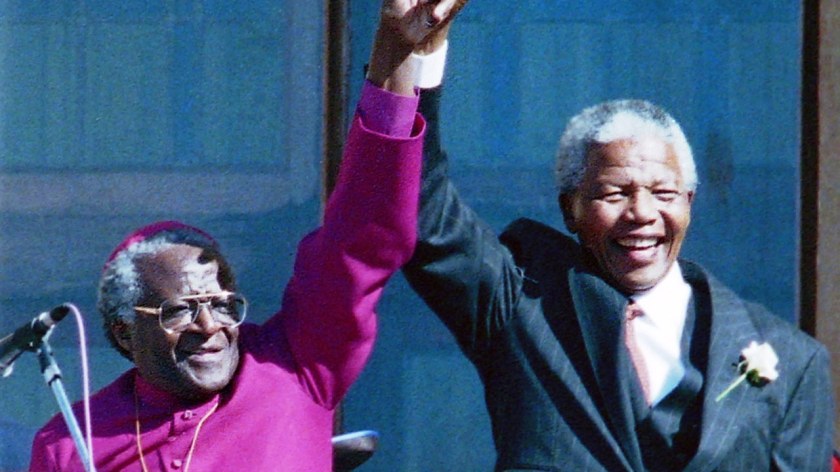
Tutu and Mandela complemented each other

1994දි ප‍්‍රථම වතාවට සර්ව ජන ඡන්දය සියලූ වැඩිහිටියන්ට හිමිවූ මැතිවරණයකින් ප‍්‍රජාතන්ත‍්‍රවාදී රජයක් බලයට පත්වූ පසු ටූටූ සිය අවධානය යොමු කළේ සංහිඳියාව සඳහායි. දහක පහකට වඩා දැඩි ලෙස බෙදී, ධ‍්‍රැවීකරණය වී තිබූ බහුවාර්ගික හා බහුආගමික දකුණු අප‍්‍රිකානු සමාජය ටිකෙන් ටික සුවපත් කිරීමේ වගකීමට ඔහු උර දුන්නා. ඒ පූජකයකු ලෙස නොව දාර්ශනිකයකු, මානව හිතවාදියෙකු හා ජාතියේම ප‍්‍රණාමයට පත් ජ්‍යෙෂ්ඨ පුරවැසියකු ලෙසින්.

1994න් පසු බිහි වෙමින් පවතින නව දකුණු අප‍්‍රිකාවට දේදුනු දේශය (Rainbow Nation) ලෙස නම් තැබුවේත් ඔහුයි. විවිධ ජාතීන් හා ගෝත‍්‍ර දුසිම් ගණනක් එක් කැරෙන මේ දේශය සංස්කෘතික හා සමාජයීය විවිධත්වයේ ප‍්‍රතිමූර්තියක් විය යුතු බව ඔහුගේ දැක්ම වුණා. මේ නම ගැන සමහරුන්ට විවේචන ඇතත් එක් ධජයක් යට ජාතික අනන්‍යතාවක් බිහි කරන්නට දකුණු අප‍්‍රිකාවට දශක දෙකකට වැඩි කාලයක් ගුරුහරුකම් දෙන්නේ ටූටූ.

වර්ණභේදවාදය නිමා කරන්නට ටූටූ මහත් සේ දායක වූවත් 1994න් පසු කිසිදු දේශපාලන හෝ පොදු ආයතනික තනතුරක් භාර ගත්තේ නැහැ. 1996-2000 වකවානුවේ සත්‍යය හා සංහිඳියාව පිළිබඳ කොමිසමේ සභාපතිවරයා ලෙස නම් අතිශයින් වැදගත් මෙහෙවරක් ඔහු ඉටු කළා.

මෙකී නොකී බොහෝ සාධක නිසා දකුණු අප‍්‍රිකාවේ හෘද සාක්ෂිය ලෙස සැලකෙන්නේ දැනට 84 වියැති ටූටූයි.

වරක් මැන්ඩෙලා ඔහු ගැන මෙසේ කීවා. ‘ටූටූ විටෙක ඉතා මෙලෙක්. තවත් විටෙක ඉතා දැඩියි. කිසි විටෙක බිය නැහැ. එසේම බොහෝ විට සිනාමුසු හා හාස්‍යලෝලී චරිතයක්. මිලියන ගණනක හඬක් නැති අපේ ජනයාගේ හඬ වන්නේ ඔහුයි.’

ඩෙස්මන්ඞ් ටූටූ 1994 සිට බලයට පත් හැම දකුණු අපි‍්‍රකානු රජයක් ම නොබියව විවේචනය කරන අයෙක්. සිවිල් සමාජ කි‍්‍රයාකාරිකයකු ලෙස මානව හිමිකම්, HIV/AIDS, කාන්තා අයිතිවාසිකම්, පාරිසරික ප‍්‍රශ්න, දුප්පත්කම පිටුදැකීම ආදී බොහෝ වැදගත් සමාජ අරගලයන්ට අනුබල දෙනවා.

මැන්ඩෙලා සමග විවෘතව කිසි දිනෙක නොගැටුනත් 1999 මැන්ඩෙලා විශ‍්‍රාම යාමෙන් පසුව පත් වූ හැම දකුණු අප‍්‍රිකානු රාජ්‍ය නායකයකුම විටින් විට සහේතුකව ටූටූ විවේචනය කොට තිබෙනවා. ඔහු පෞද්ගලික කෝන්තර හෝ න්‍යාය පත‍්‍ර නැතිව ක‍්‍රියා කරන බව දන්නා නිසා ඔහුව එතරම් නොරිසි අයට පවා ඔහු ගැන ගෞරවයක් තිබෙනවා.

1994දී නව දකුණු අප‍්‍රිකාවක් බිහිකිරීමට උතුම් සිහින මැවූ බොහෝ දෙනා මේ වන විට ඇති-නැති පරතරය විශාල වීම හා මහා පරිමාණ දුෂණ ඉහවහා යාම ගැන දැඩි කලකිරීමට පත්ව සිටිනවා.

2013 දෙසැම්බරයේ මැන්ඩෙලා මියගිය පසු එරට ඉතිරිව සිටින දැවැන්තම ජීවමාන ජන නායකයා දැනට විශ‍්‍රාමිකව සිටින මේ පූජකවරයායි.

සෝභිත හිමි හා ඩෙස්මන්ඞ් ටූටූගේ ලෝක දෙක බෙහෙවින් වෙනස් වූවත් ඔවුන්ගේ පොදු සාධක රැසක් මා දකිනවා. දෙදෙනාම තම ප‍්‍රතිපත්ති හා ක‍්‍රියාකාරකම් නිසා රාජ්‍ය මර්දනයට ලක්වූවා. බන්ධනාගාරයේ කල් ගත කළා. දෙදෙනාම විචිත‍්‍ර කථිකයන්. එසේම ජනකාන්ත (charismatic) පෞර්ෂයක් සතුයි.

දේශපාලන ප‍්‍රතිසංස්කරණවලින් ඔබ්බට ගිය සමාජ සේවා කටයුතුවලද දෙදෙනාම පුළුල්ව නිරත වූවා. ටූටූ සිය රටේ HIV පැතිරීමට එරෙහිව සමාජ බලවේග ගොඩ නැගූ අතර, සෝභිත හිමි අමද්‍යප ව්‍යාපාරයට නායකත්වය දුන්නා. මත්පැන්, මත්ද්‍රව්‍ය සමාජය ගිල ගැනීමට එරෙහිව හඬ නැංවූවා. මත්ද්‍රව්‍ය හා දේශපාලනය අතර නොමනා සබඳතාව බිඳින්නට තැත් කළා.

මීට දින කිහිපයකට පෙර පුවත්පත් සම්මුඛ සාකච්ඡාවකදී මහාචාර්ය සරත් විජේසූරිය කීවේ එතනෝල්, කුඩු ඡාවාරම් සිදුකළ බවට නම් දැරූ දේශපාලකයන් යහපාලන රජයේ ලොකු පුටුවලට පත්වීම සෝභිත හිමියන්ට දැඩි ලෙස මානසික පීඩාවක් ඇති කළ බවයි. ‘මගේ පෞද්ගලික අදහස තමයි සෝභිත හිමියන් බරපතළ ලෙස අසාධ්‍ය වෙන්න, මානසික පීඩාවට පත් වෙන්න ඔය කාරණය දැඩි ලෙස බලපෑවා කියන එක’ ඔහු කියනවා.

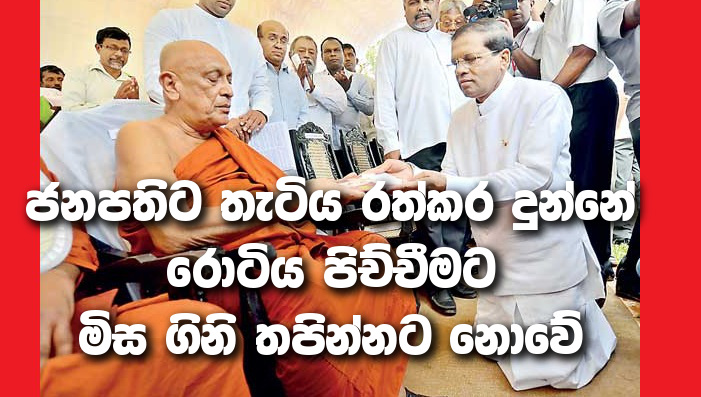
Sobitha was a genius of one-liners in Sinhala, like this one

හුදු සිවිල් සමාජ ක‍්‍රියාකාරිකයන්ගේ සංකල්පයක්ව තිබූ යහපාලනය මෙරට සාමාන්‍ය ජනයා අතර සමාජ ගත කරන්නට මහත් සේ දායක වූ සෝභිත හිමියන්, යහපාලනය අයාලේ යන සැටි බලා මහත් සේ කම්පා වන්නට ඇති.

ඩෙස්මන්ඞ් ටූටූට අවශ් විටෙකදී ටිකක් සැරවැර කොට හදා ගන්නට හැකි නෙල්සන් මැන්ඩෙලා කෙනෙකු සිටියා. මැන්ඩෙලාගාන්ධි රූප සිය මැතිවරණ ව්යාපායේ භාවිත කළත් මෛතරීපාල සිරිසේන එකී පරමාදර්ශී චරිත සතු වූ රතිපත්ති ගරුක බව රියාවෙන් පෙන්වීමට අසමත්ව සිටිනවා.

සෝභිත හිමියන්ට මැන්ඩෙලා කෙනෙකු මෙරට නොසිටීම එහිමියන්ගේ පමණක් නොව අප සැමගේ ඛේදවාචකයයි.

යහපාලනය යනු මැතිවරණ උද්යොග පාඨයක් නොව දිනපතා පිළිපැදිය යුතු රතිපත්ති හා රියා සමුදායක් බව වත්මන් ජනපති හා අගමැති දෙපලට දැන්වත් තේරුම් ගියොත් හොඳයි!

සෝභිත හිමියන්ට කළ හැකි ලොකුම උපහාරයද එයයි.

See also:

21 July 2013: සිවුමංසල කොලූගැටයා #126 නෙල්සන් මැන්ඩෙලා: ගමන නොනිමෙයි!

28 July 2013: සිවුමංසල කොලූගැටයා #127: මැන්ඩෙලාට සවියක් වූ නිදහස් මතධාරියෝ

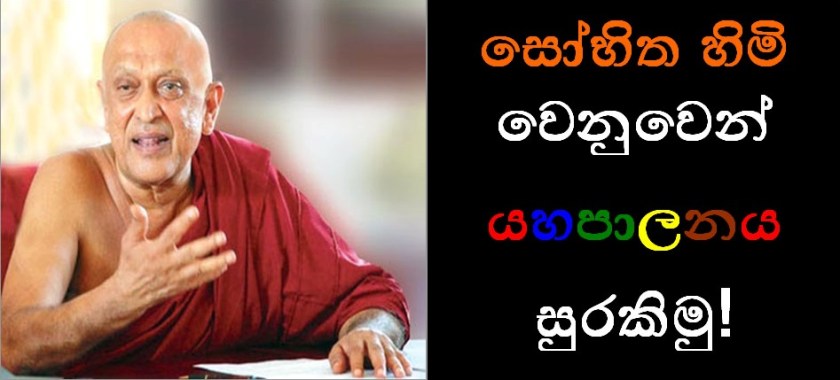
Sobitha meme - Sinhala

Corridors of Power Panel: Tapping our ‘Hybrid Media Reality’ to secure democracy in Sri Lanka

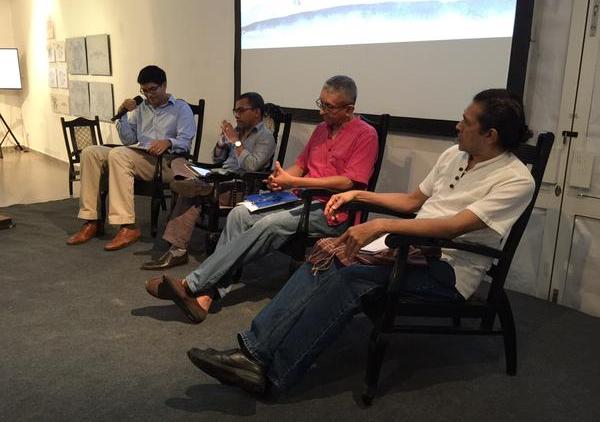
Sanjana Hattotuwa, curator, introduces panel L to R Asoka Obeyesekere, Amantha Perera, Nalaka Gunawardene, Lakshman Gunasekera
Sanjana Hattotuwa, curator, introduces panel L to R Asoka Obeyesekere, Amantha Perera, Nalaka Gunawardene, Lakshman Gunasekera. Photo by Manisha Aryal

I just spoke on a panel on “Framing discourse: Media, Power and Democracy” which was part of the public exhibition in Colombo called Corridors of power: Drawing and modelling Sri Lanka’s tryst with democracy.

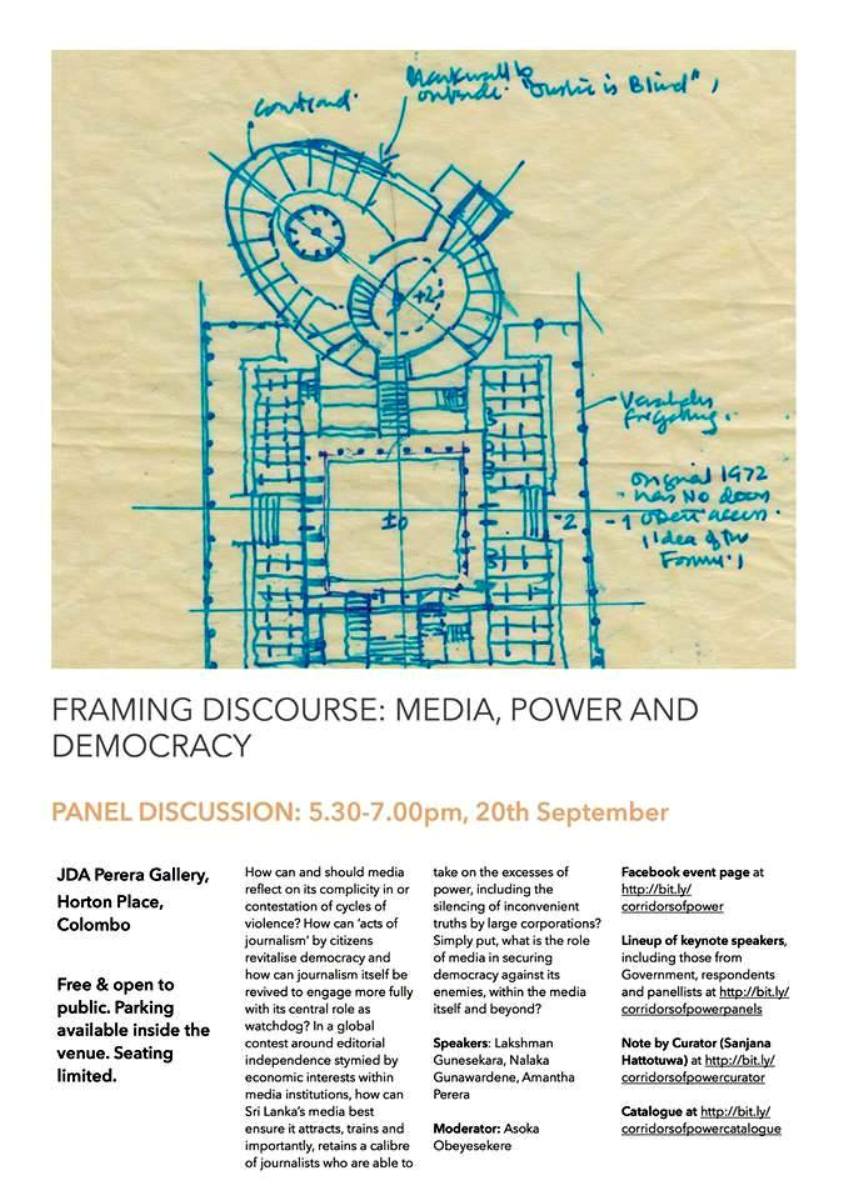
Media panel promo

The premise for our panel was as follows:

The architecture of the mainstream media, and increasingly, social media (even though distinct divisions between the two are increasingly blurred) to varying degrees reflects or contests the timbre of governance and the nature of government.

How can ‘acts of journalism’ by citizens revitalise democracy and how can journalism itself be revived to engage more fully with its central role as watchdog?

In a global contest around editorial independence stymied by economic interests within media institutions, how can Sri Lanka’s media best ensure it attracts, trains and importantly, retains a calibre of journalists who are able to take on the excesses of power, including the silencing of inconvenient truths by large corporations?

The panel, moderated by lawyer and political scientist Asoka Obeyesekere comprised freelance journalist Amantha Perera, Sunday Observer editor Lakshman Gunasekera, and myself.

Here are my opening remarks (including some remarks made during Q&A).

Nalaka Gunawardene speaks during media panel at Corridors of Power - Photo by Manisha Aryal
Nalaka Gunawardene speaks during media panel at Corridors of Power – Photo by Manisha Aryal

Panel on “Framing discourse: Media, Power and Democracy”

20 Sep 2015, Colombo

Remarks by Nalaka Gunawardene

Curator Sanjana has asked us to reflect on a key question: What is the role of media in securing democracy against its enemies, within the media itself and beyond?

I would argue that we are in the midst of multiple, overlapping deficits:

  • Democracy Deficit, a legacy of the past decade in particular, which is now recognised and being addressed (but we have a long way to go)
  • Public Trust Deficit in politicians and public institutions – not as widely recognised, but is just as pervasive and should be worrying us all.
  • Media Deficit, probably the least recognised deficit of all. This has nothing to do with media’s penetration or outreach. Rather, it concerns how our established (or mainstream) MEDIA FALLS SHORT IN PERFORMING the responsibilities of watchdog, public platform and the responsibility to “comfort the afflicted and afflict the comfortable”.

In this context, can new media – citizens leveraging the web, mobile devices and the social media platforms – bridge this deficit?

My answer is both: YES and NO!

YES because new media opportunities can be seized – and are being seized — by our citizens to enhance a whole range of public interest purposes, including:

  • Political participation
  • Advocacy and activism
  • Transparency and accountability in public institutions
  • Peace-building and reconciliation
  • Monitoring and critiquing corporate conduct

All these trends are set to grow and involve more and more citizens in the coming years. Right now, one in four Lankans uses the web, mostly thru mobile devices.

BUT CAN IT REPLACE THE MAINSTREAM MEDIA?

NO, not in the near term. For now, these counter-media efforts are not sufficient by themselves to bridge the three deficits I have listed above. The mainstream media’s products have far more outreach and and the institutions, far more resources.

Also, the rise of citizen-driven new media does NOT – and should NOT — allow mainstream media to abdicate its social responsibilities.

This is why we urgently need MEDIA SECTOR REFORMS in Sri Lanka – to enhance editorial independence AND professionalism.

The debate is no longer about who is better – Mainstream media (MSM) or citizen driven civic media.

WE NEED BOTH.

So let us accept and celebrate our increasingly HYBRID MEDIA REALITY (‘hybrid’ seems to be currently popular!). This involves, among other things:

  • MSM drawing on Civic Media content; and
  • Civic Media spreading MSM content even as they critique MSM

To me, what really matters are the ACTS OF JOURNALISM – whether they are RANDOM acts or DELIBERATE acts of journalism.

Let me end by drawing on my own experience. Trained and experienced in mainstream print and broadcast media, I took to web-based social media 8 years ago when I started blogging (for fun). I started tweeting five years ago, and am about to cross 5,000 followers.

It’s been an interesting journey – and nowhere near finished yet.

Everyday now, I have many and varied CONVERSATIONS with some of my nearly 5,000 followers on Twitter. Here are some of the public interest topics we have discussed during this month:

  • Rational demarcation of Ministry subject areas (a lost cause now)
  • Implications of XXL Cabinet of the National/Consensus Govt
  • Questionable role of our Attorney General in certain prosecutions
  • Report on Sri Lanka at the UN Human Rights Council (UNHRC) Session
  • Is Death Penalty the right response to rise of brutal murders?
  • Can our media be more restrained and balanced in covering sexual crimes involving minors?
  • How to cope with Hate Speech on ethnic or religious grounds
  • What kind of Smart Cities or MegaCity do we really need?
  • How to hold CocaCola LK responsible for polluting Kelani waters?

Yes, many of these are fleeting and incomplete conversations. So what?

And also, there’s a lot of noise in social media: it’s what I call the Global Cacophony.

BUT these conversations and cross-talk often enrich my own understanding — and hopefully help other participants too.

Self-promotional as this might sound, how many Newspaper Editors in Sri Lanka can claim to have as many public conversations as I am having using social media?

Let me end with the closing para in a chapter on social media and governance I recently wrote for Transparency International’s Sri Lanka Governance Report 2014 (currently in print):

“Although there have been serious levels of malgovernance in Sri Lanka in recent years, the build up on social media platforms to the Presidential Election 2015 showed that Lankan citizens have sufficient maturity to use ICTs and other forms of social mobilisation for a more peaceful call for regime change. Channelling this civic energy into governance reform is the next challenge.”

Photo by Sanjana Hattotuwa

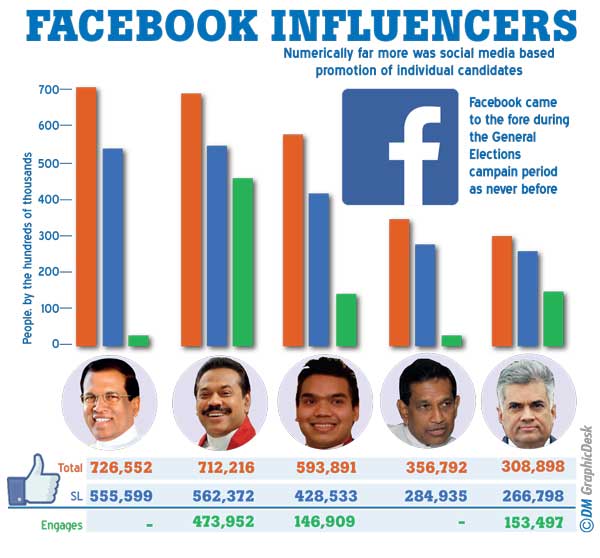
Social Media and LK General Election 2015: Has E-democracy arrived in Sri Lanka?

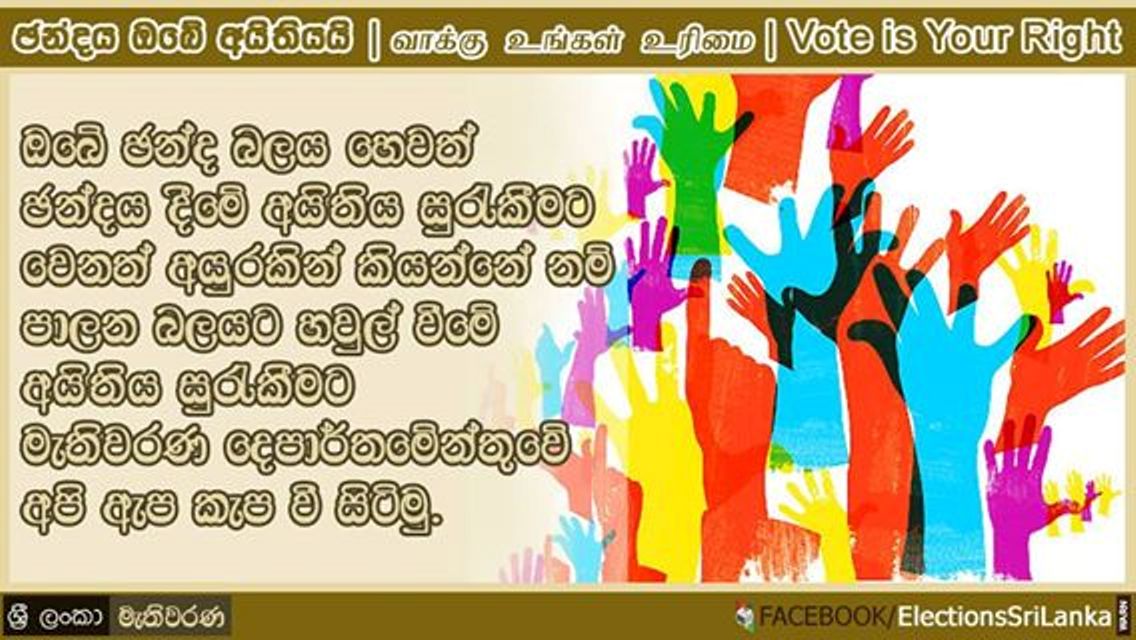
From Sri Lanka Elections Department Facebook page

“What role (if any) did social media play in the recently concluded General Election on 17 August 2015?

“Many are asking this question – and coming up with different answers. That is characteristic of the cyber realm: there is no single right answer when it comes to a multi-faceted and fast-evolving phenomenon like social media.

“Shortly after the Presidential Election of 8 January 2015 ended, I called it Sri Lanka’s first cyber election. That was based on my insights from over 20 years of watching and chronicling the gradual spread of information and communications technologies (ICTs) in Sri Lanka and the resulting rise of an information society.

“That was not the first time social media had figured in Lankan election campaigns. The trend started slowly some years ago, with a few tech-aware politicians and advertising agencies using websites, Facebook pages and twitter accounts for political outreach. However, such uses did not reach a ‘critical mass’ in the general and presidential elections held in 2010, or in the provincial and local government elections held thereafter.

“By late 2014, that changed significantly but this time the frontrunners were politically charged and digitally empowered citizens, not politicians or their support teams.”

The above is an extract from an op-ed I have just written and published in Daily Mirror broadsheet national newspaper in Sri Lanka (3 Sep 2015).

Full text is found online here:

Special thanks to Sanjana Hattotuwa and Yudhanjaya Wijeratne from whose analyses I have drawn. The unattributed opinions are all mine.

Infographic by Daily Mirror Sri Lanka

සිවුමංසල කොලූගැටයා #233: ප‍්‍රජාතන්ත‍්‍රවාදය නවීකරණය කරන සමාජයීය වගවීම

More hands make better democracy - but it can also lead to chaos, unless we're careful...
More hands make better democracy – but it can also lead to chaos, unless we’re careful…

Regular elections are a necessary but not a sufficient condition for a vibrant democracy. There is much more to democracy than holding free and fair elections.

The ‘sufficient conditions’ include having public institutions that allow citizens the chance to participate in political process on an on-going basis; a guarantee that all people are equal before the law (independent and apolitical judiciary); respect for cultural, ethnic and religious diversity; and freedom of opinion without fearing any repercussions. Sri Lanka has much work to do on all these fronts.

Democracy itself, as practised for centuries, can do with some ‘upgrading’ to catch up with modern information societies.

In this week’s Ravaya column, (in Sinhala, appearing in issue of 23 August 2015), I discuss methodologies that enable citizens as well as civil society organisations (CSOs) to engage with policymakers and citizen service providers on an on-going basis.

Some call it social accountability (or SAcc), and others refer to it as participatory democracy. Whatever the label, the idea is to ensure greater accountability in how the public sector manages public funds and responds to citizens’ needs.

An early champion of social accountability was the Peruvian economist Hernando de Soto, whom I quote. Also cited are views of Dr Bela Bhatia, an associate fellow at the Centre for the Study of Developing Societies in India.

See also my English article on this topic in Echelon magazine, Feb 2015: ‘People Power’ Beyond Elections

Time to upgrade -- but how?
Time to upgrade — but how?

‘‘ඡන්දයක් පවත්වන දිනයක එයට නියමිත පැය අට තුළ ගොසින් ඡන්දය දමා ආ පමණට ප‍්‍රජාතන්ත‍්‍රවාදය තහවුරු වන්නේ නැහැ. එය ප‍්‍රජාතන්ත‍්‍රවාදී සමාජයක මූලික අංගයක් විතරයි. ඉඳහිට පවත්වන මැතිවරණ අතර කාලයේ ඡන්දදායකයන් වන අප සැම රාජ්‍ය පාලනයට හැකි අන්දමින් සහභාගි වීමෙන් තමයි සැබෑ යහපාලනයට මග හෙළි කර ගත හැක්කේ.’’

Dr Hernando de Soto
Dr Hernando de Soto

මෙසේ කියන්නේ පේරු රටේ උපන්, ජාත්‍යන්තර කීර්තියට පත් ආර්ථික විද්‍යාඥ හර්නාන්ඩෝ ඩි සෝටෝ (Dr Hernando de Soto). සමස්ත ලතින් ඇමෙරිකාවේම මහ මොළකාරයෙක් හා සමාජ නව්‍යකරණයට කැප වූවකු ලෙස නමක් දිනා සිටින ඔහු, නියෝජිත ප‍්‍රජාතන්ත‍්‍රවාදය විසි එක් වන සියවසට වඩාත් ගැලපෙන ලෙසින් හැඩ ගස්වා ගත හැකි ක‍්‍රමවේද සොයන්නෙක්.

නියෝජිත ප‍්‍රජාතන්ත‍්‍රවාදය (representative democracy) යනු අප සියලූ දෙනා වෙනුවෙන් නියෝජිතයන් යම් සංඛ්‍යාවක් තෝරා පත් කොට ඔවුන්ට නීති තැනීමේ හා ආණ්ඩුකරණ බලතල දීමයි.

හැම පුරවැසියකුටම ආණ්ඩුකරණයට ඍජුව සම්බන්ධ වීමට කාල වේලාව හෝ අවකාශය නැති නිසා මේ ක‍්‍රමවේදය සියවස් ගණනක සිට විවිධ සමාජවල යොදා ගැනෙනවා. මෙහි වාසි මෙන්ම අවාසිත් තිබෙනවා.

ප්‍රකට අවාසියක් නම් පූර්ණ කාලීනල වෘත්තිමය දේශපාලනඥයන් පිරිසක් බිහි වී ඔවුන් ජනතා නියෝජිත වගකීම හරිහැටි ඉටු කරනු වෙනුවට අකාර්යක්ෂම, දූෂිත හා වංචනික බවට පත් වීමයි. මේ අහිතකර තත්ත්වය සමනය කරන්නට නම් පුරවැසියන් වඩාත් සක‍්‍රීයව ආණ්ඩුකරණයට නිතිපතා සම්බන්ධ විය යුතුයි. එයට සහභාගිත්ව ප‍්‍රජාතන්ත‍්‍රවාදය (participatory democracy) යයි කියනවා.

ගෙවී ගිය වසර 25 පමණ කාලය තුළ සහභාගිත්ව රජාතන්තරවාදී රමවේදයන් අත්හදා බලා වඩාත් රායෝගික ඒවා ජාතික රතිපත්ති හා නීති මටිටමින් ආයතනගත කිරීමට දියුණුවන රටවල් ගණනාවක් කටයුතු කර තිබෙනවා. මෙහිදී මුල් තැනක් ගන්නේ ඉන්දියාව, දකුණු අපරිකාව, රසීලය සහ තවත් ලතින් ඇමරිකානු රටවල් කිහිපයක්. මේ අයගේ අත්දැකීම්වලින් අපට බොහෝ දේ උගත හැකියි.

ප‍්‍රජාතන්ත‍්‍රවාදය නවීකරණය කිරීමේ චින්තන නායකයකු වන ඩි සෝටෝ මෙසේ කියනවා. ‘‘ඓතිහාසිකව සලකා බලන විට අයහපාලනයට එරෙහිව ජනයා ප‍්‍රතිචාර දක්වන දෙවිධියක් තිබෙනවා. එකක් නම් කලින් කලට පැවැත්වෙන මැතිවරණවලදී අකාර්යක්ෂම හා දූෂිත ආණ්ඩු ගෙදර යැවීම. එයට ඉඩක් නොතබන ඒකාධිපති පාලකයන් මහජන උද්ඝෝෂණ උත්සන්න වී බලයෙන් පලවා හැරෙන අවස්ථා ද ඉඳහිට තිබෙනවා. මේ දෙවිධියේම ආවේණික සීමාවන්ද තිබෙන බව අප හඳුනාගත යුතුයි.’’

ඩි සෝටෝ කියන්නේ අකාර්යක්ෂම හෝ දූෂිත පාලකයන් නෙරපා හැර විකල්ප පිරිසක් එතැනට පත් කර ගැනීම අවශ්‍ය වන නමුදු සෑහෙන්නේ නැති බවයි (necessary, but not sufficient). කලින් කල සිදුවන මැතිවරණ හෝ ජන බලය (‘People Power’) ආකාරයේ නැගී සිටීම්වලින් ඔබ්බට යන ආකාරයේ නිරතුරු ගනුදෙනුවක් ජනයා හා රජයන් අතර පවත්වා ගත යුතු වනවා.

Voting in Sri Lanka - AFP Photo
Voting in Sri Lanka – AFP Photo

මෙතැන තිබෙන ලොකුම අභියෝගය මෙයයි. අප බොහෝ දෙනෙකු පූර්ණ කාලීනව දේශපාලනයේ නිතර වූවන් නොවේ. දේශපාලනය හා යහපාලනය ගැන උනන්දු වුවත් අප අධ්‍යයන කටයුතු, රැකියා හෝ පවුල් වගකීම් ආදිය සමග මේ උනන්දුව තුලනය කර ගත යුතුයි. මෙය කෙසේ කරන්නද?

මෑතක් වන තුරු ජනයා හා රජයන් අතර නිරතුරු සබඳතාව ලෙහෙසියෙන් පවත්වා ගෙන යන්නට හැකියාවක් තිබුණේ නැහැ. එහෙත් නූතන තොරතුරු හා සන්නිවේදන තාක්ෂණයන්ගේ උදව්වෙන් එසේ කිරීම ප‍්‍රායෝගිකව වඩාත් පහසු වී තිබෙනවා. ප‍්‍රජාතන්ත‍්‍රවාදයේ නව මුහුණුවර (Democracy 2.0) බිහි වන්නේ මේ හරහායි.

මහජන ඡන්දයෙන් තේරී පත්වන නියෝජිතයන් සමග දිගටම සබඳතා පවත්වා ගනිමින් ඔවුන් නීත්‍යානුකූලව හා කාර්යක්ෂමව ක‍්‍රියා කරන බව තහවුරු කිරීමට ජනතා පීඩනය පවත්වා ගැනීම “සමාජයීය වගවීම” (Social Accountability) යයි හඳුන් වනවා. 1980 ගණන්වලදී පර්යේෂණාත්මක මට්ටමින් මතුව ආ මේ සංකල්පය දැන් ප‍්‍රායෝගික ලෙසින් ලොව විවිධ රටවල ක‍්‍රියාත්මක කැරෙනවා.

මැතිවරණය දවසේ ඡන්දය දමන්නට යන හා ප‍්‍රතිඵල විග‍්‍රහ කරන උද්-යෝගය තරම්ම නොවුවත් යම් මට්ටමක නිරතුරු දේශපාලන උනන්දුවක් හා මැදිහත්වීමක් පවත්වා ගැනීමට හැකි ක‍්‍රමවේද සකස් කර ගත යුතුව තිබෙනවා. සමාජයීය වගවීම උත්සාහ කරන්නේ එයයි.

සමාජයීය වගවීම හරිහැටි ක‍්‍රියාත්මක වන්නට නම් මහජනයාට තොරතුරු දැනගැනීමේ අයිතිය නීතිමය වශයෙන් තහවුරු වී තිබීම ප‍්‍රයෝජනවත්. මහජන මුදල් එකතු කරන ආකාරය, වැය කිරීමට තීරණය කරන පදනම හා වැය කළ පසු ගණන් පියවීම ආදී සියල්ල විනිවිද බවකින් යුතුව සිදු විය යුතුයි. (අපේ රටේ මේ දක්වා සම්මත කර ගන්නට බැරි වූ තොරතුරු අයිතිය පිළිබඳ පනත නව පාර්ලිමේන්තුව ප‍්‍රමුඛතාවක් දී විවාද කොට සම්මත කර ගනු ඇතැයි අප පතනවා.)

එහෙත් සමාජයීය වගවීමට නීති පමණක් සෑහෙන්නේ නැහැ. නීතියෙන් ලැබෙන අයිතීන් හරිහැටි භාවිත කරමින් පොදු ආයතනවල මූල්‍යමය ක‍්‍රියා කලාපය, ප‍්‍රතිපත්තිමය තිරසාර බව හා කාර්යක්ෂමතාව ආදී සාධක නිතිපතා අධීක්ෂණයට ලක් කරන පුරවැසි ක‍්‍රියාකාරිකයන් සිටීම අවශ්‍යයි.

නූතන තොරතුරු තාක්ෂණය මේ අධීක්ෂණය පහසු කරනවා. එහෙත් එය හරිහැටි කරන්නට දැනුම, කැපවීම හා කාල වේලාව මිඩංගු කිරීම ඕනෑ කරනවා. ප‍්‍රජාතන්ත‍්‍රවාදය හරියට වැඩ කරන්නේ අලසයන් හෝ ආත්මාර්ථකාමීන් සිටින සමාජවල නොවේ!

සමාජයීය වගවීම ක‍්‍රියාත්මක කළ හැකි ක‍්‍රමවේදයකට ප‍්‍රකට උදාහරණයක් නම් බ‍්‍රසීලයේ පෝටෝ ඇලගේ‍්‍ර (Porto Alegre) නගරයේ නගර සභාව වාර්ෂිකව කරන සහභාගිත්ව අයවැයයි (Participatory Budgeting) 1989දී පටන් ගෙන නගරවාසීන් 20,000ක් පමණ දෙනාගේ අදහස් උදහස් සම්පිණ්ඩනය කරමින් තීරණය කරනු ලබන මේ අයවැය හරහා ජනතාවගේ ප‍්‍රමුඛතා නිසි ලෙස හඳුනා ගන්නා අතර ගියවර වියදම් කෙසේ කෙසේ සිදු වූවා දැයි යන්න ප‍්‍රසිද්ධියේ විමර්ශනය කරනවා.


මෙබඳු ආකෘතීන් විශාල ජනකායක් වෙසෙන නගරවල ප‍්‍රායෝගිකව කිරීමේ දුෂ්කරතා තිබෙනවා. 20,000ක් වුවත් එකවර එක් තැනෙකට රැස් කොට සංවාදයක් පැවැත්වීම අපහසුයි.

එහෙත් මධ්‍යම රජයක්, පලාත් රජයක් හෝ පලාත් පාලන ආයතනයක් සිය ප‍්‍රතිපත්ති හා අයවැය යෝජනා කෙටුම්පත් මට්ටමින් වෙබ් ගත කර, මහජන අදහස් දැක්වීමට නිශ්චිත කාල සීමාවක් ලබා දීම හරහා මෙය වඩා ප‍්‍රායෝගිකව කළ හැකියි. වෙබ් ප‍්‍රවේශය හැමට නැතත් ප‍්‍රජා මධ්‍යස්ථාන, මහජන පුස්තකාල ආදී ස්ථාන හරහා මේ යෝජනා පරිශීලනය කිරීමට ඉඩකඩ සලසනවා.

තම රටට, නගරයට හෝ ප‍්‍රදේශයට වඩාත්ම උචිත සමාජයීය වගවීමේ ක‍්‍රමවේද සකස් කර ගැනීම ඒ ඒ ප‍්‍රජාවට හා ඔවුන්ගේ ඡන්දයෙන් තෝරා ගත් මහජන නියෝජිතයන්ට පැවරෙන අභියෝගයක්. හැකි තාක් දෙනෙකුට අඩුම පරිශ‍්‍රමයකින් වඩාත් පුළුල් ලෙස යම් තීරණ ගැනීමේ ක‍්‍රියාවලියකට සහභාගිවීමට ඉඩකඩ සැලැස්වීම මෙහිදී අවශ්‍යයි.

එමෙන්ම මහජනයාගෙන් ලැබෙන ප‍්‍රතිචාර, යෝජනා හා විරෝධතා සියල්ල සාවධානව සලකා බලන හා තුලනය කර ගන්නා දක්ෂ කාර්ය මණ්ඩලයක් හෝ ස්වාධීන විද්වතුන් පිරිසක් ද මෙයට සම්බන්ධ කරගත යුතුයි. (අපේ රටේ සමහර ආයතන කරන්නාක් මෙන් කිසිදා විවෘත නොකරන මහජන පැමිණිලි/යෝජනා පෙට්ටි ආකාරයේ ක‍්‍රමවේද කිසිසේත් සෑහෙන්නේ නැහැ!)

සමාජයීය වගවීම යනු ප‍්‍රජාතන්ත‍්‍රවාදය එදිනෙදා තීරණවලට ප‍්‍රායෝගිකව අදාල කර ගැනීම බව ඩි සොටෝ කියනවා. ‘‘පවතින ක‍්‍රමයේදී වසර 4, 5 හෝ 6ක් රජයක් කරන කියන දේ පිළිබඳව මහජනයා බලා සිටිනවා. ඔවුන්ගේ විරෝධය පළ කිරීමේ යම් ඉඩක් ඇතත් ජනතා නියෝජිතයන්ට ඍජු බලපෑම් එල්ල කළ හැකි මාර්ග ඉතා සීමිතයි. මහජන අප‍්‍රසාදයට පත්වන රජයක් ගෙදර යවන්නට ඊළඟ මැතිවරණය එළැඹෙන තෙක් සිටිය යුතුයි. එසේම දේශපාලකයන්ට සමීප වන ලොකු ධනවතුන් හා සමාගම් රාජ්‍ය ප‍්‍රතිපත්ති ඔවුන්ට වාසිදායක ලෙස හසුරුවනු බලා සිටිමින් ආවේගශීලී වීම හැර වෙනත් කළ හැකි දෙයක් ඡන්දදායකයන්ට නැති වීම වත්මන් ක‍්‍රමයේ ආවේණික දුර්වලතාවක්. මැතිවරණ දෙකක් අතර වසර කිහිපයක කාලයේ නිතිපතා මහජනයා හා රජය අතර අදහස් හුවමාරුවක් හා සහභාගිත්ව ක‍්‍රමවේදයක් තිබීම ඉතා වැදගත් වන්නේ මේ නිසයි.’’

සමහරුන් මෙය දකින්නේ රජාතන්තරවාදය නිසි ලෙස රියාත්මක වීමට කරන මහජන ආයෝජනයක් ලෙසයි. මෙහිදී ආයෝජනයයනු මුදල් නොව කාලය, රමය හා බුද්ධිමය කැපවීමයි.

කියන දේ කරන, කරන දේ කියන හා නිසි ප‍්‍රතිපත්ති රාමුවක් තුළ වැඩ කරන ආණ්ඩුකරණයක් පවත්වා ගන්නට නම් මේ නිතිපතා මැදිහත්වීම අවශ්‍යයි. එබන්දක් නැති විට මන්ත‍්‍රීන්, ඇමතීන්, ඔවුන්ගේ ගජමිතුරන් හා පාක්ෂිකයන් රටේ දේපොල විනාශ කරමින්, වංචා කරමින්, සංවර්ධන මුවාවෙන් බඩවඩා ගනිමින් කරන නිර්ලජ්ජ්ත ක‍්‍රියාකලාපය 2005 – 2014 අඳුරු දශකය තුළ ලක් සමාජය හොඳ හැටි අත්දුටුවා. අපට සිටියේ ඡන්දයෙන් දිනූ එහෙත් සමාජයීය වගවීමක් නොතිබූ ආණ්ඩුයි.

සංවර්ධනය සඳහා යොමු කැරෙන දේශීය (මහජන බදු) මුදල් හා විදේශීය ණය ආධාර අදාල කටයුතු සඳහා පමණක් වැය කැරෙන බව සහතික කිරීමට සමාජයීය වගවීමේ තීරණාත්මක මෙහෙවර ලෝක බැංකුව, ආසියානු සංවර්ධන බැංකුව හා එක්සත් ජාතීන්ගේ සංවිධානයේ ආයතන ද පිළිගන්නවා.

මේ ක‍්‍රමවේදයන් අධ්‍යයනය කරන හා අත්හදා බලන ඉන්දියානු සිවිල් සමාජ සංවිධානත්, විද්වත් පර්යේෂකයිනුත් සිටිනවා. එයින් එකක් වන නව දිල්ලියේ පිහිටි දියුණුවන සමාජ අධ්‍යයනය කිරීම සඳහා කේන්ද්‍රයේ ආචාර්ය බීලා භාතියා (Dr Bela Bhatia of Centre for the Study of Developing Societies) මෙසේ කියනවා.

Dr Bela Bhatia
Dr Bela Bhatia

‘‘අවසාන විනිශ්චයේදී ප‍්‍රජාතන්ත‍්‍රවාදයේ වගකීම පුරවැසි හා ඡන්දදායක අප සැමට පැවරෙනවා. අපේ සමහරක් මහජන නියෝජිතයන් දූෂිත හෝ වංචනික හෝ අදක්ෂ හෝ වේ නම් එහි දෝෂාරෝපනය අපටම එල්ල විය යුතුයි. මන්ද මේ ආකාරයේ දේශපාලකයන් තෝරා පත් කර ගන්නේත් අප සමහරුන්ම නිසා. මේ ඛෙදජනක තත්ත්වය පිටු දකින්නට දැඩි අධිෂ්ටානයෙන් ක්‍රියා කිරීම පුරවැසි අපට දැන් ඇති අභියෝගයයි. ’’

ඇය තව දුරටත් මෙසේ කියනවා: ‘‘රජයන් හා දේශපාලනඥයන්ගේ පැත්තෙන් වඩාත් සහභාගිත්ව ප‍්‍රජාතන්ත‍්‍රවාදයකට ඉඩදීම ඔවුන්ට ද හිතකරයි. එසේ නැතහොත් කැකෑරෙන මහජන අප‍්‍රසාදය ගොඩනැංවී යම් දිනෙක පුපුරා යන්නේ උද්ඝෝෂණ, අරගල හෝ සන්නද්ධ විප්ලව හැටියට නිසා…’’

සමාජයීය වගවීම ආචාර්ය භාතියා දකින්නේ යහපත් දේශපාලන හා ආණ්ඩුකරණ රටාවන් බිහි කරන්නටත් දේශපාලන රචණ්ඩත්වය වළක්වා ගන්නටත් උපකාර වන දූරදර්ශී පිළිවෙතක් හැටියටයි.

හර්නාන්ඩෝ ඩි සෝටෝ, බීලා භාතියා වැනි විද්වතුන්ගේ දර්ශනය අපේ දේශපාලන හා ආණ්ඩුකරණ ප‍්‍රවාහයන්ට හඳුන්වා දීමට කාලය ඇවිත්.

Echelon August 2015 column: Media Reforms – The Unfinished Agenda

Text of my column written for Echelon monthly business magazine, Sri Lanka, August 2015 issue

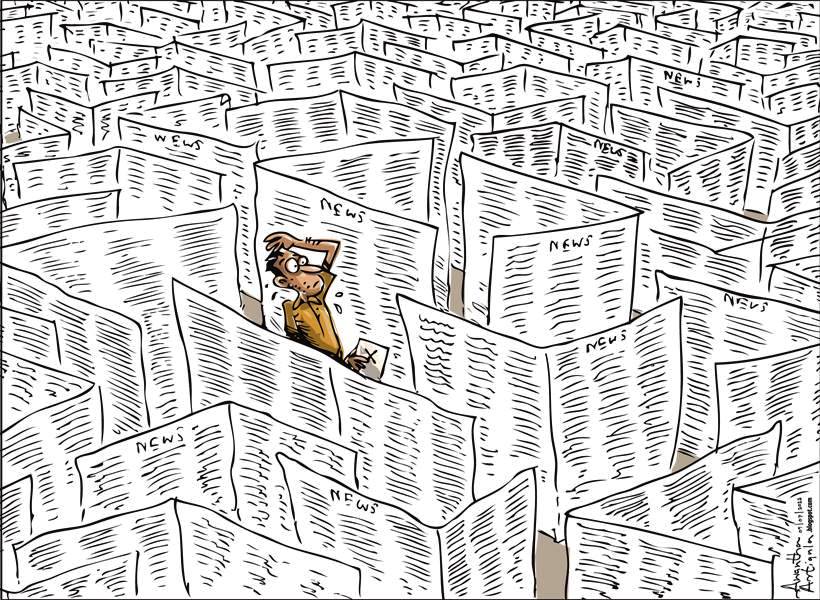
Cartoon by Awantha Artigala, Sri Lanka Cartoonist of the Year 2014

Media Reforms: The Unfinished Agenda

By Nalaka Gunawardene

When I was growing up in the 1970s, Sri Lanka’s media landscape was very different. We had only one radio station (state-owned SLBC) and three newspaper houses (Lake House, Times of Ceylon and Independent Newspapers). There was no TV, and the web wasn’t even invented.

At that time, most discussions on media freedom and reforms centred around how to contain the overbearing state – which was a key publisher, as well as the sole broadcaster, dominant advertiser and media regulator, all rolled into one.

Four decades on, the state still looms large on our media landscape, but there are many more players. The number of media companies, organisations and products has steadily increased, especially after private sector participation in broadcasting was allowed in 1992.

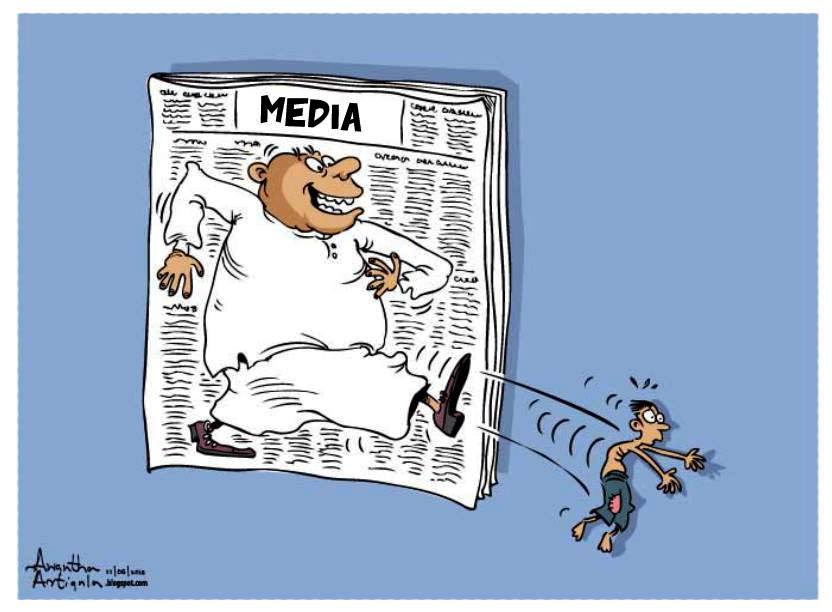
More does not necessarily mean better, however. Media researchers and advocacy groups lament that broadcast diversification has not led to a corresponding rise in media pluralism – not just in terms of media ownership and content, but also in how the media reflects diversity of public opinion, particularly of those living on the margins of society.

As the late Tilak Jayaratne and Sarath Kellapotha, two experienced broadcasters, noted in a recent book, “There exists a huge imbalance in both media coverage and media education as regards minorities and the marginalised. This does not come as a surprise, as it is known that media in Sri Lanka, both print and broadcast, cater mainly to the elite, irrespective of racial differences.”

 Media under pressure

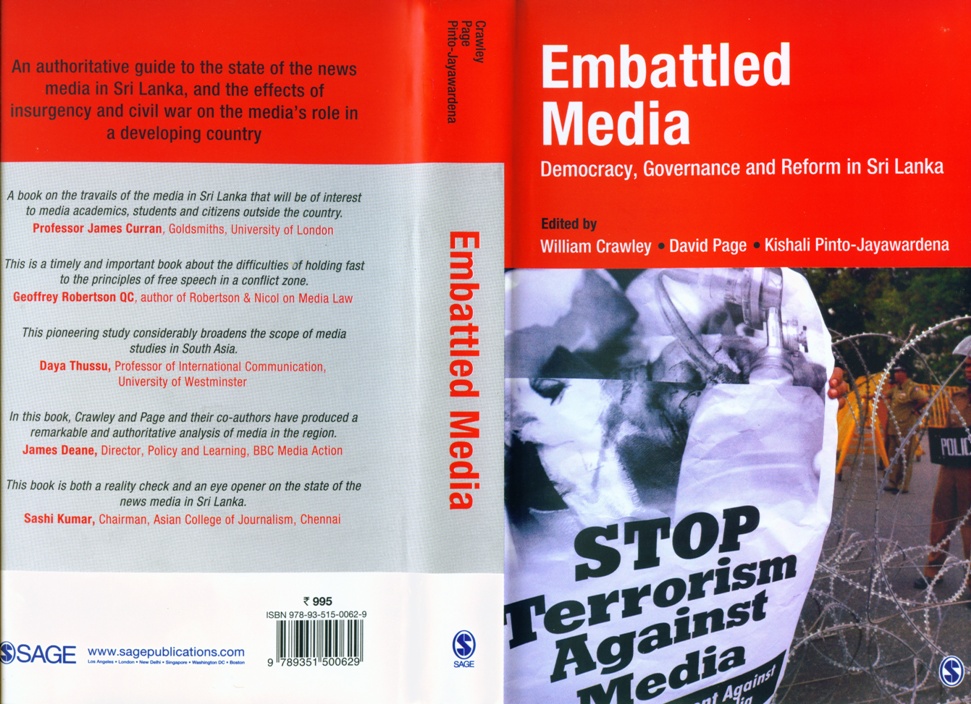
 The multi-author book, titled Embattled Media: Democracy, Governance and Reform in Sri Lanka (Sage Publications, Feb 2015), was compiled during 2012-14 by a group of researchers and activists who aspired for a freer and more responsible media. It came out just weeks after the last Presidential Election, where media freedom and reforms were a key campaigning issue.

In their preface, co-editors William Crawley, David Page and Kishali Pinto-Jayawardena say: “Media liberalisation from the 1990s onwards had extended the range of choice for viewers and listeners and created a more diverse media landscape. But the war in the north and insurrections in the south had taken their toll of media freedoms. The island had lived under a permanent state of emergency for nearly three decades. The balance of power between government, judiciary, the media and the public had been put under immense strain.”

Embattled Media - Democracy, Governance and Reform in Sri Lanka
Embattled Media – Democracy, Governance and Reform in Sri Lanka

The book, to which I have contributed a chapter on new media, traces the evolution mass media in post-colonial Sri Lanka, with focus on the relevant policies and laws, and on journalism education. It discusses how the civil war continues to cast “a long shadow” on our media. Breaking free from that legacy is one of many challenges confronting the media industry today.

Some progress has been made since the Presidential election. The new government has taken steps to end threats against media organisations and journalists, and started or resumed criminal investigations on some past atrocities. Political websites that were arbitrarily blocked from are once again accessible. Journalists who went into exile to save their lives have started returning.

On the law-making front, meanwhile, the 19th Amendment to the Constitution recognized the right to information as a fundamental right. But the long-awaited Right to Information Bill could not be adopted before Parliament’s dissolution.

Thus much more remains to be done. For this, a clear set of priorities has been identified through recent consultative processes that involved media owners, practitioners, researchers, advocacy groups and trainers. These discussions culminated with the National Summit on Media Reforms organised by the Ministry of Media, the University of Colombo, Sri Lanka Press Institute (SLPI) and International Media Support (IMS), and held in Colombo on 13 and 14 May.

Parallel to this, there were two international missions to Sri Lanka (in March and May) by representatives of leading organisations like Article 19, UNESCO and the International Federation of Journalists (IFJ). I served as secretary to the May mission that met a range of political and media leaders in Colombo and Jaffna.

 Unfinished business

We can only hope that the next Parliament, to be elected at the August 17 general election, would take up the policy and law related aspects of the media reform agenda (while the media industry and profession tackles issues like capacity building and greater professionalism, and the education system works to enhance media literacy of everyone).

Pursuing these reforms needs both political commitment and persistent advocacy efforts.


  • Right to Information: The new Parliament should pass, on a priority basis, the Right to Information Bill that was finalised in May 2015 with inputs from media and civil society groups.


  • Media Self-Regulation: The Press Council Act 5 of 1973, which created a quasi-judicial entity called the Press Council with draconian powers to punish journalists, should be abolished. Instead, the self-regulatory body established in 2003, known as the Press Complaints Commission of Sri Lanka (PCCSL), should be strengthened. Ideally its scope should expand to cover the broadcast media as well.


  • Law Review and Revision: Some civil and criminal laws pose various restrictions to media freedom. These include the Official Secrets Act and sedition laws (both relics of the colonial era) and the draconian Prevention of Terrorism Act that has outlived the civil war. There are also needlessly rigid laws covering contempt of court and Parliamentary privileges, which don’t suit a mature democracy. All these need review and revision to bring them into line with international standards regarding freedom of expression.


  • Broadcast regulation: Our radio and TV industries have expanded many times during the past quarter century within an ad hoc legal framework. This has led to various anomalies and the gross mismanagement of the electromagnetic spectrum, a finite public property. Sri Lanka urgently needs a comprehensive law on broadcasting. Among other things, it should provide for an independent body to regulate broadcasting in the public interest, more equitable and efficient allocation of frequencies, and a three-tier system of broadcasting which recognises public, commercial and community broadcasters. All broadcasters – riding on the public owned airwaves — should have a legal obligation be balanced and impartial in coverage of politics and other matters of public concern.


  • Restructuring State Broadcasters: The three state broadcasters – the Sri Lanka Rupavahini Corporation (SLRC), the Sri Lanka Broadcasting Corporation (SLBC) and the Independent Television Network (ITN) – should be transformed into independent public service broadcasters. There should be legal provisions to ensure their editorial independence, and a clear mandate to serve the public (and not the political parties in office). To make them less dependent on the market, they should be given some public funding but in ways that don’t make them beholden to politicians or officials.


  • Reforming Lake House: Associated Newspapers of Ceylon Limited or Lake House was nationalised in 1973 to ‘broadbase’ its ownership. Instead, it has remained as a propaganda mill of successive ruling parties. Democratic governments committed to good governance should not be running newspaper houses. To redeem Lake House after more than four decades of state abuse, it needs to operate independently of government and regain editorial freedom. A public consultation should determine the most appropriate way forward and the best business model.


  • Preventing Censorship: No prior censorship should be imposed on the media. Where necessary, courts may review media content for their legality after publication (on an urgent basis). Laws and regulations that permit censorship should be reviewed and amended. We must revisit the Public Performance Ordinance, which empowers a state body to pre-approve all feature films and drama productions.


  • Blocking of Websites: Ensuring internet freedoms is far more important than setting up free public WiFi services. There should be no attempts to limit online content and social media activities contravening fundamental freedoms guaranteed by the Constitution and international conventions. Restrictions on any illegal content may be imposed only through the courts (and not via unwritten orders given by the telecom regulator). There should be a public list of all websites blocked through such judicial sanction.


  • Privacy and Surveillance: The state should protect the privacy of all citizens. There should be strict limits to the state’s surveillance of private individuals’ and private entities’ telephone conversations, emails and other electronic communications. In exceptional situations (e.g. crime investigations), such surveillance should only be permitted with judicial oversight and according to a clear set of guidelines.
Cartoon by Awantha Artigala, Sri Lanka Cartoonist of the Year 2014

 Dealing with Past Demons

While all these are forward looking steps, the media industry as a whole also needs state assistance to exorcise demons of the recent past — when against journalists and ‘censorship by murder’ reached unprecedented levels. Not a single perpetrator has been punished by law todate.

This is why media rights groups advocate an independent Commission of Inquiry should be created with a mandate and adequate powers to investigate killings and disappearances of journalists and attacks on media organisations. Ideally, it should cover the entire duration of the war, as well as the post-war years.

Science writer Nalaka Gunawardene is on Twitter @NalakaG and blogs at http://nalakagunawardene.com

සිවුමංසල කොලූගැටයා #232: මන්ත‍්‍රී කෙරුවාව පුරවැසි අධීක්ෂණයට ලක් කරන්නට තාක්ෂණයේ පිහිට

March 12 Movement for Cleaner election candidates in Sri Lanka

Sri Lanka will hold a general election on 17 August 2015 to elect a new Parliament. It has been preceded by a high level of citizen and civil society advocacy for raising the standard for who should be elected to represent the people as their Members of Parliament.

Public concerns about deteriorating Parliamentary debate and the overall decline and degradation in representative politics were captured by the ‘March 12 Movement’, a mission to elect clean and corruption-free politicians to Parliament.

The Movement was initiated by People’s Action for Free and Fair Elections (PAFFREL) and supported by Transparency International, Sarvodaya Movement, Sri Lanka Chamber of Commerce, Sri Lanka Administrative Officers’ Association and trade unions.

Parallel to this advocacy, data analysis tools have been used by citizens to probe the conduct of MPs in the last Parliament, which was dissolved on 26 June 2015.

Manthri.lk is a trilingual website that tracks the performance of the 225 Members of Parliament in Sri Lanka. It goes by the official record (Hansard), analysing and coding each statement which is fed into a customised system developed by the website owner and operator – Verite Research, a thinktank that provides strategic analysis and advice for decision-makers and opinion-formers.

In this week’s Ravaya column, (in Sinhala, appearing in issue of 16 August 2015), I share some of the key findings by Manthri.lk website on the conduct of 225 MPs in the last Parliament – 202 of whom are seeking re-election.

See also:

සිවුමංසල කොලූගැටයා #231: ඡන්දදායකයා වඩාත් බලගතු කැරෙන නව සංකල්ප දෙකක්

සිවුමංසල කොලූගැටයා #229: සමාජ මාධ්‍ය යුගයේ අපේ දේශපාලන සන්නිවේදනය

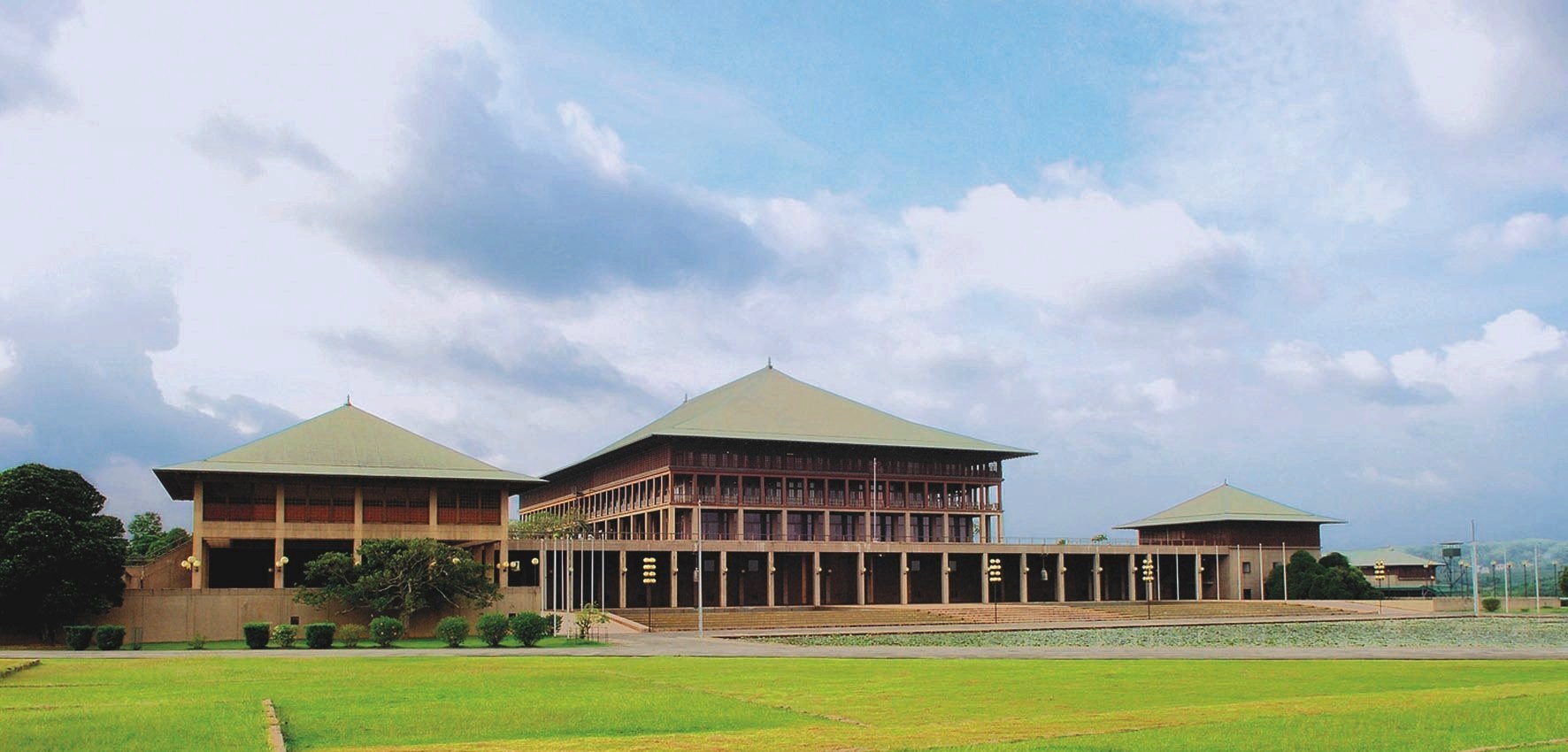
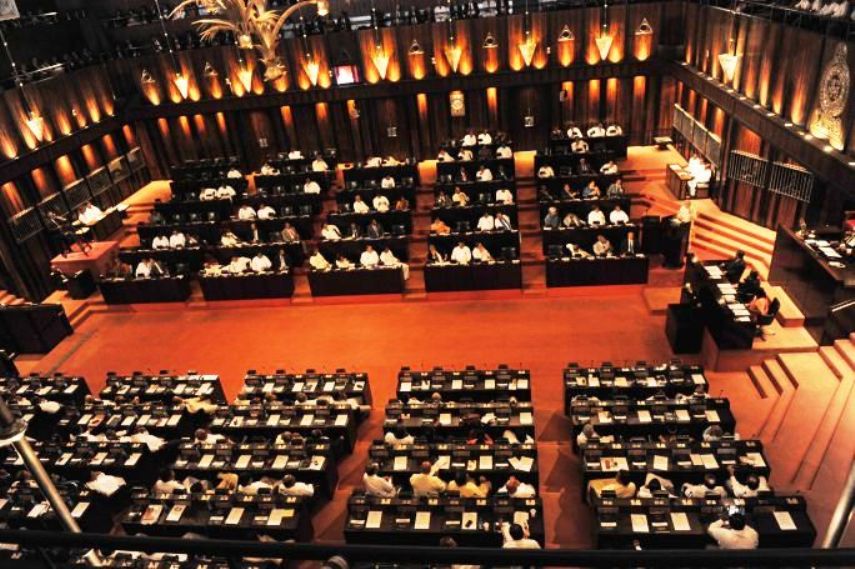
Sri Lanka Parliamentary Complex

පාර්ලිමේන්තුව විසුරුවා හරිනු ලැබුවේ 2015 ජුනි 26 වනදා මධ්‍යම රාත‍්‍රියේ සිටයි. 2015 සැප්තැම්බර් 1 වනදා අභිනව පාර්ලිමේන්තුව රැස්වීමට නියමිතයි. එයට මන්ත‍්‍රීවරුන් 225ක් තෝරා ගැනීමට මහමැතිවරණය 2015 අගෝස්තු 17 වනදා පැවැත්වෙනවා.

පිරිසිදු දේශපාලනයක් සඳහා නිසි නාමයෝජනා හරහා වඩාම උචිත ජනතා නියෝජිතයන් පාර්ලිමේන්තුවට (හා අනෙක් ජනතා නියෝජිත ආයතනවලට) පත් කර යැවීම මාර්තු 12 පුරවැසි ව්‍යාපාරයේ අරමුණයි.

මේ සඳහා දැනුවත් වූ, බලාත්මක වූ හා තාර්කිකව සිතන ඡන්දදායකයන් අවශ්‍ය වනවා. ඡන්ද අපේක්ෂකයන් කිරා මැන බැලීමට හා ඇගයීම සඳහා මූලික සාධක 8ක් මාර්තු 12 ව්‍යාපාරය ප‍්‍රවර්ධනය කරනවා. අපරාධ සඳහා දඬුවම් ලද්දකු නොවීම, දූෂණ හා වංචාවලින් තොර වීම, සමාජ විරෝධී (මත්පැන්, කැසිනෝ, ගණිකා ආදී) ව්‍යාපාරවල නිරත නොවීම, බලය අනිසි ලෙස භාවිත නොකළ අයකු වීම ආදිය මේ අතර වනවා.

පාර්ලි‌මේන්තු මන්ත්‍රීවරයකු වශයෙන් තේරී පත්වීම සඳහා නීතිමය සුදුසුකම්

මෙයට සමාන්තරව මෙවර පාර්ලිමේන්තු මැතිවරණය අරභයා මාර්තු 12 ව්‍යාපාරයට සම්බන්ධ සිවිල් සමාජ සංවිධාන ඡුන්දදායකයන්ගෙන් ඉල්ලා සිටින්නේ පාර්ලිමේන්තුවට ගොස් එහි ප‍්‍රධාන කාර්යය වන නීති තැනීමට අවශ්‍ය දැනුම හා හැකියාව මන්ත‍්‍රී ධුර අපේක්ෂකයන්ට ඇත්දැයි විමසා බලන ලෙසයි.

මේ හැකියාව සොයා බැලීම හැමවිටම ලෙහෙසි නැහැ. මෙහිදී අපට උදව් වන්නේ මන්ත‍්‍රී.lk වෙබ් අඩවියයි (www.manthri.lk).

http://www.manthri.lk/

ශ‍්‍රී ලංකා පාර්ලිමේන්තුවට හොඳින් පවත්වාගෙන යන ත්‍රෛභාෂික නිල වෙබ් අඩවියක් ද තිබෙනවා (www.parliament.lk). පාර්ලිමේන්තු දින දර්ශනය, කාරක සභා කටයුතු, මැති සබයේ විවාද නිල වාර්තා (හැන්සාඞ්), මන්ත‍්‍රීවරුන්ගේ ජීව දත්ත, පාර්ලිමේන්තු පුවත් හා ඡායාරූප ආදිය මෙහි ඇතුළත්. පාර්ලිමේන්තු මහ ලේකම්වරයා ප‍්‍රමුඛ කාර්ය මණ්ඩලය විසින් සපයන සේවාවන්ගෙන් එකක් වන මේ වෙබ් අඩවිය මන්ත‍්‍රීවරුන්ගේ මෙන්ම මහජනයාගේ ද තොරතුරු අවශ්‍යතා සම්පාදනය කරන්නට කැප වී සිටිනවා.

එහෙත් මේ නිල වෙබ් අඩවිය තුළ එක් එක් මන්ත‍්‍රීවරයකුගේ කාර්ය භාරය ගැන හෝ යම් තේමාවක් ගැන සිදු වූ සියලූ වාද විවාද ගැන හෝ ලෙහෙසියෙන් තොරතුරු සොයා ගැනීම අපහසුයි. එසේම මන්ත‍්‍රීන් සංසන්දනය කිරීම හෝ යම් නිර්ණායකයක් මත විවාද ලැයිස්තු ගත කිරීම ආදිය නිල වෙබ් අඩවියකට කළ නොහැකියි.

මන්ත‍්‍රී.lk වෙබ් අඩවිය මේ හිදැස පුරවමින් පාර්ලිමේන්තු මන්ත‍්‍රීන් ගැන මහජන අධීක්ෂණය වඩාත් හරවත් හා තීව‍්‍ර කිරීමට උපකාර වනවා.

පාර්ලිමේන්තු වාද විවාද කාරක සභා කටයුතු හා මන්ත‍්‍රීවරුන්ගේ දායකත්වය ස්වාධීනව විශ්ලේෂණය කරන පර්යේෂණායතන ප‍්‍රජාතන්ත‍්‍රවාදී රටවල් සමහරක තිබෙනවා. පක්ෂ දේශපාලනයෙන් බාහිර වූ ද හා රාජ්‍ය සේවකයන් වන පාර්ලිමේන්තු කාර්ය මණ්ඩලයේ සීමාවලින් ඔබ්බට යන්නා වූ ද මේ විශ්ලේෂණ හා විග‍්‍රහයන් පාර්ලිමේන්තු ක‍්‍රියාදාමය නඩත්තු කිරීමට මුදල් සපයන මහජනතාවට වැදගත් ප‍්‍රතිශෝෂණයක් (feedback) ලබා දෙනවා.

ව්‍යවස්ථාදායක පර්යේෂණ (legislative research) නමින් හැදින්වෙන මෙම ක්ෂේත‍්‍රයේ ක‍්‍රියාත්මක වන විද්වත් ආයතන, පර්යේෂණායතන ඉන්දියාව, පාකිස්ථානය වැනි රටවල මෙන්ම බි‍්‍රතාන්‍ය, ජපානය, අමෙරිකා එක්සත් ජනපදය වැනි රටවල ද හමුවනවා.

2010-2015 පාර්ලිමේන්තුවේ වඩාත්ම සක්‍රිය මන්ත්‍රීවරුන් - Data analysis by Manthri.lk
2010-2015 පාර්ලිමේන්තුවේ වඩාත්ම සක්‍රිය මන්ත්‍රීවරුන් – Data analysis by Manthri.lk

මෙතෙක් ශ‍්‍රී ලංකාවේ එබන්දක් නොතිබීමේ අඩුව යම් තාක් දුරට සපුරාලන්නේ ස්වාධීනව ආර්ථික ප‍්‍රතිපත්ති පර්යේෂණ කරන වෙරිටේ පර්යේෂණායතනයයි (Verité Research, www.veriteresearch.org).

සබීරියන් Saberion (Pvt) Ltd නම් තොරතුරු තාක්ෂණ සමාගම සමග සහයෝගයෙන් 2012දී වෙරිටේ ඇරැඹූ මන්ත‍්‍රී.lk වෙබ් අඩවිය, පාර්ලිමේන්තු කටයුතු දත්ත මත පදනම් වූ විශ්ලේෂණයට ලක් කරනවා. ඒ ප‍්‍රතිඵල නීතිගත වෙබ් අඩවිය හරහා සාමාන්‍ය මහජනයාට තේරෙන ලෙසින් සන්නිවේදනය කැරෙනවා. මෙය ඉතා වැදගත් සේවාවක්.

ඔවුන්ගේ මූලාශ‍්‍රය පාර්ලිමේන්තුවේ නිල වාර්තාව වන හැන්සාඞ් ප‍්‍රකාශනයයි. පාර්ලිමේන්තුවේ හැම සැසි වාර දිනයකම කැරෙන සියලූම ප‍්‍රකාශයන් හා විවාදයන් හැන්සාඞ් වාර්තාවට අනුව යමින් වෙරිටේ පර්යේෂණායතනයට ආවේණික වූ ක‍්‍රමයකට වර්ගීකරණය කරනු ලබනවා. පරිගණක ගත කරන මේ වාර්තා විවිධ මූලපද (keywords) හරහා සෙවිල්ලට ලක් කළ හැකියි.

මන්ත‍්‍රීවරයකු පාර්ලිමේන්තු වැඩ කටයතුවලට කරන දායකත්වය 15 ආකාරයකට වර්ග කිරීම මේ විශ්ලේෂණයේ මූලික පදනමයි. මේ 15 ආකාරය වන්නේ: 1. ලිඛිත ප‍්‍රශ්න මතු කිරීම; 2. ලිඛිත ප‍්‍රශ්නවලට ප‍්‍රතිචාර දැක්වීම; 3. ලිඛිත ප‍්‍රශ්නවලින් මතු වන අනුබැඳුණු ප‍්‍රශ්න මතු කිරීම; 4. අනුබැඳුණු ප‍්‍රශ්නවලට වාචිකව පිළිතුරු දීම; 5. ලිඛිත පිළිතුරු බැඳීම; 6. කෙටුම්පතක්/රෙගුලාසියක්/ආඥාවක් සභාගත කිරීම; 7. කෙටුම්පතක්/රෙගුලාසියක්/ආඥාවක් විවාද කිරීමේදී වාචික සහභාගිත්වය; 8. රීති ප‍්‍රශ්න මතු කිරීම (තාක්ෂණික හෝ පටිපාටිය සම්බන්ධ); 9. වෙනත් රීති ප‍්‍රශ්න මතු කිරීම; 10. සභාව කල් තැබීමේ යෝජනා – වාචික දායකත්වය; 11. පුරවැසියන් වෙනුවෙන් පෙත්සම් සභාගත කිරීම; 12. සභාවේ වැඩ කටයුතුවලට බාධා කිරීම; 13. නිල සභා වාර්තාවෙන් ඉවත් කරන ලද ප‍්‍රකාශ කිරීම; 14. වාචික දායකත්වය; 15. වාචික දායකත්වය – සාරවත් ප‍්‍රකාශයන්

Standing Orders of Sri Lanka Parliament

පාර්ලිමේන්තුවේ ස්ථාවර නි‌‌යෝග

When Indian PM Narendra Modi addressed Sri Lanka Parliament, 13 March 2015

මන්ත‍්‍රී.lk වෙබ් අඩවියේ 2012 මැයි සිට 2015 ජුනි දක්වා වකවානුවට අයත් පාර්ලිමේන්තු හැන්සාඞ් වාර්තා 28,000කට වඩා විශ්ලේෂණය කොට දත්ත බවට පත් කොට ගබඩා කර තිබෙනවා.

හැන්සාඩ් වාර්තාවල වචන ලක්ෂ ගණනක් තුළ ඇති කරුණු මෙහි වඩාත් සරල හා සංසන්දනාත්මක ලෙසින් හමු වීම සුවිශේෂයි. යහපාලනයට තොරතුරු තාක්ෂණය හරිහැටි යොදා ගන්නට නම් මෙවැනි පුරවැසි උත්සාහයන් තව තවත් ඕනෑ!

මේ වෙබ් අඩවිය යොදා ගනිමින් හිටපු මන්ත්‍රීන් දෙදෙනකු හෝ වැඩි දෙනකු සසදන්නට ද හැකියි. එසේම තෝරා ගත් මාතෘකාවක් ගැන වැඩිපුරම කථා කළ මන්ත්‍රීන්, වඩාත්ම අක්‍රිය හා නිහඩව සිටි මන්ත්‍රීන් ආදී බොහෝ තොරතුරු මෙහි තිබෙනවා.

“මේ දත්ත හා වැදගත් සභාවාරවලදී මන්ත‍්‍රීවරුන් සභාවේ ඡන්දය භාවිත කළ ආකාරය සලකා බලන විට පසුගිය පාර්ලිමේන්තුවේ අපේ මන්ත‍්‍රීවරුන්ගේ කෙරුවාව ගැන විස්තරාත්මක චිත‍්‍රයක් අපට පෙනී යනවා” යයි වෙරිටේ පර්යේෂණායතනයේ ආණ්ඩුකරණය පිළිබඳ විශේෂඥ හා මන්ත‍්‍රී වෙබ් අඩවියේ මොළකාරයා ද වන අසෝක ඔබේසේකර කියනවා.

පසුගිය පාර්ලිමේන්තුවේ සිටි මන්ත‍්‍රීන්ගෙන් 202 දෙනෙකු නැවතත් මෙවර 2015 මැතිවරණයේ තරග කරනවා. මේ අය පසුගිය පාර්ලිමේන්තුව තුළ නීති සම්පාදන හා වෙනත් මන්ත‍්‍රී වගකීම් කෙතරම් කැපවීමකින් ඉටු කළා ද යන්න සාක්ෂි මත පදනම්ව දැන් ඡන්දදායකයන්ට අපේ වෙබ් අඩවිය හරහා බලාගත හැකියි.”

පසුගිය පාර්ලිමේන්තුව මුල් වරට රැස්වූයේ 2010 අපේ‍්‍රල් 22 වනදායි. නිල මූලශ්‍රයකට අනුව පාර්ලිමේන්තු සැසිවාර පැවැත් වූ සමස්ත දින ගණන 466යි.

පාර්ලිමේන්තු නිල වෙබ් අඩවියට අනුව ප‍්‍රථම වතාවට මන්ත‍්‍රී ධුරයට පත් වූ මන්ත‍්‍රීවරුන් 83 දෙනකු එම පාර්ලිමේන්තුවේ සිටියා. එනම් ඉතිරිය (බහුතරය) ඉන් පෙර ද වරක් හෝ කිහිප වරක් මන්ත‍්‍රී ධුරයක් හොබවා අත්දැකීම් තිබූ අය බවයි.

මන්ත‍්‍රී.lk විශේලේෂණයට අනුව පසුගිය පාර්ලිමේන්තුවේ සිට නැවත ඡන්දය ඉල්ලන මන්ත‍්‍රීන් 202 දෙනාගෙන් 30%ක් වසර පහක් පුරා කිසිදු ඡන්දදායකයකු වෙනුවෙන් මහජන පෙත්සමක් ඉදිරිපත් කොට නැහැ. තවත් 30% එසේ කොට ඇත්තේ එක් වරක් පමණයි.

මේ මහජන පෙත්සම්වල (public petitions) වැදගත්කම නම් පරිපාලන තන්ත‍්‍රයේ දුර්වලතා රජයේ අවධානයට යොමු කිරීම හරහා නිලධාරිවාදය සම්බන්ධ පුරවැසියන් අත් විඳින දුක්ගැහැටවලට විසඳුම් සෙවීමයි.

මේ අනුව සිය ඡන්දදායකයන් වෙනුවෙන් කළ හැකි මේ නිශ්චිත මෙහෙය මන්ත‍්‍රීන් 43%ක් පැහැර හැර ඇති බව මන්ත‍්‍රී.lk කියනවා.

Asoka Obeyesekere
Asoka Obeyesekere

හැම අමාත්‍යංශයකම ප‍්‍රගතිය සමාලෝචනය හා අධීක්ෂණයට කාරක සභා තිබෙනවා. හැම මන්ත‍්‍රීවරයකුම කාරක සභා කිහිපයකට අනුයුක්ත කැරෙනවා. 2014 මැයි-සැප්තැම්බර් කාලය සඳහා කාරක සභා සහභාගිත්වය අධ්‍යයනය කළ මන්ත‍්‍රී’lk සොයා ගත්තේ නැවත තරග කරන මන්ත‍්‍රීවරුන්ගෙන් 30%ක් කිසිදු කාරක සභාවකදී කිසිදු ප‍්‍රශ්නයක් හෝ මතු කර නැති බවයි. තවත් 45%ක් දෙනා මතු කළ ප‍්‍රශ්නවල සාමාන්‍යය මාසයකට එකකටත් අඩුයි.

“මේ අක‍්‍රිය හා උදාසීන බව දැඩි ලෙස පුරවැසි අවධානයට ලක් විය යුතුයි. මන්ත‍්‍රීවරුන් තමා අනුයුක්ත කැරෙන කාරක සභාවල වඩාත් සක‍්‍රීය විය යුතු මෙන්ම ඒ හරහා නීති සංශෝධනයට හෝ නව නීති සම්පාදනයට යොමු විය යුතුයි,” මන්ත‍්‍රී’lk වෙබ් අඩවියේ ප‍්‍රධාන නියමුවා කියනවා.

වඩාත් සුබදායක ආරංචිය නම් යළිත් තරග කරන හිටපු මන්තරීන්ගෙන් 37%ක් දෙනා පසුගිය පාර්ලිමේන්තුවේ කිසි විටෙක සභාවට බාධා වන පරිදි හැසිරී නැති බවයි. තවත් 14%ක් එසේ කොට ඇත්තේ කලාතුරකින් පමණයි.

“බහුතරයක් මන්ත‍්‍රීන් සභාවට බාධා කරන, කලහකාරී අය බවට පැතිර තිබෙන පොදු මතය නිවැරදි නැහැ. ඇත්තටම ඔවුන් වැඩි දෙනෙක් ස්ථාවර නියෝගවලට අනුව හැසිරී තිබෙනවා. එහෙත් කලබලකාරී මන්ත‍්‍රීන් ටික දෙනෙකුට සභාවේ වැඩට නිතර බාධා කළ හැකි බව නම් පසුගිය පාර්ලිමේන්තුවේ සමස්ත වාර්තා දෙස බලන විට පෙනී යනවා,” යයි අසෝක ඔබේසේකර කියනවා.

නැවත තරග කරන හැම මන්තී‍්‍ර කෙනෙකුගේම ප‍්‍රගති වාර්තාව හෙවත් ‘රිපෝට් කාඞ්’ එක දත්ත විශ්ලේෂණය හරහා මන්ත‍්‍රී’lk සම්පාදනය කොට තිබෙනවා. පසුගිය පාර්ලිමේන්තුවේ වැදගත්ම ඡන්ද විමසීම්වලදී මන්ත‍්‍රීන් ගත් ස්ථාවරයන් ද එයට ඇතුළත්. එනම් ජනාධිපති ධුර කාල සීමාව ඉවත් කළ 18 වන ව්‍යවස්ථා සංශෝධනය, අගවිනිසුරු ශිරාණි බණ්ඩාරනායක මහත්මියට එරෙහි දෝෂාභියෝගය, 19 වන ව්‍යවස්ථා සංශෝධනය හා කැසිනෝ හඳුන්වාදීමේ පනත (අවස්ථා තුනකදී) විවාදය යන අවස්ථායි.

අද යහපාලනය ගැන කතා කරන සමහර හිටපු මන්තරීන් මේ තීරණාත්මක සංධිස්ථානවලදී එම යෝජනාවලට පක්ෂ වූවාද, විපක්ෂ වූවාද, සභාවේ නොසිටියාද යන්න ලෙහෙසියෙන්ම බලා ගත හැකියි.

දැනුවත් වූ ඡන්දදායකයන් බිහි කිරීමට පාර්ලිමේන්තු දත්ත විශ්ලේෂණනය ප‍්‍රයෝජනවත්. මේ විග‍්‍රහයන් හැකි තාක් සමාජගත කිරීම සියලූ මාධ්‍යවලට හා ප‍්‍රජාතන්ත‍්‍රවාදයට හිතකාමී ක‍්‍රියාකාරිකයන්ට පැවරෙන වගකීමක්.

ජනතා සේවකයන් යයි කියමින් මහජන මුදලින් ඉහළ වරප්රසාද ලබන මන්ත්රීන්ගේ කයිවාරුව හා කෙරුවාව අතර හිදැස කොපමණ දැයි එවිට පුරවැසියන්ට බලා ගත හැකියි!

අපේ ඡන්දය නැණවත්ව භාවිත කරමු!

වගකීම් දැරීමට හැකි හා කැප වූවන් පමණක් පාර්ලිමේතුවට යවමු.

ඉන් පසුවත් ඔවුන්ගේ කෙරුවාව දිගටම අධීක්ෂණය කරමු!

Sri Lankans join March 12 Movement for Cleaner Politicians
Sri Lankans join March 12 Movement for Cleaner Politicians – Photo courtesy March 12 Movement Facebook page