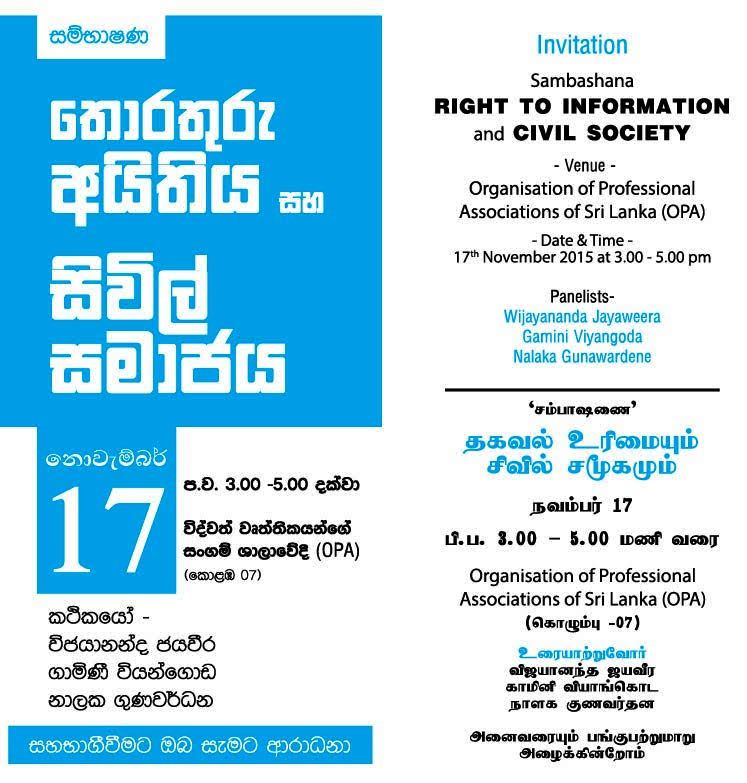
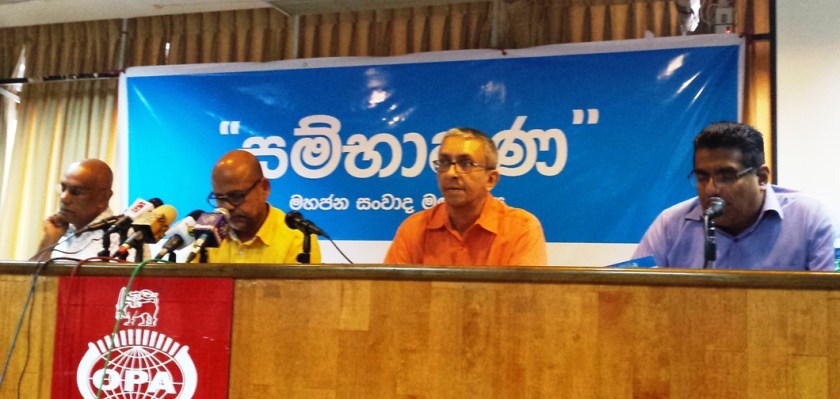
Transparency International Sri Lanka (TISL) held a Public Forum on the Right to Information in Colombo on 17 November 2015. I was one of three panelists, along with Wijayananda Jayaweera and Gamini Viyangoda. The panel was moderated by TISL’s Shan Wijetunge.
RTI Public Forum on 17 Nov 2015
The meeting was conducted in Sinhala. After the event, a journalist from an English language newspaper asked for a summary of my remarks in English, so I wrote this up.
L to R – Wijayananda Jayaweera, Gamini Viyangoda, Nalaka Gunawardene, Shan Wijetunge. At Right to Information public forum on 17 Nov 2015 in Colombo. Photo by Sampath Samarakoon
Summary of remarks made at Right to Information Public Forum held in Colombo on 17 Nov 2015
By Nalaka Gunawardene
Science writer, columnist and new media researcher
After many years of advocacy by civil society groups and journalists, Sri Lanka is set to soon adopt a law guaranteeing citizens’ Right to Information (RTI, also known as freedom of information laws in some countries). With that, we will join over 100 other countries that have introduced such progressive laws.
The first step is already taken. The 19th Amendment to the Constitution, passed in Parliament in April 2015, made the right to information a fundamental right.
The Right to Information Act is meant to institutionalize the arrangement – i.e. put in place the administrative arrangement where a citizen can seek and receive public information.
Some have been critical of the current draft of the RTI Bill as it falls short of the ideal. But in my view, adopting even an imperfect RTI law would be progress.
But we need to see the law’s adoption as only the beginning of a long journey. Proper implementation will require adequate political will, administrative support and sufficient public funds. We would also need sustained monitoring by civil society groups and media to guard against the whole process becoming mired in too much red tape.
RTI signifies unleashing a new potential, and a major change in status quo. First, we need to shake off a long historical legacy of governments not being open or accountable to citizens.
For over 2,000 years of monarchy, over 400 years of colonial rule and 67 years of self-rule since independence, all our governments have restricted public information – even mundane ones unrelated to any security or sensitive issues.
Thus, the ‘default setting’ in most government agencies seems to be to deny and restrict information. When this finally changes, both public servants and citizens will need to adjust.
Information custodians can no longer release selectively, or demand petty bribes for doing so. Citizens, on their part, must find purpose and focus in information they can demand and receive. RTI is not a mere political slogan.
To draw an analogy from water management, opening sluice gates of a water reservoir can benefit only if the downstream systems are in place and the users are ready. With both water and information, recipients need to know how to make the best use of what comes through.
As long-standing champions of RTI, Lankan media and civil society must now switch roles. While benefiting from RTI themselves, they can nurture the newly promised openness in every sphere of public life. They can show, inspire and equip other citizens how best to make use of it.
However, RTI is not just a piece of law or changing how governments share public information. At its most basic, RTI is a collective state of mind. With its adoption, a society can start moving along a more open, informed and inquisitive pathway.
Better management of public information – which covers its proper gathering, storing, analysing and disseminating – should come into sharper focus with RTI.
In a related development, Sri Lanka has just joined an international, multilateral initiative called the Open Government Partnership (OGP). It is the first country in South Asia to do so.
OGP is a global effort “to make governments better”. It aims to secure firm commitments from governments to promote transparency, empower citizens, fight corruption, and harness new technologies to strengthen governance. OGP was launched in September 2011, and since then, the partnership has grown to 69 countries representing over a third of the world’s population.
To join OGP, a country must meet minimum eligibility criteria. These cover the timely publication of essential budget documents forms the basic building blocks of budget accountability; RTI guaranteed by law; rules that require public disclosure of income and assets for elected and senior public officials; and openness to citizen participation and engagement in policymaking and governance, including basic protections for civil liberties.
With its impending RTI law, Sri Lanka became eligible to join OGP. Its membership was confirmed at the recent OGP Conference held in Mexico City in late October 2015, where Sri Lanka endorsed the Open Government Declaration committing “to foster a global culture of open government that empowers and delivers for citizens, and advances the ideals of open and participatory 21st century government.”
In his speech in Mexico City, Minister Wijeyadasa Rajapakshe said: “Our people have proven that citizens will and should be at the heart of the destiny of any country. Importantly, the events this year reaffirm the resilience of our democracy and make it apparent that it is the people that demand an ‘open government’ for my country.”
Now the Yahapalana Government must walk this lofty talk.
OGP member countries are required to prepare a National Action Plan (NAP) which should be done collaboratively by the government and civil society. Such plans should cover a two-year period and consist of a set of commitments that advance transparency, accountability, participation and/or technological innovation.
The bottomline with Right to Information is this. RTI is not simply a legal or technocratic solution. It is not a quick fix to all problems that affect our society. But it heralds a new way of thinking – a paradigm shift, if you like – that would make our government more open, and our society more focused on using information and data to make our lives better.
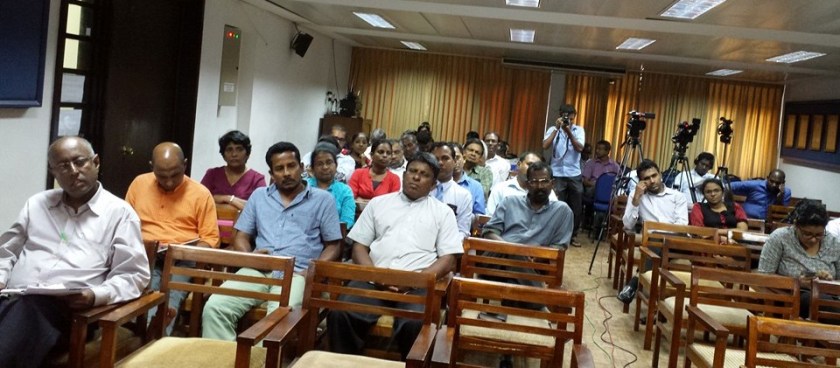
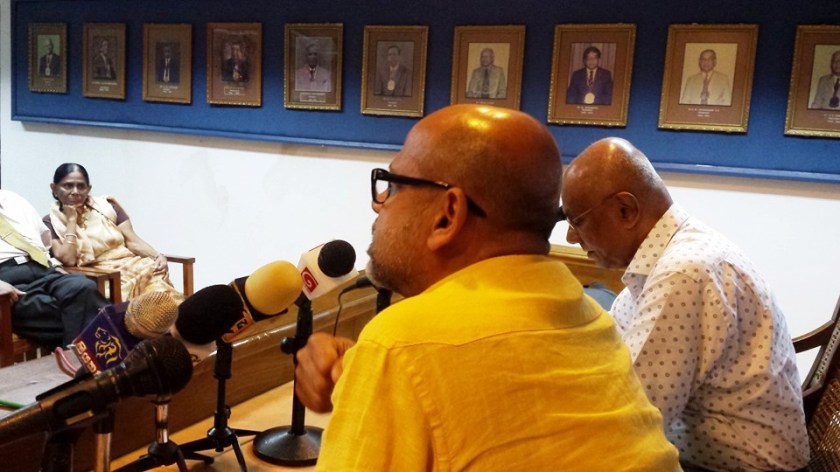
Part of the audience at RTI Public Forum on 17 Nov 2015 in ColomboWriter and activist Gamini Viyangoda speaks at RTI Public Forum on 17 Nov 2015
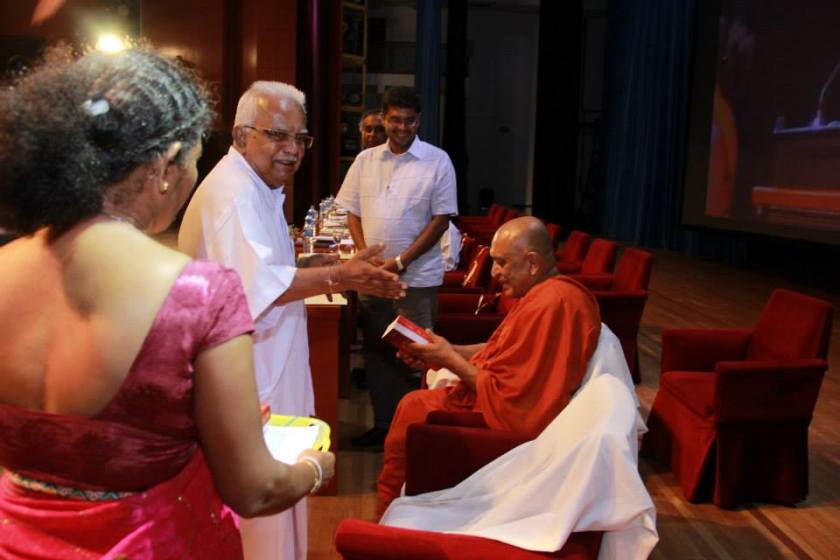
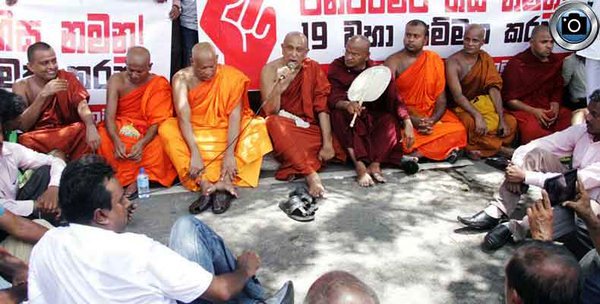
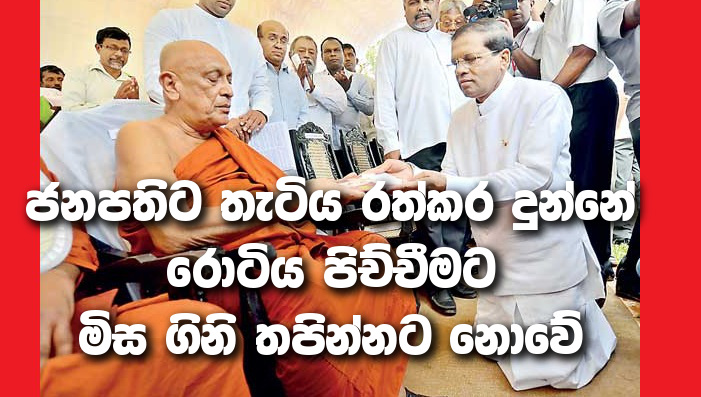
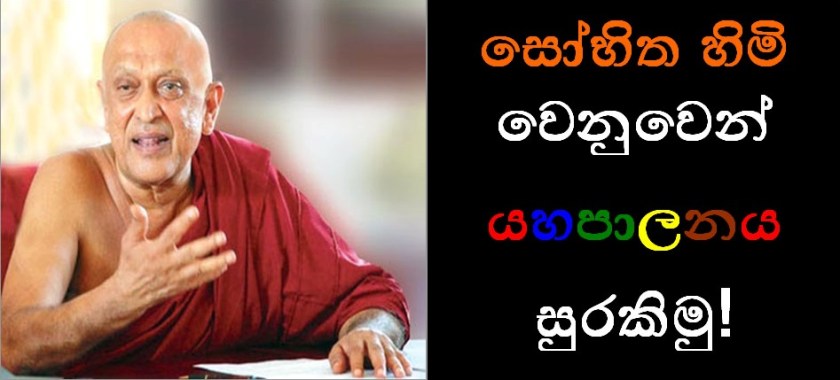
In this week’s Ravaya column, (appearing in issue of 15 Nov 2015), I pay tribute to Maduluwawe Sobitha thero (1942 – 2015), a Buddhist monk who led an extraordinarily political life.
The fearless and politically engaged Buddhist monk stood up to every Lankan head of state beginning with President J R Jayewardene (in office: 1977-1988). He never hesitated or minced his words when he sensed that elected leaders were overstepping their mandate.
For over four decades, Sobitha used his powerful oratorical and organisational skills to mobilise people into peaceful political resistance. He won some battles and lost others, but never stopped fighting for people’s rights. With every struggle, he became more resolute and resourceful.
At certain times, this monk was more formidable – and also more feared by rulers – than the divided and endlessly bickering opposition political parties of Sri Lanka.
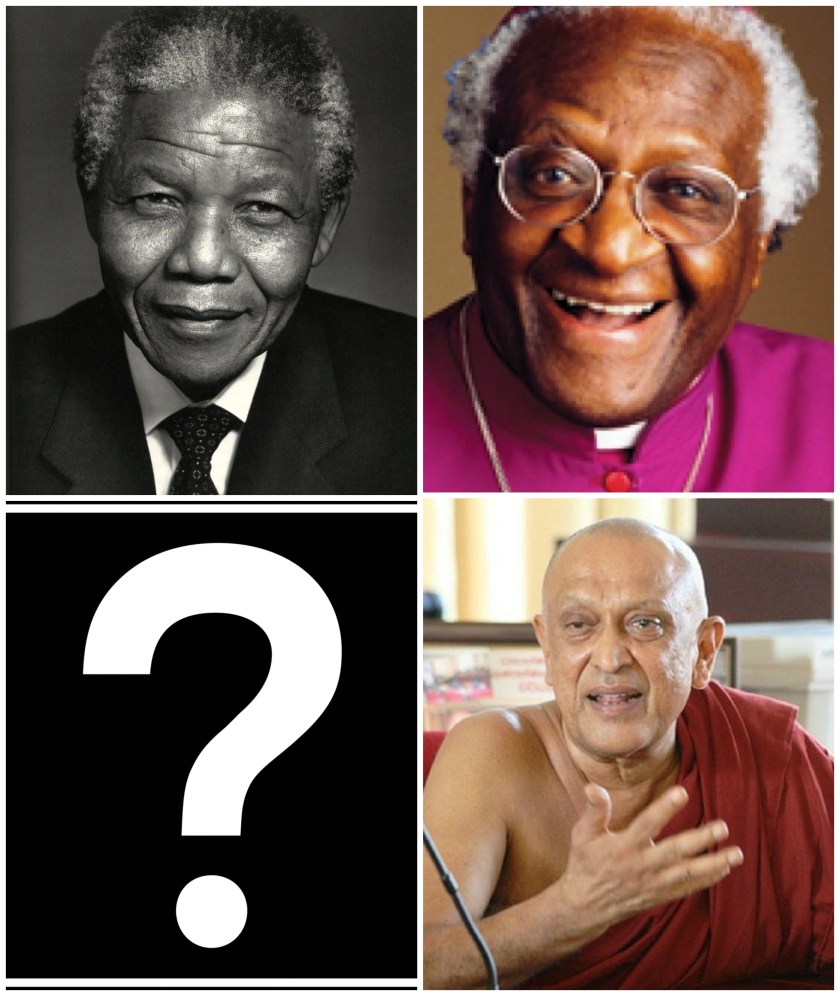
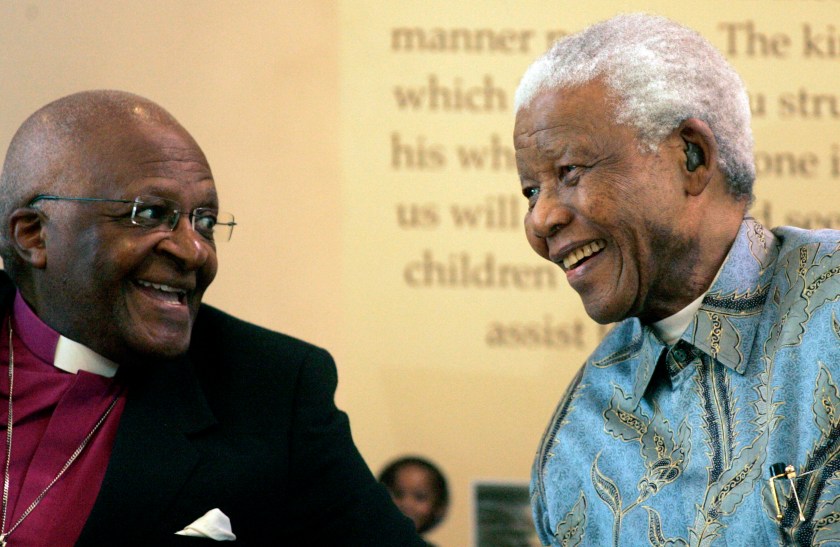
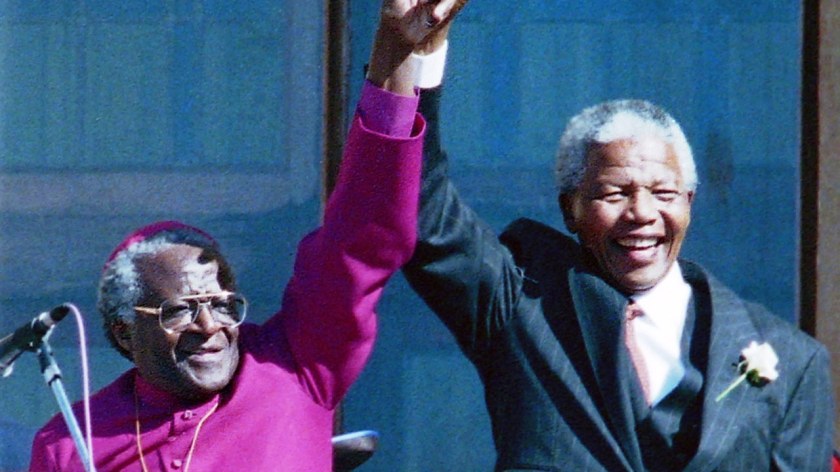
To my mind, Sobitha was like a saffron version of Desmond Tutu, the Anglican cleric who became an unstoppable force for social justice, equality and political reforms in South Africa. Both used their oratory and sense of justice to fight for all oppressed people. Neither sought any personal gains from it.
See also my tribute in English, published by Groundviews.org
Former South African President Nelson Mandela, right, reacts with Archbishop Desmond Tutu, left, during the launch of a Walter and Albertina Sisulu exhibition, called, ‘Parenting a Nation’, at the Nelson Mandela Foundation in Johannesburg, South Africa, on 12 March 2008 (AP Photo/Themba Hadebe)
The level of urbanization is an indicator of a country’s economic development and the living standards of its people.
Some purists might disagree, but it is universally agreed that urban areas – cities and towns of various size and shape – offer better facilities and opportunities for their residents.
So how urbanized is Sri Lanka? Many among us keep repeating a notion that ‘we are predominantly rural’, but is it really so?
The 2012 Census of Population and Housing categorised only 18.2% of the Lankan population as being urban. However, that figure is highly misleading because we currently use a narrow definition.
Currently, only those living in Municipal Council (MC) or Urban Council (UC) areas are considered urban. However, some Pradeshiya Sabha areas (the next local government unit) are just as urbanised.
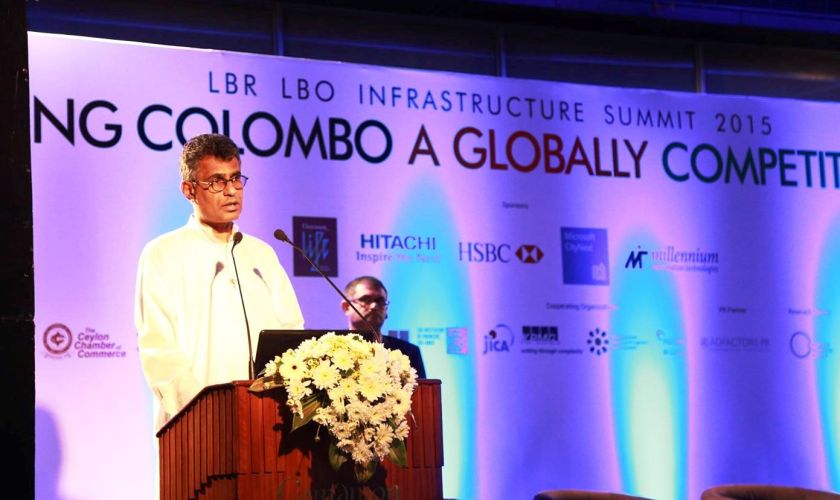
Minister of Megapolis and Western Development Champika Ranawaka speaks at LBO-LBR Infrastructure Summit 2015 (Image courtesy LBO)
At the recent LBR/LBO Infrastructure Summit 2015 held in Colombo in early November, Minister of Megapolis and Western Development Champika Ranawaka took on this myth head on. He argued that Sri Lanka’s urban population share is probably as high as 48% — which is two and a half times higher than the current figure.
He mentioned as examples Pradeshiya Sabha areas like Homagama, Beruwala and Weligama that are administratively classified as ‘rural’ despite having many urban characteristics.
His concern: misconceptions such as this distort the country’s policy decisions on infrastructure planning and urban development.
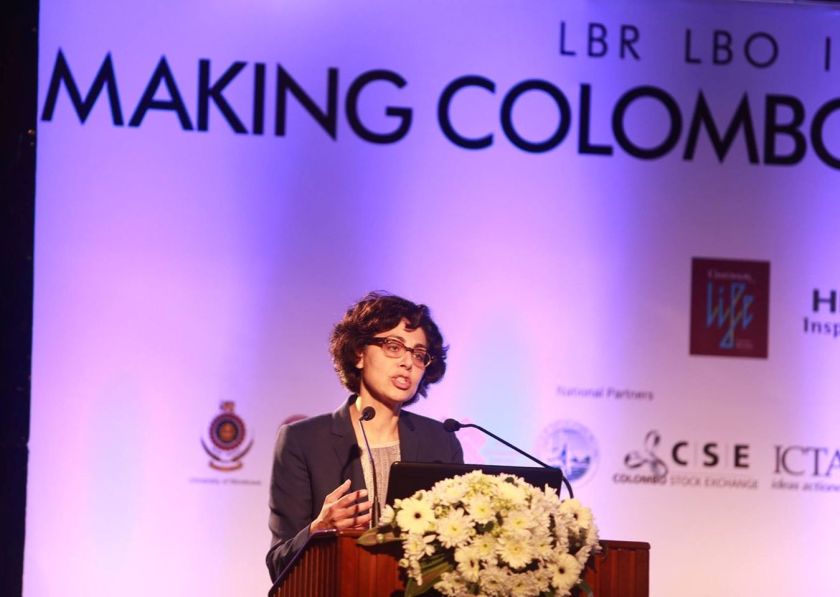
The World Bank’s global lead for urban development strategies, Sumila Gulyani, who spoke during the opening session, agreed with the Minister’s contention of nearly half of Sri Lanka’s population having already become urban.
The Bank’s own estimates are roughly the same, she said. “The official statistics of urban population in Sri Lanka is from 14% to 18% — but if you look at the agglomeration, it is (actually) around 47%”.
World Bank’s Sumila Gulyani speaks in Colombo, 3 Nov 2015. (Image courtesy LBO)
She added: “All South Asia countries under-state their urbanization level relative to, say, Latin America. In India it’s the same story. The reason has traditionally been that the rural areas got more national subsidy programmes — and no administration wanted to be called urban!”
Taking South Asia as a whole, 30% of its combined population now lives in cities. A massive rise in this urban share is expected in the coming decades. Sri Lanka cannot buck this trend.
Despite this, old myths linger on for years. The problem, as Gulyani highlighted, is in the mismatch of capabilities: “If the (local government) council that is managing an urban area is a rural council, you are not going to see the kind of planning and urban management you need to see for productive urban growth.”
Hidden Urbanization
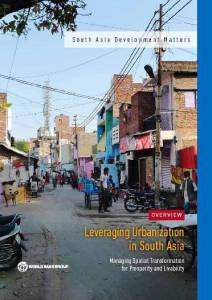
Meanwhile, a new World Bank report on urban trends in South Asia reminds us that Sri Lanka’s share of the population officially classified as living in urban areas actually fell slightly between 2000 and 2010.
The report suggests that as much as one-third of Sri Lanka’s population may be living in areas that, while not officially classified as urban, “nevertheless possess strong urban characteristics”.
This report tries to overcome our region’s data deficiencies by drawing on some unconventional data sources — such as nighttime lights and other forms of remotely sensed earth observation data.
Analysis of night lights has also revealed a more general growth of multi-city agglomerations – continuously lit belts of urbanization containing two or more sizeable cities – across South Asia. Their number has risen from 37 in 1999 to 45 in 2010.
In Sri Lanka, the report says, such ‘ribbon development’ radiates out from Colombo along major transport arteries to link it with both Kandy and Galle/Matara, revealing a dynamic urbanization process.
A general conclusion of the report is that South Asian countries urgent need to increase higher quality and more comprehensive data on urban trends and conditions.
South Asia at night – composite satellite image taken in April & Oct 2012 (Image courtesy NASA)
Anomaly of 1987
In Sri Lanka, the low figure for urban population is the direct result of an administrative decision to count all Pradeshiya Sabha areas as being rural. This has long been critiqued by experts such as town planner Prof Ashley L S Perera of the University of Moratuwa.
When the new local government unit was created in 1987 for political expediency, their demarcations totally ignored the existing ground realities, he says. That has led to much confusion about ‘urban areas’ in Sri Lanka for the past quarter century.
Statisticians in Sri Lanka’s government are also well aware of this. Analysing the key findings of the 2012 head count, the Department of Census and Statistics says that the country’s urban percentage “would have been much higher if the definitional issues were resolved”.
In its Census of Population and Housing 2012: Key Findings, the Department notes: “Areas coming under all Municipal Councils (MC) and Urban Councils (UC) are currently considered as urban sector in Sri Lanka. Prior to 1987, Town Councils were also included in the definition of urban areas. With the setting up of Provincial Councils in 1987, these Town Councils were absorbed into Pradeshiya Sabhas which fall into the rural sector since then.”
After 1987, some towns lost their urban status and overnight became ‘officially rural’. The Department acknowledges that there are many areas outside MCs and UCs that “have urban outlook but still classified as rural”.
This leads to underestimation of the degree of urbanization and comparison becomes difficult over the years, it says.
The Department highlights the need to “introduce a realistic definition of urban areas taking into account of the characteristics of the population rather than based on pure administrative considerations.”
It says that Sri Lanka’s urban percentage “would have been much higher if the definitional issues were resolved”.
At the time of the 2012 Census, Sri Lanka had a total of 23 MCs and 41 UCs. According to the Census findings, the country’s eight largest cities – Colombo, Kaduwela, Dehiwala-Mount Lavinia, Moratuwa, Negombo, Kotte, Kesbewa and Maharagama – made up nearly half (48%) of what is officially considered the ‘urban’ population. All these are located in the Western Province.
The balance 56 urban areas include 26 small cities with population below 25,000. “This shows the uneven distribution of the urbanization” says the Department.
The Census found that in the Colombo district, three out of four people (77.6%) already live in urban areas. Batticaloa (28.7%), Ampara (23.6%), Trincomalee (22.4%) districts in Eastern province and Mannar (24.5%), Vavuniya (20.2%), Jaffna (20.1%) districts in Northern province all have urbanization levels higher than the current national average of 18.2%.
Misleading the world
Adopting a more pragmatic and realistic definition of ‘urban’ is thus a policy priority for Sri Lanka. That can help better planning of our rapidly urbanising human habitats.
Such a move can, hopefully, also awaken those Lankans who insist about their ‘very rural island’ contrary to what the evidence suggests.
It would also stop international organisations and researchers from mistakenly labelling Sri Lanka as a country with only a small urban population.
For example, World Urbanization Prospects 2014, a global overview published by the UN Department of Economic and Social Affairs, has listed Sri Lanka as one of 16 countries worldwide that “still have low levels of urbanization, i.e. below 20 per cent”. (As an inter-governmental body, the UN goes by national governmental data.)
The largest (by population) among these ‘low urbanized countries’, were listed as Burundi, Ethiopia, Malawi, Niger, South Sudan, Uganda, Nepal and Sri Lanka. “By 2050, all of these countries are expected to become significantly more urbanized, with as much as twice their respective proportions urban in 2014,” the UN report noted.
However, as minister Ranawaka just publicly declared, that doubling has already happened in Sri Lanka! Now if only official data custodians can change definitions, we can finally move away from the illusion of being a rural country…
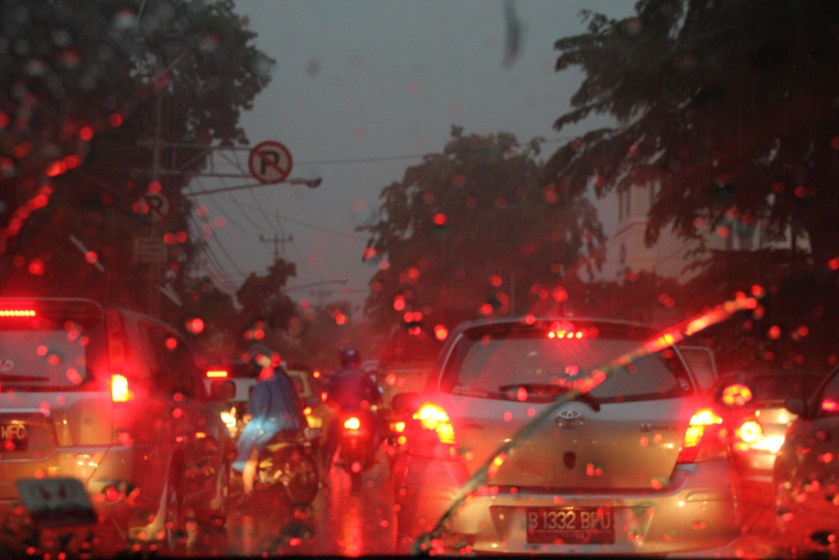
City design, transport planning, air quality and public health may fall under the purview of different government agencies. But in our chaotic cities, these factors come together to create urban nightmares. Solutions also require an integrated approach.
Can we awaken from this sleep-walking before it’s too late?
This is the question I pose – and try to answer — in this week’s Ravaya column, (appearing in issue of 1 Nov 2015).
I quote the transport specialist Professor Amal Kumarage of the University of Moratuwa as saying that the national average speed is already down to 26 km per hour. Within the Colombo district, the average speed is 22 km per hour. The national average speed is projected to drop to 19 km per hour, while the Colombo district figure would drop to 15 km per hour, by 2031.
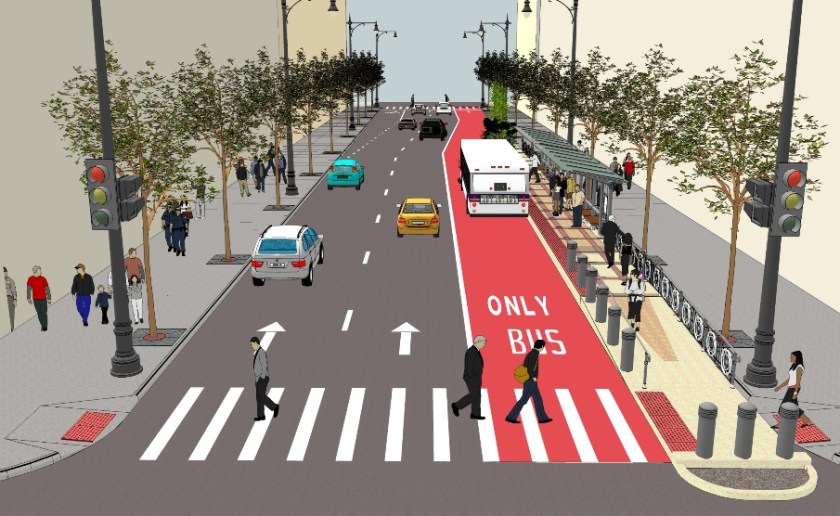
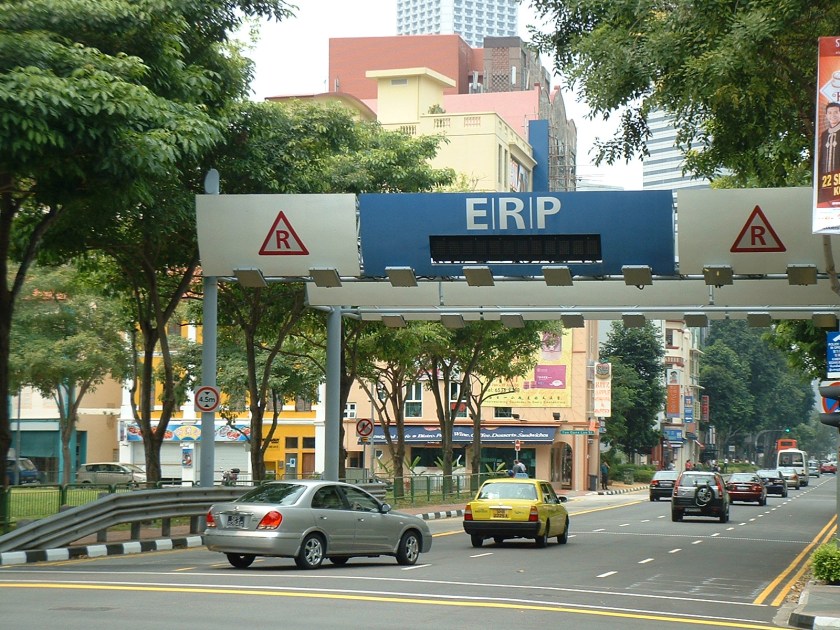
What are the smart solutions? I highlight the greater emphasis and investment needed in mass transit systems. In particular, I mention solutions such as dedicated bus lanes, bus rapid transit arrangements, congestion charges, and other demand side management options.
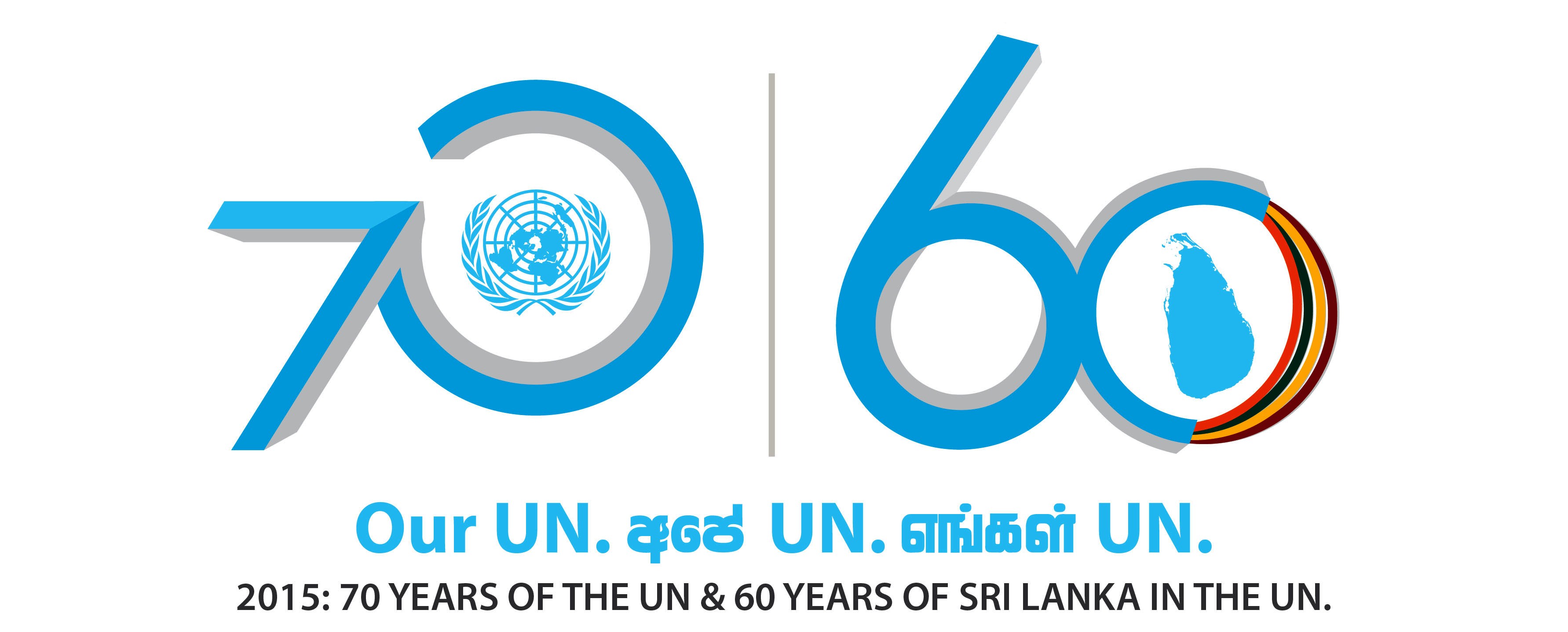
In 2015, the UN is 70 and Sri Lanka’s membership is 60 years
On 24 October 2015, United Nations marks its 70th birthday. A few weeks later, on 15 December 2015, is the 60th anniversary of Sri Lanka (then Ceylon) becoming a member state of this inter-governmental organisation.
In this week’s Ravaya column, (appearing in issue of 25 Oct 2015), I continue my focus on Sri Lanka’s engagement with the UN system. In last week’s column, we recalled how Sri Lanka’s heads of state/government and diplomats engaged with the General Assembly and Security Council.
Today, we look at some eminent Lankan professionals who joined the UN system in expert or management positions and contributed to its intellectual and institutional development over the decades.
As Thalif Deen, a journalist of Lankan origin who has been reporting from the UN headquarters since the mid 1970s, once wrote: “When future historians take stock of Sri Lanka’s enduring contributions during its first 50 years at the United Nations, they may realise that our political legacy spanned both the upper and lower limits of the universe: the sky above and the oceans below.”
The list of Lankans who have excelled within the UN system is long, and I have had to be selective here. The ones mentioned in this column are:
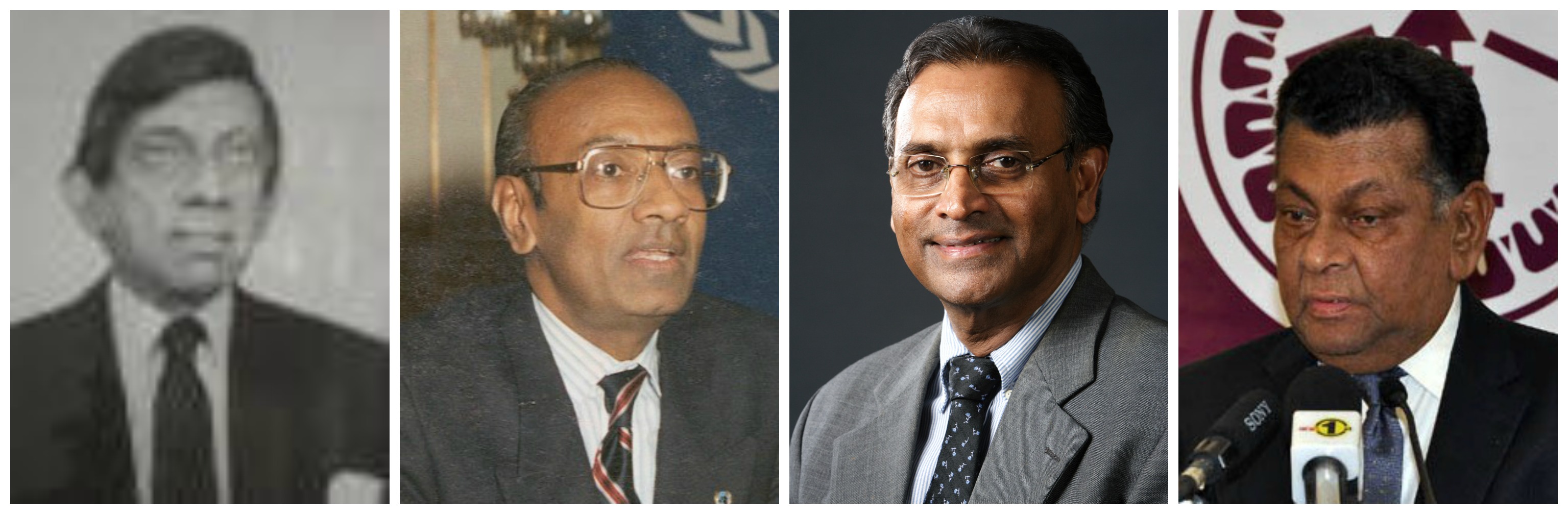
Dhanapala Samarasekera (one of the earliest Lankans to join the UN system, as an expert with ECOSOC);
Neville Kanakaratne (legal advisor to the second Secretary General Dag Hammarskjold);
Nandasiri Jasentuliyana (Director of UN Office for Outer Space Affairs among other positions);
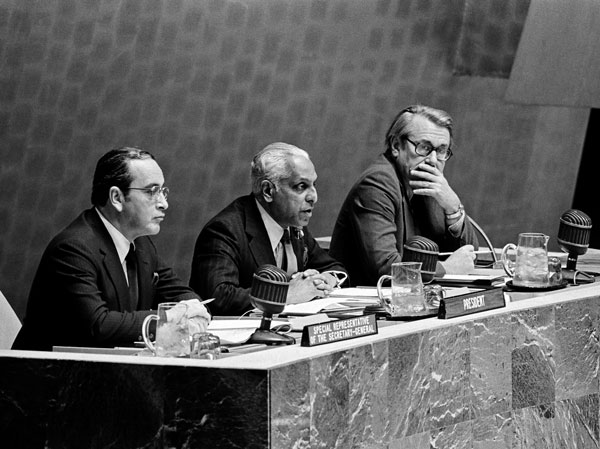
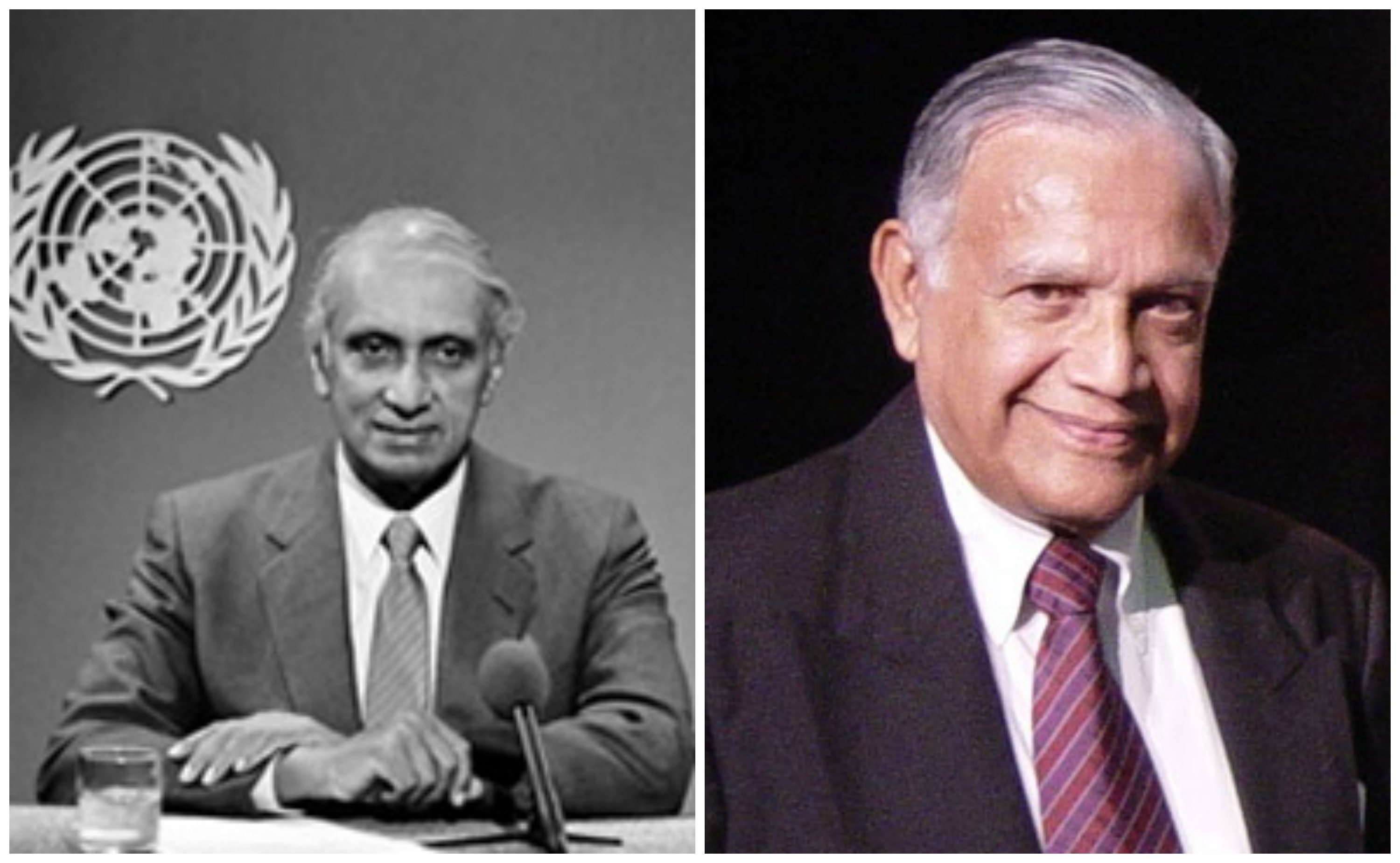
Hamilton Shirley Amerasinghe (President of the UN General Assembly in 1976, and later president of the UN Law of the Sea Conference);
Gritakumar E Chitty (a former Registrar of the International Tribunal for the Law of the Sea);
Gamani Corea (a former Secretary General of UNCTAD);
Christopher G Weeramantry (Justice of the International Court of Justice and later its Vice President);
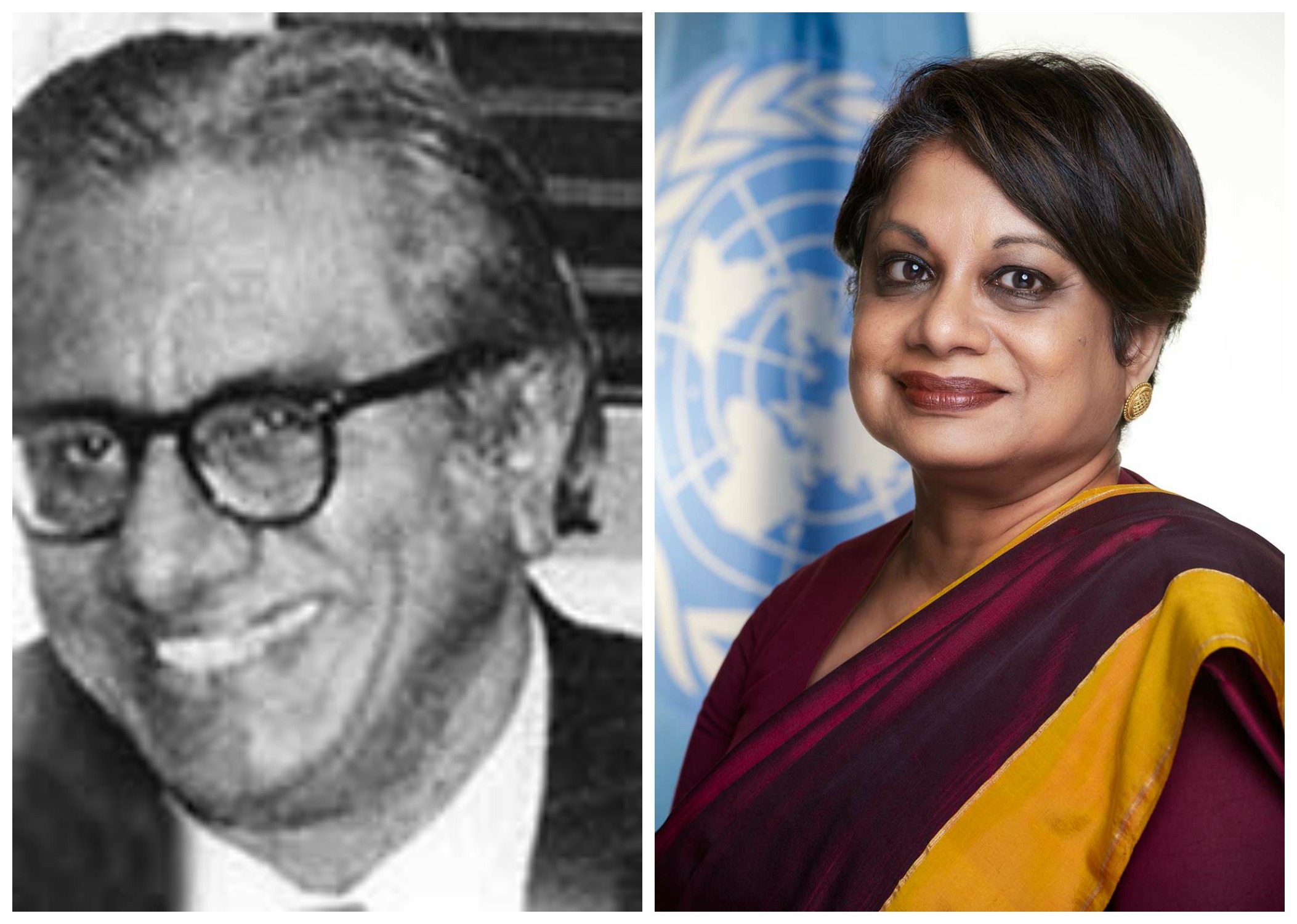
Rajendra Coomaraswamy (Assistant Administrator of UNDP and Director of UNDP’s Regional Bureau for Asia and the Pacific);
Radhika Coomaraswamy (UN Special Representative for Children and Armed Conflict 2006-2012);
Jayantha Dhanapala, President of the Nuclear Non-Proliferation Treaty Conference 1995 and Under Secretary General heading the UN Department of Disarmament (1998–2003)
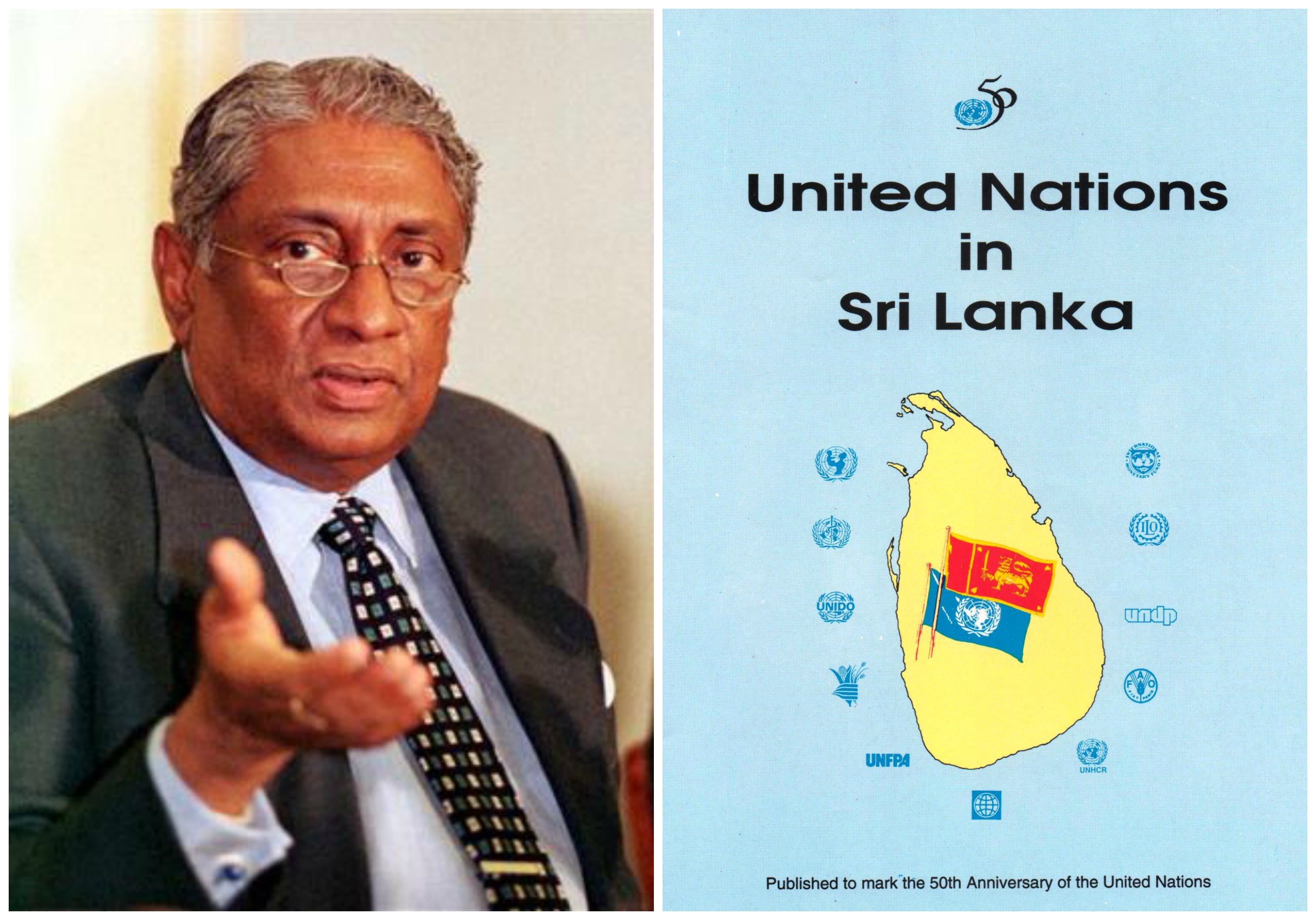
I end with a reference to Lakshman Kadirgamar, who served the ILO and later WIPO in senior positions in Geneva before becoming Sri Lanka’s finest Minister of Foreign Affairs in 1994. I quote from the Foreword that Kadirgamar wrote to a book on the United Nations in Sri Lanka that I wrote for the UN Information Centre (UNIC) in Colombo in 1995 to mark the UN’s 50th anniversary.
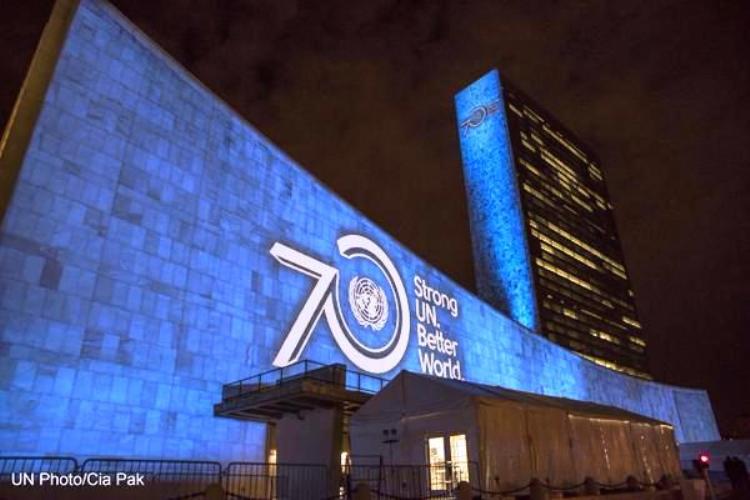
UN Headquarters in New York lights up for 70th birthday (UN Photo)
On 24 October 2015, United Nations marks its 70th birthday. A few weeks later, on 15 December 2015, is the 60th anniversary of Sri Lanka (then Ceylon) becoming a member state of this inter-governmental organisation.
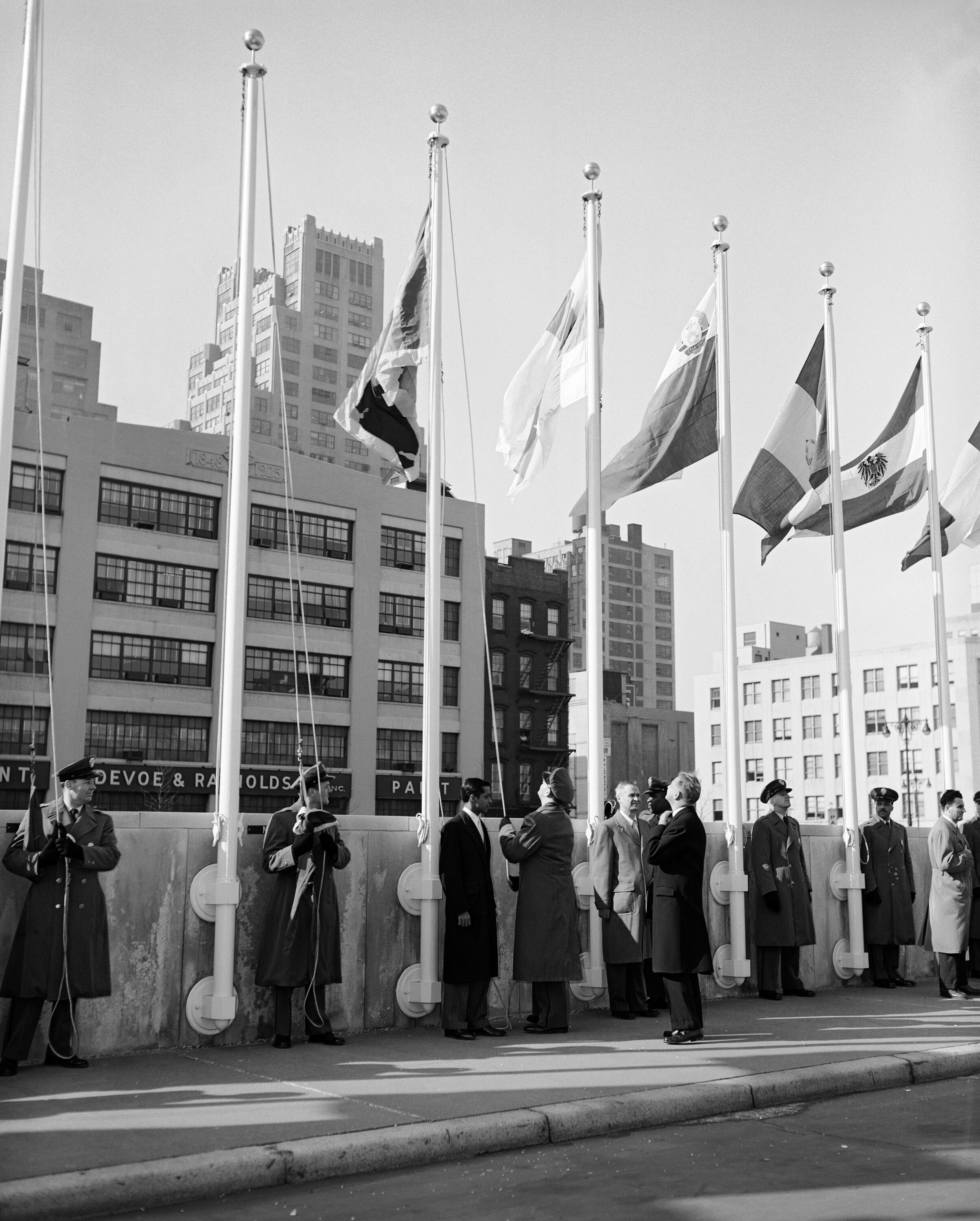
In this week’s Ravaya column, (appearing in issue of 18 Oct 2015), I look at Sri Lanka’s engagement with the UN. It started in December 1955, when Ceylon was admitted to membership (after its application had been resisted by the Soviet Union since 1950, on the grounds that Ceylon was ‘not fully independent’).
Ceylon/Sri Lanka has thus had 60 years of fruitful engagement with the UN through its permanent mission that was set up in New York in early 1956. The country has played a key role in global debates at the General Assembly, Security Council and other bodies and specialized agencies of the UN family.
I quote from the first speech by a Lankan head of government at the General Assembly, made by Prime Minister Solomon W R D Bandaranaike on 22 Nov 1956. I refer to illustrious ambassadors of Ceylon/Sri Lanka who have served as Permanent Representative to the UN – among them scholars, eminent lawyers and career diplomats.
They not only articulated their country’s position at the UN, but also stood for larger ideals such as non-alignment, peaceful resolution of conflicts, nuclear disarmament, and peaceful uses of both outer space and the international seas beyond territorial waters of states.
I point out that, through intellectual contributions and principled positions, Sri Lanka has had an influence disproportionate to the size of its population and economy – a case of punching above its weight category.
I also clarify that the UN Secretariat in New York and its extension in Colombo are actually at the service of its 193 member states which remain the ultimate masters. In fact, Sri Lanka has been a fee-paying member state: its contribution to the UN regular budget for 2015 is USD 678,391 (approx LKR 93,155,300).
So when occasional protesters demonstrate outside the UN office in Colombo, it only shows their gross ignorance of who actually heads the UN. Their own government is one of 193 members that determine the inter-governmental body’s policies and operations. Meanwhile we the citizens of Sri Lanka pay 0.025% of the UN’s annual budget.
Sadly, the UN Information Centre in Colombo has failed to promote such conceptual clarity among the Lankan politicians and media, some of who harbour serious misconceptions about the UN and its operations.
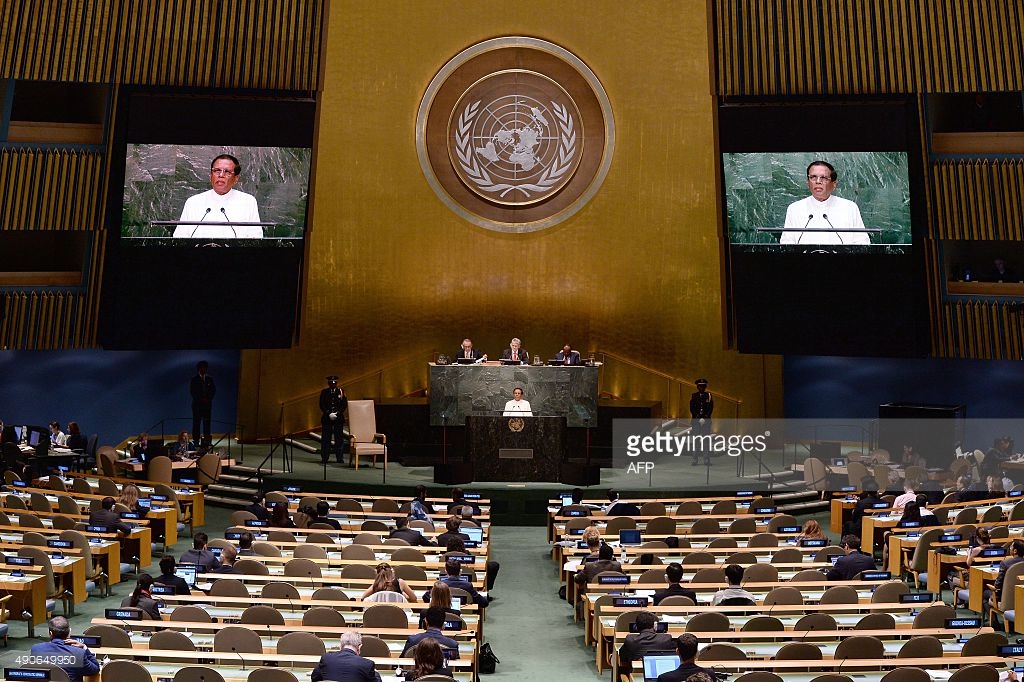
Sri Lanka’s President Maithripala Sirisena addresses the 70th Session of the United Nations General Assembly at the UN in New York on September 30, 2015. AFP PHOTO – JEWEL SAMAD
Sir Senerat Gunewardene, right, Ceylon’s first Permament Representative to the United Nations, with the then UN Secretary-General Dag Hammarskjold (UN Photo Archive)
Ceylon Prime Minister S W R D Bandaranaike (third from left) at the UN Headquarters, Nov 1956. On extreme right is Sir Senerat Gunewardene, Ceylon’s first Permanent Representative to the UN (UN Photo Archive)
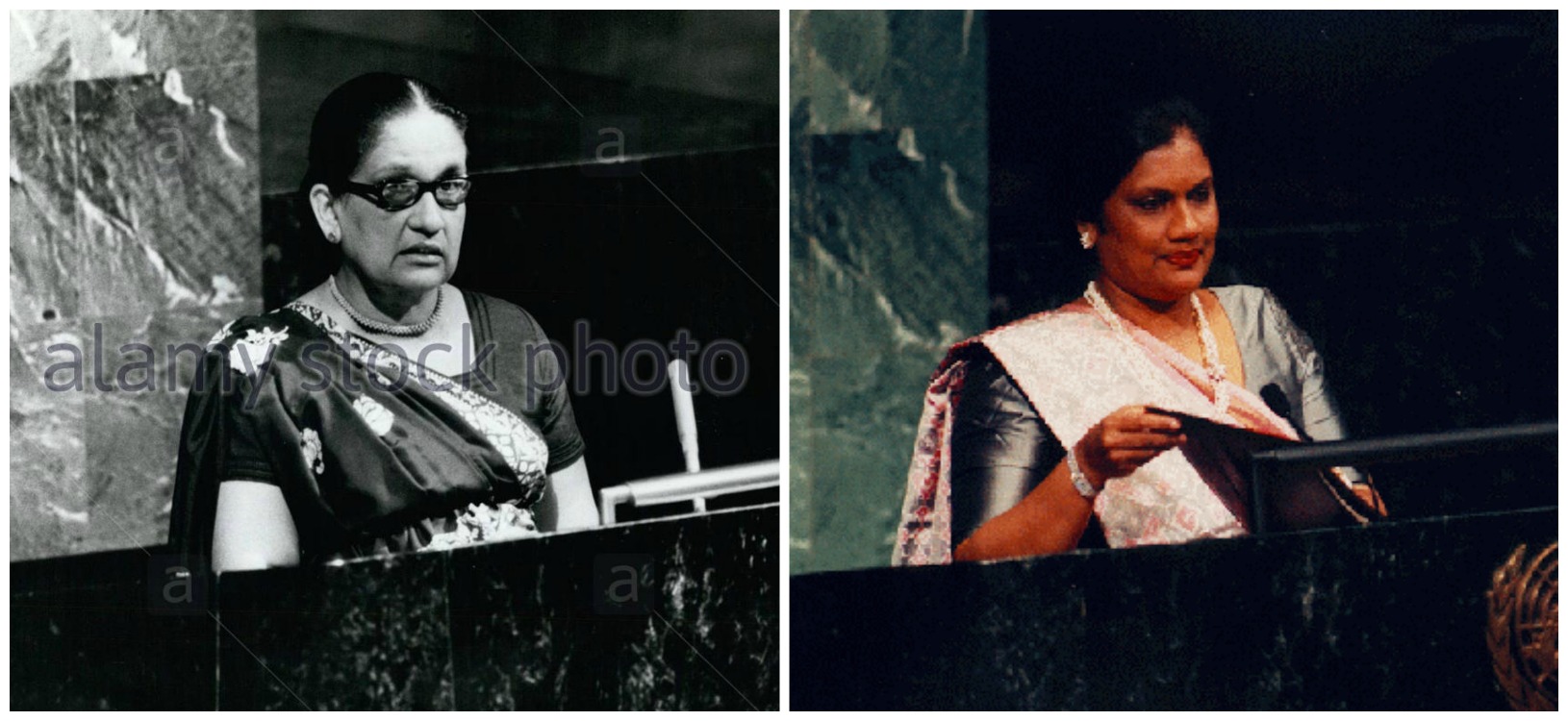
Left – Sri Lanka PM Sirimavo Bandaranaike speaking at UN on 9 Sep 1976, and her daughter President Chandrika Bandaranaike Kumaratunga speaking at UN in September 1995 (UN Photos)
Today, I gave the opening speech at an introductory seminar on ‘open data’ held at the Sri Lanka Press Institute, Colombo, on 15 Oct 2015.
Organised by InterNews and Transparency International Sri Lanka, the seminar explored the concepts of ‘open data’ and ‘big data’ and discussed that role civil society, media and technologists can play in advocating to government to open up its data, enabling a culture of transparency and open government.
An Open Dialogue on Open Data – 15 Oct 2015 Coloombo – L to R – Sriganesh Lokanathan, Nalaka Gunawardene, Sanjana Hattotuwa [Photo by Sam de Silva]My premise was that while the proliferation of digital tools and growth of web-based data storage (the cloud) opens up new possibilities for information generation and sharing, South Asian societies need to tackle institutional and cultural factors before democratised and digital data can really transform governance and development. Our countries must adopt more inclusive policies and practices for public sharing of scientific and other public data.
This resonates with a call by the United Nations for a ‘data revolution for development’. I cited the UN Secretary-General’s Independent Expert Advisory Group on a Data Revolution for Sustainable Development (IEAG) highlighted this in a report titled A World That Counts: Mobilising The Data Revolution for Sustainable Development (Nov 2014).
A World that Counts…
I also referred to the Sustainable Development Goals (SDGs) that were adopted by member states of the UN at a heads of state level summit in New York on 25-27 September 2015. Underpinning all 17 SDGs is an explicit recognition of the value of data for development — to better inform decisions, and to better monitor progress.
Sri Lanka’s President Maithripala Sirisena addressed the Summit, and officially committed Sri Lanka to the SDGs. I argue that implicit in that commitment is a recognition of data for development and open data policies. We now need to ask our government to introduce a government-wide policy on data collection, storage and sharing. In short, it must open up!
This was my open call to the President to open up:
Open Your Govt’s Data, Mr President! Hope you don’t give us HAL’s famous answer…
Sri Lanka has taken tentative steps towards open data. In 2013, the Open Data initiative of Government started making some official datasets freely available online. It focuses on machine-readable (well-structured and open) datasets.
I quoted from my own recent op-ed published in Daily Mirror broadsheet newspaper:
After many years of advocacy by civil society, Sri Lanka will soon adopt a law that guarantees citizens’ Right to Information (RTI). It has recently been added to the Constitution as a fundamental right.
Passing the RTI law is only a beginning — institutionalising it requires much effort, considerable funds, and continued vigilance on civil society’s part.
RTI is Coming: Are We Ready? My question to Lankan civil society and media
As champions of RTI, media and civil society must now switch roles, I said. While benefiting from RTI themselves, they can nurture the newly promised openness in every sphere, showing citizens how best to make use of it. Reorienting our public institutions to a new culture of openness and information sharing will be an essential step.
I looked at the larger news media industry in Sri Lanka to which provincial journalists supply ground level news, images and video materials. These are used on a discretionary basis by media companies mostly based in the capital Colombo (and some based in the northern provincial capital of Jaffna). Suppliers have no control over whether or how their material is processed. They work without employment benefits, are poorly paid, and also exposed to various pressures and coercion.
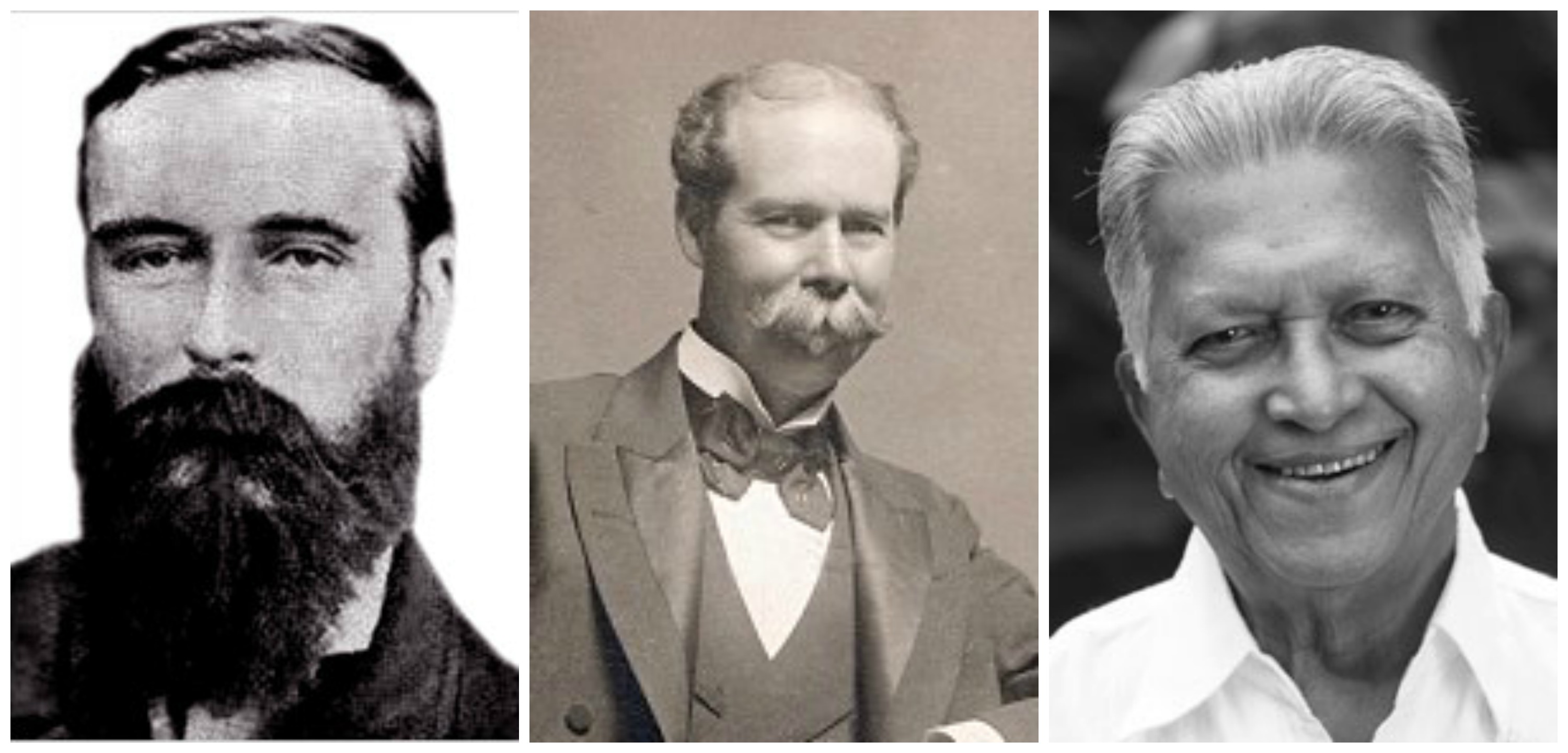
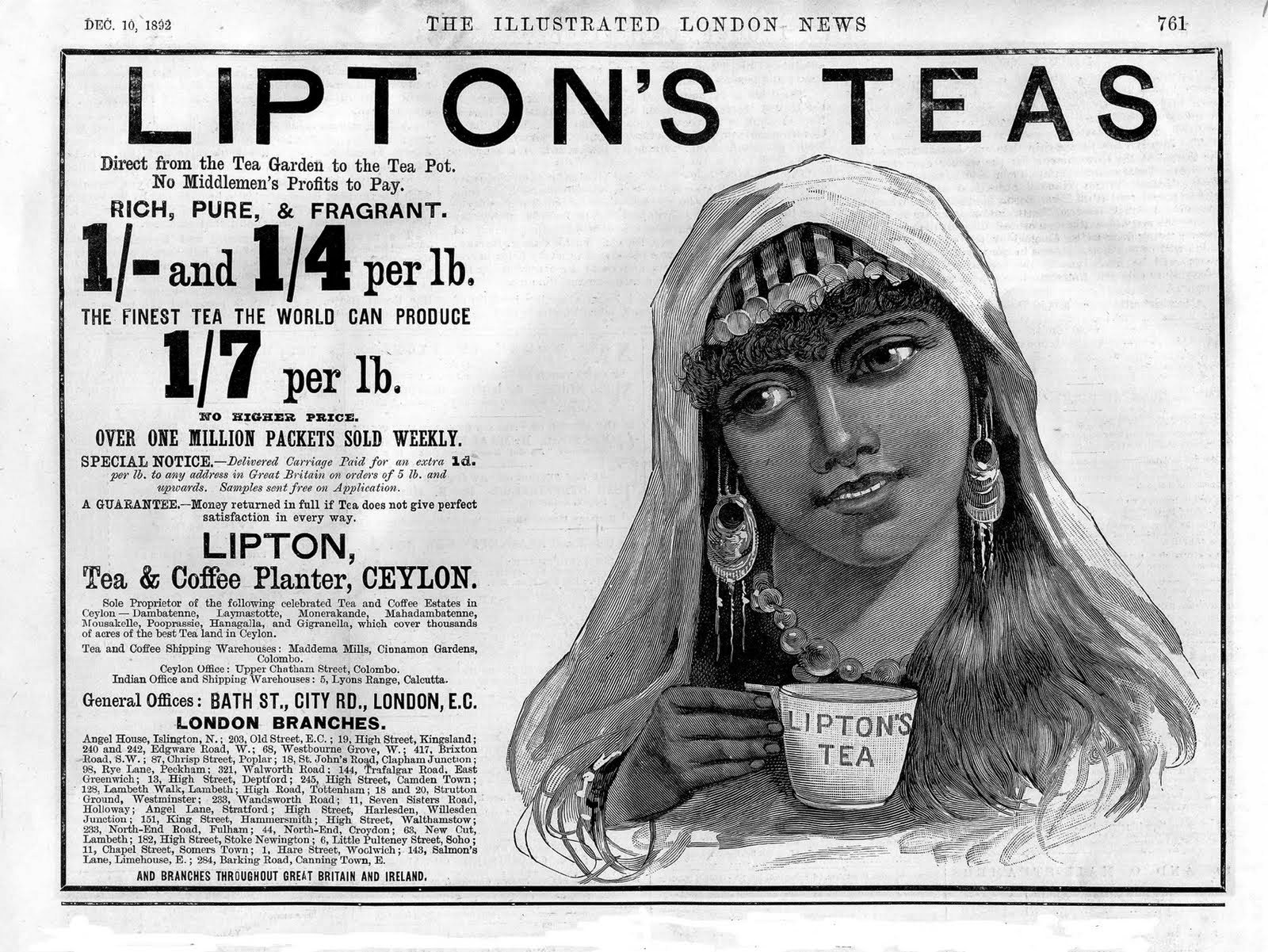
I drew an analogy with the nearly 150-year old Ceylon Tea industry, which in 2014 earned USD 1.67 billion through exports. For much of its history, Ceylon tea producers were supplying high quality tea leaves in bulk form to London based tea distributors and marketers like Lipton. Then, in the 1970s, a former tea taster called Merrill J Fernando established Dilmah brand – the first producer owned tea brand that did product innovation at source, and entered direct retail.
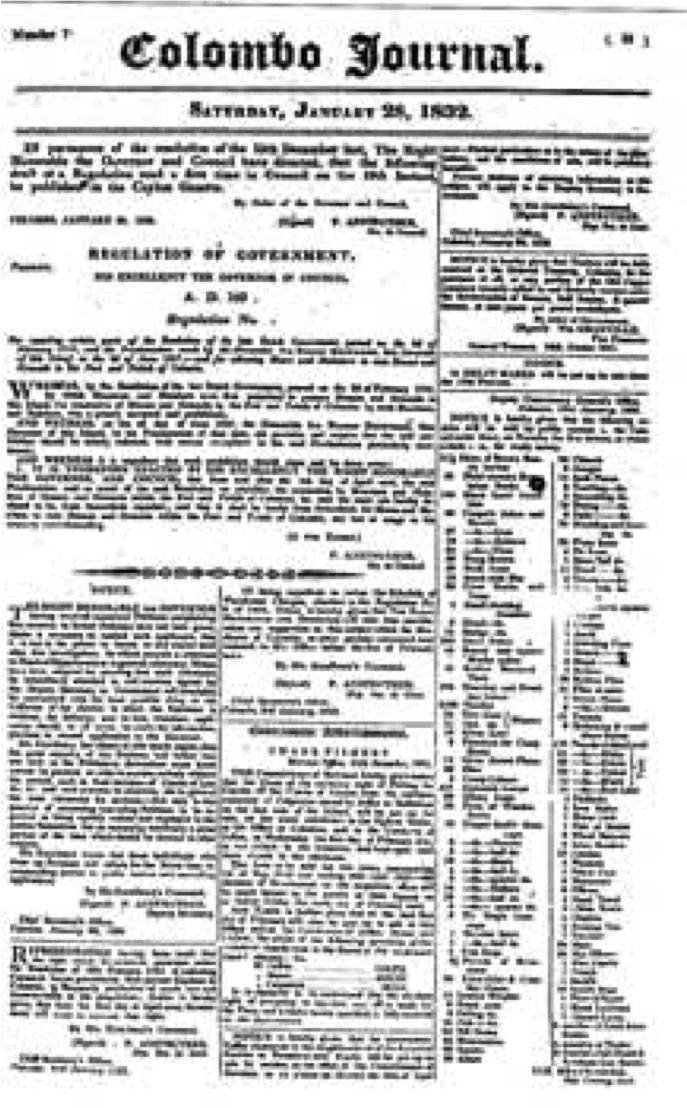
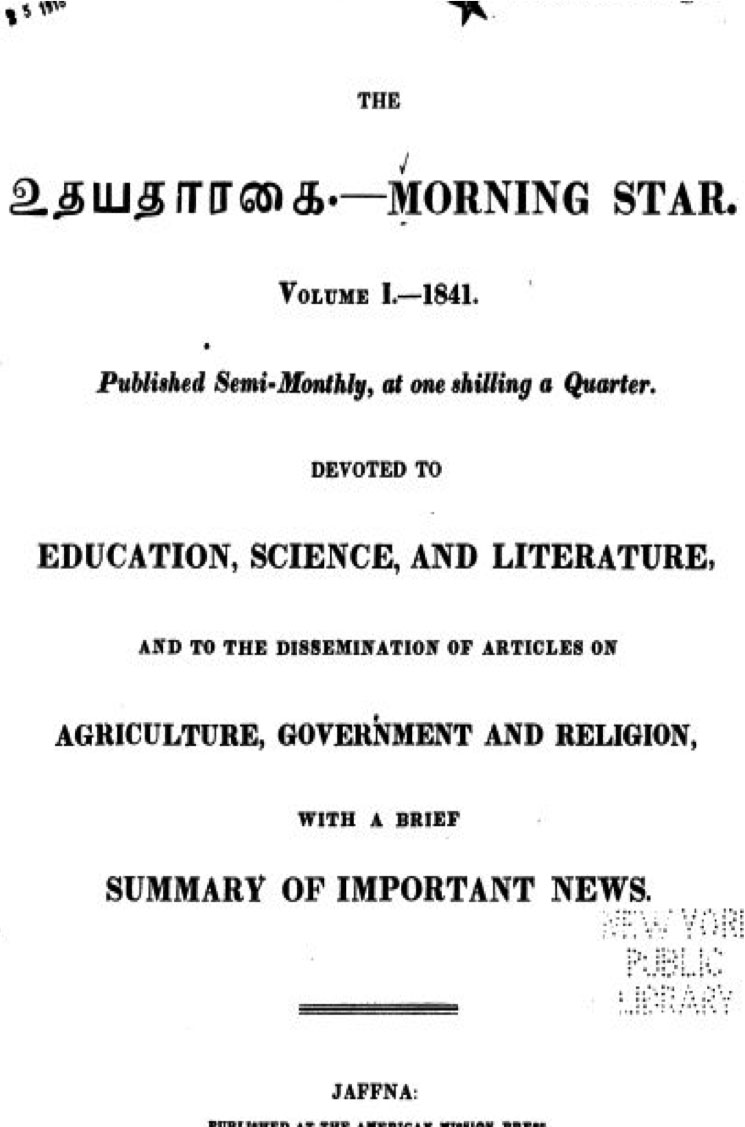
The media industry also started during British colonial times, and in fact dates back to 1832. But I questioned why, after 180+ years, our media industry broadly follows the same production model: material sourced is centrally processed and distributed, without much adaptation to new digital media realities.
In this week’s Ravaya column, (appearing in issue of 11 Oct 2015), I have adapted my talk into Sinhala.
Ceylon Tea industry pioneers and innovator: L to R – James Taylor, Thomas Lipton, Merrill Fernando
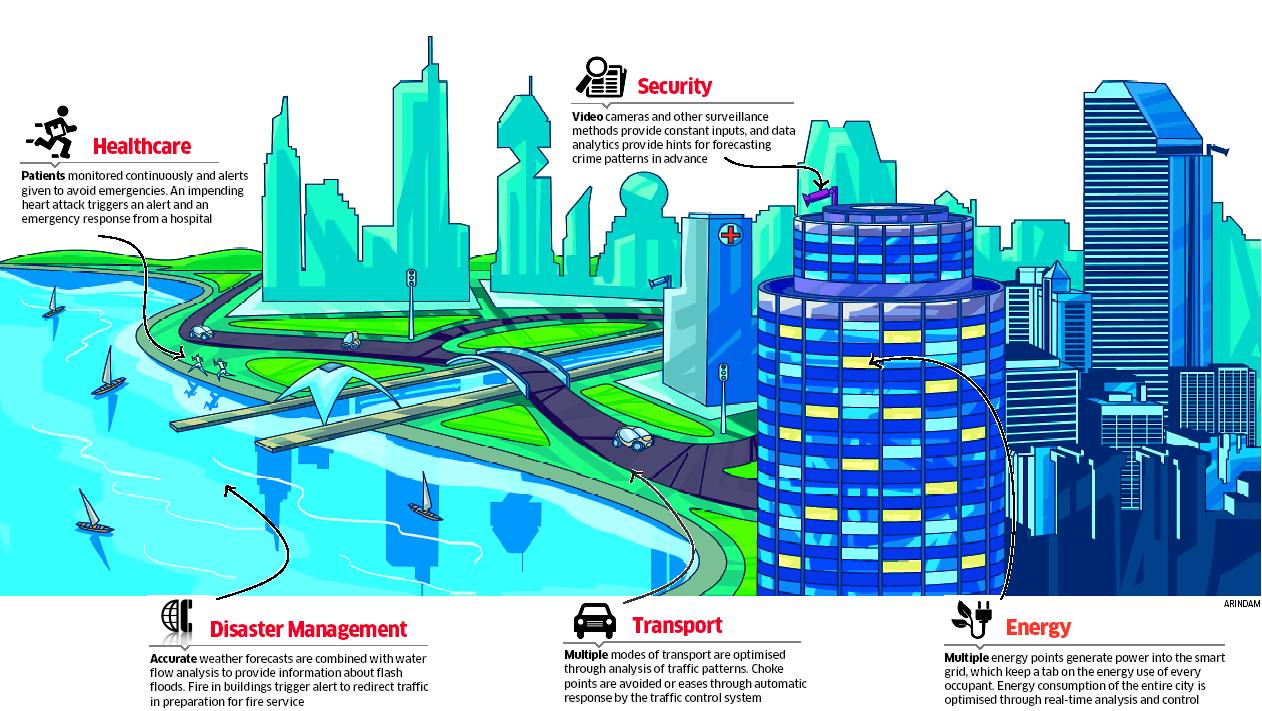
The term ‘smart city’ refers to urban systems, and not to the smartness of residents. In fact, there is no universal definition of smart cities: it can mean smart utilities, smart housing, smart mobility or smart design.
Smart cities use information and communications technologies (ICTs) as their principal infrastructure. These become the basis for improving the quality and performance of urban services, reducing costs and resource consumption, and for engaging citizens more effectively.
ICTs – ranging from automatic sensors to data centres — would create ‘feedback loops’ within the complex city systems. If processed properly, this flow of data in real time can vastly improve the design of “hard” physical environment and the provision of “soft” services to citizens.
In this week’s Ravaya column, (in Sinhala, appearing in issue of 4 Oct 2015), I explore the concept of smart cities, which the new government of Sri Lanka wants to develop.
It is a formidable task. India in 2014 announced an ambitious programme to create 100 smart cities. Under this, state capitals, as well as many tourist and heritage cities are to receive funding for upgrading their infrastructure. But Prime Minister Modi and his technocrats have been struggling since then to explain just what they mean by smart cities.
I argue that smart cities need empowered people and engaged city administrators. I have argued in earlier in this column, concrete and steel do not a city make. Likewise, ICT enabled smart infrastructure alone will not create smart cities – unless the human factor is well integrated.
Grassroots Journalism in the Digital Age – by Nalaka Gunawardene
I just spoke to a group of 75 provincial level provincial journalists in Sri Lanka who were drawn from around the island. They had completed a training course in investigative journalism conducted by Transparency International Sri Lanka (TISL), with support from InterNews.
The certificate award ceremony was held at Sri Lanka Press Institute (SLPI), Colombo, on 2 October 2015.
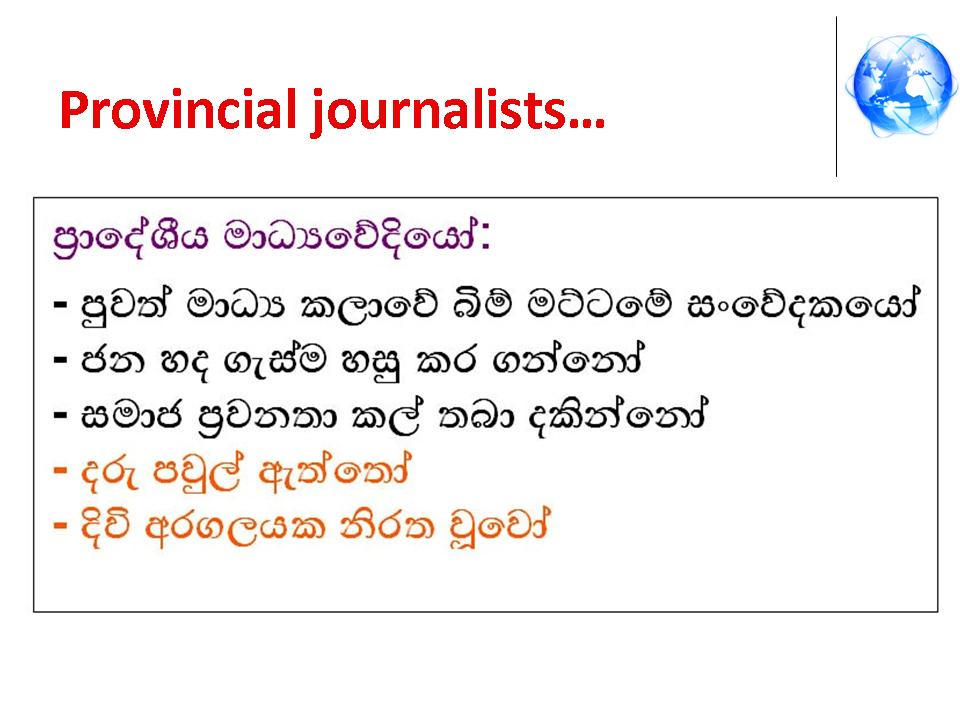
In this talk, I look at the larger news media industry in Sri Lanka to which provincial journalists supply ground level news, images and video materials. These are used on a discretionary basis by media companies mostly based in the capital Colombo (and some based in the northern provincial capital of Jaffna). Suppliers have no control over whether or how their material is processed. They work without employment benefits, are poorly paid, and also exposed to various pressures and coercion.
A tale of two industries: one that evolved, and the other that hasn’t quite done so…
I draw a rough analogy with the nearly 150-year old Ceylon Tea industry, which directly employs around 750,000 people, sustains an estimated 2 million (10% of the population) and in 2014 earned USD 1.67 billion through exports. For much of its history, the Ceylon tea producers were supplying high quality tea leaves in bulk form to London based tea distributors and marketers like Lipton.
The media industry also started during British colonial times, and in fact dates back to 1832. But I question why, after 180+ years, our media industry broadly follows the same production model: material sourced is centrally processed and distributed, without much adaptation to new digital media realities.
I draw a parallel between tea small holders – those growing on lands less than 10 acres (4 ha) who account for 60% of Sri Lanka’s annual tea production – and the provincial journalists. Both are supplies at the beginning of a chain. Neither has much or any say in how their material is processed and marketed.
Provincial Journalists – Ground level ‘eyes and ears’ of media industry, unsung & often unknown
As usual, I don’t have all the answers, but I ask some pertinent questions:
Where are the Merrill Fernandos of our media industry?
Who can disrupt these old models and innovate?
Can disruptive innovators emerge from among provincial journalists?
How can they leverage digital tools and web based platforms?
What if they start value-adding at source and direct distribution via the web?
But since they have families to feed, how to make an honest living doing that?
 Meanwhile, a new World Bank report on urban trends in South Asia reminds us that Sri Lanka’s share of the population officially classified as living in urban areas actually fell slightly between 2000 and 2010.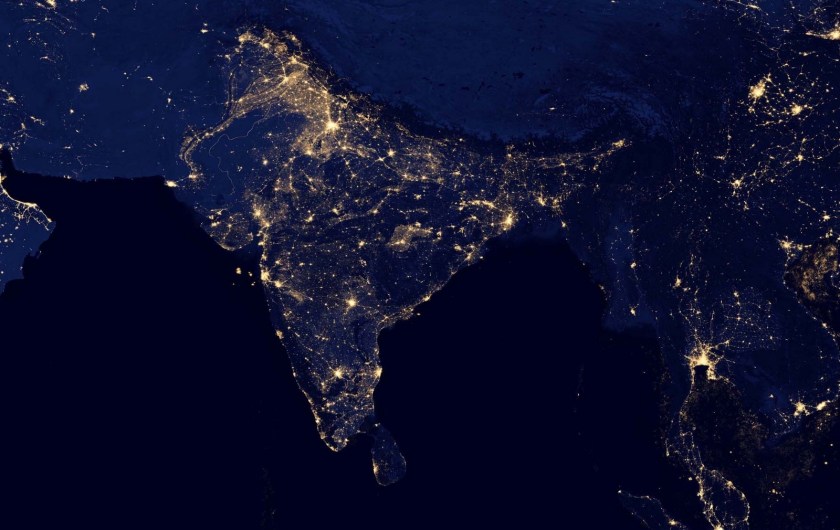
 For example,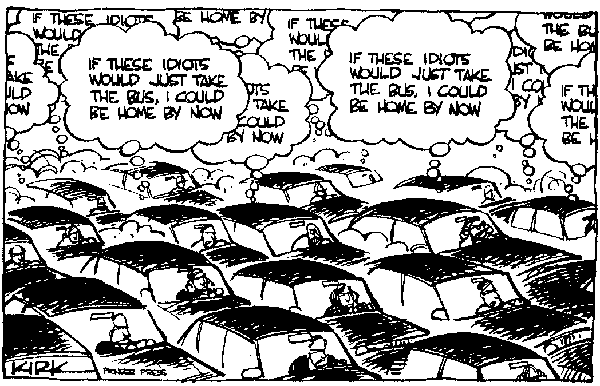






![An Open Dialogue on Open Data - 15 Oct 2015 Coloombo - L to R - Sriganesh Lokanathan, Nalaka Gunawardene, Sanjana Hattotuwa [Photo by Sam de Silva]](https://nalakagunawardene.com/wp-content/uploads/2015/10/an-open-dialogue-on-open-data-15-oct-2015-coloombo-l-to-r-sriganesh-lokanathan-nalaka-gunawardene-sanjana-hattotuwa.jpg)







 Open Minds!