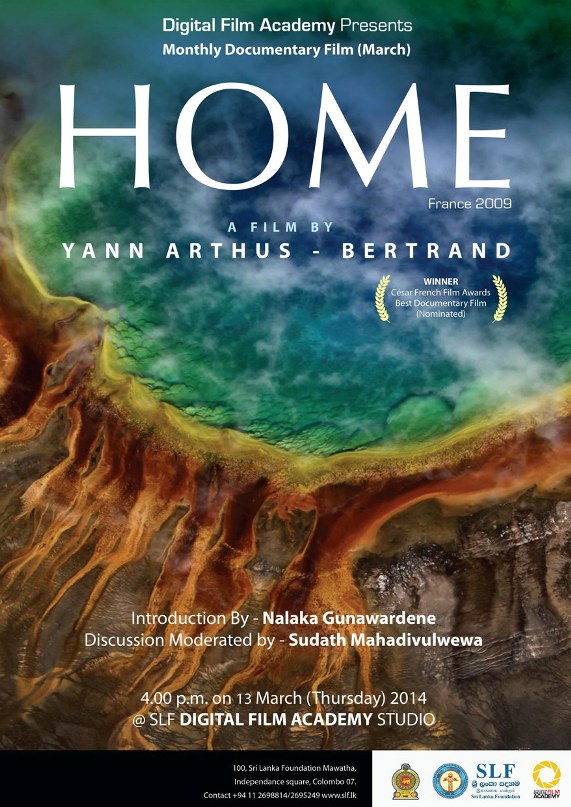
I just took part in a public screening of HOME, the 2009 documentary that offers a new view of our planet — from slightly above.
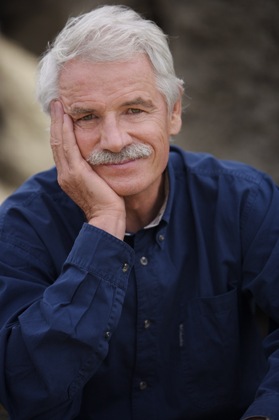
French photographer, journalist and activist Yann Arthus-Bertrand and his team travelled around the planet over 18 months to make this film. They filmed interesting natural and human-made locations in 50 countries — all from the air. This offers a different perspective to our growing impact on the planet’s natural processes and balances.
Technically outstanding and aesthetically enjoyable as it is, does HOME overstate the case for planet-saving action? Or does it gloss over deep-rooted causes of today’s ecological crisis? These and other questions were raised and discussed at our screening.
HOME the movie screening in Colombo, 13 March 2014
I was encouraged by over 60 people turning up – a mix of students, professionals, retirees and others – and staying transfixed for the two full hours – plus another 45 mins of Q&A. This is just a summary of wide ranging discussion moderated by filmmaker and film buff Sudath Mahadivulwewa.
We discussed both style and substance. I personally dislike the patronising narration by actress Glenn Close – who reminds me of an all-knowing old matron. But a few felt that this theme demanded just such a voice and delivery.
We agreed that HOME isn’t a typical natural history or environmental documentary. Its scope is vast (story of our planet and human civilisation), its vantage viewpoint extraordinary.
With all its stunning views and haunting music, HOME projects a strong message of anthropocentrism – that human beings are the central or most significant species on the planet (at least in terms of impact). This is now a dominant view among scientists who study the planet (hence the new name for our times, Anthropocene).
I sometimes wonder – as did some in my audience – whether we take too much credit for our signature on the planet. We sure are the most damaging species, but I worry about environmentalism turning into a religion-like dogma. I have always stayed clear of ‘Mother Earth’ kind of romanticising – we don’t need to turn the planet into a gigantic matriarchy to be motivated to care for it!
Besides, some geological processes — such as volcanic eruptions, earthquakes and tsunamis — are not triggered by human action. When I hear die-hard greens trying to link these phenomena to humanity (never mind the absence of any evidence), I consider it environmental advocacy going crazy.
I also drew my audience’s attention to Alan Weisman’s 2007 best-seller The World Without Us, which offers an original approach to questions of humanity’s impact on the planet: he envisions our Earth, but without us. We may be a formidable presence right now, but if we disappear, the planet would slowly but surely reassert itself…
Is HOME political enough? Some argued the film left too much for individual thought and action when, in fact, much of today’s resource crises and environmental problems stem from structural anomalies and deeply political disparities in the world. Is this an attempt to absolve the governments and corporations of responsibility and heap it all on individuals?
Opinion was divided, but it got us talking – and thinking. I don’t know Yann Arthus-Bertrand, but perhaps he kept the message at personal level so his film can be non-threatening and benignly subversive? There are times when harsh delivery can alienate part of the intended audience.
All considered, an evening well spent. As I’d tweeted in advance, we had a slightly out of this world experience with Arthur-Bertrand as our guide – and no reality altering substances. Indeed, the stark reality facing humanity can be very sobering…
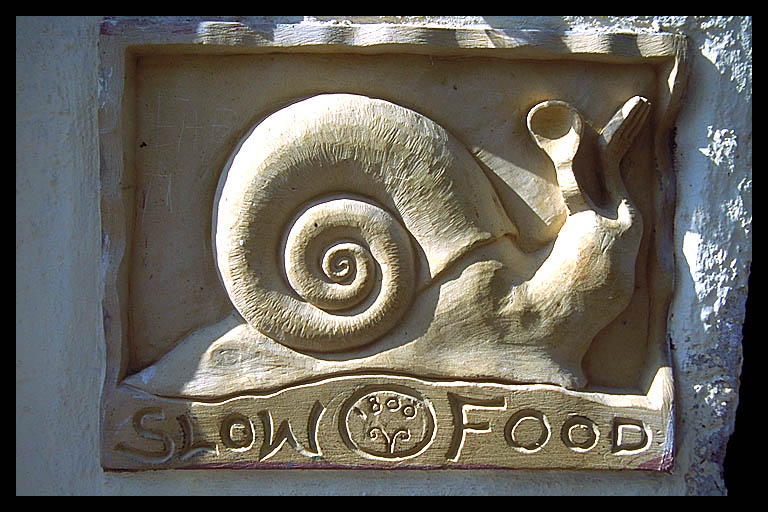
In this week’s Ravaya column (in Sinhala), I continue my exploration of the global Slow Movement, which started with Slow Food in Italy in 1986, originally as a defiance of fastfood. It has since inspired other pursuits of doing things more reflectively and deliberately slowly – such as Slow Cities, Slow Reading, Slow Travel and Slow Art.
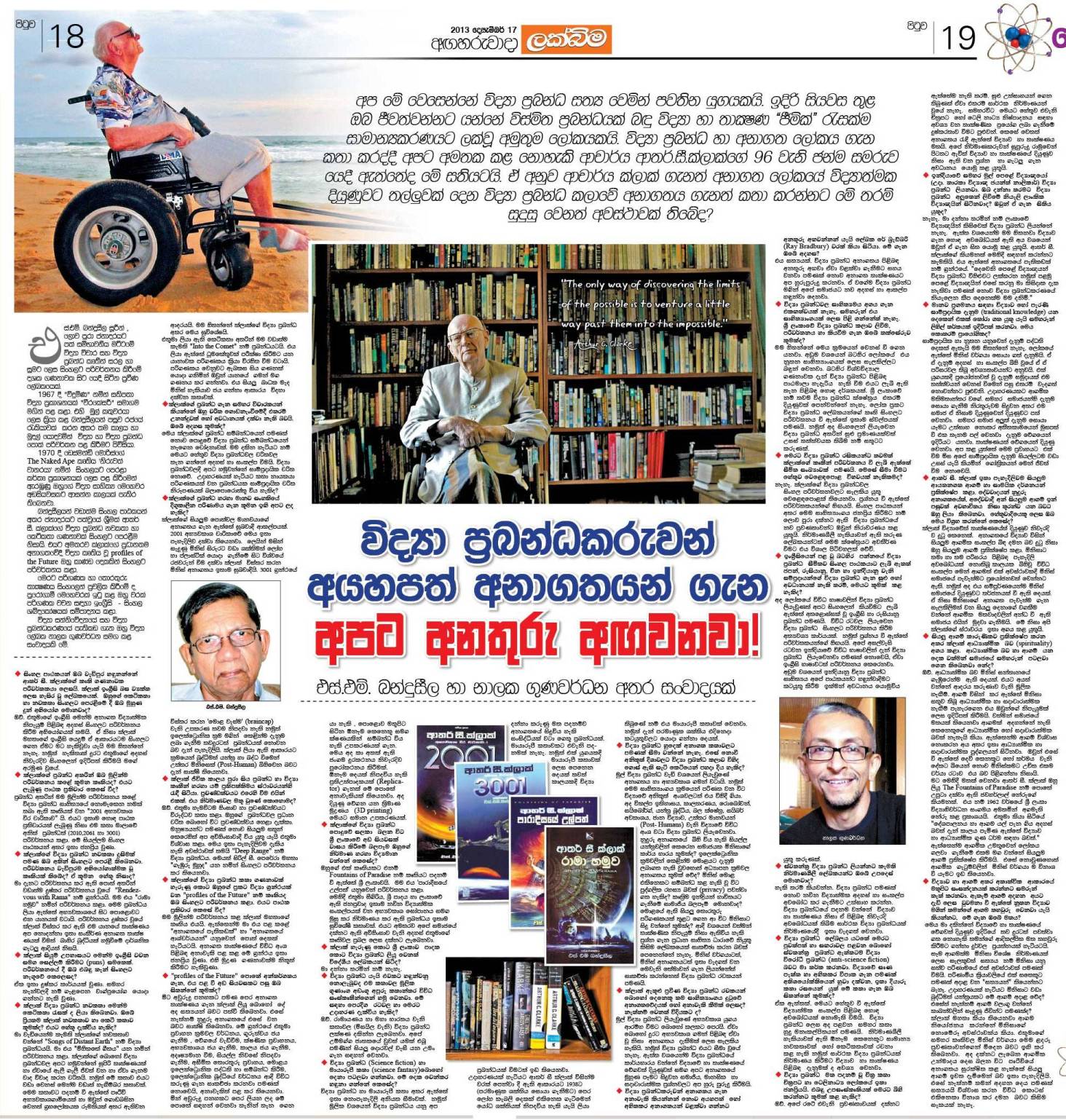
Lakbima Sinhala daily newspaper has just published my long interview with S M Banduseela who is widely recognised as Sri Lanka’s foremost translator of science and science fiction. He is best known as Arthur C Clarke’s Lankan translator.
Those segments are not repeated here. Lakbima has also carried my questions related to Clarke’s views on traditional knowledge, and on religion. Banduseela answers them in his capacity as a leading rationalist and free thinker in Sri Lanka.
As he often said: “One of the great tragedies of mankind is that morality has been hijacked by religion. So now people assume that religion and morality have a necessary connection. But the basis of morality is really very simple and doesn’t require religion at all. It’s this: “Don’t do unto anybody else what you wouldn’t like to be done to you.” It seems to me that that’s all there is to it.”
S M Banduseela is widely recognised as Sri Lanka’s foremost translator of science and science fiction. Beginning in 1970, when he translated into Sinhala language The Naked Ape by zoologist and ethologist Desmond Morris, Banduseela has introduced Sinhala readers to over two dozen world acclaimed titles.
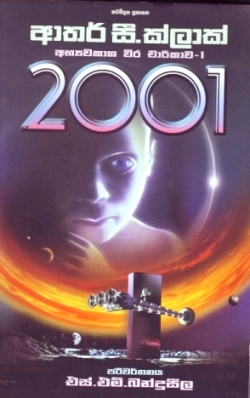
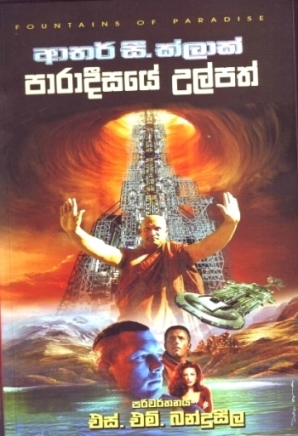
He is best known as Arthur C Clarke’s Lankan translator. In the mid 1970s, he translated Clarke’s landmark 1962 volume Profiles of the Future, which was well received. Encouraged, Banduseela took to translating Clarke’s key science fiction novels beginning with 2001: A Space Odyssey. Over the years, he rendered into Sinhala all four Odyssey novels, as well as other works like The Fountains of Paradise, Rendezvous with Rama and The Hammer of God.
In this wide ranging interview, published in the Sinhala Sunday newspaper Ravaya (24 Nov 2013), I discuss with Banduseela various aspects of science fiction in the Lankan context: the niche readership for this literary genre; its enduring appeal among Sinhala readers; and prospects of original science fiction in Sinhala. He also recalls the challenges he faced translating Clarke’s technically complex and philosophically perceptive novels. I ask him why Sinhala readers have yet to discover the rich worlds of science fiction written in countries like Russia, Japan, China and India.
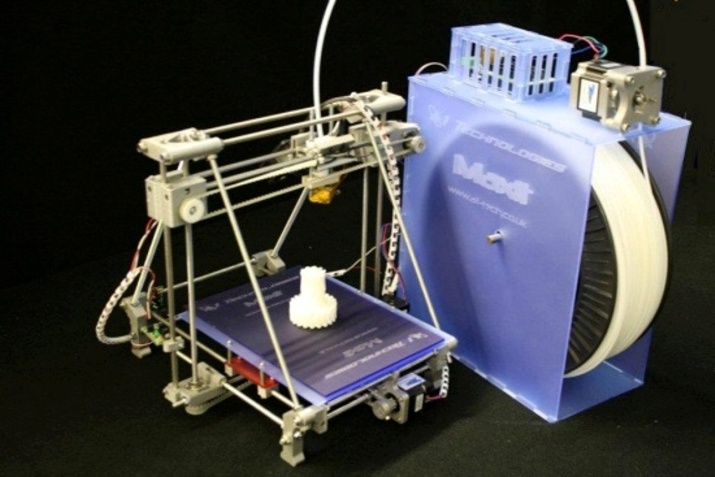
My latest Ravaya column (in Sinhala) is about the promise and challenges of 3D printing technology.
Sri Lanka took many years to come to terms with colour copiers and printers in 2D. For a while, they were not even allowed. This time around, regulating 3D printing will be harder — and there won’t be as much time to endlessly ponder what to do.
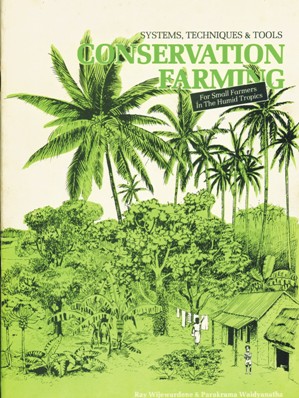
In this week’s Ravaya column (in Sinhala), I have adapted a long exchange I did in 1995 with the late Dr Ray Wijewardene, agro-engineer turned farmer and a leading practitioner in conservation farming in the humid tropics. The rest of this exchange will appear in future columns.
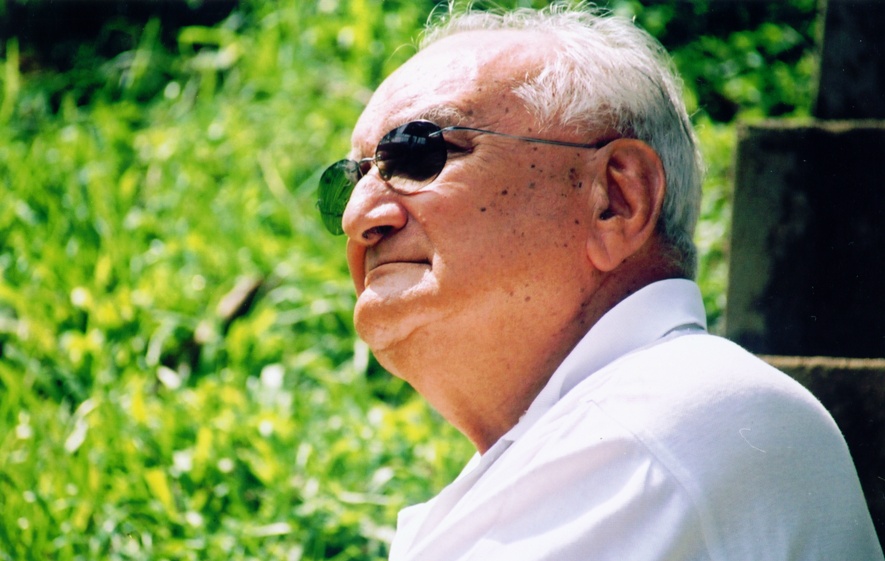
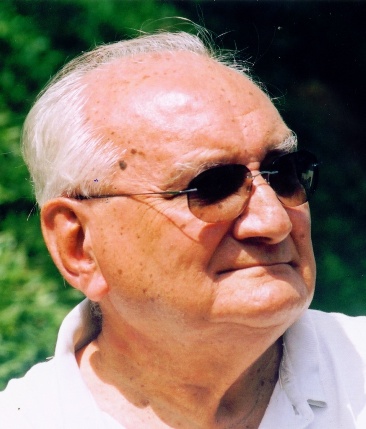
Ray Wijewardene (1924 – 2010) was an accomplished engineer, aviator, inventor, Olympian athlete and a public intellectual of the highest calibre. Although educated at Cambridge and further trained at Harvard, he preferred to introduce himself as a farmer and mechanic ‘who got his hands dirty’. His third death anniversary falls on 18 August 2013.
It was among his flying machines that I first met Ray in late 1986 at the Ratmalana Airport, just south of Colombo. One Sunday morning, he took time off to talk to a group of us high school leavers participating in a Science for Youth programme. It exposed us to various (then) modern technologies. Much of that ‘new knowledge’ has long become obsolete; but the inspiration propelled many of us to pursue careers in science.
That inspiration stemmed mostly from the shy and unorthodox Ray Wijewardene. Although he was then in his early 60s, he had the sense of wonder of a 10-year-old. He gave us practical demonstrations about problem solving and innovation in three areas close to his heart: energy, agriculture and transport.
At the time, he was looking for ways to improve the ordinary bicycle, so that riders could go faster with less effort. He also talked about buffaloes, earthworms and growing our food and energy to become truly ‘non-dependent’ on costly imports.
It was his flying machines that fascinated us the most. As a pilot, Ray was licensed to fly all three kinds of flying machines: fixed-wing aircraft, helicopters and autogyros. But this pilot was flying not only factory-fitted, mass-manufactured units: he built and flew his own ultra-light aircraft and helicopters.
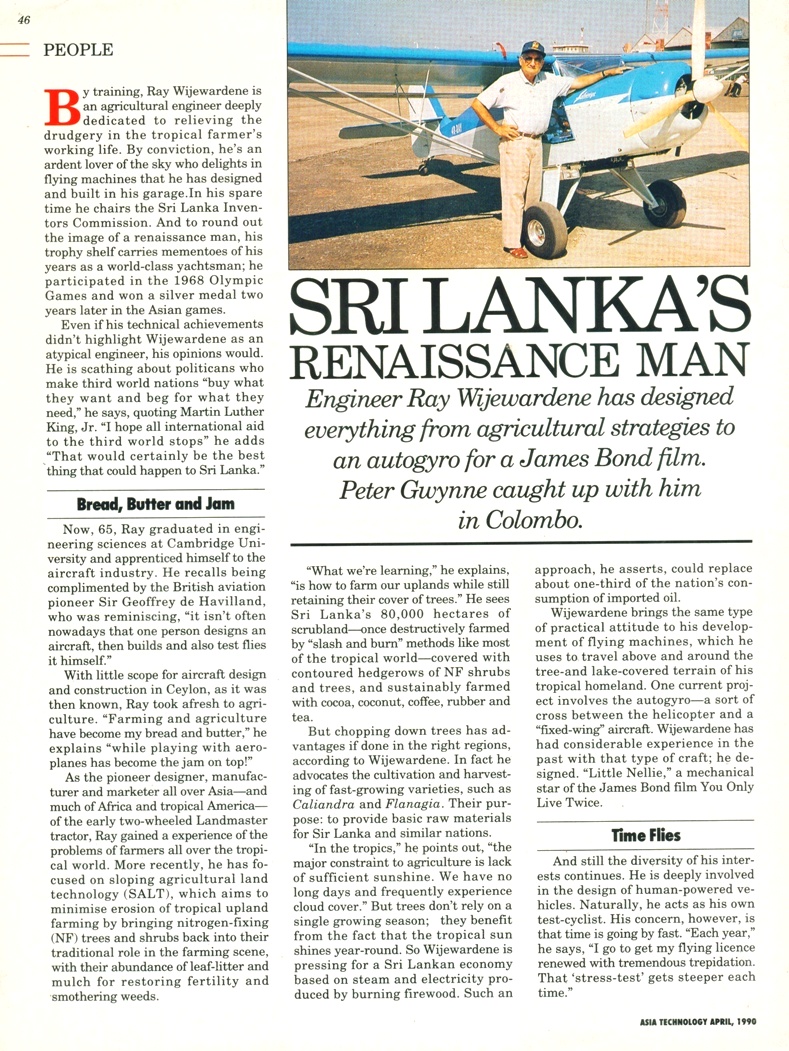
I have just unearthed, from the depths of my own archives, an interview I arranged in early 1990 between Ray and science writer Peter Gwynne, who at the time was editor of Asia Technology magazine published from HongKong. I was their Sri Lanka correspondent.
Peter, who held a BA and MA in metallurgy from Oxford and had been a science writer with various publications (including Newsweek) before moving to HongKong, was on a short visit to Colombo. So I took him to meet one of my most colourful and outspoken scientific friends — Ray. Beyond the predictable Oxbridge banter, they talked about many things. I was just a fascinated fly on the wall…
Based on that encounter, Peter wrote a perceptive profile of Ray — and called him Sri Lanka’s Renaissance Man. An apt title, indeed, given that Ray was talented in many pursuits including music and painting, and had a refined sense of aesthetics, probably the basis of his design sense. (It took me 21 years to come up with anything comparable: when creating the Ray Wijewardene website in 2011, I called him ‘A Man for All Elements’).
Here’s the full profile from Asia Technology, April 1990:
Ray Wijewardene profiled in Asia Technology, April 1990
PS: Asia Technology was a bold venture that didn’t last too long (even though it was part of the Dow Jones Company). The full colour, glossy publication was an early chronicler of Asia’s rise in science and technology, but was ahead of its time. It blazed like a supernova for a year and half, and then folded.
Who is a citizen journalist? Does everyone who blogs and tweets automatically become one? If not, who qualifies? Who judges this on what criteria? And what niche in media and public sphere do citizen journalists fill when compared with salaried journalists working for more institutionalised or mainstream media?
These have been debated for years, and there is no global consensus. They are belatedly being asked and discussed in Sri Lanka, and form the basis of my latest Ravaya column (in Sinhala).
My views were summed up sometime ago in this comment I left on a blog:“Just as journalism is too important to be left solely to full-time, salaried journalists, citizen journalism is too important to be left simply to irresponsible individuals with internet access who may have opinions (and spare time) without the substance or clarity to make those opinions count.”
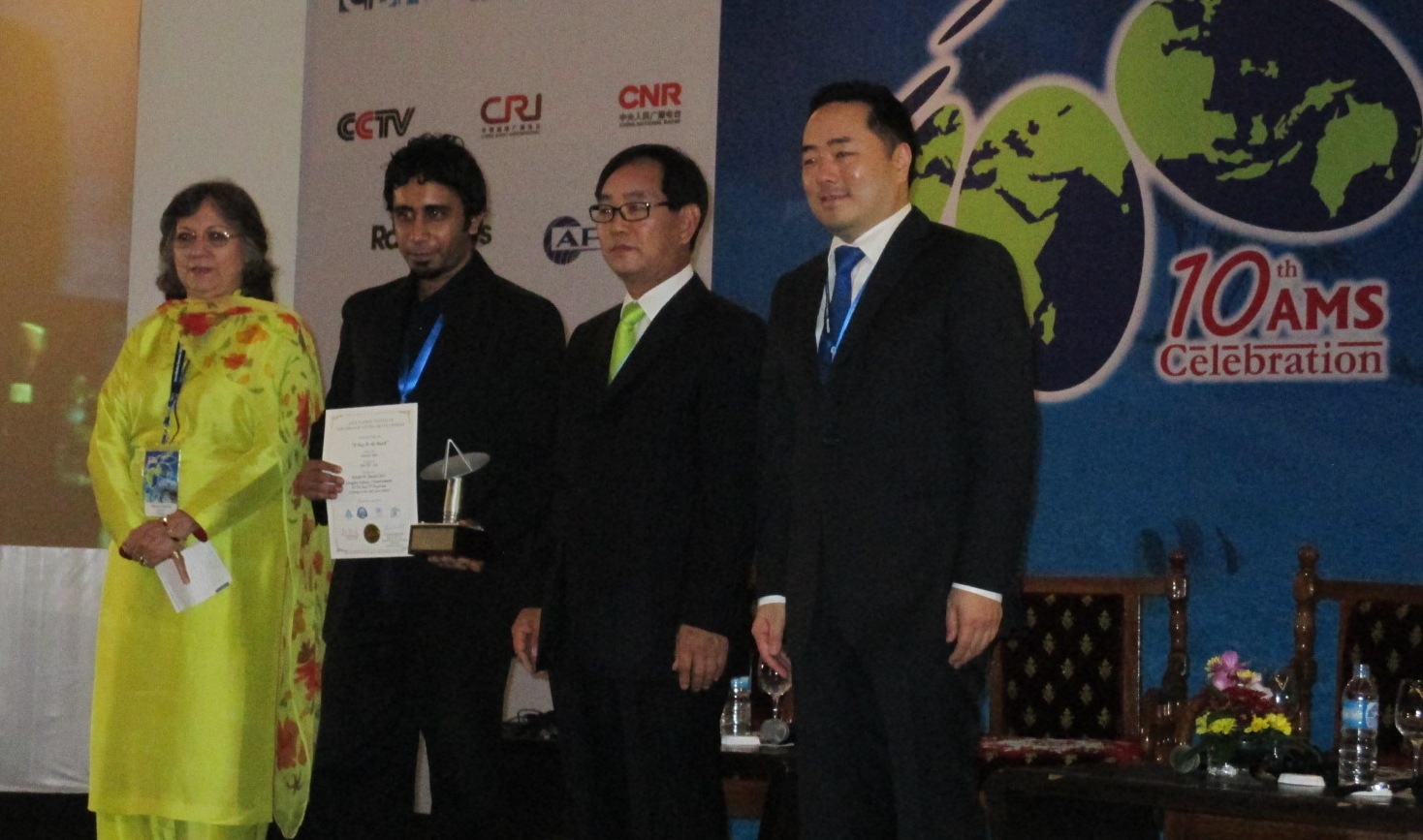
L to R – Moneeza Hashmi (Jury chair), Clarence Dass, Young-Woo Park (Regional Director, UNEP), Yang Binyuan (AIBD Director)
Fijian filmmaker and broadcaster Clarence Dass is a star at Asia Media Summit 2013 in Manado, Indonesia, this week.
First, he won the coveted World TV Award in the Science and Environment category, for his futuristic, dramatized film titled “A Day at the Beach” made for and broadcast by Fiji Broadcasting Corporation (FBC) TV.
That earned him US$ 5,000 prize money, a trophy and a certificate – as well as an all expenses paid trip to Manado, where he just collected them in front of 350 broadcast managers and professionals from across Asia Pacific.
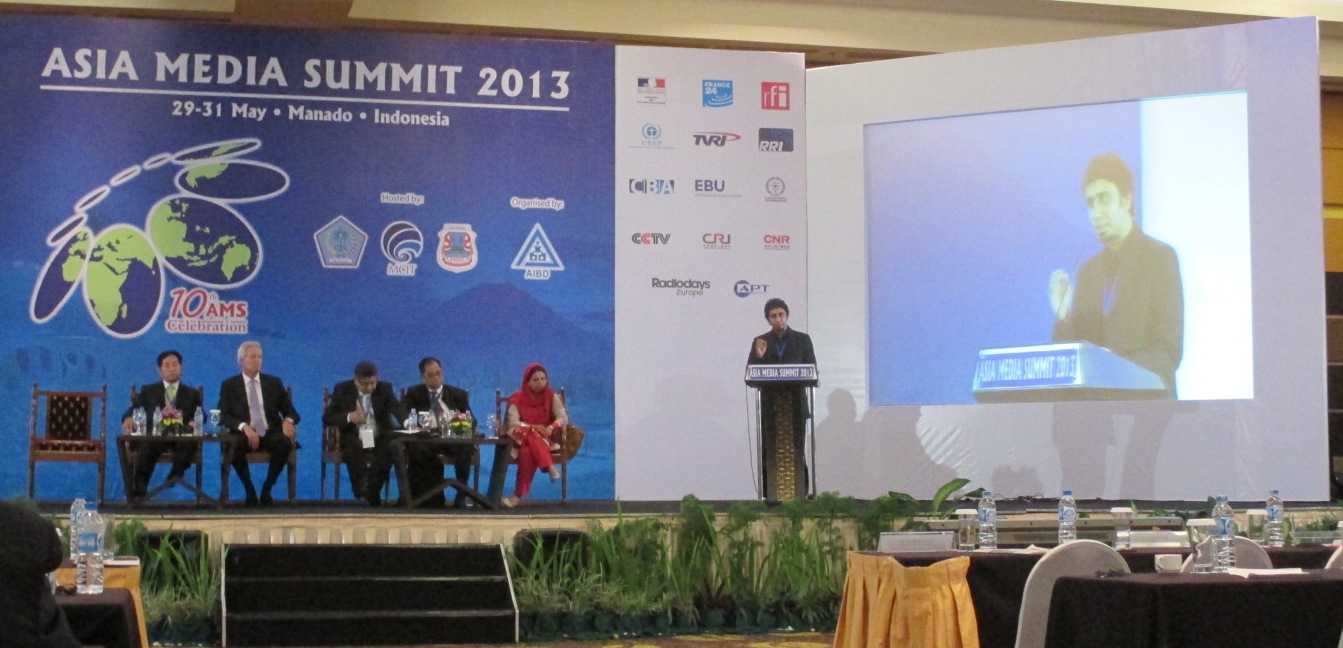
To top it up, he then spoke passionately and articulately during a session on taking action for sustainable development: how can media help?
While TV productions are all team work, public speaking is a solo art. Coming last of five panelists and youngest among them, Clarence made the most perceptive and practical remarks of all.
Clarence would have done well in any case. Now in his early 30s, he has been active in Fiji media since 2001, having started in newspapers as a music journalist, before moving onto radio presenting/producing and then TV production.
He is very digitally savvy, but as his panel remarks showed, also people savvy.
“Today, we have to produce media on-the-go for people who are constantly on the go,” he said. “We have to find ways to bring sustainable development elements into this.”
In “A Day at the Beach”, Clarence imagines a futuristic, climate ravaged Fiji and the Pacific in 2063. A young girl asks: did it have to be this way? Wasn’t there something earlier generations could do?
A bit evocative of The Age of Stupid movie (2009), which I had mentioned during our training. But it’s a universal theme.
Clarence offered some advice from his station’s experience. Key among them is to mix information with entertainment, so as to attract and sustain audiences who are constantly distracted these days.
“As Fiji’s national broadcaster, we provide info-tainment and edu-tainment programmes all the time,” he said.
Clarence Dass speaks on sustainable development how can media help at Asia Media Summit 29 May 2013
Other nuggets of wisdom from the amiable Pacific islander:
* Always ask for whom we are creating content. Knowing and profiling our audience is essential.
* We must make our content engaging. We need to find the right level so our programming appeals to both between laymen and experts.
* Beware of using too many effects and gimmicks, which can dilute the message. How much creativity is too much? Every producer has to ask that question.
* Small scale broadcasters in developing countries have to make content interesting on very limited budgets. Funding is a huge issue. But if managed properly, limited funds can still be made to go a long way.
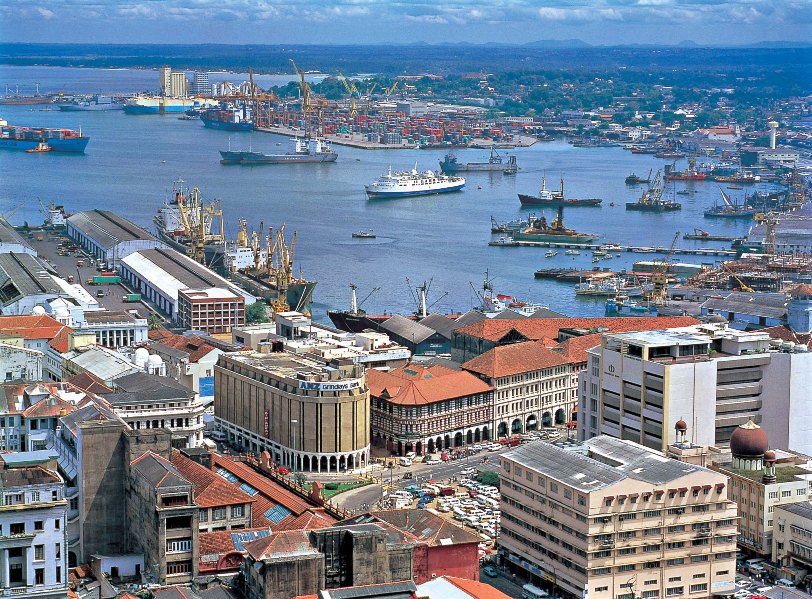
In this weekend’s Ravaya column (in Sinhala), I ask: are there real cities in Sri Lanka that embody liberal values and distinctive identities that cities – both in the East and West – have. If not, what are our urban areas? Over-built neighbourhoods to which residents have transplanted their village mindsets — including feudalism that is rampant in our villages?













 Open Minds!