High inputs to make high yields – at a heavy price
“For sure, the double-edged legacy of the Green Revolution which promoted high external inputs in agriculture must be critiqued. Past mistakes can be rectified at least now.
“However, corrections have to begin upstream by questioning macro-level policies. For example, for half a century, Lankan farmers have had a huge — 90 per cent — state subsidy on chemical fertilisers. This does not encourage thrifty use, yet successive governments have hesitated to fix the massive drain of taxpayer funds.
“Thus, mass kidney failure is more than just a public health emergency or environmental crisis. It is symptomatic of cascading policy failures in land care, water management and farming over decades.”
This is an excerpt from the first of a monthly series of analysis blogs (columns) I will be writing for SciDev.Net in 2014.
Titled “Going upstream for lasting kidney disease remedies“, the first essay looks at the broader implications of a chronic kidney disease that is spreading in India and Sri Lanka for which medical and other researchers still cannot pinpoint a specific cause.
I have been writing and broadcasting about this public health issue for sometime, and have listened (or interviewed) most key players on the Lankan side of the investigation. In this opinion essay, I look at the policy dilemmas and healthcare challenges posed by Chronic Kidney Disease of uncertain aetiology, or CKDu.
I argue: “There are no quick fixes. In searching for solutions, health and environmental activists must rise above their single-issue advocacy positions. They can bring grassroots concerns to national debates. Collaboration – not confrontation or conspiracy theories – is the need of the hour.
“Hijacking a human tragedy for scoring some debating points is not worthy of any true follower of Rachel Carson.”
News feature published in Ceylon Today broadsheet newspaper, 23 January 2014
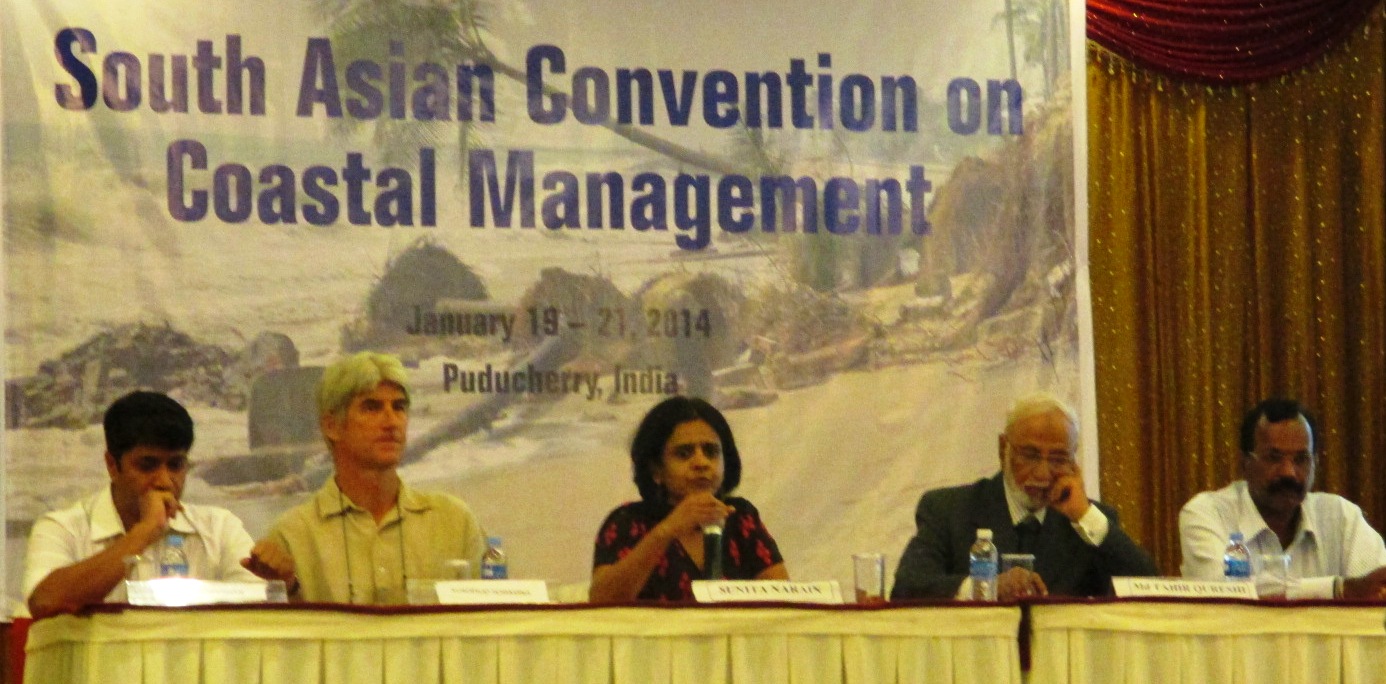
South Asia Coastal Management Convention in Pondicherry – L to R Chandra Bhushan, Aurofilio Schiavina, Sunita Narain, Tahir Qureshi, Anil Premaratne
South Asian Coasts Reeling Under Pressure
By Nalaka Gunawardene in Pondicherry, India
As economic development gathers pace in South Asia, its coastal regions are coming under pressure as never before. More ports, power plants and tourist resorts are jostling with fishermen and farmers.
Balancing livelihoods, economic growth and environmental conservation is the only way to avoid a major resource crisis, acknowledged participants at the South Asia Convention on Coastal Management held in Pondicherry, India, from 19 to 21 January 2014.
Over 70 senior government officials, researchers, civil society activists and journalists from Bangladesh, India, Maldives, Pakistan and Sri Lanka came together for this event, organised by Delhi-based Centre for Science and Environment (CSE) and Pondicherry-based citizen group, PondyCAN.
They reported how a disproportionately high share of South Asia’s industrialisation, urbanisation and tourism development is concentrated along its combined 11,240 km of coastline. In total, coastal areas support livelihoods of some 400 million South Asians through fisheries, tourism and other activities.
In many parts of the region, high population density exists alongside sensitive ecosystems – such as mangroves and coral reefs and river estuaries. This intensifies the challenge of managing coastal resources. Climate change impacts, already felt as extreme weather events, add to these pressures.
Participants discussed strategies for regulating coastal development, protecting coastal habitats and coping with climate change.
They agreed on the urgent need for improving scientific understanding of coastal regions, which begins with clearly defining, demarcating and mapping such areas. Evidence based policy making and effective regulation depend on such a knowledge base, currently lacking or inadequate.
“There is a need to strengthen regulatory systems, build capacity and do more research to better manage coastal challenges in South Asia,” said Sunita Narain, Director General of CSE.
In CSE’s view, she said, the most important intervention is to strengthen existing institutions to get them to deliver with greater transparency and accountability.
She added: “We need to balance conservation with benefits to local communities. We also need partnerships between conservation, development and livelihoods without which coastal resource management is not possible in a region like South Asia”.
Only such an approach can reconcile the many pressures faced by South Asia’s maritime countries including poverty, depleting resources, increasing hazards and large scale enterprises seeking quick profits from the coastal resources.
“We need to make sure these plans incorporate climate change to make them more meaningful to countries like ours,” he added.
Large scale infrastructure development projects are adding to other pressures. India – which already has 202 commercial ports and 27 thermal power plants on its coastline – is planning another 76 ports and 59 power plants. Over 70% of Sri Lanka’s tourist hotels are located in the coastal zone, with more coming up. The scramble for the coast is increasing in other countries, too.
Meanwhile, over two thirds of the world’s ship breaking takes place on open beaches in Bangladesh, India and Pakistan with little regard for worker health or environmental pollution. It is a highly hazardous industry with lucrative returns for operators.
Participants agreed on the need for the South Asian countries to share experiences and approaches and to learn from each other.
Premaratne pointed out that laws and regulations are just one strategy for better managing coastal areas. Other strategies include awareness raising and public education, and the involvement of local communities in resource management and benefit sharing.
Participants also stressed the need for placing all scientific information and maps in the public domain. Right now, these are often trapped in state agencies or research institutes, with no easy access to researchers or other citizens.
Probir Banerjee, President PondyCAN, stressed that the “worst affected are the people living at the margins and the objective has to be to enhance livelihoods, and not compromise them.”
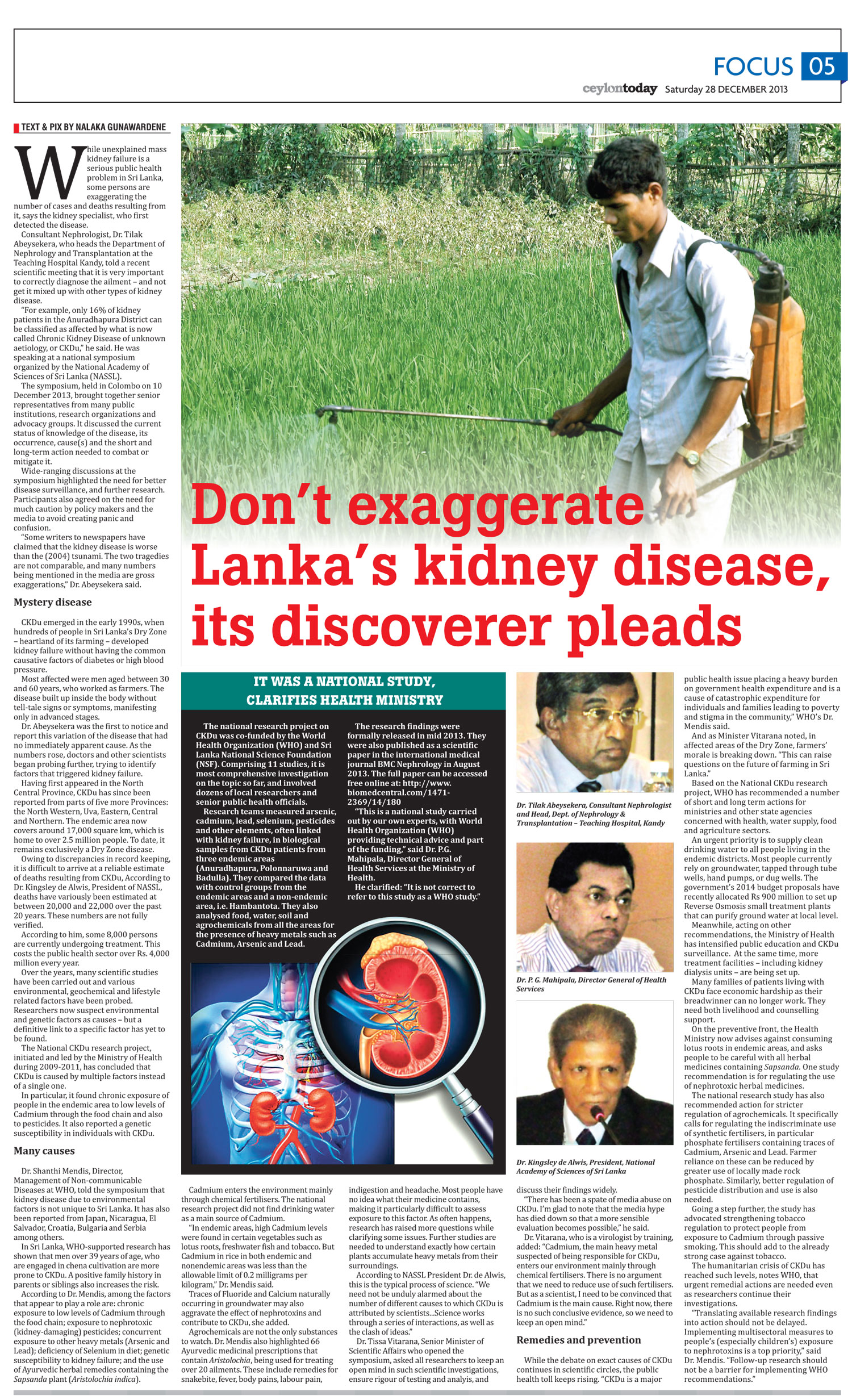
While unexplained mass kidney failure is a serious public health problem in Sri Lanka, some persons are exaggerating the number of cases and deaths resulting from it, says the kidney specialist who first detected the disease.
Consultant Nephrologist Dr Tilak Abeysekera, who heads the Department of Nephrology and Transplantation at the Teaching Hospital Kandy, told a recent scientific meeting that it is very important to correctly diagnose the ailment – and not get it mixed up with other types of kidney disease.
“For example, only 16% of kidney patients in the Anuradhapura district can be classified as affected by what is now called Chronic Kidney Disease of unknown aetiology, or CKDu,” he said. He was speaking at a national symposium organised by the National Academy of Sciences of Sri Lanka (NASSL).
The symposium, held in Colombo on 10 December 2013, brought together senior representatives from many public institutions, research organisations and advocacy groups. It discussed the current status of knowledge of the disease, its occurrence, cause(s) and the short and long-term action needed to combat or mitigate it.
Wide-ranging discussions at the symposium highlighted the need for better disease surveillance, and further research. Participants also agreed on the need for much caution by policy makers and the media to avoid creating panic and confusion.
“Some writers to newspapers have claimed that the kidney disease is worse than the (2004) tsunami. The two tragedies are not comparable, and many numbers being mentioned in the media are gross exaggerations,” Dr Abeysekera said.
Mystery disease
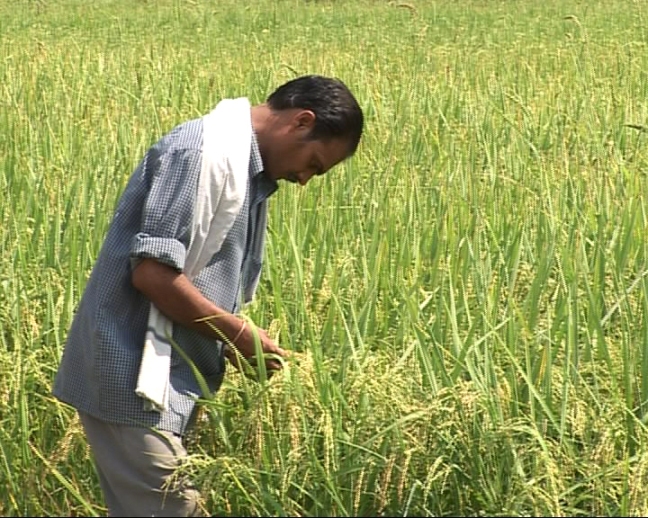
CKDu emerged in the early 1990s, when hundreds of people in Sri Lanka’s Dry Zone – heartland of its farming — developed kidney failure without having the common causative factors of diabetes or high blood pressure.
Most affected were men aged between 30 and 60 years who worked as farmers. The disease built up inside the body without tell-tale signs or symptoms, manifesting only in advanced stages.
Dr Abeysekera was the first to notice and report this variation of the disease that had no immediately apparent cause. As the numbers rose, doctors and other scientists began probing further, trying to identify factors that triggered kidney failure.
Having first appeared in the North Central Province, CKDu has since been reported from parts of five more provinces: the North Western, Uva, Eastern, Central and Northern. The endemic area now covers around 17,000 square km, which is home to over 2.5 million people. To date, it remains exclusively a Dry Zone disease.
Owing to discrepancies in record keeping, it is difficult to arrive at a reliable estimate of deaths resulting from CKDu, According to Dr. Kingsley de Alwis, President of NASSL, deaths have variously been estimated at between 20,000 and 22,000 over the past 20 years. These numbers are not fully verified.
According to him, some 8,000 persons are currently undergoing treatment. This costs the public health sector over Rs. 4,000 million every year.
Over the years, many scientific studies have been carried out and various environmental, geochemical and lifestyle related factors have been probed. Researchers now suspect environmental and genetic factors as causes – but a definitive link to a specific factor has yet to be found.
The National CKDu research project, initiated and led by the Ministry of Health during 2009-2011, has concluded that CKDu is caused by multiple factors instead of a single one (see also box below).
In particular, it found chronic exposure of people in the endemic area to low levels of Cadmium through the food chain and also to pesticides. It also reported a genetic susceptibility in individuals with CKDu.
Many causes
Dr Shanthi Mendis, Director, Management of Non-communicable Diseases at WHO, told the symposium that kidney disease due to environmental factors is not unique to Sri Lanka. It has also been reported from Japan, Nicaragua, El Salvador, Croatia, Bulgaria and Serbia among others.
In Sri Lanka, WHO-supported research has shown that men over 39 years of age who are engaged in chena cultivation are more prone to CKDu. A positive family history in parents or siblings also increases the risk.
According to Dr Mendis, among the factors that appear to play a role are: chronic exposure to low levels of Cadmium through the food chain; exposure to nephrotoxic (kidney-damaging) pesticides; concurrent exposure to other heavy metals (Arsenic and Lead); deficiency of Selenium in diet; genetic susceptibility to kidney failure; and the use of Ayurvedic herbal remedies containing the Sapsanda plant (Aristolochia indica).
Cadmium enters the environment mainly through chemical fertilisers. The national research project did not find drinking water as a main source of Cadmium.
“In endemic areas, high Cadmium levels were found in certain vegetables such as lotus roots, freshwater fish and tobacco. But Cadmium in rice in both endemic and nonendemic areas was less than the allowable limit of 0.2 milligrams per kilogram,” Dr Mendis said.
Traces of Fluoride and Calcium naturally occurring in groundwater may also aggravate the effect of nephrotoxins and contribute to CKDu, she added.
Agrochemicals are not the only substances to watch. Dr Mendis also highlighted 66 Ayurvedic medicinal prescriptions that contain Aristolochia, being used for treating over 20 ailments. These include remedies for snakebite, fever, body pains, labour pain, indigestion and headache. Most people have no idea what their medicine contains, making it particularly difficult to assess exposure to this factor.
As often happens, research has raised more questions while clarifying some issues. Further studies are needed to understand exactly how certain plants accumulate heavy metals from their surroundings.
According to NASSL President Dr de Alwis, this is the typical process of science. “We need not be unduly alarmed about the number of different causes to which CKDu is attributed by scientists…Science works through a series of interactions, as well as the clash of ideas.”
Dr Tissa Vitarana, Senior Minister of Scientific Affairs who opened the symposium, asked all researchers to keep an open mind in such scientific investigations, ensure rigour of testing and analyis, and discuss their findings widely.
“There has been a spate of media abuse on CKDu. I’m glad to note that the media hype has died down so that a more sensible evaluation becomes possible,” he said.
Dr Vitarana, who is a virologist by training, added: “Cadmium, the main heavy metal suspected of being responsible for CKDu, enters our environment mainly through chemical fertilisers. There is no argument that we need to reduce use of such fertilisers. But as a scientist, I need to be convinced that Cadmium is the main cause. Right now, there is no such conclusive evidence, so we need to keep an open mind.”
Remedies & prevention
While the debate on exact causes of CKDu continues in scientific circles, the public health toll keeps rising.
“CKDu is a major public health issue placing a heavy burden on Government health expenditure and is a cause of catastrophic expenditure for individuals and families leading to poverty and stigma in the community,” WHO’s Dr Mendis said.
And as Minister Vitarana noted, in affected areas of the Dry Zone, farmers’ morale is breaking down. “This can raise questions on the future of farming in Sri Lanka.”
Based on the National CKDu research project, WHO has recommended a number of short and long term actions for ministries and other state agencies concerned with health, water supply, food and agriculture sectors.
An urgent priority is to supply clean drinking water to all people living in the endemic districts. Most people currently rely on groundwater, tapped through tube wells, hand pumps, or dug wells. The government’s 2014 budget proposals have recently allocated Rs 900 million to set up Reverse Osmosis small treatment plants that can purify ground water at local level.
Meanwhile, acting on other recommendations, the Ministry of Health has intensified public education and CKDu surveillance. At the same time, more treatment facilities – including kidney dialysis units – are being set up.
Many families of patients living with CKDu face economic hardship as their breadwinner can no longer work. They need both livelihood and counselling support.
On the preventive front, the Health Ministry now advises against consuming lotus roots in endemic areas, and asks people to be careful with all herbal medicines containing Sapsanda. One study recommendation is for regulating the use of nephrotoxic herbal medicines.
The national research study has also recommended action for stricter regulation of agrochemicals. It specifically calls for regulating the indiscriminate use of synthetic fertilisers, in particular phosphate fertilisers containing traces of Cadmium, Arsenic and Lead. Farmer reliance on these can be reduced by greater use of locally made rock phosphate. Similarly, better regulation of pesticide distribution and use is also needed.
Going a step further, the study has advocated strengthening tobacco regulation to protect people from exposure to Cadmium through passive smoking. This should add to the already strong case against tobacco.
The humanitarian crisis of CKDu has reached such levels, notes WHO, that urgent remedial actions are needed even as researchers continue their investigations.
“Translating available research findings into action should not be delayed. Implementing multisectoral measures to people’s (especially children’s) exposure to nephrotoxins is a top priority,” said Dr Mendis. “Follow-up research should not be a barrier for implementing WHO recommendations.”
Text box:
It was a national study, clarifies Health Ministry
The national research project on CKDu was co-funded by the World Health Organization (WHO) and Sri Lanka National Science Foundation (NSF). Comprising 11 studies, it is most comprehensive investigation on the topic so far, and involved dozens of local researchers and senior public health officials.
Research teams measured arsenic, cadmium, lead, selenium, pesticides and other elements, often linked with kidney failure, in biological samples from CKDu patients from three endemic areas (Anuradhapura, Polonnaruwa and Badulla). They compared the data with control groups from the endemic areas and a non-endemic area, i.e. Hambantota. They also analysed food, water, soil and agrochemicals from all the areas for the presence of heavy metals such as Cadmium, Arsenic and Lead.
The research findings were formally released in mid 2013. They were also published as a scientific paper in the international medical journal BMC Nephrologyin August 2013. The full paper can be accessed free online at: http://www.biomedcentral.com/1471-2369/14/180
“This is a national study carried out by our own experts, with World Health Organization (WHO) providing technical advice and part of the funding,” said Dr P.G. Mahipala, Director General of Health Services at the Ministry of Health.
He clarified: “It is not correct to refer to this study as a WHO study.”
Don’t exaggerate Lanka’s kidney disease – by Nalaka Gunawardene – Ceylon Today, 28 Dec 2013
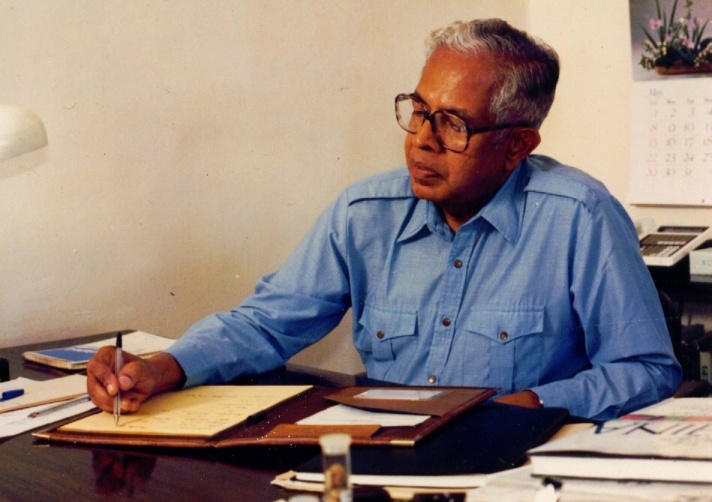
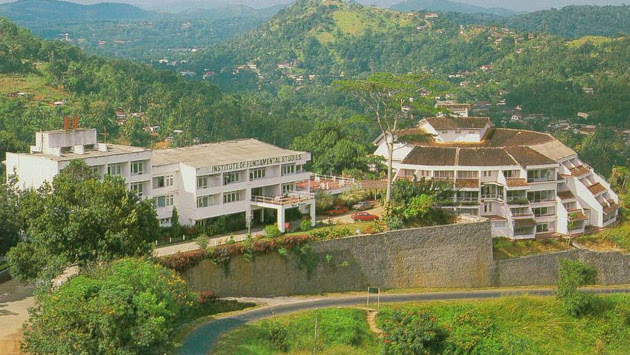
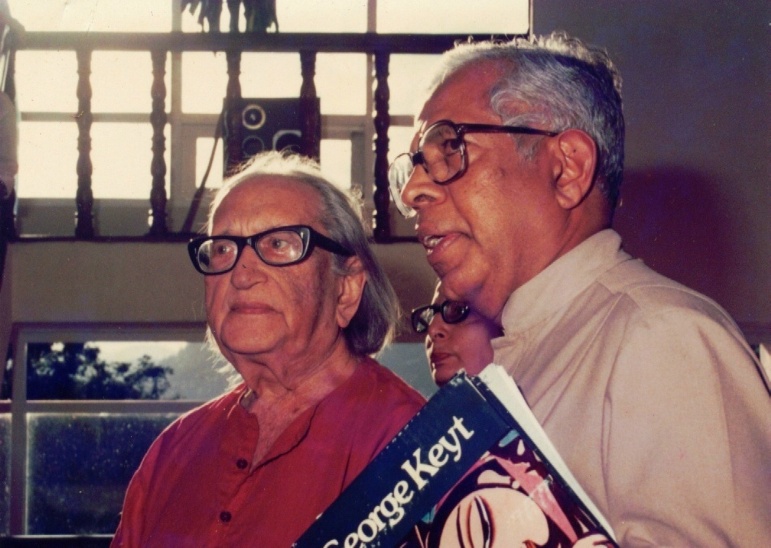
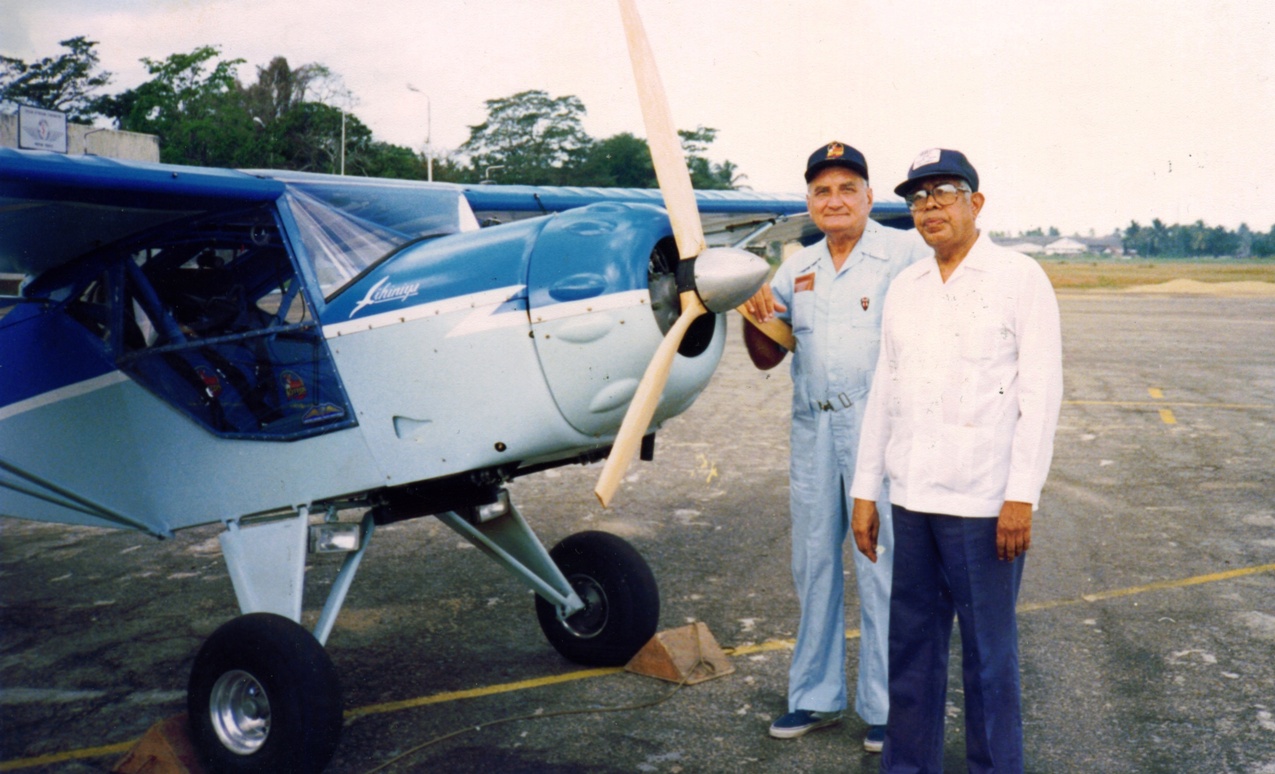
In this week’s Ravaya column, I pay another tribute to Dr Cyril Ponnamperuma, Lankan biochemist who was one of the best known and most accomplished scientists produced by Sri Lanka.This explores the time he spent in Sri Lanka in the late 1980s, working as Presidential Science Adviser and Director of the Institute of Fundamental Studies (IFS) in Kandy.
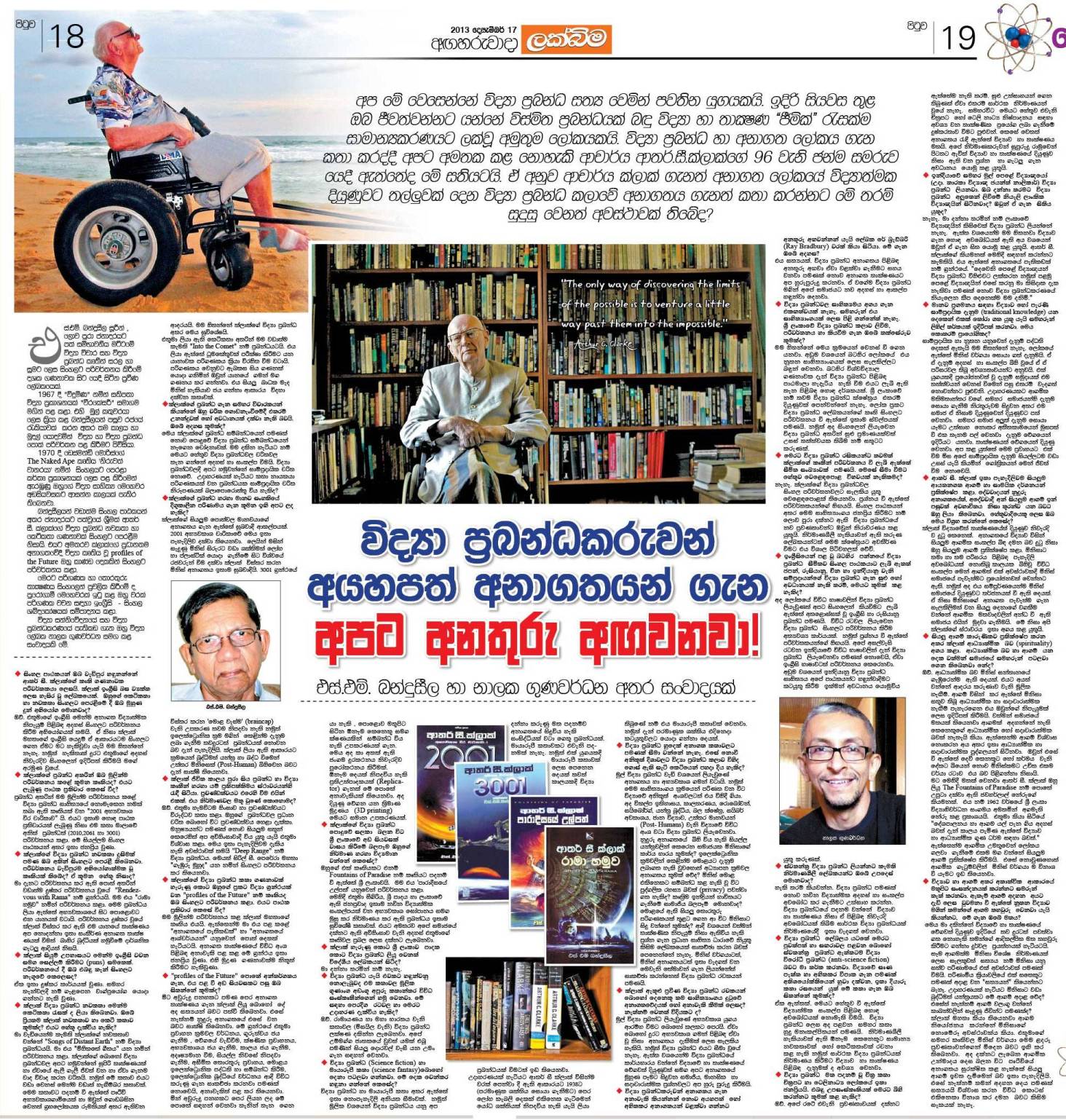
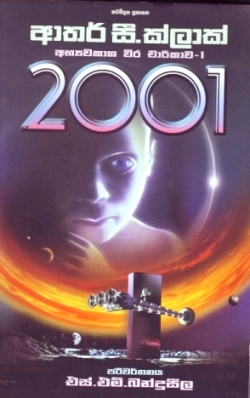
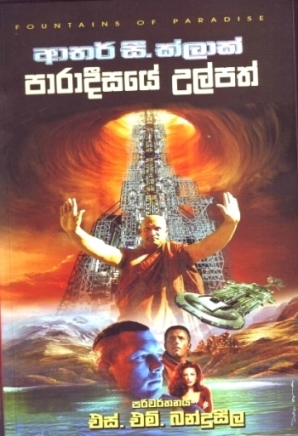
Lakbima Sinhala daily newspaper has just published my long interview with S M Banduseela who is widely recognised as Sri Lanka’s foremost translator of science and science fiction. He is best known as Arthur C Clarke’s Lankan translator.
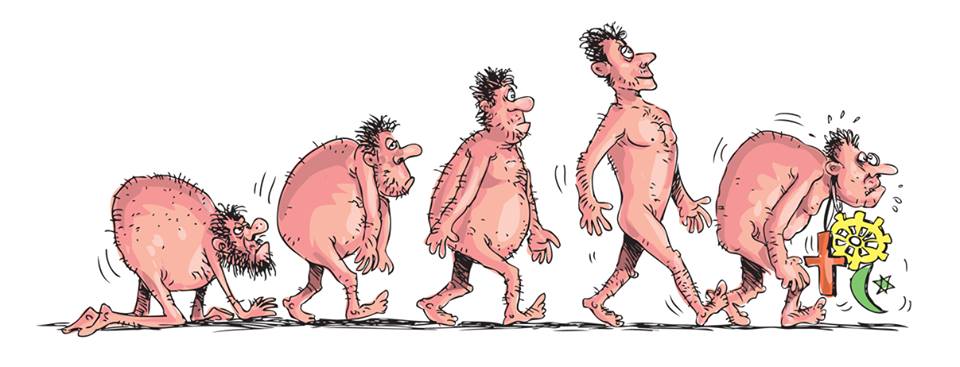
Those segments are not repeated here. Lakbima has also carried my questions related to Clarke’s views on traditional knowledge, and on religion. Banduseela answers them in his capacity as a leading rationalist and free thinker in Sri Lanka.
As he often said: “One of the great tragedies of mankind is that morality has been hijacked by religion. So now people assume that religion and morality have a necessary connection. But the basis of morality is really very simple and doesn’t require religion at all. It’s this: “Don’t do unto anybody else what you wouldn’t like to be done to you.” It seems to me that that’s all there is to it.”
In this week’s Ravaya column (in Sinhala), I explore another facet of the scholar and free thinker Dr E W Adikaram (1905-1985). On 10 Nov 2013, I discussed his contributions as a pioneer in public communication of science in Sinhala. Today, I discuss his uncompromising stand on non-violence (ahimsa) and his debunking of racial segregation of humanity for which there is no biological basis.
Edwin Ariyadasa photographed by Nalaka Gunawardene in 1986 during their first interview
Edwin Ariyadasa, who completed 91 years on 3 December 2013, is one of two grand old men of Lankan journalism still practising their craft (the other being D F Kariyakarawana, also 91).
The veteran journalist has been active in his profession for nearly all of Sri Lanka’s post-independence years. During that time, he has played a variety of complementary roles: feature writer, newspaper editor, columnist, radio and TV host, journalist trainer, author and translator among others. He continues to juggle many of these and has no retirement plans.
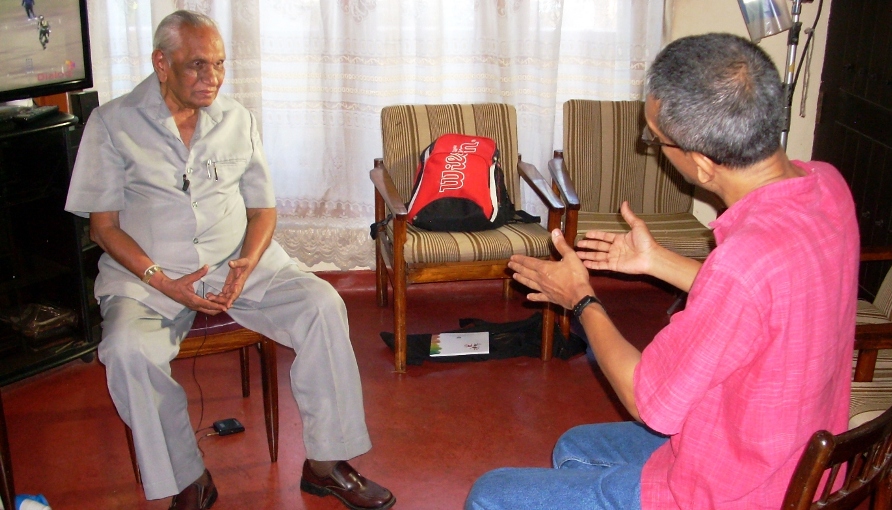
In October 2012, I filmed a wide ranging interview with Ariyadasa as he was heading to his 90th birthday. Having grown up reading his output in Lankan newspapers in Sinhala and English, and then having collaborated with him in various public media activities for much of my own media career, I was keen to capture his memories and reflections.
It took me over a year to get the long interview edited into three video segments, and also to have it transcribed, but it’s finally done. Groundviews.org has just published it:
Nalaka Gunawardene in conversation with Edwin Ariyadasa
As I note in my introduction:
In this interview, the nonagenarian looks back at journalism and broadcasting in Sri Lanka for over half a century. His reminiscences are significant for several reasons. He recalls a time, only a generation ago, when newspapers produced by highly committed editors and journalists commanded readers’ respect as a trusted source of public information and commentary. Having played a central role in pioneering mass media education and television broadcasting in Sri Lanka, he wonders what went wrong along the way to arrive at the banality and superficiality that dominates much of the Lankan media today despite advanced technologies for production and distribution.
In that sense, this is more than mere nostalgia of an individual or the simple bewilderment of an earlier generation. Introspection from a media guru like Ariyadasa can provide the impetus for much-needed reflection for the media industry which often hesitates to turn the spotlight upon itself.
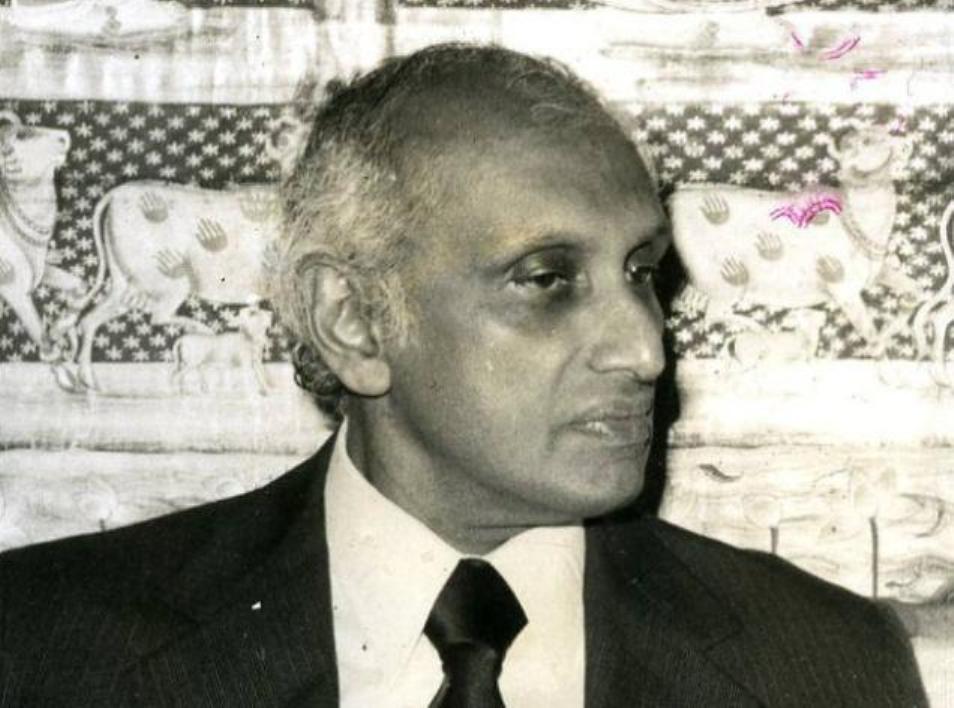
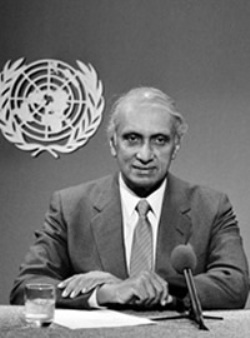
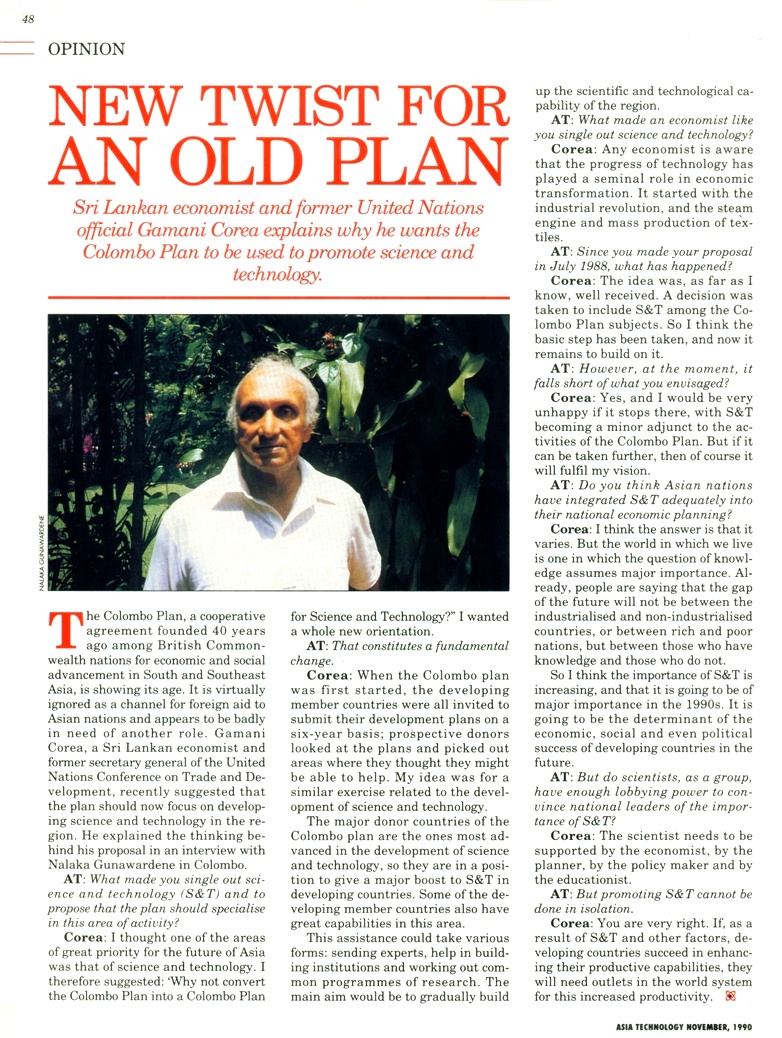
In this week’s Ravaya column (in Sinhala), I pay tribute to Dr Gamani Corea (1925 – 2013), Lankan economist, diplomat, international civil servant and public intellectual.
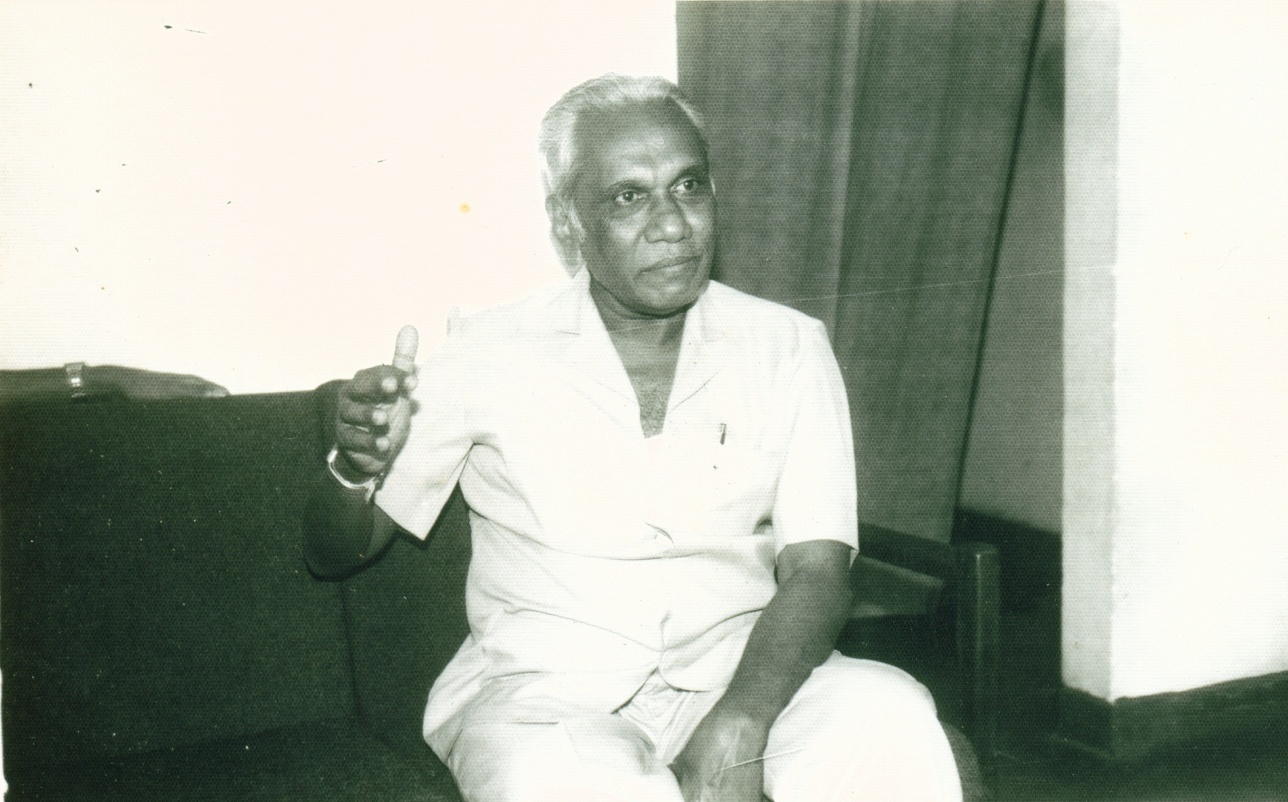
S M Banduseela is widely recognised as Sri Lanka’s foremost translator of science and science fiction. Beginning in 1970, when he translated into Sinhala language The Naked Ape by zoologist and ethologist Desmond Morris, Banduseela has introduced Sinhala readers to over two dozen world acclaimed titles.
He is best known as Arthur C Clarke’s Lankan translator. In the mid 1970s, he translated Clarke’s landmark 1962 volume Profiles of the Future, which was well received. Encouraged, Banduseela took to translating Clarke’s key science fiction novels beginning with 2001: A Space Odyssey. Over the years, he rendered into Sinhala all four Odyssey novels, as well as other works like The Fountains of Paradise, Rendezvous with Rama and The Hammer of God.
In this wide ranging interview, published in the Sinhala Sunday newspaper Ravaya (24 Nov 2013), I discuss with Banduseela various aspects of science fiction in the Lankan context: the niche readership for this literary genre; its enduring appeal among Sinhala readers; and prospects of original science fiction in Sinhala. He also recalls the challenges he faced translating Clarke’s technically complex and philosophically perceptive novels. I ask him why Sinhala readers have yet to discover the rich worlds of science fiction written in countries like Russia, Japan, China and India.
In this week’s Ravaya column (in Sinhala), I discuss Lankan society’s resistance to innovators and inventors — those who try out new ways of solving problems. Must these attempts always lead to patents and awards? Not necessarily, I argue. The spirit of innovation is far more important than pieces of paper that authenticate them!
I quote Dr Suranga Nanayakkara, of Singapore University of Technology and Design, and Deepal Sooriyaarachchi, Commissioner, Sri Lanka Inventors’ Commission, and draw on my own impressions of having hosted two TV series introducing Lankan innovators and inventors.








 Open Minds!