Right to Information (RTI) in South Asia: Staying the Course on a Bumpy Road

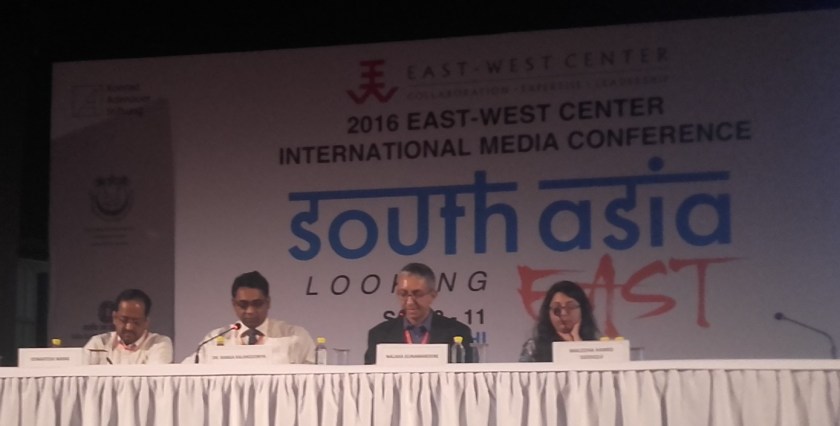
East-West Center 2016 International Media Conference in New Delhi, India, from September 8 to 11, 2016

The Hawaii-based East-West Center held its 2016 International Media Conference in New Delhi, India, from September 8 to 11, 2016. Themed “South Asia Looking East”, it drew over 350 participants from across Asia and the United States.

On September 11, I moderated a plenary session on Right to Information (RTI) in South Asia: Staying the Course on a Bumpy Road.

It tried to distill key lessons in RTI implementation from India and Pakistan, especially for the benefit of Sri Lanka that has recently adopted its RTI law. Such lessons could also benefit other countries currently advocating their own RTI laws.

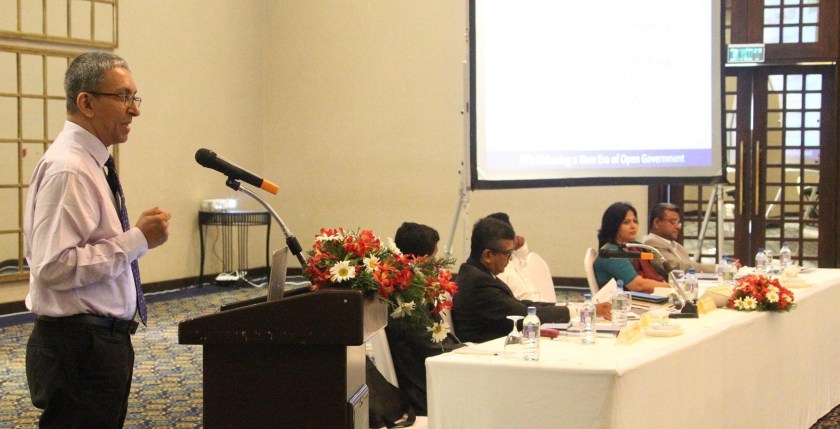
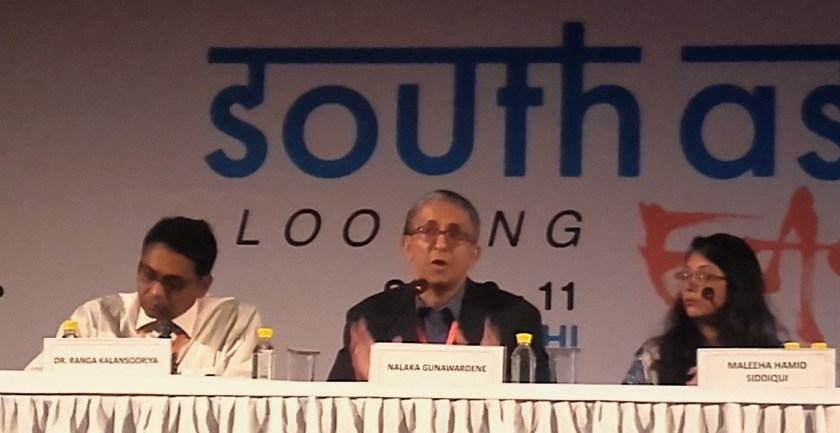
Panel on Right to Information in South Asia, 11 Sep 2016 in New Delhi. L to R - Venkatesh Nayak, Ranga Kalansooriya, Nalaka Gunawardene & Maleeha Hamid Siddiqui
Panel on Right to Information in South Asia, 11 Sep 2016 in New Delhi. L to R – Venkatesh Nayak, Dr Ranga Kalansooriya, Nalaka Gunawardene & Maleeha Hamid Siddiqui

Here is the synopsis I wrote for the panel:

Right to Information (RTI) in South Asia:

Staying the Course on a Bumpy Road

In June 2016, Sri Lanka’s Parliament unanimously passed a Right to Information (RTI) Act, making the island nation the 108th country to have a RTI or freedom of information (FOI) law. That leaves only Bhutan in South Asia without such a law, according to the Commonwealth Human Rights Initiative (CHRI) in New Delhi.

Sri Lanka’s RTI law was preceded by over two decades of sustained advocacy by journalists, social activists and progressive lawyers. But the struggle is far from over. The island nation now faces the daunting task of ‘walking the talk’ on RTI, which involves a total reorientation of government and active engagement by citizens. As other South Asian countries know only too well, proper RTI implementation requires political will, administrative support and sufficient funds.

This panel is an attempt to address the following key questions:

  • How do India and Pakistan fare in terms of implementing their RTI laws?
  • What challenges did they face in the early days of RTI implementation?
  • What roles did government, civil society and media play in RTI process?
  • What key lessons and cautions can their experiences offer to Sri Lanka?
  • Can South Asia’s RTI experience offer hope for other countries pursuing RTI laws of their own?

In this session, experienced RTI activists from India and Pakistan will join a Sri Lankan policymaker in surveying the challenges of openness and transparency through RTI.

Panel:

  • Dr Ranga Kalansooriya, Director General, Department of Information, Ministry of Parliamentary Reforms and Mass Media, Government of Sri Lanka
  • Mr Venkatesh Nayak, RTI activist; Programme Coordinator, Commonwealth Human Rights Initiative (CHRI), New Delhi
  • Ms Maleeha Hamid SIDDIQUI, Senior Sub-Editor and Reporter, Dawn, Karachi, Pakistan

Moderator: Mr Nalaka Gunawardene, Science writer and media researcher who is secretary of the RTI Advisory Task Force of Ministry of Mass Media, Sri Lanka

L to R - Ranga Kalansooriya, Nalaka Gunawardene & Maleeha Hamid Siddiqui
L to R – Ranga Kalansooriya, Nalaka Gunawardene & Maleeha Hamid Siddiqui

Right to Information (RTI): Sri Lanka can learn much from South Asian Experiences

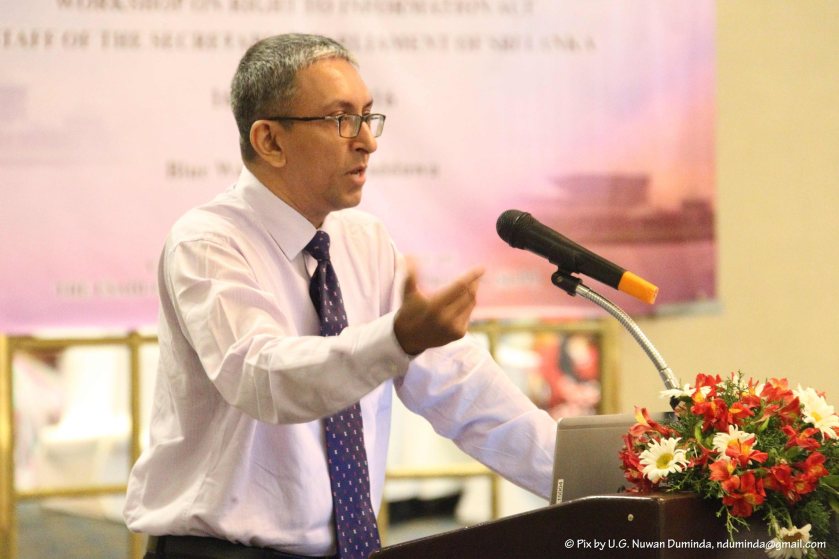
Nalaka Gunawardene speaks at RTI Seminar for Sri Lanka Parliament staff, 16 Aug 2016


On 16 August 2016, I was invited to speak to the entire senior staff of the Parliament of Sri Lanka on Right to Information (RTI) – South Asian experiences.

Sri Lanka’s Parliament passed the Right to Information (RTI) law on 24 June 2016. Over 15 years in the making, the RTI law represents a potential transformation across the whole government by opening up hitherto closed public information (with certain clearly specified exceptions related to national security, trade secrets, privacy and intellectual property, etc.).

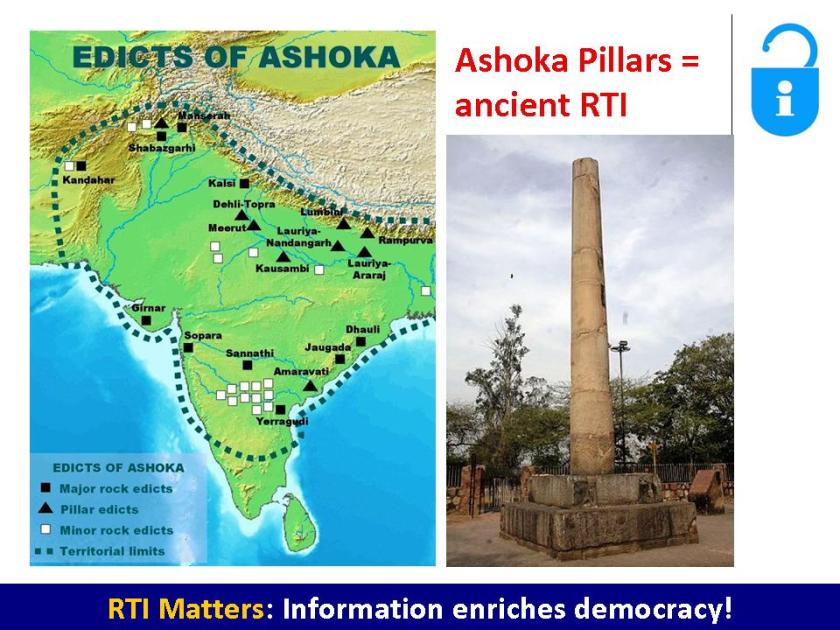
This presentation introduces the concept of citizens’ right to demand and access public information held by the government, and traces the evolution of the concept from historical time. In fact, Indian Emperor Ashoka (who reigned from c. 268 to 232 Before Christ) was the first to grant his subjects the Right to Information, according to Indian RTI activist Venkatesh Nayak, Coordinator, Commonwealth Human Rights Initiative (CHRI). Ashoka had inscribed on rocks all over the Indian subcontinent his government’s policies, development programmes and his ideas on various social, economic and political issues — including how religious co-existence.

Nalaka Gunawardene speaks at RTI Seminar for Parliament staff, Sri Lanka - 16 Aug 2016
Nalaka Gunawardene speaks at RTI Seminar for Parliament staff, Sri Lanka – 16 Aug 2016

Therefore, adopting an RTI law signifies upholding a great Ashokan tradition in Sri Lanka. The presentation looks at RTI good practices and implementation experiences in India, Nepal, Bangladesh, Pakistan and Maldives – all these South Asian countries passed an RTI law before Sri Lanka, and there is much that Sri Lanka can learn from them.

The presentation ends acknowledging the big challenges in implementing RTI in Sri Lanka – reorienting the entire public sector to change its mindset and practices to promote a culture of information sharing and transparent government.



සිවුමංසල කොලූගැටයා #276: අසාර්ථක වූ තුර්කි කුමන්ත්‍රණයෙන් මතු වන නවීන සන්නිවේදන පාඩම්

In this week’s Ravaya column (appearing in the print issue of 24 July 2016), I discuss the role of new communications technologies and social media during the coup d’état that was attempted in Turkey against the government on the night of on 15 July 2016.

The attempt was carried out by a faction within the Turkish Armed Forces that organized themselves under a council called the Peace at Home Council. Reasons for its failure have been widely discussed.

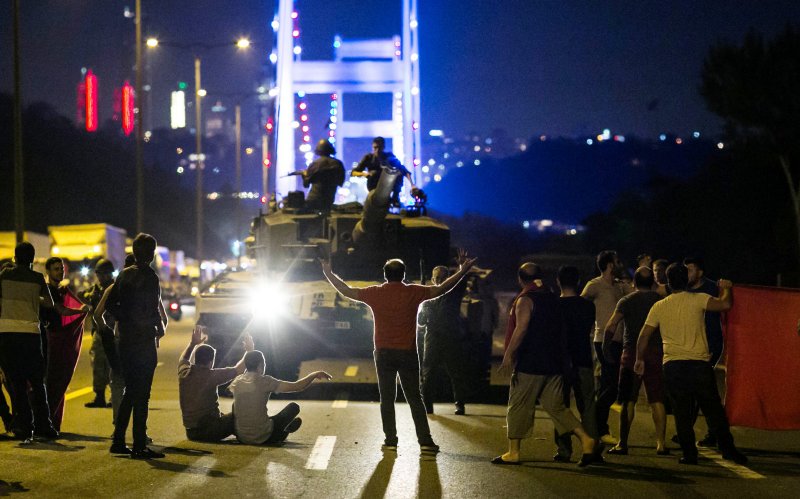
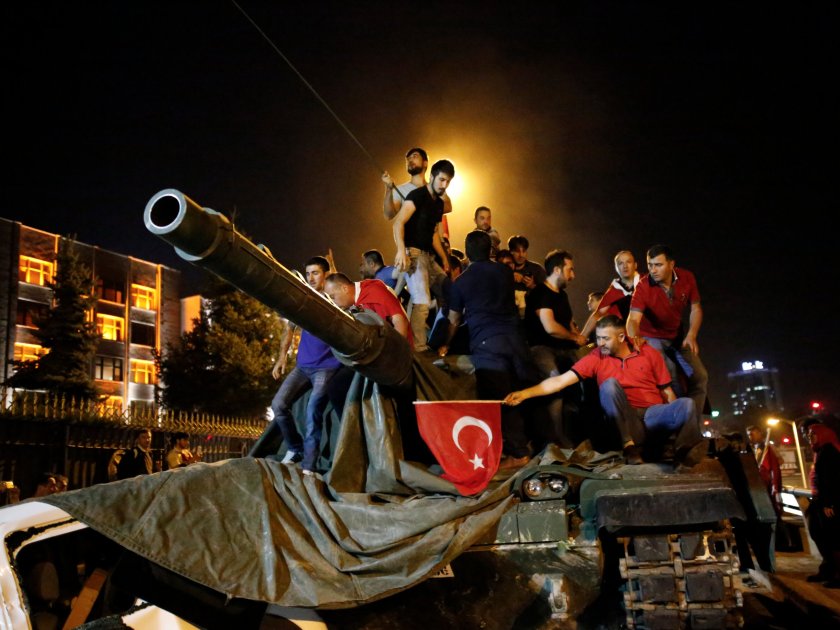
Citizen resistance to Turkey coup on 16 July 2016 - wire service photos
Citizen resistance to Turkey coup on 16 July 2016 – wire service photos

As Zeynep Tufekci, an assistant professor at the University of North Carolina School of Information and Library Science, described in a New York Times op-ed on 20 July 2016: “In the confusing hours after the coup attempt began, the country had heard from President Recep Tayyip Erdogan — and even learned that he was alive — when he called a television station via FaceTime, an easy-to-use video chat app. As the camera focused on the iPhone in the anchor’s hand, the president called on the people of Turkey to take to the streets and guard the airports. But this couldn’t happen by itself. People would need WhatsApp, Twitter and other tools on their phones to mobilize. The president also tweeted out the call to his more than eight million followers to resist the coup.”

She added: “The journalist Erhan Celik later tweeted that the public’s response had deterred potential coup supporters, especially within the military, from taking a side…Meanwhile, the immediacy of the president’s on-air appeal via FaceTime was an impetus for people to take to the streets. The video link protected the government from charges that it was using fraud or doctoring — both common in the Turkish news media — to assure the public that the president was safe. A phone call would not have worked the same way.”

I discuss the irony of a leader like Erdogan, who has been cracking down on independent media practitioners and social media users, had to rely on these very outlets in his crucial hour of need.

I echo the views of Zeynep Tufekci for not just Turkey but other countries where autocratic rulers are trying to censor the web and control the media: “The role of internet and press freedoms in defeating the coup presents a significant opportunity. Rather than further polarization and painting of all dissent as illegitimate, the government should embrace real reforms and reverse its censorship policies.”

See also: How the Internet Saved Turkey’s Internet-Hating President

Photo from The Daily Beast

කුමන හෝ හේතුවක් නිසා රටක දේශපාලන බලය බලහත්කාරයෙන් අත්කර ගැනීමට එරට හමුදාවට නීතිමය හෝ සදාචාරාත්මක අයිතියක් නැහැ.

එහෙත් විටින් විට ලෝකයේ විවිධ රටවල හමුදා කුමන්ත්‍රණ සිදුවනවා. දකුණු ආසියානු කලාපයේ බංග්ලාදේශය හා පාකිස්ථානය මේ අමිහිරි අත්දැකීම් රැසක් ලබා තිබෙනවා.

යුරෝපය හා ආසියාව හමු වන තැන පිහිටි තුර්කියේ මීට දින කීපයකට පෙර අසාර්ථක වූ හමුදා කුමන්ත්‍රණයට මා අවධානය යොමු කළේ නවීන සන්නිවේදන තාක්ෂණයන් එහි වැදගත් භූමිකාවක් ඉටු කළ නිසායි.

නව මාධ්‍යයන් හරහා කුමන්ත්‍රණයට එරෙහිව මහජනයා පෙළ ගැස්වීමට එරට නායකයා සමත් වුණා. විශාල අවි හා සෙබල බල පරාක්‍රමයක් සතු හමුදාවක් ජන බලය හා සන්නිවේදන හැකියාව හරහා ආපසු බැරැක්කවලට යැවීමට හැකි වීම විමසා බැලිය යුතු සංසිද්ධියක්.

කුමන්ත්‍රණය මාස ගණනක් සිට සූක්ෂ්ම ලෙසින් සැලසුම් කරන ලද බව හෙළි වී තිබෙනවා. රටට සාමය සඳහා සභාව (Peace at Home Council) ලෙසින් සංවිධානය වූ තුර්කි හමුදාවේ කොටසක් තමයි මේ උත්සාහයේ යෙදුණේ.

එහි අක්මුල් තවමත් හරිහැටි පැහැදිලි නැහැ. එහෙත් 2016 ජූලි 15-16 දෙදින තුළ ඔවුන් රටේ බලය අල්ලා ගන්නට ප්‍රචණ්ඩව තැත් කළා.

තුර්කි ජනාධිපති රෙචෙප් ටයිප් අර්ඩොගන් (Recep Tayyip Erdoğan) කෙටි නිවාඩුවකට අගනුවරින් බැහැරව, මර්මාරිස් නම් පිටිසර නිවාඩු නිකේතනයේ සිිටියා. ජූලි 15-16 මධ්‍යම රාත්‍රියට ආසන්නව යුද්ධ ටැංකි එරට අගනුවර අන්කාරා, විශාලතම නගරය වන ඉස්තාන්බුල් හා තවත් ප්‍රධාන නගරවලට ඇතුළු වුණා. ප්‍රහාරක ගුවන් යානා පහළින් පියාසර කළා.

තම බලය පෙන්වීමට හමුදා කුමන්ත්‍රණකරුවෝ කිහිප පොළක ප්‍රහාර දියත් කළා. රටේ පාර්ලිමේන්තු මන්දිරයට හා ජනාධිපති මැදුරට හානි සිදු කෙරුණා.

කුමන්ත්‍රණකරුවන්ගේ එක් ඉලක්කයක් වූයේ ජනාධිපතිවරයා අත්අඩංගුවට ගැනීම හෝ මරා දැමීමයි. එහෙත් කුමන්ත්‍රණය ගැන දැන ගත් වහාම ඔහුගේ ආරක්ෂක පිරිස ඔහු නැවතී සිටි නිවාඩු නිකේතනයෙන් රහසිගත තැනකට ගෙන ගියා.

මැදියම් රැය පසු වූ විගස රාජ්‍ය රේඩියෝ හා ටෙලිවිෂන් (TRT) ආයතනයට ඇතුලු වූ හමුදා පිරිසක්, එහි සිටි නිවේදකයන්ට ප්‍රකාශයක් කියවන මෙන් බලකර සිටියා. ප්‍රජාතන්ත්‍රවාදය හා නිර්ආගමික පාලනය රටේ යළි ස්ථාපිත කිරීමට හමුදාව බලය පවරා ගන්නා බව එහි සඳහන් වුණා. තාවකාලිකව මාෂල් නීතිය ක්‍රියාත්මක කරන බවත්, නව ව්‍යවස්ථාවක් ළඟදීම හඳුන්වා දෙන බවත් හමුදා කුමන්ත්‍රණකරුවෝ රටට ප්‍රකාශ කළා.

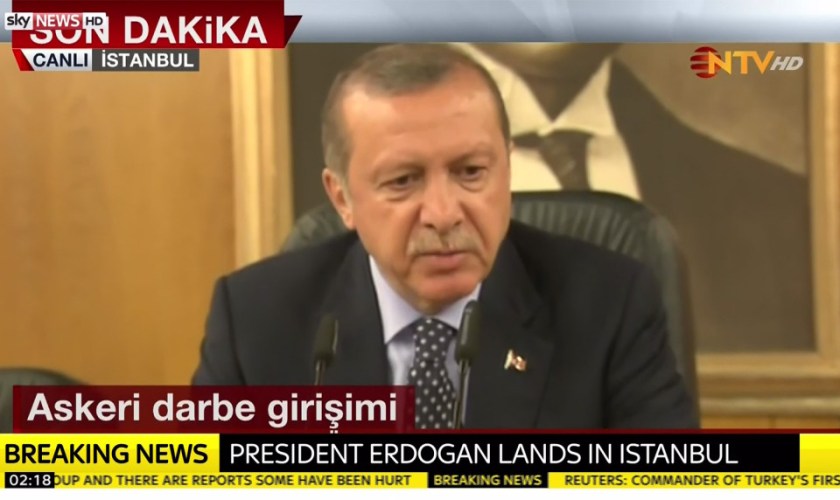
The Turkish president spoke to local television with his office unwilling to confirm his location, simply saying he is safe

පාන්දර 3.10 වනවිට තමන් රටේ සමස්ත පාලන බලය සියතට ගෙන ඇති බව කුමන්ත්‍රණකරුවන් ලොවට කීවත් එය එසේ වූයේ නැහැ. ජනාධිපති අර්ඩොගන් හා අගමැති බිනාලි යිල්දිරිම් (Binali Yıldırım) ඒ තීරණාත්මක අලුයම පැය කිහිපයේ තීක්ෂණ ලෙසින් සිය ප්‍රතිරෝධය දියත් කළා.

හමුදා කුමන්ත්‍රණකරුවන් දේශපාලනික හා සම්ප්‍රදායික රාජ්‍ය මාධ්‍ය මර්මස්ථාන මුලින් ඉලක්ක කළ නමුත් නව සන්නිවේදන තාක්ෂණයන් හා නව මාධ්‍ය ගැන අවධානයක් යොමු කළේ නැහැ. පළපුරුදු හා සටකපට දේශපාලකයකු වන තුර්කි ජනාධිපතිවරයා මේ දුර්වලතාව සැනෙකින් වටහා ගත්තා.

තුර්කිය විශාල රටක්. ලෝක බැංකු දත්තවලට අනුව එරට මිලියන 80කට ආසන්න ජනගහනයෙන් බාගයකට වඩා (58%) ඉන්ටනෙට් භාවිත කරනවා. මෙයින් බහුතරයක් ස්මාට්ෆෝන් හිමිකරුවන්. 2015 අග වනවිට එරට ජංගම දුරකථන සක්‍රීය ගිණුම් මිලියන 73ක් තිබුණා.

හමුදා කුමන්ත්‍රණය ගැන දැන ගත් වහාම ජනාධිපතිවරයා තමාට හිතවත් හමුදා ජ්‍යෙෂ්ඨ නිලධාරීන් ගැන තක්සේරු කරන අතරම සන්නිවේදන ජාල හරහා තුර්කි ජනයා වෙත ආයාචනා කිරීමට තීරණය කළා. මේ සඳහා අවශ්‍ය වූ ව්‍යාපාරික සබඳතා හා තාක්ෂණික දැනුම ඔහුගේ කාර්ය මණ්ඩලය සතුව තිබුණා.

සියල්ල පාන්දර යාමයේ සිදු වුණත් ඉක්මනින් ක්‍රියාත්මක වීමේ වැදගත්කම ජනාධිපතිගේ හිතවත් පිරිස දැන සිටියා.

කුමන්ත්‍රණකරුවන් පෞද්ගලික ටෙලිවිෂන් නාලිකා, ටෙලිකොම් සමාගම් හෝ සමාජ මාධ්‍ය ජාල සියතට ගැනීමට මුල් වටයේ කිසිදු උත්සාහයක් ගත්තේ නැහැ. මහජන ඡන්දයෙන් පත්වූ තම රජය රැක ගන්නට වීදි බසින්න යැයි ජනාධිපතිවරයා මේ මාධ්‍ය හරහා යළි යළිත් ඉල්ලා සිටියා.

මුලින්ම රටේ සියලුම ජංගම දුරකථන ග්‍රාහකයන් වෙත කෙටි පණ්වුඩයක් යවමින් ජනපති අර්ඩොගන් කීවේ හැකි සෑම අයුරකින්ම කුමන්ත්‍රණයට විරෝධය දක්වන්න කියායි.

NINTCHDBPICT000252431176

ඒ අනුව ඉස්ලාම් බහුතර (96.5%) එරටෙහි ආගමික ස්ථාන ලවුඩ්ස්පීකර් හරහා විශේෂ යාඥා විසුරු වන්නට පටන් ගත්තා. අවේලාව නොබලා බොහෝ ජනයා වීදි බැස්සා.

ප්‍රධාන නගරවල වීදිවලට පිරුණු ජනයා බහුතරයක් පාලක පක්ෂයේ අනුගාමිකයන් වුවද සියලු දෙනා එසේ වූයේ නැහැ. කොතරම් අඩුපාඩු හා අත්තනෝමතික හැසිරීම් තිබුණද බහුතර ඡන්දයකින් පත් වූ රජයක් පෙරළීමට හමුදාවට කිසිදු වරමක් හෝ අවසරයක් නැතැයි විශ්වාස කළ අයද එහි සිටියා.

තුර්කියේ හමුදාව යනු බලගතු ආයතනයක්ග එම හමුදාව රාජ්‍ය පාලනයට මැදිහත් වීමේ කූප්‍රකට ඉතිහාසයක් තිබෙනවා. 1960 මැයි මාසයේ, 1971 මාර්තුවේ හා 1980 සැප්තැම්බරයේ හමුදා කුමන්ත්‍රණ සාර්ථක වී මිලිටරි පාලන බිහි වුණා. 1995දී ඡන්දයෙන් පත් වූ හවුල් රජයට 1977දී හමුදාව ‘නිර්දේශ’ ගණනක් ඉදිරිපත් කොට ඒවා පිළි ගන්නට බලපෑම් කළා. මේ මෑත ඉතිහාසය ජනතාවට මතකයිග

තුර්කි රාජ්‍යය නිර්ආගමිකයි (secular state). එහෙත් මෑත කාලයේ ඉස්ලාමීය දේශපාලන පක්ෂ වඩාත් ජනප්‍රිය වීම හරහා රාජ්‍ය පාලනයේ ඉස්ලාමීය නැඹුරුවක් හට ගෙන තිබෙනවා.

හමුදාව මෙයට කැමති නැහැ. ව්‍යවස්ථාවෙන්ම ප්‍රකාශිත පරිදි රාජ්‍යය තව දුරටත්  නිර්ආගමික විය යුතු බවත්, ඉස්ලාම්වාදීන් බලගතු වීම සීමා කළ යුතු බවත් හමුදාවේ මතයයි. මෙය මතවාදී අරගලයකට සීමා නොවී දේශපාලන බල අරගලයකට තුඩු දී තිබෙනවා. 2016 කුමන්ත්‍රණයේ පසුබිම සංකීර්ණ වුවද ආගමික-නිර්ආගමික ගැටුමද එහි එක් වැදගත් සාධකයක්.

කුමන්ත්‍රණකරුවන් නිවාඩු නිකේතනයට පහර දීමට කලින් එතැනින් පලා ගිය ජනාධිපති අර්ඩොගන්, සැඟවී නොසිට  හිරු උදා වන විට එරට විශාලතම ජාත්‍යන්තර ගුවන් තොටුපළ වන ඉස්තාන්බූල් ගුවන් තොටුපළට සිය නිල ගුවන් යානයෙන් පැමිණියා. මැදියම් රැයේ ටික වේලාවකට කුමන්ත්‍රණකාරීන් අත්පත් කර ගත් ගුවන් තොටුපළ ඒ වන විට යළිත් හිතවත් හමුදා අතට පත්ව තිබුණා.

ගුවන් තොටුපළේ සිට මාධ්‍යවේදියකුගේ ස්මාට්ෆෝන් එකක් හරහා ජනාධිපතිවරයා එරට පෞද්ගලික ටෙලිවිෂන් නාලිකාවක් වූ CNN Turkට සජීව ලෙසින් සම්බන්ධ වුණා.

‘ප්‍රජාතන්ත්‍රවාදය රැක ගන්න නගරවල වීදි හා චතුරස්‍රවලට එක් රොක් වන්න. මේ කුමන්ත්‍රණකරුවන් අපට ඉක්මනින් ඉවත් කළ හැකි වේවි. ඔවුන්ට නිසි පිළිතුර දෙන්න ඕනෑ අපේ මහජනතාවයි’ ඔහු ආයාචනා කළා.

කුමන්ත්‍රණකරුවන් නොසිතූ විලසින් මේ පණිවුඩ ඉතා ඉක්මනින් එරට ජනයා අතර පැතිර ගියා. ෆේස්බුක්, ට්විටර් හා අනෙක් සමාජ මාධ්‍ය ජාල මෙයට මහත් සේ දායක වුණා.

මේ අතර ජනපති කාර්ය මණ්ඩලය සමාජ මාධ්‍ය යොදා ගනිමින් ජනපතිවරයා ආරක්ෂිත බවත්, ඔහු කුමන්ත්‍රණකරුවන්ට එරෙහිව කරන අරගලයට ඍජුව නායකත්වය දෙන බවත්, ජාත්‍යන්තර මාධ්‍යවලට හා විදෙස් රටවලට දැනුම් දුන්නා.

හමුදාව බලය ඇල්ලීමට තැත් කිරීම කෙතරම් තුර්කි වැසියන් කුපිත කළාද කිවහොත් සමහර ස්ථානවල යටත් වූ කුමන්ත්‍රණකාමී හමුදා සෙබලුන් හා නිලධාරීන්ට සාමාන්‍ය ජනයා වට කර ගෙන පහර දෙනු ලැබුවා. ඔවුන් ප්‍රසිද්ධ නිග්‍රහවලට ලක් වුණා.

CncnmhQXEAApKN0

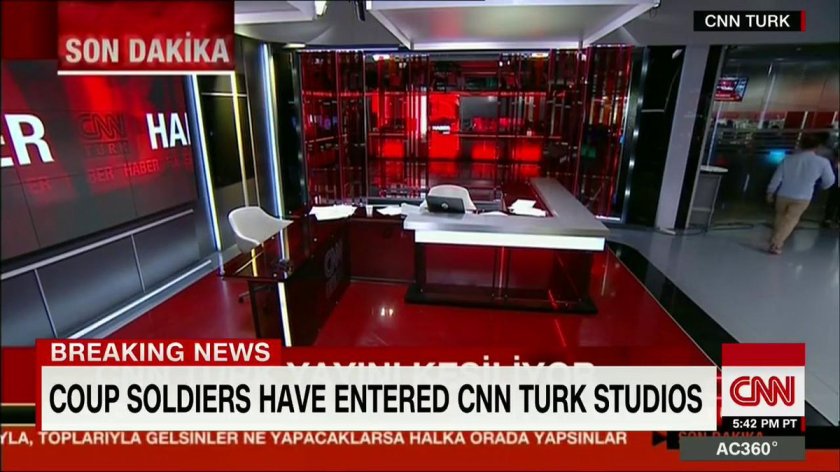
යම් අවස්ථාවක කුමන්ත්‍රණකරුවන් CNN Turk පෞද්ගලික නාලිකාව නිහඬ කිරීමට ද තැත් කළා. ඇමරිකානු CNN මාධ්‍ය ජාලය හා තුර්කි සමාගමක් හවුලේ කරන මේ නාලිකාව හමුදා බලපෑම් ප්‍රතික්ෂේප කළා. දිගටම සිය සජීව විකාශයන් කර ගෙන ගියා.

කුමන්ත්‍රණය දියත් කොට පැය 24ක් ගතවීමට පෙර රටේ පාලන බලය යළිත් ඡන්දයෙන් පත් වූ රජය යටතට මුළුමනින්ම ගැනීමට ජනපති-අගමැති දෙපළ සමත් වුණා.

ඉන් පසුව කුමන්ත්‍රණයට සම්බන්ධ දහස් ගණනක් හමුදා නිලධාරීන් හා සිවිල් වැසියන් අත්අඩංගුවට ගනු ලැබුවා. මේ අය අධිකරණ ක්‍රියාදාමයකට ලක්වනු ඇති. මේ බොහෝ දෙනකු නොමඟ ගිය හමුදා නිලධාරීන් හා ඔවුන්ගේ හිතවත් පරිපාලන නිලධාරීන් බව පසුව හඳුනාගනු ලැබුවා.

කුමන්ත්‍රණය අසාර්ථක වීමට හේතු දේශපාලන විචාරකයෝ තවමත් සමීපව අධ්‍යයනය කරනවා. ඔවුන් පිළිගන්නා එක් දෙයක් තිබෙනවා. 20 වන සියවසේ බොහෝ අවස්ථාවල විවිධ රටවල සාර්ථක වූ බලය ඇල්ලීමේ ආකෘතියක් මෙවර තුර්කියේදී ව්‍යර්ථ වූයේ 21 වන සියවසේ සන්නිවේදන තාක්ෂණයන් නිසා බවයි.

‘කුමන්ත්‍රණකරුවන් පොතේ හැටියට සියල්ල සැලසුම් කොට ක්‍රියාත්මක වුණා. රාජ්‍ය නායකයා අගනුවරින් බැහැරව සිටි, සිකුරාදා රැයකයි ඔවුන් බලය අල්ලන්න තැත් කළේ. ඒත් ඔවුන්ගේ අවාසියට ඔවුන් භාවිත කළ වට්ටටෝරුව යල් පැන ගිහින්.’ යයි ඉස්තාන්බුල් නුවර පර්යේෂකයකු වන ගැරත් ජෙන්කින්ස් කියනවා.

මේ සමස්ත සිදුවීම් දාමයේ ඉතාම උත්ප්‍රාසජනක පැතිකඩ මෙයයි. සමාජ මාධ්‍ය ජාතික ආරක්ෂාවට තර්ජනයක් යයි කියමින් ඒවා හෙළි දැකීමට හා විටින් විට ඒවා බ්ලොක් කිරීමට පුරුදුව සිටි අර්ඩොගන් ජනපතිවරයාට තීරණාත්මක මොහොතේ ඒවා ඉමහත් ලෙස ප්‍රයෝජනවත් වීමයි.

මේක ඇත්තටම කන්නට ඕනෑ වූ විට කබරගොයාත් තලගොයා වීමේ කතාවක්.

A man stands in front of a Turkish army tank at Ataturk airport in Istanbul, Turkey July 16, 2016. REUTERS/IHLAS News Agency

2003-2014 කාලයේ තුර්කි අගමැතිව සිටි අර්ඩොගන් 2014දී ජනාධිපතිවරණයට ඉදිරිපත් වී ප්‍රකාශිත ඡන්දවලින් 51.79%ක් ලබමින් ජය ගත්තා. ඔහු තමා වටා විධායක බලය කේන්ද්‍ර කර ගනිමින්, විපක්ෂවලට හිරිහැර කරමින් ඒකාධිපති පාලනයක් ගෙන යන බවට චෝදනා නැගෙනවා. මාධ්‍ය නිදහසට හා පුරවැසියන්ට ප්‍රකාශන නිදහසටත් ඔහුගේ රජයෙන් නිතර බාධා පැමිණෙනවා.

නිල මාධ්‍ය වාරණයක් හා නොනිල මාධ්‍ය මර්දනයක් පවත්වා ගෙන යාම නිසා තුර්කිය ජාත්‍යන්තර ප්‍රජාවේ හා මාධ්‍ය නිදහස පිළිබඳ ක්‍රියාකාරිකයන්ගේ දැඩි දෝෂ දර්ශනයට ලක්ව සිටින රටක්.

තමන්ගේ අධිපතිවාදය ප්‍රශ්න කරන, විකල්ප මතවලට ඉඩ දෙන දෙස් විදෙස් මාධ්‍ය අර්ඩොගන් සලකන්නේ සතුරන් ලෙසයි. එහෙත් රාජ්‍ය මාධ්‍ය පැය කිහිපයකට ඔහුගේ පාලනයෙන් ගිලිහී ගිය විට ඔහුගේ උදව්වට ආවේ ඔහු නිතර දෙස් තබන පෞද්ගලික විද්‍යුත් මාධ්‍ය හා විදෙස් මාධ්‍යයි.

2014දී ඔහු නව නීතියක් හඳුන්වා දුන්නේ ඕනෑම මොහොතක වෙබ් අඩවි බ්ලොක් කිරීමේ බලය රජයට පවරා ගනිමින්.

එසේම අර්ඩොගන් දෙබිඩි පිළිවෙතක් අනුගමනය කරන්නෙක්. සමාජ මාධ්‍යවලට නිතර දෙවේලේ බැණ වදින ඔහු තමාගේ ට්විටර් හා ෆේස්බුක් ගිණුම් පවත්වා ගෙන යනවා. ට්විටර් නිල ගිණුමට මේ වන විට මිලියන 8කට වඩා අනුගාමිකයන් සිටිනවා. කුමන්ත්‍රණය දිග හැරෙන අතර සිය ජනයාට හා ලෝකයට කතා කරන්නට ඔහු ට්විටර් ගිණුමද යොදා ගත්තා.

මේ දෙබිඩි හැසිරීම අපේත් එක්තරා හිටපු පාලකයෙක් සිිහිපත් කරනවා!

කුමන්ත්‍රණයට එරෙහිව අර්ඩොගන් රජයට උපකාර වූ තවත් සාධකයක් පසුව හෙළි වුණා. කුමන්ත්‍රණය ඇරඹී ටික වේලාවකින් එරට ප්‍රධානම ජංගම දුරකථන ජාලය සියලුම ග්‍රාහකයන්ට නොමිලයේ දත්ත සම්ප්‍රේෂණ පහසුකම් ලබා දුන්නා. නූතන දේශපාලන ක්‍රියාකාරකම්වලදී ටෙලිවිෂන් හා රේඩියෝවලට වඩා ටෙලිකොම් සේවාවන් වැදගත් වන බව මේ හරහා අපට පෙනී යනවා.

කුමන්ත්‍රණයේ සන්නිවේදන සාධකය විග්‍රහ කරමින් නිව්යෝර්ක් ටයිම්ස් පත්‍රයට ජූලි 20 වනදා ලිපියක් ලියූ තුර්කි සම්භවය සහිත ඇමරිකානු සරසවි ඇදුරු සෙයිනප් ටුෆෙකි (Zeynep Tufekci) මෙසේ කියනවා.

‘කුමන්ත්‍රණය පරදවන්න ස්වාධීන මාධ්‍ය හා වෙබ්ගත නව මාධ්‍ය ලබා දුන් දායකත්වය ජනපති අර්ඩොගන් අගය කළ යුතුයි. දැන්වත් මාධ්‍ය වාරණය, මර්දනය හා නවමාධ්‍ය හෙළා දැකීම නතර කොට ප්‍රකාශන නිදහසට ගරු කරන දේශපාලන ප්‍රතිසංස්කරණවලට යොමු විය යුතුයි… ස්වාධීන මාධ්‍යයන් හා විවෘත ඉන්ටර්නෙට් සංස්කෘතියක් පැවතීම රටක ප්‍රජාතන්ත්‍රවාදයට මහත් සවියක් බව මේ අත්දැකීමෙන් අපට හොඳටම පෙනී යනවා.’

How the Internet Saved Turkey’s Internet-Hating President

People stand on a Turkish army tank in Ankara on July 16 - Reuters
People stand on a Turkish army tank in Ankara on July 16 – Reuters

[Op-ed] RTI in Sri Lanka: It took 22 years, and journey continues

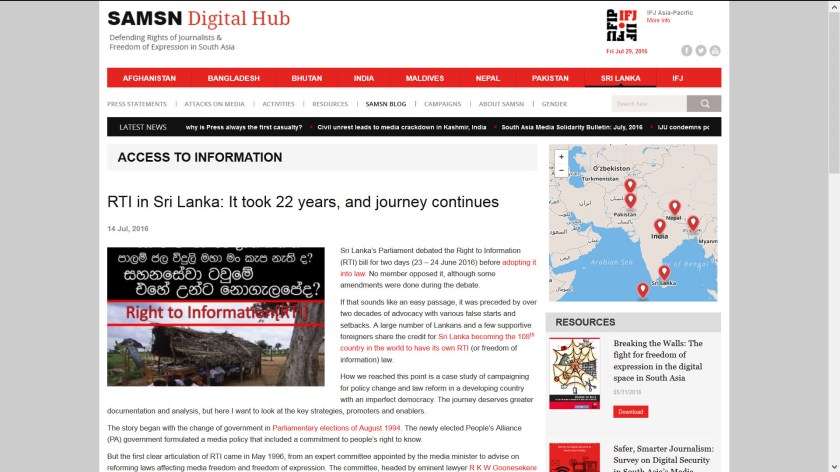
My op-ed essay on Right to Information (RTI) in Sri Lanka, published in the International Federation of Journalists (IFJ) South Asia blogsite (SAMSN Digital Hub) on 14 July 2016:

RTI in Sri Lanka - Nalaka Gunawardene op-ed published in IFJ South Asia blog, 14 July 2016
RTI in Sri Lanka – Nalaka Gunawardene op-ed published in IFJ South Asia blog, 14 July 2016

RTI in Sri Lanka:

It took 22 years, and journey continues

 By Nalaka Gunawardene

Sri Lanka’s Parliament debated the Right to Information (RTI) bill for two days (23 – 24 June 2016) before adopting it into law. No member opposed it, although some amendments were done during the debate.

If that sounds like an easy passage, it was preceded by over two decades of advocacy with various false starts and setbacks. A large number of Lankans and a few supportive foreigners share the credit for Sri Lanka becoming the 108th country in the world to have its own RTI (or freedom of information) law.

How we reached this point is a case study of campaigning for policy change and law reform in a developing country with an imperfect democracy. The journey deserves greater documentation and analysis, but here I want to look at the key strategies, promoters and enablers.

The story began with the change of government in Parliamentary elections of August 1994. The newly elected People’s Alliance (PA) government formulated a media policy that included a commitment to people’s right to know.

But the first clear articulation of RTI came in May 1996, from an expert committee appointed by the media minister to advise on reforming laws affecting media freedom and freedom of expression. The committee, headed by eminent lawyer R K W Goonesekere (and thus known as the Goonesekere Committee) recommended many reforms – including a constitutional guarantee of RTI.

Sadly, that government soon lost its zeal for reforms, but some ideas in that report caught on. Chief among them was RTI, which soon attracted the advocacy of some journalists, academics and lawyers. And even a few progressive politicians.

Different players approached the RTI advocacy challenge in their own ways — there was no single campaign or coordinated action. Some spread the idea through media and civil society networks, inspiring the ‘demand side’ of RTI. Others lobbied legislators and helped draft laws — hoping to trigger the ‘supply side’. A few public intellectuals helpfully cheered from the sidelines.

Typical policy development in Sri Lanka is neither consultative nor transparent. In such a setting, all that RTI promoters could do was to keep raising it at every available opportunity, so it slowly gathered momentum.

For example, the Colombo Declaration on Media Freedom and Social Responsibility – issued by the country’s leading media organisations in 1998 – made a clear and strong case for RTI. It said, “The Official Secrets Act which defines official secrets vaguely and broadly should be repealed and a Freedom of Information Act be enacted where disclosure of information will be the norm and secrecy the exception.”

That almost happened in 2002-3, when a collaboratively drafted RTI law received Cabinet approval. But an expedient President dissolved Parliament prematurely, and the pro-RTI government did not win the ensuing election.

RTI had no chance whatsoever during the authoritarian rule of Mahinda Rajapaksa from 2005 to 2014. Separate attempts to introduce RTI laws by a Minister of Justice and an opposition Parliamentarian (now Speaker of Parliament) were shot down. If anyone wanted information, the former President once told newspaper editors, they could just ask him…

His unexpected election defeat in January 2015 finally paved the way for RTI, which was an election pledge of the common opposition. Four months later, the new government added RTI to the Constitution’s fundamental rights. The new RTI Act now creates a mechanism for citizens to exercise that right.

Meanwhile, there is a convergence of related ideas like open government (Sri Lanka became first South Asian country to join Open Government Partnership in 2015) and open data – the proactive disclosure of public data in digital formats.

These new advocacy fronts can learn from how a few dozen public spirited individuals kept the RTI flames alive, sometimes through bleak periods. Some pioneers did not live to see their aspiration become reality.

Our RTI challenges are far from over. We now face the daunting task of implementing the new law. RTI calls for a complete reorientation of government. Proper implementation requires political will, administrative support and sufficient funds. We also need vigilance by civil society and the media to guard against the whole process becoming mired in too much red tape.

RTI is a continuing journey. We have just passed a key milestone.

Science writer and columnist Nalaka Gunawardene has long chronicled Sri Lanka’s information society and media development issues. He tweets at @NalakaG.


සිවුමංසල කොලූගැටයා #274: මාධ්‍ය හිමිකරුවන් හා කතුවරුන් දේශපාලනයට පිවිසි බ්‍රිතාන්‍ය ජනමත විචාරණය

In this week’s Ravaya column (appearing in the print issue of 10 July 2016), I explore the role played by newspapers in the UK’s referendum on continuing membership in the European Union, held on 23 June 2016.

This column is based on first hand impressions – I spent 10 days in the UK just prior to the referendum, commonly known as the Brexit Vote, meeting journalists, academics and activists.

As the New York Times said in an op-ed article on 20 June 2016, “For decades, British newspapers have offered their readers an endless stream of biased, misleading and downright fallacious stories about Brussels.”

Written by Martin Fletcher, a former foreign and associate editor of The Times of London, the articke added: “British newspapers’ portrayal of the European Union in the lead-up to the referendum on June 23 has likewise been negative. The Financial Times and The Guardian have backed the Remain campaign, but they have relatively small circulations and preach largely to the converted. The Times has been evenhanded, though it finally declared on June 18 that it favored staying in the European Union. But the biggest broadsheet (The Telegraph), the biggest midmarket paper (The Daily Mail) and the biggest tabloid (The Sun) have thrown themselves shamelessly behind Brexit.

“They have peddled the myths that Britain pays 350 million pounds a week (about $500 million) to the European Union; that millions of Turks will invade Britain because Turkey is about to be offered European Union membership; that immigrants are destroying our social services; and that post-Brexit, Britain will enjoy continued access to Europe’s single market without automatically allowing in European Union workers.”

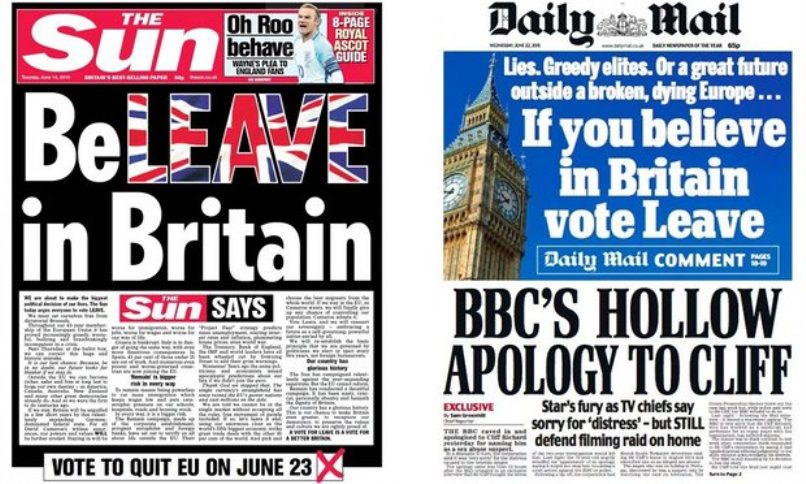
As Fletcher concluded: “It is often said that newspapers no longer matter. But they do matter when the contest is so close and shoppers see headlines like “BeLeave in Britain” emblazoned across the front pages of tabloids whenever they visit their supermarket. They matter if they have collectively and individually misled their readers for decades.”

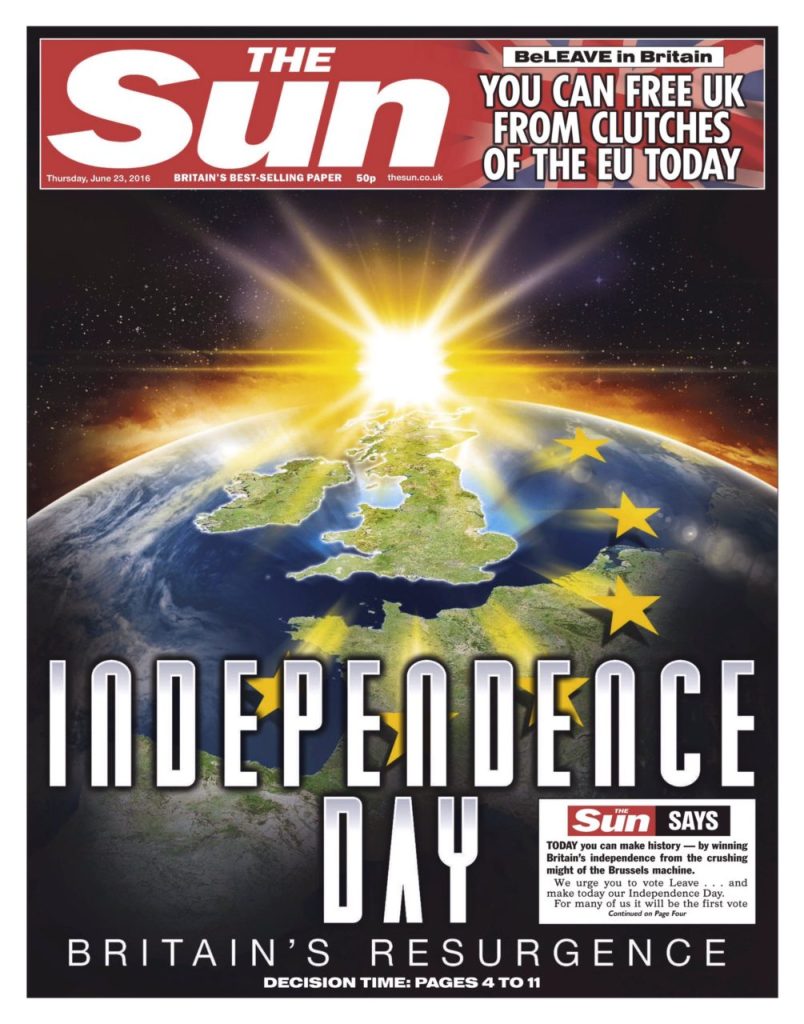
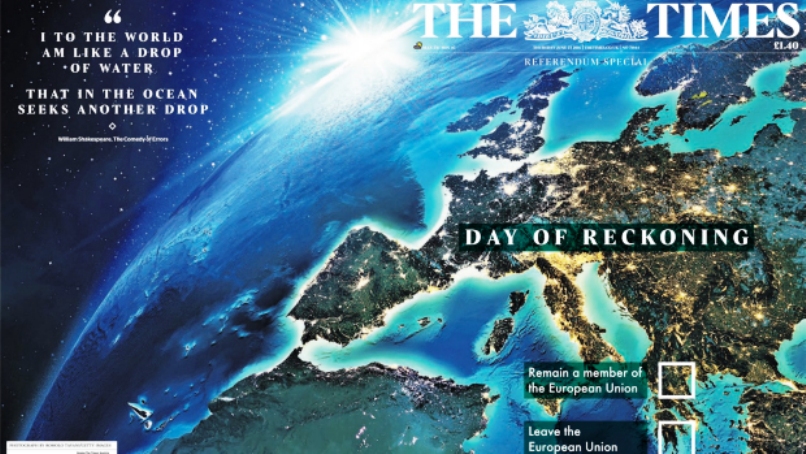
British newspaper front pages on 23 June 2016, day of the Referendum on EU membership (Brexit Vote)

බහුතරයක් ඡන්දදායකයන්ගේ තේරීමට හිස නැමීම ප්‍රජාතන්ත්‍රවාදයේ මූලික ලක්ෂණයක්. මැතිවරණයක් හෝ ජනමත විචාරණයක් වෙත යොමු වන පාලක පක්ෂයක් එහි තීරණය පිළිගැනීමට නීතියෙන් මෙන්ම සදාචාරාත්මකවද බැඳී සිටිනවා.

2016 ජුනි 23 වනදා බ්‍රිතාන්‍යයේ පැවැති ජනමත විචාරණය ලෝක අවධානයට යොමු වුණා. එරට යුරෝපා සංගමයේ (European Union, EU) සාමාජිකත්වයේ තව දුරටත් රැඳී සිටිය යුතුද නැත්නම් ඉවත්විය යුතුද යන්න ඡන්දදායකයන්ගෙන් විමසනු ලැබුවා.

ලියාපදිංචි ඡන්දදායකයන්ගෙන් 72.21%ක් ඡන්දය ප්‍රකාශ කළ මෙහි අවසන් ප්‍රතිඵලය වූයේ 51.89%ක් ඉවත්වීමට කැමැත්ත පළ කිරීමෙන්. රැඳී සිටීමට පක්ෂව ලැබුණේ ඡන්ද 48.11%යි. සමස්ත වලංගු ඡන්ද සංඛ්‍යාව 33,551,993ක් වූවා.

මේ ප්‍රතිඵලය එරට රජය, විපක්ෂය හා සමස්ත පාලන තන්ත්‍රයම දේශපාලන අර්බුදයකට පත් කොට තිබෙනවා.

පාලක කොන්සර්වෙටිව් පක්ෂය මෙන්ම ප්‍රධාන විපක්ෂය වන ලේබර් පක්ෂයත් මේ ප්‍රශ්නය හමුවේ දෙකට බෙදුණා. දෙපක්ෂයේම ප්‍රබලයන් පිරිසක් යුරෝපා සංගමයෙන් ඉවත්වීම උදෙසා ප්‍රබලව කැම්පේන් කළා.

කැම්පේන් විවාදයන් අතිශයින් උණුසුම් හා ආවේගශීලී වූයේ ‘පිටස්තරයින්’ බ්‍රිතාන්‍යයේ රැකියා කිරීමට, පදිංචියට හා සෞඛ්‍ය සේවා නොමිලයේ ලැබීමට දහස් ගණනින් පැමිණීම සම්බන්ධයෙන්.

මේ පිටස්තරයන් අතර මැද පෙරදිගින් එන සිරියානුවන් ප්‍රමුඛ සරණාගතයන් සිටියද වැඩිපුරම අවධානය යොමු වූයේ බහුතරයක් වූ සෙසු යුරෝපීයයන්ගේ පැමිණීම ගැනයි.

රාජ්‍යයන් 28ක් සාමාජිකත්වය දරන යුරෝපා සංගමයට සාපේක්ෂව මෑතදී බැඳුණු, ඉසුරුමත් බවින් අඩු (රුමේනියාව, බල්ගේරියාව, ස්ලොවාකියාව, ක්‍රොයේෂියාව, පෝලන්තය වැනි) නැගෙනහිර යුරෝපීය රටවල ජනයාට වීසාවලින් තොරව බ්‍රිතාන්‍යයට පැමිණීමට හා එරට පහසුකම් ලැබීමට හැකියි. රැකියා කිරීමටද හැකියි. (මේ හා සමාන වරප්‍රසාද එම රටවලට යන බ්‍රිතාන්‍ය ජාතිකයකුටද ලැබෙන නමුත් එබඳු රටවලට යන්නට කිසිවකුත් කැමති නැහැ.)

තමන්ගේ රැකියා අවස්ථා රෝහල් හා පාසල් පහසුකම් මේ විජාතිකයන් මහා පරිමාණයෙන් අත්පත් කර ගැනීම ගැන වැඩ කරන පන්තියේ බ්‍රිතාන්‍ය ජනයා අතර කලෙක සිට දැඩි අප්‍රසාදයක් පැවතුණා. මෙය පිටස්තර විරෝධී ආවේගයක් බවට කැම්පේන් කාලය තුළ මතුව ආවා.

මීට අමතරව යුරෝපා සංගමයේ අධික නිලධාරිවාදය ගැන ඔවුන් බ්‍රිතාන්‍යයේ ස්වාධීනත්වය අනිසි බලපෑම් කරනවාද යන්න ගැන මේ ජනමත විචාරණ කාලයේ බහුලව විවාද කරනු ලැබුවා.

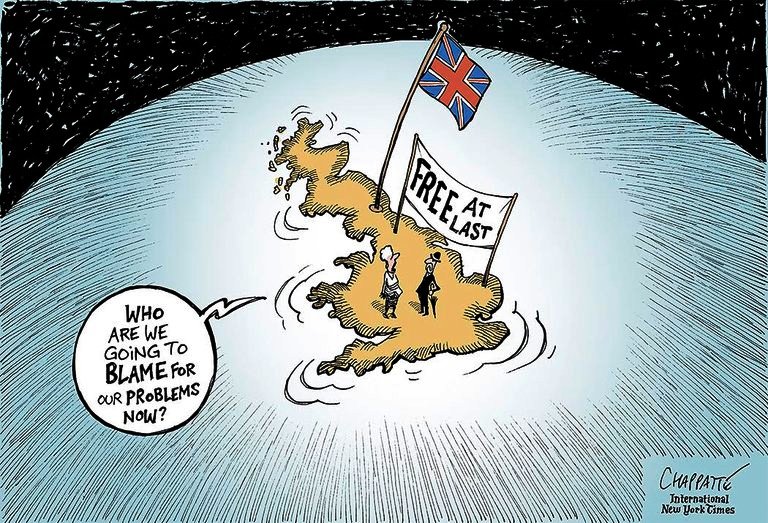
Cartoon by Patrick Chappatte, International New York Times

යුරෝපා සංගමයට බ්‍රිතාන්‍යය බැඳුණේ 1973දි. එවකට යුරෝපීය ආර්ථීක හවුල (European Economic Community, EEC) ලෙස හැඳින්වුණු එහි සාමාජිකත්වයේ දිගටම සිටිය යුතුද යන්න ගැන 1975දි එරට ජනමත විචාරණයක් පැවැත්වුණා.

එවර ඡන්දදායකයන්ගෙන් 67%ක් රැඳී සිටීමට පක්ෂව ඡන්දය ප්‍රකාශ කළා. වසර 41කට පසු ජනමතය සැලකිය යුතු අන්දමින් වෙනස්ව තිබෙනවා.

මෙයට සමාජ-ආර්ථීක හා දේශපාලන සාධක රැසක් බලපෑවා. එසේම එරට මාධ්‍ය මගින් ජනමතය හැසිරවීමට මෙවර ජනමත විචාරණයේ ප්‍රතිඵලවලට තීරණාත්මකව බලපාන ලද බව මාධ්‍ය විචාරකයන්ගේ මතයයි.

මෙවර ජනමත විචාරණයට දින දහයකට පෙර බ්‍රිතාන්‍යයට ගිය මා එම මැතිවරණ ක්‍රියාදාමය හමාර වන තුරුම එහි ගත කරමින් මාධ්‍යවල භූමිකාව සමීපව නිරීක්ෂණය කළා. බ්‍රිතාන්‍ය මාධ්‍යවේදීන්ට පර්යේෂකයන්ට කතා කළා. අද බෙදා ගන්නේ එයින් ලැබූ අදහස් හා විග්‍රහයන්ගේ සම්පිණ්ඩනයක්.

ලන්ඩනයේ ෆ්ලීට් වීදිය (Fleet Street) ඓතිහාසිකව මුද්‍රණ කර්මාන්තයට හා පුවත්පත් ප්‍රකාශනයට ප්‍රකටයි. 1702දි එරට මුල්ම දිනපතා පත්‍රය පටන් ගත්තේද එහි පිහිටි කාර්යාලයකින්. තව දුරටත් බ්‍රිතාන්‍ය පුවත්පත් එහි සංකේන්ද්‍රණය වී නැතත්, බ්‍රිතාන්‍ය පත්‍ර කර්මාන්තයට පොදු යෙදුමක් ලෙස ෆ්ලීට් වීදිය යන්න යෙදෙනවා.

සියවස් ගණනක් පැවැති ෆ්ලීට් වීදියේ බලපෑම් කිරීමේ හැකියාව ගෙවී ගිය වසර 25 තුළ සෑහෙන තරමට අඩු වෙලා. දැවැන්තයන්ව සිටි සමහර පුවත්පත් වැසී ගිහින්. පොදුවේ පුවත්පත් අලෙවිය අඩු වීම වාර්ෂිකව දිගින් දිගටම සිදු වනවා. අලුත් පරම්පරාව ඩිජිටල්/වෙබ් මාධ්‍ය හරහා ප්‍රවෘත්ති ලබා ගැනීමත්, බහුතරයක් බ්‍රිතාන්‍යයන් (තුනෙන් දෙකක්ම) ටෙලිවිෂන් තමන්ගේ ප්‍රමුඛ පුවත් මූලාශ්‍රය ලෙස සැලකීමත් මේ පසුබෑමට හේතුවී තිබෙනවා.

The Sun and Daily Mail were both strongly for Leaving the EU

එසේ තිබියදීත් මෙවර ජනමත විචාරණයේදී යුරෝපා සංගමයෙන් ඉවත්වීමට යයි ඡන්දදායකයන්ට දැඩි බලපෑම් කිරීමට සමහර පුවත්පත් සමත් වුණා.

ඕස්ටේලියාවේ ඉපිද දැන් ඇමරිකානු පුරවැසි බව දරන මාධ්‍ය ව්‍යාපාරික රූපට් මර්ඩොක්ගේ (Rupert Murdoch) හිමිකාරීත්වයෙන් යුතු පුවත්පත් මේ අතර කැපී පෙනුණා.

දැන් 85 හැවිරිදි මර්ඩොක් බ්‍රිතාන්‍ය පුවත්පත් කර්මාන්තයට පිවිසුනේ 1969දී. මුලින් ජනප්‍රිය රැල්ලේ ටැබ්ලොයිඩ් පත්‍ර (News of the World, The Sun) පටන් ගත් ඔහු ඓතිහාසිකව බ්‍රිතාන්‍ය පාලක පන්තියේ පත්‍රය වූ The Times 1981දී මිලට ගත්තා.

මර්ඩොක්ගේ පත්තර බ්‍රිතාන්‍යය යුරෝපා සංගමයෙන් ඉවත් විය යුතු යැයි තර්ක කිරීමට පටන් ගත්තේ 1990දි. ඒ කාලයේ The Sun පත්තරය දිනකට පිටපත් මිලියන 3.6ක් අලෙවි වුණා. දැන් අලෙවිය එයින් බාගයකටත් වඩා අඩුයි.

මර්ඩොක්ගේ මේ යුරෝපා විරෝධයට හේතුවක් ලෙස ඔහුගේ විරුද්ධවාදීන් දකින්නේ යුරෝපා දේශපාලකයන් අල්ලේ නැටවීමට ඔහුට නොහැකි වීමයි. (පත්තරවලට අමතරව ටෙලිවිෂන් නාලිකාද හිමි මර්ඩොක්ට බ්‍රිතානයේ හැම පක්ෂයකම දේශපාලකයෝ බියයි.)

මෙවර ජනමත විචාරණයේදී මර්ඩොක්ගේ The Sun පත්‍රය ප්‍රබල ලෙසම ඉවත්වීම වෙනුවෙන් කැම්පේන් කළා. ඡන්දදායකයන් බහුතරයක් අයත් වැඩ කරන පන්තියේ පාඨකයන් අතර මේ පත්‍රය තාමත් ජනප්‍රියයි.

The Sun front page, 23 June 2016

ජූනි 23දා The Sun පත්‍රයේ මුල්පිටුව මුළුමනින් පෙන්වූයේ (අලුතින් ආ හොලිවුඩ් චිත්‍රපටයක ප්‍රචාරක රූප තරමක් වෙනස් කරමින්) එදින බ්‍රිතාන්‍යයේ නිදහස් දිනය විය යුතු බවයි!

ඒ අතර මර්ඩොක්ගේම The Times පත්‍රය ඊට වඩා මැදහත් ලෙස දෙපාර්ශ්වයටම යම් ආවරණයක් ලබා දුන්නා. මෙය මර්ඩොක්ගේ සටකපට බව තහවුරු කරන බව සමහරුන් කියනවා.

යුරෝපා සංගමයෙන් ඉවත්වීමට යයි විවෘතවම කැම්පේන් කළ තවත් ප්‍රකට පත්තරයක් වූයේ ඩේලි මේල් Daily Mail. මර්ඩොක් ප්‍රකාශන මෙන්ම මෙයද අන්ත දක්ෂිණාංශික දේශපාලන මතවාදයන් වෙනුවෙන් පෙනී සිටිනවා.

මේ ගැන විග්‍රහයක් කළ ගාඩියන් (The Guardian) පත්‍රයේ සහාය කතුවර මාටින් කෙට්ල් කීවේ තම දේශපාලනික අරමුණු වෙනුවෙන් ඕනෑම දුරක් යාමට ඩේලි මේල් නොපැකිලෙන බවයි.

1924 ඔක්තෝබර් මහමැතිවරණයට දින හතරකට පෙර මුළුමනින්ම ගොතන ලද, අසත්‍ය ලියුමක් මේ පත්‍රය පළ කළ බව ඔහු සිහිපත් කළා. එවකට බලයේ සිටි වාමාංශික ලේබර් පක්ෂයේ අගමැති රැම්සේ මැක්ඩොනල්ඩ් වෙත යොමු කෙරුණු ලෙසින් ප්‍රබන්ධිත මේ ලියුමෙන් සෝවියට් කොමියුනිස්ට් පක්ෂ ප්‍රධානියකු ඉල්ලා සිටියේ බ්‍රිතාන්‍ය කම්කරුවන් බොල්ෂෙවික්කරණයට උදව් වන ලෙසයි.

1924 මැතිවරණයෙන් ලේබර් පරාජය වීමට මේ මාධ්‍ය ප්‍රෝඩාව ප්‍රබල හේතුවක් වූවා.

එදා මෙදාතුර වාමාංශික මෙන්ම සමහර දක්ෂිණාංශික (කොන්සර්වෙටිව්) රජයන්ද පෙරළා දැමීමට සූක්ෂ්ම අන්දමින් ඩේලි මේල් ක්‍රියා කොට ඇති සැටි ලේඛනගතයි.

මේවා රහස් නොවේ. එසේම තම දේශපාලන න්‍යාය පත්‍රයන් ක්‍රියාත්මක කිරීමට මාධ්‍ය කලාවේ ආචාර ධර්ම අමු අමුවේම උල්ලංඝනය කළ එකම පත්‍රයද ඔවුන් පමණක් නොවෙයි. මෙය බ්‍රිතාන්‍ය මාධ්‍ය ක්ෂේත්‍රයට වැළඳි බරපතළ ව්‍යාධියක් බව මාටින් කෙට්ල් කියනවා.

මාධ්‍ය ආචාරධර්මවලට ගරු කරන, බහුවිධ මතයන්ට ඉඩ සළසන ගාඩියන් හා ඔබ්සර්වර් (The Observer) පත්‍ර වෙනදා මෙන්ම මෙවරද වඩා තුලනාත්මක පුවත් ආවරණයකට හා කර්තෘ මණ්ඩල අදහස් දැක්වීමක නිරත වූවා. යුරෝපා සංගමයේ බ්‍රිතාන්‍යය දිගටම රැඳී සිටිමින් වඩාත් හිතකර කොන්දේසි සාකච්ඡා මගින් ලබාගත යුතු බව මේ පත්‍රවල මතය වූවා.

The Times on 23 Jun2 2016
The Times on 23 June 2016

එහෙත් මේ පත්‍ර දෙකට විශාල අලෙවියක් නැහැ. ඔවුන්ගේ ප්‍රමිතිගත හා සම්භාවනීය මාධ්‍යකරණය සමාජයේ ගෞරවයට පාත්‍ර වුවත් එම මාධ්‍ය සමාගම් පාඩු ලබමින් අමාරුවෙන් පවත්වා ගෙන යනවා. (හොඳ මාධ්‍යවලට වෙළඳපොළ ඉල්ලුම අඩු වීම ලොව බොහෝ රටවල දැකිය හැකියි.)

තවත් සම්භාව්‍ය, මැදහත් පුවත්පතක් වන ෆයිනෑන්ෂල් ටයිම්ස් (Financial Times) – පත්‍රයේ විග්‍රහයක් ලියූ මාණ්ඩලික ලේඛක ජෝන් ගැපර් මෙසේ කියා සිටියා. ‘දේශපාලනයට ප්‍රබල බලපෑම් කිරීමට බ්‍රිතාන්‍ය පුවත්පත් හිමියන් බොහෝ දෙනකුට වුවමනායි. එහෙත් පත්තර බහුතරයක අලෙවිය ක්ෂීණ වීම නිසා එම බලපෑම් කිරීමේ හැකියාව අඩුව ඇති බව ද ඔවුන් දන්නවා. මීට වසර 25කට පෙර බ්‍රිතාන්‍ය සමාජය සොලවන්න හා ආණ්ඩු පෙරළන්න සමහර පත්තරවලට බලයක් තිබුණා. දැන් ඒ පත්තර නංවන්නේ ඔවුන්ගේ අවසාන ගෙරවුම් නාදය විය හැකියි. තව වසර 25කින් ෆ්ලීට් වීදියේ බලපුළුවන්කාරයන් එක් අයකුවත් ඉතිරි වේදැයි සැක සහිතයි!’

ආවේගශීලී වාර්තාකරණයේ හා සීමාන්තික දේශපාලන මතවාද ප්‍රවර්ධනයේ යෙදුණු පත්‍රවල කතුවරුන් එය සාධාරණීකරණය කිරීමටද තැත් කළා.

Mail Online වෙබ් අඩවි ප්‍රකාශක මාටින් ක්ලාක් කීවේ ‘අපි ජනතාවගේ සිත් තුළ බිය සැක අළුතින් බිහි කරන්නේ නැහැ. අපි කරන්නේ පවතින එම ආවේගයන් පිළිබිඹු කරනවා පමණයි. ඇත්තටම යුරෝපා සංගමය ගැන අපේ සාමාන්‍ය ජනයාට ලොකු ගැටලු තිබෙනවා. දේශපාලන තන්ත්‍රය මේ ජන හඬට සංවේදී විය යුතුයි.’

මේ ජන ආවේගයන් උසි ගැන්වීමේ ආන්තික හා ඛේදජනක ප්‍රතිඵලයක් වූයේ විපක්ෂ ලේබර් පාක්ෂික තරුණ මන්ත්‍රීවරියක් වූ ජෝ කොක්ස් (Jo Cox) 2016 ජූනි 16දා මහ දවාලේ සාහසිකයකු විසින් ඝාතනය කිරීමයි.

2015දී පාර්ලිමේන්තුවට තේරී පත් වූ ප්‍රගතිශීලී හා ජනප්‍රිය මන්ත්‍රීවරියක් වූ ඇය සිරියානු සරණාගතයන් හා වෙනත් ගෝලීය මෙන්ම දේශය සමාජ සාධාරණත්වයන් සඳහා දිගටම පෙනී සිටි, කතා කළ කෙනෙක්.

ඇගේ ඝාතකයා ඇගේ ඡන්ද කොට්ඨාශයේම විසූ, මේ පරමාදර්ශී ප්‍රතිපත්ති බ්‍රිතාන්‍ය ස්වාධීනත්වය කෙළසනවා යයි විශ්වාස කළ අයෙක්. ඔහු මේ මානසිකත්වයට පත් කළේ අන්තවාදී දේශපාලකයෝද. නැත්නම් ජන ආවේග අවුස්සා අමු ගෝත්‍රිකත්වය මතු කළ ජනමාධ්‍යයද? මෙය ඉදිරි අධිකරණ ක්‍රියාදාමයේදී විමර්ශනයට ලක් වේවි.

ජෝ කොක්ස්ගේ ඝාතනය සමස්ත බ්‍රිතාන්‍යය දැඩි කම්පනයට ලක් කළා. ජනමත විචාරණ කැම්පේන් සියල්ල දින තුනකට නතර කරනු ලැබුවා. එහෙත් අවසානයේදී ජනමතය හැරුණේ ඇය පෙනී සිටි පැත්තට නොවෙයි. ආවේගශීලී පාර්ශවයන් පෙනී සිටි යුරෝපා සංගමය හැර යාමටයි.

මාධ්‍ය සදාචාරය ගැන විමර්ශනය කරන්නට 2011 ජූලි මාසයේ බ්‍රිතාන්‍ය අගමැති ඩේවිඩ් කැමරන්, ලෙවිසන් (Lord Leveson) නම් විනිසුරුවරයාගේ ප්‍රධානත්වයෙන් අධිකරණ ස්වරූපයේ විමර්ශනයක් ආරම්භ කළා. එය මාස ගණනක අදහස් විමසීම්වලින් හා විභාග කිරීම්වලින් පසු නිර්දේශ කළේ ස්වාධීන, අලුත් මාධ්‍ය පැමිණිලි කොමිසමක් අවශ්‍ය බවයි.

පුවත්පත් ප්‍රකාශකයන් හා කතුවරුන් පවත්වා ගෙන යන ස්වේච්ඡා පුවත්පත් පැමිණිලි කොමිසම නොසෑහෙන බවත්, එය අකාර්යක්ෂම බවත් පෙන්වා දෙනු ලැබුවා. එහෙත් අගමැති කැමරන් නව නීතියක් හරහා මාධ්‍ය පැමිණිලි කොමිසමක් පිහිටුවීමට මේ දක්වා ක්‍රියා කොට නැහැ. දැන් ජනමත විචාරණයෙන් පසු ඔහු තනතුර අත්හැර යාමට තීරණට කොට තිබෙනවා.

Financial Times (FT) cover - 25 - 26 June 2016
Financial Times (FT) cover – 25 – 26 June 2016

බ්‍රිතාන්‍ය සමාජය මාධ්‍ය නිදහස ඉහළින් අගය කරනවා. මාධ්‍යවලින් නිර්දය ලෙස විවේචනය කරනු ලබන දේශපාලකයන් පවා මාධ්‍ය නිදහස සීමා කිරීමට විරුද්ධයි.

 එහෙත් මාධ්‍ය නිදහස අවභාවිත කරමින් ජනයා නොමඟ යැවීමට, ප්‍රචණ්ඩකාරී ආවේගයන් උසි ගැන්වීමට හා අන්තවාදී දේශපාලන මතවාද ප්‍රවර්ධනයට සමහරක් බ්‍රිතාන්‍ය මාධ්‍ය යොමු වීම කලක සිට පෙනෙන ප්‍රවණතාවක්. මෙවර ජනමත විචාරණයේ එය පැහැදිලිව තහවුරු වුණා.

වැරදි තොරතුරු හා පක්ෂග්‍රාහී විග්‍රහයන් හරහා ජනමතය අයාලේ ගෙන යාමට මාධ්‍යවලට අසීමිත නිදහසක් තිබිය යුතුද? ප්‍රජාතන්ත්‍රවාදයේ මුර දෙවියකු වන ජනමාධ්‍ය, දේවාලයේ තක්කඩි කපුරාල බවට පත්වීම වළක්වා ගත හැකිද?

මහජන ඡන්දයෙන් පත්වන දේශපාලන නායකයන් ධුර කාලයට පෙර පැරදවීමට කිසිදු පත්‍ර හිමියකුට හෝ කතුවරයකුට හෝ ඉඩ තිබිය යුතුද? ව්‍යාපාරික හා දේශපාලන අරමුණු උදෙසා මාධ්‍ය වගකීම් හා ආචාර ධර්ම මඟහැර යාමට මාධ්‍යවලට දැනට තිබෙන නිදහස සාධාරණ ලෙස සීමාවකට නතු කළ හැකිද?

මේ ප්‍රශ්න වඩාත් උනන්දුවෙන් බ්‍රිතාන්‍ය සමාජය විවාද කරන්නට පටන් අරන්. මේ සංවාද ශ්‍රී ලංකාවේ මාධ්‍යවලට හා ලක් සමාජයටත් ඍජුවම අදාළයි.

See also:

The Guardian, 24 June 2016: Did the Mail and Sun help swing the UK towards Brexit?

[Op-ed] Major Reforms Needed to Rebuild Public Trust in Sri Lanka’s Media

Text of an op-ed essay published in the Sunday Observer on 10 July 2016:

Major Reforms Needed to Rebuild Public Trust

in Sri Lanka’s Media

 By Nalaka Gunawardene

Sri Lanka’s government and its media industry need to embark on wide-ranging media sector reforms, says a major new study released recently.

Such reforms are needed at different levels – in government policies, laws and regulations, as well as within the media industry and profession. Media educators and trainers also have a key role to play in raising professional standards in our media, the study says.

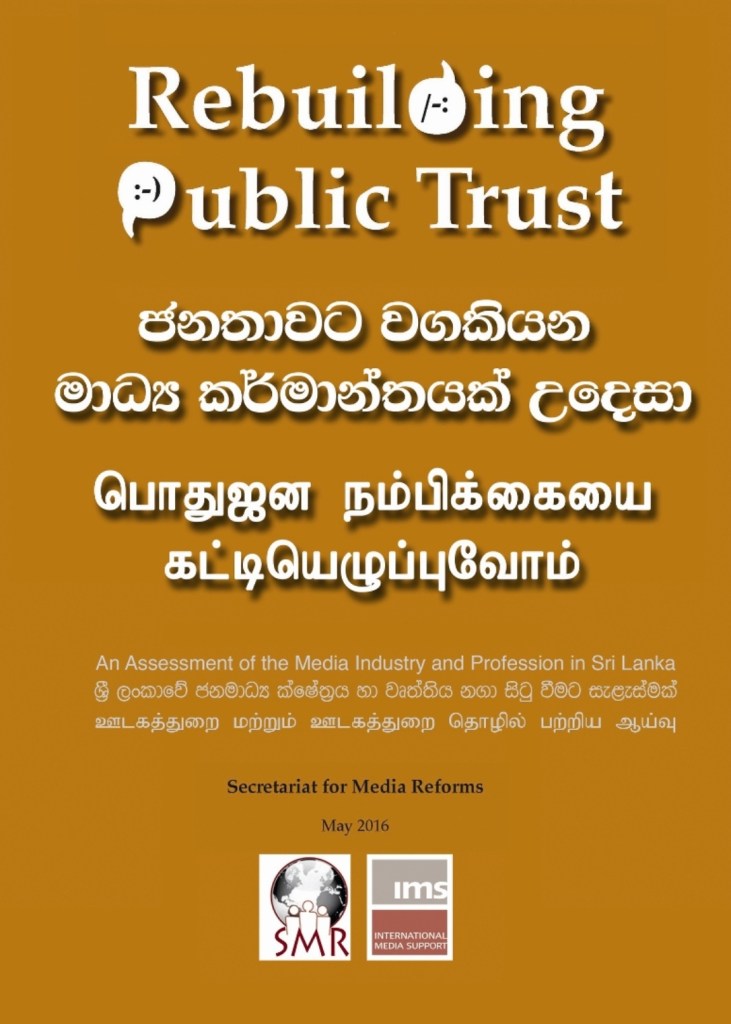
Recent political changes have opened a window of opportunity which needs to be seized urgently by everyone who desires a better media in Sri Lanka, urges the study report, titled Rebuilding Public Trust: An Assessment of the Media Industry and Profession in Sri Lanka.

Rebuilding Public Trust: An Assessment of the Media Industry and Profession in Sri Lanka (May 2016)

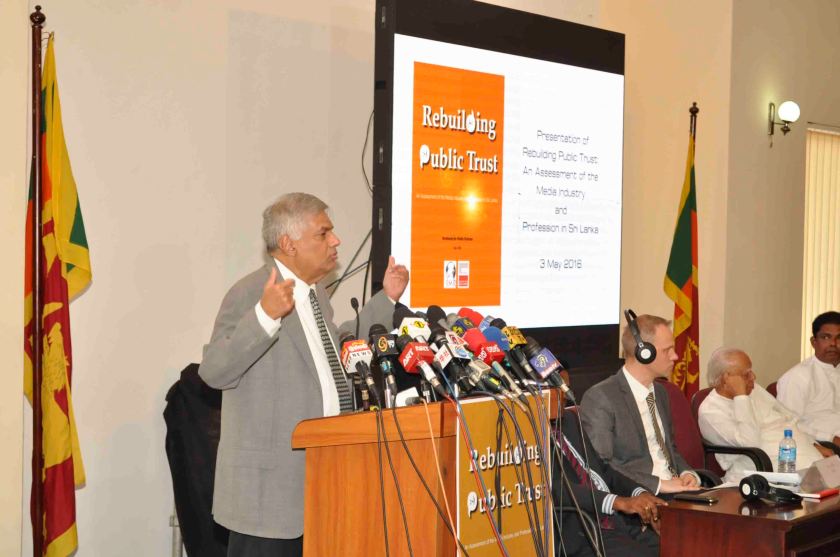
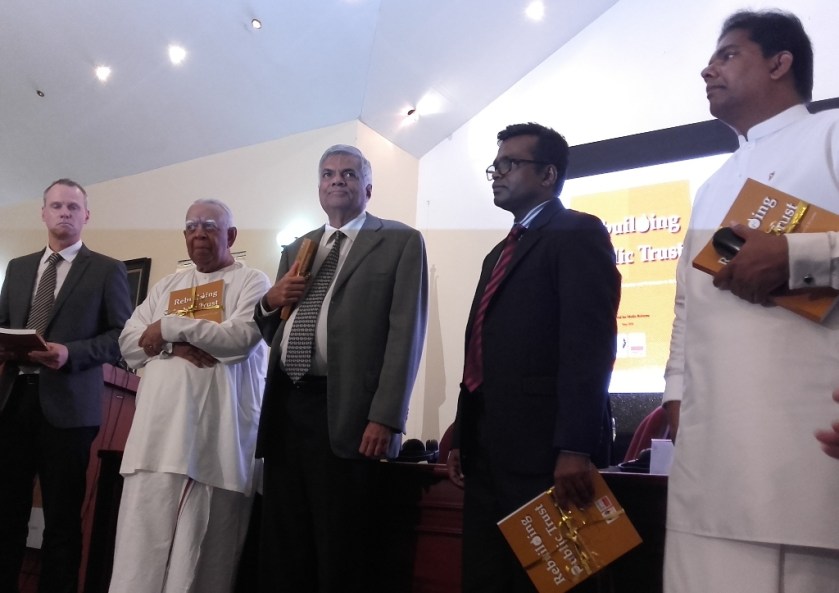
The report was released on World Press Freedom Day (May 3) at a Colombo meeting attended by the Prime Minister, Leader of the Opposition and Minister of Mass Media.

The report is the outcome of a 14-month-long research and consultative process. Facilitated by the Secretariat for Media Reforms, it engaged over 500 media professionals, owners, managers, academics, relevant government officials and members of various media associations and trade unions. It offers a timely analysis, accompanied by policy directions and practical recommendations. I served as is overall editor.

“The country stands at a crossroads where political change has paved the way for strengthening safeguards for freedom of expression (FOE) and media freedom while enhancing the media’s own professionalism and accountability,” the report notes.

Politicians present at the launch could only agree.

“The government is willing to do its part for media freedom and media reforms. But are you going to do yours?” he asked the dozens of editors, journalists and media managers present. There were no immediate answers.

Prime Minister Ranil Wickremesinghe speaks at the launch of 'Rebuilding Public Trust' report in Colombo, 3 May 2016 (Photo courtesy SLPI)
Prime Minister Ranil Wickremesinghe speaks at the launch of ‘Rebuilding Public Trust’ report in Colombo, 3 May 2016 (Photo courtesy SLPI)

Whither Media Professionalism?

The report acknowledges how, since January 2015, the new government has taken several positive steps. These include: reopening investigations into some past attacks on journalists; ending the arbitrary and illegal blocking of political websites done by the previous regime; and recognising access to information as a fundamental right in the 19th Amendment to the Constitution (after the report was released, the Right to Information Act has been passed by Parliament, which enables citizens to exercise this right).

These and other measures have helped improve Sri Lanka’s global ranking by 24 points in the World Press Freedom Index (https://rsf.org/en/ranking). It went up from a dismal 165 in 2015 index (which reflected conditions that prevailed in 2014) to a slightly better 141 in the latest index.

Compiled annually by Reporters Without Borders (RSF), a global media rights advocacy group, the Index reflects the degree of freedom that journalists, news organisations and netizens (citizens using the web) enjoy in a country, and the efforts made by its government to respect and nurture this freedom.

Sri Lanka, with a score of 44.96, has now become 141st out of 180 countries assessed. While we have moved a bit further away from the bottom, we are still in the company of Burma (143), Bangladesh (144) and South Sudan (140) – not exactly models of media freedom.

Clearly, much more needs be done to improve FOE and media freedom in Sri Lanka – and not just by the government. Media owners and managers also bear a major responsibility to create better working conditions for journalists and other media workers. For example, by paying better wages to journalists, and allowing trade union rights (currently denied in many private media groups, though enjoyed in all state media institutions).

Rebuilding Public Trust acknowledges these complexities and nuances: freedom from state interference is necessary, but not sufficient, for a better and pluralistic media.

It also points out that gradual improvement in media freedom must now to be matched by an overall upping of media’s standards and ethical conduct.

By saying so, the report turns the spotlight on the media itself — an uncommon practice in our media. It says that only a concerted effort by the entire media industry and all its personnel can raise professional standards and ethical conduct of Sri Lanka’s media.

A similar sentiment is expressed by Dr Ranga Kalansooriya, an experienced journalist turned media trainer who was part of the report’s editorial team (and has since become the Director General of the Department of Information). “Sri Lanka’s media freedom has gone up since January 2015, but can we honestly say there has been much (or any) improvement in our media’s level of professionalism?” he asks.

Media in Crisis

Tackling the dismally low professionalism on a priority basis is decisive for the survival of our media which points fingers at all other sections of society but rarely engages in self reflection.

Rebuilding Public Trust comes out at a time when Sri Lanka’s media industry and profession face many crises stemming from an overbearing state, unpredictable market forces and rapid technological advancements. Balancing the public interest and commercial viability is one of the media sector’s biggest challenges today.

The report says: “As the existing business models no longer generate sufficient income, some media have turned to peddling gossip and excessive sensationalism in the place of quality journalism. At another level, most journalists and other media workers are paid low wages which leaves them open to coercion and manipulation by persons of authority or power with an interest in swaying media coverage.”

Notwithstanding these negative trends, the report notes that there still are editors and journalists who produce professional content in the public interest while also abiding by media ethics.

Unfortunately, their good work is eclipsed by media content that is politically partisan and/or ethnically divisive.

For example, much of what passes for political commentary in national newspapers is nothing more than gossip. Indeed, some newspapers now openly brand content as such!

Similarly, research for this study found how most Sinhala and Tamil language newspapers cater to the nationalism of their respective readerships instead of promoting national integrity.

Such drum beating and peddling of cheap thrills might temporarily boost market share, but these practices ultimately erode public trust in the media as a whole. Surveys show fewer media consumers actually believing that they read, hear or watch.

One result: younger Lankans are increasingly turning to entirely web-based media products and social media platforms for obtaining their information as well as for speaking their minds. Newspaper circulations are known to be in decline, even though there are no independently audited figures.

If the mainstream media is to reverse these trends and salvage itself, a major overhaul of media’s professional standards and ethics is needed, and fast. Newspaper, radio and TV companies also need clarity and a sense of purpose on how to integrate digital platforms into their operations (and not as mere add-ons).

L to R - Lars Bestle of IMS, R Sampanthan, Ranil Wickremesinghe, Karu Paranawithana, Gayantha Karunathilake with copies of new study report on media reforms - Photo by Nalaka Gunawardene
L to R – Lars Bestle of IMS, R Sampanthan, Ranil Wickremesinghe, Karu Paranawithana, Gayantha Karunathilake with copies of new study report on media reforms – Photo by Nalaka Gunawardene

Recommendations for Reforms

The report offers a total of 101 specific recommendations, which are sorted under five categories. While many are meant for the government, a number of important recommendations are directed at media companies, journalists’ and publishers’ associations, universities, media training institutions, and development funding agencies.

“We need the full engagement of all stakeholders in building a truly free, independent and public interest minded pluralistic media system as a guarantor of a vibrant democracy in Sri Lanka,” says Wijayananda Jayaweera, a former director of UNESCO’s Communication Development Division, who served as overall advisor for our research and editorial process.

In fact, this assessment has used an internationally accepted framework developed by UNESCO, the United Nations Educational, Scientific and Cultural Organisation. Known as the Media Development Indicators (MDIs), this helps identify strengths and weaknesses, and propose evidence-based recommendations on how to enhance media freedom and media pluralism in a country. Already, two dozen countries have used this methodology.

The Sri Lanka study was coordinated by the Secretariat for Media Reforms, a multistakeholder alliance comprising the Ministry of Parliamentary Reforms and Mass Media; Department of Mass Media at University of Colombo; Sri Lanka Press Institute (SLPI); Strategic Alliance for Research and Development (SARD); and International Media Support (IMS) of Denmark.

We carried out a consultative process that began in March 2015. Activities included a rapid assessment discussed at the National Summit for Media Reforms in May 2015 (attended by over 200), interviews with over 40 key media stakeholders, a large sample survey, brainstorming sessions, and a peer review process that involved over 250 national stakeholders and several international experts.

Nalaka Gunawardene, Editor of Rebuilding Public Trust in Media Report, presents key findings at launch event in Colombo, 3 May 2016 - (Photo courtesy SLPI)
Nalaka Gunawardene, Editor of Rebuilding Public Trust in Media Report, presents key findings at launch event in Colombo, 3 May 2016 – (Photo courtesy SLPI)

Here is the summary of key recommendations:

  • Law review and revision: The government should review all existing laws which impose restrictions on freedom of expression with a view to amending them as necessary to ensure that they are fully consistent with international human rights laws and norms.
  • Right to Information (RTI): The RTI law should be implemented effectively, leading to greater transparency and openness in the public sector and reorienting how government works.
  • Media ownership: Adopt new regulations making it mandatory for media ownership details to be open, transparent and regularly disclosed to the public.
  • Media regulation: Repeal the Press Council Act 5 of 1973, and abolish the state’s Press Council. Instead, effective self-regulatory arrangements should be made ideally by the industry and covering both print and broadcast media.
  • Broadcast regulation: New laws are needed to ensure transparent broadcast licensing; more rational allocation of frequencies; a three-tier system of public, commercial and community broadcasters; and obligations on all broadcasters to be balanced and impartial in covering politics and elections. An independent Broadcasting Authority should be set up.
  • Digital broadcasting: The government should develop a clear plan and timeline for transitioning from analogue to digital broadcasting in television as soon as possible.
  • Restructuring state media: The three state broadcasters should be transformed into independent public service broadcasters with guaranteed editorial independence. State-owned Associated Newspapers of Ceylon Limited (Lake House) should be operated independently with editorial freedom.
  • Censorship: No prior censorship should be imposed on any media. Where necessary, courts may review media content for legality after publication. Laws and regulations that permit censorship should be reviewed and amended.
  • Blocking of websites: The state should not limit online content or social media activities in ways that contravene freedoms guaranteed by the Constitution and international conventions.
  • Privacy and surveillance: Privacy of all citizens and others should be respected by the state and the media. There should be strict limits to the state surveillance of private individuals and entities’ phone and other electronic communications.
  • Media education and literacy: Journalism and mass media education courses at tertiary level should be reviewed and updated to meet current industry needs and consumption patterns. A national policy is needed for improving media literacy and cyber literacy.

Full report in English is available at: https://goo.gl/5DYm9i

Sinhala and Tamil versions are under preparation and will be released shortly.

Science writer and media researcher Nalaka Gunawardene served as overall editor of the new study, and also headed one of the four working groups that guided the process. He tweets as: @NalakaG

සිවුමංසල කොලූගැටයා #273: තොරතුරු නීතිය සඳහා අරගලයේ පුරෝගාමියෝ හා නියමුවෝ

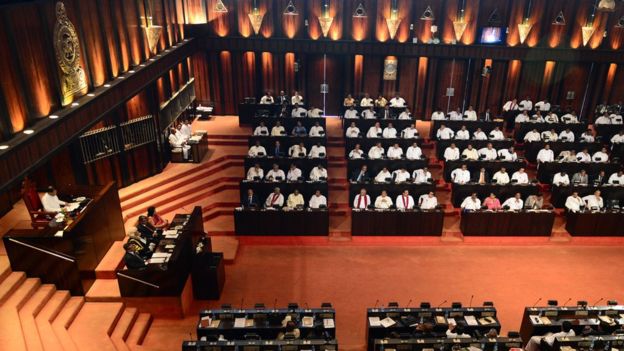
Parliament of Sri Lanka - Photo by Kolitha de Silva, from Wikimedia Commons
Parliament of Sri Lanka – Photo by Kolitha de Silva, from Wikimedia Commons

Sri Lanka’s Parliament debated the Right to Information (RTI) bill for two days (23 – 24 June 2016) before adopting it into law. No member opposed it, although some amendments were done during the debate.

A large number of Lankans and a few supportive foreigners share the credit for Sri Lanka becoming the 108th country in the world to have its own RTI (or freedom of information) law.

How we reached this point is a case study of campaigning for policy change and law reform in a developing country with an imperfect democracy.

In this week’s Ravaya column (appearing in the print issue of 3 July 2016), I recall the key pioneers, promoters and enablers. The long journey deserves greater documentation and analysis, but I hope this quick tribute initiates such chronicling.

See also earlier columns related to RTI:

26 June 2016:  සිවුමංසල කොලූගැටයා #272: මහජන තොරතුරු අයිතිය අශෝක අධිරාජයාගේ ඓතිහාසික දායාදයක්

1 May 2016: සිවුමංසල කොලූගැටයා #266: තොරතුරු නීතියේ වැඩිම ප‍්‍රයෝජන සාමාන්‍ය පුරවැසියන්ටයි!

22 November 2015: සිවුමංසල කොලූගැටයා #246: තොරතුරු අයිතිය විවෘත ආණ්ඩුකරණයට මුල් පියවරයි

දශක දෙකට වැඩි කලක් ගෙන ගිය බුද්ධිමය හා දේශපාලනමය අරගලයක ප්‍රතිඵලයක් ලෙස තොරතුරු දැන ගැනීම පිළිබඳ නීතිය (RTI Law) 2016 ජුනි 24දා පාර්ලිමේන්තුවේ ඒකච්ඡන්දයෙන් සම්මත වූවා.

ඒ සමග තොරතුරු නීතියක් හඳුන්වා දෙන ලෝකයේ 108 වන රට බවට ශ්‍රී ලංකාව පත්ව සිටිනවා.

මෙය යහපාලන රජයේ පොරොන්දුවක් ඉටු කිරීමක්. එමෙන්ම 2015 අප්‍රේල් මාසයේ 19 වන සංශෝධනයෙන් ව්‍යවස්ථාවට එක් කරන ලද තොරතුරු දැන ගැනීමේ මූලික අයිතිවාසිකම ප්‍රායෝගිකව ක්‍රියාත්මක කිරීමට ක්‍රමවේදයක් හඳුන්වා දීමක්.

මේ මොහොතේ අප වැඩි අවධානය යොමු කළ යුත්තේ දිනා ගත් තොරතුරු අයිතිය තහවුරු කිරීමට හා නිසි ලෙස ක්‍රියාත්මක කිරීමටයි. එසේ ඉදිරිය දෙස බලන අතර අප මෙතෙක් ආ ගමන දෙස හැරී බැලීම ද වටිනවා.

තොරතුරු අයිතිය දිනා ගන්නට විවිධාකාරයෙන් දායක වූ සියලු දෙනාට ලක් සමාජයේ ප්‍රණාමය හිමි විය යුතුයි. අද මා තැත් කරන්නේ එයින් ප්‍රමුඛයන් කිහිප දෙනකු සිහිපත් කරමින් ඔවුන්ගේ පුරෝගාමී මෙහෙවර අගය කිරීමටයි.

ශ්‍රී ලංකාවේ තොරතුරු අයිතිය පිළිබඳ සංවාදයේ හා ක්‍රියාවලියේ පිය සටහන් කෙටියෙන් වුවද ලේඛනගත කිරීමේ හොඳ උත්සාහයක් විකල්ප වෙබ් අඩවිය ගෙන තිබෙනවා. බලන්න: http://www.vikalpa.org/?p=27152

එයට අනුව මේ උත්සාහය ඇරඹුණේ 1994දී. 1994 අගෝස්තු පාර්ලිමේන්තු මැතිවරණයේදී පොදු පෙරමුණට සහාය දැක්වූ මාධ්‍ය සංවිධාන හා සිවිල් සංවිධාන කිහිපයක් කළ ඉල්ලීම්වලට අනුව එවකට මාධ්‍ය (තොරතුරු), සංචාරක හා ගුවන් සේවා අමාත්‍ය ධර්මසිරි සේනානායක ‘ආණ්ඩුවේ මාධ්‍ය ප්‍රතිපත්ති’ ගැන කැබිනට් පත්‍රිකාවක් 1994 පිළියෙළ කළා.

විකල්ප වෙබ් අඩවිය කියන්නේ එහි තොරතුරු දැන ගැනීමේ අයිතිය පිළි ගන්නා බවත්, ඒ සඳහා ආණ්ඩුක්‍රම ව්‍යවස්ථාවේ රැකවරණය ලබා දෙන බවත් සඳහන් වූ බවයි. තොරතුරු අයිතියට දේශපාලන මට්ටමේ ප්‍රතිඥාවක් මෙරට ලැබුණු මුල් වතාව එයයි.

මා දන්නා තරමට තොරතුරු අයිතිය මෙරට නිල ලේඛනයක මුල්වරට යෝජනා කරනු ලැබුවේ 1996 මැයි මාසයේ. ඒ මාධ්‍ය නිදහස හා භාෂණ නිදහසට බලපාන නීති සංශෝධනය කිරීම ගැන උපදෙස් දීමට පත් කරන ලද විද්වත් කමිටුවේ අවසන් වාර්තාවෙයි.

එම කමිටුව ප්‍රවීණ නීතිඥ ආර්. කේ. ඩබ්ලියු. ගුණසේකරගේ සභාපතිත්වයෙන් ක්‍රියාත්මක වූ නිසා වඩාත් ප්‍රකටව ඇත්තේ ගුණසේකර කමිටුව ලෙසයි. එහි සෙසු සාමාජිකයන් වූයේ ආචාර්ය ශිරාණි බණ්ඩාරනායක, ආචාර්ය රොහාන් එද්රිසිංහ, ආචාර්ය ජයම්පති වික්‍රමරත්න, ලූෂන් රාජකරුණානායක, ජාවඩ් යුසූෆ්, වික්ටර් ගුණවර්ධන හා සූරියා වික්‍රමසිංහයි.

භාෂණ නිදහසට ව්‍යවස්ථාමය සහතික වීම් නමැති දෙවන පරිච්ඡේදයේ මෙසේ සඳහන් වුණා. (ඉංග්‍රීසි මුල් කෘතියෙන් පරිවර්තනය මගෙන්): ‘1978 ආණ්ඩුක්‍රම ව්‍යවස්ථාව තොරතුරු දැන ගැනීමේ අයිතිය නිශ්චිත වශයෙන් සඳහන් කර නැතත්, එහි භාෂණ නිදහස පිළිබඳ අයිතීන් විග්‍රහ කරද්දී අධිකරණය එයට තොරතුරු නිදහසද අඩංගු වන බව නිර්ණය කර තිබේ. එසේ වුවද තොරතුරු අයිතිය වඩාත් විස්තරාත්මකව නීතිගත කිරීම වැදගත් හා අවශ්‍ය යයි අපි අදහස් කරමු. (1980දී ශ්‍රී ලංකාව අපරානුමත කොට ඇති) සිවිල් හා දේශපාලන අයිතිවාසිකම් පිළිබඳ ජාත්‍යන්තර ප්‍රඥප්තියේ තොරතුරු අයිතිය විග්‍රහ කර ඇත්තේ ඕනෑම මාධ්‍යයක් හරහා තොරතුරු ඉල්ලීමට, ලැබීමට හා බෙදා හැරීමට ඇති අයිතියක් ලෙසයි. හැකි තාක් සීමා කිරීම්වලින් තොරව මෙම අයිතිය ලබා දිය යුතුය.’

අවාසනාවකට ගුණසේකර කමිටු වාර්තාවේ බොහෝ වැදගත් නිර්දේශ අඩංගු වුවත් එයින් බහුතරයක් ක්‍රියාත්මක වූයේ නැහැ. එයට අවශ්‍ය දේශපාලන කැපවීම හීන වී ගිය නිසා විය යුතුයි.

2014 නොවැම්බරයේ ගුණසේකරයන් වියෝ වූ අවස්ථාවේ ප්‍රකාශයක් නිකුත් කළ නිදහස් මාධ්‍ය ව්‍යාපාරය ඔහුගේ මෙහෙවර ඉහළින් අගය කළා. ‘අද දක්වාත් මාධ්‍ය නිදහස තහවුරු කිරීමට අවශ්‍ය නීතිමය සංශෝධන පිළිබඳ මූලිකම හා වැදගත්ම ලේඛනය වන්නේ 1996 නිකුත් වූ ගුණසේකර කමිටු වාර්තාවයි.’ එහි සඳහන් වුණා.

තොරතුරු අයිතිය දිනා ගන්නට වසර 20ක් පුරා පෙරමුණු කිහිපයක බුද්ධිමය අරගලයක් හා උත්සාහයන් සිදු වුණා. සැමදෙනා අතර සැම විට සම්බන්ධීකරණයක් නොතිබුණත්, පොදු අරමුණක් ලෙස තොරතුරු අයිතිය නීතිමය වශයෙන් පිළිගැනීම වෙනුවෙන් ඔවුන් කැපවී සිටියා.

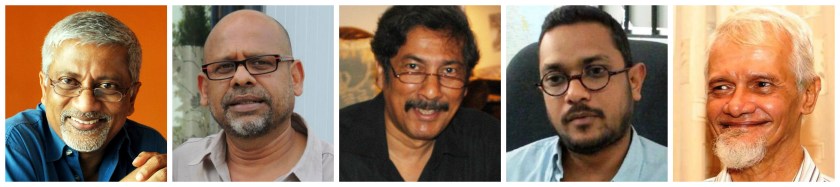
No more with us: L to R - Dharmasiri Senanayake, R K W Goonesekere, Justice Mark Fernando, Victor Gunewardena, Tilak Jayaratne
No more with us: L to R – Dharmasiri Senanayake, R K W Goonesekere, Justice Mark Fernando, Victor Gunewardena, Tilak Jayaratne

මා ඔවුන් කාණ්ඩ කිහිපයකට බෙදා හඳුනා ගන්නවා.

  1. ප්‍රගතිශීලී නීතිඥයන් හා විනිසුරුවරුන්

තොරතුරු අයිතියට අදාළ ප්‍රඥාන්විත නඩු තීන්දු ලබා දීම හරහා ශ්‍රේෂ්ඨාධිකරණ විනිසුරු මාක් ප්‍රනාන්දු (1941-2009) වැදගත් භූමිකාවක් ඉටු කළා. මෙරට භාෂණ නිදහස හා නීතිය ගැන කළ විග්‍රහයක ආචාර්ය අසංග වැලිකල ගිය වසරේ සිහිපත් කළේ විමල් ප්‍රනාන්දුට එරෙහිව ශ්‍රී ලංකා ගුවන් විදුලි සංස්ථාව :1996- නම් මූලික අයිතිවාසිකම් නඩුවේදී ප්‍රනාන්දු විනිසුරුවරයා දුන් තීන්දුවයි.

භාෂණ නිදහස තුළ තොරතුරු ලැබීමට හා බෙදා හැරීමට ඇති අයිතියද ගැබ්ව තිබෙන බවට මේ තීන්දුව තර්ක කළා. එහෙත් නඩු තීන්දු හා නඩු වාර්තා පමණක් මානව අයිතීන් තහවුරු කිරීමට නොසෑහෙන බව වැලිකල පෙන්වා දෙනවා. මන්ද සෑම විනිසුරුවරයාම ලිබරල් දැක්මකින් නීති විග්‍රහ නොකරන නිසා.

තොරතුරු අයිතිය මූලික අයිතිවාසිකමක් හා එයටම වෙන් වූ පනතක් ලෙස නීතිගත වීම අවශ්‍ය වූයේ එබැවින්. තොරතුරු අයිතිය වෙනුවෙන් විවිධ අවස්ථාවල මතවාදීව පෙනී සිටි නීතිවේදීන් අතර ජයන්ත ද අල්මේදා ගුණරත්න, එස්.ජී. පුංචිහේවා, ඩබ්ලිව්. ජේ. බැසිල් ප්‍රනාන්දු, ක්‍රිෂාන්ත වැලිඅමුණ, ජගත් ලියනආරච්චි හා කේ. ඩබ්ලිව්. ජනරංජන සිටිනවා.

ගුණසේකර කමිටුවේ සාමාජිකයකු වූ ආචාර්ය ජයම්පති වික්‍රමරත්න, 2015දී තොරතුරු නීතිය කෙටුම්පත් කිරීමේ විද්වත් කමිටුවේ සභාපතිවරයා වුණා. විසි වසරකට පසුව හෝ එම කමිටු නිර්දේශය ක්‍රියාත්මක කිරීමට ඔහුට නායකත්වය දීමට හැකිවීම සුවිශේෂ සිද්ධියක්.

  1. මාධ්‍යවේදීන් හා කතුවරුන්

තොරතුරු අයිතිය හුදෙක් මාධ්‍යවලට පමණක් නොව සමස්ත සමාජයටම එක ලෙස උපකාර වන්නක්. එහෙත් එහි වැදගත්කම කල් තබා හඳුනා ගත් පුරෝගාමීන් අතර මාධ්‍යවේදීන් ගණනාවක්ම සිටියා.

මෙරට සිටි ප්‍රවීණතම ඉංග්‍රීසි මාධ්‍යවේදියකු වූ වික්ටර් ගුණවර්ධන (1927-2002) ගුණසේකර කමිටුවේ සාමාජිකයකු ද වූවා. පැරණි සන්ඩේ ටයිම්ස් පත්‍රයේ කතුවරයාව සිට පසුව මාර්ග ආයතනයේ අධ්‍යක්ෂවරයකු වූ ඔහුට මාධ්‍ය නීතිය පිළිබඳ පුළුල් දැනුමක් තිබුණා. තොරතුරු නීතිය මෙරටට අවශ්‍ය හා වැදගත් ඇයිද යන්න ගැන පොදු අවකාශයේ මුලින්ම හඬ නැගූවන් අතර ඔහු සිටියා.

ගුණසේකර කමිටුවේ සිටි අනෙක් මාධ්‍යවේදියා ලූෂන් රාජකරුණානායක. තීරු ලිපි රචකයකු ලෙස තවමත් සක්‍රීය ඔහු මුල් යුගයේ නිදහස් මාධ්‍ය ව්‍යාපාරයේද මූලිකයෙක් වුණා.

සමහර මාධ්‍යවේදීන් තම මාධ්‍ය හරහා තොරතුරු  අයිතිය වෙනුවෙන් දිගටම පෙනී සිටියා. සන්ඩේ ටයිම්ස් වත්මන් කර්තෘ සිංහ රත්නතුංග එයින් එක් අයෙක්. ඔහු මාධ්‍ය නිදහස හා සමාජයීය වගකීම පිළිබඳ කොළඹ ප්‍රකාශනයේ (1998) ද මූලිකයෙක්.

ඔහුගේ තවත් දායකත්වයක් නම් මානව හිමිකම් පිළිබඳ තීරු ලිපියකට දිගු කලක් තිස්සේ තම පත්‍රයේ ඉඩ දීමයි. එය ලියන නීතිඥ කිෂාලි පින්ටෝ ජයවර්ධන දශක දෙකක් පුරා තොරතුරු අයිතිය ප්‍රවර්ධනය කළ අයෙක්. සම්මත වූ තොරතුරු නීතිය කෙටුම්පත් කිරීමට ද ඇය දායක වූවා.

තොරතුරු අයිතියට දැඩි අවධානය යොමු කළ තවත් ජ්‍යෙෂ්ඨ මාධ්‍යවේදියකු නම් රාවය ආරම්භක කර්තෘ වික්ටර් අයිවන්. රටේ දැනටමත් පවතින වත්කම් හා බැරකම් නීතිය හරහා පොදු උන්නතියට අදාළ තොරතුරු ඉල්ලා සිටිය හැකි බවත්, එහෙත් එය ලැබීමට නිලධාරිවාදී බාධා මතු වන බවත් ඔහු බොහෝ අවස්ථාවල පෙන්වා දී තිබෙනවා. රාජ්‍ය හා ශාස්ත්‍රීය මූලාශ්‍රවලින් ගවේෂණාත්මක ලෙස තොරතුරු සොයා ගෙන, සමාජ-ආර්ථීක-දේශපාලනික ප්‍රශ්න ගැන කාලීන විග්‍රහයන් කිරීමේ පූර්වාදර්ශ රැසක් වික්ටර් අයිවන් අපට ලබා දෙනවා.

මාධ්‍ය නිදහස සඳහා සක්‍රීයව පෙනී සිටින මාධ්‍ය සංවිධාන අතර තොරතුරු නීතිය කලක් තිස්සේ ප්‍රමුඛතාවක් වී පැවතියා. එම උද්ඝෝෂණවලට නායකත්වය දුන් හා සහභාගි වූ සැම නමින් සඳහන් කිරීමට මෙහි ඉඩක් නැහැ. එහෙත් ප්‍රබලව හා දිගටම ඒ වෙනුවෙන් පෙනී සිටි වරුණ කරුණාතිලක, සුනන්ද දේශප්‍රිය, ශාන් විජේතුංග, රංග කලන්සූරිය ආදීන් අප සිහිපත් කළ යුතුයි.

නව මාධ්‍ය හරහා තොරතුරු අයිතිය ගැන මෑත වසරවල හඬ නැංවූවන් අතර සම්පත් සමරකෝන්, සජීව විජේවීර හා සංජන හත්තොටුව සිටිනවා.

L to R - Kishali Piono Jayawardena, Dr Jayampathy Wickramaratne, Dr Rohan Edrisinha, Wijayananda Jayaweera, Dr P Sarawanamuttu
L to R – Kishali Piono Jayawardena, Dr Jayampathy Wickramaratne, Dr Rohan Edrisinha, Wijayananda Jayaweera, Dr P Saravanamuttu
  1. පර්යේෂකයන් හා බුද්ධිමතුන්

තොරතුරු අයිතිය සඳහා නීතිවේදීන් හා මාධ්‍යවේදීන් ගෙන ගිය දිගු අරගලයට සරසවි ඇදුරන් හා සරසවිවලින් බැහැර පොදු උන්නතියට කැප වූ බුද්ධිමතුන් ගණනාවකගේ ද දායකත්වය ලැබුණා.

මාධ්‍ය පර්යේෂක තිලක් ජයරත්න (1943-2012) මෙහිදී විශේෂයෙන් සඳහන් කළ යුතු වනවා. රාජ්‍ය මාධ්‍යයක් (ගුවන් විදුලි සංස්ථාව) හරහා ජනතාවට තොරතුරු ලබා දීමට හැකි තාක් උත්සාහ ගත් ඔහු පසු කලෙක මාධ්‍ය ප්‍රතිසංස්කරණවල මූලික අවශ්‍යතාව ගැන පුළුල්ව ලිපි ලේඛන රචනා කළා. ඔහු තොරතුරු අයිතිය දුටුවේ මාධ්‍ය ප්‍රතිසංස්කරණවල එක් පියවරක් ලෙසයි.

නීති ක්ෂේත්‍රයේ පර්යේෂකයන් ලෙස ආචාර්ය රොහාන් එද්රිසිංහ හා ආචාර්ය අසංග වැලිකල තොරතුරු නීති සම්පාදනයට හා ප්‍රවර්ධනයට බෙහෙවින් දායක වුණා. දේශපාලන විද්‍යාඥ හා මානව හිමිකම් ක්‍රියාකාරික ආචාර්ය පාකියසෝති සරවනමුත්තු හා සන්නිවේදන සංවර්ධනය සඳහා යුනෙස්කෝවේ අධ්‍යක්ෂවරයා ලෙස කලක් ක්‍රියා කළ විජයානන්ද ජයවීර තොරතුරු නීති සංවාදවල වැදගත් භූමිකාවක් තවමත් ඉටු කරනවා.

සන්නිවේදන විශේෂඥ හා නව මාධ්‍ය පර්යේෂක මහාචාර්ය රොහාන් සමරජීව, නීතිඥයකු ද වනවා. ඔහු තොරතුරු නීති කෙටුම්පත් විචාරයට ලක් කරන අතර නව සන්නිවේදන තාක්ෂණයන් හරහා තොරතුරු අයිතිය වඩාත් තහවුරු කර ගන්නා ක්‍රමවේද ගැන අප දැනුවත් කරනවා.

වෙරිටේ ආයතනයේ පර්යේෂණ අධ්‍යක්ෂ ගිහාන් ගුණතිලක මෑත වසරවල තොරතුරු අයිතිය විග්‍රහ කරමින් මෙරට පළවූ හොඳම අත්පොතක කතුවරයායි. තොරතුරු අයිතියේ ඉතිහාසය හා සංකල්පීය පරාසය ඔහු හොඳින් පහදා දෙනවා. http://unesdoc.unesco.org/images/0024/002441/244113E.pdf

තොරතුරු අයිතියේ සංවාදයට බුද්ධිමය තලයක කොටුවීමට ඉඩ නොදී එය සිවිල් සමාජ ක්‍රියාකාරීත්වය හරහා සමාජගත කළ කිහිප දෙනෙක්ද සිටිනවා. පුරවැසි බලය ප්‍රකාශකයකු වන ප්‍රවීණ ලේඛක ගාමිණී වියන්ගොඩ හා සිවිල් අයිතිවාසිකම් ව්‍යාපාරයේ ලේකම් සූරියා වික්‍රමසිංහ ඒ අතර කැපී පෙනෙනවා.

L to R - Dr Rohan Samarajiva, Gamini Viyangoda, Sinha Ratnatunga, Dr Asanga Welikala, Victor Ivan
L to R – Dr Rohan Samarajiva, Gamini Viyangoda, Sinha Ratnatunga, Dr Asanga Welikala, Victor Ivan

4. දේශපාලකයෝ හා සමාජ ක්‍රියාකාරිකයෝ

අවසන් වශයෙන් තොරතුරු නීතිය සැබෑ කර ගැනීමට දේශපාලනමය කැප වීම තීරණාත්මකව බලපෑවා.

2001-2004 රජය යටතේ තොරතුරු නීතියක් කෙටුම්පත් කොට එයට කැබිනට් අනුමැතියද ලැබ තිබුණා. එහෙත් එය පාර්ලිමේන්තුවට ඉදිරිපත් කිරීමට පෙර පාර්ලිමේන්තුව විසුරුවා හරිනු ලැබුවා. එම 2003 කෙටුම්පතට නායකත්වය දුන්නේ එවකට හා දැන් යළිත් අග්‍රාමාත්‍ය රනිල් වික්‍රමසිංහ.

ඉනික්බිති එළැඹි 2005-2014 අඳුරු දශකය තුළ තොරතුරු නීතියක් ගෙන ඒමට උත්සාහයන් කිහිපයක් කෙරුණා. 2010දී එවකට අධිකරණ අමාත්‍ය මිලින්ද මොරගොඩ ගත් උත්සාහයත්, 2010 සැප්තැම්බර් හා යළිත් 2011 ජුනි මාසයේ කරූ ජයසූරිය මන්ත්‍රීවරයා (දැන් කතානායක) ගත් උත්සාහයත් පසුගිය රජය විසින් ව්‍යර්ථ කරනු ලැබුවා.

මාධ්‍ය ඇමති ගයන්ත කරුණාතිලක හා නියෝජ්‍ය ඇමති කරුණාරත්න පරණවිතාන 2016 ජුනි 24 වනදා සම්මත කර ගත් තොරතුරු නීතිය දශක දෙකකට වැඩි කලක් එම සංකල්පය වෙනුවෙන් පෙනී සිටි සැමගේ සාමූහික ජයග්‍රහණයක්.

දැන් අභියෝගය නම් එය රැක ගනිමින් මනාව ක්‍රියාත්මක කිරීමයිග තොරතුරු අයිතිය සවිමත් වන්නේ පුරවැසි අප එය භාවිත කරන තරමටයි!

BBC Sinhala interview on RTI: තොරතුරු දැන ගැනීමේ සංකල්පය ‘අශෝක අධිරාජයාගෙන්’

I was interviewed by BBC Sinhala in London on 21 June 2016, on the eve of Sri Lanka’s Parliament passing the long-waited Right to Information law. In this interview with BBC’s Saroj Pathirana, I look at the journey so far (it took over 2o years to get this law adopted) and challenges than remain.

Chief among the challenges from now on: reorienting all state structures to be open and info-sharing rather than closed and secretive (default mode until now); raising public awareness on the provisions and benefits of RTI law (including debunking of myths and misconceptions); and learning to be a more information-literate society as a whole.

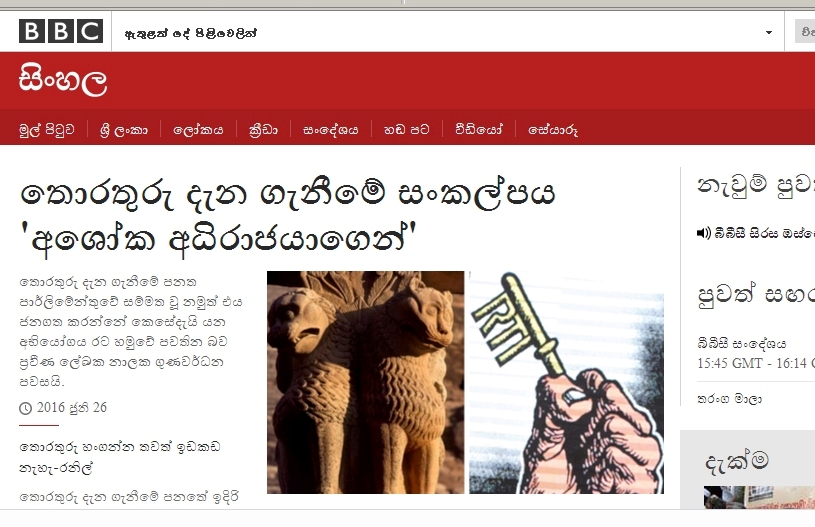
BBC Sinhala home page on 27 June 2016, featuring Nalaka Gunawardene interview on Right to Information in Sri Lanka

Here is the full story. You can also read it on BBC online at: http://www.bbc.com/sinhala/sri-lanka-36634031

තොරතුරු දැන ගැනීමේ සංකල්පය ‘අශෝක අධිරාජයාගෙන්

2016 ජුනි 26: තොරතුරු දැන ගැනීමේ පනත පාර්ලිමේන්තුවේ සම්මත වූ නමුත් එය ජනගත කරන්නේ කෙසේදැයි යන අභියෝගය රට හමුවේ පවතින බව ප්‍රවීණ ලේඛක නාලක ගුණවර්ධන පවසයි.

ඔහු ඒ බව කියා සිටියේ පසුගියදා පාර්ලිමේන්තුවේදී සම්මත කර ගන්නා ලද තොරතුරු දැන ගැනීමේ පනත සහ එහි වැදගත්කම පිළිබඳ රටේ සාමාන්‍ය ජනතාවගෙන් බහුතරය දැනුවත් දැයි බීබීසී සංදේශය කළ විමසීමකදී.

”ඇත්තටම එහෙම දැනුවත් භාවයක් නැහැ. අපි එය පිළිගත යුතුව තිබෙනවා. ඒ වගේම ඒ සම්බන්ධයෙන් යම් යම් පියවර ගත යුතුව තිබෙනවා.”

අදාළ පනත සම්මත කර ගැනීම වෙනුවෙන් ශ්‍රී ලංකාව තුළ හඬ නැගුවේ මධ්‍යම පාන්තික සමාජ සහ දේශපාලන ක්‍රියාධරයන් ඇතුළු මාධ්‍යවේදීන් පිරිසක් බවත් ඔහු සඳහන් කළේය.

කෙසේ නමුත් අසල්වැසි ඉන්දියාවේ පැවතුනේ එයට වඩා වෙනස් තත්වයක් බව විද්‍යා ලේඛක නාලක ගුණවර්ධන පෙන්වා දෙයි.

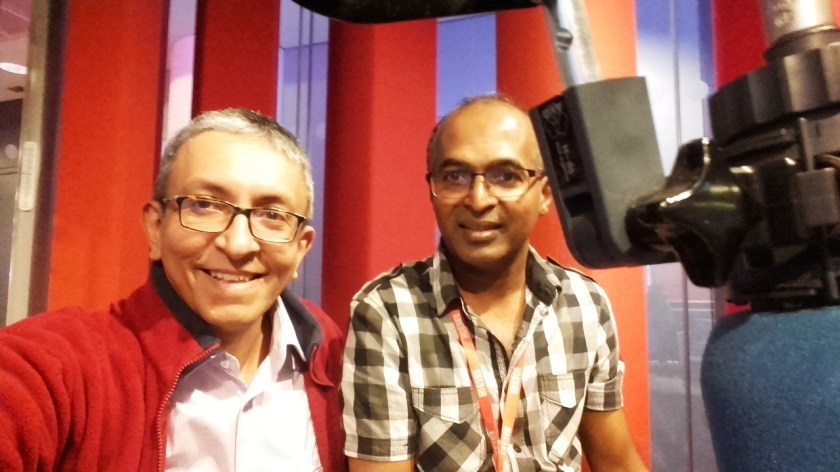
Nalaka Gunawardene (left) with BBC journalist Saroj Pathirana at BBC Broadcasting House in London on 21 June 2016

ඇයි අපට වැදගත්?

”අනූව දශකයේ, ඉන්දියාව තුළ මේ තොරතුරු දැන ගැනීමේ පනත අවශ්‍යයි කියන ඉල්ලීම ආවේ බිම් මට්ටමින්. ප්‍රාන්ත මට්ටමින් නීති ගත වී 2005 වසරේ ඉන්දියාව ජාතික මට්ටමින් තොරතුරු නීතිය සම්මත කර ගත්තා. මේක ඇයි අපට වැදගත්? මොනවද මෙයින් ගත හැකි ප්‍රයෝජන කියන කාරණා, නීතිය සම්මත වෙන කොටත් මිනිස්සු දැන සිටියා”

තොරතුරු දැන ගැනීමේ පනතේ ඇති වැදගත්කම ජන ගත කිරීම සඳහා ශ්‍රී ලංකාවේ සිවිල් සංවිධාන, මාධ්‍ය ආයතන සහ ක්‍රියාධරයන්ට සුවිශේෂී වගකීමක් පැවරෙන බවයි තොරතුරු දැන ගැනීමේ පනත සම්බන්ධ උපදේශක මණ්ඩලයේ සාමාජිකයකු වූ ලේඛක නාලක ගුණවර්ධන පෙන්වා දෙන්නේ.

”මේක වෙනත් නීති වගේ නොවෙයි.මෙය ජනතාව වෙනුවෙන් සම්මත වූ නීතියක්. සාමාන්‍යයෙන් පනවන ලද නීති ක්‍රියාත්මක කරන්නේ ආණ්ඩුව. නමුත් තොරතුරු නීතිය භාවිත කරන්න ඕනි පුරවැසියෝ.”

තොරතුරු පනත හරහා පුරවැසියන්ට රාජ්‍ය ආයතන, පොදු අධිකාරියක තොරතුරු ඉල්ලා සිටීමට සහ ලබා ගැනීමට නෛතික අයිතියක් හිමි වේ.

”නීතිය සම්මත වූ පසු රජයට මාස හයක කාල සීමාවක් තිබෙනවා මේ සඳහා රාජ්‍ය තන්ත්‍රය සුදානම් කරන්න. ඉන් පසු ජනතාවට පුළුවන් ඕනෑම රජයේ ආයතනයක තොරතුරු ඉල්ලා සිටින්න. ඒ සඳහා හේතු දක්වන්න අවශ්‍ය නැහැ.”

ශ්‍රී ලංකා පාර්ලිමේන්තුව තුළ දින දෙකක් විවාදයට ගත් තොරතුරු දැන ගැනීමේ පනත සංශෝධන සහිතව ජුනි 24 වනදා ඒකමතිකව සම්මත විය

අශෝක කුලුණු

ඇතැම් තොරතුරු ලබා දීම ප්‍රතික්ෂේප කළ හැකි අදාළ පනතේ දක්වා ඇති ව්‍යතිරේක හැරුණු කොට අනෙකුත් සියලු තොරතුරු ලබා ගැනීමට ජනතාවට අයිතිය හිමි වන බවයි ඔහු පවසන්නේ.

ව්‍යතිරේකවලින් බැහැර වන තොරතුරු ලබා නොදෙන්නේ නම් තොරතුරු අයිතිය පිළිබඳ ස්වාධීන කොමිසමට පැමිණිලි කළ හැකි බවත් ප්‍රවීණ ලේඛක නාලක ගුණවර්ධන කියා සිටියේය.

සංකල්පයක් වශයෙන් තොරතුරු දැන ගැනීමේ නීතිය දකුණු ආසියාවට අලුත් දෙයක් නොවන බව ඔහු පෙන්වා දෙන්නේ අශෝක අධිරාජයා සමයේ ස්ථාපනය කරන ලද අශෝක කුලුණු උදාහරණයට ගනිමිනි.

”මේ කුලුණුවල, රජතුමා කරන්නේ කුමක්ද? රාජ්‍ය පාලකයාගේ ප්‍රතිපත්ති මොනාද? ස්ථාපිත කොට තිබුණා. එක් එක් ස්ථම්භය පිහිටුවන ස්ථානයේ එම ප්‍රදේශයේ භාෂාවෙන් පුවරුවල සටහන් යෙදුවා. සියලු දෙනාටම සාක්ෂරතාවය නැති නිසා විටින් විට පුවරුවල ඇති සටහන් හඬ නගා කියවන්න රාජ්‍ය නිලධාරීන්ට නියෝග කළා.”

තොරතුරු දැන ගැනීමේ වැදගත්කම හඳුනා ගනිමින් එවැනි පනතක් මුලින්ම නීති ගත කරන ලද්දේ ස්වීඩනය බවත් ප්‍රවීණ ලේඛක නාලක ගුණවර්ධන වැඩිදුරටත් සඳහන් කළේය.

”බටහිරින් ලැබුණු ආභාෂයක් වශයෙන් මේ වතාවේ තොරතුරු දැන ගැනීමේ පනත අපට ලැබුනත් අපේ සංස්කෘතික උරුමයක් තිබෙනවා රජය, මහජනතාව වෙත තොරතුරු සරල බසින් ලබා දෙන බවට”

සිවුමංසල කොලූගැටයා #272: මහජන තොරතුරු අයිතිය අශෝක අධිරාජයාගේ ඓතිහාසික දායාදයක්

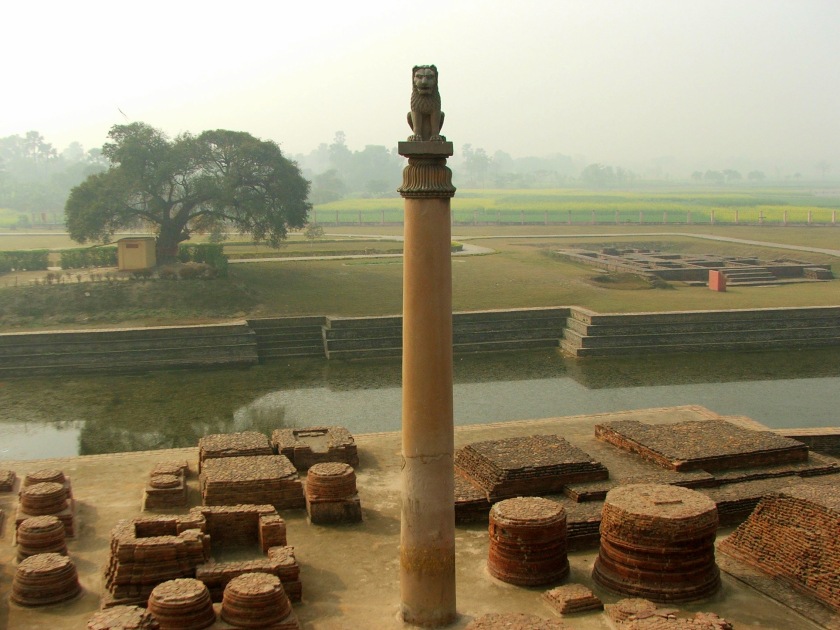
An Ashoka Pillar
An Ashoka Pillar

Sri Lanka’s Parliament is debating the Right to Information (RTI) Bill on June 23 – 24.

Over 15 years in the making, the RTI law represents a potential transformation across the whole government by opening up hitherto closed public information (with certain clearly specified exceptions related to national security, trade secrets, privacy and intellectual property, etc.).

While the media benefits from RTI, it is primarily a law for ordinary citizens to demand and receive information related to everyday governance (most of it at local levels). RTI changes the default mode of government from being classified to open.

In this week’s Ravaya column (appearing in the print issue of 26 June 2016), I point out that although the modern-day concept of Right to Information (also known as Freedom of Information) arose in Europe in the 18th century, there are comparable precedents in the East that date back to over two millennia.

Indian Emperor Ashoka (who reigned from c. 268 to 232 Before Christ) was the first to grant his subjects the Right to Information (RTI), according to Indian RTI activist Venkatesh Nayak, Coordinator, Commonwealth Human Rights Initiative (CHRI).

Speaking at a seminar on RTI in Colombo last month, Nayak said that Ashoka had inscribed on rocks all over the Indian subcontinent his government’s policies, development programmes and his ideas on various social, economic and political issues — including how religious co-existence.

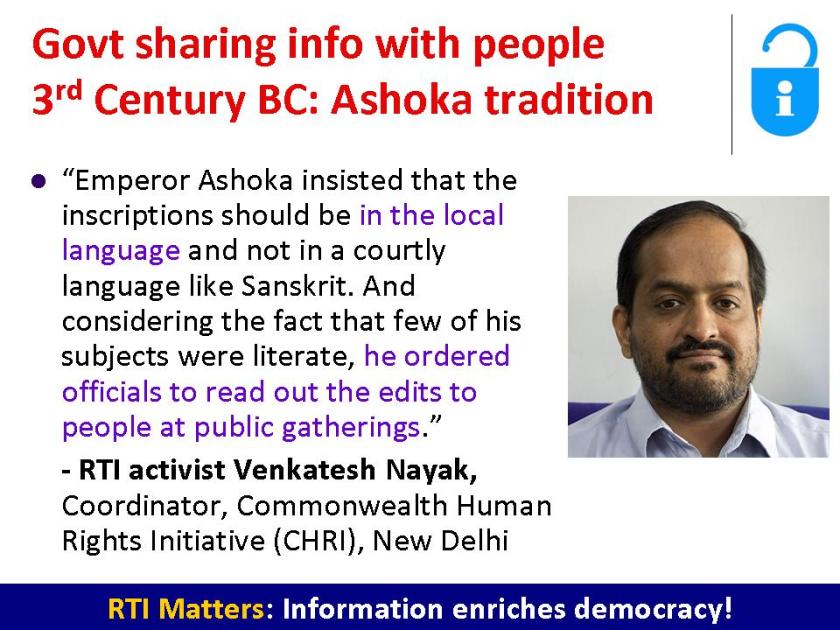
“He insisted that the inscriptions should be in the local language and not in a courtly language like Sanskrit. And considering the fact that few of his subjects were literate, he enjoined officials to read out the edits to people at public gatherings,” Nayak added.

Therefore, adopting an RTI law signifies upholding a great Ashokan tradition in Sri Lanka. And implementing it would be a huge challenge – reorienting the entire public sector to change its mindset and practices to promote a culture of information sharing and transparent government.
See also: 1 May 2016: සිවුමංසල කොලූගැටයා #266: තොරතුරු නීතියේ වැඩිම ප‍්‍රයෝජන සාමාන්‍ය පුරවැසියන්ටයි!

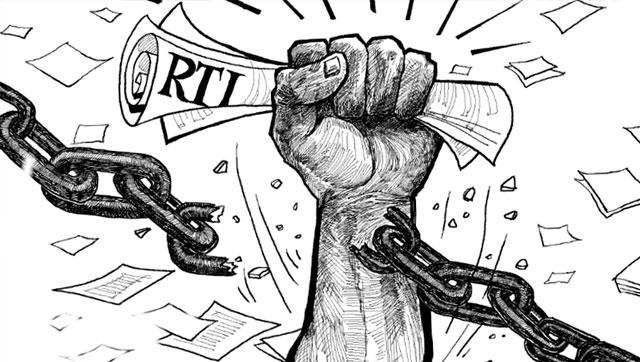
The Hindustan Times image - by Jayanto
The Hindustan Times image – by Jayanto

තොරතුරු දැනගැනීමේ අයිතිවාසිකම් පිළිබඳ පනත් කෙටුම්පත ජුනි 23-24 දෙදින තුළ පාර්ලිමේන්තුවේ විවාදයට ගැනීමට නියමිතයි.

2016 මාර්තු 24 වනදා සභාගත කරන ලද කෙටුම්පත, ඉනික්බිති ශ්‍රේෂ්ඨාධිකරණයේ විමර්ශනයට ලක් වී උපවගන්ති පහක යම් සංශෝධන කරනු ලැබුවා.

මේ කෙටුම්පත ලෝකගේ හත් වන හොඳම තොරතුරු නීතිය බවට කැනඩාවේ නීතිය හා ප්‍රජාතන්ත්‍රවාදය පිළිබඳ කේන්ද්‍රය (Centre for Law and Democracy) නම් විද්වත් ආයතනය සංසන්දනාත්මකව ඇගැයීමට ලක් කොට තිබෙනවා. එය ලොකු සංශෝධනවලින් තොරව සම්මත වනු ඇතැයි අපේ පැතුමයි.

මේ පනත් කෙටුම්පත අංග සම්පූර්ණ හෝ පරමාදර්ශී එකක් නොවූවද බොහෝ දුරට ප්‍රගතිශීලී යයි සැලකිය හැකියි. එය 1994න් ඇරඹි ප්‍රයත්නයක් මල්ඵල ගැන්වීමක්. මේ පනත නිසි ලෙස ක්‍රියාත්මක කිරීමට සහාය වීම ප්‍රජාතන්ත්‍රවාදයට ළැදි සැමගේම යුතුකමක් හා වගකීමක් වනවා.

තොරතුරු අයිතිය (Right to Information/Freedom of Information) පිළිබඳ සංකල්පය නූතන යුගයේ මතුව ආයේ යුරෝපයේ 18-19 වන සියවස්වල සිදු වූ දේශපාලනික හා දාර්ශනික පිබිදීම නිසායි. පොදු අවකාශය (Public Space) හා පොදු ජනයාට රාජ්‍ය පාලනය ගැන විමර්ශනයට අයිතිය (Public access and scrutiny) යන සංකල්ප අපට උරුම වූයේ යුරෝපීය චින්තකයන්ගෙන්.

එසේම නවීන ලෝකයේ මුල්ම තොරතුරු අයිතිය පිළිබඳ නීතිය සම්මත කර ගත්තේ එවකට ස්වීඩනයේ පාලනය යටතේ පැවති ෆින්ලන්තයේ. ඒ 1766දී. එනම් හරියටම වසර 250කට පෙර.

එහෙත් ජනසම්මතවාදී පාලකයන් සිය පාලනය ගැන ජනතාවට තොරතුරු හෙළි කිරීමේ ඉතිහාසය මීට වඩා පැරණියි. සැබැවින්ම එය පෙරදිග සම්ප්‍රදායක් බව මෑතදී මා හමු වූ ඉන්දියානු විද්වතෙක් පෙන්වා දුන්නා.

නවදිල්ලියේ පිහිටි පොදු රාජ්‍ය මණ්ඩලීය මානව හිමිකම් කේන්ද්‍රයේ සම්බන්ධීකාරක වෙන්කටේෂ් නායක් (Venkatesh Nayak) තොරතුරු අයිතිය පිළිබඳ විශේෂඥයෙක් මෙන්ම ක්‍රියාකාරිකයෙක්. ඔහු කියන්නේ තොරතුරු අයිතියේ පුරෝගාමියකු ලෙස ක්‍රිස්තු පූර්ව තුන් වන සියවසේ භාරතයේ රජකම් කළ අශෝක අධිරාජයා හඳුනාගත හැකි බවයි.

Right to Information - Venkatesh Nayak quote
Right to Information – Venkatesh Nayak quote

අශෝක අධිරාජයාගේ රාජ්‍ය පාලනයේ එක් පිළිවෙතක් වූයේ රටේ ප්‍රතිපත්ති හා නීතිරීති පොදු ජනතාවට ප්‍රකාශ කිරීමට ප්‍රසිද්ධ ස්ථානවල සෙල්ලිපි රැගත් (අශෝක ස්ථම්භ නමින් ප්‍රකට) කුලුනු ඉදිකිරීමයි. සියවස් විසිතුනකට පසුවත් මේ ස්ථම්භ රැසක් තවම ඉතිරිව තිබෙනවා.

මේවා අධ්‍යයනය කළ පුරාවිද්‍යාඥයන් සොයා ගත්තේ ඒවායේ භාෂාව පළාතෙන් පළාතට වෙනස්වන බවයි.

‘අධිරාජයාගේ රාජ සභාවේ භාවිත වුණේ සම්භාව්‍ය සංස්කෘත භාෂාවයි. එහෙත් රටවැසියන්ට තොරතුරු දෙන විට එයට සීමා නොවී, එක් එක් පළාතෙහි වැඩිපුරම භාවිත වන ප්‍රාදේශීය භාෂාවලින් එය ප්‍රකාශ කරන්නට තරම් අශෝක අධිරාජයා සැලකිලිමත් වී තිබෙනවා. එදිනෙදා පරිපාලනමය තොරතුරුවලට අමතරව ආගම් අතර සහජීවනය ආදී කරුණු ද මේ සෙල්ලිපිවල හමු වනවා’ යයි නායක් කියනවා.

එසේම අකුරු කියවීමේ හැකියාව එතරම් ප්‍රචලිත නොවූ එකල එම තොරතුරු හඬ නඟා රටවැසියන්ට කියැවීමටද අධිරාජයා විධිවිධාන යොදා තිබුණා. මෙයින්ද පෙනෙන්නේ සිය වැසියන් සමග ප්‍රශස්ත සන්නිවේදනයක යෙදීමට අශෝක අධිරාජයාට තිබූ සැබෑ වුවමනාවයි.

අශෝක අධිරාජයා මෙරටට බුදුදහම දායාද කිරීම මූලික නිමිත්ත කර ගත් පොසොන් පොහොය සමරනු ලැබුවේ ඉතා මෑතදී. මහජනයාට රාජ්‍ය තොරතුරු ලබාදීමේ උතුම් අශෝක සම්ප්‍රදායට අනුගතවීමට තොරතුරු නීතිය හරහා අපට අවස්ථාව උදා වනවා.

Ancient Right to Information: Ashoka Pillars

තොරතුරු අයිතිය ව්‍යවස්ථාවේ මූලික අයිතිවාසිකමක් ලෙස පිළිගෙන තොරතුරු නීතිය හරහා එය ප්‍රායෝගිකව තහවුරු කිරීම ප්‍රජාතන්ත්‍රවාදයේ හොඳ ඉදිරි පියවරක්.

එහෙත් එය විවෘත ආණ්ඩුකරණයට යොමු වන ප්‍රගතිශීලී මෙඟහි එක් කඩඉමක් පමණයි.

තොරතුරු පනත තොරතුරු අර්ථ දක්වන්නේ පුළුල් ලෙසින්. පනතේ 43 වන වගන්තියට අනුව, මේ සියල්ල එයට හසු වනවාථ සටහන්, ලේඛන, සංදේශ, විද්‍යුත් තැපැල්, මත, උපදේශ, මාධ්‍ය නිවේදන, චක්‍රලේඛ, ලොග් සටහන්, ගිවිසුම්, වාර්තා, ප්‍රවෘත්ති පත්‍ර, සාම්පල්, ආදර්ශක, හුවමාරු වන ලිපි, නීති කෙටුම්පත්, පොත්, පිඹුරු, සිතියම්, චිත්‍ර, රූප සටහන්, සේයාපට, ක්ෂුද්‍ර සේයා පට, ශබ්ද පටිගත කිරීම්, වීඩියෝ පට, යන්ත්‍ර මගින් කියවිය හැකි වාර්තා, විද්‍යුත් ලිපි, පරිගණක වාර්තා හා ඒවායේ පිටපත්.

ඒ අනුව මේ සියලු මූලාශ්‍ර නිසි ලෙස සංරක්ෂණය කිරීම හා කළමනාකරණය කිරීම අදාළ සියලු පොදු ආයතනවල වගකීමක් බවට පත්වනවා. පනත ක්‍රියාත්මක වන අවස්ථාවේ පවතින තොරතුරු මූලාශ්‍ර වසර 10ක් යන තුරුත්, ඉනික්බිති බිහි කැරෙන තොරතුරු මූලාශ්‍ර වසර 12ක් යන තුරුත් සංරක්ෂණය කළ යුතු වනවා.

ඇතැම් පොදු ආයතනවල මනා සේ වාර්තා තබා ගැනීම සිදු නොවන බව අප දන්නවා. තොරතුරු නීතියත් සමග ඒ තත්ත්වය වෙනස් විය යුතුයි. තොරතුරු රැක ගන්නවා මෙන්ම ලෙහෙසියෙන් සොයා ගත හැකි ලෙසට ගබඩා වීමත් වැදගත්. මෙය මහජනයාට මෙන්ම රාජ්‍ය නිලධාරීන්ටද තමන්ගේ වැඩකටයුතුවලට මහෝපකාරී වනු ඇති.

තොරතුරු පනත යටතේ මේ රටේ ඕනෑම බාල-මහලු පුරවැසියකුට පොදු ආයතනයක ඇති තොරතුරක් ඉල්ලා සිටිය හැකියි. එම තොරතුරු, පනතේ 5 වන වගන්තියේ සඳහන් ව්‍යතිරේඛවලට (එනම් තොරතුරු දිය නොහැකි සාධකවලට) අදාළ නොවේ නම් එය නිශ්චිත කාල සීමාවක් තුළ ලබාදීමට පොදු ආයතන බැඳී සිටිනවා. මෙහිදී තමන්ට ඒ තොරතුරු අවශ්‍ය ඇයිද යන්න ඉල්ලුම්කාර පුරවැසියා කීමට අවශ්‍ය නැහැ.

ව්‍යතිරේඛ වන්නේ පුද්ගලිකත්වය අනවසරයෙන් ආක්‍රමණය වන අවස්ථා, රාජ්‍ය ආරක්ෂාවට බරපතළ ලෙස හානිදායක වන අවස්ථා, ආර්ථීක වශයෙන් සංවේදී තොරතුරු, බුද්ධිමය දේපළ පනත යටතේ ආරක්ෂිත වාණිජ රහස්, විභාග රහස්, අපරාධ විමර්ශනයට අදාළ තොරතුරු ආදියයි. මෙබදු ව්‍යතිරේඛ ලොව සැම තොරතුරු නීතියකම හමුවනවා.

Jagath Liyana Arachchi

මේ ගැන විමර්ශනයක යෙදුණු නීතිඥ ජගත් ලියනආරච්චි මෙසේ කියනවා: “පනත තුල පවතින ප‍්‍රතිපාදන ප‍්‍රවේශමෙන් පරීක්‍ෂා කිරීමේ දී පැහැදිලි වන එක්තරා කරුණක් වන්නේ පනත ගෙන එන්නේ තොරතුරු ලබා දීමට බවයි. තොරතුරු ලබා දීමට ව්‍යතිරේඛ ලබා දී තිබෙන්නේ යම් යම් කරුණු සම්බන්ධයෙන් දැඩි ලෙස අගතිදායක අවස්ථාවන් හිදී පමණි. කෙසේ නමුත් පනත් කෙටුම්පතේ දක්වා තිබෙන්නේ ‘මහජන බැඳියාවන්හි වැදගත්කම එම තොරතුරු හෙළිදරව් කිරීමෙන් වන හානියට වඩා වැඩි නම් එවැනි තොරතුරු සඳහා වන ඉල්ලීමක් ප‍්‍රතික්ෂේප නොකළ යුතු’ බවයි. ඒ අනුව තොරතුරු ලබා දීම හා ලබා නොදීම සම්බන්ධ පැහැදිලි ප‍්‍රතිපත්තියක් පවතී.”

තොරතුරු නීතිය සම්මත වී මාස 6ක කාලයක් තුළ එය ක්‍රියාත්මක කිරීමේ සූදානම සියලුම අදාළ පොදු ආයතන ලබා ගත යුතුයි. මේ සඳහා සෑම ආයතනයක්ම තොරතුරු නිලධාරියකු අනුයුක්ත කළ යුතුයි. මෙය රාජ්‍ය සේවකයන්ට අලුත් අත්දැකීමක්. ඒ සඳහා යම් පුහුණුවක්ද අවශ්‍ය වනවා.

සමස්ත රාජ්‍ය ක්ෂේත්‍රයට මේ සූදානම ලබාදීම හා පනත ක්‍රියාත්මක කිරීමේ වගකීමට මුල් වීම පැවරෙන්නේ මාධ්‍ය අමාත්‍යාංශයටයි. (තොරතුරු නීතිය හුදෙක් මාධ්‍යවලට සීමා නොවන, සමස්ත පුරවැසියන්ටම එක හා සමානව ප්‍රයෝජනවත් නීතියක් වුවත්.)

රාජ්‍ය තන්ත්‍රය සූදානම් වන අතරේ, තොරතුරු අයිතිය නිසි ලෙස ප්‍රයෝජනයට ගැනීමට පුරවැසියන්ටද යම් පෙළගැස්මක් අවශ්‍ය වනවා. තොරතුරු නීතිය යටතේ එදිනෙදා ප්‍රශ්නවලට විසඳුම් සොයාගත හැක්කේ කෙසේද යන්න ගැන සමස්ත ලක් සමාජයම දැනුවත් විය යුතුයි.

තොරතුරු අයිතිය ගැන ජනමත සමීක්ෂණයක් 2014 සැප්තැම්බරයේ ට්‍රාන්ස්පේරන්සි ඉන්ටර්නැෂනල් ශ්‍රී ලංකා විසින් සිදු කරනු ලැබුවා. මේ අයිතිය ගැන මහජන දැනුවත්බව, ආකල්ප හා අපේක්ෂා ගැන 450ක මහජන නියැදියක් හරහාත්, අමතරව 85ක රාජ්‍ය සේවකයන් සමග සාකච්ඡා හරහාත් විමර්ශනය කළා.

දිවයින පුරාම මහජනයාගෙන් 90%කටත් වඩා තොරතුරු අයිතිය පැවතිය යුතු බව  කියා සිටියා. එය නීතියෙන් තහවුරු කළ යුතු බවත්, අති බහුතරයක පිළිගැනීම වුණා. එයට හේතුව ලෙස දක්වන ලද සාධක නම්ථ වංචා හා දූෂණ අඩු කිරීමත මහජනයාට ඇතිවන පහසුවත කොයි කාටත් එක ලෙස තොරතුරු දත හැකිවීමත නීතිවිරෝධී ක්‍රියා අඩු කිරීම හා වඩාත් ප්‍රශස්ත තීරණ ගත හැකි වීමයි.

මහජන මුදලින් නඩත්තු කරන ආයතනවලින් මේ වන තුරු තොරතුරු ලබා ගන්නට ගත් උත්සාහයන් ගැන විමසන ලදුව 32%ක් ලබා ගත නොහැකි වූ බවත්, තවත් 30.8%ක් මහත් දුෂ්කරතාවෙන් තොරතුරු ලබා ගත් බවත් කියා සිටියා. ලෙහෙසියෙන් තොරතුරු ලබා ගෙන ඇත්තේ 34.3%ක් පමණයි. මෙය කිසිසේත් සතුටුදායක තත්ත්වයක් නොවෙයි.

සමීක්ෂණයට පාත්‍ර වූ රාජ්‍ය සේවක සංඛ්‍යාව කුඩා නිසා පුළුල් නිගමනවලට ඒම අපහසුයි. තොරතුරු අයිතිය ගැන පූර්ව දැනුමක් තිබුණේ ඔවුන්ගේ 47%කට පමණයි. එනම් බහුතරයක් (53%) එබන්දක් අසාවත් තිබුණේ නැහැ. එසේම 40%කට ටිකක් වැඩි ප්‍රතිශතයක් රාජ්‍ය නිලධාරීන් විශ්වාස කළේ මහජනයාට තොරතුරු දීම හරහා විවිධ ව්‍යාකූලතා මතුවිය හැකි බවයි.

‘මෙවන් ඍණ ආකල්ප හඳුනාගෙන ඒවාට ක්‍රමානුකූලව ප්‍රතිචාර දැක්වීම ඉතා වැදගත්. තොරතුරු අයිතිය නීතිගත කිරීම ප්‍රායෝගිකව සාර්ථක වනුයේ එය පිළි ගන්නා, එයට කැප වූ රාජ්‍ය සේවයක් බිහි කිරීම හරහායි.’ මේ සමීක්ෂණ ප්‍රතිඵල විග්‍රහ කරමින් ට්‍රාන්ස්පේරන්සි ආයතනය කියනවා.

මිලියන 1.5ක් පමණ ලාංකිකයන් අයත් රාජ්‍ය සේවය යනු විවිධ තනතුරු, වෘත්තිකයන් හා මට්ටම්වලින් සැදුම්ලත් එකක්. ජාතික, පළාත් හා පළාත් පාලන මට්ටමින් ගත් විට විවිධාකාරයේ මහජන ආයතන 4,800කට වැඩි සංඛ්‍යාවක් තිබෙනවා.

තොරතුරු නීතිය ක්‍රියාත්මක කිරීමේදී මේ සියල්ලේ නව පෙළගැස්මක් අවශ්‍යයි. තොරතුරු නිසි ලෙස ලේඛනගත කිරීම, ගබඩා කිරීම, කළමනාකරණය හා බෙදා හැරීම සම්බන්ධයෙන් මහජන ආයතනවල වඩාත් කාර්යක්ෂම ක්‍රමෝපායන් හඳුන්වා දීමට සිදුවනවා. මේ හරහා රාජ්‍ය සේවකයන්ට මෙන්ම මහජනයාටත් වාසි සැලසෙනවා.

තොරතුරු නීතිය ගැන බිය විය යුත්තේ අකාර්යක්ෂම හෝ දූෂිත නිලධාරීන් පමණයි. තමන්ගේ රාජකාරිය නිසි ලෙස ඉටු කරන අවංක නිලධාරීන්ට එයින් කිසිදු ප්‍රශ්නයක් නැහැ. එසේම ඇතැම් රාජ්‍ය ආයතන මේ නීතිය එන්නටත් පෙර පටන්ම තමන්ගේ සියලු තොරතුරු ස්වකැමැත්තෙන්ම මහජන පරිශීලනයට මුදා හැර තිබෙනවා. විශ්‍රාම වැටුප් දෙපාර්තමේන්තුව මීට හොඳ උදාහරණයක්.

එසේම තොරතුරු නීතිය ජාතික ආරක්ෂාවට තර්ජනයක් වන්නේද නැහැ. රහසිගත ආරක්ෂක තොරතුරු පනතේ ව්‍යාතිරේඛ මගින් ආවරණය කැරෙන නිසා.

2005 සිට ජාතික මට්ටමින් තොරතුරු නීතිය ක්‍රියාත්මක කරන ඉන්දියාවේ අත්දැකීම් සම්පිණ්ඩනය කරමින් වෙන්කටේෂ් නායක් කියන්නේ මෙයයි. ඉන්දියාවේ තොරතුරු නීතිය නිසා ජාතික ආරක්ෂාවට හෝ විදේශ ප්‍රතිපත්තිවලට කිසිදු හානියක් සිදු වී නැහැ. එසේම පාර්ලිමේන්තුවේ ගරුත්වයට කැළලක් වී නැහැ. අධිකරණයේ ස්වාධීනත්වය පළුදු වී නැහැ. වෙළඳ රහස් හෙළිදරව් කර නැහැ. පුරවැසියන්ගේ පුද්ගලිකත්වයට අනවසර පිවිසීම් සිදු වීද නැහැ.

න්‍යෂ්ටික අවිවලින් සන්නද්ධ ඉන්දියාවේ ජාතික ආරක්ෂාවට තොරතුරු නීතිය කිසිදු බලපෑමක් කර නැති නම් අප එබන්දක් ගැන බියවීම හේතු සහගත නැහැ.

තොරතුරු නීතිය සම්මත වූ පමණින්ම අපේ සමාජ, දේශපාලන හා ආර්ථීක ප්‍රශ්නවලට විසඳුම් ලැබෙන්නේ නැහැ. තොරතුරු අයිතිය නිර්මාණශීලීව හා අධිෂ්ඨාන පූර්වකව භාවිත කිරීම හරහායි වඩාත් වගවීම සහිත ආණ්ඩුකරණයක් හා වඩාත් විවෘත සමාජයක් බිහි වන්නේ.

ඕනෑම රටක තොරතුරු නීතියක් සාර්ථක වන්නේ එයින් එරට පුරවැසියන් වැඩ ගන්නා පමණටයි. ආවේග, අනුමාන, ඇදහිලි හා කුමන්ත‍්‍රණවාදී ප‍්‍රබන්ධ මත පදනම් වී නිගමනවලට එළඹීමට හුරුව සිටින අපේ සමාජය තොරතුරු, දත්ත, සාක්ෂි හා හරවත් විග‍්‍රහයන් හරහා ඉදිරියට ගෙන යාමේ දැවැන්ත අභියෝගය අප හමුවේ තිබෙනවා.

See also:

7 March 2015: Echelon March 2015 column: Beyond RTI – Towards Open Government