Tharu Atharata Giya Daruwa – Childhood of Arthur C Clarke – by Nalaka Gunawardene
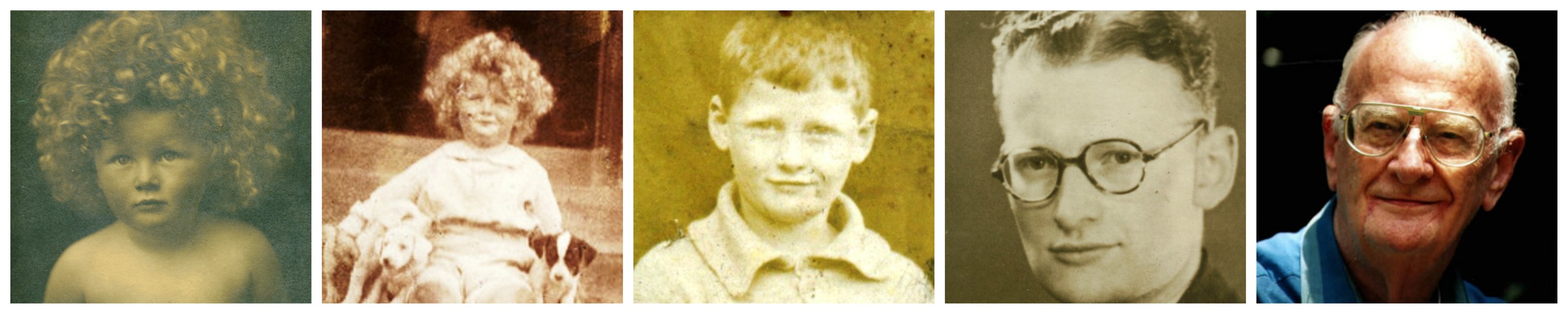
A new Sinhala language book, being released this week, traces the formative years of Sir Arthur C Clarke (1917 – 2008), author, undersea explorer and futurist.
Titled ‘Tharu Atharata Giya Daruwa: Childhood of Arthur C Clarke’, the book is written by Lankan science writer Nalaka Gunawardene who worked with Clarke for 21 years as research associate at his personal office in Colombo.
The book, in story-telling style in conversational Sinhala, is suitable for readers of all ages, and especially for parents, teachers and children.
Clarke’s accomplishments are known much more than his humble origins and early inspirations in life. He was born in rural England as the First World War was ending, and spent his childhood years in Minehead, Somerset, close to the sea. His experiences were shaped largely by growing up on the family farm, exploring the local beach, and working part-time at the village post office.
Arthur was the eldest in a family of four, who were raised by their dynamic mother, widowed at a young age. Despite cycling 20 km to school and back and helping on the farm, he excelled in studies and pursued serious hobbies — star gazing, mechanical experiments and nature observations.
“Early on, he cultivated habits like good time management, thrift, careful storage of everything and multi-tasking – all of which lasted a lifetime,” says Nalaka Gunawardene. “He knew the value and limits of money, respected the dignity of labour, and appreciated honesty and hard work in everyone.”
The book is widely illustrated with 74 photographs including many drawn from family albums preserved by the Arthur C Clarke Trust that now manages the Clarke Literary Estate. It also carries some original caricatures drawn by cartoonist and artist Dharshana Karunathilake who designed the book.
Chapters are devoted to facets of young Arthur Clarke, covering pursuits like avid reading, fiction writing, rocket building, movie watching and his elaborate yet harmless pranks. Throughout the book, readers discover less known facets of the global figure – such as his fondness for animals, dinosaurs and comics.
While confining mostly to his first 20 years, the book connects Clarke’s childhood exploits with his later feats in science fiction, undersea diving, space exploration and telecommunications.
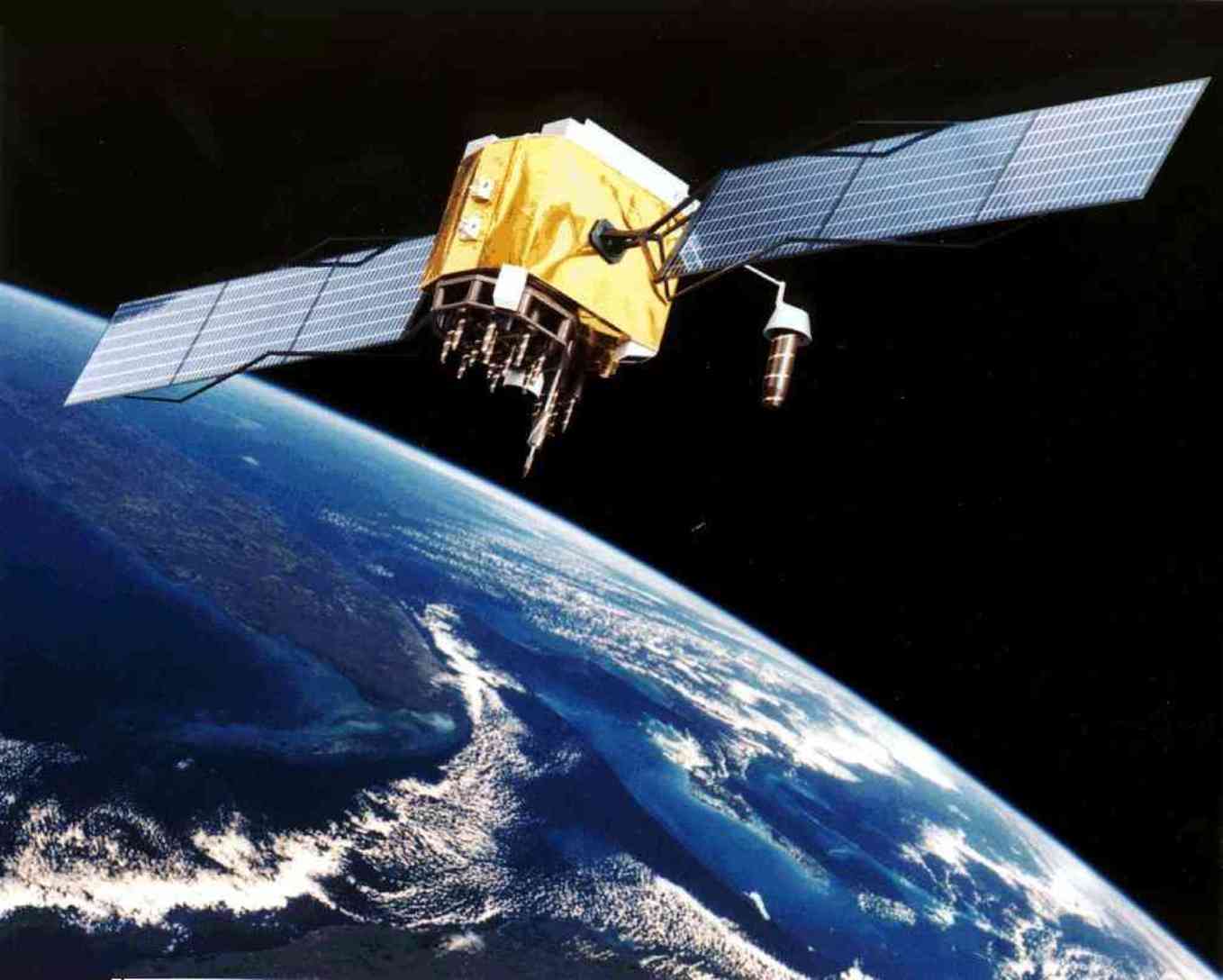
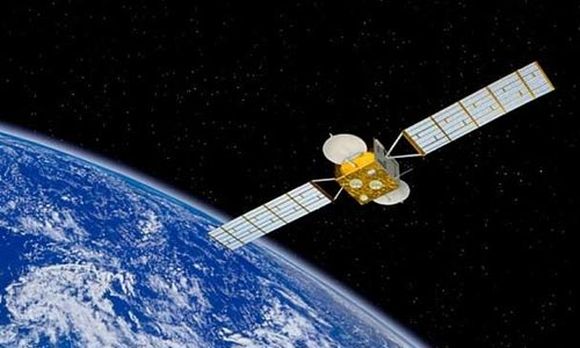
In a career spanning over six decades, he wrote some 100 books and more than 1,000 short stories and essays covering both science fiction and science fact. He was the first to propose geostationary communications satellites, and one of his stories later inspired the World Wide Web.
Arthur C Clarke (1917-2008): “He never grew up, but he never stopped growing”
“Sir Arthur used to joke that one secret of his success was his careful choice of parents,” says Nalaka. “More seriously, what roles did family, education, peers, travel and social interactions play in producing the distinctively his combination of sharp wit, irreverence, playful humour and, above all, vivid yet realistic imagination? My book goes in search of some answers from his childhood.”
The book collates information, images and insights Nalaka has accumulated over the years working closely with Clarke on the latter’s literary and scientific projects. Nalaka twice visited Clarke’s home town of Minehead, family farm Ballifants and town of Taunton where he schooled. Photos from these travels enrich the book which quotes Clarke’s biological and Lankan family members.
In 2012, Nalaka was a collaborator to the extensively revised and expanded edition of Clarke’s authorized biography, titled Visionary: The Odyssey of Sir Arthur C. Clarke. It was written by Neil McAleer, who also wrote the original 1992 biography.
Nalaka reiterates that the best way for Sri Lanka to celebrate the legacy of Arthur C Clarke is to adapt his ideas for a better world based on knowledge, ethics, compassion and imagination.
The 120-page large format book, published by Suratha Books, is priced at LKR 600. It will be on sale at several booths the Colombo International Book Fair from 10 to 16 September 2014, with significant discounts. A book launch event is to be held later.
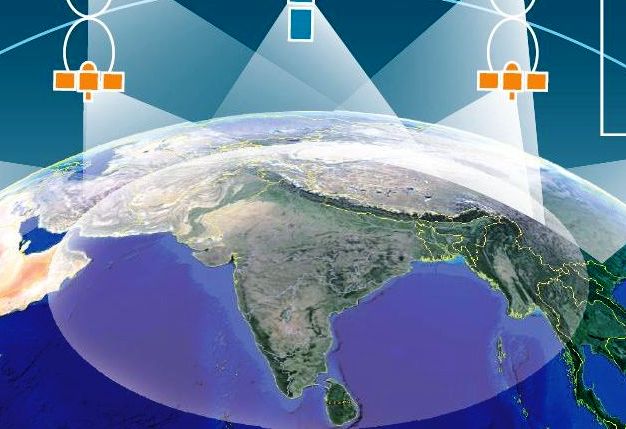
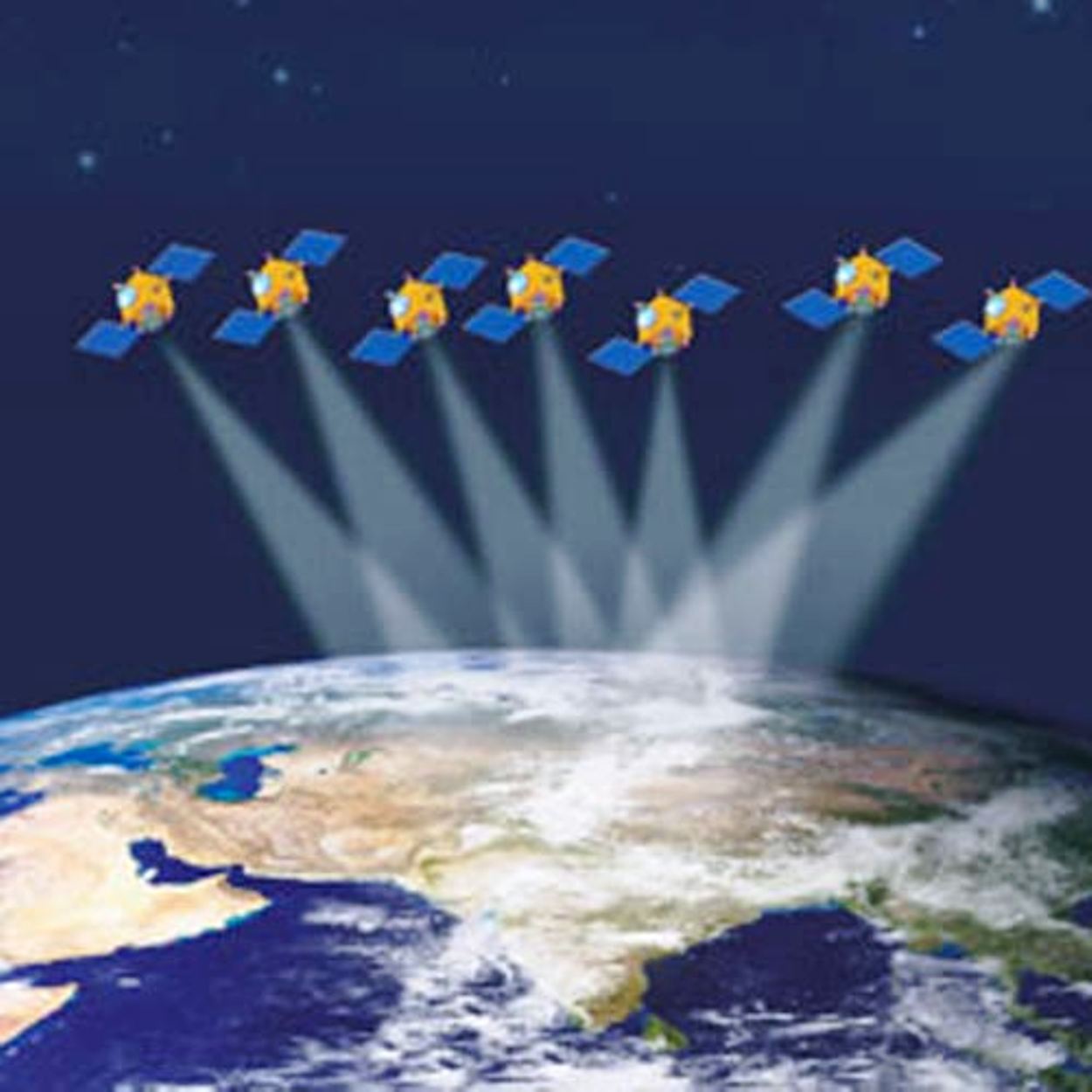
Both China and India are keen to enhance links with smaller Asian countries in using satellites as part of their ‘space diplomacy’ strategies.
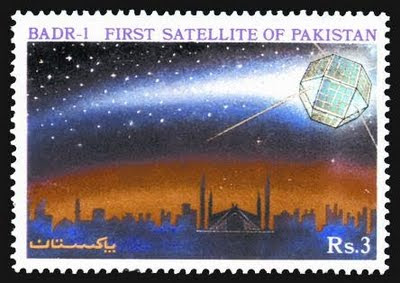
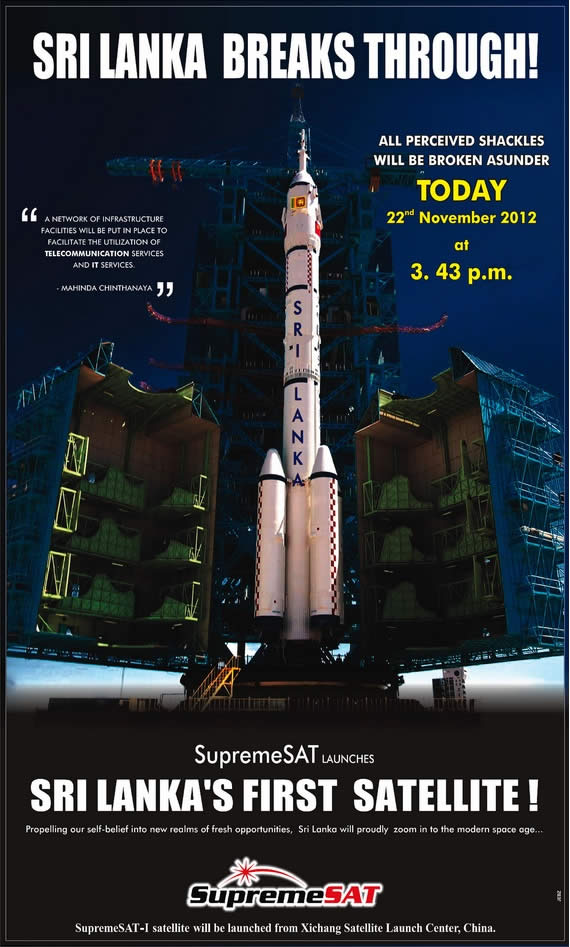
Last week in my Ravaya column (in Sinhala), I wrote about space technology capabilities of South Asian countries. This week’s column probes whether or not Sri Lanka needs its own satellite.
New opportunities for South Asian collaboration in space technologies can help reduce poverty and promote sustainable development.
Both China and India are keen to enhance links with smaller Asian countries in using satellites for communications, weather services, land use monitoring and navigation. They have also realised the value of ‘space diplomacy’, or using space related technical cooperation for strengthening foreign relations.
In this week’s Ravaya column (in Sinhala), I look at South Asian countries investing in space technologies, and discuss the prospects for a common South Asian satellite, an idea recently revived by the Indian Prime Minister.
In this week’s Ravaya column (in Sinhala), I revisit the on-going debate on social media and social accountability, this time from the perspective of freedom of expression.
Unless a user takes consistent precautions, everything published online is ultimately traceable to the point of origin. However, for most practical purposes, options of anonymity and pseudonymity are still available on the web – and widely used by users, for a variety of reasons. Contrary to what some misinformed people say, there is nothing legally or morally wrong with this practice.
Of course, the facilities can be misused, most notably in spreading hate speech and deliberate falsehoods. But this reality, by itself, is not a sufficient argument against online anonymity or pseudonymity. Indeed, as I argue in this column, being able to conceal one’s real identity is a safe way for social activists and public intellectuals to express their views living in countries with repressive regimes and/or intolerant societies.
While I myself have always expressed my views online under my own name — and sometimes received vitriol and threats as a result — I defend the right for anyone to remain anonymous or use pseudonyms.
In his last published short story, written only a few months before his death, Sir Arthur C Clarke envisioned a world without religions by the year 2500.
Yes, ALL organised, institutionalised religions (i.e. those with holy scripture, priests and places of worship) will gradually go into oblivion! No exceptions.
In it, Sir Arthur described the development of reliable psychological probes, using which any suspected individual could be ‘painlessly and accurately interrogated, by being asked to answer a series of questions’. While its original purpose is to keep the world safe from criminals and terrorists, the “Psi-probe” soon proves to be useful on another front: to weed out religious fanaticism – and all religions themselves – which is a greater threat to humanity.
A few weeks ago, with the concurrence of the Arthur C Clarke Estate, I invited S M Banduseela, the most prolific translator of Clarke’s work in Sri Lanka, to render this last story into Sinhala. Here it is, being published for the first time here:
“The mobile phone is the biggest social leveller in Sri Lankan society since the trouser became ubiquitous (initially for men, and belatedly for women). Our elders can probably recall various arguments heard 30 or 40 years ago on who should be allowed to wear the western garb: it was okay for the educated and/or wealthy mahattayas, but not for the rest. Absurd and hilarious as these debates might seem today, they were taken very seriously at the time.
“Make no mistake: the mobile is the trouser of our times –- and thus becomes the lightning rod for class tensions, petty jealousies and accumulated frustrations of an elite that sees the last vestiges of control slipping away.”
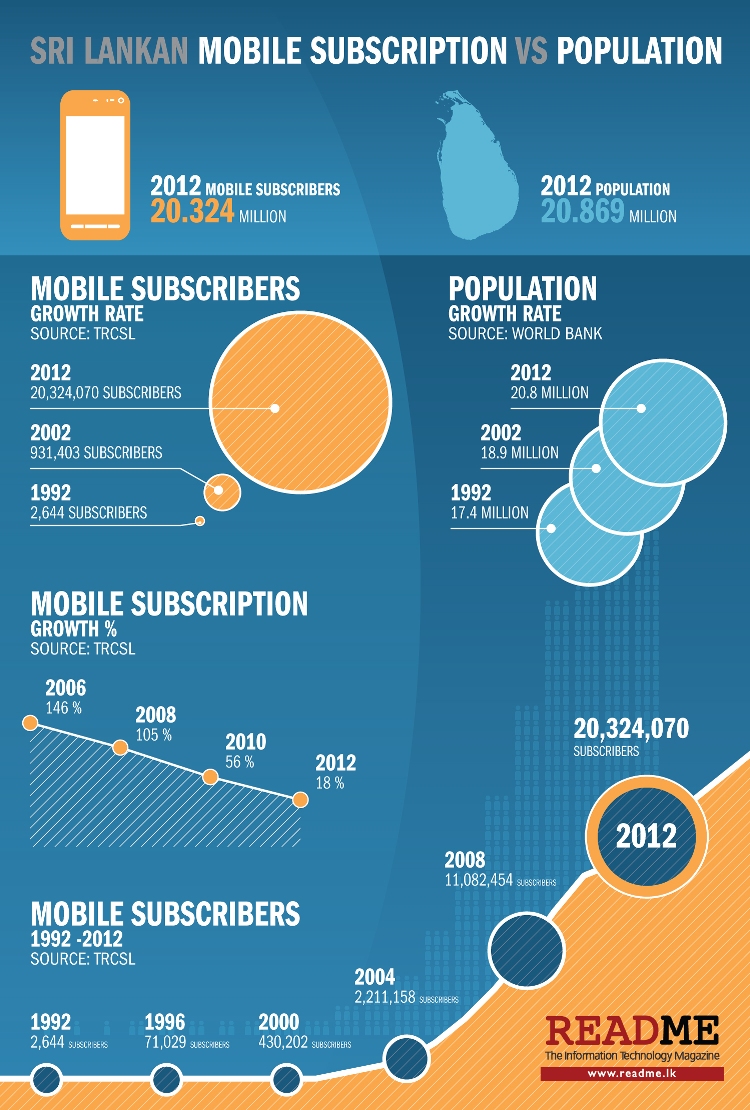
Six years on, pockets of resistance and cynicism still prevail. I was taken aback by a recent Sinhala-language commentary appearing in the official magazine of a respected Lankan development organisation that reiterated many such prejudices. In this week’s Ravaya column (in Sinhala), I look at how Lankans in lower socio-economic groups perceive benefits from their mobile phones. I draw from LIRNEasia’s research on teleuse at bottom of the pyramid.
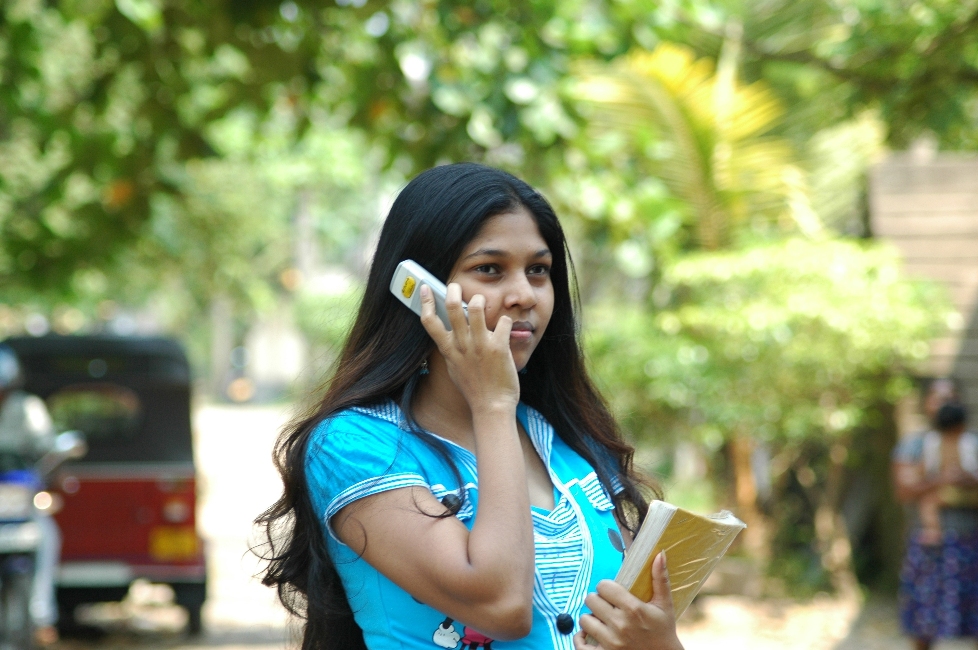
Young woman uses her mobile phone on the road – Photo by Niroshan Fernando
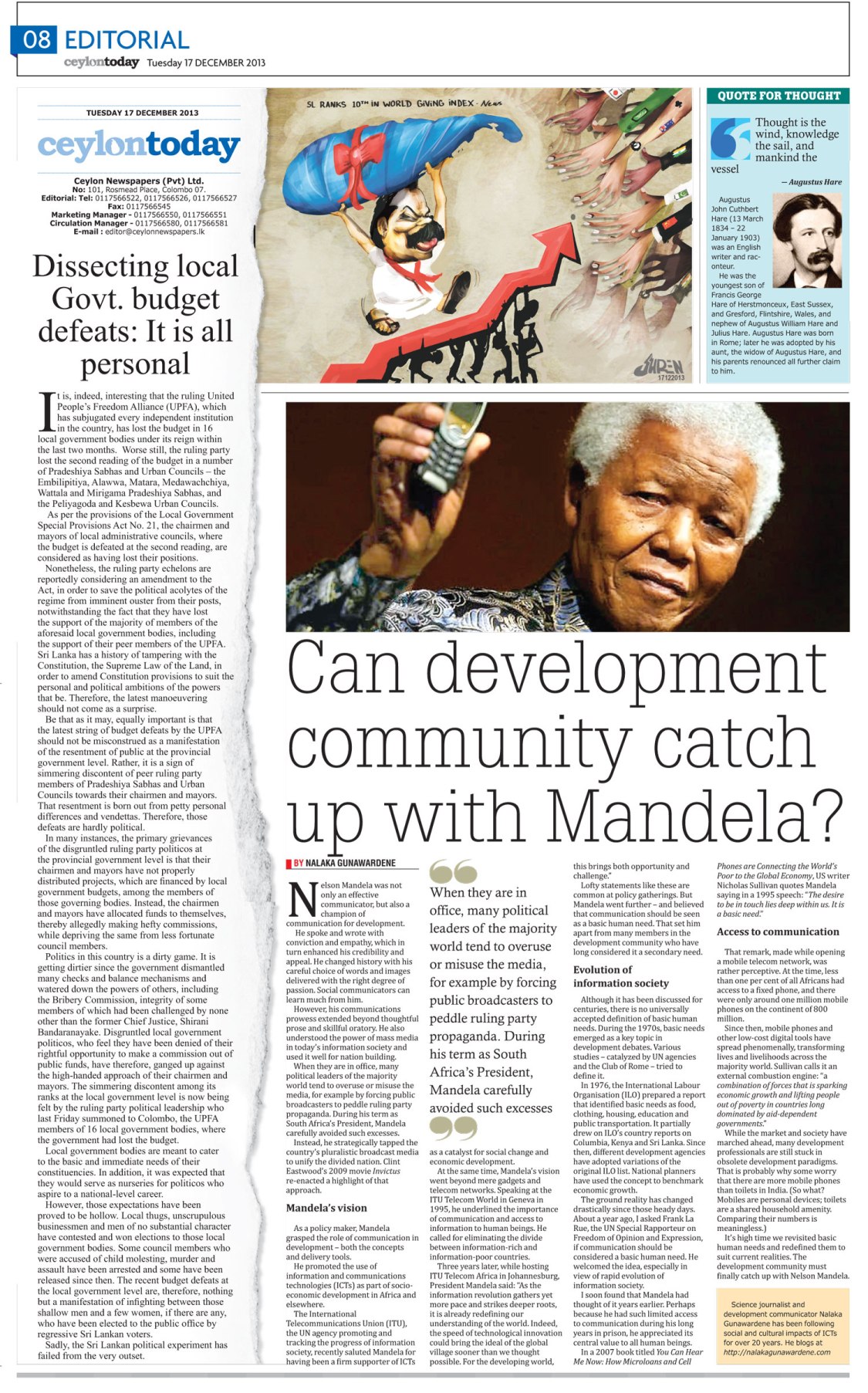
Op-ed essay originally published by the Communications Initiative (CI) on 12 Dec 2013 and reprinted in Ceylon Today newspaper on 17 Dec 2013.
Image courtesy – ICTD Cape Town 2013 website
Nelson Mandela was not only an effective communicator, but also a champion of communication for development.
He spoke and wrote with conviction and empathy, which in turn enhanced his credibility and appeal. He changed history with his careful choice of words and images delivered with the right degree of passion. Social communicators can learn much from him.
However, his communications prowess extended beyond thoughtful prose and skillful oratory. He also understood the power of mass media in today’s information society — and used it well for nation building.
When they are in office, many political leaders of the majority world tend to overuse or misuse the media, for example by forcing public broadcasters to peddle ruling party propaganda. During his term as South Africa’s president, Mandela carefully avoided such excesses.
Instead, he strategically tapped the country’s pluralistic broadcast media to unify the divided nation. Clint Eastwood’s 2009 movie Invictus re-enacted a highlight of that approach.
As a policy maker, Mandela grasped the role of communication in development – both the concepts and delivery tools.
The International Telecommunications Union (ITU), the UN agency promoting and tracking the progress of information society, recently saluted Mandela for having been a firm supporter of ICTs as a catalyst for social change and economic development.
At the same time, Mandela’s vision went beyond mere gadgets and telecom networks. Speaking at the ITU Telecom World in Geneva in 1995, he underlined the importance of communication and access to information to human beings. He called for eliminating the divide between information-rich and information-poor countries.
Three years later, while hosting ITU Telecom Africa in Johannesburg, President Mandela said: “As the information revolution gathers yet more pace and strikes deeper roots, it is already redefining our understanding of the world. Indeed, the speed of technological innovation could bring the ideal of the global village sooner than we thought possible. For the developing world, this brings both opportunity and challenge.”
Lofty statements like these are common at policy gatherings. But Mandela went further – and believed that communication should be seen as a basic human need. That set him apart from many members in the development community who have long considered it a secondary need.
Although it has been discussed for centuries, there is no universally accepted definition of basic human needs. During the 1970s, basic needs emerged as a key topic in development debates. Various studies — catalysed by UN agencies and the Club of Rome – tried to define it.
In 1976, the International Labour Organisation (ILO) prepared a report that identified basic needs as food, clothing, housing, education and public transportation. It partially drew on ILO’s country reports on Columbia, Kenya and Sri Lanka.
Since then, different development agencies have adopted variations of the original ILO list. National planners have used the concept to benchmark economic growth.
The ground reality has changed drastically since those heady days. About a year ago, I asked Frank La Rue, the UN Special Rapporteur on Freedom of Opinion and Expression, if communication should be considered a basic human need. He welcomed the idea, especially in view of rapid evolution of information society.
I soon found that Mandela had thought of it years earlier. Perhaps because he had such limited access to communication during his long years in prison, he appreciated its central value to all human beings.
That remark, made while opening a mobile telecom network, was rather perceptive. At the time, less than 1 per cent of all Africans had access to a fixed phone, and there were only around one million mobile phones on the continent of 800 million.
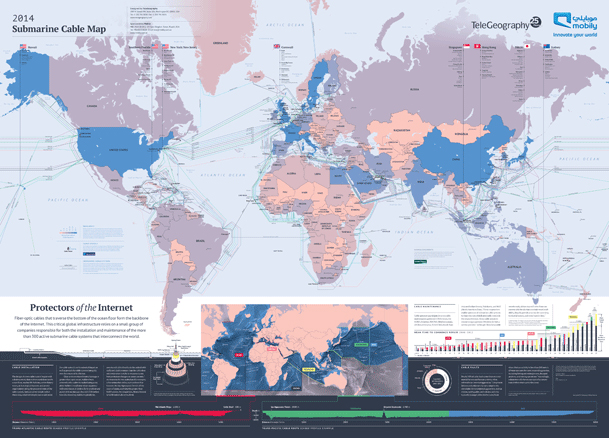
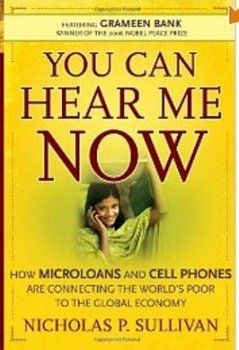
Since then, mobile phones and other low-cost digital tools have spread phenomenally, transforming lives and livelihoods across the majority world. Sullivan calls it an external combustion engine: “a combination of forces that is sparking economic growth and lifting people out of poverty in countries long dominated by aid-dependent governments.”
While the market and society have marched ahead, many development professionals are still stuck in obsolete development paradigms. That is probably why some worry that there are more mobile phones than toilets in India. (So what? Mobiles are personal devices; toilets are a shared household amenity. Comparing their numbers is meaningless.)
It’s high time we revisited basic human needs and redefined them to suit current realities. The development community must finally catch up with Nelson Mandela.
Science journalist and development communicator Nalaka Gunawardene has been following social and cultural impacts of ICTs for over 20 years.
Can Development Community Catch up with Nelson Mandela – Ceylon Today, 17 Dec 2013
Uttareethara (The Greatest) is a biographical documentary series produced and broadcast by HiruTV, a privately owned, commercially operated terrestrial TV channel in Sri Lanka.
Uttareethara profiles — through interviews and archival imagery — the lives of outstanding writers, artistes, scientists, filmmakers and others who left their own mark in the public space in Sri Lanka during the past few decades.
This episode (No 16), first broadcast in September 2012 (and since then, repeated several times) is about Sir Arthur C Clarke (1917-2008), who lived in Sri Lanka since 1956 and became a Resident Guest of the Indian Ocean island in 1975.
It features interviews with: Hector Ekanayake, Managing Director of Underwater Safaris Ltd, long-standing friend and business partner of Sir Arthur; Journalist and former editor Edwin Ariyadasa; communications specialist Dr Rohan Samarajiva; Clarke’s principal Sinhala translator S M Banduseela; amateur astronomer and scholar Fr Dr Mervyn Fernando; tourism specialist Renton de Alwis; and cancer researcher Dr Kumari Andarawewa (via Skype).
At the station’s invitation, I presented the one-hour show and also did several interviews.







 Open Minds!