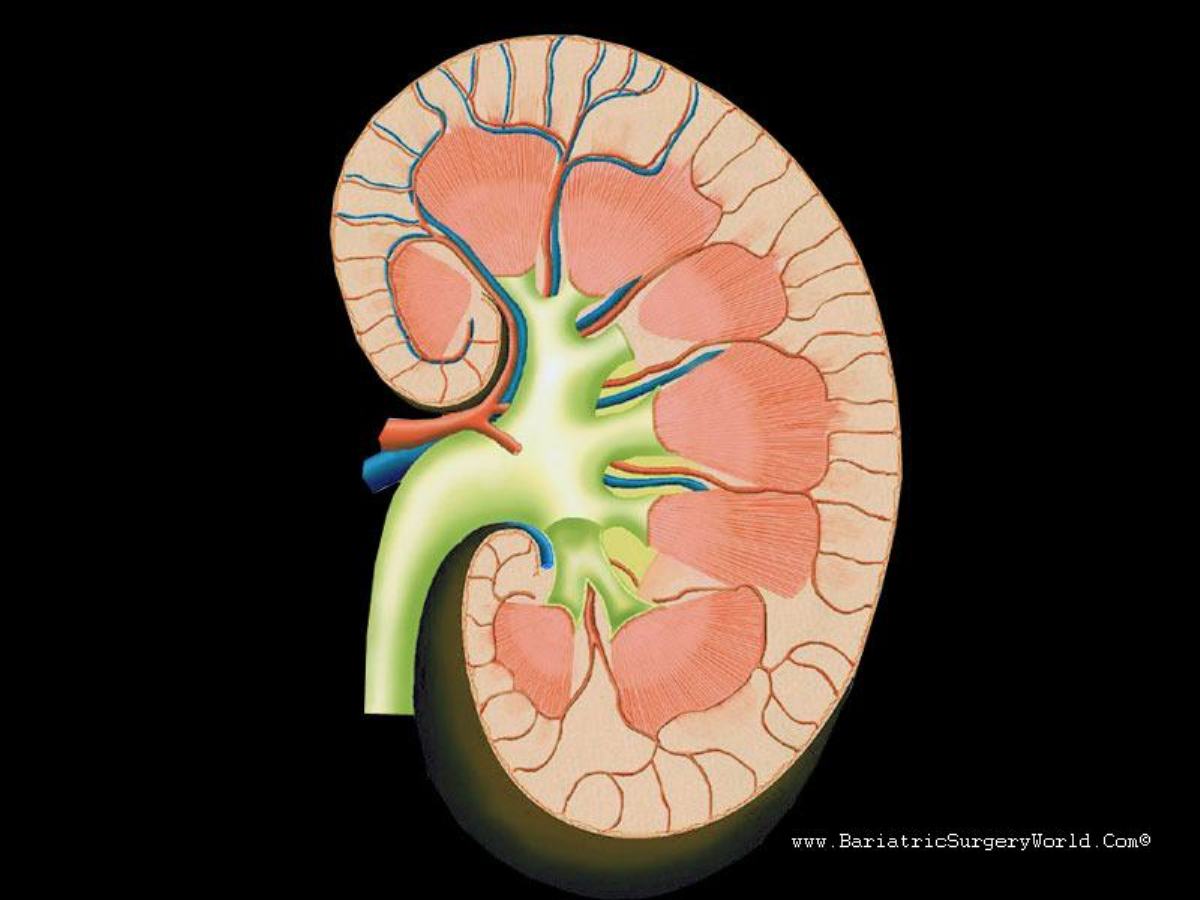
The kidneys are vital organs in our body that help keep the blood clean and chemically balanced through filtering. Healthy kidneys separate waste and excess water.
Similarly, a healthy and vibrant media helps separate fact from fiction, and provides clarity and context vital for an open, pluralistic society to function.
In Sri Lanka, mass kidney failure during the past two decades has been followed by what I see as a mass media failure to understand, analyse and report adequately on this public health emergency. Instead of helping affected people and policy makers to work out solutions, some journalists have become mere amplifiers of extreme activist positions.
As health officials and policy makers struggle with the prolonged humanitarian crisis, partisan media coverage has added to public confusion, suspicion and fear. As a science writer and journalist, I have watched this with growing concern.
I just gave a talk on this to the Science Communication Leadership Workshop which was part of the First General Assembly of Association of Academies and Societies of Sciences in Asia (AASSA) held in Colombo, Sri Lanka, on 17 October 2012.
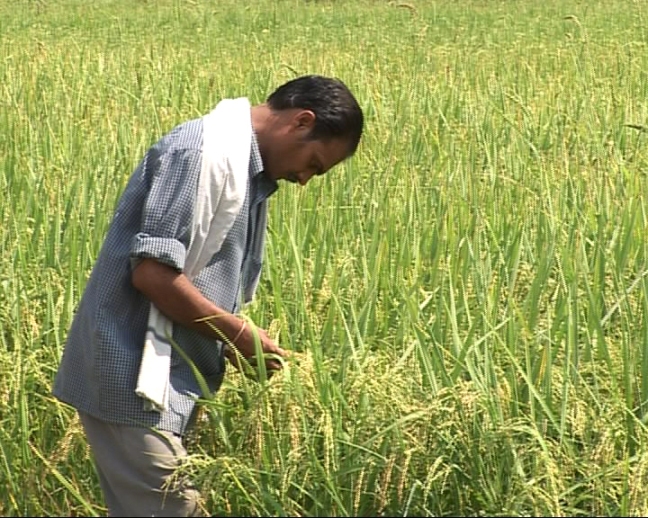
The chronic kidney disease (CKDu) that has already affected thousands in its heartland of farming, has brought into sharp focus some serious environmental concerns that ecologists have long highlighted. These stem from our farmers’ high reliance on inorganic (chemical) fertilisers.
While some fertiliser is needed to sustain soil fertility when growing crops repeatedly on the same land, the ‘Green Revolution’ from the 1960s urged Lankan farmers to use large volumes of fertiliser, provided to them on massive state subsidies. That, in turn, led to indiscriminate use and waste — and higher agricultural runoffs.
Farmers aren’t thrifty because they get fertiliser at a fraction of the market price. In this week’s Ravaya column (in Sinhala, on 2 September 2012), I look at what this national addiction to chemical fertiliser is doing to both our economy and ecology. I also look at organic alternatives and probe why they are not being adopted more widely.
CKDu was first reported in the early 1990s from a single Province in our heartland of farming, but it has now spread across approximately 17,000 sq km (a quarter of the island), which is home to around 2.5 million people. Several thousand have already died; the exact number is not clear. Over 15,000 people are kept alive with regular kidney dialysis.
Investigating causes of this ailment — still not pinned down to a particular cause or factor — has been contentious with scientists, nationalists and politicians trying to hijack the issue for their own agenda setting. Some journalists have added fuel to the fire with sensationalist reporting and fear-mongering. In this column, I ask everyone to focus on the prolonged suffering of those already affected and their families.
Phoning each other during personal or shared emergencies is one of the commonest human impulses. Until recently, technology and costs stood in the way. No longer.
We now have practically all grown-ups (and some young people too) in many Asian countries carrying around phones or having easy, regular access to them. For example, Sri Lanka’s tele-density now stands at 106.1 phones 100 people (2011 figures).
What does this mean in times of crisis caused by disasters or other calamities? This is explored in a short video I just made for LIRNEasia:
Synopsis:
With the spread of affordable telecom services, most Asians now use their own phones to stay connected. Can talking on the phone help those responding to emergencies to be better organised? How can voice be used more efficiently in alerting and reporting about disasters? Where can computer technology make a difference in crisis management?
These questions were investigated in an action research project by LIRNEasia in partnership with Sarvodaya, Sri Lanka’s largest development organisation. Experimenting with Sahana disaster management software and Freedom Fone interactive voice response system, it probed how voice-based reporting can fit into globally accepted standards for sharing emergency data. It found that while the technology isn’t perfect yet, there is much potential.
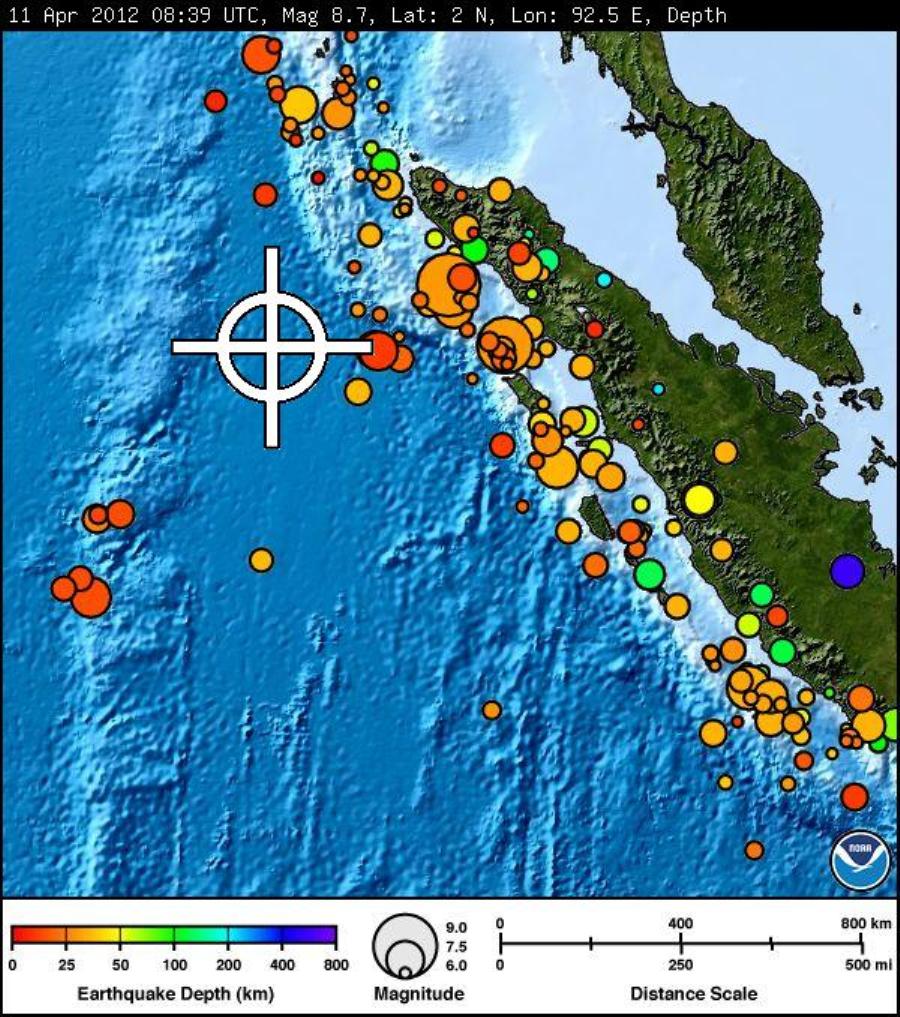
In this week’s Ravaya Sunday column (in Sinhala) appearing on 29 April 2012, I reflect on the Indian Ocean undersea quake on 11 April 2012, and the tsunami watch that followed.
Taking Sri Lanka as the example, I raise some basic concerns that go beyond the individual incident, and address fundamentals of disaster early warning and information management in the Internet age.
I ask: Was the tsunami warning and coastal evacuation on April 11 justified in Sri Lanka? I argue that this needs careful, dispassionate analysis in the coming weeks. ‘Better safe than sorry’ might work the first few times, but let us remember the cry-wolf syndrome. False alarms and evacuation orders can reduce public trust and cooperation over time.
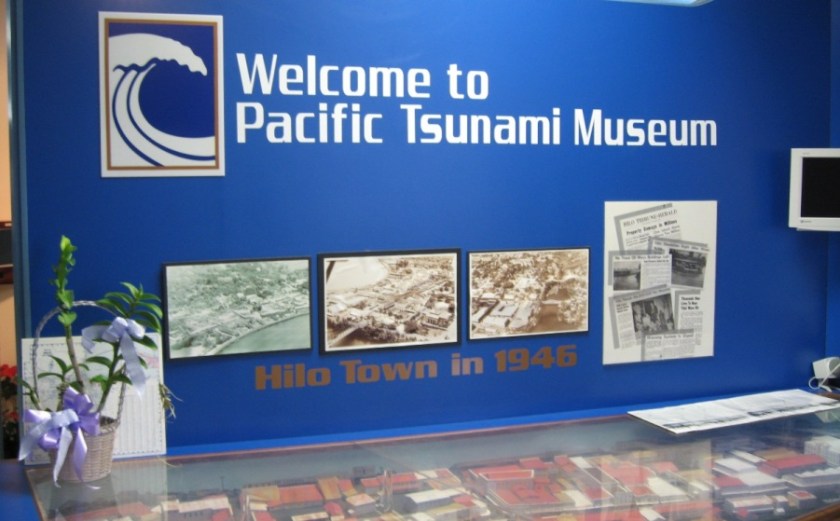
Entrance to Pacific Tsunami Museum in Hilo, Hawaii, photo by Nalaka Gunawardene, Jan 2007
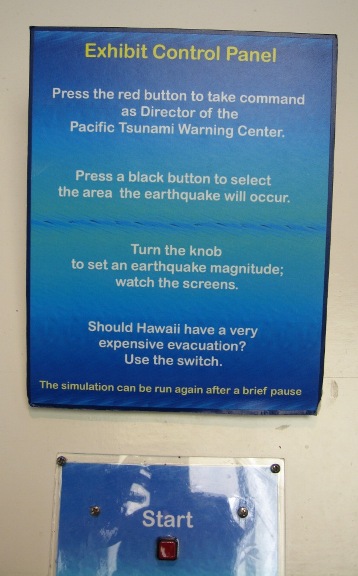
Five years ago, on a visit to the Pacific Tsunami Museum in Hilo, Hawaii, I played an interesting simulation game: setting off an undersea earthquake and deciding whether or not to issue a tsunami warning to the many countries in and around the Pacific.
The volunteer-run museum, based in ‘the tsunami capital of the world’, engages visitors on the science, history and sociology of tsunamis. The exhibits are mostly mechanical or use basic electronic displays, but the messages are carefully thought out.
The game allowed me to imagine being Director of the Pacific Tsunami Warning Centre (PTWC), a US government scientific facility in Ewa Beach, Hawaii, where geophysicists monitor seismic activity round the clock. When the magnitude exceeds 7.5, its epicentre is located and a tsunami watch is set up. Then, combining the seismic, sea level and historical data, PTWC decides if it should be upped to a warning.
Tsunami simulation game - low tech, high lessonThe museum game allows players to choose one of three locations where an earthquake happens — Alaska, Chile or Japan — and also decide on its magnitude from 6.0 to 8.5 on the Richter Scale.
This is an instance where scientists must quickly process large volumes of information and add their own judgement to the mix. With rapid onset hazards like tsunamis, every second counts. Delays or inaction can be costly — but false alarms don’t come cheap either.
I played the game thrice, and erring on the side of caution, issued a local (Hawaiian) evacuation every time. If it were for real, that would have caused chaos and cost the islanders a lot of money.
In fact, those who make decisions on tsunami alerts or warnings have to take many factors into account – including safety, economic impact and even political fall-out.
After playing the simulation game, I can better appreciate the predicament government officials who shoulder this responsibility. They walk a tight rope, balancing short-term public safety and long term public trust in the entire early warning system.
Taking Sri Lanka as the example, but sometimes referring to how other Indian Ocean rim countries reacted to the same situation, I raise some basic concerns that go beyond this individual incident, and address fundamentals of disaster early warning and information management in the Internet age.
Another except: “So was the tsunami warning and coastal evacuation on April 11 justified? This needs careful, dispassionate analysis in the coming weeks. ‘Better safe than sorry’ might work the first few times, but let us remember the cry-wolf syndrome. False alarms and evacuation orders can reduce public trust and cooperation over time.”
In particular, I focus on nurturing public trust — which I call the ‘lubricant’ that can help move the wheels of law and order, as well as public safety, in the right direction.
Asia's Titanic - NatGeo poster for 2009 filmHow and where do you begin to tell the story of the biggest peace-time disaster at sea in modern times — where only 24 people survived and more than 4,000 perished within an hour or two?
That was the challenge that my Filipino filmmaker friend Baby Ruth Villarama and her colleagues faced, when they made an hour-long documentary, Asia’s Titanic, which National Geographic TV broadcast in mid 2009.
Former television journalist and now an independent TV producer, Baby Ruth Villarama specialises in story research and documentary producing. Runs her own production company, Voyage Film, based in Manila but active across Asia.
Ruth was the researcher and assistant producer of Asia’s Titanic, directed by award-winning Filipino director Yam Laranas.
A few days ago, I asked Ruth for her own memories and reflections. This is what she shared with me, in her own words — the moving story behind the moving images creation:
With the Doña Paz story, sharing their memories was the most difficult part of covering it as the tragedy is something they’d rather not talk about – and, if possible, forget.
I spent a year ‘off-the-record’ understanding the holes in their memories. I felt I had to retrace the steps of these 4,000 souls and learn the relationship of man and the sea.
They’ve lost their children, parents and comrades on Christmas eve over a sea mishap – drowning and burning in the quiet water. We can only imagine the pain they went through.
The tragedy is the peak of memory they have left of their loved ones too, so every Christmas, some relatives of the dead gather together to live the lives their loved ones would have wanted to continue.
I joined that gathering for about three Christmases in between my research efforts. It was then that I began to understand the rabbit holes in each one of them — and the rabbit hole I had in me for not knowing my mother personally.
We started sharing pains and the “what-could-have-beens” of those lost memories. That was the connection they were looking for: to be able to speak of the pain to a stranger, or worst, to a group of filmmakers who would broadcast their story to millions of households around the globe.
This documentary was initiated not just to tell their story but to attempt to fill a hole of justice to the many casualties and their families.
It was through them that we were able to speak to the remaining living survivors. We became part of that annual gathering. Despite the requirements of the studio and my director to deliver deadlines, we tried my best to balance their readiness to speak. Good thing NatGeo was willing to wait 3 – 5 years in the timeline…
I remember visiting a survivor in his sleepy town in the province of Samar sometime in 2005. He owns a small sari-sari (convenient) store then. He said that it took him a year to speak again after the tragedy — and another year before he could eat properly because he couldn’t swallow soups and liquids right.
He never really set foot outside his island again – always fearing for fire and water, including the air as he vividly remembers how it added fume to the fire on that fateful night at sea.
After a while, he started talking about the details of that trip. He stopped, wept and couldn’t carry on anymore. He couldn’t breathe and seemingly battled against the air.
A huge part of me personally felt wrong seeing him again but I know that if we do not tell this story, no one will — and the world will just forget about this huge ‘mistake’ in navigational history.
I’d like to think that the impact of the story outside the Philippines is to remind the world fact that Titanic is not the worst maritime disaster — that somewhere in South East Asia, there was a small ship that killed more than 4,000 lives. It created maritime talks in international forums and the fact that accidents in this magnitude didn’t occur anymore — I think people are more careful now.
It’s a shame that Doña Paz was not as celebrated as the Titanic. One big difference between the Titanic and Doña Paz, aside from its route and technical specifications, is the status of passengers.
The Titanic carried a large number of wealthy westerners. Those who boarded the Doña Paz were mostly average Filipinos — no names, no status in society, even in their own country.
Communicating Disasters: ZiF Conference in BielefeldHow do we cope with a warming planet while living in an increasingly WikiLeakable world? Exactly one year ago, I explored this in my talk given at the University of Colombo during the LEAF Conference.
As I reflected then: “We live in a crisis-ridden world where we have to cope with multiple emergencies unfolding at the same time, impacting us on different fronts. This illustration captures three of them: crisis in biodiversity, man-made climate change, and the new reality of living in a rapidly WikiLeakable world — what I called the Global Glass House.”
I also built on ideas initially discussed in my 2007 book, Communicating Disasters, which was part of the reference material used during th ZiF research project.
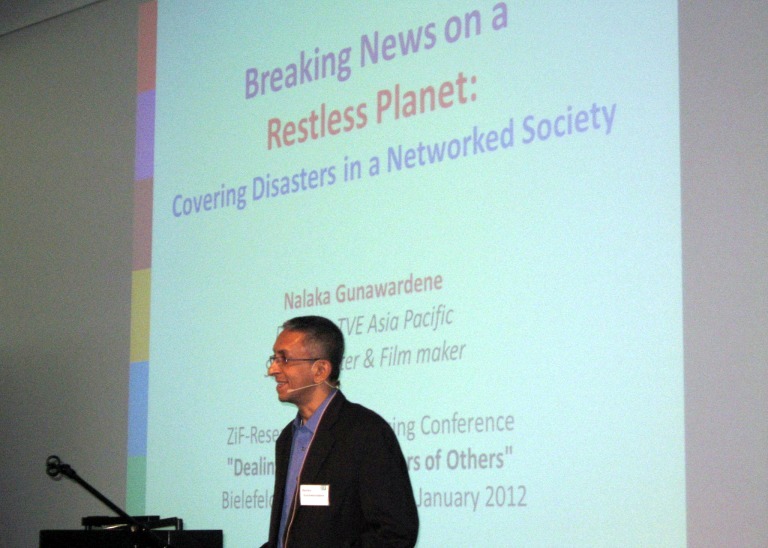
Nalaka Gunawardene speaks at ZiF Conference on Communicating Disasters, Bielefeld, Germany: 27 Jan 2012
Here’s the Summary (Abstract) of my talk. PowerPoint slides below.
Breaking News on a Restless Planet: Covering Disasters in a Networked Society
by Nalaka Gunawardene
Science Writer, Blogger & Columnist; Director – TVE Asia Pacific (TVEAP)
Communicating disasters — before, during and after they happen — is fraught with many challenges. The increased volume and flow of information, enabled by the proliferation of information and communication technologies (ICTs), fills some gaps — but not all. Other critical elements such as institution building, training and awareness raising are needed at all levels to create societies that are better informed and prepared.
The news media, driven by their quest for what is new, true and interesting, can be useful allies for disaster managers. But the nexus between these two groups has always been contentious, and the acceleration of the news cycle has made it more so. Having to sustain 24/7 coverage for their fragmented and distracted audiences places enormous pressures on news media to break news first — and reflect later. In this scenario, how can empathetic, ethical and balanced reporting happen?
As disasters increase in frequency and intensity partly due to climate change, mainstream media practitioners across Asia struggle to keep up. Disasters are more drawn out (e.g. Pakistan floods, 2010 & Thailand floods, 2011), geographically scattered (Indian Ocean tsunami, 2004) and economically devastating (Tohoku/Fukushima, 2011) than before. This stretches the capacities and resources of many news organisations. Saturation coverage of unfolding disasters can also cause ‘compassion fatigue’ and apathy in audiences.
In today’s networked society, news media are no longer the sole gatherers or distributors of news. Without the trappings and inertia of the institutionalised media, citizen journalists are quick to adopt ICT tools and platforms. What does this mean for communicating disasters that requires care and sensitivity? In which ways can we find synergy between mainstream and new/social media to better serve the public interest on a warming planet? What value-additions can the mainstream media still offer to the coverage of disasters near and far?
We examine these and other larger questions with reference to recent disasters in Asia.
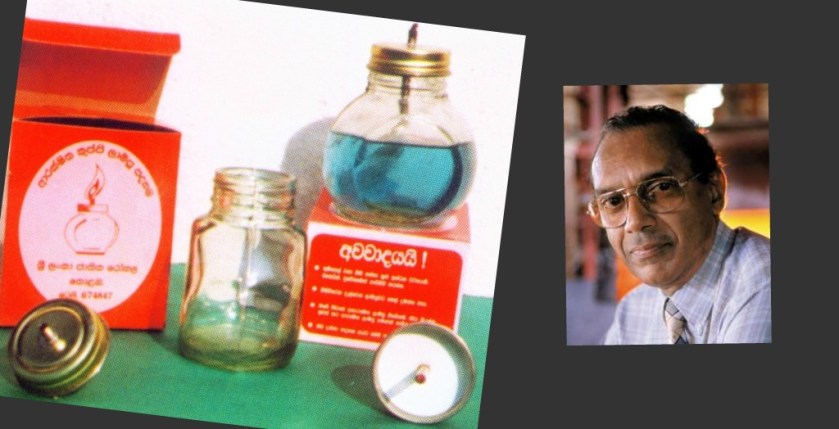
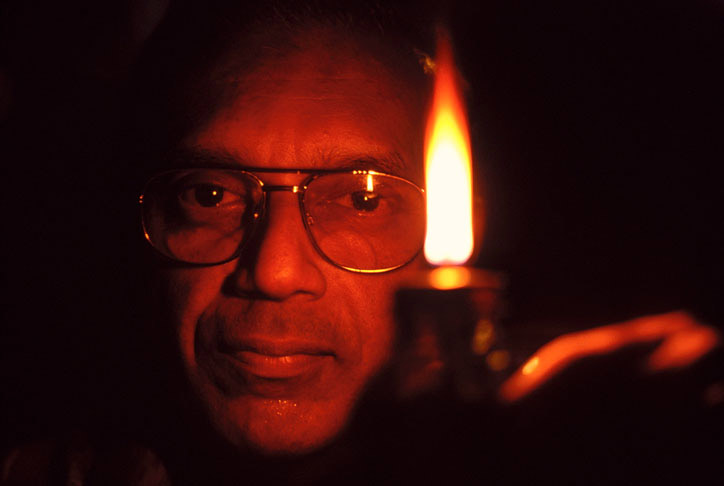
In December 2009, I wrote in a blog post: “It’s easy to curse the darkness, and many among us regularly do. Only a few actually try to light even a small candle to fight it. Dr Wijaya Godakumbura of Sri Lanka is one of them – he literally lights lamps, thousands of them, against the darkness of ignorance and poverty.”
“But his lamps are different, and a great deal safer compared to normal lamps and kerosene, which can start fires risking life and property of users. The design is simple yet effective, inspired in part by the Marmite bottle known the world over: it’s small and squat, with two flat sides – equipped with a safe metal screw cap to hold the wick. It’s quite stable and hard to topple.”
I have written this week’s Ravaya Sinhala science column about Dr Godakumbura and his innovative, life-saving bottle lamp. I also feature him in an interview in MALIMA – the new TV series on science, technology and innovation I host from this month on Sri Lanka’s national TV Rupavahini.
The inventive doctor and his life-saving bottle lamp
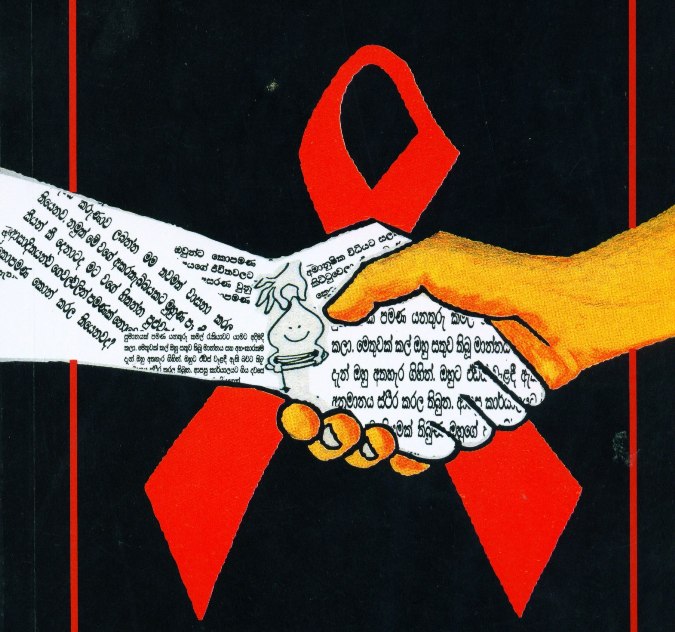
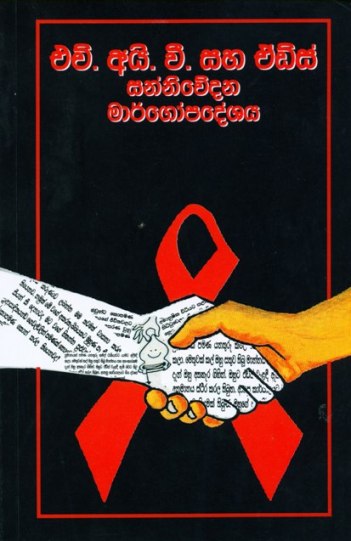
HIV communication needs media partnership - image courtesy Panos South Asia
On this blog, I have written regularly about challenges in communicating on HIV/AIDS through media and non-media methods. To mark World AIDS Day 2011, and 30 years since the discovery of AIDS, I have devoted this week’s (Sinhala) Sunday column in Ravaya newspaper to the topic of HIV/AIDS coverage in the Lankan mass media. I have drawn heavily from a 1999 handbook on HIV/AIDS communication written by my good friend Dr Vinya Ariyaratne, a specialist in community medicine, but the opinions are all mine.


 Open Minds!