සිවුමංසල කොලුගැටයා #287: ශ්‍රී ලංකාවේ “විශාලතම සුලුතරය” වෙනුවෙන් හඬ නගන ක්‍රියාකාරිකයා

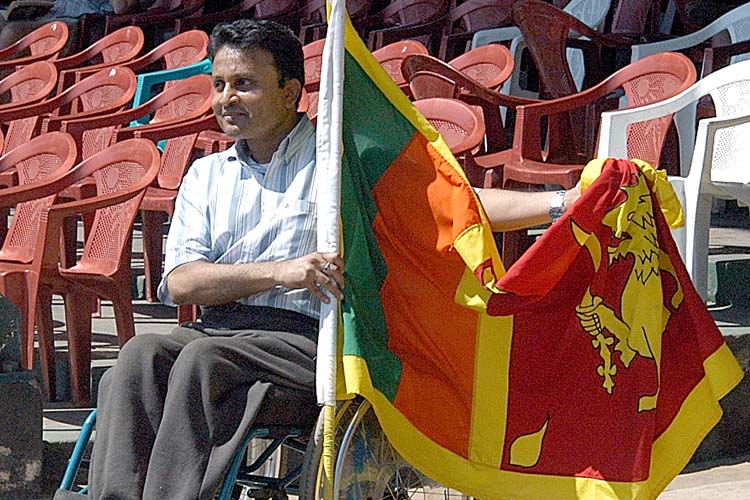
Dr Ajith C S Perera - a life long association with cricket Photo © Ajith Perera
Dr Ajith C S Perera – a life long association with cricket Photo © Ajith Perera

In this week’s Ravaya column (in Sinhala, appearing in the print issue of 9 Oct 2016), I profile and salute Dr Ajith C S Perera, a leading champion for accessibility rights in Sri Lanka.

A chartered chemist by profession, a former senior manager in industry, a qualified training instructor, also a former test-match-panel cricket umpire, his life changed when an accident left him a paraplegic. Today he is a writer, speaker, author, a disability rights activist and accessibility adviser-accessor.

He is the founder and holds the honorary position of Chief Executive and Secretary-General of Idiriya, a registered, not-for-profit humanitarian service organisation in Sri Lanka. He has petitioned Supreme Court seeking and successfully obtaining rulings on mandatory accessibility provisions in all newly built public buildings. Sadly, however, many such premises blantatly ignore this ruling.

Wisden Cricket noted in a profile, “Society tends to have a myopic view when it comes to the disabled: people, by and large, sympathise when they ought to empathise. Perera, despite his years of experience, can’t even become a third umpire because stadiums in Sri Lanka are not fully wheelchair-accessible.”

I was a member of the jury that selected Ajith as an ‘Unsung Hero’ at the Derana Sri Lankan of the Year 2016 awards.

See also: The Sunday Times, 29 Nov 2015: Don’t DIS the ability of the largest minority, By Dr. Ajith C. S. Perera

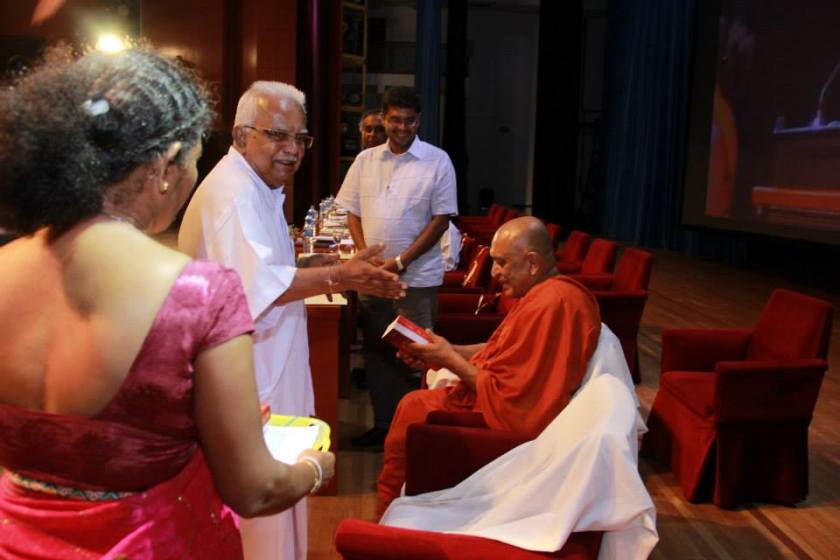
Jurors Nalaka Gunawardene & Dian Gomez presenting Sri Lankan of the Year - Unsung Hero award to Dr Ajith C S Perera [Photo courtesy Derana Media]
Jurors Nalaka Gunawardene & Dian Gomez presenting Sri Lankan of the Year – Unsung Hero award to Dr Ajith C S Perera [Photo courtesy Pulse/Derana Media]
දෙරණ මාධ්‍ය ආයතනය සංවිධානය කළ විශිෂ්ඨතම ශ්‍රී ලාංකිකයන්ට (Sri Lankans of the Year 2016) ප්‍රණාම පුද කිරීමේ සත් කාර්යයට ස්වාධීන ජූරි සභාවේ සාමාජිකයකු ලෙස මා ද සම්බන්ධ වුණා.

2016 සැප්තැම්බර් 23 වනදා පැවැති සම්මාන උළෙලේ නිහඬව පොදු උන්නතියට ලොකු මෙහෙවරක් කරන දිරිය ලාංකිකයන් තිදෙනකුට (Unsung Heroes of the Year) අප විශිෂ්ඨ සම්මාන පිරිනැමුවා.

ඔවුන් නම් HIV ආසාදිතයන්ගේ අයිතීන් උදෙසා ක්‍රියා කරන ප්‍රින්සි මංගලිකා, ආබාධිත සැමගේ අයිතීන් වෙනුවෙන් උද්ඝෝෂණ කරන ආචාර්ය අජිත්. සී. එස් පෙරේරා හා අසාමාන්‍ය ගණයේ ඉංග්‍රීසි ගුරුවර විල්බට් රණසිංහයි.

මේ අතරින් අජිත් පෙරේරාගේ සම්මානය සුවිශේෂී වූයේ ජූරි සභික ඩයන් ගෝමස් හා මා සභාවේ ඔහු සිටි තැනටම ගොස් එය පිරිනැමීම කළ නිසයි.

උත්සවය පැවැත් වූ තරු පහේ හිල්ටන් හෝටලයේ වේදිකාවට රෝද පුටුවක් රැගෙන යාමට පහසුකම් තිබුණේ නැහැ. වසර 20කට වැඩි කාලයක් අජිත් පෙනී සිටින මේ මූලික අයිතියක් පවා නිසි ලෙස සපුරා නොගත් තැනෙකදීම ඔහුගේ සමාජ ක්‍රියාකාරීත්වය අගැයීමට සිදුවීම උත්ප්‍රාසය දනවන්නක්.

අජිත් ක්‍රිෂාන්ත ස්ටීවන් පෙරේරා (අජිත් සී. එස්. පෙරේරා) වෘත්තීකවේදියෙක්. වරලත් රසායන විද්‍යාඥයකු ලෙස මෙරට කර්මාන්ත ක්ෂේත්‍රයේ ඉහළ තනතුරු දැරුවෙක්. එසේම ඔහු ක්‍රිකට් ක්‍රීඩාවේ විවිධ වැදගත් භූමිකා රඟපා තිබෙනවා.

කොළඹ සරසවි ක්‍රිකට් පිලේත්, පළමුපෙළ අන්තර් සමාජ ක්‍රිකට් තරගාවලිවලත් ක්‍රීඩා කළ ඔහු, සරසවි සිසුවකුව සිටියදීම 1975දී ක්‍රිකට් විනිසුරුවරයකු ලෙස ද සුදුසුකම් ලැබුවා. පසු කලෙක බ්‍රිතාන්‍යයේ ක්‍රිකට් විනිසුරුවරයක ලෙස සේවය කළ ඔහු 1992දී ශ්‍රී ලංකාවේ ටෙස්ට් ක්‍රිකට් විනිසුරු මඬුල්ලට ඇතුළත් කර ගනු ලැබුවා.
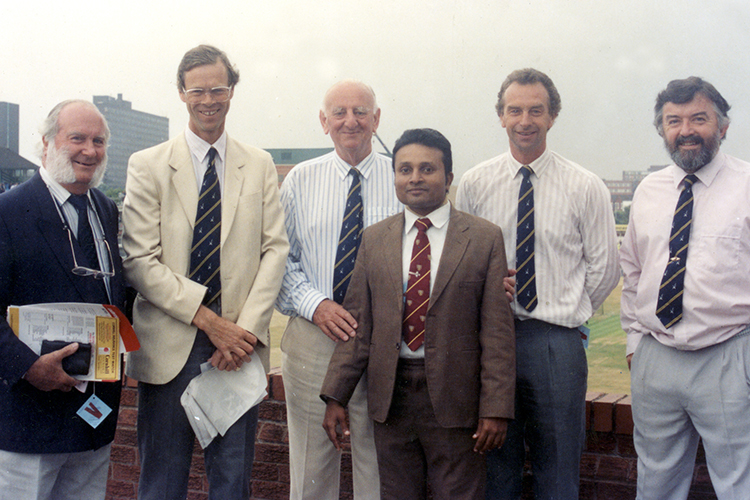
Christopher Martin-Jenkins (second from left), a BBC commentator and close friend of Perera, declared him a “Sri Lankan Don Bradman” for his contribution to cricket. © Ajith Perera

1992 අගදී මෙරට කළ නවසීලන්ත ක්‍රිකට් පිලට එරෙහිව ශ්‍රී ලංකාව ක්‍රීඩා කළ ටෙස්ට් තරගයක් සඳහා විනිසුරුවරයකු ලෙස පෙනී සිටීමට ඔන්න මෙන්න කියා තිබියදී අජිත් අනපේක්ෂිත ලෙස හදිසි අනතුරකට මුහුණ දුන්නා.

වැසි හා සුළං තිබූ දිනයෙක කොළඹ ප්‍රධාන මාර්ගයක ඔහු ගමන් කරමින් සිටි මෝටර් රථය උඩට ගසක් කඩා වැටුණා. එයින් ඔහුගේ රියදුරා මිය ගිය අතර අජිත් තුවාල ලබා බේරුණත්, කොඳු නාරටියට හානි වී (paraplegic) දෙපාවාරුව ඔහුට අහිමි වුණා.

එතැන් පටන්  සචලතාව (mobility) සඳහා දිගටම රෝද පුටුවක් භාවිත කිරීමට සිදු වුණා. එහෙත් මෙය ඔහු අභියෝගයක් ලෙස භාර ගත්තා. සචලතා ආබාධිත බව (mobility impairment) සීමාවක් වන්නට නොදී ඔහු එම ආබාධිත බව සමඟ ජීවත් වන සියලු ලාංකිකයන්ගේ අයිතීන් උදෙසා පෙනී සිටින සමාජ ක්‍රියකාරිකයකු බවට පත් වුණා.

අජිත්ගේ අනතුර ගැන මාස කිහිපයක් කල් ගත වී දැන ගත් බ්‍රිතාන්‍යයේ රාජකීය රසායන විද්‍යා සංගමය ප්‍රතිකාර සඳහා එහි යාමට උපකාර කළා. දෙපා භාවිතය යළි ලද නොහැකි වුවත් ආබාධිත තත්ත්වය හමුවේ මානසික ශක්තිය වර්ධනය කරගන්නට ඔහුට එහිදී වෛද්‍ය උපදෙස් ලැබුණා.

විවිධාකාරයේ ආබාධ සහිත පුද්ගලයන් මෙරට ජනගහනයෙන් 15%ක් පමණ සිටිතැයි අනුමාන කළ හැකියි. රෝගීන්, ගර්භනී කාලයේ පසුවන කාන්තාවන් ආදී තාවකාලික සචලතා සීමාවන්ට මුහුණ දෙන අය ද එකතු කළ විට මෙය 20%ක් දක්වා ඉහළ යා හැකියි. මේ අනුව සංඛ්‍යාත්මකව බැලූ විට මෙරට සිටින විශාලතම සුලුතරය (largest minority) මේ පිරිසයි.

සචලතා ආබාධිතයන් කීදෙනකු මෙරට සිටීදැයි නිශ්චිතව කිව නොහැකියි. මන්ද තාවකාලික සචලතා ආබාධ සමඟ ජීවත්වන සංඛ්‍යාව නිරතුරුව වෙනස් වන නිසා.

මීට වසර කීපයකට පෙර මා ද එම තත්ත්වය තාවකාලිකව අත් වින්දා. දකුණු දණහිසේ ආබාධයක් නිසා සති ගණනක් තිස්සේ පඩි නැගීමට නොහැකිව, සැරයටියක් උදවුවෙන් ගමන් කිරීමට සිදු වුණා. ඒ කාලය තුළ විදේශගත වන විට ගුවන්තොටුපළ හරහා යාමට රෝද පුටු සේවා ඉල්ලා එයින් සහනයක් ලැබුවා.

මේ නිසා සචලතා ආබාධ සහිත මිනිසුන් හා ගැහැණුන් මුහුණ දෙන අභියෝග පිළිබඳ ප්‍රායෝගික අවබෝධයක් යම් පමණකට මට ද තිබෙනවා. පොදු ගොඩනැගිලි තුළ පඩි දෙක තුනක් හෝ කීපයක් නැගීමට, බැසීමට අසීරු වීම, පොදු වැසිකිළි භාවිතයේ දී මතු වන අමතර අභියෝග ආදිය ගැන මා වඩාත් සංවේදී වූයේ එයින් පසුවයි.

උඩුමහලක පවත්වන රැකියා සම්මුඛ පරීක්ෂණයකට පෙනී සිටීමට එනල සුදුසුකම් සියල්ල සපුරා සිටින එහෙත් පඩි නැඟීමට පමණක් නොහැකි කෙනකුගේ තත්ත්වය ගැන සිතන්න. ඉහළ මාලයක පිහිටි පන්ති කාමරයකට පඩි නැඟ යාමට නොහැකි පාසල් දරුවකු හෝ දැරියක අසරණ වන සැටි සිතන්න.

මේ අයට අවශ්‍ය පහසුකම් සැළසීම කරදරයක් ලෙස සළකන ආයතන ප්‍රධානීන් ගැන විටින් විට වාර්තා වනවා.

ආබාධ සහිත පුද්ගලයන්ගේ අයිතිවාසිකම් රැක ගැනීම හා ප්‍රවර්ධනය පිළිබඳ පනත පාර්ලිමේන්තුවේ සම්මත වුණේ 1996 ඔක්තෝබරයේ. එනම් විසි වසරකට පෙර.  එම නීතියේ පැහැදිලිව කියන්නේ සහජයෙන් ඇති වූ හෝ පසු කලෙක හට ගත් හෝ ශාරීරීක මානසික හැකියාවන්ගේ යම් ඌනතාවක ප්‍රතිඵලයක් ලෙස තමා විසින් තමාගේ කටයුතු ඉටු කර ගැනීම යම් තරමකට සීමා වූ අය සඳහා නීතියේ රැකවරණය ලැබෙන බවයි.
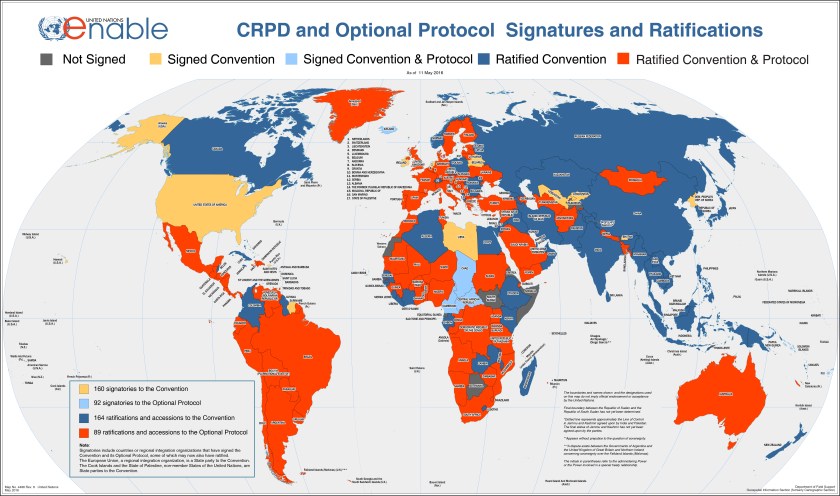
countries-that-have-joined-the-un-convention-on-the-rights-of-persons-with-disability-as-at-may-2016

දේශීය නීතිවලට අමතරව ආබාධිත පුද්ගලයන්ගේ අයිතීන් පිළිබඳ ජාත්‍යන්තර සම්මුතිය ද 2016 පෙබරවාරියේ ශ්‍රී ලංකාව අපරානුමත කළා. මේ හරහාද ආබාධිත ජනයාගේ මානව අයිතීන් සුරැකීමට ලක් රජය බැඳී සිටිනවා.

”ආබාධිත වීම ගැන ලෝක අවබෝධය හා සංවේදීතාව මෑත කාලයේ බෙහෙවින් පුළුල් වී තිබෙනවා. එසේම තාවකාලික හෝ සදාකාලික ආබාධ සහිතව ජීවත් වන අයටල අන් සියලු දෙනාට හිමි සමාජ අවස්ථා ලැබීමට මූලික මානව අයිතියක් ඇති බව ශිෂ්ඨ ලෝකය පිළිගන්නවා” යයි අජිත් කියනවා.

විවිධාකාර ආබාධ අතර අජිත් විශේෂ අවධානය යොමු කරන්නේ ඇවිදීමට අපහසුකම් ඇති අය ගැනයි. ඔවුන් කිහිලිකරු හෝ රෝද පුටු ආධාරයෙන් ගමන් කරන අතර එසේ යාමට ඇති ඉඩකඩ බොහෝ ගොඩනැගිලිවල සළස්වා නැහැ. මෙය ලෙහෙසියෙන් කළ හැකි, අධික වියදමක් නොව සරල විසඳුමක් වුවත් පැරණි ගොඩනැගිලිමෙන්ම අලුතින් ඉදිවන ගොඩනැගිලි බොහොමයකද එය හරිහැටි සිදුවන්නේ නැහැ.

එහෙත් මෙය රාජ්‍ය අංශයේ හා පෞද්ගලික අංශයේ බොහෝ ආයතනවල ක්‍රියාත්මක නොවන බවද අප දන්නවාග මහජනයාට යාමට සිදුවන බොහෝ කාර්යාල තවමත් සචලතා ආබාධිතයන්ට හිතකර නැහැ. පඩි නැඟීමට විකල්ප සලසා ඇති තැන්වලද විශේෂ පහසුකම් සහිත වැසිකිළි නැහැ.

සචලතා ආබාධ සහිත පුද්ගලයන්ට හිතකර වීම මේ වන විට සංචාරක කර්මාන්තයේද පිළි ගන්නා මූලධර්මයක්. එහෙත් අපේ අවන්හල්, හෝටල් හා වෙනත් සංචාරක පහසුකම් කෙතරම් මේ ගැන අවධානය යොමු කර ඇත්ද?

හැම ආයතන ප්‍රධානියකුම එක් දිනක්වත් රෝද පුටුවකින් සිය පරිශ්‍රය පුරා සැරිසැරීම කළොත් සචලතා ආබාධිතයන් දිනපතා මුහුණ දෙන දුෂ්කරතා හඳුනා ගත හැකි වේවි.

මේ අයිතීන් ප්‍රායෝගික මට්ටමින් සාක්ෂාත් කර ගන්නට අජිත් දිගටම ක්‍රියා කරනවා. සචලතා අයිතීන් සාක්ෂාත් කර ගැනීම සඳහා මහජන අවධානය තීව්‍ර කිරීමටත්, ඒ පිළිබඳ තක්සේරු කිරීමටත් අජිත් මූලිකව ”ඉදිරිය” නම් ස්වේච්ඡා ආයතනයක් පිහිටුවා තිබෙනවා. ශිෂ්ඨ සමාජයක් ඉටු කළ යුතු වගකීම් ගැන එම සමාජයට යළි යළිත් සිහිපත් කිරීම මේ ආයතනයේ මූලික ක්‍රියාවයි.

ශ්‍රේෂ්ඨාධිකරණයෙන් මේ අරභයා වැදගත් තීන්දු ලබා ගැනීමට අජිත් පෞද්ගලිකව ශ්‍රේෂ්ඨාධිකරණයේ පෙනී සිටිමින් කරුණු ඉදිරිපත් කළා. මූලික අයිතිවාසිකම් පෙත්සම් හරහා ලබා ගන්නා ලද තීන්දු 2009, 2011 සහ 2013දී ප්‍රකාශිතයි.

2009දී ඔහු ඉල්ලා සිටියේ මහජන අවශ්‍යතා සඳහා ඉදිකරන සියලු නව ගොඩනැගිලි දැනටමත් රටේ පවතින ආබාධිත අයිතීන් පිළිබඳ නීති හා රෙගුලාසීන්වලට අනුකූල විය යුතු බවයි. මෙයට වාණිජමය, ක්‍රීඩාමය, අධ්‍යාපනික, රාජ්‍ය පරිපාලනමය ආදී සියලු ගොඩනැගිලි අයත්. ශ්‍රේෂ්ඨාධිකරණය එය පිළිගත්තා.

The Sunday Times, 29 Nov 2015: Don’t DIS the ability of the largest minority, By Dr. Ajith C. S. Perera

1996 පනතේ හා එයට අදාළ රෙගුලාසිවලට අනුව මෙරට කිසිවකු ආබාධයක් නිසා කිසිදු අසාධරණයකට ලක් නොවිය යුතු බව ශ්‍රේෂ්ඨාධිකරණය අවධාරණය කළා.

නව ගොඩනැගිලි සඳහා ආබාධිත-හිතකර වීම අනිවාර්ය කොට තිබෙනවා. ගොඩනැගිලි අධීක්ෂණය කොට අනුමැතිය දෙන රාජ්‍ය ආයතන මෙය තහවුරු කිරීමට වග බලා ගත යුතුයි.

”නීති තත්ත්වය මෙසේ වෙතත්, මේ පිරිසේ අයිතිවාසිකම් ගැන සමාජ සංවේදී බව තවමත් සීමිතයි. අපට අවශ්‍ය අනුකම්පාව නොවෙයි. සම අවස්ථා භූක්ති විඳීමට හැකි භෞතික, සමාජයීය හා පරිපාලනමය පරිසරයක් පමණයි” අජිත් කියනවා.

Wisden Cricket: Taking disability in the stride, the Perera way

මීට වසර 15කට පමණ පෙර මා මුල්වරට අජිත් හඳුනා ගත්තේ ශ්‍රීමත් ආතර් සී. ක්ලාක්ගේ පෞද්ගලික කාර්යාලයේ මා සේවය කරන සමයේදී.

සචලතා සීමා අත් විඳින ආබාධිත අයගේ අයිතීන් ගැන ක්ලාක් පොදු අවකාශයේ ප්‍රබල හඬක් මතු කළා. ඔහුගේ ජීවිතයේ අවසාන දශකයක පමණ කාලයේ (1997 – 2008 වකවානුව) පශ්චාත් පෝලියෝ ආබාධය නිසා රෝද පුටුවකින් ගමන් බිමන් ගියා. මේ නිසාම මෙරට මහජනයා ගැවසෙන ස්ථානවල රෝද පුටු භාවිතයට ඇති  සීමිත පහසුකම් ගැන ඔහු අත්දැකීමෙන් දැන සිටියා.

Sir Arthur Clarke on dune roller at Hikkaduwa beach [Photo by Rohan de Silva]
Sir Arthur Clarke on his custom-made dune roller at Hikkaduwa beach, southern Sri Lanka, circa 2004 [Photo by Rohan de Silva]
බැංකු, තරු හෝටල්, කලාගාර, සිනමා හා නාට්‍ය ශාලා, සුපිරි වෙළඳ සංකීර්ණ ආදී බොහොමයක පඩි නොනැග, රෝද පුටුවක් ගෙන ගිය හැකි ramp තිබුණේ කලාතුරකින් බව ඔහු දුටුවා.

ගොඩනැගිලි තුළ රෝද පුටු යාමට අවශ්‍ය ඉඩ සළසා නැති ස්ථානවලට යෑම ක්ලාක් ප්‍රසිද්ධියේ ප්‍රතික්ෂේප කළා. ඔහු ප්‍රකට පුද්ගලයකු වූ නිසා මෙය ඇතැම් විට එබඳු ආයතන තාවකාලීක පහසුකම් ඉදි කිරීමට පවා පොළඹවනු ලැබුවා. රෝද පුටුවෙන් යාමට බැරි නම් කිසිදු උත්සවයකට තමා සහභාගි නොවන බවට ප්‍රතිපත්තියක් ක්ලාක් අනුගමනය කළා.

ඔහු වසර 22ක් කුලපතිවරයාව සිටි (1978-2000) මොරටුව සරසවියේ ගෘහ නිර්මාණ ශිල්පය හදාරණ සිසුන් අමතමින් ක්ලාක් වරෙක මෙසේ කීවා. ”දෙපයින් ඇවිද යාමේ හැකියාව තාවකාලිකව හෝ සදහටම හෝ අහිමි වූවන්ට ඵලදායක ලෙස සමාජයේ සක්‍රිය වීමට මූලික අයිතියක් තිබෙනවා. ඒ අයිතිය නොතකා, ඔවුන්ට පහසුකම් නොසළසා නව ගොඩනැගිලි ඉදි කිරීම දිගටම සිදු වනවා. අඩු තරමින් ඔබ වෘත්තිකයන් වූ විටදීවත් මේ ගැන සංවේදී වන්න. මෙහි අගය වටහා ගන්නට ඕනැම නම් එක් දිනක් මුළුමනින්ම රෝද පුටුවකින් එහෙ මෙහෙ යන්න තැත් කරන්න. ඔබ අවට නිර්මිත පරිසරය එයට කෙතරම් දුෂ්කරතා මතු කරයිද යන්න එවිට ඔබට හොඳහැටි වැටහේවි.”

වසර 30ක යුද්ධය, වැඩිවන මාර්ග අනතුරු, කෙමෙන් වියපත් වන ජනගහනය ආදී විවිධ හේතු නිසා අපේ සමාජයේ සැළකිය යුතු පිරිසකට තාවකාලිකව හෝ සදහට දෙපාවාරු අහිමි වී තිබෙනවා. මේ අයට නිසි පහසුකම් සැළසීම ශ්‍රේෂ්ඨාධිකරණය අනිවාර්ය කර තිබියදීත් රාජ්‍ය, පෞද්ගලික හා අධ්‍යාපන ක්ෂේත්‍රවල බොහෝ ආයතන තවමත් එය නොතකා හරින්නේ ඇයි?

ජාතියේ හෘද සාක්ෂියට මෙන්ම බුද්ධියට අමතන අජිත් සී. එස්. පෙරේරා දිගටම දිරිමත් කළ යුතු ජාතික සම්පතක්.
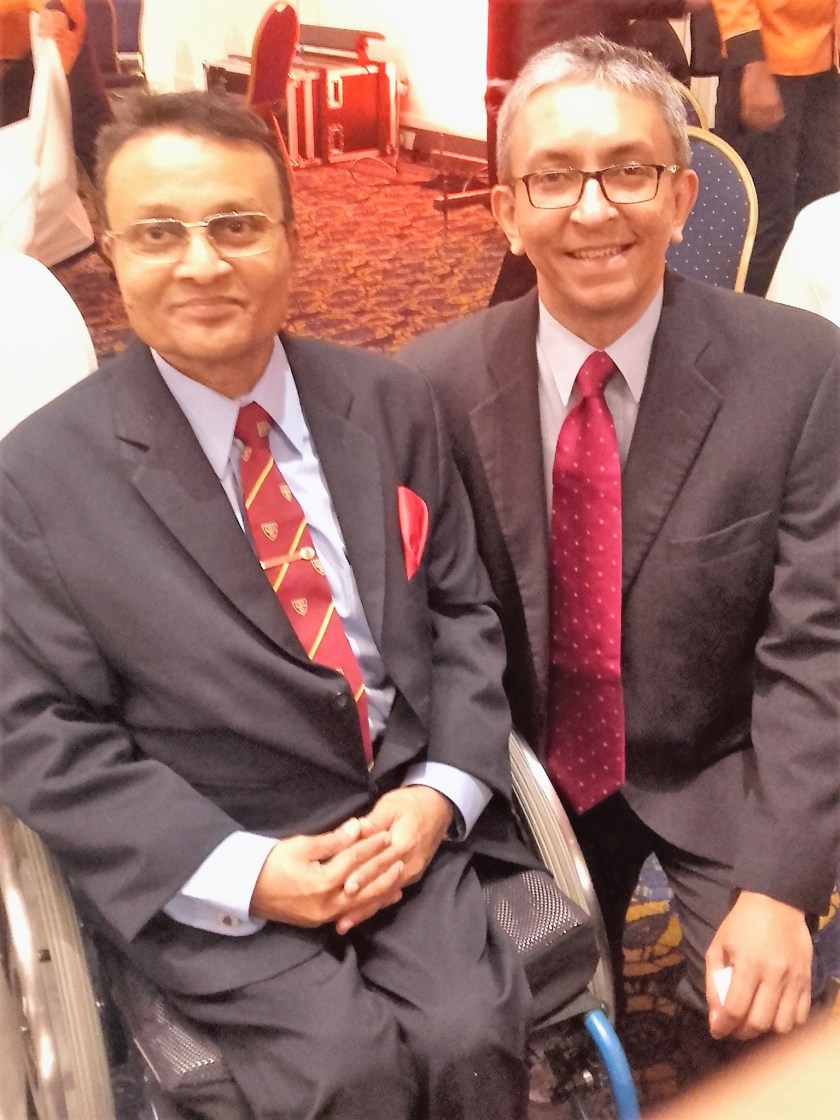
Dr Ajith C S Perera (left) with Nalaka Gunawardene at Sri Lankan of the Year awards ceremony, 23 Sep 2016


Siyatha TV CIVIL show: Discussing Sri Lanka’s Right to Information (RTI)

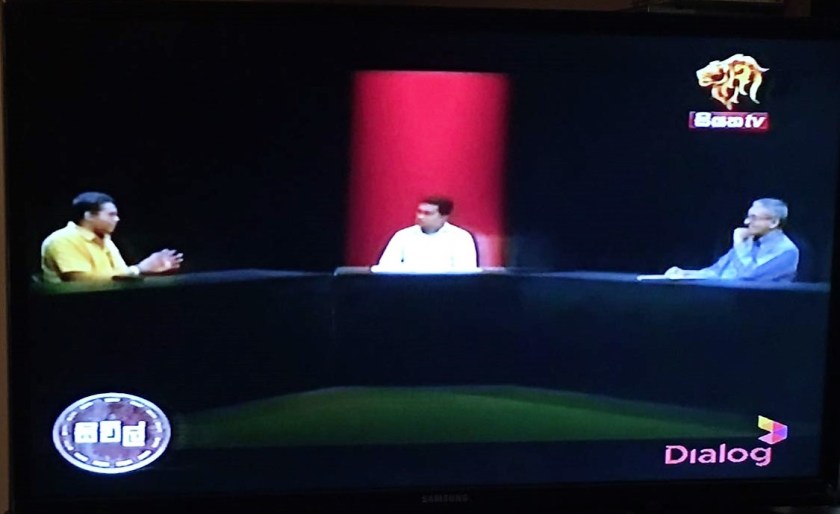
Siyatha TV CIVIL show: Dr Ranga Kalansooriya (left) and Nalaka Gunawardene (right) discuss Sri Lanka's Right to Information law with host Prasanna Jayanththi: 27 Sep 2016
Siyatha TV CIVIL show: Dr Ranga Kalansooriya (left) and Nalaka Gunawardene (right) discuss Sri Lanka’s Right to Information law with host Prasanna Jayanththi: 27 Sep 2016

Back in 2009-2010, I used to host a half hour show on Siyatha TV, a private television channel in Sri Lanka, on inventions and innovation.

So it was good to return to Siyatha on 27 September 2016 — this time as a guest on their weekly talk show CIVIL, to talk about  Sri Lanka’s new Right to Information (RTI) law.

Joining me was Dr Ranga Kalansooriya, experienced and versatile journalist who has recently become Director General of the Government Department of Information. Our amiable host was Prasanna Jayaneththi.

We discussed aspects of Sri Lanka’s Right to Information Act No 12 of 2016, adopted in late June 2016, with all political parties in Parliament supporting it. Certified by the Speaker on 4 August 2016, we are now in a preparatory period of six months during which all public institutions get ready for processing citizen request for information.

I emphasized on the vital DEMAND side of RTI: citizens and their various associations and groups need to know enough about their new right to demand and receive information from public officials — and then be motivated to exercise that right.

I argued that making RTI a fundamental right (through the 19th Amendment to the Constitution in April 2015), passing the RTI Act in June 2016 and re-orienting the entire public sector for information disclosure represent the SUPPLY side. It needs to be matched by inspiring and catalysing the DEMAND side, without which this people’s law cannot benefit people.

In the final part, Ranga and I also discussed aspects of Sri Lanka’s media sector reforms, which are stemming from a major new study that he and I were both associated with: Rebuilding Public Trust: An Assessment of the Media Industry and Profession in Sri Lanka (May 2016).


Part 1:


Part 2:


Part 3:

සිවුමංසල කොලූගැටයා #276: අසාර්ථක වූ තුර්කි කුමන්ත්‍රණයෙන් මතු වන නවීන සන්නිවේදන පාඩම්

In this week’s Ravaya column (appearing in the print issue of 24 July 2016), I discuss the role of new communications technologies and social media during the coup d’état that was attempted in Turkey against the government on the night of on 15 July 2016.

The attempt was carried out by a faction within the Turkish Armed Forces that organized themselves under a council called the Peace at Home Council. Reasons for its failure have been widely discussed.

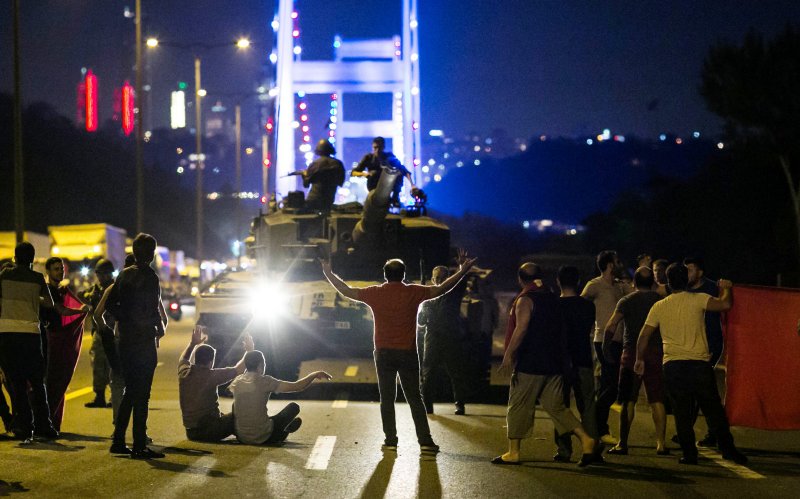
Citizen resistance to Turkey coup on 16 July 2016 - wire service photos
Citizen resistance to Turkey coup on 16 July 2016 – wire service photos

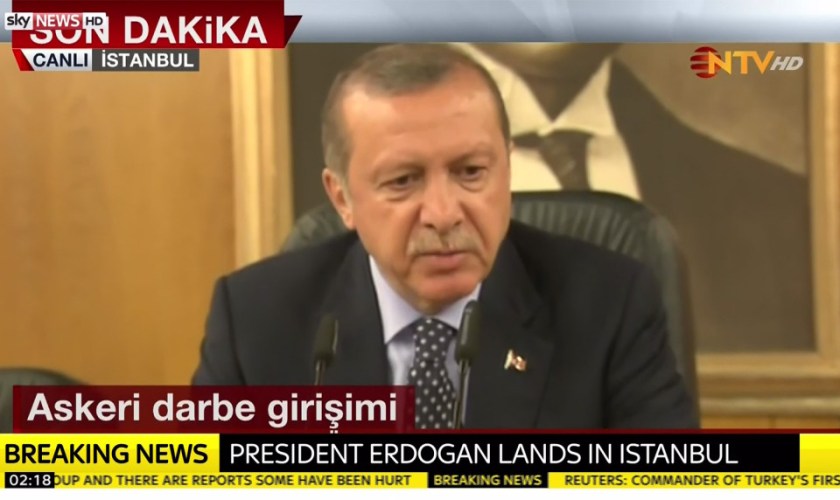
As Zeynep Tufekci, an assistant professor at the University of North Carolina School of Information and Library Science, described in a New York Times op-ed on 20 July 2016: “In the confusing hours after the coup attempt began, the country had heard from President Recep Tayyip Erdogan — and even learned that he was alive — when he called a television station via FaceTime, an easy-to-use video chat app. As the camera focused on the iPhone in the anchor’s hand, the president called on the people of Turkey to take to the streets and guard the airports. But this couldn’t happen by itself. People would need WhatsApp, Twitter and other tools on their phones to mobilize. The president also tweeted out the call to his more than eight million followers to resist the coup.”

She added: “The journalist Erhan Celik later tweeted that the public’s response had deterred potential coup supporters, especially within the military, from taking a side…Meanwhile, the immediacy of the president’s on-air appeal via FaceTime was an impetus for people to take to the streets. The video link protected the government from charges that it was using fraud or doctoring — both common in the Turkish news media — to assure the public that the president was safe. A phone call would not have worked the same way.”

I discuss the irony of a leader like Erdogan, who has been cracking down on independent media practitioners and social media users, had to rely on these very outlets in his crucial hour of need.

I echo the views of Zeynep Tufekci for not just Turkey but other countries where autocratic rulers are trying to censor the web and control the media: “The role of internet and press freedoms in defeating the coup presents a significant opportunity. Rather than further polarization and painting of all dissent as illegitimate, the government should embrace real reforms and reverse its censorship policies.”

See also: How the Internet Saved Turkey’s Internet-Hating President

Photo from The Daily Beast

කුමන හෝ හේතුවක් නිසා රටක දේශපාලන බලය බලහත්කාරයෙන් අත්කර ගැනීමට එරට හමුදාවට නීතිමය හෝ සදාචාරාත්මක අයිතියක් නැහැ.

එහෙත් විටින් විට ලෝකයේ විවිධ රටවල හමුදා කුමන්ත්‍රණ සිදුවනවා. දකුණු ආසියානු කලාපයේ බංග්ලාදේශය හා පාකිස්ථානය මේ අමිහිරි අත්දැකීම් රැසක් ලබා තිබෙනවා.

යුරෝපය හා ආසියාව හමු වන තැන පිහිටි තුර්කියේ මීට දින කීපයකට පෙර අසාර්ථක වූ හමුදා කුමන්ත්‍රණයට මා අවධානය යොමු කළේ නවීන සන්නිවේදන තාක්ෂණයන් එහි වැදගත් භූමිකාවක් ඉටු කළ නිසායි.

නව මාධ්‍යයන් හරහා කුමන්ත්‍රණයට එරෙහිව මහජනයා පෙළ ගැස්වීමට එරට නායකයා සමත් වුණා. විශාල අවි හා සෙබල බල පරාක්‍රමයක් සතු හමුදාවක් ජන බලය හා සන්නිවේදන හැකියාව හරහා ආපසු බැරැක්කවලට යැවීමට හැකි වීම විමසා බැලිය යුතු සංසිද්ධියක්.

කුමන්ත්‍රණය මාස ගණනක් සිට සූක්ෂ්ම ලෙසින් සැලසුම් කරන ලද බව හෙළි වී තිබෙනවා. රටට සාමය සඳහා සභාව (Peace at Home Council) ලෙසින් සංවිධානය වූ තුර්කි හමුදාවේ කොටසක් තමයි මේ උත්සාහයේ යෙදුණේ.

එහි අක්මුල් තවමත් හරිහැටි පැහැදිලි නැහැ. එහෙත් 2016 ජූලි 15-16 දෙදින තුළ ඔවුන් රටේ බලය අල්ලා ගන්නට ප්‍රචණ්ඩව තැත් කළා.

තුර්කි ජනාධිපති රෙචෙප් ටයිප් අර්ඩොගන් (Recep Tayyip Erdoğan) කෙටි නිවාඩුවකට අගනුවරින් බැහැරව, මර්මාරිස් නම් පිටිසර නිවාඩු නිකේතනයේ සිිටියා. ජූලි 15-16 මධ්‍යම රාත්‍රියට ආසන්නව යුද්ධ ටැංකි එරට අගනුවර අන්කාරා, විශාලතම නගරය වන ඉස්තාන්බුල් හා තවත් ප්‍රධාන නගරවලට ඇතුළු වුණා. ප්‍රහාරක ගුවන් යානා පහළින් පියාසර කළා.

තම බලය පෙන්වීමට හමුදා කුමන්ත්‍රණකරුවෝ කිහිප පොළක ප්‍රහාර දියත් කළා. රටේ පාර්ලිමේන්තු මන්දිරයට හා ජනාධිපති මැදුරට හානි සිදු කෙරුණා.

කුමන්ත්‍රණකරුවන්ගේ එක් ඉලක්කයක් වූයේ ජනාධිපතිවරයා අත්අඩංගුවට ගැනීම හෝ මරා දැමීමයි. එහෙත් කුමන්ත්‍රණය ගැන දැන ගත් වහාම ඔහුගේ ආරක්ෂක පිරිස ඔහු නැවතී සිටි නිවාඩු නිකේතනයෙන් රහසිගත තැනකට ගෙන ගියා.

මැදියම් රැය පසු වූ විගස රාජ්‍ය රේඩියෝ හා ටෙලිවිෂන් (TRT) ආයතනයට ඇතුලු වූ හමුදා පිරිසක්, එහි සිටි නිවේදකයන්ට ප්‍රකාශයක් කියවන මෙන් බලකර සිටියා. ප්‍රජාතන්ත්‍රවාදය හා නිර්ආගමික පාලනය රටේ යළි ස්ථාපිත කිරීමට හමුදාව බලය පවරා ගන්නා බව එහි සඳහන් වුණා. තාවකාලිකව මාෂල් නීතිය ක්‍රියාත්මක කරන බවත්, නව ව්‍යවස්ථාවක් ළඟදීම හඳුන්වා දෙන බවත් හමුදා කුමන්ත්‍රණකරුවෝ රටට ප්‍රකාශ කළා.

The Turkish president spoke to local television with his office unwilling to confirm his location, simply saying he is safe

පාන්දර 3.10 වනවිට තමන් රටේ සමස්ත පාලන බලය සියතට ගෙන ඇති බව කුමන්ත්‍රණකරුවන් ලොවට කීවත් එය එසේ වූයේ නැහැ. ජනාධිපති අර්ඩොගන් හා අගමැති බිනාලි යිල්දිරිම් (Binali Yıldırım) ඒ තීරණාත්මක අලුයම පැය කිහිපයේ තීක්ෂණ ලෙසින් සිය ප්‍රතිරෝධය දියත් කළා.

හමුදා කුමන්ත්‍රණකරුවන් දේශපාලනික හා සම්ප්‍රදායික රාජ්‍ය මාධ්‍ය මර්මස්ථාන මුලින් ඉලක්ක කළ නමුත් නව සන්නිවේදන තාක්ෂණයන් හා නව මාධ්‍ය ගැන අවධානයක් යොමු කළේ නැහැ. පළපුරුදු හා සටකපට දේශපාලකයකු වන තුර්කි ජනාධිපතිවරයා මේ දුර්වලතාව සැනෙකින් වටහා ගත්තා.

තුර්කිය විශාල රටක්. ලෝක බැංකු දත්තවලට අනුව එරට මිලියන 80කට ආසන්න ජනගහනයෙන් බාගයකට වඩා (58%) ඉන්ටනෙට් භාවිත කරනවා. මෙයින් බහුතරයක් ස්මාට්ෆෝන් හිමිකරුවන්. 2015 අග වනවිට එරට ජංගම දුරකථන සක්‍රීය ගිණුම් මිලියන 73ක් තිබුණා.

හමුදා කුමන්ත්‍රණය ගැන දැන ගත් වහාම ජනාධිපතිවරයා තමාට හිතවත් හමුදා ජ්‍යෙෂ්ඨ නිලධාරීන් ගැන තක්සේරු කරන අතරම සන්නිවේදන ජාල හරහා තුර්කි ජනයා වෙත ආයාචනා කිරීමට තීරණය කළා. මේ සඳහා අවශ්‍ය වූ ව්‍යාපාරික සබඳතා හා තාක්ෂණික දැනුම ඔහුගේ කාර්ය මණ්ඩලය සතුව තිබුණා.

සියල්ල පාන්දර යාමයේ සිදු වුණත් ඉක්මනින් ක්‍රියාත්මක වීමේ වැදගත්කම ජනාධිපතිගේ හිතවත් පිරිස දැන සිටියා.

කුමන්ත්‍රණකරුවන් පෞද්ගලික ටෙලිවිෂන් නාලිකා, ටෙලිකොම් සමාගම් හෝ සමාජ මාධ්‍ය ජාල සියතට ගැනීමට මුල් වටයේ කිසිදු උත්සාහයක් ගත්තේ නැහැ. මහජන ඡන්දයෙන් පත්වූ තම රජය රැක ගන්නට වීදි බසින්න යැයි ජනාධිපතිවරයා මේ මාධ්‍ය හරහා යළි යළිත් ඉල්ලා සිටියා.

මුලින්ම රටේ සියලුම ජංගම දුරකථන ග්‍රාහකයන් වෙත කෙටි පණ්වුඩයක් යවමින් ජනපති අර්ඩොගන් කීවේ හැකි සෑම අයුරකින්ම කුමන්ත්‍රණයට විරෝධය දක්වන්න කියායි.

NINTCHDBPICT000252431176

ඒ අනුව ඉස්ලාම් බහුතර (96.5%) එරටෙහි ආගමික ස්ථාන ලවුඩ්ස්පීකර් හරහා විශේෂ යාඥා විසුරු වන්නට පටන් ගත්තා. අවේලාව නොබලා බොහෝ ජනයා වීදි බැස්සා.

ප්‍රධාන නගරවල වීදිවලට පිරුණු ජනයා බහුතරයක් පාලක පක්ෂයේ අනුගාමිකයන් වුවද සියලු දෙනා එසේ වූයේ නැහැ. කොතරම් අඩුපාඩු හා අත්තනෝමතික හැසිරීම් තිබුණද බහුතර ඡන්දයකින් පත් වූ රජයක් පෙරළීමට හමුදාවට කිසිදු වරමක් හෝ අවසරයක් නැතැයි විශ්වාස කළ අයද එහි සිටියා.

තුර්කියේ හමුදාව යනු බලගතු ආයතනයක්ග එම හමුදාව රාජ්‍ය පාලනයට මැදිහත් වීමේ කූප්‍රකට ඉතිහාසයක් තිබෙනවා. 1960 මැයි මාසයේ, 1971 මාර්තුවේ හා 1980 සැප්තැම්බරයේ හමුදා කුමන්ත්‍රණ සාර්ථක වී මිලිටරි පාලන බිහි වුණා. 1995දී ඡන්දයෙන් පත් වූ හවුල් රජයට 1977දී හමුදාව ‘නිර්දේශ’ ගණනක් ඉදිරිපත් කොට ඒවා පිළි ගන්නට බලපෑම් කළා. මේ මෑත ඉතිහාසය ජනතාවට මතකයිග

තුර්කි රාජ්‍යය නිර්ආගමිකයි (secular state). එහෙත් මෑත කාලයේ ඉස්ලාමීය දේශපාලන පක්ෂ වඩාත් ජනප්‍රිය වීම හරහා රාජ්‍ය පාලනයේ ඉස්ලාමීය නැඹුරුවක් හට ගෙන තිබෙනවා.

හමුදාව මෙයට කැමති නැහැ. ව්‍යවස්ථාවෙන්ම ප්‍රකාශිත පරිදි රාජ්‍යය තව දුරටත්  නිර්ආගමික විය යුතු බවත්, ඉස්ලාම්වාදීන් බලගතු වීම සීමා කළ යුතු බවත් හමුදාවේ මතයයි. මෙය මතවාදී අරගලයකට සීමා නොවී දේශපාලන බල අරගලයකට තුඩු දී තිබෙනවා. 2016 කුමන්ත්‍රණයේ පසුබිම සංකීර්ණ වුවද ආගමික-නිර්ආගමික ගැටුමද එහි එක් වැදගත් සාධකයක්.

කුමන්ත්‍රණකරුවන් නිවාඩු නිකේතනයට පහර දීමට කලින් එතැනින් පලා ගිය ජනාධිපති අර්ඩොගන්, සැඟවී නොසිට  හිරු උදා වන විට එරට විශාලතම ජාත්‍යන්තර ගුවන් තොටුපළ වන ඉස්තාන්බූල් ගුවන් තොටුපළට සිය නිල ගුවන් යානයෙන් පැමිණියා. මැදියම් රැයේ ටික වේලාවකට කුමන්ත්‍රණකාරීන් අත්පත් කර ගත් ගුවන් තොටුපළ ඒ වන විට යළිත් හිතවත් හමුදා අතට පත්ව තිබුණා.

ගුවන් තොටුපළේ සිට මාධ්‍යවේදියකුගේ ස්මාට්ෆෝන් එකක් හරහා ජනාධිපතිවරයා එරට පෞද්ගලික ටෙලිවිෂන් නාලිකාවක් වූ CNN Turkට සජීව ලෙසින් සම්බන්ධ වුණා.

‘ප්‍රජාතන්ත්‍රවාදය රැක ගන්න නගරවල වීදි හා චතුරස්‍රවලට එක් රොක් වන්න. මේ කුමන්ත්‍රණකරුවන් අපට ඉක්මනින් ඉවත් කළ හැකි වේවි. ඔවුන්ට නිසි පිළිතුර දෙන්න ඕනෑ අපේ මහජනතාවයි’ ඔහු ආයාචනා කළා.

කුමන්ත්‍රණකරුවන් නොසිතූ විලසින් මේ පණිවුඩ ඉතා ඉක්මනින් එරට ජනයා අතර පැතිර ගියා. ෆේස්බුක්, ට්විටර් හා අනෙක් සමාජ මාධ්‍ය ජාල මෙයට මහත් සේ දායක වුණා.

මේ අතර ජනපති කාර්ය මණ්ඩලය සමාජ මාධ්‍ය යොදා ගනිමින් ජනපතිවරයා ආරක්ෂිත බවත්, ඔහු කුමන්ත්‍රණකරුවන්ට එරෙහිව කරන අරගලයට ඍජුව නායකත්වය දෙන බවත්, ජාත්‍යන්තර මාධ්‍යවලට හා විදෙස් රටවලට දැනුම් දුන්නා.

හමුදාව බලය ඇල්ලීමට තැත් කිරීම කෙතරම් තුර්කි වැසියන් කුපිත කළාද කිවහොත් සමහර ස්ථානවල යටත් වූ කුමන්ත්‍රණකාමී හමුදා සෙබලුන් හා නිලධාරීන්ට සාමාන්‍ය ජනයා වට කර ගෙන පහර දෙනු ලැබුවා. ඔවුන් ප්‍රසිද්ධ නිග්‍රහවලට ලක් වුණා.

CncnmhQXEAApKN0

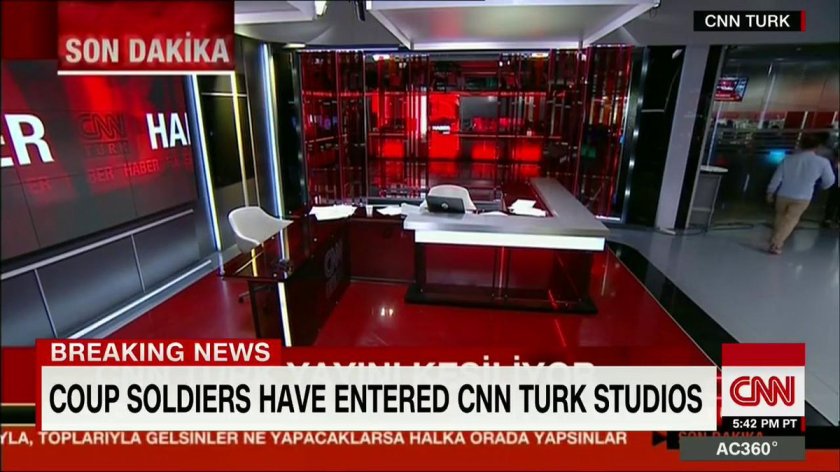
යම් අවස්ථාවක කුමන්ත්‍රණකරුවන් CNN Turk පෞද්ගලික නාලිකාව නිහඬ කිරීමට ද තැත් කළා. ඇමරිකානු CNN මාධ්‍ය ජාලය හා තුර්කි සමාගමක් හවුලේ කරන මේ නාලිකාව හමුදා බලපෑම් ප්‍රතික්ෂේප කළා. දිගටම සිය සජීව විකාශයන් කර ගෙන ගියා.

කුමන්ත්‍රණය දියත් කොට පැය 24ක් ගතවීමට පෙර රටේ පාලන බලය යළිත් ඡන්දයෙන් පත් වූ රජය යටතට මුළුමනින්ම ගැනීමට ජනපති-අගමැති දෙපළ සමත් වුණා.

ඉන් පසුව කුමන්ත්‍රණයට සම්බන්ධ දහස් ගණනක් හමුදා නිලධාරීන් හා සිවිල් වැසියන් අත්අඩංගුවට ගනු ලැබුවා. මේ අය අධිකරණ ක්‍රියාදාමයකට ලක්වනු ඇති. මේ බොහෝ දෙනකු නොමඟ ගිය හමුදා නිලධාරීන් හා ඔවුන්ගේ හිතවත් පරිපාලන නිලධාරීන් බව පසුව හඳුනාගනු ලැබුවා.

කුමන්ත්‍රණය අසාර්ථක වීමට හේතු දේශපාලන විචාරකයෝ තවමත් සමීපව අධ්‍යයනය කරනවා. ඔවුන් පිළිගන්නා එක් දෙයක් තිබෙනවා. 20 වන සියවසේ බොහෝ අවස්ථාවල විවිධ රටවල සාර්ථක වූ බලය ඇල්ලීමේ ආකෘතියක් මෙවර තුර්කියේදී ව්‍යර්ථ වූයේ 21 වන සියවසේ සන්නිවේදන තාක්ෂණයන් නිසා බවයි.

‘කුමන්ත්‍රණකරුවන් පොතේ හැටියට සියල්ල සැලසුම් කොට ක්‍රියාත්මක වුණා. රාජ්‍ය නායකයා අගනුවරින් බැහැරව සිටි, සිකුරාදා රැයකයි ඔවුන් බලය අල්ලන්න තැත් කළේ. ඒත් ඔවුන්ගේ අවාසියට ඔවුන් භාවිත කළ වට්ටටෝරුව යල් පැන ගිහින්.’ යයි ඉස්තාන්බුල් නුවර පර්යේෂකයකු වන ගැරත් ජෙන්කින්ස් කියනවා.

මේ සමස්ත සිදුවීම් දාමයේ ඉතාම උත්ප්‍රාසජනක පැතිකඩ මෙයයි. සමාජ මාධ්‍ය ජාතික ආරක්ෂාවට තර්ජනයක් යයි කියමින් ඒවා හෙළි දැකීමට හා විටින් විට ඒවා බ්ලොක් කිරීමට පුරුදුව සිටි අර්ඩොගන් ජනපතිවරයාට තීරණාත්මක මොහොතේ ඒවා ඉමහත් ලෙස ප්‍රයෝජනවත් වීමයි.

මේක ඇත්තටම කන්නට ඕනෑ වූ විට කබරගොයාත් තලගොයා වීමේ කතාවක්.

A man stands in front of a Turkish army tank at Ataturk airport in Istanbul, Turkey July 16, 2016. REUTERS/IHLAS News Agency

2003-2014 කාලයේ තුර්කි අගමැතිව සිටි අර්ඩොගන් 2014දී ජනාධිපතිවරණයට ඉදිරිපත් වී ප්‍රකාශිත ඡන්දවලින් 51.79%ක් ලබමින් ජය ගත්තා. ඔහු තමා වටා විධායක බලය කේන්ද්‍ර කර ගනිමින්, විපක්ෂවලට හිරිහැර කරමින් ඒකාධිපති පාලනයක් ගෙන යන බවට චෝදනා නැගෙනවා. මාධ්‍ය නිදහසට හා පුරවැසියන්ට ප්‍රකාශන නිදහසටත් ඔහුගේ රජයෙන් නිතර බාධා පැමිණෙනවා.

නිල මාධ්‍ය වාරණයක් හා නොනිල මාධ්‍ය මර්දනයක් පවත්වා ගෙන යාම නිසා තුර්කිය ජාත්‍යන්තර ප්‍රජාවේ හා මාධ්‍ය නිදහස පිළිබඳ ක්‍රියාකාරිකයන්ගේ දැඩි දෝෂ දර්ශනයට ලක්ව සිටින රටක්.

තමන්ගේ අධිපතිවාදය ප්‍රශ්න කරන, විකල්ප මතවලට ඉඩ දෙන දෙස් විදෙස් මාධ්‍ය අර්ඩොගන් සලකන්නේ සතුරන් ලෙසයි. එහෙත් රාජ්‍ය මාධ්‍ය පැය කිහිපයකට ඔහුගේ පාලනයෙන් ගිලිහී ගිය විට ඔහුගේ උදව්වට ආවේ ඔහු නිතර දෙස් තබන පෞද්ගලික විද්‍යුත් මාධ්‍ය හා විදෙස් මාධ්‍යයි.

2014දී ඔහු නව නීතියක් හඳුන්වා දුන්නේ ඕනෑම මොහොතක වෙබ් අඩවි බ්ලොක් කිරීමේ බලය රජයට පවරා ගනිමින්.

එසේම අර්ඩොගන් දෙබිඩි පිළිවෙතක් අනුගමනය කරන්නෙක්. සමාජ මාධ්‍යවලට නිතර දෙවේලේ බැණ වදින ඔහු තමාගේ ට්විටර් හා ෆේස්බුක් ගිණුම් පවත්වා ගෙන යනවා. ට්විටර් නිල ගිණුමට මේ වන විට මිලියන 8කට වඩා අනුගාමිකයන් සිටිනවා. කුමන්ත්‍රණය දිග හැරෙන අතර සිය ජනයාට හා ලෝකයට කතා කරන්නට ඔහු ට්විටර් ගිණුමද යොදා ගත්තා.

මේ දෙබිඩි හැසිරීම අපේත් එක්තරා හිටපු පාලකයෙක් සිිහිපත් කරනවා!

කුමන්ත්‍රණයට එරෙහිව අර්ඩොගන් රජයට උපකාර වූ තවත් සාධකයක් පසුව හෙළි වුණා. කුමන්ත්‍රණය ඇරඹී ටික වේලාවකින් එරට ප්‍රධානම ජංගම දුරකථන ජාලය සියලුම ග්‍රාහකයන්ට නොමිලයේ දත්ත සම්ප්‍රේෂණ පහසුකම් ලබා දුන්නා. නූතන දේශපාලන ක්‍රියාකාරකම්වලදී ටෙලිවිෂන් හා රේඩියෝවලට වඩා ටෙලිකොම් සේවාවන් වැදගත් වන බව මේ හරහා අපට පෙනී යනවා.

කුමන්ත්‍රණයේ සන්නිවේදන සාධකය විග්‍රහ කරමින් නිව්යෝර්ක් ටයිම්ස් පත්‍රයට ජූලි 20 වනදා ලිපියක් ලියූ තුර්කි සම්භවය සහිත ඇමරිකානු සරසවි ඇදුරු සෙයිනප් ටුෆෙකි (Zeynep Tufekci) මෙසේ කියනවා.

‘කුමන්ත්‍රණය පරදවන්න ස්වාධීන මාධ්‍ය හා වෙබ්ගත නව මාධ්‍ය ලබා දුන් දායකත්වය ජනපති අර්ඩොගන් අගය කළ යුතුයි. දැන්වත් මාධ්‍ය වාරණය, මර්දනය හා නවමාධ්‍ය හෙළා දැකීම නතර කොට ප්‍රකාශන නිදහසට ගරු කරන දේශපාලන ප්‍රතිසංස්කරණවලට යොමු විය යුතුයි… ස්වාධීන මාධ්‍යයන් හා විවෘත ඉන්ටර්නෙට් සංස්කෘතියක් පැවතීම රටක ප්‍රජාතන්ත්‍රවාදයට මහත් සවියක් බව මේ අත්දැකීමෙන් අපට හොඳටම පෙනී යනවා.’

How the Internet Saved Turkey’s Internet-Hating President

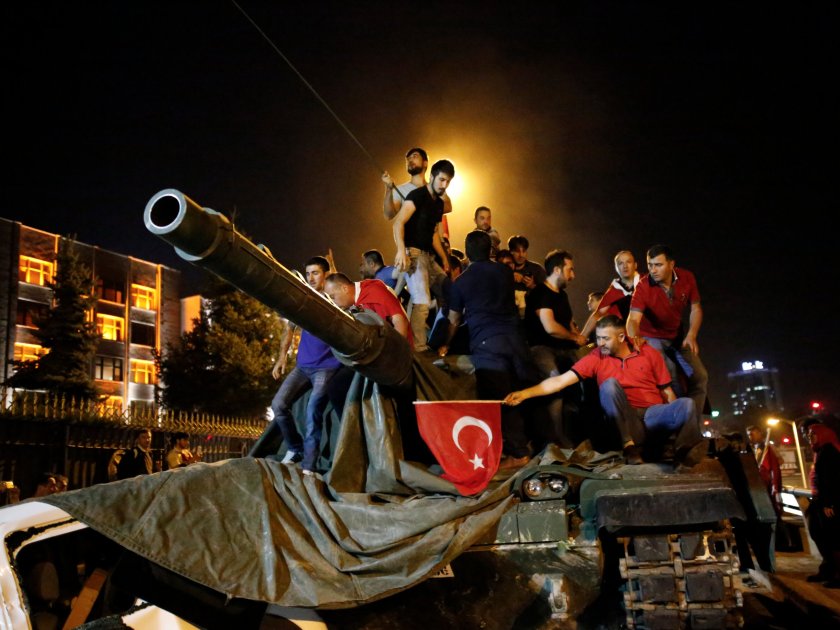
People stand on a Turkish army tank in Ankara on July 16 - Reuters
People stand on a Turkish army tank in Ankara on July 16 – Reuters

සිවුමංසල කොලූගැටයා #275: විද්‍යුත් හැඳුනුම්පත (eNIC) ගැන විවෘත සංවාදයක් ඕනෑ!

In this week’s Ravaya column (appearing in the print issue of 17 July 2016), I discuss Sri Lanka govermment’s recently announced plans to introduce an electronic National Identity Card (e-NIC) replacing the current, mandatory NIC based on a system that was launched in 1971.

The Department of Registration of Persons (the ID card office) is to start collecting fingerprints to issue 16.5 million electronic identity cards (eNICs) in 2016 that will contain biometric security features such as fingerprints. According to media reports, fingerprints are to be collected manually at 331 district and divisional level units and scanned and entered into a national register.

But we should be asking some critical questions about this initiative that collects biometric data of all citizens. Is the government capable of ensuring data security of this massive database? Can it be misused for citizen surveillance in the hands of an authoritarian regime?

Deploying modern technology is fine, but that must be accompanied by adequate human rights safeguards and a political culture that treats citizen data with respect. And there needs to be judicial oversight.

What about a similar, but much larger scale, biometrics-driven ID project in neighbouring India? In recent years, India’s unique identification number project (Aadhaar) has been criticised by privacy activists for its inadequate safeguards. Considered to be the world’s largest national identification number project, it aims to collect biometric and demographic data of all residents, store them in a centralised database and issue a 12-digit unique number.

As SciDev.Net reported on 3 June 2016: “Aadhaar…received statutory backing in March 2016 after five years of political wrangling. Finally the present government moved it as a money bill to prevent it being stopped in the Rajya Sabha (upper house of parliament). Opposition leaders have challenged the move as unconstitutional in the Supreme Court.

“The court’s existing view on Aadhaar is that biometric identification should be voluntary. On 23 September 2013, the court ordered that ‘no person should suffer for not getting Aadhaar’.  Yet, since introduction, Aadhaar has been creeping up on India’s 1.3 billion population with service after service being made unavailable to citizens who are not enrolled.”

SciDev.Net added that the main objections to Aadhaar are no different from objections that have come up in other countries and they have to do with privacy. In the UK, plans to issue biometric national identity cards were dropped in January 2011 and there has been opposition enough in the US to slow down implementation of the ‘Real ID’ scheme.

See my English column in SciDev.Net 31 July 2015: Reality Checks on South Asia’s Digital Drive

See also: Analyis by Centre for Internet and Socoiety in Jan 2011: Analysing the Right to Privacy and Dignity with Respect to the UID

March 2016: Commissioner-General of Dept of Registratoion of Persons, R.M.S. Sarath Kumara, holds up an old NIC and one with computerised features which he says is the steppingstone to the eNIC Image source: http://www.sundaytimes.lk/140316/news/fingerprint-collection-to-begin-for-enics-89424.html
March 2016: Commissioner-General of Dept of Registratoion of Persons, R.M.S. Sarath Kumara, holds up an old NIC and one with computerised features which he says is the steppingstone to the eNIC
Image source: http://www.sundaytimes.lk/140316/news/fingerprint-collection-to-begin-for-enics-89424.html

යුද්ධය හමාර වී වසර හතක් ගියත්, හැම දේටම ජාතික හැඳුනුම්පත ඉල්ලා සිටීමේ පුරුද්ද රාජ්‍ය හා පෞද්ගලික දෙඅංශයේම ආයතනවල තවමත් දැකිය හැකියි.

එසේම අමුත්තන්ගේ හැඳුනුම්පත් අංක හා අන් තොරතුරු ලියමින් කෙතරම් පොත් ප්‍රමාණයක් මේ ආයතනවල පුරවනවාද? මේ හරහා කිසිවකුගේ ආරක්ෂාව වැඩි වනවාද?

මෙරට අඩ සියවසකට ආසන්න කාලයක් තිස්සේ හැඳුනුම්පත් භාවිත කැරෙනවා. පුද්ගලයන් ලියාපදිංචි කිරීමේ පනත 1968දී සම්මත කෙරුණත්, හැඳුනුම්පත් අනිවාර්ය වූයේ 1971 කැරැල්ලෙන් පසුවයි. මෑතදී වියෝ වූ ඩී. බී. නිහාල්සිංහ සූරීන්ගේ අධීක්ෂණය යටතේ රජයේ චිත්‍රපට අංශයේ චිත්‍ර ශිල්පී ජී. රත්නායක විසින් 1971දී කරන ලද රූප සැලසුම මේ වන තුරුත් යොදා ගන්නවා.

එහෙත් ළඟදීම මෙය වෙනස්වීමට නියමිතයි. වැඩි තොරතුරු ගබඩා කළ විද්‍යුත් හැඳුනුම්පතක් (e-NIC) නිකුත් කිරීමට රජය තීරණය කොට තිබෙනවා.

වසර කිහිපයක් තිස්සේ කතාබහ කෙරුණු මෙය රුපියල් බිලියන 8ක වියදමින් එළැඹෙන මාසවල ක්‍රියාත්මක වනු ඇතැයි පුද්ගලයන් ලියාපදිංචි කිරීමේ දෙපාර්තමේන්තුවේ කොමසාරිස් ජනරාල්වරයා මෑතදී මාධ්‍යවලට ප්‍රකාශ කර තිබුණා.

දැනට පවතින පුද්ගල තොරතුරුවලට (නම, ලිපිනය, උපන් දිනය ආදිය) අමතරව පවුලේ විස්තරත්, ජෛවමිතික දත්තත් (biometric data) අලුත් හැඳුනුම්පත්වල ගබඩා කැරෙන බවත්, එම අමතර හොරතුරු කියවිය හැක්කේ අවසරලත් ආයතනවල සුවිශේෂී යන්ත්‍රවලට පමණක් බවත් දෙපාර්තමේන්තුව කියනවා.

මාධ්‍ය වාර්තාවලට අනුව මේ නව ස්මාට් කාඩ්පතෙහි යම් තොරතුරු ප්‍රමාණයක් බැංකුවලට කියවීමට හැකි ලෙසත්, සම්පූර්ණ තොරතුරු රහසිගතව පවතින ලෙසත් විධිවිධාන යෙදෙනු ඇති. එම මුළු තොරතුරු කියවිය හැක්කේ අදාළ පුද්ගලයාගේ අනුමැතිය ඇතිව හෝ අධිකරණ නියෝගයක් මත හෝ පමණයි.

ජෛවමිතිය (biometrics) කියන්නේ මිනිස් සිරුරේ ලක්ෂණ හසු කර ගැනීමයි. ඇතැම් ලක්ෂණ මානවයන් දෙදෙනකුගේ එක සමාන වන්නේ නැහැ (පෙනුමෙන් සමාන නිවුන් දරුවන්ගේ වුවත්). මේ නිසා අනන්‍යතාව තහවුරු කර ගැනීමට ජෛවමිතිය යොදා ගත හැකියි.

වඩාත් ප්‍රකට ජෛවමිතික අනන්‍යතා සාධකය නම් ඇඟිලි සලකුණුයි. දැනට සියවසක් පමණ කාලයක් තිස්සේ අපරාධ විමර්ශනයට හා අත්සන් කිරීමට නොහැකි අයට විකල්පයක් ලෙසට ඇඟිලි සලකුණු යොදා ගන්නවා.

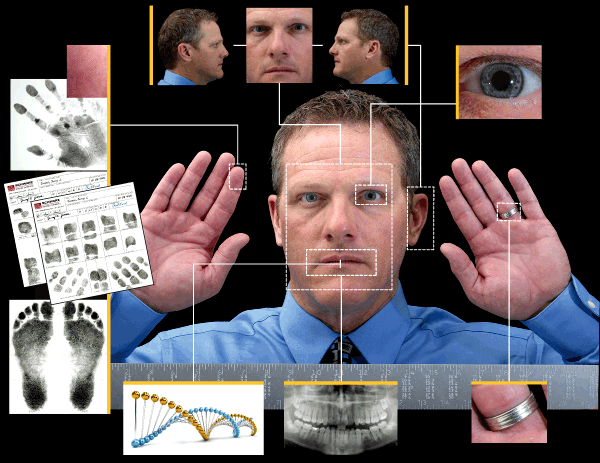
මෙයට අමතරව වඩා මෑත කාලයේ අනන්‍යතා සාධක ලෙස ඇසේ කළු ඉංගිරියාවේ හෙවත් තාරා මණ්ඩලයේ රටාව (iris pattern)” සමස්ත හස්තයේ මුද්‍රාව, ඇසේ දෘෂ්ටි විතානයේ (retina pattern) රටාවන්, මුහුුණු හඳුනාගැනීම (face recognition) හා රුධිරයේ DNA පරීක්ෂාවද යොදා ගන්නවා.

Modern biometric identification modes. Image source: http://www.schwarzforensic.com/bi.php?pageid=245
Modern biometric identification modes.
Image source: http://www.schwarzforensic.com/bi.php?pageid=245

දැනටමත් අලුත් පාස්පෝට්වලට ජෛවමිතික දත්ත ඇතුලු කරන අතර සමහර රටවලට යාමට වීසා නිකුත් කිරීමට පෙරද ඒවා වාර්තා කර ගන්නවා.

ජෛවමිතික දත්ත ලබා ගැනීම, ගබඩා කිරීම හා භාවිතය සීරුවෙන් කළ යුත්තක්. හේතුව මේ දත්ත හරහා අදාළ පුද්ගලයාගේ ජානමය හා සෞඛ්‍යමය පසුබිම අනාවරණය වීමයි.
එසේම අනවසරයෙන් ඇතැම් පුද්ගලයන්ව හොර රහසේ ආවේක්ෂණයට ලක් කිරීමටද මේ දත්ත යොදා ගත හැකියි.

මේ නිසා ජෛවමිතික දත්ත ලබා ගන්නා සෑම විටම එය පැහැදිලි නීතිමය හා නියාමන රාමුවක් තුළ සිදු කිරීමට පරිණත ප්‍රජාත්ත්‍රවාදයක් පවතින රටවල ක්‍රියා කරනවා.

විද්‍යුත් හැඳුනුම්පත තුළින් ලැබෙන ප්‍රයෝජන ලෙස දෙපාර්තමේන්තු වෙබ් අඩවිය කියන්නේ අනන්‍යතාව ඉතා පහසුවෙන් තහවුරු කළ හැකි වීම, රජය මගින් සපයන සේවාවන් කඩිනමින් හා පහසුවෙන් ලබා ගැනීමට ඉවහල් වීම, ආරක්ෂාව තහවුරු කිරීමට උපකාරී වීම, පවුලේ තොරතුරු සනාථ කිරීමට අවශ්‍ය වූ විට හැඳුනුම්පත හරහා එය කළ හැකි වීම ආදියයි.

මේ ප්‍රතිලාභ ගැන තර්කයක් නැහැ. එහෙත් මෙයට අදාළ වෙබ් පිටුවේ ජාතික ආරක්ෂාව යළි යළිත් අවධාරණය කර තිබෙනවා.

නවීකරණය අවශ්‍ය බවට විවාදයක් නැහැ. එහෙත් අපේ සියලු තොරතුරු හා ජෛවමිතික දත්ත මෙසේ එක් තැන් වීමේදී දත්ත ආරක්ෂාව (data protection) ගැන රජයට මුළුමනින් සහතික විය හැකිද? මේවා හැකර්ලා (පරිගණකවලට අනවසරයෙන් පිවිසෙන්නන්) හරහා පිට ගියොත් කුමක් විය හැකිද?

e-NIC කාඩ් එකට රේඩියෝ සංඛ්‍යාත හරහා හඳුනා ගැනීමේ කුඩා උපාංගයක්ද (Radio-frequency identification, RFID) ඇතුළු කරනවාද යන්න තවම පැහැදිලි නැහැ.  එසේ කළොත් එය දරන්නා යන එන තැන් අවශ්‍ය නම් රජයට ට්‍රැක් කළ හැකියි.

ජාතික ආරක්ෂාවේ මුවාවෙන් දරුණු ලෙස විරුද්ධවාදීන් ආවේක්ෂණය කළ රාජපක්ෂ රජය වැනි මර්දනකාරී තන්ත්‍රයක් අතට මෙරට ජනයාගේ ජෛවමිතික දත්ත පත් වීමේ අවදානම කෙතරම්ද?

මෙහිදී ඉන්දියාවේ වසර කිහිපයක් තිස්සේ ක්‍රියාත්මක වන ආන්දෝලනාත්මක හඳුනා ගැනීමේ දැවැන්ත ව්‍යාපෘතිය ගැන කරුණු විමසීම වැදගත්. එරට ක්‍රියාකාරිකයින් හා අධිකරණය මෙයට මැදිහත්ව සිටින ආකාරය අපට ආදර්ශයක්.
ආධාර් (Aadhaar) ව්‍යාපෘතිය යටතේ හැම ඉන්දියානු පුරවැසියකුටම නොම්මර 12කින් සමන්විත අනන්‍ය අංකයක් (unique identification number) නිකුත් කිරීමට නියමිතයි.

Aadhaar Logo
Aadhaar Logo

මෙය ජීවිත කාලය පුරා පවතින, රජය සමග කරන සියලු ගනුදෙනුවලට අවශ්‍ය වන අංකයක්. එයට අමතරව බැංකු සේවා, දුරකථන සේවා ආදිය ලබා ගැනීමේදීත් ඉදිරියේදී මෙය හැඳුනුම්පත් අංකයක් මෙන් යොදා ගත හැකියි.
ආධාර ව්‍යාපෘතිය ඇරඹුණේ 2009 ජනවාරියේ. එහි ඉලක්කය බිලියන 1.2කට වැඩි ඉන්දියානුවන් ආවරණය කිරීම නිසා මෙය ලෝකයේ විශාලතම හැඳුනුම්පත් ව්‍යාපෘතිය වනවා.

මේ යටතේ හැම පුරවැසියකුගේම ඡායාරූපය, අතේ ඇඟිලි දහයේම සලකුණු හා ඇස් දෙකෙහිම තාරා මණ්ඩලයේ පරිලෝකනයක් (ස්කෑන් එකක්) වාර්තාගත කරනවා. රට පුරා සිය ගණනක් ඒකක හරහා හසු කර ගන්නා මේ දත්ත රාජ්‍ය පරිගණක ජාලයක ආරක්ෂිතව තැන්පත් කරන බව ආධාර් පාලකයෝ කියනවා.

ආධාර් ව්‍යාපෘතියට පෙරද ජාතික හැඳුනුම්පත් නිකුත් කිරීමට විවිධ ඉන්දිය රජයන් තැත් කළත් ඒවා සාර්ථක වූයේ නැහැ.

කිසිදු ආකාරය හඳුනා ගැනීමේ නිල ලියවිල්ලක් නොමැති මිලියන් සිය ගණනක් ඉන්දියානුවන් සිටිනවා. ඔවුන්ට බැංකු ගිණුම් ඇරඹීමට, වෙනත් නූතන සේවා හා පහසුකම් ලබා ගැනීමට මෙය බාධකයක්.

Nandan Nilekani - photo courtesy India Today
Nandan Nilekani – photo courtesy India Today

එසේම අනන්‍යතාව නිශ්චිත නොවීම නිසා දුගී ජනයාට ලැබෙන සහනාධාර බොහෝ විට වංචනික අතරමැදියන් විසින් සොරාගනු ලබනවා. මාස්පතා කෝටි ගණනක් රාජ්‍ය මුදල් බිම් මට්ටමේදී වංචනිකව අපතේ යනවා.

ආධාර් අංකයක් ලබන අයකුට එය භාවිත කරමින් බැංකු ගිණුමක් ඇරඹීමටත්, එම ගිණුමට රජයේ වැටුප්, විශ්‍රාම වැටුප් හෝ (තමාට හිමි) සහනාධාර ඍජුව ලැබීමට සැලසීම මේ ව්‍යාපෘතියේ අරමුණයි.

ආධාර් අරඹමින් පසුගිය ඉන්දීය රජය කීවේ මේ අනන්‍ය අංකය හරහා සියලු රාජ්‍ය සේවා හා ඇතැම් වෙළඳපොළ සේවාද සංවිධානය වනු ඇති බවයි. රාජ්‍ය මුදල් ගසා කෑම අවම වනු ඇති බවයිග

තාක්ෂණය පෙරටු කරගත් ආධාර් ව්‍යාපෘතිය මෙහෙයවීමට එහි සභාපති ලෙස ලෝ ප්‍රකට ඉන්දියානු තොරතුරු තාක්ෂණවේදී හා ව්‍යාපාරික නන්දන් නිලේකානි (Nandan Nilekani)  පත් කෙරුණේ 2009 ජුනි මාසයේ. එතැන් සිට 2014 මාර්තු දක්වා ඔහු එම තනතුර දරමින් ක්‍රියා කළ අතර කළමනාකාරීත්වය අතින් දක්ෂ වුවද හිතුමතේ ක්‍රියාකරන බවට චෝදනා එල්ල වුණා.

ආධාර් ව්‍යාපෘතියට නිසි නීතිමය ආවරණයක් නොතිබීම ඔහුට ප්‍රශ්නයක් වූයේ නැහැ. එය ගැසට් ප්‍රකාශනයකින් පිහිටුවන ලද ආයතනයක් මිස පනතකින් ස්ථාපිත කළ එකක් නොවෙයි. දේශපාලන අනුග්‍රහය ලද සුපිරි ව්‍යාපෘතියක් ලෙස විරෝධතා නොතකා එය ඉදිරියට ගියා.

ආධාර් ව්‍යාපෘතියේ පරිපාලන ආයතනය වන අනන්‍ය හඳුනා ගැනීමේ අධිකාරිය (Unique Identification Authority of India, UIDAI) නම් ආයතනය නීතිගත කිරීමට පනතක් ටික කලක සිට ඉන්දීය පාර්ලිමේන්තුව හමුවේ තිබුණා. 2016 මාර්තු 11දා එය මුදල් පනතක ස්වරූපයෙන් සම්මත කරගනු ලැබුවා. මුඛ්‍ය අරමුණ රජයේ මුදල් ගෙවීම හා සහනාධාර ඉලක්කගතව බෙදාහැරීමයි.

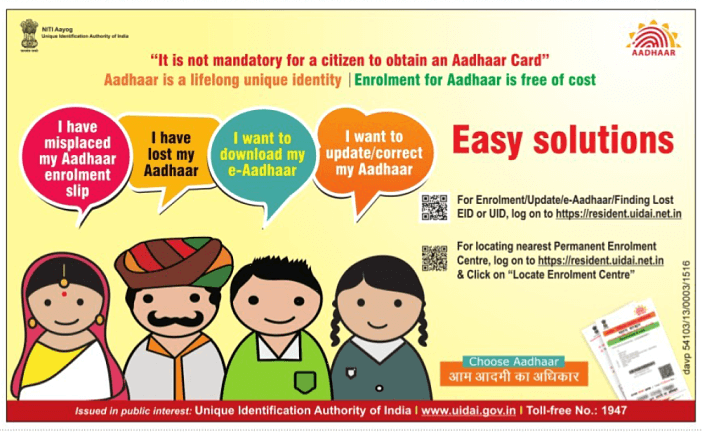
Aadhaar is heavily promoted in India using advertisements like this one. Image source: www.aadharcard.info
Aadhaar is heavily promoted in India using advertisements like this one. Image source: http://www.aadharcard.info

ජෛවමිතික දත්ත ලබාගැනීම හරහා පුරවැසියන්ගේ පෞද්ගලිකත්වයට (privacy) හානි විය හැකිය යන්න ආධාර් ව්‍යාපෘතිය ගැන එරට සිවිල් සමාජ ක්‍රියාකාරිකයන්ට තිබෙන ලොකුම විවේචනයයි. 2014 අප්‍රේල් මැයි මැතිවරණයෙන් ආණ්ඩු මාරුවක් සිදු වුවත් ව්‍යාපෘතිය දිගටම ඉදිරියට යනවා.

ඉන්දියාවේ පවතින යල් පැන ගිය නීති මගින් පුරවැසියන්ගේ පෞද්ගලිකත්වය නොරැකෙන බවත්, එවන් පසුබිමක අනන්‍ය වූ ජෛවමිතික දත්ත රැසක් ගබඩා කිරීම එම තොරතුරු අවභාවිතයට මඟ පාදන ක්‍රියාකාරිකයන් කියනවා.

සිදු විය හැකි අවභාවිතයන් කොටස් දෙකකට වර්ග කළ හැකියි. එකක් නම් ආධාර් දත්ත ගබඩාවේ ඇති පෞද්ගලික තොරතුරු, රජයේම වෙනත් ආයතන හා හමුදාව විසින් ලබා ගෙන රහසිගතව පුරවැසි ආවේක්ෂණය සිදු කිරීමයි. දේශපාලන විරුද්ධවාදීන් හා රජය විවේචනය කරන නිර්දේශපාලනික ක්‍රියාකාරිකයන් ට්‍රැක් කිරීමටත්, ඔවුන්ගේ සෞඛ්‍ය තත්ත්වය හාරා අවුස්සා දුර්වල තැන් සොයා ගැනීමටත් හැකි වීමේ අවදානමක් තිබෙනවා.

දෙවැනි අවදානම නම් මේ තොරතුරු වාණිජ සමාගම්  හෝ අන්තවාදී සන්විධාන අතට හොරෙන්ම පත් වීමයි.

2013 සැප්තැම්බරයේ සිට කිහිප වතාවක්ම ඉන්දියානු ශ්‍රේෂ්ඨාධිකරණය අවධාරණය කර ඇත්තේ රාජ්‍ය වැටුප්, විශ්‍රාම වැටුප් හා වෙනත් සහනාධාර හිමි අයට ඒවා ලැබීමට ආධාර් අංකය අත්‍යවශ්‍ය නොවිය යුතු බවයි.

කිසිදු පුරවැසියකුගේ ජෛවමිතික තොරතුරු ඔහු/ඇයගේ කැමැත්තෙන් තොරව හසු කර නොගත යුතු බවට හා ‘ආධාර් ව්‍යාපෘතියට සම්බන්ධ නොවූ පමණට තමන්ට ලැබිය යුතු ගෙවීම් කිසිවකුට නොගෙවා සිටීමට බැරි බවට’ ද ශ්‍රේෂ්ඨාධිකරණය කියා සිටියා.

ආධාර් කාඩ් නොමැතිව වුවද ඡන්දය ප්‍රකාශ කළ හැකි බවට (ඡන්දදායක ලේඛනයේ සිටින සියලු අයට) ඉන්දීය මැතිවරණ කොමිසම පැහැදිලි නිල ප්‍රකාශයක් කර තිබෙනවා.

එහෙත් අනෙක් රාජ්‍ය ආයතන ශ්‍රේෂ්ඨාධිකරණ නියෝග නොතකමින් ආධාර් අංක දිගටම ඉල්ලීම් කරනවා. ආධාර් කාඩ්පතක් නැතිනම් රජයේ රෝහලකින් හදිසි ප්‍රතිකාරයක්වත් ලබන්නට නොහැකි වන තරමට එය පරිපාලකයන් ඉල්ලීමට පටන්ගෙන ඇති බවයි ක්‍රියාකාරිකයෝ කියන්නේ. මෙය මානව හිමිකම් ප්‍රශ්නයක් වෙලා.

ආර්ථීක විද්‍යාඥ රීතිකා සෝරා කියන්නේ ආධාර් කාඩ්පත් නොමැතිව වුවද වඩාත් කාර්යක්ෂම පරිපාලනයක් හරහා වංචා අවම කිරීමට හැකි බවයි. ආධාර් කාඩ් නැති දුගී ජනයාට ලැබිය යුතු දීමනා නොදීම බරපතළ අසාධාරණයක් බවත්, ඇති හැකි අයට තිබෙන සියලු අයිතිවාසිකම් නැති බැරි අයටද තිබිය යුතු බවත් ඇය කියනවා.

Aadhaar citizen awareness efforts

මා දන්නා හඳුනන මධ්‍යම පාංතික නාගරික ඉන්දියානුවන් සමහරෙක් තමන් ආධාර් කාඩ්පත් ලැබීමට සියලු ජීවමිතික දත්ත රජයට දීමට සූදානම් නැතැයි යන ස්ථාවරයේ සිටිනවා.

ආධාර් ව්‍යාපෘතියට එරෙහිව අධිකරණයට ගිය සමාජ ක්‍රියාකාරිකයන් අතර හිටපු ජ්‍යෙෂ්ඨ පරිපාලක නිලධාරිනී හා තොරතුරු අයිතිය පිළිබඳ ඉන්දියානු පුරෝගාමී අරුණා රෝයි (Aruna Roy) ද සිටිනවා.

ඇගේ පෙත්සමේ එක් ප්‍රධාන තර්කයක් වූයේ ජෛවමිතික දත්ත එකතු කිරීමට පුද්ගලික අංශයේ ආයතනවලට කොන්ත්‍රාත් දීමයි.

‘ලොව පුරාම සමාගම් මිනිසුන්ගේ පෞද්ගලික තොරතුරු එකතු කර ඒවා අලෙවිකරණ හා වෙනත් වාණිජ අරමුණුවලට අවභාවිත කරන්න තැත් කරනවා. නිසි අධීක්ෂණයක් නැති ඉන්දියාව වැනි රටක මේ ජෛවමිතික දත්ත පිට යාමට ලොකු ඉඩක් තිබෙනවා. රහසිගතභාවය රජය විසින් සුරකින බවට දෙන සහතිකය අපට විශ්වාස නැහැ.’ ඇය 2013දී කියා සිටියා.

නව තාක්ෂණයට එරෙහි වෙලා වැඩක් නෑ. නමුත් ප්‍රවේශමින් පාවිච්චි කල යුතුයි.

[Op-ed] Major Reforms Needed to Rebuild Public Trust in Sri Lanka’s Media

Text of an op-ed essay published in the Sunday Observer on 10 July 2016:

Major Reforms Needed to Rebuild Public Trust

in Sri Lanka’s Media

 By Nalaka Gunawardene

Sri Lanka’s government and its media industry need to embark on wide-ranging media sector reforms, says a major new study released recently.

Such reforms are needed at different levels – in government policies, laws and regulations, as well as within the media industry and profession. Media educators and trainers also have a key role to play in raising professional standards in our media, the study says.

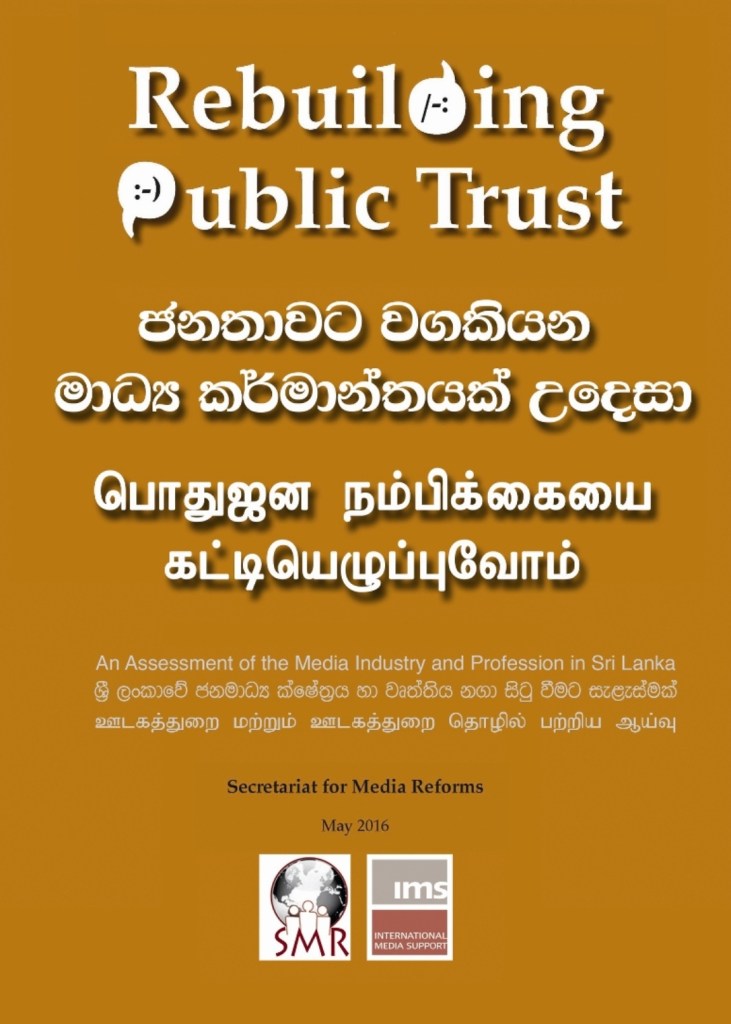
Recent political changes have opened a window of opportunity which needs to be seized urgently by everyone who desires a better media in Sri Lanka, urges the study report, titled Rebuilding Public Trust: An Assessment of the Media Industry and Profession in Sri Lanka.

Rebuilding Public Trust: An Assessment of the Media Industry and Profession in Sri Lanka (May 2016)

The report was released on World Press Freedom Day (May 3) at a Colombo meeting attended by the Prime Minister, Leader of the Opposition and Minister of Mass Media.

The report is the outcome of a 14-month-long research and consultative process. Facilitated by the Secretariat for Media Reforms, it engaged over 500 media professionals, owners, managers, academics, relevant government officials and members of various media associations and trade unions. It offers a timely analysis, accompanied by policy directions and practical recommendations. I served as is overall editor.

“The country stands at a crossroads where political change has paved the way for strengthening safeguards for freedom of expression (FOE) and media freedom while enhancing the media’s own professionalism and accountability,” the report notes.

Politicians present at the launch could only agree.

“The government is willing to do its part for media freedom and media reforms. But are you going to do yours?” he asked the dozens of editors, journalists and media managers present. There were no immediate answers.

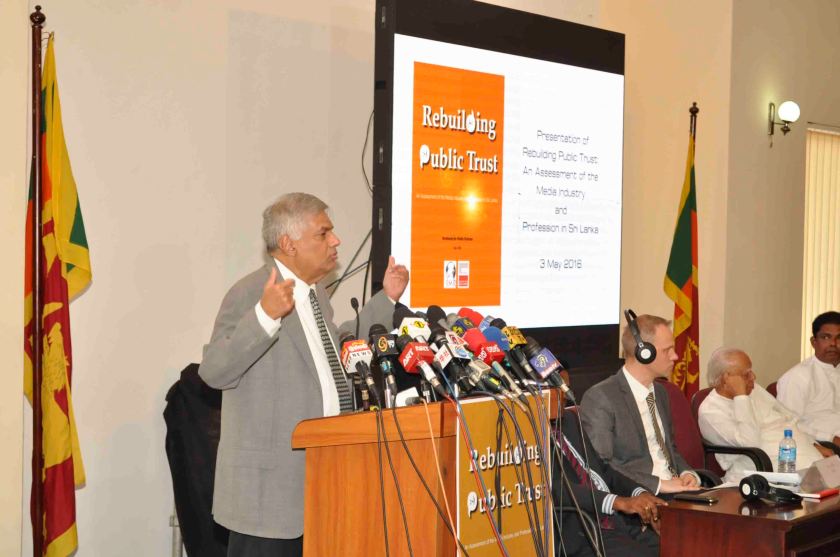
Prime Minister Ranil Wickremesinghe speaks at the launch of 'Rebuilding Public Trust' report in Colombo, 3 May 2016 (Photo courtesy SLPI)
Prime Minister Ranil Wickremesinghe speaks at the launch of ‘Rebuilding Public Trust’ report in Colombo, 3 May 2016 (Photo courtesy SLPI)

Whither Media Professionalism?

The report acknowledges how, since January 2015, the new government has taken several positive steps. These include: reopening investigations into some past attacks on journalists; ending the arbitrary and illegal blocking of political websites done by the previous regime; and recognising access to information as a fundamental right in the 19th Amendment to the Constitution (after the report was released, the Right to Information Act has been passed by Parliament, which enables citizens to exercise this right).

These and other measures have helped improve Sri Lanka’s global ranking by 24 points in the World Press Freedom Index (https://rsf.org/en/ranking). It went up from a dismal 165 in 2015 index (which reflected conditions that prevailed in 2014) to a slightly better 141 in the latest index.

Compiled annually by Reporters Without Borders (RSF), a global media rights advocacy group, the Index reflects the degree of freedom that journalists, news organisations and netizens (citizens using the web) enjoy in a country, and the efforts made by its government to respect and nurture this freedom.

Sri Lanka, with a score of 44.96, has now become 141st out of 180 countries assessed. While we have moved a bit further away from the bottom, we are still in the company of Burma (143), Bangladesh (144) and South Sudan (140) – not exactly models of media freedom.

Clearly, much more needs be done to improve FOE and media freedom in Sri Lanka – and not just by the government. Media owners and managers also bear a major responsibility to create better working conditions for journalists and other media workers. For example, by paying better wages to journalists, and allowing trade union rights (currently denied in many private media groups, though enjoyed in all state media institutions).

Rebuilding Public Trust acknowledges these complexities and nuances: freedom from state interference is necessary, but not sufficient, for a better and pluralistic media.

It also points out that gradual improvement in media freedom must now to be matched by an overall upping of media’s standards and ethical conduct.

By saying so, the report turns the spotlight on the media itself — an uncommon practice in our media. It says that only a concerted effort by the entire media industry and all its personnel can raise professional standards and ethical conduct of Sri Lanka’s media.

A similar sentiment is expressed by Dr Ranga Kalansooriya, an experienced journalist turned media trainer who was part of the report’s editorial team (and has since become the Director General of the Department of Information). “Sri Lanka’s media freedom has gone up since January 2015, but can we honestly say there has been much (or any) improvement in our media’s level of professionalism?” he asks.

Media in Crisis

Tackling the dismally low professionalism on a priority basis is decisive for the survival of our media which points fingers at all other sections of society but rarely engages in self reflection.

Rebuilding Public Trust comes out at a time when Sri Lanka’s media industry and profession face many crises stemming from an overbearing state, unpredictable market forces and rapid technological advancements. Balancing the public interest and commercial viability is one of the media sector’s biggest challenges today.

The report says: “As the existing business models no longer generate sufficient income, some media have turned to peddling gossip and excessive sensationalism in the place of quality journalism. At another level, most journalists and other media workers are paid low wages which leaves them open to coercion and manipulation by persons of authority or power with an interest in swaying media coverage.”

Notwithstanding these negative trends, the report notes that there still are editors and journalists who produce professional content in the public interest while also abiding by media ethics.

Unfortunately, their good work is eclipsed by media content that is politically partisan and/or ethnically divisive.

For example, much of what passes for political commentary in national newspapers is nothing more than gossip. Indeed, some newspapers now openly brand content as such!

Similarly, research for this study found how most Sinhala and Tamil language newspapers cater to the nationalism of their respective readerships instead of promoting national integrity.

Such drum beating and peddling of cheap thrills might temporarily boost market share, but these practices ultimately erode public trust in the media as a whole. Surveys show fewer media consumers actually believing that they read, hear or watch.

One result: younger Lankans are increasingly turning to entirely web-based media products and social media platforms for obtaining their information as well as for speaking their minds. Newspaper circulations are known to be in decline, even though there are no independently audited figures.

If the mainstream media is to reverse these trends and salvage itself, a major overhaul of media’s professional standards and ethics is needed, and fast. Newspaper, radio and TV companies also need clarity and a sense of purpose on how to integrate digital platforms into their operations (and not as mere add-ons).

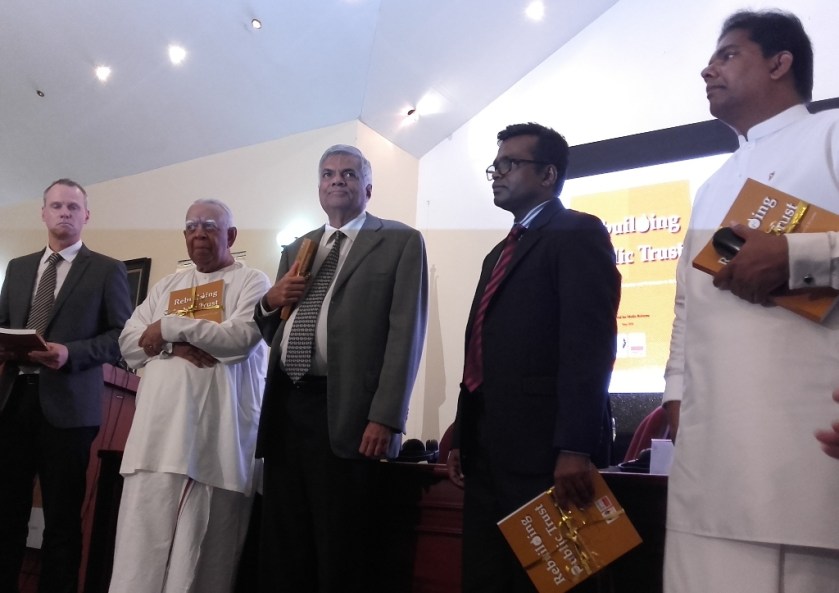
L to R - Lars Bestle of IMS, R Sampanthan, Ranil Wickremesinghe, Karu Paranawithana, Gayantha Karunathilake with copies of new study report on media reforms - Photo by Nalaka Gunawardene
L to R – Lars Bestle of IMS, R Sampanthan, Ranil Wickremesinghe, Karu Paranawithana, Gayantha Karunathilake with copies of new study report on media reforms – Photo by Nalaka Gunawardene

Recommendations for Reforms

The report offers a total of 101 specific recommendations, which are sorted under five categories. While many are meant for the government, a number of important recommendations are directed at media companies, journalists’ and publishers’ associations, universities, media training institutions, and development funding agencies.

“We need the full engagement of all stakeholders in building a truly free, independent and public interest minded pluralistic media system as a guarantor of a vibrant democracy in Sri Lanka,” says Wijayananda Jayaweera, a former director of UNESCO’s Communication Development Division, who served as overall advisor for our research and editorial process.

In fact, this assessment has used an internationally accepted framework developed by UNESCO, the United Nations Educational, Scientific and Cultural Organisation. Known as the Media Development Indicators (MDIs), this helps identify strengths and weaknesses, and propose evidence-based recommendations on how to enhance media freedom and media pluralism in a country. Already, two dozen countries have used this methodology.

The Sri Lanka study was coordinated by the Secretariat for Media Reforms, a multistakeholder alliance comprising the Ministry of Parliamentary Reforms and Mass Media; Department of Mass Media at University of Colombo; Sri Lanka Press Institute (SLPI); Strategic Alliance for Research and Development (SARD); and International Media Support (IMS) of Denmark.

We carried out a consultative process that began in March 2015. Activities included a rapid assessment discussed at the National Summit for Media Reforms in May 2015 (attended by over 200), interviews with over 40 key media stakeholders, a large sample survey, brainstorming sessions, and a peer review process that involved over 250 national stakeholders and several international experts.

Nalaka Gunawardene, Editor of Rebuilding Public Trust in Media Report, presents key findings at launch event in Colombo, 3 May 2016 - (Photo courtesy SLPI)
Nalaka Gunawardene, Editor of Rebuilding Public Trust in Media Report, presents key findings at launch event in Colombo, 3 May 2016 – (Photo courtesy SLPI)

Here is the summary of key recommendations:

  • Law review and revision: The government should review all existing laws which impose restrictions on freedom of expression with a view to amending them as necessary to ensure that they are fully consistent with international human rights laws and norms.
  • Right to Information (RTI): The RTI law should be implemented effectively, leading to greater transparency and openness in the public sector and reorienting how government works.
  • Media ownership: Adopt new regulations making it mandatory for media ownership details to be open, transparent and regularly disclosed to the public.
  • Media regulation: Repeal the Press Council Act 5 of 1973, and abolish the state’s Press Council. Instead, effective self-regulatory arrangements should be made ideally by the industry and covering both print and broadcast media.
  • Broadcast regulation: New laws are needed to ensure transparent broadcast licensing; more rational allocation of frequencies; a three-tier system of public, commercial and community broadcasters; and obligations on all broadcasters to be balanced and impartial in covering politics and elections. An independent Broadcasting Authority should be set up.
  • Digital broadcasting: The government should develop a clear plan and timeline for transitioning from analogue to digital broadcasting in television as soon as possible.
  • Restructuring state media: The three state broadcasters should be transformed into independent public service broadcasters with guaranteed editorial independence. State-owned Associated Newspapers of Ceylon Limited (Lake House) should be operated independently with editorial freedom.
  • Censorship: No prior censorship should be imposed on any media. Where necessary, courts may review media content for legality after publication. Laws and regulations that permit censorship should be reviewed and amended.
  • Blocking of websites: The state should not limit online content or social media activities in ways that contravene freedoms guaranteed by the Constitution and international conventions.
  • Privacy and surveillance: Privacy of all citizens and others should be respected by the state and the media. There should be strict limits to the state surveillance of private individuals and entities’ phone and other electronic communications.
  • Media education and literacy: Journalism and mass media education courses at tertiary level should be reviewed and updated to meet current industry needs and consumption patterns. A national policy is needed for improving media literacy and cyber literacy.

Full report in English is available at: https://goo.gl/5DYm9i

Sinhala and Tamil versions are under preparation and will be released shortly.

Science writer and media researcher Nalaka Gunawardene served as overall editor of the new study, and also headed one of the four working groups that guided the process. He tweets as: @NalakaG

[Op-ed] Sri Lanka’s Right to Information: A New Journey Begins Now!

Text of an op-ed essay I wrote within hours of Sri Lanka’s Parliament passing the Right to Information (RTI) law. It has been published in The Sunday Observer today, 26 June 2016.

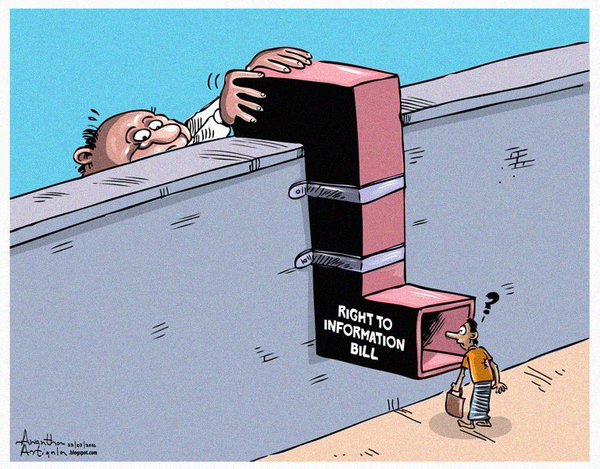
Cartoon by Awantha Artigala, Daily Mirror newspaper Sri Lanka

Right to Information: A New Journey Begins Now!

 By Nalaka Gunawardene

On 24 June 2016, Sri Lanka’s Parliament unanimously adopted the Right to Information (RTI) law.

This marks the culmination of over two decades of advocacy by civil society groups and journalists. It also fulfills a key promise of the yahapalana government.

Passing the law has been no easy task, as it went through a year of drafting, judicial review by Supreme Court, and considerable political scrutiny. The government and other political parties in Parliament – who rarely agree on anything – came together to pass the law without a vote.

However, our challenges are far from over. Now begins the daunting task of implementing the new law. RTI calls for a complete reorientation of government in how it handles information and promotes openness. This is unfamiliar ground.

As one skeptical citizen, Harindra Dassanayake (@HarindraBD) said on Twitter within hours of the law passing: “Lanka as many good laws, with hopeless or zero impact. Hope RTI [would] be different. It’s time to act and not celebrate.”

Indeed, there is much to do. The law’s adoption is only a fresh start. Proper implementation requires political will, administrative support and sufficient public funds.

We would also need on-going monitoring by civil society groups and the media to guard against the whole process becoming mired in too much red tape.

Late comers, quick learners?

With the new law, Sri Lanka becomes the 108th country in the world to have introduced RTI laws, also known as freedom of information laws.

That leaves only Bhutan in South Asia without a national RTI law, according to Venkatesh Nayak, Programme Coordinator with the Commonwealth Human Rights Initiative (CHRI) in New Delhi.

Nayak, a noted RTI expert and activist, says that countries without RTI laws are becoming a smaller and smaller minority on the planet.

He adds: “But for the long drawn ethnic conflict, Sri Lanka would have been the second country in South Asia to enact a national RTI law if efforts made in 2003-4 had reached fruition.”

In the event, Sri Lanka took the belated first step in April 2015, when the 19th Amendment to the Constitution made the right to information a fundamental right. The RTI Act puts in place the administrative arrangement to enable citizens can exercise that right.

Sri Lanka is certainly a late comer to the global RTI community, but we can exploit this to our advantage. Our neighbours and others countries have so much experience in this respect that can help us in implementation.

For example, RTI has emerged such a powerful tool in the hands of Indian citizens since the national law came into effect in 2005. So much so that it is now become a verb (as in “We will RTI this information” when confronted with a problem).

Across India, young schoolchildren and grandmothers with no formal education are using RTI requests to solve local level problems – from overdue scholarship payments to restoring suspended rural bus services.

Meanwhile in Bangladesh, which adopted its RTI law in 2009, citizens and NGOs are creatively using public information to combat poverty and counter corruption.

RTI has transformed Indian society within a decade

RTI needs imagination

What transformative impacts can the RTI law have on Lankan society, politics and governance? The answer is in everybody’s hands.

Unlike most other laws, RTI is one for citizens to seize and use. That, in turn, requires a commitment to the public interest, plus plenty of imagination and tenacity.

When the new Act comes into effect six months from now, any citizen of any age should be able to seek and receive information held with a public authority at central, provincial or local levels.

The law covers all organs of the State – Parliament, Executive (President and Cabinet) and the Judiciary. This includes the police and public sector corporations, local government bodies, as well as private entities carrying out public functions or providing public services under contract or license from local authorities (to the extent such work is concerned).

To be sure, the law has some exemptions when the right of access to information may be denied on legitimate grounds such as protecting the privacy of individuals, safeguarding national security and preventing the premature release of vital economic data (e.g. exchange rates, regulation of banking and taxation). These are common to RTI laws the world over.

Some are not happy with the extent of exemptions. But in my view, we should focus on so much information that now becomes our right to ask for — and receive within 21 days or less.

On the part of public authorities, they will no longer be allowed to release information as and when they wish. RTI law defines how it must be done and failure to do so has consequences for public officials.

Citizens, on their part, must find sufficient purpose and focus in information they can demand and receive. RTI is not a mere political slogan, but a practical tool for solving problems.

Problem solving

For example, how does our local body spend our tax money? On what basis are Samurdhi beneficiaries selected? Or how are government jobs given to some and not others?

RTI will prise open the hitherto closely guarded ‘reservoirs’ of information.

A five member RTI Commission appointed by the President — on the recommendations of the Constitutional Council — will monitor and process and investigate citizen complaints and appeals. The Commission’s decisions can also be challenged before the Court of Appeal.

All this concerns the ‘supply side’ of public information, which is surely going to be enhanced.  But what about the demand side? Are we ready for active citizenship armed with more information?

To draw an analogy from water management, opening sluice gates of a water reservoir can benefit only if the downstream systems are in place and the users are ready. With both water and information, recipients need to know how to make the best use of what comes through.

In the coming weeks and months, much needs to be done to ensure RTI readiness among public officials, and RTI awareness among the public.

Finally, citizens can look back at govt...do we know how?
Finally, citizens can look back at govt…do we know how?

Bigger Picture

As we get busy with the nitty-gritty operational details, let us not lose sight of the bigger picture. RTI signifies unleashing a new potential, and a major change in the status quo.

First, we must shake off a historical legacy of governments not being open or accountable to citizens. For over 2,000 years of monarchy, over 400 years of colonial rule and 67 years of self-rule since independence, all our governments have restricted public information – even mundane ones unrelated to any security or sensitive issues.

The ‘default setting’ in most government agencies is to deny and restrict information. To change this, both public servants and citizens will need a paradigm shift in their minds.

As long-standing champions of RTI, Lankan media and civil society must now switch roles. While benefiting from RTI themselves, they can nurture the newly promised openness in every sphere of public life. They can show, inspire and equip other citizens how best to make use of it.

However, RTI is not just a piece of law or changing how governments share public information. At its most basic, RTI is a collective state of mind. With its adoption, our society can start moving along a more open, informed and inquisitive pathway.

Science writer and columnist Nalaka Gunawardene has long chronicled the rise of Sri Lanka’s information society. He tweets at @NalakaG

Drafting a New Constitution for Sri Lanka: “ව්‍යවස්ථාවක් කියන්නේ සිල්ලර ලියවිල්ලක් නෙවෙයි” | නාලක ගුණවර්ධන

Sri Lanka’s new government has committed to drafting a new Constitution to replace the current one adopted in 1978.

According to the Cabinet spokesperson, “for the first time [in Sri Lanka], a Constitution is going to be framed with the consultation of people.” Though the country has adopted Constitutions twice after independence — in 1972 and 1978 — public participation was negligible on both occasions.

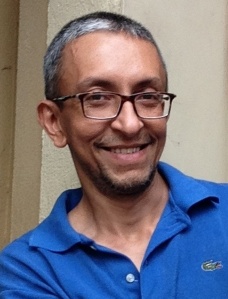
Nalaka Gunawardene in a serious pose

This is well and good, but it is still not clear what consultation mechanisms would be used, and how genuinely consultative the process is going to be. Our politicians and officials lack imagination and courage to try out new methods of public participation in governance. For example, they barely use the potential of new information and communications technologies (ICTs).

In an interview with Prasad Nirosha Bandara of Ravaya independent broadsheet newspaper, published on 20 December 2015, I make an earnest case for the new Constitution drafting process to be more open, more participatory and more consultative by using all available methods – tried and tested old-fashioned ones, as well as new potential opened up by the spread of the web, mobile phones and social media.

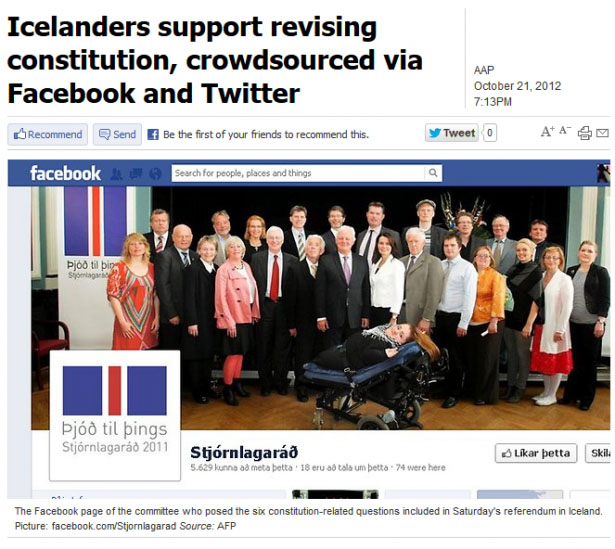
As an example, I cited the experience of Iceland using social media to crowdsource ideas for its new Constitution drafted in 2011-12. Admittedly it was easier for a population of 320,000 people but some generic lessons could be learnt.

I also draw attention to a historically important memorandum was sent by the Ceylon Rationalist Association on 25 September 1970 to Dr Colvin R De Silva, then Minister of Constitutional Affairs, who was heading the group tasked with drafting what eventually became the country’s first Republican Constitution of 1972. Written by the Association’s Founder President Dr Abraham Thomas Kovoor, it captured the broad, idealistic vision that members of that voluntary group of free thinkers had advocated since its inception in 1960. Among other principles, it advocated – in point 6 – that “the best protection for freedom of conscience is a Secular State”.

I located the memo two years ago and published it online on Groundviews.org so that it becomes widely available. In this interview, I urge the new Constitution drafters of 2016 not to make the same mistakes that Colvin R de Silva did in 1972 by ignoring these ideas of public intellectuals.

ආණ්ඩුකරම ව්යවස්ථා සම්පාදනයක මූලික ස්වරූපය මොකද්ද?

ආණ්ඩුක‍්‍රම ව්‍යවස්ථා සම්පාදනය දිහා ඓතිහාසිකව බලද්දි පේන්න තියෙන දෙය තමයි ලෝකයේ බොහෝ රටවල ව්‍යවස්ථා සංශෝධන වෙන්නේ සීමිත විද්වතුන් හා ප‍්‍රභූන් පිරිසක් මගින් වීම. ඇමරිකානු ව්‍යවස්ථාව කියන්නේ ලෝකේ තියෙන ඉතා හොද දාර්ශනික සහ ප‍්‍රබල නීතිමය ලියවිල්ලක්නේ. නමුත් ඒක කළේත් ජනරජයේ සමාරම්භකයන් විදිහට හැඅදින්වූ දේශපාලන නායකයන් හා ප‍්‍රභූන් පිරිසක්. ඒ පිරිස අතර ඉතාම දුරදක්නා නුවණ සහිත හරබරව හිතපු අය හිටියා. ඒත් ඒක පුළුල් සහභාගිත්ව ක‍්‍රියාදාමයක් වුණේ නෑ.

ඊට වඩා මෑතකාලීන උදාහරණයක් වන ඉන්දියානු ව්‍යවස්ථාව වුණත් ගොඩනගන්නේ ආචාර්ය අම්බෙඞ්කාර්ගේ නායකත් වයෙන් යුතු කණ්ඩායමක්. අම්බෙඞ්කාර් කියන්නේ ව්‍යවස්ථා විශේෂඥයෙක් වගේම මහා බුද්ධිමතෙක්.

ලංකාවේ ජනරජ ව්‍යවස්ථා දෙක ම හදන්නේත් මොළකාරයන් තමයි. හැත්තෑදෙකේ ව්‍යවස්ථා සම්පාදනයට නායකත්වය දුන්නේ ආචාර්ය කොල්වින් ආර් ද සිල්වා. ඔහුගේ දැනුම හා දේශපාලන දැක්ම ගැන කිසි විවාදයක් නෑ. හැත්තෑ අටේ ව්‍යවස්ථාව සම්පාදනය වෙන්නේත් ඒ වාගේම උගතුන් පිරිසක් අතින්. නමුත් ඔවුන් අතින් නිර්මාණය වුණ ව්‍යවස්ථා දෙකට ම කාලයාගේ අභියෝගයට මුහුණ දෙන්න බැරිවුණා. ඒවායේ තිබුණ දුර්වල තැන් කාලයාගේ ඇවෑමෙන් ඉරි තලන්න ගත්තා. විවිධාකාර පැලැස්තර සංශෝධනවලින් වහගන්න හැදුවේ ඒ ඉරිතැලීම් තමයි.

ව්යවස්ථා සම්පාදනය මහජන සහභාගිත්වයෙන් තොරව හොර පාරෙන් කිරීම නෙවෙයිද ඒවා ඉක්මනින් එපාවීමට හේතුව?

Dr Abraham T Kovoor
Dr Abraham T Kovoor

ඒකෙ කිසියම් ඇත්තක් තියෙනවා තමයි. නමුත් හැත්තෑ දෙකේ ආණ්ඩුක‍්‍රම ව්‍යවස්ථාව හදද්දි වුණත් සමහර වෙලාවට ජනමතයන් භාවිත කරනු ලැබුවා. ඒ සංදේශ ආකාරයට. උදාහරණයක් විදියට, ඒ ව්‍යවස්ථාව පිළිබද හේතුවාදීන් ලියූ ඒ විදියේ සංදේශයක් හේතුවාදීන්ගේ අමතක වුණ ප‍්‍රකාශයක තිබිලා මට හම්බ වුණා. පස්සෙ මං ඒක කෙටි හැදින්වීමකුත් එක්ක ග‍්‍රවුන්ඞ් වීව්ස් වෙබ් අඩවියේ පළ කළා. හේතුවාදී සංගමයේ නායකයා වුණ ආචාර්ය ඒබ‍්‍රහම් ටී කොවුර් විසින් ඒ සංදේශය කොල්වින්ට යවලා තියෙන්නේ එක්දහස් නවසිය හැත්තෑවේ සැප්තැම්බර් විසිපහ.

ව්‍යවස්ථා සම්පාදනයකදී ජන මතය භාවිත කරන්න පුළුවන් ක‍්‍රම දෙකක් තියෙනවා. එකක් තමයි මැතිවරණ ප‍්‍රතිපත්ති ප‍්‍රකාශනයක් මගින් මහජන අදහස් විමසන එක. තමන් මැතිවරණයෙන් ජයග‍්‍රහණය කළහොත් අහවල් අහවල් ව්‍යවස්ථා සංශෝධන කරන බව ජනතාවට කල් තියා හෙළි කරමින් ඒ සදහා ඔවුන්ගේ වරම ගන්න පුළුවන්.

නමුත් ඒ මගින් යන්න පුළුවන් සීමාවක් තියෙනවා. මොකද ව්‍යවස්ථාවක අඩංගු කරන හැම සියුම් කාරණාවක්ම මැතිවරණ ප‍්‍රතිපත්ති ප‍්‍රකාශනයක අඩංගු කරන්න බෑ. ඒ නිසා හොදම දේ ව්‍යවස්ථා සංශෝධනයේදී මහජන අදහස් විමසන එක.

මේ වන විට සිදු කරමින් පවතින ව්‍යවස්ථා කෙටුම්පත්කරණයට අදහස් ලබා දෙන ලෙස මාධ්‍ය මගින් දන්වලා තියෙනවා මම දැක්කා. ඒත් ඒ ක‍්‍රමවේදය හරියට පැහැදිලි නෑ. උගත් පාඩම් හා ප‍්‍රතිසන්ධාන කොමිසමේ අයත් මේ විදිහට සාක්කි ඉල්ලූවානේ. ඒත් එතැනදී ඔවුන් කොමසාරිස්වරුන් පත් කරලා තිබුණා. යමෙක් ලිඛිතව සාක්කි දෙනවා නම් ඒවා ලබාදිය හැකි කාර්යාලයක් තිබුණා. වාචිකව සාක්කි දෙන්න පුළුවන් දවස් කල් තබා දැන්නුවා. ඒත් මේ සිදුකරන සංශෝධන ක‍්‍රමවේදයේ මහජන සහාභාගිත්වයට ලබාදෙන ඉඩ පැහැදිලි නෑ. ඒ නිසා මේක මීට වඩා විනිවිද දකින මට්ටමකට ගේන්න ඕනෑ. ඒ සදහා රටේ ජනතාව හා සිවිල් සංවිධාන වහාම මැදිහත් වෙන්න ඕනෑ. ඒ වාගේ කරුණු විමසීමක් විවෘත වුණාම ඒකට සහභාගි වෙන්න මිනිස්සු සූදානම් වෙන්නත් අවශ්‍යයි.

මේ වාගේ අදහස් විමසීමකදී තොරතුරු තාක්ෂණය නිර්මාණශීලීව යොදාගන්න බැරිද?

දැන් ලෝකයේ ගොඩක් රටවල සිද්ධවෙන්නේ ඒ දේ තමයි. හොදම උදාහරණය විදියට අයිස්ලන්තයේ ව්‍යවස්ථා සම්පාදන වැඩපිළිවෙළ ගන්න පුළුවන්. අයිස්ලන්තය කියන්නේ සාපේක්ෂව කුඩා ජනගහනයක් ඉන්න උතුරු යුරෝපීය රාජ්‍යයක්. ඒ රටේ ජනගහනය ලක්ෂ තුනහමාරක් විතර. මේ අය දෙදහස් දහයේදී නව ආණ්ඩුක‍්‍රම ව්‍යවස්ථාවක් සම්පාදනය කළා. එහිදී පාර්ලිමේන්තුව පක්ෂ විපක්ෂ බේදයකින් තොරව තීරණය කළා ව්‍යවස්ථා සම්පාදන වැඩපිළිවෙළ මහජනයා එක්කම සිදු කළ යුතුයි කියලා.

එතැනදී ඔවුන් ඉස්සෙල්ලාම කළේ ව්‍යවස්ථා සම්පාදක මණ්ඩලයට අමතරව රටේ සෑම ප‍්‍රදේශයක්ම හා ජන කොටසක්ම නියෝජනය කරන ආකාරයේ නියෝජිතයන් නවසිය පනහක් තෝරාගන්නා එක. ඒ ඒ ප‍්‍රදේශවල ජනතාවගේ ගැටලූ සහ ආශාවන් නියෝජනය කරන මහජන මණ්ඩලය විදියට කටයුතු කළේ ඒ පිරිස. එහෙම නැත්තම්, ව්‍යවස්ථා සම්පාදක කමිටුව හා රටේ සමස්ත ජනයා අතර අතරමැදියන් විදියට කටයුතු කළේ ඒ අය.

ඊළගට ඔවුන් තම ව්‍යවස්ථා සම්පාදනය වෙනුවෙන් නිල ෆේස්බුක් පිටුවක් පටන්ගත්තා. ඒ අනුව ඒ රටේ හැම පුරවැසියෙකුට වගේම පිටරට ජීවත්වන අයිස්ලන්ත ජාතිකයන්ට තම ව්‍යවස්ථාව පිළිබද අදහස් දක්වන්න පුළුවන් වුණා. ඒ විතරක් නෙමෙයි අයිස්ලන්ත ව්‍යවස්ථාව ගැන උනන්දු විදේශිකයකුට පවා අවශ්‍ය නම් අදහස් දක්වන්න පුළුවන් වුණා ඒ ෆේස්බුක් පිටුව තුළ.

Facebook was used as part of a public consultation strategy to draft Iceland's new Constitution in 2011-13
Facebook was used as part of a public consultation strategy to draft Iceland’s new Constitution in 2011-13

ආණ්ඩුක‍්‍රම ව්‍යවස්ථාවේ හැම කොටසක් ම කෙටුම්පත් වූ විගස ඒ පිටුව මගින් ප‍්‍රචාරය කළා. ඒ හැම පරිච්ෙඡ්දයක් ම නරඹමින් අදහස් දක්වන්න, තර්ක විතර්ක කරන්න හැමෝටම අවකාශය හිමිවුණා. ඒ අනුව ලැබෙන අදහස් දැක්වීම් මත කෙටුම්පත යළි යළි සංශෝධනය කෙරුණා. අයිස්ලන්ත ව්‍යවස්ථාව කෙටුම්පත් කළ කාලය අවුරුදු දෙකක්. ඒ කාලය තුළ මේ අදහස් දැක්වීම් මත ආණ්ඩුක‍්‍රම ව්‍යවස්ථාව නැවත නැවත දොළොස් වතාවක් කෙටුම්පත් කෙරුණා.

ඒ විතරක් නෙමෙයි, ව්‍යවස්ථා සම්පාදක කමිටුව රැස්වෙන හැම වාරයක්ම සජීවීව රූපගත කරලා ප‍්‍රචාරය කෙරුණා. කොහොමින් කොහොම හරි දෙදහස් දොළහේදී ව්‍යවස්ථාව අනුමත වෙද්දී ඒක බහුතර ජනතාවගේ දායකත්වය මත කෙරුණ හා රටේ බහුතරයකගේ පිළිගැනීමට ලක්වුණ එකක් වුණා.

ඇත්තටම අයිස්ලන්ත ව්‍යවස්ථාව තමයි මං දන්න තරමින් වැඩිපුරම ජන සහභාගිත්වයෙන් සිදුවුණ ව්‍යවස්ථාව. අලූත් ආණ්ඩුක‍්‍රම ව්‍යවස්ථා සම්පාදනයේදී අපිටත් මේ දේවල් කරන්න පුළුවන් කියලායි මට හිතෙන්නේ.

ඒ විතරක් නෙමෙයි අයිස්ලන්තයේ ව්‍යවස්ථා සම්පාදක කමිටුවට තෝරාගත්තේ රටේ දක්ෂ නීතිඥයන්, වෛද්‍යවරු, පූජකයන්, ගොවි නියෝ ජිතයන්, පාරිභොගිකයන් නියෝජනය කරන්නන්, ශිෂ්‍ය නියෝජිතයන්, වෙළද නියෝජිතයන්, කලාකරුවන් වගේ පුළුල් ක්ෂේත‍්‍රවල අය. ඒ වගේ ම එතැනදී ස්ත‍්‍රී පුරුෂ දෙපාර්ශ්වයෙන්ම යොදාගන්න ඔවුන් වගබලාගත්තා.

ලංකාවේ සමාජ් මාධ් භාවිත කරන ආකාරයත් එක්ක ගොඩ නැගුණු සුවිශේෂී ගැටලූ මේ වාගේ කටයුත්තකදී හරස් වෙන එකක් නැද්ද?

සමාජ මාධ්‍ය කියන්නේ කොහොමත් නොයෙක් ගාලගෝට්ටිවලින් පිරුණු සතිපොළක් වගේ තැනක් තමයි. මේ වාගේ පියවරකට යද්දී අපිටත් යම් යම් ගැටලූ මතුවෙන්න පුළුවන්. සමාජ්‍ය මාධ්‍යවල හරවත් දේ වාගේම හරසුන් දේ කියන කරන අයත් ඉන්නවා. ඒ වාගේම තේරුමක් නැතිව ගැටුම් ඇතිකරගන්න අයත් ඉන්නවා. ඒක තමයි සමාජ මාධ්‍යයේ ස්වභාවය.

සමහර විට ෆේස්බුක් තුළ ඉලක්කයක් නිවැරදිව තියා ගන්න සංවාද දිගට ගෙනි යන්න අමාරු වෙයි. නමුත් ඒක තමයි අභියෝගය. ඒක අයිස්ලන්තය වගේ රටවල් කළා නම් අපිට බැරි වෙන එකක් නෑ. අනික ජනසම්මත ආණ්ඩුවක් හැටියට ප‍්‍රතිපත්ති සම්පාදනය කළ යුත්තේ ඒ වාගේ වඩා ගාලගෝට්ටියක් තියෙන තැනක ඉදන් ම තමයි.

හේතුවාදීන් කොල්වින්ට ලියූ ඔබ දැක්වූ සංදේශයේ මේ ව්යවස්ථාවට වැදගත්වන සංකල්පත් ඇති?

ඒවායින් ගොඩක් දේවල් අදටත් වැදගත් තමයි. එදා කොවුර් ඇතුළු පිරිස කොල්වින්ලාගෙන් ඒ ඉල්ලීම් කළත් බොහෝවිට ව්‍යවස්ථා සම්පාදනයේදී කළේ ඊට ප‍්‍රතිවිරුද්ධ දේවල්. හැත්තෑ අටේ ව්‍යවස්ථාවේදී වුණත් ඒ දේවල් හරියට වුණේ නෑ.

ඒ සංදේශයේදී හේතුවාදීන් මුලින් ම පෙන්නා දෙන්නේ අධිකරණයේ ස්වාධීනත්වය කියන කරුණ. ව්‍යවස්ථාදායකය විධායකය සහ අධිකරණය එකිනෙකට වෙන්ව පැවතීම හා සංවරණය හා තුලනය වීම ගැන එතැනදී කතා කරලා තියෙනවා. ඒ වාගේම නීතියේ ස්වාධිපත්‍යය කියන සංකල්පය සම්පූර්ණයෙන් ම ව්‍යවස්ථාව විසින්ම තහවුරු කළ යුතු බව කියන කොවුර් ඒ සංදේශය අවසන් කරන්නේ නීතියේ ස්වාධිපත්‍යය සහ ස්වභාව යුක්තියේ මූලධර්මය කියන එක සෑදීමට නියමිත ව්‍යවස්ථාවේ මුදුන්මල්කඩ කරගත යුතු බවත් කියමින්.

ඒ සංදේශයේදී කොවුර් දෙවැනියට කියන්නේ මූලික අයිතිවාසිකම් ගැන. එතැනදී ඔහු එක්දහස් නවසිය හතළිස් අටේ සම්මත කළ මානව හිමිකම් පිළිබද විශ්ව ප‍්‍රකාශනය උපුටා දක්වනවා. නව ව්‍යවස්ථාව සියලූම පුරවැසියන්ගේ අයිති වාසිකම් සුරැුකීමට සමත් විය යුතු බවත් ජාතිය, කුලය, ආගම, ලිංගිකත්වය උපන් ස්ථානය හෝ වෙනස් සාධකයක් නිසා කිසිම අයෙකුට අඩුවෙන් සැලකිය නොහැකි බවත් එතැනදී කියනවා.

නිලධාරීවාදය නිසා බැට කන දුක් විදින සාමාන්‍ය ජනතාවගේ දුක්ගැනවිලි කියන්න ඔම්බුඞ්ස්මන්වරයෙක් පත් කළ යුතු බවත් ඒ යෝජනා අතර තියෙනවා. නමුත් ඒ එකක්වත් හැත්තෑ දෙකේදි සිද්ධ වුණේ නෑ. ඒ වාගේම රාජ්‍ය සේවා කොමිසම හරහා රාජ්‍ය සේවය සම්පූර්ණයෙන්ම දේශපාලන බලපෑම්වලින් ආරක්ෂා කර ගත යුතුයි කියලා හැත්තෑ ගණන්වලදී පවා එදා කොවුර් කියලා තියෙනවා.

මේ සංදේශයේ තියෙන ඉතාමත් වැදගත් යෝජනාවක් තමයි ලංකාවේ ඇදහීමේ නිදහස මුළුමනින්ම ආරක්ෂාවන පරිදි ආගමයි රාජ්‍යයයි දෙක වෙන් කළ යුතුයි කියන එක. ඕනෑම ආගමක් හා ඕනෑම චින්තනයක් ඇදහීමේ නිදහස මුළුමනින්ම ආරක්ෂා කිරීමයි එතැනදී බලපෑවේ. ඕනෑම කෙනෙක් ඕනෑම ආගමක් ඇදහුවත් රාජ්‍යයට ආගමක් තිබිය යුතු නෑ කියලා කොවුර් ඍජුව කියනවා. එදා කොවුර්ලා මේ විදියට ඉල්ලීම් කළත් කොල්වින්ලා බෞද්ධාගමට සුවිශේෂී සැලකිල්ලක් දුන්නේත් මේ ව්‍යවස්ථාවේදීමයි. ඒ වෙලාවේ කොවුර්ගේ මේ තාර්කික අනතුරු හැගවීම කොල්වින් තැකුවා නම් ලංකාවේ ව්‍යවස්ථා ඉතිහාසය විතරක් නෙමෙයි වාර්ගික හා ආගමික වශයෙන් රට අර්බුදයට ගිය තත්ත්වය මීට වඩා වෙනස් වෙන්නත් ඉඩ තිබුණා.

දැන් කියූ බෞද්ධාගමික රමුඛත්වය සමාජයේ මුල් ඇදලානේ. වාගේ තත්ත්වයක් තුළ ඒක වෙනස් කරන එක පහසු වෙයිද?

හැත්තෑ දෙකේ ඇතිකළ මේ තත්ත්වයට තවමත් අවුරුදු පණහක්වත් නෑ. ඒ කියන්නේ හරියට බැලූවොත් අපේ පරම්පරා දෙකක්වත් ඔය බන්ධනයට යටත් වෙලා නෑ. රටක ප‍්‍රගමනයට ජනප‍්‍රිය නොවන තීන්දු ගන්න පාලකයන්ට සිද්ධ වෙනවා. ව්‍යවස්ථාවක් කියන්නේ සිල්ලර ලියවිල්ලක් නෙවෙයිනේ. ඉතින් මේ අවස්ථාවේ රනිල් වික‍්‍රමසිංහ අගමැතිවරයා සහ ව්‍යවස්ථා සම්පාදක මණ්ඩලය ඒ සදහා විශාල කැපකිරීමක් කරන්න ඕනෑ.

ඒ විතරක් නෙමෙයි, ලෝකයේ තියෙන සංකීර්ණත්වය ළමයින්ට බාලවියේදී තේරුම්ගන්න බැරි නිසා පාසලේදී ආගම් ඉගැන්විය යුතු නැති බව පවා අර සංදේශයේදී කොවුර් කිව්වා. ආගම කියන එක තමන්ට තේරෙන වයසේදී තමන් විසින් ම තෝරාගන්න සිසුන්ට ඉඩ දෙන්න අවශ්‍ය බවයි එතැනදී හේතුවාදීන් අදහස් කළේ. ඒ වාගේ ම රජයේ සේවයක් ලබාගැනීමට රෝහලකට හරි වෙනත් කාර්යාලයකට හරි ගියාම මහජනයාගෙන් ආගම සහ ජාතිය විමසීම නැවැත්වීමට ව්‍යවස්ථාව තුළින් ම ප‍්‍රතිපාදන සැකසිය යුතු බවත් ඔහු ඒ සංදේශයෙන් කියනවා. මොකද ඒ වාගේ කාර්යයක් කරගන්න යද්දී රජය සහ පුරවැසියා අතර ගනුදෙනුවට ඒ වගේ පසුබිම් අදාළ නෑ.

කොයි දේ වුණත් අද යුගයටත් වඩා සමාජය පරිණාමය වෙලා තියෙනවා. මේත් එක්ක මතු වෙන සුවිශේෂී ව්යවස්ථාමය අවශ්යතාවන් නැද්ද?

ඇත්ත. හැත්තෑ අටේ ව්‍යවස්ථාව සම්මත කරන කාලයත් එක්ක බැලූවත් අද වන විට ලෝකය ගොඩක් ඉස්සරහට ඇවිත්. ඒ වාගේම ඒ කාලයේ තිබුණාට වඩා වෙනස් විදියේ් අභියෝගත් අද මතුවෙලා තියෙනවා. මානව හිමිකම් පිළිබද දැනුම හා අවබෝධය ගත්තත් ඒ වාගේ. අද මානව හිමිකම් විශාල වශයෙන් පුළුල් වෙලායි තියෙන්නේ. හැත්තෑ ගණන්වල මඳ වශයෙන් ලෝකය කතා කළ ලිංගික සුළුතරයන්ගේ අයිතිවාසිකම් වාගේ දේවල් වුණත් අද නොතකා හරින්න බෑ. මොකද අද ඒවාට ලෝක සමාජයේ විශාල පිළිගැනීමක් තියෙනවා. ඒ අයගේ අයිතිවාසිකම් රැකගැනීම රාජ්‍යයේ වගකීමක් වෙලා තියෙනවා. ඒවා ඊනියා සදාචාරවාදීන්ගේ බලපෑම් මත අමතක කරන්න බෑ.

කථනයේ හා භාෂණයේ නිදහස අද වනවිටත් හැම දෙනාටම තියෙනවානේ. ඒ වගේම දහනව වන ව්‍යවස්ථා සංශෝධනය යටතේ තොරතුරු දැන ගැනීමේ අයිතියත් තහවුරු වෙලා ඉස්සරහට ගියා. ඒ නිසා අලූත් ව්‍යවස්ථාව තුළ ඒවා මේ තියෙන මට්ටමින් ම පවත්වාගන්න ඕනෑ. ඒ වාගේම සයිබර් අවකාශයේ අදහස් ප‍්‍රකාශ කිරීමේ ප‍්‍රකාශන නිදහසත් මේ ව්‍යවස්ථාව තුළ වෙනම සටහන් විය යුතුයි. අද මේ වාගේ කරුණක් සම්බන්ධයෙන් නීතිමය ගැටලූවක් ඇති වුණොත් ගොඩක් වෙලාවට අධිකරණය කරන්නේ ඒවාත් අදහස් ප‍්‍රකාශනයට අදාළය කියලා අරන් තීන්දු දෙන එක. නමුත් මේ වෙනුවෙන් සෙසු අදහස් ප‍්‍රකාශනයන්ට තියෙන තරමටම ස්වාධීන ප‍්‍රතිපාදන සැකසීම ඉතාම වැදගත්. එදා ප‍්‍රකාශන නිදහස කියලා හැදින්වුණේ යමක් ලිවීමේ හා යමක් ප‍්‍රකාශ කිරීමේ අයිතිය. නමුත් අද වනවිට ඉන්ටෙර්නෙට් හරහා එය තවත් මානයකට ගිහින් තියෙනවා. සයිබර් අවකාශයේ ප‍්‍රකාශන අයිතිය තහවුරු කරගන්නේ කොහොමද, ඒවාට තියෙන සාධාරණ සීමා මොනවාද වගේ දේවල් අද වෙන විට අවධානයට ලක්වෙනවා.

බුරුමයේ මාධ්‍ය ප‍්‍රතිසංස්කරණ සදහා විද්වත් දායකත්වය දක්වන්න කියලා මට ආරාධනා ලැබුණ නිසා පහුගිය කාලයේ මං දෙවතාවක් බුරුමයට ගිය නිසා මට ඒ රටේ අත්දැකීම් ටිකකුත් ලැබුණා. අපි දන්නවානේ බුරුමය කියන්නේ අවුරුදු පණහක් විතර දැඩි කුරිරු හමුදා පාලනයක ඉදලා දැන් දැන් නිදහස් වෙන රටක්. පහුගිය මාසයේ පැවති ඡන්දයෙන් අවුන් සාන් සු චීගේ පක්ෂයට සියයට හැත්තෑවක ජනවරමක් ලැබුණා. ඒ අනුව ලබන මාර්තු මාසේ ඒ අය රජයක් පිහිටුවන්නයි හදන්නේ. ඇත්තටම බුරුමය මේ වෙලාවේ තියෙන්නේ ඉතාමත් තීරණාත්මක මොහොතක. මීට කලිනුත් ඡන්දයකින් සුකී මේ විදිහට ම ජයග‍්‍රහණය කළාම ඒ ප‍්‍රතිඵල අහෝසි කළ ඉතිහාසයක් බුරුමේ තියෙන්නේ.

කොහොම වුණත් දැන් බුරුමයේ ඉක්මනින් ආණ්ඩුක‍්‍රම ප‍්‍රතිසංස්කරණ සිදුවෙමින් තියෙනවා. ඒ වාගේම මේ වෙලාවේ මාධ්‍ය සම්බන්ධයෙන් විශාල ප‍්‍රතිසංස්කරණ වැඩ පිළිවෙළක් සිදුකරගෙන යනවා මාධ්‍යවේදීන්ගේ මැදිහත්වීමෙන්ම. බුරුමය කියන්නේ පහුගිය කාලයේ කිසිම නියාමනයක් නැති මාධ්‍ය සංස්කෘතියක් තිබුණ රටක්. ඒත් පහුගිය කාලයේ ඒ අය ගෙනගිය වැඩපිළිවෙළ තුළින් අපිට ඉගෙනගන්න දේවල් ගොඩක් තියෙනවා.

My Samabima interview: තොරතුරු බෙදා ගනිමුද – බදා ගනිමුද?

logo.png

Samabima monthly magazine, published by Rights Now human rights advocacy group in Sri Lanka, has carried an interview with me in its December 2015 issue.

In this, I discuss the societal implications of a Right to Information law, which is to be adopted by Sri Lanka’s Parliament in early 2016. I reiterate that we need to see the new law as only the beginning of a long journey. Proper implementation will require adequate political will, administrative support and sufficient public funds. We would also need sustained monitoring by civil society groups and media to guard against the whole process becoming mired in too much red tape.

I also touch on serious inadequacies in our mainstream media that often fail to serve the public interest because of incompetence, arrogance or indifference. In this interview, I coin a phrase ‘Mass Media Brutality’ meted out to victims of crime or discrimination in Sri Lanka — when the media pack descends on an individual or family and unethical, sensational coverage follows.


Nalaka Gunawardene interview in Samabima magazine, Dec 2015 issue

Read the full issue online at: http://www.scribd.com/doc/293307988/SANHINDA-2015-December

See also: 18 Nov 2015: Right to Information should be a step towards Open Government

සිවුමංසල කොලූගැටයා #245: මැන්ඩෙලා කෙනකු හමු නොවූ සෝභිත හිමියෝ

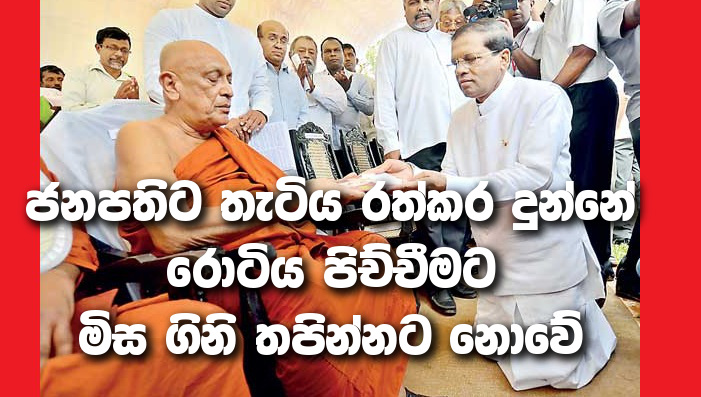
In this week’s Ravaya column, (appearing in issue of 15 Nov 2015), I pay tribute to Maduluwawe Sobitha thero (1942 – 2015), a Buddhist monk who led an extraordinarily political life.

The fearless and politically engaged Buddhist monk stood up to every Lankan head of state beginning with President J R Jayewardene (in office: 1977-1988). He never hesitated or minced his words when he sensed that elected leaders were overstepping their mandate.

For over four decades, Sobitha used his powerful oratorical and organisational skills to mobilise people into peaceful political resistance. He won some battles and lost others, but never stopped fighting for people’s rights. With every struggle, he became more resolute and resourceful.

At certain times, this monk was more formidable – and also more feared by rulers – than the divided and endlessly bickering opposition political parties of Sri Lanka.

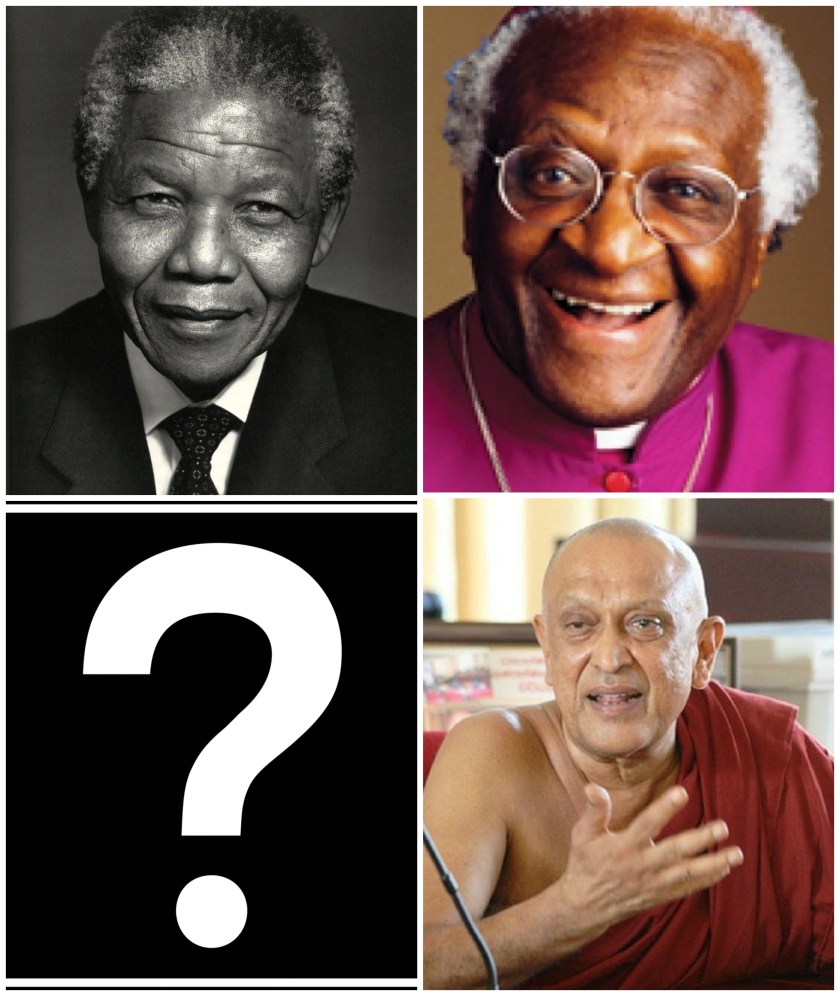
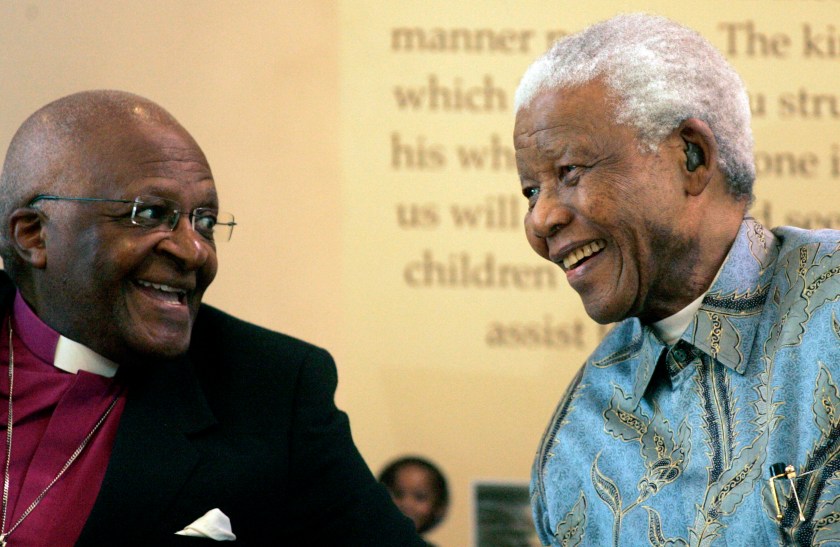
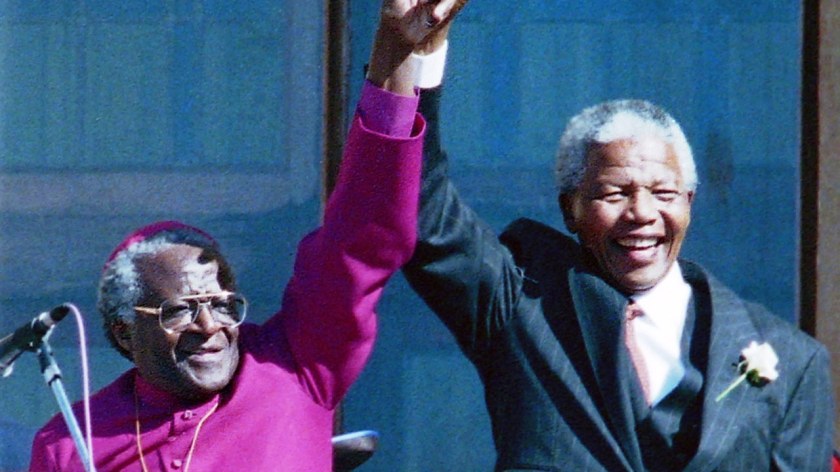
To my mind, Sobitha was like a saffron version of Desmond Tutu, the Anglican cleric who became an unstoppable force for social justice, equality and political reforms in South Africa. Both used their oratory and sense of justice to fight for all oppressed people. Neither sought any personal gains from it.

See also my tribute in English, published by Groundviews.org

Maduluwawe Sobitha Thero (1942-2015): The Monk Who Ended Sri Lanka’s Decade of Darkness

Mandela, Tutu and Sobitha

මාදුළුවාවේ සෝභිත හිමි (1942 – 2015) පිළිබඳ ගුණ කථන හා විග‍්‍රහයන් රැසක් මේ සතියේ අපට අසන්නට හා දකින්නට ලැබුණා.

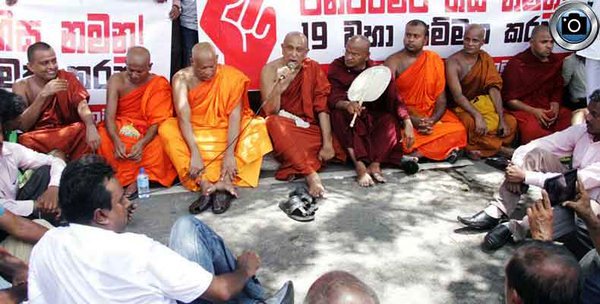
මෑත යුගයේ රටේ ජාතික, සමාජයීය හා දේශපාලන ප‍්‍රශ්නවලදී පටු වාසි තකා හෝ අන්තවාදී ස්ථාවරයන් සඳහා හෝ පෙනී නොසිට ජනතාවාදී වීම නිසාම එහිමියන්ගේ වියෝව ලක් සමාජයම කම්පාවට ලක් කළා.

මා කිසි දිනෙක සෝභිත හිමියන් පෞද්ගලිකව දැන හඳුනා ගත්තේ නැහැ. එහෙත් මුළුමනින් නිර්ආගමික මා වැන්නවුන්ටත්, රටේ බෞද්ධ හෝ වෙනත් ආගම්වලට අයත් අති බහුතරයකටත් සෝභිත හිමියන් වීරයකු වූයේ සාමයික බෙදීම් හා පක්ෂ දේශපාලනය ඉක්මවා ගිය ඔහුගේ ප‍්‍රතිපත්ති නිසායි.

සෝභිත හිමියන් මා ජීවමානව අවසන් වරට දුටුවේ ගිය වසරේ මැදදී. 2014 අගෝස්තු 4 වනදා කොළඹ BMICH ශාලාවේ පැවති සර්වෝදය දෙවැනි ජාතික දේශෝදය සම්මේලනයේදී. මහාචාර්ය බෙල්ලන්විල විමලරතන හිමි, ආචාර්ය ජයම්පති වික‍්‍රමරත්න, මහාචාර්ය සරත් විජේසූරිය හා ආචාර්ය ඒ. ටී. ආරියරත්න ඇතුළු විද්වතුන් සභාව ඇමතූ අතර මට පැවරී තිබුණේ සංවාද සැසියක් මෙහෙයවීමටයි.

යහපාලනය සංකල්පීය හා ප‍්‍රායෝගික වශයෙන් කෙසේ විය යුතුද යන්න ගැන අප එදා කතා කළේ ශ‍්‍රී ලංකාවේ 2005 සිට පැවති නීතිය වල් වැදීම, දුෂණය රජ කිරීම හා ප‍්‍රජාතන්ත‍්‍රවාදී අයිතීන් නොතකා රජය අත්තනෝමතිකව ක‍්‍රියා කිරීම ආදිය උච්චස්ථානයකට පත්ව තිබි මොහොතකයි. මෙරට ගනඳුරු දශකය කවදා කෙලෙසකින් නිම වේදැයි අප කිසිවකුත් ඒ වන විට දැන සිටියේ නැහැ.

Sarvodaya leader Dr A T Ariyaratne presenting his autobiography to Ven Sobitha at BMICH on 4 Aug 2014 (Sarvodaya photo)

එදින රැස්වීමට දිවයිනේ හැම දිස්ත‍්‍රික්කයක්ම නියෝජනය කරමින් සිවිල් සමාජ සාමාජිකයන් 1,500කට වැඩි පිරිසක් පැමිණ සිටියා. ඔවුන් හා අප සැම දෙනා ප‍්‍රමෝදයට පත් වූයේ ටික වේලාවකට හෝ සෝභිත හිමියන් එහි පැමිණි විටයි. එහිමියන් ඉතා කෙටියෙන් එම තීරණාත්මක හෝරාවේ රට යා යුතු මග ගැන කතා කළ බව මට මතකයි.

ඒ වනවිට සෝභිත හිමියන් නිරතව සිටියේ ඔහුගේ ජීවිතයේ දැවැන්තම අරගලයේයි. නිදහස් හා සාධාරණ සමාජයක් සඳහා වූ ජාතික ව්‍යාපාරය බිහිකොට එයට නායකත්වය දෙමින් සිටි ඔහුට ඕනෑ වූයේ හුදෙක් පවතින රජය පෙරළා වෙනත් රජයක් ප‍්‍රජාතන්ත‍්‍රවාදීව පත් කර ගන්නට නොවෙයි. ඉන් ඔබ්බට හා ගැඹුරින් දිවෙන ක‍්‍රමීය වෙනසක් කරන්නටයි.

විධායක ජනාධිපති ක‍්‍රමය අහෝසි කිරීමේ අරමුණින් ඇරැඹි ව්‍යාපාරය පසුව යහපාලනය සඳහා මහජන රැල්ලක් හා බලවේගයක් බවට පත්වීමට දායක වූ ප‍්‍රධානතම සමාජ ක‍්‍රියාකාරිකයා ඔහුයි.

Sobitha (with microphone in hand) was always at the forefront in public agitations for political reform

සෝභිත හිමියන් සමීපව ඇසුරු කළ මාධ්‍යවේදී ධර්මන් වික‍්‍රමරත්න කියන්නේ ජනතා අරගලවලට සක‍්‍රියව සහභාගි වීම එහිමියන් ඇරැඹුවේ 1960 දශකයේ ශ‍්‍රී ජයවර්ධනපුර සරසවියේ (එවකට විද්‍යොදය) ශිෂ්‍ය නායකයකුව සිටි අවදියේ බවයි.

යහපත් වැඩකිරීම සඳහා පක්ෂ භේද නොතකා දේශපාලකයන්ට අනුබලය දුන් අතර අයුක්තිය හා අසාධාරණත්වයට එරෙහිව ඕනෑම ජගතෙකුට නොබියව විරුද්ධ වීම සෝභිත හිමියන්ගේ අදීන චරිත ගතියයි. එහිදී කලක් තමන් සමග සමීපව ක‍්‍රියා කළ දේශපාලකයන් පවා පසු කලෙක අයාලේ ගිය විට ඔවුන්ව ප‍්‍රසිද්ධියේම විවේචනය කළා.

‘සෝභිත හිමියන් කිසිදා කිසිදු දේශපාලන පක්ෂයකට බැඳුනේ නැහැ. එසේම කිසිදු නායකයකුට එරෙහි වීමට පසුබට වූයේද නැහැ. එසේ කරන විට මතුවූ තර්ජන, ගර්ජන, බාධක රැසක් හමුවේ ප‍්‍රතිපත්තිගරුක ස්ථාවරයන් වෙනස් කළේද නැහැ’ ධර්මන් කියනවා.

එනයින් බලන විට සෝභිත හිමියන් ජීවිත කාලය පුරාම විවිධාකාර අධිපතිවාදයන්ට එරෙහි වූවා යැයි කිව හැකියි. 20 වන සියවසේ සමාජයීය හා දේශපාලන අරගලයන්ට නායකත්වය හෝ මඟපෙන්වීම සැපයූ යක්කඩුවේ ප‍්‍රඥාරාම, කොටහේනේ පඤ්ඤාකිත්ති, උඩකැන්දවල සරණංකර (1902-1966) හා වල්පොල රාහුල (1907-1997) යන අසාමාන්‍ය ගණයේ හිමිවරුන්ට සෝභිත හිමියන් සම කළ හැකි බව ධර්මන්ගේ අදහසයි.

ජාත්‍යන්තරවද සෝභිත හිමියන්ගේ අද්විතීය චරිතයට සම කළ හැකි චරිතයක් මා දකිනවා. එනම් දකුණු අප‍්‍රිකාවේ වර්ණභේදවාදයට හා සෙසු සියලූ සමාජ අසාධාරණකම්වලට එරෙහිව අඩ සියවසකට වැඩි කලක් නිරායුධ හා මතවාදී අරගල කරන කේප්ටවුන් නුවර හිටපු ආච්බිෂොප්වරයා වන ඩෙස්මන්ඞ් ටූටූ (Desmond Tutu)’

ඔහු ඇංග්ලිකානු නිකායේ ක‍්‍රිස්තියානි පූජකවරයකු වුවත් එරට හා ලෝකයම හඳුනන්නේ පූජක මට්ටමකින් ඔබ්බට ගොස් මානව අයිතීන් හා සමාජ සාධාරණත්වයට කැප වූ මානව හිතවාදියකු ලෙසයි.

නෙල්සන් මැන්ඩෙලා දකුණු අපි‍්‍රකාව යළි ගොඩ නැංවීමේ දුෂ්කර කාරියේ නඬේ ගුරා වන විට ඔහුට දේශපාලන කරලියෙන් පිටත සිට ඉතා තීරණාත්මක සහයෝගයක් දුන්නේ ටූටූයි.

Former South African President Nelson Mandela, right, reacts with Archbishop Desmond Tutu, left, during the launch of a Walter and Albertina Sisulu exhibition, called, 'Parenting a Nation', at the Nelson Mandela Foundation in Johannesburg, South Africa, on 12 March 2008 (AP Photo/Themba Hadebe)
Former South African President Nelson Mandela, right, reacts with Archbishop Desmond Tutu, left, during the launch of a Walter and Albertina Sisulu exhibition, called, ‘Parenting a Nation’, at the Nelson Mandela Foundation in Johannesburg, South Africa, on 12 March 2008 (AP Photo/Themba Hadebe)

1931 උපන් ඔහු බි‍්‍රතාන්‍යයේ දේවධර්මවාදය උගත්, කථාවෙහි හා විවාදයෙහි අති දක්‍ෂ කඵ ජාතිකයෙක්. වර්ණභේදවාදයේ උච්චතම වකවානුවේ (1970 – 1980 දශකවල) ඔහු එහි ම්ලේච්ඡ ස්වභාවය බටහිර රටවලට මනා සේ පැහැදිලි කර දුන්නා.

දකුණු අපි‍්‍රකාවේ නිදහස් අරගලය සුදු, කඵ, මිශි‍්‍රත හැමගේ අරගලයක් බවට දිගින් දිගට ම ඔහු හඩ නැගුවේ මැන්ඩෙලා නිහඩ කොට සිරගත කොට සිටින කාලයේ පටන්. පලිගැනීමේ හා වෛරයේ දේශපාලනයෙන් ANC පාක්‍ෂිකයන් මුදවා ගෙන සමාව දීමේ මාර්ගයට යොමු කරන්නට සාමයික හා දාර්ශනික මට්ටමෙන් ද ටූටූ ඉතා විශාල මෙහෙවරක් ඉටු කළා.

සාමය හා සාධාරණත්වය උදෙසා අවිහිංසාවේ හඩ නැගීම වෙනුවෙන් 1984 නොබෙල් සාම ත්‍යාගය ඔහුට පිරි නැමුණා.

දකුණු අප‍්‍රිකාවේ හා ශ‍්‍රී ලංකාවේ දේශපාලන හා ඓතිහාසික යථාර්ථයන් බෙහෙවින් වෙනස්. එහෙත් පුළුල් චිත‍්‍ර මට්ටමින් බලන විට දෙරටෙහිම සමාජ සාධාරණත්වය සඳහා නොනිමි අරගලයක් ඉදිරියට ඇදෙන බව මා දකිනවා.

දකුණු අප‍්‍රිකාවේ එම අරගලයට දේශපාලන නායකත්වය දුන් නෙල්සන් මැන්ඩෙලා ප‍්‍රමුඛ අප‍්‍රිකානු ජාතික කොංග‍්‍රස් නායකයන් ගණනාවක් සිටියා. මේ උදවිය කෙටි කාලීනව ජනප‍්‍රිය නමුත් දිගු කාලීනව අහිතකර ප‍්‍රතිපත්ති හා තීරණවලට එළඹෙන විට විචාරශිලීව ඔවුන්ට එය පෙන්වා දී වළක්වා ගැනීමේ හැකියාව තිබූ කලාකරුවන්, විද්වතුන් හා සමාජ ක‍්‍රියාකාරිකයන් ගණනාවක් මැන්ඩෙලාට සවියක් වූ සැටි මීට පෙර කොලමකින් මා විස්තර කළා.

නෙල්සන් මැන්ඩෙලාගේ හා දකුණූ අපි‍්‍රකාවේ වාසනාවට මෙන් නැඞීන් ගෝඩිමර්, ඩෙස්මන්ඞ් ටූටූ වැනි සම්මානීය, නිදහස් මතධාරීන් ගණනාවක් වර්ණභේදවාදය පිටු දකින්නට හා ඉන් පසු නව දේශයක් බිහි කරන්නට ඒක රාශී වුණා. මැන්ඩෙලා දේශපාලන ගනුදෙනු කරමින් පාක්‍ෂිකයන් සතුටු කරන්නට ඇතැම් විට කෙටිකාලීන පියවර ගන්නට යන විට ඔහුව දේශපාලන මඩගොහොරු හා බොරු වලවලින් බේරා ගත්තේ මෙබදු විචාරශීලි සහෘදයන්.

මෙසේ දේශපාලන නායකයන්ට තිරසාර මග පෙන්වීමක් කළ, ඔවුන් අයාලේ යන විට මුලින් පෞද්ගලිකවත් පසුව ප‍්‍රසිද්ධියේත් ඔවුන්ට දැඩි අවවාද හෝ අවලාද කොට හරිමඟට ගැනීමේ හැකියාව තිබූ අය අතර ටූටූ ප‍්‍රමුඛයා වුණා.

මැන්ඩෙලා වුවත් ඉඳහිට නොමනා තීරණ ගත්විට හෝ නිසිකලට ප‍්‍රශ්න නොවිසඳා ‘වැට උඩ සිටින විට ඔහු යහමගට ගැනීමේ හැකියාව ටූටූ සතු වුණා.

Tutu and Mandela complemented each other

1994දි ප‍්‍රථම වතාවට සර්ව ජන ඡන්දය සියලූ වැඩිහිටියන්ට හිමිවූ මැතිවරණයකින් ප‍්‍රජාතන්ත‍්‍රවාදී රජයක් බලයට පත්වූ පසු ටූටූ සිය අවධානය යොමු කළේ සංහිඳියාව සඳහායි. දහක පහකට වඩා දැඩි ලෙස බෙදී, ධ‍්‍රැවීකරණය වී තිබූ බහුවාර්ගික හා බහුආගමික දකුණු අප‍්‍රිකානු සමාජය ටිකෙන් ටික සුවපත් කිරීමේ වගකීමට ඔහු උර දුන්නා. ඒ පූජකයකු ලෙස නොව දාර්ශනිකයකු, මානව හිතවාදියෙකු හා ජාතියේම ප‍්‍රණාමයට පත් ජ්‍යෙෂ්ඨ පුරවැසියකු ලෙසින්.

1994න් පසු බිහි වෙමින් පවතින නව දකුණු අප‍්‍රිකාවට දේදුනු දේශය (Rainbow Nation) ලෙස නම් තැබුවේත් ඔහුයි. විවිධ ජාතීන් හා ගෝත‍්‍ර දුසිම් ගණනක් එක් කැරෙන මේ දේශය සංස්කෘතික හා සමාජයීය විවිධත්වයේ ප‍්‍රතිමූර්තියක් විය යුතු බව ඔහුගේ දැක්ම වුණා. මේ නම ගැන සමහරුන්ට විවේචන ඇතත් එක් ධජයක් යට ජාතික අනන්‍යතාවක් බිහි කරන්නට දකුණු අප‍්‍රිකාවට දශක දෙකකට වැඩි කාලයක් ගුරුහරුකම් දෙන්නේ ටූටූ.

වර්ණභේදවාදය නිමා කරන්නට ටූටූ මහත් සේ දායක වූවත් 1994න් පසු කිසිදු දේශපාලන හෝ පොදු ආයතනික තනතුරක් භාර ගත්තේ නැහැ. 1996-2000 වකවානුවේ සත්‍යය හා සංහිඳියාව පිළිබඳ කොමිසමේ සභාපතිවරයා ලෙස නම් අතිශයින් වැදගත් මෙහෙවරක් ඔහු ඉටු කළා.

මෙකී නොකී බොහෝ සාධක නිසා දකුණු අප‍්‍රිකාවේ හෘද සාක්ෂිය ලෙස සැලකෙන්නේ දැනට 84 වියැති ටූටූයි.

වරක් මැන්ඩෙලා ඔහු ගැන මෙසේ කීවා. ‘ටූටූ විටෙක ඉතා මෙලෙක්. තවත් විටෙක ඉතා දැඩියි. කිසි විටෙක බිය නැහැ. එසේම බොහෝ විට සිනාමුසු හා හාස්‍යලෝලී චරිතයක්. මිලියන ගණනක හඬක් නැති අපේ ජනයාගේ හඬ වන්නේ ඔහුයි.’

ඩෙස්මන්ඞ් ටූටූ 1994 සිට බලයට පත් හැම දකුණු අපි‍්‍රකානු රජයක් ම නොබියව විවේචනය කරන අයෙක්. සිවිල් සමාජ කි‍්‍රයාකාරිකයකු ලෙස මානව හිමිකම්, HIV/AIDS, කාන්තා අයිතිවාසිකම්, පාරිසරික ප‍්‍රශ්න, දුප්පත්කම පිටුදැකීම ආදී බොහෝ වැදගත් සමාජ අරගලයන්ට අනුබල දෙනවා.

මැන්ඩෙලා සමග විවෘතව කිසි දිනෙක නොගැටුනත් 1999 මැන්ඩෙලා විශ‍්‍රාම යාමෙන් පසුව පත් වූ හැම දකුණු අප‍්‍රිකානු රාජ්‍ය නායකයකුම විටින් විට සහේතුකව ටූටූ විවේචනය කොට තිබෙනවා. ඔහු පෞද්ගලික කෝන්තර හෝ න්‍යාය පත‍්‍ර නැතිව ක‍්‍රියා කරන බව දන්නා නිසා ඔහුව එතරම් නොරිසි අයට පවා ඔහු ගැන ගෞරවයක් තිබෙනවා.

1994දී නව දකුණු අප‍්‍රිකාවක් බිහිකිරීමට උතුම් සිහින මැවූ බොහෝ දෙනා මේ වන විට ඇති-නැති පරතරය විශාල වීම හා මහා පරිමාණ දුෂණ ඉහවහා යාම ගැන දැඩි කලකිරීමට පත්ව සිටිනවා.

2013 දෙසැම්බරයේ මැන්ඩෙලා මියගිය පසු එරට ඉතිරිව සිටින දැවැන්තම ජීවමාන ජන නායකයා දැනට විශ‍්‍රාමිකව සිටින මේ පූජකවරයායි.

සෝභිත හිමි හා ඩෙස්මන්ඞ් ටූටූගේ ලෝක දෙක බෙහෙවින් වෙනස් වූවත් ඔවුන්ගේ පොදු සාධක රැසක් මා දකිනවා. දෙදෙනාම තම ප‍්‍රතිපත්ති හා ක‍්‍රියාකාරකම් නිසා රාජ්‍ය මර්දනයට ලක්වූවා. බන්ධනාගාරයේ කල් ගත කළා. දෙදෙනාම විචිත‍්‍ර කථිකයන්. එසේම ජනකාන්ත (charismatic) පෞර්ෂයක් සතුයි.

දේශපාලන ප‍්‍රතිසංස්කරණවලින් ඔබ්බට ගිය සමාජ සේවා කටයුතුවලද දෙදෙනාම පුළුල්ව නිරත වූවා. ටූටූ සිය රටේ HIV පැතිරීමට එරෙහිව සමාජ බලවේග ගොඩ නැගූ අතර, සෝභිත හිමි අමද්‍යප ව්‍යාපාරයට නායකත්වය දුන්නා. මත්පැන්, මත්ද්‍රව්‍ය සමාජය ගිල ගැනීමට එරෙහිව හඬ නැංවූවා. මත්ද්‍රව්‍ය හා දේශපාලනය අතර නොමනා සබඳතාව බිඳින්නට තැත් කළා.

මීට දින කිහිපයකට පෙර පුවත්පත් සම්මුඛ සාකච්ඡාවකදී මහාචාර්ය සරත් විජේසූරිය කීවේ එතනෝල්, කුඩු ඡාවාරම් සිදුකළ බවට නම් දැරූ දේශපාලකයන් යහපාලන රජයේ ලොකු පුටුවලට පත්වීම සෝභිත හිමියන්ට දැඩි ලෙස මානසික පීඩාවක් ඇති කළ බවයි. ‘මගේ පෞද්ගලික අදහස තමයි සෝභිත හිමියන් බරපතළ ලෙස අසාධ්‍ය වෙන්න, මානසික පීඩාවට පත් වෙන්න ඔය කාරණය දැඩි ලෙස බලපෑවා කියන එක’ ඔහු කියනවා.

Sobitha was a genius of one-liners in Sinhala, like this one

හුදු සිවිල් සමාජ ක‍්‍රියාකාරිකයන්ගේ සංකල්පයක්ව තිබූ යහපාලනය මෙරට සාමාන්‍ය ජනයා අතර සමාජ ගත කරන්නට මහත් සේ දායක වූ සෝභිත හිමියන්, යහපාලනය අයාලේ යන සැටි බලා මහත් සේ කම්පා වන්නට ඇති.

ඩෙස්මන්ඞ් ටූටූට අවශ් විටෙකදී ටිකක් සැරවැර කොට හදා ගන්නට හැකි නෙල්සන් මැන්ඩෙලා කෙනෙකු සිටියා. මැන්ඩෙලාගාන්ධි රූප සිය මැතිවරණ ව්යාපායේ භාවිත කළත් මෛතරීපාල සිරිසේන එකී පරමාදර්ශී චරිත සතු වූ රතිපත්ති ගරුක බව රියාවෙන් පෙන්වීමට අසමත්ව සිටිනවා.

සෝභිත හිමියන්ට මැන්ඩෙලා කෙනෙකු මෙරට නොසිටීම එහිමියන්ගේ පමණක් නොව අප සැමගේ ඛේදවාචකයයි.

යහපාලනය යනු මැතිවරණ උද්යොග පාඨයක් නොව දිනපතා පිළිපැදිය යුතු රතිපත්ති හා රියා සමුදායක් බව වත්මන් ජනපති හා අගමැති දෙපලට දැන්වත් තේරුම් ගියොත් හොඳයි!

සෝභිත හිමියන්ට කළ හැකි ලොකුම උපහාරයද එයයි.

See also:

21 July 2013: සිවුමංසල කොලූගැටයා #126 නෙල්සන් මැන්ඩෙලා: ගමන නොනිමෙයි!

28 July 2013: සිවුමංසල කොලූගැටයා #127: මැන්ඩෙලාට සවියක් වූ නිදහස් මතධාරියෝ

Sobitha meme - Sinhala