Echelon June 2015 column: Sri Lanka – Unclear on Nuclear

Text of my column written for Echelon monthly business magazine, Sri Lanka, June 2015 issue

Sri Lanka: Unclear on Nuclear

 By Nalaka Gunawardene
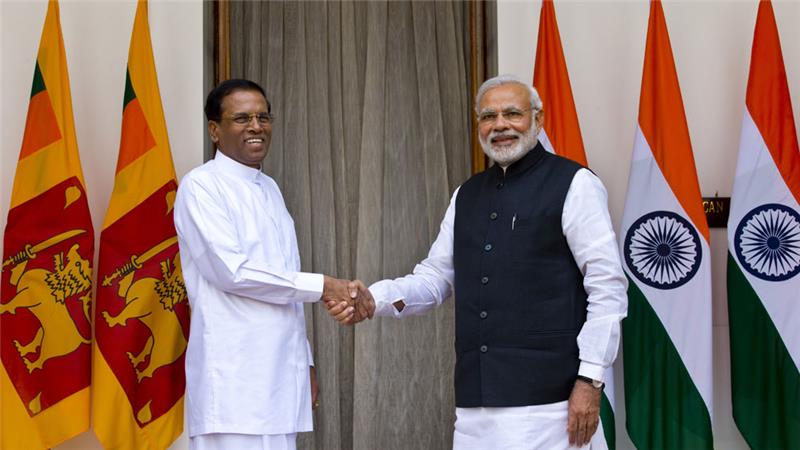
Sri Lanka's President Maithripala Sirisena meets Indian Prime Minister Narendra Modi in New Delhi, 16 Feb 2015
Sri Lanka’s President Maithripala Sirisena meets Indian Prime Minister Narendra Modi in New Delhi, 16 Feb 2015

Should Sri Lanka consider nuclear energy for its medium to meet its long term electricity generation needs?

This has been debated for years in scientific and policy circles. It has come into sharp focus again after Sri Lanka signed a bilateral agreement with India “to cooperate in peaceful uses of nuclear energy”.

Under the agreement, signed in New Delhi on 16 February 2015 during President Maithripala Sirisena’s first overseas visit, India will help Sri Lanka build its nuclear energy infrastructure, upgrade existing nuclear technologies and train specialised staff. The two countries will also collaborate in producing and using radioactive isotopes.

On the same day, a story filed from the Indian capital by the Reuters news agency said, “India could also sell light small-scale nuclear reactors to Sri Lanka which wants to establish 600 megawatts of nuclear capacity by 2030”.

This was neither confirmed nor denied by officials. The full text has not been made public, but a summary appeared on the website of Sri Lanka’s Atomic Energy Board. In it, AEB reassured the public that the deal does not allow India to “unload any radioactive wastes” in Sri Lanka, and that all joint activities will comply with standards and guidelines set by the International Atomic Energy Agency (IAEA), a UN body in which both governments are members.

According to AEB, Sri Lanka has also signed a memorandum of understanding on nuclear cooperation with Russia, while another is being worked out with Pakistan.

Beyond such generalities, no specific plans have been disclosed. We need more clarity, transparency and adequate public debate on such a vital issue with many economic, health and environmental implications. Yaha-paalanaya (good governance) demands nothing less.

Radiation_sign_cropped

 South Asia’s nuclear plans

The South Asian precedent is not encouraging. Our neighbouring countries with more advanced in nuclear programmes have long practised a high level of opacity and secrecy.

Two countries — India and Pakistan – already have functional nuclear power plants, which generate around 4% of electricity in each country. Both have ambitious expansion plans involving global leaders in the field like China, France, Russia and the United States. Bangladesh will soon join the nuclear club: it is building two Russian-supplied nuclear power reactors, the first of which will be operational by 2020.

India and Pakistan also possess home-built nuclear weapons, and have refused to sign the Treaty on the Non-Proliferation of Nuclear Weapons (NPT). Specifics of their arsenals remain unknown.

Both countries have historically treated their civilian and military nuclear establishments as ‘sacred cows’ beyond any public scrutiny. India’s Official Secrets Act of 1923 covers its nuclear energy programme which cannot be questioned by the public or media. Even senior Parliamentarians complain about the lack of specific information.

It is the same, if not worse, in Pakistan. Pakistani nuclear physicist Dr Pervez Hoodbhoy, an analyst on science and security, finds this unacceptable. “Our nuclear power programme is opaque since it was earlier connected to the weapons programme. Under secrecy, citizens have much essential information hidden from them both in terms of safety and costs.”

Safety of nuclear energy dominates the agenda more than four years after Japan’s Fukushima nuclear accident of March 2011. The memories of Chernobyl (April 1986) still linger. These concerns were flagged in a recent online debate on South Asia’s critical nuclear issues that I moderated for SciDev.Net. With five panellists drawn from across the opinion spectrum, the debate highlighted just how polarised positions are when it comes to anything nuclear in our part of the world.
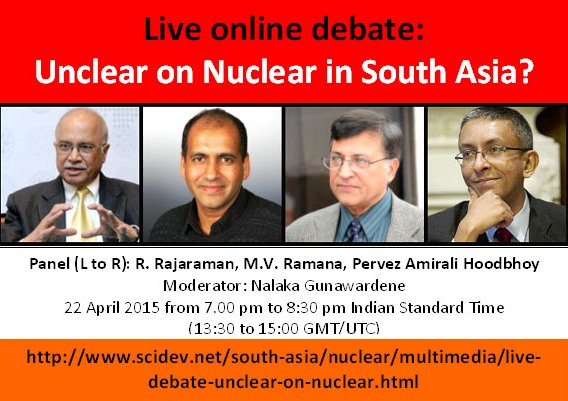
Nuclear debate promo

Bottomline

The bottomline: all South Asian countries need more electricity as their economies grow. Evidence suggests that increasing electricity consumption per capita enhance socio-economic development.

The World Bank says South Asia has around 500 million people living without electricity (most of them in India). Many who are connected to national grids have partial and uneven supply due to frequent power outages or scheduled power cuts.

The challenge is how to generate sufficient electricity, and fast enough, without high costs or high risks? What is the optimum mix of options: should nuclear be considered alongside hydro, thermal, solar and other sources?

In 2013, Sri Lanka’s total installed electricity generation capacity in the grid was 3,290 MegaWatts (MW). The system generated a total electricity volume of 12,019.6 GigWatt-hours (GWh) that year. The relative proportions contributed by hydro, thermal and new renewable energies (wind, solar and biomass) vary from year to year. (Details at: http://www.info.energy.gov.lk/)

In a year of good rainfall, (such as 2013), half of the electricity can still come from hydro – the cheapest kind to generate. But rainfall is unpredictable, and in any case, our hydro potential is almost fully tapped. For some years now, it is imported oil and coal that account for a lion’s share of our electricity. Their costs depend on international market prices and the USD/LKR exchange rate.
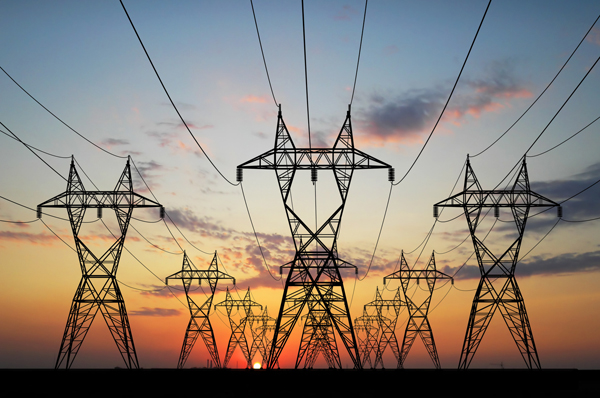
Image courtesy Ministry of Power and Energy, Sri Lanka, website

Should Sri Lanka phase in nuclear power at some point in the next two decades to meet demand that keeps rising with lifestyles and aspirations? Much more debate is needed before such a decision.

Nuclear isn’t a panacea. In 2003, a study by the Massachusetts Institute of Technology (MIT) on the future of nuclear power traced the “limited prospects for nuclear power” to four unresolved problems, i.e. costs, safety, waste and proliferation (http://web.mit.edu/nuclearpower/).

A dozen years on, the nuclear industry is in slow decline in most parts of the world says Dr M V Ramana, a physicist with the Program on Science and Global Security at Woodrow Wilson School of Public and International Affairs at Princeton University. “In 1996, nuclear power contributed about 17.6% to the world’s electricity. By 2013, it was been reduced to a little over 10%. A large factor in this decline has been the fact that it was unable to compete economically with other sources of power generation.”

Safety issues

Beyond capital and recurrent cost considerations, issues of public safety and operator liability dominate the nuclear debate.

Take, for example, Pakistan’s recent decision to install two Chinese-supplied 1,100 MW reactors near Karachi, a megacity that packs almost Sri Lanka’s population. When concerned citizens challenged this in court, the government pleaded “national security was at stake” and so the public could not be involved in the process.

Dr Hoodbhoy is unconvinced, and cautions that his country is treading on very dangerous ground. He worries about what can go wrong – including reactor design problems, terrorist attacks, and the poor safety culture in South Asia that can lead to operator error.

He says: “The reactors to be built in Karachi are a Chinese design that has not yet been built or tested anywhere, not even in China. They are to be sited in a city of 20 million which is also the world’s fastest growing and most chaotic megalopolis. Evacuating Karachi in the event of a Fukushima or Chernobyl-like disaster is inconceivable!”

Princeton’s Dr Ramana, who has researched about opacity of India’s nuclear programmes, found similar aloofness. “The claim about national security is a way to close off democratic debate rather than a serious expression of some concern. It should be the responsibility of authorities to explain exactly in what way national security is affected.”

See also: India’s Nuclear Enclave and Practice of Secrecy. By M V Ramana. Chapter in ‘South Asian Cultures of the Bomb’ (Itty Abraham, ed., Indiana University Press, 2009)

Construction of the Koodankulam Nuclear Power Plant in Tamil Nadu

 Nuclear Dilemmas

Putting the nuclear ‘genie’ back in the bottle may not be realistic. The World Nuclear Association, an industry network, says there were 435 commercial nuclear power reactors operating in 31 countries by end 2014. Another 70 are under construction.

Following Fukushima, public apprehensions on the safety of nuclear power plants have been heightened. Governments – at least in democracies – need to be sensitive to public protests while seeking to ensure long term energy security.

By end 2014, India had 21 nuclear reactors in operation in 7 nuclear power plants, with a total installed capacity of 5,780 MW. Plans to build more have elicited sustained protests from local residents in proposed sites, as well as from national level advocacy groups.

For example, the Kudankulam Nuclear Power Plant in Tamil Nadu, southern India — which started supplying to the national power grid in mid 2013 — has drawn protests for several years. Local people are worried about radiation safety in the event of an accident – a concern shared by Sri Lanka, which at its closest (Kalpitiya) is only 225 km away.

India’s Nuclear Liability Law of 2010 covers both domestic and trans-boundary concerns. But the anti-nuclear groups are sceptical. Praful Bidwai, one of India’s leading anti-nuclear activists, says the protests have tested his country’s democracy. He has been vocal about the violent police response to protestors.
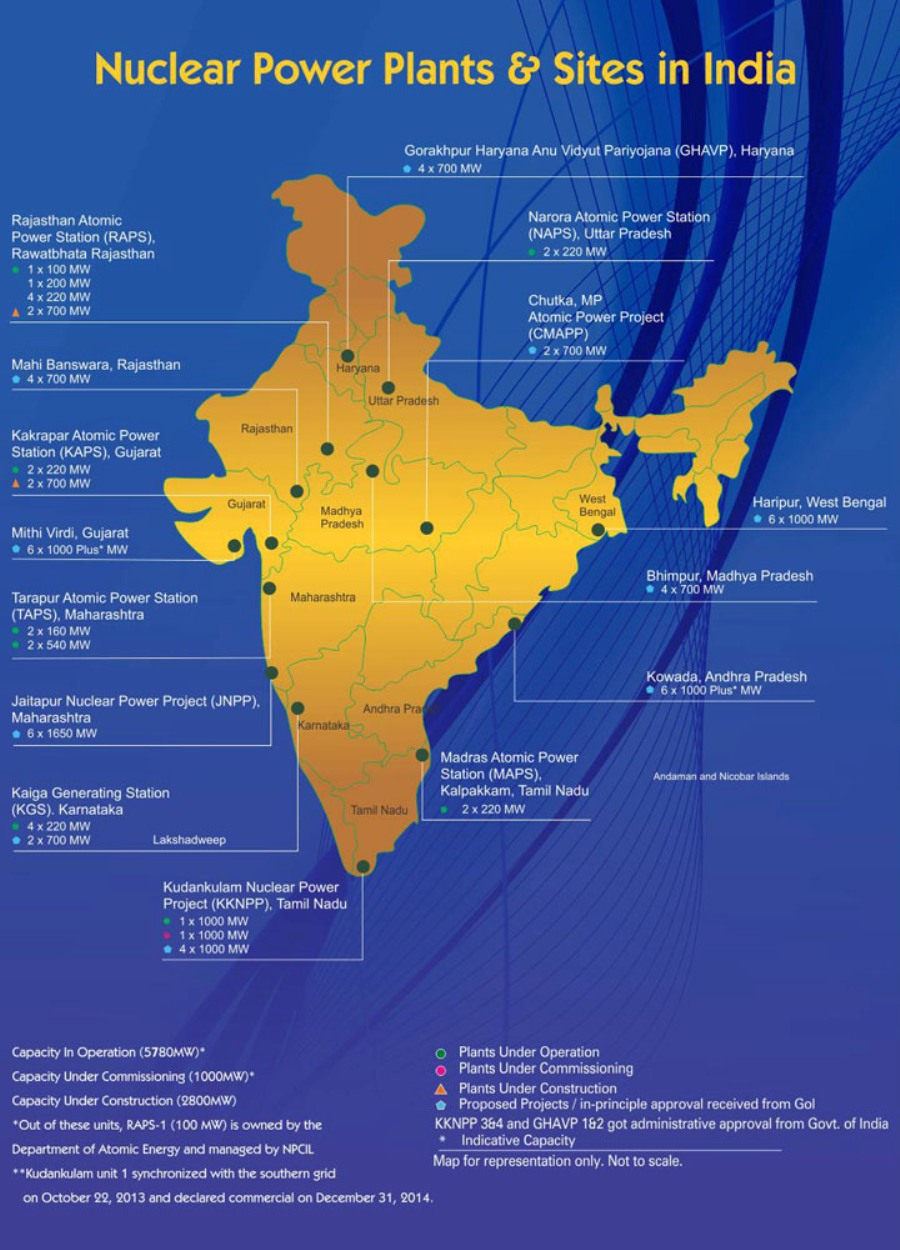
Nuclear Power Plants in India - official map 2014
Nuclear Power Plants in India – official map 2014

Meanwhile, advocates of a non-nuclear future for the region say future energy needs can be met by advances in solar and wind technologies as well as improved storage systems (batteries). India is active on this front as well: it wants to develop a solar capacity of 100,000 MW by 2022.

India’s thrust in renewables does not affect its nuclear plans. However, even pro-nuclear experts recognise the need for better governance. Dr R Rajaraman, an emeritus professor of physics at Jawaharlal Nehru University in New Delhi, wants India to retain the nuclear option — but with more transparency and accountability.

He said during our online debate: “We do need energy in India from every possible source. Nuclear energy, from all that I know, is one good source. Safety considerations are vital — but not enough to throw the baby out with the bathwater.”

Rajaraman argued that nuclear energy’s dangers need to be compared with the hazards faced by those without electricity – a development dilemma. He also urged for debate between those who promote and oppose nuclear energy, which is currently lacking.

Any discussion on nuclear energy is bound to generate more heat than light. Yet openness and evidence based discussion are essential for South Asian countries to decide whether and how nuclear power should figure in their energy mix.

In this, Sri Lanka must do better than its neighbours.

Full online debate archived at: http://www.scidev.net/south-asia/nuclear/multimedia/live-debate-unclear-on-nuclear.html

Science writer Nalaka Gunawardene is on Twitter @NalakaG and blogs at http://nalakagunawardene.com.

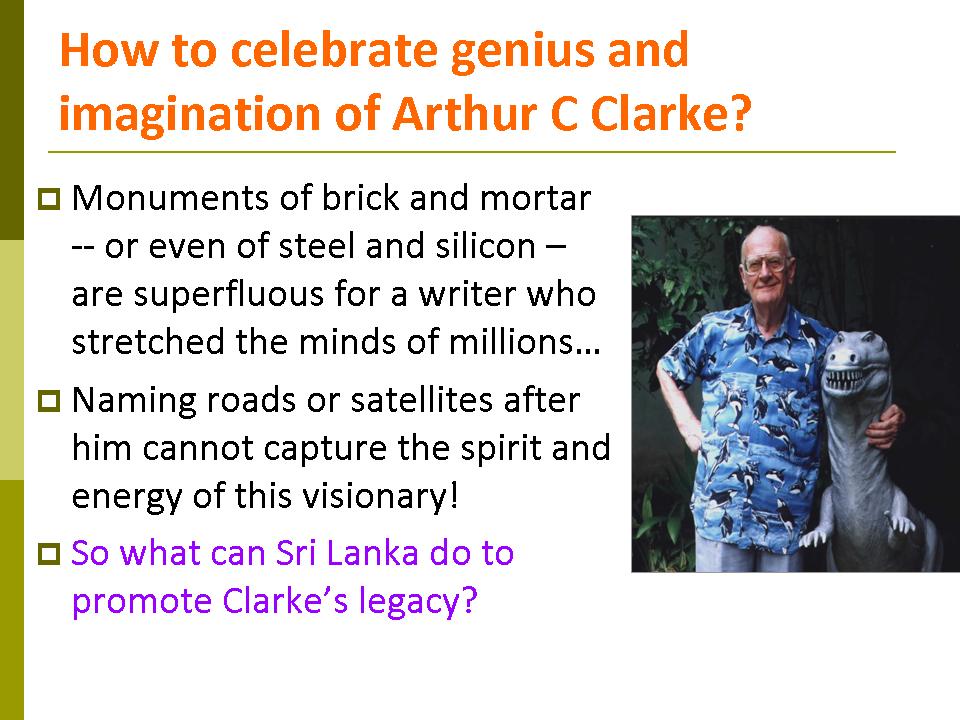
Imagine and Innovate to celebrate Sir Arthur C Clarke!

When Steven Spielberg (left) and Harrison Ford (middle) visited Arthur C Clarke in Colombo during filming of Indiana Jones and the Temple of Doom in Sri Lanka, 1983 - Photo owned by Arthur Clarke Estate
When Steven Spielberg (left) and Harrison Ford (middle) visited Arthur C Clarke in Colombo during filming of Indiana Jones and the Temple of Doom in Sri Lanka, 1983 – Photo owned by Arthur Clarke Estate

19 March 2015 marks seven years since Sir Arthur C Clarke passed away.

In the weeks and months following Sir Arthur’s death, many asked me what kind of monument was being planned in his memory. As far as the Arthur C Clarke Estate is concerned, there is none –- and that seems to surprise many.

Yet it was fully consistent with the man of ideas, imagination and dreams that Sir Arthur Clarke was. Monuments of brick and mortar — or even of steel and silicon — seem superfluous for a writer who stretched the minds of millions. Commemorative lectures or volumes cannot begin to capture the spirit and energy of the visionary who left behind a rich collection of books, papers and ideas.

Photo courtesy ORBIT '15 event organisers
Photo courtesy ORBIT ’15 event organisers

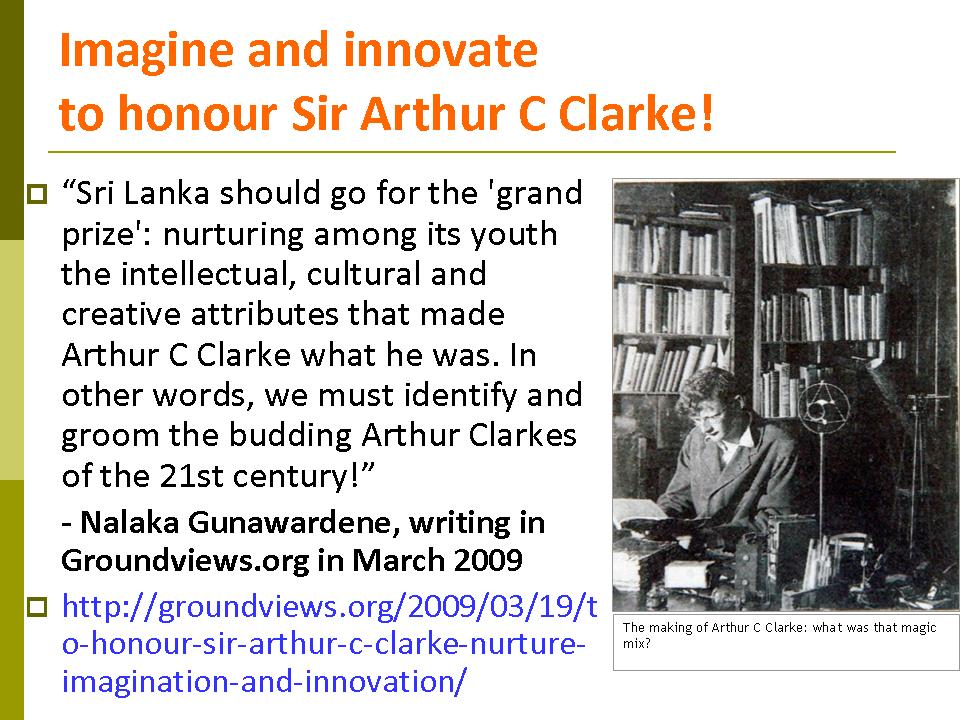
Imagine and innovate to honour Sir Arthur C Clarke! That was the theme of a tribute I wrote on the first death anniversary.

Speaking at ORBIT’15 astronomy event last week in Colombo, organised by the Astronomy & Space Science Association of D S Senanayake College, Colombo, I reiterated this point. Here are the most relevant slides from my talk:

From "Ride Your  Imagination to Space!" by Nalaka Gunawardene
From “Ride Your Imagination to Space!” by Nalaka Gunawardene
From "Ride Your  Imagination to Space!" by Nalaka Gunawardene
From “Ride Your Imagination to Space!” by Nalaka Gunawardene
From "Ride Your  Imagination to Space!" by Nalaka Gunawardene
From “Ride Your Imagination to Space!” by Nalaka Gunawardene
From "Ride Your  Imagination to Space!" by Nalaka Gunawardene
From “Ride Your Imagination to Space!” by Nalaka Gunawardene


Full PowerPoint:


සිවුමංසල කොලූගැටයා #203: මෛත‍්‍රීගේ මැන්ඩෙලා මොහොත!

I use this week’s Ravaya column (in Sinhala) to address an open letter to newly elected Sri Lanka President Maithripala Sirisena.

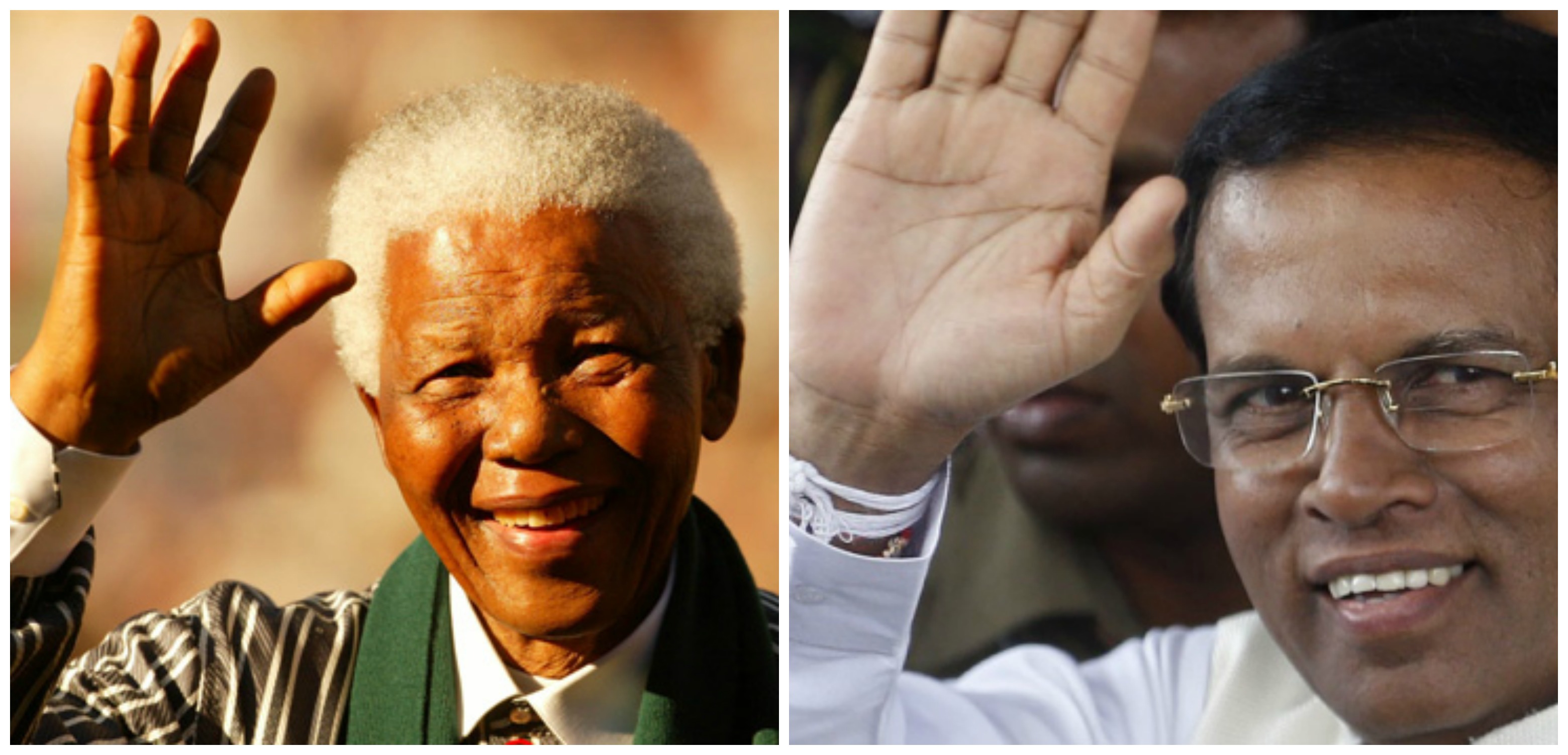
Mandela and Maithrii: Emulation must go beyond election campaign!

ජනාධිපති මෛත්‍රීපාල සිරිසේනට විවෘත ලියුමක්

ජනාධිපති මහතාණෙනි,

යුක්තිය, සාධාරණත්වය සහ යහපාලනය උදෙසා පෙනී සිටිමින් ඔබ ලැබූ මැතිවරණ ජයග‍්‍රහණයට සුබ පැතුම්!

බොහෝ බාධක, කම්කටොලූ හා අභියෝග මැද ඔබ ප‍්‍රතිපත්ති ගරුකව මැතිවරණ ව්‍යාපාරය කර ගෙන ගිය සැටි අප බලා සිටියා. එසේම ඔබ මතු කළේ හඬක් නැති සුවහසක් ලක් ජනතාවගේ අහිසංක අපේක්ෂා හා බලාපොරොත්තුයි.

ඔබ දැන් අප රටේ හැම තැනෙකම වෙසෙන සියලු ජනයාගේ ජනපතියි. එහෙත් ඔබ රජකු නොව නිශ්චිත ධූර කාලයකට පත් කර ගත් ජනතා සේවකයකු පමණයි. මැතිවරණය වකවානුවේ පුරවැසි බලය දෙපිලටම මතක් කළ පරිදි, අප මෙරට පුරවැසියන් මිස යටත්වැසියන් නොවේ!

ජනාධිපති මහතාණෙනි,

මා ඔබට මෙසේ අමතන්නේ ගරුසරු නැතිව යයි නොසිතන්න. අතිගරු, උතුමාණෙනි, මැතිතුමනි ආදී අනවශ්‍ය ලෙසින් නිවට යෙදුම් මා කවදත් යොදන්නේ නැහැ. 2012 පටන් ඉන්දියානු ජනාධිපති ප‍්‍රනාබ් මුකර්ජි හඳුන්වා දුන් උතුම් සම්ප‍්‍රදාය අපට ද ඔබින බව මගේ අදහසයි. ඒ අනුව එරට ජනාධිපතිවරයා ඇමතිය යුත්තේ “Mr President” කියා පමණයි.

වැඩවසම් යුගයේ යල් පැන ගිය යෙදුම් වෙනුවට, ජන සම්මත නායකයකු ඇමතීමේ සුදුසු සිංහල යෙදුමක් අප ද හනික සොයා ගත යුතුයි.

එසේම ගිහියකු වන ඔබ හමුවේ බාල මහලු කිසිවකුත් දණ ගැසීම කළ යුතු ඇයි? අතට අත දීම හෝ ආයුබෝවන් ආචාරය ප්‍රමාණවත් යයි ඔබම නිසි ප්‍රමිතියක් පනවනු ඇතැයි සිතමු.

2009 මැයි මාසයේ අපේ සිවිල් යුද්ධය නිමා වුණු විගස (පැය 24ක් ඇතුළත) ඉංග‍්‍රීසියෙන් මා ලියූ ලිපියක මගේ පරම්පරාවේ ඇත්තන්ගේ අනාගත බලාපොරොත්තු ගැන මා මහත් කැක්කුමකින් යුතුව කතා කළා. (“Memories of War, Dreams of Peace”, Groundviews.org, 2009 මැයි 19)

එහි මා පල කළ සමහර අදහස් මේ මොහොතේ යළි මතු කිරීම වටිනවා.

යුද්ධයේ අමිහිරි දායාදයන් අතර එකිනෙකා සැක කරන ලක් සමාජයක් ද, අප සියලූ දෙනා දෙස ඉමහත් සැකයෙන් බලන ලක් රාජ්‍යයක් ද බිහිව තිබූ බව මා කියා සිටියා. සාමයත් සමග භීතිය, සැකය දුරු කොට සහජීවනය, සුහදත්වය හා අන්‍යොන්‍ය විශ්වාසය මත පදනම් වූ රටක් ඉක්මනින් බිහි වනු ඇතැයි මා පැතුවා.

එහෙත් දැන් අප හොඳින් දන්නා පරිදි, එබන්දක් සිදු වූයේ නැහැ. ජාතීන් අතර සංහිඳියාව හා සහජීවනය වෙනුවට ජාතිවාදය හා ආගම්වාදය යළි යළිත් වපුරනු ලැබුවා. එසේම රටේ මහජනයා නිරතුරුව සැක කරන, අපේ පෞද්ගලික දුරකථන කතාබහට හොරෙන් සවන් දෙන, විපක්ෂය හා විකල්ප මතධාරීන් ගැන අසීමිත ලෙස ඔත්තු බලන රහස් පොලිස් රාජ්‍යයක් (surveillance state) බිහි වුණා.

රාජ්‍යයේ (state) තාවකාලික භාරකරුවා පමණක් වන පවතින රජය (government) හේතු සහිතව විවේචනය කිරීම පවා “බරපතල වරදක්” ලෙස හුවා දක්වනු ලැබුවා. පාලකයන් කරන කියන දේ වැඳ ගෙන අසා සිට ඔජ දමා අනුමත නොකරන සියලූ දෙනා “ජාතිද්‍රෝහීන්” යැයි නම් කරනු ලැබුවා.

මර්දනය හමුවේ සමහරුන් රට හැර පණ බේරා ගෙන පලා ගියා. විකල්ප දේශපාලන මත රැගත් වෙබ් අඩවි මෙරට සිට කියවීම අවහිර කරනු ලැබුවා. අපේ සමාජය අතිශයින් ධ‍්‍රැවීකරණය වුණා.

මේ බිහිසුණු ප‍්‍රවණතා මතු වී පැතිරෙනු බලා සිටි ඔබ, අපටත් වඩා ඉතා හොඳින් ඒ අමිහිරි මෑත අතීතය දන්නවා. එහෙත් මේ තීරණාත්මක අවස්ථාවේ ඔබ පරෙස්සම් නොවුවහොත් දැන් ඔබ වටා රොක් වන සමහරුන් ඔබේ පාලන කාලය තුළ ද පවත්වා ගන්නට තැත් කරනු ඇත්තේ එයට සමාන මර්දනයක්.

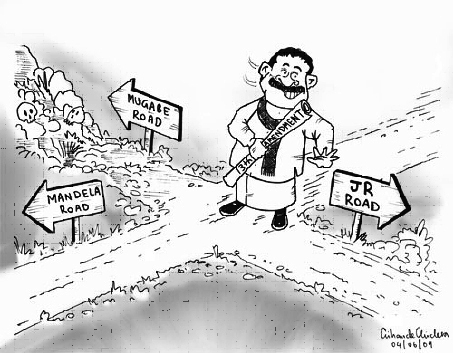
මගේ 2009 මැයි ලිපිය මා අවසන් කළේ මෙලෙසයි. ‘‘අප‍්‍රිකානු උදාහරණ අපේ රටට ගෙඩි පිටින් ආදේශ කළ නොහැකි වුවත්, මෑත ඉතිහාසයෙන් අපට ආදර්ශ ලද හැකියි. සුදු සමැති පිරිසකගේ සුළුතර පාලනයෙන් මිදුණු සිම්බාබ්වේ දේශයත්, දකුණු අප‍්‍රිකාවත් ඉනික්බිති ගමන් කර ඇත්තේ ප‍්‍රතිවිරුද්ධ දිශාවලටයි. අපේ රටේ අතිශය තීරණාත්මක මංසන්ධියකට පැමිණ ඇති මේ මොහොතේ අපේ නායකයන් තෝරා ගන්නේ මුගාබේ මාවතද – මැන්ඩෙලා මාවතද?” (“Would our leaders now choose the Mandela Road or the Mugabe Road for the journey ahead?”)

Which road to take, ponders Mahinda Rajapaksa after war victory - Cartoon by Gihan de Chickera, published in Daily MIrror, 4 June 2009 (2 weeks after Sri Lanka's civil war ended)
Which road to take, ponders Mahinda Rajapaksa after war victory – Cartoon by Gihan de Chickera, published in Daily Mirror, 4 June 2009 (2 weeks after Sri Lanka’s civil war ended)

මෙසේ ලිවීම ගැන එවකට රජයේ මාධ්‍ය ප‍්‍රකාශකයාගේ දෝෂාරෝපණයට ද මා ලක් වුණා. එහෙත් යුද්ධයෙන් පසු අපේ රට යොමු වුණේ මුගාබේ මාවතට බව නොකැමැත්තෙන් වුව ද පිළිගත යුතුයි.

යහපාලනය ගැන ප‍්‍රතිපත්ති ප‍්‍රකාශනයක් මත ජනාධිපතිවරණය දිනූ ඔබෙන් අප උදක්ම බලාපොරොත්තු වන්නේ ප‍්‍රමාද වී හෝ පශ්චාත් යුද වකවානුවේ රට ගමන් කළ මුගාබේ මාවතෙන් ඉවත්ව හැකි තාක් ඉක්මනට මැන්ඩෙලා මාවත දිශාවට අප රැගෙන යන ලෙසයි.

පවතින ව්‍යවස්ථා රාමුව හා දේශපාලන යථාර්ථය තුළ මෙය කිරීම අසීරු බව අප දන්නවා. එහෙත් මැතිවරණ ව්‍යාපාරයේදී මැන්ඩෙලා හා මහත්මා ගාන්ධිගේ රූපයන් සංවේදී ලෙස භාවිත කරමින් ඔබ ජන හදවත් තුළ දැල්වූ අපේක්ෂා නිවී යන්නට නම් ඉඩ දෙන්න එපා! (1994දී චන්ද්‍රිකා ජනපතිනිය ගැන අප සමහරෙක් මෙලෙසම තැබූ බලපොරොත්තු දෙතුන් වසරකට පසු දිය වී ගිය ආකාරය අපට මතකයි.)

ඔබට මේ දිනවල බොහෝ උපදෙස් හා ඉල්ලීම් ලැබෙනවා ඇති. ඒ ගොඩට මා එකතු කරන්නේ එකම එකක් පමණයි. එනම් නෙල්සන් මැන්ඩෙලා රූපය ඔබේ මැතිවරණ ප‍්‍රචාරණයට යොදා ගත් තැනින් නොනැවතී, මැන්ඩෙලා දැක්ම, ප‍්‍රතිපත්ති, පූර්වාදර්ශයන් හා පරමාදර්ශය හැකි තාක් අපේ දේශපාලනයට හා සමාජයට සමීප කරවන ලෙසයි.

මෙය ජන නායකයකුට ලෙහෙසියෙන් හෝ තනිව හෝ කළ හැකි දෙයක් නොවෙයි. එහෙත් මැන්ඩෙලා මෙන්ම ඔබ ද නැවත ධුර කාලයකට තරග නොකරන්නට ඔබ දිවුරුම් දුන් දිනයේම ප‍්‍රතිඥා දීම මේ දිශා වෙනසේ පෙර මග නිමිත්තක් සේ මා සළකනවා.

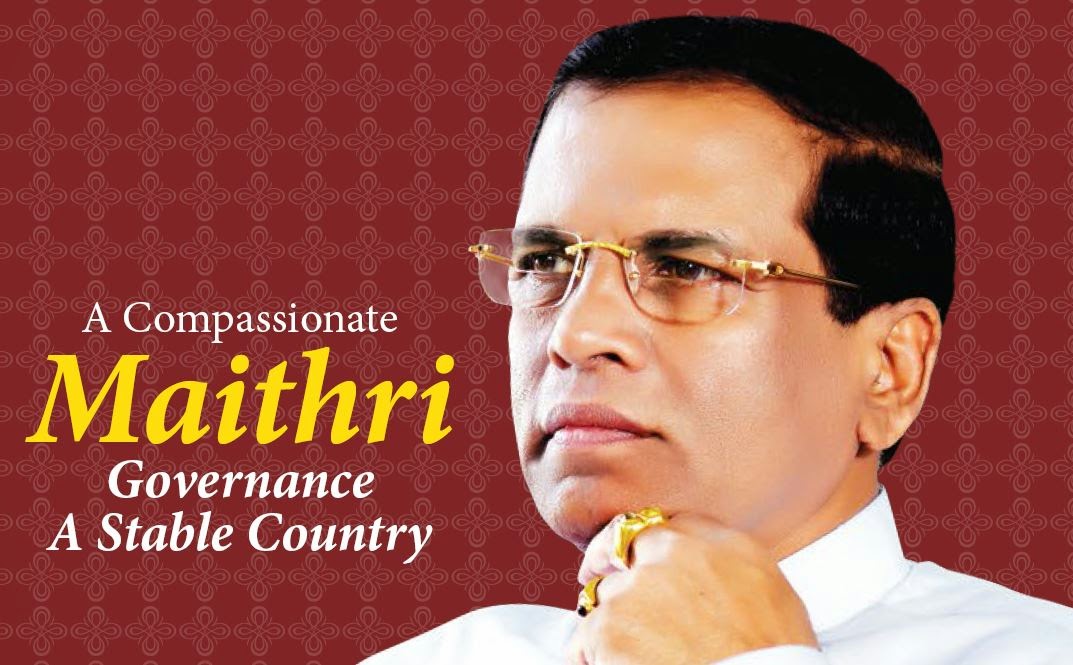
Maithripala Sirisena's campaign poster that acknowledged his inspiration from Gandhi and Mandela
Maithripala Sirisena’s campaign poster that acknowledged his inspiration from Gandhi and Mandela


අතිශයින් බෙදී තිබූ දකුණු අප‍්‍රිකාවේ සියලූ ජාතීන් හා විවිධ දේශපාලන මතධාරීන් එක් රැස් කරගෙන දේදුනු ජාතියක් බිහි කරන්නට මැන්ඩෙලා වචනයෙන් නොව ක‍්‍රියාවෙන් ද කැප වුණා. එහෙත් එයට සමාන්තරව අතීත අසාධාරණයන්ට හා හිංසාවන්ට ලක් වූ අයට කල් ගත වී හෝ සාධාරණය හා සහන ලබා දෙන්නට සත්‍යය හා සංහිඳියා කොමිසම හරහා පියවර ගත්තා.

මර්දනකාරී යුගයකින් වඩාත් නිදහස් යුගයකට පිවිසි විගස බලාපොරොත්තු හා ඉල්ලීම් රැසක් මතු වනවා. එම සංක‍්‍රාන්තියේදී ප‍්‍රතිවිරුද්ධ මත දරණ, ආවේගශීලී අනුගාමිකයන් හා සහෘදයන් සමග සාවධානව සාකච්ඡා කරමින්, එහෙත් සිය මූලික අරමුණු පාවා නොදෙමින් මැන්ඩෙලා ගිය ගමන විසි වන සියවසේ දිරිය ජිවිතයක කථාවයි.

වෛරීය දේශපාලනය හෝ මමත්ව දේශපාලනය වෙනුවට මැන්ඩෙලා කළේ සාමූහික වගකීම හා කැපවීම ඔස්සේ රටේ සියලූ පුරවැසියන්ට රට ගොඩනැංවීමට අවස්ථාව උදා කර දීමයි. නැති වී ගිය අභිමානය නැවත ඇති කිරීමයි. ඊනියා ජාතිපේ‍්‍රමය වෙනුවට සැබෑ ජාතිමාමකත්වයක් සෙමෙන් බිහි වන්නට සුදුසු ප‍්‍රතිපත්තිමය හා නීතිමය රාමුවක් රටේ බිහි කිරීමයි.

මැන්ඩෙලාගේ සන්නිවේදන දැක්ම හා ප‍්‍රවේශය ගැන මා මේ කොලමින් කිහිප වතාවක් සාකච්ඡා කොට තිබෙනවා. 2013 ඔක්තෝබර් 21දා මා ලියූ පරිදි:

“නිදහස පතා අරගල කළ වෙනත් විප්ලවකරුවන් බොහෝ විට තැත් කළේ මුඵමනින් තමන්ගේ මතයට හැකි තාක් ජනයා හැකි ඉක්මනින් නතු කර ගන්නයි. එහෙත් උද්වේගකර කථා හා වචන හරඹයන්ට වඩා නූතන මාධ්‍ය හරහා ජන මනසට සැහැල්ලූ ලෙසින් සමීප විය හැක්කේ කෙසේ ද යන්න මැන්ඩෙලා සොයා බැලූවා. මේ නිසා මැන්ඩෙලා පරමාදර්ශීය ජන නායකයකු වනවාට අමතරව සූක්‍ෂම ජන සන්නිවේදකයකු ද වනවා.”

“බලයට පත්වන බොහෝ රාජ්‍ය නායකයන් සුලබව කරන දෙයක් නම් රාජ්‍ය බලය යොදා ගෙන ජාතික මෙන් ම පෞද්ගලික විද්‍යුත් මාධ්‍ය නාලිකා හරහා දිගට හරහට රටවැසියන් ඇමතීමයි…. ඕනෑ නම් මැන්ඩෙලාටත් එබන්දක් කළ හැකිව තිබුණා. එහෙත් ටෙලිවිෂන් හරහා නිතර නිතර පෙනී සිටින දේශපාලකයන් ජනතාවට ඉක්මනින් එපා වන බව ඔහු තේරුම් ගත්තා.”

ජනතාවට නිතර දෙවේලේ බණ කියනු වෙනුවට මැන්ඩෙලා කළේ තමන්ටම තර්කානුකූලව සිතා තීරණ ගැනීමේ පුද්ගල නිදහස උදා කිරීමයි. ඒ සමගම සාමූහික වගකීම් හා යුතුකම් ගැන සියුම් ලෙස සිතන්නට සැලැස්වීමයි.

රටක් හදන්නට ජන නායකයන් පමණක් නොව ඔවුන්ට විචාරශීලීව පන්නරය දෙන එඩිතර බුද්ධිමතුන් හා කලාකරුවන් ද අත්‍යවශ්‍යයි. 2013 ජූලි 28දා මා ලියූ පරිදි: “නෙල්සන් මැන්ඩෙලාගේ හා දකුණු අපි‍්‍රකාවේ වාසනාවට නැඞීන් ගෝඩිමර්, ඩෙස්මන්ඞ් ටූටූ වැනි නිවහල් මතධාරීන් ගණනාවක් වර්ණභේදවාදය පිටු දකින්නට හා ඉන් පසු නව දේශයක් බිහි කරන්නට ඒකරාශී වුණා. මැන්ඩෙලා දේශපාලන ගනුදෙනු කරමින් පාක්‍ෂිකයන් සතුටු කරන්නට කෙටිකාලීන පියවර ගන්නට යන විට ඔහුව දේශපාලන මඩගොහොරු හා බොරුවලවලින් බේරා ගත්තේ මෙබදු විචාරශීලි සහෘදයන්.”

අවස්ථාවාදී එහෙයියන්ගෙන් හා වන්දිභට්ටයන්ගෙන් ඔබ්බට යන විචාරශීලී සහෘදයන් පිරිසක් ඔබට ද ඉක්මනින්ම ලැබේවා යයි උදක්ම පතමු!

Maithripala Sirisena manifesto cover

ජනාධිපති මහතාණෙනි,

21 වන සියවසේ ජන නායකයන් යනු නරපති මානසිකත්වය පෙරදැරි කර ගත් වැඩවසම් අධිපතිවාදීන් නොවේ. ඔවුන් ක‍්‍රියා කරන්නේ උත්පේ‍්‍රරක හැටියටයි. රසායන විද්‍යාවේ උත්පේ‍්‍රරක (catalyst) ලෙස හදුන්වන්නේ අන්තර්ක‍්‍රියා හට ගැනීමට දායක වී සෙමෙන් පසෙකට වන ආකාරයේ සංසිද්ධියක්.

රටේ සියලූ ආයතන, තන්ත‍්‍ර හා තීරණ තමා වටා කේන්ද්‍ර කර ගත් “මමයි රජා” නායකත්වයක් වෙනුවට අදට ගැළපෙන්නේ සියුම්ව හා සංවේදීව ක‍්‍රියා කරන නායකත්වයක්.

ඔබ දැන් පත්ව සිටින තනතුරේ ඉමහත් බලතල නිසා හිස උදුම්මා නොගෙන, කොයි කාගේත් හොඳ හිත දිනා ගෙන එහෙත් තීරණාත්මකව ප‍්‍රතිසංස්කරණ කිරීමට ඔබට හැකි වේවා යැයි මා පතනවා. ඒ සඳහා ජේ.ආර්.ට තිබුණු තියුණු දැක්මත්, විජේතුංගට තිබූ නිර්ව්‍යාජ ගැමි ගුණයත්, චන්ද්‍රිකාට පැවති එඩිතර භාවයත් ඔබට ලැබේවා!

ඔබේ දින සියයේ වැඩපිළිවෙළ ගැන අප සිටින්නේ අවදියෙන්. ඔබට සුබ පතන මා වැනි නිදහස් මතධාරීන් ඔබට වරදින විට එසැණින් එයට ප‍්‍රතිචාර දක්වන්නට සමාජ මාධ්‍ය යොදා ගනු ඇති. අප එය කරන්නේ කිසිදු අගතියකින් තොරව, කිසිදු ජාත්‍යන්තර කුමන්ත‍්‍රණයකට අනුගත නොවී සැබෑ ප‍්‍රජාතන්ත‍්‍රවාදය යළිත් මෙරට තහවුරු කරන්නයි.

එබඳු විසම්මුති හා විවේචන දරා ගත හැකි මහත්මා ගුණය ඔබට ඇතැයි මා සිතනවා. එසේම ඔබ වටා දැනටමත් රොක්ව සිටින වන්දිභට්ටයන්ගෙන් ප‍්‍රවේශම් වන ලෙස ද මා ඔබෙන් ප‍්‍රසිද්ධියේම ඉල්ලා සිටිනවා.

ජන සම්මතයෙන් තේරී පත් වන ජන නායකයන් ජනතාවට එපා කරවන්නේ ඔහු හෝ ඇය වටා සිටින වන්දිභට්ට පිරිසයි. මේ බව ඔබ හොඳාකාරවම දන්නවා. අඩු තරමින් ජනාධිපති චරිත දෙකකට මෙය සිදුවනු ඔබ සමීපව දුටුවා.

මේ ඔබේ දේශපාලන ජීවිතයේත් අපේ රටේත් මැන්ඩෙලා මොහොතයි (Mandela Moment). ඉතිහාසයේ මෙබඳු මොහොතක් විවරව පවතින්නේ සීමිත කාලයකට පමණයි. එය වැළඳ ගෙන, මිලියන් 21ක සියලූ ලක් ජනයා ප‍්‍රමාද වී හෝ 21 වන සියවසට කැඳවාගෙන යන්නට ඔබට දිරිය, විරිය හා දීඝායු ලැබේවා.

මෙයට,

කිසිදා ඔබට කීකරු නොවන,

සිවුමංසල කොලූ ගැටයා/නාලක ගුණවර්ධන

See also:

21 July 2013: සිවුමංසල කොලූගැටයා #126 නෙල්සන් මැන්ඩෙලා: ගමන නොනිමෙයි!

28 July 2013: සිවුමංසල කොලූගැටයා #127: මැන්ඩෙලාට සවියක් වූ නිදහස් මතධාරියෝ

20 Oct 2013: සිවුමංසල කොලූගැටයා #139: නෙල්සන් මැන්ඩෙලා විශිෂ්ට සන්නිවේදකයකු වූ සැටි


සිවුමංසල කොලූගැටයා #202: 2015 ජනාධිපතිවරණයේ සන්නිවේදන පාඩම්

In this week’s Ravaya column (in Sinhala), published in the issue dated 11 January 2015, I offer an initial analysis of media-based political campaign communications during the run-up to Sri Lanka’s 7th Presidential Election on 8 January 2015. The column was written on 5 January, as physical campaigning (meetings and outdoor promotion) came to an end. The Ravaya issue carrying this hit the newsstands on election day.

In this, I pay particular attention to the use of social media by political parties as well as independent citizens and civil society groups. I also discuss the missed opportunity of holding a televised live debate between the two main candidates – to which opposition’s common candidate Maithripala Sirisena agreed, but was declined by incumbent president Mahinda Rajapaksa.

See also my recent other columns on elections, digital democracy and social media:

සිවුමංසල කොලූගැටයා #199: සමාජ මාධ්‍ය, මැතිවරණ හා ඩිජිටල් ප‍්‍රජාතන්ත‍්‍රවාදය

සිවුමංසල කොලූගැටයා #200: ඩිජිටල් තාක්‍ෂණයෙන් මැතිවරණ ක‍්‍රියාදාමය පිරිසුදු කළ ඉන්දුනීසියාව

සිවුමංසල කොලූගැටයා #201: ශ‍්‍රී ලංකාවේ අරාබි වසන්තයක් හට ගත හැකිද?


Social media campaign by citizen groups to encourage everyone to vote in #PresPollSL

මා මේ කොලම ලියන්නේ 2015 ජනාධිපතිවරණයට තෙදිනකට පෙරයි. මෙය මුද්‍රණයෙන් පිට වන විට ජනාධිපතිවරණ ප‍්‍රතිඵල ලැබෙමින් පවතිනු ඇති. පක්ෂ දේශපාලනයෙන් ඔබ්බට ගිය දේශපාලන සංවාද ඉතා අවශ්‍ය මොහොතක් ඉක්බිති එළැඹෙනවා. එයට දායක වෙමින්, ගෙවී ගිය සති කිහිපයේ ජනාධිපතිවරණය වටා සිදු වූ සන්නිවේදන ක‍්‍රියාදාමයන් ගැන මුල් අදියරේ විග‍්‍රහයක් අපට දැන් කළ හැකියි.

ජනාධිපතිවරණ සන්නිවේදනයේ යෙදුණේ මැතිවරණ කොමසාරිස්වරයා, අපේක්ෂකයන් 19 දෙනා හා ඔවුන්ගේ අනුගාමිකයන් පමණක් නොවෙයි. දේශපාලන උනන්දුව ඇති විද්වතුන්, කලාකරුවන් හා සෙසු පුරවැසියන් ද වැඩිපුර කාලය ගත කළේ මේ ගැන කතාබහ කරන්නයි. මේ සා දැඩි උනන්දුවක් මා අවසන් වරට දුටුවේ 1994දී.

විවිධ කෝණ හා මානවලින් විග‍්‍රහ කළ හැකි මේ සංසිද්ධිය මා විමසන්නේ නව සන්නිවේදන මාධ්‍යයන් හා නව මාධ්‍ය කෙසේ යොදා ගත්තා ද යන්න සෙවීමටයි. අර්ධ වැඩවසම් මානසිකත්වයක තවමත් කොටු වී සිටින ලක් සමාජය නූතනත්වය වැළඳ ගන්නට දෙගිඩියාවකින් පසු වන සැටිත් ඒ හරහා අපට දැකිය හැකියි.

එසේම මේ තරම් සන්නිවේදන මාධ්‍ය තිබියදීත් රටේ ජනමතය හරිහැටි හඳුනා ගැනීම හා කියැවීම කෙතරම් අසීරුද යන්නත් අපට පෙනී යනවා.

සමහරුන් තර්ක කරන්නේ මෙවර අධිතාක්ෂන මැතිවරණ ප්‍රචාරක කැම්පේන් තිබූ බවයි. යෝධ ටෙලිවිෂන් තිර ජනාකීර්න හන්දිවල තැබූ පමණින් හෝ ඉන්ටර්නෙට් හරහා ඉවක් බවක් නැතිව කැම්පේන් පණිවුඩ බෙදා හැරිය පමණින් ඩිජිටල් ප්‍රජාතන්ත්‍රවාදය මෙරටට ළඟා වන්නේ නැහැ.

ප්‍රධාන අපේක්ෂකයන් දෙදෙනාගේම ප්‍රචාරණ වැඩ සියුම්ව පිරික්සා බලන විට පෙනී ගියේ නව සන්නිවේදන තාක්ෂනයන් හරහා ද ඔවුන් තවමත් අනුගමනය කළේ එක දිශාවකට – එනම් කැම්පේන්කරුවන් වෙතින් මහජනයාට – ගලා ගිය පරණ තාලේ සන්නිවේදන ආකෘතියක් බවයි (one-way communications model).

ඇති තරම් සංවාද කිරීමට සමාජ මාධ්‍යවල මනා විභවයක් තිබුනත් එයට අවශය දැක්ම දෙපිලටම තිබුනේ නැහැ. මේ නිසා වෙබ් සරන මිලියන් හතරක පමණ ලක් ජනයා තම තමන් අතර කළ දේශපාලන සංවාදවලට අපේක්ෂකයන් හෝ ඔවුන්ගේ කැම්පේන් නිල වශයෙන් සම්බන්ධ වූයේ සීමිතවයි. නව දේශපාලන සන්නිවේදනයක් බිහි කිරීමේ අගනා අවස්ථාව දෙපිලම අත හැරියා.

එහෙත් සාපේක්ෂව පොදු විපක්ෂය නව මාධ්‍ය හරහා වඩාත් පුරවැසියන් සමග කථාබහ කළා යයි කිව හැකියි. රජයේ මාධ්‍ය ඔවුනට නොතිබි පසුබිම තුළ ඔවුනට මේ විකල්ප හැකි තරම් යොදා ගන්නට සිදු වූවා.

නවීන සන්නිවේදන තාක්ෂණයන් සූක්ෂම හා අවස්ථානුරූපී ලෙස භාවිත කළ තවත් පිරිසක් ද සිටියා. ඔවුන් ඍජුව දේශපාලන පක්ෂයකට හෝ පක්ෂයක් මුදල් ගෙවා සේවය ලබා ගත් දැන්වීම් ආයතනයකට හෝ අයත් නොවූ, එහෙත් දේශපාලනය හා යහපාලනය ගැන දැඩි උනන්දුවක් ඇති අයයි.

ඔවුන් තනි ගොඩකට වර්ග කරන්නත් අමාරුයි. විශේෂයෙන් ෆේස්බුක්, ට්විටර් (Twitter) හා යූටියුබ් (YouTube) ආදී සමාජ මාධ්‍ය ජාල හරහා දේශපාලන දෙපිලම විචාරයට හා අභියෝගයට ලක් කැරෙන කෙටි, ව්‍යක්ත හා ඇතැම් විට හාස්‍යජනක නිර්මාණ ඔවුන් මුදා හැරියා.

පක්ෂ මාරු කරන දේශපාලකයන්ගේ එදා-මෙදා කතා, පාලක පක්ෂයේ හා විපක්ෂයේ කයිවාරුව හා කෙරුවාව අතර පරතරය, මේ කවුරුත් රැවටීමට තැත් කරන අහිංසක ඡන්දදායකයාගේ සිහින හා අපේක්ෂා, අන්තවාදයට එරෙහිව කැරෙන සමාජ ප‍්‍රතිරෝධය ආදිය මේ නිර්මාණවලට නිමිති වුවා.

ඒවා අකුරින්, රූපයෙන් හෝ වීඩියෝවලින් සමන්විත වූ අතර අධි වියදම් දරා වෘත්තීය මට්ටමෙන් නිපදවන කැම්පේන් දැන්වීම් බොහොමයකට වඩා මේ පුරවැසි නිර්මාණ සාර්ථක වූ බව මගේ වැටහීමයි.

මෙයින් බොහොමයක නිර්මාණකරුවා කවුදැයි සොයා ගන්නත් අපහසුයි. ඒ තරමට ශීඝ‍්‍රයෙන් හා උද්ේ‍යාගයෙන් මේවා සමාජ මාධ්‍ය හා ජංගම දුරකතන හරහා බෙදා ගත් (share කළ) බැවින්. මේවා පොදුවේ හඳුන්වන්නේ වෙබ් මීම් (web memes) නමින්.

මෙරට වෙබ් මීම් උපසංස්කෘතිය ජනාධිපතිවරණය වකවානුවේ කඩඉමක් පසු කොට නව මානයකට පිවිසියා. වෘත්තීය දැන්වීම් සමාගම් හා කැම්පේන් හසුරුවන්නෝ සමහරක් මේ ස්වේච්ඡා පුරවැසි නිර්මාණ කොපි කරන්නට හා ඒවා සමග තරග කරන්න තැත් කරනු පෙනී ගියා. මේ ප‍්‍රවණතා ඉදිරි මැතිවරණවල වඩාත් ප‍්‍රබලව පැන නගිනු ඇති.

Purawesi Balaya = Citizen Power icon

පුරවැසි බලය වැනි මෑතදී බිහි වූ සිවිල් සංවිධාන හා ක‍්‍රියාකාරිකයන් ද මේ නව මීම් රැල්ල මනා සේ හසුරුවනු මා දුටුවා. මෙවර මැතිවරණයේ ඉතා පුළුල්ව ප‍්‍රතිරාවය වූ වැකියක් වූයේ ‘යටත්වැසියන් නොවී පුරවැසියන් වෙමු’ යන්නයි. මෙරට තත්කාලීන දේශපාලන හා රාජ්‍ය පාලන යථාර්ථයේ ගරා වැටීම කෙටියෙන් හා මැනවින් හසු කර ගත් මෙය ද මීම් එකක් ලෙස හැඳින්විය හැකියි.

තවත් පුරවැසි මාධ්‍යකාරියක විසින් මුදා හැරිය වැකියක් මෙසේයි. ‘උපන් දා සිට කරපු පව් නැත වරක් පැන්නොත් මල්ලියේ!’ පක්ෂ මාරු කිරීමේ ශීඝ‍්‍රතාව වැඩි වෙද්දී සංසරණයට ආ මෙය ද ඉක්මනින් සයිබර් අවකාශය පුරා පැතිර ගියා.

කාටූන් චිත‍්‍ර හැකියාව එතරම් නැතත් හොඳ හාසජ්‍යනක අදහස් මීම් රූප ලෙස බිහි වී අප කුල්මත් කළා.

මෙරට දේශපාලන සන්නිවේදන ඉතිහාසයේ ප‍්‍රථම වතාවට නාමික හෝ නිර්නාමික සාමාන්‍ය පුරවැසියන්ට නිර්මාණශීලී ලෙස දේශපාලන සිදුවීම් ගැන පොදු අවකාශයේ ඉක්මන් ප‍්‍රතිචාර දැක්වීමට හැකිව තිබෙනවා.

දේශපාලන නායකයන් හා කැම්පේන්කරුවන් කියන දෙය ඡන්දදායක මහජනතාව වැඳ ගෙන ඔහේ අසා සිටි කාලය ඉවරයි. දැන් මතුව එන්නේ අප කාටත් සංවාද විසංවාද හා තර්ක කළ හැකි නව සන්නිවේදන යථාර්ථයක්.

රටේ ජනගහනයෙන් 25%ක් පමණ ඉන්ටර්නෙට් භාවිත කරන අතර වැඩිහිටියන් අතිබහුතරයක් අත ජංගම දුරකතන තිබෙන අද දවසේ මෙබඳු සන්නිවේදනවලින් ජනමතයට ඇති වන බලපෑම සුළුපටු නොවේ. එහෙත් අපේ දේශපාලන පක්ෂ හෝ සරසවි මාධ්‍ය පර්යේෂකයන් මේ නව යථාර්ථය තවම තේරුම් ගෙන නැහැ.

බ්ලොග් රචක හා දේශපාලන විචාරක අජිත් පැරකුම් ජයසිංහ 2015 ජනවාරි 4 වැනිදා ලියූ පරිදි: “මෙම ස්වේච්ඡා මාධ්‍ය බලකාය සමාජ මාධ්‍ය අවකාශය ආක්‍රමණය කළහ. අන් කිසිදු මැතිවරණයකට වඩා මෙම ජනාධිපතිවරණයේදී සමාජ මාධ්‍ය දැවැන්ත භූමිකාවක් රඟ දැක්වූයේය. අද වන විට තරුණ පරපුරෙන් 80‍% පරිගණක සාක්ෂරතාව සහිත අය වන අතර ජංගම දුරකථනය එදිනෙදා අත්‍යවශ්‍ය මෙවලමක් වි තිබේ. මේ අය අතර සමාජ ජාල අතිශය ජනප්‍රිය යග ඔවුන්ට එහි බලපෑම දැඩිව දැනිණි. ඔවුන් හරහා පණිවුඩ ගම් නියම් ගම් දක්වා පැතිරිණි.”

අජිත් හා මා වැන්නවුන් මේ නව අවකාශයන්ට වඩාත් සමීප නිසා ඒවා අධිතක්සේරු කරනවා යැයි යමකු තර්ක කළ හැකියි. ෆේස්බුක් ජාලයට සමහරුන් නිගරුවට මෙන් යොදන ‘බුකිය’ වචනය භාවිත කරමින් මෙවන් අයකු මෑත දිනෙක කීවේ ‘බුකියේ මතය නොවෙයි බහුතරයක් ලක් සමාජයේ මතය’ යනුවෙන්.

මැතිවරණ ප‍්‍රතිඵල හරහා මෙහි යථාර්ථය පෙනී යනු ඇති. එහෙත් මිලියන් හතරක් පමණ ලාංකිකයන් සැරිසරන වෙබ් අවකාශය හා මිලියන් 15ක් දෙනා ඇති ජංගම දුරකතන නොතකා ජනමතය විමර්ශනය කිරීම ද නුවණට හුරු නැහැ. (ස්මාට් ෆෝන් මිලියන 3ක් පමණ මෙරට ඇතැ’යි අනුමාන කරන අතර ඒ හැම එකකින්ම ඉන්ටර්නෙට් සබඳතා ලද හැකියි. බහුමාධ්‍ය රූප ඵඵී හුවමාරු කර ගන්නටත් පුළුවන්.)

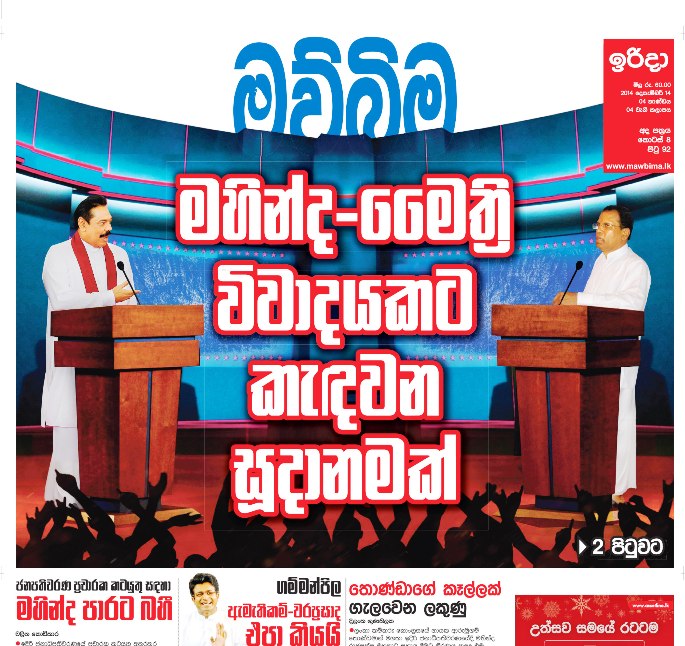
මෙරට දේශපාලන පක්ෂ තවමත් යල්පැන ගිය සන්නිවේදන මානසිකත්වයක සිටින බව තහවුරු කළ තවත් එක් අවස්ථාවක් වූයේ ප‍්‍රධාන ජනාධිපති අපේක්ෂකයන් දෙදෙනා අතර නොකෙරුණු සජීව ටෙලිවිෂන් විවාදයයි.

TV Debate that never was: Mawbima newspaper front page 14 Dec 2014

2013 නොවැම්බර් 24දා මගේ කොලම අවසන් කරමින් මා මෙසේ කීවා: “අමෙරිකාවේ මෙන් කෙදිනක හෝ අපේ රටේත් ජනාධිපති අපේක්‍ෂකයන් අතර ටෙලිවිෂන් විවාද පැවැත්වෙනු ඇතිදැයි ජ්‍යෙෂ්ඨ මාධ්‍යවේදී එඞ්වින් ආරියදාසයන්ගෙන් මා විමසුවා. ඔහු කීවේ එබදු විවාද හරිහැටි පැවැත්වීමට නම් අපක්‍ෂපාතී පෞරුෂයක් ඇති ටෙලිවිෂන් මාධ්‍යකරුවන් හා නිර්භය හිමිකරුවන් සිටීම අත්‍යවශ්‍ය බවයි. නැතිනම් එක් පාර්ශවයක හෝ අනෙක් පාර්ශවයේ බලපෑම්වලට නතු විය හැකියි. මෙබදු ස්වාධීනත්වයක් ළගදී මෙරට බලාපොරොත්තු විය නොහැකි බව ආරියදාසයන්ගේ මතයයි.”

2014 දෙසැම්බර් 13දා මගේ ට්විටර් සමාජ මාධ්‍ය ගිණුම @NalakaG හරහා මා මේ ප‍්‍රශ්නය මතු කළා: “ජාත්‍යන්තර ස්වරූපයේ සජීව ටෙලිවිෂන් විවාදයකට අපේක්ෂකයන් දෙදෙනා කැඳවන්නට දැන්වත් ශ‍්‍රී ලංකාව සූදානම්ද? එසේ නම් කුමන නාලිකාවද?”

මෙයට ට්විටර් හරහා නොසිතූ තරම් දුසිම් ගණනාවක මහජන ප‍්‍රතිචාර ලැබුණා. එයින් බහුතරයක් දෙනා මෙබන්දක් කළොත් හොඳ බව පිළිගත්ත ද එයට සරිලන නාලිකාවක් හෝ අපක්ෂපාතව එය මෙහෙයවිය හැකි චරිතයක් හමු වේදැ’යි ප‍්‍රශ්න කළා.

මුළුමනින් අපක්ෂපාතී මාධ්‍ය නාලිකා ලොව කිසි තැනෙක නැති බවත්, අවශ්‍ය වන්නේ ප‍්‍රධාන අපේක්ෂකයන් දෙදෙනාගේ ප‍්‍රවර්ධන ව්‍යාපාර (කැම්පේන්)වලට පිළිගත හැකි පොදු රාමුවකට එකඟ වී එය ක‍්‍රියාත්මක කිරීම බවත් මා කියා සිටියා.

විවාදය ටෙලිවිෂන් නාලිකා සියල්ලේ එකවර විකාශය කිරීම, රූපවාහිනී නාලිකාව හා ප‍්‍රධාන පෙළේ පෞද්ගලික නාලිකා එකක හෝ දෙකක සම සහභාගිත්වයෙන් විවාදය සිදු කිරීම ආදී විකල්ප යෝජනා වුණා.

සමාජ මාධ්‍ය සංවාදවල අපූරුව නම් එකිනෙකා නොහඳුනන උද්යෝගිමත් පිරිසක් මෙබඳු කාලීන හා වැදගත් මාතෘකාවක් ගැන විවෘතව හා සංවරව මත දැක්වීමයි. මේ සයිබර් සංවාදයේ යම් තැනෙක මෙබඳු විවාදයක් මෙහෙයවීමට පරිණත මාධ්‍ය බරිත සිටීදැ’යි එක් තරුණ පුරවැසි මාධ්‍යවේදියකු (ගිහාන් ප‍්‍රනාන්දු) අභියෝගාත්මකව මගෙන් ප‍්‍රශ්න කළා.

කිසිදු ටෙලිවිෂන් නාලිකාවක දැනට සක‍්‍රීය සේවයේ නියුතු නිවේදකයන් හෝ තීරකයන් හෝ නොසලකා මේ අසාමාන්‍ය කටයුත්තට ගාම්භීර, කෘතහස්ත හා දේශපාලනිකව පක්ෂග‍්‍රාහී නැතැ’යි පෙනෙ අයකු සොයා ගත යුතු බව මගේ නිර්දේශය වූවා. මේ සඳහා මා නම් දෙකක් යෝජනා කළා. පළමුවැන්නා මෙරට ජ්‍යෙෂ්ඨතම ඉංග‍්‍රීසි පුවත්පත් කතුවරයකුව සිට දැන් පොත් වෙළෙඳාමේ නිරත වන විජිත යාපායි. දෙවැන්නා මෙරට ටෙලිවිෂන්-රේඩියෝ මාධ්‍ය දෙකෙහිම පුරෝගාමී හපන්කම් කළ අඩ සියවසක විද්‍යුත් මාධ්‍ය අත්දැකීම් ඇති පාලිත පෙරේරායි.

මේ ට්විටර් සංවාදයේ යම් අවස්ථාවක මාධ්‍ය අමාත්‍යාංශයේ ලේකම් ආචාර්ය චරිත හේරත් ද එයට සම්බන්ධ වුණා. ඔහු කීවේ අපේක්ෂකයන් වෙනුවට ඔවුන්ගේ ප‍්‍රතිපත්ති උපදේශකයන් දෙපිලක් ලෙස මැතිවරණ ප‍්‍රතිපත්ති ප‍්‍රකාශන ගැන විවාද කළ හැකි බවයි. එහෙත් ජනාධිපතිවරණයක් යනු රටේ නායකයා තෝරන ඡන්දයක් නිසා අපේක්ෂකයන්ම සහභාගි වී මුහුණට මුහුණ ලා සිය දැක්ම හා ප‍්‍රතිපත්ති ගැන විවාද කළ යුතු බව බහුතරයකගේ අදහස ලෙස ඉක්මනින්ම මතු වුණා.

මේ සියල්ල සයිබර් අවකාශයේ කතාබහ වූයේ එක් සෙනසුරාදාවක දහවලේ හා සැන්දෑවේ. ඊට පසුවදා ඉරිදා සමහර පුවත්පත්වලත් ජනාධිපති අපේක්ෂක සංවාදය ගැන පුවත් පළ වුණා. මගේ මාධ්‍ය මිතුරකු මට මතක් කර දුන්නේ 1981 අංක 15 දරන ජනාධිපතිවරණ පණතේ 117 වන වගන්තියේ මෙබඳු විවාදයකට නීතියෙන්ම ඉඩක් ලබා දී ඇති බවයි.

අවම වශයෙන් අපේක්ෂකයන් දෙදෙනකු එකඟ වේ නම් ඔවුන් අතර විද්‍යුත් මාධ්‍ය විවාදයක් පැවැත්විය හැකි බවත්, ඒ සඳහා ගුවන්විදුලි අධ්‍යක්ෂ ජනරාල්වරයා අවශ්‍ය මාධ්‍ය යටිතල පහසුකම් ලබා දිය යුතු බවත් එහි කියැවෙනවා. මේ වගන්තිය ටෙලිවිෂන් මාධ්‍යයටත් අදාළ කරගත හැකියි. (1981දී මේ නීතිය සම්පාදනය වන විට ඇරැඹී නොතිබි රූපවාහිනී සංස්ථාව 1982 මුල්ම ජනාධිපතිවරණය පැවති වසරේම විකාශයන් පටන් ගත්තා.)

ජනාධිපති අපේක්ෂකයන් අතර සජීව ටෙලිවිෂන් විවාදයට මෛත‍්‍රීපාල සිරිසේන පොදු විපක්ෂ අපේක්ෂකයා සූදානම් බවට එළැඹුණු දින කිහිපයේ ප‍්‍රකාශයට පත් වුණා. එහෙත් අපේක්ෂක මහින්ද රාජපක්ෂ එයට ඉදිරිපත් නොවූ නිසා විවාදය සිදු වූයේ නැහැ.

පසුව ශ‍්‍රී ලංකා නීතිඥ සංගමය නීතිය හා යුක්තියට අදාළ තේමාවන් ගැන විවාදයකට මේ දෙපළටම විවෘත ඇරයුමක් කළත් එය ද රාජපක්ෂ පිල පිළි ගත්තේ නැහැ. නීතිඥ ක්ෂේත‍්‍රය වෙනුවෙන් විවාදය මෙහෙයවීමට ජ්‍යෙෂ්ඨ නීතිවේදීන් තිදෙනකු පවා තෝරා ගෙන සිටියා.

විවාදයකට ඒම හෝ නොඒම අපේක්ෂකයන්ගේ අභිමතය වුවත් පොදු උන්නතිය හා රටේ අනාගතය ගැන කැක්කුමක් ඇති ලෙසින් මැතිවරණ ප‍්‍රචාරණයේ යෙදුණු අපේක්ෂකයකු ප‍්‍රසිද්ධ විවාද දෙකක් (ටෙලිවිෂන් හා නීතිඥ සංගමයේ) මග හැරියේ ඇයි?

තමන්ගේ ප‍්‍රතිපත්ති හා මෙතෙක් ආ මග සාධාරණීකරණය කිරීම කෘතහස්ත දේශපාලකයන්ට අමාරුද?

ජනාධිපති අපේක්ෂකයන් අතර සජීව විවාද පැවැත්වීම ඇමරිකානු සම්ප‍්‍රදායක් යැයි ද එබඳු බටහිරට පුරුදු අපට අනවශ්‍ය යැයි තර්ක කළ අයද සිටියා. මේ විවාද පැවැත්වීම නූතන යුගයේ ඇරැඹුණේ 1960 අමෙරිකානු ජනාධිපතිවරණයේදී බව සැබෑවක්. එහෙත් එම සංකල්පය මේ වන විට ලොව විවිධ රටවල ක‍්‍රියාත්මක වනවා.

2010 මැයි මැතිවරණයට පෙර බි‍්‍රතාන්‍යයේ දේශපාලන පක්ෂ නායකයන් අතර පළමුවරට සජීව ටෙලිවිෂන් විවාද 3ක් පැවැත් වුණා. විවාද මෙහෙය වූයේ එහි ප‍්‍රවීණතම විද්්‍යුත් මාධ්‍යවේදීන් තිදෙනෙක්. කන්සර්වෙටිව්, කම්කරු හා ලිබරල් පක්ෂ නායකයන් සහභාගි වූ මේ විවාදවලට පෙර අදාළ විවාද කොන්දේසි 70ක් දේශපාලන පක්ෂ සියල්ල එකඟ වී සිටියා.

2013 පෙබරවාරියේ කෙන්යාවේ ජනාධිපතිවරණයේ අපේක්ෂකයන් එරට මුල්ම සජීව ටෙලිවිෂන් විවාදයට සහභාගි වුණා. පැය තුනහමාරක් සජීවී ලෙසින් ටෙලිවිෂන් හරහාත්, ඉන්ටර්නෙට් යූටියුබ් හරහාත් කෙන්යානුවෝ එය නැරඹුවා. සමහර ප‍්‍රශ්නවලට අපේක්ෂකයන් හරිහැටි පිළිතුරු නොදී ලිස්සා ගිය බවට චෝදනා ද එල්ල වුණා. තමන්ගේ දේශපාලන දැක්ම හා ප‍්‍රතිපත්ති ප‍්‍රකාශය විවෘත සභාවක් අබියස ව්‍යක්තව පහදා දීමේ හැකියාව ඇත්තේ කුමන අපේක්ෂකයන්ට ද යන්න කෙන්යානු ඡන්දදායකයන්ට බලා ගත හැකි වුණා. එයට ප‍්‍රතිචාර දැක් වූ එක් පේ‍්‍රක්ෂකයෙක් කීවේ ‘දේශපාලන වේදිකාවල වෛරීය කතා කරනවාට වඩා සංයමයෙන් හා ප‍්‍රතිපත්තිවලට අවධානය යොමු කරමින් අපේක්ෂකයන් හැසිරුණු ආකාරය ප‍්‍රශංසනීයයි.’

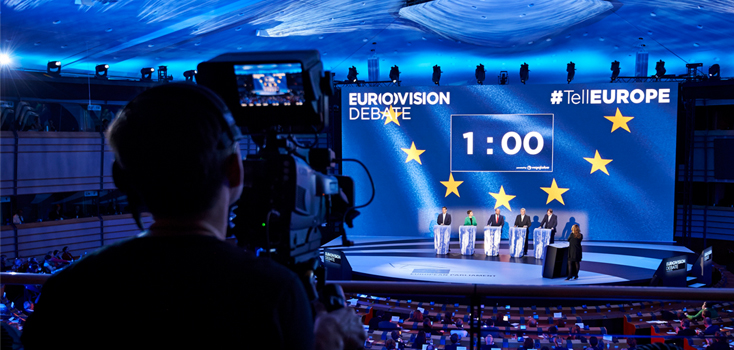
European Union Presidency - Candidates join TV debate in May 2014
European Union Presidency – Candidates join TV debate in May 2014

2014 මැයි මාසයේ යුරෝපා කොමිසමේ ජනාධිපති තනතුරට ඉදිරිපත් වූ අපේක්ෂකයන් නෙදර්ලන්තයේ මාස්ට‍්‍රයික්ට් නුවරදී සජීව ටෙලිවිෂන් විවාදයකට සහභාගි වුණා. එය EuroNews නාලිකාව මගින් ලොව පුරා සජීව ලෙසින් විසුරුවා හැරියා.

ජපානය ද මහ මැතිවරණයකට පෙර ප‍්‍රධාන පක්ෂවල නායකයන් සම්බන්ධ කර ගෙන මෙබඳු සජීවී ටෙලිවිෂන් විවාද පවත්වයි. එයට මුල් වන්නේ එම මාධ්‍ය ක්ෂේත‍්‍රයේ නායකත්ව මට්ටමක සිටින ප්‍රෙස් ක්ලබ් හෙවත් මාධ්‍ය සමාජයයි.

මේ හැම විවාදයක්ම මෙන්ම ගෙවී ගිය අඩ සියවසක ඇමරිකානු ජනාධිපති අපේක්ෂක විවාදයන් ද යූටියුබ් හරහා ඕනෑම අයකුට නැරඹිය හැකියි. මේ සම්ප‍්‍රදාය ටිකෙන් ටික ප‍්‍රචලිතවීමත් සමග පූර්ව මැතිවරණ කාලය තුළ වඩාත් හරවත්ව මාධ්‍ය යොදා ගැනීමකට හා දේශපාලන සංස්කෘතිය වඩාත් සහභාගිත්ව මට්ටමකට ගෙන ඒමට උපකාර වනවා.

මේ ගෝලීය ප‍්‍රවණතාවලට ශ‍්‍රී ලංකාව කවදා අනුගත වේද?


Childhood of Arthur C Clarke Revisited: New Sinhala book reveals the making of a 20th Century Genius

Read Sinhala version of this note:

තරු අතරට ගිය දරුවා: ආතර් සී. ක්ලාක්ගේ ළමා කාලය පොතක් ලෙසින්

Tharu Atharata Giya Daruwa - Childhood of Arthur C Clarke - by Nalaka Gunawardene
Tharu Atharata Giya Daruwa – Childhood of Arthur C Clarke – by Nalaka Gunawardene

A new Sinhala language book, being released this week, traces the formative years of Sir Arthur C Clarke (1917 – 2008), author, undersea explorer and futurist.

Titled ‘Tharu Atharata Giya Daruwa: Childhood of Arthur C Clarke’, the book is written by Lankan science writer Nalaka Gunawardene who worked with Clarke for 21 years as research associate at his personal office in Colombo.

The book, in story-telling style in conversational Sinhala, is suitable for readers of all ages, and especially for parents, teachers and children.

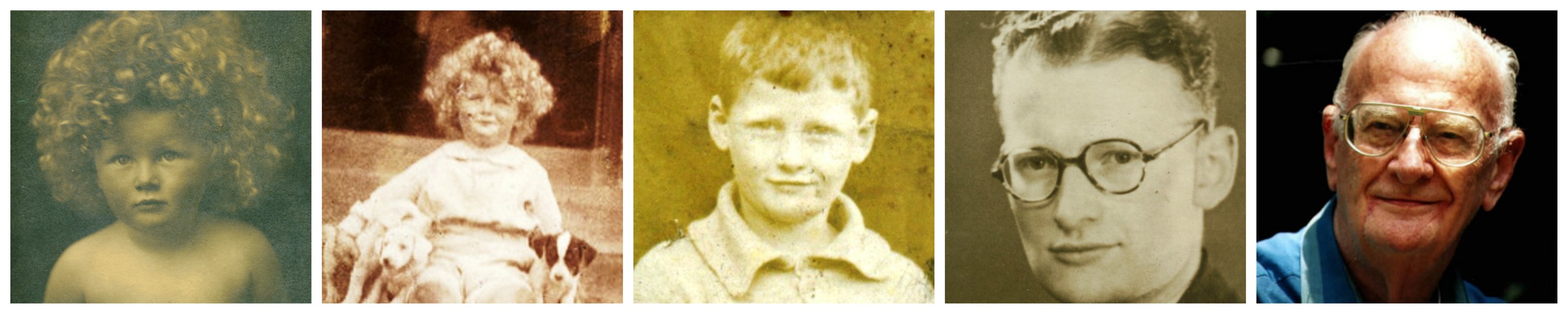
Clarke’s accomplishments are known much more than his humble origins and early inspirations in life. He was born in rural England as the First World War was ending, and spent his childhood years in Minehead, Somerset, close to the sea. His experiences were shaped largely by growing up on the family farm, exploring the local beach, and working part-time at the village post office.

Arthur was the eldest in a family of four, who were raised by their dynamic mother, widowed at a young age. Despite cycling 20 km to school and back and helping on the farm, he excelled in studies and pursued serious hobbies — star gazing, mechanical experiments and nature observations.

“Early on, he cultivated habits like good time management, thrift, careful storage of everything and multi-tasking – all of which lasted a lifetime,” says Nalaka Gunawardene. “He knew the value and limits of money, respected the dignity of labour, and appreciated honesty and hard work in everyone.”

The book is widely illustrated with 74 photographs including many drawn from family albums preserved by the Arthur C Clarke Trust that now manages the Clarke Literary Estate. It also carries some original caricatures drawn by cartoonist and artist Dharshana Karunathilake who designed the book.

Chapters are devoted to facets of young Arthur Clarke, covering pursuits like avid reading, fiction writing, rocket building, movie watching and his elaborate yet harmless pranks. Throughout the book, readers discover less known facets of the global figure – such as his fondness for animals, dinosaurs and comics.

While confining mostly to his first 20 years, the book connects Clarke’s childhood exploits with his later feats in science fiction, undersea diving, space exploration and telecommunications.

In a career spanning over six decades, he wrote some 100 books and more than 1,000 short stories and essays covering both science fiction and science fact. He was the first to propose geostationary communications satellites, and one of his stories later inspired the World Wide Web.

Arthur C Clarke (1917-2008): "He never grew up, but he never stopped growing"
Arthur C Clarke (1917-2008): “He never grew up, but he never stopped growing”

“Sir Arthur used to joke that one secret of his success was his careful choice of parents,” says Nalaka. “More seriously, what roles did family, education, peers, travel and social interactions play in producing the distinctively his combination of sharp wit, irreverence, playful humour and, above all, vivid yet realistic imagination? My book goes in search of some answers from his childhood.”

The book collates information, images and insights Nalaka has accumulated over the years working closely with Clarke on the latter’s literary and scientific projects. Nalaka twice visited Clarke’s home town of Minehead, family farm Ballifants and town of Taunton where he schooled. Photos from these travels enrich the book which quotes Clarke’s biological and Lankan family members.

In 2012, Nalaka was a collaborator to the extensively revised and expanded edition of Clarke’s authorized biography, titled Visionary: The Odyssey of Sir Arthur C. Clarke. It was written by Neil McAleer, who also wrote the original 1992 biography.

Nalaka reiterates that the best way for Sri Lanka to celebrate the legacy of Arthur C Clarke is to adapt his ideas for a better world based on knowledge, ethics, compassion and imagination.

The 120-page large format book, published by Suratha Books, is priced at LKR 600. It will be on sale at several booths the Colombo International Book Fair from 10 to 16 September 2014, with significant discounts. A book launch event is to be held later.


Amazing Science in Colombo: Long Shadow of Pulp Science Fiction

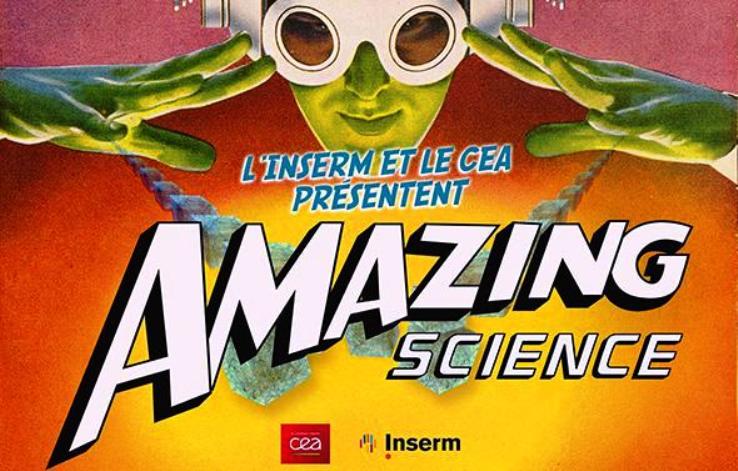
Amazing Science

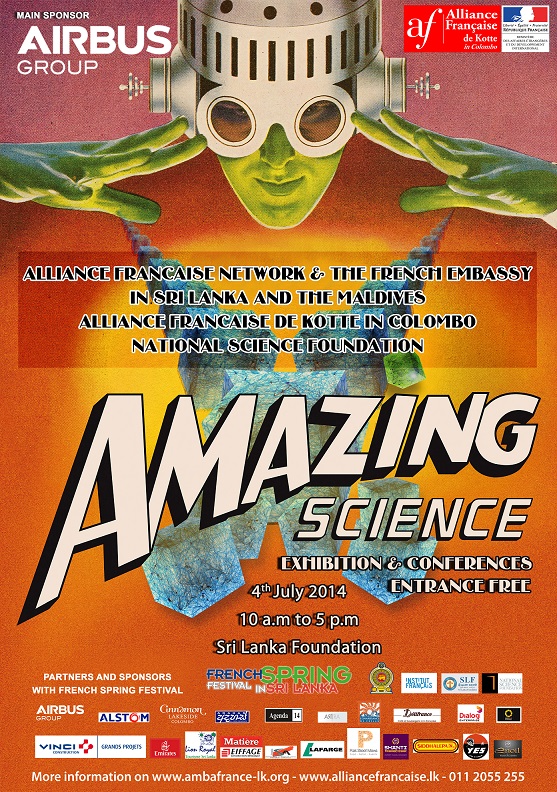
AMAZING SCIENCE comes to Colombo, Sri Lanka, on 4 July 2014 as part of the French Spring Festival organised by Alliance Française de Kotte in COLOMBO and its partners.

Here’s the day’s program, to be held at Sri Lanka Foundation Institute, Independence Avenue, Colombo. I’ll be speaking on “Long shadow of Pulp Science Fiction: Popular culture for promoting science and imagination” at 11 AM, and repeating it again at 1 PM.

Amazing Science in Colombo - Programme for 4 July 2014
Amazing Science in Colombo – Programme for 4 July 2014

Amazing Science is a travelling exhibit put together by French scientific institutes inspired by American ‘pulp’ science fiction magazines during the first half of the 20th century.

As the creators say, it “takes you on an exploratory journey into uncharted territory, on the frontiers of pulp culture, science fiction and scientific research”.

The exhibition revives the old “pulp” look through a blend of scientific research, creative writing and popular culture. From the infinitely small to the infinitely large, the most advanced areas of science are now the realm of unexpected encounters with the real and the imaginary worlds. Each of the exhibition panels features scientific visuals based on a specific research area.

spring2014-7-1038x576

Here’s the Abstract of our own talk:

Long shadow of Pulp Science Fiction: Popular culture for promoting science and imagination

by Nalaka Gunawardene, science writer
and S M Banduseela, science fiction translator

‘Pulp magazines’ is a generic term for inexpensive magazines published in the United States from 1896 to the 1950s. They provided popular entertainment, especially before broadcast television became well established, and carried illustrated short stories and serialized stories in categories like adventure, travel, detective and science fiction.

This illustrated presentation will look at the role pulp magazines played in promoting science fiction writing and reading as part of 20th century popular culture. Many who later became mainstream writers, such as Robert A Heinlein, Arthur C Clarke, Isaac Asimov and Ray Bradbury first established themselves by writing to such publications.

In this talk, we look at how pulp science fiction inspired scientific discovery and innovation in areas as diverse as space exploration, computer science, robotics, evolution and materials science.

Amazing Science in Colombo - 4 July 2014
Amazing Science in Colombo – 4 July 2014

සිවුමංසල කොලූගැටයා #168: නින්දෙන් ඇවිදින ලක් සමාජය හේතුවාදීන්ට අවදි කළ හැකිද?

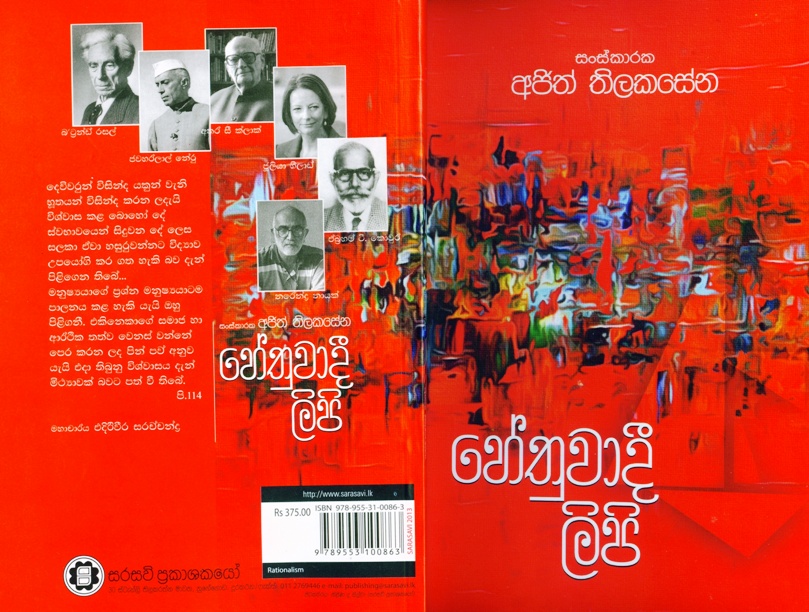
In this week’s Ravaya column (in Sinhala), I introduce a recent anthology of rationalist essays compiled and edited by leading Sinhala language writer Ajith Thilakasena. I was asked to talk about the book at a recent meeting of the Sri Lanka Rationalists’ Association. Since I too have contributed a chapter, I cannot review the book; this is merely an exploration of the book’s provocative contents.

I have covered similar ground in an English op-ed in January 2012:
Can Rationalists Awaken the Sleep-walking Lankan Nation?

Hethuwaadi Lipi (Rationalist Essays in Sinhala). Edited by Ajith Thilakasena. Sarasavi Publishers, Sri Lanka. 2014


අජිත් තිලකසේන සූරීන් මෙරට සිටින ප‍්‍රතිභාපූර්ණ නිර්මාණශීලී ලේඛකයෙක්. දක්‍ෂ ප‍්‍රබන්ධ රචකයකු, කවියකු වනවාට අමතරව ඔහු වඩාත් සරල ලෙසින් සිංහල බස ලිවීමට පිලි සහ හල් කිරීම් සමරූපීකරණය කිරීමේ සම්ප‍්‍රදායක් යෝජනා කොට එය ප‍්‍රගුණ කරන්නෙක්.

මෙයට සමාන්තරව තිලකසේන සූරීන් අදීන හා අතිශයින් විචාරශීලී චින්තනයක් ඇති හේතුවාදියකු ද වනවා. ඔහු සංස්කරණය කළ ‘‘හේතුවාදී ලිපි’’ නම් කෘතිය එළි දැක්වීමේ රැස්වීමක් මාර්තු මස අගදී හේතුවාදී සංගමයේ අනුග‍්‍රහයෙන් කොළඹදී පවත්වනු ලැබුවා. එහිදී මේ අළුත් පොත ගැනත්, පොදුවේ මෙරට හේතුවාදී සාහිත්‍යය ගැනත් කථා කිරීමට එස්. එම්. බන්දුසීල සූරීන්ට හා මට ඇරැයුම් කොට තිබුණා.

අප දෙදෙනාගේ ම ලිපි ‘‘හේතුවාදී ලිපි’’ සංග‍්‍රහයේ තිබෙනවා. මේ නිසා පොත පිළිබඳව විචාරයක් අපට කළ නොහැකි වුවත් සරසවි ප‍්‍රකාශනයක් වන මෙය හඳුන්වාදීම හා එහි කාලීන වැදගත්කම පෙන්වාදීම අපේ කථාවල මූලික හරය වූවා.

පසුගිය දශක කිහිපයක් තුළ මෙරට පුවත්පත් හා සඟරාවල පළ වූ හේතුවාදී හා විචාරශීලි ලිපි රැසක් ද මේ පොතේ එකතු කොට තිබෙනවා. මුල් අවස්ථාවේ එම ලිපි කියවීමට නොලැබුණු පාඨකයන්ටත්, ඒවා යළි කියවනු රිසි අයටත් මේ පොත මාහැඟි සංග‍්‍රහයක්.

මහාචාර්ය එදිරිවීර සරච්චන්ද්‍ර, මහාචාර්ය කාලෝ ෆොන්සේකා, මහාචාර්ය ඔස්මන්ඞ් ජයරත්න, වෛද්‍ය රූමි රූබන්, ආචාර්ය ඒබ‍්‍රහම් ටී. කොවූර්, එස්. එම්. බන්දුසීල හා ආචාර්ය කාවන් රත්නතුංග වැනි විද්වතුන්ගේ ලිපි මේ පොතේ හමු වනවා. එසේ ම මෙරට මාධ්‍ය හරහා හේතුවාදී විමර්ශන හා මත දැක්වීම්වලට ප‍්‍රකට තිලක් සේනාසිංහ, තිඹිරියාගම බණ්ඩාර, කේ ආර් අභයසිංහ, තාරක වරාපිටිය, සුසිලා දොඩංගොඩ හා කේ ඒ ඞී වංශරත්න වැනි ලේඛක ලේඛිකාවන්ගේ ලිපි ද එහි අඩංගුයි.

පොතේ පරිච්ෙඡ්ද 27 සමන්විත වන්නේ ලිපි 20කින් සහ දේශන හා සම්මුඛ සාකච්ඡාසටහන් 7කින්. එයට අමතරව ලේඛනගත විය යුතු කෙටි සටහන් 31ක් ද හේතුවාදී චින්තනයට අදාල සරල ඉංග‍්‍රීසි – සිංහල ශබ්දමාලාවක් ද පොතේ තිබෙනවා.

Ajith Thilakasena
Ajith Thilakasena

සංස්කාරක අජිත් තිලකසේන හේතුවාදී හා විචාරශීලී චින්තනයක් අපට අවශ්‍ය ඇයි ද යන්න පූර්විකාවේ මැනවින් පහදා දෙනවා.

‘‘ජ්‍යෙතිර් ඇඳුරන්ට, පේනකරුවන්ට ස්ථිරව යමක් කියන්න බැරි බව දැන දැනත්, කියාපු දේවල් බොරු වූ අවස්ථා දැක දැකත්, ඒ පසු පස යන්නන්ගේ අඩුවක් ශ‍්‍රී ලංකා සමාජය තුළ දැක ගන්න නැහැ…. එසේම තම අවශ්‍යතා ඉටුකර ගන්න විවිධ දේවි දේවතාවන් කරා ගොස් බාරහාර වන ජනයින්ගේ අඩුවක් දැක ගන්නත් නැහැ’’ ඔහු කියනවා.

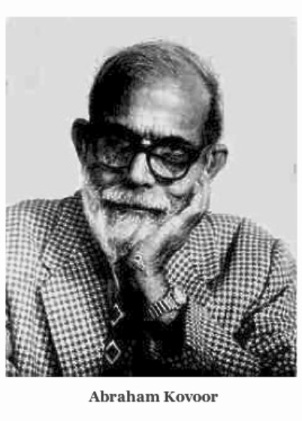
පූර්විකාවේ ඔහු මෙසේ ද කියනවා. ‘‘60දශකය ආරම්භ වෙනවාත් එක්කම ඒබ‍්‍රහම් ටී. කොවූර් දැඩි ආගමික හික්මීම්වලටත්, මිථ්‍යා විශ්වාසවලටත් ගැලී සිටි ලක් වැසි ජනතාවගේ චින්තන ලෝකය ආක‍්‍රමණය කළා. ඔවුන්ගේ පිළිගැනීම් දැඩි ප‍්‍රශ්න කිරීම් මාලාවකට ලක් කළා. මෝහාන්ධකාරයේ ගැලී සිටි ජනතාවගේ ගැටලූවලට බුද්ධියෙන් හා විද්‍යාවෙන් පිළිතුරු සොයා තම නිගමන පොදු මහජනතාවට තේරෙන බසින් සහ නිරවුල් සුගම ශෛලියකින් ඉදිරිපත් කරන්නට හැකි වීම කොවුර් සතු වූ විශිෂ්ට ගුණාංගයක්.’’

1964දී කොවූර් මුල් වරට ප‍්‍රසිද්ධ කළ 23 ආකාරයේ අභියෝග පත‍්‍රය මේ පොතේ නැවත පළ කොට තිබෙනවා. අනාවැකි කීමේ හැකියාව, දේව බල හෝ වෙනත් අද්භූත බල හෝ ප‍්‍රාතිහාර්යජනන ශක්ති ඇතැයි කියා ගන්නා ඕනෑම කෙනෙකුට ‘‘හැකි නම් කර පෙන්වන්න’’ යය මේ අභියෝග ඉදිරිපත් කළේ රුපියල් දස ලක්‍ෂයක් ද ත්‍යාගයක් ලෙස පිරිනමමින්. එහෙත් එදා මෙදා තුර එතෙර මෙතෙර කිසිවකුත් මේ අභියෝග භාර ගෙන නැහැ.

Dr Abraham T Kovoorකොවූර්ගේ තවත් වැදගත් ලිපියක් මේ පොතේ අඩංගුයි. 1960ගණන්වල මහාචාර්ය කේ. එන්. ජයතිලක නූතන තාරකා විද්‍යාව හා බෞද්ධ ඉගැන්වීම් සසඳමින් මේ දෙකෙහි සමාන්තර බවක් පෙන්වා දීමට උත්සාහ කළා. Buddhist Cosmologyහෙවත් බෞද්ධ විශ්වවේදය නමින් හුවා දක්වන්නට තැත් කළ එය, සැබෑ නොවන බව බෞද්ධ ධර්ම ග‍්‍රන්ථ අධ්‍යයනයෙන් පසු කොවූර් සාවධානව හා ආචාරශීලීව පෙන්වා දුන්නා.

එසේ කරමින් කොවූර් කීවේ මෙයයි:‘‘අභාවයට ගිය හෝ තවමත් පවත්නා ආගම් අතුරෙන් අනාත්ම ධර්මයන්, නිර්මානී දෙවියකු නොසිටීමත්, අනගි සදාචාර ශික්‍ෂාත් නිසා බෞද්ධ දර්ශනය වඩාත් හේතුවාදීයි. එහෙත් බුද්ධිමය වංචා මාර්ගයෙන් සත්‍ය කරුණු විකෘති කොට බුද්ධාගමට බලකණු සපයන්න යාමෙන් එයට යහපතට වඩා සිද්ධ වන්නේ අයහපතක්.’’

22 Jan 2012: සිවුමංසල කොලූගැටයා #50: අවිචාරයේ සැඩසුළගට මැදිවුණු හේතුවාදී පහන්සිළුව

බොරු ඇදහිලි ගැන මහාචාර්ය එදිරිවීර සරච්චන්ද්‍රයන් 1968වසරේ පේරාදෙණිය සරසවියේ අධ්‍යාපනවේදීන්ගේ සංගමය අමතා කළ දේශනයක සටහන් ද මෙහි වැදගත් පරිච්ෙඡ්දයක්. සාහිත්‍ය විචාරයට පමණක් නොව තියුණු ලෙස සමාජ විචාරයටත් ඔහු යොමු වූ සැටි මෙයින් මනාව පෙනෙනවා.

‘‘දෙවිවරුන් විසින් ද යකුන් වැනි භූතයන් විසින් ද කරන ලදැයි විශ්වාස කළ බොහෝ දේ ස්වභාවයෙන් සිදු වන දේ ලෙස සළකා ඒවා හසුරුවන්නට විද්‍යාව උපයෝගී කර ගත හැකි බව දැන් පිළිගෙන තිබේ. මනුෂ්‍යයාගේ ප‍්‍රශ්න මනුෂ්‍යයාට ම පාලනය කළ හැකි යයි ඔහු පිළිගනී. එකිනෙකාගේ සමාජ හා ආර්ථික තත්ත්වය වෙනස් වන්නේ පෙර කරන ලද පින් පව් අනුව යයි එදා තිබුණු විශ්වාසය දැන් මිථ්‍යාවක් බවට පත් වී තිබේ.’’

‘‘සත්‍යය, මුසාව, රැවටීම, අවංකකම – මෙවැනි යහගුණ හා නුගුණ අවශ්‍ය වන්නේ පරලොව උදෙසා ද එසේ නැත්නම් තමා ජීවත්වන සමාජයේ ඔවුනොවුන් අතර පැවතිය යුතු සම්බන්ධය උදෙසා ද? මානව භක්තිය ඇති කෙනකුට තවත් කෙනකු බොරුවෙන් රැවටීමට හෝ ඔහුගේ ජීවිතය විනාශ කර දැමීමට හෝ ශක්තියක් නැත…. පරලොව උදෙසා අවශ්‍ය බව කියන පින් පව් මෙලොව සමාජ ජීවිතය පවත්වාගෙන යාම සඳහා අවශ්‍ය වූ චර්යාධර්ම වශයෙන් පෙන්වා දිය හැකිය.’’

මෙතැනදී සරච්චන්ද්‍රයන් මතු කරන්නේ ප‍්‍රායෝගික වූත්, නිර්ආගමික වූත් දර්ශනයක්. හේතුවාදීන්ගේ චින්තනයේ හරයත් මෙයයි.

හේතුවාදීන් යනු ආගම් විරෝධීන් යයි සරල ලෙස ලඝු කිරීම යම් තරමකට සම කළ හැකි වන්නේ මාක්ස්වාදීන් යනු රාජ්‍ය විරෝධීන් යයි කලකට පෙර ඇතැම් දෙනා තුළ තිබූ දුර්මතයටයි. මේ දෙක ම වැරදියි.

හේතුවාදයේ මූලික ප‍්‍රවේශය නම් කියන්නා කෙසේ කීවත් අසන්නා සංශයවාදීව හා විචාරශීලිව හැම දෙයක් ම ප‍්‍රශ්න කිරීමයි. එහිදී ආගම්, සාමයික දර්ශන, දේශපාලන මතවාද, විද්‍යාත්මක සොයා ගැනීම් ඇතුළු අන් හැම දෙයක්මත් ප‍්‍රශ්න කිරීමට පාත‍්‍ර වනවා.

දේශපාලන මතවාද හා ආර්ථික ක‍්‍රමවේද සියුම්ව විවේචනය කිරීමට සමත් අපේ බොහෝ උගතුන් පවා ආගම් අරභයා එවන් විචාරශීලි බවක් පෙන්වන්නේ නැහැ. සාමයික හා ආගමික ඉගැන්වීම් යයි පූජකයන් විග‍්‍රහ කරන හැම දෙයක්ම දොහොත් මුදුනින් පිළි ගැනීම බොහෝ විට කරනවා. බුදු දහමේ නම් මෙසේ නොකරන මෙන් තරයේ අවවාද කොට තිබෙනවා (කාලාම සූත‍්‍රය).

Cartoon courtesy Daily Mirror newspaper, Sri Lanka

හේතුවාදීන් කරන්නේ දේශපාලනික, ආර්ථික හා වෙනත් ක්‍ෂෙත‍්‍රයන් මෙන්ම සියළු ආගමික හා සාමයික ඉගැන්වීම් හා විග‍්‍රහයන් ද විචාරශීලීව හා තර්කානුකූලව විමර්ශනය කිරීමයි (එනම් කාලාම සූත‍්‍රය හරිහැටි පිළිපැදීමයි!).

මෑතදී මිය ගිය ප‍්‍රකට ඉන්දියානු ලේඛක කුෂ්වාන්ත් සිං (1915-2014) වරක් දලයි ලාමාතුමා සමග කළ සංවාදයක් සිංහලට පෙරළා මේ පොතෙහි ඇතුළත් කොට තිබෙනවා. පාප්තුමා හැරුණු කොට රාජ්‍ය නායක මට්ටමේ සිටින ලොව එකම සාමයික නායකයා වූත්, ලොව ඉතාම ප‍්‍රකට බෞද්ධ නායකයා වූත්, නොබෙල් සාම ත්‍යාගලාභී දලයි ලාමාතුමා බුදුදහම හා නූතනත්වය තුලනය කරන්නට මහත් සේ වෙර දරන කෙනෙක්.

එම තනතුරට පත් 14වැනියා වන ඔහු ඊට පෙර සිටි දලයි ලාමාතුමාගේ නැවත ඉපදීමක් සේ නිර්ණය කරනු ලැබ දලයි ලාමා ලෙස පත් කර ගනු ලැබුවේ 1950දී. 1959දී චීනය විසින් ටිබෙටය ආක‍්‍රමණය කොට අල්ලා ගත් පසු ඉන්දියාවට පලා ගිය දලයි ලාමාතුමා හා අනුගාමිකයන්ට එදා පටන් ඉන්දීය රජයේ විශේෂ රැකවරණය ලැබෙනවා.

ජේ්‍යෂ්ඨ ඉන්දීය මාධ්‍යවේදියකු ලෙස දලයි ලාමාතුමා සමග සාකච්ඡා කරන කුෂ්වාන්ත් සිං, පුනරුත්පත්තිය ගැන තමා කිසිසේත් විශ්වාස නොකරන බව කියනවා. මේ ගැන කලබල හෝ කෝප නොවී ඉතා සන්සුන් ලෙසින් දලයි ලාමා සිං සමග සංවාද කරනවා. ජීවිතයේ දුක සැප, මරණය ආදිය ගැන දෙදෙනාගේ අදහස් හොඳට ම වෙනස්. නිර්ආගමික වූ සිං, ලෞකික දර්ශනයකින් ලෝකය විග‍්‍රහ කරනවා. එකිනෙකාට ගරු කරමින් එහෙත් එකඟ නොවෙමින් මේ කරන කථා බහ කියැවීම ම මනසට ප‍්‍රබෝධයක්.

වෙනත් බොහෝ ආගමික හා සාමයික නායකයන්ට වඩා පුළුල් වූ මනසක් හා හාස්‍යලොලී පෞරුෂයක් දලයිලාමාට ඇති බව පෙනී යනවා. කථාව අවසානයේ පුනරුත්පත්තිය කිව හැකි (එනම් පසුගිය ආත්ම මතකයට නගා ගත හැකි)එකදු මුස්ලිම් දරුවකු ගැන දන්නවාදැයි සිං අසනවා. (ඉස්ලාම් ධර්මයේ නැවත ඉපදීමක් කියැවෙන්නේ නැහැ.)

එතැනදී දලයි ලාමා මහ හයියෙන් සිනාසෙමින් මෙසේ පිළිතුරු දෙනවා. ‘‘එතන ඇත්තක් තියෙනවා තමා. ඒ උනත් මම පුනරුත්පත්තිය විශ්වාස කළේ නැත්නම් මට වැඩ නැතුව යනවා!!’’

මේ තරම් නිර්ව්‍යාජ හා විවෘත ලෙස තම ධර්මය ගැන කථා කළ හැකි ආගමික නායකයන් ඉන්නේ කී දෙනා ද?

‘‘හේතුවාදී ලිපි’’ පොතෙහි ඇත්තේ ආගම් ගැන විචාරශීලීව විමසීම පමණක් නොවෙයි. සමහර ලේඛකයෝ ඇදහිලි හා ජන විශ්වාස (නාඩි වාක්‍ය, පිරිත් නූල්, අංජනම් එළි, අල්ලේ රේඛා මගින් සාස්තර කීම, කේන්දර බැලීම ආදිය)ගැන ප‍්‍රශ්න කරනවා – විවෘතව මත දක්වනවා. තවත් ලිපිවලින් අද්භූත හෝ පාරභෞතික යයි සැළකෙන (භූතයෝ, යකුන්, අවතාර, ආවේශවීම)ආදී සංසිද්ධීන් විග‍්‍රහ කැරෙනවා.

‘‘දේශීය දැනුම’’ හා ‘‘සාම්ප‍්‍රදායික ඥානය’’ වැනි කඩතුරාවලට මුවා වෙමින් කිසිදු තාර්කික ප‍්‍රශ්න කිරීමකින් හෝ නීතිමය නියාමනයකින් තොරව ලක් සමාජයේ කැරෙන ගුප්ත ව්‍යාපාරයන්ගේ පදනම සමහර ලිපි මගින් සියුම් ලෙස විමර්ශනය කරනවා.

පොතට ලිපි සපයා ඇති වෛද්‍යවරුන් තමන්ගේ ක්‍ෂෙත‍්‍රයට අදාල කාලීන මාතෘකා ගැන නිවහල් මත දක්වනවා. විශ්ව ශක්තියෙන් හෝ යාඥා බලයෙන් බරපතල (පිළිකා ඇතුළු) නිදන්ගත රෝග සුව කළ හැකි ද? කැඩුම් බිඳුම් ප‍්‍රකෘති තත්ත්වයට පත් කළ හැකි ද?

යන්නන් වාලේ අන් අය පසුපස යාම නිසා බුද්ධියෙන් මෙතරම් දියුණු යුගයක පවා ප‍්‍රාථමික සිතුම් පැතුම්වලට ඇබ්බැහිව එල්බෙමින් සිටින අති විශාල පිරිසක් ලොව සිටින බව මහාචාර්ය කාලෝ ෆොන්සේකා සිය ලිපියේ කියනවා.

ඔහු එය අවසන් කරන්නේ මෙසේයි. ‘‘මගේ පෞද්ගලික අදහස්වල හැටියට මගේ කිසිදු වැඩක් නැකතට කරලා නැහැ. පොරොන්දම් බලලා නැහැ. ජ්‍යෙතිෂය පසුපස හති දම දමා දුවලා නැහැ. මම මෙතෙක් කටයුතු කරලා තියෙන්නේ ඕවා සියල්ල මිථ්‍යා කාරණා හැටියට සළකලායි.’’

පූර්විකාවේදී අජිත් තිලකසේනයන් තව වැදගත් කරුණක් මතු කරනවා. මෙරට ඉතිහාසයේ වාර්තාගත ලොකුම ව්‍යසනය වූ 2004 දෙසැම්බර් 26 වනදා සුනාමිය පුරෝකථනය කරන්නට කිසිදු ජ්‍යොතිර් ඇදුරකුටවත් හැකි වූයේ නැහැ.

ඔහු කියන හැටියට ‘‘ජ්‍යොතීර් ඇදුරන්ට, පේනකරුවන්ට ස්ථිරව යමක් කියන්න බැරි බව දැන දැනත්, කියන දේවල් බොරු වූ අවස්ථා දැක දැකත් ඒ පසුපස යන්නන්ගේ අඩුවක් ශ‍්‍රී ලංකා සමාජය තුළ දැක ගන්න නැහැ.’’

පුර්විකාවේ ඔහු මෙසේ ද කියනවා. ‘‘බෞද්ධ සංස්කෘතිය ශ‍්‍රී ලංකා සමාජය තුළ හිමි කර ගෙන ඇති තැන ප‍්‍රශ්න කළ යුතු නෑ. එහෙත් ආගම (ඇදහිල්ල) ඇතුළත් විය යුත්තේ කෙනකුගේ පුද්ගලික පරිමණ්ඩලයට. ආගමක් ඇදහීම හෝ නොඇදහීම ඔහුගේ/ඇයගේ කැමැත්ත පරිදි විය යුතුයි….’’

රාජ්‍යය නිර්ආගමික වීමේ වැදගත්කම ඔහු පෙන්වා දෙනවා. ‘‘ආණ්ඩුවට ආගමක් නැහැ’’ යන්න ප‍්‍රථම අගමැති ඞී. එස්. සේනානායක කී බව මතක් කරමින් ඔහු කියන්නේ, ‘‘එක් ආගමකට ප‍්‍රමුඛස්ථානය දෙන වගන්තියක් 1972ව්‍යවස්ථාවට ඇතුළත් කිරීම ඛේදයක්. එයට මුල් වූයේ මාක්ස්වාදී නායකයෙක් වීම උත්ප‍්‍රාසය දනවන්නක්. එයින් පස්සේ හැම ආණ්ඩුවක්ම ක‍්‍රියාවෙන් ‘සර්ව ආගමික’ වුණා.’’

Ceylon Rationalist Association: 1970 Memorandum on a New Constitution for Sri Lanka (letter from Dr Abraham T Kovoor to Dr. Colvin R. De Silva, Minister of Constitutional Affairs)

පූර්ණ ආගමික වූ මහත්මා ගාන්ධි පවා කටයුතු කළේ ඉන්දියාව ඓහික (secular) රාජ්‍යයක් කරනු සඳහායි. ඇදහිල්ල පුද්ගලික දෙයක් කොට ඔහු සැළකුවා. ආගමික ආයතනය නඩත්තුවට රාජ්‍ය භාණ්ඩාගාරයෙන් මුදල් ප‍්‍රතිපාදන වෙන් කිරීම ගාන්ධි අනුමත කළේ නැති බවත් තිලකසේනයන් සිිහිපත් කරනවා.

මේ අයුරින් පුළුල් මහජන සංවාදයට ලක් විය යුතු තේමා රැසක් මේ පිටු 166ක කුඩා පොතේ අඩංගුයි. නමින් ‘‘හේතුවාදී ලිපි’’ වුවත් හේතුවාදී තලයෙන් ඔබ්බට මේ විචාරශීලී දැක්ම ගෙන යාම හදිසි කාලීන අවශ්‍යතාවයක් බව නම් පැහැදිලියි.

පොත රැගෙන කියවා බලන්න!

See also:

25 Sep 2011: සිවුමංසල කොලූගැටයා #33: නොබියව ඇත්ත කතා කළ ජනතාවාදී විද්‍යාඥයා, මහාචාර්ය ඔස්මන්ඞ් ජයරත්න

22 Jan 2012: සිවුමංසල කොලූගැටයා #50: අවිචාරයේ සැඩසුළගට මැදිවුණු හේතුවාදී පහන්සිළුව

29 Jan 2012: සිවුමංසල කොලූගැටයා #51: ඔබේ විචාර බුද්ධිය දැන් අක‍්‍රීය කරන්න!

18 March 2012: සිවුමංසල කොලූගැටයා #58: විනාශයක් ළග එනවා –  ඒකට අපි සැරසෙනවා!

25 March 2012: සිවුමංසල කොලූගැටයා #59: වදකහ සුදියේ සිට ලෝක විනාශය දක්වා…

24 March 2013: සිවුමංසල කොලූගැටයා #110: ජාතියේ ව්‍යාධියට ප්‍රතිකාර කරන අපූරු ජීවකයා: කාලෝ ෆොන්සේකා

18 Dec 2013: “ආගමික උමතුවෙන් ලෝකය ගලවා ගැනීමේ එකම මග සියලුම ආගම් ප්‍රතික්ෂේප කිරීමයි” – එස්. එම්. බන්දුසීල

6 April 2014: සිවුමංසල කොලූගැටයා #163: අභීත පෑනෙන් භාරතය කිති කැවූ කුෂ්වාන්ත් සිං

Thoughts on Realising Peace, Reconciliation and Ending Violence: Remarks at WCY 2014

World Conference of Youth 2014: Colombo, Sri Lanka
World Conference on Youth 2014: Colombo, Sri Lanka

When I was invited to speak at World Conference on Youth 2014, being held in Colombo, Sri Lanka, this week, I accepted on one condition: that I don’t have to ‘clear’ my remarks with anyone before delivering. (This precaution was necessary as the host government of Sri Lanka is not known for its capacity to accommodate divergent or dissenting points of view.)

The organisers — Ministry of Youth Affairs & Skills Development —  kept their word, and I just spoke at a session on Realising Peace, Reconciliation and Ending Violence. The theme is apt, especially in view of forthcoming fifth anniversary of the end of Sri Lanks civil war.

Alas, we had no opportunity to discuss any of the speeches due to sessions starting late. But I was able to engage several youth delegates, both from Sri Lanka and around the world, who apparently shared my idealism.

Here then is the text of my remarks (slightly ad-libbed during delivery):

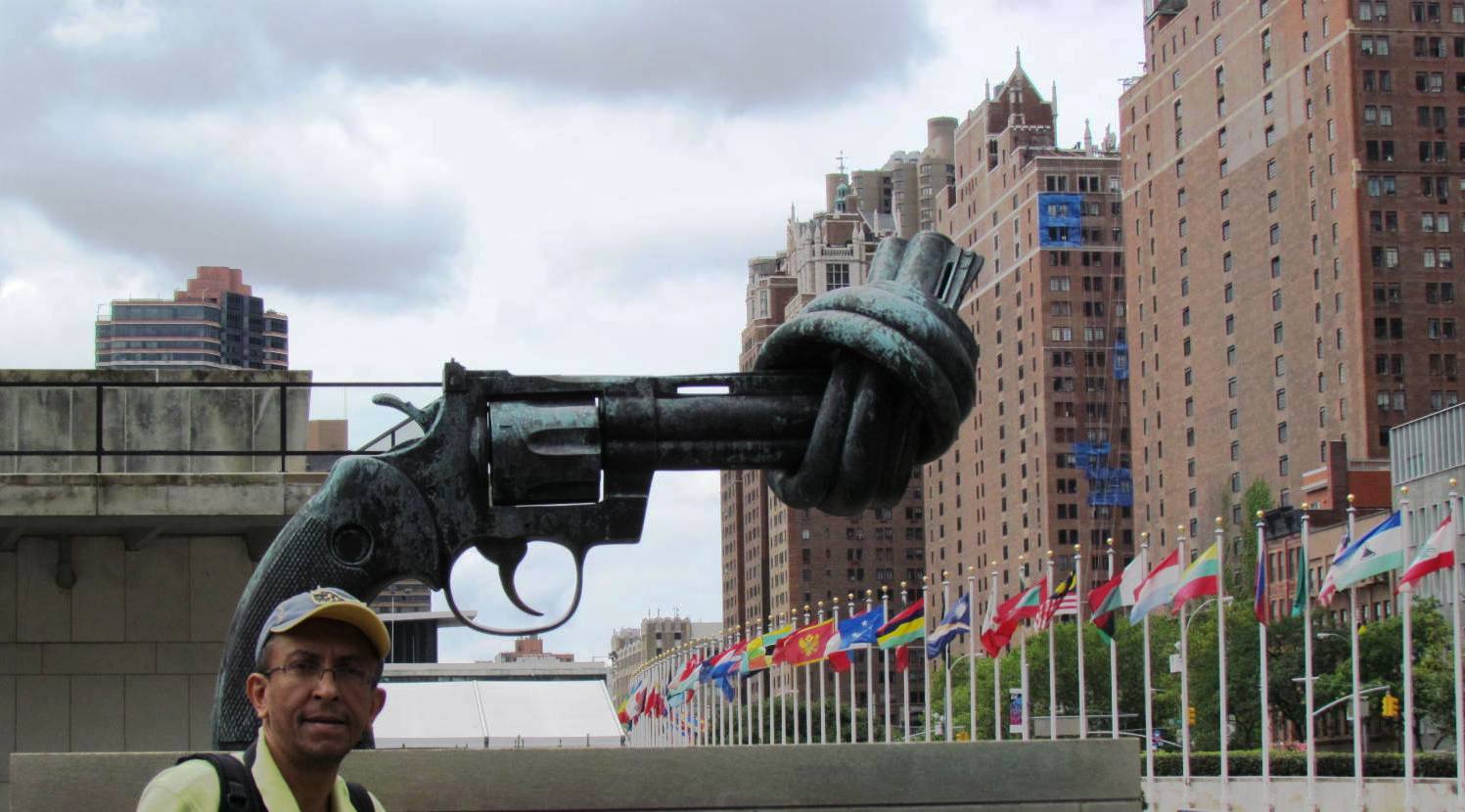
Knotted gun sculpture at UN Headquarters in New York, made by Swedish artist Carl Fredrik Reuterswärd - Photo by Dhara Gunawardene, 2011
Knotted gun sculpture at UN Headquarters in New York, made by Swedish artist Carl Fredrik Reuterswärd – Photo by Dhara Gunawardene, 2011

Theme: Realising Peace, Reconciliation and Ending Violence

Remarks by Nalaka Gunawardene

Science writer, columnist and blogger          

I thank the organisers for this opportunity.

Participating today reminds me of the IDEALISM, HOPE & PASSION with which I took part in similar events in my own youth – which was not that long ago!

In particular, I remember two instances:

A quarter century ago, as an undergraduate, I took part in an Asian regional Model United Nations conference held in Kuala Lumpur, Malaysia. The topic assigned to our group was VIOLENCE WITHIN AND BETWEEN SOCIETIES.

In all eagerness, we explored big questions such as:

  • Do we humans have an evolutionary inclination for aggression and violence?
  • What socio-economic factors trigger youth unrest and insurrection?
  • How does culture aggravate or mitigate conflicts?

For several days, a few dozen of us from across Asia discussed and debated this and other key concerns.

Five years later, as a young journalist, I had the opportunity to attend the World Youth Leadership Summit, held at the UN headquarters in New York. In the fall of 1995, around 200 of us from around the world came together to discuss the state of the world – and our role in shaping its future!

Again, a key topic that occupied our minds was the RISING VIOLENCE WITHIN OUR SOCIETIES. Not just civil wars and crime — but also INSTITUTIONALISED DISCRIMINATION and STRUCTURAL VIOLENCE.

These discussions enhanced my understanding of violence, which has become more SOPHISTICATED and INSIDIOUS in today’s world.

STRUCTURAL VIOLENCE as a concept was introduced in 1969 by the Norwegian sociologist and peace researcher Johan Galtung. He defined it as: “any form of violence where some social structure or social institution may harm people by preventing them from meeting their basic needs”.

There are many examples of STRUCTURAL VIOLENCE in our societies. Among them:

  • institutionalized elitism;
  • ethno-centrism;
  • racism;
  • sexism; and
  • nationalism

STRUCTURAL VIOLENCE affects people differently in various social structures, and is closely linked to SOCIAL INJUSTICE.

So, in a broad sense, campaigns for HUMAN RIGHTS & SOCIAL JUSTICE are attempts to resist – and ideally, reduce – structural violence. These mass movements include:

  • the CIVIL RIGHTS movement in the US;
  • WOMEN’S RIGHTS movement worldwide;
  • ANTI-APARTHEID struggles in South Africa;
  • current global efforts to reduce absolute POVERTY; and
  • the on-going struggle for recognizing rights of lesbian, gay, bisexual and transgender (LGBT) groups.

While fewer people are dying today in conflicts between nations, or even those within nations, we cannot rejoice: we still have many faces of STRUCTURAL VIOLENCE and SYSTEMIC VIOLENCE.

So did we save the world in the Fall of 1995 through all our eager and idealistic discussions at the UN Headquarters?

No, we didn’t. Our world is still an UNJUST, UNFAIR and UNSAFE place for too many human beings.

But experiences and exposure like that probably SAVED ME – from becoming an uncritical and unquestioning peddler of the dominant narrative. It opened my mind – to question rhetoric and spin, coming from governments, UN agencies and even civil society.

That is probably the greatest benefit of conferences like this:

  • opening of our minds;
  • deepening of our understanding & empathy; and
  • broadening of our perspectives.

I wish I could tell you that Sri Lanka offers a fine example of post-war RECONCILIATION. But our reality is actually more complex and complicated.

Five years ago this month, we witnessed the end of Sri Lanka’s CIVIL WAR which last for over 25 years. As a diverse nation and a pluralistic society, our people felt many different emotions about that defining moment.

One sentiment most of us shared was a HUGE SENSE OF RELIEF. And some of us also felt a huge sense of RESPONSIBILITY –

  • for HOW the war was ended; and
  • the enormous rebuilding and healing that had to be done.

Five Years later…

The factors that led to the violent conflict still remain largely unaddressed. These include concerns about governance, political power sharing, and economic benefit sharing – issues that youth feel strongly about.

In the past 40 years – in my lifetime – similar concerns have triggered two other youth insurrections in Sri Lanka — in 1971 and in the late 1980s. Both were suppressed violently by the state in the name of law and order. The scars of those wounds have not yet healed either.

In this sense, many of us have three layers of scars from recent violence. And we realise, belatedly, how HEALING involves more our HEARTS than our MINDS.

We know that PEACE is much more than the simple absence of hostility. Likewise, RECONCILIATION entails much more than a mere co-existence of groups who were once engaged in a conflict.

RECONCILIATION cannot be decreed by leaders……or legislated by governments. Technocratic solutions are helpful — but not sufficient — to achieve RECONCILIATION.

Progressive state policies can nurture RECONCILIATION — but in the end, TRUE HEALING must spring from all of us… individually and collectively.

It’s not EASY, and it’s not always POPULAR. But it’s a worthy goal to aspire to!

Building SUSTAINABLE PEACE requires time, effort – as well as a switch in our mindset. We must face HARD TRUTHS, acknowledge them, and hopefully, FORGIVE…

There is cultural conditioning that stands in the way. Historically, many societies have glorified war, weaponry and combat. AGGRESSION is often seen as a sign of strength…and of masculinity.

With this inertia of history and culture…can we replace confrontation and conflict with cooperation and collaboration?

The religious case for this is well known. But I hesitate to invoke religions as they have inspired so much hatred and violence.

In recent years, we have seen a growing body of scientific evidence and theories that argue that COLLABORATION HAS A GREATER SURVIVAL VALUE than aggression.

This is contrary to the long held Darwinian notion of the ‘survival of the fittest’. It now appears that virtues like KINDNESS, GENEROSITY and SHARING are more than just moral choices: they are useful EVOLUTIONARY TRAITS too!

The developmental psychologist Michael Tomasello has been studying the EVOLUTION OF TOLERANCE & TRUST among human beings and the role it plays in today’s societies. He and other researchers have drawn attention to the evolutionary benefits of COLLABORATION and ALTRUISM.

There is no consensus yet among experts. Anthropologists, evolutionary biologists and sociologists keep debating about:

  • individual selection vs. group selection in evolution; and
  • whether aggression or collaboration has key survival value.

As Harvard biologist Edward O Wilson summed it up in his recent book, The Social Conquest of Earth:

“The human condition is an endemic turmoil rooted in the evolution processes that created us. The worst in our nature coexists with the best, and so it will ever be.”

So our big challenge is: How to tame our worst evolutionary baggage, and instead bring out our best as a species?

I don’t have any quick answer. But this is among the questions we must all keep asking – and keep looking for practical, thoughtful answers.

Dear friends,

It’s easier to have abundant IDEALISM, HOPE & PASSION when you’re 18 or 25 or even 30. It’s harder to retain these values when you’re approaching 50 — as I am, now. But I keep trying!

I wish you stimulating conversations. I hope you’ll find enough common ground — while not forcing any artificial consensus!

Thank you.


ක්‍රිව 2500දී පෘථිවිය දෙස බැලීමක්: ආතර් සී ක්ලාක් ලියු අවසාන කෙටිකථාව

In his last published short story, written only a few months before his death, Sir Arthur C Clarke envisioned a world without religions by the year 2500.

Yes, ALL organised, institutionalised religions (i.e. those with holy scripture, priests and places of worship) will gradually go into oblivion! No exceptions.

He offered this in a futuristic story titled The View From 2500 A.D., published in Forbes.com in November 2007, as part of a special online edition on the future.

In it, Sir Arthur described the development of reliable psychological probes, using which any suspected individual could be ‘painlessly and accurately interrogated, by being asked to answer a series of questions’. While its original purpose is to keep the world safe from criminals and terrorists, the “Psi-probe” soon proves to be useful on another front: to weed out religious fanaticism – and all religions themselves – which is a greater threat to humanity.

Read the original English story: The View from 2500 A.D. by Arthur C Clarke

S M Banduseela with Sir Arthur C Clarke

A few weeks ago, with the concurrence of the Arthur C Clarke Estate, I invited S M Banduseela, the most prolific translator of Clarke’s work in Sri Lanka, to render this last story into Sinhala. Here it is, being published for the first time here:

 ක්‍රිව 2500දී පෘථිවිය දෙස බැලීමක්

ආතර් සී ක්ලාක් ලියු අවසාන කෙටිකථාව

පරිවර්තනය එස්.  එම්.  බන්දුසීල

අවුරුදු 2,500කට පසු අද අප සිටින වාසිදායක තත්වයේ සිට, බියකරු 21  වැනි සියවස දෙස ආපසු හැරී බලන විට එවැනි දුක්ඛිත යුගයක් පසු කර මිනිස් වර්ගයා තවමත් පැවතීම ඇදහිය නොහැකි දෙයක් ලෙස පෙනේ. ඉතාම අනතුරුදායක මොහොත වූයේ 2010 වර්ෂය බව දැන් නිවැරදිව කිව හැකියි.

ඉන් අවුරුදු පනහකට පමණ පෙර ප්‍රධානම තර්ජනය වූයේ තාප න්‍යෂ්ටික ආයුධයි. කෙසේ වෙතත් මේවා නිපදවිය හැකි වූයේ විශාල මූල්‍ය සම්පත් හා උසස් මට්ටමේ තාක්ෂණයක් යන දෙකම ඇති ධනවත් රටවලට පමණි.

නමුත් සම්පූර්ණයෙන්ම අනපේක්ෂිත ලෙස එක්වරම විද්යුත්-චුම්බක ස්පන්ද බෝම්බය නිපදවීමත් සමග තත්වය සම්පූර්ණයෙන්ම වෙනස් වූයේය. මෙම භයංකර උපක්‍රමයේ මූලාරම්භය පැහැදිලි නැත. සංකල්පයකට නියම කාලය පැමිණි විට, සෑම අවස්ථාවකම සිදු වී ඇත්තාක් මෙන් එය එකිනෙකාගෙන් ස්වාධීනව කීප තැනකම සොයා ගන්නට ඇත.

කෙසේ වෙතත් මේ පිළිබඳ ප්‍රසිද්ධ විස්තරයක් පළ වූයේ “පොපියුලර් මැකනික්ස්” නම් සඟරාවේ 2001 සැප්තැම්බර් කලාපයේයි. එයට සංස්කාරක යොදා තිබු ශීර්ෂපාඨය වඩාත් භාවෝද්දීපක විය:“ඉ-බෝමබය: ඇසිපිය ගසන තරම් ඉක්මනින් ශිෂ්ටාචාරය අවුරුදු200ක් ආපස්සට යැවිය හැකි විද්යුත්-චුම්බක බෝම්බයක් සෑදීමට ඕනෑම ත්‍රස්තවාදියෙකුට අවශ්‍ය වන්නේ ඩොලර්400ක් පමණයි!”

ඉ-බෝම්බයේ හදවත වුයේ ඉතා සරල උපක්‍රමයකි. අවශ්‍ය වුයේ තඹ දඟරයක් හා එය වටා දැමීමට පුපුරන ද්‍රව්‍යයක් පමණි. එය පිපිර වූ විට ඇති වන ප්‍රබල චුම්බක ස්පන්දය සියලු ඉලෙක්ට්‍රොනික පද්ධති අක්‍රිය කරනවා පමණක් නොව එය ඕනෑම තැනකට නිවැරදිව ඉලක්ක කර යැවිය හැකි වේ.

මෙම ලිපියේ රූපසටහන්ද සහිතව සියලු විස්තර අඩංගු වූ බැවින් ඕනෑම කෙනෙකුට සාර්ථක ඉ-බෝම්බයක් නිපදවිය හැකි වූයේය. ඇත්ත වශයෙන්ම සිදු වූයේත් එයයි!

පළමුවැනිමෙන් ම වාසනාවකට මෙන් අවසාන ඉ-බෝම්බය සාදන ලද්දේ කලින් දැන නොසිටි ආසියානු ත්‍රස්තවාදීන් කණ්ඩායමක් විසිනි. කුඩා බඩුනැවක එය නිවියෝර්ක් වරායට ගෙන ගිය ඔවුන් උපරිම අවුල්සහගත තත්වයක් නිර්මාණය කිරීම සඳහා එය පුපුරවා හැරියේ මධ්‍යම රාත්‍රියේයි.

මෙහොතකින් සියලු විදුලි උපකරණ ක්‍රියා විරහිත විය. මෙයට ආලෝක පද්ධති පමණක් නොව සියලු විදුලි සංදේශ හා පරිගණක උපකරණ ද ඇතුළත් විය. සියලු ගුවන්විදුලි හා රූපවාහිනි මධ්‍යස්ථාන අක්‍රිය වූ අතර එහි ප්‍රතිඵලයක් ලෙස ජනතාවට තොරතුරු නොලැබීමෙන් අවුල දෙගුණ තෙගුණ වුයේය. වහාම මිය ගියේ හෘදඋත්තේජක පැලඳ සිටි සිය ගණනක් පමණි.

එක් අතකින් ඔවුන් වාසනාවන්ත යයි කිව හැකියි. ඊළඟ දින කීපය තුළදී කිසිම ආහාරයක් ලබා ගත නොහැකි වූ අතර ඒවා බෙදා හැරීමේ මගක් ද නොවීය. සියලු ජලපොම්පාගාර පද්ධති කියාවිරහිත වූ බැවින් පානීය ජලය ලබා ගත හැකි වූයේ නැත. අසල ප්‍රදේශවලින්   මුදවා ගැනීමේ මෙහෙයුම් ක්‍රියාත්මක කිරීමට පෙර පිපාසය හා කුසගින්න නිසා සිය ගණනක් මිය ගොස් තිබුණි.

නමුත් 2001 ලෝක වෙළඳ මධ්‍යස්ථානයට එල්ල වූ යෝධ ත්‍රස්තවාදී ප්‍රහාරයෙන් පසු ඉතා ඉක්මනින් යථා තත්වයට පත් වීමෙන් නිව්යෝර්ක නගරය ප්‍රදර්ශනය කළ ශ්‍රේෂ්ඨත්වය එය නැවතත් වරක් පෙන්නුම් කළේය.

එක්සත් ජාතීන්ගෙන් ලැබුන සහයෝගය ද මෙහිදී බොහෝ දුරට උපකාරී විය. මෙයට හේතු වූයේ මෙවැනි පහරදීමක අවදානම ලෝකය පුරාම ඇති බව සෑම රටක්ම අවබෝධ කර ගැනිමයි.

ඊළඟට පැන නැගුණ ප්‍රශ්නය වුයේ මෙවැනි ආයුධයකින් ආරක්ෂා වන්නේ කෙසේ ද යන්නයි. විශේෂ පුද්ගලයන් පොළොව යට ලෝහ කුටි තුළ ආරක්ෂා කළ හැකි වුවත් මුළු ජනගහනය සඳහා එය ප්‍රායෝගික පියවරක් නොවීය.

වාසනාවකට මෙන් අවසාන විසඳුම ලැබුණේත් ප්‍රශ්නය ඇති කළ තාක්ෂණය තුළින්මයි. විශ්වසනීය මානසික පරීක්ෂක (psychological probes) නිපදවීමත් සමග ඕනෑම සැකසහිත පුද්ගලයෙක් ඉතා පහසුවෙන් හා කිසිම වේදනාවකින් තොරව මේ මගින් විමර්ශනයට ලක් කළ හැකි වූයේය. අවශ්‍ය වූයේ ප්‍රශ්නමාලාවකට පිළිතුරු ලබා ගැනීම පමණි.

මෙම ප්‍රශ්නවලින් බොහොමයක් ඉතා අහිංසක ඒවා වූ අතර සමහරක් අමූලික අසත්‍යයන් විය. නමුත්  ඒ ඒ පුද්ගලයා සම්බන්ධයෙන් මානසික පරීක්ෂකය ක්‍රමාංකනය කර ගැනීමට ඒවා අවශ්‍ය විය.

ඊළඟ පියවර නම් ඉතා විවාදාත්මක විය. අහඹු ලෙස තෝරා ගත් පුද්ගලයන් ප්‍රශ්න කිරීමට ලක් කරන ලද අතර ඔවුන දැක්වූ සහයෝගයට ගෙවීමක් කරන ලදී. මෙහිදී දුෂ්කරතාවය වූයේ සම්පුර්ණ ප්‍රතිඵලය නිවැරදි බව සහතික කිරීමට යම් කිසි ජාතියක   පරීක්ෂාවට ලක් කළ යුතු නියැදියේ ප්‍රමාණය තීරණය කිරීමයි.

මිනිස් ඉතිහාසයේ සිදු වූ මෙම යෝධ මානසික සමීක්ෂණයේ එක් ප්‍රතිපලයක් වූයේ ශිෂ්ටාචාරයට ඇති ප්‍රධාන අනතුර ආගමික අන්තවාදය පමණක් නොව ආගම් බවයි. “යක්ෂයා විසින් සියලු ආගම් නිපදවන ලද්දේ මිනිස් වර්ගයාගෙන් දෙවියන් වසං කිරීමටය” යන සුප්‍රසිද්ධ කියමනෙන් මෙය කැටි කොට දැක් වේ. (“All Religions were invented by the Devil to conceal God from Mankind.”)

රාජ්‍ය තාන්ත්‍රිකයන්, පූජකයන් හා දේශපාලනඥයින් යුග ගණනාවක් තිස්සේ දේශනා කර ඇති වචන බිලියන ගණනක් වූ භක්තිමත් කුණුකසල, වංචනික විලම්බීත හෝ (ඔවුන් අවංක වී නම්) උන්මත්තකයන්ගේ නන්දෙඩවිලි බව මෙයින් සක්සුදක් සේ පැහැදිලි විය.

මානසික පරීක්ෂකය තුළින් ලබා ගත් අලුත් තොරතුරු නිසා, මිනිස් මනස ආසාදනය කළ ඉතාම දරුණු “චිත්ත වයිරසය” සංවිධානාත්මක ආගම් බව අවබෝධ කර ගැනීමට මිනිස් වර්ගයාට හැකි වූයේය.

දැන් මෙම උපකරණය අපට මිනිස් සිත් මිලියන ගණනක් ඉලෙක්ට්‍රොනික ලෙස සම්බන්ධ කිරීමේ හැකියාව ලබා දී ඇති බැවින් සුපිරි මනසක් (“supermind”) තැනීමට ප්‍රයත්නයක් දැරිය යුතු යයි අදහසක් ඉදිරිපත් වී තිබේ. මෙයින් එයට සම්බන්ධ වන අයගේ පුද්ගලිකත්වය නැති වී යෑමේ අවදානමක් තිබේ. මේ නිසාම මෙහි හොඳනරක පිළිබඳව නිමක් නැති වාදවිවාද පැවැත්වෙයි.

සමහරුන්ගේ අදහස වී ඇත්තේ එවැනි මිනිස් සිත් ඒකාබද්ධ වීමක් ආශීර්වාදයක් විය හැකි බවයි. නියම යුතෝපියාවකට යා හැකි එකම මග ද එය විය හැකියි.

ඉන් ඔබ්බටත් යමින් සමහර විටක මෙම සුපිරි මනස, තරු වෙතට දූරානූභූතික සංඥාවක් (telepathic signal) යැවීමට ඉඩ තිබේ. එයින් කියවෙනු ඇත්තේ ගැලැක්සීය ප්‍රජාව සමග සම්බන්ධ වීමට පෘථිවි ග්‍රහලෝකය දැන් සූදානම් බවයි…

සුපිරි මනස සාදරයෙන් පිළිගනිමු!

Read interview God, Science, and Delusion: A Chat With Arthur C. Clarke in Free Inquiry magazine (Vol 19, No 2; 1999)

Read Arthur C Clarke’s well known quotes on religion

“ආගමික උමතුවෙන් ලෝකය ගලවා ගැනීමේ එකම මග සියලුම ආගම් ප්‍රතික්ෂේප කිරීමයි” – එස්. එම්. බන්දුසීල

Cartoon courtesy Daily Mirror newspaper, Sri Lanka

Into the Comet: To Go Where No Lankan Movie has Gone Before…

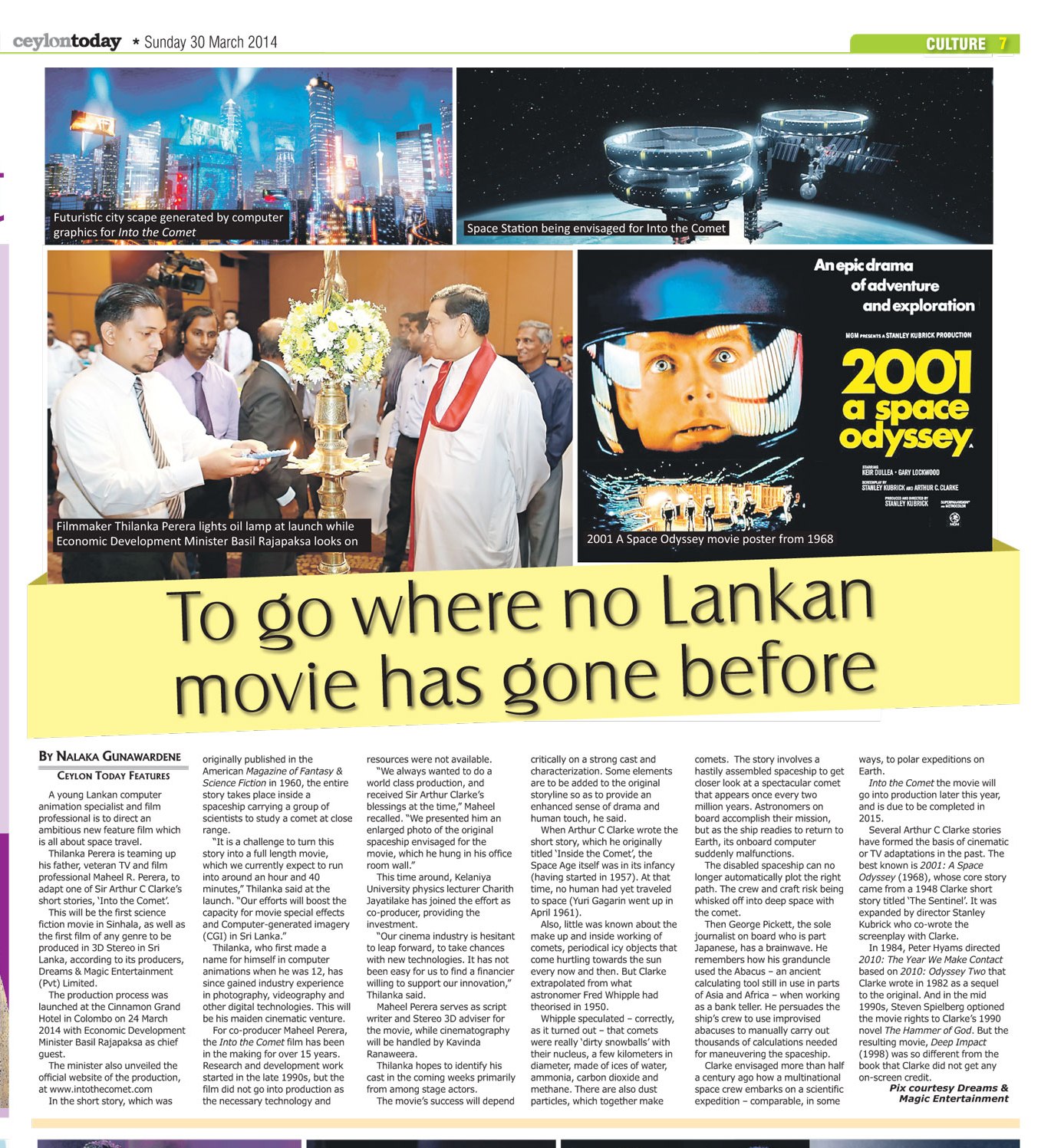
Feature published in Ceylon Today Sunday newspaper, 30 March 2014

To Go Where No Lankan Movie has Gone Before…

By Nalaka Gunawardene

Photos courtesy Dreams & Magic Entertainment

Space Station being envisaged for 'Into the Comet' Sinhala science fiction feature film by Thilanka Perera
Space Station being envisaged for ‘Into the Comet’ Sinhala science fiction feature film by Thilanka Perera

A young Lankan computer animation specialist and film professional is to direct an ambitious new feature film which is all about space travel.

Thilanka Perera is teaming up his father, veteran TV and film professional Maheel R Perera, to adapt one of Sir Arthur C Clarke’s short stories, “Into the Comet”.

This will be the first science fiction movie in Sinhala, as well as the first film of any genre to be produced in 3D Stereo in Sri Lanka, according to its producers, Dreams & Magic Entertainment (Pvt) Limited.

The production process was launched at the Cinnamon Grand Hotel in Colombo on 24 March 2014 with Economic Development Minister Basil Rajapaksa as chief guest.

The minister also unveiled the official website of the production, at http://www.intothecomet.com

In the short story, which was originally published in the American Magazine of Fantasy & Science Fiction in 1960, the entire story takes place inside a spaceship carrying a group of scientists to study a comet at close range.

“It is a challenge to turn this story into a full length movie, which we currently expect to run into around an hour and 40 minutes,” Thilanka said at the launch. “Our efforts will boost the capacity for movie special effects and Computer-generated imagery (CGI) in Sri Lanka.”

Thilanka, who first made a name for himself in computer animations when he was 12, has since gained industry experience in photography, videography and other digital technologies. This will be his maiden cinematic venture.

For co-producer Maheel Perera, ‘Into the Comet’ film has been in the making for over 15 years. Research and development work started in the late 1990s, but the film did not go into production as the necessary technology and resources were not available.

“We always wanted to do a world class production, and received Sir Arthur Clarke’s blessings at the time,” Maheel recalled. “We presented him an enlarged photo of the original spaceship envisaged for the movie, which he hung in his office room wall.”

This time around, Kelaniya University physics lecturer Charith Jayatilake has joined the effort as co-producer, providing the investment.

“Our cinema industry is hesitant to leap forward, to take chances with new technologies. It has not been easy for us to find a financier willing to support our innovation,” Thilanka said.

Maheel Perera serves as script writer and Stereo 3D adviser for the movie, while cinematography will be handled by Kavinda Ranaweera.

Thilanka hopes to identify his cast in the coming weeks primarily from among stage actors.

The movie’s success will depend critically on a strong cast and characterization. Some elements are to be added to the original storyline so as to provide an enhanced sense of drama and human touch, he said.

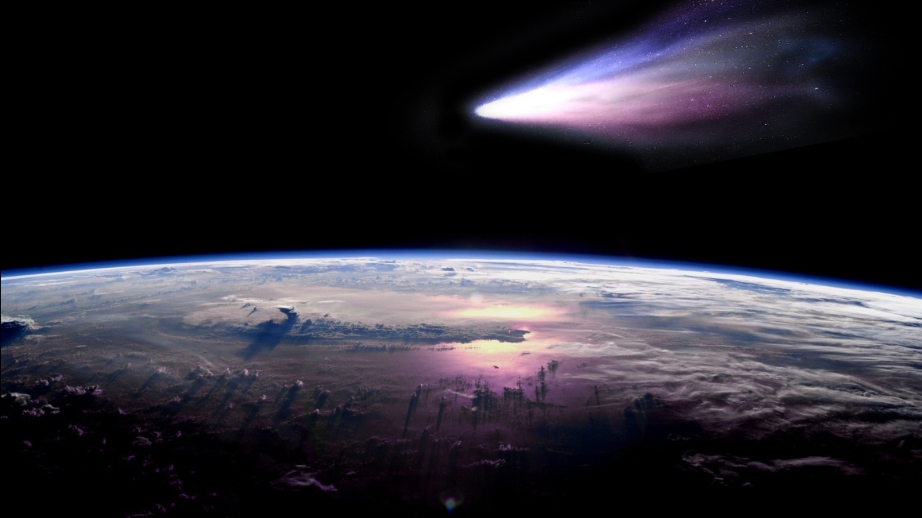
comet

When Arthur C Clarke wrote the short story, which he originally titled “Inside the Comet”, the Space Age itself was in its infancy (having started in 1957). At that time, no human had yet traveled to space (Yuri Gagarin went up in April 1961).

Also, little was known about the make up and inside working of comets, periodical icy objects that come hurtling towards the sun every now and then. But Clarke extrapolated from what astronomer Fred Whipple had theorised in 1950.

Whipple speculated — correctly, as it turned out — that comets were really ‘dirty snowballs’ with their nucleus, a few kilometers in diameter, made of ices of water, ammonia, carbon dioxide and methane. There are also dust particles, which together make comets spectacular phenomena when they approach the sun.

The story involves a hastily assembled spaceship to get closer look at a spectacular comet that appears once every two million years. Astronomers on board accomplish their mission, but as the ship readies to return to Earth, its onboard computer suddenly malfunctions.

The disabled spaceship can no longer automatically plot the right path. The crew and craft risk being whisked off into deep space with the comet.

Then George Pickett, the sole journalist on board who is part Japanese, has a brainwave. He remembers how his granduncle used the Abacus – an ancient calculating tool still in use in parts of Asia and Africa – when working as a bank teller. He persuades the ship’s crew to use improvised abacuses to manually carry out thousands of calculations needed for maneuvering the spaceship…

Futuristic city scape generated by computer graphics for movie Into the Comet

Clarke envisaged more than half a century ago how a multinational space crew embarks on a scientific expedition – comparable, in some ways, to polar expeditions on Earth.

“Into the Comet” the movie will go into production later this year, and is due to be completed in 2015.

Several Arthur C Clarke stories have formed the basis of cinematic or TV adaptations in the past. The best known is 2001: A Space Odyssey (1968), whose core story came from a 1948 Clarke short story titled ‘The Sentinel’. It was expanded by director Stanley Kubrick who co-wrote the screenplay with Clarke.

In 1984, Peter Hyams directed 2010: The Year We Make Contact based on 2010: Odyssey Two that Clarke wrote in 1982 as a sequel to the original. And in the mid 1990s, Steven Spielberg optioned the movie rights to Clarke’s 1990 novel The Hammer of God. But the resulting movie, Deep Impact (1998) was so different from the book that Clarke did not get any on-screen credit.

See also – 2 January 2010: 2010: The Year We Make Contact…?

28 April 2008: H R Premaratne: The artist who built a space station for 2001

Into the Comet Sinhala Feature film goes into production - Ceylon Today 30 March 2014
Into the Comet Sinhala Feature film goes into production – Ceylon Today 30 March 2014