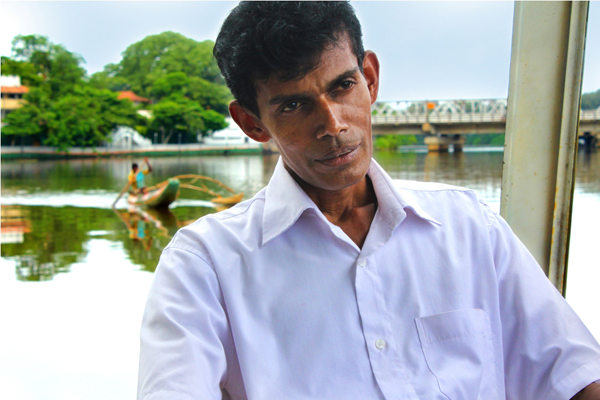
I S W Karunathilaka, winner of the ‘Ray Award’ 2012. Photo by Mevan Peiris/Snap Photography
I S W Karunathilaka, inventor of a waveless boat design that saves fuel and protects river banks, won the inaugural Ray Award for nurturing innovation excellence in Sri Lanka.
An accountant turned entrepreneur, he received the award at a gala awards ceremony held on 17 October 2012 at the Cinnamon Lakeside Hotel, Colombo, amidst an international audience.
The Commercial Bank has offered a grant worth LKR 1 million to assist Karunathilaka to prepare his invention for commercialisation, while the University of Moratuwa will provide technical advice and guidance.
Six Lankan inventors, already honoured with Presidential Awards for Innovation in recent years, were shortlisted for the award. Coming from diverse backgrounds and training, each had designed or produced a practical solution to an everyday need.
The Ray Award is a biennial, life-time award given in memory of the late Ray Wijewardene, the foremost inventor produced by Sri Lanka, to help a state recognised inventor to commercialise his or her invention. It is administered and presented by the Ray Wijewardene Charitable Trust (RWCT) in collaboration with the Sri Lanka Inventors Commission (SLIC) and the Commercial Bank.
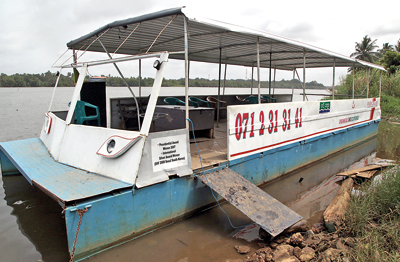
Prototype of waveless eco-boat designed by I S W KarunatilakeThe waveless boat is non-symmetric in shape: rectangular on the outside, but has curves facing the inside. It contains twin hulls, which allow water to travel through the hollow mid section and prevents waves being formed on the boat’s sides as it moves.
The boat is eco friendly in other ways too. It consumes less fuel as energy is not wasted in wave generation. Unlike conventional boats made from fibre glass, Karunathilaka’s vessel is made of steel and aluminium, with an anodic protection which reduces corrosion.
He has already built a prototype that can carry up to 50 passengers or 4,000 kg of cargo, which has been operating on the Kalu Ganga since late 2011.
“It was late Dr Ray Wijewardene’s vision and dream to see Sri Lanka develop economically through inventiveness and innovation,” said Dr Tissa Vitarana, Senior Minister of Scientific Affairs, who was chief guest. “The Ray Award celebrates what he stood for.”
“Our inventors need state recognition, society’s appreciation and funding to commercialise their ideas. We really need a good venture capital bank in Sri Lanka to support our inventors – this is what had made a difference in advanced economies like the United States,” he added.
Dr Vitarana noted that only 2 per cent of Sri Lanka’s exports received a high technology input at the moment. He underlined the need for Sri Lanka to develop its own technologies responding the country’s particular needs and powered by the country’s own innovative and enterprising people.
He hoped that RWCT would help Sri Lanka to achieve what the late Ray Wijewardene had in mind: for Sri Lanka to become a developed country without the problems of poverty.
Deepal Sooriyaarachchi, Commissioner of the Sri Lanka Inventors Commission and member of the selection panel said the Ray Award is a celebration of Lankan inventiveness. Long-listed candidates were assessed on three criteria, or three ‘I’s: Invention, Innovation and Impact.
Professor Malik Ranasinghe, Chairman of the Board of Trustees of RWCT, said the Trust supports innovations in sustainable agriculture, renewable energy, engineering and aeronautics – disciplines and pursuits that were close to Ray’s heart. “We hope that ‘The Ray’ will help to create the next Ray Wijewardene in Sri Lanka.”
All past winners of the Presidential Awards for innovation, presented by SLIC, were eligible and invited to apply for the Ray Award. The Trust received a total of 56 applications, which were reviewed by an independent panel that interviewed 17 candidates.
The selection panel was chaired by Prof Uditha Liyanage, Director and Chairman of the Board of Management, Postgraduate Institute of Management (PIM) affiliated to University of Sri Jayawardenapura.
A documentary featuring the six shortlisted inventors, produced by Ray Wijewardene’s grandson Rehan Alexander Mudannayake, was screened during the awards ceremony.
Ray Award 2012 Winner and shortlisted candidates with Dr Tissa Vitarana, Senior Minister of Science
The kidneys are vital organs in our body that help keep the blood clean and chemically balanced through filtering. Healthy kidneys separate waste and excess water.
Similarly, a healthy and vibrant media helps separate fact from fiction, and provides clarity and context vital for an open, pluralistic society to function.
In Sri Lanka, mass kidney failure during the past two decades has been followed by what I see as a mass media failure to understand, analyse and report adequately on this public health emergency. Instead of helping affected people and policy makers to work out solutions, some journalists have become mere amplifiers of extreme activist positions.
As health officials and policy makers struggle with the prolonged humanitarian crisis, partisan media coverage has added to public confusion, suspicion and fear. As a science writer and journalist, I have watched this with growing concern.
I just gave a talk on this to the Science Communication Leadership Workshop which was part of the First General Assembly of Association of Academies and Societies of Sciences in Asia (AASSA) held in Colombo, Sri Lanka, on 17 October 2012.
Malima (New Directions in Innovation) is a Sinhala language TV series on science, technology and innovation. This episode was produced and first broadcast by Sri Lanka’s Rupavahini TV channel on 27 September 2012.
Produced by Suminda Thilakasena and hosted by science writer Nalaka Gunawardene, this episode features the following items:
• An interview with inventor Nalaka Chandrawansa, who has developed an energy-efficient fan that can be fitted under a mosquito net. It consumes less than 20W to operate, compared with table fans (average 45W) and ceiling fans (average 70W), accumulating power savings. And because the compact fan provides a more targeted stream of air that cools the sleeper on the bed, it also does not stir dust elsewhere in the room that sometimes causes health problems. This innovation has been grated a Sri Lanka Patent, certified by Sri Lanka Sustainable Energy Authority and won a President’s Award in 2010. It is manufactured and marketed by the inventor himself. Details at: http://www.freshnight.net
• Introducing Sri Lanka’s indigenous technology: kedella karuwa, a simple tool for sweeping outdoors, which might have inspired the rake.
• A Japanese company has recently introduced the innovative ‘Grappa’ foldable shopping bag — which also doubles as a safety helmet in the case of a disaster. It is made of mesh fabric sides, much like a standard reusable shopping bag, but the bottom consists of hard plastic and expanded polystyrene (EPS), which is often found in safety helmets to absorb impact. More about this at: http://www.springwise.com/health_wellbeing/japanese-eco-friendly-shopping-bag-doubles-safety-helmet/
• An interview with schoolboy inventor Therusha Chethana Fernando, a student of De Mazenod College, Kandana, Sri Lanka. He has developed a portable water cooler that can chill water to 5 degrees C below outside temperature without using refrigeration technology or electricity. Instead, the simple device uses a permeable clay container and a battery-powered small fan. With 3 litres of water filled, the entire unit weighs 4 kg, easy enough to carry around.
In this week’s Ravaya column (in Sinhala), published in issue for 7 Oct 2012, I share my impressions of Sahasak Nimawum, the first national inventors exhibition of Sri Lanka held on Sep 30, Oct 1 and 2 in Colombo.
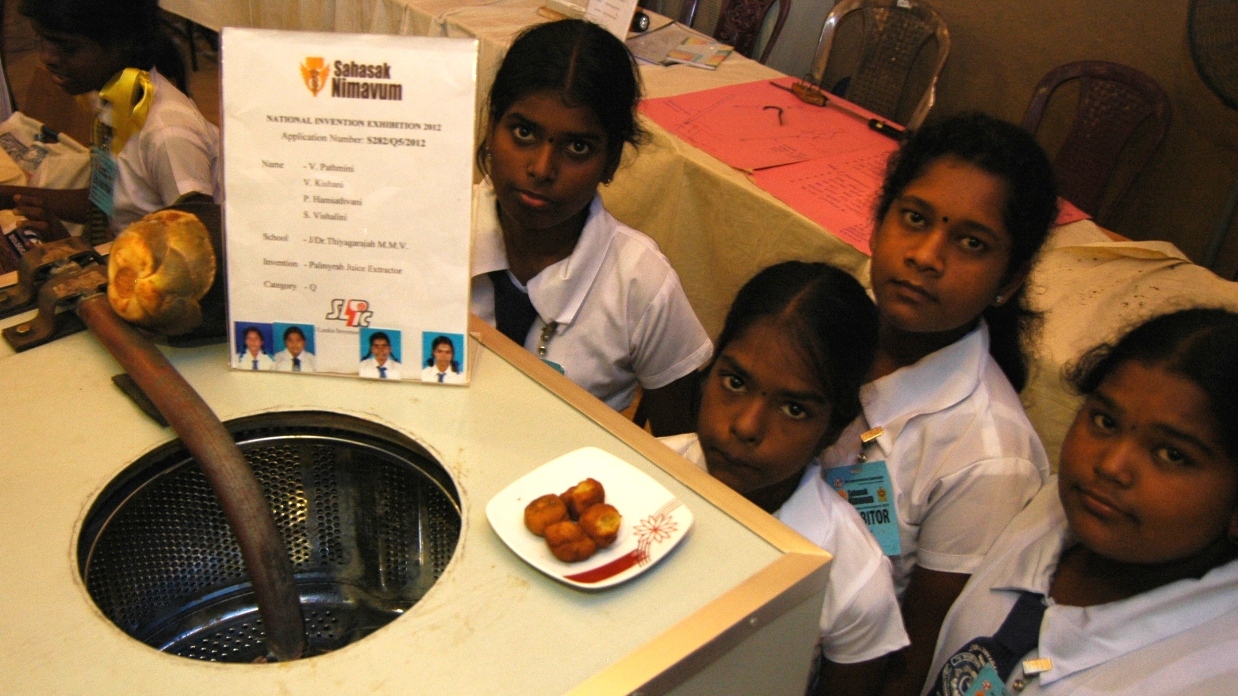
Organised by Sri Lanka Inventors Commission, it brought together over 900 innovations – including some 400 by school children from around the island.
I spent many hours at the exhibition, talking to dozens of exhibitors and taking hundreds of photos. Clearly, I can only share a few overall impressions in a column like this. I’ll be using the other info in my future writing aimed at critically cheerleading innovation in Sri Lanka.
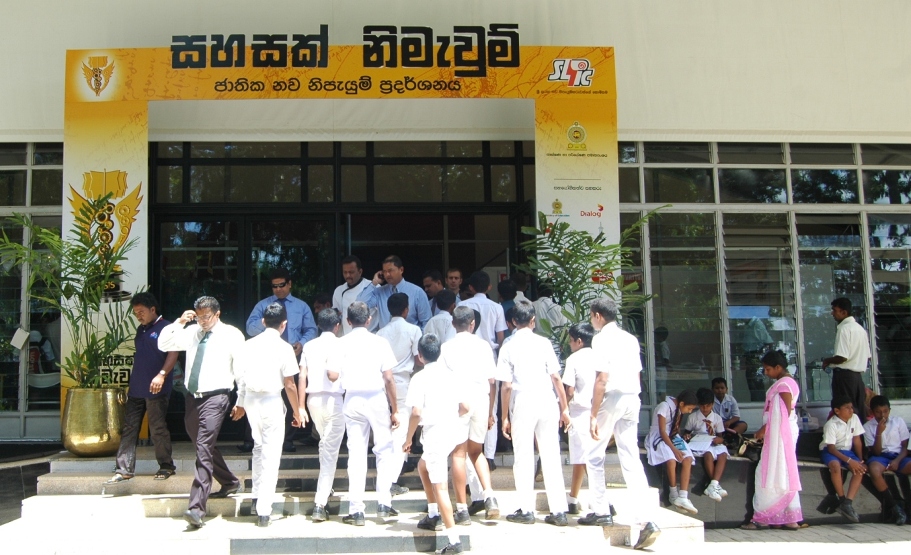
Sahasak Nimawum 2012 entrance – photo Janaka Sri Jayalath
In this week’s Ravaya column (in Sinhala), published on 30 September 2012, I discuss how to nurture a culture of innovation in Sri Lanka — a topic that I’ve been writing and talking about for over two decades.
On the eve of the first major national exhibition of inventions, I discuss the role of Sri Lanka Inventors’ Commission (SLIC), state agency mandated to promote innovation, and talk to its head, Deepal Sooriyaarachchi.
I revive a question first asked when Apple co-founder Steve Jobs departed one year ago: how do we nurture innovation in our kind of conformist and hierarchical societies don’t give mavericks a fleeting chance. Our cultures instead suppress individualism and iconoclasts. What is to be done?
Sahasak Nimawum: Sri Lanka’s national exhibition of inventions and inventors
Despite the recent International Year of Chemistry (2011), chemicals don’t get good press in Sri Lanka. If at all they make it to the news, or become a current affairs topic, that is usually as a bad story: a chemical spill, water contamination or suspected pesticide residues in our food.
All these happen, and we should be concerned. But chemicals are everywhere in our modern lives — reducing drudgery, protecting us from disease and overall improving the quality of life. It’s all a question of balancing risks with benefits. Also discerning what we really need as opposed to what we want.
Focusing on bad news is the media’s typical approach, and demonising science and technology is common in many sections of our print and broadcast media. Such posturing also fits well into the prevailing narrative of the ‘whole world being out to undermine, destabilise and destroy us’. So chemical industries must be part of that ‘conspiracy’, no?
Many of Lanka’s environmental activists don’t allow facts and analysis to get in the way of a good scare story. Uncritical journalists and their editors often peddle their half-baked arguments and conspiracy theories unsupported by any evidence. Very few scientists speak out for science and reason.
So when the Centre for Environmental Justice (CEJ), a moderate advocacy group, invited me to talk to a group of journalists and broadcasters at a media workshop, I welcomed the opportunity.
I based my talk on five scientists each of who took on once-revered chemicals and formidable industry interests, all in the public interest. By showcasing these champions of public science, I wanted to show that there are honest, diligent scientists who engage in evidence-based advocacy. Not all scientists are part of some global conspiracy to poison us…
The five are those who worked tirelessly and left their mark in their discipline, and in how we look at chemical and environmental management: Rachel Carson (1907 – 1964) Alice Hamilton (1869 – 1970) Sherwood Rowland (1927 – 2012) Theo Colborn (1927 – ) Anil Agarwal (1947 – 2002)
I ended by urging journalists to look for credible and moderate scientists who are led by evidence, not conjecture or prejudice. Amplifying their voices is something we in the media are well positioned to do, but don’t do nearly enough.
Presentation to Media workshop on scientific reporting on chemical issues, organised by Centre for Environmental Justice in Colombo, 25 September 2012:
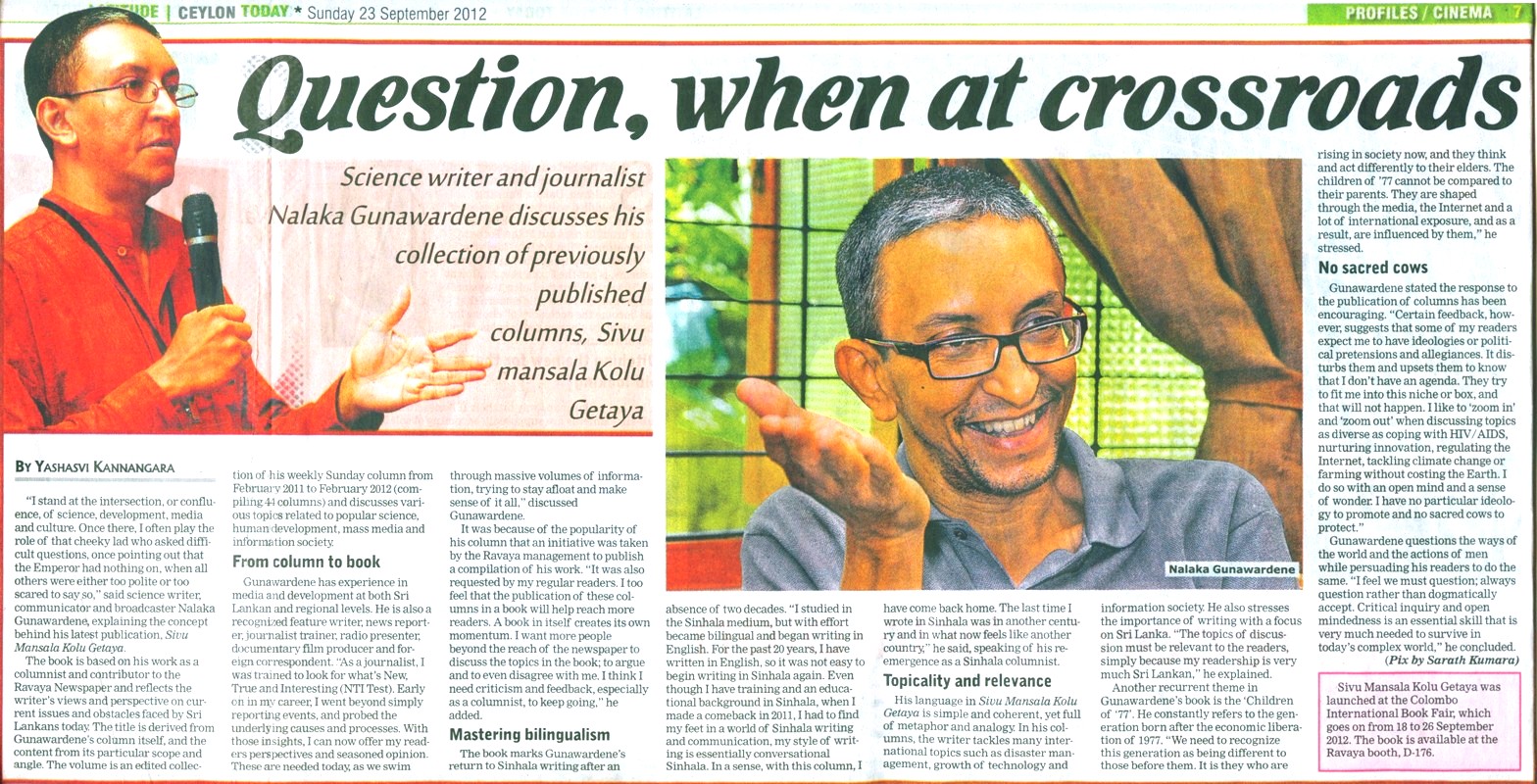
Nalaka Gunawardene, photo by Sarath Kumara“Question, When At Crossroads”
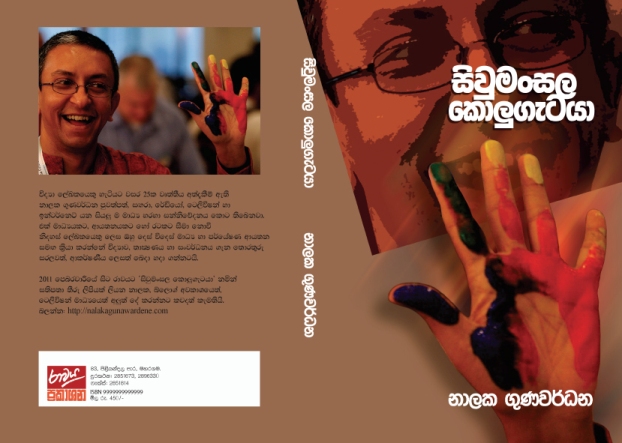
With that title, Ceylon Today on Sunday 23 September 2012 carries a profile of my new Sinhala language book, Sivu Mansala Kolu Getaya (SMKG for short).
The article is written by Yashasvi Kannangara based on an interview with myself, and her reading of the book that came out last week.
A recurrent theme in SMKG is my interest in Sri Lanka’s ‘Children of ’77’ — the generation who were born after the economy was liberalised in 1977 which, in turn, ushered in radical changes in our society, culture and media. So I’m intrigued to be profiled by a member of that very generation, @YashasviK!
Here’s an excerpt, where she quotes me directly:
“I studied in the Sinhala medium, but with effort became bilingual and began writing in English. For the past 20 years, I have written in English, so it was not easy to begin writing in Sinhala again. Even though I have training and an educational background in Sinhala, when I made a comeback in 2011, I had to find my feet in a world of Sinhala writing and communication, my style of writing is essentially conversational Sinhala. In a sense, with this column, I have come back home. The last time I wrote in Sinhala was in another century and in what now feels like another country!”
This is the text of my (Sinhala language) column in Ravaya newspaper of 23 September 2012. I review two new books, both of much public interest, and written by two senior professionals who have been passionately committed to public safety for decades.
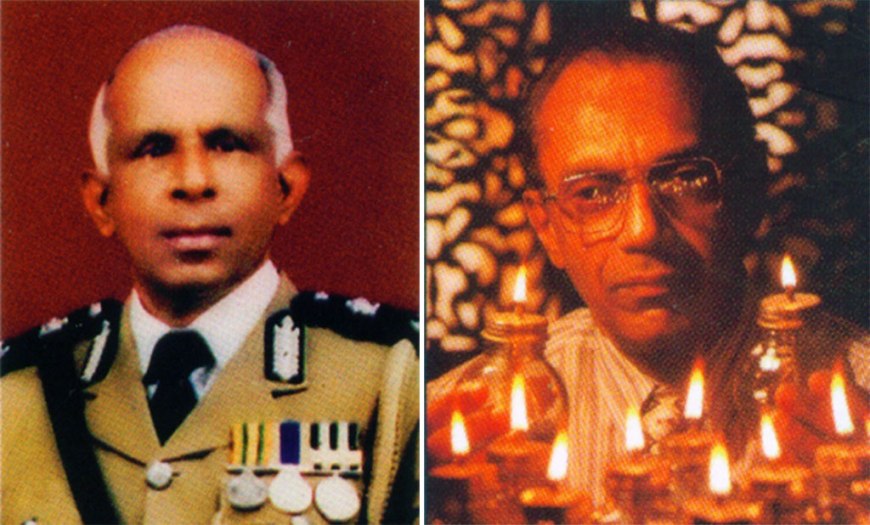
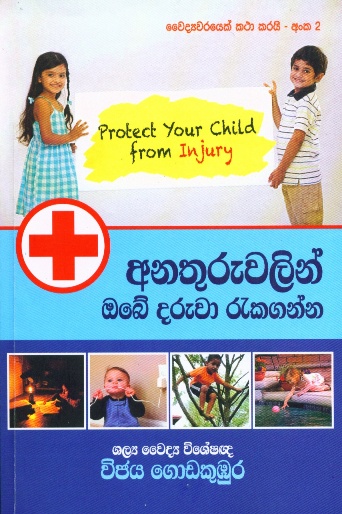
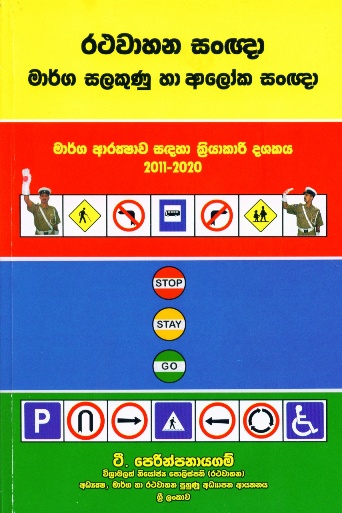
Protect Your Child from Injury (in Sinhala) is written by Dr Wijaya Godakumbura, while Traffic Signs, Road Markings and Traffic Signals is authored by T Perinpanayagam, a retired senior police officer.
T Perinpanayagam (left) and Dr Wijaya Godakumbura: Life-long commitment to safety
මේ සාහිත්ය මාසයයි. කොළඹ පොත් ප්රදර්ශනය පැවැත්වෙන සතියයි. මේ නිසා මෑතදී මට හමුවූ පොත් දෙකක් ගැන අද කථා කරනවා.
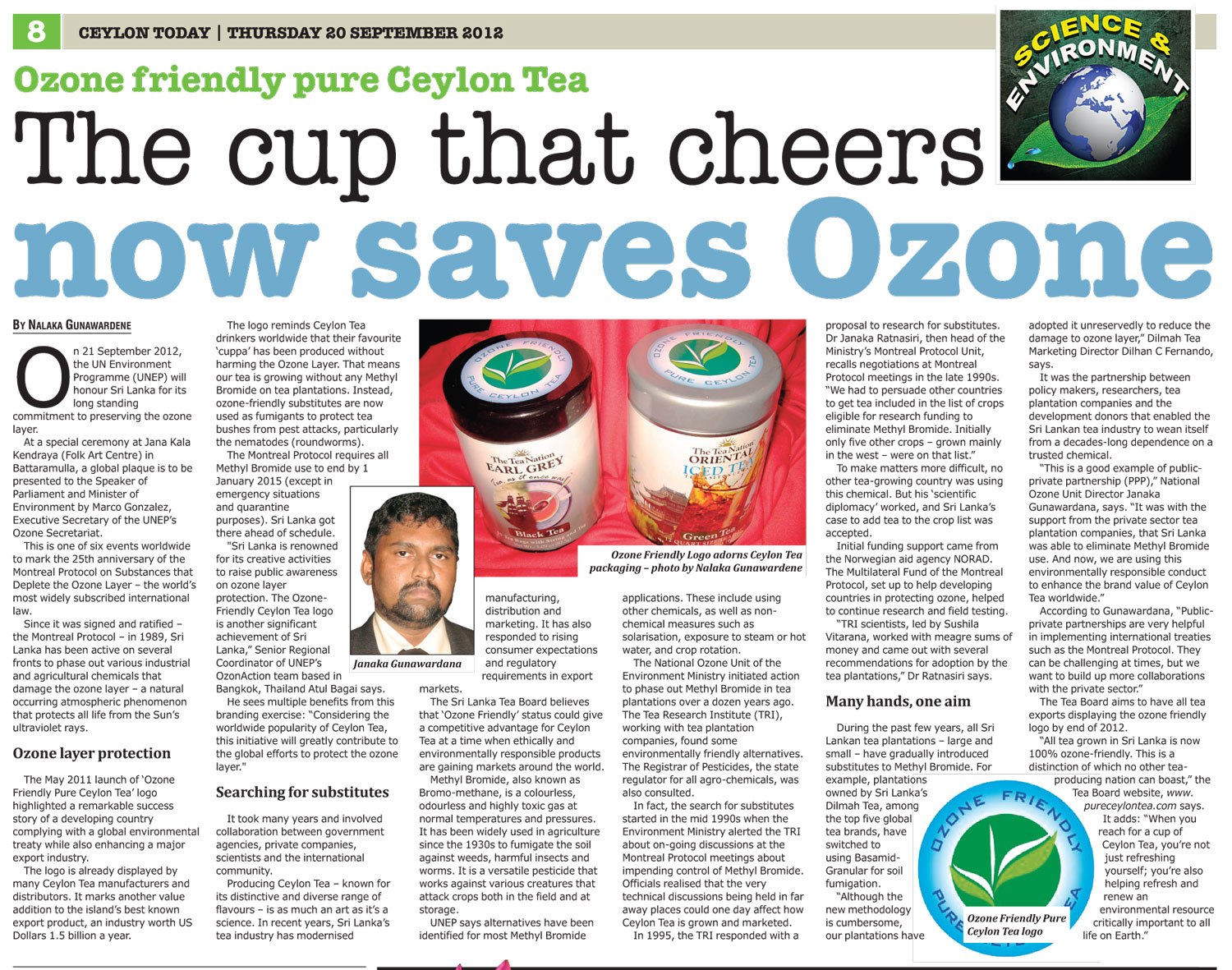
Text of my article that appears in Ceylon Today newspaper, on 20 September 2012
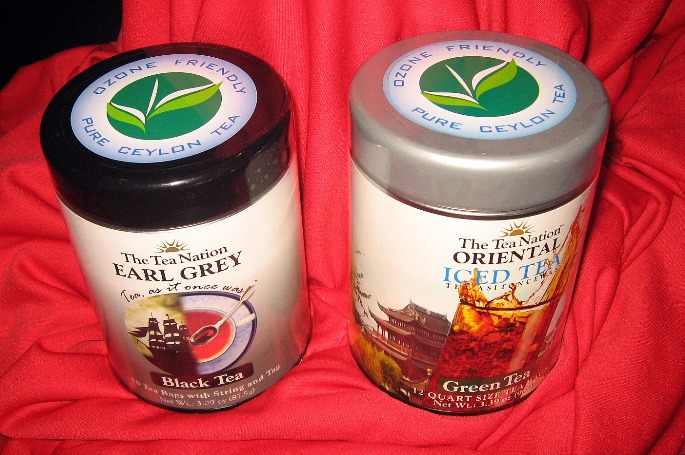
Ozone Friendly Logo adorns Ceylon Tea packaging – photo by Nalaka Gunawardene
On 21 September 2012, the UN Environment Programme (UNEP) will honour Sri Lanka for its long standing commitment to preserving the ozone layer.
At a special ceremony at Jana Kala Kendraya (Folk Art Centre) in Battaramulla, a global plaque is to be presented to the Speaker of Parliament and Minister of Environment by Marco Gonzalez, Executive Secretary of UNEP’s Ozone Secretariat.
This is one of six events worldwide to mark the 25th anniversary of the Montreal Protocol on Substances that Deplete the Ozone Layer — the world’s most widely subscribed international law.
Since it signed and ratified the Montreal Protocol in 1989, Sri Lanka has been active on several fronts to phase out various industrial and agricultural chemicals that damage the ozone layer – a natural occurring atmospheric phenomenon that protects all life from the Sun’s ultraviolet rays.
Among the many accomplishments is introducing the world’s first ozone friendly tea. The May 2011 launch of ‘Ozone Friendly Pure Ceylon Tea’ logo highlighted a remarkable success story of a developing country complying with a global environmental treaty while also enhancing a major export industry.
The logo is already displayed by many Ceylon Tea manufacturers and distributors. It marks another value addition to the island’s best known export product, an industry worth US Dollars 1.5 billion a year.
The logo reminds Ceylon Tea drinkers worldwide that their favourite ‘cuppa’ has been produced without harming the Ozone Layer. That means our tea is growing without any Methyl Bromide on tea plantations. Instead, ozone-friendly substitutes are now used as fumigants to protect tea bushes from pest attacks, particularly the nematodes (roundworms).
The Montreal Protocol requires all Methyl Bromide use to end by 1 January 2015 (except in emergency situations and quarantine purposes). Sri Lanka got there ahead of schedule.
“Sri Lanka is renowned for its creative activities to raise public awareness on ozone layer protection. The Ozone-Friendly Ceylon Tea logo is another significant achievement of Sri Lanka,” says Atul Bagai, Senior Regional Coordinator of UNEP’s OzonAction team based in Bangkok, Thailand.
He sees multiple benefits from this branding exercise: “Considering the worldwide popularity of Ceylon Tea, this initiative will greatly contribute to the global efforts to protect the ozone layer.”
Searching for Substitutes
It took many years and involved collaboration between government agencies, private companies, scientists and the international community.
Producing Ceylon Tea — known for its distinctive and diverse range of flavours — is as much an art as it’s a science. In recent years, Sri Lanka’s tea industry has modernised manufacturing, distribution and marketing. It has also responded to rising consumer expectations and regulatory requirements in export markets.
The Sri Lanka Tea Board believes that ‘Ozone Friendly’ status could give a competitive advantage for Ceylon Tea at a time when ethically and environmentally responsible products are gaining markets around the world.
Methyl Bromide, also known as Bromo-methane, is a colourless, odourless and highly toxic gas at normal temperatures and pressures. It has been widely used in agriculture since the 1930s to fumigate the soil against weeds, harmful insects and worms. It is a versatile pesticide that works against various creatures that attack crops both in the field and at storage.
UNEP says alternatives have been identified for most Methyl Bromide applications. These include using other chemicals, as well as non-chemical measures such as solarisation, exposure to steam or hot water, and crop rotation.
The National Ozone Unit of the Ministry of Environment initiated action to phase out Methyl Bromide in tea plantations over a dozen years ago. The Tea Research Institute (TRI), working with tea plantation companies, found some environmentally friendly alternatives. The Registrar of Pesticides, the state regulator for all agro-chemicals, was also consulted.
In fact, the search for substitutes started in the mid 1990s when the Ministry of Environment alerted the TRI about on-going discussions at Montreal Protocol meetings about controlling Methyl Bromide.
Perceptive officials realised how the highly technical discussions being held in far away places could one day affect how Ceylon Tea was grown and marketed.
Dr Janaka Ratnasiri, then head of the Ministry’s Montreal Protocol Unit, recalls negotiations at Montreal Protocol meetings in the late 1990s. “We had to persuade other countries to get tea included in the list of crops eligible for research funding to eliminate Methyl Bromide. Initially only five other crops – grown mainly in the west – were on that list.”
To make matters more difficult, no other tea-growing country was using this chemical. But his ‘scientific diplomacy’ worked, and Sri Lanka’s case to add tea to the crop list was accepted.
In 1995, the TRI responded with a proposal to research for substitutes. Initial funding support came from the Norwegian aid agency NORAD. The Multilateral Fund of the Montreal Protocol, set up to assist developing countries in protecting ozone, helped continue that research and field testing.
“TRI scientists, led by Ms Sushila Vitarana, worked with meagre sums of money and came out with several recommendations for adoption by the tea plantations,” says Dr Ratnasiri.
Many Hands, One Aim
During the past few years, all Sri Lankan tea plantations – large and small – have gradually introduced substitutes to Methyl Bromide. For example, plantations owned by Sri Lanka’s Dilmah Tea, among the top five global tea brands, have switched to using Basamid-Granular for soil fumigation.
“Although the new methodology is cumbersome, our plantations have adopted it unreservedly in order to reduce the damage to ozone layer,” says Dilhan C Fernando, marketing director of Dilmah Tea.
It was the partnership between policy makers, researchers, tea plantation companies and the development donors that enabled the Sri Lankan tea industry to wean itself from a decades-long dependence on a trusted chemical.
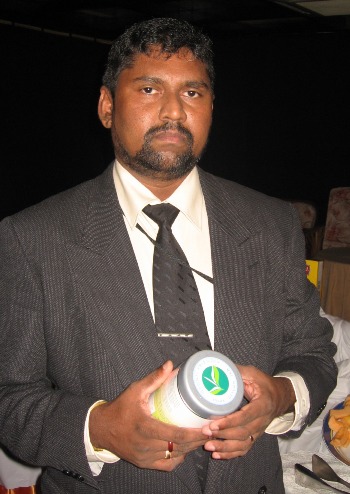
Janaka Gunawardana, Director of the National Ozone Unit with ozone friendly Ceylon Tea“This is a good example of public-private partnership (PPP),” says Janaka Gunawardana, Director of the National Ozone Unit. “It was with the support from the private sector tea plantation companies that Sri Lanka was able to eliminate Methyl Bromide use. And now, we are using this environmentally responsible conduct to enhance the brand value of Ceylon Tea worldwide.”
“Public-private partnerships are very helpful in implementing international treaties such as the Montreal Protocol,” says Gunawardana. “They can be challenging at times, but we want to build up more collaborations with the private sector.”
The Tea Board aims to have all tea exports displaying the ozone friendly logo by end 2012.
“All tea grown in Sri Lanka is now 100% ozone-friendly. This is a distinction of which no other tea-producing nation can boast,” says the Tea Board website, www.pureceylontea.com.
It adds: “When you reach for a cup of Ceylon Tea, you’re not just refreshing yourself; you’re also helping refresh and renew an environmental resource critically important to all life on Earth.”




 Open Minds!