Text of my ‘When Worlds Collide’ column published in Ceylon Today broadsheet newspaper on 2 May 2014
Time travel is not a technological possibility – at least not yet. Right now, we can travel back and forth in time only in our imagination – often with some help from photographic, sound and moving image recordings.
Last month, little ‘time capsules’ offering many frozen moments of the 20th century suddenly came within reach of anyone with Internet access. That’s when the British Pathé company uploaded its massive Newsreel archive on to the free video sharing platform YouTube.
Text of my ‘When Worlds Collide’ column published in Ceylon Today broadsheet newspaper on 25 April 2014
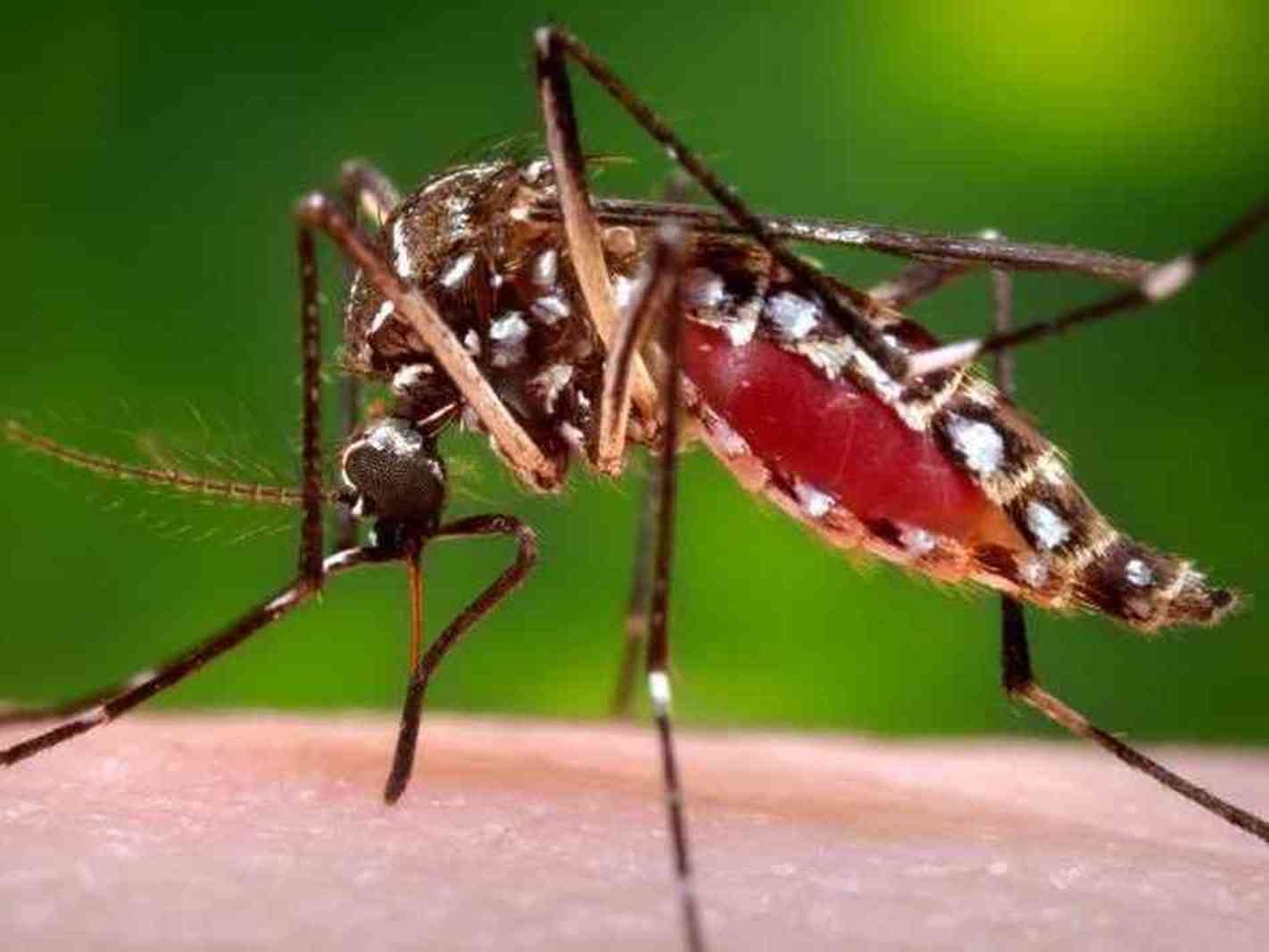
Dengue-carrying mosquito Aedes aegypti
Last week, discussing dengue fever as a silent disaster, I wrote: “For now, there is no specific antiviral drug or effective vaccine against dengue. Control and prevention are the best available defences.”
We looked at the value of environmental sanitation — keeping water containers covered, and protecting or sealing off natural water sources. In short, all measures to deprive its mosquito vector the watery medium it needs to breed and multiply.
I return to the topic in view of its high topicality. The national mosquito control week, observed from 2 to 8 April with the slogan of ‘Dengue Free Sri Lanka’, is now behind us. I take a special interest in dengue also because my own child contracted dengue thrice before she reached 10 years (while living…
In his last published short story, written only a few months before his death, Sir Arthur C Clarke envisioned a world without religions by the year 2500.
Yes, ALL organised, institutionalised religions (i.e. those with holy scripture, priests and places of worship) will gradually go into oblivion! No exceptions.
In it, Sir Arthur described the development of reliable psychological probes, using which any suspected individual could be ‘painlessly and accurately interrogated, by being asked to answer a series of questions’. While its original purpose is to keep the world safe from criminals and terrorists, the “Psi-probe” soon proves to be useful on another front: to weed out religious fanaticism – and all religions themselves – which is a greater threat to humanity.
A few weeks ago, with the concurrence of the Arthur C Clarke Estate, I invited S M Banduseela, the most prolific translator of Clarke’s work in Sri Lanka, to render this last story into Sinhala. Here it is, being published for the first time here:
Text of my ‘When Worlds Collide’ column published in Ceylon Today broadsheet newspaper on 18 April 2014
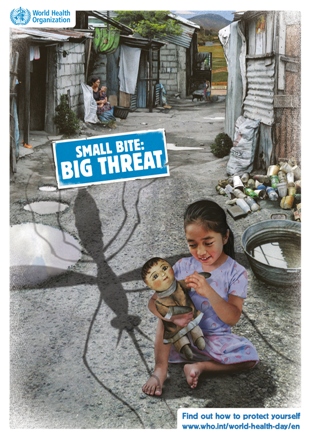
The theme for World Health Day, observed on April 7, was vector-borne diseases – a major public health challenge in the tropics. It was packaged under the slogan: Small Bite, Big Threat.
Vectors are small creatures which carry serious diseases. As the World Health Organisation (WHO) noted, globalization of trade and travel, and trends such as climate change and urbanization, all impact on how vector-borne diseases spread. Some vectors have started turning up in countries where they were previously unknown.
Formidable among them is the mosquito. Different species spread a number of infectious diseases: malaria, dengue, lymphatic filariasis, chikungunya, Japanese encephalitis and yellow fever.
In terms of deaths caused, malaria is the most deadly: in 2010, it killed an estimated 660,000, mostly African children. But the world’s fastest growing vector-borne disease is
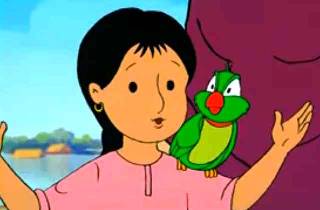
This week’s Ravaya column (in Sinhala) is about the Meena Communication Initiative, which used animations and popular culture to discuss serious messages related to the girl child in South Asia.
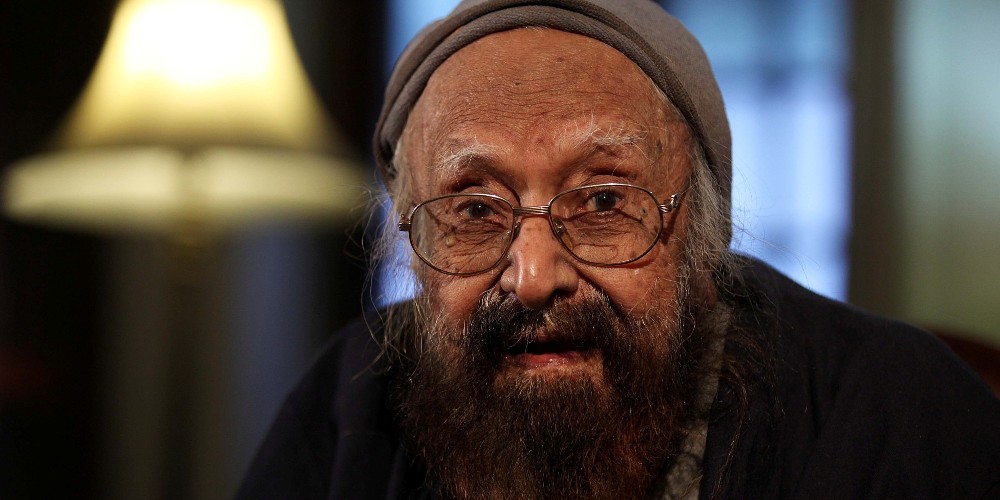
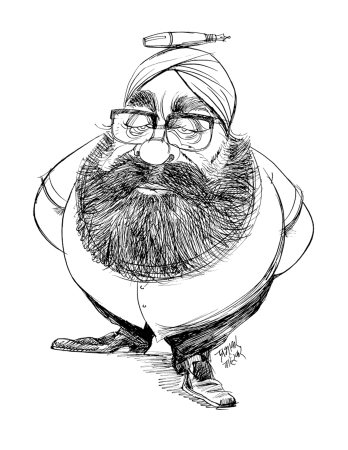
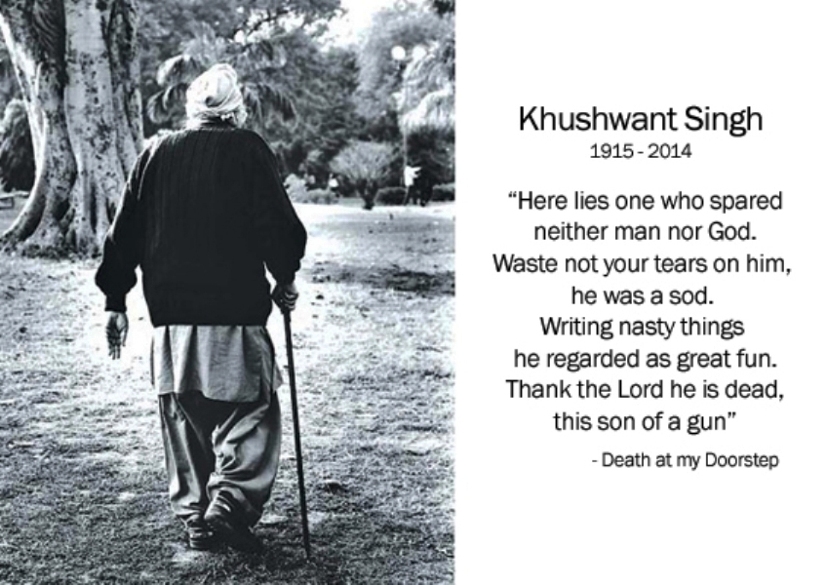
In this week’s Ravaya column (in Sinhala), I pay tribute to Khushwant Singh (1915-2014), writer and journalist who died on 20 March 2014 aged 99. He is best remembered for his satire, humour and trenchant secularism. I make special mention of his defiance of death threats from Sikh fundamentalists in the 1980s, and his vocal stand against all organised religions.
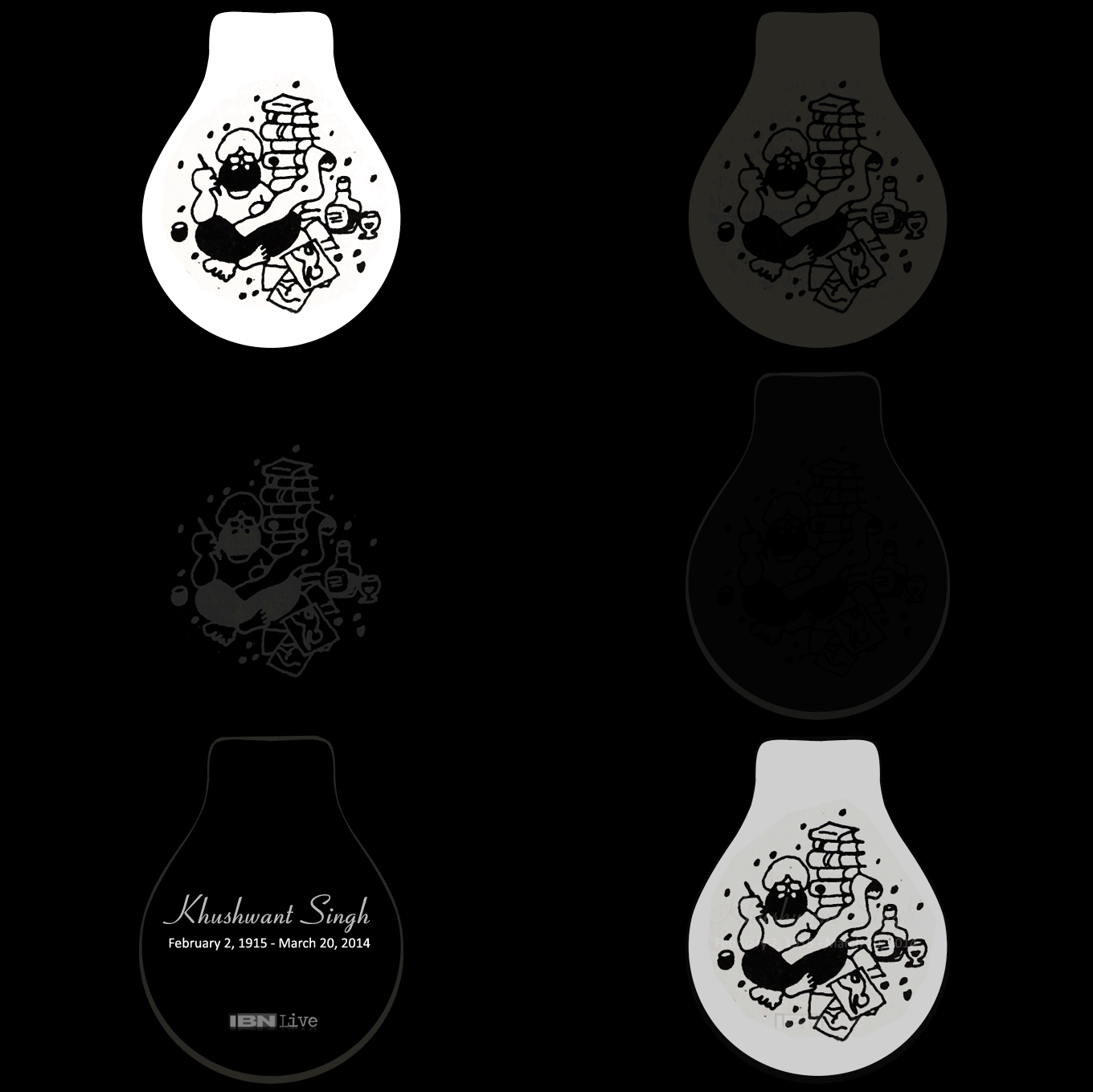
IBN TV’s tribute to Khushwant Singh played on the image of editor inside the light bulb – the graphic used by him when he edited Illustrated Weekly of India (1969-78)
As Frenchmen also pioneered photography in the decades that followed, it was just a matter of time before the two innovations were combined. The world’s first aerial photos (from a camera not supported by a ground-based structure) were taken by French photographer and balloonist Gaspard-Félix Tournachon in 1858. Again, over Paris.
A French company was involved in the world’s first use of a motion picture camera mounted on an aircraft too. That was on 24 April 1909 – this time over Rome…
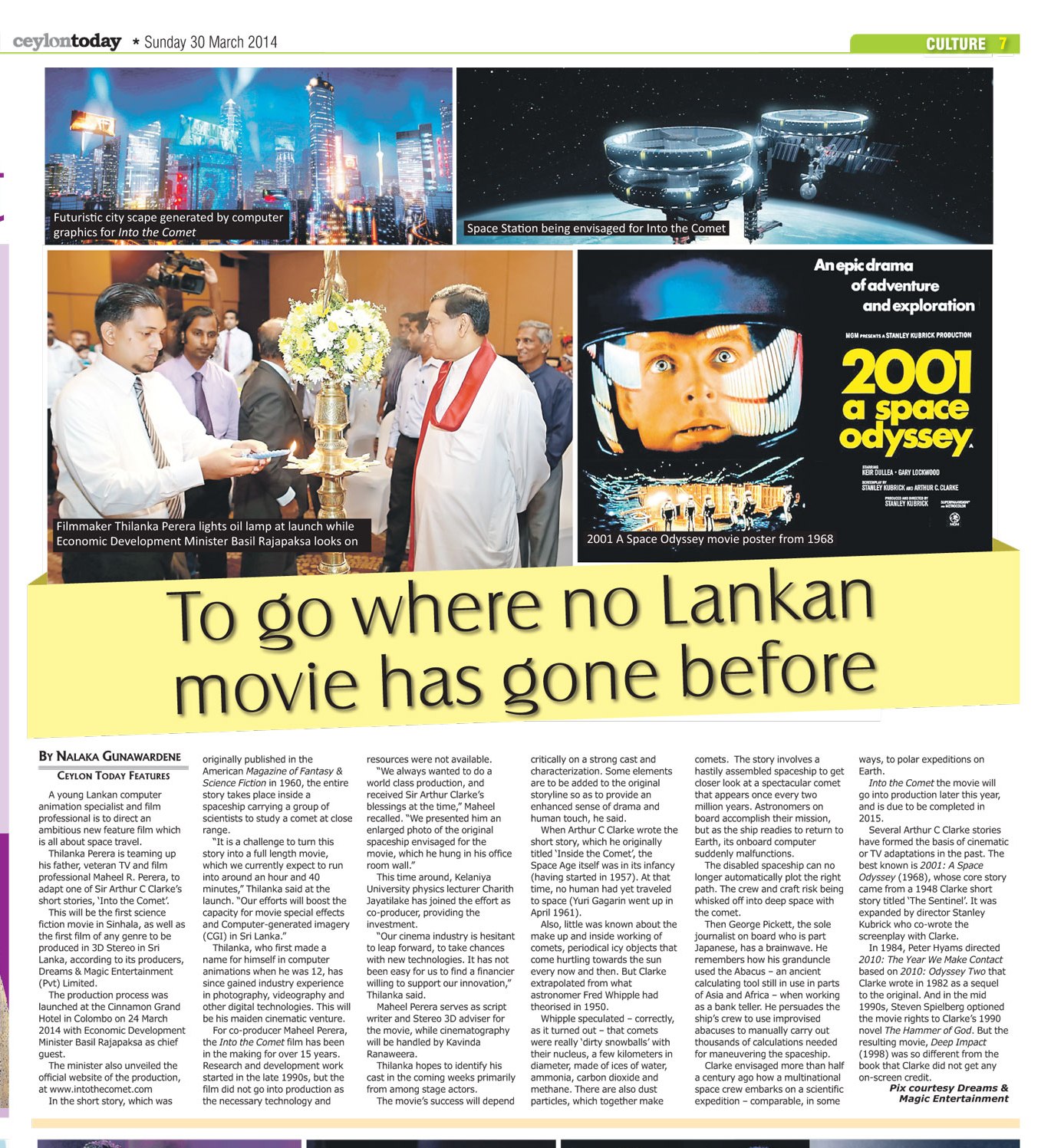
Feature published in Ceylon Today Sunday newspaper, 30 March 2014
To Go Where No Lankan Movie has Gone Before…
By Nalaka Gunawardene
Photos courtesy Dreams & Magic Entertainment
Space Station being envisaged for ‘Into the Comet’ Sinhala science fiction feature film by Thilanka Perera
A young Lankan computer animation specialist and film professional is to direct an ambitious new feature film which is all about space travel.
Thilanka Perera is teaming up his father, veteran TV and film professional Maheel R Perera, to adapt one of Sir Arthur C Clarke’s short stories, “Into the Comet”.
This will be the first science fiction movie in Sinhala, as well as the first film of any genre to be produced in 3D Stereo in Sri Lanka, according to its producers, Dreams & Magic Entertainment (Pvt) Limited.
The production process was launched at the Cinnamon Grand Hotel in Colombo on 24 March 2014 with Economic Development Minister Basil Rajapaksa as chief guest.
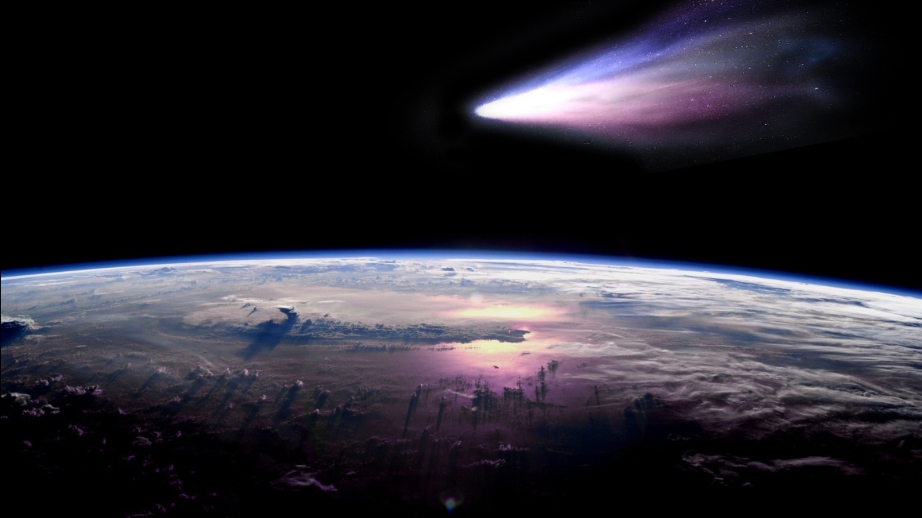
In the short story, which was originally published in the American Magazine of Fantasy & Science Fiction in 1960, the entire story takes place inside a spaceship carrying a group of scientists to study a comet at close range.
“It is a challenge to turn this story into a full length movie, which we currently expect to run into around an hour and 40 minutes,” Thilanka said at the launch. “Our efforts will boost the capacity for movie special effects and Computer-generated imagery (CGI) in Sri Lanka.”
Thilanka, who first made a name for himself in computer animations when he was 12, has since gained industry experience in photography, videography and other digital technologies. This will be his maiden cinematic venture.
For co-producer Maheel Perera, ‘Into the Comet’ film has been in the making for over 15 years. Research and development work started in the late 1990s, but the film did not go into production as the necessary technology and resources were not available.
“We always wanted to do a world class production, and received Sir Arthur Clarke’s blessings at the time,” Maheel recalled. “We presented him an enlarged photo of the original spaceship envisaged for the movie, which he hung in his office room wall.”
This time around, Kelaniya University physics lecturer Charith Jayatilake has joined the effort as co-producer, providing the investment.
“Our cinema industry is hesitant to leap forward, to take chances with new technologies. It has not been easy for us to find a financier willing to support our innovation,” Thilanka said.
Maheel Perera serves as script writer and Stereo 3D adviser for the movie, while cinematography will be handled by Kavinda Ranaweera.
Thilanka hopes to identify his cast in the coming weeks primarily from among stage actors.
The movie’s success will depend critically on a strong cast and characterization. Some elements are to be added to the original storyline so as to provide an enhanced sense of drama and human touch, he said.
When Arthur C Clarke wrote the short story, which he originally titled “Inside the Comet”, the Space Age itself was in its infancy (having started in 1957). At that time, no human had yet traveled to space (Yuri Gagarin went up in April 1961).
Also, little was known about the make up and inside working of comets, periodical icy objects that come hurtling towards the sun every now and then. But Clarke extrapolated from what astronomer Fred Whipple had theorised in 1950.
Whipple speculated — correctly, as it turned out — that comets were really ‘dirty snowballs’ with their nucleus, a few kilometers in diameter, made of ices of water, ammonia, carbon dioxide and methane. There are also dust particles, which together make comets spectacular phenomena when they approach the sun.
The story involves a hastily assembled spaceship to get closer look at a spectacular comet that appears once every two million years. Astronomers on board accomplish their mission, but as the ship readies to return to Earth, its onboard computer suddenly malfunctions.
The disabled spaceship can no longer automatically plot the right path. The crew and craft risk being whisked off into deep space with the comet.
Then George Pickett, the sole journalist on board who is part Japanese, has a brainwave. He remembers how his granduncle used the Abacus – an ancient calculating tool still in use in parts of Asia and Africa – when working as a bank teller. He persuades the ship’s crew to use improvised abacuses to manually carry out thousands of calculations needed for maneuvering the spaceship…
Futuristic city scape generated by computer graphics for movie Into the Comet
Clarke envisaged more than half a century ago how a multinational space crew embarks on a scientific expedition – comparable, in some ways, to polar expeditions on Earth.
“Into the Comet” the movie will go into production later this year, and is due to be completed in 2015.
Several Arthur C Clarke stories have formed the basis of cinematic or TV adaptations in the past. The best known is 2001: A Space Odyssey (1968), whose core story came from a 1948 Clarke short story titled ‘The Sentinel’. It was expanded by director Stanley Kubrick who co-wrote the screenplay with Clarke.
In 1984, Peter Hyams directed 2010: The Year We Make Contact based on 2010: Odyssey Two that Clarke wrote in 1982 as a sequel to the original. And in the mid 1990s, Steven Spielberg optioned the movie rights to Clarke’s 1990 novel The Hammer of God. But the resulting movie, Deep Impact (1998) was so different from the book that Clarke did not get any on-screen credit.
Text of my ‘When Worlds Collide’ column published in Ceylon Today broadsheet newspaper on 29 March 2014
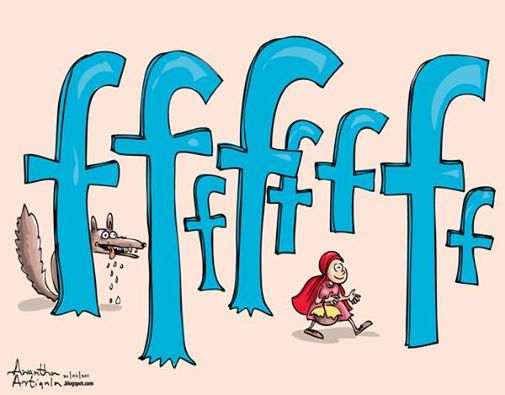
“We have to start asking not what is wrong with Facebook but what is wrong with our society?”
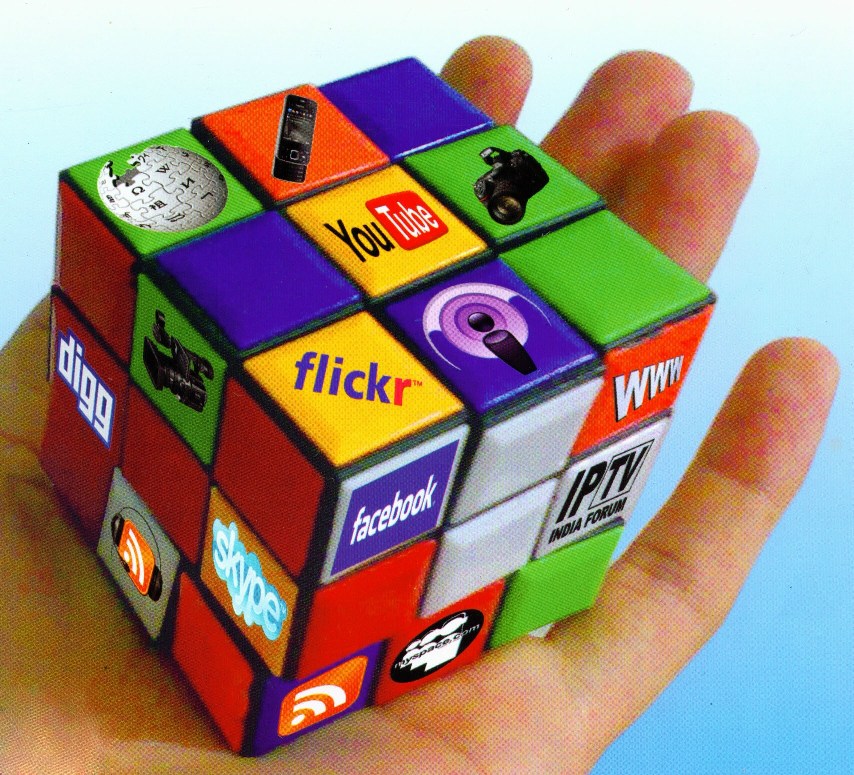
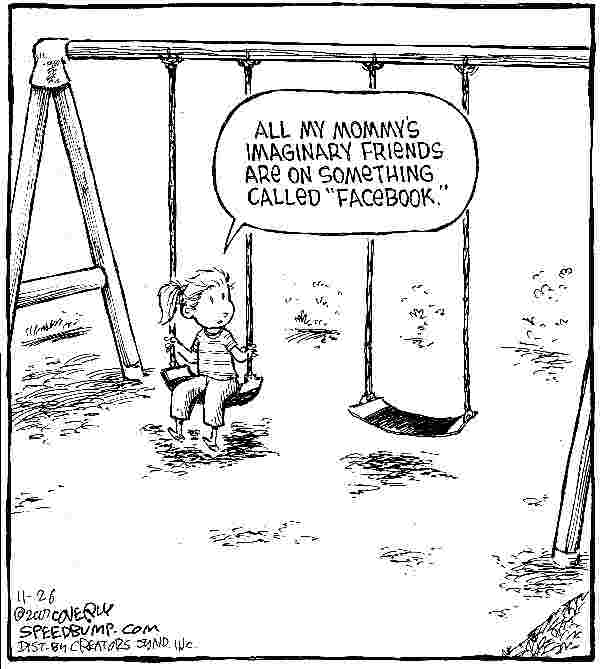
Those words, by Dr Harini Amarasuriya, Senior Lecturer in Sociology at the Open University of Sri Lanka, sum up neatly the debate that has been going on for some weeks in Sri Lanka on the pros and cons of social media.
In an interview with Ceylon Today on 16 February 2014, Dr Amarasuriya also noted: “Social media is here to stay whether we like it or not. It is only a tool and it can be either liberating or exploitative. A young person’s life is mostly on social media today; we simply need to teach them how to manage it.”









 Open Minds!