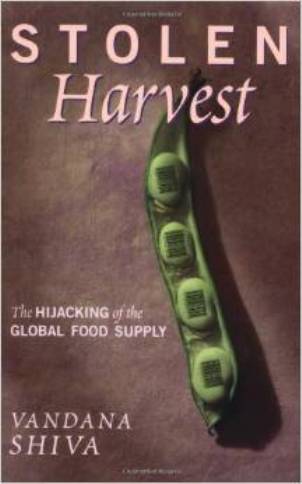
Indian social and environmental activist Dr Vandana Shiva visited Sri Lanka in June 2014, and delivered a well attended public lecture in Colombo. She also joined the launch of a Sinhala translation of her book ‘Stolen Harvest’, written in 2000.
The translator, Sydney Marcus Dias, sent me a copy recently and I have quoted from it in my latest Ravaya column (in Sinhala) appearing in issue dated 7 Sep 2014.
In this, I urge Lankan agro and green activists to engage in a critical reading of Vandana Shiva and not to blindly hero worship her. There is undoubtedly a crisis in modernized methods of farming that rely on high external inputs (agro-chemicals) promoted for half a century under the Green Revolution. Despite evidence for its economic and ecological unsustainability, however, these remain the basis of state agricultural policies in Sri Lanka.
Why? It is a national level failure of vision and policy making. True, local and global agro companies exploit this weakness, but they are operating within what is legal. This is opportunistic of them, for sure, but I don’t agree with Sydney Marcus Dias or any other activists that there is a huge international conspiracy to destabilize Lankan agriculture and destroy it along with the livelihoods of millions of small scale farmers.
We don’t need global conspirators when our own myopic politicians, misguided by officials and experts, are doing a good job of it on their own!
‘Stolen Harvest’ in English and Soragath Aswenna in Sinhala are both worth a read – and can form the basis of discussion. They are NOT the last word on any of the issues discussed, but certainly good opening thoughts to debate further.
NOTE: By sad coincidence, Sarath Fernando, highly respected Lankan farmer activist and founder of the Movement for National Land and Agricultural Reform (MONLAR), died the same weekend this column appeared in print. In June, Vandana Shiva made an affectionate reference to him as ‘my very dear friend Sarath Fernando’.
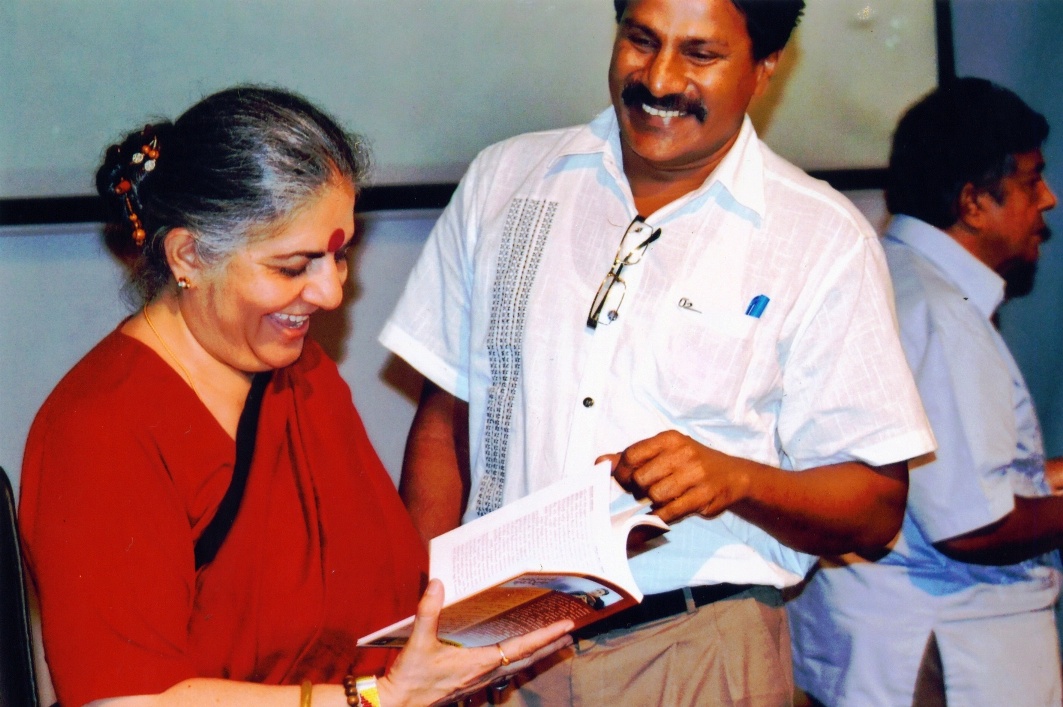
Sydney Marcus Dias presenting a copy of his Sinhala translation of Stolen Harvest to Dr Vandana Shiva in Colombo, June 2014
Vandana Shiva speaks during Fronteiras do Pensamento project at UFRGS on May 28, 2012 in Porto Alegre, Brazil – Photo by Alexandro Auler/LatinContent/Getty Images)
In this week’s Ravaya column (in Sinhala), I look at how to prevent death and disability caused by drowning in Sri Lanka.
Around 1,200 people die every year in Sri Lanka from drowning — several times the number of deaths from dengue fever, but this distributed tragedy gets much less public and media attention.
Most victims are children and young adults, and some die while trying to save another from drowning. Most of these deaths are preventable – if only adequate safety precautions are taken.
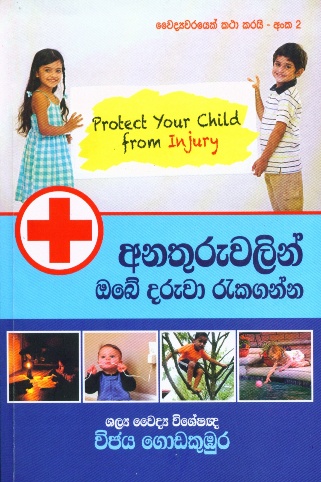
I quote extensively from a Sinhala book (Protect Your Children from Accidents) written by consultant surgeon Dr. Wijaya Godakumbura.
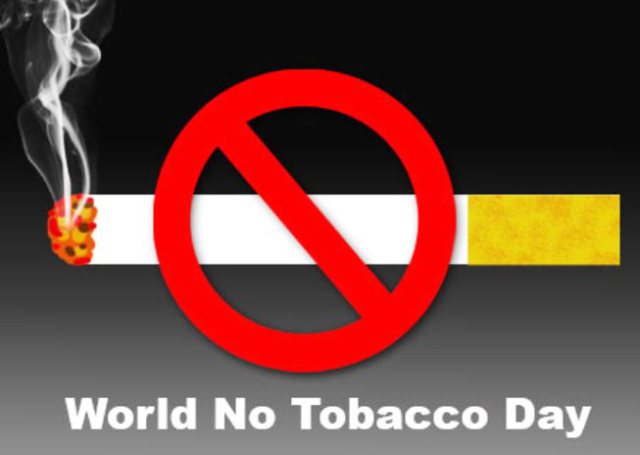
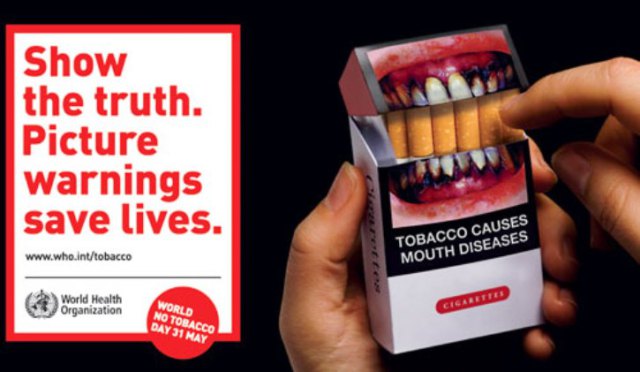
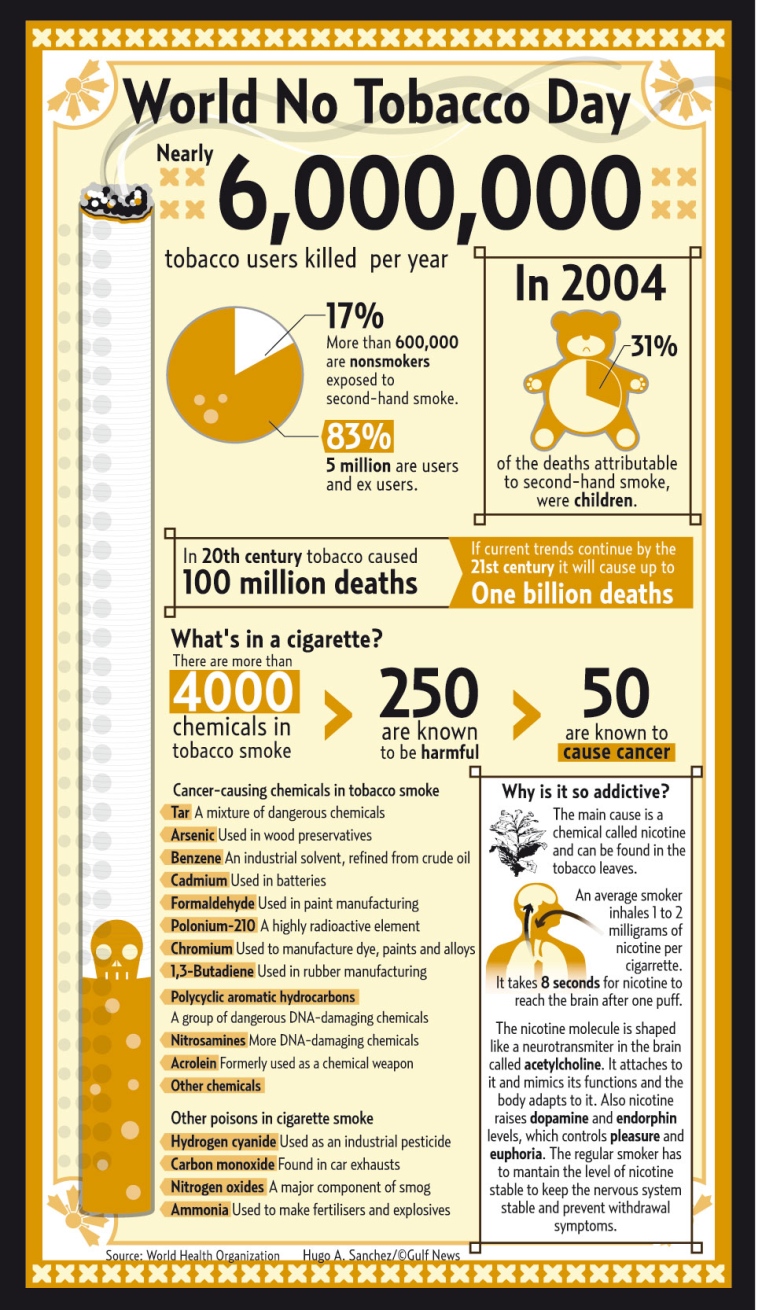
In this week’s Ravaya column (in Sinhala), I explore the formidable policy dilemmas posed by tobacco control in Sri Lanka. I argue that it isn’t a simple or simplistic battle between ‘good’ and ‘evil’ as anti-tobacco activists would make us believe.
There is no doubt that tobacco kills many smokers — and some non-smokers, too. Yet starting, continuing or quitting smoking is a personal lifestyle choice which, at least in democracies, governments can’t legislate. As long as tobacco remains a legitimate trade, education and persuasion must complement legal regulation.
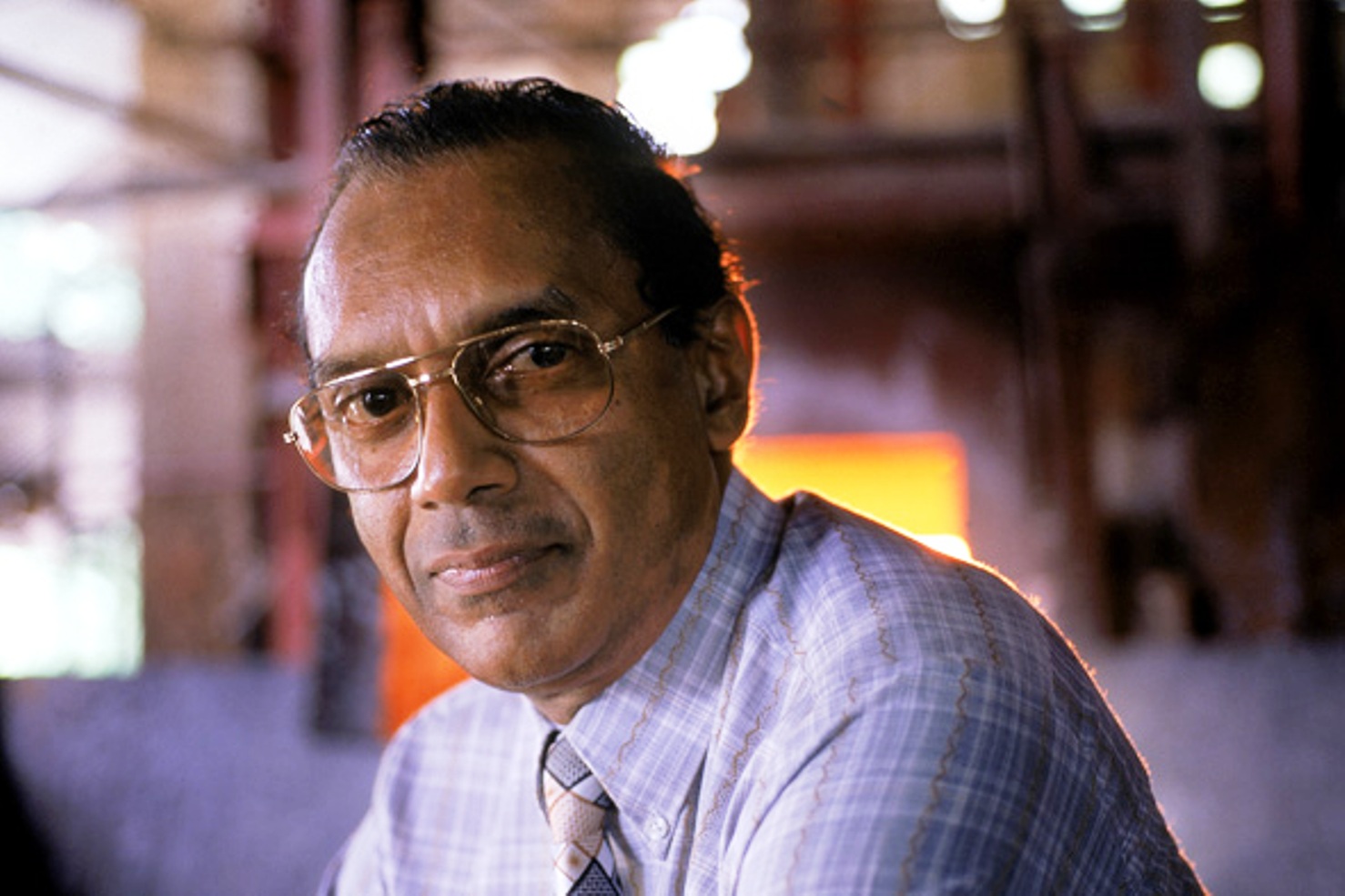
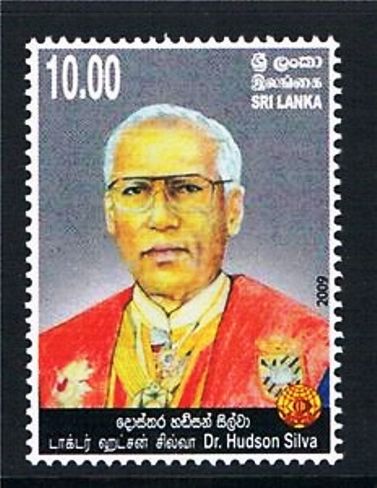
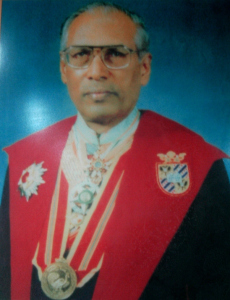
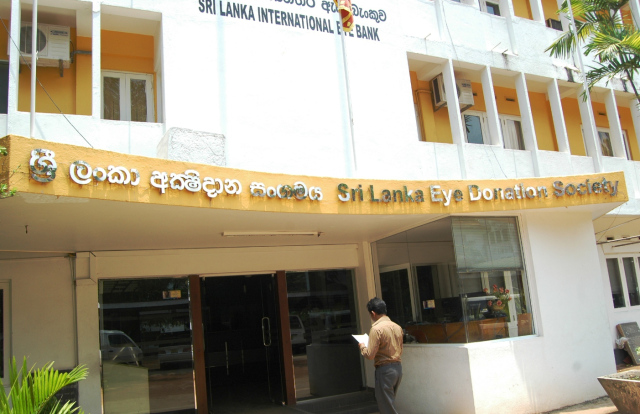
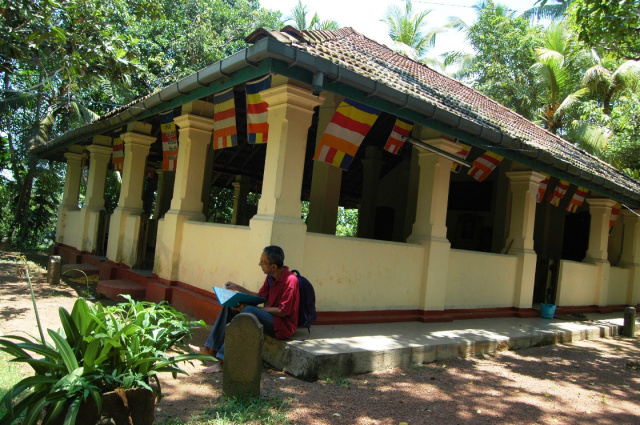
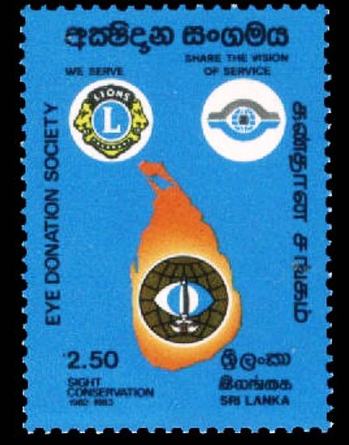
In this week’s Ravaya column, in Sinhala, I further explore the origins and evolution of Sri Lanka Eye Donation movement, with emphasis on its founder and leader for 40 years, Dr Hudson Silva (1929-1999).
Dr Hudson Silva (left) and Arthur C Clarke with then Prime Minister R Premadasa and Minister Tyronne Fernando (extreme right) at Eye Donation Society function circa mid 1980s [Photo courtesy Arthur C Clarke Archive]අක්ෂිදාන බෞද්ධ සංකල්පයක් මත පදනම් වුවත් වෛද්ය හඞ්සන් මුල පටන්ම මේ ව්යාපාරය ගොඩ නැංවූයේ ජාති, ආගම් හෝ දේශපාලන භේද කිසිවක් නොමැතිවයි. එක් උතුම් අරමුණක් සඳහා විවිධාකාර පුද්ගලයන් හා ආයතන එක්සත් හා එක්සිත් කර ගැනීමේ හැකියාව ඔහු සතු වුණා.
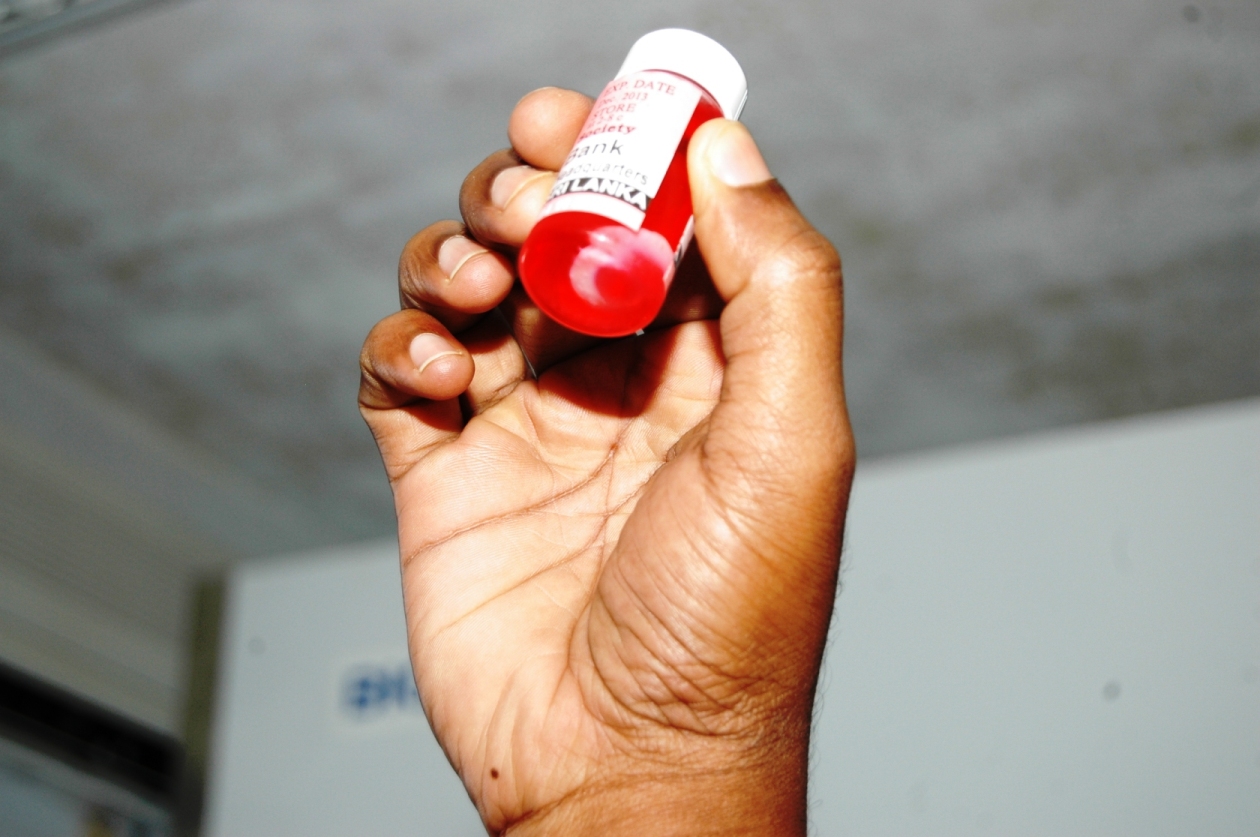
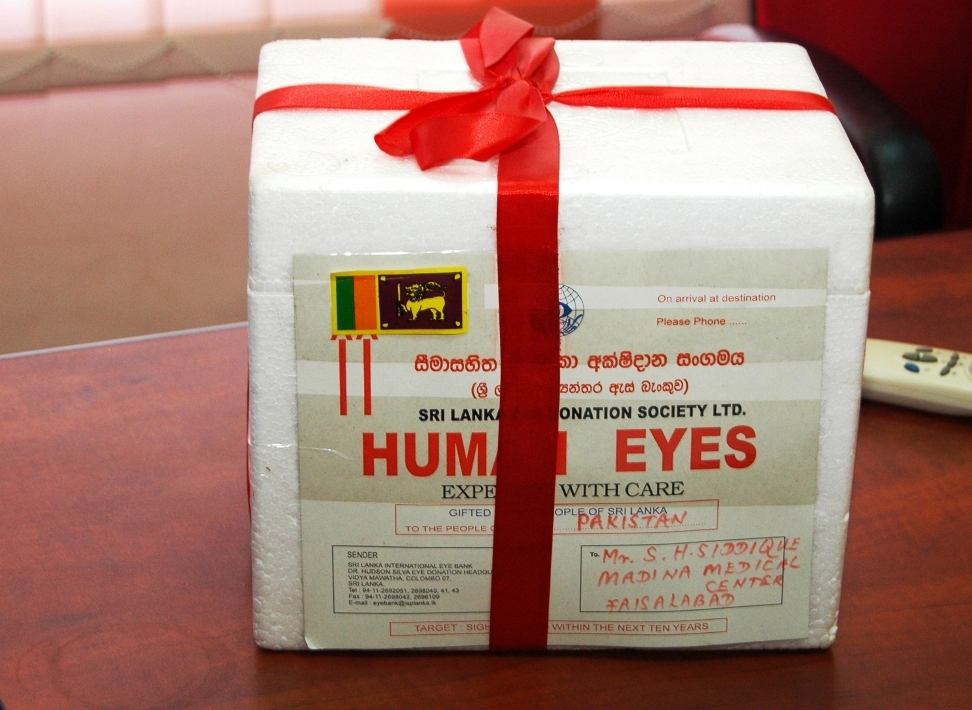
The first eyes donated from Sri Lanka were dispatched overseas, to Singapore, on 25 May 1964. In the half century that followed, over 66,500 eye corneas have been donated from Sri Lanka to a total of 117 cities in 54 countries worldwide (by end April 2014). This is one of the greatest humanitarian gifts in modern times, which has earned Sri Lanka unparalleled gratitude and goodwill around the world.
In this week’s Ravaya column, in Sinhala, I trace the origins of eye donation in Sri Lanka. I have just written up the same information in English at:
World Conference on Youth 2014: Colombo, Sri Lanka
When I was invited to speak at World Conference on Youth 2014, being held in Colombo, Sri Lanka, this week, I accepted on one condition: that I don’t have to ‘clear’ my remarks with anyone before delivering. (This precaution was necessary as the host government of Sri Lanka is not known for its capacity to accommodate divergent or dissenting points of view.)
The organisers — Ministry of Youth Affairs & Skills Development — kept their word, and I just spoke at a session on Realising Peace, Reconciliation and Ending Violence. The theme is apt, especially in view of forthcoming fifth anniversary of the end of Sri Lank‘s civil war.
Alas, we had no opportunity to discuss any of the speeches due to sessions starting late. But I was able to engage several youth delegates, both from Sri Lanka and around the world, who apparently shared my idealism.
Here then is the text of my remarks (slightly ad-libbed during delivery):
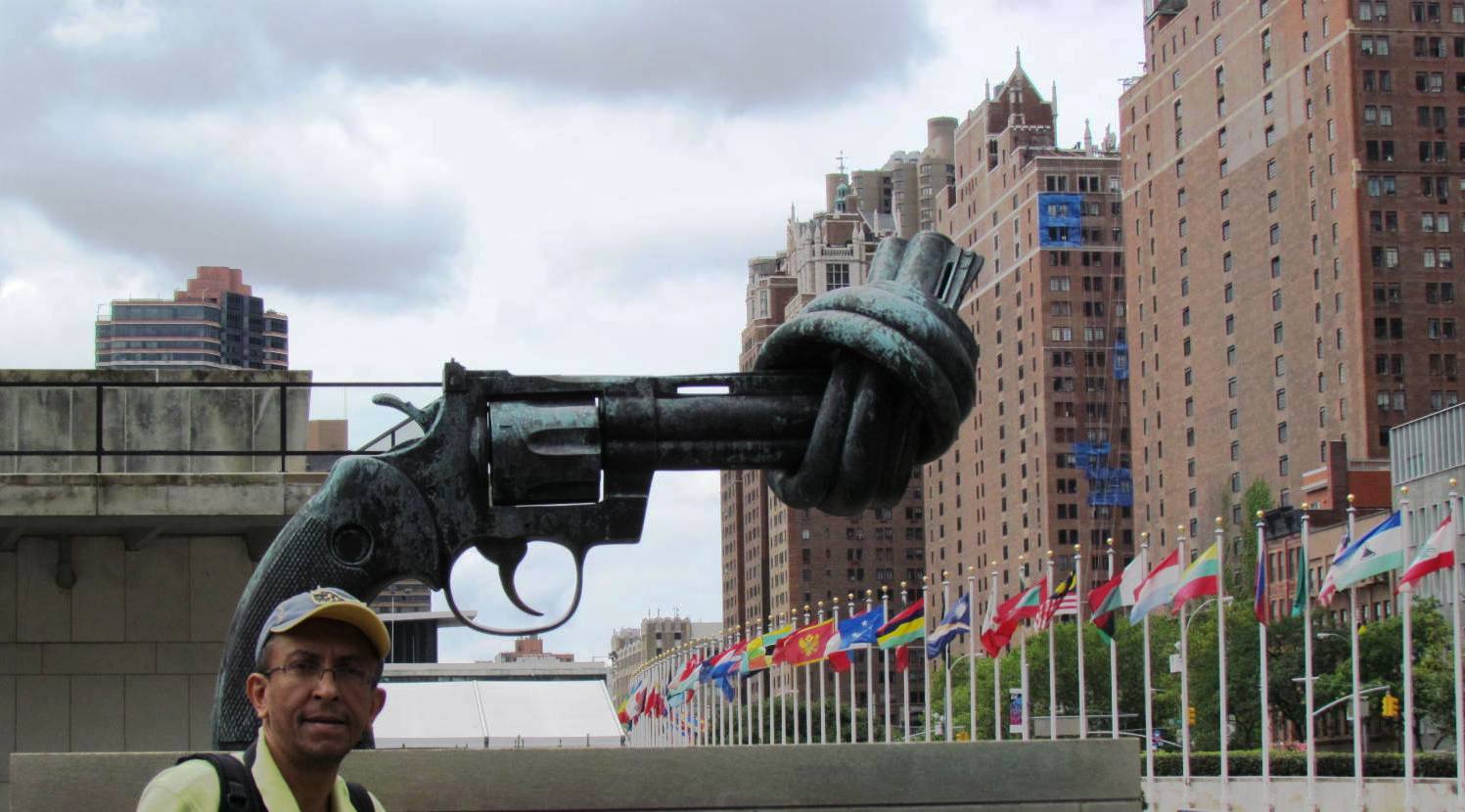
Knotted gun sculpture at UN Headquarters in New York, made by Swedish artist Carl Fredrik Reuterswärd – Photo by Dhara Gunawardene, 2011
Theme: Realising Peace, Reconciliation and Ending Violence
Remarks by Nalaka Gunawardene
Science writer, columnist and blogger
I thank the organisers for this opportunity.
Participating today reminds me of the IDEALISM, HOPE & PASSION with which I took part in similar events in my own youth – which was not that long ago!
In particular, I remember two instances:
A quarter century ago, as an undergraduate, I took part in an Asian regional Model United Nations conference held in Kuala Lumpur, Malaysia. The topic assigned to our group was VIOLENCE WITHIN AND BETWEEN SOCIETIES.
In all eagerness, we explored big questions such as:
Do we humans have an evolutionary inclination for aggression and violence?
What socio-economic factors trigger youth unrest and insurrection?
How does culture aggravate or mitigate conflicts?
For several days, a few dozen of us from across Asia discussed and debated this and other key concerns.
Five years later, as a young journalist, I had the opportunity to attend the World Youth Leadership Summit, held at the UN headquarters in New York. In the fall of 1995, around 200 of us from around the world came together to discuss the state of the world – and our role in shaping its future!
Again, a key topic that occupied our minds was the RISING VIOLENCE WITHIN OUR SOCIETIES. Not just civil wars and crime — but also INSTITUTIONALISED DISCRIMINATION and STRUCTURAL VIOLENCE.
These discussions enhanced my understanding of violence, which has become more SOPHISTICATED and INSIDIOUS in today’s world.
STRUCTURAL VIOLENCE as a concept was introduced in 1969 by the Norwegian sociologist and peace researcher Johan Galtung. He defined it as: “any form of violence where some social structure or social institution may harm people by preventing them from meeting their basic needs”.
There are many examples of STRUCTURAL VIOLENCE in our societies. Among them:
institutionalized elitism;
ethno-centrism;
racism;
sexism; and
nationalism
STRUCTURAL VIOLENCE affects people differently in various social structures, and is closely linked to SOCIAL INJUSTICE.
So, in a broad sense, campaigns for HUMAN RIGHTS & SOCIAL JUSTICE are attempts to resist – and ideally, reduce – structural violence. These mass movements include:
the CIVIL RIGHTS movement in the US;
WOMEN’S RIGHTS movement worldwide;
ANTI-APARTHEID struggles in South Africa;
current global efforts to reduce absolute POVERTY; and
the on-going struggle for recognizing rights of lesbian, gay, bisexual and transgender (LGBT) groups.
While fewer people are dying today in conflicts between nations, or even those within nations, we cannot rejoice: we still have many faces of STRUCTURAL VIOLENCE and SYSTEMIC VIOLENCE.
So did we save the world in the Fall of 1995 through all our eager and idealistic discussions at the UN Headquarters?
No, we didn’t. Our world is still an UNJUST, UNFAIR and UNSAFE place for too many human beings.
But experiences and exposure like that probably SAVED ME – from becoming an uncritical and unquestioning peddler of the dominant narrative. It opened my mind – to question rhetoric and spin, coming from governments, UN agencies and even civil society.
That is probably the greatest benefit of conferences like this:
opening of our minds;
deepening of our understanding & empathy; and
broadening of our perspectives.
I wish I could tell you that Sri Lanka offers a fine example of post-war RECONCILIATION. But our reality is actually more complex and complicated.
Five years ago this month, we witnessed the end of Sri Lanka’s CIVIL WAR which last for over 25 years. As a diverse nation and a pluralistic society, our people felt many different emotions about that defining moment.
One sentiment most of us shared was a HUGE SENSE OF RELIEF. And some of us also felt a huge sense of RESPONSIBILITY –
for HOW the war was ended; and
the enormous rebuilding and healing that had to be done.
Five Years later…
The factors that led to the violent conflict still remain largely unaddressed. These include concerns about governance, political power sharing, and economic benefit sharing – issues that youth feel strongly about.
In the past 40 years – in my lifetime – similar concerns have triggered two other youth insurrections in Sri Lanka — in 1971 and in the late 1980s. Both were suppressed violently by the state in the name of law and order. The scars of those wounds have not yet healed either.
In this sense, many of us have three layers of scars from recent violence. And we realise, belatedly, how HEALING involves more our HEARTS than our MINDS.
We know that PEACE is much more than the simple absence of hostility. Likewise, RECONCILIATION entails much more than a mere co-existence of groups who were once engaged in a conflict.
RECONCILIATION cannot be decreed by leaders……or legislated by governments. Technocratic solutions are helpful — but not sufficient — to achieve RECONCILIATION.
Progressive state policies can nurture RECONCILIATION — but in the end, TRUE HEALING must spring from all of us… individually and collectively.
It’s not EASY, and it’s not always POPULAR. But it’s a worthy goal to aspire to!
Building SUSTAINABLE PEACE requires time, effort – as well as a switch in our mindset. We must face HARD TRUTHS, acknowledge them, and hopefully, FORGIVE…
There is cultural conditioning that stands in the way. Historically, many societies have glorified war, weaponry and combat. AGGRESSION is often seen as a sign of strength…and of masculinity.
With this inertia of history and culture…can we replace confrontation and conflict with cooperation and collaboration?
The religious case for this is well known. But I hesitate to invoke religions as they have inspired so much hatred and violence.
In recent years, we have seen a growing body of scientific evidence and theories that argue that COLLABORATION HAS A GREATER SURVIVAL VALUE than aggression.
This is contrary to the long held Darwinian notion of the ‘survival of the fittest’. It now appears that virtues like KINDNESS, GENEROSITY and SHARING are more than just moral choices: they are useful EVOLUTIONARY TRAITS too!
The developmental psychologist Michael Tomasello has been studying the EVOLUTION OF TOLERANCE & TRUST among human beings and the role it plays in today’s societies. He and other researchers have drawn attention to the evolutionary benefits of COLLABORATION and ALTRUISM.
There is no consensus yet among experts. Anthropologists, evolutionary biologists and sociologists keep debating about:
individual selection vs. group selection in evolution; and
whether aggression or collaboration has key survival value.
As Harvard biologist Edward O Wilson summed it up in his recent book, The Social Conquest of Earth:
“The human condition is an endemic turmoil rooted in the evolution processes that created us. The worst in our nature coexists with the best, and so it will ever be.”
So our big challenge is: How to tame our worst evolutionary baggage, and instead bring out our best as a species?
I don’t have any quick answer. But this is among the questions we must all keep asking – and keep looking for practical, thoughtful answers.
Dear friends,
It’s easier to have abundant IDEALISM, HOPE & PASSION when you’re 18 or 25 or even 30. It’s harder to retain these values when you’re approaching 50 — as I am, now. But I keep trying!
I wish you stimulating conversations. I hope you’ll find enough common ground — while not forcing any artificial consensus!
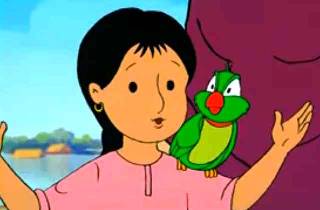
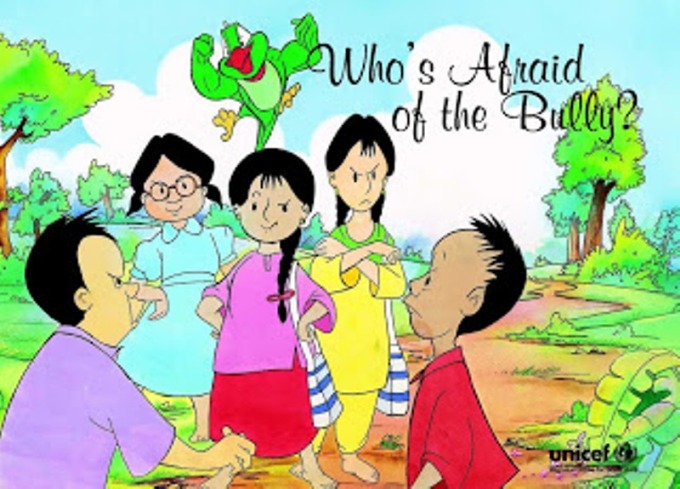
This week’s Ravaya column (in Sinhala) is about the Meena Communication Initiative, which used animations and popular culture to discuss serious messages related to the girl child in South Asia.




![Sri Lanka tobacco use trend 2000-2012 as seen in ADIC surveys [Full reports at: http://www.adicsrilanka.org/publication/]](https://nalakagunawardene.com/wp-content/uploads/2014/05/sri-lanka-tobacco-use-trend-2000-2012-as-seen-in-adic-surveys.jpg)
![Dr Hudson Silva (left) and Arthur C Clarke with then Prime Minister R Premadasa and Minister Tyronne Fernando at Eye Donation Society function circa mid 1980s [Photo courtesy Arthur C Clarke Archive]](https://nalakagunawardene.com/wp-content/uploads/2014/06/dr-hudson-silva-left-and-arthur-c-clarke-with-then-prime-minister-r-premadasa-and-minister-tyronne-fernando-at-eye-donation-society-function.jpg)


 Open Minds!