Text of my ‘When Worlds Collide’ column published in Ceylon Today newspaper on 4 July 2014
How a tsunami warning system works. AFP FILE PHOTO
Timely warnings about on-coming disasters can literally save lives – provided the word reaches those at risk. And they know what to do, and react quickly.
These elements form part of disaster risk reduction, or DRR, now receiving greater attention as the frequency and intensity of disasters keep increasing.
In December 2004, the Indian Ocean tsunami caught Sri Lanka by surprise and some 40,000 lives were lost. Most of those could have been saved if only a simple warning – for coastal evacuation – reached them. There was a tight but useful window of around 90 minutes until the killer waves arrived on our East coast (and a bit longer while they went around the island and hit other coastal areas).
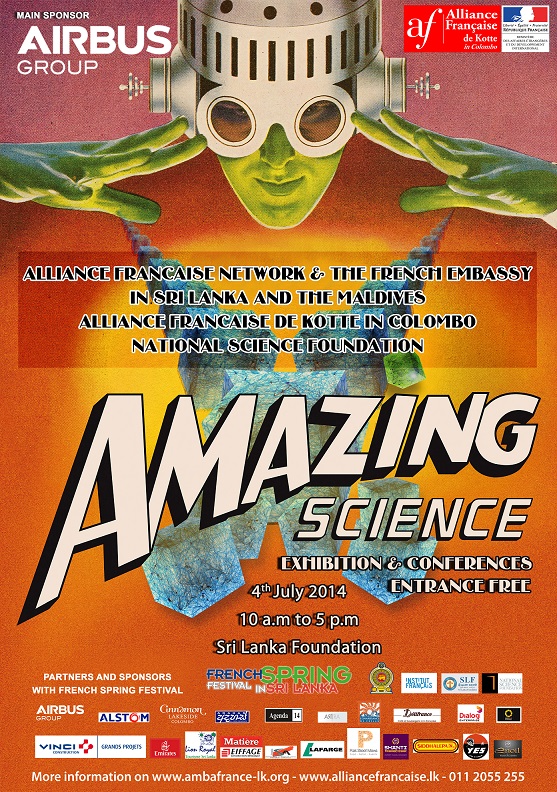
AMAZING SCIENCE comes to Colombo, Sri Lanka, on 4 July 2014 as part of the French Spring Festival organised by Alliance Française de Kotte in COLOMBO and its partners.
Here’s the day’s program, to be held at Sri Lanka Foundation Institute, Independence Avenue, Colombo. I’ll be speaking on “Long shadow of Pulp Science Fiction: Popular culture for promoting science and imagination” at 11 AM, and repeating it again at 1 PM.
Amazing Science in Colombo – Programme for 4 July 2014
Amazing Science is a travelling exhibit put together by French scientific institutes inspired by American ‘pulp’ science fiction magazines during the first half of the 20th century.
As the creators say, it “takes you on an exploratory journey into uncharted territory, on the frontiers of pulp culture, science fiction and scientific research”.
The exhibition revives the old “pulp” look through a blend of scientific research, creative writing and popular culture. From the infinitely small to the infinitely large, the most advanced areas of science are now the realm of unexpected encounters with the real and the imaginary worlds. Each of the exhibition panels features scientific visuals based on a specific research area.
Here’s the Abstract of our own talk:
Long shadow of Pulp Science Fiction: Popular culture for promoting science and imagination
by Nalaka Gunawardene, science writer
and S M Banduseela, science fiction translator
‘Pulp magazines’ is a generic term for inexpensive magazines published in the United States from 1896 to the 1950s. They provided popular entertainment, especially before broadcast television became well established, and carried illustrated short stories and serialized stories in categories like adventure, travel, detective and science fiction.
This illustrated presentation will look at the role pulp magazines played in promoting science fiction writing and reading as part of 20th century popular culture. Many who later became mainstream writers, such as Robert A Heinlein, Arthur C Clarke, Isaac Asimov and Ray Bradbury first established themselves by writing to such publications.
In this talk, we look at how pulp science fiction inspired scientific discovery and innovation in areas as diverse as space exploration, computer science, robotics, evolution and materials science.
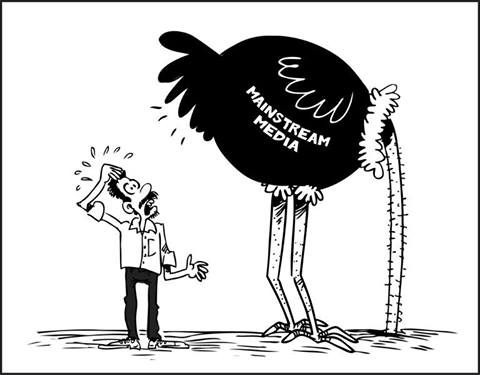
For over 48 hours, there was little coverage of the incidents in newspapers, or on radio and TV. This gap was partly filled by social media and international media reports – but only to the extent they have outreach in the island. Those who rely on local newspapers, radio and TV had to settle for ‘radio silence’ while media gatekeepers hesitated and held back.
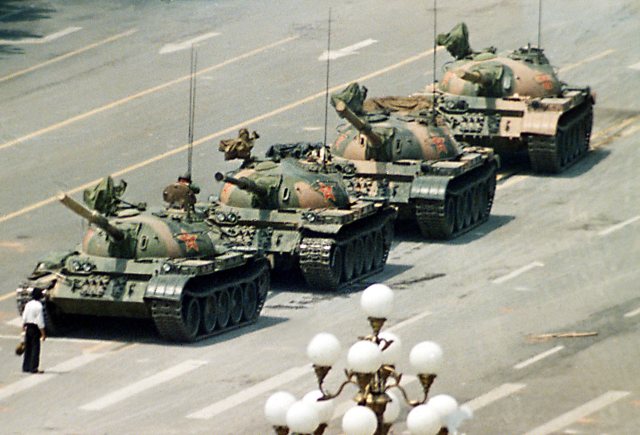
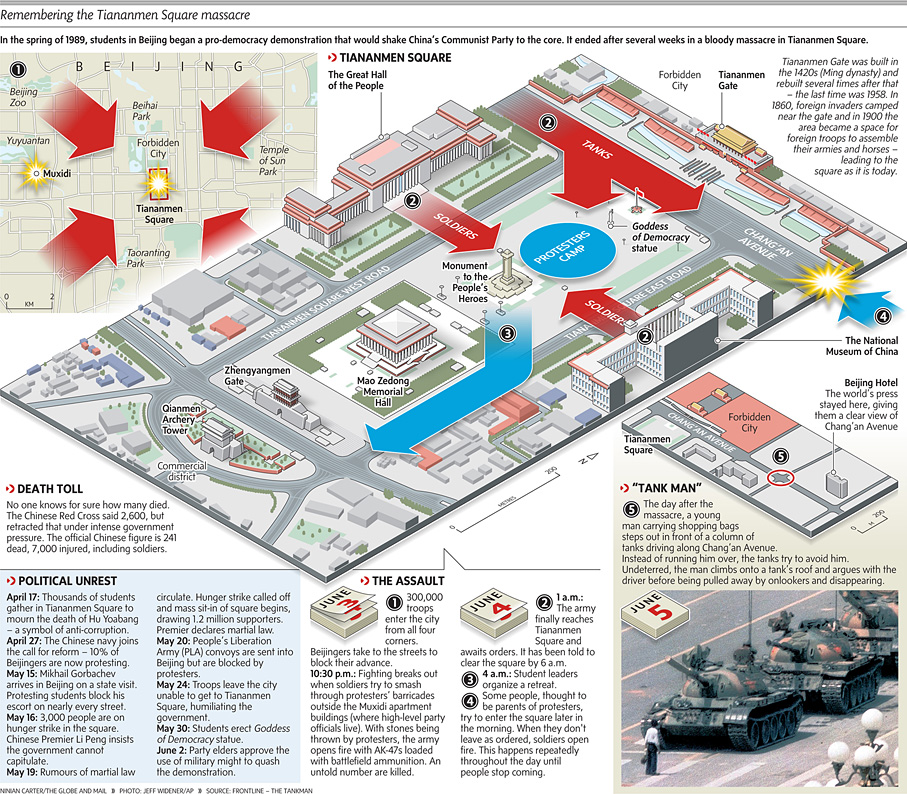
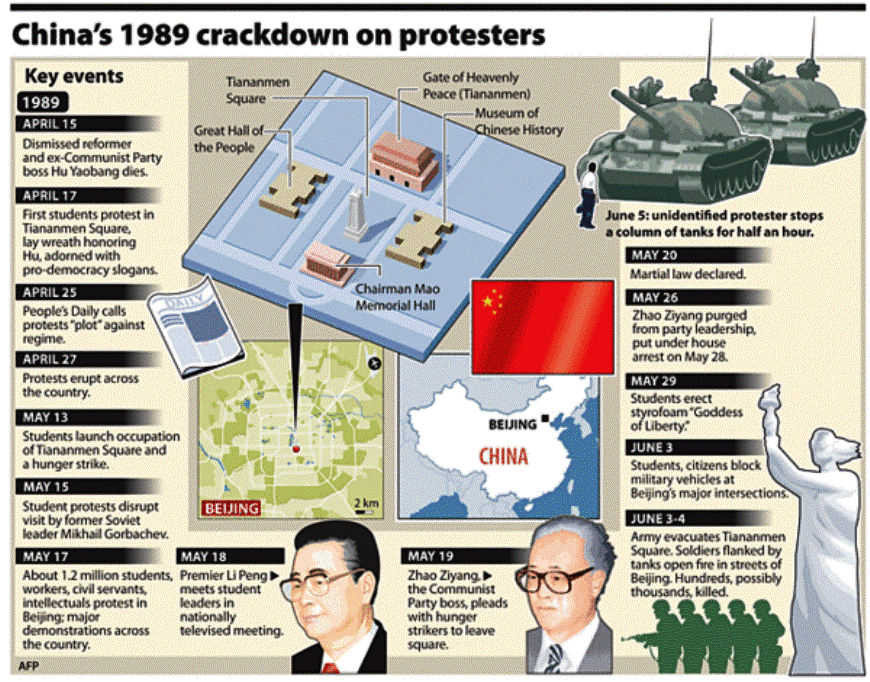
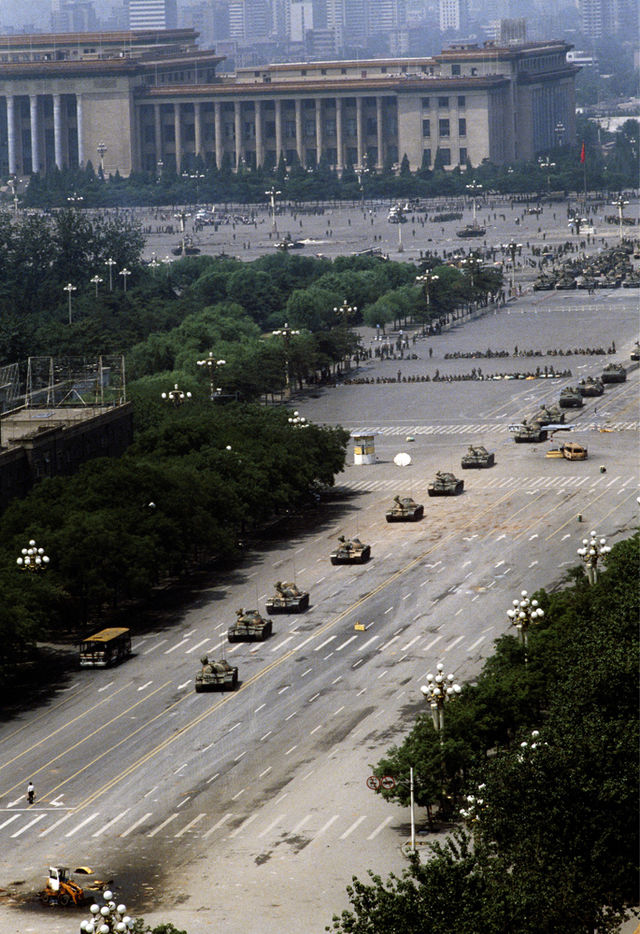
June 2014 marks the 25th anniversary of the Chinese government’s brutal crackdown on protesting students at Beijing’s Tiananmen Square.
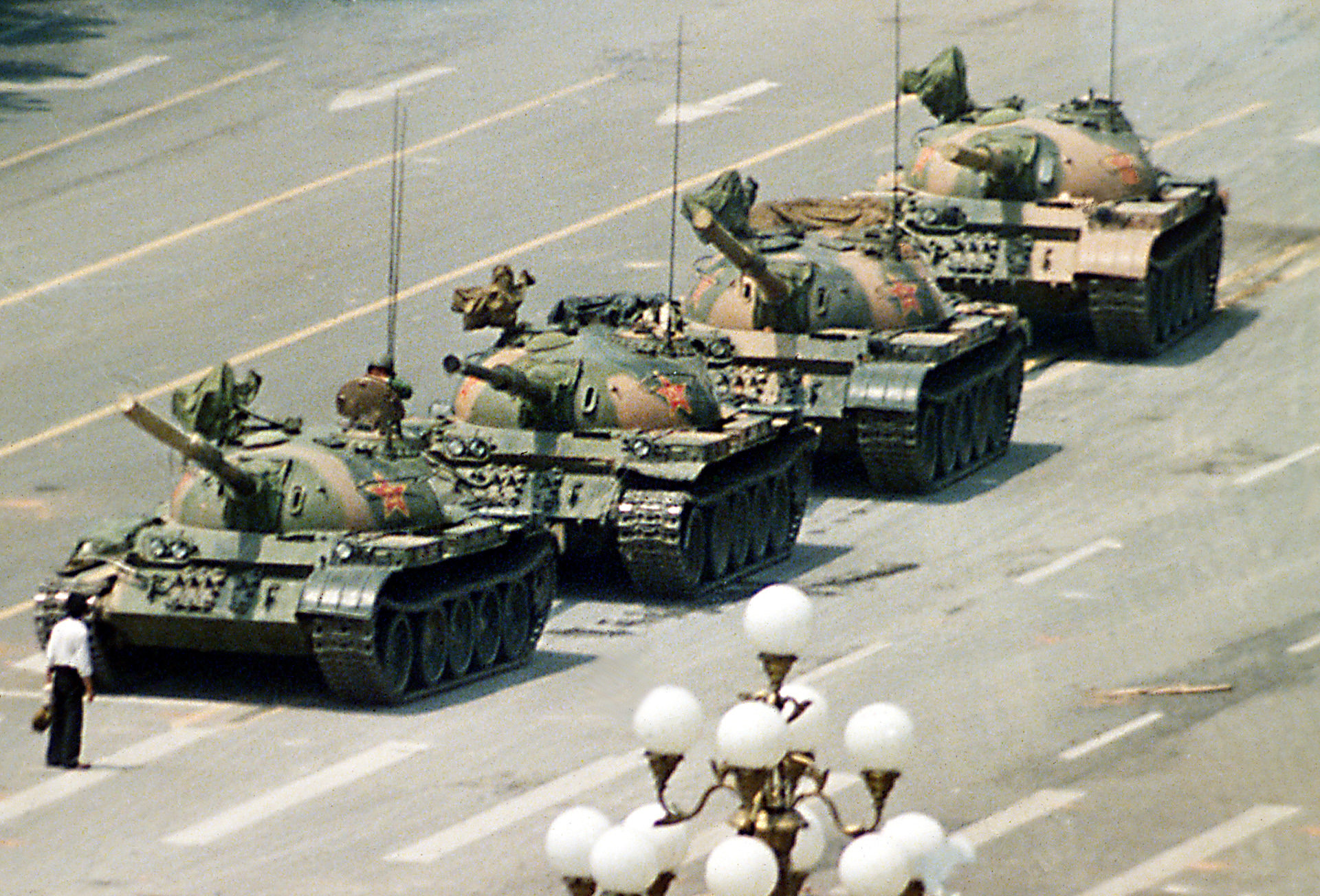
There was one iconic image from that tragedy. It shows a solitary, unarmed Chinese man standing up against a column of battle tanks rolling down a street. In this week’s Ravaya column (in Sinhala), I salute that unknown man who — momentarily, at least — stood up against the largest army in the world.
Text of my ‘When Worlds Collide’ column published in Ceylon Today newspaper on 20 June 2014
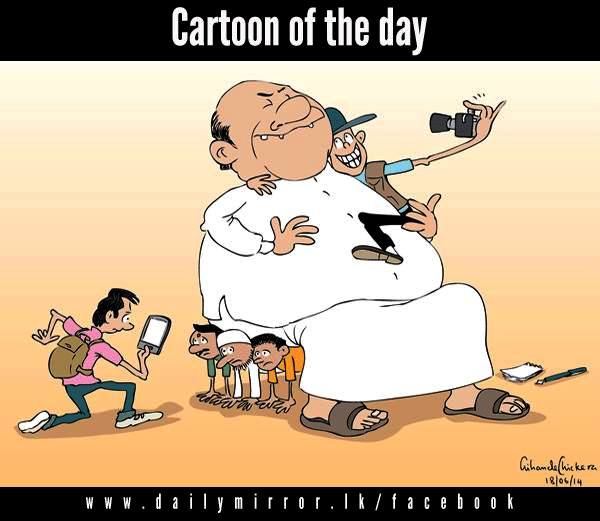
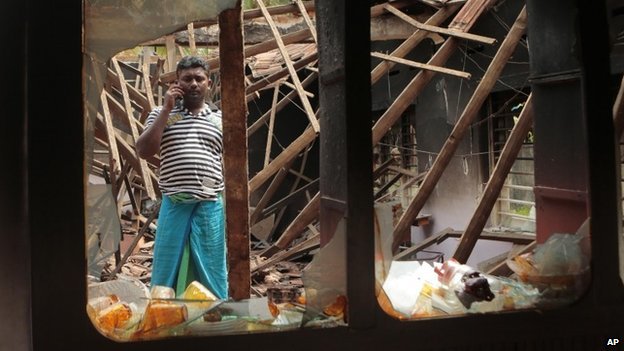
Many Muslim-owned properties have been attacked and some set alight – AP photo
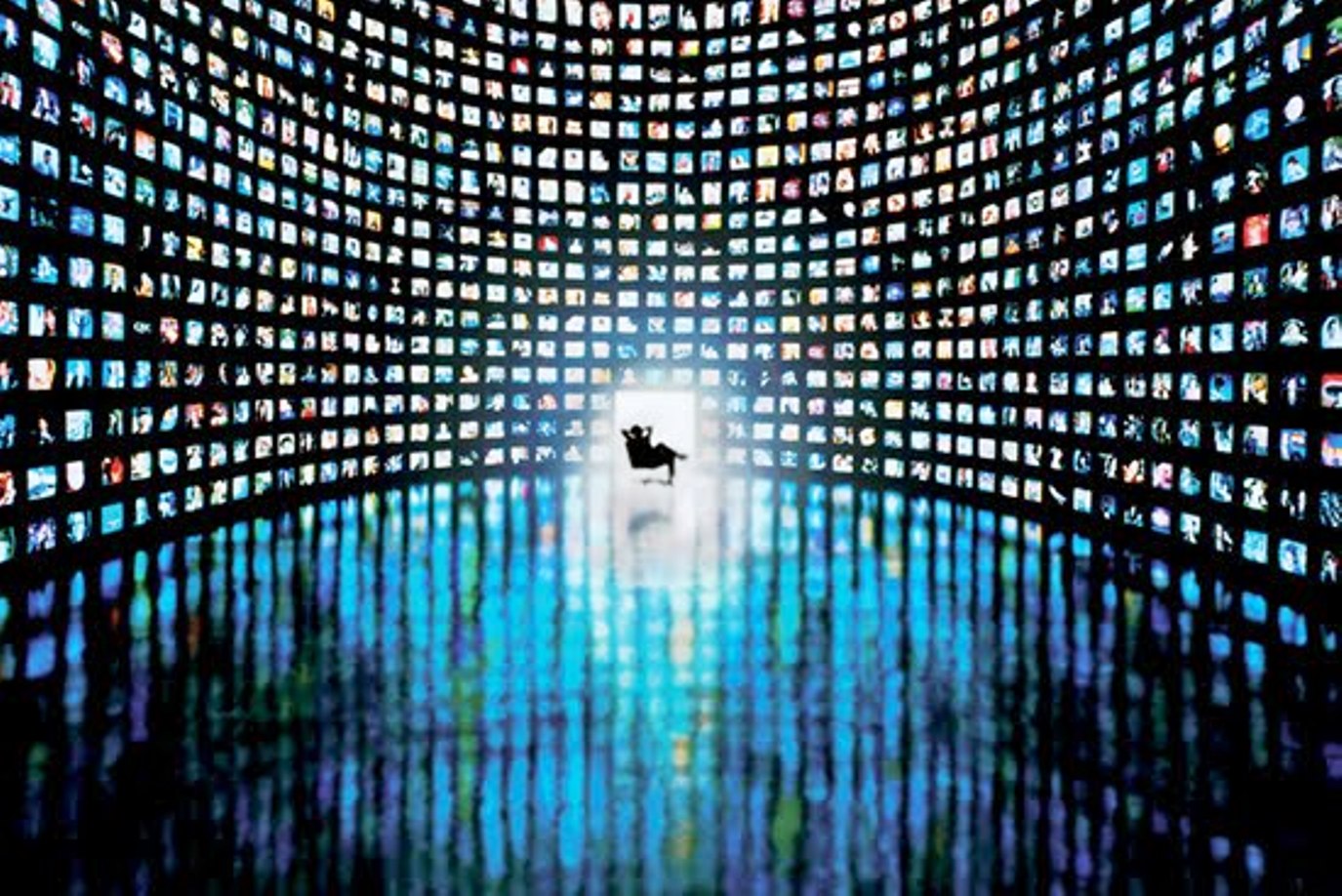
What is the best way to manage public information in times of national crises – whether disasters, epidemics or conflict?
All governments face this question from time to time and respond with varying degrees of success. It has become especially challenging today due to multiple, instant modes of communications. Suppressing the flow of information is much harder and ultimately counterproductive.
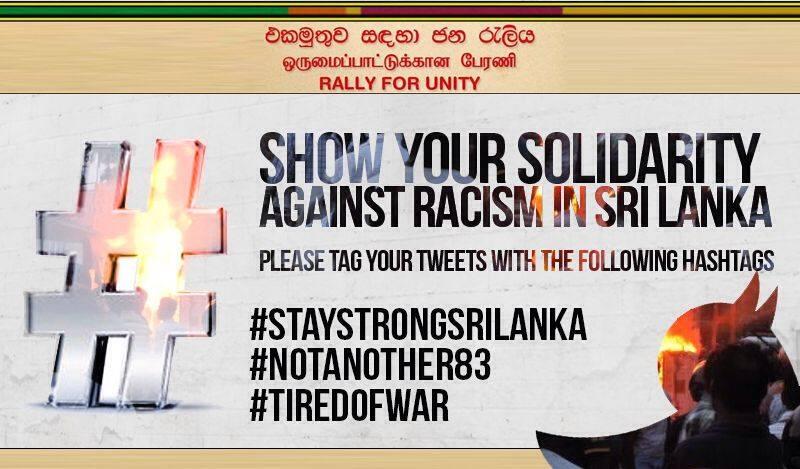
This point was driven home once again in the aftermath of serious communal riots in Aluthgama, Beruwala and Dharga Town this week. At the time of writing (Wednesday afternoon), all right-minded people were hoping the clashes would not spread elsewhere.
The proliferation of information and communication technologies (ICTs) has introduced a new dimension to such crisis situations. The multiplicity of…
In this week’s Ravaya column (in Sinhala, published on 15 June 2014), I turn the spotlight on the world of media itself. In particular, how the Lankan print and broadcast media exploits freelance writers and other creative professionals who are paid extremely low rates even by highly profitable media companies.
I cite my own experiences with the world of print and broadcasting, where editors and staff journalists have no hesitation in getting outsiders to work for practically free. Is this fair or right, I ask, when the same media stands for social justice in their editorial positions.
Text of my ‘When Worlds Collide’ column published in Ceylon Today newspaper on 13 June 2014
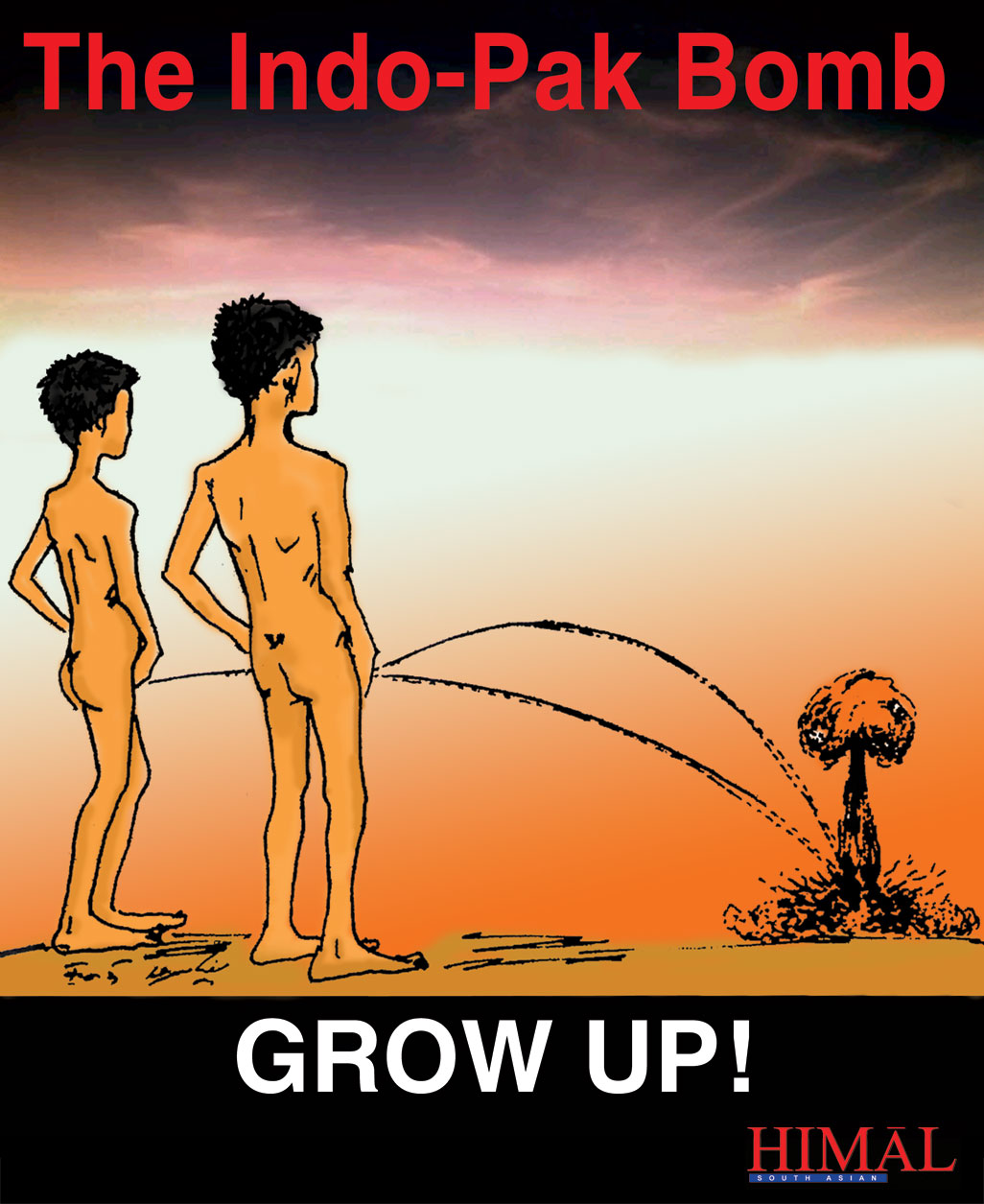
Indo Pak Nuclear rivalry seen by Himal Southasian magazine
Years ago, as a young science journalist working for Asia Technology magazine of Hong Kong, I was shown around Pakistan’s space agency SUPARCO premises in Karachi. At the time, in early 1990, they were readying the country’s first satellite, Badr 1 (launched later that year on a Chinese rocket).
It was a national showpiece, and no one involved would talk about specifics like costs, benefits and long term research and development (R&D) plans. Although Benazir Bhutto had returned Pakistan to civilian rule, no critical questions could be asked about the country’s nuclear or space programmes.
A few years later, I happened to be in Mumbai when India carried out its second nuclear weapons testing in Pokhran mid May 1998. This ultimate chest thumping act inspired…
In this week’s Ravaya column (in Sinhala), I explore the formidable policy dilemmas posed by tobacco control in Sri Lanka. I argue that it isn’t a simple or simplistic battle between ‘good’ and ‘evil’ as anti-tobacco activists would make us believe.
There is no doubt that tobacco kills many smokers — and some non-smokers, too. Yet starting, continuing or quitting smoking is a personal lifestyle choice which, at least in democracies, governments can’t legislate. As long as tobacco remains a legitimate trade, education and persuasion must complement legal regulation.
In our media saturated world, with hundreds of mainstream and citizen journalists bearing witness to key events, one image often stands out as symbolic. It’s that one which gets etched into our collective memory.
There was such an iconic image from Tiananmen Square. It shows a solitary, unarmed Chinese man standing up against a column of battle tanks rolling down a street.
Captured by several photographers snapping away from a nearby hotel balcony, it is one of the best known moments in 20th century photojournalism.
Perhaps the most widely seen photo was taken by Jeff Widener, an American photojournalist who was…
Text of my ‘When Worlds Collide’ column published in Ceylon Today newspaper on 31 May 2014
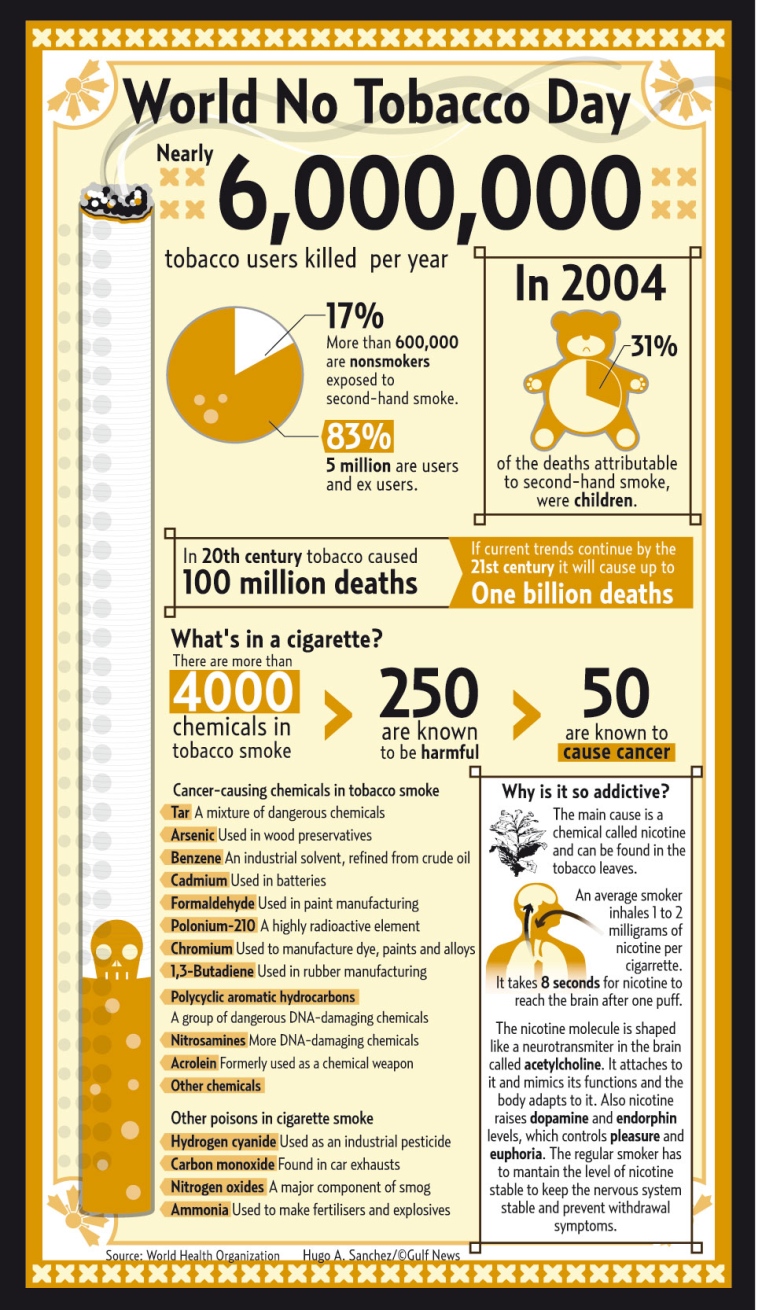
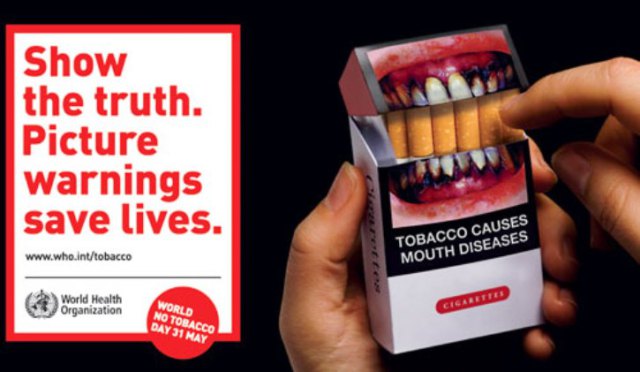
May 31 is World No Tobacco Day
Tobacco control presents formidable policy dilemmas. It isn’t a simple or simplistic battle between ‘good’ and ‘evil’ as anti-tobacco activists would make us believe.
There is no doubt that tobacco kills many smokers — and some non-smokers, too. It was in January 1964 that the US Surgeon General issued the first report of the Advisory Committee on Smoking and Health. Based on over 7,000 papers relating to smoking and disease in biomedical literature, it concluded that cigarette smoking was a cause of lung cancer and laryngeal cancer in men, a probable cause of lung cancer in women, and the most important cause of chronic bronchitis.
During the half century since, much more evidence has piled up, yet tobacco remains a legitimate trade. Starting, continuing or quitting smoking…

 How a tsunami warning system works. AFP FILE PHOTO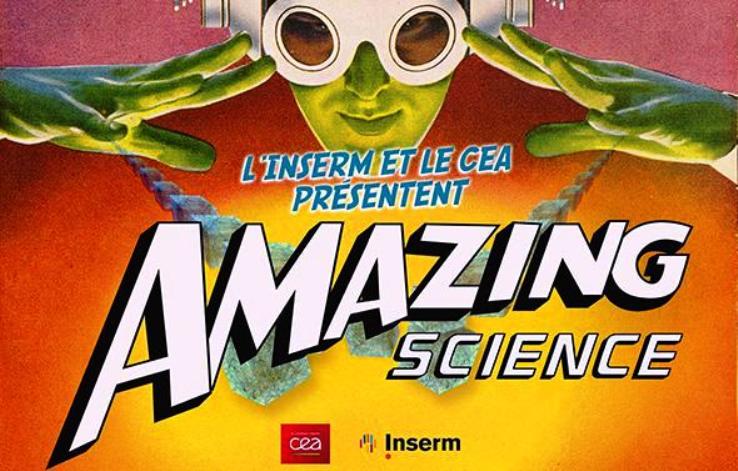





![Sri Lanka tobacco use trend 2000-2012 as seen in ADIC surveys [Full reports at: http://www.adicsrilanka.org/publication/]](https://nalakagunawardene.com/wp-content/uploads/2014/05/sri-lanka-tobacco-use-trend-2000-2012-as-seen-in-adic-surveys.jpg)