“Mathematics is not only one of the most valuable inventions—or discoveries—of the human mind, but can have an aesthetic appeal equal to that of anything in art. Perhaps even more so, according to the poetess who proclaimed, “Euclid alone hath looked at beauty bare.”
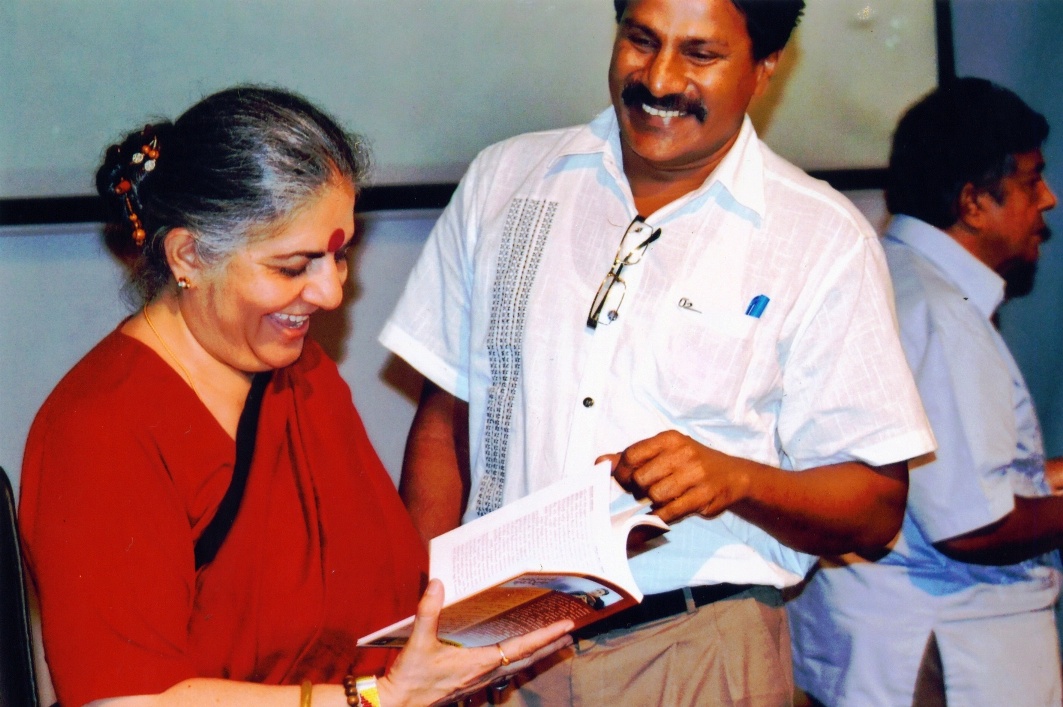
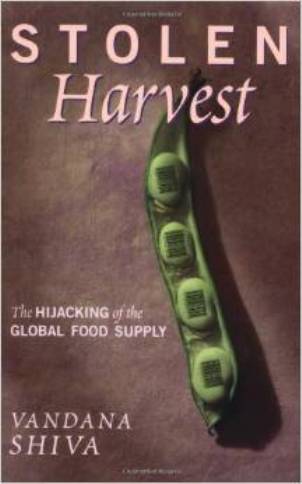
Indian social and environmental activist Dr Vandana Shiva visited Sri Lanka in June 2014, and delivered a well attended public lecture in Colombo. She also joined the launch of a Sinhala translation of her book ‘Stolen Harvest’, written in 2000.
The translator, Sydney Marcus Dias, sent me a copy recently and I have quoted from it in my latest Ravaya column (in Sinhala) appearing in issue dated 7 Sep 2014.
In this, I urge Lankan agro and green activists to engage in a critical reading of Vandana Shiva and not to blindly hero worship her. There is undoubtedly a crisis in modernized methods of farming that rely on high external inputs (agro-chemicals) promoted for half a century under the Green Revolution. Despite evidence for its economic and ecological unsustainability, however, these remain the basis of state agricultural policies in Sri Lanka.
Why? It is a national level failure of vision and policy making. True, local and global agro companies exploit this weakness, but they are operating within what is legal. This is opportunistic of them, for sure, but I don’t agree with Sydney Marcus Dias or any other activists that there is a huge international conspiracy to destabilize Lankan agriculture and destroy it along with the livelihoods of millions of small scale farmers.
We don’t need global conspirators when our own myopic politicians, misguided by officials and experts, are doing a good job of it on their own!
‘Stolen Harvest’ in English and Soragath Aswenna in Sinhala are both worth a read – and can form the basis of discussion. They are NOT the last word on any of the issues discussed, but certainly good opening thoughts to debate further.
NOTE: By sad coincidence, Sarath Fernando, highly respected Lankan farmer activist and founder of the Movement for National Land and Agricultural Reform (MONLAR), died the same weekend this column appeared in print. In June, Vandana Shiva made an affectionate reference to him as ‘my very dear friend Sarath Fernando’.
Sydney Marcus Dias presenting a copy of his Sinhala translation of Stolen Harvest to Dr Vandana Shiva in Colombo, June 2014
Vandana Shiva speaks during Fronteiras do Pensamento project at UFRGS on May 28, 2012 in Porto Alegre, Brazil – Photo by Alexandro Auler/LatinContent/Getty Images)
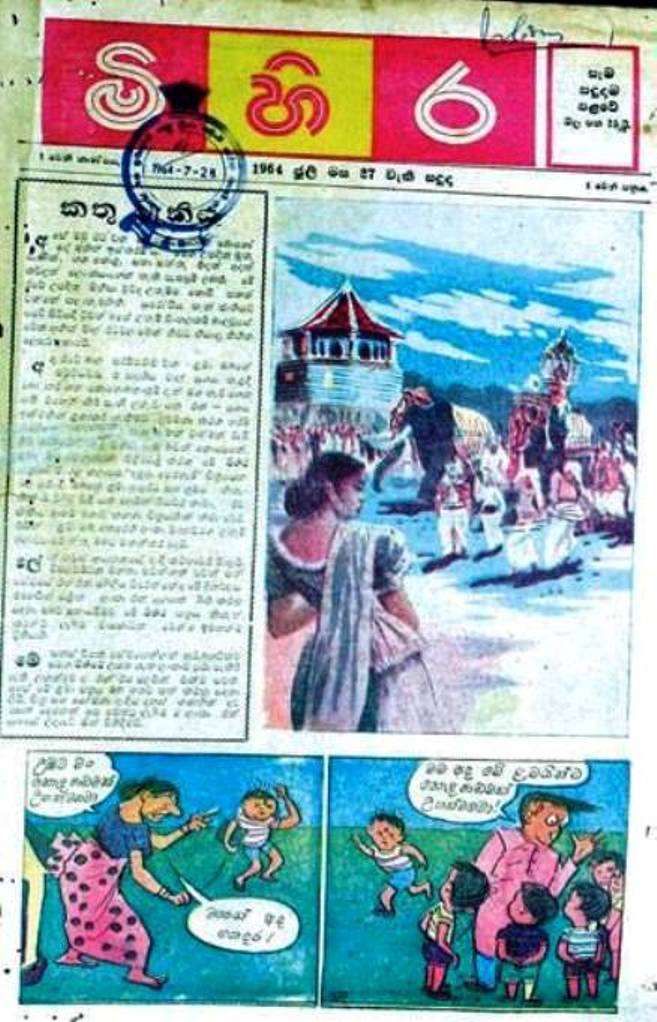
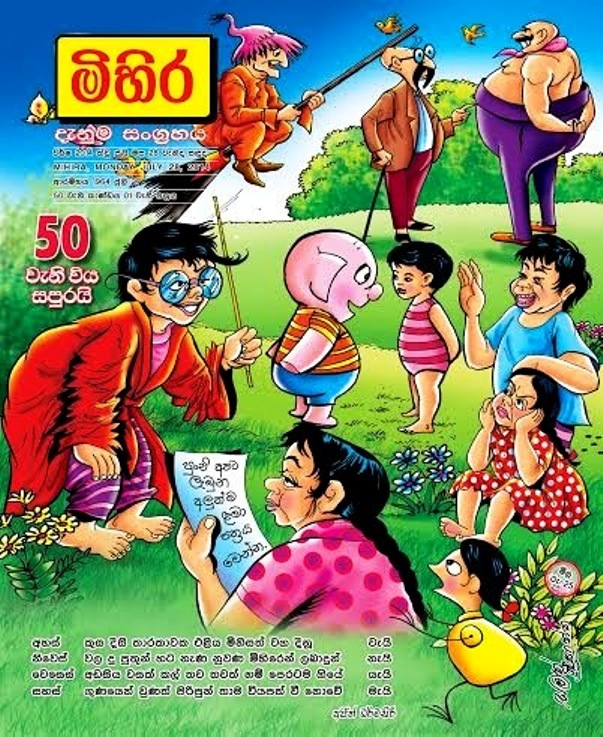
The Sinhala children’s weekly newspaper Mihira just completed 50 years of publication. The paper, launched by Associated Newspapers of Ceylon Limited (ANCL, or Lake House) on 27 July 1964, holds nostalgic memories for those of us who grew up in the 1960s and 1970s with limited access to reading material.
In this week’s Ravaya column (in Sinhala), I invoke some memories. I wrote an English blogpost along similar lines a few days ago:
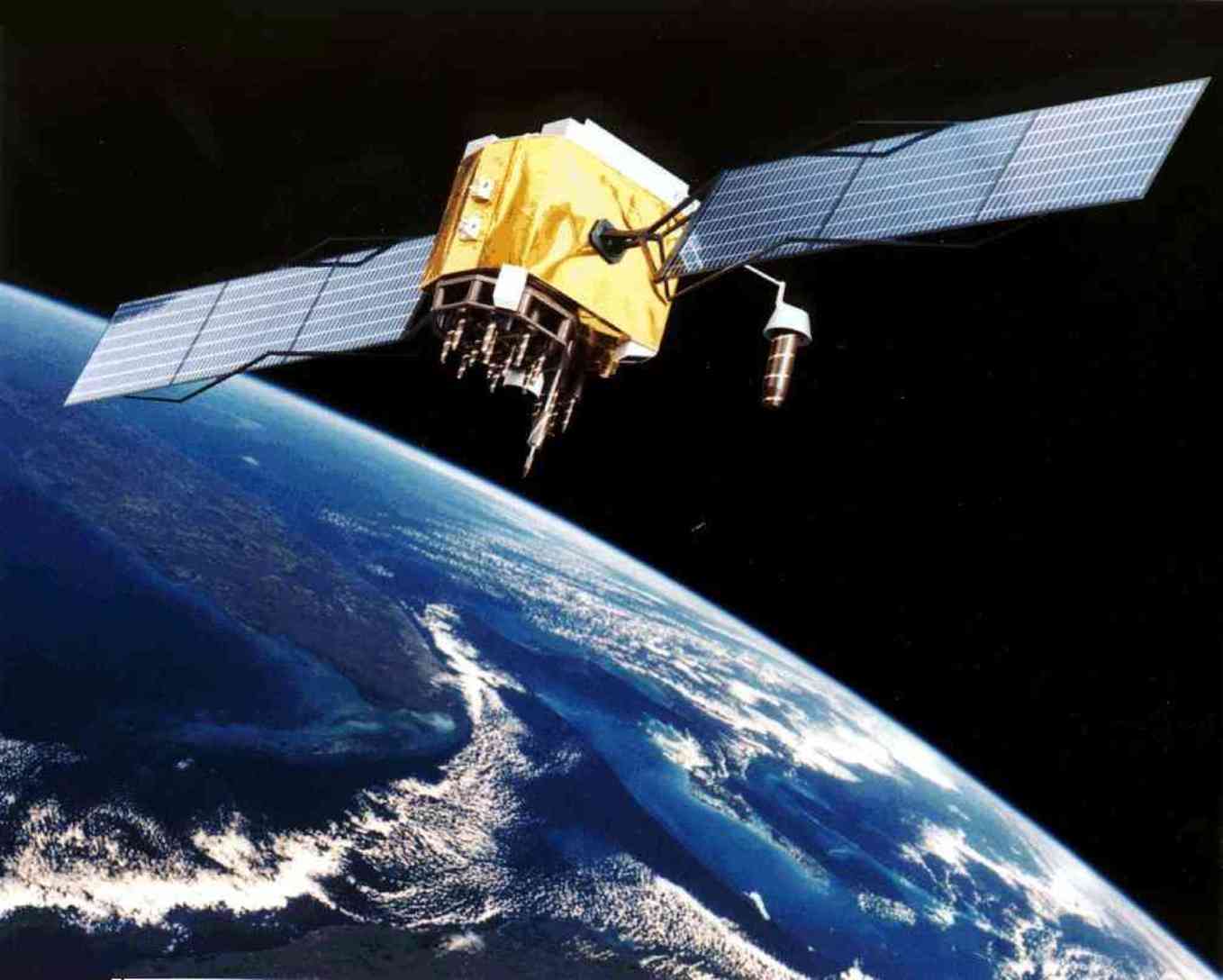
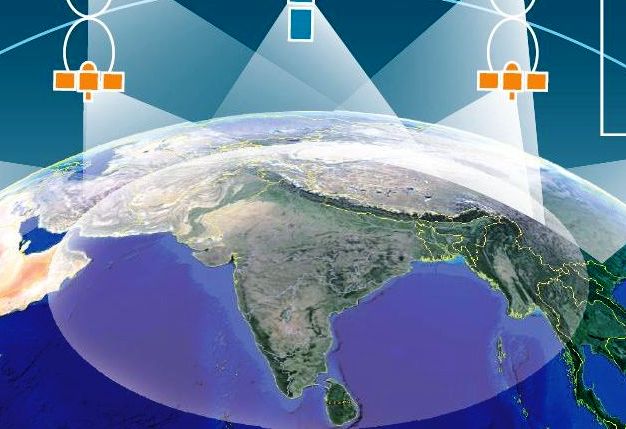
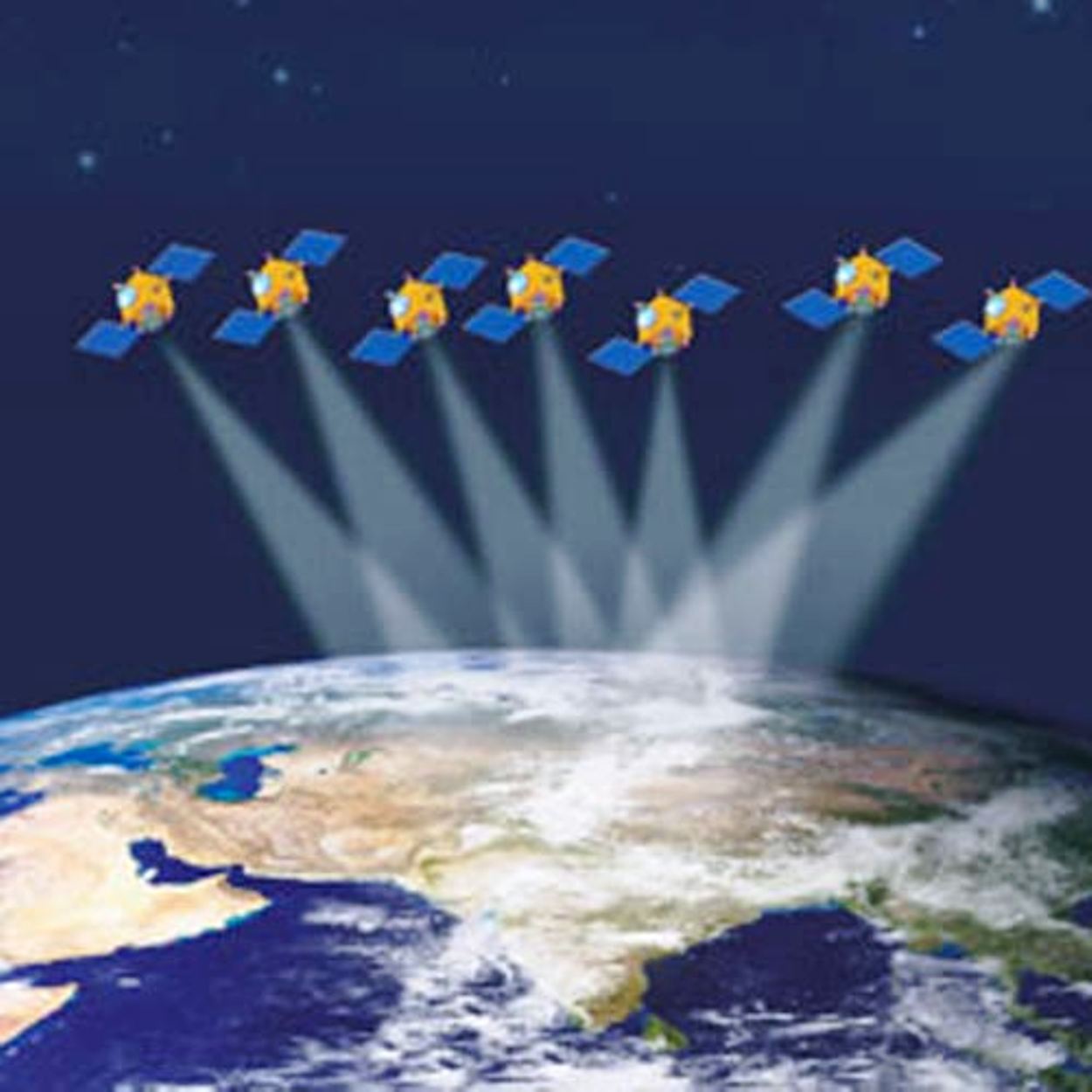
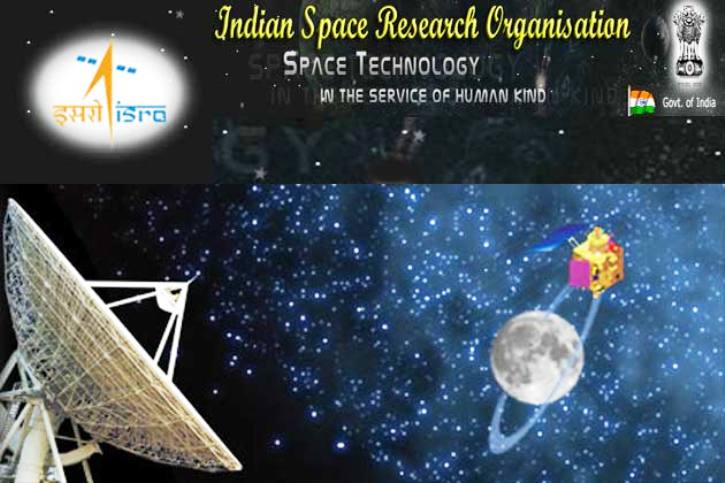
Both China and India are keen to enhance links with smaller Asian countries in using satellites as part of their ‘space diplomacy’ strategies.
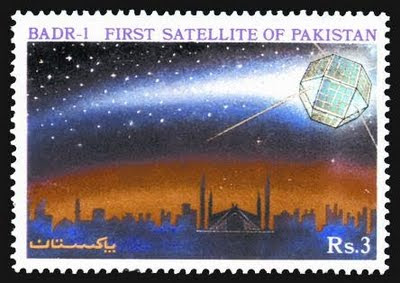
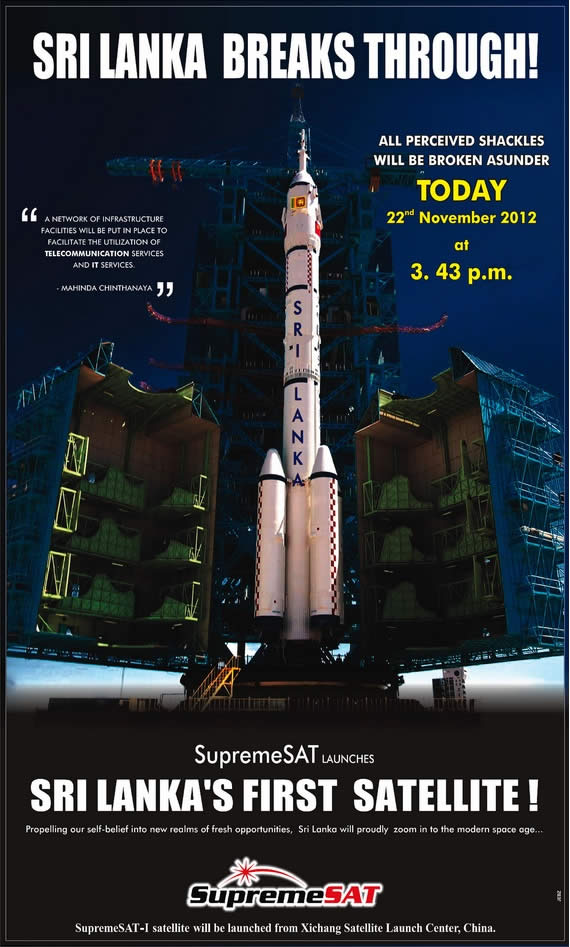
Last week in my Ravaya column (in Sinhala), I wrote about space technology capabilities of South Asian countries. This week’s column probes whether or not Sri Lanka needs its own satellite.
New opportunities for South Asian collaboration in space technologies can help reduce poverty and promote sustainable development.
Both China and India are keen to enhance links with smaller Asian countries in using satellites for communications, weather services, land use monitoring and navigation. They have also realised the value of ‘space diplomacy’, or using space related technical cooperation for strengthening foreign relations.
In this week’s Ravaya column (in Sinhala), I look at South Asian countries investing in space technologies, and discuss the prospects for a common South Asian satellite, an idea recently revived by the Indian Prime Minister.
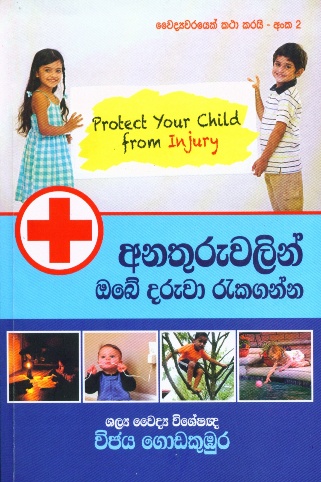
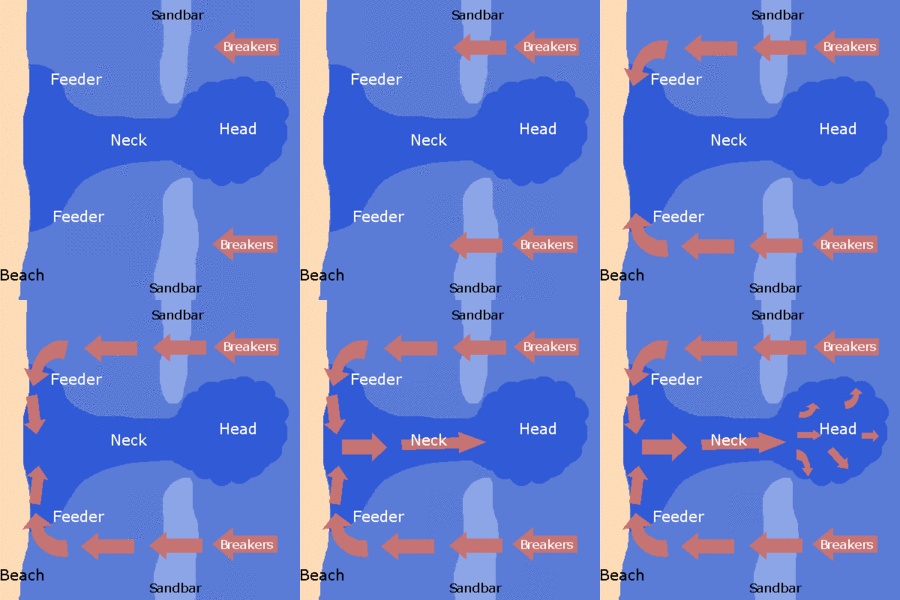
In this week’s Ravaya column (in Sinhala), I look at how to prevent death and disability caused by drowning in Sri Lanka.
Around 1,200 people die every year in Sri Lanka from drowning — several times the number of deaths from dengue fever, but this distributed tragedy gets much less public and media attention.
Most victims are children and young adults, and some die while trying to save another from drowning. Most of these deaths are preventable – if only adequate safety precautions are taken.
I quote extensively from a Sinhala book (Protect Your Children from Accidents) written by consultant surgeon Dr. Wijaya Godakumbura.
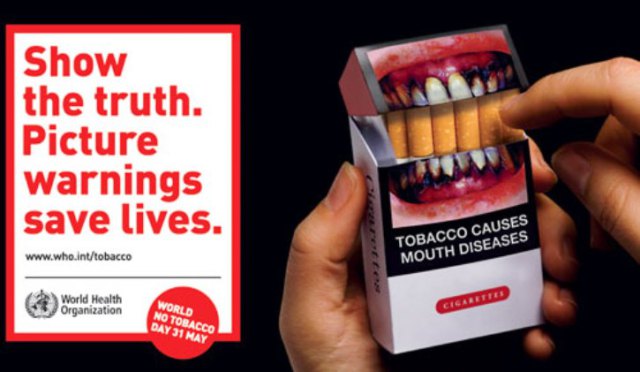
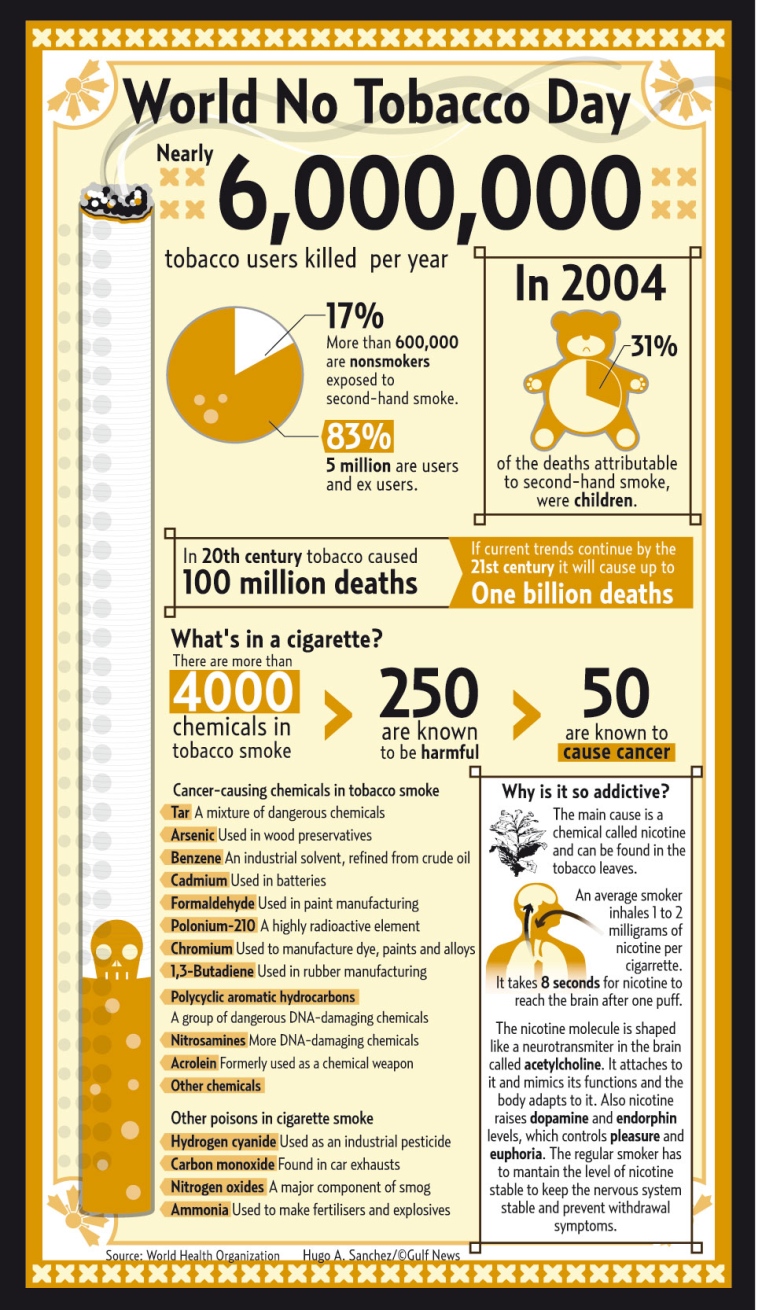
In this week’s Ravaya column (in Sinhala), I explore the formidable policy dilemmas posed by tobacco control in Sri Lanka. I argue that it isn’t a simple or simplistic battle between ‘good’ and ‘evil’ as anti-tobacco activists would make us believe.
There is no doubt that tobacco kills many smokers — and some non-smokers, too. Yet starting, continuing or quitting smoking is a personal lifestyle choice which, at least in democracies, governments can’t legislate. As long as tobacco remains a legitimate trade, education and persuasion must complement legal regulation.
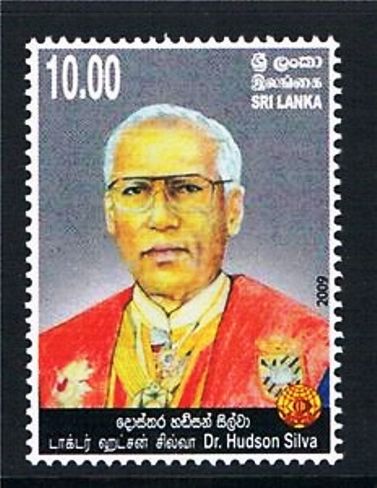
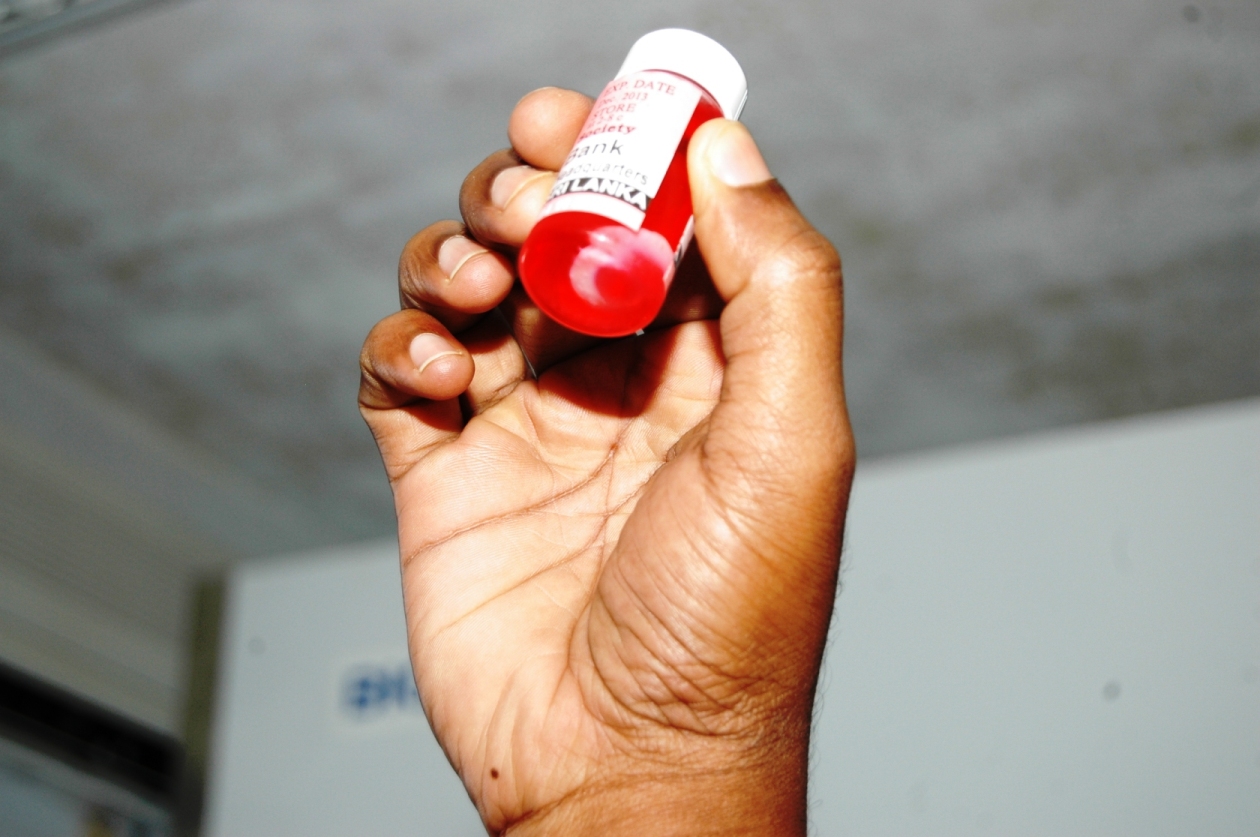
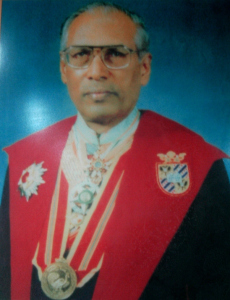
In this week’s Ravaya column, in Sinhala, I further explore the origins and evolution of Sri Lanka Eye Donation movement, with emphasis on its founder and leader for 40 years, Dr Hudson Silva (1929-1999).
Dr Hudson Silva (left) and Arthur C Clarke with then Prime Minister R Premadasa and Minister Tyronne Fernando (extreme right) at Eye Donation Society function circa mid 1980s [Photo courtesy Arthur C Clarke Archive]අක්ෂිදාන බෞද්ධ සංකල්පයක් මත පදනම් වුවත් වෛද්ය හඞ්සන් මුල පටන්ම මේ ව්යාපාරය ගොඩ නැංවූයේ ජාති, ආගම් හෝ දේශපාලන භේද කිසිවක් නොමැතිවයි. එක් උතුම් අරමුණක් සඳහා විවිධාකාර පුද්ගලයන් හා ආයතන එක්සත් හා එක්සිත් කර ගැනීමේ හැකියාව ඔහු සතු වුණා.
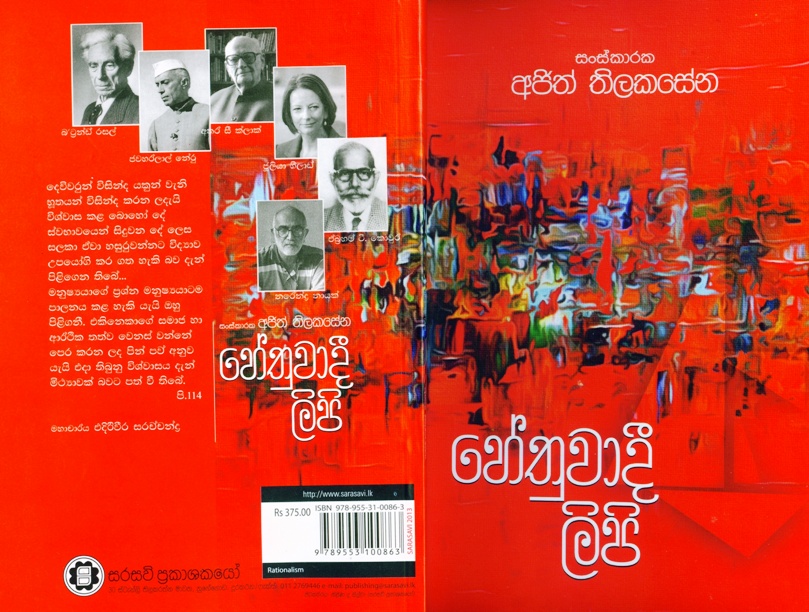
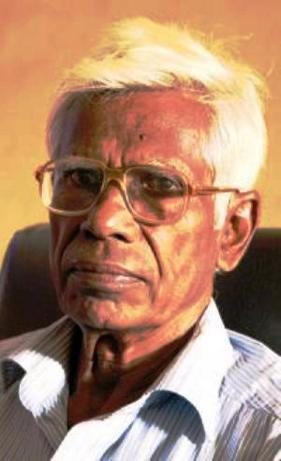
In this week’s Ravaya column (in Sinhala), I introduce a recent anthology of rationalist essays compiled and edited by leading Sinhala language writer Ajith Thilakasena. I was asked to talk about the book at a recent meeting of the Sri Lanka Rationalists’ Association. Since I too have contributed a chapter, I cannot review the book; this is merely an exploration of the book’s provocative contents.





![Sri Lanka tobacco use trend 2000-2012 as seen in ADIC surveys [Full reports at: http://www.adicsrilanka.org/publication/]](https://nalakagunawardene.com/wp-content/uploads/2014/05/sri-lanka-tobacco-use-trend-2000-2012-as-seen-in-adic-surveys.jpg)
![Dr Hudson Silva (left) and Arthur C Clarke with then Prime Minister R Premadasa and Minister Tyronne Fernando at Eye Donation Society function circa mid 1980s [Photo courtesy Arthur C Clarke Archive]](https://nalakagunawardene.com/wp-content/uploads/2014/06/dr-hudson-silva-left-and-arthur-c-clarke-with-then-prime-minister-r-premadasa-and-minister-tyronne-fernando-at-eye-donation-society-function.jpg)

 Open Minds!