It’s a question without easy or simple answers. Policy makers come in different forms and types, and gaining their attention depends on many variables — such as a country’s political system, governance processes, level of bureaucracy and also timing.
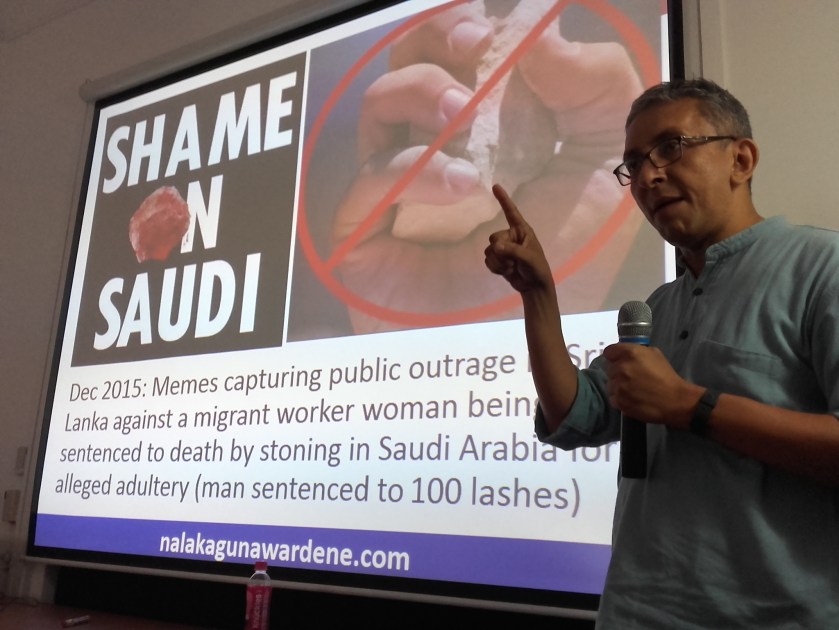
I revisited this question this week when speaking to a group of young (early to mid-career) researchers from across South Asia who want to study many facets of global change. They were brought together at a regional workshop held in in Paro, Bhutan, by the Asia-Pacific Network for Global Change Research (APN) and the National Environment Commission of the Royal Government of Bhutan.
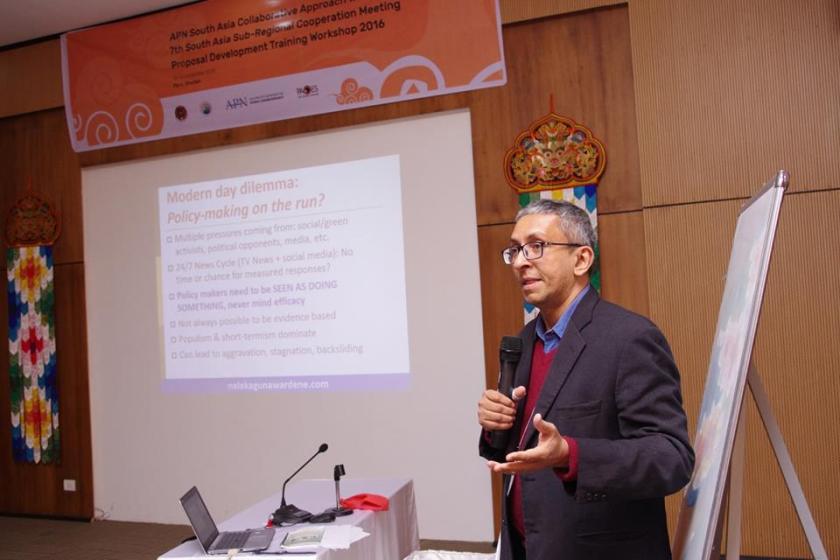
Nalaka Gunawardene speaks at APN South Asian Proposal Development Training Workshop in Paro, Bhutan, 14-16 Dec 2016. Photo Xiaojun Deng, APN
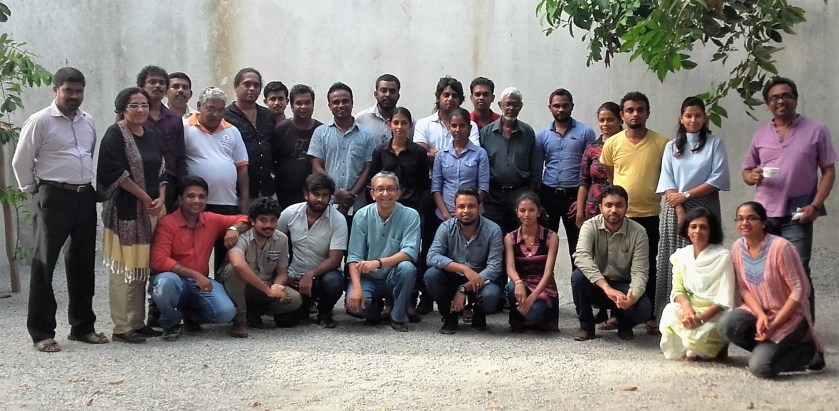
Titled as the ‘Proposal Development Training Workshop (PDTW)’ and held from 14 to 16 December 2016, PDTW aimed “to raise awareness of APN among early career scientists and practitioners, and to increase the capacity to develop competitive proposals for submission to APN”.
The workshop involved two dozen researchers and half a dozen mentors. I was the sole mentor covering the important aspect of communicating research.
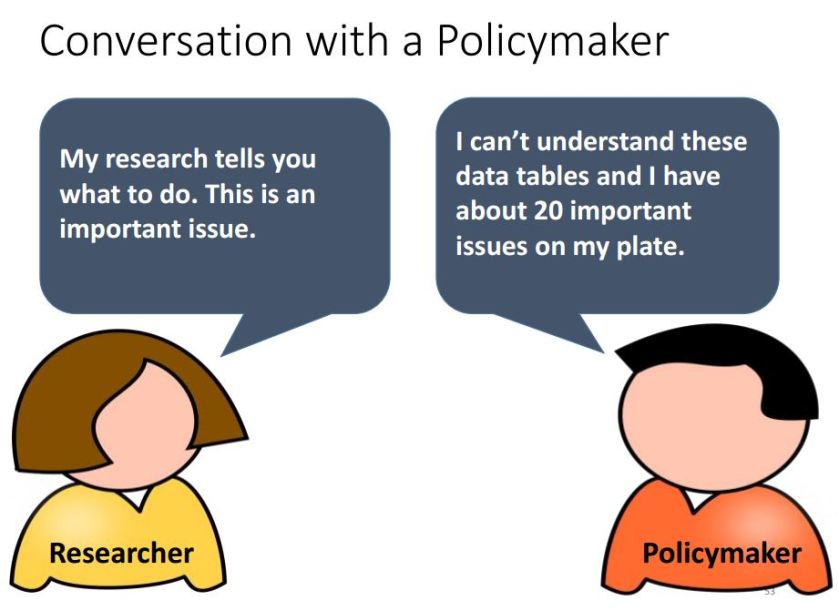
I urged researchers to try and better understand the imperfect, often unpredictable conditions in which South Asia’s policy makers operate.
Researchers and activists who would like to influence various public policies. Everyone is looking for strategies and engagement methods. The policy cycle cannot run according to text book ideals when governments have to regularly cope with economic uncertainties, political upheavals and social unrest, etc.
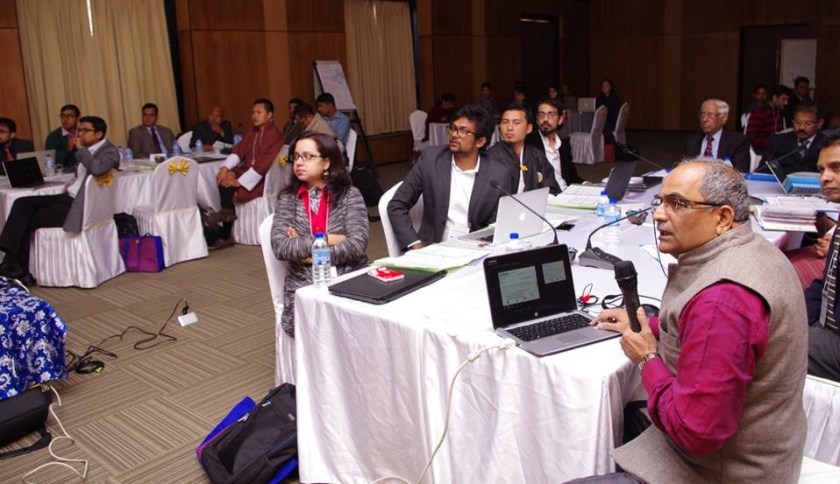
Asia-Pacific Network for Global Change Research (APN): Proposal Development Training Workshop 2016 — in Paro, Bhutan. Photo by Xiaojun Deng, APN
Imagine what keeps your policy makers awake at night, I suggested. Are they worried about balance of payment, disaster responses or a Parliamentary majority? How can research findings, while being evidence based, help solve problems of economic development and governance?
I also suggested that researchers should map out the information behaviour of their policy makers: where do they get info to act on? Is there a way research findings can be channeled to policy makers through some of these sources – such as the media, professional bodies and international development partners?
I suggested two approaches to communicating research outcomes to policy makers: directly, using own publications and/or social media; and indirectly by working with and through the media.
Finally, I shared some key findings of a global study in 2012 by SciDev.Net (where I was an honorary trustee for nearly a decade) which looked at the different contextual settings within which policy makers, the private sector, NGOs, media organisations and the research community operate to better understand how to mainstream more science and technology evidence for development and poverty reduction purposes.
Op-ed written for The Weekend Express broadsheet newspaper in Sri Lanka, 18 November 2016
The Big Unknown: Climate action under President Trump – By Nalaka Gunawardene, Weekend Express, 18 Nov 2016
What does Donald Trump’s election as the next President of the United States mean for action to contain climate change?
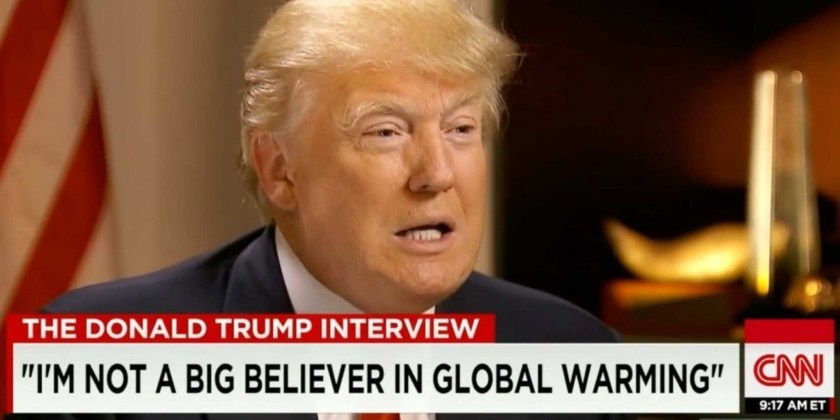
The billionaire non-politician — who lost the popular vote by more than a million votes but won the presidency on the basis of the electoral college — has long questioned the science underlying climate change.
He also sees political and other motives in climate action. For example, he tweeted on 6 November 2012: “The concept of global warming was created by and for the Chinese in order to make U.S. manufacturing non-competitive.”
Trump’s tweet on 6 November 2012 – What does it mean for his administration?
His vice president, Indiana governor Mike Pence, also does not believe that climate change is caused by human activity.
Does this spell doom for the world’s governments trying to avoid the worst case scenarios in global warming, now widely accepted by scientists as driven by human activity – especially the burning of petroleum and coal?
It is just too early to tell, but the early signs are not promising.
“Trump should drop his pantomime-villain act on climate change. If he does not, then, come January, he will be the only world leader who fails to acknowledge the threat for what it is: urgent, serious and demanding of mature and reasoned debate and action,” said the scientific journal Nature in an editorial on 16 November 2016.
It added: “The world has made its decision on climate change. Action is too slow and too weak, but momentum is building. Opportunities and fortunes are being made. Trump the businessman must realize that the logical response is not to cry hoax and turn his back. The politician in Trump should do what he promised: reject political orthodoxy and listen to the US people.”
It was only on 4 November 2016 that the Paris climate agreement came into force. This is the first time that nearly 200 governments have agreed on legally binding limits to emissions that cause global warming.
All governments that have ratified the accord — which includes the US, China, India and the EU — carry an obligation to contain global warming to no more than 2 degrees Centigrade above pre-industrial levels. Scientists regard that as the safe limit, beyond which climate change is likely to be both catastrophic and irreversible.
It has been a long and bumpy road to reach this point since the UN framework convention on climate change (UNFCCC) was adopted in 1992. UNFCCC provides the umbrella under which the Paris Agreement works.
High level officials and politicians from 197 countries that have ratified the UNFCCC are meeting in Marrakesh, Morocco, this month to iron out the operational details of the Paris Agreement.
Speaking at the Marrakesh meeting this week, China’s vice foreign minister, Liu Zhenmin, pointed out that it was in fact Trump’s Republican predecessors who launched climate negotiations almost three decades ago.
It was only three months ago that the world’s biggest greenhouse gas emitters – China and the US — agreed to ratify the Paris agreement during a meeting between the Chinese and US presidents.
Chandra Bhushan, Deputy Director General of the Centre for Science and Environment (CSE), an independent advocacy group in Delhi, has just shared his thoughts on the Trump impact on climate action.
“Will a Trump presidency revoke the ratification of the Paris Agreement? Even if he is not able to revoke it because of international pressure…he will dumb down the US action on climate change. Which means that international collaboration being built around the Paris Agreement will suffer,” he said in a video published on YouTube (see: https://goo.gl/r6KGip)
“If the US is not going to take ambitious actions on climate change, I don’t think India or Chine will take ambitious actions either. We are therefore looking at a presidency which is going to push climate action around the world down the barrel,” he added.
During his campaign, Trump advocated “energy independence” for the United States (which meant reducing or eliminating the reliance on Middle Eastern oil). But he has been critical of subsidies for solar and wind power, and threatened to end regulations that sought to end the expansion of petroleum and coal use. In other words, he would likely encourage dig more and more domestically for oil.
“Trump doesn’t believe that renewable energy is an important part of the energy future for the world,” says Chandra Bhushan. “He believes that climate change is a conspiracy against the United States…So we are going to deal with a US presidency which is extremely anti-climate.”
Bhushan says Trump can revoke far more easily domestic laws like the Clean Power Plan that President Obama initiated in 2015. It set a national limit on carbon pollution produced from power plants.
“Therefore, whatever (positive) action that we thought was going to happen in the US are in jeopardy. We just have to watch and ensure that, even when an anti-climate administration takes over, we do not allow things to slide down (at global level action),” Bhushan says.
Some science advocates caution against a rush to judgement about how the Trump administration will approach science in general, and climate action in particular.
Nature’s editorial noted: “There is a huge difference between campaigning and governing…It is impossible to know what direction the United States will take under Trump’s stewardship, not least because his campaign was inconsistent, contradictory and so full of falsehood and evasion.”
We can only hope that Trump’s business pragmatism would prevail over climate action. As the Anglo-French environmental activist Edward Goldsmith said years ago, there can be no trade on a dead planet.
Sri Lankan Media Fellows on Poverty and Development with their mentors and CEPA coordinators at orientation workshop in Colombo, 24 Sep 2016
“For me as an editor, there is a compelling case for engaging with poverty. Increasing education and literacy is related to increasing the size of my readership. Our main audiences are indeed drawn from the middle classes, business and policymakers. But these groups cannot live in isolation. The welfare of the many is in the interests of the people who read the Daily Star.”
So says Mahfuz Anam, Editor and Publisher of The Daily Star newspaper in Bangladesh. I quoted him in my presentation to the orientation workshop for Media Fellows on Poverty and Development, held in Colombo on 24 September 2016.
Alas, many media gatekeepers in Sri Lanka and across South Asia don’t share Anam’s broad view. I can still remember talking to a Singaporean manager of one of Sri Lanka’s first private TV stations in the late 1990s. He was interested in international development related TV content, he told me, “but not depressing and miserable stuff about poverty – our viewers don’t want that!”
Most media, in Sri Lanka and elsewhere, have narrowly defined poverty negatively. Those media that occasionally allows some coverage of poverty mostly skim a few selected issues, doing fleeting reporting on obvious topics like street children, beggars or poverty reduction assistance from the government. The complexity of poverty and under-development is hardly investigated or captured in the media.
Even when an exceptional journalist ventures into exploring these issues in some depth and detail, their media products also often inadvertently contain society’s widespread stereotyping on poverty and inequality. For example:
Black and white images are used when colour is easily available (as if the poor live in B&W).
Focus is mostly or entirely on the rural poor (never mind many poor people now live in cities and towns).
The Centre for Poverty Analysis (CEPA), a non-profit think tank has launched the Media Fellowship Programme on Poverty and Development to inspire and support better media coverage of these issues. The programme is co-funded by UNESCO and CEPA.
Under this, 20 competitively selected journalists – drawn from print, broadcast and web media outlets in Sinhala, Tamil and English languages – are to be given a better understanding of the many dimensions of poverty.
These Media Fellows will have the opportunity to research and produce a story of their choice in depth and detail, but on the understanding that their media outlet will carry their story. Along the way, they will benefit from face-to-face interactions with senior journalists and development researchers, and also receive a grant to cover their field visit costs.
Nalaka Gunawardene speaks at orientation workshop for Media Fellows on Poverty and Development at CEPA, 24 Sep 2016
I am part of the five member expert panel guiding these Media Fellows. Others on the panel are senior journalist and political commentator Kusal Perera; Chief Editor of Daily Express newspaper Hana Ibrahim; Chief Editor of Echelon biz magazine Shamindra Kulamannage; and Consultant Editor of Sudar Oli newspaper, Arun Arokianathan.
At the orientation workshop, Shamindra Kulamannage and I both made presentations on media coverage of poverty. Mine was a broad-sweep exploration of the topic, with many examples and insights from having been in media and development spheres for over 25 years.
Here is my PPT:
More photos from the orientation workshop:
Nalaka Gunawardene speaks at orientation workshop for Media Fellows on Poverty and Development at CEPA, 24 Sep 2016
Workshop for Media Fellows on Poverty & Development, Colombo, 24 Sep 2016
Workshop for Media Fellows on Poverty & Development, Colombo, 24 Sep 2016
Workshop for Media Fellows on Poverty & Development, Colombo, 24 Sep 2016
Workshop for Media Fellows on Poverty & Development, Colombo, 24 Sep 2016
Shamindra Kulamannage at Workshop for Media Fellows on Poverty & Development, Colombo, 24 Sep 2016
Workshop for Media Fellows on Poverty & Development, Colombo, 24 Sep 2016
Workshop for Media Fellows on Poverty & Development, Colombo, 24 Sep 2016
Krishan Siriwardhana opens Workshop for Media Fellows on Poverty & Development, Colombo, 24 Sep 2016
Nalaka Gunawardene speaks on “Using Social Media for Discussing Science” at the Science, Technology & Society Forum in Colombo, Sri Lanka, 9 Sep 2016. Photo by Smriti Daniel
Sri Lanka’s first Science and Technology for Society (STS) Forum took place from 7 to 10 September in Colombo. Organized by the Prime Minister’s Office and the Ministry of Science, Technology and Research, it was one of the largest gatherings of its kind to be hosted by Sri Lanka.
Modelled on Japan’s well known annual STS forums, the event was attended by over 750 participants coming from 24 countries – among them local and foreign scientists, inventors, science managers, science communicators and students.
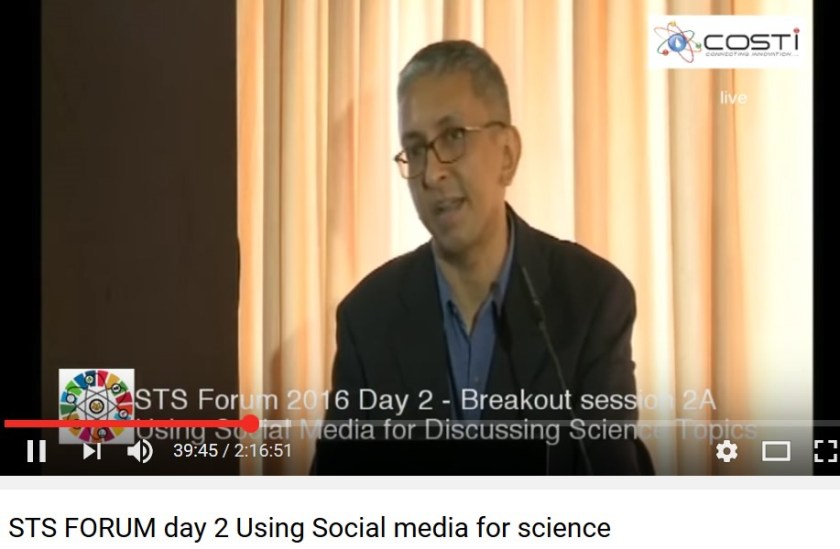
I was keynote speaker during the session on ‘Using Social Media for Discussing Science Topics’. I used it to highlight how social media have become both a boon and bane for scientific information and thinking in Sri Lanka. This is due to peddlers of pseudo-science, anti-science and superstition being faster and better to adopt social media platforms than actual scientists, science educators and science communicators.
Social Media in #LKA:Do Science & Reason stand a chance? Asks Nalaka Gunawardene
Sri Lanka takes justified pride in its high literacy levels and equally high coverage of vaccination against infectious diseases. But we cannot claim to have a high level of scientific literacy. If we did, it would not be so easy for far-fetched conspiracy theories to spread rapidly even among educated persons. Social media tools have ‘turbo-charged’ the spread of associated myths, superstitions and conspiracy theories!
I cautioned: “Unless we make scientific literacy an integral part of everyone’s lives, ambitious state policies and programmes to modernize the nation could well be jeopardized. Progress can be undermined — or even reversed — by extremist forces of tribalism, feudalism and ultra-nationalism that thrive in a society that lacks the ability to think critically.”
It is not a case of all doom and gloom. I cited examples of private individuals creatively using social media to bust myths and critique all ‘sacred cows’ in Lankan society – including religions and military. These voluntary efforts contrast with much of the mainstream media cynically making money from substantial advertising from black magic industries that hoodwink and swindle the public.
My PowerPoint presentation:
Video recording of our full session:
The scoping note I wrote for our session:
Sri Lanka STS Forum panel on Using Social Media for Discussing Science Topics. 9 Sep 2016. L to R – Asanga Abeygunasekera, Nalaka Gunawardene, Dr Piyal Ariyananda, Dr Ananda Galappatti & Smriti Daniel
Session: Using Social Media for Discussing Science Topics
With 30 per cent of Sri Lanka’s 21 million people regularly using the Internet, web-based social media platforms have become an important part of the public sphere where myriad conversations are unfolding on all sorts of topics and issues. Facebook is the most popular social media outlet in Sri Lanka, with 3.5 million users, but other niche platforms like Twitter, YouTube and Instagram are also gaining ground. Meanwhile, the Sinhala and Tamil blogospheres continue to provide space for discussions ranging from prosaic to profound. Marketers, political parties and activist groups have discovered that being active in social media is to their advantage.
Some science and technology related topics also get discussed in this cacophony, but given the scattered nature of conversations, it is impossible to grasp the full, bigger picture. For example, some individuals or entities involved in water management, climate advocacy, mental health support groups and data-driven development (SDG framework) are active in Sri Lanka’s social media platforms. But who is listening, and what influence – if any – are these often fleeting conservations having on individual lifestyles or public policies?
Is there a danger that self-selecting thematic groups using social media are creating for themselves ‘echo chambers’ – a metaphorical description of a situation in which information, ideas, or beliefs are amplified or reinforced by transmission and repetition inside an “enclosed” system, where different or competing views are dismissed, disallowed, or under-represented?
Even if this is sometimes the case, can scientists and science communicators afford to ignore social media altogether? For now, it appears that pseudo-science and anti-science sentiments – some of it rooted in ultra-nationalism or conspiracy theories — dominate many Lankan social media exchanges. The keynote speaker once described this as Lankan society permanently suspending disbelief. How and where can the counter-narratives be promoted on behalf of evidenced based, rational discussions? Is this a hopeless task in the face of irrationality engulfing wider Lankan society? Or can progressive and creative use of social media help turn the tide in favour of reason?
This panel would explore these questions with local examples drawn from various fields of science and skeptical enquiry.
Sri Lanka’s first Science and Technology for Society (STS) Forum took place from 7 to 10 September in Colombo. Organized by the Prime Minister’s Office and the Ministry of Science, Technology and Research, it is one of the largest gatherings of its kind to be hosted by Sri Lanka.
What sets STS Forums apart is that they are not merely events where scientists talk to each other. That surely will happen, but there will be many more voices and, hopefully, much broader conversations.
In this week’s Ravaya column (in Sinhala, appearing in the print issue of 11 Sep 2016), I look at Sri Lanka’s appalling lack of scientific literacy.
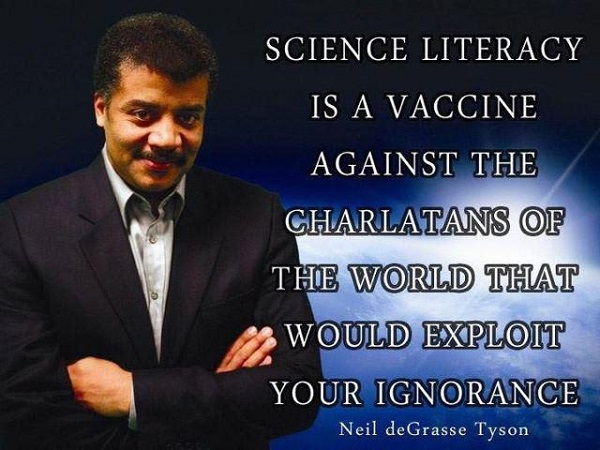
As Dr Neil deGrasse Tyson, American astrophysicist, cosmologist and science communicator, says, “Scientific literacy is an intellectual vaccine against the claims of charlatans who would exploit ignorance.”
Sri Lanka takes justified pride in its high literacy levels and equally high coverage of vaccination against infectious diseases. But we cannot claim to have a high level of scientific literacy.
A healthy dose of scepticism is essential to safeguard ourselves from superstitions, political claims and increasingly sophisticated – but often dishonest – product advertising. That’s what scientific literacy builds inside our minds.
I argue that unless we make scientific literacy an integral part of everyone’s lives, ambitious state policies and programmes to modernize the nation could well be jeopardized. Progress can be undermined — or even reversed — by extremist forces of tribalism, feudalism and ultra-nationalism that thrive in a society that lacks the ability to think critically.
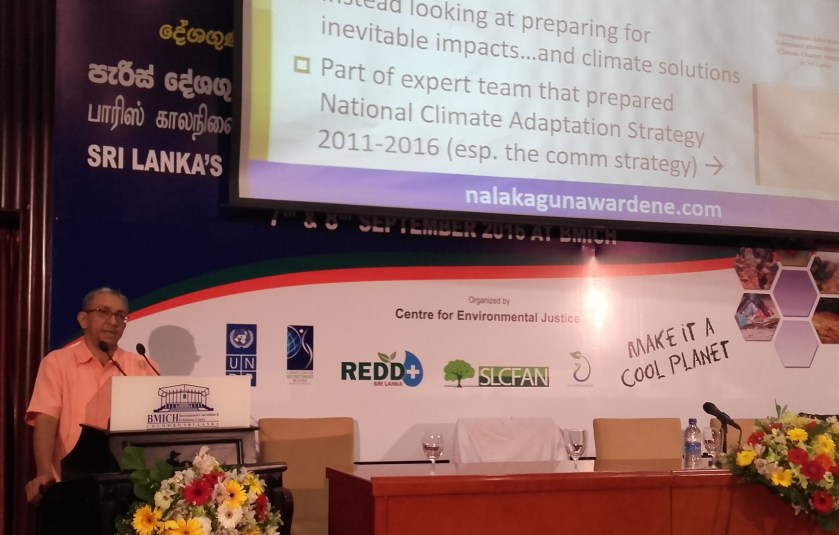
Nalaka Gunawardene speaks at national conference on Sri Lanka’s readiness for implementing the Paris Agreement. BMICH Colombo, 8 September 2016
Climate change COP21 in December 2015 adopted the Paris Agreement to avoid, mitigate and adapt to climate change. Among many other solutions, Sri Lanka’s “intended nationally determined contribution” (INDC) has agreed to reduce 7% emissions from energy and transport and 23% conditional reductions by 2030.
Sri Lanka’s Centre for Environmental Justice in collaboration with the government’s Climate Change Secretariat, UNDP and Janathakshan held a national conference on “SRI LANKA’S READINESS FOR IMPLEMENTING PARIS CLIMATE AGREEMENT” on 7 and 8 September 2016 in Colombo. It was attended by over 200 representatives from government, civil society and corporate sectors.
I was asked to speak in Session 5: Climate Solutions, on “Climate communication and Behaviour changes”. This is a summary of what I said, and the PowerPoint presentation used.
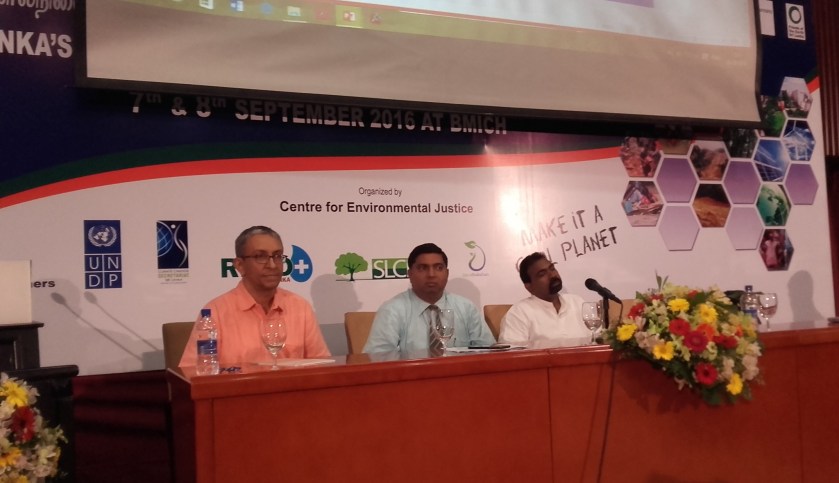
L to R: Nalaka Gunawardene; Nalin Munasinghe, National Programme Manager at Sri Lanka UN-REDD Programme, and Uchita de Zoysa
As climate change impacts are felt more widely, the imperative for action is greater than ever. Telling the climate story in accurate and accessible ways should be an essential part of our climate response.
That response is currently organised around two ‘planks’: mitigation and adaptation. Climate communication can be the ‘third plank’ that strengthens the first two.
Encouragingly, more journalists, broadcasters, researchers and advocacy groups are taking up this challenge. They urgently need more media and public spaces — as well as greater resources — to sustain public engagement.
The United Nations Framework Convention on Climate Change (UNFCCC), which Sri Lanka has signed and ratified, recognizes the importance of IEC. It calls for “improving awareness and understanding of climate change, and creating solutions to facilitate access to information on a changing climate” to winning public support for climate related policies.
The UNFCCC, through its Article 6, and its Kyoto Protocol, through its Article 10 (e), call on governments “to educate, empower and engage all stakeholders and major groups on policies relating to climate change”.
When strategically carried out, IEC can be a powerful force for change on both the ‘supply’ and ‘demand’ sides of climate adaptation and climate related public information. In this analogy:
‘supply’ involves providing authentic, relevant and timely information to all those who need it, in languages and formats they can readily use; and
‘demand’ means inspiring more individuals and entities to look for specific knowledge and skills that can help make themselves more climate resilient.
These two sides of the equation can positively reinforce each other, contributing significantly to Sri Lanka’s fight against climate change.
To be effective, climate communication also needs to strike a balance between alarmism and complacence. We have to place climate concerns within wider development and social justice debates. We must also localise and personalise as much as possible.
Dr M Sanjayan, vice president of development and communications strategy at Conservation International, a leading advocacy group, says environmentalists and scientists have failed to build sufficient urgency for action on climate change. He feels we need new communication approaches.
The Lankan-born science communicator wrote in 2013: “By focusing on strong narratives about peoples’ lives in the present rather than the future; by keeping stories local and action-oriented (solvable); and by harnessing the power of narrative and emotion, we have a better chance to build widespread public support for solutions.”
Scientific Literacy: ‘Mind Vaccine’ Sri Lanka Urgently Needs
By Nalaka Gunawardene
STS Forum Sri Lanka
Sri Lanka’s first Science and Technology for Society (STS) Forum will take place from 7 to 10 September in Colombo. Organized by the Prime Minister’s Office and the Ministry of Science, Technology and Research, it is one of the largest gatherings of its kind to be hosted by Sri Lanka.
Modelled on Japan’s well known annual STS forums, this event will be attended by over 750 participants coming from 24 countries – among them will be local and foreign scientists, inventors, science managers, science communicators and students.
What sets STS Forums apart is that they are not merely events where scientists talk to each other. That surely will happen, but there will be many more voices and, hopefully, much broader conversations.
As a member of the content planning team for this event, my particular focus has been on the strand called “citizen science” – interpreted, in this instance, as activities that enhance the public understanding of science and technology.
Under this strand, there will be four sessions that explore: community involvement in science and research; informal science education for the 21st century; communicating science, technology and innovation; and using social media for discussing science.
At first glance, these topics don’t seem as exciting as nanotechnology, robotics and space technology that are being covered in other sessions. But I would argue that public engagement is the most decisive factor if science and technology are to play a significant role in the economic development and future prosperity of Sri Lanka.
Wanted: Mind Vaccines!
Public engagement of science goes well beyond teaching science and technology subjects in schools or universities. It is also bigger than (state or private sector driven) science centres, exhibitions or science content in the media. All these elements help, but at its most basic, what we need to promote is a way of thinking known as scientific literacy.
Scientific literacy is defined as “the knowledge and understanding of scientific concepts and processes required for personal decision making, participation in civic and cultural affairs, and economic productivity”.
Indeed, some basic scientific knowledge and technical skills have become essential for survival in the 21st century. But scientific literacy provides more than just utility benefits.
As Dr Neil deGrasse Tyson, American astrophysicist, cosmologist and science communicator, says, “Scientific literacy is an intellectual vaccine against the claims of charlatans who would exploit ignorance.”
Dr Neil deGrasse Tyson: One man worth cloning if that were feasible…
Sri Lanka takes justified pride in its high literacy levels and equally high coverage of vaccination against infectious diseases. But we cannot claim to have a high level of scientific literacy.
If we did, it would not be so easy for far-fetched conspiracy theories to spread rapidly even among educated persons. For example, claims of an ‘infertility plot’ to make majority ethnic group lose its ability to reproduce. Or tales of miracle waters and ‘cosmic forces’ healing those terminally ill. Or alien spacecraft (allegedly) threatening national security…
It is customary to temporarily suspend our disbelief to enjoy films, novels and other creative art forms. But most of us don’t confuse fiction with fact, even with highly plausible scenarios.
These inconvenient questions are worth asking, if only to make us pause and think.
Sleepwalking Nation?
Dr Abraham Thomas Kovoor (1898 – 1978): Myth-buster who feared none
Half a century ago, a Kerala-born science teacher named Dr Abraham Thomas Kovoor (1898 – 1978) settled down in newly independent Ceylon. After retirement, he took to investigating so-called supernatural phenomena and paranormal practices. He found adequate physical or psychological explanations for almost all of them. In that process, he exposed many ‘god men’ who were thriving on people’s ignorance, gullibility and insecurities.
Dr Kovoor, who founded Ceylon Rationalist Association in 1960, summed it up in these words: “He who does not allow his miracles to be investigated is a crook; he who does not have the courage to investigate a miracle is gullible; and he who is prepared to believe without verification is a fool.”
Most Lankans would fall into one of these three categories – and the minority with open minds are under ‘peer pressure’ to assimilate!
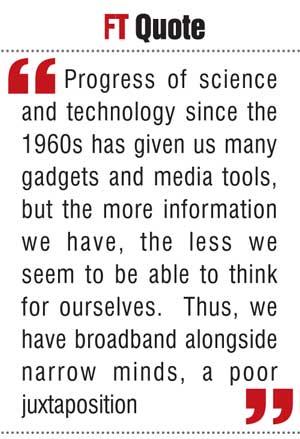
Progress of science and technology since the 1960s has given us many gadgets and media tools, but the more information we have, the less we seem to be able to think for ourselves. Thus, we have broadband alongside narrow minds, a poor juxtaposition!
This has been building up for some years. In an op-ed titled ‘Can Rationalists Awaken the Sleep-walking Lankan Nation?’ published in Groundviews.org in January 2012, I wrote: “Paradoxically, we now have far more communication channels and technologies yet decidedly fewer opportunities and platforms for dispassionate public debate. Today’s Lankan society welcomes and blindly follows Malayalis who claim to know more about our personal pasts and futures than we’d ever know ourselves. And when we see how our political and business elite patronize Sai Baba, Sri Chinmoy and other gurus so uncritically, we must wonder if there is any intelligent life in Colombo…”
Not every source of mass hallucination is imported, of course. As I noted four years ago, “Sacred cows, it seems, have multiplied faster than humans in the past half century. Our cacophonous airwaves and multi-colour Sunday newspapers are bustling with an embarrassment of choice for salvation, wealth, matrimony, retribution and various other ‘quick fixes’ for this life and (imagined) next ones. Embarrassment, indeed!”
Science for All
So what is to be done?
The proliferation of smartphones and other digital tools have not necessarily opened our minds, or made us Lankans any less gullible to charlatans or zealots. This is a huge conundrum of our times.
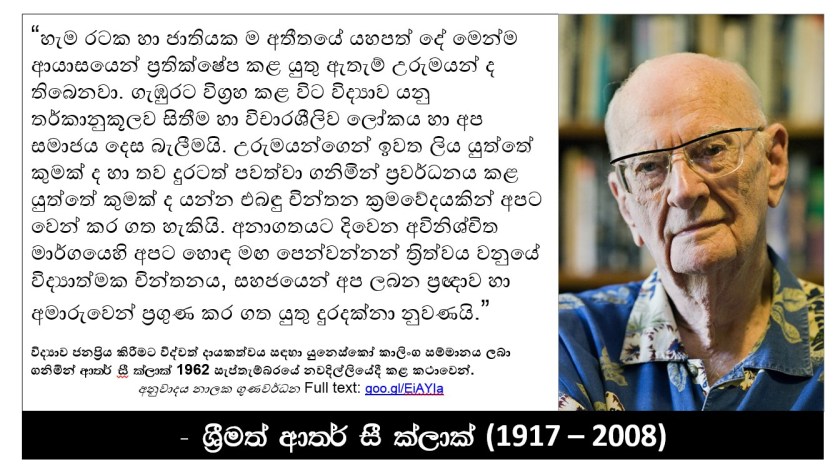
That is because mastery over gadgets does not necessarily give us scientific literacy. It involves a rational thought process that entails questioning, observing physical reality, testing, hypothesizing, analyzing and then discussing (not always in that order).
A healthy dose of scepticism is essential to safeguard ourselves from superstitions, political claims and increasingly sophisticated – but often dishonest – product advertising. That’s what scientific literacy builds inside our minds.
Unless we make scientific literacy an integral part of everyone’s lives, ambitious state policies and programmes to modernize the nation could well be jeopardized. Progress can be undermined — or even reversed — by extremist forces of tribalism, feudalism and ultra-nationalism that thrive in a society that lacks the ability to think critically.
A sporting analogy can illustrate what is needed. Cricket is undisputedly our national passion. It is played professionally only by a handful of men (and even fewer women) who make up the national teams and pools. But most of the 21 million Lankans know enough about cricket to follow and appreciate this very English game.
Similarly, there are only a few thousand Lankans engaged in researching or teaching different branches of science and technology – they are the ‘professionals’ who do it for a living. But in today’s world, the rest of society also needs to know at least the basic concepts of science.
Cricket didn’t has become part of our socio-cultural landscape overnight. It took years of innovation and persistence, especially by trail-blazing radio cricket commentators in Sinhala and Tamil. By the time we achieved Test status in 1981, all levels of our society were familiar with cricket’s rules and nuances.
Giving everyone a minimum dose of scientific literacy requires a similar marshalling of forces – including civil society mobilization, media collaboration, creative innovation and social marketing.
‘Science for All’ acquires true meaning only when every citizen – irrespective of education, profession or income level – gets enough skepticism to avoid being exploited by various scams or misled by conspiracy theorists.
Are we ready to embark on this intellectual vaccination process?
Award-winning science writer Nalaka Gunawardene counts over 25 years of national and international media experience. He blogs at https://nalakagunawardene.com and is active on Twitter as @NalakaG
Soorya Bala Sangramaya – සූර්යබල සංග්රාමය Image courtesy Ministry of Power and Renewable Energy, Sri Lanka
In this week’s Ravaya column (in Sinhala, appearing in the print issue of 28 August 2016), I applaud the Sri Lanka government’s new solar power generation programme, and suggest ways in which it can be made more effective in securing energy independence of the nation.
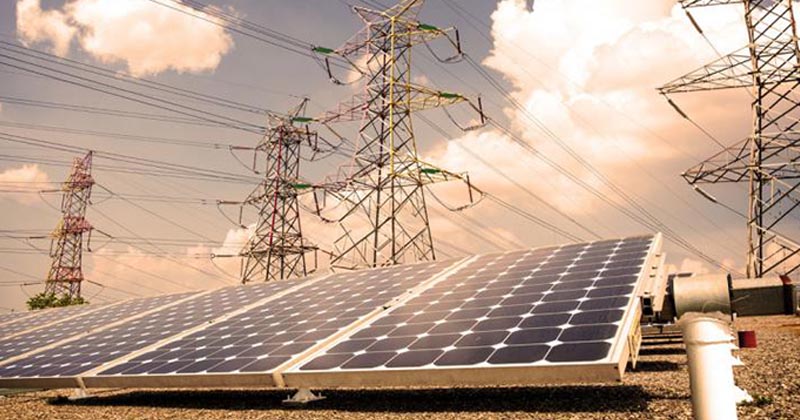
The global trend, especially for domestic and small scale electricity users, is towards decentralized and distributed energy systems. In this scenario, users generate power on site, tapping into renewable sources available locally.
How can our tropical island plug into the sun, wind, trees and the ocean to meet more of our energy needs? Why don’t renewable energies produce a larger share of our energy mix? Who or what are the bottlenecks? I discuss these and other related issues in the column this week.
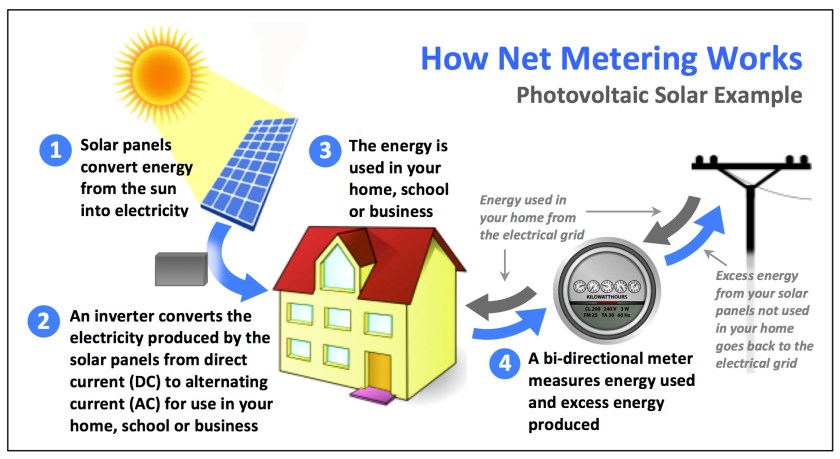
Self-generating electricity from renewables is slowly picking up, partly encouraged by the introduction in 2009 of net metering. This allows private individuals or companies to “sell” their surplus power to the national grid (the transaction happens in kind, not cash). A two-way electricity meter enables this process.
In August 2016, the Cabinet approved a community based solar power generation programme. Known as “Soorya Bala Sangramaya” (Battle for Solar Energy), it is expected to make at least 20% of electricity consumers to also generate electricity using solar panels – they will be able to sell their excess to the national grid under a guaranteed tariff.
Announcing the Cabinet decision, the government said: “Currently 50% of electricity production in Sri Lanka is done by renewable energy sources and it is expected to increase this percentage to 60% in 2020 and to 70% in 2030. Accordingly, it is required to build wind power plants of 600 MW and solar power plants of 3,000 MW within the next 10 years. It is expected to join consumers in power generation and to promote small solar power plants established on the roof of their houses by the project called ‘Soorya Bala Sangramaya’. It is expected to make at least 20% of consumers to produce electricity and it is expected pay for the excess electricity generated by the consumer.”
In this week’s Ravaya column (appearing in the print issue of 21 August 2016), I take a critical look at the Sri Lanka government’s new ‘Toxin-Free Nation” effort. Announced in 2015, it is a three year programme (2016-2018) “to convert Sri Lanka into a green nation and enable its citizens to enjoy foods free of chemicals and agro-toxins”.
Curiously, the programme is being implemented by a state entity called the Strategic Enterprise Management Agency (SEMA), set up in 2004 originally to monitor and support state owned enterprises. The century old and widely experienced Department of Agriculture is not involved (and apparently fully excluded).
Toxin free country – SEMA image
According to the official programme document, available on SEMA website, “the aim of the program is to replace import driven agrochemical based agriculture with organic, sustainable natural agro-culture.”
[Quoted verbatim: not sure why they insist on using the term agro-culture instead of agriculture.]
The document claims, without citing any references or sources, that Sri Lanka spends LKR 300 billion a year “to import milk products, sugar, agrochemicals, seeds, etc., while farmer subsidies account for a further Rs.30 billion a year” (p12).
It further says, on p23, “As a long-term strategy for toxin-free agriculture, it is anticipated that indigenous rice varieties will significantly replace the improved varieties that are presently grown by farmers. According to the plan, 30% of rice produced in Sri Lanka would be indigenous varieties at the end of the three year plan. Further, organic, natural, biological fertilizers and pest repellants will replace the agrochemicals used to cultivate these improved varieties and it is anticipated that these toxins will be completely eradicated from Sri Lankan soil by the third year of the program.”
The document is full of uncorroborated claims and seemingly unrealistic goals. In 2014, organically farmed land accounted for less than one percent of the total cultivated land in Sri Lanka.
The exact methodology of going from under 1 percent to 33% in three years is not clear. On p15, the document says: “A toxin-less agro-culture is a system geared to obtain the required “plant-food” from the air, the land and the immediate environment. Multicropping, soil conservation, water and irrigation management, promoting the presence of agrofriendly fauna and flora as well as mechanical systems for pest control are all part of these systems.”
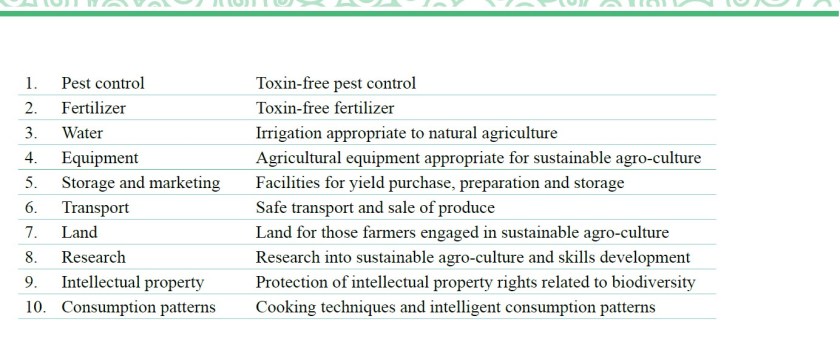
The plan lists a 10 point, multi-pronged approach as follows:
The plan does make some sense when it takes stock of organically grown food available in the market today. “In 2015, the price of organics was two or three times that of foods produced with the application of agrochemicals. Therefore, only the middle upper and upper income bracket of consumer could afford them leaving the common citizen of the country no choice but to purchase and consume toxin laced alternatives.” (p13).
I have been saying this for years. As I wrote in August 2014: “Despite their appeal, organics will remain a niche market, albeit a growing one, for years to come. Nobody wants to eat food laced with agrochemical residues (for which no safe upper limits have been set in Sri Lanka). But when organics typically cost 50% or more than non-organics, how many can really afford it? Unless this gap is narrowed, organics will remain beyond reach for many.”
As a long standing watcher and commentator on conservation farming (which is bigger than organics), I have been seeking clarity on this Toxin-Free Nation plan of Sri Lanka, being spearheaded by President Maithripala Sirisena himself. But his staff involved in promoting and implementing the programme have opted not to respond to specific queries in the public media and scientific forums.
Worse, they have shown high levels of intolerance towards critics — sometimes vilifying critics as ‘agents of chemical farming’ or ‘promoters of agrochemical companies’! This utter failure to engage is inconsistent with good governance policies of the President and government. The Department of Agriculture being excluded from the whole process is also a matter for grave concern: this means there now are TWO parallel structures for farming policy and promotion in Sri Lanka!
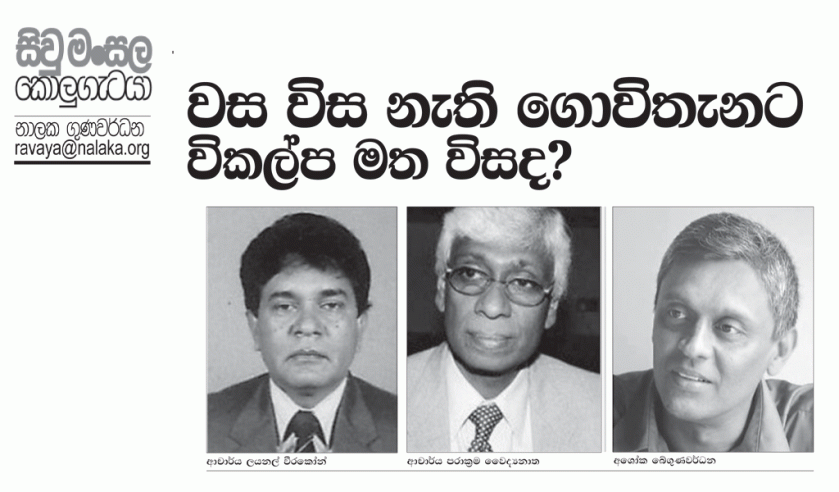
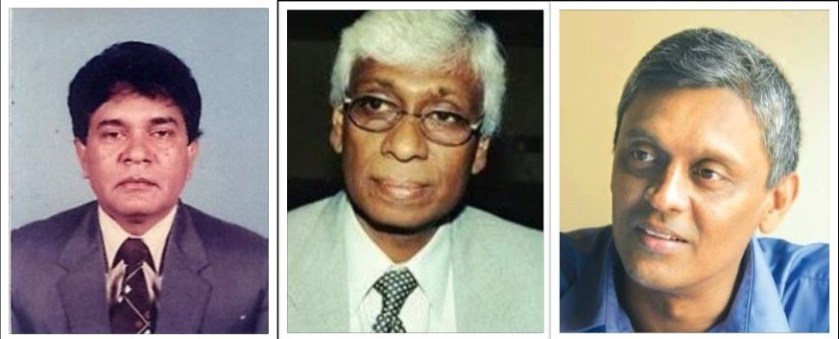
In this column, I call for a dispassionate, rational discussion of this politically driven national programme for toxin-free farming. I also refer to three outstanding Lankan scientists who have advocated conservation farming for decades – but they have done so without the intellectual arrogance and confrontational politics of the current effort. These pathfinders are: late Dr Ray Wijewardene, Dr Lionel Weerakoon and Dr Parakrama Waidyanatha.
L to R – Dr Lionel Weerakoon, Dr Parakrama Waiyanatha, Asoka Abeygunawardena
Uncritical media reporting (such as this one in state media) leaves the Toxin-Free Nation Programme unchallenged even when its claims and plans don’t add up…
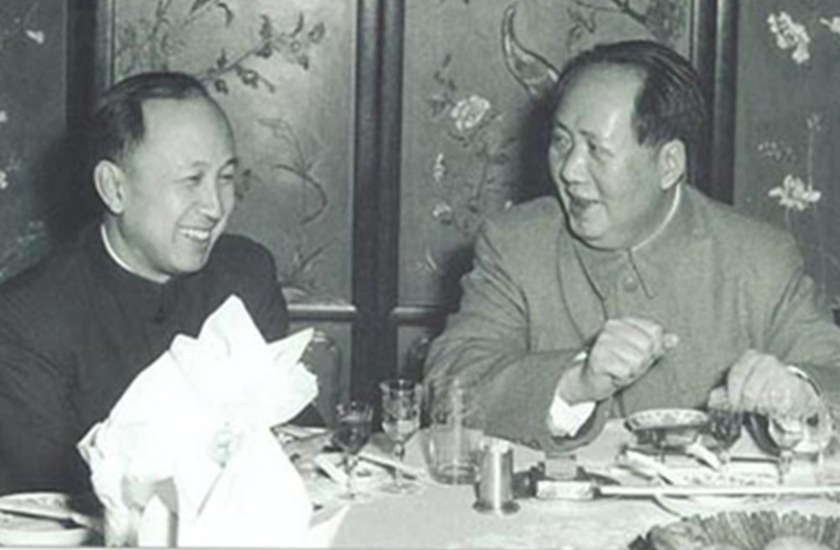
In this week’s Ravaya column (appearing in the print issue of 7 August 2016), I discuss the history of Chinese space programme through the life story of its most important founder.
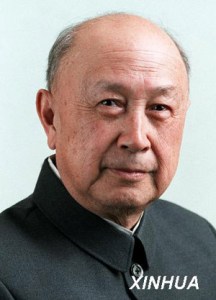
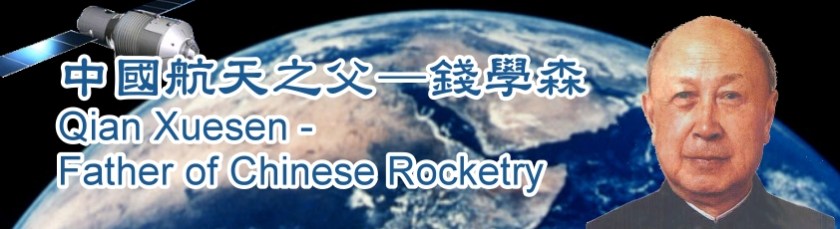
Qian Xuesen (1911 – 2009) was one of the greatest Chinese scientists of the modern era and is widely regarded as the father of China’s space and strategic rocket programme.
One of twentieth century’s most brilliant engineers, Qian was widely honoured in China for his “eminent contributions to science”. He was credited with leading China to produce and launch weather and reconnaissance satellites, as well as its own intercontinental ballistic missiles and anti-ship missiles.
His pioneering efforts also helped China to send a human to Earth orbit in 2003 using its own rockets – the third nation to do so after the (former) Soviet Union and the United States.
In 2008, China Central Television (CCTV) named Qian as one of the eleven most inspiring people in China. He died on 31 October 2009, aged 97, having seen China become one of the world’s leading space-faring nations.
Qian Xuesen – Father of China’s space and strategic rocket programme [image courtesy CCTV]සමාජ මාධ්යවල මා කරන ප්රකාශ මත පදනම් වී සමහරුන් අසන්නේ මා උග්ර චීන විරෝධියකු ද කියායි.
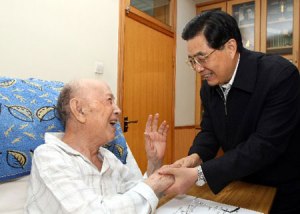
Chinese President Hu Jintao (R) visits renowned scientist and founder of China’s space technology Qian Xuesen in Beijing, January 19, 2008. (Xinhua Photo by Lan Hongguang)










 What sets STS Forums apart is that they are not merely events where scientists talk to each other. That surely will happen, but there will be many more voices and, hopefully, much broader conversations.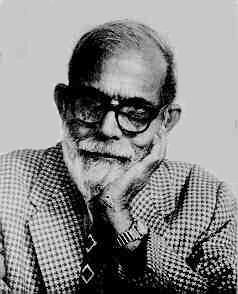
 That is because mastery over gadgets does not necessarily give us scientific literacy. It involves a rational thought process that entails questioning, observing physical reality, testing, hypothesizing, analyzing and then discussing (not always in that order).





![Qian Xuesen - Father of China's space and strategic rocket programme [image courtesy CCTV]](https://nalakagunawardene.com/wp-content/uploads/2016/09/qian-xuesen-image-courtesy-cctv.jpg?w=840)



 Open Minds!
