Nalaka Gunawardene receives Vidyodaya Literary Award for Best Column of 2012 from Ms Nayayani Widanapathirana, 2nd year student of University of Sri Jayawardenapura [Photo courtesy J’pura flames/Facebook]
I just received a totally unexpected award from an unlikely source. Vidyodaya Literary Award for best newspaper column in Sinhala during 2012.
The award is one of several presented annually by the University of Sri Jayawardenapura to celebrate creative writing and journalism in Sri Lanka. Each September, the University’s faculty members and students announce their selection of the preceding year’s most outstanding published books in the Sinhala language.
The award ceremony, held on 2 September 2013 at the National Library Services Board auditorium in Colombo, recognized the best Sinhala novel, best short story collection, best poetry collection, best lyrics collection and the best newspaper column of 2012.
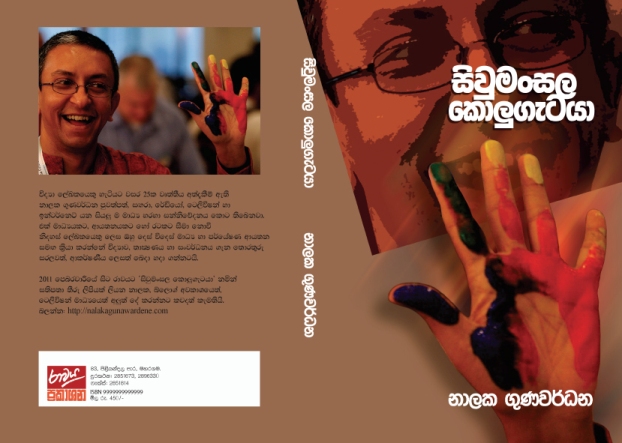
A Ravaya Publication, the book comprises a selection of my weekly Sinhala columns by the same name, contributed to the Ravaya Sunday broadsheet newspaper during 2011-12.
Beginning in February 2011, I have sustained the weekly column that touches on many and varied topics related to popular science, human development, mass media and information society. The book compiled 44 of these columns.
The award citation, read by Professor Dammika Ganganath Dissanayeke, Head of the Department of Sinhala and Mass communication at the University, described Sivu Mansala Kolu Getayaas being in a league of its own, engaging twenty first century Lankans.
The citation noted the broad range of the column’s topics and subjects – such as information society, innovation, climate change, disaster management, HIV/AIDs, energy crisis and censorship – and commended the colloquial language in which it is written.
Vidyodaya Literary Award winners for 2012 – L to R – Rathna Shri Wijesinghe, Liyanage Amarakeerthi, Buddhadasa Galappaththi, Mahinda Prasad Mashibula & Nalaka Gunawardene [Photo courtesy: J’pura flames/Facebook]My last awards were nearly two decades ago (and all for my English writing). These days, I’m much more involved in judging and giving awards to others – ranging from global Digital Emmys to national integrity awards.
The columns and the book are a personalised exploration of how Sri Lanka can cope with many challenges of globalisation and modernisation. Or, if you like more lofty words (ugh!), how a low middle income nation of 20 million can define its identity in turbulent times of rapid change.
The title is of my column puzzles some readers. It’s derived from the angle it offers, and a reflection of my own career and interests: I stand at the intersection (or confluence) of science, sustainable development, media and popular culture. From there, I often play the role of that cheeky lad who asked difficult questions, and once pointed out the Emperor(s) had nothing on when all others were either too polite — or too scared — to say so.
I write in conversational Sinhala mostly because that’s the only command of the language I can muster! Having studied the language only in primary and secondary school, I have no particular literary skill and certainly no artistic pretensions. I just write to express, not impress.
It looks as if others appreciate this simplicity. I use plenty of metaphor and analogy, and also draw on my own wide experiences as a journalist, filmmaker and development communicator.
I like to ‘zoom in’ and ‘zoom out’ when discussing diverse topics. I do so with an open mind and sense of wonder. I have no political ideology to promote — and also no sacred cows to protect or defend!
As a journalist, I was trained to look for what’s New, True and Interesting (‘NTI Test’). Early on in my career, I went beyond simply reporting events, and probed the underlying causes and processes. With those insights, I can now offer my readers perspectives and seasoned opinion. These are much needed today as we swim through massive volumes of information, trying to stay afloat and make sense of it all.
As I said when the book was launched: “In a sense, with this column I have come back home. The last time I wrote in Sinhala was in another century, and in what now feels like another country!”
So it’s nice to be recognized — in the very different land and time where I find myself both a native and an immigrant…
Sivu Mansala Kolu Getaya book cover: A Ravaya Publication
Another World Environment Day will be observed on June 5. We can expect Lankan environmentalists to raise their shrill, giving us more rhetoric than substance.
I have always stayed clear of such impulsive green extremism, instead advocating a more measured approach to balancing modern lifestyles with their ecological impacts. In this week’s Ravaya column (in Sinhala), I debunk a widely peddled green myth that suggests ‘Mother’ Earth will look after us if only we take better care of her.
Well, our home planet doesn’t care one way or the other. People can lull ourselves into whatever illusion of their choice, but Earth is indifferent. Coming to terms with this can help our greens to reach some maturity they badly need.
See also these previous explorations of the same theme:
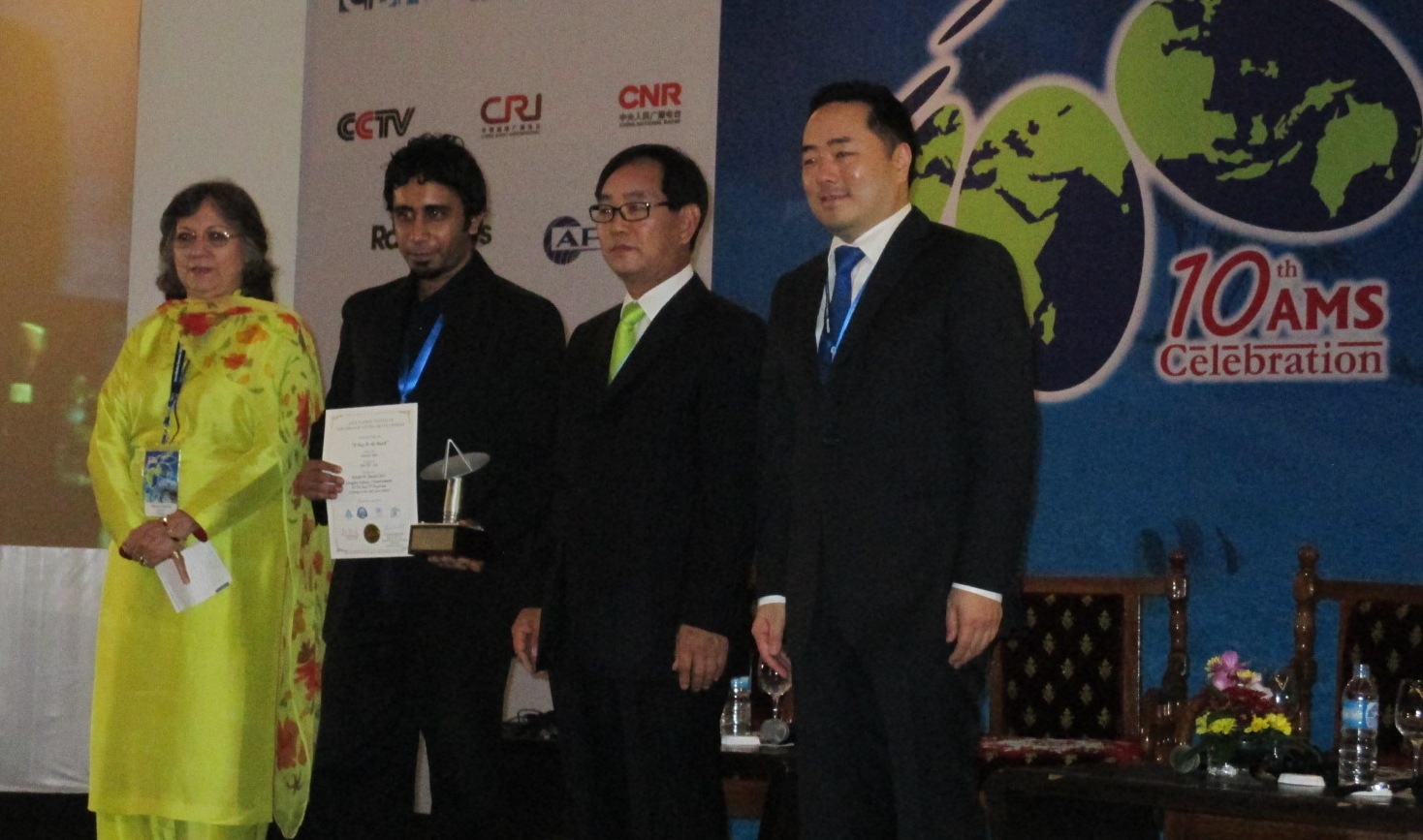
L to R – Moneeza Hashmi (Jury chair), Clarence Dass, Young-Woo Park (Regional Director, UNEP), Yang Binyuan (AIBD Director)
Fijian filmmaker and broadcaster Clarence Dass is a star at Asia Media Summit 2013 in Manado, Indonesia, this week.
First, he won the coveted World TV Award in the Science and Environment category, for his futuristic, dramatized film titled “A Day at the Beach” made for and broadcast by Fiji Broadcasting Corporation (FBC) TV.
That earned him US$ 5,000 prize money, a trophy and a certificate – as well as an all expenses paid trip to Manado, where he just collected them in front of 350 broadcast managers and professionals from across Asia Pacific.
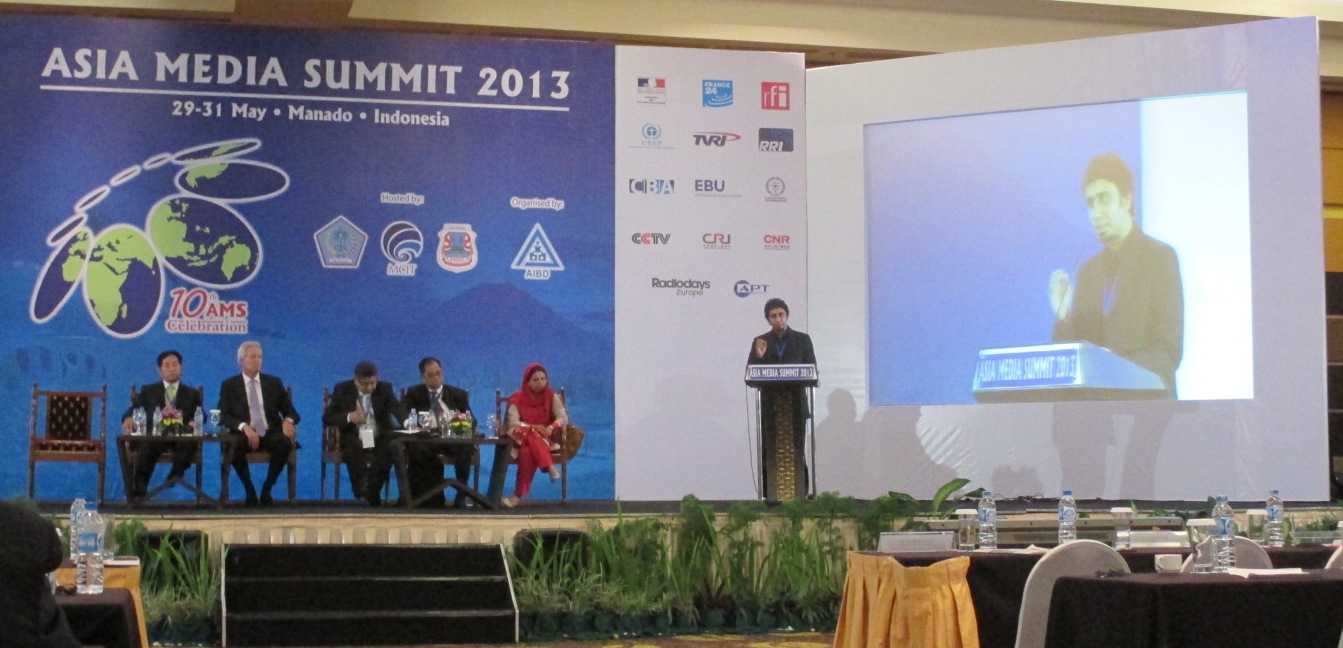
To top it up, he then spoke passionately and articulately during a session on taking action for sustainable development: how can media help?
While TV productions are all team work, public speaking is a solo art. Coming last of five panelists and youngest among them, Clarence made the most perceptive and practical remarks of all.
Clarence would have done well in any case. Now in his early 30s, he has been active in Fiji media since 2001, having started in newspapers as a music journalist, before moving onto radio presenting/producing and then TV production.
He is very digitally savvy, but as his panel remarks showed, also people savvy.
“Today, we have to produce media on-the-go for people who are constantly on the go,” he said. “We have to find ways to bring sustainable development elements into this.”
In “A Day at the Beach”, Clarence imagines a futuristic, climate ravaged Fiji and the Pacific in 2063. A young girl asks: did it have to be this way? Wasn’t there something earlier generations could do?
A bit evocative of The Age of Stupid movie (2009), which I had mentioned during our training. But it’s a universal theme.
Clarence offered some advice from his station’s experience. Key among them is to mix information with entertainment, so as to attract and sustain audiences who are constantly distracted these days.
“As Fiji’s national broadcaster, we provide info-tainment and edu-tainment programmes all the time,” he said.
Clarence Dass speaks on sustainable development how can media help at Asia Media Summit 29 May 2013
Other nuggets of wisdom from the amiable Pacific islander:
* Always ask for whom we are creating content. Knowing and profiling our audience is essential.
* We must make our content engaging. We need to find the right level so our programming appeals to both between laymen and experts.
* Beware of using too many effects and gimmicks, which can dilute the message. How much creativity is too much? Every producer has to ask that question.
* Small scale broadcasters in developing countries have to make content interesting on very limited budgets. Funding is a huge issue. But if managed properly, limited funds can still be made to go a long way.
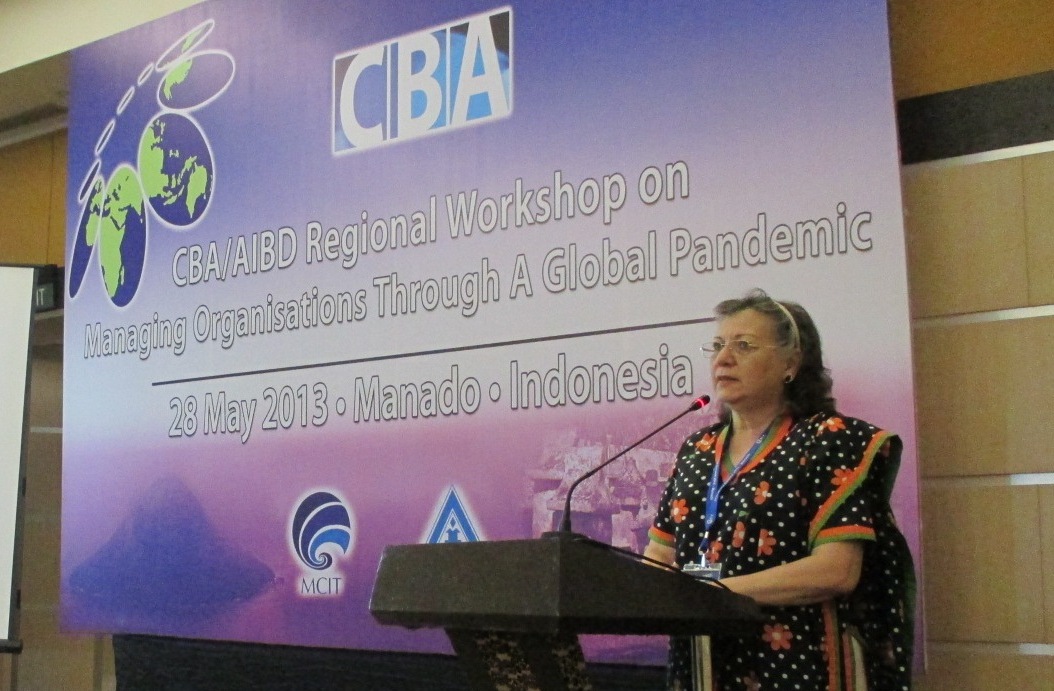
CBA President Moneeza Hashmi opens workshop on Pandemics and broadcasting, Manado, 28 May 2013
The discussion on the role of information and communication in disaster situations continues. Media-based communication is vitally necessary, but not sufficient, in meeting the multiple information needs of disaster risk reduction and disaster management. Other forms of participatory, non-media communications are needed to create more resilient communities.
During the past decade, the world’s humanitarian and disaster management communities have acknowledged the central and crucial role of communications — not just for outreach, but as a frontline activity and a core component of response.
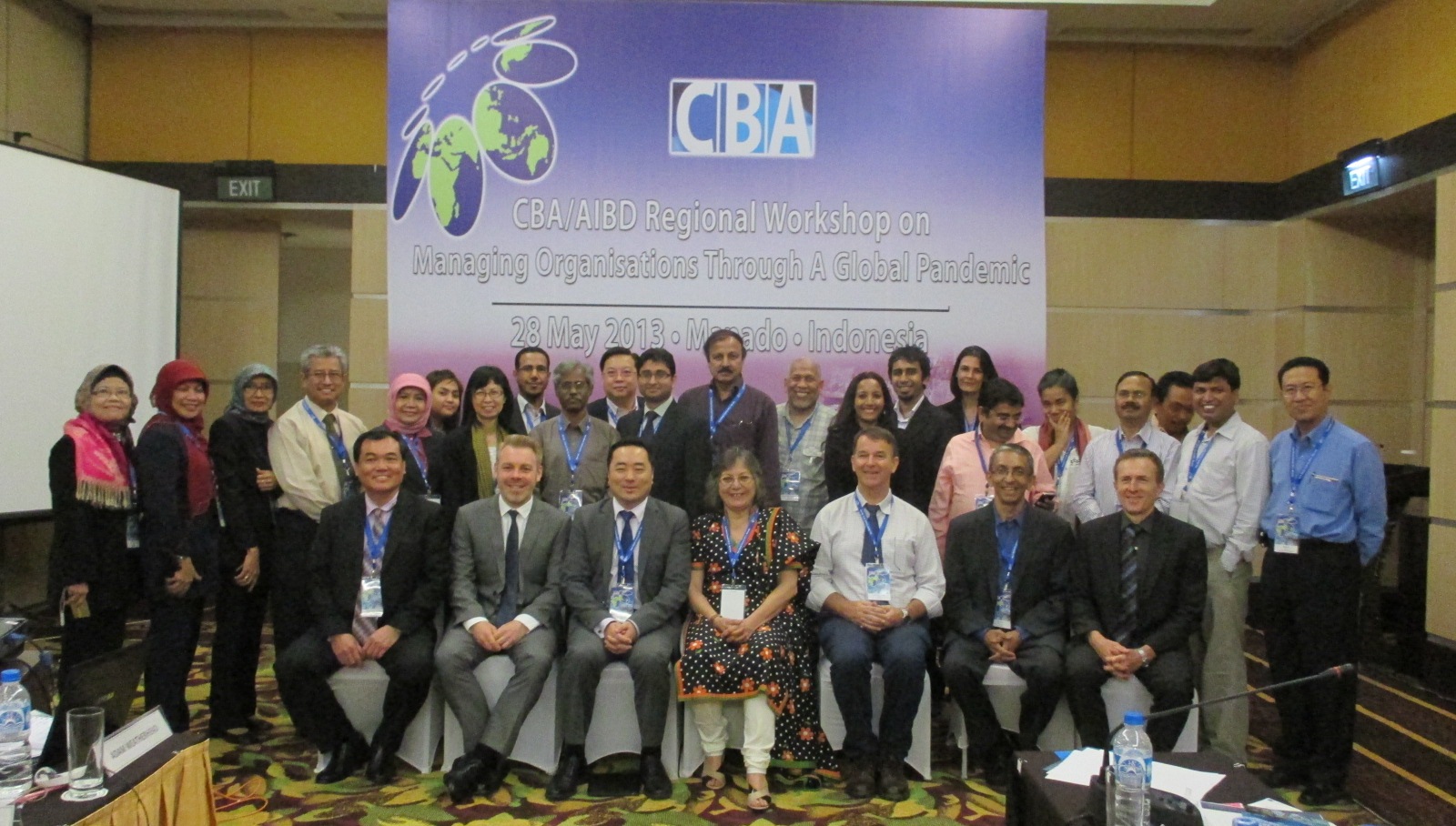
It was organised by the Commonwealth Broadcasting Association (CBA) in collaboration with the Asia Pacific Institute for Broadcasting Development (AIBD), and held on 28 May 2013.
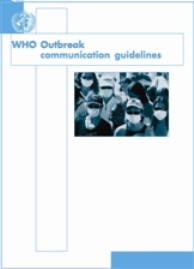
Perhaps the most significant sentence in the booklet is this: “WHO believes it is now time to acknowledge that communication expertise has become an essential outbreak control as epidemiological training & laboratory analysis…”
It is preceded by this candid appraisal: “Communication, generally through the media, is another feature of the outbreak environment. Unfortunately, examples abound of communication failures which have delayed outbreak control, undermined public trust and compliance, and unnecessarily prolonged economic, social and political turmoil.”
The document is certainly a leap forward in thinking, but eight years since it was published, the ICT and media realities have changed drastically. As I noted in my opening remarks, social media, then fledgling, have exploded and completely changed the dynamics of emergency communications.
In a recent op-ed published in SciDev.Net, Rohan Samarajiva and I made this point: “The proliferation of ICTs adds a new dimension to disaster warnings. Having many information sources, dissemination channels and access devices is certainly better than few or none. However, the resulting cacophony makes it difficult to achieve a coherent and coordinated response…”
We added: “The controlled release of information is no longer an option for any government. In the age of social media and 24/7 news channels, many people will learn of distant hazards independently of official sources.”
I return to China’s massive environmental woes in my weekend column in Ravaya broadsheet newspaper (in Sinhala).
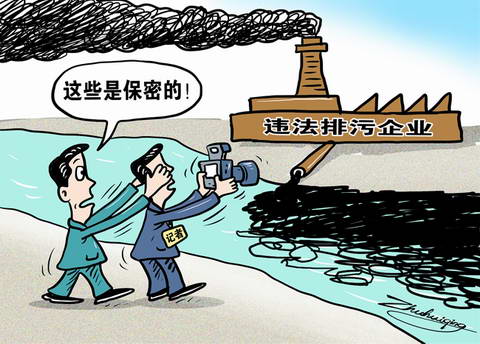
Last week, we looked at China’s air pollution problems; today, we discuss serious contamination of food and water caused by widespread pollution unchecked by lack of regulation and local level corruption.
We also compare China’s current experience with Japan’s pollution problems in the 1950s and 1960s. The big difference: democratic system in Japan enabled citizens to effective protest industrial excesses, petition courts and force government to enforce strict regulation. Can this happen in China?
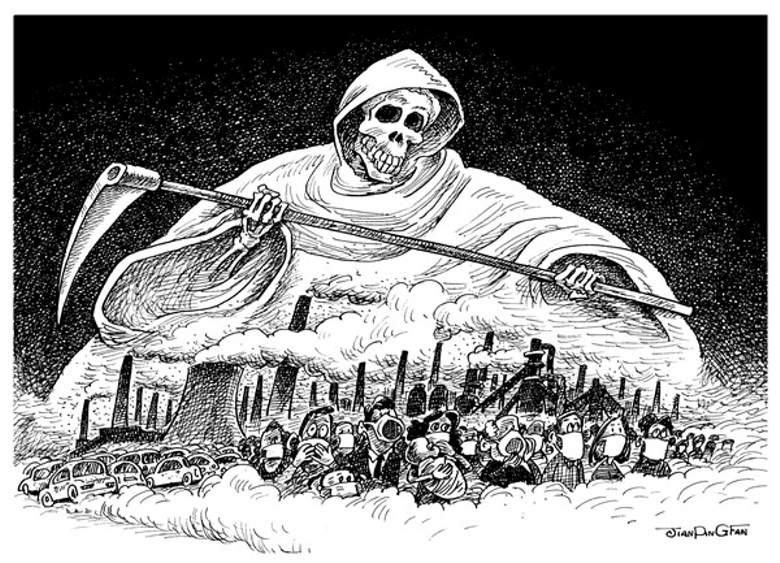
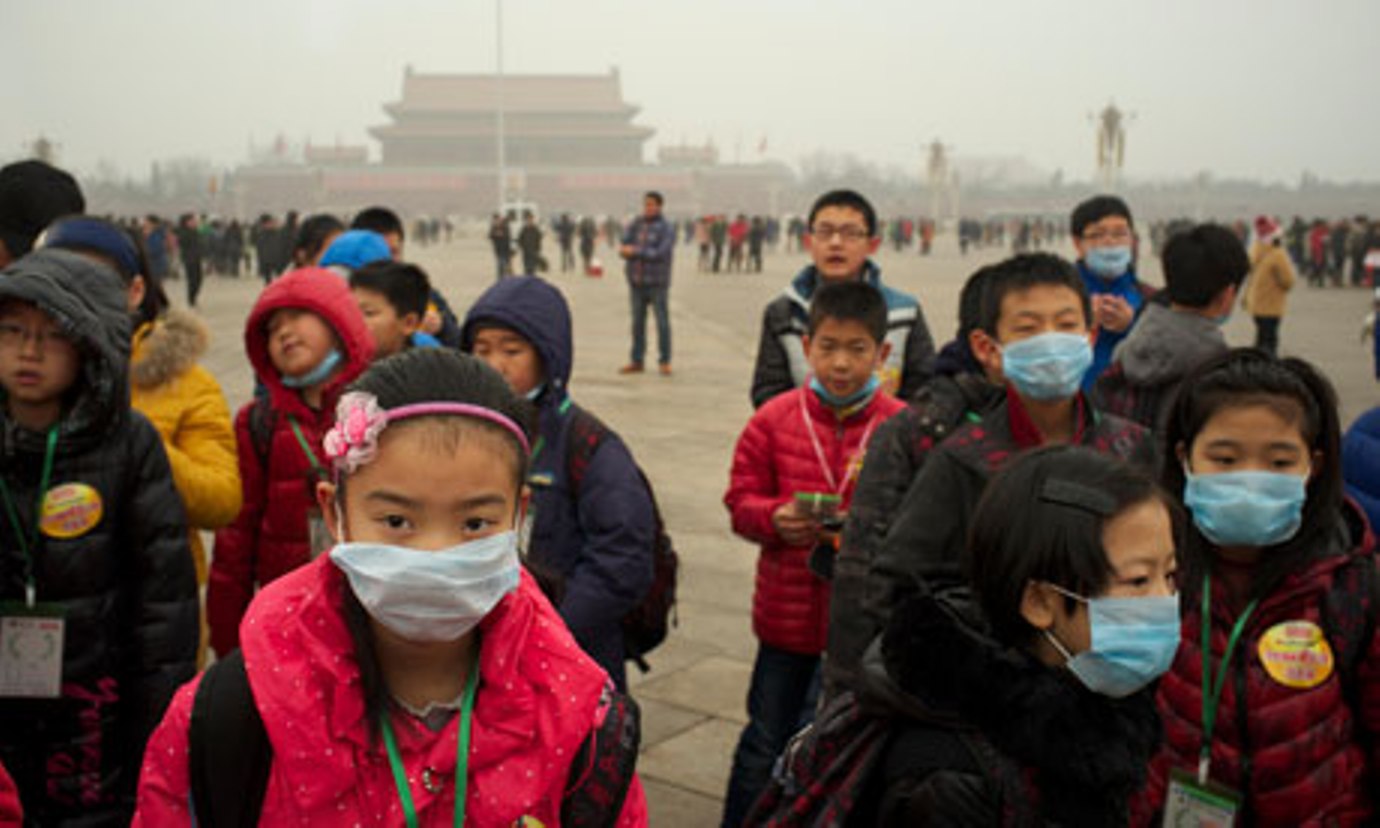
My latest column in Ravaya broadsheet newspaper (in Sinhala) looks at China’s air pollution problems that keep getting worse, taking pollutant readings off the charts. Urban air quality in Winter 2012/13 was so bad that Chinese themselves called it ‘Airpolcalypse‘.
Children wear anti pollution masks at Tiananmen Square in Beijing, Feb 2013
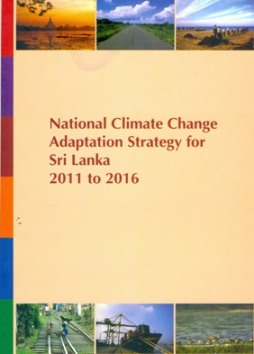
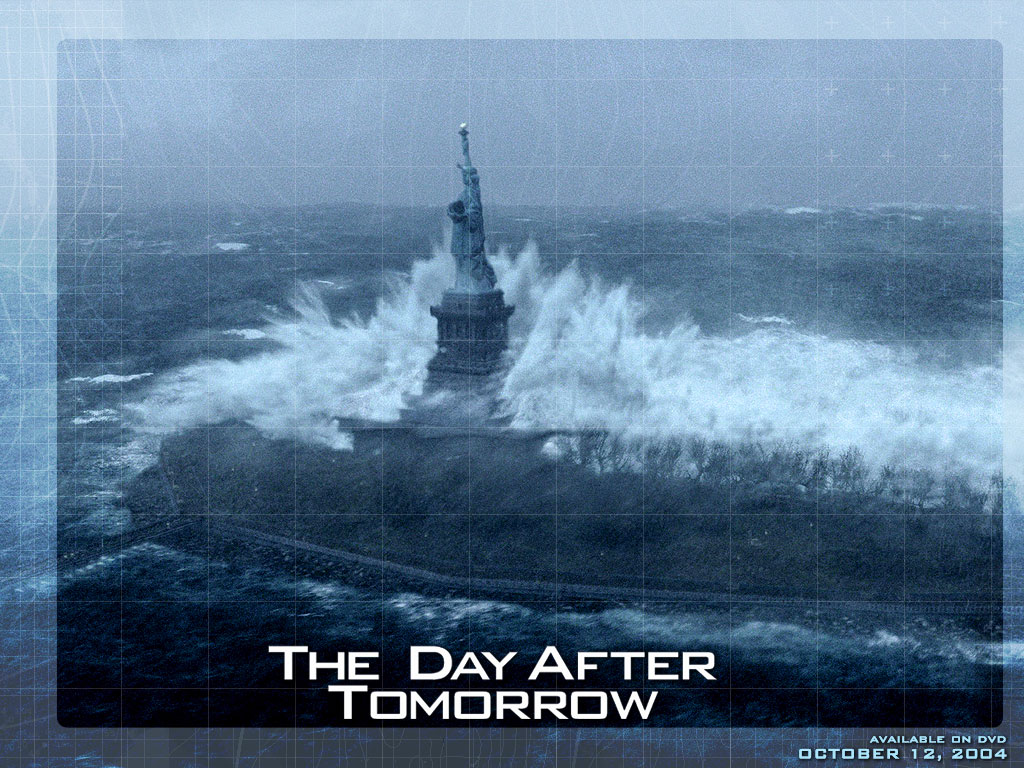
How can we discern signs of climate change that unfold slowly over time, and manifest in many different ways? And how best to prepare ourselves and increase our resilience against inevitable impacts?
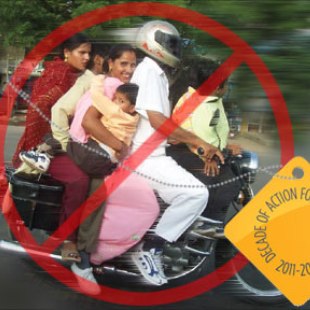
I draw from the Global Status Report on Road Safety 2013, released by WHO in mid March 2013, for this week’s Ravaya column (in Sinhala). I discuss how the attitudes of Lankan road users — pedestrians, cyclists and motorists — contribute to road traffic accidents.
The challenge of reducing Sri Lanka’s alarmingly high rate of road accidents needs technocratic, sociological and attitudinal responses. This isn’t simply a law and order issue, or one that can be fixed by traffic engineering.
Cartoon by W R Wijesoma, first published on 14 February 1994
![Nalaka Gunawardene receives Vidyodaya Literary Award for Best Column of 2012 from Ms Nayayani Widanapathirana, 2nd year student of University of Sri Jayawardenapura [Photo courtesy J'pura flames/Facebook]](https://nalakagunawardene.com/wp-content/uploads/2013/09/nalaka-gunawardene-receives-vidyodaya-literary-award-for-best-column-of-2012-from-ms-nayayani-widanapathirana-2nd-year-student-of-university-of-sri-jayawardenapura.jpg)
![Vidyodaya Literary Award winners for 2012 - L to R - Rathna Shri Wijesinghe, Liyanage Amarakeerthi, Buddhadasa Galappaththi, Mahinda Prasad Mashibula & Nalaka Gunawardene [Photo courtesy: J'pura flames/Facebook]](https://nalakagunawardene.com/wp-content/uploads/2013/09/vidyodaya-literary-award-winners-for-2012-l-to-r-rathna-shri-wijesinghe-liyanage-amarakeerthi-buddhadasa-galappaththi-mahinda-prasad-mashibula-nalaka-gunawardene.jpg)











 Open Minds!