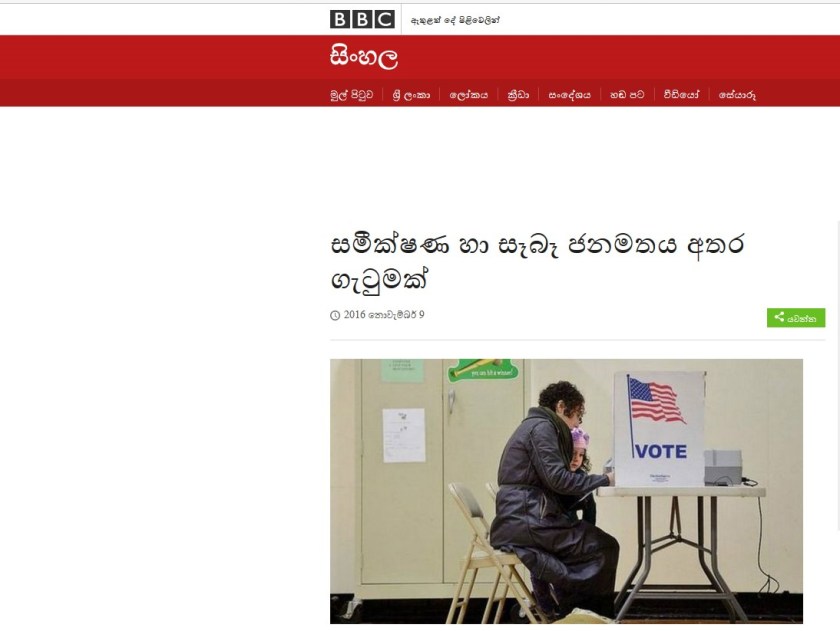
BBC Sinhala interview after US Presidential Election 2016: සමීක්ෂණ හා සෑබෑ ජනමතය අතර ගැටුමක්

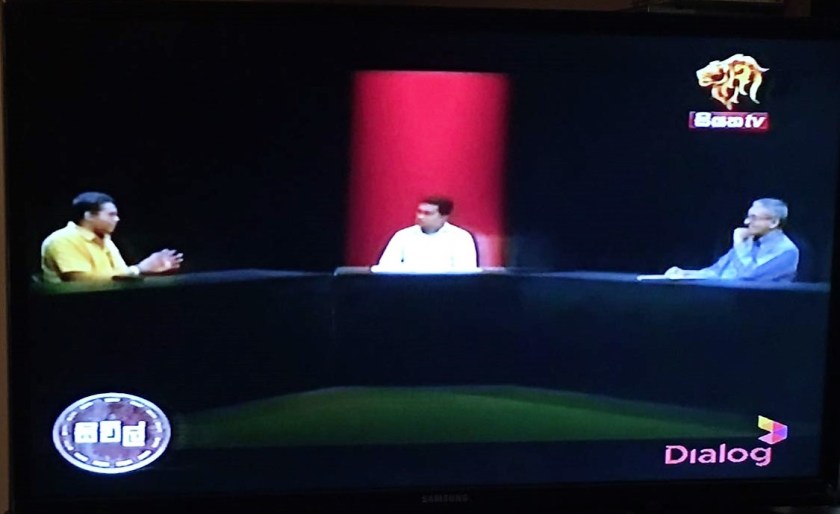
Within hours of the US Presidential Election’s results becoming known on 9 November 2016, I gave a telephone interview to BBC Sinhala service. They asked me how almost all the opinion polls did not see Donald Trump winning the election, even though many polls said it was going to be a close contest.

http://www.bbc.com/sinhala/sri-lanka-37930295

සමීක්ෂණ හා සෑබෑ ජනමතය අතර ගැටුමක්

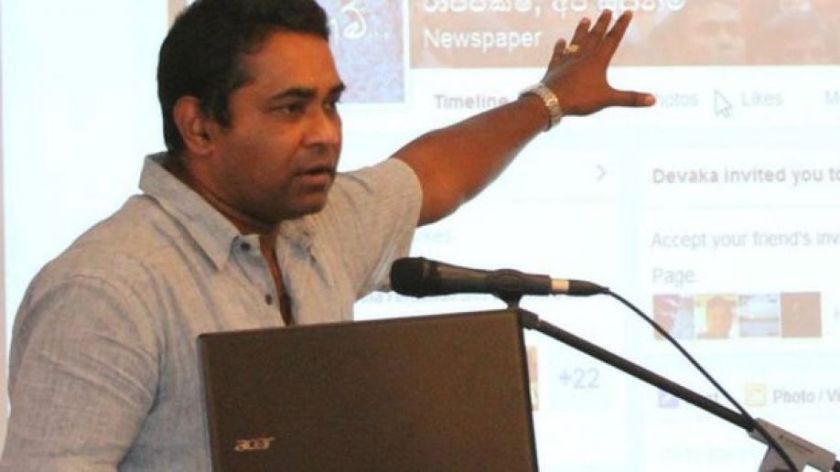
නොනවතින තොරතුරු ප්‍රවාහයක පිහිනීමට බටහිර රටවල් ඇතුළු ලොව බොහෝ රටවල ජනතාවට අවස්ථාව ලැබී තිබුණ ද, ඒ බොහෝ තොරතුරු ‘දූෂිත’ හෝ ‘විකෘති කරන ලද’ තොරතුරු වීම වර්තමාන සමාජය මුහුණදෙන අභියෝගයක් බව සමාජ මාධ්‍ය ජාල විශ්ලේෂක නාලක ගුණවර්ධන පවසයි.

දැනට වොෂින්ටනයේ සංචාරයක නිරතව සිටින නාලක ගුණවර්ධන ඒ අදහස් පළ කළේ අඟහරුවාදා (නොවැ. 08) පැවති ජනපතිවරණයේදී බොහෝ ජනමත සමීක්ෂණවල අනාවැකි බැහැර කරමින් ඩොනල්ඩ් ට්‍රම්ප් ජයග්‍රහණය ලැබීම පිළිබඳව බීබීසී සංදේශය සමග අදහස් දක්වමිනි.

වෙනත් ආයතනවල ජනමත සමීක්ෂණ ඇසුරින් බීබීසී සකස් කළ ජනමත සමීක්ෂණය අනුව ද අඟහරුවාදා මධ්‍යම රාත්‍රිය වනවිටත් හිලරි ක්ලින්ටන් ඒකක හතරකින් ඉදිරියෙන් සිටියාය.

“ඇත්තටම මේක අද ඇමෙරිකාව පුරා මාධ්‍ය ආයතන සහ ජනමත සමීක්ෂණ ආයතනවල ප්‍රධානම ප්‍රශ්නය බවට පත්වෙලා තියනවා,” නාලක ගුණවර්ධන පැවසීය.

“අදහගන්න බැහැ සියලුම ජනමත සමීක්ෂණ සැබෑ ජනමතයෙන් මෙතරම් දුරස් වුනේ කොහොමද කියල.” යැයි පැවසූ ඔහු ඒ සම්බන්ධයෙන් මේ අවස්ථාවේ කළ හැක්කේ අනුමාන පළකිරීම පමණක් බව කීය.

‘ජනමත සමීක්ෂණ සැබෑ ජනමතයෙන් මෙතරම් දුරස් වුනේ කොහොමද?’

ජනමත සමීක්ෂණ පිළිබඳව ඇමෙරිකානු ජනතාව කිසියම් කලකිරීමක් දැක්වීම හේතුවෙන් ඔවුන් සිය අවංක මතය හෙළි නොකළේය යන්න එවැනි එක් අනුමානයක් බව ද ඔහු සඳහන් කළේය.

පසුගියදා බ්‍රිතාන්‍යය යුරෝපා සංගමයෙන් ඉවත්වීම සම්බන්ධ ‘Brexit’ ජනමත විචාරණයේදීත් මේ හා සමානම තත්වයක් මතුවීම ජනමත විචාරණ ක්‍රමවේදයේ වරදක් දැයි විමසූ විට ඔහු කියා සිටියේ ක්‍රමවේදයේත් අසම්පූර්ණතා පවතින බව කලක් මුලුල්ලේම දැනසිටි බවය.

එමෙන්ම ජනතාව තවදුරටත් සිය අවංක මතය පළකිරීමට උනන්දුවක් නැති නම් සමස්ත ජනමත විචාරණ කර්මාන්තයම කඩාවැටීමේ අනතුරක් පවතින බව ද නාලක ගුණවර්ධන සඳහන් කළේය.

ඒ සියල්ලටම වඩා ඇමෙරිකානු මැතිවරණයෙන් මතු වූ බරපතලම අභියෝගය වූයේ ජනමාධ්‍ය සහ සමාජ මාධ්‍ය ජාල ඔස්සේ ගලා ගිය තොරතුරු අතුරින් ‘සැබෑව සහ මිත්‍යාව වෙන් කරගැනීම’ බව ඔහු පෙන්වා දුණි.

එක් අතෙකින් ඉතිහාසයේ අන් කවරදාකටත් වඩා ජනතාවට තොරතුරු ලබාගැනීමේ අවකාශයක් මතු වී තිබෙන අතරම ඒ තොරතුරු අතරින් සත්‍යය සහ සම්පූර්ණ තොරතුරු සොයා ගැනීම අභියෝගයක් මෙන්ම ඉතා පරස්පර සංසිද්ධියක් බව ද නාලක ගුණවර්ධන වැඩිදුරටත් පැවසීය.

Communicating Climate Change: Going Beyond Fear, CO2 & COPs!

SRI LANKA NEXT 2016 International Conference on Climate Change - http://www.srilankanext.lk/iccch.php
SRI LANKA NEXT 2016 International Conference on Climate Change – http://www.srilankanext.lk/iccch.php

On 19 October 2016, I spoke on climate change communications to a group of Asian journalists and other communicators at a workshop organized by Sri Lanka Youth Climate Action Network (SLYCAN). It was held at BMICH, Colombo’s leading conventions venue.

It was part of a platform of events branded as Sri Lanka NEXT, which included the 5th Asia-Pacific Climate Change Adaptation Forum and several other expert consultations.

I recalled what I had written in April 2014, “As climate change impacts are felt more widely, the imperative for action is greater than ever. Telling the climate story in accurate and accessible ways should be an essential part of climate response. That response is currently organised around two ‘planks’: mitigation and adaptation. Climate communication can be the ‘third plank’ that strengthens the first two.”

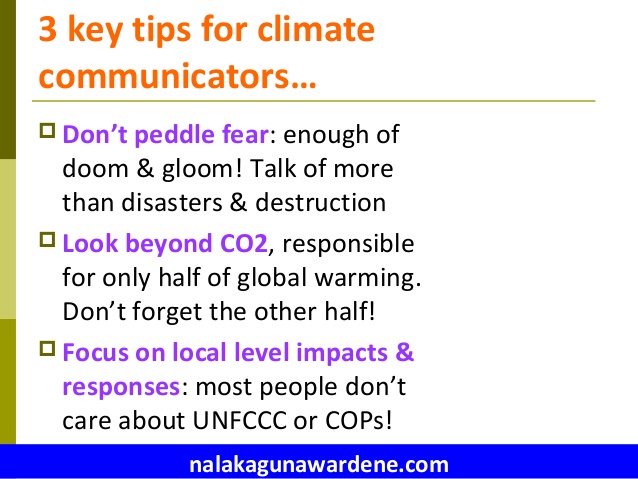
3 broad tips on climate communications - from Nalaka Gunawardene
3 broad tips for climate communications – from Nalaka Gunawardene

I argued that we must move away from disaster-driven climate communications of doom and gloom. Instead, focus on climate resilience and practical solutions to achieving it.

We also need to link climate action to what matters most to the average person:

  • Cheaper energy (economic benefits)
  • Cleaner air (health benefits)
  • Staying alive (public safety benefits)

I offered three broad tips for climate communicators and journalists:

  • Don’t peddle fear: We’ve had enough of doom & gloom! Talk of more than just disasters and destruction.
  • Look beyond CO2, which is responsible for only about half of global warming. Don’t forget the other half – which includes some shortlived climate pollutants which are easier to tackle such action is less contentious than CO2.
  • Focus on local level impacts & responses: most people don’t care about UNFCCC or COPs or other acronyms at global level!
Global climate negotiations - good to keep an eye on them, but real stories are elsewhere!
Global climate negotiations – good to keep an eye on them, but real stories are elsewhere!

Finally, I shared my own triple-S formula for covering climate related stories:

  • Informed by credible Science (but not immersed in it!)
  • Tell authentic and compelling journalistic Stories…
  • …in Simple (but not simplistic) ways (using a mix of non-technical words, images, infographics, audio, video, interactive media)

Poor venue logistics at BMICH prevented me from sharing the presentation I had prepared. So here it is:

සිවුමංසල කොලුගැටයා #287: ශ්‍රී ලංකාවේ “විශාලතම සුලුතරය” වෙනුවෙන් හඬ නගන ක්‍රියාකාරිකයා

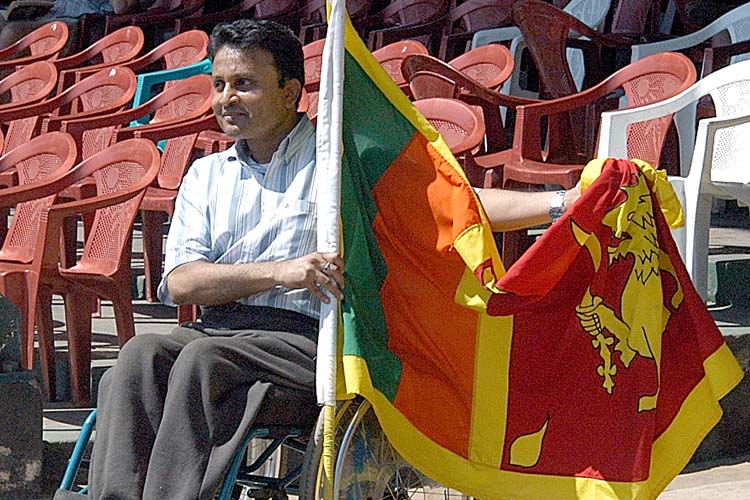
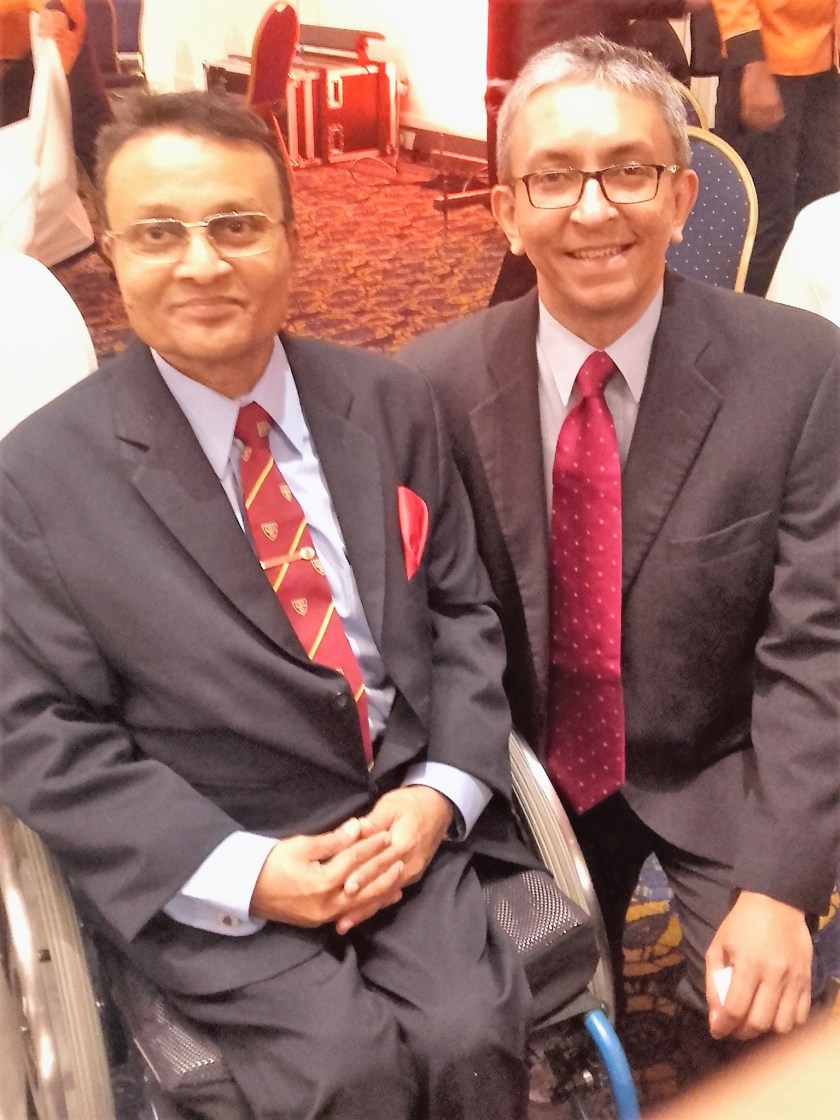
Dr Ajith C S Perera - a life long association with cricket Photo © Ajith Perera
Dr Ajith C S Perera – a life long association with cricket Photo © Ajith Perera

In this week’s Ravaya column (in Sinhala, appearing in the print issue of 9 Oct 2016), I profile and salute Dr Ajith C S Perera, a leading champion for accessibility rights in Sri Lanka.

A chartered chemist by profession, a former senior manager in industry, a qualified training instructor, also a former test-match-panel cricket umpire, his life changed when an accident left him a paraplegic. Today he is a writer, speaker, author, a disability rights activist and accessibility adviser-accessor.

He is the founder and holds the honorary position of Chief Executive and Secretary-General of Idiriya, a registered, not-for-profit humanitarian service organisation in Sri Lanka. He has petitioned Supreme Court seeking and successfully obtaining rulings on mandatory accessibility provisions in all newly built public buildings. Sadly, however, many such premises blantatly ignore this ruling.

Wisden Cricket noted in a profile, “Society tends to have a myopic view when it comes to the disabled: people, by and large, sympathise when they ought to empathise. Perera, despite his years of experience, can’t even become a third umpire because stadiums in Sri Lanka are not fully wheelchair-accessible.”

I was a member of the jury that selected Ajith as an ‘Unsung Hero’ at the Derana Sri Lankan of the Year 2016 awards.

See also: The Sunday Times, 29 Nov 2015: Don’t DIS the ability of the largest minority, By Dr. Ajith C. S. Perera

Jurors Nalaka Gunawardene & Dian Gomez presenting Sri Lankan of the Year - Unsung Hero award to Dr Ajith C S Perera [Photo courtesy Derana Media]
Jurors Nalaka Gunawardene & Dian Gomez presenting Sri Lankan of the Year – Unsung Hero award to Dr Ajith C S Perera [Photo courtesy Pulse/Derana Media]
දෙරණ මාධ්‍ය ආයතනය සංවිධානය කළ විශිෂ්ඨතම ශ්‍රී ලාංකිකයන්ට (Sri Lankans of the Year 2016) ප්‍රණාම පුද කිරීමේ සත් කාර්යයට ස්වාධීන ජූරි සභාවේ සාමාජිකයකු ලෙස මා ද සම්බන්ධ වුණා.

2016 සැප්තැම්බර් 23 වනදා පැවැති සම්මාන උළෙලේ නිහඬව පොදු උන්නතියට ලොකු මෙහෙවරක් කරන දිරිය ලාංකිකයන් තිදෙනකුට (Unsung Heroes of the Year) අප විශිෂ්ඨ සම්මාන පිරිනැමුවා.

ඔවුන් නම් HIV ආසාදිතයන්ගේ අයිතීන් උදෙසා ක්‍රියා කරන ප්‍රින්සි මංගලිකා, ආබාධිත සැමගේ අයිතීන් වෙනුවෙන් උද්ඝෝෂණ කරන ආචාර්ය අජිත්. සී. එස් පෙරේරා හා අසාමාන්‍ය ගණයේ ඉංග්‍රීසි ගුරුවර විල්බට් රණසිංහයි.

මේ අතරින් අජිත් පෙරේරාගේ සම්මානය සුවිශේෂී වූයේ ජූරි සභික ඩයන් ගෝමස් හා මා සභාවේ ඔහු සිටි තැනටම ගොස් එය පිරිනැමීම කළ නිසයි.

උත්සවය පැවැත් වූ තරු පහේ හිල්ටන් හෝටලයේ වේදිකාවට රෝද පුටුවක් රැගෙන යාමට පහසුකම් තිබුණේ නැහැ. වසර 20කට වැඩි කාලයක් අජිත් පෙනී සිටින මේ මූලික අයිතියක් පවා නිසි ලෙස සපුරා නොගත් තැනෙකදීම ඔහුගේ සමාජ ක්‍රියාකාරීත්වය අගැයීමට සිදුවීම උත්ප්‍රාසය දනවන්නක්.

අජිත් ක්‍රිෂාන්ත ස්ටීවන් පෙරේරා (අජිත් සී. එස්. පෙරේරා) වෘත්තීකවේදියෙක්. වරලත් රසායන විද්‍යාඥයකු ලෙස මෙරට කර්මාන්ත ක්ෂේත්‍රයේ ඉහළ තනතුරු දැරුවෙක්. එසේම ඔහු ක්‍රිකට් ක්‍රීඩාවේ විවිධ වැදගත් භූමිකා රඟපා තිබෙනවා.

කොළඹ සරසවි ක්‍රිකට් පිලේත්, පළමුපෙළ අන්තර් සමාජ ක්‍රිකට් තරගාවලිවලත් ක්‍රීඩා කළ ඔහු, සරසවි සිසුවකුව සිටියදීම 1975දී ක්‍රිකට් විනිසුරුවරයකු ලෙස ද සුදුසුකම් ලැබුවා. පසු කලෙක බ්‍රිතාන්‍යයේ ක්‍රිකට් විනිසුරුවරයක ලෙස සේවය කළ ඔහු 1992දී ශ්‍රී ලංකාවේ ටෙස්ට් ක්‍රිකට් විනිසුරු මඬුල්ලට ඇතුළත් කර ගනු ලැබුවා.

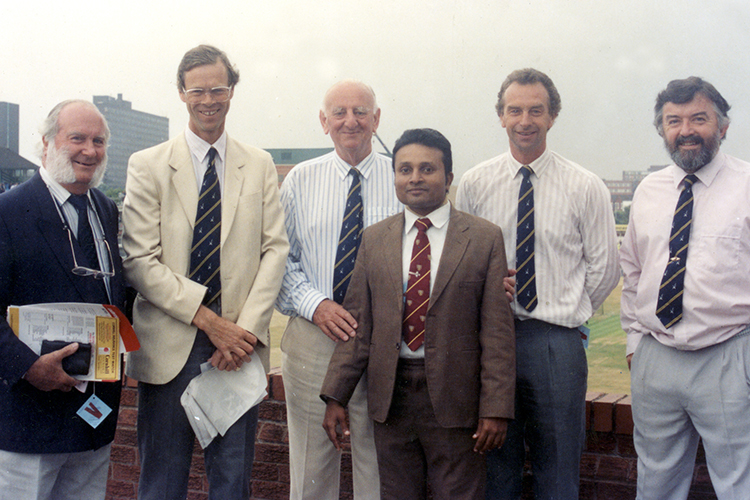
Christopher Martin-Jenkins (second from left), a BBC commentator and close friend of Perera, declared him a “Sri Lankan Don Bradman” for his contribution to cricket. © Ajith Perera

1992 අගදී මෙරට කළ නවසීලන්ත ක්‍රිකට් පිලට එරෙහිව ශ්‍රී ලංකාව ක්‍රීඩා කළ ටෙස්ට් තරගයක් සඳහා විනිසුරුවරයකු ලෙස පෙනී සිටීමට ඔන්න මෙන්න කියා තිබියදී අජිත් අනපේක්ෂිත ලෙස හදිසි අනතුරකට මුහුණ දුන්නා.

වැසි හා සුළං තිබූ දිනයෙක කොළඹ ප්‍රධාන මාර්ගයක ඔහු ගමන් කරමින් සිටි මෝටර් රථය උඩට ගසක් කඩා වැටුණා. එයින් ඔහුගේ රියදුරා මිය ගිය අතර අජිත් තුවාල ලබා බේරුණත්, කොඳු නාරටියට හානි වී (paraplegic) දෙපාවාරුව ඔහුට අහිමි වුණා.

එතැන් පටන්  සචලතාව (mobility) සඳහා දිගටම රෝද පුටුවක් භාවිත කිරීමට සිදු වුණා. එහෙත් මෙය ඔහු අභියෝගයක් ලෙස භාර ගත්තා. සචලතා ආබාධිත බව (mobility impairment) සීමාවක් වන්නට නොදී ඔහු එම ආබාධිත බව සමඟ ජීවත් වන සියලු ලාංකිකයන්ගේ අයිතීන් උදෙසා පෙනී සිටින සමාජ ක්‍රියකාරිකයකු බවට පත් වුණා.

අජිත්ගේ අනතුර ගැන මාස කිහිපයක් කල් ගත වී දැන ගත් බ්‍රිතාන්‍යයේ රාජකීය රසායන විද්‍යා සංගමය ප්‍රතිකාර සඳහා එහි යාමට උපකාර කළා. දෙපා භාවිතය යළි ලද නොහැකි වුවත් ආබාධිත තත්ත්වය හමුවේ මානසික ශක්තිය වර්ධනය කරගන්නට ඔහුට එහිදී වෛද්‍ය උපදෙස් ලැබුණා.

විවිධාකාරයේ ආබාධ සහිත පුද්ගලයන් මෙරට ජනගහනයෙන් 15%ක් පමණ සිටිතැයි අනුමාන කළ හැකියි. රෝගීන්, ගර්භනී කාලයේ පසුවන කාන්තාවන් ආදී තාවකාලික සචලතා සීමාවන්ට මුහුණ දෙන අය ද එකතු කළ විට මෙය 20%ක් දක්වා ඉහළ යා හැකියි. මේ අනුව සංඛ්‍යාත්මකව බැලූ විට මෙරට සිටින විශාලතම සුලුතරය (largest minority) මේ පිරිසයි.

සචලතා ආබාධිතයන් කීදෙනකු මෙරට සිටීදැයි නිශ්චිතව කිව නොහැකියි. මන්ද තාවකාලික සචලතා ආබාධ සමඟ ජීවත්වන සංඛ්‍යාව නිරතුරුව වෙනස් වන නිසා.

මීට වසර කීපයකට පෙර මා ද එම තත්ත්වය තාවකාලිකව අත් වින්දා. දකුණු දණහිසේ ආබාධයක් නිසා සති ගණනක් තිස්සේ පඩි නැගීමට නොහැකිව, සැරයටියක් උදවුවෙන් ගමන් කිරීමට සිදු වුණා. ඒ කාලය තුළ විදේශගත වන විට ගුවන්තොටුපළ හරහා යාමට රෝද පුටු සේවා ඉල්ලා එයින් සහනයක් ලැබුවා.

මේ නිසා සචලතා ආබාධ සහිත මිනිසුන් හා ගැහැණුන් මුහුණ දෙන අභියෝග පිළිබඳ ප්‍රායෝගික අවබෝධයක් යම් පමණකට මට ද තිබෙනවා. පොදු ගොඩනැගිලි තුළ පඩි දෙක තුනක් හෝ කීපයක් නැගීමට, බැසීමට අසීරු වීම, පොදු වැසිකිළි භාවිතයේ දී මතු වන අමතර අභියෝග ආදිය ගැන මා වඩාත් සංවේදී වූයේ එයින් පසුවයි.

උඩුමහලක පවත්වන රැකියා සම්මුඛ පරීක්ෂණයකට පෙනී සිටීමට එනල සුදුසුකම් සියල්ල සපුරා සිටින එහෙත් පඩි නැඟීමට පමණක් නොහැකි කෙනකුගේ තත්ත්වය ගැන සිතන්න. ඉහළ මාලයක පිහිටි පන්ති කාමරයකට පඩි නැඟ යාමට නොහැකි පාසල් දරුවකු හෝ දැරියක අසරණ වන සැටි සිතන්න.

මේ අයට අවශ්‍ය පහසුකම් සැළසීම කරදරයක් ලෙස සළකන ආයතන ප්‍රධානීන් ගැන විටින් විට වාර්තා වනවා.

ආබාධ සහිත පුද්ගලයන්ගේ අයිතිවාසිකම් රැක ගැනීම හා ප්‍රවර්ධනය පිළිබඳ පනත පාර්ලිමේන්තුවේ සම්මත වුණේ 1996 ඔක්තෝබරයේ. එනම් විසි වසරකට පෙර.  එම නීතියේ පැහැදිලිව කියන්නේ සහජයෙන් ඇති වූ හෝ පසු කලෙක හට ගත් හෝ ශාරීරීක මානසික හැකියාවන්ගේ යම් ඌනතාවක ප්‍රතිඵලයක් ලෙස තමා විසින් තමාගේ කටයුතු ඉටු කර ගැනීම යම් තරමකට සීමා වූ අය සඳහා නීතියේ රැකවරණය ලැබෙන බවයි.

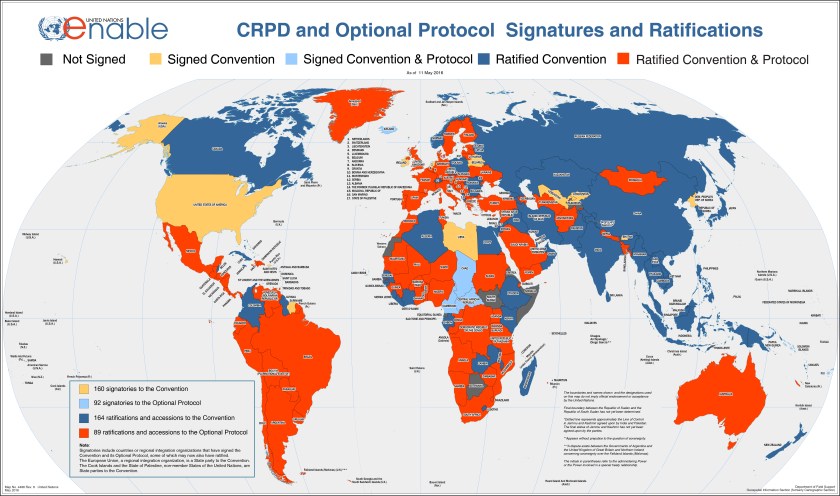
countries-that-have-joined-the-un-convention-on-the-rights-of-persons-with-disability-as-at-may-2016

දේශීය නීතිවලට අමතරව ආබාධිත පුද්ගලයන්ගේ අයිතීන් පිළිබඳ ජාත්‍යන්තර සම්මුතිය ද 2016 පෙබරවාරියේ ශ්‍රී ලංකාව අපරානුමත කළා. මේ හරහාද ආබාධිත ජනයාගේ මානව අයිතීන් සුරැකීමට ලක් රජය බැඳී සිටිනවා.

”ආබාධිත වීම ගැන ලෝක අවබෝධය හා සංවේදීතාව මෑත කාලයේ බෙහෙවින් පුළුල් වී තිබෙනවා. එසේම තාවකාලික හෝ සදාකාලික ආබාධ සහිතව ජීවත් වන අයටල අන් සියලු දෙනාට හිමි සමාජ අවස්ථා ලැබීමට මූලික මානව අයිතියක් ඇති බව ශිෂ්ඨ ලෝකය පිළිගන්නවා” යයි අජිත් කියනවා.

විවිධාකාර ආබාධ අතර අජිත් විශේෂ අවධානය යොමු කරන්නේ ඇවිදීමට අපහසුකම් ඇති අය ගැනයි. ඔවුන් කිහිලිකරු හෝ රෝද පුටු ආධාරයෙන් ගමන් කරන අතර එසේ යාමට ඇති ඉඩකඩ බොහෝ ගොඩනැගිලිවල සළස්වා නැහැ. මෙය ලෙහෙසියෙන් කළ හැකි, අධික වියදමක් නොව සරල විසඳුමක් වුවත් පැරණි ගොඩනැගිලිමෙන්ම අලුතින් ඉදිවන ගොඩනැගිලි බොහොමයකද එය හරිහැටි සිදුවන්නේ නැහැ.

එහෙත් මෙය රාජ්‍ය අංශයේ හා පෞද්ගලික අංශයේ බොහෝ ආයතනවල ක්‍රියාත්මක නොවන බවද අප දන්නවාග මහජනයාට යාමට සිදුවන බොහෝ කාර්යාල තවමත් සචලතා ආබාධිතයන්ට හිතකර නැහැ. පඩි නැඟීමට විකල්ප සලසා ඇති තැන්වලද විශේෂ පහසුකම් සහිත වැසිකිළි නැහැ.

සචලතා ආබාධ සහිත පුද්ගලයන්ට හිතකර වීම මේ වන විට සංචාරක කර්මාන්තයේද පිළි ගන්නා මූලධර්මයක්. එහෙත් අපේ අවන්හල්, හෝටල් හා වෙනත් සංචාරක පහසුකම් කෙතරම් මේ ගැන අවධානය යොමු කර ඇත්ද?

හැම ආයතන ප්‍රධානියකුම එක් දිනක්වත් රෝද පුටුවකින් සිය පරිශ්‍රය පුරා සැරිසැරීම කළොත් සචලතා ආබාධිතයන් දිනපතා මුහුණ දෙන දුෂ්කරතා හඳුනා ගත හැකි වේවි.

මේ අයිතීන් ප්‍රායෝගික මට්ටමින් සාක්ෂාත් කර ගන්නට අජිත් දිගටම ක්‍රියා කරනවා. සචලතා අයිතීන් සාක්ෂාත් කර ගැනීම සඳහා මහජන අවධානය තීව්‍ර කිරීමටත්, ඒ පිළිබඳ තක්සේරු කිරීමටත් අජිත් මූලිකව ”ඉදිරිය” නම් ස්වේච්ඡා ආයතනයක් පිහිටුවා තිබෙනවා. ශිෂ්ඨ සමාජයක් ඉටු කළ යුතු වගකීම් ගැන එම සමාජයට යළි යළිත් සිහිපත් කිරීම මේ ආයතනයේ මූලික ක්‍රියාවයි.

ශ්‍රේෂ්ඨාධිකරණයෙන් මේ අරභයා වැදගත් තීන්දු ලබා ගැනීමට අජිත් පෞද්ගලිකව ශ්‍රේෂ්ඨාධිකරණයේ පෙනී සිටිමින් කරුණු ඉදිරිපත් කළා. මූලික අයිතිවාසිකම් පෙත්සම් හරහා ලබා ගන්නා ලද තීන්දු 2009, 2011 සහ 2013දී ප්‍රකාශිතයි.

2009දී ඔහු ඉල්ලා සිටියේ මහජන අවශ්‍යතා සඳහා ඉදිකරන සියලු නව ගොඩනැගිලි දැනටමත් රටේ පවතින ආබාධිත අයිතීන් පිළිබඳ නීති හා රෙගුලාසීන්වලට අනුකූල විය යුතු බවයි. මෙයට වාණිජමය, ක්‍රීඩාමය, අධ්‍යාපනික, රාජ්‍ය පරිපාලනමය ආදී සියලු ගොඩනැගිලි අයත්. ශ්‍රේෂ්ඨාධිකරණය එය පිළිගත්තා.

The Sunday Times, 29 Nov 2015: Don’t DIS the ability of the largest minority, By Dr. Ajith C. S. Perera

1996 පනතේ හා එයට අදාළ රෙගුලාසිවලට අනුව මෙරට කිසිවකු ආබාධයක් නිසා කිසිදු අසාධරණයකට ලක් නොවිය යුතු බව ශ්‍රේෂ්ඨාධිකරණය අවධාරණය කළා.

නව ගොඩනැගිලි සඳහා ආබාධිත-හිතකර වීම අනිවාර්ය කොට තිබෙනවා. ගොඩනැගිලි අධීක්ෂණය කොට අනුමැතිය දෙන රාජ්‍ය ආයතන මෙය තහවුරු කිරීමට වග බලා ගත යුතුයි.

”නීති තත්ත්වය මෙසේ වෙතත්, මේ පිරිසේ අයිතිවාසිකම් ගැන සමාජ සංවේදී බව තවමත් සීමිතයි. අපට අවශ්‍ය අනුකම්පාව නොවෙයි. සම අවස්ථා භූක්ති විඳීමට හැකි භෞතික, සමාජයීය හා පරිපාලනමය පරිසරයක් පමණයි” අජිත් කියනවා.

Wisden Cricket: Taking disability in the stride, the Perera way

මීට වසර 15කට පමණ පෙර මා මුල්වරට අජිත් හඳුනා ගත්තේ ශ්‍රීමත් ආතර් සී. ක්ලාක්ගේ පෞද්ගලික කාර්යාලයේ මා සේවය කරන සමයේදී.

සචලතා සීමා අත් විඳින ආබාධිත අයගේ අයිතීන් ගැන ක්ලාක් පොදු අවකාශයේ ප්‍රබල හඬක් මතු කළා. ඔහුගේ ජීවිතයේ අවසාන දශකයක පමණ කාලයේ (1997 – 2008 වකවානුව) පශ්චාත් පෝලියෝ ආබාධය නිසා රෝද පුටුවකින් ගමන් බිමන් ගියා. මේ නිසාම මෙරට මහජනයා ගැවසෙන ස්ථානවල රෝද පුටු භාවිතයට ඇති  සීමිත පහසුකම් ගැන ඔහු අත්දැකීමෙන් දැන සිටියා.

Sir Arthur Clarke on dune roller at Hikkaduwa beach [Photo by Rohan de Silva]
Sir Arthur Clarke on his custom-made dune roller at Hikkaduwa beach, southern Sri Lanka, circa 2004 [Photo by Rohan de Silva]
බැංකු, තරු හෝටල්, කලාගාර, සිනමා හා නාට්‍ය ශාලා, සුපිරි වෙළඳ සංකීර්ණ ආදී බොහොමයක පඩි නොනැග, රෝද පුටුවක් ගෙන ගිය හැකි ramp තිබුණේ කලාතුරකින් බව ඔහු දුටුවා.

ගොඩනැගිලි තුළ රෝද පුටු යාමට අවශ්‍ය ඉඩ සළසා නැති ස්ථානවලට යෑම ක්ලාක් ප්‍රසිද්ධියේ ප්‍රතික්ෂේප කළා. ඔහු ප්‍රකට පුද්ගලයකු වූ නිසා මෙය ඇතැම් විට එබඳු ආයතන තාවකාලීක පහසුකම් ඉදි කිරීමට පවා පොළඹවනු ලැබුවා. රෝද පුටුවෙන් යාමට බැරි නම් කිසිදු උත්සවයකට තමා සහභාගි නොවන බවට ප්‍රතිපත්තියක් ක්ලාක් අනුගමනය කළා.

ඔහු වසර 22ක් කුලපතිවරයාව සිටි (1978-2000) මොරටුව සරසවියේ ගෘහ නිර්මාණ ශිල්පය හදාරණ සිසුන් අමතමින් ක්ලාක් වරෙක මෙසේ කීවා. ”දෙපයින් ඇවිද යාමේ හැකියාව තාවකාලිකව හෝ සදහටම හෝ අහිමි වූවන්ට ඵලදායක ලෙස සමාජයේ සක්‍රිය වීමට මූලික අයිතියක් තිබෙනවා. ඒ අයිතිය නොතකා, ඔවුන්ට පහසුකම් නොසළසා නව ගොඩනැගිලි ඉදි කිරීම දිගටම සිදු වනවා. අඩු තරමින් ඔබ වෘත්තිකයන් වූ විටදීවත් මේ ගැන සංවේදී වන්න. මෙහි අගය වටහා ගන්නට ඕනැම නම් එක් දිනක් මුළුමනින්ම රෝද පුටුවකින් එහෙ මෙහෙ යන්න තැත් කරන්න. ඔබ අවට නිර්මිත පරිසරය එයට කෙතරම් දුෂ්කරතා මතු කරයිද යන්න එවිට ඔබට හොඳහැටි වැටහේවි.”

වසර 30ක යුද්ධය, වැඩිවන මාර්ග අනතුරු, කෙමෙන් වියපත් වන ජනගහනය ආදී විවිධ හේතු නිසා අපේ සමාජයේ සැළකිය යුතු පිරිසකට තාවකාලිකව හෝ සදහට දෙපාවාරු අහිමි වී තිබෙනවා. මේ අයට නිසි පහසුකම් සැළසීම ශ්‍රේෂ්ඨාධිකරණය අනිවාර්ය කර තිබියදීත් රාජ්‍ය, පෞද්ගලික හා අධ්‍යාපන ක්ෂේත්‍රවල බොහෝ ආයතන තවමත් එය නොතකා හරින්නේ ඇයි?

ජාතියේ හෘද සාක්ෂියට මෙන්ම බුද්ධියට අමතන අජිත් සී. එස්. පෙරේරා දිගටම දිරිමත් කළ යුතු ජාතික සම්පතක්.

Dr Ajith C S Perera (left) with Nalaka Gunawardene at Sri Lankan of the Year awards ceremony, 23 Sep 2016


සිවුමංසල කොලු ගැටයා #286: ආපදා අවස්ථාවල මාධ්‍ය වගකීම හා ප්‍රමුඛතාව කුමක් විය යුතු ද?

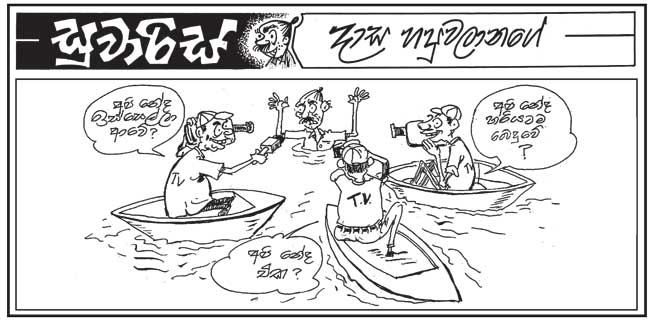
Disaster reporting, Sri Lanka TV style! Cartoon by Dasa Hapuwalana, Lankadeepa

What is the role of mass media in times of disaster? I have written on this for many years, and once edited a regional book on the subject (Communicating Disasters: An Asia Pacific Resource Book, 2007).

The question has come up again after Dr Ranga Kalansooriya, Director General of the Lankan government’s Department of Information, wanted the media to give preeminence to its watchdog function and pull back from supplying relief in the aftermath of disasters.

As Dr Rohan Samarajiva, who was present at the event, noted, “Some of his comments could even be interpreted as suggestive of a need to prohibit aid caravans being organized by the media. But I do not think this will happen. The risks of being seen as stifling the natural charitable urges of the people and delaying supplies to those who need help are too high…”

Ranga raised a valid concern. In the aftermath of recent disasters in Sri Lanka, private broadcast media houses have been competing with each other to raise and deliver disaster relief. All well and good – except that coverage for their own relief work often eclipsed the journalistic coverage of the disaster response in general. In such a situation, where does corporate social responsibility and charity work end and opportunistic brand promotion begin?

For simply raising this concern in public, some broadcast houses have started attacking Ranga personally. In my latest Ravaya column (in Sinhala, appearing in the print issue of 2 October 2016), I discuss the role and priorities of media at times of disaster. I also remind Sirasa TV (the most vocal critic of Ranga Kalansooriya) that ‘shooting the messenger’ carrying unpalatable truths is not in anybody’s interest.

Dr Ranga Kalansooriya, journalist turned government official, still speaks his mind

ප්‍රවෘත්ති දෙපාර්තමේන්තුවේ අධ්‍යක්ෂ ජනරාල් ආචාර්ය රංග කලන්සූරිය අද මෙරට මාධ්‍ය ක්ෂේත්‍රයේ දැනුම මෙන්ම අත්දැකීම් ද බහුල විද්වතෙක්.

කිසි දිනෙක නිවුස් රූම් එකක් දැකලාවත් නැති පොතේ ගුරුන් මාධ්‍ය විශේෂඥයන් යයි කියා ගන්නා රටක ප්‍රවෘත්ති කලාවේ සිද්ධාන්ත මෙන්ම ප්‍රායෝගිකත්වය ද එක් තැන් කරන රංග වැනි අය දුර්ලභයි.

මෑතදී ආපදා කළමනාකරණ කේන‍ද්‍රය (DMC) සංවිධානය කළ මාධ්‍ය වැඩමුළුවකදී රංග කළ ප්‍රකාශයක් ආන්දෝලනයට තුඩු දී තිබෙනවා.(එම වැඩමුළුවට මටද ඇරැයුම් කර තිබුණත් ප්‍රතිපත්තිමය හේතුවක් මත මා එහි ගියේ නැහැ. ඒනිසා ඔහුගේ ප්‍රකාශය මා දැනගත්තේ මාධ්‍ය වාර්තාවලින් හා එතැන සිටි මහාචාර්ය රොහාන් සමරජීව හරහා.)

ආපදාවක් සිදු වූ විටෙක මාධ්‍යවල කාර්ය භාරය කුමක්දැයි සාකච්ඡා කරන විට රංග විවෘත අදහස් දැක්වීමක් කළා. ආපදාව පිළිබඳ තොරතුරු වාර්තාකරණයෙන් හා විග්‍රහයෙන් ඔබ්බට ගොස් විපතට පත් වූවන්ට ආධාර එකතු කිරීම හා බෙදා හැරීම වැනි ක්‍රියාවල මාධ්‍ය නිරත විය යුතු දැයි ඔහු ප්‍රශ්න කළා.

මෙයට පසුබිම වන්නේ මෑත වසරවල කුණාටු, ගංවතුර, නායයෑම් ආදී ආපදා සිදු වූ පසුව සමාජ සත්කාරයන් ලෙස ආධාර එකතු කොට බෙදා දීමට විද්‍යුත් මාධ්‍ය ආයතන කිහිපයක් යොමු වීමයි.

රංග කළ ප්‍රකාශය සංවාදයකට නිමිත්තක් වී තිබෙනවා. මාධ්‍ය ප්‍රතිව්‍යුහකරණය ගැන අවධාන යොමු වී ඇති මේ කාලයේ මෙබඳු සංවාද අවශ්‍යයි.

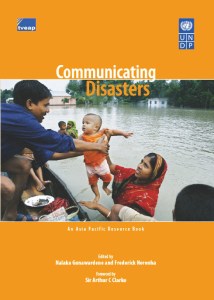
Communicating Disasters - 2007 book co-edited by Nalaka Gunawardene & Frederick Noronha
Communicating Disasters – 2007 book co-edited by Nalaka Gunawardene & Frederick Noronha

ආපදා අරභයා මාධ්‍ය කාර්යභාරය කුමක්ද? මේ ගැන මා දේශීයව හා ජාත්‍යන්තරව වසර 20කට වඩා සංවාද කොට තිබෙනවා. 2004 සුනාමියෙන් මාස 18ක් ඉක්ම ගිය පසු මේ ගැන එක්සත් ජාතීන්ගේ ආසියානු කලාපීය සන්නිවේදක රැස්වීමක් මෙහෙවීමෙන් හා කලාපීය ග්‍රන්ථයක් (Communicating Disasters: An Asia Pacific Resource Book, 2007) සංස්කරණයෙන් ලත් අත්දැකීම් මා සතුයි.

ආපදා පෙර සූදානම හා කඩිනමින් මතු වන ආපදා ගැන නිල අනතුරු ඇඟවීම් බෙදා හැරීම සදහා මාධ්‍ය දායකත්වය ගැන මීට පෙර අප කථා කොට තිබෙනවා.

ආපදා සිදු වූ පසුත් මාධ්‍යවලට ලොකු වගකීම් සමුදායක් හා තීරණාත්මක කාර්යභාරයක් හිමි වනවා. ඉතා වැදගත් හා ප්‍රමුඛ වන්නේ සිදුවීම් නිවැරදිව හා නිරවුල්ව වාර්තා කිරීම. වුණේ මොකක්ද, වෙමින් පවතින්නේ කුමක්ද යන්න සරලව රටට තේරුම් කර දීම. එයට රාජ්‍ය, විද්වත් හා ස්වේච්ඡා ආයතනවල තොරතුරු හා විග්‍රහයන් යොදා ගත හැකියි.

ඉන් පසු වැදගත්ම කාරිය ආපදා ප්‍රතිචාරයට හැකි උපරිම ආවරණය සැපයීමයි. මෙයට බේරා ගැනීම්, තාවකාලික රැකවරණ, ආධාර බෙදා හරින ක්‍රම හා තැන්, ලෙඩරෝග පැතිරයාම ගැන අනතුරු ඇඟවීම්  ආදිය ඇතුළත්.

ආපදා කළමනාකරණය හා සමාජසේවා ගැන නිල වගකීම් ලත් රාජ්‍ය ආයතන මෙන්ම හමුදාවත්, රතු කුරුසය හා සර්වෝදය වැනි මහා පරිමාන ස්වේච්ඡා ආයතනත් පශ්චාත් ආපදා වකවානුවල ඉමහත් සේවයක් කරනවා. මාධ්‍යවලට කළ හැකි ලොකුම මෙහෙවර මේ සැවොම කරන කියන දේ උපරිම ලෙස සමාජගත කිරීමයි. ඊට අමතරව අඩුපාඩු හා කිසියම් දූෂණ ඇත්නම් තහවුරු කර ගත් තොරතුරු මත ඒවා වාර්තා කිරීමයි.

මේ සියල්ල කළ පසු මාධ්‍ය තමන් ආධාර එකතු කොට බෙදීමට යොමු වුණාට කමක් නැතැයි මා සිතනවා. කැමති මාධ්‍යවලට එයට නිදහස තිබිය යුතුයි. මාධ්‍ය පර්යේෂකයෙක් හා විචාරකයෙක් හැටියට මා එහිදී විමසන්නේ එබඳු සුබසාධන ක්‍රියා මාධ්‍යයේ ප්‍රධාන සමාජ වගකීම්වලට සමානුපාතිකව කෙතරම් ප්‍රමුඛතාවක් ගනීද යන්නයි.

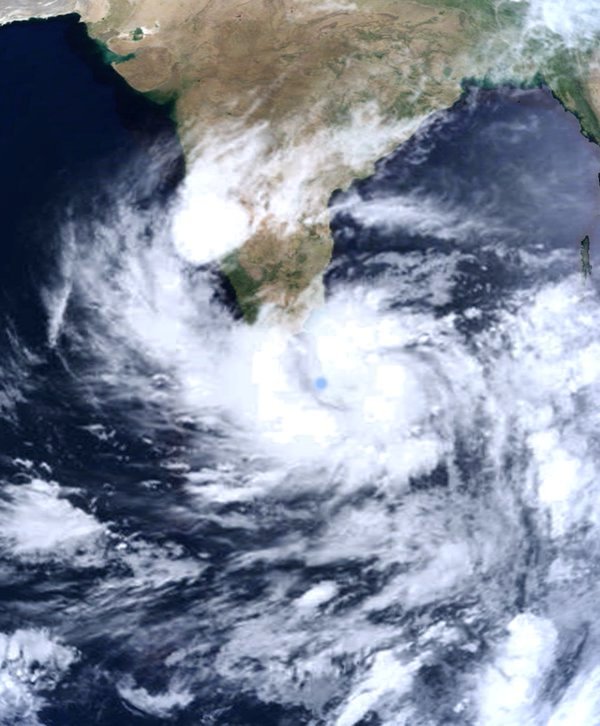
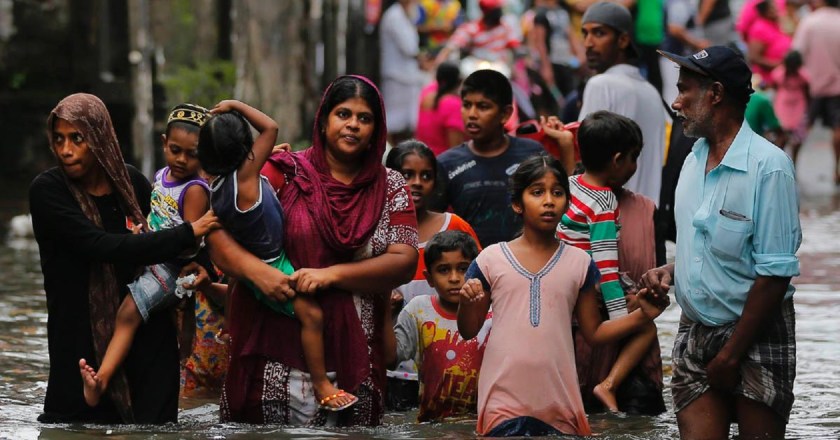
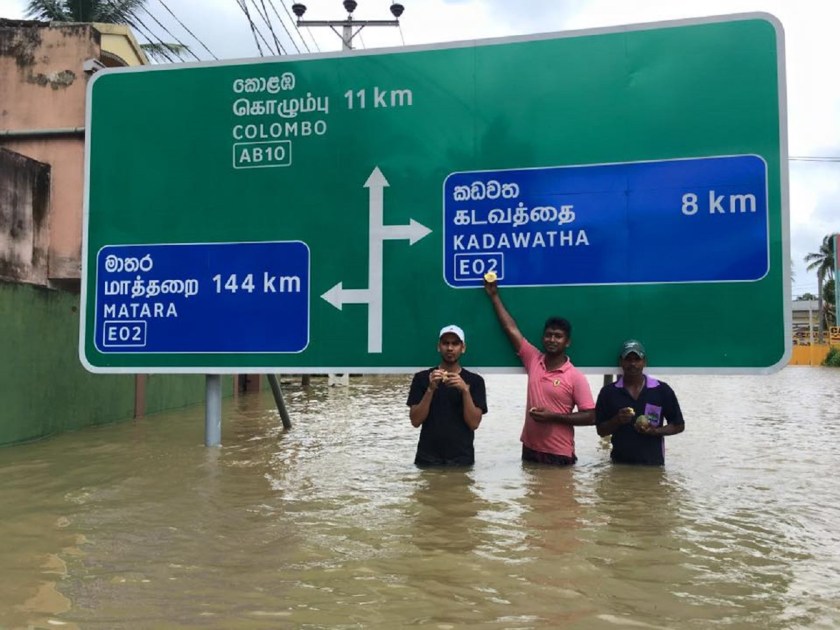
උදාහරණයක් ගනිමු. 2016 මැයි මස මැදදී රෝනු සුළිසුළඟ (Cyclone Roanu) සමග පැමිණි මහ වැසි නිසා මහා කොළඹ ඇතුළු තවත් ප්‍රදේශ රැසක ජලගැලීම්, ගංවතුර හට ගත්තා. නායයාමට ඉඩ ඇති සමහර ප්‍රදේශවල බරපතළ නායයෑම් සිදු වුණා.

Satellite image of storm clouds over Sri Lanka and India, 15 May 2016

මේ ආපදා හමුවේ DMC දැක් වූ ප්‍රතිචාරය රජය තුළින්මත්, විපත පත් මහජනතාව අතරත් දැඩි විවේචනයට ලක් වුණා. නිසි සූදානමක් හා සම්බන්ධීකරණයක් නොතිබූ බව පැහැදිලියි.

ආපදා ප්‍රතිචාරයේ නිල වගකීම දරණ රාජ්‍ය තන්ත්‍රය දුර්මුඛව, අකර්මන්‍යව සිටින අතරේ ඒ හිදැස පිරවීමට ඉදිරිපත් වූයේ හමුදාව, ස්වේච්ඡා ආයතන මෙන්ම එවේලේ ස්වකැමැත්තෙන් (spontaneously) එක් වූ පුරවැසි කණ්ඩායම්.

විපතට පත් වූවන් බේරා ගන්නට, ආධාර බෙදන්නට හා වෙනත් සහනසේවා සපයන්නට මේ පිරිස් නොමසුරුව පෙරට ආවා. මේ අතර මාධ්‍ය ආයතන ගණනාවක් ද සිටියා.

පුළුල් පෙදෙසක් හරහා පැතිරී මහා පරිමානයක හානි සිදුව තිබුණා. DMC වඩාත් සූදානම්ව හා කාර්යක්ෂමව සිටියා යැයි මොහොතකට උපකල්පනය කළත් මෙම ආපදාවට සියලු ප්‍රතිචාර ලබා දෙන්නට එයට හැකි වන්නේ නැහැ.

ආපදා ප්‍රතිචාරය  හා කළමනාකරණය රාජ්‍ය ආයතනයක ඒකාධිකාරයක් නොවිය යුතුයි. රාජ්‍ය මැදිහත්වීම හා නිල තීරණ ගැනීම අත්‍යවශ්‍ය තැන්හිදී (උදා: අන්තරාදායක තැන්වලින් ජනයාට තාවකාලීකව ඉවත් වන්නට යයි කීම) ඔවුන් මුල් තැන ගන්නා අතර අන් අවස්ථාවල පහසුකම් සළසන්නා (Facilitator) වීමයි වැදගත්.

Sri Lankans wade through a road submerged in flood waters in Colombo, 18 May 2016 (Photo by Eranga Jayawardena, AP)

අකාර්යක්ෂම, අසංවේදී හා අධිනිලධාරීවාදී රාජ්‍ය ආපදා ප්‍රතිචාර හමුවේ විපතට පත් පුරවැසියන්ට පිහිට වීමට පෙරට ආ සියලු රාජ්‍ය නොවන පාර්ශවයන්ට අපේ ප්‍රණාමය හිමි වනවා. මේ අතර මාධ්‍ය ආයතනද සිටිනවා.

ආපදා පිළිබඳ මෙරට මාධ්‍යකරණයේ අඩුපාඩු තිබෙනවා. ප්‍රධාන දුර්වලකමක් නම් සිදුවීම් ගැන බහුලව වාර්තා කළත් ඒවාට තුඩු දෙන සමාජ-ආර්ථීක හා පාරිසරික ප්‍රවාහයන් ගැන ඇති තරම් විමර්ශන නොකිරීමයි.

එසේම ආපදාවක ප්‍රවෘත්තිමය උණුසුම දින කිහිපයකින් පහව ගිය පසු බොහෝ මාධ්‍යවලට එය අමතක වනවා. ආපදාවෙන් බැට කෑ ජනයාගේ නොවිසඳුණු ප්‍රශ්න හා ආපදාවට පසුබිම් වූ සාධක තව දුරටත් පැවතීම ගැන මාධ්‍ය පසුවිපරමක් කරන්නේ  කලාතුරකින්. පුවත්පත් මෙය යම් පමණකට කළත් විද්‍යුත් මාධ්‍ය නොතකා හරිනවා.

මාධ්‍යකරණයේ මේ මූලික අඩුපාඩු හදා ගන්නේ නැතිව මාධ්‍ය ආයතන සිය පිරිස් බලය හා මූල්‍යමය හැකියාවන් ආපදා ආශ්‍රිත සමාජ සුබසාධන ක්‍රියාවලට යොමු කරනවා නම් ඔවුන්ගේ ප්‍රමුඛතා කොතැනදැයි අප ප්‍රශ්න කළ යුතුයි.

එසේම සමාජ සුබසාධනයට යොමු වන මාධ්‍යල එතැනදී තම වාර්තාකරණය සමස්ත ආපදා ප්‍රතිචාරය ගැන මිස තමන්ගේම සමාජ සත්කාරය හුවා දැක්වීමට භාවිත නොකළ යුතුයි. මාධ්‍ය සන්නාම ප්‍රවර්ධනයට ආපදා අවස්ථා යොදා ගැනීම නීති විරෝධී නොවූවත් සදාචාර විරෝධීයි.

”මේවා කරන්නේ අපේ ගුවන් කාලයෙන්, අපේ පරිශ්‍රමයෙන් හා සම්පත්වලින්. ඒ ගැන කාටවත් කැක්කුමක් ඇයි?” සමහර මාධ්‍ය ආයතන ප්‍රශ්න කළ හැකියි.

රාජ්‍ය හා පෞද්ගලික රේඩියෝ ටෙලිවිෂන් නාලිකා සියල්ල භාවිතා කරන්නේ මහජන දේපළක් වන විද්‍යුත් තරංග සංඛ්‍යාතයි. මේ නිසා හිතුමතේ තම සන්නාම ප්‍රවර්ධනය කරමින් වටිනා ගුවන්කාලය එයට වෙන් කිරීම, ආපදා මාධ්‍යකරණය වඩාත් ප්‍රශස්තව කිරීමට තිබෙන වගකීම යම් තරමකට පැහැර හැරීමක් යැයි තර්ක කළ හැකියි.

තවත් මානයක් මා මෙහිදී දකිනවා. මාධ්‍යවලට සමාජයක පෙර ගමන්කරුවා විය හැකියි. අහිතකර ප්‍රවණතා අන්ධානුකරණය කරනු වෙනුවට අභීතව සමාජය හරි මගට යොමු කළ හැකියි.

අපේ දේශපාලකයන් හැම පොදු කටයුත්තක්ම අතිශයෝක්තිමය සංදර්ශනාත්මක වැඩක් බවට පත් කර ගන්නවා. හැමදේම “අහවල්තුමාගේ උතුම් සංකල්පයක් මත, සිදු කරනවා”ලු…

මහජන මුදලින් පාරක්, පාලමක්, ගොඩනැගිල්ලක් තනන විට මුල්ගලේ සිට විවෘත කිරීම දක්වා තමන්ගේ නම් හා රූප යොදා ගනිමින් පාරම් බානවා. රාජපක්ෂ රෙජීමය මහජනතාවට තිත්ත වීමට එක් හේතුවක් වූයේත් මේ සංදර්ශනකාමයයි.

හොඳ වැඩක් කොට නිහඬව හා නිහතමානීව එහි ප්‍රතිඵල අත් විඳීමට හැකි සමාජයක් කරා යා හැකි නම් කෙතරම් අපූරුද? එහෙත් ආපදා වැනි කණගාටුදායක අවස්ථාවල පවා සමාජ සුබසාධනය වටා සංදර්ශනාත්මක පම්පෝරියක් ද මුදා හැරීම නිර්ලජ්ජිත දේශපාලකයන් කරනවා. එහෙත් මාධ්‍ය ආයතන එම රැල්ලටම හසු විය යුතුද?

මෙලොව හා එලොව හිත සුව පිණිස පුද්ගලිකව සමාජ සුබසාධනයේ නියැලෙන මාධ්‍යවේදීන් ද සිටිනවා. ගිය සතියේ මා සහභාගී වූ වැඩමුලුවකට ආ ප්‍රාදේශීය මාධ්‍යවේදියෙක් ආඩම්බරයෙන් කීවේ තම ප්‍රදේශයේ නැති බැරි අයට තමා මේ දක්වා නිවාස 48ක් සාදා දී ඇති බවයි. මෙය යහපත් වැඩක් වුවත්, මාධ්‍යවේදියාගේ කාර්යභාරයට අයත් වේදැයි එහි සිටි අනෙක් මාධ්‍යවේදීන් වාදවිවාද කළා.

Sri Lanka's floods in Colombo suburbs, May 2016 - Photo by Uchinda Padmaperuma, from Facebook
Sri Lanka’s floods in Colombo suburbs, May 2016 – Photo by Uchinda Padmaperuma, from Facebook

මේ සියල්ල මෙසේ වෙනත්, සමාජ සුබසාධන කටයුතුවල යෙදීමට මාධ්‍යවේදීන්ට ඇති අයිතිය මා පිළිගන්නවා. අවශ්‍ය වන්නේ ප්‍රමුඛතා හා වගකීම් හරිහැටි තෝරා බේරා ගෙන කළමනාකරණය කිරීම පමණයි. එසේම එකතු කරන මහජන ආධාර සියල්ලට වග විය යුතුයි.

ඒ අතර කාලීනව හා සමාජයීයව වැදගත් ප්‍රශ්නයක් ඇසූ රංග කලන්සූරිය ඉලක්ක කර ගෙන පෞද්ගලිකව ඔහුට වාග් ප්‍රහාර එල්ල කිරීම නම් පිළිගත නොහැකියි. ඔහුගේ මතයට විකල්ප මත හූවා දැක්වීමෙන් නතර නොවී ඔහුගේ මානසික සෞඛ්‍යය පවා ප්‍රශ්න කරන තැනකට සිරස මාධ්‍ය ආයතනය යොමු වීම කණගාටුදායකයි.

සිරස පන්න පන්නා රංග කලන්සූරියට පහරදීම මා දකින්නේ තමන් අසන්නට නොකැමති විග්‍රහයක් ගෙනා අයකු ගැන කිපී, ඔහුට සියලු වැර දමා ප්‍රහාරයක් දියත් කිරීමක් ලෙසයි.

‘Don’t shoot the messenger’ හෙවත් අමිහිරි පුවතක් රැගෙන එන පණිවුඩකරුවාට වෙඩි නොතබන්න යයි ප්‍රකට ඉංග්‍රීසි කියමනක් තිබෙනවා.

2009 ජනවාරියේ පන්නිපිටියේ සිරස මැදිරි සංකීර්ණයට සංවිධානාත්මක මැර ප්‍රහාරයක් එල්ල වූ අවස්ථාවේ ඔවුන්ගේ ප්‍රකාශන අයිතිය වෙනුවෙන් ප්‍රසිද්ධ අවකාශයේ පෙනී සිටිමින් මා හුවා දැක්වූයේත් මෙයයි.

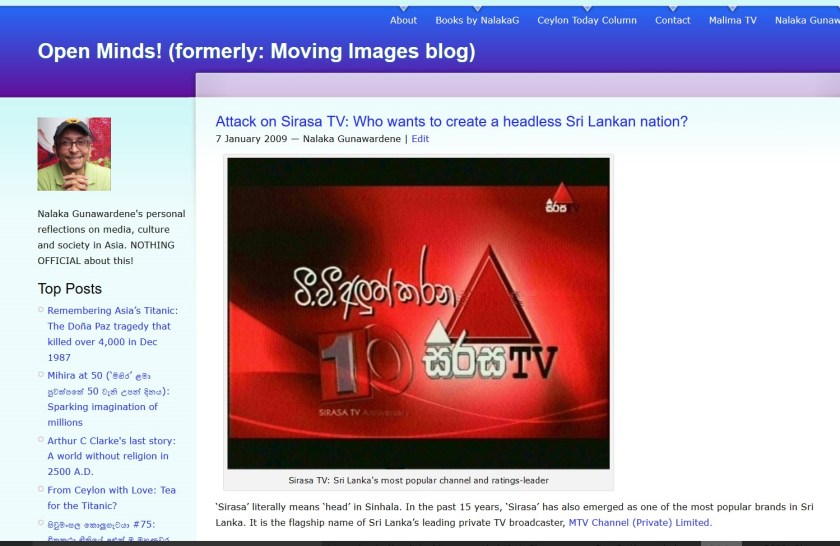
ගෙවී ගිය ගනඳුරු දශකයේ (2005-2014) අධිකතම ඝනාන්ධකාරය පැවති 2009 වසරේ එබඳු ප්‍රසිද්ධ ස්ථාවරයක් ගැනීම පවා අවදානම් සහගත වූවා. එහෙත් ඒ අවදානම ගනිමින්, සිරසට එල්ල වූ ප්‍රහාරය සමස්ත මාධ්‍ය නිදහසට එරෙහි ප්‍රහාරයක් බව 2009 ජනවාරි 7 වනදා මගේ බ්ලොග් එක හරහා කියා සිටියා.

7 January 2009: Attack on Sirasa TV: Who wants to create a headless Sri Lankan nation?

”දකුණු ආසියාව පුරා පැතිර යන ඉතා අහිතකර ප්‍රවණතාවක් නම් දිරවා ගන්නට නොහැකි පුවත් හා මතයන් ගෙන එන මාධ්‍යවලට පහර දී ඔවුන් නිහඬ කිරීමට තැත් කිරීමයි. ඒ හරහා සෙසු මාධ්‍යවලටද හීලෑවීමට බරපතළ අනතුරු ඇඟවීමක් කිරීමයි.”

මා ඉංග්‍රීසියෙන් පමණක් ලියු යුගයේ කළ එම ප්‍රකාශය පසුව ප්‍රකාශන නිදහස ගැන ක්‍රියාත්මක වන විදෙස් ආයතන පවා උපුටා දක්වා තිබුණා.

එදා සිරසට ප්‍රහාර එල්ල කළ විට කී වැකියම අද සිරස රංගට (වාග්) ප්‍රහාර දෙන විටත් කීමට මට සිදු වනවා. ඔබට දිරවා ගත නොහැකි යමක් රංග කීවා නම් එහි හරය මෙනෙහි කරන්න. එසේ නැතිව එය ප්‍රකාශ කළ පුද්ගලයා ඉලක්ක නොකරන්න.

පොදු අවකාශයේ අප කරන කියන සියල්ල සංවාදයට විවෘතයි. එහෙත් එම සංවාද සංයමයෙන්, තර්කානුකූලව හා බුද්ධිගෝචරව කිරීමේ වගකීම අප කාටත් තිබෙනවා.

Nalaka Gunawardene blog post condemning  military style attack on Sirasa TV complex in Jan 2009
Nalaka Gunawardene blog post condemning
military style attack on Sirasa TV complex in Jan 2009


Siyatha TV CIVIL show: Discussing Sri Lanka’s Right to Information (RTI)

Siyatha TV CIVIL show: Dr Ranga Kalansooriya (left) and Nalaka Gunawardene (right) discuss Sri Lanka's Right to Information law with host Prasanna Jayanththi: 27 Sep 2016
Siyatha TV CIVIL show: Dr Ranga Kalansooriya (left) and Nalaka Gunawardene (right) discuss Sri Lanka’s Right to Information law with host Prasanna Jayanththi: 27 Sep 2016

Back in 2009-2010, I used to host a half hour show on Siyatha TV, a private television channel in Sri Lanka, on inventions and innovation.

So it was good to return to Siyatha on 27 September 2016 — this time as a guest on their weekly talk show CIVIL, to talk about  Sri Lanka’s new Right to Information (RTI) law.

Joining me was Dr Ranga Kalansooriya, experienced and versatile journalist who has recently become Director General of the Government Department of Information. Our amiable host was Prasanna Jayaneththi.

We discussed aspects of Sri Lanka’s Right to Information Act No 12 of 2016, adopted in late June 2016, with all political parties in Parliament supporting it. Certified by the Speaker on 4 August 2016, we are now in a preparatory period of six months during which all public institutions get ready for processing citizen request for information.

I emphasized on the vital DEMAND side of RTI: citizens and their various associations and groups need to know enough about their new right to demand and receive information from public officials — and then be motivated to exercise that right.

I argued that making RTI a fundamental right (through the 19th Amendment to the Constitution in April 2015), passing the RTI Act in June 2016 and re-orienting the entire public sector for information disclosure represent the SUPPLY side. It needs to be matched by inspiring and catalysing the DEMAND side, without which this people’s law cannot benefit people.

In the final part, Ranga and I also discussed aspects of Sri Lanka’s media sector reforms, which are stemming from a major new study that he and I were both associated with: Rebuilding Public Trust: An Assessment of the Media Industry and Profession in Sri Lanka (May 2016).


Part 1:


Part 2:


Part 3:

Going beyond “Poor Journalism” that ignores the poor

Sri Lankan Media Fellows on Poverty and Development with their mentors and CEPA coordinators at orientation workshop in Colombo, 24 Sep 2016

“For me as an editor, there is a compelling case for engaging with poverty. Increasing education and literacy is related to increasing the size of my readership. Our main audiences are indeed drawn from the middle classes, business and policymakers. But these groups cannot live in isolation. The welfare of the many is in the interests of the people who read the Daily Star.”

So says Mahfuz Anam, Editor and Publisher of The Daily Star newspaper in Bangladesh. I quoted him in my presentation to the orientation workshop for Media Fellows on Poverty and Development, held in Colombo on 24 September 2016.

Alas, many media gatekeepers in Sri Lanka and across South Asia don’t share Anam’s broad view. I can still remember talking to a Singaporean manager of one of Sri Lanka’s first private TV stations in the late 1990s. He was interested in international development related TV content, he told me, “but not depressing and miserable stuff about poverty – our viewers don’t want that!”

Most media, in Sri Lanka and elsewhere, have narrowly defined poverty negatively. Those media that occasionally allows some coverage of poverty mostly skim a few selected issues, doing fleeting reporting on obvious topics like street children, beggars or poverty reduction assistance from the government. The complexity of poverty and under-development is hardly investigated or captured in the media.

Even when an exceptional journalist ventures into exploring these issues in some depth and detail, their media products also often inadvertently contain society’s widespread stereotyping on poverty and inequality. For example:

  • Black and white images are used when colour is easily available (as if the poor live in B&W).
  • Focus is mostly or entirely on the rural poor (never mind many poor people now live in cities and towns).

The Centre for Poverty Analysis (CEPA), a non-profit think tank has launched the Media Fellowship Programme on Poverty and Development to inspire and support better media coverage of these issues. The programme is co-funded by UNESCO and CEPA.

Under this, 20 competitively selected journalists – drawn from print, broadcast and web media outlets in Sinhala, Tamil and English languages – are to be given a better understanding of the many dimensions of poverty.

These Media Fellows will have the opportunity to research and produce a story of their choice in depth and detail, but on the understanding that their media outlet will carry their story. Along the way, they will benefit from face-to-face interactions with senior journalists and development researchers, and also receive a grant to cover their field visit costs.

Nalaka Gunawardene speaks at orientation workshop for Media Fellows on Poverty and Development at CEPA, 24 Sep 2016

I am part of the five member expert panel guiding these Media Fellows. Others on the panel are senior journalist and political commentator Kusal Perera; Chief Editor of Daily Express newspaper Hana Ibrahim; Chief Editor of Echelon biz magazine Shamindra Kulamannage; and Consultant Editor of Sudar Oli newspaper, Arun Arokianathan.

At the orientation workshop, Shamindra Kulamannage and I both made presentations on media coverage of poverty. Mine was a broad-sweep exploration of the topic, with many examples and insights from having been in media and development spheres for over 25 years.

Here is my PPT:

More photos from the orientation workshop:


Details of CEPA Media Fellowship Programme on Poverty and Development

List of 20 Media Fellows on Poverty and Development

ආපදා අවස්ථාවල මානුෂික ආධාර එකතු කිරීම හා බෙදීම මාධ්‍යවලට සුදුසුද? එසේ කළත් ඒ ගැන පම්පෝරි ගැසීම හරිද?

Disaster reporting, Sri Lanka TV style! Cartoon by Dasa Hapuwalana, Lankadeepa

ආපදා අවස්ථාවල මාධ්‍යවලට ලොකු වගකීම් සමුදායක් හා තීරණාත්මක කාර්යභාරයක් හිමි වනවා. ඉතාම වැදගත් හා ප්‍රමුඛ වන්නේ සිදුවීම් නිවැරදිව හා නිරවුල්ව වාර්තා කිරීම. වුණේ මොකක්ද, වෙමින් පවතින්නේ කුමක්ද යන්න සරලව රටට තේරුම් කර දීම. එයට රාජ්‍ය, විද්වත් හා ස්වේච්ඡා ආයතනවල තොරතුරු හා විග්‍රහයන් යොදා ගත හැකියි.

ඉන් පසු වැදගත්ම කාරිය ආපදා ප්‍රතිචාරයට හැකි උපරිම ආවරණය සැපයීම. මෙයට බේරා ගැනීම්, තාවකාලික රැකවරණ, ආධාර බෙදා හරින ක්‍රම හා තැන්, ලෙඩරෝග පැතිරයාම ගැන අනතුරු ඇගවීම් ආදිය ඇතුළත්.

ආපදා කළමනාකරණය හා සමාජසේවා ගැන නිල වගකීම් ලත් රාජ්‍ය ආයතන මෙන්ම හමුදාවත්, රතු කුරුසය හා සර්වෝදය වැනි මහා පරිමාන ස්වේච්ඡා ආයතනත් පශ්චාත් ආපදා වකවානුවල ඉමහත් සේවයක් කරනවා. මාධ්‍යවලට කළ හැකි ලොකුම මෙහෙවර මේ සැවොම කරන කියන දේ උපරිම ලෙස සමාජගත් කිරීමයි. ඊට අමතරව අඩුපාඩු හා කිසියම් දූෂණ ඇත්නම් තහවුරු කරගත් තොරතුරු මත ඒවා වාර්තා කිරීමයි.

මේ සියල්ල කළ පසු මාධ්‍ය තමන් ආධාර එකතු කොට බෙදීමට යොමු වුණාට කමක් නැතැයි මා සිතනවා. එතැනදීත් තම වාර්තාකරණය සමස්ත ආපදා ප්‍රතිචාරය ගැන මිස තමන්ගේම සමාජ සත්කාරය හුවා දැක්වීමට නොකළ යුතුයි.

මාධ්‍ය සන්නාම ප්‍රවර්ධනයට ආපදා අවස්ථා යොදා ගැනීම නීති විරෝධී නොවූවත් සදාචාර විරෝධීයි. රාජ්‍ය මාධ්‍ය කළත්, පුද්ගලික මාධ්‍ය කළත් වැඩේ වැරදියි.

සිවුමංසල කොලුගැටයා #285: ඩ්‍රෝන් තාක්ෂණය දැන් ශ්‍රී ලංකාවේ. අප එයට සූදානම් ද?

Drones are coming: Are we ready?

For some, drones still conjure images of death and destruction – that has been their most widely reported use. But that reality is fast changing. Unmanned aerial vehicles (UAVs) are being used for many peaceful purposes, from newsgathering and post-disaster assessments to goods delivery and smart farming.

Drones come in various shapes and sizes: as miniature fixed-wing airplanes or, more commonly, quadcopters and other multi-bladed small helicopters. All types are getting simpler, cheaper and more versatile.

Unlike radio-controlled model aircraft, which aviation hobbyists have used for decades, UAVs are equipped with an autopilot using GPS and a camera controlled by the autopilot. These battery operated flying machines can be manually controlled or pre-programmed for an entire, low altitude flight.

In this week’s Ravaya column (in Sinhala, appearing in the print issue of 25 Sep 2016), I survey the many civilian applications of drones – and the legal, ethical and technical challenges they pose.

Drones are already being used in Sri Lanka by photographers, TV journalists and political parties but few seem to respect public safety or privacy of individuals.

I quote Sanjana Hattotuwa, a researcher and activist on ICTs, who in August 2016 conducted Sri Lanka’s first workshop on drone journalism which I attended. I agree with his view: drones are here to stay, and are going to be used in many applications. So the sooner we sort out public safety and privacy concerns, the better for all.

See also my article in English (NOT a translation): Drones are coming: Are we ready? (Echelon magazine, Oct 2016)

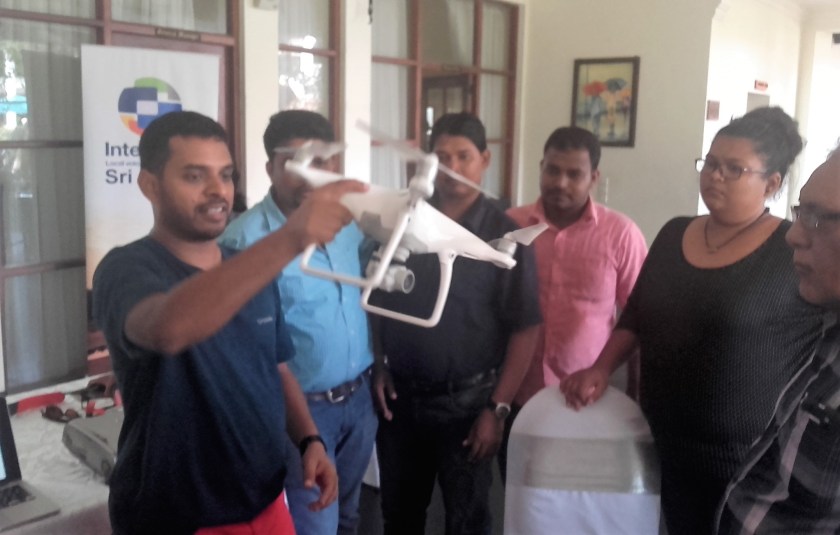
Sanjana Hattotuwa showing drone operating controls to a participant at Sri Lanka's first journalists workshop on the topic - Mt Lavinia, Aug 2016
Sanjana Hattotuwa showing drone operating controls to a participant at Sri Lanka’s first journalists workshop on the topic – Mt Lavinia, Aug 2016

සිවිල් යුද්ධ සමයේ ශ්‍රී ලංකා ගුවන් හමුදාව ඔත්තු බැලීමට යොදා ගත් ”කේලමා” ඔබට මතක ද?

”කේලමා” කියා නම පටබැඳුණේ නියමුවකු රහිතව ගුවන්ගත කොට දුරස්ථව ක්‍රියාත්මක කළ හැකි කුඩා ගුවන් යානයකට. කැමරා සවි කළ එය යම් තැනකට ගුවනින් යවා, හසුරුවා බිම ඡායාරූප ගත හැකි වුණා.

මේ යානා හඳුන්වන්නේ UAV (unmanned aerial vehicles) හෙවත් ඩ්‍රෝන් (drones) නමින්.

ඩ්‍රෝන් මුලින්ම නිපදවා යොදා ගනු ලැබුවේ මිලිටරි වැඩවලට. ඔත්තු බලන්නට පමණක් නෙවෙයි. දුර සිට යම් ඉලක්කයන්ට පහර දෙන්නට අවි ගෙන යා හැකි ඩ්‍රෝන් ද තිබෙනවා.

ඇෆ්ගනිස්ථානයේ හා පාකිස්ථානයේ අමෙරිකානු හමුදා ඩ්‍රෝන් යොදා ගෙන ත්‍රස්ත ඉලක්කවලට පහරදීමේදී නිතරම පාහේ අහිංසක නිරායුධ වැසියන්ද මිය යනවා. තුවාල ලබනවා.

එහෙත් අද වන විට සාමකාමී භාවිතයන් රැසකට ඩ්‍රෝන් යොදා ගැනීම ඇරඹිලා. බඩු ප්‍රවාහනයට, ආපදා හදිසි තක්සේරුවලට, ඡායාරූපකරණයට හා මාධ්‍යකරණයට ආදී වශයෙන්.

අප සමහරුන් කැමති වුණත්, නැති වුණත් ඩ්‍රෝන් තාක්ෂණය ලංකාවටත් ඇවිල්ලා!

දේශපාලන සන්නිවේදනයට ඩ්‍රෝන් හරහා ලබා ගත් වීඩියෝ හා ඡායාරූප යොදා ගැනීම ගිය වසරේ මහ මැතිවරණයේදී දක්නට ලැබුනා. මේ අතින් රාජපක්ෂ සන්නිවේදක කණ්ඩායම ඉදිරියෙන් සිටිනු පෙනෙනවා.

කොස්ගම සාලාව අවි ගබඩාව පුපුරා ගිය පසු එහි විනාශයේ තරම හරිහැටි පෙන්වන්න සමහර ටෙලිවිෂන් නාලිකා ඩ්‍රෝන් මාර්ගයෙන් ගත් දර්ශන සාර්ථකව යොදා ගත්තා.

වියදම් අධික හෙලිකොප්ටර් භාවිත නොකර ගුවනින් යමක් පෙනෙන හැටි බලා ගන්න ලෙහෙසිම හා ලාබම ක්‍රමය මෙයයිග මූලික වියදමින් පසු නඩත්තු වියදම වන්නේ විදුලියෙන් බැටරි චාජ් කිරීම පමණයි.

අප මෙහිදී drone යනුවෙන් අදහස් කරන්නේ නියමුවන් රහිත, ස්වයංක්‍රීය කුඩා ගුවන්යානාවලට. මෙයට තවම සිංහල යෙදුමක් නැති නිසා ඩ්‍රෝන් යැයිම කියමු.

ගුවන්යානා තාක්ෂණය තරම්ව වාගේ දිගු ඉතිහාසයක් ඩ්‍රෝන් තාක්ෂණයට තිබෙනවා. 1903දී රයිට් සොහොයුරුන් නිපද වූ ගුවන්යානය වසර කිහිපයක් තුළ මිලිටරි භාවිතයන්ට යොදා ගත් අතර නියමුවන් අවදානමකට ලක් නොකර ස්වයංක්‍රීය ගුවන්යානා හරහා ඔත්තු බලන්නේ හා ප්‍රහාර දෙන්නේ කෙසේද යන්න 1920 පමණ පටන් විවිධ හමුදා අත්හදා බැලුවා.

මිලිටරි තාක්ෂණය තුළට මෑතක් වන තුරු සීමා වී තිබූ ඩ්‍රෝන්, සිවිල් ජන භාවිතයට ප්‍රචලිත වූයේ ජංගම දුරකථන කර්මාන්තය නිසයි. ස්මාට්ෆෝන් සඳහා දියුණු කරන ලද දෘෂ්ටිමය, පරිඝණකමය හා සන්නිවේදන උපාංග ඩ්‍රෝන්වලටද යොදා ගැනීම හරහා ඒවායේ මිළ සීඝ්‍රයෙන් පහත බැස තිබෙනවා.

අපේ අවධානය නිරායුධ වූත්, නියමුවන් රහිත වූත් ඩ්‍රෝන් යානා (unmanned and unarmed aerial vehicles) සාමකාමී භාවිතයන්ට යොදා ගැනීම ගැනයි.

මීට වසර කිහිපයකට පෙර ඩොලර් දහස් ගණනක් (රුපියල් ලක්ෂ ගණනක්) මිළ වූ ඩ්‍රෝන් අද වන විට මිළෙන් අඩු වී, තාක්ෂණික හැකියාවෙන් වැඩි වී විවිධ සමත්කම් ඇති යන්ත්‍ර පරාසයක් බවට පත්ව තිබෙනවා.

අද වන විට සංකීර්ණත්වයෙන් අඩු ඩ්‍රෝන් රුපියල් 35,000 – 40,000 අතර මිළකට කොළඹ විකිණෙනවා. වඩාත් හැකියාවන්  ඇති ඩ්‍රෝන් (උදා – Phantom IV) මේ වන විට රු. 180,000ක් පමණ වනවා.

මේවා බොහොමයක් අලෙවි කැරෙන්නේ සෙල්ලම් බඩු (electronic toys)  ලෙසයි. විදෙස්ගතව මෙහි එන අයට මීටත් වඩා අඩු මිළකට ඩ්‍රෝන ගෙන ආ හැකියි. එසේ මෙරටට ගෙන ඒමට කිසිදු තහනමක් නැහැ.

එහෙත් රටට ගෙනැවිත් භාවිත කරන විට මෑතදී හඳුන්වා දී ඇති සිවිල් ගුවන් සේවා ප්‍රමිතීන් හා නියාමනවලට අනුකූල විය යුතුයි.

තාක්ෂණය ලබා ගත්තට මදි. එය නිර්මාණශීලිව භාවිත කළ යුතුයි. එසේම එහිදී නීතිමය හා ආචාර ධර්මීය රාමුවක් තුළ ඩ්‍රෝන හැසිරවීම වැදගත්.

නව මාධ්‍ය හා නව තාක්ෂණයන් සමාජගත වීම ගැන පර්යේෂණ කරන සංජන හත්තොටුව, UAV සාමකාමී භාවිතය ගැන කලක සිට ගවේෂණය කරන්නෙක්. විශේෂයෙන්ම මානවහිතවාදී (humanitarian) ක්‍රියා සඳහාත්, ආපදාවලින් පසු කඩිනම් ප්‍රතිචාර දැක්වීමේදීත් ඩ්‍රෝන් කෙසේ යොදා ගත හැකිද යන්න ගැන ඔහු වසර කිහිපයකට සිට ජාත්‍යන්තර මට්ටමින් දැනුම ගවේෂණය කරනවා.

Peacekeepers in the Sky

2015 සැප්තැම්බරයේ ICT4Peace Foundation නම් ආයතනය පළ කළ මේ පිළිබඳ විද්වත් පොතකට (Peacekeepers in the Sky: The Use of Unmanned Unarmed Aerial Vehicles for Peacekeeping) පෙරවදන ලියමින් සංජන මෙසේ කියනවා:

”මානහිතවාදී ආධාර ආයතනත්, පෞද්ගලික සමාගමුත් නිරායුධ ඩ්‍රෝන්වලින් විවිධ ප්‍රයෝජන ගන්නා සැටි අත්හදා බලනවා. ඒ අතර සාමයට ළැදි ක්‍රියාකාරීකයන් සහ පර්යේෂකයන් තැත් කරන්නේ යුධ අවියක් ලෙස වඩා ප්‍රකට වූ මේ තාක්ෂණය සාමය තහවුරු කරන්නත්, සාමකාමී භාවිතයන්ටත් විවිධාකාරයෙන් යොදා ගන්නයි.”

ඔහු කියන්නේ ඩ්‍රෝන් තව දුරටත් පර්යේෂණාත්මක මට්ටමට සීමා නොවී එදිනෙදා භාවිතයන්ට පිවිස ඇති බවයි.

ගුවන් තාක්ෂණයේ යොදා ගන්නා ඉලෙක්ට්‍රොනික් (avionics), වඩාත් දියුණු බැටරි හා  කැමරා තාක්ෂණයන් ආදිය ඒකරාශී කරමින් වැඩි වේලාවක් ගුවන්ගතව සිටිය හැකි වූත්, විවිධ සැරිසැරීම් සඳහා  ප්‍රෝග්‍රෑම් කළ හැකි වූත් ඩ්‍රෝන බිහි වී තිබෙනවා.

”අද වන විට ලොව බොහෝ රටවල පොදු කටයුතු සඳහා ඩ්‍රෝන් පාවිච්චි කරනවා. වනජීවී හා වනාන්තර නිරීක්ෂණයට, පොලිස් ආවේක්ෂණ ක්‍රියාවලට, (ගොඩබිම්)  දේශසීමා අධික්ෂණයට, ගොවිතැන්වල උදව්වලට හා චිත්‍රපට නිෂ්පාදනයට ආදී වශයෙන්. එහෙත් නිිසි වගකීමකින් යුතුව, මනා නියාමනයක් සහිතව ඩ්‍රෝන් භාවිත නොකළොත් එයින් යහපතට වඩා අයහපතක් වීමට ඉඩ තිබෙනවා.” සංජන කියනවා.

උදාහරණයක් ලෙස මාධ්‍යකරණය සඳහා ඩ්‍රෝන් යොදා ගැනීම සළකා බලමු.

මෙරට සමහර ටෙලිවිෂන් ආයතන එළිමහන් දර්ශන වීඩියෝ කිරීමට ඒවා යොදා ගන්නවා. මගුල් ඡායාරූප ශිල්පීන්, වනජීවි හා සොබා ඡායාරූප ශිල්පීන් මින් පෙර නොතිබූ ගුවන් දැක්මක් ලබා ගන්නට ද ඩ්‍රෝන්ගත කැමරා භාවිත කරනවා.

මහජන පෙළපාළි, රැස්වීම්, පෙරහැර ආදී අවස්ථාවල ජනකාය හා ක්‍රියාකාරකම් ගැන අමුතු දෘෂ්ටිකෝණයක් ලබන්නට ඩ්‍රෝන් යොදා ගැනීම ඇරඹිලා.

නමුත් මේ කී දෙනෙක් සුපරීක්ෂාකාරීව හා ආචාරධර්මීය ලෙසින් ඩ්‍රෝන් භවිත කරනවාද?

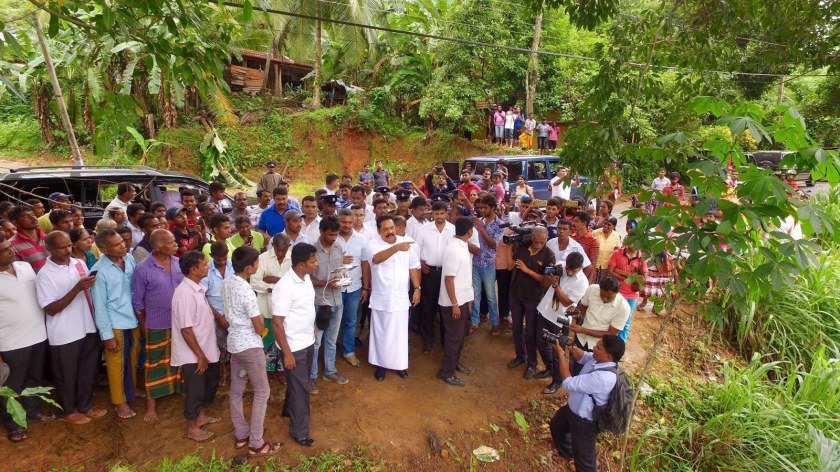
Fromer President Mahinda Rajapaksa visited the landslides victims at Arnayake in Kegalle on 20 May 2016 - Drone Photo
Fromer President Mahinda Rajapaksa visited the landslides victims at Arnayake in Kegalle on 20 May 2016 – Drone Photo

මෑතකදී කොච්චිකඩේ ශාන්ත අන්තෝනි මංගල්‍යයේදී එය රූපගත කළ ඩ්‍රෝන් ඉතා පහළින් ගමන් කළ බව වාර්තා වූණා. මෙහිදී මහජන ආරක්ෂාව පිළිබඳ ප්‍රශ්නයක් මතු වනවා. ජනාකීර්ණ තැනක පියාසර කරන ඩ්‍රෝන් හදිසියේ ඇද වැටුණොත් යම් අයට තුවාල විය හැකියි. ඒවා අධි බලැති විදුලි සම්ප්‍රේෂණ රැහැන්වල ගැටී අනතුරු සිදු කිරීමට ද හැකියි.

(විශේෂ ආරක්ෂිත ස්ථාන හැර) පොදු ස්ථානවල ඡායාරූප හා විඩියෝගත කිරීමට සාමකාමී රටක අවකාශය තිබිය යුතුයි. එහෙත් පෞද්ගලික නිවාස, කාර්යාල ආදියට ඉහළින් පියාසර කරමින් ඒ තුළ ඇති දර්ශන රූපගත කිරීම මඟින් පුරවැසියන්ගේ පෞද්ගලිකත්වය (privacy) උල්ලංඝනය වනවා.

රේඩියෝ තරංග හරහා දුරස්ථව පාලනය කරන සියලු උපකරණ සඳහා විදුලි සංදේශ නියාමන කොමිසමේ අනුමැතිය අවශ්‍යයි. එහෙත් ඔවුන් අධීක්ෂණ සීමා වන්නේ නිසි සංඛ්‍යාත භාවිතයට පමණයි.

2016 පෙබරවාරියේදී සිවිල් ගුවන්සේවා අධිකාරිය මෙරට UAV/ඩ්‍රෝන්  භාවිතය ගැන ප්‍රමිතීන් හා මග පෙන්වීම් සිය වෙබ් අඩවියේ ප්‍රකාශයට පත් කළා. http://www.caa.lk/images/stories/pdf/implementing_standards/sn053.pdf

මේ දක්වා ඉංග්‍රීසියෙන් පමණක් ඇති මේ ලේඛනයට අනුව කිලෝග්‍රෑම් 1ට වඩා බරින් අඩු ඩ්‍රෝන් සඳහා ලියාපදිංචියක් අවශ්‍ය නැහැ. එහෙත් ඒවා භාවිත කළ හැක්කේ විනෝදය හෝ අධ්‍යාපනික අරමුණු සඳහා යම් පෞද්ගලික ස්ථානයක එහි හිමිකරුගේ අනුමැතිය සහිතව, හා පොදු ස්ථානවල පමණයි. මෙකී ස්ථාන දෙවර්ගයේම මහජන සුරක්ෂිතබව හා දේපල  සුරක්ෂිත බවට අවධානය යොමු කළ යුතු යැයි කියැවෙනවා.

ක්‍රිලෝග්‍රෑම් 1 -25 අතර බර ඇති ඩ්‍රෝන් භාවිතයට සිවිල් ගුවන් සේවා අධිකාරිය සමඟ ලියාපදිංචි විය යුතුයි. එවන් ඩ්‍රෝන් පියාසර කිරීම සිදු කළ යුත්තේ සිවිල් ගුවන්සේවා අධ්‍යක්ෂ ජනරාල්ගේ අනුමැතිය සහිතව පමණයි.

එසේම සියලු ඩ්‍රෝන්වල එහි හිමිකරුගේ ජාතික හැඳුනුම්පත් අංකය හා දුරකථන අංකය සටහන් කර තිබිය යුතු වනවා. මීට අමතරව ඩ්‍රෝනයට විශේෂිත අංකයක්ද එය නිපදවන විටම එයට ලබා දී තිබෙනවා.

වාණිජ අරමුණු සඳහා ඩ්‍රෝන් භාවිත කරන විට ඒ සඳහා අධිකාරීයේ ලිඛිත අවසරයක් ලැබිය යුතු අතර එයට යම් ගෙවීමක් ද කළ යුතුයි.

Sanjana Hattotuwa demostrating a drone at drone journalism workshop

සෑම විටම ඩ්‍රෝන් හසුරවන්නා සිය ඩ්‍රෝනය ඇසට පෙනෙන මානයේ (line of sight) තබා ගත යුතු බවත්, ඩ්‍රෝනය ගමන් කරන පරිසරය මනාව නිරීක්ෂණය කළ හැකි තැනෙක සිට එය කළ යුතු බවත් අධිකාරීය අවධාරණය කරනවා.

”අපේ රටේ ප්‍රසිද්ධ ස්ථානවල රූපගත කරද්දී දේශපාලන පක්ෂ සැමෙකක්ම මේ සිවිල් ගුවන්සේවා ප්‍රමිතීන් උල්ලංඝනය කරනවා.” යැයි සංජන කියනවා.

වඩාත් සංකීර්ණ ඩ්‍රෝන් තුළ ඇති පරිගණක පද්ධතියට ලෝකයේ සියලු ගුවන්තොටුපළවල පිහිටීම් දත්ත (location data) කවා තිබෙනවා. මේ නිසා ගුවන්තොටුපළක් ආසන්නයේ ඒවා පියාසර කිරීම ඉබේම වැළකෙනවාග

එහෙත් චීනයෙන් එන ලාභ ඩ්‍රෝන් සැම එකකම මේ  ආරක්ෂිත විවිධිධානය නොතිබිය හැකියි.

රාත්‍රියේ ඩ්‍රෝන් පැදවීම හා ඩ්‍රෝන් අතර තරඟ රේස් යාමද සිවිල් ගුවන්සේවා අධිකාරීය අවසර නොදෙන තවත් ක්‍රියාවන් දෙකක්. කෙසේ වෙතත් දැනට වෙළදපොලේ ඇති කිසිදු ඩ්‍රෝනයකට රාත්‍රී පෙනීම නැහැ.

මාධ්‍යකරණයට ඩ්‍රෝන් යොදා ගන්න විටත් මෙකී ප්‍රමිතීන් හා නියාමන සියල්ල අදාළයි. එහෙත් ඉන් ඔබ්බට යන ආචාර ධර්මීය රාමුවක් තුළ පමණක් මාධ්‍යකරුවන් ඩ්‍රෝන් හරහා රූප රැස් කළ යුතුයි.

ඩ්‍රෝන් කියන්නේ සරුංගල් මෙන් අහිංසක සරල උපාංගයක් නොවෙයි. ඉතා ඉහළ රූපමය අගයක් ^image resolution) සහිත විඩියෝ හා ඡායාරූප ගැනීමේ හැකියාව ඇති නිසා ඩ්‍රෝන් මිනිසුන්ගේ පෞද්ගලික ජීවිතවලට අනවසරයෙන් එබී බලන්නට හොඳටම ඉඩ තිබෙනවා.

අධිකාරීයේ ප්‍රමිතීන්ට අනුව පෞද්ගලික ඉඩම් උඩින් හිමිකරුවන්ගේ අවසරයෙන් තොරව ඩ්‍රෝන් පියාසර කරන්නට ඉඩ නැහැ.

”යම් කාලීන සිදුවීමක පරිමාණය ගැන ඉක්මනින් හොඳ අවබෝධයක් ලබා දීමට ඩ්‍රෝන් හරහා ලබා ගන්න රූප මාධ්‍යවලට ඉතා ප්‍රයෝජනවත් වනවා. එහෙත් තරඟකාරී මාධ්‍ය කර්මාන්තයේදී මහජන සුරක්ෂිතබව හා සියලු දෙනාගේ පෞද්ගලිකත්වය රැකෙන පරිදි පමණක් එවන් රූප ලබා ගැනීම ඉතා වැදගත්,” යයි සංජන අවධාරණය කරනවා.

යුද්ධ කාලේ කේලමා කළ ඔත්තු බලන වැඩ සාමකාමී අද කාලේ හිතුමතයට ඕනෑ කෙනකුට කිරීමට ඉඩ නොතිබිය යුතුයි.

 තම නිවාස හා කාර්යාල තුළ තමන්ගේ පාඩුවේ සිටීමට කාටත් අයිතියක් තිබෙනවා. මෙය අතික්‍රමණය කිරීමට ඩ්‍රෝන්වලට ඉඩ දිය නොහැකියි.

ඩ්‍රෝනයක් හැසිරවීම සඳහා යම් අවම හැකියාවක් හා සංයමයක් අවශ්‍යයි. මේ වන විට ළමයින් පවා ඩ්‍රෝන් පාලනය කරනු මා දැක තිබෙනවා. එය සංකීර්ණ ක්‍රියාවක් නොවූවත් සංයමය නැති වූවොත් අනතුරු සිදු විය හැකියි.

ඩ්‍රෝන් නිසි පරිදි භාවිතය ගැන මාධ්‍යවේදීන්ට මෙරට පැවැත්වූ මූල්ම වැඩමුළුවට මීට සති කිහිපයකට පෙර මාද සහභාගි වූණා. ඉන්ටර්නිවුස් ආයතනය වෙනුවෙන් ගල්කිස්සේ පැවති එය මෙහෙයවූයේ සංජන හත්තොටුවයි.

ඩ්‍රෝන් භාවිතය මෙරට රාජ්‍ය, පෞද්ගලික හා විද්වත් ක්ෂේත්‍ර හැම එකකම කෙමෙන් මතුව එනවා. මිනින්දෝරු දෙපාර්තමේන්තුව හා ජාත්‍යන්තර ජල කළමනාකරණ පර්යේෂණායතනය (IWMI) දැනටමත් ප්‍රායෝගීකව ඩ්‍රෝන් යොදා ගන්නවා. ගොවිතැනට ඩ්‍රෝන් හරහා නව දත්ත සේවාවක් හඳුන්වා දෙන බව CIC සමාගම 2016 අගෝස්තුවේ ප්‍රකාශ කළා.

ඩ්‍රෝන් භාවිතය වැඩිවත්ම අපේ සමහරු ඒවා ගැනත් භීතිකාවක් පැතිරවිය හැකියි. ඩ්‍රෝන් තාක්ෂණයේ නිසි ඵල නෙළා ගන්නා අතර ඒවා ප්‍රවේශමින්, ආචාර ධර්මීයව හා නිසි නියාමන රාමුවක් තුළ භාවිතයයි අවශ්‍ය වන්නේ.

ඇත්තටම සිවිල් ගුවන්සේවා අධිකාරීයේ ප්‍රමිතීන් ගැන බොහෝ දෙනා තවම දන්නේ නැහැ. ඉංග්‍රීසියෙන් පවා මේවා ලියා ඇත්තේ අතිශ්‍ය නීතිමය බසකින්. එය සරලව මෙරට භාවිත වන තිබසින්ම සමාජගත කිරීම හදිසි අවශ්‍යතාවක්.

Journalists getting used to drone control unit at Sri Lanka's first workshop on drone journalism, Aug 2016
Journalists getting used to drone control unit at Sri Lanka’s first workshop on drone journalism, Aug 2016


[Op-ed] Investigative Journalists uncover Asia, one story at a time

Op-ed written for Sri Lanka’s Weekend Express newspaper, 23 September 2016

Investigative Journalists uncover Asia, one story at a time

By Nalaka Gunawardene

Second Asian Investigative Journalism Conference: Kathmandu, Nepal, 23-25 September 2016

The second Asian Investigative Journalism Conference in opens in Kathmandu, Nepal, on September 23.

Themed as ‘Uncovering Asia’ it is organized jointly by the Global Investigative Journalism Network (GIJN), Centre for Investigative Journalism in Nepal, and the German foundation Konrad-Adenauer-Stiftung (2016.uncoveringasia.org).

Founded in 2003, GIJN is the world’s leading international association of investigative reporters’ and their organizations. Its membership includes more than 100 non-profits and NGOs in 45 countries. They are committed to expanding and supporting quality investigative journalism worldwide. This is done through sponsoring global and regional conferences, including the every-two-year Global Investigative Journalism Conference. GIJN also does training, links journalists together worldwide, and promotes best practices in investigative and data journalism.

For three days in Kathmandu, reporters from across Asia and beyond – including several from Sri Lanka – will swap stories, cheer each other, and take stock of their particular craft.

It is true that all good journalism should be investigative as well as reflective. Journalism urges its practitioners to follow the money and power — two factors that often lead to excesses and abuses.

At the same time, investigative journalism (IJ) is actually a specialized genre of the profession of journalism. It is where reporters deeply investigate a single topic of public interest — such as serious crimes, political corruption, or corporate wrongdoing. In recent years, probing environmental crimes, human smuggling, and sporting match fixing have joined IJ’s traditional topics.

Investigative journalists may spend months or years researching and preparing a report (or documentary). They would consult eye witnesses, subject experts and lawyers to get their story exactly right. In some cases, they would also have to withstand extreme pressures exerted by the party being probed.

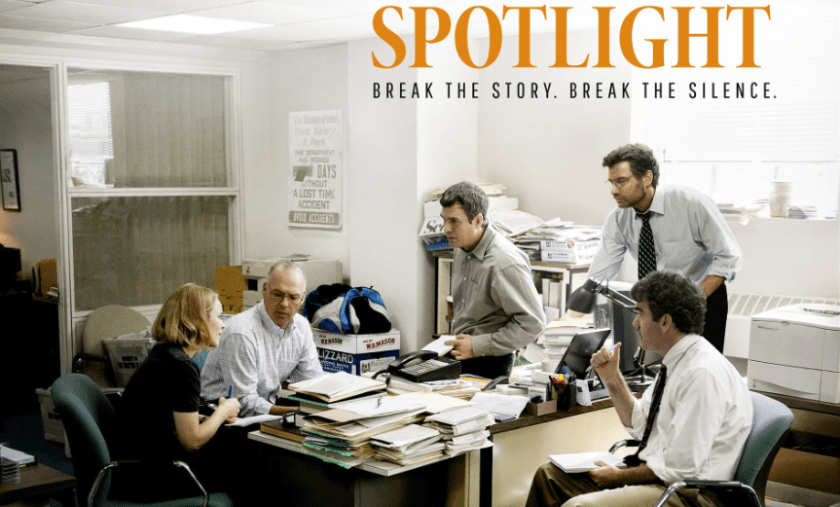
This process is illustrated in the Academy award winning Hollywood movie ‘Spotlight’ (2015). It is based on The Boston Globe‘s investigative coverage of sexual abuse in the Catholic Church. The movie reconstructs how a small team systematically amassed and analyzed evidence for months before going public.

Spotlight: investigative journalism at work

Nosing Not Easy

Investigative journalism is not for the faint-hearted. But it epitomizes, perhaps more than anything else, the public interest value of an independent media.

The many challenges investigative journalists face was a key topic at the recent International Media Conference of the Hawaii-based East-West Center, held in New Delhi, India, from 8 to 11 September 2016.

In mature democracies, freedom of expression and media freedoms are constitutionally guaranteed and respected in practice (well, most of the time). That creates an enabling environment for whistle-blowers and journalists to probe various stories in the public interest.

Many Asian investigative journalists don’t have that luxury. They persist amidst uncaring (or repressive) governments, intimidating wielders of authority, unpredictable judicial mechanisms and unsupportive publishers. They often risk their jobs, and sometimes life and limb, in going after investigative stories.

Yet, as participants and speakers in Delhi confirmed, and those converging in Kathmandu this week will no doubt demonstrate, investigative journalism prevails. It even thrives when indefatigable journalists are backed by exceptionally courageous publishers.

Delhi conference panel: investigative journalists share experiences on how they probed Panama Papers

Cross-border Probing

 As capital and information flows have become globalized, so has investigative journalism. Today, illicit money, narcotics, exotic animals and illegal immigrants crisscross political borders all the time. Journalists following such stories simply have to step beyond their own territories to get the bigger picture.

Here, international networking helps like-nosed journalists. The Delhi conference showcased the Panama Papers experience as reaffirming the value of cross-border collaboration.

Panama Papers involved a giant “leak” of more than 11.5 million financial and legal records exposing an intricate system that enables crime, corruption and wrongdoing, all hidden behind secretive offshore companies.

This biggest act of whistle blowing in history contained information on some 214,488 offshore entities. The documents had all been created by Panamanian law firm and corporate service provider Mossack-Fonseca since the 1970s.

A German newspaper, Süddeutsche Zeitung, originally received the leaked data. Because of its massive volume, it turned to the International Consortium of Investigative Journalists (ICIJ), a Washington-anchored but globally distributed network of journalists from over 60 countries who collaborate in probing cross-border crimes, corruption and the accountability of power.

Coordinated by ICIJ, journalists from 107 media organizations in 80 countries analyzed the Panama Papers. They were sworn to secrecy and worked on a collective embargo. Within that framework, each one was free to pursue local angles on their own.

After more than one year of analysis and verifications, the news stories were first published on 3 April 2016 simultaneously in participating newspapers worldwide. At the same time, ICIJ also released on its website 150 documents themselves (the rest being released progressively).

Registering offshore business entities per se is not illegal in some countries. Yet, reporters sifting through the records found that some offshore companies have been used for illegal purposes like fraud, tax evasion and stashing away money looted by dictators and their cronies.

Strange Silence

 In Delhi, reporters from India, Indonesia and Malaysia described how they went after Panama leaks information connected to their countries. For example, Ritu Sarin, Executive Editor (News and Investigation) of the Indian Express said she and two dozen colleagues worked for eight months before publishing a series of exposes linking some politicians and celebrities to offshore companies.

Listening to them, I once again wondered why ICIJ’s sole contact in Sri Lanka (and his respected newspaper) never carried a single word about Panama Leaks. That, despite nearly two dozen Lankan names coming to light.

Some of our other mainstream media splashed the Lankan names associated with Panama Papers (often mixing it up with earlier Offshore Leaks), but there has been little follow-up. In this vacuum, it was left to civic media platforms like Groundviews.org and data-savvy bloggers like Yudhanjaya Wijeratne (http://icaruswept.com) to do some intelligent probing. Their efforts are salutary but inadequate.

Now, Panama Leaks have just been followed up by Bahamas Leaks on September 22. The data is available online, for any nosy professional or citizen journalist to follow up. How many will go after it?

Given Sri Lanka’s alarming journalism deficit, investigative reporting can no longer be left to those trained in the craft and their outlets.

Science writer Nalaka Gunawardene blogs at http://nalakagunawardene.com, and is on Twitter as @NalakaG.

One Sri Lanka Journalism Fellowship: Rebuilding Lankan Media, one journalist at a time…

http://onesrilanka.net/

In May 2016, the major new study on the media sector I edited titled Rebuilding Public Trust: An Assessment of the Media Industry and Profession in Sri Lanka, noted:

“The new government faces the daunting task of healing the wounds of a civil war which lasted over a quarter of a century and left a deep rift in the Lankan media that is now highly polarised along ethnic, religious and political lines. At the same time, the country’s media industry and profession face their own internal crises arising from an overbearing state, unpredictable market forces, rapid technological advancements and a gradual erosion of public trust.”

The report quoted Dr Ranga Kalansooriya, who worked in the print media (Sinhala and English) and later served as Director General of Sri Lanka Press Institute, as saying:

“The ethnically non-diverse newsrooms of both sides have further fuelled the polarisation of society on ethnic lines, and this phenomenon has led the media in serving its own clientele with ‘what it wants to know’ than ‘what it needs to know’.”

This is precisely what the One Sri Lanka Journalism Fellowship Program (OSLJF) has addressed, in its own small way. An initiative of InterNews, an international media development organisation, OSLJF was a platform which has brought together Sinhala, Tamil and Muslim working journalists from across the country to conceptualize and produce stories that explored issues affecting all ordinary Lankans.

From December 2015 to September 2016, some 30 full-time or freelance journalists reporting for the country’s mainstream media were supported to engage in field-based, multi-sourced stories on social, economic and political topics of public interest. They worked in multi-ethnic teams, mentored by senior Lankan journalists drawn from the media industry who gave training sessions to strengthen the skills and broaden the horizons of this group of early and mid-career journalists.

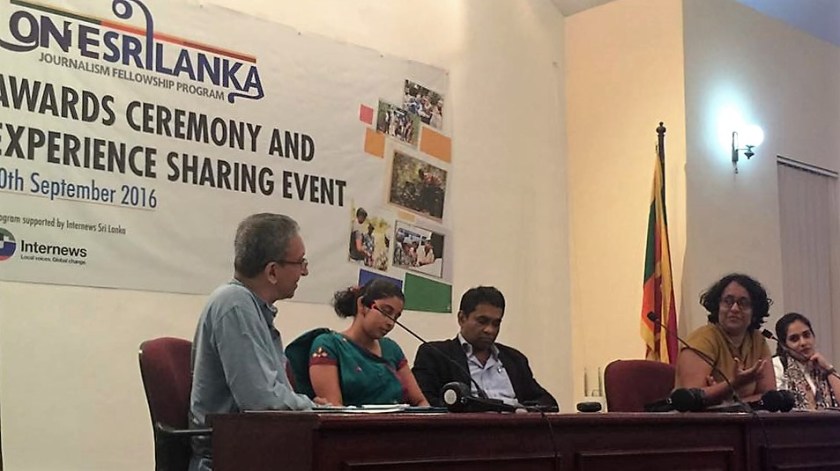
As the project ends, the participating journalists, mentors and administrators came together at an event in Colombo on 20 September 2016 to share experiences and impressions. This was more than a mere award ceremony – it also sought to explore how the learnings can be institutionalized within the country’s mainstream and new media outlets.

I was asked to host the event, and also to moderate a panel of key media stakeholders. As a former journalist who remains a columnist, blogger and media researcher, I was happy to accept this as I am committed to building a BETTER MEDIA in Sri Lanka.

Panel on Future of Sri Lankan Journalism in the Digital Age. L to R – Nalaka Gunawardene (moderator); Deepanjali Abeywardena; Dr Ranga Kalansooriya; Dr Harini Amarasuriya; and Gazala Anver

Here are my opening remarks for the panel:

“If you don’t like the news … go out and make some of your own!” So said Wes (‘Scoop’) Nisker, the US author, radio commentator and comedian who used that line as the title of a 1994 book.

Instead of just grumbling about imperfections in the media, more and more people are using digital technologies and the web to become their own reporters, commentators and publishers.

Rise of citizen journalism and digital media start-ups are evidence of this.

BUT we cannot ignore mainstream media (MSM) in our part of the world. MSM – especially and radio broadcasters — still have vast reach and they influence public perceptions and opinions. It is VITAL to improve their professionalism and ethical conduct.

In discussing the Future of Journalism in the Digital Age today, we want to look at BOTH the mainstream media AND new media initiatives using web/digital technologies.

BOTTOMLINE: How to uphold timeless values in journalism: Accuracy, Balance, Credibility and promotion of PUBLIC INTEREST?

I posed five broad questions to get our panelists thinking:

  • What can be done to revitalize declining quality and outreach of mainstream media?
  • Why do we have so little innovation in our media? What are the limiting factors?
  • What is the ideal mix and balance of mainstream and new media for Lanka?
  • Can media with accuracy, balance and ethics survive in our limited market? If so, how?
  • What can government, professionals and civil society to do to nurture a better media?

 The panel comprised:

  • Dr Harini Amarasuriya, Senior Lecturer, Social Studies Department, Open University
  • Deepanjali Abeywardena, Head of Information and Intelligence Services at Verité Research. Coordinator of Ethics Eye media monitoring project.
  • Dr Ranga Kalansooriya, Director General, Department of Information. Former Director General, Sri Lanka Press Institute (SLPI).
  • Gazala Anver, editor, Roar.lk a new media platform for all things Sri Lanka
Panel on Future of Sri Lankan Journalism in the Digital Age. L to R – Nalaka Gunawardene (moderator); Deepanjali Abeywardena; Dr Ranga Kalansooriya; Dr Harini Amarasuriya; and Gazala Anver