Promo note for my latest Sinhala language book, being released this week at Colombo International Book Fair to be held from 10 – 17 September 2014.
Kaala Bomba One Kara Thibe – by Nalaka Gunawardene (Ravaya Publishers, 2014) book cover
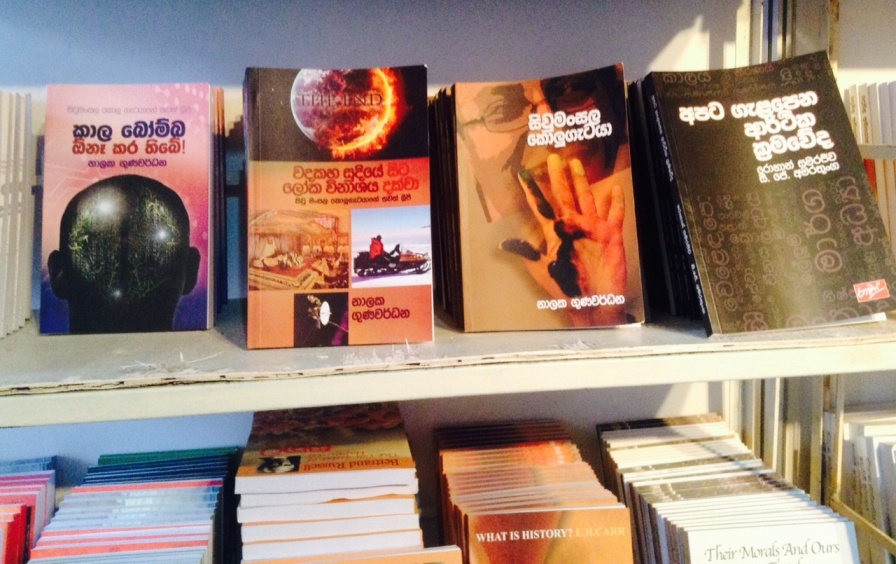
Award winning science writer Nalaka Gunawardene’s latest Sinhala book, Kaala Bomba One Kara Thibe (‘කාල බෝම්බ ඕනෑ කර තිබේ!’ = Wanted: Time Bombs of the Mind!), will be released at the Colombo International Book Fair that starts on 10 September 2014.
A Ravaya Publication, the book compiles 44 of his weekly columns named Sivu Mansala Kolu Getaya published in the Ravaya newspaper during 2013-14.
Launched in 2011, the popular column offers musings of a sceptical inquirer who sits at the intersection (or confluence) of science, development, mass media and information society. The University of Sri Jayawardenapura presented Nalaka a Vidyodaya Literary Award for the best newspaper column of 2012.
Written in an easy, conversational Sinhala rich in metaphor and analogy, Nalaka connects the local with global and also bridges sciences and humanities. The new collection touches on pharmaceuticals, organic farming, tobacco control, rationalism, citizen journalism and social media among many other topics.
“Lankan society today suffers from a major deficiency of critical thinking. Blind faith and sycophancy dominate our social, religious, political and cultural spheres. Whether writing on science, development or social issues, Nalaka Gunawardene comes up with refreshing doses of scepticism,” says Gamini Viyangoda, leading Sinhala writer and political commentator.
In his quest for clarity and reason, Nalaka talks to researchers, activists and officials. He also draws on his many experiences and global travels as a journalist and development communicator.
In his foreword, researcher and university lecturer Dr Udan Fernando says: “At a time when insularity and monoculturalism are being celebrated in Sri Lanka, Nalaka represents the endangered cosmopolitan perspective.”
Nalaka has dedicated this book to two giants of public science in Sri Lanka: late Prof Cyril Ponnamperuma (1923-1994) and late Dr Ray Wijewardene (1924-2010). “They embraced the best of East and West without losing their roots. We urgently need such public intellectuals today,” Nalaka says.
The book includes columns profiling the work of both scientists, including the Sinhala adaptation of a long interview with Dr Wijewardene.
The title is inspired by the words of Swedish economist, Gunnar Myrdal, who once said, “Books are like time bombs. If they contain ideas that are correct, then one day they will explode. And if they don’t, they will be consigned to the dustbin of history.”
The 300-page book is priced at Rs. 490. It will be available from leading bookstores, and at special discounts from the Ravaya booth during the Colombo Book Fair.
Sivu Mansala Kolu Getaya – columnhead in Ravaya newspaper
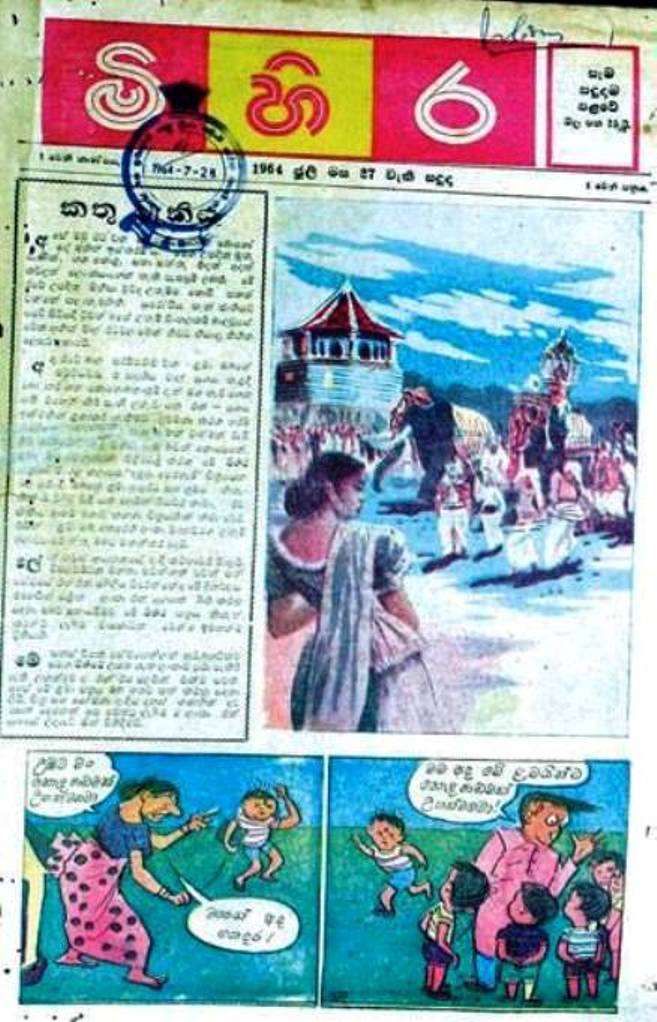
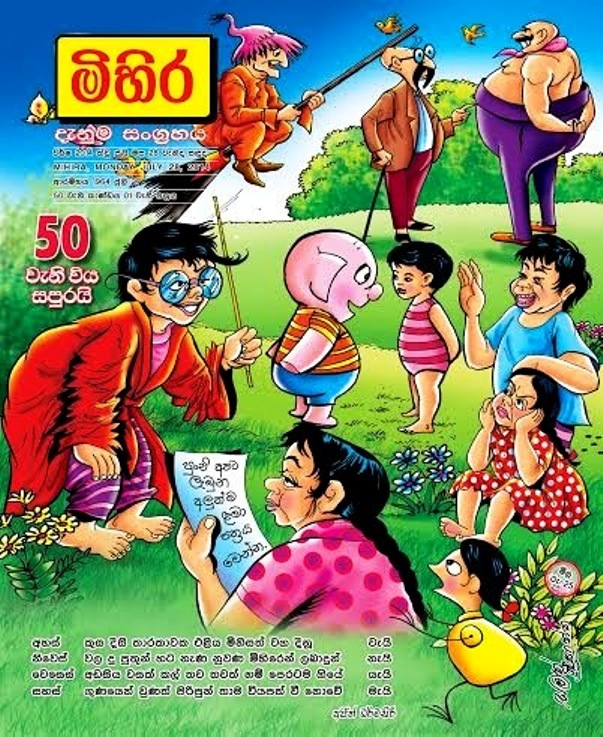
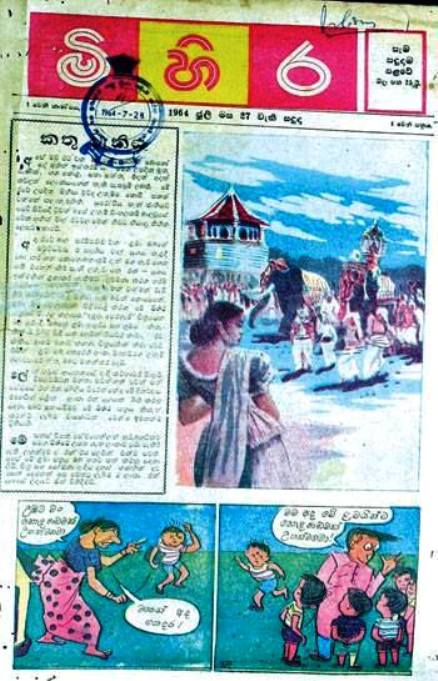
The Sinhala children’s weekly newspaper Mihira just completed 50 years of publication. The paper, launched by Associated Newspapers of Ceylon Limited (ANCL, or Lake House) on 27 July 1964, holds nostalgic memories for those of us who grew up in the 1960s and 1970s with limited access to reading material.
In this week’s Ravaya column (in Sinhala), I invoke some memories. I wrote an English blogpost along similar lines a few days ago:
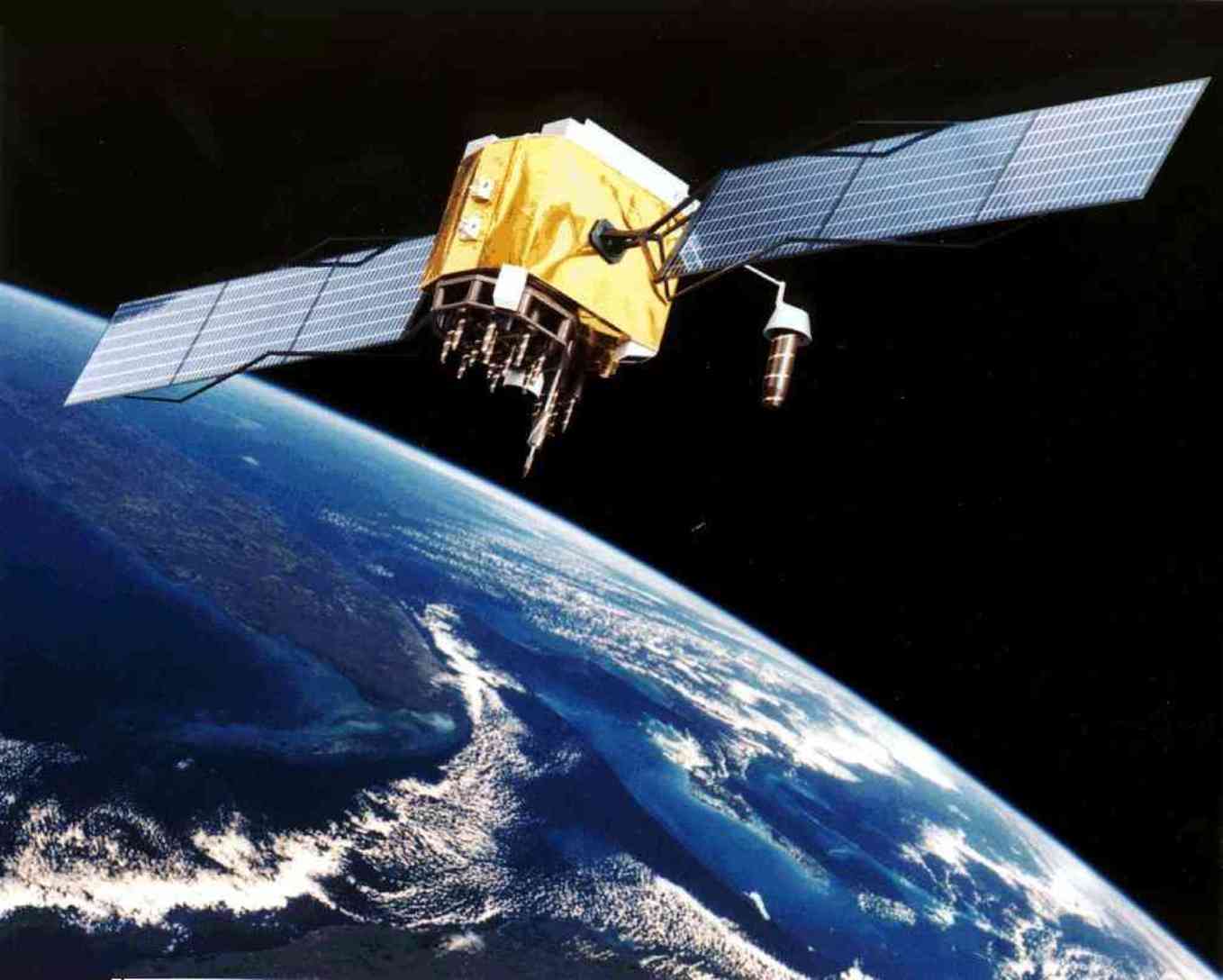
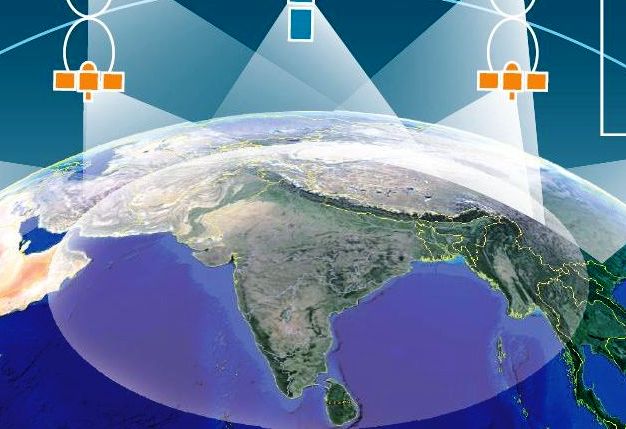
Both China and India are keen to enhance links with smaller Asian countries in using satellites as part of their ‘space diplomacy’ strategies.
Last week in my Ravaya column (in Sinhala), I wrote about space technology capabilities of South Asian countries. This week’s column probes whether or not Sri Lanka needs its own satellite.
Mihira children’s newspaper first issue – 27 July 1964
Sinhala children’s weekly newspaper Mihira has just completed 50 years of publication. The paper holds nostalgic memories for those of us who grew up in the 1960s and 1970s with limited access to reading material.
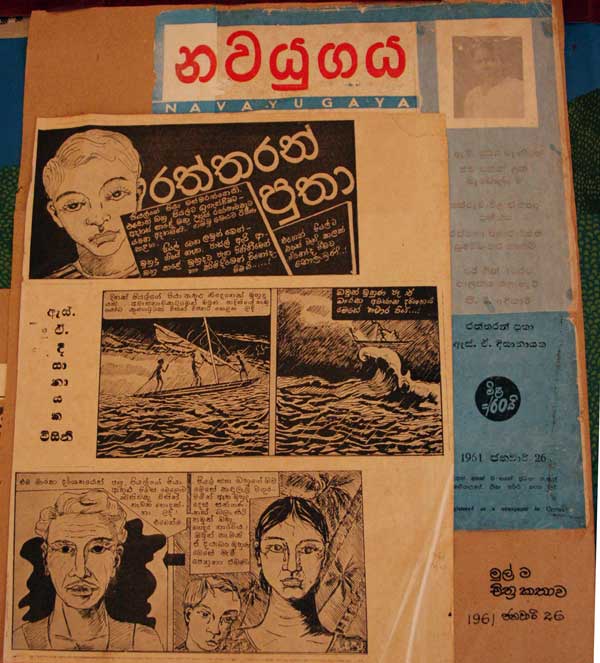
The tabloid was launched by Associated Newspapers of Ceylon Limited (ANCL, or Lake House) on 27 July 1964. Its founder editor was veteran journalist Srilal Hikkaduwa Liyanage (who was also founder editor of Tharunee women’s newspaper and Navayugaya informative newspaper from the same publishing house).
I wasn’t even born when Mihira came out. Sometime in 1969, when I was a precocious three-year-old, my father bought me my first copy. I was hooked: for the next dozen years, I eagerly awaited the arrival of each week’s issue on Mondays.
In the early years, Mihira carried a mix of stories, comics, articles and verse. While many were produced by talented writers and artists who understood the child’s mind, some were actually children’s own contributions.
In fact, Mihira is where I first got myself into print. As a school boy of 9 years, I submitted several of my (Sinhala) verses to Mihira (at the suggestion of my Grade 3 class teacher). One of them, on my perception of an animated clock, was printed in one issue of October 1975. I was thrilled to bits – that clipping is somewhere at the bottom of my personal archives…
Funnily enough, thousands of printed pieces later, I still get an enormous kick each time a newspaper publishes my writing.
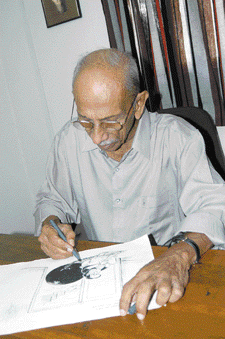
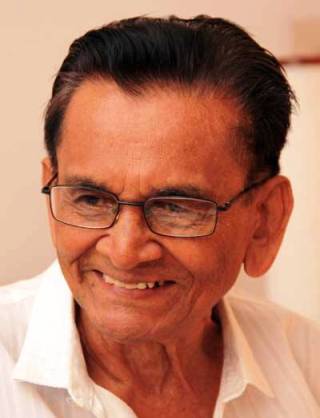
S A Dissanayake, comics artist
To me (and many others of my generation), the most memorable part of Mihira were extraordinary comics written and drawn by S A Dissanayake. He drew a long-running comic (chitra katha) called Onna Babo (‘ඔන්න බබො’), which chronicled the adventures of three intrepid kids (‘බූ – බබා’, ‘තුල්සි’) and involved a wicked witch (බටකොළ ආච්චි), wizards and other characters. For us entertainment starved kids, ඔන්න බබො was Harry Potter of the 1960s and 70s. All these years later, some sub-plots are still clearly etched in my memory…
S A Dissanayake also drew the more comical Yodaya (‘‘යෝධයා’’) about a good-hearted village giant and a learned but wicked man (‘‘යෝධයා සහ පඬිතුමා”), as well as several other popular comics.
When some teachers and parents condemn all comics as polluting children’s minds, I always remind them of the glorious exceptions created by S A Dissanayake. Some feel his stories paved the way for the enormous popularity of TinTin comics and animations in Sri Lanka later on.
I just read that Dissanayake (who was a school teacher by profession) still draws children’s comics for Mihira – a rare feat (world record?) of a comic artist drawing for the same publication for half a century.
In this week’s Ravaya column (in Sinhala), I revisit the on-going debate on social media and social accountability, this time from the perspective of freedom of expression.
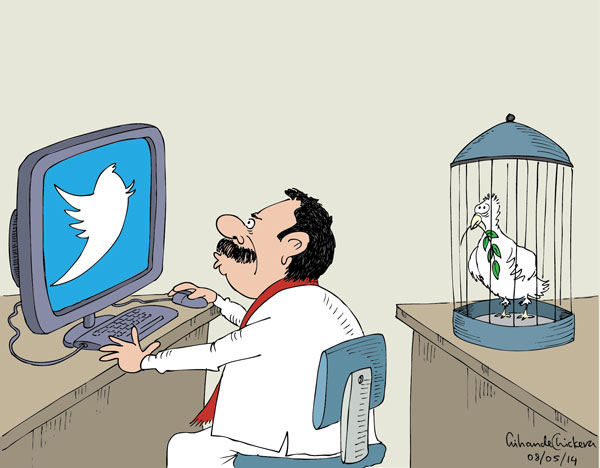
Unless a user takes consistent precautions, everything published online is ultimately traceable to the point of origin. However, for most practical purposes, options of anonymity and pseudonymity are still available on the web – and widely used by users, for a variety of reasons. Contrary to what some misinformed people say, there is nothing legally or morally wrong with this practice.
Of course, the facilities can be misused, most notably in spreading hate speech and deliberate falsehoods. But this reality, by itself, is not a sufficient argument against online anonymity or pseudonymity. Indeed, as I argue in this column, being able to conceal one’s real identity is a safe way for social activists and public intellectuals to express their views living in countries with repressive regimes and/or intolerant societies.
While I myself have always expressed my views online under my own name — and sometimes received vitriol and threats as a result — I defend the right for anyone to remain anonymous or use pseudonyms.
In this week’s Ravaya column (in Sinhala), I return to the oft-discussed topic of social media in today’s Lankan society.
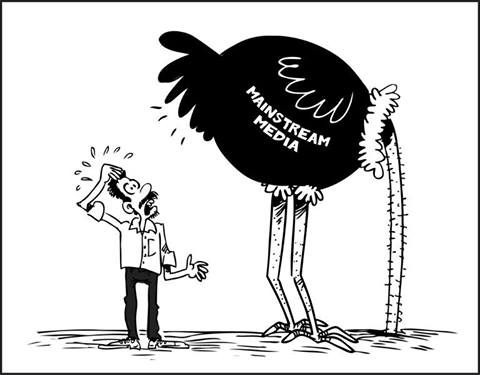
If media mirror the realities of its land and times, don’t social media reflect its society as well? And if some among us don’t like what is expressed by fellow citizens using social media platforms, could it be that many inconvenient issues and questions – excluded in the mainstream media – are being raised?
Yes, we need to discuss the social, cultural and political implications of growing social media use. However, that debate will not be served by insular and insecure mindsets that see every aspect of globalization as a threat or conspiracy.
In this week’s Ravaya column (in Sinhala), I salute a fellow traveler in journalism and conservation who departed two years ago: Manel Tampoe (1927-2012).
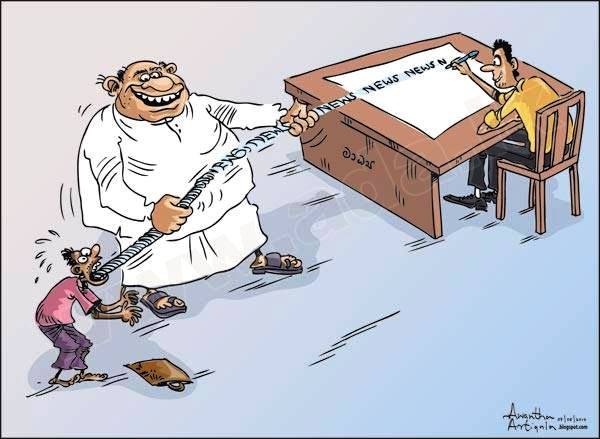
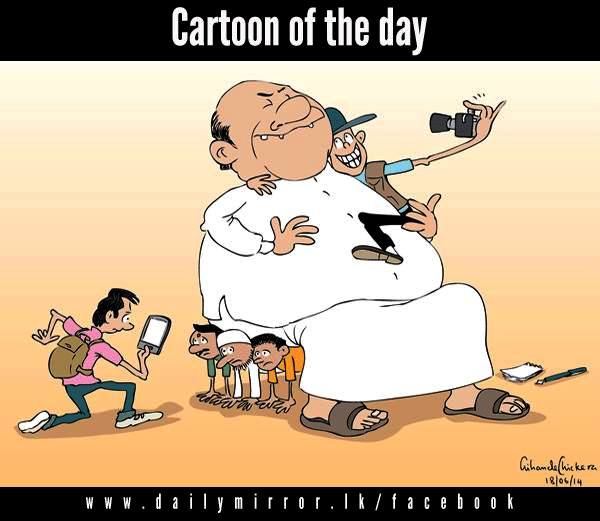
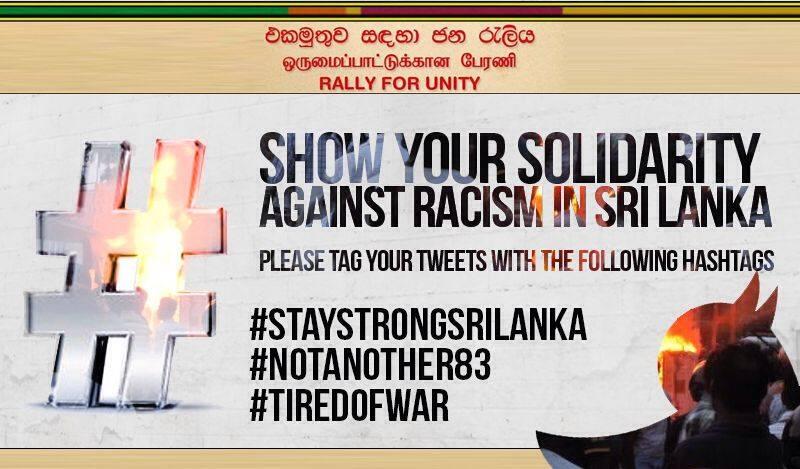
For over 48 hours, there was little coverage of the incidents in newspapers, or on radio and TV. This gap was partly filled by social media and international media reports – but only to the extent they have outreach in the island. Those who rely on local newspapers, radio and TV had to settle for ‘radio silence’ while media gatekeepers hesitated and held back.
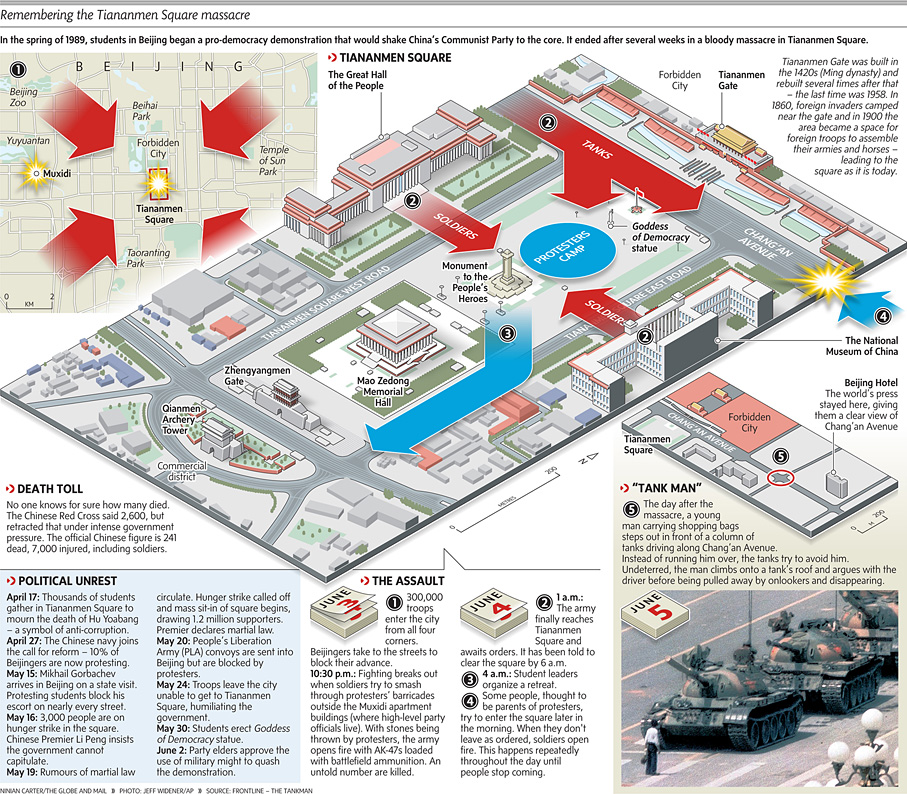
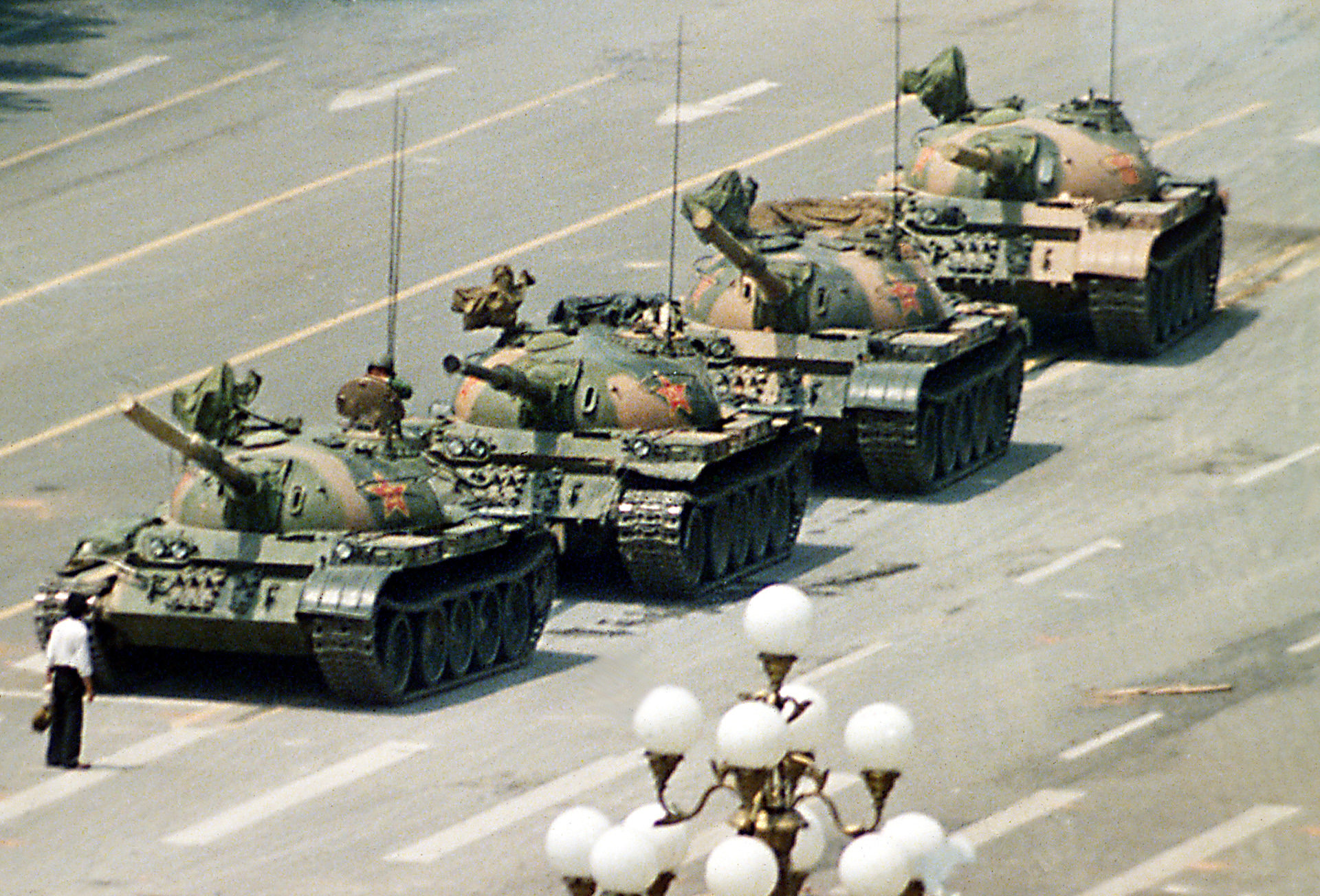
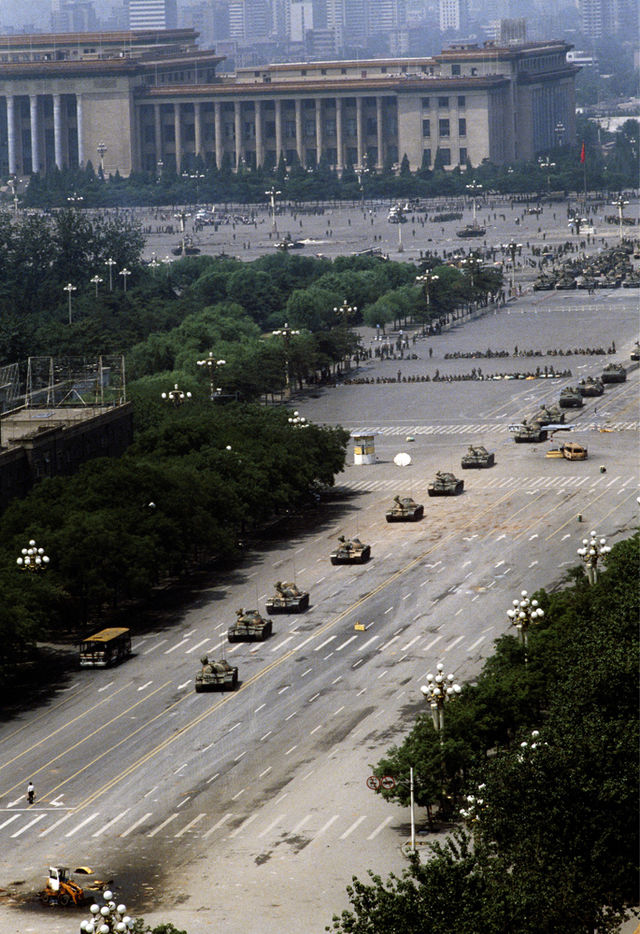
June 2014 marks the 25th anniversary of the Chinese government’s brutal crackdown on protesting students at Beijing’s Tiananmen Square.
There was one iconic image from that tragedy. It shows a solitary, unarmed Chinese man standing up against a column of battle tanks rolling down a street. In this week’s Ravaya column (in Sinhala), I salute that unknown man who — momentarily, at least — stood up against the largest army in the world.
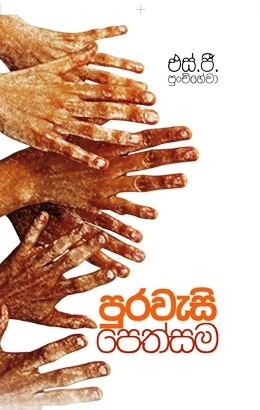 2013 පළවූ පොත් සඳහා රාජ්ය සාහිත්ය සම්මාන පිරිනැමුණේ 2014 සැප්තැම්බර් 3 වනදා. එහිදී 2013 හොඳම පොත් පිටකවරයට රාජ්ය සාහිත්ය සම්මානය ජනරංජනට හිමිවුණා. එස්. ජී. පුංචිහේවාගේ පුරවැසි පෙත්සම නම් කෘතියට නිමැවූ කවරය සඳහායි.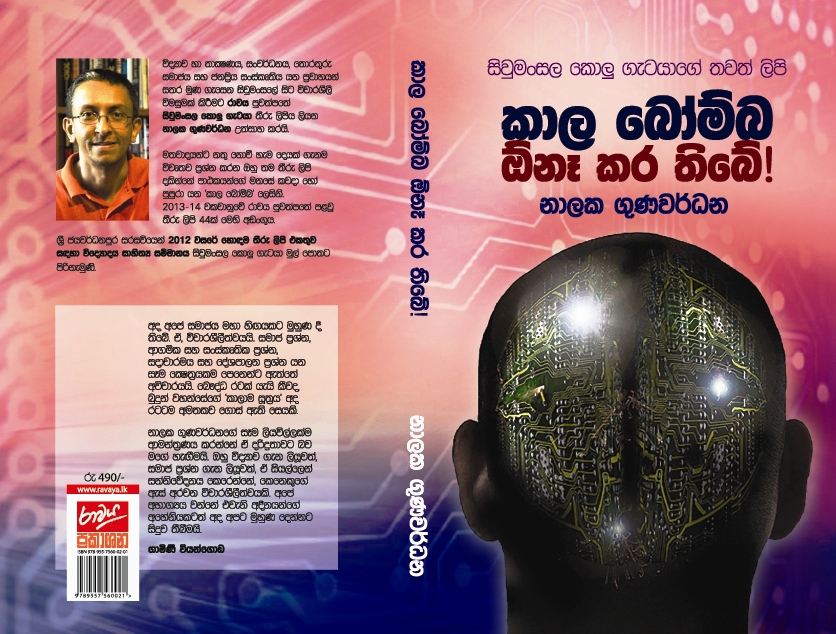




 Open Minds!