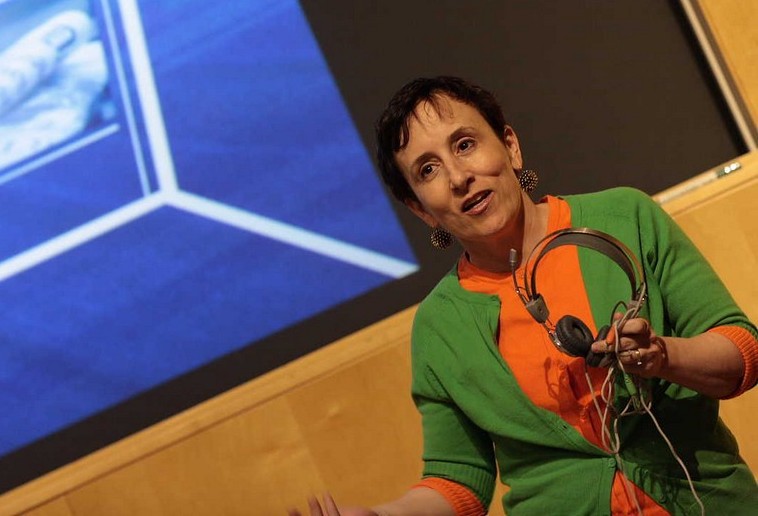
Christina Scott (1961 – 2011): Passionate science journalist, interrupted mid-sentence…

Christina Scott: A funny story always got funnier when she related it...

I was travelling in the Himalayan Republic of Nepal when I heard the sad news: Christina Scott, a pioneering science journalist from South Africa, has just been killed in a road accident. She would have turned 50 on November 20.

As Mike Shanahan, whose tweet broke the sad news of Christina’s hasty departure, wrote: there is one star less in Africa.

Christina’s tragic and abrupt departure elicited an outpouring of grief, memories and tributes from science journalists, scientists and others who knew and admired her. I’m late to join that, I know, but here’s the slightly expanded version of what I just posted on SciDev.Net as a reader comment:

“Short, stroppy reporter with a funny accent. Likes to eat sushi. No head for alcohol and caffeine addiction.” That’s how Canadian-born Christina chose to introduce herself. Everyone has an anecdote about her, reminding us of the colourful and highly talented person she was.

Christina was passionate, articulate and had a clear vision of how science, technology and innovation could make a difference to millions of people in Africa, Asia and Latin America. She made science fun. She was also great fun to work with.

Christina and I didn’t meet that often, separated as we are by time zones and the Indian Ocean. But our few encounters — usually at professional gatherings of science journalists — left a deep impression.

We first met at the Fifth World Conference of Science Journalists in Melbourne in April 2007, where we were both speakers.

She and I were part of a memorable plenary session on ‘Reporting Science in Emerging Economies’ that was put together by SciDev.Net and produced by Julie Clayton. It had science journalists or editors from Brazil, China, India, Sri Lanka and Zambia.

It was Christina who came up with a novel idea to dim the meeting hall lights just as we started. In the semi-darkness, she lit a single cigarette lighter to symbolise how science journalists in the developing world struggled daily with power outages, poor literacy, unsympathetic editors and uncaring governments.

Earlier in that conference, Christina compared some of her professional tribe to extremophile bacteria: hardy enough to survive in very harsh environments. The broad conclusion from our session was that, just as life finds a way against many odds, so does science journalism. In conditions far from ideal, science journalism happens — and even thrives — thanks to the resilience, resourcefulness and commitment of its practitioners.
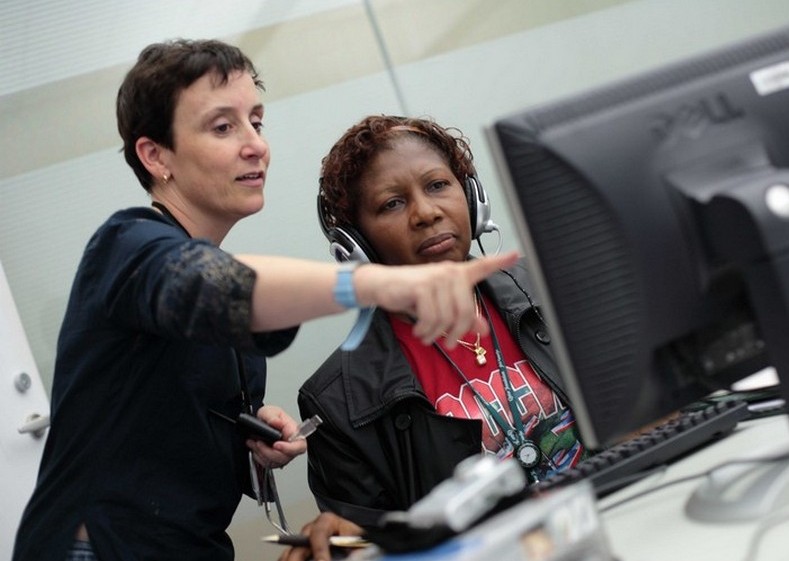
Christina Scott (left) making a point. Photo courtesy WFSJ

Christina excelled in communicating science through print, web and broadcast media. She switched easily between written and spoken words, and could hold an audience in any medium. Such multimedia journalists are rare.

But she didn’t allow the technology ‘tail’ to wag the journalism ‘dog’. In 2007, she was still wondering if Internet, computes and online communications could make much headway in reaching out a majority of South Africans. It wasn’t a lack of connectivity and computers any longer, but a more basic absence of electricity in many remote areas.

To her, old fashioned radio was still the most cost-effective way to reach more people quickly. That was also her favourite medium, one in which she did some of most memorable coverage.

Christina had a fine sense of theatrical performance to engage a live audience. She knew just how to shook and hook them. She had no time or patience for political correctness or euphemisms; she just spoke truth to power.

I learnt much by being in her audience, or sharing a platform with her. It was exhilarating to see how she engaged audiences full of jaded and sceptical journalists.

Once, during a panel discussing HIV/AIDS, she asked her audience how many were aged over 50 years. A few hands went up. “In South African terms, chances are you’re already dead,” she declared.

She didn’t have comforting words for those below 35 either: “You’re probably infected with HIV, and don’t know it yet — and go around giving it to others!”
That’s how she summed up the stark realities of South Africa, which has one of the highest HIV infection rates in the world. She then personalized, with a wish was that her daughter, then 15, would get through college without contracting HIV.

Christina Scott was a supernova who shone bright and fiery. Her trail would continue to blaze for a long time. But we won’t hear that spirited voice, in that funny accent, always ready to tell an interesting story.

Here are links to some tributes found online:

Christina Scott: Editorial by SciDev.Net editor David Dickson

ResearchResearh.com: Christina Scott, doyenne of African science journalism, dies
by Ehsan Masood

Mail & Guardian: Christina Scott: Farewell to ‘short, stroppy’ giant
by Adele Baleta

Mike Shanahan blog: One less star in Africa tonight

WFSJ Website: Tribute to Christina Scott RIP

Africa STI: Christina Scott, Africa’s Foremost Science Journalist, dies

Facebook Page: Remembering Christina Scott
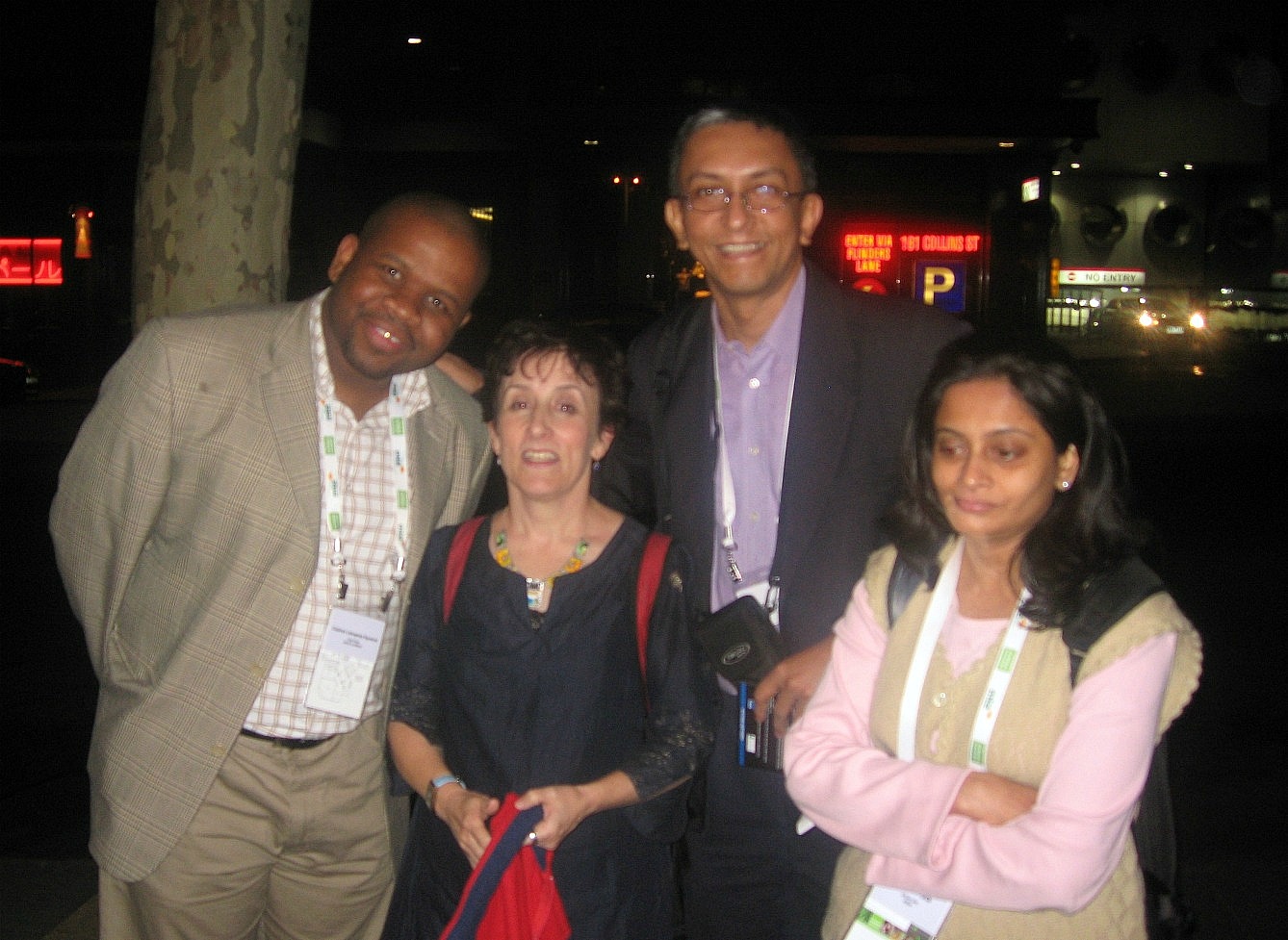
In Melbourne, April 2007: L to R - To be identified, Christina Scott, Nalaka Gunawardene and T V Padma

සිවුමංසල කොලූගැටයා #39: පුවත්පතේ අනාගතේ ඩයිනසෝර් මාවත ද?

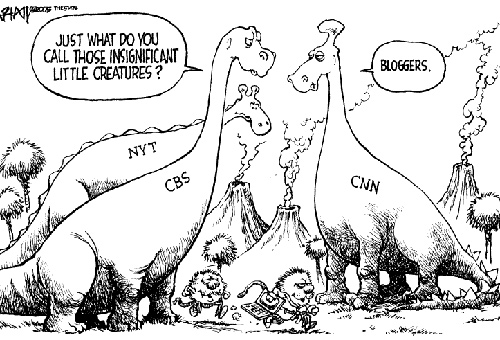
This is the Sinhala text of my weekend column in Ravaya, published on 6 Nov 2011. To mark the newspapers’s 25th anniversary that falls this month, I begin some reflections on the future of newspapers. In this first piece, I discuss how science fiction and thriller writer Michael Crichton (1942-2008) once foresaw the fate of what he called ‘Mediasaurus’.

Who succeeds mediasaurus?

රාවයට වසර 25ක් සපිරෙන්නේ 2011 නොවැම්බර් මාසයේ. මගේ මාධ්‍ය හා සන්නිවේදන ජීවිතයට වසර 25ක් පිරුණේ 2011 සැප්තැම්බරයේ. මේ පිය සටහන් දෙක නිමිති කර ගෙන එක්කෝ මට යටගිය දවස් ගැන ආවර්ණය කළ හැකියි. නොඑසේ නම් මේ සංධිස්ථානයේ කෙටි විරාමයක් ගනිමින් ගනිමින් ඉදිරිය ගැන මෙනෙහි කළ හැකියි. මා කවදත් අනාගතය දෙස එබී බලන්නට කැමැති නිසා පුවත්පත් කලාවේ හා මාධ්‍ය කර්මාන්තයේ හෙට දවස ගැන කථා කරමු.

අද ලොව බහුවිධ ජනමාධ්‍ය අතරින් සංවිධානාත්මකව පවතින පැරණිතම ජන මාධ්‍යය පුවත්පත හෙවත් මුද්‍රිත මාධ්‍යයයි. මුද්‍රණ යන්ත්‍ර මගින් පිටපත් මුද්‍රණය කොට අලෙවි කළ, කාලීන තොරතුරු රැගත් වාරික ප්‍රකාශනයක් ලෙස දැනට හදුනාගෙන ඇති පැරණිතම පුවත්පත මුල් වරට එළි දැක්කේ 1605දී ජර්මනියේ. මේ අනුව වසර 400කට වැඩි ඉතිහාසයක් පුවත්පත්වලට තිඛෙනවා. මේ සියවස් හතරක කාලය තුළ සිනමාව, රේඩියෝව, ටෙලිවිෂනය හා ඉන්ටර්නෙට් මාධ්‍යවල බිහි වීමත් සමග නව අභියෝගවලට මුහුණ දෙමින් පරිනාමය වී ආ පුවත්පතේ ඉතිහාසය විචිත්‍රයි.

21 වන සියවසේ නූතන තොරතුරු සමාජයේ ප්‍රවණතා හා ග්‍රාහක බලාපොරොත්තුවලට ප්‍රතිචාර දක්වමින් හැඩ ගැසෙන්නට පුවත්පත් කලාවට හා කර්මාන්තයට හැකි ද? නැත්නම් ඉදිරි වසර හෝ දශක කිහිපය තුළ පුවත්පත් වද වී යාමේ තර්ජනයක් ඇත් ද?

මුද්‍රිත මාධ්‍යයේ අනාගතය ගැන සුභවාදීව මෙන්ම අසුභවාදීව කැරෙන විග්‍රහයන් තිඛෙනවා. පත්තර කියවමින් හැදී වැඩී, පත්තරවලට දැඩි ඇල්මකින් යුතුව මාධ්‍ය ලෝකයට පිවිසී, කලක් පත්තරවල වැඩ කළ මට මේ ෙක‍ෂත්‍රය ගැන ලෙන්ගතුකමක් හා බැදීමක් තිඛෙනවා. එහෙත් ඒ බැදීම්වලින් මදකට දුරස් වී තුලනාත්මකව හා යථාර්ථවාදීව පුවත්පතේ අනාගතේ දෙස බැලීමට මා උත්සාහ කරනවා.

සොබා දහමේ නොනවතින පරිනාමීය කි්‍රයාදාමයක් පවතින බව (evolutionary process) අප දන්නවා. ඒ පරිනාමයේදී වඩාත් සවිමත්, උපක්‍රමශීලී හා ආක්‍රමණශීලී ජීවීන් ඉතිරි වන අතර අනෙක් ජීවීන් මුළු ගැන්වී, ව`ද වී යනවා. මෙයට සමාන ප්‍රවාහයන් මානව සමාජය හා වෙළ`දපොල ආර්ථීකය තුළත් ක්‍රියාත්මක වනවා. කාලානුරූපව හැඩ ගැසෙන්නට නොහැකි හෝ නොකැමැති හෝ කර්මාන්ත, ආයතන හා සම්ප්‍රදායයන් කල් පවතින්නේ නැහැ. ජනමාධ්‍ය ෙක‍ෂත්‍රයටත් මෙය අදාලයි.

මේ බව ප්‍රබලව අපට කියා දුන් එක් අයකු වූයේ අමෙරිකානු විද්‍යා ප්‍රබන්ධ හා ත්‍රාසජනක කථා රචක මයිකල් ක්‍රයිටන් (Michael Crichton). වෘත්තියෙන් වෛද්‍යවරයකු වූ ඔහු ජුරාසික් පාක් (Jurassic Park) පොත් පෙළ ලිවීම නිසා ලෝප්‍රකට වුණා. ජෛවීය ඉතිහාසයේ වසර මිලියන් 165ක පමණ කාලයක් තිස්සේ මහ පොළවේ ප්‍රබලතම සත්ත්ව කොට්ඨාශය වූ ඩයිනසෝරයන් (dinosaurs) නැවත බිහි කිරීමේ භයානක විද්‍යාත්මක අත්හදා බැලීමක් පාදක කර ගත් ඒ කථා, ස්ටීවන් ස්පිල්බර්ග් විසින් ජනප්‍රිය චිත්‍රපට මාලාවක් බවටත් පත් කළා.

ඩයිනෝසරයන් වද වී යාමට හේතු ගැන විද්‍යාඥයන් තවමත් තර්ක විතර්ක කරනවා. ඩයනසෝරයන් පමණක් නොවෙයි වෙනත් සත්ත්ව කොට්ඨාශයනුත් කලින් කලට වද වී යාම ජෛව පරිනාමයේ හොදින් දන්නා, පාෂාණභූත සාක‍ෂීන්ගෙන් ද ඔප්පු වන සත්‍යයක්.

1993 සැප්තැම්බර් මාසයේ Wired ගරාවේ කලාපයට මයිකල් ක්‍රයිටන් ‘Mediasaurus’ නමින් අනාගතවේදී ලිපියක් ලිව්වා. එහි මුඛ්‍ය අදහස වුණේ එදා ඩයිනසෝරයන් මෙන් ම ප්‍රධාන ප්‍රවාහයේ ජනමාධ්‍ය ද පරිනාමීයව හැඩ ගැසීමට නොහැකි වීම නිසා නුදුරු අනාගතයේදී වද වී යනු ඇති බවයි.

එහි එක් තැනෙක ඔහු මෙසේ කීවා: “මෑත සමීක‍ෂණ කිහිපයකින් හෙළි වූ පරිදි අමෙරිකානු මාධ්‍ය බහුතරයක් මහජනයාට සැබැවින් ම අදාල හා වැදගත් කරුණු ගැන වාර්තා කිරීම හා ගවේෂණය වෙනුවට වල්පල් හා ඕපාදූපවලට වැඩි අවධානයක් යොමු කරනවා. රටේ ප්‍රශ්න ගැන විග්‍රහ කරනවා වෙනුවට අපේ මාධ්‍ය කරන්නේ ඒ දැවෙන ප්‍රශ්නවලට තව ටිකක් ඉන්ධන එකතු කිරීමයි. තමන්ගේ ලොකුකම ගැන අධිතක්සේරුවක් හා ස්වයංරාගයක් ((Narcissistic) ඇති මාධ්‍යවේදීන් හා දේශපාලකයන් දෙපසකට වී කරන ක්‍රීඩා තරගයක් බදු මේ විකාරය දෙස මාධ්‍ය ග්‍රාහකයන් බලා සිටින්නේ පිළිකුලෙන් හා කලකිරීමෙන් යුතුවයි. මේ තත්වය දිගට ම පවතින්නට බැහැ!”

ක්‍රයිටන් සැබෑ ලෝකයෙන් දුරස්ථ වූ දවල් හීන බලන්නකු නොවෙයි. වෙළදපොල ආර්ථීකය තුළ තමන්ගේ පැවැත්ම සදහා මාධ්‍ය ආයතන තරගකාරීව නිරන්තර අරගලයක යෙදෙන බව ඔහු පිළි ගත්තා. (මාධ්‍යවල සමාජ වගකීම ගැන සරසවි දේශනාගාර හා විසිත්ත කාමරවල සිට බණ කියන පර්යේෂකයන්ට හසු නොවන යථාර්ථයත් එයයි.)

ඔහු තව දුරටත් මෙසේ තර්ක කළා: “වර්තමානයේ මාධ්‍ය යනු කර්මාන්තයක්. ඒ කර්මාන්තය සමාජයට සපයන නිෂ්පාදනය නම් තොරතුරුයි (information). බාල බඩු නිපදවන හා අලෙවි කරන සමාගම් පාරිභෝගිකයන් විසින් ප්‍රතිෙක‍ෂප කරනවා. අපේ මාධ්‍ය කර්මාන්තය මෑතක පටන් නොවැදගත්, වැරදි සහගත, විකෘති වූ හා වෙනත් අන්දමින් බාල මට්ටමේ තොරතුරු අපට අලෙවි කරනවා. සරුව පිත්තල දවටනවල අසුරා තිබුණත් බය නැතිව පාවිච්චි කළ නොහැකි තරමට අපේ මාධ්‍ය අපට දෙන තොරතුරුවල ප්‍රමිතියක් නැහැ. මේ නිසා ටිකෙන් ටික පාරිභෝගිකයන් මේ ‘බාල බඩු’ මිළට ගැනීම අඩු කරනවා. නොබෝ කලෙකින් අමෙරිකානු මාධ්‍ය කර්මාන්තයට ඇති තරම් පාරිභෝගිකයන් සොයා ගන්නට බැරි වේවි. එවිට ඒ මාධ්‍ය, වෙළදපොල ප්‍රවාහයන් විසින් ගසා ගෙන ගොස් අතුරුදහන් වෙනු ඇති.”

ඔහු කීවේ නිව්යෝක් ටයිම්ස් පත්‍රය වැනි මුද්‍රිත ලෝකයේ මහා බලකණු මෙන් ම ABC, NBC සහ CBS වැනි අමෙරිකානු ටෙලිවිෂන් නාලිකා ද දශකයක් ඇතුළත වෙළ`දපොලෙන් ඉවතට විසි වීල වද වී යනු ඇති බවයි.

මේ අතර සියළු මාධ්‍යයන් යටිකුරු කරන නව තාක‍ෂණයක් ද මතුව ඇති බව ක්‍රයිටන් සිය ලිපියේ සදහන් කළා. ඒ තමා ඉන්ටර්නෙට්. 1993දී ඉන්ටර්නෙට් මාධ්‍යය දියුණු රටවල පවා එතරම් ප්‍රචලිත වී තිබුණේ නැහැ. එහෙත් තොරතුරු ගලනයට එයින් ඇති කළ හැකි ප්‍රබල බලපෑම ක්‍රයිටන් කල් තබා දුටුවා.

ක්‍රයිටන්ගේ විද්‍යාත්මක චින්තනය හා පරිකල්පන ශක්තිය ගැන ලොකු පිළිගැනීමක් පැවති නිසා ඔහුගේ ලිපිය මාධ්‍ය ආයතන හා පර්යේෂකයන් අතර වාද විවාද ඇති කළා. එතැන් පටන් ගෙවී ගිය දශකය (1993-2003) කාලයේ ඉන්ටර්නෙට් මාධ්‍යයේ සීඝ්‍ර ප්‍රගමනයක් සිදු වුණා. 1995දී ලොව පුරා ඉන්ටර්නෙට් පරිහරණය කළේ මිලියන 16යි. එය 2003 අගදී මිලියන් 719 දක්වා ඉහළ ගියා. (2011 මැද වන විට මේ සංඛ්‍යාව මිලියන් 2ල110 යි) ඉන්ටර්නෙට් ප්‍රචලිත වීම සම කළ හැක්කේ 1447 දී යොහාන් ගුටන්බර්ග් විසින් මුද්‍රණ ශිල්පයේ වර්තමාන තාක‍ෂණ සම්ප්‍රදාය ඇරඹීමටයි. ඒ දක්වා ඉතා සීමිතව කෙරුණු තොරතුරු හුවමාරුවට හා දැනුම ඛෙදා හැරීමට විශාල ඉදිරි පිම්මක් පනින්නට මුද්‍රණ ශිල්පය ඉඩ සැළැස්වූවා. (ඒ දක්වා සිදු වූයේ පොත් හා වෙනත් ලේඛනවල පිටපත් තනි තනිව අතින් පිටපත් කිරීමයි.)

Mediasaurus - courtesy Slate
ඉන්ටර්නෙට් ප්‍රචලිත වීම සමග ඒ නව මාධ්‍යයට බද්ධවීමේ ක්‍රම සොයන්නට පුවත්පත්, සගරා, රේඩියෝ හා ටෙලිවිෂන් ආයතනවලට සිදු වුණා. 2003 වන විට ප්‍රධාන පෙළේ මාධ්‍ය ආයතන තමන්ගේ වෙබ් අඩවි අරඹා සයිබර් අවකාශයේ තම ලකුණ යම් තරමකට සටහන් කර තිබුණා. ක්‍රයිටන්ගේ අනාවැකියට දශකයක් පිරෙන්නට ආසන්න වන විට අමෙරිකාවේ Slate නම් වෙබ් අඩවියේ මාධ්‍යවේදියෙක් ඒ ගැන ඔහුගෙන් විමසුවා. ඒ වන විටත් මාධ්‍ය ආයතන බරපතල ගරා වැටීමකට ලක් වී තිබුණේ නැහැ. ඔහුගේ උත්තරය: “අනාගතය පිළිබදව ඉලක්කගතව අනාවැකි කියන්නට කාටවත් බැහැ. මා අනතුරු ඇග වූ මාධ්‍ය ගරා වැටීම සිදු විය හැකි බව මා තවමත් විශ්වාස කරනවා. එහෙත් එයට දශකයකට වැඩි කාලයක් ගත වන හැඩයි!”

2000 දශකය තුළ අමෙරිකාව, කැනඩාව සහ යුරෝපයේ රටවල් ගණනාවක මුද්‍රිත මාධ්‍යය විශාල වෙළදපොල අර්බුදයකට ලක් වුණා. 2008 නොවැම්බර් 4 වනදා ක්‍රයිටන් මිය යන විට ඔහු අනතුරු ඇග වූ තත්ත්වය සැබෑවට ම ඉස්මතු වෙමින් තිබුණා. බටහිර රටවල පුවත්පත් සහ සගරා මිළදී ගැනීම සැළකිය යුතු අන්දමින් අඩු වී තිඛෙනවා. අලෙවි වන පිටපත් ගණන අඩු වූ විට දැන්වීම් ලැබීම ද පහත වැටෙනවා. පත්තර හා ස`ගරා කර්මාන්තය පදනම් වී ඇත්තේ දැන්වීම් ආදායමින් තම නිෂ්පාදන වියදමෙන් වැඩි කොටසක් පියවා ගන්නා අතර ඉතිරි ආදායම පිටපත් අලෙවියෙන් ලබා ගැනීමේ ආකෘතිය තුළයි. (දැන්වීම්වලට අප පෞද්ගලිකව කැමති වූවත් නැතත් මාධ්‍ය කර්මාන්තයට ඒවා නැතුව ම බැහැ. සරල උදාහරණයක් ගත්තොත් රු. 50කට විකිණෙන පත්තර පිටපතක නිෂ්පාදන වියදම එමෙන් දෙතුන් ගුණයක් වෙනවා. මේ වෙනස පියවා ගන්නේ දැන්වීම්වලින් ලැඛෙන ආදායමින්.)

බටහිර රටවල පත්තර සගරා පමණක් නොවෙයි. ප්‍රධාන පෙළේ ටෙලිවිෂන් හා රේඩියෝ සමාගම් ද අද වන විට දැඩි ආර්ථීක කුණාටුවකට හසු වී සිටිනවා. එයට හේතු වූ සාධක ගැන පොදු එකගතාවයක් නැහැ. ඇතැම් විචාරකයන් කියන්නේ ලොව පුරා 2008 සිට පැතිර ගිය ආර්ථීක අවපාතය එයට දායක වූ බවයි.
එහෙත් තවත් පර්යේෂකයන් පෙන්වා දෙන්නේ වාණිජමය මාධ්‍ය ෙක‍ෂත්‍රයේ – විශේෂයෙන්ම පත්තර හා සගරාවල – පිරිහීම 2008 පෙර පටන් ම ඇරඹී තිබුණු බවත්, එයට එම ෙක‍ෂත්‍රය තුළින් ම මතු වූ සාධක වැඩියෙන් හේතු වූ බවත්. මයිකල් ක්‍රයිටන්ගේ 1993 විග්‍රහය සිහිපත් කරමින් ඔවුන් කියන්නේ පාරිභෝගික සමාජය විසින් මාධ්‍ය ප්‍රතිෙක‍ෂප කිරීමට වගකිව යුත්තේ මාධ්‍ය ආයතන හා මාධ්‍යවේදීන් ම බවයි.

මීට අමතරව ඉන්ටර්නෙට් මාධ්‍යයේ ව්‍යාප්ත වීම නිසා තනිකර ම ඉන්ටර්නෙට් හරහා එසැනින් ප්‍රවෘත්ති ඛෙදාහරින නව මාධ්‍ය සේවා බිහි වුණා. ඒවාත් සමග තරග කිරීම සාම්ප්‍රදායික පුවත්පත්වලට හෝ එම පුවත්පත්වල වෙබ් අඩවිවලට ලෙහෙසි වූයේ නැහැ. පත්තර කර්මාන්තයේ පසුබෑමට මේ සාධක සියල්ල අඩු වැඩි පමණින් දායක වී තිඛෙනවා. නමුත් මේ ගෝලීය ප්‍රවණතාවයට වෙනස් තත්ත්වයක් ආසියාවේ රටවල දක්නට තිඛෙනවා.

පාඨක විශ්වාසය රැක ගනිමින්, නව තාක‍ෂණයන්ගේ අභියෝගවලට මුහුණ දෙමින් වාණිජමය වශයෙන් සාර්ථක පුවත්පත් හා සගරා පවත්වා ගත හැකි ද? එසේ නැතිනම් සහනාධාර ලබන හෝ විකල්ප ආදායම් මත යැපෙන ආර්ථීක මොඩලයකට මාරු වීමට ලොව පුරා පුවත්පත්වලට ළගදී ම සිදු වෙයි ද? පුරවැසි මාධ්‍යවේදීන් හා වැටුප් ලබන මාධ්‍යවේදීන් අතර පරතරය අඩු වී යන විට මාධ්‍ය ලෝකයේ කුමන විපර්යාස සිදු වේද? මේ ප්‍රශ්නවලට අපි එළඹෙන සතිවල පිළිතුරු සොයා යමු!

සිවුමංසල කොලූගැටයා #38: පණ්ඩිතයන්ගෙන් ළදරු රූපවාහිනිය බේරා ගත් ටයි මාමා

In this column, which appears in Ravaya newspaper on 30 October 2011, I pay tribute to the late film and TV professional Titus Thotawatte. I recall how he founded and headed the effort to ‘localise’ foreign-produced programmes during the formative years of Sri Lanka’s national TV, Rupavahini, launched in 1982. In particular, I describe how Titus resisted attempts by intellectuals and civil servants to turn the new medium into a dull and dreary lecture room, and insisted on retaining quality entertainment as national TV’s core value.

See also my English tribute Titus Thotawatte (1929 – 2011): The Final Cut. However, this is a different take; I NEVER translate even my own writing.

Bugs Bunny, Dr Dolittle and Top Cat. - all localised by Titus T

ටයිටස් තොටවත්ත සූරීන් අඩ සියවසක් පුරා රූප, නාද හා වචනවලින් හපන්කම් රැසක් කළා. සිංහල සිනමාවේ තාක‍ෂණික වශයෙන් අති දක‍ෂ සංස්කාරකයකු හා චිත්‍රපට අධ්‍යක‍ෂවරයකු හැටියට ඔහු කළ නිර්මාණ වඩාත් මතක ඇත්තේ අපේ දෙමවුපියන්ගේ පරම්පරාවට. ලංකාවේ පළමුවන ටෙලිවිෂන් පරම්පරාවට අයිති මා වැනි අයට තොටවත්තයන් සමීප වූයේ ටෙලිවිෂන් මාධ්‍යයෙන් නව මං සොයා යාම නිසයි. මේ නිසා ඇතැම් දෙනකුට ටයි මහත්තයා වූ ඔහු, මගේ පරපුරේ අයට ‘ටයි මාමා’. ටෙලිවිෂන් තිරය මතුපිට මෙන් ම එය පිටුපසත් මෙතරම් විවිධ දස්කම් පෙන්වූවන් අපේ ටෙලිවිෂන් ඉතිහාසයේ දුර්ලභයි. ටයි මාමාගේ ටෙලිවිෂන් දායාදය ගැන ටිකක් කථා කරන්නේ ඒ නිසයි.

ලෝකයේ ඕනෑ ම සංස්කෘතියක ඇති හොඳ දෙයක් සොයා ගෙන එය අපට දිරවා ගත හැකි, අපට ගැලපෙන ආකාරයෙන් ප්‍රතිනිර්මාණය කිරීමට දේශීයකරණය කියා කියනවා. මා වඩා කැමති යෙදුම ‘අපේකරණයයි’. අපේ ටයි මාමා අපේකරණයට ගජ හපනෙක්!

1982 වසරේ රූපවාහිනී සංස්ථාව අරඹා මාස කිහිපයක් ඇතුළත එයට එක් වූ ටයි මාමා, ලංකාවට නැවුම් හා ආගන්තුක වූ මේ නව මාධ්‍යය අපේකරණයට විවිධ අත්හදා බැලීම් කළා. පුරෝගාමී ටෙලි නාට්‍ය කිහිපයක් මෙන් ම වාර්තා වැඩසටහන් ගණනාවක් ද ඒ අතර තිබුණත් අපට වඩාත් ම සිහිපත් වන්නේ ඔහු කළ හඩ කැවීම් හා උපශීර්ෂ යෙදීම් ගැනයි.

රූපවාහිනී සංස්ථාවේ හඩ කැවීම් හා උපශීර්ෂ සේවාව ඇරඹුවේ 1984දී. එයට දිගු කල් දැක්මක් හා තාක‍ෂණික අඩිතාලමක් ලබා දුන්නේ ටයි මාමායි. අළුත ඇරැඹුණු නව මාධ්‍යයෙන් විකාශය කරන්නට අවශ්‍ය තරම් දේශීය වැඩසටහන් නොතිබුණු, එමෙන්ම දේශීය නිර්මාණ එක්වර විශාල පරිමානයෙන් කරන්නට නොහැකි වුණු පසුබිමක් තුළ තෝරා ගත් විදෙස් වැඩසටහන් මෙරට භාෂාවලට පෙරළා ගැනීම ටෙලිවිෂන් මුල් දශකයේ එක් උපක්‍රමයක් වුණා.

මේ අනුව සම්භාව්‍ය මට්ටමේ විදෙස් වාර්තා චිත්‍රපට, නාට්‍ය හා කාටුන් කථා සිංහලයට හඩ කැවීම හෝ උපශීර්ෂ යෙදීම ටයි මාමාගේ නායකත්වයෙන් ඇරඹුණා. මුල් කාලයේ තාක‍ෂණික පහසුකම් සීමිත වුණත් නිර්මාණශීලීව ඒ අඩුපාඩුකම් මකා ගෙන ඔවුන් ඉතා වෙහෙස මහන්සිව වැඩ කළා. විදෙස් කෘතීන්ගේ කථා රසය නොනසා, අපේ බස ද නොමරා හොඳ හඩ කැවීම් හා උපශීර්ෂ යෙදීම් කරන සැටි පෙන්වා දුන්නා. මේ ගැන මනා විස්තරයක් නුවන් නයනජිත් කුමාර 2009 දී ලියූ ‘සොඳුරු අදියුරු සකසුවාණෝ’ නමැති තොටවත්ත අපදානයේ හතරවැනි පරිච්ඡේදයේ හමු වනවා.

එහි එක් තැනෙක ටයි මාමා ආවර්ජනය කළ පරිදි: “හැම ප්‍රේක‍ෂකයකු විසින් ම රස විඳිය යුතු ඉතා උසස් ගණයේ ඉංග්‍රීසි වැඩසටහන් බොහොමයක් තිඛෙන වග වැටහුණේ රූපවාහිනියට බැඳුණාට පසුවයි. ඒත් අපේ රටේ කීයෙන් කී දෙනාට ද ඉංග්‍රීසි භාෂාව තේරුම් ගන්නට පුළුවන්. උපසිරැසි යොදා හෝ හකවා හෝ එම චිත්‍රපට වැඩසටහන් විකාශය කිරීමට මා උනන්දු වුණේ ඒ නිසා…ඒවාහි අපට ඉගෙන ගත හැකි ආදර්ශවත් දෑ කොතෙකුත් තිඛෙනවා. කාටුන් වැඩසටහන්වලට පුංචි එවුන් පමණක් නොවෙයි, වැඩිහිටි අපිත් කැමැතියි. මා උත්සාහ කරන්නේ ඒ හඩ කැවීම් වුණත් අපේ දේශීයත්වයට හා රුචිකත්වයට අනුකූලව සකස් කරන්නයි. එහිදී මා යොදා ගන්නා දෙබස් හා උපසිරස්තල අපේ සංස්කෘතියට සමීප ව්‍යවහාරයේ පවතින දේයි.”

හාන්ස් ක්‍රිස්ටියන් ඇන්ඩර්සන්ගේ කථා ඇසුරෙන් නිර්මිත ඉංග්‍රීසි වැඩසටහනක් ‘අහල පහල’ හා ‘ලොකු බාස් – පොඩි බාස්’ නමින් සිංහලට හ~ කවා මුල් වරට විකාශය කළේ 1985 පෙබරවාරි 15 වනදා. එතැනින් පටන් ගත් විදෙස් වැඩසටහන් අපේකරණය විවිධාකාර වූත් විචිත්‍ර වූත් මුල් කෘතීන් රාශියක් මෙරට ටෙලිවිෂන් ප්‍රේක‍ෂයන්ට දායාද කළා. මේ අතරින් ඉතා ජනාදරයට පත් වූයේ ලෝක ප්‍රකට කාටුන් වැඩසටහන්. (ටයි මාමාගේ යෙදුම වූයේ ‘ඇසිදිසි සැකිලි රූ’.)

Titus Thotawatte saved young Rupavahini from over-zealous intellectuals

උදාහරණයකට ‘දොස්තර හොඳ හිත’ කථා මාලාව ගනිමු. එහි මුල් කෘතිය Dr Dolittle නම් ලෝක ප්‍රකට ළමා කථාවයි. හියු ලොෆ්ටිං (Hugh Lofting) නම් බ්‍රිතාන්‍ය ලේඛකයා 1920 සිට 1952 කාලය තුළ දොස්තර ජෝන් ඩූලිට්ල් චරිතය වටා ගෙතුණු කථා පොත් 12ක් ලියා පළ කළා. සතුන්ට කථා කළ හැකි, කරුණාවන්ත හා උපක්‍රමශීලි වෛද්‍යවරයකු වන ඔහු මිනිසුන් හා සතුන්ගෙන් සැදුම් ලත් මිතුරු පිරිසක් සමඟ නැවකින් ගමන් කරනවා. ඔහුට එදිරිවන මුහුදු කොල්ලකරුවන් පිරිසක් — ‘දිය රකුස්’ සහ ඔහුගේ සගයෝ — සිටිනවා. මේ පොත් පාදක කර ගෙන වෘතාන්ත චිත්‍රපට ගණනාවක්, වේදිකා නාට්‍ය හා රේඩියෝ වැඩසටහන් නිපදවී තිඛෙනවා. 1970-71 කාලයේ අමෙරිකාවේ NBC ටෙලිවිෂන් නාලිකාව විකාශය කළ Doctor Dolittle නම් කාටුන් කථා මාලාව තමයි ටයි මාමා ඇතුළු පිරිස දොස්තර හොඳ හිත නමින් සිංහලට හඩ කැවූයේ.

බ්‍රිතාන්‍ය ලේඛකයකුගේ කථා, අමෙරිකානු ශිල්පීන් අතින් ඇසිදිසි කථා බවට පත්ව මෙහි ආ විට එය අපේ කථාවක් කිරීමේ අභියෝගයට ටයි මාමා සාර්ථකව මුහුණ දුන්නා. එහිදී ප්‍රේමකීර්ති ද අල්විස් ලියූ රසවත් හා හරවත් ගීත අපේකරණය වඩාත් ඔප් නැංවුවා. කථා රසය රැක ගන්නා අතර ම සිංහලට ආවේනික වචන, යෙදුම්, ප්‍රස්තාපිරුළු හා ආප්තෝපදේශවලින් දෙබස් උද්දීපනය කළා.

මෙය ලෙහෙසි කාරියක් නොවෙයි. විදෙස් කාටූනයක් හඩ කවද්දී එහි පින්තූරවල වෙනසක් කරන්නේ නැහැ. මුල් කෘතියේ ධාවන වේගය හා සමස්ත ධාවන කාලය එලෙස ම පවත්වා ගත යුතුයි. එහිදි ඉංග්‍රීසි දෙබස්වලට ආදේශ කරන සිංහල දෙබස් එම තත්පර ගණන තුළ ම කියැවී හමාර විය යුතුයි. මේ තුලනය පවත්වා ගන්නට බස හොඳින් හැසිර වීම මෙන් ම විනෝදාස්වාදය නොනැසෙන ලෙස අපේකරණය කිරීමත් අත්‍යවශ්‍යයි.

ටයි මාමා සාර්ථක ලෙස අපේකරණය කළ කාටුන් කථා මාලා රැසක් තිඛෙනවා. 1944දී වෝනර් බ්‍රදර්ස් සමාගම නිපදවීම පටන් ගත්, දශක ගණනක් තිස්සේ ලෝ පුරා ප්‍රේක‍ෂකයන් කුල්මත් කළ Bugs Bunny කාටුන් චරිතයට ඔහු ‘හා හා හරි හාවා’ නම දුන්නා. එයට ආභාෂය ලැබුවේ කුමාරතුංග මුනිදාස සූරීන්ගේ ‘හාවාගේ වග’ ළමා කවි පෙළින්. 1961-62 කාලයේ මුල් වරට අමෙරිකාවේ විකාශය වූ, හැනා-බාබරා කාටුන් සමාගමේ නිර්මාණයක් වූ Top Cat කථා මාලාව, ටයි මාමා සහ පිරිස ‘පිස්සු පූසා’ බවට පත් කළා. මෙබඳු කථාවල අපේකරණය කෙතරම් සූක‍ෂම ලෙස සිදු වූවා ද කිවහොත් ඒවා විදෙස් කෘතීන්ගේ හ~ කැවීම් බව බොහෝ ප්‍රේක‍ෂයන්ට දැනුනේත් නැති තරම්.

ටයි මාමා අපේකරණය කළේ බටහිර රටවල නිෂ්පාදිත කාටූන් පමණක් නොවෙයි. ලෝකයේ විවිධ රටවලින් ලැබුණු උසස් ටෙලිවිෂන් නිර්මාණ සිංහල ප්‍රේක‍ෂකයන්ට ප්‍රතිනිර්මාණය කළා. මේ තොරතුරු නුවන් නයනජිත් කුමාරගේ පොතෙහි අග ලැයිස්තුගත කර තිඛෙනවා. රොබින් හුඩ් හා ටාසන් වැනි ත්‍රාසජනක කථා, මනුතාපය හා සිටුවර මොන්ත ක්‍රිස්තෝ වැනි විශ්ව සාහිත්‍යයේ සම්භාව්‍ය කථා, මල්ගුඩි දවසැ, ඔෂින් වැනි පෙරදිග කථා ආදිය එයට ඇතුළත්.

මෙසේ අපේකරණයට පත් කළ විදෙස් නිර්මාණවලට අමතරව ස්වතන්ත්‍ර ටෙලි නිර්මාණ රැසකට ද ටයි මාමා මුල් වූ බව සඳහන් කළ යුතුයි. එමෙන්ම ටෙලිවිෂන් සාමූහික ක්‍රියාදාමයක් නිසා ටයි මාමා නඩේ ගුරා ලෙස හපන්කම් කළේ දැඩි කැපවීමක් තිබූ, කුසලතාපූර්ණ ගෝල පිරිසක් සමඟ බවත් සිහිපත් කරන්න ඕනෑ. ප්‍රධාන ගෝලයා වූ අතුල රන්සිරිලාල් අදටත් ඒ මෙඟහි යනවා.

ටයි මාමාගේ සිනමා හා ටෙලිවිෂන් හපන්කම් ගැන ඇගැයීම් පසුගිය දින කිහිපය පුරා අපට අසන්නට ලැබුණා. මා ඔහු දකින්නේ අඩ සියවසක් පුරා පාලම් සමූහයක් තැනූ දැවැන්තයකු හැටියටයි. පාලමක් කරන්නේ වෙන් වූ දෙපසක් යා කිරීමයි. ටයි මාමා කිසි දිනෙක දූපත් මානසිකත්වයකට කොටු වුනේ නැහැ. ඔහු පෙරදිග හා අපරදිග හැම තැනින්ම හොඳ දේ සොයා ගෙන, ඒ නිර්මාණ අපේ ප්‍රේක‍ෂකයන්ට ග්‍රහණය කළ හැකි ලෙස අපේකරණය කළා. එමෙන්ම සිනමාව හා ටෙලිවිෂන් මාධ්‍යය අතර හැම රටක ම පාහේ මතුවන තරගකාරී ආතතිය වෙනුවට මාධ්‍ය දෙකට එකිනෙකින් පෝෂණය විය හැකි අන්දමේ සබඳතාවන් ඇති කළා. වැඩිහිටියන් හා ළමයින් වශයෙන් ප්‍රේක‍ෂකයන් ඛෙදා වෙන් කිරීමේ පටු මානසිකත්වය වෙනුවට අප කාටත් එක සේ රසවිඳිය හැකි ඇසිදිසි නිර්මාණ කළ හැකි බව අපේකරණය කළ වැඩසටහන් මෙන් ම ස්වතන්ත්‍ර වැඩසටහන් හරහා ද ඔප්පු කළා. ඔහුගේ පරම්පරාව හා මගේ පරම්පරාව අතර පරතරය පියවන්නත් ටයි මාමා දායක වුණා.

ටයි මාමා පාදා දුන් මෙඟහි ඉදිරියට ගිය දක‍ෂයකු වූ පාලිත ලක‍ෂ්මන් ද සිල්වා ගැන කථා කරමින් (2011 ජූනි 26 වනදා) මා කීවේ ටෙලිවිෂන් මාධ්‍යයේ අධ්‍යාපනික විභවය මුල් යුගයේ මෙරට ඒ මාධ්‍යය හැසිර වූ අය ඉතා පටු ලෙසින් විග්‍රහ කළ බවයි. ඒ අයගේ තර්කය වුණේ හරවත් දේ රසවත්ව කීමට බැරි බවයි. ඔවුන්ගේ පණ්ඩිතකම වෙනුවට ටයි මාමා අපට ලබා දුන්නේ හාස්‍යය, උපහාසය, රසාස්වාදය මනා සේ මුසු කළ එහෙත් හරවත් ටෙලිවිෂන් නිර්මාණයි. උවමනාවට වඩා ශාස්ත්‍රීය, ගාම්භීර හා ‘ප්‍රබුද්ධ’ විදියට නව මාධ්‍යය ගාල් කරන්නට උත්සාහ කළ සරසවි ඇදුරන්ට හා සිවිල් සේවකයන්ට ටයි මාමාගෙන් වැදුණේ අතුල් පහරක්.

උදාහරණයකට සිංහල ජනවහරේ හමු වන ‘උඹ’ හා ‘මූ’ වැනි වචන ළමා ළපටින් නරඹන ටෙලිවිෂන් කථාවලට උචිතදැයි සමහර සංස්කෘතික බහිරවයන් ටයි මාමා සමඟ තර්ක කර තිඛෙනවා. ටෙලිවිෂන් එකෙන් එබඳු වචන ඇසුවත් නැතත් සැබෑ ලෝකයේ එබඳු යෙදුම් එමට භාවිත වන බව ටයි මාමාගේ මතය වුණා. මෙසේ දැඩි ස්ථාවරයෙන් සිටීමට ඔහුට හැකි වුණේ ඇසිදිසි මාධ්‍ය ගැන මෙන්ම සිංහල බස ගැනත් බොහෝ සේ ඇසූ පිරූ කෙනකු නිසායි.

ඔහු කළ ලොකු ම සංස්කෘතික විප්ලවය නම් ළදරු රූපවාහිනී සංස්ථාවේ වැඩසටහන් පෙළගැස්ම අනවශ්‍ය ලෙසින් ‘පණ්ඩිත’ වන්නට ඉඩ නොදී, එයට සැහැල්ලූ, සිනහබර ශෛලියක් එකතු කිරීමයි. කට වහර හා ජන විඥානය මුල් කර ගත් ටයි මාමාගේ කතන්දර කීමේ කලාව නිසා රූපවාහිනිය යන්තම් බේරුණා. එසේ නැත්නම් සැළලිහිනියා පැස්බරකු වීමේ සැබෑ අවදානමක් පැවතුණා.

ලොව හැම තැනෙක ම බහුතරයක් දෙනා ටෙලිවිෂන් බලන්නේ රටේ ලෝකයේ අළුත් තොරතුරු (ප්‍රවෘත්ති) දැන ගන්නට හා සරල වින්දනයක් ලබන්නට. ටෙලිවිෂනය හරහා අධ්‍යාපනික හා සාංස්කෘතික වශයෙන් හරවත් දේ කළ හැකි වුවත් එය හීන් සීරුවේ කළ යුතු වැඩක්. හරියට ඛෙහෙත් පෙතිවලට පිටතින් සීනි ආලේප ගල්වනවා වගෙයි. එසේ නැතිව තිත්ත ඛෙහෙත් අමු අමුවේ දෙන්නට ගියොත් වැඩි දෙනෙකු කරන්නේ චැනලය මාරු කිරීමයි.

ටෙලිවිෂන් මාධ්‍යයේ නියම ‘ලොක්කා’ දුරස්ථ පාලකය අතැZති ප්‍රේක‍ෂකයා මිස නාලිකා ප්‍රධානීන්, වැඩසටහන් පාලකයන් හෝ නිෂ්පාදකයන් නොවෙයි. නාලිකා දෙකක් පමණක් පැවති 1980 දශකයේ දී වුවත් මේ සත්‍යය හොඳාකාර වටහා ගත් ටයි මාමා, අප හිනස්සන අතරේ අපට නොදැනී ම හොඳ දේ ඛෙදන ක්‍රමවේදයක් ප්‍රගුණ කළා. ටයි පාරේ ගියොත් ටෙලිවිෂන් කලාවට වරදින්නට බැහැ!

විශේෂ ස්තුතිය: නුවන් නයනජිත් කුමාර

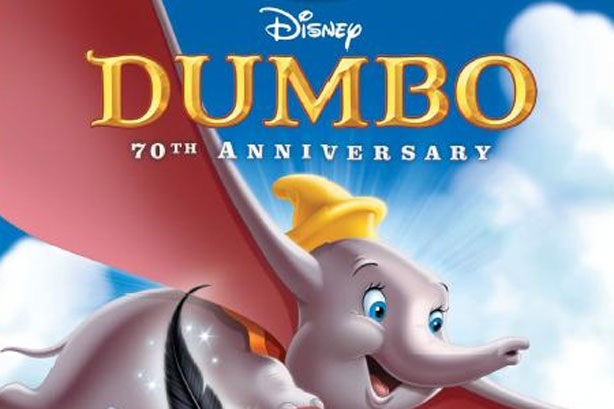
Happy 70th Birthday, Dumbo: vive la différence!

Dumbo at 70: Have large ears, will fly -- forever!

It’s hard to believe, but good old Dumbo is 70 this week!

The adorable baby elephant (whose real name is Jumbo, Jr.) has been flapping his extra-large ears and flying into our hearts for seven full decades. Read more at IMDB

Released theatrically on 23 October 1941, Dumbo was Walt Disney’s fourth animated film. And at just 64 minutes, the movie was also the shortest and least expensive produced by the Studio.

Read the synopsis on Rotten Tomatoes

Dumbo is the only Disney animated feature film that has a title character who doesn’t speak — he really is a creature of few words, or none!

Dumbo not only turned a profit, but charmed critics as well. The movie won the 1941 Academy Award® for Original Musical Score, was nominated for another the Academy Award for Best Song for “Baby Mine”, and took the Best Animation Design award at the 1947 Cannes Film Festival.

Since its release, Dumbo has stolen the hearts of generation after generation, and can today be found on countless consumer products and the ever-popular Dumbo the Flying Elephant attraction at Disney parks around the world. And in celebration of the beloved classic’s 70th anniversary, Walt Disney Studios Home Entertainment has released Dumbo for the first time on Blu-ray.

Read the story about digital restoration of Dumbo

Here’s the most famous song from Dumbo, Baby Mine, which Dumbo’s mommy sings to him. This is one of the all time favourite Disney movie moments that has made millions cry for 70 years. It is sung by actor and singer Elizabeth “Betty” Noyes.

Baby Mine From “Dumbo”

Music and lyrics by Frank Churchill and Ned Washington

Baby mine, don’t you cry
Baby mine, dry your eyes
Rest your head close to my heart
Never to part
Baby of mine

Little one when you play
Pay no heed to what they say
Let your eyes sparkle and shine
Never a tear
Baby of mine

If they knew all about you
They’d end up loving you too
All those same people who scold you
What they’d give just for the right to hold you

From your head down to your toes
You’re not much, goodness knows
But you’re so precious to me
Sweet as can be
Baby of mine

Chandani: Riding a Jumbo Where No Woman Has Gone Before…

Chandani Ratnayake with Kandula: She wants to become Sri Lanka's ambassador to elephants...

This film review has just appeared in The Nation newspaper, Sri Lanka, and can be accessed online at http://www.nation.lk/2011/10/16/eyefea6.htm

Years ago, I resolved not to watch any more documentaries about elephants – I have sat through far more than my fair share of them at film festivals across Asia and Europe. I have nothing against elephants; it’s just that most films about them are so predictably formulaic. Sooner or later, they all suggest: we greedy humans have robbed these giants of their jungles, and are now driving them to extinction.

While that is undeniable, the ground reality is a bit more nuanced. But few filmmakers or film commissioners want to go there. In any case, even the most balanced conservation film would still be trapped in an anthropocentric view of the human-elephant relationship: how differently might an elephant tell the same story?

Given these misgivings, I was pleasantly surprised by Arne Birkenstock’s new film, Chandani: The Daughter of the Elephant Whisperer (88 mins, 2010). He proves that it is always possible to find a refreshingly new way of telling a very old story.

The German film, shot entirely on location in Sri Lanka, centres around a young girl who loves elephants so much that she wants to spend the rest of her life tending to them. Sixteen-year-old Chandani Renuka Ratnayake is the eldest daughter Sumanabanda, the chief mahout at the elephant orphanage in Pinnawela. They hail from a family that has tamed and looked after elephants for generations. Lacking a son, he agrees to let Chandani train as a mahout.

There is only one small problem: Chandani is going where no Lankan woman has gone before. Other mahouts and the community doubt whether the eager young lass can rise to the many challenges involved in this hitherto male-only profession.

Sumanabanda brings home an elephant calf named Kandula, and assigns it to Chandani. Under the watchful eye of her father, Chandani does all the feeding, bathing and other chores. She has to divide her time between school and her boisterous charge. Soon, the two young ones bond with each other.

She also receives guidance from a wildlife ranger named Mohammed Raheem. He takes her to the Udawalawe National Park, an important habitat for wild elephants. There, she gets glimpses of the daily skirmish between wild elephants and humans for the land claimed by both species.

Exploring the relationship between children and elephants is a recurrent theme for filmmakers across cultures and genres. An early example was Elephant Boy (1937), a British adventure film directed by documentary filmmaker Robert J. Flaherty and Zoltan Korda, based on Rudyard Kipling’s “Toomai, of the Elephants”. A few years ago I watched the Japanese film Hoshi ni natta shonen — with a goofy English name, Shining Boy and Little Randy — directed by Shunsaku Kawake in 2005. It was the bittersweet story of a young boy who goes to Thailand to become Japan’s first elephant trainer.

The child character is usually male, possibly influenced by Mowgli of Jungle Book fame. But here, Chandani is playing herself: she has grown up watching the complexities of ex-situ conservation of the largest land mammal.

The elephant orphanage, set up on a 10-hectare coconut estate in 1975 to look after young elephants whose mothers have been killed — often in violent confrontations with villagers — is now home to nearly a hundred elephants. A captive breeding programme, introduced in 1982, has resulted in several live births.

Pinnawela continues a long tradition — going back to over 3,000 years — where elephants are captured, tamed and trained in Sri Lanka. Jayantha Jayewardene, an expert on Asian elephants, says the elephant, although tamed and trained, is not quite a domesticated animal in the same sense that dogs are.

As he explains in his book, The Elephant in Sri Lanka: “It (the elephant) is an immensely powerful animal whose strength and wild nature calls for caution in handling it, especially during capture and the initial training stages. Later on, using less than a dozen words of command, the handler, called a mahout, is able to exercise control over this powerful animal. In most instances, the elephant and mahout develop a strong and lasting bond.”

After months of training, Chandani faces her moment of truth. She has to accompany Kandula in the local perahera, the procession that tours the streets with decoratively dressed elephants as star attractions. Peraheras are noisy, crowded and sometimes chaotic affairs: participating elephants and mahouts need focus and coordination.

The young girl and elephant prove their mettle. If Chandani’s family and peers are impressed by that public performance, the indifferent state is not. Sumanabanda is belatedly informed that he is not legally allowed to raise an elephant at home (even if he paid ‘good money’ for the creature). Eventually, he and his daughter agree that it is best for Kandula to return to the jungle. Their emotional attachment is strong by now, making separation painful. As Chandani watches Kandula being taken away, she reflects on her chosen future…

Relaxed Drama

The film is labeled as a documentary, but there is considerable movement, tension and other emotions that lend it a dramatic quality. Evidently, many sequences have been scripted. We don’t know how much time and effort that entailed. It probably helped that Chandani and Sumanabanda seem ease-going people. The director has managed to get even the (usually stiff) government officials to relax for the camera.

By staying tightly focused on his characters, Birkenstock avoids a common pitfall in many elephant films that either eulogise pachyderms or editorialise too heavily about their predicament. He blends striking images with an evocative soundtrack to tell a compelling story that is informed by real world issues — but not deep immersed in them.

This mix is welcome indeed. In 2000, when I served on the global jury of Wildscreen, the world’s leading wildlife and natural history film festival in Bristol, UK, we told filmmakers that simply documenting animal and plant behaviour and their habitats was no longer adequate in a world facing a multitude of environmental crises. There was an urgent need, our jury statement said, for films that explored the nexus between the natural environment and human society — both the conflict and harmony between the two.

Chandani and Kandula the elephant

Forming the backdrop to Chandani are the tough choices confronting biodiversity conservation in Sri Lanka. The wildlife ranger Mohammed, in particular, brings in both specialised knowledge and official perspective — mercifully without any activist shrill. Hard core environmentalists might not find this film ‘green enough’. For mass audiences worldwide, however, it conveys a very important message: how some ordinary Lankans are doing their bit for inter-species harmony against many odds.

That is no small accomplishment on our crowded island which has the world’s highest density of wild Asian Elephants. The first-ever nationwide elephant census in August 2011 produced a total of 7,379 jumbos across the island: 5,879 of them were spotted near parks and sanctuaries, while another 1,500 were estimated to be living in other areas. Some environmentalists were unhappy with the methodology and questioned its results. But even imperfect data can inspire more systematic conservation measures.

Sooner or later, we have to answer the hard question: how many wild elephants can the island’s remaining forests realistically sustain? This has already sparked off heated arguments. In the long-term, the survival of the Lankan Elephant might be assured only though captive breeding.

Meanwhile, every year, a few dozen elephants and humans perish in increasingly violent encounters over land and food. As we search for lasting solutions, we need more Chandanis, Mohammeds and Sumanabandas to show us the way.

Science writer Nalaka Gunawardene is far more interested in wild-life in urban jungles than wildlife in natural ones.

Chandani and Kandula pass a very public test!

Ray Wijewardene: Saluting a thinker who also tinkered

Working with a Genial Giant: Ray Wijewardene

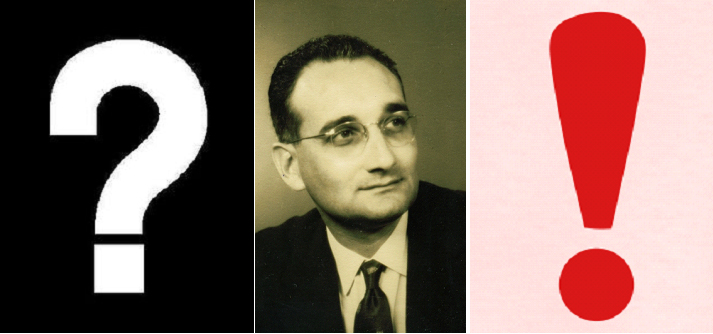
As a communicator, I look for ways to say more with less. The ‘gold standard’ for brevity was set two centuries ago by the French poet, playwright, novelist and essayist Victor Hugo.

The story goes like this. Victor Hugo was travelling out of town and wanted to know how his latest book was selling. He messaged (telegraphed?) his agent: ?

The agent, not to be outdone, replied: !

Enough said. How I wish I could beat that economy of words…

I have a fondness for both question marks and exclamation marks — I used a good deal of both in my own speaking and writing. I use these as a metaphor in a tribute I just wrote about one of my mentors: Ray Wijewardene.

Ray Wijewardene: An Extraordinary Thinker and Tinkerer has just been published by Groundviews.org. It also appears on the official website about Ray Wijewardene, being formally launched today.

Here are the opening paras of my essay:

“If I had to condense the multi-faceted and fascinating life of Ray Wijewardene, I would reduce it to a whole lot of question marks and exclamation marks. In his 86 years, Ray generated more than his fair share of both.

“He was unpigeonholeable: engineer, farmer, inventor, aviator and sportsman all rolled into one. Whether at work or play, he was an innovative thinker who rose above his culture and training to grasp the bigger picture.”

Full essay: Ray Wijewardene: An Extraordinary Thinker and Tinkerer

The website was built by my team at TVE Asia Pacific (TEVAP) as a public education resource. read TVEAP News story:
TVEAP unveils new website on outstanding Sri Lankan scientist and visionary

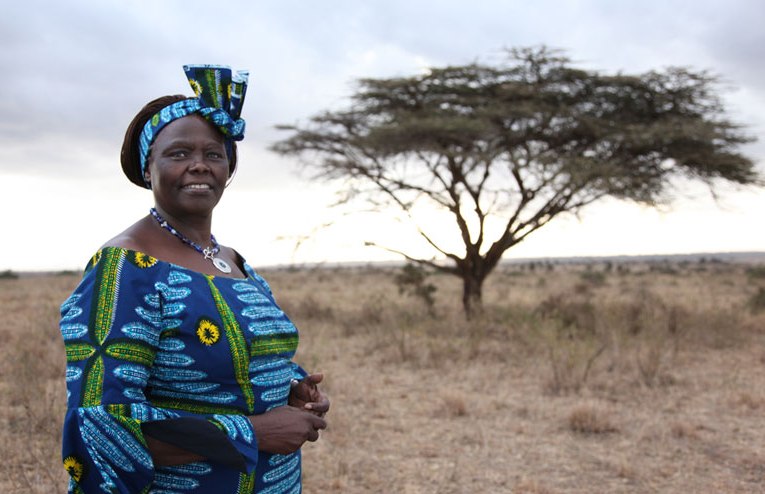
Wangari Maathai (1940 – 2011): Tree planter, activist, visionary and mother

Wangari Muta Maathai (1 April 1940 – 25 September 2011)

“We are very fond of blaming the poor for destroying the environment. But often it is the powerful, including governments, that are responsible.”

That was a typical remark by Wangari Muta Maathai, the Kenyan environmental and political activist who has just died.

In the 1970s, Maathai founded the Green Belt Movement, an environmental non-governmental organisation focused on the planting of trees, environmental conservation, and women’s rights.

In 2004, she became the first African woman to receive the Nobel Peace Prize for “her contribution to sustainable development, democracy and peace.”

The Green Belt Movement in a profile about their founder counted the many roles she played: environmentalist; scientist; parliamentarian; founder of the Green Belt Movement; advocate for social justice, human rights, and democracy; elder; and Nobel Peace Laureate.

“”It is the people who must save the environment. It is the people who must make their leaders change. And we cannot be intimidated. So we must stand up for what we believe in,” Wangari Maathai kept saying.

As a tribute, I have assembled a few links to interesting online videos featuring her.

Taking Root, a long format documentary, tells the dramatic story of Wangari Maathai whose simple act of planting trees grew into a nationwide movement to safeguard the environment, protect human rights, and defend democracy—a movement for which this charismatic woman became an iconic inspiration.

TAKING ROOT: The Vision of Wangari Maathai Trailer on PBS YouTube channel:

Wangari Maathai & The Green Belt Movement, short film by StridesinDevelopment:

Riz Khan’s One on One: Wangari Maathai: Part 1
Interview with Al Jazeera English first broadcast on 19 Jan 2008

“I will be a hummingbird” – Wangari Maathai

Two more memorable quotes from her to inspire us all:

“I have always believed that, no matter how dark the cloud, there is always a thin, silver lining, and that is what we must look for.”

“We cannot tire or give up. We owe it to the present and future generations of all species to rise up and walk!”

9/11 plus 10: Remembering the WTC Twin Towers from the movies…

In the end, movie memories are all that we are left with.

As we remember the 9/11 tragedy 10 years later, a cool compilation released online last month packs extracts from lots of movies that featured the World Trade Centre Twin Towers.

As the Los Angeles Times noted, Dan Meth — a New York animator and filmmaker who generally works creating humorous videos for the Web — has put together a deceptively simple, deeply moving tribute to the twin towers by creating a montage of their appearances on film.

Twin Tower Movie Cameos 1969 – 2001

The filmmaker says about this creation:
“From 1969 to 2001, the Twin Towers made countless cameos in Hollywood films. Sometimes featured prominently in the foreground, sometimes lurking in the distance. This montage celebrates the towers’ all-too-short film career with songs that capture the passing decades. Man, I miss them.”

Read the story behind this compilation in the Los Angeles Times

Tareque Masud (1956 – 2011): The Song of Freedom, Interrupted

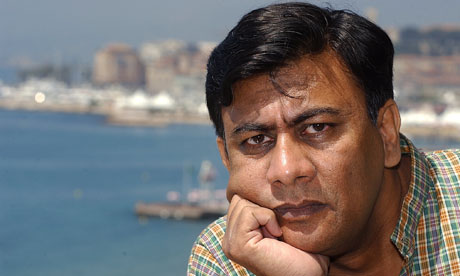
Tareque Masud in Cannes in 2002. Photo by Olivier Laban-Mattei/AFP

South Asia’s notorious killing fields, a.k.a. roads, have robbed us of another highly talented and committed professional. Bangladesh film maker Tareque Masud died on the spot when his microbus collided head-on with a passenger bus in in Ghior, close to Dhaka, on August 13.

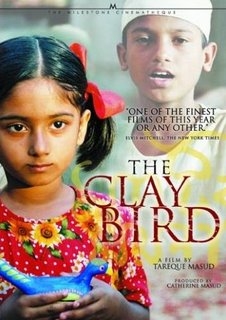
The accident also killed Mishuk Munier, CEO of Bangladesh’s private ATN television news channel and three others, and injured Tareque’s film maker wife Catherine. The Masuds and team had been returning after scouting for locations for their next feature film, named Kagojer Ful (The Paper Flower). It was to be a prequel to his award-winning first full-length feature film, Matir Moina (English release title “The Clay Bird”).

That film, which tells the story of a young boy living at a madrasa or Islamic religious school, was inspired by his own childhood experiences. When it debuted at the Cannes Film Festival in 2002, it won him the International Critic’s Award as well as the FIPRESCI Prize for Directors’ Fortnight for “its authentic, moving and delicate portrayal of a country struggling for its democratic rights.”

Matir Moina was received with critical praise and toured the international circuit. However, the Bangladeshi Government initially refused to issue a censor certificate for national screening, saying it gave a distorted image of the madrasa system, and that it could hurt feelings in this Muslim-dominated country. Confronted by Tareque’s appeal and widespread international pressure, the decision was later reversed.

Matir Moina later became the first entry from Bangladesh in the best foreign language film category at the Oscar awards.

Tareque made several documentaries before venturing into feature film making. I first came to know his work through Muktir Gaan (The Song of Freedom, 78 mins, 1995), the most famous film in early age of his career.

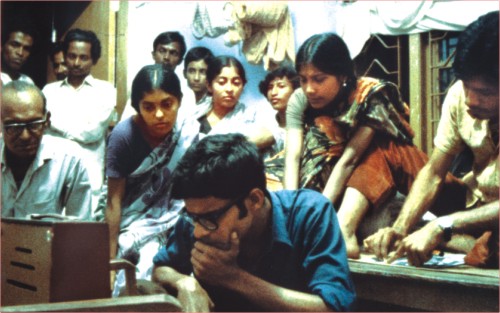
In that documentary, the camera follows a music troupe during the Liberation War of Bangladesh in 1971. The members of the troupe sing songs to inspire freedom fighters. The film was made mainly based on the footage of American filmmaker Lear Levin that Masud got from the basement of Levin’s house in New York.

Catherine Masud tells the untold story of how Muktir Gaan was made

Muktir Gaan was an extraordinarily compelling film that was released theatrically in Bangladesh, blazing a new trail in distributing long-format documentaries in South Asia. It was also a strong entry at the inaugural edition of Film South Asia festival in Kathmandu, where I was on the jury. We awarded it a Jury Special Mention.

A scene from Muktir Gaan, 1995The Masuds followed it up with Muktir Kotha (The Story of Freedom, 82 mins, 1996), an oral history documentary about the experience of ordinary villagers during 1971 Liberation War. They also made many development related films through their Dhaka based production company, AudioVision.

I have fond memories of meeting Tareque and Catherine at the FSA festival. Our paths crossed at least a couple of times more in different corners of South Asia. Although we once discussed a collaborative project, it never happened due to the lack of funding.

As one film critic noted, “They were a delightful couple who managed to be deeply committed to the improvement of Bangladeshi society without ever being pompous or self-righteous.”

The Guardian obituary by Ronald Bergen, 15 Aug 2011

The Making of Matir Moina – Tareque and Catherine Masud

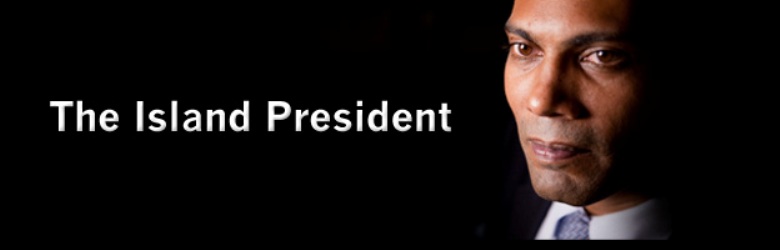
The Island President: New film profiles Mohamed Nasheed at the Frontline of Climate Justice

When it comes to climate change, we're all Maldivians!
President Mohamed Nasheed of the Maldives is an articulate, passionate climate witness on behalf of his endangered island nation of 350,000 people. The technocratic and amiable President is one of the youngest heads of state in the world today. The one-time freelance journalist (who worked with and for various media when he was in political exile) remains very accessible to the international media. He knows the power of old and new media — and how to leverage it for his cause.

I admit to being a Nasheed fan. During the past couple of years, I have blogged about, interviewed and made a short film about President Nasheed. In the less than three years he has been in office, he has faced more than his fair share of economic and political challenges at home, but he has never lost sight of the long-term, bigger issue of climate change advocacy.

And now, his global status as the ‘rock star of climate change’ is enhanced by ‘The Island President’, a 90-minute, feature-style major documentary about him produced by a leading American production company, Actual Films. The film is to be released this summer at various film festivals. I can’t wait to catch it.

The Island President has been in the making for nearly two years. The film makers had exclusive access to the President both in his island nation and on his international travels.

The Island President: Official Trailer

The official Synopsis reads: “The Island President is a a dramatic feature documentary that lifts the issue of global warming out of the theoretical and into the personal. President Mohamed Nasheed is trying to save 385,000 people from drowning. His nation of 1,200 low-lying islands, the Maldives, is sinking into the Indian Ocean as sea levels rise due to global warming.

“With a young, charismatic South Asian leader updating a role once played by Jimmy Stewart, The Island President is like a non-fiction Mr. Smith Goes to Washington elevated to the world stage. Actual Films has secured exclusive access to follow President Nasheed as he prepares over the coming months for the 2009 Copenhagen Climate Summit in December. The terms of the 1997 Kyoto Treaty on Climate Change are about to expire, and leaders from around the world will converge on Copenhagen to hammer out a new treaty with renewed urgency. As the Danish Minister for Climate and Energy acknowledged, “the December days in Copenhagen in 2009 will be…a political thriller on an international scale.” The Summit will be an international showdown where President Nasheed will try to convince world leaders to finally take serious action against looming danger of climate change. The stakes couldn’t be higher-President Nasheed sees this as the last chance to save his homeland, and the world.”

The Island President is a co-production involving Actual Films, AFTERIMAGE PUBLIC MEDIA and the Independent Television Service (ITVS), with funding provided by the Corporation for Public Broadcasting (CPB).

Read about the film makers: Jon Shenk, Director; Bonni Cohen, Producer; and Richard Berge, Producer.

October 2009: President Mohamed Nasheed: Encounter with a genial climate crusader…

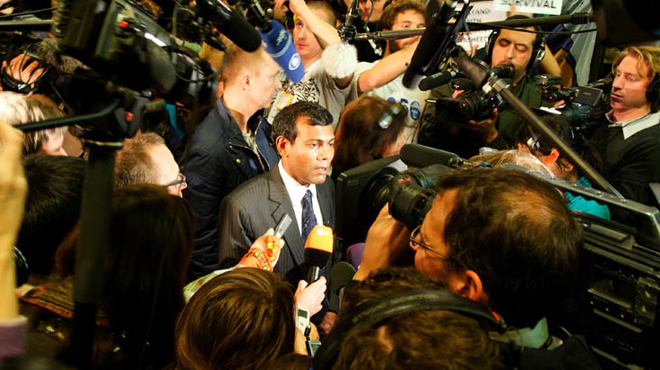
President Nasheed knows what to say and how to say it to the eager media...