සිවුමංසල කොලූගැටයා #34: අන්නා හසාරේ පුවත් මාරුතයෙන් ඔබ්බට…

Fasting for a personal or public interest cause is a very old tradition in India. Today, social activists of all colours and hue resort to fasting — but not everyone evokes the same interest and coverage in the media. In a previous column, I looked at how and why the anti-corruption activist Anna Hazare has become the darling of the Indian media. In my latest Ravaya column published on 2 October 2011, I look at two other fasts: one by Swami Nigamananda, who died in June calling for a stop to sand-mining in the Ganges River, and woman activist Irom Sharmila in Manipur who is engaged in the longest fast in the world, 11 years and counting…
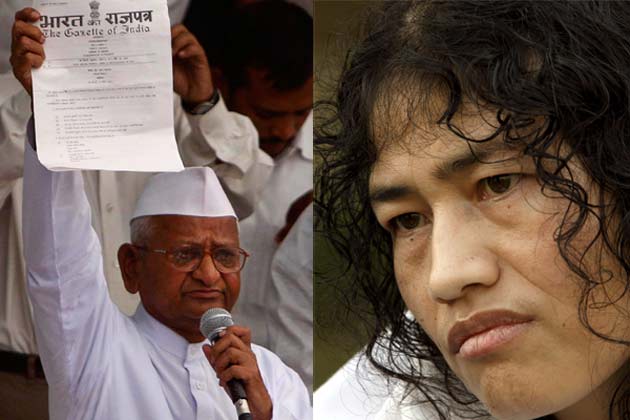
Anna Hazare (left) and Irom Sharmila - two very different fasts...

යම් අරමුණක් ඉටුකර ගැනීම සදහා ආහාර පාන ගැනීමෙන් වැළකී උපවාස කිරීම ඉන්දියාවේ ඉපැරණි සම්ප්‍රදායක්. මේ ගැන ක්‍රිස්තු පූර්ව 750 දක්වා අතීතයට දිවෙන සදහන් එරට හමුවෙනවා. දින 3ක් නිරාහාරව සිටීමේ හැකියාව නිරෝගී බොහෝ දෙනකුට ඇතත්, ඉන් පසු ටිකෙන් ටික ශරීර ක්‍රියාකාරකම් අඩපණ වන්නට පටන් ගන්නවා. ආහාර නොගත්තත් වතුර පානය කිරීමෙන් තොරව ශරීරයට ජීව ක්‍රියා පවත්වාගන්නට නොහැකියි.

සමාජයීය හෝ දේශපාලනමය හෝ ඉල්ලීම් දිනා ගැනීමට උපවාස කිරීම අදත් ඉන්දියාවේ බහුලව දැකිය හැකියි. එයට වඩාත් ම ප්‍රකට මෑත උදාහරණය නම් දූෂණයට එරෙහි ජන ක්‍රියාකාරික අන්නා හසාරේ 2011 අප්‍රේල් හා අගෝස්තු මාසවල කළ උපවාසයන්.

ඉන්දියාවේ ටෙලිවිෂන් නාලිකා අති බහුතරයක් පෞද්ගලික හිමිකරුවන් විසින් පවත්වා ගෙන යන වාණිජ මට්ටමේ නාලිකායි. ඒ නිසා බලයේ පවතින රජය නිර්දය ලෙස විවේචනය කිරීමටත්, රාජ්‍ය ප්‍රතිපත්ති විවෘතව සංවාදයට ලක් කරන්නටත් ඉඩ තිඛෙනවා. මේ නාලිකා අතර ප්‍රේක‍ෂකයන් ඇද ගන්නට දැඩි තරගයක් පවතිනවා. හැම නාලිකාවක් ම උත්සාහ කරන්නේ සිද්ධීන් උලූප්පා දක්වමින්, හැම සිදුවීමක් ම ‘Breaking News’ බවට පත් කර ගන්නටයි. එවැන ප්‍රවෘත්ති හැමදාමත් හමු නොවන නිසා ඉ`දහිට මතුව එන හසාරේ වැනි නිර්දේශපාලනීය චරිතයක් වඩා ටෙලිවිෂන් වාර්තාකරුවෝ ඉක්මනින් රොක් වෙනවා. ටික දිනකින් එබදු ජන හිතකාමී චරිත කරන කියන හැම දෙයක් ම පුවත් බවට පත් කර ගන්නවා. මේ තත්ත්වය දිගු කලක් නොපැවතුනත් අද වන විට ඉන්දියාවේ අතිශය තරගකාරී හා බහුවිධ ටෙලිවිෂන්, රේඩියෝ හා වෙබ් අඩවිවලට පුවත් මවන ජනප්‍රියතම ‘පුවත් මාරුතය’ බවට අන්නා හසාරේ පත්ව සිටිනවා.

එහෙත් ඔහුගේ උපවාසයන්ට ලැබුණු ඉමහත් මාධ්‍ය වාර්තාකරණය නොලද පොදු අරගල සදහා සිදු කැරෙන තවත් උපවාසයන් රැසක් ඉන්දියාවේ තිඛෙනවා. උදාහරණ දෙකක් හරහා මේ ගැන කථා කළ හැකියි.

පළමුවන උදාහරණයට අදාල පුද්ගලයා හින්දු පූජකයෙක්. ස්වාමි නිග්මානන්ද (Swami Nigamananda) සිය උපවාසය ඇරඹුවේ 2011 පෙබරවාරි 19 වනදා. එයට නිමිත්ත වූයේ උතුරු ඉන්දියාවේ උත්තරාකන්ද් ප්‍රාන්තයේ හරිද්වාර් (Haridwar) නගරය අසලින් ගලා යන ගංගා නදියේ නීති විරෝධී ලෙස වැලි ගොඩ දැමීම නතර කරන ලෙස ඉල්ලීම. හිමාලයෙන් ඇරඹී ගලා ගෙන එන ගංගා නදිය ඉන්දු-ගංගා තැන්නට මුල්වරට ප්‍රවේශ වන්නේ හරිද්වාරයේදී. ඒ නිසා එහිදී ග`ගට කරන පාරිසරික හානිය කිලෝමීටර් 2,525ක් දිග නදියේ ගලා යාමට අතිශයින් බලපානවා. හරිද්වාරයේ මෛත්‍රී සදාන් ආශ්‍රමයේ නේවාසික වූ මේ පරිසර හිතකාමී ස්වාමීවරයා සිය සාධාරණ ඉල්ලීම ඉටු කරන ලෙස බලධාරීන්ගෙන් මෙන් ම වැලි ගොඩ දැමීමේ නිරත වූවන්ගෙන් ද මහත් ඕනෑකමින් ඉල්ලා සිටියා. නමුත් ඔවුන් ඒ ඉල්ලීම ගැන තැකීමක් කළේ නැහැ. ප්‍රාන්තයේ හා ජාතික මට්ටමේ මාධ්‍යවලින් ද මේ ගැන අවධානයක් යොමු වුණේ නැහැ. අප්‍රේල් 30 වනදා ප්‍රාන්ත බලධාරීන් ඔහුව බලහත්කාරයෙන් රෝහල් ගත කළත් එහිදීත් ඔහු කිසිවක් ආහාරයට ගැනීම ප්‍රතිෙක‍ෂ්ප කළා. ඔහුගේ අධිෂ්ඨාන ශක්තිය වෙනස් වූයේ නැහැ. දින 115ක උපවාසය අවසන් වූයේ ජුනි 14 වනදා ඔහු මිය යාමෙන්.

ඔහුගේ මරණය ඉන්දියානු ටෙලිවිෂන් මාධ්‍යයන්ට ප්‍රවෘත්තියක් වූවත් එය සුළු වේලාවකට පමණයි. ඒ වන විට ඔවුන් (අන්නා හසාරේට අමතරව) ව්‍යාපාරික මට්ටමින් මහා පරිමාණයෙන් යෝග ව්‍යායාම් පුහුණු කරන බාබා රාම්දේව (Baba Ramdev) නම් තවත් හින්දු ස්වාමිවරයකුගේ උපවාසයකට මුල් තැන දෙමින් සිටියා. දූෂණයට එරෙහිව නැගී සිටින චරිතයක් බවට පත්වීමට බාබා රාම්දේව් ප්‍රබල උත්සාහයක් ගත්තත් ඔහුගේ සැබෑ අරමුණු ගැනත් පෙර ක්‍රියාකලාපය ගැනත් මාධ්‍යවලට යම් සැකයක් තිබුණා. ඔහුගේ උපවාසය දින 9කින් නිමා කළ අතර ඉන් පසු ඔහු ගැන මාධ්‍ය වාර්තාකරණය එතරම් උත්සන්න වූයේ නැහැ.

හැම නිර්ව්‍යාජ උපවාසයක් ම පුවත් මාරුතයක් බවට පත් වන්නේත් නැහැ. අන්නා හසාරේ ගැන අධ්‍යයනය කරන මාධ්‍ය පර්යේෂකයන් සොයා යන්නේ වෙනත් සාධාරණ උපවාසයන්ට වඩා හසාරේගේ අරගලයට මෙතරම් මාධ්‍ය අවධානයක් යොමුවන්නේ ඇයි ද යන්නයි. මෙයට එක් ප්‍රධාන හේතුවක් අපි සැප්තැම්බර් 18 වනදා කොලමින් විග්‍රහ කළා. අන්නා හසාරේට සූක‍ෂම ලෙස උපදෙස් දෙන මාධ්‍ය උපදේශකයන් සිටිනවා. ඔවුන් වෙළදපොල මාධ්‍ය සමග හොදහැටි ගනුදෙනු කරන්නට දන්නවා. එහෙත් උතුම් අරමුණක් පමණක් නිමිති කර ගෙන, උපක්‍රමශීලි නොවී උපවාස කරන බොහෝ අයට එබදු මාධ්‍ය හැසිරවිමේ හා මාධ්‍යවලට බද්ධවීමේ හැකියාව නැහැ. බැලු බැල්මට මෙය අසාධාරණයක් ලෙස පෙනී යතත් සැබෑ තත්ත්වය එයයි.

මේ ගැන හොද උදාහරණයක් ජ්‍යෙෂ්ඨ ඉන්දියානු මාධ්‍යවේදිනියක හා “ර්‍ද හින්දු” පුවත්පතේ හිටපු නියෝජ්‍ය කතුවරියක වන කල්පනා ශර්මා (Kalpana Sharma) ගෙන හැර දක්වනවා. ඒ තමයි ඉරෝම් ශර්මිලාගේ (Irom Sharmila) දශකයකට වැඩි කලක් පවතින උපවාසය.

ඉරෝම් ශර්මිලා චානුගේ වයස 39 යි. ඇය ඉන්දියාවේ ඊසානදිග ප්‍රාන්තයක් වන මනිපූරයේ මානව හිමිකම් හා දේශපාලන කි්‍රයාකාරිකයෙක්. එමෙන් ම කිවි`දියක්. මිලියන 2.7 ක ජනගහනයක් සිටින, බුරුම දේශසිමාවේ පිහිටි මනිපුරයේ කලක සිට දේශපාලන නොසන්සුන් බවක් හා ප්‍රචන්ඩකාරී ස්වභාවයක් පවතිනවා. ඉන්දීය රජය මේ තත්ත්වය පාලනය කරන්නට හමුදා විශේෂ බලතල නීතියක් (Armed Forces Special Powers Act, 1958) යටතේ දැඩි මර්දනකාරී ප්‍රතිපත්තියක් ගෙන යනවා. මධ්‍යම රජය මේ ප්‍රාන්තයේ ප්‍රශ්න විග්‍රහ කරන්නේ කරදරකාරීන් පිරිසකගේ අනවශ්‍ය අරගලයක් හැටියටයි. එහෙත් මනිපූර් වැසියන්ට සිය ප්‍රශ්නවලට සාධාරණ විස`දුම් දිගු කලක් තිස්සේ ලැබී නැතුවා පමණක් නොවෙයි දරද`ඩු පරිපාලයක් යටතේ දිවි ගෙවන්නට සිදුව තිඛෙනවා.

මේ නිසා හමුදාවලට දැඩි බලතල දෙන නීතිය නතර කරන ලෙස ඉල්ලා ඉරෝම් ශර්මිලා උපවාසයක් ඇරඹුවේ 2000 නොවැම්බරයේ. එය ඇරඹී දින කිහිපයකට පසු ‘සිය දිවි නසා ගන්නට තැත් කිරීමේ’ චෝදනා මත පොලිස් අත්අඩංගුවට ගනු ලැබුවා. මනිපුරයේ ප්‍රාන්ත අගනගරය වන ඉම්ෆාල් නුවර මහජන රෝහලේදී ඇයට බලහත්කාරයෙන් ආහාර කවනු ලැබුවා. (හින්දු ස්වාමි කෙනකුට වඩා ග‘හි කාන්තාවකට බලෙන් කෑම දීමට සෞඛ්‍ය සේවකයන් ද පෙරට එනවාෟ) මාස ගණනක් මෙසේ අත් අඩංගුවේ රෝහල්ගතව බලෙන් ආහාරපාන දීමට ලක්වන ඇය ඉන් පසු නිදහස් වෙනවා. එවිගස ම ඇය නැවතත් ප්‍රසිද්ධියේ උපවාස කිරීම අරඹනවා. එවිට දින කිහිපයකින් යළිත් අත් අඩංගුවට පත් වන ඇය රෝහල් ගත කොට බලෙන් කෑම බීම ලබා දීමට ලක් වනවා. මේ සිදුවීම් මාලාව චක්‍රාකාරව වසර 11ක් පුරා නොනැවතී ඉදිරියට යන බවත්, ඒ නිසා මෙය ලෝකයේ වැඩි ම කාලයක් පවතින උපවාසය බවත් කල්පනා ශර්මා කියනවා.

Arundhati Roy: "I'd Rather Not be Anna!"

එහෙත් ඉරෝම් ශර්මිලාගේ අරමුණ ගිනස් වාර්තා පිහිටුවීම නොවෙයි. 2004දී හින්දු මූලධර්මවාදී BJP රජය පරාජය වී කොංග්‍රස් ප්‍රමුඛ සභාග රජයක් ඉන්දියාවේ බලයට පත් වුණා. නව රජය හිටපු ශ්‍රේෂ්ඨාධිකරණ විනිසුරුවරයකුගේ ප්‍රධානත්වයෙන් කොමිටියක් පත් කළා. මේ කමිටුව කරුණු ගවේෂණයෙන් පසු නිර්දේශ කළේ මනිපුරයේ ගෙන යන දරදඩු පරිපාලනය ලිහිල් කොට හමුදා බලතල සීමා කළ යුතු බවයි. එහෙත් මේ නිර්දේශයෙන් වසර 6කට පසුත් එය ක්‍රියාත්මක කර නැහැ. ඒ නිසා ඉරෝම් ශර්මිලා සිය උපවාසය දිගට ම කරගෙන යනවා.

“මනිපුරයේ ජනතාවත් ඉන්දියානු රටවැසියෝ. එහෙත් සෙසු රටවැසියන්ට ආණ්ඩුක්‍රම ව්‍යවස්ථාවෙන් සහතික කැරෙන මූලික අයිතිවාසිකම් බොහොමයක් මනිපුර ජනතාවට දිගු කලක සිට ලැඛෙන්නේ නැහැ. මේ දැඩි අසාධාරණය ගැන සෙසු ඉන්දියාවේ අපට එතරම් හැගීමක් හෝ අවබෝධයක් හෝ නැතිවීම ඉතා කණගාටුදායකයි” කල්පනා සිය ලිපියේ එසේ කියනවා.

ඉරෝම් ශර්මිලාගේ තිරසාර අධිෂ්ඨාන ශක්තිය ගැන ගෞරව පූර්වකව මාධ්‍යවල කථා කරන තවත් කෙනෙක් සම්මානනීය ලේඛිකා අරුන්දතී රෝයි (Arundhati Roy). අන්නා හසාරේගේ අරගලය ගැන අරුන්දතී දැඩි විවේචනයක් කරනවා. දූෂණය හා වංචාව පිටු දැකීමට නම් ඉන්දියානු සමාජය පුරා දරුණු ලෙස මුල් බැස තිඛෙන ඇති-නැති පරතරය අඩු කළ යුතු බව ඇය කියනවා. බොහෝ විට දූෂණ හා වංචාවලට මුල් වන්නේ, උල්පන්දම් දෙන්නේ අන්ත දුප්පතුන් නොව අතමිට සරු අය බවත්, ඒ අය සමාජ අසාධාරණකම් දිගට ම පවත්වා ගැනීම හරහා අයථා ප්‍රයෝජන හා වරප්‍රසාද ලබන බවට උදාහරණ සහිතව තර්ක කරනවා.

අරුන්දතී රෝයි ඉන්දියානු රාජ්‍යයේ (state) හෝ බලයේ පවතින රජයේ (government) හිතවතකු නොවෙයි. ඉන්දියානු රාජ්‍යයේ විෂමතා ගැන බරපතල විවේචන ඇය ප්‍රසිද්ධියේ ලියනවා. එබදු දැඩි විවේචකයන්ට ද ඉඩකඩ පැවතීම ඉන්දියාවේ පරිනත ප්‍රජාතන්ත්‍රවාදයේ හොද ලක‍ෂණයක්. චතුර ලෙස කථා කරන්නට හා සූක‍ෂම ලෙස තර්ක කරන්නට හැකි වීම නිසා ඉන්දියානු විද්්‍යුත් මාධ්‍ය ද ඇයට තැනක් හා කාලයක් දෙනවා. මෙවර සිදු වී ඇත්තේ ඉන්දියන් ටෙලිවිෂන් නාලිකා බහුතරයක අළුත් ම වීරයා බවට පත්ව සිටින අන්නා හසාරේගේ ක්‍රමවේදයන් එම නාලිකාවල ම ජනප්‍රිය චරිතයක් හා පුවත් මවන්නියක වන අරුන්දතී රෝයිගේ නිර්දය විවේචනයට හසුවීමයි!

2011 අගෝස්තු 22 දා The Hindu පුවත්පතේ ලිපියක් ලියමින් ඇරුන්දතී රෝයි අනතුරු ඇගවීමක් කළා. අන්නා හසාරේගේ යෝජිත නීති කෙටුම්පත හා නිර්දේශිත සැළසුම් ඉදිරියට ගියොත් ඉන්දියාවේ දුගී දුප්පතුන්ට තවත් නිලධාරීවාදයකට කර ගසන්නට සිදු විය හැකි බවට. සමාජයක ව්‍යුහාත්මක වෙනස්කම් ඇති නොකොට පැලැස්තර විස`දුම් දීම තුළින් දූෂණය පිටු දැකිය නොහැකි බවත්, වැඩියෙන් ම හඩ නගන අරගලකරුවාට පමණක් සවන්දීම සාර්ථක විසදුම් සොයා යාමේ ප්‍රවේශයක් නොවන බවත් ඈ කියනවා.
ර්‍
“අද දූෂණ හා වංචා සිදුවන්නේ රාජ්‍ය තන්ත්‍රය තුළ පමණක් නොවෙයි. ව්‍යාපාර ආයතනල රාජ්‍ය නොවන ආයතන මෙන් ම මාධ්‍ය ආයතනවලත් විශාල වශයෙන් දූෂණ සිදුවනවා. ඒ ගැන කිසි අවධානයක් යොමු නොකර රාජ්‍ය ෙක‍ෂත්‍රයේ දූෂණය ගැන පමණක් නීතිරීති තද කිරීම හසාරේ ඇතුළු පිරිසගේ උත්සාහයයි. මෙයින් ඉන්දියානු සමාජයේ දූෂණ පිටු දකින්නට බැහැ.” අරුන්දතී තර්ක කරනවා.

ඉන්දියානු සමාජය හා මාධ්‍ය ෙක‍ෂ්ත්‍රය ගැන නෙත් යොමා සිටින මට පෙනෙන්නේ ආවේගශීලි නොවී ප්‍රතිපත්තිමය හා තාර්කික පදනමකින් ප්‍රශ්න විග්‍රහ කිරීමේ හැකියාව අන්නා හසාරේට වඩා අරුන්දතී රෝයිට වැඩි බවයි. මේ දෙදෙනාගේ ම පාරිශ=ද්ධභාවය ගැන කිසිදු විවාදයක් නැහැ. එහෙත් වඩාත් ප්‍රායෝගික විසදුම් සෙවීම කළ හැක්කේ කාට ද යන්න ඉක්මනින් ම තෝරා ගන්නට ඉන්දියානු සමාජයට හා මාධ්‍යවලට සිදු වනවා.

Ray Wijewardene: Saluting a thinker who also tinkered

Working with a Genial Giant: Ray Wijewardene

As a communicator, I look for ways to say more with less. The ‘gold standard’ for brevity was set two centuries ago by the French poet, playwright, novelist and essayist Victor Hugo.

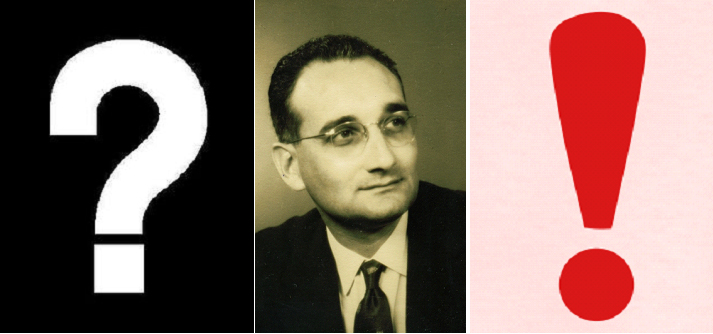
The story goes like this. Victor Hugo was travelling out of town and wanted to know how his latest book was selling. He messaged (telegraphed?) his agent: ?

The agent, not to be outdone, replied: !

Enough said. How I wish I could beat that economy of words…

I have a fondness for both question marks and exclamation marks — I used a good deal of both in my own speaking and writing. I use these as a metaphor in a tribute I just wrote about one of my mentors: Ray Wijewardene.

Ray Wijewardene: An Extraordinary Thinker and Tinkerer has just been published by Groundviews.org. It also appears on the official website about Ray Wijewardene, being formally launched today.

Here are the opening paras of my essay:

“If I had to condense the multi-faceted and fascinating life of Ray Wijewardene, I would reduce it to a whole lot of question marks and exclamation marks. In his 86 years, Ray generated more than his fair share of both.

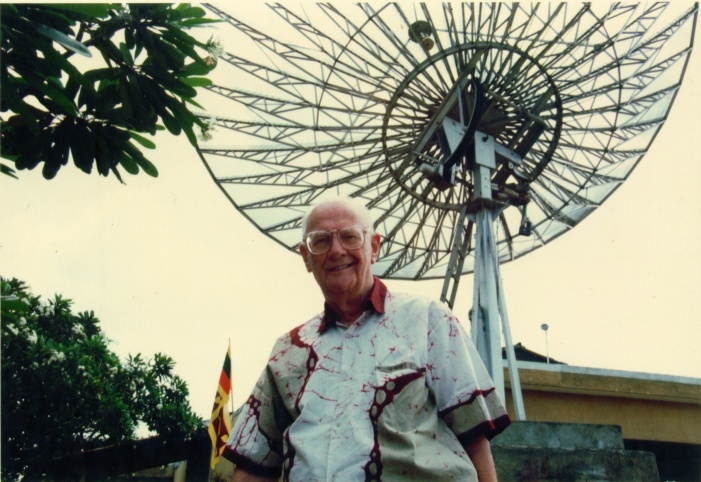
“He was unpigeonholeable: engineer, farmer, inventor, aviator and sportsman all rolled into one. Whether at work or play, he was an innovative thinker who rose above his culture and training to grasp the bigger picture.”

Full essay: Ray Wijewardene: An Extraordinary Thinker and Tinkerer

The website was built by my team at TVE Asia Pacific (TEVAP) as a public education resource. read TVEAP News story:
TVEAP unveils new website on outstanding Sri Lankan scientist and visionary

Wangari Maathai (1940 – 2011): Tree planter, activist, visionary and mother

Wangari Muta Maathai (1 April 1940 – 25 September 2011)

“We are very fond of blaming the poor for destroying the environment. But often it is the powerful, including governments, that are responsible.”

That was a typical remark by Wangari Muta Maathai, the Kenyan environmental and political activist who has just died.

In the 1970s, Maathai founded the Green Belt Movement, an environmental non-governmental organisation focused on the planting of trees, environmental conservation, and women’s rights.

In 2004, she became the first African woman to receive the Nobel Peace Prize for “her contribution to sustainable development, democracy and peace.”

The Green Belt Movement in a profile about their founder counted the many roles she played: environmentalist; scientist; parliamentarian; founder of the Green Belt Movement; advocate for social justice, human rights, and democracy; elder; and Nobel Peace Laureate.

“”It is the people who must save the environment. It is the people who must make their leaders change. And we cannot be intimidated. So we must stand up for what we believe in,” Wangari Maathai kept saying.

As a tribute, I have assembled a few links to interesting online videos featuring her.

Taking Root, a long format documentary, tells the dramatic story of Wangari Maathai whose simple act of planting trees grew into a nationwide movement to safeguard the environment, protect human rights, and defend democracy—a movement for which this charismatic woman became an iconic inspiration.

TAKING ROOT: The Vision of Wangari Maathai Trailer on PBS YouTube channel:

Wangari Maathai & The Green Belt Movement, short film by StridesinDevelopment:

Riz Khan’s One on One: Wangari Maathai: Part 1
Interview with Al Jazeera English first broadcast on 19 Jan 2008

“I will be a hummingbird” – Wangari Maathai

Two more memorable quotes from her to inspire us all:

“I have always believed that, no matter how dark the cloud, there is always a thin, silver lining, and that is what we must look for.”

“We cannot tire or give up. We owe it to the present and future generations of all species to rise up and walk!”

සිවුමංසල කොලූගැටයා #30: නීතිය, සාමය, ජාතික ආරක‍ෂාව හා ඉන්ටර්නෙට්

Text of my weekly column, printed in Ravaya newspaper on 4 September 2011. This week I take off from the role of social media in fuelling, as well as countering the recent London riots – and discuss how governments, telecom operators and law enforcement authorities should respond to the always on, pervasive connectivity now enabled by mobile phones and other devices.

Tweeting while London burns?

2011 අගෝස්තු 6 සිට 11 වනදා අතර කාලයේ බ්‍රිතාන්‍යයේ ලන්ඩන් ඇතුළු නගර ගණනාවක වීදි කලහ කිරීම්, පොදු හා පෞද්ගලික දේපල ගිනි තැබීම් හා කොල්ලකෑම් සිදුවුණා. සාමාන්‍යයෙන් සාමකාමී රටක් ලෙස ප්‍රකට බ්‍රිතාන්‍යයේ මේ සිදුවීම් නිසා එරට පමණක් නොවෙයි මුළු ලෝකය ම කැළඹීමට පත් වුණා. මේ ගැන ප්‍රවෘත්ති වාර්තාකරණය දුර සිට බලා සිටි මගේ වැඩි අවධානය යොමු වුණේ ජංගම දුරකථන සේවා හා ඉන්ටර්නෙට් මාධ්‍යයන් මේ කලහයන්ට බද්ධ වූ ආකාරය ගැනයි.

ඇතැම් කලහකරුවන් තම ප්‍රචන්ඩ ක්‍රියා සම්බන්ධීකරණයට මේ සන්නිවේදන තාක‍ෂණයන් යොදා ගත් බව සනාථ වී තිඛෙනවා. එහෙත් ඊට වඩා අති විශාල සංඛ්‍යාවක් සාමකාමී ජනයා නීතිය හා සාමය රැකීමටත්, ප්‍රහාරයන්ට ගොදුරු වූ පොදු හා පෞද්ගලික ස්ථාන පිලිසකර කිරීමටත් එම සන්නිවේදන තාක‍ෂණයන් ම යොදා ගත් සැටි ද වාර්තාගතයි. හොදට නරකට දෙකට ම දායක විය හැකි තොරතුරු තාක‍ෂණයන් හා සන්නිවේදන සේවා ගැන අපේ ප්‍රතිචාරය විය යුත්තේ කුමක් ද? ඒවායේ නියාමනය කෙසේ විය යුතු ද?

නීතිය හා සාමය කඩ වූ අවස්ථා වල දැඩි ස්ථාවරයක සිටීමට ඕනෑ ම රටක රජයට සමාජයීය බලපෑම් එල්ල වනවා. ඇති වූ කලහකාරී තත්ත්වය ගැන බ්‍රිතාන්‍ය අගමැති ඩේවිඩ් කැමරන් අගෝස්තු 11 වනදා පාර්ලිමේන්තුවේ විශේෂ ප්‍රකාශයක් කළා. කලහකරුවන්ට එරෙහිව රටේ පවත්නා නීතිය දැඩි සේ ක්‍රියාත්මක කරන බවට ප්‍රතිඥා දෙමින් ඔහු කියා සිටියේ මේ ගිනි තැබීම්, කොල්ලකෑම්වලට තුඩු දුන් සමාජ හා ආර්ථීක සාධක ගැනත් ගැඹුරින් අධ්‍යයනයකට යොමු වන බවයි.

එම ප්‍රකාශයේදී මේ කලහකරුවන් සන්නිවේදන තාක‍ෂණ හා Facebook, Twitter වැනි වෙබ් මාධ්‍ය (social media) යොදා ගත් ආකාරය ගැනත් ඔහු සදහන් කළා. “කලහකරුවන් වෙබ් මාධ්‍ය භාවිතය හරහා කාර්යක‍ෂම ලෙසින් සංවිධානය වූ බවක් අපට පෙනී ගියා. නිදහසේ තොරතුරු ගලා යාම සමාජයට හිතකර බව ඇත්තයි. එහෙත් එම නිදහස ම සමාජයට එරෙහිවත් යොදා ගත හැකියි. සමාජ විරෝධී පුද්ගලයන් නීති විරෝධී ක්‍රියා සදහා වෙබ් මාධ්‍ය යොදා ගන්නා විට අප එය නතර කළ යුතුයි. ඒ නිසා පොලීසිය, බුද්ධි සේවා ගැන සන්නිවේදන සමාගම් සමග අප කථා කරනවා. ඉදිරියේදී මෙබදු අවස්ථාවල නීතිවිරෝධී ප්‍රචන්ඩ ක්‍රියා ස`දහා වෙබ් අඩවි, දුරකථන සේවා හෝ වෙනත් වෙබ් මාධ්‍ය තාක‍ෂණයන් යොදාගන්නා බව පෙනී ගිය හොත් එයට ඇති ඉඩකඩ නැති කළ හැකිද නැති කළ යුතු ද කියා.”

බ්‍රිතාන්‍යයේ මේ සිදුවීම් වන අතරේ ඊට කිලෝමීටර් දහස් ගණනක් දුර අමෙරිකාවේ සැන්ෆ්රැන්සිස්කෝ නගරයේ තවත් සිදුවීමක් වාර්තා වුණා. BART නමින් හදුන්වන එනුවර දුම්රිය සේවය අගෝස්තු 12 වනදා පැය තුනක් පුරා ජංගම දුරකථන සේවාවල සංඥා දුම්රිය තුළ ඛෙදාහැරීම නතර කළා. ඊට දින කිහිපයකට පෙර පොලීසිය විසින් දුම්රියක් මතට නැගි පුද්ගලයකුට වෙඩි තබා මරා දැමීමට එරෙහිව දුම්රිය මගීන් සාමකාමී විරෝධතාවයක් සැළසුම් කර තිබුණා. BART සේවයේ ප්‍රධාන දුම්රිය ස්ථානයට මහ පිරිසක් එකවර රැස් වුවහොත් සේවා අඩාල විය හැකි බවත්, නීතිය හා සාමය කඩවිය හැකි බවත් කියමින් දුම්රිය බලධාරීන් දුරකථන සංඥා මෙසේ ක්‍රියා විරහිත කළා. මෙයින් කුපිත වූ ඇතැම් මගීන් දිගින් දිගට දුම්රිය සේවයට එරෙහිව විරෝධතා දක්වන්නට පටන් ගත්තා. ඒ අතර නිර්නාමික (Anonymous) නමින් හදුන්වන පරිගණක කි්‍රයාකාරීන් පිරිසක් BART සේවයේ පරිගණකවලට අනවසරයෙන් පිවිසී (hack කොට) බලපෑම් කළා.

A call to arms? Or to heal?
මේ සිදුවීම් වලට ආසන්න ම හේතූන් කුමක් වූවත් මෙබදු අවස්ථාවල (උසාවි නියෝගයකින් තොරව) දුරකථන හෝ ඉන්ටර්නෙට් සේවා තාවකාලිකව නතර කිරීමේ අයිතිය පොලීසියට හෝ දුම්රිය පාලකයන්ට හෝ නැති බවට අමෙරිකාවේ ප්‍රකාශන අයිතිය පිළිබ`ද ක්‍රියාකාරිකයන් දැඩි ලෙස තර්ක කරනවා.

ප්‍රජාතන්ත්‍රවාදය උදෙසා උද්ඝෝෂණය කරමින් 2011 ජනවාරියේ ඊජිප්තු රටවැසියන් පෙළගැසෙන විට හිටපු ඒකාධිපති පාලක හොස්නි මුබාරක් එරට ඉන්ටර්නෙට්, දුරකථන හා මාධ්‍ය සේවා ක්‍රියා විරහිත කළා. එසේ කළේ සන්නිවේදන ජාලයන් හරහා ක්‍රියාකාරිකයන් මනා සේ සම්බන්ධීකරණය වීම වළක්වන්නටයි. එහෙත් එය අන්තිමේදී මුබාරක්ගේ වසර 30 ක පාලනයේ බිද වැටීම වඩාත් ඉක්මන් කළා. අමෙරිකාවේ එක් නගරයක සිදු වු ප්‍රවාහන සිදුවීම සමස්ත ඊජිප්තු රාජ්‍ය පෙරළිය සමග සැසදිය නොහැකි වුනත්, අවස්ථා දෙකේ ම මූලධර්මය එකයි.

නීතිය හා සාමය හෝ ජාතික ආරක‍ෂාව හෝ රැකීමට යයි කියමින් මහජන සන්නිවේදන සේවා අඩපණ කිරීමට නැතිනම් නතර කිරීමට බලධාරීන්ට නීතිමය හා සදාචාරාමය අයිතියක් ඇත් ද? ඒ අයිතිය ක්‍රියාත්මක කිරීමේදී පාලකයන් කුමන තුලනයන්ට හා අධීක‍ෂණයන්ට නතු විය යුතු ද? තොරතුරු සමාජයේ සීඝ්‍ර ප්‍රගමනය සමග මේ ප්‍රශ්න වඩාත් ප්‍රබල ලෙසින් මතුව එනවා. ලෝකයේ කිසිම රටක් මේ අභියෝගයන්ට මුහුණදීමේ සම්පූර්ණ ක්‍රමවේදයක් තවම සකසා ගෙන නැහැ. අද අවශ්‍ය වන්නේ ආවේගශීලී නොවී, අදාල සියළු පාර්ශවයන් මේ ගැන හොදින් වාද විවාද කිරීමයි. පරිනත ප්‍රජාතන්ත්‍රවාදයක් පවතින රටවල හා ශිෂ්ට සමාජවල ස්වභාවය එයයි. එහිදී රාජ්‍යයේ හෝ බලයේ සිටින රජයේ හෝ මතය පමණක් ක්‍රියාත්මක කිරීම සෑහෙන්නේ නැහැ.

බ්‍රිතාන්‍යයේ දැනට සිටින ජ්‍යෙෂ්ඨතම විද්‍යා කතුවරයකු වන ඩේවිඩ් ඩික්සන් (David Dickson) මේ ගැන ඉතා මැදහත් විග්‍රහයක් කරනවා. සන්නිවේදන තාක‍ෂණයේ බල මහිමය හා පොදු සමාජ යහපත තුලනය කර ගැනීමේ අභියෝගයට දියුණු රටවල් මෙන් ම දියුණු වන රටවල් ද එක සේ මුහුණ දෙන බව SciDev.Net වෙබ් අඩිවියේ අගෝස්තු 19 වනදා කතුවැකිය ලියමින් ඔහු පෙන්වා දෙනවා.

ඔහු කියන හැටියට:”ඉදහිට ඇතැම් දෙනකු සන්නිවේදන තාක‍ෂණයන් නීති විරෝධී වැඩකට යොදා ගත් පමණින් මුළු තාක‍ෂණයක් ම දෝෂාරෝපණයට ලක් කිරීම හෝ ඒවා සීමා කිරීමට උත්සාහ කිරීම හො`ද නැහැ. තොරතුරු ගලනයේ හා අදහස් ප්‍රකාශනයේ සීමා ඇති කිරීමට එබදු සිද්ධීන් යොදා ගැනීම පරිනත සමාජයකට ගැලපෙන ප්‍රතිචාරයක් නොවෙයි. නවීන සන්නිවේදන තාක‍ෂණයන්ගේ ඉමහත් බලය හ`දුනාගෙන, ඒවා වඩාත් වගකීම් සහිතව යොදා ගන්නේ කෙසේ ද යන්න තීරණය කළ යුතුයි.”

ඩේවිඩ්ගේ කතුවැකිය කියවන විට මට සිහිපත් වූයේ කලකට පෙර රාජ්‍යයට එරෙහිව අරගල කළ මෙරට උදවිය තැපැල් සේවය හා පුවත්පත්වල ලූහු`ඩු දැන්වීම් නිර්මාණශීලි ලෙස තමන්ගේ සන්නිවේදන ස`දහා යොදා ගත් ආකාරයයි.

අයහපත් පුවතක් රැගෙන එන පණිවුඩකරුට පහර දෙන්නට එපා (Don’t shoot the messenger!) යයි ප්‍රකට කියමනක් තිඛෙනවා. සමාජයේ විෂමතා හා අකටයුතුකම් ගැන මාධ්‍ය වාර්තා කරන විට එයින් අපහසුතාවයට පත් වන ඇතැම් අය මාධ්‍යවලට පහරදීම වැරදි ප්‍රතිචාරයක්. සන්නිවේදන තාක‍ෂණයන් හා ඒවා භාවිතා කරන අයගේ කි්‍රයා කලාපය යනු එකක් නොව දෙකක් බවටත්, සංඛ්‍යාත්මකව සුළුතරයක් අතින් සිදුවන තාක‍ෂණික නොපනත්කම් නිසා තොරතුරු සමාජයේ ඉදිරිගමනට වැටකඩුළු බාධක පැනවිය යුතු නැති බවටත් ඩේවිඩ් ඩික්සන් තර්ක කරනවා.

ඩේවිඩ් තවදුරටත් කියන හැටියට: “ලෝකයේ ඕනෑම තැනකට ක්ෂණිකව බද්ධවීමේ හැකියාව ලබා දෙන නූතන සන්නිවේදන තාක‍ෂණයන් අපට ලැබී ඇති දෙපැත්ත කැපෙන පිහියක් වගෙයි. සමාජ යහපතට පමණක් ඒවායේ හැකියාව යොදා ගන්නට අවශ්‍ය නීතිමය, සදාචාරමය හා අධ්‍යාපනික පසුබිම සකස් කිරීම අප කාගේත් ලොකු වගකීමක් වෙනවා. එහිදී ඉතා දැඩි (draconian) නීතිරීතිවලට වඩා අපට අවශ්‍ය වන්නේ නම්‍යශීලී, ප්‍රජාතන්ත්‍රවාදී හා සුමට ප්‍රතිචාරයක්. එමෙන් ම බ්‍රිතාන්‍යය, ඇමෙරිකාව වැනි ප්‍රජාතන්ත්‍රවාදී රටවල් නව සන්නිවේදන තාක‍ෂණයන් නියාමනය කරන්නේ කෙසේ ද යන්න ලෝකයේ සෙසු රටවල් ඉතා විමසිල්ලෙන් බලා සිටින බව ද අමතක නොකරන්න.”

විකිලීක්ස් වෙබ් අඩවිය හරහා තම තානාපති නිලධාරීන්ගේ රහස් වාර්තා හෙළිදරවු වන්නට ගත් විට ඇමෙරිකානු රජය මුහුණ දුන් අපහසුතාවයට සමාන තත්ත්වයකට ලන්ඩන් කලහයන්ගේ පසු බි්‍රතාන්‍ය රජය ද පත්ව සිටිනවා. අදහස් ප්‍රකාශනයේ හා තොරතුරු ගලනයේ මානව අයිතීන්ට දශක ගණනක් තිස්සේ සැබැවින් ම කැපවුණු එම රටවල වෙබ් මාධ්‍ය මතු කරන නව අභියෝගයන්ට මුහුණ දෙන්නේ කෙසේ ද යන්න ගැන ලොකු විවාදයක් සිදු වනවා.

පරිනත ප්‍රජාතන්ත්‍රවාදයක් පවතින බි්‍රතාන්‍ය වැනි රටවල හොඳ ලක්ෂණයක් නම් ඕනෑ ම නව ප්‍රතිපත්තියක් හෝ නීතියක් හෝ පුළුල් වශයෙන් ප්‍රසිද්ධ වාද විවාදයට ලක් වීම. අත්තනෝමතිකව කි්‍රයා කරන්නට බලයේ සිටින රජයට හෝ ආරක‍ෂක අංශවලට හැකියාවක් නැහැ. අගෝස්තු 24 වැනිදා ලන්ඩනයේ නගරාධිපති, පාලක කොන්සර්වේටිව් පාක‍ෂික බොරිස් ජොන්සන් වැදගත් ප්‍රකාශයක් කළා. අර්බුදකාරී අවස්ථාවල නව මාධ්‍යවල කි්‍රයාකාරීත්වය පාලනය කිරීමට හෝ තාවකාලිකව නතර කිරීමට හෝ වඩා සූක‍ෂම (smart) ප්‍රතිචාරය වන්නේ ඒවා හරහා සන්නිවේදනය වන තොරතුරු හා මතිමතාන්තර බුද්ධිසේවා මගින් අධ්‍යයනය කිරීම බව ඔහු කියනවා.

ඔහු තම ස්ථාවරය පැහැදිළි කළා: “ලන්ඩනයේ කළහකාරී කි්‍රයාවලට හේතු වූ බහුවිධ සාධක තිඛෙනවා. එමෙන්ම එයට සම්බන්ධ වූ අය විවිධ සන්නිවේදන ක්‍රම භාවිතා කළා. ලන්ඩන් පොලිස් අධිකාරීන් සමග මේ ගැන කථා කළ පසු මගේ අවබෝධය නම් අර්බුදකාරී අවස්ථාවක වෙබ් මාධ්‍ය හරහා හුවමාරු වන පණිවුඩ නීරීක‍ෂණය හා විශ්ලේෂණය වඩාත් ප්‍රයෝජනවත් බවයි. ඒ මාධ්‍ය තාවකාලිකව වසා දැමුවහොත් ඒවාට වඩා රහසිගත සන්නිවේදන ක්‍රමවලට කලහකරුවන් යොමු වන්නටත් හැකියි.”

අගෝස්තුවේ ප්‍රචණ්ඩ කි්‍රයා සිදුවන විට ම කලහකරුවන් හඳුනා ගැනීම සඳහා වෙබ් මාධ්‍ය යොදා ගන්නට ලන්ඩන් පොලීසිය උත්සුක වුණා. උදාහරණයක් හැටියට ප්‍රහාරයට ලක් වූ කඩ සාප්පු හා කාර්යාලවල සවිකර තිබූ ආවෘත පරිපථ වීඩියෝ කැමරා (CCTV) වලට හසු වූ ප්‍රහාරකයන්ගේ රූපරාමු පොලීසිය විසින් ත‍කසජනරගජදප නමැති ඡායාරූප හුවමාරු කර ගන්නා ජනපි්‍රය වෙබ් අඩවියේ ප්‍රසිද්ධ කරනු ලැබුවා. ප්‍රහාරකයන් හඳුනා ගන්නට මහජන උපකාර ඉල්ලා සිටියා.

නමුත් CCTV රූපරාමුවල හසු වී ඇති හැම කෙනකුගේ ම රූප කලහකරුවන්ගේ බව සැක හැර දැන ගන්නේ කෙසේ ද? ඒ මොහොතේ එතැන සිටි වික‍ෂිප්ත වූවත් ද රූපවලට හසු විය හැකියි නේද?

මෙබදු ප්‍රශ්නවලට තවමත් හරිහැටි පිළිතුරු නැහැ. නමුත් තොරතුරු සමාජයේ ප්‍රගමනයත් සමග අර්බුද අවස්ථාවල රජයන්, ආරක‍ෂක සේවාවන් හා තාක‍ෂණවේදීන් ක්‍රියා කරන ආකාරය ගැන තුලනාත්මකව හා ප්‍රවේශමෙන් සිතා බැලිය යුතු බව හා විවාද කළ යුතු බව නම් ඉතා පැහැදිලියි.

Arthur C Clarke Institute in Sri Lanka: Time to ask some tough questions!

Read also: 4 Oct 2011: A Tale of Three Telescopes and a Blind News Media

Sir Arthur C Clarke at the ACCIMT in better times

For many years, I’ve been explaining and clarifying to everyone that I worked with the late Sir Arthur C Clarke in his personal office in Colombo, which was completely separate from a government entity named the Arthur C Clarke Institute for Modern Technologies in Moratuwa, Sri Lanka. This is not just an institutional demarcation; the latter body set up by the government of Sri Lanka in 1984 and sustained since then with public funding has completely under-served its founding ideals and remains mediocre and unproductive after a quarter century. I have no wish to be associated, even mistakenly, with such an entity.

I remained quiet about this for as long as Sir Arthur was alive, as it was not tactful for me – as part of his team – to criticise a state entity named in his honour. A year after his death, I broke that silence and wrote a media article which was published in the current affairs magazine Montage in April 2009.

That elicited some strange ‘reader comments’ on the magazine’s website — several of which alleged that I was a ‘traitor’ who was out to discredit the hard-working (‘Sinhala Buddhist’) engineers and managers of this institute! I could not fathom how and why the staff’s ethnicity or religious faith was relevant.

Beyond such vitriol, these pseudonymous ‘readers’ never once responded to my specific questions about the public-funded institute’s scientific productivity and public accountability.

Unfortunately, Montage went out of publication and its website, which was located at http://www.montagelanka.com, is also no longer available online. So in the public interest, I’m reproducing my article below, unedited as it appeared in print in April 2009. Alas, I never saved the online comments so those are probably lost forever…

As always, this blog is open to a rational discussion of the core issues raised below, as all the concerns still remain valid. And there are no ‘sacred cows’ in my book!

* * * * *

Published in Montage magazine, Sri Lanka; April 2009 issue (print issue and
originally online at: http://www.montagelanka.com/?p=1476)

Monument for Sir Arthur C Clarke: Time to ask some tough questions

By Nalaka Gunawardene

As the first death anniversary of Sir Arthur C Clarke approaches, Lankans are still debating how best to cherish the memory of the celebrated author and visionary who called the island his home for more than half a century.

Ours is a land where private individuals — and governments –- just love to put up ostentatious and often superfluous structures to honour the departed. We typically don’t assess their cost-effectiveness or utility. Neither do we pause to ask how the person being honoured would have felt about it.

The Telecommunications Regulatory Commission of Sri Lanka (TRCSL) recently announced plans to launch the country’s first satellite, which is to be named after Sir Arthur. According to news reports, it will be launched into low earth orbit (LEO) at an estimated cost around US$ 20 million.

Would naming Sri Lanka’s first satellite be a fitting tribute to Sir Arthur, universally acclaimed as inventor of the communications satellite (comsat)? Or should a monument to this ‘one man cheering squad for Sri Lanka’ be more rooted in the Lankan soil, where people can see and feel its presence everyday? And, by the way, what about the state technical institute in Moratuwa that already bears the Arthur Clarke name?

Sir Arthur, with whom I worked closely for 21 years as an aide and a decade as spokesman, would surely have wanted an open and frank debate on this matter. He opted for rational, evidence-based decisions based on cost-benefit analysis. He frowned upon grandiose plans made for their own sake, whether their implementation was going be paid for by public or private funds.

Besides, he already had an asteroid, dinosaur species and a geostationary comsat named after him during his lifetime. Topping that without going over the top would be a challenge indeed.

A living legacy

The tussle for the Clarke legacy started within hours of his death on 19 March 2008. He had left clear written instructions for his funeral to be held on a strictly secular and austere basis. He didn’t want any decorations, and explicitly disallowed official involvement by British or Lankan governments.

As this news spread, it fell on me to explain to government officials why offers of a state funeral and other types of state patronage could not be accommodated. This raised some eyebrows and dashed hopes of some who wanted to turn the sombre event into a carnival. In the end, the state appealed for a symbolic radio silence of two minutes to coincide with the funeral.

In the weeks and months that followed, many have asked me what kind of monument was being planned in Sir Arthur’s memory. The answer, as far as the Arthur Clarke Estate is concerned, is none –- and this seems to surprise many.

Yet it is entirely consistent with Sir Arthur’s personality and vision: he never sought personal edifices in his honour or memory. When a journalist once asked him about a monument, he said: “Go to any well-stocked library, and look around…”

That evokes memories of the well known epitaph for Sir Christopher Wren, one of the greatest architects of all time, who significantly changed London’s skyline: “Lector, Si Monumentum Requiris Circumspice”(“Reader, if you seek his monument, look around”). It also begs the question why Sir Arthur chose not to make any mention of the physical entity that already bore his name: the Arthur C Clarke Institute for Modern Technologies (ACCIMT).

Indeed, the ACCIMT is today a perfect example of a good idea gone astray, becoming a disgrace to the very man it was meant to honour. How did things go wrong to the point where Sir Arthur Clarke distanced himself from the Arthur Clarke Institute in the last few years of his life? These thorny questions need to be asked now that we are discussing matters of legacy.

The world was very different, and aspirations were very high, when ACCIMT was established in 1984 by an Act of Parliament to help transfer and adopt modern technologies in five areas: computers, telecommunications, energy, robotics and space technology. The Institute, initially called the Arthur Clarke Centre, was to undertake research and development as well as train technical professionals in ways that would accelerate economic development and advance the quality of life.

Several leading Lankan professionals were associated with its creation. Among them were civil servant (later Minister) Dr Sarath Amunugama and diplomat (now academic) Dr Naren Chitty. In 1985, President J R Jayewardene appointed the eminent biochemist (and his science advisor) Professor Cyril Ponnamperuma as its founder director.

As patron, Sir Arthur had no executive functions or responsibilities, but generously provided advice, guidance and some funding to the fledgling institute. He donated US$ 35,000 received for the 1982 Marconi Fellowship. Just as importantly, he mobilised his far-flung network of international contacts in scientific, technological and engineering circles. The Arthur Clarke ‘fan club’ stretched far and wide -– from the White House to the Kremlin, and from elite academia to geeky Silicon Valley. Carrying this unique calling card, ACCIMT had access to a global reservoir of goodwill, partnerships and external funding.

Tragically, despite this head start and advantages, the Institute reaped little benefit. While it did show some early promise, it has failed to consolidate itself as a credible and productive technical institute. Its founding aim of becoming a centre of excellence for the developing world also flopped. When assessed using universally accepted measures of scientific productivity -– such as research publications in refereed international journals, peer citations and patents for innovation — it shows a dismally poor track record.

For sure, it has been dabbling with a few everyday technologies such as traffic lights, telephone locks and domestic gas leak alarms. Useful as these applications are in specific situations, they cannot justify 25 years of substantial investment of Lankan tax payer money as well as international donor funds.

March of ICTs

Perhaps an institute with this kind of lofty mandate could have been more influential at the apex policy level. The past 25 years have seen Sri Lanka adopting many new information and communication technologies or ICTs (e.g. mobile telephony in 1989, commercial internet connectivity in 1995). There has been an unprecedented and phenomenal growth in the coverage of telecom services. These developments have thrown up many policy and regulatory challenges for the state and private sector players.

Alas, ACCIMT has not kept up with the rapid evolution of information society, and failed to carve out a clear niche for itself even as Sri Lanka engages the Global Village through a multitude of ICTs. Its voice is neither heard nor heeded in key debates on bridging the digital divide, and on how best to prepare our youth to ‘exploit the inevitable’ in a globalised marketplace. These concerns were very dear to Sir Arthur, who continued to talk and write perceptively about them to the very end of his life. But ACCIMT is still stuck in the obsolete analog concerns of the 1980s.

Peer acceptance and recognition are indicators of any technical institute’s standing. ACCIMT would struggle to demonstrate its worth on these criteria. It is routinely bypassed by state policy making mechanisms and agencies. It is curious how the telecom industry regulator is spearheading the government’s newly announced satellite project. Why is ACCIMT, with a statutory mandate in this subject, not playing a more prominent role in such plans and discussions?

When the rest of government ignores the institute, it’s not surprising that technology-based industries don’t turn to it for advice either. The institute’s principal activity these days is conducting training courses in electronics — useful, no doubt, but for which purpose there already are several dedicated vocational training centres.

For much of its 25 years, the Arthur Clarke institute has taken cover behind its famous patron to avoid adequate public scrutiny. Large sections of society, including many in the media, harboured a misconception that Sir Arthur Clarke was personally involved in its management and research; in practice, he had none.

Early sparks

Things didn’t always look this bleak. For a while, it seemed as if the institute would live up to its founders’ expectations. For example, it was the first to downlink and relay CNN broadcasts in Sri Lanka. CNN founder Ted Turner‘s respect for Sir Arthur made this possible. The institute was also involved designing low-cost dish antennae for households to directly capture satellite TV transmissions in the 1980s when only two terrestrial channels were available. March of technology and commerce later made these services redundant.

One far-sighted activity that Professor Ponnamperuma started was the Science for Youth programme. On a national and competitive basis, 25 of the brightest high school leavers were selected and introduced to modern technologies over six consecutive weekends. Out of that exercise eventually emerged the Young Astronomers’ Association and Computer Society of Sri Lanka, the latter now a professional body.

As part of the 1986 batch, I can personally vouch for the insights and inspiration Science for Youth gave me in those pre-Internet days. I was especially fascinated by the outspoken views of inventor and aviator Ray Wijewardene. The friendship I formed with him has lasted for over two decades and enriched me enormously. Later, as a young science journalist, I used to cover the institute’s public events hosting of visiting tech pioneers and Russian cosmonauts. For a while, ACCIMT was a ‘happening place’.

Then, sometime in the 1990s, the institute abandoned most of its public engagement and outreach activities. This inward looking attitude didn’t change even after the government decided to locate the country’s largest optical telescope (donated by Japan) at the institute. I remember how exasperated Sir Arthur was to hear schools being told that they may visit and look at the telescope during the working hours from 9 am to 5 pm!

But by then, he was not going to intervene. After he turned 80 in 1997, Sir Arthur adopted a policy of ‘benign neglect’ towards the institute on which he had pinned such high hopes only years earlier. Ever conscious of his ‘resident guest’ status, he chose not to criticise the institute in public, although he shared his dismay and disappointment in private.

As we debate how best to preserve Sir Arthur’s illustrious legacy, we cannot afford to continue such ‘benign neglect’ on the publicly-funded Arthur Clarke Institute. A good starting point would be to belatedly ask tough questions and engage in some serious introspection.

Sir Arthur would have expected nothing less.

About the writer: Science writer Nalaka Gunawardene worked for Sir Arthur Clarke’s personal office, which was totally separate from the Arthur Clarke Institute. The views in this article are entirely those of the author.

Photographs courtesy Rohan de Silva, Arthur C Clarke Estate.

Read also these other critiques of the governmental Clarke Institute in Sri Lanka:

16 June 2010: Sri Lanka’s Sacred Cows and Orbital Dreams: Asking difficult questions

4 Oct 2011: A Tale of Three Telescopes and a Blind News Media

9 Oct 2011: සිවුමංසල කොලූගැටයා #35: දුර දැක්මක් නැති දූපතක දුරදක්නවල ඉරණම

FINALLY, SOME HOPE OF SALVAGING ARTHUR C CLARKE’S LEGACY — ON THE OTHER SIDE OF THE PLANET!

24 May 2013: New Arthur C Clarke Centre to study Human Imagination

Ray Wijewardene website: Celebrating a Man for All Elements!

Ray Wijewardene (1924 - 2010): A man for all elements

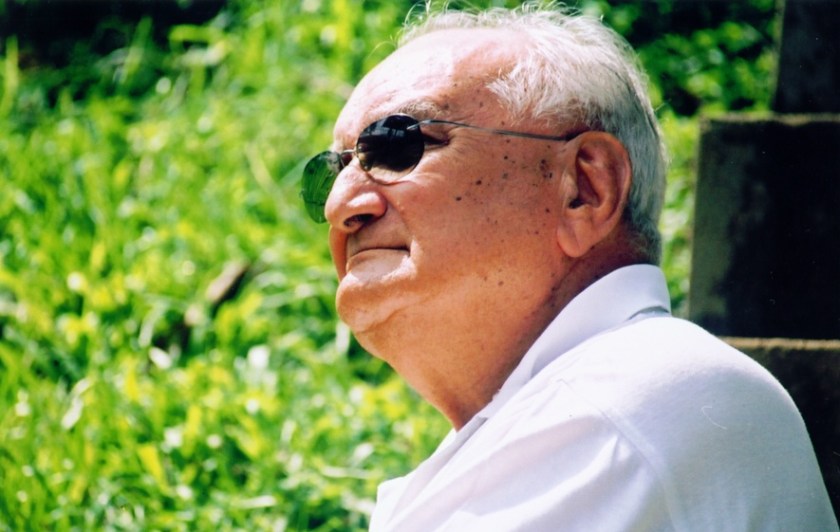
One year has passed since Ray Wijewardene’s death aged 86. In that year, I’ve been privileged to play a part in celebrating his life and preserving his legacy.

My main contribution todate is building the official Ray Wijewardene website, which was launched in time for Ray’s 87th birth anniversary. It can now be accessed at: http://www.raywijewardene.net

Here’s the promotional blurb I sent out to a few dozen people this weekend:

Philip Revatha (Ray) Wijewardene (1924 – 2010) was an extraordinary Sri Lankan who was rightly called a Renaissance Man. Educated at two of the most prestigious universities in the world (Cambridge and Harvard), he excelled in many different areas of human endeavour: agriculture, aviation, engineering design, inventions, renewable energy technologies and water sports. He also painted and played the violin.

The Ray Wijewardene official website went ‘live’ just in time for Ray’s 87th birth anniversary on 20 August 2011.

This informative website captures highlights of Ray’s rich and colourful life that covered different areas of human endeavour: agriculture, aviation, engineering design, renewable energy, transport and water sports. It promotes his vision for self-reliance, innovation and sustainable development in Sri Lanka and in other countries in the humid tropics.

Weaving the four elements: Ray's logo
The website introduces Ray as ‘a man for all elements’, and showcases his personal logo that symbolised the integration of the four elements in eastern philosophy: water, fire, air and matter/Earth.

It carries first person narratives written by five individuals who knew Ray in different capacities: aviator Capt Elmo Jayawardena, renewable energy specialist P G Joseph, science writer Nalaka Gunawardene, conservationist Dr Ranjith Mahindapala and biologist Rohan Pethiyagoda. It also collates links to tributes and appreciations that were published in the media following Ray’s death in August 2010.

In another section, the website has a photo gallery that includes many hitherto-unseen images drawn from the Wijewardene family albums and from various other institutional and media sources. These offer glimpses of Ray Wijewardene’s education, training, career and leisure activities that took him to the universities of Cambridge and Harvard, international service with the United Nations, the Olympic and Asian games and the grassroots in Sri Lanka.

The website was conceived and built by the Colombo-based non-profit media foundation TVE Asia Pacific. It is an entirely voluntary effort that involved the collaboration of many individuals from different backgrounds and geographical locations. Information and images were sourced from Ray’s family members, friends and associates.

More information, photographs and videos are to be added as new material becomes available. The website actively seeks memories, anecdotes and images for the Ray biography compilation project that is now underway.

The Ray Wijewardene Charitable Trust (RWCT) was established in early 2011 to promote Ray’s vision and ideas in Sri Lanka. The Trust will support innovation in areas that were close to Ray’s heart. This website is the Trust’s first public activity to preserve Ray’s legacy.

සිවුමංසල කොලූගැටයා #25: “බටහිර විද්‍යාව”, “සාම්ප්‍රදායික දැනුම” සහ දකුණු අප‍්‍රිකාවේ බිහිසුනු HIV/AIDS මංමුලාව

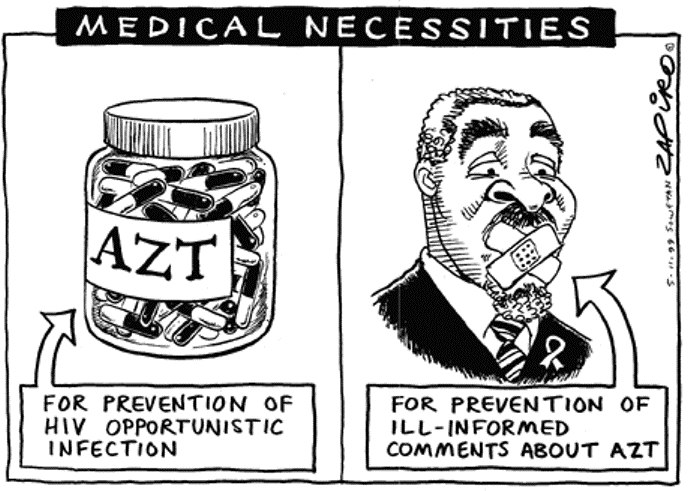
In my Ravaya column (in Sinhala) for 31 July 2011, I look back at South Africa’s HIV/AIDS misadventure under President Thabo Mbeki, who refused to accept the well-established scientific consensus about the viral cause of AIDS and the essential role of antiretroviral drugs in treating it. Instead, he and his health minister embarked on a highly dubious treatment using garlic, lemon juice and beetroot as AIDS remedies — all in the name of ‘traditional knowledge’.

It turned out to be a deadly experiment, and one of the worst policy debacles in the history of public health anywhere in the world. In 2008,  A study by Harvard researchers estimated that the South African government could have prevented the premature deaths of 365,000 people if it had provided antiretroviral drugs to AIDS patients and widely administered drugs to help prevent pregnant women from infecting their babies.

There are lessons for all governments addressing complex, technical issues: do not allow a vocal minority to hijack the policy agenda, ignoring well established science and disallowing public debate on vital issues.

South African cartoonist  Zapiro lampooned President Mbeki's HIV folly
South African cartoonist Zapiro lampooned President Mbeki’s HIV folly

AIDS රෝගය මුලින් ම වාර්තා වී වසර තිහක් ගත වී තිබෙනවා. අමෙරිකාවේ මුල් වරට මේ රෝග ලක්ෂණ සහිතව රෝගීන් වාර්තා වන්නට පටන් ගත්තේ 1981දී. එයට හේතුව HIV නම් වයිරසය බව සොයා ගත්තේ ඊට දෙවසරකට පසුව.

අද HIV/AIDS ලෝක ව්‍යාප්ත වසංගතයක් හා ලෝකයේ ප්‍රධාන පෙළේ සංවර්ධන අභියෝගයක් බවට පත්ව තිබෙනවා. අළුත් ම සංඛ්‍යා ලේඛනවලට අනුව 2009 වන විට HIV ශරීරගත වී ජීවත්වන සංඛ්‍යාව මිලියන් 33ක්. අළුතෙන් ආසාදනය වන සංඛ්‍යාව වසරකට මිලියන් 2.6ක්. HIV ආසාදන උත්සන්න අවස්ථාවේ AIDS රෝගය ඇති වී මිය යන සංඛ්‍යාව වසරකට මිලියන් 2ට වැඩියි.

HIV/AIDS ගැන විවිධ කෝණවලින් විග්‍රහ කළ හැකියි. දුගී දුප්පත්කම, බලශක්ති අර්බුද, පරිසර දූෂණය හා ගැටුම්කාරී තත්ත්වයන්ට මුහුණ දෙන දියුණුවන ලෝකයේ බොහෝ රටවලට ගෙවී ගිය දශක තුන තුළ HIV/AIDS නම් අමතර අභියෝගයට ද මුහුණ දීමට සිදු වුණා. එයින් දැඩි සේ පීඩාවට පත් දකුණු අප්‍රිකාවේ HIV/AIDS ප්‍රතිපත්තිය වසර ගණනක් අයාලේ ගිය කථාවයි අද විග්‍රහ කරන්නේ. මෑතදී මා නැවතත් දකුණු අප්‍රිකාවට ගිය අවස්ථාවේ මගේ දැනුම අළුත් කර ගන්නට ලැබුණු නිසායි.

ලෝකයේ වැඩි ම HIV ආසාදිත ජන සංඛ්‍යාවක් සිටින රට දකුණු අප්‍රිකාවයි. 2007 දී HIV සමග ජීවත් වන දකුණු අප්‍රිකානුවන් සංඛ්‍යාව මිලියන් 5.7 ක් පමණ වුණා. එනම් මුළු ජනගහනය මිලියන් 48න් සියයට 12ක්. එය එරට සෞඛ්‍ය අර්බුදයක් පමණක් නොව සමාජයීය හා ආර්ථීක ප්‍රශ්නයක් ද වෙනවා.

ජනාධිපති නෙල්සන් මැන්ඩෙලාගේ 1994-99 ධූර කාලයේ HIV/AIDS පිළිබඳව දකුණු අප්‍රිකාවේ සෞඛ්‍ය ප්‍රතිපත්ති සකස් වූයේ ලොව පිළිගත් වෛද්‍ය දැනුම හා උපදෙස් මතයි. HIV සමග ජීවත් වන අයට හැකි තාක් කල් නීරෝගීව දිවි ගෙවන්නට ඖෂධ සපයන අතරේ වයිරසය පැතිරයාම වැළැක්වීමේ දැනුවත් කිරීම් හා මහජන අධ්‍යාපන ව්‍යාපාරයක් දියත් වුණා.

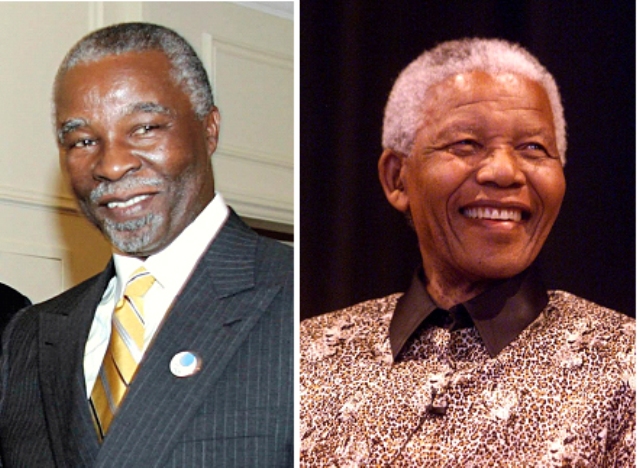
Thabo Mbeki (left) succeeded Nelson Mandela

එහෙත් ඔහුගෙන් පසු ජනාධිපති වූ තාබෝ එම්බෙකි (Thabo Mbeki) මේ ගැන ප්‍රධාන ප්‍රවාහයේ වෛද්‍ය විද්‍යාත්මක දැනුම ප්‍රශ්න කරන්නට පටන් ගත්තා. වෛද්‍ය විශේෂඥ දැනුමක් නොතිබුණත් තියුණු බුද්ධියකින් හෙබි එම්බෙකි, මෙසේ අසම්මත ලෙස සිතන්නට යොමු වුණේ HIV/AIDS ගැන විකල්ප මතයක් දරන ටික දෙනකුගේ බලපෑමට නතු වීම නිසයි.

මේ අයට ඉංග්‍රීසියෙන් AIDS Denialists කියනවා. ඔවුන්ගේ තර්කය AIDS රෝගය හට ගන්නේ HIV වයිරසය නිසා නොව දුප්පත්කම, මන්ද පෝෂණය වැනි සමාජ ආර්ථීක සාධක ගණනාවක ප්‍රතිඵලයක් ලෙසින් බවයි.

එම්බෙකිගේ සෞඛ්‍ය ඇමතිනිය (1999-2008) ලෙස ක්‍රියා කළ මාන්ටෝ ෂබලාලා සිමැංග් (Manto Tshabalala Msimang) මේ අවුල තවත් ව්‍යාකූල කළා. HIV ආසාදනය පාලනය කරන බටහිර වෛද්‍ය විද්‍යාවේ ඖෂධ වෙනුවට සම්ප්‍රදායික අප්‍රිකානු දැනුමට අනුව සුදුළුෑනු, දෙහි සහ බීට්රූට් යුෂ ගැනීම සෑහෙන බවට ඇය ප්‍රසිද්ධියේ ප්‍රකාශ කළා!

මේ නිසා HIV වයිරසයට ප්‍රහාර එල්ල කිරීම වෙනුවට දුප්පත්කම පිටුදැකීම කළ යුතු යයි ස්ථාවරයකට එම්බෙකි යොමු වුණා. HIV මර්දන සෞඛ්‍ය කටයුතු අඩපණ කරන්නටත්, මහජන සෞඛ්‍ය සේවා හරහා ඖෂධ ලබා දීම නතර කිරීමටත් එම්බෙකි රජය පියවර ගත්තා.

HIV සමග ජීවත්වන බහුතරයක් දකුණු අප්‍රිකානුවන්ට AIDS රෝග ලක්ෂණ පහළ වී නැහැ. HIV ශරීරගත වීමෙන් පසු වසර හෝ දශක ගණනක් ජීවත්වීමේ හැකියාව අද වන විට වෛද්‍ය විද්‍යාත්මකව ලබා ගෙන තිබෙනවා. එහෙත් ඒ සඳහා නිතිපතා Anti-Retroviral (ARV) ඖෂධ ගැනීම අවශ්‍යයි.

බොහෝ දියුණු වන රටවල අඩු ආදායම් ලබන HIV ආසාදිතයන්ට මේ ඖෂධ ලබා දෙන්නේ රජයේ වියදමින්. HIV ආසාදිත කාන්තාවන්ට ARV ඖෂධ නිසි කලට ලැබුණොත් ඔවුන් බිහි කරන දරුවන්ට මවගෙන් HIV පැතිරීම වළක්වා ගත හැකියි. එහෙත් එම්බෙකි රජය HIV වයිරසය ගැන විශ්වාස නොකළ නිසා ප්‍රජනන වියේ සිටින HIV ආසාදිත කාන්තාවන්ට එම ඖෂධ දීමත් නතර කළා.

දකුණු අප්‍රිකාව ජාතීන්, භාෂා හා දේශපාලන පක්ෂ රැසක සම්මිශ්‍රණයක්. එමෙන් ම 1994 සිට නීතියේ ආධිපත්‍යය හා රාජ්‍යයේ බල තුලනය පවතින රටක්. ප්‍රජාතන්ත්‍රවාදී සම්ප්‍රදායයන් හා ආයතන ප්‍රබල කරන්නට සැබෑ උත්සාහ ගන්නා රටක්.

මෙබඳු රටක වුවත් වසර කිහිපයක් පුරා ජනාධිපතිවරයාට හා සෞඛ්‍ය ඇමතිනියට මෙබඳු ප්‍රබල ප්‍රශ්නයකදී මේ තරම් අයාලේ යන්නට ඉඩ ලැබුණේ කෙලෙසදැයි මා එරට විද්‍යාඥයන් හා මාධ්‍යවේදීන් කිහිප දෙනකුගෙන් ඇසුවා. ඔවුන් දුන් පිළිතුරුවල සම්පිණ්ඩනය මෙයයි.

තාබෝ එම්බෙකි යනු වර්ණභේදවාදයට එරෙහිව දශක ගණනක් අරගලයක යෙදුණු,  පාලක ANC පක්ෂයේ ප්‍රබල චරිතයක්. ඔහුගේ දේශපාලන කැපවීම පිළිබඳව විවාදයක් නැහැ. මැන්ඩෙලා 1994දී ජනාධිපති වන විට එම්බෙකි උප ජනාධිපති වුණා.

1994-99 කාලය තුළ එරට ආර්ථීක වර්ධනයට හා සමාජ සංවර්ධනයට නායකත්වය සැපයූ ඔහු අප්‍රිකානු කලාපයේ දක්ෂ රාජ්‍ය තාන්ත්‍රිකයකු ලෙස නමක් දිනා ගත්තා. මැන්ඩෙලා එක් ධූර කාලයකින් පසු කැමැත්තෙන් විශ්‍රාම ගිය විට එම්බෙකි ANC ජනාධිපති අපේක්ෂකයා වී ජයග්‍රහණය කළා.

පරිණත දේශපාලකයකු රටේ ජනාධිපති ලෙස මහජන ඡන්දයෙන් තේරී පත්ව සිටින විටෙක, වැරදි උපදෙස් නිසා එක් වැදගත් ප්‍රශ්නයක් සම්බන්ධයෙන් ඔහු නොමග යාමට අභයෝග කරන්නේ කෙසේ ද? දකුණු අප්‍රිකාවේ වෛද්‍යවරුන් හා අනෙක් විද්වතුනට තිබූ ප්‍රශ්නය එයයි. සාම්ප්‍රදායික දැනුම එක එල්ලේ හෙළා නොදැක, එහි සීමාවන් ඇති බව පෙන්වා දෙමින්, රටේ නායකයා හා සෞඛ්‍ය ඇමති සමග හරවත් සංවාදයක යෙදෙන්නට සීරුවෙන් හා සංයමයෙන් කටයුතු කරන්නට ඔවුන්ට සිදු වුණා.

South African cartoonist Zapiro ridicules HIV denialist health minister 'Madam Beetroot'
South African cartoonist Zapiro ridicules HIV denialist health minister ‘Madam Beetroot’

ANC පක්ෂය තුළ ම එම්බෙකිගේ HIV/AIDS ස්ථාවරය ගැන ප්‍රශ්න මතු වුණා. එහෙත් මැන්ඩෙලා මෙන් විකල්ප අදහස් අගය කිරීමේ හැකියාවක් එම්බෙකිට නොතිබූ නිසාත්, ජනාධිපති හැටියට වඩා ඒකමතික පාලනයක් ඔහු ගෙන යන්නට උත්සාහ කළ නිසාත් පක්ෂය ඇතුළෙන් දැඩි ප්‍රතිරෝධයක් ආවේ නැහැ.

2002 දී පැවති ANC පක්ෂ රැස්වීමකදී මැන්ඩෙලා මේ ගැන සාවධානව අදහස් දැක් වූ විට එම්බෙකි හිතවාදියෝ ‘ජාතියේ පියා’ හැටියට අවිවාදයෙන් සැළකෙන මැන්ඩෙලාට වාචිකව ප්‍රහාර එල්ල කළා. එයින් පසු මැන්ඩෙලා ද තම අනුප්‍රාප්තිකයාගේ HIV/AIDS ප්‍රතිපත්ති ප්‍රසිද්ධියේ ප්‍රශ්න කිරීමෙන් වැළකුණා.

එම්බෙකි හිතවාදියෝ එතැනින් නතර වුණේ නැහැ. සිය නායකයාගේ අසම්මත HIV/AIDS න්‍යායට එරෙහිව කථා කරන විද්‍යාඥයන් හා වෛද්‍යවරුන්ට මඩ ප්‍රහාර දියත් කළා. දකුණු අප්‍රිකාවේ සිටින ලොව පිළිගත් ප්‍රතිශක්තිවේදය පිළිබඳ විශේෂඥයකු වූ මහාචාර්ය මක්ගොබා (Prof Malegapura Makgoba) ජනාධිපතිගෙන් ඉල්ලා සිටියා ලොව හිනස්සන මේ න්‍යායෙන් අත් මිදෙන ලෙස.

මේ මහාචාර්යවරයා බටහිර විද්‍යාවට ගැතිකම් කරන, අප්‍රිකාවේ සාම්ප්‍රදායික දැනුම හෙළා දකින්නකු ලෙස ජනාධිපති කාර්යාලය විසින් හදුන්වනු ලැබුවා. සුදු ජාතික හෝ ඉන්දියානු සම්භවය සහිත විද්වතකු ජනාධිපති මතවාද ගැන ප්‍රශ්න කළ විට එය ‘කළු ජාතික නායකයාට අවමන් කිරීමේ’ සරල තර්කයකට ලඝු කරනු ලැබුවා.

මේ මඩ ප්‍රහාර හා රාජ්‍ය යාන්ත්‍රණයට එරෙහිව හඬක් නැගූ සුදු හා කළු ජාතික දකුණු අප්‍රිකානුවන් ටික දෙනකු ද සිටියා. ඔවුන් විද්‍යා ක්‍ෂෙත‍්‍රයෙන් පමණක් නොව සාහිත්‍ය, කලා සහ සාමයික ක්‍ෂෙත‍්‍රවලින් ද මතුව ආවා.

එහිදී  දැවැන්ත කාර්ය භාරයක් ඉටු කළේ කේප්ටවුන්හි ආච්බිෂොප් ඩෙස්මන්ඩ් ටූටූ. වර්ණභේදවාදයට, අසාධාරණයට හා දිළිඳුබවට එරෙහිව දශක ගණනක් තිස්සේ අරගල කරන, 1984 නොබෙල් සාම ත්‍යාග දිනූ ඔහු, මුළු ලෝකය ම පිළිගත් චරිතයක්. 1994න් පසු ඡන්දයෙන් බලයට පත් හැම රජයක ම හොඳ දේ අගය කරන අතර වැරදි ප්‍රතිපත්ති නොබියව විවේචනය කරන්නෙක්.

ඩෙස්මන්ඩ් ටූටූ මුලදී පෞද්ගලිකවත් පසුව මහජන සභාවලත් එම්බෙකිගේ HIV/AIDS මංමුලාව ගැන කථා කළා. මහජන උන්නතියට ඍජුව ම බලපාන මෙබඳු ප්‍රශ්න සම්බන්ධයෙන් විවෘත සංවාදයක් පැවතිය යුතු බවත්, බහුතර විද්වත් මතයට ගරු කිරීම ප්‍රජාතන්ත්‍රවාදී රජයක වගකීම බවත් ඔහු අවධාරණය කළා.

2004 දී එක් ප්‍රසිද්ධ දේශනයකදී ඔහු කීවේ: “සුදු පාලකයන්ට එරෙහිව අරගල කරන සමයේ අපි ඉතා ප්‍රවේශමෙන් කරුණු ගවේෂණය කර, තර්කානුකූලව ඒවා ඉදිරිපත් කළා. දැන් ටිකෙන් ටික ඒ වෙනුවට එහෙයියන්ගේ හා ප්‍රෝඩාකාරයන්ගේ සම්ප්‍රදායක් ඉස්මතු වෙමින් තිබෙනවා. HIV/AIDS ගැන ජනාධිපති එම්බෙකිගේ විශ්වාස මීට වඩා බෙහෙවින් විවාදයට ලක් කළ යුතුයි. අභියෝග හා විවාදවලට ලක් කිරීමෙන් සත්‍යයට හානි වන්නේ නැහැ. එය වඩාත් නිරවුල් වෙනවා. මෙසේ ප්‍රශ්න කිරීම නිසා මා ජනාධිපතිගේ හතුරකු වන්නේ නැහැ. ජනසම්මතවාදී සමාජවල නායකයා කියූ පළියට යමක් පරම සත්‍යය වන්නේ නැහැ. එය තර්කානුකූල හා සාක්ෂි මත පදනම් වී ඇත්දැයි විවාදාත්මකව විග්‍රහ කිරීම අත්‍යවශ්‍යයි.”

1991 නොබෙල් සාහිත්‍ය ත්‍යාගය දිනූ සුදු ජාතික දකුණු අප්‍රිකානු ලේඛිකා නැඩීන් ගෝඩිමර් ද මේ සංවාදයට එක් වුණා. 2004 දී ඇය ප්‍රසිද්ධ ප්‍රකාශයක් කරමින් කීවේ ජනාධිපති එම්බෙකීගේ අනෙක් සියළු ප්‍රතිපත්ති තමා අනුමත කරන නමුත් HIV/AIDS ගැන ඔහුගේ ස්ථාවරය පිළි නොගන්නා බවයි.

දකුණු අප්‍රිකාවේ ස්වාධීන ජනමාධ්‍ය ද ජනාධිපති හා ඇමතිනියන්ගේ HIV/AIDS මනෝ විකාර දිගට ම විවේචනය කළා. ඇමතිනියට Madam Beetroot හෙවත් ‘බීට්රූට් මැතිනිය’ යන විකට නාමය දෙනු ලැබුවා. එහෙත් මේ දෙපළ දිගු කලක් තම වැරදි මාර්ගයෙන් ඉවත් වූයේ නැහැ. විවේචකයන්ගේ දේශපාලන දැක්ම, ජාතිය හා සමේ වර්ණය අනුව යමින් මේවා හුදෙක් ‘විරුද්ධවාදීන්ගේ කඩාකප්පල්කාරී වැඩ’ ලෙස හඳුන්වා දුන්නා.

2002 වන විට ANC පක්ෂය තුළින්, රට තුළින් හා ජාත්‍යන්තර විද්වත් සමූහයා වෙතින් මතුව ආ ප්‍රබල ඉල්ලීම් හමුවේ ජනාධිපති එම්බෙකි එක් පියවරක් ආපස්සට ගත්තා. එනම් ආන්දෝලනයට තුඩු දුන් HIV/AIDS ප්‍රතිපත්ති ගැන මින් ඉදිරියට ප්‍රසිද්ධියේ කිසිවක් නොකීමට. ජනාධිපති මෙසේ මුනිවත රැක්කත් සෞඛ්‍ය ඇමතිනියගේ අයාලේ යාම තවත් කාලයක් සිදු වුණා.

2003 දී විශ්‍රාමික අමෙරිකානු ජනාධිපති බිල් ක්ලින්ටන් එම්බෙකි හමු වී පෞද්ගලික ආයාචනයක් කළා. නොමග ගිය දකුණු අප්‍රිකානු HIV/AIDS ප්‍රතිපත්ති නැවත හරි මඟට ගන්නට ක්ලින්ටන් පදනම විද්වත් හා මූල්‍ය ආධාර දීමට ඉදිරිපත් වූ විට එම්බෙකි එය පිළි ගත්තා. (මෙය ප්‍රසිද්ධ වූයේ වසර ගණනාවකට පසුවයි.)

එහෙත් එරට HIV/AIDS ප්‍රතිපත්ති යළිත් ප්‍රධාන ප්‍රවාහයට පැමිණීම එම්බෙකිගේ ධූර කාලය හමාර වන තුරු ම හරිහැටි සිදුවුණේ නැහැ. 2008 සැප්තැම්බරයේ ඔහු තනතුරින් ඉල්ලා අස් වූ පසු කෙටි කලකට ජනාධිපති වූ කලේමා මොට්ලාතේ තනතුරේ මුල් දිනයේ ම එම්බෙකිගේ සෞඛ්‍ය ඇමතිනිය ඉවත් කළා. ඒ වෙනුවට HIV/AIDS සම්බන්ධයෙන් කාගේත් විශ්වාසය දිනාගත් බාබරා හෝගන් සෞඛ්‍ය ඇමති ලෙස පත් කළා. ඇය ප්‍රතිපත්ති හරි මගට ගන්නට හා ARV ප්‍රතිකාර ව්‍යාප්ති කරන්නට ඉක්මන් පියවර ගත්තා.

එහෙත් ඒ වන විට අතිවිශාල හානියක් සිදු වී හමාරයි. 2008 නොවැම්බරයේ අමෙරිකාවේ හාවඩ් සරසවියේ පර්යේෂකයෝ ගණන් බැලීමක් කළා. 2002-2005 වකවානුවේ නොමග ගිය HIV/AIDS ප්‍රතිපත්ති නිසා ප්‍රතිකාර හා සෞඛ්‍ය පහසුකම් අහිමි වූ දකුණු අප්‍රිකානුවන් සංඛ්‍යාව පිළිබඳව. ඍජු හෝ වක්‍ර වශයෙන් 365,000ක් දෙනා මේ අවිද්‍යාත්මක ප්‍රතිපත්ති නිසා අකාලයේ මිය ගිය බව ඔවුන්ගේ නිගමනයයි. (ක්‍රමවේදය සඳහා බලන්න: http://www.hsph.harvard.edu/news/magazine/spr09aids/)

මේ ජීවිත හානි වලට වගකිව යුත්තේ කවුද?

දිවි සුරකින දැනුම සම්බන්ධයෙන් සෙල්ලම් කරන්නට යාමේ අවදානම හා එහි භයානක ප්‍රතිඵලවලට දකුණු අප්‍රිකාවේ HIV/AIDS මංමුලාව මතක හිටින පාඩමක්.

‘Cheque-book development’: BBC World News editorial air time being sold to development agencies?

The BBC Trust – an independent body which safeguards the values of the publicly funded British Broadcasting Corporation – recently faulted the BBC Panorama series for faking child labour footage in India, apologised to the corporate house falsely implicated, and returned a prestigious TV award won by the 2008 programme concerned.

This was certainly a welcome move. But there is much more that the guardian of BBC values can and should investigate, among them the conduct of the BBC’s global TV broadcasting arm currently branded as BBC World News (earlier called BBC World TV). In this context, I want to draw attention to an op-ed essay I wrote in August 2007 that flagged an on-going practice where publicity-hungry development agencies were paying intermediaries who are apparently selling editorial coverage on BBC World. This is unethical and possibly illegal. I called it ‘Cheque-book development’.

The essay originally appeared in MediaChannel.org, an outspoken media-watch website produced from New York by the highly respected ‘News Dissector’ and media activist Danny Schechter. MediaChannel.org has since experienced funding difficulties and their online archive is currently not accessible. My op-ed also appeared, in full, at Asia Media Forum where it is still available.

Excerpts of the essay were featured in my blog post of 15 August 2007: ‘Cheque-book Development’: Paying public media to deliver development agency logos

I am reproducing the full text of my op-ed essay without any changes so it is more widely available. Despite expressions of dismay from fellow media watchers, there was no reaction of any kind from the BBC at the time. Let us hope the BBC Trust will now consider it worth looking into.

‘Cheque-book development’ corrupting the media?

By Nalaka Gunawardene (August 2007)

BLURB: In their ceaseless efforts to keep their organisations in the media spotlight, spin doctors of development agencies are distorting news values and corrupting the media, turning issue-based communication products into ‘logo delivery mechanisms’.

There is a new kind of ‘tout’ accosting development and humanitarian agency officials at international meetings.

These smart and well-heeled persons are not looking for a supply contract. In the age of spin, they are offering agencies ‘product placement’ – in the globalised news media.

“I can get your agency on BBC World,” is a common claim. In some quarters now, Al Jazeera International (AJI) is also being mentioned.

This is not an over-enthusiastic journalist looking for a scoop. These intermediaries are peddling the jealously-guarded access to highly visible news and current affairs TV channels.

Some are freelancers or stringers, while others are film production company executives. Their media access is hard earned: they all have track records of producing TV news features or documentaries to international broadcast standards.

There is only one problem: they are not supposed to sell this media access to the highest bidder.

But it happens more frequently than we suspect.

I have personally witnessed this kind of offer being made. Worryingly, the development community does not find anything ethically or morally wrong with this practice.

One possible reason: the competition among development and humanitarian organisations for public recognition has intensified in the past decade. Their communication officers are under tremendous pressure to raise the profile of their organisations -– and in some cases, of egotistic bosses.

So when a cash-for-media coverage opportunity comes along, it is too good to be missed.

The obvious question is hardly raised: how come access to a trusted news outlet is being marketed? Instead, many development professionals simply ask: how much?

The answer depends on how many precious seconds of air time, on which broadcast outlet and for what kind of story. But we are not talking about small change: some of these deals involve fifty or hundred thousand US dollars.

And those funds are drawn from the already tight communication budgets of development and humanitarian agencies.

At Asia Media Summit 2006 in Kuala Lumpur, the regional communication chief of a leading UN agency told me how she’d worked with such an ‘access peddler’ to get a post-tsunami story on BBC World TV. The few minutes of coverage almost drained her budget – but the agency management was highly pleased with their ‘few minutes of fame’.

I found that it was not a BBC staffer but a freelancer who was involved. Money had exchanged hands, though I didn’t find out how much, or on what kind of contractual arrangement it was done.

This is not an isolated incident. As development organisations compete more intensely for external funding, they are increasingly adopting desperate strategies to gain higher media visibility for their names, logos and bosses.

Communication officers in some leading development and humanitarian organisations have been reduced to publicists. When certain UN agency chiefs tour disaster or conflict zones, their spin doctors precede or follow them. Some top honchos now travel with their own ’embedded journalists’ – all at agency expense.

In this publicity frenzy, these agencies’ communication products are less and less on the issues they stand for or reforms they passionately advocate. Instead, the printed material, online offerings and video films have become ‘logo delivery mechanisms’.

The access peddlers know this weakness very well, and have turned it into a veritable cottage industry.

It’s not just the development sector’s vanity that fuels this process. Many 24/7 news channels are struggling to fill their hours inexpensively. Some turn a blind eye to ethical sourcing as long as they can have a steady supply of subsidised content.

Some media outlets are harder to penetrate than others. CNN International regulations prevent access peddling by its staff or intermediaries. The Public Broadcasting System (PBS) in the United States does not allow interviews with representatives of any entity sponsoring the production or broadcast of a programme.

Sadly, not every broadcaster is as careful.

This practice is wrong on two counts. One, allowing intermediaries to sell access to the airwaves is a form of corruption. Two, every time this happens, it siphons off tax-payer supported development funds intended for combating poverty and suffering in the majority world.

It is the reverse of cheque-book journalism, where some media organisations pay celebrity or other sources for exclusive access to their stories. When development agencies are paying sections of the media to get promotional or favourable stories aired, we must call it ‘cheque-book development’.

Some practitioners might argue that the end justifies the means. But beyond narcissism, the development benefit of logo-delivery media coverage is highly debatable.

Journalistic stories, whether on development, humanitarian or any other topic, must earn their place in the media on their intrinsic value. Despite greater corporatisation of the media, a good story can still stand up on its own.

Attaching cash to a development story seriously distorts those news values, making it harder for other development players to get rightful media coverage for their stories.

The origins of this unhealthy trend dates back to at least the 1970s, when the World Bank and some UN agencies started buying air time on public television networks to broadcast promotional films. Throwing money was a lot easier than working with producers to generate sustained coverage on issues of public interest. This spoilt the chances for others who were not willing or able to buy airtime but had public interest content to offer.

Paradoxically, the same development agencies take to the moral high ground on transparency and corruption in the global south. But as they broker more cash-for-media coverage deals behind the scenes, we are left gasping at the hypocrisy of it all.

Nalaka Gunawardene writes on media, development and society. The views in this essay are entirely his own. He can be reached on and he blogs at https://movingimages.wordpress.com

BBC Panorama, caught faking child labour footage, returns prestigious TV award

Primark: On the Rack
Two weeks after the BBC admitted that its journalists had partly faked child labour footage in India, the public broadcaster has returned a prestigious television award won by the controversial programme.

BBC had earlier won the Current Affairs Home Prize at the Royal Television Society awards for its show Primark: On The Rack, which was first broadcast on BBC 1 channel in June 2008.

In an internal investigation, the BBC Trust – an independent body which safeguards the values of the publicly funded corporation – found that it ‘more likely than not’ that certain footage in the Panorama programme was not authentic.

The implicated retailer, Primark, criticised the BBC for taking so long to find in its favour when evidence casting doubt on some of the video material has been in the corporation’s possession since before the documentary first aired in 2008.

BBC Panorama claims to be the world’s longest running investigative TV show, and has been on the air for more than 50 years. In that time, it has done some excellent exposures on matters of vital public interest.

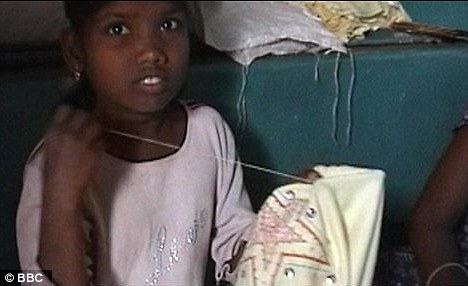
Yet hinting a decline in both editorial and ethical standards at the BBC, the reporting team was found to have taken liberties with certain visuals in this particular programme. It investigated Primark’s claims that it can deliver ‘cheap, fast fashion’ without breaking ethical guidelines, and included footage obtained in a Bangalore workshop of three boys carrying out an activity described in the programme as ‘testing the stitching’ on Primark garments.

According to the Daily Mail: “The BBC Trust’s Editorial Standards Committee examined evidence such as the unedited ‘rushes’ of the programme and emails to the production team from the freelance journalist Dan McDougall, who obtained the footage.”

BBC Trustee and Chair of the ESC Alison Hastings said after their investigations: “The BBC’s investigative journalism is rightly held in very high regard, and for more than fifty years Panorama has made a very significant contribution to that. But great investigative journalism must be based on the highest standards of accuracy, and this programme on Primark failed to meet those standards. While it’s important to recognise that the programme did find evidence elsewhere that Primark was contravening its own ethical guidelines, there were still serious failings in the making of the programme. The Trust would like to apologise on behalf of the BBC to Primark and to the audience at home for this rare lapse in quality.”

Read full report here.

Despite all these developments, the BBC Panorama official web page for this programme shows no indication of this turn of events. Accessed on at 01:30 GMT on 30 June 2011, the page says it was “last updated at 13:31 GMT, Wednesday, 18 June 2008 14:31 UK”. No apology, no correction, no link to the BBC Trust’s report.

The programme’s blurb still reads: “Panorama puts Primark’s claims that it can deliver cheap, fast fashion without breaking ethical guidelines to the test. Posing as industry buyers in India, the programme’s reporter Tom Heap and his team find some of India’s poorest people working long, gruelling hours on Primark clothes in slum workshops and refugee camps.”

So who puts the BBC Panorama to test? Are investigative journalists above the ethics of journalism because their work is hazardous, and is ultimately meant to be in the public interest?

Even Homer nods, and the best intended investigative journalists can – and do – make occasional mistakes. The important question is whether this was a bona fide error in judgement, or does it suggest a trend where the BBC’s investigative journalists and producers arrogantly believe that the end justifies the means?

Many documentaries rely on re-enactments for certain scenes, which are usually labelled as such. Does exposing child labour in supply chains give the license for do-gooding journalists to manipulate individuals and images to suit a preconceived notion of a corporation’s complicity? Could they not have resorted to other means – perhaps with less dramatic visuals, but more honest in their sourcing?

Does this rare admission of error on the part of the BBC also raise questions about the integrity of some other hard-hitting and controversial Panorama investigations over the years which have taken on some big-time targets such as the Vatican, the United Nations Peace Keepers or the CIA?

Hard questions indeed for the usually self-righteous Auntie Beeb.

‘Amazing Grace’ movie: Story of William Wilberforce, the Model Campaigner

One man, one resolve -- and history is changed!
“When people speak of great men, they think of men like Napoleon – men of violence. Rarely do they think of peaceful men. But contrast the reception they will receive when they return home from their battles. Napoleon will arrive in pomp and in power, a man who’s achieved the very summit of earthly ambition. And yet his dreams will be haunted by the oppressions of war. William Wilberforce, however, will return to his family, lay his head on his pillow and remember: the slave trade is no more.”

Those words are uttered by the character Lord Charles Fox in the British House of Commons towards the end of the 2006 movie Amazing Grace. They sum up the singular accomplishment of William Wilberforce (1759 – 1833), British politician, philanthropist and leader of the movement to abolish the slave trade.

The movie, based on his true story, is not just a well-made period drama. It also offers dramatic insights into one of the most successful – and consequential – social justice campaigns in history. It reminds us that a determined man or woman can, indeed, make a difference in our complex world.

Inspired by a recent visit to Yorkshire, where Wilberforce hailed from, I’ve just watched the movie — and am amazed to find how many such striking parallels there are to evidence-based policy change and law reform in a very different world of ours more than two centuries later.

But first, here’s the storyline from the Internet Movie Database (IMDb):

“In 1797, William Wilberforce, the great crusader for the British abolition of slavery, is taking a vacation for his health even while he is sicker at heart for his frustrated cause. However, meeting the charming Barbara Spooner, Wilberforce finds a soulmate to share the story of his struggle. With few allies such as his mentor, John Newton, a slave ship captain turned repentant priest who penned the great hymn, “Amazing Grace,” Prime William Pitt, and Olaudah Equiano, the erudite former slave turned author, Wilberforce fruitlessly fights both public indifference and moneyed opposition determined to keep their exploitation safe. Nevertheless, Wilberforce finds the inspiration in newfound love to rejuvenate the fight with new ideas that would lead to a great victory for social justice.”

A detailed plot synopsis on IMDB

Wikipedia has a good summary of how Wilberforce and his few determined friends sustained a campaign against this inhuman yet highly lucrative trade.

Wilberforce was every bit the resolute campaigner: used every trick in the book, and then some. He diligently amassed incriminating evidence about the mass-scale abuse of human rights taking place in far-away Africa and on the high seas transporting captured African slaves. He wrote and spoke extensively using facts and figures as well as appeals to human emotions. He collected eye witness testimonials, and gathered over 300,000 signatures in a petition from ordinary people calling for abolition of slavery — which countered the political argument that people didn’t care.

William Wilberforce by Karl Anton Hickel, circa 1794
Wilberforce must have been among the first to realise the power of collective consumer action. On his urging, conscientious consumers in Britain boycotted sugar grown in the Caribbean with slave labour. One of the most sucessful campaigns the Abolition Movement was responsible for was the Sugar Boycott. According to one source: “In 1791 the society distributed leaflets encouraging the public, and especially women, not to buy or use sugar produced in the West Indies by slaves. As a result about 300,000 people boycotted sugar and sales began to drop. In an effort to increase sales, some shops stocked only sugar imported from India, which had not been produced by slaves, and goods were labelled to show this.”

He also worked on and with influential religious and political connections. He surrounded himself with a few trustworthy friends who stay the course despite multiple setbacks, ridicule and character assassination. He was passionate to the point of being obsessive. Yet he also knew when to speak and when to make a tactical retreat. His timing was impeccable as were his patience and commitment.

He wasn’t successful with every social justice campaign he took up. First elected to Parliament in 1780, he campaigned unsuccessfully for penal and electoral reform. It was in 1787, at the encouragement of William Pitt the Younger — his long-long friend and Prime Minister — that he took up the cause of abolition at Westminster. But his humanitarian and ethical arguments had to meet the economic interests of those who had made vast fortunes from the slave trade or the use of slave labour. Many of his fellow Parliamentarians had deep vested interests that wanted to see the status quo continue. Others were in the pay of slave traders.

It was not until 1807 — full 20 years after Wilberforce first started his campaign — that the Abolition Bill was finally passed. Just before that, Wilberforce wrote his famous ‘Letter on the Abolition of the Slave Trade, Addressed to the Freeholders and Other Inhabitants of Yorkshire’, justifying his preoccupation with abolition against claims that he was neglecting their local interests at Westminster, and setting out all his arguments against the slave trade.

Then, as now, elected people’s representatives have to perform this difficult balancing act — between their constituency’s immediate, everyday needs and the greater good or national interest. Which is why all progressive legislators and social justice campaigners should watch Amazing Grace, and read the Wilberforce biography.

Times have indeed changed, but their challenges have not.

Wikipedia entry on Amazing Grace movie

Watch the trailer for Amazing Grace: