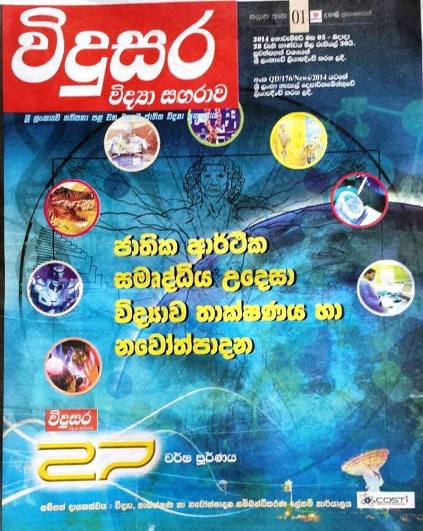
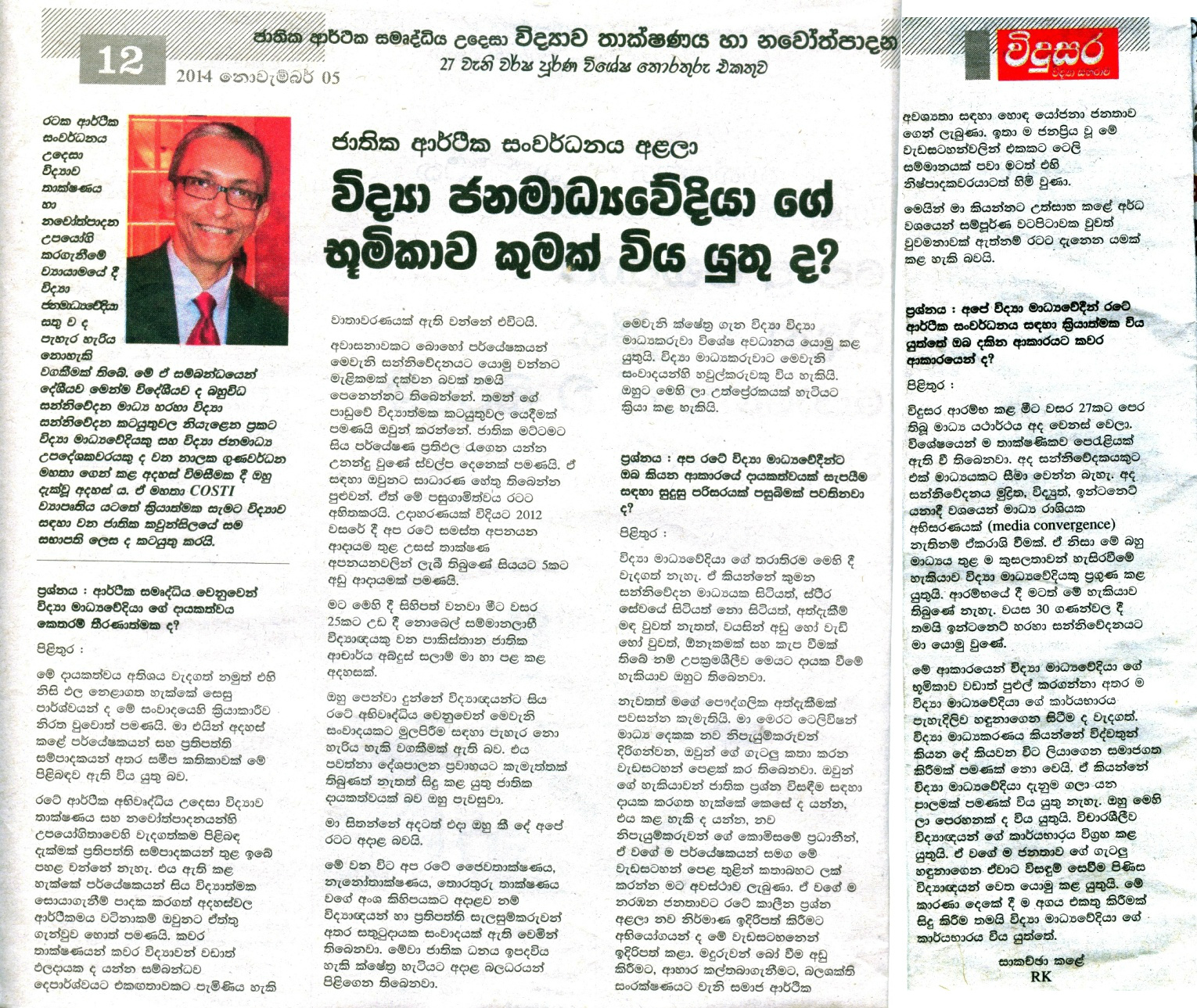
Vidusara, Sri Lanka’s only science and technology weekly magazine, has interviewed me in their issue dated 5 November 2014, which marks their 27th anniversary. They talked to me about the role of science journalists and other science communications in promoting science and technology for national economic development.
Here’s my Q&A with the newspaper’s editor, Rajendra Kulasinghe:
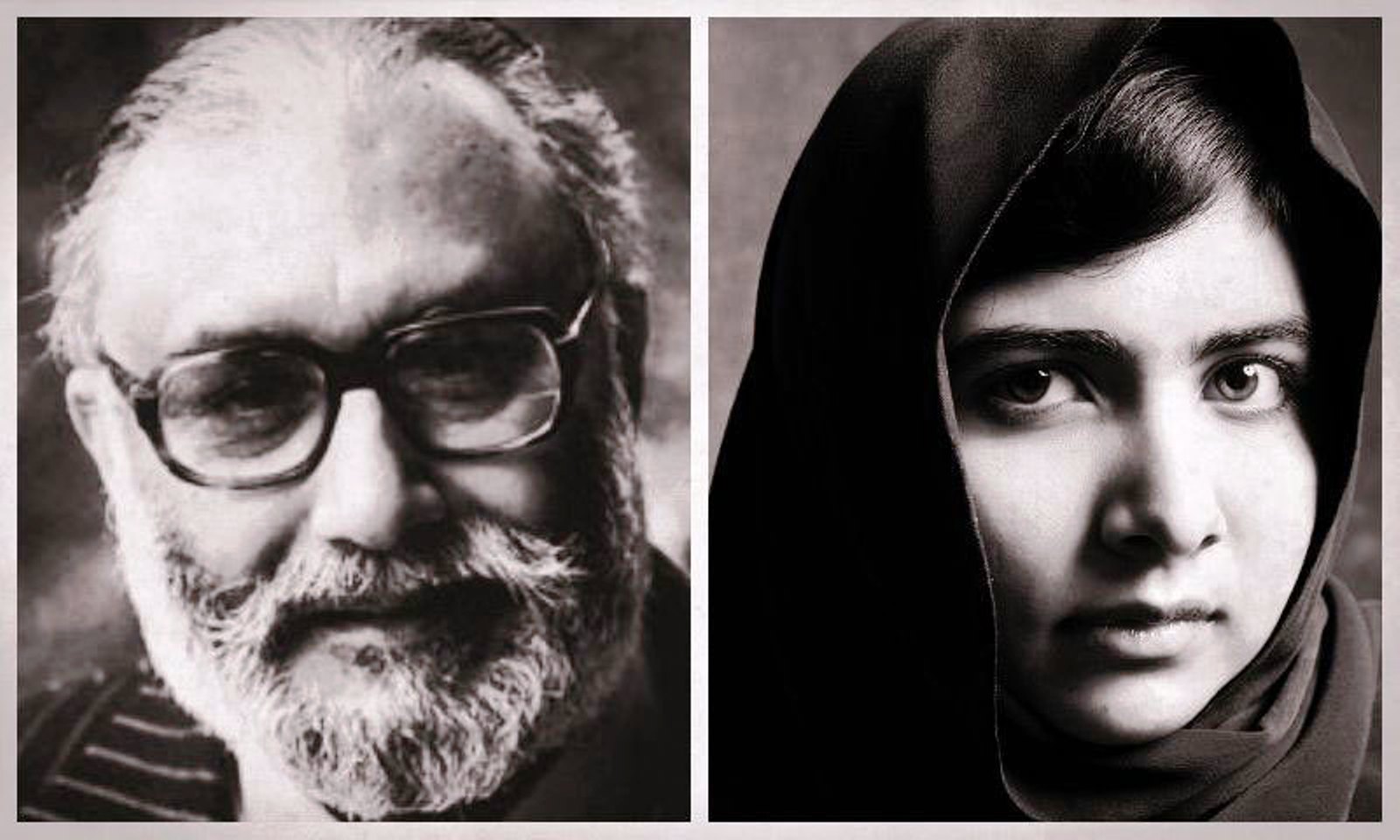
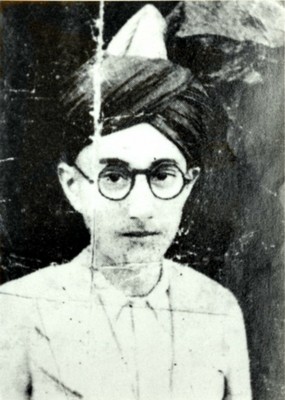
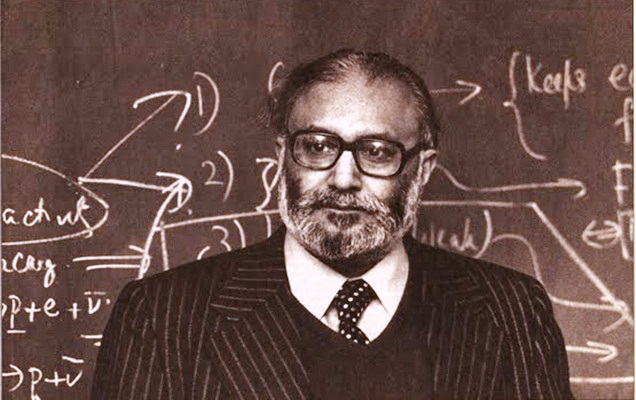
Malala Yousafzai, the Pakistani teenager turned activist, shared this year’s Nobel Peace Prize. She became the second Pakistani national in her country’s 67 year history as an independent state. Her Nobel has revived memories of the first national of Pakistan – as well as the first muslim — to win a Nobel Prize: Dr Abdus Salam (1926 – 1996).
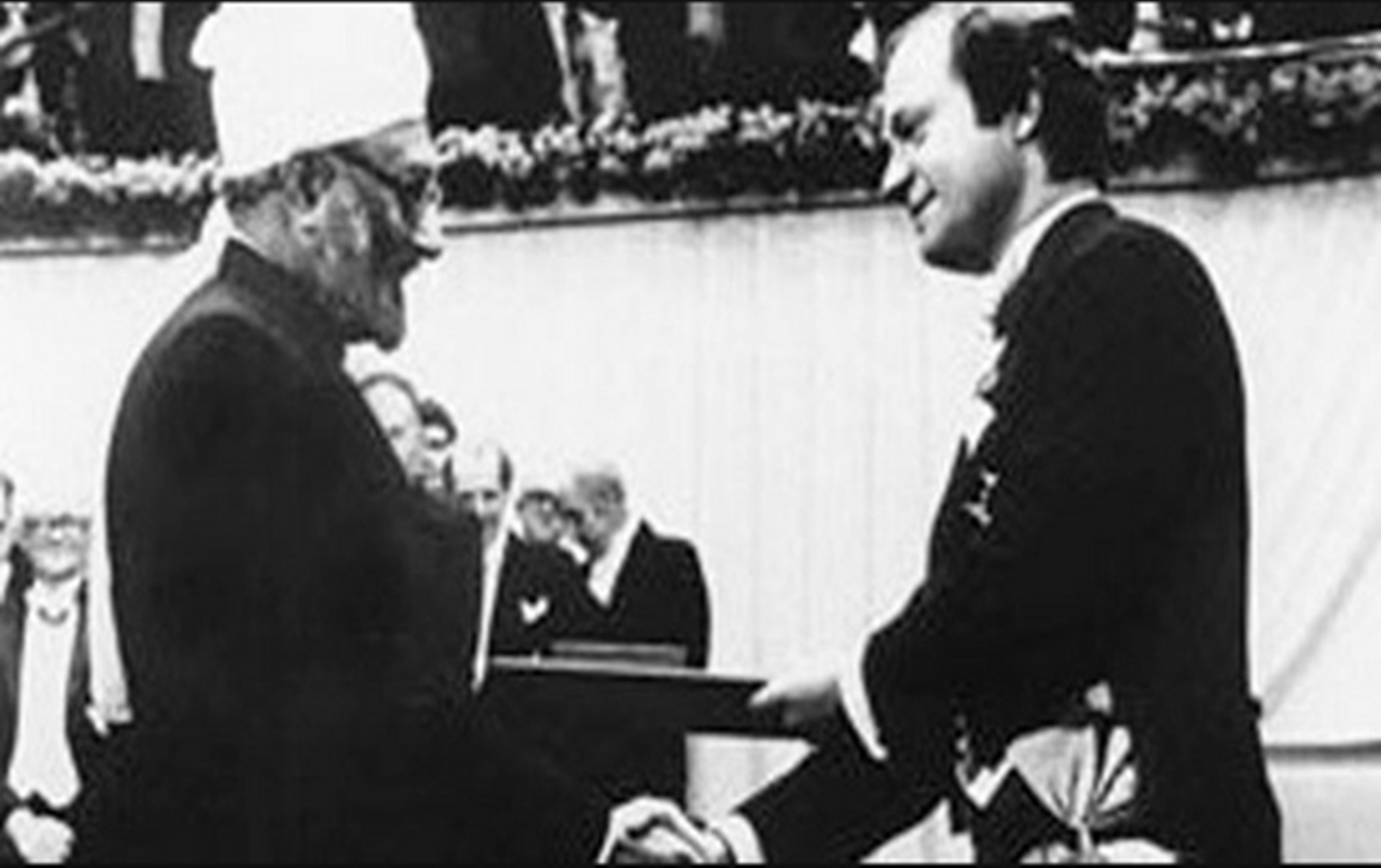
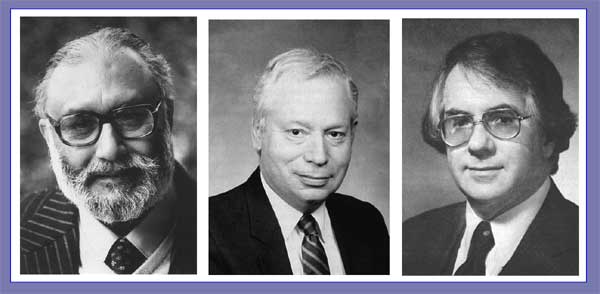
Salam was one of the most influential theoretical physicists of the 20th century. He shared the Nobel Prize in Physics in 1979 with two American physicists, Sheldon Lee Glashow and Steven Weinberg.
In this week’s Ravaya column (in Sinhala), I look at this illustrious South Asian who probed further from where Albert Einstein left off, and is called Einstein of the developing world.
I interviewed Salam twice as a young reporter – first in 1989 when he visited Sri Lanka, and again in 1990 when I visited him at the International Center for Theoretical Physics, ICTP.
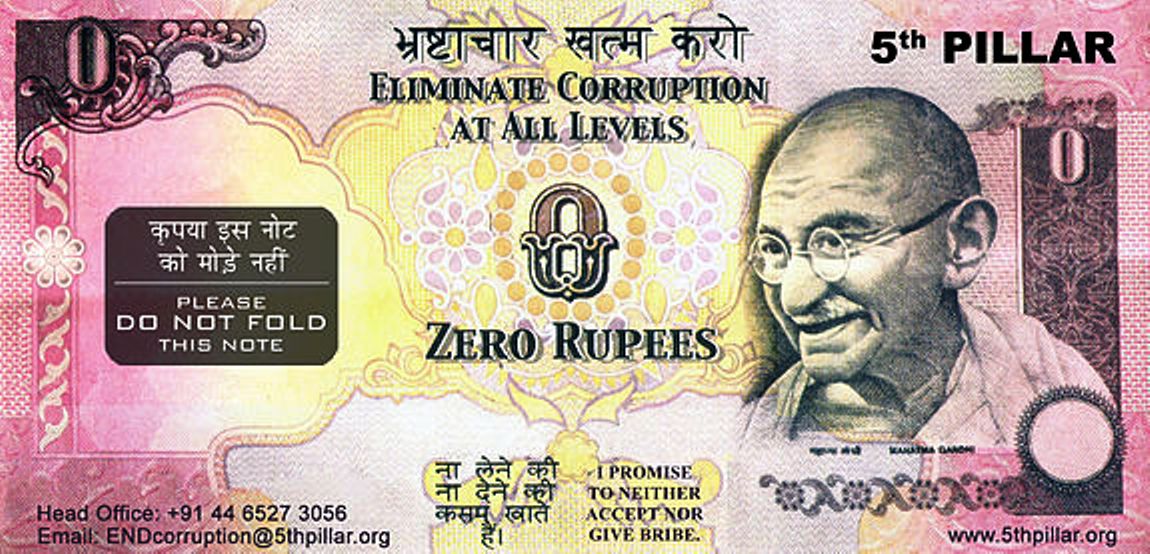
In this week’s Ravaya column (in Sinhala), I describe the Zero Rupee Note, an innovative effort developed by activists in India to fight systemic political corruption.
The notes, which have no monetary value but carry a moral power, are paid in protest by angry citizens to government servants who solicit bribes in return for services which are supposed to be free.
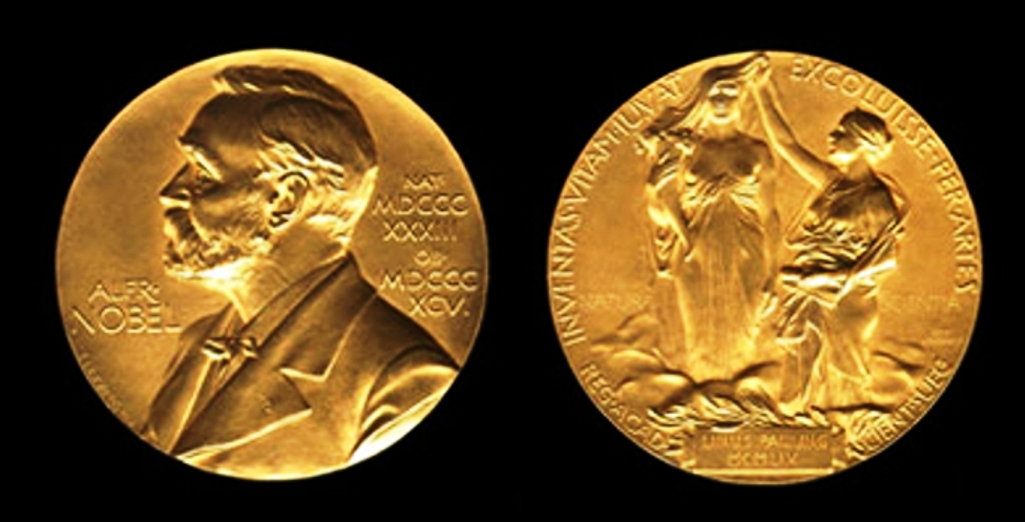
The selection of Nobel Peace Prize laureate often stirs more debate than all other Nobel prizes (in chemistry, physics, medicine, literature and economics) combined. The peace prize remains an essentially political one, reflecting the reality that most conflicts — and their resolution — are largely influenced by political considerations.
Members of the Norwegian Nobel Committee, all Norwegian nationals, may not be too well known beyond their country. Yet their annual selection reverberates around the world.
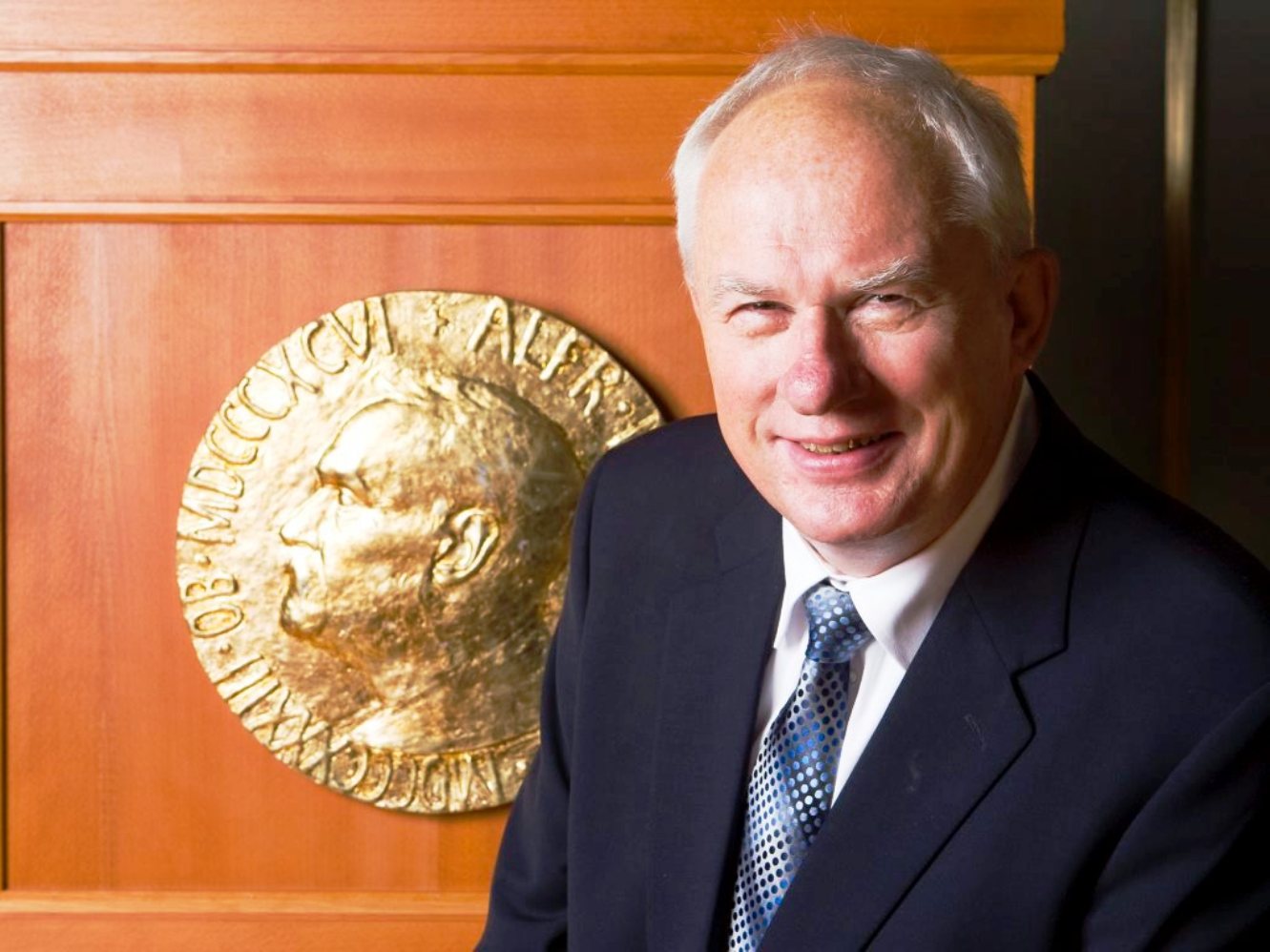
Five years ago, on a visit to the Norwegian capital, I listened to a talk by Dr Geir Lundestad, a historian who is Director of the Nobel Institute in Oslo and secretary to the Norwegian Nobel Committee. He gave some interesting insights into the legacy and limitations of the prize. I share these in my latest Ravaya column (in Sinhala) just as the winners of Nobel Peace Prize 2014 are to be announced this week.
One is the indulgence — and even perverse ‘celebration’ — of insularity, conflating it for distinctiveness and cultural identity. This is found among certain academics, artistes and social activists.
The other is obsessive nostalgia for, and romanticising of, history – at least, a certain interpretation of historical events and processes. Never mind whatever problems of development and governance of today, these nostalgists seem to contend, we were once a great nation (or the greatest of all).
In my column (published in Ravaya newspaper, 5 October 2014), I discuss how best to counter insularity and unhealthy obsession with history. I also lament, as does Udan, the gradual decline of Lankans with bilingual or trilingual skills which enabled them to connect with each other and the wide world outside their island.
This week in my Ravaya column (in Sinhala), I discuss the role of literary translations in connecting cultures – both within Sri Lanka (across different linguistic groups) and linking Lanka with the rest of the world.
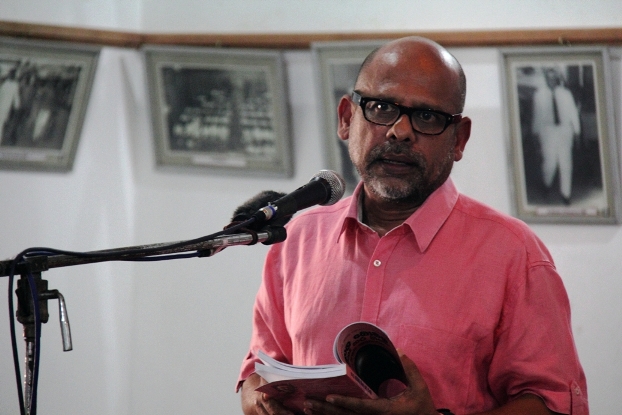
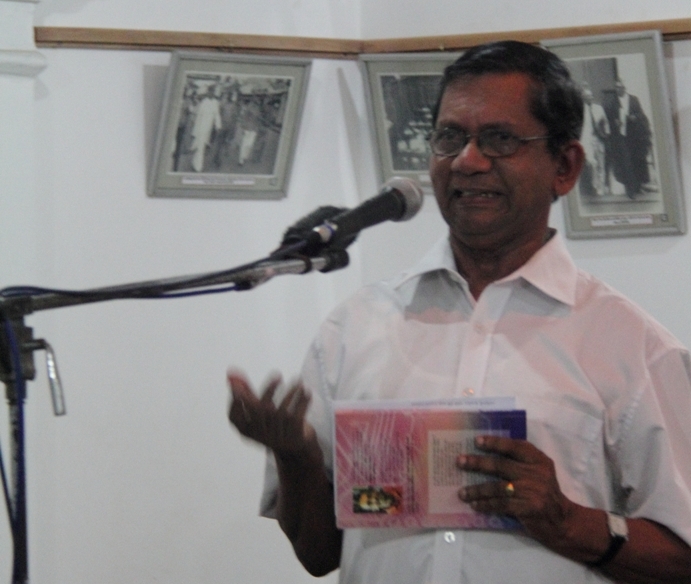
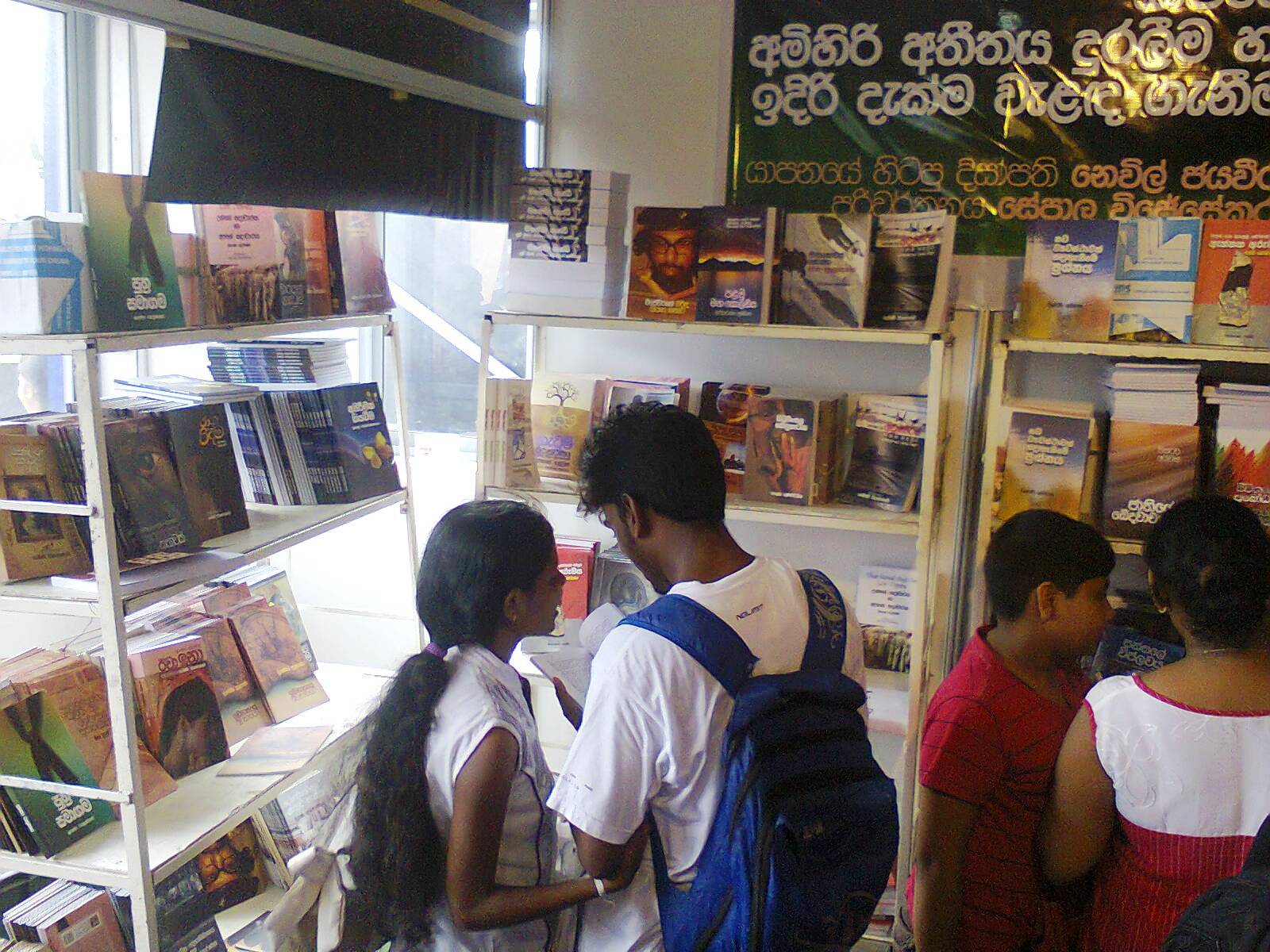
Inspiration for this column came in part from the Colombo International Book Fair 2014 (Sep 10-16), and the launch of a book (translated from Sinhala to English) a few days earlier, where I was asked to serve as compere.
Translations are like bridges, but I caution that poor translations offer hazardous connections to readers. I also argue that more Sinhala and Tamil books should be rendered into Sinhala, especially for the benefit of second and third generation Lankan diaspora members many of who are no longer reading in their parents’ mother tongue.
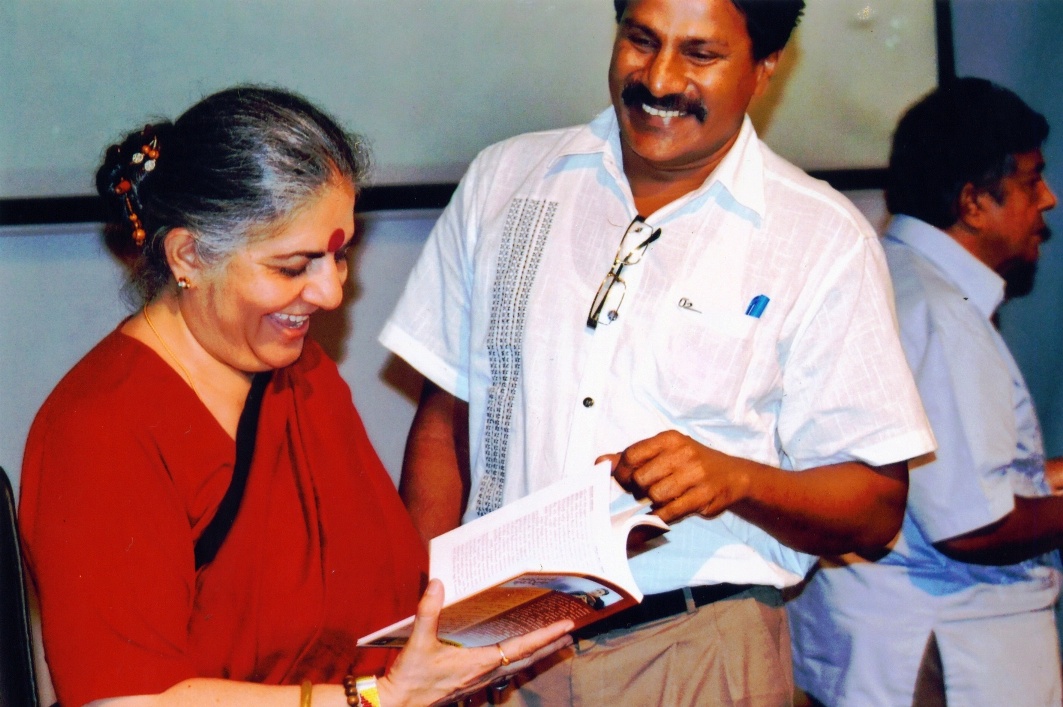
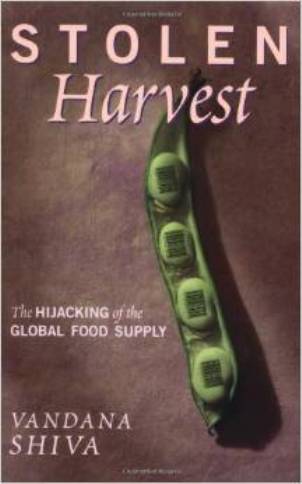
Indian social and environmental activist Dr Vandana Shiva visited Sri Lanka in June 2014, and delivered a well attended public lecture in Colombo. She also joined the launch of a Sinhala translation of her book ‘Stolen Harvest’, written in 2000.
The translator, Sydney Marcus Dias, sent me a copy recently and I have quoted from it in my latest Ravaya column (in Sinhala) appearing in issue dated 7 Sep 2014.
In this, I urge Lankan agro and green activists to engage in a critical reading of Vandana Shiva and not to blindly hero worship her. There is undoubtedly a crisis in modernized methods of farming that rely on high external inputs (agro-chemicals) promoted for half a century under the Green Revolution. Despite evidence for its economic and ecological unsustainability, however, these remain the basis of state agricultural policies in Sri Lanka.
Why? It is a national level failure of vision and policy making. True, local and global agro companies exploit this weakness, but they are operating within what is legal. This is opportunistic of them, for sure, but I don’t agree with Sydney Marcus Dias or any other activists that there is a huge international conspiracy to destabilize Lankan agriculture and destroy it along with the livelihoods of millions of small scale farmers.
We don’t need global conspirators when our own myopic politicians, misguided by officials and experts, are doing a good job of it on their own!
‘Stolen Harvest’ in English and Soragath Aswenna in Sinhala are both worth a read – and can form the basis of discussion. They are NOT the last word on any of the issues discussed, but certainly good opening thoughts to debate further.
NOTE: By sad coincidence, Sarath Fernando, highly respected Lankan farmer activist and founder of the Movement for National Land and Agricultural Reform (MONLAR), died the same weekend this column appeared in print. In June, Vandana Shiva made an affectionate reference to him as ‘my very dear friend Sarath Fernando’.
Sydney Marcus Dias presenting a copy of his Sinhala translation of Stolen Harvest to Dr Vandana Shiva in Colombo, June 2014
Vandana Shiva speaks during Fronteiras do Pensamento project at UFRGS on May 28, 2012 in Porto Alegre, Brazil – Photo by Alexandro Auler/LatinContent/Getty Images)
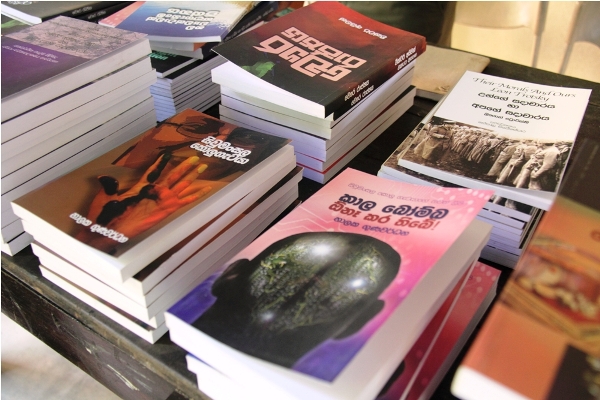
Promo note for my latest Sinhala language book, being released this week at Colombo International Book Fair to be held from 10 – 17 September 2014.
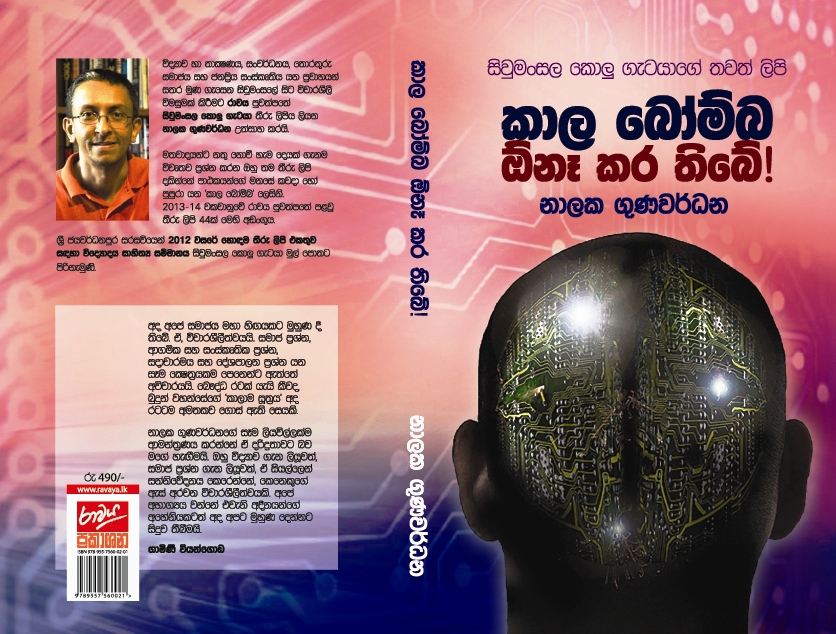
Kaala Bomba One Kara Thibe – by Nalaka Gunawardene (Ravaya Publishers, 2014) book cover
Award winning science writer Nalaka Gunawardene’s latest Sinhala book, Kaala Bomba One Kara Thibe (‘කාල බෝම්බ ඕනෑ කර තිබේ!’ = Wanted: Time Bombs of the Mind!), will be released at the Colombo International Book Fair that starts on 10 September 2014.
A Ravaya Publication, the book compiles 44 of his weekly columns named Sivu Mansala Kolu Getaya published in the Ravaya newspaper during 2013-14.
Launched in 2011, the popular column offers musings of a sceptical inquirer who sits at the intersection (or confluence) of science, development, mass media and information society. The University of Sri Jayawardenapura presented Nalaka a Vidyodaya Literary Award for the best newspaper column of 2012.
Written in an easy, conversational Sinhala rich in metaphor and analogy, Nalaka connects the local with global and also bridges sciences and humanities. The new collection touches on pharmaceuticals, organic farming, tobacco control, rationalism, citizen journalism and social media among many other topics.
“Lankan society today suffers from a major deficiency of critical thinking. Blind faith and sycophancy dominate our social, religious, political and cultural spheres. Whether writing on science, development or social issues, Nalaka Gunawardene comes up with refreshing doses of scepticism,” says Gamini Viyangoda, leading Sinhala writer and political commentator.
In his quest for clarity and reason, Nalaka talks to researchers, activists and officials. He also draws on his many experiences and global travels as a journalist and development communicator.
In his foreword, researcher and university lecturer Dr Udan Fernando says: “At a time when insularity and monoculturalism are being celebrated in Sri Lanka, Nalaka represents the endangered cosmopolitan perspective.”
Nalaka has dedicated this book to two giants of public science in Sri Lanka: late Prof Cyril Ponnamperuma (1923-1994) and late Dr Ray Wijewardene (1924-2010). “They embraced the best of East and West without losing their roots. We urgently need such public intellectuals today,” Nalaka says.
The book includes columns profiling the work of both scientists, including the Sinhala adaptation of a long interview with Dr Wijewardene.
The title is inspired by the words of Swedish economist, Gunnar Myrdal, who once said, “Books are like time bombs. If they contain ideas that are correct, then one day they will explode. And if they don’t, they will be consigned to the dustbin of history.”
The 300-page book is priced at Rs. 490. It will be available from leading bookstores, and at special discounts from the Ravaya booth during the Colombo Book Fair.
Sivu Mansala Kolu Getaya – columnhead in Ravaya newspaper
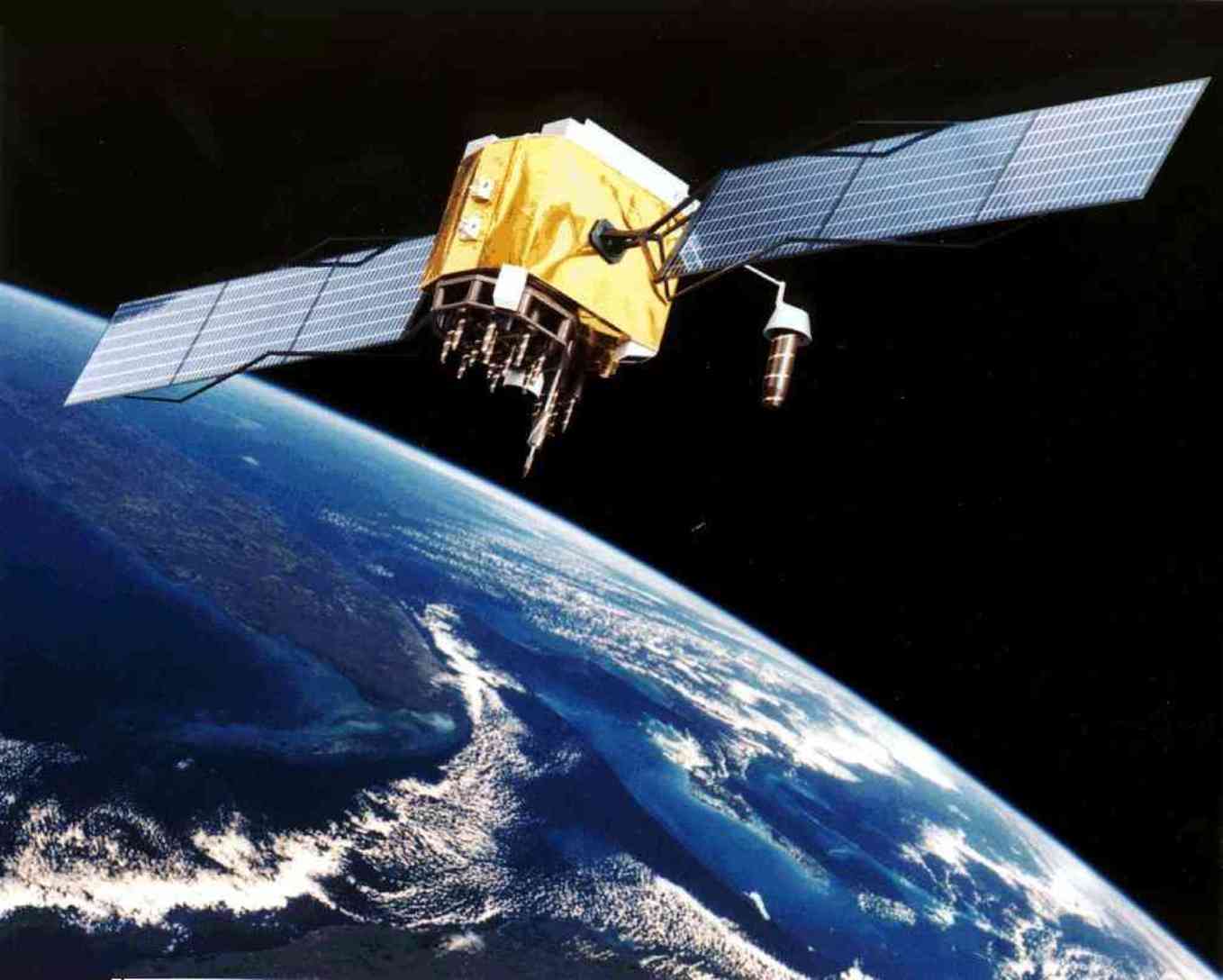
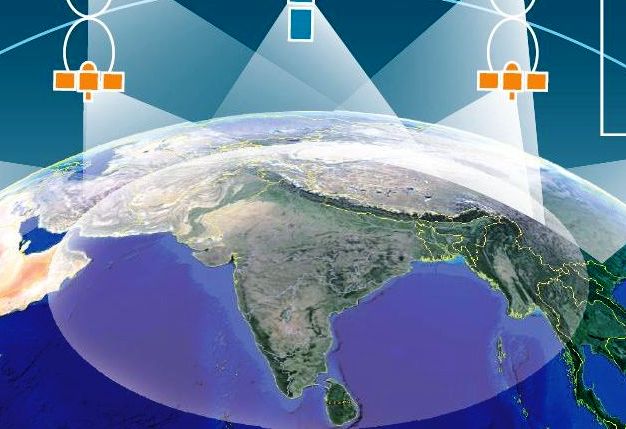
Both China and India are keen to enhance links with smaller Asian countries in using satellites as part of their ‘space diplomacy’ strategies.
Last week in my Ravaya column (in Sinhala), I wrote about space technology capabilities of South Asian countries. This week’s column probes whether or not Sri Lanka needs its own satellite.



 Open Minds!