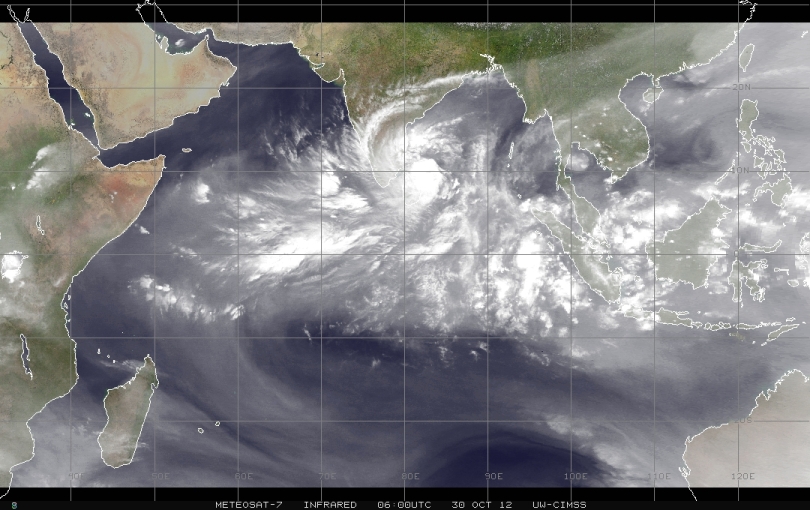
Meteosat 7 weather satellite image of the Indian Ocean – 30 Oct 2012 at 6 UTC As Hurricane Sandy hammered the US East Coast earlier this week, we had our own meteorological worries. A tropical cyclone — belatedly named Neelam — swept past parts of Sri Lanka’s North and East. It then headed to southern India.
The two atmospheric turbulences were not comparable. Sandy was far more ferocious. But Neelam caused enough disruption as well — it wasn’t just a passing gust of wind.
As I followed the two disasters through print, TV and web media reporting, I wondered: how come we had more about Sandy in our own media than on Neelam?
Is it because, as some argue, the global media were so preoccupied with Sandy, and provided saturation coverage? Or are our own media outlets unable, or unwilling, to cover a local weather anomaly with depth and clarity?
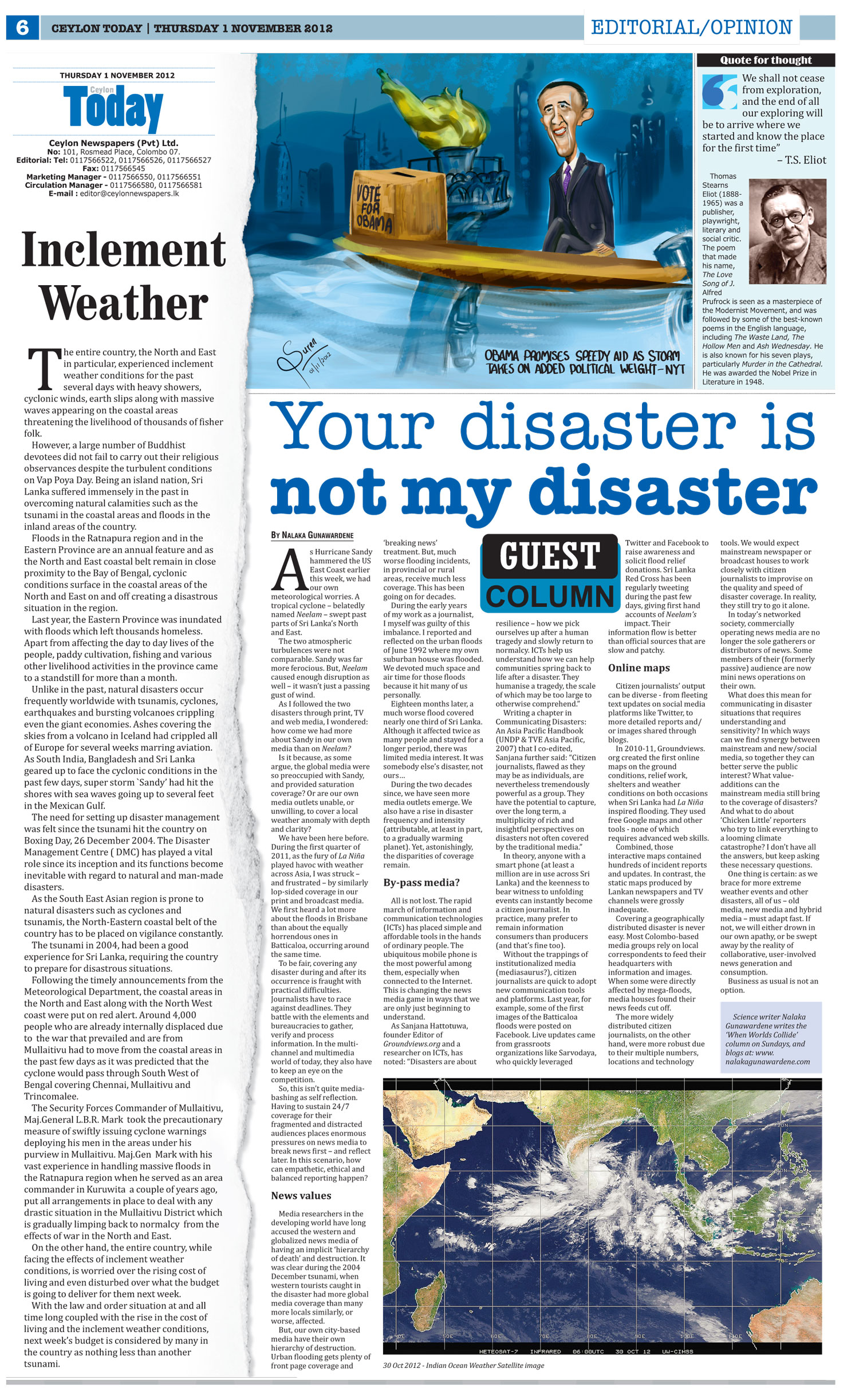
This is the opening of my latest op-ed essay, Your Disaster is Not My Disaster, published in Ceylon Today newspaper, 1 Nov 2012.
Another excerpt:
“In today’s networked society, commercially operating news media are no longer the sole gatherers or distributors of news. Some members of their (formerly passive) audience are now mini news operations on their own.
“What does this mean for communicating in disaster situations that requires understanding and sensitivity? In which ways can we find synergy between mainstream and new/social media, so together they can better serve the public interest? What value-additions can the mainstream media still bring to the coverage of disasters? And what to do about ‘Chicken Little’ reporters who try to link everything to a looming climate catastrophe? I don’t have all the answers, but keep asking these necessary questions.”
Here’s the full text, saved from the e-paper:
Your Disaster is not My Disaster – by Nalaka Gunawardene, Ceylon Today 1 Nov 2012
Quizzing is a well established hobby as well as a mind sport around the world. Participants engage in a friendly tussle using quick wits and sharp memories.
Also known as general knowledge competitions, quizzing has been a popular programme type on Lankan radio and TV for several decades. Recently, reality quiz shows on TV have renewed interest in this activity.
Now, a group of quiz enthusiasts have launched named Serendib Quiz, a live quizzing event to nurture a serious quizzing culture in Sri Lanka.
The first Serendib Quiz will be held on Sunday, 29 July 2012 at 2.00 pm at Galadari Hotel, Colombo 1.
The quiz, in English, will involve 50 questions from all areas of knowledge, both local and global. It will be compiled and conducted by Nalaka Gunawardene, one of the most versatile quizzing professionals in Sri Lanka who has over 30 years of experience as a quiz kid turned quizmaster.
Participation in this team event is open to all educational institutions (schools, universities, training institutes), public and private establishments, banks and other financial institutions, as well as groups of private individuals.
Prizes worth a total of Rs. 225,000 can be won by the highest performing teams at this quiz, organised by Quiz World (Pvt) Limited, an educational services company dedicated to promoting quizzing as a mind sport. http://quizworldlanka.com
Serendib Quiz is sponsored by Commercial Credit PLC in partnership with Sarasavi Bookshop (Pvt) Limited and Fast Ads (Pvt) Limited. The media sponsors are Daily News, Sunday Observer and TV Derana.
Prior registration is required (by or before 24 July 2012). More information, along with the Entry Form, are available on request from Vindana Ariyawansa, phone 0773 996 096; Email: Vindana@gmail.com
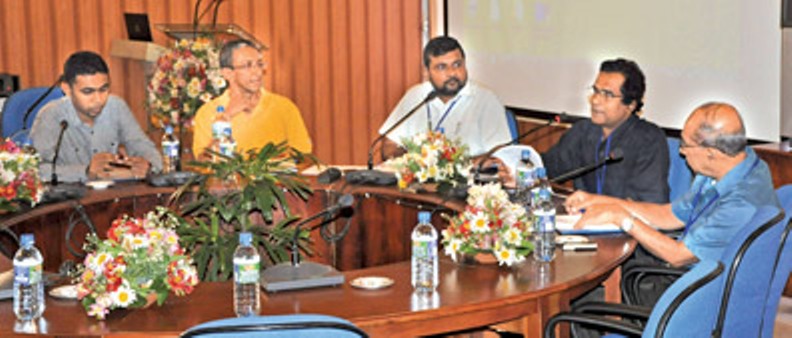
National Media Summit 2012 at University of Kelaniya, 25 May 2012 New Media, Old Minds: A Bridge Too Far?
This was the title of a presentation I made at National Media Summit 2012, at University of Kelaniya, Sri Lanka, this morning. I was asked to talk about New Media and policies for Sri Lanka.
In my audience were academics and researchers on journalism and mass communication drawn from several universities of Sri Lanka. I was told the biennial event is to help frame new research frameworks and projects.
Now, I’m not a researcher in the conventional sense of that term, and am fond of saying I don’t have a single academic bone in my body. Despite this, occasionally, universities and research institutes invite me to join their events as speaker, panelist or moderator.
University of Kelaniya, a state university in Sri Lanka, has the island’s oldest mass communication department, started in the late 1960s.
Perhaps inertia and traditions weigh down such places — while I had a patient hearing, I found our ensuing discussion disappointing. The historical analogies, policy dilemmas and coping strategies I touched on in my presentation didn’t get much comment or questions.
Instead, rather predictably, the ill-moderated discussion meandered on about the adverse social and cultural impacts of Internet and mobile phones and the need to ‘control’ everything in the public interest (where have I heard that before?).
And much time was wasted on debating on what exactly was new media and how to define and categorise it (I’d argued: it all depends on who answers the question!).
Part of the confusion arose from many conflating private, closed communications online (e.g. Facebook) with the open, more public interest online content (e.g. news websites). Similarly, the critical need for common technical standards (to ensure inter-operability) was mistaken by some as the need for dull and dreary orthodoxy in content!
Concepts like Citizen Journalism, user-generated content, privacy, right to information were all bandied around — but without clarity, focus or depth. Admittedly we couldn’t cover everything under the Sun. But we didn’t even discuss what options and choices policy makers have when confronted with rapidly evolving new media types.
Half anticipating this, I had included a line in my talk that said: “Academics must research, analyse & advise (policy makers). But are Lankan academics thought-leaders in ICT?”
I was being a polite guest by not explicitly answering my own question (but as a helpful hint, I mentioned dinosaurs a few times!). In the end, my audience provided a clear (and sadly, negative) answer: far from being path-finders or thought-leaders, they are mostly laggards who don’t even realise how much they have to catch up!
And some of them are framing Lankan media policy and/or advising government on information society issues. HELP!
Don’t take my word for it. Just try to find ANY online mention of National Media Summit 2012 that just ended a few hour ago. Google indexes content pretty fast these days — but there is NONE that I can find on Google as May 25 draws to an end (except my own PPT on SlideShare!).
In December 2003, on the eve of the World Summit on the Information Society (WSIS), I did a wide-ranging interview with Sir Arthur Clarke on satellite TV, internet, censorship and other challenges of emerging information societies. It was published in One World South Asia on 5 December 2003.
I adapted into Sinhala parts of that interview for my Ravaya Sunday newspaper column last week (18 Dec 2011),making the point that much of what he said about satellite TV at the time is now equally relevant to the rapid spread of the Internet.
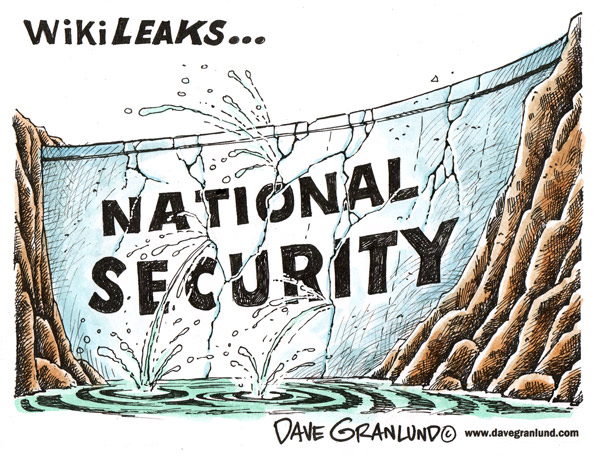
For this week’s column, appearing in the print edition for 25 Dec 2011, I have adapted more segments of that interview covering topics such as: violence in society and media’s role; educational potential of television; does satellie TV spread cultural imperialism; and how technology – not politicians or generals – now determine the free flow of information across borders. This cartoon, drawn by David Granlund a year ago, aptly captures that last point!
A welcome dam breach, this one! - cartoon by Dave Granlund
As I have often said on this blog, Television used to be the favourite whipping boy of those who love to criticise communication technologies and consumer gadgets — until the Internet and mobile phones came along.
When it finally arrived in Asia in 1991, direct TV broadcasting by satellite scared the daylights out of many Asian governments and self-appointed guardians of culture and public morals. How can the unexposed (i.e. ‘unspoilt’) hundreds of millions of Asians cope with massive volumes of information and entertainment beaming down from the skies, they asked. Their real concern was the loss of control over what the public watched, which governments and ruling elites had tightly controlled for decades since radio and TV emerged as mass media.
So, for much of that decade, we witnessed howls of protests from them — but their worst fears never materialised. Satellite TV found its niche alongside terrestrial transmissions, and Asian broadcasters soon mastered the medium. Today, global broadcasters like CNN, BBC and Al Jazeera compete with hundreds of Asian satellite TV channels and the audiences have a far greater choice.
As I wrote in September 2008: “In 1990, most Asian viewers had access to an average of 2.4 TV channels, all of them state owned. This has changed dramatically — first with the advent of satellite television over Asia in 1991, and then through the gradual (albeit partial) broadcast liberalisation during the 1990s. Asian audiences, at last freed from the unimaginative, propaganda-laden state channels, exercised their new-found choice and quickly migrated to privately owned, commercially operated channels.”
Sir Arthur Clarke was the man who triggered this satellite communication revolution. In 1945, while still in his late 20s, he was the first to propose the concept of using a network of satellites in the geo-synchronous orbit for television and telecommunications. His vision became a reality in the mid 1960s, and within a generation, humankind has come to rely critically on the network of comsats placed, in what is now called the Clarke Orbit, some 22,300 miles above the earth.
In December 2003, on the eve of the World Summit on the Information Society (WSIS) and days before his 86th birthday, I did a wide-ranging interview with Sir Arthur Clarke on satellite TV, internet, censorship and other challenges of information societies. It was published in One World South Asia on 5 December 2003.
For my Ravaya column this week (18 Dec 2011), I have adapted parts of that interview into Sinhala, making the point that much of what he said about satellite TV at the time is now equally relevant to the rapid spread of the Internet. It’s also a nice way to mark his 94th birth anniversary this week.
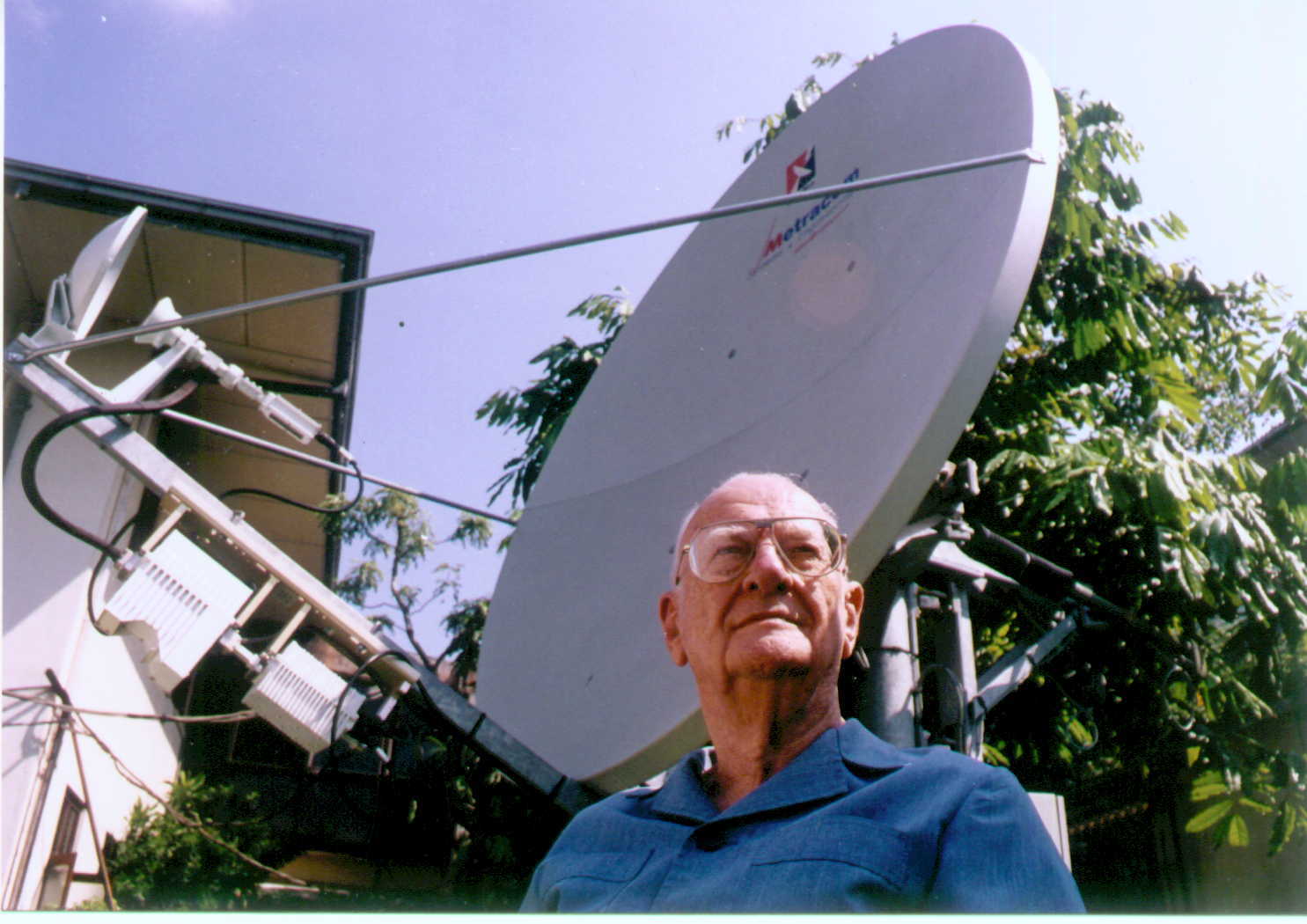
Sir Arthur C Clarke: Opened up the heavens as part of information superhighway...
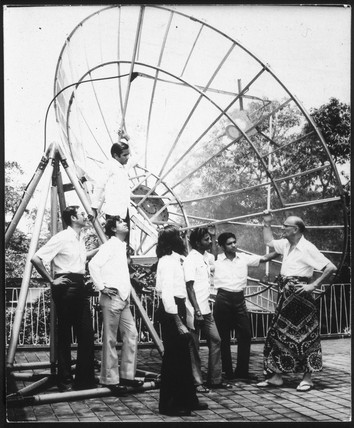
Arthur C Clare (extreme right) with Indian ISRO engineers who installed satellite antenna at his Colombo home, in 1975හොඳම උදාහරණය ලැඛෙන්නේ දකුණු අප්රිකාවෙන්. 1960 දශකය වන විට ලෝකයේ ඉසුරුබර රාජ්යයන් අතුරෙන් ටෙලිවිෂන් සේවාවක් අරඹා නොතිබූ එක ම රට වූයේ දකුණු අපිකාවයි. එවකට එහි පැවති සුදු පාලකයන්ගේ රජයේ සන්නිවේදන අමාත්යවරයා එරට ටෙලිවිෂන් සේවාවක් ඇරඹීමට කිසිසේත් එකග වූයේ නැහැ. ‘ටෙලිවිෂන් තමයි අප්රිකාවේ සුදු මිනිසාගේ පාලනය හමාර කරන්නේ’ යයි ඔහු කළ ප්රකාශයෙහි ලොකු අරුතක් ගැබ් වී තිබුණා. ^‘Television will mean the end of the white man in Africa.’)
Who’s Afraid of Online Journalists? This was the provocative title of my presentation to a national media conference on media self-regulation in Colombo in September 2011, organised by Sri Lanka Press Institute. Speaking in the session devoted to online media, I argued that SLPI was ill-equipped to tackle online news content when it lacked even full representation of the mainstream print media in Sri Lanka, and had no representation whatsoever from the radio and TV broadcasters whose outreach far outstrips that of print.
This is the Sinhala text of my weekly column in Ravaya newspaper of 20 Nov 2011. This week, I continue our discussion on Internet freedom: what can – and must – be regulated online, and how regulation is fundamentally different from control and censorship. I insist that conceptual clarity is as important as technical understanding of how the Internet works.
This is the Sinhala text of my Ravaya column published on 13 Nov 2011, where I continue my discussion on the future of newspapers. I look at the last newspaper boom currently on in Asia, and caution that good times won’t last for long: take advantage of it to prepare for the coming (and assured) turbulence in the mainstream media!
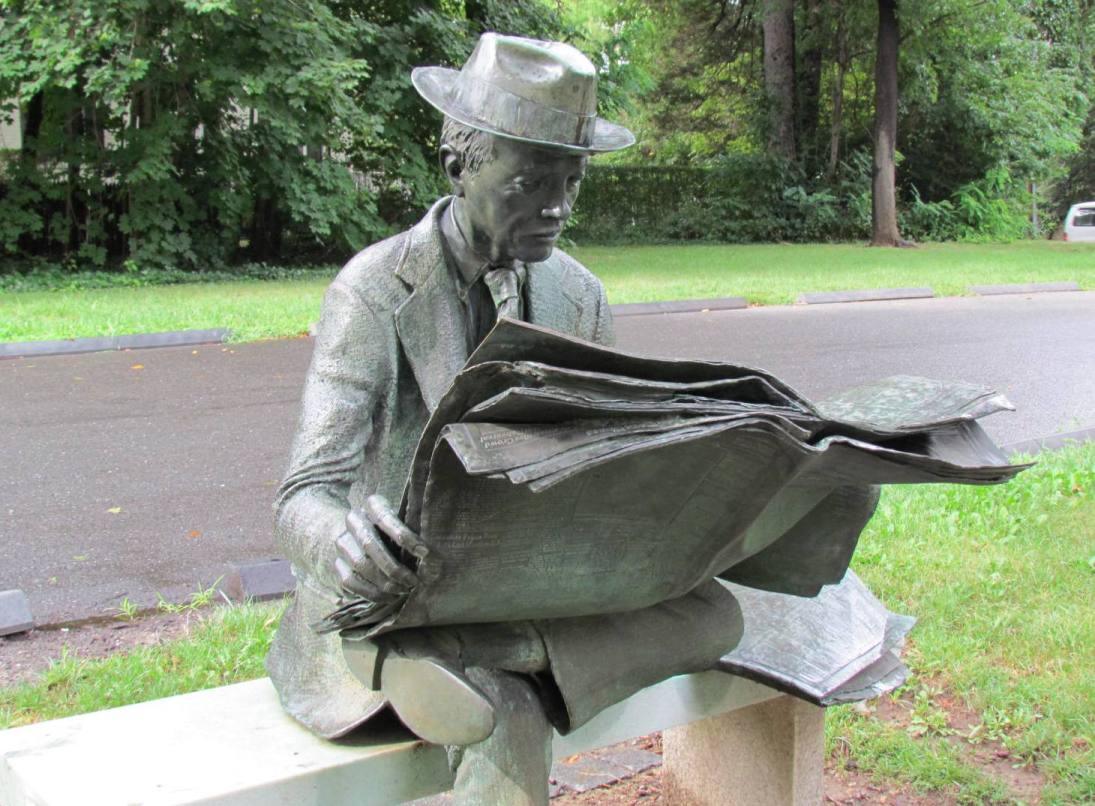
J Seward Johnson's statue of Newspaper Reader - at Princeton University garden
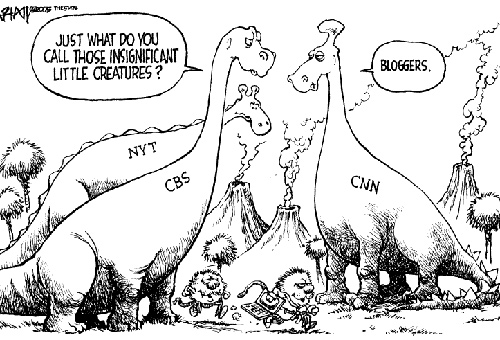
This is the Sinhala text of my weekend column in Ravaya, published on 6 Nov 2011. To mark the newspapers’s 25th anniversary that falls this month, I begin some reflections on the future of newspapers. In this first piece, I discuss how science fiction and thriller writer Michael Crichton (1942-2008) once foresaw the fate of what he called ‘Mediasaurus’.
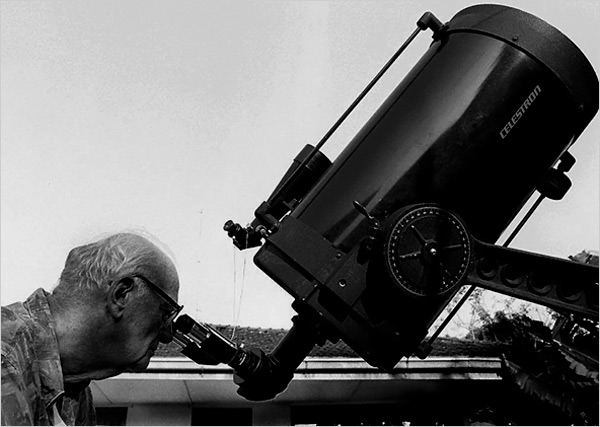
This is the Sinhala text of my weekly column in Ravaya newspaper, issue for 9 Oct 2011. In this, I discuss the plight of two telescopes in Sri Lanka – a private one used by Sir Arthur C Clarke, and another gifted to the government by Japan that is located in the wrong place and grossly underused.






 Open Minds!