Malima (New Directions in Innovation) is a Sinhala language TV series on science, technology and innovation. This episode was produced and first broadcast by Sri Lanka’s Rupavahini TV channel on 27 September 2012.
Produced by Suminda Thilakasena and hosted by science writer Nalaka Gunawardene, this episode features the following items:
• An interview with inventor Nalaka Chandrawansa, who has developed an energy-efficient fan that can be fitted under a mosquito net. It consumes less than 20W to operate, compared with table fans (average 45W) and ceiling fans (average 70W), accumulating power savings. And because the compact fan provides a more targeted stream of air that cools the sleeper on the bed, it also does not stir dust elsewhere in the room that sometimes causes health problems. This innovation has been grated a Sri Lanka Patent, certified by Sri Lanka Sustainable Energy Authority and won a President’s Award in 2010. It is manufactured and marketed by the inventor himself. Details at: http://www.freshnight.net
• Introducing Sri Lanka’s indigenous technology: kedella karuwa, a simple tool for sweeping outdoors, which might have inspired the rake.
• A Japanese company has recently introduced the innovative ‘Grappa’ foldable shopping bag — which also doubles as a safety helmet in the case of a disaster. It is made of mesh fabric sides, much like a standard reusable shopping bag, but the bottom consists of hard plastic and expanded polystyrene (EPS), which is often found in safety helmets to absorb impact. More about this at: http://www.springwise.com/health_wellbeing/japanese-eco-friendly-shopping-bag-doubles-safety-helmet/
• An interview with schoolboy inventor Therusha Chethana Fernando, a student of De Mazenod College, Kandana, Sri Lanka. He has developed a portable water cooler that can chill water to 5 degrees C below outside temperature without using refrigeration technology or electricity. Instead, the simple device uses a permeable clay container and a battery-powered small fan. With 3 litres of water filled, the entire unit weighs 4 kg, easy enough to carry around.
Malima (New Directions in Innovation) is a Sinhala language TV series on science, technology and innovation. This episode was produced and first broadcast by Sri Lanka’s Rupavahini TV channel on 23 August 2012.
Produced by Suminda Thilakasena and presented by science writer Nalaka Gunawardene, this episode features the following items:
• An interview with prolific Lankan inventor M A Prince Chandrasena (of Mawathagama, Kurunegala) who holds 4 Lankan patents with fifth one pending. A refrigerator technician by training, he has developed a compact refrigerator that can remain cold (i.e. retain its low temperature) without mains power supply even for 24 hours. This is ideal for storing vaccines that require an uninterrupted cold chain (most vaccines need to be stored between 3 and 7 degrees C). The “Plus 4-7” refrigerator is particularly helpful to pharmacies and the public health service in a country like Sri Lanka that experiences frequent electricity failures. Profile at: http://tiny.cc/MAPrin
• A Japanese innovation: a small gadget that can ‘read’ basic emotions of dogs. Can this make us better understand our best friends?
• Introducing another indigenous technology of Sri Lanka: the ‘Dee-rangaya’ that is locally made and helps keep pests away from farmlands.
• An interview with young inventor D Chathura Madushanka, until recently a student of Pinnawela Central College, Rambukkana, who has invented a multi-function shoe. Fitted to the expanded sole of this shoe is a small dynamo that turns kinetic energy of walking into electrical energy. A battery stores this energy which can help charge a range of electronic devices including mobile phones and iPods. The shoe also comes fitted with a torch light that helps walkers at night. He recently participated in Intel International Science and Engineering Fair (ISEF) in Pittsburgh, USA, in May 2012. More info at: http://www.ft.lk/2012/05/24/sri-lankan-students-win-big-at-intel-isef-in-usa/
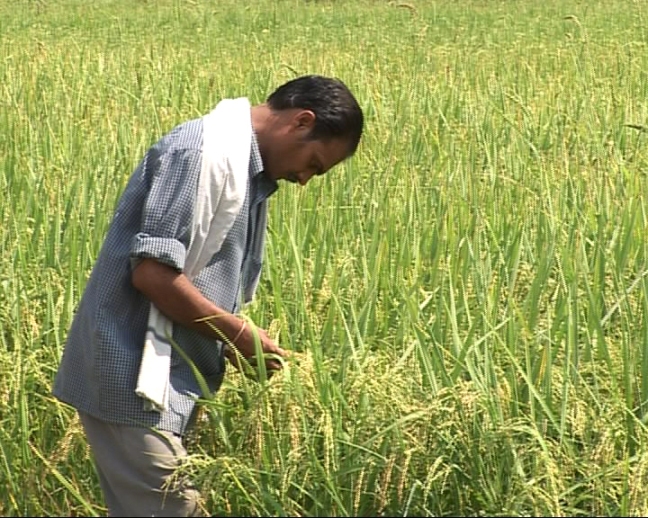
The chronic kidney disease (CKDu) that has already affected thousands in its heartland of farming, has brought into sharp focus some serious environmental concerns that ecologists have long highlighted. These stem from our farmers’ high reliance on inorganic (chemical) fertilisers.
While some fertiliser is needed to sustain soil fertility when growing crops repeatedly on the same land, the ‘Green Revolution’ from the 1960s urged Lankan farmers to use large volumes of fertiliser, provided to them on massive state subsidies. That, in turn, led to indiscriminate use and waste — and higher agricultural runoffs.
Farmers aren’t thrifty because they get fertiliser at a fraction of the market price. In this week’s Ravaya column (in Sinhala, on 2 September 2012), I look at what this national addiction to chemical fertiliser is doing to both our economy and ecology. I also look at organic alternatives and probe why they are not being adopted more widely.
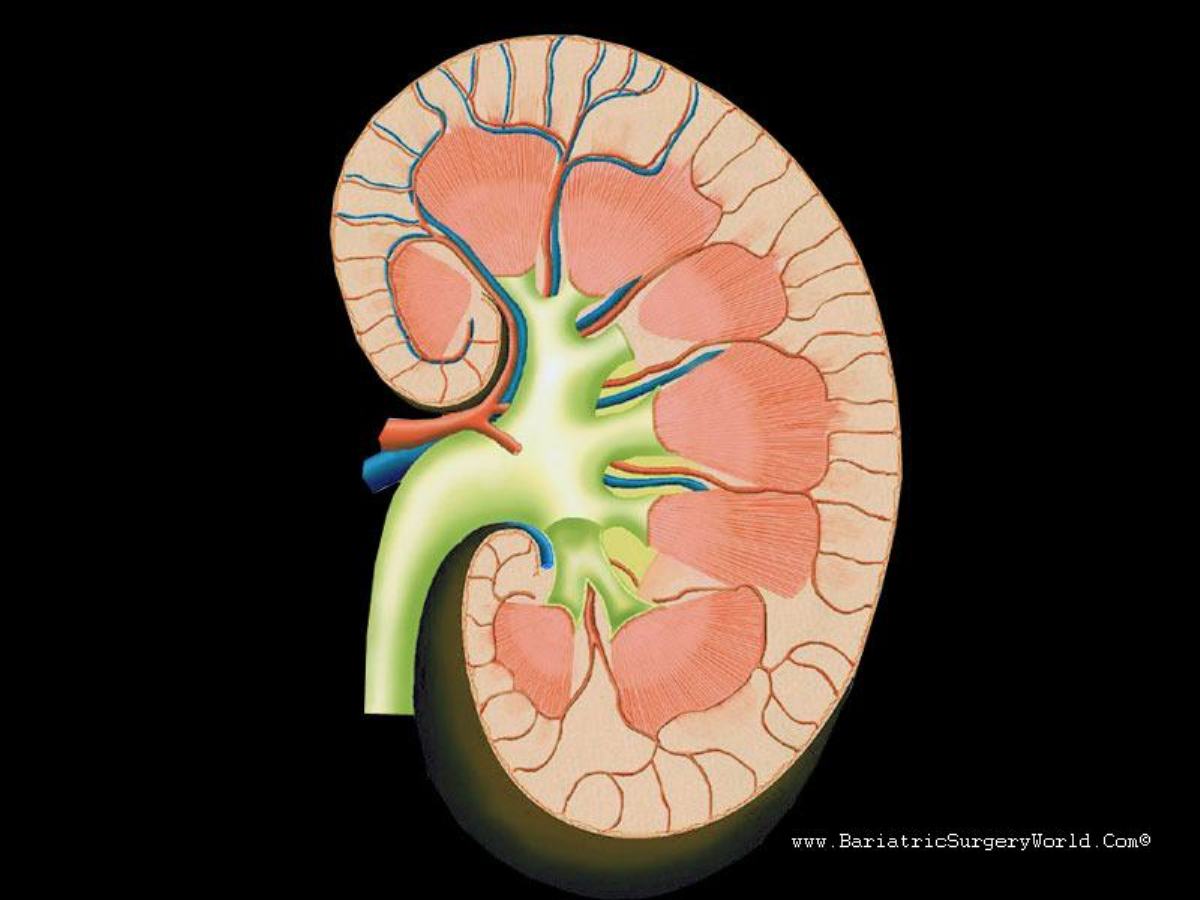
CKDu was first reported in the early 1990s from a single Province in our heartland of farming, but it has now spread across approximately 17,000 sq km (a quarter of the island), which is home to around 2.5 million people. Several thousand have already died; the exact number is not clear. Over 15,000 people are kept alive with regular kidney dialysis.
Investigating causes of this ailment — still not pinned down to a particular cause or factor — has been contentious with scientists, nationalists and politicians trying to hijack the issue for their own agenda setting. Some journalists have added fuel to the fire with sensationalist reporting and fear-mongering. In this column, I ask everyone to focus on the prolonged suffering of those already affected and their families.
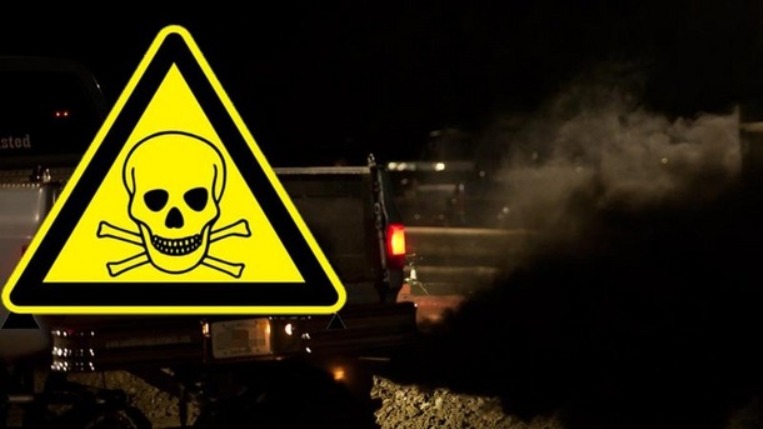
In this week’s Ravaya column (in Sinhala), I look back at the scientific, legal and policy struggles in Sri Lanka that finally god rid of lead additives in petrol (gasoline) in 2002. It is a success story in safeguarding public health and combating environmental pollution that holds valuable lessons in a new challenge that confronts us: how to reduce sulphur content in the diesel distributed in Sri Lanka that currently contains one of the highest sulphur levels in Asia. This is now urgent and important with WHO confirming diesel fumes cause lung causer.
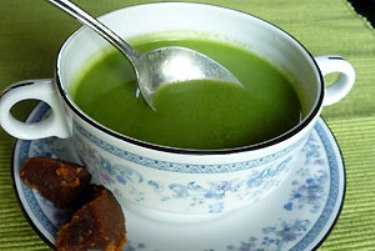
Kola Kenda - herbal porridge, Lankan style Have a Kola Kenda and a Smile!
That was the – not very original – slogan I coined 30 years ago as a school boy to promote and popularise kola kenda, the Lankan version of herbal porridge.
I’ve always been an ardent eater of green leaves and veggies (isn’t everybody?). So I didn’t need any special persuasion to drink kola kenda.
Most of my peers didn’t share this enthusiasm. They didn’t mind the taste, but the whole thing seemed too old fashioned. Self-respecting teenagers shouldn’t be seen drinking a favourite of their grandparents, they argued.
As often happened, I disagreed. Not only did I take delight in partaking my kola kenda, but also kept trying to convince my peers that, hey, kola kenda was cool.
First I tried the rational, evidence-based approach. I found out as much as I could about kola kenda and distilled it into a few non-technical, non-preachy lines. I wrote about in our school magazine, spoke about it at the school assembly, and seized every other opportunity to plug the green stuff.
I must have been around 15 or 16 years old at the time, but even then, I realised kola kenda had an image problem. So — following the golden advice, “Don’t just sit there; do something!” — I tried to improve it.
I abbreviated kola kenda to KK. I designed a stylish logo for it, independent of any corporate branding. Adapting a popular tag-line for Coca Cola at the time, I even came up with the slogan, “Have a KK – and a smile!”
None of this really worked; after six months, I gave up being the kola kenda evangelist. But that campaign earned me an inevitable nickname: kola-kendaya.
I was proud of it then as I’m now.
Years later, when I started running my own household, I realized making kola kenda is a tedious process. So, despite being a life-long kola-kendaya, I don’t make it too often.
I’m all for modernising traditional recipes: retaining the nutrition and taste, while reducing the drudgery. That’s just what CBL have done. It comes in five flavours too: gotukola, welpenela, haathawariya, karapincha and mixed herbs.
At LKR 50 (less than US$ 50 cents) per pack of 3 servings, it’s good value for money.
I’m now working on my resident teenager to try it sometime. She’s not yet convinced. I’m hoping that this 21st Century Girl would prove smarter than those ignorant boys who turned their backs to KK 30 years ago…
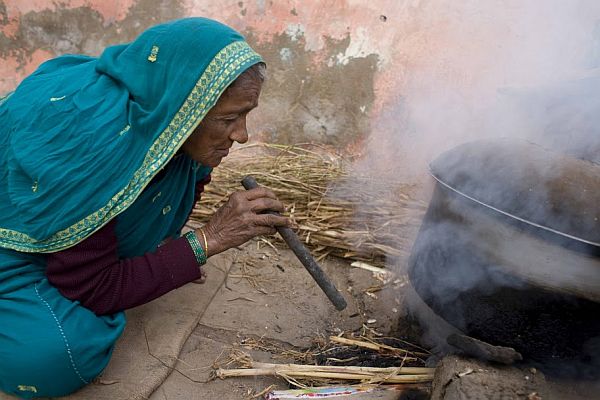
The ‘gas chamber’ in every home that rarely draws any attention!
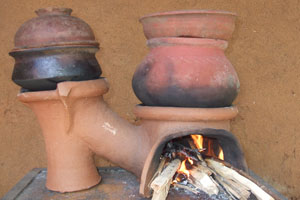
In this week’s Ravaya column, I look at indoor air pollution. This is often a neglected environmental and health issue caused mostly by inefficient cooking stoves that burn biomass. This affects mostly housewives and children who are exposed to kitchen smoke from poor ventilation and badly designed stoves.
In India, smoke from firewood use is estimated to cause half a million premature deaths every year. Studies indicate that indoor air can have more damaging impacts that outdoor air pollution in even some of the most polluted cities. People spend as much as 90% of their time indoors.
The numbers for Sri Lanka are not known, but it is wideapread. We look at not only the extent of the problem, but also attempts to reduce it — through a new fuel efficient cooking stove now on the market, and by improving kitchen ventilation. I cite the example of the rural community in Aranayake, off Mawanella, in Sri Lanka’s Kegalle district where Integrated Development Association (IDEA) has introduced a kitchen improvement project.
In my latest column written for Ravaya newspaper on 11 Dec 2011, I question why people living with HIV in Sri Lanka face such a high level of stigma and discrimination irrespective of their educational level and social class. The perpetrators of such discrimination also come from all strata in society: doctors and healthcare workers are among them. I recall the bitter experience of pediatrician Dr Mrs Kamalika Abeyaratne, the first Lankan to publicly acknowledge her HIV status, who stood up and spoke out for the rights of those living with HIV in Sri Lanka.
I then contrast the Sri Lanka situation with that in Nepal, where the communities have gradually come around to accept those living with HIV. What cultural, social and other factors enabled such a transformation? I draw from a 2002 documentary called Love for a Longer Life, made by Nepali film maker Durba Basnet, which I earlier blogged about.
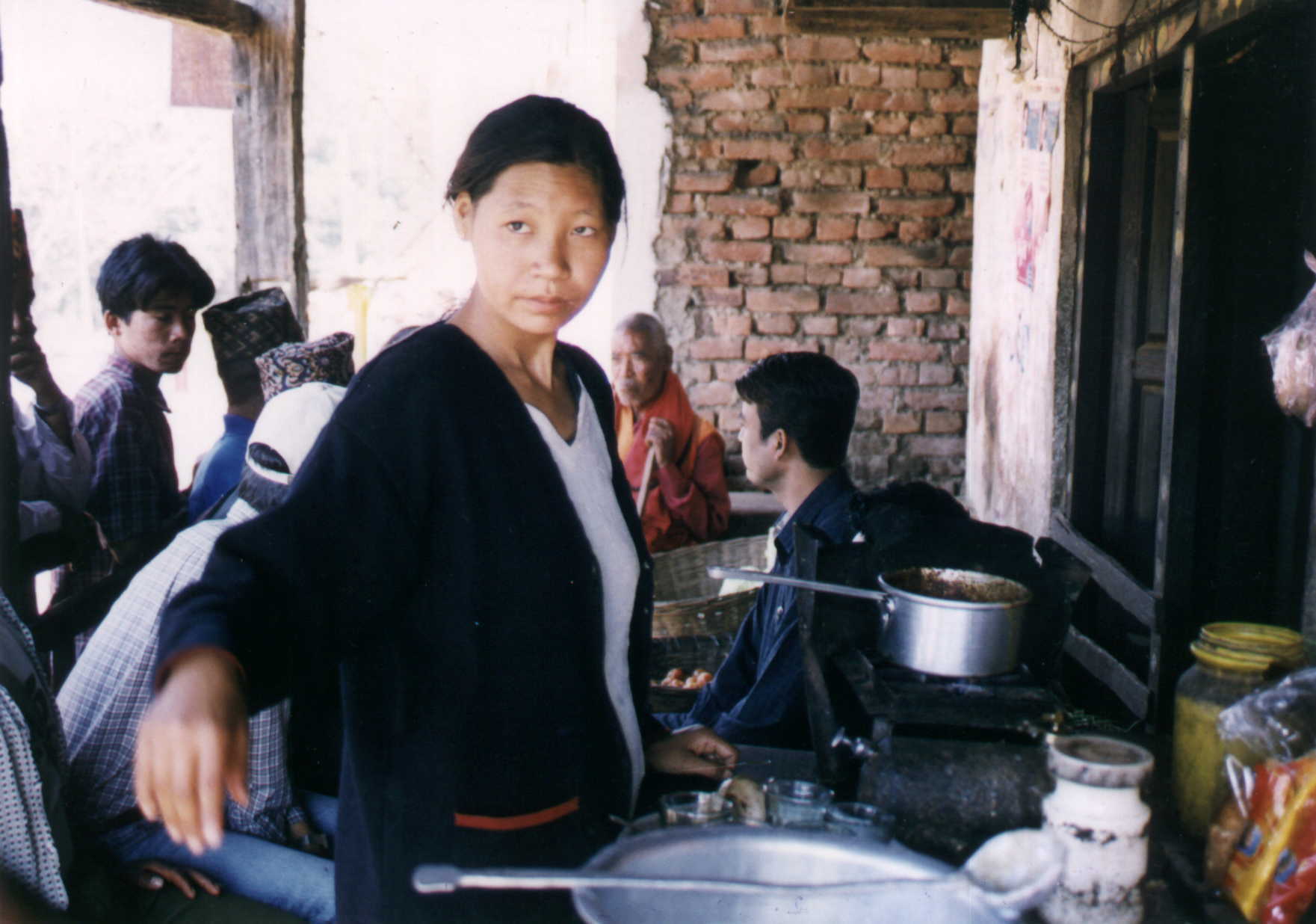
Lakshmi Lama at her tea shop in Ratomate, central Nepal
HIV communication needs media partnership - image courtesy Panos South Asia
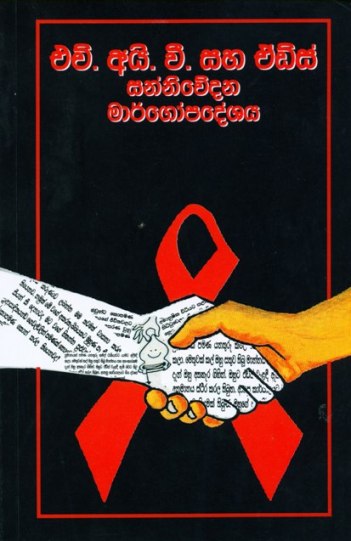
On this blog, I have written regularly about challenges in communicating on HIV/AIDS through media and non-media methods. To mark World AIDS Day 2011, and 30 years since the discovery of AIDS, I have devoted this week’s (Sinhala) Sunday column in Ravaya newspaper to the topic of HIV/AIDS coverage in the Lankan mass media. I have drawn heavily from a 1999 handbook on HIV/AIDS communication written by my good friend Dr Vinya Ariyaratne, a specialist in community medicine, but the opinions are all mine.
Christina Scott: A funny story always got funnier when she related it...
I was travelling in the Himalayan Republic of Nepal when I heard the sad news: Christina Scott, a pioneering science journalist from South Africa, has just been killed in a road accident. She would have turned 50 on November 20.
Christina’s tragic and abrupt departure elicited an outpouring of grief, memories and tributes from science journalists, scientists and others who knew and admired her. I’m late to join that, I know, but here’s the slightly expanded version of what I just posted on SciDev.Net as a reader comment:
“Short, stroppy reporter with a funny accent. Likes to eat sushi. No head for alcohol and caffeine addiction.” That’s how Canadian-born Christina chose to introduce herself. Everyone has an anecdote about her, reminding us of the colourful and highly talented person she was.
Christina was passionate, articulate and had a clear vision of how science, technology and innovation could make a difference to millions of people in Africa, Asia and Latin America. She made science fun. She was also great fun to work with.
Christina and I didn’t meet that often, separated as we are by time zones and the Indian Ocean. But our few encounters — usually at professional gatherings of science journalists — left a deep impression.
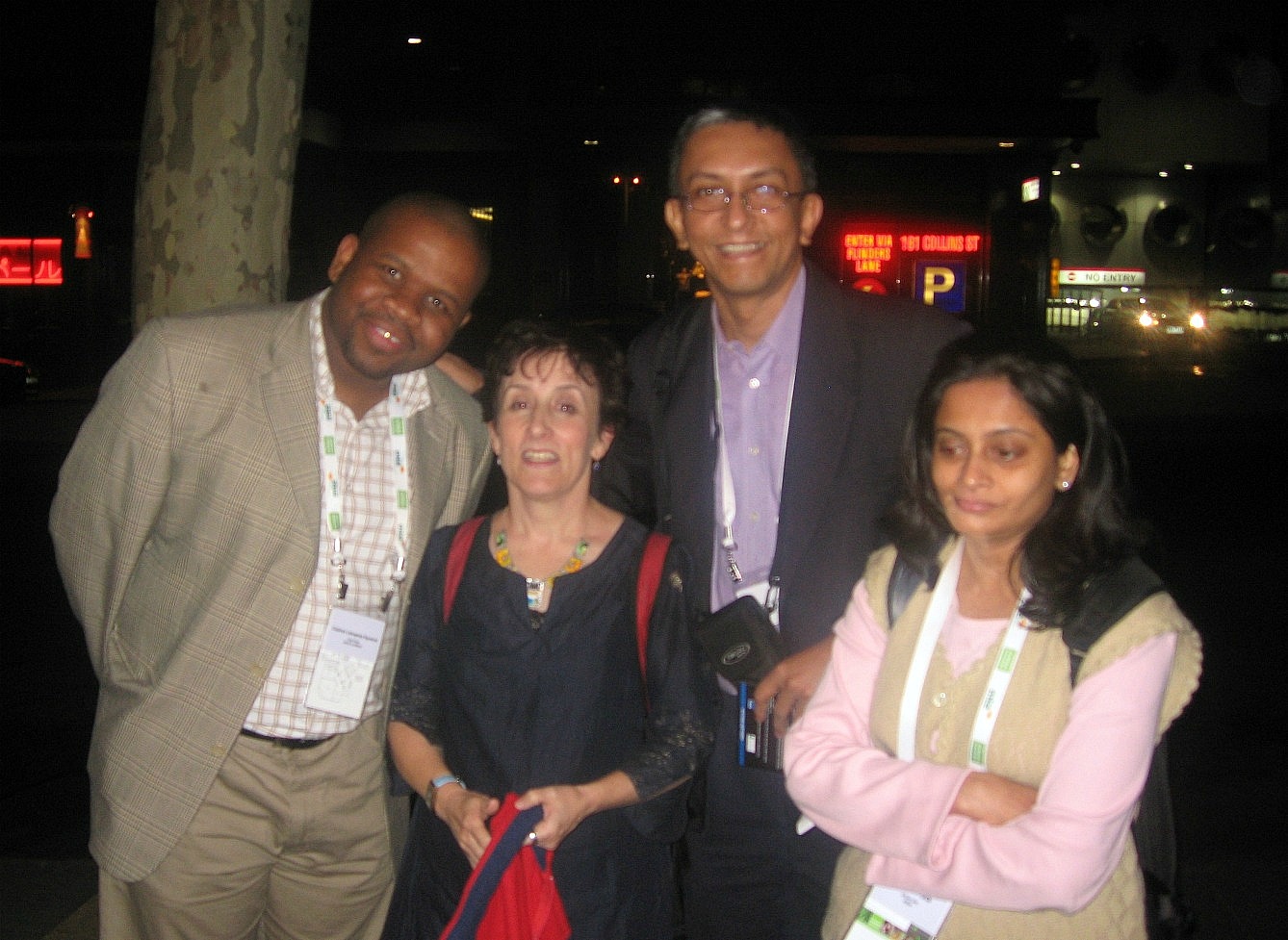
We first met at the Fifth World Conference of Science Journalists in Melbourne in April 2007, where we were both speakers.
She and I were part of a memorable plenary session on ‘Reporting Science in Emerging Economies’ that was put together by SciDev.Net and produced by Julie Clayton. It had science journalists or editors from Brazil, China, India, Sri Lanka and Zambia.
It was Christina who came up with a novel idea to dim the meeting hall lights just as we started. In the semi-darkness, she lit a single cigarette lighter to symbolise how science journalists in the developing world struggled daily with power outages, poor literacy, unsympathetic editors and uncaring governments.
Earlier in that conference, Christina compared some of her professional tribe to extremophile bacteria: hardy enough to survive in very harsh environments. The broad conclusion from our session was that, just as life finds a way against many odds, so does science journalism. In conditions far from ideal, science journalism happens — and even thrives — thanks to the resilience, resourcefulness and commitment of its practitioners.
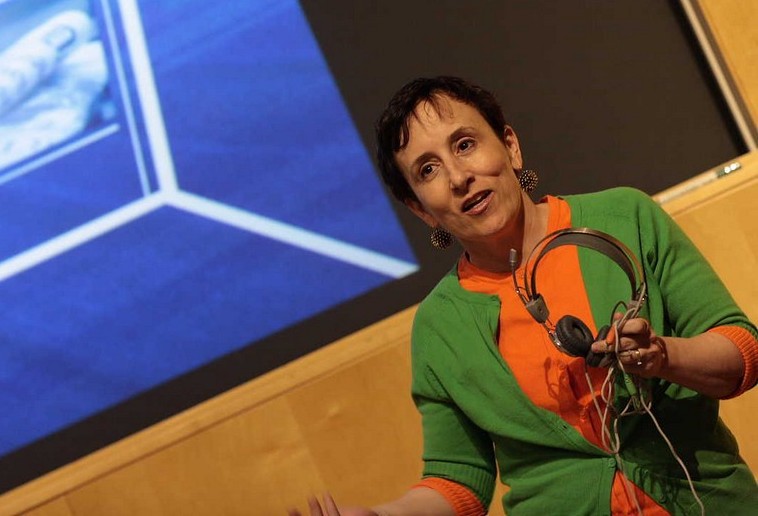
Christina Scott (left) making a point. Photo courtesy WFSJ
Christina excelled in communicating science through print, web and broadcast media. She switched easily between written and spoken words, and could hold an audience in any medium. Such multimedia journalists are rare.
But she didn’t allow the technology ‘tail’ to wag the journalism ‘dog’. In 2007, she was still wondering if Internet, computes and online communications could make much headway in reaching out a majority of South Africans. It wasn’t a lack of connectivity and computers any longer, but a more basic absence of electricity in many remote areas.
To her, old fashioned radio was still the most cost-effective way to reach more people quickly. That was also her favourite medium, one in which she did some of most memorable coverage.
Christina had a fine sense of theatrical performance to engage a live audience. She knew just how to shook and hook them. She had no time or patience for political correctness or euphemisms; she just spoke truth to power.
I learnt much by being in her audience, or sharing a platform with her. It was exhilarating to see how she engaged audiences full of jaded and sceptical journalists.
Once, during a panel discussing HIV/AIDS, she asked her audience how many were aged over 50 years. A few hands went up. “In South African terms, chances are you’re already dead,” she declared.
She didn’t have comforting words for those below 35 either: “You’re probably infected with HIV, and don’t know it yet — and go around giving it to others!”
That’s how she summed up the stark realities of South Africa, which has one of the highest HIV infection rates in the world. She then personalized, with a wish was that her daughter, then 15, would get through college without contracting HIV.
Christina Scott was a supernova who shone bright and fiery. Her trail would continue to blaze for a long time. But we won’t hear that spirited voice, in that funny accent, always ready to tell an interesting story.


 Open Minds!