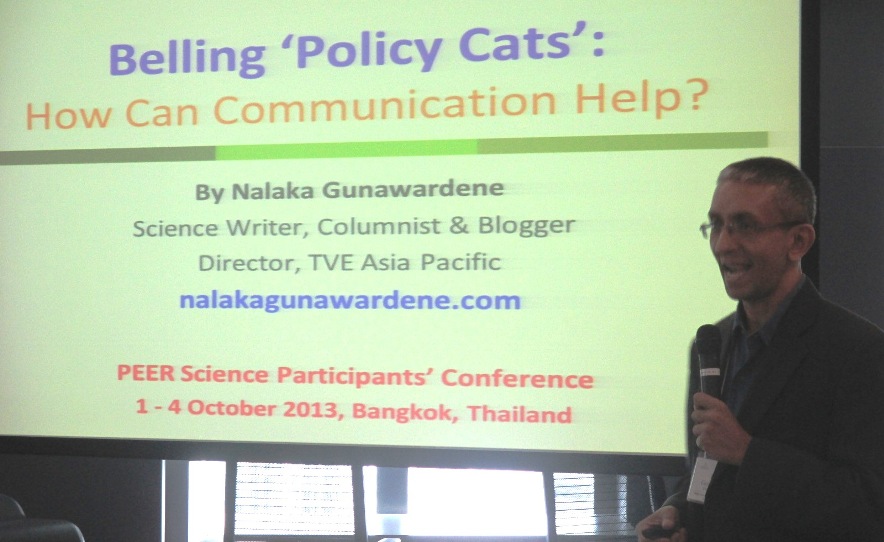
Nalaka Gunawardene speaks at PEER Science Conference 2013 in Bangkok, 3 Oct 2013
How to ‘Bell’ the policy ‘cats’?
This question is often asked by researchers and activists who would like to influence various public policies. Everyone is looking for strategies and engagement methods.
The truth is, there is no one sure-fire way — it’s highly situation specific. Policy makers come in many forms and types, and gaining their attention depends on many variables such as a country’s political system, governance processes, level of bureaucracy and also timing.
Perfecting the finest ‘bells’ and coming across the most amiable and receptive ‘cats’ is an ideal rarely achieved. The rest of the time we have to improvise — and hope for the best.
Good research, credible analysis and their sound communication certainly increase chances of policy engagement and eventual influence.
How Can Communications Help in this process? This was the aspect I explored briefly in a presentation to the PEER Science Participants’ Conference 2013 held in Bangkok, Thailand, from 1 to 4 Oct 2013.
It brought together over 40 principal investigators and other senior researchers from over a dozen Asian countries who are participating in Partnerships for Enhanced Engagement in Research (PEER) Science program. PEER Science is a grant program implemented by the (US) National Academies of Science on behalf of the U.S. Agency for International Development (USAID) and in cooperation with the National Science Foundation (NSF).
I flagged some key findings of a global study by SciDev.Net (where I am an honorary trustee) which looked at the different contextual settings within which policymakers, the private sector, NGOs, media organisations and the research community operate to better understand how to mainstream more science and technology evidence for development and poverty reduction purposes.
I like show and tell. To illustrate many formats and approaches available, I shared some of my work with LIRNEasia and IWMI, two internationally active research organisations for which I have produced several short videos (through TVE Asia Pacific) communicating their research findings and policy recommendations.
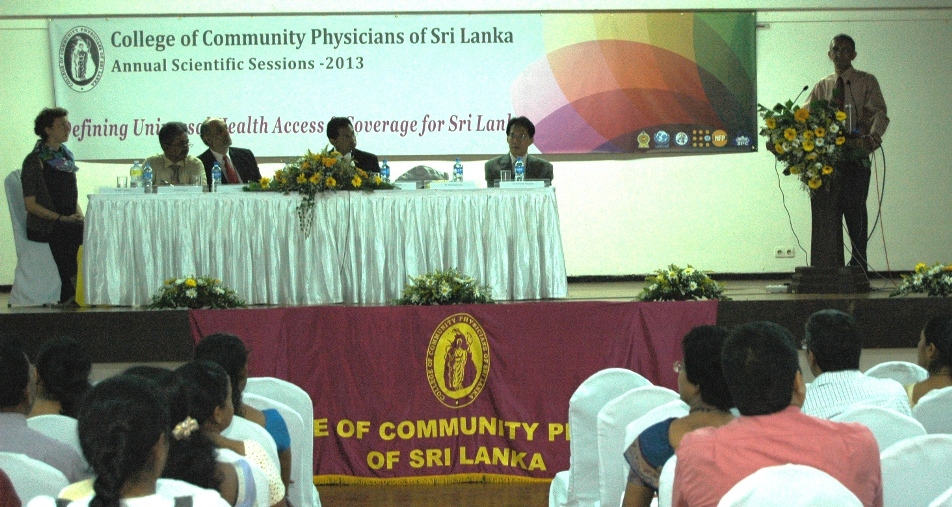
In this week’s Ravaya column (in Sinhala), I explore the nexus between public perceptions and public health – a topic I discussed in a recent talk to the College of Community Physicians Sri Lanka held in Colombo on 23 – 24 September 2013.
Nalaka Gunawardene speaks at Annual Scientific Sessions of College of Community Physicians Sri Lanka, 24 Sep 2013 Colombo – Photo by Janaka Sri Jayalath
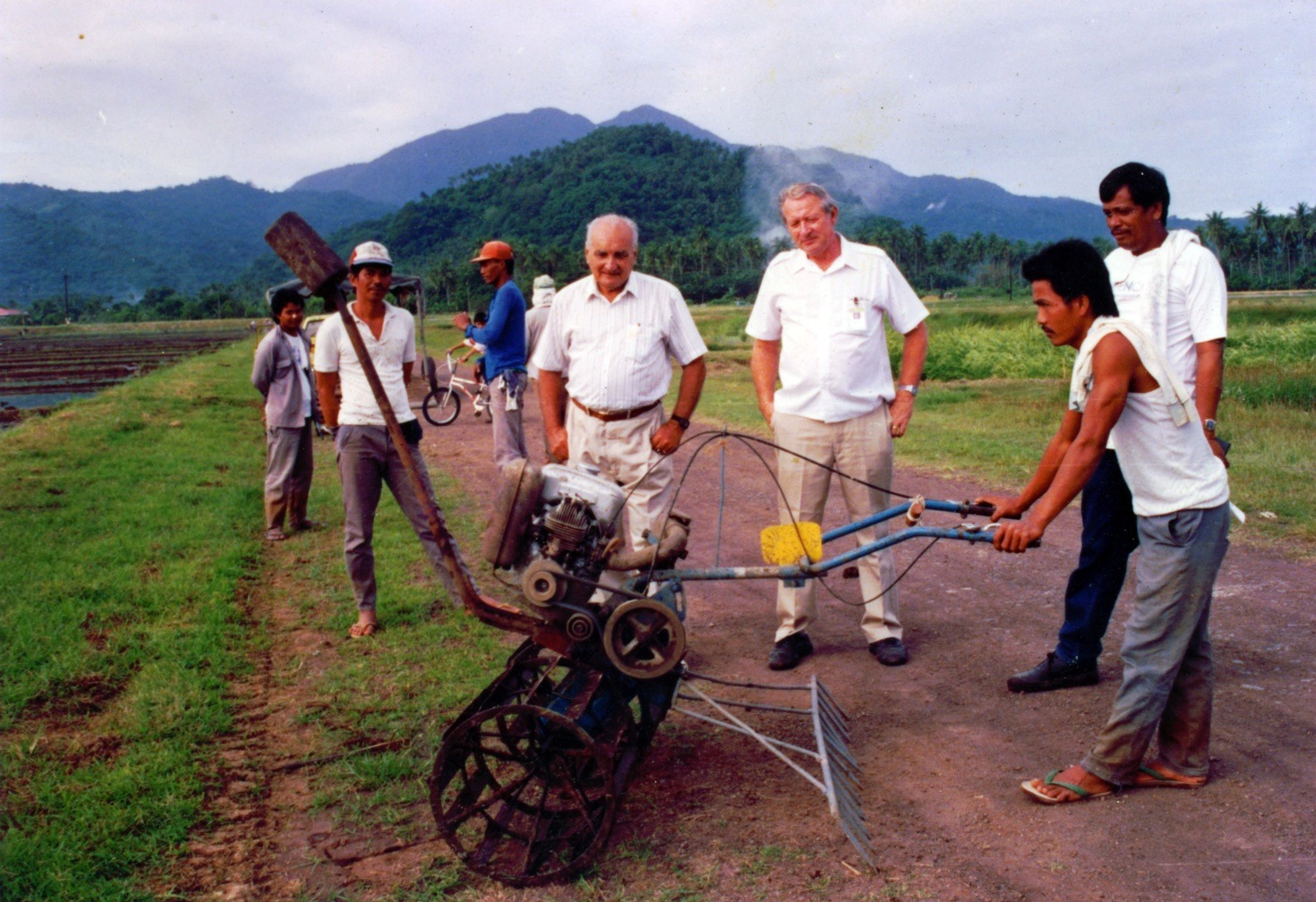
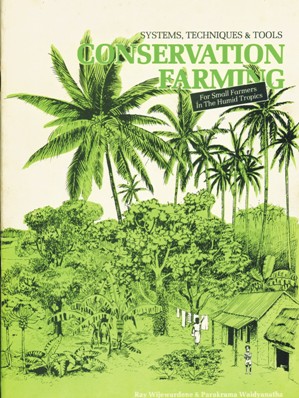
This week, my Ravaya Sunday column (in Sinhala) carries the third and concluding part of my long exchange with the late Dr Ray Wijewardene, agro-engineer turned farmer and a leading practitioner in conservation farming in the humid tropics. Today, we discuss soil conservation in Sri Lanka’s hill country, restoring shifting (chena) cultivation to its original method, and how small farmers can become more resilient to market forces.
In this week’s Ravaya column (in Sinhala), I have adapted a long exchange I did in 1995 with the late Dr Ray Wijewardene, agro-engineer turned farmer and a leading practitioner in conservation farming in the humid tropics. The rest of this exchange will appear in future columns.
In the early 1990s, I had the privilege of working with the late Anil Agarwal, the outstanding environmentalist and journalist. He founded the Centre for Science and Environment (CSE), which continues his mission of articulating science-based, southern perspectives in issues of sustainable development and social justice.
In this week’s Ravaya column (in Sinhala), I invoke one of Anil’s favourite quotes, about books being akin to time bombs — which he attributed to the Swedish economist and Nobel laureate Gunnar Myrdal. I extend the metaphor to media products — in print, audio and video — and ask: what can we do to shorten their fuse?
This is also a commentary on the lack of adequate public discussion and debate on matters of public interest in Sri Lanka, and what we can learn from the more argumentative Indians.
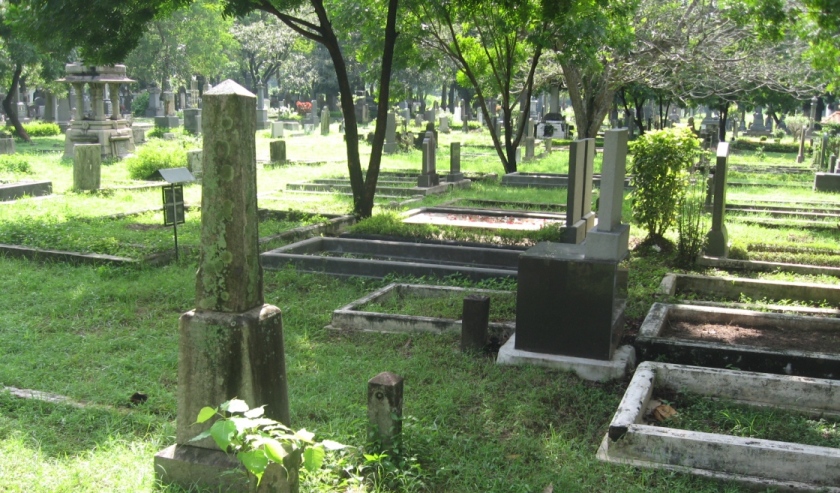
Colombo General Cemetery: No discussion or debate…
ශ්රී ලංකාවේ මීට ඉහත පරම්පරාවක ප්රතිපත්තිගරුක වාමාංශික නායකයකු වූ බර්නාඞ් සොයිසා වරක් කොළඹ කනත්ත සුසාන භූමිය හඳුන්වා දුන්නේ ‘වාද විවාද – තර්ක විතර්ක කිසිවක් නොමැති වූ කොළඹ එක ම ස්ථානය’ හැටියටයි (“The only place in Colombo where there is no discussion or debate”).
“Books are like time bombs. If they contain ideas that are correct, then one day they will explode. And if they don’t, they will be consigned to the dustbin of history.”
Another World Environment Day will be observed on June 5. We can expect Lankan environmentalists to raise their shrill, giving us more rhetoric than substance.
I have always stayed clear of such impulsive green extremism, instead advocating a more measured approach to balancing modern lifestyles with their ecological impacts. In this week’s Ravaya column (in Sinhala), I debunk a widely peddled green myth that suggests ‘Mother’ Earth will look after us if only we take better care of her.
Well, our home planet doesn’t care one way or the other. People can lull ourselves into whatever illusion of their choice, but Earth is indifferent. Coming to terms with this can help our greens to reach some maturity they badly need.
See also these previous explorations of the same theme:
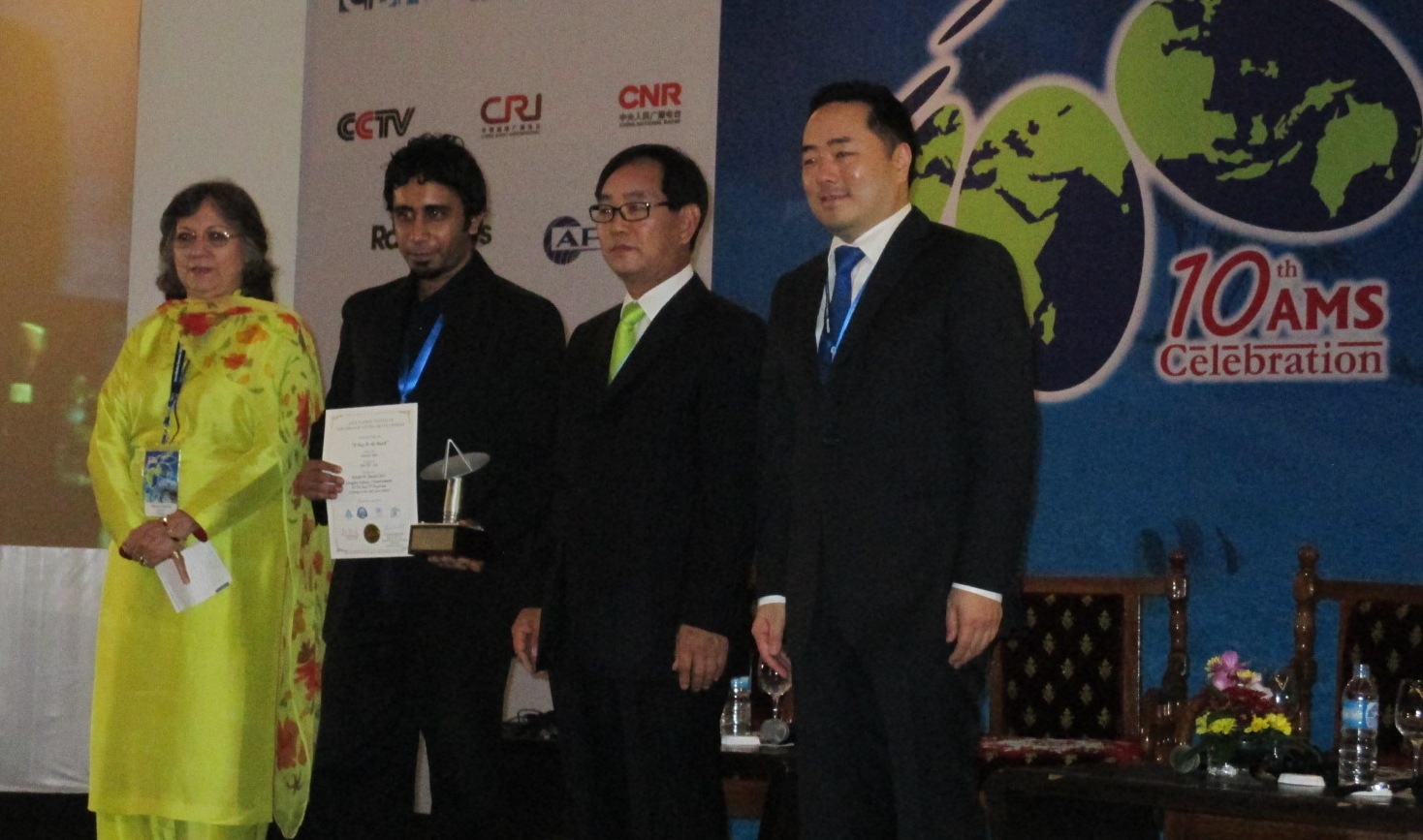
L to R – Moneeza Hashmi (Jury chair), Clarence Dass, Young-Woo Park (Regional Director, UNEP), Yang Binyuan (AIBD Director)
Fijian filmmaker and broadcaster Clarence Dass is a star at Asia Media Summit 2013 in Manado, Indonesia, this week.
First, he won the coveted World TV Award in the Science and Environment category, for his futuristic, dramatized film titled “A Day at the Beach” made for and broadcast by Fiji Broadcasting Corporation (FBC) TV.
That earned him US$ 5,000 prize money, a trophy and a certificate – as well as an all expenses paid trip to Manado, where he just collected them in front of 350 broadcast managers and professionals from across Asia Pacific.
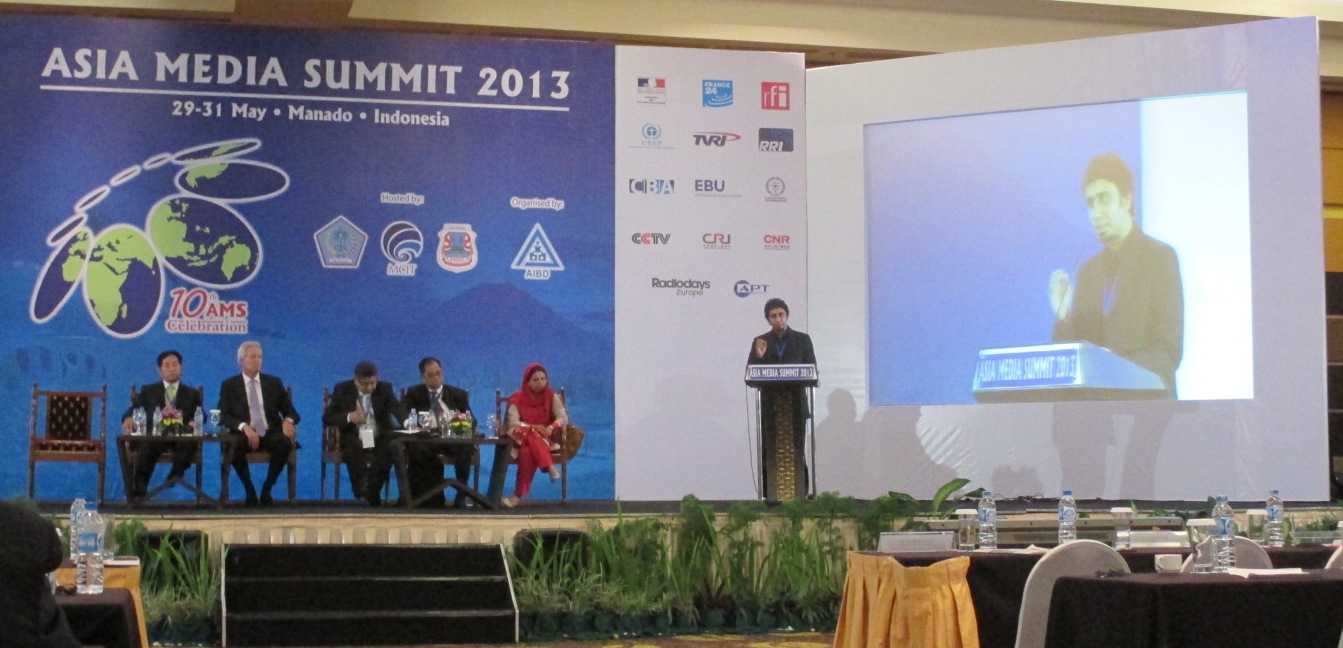
To top it up, he then spoke passionately and articulately during a session on taking action for sustainable development: how can media help?
While TV productions are all team work, public speaking is a solo art. Coming last of five panelists and youngest among them, Clarence made the most perceptive and practical remarks of all.
Clarence would have done well in any case. Now in his early 30s, he has been active in Fiji media since 2001, having started in newspapers as a music journalist, before moving onto radio presenting/producing and then TV production.
He is very digitally savvy, but as his panel remarks showed, also people savvy.
“Today, we have to produce media on-the-go for people who are constantly on the go,” he said. “We have to find ways to bring sustainable development elements into this.”
In “A Day at the Beach”, Clarence imagines a futuristic, climate ravaged Fiji and the Pacific in 2063. A young girl asks: did it have to be this way? Wasn’t there something earlier generations could do?
A bit evocative of The Age of Stupid movie (2009), which I had mentioned during our training. But it’s a universal theme.
Clarence offered some advice from his station’s experience. Key among them is to mix information with entertainment, so as to attract and sustain audiences who are constantly distracted these days.
“As Fiji’s national broadcaster, we provide info-tainment and edu-tainment programmes all the time,” he said.
Clarence Dass speaks on sustainable development how can media help at Asia Media Summit 29 May 2013
Other nuggets of wisdom from the amiable Pacific islander:
* Always ask for whom we are creating content. Knowing and profiling our audience is essential.
* We must make our content engaging. We need to find the right level so our programming appeals to both between laymen and experts.
* Beware of using too many effects and gimmicks, which can dilute the message. How much creativity is too much? Every producer has to ask that question.
* Small scale broadcasters in developing countries have to make content interesting on very limited budgets. Funding is a huge issue. But if managed properly, limited funds can still be made to go a long way.
I return to China’s massive environmental woes in my weekend column in Ravaya broadsheet newspaper (in Sinhala).
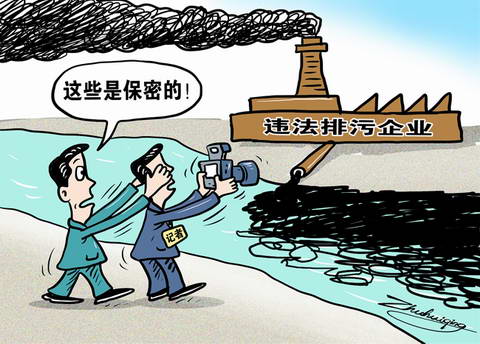
Last week, we looked at China’s air pollution problems; today, we discuss serious contamination of food and water caused by widespread pollution unchecked by lack of regulation and local level corruption.
We also compare China’s current experience with Japan’s pollution problems in the 1950s and 1960s. The big difference: democratic system in Japan enabled citizens to effective protest industrial excesses, petition courts and force government to enforce strict regulation. Can this happen in China?
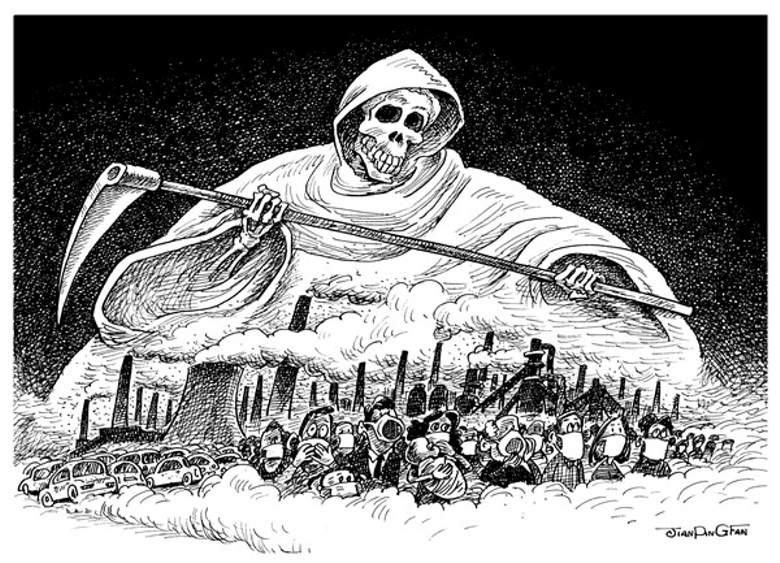
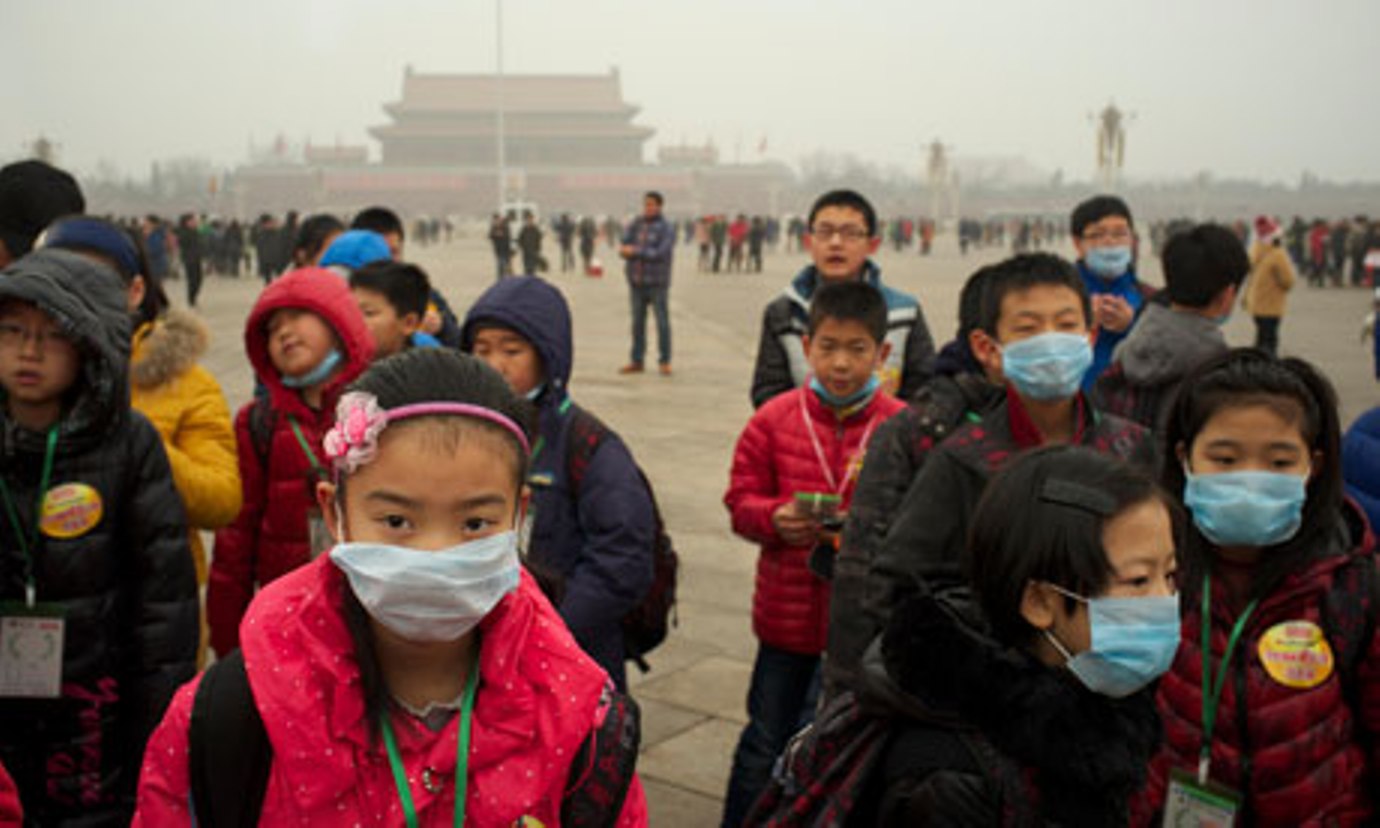
My latest column in Ravaya broadsheet newspaper (in Sinhala) looks at China’s air pollution problems that keep getting worse, taking pollutant readings off the charts. Urban air quality in Winter 2012/13 was so bad that Chinese themselves called it ‘Airpolcalypse‘.
Children wear anti pollution masks at Tiananmen Square in Beijing, Feb 2013
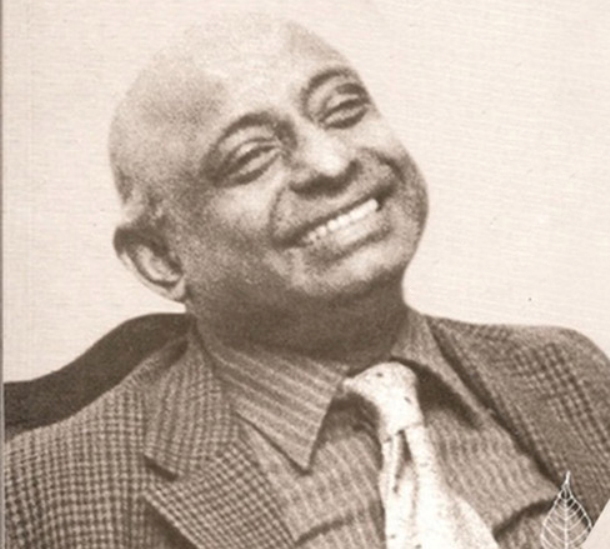
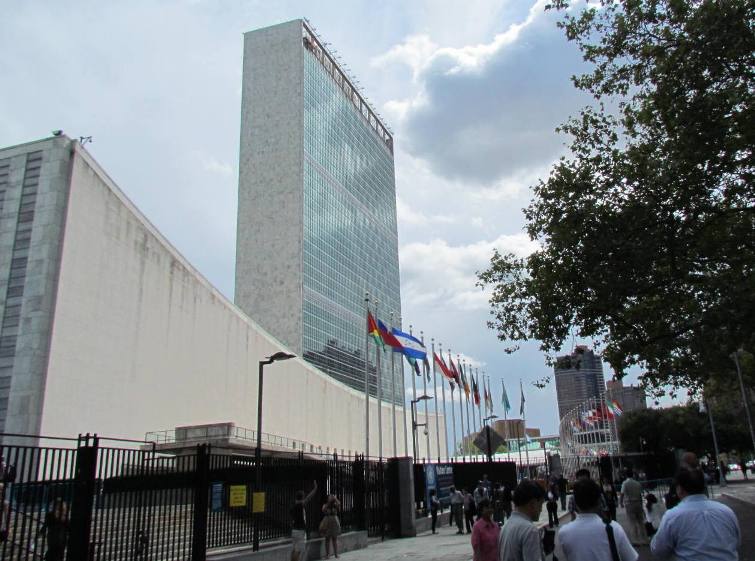
I have devoted another weekend column in Ravaya newspaper (in Sinhala) to celebrate the memory of the illustrious Lankan journalist, editor and development communicator, Tarzie Vitachi (1921 – 1993). This time, I talk about his time at the United Nations, first as communication chief at UNFPA, and then as Deputy Executive Director at UNICEF.








 Open Minds!