Chandani: Riding a Jumbo Where No Woman Has Gone Before…

Chandani Ratnayake with Kandula: She wants to become Sri Lanka's ambassador to elephants...

This film review has just appeared in The Nation newspaper, Sri Lanka, and can be accessed online at http://www.nation.lk/2011/10/16/eyefea6.htm

Years ago, I resolved not to watch any more documentaries about elephants – I have sat through far more than my fair share of them at film festivals across Asia and Europe. I have nothing against elephants; it’s just that most films about them are so predictably formulaic. Sooner or later, they all suggest: we greedy humans have robbed these giants of their jungles, and are now driving them to extinction.

While that is undeniable, the ground reality is a bit more nuanced. But few filmmakers or film commissioners want to go there. In any case, even the most balanced conservation film would still be trapped in an anthropocentric view of the human-elephant relationship: how differently might an elephant tell the same story?

Given these misgivings, I was pleasantly surprised by Arne Birkenstock’s new film, Chandani: The Daughter of the Elephant Whisperer (88 mins, 2010). He proves that it is always possible to find a refreshingly new way of telling a very old story.

The German film, shot entirely on location in Sri Lanka, centres around a young girl who loves elephants so much that she wants to spend the rest of her life tending to them. Sixteen-year-old Chandani Renuka Ratnayake is the eldest daughter Sumanabanda, the chief mahout at the elephant orphanage in Pinnawela. They hail from a family that has tamed and looked after elephants for generations. Lacking a son, he agrees to let Chandani train as a mahout.

There is only one small problem: Chandani is going where no Lankan woman has gone before. Other mahouts and the community doubt whether the eager young lass can rise to the many challenges involved in this hitherto male-only profession.

Sumanabanda brings home an elephant calf named Kandula, and assigns it to Chandani. Under the watchful eye of her father, Chandani does all the feeding, bathing and other chores. She has to divide her time between school and her boisterous charge. Soon, the two young ones bond with each other.

She also receives guidance from a wildlife ranger named Mohammed Raheem. He takes her to the Udawalawe National Park, an important habitat for wild elephants. There, she gets glimpses of the daily skirmish between wild elephants and humans for the land claimed by both species.

Exploring the relationship between children and elephants is a recurrent theme for filmmakers across cultures and genres. An early example was Elephant Boy (1937), a British adventure film directed by documentary filmmaker Robert J. Flaherty and Zoltan Korda, based on Rudyard Kipling’s “Toomai, of the Elephants”. A few years ago I watched the Japanese film Hoshi ni natta shonen — with a goofy English name, Shining Boy and Little Randy — directed by Shunsaku Kawake in 2005. It was the bittersweet story of a young boy who goes to Thailand to become Japan’s first elephant trainer.

The child character is usually male, possibly influenced by Mowgli of Jungle Book fame. But here, Chandani is playing herself: she has grown up watching the complexities of ex-situ conservation of the largest land mammal.

The elephant orphanage, set up on a 10-hectare coconut estate in 1975 to look after young elephants whose mothers have been killed — often in violent confrontations with villagers — is now home to nearly a hundred elephants. A captive breeding programme, introduced in 1982, has resulted in several live births.

Pinnawela continues a long tradition — going back to over 3,000 years — where elephants are captured, tamed and trained in Sri Lanka. Jayantha Jayewardene, an expert on Asian elephants, says the elephant, although tamed and trained, is not quite a domesticated animal in the same sense that dogs are.

As he explains in his book, The Elephant in Sri Lanka: “It (the elephant) is an immensely powerful animal whose strength and wild nature calls for caution in handling it, especially during capture and the initial training stages. Later on, using less than a dozen words of command, the handler, called a mahout, is able to exercise control over this powerful animal. In most instances, the elephant and mahout develop a strong and lasting bond.”

After months of training, Chandani faces her moment of truth. She has to accompany Kandula in the local perahera, the procession that tours the streets with decoratively dressed elephants as star attractions. Peraheras are noisy, crowded and sometimes chaotic affairs: participating elephants and mahouts need focus and coordination.

The young girl and elephant prove their mettle. If Chandani’s family and peers are impressed by that public performance, the indifferent state is not. Sumanabanda is belatedly informed that he is not legally allowed to raise an elephant at home (even if he paid ‘good money’ for the creature). Eventually, he and his daughter agree that it is best for Kandula to return to the jungle. Their emotional attachment is strong by now, making separation painful. As Chandani watches Kandula being taken away, she reflects on her chosen future…

Relaxed Drama

The film is labeled as a documentary, but there is considerable movement, tension and other emotions that lend it a dramatic quality. Evidently, many sequences have been scripted. We don’t know how much time and effort that entailed. It probably helped that Chandani and Sumanabanda seem ease-going people. The director has managed to get even the (usually stiff) government officials to relax for the camera.

By staying tightly focused on his characters, Birkenstock avoids a common pitfall in many elephant films that either eulogise pachyderms or editorialise too heavily about their predicament. He blends striking images with an evocative soundtrack to tell a compelling story that is informed by real world issues — but not deep immersed in them.

This mix is welcome indeed. In 2000, when I served on the global jury of Wildscreen, the world’s leading wildlife and natural history film festival in Bristol, UK, we told filmmakers that simply documenting animal and plant behaviour and their habitats was no longer adequate in a world facing a multitude of environmental crises. There was an urgent need, our jury statement said, for films that explored the nexus between the natural environment and human society — both the conflict and harmony between the two.

Chandani and Kandula the elephant

Forming the backdrop to Chandani are the tough choices confronting biodiversity conservation in Sri Lanka. The wildlife ranger Mohammed, in particular, brings in both specialised knowledge and official perspective — mercifully without any activist shrill. Hard core environmentalists might not find this film ‘green enough’. For mass audiences worldwide, however, it conveys a very important message: how some ordinary Lankans are doing their bit for inter-species harmony against many odds.

That is no small accomplishment on our crowded island which has the world’s highest density of wild Asian Elephants. The first-ever nationwide elephant census in August 2011 produced a total of 7,379 jumbos across the island: 5,879 of them were spotted near parks and sanctuaries, while another 1,500 were estimated to be living in other areas. Some environmentalists were unhappy with the methodology and questioned its results. But even imperfect data can inspire more systematic conservation measures.

Sooner or later, we have to answer the hard question: how many wild elephants can the island’s remaining forests realistically sustain? This has already sparked off heated arguments. In the long-term, the survival of the Lankan Elephant might be assured only though captive breeding.

Meanwhile, every year, a few dozen elephants and humans perish in increasingly violent encounters over land and food. As we search for lasting solutions, we need more Chandanis, Mohammeds and Sumanabandas to show us the way.

Science writer Nalaka Gunawardene is far more interested in wild-life in urban jungles than wildlife in natural ones.


Chandani and Kandula pass a very public test!

සිවුමංසල කොලූගැටයා #36: ස්ටීව් ජොබ්ස් – අසම්මතය සුන්දර කළ ‘විකාරකාරයා’

We might admire – even revere – genius mavericks like Steve Jobs from afar, but few Asians have any idea where mavericks come from, or how best to deal with them. Our conformist and hierarchical societies don’t nurture mavericks. Our cultures tend to suppress odd-balls and iconoclasts. That’s probably why we don’t have enough of our own Steve Jobses.

This is the crux of my argument in my latest Sinhala column published in Ravaya newspaper on 16 Oct 2011. For a longer discussion of the same topic, see my English essay Goodbye, Steve Jobs; Long Live Mavericks!

පසුගිය වසර 35ක කාලය තුළ ඇපල් පරිගණක හා විද්යුත් උපකරණ නූතන තොරතුරු සමාජයේ ප්‍රගමනයේ පෙරගමන්කරුවන් ලෙස ක්‍රියා කළ බව ලෝකය ම පිළිගන්නවා. මේ නව ලොව තනන්නට මහත් සේ දායක වුණු ඇපල් සමාරම්භක ස්ටීවන් පෝල් ජොබ්ස් හෙවත් ස්ටීව් ජොබ්ස් (Steve Jobs) 2011 ඔක්තෝබර් 5 වනදා මිය ගිය විට ලෝකය ම කම්පාවට පත්වුණා. පිලිකාවක් සමග වසර ගණනක් පොර බැදීමෙන් ඔහු අන්තිමට පරාජය වන විට වයස අවුරුදු 56යි.

සරසවි ඉගෙනුම වෙනුවට තමන්ගේ ම නිර්මාණශීලී අදහස් ඔස්සේ දැඩි අධිෂ්ඨානයෙන් ඉදිරියට ගිය ස්ටීව් ජොබ්ස්, තොරතුරු තාක‍ෂණය, පාරිභෝගික විද්‍යුත් උපකරණ හා ජනප්‍රිය සංස්කෘතිය යන ෙක‍ෂත්‍ර තුනෙහි ම දැවැන්තයකු වූ බව ඔහුගේ ව්‍යාපාරික තර`ගකරුවන් පවා එක හෙළා පිළිගත්තා. අසම්මතය, පරිකල්පනය හා සුන්දරත්වය කැටි කළ ස්ටී්ව් ජොබ්ස් කථාවේ එක් පැතිකඩක් ගැන අපි අද කථා කරමු. එහි යටි අරමුණ අපේ රටවලත් ස්ටීව් ජොබ්ස්ලා බිහි විය හැකිද යන්න විග්‍රහ කිරීමයි.

1997දී ඇපල් සමාගම අපූරු ප්‍රචාරණ ව්‍යාපාරයක් හදුන්වා දුන්නා. තමන් තවත් එක් පරිගණක නිෂ්පාදන සමාගමක් නොවන බව හුවා දැක්වීම ඉලක්ක කර ගත් ඒ දැන්වීම් පෙළේ මුඛ්‍ය තේමාව වූයේ වෙනස් විධියට සිතන්න (Think Different) යන්නයි. එහි වඩාත් ම සිත් ඇද ගන්නා අංගය වූයේ තත්පර 30 හා 60 යන ධාවන කාලයන්ට නිර්මාණය වූ ටෙලිවිෂන් දැන්වීමක්. ඉතිහාසය පුරා විවිධ ෙක‍ෂත්‍රයන්ගේ විපර්යාස ඇති කරන්නට දායක වුණු චරිත 17ක රූප ඉතා ඉක්මනින් තිරයේ දිස් වුණා. තනිකර කළු-සුදු වර්ණයෙන් නිර්මිත එයට මහත්මා ගාන්ධි, ඇල්බට් අයින්ස්ටයින්, තෝමස් අල්වා එඩිසන් හා අමීලියා ඉයර්හාට් වැනි චරිත මෙන් ම බීට්ල්ස් ගායක ජෝන් ලෙනන්, පබ්ලෝ පිකාසෝ හා මොහමඩ් අලි වැනි විවිධ ෙක‍ෂත්‍රවල දැවැන්තයන් ද ඇතුළත් වුණා. මේ හැම දෙනා ම සම්මතයට එරෙහිව ගිය නිදහස් මතධාරීන් හෙවත් මැව්රික්ස් (mavericks) හැටියට පිළි ගැනෙනවා.

ඒ දැන්වීමේ කථනය සාරාංශයක් ලෙස කිවහොත්: ‍”මෙන්න විකාරකාරයෝ. විප්ලවවාදියෝ. කරදරකාරයෝ. හැම දෙයක් ම වෙනස් විධියට දකින මේ අය පිස්සන් කියා බොහෝ දෙනකු සිතුවා. එහෙත් අප ඔවුන් දකින්නේ මහ මොළකාරයන් හැටියටයි. ඉතිහාසය පුරා ම අපේ ලෝකය වෙනස් කළේ මෙවැනි අසම්මත විකාරකාරයන් තමයි.” ඒ දැන්වීම YouTube හරහා නරඹන්න: http://tiny.cc/ThinkD

ඒ දැන්වීමේ කිසි තැනෙක පරිගණකයක් දිස් වූයේ නැහැ. එහි අරමුණ වූයේ සංකල්පමය වශයෙන් ඇපල් සමාගම අනෙකුත් සියළු පරිගණක හා තොරතුරු තාක‍ෂණ සමාගම්වලට වඩා වෙනස් බව කියා පෑම පමණයි. එය ප්‍රචාරය වීම අරඹන කාලයේ ඇපල් සමාගමට තිබූ වෙළදපොල ඉතා සීමිතයි. එවකට අලෙවියෙන් හා ලාබයෙන් කුඩා වූවත් මේ අසම්මත සමාගම විකාරකාරයන්ගේ මගෙහි යන පෙරළිකාරයෙක් වීමේ පෙරනිමිති පළ කළා.
1997 දී ලෝකයට දුන් ඒ ප්‍රතිඥාව දශකයක් ඇතුළත ඉතා මැනවින් ක්‍රියාවට නැංවීමට ස්ටීව් ජොබ්ස් දිවා රෑ වෙහෙසී වැඩ කළා. iMac පරිගණකය (1998), iPod ජංගම සංගීත/මාධ්‍ය උපකරණය (2001), iTunes නම් වූ සයිබර් අවකාශයේ මහා සල්පිල (2003) iPhone ජංගම දුරකථනය (2007) හා iPad ජංගම ටැබ්ලටය (2010) ඔහු ආ අසම්මත මගෙහි අමතක නොවන පියසටහන්. කලක් සාපේක‍ෂව කුඩා පරිගණක හා විද්්‍යුත් උපකරණ සමාගමක් හැටියට පැවතුණු ඇපල් සමාගම 2010 වන විට Microsoft, IBM ඇතුළු අනෙකුත් සියළු තාක‍ෂණ සමාගම් අභිබවා ගියා.

ජොබ්ස්ගේ තාක‍ෂණ, සැළසුම් (design) හා අලෙවිකරණ කුසලතා ගැන පසුගිය දිනවල බොහෝ සෙයින් කථාබහ කෙරුණා. ඒ තොරතුරු යළිත් කීම මගේ අරමුණ නොවෙයි. නව නිපැයුම් සදහා පේටන්ට් 338ක් ඔහුට තිබුණා. එහෙත් ඔහුට වඩා පේටන්ට් ලබාගත් තව බොහෝ නිර්මාපකයන් සිටිනවා. (උදාහරණ: තෝමස් අල්වා එඩිසන් 1,093යි. පෝලරොයිඩ් කැමරාව තැනූ එඩ්වින් ලෑන්ඩ් 525යි.) කුඩා පරිමාණයේ නව නිපැයුම් විශාල ගණනක් බිහිකරනවා වෙනුවට ජොබ්ස් වැඩි අවධානය යොමු කළේ සමස්ත කර්මාන්තයක් හෝ ෙක‍ෂ්ත්‍රයක් ම විප්ලවයකට ලක් කරන ආකාරයේ වැඩ කරන්නයි. පුද්ගල පරිගණකය, ජංගම සංගීත/මාධ්‍ය උපකරණය, ජංගම දුරකථනය වැනි කිසිවක් මුල්වරට නිපදවූයේ ස්ටීව් ජොබ්ස් නොවේ. එහෙත් ඔහු කළේ පවත්නා තාක‍ෂණය උඩුකුරු වන මට්ටමේ ප්‍රබල දියුණු කිරීම් ඇති කිරීමයි. මේ සුවිශේෂී ගුණය නිසා ඔහු අපේ කාලයේ සිටි දක‍ෂතම තාක‍ෂණික ප්‍රතිනිර්මාපකයා (technology’s great re-inventor) හැටියට ටයිම් සගරාව හදුන්වා දෙනවා. එය ජොබ්ස්ගේ අසම්මත කථාව ගැන කළ හැකි හොද සම්පිණ්ඩනයක්.

බොහෝ නිපැයුම්කරුවන්ගේ කුසලතාවය හා දැක්ම පටු පරාසයකට සීමා වන නමුත් ජොබ්ස් පුළුල් දැක්මකින් යුක්තව ක්‍රමීය වෙනස්කම්වලට (systemic changes) යොමු වූ කෙනෙක්. එබදු වෙනස්කම් සදහා තාක‍ෂණය, සෞන්දර්යාත්මක සැළසුම (aesthetic design) අලෙවිකරණය (marketing) හා හොද සන්නිවේදනය යන සතරවිධ හැකියාවන් ඔහුට නොඅඩුව තිබුණා.

ස්ටීව් ජොබ්ස් තුළ මේ සංකල්ප බිහි වූයේ කෙලෙස ද? අමෙරිකාවේ වඩාත් ලිහිල් සමාජ පසුබිමක් පවතින බටහිර වෙරළේ කැලිෆෝනියාවේ ඉපදි හැදී වැඩීම ද? සහජ හැකියාවන් තියුණු කර ගනිමින් වෙහෙස මහන්සි වී වැඩ කිරීම තුළින් ඕනෑ ම කෙනකුට හිස එසවීමට ඉඩක් තිඛෙන සමානාත්මක :ැට්කසඒරස්බ- අමෙරිකානු සමාජ ක්‍රමය ද? 1960-70 දශකයන්වල බටහිර රටවල තරුණ තරුණියන් බොහෝ දෙනාට බලපෑමක් ඇති කළ හිපි සංස්කෘතිය ද? (තරුණ වියේ ඉන්දියාවට පැමිණ ආශ්‍රමයන්හි කල් ගත කළ ඔහු පෙරදිග දර්ශනයන් — විශේෂයෙන්ම ටිඛෙට් හා ජපන් සම්ප්‍රදායයන් — ගැන උනන්දු වූවා.) එසේ නැතිනම් මේ සියළු සාධකයන් මිශ්‍ර වීමේ අවසාන ප්‍රතිඵලය ද?

මේ ප්‍රශ්නවලට එක එල්ලේ පිළිතුරු දෙන්න අමාරුයි. නිර්මාණශීලිබව (creativity) පැන නගින්නේ මිනිස් මනසේ කොතැනින් ද, එයට රුකුල් දෙන අධ්‍යාපනික, සමාජයීය හා සාංස්කෘතික බලපෑම් මොනවා ද යන්න මානව විද්‍යාඥයන් හා සමාජ විද්‍යාඥයන් මහත් ඕනෑකමින් අධ්‍යයනය කරනවා. එවන් පර්යේෂකයන්ට ස්ටීව් ජොබ්ස් චරිතය ඉතා ප්‍රයෝජනවත්.

ඔහුගේ අසම්මත ජීවන කථාව ආසියාවේ අපට වැදගත් වන තව හේතුවක් තිඛෙනවා. ජන සමාජයන් සමස්තයක් වශයෙන් ගෙන සසදන විට ගණිතය, ඉංජිනේරු විද්‍යාව හා තාක‍ෂණයට සම්බන්ධ කි්‍රයාවලදී ආසියානුවන් ලෝකයේ වෙනත් බොහෝ ජාතීන්ට වඩා ඉදිරියෙන් සිටිනවා. 1950-2010 කාලය තුළ ලෝකයේ වැඩි ම ආර්ථීක වර්ධන වේගය පවත්වා ගන්නට ආසියානු කලාපයට හැකි වූයේ තාක‍ෂණ ෙක‍ෂත්‍රයන්හි නව නිපැයුම්, ආයෝජන හා හපන්කම් නිසායි. ජපානය, චීනය, කොරියාව හා ඉන්දියාව වැනි රටවල් අද විද්‍යාව හා තාක‍ෂණය අතින් ලෝකයේ පෙරමුණ ගෙන සිටිනවා. පර්යේෂණ නිබන්ධන, පේටන්ට් බලපත්‍ර ආදී නිර්නායක හරහා මේ ප්‍රවණතා මැනිය හැකියි.

එසේ වූවත් තාක‍ෂණ ෙක‍ෂත්‍රයේ ආසියානුවන්ගේ හපන්කම් බහුතරයක් සාමූහික ප්‍රයත්නයන්. අද ලොව සංකීර්ණ අවශ්‍යතාවලට නිපැයුම්කරුවන්ට තනිව ම මුහුණදීම අපහසු බව ඇත්ත. එහෙත් ලොව ජය ගත් පාරිභෝගික තාක‍ෂණයන් විශාල සංඛ්‍යාවකට මුල් වූ ජපානයේ Sony කොරියාවේ Samsung වැනි සමාගම් අප හදුනන්නේ වෙළද නාමයෙන් (brands) පමණයි. නිපැයුම්කරුවන්ගේ නමක් අප දන්නේ නැහැ. මේ රටවල සංචාරය කරන විට මට පෙනී ගිය දෙයක් නම් ඒ රටවල සාමාන්‍ය ජනයා පවා සිය නිපැයුම්කරුවන් ගැන දන්නේ ඉතා අඩුවෙන් බවයි. මෙයට හේතුව තොරතුරු ගලනයේ දුර්වලතා ද? නැතිනම් බටහිර රටවල තරම් තනි පුද්ගල මට්ටමේ නව නිපැයුම්කරුවන් ආසියාවේ මතු නොවීම ද?

මෙය මතු පිටින් විග්‍රහ කොට නිගමනවලට එළඹිය හැකි සරල ප්‍රශ්නයක් නොවේ. එහෙත් පෙරදිග අපේ රටවල අසම්මත මගක යන නිදහස් මතධාරීන්ට එරෙහි වන සමාජයීය හා සාංස්කෘතික සාධක තිඛෙන බව පිළි ගත යුතුයි. (මෙහිදී මා කථා කරන්නේ පොදුවේ ආසියානු ජන සමාජයන් ගැනයි.) ආසියාවේ බොහෝ සමාජයන්ගේ දරදඩු සමාජ මට්ටම් හා ධූරානුක්‍රම (hierarchies) තිඛෙනවා. ඒවා වත්කම, උගත්කම ආදී සාධකවලින් තවත් තීව්‍ර වනවා. සමාජ පසුබිමින් එක හා සමාන අය අතර වයස්ගත වූවන්ගේ මතයට වැඩි පිළිගැනීමක් ලැඛෙනවා. ගුරුකුල බිහි වීමේ අන්තරායක් තිඛෙනවා.

මේ සියල්ල නිසා අමුතු විදියට සිතන, සම්මතයට අභියෝග කරන නිදහස් මතධාරීන්ට ආසියානු සමාජවල ඇති අවකාශය ඉතා අඩුයි. හැම කෙනෙකු ම එක හා සමාන රේඛීය ජීවන මගක ගමන් ගත යුතු බවත්, එසේ නොගොස් ‘අයාලේ යන’ අය පිස්සන්, විකාරකාරයන් හෝ සමාජ විරෝධීන් වන බවත් මුල් බැස ගත් මතයක්. මෙබදු වාතාවරණයක අළුත් දෙයක් හිතන, කියන හා අත්හදා බලන දරුවන් හා තරුණ තරුණියන් ඔවුන්ගේ පවුල්වලින්, පාසලෙන්, සරසවියෙන් හා ජන සමාජයේ අන් අයගෙන් දැඩි පීඩනයකට ලක් වනවා. මෙය මගේ මතවාදයක් පමණක් නොවෙයි. ඉතා සරල උදාහරණයක් ගත හොත් උපතින් ම වමත්කරුවන් වන අයට ලාංකික සමාජය දක්වන ප්‍රතිචාරය ගැන මදක් සිතන්න!

මේ ගැන ශාස්ත්‍රීයව ගවේෂණය නොකළත්, අදාල අත්දැකීම් රාශියක් සොයා ගැනීමේ අවස්ථාවක් 2009-10 කාලයේ මට ලැබුණා. සියත TV හරහා නව නිපැයුම්කරුවන් හදුන්වා දෙන සතිපතා වැඩසටහන් මාලාවක් මා ඉදිරිපත් කළා. දෙස් විදෙස් සම්මාන ලද නව නිපැයුම්කරුවන් සැළකිය යුතු සංඛ්‍යාවක් සමග මා සම්මුඛ සාකච්ඡා කළා. එහිදී මා නිතර ඇසූ ප්‍රශ්නයක් වූයේ කුඩා කාලයේ අළුත් දෙයක් කරන්නට ලැබුණු උපකාර, උපදෙස් මෙන් ම බාධක මොනවා ද යන්නයි.

නව නිපැයුම්කරුවන්ගෙන් බහුතරයකට තම පවුලෙන්, අසල්වාසීන්ගෙන් බහුතරයකට තම පවුලෙන්, අසල්වාසීන්ගෙන් හෝ පාසලෙන් ලැබී ඇත්තේ දිරිගැන්වීම් නොවෙයි – උදාසීන හෝ අයහපත් ප්‍රතිචාරයක්. අසම්මත දේ කරන්නට ගොස් විභාග අසමත් වී අනාගතය අදුරු කර නොගන්නා ලෙස ඔවුන්ට අවවාද ලැබී තිඛෙනවා. එදිනෙදා ජීවිකාවක් සදහා ශිල්ප ඉගෙනීමෙන් ඔබ්බට ලෝකය වෙනස් කරන්නට සිතීම නිශ්චල ‘දැගලිල්ලක්’ බව වැඩිහිටියන් ඔවුන්ගේ මුහුණට ම කියා තිඛෙනවා.

නිතිපතා එල්ල වන මේ පීඩනය නොතකා ඒකායන අරමුණින් ‘දඩබ්බර’ විදියට ඉදිරියට යන ටික දෙනකු තමයි අවසානයේ නව නිපැයුම් බිහි කරන්නේ. එය ද එක් රැයකින් කළ හැක්කක් නොවෙයි. එහෙත් නොසැළුණු අය අතර තව කී දෙනෙක් තමන්ගේ සිහින අත්හැර දමන්නට ඇත් ද? › ලංකාවේ නව නිපැයුම්කරුවන් අතර කාන්තා නියෝජනය ඉතා අඩු ඇයි?

අපේ නව නිපැයුම්කරුවන් මුහුණ දෙන ආර්ථීක, තාක‍ෂණික බාධකයන් රැසක් ද තිඛෙනවා. ඒවා දැනටමත් හදුනා ගෙන ඇති අතර ඒ බාධක දුරුකිරීමට යම් පියවර ගන්නා බව නිපැයුම්කරුවන්ගේ කොමිසමේ වත්මන් ප්‍රධානියා මෑතදී මට කියා සිටියා. එහෙත් තනි රාජ්‍ය ආයතනයකට හෝ අධ්‍යාපන/පුහුණු ආයතනයකට හෝ නව නිපැයුම්කරුවන් බිහි කිරීමට නොහැකියි. එය සමාජ ප්‍රවාහයන් ගණනාවක අවසන් ප්‍රතිඵලයක්.

බොහෝ ආසියානුවන්ට මෙන්ම ලාංකිකයන්ට ද තාක‍ෂණ ෙක‍ෂත්‍රයේ සහජ හැකියාවක් තිඛෙනවා. එහෙත් ඒ විභවය දැගලිල්ලක්, දඩබ්බරකමක් හරහා අළුත් සංකල්පයක් හෝ නිපැයුමක් හෝ බවට පත් වන්නට පියවර ගණනාවක් පසු කළ යුතුයි. ස්ටීව් ජොබ්ස්ලා අපේ රටවල බිහි නොවන්නේ පහසුකම් හා ආයෝජන නැති නිසා පමණක් නොවෙයි. අසම්මතයට සිතන ‘විකාරකාරයන්ට’ අපේ සමාජවල ඉඩක් නොදෙන නිසා යයි මා තර්ක කරනවා. මා එසේ කියන්නේ අසම්මත මගක නිර්මාණශීලීව ගමන් කළ කෙනකු හැටියට මගේ අත්දැකීම් ද පාදක කර ගනිමින්.

Celebrating Steve Jobs, we ask: Where are all the Asian tech mavericks?

Steven Paul Jobs (1955 – 2011): The Crazy One

In my own tribute to Steve Jobs, just published on Groundviews.org, I raise some pertinent questions about nurturing discovery and innovation in Asian societies.

Here’s an excerpt:

We might admire – even revere – mavericks like Steve Jobs from afar, but few Asians have any idea where mavericks come from, or how best to deal with them. Our conformist and hierarchical societies don’t nurture mavericks. Our cultures tend to suppress odd-balls and iconoclasts. That’s probably why we don’t have enough of our own Steve Jobses, Richard Bransons and Anita Roddicks.

Mark Twin said: “The man with a new idea is a crank – until the idea succeeds”. The question is: do we Asians hush down our home-grown cranks even before they have a sporting chance? Are we culturally too biased against individualism that propels useful – and potentially transformative ­ mavericks?

As a ‘maverick spotter’ and cheerleader for all types of innovation, I often worry that we are. I have come across bright young men and women who were ridiculed in the classroom (‘freaks!’) or scorned at home (‘losers!’) for not wanting to be doctors, engineers or lawyers.

This is the central argument in my latest op-ed, a tribute to Steve Jobs and a reflection on individualistic tech innovation in our own Asian societies.

Read full essay on Groundviews.org: Goodbye, Steve Jobs; Long Live Mavericks!

සිවුමංසල කොලූගැටයා #35: දුර දැක්මක් නැති දූපතක දුරදක්නවල ඉරණම

This is the Sinhala text of my weekly column in Ravaya newspaper, issue for 9 Oct 2011. In this, I discuss the plight of two telescopes in Sri Lanka – a private one used by Sir Arthur C Clarke, and another gifted to the government by Japan that is located in the wrong place and grossly underused.

For an English discussion of the same topics, see my article in Groundviews.org published on 4 Oct 2011: A Tale of Three Telescopes and a Blind News Media

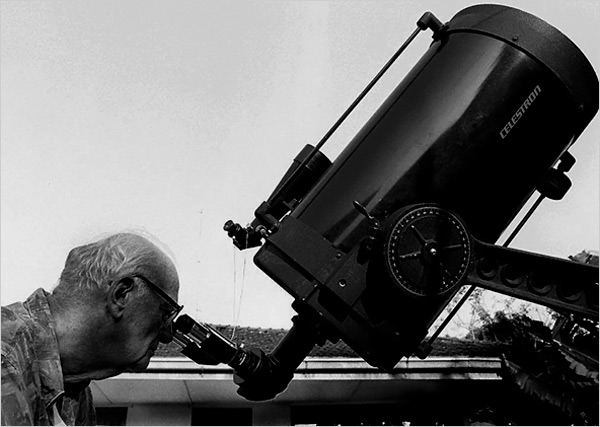
Sir Arthur Clarke with his Celestron 14-inch telescope - photo by Rohan de Silva, circa 2001

“ආතර් සී. ක්ලාක් භාවිතා කළ දුරදක්නය රුපියල් දස ලක‍ෂයකට විකුණලා!”

මේ ප්‍රවෘත්තිය සිරස මාධ්‍ය ජාලය ඔස්සේ ප්‍රචාරය වූයේ ඇතැම් දෙනකුගේ කුතුහලය අවුස්සමින්. ලංකාවේ පදිංචිකරුවකු (පුරවැසියෙකු නොවේ!) හැටියට අඩසියවසක් ගත කළ කීර්තිමත් බ්‍රිතාන්‍ය විද්‍යා ලේඛකයා පරිහරණය කළ දුරදක්නය පුවත්පතක දැන්වීමක් හරහා විකුණා ඇති බවත්, ගැණුම්කරුගේ අනන්‍යතාවය නොදන්නා බවත් එයින් කියැවුණා. එපමණකින් නතර නොවී පුවත් වාර්තාකරු කොළඹ සරසවියේ භෞතික විද්‍යාඥ ආචාර්ය චන්දන ජයරත්න උපුටා දක්වමින් කියා තිබුණේ මේ දුරදක්නය ඇතුළු ආතර් සී. ක්ලාක් පරිහරණය කළ දෑ ‘අනාගත පරපුරට දැක ගැනීමට හැකි ස්ථානයක සංරක‍ෂණය කළ යුතු’ බවයි. මේ සදහා රජයට මැදිහත් විය හැකි ද යන්න පුවතෙන් ප්‍රශ්න කොට තිබුණා.

පැය විසි හතර පුරා ම ප්‍රවෘත්ති වාර්තා කිරීමේ පීඩනයට නතු වූ වාර්තාකරුවන් මෙබදු කථාන්තර ලිවීම අපට තේරුම් ගත හැකියි. අවාසනාවකට සිරස පුවතට හසු වී තිබුණේ කටකථාවලට ඔබ්ඛෙන් වැඩි දුරක් නොගිය, අර්ධ සත්‍ය තොරතුරු ටිකක් හා මත දැක්වීම් පමණයි. මේ ගැන මීට වඩා ගැඹුරින් විග්‍රහ කිරීමට තිබුණු අවස්ථාව ඔවුන් අතින් ගිලිහී ගියා.

ආතර් සී. ක්ලාක්ගේ විද්‍යාත්මක, ලේඛන හා මාධ්‍ය කටයුතු සම්බන්ධීකරණයට කුඩා කාර්යාලයක් ඔහුගේ කොළඹ නිවසේ කොටසක පවත්වා ගෙන ගියා. එහි කාර්ය මණ්ඩලයේ වසර 21ක් තිස්සේ (අර්ධ කාලීනව) මා ද සාමාජිකයකු වුණා. ඔහු 2008 මාර්තුවේ මිය ගිය පසු අන්තිම කැමති පත්‍රයට අනුව ඔහුට හිමිව තිබූ නිශ්චල හා චංචල දේපල අධිකරණ අධීක‍ෂණය යටතේ අදාල පුද්ගලයන්ට හා ඔහුගේ නමින් ලියාපදිංචි කළ භාරයකට පවරනු ලැබුවා. මෙය නීති සහගත ක්‍රියාදාමයක්. ඒ හරහා දුරදක්නය ලද පුද්ගලයාට එය විකිණීමට උවමනා නම් කිසිදු බාධාවක් නැහැ. (ඇත්තට ම සිදුවී ඇත්තේ පුවත්පත් දැන්වීමක් පළ කළත් එය ගනුදෙනුවක් දක්වා ගමන් නොකිරීමයි.)

මාධ්‍ය පුවතින් දුරදක්නය ගැන කිසිදු විස්තරයක් හෙළි නොවුවත් එය ගැන සියළු තොරතුරු ඉන්ටර්නෙට් තොරතුරු ගවේෂණයකින් සොයා ගත හැකියි. මේ දුරදක්නය මා හොදට දන්නවා. එය අමෙරිකාවේ Celestron සමාගම නිෂ්පාදනය කළ අගල් 14 ක පරාවර්තක (reflector) දුරදක්නයක්. එය වෘත්තීය තාරකා විද්‍යාඥයන්ට නොව ආධුනික තාරකා විද්‍යාවේ නියැලෙන අයට රාත්‍රී අහස නිරික්සීමට යොදාගත හැකි ඉහළ මට්ටමේ උපකරණයක්.

රාත්‍රී අහස නිරීක‍ෂණයට කුඩා කල සිට ම ක්ලාක්ගේ ලොකු උනන්දුවක් තිබුණා. එංගලන්තයේ ගොවිපලක ගත කළ ළමා කාලයේදී ඔහු අඩු වියදමින් තමන්ගේ මුල් දුරදක්නය ගෙදරදී ම හදා ගත්තා. පසු කලෙක වාණිජ මට්ටමින් වෙළදපොලේ ඇති දුරදක්න මිළට ගෙන මේ විනෝදාංශය මහත් ඕනෑකමින් කර ගෙන ගියා. 1956 දී ඔහු ලංකාවේ පදිංචියට ආ විට උතුරු අහස මෙන් ම දකුණු අහසේත් විශාල පරාසයක් විහිදෙන තරු මෙරට සිට නැරඹිය හැකි බව තේරුම් ගත්තා. එයින් ඔහුගේ ආධුනික තාරකා විද්‍යා කටයුතු තවත් උත්සන්න වුණා.
ඒ විනෝදාංශයට යොමු වී සිටි තවත් ලාංකිකයන් හවුල් කරගෙන 1959දී ලංකා තාරකා විද්‍යා සංගමය (Ceylon Astronomical Association) පිහිටුවා ගත් ඔහු වසර කිහිපයක් එහි සභාපතිවරයාද වුණා. මීට පෙර කොලමක මා ස`දහන් කළ පරිදි වෘත්තිමය තාරකා විද්‍යා කටයුතු ස`දහා අවශ්‍ය පහසුකම් මෙරට නැති නිසා අපට ඇත්තේ ආධුනික තාරකා විද්‍යා ක්‍රියාකාරකම් පමණයි. මෙරටින් බිහි වූ සියළු ම වෘත්තිමය තාරකා විද්‍යාඥයන් රැකියාවල නිරතවන්නේ විදේශ රටවලයි. නමුත් සංවිධානගත මට්ටමින් ආධුනික තාරකා විද්‍යා නිරීක‍ෂණ කරන කිහිප දෙනකු මෙරට සිටිනවා.

ක්ලාක් Celestron-14 දුරදක්නය මෙරටට ගෙන ආවේ 1980 දශකය මුලදී. සිය නිවසේ උඩුමහලේ බැල්කනියේ එය තැන්පත් කළ ඔහු විටින් විට රාත්‍රී අහස නිරීක්සීමට එය යොදාගත්තා. ඔහු වඩාත් ම උනන්දු වූයේ චන්ද්‍රයාගේ මතුපිට බලන්නටත්, ග්‍රහලෝක නිරීක‍ෂණයටත්. සෙනසුරුගේ වළලූ හා බ්‍රහස්පතිගේ මතුපිට ලප ආදිය මේ හරහා බලා ගත හැකිවුණා. දශකයක පමණ කාලයක් මෙය මෙරට තිබූ විශාලතම දුරදක්නය වූ නිසා ලංකා තාරකා විද්‍යා සංගමයේ හා තරුණ තාරකාවේදීන්ගේ සංගමයේ නිරීක‍ෂණ සදහාත් ඔහු නොමසුරුව සිය දුරදක්නය භාවිතා කරන්නට ඉඩ දුන්නා. එහෙත් මේ දුරදක්නයෙන් කිසිදු තාරකා විද්‍යා පර්යේෂණයක් කිරීම ඔවුන්ගේ අරමුණ වූයේ නැහැ.

1994දී ජපන් රජය අගල් 18ක (සෙමී 45) GOTO වර්ගයේ පරාවර්තක දුරදක්නයක ලංකාවට පරිත්‍යාග කළා. මේ දක්වා මෙරටට ගෙන ආ විශාලත ම දුරදක්නය වූ එය කොතැනක ස්ථානගත කළ යුතු ද යන්න ඒ දිනවල විවාදයට ලක්වුණා. ප්‍රශස්ත තාරකා නිරීක‍ෂණයට බාධා කරන වීදි ආලෝකය හා නාගරික දුවිල්ලෙන් දුරස්ථ වූ තැනක මෙය පිහිටුවන ලෙස මෙරට වෘත්තිමය හා ආධුනික තාරකා විද්‍යාඥයන් උදක් ම ඉල්ලා සිටියා. ඒ දිනවල මෙරට වාසය කළ සයිමන් ටූලොක් (Simon Tulloch) නම් බ්‍රිතාන්‍ය ජාතික තාරකා විද්‍යාඥයා මෙරට විවිධ ස්ථානවලට ගොස් තාරකා විද්‍යා නිරීක‍ෂණාගාරයකට වඩාත් උචිත ස්ථාන ගැන අධ්‍යයනයක් කළා. ඔහුගේ නිර්දේශය වූයේ මහනුවර දිස්ත්‍රික්කයේ කිරිමැටියකන්ද හෝ කරකහතැන්න ප්‍රදේශ සාපේක‍ෂව වඩාත් හොද එමෙන් ම ගමනාගමනයටත් එතරම් අපහසු නොවූ තැන් දෙකක් බවයි. වැඩි විස්තර සදහා බලන්න: http://www.qucam.com/publications/SL.pdf

එහෙත් විද්‍යා හා තාක‍ෂණ අමාත්‍යාංශයේ නිලධාරීන් ඒ නොතකා මොරටුවේ පිහිටි නව තාක‍ෂණය පිළිබද ආතර් සී. ක්ලාක් ආයතනයේ (ACCIMT) එය ස්ථාන ගත කිරීමට තීරණය කළා. (1984 දී ජයවර්ධන රජය විසින් ඇති කළ මේ තාක‍ෂණික ආයතනය කිසිදු ආකාරයකින් කොළඹ පවත්වා ගෙන ගිය ආතර් සී. ක්ලාක්ගේ පෞද්ගලික කාර්යාලයට සම්බන්ධ වූයේ නැහැ. මේ වෙනස නොදත් බොහෝ දෙනා එය පටලවා ගන්නවා.) සිය නම යෙදූ රාජ්‍ය ආයතනය වූවත් දුරදක්නයකට නම් එතැන අනුචිත බව ක්ලාක් පවා එහිදී පෙන්නා දුන්නා.

පසුගිය වසර 15 පුරා මොරටුවේ තිඛෙන, මහජන මුදලින් නඩත්තු කරන මේ ජපන් දුරදක්නයෙන් කිසිදු තාරකා විද්‍යා පර්යේෂණයක් සිදු කෙරී ඇතැයි දැන ගන්නට නැහැ. මෙරට සිටින ජ්‍යෙෂ්ඨතම (විශ්‍රාමික) වෘත්තීය තාරකා විද්‍යෘඥයා වන ආචාර්ය කාවන් රත්නතුංග කියන්නේ ජාත්‍යන්තරව පිළි ගත් තාරකා විද්‍යා පර්යේෂණ නිබන්ධන එකක්වත් මේ මොරටු දුරදක්නය යොදා ගෙන ලියැ වී නැති බවයි.

“තාරකා විද්‍යාඥයකු හැටියට මෙබදු දුරදක්නයකින් කළ හැකි වැඩ කොටස මා හොදාකාර දන්නවා. එහෙත් මොරටුවේ ක්ලාක් ආයතනය මේ දුරදක්නය පවත්වා ගෙන යන්නේ දවල් කාලයේ එහි එන පාසල් සිසුන්ට පෙන්වීමටයි. ආතර් සී. ක්ලාක්ගේ පෞද්ගලික දුරදක්නයටත් වඩා වයසින් අඩු මේ ජපන් දුරදක්නයල ඒ රාජ්‍ය ආයතනයේ කාර්ය මණ්ඩලය සළකන්නේ හරියට කෞතුක භාණ්ඩයක් වගෙයි!”

විද්‍යාත්මක උපකරණ තනා ඇත්තේ පාවිච්චි කිරීමටයි. පරිගණක, අන්වීක‍ෂ හා දුරදක්න ආදිය වැඩි පරෙස්සමට යයි කියා පසෙක තැබුවොත් එය ලොකු අපරාධයක්. ලංකාවේ ලොකු ම දුරදක්නය භාර ආයතනය හැටියට මොරටුවේ ක්ලාක් ආයතනය දුර දැක්මක් නැතිව කටයුතු කිරීම ඉතා කණගාටුදායකයි.

ප්‍රසිද්ධ පුද්ගලයන් පාවිච්චි කළ භාණ්ඩවලට ඒවායේ වෙළදපොල වටිනාකමට ඉහළ අගයක් ආරෝපණය වන බව අප දන්නවා. ඒ නිර්නායකය හරහා විග්‍රහ කරන විටදීවත් ආතර් සී. ක්ලාක්ගේ පෞද්ගලික Celestron-14 දුරදක්නයට වටිනාකමක් ඇත්දැයි මා ආචාර්ය කාවන් රත්නතුංගගෙන් ඇසුවා. ඔහු කියන්නේ ප්‍රසිද්ධත්වයෙන් ලැඛෙන වටිනාකම (celebrity value) හා ඓතිහාසික, කෞතුක වටිනාකම (museum value) යන දෙක එකිනෙකට වෙනස් බවයි. ක්ලාක් විනෝදයට අහස බලන්නට යොදා ගත් දුරදක්නයට, ඔහු සතුව තිබීම නිසා අමතර වටිනාකමක් ලැබුණත් එය ඓතිහාසික වටිනාකමක් නොවෙයි. එසේ ම එය ඔහුගේ වෘත්තියට (ලේඛන කලාවට) ඍජුව යොදා ගත්තක් ද නොවෙයි.

ජන සමාජයට ලොකු දායකත්වයක් දුන් ප්‍රකට පුද්ගලයකුගේ අභාවයෙන් පසු ඔහු හෝ ඇය පරිහරණය කළ දේ කුමන අයුරින් රැකගත යුතු ද යන පොදු ප්‍රශ්නයත් මතු වනවා. වගකීම් සහිතව, දිගු කල් දැකමකින් හා සැළසුමකින් යුක්තව එයට මැදිහත් වන රාජ්‍ය හා ශාස්ත්‍රීය ආයතන පෙර අපර දෙදිග වෙනත් රටවල තිඛෙනවා. එහෙත් පටු ලෙස පුරාවිද්‍යාත්මක හා කෞතුක වටිනාකම නිර්වචනය කැරෙන අපේ රටේ එබන්දකට ඉදහිට හෝ මුල් වන්නේ අදාල පුද්ගලයාගේ පවුලේ සාමාජිකයින් හා හිතමිතුරන් මිස නිල ආයතන නොවේ. මාටින් වික්‍රමසිංහ භාරය හා (මෑත දී පිහිටවූ) රේ විෙජ්වර්ධන භාරය මෙයට උදාහරණයි.

මගේ මතය නම් ලේඛකයකුට කළ හැකි හො`ද ම උපහාරය ඔහු නිර්මාණය කළ කෘතීන් හැකි තාක් කල් වැඩි ම දෙනකුට කියැවීමේ අවස්ථාව ලබා දීම බවයි. මිය යන්නට දෙවසරකට පමණ පෙර විදෙස් මාධ්‍යවේදියකු ක්ලක්ගෙන් ඇසුවා ඔහු කුමන ආකාරයක ස්මාරකයක් පතනවා ද කියා. ක්ලාක් කිසිදු පැකිලීමකින් තොරව කීවේ “ඕනෑම හො`ද පුස්තකාලයකට ගොස් බලන්න. මගේ ස්මාරකය දැනටමත් එතැන ඇති!” (“Go to any well-stocked library and just look around!”).

මේ වටිනා අදහස ඕනෑ ම ලේඛකයකුට අදාල කරගත හැකියි. ක්ලාක් 90 විය සපුරමින් නිකුත් කළ වීඩියෝ පණිවුඩයේ කීවේ තමන් විද්‍යාව හා ලේඛන කලාව යන ෙක‍ෂත්‍ර දෙකේ ම හපන්කම් කළත් ලේඛකයකු හැටියට ජන මතකයට එක් වන්නට වඩාත් කැමති බවයි. මේ නිසා ඔහු විනෝදයට පරිහරණය කළ දුරදක්නය ගැන ලත වනවා වෙනුවට ඔහු ලියූ 100කට අධික මාහැගි පොත් සමූහයට අවධානය යොමු කරමු. ඒ පොත්වලින් අඩක්වත් තවම සිංහලට හෝ දෙමළට හෝ පෙරැළී නැහැ.

ක්ලාක්ගේ දායාදය රැක ගෙන ප්‍රවර්ධනය කිරීමට ඕනෑ නම් වැඩ පටන් ගත යුතු ඉතා ම හොද තැන එතැනයි!

Steve Jobs, Apple and Big Brother: Remembering a famous TV commercial

Founded in the afterglow of the hippie movement and nurtured in the easy-going ways of the American West Coast, Apple was once anarchic. It was then an underdog taking on the corporate behemoths led by IBM.

That early character was famously captured in the 1984 Superbowl TV commercial for the Apple Macintosh, broadcast on 22 January 1984. Directed by Ridley Scott of Blade Runner and Alien fame, the 60-second commercial depicted a grim futuristic world where total information and mind control prophesied by author George Orwell in his dystopian novel 1984 had become all too real. Big Brother, in this instance, was supposed to be Apple’s rival IBM whose tyranny is shattered by the daring Apple…

The commercial went ahead despite the rest of the Apple Board hating it. The story goes how co-founder Steve Wozniac offered to personally pay for air time if the company won’t pick up the tab. In the end, it was aired and became one of the most memorable TV commercials of all time.

It also came back to haunt Apple and Jobs decades later. Apple has always been fiercely protective of its products in development, but many felt the company over-reacted in April 2010 when the gadget website Gizmodo did a product tear-down of iPhone 4 that had been leaked weeks ahead of official release date. On Apple’s instigation, police seized computers used by the Gizmodo editor concerned: the watchdog group Electronic Frontier Foundation criticized the raid as violating journalist source protection laws.

That week, Satire news host Jon Stewart – himself an Apple fan – asked if Apple had gone too far. On his Daily Show, he said: “Remember back in 1984, you had those awesome ads about overthrowing Big Brother? Look in the mirror, man!…It wasn’t supposed to be this way – Microsoft was supposed to be the evil one! But you guys are busting down doors in Palo Alto”

Invoking the other famous commercial, Stewart added: “You used to be the misfits, the rebels, the troublemakers, the square pegs in the round holes, the ones who were never fond of the rules. Remember?”

Jobs, with his eyes firmly fixed on the future and his place in history already assured, chose not to remember, fondly or otherwise. Jobs disliked nostalgia, and would have shrugged off the torrent of it that followed his departure.

Read the full story behind Apple’s 1984 Super Bowl Ad

Steven Paul Jobs (1955 – 2011): The Crazy One

Apple’s “Think different” commercial, remixed in appreciation of Steve Jobs. From Ken Segall’s Observatory — http://kensegall.com/blog

Releasing it on Gizmodo, he wrote: “I’m sure he would have hated it, but whatever. You’re dead now, Steve, you crazy round peg in the square hole, you handsome bastard, you insufferable and unrepeatable genius you, you awesome man with The Vision. Deal with it, because now the world will suck a bit more without your love for perfection, your hyperbolic obsession with magical devices, your insanely great ideas and booms and one more things.”

And here’s the original Think Different commercial, created for Apple Computers in 1997 by the Los Angeles office of advertising agency TBWA\Chiat\Day:


Read the story of Think Different ad campaign here

සිවුමංසල කොලූගැටයා #34: අන්නා හසාරේ පුවත් මාරුතයෙන් ඔබ්බට…

Fasting for a personal or public interest cause is a very old tradition in India. Today, social activists of all colours and hue resort to fasting — but not everyone evokes the same interest and coverage in the media. In a previous column, I looked at how and why the anti-corruption activist Anna Hazare has become the darling of the Indian media. In my latest Ravaya column published on 2 October 2011, I look at two other fasts: one by Swami Nigamananda, who died in June calling for a stop to sand-mining in the Ganges River, and woman activist Irom Sharmila in Manipur who is engaged in the longest fast in the world, 11 years and counting…

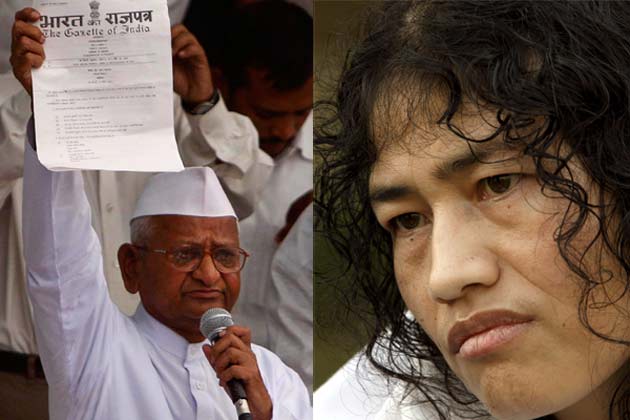
Anna Hazare (left) and Irom Sharmila - two very different fasts...

යම් අරමුණක් ඉටුකර ගැනීම සදහා ආහාර පාන ගැනීමෙන් වැළකී උපවාස කිරීම ඉන්දියාවේ ඉපැරණි සම්ප්‍රදායක්. මේ ගැන ක්‍රිස්තු පූර්ව 750 දක්වා අතීතයට දිවෙන සදහන් එරට හමුවෙනවා. දින 3ක් නිරාහාරව සිටීමේ හැකියාව නිරෝගී බොහෝ දෙනකුට ඇතත්, ඉන් පසු ටිකෙන් ටික ශරීර ක්‍රියාකාරකම් අඩපණ වන්නට පටන් ගන්නවා. ආහාර නොගත්තත් වතුර පානය කිරීමෙන් තොරව ශරීරයට ජීව ක්‍රියා පවත්වාගන්නට නොහැකියි.

සමාජයීය හෝ දේශපාලනමය හෝ ඉල්ලීම් දිනා ගැනීමට උපවාස කිරීම අදත් ඉන්දියාවේ බහුලව දැකිය හැකියි. එයට වඩාත් ම ප්‍රකට මෑත උදාහරණය නම් දූෂණයට එරෙහි ජන ක්‍රියාකාරික අන්නා හසාරේ 2011 අප්‍රේල් හා අගෝස්තු මාසවල කළ උපවාසයන්.

ඉන්දියාවේ ටෙලිවිෂන් නාලිකා අති බහුතරයක් පෞද්ගලික හිමිකරුවන් විසින් පවත්වා ගෙන යන වාණිජ මට්ටමේ නාලිකායි. ඒ නිසා බලයේ පවතින රජය නිර්දය ලෙස විවේචනය කිරීමටත්, රාජ්‍ය ප්‍රතිපත්ති විවෘතව සංවාදයට ලක් කරන්නටත් ඉඩ තිඛෙනවා. මේ නාලිකා අතර ප්‍රේක‍ෂකයන් ඇද ගන්නට දැඩි තරගයක් පවතිනවා. හැම නාලිකාවක් ම උත්සාහ කරන්නේ සිද්ධීන් උලූප්පා දක්වමින්, හැම සිදුවීමක් ම ‘Breaking News’ බවට පත් කර ගන්නටයි. එවැන ප්‍රවෘත්ති හැමදාමත් හමු නොවන නිසා ඉ`දහිට මතුව එන හසාරේ වැනි නිර්දේශපාලනීය චරිතයක් වඩා ටෙලිවිෂන් වාර්තාකරුවෝ ඉක්මනින් රොක් වෙනවා. ටික දිනකින් එබදු ජන හිතකාමී චරිත කරන කියන හැම දෙයක් ම පුවත් බවට පත් කර ගන්නවා. මේ තත්ත්වය දිගු කලක් නොපැවතුනත් අද වන විට ඉන්දියාවේ අතිශය තරගකාරී හා බහුවිධ ටෙලිවිෂන්, රේඩියෝ හා වෙබ් අඩවිවලට පුවත් මවන ජනප්‍රියතම ‘පුවත් මාරුතය’ බවට අන්නා හසාරේ පත්ව සිටිනවා.

එහෙත් ඔහුගේ උපවාසයන්ට ලැබුණු ඉමහත් මාධ්‍ය වාර්තාකරණය නොලද පොදු අරගල සදහා සිදු කැරෙන තවත් උපවාසයන් රැසක් ඉන්දියාවේ තිඛෙනවා. උදාහරණ දෙකක් හරහා මේ ගැන කථා කළ හැකියි.

පළමුවන උදාහරණයට අදාල පුද්ගලයා හින්දු පූජකයෙක්. ස්වාමි නිග්මානන්ද (Swami Nigamananda) සිය උපවාසය ඇරඹුවේ 2011 පෙබරවාරි 19 වනදා. එයට නිමිත්ත වූයේ උතුරු ඉන්දියාවේ උත්තරාකන්ද් ප්‍රාන්තයේ හරිද්වාර් (Haridwar) නගරය අසලින් ගලා යන ගංගා නදියේ නීති විරෝධී ලෙස වැලි ගොඩ දැමීම නතර කරන ලෙස ඉල්ලීම. හිමාලයෙන් ඇරඹී ගලා ගෙන එන ගංගා නදිය ඉන්දු-ගංගා තැන්නට මුල්වරට ප්‍රවේශ වන්නේ හරිද්වාරයේදී. ඒ නිසා එහිදී ග`ගට කරන පාරිසරික හානිය කිලෝමීටර් 2,525ක් දිග නදියේ ගලා යාමට අතිශයින් බලපානවා. හරිද්වාරයේ මෛත්‍රී සදාන් ආශ්‍රමයේ නේවාසික වූ මේ පරිසර හිතකාමී ස්වාමීවරයා සිය සාධාරණ ඉල්ලීම ඉටු කරන ලෙස බලධාරීන්ගෙන් මෙන් ම වැලි ගොඩ දැමීමේ නිරත වූවන්ගෙන් ද මහත් ඕනෑකමින් ඉල්ලා සිටියා. නමුත් ඔවුන් ඒ ඉල්ලීම ගැන තැකීමක් කළේ නැහැ. ප්‍රාන්තයේ හා ජාතික මට්ටමේ මාධ්‍යවලින් ද මේ ගැන අවධානයක් යොමු වුණේ නැහැ. අප්‍රේල් 30 වනදා ප්‍රාන්ත බලධාරීන් ඔහුව බලහත්කාරයෙන් රෝහල් ගත කළත් එහිදීත් ඔහු කිසිවක් ආහාරයට ගැනීම ප්‍රතිෙක‍ෂ්ප කළා. ඔහුගේ අධිෂ්ඨාන ශක්තිය වෙනස් වූයේ නැහැ. දින 115ක උපවාසය අවසන් වූයේ ජුනි 14 වනදා ඔහු මිය යාමෙන්.

ඔහුගේ මරණය ඉන්දියානු ටෙලිවිෂන් මාධ්‍යයන්ට ප්‍රවෘත්තියක් වූවත් එය සුළු වේලාවකට පමණයි. ඒ වන විට ඔවුන් (අන්නා හසාරේට අමතරව) ව්‍යාපාරික මට්ටමින් මහා පරිමාණයෙන් යෝග ව්‍යායාම් පුහුණු කරන බාබා රාම්දේව (Baba Ramdev) නම් තවත් හින්දු ස්වාමිවරයකුගේ උපවාසයකට මුල් තැන දෙමින් සිටියා. දූෂණයට එරෙහිව නැගී සිටින චරිතයක් බවට පත්වීමට බාබා රාම්දේව් ප්‍රබල උත්සාහයක් ගත්තත් ඔහුගේ සැබෑ අරමුණු ගැනත් පෙර ක්‍රියාකලාපය ගැනත් මාධ්‍යවලට යම් සැකයක් තිබුණා. ඔහුගේ උපවාසය දින 9කින් නිමා කළ අතර ඉන් පසු ඔහු ගැන මාධ්‍ය වාර්තාකරණය එතරම් උත්සන්න වූයේ නැහැ.

හැම නිර්ව්‍යාජ උපවාසයක් ම පුවත් මාරුතයක් බවට පත් වන්නේත් නැහැ. අන්නා හසාරේ ගැන අධ්‍යයනය කරන මාධ්‍ය පර්යේෂකයන් සොයා යන්නේ වෙනත් සාධාරණ උපවාසයන්ට වඩා හසාරේගේ අරගලයට මෙතරම් මාධ්‍ය අවධානයක් යොමුවන්නේ ඇයි ද යන්නයි. මෙයට එක් ප්‍රධාන හේතුවක් අපි සැප්තැම්බර් 18 වනදා කොලමින් විග්‍රහ කළා. අන්නා හසාරේට සූක‍ෂම ලෙස උපදෙස් දෙන මාධ්‍ය උපදේශකයන් සිටිනවා. ඔවුන් වෙළදපොල මාධ්‍ය සමග හොදහැටි ගනුදෙනු කරන්නට දන්නවා. එහෙත් උතුම් අරමුණක් පමණක් නිමිති කර ගෙන, උපක්‍රමශීලි නොවී උපවාස කරන බොහෝ අයට එබදු මාධ්‍ය හැසිරවිමේ හා මාධ්‍යවලට බද්ධවීමේ හැකියාව නැහැ. බැලු බැල්මට මෙය අසාධාරණයක් ලෙස පෙනී යතත් සැබෑ තත්ත්වය එයයි.

මේ ගැන හොද උදාහරණයක් ජ්‍යෙෂ්ඨ ඉන්දියානු මාධ්‍යවේදිනියක හා “ර්‍ද හින්දු” පුවත්පතේ හිටපු නියෝජ්‍ය කතුවරියක වන කල්පනා ශර්මා (Kalpana Sharma) ගෙන හැර දක්වනවා. ඒ තමයි ඉරෝම් ශර්මිලාගේ (Irom Sharmila) දශකයකට වැඩි කලක් පවතින උපවාසය.

ඉරෝම් ශර්මිලා චානුගේ වයස 39 යි. ඇය ඉන්දියාවේ ඊසානදිග ප්‍රාන්තයක් වන මනිපූරයේ මානව හිමිකම් හා දේශපාලන කි්‍රයාකාරිකයෙක්. එමෙන් ම කිවි`දියක්. මිලියන 2.7 ක ජනගහනයක් සිටින, බුරුම දේශසිමාවේ පිහිටි මනිපුරයේ කලක සිට දේශපාලන නොසන්සුන් බවක් හා ප්‍රචන්ඩකාරී ස්වභාවයක් පවතිනවා. ඉන්දීය රජය මේ තත්ත්වය පාලනය කරන්නට හමුදා විශේෂ බලතල නීතියක් (Armed Forces Special Powers Act, 1958) යටතේ දැඩි මර්දනකාරී ප්‍රතිපත්තියක් ගෙන යනවා. මධ්‍යම රජය මේ ප්‍රාන්තයේ ප්‍රශ්න විග්‍රහ කරන්නේ කරදරකාරීන් පිරිසකගේ අනවශ්‍ය අරගලයක් හැටියටයි. එහෙත් මනිපූර් වැසියන්ට සිය ප්‍රශ්නවලට සාධාරණ විස`දුම් දිගු කලක් තිස්සේ ලැබී නැතුවා පමණක් නොවෙයි දරද`ඩු පරිපාලයක් යටතේ දිවි ගෙවන්නට සිදුව තිඛෙනවා.

මේ නිසා හමුදාවලට දැඩි බලතල දෙන නීතිය නතර කරන ලෙස ඉල්ලා ඉරෝම් ශර්මිලා උපවාසයක් ඇරඹුවේ 2000 නොවැම්බරයේ. එය ඇරඹී දින කිහිපයකට පසු ‘සිය දිවි නසා ගන්නට තැත් කිරීමේ’ චෝදනා මත පොලිස් අත්අඩංගුවට ගනු ලැබුවා. මනිපුරයේ ප්‍රාන්ත අගනගරය වන ඉම්ෆාල් නුවර මහජන රෝහලේදී ඇයට බලහත්කාරයෙන් ආහාර කවනු ලැබුවා. (හින්දු ස්වාමි කෙනකුට වඩා ග‘හි කාන්තාවකට බලෙන් කෑම දීමට සෞඛ්‍ය සේවකයන් ද පෙරට එනවාෟ) මාස ගණනක් මෙසේ අත් අඩංගුවේ රෝහල්ගතව බලෙන් ආහාරපාන දීමට ලක්වන ඇය ඉන් පසු නිදහස් වෙනවා. එවිගස ම ඇය නැවතත් ප්‍රසිද්ධියේ උපවාස කිරීම අරඹනවා. එවිට දින කිහිපයකින් යළිත් අත් අඩංගුවට පත් වන ඇය රෝහල් ගත කොට බලෙන් කෑම බීම ලබා දීමට ලක් වනවා. මේ සිදුවීම් මාලාව චක්‍රාකාරව වසර 11ක් පුරා නොනැවතී ඉදිරියට යන බවත්, ඒ නිසා මෙය ලෝකයේ වැඩි ම කාලයක් පවතින උපවාසය බවත් කල්පනා ශර්මා කියනවා.

Arundhati Roy: "I'd Rather Not be Anna!"

එහෙත් ඉරෝම් ශර්මිලාගේ අරමුණ ගිනස් වාර්තා පිහිටුවීම නොවෙයි. 2004දී හින්දු මූලධර්මවාදී BJP රජය පරාජය වී කොංග්‍රස් ප්‍රමුඛ සභාග රජයක් ඉන්දියාවේ බලයට පත් වුණා. නව රජය හිටපු ශ්‍රේෂ්ඨාධිකරණ විනිසුරුවරයකුගේ ප්‍රධානත්වයෙන් කොමිටියක් පත් කළා. මේ කමිටුව කරුණු ගවේෂණයෙන් පසු නිර්දේශ කළේ මනිපුරයේ ගෙන යන දරදඩු පරිපාලනය ලිහිල් කොට හමුදා බලතල සීමා කළ යුතු බවයි. එහෙත් මේ නිර්දේශයෙන් වසර 6කට පසුත් එය ක්‍රියාත්මක කර නැහැ. ඒ නිසා ඉරෝම් ශර්මිලා සිය උපවාසය දිගට ම කරගෙන යනවා.

“මනිපුරයේ ජනතාවත් ඉන්දියානු රටවැසියෝ. එහෙත් සෙසු රටවැසියන්ට ආණ්ඩුක්‍රම ව්‍යවස්ථාවෙන් සහතික කැරෙන මූලික අයිතිවාසිකම් බොහොමයක් මනිපුර ජනතාවට දිගු කලක සිට ලැඛෙන්නේ නැහැ. මේ දැඩි අසාධාරණය ගැන සෙසු ඉන්දියාවේ අපට එතරම් හැගීමක් හෝ අවබෝධයක් හෝ නැතිවීම ඉතා කණගාටුදායකයි” කල්පනා සිය ලිපියේ එසේ කියනවා.

ඉරෝම් ශර්මිලාගේ තිරසාර අධිෂ්ඨාන ශක්තිය ගැන ගෞරව පූර්වකව මාධ්‍යවල කථා කරන තවත් කෙනෙක් සම්මානනීය ලේඛිකා අරුන්දතී රෝයි (Arundhati Roy). අන්නා හසාරේගේ අරගලය ගැන අරුන්දතී දැඩි විවේචනයක් කරනවා. දූෂණය හා වංචාව පිටු දැකීමට නම් ඉන්දියානු සමාජය පුරා දරුණු ලෙස මුල් බැස තිඛෙන ඇති-නැති පරතරය අඩු කළ යුතු බව ඇය කියනවා. බොහෝ විට දූෂණ හා වංචාවලට මුල් වන්නේ, උල්පන්දම් දෙන්නේ අන්ත දුප්පතුන් නොව අතමිට සරු අය බවත්, ඒ අය සමාජ අසාධාරණකම් දිගට ම පවත්වා ගැනීම හරහා අයථා ප්‍රයෝජන හා වරප්‍රසාද ලබන බවට උදාහරණ සහිතව තර්ක කරනවා.

අරුන්දතී රෝයි ඉන්දියානු රාජ්‍යයේ (state) හෝ බලයේ පවතින රජයේ (government) හිතවතකු නොවෙයි. ඉන්දියානු රාජ්‍යයේ විෂමතා ගැන බරපතල විවේචන ඇය ප්‍රසිද්ධියේ ලියනවා. එබදු දැඩි විවේචකයන්ට ද ඉඩකඩ පැවතීම ඉන්දියාවේ පරිනත ප්‍රජාතන්ත්‍රවාදයේ හොද ලක‍ෂණයක්. චතුර ලෙස කථා කරන්නට හා සූක‍ෂම ලෙස තර්ක කරන්නට හැකි වීම නිසා ඉන්දියානු විද්්‍යුත් මාධ්‍ය ද ඇයට තැනක් හා කාලයක් දෙනවා. මෙවර සිදු වී ඇත්තේ ඉන්දියන් ටෙලිවිෂන් නාලිකා බහුතරයක අළුත් ම වීරයා බවට පත්ව සිටින අන්නා හසාරේගේ ක්‍රමවේදයන් එම නාලිකාවල ම ජනප්‍රිය චරිතයක් හා පුවත් මවන්නියක වන අරුන්දතී රෝයිගේ නිර්දය විවේචනයට හසුවීමයි!

2011 අගෝස්තු 22 දා The Hindu පුවත්පතේ ලිපියක් ලියමින් ඇරුන්දතී රෝයි අනතුරු ඇගවීමක් කළා. අන්නා හසාරේගේ යෝජිත නීති කෙටුම්පත හා නිර්දේශිත සැළසුම් ඉදිරියට ගියොත් ඉන්දියාවේ දුගී දුප්පතුන්ට තවත් නිලධාරීවාදයකට කර ගසන්නට සිදු විය හැකි බවට. සමාජයක ව්‍යුහාත්මක වෙනස්කම් ඇති නොකොට පැලැස්තර විස`දුම් දීම තුළින් දූෂණය පිටු දැකිය නොහැකි බවත්, වැඩියෙන් ම හඩ නගන අරගලකරුවාට පමණක් සවන්දීම සාර්ථක විසදුම් සොයා යාමේ ප්‍රවේශයක් නොවන බවත් ඈ කියනවා.
ර්‍
“අද දූෂණ හා වංචා සිදුවන්නේ රාජ්‍ය තන්ත්‍රය තුළ පමණක් නොවෙයි. ව්‍යාපාර ආයතනල රාජ්‍ය නොවන ආයතන මෙන් ම මාධ්‍ය ආයතනවලත් විශාල වශයෙන් දූෂණ සිදුවනවා. ඒ ගැන කිසි අවධානයක් යොමු නොකර රාජ්‍ය ෙක‍ෂත්‍රයේ දූෂණය ගැන පමණක් නීතිරීති තද කිරීම හසාරේ ඇතුළු පිරිසගේ උත්සාහයයි. මෙයින් ඉන්දියානු සමාජයේ දූෂණ පිටු දකින්නට බැහැ.” අරුන්දතී තර්ක කරනවා.

ඉන්දියානු සමාජය හා මාධ්‍ය ෙක‍ෂ්ත්‍රය ගැන නෙත් යොමා සිටින මට පෙනෙන්නේ ආවේගශීලි නොවී ප්‍රතිපත්තිමය හා තාර්කික පදනමකින් ප්‍රශ්න විග්‍රහ කිරීමේ හැකියාව අන්නා හසාරේට වඩා අරුන්දතී රෝයිට වැඩි බවයි. මේ දෙදෙනාගේ ම පාරිශ=ද්ධභාවය ගැන කිසිදු විවාදයක් නැහැ. එහෙත් වඩාත් ප්‍රායෝගික විසදුම් සෙවීම කළ හැක්කේ කාට ද යන්න ඉක්මනින් ම තෝරා ගන්නට ඉන්දියානු සමාජයට හා මාධ්‍යවලට සිදු වනවා.

Ray Wijewardene website launched: Paying it forward…

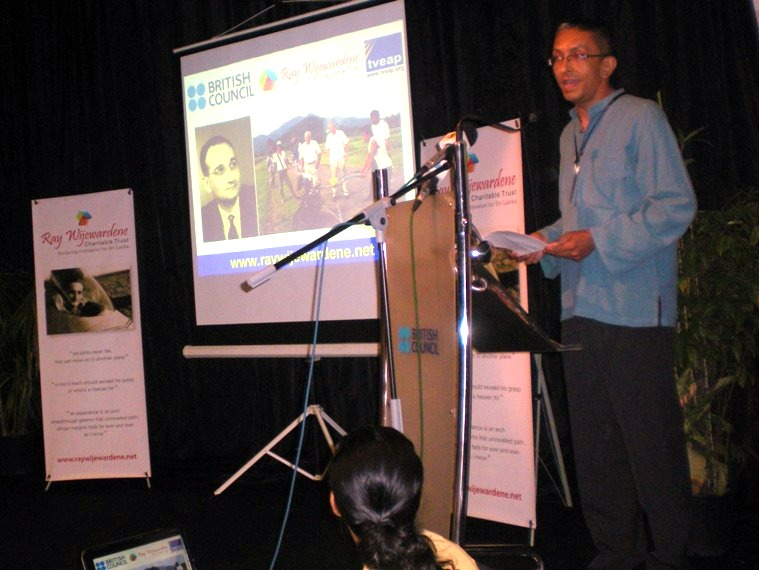
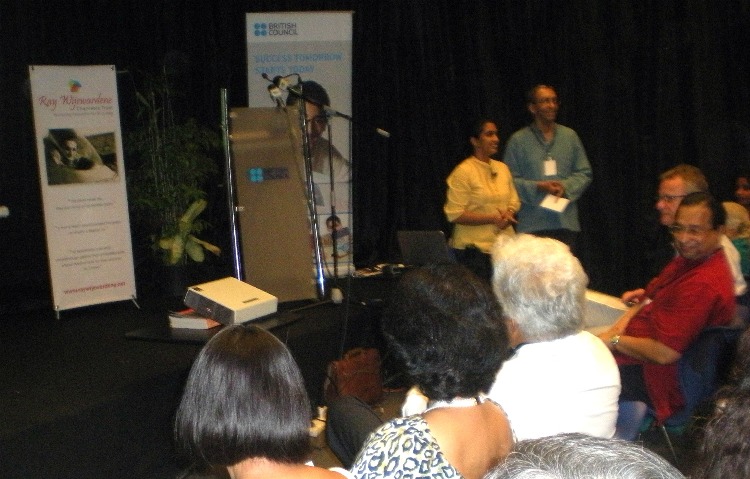
We launched the Ray Wijewardene website at the British Council Colombo on September 28 evening to a packed house of friends and well-wishers. My colleague Nadeeja Abeyasekera and I introduced the site – product of months of work. Here are my opening remarks:

Nalaka Gunawardene introduces Ray Wijewardene website at British Council Colombo, 28 Sep 2011 - photo by Dhanushka Fernando

Introduction to the Ray Wijewardene website:
by Nalaka Gunawardene, Director, TVE Asia Pacific

It’s a privilege for me and my colleagues at TVE Asia Pacific to have built the Ray Wijewardene website as an entirely voluntary effort.

This is our DIGITAL TRIBUTE to Ray Wijewardene, an outstanding scientist and thinker, not just of Sri Lanka, but of the entire developing world. On top of that, Ray was also a good friend and supporter of our own development communication work for many years. This is our way of PAYING IT FORWARD!

Looking back, I can say that this website was conceived in a moment of frustration and outrage. Let me explain!

When Ray passed away in August last year, there was very little SPECIFIC information about him anywhere on the World Wide Web. And there were ONLY a couple of good photographs online, which most newspapers and websites used when reporting on his death. They really had no choice!

In the days and weeks that followed, many warm tributes appeared in our newspapers. These shared precious memories and anecdotes about Ray. But I couldn’t help noticing that many lacked specifics, and some even had inaccuracies…probably inadvertent? Some didn’t even spell his name correctly!

We all know how Ray led a very productive and creative life — but it was not easy to find specific and accurate information about his thinking and many accomplishments. The reality these days is that if Google can’t find you, millions will never get to know about you!

I wanted to bridge this info gap as fast as possible!

So when I joined the Ray Wijewardene Charitable Trust as a Trustee, I offered to build a website as our first activity. We had no dedicated funds, but we just went ahead on a VOLUNTARY BASIS — relying on GOODWILL and IN-KIND contributions from many, e.g.
• We pooled information from Ray’s family members and friends;
• We sourced images from family and professional contacts; and
• We asked a few to write about different facets of Ray’s work/play.

This is what we call a NO-BUDGET ACTIVITY! We’ve harnessed the collaborative spirit very common on the Web. And we thank to all who joined this collaborative effort! They’re too many to mention by name – they know who they are…

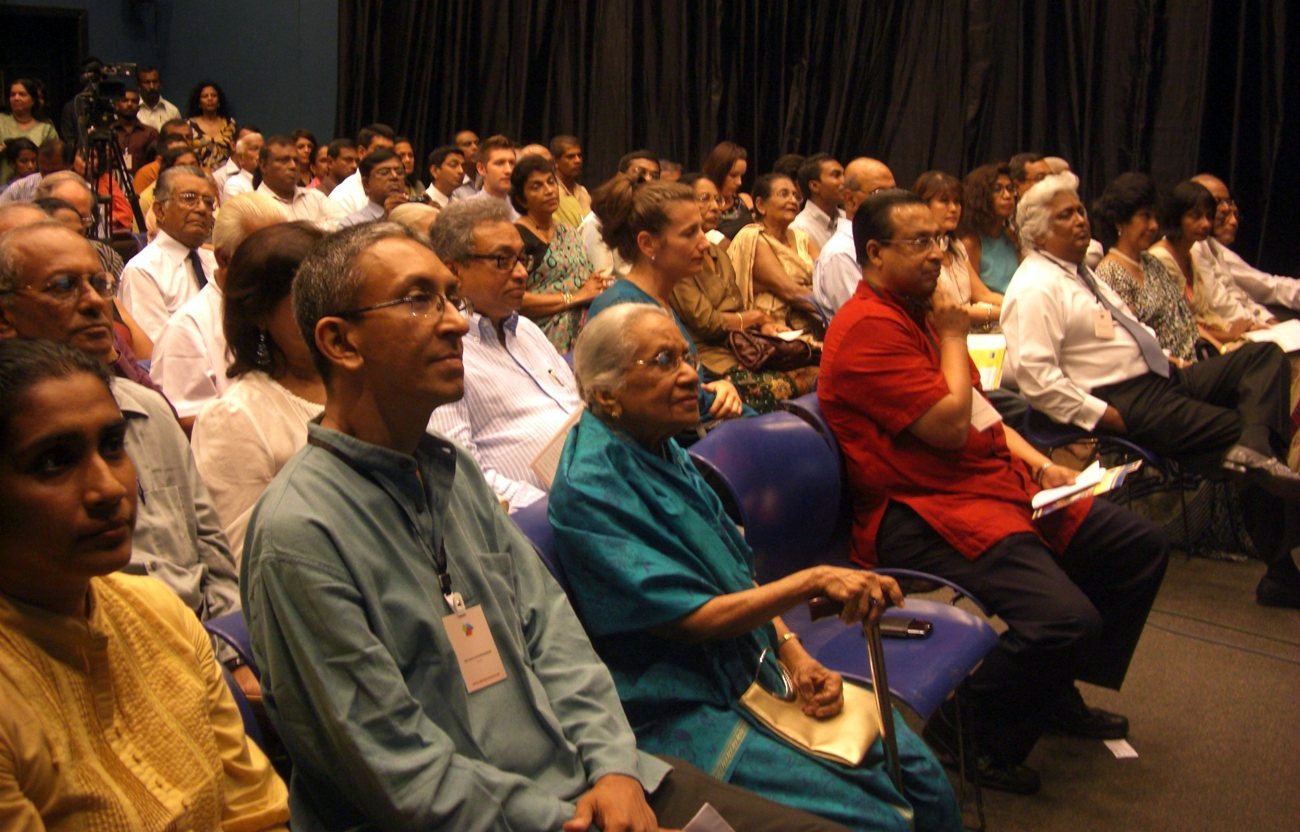
Part of audience at the launch of Ray Wijewardene website, 28 Sep 2011 - Photo by Ruveen Mandawala

My colleagues at TVE Asia Pacific worked long and hard to weave all this material into the website that we launch today. As with all our products, we aim this at the interested non-specialist. We’ve tried to keep it simple, concise and engaging – we know that web visitors have very short the attention spans!

Let me ask my colleague Nadeeja Abeyasekera, who built this website, to take you on a quick tour…to entice you to browse more at your leisure!

In my view, a website is never really finished…so we will continue to add new content and links to this as and when necessary to keep it current and relevant. We also solicit more information and images from all of you, some of which can be published on this website and the rest can support the research effort for the proposed biography.

Nadeeja Abeyasekera (in yellow) & Nalaka Gunawardene take questions fron the audience

More images at http://www.facebook.com/RayWijewardene

Ray Wijewardene: Saluting a thinker who also tinkered

Working with a Genial Giant: Ray Wijewardene

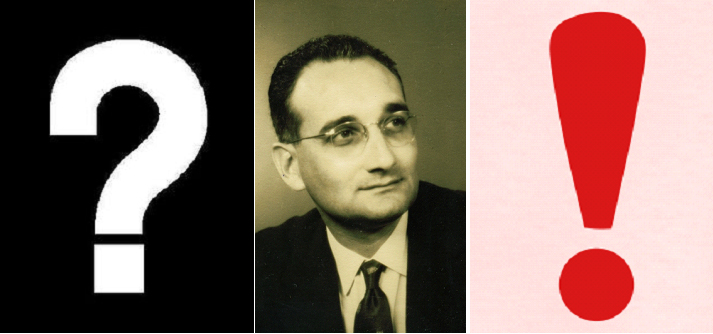
As a communicator, I look for ways to say more with less. The ‘gold standard’ for brevity was set two centuries ago by the French poet, playwright, novelist and essayist Victor Hugo.

The story goes like this. Victor Hugo was travelling out of town and wanted to know how his latest book was selling. He messaged (telegraphed?) his agent: ?

The agent, not to be outdone, replied: !

Enough said. How I wish I could beat that economy of words…

I have a fondness for both question marks and exclamation marks — I used a good deal of both in my own speaking and writing. I use these as a metaphor in a tribute I just wrote about one of my mentors: Ray Wijewardene.

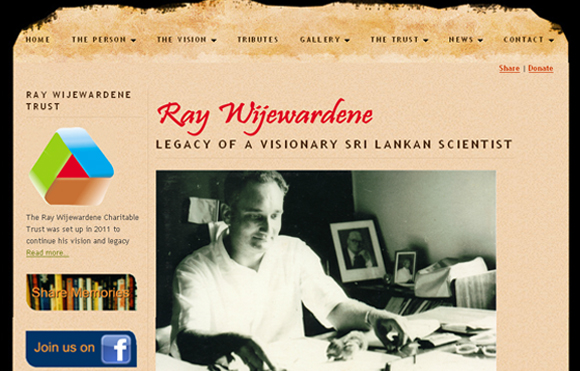
Ray Wijewardene: An Extraordinary Thinker and Tinkerer has just been published by Groundviews.org. It also appears on the official website about Ray Wijewardene, being formally launched today.

Here are the opening paras of my essay:

“If I had to condense the multi-faceted and fascinating life of Ray Wijewardene, I would reduce it to a whole lot of question marks and exclamation marks. In his 86 years, Ray generated more than his fair share of both.

“He was unpigeonholeable: engineer, farmer, inventor, aviator and sportsman all rolled into one. Whether at work or play, he was an innovative thinker who rose above his culture and training to grasp the bigger picture.”

Full essay: Ray Wijewardene: An Extraordinary Thinker and Tinkerer

The website was built by my team at TVE Asia Pacific (TEVAP) as a public education resource. read TVEAP News story:
TVEAP unveils new website on outstanding Sri Lankan scientist and visionary

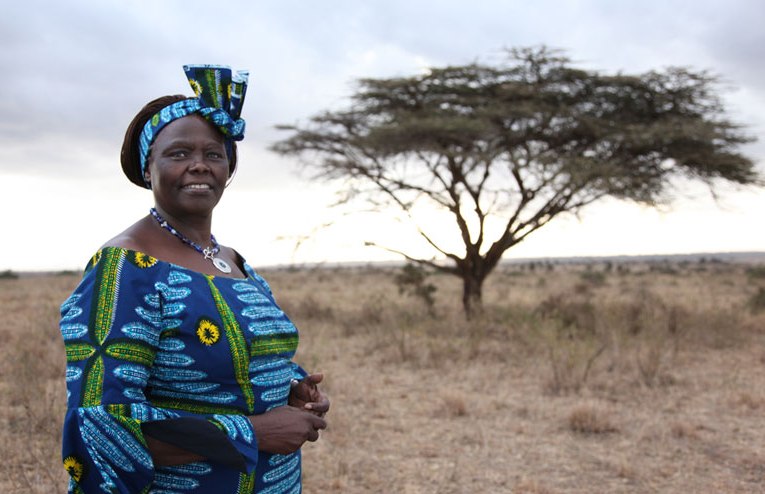
Wangari Maathai (1940 – 2011): Tree planter, activist, visionary and mother

Wangari Muta Maathai (1 April 1940 – 25 September 2011)

“We are very fond of blaming the poor for destroying the environment. But often it is the powerful, including governments, that are responsible.”

That was a typical remark by Wangari Muta Maathai, the Kenyan environmental and political activist who has just died.

In the 1970s, Maathai founded the Green Belt Movement, an environmental non-governmental organisation focused on the planting of trees, environmental conservation, and women’s rights.

In 2004, she became the first African woman to receive the Nobel Peace Prize for “her contribution to sustainable development, democracy and peace.”

The Green Belt Movement in a profile about their founder counted the many roles she played: environmentalist; scientist; parliamentarian; founder of the Green Belt Movement; advocate for social justice, human rights, and democracy; elder; and Nobel Peace Laureate.

“”It is the people who must save the environment. It is the people who must make their leaders change. And we cannot be intimidated. So we must stand up for what we believe in,” Wangari Maathai kept saying.

As a tribute, I have assembled a few links to interesting online videos featuring her.

Taking Root, a long format documentary, tells the dramatic story of Wangari Maathai whose simple act of planting trees grew into a nationwide movement to safeguard the environment, protect human rights, and defend democracy—a movement for which this charismatic woman became an iconic inspiration.

TAKING ROOT: The Vision of Wangari Maathai Trailer on PBS YouTube channel:

Wangari Maathai & The Green Belt Movement, short film by StridesinDevelopment:

Riz Khan’s One on One: Wangari Maathai: Part 1
Interview with Al Jazeera English first broadcast on 19 Jan 2008

“I will be a hummingbird” – Wangari Maathai

Two more memorable quotes from her to inspire us all:

“I have always believed that, no matter how dark the cloud, there is always a thin, silver lining, and that is what we must look for.”

“We cannot tire or give up. We owe it to the present and future generations of all species to rise up and walk!”