සිවුමංසල කොලූගැටයා #78: කනක් මානි ඩික්සිත් – හිමාල කඳු සොළවන පුංචි වැඩකාරයා

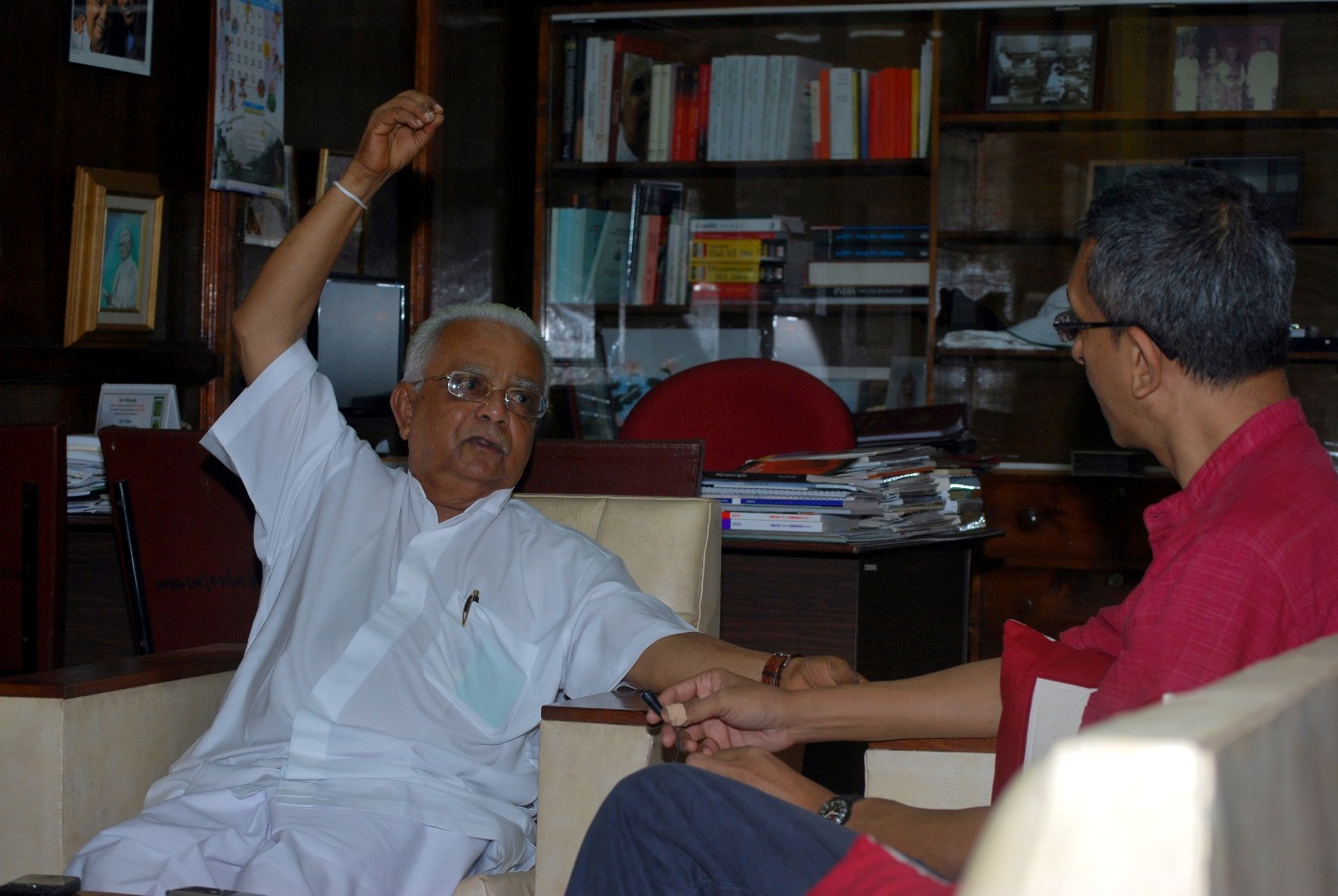
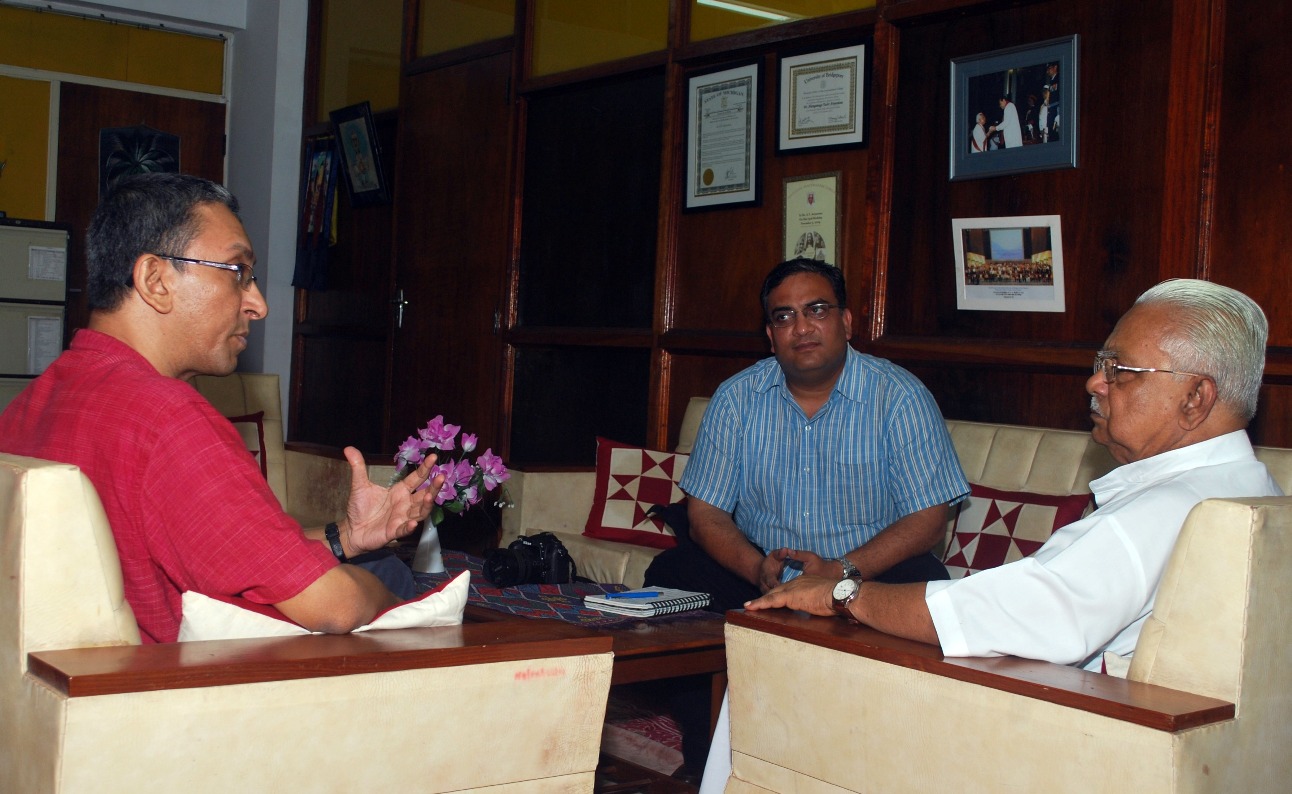
This is the (Sinhala) text of my Sunday column in Ravaya newspaper on 12 August 2012, which is about the journalistic, political and social endeavours of my friend Kanak Mani Dixit of Nepal, whom I introduced in Colombo a few days ago.
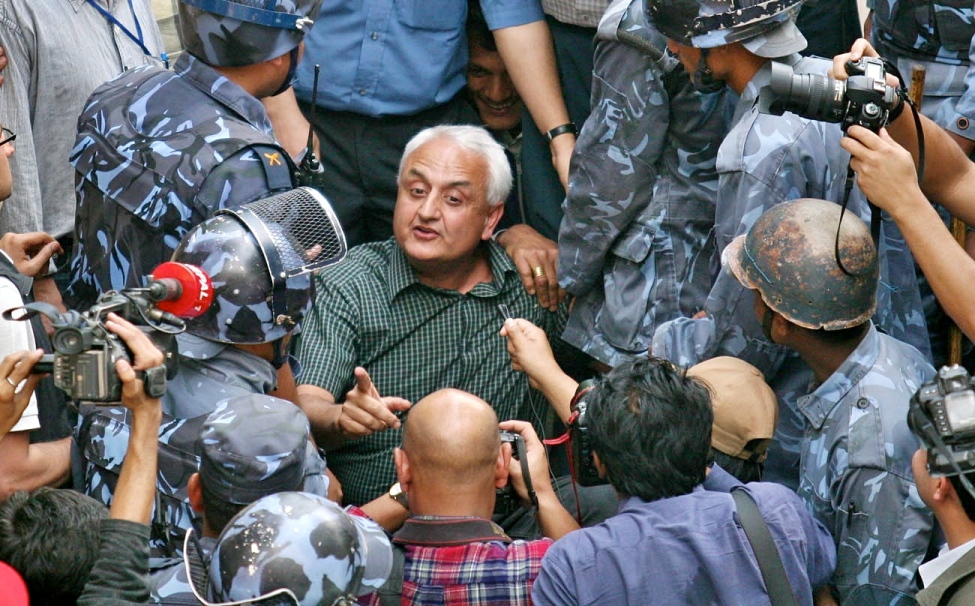
Kanak Mani Dixit challenges Nepali Army arresting him for peaceful street protests on 5 April 2006, Kathmandu – Photo by Shehab Uddin

ශ‍්‍රී ලංකා කර්තෘ සංසදය හා ශ‍්‍රී ලංකා පුවත්පත් ආයතනය සංවිධානය කළ 2011 ජනමාධ්‍ය විශිෂ්ටතා සම්මාන උළෙලේ ප‍්‍රධාන ආරාධිතයා ලෙස පැමිණියේ නේපාල පුවත්පත් කතුවර හා ප‍්‍රකාශක කනක් මානි ඩික්සිත් (Kanak Mani Dixit). මාධ්‍ය නිදහස හා මාධ්‍යවේදියාගේ සමාජ මෙහෙවර ගැන දේශනයක් ද ඔහු කොළඹ දී පැවැත්වූවා.

ශ‍්‍රී ලංකාවට නිතර යන එන හා අපේ රට ගැන ඕනෑකමින් අධ්‍යයනය කරන මේ දකුණු ආසියාතික හිතවතා එසේ මෙසේ චරිතයක් නොවේ. මා ඔහු දකින්නේ හිමාලයේ කඳු හොල්ලන්නට තරම් සමත් ඉමහත් ධෛර්යයක් හා කැපවීමක් ඇති, අතිශයින් කාර්යශූර පුද්ගලයකු හැටියටයි. ඔහු මගේ මිතුරකු වගේ ම මා බෙහෙවින් අගය කරන අසාමාන්‍ය ගණයේ චරිතයක්. එයට හේතු ගණනාවක් තිබෙනවා.

ඩික්සිත්වරුන් නේපාලයේ ඉසුරුබර, ප‍්‍රභූ පවුලක්. පෙළපතින් උරුම වූ සම්පත් හා වරප‍්‍රසාද භුක්ති විඳිමින් සැහැල්ලූවෙන් හෝ විනෝදකාමීව හෝ සිටීමට හැකියාව තිබුණත් ඔවුන් පොදු උන්නතියට කැප වෙමින්, විද්‍යා, කලා හා ශිල්ප ශාස්ත‍්‍ර ප‍්‍රගුණ කරන පිරිසක්. එබඳු පෙළපතක වුවත් කනක් සුවිශේෂීයි.

නේපාලයේත්, ඉන්දියාවේත් ඉගෙනුම ලැබ මාධ්‍ය කලාවේ ඉහළ ම පශ්චාත් උපාධියක් අමෙරිකාවේ කොලම්බියා සරසවියෙන් ලද කනක්, වසර කිහිපයක් නිව්යෝක් නුවර එක්සත් ජාතීන්ගේ මූලස්ථානයේ තොරතුරු අංශයේ සේවය කළා. එබඳු තනතුරකට පත් වන අපේ වැනි රටවලින් මතු වන බහුතරයක් දෙනා නැවත සිය රට එන්නේ නැහැ.

එහෙත් බටහිරින් හා ජාත්‍යන්තර සංවිධාන ක්ෂේත‍්‍රයෙන් ලත් දැනුම හා අත්දැකීම් රැගෙන කනක් ආපසු නේපාලයට ආවේ 1980 දශකය මැදදී. 1987දී ඔහු හිමාල් (HIMAL) නම් සඟරාවක් ඇරඹුවා. හිමාලයට සාමුහිකව හිමිකම් කියන භූතානය, ඉන්දියාව, නේපාලය, ටිබෙටය, පකිස්ථානය හා චීනය යන රටවල් කෙරෙහි මුලින් අවධානය යොමු කළ මේ ඉංග‍්‍රීසි සඟරාව, වසර කිහිපයකින් සමස්ත දකුණු ආසියාවම ආවරණය කැරෙන පරිදි HIMAL Southasian නමින් යළි නම් කළා.

හිමාල් සඟරාව දේශපාලන, සමාජ විද්‍යාත්මක, කලා, විද්‍යා හා අන් මාතෘකා දකුණු ආසියාතික කෝණයෙන් බලමින් විග‍්‍රහ කරන ප‍්‍රකාශනයක්. වසර 25ක් ගත වීත් එයට ඍජුව තරඟකාරී වෙනත් කලාපීය ප‍්‍රකාශනයක් නැහැ. (ඉන්දියානු පුවත් සඟරා බොහෝ කොට තම රටෙහි සිදුවීම්වලට වාර්තාකරණය හා විග‍්‍රහයන් සීමා කරන අතර දකූණු ආසියාවේ සෙසු රටවල් ගැන ඇස යොමු කරන්නේ ඉඳහිට පමණයි.)

කනක් ඩික්සිත්, මිලියන් 26කට අධික ජනතාවක් වෙසෙන, ලෝකයේ අන්ත දුගී රටවල් 49න් එකක් වන නේපාලයේ සමාජ, ආර්ථික හා දේශපාලන ප‍්‍රශ්න ගැන සංවේදී වන අතර දකුණු ආසියාතික පොදු චින්තනයක් හා අනන්‍යතාවයක් ගොඩ නංවන්නට කවදත් උත්සුක වූ අයෙක්.

දකුණු ආසියාවේ ආණ්ඩු 1985දී අටවා ගත් සාර්ක් (SAARC) නම් අන්තර්-රාජ්‍ය කලාපීය සහයෝගිතා සංවිධානයට වඩා කනක්ගේ දැක්ම පුළුල් හා ගැඹුරුයි. රාජ්‍ය නායකයන්, නිලධාරීන් හා තානාපතීන් විටින් විට මුණ ගැසී නිල කථාබහ කරන අතර සාර්ක් රටවල් අටෙහි වසන මිලියන් 1,400ක් සාමාන්‍ය ජනයා ද ආර්ථික, සාංස්කෘතික හා සමාජයීය මට්ටමින් සබඳතා දියුණු කර ගත යුතු බව ඔහු දැඩි සේ විශ්වාස කරනවා. සැබෑ කලාපීය සහයෝගීතාව බිහි වන්නේත්, අන්‍යෙන්‍ය විශ්වාසය හා සුහදතාව වැඩෙන්නේත් අන්තර්-රාජ්‍ය ගිවිසුම් හරහා නොව මිනිස් සබඳතා හරහා යයි ඔහු නිතර කියනවා.

දකුණු ආසියාතික මට්ටමින් ජන සබඳතා, කලා සබඳතා හා මාධ්‍ය සබඳතා වැඩි කරන්නට Film South Asia නමින් කලාපීය වාර්තා චිත‍්‍රපට උළෙලක් 1997දී ඔහු ඇරඹුවා. දෙවසරකට වරක් කත්මණ්ඩු නුවර පැවැත්වෙන මේ උළෙලට දකුණු ආසියාවේ ඕනෑ ම තේමාවක් ගැන නිපදවුණු චිත‍්‍රපට ඉදිරිපත් කැරෙනවා. උළෙලක හොඳම චිත‍්‍රපට ලෙස සම්මාන ලබන චිත‍්‍රපට ඉන්පසු වසරක් පුරා දකුණු ආසියාවේ ප‍්‍රධාන නගරවලටත්, වෙනත් රටවලටත් සංචාරය කරනවා.

මා කනක් හරිහැටි හඳුනා ගත්තේ මුල්ම Film South Asia චිත‍්‍රපට උළෙලේ ජූරි සභිකයකු ලෙස 1997 ඔක්තෝබරයේ ඔහු සමග කටයුතු කළ කාලයේ. සීමිත සම්පත් හා පහසුකම් මැද, එහෙත් දැඩි උද්‍යොගයෙන් හා ස්වේච්ඡ සේවකයන්ගේ උදවුවෙන් ලොකු වැඩ කරන්නට මේ පුංචි මිනිසාට ඇති සුවිසල් සංවිධාන ශක්තිය මා හොඳාකාර දුටුවා.

චිත‍්‍රපට උළෙල, සම්මන්ත‍්‍රණ, විද්වත් වැඩමුළු මෙන් ම වෙනත් නොයෙක් පොදු උන්නතියට දායක වන ක‍්‍රියාකාරකම් කනක් නිතර සංවිධානය කරනවා. එසේ කරන්නේ හිමාල් මීඩියා නම් මාධ්‍ය ආයතනය හරහා සතිපතා හා මාස්පතා පත්තර සඟරා කිහිපයක් ද පළ කරන අතරයි.

තමන්ගේ ම ප‍්‍රකාශන ආයතනයක අධිපති හා ප‍්‍රධාන කර්තෘ වීමේ වාසිය ඔහුට ඇතත්, එ් වාසියම අවදානමක් වන අවස්ථා ද තිබෙනවා. ඔහු තර්කානුකූලව හා ප‍්‍රතිපත්ති ගරුකව ගන්නා ඇතැම් ස්ථාවරයන් නිසා නේපාලයේ ප‍්‍රබල දේශපාලකයන් හා නිලධාරීන් කෝපයට පත්ව විවිධ තර්ජන, හිරිහැර හා දැන්වීම්කරුවන් බිය වැද්දීම ආදිය සිදු කළ අවස්ථා තිබෙනවා. එහෙත් ප‍්‍රබල විවේචකයන් පවා ඔහුගේ අවංක බව හා පක්ෂග‍්‍රාහී නොවීම අගය කරනවා.

වාමාංශික මාවෝවාදී (Maoist) ගරිල්ලා ව්‍යාපාරයක් නේපාලයේ ප‍්‍රජාතන්ත‍්‍රවාදීව පත් වූ රජයට එරෙහි වන්නට පටන් ගත්තේ 1996 සිටයි. ටික කලෙකින් සන්නද්ධ අරගලයක් බවට පත් වූ එය වසර 10ක් තිස්සේ 12,000කට අධික ජීවිත බිලි ගත්තා. නේපාල දේශපාලන ඉතිහාසය ගැන කියන්නට මේ අවස්ථාව නොවූවත්, මාවෝවාදීන් ප‍්‍රබල වී හා දරුණු වී, බලයේ සිටි රජය අසරණව සිටින වකවානුවේ පවා ගරිල්ලන්ගේ ප‍්‍රචන්ඩත්වය ප‍්‍රසිද්ධියේ හෙළා දැකීමට පුවත්පත් කතුවරයකු ලෙස කනක්ට ධෛර්යය තිබුණා.

2005 පෙබරවාරියේදී පාර්ලිමේන්තුව අත්හිටුවමින් පූර්ණ විධායක බලය සියතට ගත් නේපාලයේ ඥනේන්ද්‍ර රජු, අත්තනෝමතික පාලනයකට යොමු වුණා. රජුගේ ආඥදායකත්වය යටතේ නේපාල හමුදාව මාවෝවාදී ගරිල්ලන්ට එරෙහිව බිහිසුණු රාජ්‍ය ප‍්‍රචන්ඩත්වයක් රට පුරා මුදා හරින්නට ගත් විට එය විවේචනය කරන්නට තරම් පිට කොන්දක් තිබුනේ නේපාල සමාජයේ හා මාධ්‍ය ක්ෂේත‍්‍රයේ ඉතා ටික දෙනකුටයි.

ප‍්‍රභූ පැලැන්තිය හා පීඩිත බහුතරයක් අතර පංති අරගලයක් ලෙස ඇවිලෙමින් තිබූ නේපාල සිවිල් යුද්ධයේදී, කනක් ප‍්‍රභූ පෙළපතකින් ආවත් යුක්තිය, සාධාරණත්වය හා මානව හිමිකම් වෙනුවෙන් දිගට ම මතවාදීව පෙනී සිටියා. එහිදී ඔහු නිතර ජීවිත තර්ජනවලට ලක් වූ බව ප‍්‍රකට කරුණක්.

What Himal is all about…

2005 සැප්තැම්බරයේ මාවෝවාදීන් මාස තුනක එ්කපාර්ශවික සටන් විරාමයක් ප‍්‍රකාශ කළා. එ් රජුගේ පාලනයත් සමග යම් මට්ටමක එකඟත්වයකට පැමිණිමට. දෙපසින් ම දරුණු ලෙස බැට කා හෙම්බත් වී සිටි නේපාල ජනතාව එ් විරාමය අතරතුර වීදි උද්ඝෝෂණ කරන්නට පටන් ගත්තා. පාර්ලිමේන්තුව නැවත කැඳවන ලෙස ඔවුන් බල කර සිටියා.

හමුදාව හා පොලිසිය යොදා ගෙන හදිසි නීතිය යටතේ ජන බලවේගය පාලනය කරන්නට රජු උපරිම උත්සහ ගත්තා. නේපාල ජන ආන්දෝලනයේ සුවිශේෂී ලක්ෂණයක් වූයේ දේශපාලන පක්ෂ හා වෘත්තිය සමිතිවලට අමතරව විද්වතුන්, වෘත්තිකයන් හා ඉහළ පැලැන්තියේ උදවියත් වීදි බැසීමයි.

රජුගේ දඩබ්බර ඇඳිරි නීතියක් කඩ කරමින් වීදි ගත වී උද්‍යොග පාඨ කියමින් සිටි සිය ගණනක් අත්අඩංගුවට ගනිද්දී කනක් ඩික්සිත් ද සිර බාරයට පත් වුණා. බලාධිකාරීන් සමග පෞද්ගලික සබඳතා ඇති පුවත්පත් ප‍්‍රකාශකයකු හා කතුවරයකු ලෙස ඕනෑ නම් ඔහුට තම හිතවත්කම් මත පැය කිහිපයක් ඇතුලත නිදහස් වන්නට ඉඩ තිබුණා. එහෙත් ප‍්‍රතිපත්තිමය ස්ථාවරය මත ඔහු එසේ කළේ නැහැ. දින 19ක් තමා රඳවා තැබූ කත්මණ්ඩු හිර ගෙදර, එයින් නිදහස් වූ පසු වතාවක් ඔහු පිටතින් මට පෙන්වූයේ හැඟීම් බරවයි.

ජන බලවේගය ගිනි අවි හා මැර බලයෙන් මැඬ පවත්වන්නට බැරි වූ තැන රජු 2006 අපේ‍්‍රල් 24 වනදා එයට හිස නැමුවා. පාර්ලිමේන්තුව නැවත ස්ථාපිත කොට, අගමැතිවරයකුට කැබිනට්ටුවක් පත් කර ගෙන රට පාලනය කරන්නට ඉඩ දී, පෙර පරිදි නාමික රාජ්‍ය නායකයා ලෙස සිටීමට රජු කැමති වුණා. එහෙත් ඉනික්බිති දිග හැරුණු සිදුවීම්වල අවසානය වූයේ රාජාණ්ඩු සංකල්පය ම ඉවත දමා නේපාලය 2008දී ජනරජයක් බවට පත් වීමයි.

මේ දේශපාලන හා ව්‍යුහමය ප‍්‍රතිසංස්කරණ තවමත් හරිහැටි නිමා වී නැහැ. නව ව්‍යවස්ථාවක් සම්පාදනය කර ගන්නට නේපාල දේශපාලන පක්ෂ තවමත් වෙර දරනවා. ඔහුත් සමග වීදි අරගල කළ, එකට සිරබත් කෑ සමහරුන්ව අද කනක් විවේචනය කරනවා. මේ නිසාදෝ දැන් බලයේ සිටින ඇතමුන්ට මේ ප‍්‍රතිපත්තිගරුක කතුවරයා හිසරදයක් වෙලා. අන්තවාදී දේශපාලන කණ්ඩායමක් මෑතදී ඔහුව ‘ජන සතුරකු’ (Enemy of the People) ලෙස හංවඩු ගසනු ලැබුවේ එ නිසායි.

මේ අතර රටේ සාමාන්‍ය ජනතාවගේ සුබ සිද්ධිය ගැනත්, අනාගත ආර්ථික හා සමාජයීය ස්ථාවරය ගැනත් කනක් ඩික්සිත් දිගට ම විග‍්‍රහ කරනවා. දේශපාලනයෙන් ඔබ්බට දිවෙන දැක්මක් කනක්ට තිබෙනවා. ඉන්දියාවට හා චීනයට මැදි වී තිබෙන නේපාලය, ආර්ථික වශයෙන් දියුණු කරන්නට ගත යුතු ප‍්‍රතිපත්ති හා උපායමාර්ග ගැන ඔහු මාධ්‍ය හරහාත්, විද්වත් සභා සහ සිවිල් සමාජය තුළත් සංවාද කරනවා.

උදාහරණයක් හැටියට ජනාකිර්ණ හා තදබදයට ලක් වූ කත්මණ්ඩු නිම්නයේ පොදු මාර්ග ප‍්‍රවාහනය දියුණු කරන්නට උපක‍්‍රම සොයා ඔහු රාජ්‍ය හා පෞද්ගලික අංශයේ කොයි කවුරුත් සමග වැඩ කරනවා. මෝටර් බයිසිකල් හා රටවලින් පිරී ඉතිරී ගිය මංමාවත් වෙනුවට කාටත් ලෙහෙසියෙන් ගමන් යා හැකි, වාත දුෂණය පාලනය කරගත් ප‍්‍රවාහන පද්ධතියක් බිහි කර ගන්නට තවමත් කත්මණ්ඩු නුවරට ඉඩක් ඇතැයි ඔහු විශ්වාස කරනවා.

එ අතර ඓතිහාසික වශයෙන් වැදගත් සිද්ධස්ථාන හා පුරාණ ගොඩනැගිලි සංරක්ෂණය කිරීම ගැනත් ඔහු බොහෝ උනන්දු වනවා. මේ සියල්ල කරන අතරේ නේපාලයේ ඉතිහාසය හා සංස්කෘතික උරුමය ගැන දරුවන්ට රසවත් ලෙස කියා දෙන ලමා පොත් ලියන්නටත් ඔහු පටන්ගෙන තිබෙනවා.

වයස 45දී ඔහු නේපාල බසින් එරට පුවත්පත් වලට ලිපි ලිවීම ඇරඹුවා. එ දක්වා ඉංගී‍්‍රසි පුවත්පත් ලේඛකයකු හා කතුවරයකු ලෙස ක‍්‍රියා කළ ඔහු දැන් වසර හත අටක සිට එරට ප‍්‍රධාන දේශීය බස හරහා වැඩි ජන සංඛ්‍යාවක් අමතනවා. ර්‍ණමෙය මුලදී මට ලෙහෙසි වූයේ නැහැ. නමුත් සැබෑ සමාජ, ආර්ථික හා දේශපාලන පරිනාමයකට හරිහැටි දායකවන්නට නම් නේපාල බසින් ද සන්නිවේදනය කළ යුතු බව මා තේරුම් ගත්තා” පසුගිය සතියේ ඔහු කොළඹදී මට පැහැදිලි කළා.

කනක් තමා කරන දේ ගැන අළුත් තොරතුරු බ්ලොග් අඩවියක් හරහාත් (www.kanakmanidixit.com), ට්විටර් වැනි වෙබ් මාධ්‍ය හරහාත් ලොව පුරා විසිර සිටින මිතුරන් සමග බෙදා ගන්නවා.

කනක් ඩික්සිත් කරන හපන්කම් අසන දකින මට නිතර සිතෙන්නේ අපේ ප‍්‍රභූ පැලැන්තිවලත් ඉඳහිටවත් මෙබඳු පොදු උන්නතියට කැප වන, එඩිතර චරිත හමු වනවා නම් කෙතරම් අපූරු ද කියායි! අපට සිටින ප‍්‍රකාශක හාමුලා හා පත්තර මුදලාලිලාට මේ හිමාලයේ කඳු සොළවන පුංචි මිනිසාට කිට්ටු කරන්නත් අමාරුයි!
Video: Sri Lanka’s Lost Generations: Systems Ecologist Ranil Senanayake on genepool implications of insurrection & war


Last year, I read an uncommon book with an unusually long title written by an unorthodox author.

Clowns to the Left of Me, Jokers to the Right and Here I am Stuck in the Middle again: 30 years of attempting policy change in Sri Lanka was an author-published volume by systems ecologist Dr Ranil Senanayake. In it, he collected some of his more noteworthy media articles and non-technical writing on forestry, biodiversity, agriculture, conservation and the broader issues of sustainable development, published over three decades.

In his Epilogue, I came across one of the most chilling passages I read that year: “It has been commented that this nation twice removed from its gene pool the genes for activism. In 1971 the government ‘removed’ up to 20,000 or more of the educated. Those who attended university, demonstrated interest in radical politics, were young or unemployed were singled out for liquidation. The next programme was in the late 1980s when over 40,000 were ‘removed’ with hardly a word being uttered in protest on any international stage…These people never passed their genes on. Genetically speaking, we removed from our race a large percentage of the traits for high intellectual potential and activism. Metaphorically it has become the time of the bottom feeders to manifest themselves as intellectuals and leaders.”

I touched on this when I filmed a long interview with Ranil (now published on Groundviews.org: read Part 1 and Part 2). Here is the short video I edited, where his expressions match the gravity of his concerns:

Reproduced below is the full transcript of this short video (11 mins). My questions posed to him have been paraphrased on-screen; his spoken answers are verbatim.

You can debate Ranil’s views either on this blog, or on Groundviews where this video is also published.

Sri Lanka’s Lost Generations: Ranil Senanayake Speaks

An Eye for an Eye?

See, in 1971 and in the late 80s, when we heard these so called JVP revolution. We went out and we killed first 20,00 mass of men, more or less. And the second time, about 40,000. Young people, children of this country. Why? Because they were a threat to the established government of this country.

Now, I can see that if there is indeed a revolution, a country must respond. But responding in this brutal manner because the response was not merely a military response, it was a response of pure terrorism. It was terrorised the whole nation.

Collateral Damage?

One story that I can share with you is that a senior person who was involved in this, in the control, at a table made the statement that “If 10% of the people that we destroy were hardcore JVPers we would have broken the back of the revolution”. This totally horrified me. It, it…I was depressed for weeks when I heard that.

It meant 90% of those people they killed were innocent. Their only ‘crime’ was they were young, they were educated and they had the fire of youth in them.

I, as a person, said I could not live in a country that kills its own people — own children — for its survival and I left, I went away for sometime. I wrote a poem which Hon Lakshman Jayakody read into the Parliament, into the Hansard, pointing out where we were going wrong, in this case.

What Have We Done?

But worse, what that action brought was the REMOVAL from our gene pool of the genes for intellect, education. The genes for revolution. The genes that would drive people forward; the genes that produced people who would fight and die for a country, for a nation. We removed this and as from my genetics, as an geneticist, you remove 60,000 children from a population as small as ours, you are taking away a large ocean of the cleverest of our population. And we shot ourselves in the foot.

This is karma vipaka, as the Buddha says. For the action ghastly action, for the action of taking away of our youth, killing our youth, removing them from our gene pool, we will have to suffer the fate of having a gene pool, well, you see what we have today…

We ALL live with the consequences…

Unfortunately, there is something else, as a Sri Lankan and as a Buddhist, which I find loathsome and that is — when ever somebody dies for whatever reason even a murderer, it is our tradition to give a dana (alms giving). First, a week after they deceased, then a month and annually. We have lost 60,000 children for our own society, for maintaining our status quo. Has anyone EVER given a Dane to these people who have departed? Up to today, no!

So is it a surprise that as a nation we suffer what we suffer? We are responsible for that and yet uptodate we are not willing to accept the responsibility for the actions we did. I think that is something that we have to deal with. Sri Lankans will have to deal with in the future to come. Because, as Buddha says, karma vipaka — for every action there is a reaction. And for that action, look what we have today.

On Sri Lanka’s Separatist War…

The separatism that came after the youth insurrection was again something that was building up for sometime. It was the similar, shall we say almost parallel, political moment that happened in the North. Where the separatism when they were talking about it on a political platform then descended into a violent struggle, if you want to call it.

I think it was, it is still pointless, but I think what most people fail to realise is that it is rooted in our history. It’s rooted in 3,000 years of history. And that is why it is so difficult for us to deal with the subject of finding a common ground, to deal with the subject of extending our hands out, to deal with the subject of trying to understand the other position, because unfortunately we are still rooted in these many, many years, thousands of years of history.

Breaking Free of History’s Grip?

It is indeed, it should be the task of the leaders and the politicians to bring us into the modern age. To demonstrate that that history is past, that we have to now forge something into the future. That involves all of us.

But our shallow politicians have chosen otherwise, from both areas, from both sectors. They have chosen division as their power, division as their source of strength, because as I told you , because of the past history this is the easiest, this is the least common denominator — this is the easiest place to go to, it’s the shallowest political refuge.

And that’s what politicians from both sides have been doing. Not looking at the future, not working towards bringing us into the future but dragging us back into the past and opening up the old wounds and the old fears that we brought along with this for all these years and capitalising on them, from both sides.

Aren’t we ALL immigrants on the island of Lanka?

Indeed, you are absolutely right! Humanity has been wandering around this planet for thousands and thousands, tens of thousands of years. People have come and people have gone. I mean, this whole question of I came first or you came first is spurious at best, I mean, this is just the refuge of a cheap politician to say I came first, you came later, you came first, I came first, this is all ridiculous…

Prisoners of Our Fathers’ Hopes & Fears?

We are prisoners of our own constructs. Or, as the song goes, “We are indeed prisoners of our father’s hopes and fears.”

Fears. Fears is where the politicians move to. Fear is what they use as their tool of power. We are trapped in this thing and until that fear is removed, and until we are educated into understanding where we are, and we are educated into understanding that there is nothing lost, in treating another human being as equal and as a brother, we are lost.

We are a nation of people who claim to live by the words of the Buddha. If we do, this would never come about. Never. So it shows as a nation a loss, it shows as a nation, that we have failed to live up to what we claim we are – Buddhists…

Dr Ranil Senanayake
Interviewed by Nalaka Gunawardene
Colombo, Sri Lanka, on 19 March 2012

Released online: June 2012
Dr Ranil Senanayake Online profile

No copyright restriction.This video may be used by anyone, anywhere.

සිවුමංසල කොලූගැටයා #67: විකල්ප ඉතිහාසය 2 – ජපන් ආක‍්‍රමණය සාර්ථක වූවා නම්…

In this week’s Ravaya column, published on 20 May 2012, I continue exploring alternative history scenarios for Sri Lanka, a quest started a couple of weeks ago.

I speculate WHAT IF there was a different outcome of the Battle of Ceylon, or the Easter Sunday Japanese air raid of Ceylon on 5 April 1942, exactly 119 days after the Pearl Harbour attack in Hawaii?

What if Ceylon fell to Japanese rule, just like Burma, Malaya and Singapore did? How might that have changed the course of World War Two, and the future of the then British colony of Ceylon?

“අපේ ශ්‍රේෂ්ඨ ඉතිහාසට අත නොතබනු!”

විකල්ප ඉතිහාසයන් ගැන විද්‍යා ප‍්‍රබන්ධ කථා ස්වරූපයෙන් පරිකල්පනය කළ හැකිදැයි 2012 මැයි 6දා කොලමින් මා ඇසූ පැනයට ලැබුණු එක් ප‍්‍රතිචාරයක් වූයේ එයයි. මා බලාපොරොත්තු වූ පරිදි ම ලංකාවේ ඉතිහාසය ශුද්ධ ලේඛනයක් සේ සළකන ඇතැම් දෙනා ඒ ගැන විවෘත මනසකින් විමසනවාට හෝ එය පාදක කර ගෙන නිර්මාණශීලිව කථා ගොතනවාට හෝ නොකැමති බව පෙනෙනවා. ඒ සමග ම එයට අනුබල දෙන ප‍්‍රතිචාර කිහිපයකුත්, “සිංහල පාඨකයන්ට ඕවා වැඩක් නැහැ” යන උදාසීන අවවාදයත් ලැබුණා.

ඉතිහාසය ගැන තනි විග‍්‍රහයකට මා එකග නොවන නිසාත්, ඉතිහාසගත පදනමක සිට පරිකල්පනය කිරිමේ නිර්මාණාත්මක නිදහස ගැන මා විශ්වාස කරන නිසාත් විකල්ප ඉතිහාස ගවේෂණයේ තව පියවරක් අද තබනවා.

මින් පෙර හැම කොලමකින් ම මා දැක් වූ අදහස් මෙන් ම මෙහි අන්තර්ගතය ද සංවාදයට විවෘතයි. එහෙත් ඉතිහාසයේ “උරුමක්කාරයන්” හැටියට පෙනී සිටින කිහිප දෙනෙකුගේ අධිපතිවාදය මා පිළි ගන්නේ නැහැ.

2012 අපේ‍්‍රල් 8දා මගේ කොලමේ තේමාව වූයේ 1942 අපේ‍්‍රල් මාසයේ ශ‍්‍රී ලංකාවට එල්ල වූ ජපන් ගුවන් ප‍්‍රහාරය හා එහිදී සිදු වූ සන්නිවේදන අවුලයි. වචන 1,300ක විග‍්‍රහය තුළ තනි වැකියක් ලෙස මා කියා තිබුණේ “යටත් විජිත පාලනයෙන් මිදීමේ කෙටි මාර්ගය හැටියට මෙරට වාමාංශික දේශපාලකයන් එවකට තර්ක කළේත් ජපන් ජාතිකයන්ට පක්ෂ වීම” යන්නයි. මේ වචන 16 ගැන හිතමිතුරු පාඨක දෙපලක් මගේ බ්ලොග් අඩවිය හරහා දින ගණනක් වාද විවාද කළා. මෙබදු සංවාද ඇති වනවාට මා කැමතියි. http://tiny.cc/EastAt

ඒ ඔස්සේ තවත් කරුණු සෙවූ මට දැන ගන්නට ලැබුණේ එවකට මෙරට දක්ෂිනාංශිකයන් පවා ජපන් නියෝජිතයන් සමග ගනුදෙනු පවත්වා ඇති බව. 1978 විධායක ජනාධිපති වූ ජේ. ආර් ජයවර්ධන 1979දී ජපානයේ නිල සංචාරයක නිරත වෙමින් හෙළිදරව්වක් කළා. තෝකියෝවේ අධිරාජ මාලිගාවේ භෝජන සංග‍්‍රහයකදී ඔහු කීවේ 1940-42 වකවානුවේ මෙරට ජපන් පාලනයකට නතු වුව හොත් කළ හැකි දේ ගැන තමන් රහසිගතව ජපන් නියෝජිතයන් සමග සාකච්ඡ කළ බවයි. ජපන් පාලනයකින් පසු ලංකාවට නිදහස ලබා ගැනීමේ යම් ප‍්‍රතිඥාවක් තමන් ජපන් නියෝජිතයන්ගෙන් බලාපොරොත්තු වූ බවත් ජේ. ආර්. කියා සිටියා!

මේ නිසා මෙරට වාමාංශික මෙන් ම දක්ෂිණාංශික ජන නායකයන් ද ජපන් ආක‍්‍රමණයක හැකියාව තක්සේරු කරමින් සිටි බව සිතා ගත හැකියි. මේවා ගැන විවෘතව කථා කිරීම කිසිවකුට අපහාස කිරිමක් හෝ යම් දේශපාලන සම්ප‍්‍රදායයකට නිගරු කිරීමක් හෝ නෙවෙයි. ඉතිහාසයේ අභියෝගවලට විවිධ පුද්ගලයන්, ජන සමාජ හා රටවල් මුහුණ දෙන එකිනෙකට වෙනස් ආකාරයන් ඔස්සේ ඔවුන්ගේ අනාගතය තීරණය වෙනවා.

අපේ‍්‍රල් 8දා මා විස්තර කල පරිදි ජපන් ආක‍්‍රමණය ගැන පැය 12ක පමණ අනතුරු ඇගවීමක් ලැබුණේ ඉන්දියානු සාගරයට ඉහළින් නිරීක්ෂණ චාරිකාවක යෙදී සිටි කැනේඩියානු ගුවන් නැවියකුගෙන්. එය නොලැබී යාමෙන් හෝ ලැබීමෙන් පසුව වුවත් ආරක්ෂක සුදානමේ දුර්වලකමකින් හෝ 1942 අපේ‍්‍රල් ජපන් ආක‍්‍රමණය සාර්ථක වූවා යයි මොහොතකට සිතන්න. ඉන්දියානු සාගරයේ බල තුලනය ඉතා සියුම්ව පැවති ඒ අවස්ථාවේ ලංකා දුපත අල්ලා ගැනීමට හොඳ ඉඩක් ජපන් හමුදාවට තිබුණා.

සිංගප්පුරුව දෙවන ලෝක යුද්ධ සමයේ ජපන් හමුදා අතට පත් වුයේ 1942 පෙබරවාරි 15 වනදා. ඔවුන් එය සියොනන්තෝ ලෙස නැවත මේ නම් කර වසර තුනකට වැඩි කාලයක් දරදඩු පාලනයක් ගෙන ගියා. එම පාලනය බිඳ වැටුණේ 1945 අගෝස්තුවේ ජපානය යටත් වීමෙන් පසුවයි.

එවකට සිංගප්පුරුවේ රදවා තිබු මිත‍්‍ර පාක්ෂික හමුදා හා යුද්ධ අවිවලට වැඩි ප‍්‍රමාණයක් ලංකාවේ තිබු බව වාර්තාගතයි. ලංකාවේ සාගර බල පදනම යොදා ගනිමින් ජපන් හමුදා සමස්ත ඉන්දියානු සාගරය හා මැදපෙරදිගට බලය පතුරුවා හැර දෙවන ලෝක යුද්ධයේ ඉරණම වෙනස් කරන්නට පවා හැකියාවක් තිබුණා.

එසේ වූවා නම් අපේ ඉතිහාසය කෙලෙස වෙනස් විය හැකිව තිබුණා ද? පෘතුග‍්‍රිසි, ලන්දේසි හා බි‍්‍රතාන්‍ය පාලකයන්ට අමතරව ජපන් ආඥාදායකත්වයකට ද නතු වීමෙන් පසු මෙරට සාමාන්‍ය ජනතාවගේ හා දේශපාලන නායකයන්ගේ ආකල්ප හා ක‍්‍රියාකලාපය කෙසේ වෙනස් වෙයි ද?

එසේ නම් මෙරට රඳවා සිටි සියළු මිත‍්‍ර පාෂික හමුදා නිලධාරින් හා හමුදා භටයන් ජපානයේ යුධ සිරකරුවන් බවට පත් වනවා. සිවිල් පරිපාලනයේ නිරතව සිටි සියළු දෙනා ජපන් හමුදා පාලනයකට නතු වනවා. මෑත ඉතිහාසයේ කිසි විටෙක පුර්ණ හමුදා පාලනයකට යටත් වී අත්දැකීම් නැති ලාංකිකයන්ට මෙහි ඵල විපාක එක්වර සිතා ගන්නටත් අමාරුයි.

මගේ බ්ලොග් අඩවියේ සංවාදයට පිවිසුණු එක් පාඨකයකු පෙන්වා දී ඇත්තේ දෙවන ලෝක යුද්ධයේ තමන් යටත් කර ගත් ආසියාතික රටවල සාමාන්‍ය ජනතාවට ජපන් හමුදා ඉතා කෲර ලෙස සළකා ඇති බවයි. බුරුමය, මලයාව, සිංගප්පුරුව වැනි රටවල් වසර කිහිපයක් නිර්දය ජපන් පාලනයකට නතු වී සිටියා.

එවකට ජපන් හමුදාවල තිබුණු එක ම ඉලක්කය හා අරමුණ වුයේ අමෙරිකාව, බි‍්‍රතාන්‍ය, සෝවියට් දේශය ප‍්‍රමුඛ වු මිත‍්‍ර පාක්ෂික රටවල් පරදවා ජර්මනිය හා ඉතාලියන් සමග ලෝකයේ ප‍්‍රබලතම රට බවට පත්විමයි. මේ සඳහා යන ගමනේදී ඕනෑ ම කැපවීමක් මෙන්ම විනාශකාරී ක‍්‍රියාවක් කිරිමට ඔවුන් නැඹුරුව සිටියා.

මා මෙසේ කියන්නේ ඉතා හොදින් තහවුරු වූ ඓතිහාසික වාර්තා අනුවයි. මෙහිදී අප සිහි තබා ගත යුත්තේ එසේ ආක‍්‍රමණකාරී වූයේ ස්වභාවයෙන් ම සියුම් හා සංවේදී ජපන් ජනයා නොව යුධ කාමයෙන් හා ජාතිකත්වයෙන් උමතු වී සිටි ජපන් හමුදා බවයි. මේ නිසා ලංකාව එදා ජපන් ආක‍්‍රමණයට නතු වූවා නම් අපේ රට කබලෙන් ලිපට වැටෙන්නට ඉඩ තිබුණා.

ජපන් සමාජය හා ජපන් රට ගැන මගේ ලොකු පැහැදීමක් තිබෙනවා. මට ජපන් මිතුරන් රැසක් සිටිනවා. වසර විස්සකට සිට මා අවස්ථා ගණනාවක් ජපානයේ සංචාරය කොටල ජපන් සරසවිවල දේශන පවත්වාල ජපන් චිත‍්‍රපට උළෙලවල ජුරි සභිකයකු ලෙස කටයුතු කොට තිබෙනවා. දෙවන ලෝක යුද්ධය හා එහිදී ජපන් හමුදා කළ හිරහැර ගැන අද දක්වා ජපන් ජාතිකයන් සමාව භජනය කරනවා. මේ නිසා අද අප දන්නා හිතමිතුරු ජපානය හා 1942 බලකාමී ජපන් හමුදා ක‍්‍රියා කලාපය පටලවා නොගත යුතුයි.

ශ‍්‍රි ලංකාවේ 1970 ගණන්වල සිට පදිංචිව මෙරට ඉතිහාසය ගැන ගවේෂණාත්මකව පොතපත ලියන බි‍්‍රතාන්‍ය ජාතික රිචඞ් බොයිල් මගේ විමසීමට ප‍්‍රතිචාර දක්වමින් මෙසේ කීවා: “ජපනුන් ලංකාව අල්ලා ගත්තා නම් දහස් ගණනක් මිත‍්‍ර පාක්ෂික හමුදා ඔවුන්ගේ යුධ සිරකරුවන් බවට පත් වනවා. බි‍්‍රතාන්‍ය පාලකයන් සමග වෙළඳ, සිවිල් හෝ වෙනත් සබඳතා පවත්වා ගෙන ගිය ලාංකිකයන් දහස් ගණනක් ද ඔවුන්ගේ සැකයට හා හිරිහැරවලට ලක් වනවා. සිංගප්පුරුවේදී කළ විදියට රටවැසියන්ට හා යුද්ධ සිරකරුවන්ට දරුණු ලෙස සැලකීම සිදු වූවා නම් ජපන් පාලනයෙන් මෙරට මුදවා ගන්නට යටිබිම්ගත කැරැල්ලක් ඇරඹිය හැකිව තිබුණා ද? එබන්දකට නායකත්වයක් දිය හැකිව තිබුණේ කාට ද? වඩාත් රණකාමී හෝ සාමකාමී වාතාවරණයක් බිහි වී කවදා කුමන පදනමක් මත ලංකාවේ ස්වාධිනත්වය ලබා ගනීද? මේවා ගැන අපට කළ හැක්කේ පරිකල්පනය පමණයි.”

සිංගප්පුරුව ජපන් පාලනයට යටත් වීමේ 70 වන සංවත්සරය මේ වසරේ ඔවුන් සමරනවා. මේ අරභයා ලියැවුණු ලිපි හා නිෂ්පාදිත වාර්තා වැඩසටහන් දෙස බලන විට පෙනී යන්නේ ජපනුන් සිංගප්පුරුව අල්ලා ගත් සතියේ හා ඉනික්බිති සිදු වූ මිනිස් ඝාතන, බලහක්කාරකම් හා අසාධාරණ දේපල අත්පත්කර ගැනීම ගැන 70 වසරකට පසුවත් සිංගප්පුරු වැසියන් තුළ කම්පනයක් හා පිළිකුලක් පවතින බවයි. එහෙත් තම කුඩා දුපතට වඩා විශාල බල අරගලයකට හසු වී තමන්ගේ එදිනෙදා ජිවිතය හා ඉතිහාසගත ඉරණම වෙනස් වූ ආකාරය ගැන ඔවුන් උපේක්ෂා සහගතව ආවර්ජනය කරනවා.

මීට සියවස් පහකට පෙර පෘතුගීසි ආගමනයටත් කලින් අපේ දිවයින චීන බල පරාක‍්‍රමයට නතු වී නම් අපේ අද දවස කුමක් විය හැකි ද? මේ ගැන තවත් කොලමකින් විපරම් කරමු!

සිවුමංසල කොලූගැටයා #61: ශ්‍රී ලංකාව රැක ගන්නට 70 වසරකට පෙර කළ සටන

This is the Sinhala text of my Ravaya Sunday column published in their issue for 8 April 2012. My theme this week is the Battle of Ceylon, or the Easter Sunday Japanese air raid of Ceylon that took place 70 years ago this week.

The 5 April 1942 attack on Colombo Harbour and the nearby Ratmalana Airport took place exactly 119 days after the Pearl Harbour attack in Hawaii.

Similar ground is covered in my English blogpost:
Battle of Ceylon: 70 years on, still waiting for its place in the movies…

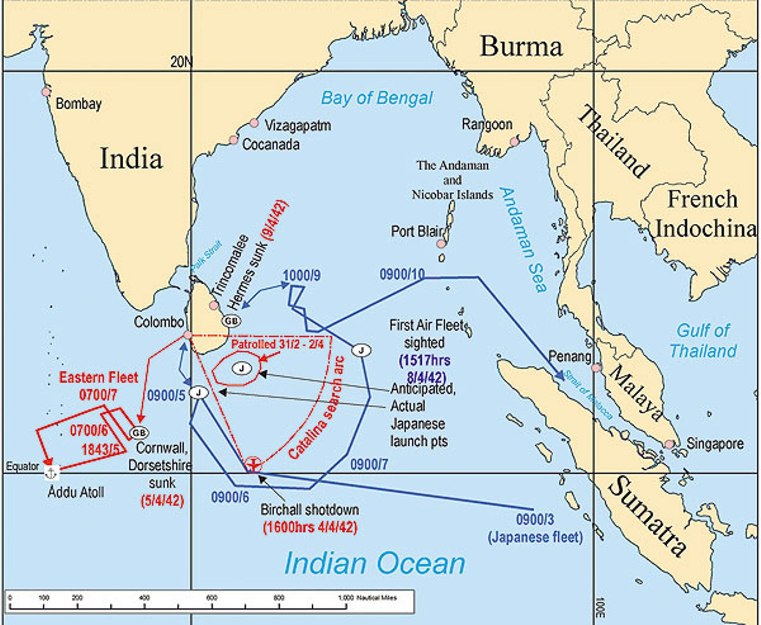
Japanese Air Raids on Ceylon, April 1942 – Map by C E Warner

නිසි කලට අනතුරු ඇගවීමක් ලැබීම නිසා මහ ව්‍යසන වළක්වා ගත් අවස්ථා ඉතිහාසය පුරා අපට හමු වනවා. එහෙත් අනතුරු ඇගවිමක් ලැබුණාට පමණක් මදි. එය ලද විගස තීරණාත්මක ලෙසින් ක‍්‍රියාත්මක වීමත් අවශ්‍යයි.

එය එසේ නොවූ විට සිදු විය හැකි දේ ගැන බලවත් ම උදාහරණය අප දුටුවේ 2004 දෙසැම්බර් 26දා සුනාමිය ආ විටයි. විද්‍යාත්මකව ජාත්‍යන්තර මට්ටමින් ශ‍්‍රි ලංකාවට ලබා දුන් අනතුරු ඇගවීම ගැන මෙරට බලධාරින් කිසිදු පියවරක් නොගැනිම නිසා ලෙහෙසියෙන් බේරා ගත හැකිව තිබූ ජීවිත දහස් ගණනක් පැය කිහිපයක් ඇතුළත විනාශ වුණා.

මේ විපත මට යළිත් සිහිපත් වූයේ මීට වසර 70කට පෙර ජපන් ගුවන් යානා ලංකාවට බෝම්බ ප‍්‍රහාර එල්ල කිරිම ගැන පොතක් කියවන විටයි. 1942 අපේ‍්‍රල් 5දා කොළඹ වරාය හා රත්මලාන ගුවන් තොටුපළටත්, අපේ‍්‍රල් 9 වනදා ත‍්‍රිකුණාමල වරාය හා නැගෙනහිර වෙරළාසන්නව නවතා තිබු මිත‍්‍ර පාක්ෂික යුද්ධ නෞකාවලටත් ප‍්‍රහාර එල්ල වුණා. දෙවන ලෝක යුද්ධය පිළිබඳ ඉතිහාස වාර්තාවල මේ ප‍්‍රහාරයන් හදුන්වන්නේ පාස්කු ඉරිදා ගුවන් ප‍්‍රහාරය (Easter Sunday Air Raid) හැටියටයි. තවත් සමහරුන් එය ලංකාව සඳහා කළ යුද්ධය (Battle of Ceylon) කියා හදුන් වනවා.

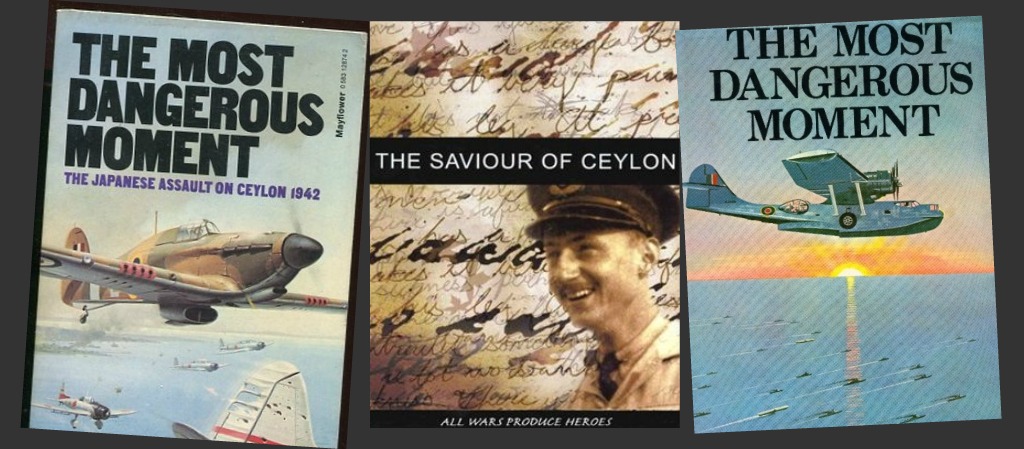
එකල රාජකීය ගුවන් හමුදාවේ නිලධාරියකු ලෙස මෙරට සේවය කළ මයිකල් ටොම්ලින්සන් පසු කලෙක (1976) ලියූ The Most Dangerous Moment පොත, මේ සිදුවීම් මාලාව පිළිබඳව ඇති හොඳම ඓතිහාසික සටහනයි.

කොළඹ හා ත‍්‍රිකුණාමලය ප‍්‍රදේශවලට ජපන් ප‍්‍රහාර එල්ල වූයේ ඒ වන විට දෙවන ලෝක යුද්ධය සම්බන්ධයෙන් ඉන්දියානු සාගරයේ තීරණාත්මක තැනක ශ‍්‍රි ලංකාව පිහිටීම නිසා. 1942 පෙබරවාරි වන විට ජපන් හමුදා අග්නිදිග ආසියාව යටත් කර ගත්තා. මලයාව, බුරුමය හා සිංගප්පුරුව ජපන් පාලනයට නතු වීමෙන් පසු දකුණු ආසියාව අල්ලා ගන්නට ඔවුන් උත්සුක වුණා. එහි මුල් පියවර වූයේ ලංකාව යටත් කොට එහි ජපන් යුද්ධ නෞකා, සබ්මැරින හා ගුවන් යානා නතර කිරිමයි. ඉන් පසු ඉන්දියාවටත්, ඉනික්බිති මැදපෙරදිග දක්වාත් බලය විහිදු වීමට ජපන් හමුදාවට සැළසුමක් තිබුණා.

දෙවන ලෝක යුද්ධයේ අතිශයින් බිහිසුණු වූත්, තීරණාත්මක වූත් සන්ධිස්ථානයක් ලෙසින් බි‍්‍රතාන්‍යයේ එවකට සිටි අගමැති වින්ස්ටන් චර්චිල් පසුව හදුන්වා දුන්නේ 1942 මාර්තු – අපේ‍්‍රල් කාලයයි. ඒ කාලය තුළ ලංකාවේ පාලනය බි‍්‍රතාන්‍ය ජාතිකයන් අතින් ගිලිහී ජපන් ජාතිකයන් අතට ගියා නම් දෙවන ලෝක යුද්ධයෙ ඉතිරි වසර තුන හමාර බෙහෙවින් වෙනස් විය හැකිව තිබුණා. (යටත්විජිත පාලනයෙන් මිදීමේ කෙටි මාර්ගය හැටියට මෙරට වාමාංශික දේශපාලකයන් එවකට තර්ක කළේත් ජපන් ජාතිකයන්ට පාක්ෂික වීමයි.)

ජපන් අරමුණු ගැන හොඳ ඉගියක් මිත‍්‍ර පාක්ෂික හමුදාවලට තිබුණත්, ඇත්තට ම ජපන් නාවික හා ගුවන් හමුදාවල හැකියාව ගැන විස්තරාත්මක අවබෝධයක් ඔවුන්ට තිබුණේ නැහැ. අද මෙන් පෘථිවි කක්ෂයේ සිට ලෝකයේ ඕනෑ ම තැනක සිදුවන දේ ගැන ඔත්තු බැලීමේ තාක්ෂණික හැකියාව නොතිබුණු ඒ යුගයේ, ප‍්‍රතිමල්ලව බල පරාක‍්‍රමය පිළිබඳව සෙවීමට මිනිස් ඔත්තුකරුවන් මත බොහෝ සේ යැපීමට සිදු වුණා. ඉන්දියානු සාගරය හරහා යුද්ධ නැව් සමුහයක් එවා ලංකාව ඇල්ලීමට තරම් ජපාන හමුදාවට හැකියාවක් ඇතැයි බොහෝ බි‍්‍රතාන්‍ය පරිපාලකයන් විශ්වාස කළේ නැහැ.

එහෙත් ජපන් ප‍්‍රහාරයකට මුහුණ දීමේ පෙර සුදානමක් 1942 මුල සිට ක‍්‍රියාත්මක වුණා. එහි පෙරමුණ ගත්තේ මිත‍්‍ර පාක්ෂික හමුදා සියල්ල සඳහා මෙරට ප‍්‍රධාන අණ දෙන නිලධාරියා ලෙස පත්ව ආ අද්මිරාල් ශ‍්‍රීමත් ජෙෆ්රි ලේටන් සහ සිවිල් ආරක්ෂක බලධාරියා ලෙස පත් කර සිටි ශ‍්‍රීමත් ඔලිවර් ගුණතිලකයි. දිවයිනේ කිහිප තැනෙක ගුවන් තොටුපළ හෝ ගුවන් තීරු ඇති කිරීම, කොළඹ තුරග ධාවන පිටිය ගුවන් තීරුවක් බවට පත් කිරිම හා ඉන්දියානු සාගරය නිරික්සමින් ගුවන් සංචරණයේ යෙදීම (Aerial Patrols) මේ ආරක්ෂක පියවර කිහිපයක්.

කොග්ගල බොක්ක තාවකාලික ගුවන් කඳවුරක් බවට පත් කිරිමත් සමග දිය මත සිට පියාසර කිරිමේ හැකියාව ඇති කැටලයිනා (Catalina) ගුවන්යානා සමූහයක් එහි රඳවනු ලැබුවා. එක දිගට පැය 18-20ක් පමණ වේලාවක් ගුවන් ගතව සිටීමේ හැකියාව තිබූ “පියාඹන බෝට්ටු” හැටියට හැදින්වුණු කැටලයිනා ගුවන්යානා යොදා ගෙන ලංකාව අවට වර්ග කිලෝමීටර් සිය ගණනක සාගර පෙදෙසක් නිරික්සනු ලැබුවා.

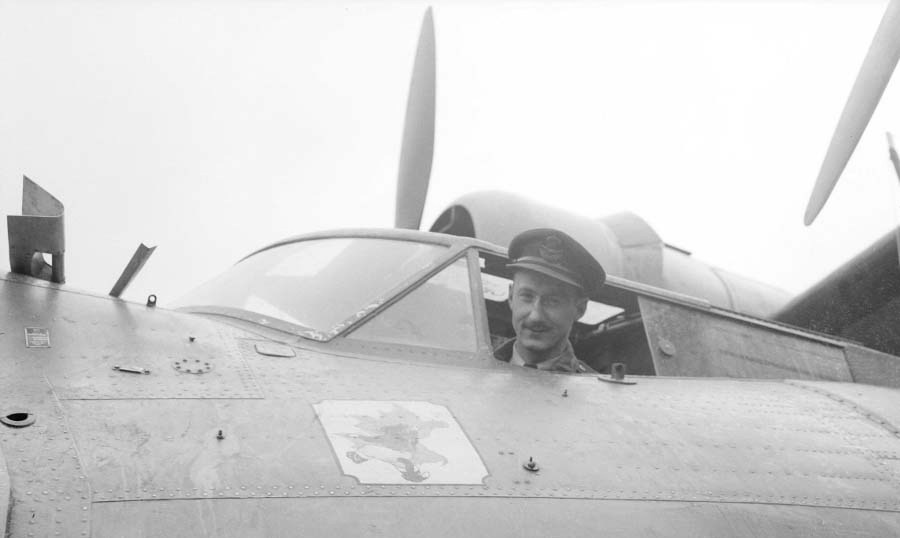
Sq Ldr Leonard Birchall, ‘Saviour of Ceylon’ aboard his Catalina aircraft

1942 අපේ‍්‍රල් 4 වනදා දවස පුරා එසේ නිරික්සිමේ යෙදී සිටි කැටලයිනා යානයක් ආපසු කොග්ගලට එන්නට සුදානම් වන මොහොතේ එහි සිටි ජේ්‍යෂ්ඨතම නිලධාරියා වූ කැනේඩියානු ජාතික ලෙනාඞ් බර්චෝල් ක්ෂිතිජයේ අසාමාන්‍ය අදුරු තිත් කිහිපයක් දුටුවා. එය කුමක්දැයි සොයන්නට පියාසර කළ ඔවුන් දුටුවේ හීන්සීරුවේ ලංකාව වෙත ඇදෙමින් තිබූ ජපන් ගුවන්යානා ප‍්‍රවාහන නෞකා (aircraft carriers) හා තවත් යුද්ධ නැව් කිහිපයක්. මේ නෞකා ඒ වන විට සිටියේ ලංකා දුපතට සැතපුම් 400ක් (කිමි 640) දකුණින්, මාලදිවයින් අසල.

මේ බිහිසුණු ආරංචිය හැකි තාක් විස්තරාත්මකව කොළඹ මෙහෙයුම් මැදිරියට රේඩියෝ පණිවුඩයකින් දැනුම් දුන්නා. ඒ පණිවුඩය යවා විනාඩි කිහිපයක් ඇතුළත කැටලයිනා ගුවන් යානයට යුධ නැවෙන් අහසට නැගුණු සීරෝ (Zero) ප‍්‍රහාරක යානා වෙඩි තැබුවා. මුහුදට කඩා වැටුණ කැටලයිනා යානයේ සිටි බර්චෝල් ඇතුළු පස් දෙනකු ජපන් යුධ සිරකරුවන් බවට පත් වුණා.

කැටලයිනා ගුවන් හමුදා පිරිස ජිවිත පරදුවට තබමින් කොළඹට එවූ රේඩියෝ පණිවුඩයත් සමග ජපන් ප‍්‍රහාරයක් පසුදින උදේ නියත වශයෙන් එල්ල වන බවට පැය 12ක අනතුරු ඇගවීමක් කොළඹට ලැබුණා. එහෙත් ජපන් යුධ නැව් සමුහයට කුමන ප‍්‍රහාරක ගුවන්යානා ඇත් ද, ඒවායේ පියාසර කාලය හා යා හැකි උපරිම දුර ආදිය ගැන නිසි තොරතුරු නොදත් නිසා ඔවුන්ට හැකි වූයේ අනුමාන මත පදනම් වූ ආරක්ෂිත පියවර ගැනීමට පමණයි. දිවයින පුරා සියලූ හමුදා සීරුවෙන් තබන්නටත්, රැය පුරා අවධියෙන් සිටින්නටත් තීරණය වුණා.

එහෙත් මහජනයා කළබල වීම වළක්වනු පිණිස එළඹෙන ජපන් ප‍්‍රහාරය ගැන කිසිදු ප‍්‍රසිද්ධ ප‍්‍රකාශයක් නොකිරිමට රජය තීරණය කළා. මේ නිසා පසුදා හිරු උදාවත් සමග තවත් ඉරිදාවක සැහැල්ලූ ජන ජීවිතය ඇරඹුණා.

බලාපොරොත්තු වූ පරිදි හිමිදිරි පාන්දර ජපන් ප‍්‍රහාරයක් සිදු නොවූ විට මිත‍්‍ර පාක්ෂික හමුදාවල සුදානම මඳක් ලිහිල් වුණා. ඈත එන ගුවන් යානා පියවි ඇසට පෙනෙන්ට පෙර හදුනා ගත හැකි රේඩාර් තාක්ෂණය නිපද වූ අළුත නිසා මුළු ලංකාවට ම තිබුණේ ප‍්‍රාථමික මට්ටමේ රේඩාර් යන්ත‍්‍රයක්. එය රත්මලාන හමුදා ගුවන් තොටුපළේ සවිකර තිබුණා.

පෙරවරු 7.30 වන තුරුත් සතුරු යානාවල සේයාවක් හෝ නොදුටු බැවින් උදාසන ආහාරය ගන්නට රත්මලානේ හමුදා භටයන්ගෙන් කොටසක් මුදා හරිනු ලැබුවා. පෙරවරු 7.50ට ජපන් ගුවන්යානා සමූහයක් රත්මලාන අහසේ එක වර දිස් වුණා.

ගාල්ල අසලින් ලංකා ගුවන් කලාපයට පිවිස, කොළඹ බලා උතුරු දෙසට පියාසර කරන සියයකට වැඩි ජපන් යානා සමහය දකුණු හා බටහිර වෙරළබඩ බොහෝ දෙනා ඇසින් දුටුවා. එහෙත් දුරකථන පණිවුඩයක් හෝ වෙනත් දැනුම්දීමක් හෝ ආරක්ෂක මර්මස්ථානවලට ලැබුණේ නැහැ. මේ නිසා ජපන් ප‍්‍රහාරය එළඹෙන බව දැන දැනත් නිසි සුදානමින් නොසිටීමේ විපාක රත්මලානේදී අත් විදින්නට සිදු වුණා.

බි‍්‍රතාන්‍ය හරිකේන් ප‍්‍රහාරක යානා ගණනාවක් ධාවන පථය මතදී ම ජපන් ප‍්‍රහාර නිසා විනාශ වුණා. කඩිමුඩියේ ගුවන්ගත කළ ඉතිරි ප‍්‍රහාරක යානා මගින් ආක‍්‍රමණික ජපන් හමුදාවට ප‍්‍රතිරෝධයක් එල්ල කළත්, සටනේදී මවිතයෙන් ලබන වාසිය (surprise attack) බොහෝ දුරට ලැබුවේ ජපන් ගුවන් නැවියන්.

බර්චෝල් පැය 12කට පමණ පෙර ලබා දුන් අනතුරු ඇගවීමෙන් හරිහැටි වැඩක් නොගැනීම ගැන සමස්ත බි‍්‍රතාන්‍ය හා මිත‍්‍ර පාක්ෂික සේනාපතිත්වය දැඩි කණස්සල්ලට පත් වූ බවත්, එය ගැන පසුව විභාග කළ සැටින් ටොම්ලින්සන් සිය පොතේ ලියා තිබෙනවා.

එහෙත් උපාය මාර්ගිකව කොළඹ වරායේ තිබු මිත‍්‍ර පාක්ෂික යුද්ධ නෞකා ගණනාවක් එයින් පිටතට යවා ඈත මුහුදේ විවිධ තැන්වල රඳවා තිබූ නිසා ජපන් ප‍්‍රහාරයෙන් ලද නාවිකමය හානිය සීමා වුණා. පැය බාගයකට අඩු කාලයක් පැවතුණු අපේ‍්‍රල් 5 ප‍්‍රහාරයෙන් සාමාන්‍ය වැසියන් 85 දෙනෙකු මිය ගොස් තවත් 77 දෙනෙකු තුවාල ලද බව වාර්තාගතයි. කොලොන්නාවේ තෙල් ටැංකිවලට ඉලක්ක කළ බෝම්බ අංගොඩ මානසික රෝහලට වැටීමෙන් එහි රෝගීන් 7 දෙනෙකු අවාසනාවන්ත ලෙස මිය ගියා.

ප‍්‍රහාරයට පැමිණි ජපන් ගුවන් යානා 27ක් විනාශ කළ බවට මිත‍්‍ර පාක්ෂික හමුදා වාර්තා කළත්, ලක් පොළවට ඇද වැටුණේ එයින් තුනක් පමණක් බව ටොම්ලින්සන් කියනවා. ඒවා හොරණ, ගල්කිස්ස හා පිටකෝට්ටේ යන ප‍්‍රදේශවලට කඩා වැටුණා.

මිට අමතරව හානියට පත් මිත‍්‍ර පාක්ෂික ගුවන්යානා ද ඇතැම් ස්ථාවලට ඇද වැටුණා. ප‍්‍රතිප‍්‍රහාරයෙන් අබලන් වූ ඇතැම් ජපන් යානා සිය යුද්ධ නෞකාවලට ආපසු පියාසර කරද්දී මුහුදට කඩා වැටෙන්නට ඇතැයි ද ඔහු අනුමාන කරනවා.

පාස්කු ඉරිදා ප‍්‍රහාරය ගැන විස්තරාත්මක වාර්තා ගණනාවක් ප‍්‍රකාශයට පත් වී ඇතත් එදින සිදු වූ සන්නිවේදන හා සම්බන්ධිකරණ පසුබෑම් ගැන හොඳම මැදහත් විග‍්‍රහය හමු වන්නේ ටොම්ලින්සන්ගේ පොතෙහි බව මගේ අදහසයි.

මේ පසුබෑම් මැද වුවත් ලංකාවට එල්ල වූ ප‍්‍රහාරය මැඩ පවත්වන්නට මෙරට රඳවා සිටි, විවිධ ජාතීන්ගෙන් සැදුම් ලත් මිත‍්‍ර පාක්ෂික හමුදා සමත් වුණා. ලංකාව රැක ගැනීමේ සටන්වලින් 1942 අපේ‍්‍රල් මාසය තුළ මිත‍්‍ර පාක්ෂික හමුදා නිලධාරින් හා භටයන් දහසකට (1,000) ආසන්න සංඛ්‍යාවක් මිය ගියා. ඒ අතර ලාංකික, බි‍්‍රතාන්‍ය, අයිරිෂ්, ඕලන්ද, කැනේඩියානු, දකුණු අප‍්‍රිකානු හා ඉන්දියානු ජාතිකයන් ද සිටියා.

ලංකාවට අතිශයින් තීරණාත්මක රේඩියෝ පණිවුඩය එවූ ලෙනාඞ් බර්චොල් සහ ඔහුගේ ගුවන් සගයන් යුද්ධය හමාර වූ පසු ඉහළ සම්මාන ලැබ කැනේඩියානු ගුවන් කොමදෝරු තත්ත්වයට උසස් වුණා. “ලංකාව බේරාගත් වීරයා” (Saviour of Ceylon) ලෙස විරුදාවලි ලැබු ඔහු 1967දී කෙටි නිල සංචාරයකට මෙරටට පැමිණියෙ මහත් ගරු සැලකිලි මැදයි.

ඇමෙරිකාවේ හවායි දුපත්වල පර්ල් වරයාට එල්ල වූ ජපන් ප‍්‍රහාරය ගැන බොහෝ පොතපත ලියැ වී, වාර්තා හා වෘතාන්ත චිත‍්‍රපට නිපදවා තිබෙනවා. එම ප‍්‍රහාරයට මුල් වූ ජපන් හමුදා විසින් ම ඊට දින 119කට පසු සිදු කළ කොළඹ ප‍්‍රහාරය ගැන එතරම් ඓතිහාසික හෝ ප‍්‍රබන්ධමය අවධානයක් යොමු වී නැහැ. මේ සිදුවීම් මාලාව ත‍්‍රාසජනක හා සත්‍යමය ලෙසින් වෘතාන්ත චිත‍්‍රපටයකට පාදක කර ගත හොත් අගෙයි.

මයිකල් ටොම්ලින්සන් සිය ගවේෂණාත්මක ග‍්‍රන්ථය පිළිගන්වා ඇත්තේ 1942 මාර්තු – අපේ‍්‍රල් කාලයේ ලංකාව හා එය අවට සාගරය සම්බන්ධ හමුදා මෙහෙයුම්වලට සහභාගි වූ සියලූ දෙනාටයි. විශේෂයෙන් ම දිය-ගොඩ-අහසේ දිවි අහිමි වූ අයටයි. ඒ සටනේ එක් පාර්ශවයකට සක‍්‍රියව සම්බන්ධ වී සිටියත්, ඉතිහාසය වාර්තා කරන්නකු ලෙස ඔහු සිය ප‍්‍රතිමල්ලව ජපන් හමුදාවලටත් ප‍්‍රණාමය පුද කරනවා.

“අප පෞද්ගලිකව කැමති වුවත් නැතත් අතිශයින් කාර්යක්ෂම ලෙසින් හා රණකාමී අයුරින් අප හා සටන් වැදුණු ජපන් හමුදාවලට ද අපේ ගෞරවය හිමි විය යුතු” යැයි ඔහු කියනවා.

End note: While researching for my Sunday column, I stumbled upon two other interesting short video clips on this aspect of the Second World War. They are both computer-generated scenarios, but well made. Despite some minor historical inaccuracies, they illustrate the rich story-telling potential of this vignette of history, largely overlooked by mainstream movie makers.

Easter Sunday Raid: The Battle of Ceylon. Prelude

Battle Of Ceylon

More at: http://tiny.cc/BatCey

Battle of Ceylon: 70 years on, still waiting for its place in the movies…

Memories of Battle of Ceylon, April 1942
While human memories fade and disappear, photographs and films help preserve moments of history – either as factual documentation, or as fictionalised stories.

The Battle of Ceylon, or the Easter Sunday Japanese air raid of Ceylon took place 70 years ago this week. There can’t be too many people who have personal memories of that eventful day, 5 April 1942.

The definitive feature film about this facet of WW2 remains to be made. This blog post explores what (little) that is available online.

The attack on Colombo Harbour and the nearby Ratmalana Airport took place exactly 119 days after the Pearl Harbour attack in Hawaii. In that relatively short time, the Japanese military had advanced westwards in the Indian Ocean with astonishing speed and success.

When Singapore fell in February 1942, it was widely believed that the next Japanese target was Ceylon. Once their battleships, aircraft carriers and submarines were based in Ceylon, their domination over the Indian Ocean would be consolidated.

If the Allies read Japanese intentions correctly, they completely underestimated their adversary’s capabilities. Lack – or deliberate blocking – of information had characterised the build up of Japanese military capabilities for years.

Michael Tomlinson, an Englishman who was posted in Ceylon with the Royal Air Force in 1942, later wrote the definitive book about those fateful days and weeks. Its title, The Most Dangerous Moment, was derived from a remark by British Prime Minister Sir Winston Churchill.

Looking back later, Churchill said the most dangerous moment of the Second World War, and the moment that caused him the most alarm, was when the formidable Japanese fleet was approaching Ceylon.

As it turned out, the Japanese fleet that mounted the air raid on Ceylon was under the command of Admiral Chuichi Nagumo, who, as commander of the First Air Fleet of the Imperial Japanese Navy, had earlier overseen the devastating attack on Pearl Harbour on 7 December 1941.

As Tomlinson has written, “True the [Pearl Harbour] attack was unleashed without a declaration of war and has thus been stamped as an act of infamy, though the Americans had very solid reasons for expecting it and the enormous surprise which the Japanese managed to achieve over the Americans was quite unexpected by their own flyers. Sadly enough when these same airmen, almost man for man the same, were to attack targets in Ceylon four months later, the British, though having extremely accurate and complete intelligence of the Japanese intentions and movements, were taken only a little less by surprise than were the Americans at Hawaii.”

Things didn’t start off that way. The island’s civilian administrators and British military high command had initiated preparations and precautions. These included building several new airstrips, and placing RAF squadrons on the island.

Operating from the Koggala lagoon, on the island’s southern top, Allied airmen conducted aerial patrols of the Indian Ocean using long-range Catalina aircraft – multipurpose ‘flying boats’.

With no satellites in orbit (the Space Age had not yet dawned), and radar still in its infancy, these ‘eyes in the air’ offered crucial surveillance. And the vigilance paid off.

Sq Ldr Leonard Birchall, 'Saviour of Ceylon' aboard his Catalina aircraft

On the evening of 4 April 1942, just before dusk, one Catalina on patrol made a chance observation that changed the course of history. As they were about to turn back, Leonard Birchall, a young Squadron Leader of the Royal Canadian Air Force (RCAF), saw a ‘black speck’ in the Indian Ocean. Upon investigation, they discovered a Japanese aircraft carrier fleet, at the time 400 miles (640km) south of the island.

As the Catalina’s crew took a closer look, its radio operator radioed to Colombo the location, composition, course and estimated speed of the advancing fleet. Moments later, they were shot down by Zero fighters: Birchall and crew mates spent the rest of the War as Japanese prisoners.

The message reached Colombo “a little garbled but essential correct” and immediately passed on to all the Services. But what happened thereafter shows that an early warning by itself serves little purpose unless it is properly acted upon.

I have just written a column on how and why:
Near-misses in the ‘Battle of Ceylon’ (Japanese Air Raid on 5 April 1942)

“Failure in communications all around was to bring tragic results in its wake,” says Tomlinson. “Afterwards, there was even talk about sabotage, but this cannot be taken seriously.”

The Easter Sunday Raid, or the Battle of Ceylon, is well documented. Much to the surprise and disappointment of the Japanese, the Allied naval fleet had been moved out of the Colombo harbour. Another Pearl Harbour was thus avoided.

The Colombo air raid lasted some 20 minutes, and the civilian casualties amounted to 85 dead and 77 injured. The British claimed destroying “27 enemy aircraft” that morning, but the Japanese admitted losing only five. Tomlinson speculates that some damaged aircraft never managed the long flight back.

According to him, only three Japanese planes fell on Ceylonese soil: one each in Horana, on the playground of St Thomas’s College in Mount Lavinia and at Pita Kotte junction.

Hailing from this last area, an eastern suburb of Colombo, I had family elders who actually witnessed the incident. As a schoolboy, I used to walk past that crash site every week day.

Indian Ocean raid April 1942

On April 9, the Japanese bombed Trincomalee harbour on Ceylon’s east coast and also attacked British ships off Batticaloa. The strategic damage was greater, but somehow the defences held. Owing to a combination of factors, the Japanese never returned.

Close to a thousand Allied servicemen lost their lives defending Ceylon that week. But Leonard Birchall survived the notorious Japanese prison camps. Decorated and hailed as the ‘Saviour of Ceylon’, he died in September 2004 aged 89.

A few years ago, Norflicks Productions, a Toronto-based video company, produced a historical documentary about his life. Titled THE SAVIOUR OF CEYLON: The Story of Leonard Birchall (92 mins), it was directed by Marta Nielsen. Producer and Scriptwriter was Richard Nielsen.

See trailer online:

While Pearl Harbour attack and aftermath has been the basis of many documentaries and feature films, the Battle of Ceylon is still under-represented in moving images

While researching for my Sunday column, I stumbled upon two other interesting short video clips on this aspect the Second World War.

They are both evidently computer-generated scenarios, but seemingly well made. Despite some minor historical inaccuracies, they illustrate the rich story-telling potential of this vignette of history, largely overlooked by movie makers.

Easter Sunday Raid: The Battle of Ceylon. Prelude

Battle Of Ceylon

I recently tracked down their creator, Bob Baeyens, who goes by the online moniker Skinny. He says the two clips were made using IL-2 Sturmovik, a World War II combat flight simulator video game that focused on the air battles of the Eastern Front. Here is my brief email exchange with him a few days ago (slightly edited for clarity):

What made you choose the Battle of Ceylon?

We were always looking for (historical) scenarios to create multiplayer missions. Since the game is over 12 years old now, most theaters were covered pretty well, so I bumped in to this one searching for something new — and decided to try making a movie about it as it’s a rather compelling story.”

Do you have a personal link to Ceylon, WW2 or aviation?

No, no and a small one. I used to be a glider pilot.

Why hasn’t anything further happened with Battle of Ceylon film?

The whole jeep/battlefields things must have looked a little weird to you. That’s because its actually a critique and (an) inside joke. I couldn’t get my squad mates from battlefields (on UK dedicated server) to help out making that movie. I needed a couple of real pilots to fly some scenes, drive jeeps, etc. The a.i. in the game made it hard too to make them without human pilots. But I was getting no response or help, so I finally got frustrated and gave up.

I didn’t quite give up; I “finished” it with a parody and a jab! Hence the words, “Best IL2 movie never made”. See this also:

Do you make films for fun, or for a living?

Fun.

Finally, how may I describe you? Is there a website or blogsite or online intro that I can link to?

No need to describe me. If you want to refer to me, use my online
callsign “Skinny”.

සිවුමංසල කොලූගැටයා #46: තොරතුරු ගලනයේ වේලි බිදී යයි!

In December 2003, on the eve of the World Summit on the Information Society (WSIS), I did a wide-ranging interview with Sir Arthur Clarke on satellite TV, internet, censorship and other challenges of emerging information societies. It was published in One World South Asia on 5 December 2003.

I adapted into Sinhala parts of that interview for my Ravaya Sunday newspaper column last week (18 Dec 2011),making the point that much of what he said about satellite TV at the time is now equally relevant to the rapid spread of the Internet.

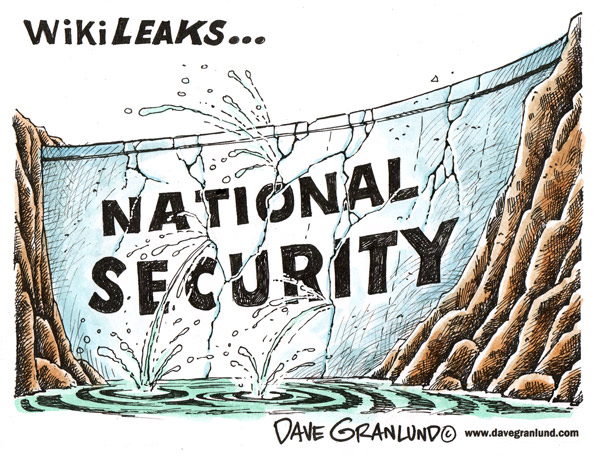
For this week’s column, appearing in the print edition for 25 Dec 2011, I have adapted more segments of that interview covering topics such as: violence in society and media’s role; educational potential of television; does satellie TV spread cultural imperialism; and how technology – not politicians or generals – now determine the free flow of information across borders. This cartoon, drawn by David Granlund a year ago, aptly captures that last point!

A welcome dam breach, this one! - cartoon by Dave Granlund

See also my essay of 19 Dec 2010: Living in the Global Glass House: An Open Letter to Sir Arthur C Clarke

ප්‍රබලව මතුව එන තොරතුරු තාක්ෂණ හා සන්නිවේදන අභියෝගයන්ට ප්‍රශස්තව මුහුණ දෙන සැටි අන්තර් රාජ්‍ය මට්ටමින් සාකච්ඡා කළ තොරතුරු සමාජය පිළිබඳ පළමුවන ලෝක සමුළුව (World Summit on the Information Society, WSIS-1) 2003 දෙසැම්බරයේ ජිනීවා නුවර පවත්වනු ලැබුවා. මේ සමුළුවට දින කිහිපයකට පෙර ශ්‍රීමත් ආතර් සී ක්ලාක් සමග මා කළ දීර්ඝ සාකච්ඡාවක් (ඉන්දියාවෙන් සංස්කරණය කැරෙන) One World South Asia ජාත්‍යන්තර වෙබ් අඩවිය පළ කළා. එහි අරමුණ වූයේ අද තොරතුරු සමාජයේ පෙර ගමන්කරුවෙකු වූ ක්ලාක් එවකට දැකිය හැකි අළුත් ප්‍රවණතා සහ අභියෝග ගැන දරණ විද්වත් අදහස් ලෝකය සමග ඛෙදා ගැනීමයි.

පසුගිය සතියේ (2011 දෙසැම්බර් 18) ඒ සාකච්ඡාවෙන් කොටස් කිහිපයක් මා සිංහලට අනුවාදය කළා. අද එහි ඉතිරි කොටස.

නාලක: භූස්ථාවර කක්ෂයේ (Geostationary orbit) රදවන ලද පණිවුඩ චන්ද්‍රිකා මගින් ලෝක ව්‍යාප්ත සන්නිවේදන ජාලයක් ඇති කළ හැකි යයි ඔබ මුල් වරට පෙන්වා දී වසර 50ක් ගත වී තිඛෙනවා. මේ අඩ සියවස ගැන ඔබේ අදහස් මොනවා ද?

ක්ලාක්: තාක්ෂණික දියුණුව කෙසේ සිදු වේද යන්නත්, එය කෙතරම් ඉක්මනින් සිදු විය හැකි ද යන්නත් ගැන අනාවැකි කීම ඉතා අපහසුයි. 1945දී මා Wireless World සගරාවේ ලිපිය ලියන කාලයේ සිතුවේ පණිවුඩ චන්ද්‍රිකා සැබැවින් නිර්මාණය වී උඩුගුවනට යන්නට අඩු තරමින් වසර 50ක්වත් ගත වනු ඇති කියායි. එමෙන් ම ඒවා මහා පරිමාණයේ අභ්‍යවකාශ මධ්‍යස්ථාන වේ යයි ද, ඒවා නඩත්තුවට කක්ෂගත වූ කාර්මික පිරිස් සිටිනු ඇතැයි ද මා සිතුවා. එහෙත් (1948 දී නිපද වූ) ට්‍රාන්සිස්ටරය හා 1950 ගණන්වල සිදු වූ ක්ෂුද්‍ර ඉලෙක්ට්‍රොනික නිපදවීම් නිසා 1940 ගණන්වල අප දැන සිටි තාක්ෂණ මට්ටමට වඩා ඛෙහෙවින් සංකීර්ණ, සංයුක්ත හා ස්වයංක්‍රීය වූ චන්ද්‍රිකා නිපදවීමට හැකියාව ලැබුණා. මේ නිසා චන්ද්‍රිකා තාක්ෂණය ලොකු ඉදිරි පිම්මක් පනින්නට සමත් වුණා. මගේ ලිපිය පළ වී වසර 20ක් ගෙවී ගිය තැන – 1965දී – මුල් ම වාණිජමය පණිවුඩ චන්ද්‍රිකාව (Early Bird) උඩුගුවන් ගත කළා. ට්‍රාන්සිස්ටරය නිපදවූයේ නැතිනම් සමහර විට චන්ද්‍රිකා තාක්ෂණය මෙන් ම අභ්‍යවකාශ තරණයේ සෙසු ජයග්‍රහණත් මීට වඩා වෙනස් වන්නට ඉඩ තිබුණා.

පණිවුඩ චන්ද්‍රිකා අධ්‍යාපනික වශයෙන් වැදගත් ටෙලිවිෂන් වැඩසටහන් විකාශය කිරීමට යොදා ගත යුතු බව ඔබ කලක සිට විශ්වාස කරනවා. අද වන විට ව්‍යාප්තව ඇති චන්ද්‍රිකා ටෙලිවිෂන් සේවාවන් මේ කාර්යය හරි හැටි ඉටු කරනවා ද?

අද ලෝකයේ සිටින ප්‍රධානතම මාධ්‍ය හිමිකරුවන් දෙදෙනකු වන රූපර්ට් මර්ඩොක් සහ (CNN ආරම්භක) ටෙඩ් ටර්නර් සමග චන්ද්‍රිකා මාර්ගයෙන් සම්බන්ධ වන්නට මෑත අවස්ථා දෙකකදී මට හැකි වුණා. එහිදී මා ඔවුන් දෙදෙනාට චන්ද්‍රිකා ටෙලිවිෂන් මාධ්‍යය හොදට හා නරකට යොදා ගැනීම පිළිබ`දව අවවාද කිහිපයක් දුන්නා. මා මුලින් ම සිහිපත් කළේ බ්‍රිතාන්‍යයේ පුවත්පත් හිමිකරුවන් සම්බන්ධයෙන් කලකට ඉහත බ්‍රිතාන්‍ය අගමතිවරයකු කී කථාවක්. ඔහු කීවේ පුවත්පත් හිමිකරුවන් වගකීමකින් තොර වූ බලයක් නතු කර ගෙන එය හසුරුවන බවත් ඉතිහාසය මුළුල්ලේ මෙබඳු තැනක් හිමි කර ගෙන සිටියේ ගණිකාවන් පමණක් බවත් (“The privilege of the harlot throughout the ages: power without responsibility.”)

මෑතක් වන තුරු මුද්‍රිත මාධ්‍යය හිමි කර ගෙන සිටි බලයටත් වඩා විශාල බලයක් අද ටෙලිවිෂන් මාධ්‍යය ලබා ගෙන තිඛෙනවා. මෙසේ මිනිස් සිතුම් පැතුම්, චර්යාවන් හා ජීවන රටාවන් සම්බන්ධයෙන් ඉමහත් බලපෑමක් එල්ල කළ හැකි මාධ්‍යයක් වන ටෙලිවිෂනයට, ඒ හා සමානුපාතික වූ ඉමහත් වගකීමක් ද අනිවාර්යෙන් ම පැවරෙන බව මා මේ දෙපළට කියා සිටියා.

දියුණු වන ලෝකයේ රටවල ටෙලිවිෂන් මාධ්‍යයේ තවමත් සැළකිය යුතු ප්‍රමාණයකින් බටහිර වැඩසටහන් දැකිය හැකියි. මේ ගැන ඔබේ අදහස් මොනවා ද?

යම් මට්ටමකින් ‘විද්‍යුත් අධිරාජ්‍යවාදයක්’ ලෝකයේ සිදු වන බව අප පිළිගත යුතුයි. පවතින වෙළඳපොළ ආර්ථීක රටාව තුළ මෙය මුළුමනින් නතර කිරීමට හෝ අධික ලෙස පාලනය කිරීම අපහසුයි. අනෙක් අතට මෙබඳු ප්‍රවණතා නිසා සිදු වන්නේ සමාජයේ නිරායාසයෙන් ම සිදු වන්නට නියමිත විපර්යාසයන් වඩාත් ඉක්මනින් සිදු වීමයි.

සුබවාදීව බලන විට තාක්ෂණය හා බද්ධ වූ නව සන්නිවේදන මාධ්‍ය මඟින් අපේ සංස්කෘතික දායාදයන්, උරුමයන් හා සිරිත් විරිත් අනාගත පරම්පරාවලට දැක බලා ගත හැකි පරිදි සංරක්ෂණය කර තැබීමට අවස්ථා ලැඛෙනවා. සමහර විට සැබෑ ලෝකයේ ක්‍රමයෙන් තුරන් වී ගෙන යන ඇතැම් ජන කලා හා සංස්කෘතික අංග අපේ දූ දරුවන්ට දැක බලා ගත හැකි වනු ඇත්තේ ටෙලිවිෂන්, ඉන්ටර්නෙට් හා CD බඳු මාධ්‍ය තුළින් පමණක් විය හැකියි. ඉතිහාසවේ මීට පෙර වකවානුවල පැවැති වටිනා කලා ශිල්ප හෝ සාංස්කෘතික අංග එසේ සුරකින්නට හැකියාවක් තිබුණේ නැහැ.

නිදහසේ තොරතුරු ගලායාම (free flow of information) මින් ඉදිරියට තීරණය කරන්නේ ඉංජිනේරුවන් විසින් මිස දේශපාලකයන් හෝ නිලධාරීන් හෝ විසින් නොවන බව ඔබ කියන්නේ ඇයි?

එළඹෙන දශකය තුළ වඩ වඩාත් මාධ්‍යවේදීන්, ව්‍යාපාරිකයන් හා සංචාරකයන් ජංගම දුරකථන ලෝක ව්‍යාප්ත මට්ටමින් භාවිතා කරනු ඇති. එමෙන් ම කටහ`ඩ සන්නිවේදනයට පමණක් සීමා නොවී, ඔවුන්ට හ`ඩ හා රූප දෙක ම සන්නිවේදනය කළ හැකි වනු ඇති. ඒ ස`දහා පහසුවෙන් අතේ ගෙන යා හැකි, ජංගම සන්නිවේදන කට්ටල භාවිතයට එනවා. මේවා පණිවුඩ හුවමාරු කරන්නේ පොළව මත ඇති විදුලි සංදේශ රැහැන් පද්ධති හරහා නොව, පණිවුඩ චන්ද්‍රිකා හරහායි. මෙම කට්ටල වඩාත් ලාබදායී වන විට රට රටවල් අතර සංචාරයේ යෙදෙන හැම දෙනකු ම පාහේ මේවා භාවිතා කරන්නට පටන් ගනීවි. එවිට දේශීය මට්ටමේ දුරකථන හා අනෙකුත් සන්නිවේදන සේවා මත ඔවුන්ට යැපෙන්නට සිදු වන්නේ නැහැ.

මෙහි ප්‍රතිඵලය සිතා බලන්න. තමන්ගේ රටේ ජනතාවගේ මානව හිමිකම් කඩකරමින් රජය, හමුදා හෝ අන් පාක්ෂිකයන් විසින් සිදු කරන අපරාධ හෝ සමූල ඝාතන බදු කිසිවක් පිටස්තර ලෝකයෙන් තව දුරටත් වසන් කරන්නට රටකට හැකි වන්නේ නැහැ. මෙබදු නව සන්නිවේදන තාක‍ෂණයන් හා ඒවා හො`ද හැටි භාවිතා කරන කැපවීමකින් යුතු මාධ්‍යවේදීන් සිටින විට අකටයුතුකම් කිරීමෙන් වැළකී සිටීමට රාජ්‍ය පාලකයන් හා වෙනත් බල කණ්ඩායම් මත ලොකු බලපෑමක් ඇති කෙරෙනවා.

සමහරුන් අද දවසේ ප්‍රචලිත ප්‍රචණ්ඩත්වය තාක්ෂණයේ අතුරු ඵලයක් යැයි කියනවා. ඔබ මේ තර්කයට එකඟ වනවාද?

ප්‍රචණ්ඩත්වය යනු පරිනාමීය ඉතිහාසය මුළුල්ලේ මානව වර්ගයා සතුව තිබු ලක්ෂණයක්. මේ නිසා එය තාක්ෂණයෙන් ඉස්මතු වූවා යැයි කීම වැරදියි. තාක්ෂණය සිදු කර ඇත්තේ ප්‍රචණ්ඩත්වය ප්‍රකාශ කළ හැකි මාර්ග හා අවස්ථා ප්‍රමාණ වැඩි කිරීමයි. තාක්ෂණය මෙසේ අනිසි හා අයහපත් ලෙස යොදා ගැනීම මිනිස් මනසේ වරදින් සිදුවන දෙයක්.

මා විශ්වාස කරන්නේ ඕනෑ ම ශිෂ්ටාචාරයක ඉදිරි ගමනට තාක්ෂණික දියුණුව සමඟ අත්වැල් බැඳ ගෙන ආධ්‍යාත්මික හා සදාචාරාත්මක දියුණුවක් සමාන්තරව සිදු විය යුතු බව. එසේ සිදු නොවී, තාක්ෂණය පමණක් කඩිමුඩියේ ඉදිරියට ගිය හොත් වැඩි දුර යන්නට කලින් ස්වයං විනාශයක් සිදු වෙනවා. අපේ වර්ගයා මුහුණ දී තිඛෙන ලොකු ම අන්තරාය මෙයයි.

මා සිතන්නේ අද සමාජයේ ප්‍රබල ප්‍රශ්නයක් බවට පත්ව ඇති ප්‍රචණ්ඩත්වය සඳහා යම් තාක් දුරට වගකීම ටෙලිවිෂන් මාධ්‍යය භාර ගත යුතු බවයි. (එහෙත් ප්‍රචණ්ඩත්වය ප්‍රවර්ධනය කරන එක ම මාර්ගය මෙය නොවෙයි.) සිය ගණන් අහිංසක මිනිසුන්ට, දරුවන්ට මරු කැඳවන, නැතහොත් ඔවුන් සදාකාලිකව ආබාධිත කරවන බෝම්බ, වෙඩි තැබීම් හා වෙනත් ප්‍රචණ්ඩ ක්‍රියා සඳහා යම් තරමක හෝ දායකත්වයක් ශ්‍රව්‍ය-දෘශ්‍ය මාධ්‍යයෙන් ලැඛෙනවා. බොහෝ විට චිත්‍රපට හා ටෙලිවිෂන් වෘතාන්ත කථාවල පෙන්නුම් කරන දෙයක් නම් යුක්තිය, සාධාරණත්වය හෝ සත්‍යය සඳහා සටන් කරන අයට ඕනෑ තරම් ප්‍රචණ්ඩ ක්‍රියා කළ හැකි බව. මෙය ළමා හා තරුණ මනසට ව්‍යාකූල හා වැරදි අදහස් ඇතුළු කරන්නට පුළුවන්.

ටෙලිවිෂන් මාධ්‍යයේ නියැලී සිටින සමහරුන් කියන්නේ හොලිවුඩ් හා බොලිවුඩ් වෙතින් එන ඇතැම් චිත්‍රපට තමන්ගේ නිෂ්පාදනවලටත් වඩා පහත මට්ටමක් පවතින බවයි.

මෙය පිළිගත හැකි සංසන්දනයක් නොවෙයි. චිත්‍රපටවල හා ටෙලිවිෂන් වැඩසටහන්වල නිරූපනය වන ප්‍රචණ්ඩත්වය සාධාරණීකරණය කරන තවත් තර්කයක් නම් ඇතැම් මිනිසුන් තුළ සහජයෙන් පැන නඟින ප්‍රචණ්ඩ සිතුවිලි මෙබඳු නිර්මාණ නැරඹීම නිසා අවිහිංසක ලෙස පහ වී යන බවත් (catharsis), ඒ නිසා සැබෑ ලෝකයේ ප්‍රචණ්ඩකම් කිරීමට ඔවුන් නොපෙළඹෙන බවත්. මෙය ද පිළිගත හැකි තර්කයක් නොවෙයි. චිත්‍රපට හා ටෙලිවිෂන් ඇත්තට ම මිනිස් චර්යාවන්ට ප්‍රබල බලපෑමක් එල්ල නොකරනවා නම්, කෝටි ගණන් මුදල් වැය කරමින් ටෙලිවිෂන් දැන්වීම් පෙන්වන්නට වෙළඳ ආයතන ක්‍රියා කරයි ද?

ප්‍රතිපත්තියක් හැටි මා මාධ්‍ය වාරණයට විරුද්ධයි. එහෙත් අද දවසේ සමහර ටෙලිවිෂන් නාලිකා විකාශය කරන බාල මට්ටමේ, හරසුන් වැඩසටහන් ගැන සිතන විට යම් තරමක හෝ විනයක්, වගකීමක් මාධ්‍ය තූළින් මතු නොවන්නේ ඇයිදැයි ප්‍රශ්න කරන්නට සිදු වනවා.

Sarvodaya Leader A T Ariyaratne at 80: Conscience of a Bruised Nation

Dr A T Ariyaratne (left) in an expressive moment with Nalaka Gunawardene

When Dr A T Ariyaratne, founder and president of the Sarvodaya Shramadana Movement of Sri Lanka, turned 80 years on 5 November 2011, felicitations poured in from all over the world. This spontaneous act was an indication — if any were needed — of how much and how widely he has touched the lives of millions.

Ari is also our elder statesman of inclusive development. For over half a century, he and Sarvodaya have advocated a nuanced approach to overcoming poverty, illiteracy and various social exclusions. Unlike some die-hard activists, Ari doesn’t ask us to denounce materialism or revert to pre-industrial lifestyles. Instead, he seeks a world without extreme poverty or extreme affluence.

Suddenly, his quest for social justice and equality is resonating all over the world. In fact, Ari has been speaking out for the 99 per cent of less privileged people decades before a movement by that name emerged in the West. In a sense, those occupying Wall Street and other centres of affluence are all children of Sarvodaya.

While Ari shares their moral outrage, his own strategy has been quite different. He didn’t occupy physical spaces in his struggle; he went straight to the fount of all injustice – our minds.

* * * * *

Thus opens my personalised tribute, published on Groundviews.org as Ari of Sarvodaya: Conscience of a Bruised Nation.

In this 2,400-word essay, I salute a hero of mine who continues to speak truth to power, and makes a difference to millions of people in his land and elsewhere. For doing this, he has been ridiculed, harassed and vilified by small minds and the state. He continues undaunted, and shows no sign of slowing down after turning 80.

Here’s another excerpt:

In Ari, we find elements of Mahatma Gandhi (non-violent pursuit of the greater good); the Dalai Lama (interpreting Buddhist philosophy for the modern world); Martin Luther King, Jr. (struggling for the rights and dignity of marginalised people); Nelson Mandela (nurturing democracy and healing society); and Jimmy Carter (globalism with a humanitarian agenda).

“Yet Ari is more than the sum of these noble parts; he is his own unique visionary. And an adroit ‘remixer’ who constantly blends the best of East and West. He adapts our civilisational heritage to tackle the Twenty First Century’s anxieties and uncertainties. Thankfully, though, he doesn’t peddle simplistic solutions to today’s complex problems.

I also recall my first encounter with Ari, in early 1991, when a tyrant leader of Sri Lanka had virtually declared ‘war’ on this unarmed, non-violent small man. I have interviewed him several times since then – the most recent was in March 2011, when I accompanied my journalist friend Aditya Batra from India to talk to Ari (photo, below).

Read the full essay on Groundviews.org: Ari of Sarvodaya: Conscience of a Bruised Nation

Read a compact version of the essay on Light Millennium website (New York)

Read a compact version on Down to Earth magazine (New Delhi): Sri Lanka’s Gandhi Turns 80

L to R - Nalaka Gunawardene, Aditya Batra & Dr A T Ariyaratne of Sarvodaya, March 2011

Tareque Masud (1956 – 2011): The Song of Freedom, Interrupted

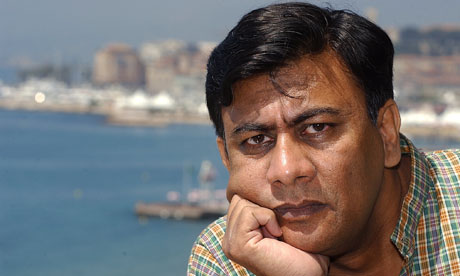
Tareque Masud in Cannes in 2002. Photo by Olivier Laban-Mattei/AFP

South Asia’s notorious killing fields, a.k.a. roads, have robbed us of another highly talented and committed professional. Bangladesh film maker Tareque Masud died on the spot when his microbus collided head-on with a passenger bus in in Ghior, close to Dhaka, on August 13.

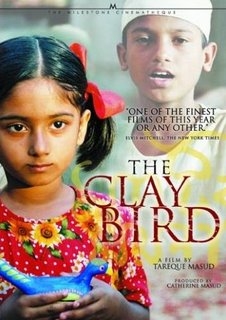
The accident also killed Mishuk Munier, CEO of Bangladesh’s private ATN television news channel and three others, and injured Tareque’s film maker wife Catherine. The Masuds and team had been returning after scouting for locations for their next feature film, named Kagojer Ful (The Paper Flower). It was to be a prequel to his award-winning first full-length feature film, Matir Moina (English release title “The Clay Bird”).

That film, which tells the story of a young boy living at a madrasa or Islamic religious school, was inspired by his own childhood experiences. When it debuted at the Cannes Film Festival in 2002, it won him the International Critic’s Award as well as the FIPRESCI Prize for Directors’ Fortnight for “its authentic, moving and delicate portrayal of a country struggling for its democratic rights.”

Matir Moina was received with critical praise and toured the international circuit. However, the Bangladeshi Government initially refused to issue a censor certificate for national screening, saying it gave a distorted image of the madrasa system, and that it could hurt feelings in this Muslim-dominated country. Confronted by Tareque’s appeal and widespread international pressure, the decision was later reversed.

Matir Moina later became the first entry from Bangladesh in the best foreign language film category at the Oscar awards.

Tareque made several documentaries before venturing into feature film making. I first came to know his work through Muktir Gaan (The Song of Freedom, 78 mins, 1995), the most famous film in early age of his career.

In that documentary, the camera follows a music troupe during the Liberation War of Bangladesh in 1971. The members of the troupe sing songs to inspire freedom fighters. The film was made mainly based on the footage of American filmmaker Lear Levin that Masud got from the basement of Levin’s house in New York.

Catherine Masud tells the untold story of how Muktir Gaan was made

Muktir Gaan was an extraordinarily compelling film that was released theatrically in Bangladesh, blazing a new trail in distributing long-format documentaries in South Asia. It was also a strong entry at the inaugural edition of Film South Asia festival in Kathmandu, where I was on the jury. We awarded it a Jury Special Mention.

A scene from Muktir Gaan, 1995The Masuds followed it up with Muktir Kotha (The Story of Freedom, 82 mins, 1996), an oral history documentary about the experience of ordinary villagers during 1971 Liberation War. They also made many development related films through their Dhaka based production company, AudioVision.

I have fond memories of meeting Tareque and Catherine at the FSA festival. Our paths crossed at least a couple of times more in different corners of South Asia. Although we once discussed a collaborative project, it never happened due to the lack of funding.

As one film critic noted, “They were a delightful couple who managed to be deeply committed to the improvement of Bangladeshi society without ever being pompous or self-righteous.”

The Guardian obituary by Ronald Bergen, 15 Aug 2011

The Making of Matir Moina – Tareque and Catherine Masud

Afghan boy with a plant: Reza Deghati on nurturing a culture of peace

Capturing the hopes of a nation...

Every photograph has a story behind it, if only we care to ask – or dig deep enough. In October 2007, I wrote about a now iconic photo showing an old Nepali man (Ram Bahadur Tamang) holding a video camera. That image is the logo of Film South Asia festival.

From Reza Deghati, the renowned Iranian-French photojournalist (who works under the name Reza) comes another story – this time from Afghanistan, where the above photo was taken in 1990.

Reza recalls how the photo was taken: “In 1990, the United Nations asked me to put aside my cameras in order to run a humanitarian program in an Afghanistan recently freed from Russian occupation. I had to open a route for wheat shipments needed to feed the population in the Northern Provinces. Eleven years of war against the Soviet Army had devastated the country. Fields lay fallow, roads were impassable, mined or destroyed, and buildings like hospitals and schools were nothing but ruins. I could have given away the wheat. Instead, I decided to barter it for work so as to avoid one of the unfortunate consequences of some humanitarian programs that foster dependence rather than offer new ways to live. Throughout the Province, a new army took shape. This time, men did not carry rifles but shovels.”

“I remember seeing a young Afghan boy coming out of school one day, holding a plant in his hand. He had been watering it carefully. A shoot had sprouted out. I took a picture of him, and asked: ‘What are you going to do with this plant?’ His answer….’I am going to make a tree with it’.

Reza Deghati, photo by Ali Khaligh
Looking back, Reza thinks this may have provided part of the inspiration for setting up Aina, a third-generation humanitarian association that he founded in 2001 in Taliban-free Afghanistan.

Aina now works in Afghanistan, “contributing to the emergence of civil society through actions in the area of education (particularly focusing on women and children), information and communication.” It promotes independent media development and cultural expression as a foundation of democracy.

Reflecting further on the power of images, Reza says on Aina website: “In the early 80s, I discovered wars and the harshest moments of the world as a young photojournalist. I could not just stay there as a mere witness. I was led into thinking over conflicts, repressions, exodus and their burden of known pain, answers as well. As canon roars fade, urgency requires tangible reconstruction. An army of shovel-carrying men starts marching, determined to erase any remaining sign of ruin. Others take care of suffering bodies. Yet, there is an invisible destruction, only known to wounded dignities, that can ruin physical rebuilding efforts in a country and keep it from recovering.

“Those who are not given any intellectual and cultural weapons will go back to their unique reference. The culture of war fosters war. That is how Aina was founded. A third-generation association, Aina has been working on independent media development and culture, everywhere freedom of speech has remained a fragile value. It provides logistical support, state-of-the art technology access and local media and cultural actor training.”

Reza adds, optimistrically: “Today, Aina is like that plant. I hope that it will become a tree of culture, peace and freedom in Afghanistan…”

Green activism at crossroads in Sri Lanka? Assessing Piyal Parakrama’s role in conservation movement

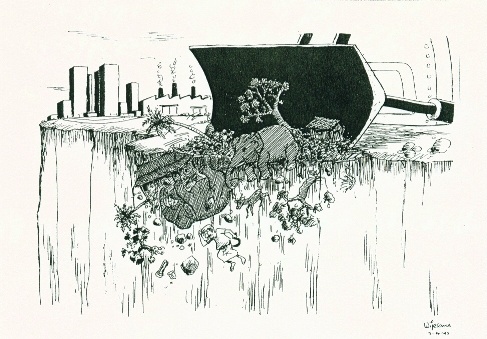
Price of Development, as seen by Cartoonist W R Wijesoma, 1993

Environmental activist and communicator Piyal Parakrama’s sudden death last week, of a heart attack, jolted Sri Lanka’s closely-knit green community. The activist community may bicker and argue endlessly among themselves, but there is also strong kinship among its cacophonous members. Many of them are still trying to come to terms with the loss.

As indeed am I – even if I’m not quite a certified member of the activist community, I consider myself a fellow traveler. I turn to words – either reflective prose or verse – when I want to make sense of something, and over the last weekend I wrote a new essay. It runs into 1,800 words and, as with all my tributes to public figures, this one is also social commentary laced in anecdotal reminiscence. It expands on initial thoughts that first appeared on this blog .

The full essay has just been published by Groundviews, and is titled: Death of a Green Activist: Tribute to Piyal Parakrama (1960 – 2010).

Here’s an excerpt where I talk about challenges faced by Sri Lanka’s environmental activists:

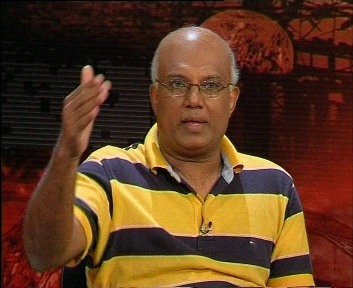
Piyal Parakrama on Sri Lanka 2048 TV show
During the past three decades, Piyal and fellow activists have taken up the formidable challenges of conserving Sri Lanka’s biodiversity, long under multiple pressures such as growing human numbers, rising human aspirations, and gaps in law enforcement. Adding to the sense of urgency was the 1999 designation of Sri Lanka as one of the world’s biodiversity hotspots, where high levels of endemic species (found nowhere else in the wild) were threatened with extinction. Public and media attention is disproportionately focused on a few charismatic mega-fauna like elephants and leopards; in reality, dozens of other animal and plant species are being edged out.

In search of viable solutions for entrenched conservation problems, Piyal collaborated with scientists, educators, journalists and grassroots activists. Some industrialists and investors hated his guts, but he was much sought after by schools, universities and community groups across the country. Concerned researchers and government officials sometimes gave him sensitive information which he could make public in ways they couldn’t.

Some eco-protests grew into sustained campaigns. Among them were the call to save the Buona-Vista reef at Rumassala and struggles against large scale sugarcane plantations in Bibile. A current campaign focuses on the Iran-funded Uma Oya multipurpose project, which involves damming a river for irrigation and power generation purposes.

While environmentalists ultimately haven’t block development projects, their agitations helped increase environmental and public health safeguards. Occasionally, projects were moved to less damaging locations – as happened in mid 2008, when Sri Lanka’s second international airport was moved away from Weerawila, next to the Bundala National Park.

The hard truth, however, is that our green activists have lost more struggles than they have won since the economy was liberalized in 1977. They have not been able to stand up to the all-powerful executive presidency, ruling the country since 1978 — most of that time under Emergency regulations. In that period, we have had ‘green’ and ‘blue’ parties in office, sometimes in coalitions with the ‘reds’. But their environmental record is, at best, patchy. In many cases, local or foreign investors — acting with the backing of local politicians and officials — have bulldozed their way on promises of more jobs and incomes. Environmentalists have sometimes been maligned as anti-development or anti-people. In contemporary Sri Lanka, that’s just one step away from being labeled anti-national or anti-government.

At the end of the essay, I try to sum up the multiple challenges faced by ALL activists in Sri Lanka today:

“Activism is not an easy path anywhere, anytime, and especially so in modern day Sri Lanka. All activists – whether working on democracy, governance, social justice or environment – are struggling to reorient themselves in the post-conflict, middle-income country they suddenly find themselves in. Their old rhetoric and strategies no longer seem to motivate the people or influence either the polity or policy. Many of them haven’t yet crossed the Other Digital Divide, and risk being left behind by the march of technology.”

I had earlier touched on these concerns in a January 2009 blog post titled Vigil for Lasantha: Challenges of keeping the flame alive. If I was harsh in that commentary, I have tried to be more considerate in the latest essay.

After all, I want our activists to be effective and successful as society’s conscience. My suggested author intro for this latest essay, somehow now included in the published version, read: “Science writer Nalaka Gunawardene dreams of becoming an activist one day, but for now, he remains a ‘critical cheer-leader’ of those who are more courageous.”

Read the full essay on Groundviews: Death of a Green Activist: Tribute to Piyal Parakrama (1960 – 2010).

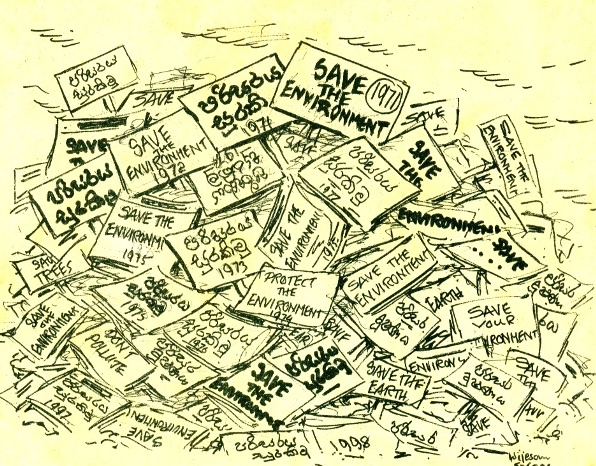
Is this how it all ends? Green activism - a cynical view by Wijesoma