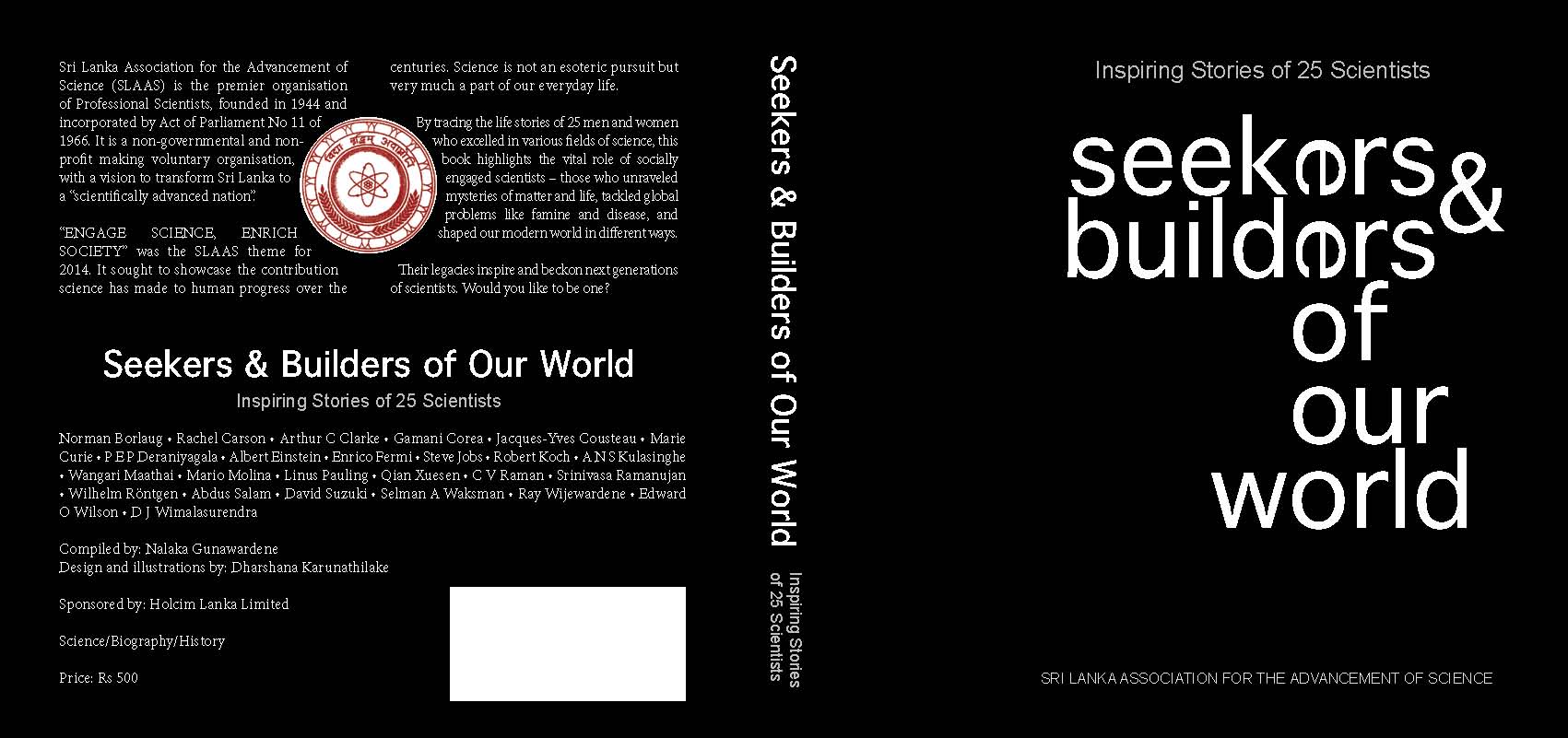
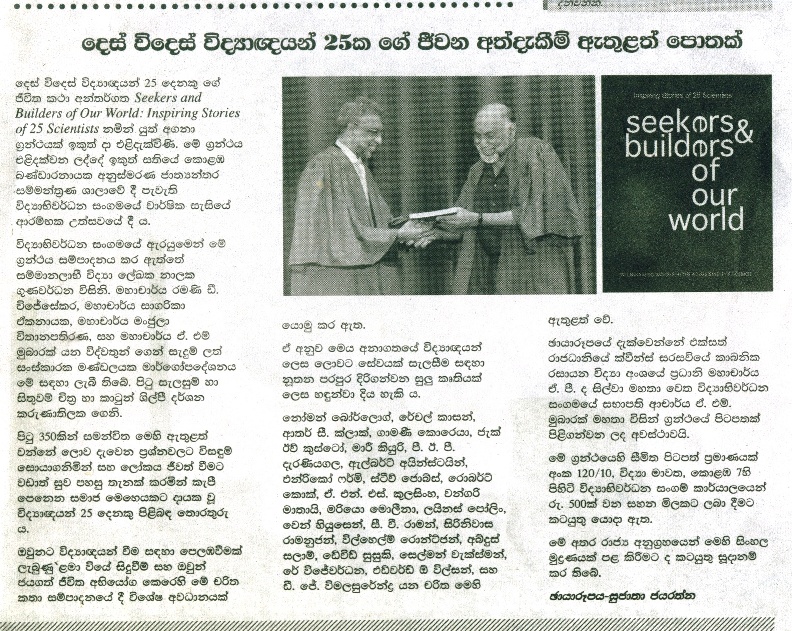
Vidusara, Sri Lanka’s only weekly science newspaper, carries this news item in its issue of 10 December 2014 on my latest book, just published by Sri Lanka Association for the Advancement of Science (SLAAS):
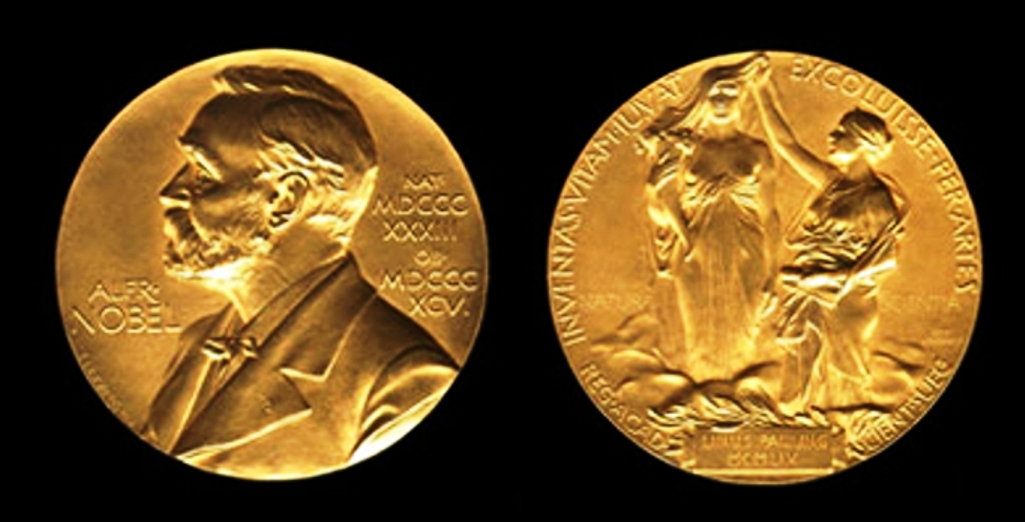
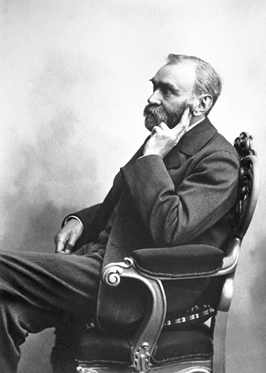
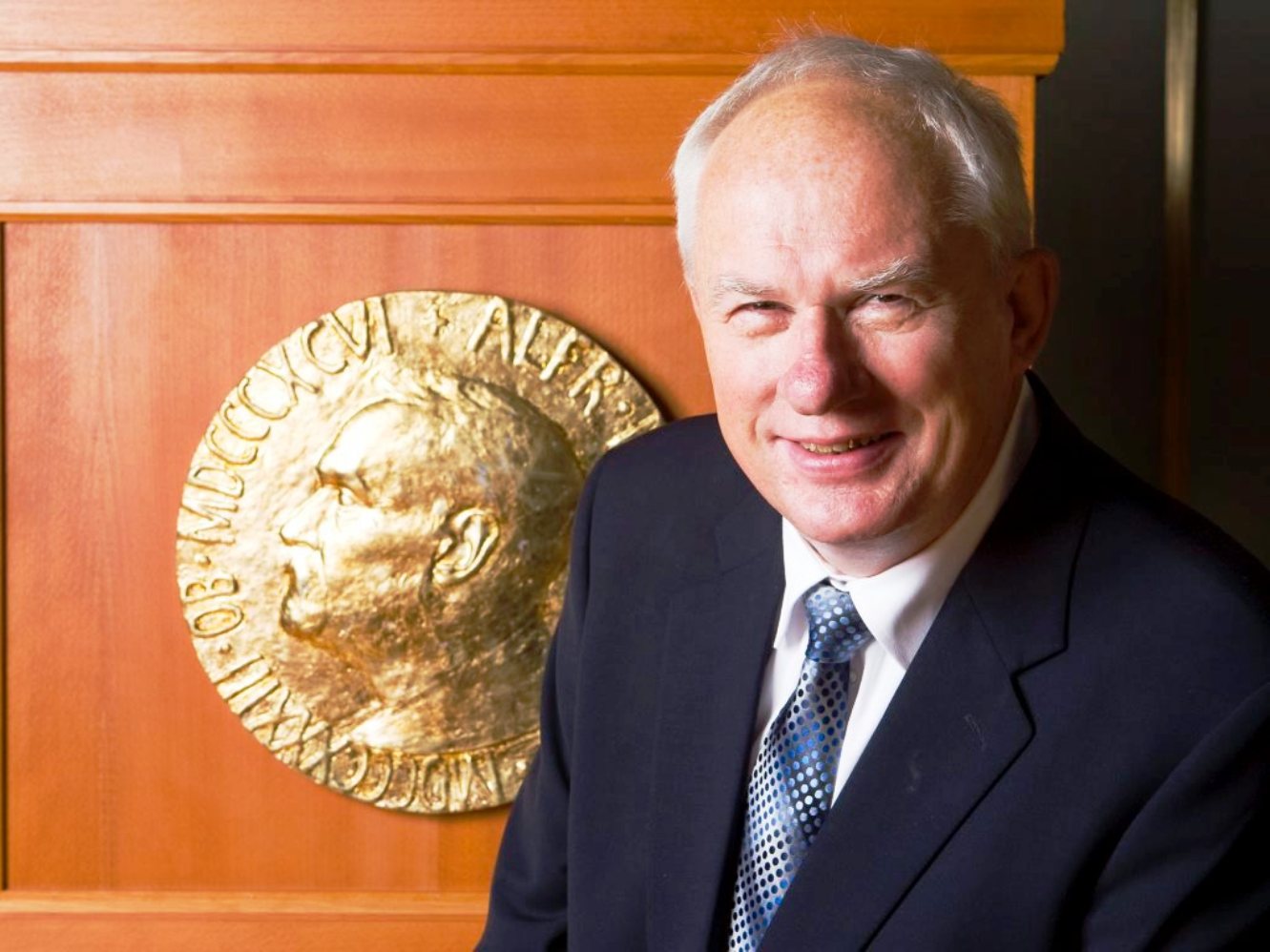
The selection of Nobel Peace Prize laureate often stirs more debate than all other Nobel prizes (in chemistry, physics, medicine, literature and economics) combined. The peace prize remains an essentially political one, reflecting the reality that most conflicts — and their resolution — are largely influenced by political considerations.
Members of the Norwegian Nobel Committee, all Norwegian nationals, may not be too well known beyond their country. Yet their annual selection reverberates around the world.
Five years ago, on a visit to the Norwegian capital, I listened to a talk by Dr Geir Lundestad, a historian who is Director of the Nobel Institute in Oslo and secretary to the Norwegian Nobel Committee. He gave some interesting insights into the legacy and limitations of the prize. I share these in my latest Ravaya column (in Sinhala) just as the winners of Nobel Peace Prize 2014 are to be announced this week.
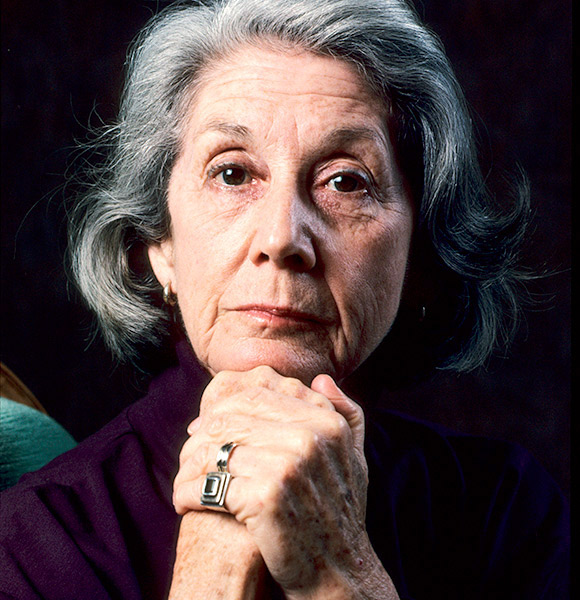
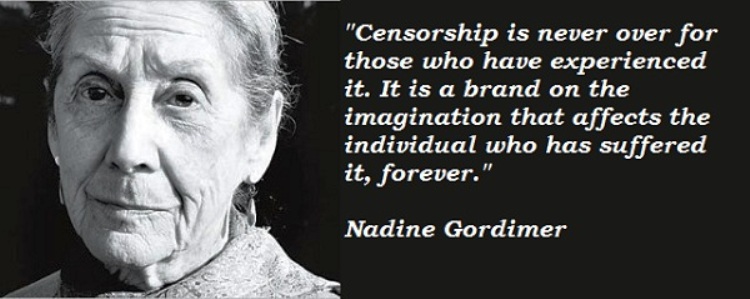
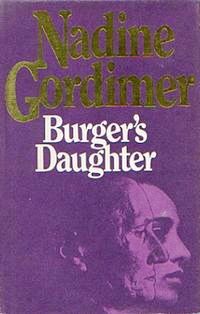
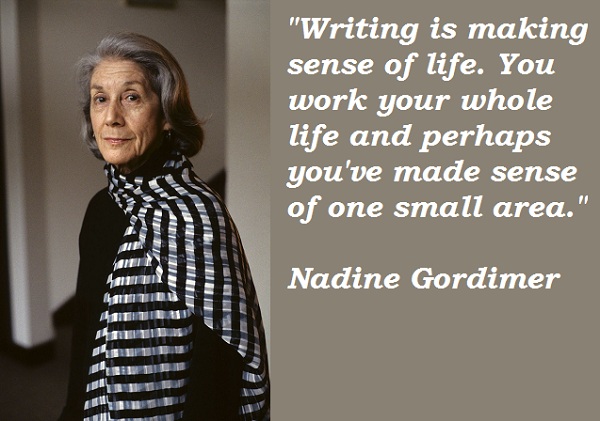
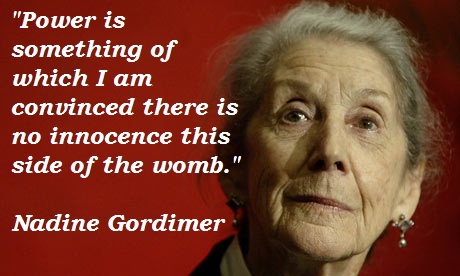
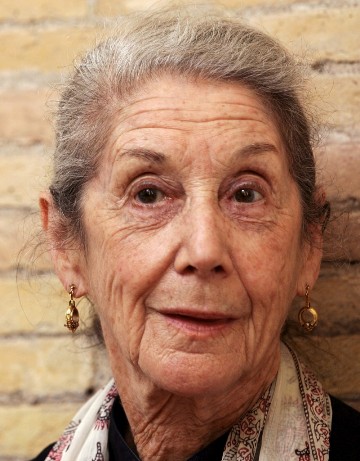
In this week’s Ravaya column (in Sinhala), I pay tribute to South African writer and social activist Nadine Gordimer (1923-2014). I focus on how she never hesitated to speak out for justice, fairness and equality even when that elicited ridicule and harassment from her own government that quickly labeled her a ‘traitor’.
I also recall how I once listened to her speak, during the recording of a TV debate in Johannesburg in mid 2002, and how she later marched the streets with activists from all over the world demanding land rights for the poor.
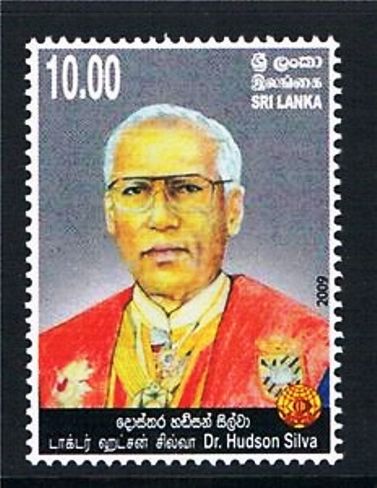
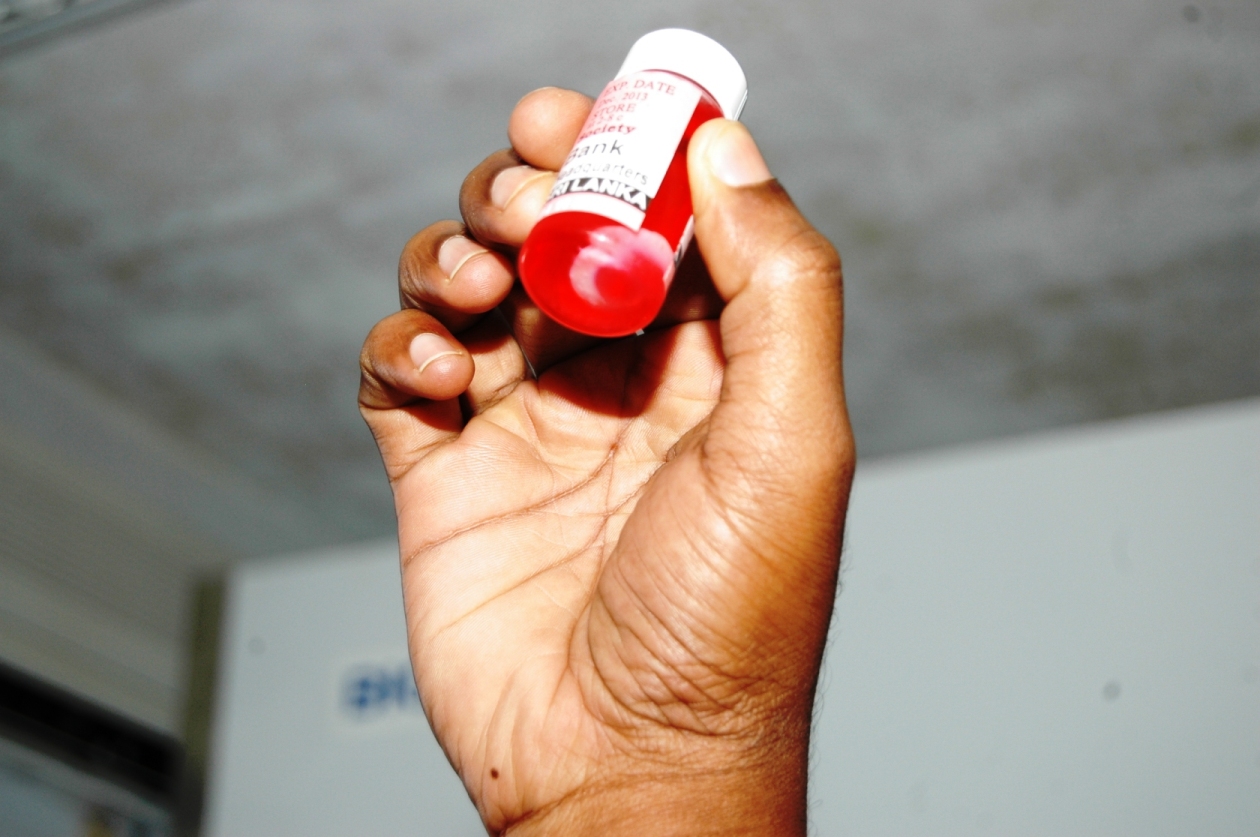
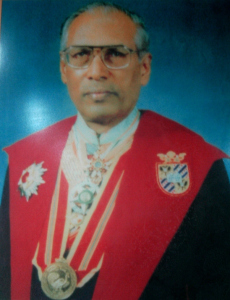
In this week’s Ravaya column, in Sinhala, I further explore the origins and evolution of Sri Lanka Eye Donation movement, with emphasis on its founder and leader for 40 years, Dr Hudson Silva (1929-1999).
Dr Hudson Silva (left) and Arthur C Clarke with then Prime Minister R Premadasa and Minister Tyronne Fernando (extreme right) at Eye Donation Society function circa mid 1980s [Photo courtesy Arthur C Clarke Archive]අක්ෂිදාන බෞද්ධ සංකල්පයක් මත පදනම් වුවත් වෛද්ය හඞ්සන් මුල පටන්ම මේ ව්යාපාරය ගොඩ නැංවූයේ ජාති, ආගම් හෝ දේශපාලන භේද කිසිවක් නොමැතිවයි. එක් උතුම් අරමුණක් සඳහා විවිධාකාර පුද්ගලයන් හා ආයතන එක්සත් හා එක්සිත් කර ගැනීමේ හැකියාව ඔහු සතු වුණා.
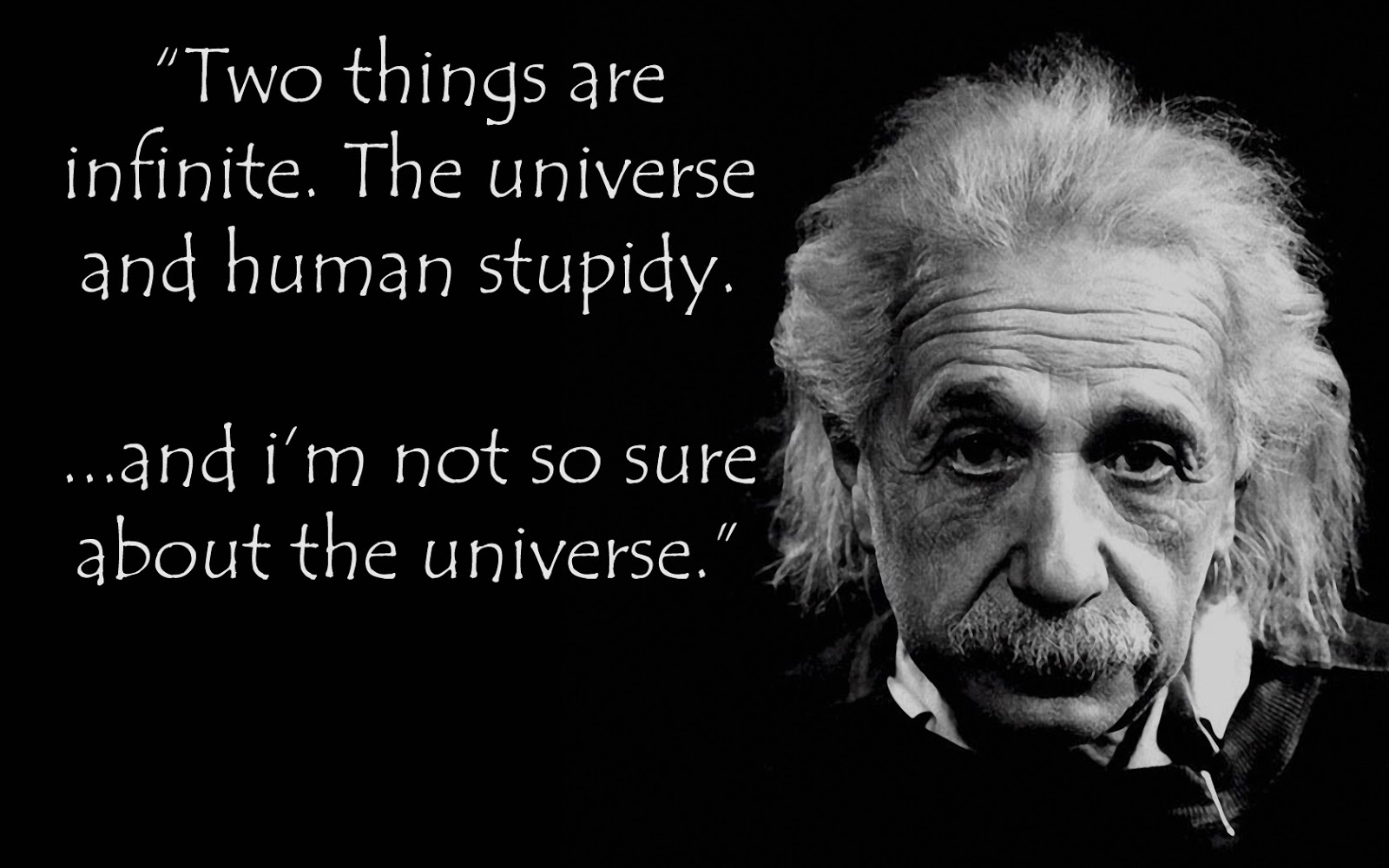
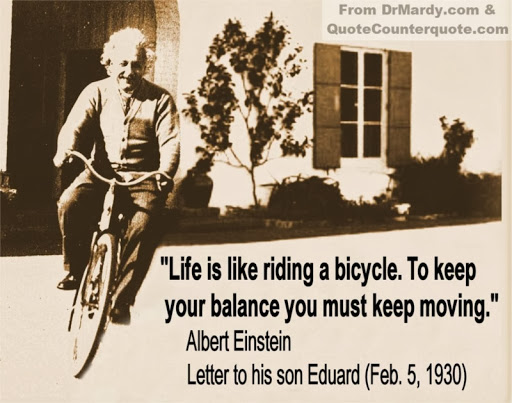
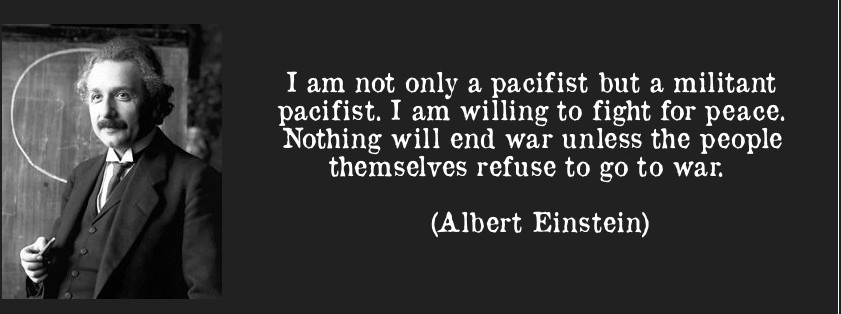
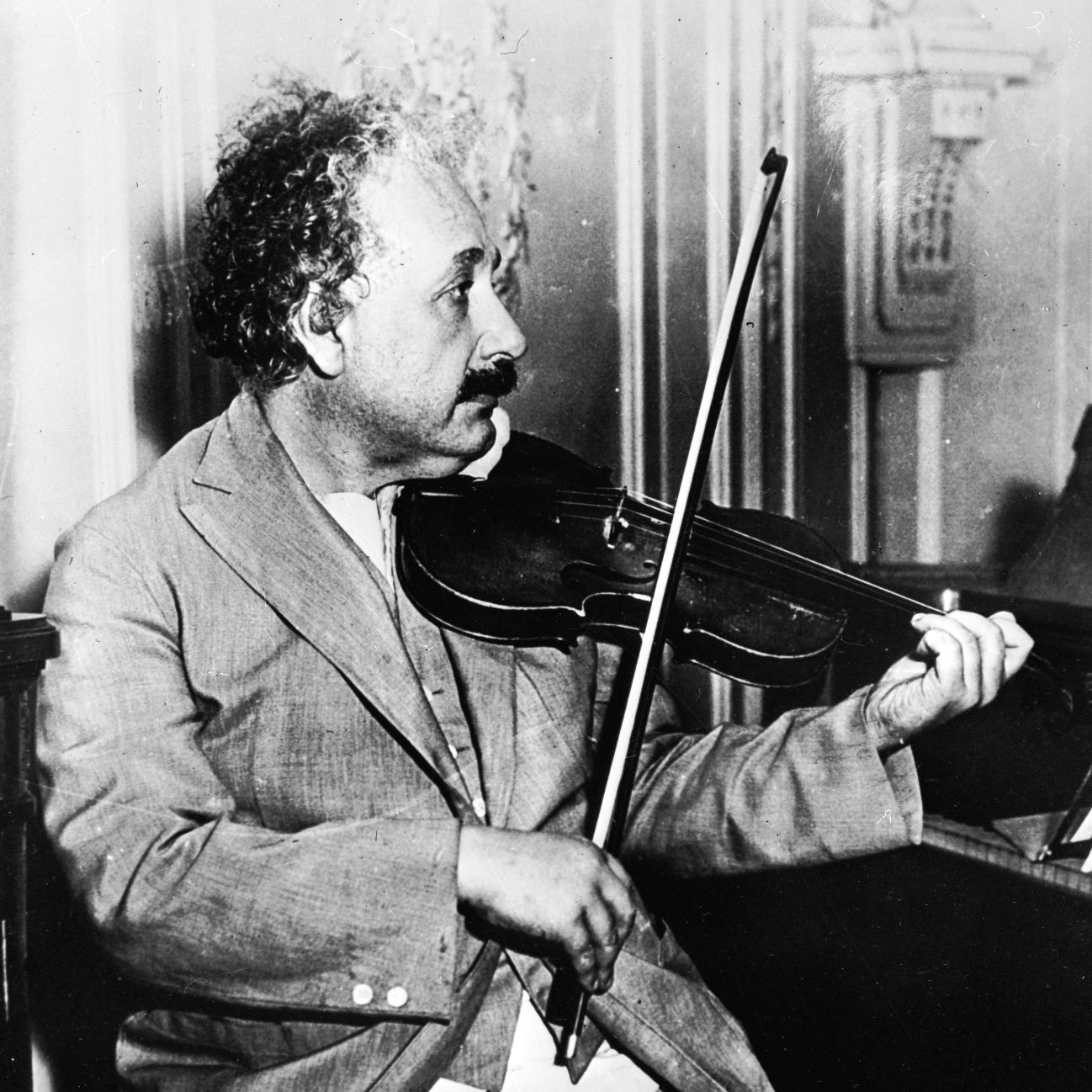
My column on Einstein’s obscure visit to Ceylon in October 1922 was well received, and some appreciative readers asked me to look at the human being behind the intellectual. So, in this week’s Ravaya column (in Sinhala language), I explore Einstein the humanist, pacifist and supporter of civic rights all his life.
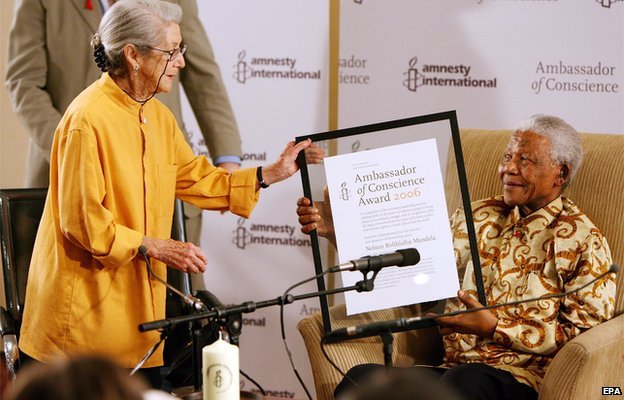
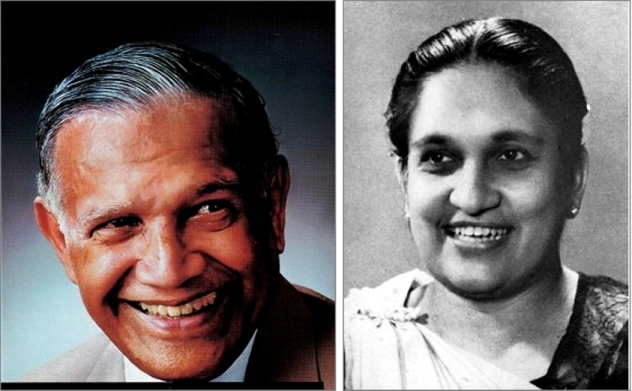
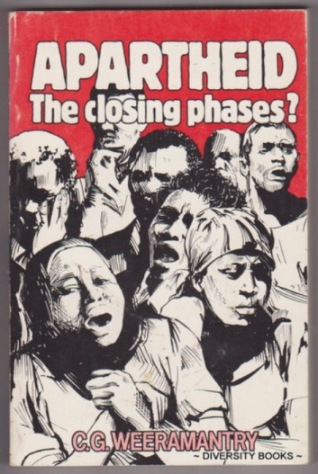
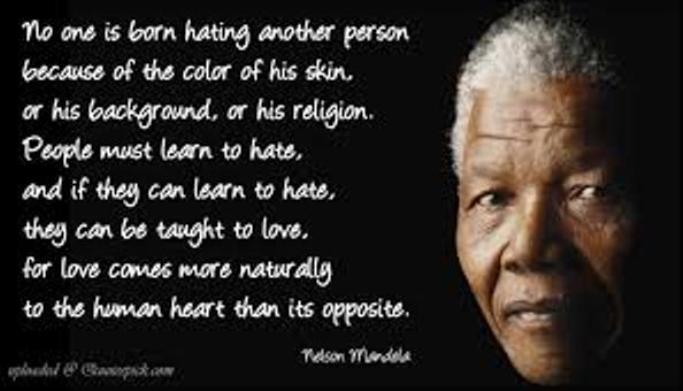
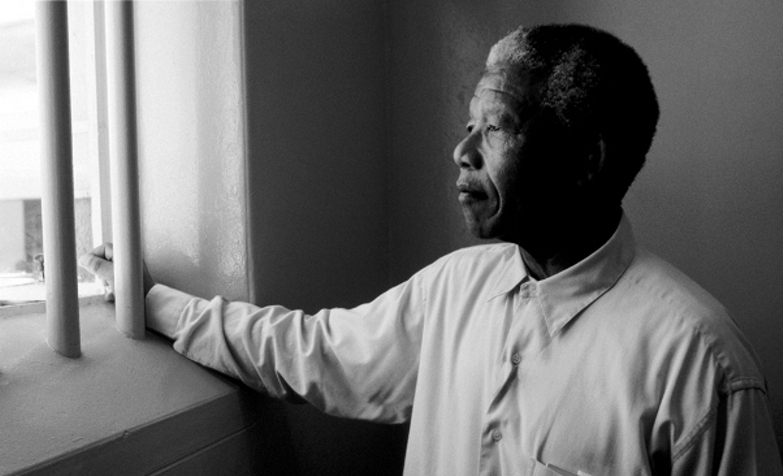
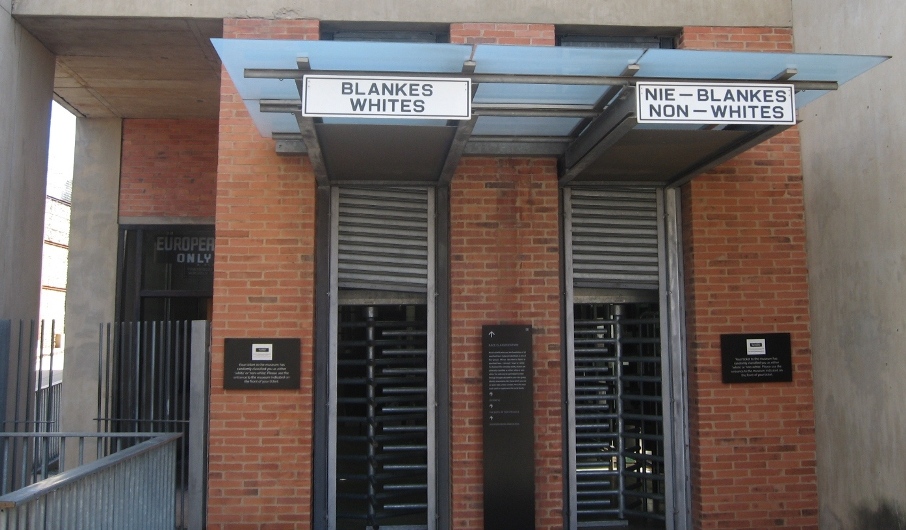
In this Ravaya column, I look back at Sri Lanka’s support for the anti-Apartheid struggle, extended in various ways — both officially and personally. Three times Prime Minister Mrs Sirimavo Bandaranaike was vocal in international forums, and also wrote personal letters to Nelson Mandela when he was in prison.
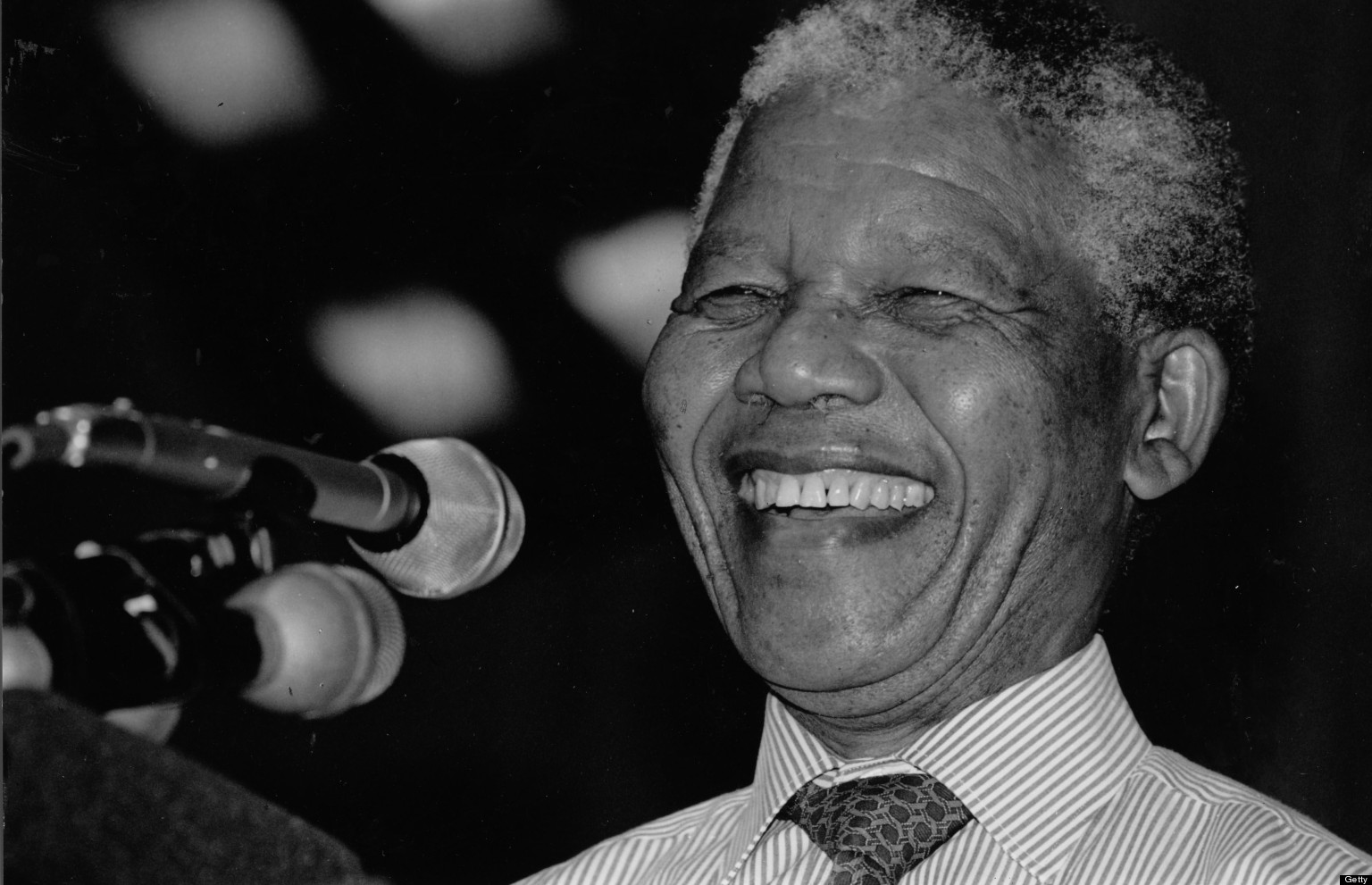
In this week’s Ravaya column (in Sinhala), I discuss how Nelson Mandela was a master communicator in terms of public speaking skills, media relations and strategy.
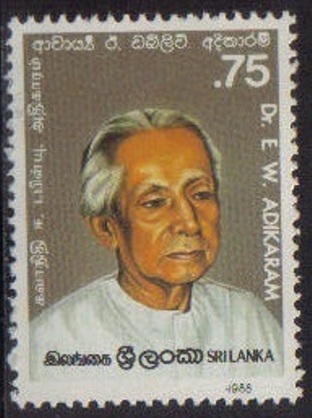
I met the Lankan scholar, science writer and social activist Dr E W Adikaram (1905-1985) only twice, during the last few weeks of his life, but those encounters left a lasting impression.
Trained in both sciences and the humanities, he was a rare public intellectual with the courage of his convictions to speak out on matters of public interest — even when such views challenged widely held dogmas or went against populist trends. As a sceptical inquirer as well as a spiritualist, he always ‘walked his talk’.
A versatile communicator in Sinhala and English, Adikaram conducted regular radio programmes, delivered thousands of talks across the island, and wrote dozens of pamphlets and booklets on practical as well as spiritual topics – all delivered in simple and lucid language.
As a pioneering science writer in Sinhala, he edited and published popular science magazines. In all this, his hallmark was the spirit of inquiry and courteous engagement.
Among his most memorable pieces was an essay titled “Isn’t the Nationalist a Mental Patient?” Its original Sinhala version was published in the Sunday newspaper Silumina in 1958. As he recalled many years later, “It was a strange coincidence that this article first appeared in print just a couple of days before the outbreak of the sad conflict between the Sinhalese and the Tamils in 1958.”
I have just shared this important essay online, with a new annotation.
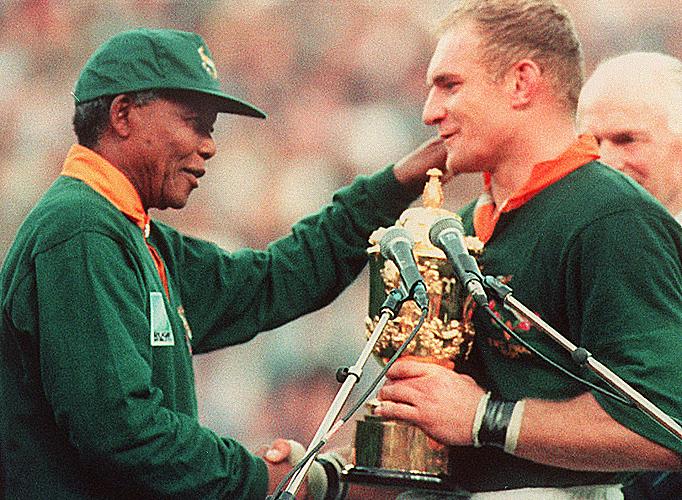
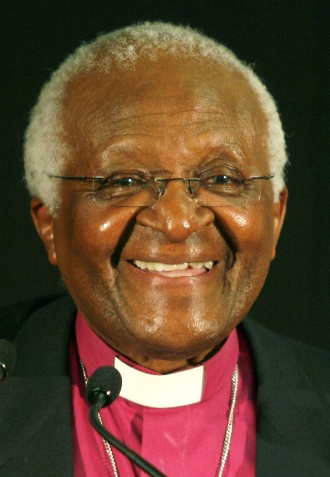
In my Ravaya column this week (in Sinhala), I look at the role of public intellectuals and artistes who supported Nelson Mandela in his anti-apartheid struggle as well as in forging the Rainbow Nation after majority rule started in 1994. In particular, I look at how the Nobel Laureates Nadine Gordimer and Desmond Tutu critically cheer-led Mandela and ANC.
In this week’s Ravaya column (in Sinhala), I pose a simple yet important question: why can’t Lankans wait for their turn? Why don’t we, as a society, practise ‘first time-first served’ principle? Why is everyone pretending to be a VIP seeking to jump their turn?
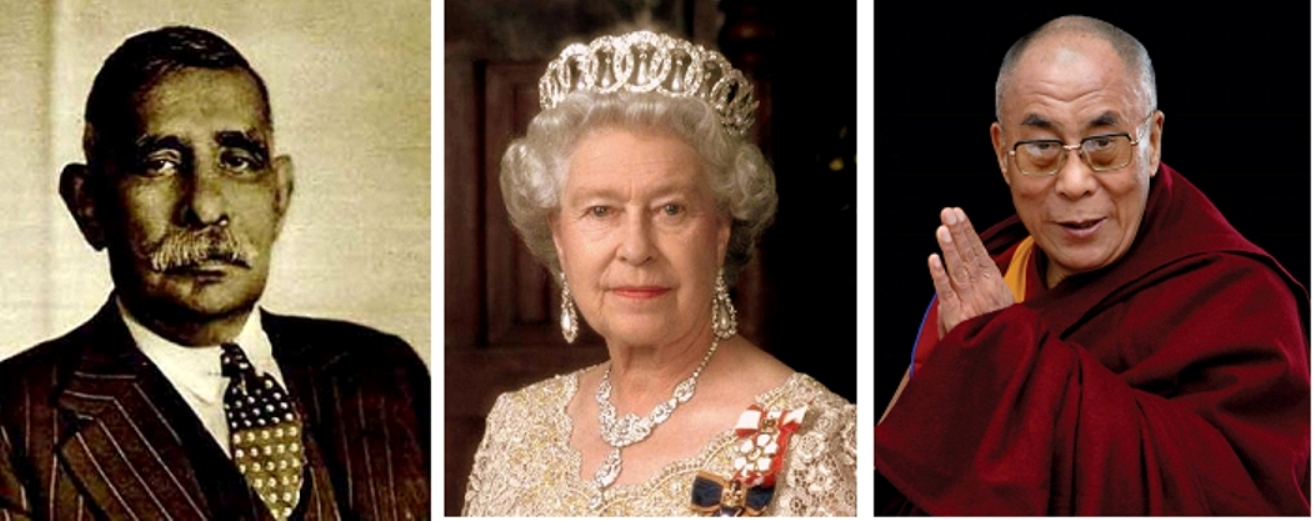
I then cite personal experiences from my travels to show how it works in more mature democracies where everyone — including the heads of state and real VIPs — respect people’s rights when out in public space. At the risk of name dropping, I cite examples of how Queen Elizabeth II travels around in London, and how the Dalai Lama was occupying the opposite room at my New Delhi hotel…
L to R – D S Senanayake, Queen Elizabeth II, Dalai Lama
![Dr Hudson Silva (left) and Arthur C Clarke with then Prime Minister R Premadasa and Minister Tyronne Fernando at Eye Donation Society function circa mid 1980s [Photo courtesy Arthur C Clarke Archive]](https://nalakagunawardene.com/wp-content/uploads/2014/06/dr-hudson-silva-left-and-arthur-c-clarke-with-then-prime-minister-r-premadasa-and-minister-tyronne-fernando-at-eye-donation-society-function.jpg)




 Open Minds!