සිවුමංසල කොලූගැටයා #78: කනක් මානි ඩික්සිත් – හිමාල කඳු සොළවන පුංචි වැඩකාරයා

This is the (Sinhala) text of my Sunday column in Ravaya newspaper on 12 August 2012, which is about the journalistic, political and social endeavours of my friend Kanak Mani Dixit of Nepal, whom I introduced in Colombo a few days ago.
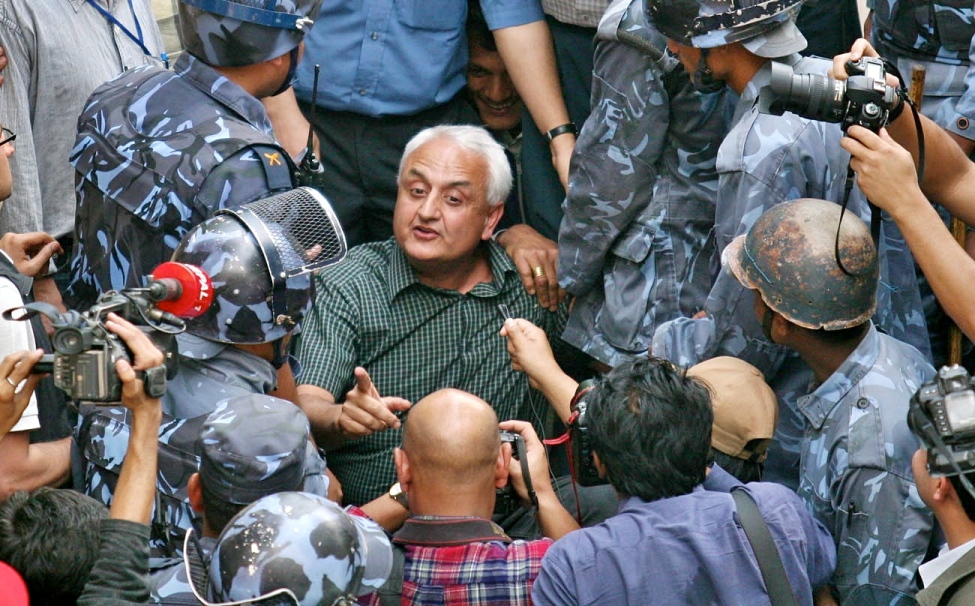
Kanak Mani Dixit challenges Nepali Army arresting him for peaceful street protests on 5 April 2006, Kathmandu – Photo by Shehab Uddin

ශ‍්‍රී ලංකා කර්තෘ සංසදය හා ශ‍්‍රී ලංකා පුවත්පත් ආයතනය සංවිධානය කළ 2011 ජනමාධ්‍ය විශිෂ්ටතා සම්මාන උළෙලේ ප‍්‍රධාන ආරාධිතයා ලෙස පැමිණියේ නේපාල පුවත්පත් කතුවර හා ප‍්‍රකාශක කනක් මානි ඩික්සිත් (Kanak Mani Dixit). මාධ්‍ය නිදහස හා මාධ්‍යවේදියාගේ සමාජ මෙහෙවර ගැන දේශනයක් ද ඔහු කොළඹ දී පැවැත්වූවා.

ශ‍්‍රී ලංකාවට නිතර යන එන හා අපේ රට ගැන ඕනෑකමින් අධ්‍යයනය කරන මේ දකුණු ආසියාතික හිතවතා එසේ මෙසේ චරිතයක් නොවේ. මා ඔහු දකින්නේ හිමාලයේ කඳු හොල්ලන්නට තරම් සමත් ඉමහත් ධෛර්යයක් හා කැපවීමක් ඇති, අතිශයින් කාර්යශූර පුද්ගලයකු හැටියටයි. ඔහු මගේ මිතුරකු වගේ ම මා බෙහෙවින් අගය කරන අසාමාන්‍ය ගණයේ චරිතයක්. එයට හේතු ගණනාවක් තිබෙනවා.

ඩික්සිත්වරුන් නේපාලයේ ඉසුරුබර, ප‍්‍රභූ පවුලක්. පෙළපතින් උරුම වූ සම්පත් හා වරප‍්‍රසාද භුක්ති විඳිමින් සැහැල්ලූවෙන් හෝ විනෝදකාමීව හෝ සිටීමට හැකියාව තිබුණත් ඔවුන් පොදු උන්නතියට කැප වෙමින්, විද්‍යා, කලා හා ශිල්ප ශාස්ත‍්‍ර ප‍්‍රගුණ කරන පිරිසක්. එබඳු පෙළපතක වුවත් කනක් සුවිශේෂීයි.

නේපාලයේත්, ඉන්දියාවේත් ඉගෙනුම ලැබ මාධ්‍ය කලාවේ ඉහළ ම පශ්චාත් උපාධියක් අමෙරිකාවේ කොලම්බියා සරසවියෙන් ලද කනක්, වසර කිහිපයක් නිව්යෝක් නුවර එක්සත් ජාතීන්ගේ මූලස්ථානයේ තොරතුරු අංශයේ සේවය කළා. එබඳු තනතුරකට පත් වන අපේ වැනි රටවලින් මතු වන බහුතරයක් දෙනා නැවත සිය රට එන්නේ නැහැ.

එහෙත් බටහිරින් හා ජාත්‍යන්තර සංවිධාන ක්ෂේත‍්‍රයෙන් ලත් දැනුම හා අත්දැකීම් රැගෙන කනක් ආපසු නේපාලයට ආවේ 1980 දශකය මැදදී. 1987දී ඔහු හිමාල් (HIMAL) නම් සඟරාවක් ඇරඹුවා. හිමාලයට සාමුහිකව හිමිකම් කියන භූතානය, ඉන්දියාව, නේපාලය, ටිබෙටය, පකිස්ථානය හා චීනය යන රටවල් කෙරෙහි මුලින් අවධානය යොමු කළ මේ ඉංග‍්‍රීසි සඟරාව, වසර කිහිපයකින් සමස්ත දකුණු ආසියාවම ආවරණය කැරෙන පරිදි HIMAL Southasian නමින් යළි නම් කළා.

හිමාල් සඟරාව දේශපාලන, සමාජ විද්‍යාත්මක, කලා, විද්‍යා හා අන් මාතෘකා දකුණු ආසියාතික කෝණයෙන් බලමින් විග‍්‍රහ කරන ප‍්‍රකාශනයක්. වසර 25ක් ගත වීත් එයට ඍජුව තරඟකාරී වෙනත් කලාපීය ප‍්‍රකාශනයක් නැහැ. (ඉන්දියානු පුවත් සඟරා බොහෝ කොට තම රටෙහි සිදුවීම්වලට වාර්තාකරණය හා විග‍්‍රහයන් සීමා කරන අතර දකූණු ආසියාවේ සෙසු රටවල් ගැන ඇස යොමු කරන්නේ ඉඳහිට පමණයි.)

කනක් ඩික්සිත්, මිලියන් 26කට අධික ජනතාවක් වෙසෙන, ලෝකයේ අන්ත දුගී රටවල් 49න් එකක් වන නේපාලයේ සමාජ, ආර්ථික හා දේශපාලන ප‍්‍රශ්න ගැන සංවේදී වන අතර දකුණු ආසියාතික පොදු චින්තනයක් හා අනන්‍යතාවයක් ගොඩ නංවන්නට කවදත් උත්සුක වූ අයෙක්.

දකුණු ආසියාවේ ආණ්ඩු 1985දී අටවා ගත් සාර්ක් (SAARC) නම් අන්තර්-රාජ්‍ය කලාපීය සහයෝගිතා සංවිධානයට වඩා කනක්ගේ දැක්ම පුළුල් හා ගැඹුරුයි. රාජ්‍ය නායකයන්, නිලධාරීන් හා තානාපතීන් විටින් විට මුණ ගැසී නිල කථාබහ කරන අතර සාර්ක් රටවල් අටෙහි වසන මිලියන් 1,400ක් සාමාන්‍ය ජනයා ද ආර්ථික, සාංස්කෘතික හා සමාජයීය මට්ටමින් සබඳතා දියුණු කර ගත යුතු බව ඔහු දැඩි සේ විශ්වාස කරනවා. සැබෑ කලාපීය සහයෝගීතාව බිහි වන්නේත්, අන්‍යෙන්‍ය විශ්වාසය හා සුහදතාව වැඩෙන්නේත් අන්තර්-රාජ්‍ය ගිවිසුම් හරහා නොව මිනිස් සබඳතා හරහා යයි ඔහු නිතර කියනවා.

දකුණු ආසියාතික මට්ටමින් ජන සබඳතා, කලා සබඳතා හා මාධ්‍ය සබඳතා වැඩි කරන්නට Film South Asia නමින් කලාපීය වාර්තා චිත‍්‍රපට උළෙලක් 1997දී ඔහු ඇරඹුවා. දෙවසරකට වරක් කත්මණ්ඩු නුවර පැවැත්වෙන මේ උළෙලට දකුණු ආසියාවේ ඕනෑ ම තේමාවක් ගැන නිපදවුණු චිත‍්‍රපට ඉදිරිපත් කැරෙනවා. උළෙලක හොඳම චිත‍්‍රපට ලෙස සම්මාන ලබන චිත‍්‍රපට ඉන්පසු වසරක් පුරා දකුණු ආසියාවේ ප‍්‍රධාන නගරවලටත්, වෙනත් රටවලටත් සංචාරය කරනවා.

මා කනක් හරිහැටි හඳුනා ගත්තේ මුල්ම Film South Asia චිත‍්‍රපට උළෙලේ ජූරි සභිකයකු ලෙස 1997 ඔක්තෝබරයේ ඔහු සමග කටයුතු කළ කාලයේ. සීමිත සම්පත් හා පහසුකම් මැද, එහෙත් දැඩි උද්‍යොගයෙන් හා ස්වේච්ඡ සේවකයන්ගේ උදවුවෙන් ලොකු වැඩ කරන්නට මේ පුංචි මිනිසාට ඇති සුවිසල් සංවිධාන ශක්තිය මා හොඳාකාර දුටුවා.

චිත‍්‍රපට උළෙල, සම්මන්ත‍්‍රණ, විද්වත් වැඩමුළු මෙන් ම වෙනත් නොයෙක් පොදු උන්නතියට දායක වන ක‍්‍රියාකාරකම් කනක් නිතර සංවිධානය කරනවා. එසේ කරන්නේ හිමාල් මීඩියා නම් මාධ්‍ය ආයතනය හරහා සතිපතා හා මාස්පතා පත්තර සඟරා කිහිපයක් ද පළ කරන අතරයි.

තමන්ගේ ම ප‍්‍රකාශන ආයතනයක අධිපති හා ප‍්‍රධාන කර්තෘ වීමේ වාසිය ඔහුට ඇතත්, එ් වාසියම අවදානමක් වන අවස්ථා ද තිබෙනවා. ඔහු තර්කානුකූලව හා ප‍්‍රතිපත්ති ගරුකව ගන්නා ඇතැම් ස්ථාවරයන් නිසා නේපාලයේ ප‍්‍රබල දේශපාලකයන් හා නිලධාරීන් කෝපයට පත්ව විවිධ තර්ජන, හිරිහැර හා දැන්වීම්කරුවන් බිය වැද්දීම ආදිය සිදු කළ අවස්ථා තිබෙනවා. එහෙත් ප‍්‍රබල විවේචකයන් පවා ඔහුගේ අවංක බව හා පක්ෂග‍්‍රාහී නොවීම අගය කරනවා.

වාමාංශික මාවෝවාදී (Maoist) ගරිල්ලා ව්‍යාපාරයක් නේපාලයේ ප‍්‍රජාතන්ත‍්‍රවාදීව පත් වූ රජයට එරෙහි වන්නට පටන් ගත්තේ 1996 සිටයි. ටික කලෙකින් සන්නද්ධ අරගලයක් බවට පත් වූ එය වසර 10ක් තිස්සේ 12,000කට අධික ජීවිත බිලි ගත්තා. නේපාල දේශපාලන ඉතිහාසය ගැන කියන්නට මේ අවස්ථාව නොවූවත්, මාවෝවාදීන් ප‍්‍රබල වී හා දරුණු වී, බලයේ සිටි රජය අසරණව සිටින වකවානුවේ පවා ගරිල්ලන්ගේ ප‍්‍රචන්ඩත්වය ප‍්‍රසිද්ධියේ හෙළා දැකීමට පුවත්පත් කතුවරයකු ලෙස කනක්ට ධෛර්යය තිබුණා.

2005 පෙබරවාරියේදී පාර්ලිමේන්තුව අත්හිටුවමින් පූර්ණ විධායක බලය සියතට ගත් නේපාලයේ ඥනේන්ද්‍ර රජු, අත්තනෝමතික පාලනයකට යොමු වුණා. රජුගේ ආඥදායකත්වය යටතේ නේපාල හමුදාව මාවෝවාදී ගරිල්ලන්ට එරෙහිව බිහිසුණු රාජ්‍ය ප‍්‍රචන්ඩත්වයක් රට පුරා මුදා හරින්නට ගත් විට එය විවේචනය කරන්නට තරම් පිට කොන්දක් තිබුනේ නේපාල සමාජයේ හා මාධ්‍ය ක්ෂේත‍්‍රයේ ඉතා ටික දෙනකුටයි.

ප‍්‍රභූ පැලැන්තිය හා පීඩිත බහුතරයක් අතර පංති අරගලයක් ලෙස ඇවිලෙමින් තිබූ නේපාල සිවිල් යුද්ධයේදී, කනක් ප‍්‍රභූ පෙළපතකින් ආවත් යුක්තිය, සාධාරණත්වය හා මානව හිමිකම් වෙනුවෙන් දිගට ම මතවාදීව පෙනී සිටියා. එහිදී ඔහු නිතර ජීවිත තර්ජනවලට ලක් වූ බව ප‍්‍රකට කරුණක්.

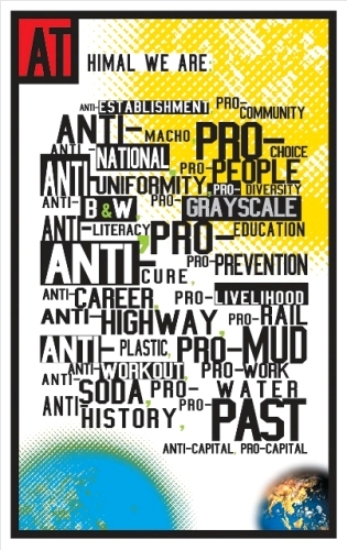
What Himal is all about…

2005 සැප්තැම්බරයේ මාවෝවාදීන් මාස තුනක එ්කපාර්ශවික සටන් විරාමයක් ප‍්‍රකාශ කළා. එ් රජුගේ පාලනයත් සමග යම් මට්ටමක එකඟත්වයකට පැමිණිමට. දෙපසින් ම දරුණු ලෙස බැට කා හෙම්බත් වී සිටි නේපාල ජනතාව එ් විරාමය අතරතුර වීදි උද්ඝෝෂණ කරන්නට පටන් ගත්තා. පාර්ලිමේන්තුව නැවත කැඳවන ලෙස ඔවුන් බල කර සිටියා.

හමුදාව හා පොලිසිය යොදා ගෙන හදිසි නීතිය යටතේ ජන බලවේගය පාලනය කරන්නට රජු උපරිම උත්සහ ගත්තා. නේපාල ජන ආන්දෝලනයේ සුවිශේෂී ලක්ෂණයක් වූයේ දේශපාලන පක්ෂ හා වෘත්තිය සමිතිවලට අමතරව විද්වතුන්, වෘත්තිකයන් හා ඉහළ පැලැන්තියේ උදවියත් වීදි බැසීමයි.

රජුගේ දඩබ්බර ඇඳිරි නීතියක් කඩ කරමින් වීදි ගත වී උද්‍යොග පාඨ කියමින් සිටි සිය ගණනක් අත්අඩංගුවට ගනිද්දී කනක් ඩික්සිත් ද සිර බාරයට පත් වුණා. බලාධිකාරීන් සමග පෞද්ගලික සබඳතා ඇති පුවත්පත් ප‍්‍රකාශකයකු හා කතුවරයකු ලෙස ඕනෑ නම් ඔහුට තම හිතවත්කම් මත පැය කිහිපයක් ඇතුලත නිදහස් වන්නට ඉඩ තිබුණා. එහෙත් ප‍්‍රතිපත්තිමය ස්ථාවරය මත ඔහු එසේ කළේ නැහැ. දින 19ක් තමා රඳවා තැබූ කත්මණ්ඩු හිර ගෙදර, එයින් නිදහස් වූ පසු වතාවක් ඔහු පිටතින් මට පෙන්වූයේ හැඟීම් බරවයි.

ජන බලවේගය ගිනි අවි හා මැර බලයෙන් මැඬ පවත්වන්නට බැරි වූ තැන රජු 2006 අපේ‍්‍රල් 24 වනදා එයට හිස නැමුවා. පාර්ලිමේන්තුව නැවත ස්ථාපිත කොට, අගමැතිවරයකුට කැබිනට්ටුවක් පත් කර ගෙන රට පාලනය කරන්නට ඉඩ දී, පෙර පරිදි නාමික රාජ්‍ය නායකයා ලෙස සිටීමට රජු කැමති වුණා. එහෙත් ඉනික්බිති දිග හැරුණු සිදුවීම්වල අවසානය වූයේ රාජාණ්ඩු සංකල්පය ම ඉවත දමා නේපාලය 2008දී ජනරජයක් බවට පත් වීමයි.

මේ දේශපාලන හා ව්‍යුහමය ප‍්‍රතිසංස්කරණ තවමත් හරිහැටි නිමා වී නැහැ. නව ව්‍යවස්ථාවක් සම්පාදනය කර ගන්නට නේපාල දේශපාලන පක්ෂ තවමත් වෙර දරනවා. ඔහුත් සමග වීදි අරගල කළ, එකට සිරබත් කෑ සමහරුන්ව අද කනක් විවේචනය කරනවා. මේ නිසාදෝ දැන් බලයේ සිටින ඇතමුන්ට මේ ප‍්‍රතිපත්තිගරුක කතුවරයා හිසරදයක් වෙලා. අන්තවාදී දේශපාලන කණ්ඩායමක් මෑතදී ඔහුව ‘ජන සතුරකු’ (Enemy of the People) ලෙස හංවඩු ගසනු ලැබුවේ එ නිසායි.

මේ අතර රටේ සාමාන්‍ය ජනතාවගේ සුබ සිද්ධිය ගැනත්, අනාගත ආර්ථික හා සමාජයීය ස්ථාවරය ගැනත් කනක් ඩික්සිත් දිගට ම විග‍්‍රහ කරනවා. දේශපාලනයෙන් ඔබ්බට දිවෙන දැක්මක් කනක්ට තිබෙනවා. ඉන්දියාවට හා චීනයට මැදි වී තිබෙන නේපාලය, ආර්ථික වශයෙන් දියුණු කරන්නට ගත යුතු ප‍්‍රතිපත්ති හා උපායමාර්ග ගැන ඔහු මාධ්‍ය හරහාත්, විද්වත් සභා සහ සිවිල් සමාජය තුළත් සංවාද කරනවා.

උදාහරණයක් හැටියට ජනාකිර්ණ හා තදබදයට ලක් වූ කත්මණ්ඩු නිම්නයේ පොදු මාර්ග ප‍්‍රවාහනය දියුණු කරන්නට උපක‍්‍රම සොයා ඔහු රාජ්‍ය හා පෞද්ගලික අංශයේ කොයි කවුරුත් සමග වැඩ කරනවා. මෝටර් බයිසිකල් හා රටවලින් පිරී ඉතිරී ගිය මංමාවත් වෙනුවට කාටත් ලෙහෙසියෙන් ගමන් යා හැකි, වාත දුෂණය පාලනය කරගත් ප‍්‍රවාහන පද්ධතියක් බිහි කර ගන්නට තවමත් කත්මණ්ඩු නුවරට ඉඩක් ඇතැයි ඔහු විශ්වාස කරනවා.

එ අතර ඓතිහාසික වශයෙන් වැදගත් සිද්ධස්ථාන හා පුරාණ ගොඩනැගිලි සංරක්ෂණය කිරීම ගැනත් ඔහු බොහෝ උනන්දු වනවා. මේ සියල්ල කරන අතරේ නේපාලයේ ඉතිහාසය හා සංස්කෘතික උරුමය ගැන දරුවන්ට රසවත් ලෙස කියා දෙන ලමා පොත් ලියන්නටත් ඔහු පටන්ගෙන තිබෙනවා.

වයස 45දී ඔහු නේපාල බසින් එරට පුවත්පත් වලට ලිපි ලිවීම ඇරඹුවා. එ දක්වා ඉංගී‍්‍රසි පුවත්පත් ලේඛකයකු හා කතුවරයකු ලෙස ක‍්‍රියා කළ ඔහු දැන් වසර හත අටක සිට එරට ප‍්‍රධාන දේශීය බස හරහා වැඩි ජන සංඛ්‍යාවක් අමතනවා. ර්‍ණමෙය මුලදී මට ලෙහෙසි වූයේ නැහැ. නමුත් සැබෑ සමාජ, ආර්ථික හා දේශපාලන පරිනාමයකට හරිහැටි දායකවන්නට නම් නේපාල බසින් ද සන්නිවේදනය කළ යුතු බව මා තේරුම් ගත්තා” පසුගිය සතියේ ඔහු කොළඹදී මට පැහැදිලි කළා.

කනක් තමා කරන දේ ගැන අළුත් තොරතුරු බ්ලොග් අඩවියක් හරහාත් (www.kanakmanidixit.com), ට්විටර් වැනි වෙබ් මාධ්‍ය හරහාත් ලොව පුරා විසිර සිටින මිතුරන් සමග බෙදා ගන්නවා.

කනක් ඩික්සිත් කරන හපන්කම් අසන දකින මට නිතර සිතෙන්නේ අපේ ප‍්‍රභූ පැලැන්තිවලත් ඉඳහිටවත් මෙබඳු පොදු උන්නතියට කැප වන, එඩිතර චරිත හමු වනවා නම් කෙතරම් අපූරු ද කියායි! අපට සිටින ප‍්‍රකාශක හාමුලා හා පත්තර මුදලාලිලාට මේ හිමාලයේ කඳු සොළවන පුංචි මිනිසාට කිට්ටු කරන්නත් අමාරුයි!
Introducing Kanak Mani Dixit, a ‘Media Typhoon’ in South Asia

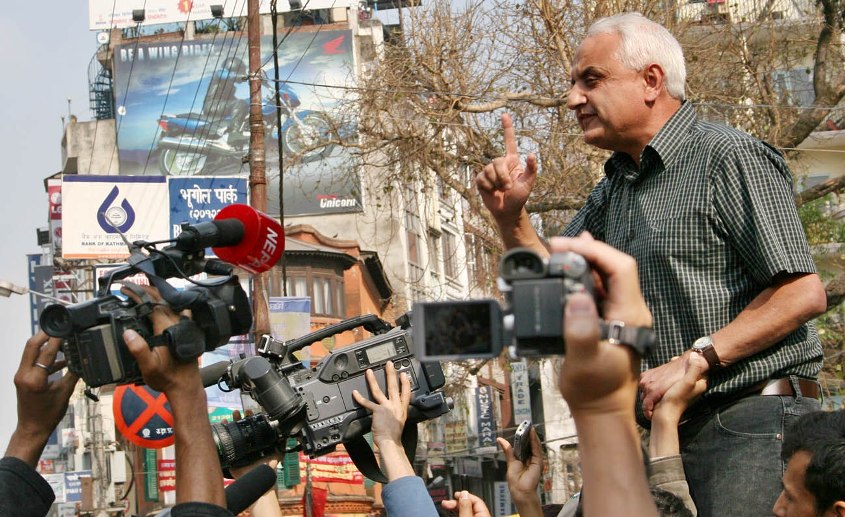
Journalist Kanak Dixit in a protesting rally in Kathmandu on 5 April 2006, Kathmandu. Photo by Shehab Uddin

Expanded from introductory remarks at Ceylon Newspapers Limited office in Colombo, Sri Lanka, on 2 Aug 2012:

There are many ways to introduce my good friend and partner in crime, Kanak Mani Dixit.

Aunty Google, as well as his own website (www.kanakmanidixit.com) can tell you the basic info about his education and career path, which I won’t repeat here. Instead, let me personalise what I know about this courageous man I’ve known and worked with for over 15 years.

Kanak is a journalist, editor and activist – all rolled into one. And if you think that journalists cannot become effective social or democracy activists, just watch him balance these seemingly daunting roles. Study how he juggles reporting, commentary writing, editing and social intervention.

Kanak came from a privileged family background, and could easily have spent his life in leisurely scholarship and endlessly doing the cocktail and conference circuits in South Asia and beyond. He CHOSE to be different.

Kanak spent a few years with the UN Department of Public Information in New York, and yet chucked up a promising international career to return to South Asia – a chaotic, unpredictable but also exhilarating part of the world that we call home. Another conscious choice.

Back home, Kanak could have watched over his beloved Kathmandu Valley and simply commented or satirised about the politics, economy and society of his impoverished land, one of 49 least developed countries in the world. He does that, too, but when needed he takes to the streets. As he did back in 2005/2006 when Nepalis rose against a tyrannical king…

He paid a price for his frontline activism. He was arrested – along with thousands of others – for defying a curfew and demanding democratic reform. He spent 19 days in a Kathmandu jail that he once pointed out to me from afar. As an influential publisher, he could have worked out some deal for a quicker release, but again, chose not to.

How many other South Asia editors or publishers do you know who won’t peddle influence for their personal gain or safety?

Some editors and publishers think of themselves as ‘king-makers’ in the political arena. This editor-publisher was literally a ‘king-dumper’: Nepal’s People Power forced autocratic King Gyanendra to restore Parliament in April 2006. Two years later, the whole monarchy was phased out.

Kanak has spoken truth to power, stared authority in the eye, and yet he has not allowed himself to be corrupted by the temptations of political, diplomatic or other positions. He continues to critique and needle those in public and elected office.

In fact, the very revolutionaries he too helped to bring into office – through elections – now don’t seem to like him much: he was recently dubbed ‘an Enemy of the People’.

He must be doing a few things right to be reviled by both monarchists and republicans!

But Kanak is much more than a media and political activist. He has too many involvements and interests to keep track of.

To cite but a few:

What Himal is all about…
• He is a great believer in the idea of South Asian integration, going well beyond the bureaucratic trappings of SAARC. (His Southasia, which he insists on spelling as one word, includes Tibet and Burma.)
• He founded Himal Southasian magazine in 1987, and sustained it for 25 years with great effort and dedication. It is the first and only regional news and analysis magazine in our region of 1.4 billion people.
• He promotes documentaries as a means of cultural self expression and exchange, and in 1997 founded Film South Asia, a biennial festival that brings the best of South Asian films.
• He nurtures social science research and scholarly exchange, and is endlessly incubating new ventures or institutions in the public interest.
• He supports spinal injury rehabilitation in Nepal, having realised the pitiful state of such care when he suffered serious spinal injury himself a few years ago after a mountain hiking accident.

Amidst all this, he finds time to write regular columns and op-eds – in both English AND Nepali – as well as occasional books.

For these and many other reasons, Kanak Dixit is one of my role models, and a constant source of inspiration. He is one of the few human beings that I’d like to CLONE if and when that becomes a real prospect.

We need many more Media Typhoons like him to drive change in South Asia.

In fact, I sometimes wonder if there is more than one Kanak Dixit already! But that’s only speculation. For now, my friends, meet the one and only Kanak Mani Dixit confirmed to exist…

Video: Sri Lanka’s Lost Generations: Systems Ecologist Ranil Senanayake on genepool implications of insurrection & war


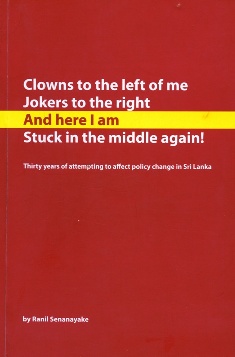
Last year, I read an uncommon book with an unusually long title written by an unorthodox author.

Clowns to the Left of Me, Jokers to the Right and Here I am Stuck in the Middle again: 30 years of attempting policy change in Sri Lanka was an author-published volume by systems ecologist Dr Ranil Senanayake. In it, he collected some of his more noteworthy media articles and non-technical writing on forestry, biodiversity, agriculture, conservation and the broader issues of sustainable development, published over three decades.

In his Epilogue, I came across one of the most chilling passages I read that year: “It has been commented that this nation twice removed from its gene pool the genes for activism. In 1971 the government ‘removed’ up to 20,000 or more of the educated. Those who attended university, demonstrated interest in radical politics, were young or unemployed were singled out for liquidation. The next programme was in the late 1980s when over 40,000 were ‘removed’ with hardly a word being uttered in protest on any international stage…These people never passed their genes on. Genetically speaking, we removed from our race a large percentage of the traits for high intellectual potential and activism. Metaphorically it has become the time of the bottom feeders to manifest themselves as intellectuals and leaders.”

I touched on this when I filmed a long interview with Ranil (now published on Groundviews.org: read Part 1 and Part 2). Here is the short video I edited, where his expressions match the gravity of his concerns:

Reproduced below is the full transcript of this short video (11 mins). My questions posed to him have been paraphrased on-screen; his spoken answers are verbatim.

You can debate Ranil’s views either on this blog, or on Groundviews where this video is also published.

Sri Lanka’s Lost Generations: Ranil Senanayake Speaks

An Eye for an Eye?

See, in 1971 and in the late 80s, when we heard these so called JVP revolution. We went out and we killed first 20,00 mass of men, more or less. And the second time, about 40,000. Young people, children of this country. Why? Because they were a threat to the established government of this country.

Now, I can see that if there is indeed a revolution, a country must respond. But responding in this brutal manner because the response was not merely a military response, it was a response of pure terrorism. It was terrorised the whole nation.

Collateral Damage?

One story that I can share with you is that a senior person who was involved in this, in the control, at a table made the statement that “If 10% of the people that we destroy were hardcore JVPers we would have broken the back of the revolution”. This totally horrified me. It, it…I was depressed for weeks when I heard that.

It meant 90% of those people they killed were innocent. Their only ‘crime’ was they were young, they were educated and they had the fire of youth in them.

I, as a person, said I could not live in a country that kills its own people — own children — for its survival and I left, I went away for sometime. I wrote a poem which Hon Lakshman Jayakody read into the Parliament, into the Hansard, pointing out where we were going wrong, in this case.

What Have We Done?

But worse, what that action brought was the REMOVAL from our gene pool of the genes for intellect, education. The genes for revolution. The genes that would drive people forward; the genes that produced people who would fight and die for a country, for a nation. We removed this and as from my genetics, as an geneticist, you remove 60,000 children from a population as small as ours, you are taking away a large ocean of the cleverest of our population. And we shot ourselves in the foot.

This is karma vipaka, as the Buddha says. For the action ghastly action, for the action of taking away of our youth, killing our youth, removing them from our gene pool, we will have to suffer the fate of having a gene pool, well, you see what we have today…

We ALL live with the consequences…

Unfortunately, there is something else, as a Sri Lankan and as a Buddhist, which I find loathsome and that is — when ever somebody dies for whatever reason even a murderer, it is our tradition to give a dana (alms giving). First, a week after they deceased, then a month and annually. We have lost 60,000 children for our own society, for maintaining our status quo. Has anyone EVER given a Dane to these people who have departed? Up to today, no!

So is it a surprise that as a nation we suffer what we suffer? We are responsible for that and yet uptodate we are not willing to accept the responsibility for the actions we did. I think that is something that we have to deal with. Sri Lankans will have to deal with in the future to come. Because, as Buddha says, karma vipaka — for every action there is a reaction. And for that action, look what we have today.

On Sri Lanka’s Separatist War…

The separatism that came after the youth insurrection was again something that was building up for sometime. It was the similar, shall we say almost parallel, political moment that happened in the North. Where the separatism when they were talking about it on a political platform then descended into a violent struggle, if you want to call it.

I think it was, it is still pointless, but I think what most people fail to realise is that it is rooted in our history. It’s rooted in 3,000 years of history. And that is why it is so difficult for us to deal with the subject of finding a common ground, to deal with the subject of extending our hands out, to deal with the subject of trying to understand the other position, because unfortunately we are still rooted in these many, many years, thousands of years of history.

Breaking Free of History’s Grip?

It is indeed, it should be the task of the leaders and the politicians to bring us into the modern age. To demonstrate that that history is past, that we have to now forge something into the future. That involves all of us.

But our shallow politicians have chosen otherwise, from both areas, from both sectors. They have chosen division as their power, division as their source of strength, because as I told you , because of the past history this is the easiest, this is the least common denominator — this is the easiest place to go to, it’s the shallowest political refuge.

And that’s what politicians from both sides have been doing. Not looking at the future, not working towards bringing us into the future but dragging us back into the past and opening up the old wounds and the old fears that we brought along with this for all these years and capitalising on them, from both sides.

Aren’t we ALL immigrants on the island of Lanka?

Indeed, you are absolutely right! Humanity has been wandering around this planet for thousands and thousands, tens of thousands of years. People have come and people have gone. I mean, this whole question of I came first or you came first is spurious at best, I mean, this is just the refuge of a cheap politician to say I came first, you came later, you came first, I came first, this is all ridiculous…

Prisoners of Our Fathers’ Hopes & Fears?

We are prisoners of our own constructs. Or, as the song goes, “We are indeed prisoners of our father’s hopes and fears.”

Fears. Fears is where the politicians move to. Fear is what they use as their tool of power. We are trapped in this thing and until that fear is removed, and until we are educated into understanding where we are, and we are educated into understanding that there is nothing lost, in treating another human being as equal and as a brother, we are lost.

We are a nation of people who claim to live by the words of the Buddha. If we do, this would never come about. Never. So it shows as a nation a loss, it shows as a nation, that we have failed to live up to what we claim we are – Buddhists…

Dr Ranil Senanayake
Interviewed by Nalaka Gunawardene
Colombo, Sri Lanka, on 19 March 2012

Released online: June 2012
Dr Ranil Senanayake Online profile

No copyright restriction.This video may be used by anyone, anywhere.

Sarvodaya Leader A T Ariyaratne at 80: Conscience of a Bruised Nation

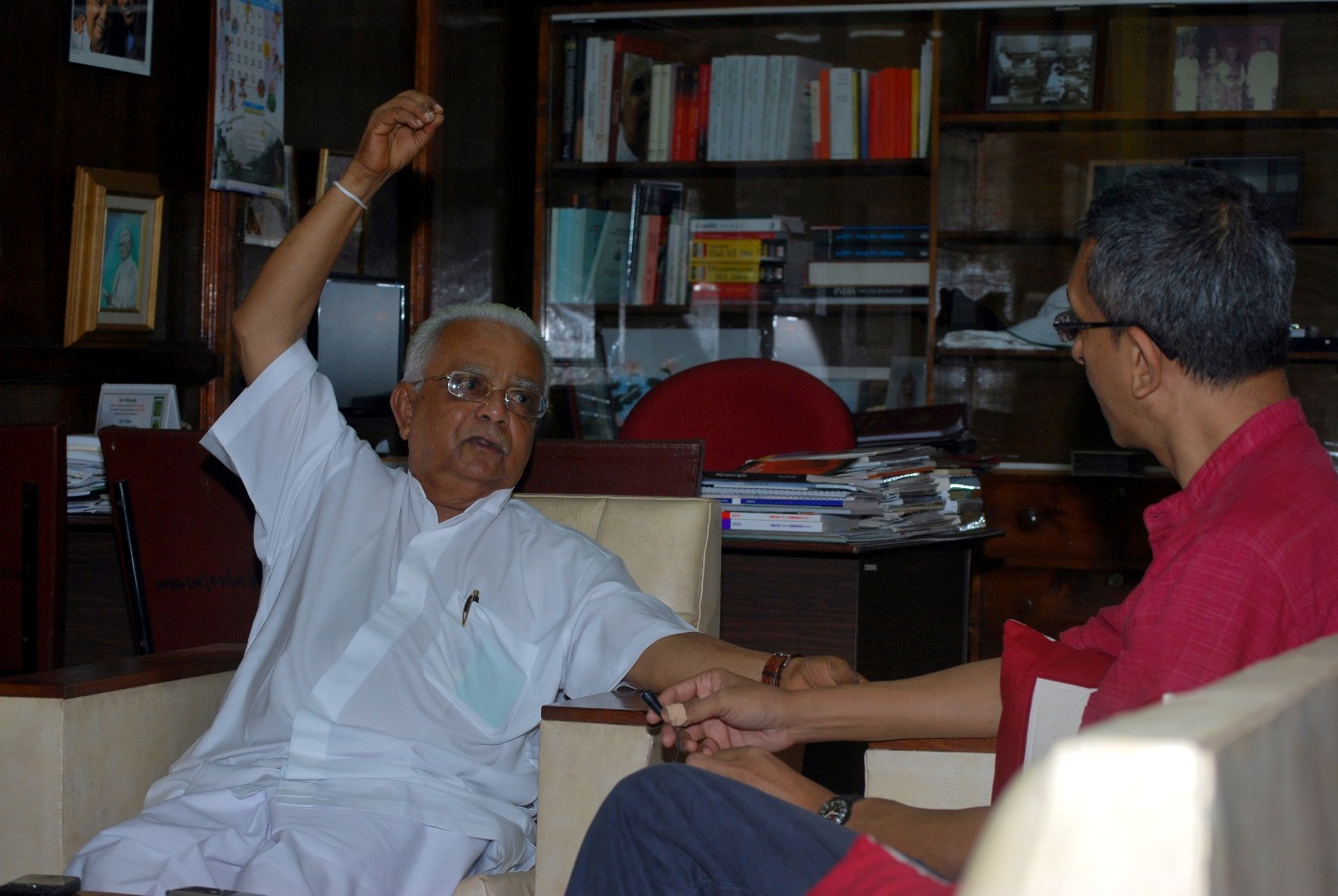
Dr A T Ariyaratne (left) in an expressive moment with Nalaka Gunawardene

When Dr A T Ariyaratne, founder and president of the Sarvodaya Shramadana Movement of Sri Lanka, turned 80 years on 5 November 2011, felicitations poured in from all over the world. This spontaneous act was an indication — if any were needed — of how much and how widely he has touched the lives of millions.

Ari is also our elder statesman of inclusive development. For over half a century, he and Sarvodaya have advocated a nuanced approach to overcoming poverty, illiteracy and various social exclusions. Unlike some die-hard activists, Ari doesn’t ask us to denounce materialism or revert to pre-industrial lifestyles. Instead, he seeks a world without extreme poverty or extreme affluence.

Suddenly, his quest for social justice and equality is resonating all over the world. In fact, Ari has been speaking out for the 99 per cent of less privileged people decades before a movement by that name emerged in the West. In a sense, those occupying Wall Street and other centres of affluence are all children of Sarvodaya.

While Ari shares their moral outrage, his own strategy has been quite different. He didn’t occupy physical spaces in his struggle; he went straight to the fount of all injustice – our minds.

* * * * *

Thus opens my personalised tribute, published on Groundviews.org as Ari of Sarvodaya: Conscience of a Bruised Nation.

In this 2,400-word essay, I salute a hero of mine who continues to speak truth to power, and makes a difference to millions of people in his land and elsewhere. For doing this, he has been ridiculed, harassed and vilified by small minds and the state. He continues undaunted, and shows no sign of slowing down after turning 80.

Here’s another excerpt:

In Ari, we find elements of Mahatma Gandhi (non-violent pursuit of the greater good); the Dalai Lama (interpreting Buddhist philosophy for the modern world); Martin Luther King, Jr. (struggling for the rights and dignity of marginalised people); Nelson Mandela (nurturing democracy and healing society); and Jimmy Carter (globalism with a humanitarian agenda).

“Yet Ari is more than the sum of these noble parts; he is his own unique visionary. And an adroit ‘remixer’ who constantly blends the best of East and West. He adapts our civilisational heritage to tackle the Twenty First Century’s anxieties and uncertainties. Thankfully, though, he doesn’t peddle simplistic solutions to today’s complex problems.

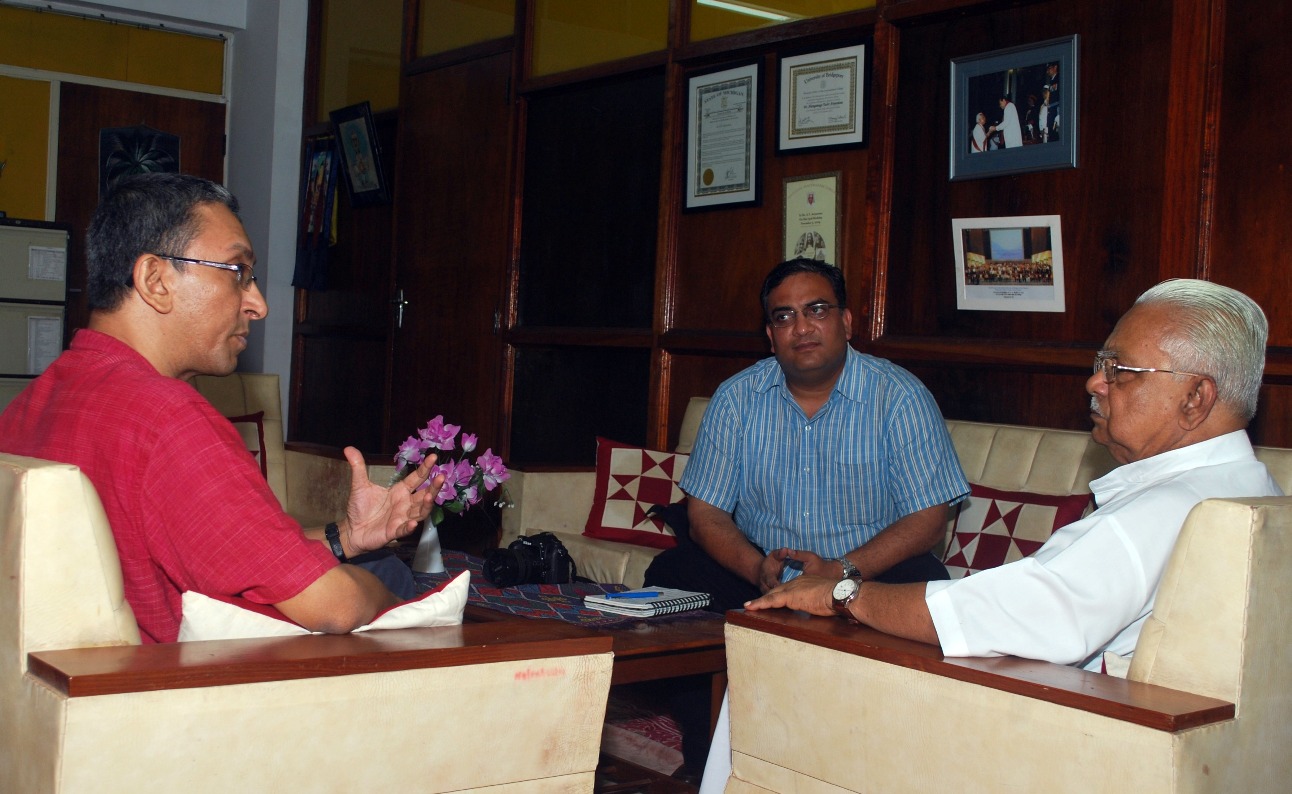
I also recall my first encounter with Ari, in early 1991, when a tyrant leader of Sri Lanka had virtually declared ‘war’ on this unarmed, non-violent small man. I have interviewed him several times since then – the most recent was in March 2011, when I accompanied my journalist friend Aditya Batra from India to talk to Ari (photo, below).

Read the full essay on Groundviews.org: Ari of Sarvodaya: Conscience of a Bruised Nation

Read a compact version of the essay on Light Millennium website (New York)

Read a compact version on Down to Earth magazine (New Delhi): Sri Lanka’s Gandhi Turns 80

L to R - Nalaka Gunawardene, Aditya Batra & Dr A T Ariyaratne of Sarvodaya, March 2011

සිවුමංසල කොලූගැටයා #34: අන්නා හසාරේ පුවත් මාරුතයෙන් ඔබ්බට…

Fasting for a personal or public interest cause is a very old tradition in India. Today, social activists of all colours and hue resort to fasting — but not everyone evokes the same interest and coverage in the media. In a previous column, I looked at how and why the anti-corruption activist Anna Hazare has become the darling of the Indian media. In my latest Ravaya column published on 2 October 2011, I look at two other fasts: one by Swami Nigamananda, who died in June calling for a stop to sand-mining in the Ganges River, and woman activist Irom Sharmila in Manipur who is engaged in the longest fast in the world, 11 years and counting…

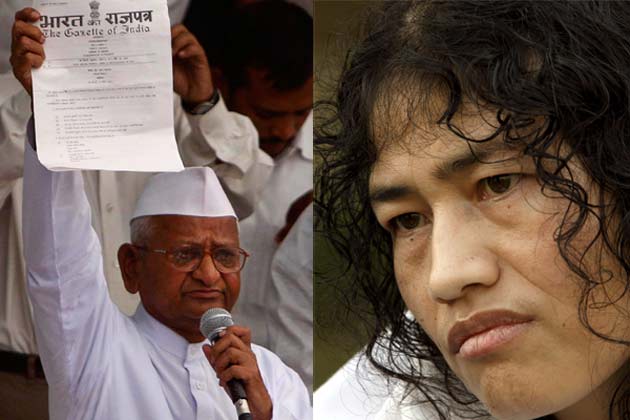
Anna Hazare (left) and Irom Sharmila - two very different fasts...

යම් අරමුණක් ඉටුකර ගැනීම සදහා ආහාර පාන ගැනීමෙන් වැළකී උපවාස කිරීම ඉන්දියාවේ ඉපැරණි සම්ප්‍රදායක්. මේ ගැන ක්‍රිස්තු පූර්ව 750 දක්වා අතීතයට දිවෙන සදහන් එරට හමුවෙනවා. දින 3ක් නිරාහාරව සිටීමේ හැකියාව නිරෝගී බොහෝ දෙනකුට ඇතත්, ඉන් පසු ටිකෙන් ටික ශරීර ක්‍රියාකාරකම් අඩපණ වන්නට පටන් ගන්නවා. ආහාර නොගත්තත් වතුර පානය කිරීමෙන් තොරව ශරීරයට ජීව ක්‍රියා පවත්වාගන්නට නොහැකියි.

සමාජයීය හෝ දේශපාලනමය හෝ ඉල්ලීම් දිනා ගැනීමට උපවාස කිරීම අදත් ඉන්දියාවේ බහුලව දැකිය හැකියි. එයට වඩාත් ම ප්‍රකට මෑත උදාහරණය නම් දූෂණයට එරෙහි ජන ක්‍රියාකාරික අන්නා හසාරේ 2011 අප්‍රේල් හා අගෝස්තු මාසවල කළ උපවාසයන්.

ඉන්දියාවේ ටෙලිවිෂන් නාලිකා අති බහුතරයක් පෞද්ගලික හිමිකරුවන් විසින් පවත්වා ගෙන යන වාණිජ මට්ටමේ නාලිකායි. ඒ නිසා බලයේ පවතින රජය නිර්දය ලෙස විවේචනය කිරීමටත්, රාජ්‍ය ප්‍රතිපත්ති විවෘතව සංවාදයට ලක් කරන්නටත් ඉඩ තිඛෙනවා. මේ නාලිකා අතර ප්‍රේක‍ෂකයන් ඇද ගන්නට දැඩි තරගයක් පවතිනවා. හැම නාලිකාවක් ම උත්සාහ කරන්නේ සිද්ධීන් උලූප්පා දක්වමින්, හැම සිදුවීමක් ම ‘Breaking News’ බවට පත් කර ගන්නටයි. එවැන ප්‍රවෘත්ති හැමදාමත් හමු නොවන නිසා ඉ`දහිට මතුව එන හසාරේ වැනි නිර්දේශපාලනීය චරිතයක් වඩා ටෙලිවිෂන් වාර්තාකරුවෝ ඉක්මනින් රොක් වෙනවා. ටික දිනකින් එබදු ජන හිතකාමී චරිත කරන කියන හැම දෙයක් ම පුවත් බවට පත් කර ගන්නවා. මේ තත්ත්වය දිගු කලක් නොපැවතුනත් අද වන විට ඉන්දියාවේ අතිශය තරගකාරී හා බහුවිධ ටෙලිවිෂන්, රේඩියෝ හා වෙබ් අඩවිවලට පුවත් මවන ජනප්‍රියතම ‘පුවත් මාරුතය’ බවට අන්නා හසාරේ පත්ව සිටිනවා.

එහෙත් ඔහුගේ උපවාසයන්ට ලැබුණු ඉමහත් මාධ්‍ය වාර්තාකරණය නොලද පොදු අරගල සදහා සිදු කැරෙන තවත් උපවාසයන් රැසක් ඉන්දියාවේ තිඛෙනවා. උදාහරණ දෙකක් හරහා මේ ගැන කථා කළ හැකියි.

පළමුවන උදාහරණයට අදාල පුද්ගලයා හින්දු පූජකයෙක්. ස්වාමි නිග්මානන්ද (Swami Nigamananda) සිය උපවාසය ඇරඹුවේ 2011 පෙබරවාරි 19 වනදා. එයට නිමිත්ත වූයේ උතුරු ඉන්දියාවේ උත්තරාකන්ද් ප්‍රාන්තයේ හරිද්වාර් (Haridwar) නගරය අසලින් ගලා යන ගංගා නදියේ නීති විරෝධී ලෙස වැලි ගොඩ දැමීම නතර කරන ලෙස ඉල්ලීම. හිමාලයෙන් ඇරඹී ගලා ගෙන එන ගංගා නදිය ඉන්දු-ගංගා තැන්නට මුල්වරට ප්‍රවේශ වන්නේ හරිද්වාරයේදී. ඒ නිසා එහිදී ග`ගට කරන පාරිසරික හානිය කිලෝමීටර් 2,525ක් දිග නදියේ ගලා යාමට අතිශයින් බලපානවා. හරිද්වාරයේ මෛත්‍රී සදාන් ආශ්‍රමයේ නේවාසික වූ මේ පරිසර හිතකාමී ස්වාමීවරයා සිය සාධාරණ ඉල්ලීම ඉටු කරන ලෙස බලධාරීන්ගෙන් මෙන් ම වැලි ගොඩ දැමීමේ නිරත වූවන්ගෙන් ද මහත් ඕනෑකමින් ඉල්ලා සිටියා. නමුත් ඔවුන් ඒ ඉල්ලීම ගැන තැකීමක් කළේ නැහැ. ප්‍රාන්තයේ හා ජාතික මට්ටමේ මාධ්‍යවලින් ද මේ ගැන අවධානයක් යොමු වුණේ නැහැ. අප්‍රේල් 30 වනදා ප්‍රාන්ත බලධාරීන් ඔහුව බලහත්කාරයෙන් රෝහල් ගත කළත් එහිදීත් ඔහු කිසිවක් ආහාරයට ගැනීම ප්‍රතිෙක‍ෂ්ප කළා. ඔහුගේ අධිෂ්ඨාන ශක්තිය වෙනස් වූයේ නැහැ. දින 115ක උපවාසය අවසන් වූයේ ජුනි 14 වනදා ඔහු මිය යාමෙන්.

ඔහුගේ මරණය ඉන්දියානු ටෙලිවිෂන් මාධ්‍යයන්ට ප්‍රවෘත්තියක් වූවත් එය සුළු වේලාවකට පමණයි. ඒ වන විට ඔවුන් (අන්නා හසාරේට අමතරව) ව්‍යාපාරික මට්ටමින් මහා පරිමාණයෙන් යෝග ව්‍යායාම් පුහුණු කරන බාබා රාම්දේව (Baba Ramdev) නම් තවත් හින්දු ස්වාමිවරයකුගේ උපවාසයකට මුල් තැන දෙමින් සිටියා. දූෂණයට එරෙහිව නැගී සිටින චරිතයක් බවට පත්වීමට බාබා රාම්දේව් ප්‍රබල උත්සාහයක් ගත්තත් ඔහුගේ සැබෑ අරමුණු ගැනත් පෙර ක්‍රියාකලාපය ගැනත් මාධ්‍යවලට යම් සැකයක් තිබුණා. ඔහුගේ උපවාසය දින 9කින් නිමා කළ අතර ඉන් පසු ඔහු ගැන මාධ්‍ය වාර්තාකරණය එතරම් උත්සන්න වූයේ නැහැ.

හැම නිර්ව්‍යාජ උපවාසයක් ම පුවත් මාරුතයක් බවට පත් වන්නේත් නැහැ. අන්නා හසාරේ ගැන අධ්‍යයනය කරන මාධ්‍ය පර්යේෂකයන් සොයා යන්නේ වෙනත් සාධාරණ උපවාසයන්ට වඩා හසාරේගේ අරගලයට මෙතරම් මාධ්‍ය අවධානයක් යොමුවන්නේ ඇයි ද යන්නයි. මෙයට එක් ප්‍රධාන හේතුවක් අපි සැප්තැම්බර් 18 වනදා කොලමින් විග්‍රහ කළා. අන්නා හසාරේට සූක‍ෂම ලෙස උපදෙස් දෙන මාධ්‍ය උපදේශකයන් සිටිනවා. ඔවුන් වෙළදපොල මාධ්‍ය සමග හොදහැටි ගනුදෙනු කරන්නට දන්නවා. එහෙත් උතුම් අරමුණක් පමණක් නිමිති කර ගෙන, උපක්‍රමශීලි නොවී උපවාස කරන බොහෝ අයට එබදු මාධ්‍ය හැසිරවිමේ හා මාධ්‍යවලට බද්ධවීමේ හැකියාව නැහැ. බැලු බැල්මට මෙය අසාධාරණයක් ලෙස පෙනී යතත් සැබෑ තත්ත්වය එයයි.

මේ ගැන හොද උදාහරණයක් ජ්‍යෙෂ්ඨ ඉන්දියානු මාධ්‍යවේදිනියක හා “ර්‍ද හින්දු” පුවත්පතේ හිටපු නියෝජ්‍ය කතුවරියක වන කල්පනා ශර්මා (Kalpana Sharma) ගෙන හැර දක්වනවා. ඒ තමයි ඉරෝම් ශර්මිලාගේ (Irom Sharmila) දශකයකට වැඩි කලක් පවතින උපවාසය.

ඉරෝම් ශර්මිලා චානුගේ වයස 39 යි. ඇය ඉන්දියාවේ ඊසානදිග ප්‍රාන්තයක් වන මනිපූරයේ මානව හිමිකම් හා දේශපාලන කි්‍රයාකාරිකයෙක්. එමෙන් ම කිවි`දියක්. මිලියන 2.7 ක ජනගහනයක් සිටින, බුරුම දේශසිමාවේ පිහිටි මනිපුරයේ කලක සිට දේශපාලන නොසන්සුන් බවක් හා ප්‍රචන්ඩකාරී ස්වභාවයක් පවතිනවා. ඉන්දීය රජය මේ තත්ත්වය පාලනය කරන්නට හමුදා විශේෂ බලතල නීතියක් (Armed Forces Special Powers Act, 1958) යටතේ දැඩි මර්දනකාරී ප්‍රතිපත්තියක් ගෙන යනවා. මධ්‍යම රජය මේ ප්‍රාන්තයේ ප්‍රශ්න විග්‍රහ කරන්නේ කරදරකාරීන් පිරිසකගේ අනවශ්‍ය අරගලයක් හැටියටයි. එහෙත් මනිපූර් වැසියන්ට සිය ප්‍රශ්නවලට සාධාරණ විස`දුම් දිගු කලක් තිස්සේ ලැබී නැතුවා පමණක් නොවෙයි දරද`ඩු පරිපාලයක් යටතේ දිවි ගෙවන්නට සිදුව තිඛෙනවා.

මේ නිසා හමුදාවලට දැඩි බලතල දෙන නීතිය නතර කරන ලෙස ඉල්ලා ඉරෝම් ශර්මිලා උපවාසයක් ඇරඹුවේ 2000 නොවැම්බරයේ. එය ඇරඹී දින කිහිපයකට පසු ‘සිය දිවි නසා ගන්නට තැත් කිරීමේ’ චෝදනා මත පොලිස් අත්අඩංගුවට ගනු ලැබුවා. මනිපුරයේ ප්‍රාන්ත අගනගරය වන ඉම්ෆාල් නුවර මහජන රෝහලේදී ඇයට බලහත්කාරයෙන් ආහාර කවනු ලැබුවා. (හින්දු ස්වාමි කෙනකුට වඩා ග‘හි කාන්තාවකට බලෙන් කෑම දීමට සෞඛ්‍ය සේවකයන් ද පෙරට එනවාෟ) මාස ගණනක් මෙසේ අත් අඩංගුවේ රෝහල්ගතව බලෙන් ආහාරපාන දීමට ලක්වන ඇය ඉන් පසු නිදහස් වෙනවා. එවිගස ම ඇය නැවතත් ප්‍රසිද්ධියේ උපවාස කිරීම අරඹනවා. එවිට දින කිහිපයකින් යළිත් අත් අඩංගුවට පත් වන ඇය රෝහල් ගත කොට බලෙන් කෑම බීම ලබා දීමට ලක් වනවා. මේ සිදුවීම් මාලාව චක්‍රාකාරව වසර 11ක් පුරා නොනැවතී ඉදිරියට යන බවත්, ඒ නිසා මෙය ලෝකයේ වැඩි ම කාලයක් පවතින උපවාසය බවත් කල්පනා ශර්මා කියනවා.

Arundhati Roy: "I'd Rather Not be Anna!"

එහෙත් ඉරෝම් ශර්මිලාගේ අරමුණ ගිනස් වාර්තා පිහිටුවීම නොවෙයි. 2004දී හින්දු මූලධර්මවාදී BJP රජය පරාජය වී කොංග්‍රස් ප්‍රමුඛ සභාග රජයක් ඉන්දියාවේ බලයට පත් වුණා. නව රජය හිටපු ශ්‍රේෂ්ඨාධිකරණ විනිසුරුවරයකුගේ ප්‍රධානත්වයෙන් කොමිටියක් පත් කළා. මේ කමිටුව කරුණු ගවේෂණයෙන් පසු නිර්දේශ කළේ මනිපුරයේ ගෙන යන දරදඩු පරිපාලනය ලිහිල් කොට හමුදා බලතල සීමා කළ යුතු බවයි. එහෙත් මේ නිර්දේශයෙන් වසර 6කට පසුත් එය ක්‍රියාත්මක කර නැහැ. ඒ නිසා ඉරෝම් ශර්මිලා සිය උපවාසය දිගට ම කරගෙන යනවා.

“මනිපුරයේ ජනතාවත් ඉන්දියානු රටවැසියෝ. එහෙත් සෙසු රටවැසියන්ට ආණ්ඩුක්‍රම ව්‍යවස්ථාවෙන් සහතික කැරෙන මූලික අයිතිවාසිකම් බොහොමයක් මනිපුර ජනතාවට දිගු කලක සිට ලැඛෙන්නේ නැහැ. මේ දැඩි අසාධාරණය ගැන සෙසු ඉන්දියාවේ අපට එතරම් හැගීමක් හෝ අවබෝධයක් හෝ නැතිවීම ඉතා කණගාටුදායකයි” කල්පනා සිය ලිපියේ එසේ කියනවා.

ඉරෝම් ශර්මිලාගේ තිරසාර අධිෂ්ඨාන ශක්තිය ගැන ගෞරව පූර්වකව මාධ්‍යවල කථා කරන තවත් කෙනෙක් සම්මානනීය ලේඛිකා අරුන්දතී රෝයි (Arundhati Roy). අන්නා හසාරේගේ අරගලය ගැන අරුන්දතී දැඩි විවේචනයක් කරනවා. දූෂණය හා වංචාව පිටු දැකීමට නම් ඉන්දියානු සමාජය පුරා දරුණු ලෙස මුල් බැස තිඛෙන ඇති-නැති පරතරය අඩු කළ යුතු බව ඇය කියනවා. බොහෝ විට දූෂණ හා වංචාවලට මුල් වන්නේ, උල්පන්දම් දෙන්නේ අන්ත දුප්පතුන් නොව අතමිට සරු අය බවත්, ඒ අය සමාජ අසාධාරණකම් දිගට ම පවත්වා ගැනීම හරහා අයථා ප්‍රයෝජන හා වරප්‍රසාද ලබන බවට උදාහරණ සහිතව තර්ක කරනවා.

අරුන්දතී රෝයි ඉන්දියානු රාජ්‍යයේ (state) හෝ බලයේ පවතින රජයේ (government) හිතවතකු නොවෙයි. ඉන්දියානු රාජ්‍යයේ විෂමතා ගැන බරපතල විවේචන ඇය ප්‍රසිද්ධියේ ලියනවා. එබදු දැඩි විවේචකයන්ට ද ඉඩකඩ පැවතීම ඉන්දියාවේ පරිනත ප්‍රජාතන්ත්‍රවාදයේ හොද ලක‍ෂණයක්. චතුර ලෙස කථා කරන්නට හා සූක‍ෂම ලෙස තර්ක කරන්නට හැකි වීම නිසා ඉන්දියානු විද්්‍යුත් මාධ්‍ය ද ඇයට තැනක් හා කාලයක් දෙනවා. මෙවර සිදු වී ඇත්තේ ඉන්දියන් ටෙලිවිෂන් නාලිකා බහුතරයක අළුත් ම වීරයා බවට පත්ව සිටින අන්නා හසාරේගේ ක්‍රමවේදයන් එම නාලිකාවල ම ජනප්‍රිය චරිතයක් හා පුවත් මවන්නියක වන අරුන්දතී රෝයිගේ නිර්දය විවේචනයට හසුවීමයි!

2011 අගෝස්තු 22 දා The Hindu පුවත්පතේ ලිපියක් ලියමින් ඇරුන්දතී රෝයි අනතුරු ඇගවීමක් කළා. අන්නා හසාරේගේ යෝජිත නීති කෙටුම්පත හා නිර්දේශිත සැළසුම් ඉදිරියට ගියොත් ඉන්දියාවේ දුගී දුප්පතුන්ට තවත් නිලධාරීවාදයකට කර ගසන්නට සිදු විය හැකි බවට. සමාජයක ව්‍යුහාත්මක වෙනස්කම් ඇති නොකොට පැලැස්තර විස`දුම් දීම තුළින් දූෂණය පිටු දැකිය නොහැකි බවත්, වැඩියෙන් ම හඩ නගන අරගලකරුවාට පමණක් සවන්දීම සාර්ථක විසදුම් සොයා යාමේ ප්‍රවේශයක් නොවන බවත් ඈ කියනවා.
ර්‍
“අද දූෂණ හා වංචා සිදුවන්නේ රාජ්‍ය තන්ත්‍රය තුළ පමණක් නොවෙයි. ව්‍යාපාර ආයතනල රාජ්‍ය නොවන ආයතන මෙන් ම මාධ්‍ය ආයතනවලත් විශාල වශයෙන් දූෂණ සිදුවනවා. ඒ ගැන කිසි අවධානයක් යොමු නොකර රාජ්‍ය ෙක‍ෂත්‍රයේ දූෂණය ගැන පමණක් නීතිරීති තද කිරීම හසාරේ ඇතුළු පිරිසගේ උත්සාහයයි. මෙයින් ඉන්දියානු සමාජයේ දූෂණ පිටු දකින්නට බැහැ.” අරුන්දතී තර්ක කරනවා.

ඉන්දියානු සමාජය හා මාධ්‍ය ෙක‍ෂ්ත්‍රය ගැන නෙත් යොමා සිටින මට පෙනෙන්නේ ආවේගශීලි නොවී ප්‍රතිපත්තිමය හා තාර්කික පදනමකින් ප්‍රශ්න විග්‍රහ කිරීමේ හැකියාව අන්නා හසාරේට වඩා අරුන්දතී රෝයිට වැඩි බවයි. මේ දෙදෙනාගේ ම පාරිශ=ද්ධභාවය ගැන කිසිදු විවාදයක් නැහැ. එහෙත් වඩාත් ප්‍රායෝගික විසදුම් සෙවීම කළ හැක්කේ කාට ද යන්න ඉක්මනින් ම තෝරා ගන්නට ඉන්දියානු සමාජයට හා මාධ්‍යවලට සිදු වනවා.

සිවුමංසල කොලූගැටයා #31: 9/11 – ලොව සසල කළ මහ පුවතක මුල්පිටු මතකය

Text of my Sinhala column for Ravaya issue of 11 September 2011. In this one, I discuss how front pages of newspapers around the world reported 9/11 terrorist attacks, and how the dichotomy between reporting and editorialising blurred in some media outlets.

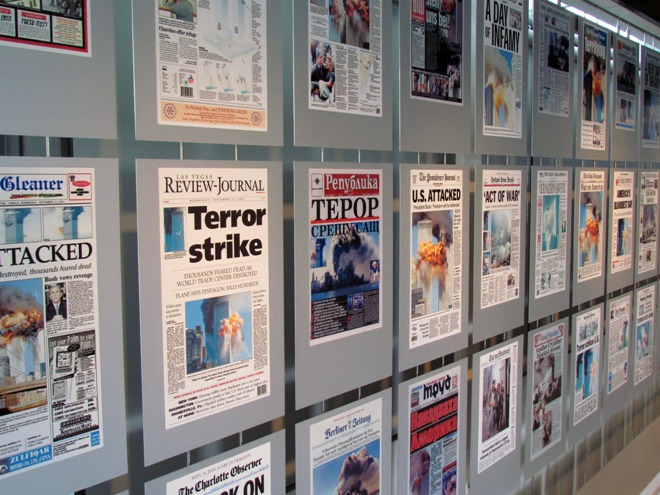
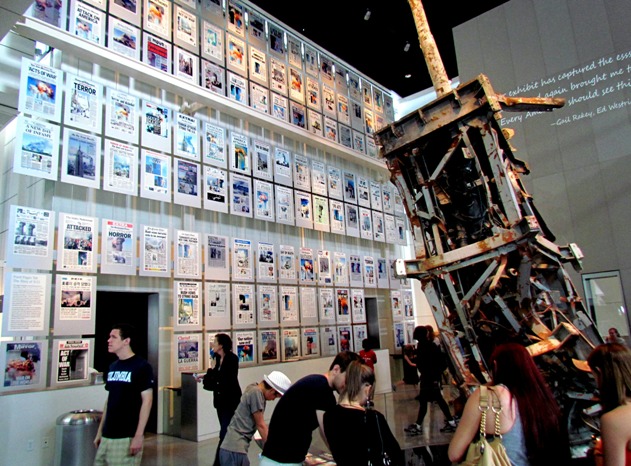
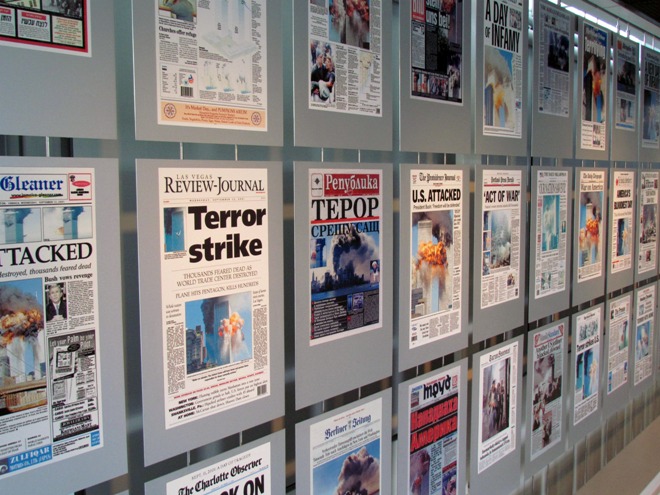
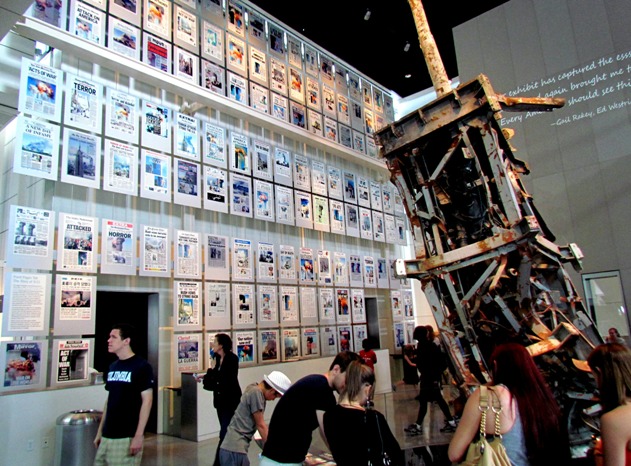
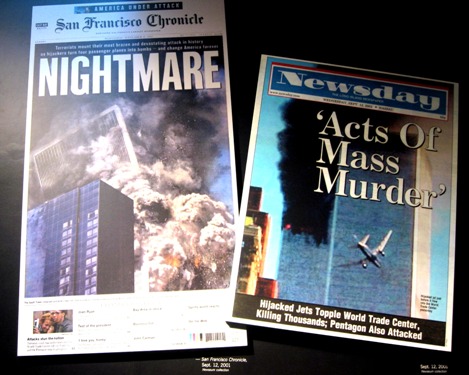
9-11 Frontpages at Newseum in Washington DC, photos by Nalaka Gunawardene
“පුවත්පත් කලාව යනු ඉතිහාසයේ මුල් කෙටුම්පතයි” (‘Journalism is the first rough draft of history.’)

මෙසේ කීවේ ඇමෙරිකාවේ වොෂිංටන් පෝස්ට් පත්‍රයේ ප්‍රකාශක ෆිලිප් ග්‍රහැම්. ඉතිහාසඥයන් මුහුණ නොදෙන අභියෝගයන්ට මාධ්‍යවේදීන් දිනපතා ප්‍රතිචාර දක්වනවා. දවසේ පැය 24 පුරා සජීව ලෙසින් ප්‍රවෘත්ති ආවරණය කැරෙන විද්්‍යුත් හා වෙබ් මාධ්‍ය බහුල අද කාලේ, හද සසල කරන මහා ප්‍රවෘත්තියක් අත්විදිමින් ම ඒ ගැන වාර්තා කරන්නට, විග්‍රහ කරන්නට ඔවුන්ට සිදුවනවා.

මෙය මාධ්‍ය ග්‍රාහකයන් හිතන තරම් ලෙහෙසි කාරියක් නොවෙයි. අපේ රටේ මෑත අවුරුදුවල මෙබදු මහා ප්‍රවෘත්ති අතරින් 2009 මැයි 18 වනදා මෙරට යුද්ධය අවස්න වීමත්, 2004 දෙසැම්බර් 26 වනදා සුනාමි ව්‍යසනයත් සිහිපත් වෙනවා. මේ සිදුවීම් දෙකේදී මාධ්‍ය ආවරණය සිදු වූ ආකාරය ගැන මාධ්‍ය පර්යේෂකයන් හා මාධ්‍යවේදීන් තවමත් වාද විවාද කරනවා. ඒ තරම් ම වාද විවාදයට ලක් වූ මහා ප්‍රවෘත්තියක් අදට හරියට වසර 10කට කලින් (2001) අමෙරිකාවේ නිව්යෝක් හා වොෂිංටන් නගරවල සිදු වුණා.

ඒ තමා අල්කයේඩා ත්‍රස්ත්‍රවාදීන් විසින් අමෙරිකාවේ වාණිජමය හා ආරක‍ෂක මර්මස්ථානවලට එල්ල කරන ලද සමෝධානිත ප්‍රහාරය. එදින උදේ මගී ගුවන්යානා 4ක් බලහත්කායෙන් අත්පත් කරගත් අල්කයේඩා පිරිසක් එයින් දෙකක් නිව්යෝක් නුවර ලෝක වෙළද මධ්‍යස්ථානය (World Trade Centre, WTC) නම් ගොඩනැගිලි සංකීර්ණයේ ගැටීමට පියාසර කළා. තවත් එකක් එරට ආරක‍ෂක අමාත්‍යාංශය පිහිටි වොෂිංටනයේ පෙන්ටගන් සංකීර්ණයට කඩා වැටෙන්නට සැළැස් වූ අතර සිවුවැනි යානය ඉලක්කයක් කරා යාමෙන් වැළකුණේ එහි සිටි මගීන් (ජීවිත පූජාවෙන්) ගුවන්යානාවේ කොල්ලකරුවන් සමග ගැටුණු නිසායි. එය පෙන්සිල්වේනියා ප්‍රාන්තයේ ෂැන්ක්ස්විල් ස්ථානයට කඩා වැටුණා.

පැය කිහිපයක් ඇතුළත රටවල් 70ක ජාතිකයන් 3,000ක් පමණ දෙනාට මරු කැදවූ මේ ත්‍රස්ත ප්‍රහාරය නිසා සමස්ත අමෙරිකාව පමණක් නොවෙයි මුළුමහත් ලෝකය ම භීතියෙන් ඇලලී ගියා. දරුණු කම්පාවට පත්වුණා. WTC ප්‍රහාරය මේ අතරින් වඩාත් බිහිසුණු වූ අතර, ඉන්ධන පිරවුණු ගුවන්යානා ගැටී ගිනි ගැනීම නිසා ඉතා සවිමත් සේ තැනුණු මහා ගොඩනැගිලි දෙක කෙටි කාලයක් තුළ දිය වී කඩා හැලූණා. එහිදී මියගිය 2,753 දෙනා අතරට උදවුවට එහි ගිය ගිනි නිවන භටයන් 343ක් හා පොලිස් නිලධාරීන් 60ක් ද සිටියා.

සැප්තැම්බර් 11 වනදා සිදු වූ නිසා මෙය කෙටියෙන් 9/11 ප්‍රහාරය කියා හදුන්වනවා. ස්ථාන ගණනක් පුරා විසිරුණු, පැය ගණනක් පුරා පැතිරුණු මෙබදු සිදුවීමක් ගැන මාධ්‍ය ආවරණය කරන්නේ කොහොමද? මේ අභියෝගයට අමෙරිකානු මාධ්‍යවේදීන් ප්‍රමුඛ ප්‍රවෘත්ති වාර්තාකරණයේ නියැලි ලොව පුරා මාධ්‍ය ආයතන එදා විවිධ ආකාරයෙන් මුහුණ දුන්නා. දශකයකට පසුව එම ප්‍රහාරය ගැන මෙනෙහි කරන අයට මතකයන් පණ ගන්වන්නට උපකාර වන්නේත් එදා සහ ඉනික්බිති එළඹුණු දින ගණනක් තිස්සේ මාධයවේදීන් වචනවලින්, රූපවලින් කළ ආවරණයන් හා විග්‍රහයන් තමයි.

අමෙරිකාවේ වාණිජමය වශයෙන් වඩා ම වැදගත් නගරය වන නිව්යෝක්හි බොහෝ මාධ්‍ය ආයතන මූලස්ථානගත වී හෝ ප්‍රමුඛපෙළේ කාර්යාල පිහිටුවා තිඛෙනවා. ලෝක ව්‍යාප්ත මාධ්‍ය ජාල රැසක් කාර්යාලත් එහි තිඛෙනවා. මේවායේ සේවයේ නියුතුව සිටි මාධ්‍යවේදීන්, තමන්ගේ ජීවිතාරක‍ෂාව ගැන නොබලා තම නගරයට එල්ල වූ ප්‍රහාරය විස්තරාත්මකව වාර්තා කළා. ලොව පුරා විසුරුණු බිලියනයකට අධික ටෙලිවිෂන් ප්‍රේක‍ෂකයන් සංඛ්‍යාවක් සජීව ලෙසින් මේ වාර්තාකරණය නැරඹුවා. තමන්ගේ නෑ හිතමිතුරන්ට අනතුරක් වී ඇත්දැයි දැන ගැනීමට පවා ඉස්පාසුවක් නැතිව තම ග්‍රාහකයන්ගේ තොරතුරු දැන ගැනීමේ අයිතිය වෙනුවෙන් සුවිශාල මෙහෙයක් ඉටු කළ හැම මාධ්‍යවේදියකුට ම 9/11 ප්‍රහාරය ජන මනසේ සනිටුහන් කිරීම ගැන ප්‍රනාමය හිමි වෙනවා.

ප්‍රහාරය නිසා ඇතැම් මාධ්‍ය ආයතනවලට ද හානි සිදු වුණා. The Wall Street Journal පුවත්පතේ කාර්යාලය තිබුණේ ඇද හැළුණු WTC කුළුණු අසලයි. හදිසියේ ම ඔවුන්ට කාර්යාලය අත්හැර දමා සැතපුම් 50ක් දුරින් පිහිටි තැනකට යාමට සිදු වුණා. එහෙත් මාධ්‍යවේදීන් එතැන සිට හෝ තම නිවෙස්වල සිට හෝ දිගට ම පුවත්පත පළ කළා. අධික පීඩනයක් යටතේ වුව මැදහත් හා විස්තරාත්මක වාර්තාකරණයක යෙදීම ගැන (පුවත්පත් කලාවේ නොඛෙල් ත්‍යාගය වැනි) පුලිට්සර් සම්මානයක් එම කාර්ය මණ්ඩලයට පසුව පිරිනමනු ලැබුවා.

9/11 ප්‍රහාරය අනුස්මරණය කිරීමේ විවිධ සාමයික, ශාස්තී්‍රය හා වෘත්තිමය අවස්ථා මේ දිනවල අමෙරිකාවේ පැවැත්වෙනවා. ඒ අතරින් මාධ්‍ය ආවරණය මෙනෙහි කරන හොද ම උත්සාහය හැටියට මා දකින්නේ වොෂිංටන් අගනුවර පිහිටි මාධ්‍ය හා සන්නිවේදන කෞතුකාගාරයේ (Newseum) තිඛෙන 9/11 මාධ්‍ය ස්මාරකයයි. එහි ප්‍රදර්ශන ශාලාවක් පුරා විහිදෙන මේ ස්මාරකය මැද තිඛෙන්නේ එදා ත්‍රස්ත ප්‍රහාරය නිසා ගිනි ගෙන කඩා වැටුණු WTC උතුරු කුළුණේ ඉහළ රදවා තිබූ විද්්‍යුත් මාධ්‍ය විකාශන ඇන්ටෙනාවේ අඩි 31ක කොටසක්. එය වට කර ගෙන ඇත්තේ 9/11 ප්‍රහාරය ගැන අමෙරිකාවේ හා ලෝකයේ ඇතැම් පුවත්පත් සිය මුල්පිටුවලින් වාර්තා කළ ආකාරයයි.

පුවත්පත් කලාව ඉතිහාසයේ මුල් කෙටුම්පත් ලියනවා නම්, එහි හද ගැස්ම වඩාත් ම හසු කර ගන්නේ මුල් පිටු ඔස්සේයි. මහා ප්‍රවෘත්තියක් ගැන විවිධ පුවත්පත් මුල්පිටු වාර්තා කළ හැටි මෙසේ එක් තැන් කිරීම හොද ප්‍රදර්ශන උපක්‍රමයක්. එයින් අපේ බුද්ධියට හා හැගීම්වලට කළ හැකි බලපෑම පසුගියදා ඒ ප්‍රදර්ශනය නැරඹීමෙන් මා හොදාකාර අත් වින්දා.

බහු විධ පැතිකඩ ඇති සිදුවීමක් විවිධ මාධ්‍ය ආයතන හා මාධ්‍යවේදීන් විවිධාකාරයෙන් වාර්තාකිරීම ස්වාභාවිකයි. එහිදී සිදුවීමට වඩාත් සමීප පුවත්පත් වඩා ආවේගශීලීව වාර්තාකරන සැටිත්, කිලෝමීටර් දහස් ගණනක් ඈත සිට වඩාත් මැදහත්ව වාර්තා කළ සැටිත් අපට තේරුම් ගත හැකියි. 9/11 සිදුවීම වාර්තා කළ පුවත්පත් 127ක මුල් පිටු මේ ප්‍රදර්ශනයට ඇතුළත්. (එයින් සමහරක් එදින ම සවස්වරුවේ නිකුත් කළ විශේෂ මුද්‍රණ. අනෙක්වා පසුවදා.) අමෙරිකාවේ විවිධ ප්‍රාන්ත හා නගරවල පළ කැරෙන පුවත්පත් 93කත්, වෙනත් රටවල් පුවත්පත් 34කත් මුල්පිටු මේ ප්‍රදර්ශනයට යොදා ගෙන තිඛෙනවා. (ආසියාවෙන් ඇත්තේ ජපන් හා කොරියානු පුවත්පත් තුනක් පමණයි.)

පුවත්පත් කලාවේ එක් මූලික ආචාර ධර්මයක් නම් ප්‍රවෘත්ති වාර්තාකරණයේ කරුණු නිවැරදි හා සමබර විය යුතු අතර, මත දැක්වීම නිදහස් බවයි. මෙය ඉංග්‍රීසියෙන් කියන්නේ ‘Facts are sacred, but comment is free’. සාමාන්‍යයෙන් මුල්පිටු යොමු වන්නේ අළුත් ම තොරතුරු කැටි කැරුණු පුවත් වාර්තා කරන්න. එහෙත් සුවිශේෂී අවස්ථාවල පුවත්පතේ කතුවැකිය මුල් පිටුවට යෙදීමට කතුවරුන් තීරණය කරනවා. එහිදීත් එය කතුවැකියක් බව හොදින් හුවා දක්වනවා.

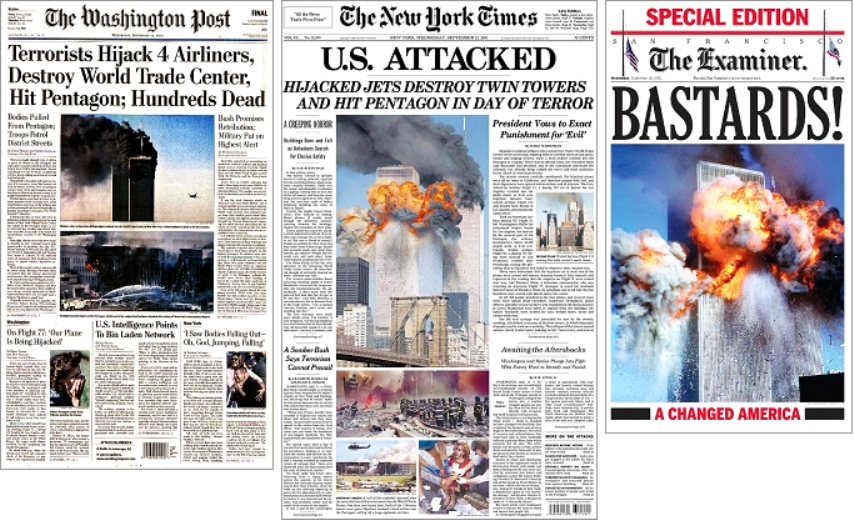
9/11 ප්‍රහාරය ගැන වාර්තා කිරීමේදී පුවත් හා මත දැක්වීම් අතර මේ ඛෙදීම ඇතැම් අමෙරිකානු පුවත්පත් අතින් ගිලිහී ගිය ආකාරය දැකිය හැකියි. ගිනි ගෙන දැවෙන හෝ කඩා වැටෙන උඔක‍ කුළුණුවල විශාල ප්‍රමාණයේ ඡායාරූප සමග ඇතැම් පුවත්පත් පොල්ගෙඩි අකුරින් හෙඩිම් පළ කළා. ‘Evil Acts!’ (අති දුෂ්ඨ ක්‍රියාවක්). ‘Bloody Terror!’ (ලේ හැලෙන භීතියක්). මුල්පිටු කිහිපයක හෙඩිම වූයේ ‘Act of War!’ හෙවත් යුද්ධමය ක්‍රියාවක් යන්නයි.

එවකට අමෙරිකානු ජනාධිපති ජෝර්ජ් ඩබ්ලිව් බුෂ් සැප්තැම්බර් 11 සවස ටෙලිවිෂනයෙන් ජාතිය අමතා කළ කථාවේ ඇතැම් යෙදුම් ද සමහර පුවත්පත් සිය ප්‍රධාන හෙඩිමට උධෘත ලෙසින් යොදා ගත්තා. වඩාත් ම ආවේගශීලී හෙඩිම ලෙස මා දකින්නේ සැන්ෆ්රැන්සිස්කෝ ඉක්සැමිනර් පත්‍රයේ පළ කළ ‘BASTARDS!’ එය ‘තක්කඩියො’ හැටියට අපට සිංහලෙන් අරුත් දිය හැකියි. මේ ප්‍රහාරයට වගකිව යුත්තේ කවුද යන්න ගැන එකහෙළා ම නම් කිරීමක් ජනාධිපතිවරයා නොකළත්, ඇතැම් මාධ්‍ය ඒ වන විටත් දොස් තැබීම පටන් ගෙන තිබුණා.

මේ ආවේගයන් අතරේ වඩා සන්සුන්ව තොරතුරු වාර්තා කළ හා විග්‍රහ කළ පුවත්පත් ද තිබුණා. ප්‍රහාරයේ මුව විට සිට ගෙනත් නිව්යෝක් ටයිම්ස් පුවත්පත කළ වාර්තාකරණය එයට කදිම නිදසුනක්. ප්‍රහාරයේ ස්වරූපය, එහි ප්‍රතිඵල, විපතට පත් වූවන්ට සහන සැළසීමේ පියවර, ජනාධිපතිගේ කථාව වැනි පුවත් කිහිපයක් කැටිකර ගත් ඒ මුල් පිටුව රැගත් සැප්තැම්බර් 12 වනදා නිව්යෝක් ටයිම්ස් කලාපයේ පිටපත් හාර ලක‍ෂයක් අලෙවි වුණා. ප්‍රහාරයට ලක් වූ අනෙක් නගරයේ ප්‍රධාන පුවත්පත වන වොෂිංටන් පෝස්ට් ද එයට සමාන සංයමයක්, සමබරතාවයක් පෙන්නුම් කළා. කෙතරම් විද්්‍යුත් මාධ්‍ය වාර්තාකරණයක් පැවතියත්, වඩාත් විස්තරාත්මක විග්‍රහයන් සදහා අමෙරිකාව පුරා ජනයා පත්තර මිළට ගත් සැටි මේ ප්‍රදර්ශනයේ පුවරුවලින් කියා පානවා.

One incident, three different takes

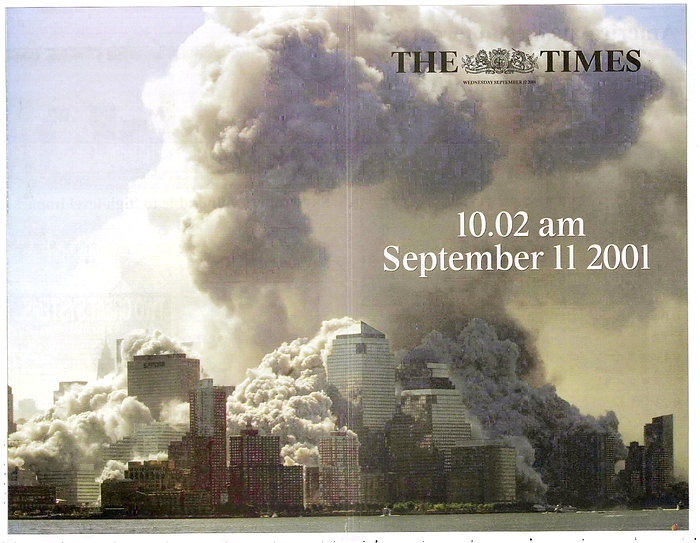
මේ අතර යුරෝපයේ, මැදපෙරදිග හා ආසියාවේ පුවත්පත් මේ ප්‍රවෘත්තිය විවිධාකාරයෙන් වාර්තා කළා. ඒ ගැන නෙතග බැල්මක් මුල්පිටු තුළින් අපට ලද හැකියි. පුවත්පත් 127 අතරින් මුල් පිටුවට කිසිදු ඡායාරූපයක් අඩංගු නොකළ එක ම පුවත්පත ලෙබනනයේ. අන් හැමෙකක් ම ප්‍රහාරයේ ත්‍රාසජනක අවස්ථා වර්ණ හෝ කළුසුදු හෝ ඡායාරූපවලින් පෙන්නුම් කළා. ඒ අතරින් මගේ නෙත් ගන්නේ ලන්ඩන් ටයිම්ස් පත්‍රයේ නිමාවයි. 2001 සැප්තැම්බර් 12 එහි සමස්ත මුල්පිටුව හා අවසන් පිටුව පුරා ඇත්තේ දැවැන්ත තනි ඡායාරූපයක් පමණය‘. ගිනිගෙන දැවෙන නිව්යෝක් දුර සිට හසු කරගත් මේ ඡායාරූපයට උඩින් “10.02 a.m. September 11 2001” යන්න පමණක් මුද්‍රිතයි. විස්තරාත්මක වාර්තාකරණය ඇත්තේ ඇතුළු පිටුවලයි.

The Times London front page - 12 Sep 2001.jpg

මේ මට මුල්පිටුව හොදට මතකයි. ඒ දිනවල මා සිටියේ ලන්ඩන් නුවර. නිව්යෝක් නුවරට ත්‍රස්ත ප්‍රහාරය එල්ල වීම ගැන පුවත ලන්ඩනයට මුලින් ලැඛෙන විට එදින පස්වරු 1.30 පමණ වන්නට ඇති. ටික වේලාවකින් සියළු ප්‍රවෘත්ති සේවාවන් මේ සිදුවීම වාර්තාකරණයට කැප කෙරුණා. සමහරක් ලන්ඩන් පුවත්පත් එදින සවස නිකුත් කළ විශේෂ මුද්‍රණ මා තවමත් සුරැකිව තබා ගෙන සිටිනවා.

පුවත්පතක මුල් පිටුව සැකසීමත් සුවිශේෂ කලාවක්. ඉදහිට පත්තර ලෑල්ලකින් පිටපතක් මිළට ගන්නා අහඹු පාඨකයන් ඇද ගන්නා අතර ම, නිතිපතා කියවන පාඨකයන්ගේ තොරතුරු පිපාසය සංසිදවන්නටත් මුල්පිටුව සමත් විය යුතුයි. ඉතිහාසය තමන්ගේ තීරණ ගැන කුමන ආකාරයකින් විග්‍රහ කරාවි ද යන්න සිතන්නට මුල් පිටුව සකසන කතුවරුන්ට හා මුද්‍රණ තාක‍ෂණ ශිල්පීන්ට වෙලාවක් නැහැ. නමුත් මහා ප්‍රවෘත්ති වාර්තාකරණයේදී හුදෙක් ඒ මොහොතට පමණක් නොව ඉතිහාසයටත් තොරතුරු සංරක‍ෂණය කිරීමක් මුල් පිටු හරහා නිරායාසයෙන් ම ඉටු කැරෙනවා.

මා දන්නා තරමට මුල් පිටු මාධ්‍යයක් හැටියට යොදා ගෙන ලංකාවේ කැරෙන ආවර්ජන ඉතා සීමිතයි. මුල්පිටු ඇතුළු යටගිය දවස පුවත්පත් බලන්නට අප ලේඛනාගාරයට යා යුතුයි. තනි මාධ්‍ය ආයතන තම තමන්ගේ ප්‍රකාශනවල මුල් පිටු ඇතැම්විට ආවර්ජනා සදහා යොදා ගත්තත්, තනි සිදුවීමක් මෙරට සියළු ම පුවත්පත් මුල් පිටු හරහා වාර්තා කළ ආකාරය හසු කර ගෙන නැහැ.

Newseum කෞතුකාගාරයේ මා ගත කළ දෙදින තුළ දුටු එක ම ලාංකික පුවත්පත 2004 දෙසැම්බර් 27 වනදා Daily Mirror මුල් පිටුවයි. සුනාමි විපත ආසියාතික පුවත්පත් වාර්තා කළ ආකාරයට එක් උදාහරණයක් හැටියට. භේදයකින් තොරව මුළු රට ම කම්පා කළ සලිත කළ සුනාමිය ගැන කල් ගත වී හෝ මාධ්‍ය ස්මාරකයක් බිහි කළ හැකි නම්, මුල් පිටුවලින් කළ වාර්තාකරණය එහි මුල් තැනක් ගන්නවා සිකුරුයි!

9/11 plus 10: Recalling a news tremour through (archived) live TV news and front pages

Breaking News indeed!

I can remember exactly where I was and what I was doing when the news of 9/11 attacks on the World Trade Centre Twin Towers in New York reached me.

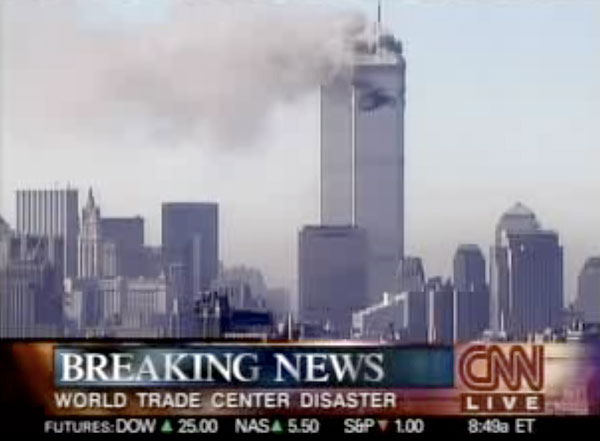
It was around 1.15 pm in the UK, a bright sunny afternoon. I was just entering London’s Kings Cross Station to buy tickets. My colleague Marietta, walking with me, received a call to her mobile phone giving the breaking news that somebody had just flown a plane into WTC.

Another clumsy pilot, I thought — recalling how a B-25 Mitchell bomber aeroplane had once accidentally crashed into the Empire State Building, back in 1945. But as we soon found out, this was no accident: it was a dastardly terrorist attack by suicidal fanatics who somehow penetrated the already high aviation security arrangements.

Life in London continued normally, but we were all completely distracted. I had work to do in an office, but can’t remember any of us actually focusing on our chores. Instead, we just watched the live TV coverage of unfolding events across the Atlantic with mounting horror. So did over a billion other people around the world.

It was a world changing event about which much has been written and said. More reflective and less impulsive commentary on this 10th anniversary puts events and their aftermath in better perspective. Of course, we now have the benefit of hindsight.

Journalism is the first rough draft of history. The reporters on duty that day were challenged to cover a breaking news event whose magnitude and historical context would become clearer only as the hours and days passed. CNN was the first to break the news live on the air, followed by the rest of the news pack. On the whole, journalists in all media rose to the enormous challenges of covering a scary, bewildering and earth-shattering story.

CNN Breaks the Big News at 8.49 am Eastern Standard Time on 9/11:

If anyone thought (like I did, for a few minutes) that it was a terrible accident, all doubts were removed when the second plane hit. By this time, all cameras were focused on the already burning first tower.

News networks cover the second plane crashing into the second tower LIVE on air at 9.03 am EST

And now, a decade later, media professionals and researchers are looking back at their own impressionistic, on-the-run coverage. Among the many attempts at retrospection, I’ve found two particularly interesting:

Understanding 9/11: A Television News Archive.
This collection contains television news programs recorded live from around September 11, 2001 by the non-profit Television Archive to help patrons research this important part of United States history. These materials were originally available on the televisionarchive.org site from October 2001 through 2003.


9/11 Gallery at Newseum in Washington DC: Chronicling an Attack on America

This gallery explores the horrendous events of Sept. 11, 2001, and the extraordinary challenges that faced the journalists trying to report the news to a shaken nation and world. The gallery includes a tribute to photojournalist William Biggart — a journalist who died covering the attacks — and some of the final photographs he took. Also featured are front pages from around the globe about the attacks and first-person accounts from reporters and photographers who covered the story.

9-11 Frontpages at Newseum, photo by Nalaka Gunawardene
Visitors to 9/11 Frontpages exhibit at Newseum in Washington DC, photo by Nalaka Gunawardene
Front pages of fear, fury and more...

Tareque Masud (1956 – 2011): The Song of Freedom, Interrupted

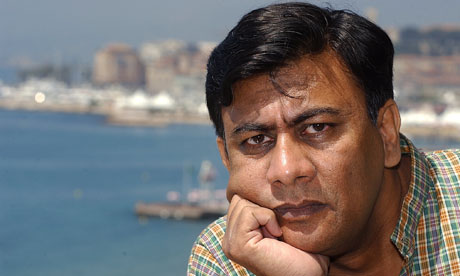
Tareque Masud in Cannes in 2002. Photo by Olivier Laban-Mattei/AFP

South Asia’s notorious killing fields, a.k.a. roads, have robbed us of another highly talented and committed professional. Bangladesh film maker Tareque Masud died on the spot when his microbus collided head-on with a passenger bus in in Ghior, close to Dhaka, on August 13.

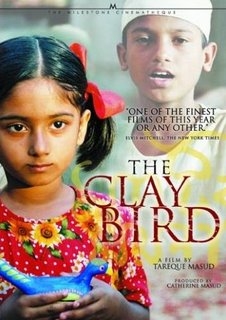
The accident also killed Mishuk Munier, CEO of Bangladesh’s private ATN television news channel and three others, and injured Tareque’s film maker wife Catherine. The Masuds and team had been returning after scouting for locations for their next feature film, named Kagojer Ful (The Paper Flower). It was to be a prequel to his award-winning first full-length feature film, Matir Moina (English release title “The Clay Bird”).

That film, which tells the story of a young boy living at a madrasa or Islamic religious school, was inspired by his own childhood experiences. When it debuted at the Cannes Film Festival in 2002, it won him the International Critic’s Award as well as the FIPRESCI Prize for Directors’ Fortnight for “its authentic, moving and delicate portrayal of a country struggling for its democratic rights.”

Matir Moina was received with critical praise and toured the international circuit. However, the Bangladeshi Government initially refused to issue a censor certificate for national screening, saying it gave a distorted image of the madrasa system, and that it could hurt feelings in this Muslim-dominated country. Confronted by Tareque’s appeal and widespread international pressure, the decision was later reversed.

Matir Moina later became the first entry from Bangladesh in the best foreign language film category at the Oscar awards.

Tareque made several documentaries before venturing into feature film making. I first came to know his work through Muktir Gaan (The Song of Freedom, 78 mins, 1995), the most famous film in early age of his career.

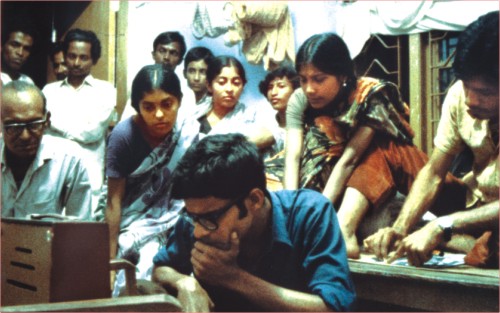
In that documentary, the camera follows a music troupe during the Liberation War of Bangladesh in 1971. The members of the troupe sing songs to inspire freedom fighters. The film was made mainly based on the footage of American filmmaker Lear Levin that Masud got from the basement of Levin’s house in New York.

Catherine Masud tells the untold story of how Muktir Gaan was made

Muktir Gaan was an extraordinarily compelling film that was released theatrically in Bangladesh, blazing a new trail in distributing long-format documentaries in South Asia. It was also a strong entry at the inaugural edition of Film South Asia festival in Kathmandu, where I was on the jury. We awarded it a Jury Special Mention.

A scene from Muktir Gaan, 1995The Masuds followed it up with Muktir Kotha (The Story of Freedom, 82 mins, 1996), an oral history documentary about the experience of ordinary villagers during 1971 Liberation War. They also made many development related films through their Dhaka based production company, AudioVision.

I have fond memories of meeting Tareque and Catherine at the FSA festival. Our paths crossed at least a couple of times more in different corners of South Asia. Although we once discussed a collaborative project, it never happened due to the lack of funding.

As one film critic noted, “They were a delightful couple who managed to be deeply committed to the improvement of Bangladeshi society without ever being pompous or self-righteous.”

The Guardian obituary by Ronald Bergen, 15 Aug 2011

The Making of Matir Moina – Tareque and Catherine Masud

Can cricket unite a divided Sri Lanka? Answer is in the air…will it be caught?

Boys playing cricket on tsunami hit beach in eastern Sri Lanka, January 2005 (photo by Video Image)

Two boys playing cricket on a beach, with a makeshift bat and wicket. What could be more ordinary than this in cricket-crazy Sri Lanka, where every street, backyard or bare land can host an impromptu game?

But the time and place of this photo made it anything but ordinary. This was somewhere along Sri Lanka’s east coast, one day in mid January 2005. Just a couple of weeks after the Indian Ocean tsunami had delivered a deadly blow to this part of the island on 26 December 2004.

My colleagues were looking for a survivor family whose story we could document for the next one year as part of the Children of Tsunami media project that we had just conceived. On their travels, they came across these two boys whose family was hit hard by the tsunami: they lost a sibling and their house was destroyed.

They were living in a temporary shelter, still recovering from the biggest shock of their short lives. But evidently not too numbed to play a small game of cricket. Perhaps it was part of their own way of coping and healing.

More than six years and many thousand images later, I still remember this photo for the quiet defiance and resilience it captured. Maybe that moment in time for two young boys on a devastated beach is symbolic of the 20 million plus men, women and children living in post-war Sri Lanka today.

We are playing cricket, or cheering cricket passionately and wildly even as we try to put a quarter century of war, destruction and inhumanity behind us. And at least on the cricket front, we’re doing darn well: the Sri Lanka national team beat New Zealand on March 29 to qualify for the ICC Cricket World Cup finals on April 3 in Mumbai.

We’ve been here once before – in March 1996 – and won the World Cup against many odds. Can we repeat or improve that performance? We’ll soon know.

Of course, rebuilding the war-ravaged areas and healing the deep-running wounds of war is going to be much harder than playing the ball game.

My friends at Groundviews is conducting an interesting informal poll: World Cup cricket aiding reconciliation in Sri Lanka: Fact or fiction?

A few days ago, Captain of Lankan cricket team Kumar Sangakkara described post-war northern Sri Lanka as a scene of devastation after paying his first visit to the region. People of the north have been deprived for 30 years of everything that is taken for granted in Colombo, he told the media.

He toured the north with team mate and wiz bowler Muttiah Muralitharan, who is patron of the Foundation of Goodness. The charity, itself a response to the 2004 tsunami, “aims to narrow the gap between urban and rural life in Sri Lanka by tackling poverty through productive activities”.

Earlier this month, Lankan novelist Shehan Karunatilaka wrote a highly moving essay in the London Observer titled ‘How cricket saved Sri Lanka’. The blurb read: “As co-host of the current World Cup, Sri Lankans are relishing their moment on the sport’s biggest stage. And no wonder. For them, cricket is much more than a game. After years of civil war, the tsunami and floods, it’s still the only thing holding their chaotic country together.”

In that essay, which is well worth a read, he noted: “Many of us believe in the myth of sport; some more than others. Clint Eastwood and Hollywood have turned the 1995 Rugby World Cup into a sport-conquers-apartheid fantasy in Invictus. CLR James believed cricket to be the catalyst for West Indian nationalism. A drunk in a Colombo cricket bar once told me that Rocky IV had hastened the fall of the Soviet Empire.”

He added: “Let’s abandon the myths for now. Sport cannot change a world. But it can excite it. It can galvanise a nation into believing in itself. It can also set a nation up for heartbreak.”

Cricket has indeed excited the 20 million Lankans from all walks of life, and across the various social, economic and cultural divides. It has rubbed off on even a cricket-skeptic like myself.

We will soon know whether the Cricket World Cup will be ours again. Whatever happens at the Wankhede Stadium in Mumbai on April 2, we have a long way to go on the road to recovery and reconciliation.

Colombo, 29 March 2011: When Sri Lanka beat New Zealand to qualify for Cricket World Cup 2011 Finals

People Power beyond regime change: Now for the long haul in Egypt…

It's more than just a change at the top...

This is one of the more popular cartoons about People Power revolution in Egypt. The icon of pyramid has been irresistible for many cartoonists, but this one is especially profound: it says so much with so little!

We salute all ordinary Egyptians whose 18 days of resolve and agitation have driven out the dictator Hosni Mubarak. But as I tweeted to my Egyptian friend Nadia El-Awady on the night of 11 February soon after hearing Mubarak’s resignation: “One huge roadblock is now gone; we hope you’ll persist in your long march to democratic freedom.”

Toppling an unpopular, ruthless dictator is never easy, but the immediate aftermath is the most decisive – and dangerous – moment. This is when the ultra-nationalists and fundamentalists will compete with the democrats and liberals to fill the void. In Iran, when the Shah fell in 1979 after prolonged people power, it was a theocracy that replaced the autocracy. So people power requires constant vigilance, especially now.

People Power does not – and should not – stop at elections or revolutions in any country: regime change is only half of the struggle won. Ensuring people have a say in how their governments are run requires constant engagement by their citizens. This is a topic I have long been interested in, and written about. I also helped produce a global TV documentary on the subject in 2004. See these blog posts and web story about that film:

People Power beyond elections and revolutions: New documentary from TVE Asia Pacific profiles social accountability in practice

Blog post in August 2007: People Power: Going beyond elections and revolutions

Blog Post in August 2007: New Face of People Power: Social Accountability in Action