සිවුමංසල කොලූගැටයා #104: බලන සැම තැන කුමන්ත‍්‍රණවලින් සපිරි දේශයක්!

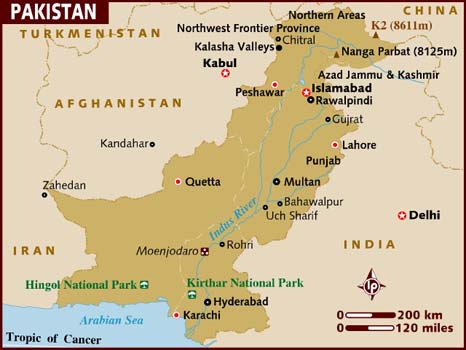
Map of Pakistan, courtesy Lonely Planet
In this week’s Ravaya column (in Sinhala), I take a look at rampant conspiracy theories in Pakistan, arguably the most conspiracy-happy country in South Asia. This is partly inspired by my recent visit to Karachi, a strong contender for the title ‘conspiracy capital of the world’.

From weather extremes to food shortages, and from political violence to maternal health, every aspect of life in Pakistan is linked to a ‘foreign conspiracy’ supposedly meant to undermine the nation.

Some of these tall tales provide harmless amusement, while others have dire consequences for public health and safety. I cite two examples: resistance to polio vaccination, and misplaced and widespread fear of iodised salt.

‘හොඳ කුමන්ත‍්‍රණ කථාවකට අපි කවුරුත් කැමතියි!’

මගේ මාධ්‍ය මිතුරකු ළඟදී මට මෙසේ කීවේ මෑතක පටන් අපේ රටේ වඩාත් ප‍්‍රබලව පැතිර යන නොයෙක් අභව්‍ය හා මායාරූපි (ෆැන්ටසි) කුමන්ත‍්‍රණ කථා ගෙඩි පිටින් විශ්වාස කරන අය සිටින බව මා පෙන්වා දුන් විටයි.

සමහරුන් කියන හැටියට අපේ දුපතට වින කරන්නට, රජය හා ජන සමාජය අස්ථාවර කරන්නට විජාතික දේශපාලනික හා වාණිජ බලවේග රාශියක් පෙළ ගැසී සිටිනවාලූ. මෙබඳු කථාවලින් ජන සමාජයක මානසික තත්ත්වය ගැන දළ හැඟීමක් ලද හැකියි.

එහෙත් අපේ කුමන්ත‍්‍රණ දුපතටත් වඩා බොහෝ සෙයින් මේ ‘කලාව’ ප‍්‍රගුණ කළ රටක් දකුණු ආසියාවේ තිබෙනවා. ඒ තමයි පාකිස්ථානය. මිලියන් 180ක් පමණ ජනගහනයක් වෙසෙන, න්‍යෂ්ටික අවිවලින් සන්නද්ධ වූ මේ රට තරම් කුමන්ත‍්‍රණවාදී කථා බිහි කරන, පතුරුවන හා අදහන තවත් රටක් මට නම් හමු වී නැහැ.

පසුගිය සැප්තැම්බරයේ මා කරච්චි නගරයේ දින කිහිපයක් ගත කළ අවස්ථාවේ පාකිස්ථානයේ කුමන්ත‍්‍රණවාදී මානසිකත්වය නෙතඟ බැල්මක් ලැබුණා.මගතොටේ දී මෙන් ම සරසවි හා විද්වත් සභාවලත් අතිශයින් නිර්මාණශීලි වූ එහෙත් කිසිදු පදනමකින් තොර භීතිකා හා කුමන්ත‍්‍රණ කථා සංසරණය වන හැටි මා දුටුවා.

එහිදී තර්කානුකූල වීම, සාක්ෂි සොයා යාම හෝ වෙනත් බුද්ධිගෝචර ක‍්‍රියාදාමයක් වෙනුවට ලිහිල් හා ආවේගශීලි පදනමක් මත බොහෝ ජනමාධ්‍ය, වෘත්තිකයන්, දේශපාලකයන් හා අනෙකුත් ජනමතය හසුරුවන්නන් ක‍්‍රියා කරනවා.

එරට දේශපාලකයන්ගේ ප‍්‍රසිද්ධ ප‍්‍රකාශ හා මැතිවරණ පොරොන්දු ආදිය ගැන කිසිදු විශ්වාසයක් නොතබන උගත් නාගරික ජනයා පවා රටට හා ජාතියට එරෙහි බහුවිධ කුමන්ත‍්‍රණ තිබේ යැයි තරයේ අදහනවා.

සරල එදිනෙදා සිදුවීමක් වූවත් පැය හෝ දින කිහිපයක් ඇතුළත ලෙහෙසියෙන් ම විදේශික බලවේගයක හෝ අදිසි හස්තයක බලපෑමක් හෝ බවට පත් කර ගනු ලබනවා. කුමන්ත‍්‍රණයක කොටසක් ලෙස විග‍්‍රහ කැරෙනවා. එය පසුපස සිටින විජාතික බලවේගය ලෙස වැඩිපුර ම නම් කරනු ලබන්නේ අමෙරිකාව හා ඉන්දියාවයි. මීට අමතරව ඉස්ලාම් විරෝධී යැයි සලකා ඊශ‍්‍රාලයත්, පොදුවේ බටහිර රටවල් මෙන් ම ගෝලීය මට්ටමෙන් වෙළඳාමේ යෙදෙන බහුජාතික සමාගම් ද නිතර කුමන්ත‍්‍රණ චෝදනා ලබනවා.

සොබා දහමේ ක‍්‍රියාවන් පවා මේ කුමන්ත‍්‍රණවාදී කථාවලට හසු වනවා. වෙලාවට වැස්ස නොලැබුණොත් එය පාකිස්ථානය ‘මට්ටු කරන්නට’ දියුණු රටක් කළ ‘කාලගුණ පාඩමක්’. එකවර බොහෝ වැසි ලැබී ගංවතුර ඇති වූ විට එයත් විජාතික ‘කාලගුණ ප‍්‍රහාරයක්’.

මේ කුමන්ත‍්‍රණවාදී කථා එරට ප‍්‍රබල ම ජනමාධ්‍ය වන ටෙලිවිෂන් පුවත් නාලිකාවලට Breaking News සඳහා නිරතුරුව මාතෘකා සපයනවා. එබඳු වාර්තාකරණයේදී මෙබඳු කථා බරපතල ලෙස කියන්නටත් වාද විවාද කරන්නටත් මුකරි බව තිබෙන අන්තවාදී විද්වතුන් (ටෙලි-පණ්ඩිතයන්) රොත්තක් ද බිහිව සිටිනවා.

පාකිස්ථානු සමාජයේ සැබෑ ප‍්‍රශ්න හා විසමතා ගැන නොබියව වාර්තා කරන පුවත් නාලිකා අතර (2012 ඔක් 21දා කොලම බලන්න) මෙබඳු කට කථා, ප‍්‍රබන්ධ කථා හා ප‍්‍රලාප බෙදා හරින නාලිකා ද තිබෙනවා. දුෂමාන ආරංචි තහවුරු කිරීමකින් තොරව කාලීන තොරතුරු ලෙස ප‍්‍රචාරය කිරීම නීතිවිරෝධි නොවූවත් සදාචාර විරෝධි හා සමාජ විරෝධි ක‍්‍රියාවක්. මෙය නියාමනය කරන්නට පාකිස්ථානු රජය ඍජු උත්සාහයක් නොගන්නේ මාධ්‍ය නිදහසට හරස් වීමේ චෝදනාව මතු වන නිසා.

පාකිස්ථානයේ මුද්‍රිත හා විද්‍යුත් මාධ්‍යවලට විශාල නිදහසක් තිබෙනවා. එහෙත් ඒ නිදහස තුළ වගකීමකින් යුතුව ක‍්‍රියා කරන්නේ සමහර මාධ්‍ය පමණ යි. විශේෂයෙන් ම දේශිය බසින් වාර්තාකරණයේ යෙදෙන නාලිකා සමහරක් කෙටිකාලීන ජනප‍්‍රියත්වය සඳහා කුමන්ත‍්‍රණ රටට බෙදීම සරුවට කරනවා!

පාකිස්ථානයේ සාක්ෂරතාව අඩුයි. පිරිමි අකුරු කියවීමේ හැකියාව 70%යි. කාන්තාවන් අතර එය 46%යි. අධ්‍යාපන මට්ටම් සීමිත වීම නිසාත්, දැඩි වැඩවසම්වාදී සමාජයක් නිසාත්, එරට බොහෝ දෙනකු විචාරශීලි වනවා වෙනුවට ආවේගශීලි වීම දැකිය හැකියි. දැඩි ලෙස ආගම්වාදී වීම පාකිස්ථානු සමාජයේ තවත් ලක්ෂණයක්. එරට ජනමතය හැසිරවීමේ විශාල බලයක් පූජකයන්ට තියෙනවා.

එරට නිර්මාතෘ මොහමඞ් අලි ජින්නා පූජක බලය සීමා කොට රාජ්‍යකරණයේ යෙදුණත්, ඉන්පසුව බලයට පත් වූ (හෝ බලය අල්ලා ගත්) නායකයෝ කෙටි කාලීන වාසි තකා සමාජ සංස්ථා දැඩි ලෙස ඉස්ලාමීයකරණය වන්නට ඉඩ දුන්නා. සියලූ දෙනා නොවූවත් බොහෝ ආගමික නායකයන් රටට හා සමාජයට එරෙහිව බහුවිධ බලවේග පෙළ ගැසී ඇති බවට නිතර මොර ගානවා. කුමන්ත‍්‍රණ අදහන පසුබිම සකස් වන්නේ එලෙසයි.

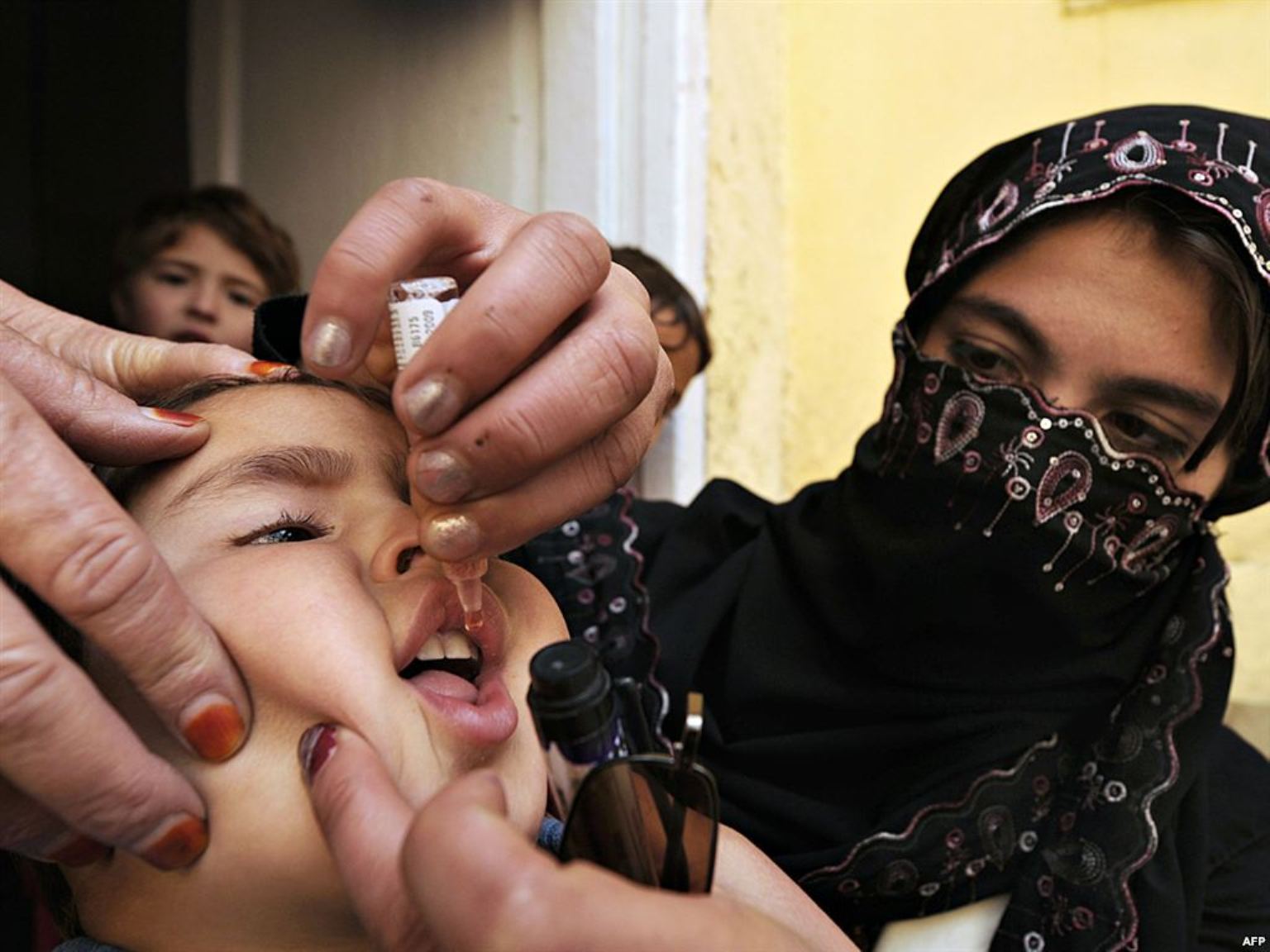
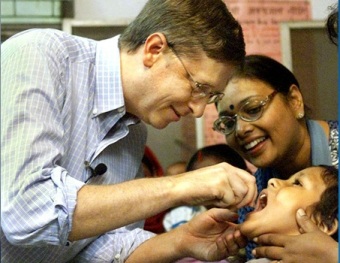
සමහරක් කුමන්ත‍්‍රණ කථා හුදු විනෝදාස්වාදය සපයන අතර, ඉතිරි ඒවා ජනයා මුලා කරමින් ඔවුන්ගේ එදිනෙදා ජීවිතයට, සෞඛ්‍යයට හා යහ පුරුදුවලට හරස් වනවා. මේ දෙවැනි කාණ්ඩයට අයත් දැඩි සේ ප‍්‍රචලිත වූ කුමන්ත‍්‍රණවාදයක් පෝලියෝ ප‍්‍රතිශක්තීකරණයට සම්බන්ධයි.

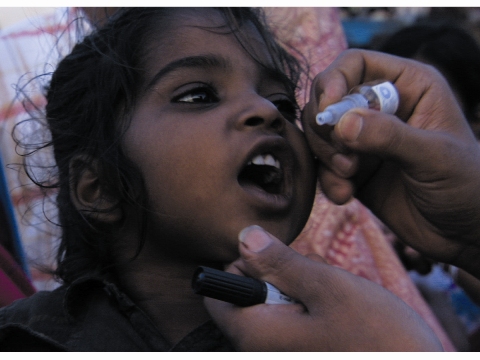
Polio vaccinaation in Pakistan - AFP Photo
Polio vaccinaation in Pakistan – AFP Photo

මුළු ලෝකයෙන් පෝලියෝ රෝගය තුරන් කිරීමේ දැවැන්ත ප‍්‍රයත්නයක අවසන් අදියරට පිවිස සිටින මේ අවස්ථාවේ පෝලියෝ හමු වන රටවල් තුනක් ඉතිරිව තිබෙනවා. එනම් නයිජීරියාව, ඇෆ්ගනිස්ථානය හා පාකිස්ථානය. පාකිස්ථානයේ 2012 දී වාර්තාගත පෝලියෝ රෝගීන් සංඛ්‍යාව 58යි. http://www.polioeradication.org

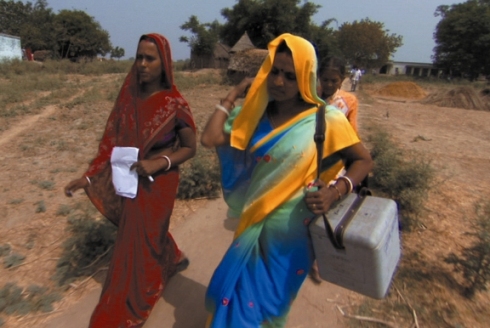
මේ මට්ටමට පෝලියෝ පාලනය කර ගත්තේ දශක ගණනාවක සිට පාකිස්ථානු රාජ්‍ය සෞඛ්‍ය සේවය හා ස්වේච්ඡ සංවිධාන විසින් කරගෙන ආ ප‍්‍රතිශක්තීකරණය නිසා. එහෙත් සමහර දෙමවුපියන් තම දරුවන්ට පෝලියෝ එන්නත දීම ප‍්‍රතිකේෂ්ප කරනවා. එයට හේතුව පෝලියෝ එන්නත “ඉස්ලාම් ජාතිය වඳ බවට පත් කරන්නට බටහිර රටවලින් ක‍්‍රියාත්මක කුමන්ත‍්‍රණයක්” යැයි රාවයක් පැතිරීම.

කිසිදු වෛද්‍ය විද්‍යාත්මක සත්‍යතාවක් නැති මේ කටකථාව මත එල්බ ගෙන තම දරුවන් භයානක පෝලියෝවට ගොදුරු වන්නට ඉඩ දෙන තරමට සමහර දෙමවුපියන් එය අදහනවා!

මහජන සෞඛ්‍යයට විශාල වශයෙන් බලපාන තවත් පාකිස්ථානු මිථ්‍යාවක් අයඞීන් මිශ‍්‍රිත ලූණු වටා ගෙතී තිබෙනවා.

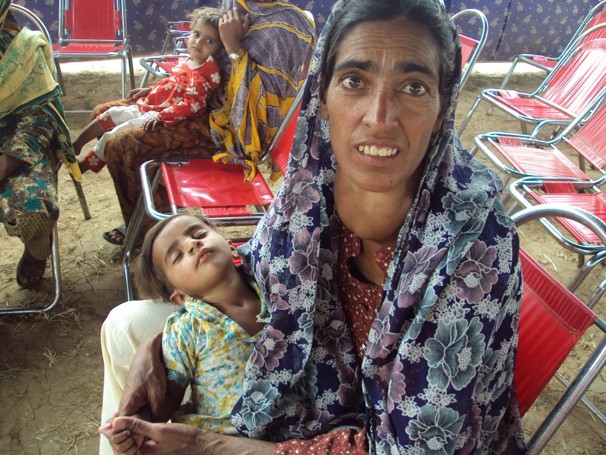
අයඞීන් අපේ ශරීර ක‍්‍රියාකාරිත්වයට අත්‍යවශ්‍ය ක්ෂුද්‍ර පෝෂකයක්. තයිරොයිඞ් ග‍්‍රන්ථිය මඟින් ස‍්‍රාවය කරන හෝමෝන දෙකක් නිපදවීම සඳහා සිරුරට කුඩා පරිමාවලින් අයඞීන් ඕනෑ. මුහුදු මාළු මේ ක්ෂුද්‍ර පෝෂකය ස්වාභාවිකව ලැබෙන හොඳ ප‍්‍රභවයක්. එහෙත් මුහුදු මාළු ලෙහෙසියෙන් හමු නොවන දුර බැහැර ගොඩබිම ප‍්‍රදේශවල වෙසෙන ජනයාට අයඞීන් ඌණතාව හට ගත හැකියි.

ලෝක සෞඛ්‍ය සංවිධානය (WHO) කියන හැටියට ලෝක ජනගහනය බිලියන් හතෙන් බිලියන් 2ක් අයඞීන් ඌණතා අන්තරායන්ට මුහුණ දෙනවා. ළමයින් වැඩෙන කාලයේ හරිහැටි අයඞීන් නොලැබීම නිසා ඔවුන් මන්දබුද්ධික විය හැකියි. අයඞීන් ඌණතාව නිසා හට ගන්නා අනෙක් ආබාධය නම් ගලගණ්ඩයයි.

සුළු අමතර වියදමක් දරා විශාල ජන සංඛ්‍යාවකට ලෙහෙසියෙන් අයඞීන් ලබා දීමේ උපක‍්‍රමය ලෙස ලොව පුරා මහජන සෞඛ්‍ය විශේෂඥයන් දැන් පිළි ගන්නේ ලූණුවලට අයඞීන් ස්වල්පයක් එකතු කිරීම. අමෙරිකාවේ අයඞීන් මිශ‍්‍රිත ලූණු අලෙවිය ඇරඹුණේ 1946දී. ගෙවී ගිය දශක කිහිපය තුළ බොහෝ රටවල මෙය හඳුන්වා දී තිබෙනවා.

පාකිස්ථානය අයඞීන් ඌණතාව බහුල රටක්. එරට ජනගහනයෙන් භාගයකට අයඞීන් හරිහැටි ලැබෙන්නේ නැහැ. මේ නිසා දිගුකාලීනව හට ගන්නා දැඩි අලස බව හා අඩු බුද්ධි මට්ටම පාකිස්ථානයේ සමාජ ප‍්‍රගතියට හා ඵලදායීතාවට අහිතකරයි.

එහෙත් “අයිඞීන් මිශ‍්‍රිත ලූණු කන්න එපා!” පාකිස්ථානයේ අන්තවාදීන් ජනතාවට අනතුරු අඟවනවා. ඔවුන් කියන්නේ අයඞීන් එකතු කරන්නේ මුස්ලිම් ජනයා අතර වඳබව ඇති කිරීමට බටහිර කුමන්ත‍්‍රණයක් ලෙස බවයි!

කිසිදු අතුරු ආබාධයක් ඇති නොකරන ලොව පිළිගත් මෙබඳු සරල සෞඛ්‍ය පියවරකට පවා පාකිස්ථානයේ අස්ථාන භීතියක් හා ප‍්‍රතිරෝධයක් මතුවීම සෞඛ්‍ය සේවයකයන් කම්පාවට පත් කරනවා. සෞඛ්‍ය බලධාරීන් හා වෛද්‍යවරුන් කෙතරම් පැහැදිලි කළත්, අයඞීන් මිශ‍්‍රිත ලූණු භාවිතය නතර කරන්නට සැළකිය යුතු ජන කොටසක් පෙළඹී සිටිනවා. මෙය සමහර උගත් මධ්‍යම පාන්තික පවුල් අතරත් හමුවන බියකරු ප‍්‍රවණතාවක්.

මේ අස්ථාන භීතියට පසුබිම කුමක් ද?

පාකිස්ථානයේ අධික ජනගහන වර්ධනය දිගු කාලීනව රටට හා සමාජයට ඇති කරන අහිතකර බලපෑම් ගැන 1995දී විද්‍යාත්මකව තක්සේරු කළ එරට රාජ්‍ය නිලධාරීන්, මාතෘ හා ප‍්‍රජනන සෞඛ්‍යය ගැන ජනයා දැනුවත් කිරීමට විශාල පරිමානයේ සන්නිවේදන දියත් කළා. රජයට අයත් PTV ටෙලිවිෂන් නාලිකාව හරහා කාන්තාවන්ට පෝෂණ හා සෞඛ්‍ය දැනුම සරලව කියා දුන්නා. අයඞීන් නිතිපතා ආහාරයේ තිබීම වැදගත් බව ද කියැවුණා.

එම දර්ශනය අවසානයේ එය නිර්මාණය කළේ රජයේ ප‍්‍රාථමික සෞඛ්‍යය හා පවුල් සැළසුම් පිළිබඳ දෙපාර්තමේන්තුව (Department of Primary Health and Family Planning) බව කියැවෙන නාමාවලියක් පෙන්වනු ලැබුවා. අයඞීන් ගැන කථා කොට මොහොතකට පසුව මේ දෙපාර්තමේන්තු නම දිස්වීම නිසා ටික දෙනකු මේ දෙක අනිසි ලෙස සම්බන්ධ කරමින් කුමන්ත‍්‍රණවාදී තර්කයක් මතු කළා.

Iodine deficiency is a common cause of goiters, an affliction visible in this woman and child in Nothiya, Pakistan, a village on the outskirts of Islamabad (Photo courtesy - Network for Consumer Protection)
Iodine deficiency is a common cause of goiters, an affliction visible in this woman and child in Nothiya, Pakistan, a village on the outskirts of Islamabad (Photo courtesy – Network for Consumer Protection)

පවුල් සෞඛ්‍යය යනු පුළුල් විෂයයක්. ළමා හා මාතෘ පෝෂණය, ළමා රෝගවලින් ආරක්ෂා වීම ආදී සංකල්ප සමඟ පවුලක දරුවන් අතර නිසි පරතරයක් පවත්වා ගැනීම හා ගැබිණි මවුවරුන්ගේ සෞඛ්‍යය ගැන විශේෂ අවධානය යොමු කිරීම ද එයට ඇතුළත්.

එහෙත් කුමන්ත‍්‍රණවාදියෝ එය පවුල් සෞඛ්‍යය පවුල් සැලසුම් කිරීමට පමණක් ලඝු කොට “ජාතිය කප්පාදු කරන්නට රජය හා විජාතිකයන් ගන්නා උත්සාහයක්” යැයි බොරු බියක් පතුරවනවා. ජන මනස මෙසේ දුෂණය කිරීම හරහා කාන්තාවන් හා දරුවන්ගේ ජීවිතවලට කරන හානිය ගැන කිසිවකු සිතන්නේ නැහැ!

පාකිස්ථානයේ කුමන්ත‍්‍රණ මේනියාව යථාර්ථයෙන් හා වගකීම්වලින් අත්මිදීමේ බොළඳ උත්සාහයක් යැයි එරට ප‍්‍රමුඛ පෙලේ පෞද්ගලික ටෙලිවිෂන් නාලිකාවක අධ්‍යක්ෂවරියක් මට කියා සිටියා. “මේ විකාර කථා වැඩිපුර ම අදහන්නෙත් පතුරු වන්නෙත් පිරිමි උදවිය. ඔවුන් කැමතියි කථාන්තර කියමින් එදිනෙදා කළ යුතු දේ කල් දමමින් වගකීම්වලට මුහුණ නොදී සිටින්න. මේක දැන් වසංගතයක් වෙලා!” ඇය කීවා.

ප්‍රෞඪ ශිෂ්ටාචාරයකට හිමිකම් කියන, උගත් මධ්‍යම පාන්තිකයන් විශාල සංඛ්‍යාවක් සිටින, අපට වඩා මාධ්‍ය නිදහස තිබෙන පාකිස්ථානයේ මෙබඳු පසුගාමී මානසිකත්වයක් දැඩි ලෙස මුල් බැස ගත්තේ කෙසේ ද?

අනේ අපේ රටේ නම් මෙහෙම දේවල් වෙන්නේ නැහැ! අපි සාක්ෂරතාවයෙන් හා අධ්‍යාපනික මට්ටම්වලින් ඉහළ, ලෙහෙසියෙන් රවටන්නට බැරි මිනිසුන් වෙසෙන දේශයක්…

සිවුමංසල කොලූගැටයා #88: පාකිස්ථානයට තිත්ත ඇත්ත කියන ටෙලිවිෂන් නාලිකා

In this week’s Ravaya column (in Sinhala), I reflect on my recent visit to Pakistan, after 15 years.

When I last visited, in 1997, there were only state owned radio and TV channels. That changed in 2002 when private ownership was allowed. In a decade, private broadcasting has grown and expanded — especially in news and current affairs TV channels, which are now a dominant factor in Pakistan’s everyday life.

What does this mean for media pluralism, governance and social order in a country as complex as Pakistan? Are 24/7 news channels part of the problem or part of the solution? Since the genie cannot be sent back into the lamp, how best can its powers be harnessed for the public interest?


“ඇෆ්ගනිස්ථානයට යාබදව තිබෙන විකාර දේශය” හැටියට මගේ මිය ගිය පාකිස්ථානු මිතුරිය සනියා හුසේන් ඇගේ උපන් බිම හදුන්වා දෙන්නට පුරුදුව සිටියා. එය වඩාත් තිව‍්‍ර ලෙස දැනුනේ ඉංගී‍්‍රසියෙන් කී විටයි. ‘I live in Absurdistan, located next to Afghanistan!’

සනියා තමාගේ මවු රටට ඇලූම් කළ, එරට පොදු ජන උන්නතියට මාධ්‍යවේදිනියක හා සමාජ ක‍්‍රියාකාරිනියක ලෙස විශාල සේවයක් කළ අයෙක්. එහෙත් සිය රටේ දැවෙන ප‍්‍රශ්න හා දැඩි සමාජ විසමතා ගැන නොවලහා කථා කිරීමටත්, සමාජ සාධාරණත්වය හා ප‍්‍රජතාන්ත‍්‍රවාදය උදෙසා උද්ඝෝෂණ කරන්නටත් ඇය පසුබට වූයේ නැහැ.

පාකිස්ථානය අද ලෝකයේ දැඩි අවධානයට ලක් වූ රටක්. ඉස්ලාමීය මූලධර්මවාදය ප‍්‍රවර්ධනය කොට පිටරට පටවන බවට බටහිර රටවල් පාකිස්ථානයට චෝදනා නගනවා. මෙය එරට රජය හා ජන සමාජය එක එල්ලේ පිලි ගත්තේ නැතත්, නීතිය හා සාමය රැක ගැනීම පිළිබද බරපතල ගැටළු මතුවී ඇති බවට නම් ඔවුන් හැම කෙනකු ම එකග වනවා.

වසර 15කට පසු මා මෑතදී යළිත් පාකිස්ථානයට ගියා. එහි වඩාත් ම ජනාකීර්ණ වූත්, වානිජමය කේන්ද්‍රස්ථානය වූත් කරච්චි නගරයේ දින කිහිපයක් මා ගත කළේ එරට ටෙලිවිෂන් වාර්තාකරුවන් හා නිෂ්පාදකයන් සඳහා පුහුණු වැඩමුළුවක ප‍්‍රධාන පුහුණුකරුවා හැටියටයි. මේ නිසා කෙටි කාලයක් තුල එරට ජන සමාජය හා දේශපාලන ප‍්‍රවාහයන් ගැන මාධ්‍යවේදී මිතුරන් රැසක් සමග කථා බහ කරන්නට ඉඩ ලැබුණා. ඊට අමතරව මගේ පැරණි පාකිස්ථානු මිතුරු මිතුරියන් කිහිප දෙනකු ද හමුවුණා.

පාකිස්ථානය වැනි සංකීර්ණ රටක ප‍්‍රශ්න ගැන කෙටි සංචාරයකින් තේරුම් ගත නොහැකියි. එහෙත් මා ඇසූ දුටු ඇතැම් දේ අපටත් අදාල යැයි සිතෙනවා.

පාකිස්ථානය වෙන ම රටක් ලෙස බිහිවූයේ 1947 අගෝස්තුවේදී බි‍්‍රතාන්‍ය පාලකයන් නික්ම යද්දී ඔවුන් පාලනය කළ භාරතය, ඉන්දියාව හා පාකිස්ථානය ලෙස බෙදීමත් සමගයි. එදා මෙදා තුර ගෙවී ගිය වසර 65 තුළ ඉන්දියාව දිගට ම ප‍්‍රජාතන්ත‍්‍රික රටක් ලෙස පැවතුනත් පාකිස්ථානය කිහිප වාරයක් හමුදා ආඥාදායකත්වයට නතු වූවා. (නිදහසෙන් පසු වසර 32ක් පාකිස්ථානය පාලනය කර ඇත්තේ හමුදා පාලකයන්.)

Map of Pakistan, courtesy Lonely Planet
පාකිස්ථානයේ හා ඉන්දියාවේ මුල සිට ම ස්ථාපිත වූ එක් ප‍්‍රබල සමාජ සංස්ථාවක් නම් ජනමාධ්‍යයි. මුළුමනින් ස්වාධීන වූ ජනමාධ්‍ය ලෝකයේ කිසි රටක නැහැ. එහෙත් බලයේ සිිටින රජයට, හමුදා හා ආගමික නායකයන්ට හෝ වෙනත් බලාධිකාරයන්ට දැඩි සේ නතු නොවූ, අදීන මාධ්‍ය සම්ප‍්‍රදායක් මේ දෙරටේ තිබෙනවා. සමහර මාධ්‍ය ආයතන තම සීමා ඉක්මවා ජනමතය හසුරුවන බවට චෝදනා ඇතත්, එයින් පෙනෙන්නේ රූකඩ ලෙස නැටවෙන මාධ්‍යවලට වඩා ඔබ්බට පරිනාමය වූ සංකීර්ණ මාධ්‍ය පද්ධතියක් එහි ඇති බවයි.

පාකිස්ථානයේදී මා හමු වූ පුවත්පත් කතුවරුන්, ටෙලිවිෂන් ප‍්‍රවෘත්ති ප‍්‍රධානීන් හා මාධ්‍ය හිමිකරුවන් අතර විවිධ දේශපාලන මත දරණ අය සිටියා. ඇතැම් දෙනා ජාතිකවාදී වන අතර සමහරුන් ලිබරල්වාදීන්. එරට ඇති මහා ප‍්‍රශ්නවල මූලයන් ගැන ඔවුන්ට ඇත්තේ වෙනස් වූ විග‍්‍රහයන්. ඇතැමුන් බොහෝ ප‍්‍රශ්නවලට මුල ඇමෙරිකාව ප‍්‍රමුඛ බටහිර රටවල් යයි තර්ක කරන අතරේ තවත් පිරිසක් විශ්වාස කරන්නේ ඉන්දියාව විවිධ කූඨ උපක‍්‍රම මගින් පාකිස්ථානයට හිරිහැර කරන බවයි.

එහෙත් ප‍්‍රතිවිරුද්ධ මත දරණ මාධ්‍යවේදීන් එක් හඩින් එකග වන තනි සාධකයක් තිබෙනවා. එනම් කාගේවත් පටු අරමුණු සඳහා තමන්ගේ මාධ්‍ය කලාව හා කර්මාන්තය පාවා නොදෙන බවයි.

අපේ රටේ මෙන් ම පාකිස්ථානයේත් රේඩියෝ හා ටෙලිවිෂන් මාධ්‍ය මුල් යුගයේ පැවතුණේ රාජ්‍ය ඒකාධිකාරයන් හැටියටයි. 1990දී මා මුල් වරට පාකිස්ථානයට ගියේ එරට රාජ්‍ය ටෙලිවිෂන් ආයතනය වූ PTVහි ආරාධිතයෙකු ලෙස. එවිට සියා උල් හක් ඒකාධිපති පාලනය අවසන් වී, බෙනාසීර් භූතෝ අගමැතිනිය ලෙස සිය ප‍්‍රථම ධුර කාලය අරඹා තිබුණා. එහෙත් සියාගේ අනුගාමිකයන් වෙනුවට ඇගේ දේශපාලන හිතවතුන්ට රාජ්‍ය මාධ්‍ය ආයතන තනතුරු දීමට එහා යන ප‍්‍රතිසංවිධානයක් ඇය කළේ නැහැ. ඇයට පසුව බලයට ආ නවාස් ෂරීෆ් කළේත් නැහැ. (එරට මුද්‍රිත මාධ්‍ය නම් රාජ්‍ය ග‍්‍රහණයෙන් පිටත වඩාත් ස්වාධීනව කි‍්‍රයා කරනවා.)

අන්තිමේදී 2002දී පෞද්ගලික අංශයට පාකිස්ථාන විද්යුත් මාධ්‍ය කේෂත‍්‍රයට එන්නට ඉඩ සලසා දුන්නේ මහජන ඡුන්දයෙන් බලයට ආ නායකයෙකු නොව හමුදා පාලක පාර්වේස් මුෂාරෆ් (Pervez Musharraf). ඒ කාර්යයට මූලික වූයේ පාකිස්ථානයේ මාධ්‍ය පර්යේෂණ හා ප‍්‍රතිපත්ති මට්ටමින් ඉහළ දැනුමක් හා දැක්මක් ඇති ජාවෙඞ් ජබාර් (Javed Jabbar). කලක් මුෂාරෆ්ගේ සන්නිවේදන අමාත්‍යවරයා ලෙස ක‍්‍රියා කළ ඔහු, රටේ විශාලත්වය නිසා පණිවුඩ චන්ද්‍රිකා හරහා මේ නාලිකාවල සංඥා විකාශය කළ යුතු යයි නිර්දේශ කළා.

ගෙවී ගිය දශකයක කාලය තුල ටෙලිවිෂන් හා FM නාලිකා විශාල සංඛ්‍යාවක් බිහි වී පාකිස්ථානු සමාජයේ ප‍්‍රචලිත වී තිබෙනවා. මේවා නාගරික ප‍්‍රදේශවලට සීමා වී නැහැ. රටට ම දැනෙන්න, රට ම ආවරණය කරන්නට ප‍්‍රධාන පෙලේ පෞද්ගලික නාලිකා දැන් සමත්. Geo TV, Aaj TV වැනි නාලිකා ප‍්‍රවෘත්ති ආවරණය හරහා තමන්ට ආවේණික අනන්‍යතාවයක් ගොඩ නගා ගෙන තිබෙනවා. අද පාකිස්ථානයේ ප‍්‍රබල ම සමාජ සංස්ථාව කුමක්දැයි ඇසුවහොත් බොහෝ දෙනා කියන්නේ ප‍්‍රවෘත්ති ටෙලිවිෂන් නාලිකා බවයි.

තරගකාරීත්වය නිසා එරට රාජ්‍ය මාධ්‍ය ආයතන ද පෙරට වඩා විවෘත, ජනතාවාදී මුහුණුවරක් ගෙන තිබෙනවා. රට තුළ දේශපාලනය හා වෙනත් කරුණු ගැන බහුවිධ හා ප‍්‍රතිවිරුද්ධ මත දැරුවත් මේ සියළු නාලිකා නොවැරදී ම එකග වන කාරණා ද තිබෙනවා. තමන්ගේ ප‍්‍රතිවාදියා ලෙස බොහෝ පාකිස්ථානුවන් හදුනා ගන්නා ඉන්දියාව ගැන නාලිකා විග‍්‍රහය බොහෝ විට එක සමානයි.

පෞද්ගලික හිමිකාරිත්වයට ටෙලිවිෂන් කේෂත‍්‍රයට පිවිසෙන්නට ඉඩ සළසා දුන් මුෂාරෆ් ජනාධිපතිවරයාට අන්තිමේදී බලය හැර දමා යන්නට පාර කැපුවෙත් ඒ ටෙලිවිෂන් නාලිකා සමහරක් වීම දෛවයේ සරදමක්. එහෙත් 2002දී විද්‍යුත් මාධ්‍ය කේෂත‍්‍රය පුළුල් නොකර සිටියා නම් පාකිස්ථානුවන් හොර රහසේ ඉන්දියාවේ පෞද්ගලික ටෙලිවිෂන් නාලිකා බැලීමට යොමු වෙනවා. ජාවඞ් ජබාර් සූක්ෂම ලෙසින් කලේ දේශීයත්වය මතු කරන පෞද්ගලික නාලිකාවලට ඉඩ දීමයි.

එහෙත් අද ඇතැම් පුවත් නාලිකා උවමනාවට වඩා බලවත් වී ඇත් ද? මේ ගැන එරට මාධ්‍ය හා සමාජ පර්යේෂකයන් අතර ලොකු විවාදයක් තිබෙනවා.

බටහිර රටවල ඇත්තේ කලක් තිස්සේ සෙමින් පරිනාමය වූ ටෙලිවිෂන් සංස්කෘතියක්. ලෝකයේ මුල් ම පැය විසි හතරේ පුවත් ටෙලිවිෂන් නාලිකාව CNN බිහි වූයේ 1980දී. ඒ වන විට අඩ සියවසකට වඩා පැරණි ටෙලිවිෂන් සංස්කෘතියක් ඇමෙරිකාවේ තිබුණා. එහෙත් සියල්ල සීඝ‍්‍රගාමීව සිදු වන අද කාලයේ, ඉන්දියාව හා පාකිස්ථානය වැනි රටවල එබදු පරිනත බවක් ලබන්නට කලින් පැය විසි හතරේ පුවත් නාලිකා බිහි වුණා.

ප‍්‍රවෘත්තියක් උවමනාවට වඩා පුම්බමින් දිගට ඇද ගෙන යාම දකින්නට හැක්කේ මේ නිසයි. මේ Breaking News කලාව හොඳට මෙන් ම නරකටත් සිටින, දෙපැත්ත කැපෙන දැලි පිහියක්. එය අතට ගෙන ඇති මාධ්‍යවේදීන්ගේ සංවරබව හා ආචාර ධර්ම ගරු කිරීමේ නැඹුරුව මත පුවත් ටෙලිවිෂන්වල සමාජ මෙහෙවර තීරණය වනවා.

පාකිස්ථානයේ උද්ගතව ඇති ප‍්‍රශ්නවලට පැලැස්තර විසදුම් වෙනුවට ක‍්‍රමීය විසදුම් සෙවිය යුතු බව එරට විද්වතුන් පිළි ගන්නවා. එහෙත් ඒ විසදුම් ගැන එකගත්වයක් නැහැ. රටේ බහුතරයක් ජනයා දැඩි දුප්පත්කමින්, නූගත්කමින් හා වැඩවසම් සම්ප‍්‍රදායන්ගෙන් මිරිකී සිටිනවා. බොහෝ දියුණුවන රටවල මේ සමාජ විසමතා ඇතත් පාකිස්ථානයේ ඒවා ඉතා තීව‍්‍ර මට්ටමක තිබෙනවා.

පාරම්පරිකව ධනය හා බලය නතු කර ගත් සුළුතරයක්, සෙසු ජනයා බලහත්කාරයෙන් තලා පෙලා ගෙන සිටිනවා. අධ්‍යාපනය, සෞඛ්‍ය හා රැකියා අවස්ථා වැනි මූලික මානව අවශ්‍යතා සඳහාවත් මේ පීඩිතයන්ට සාධාරණ අවස්ථා ලැබෙන්නේ නැහැ. රදල ඉඩම් හිමියන් මුළු පළාතක් ම හිමි කර ගෙන එහි ජනයා වහලූන් සේ පාගා ගෙන සිටීම සුලබ දෙයක්. මෙබදු ප‍්‍රදේශවල ගැහැණු දරුවන් පාසල් යැවීමට හෝ සමාජ සුබසාධන සේවා සැපයීමට හෝ රදලයන් රජයට ඉඩ දෙන්නේ නැහැ.

මේ අසාධාරණකම් සොයා යමින් බිම් මට්ටමේ වාර්තාකරණය ඔස්සේ ඒවා මතු කිරීමට පාකිස්ථාන පුවත් ටෙලිවිෂන් නාලිකා ක‍්‍රියා කරනවා. මේ නිසා එරට සමාජ කලබගෑනියක් ඇති වෙලා. වාර්තාකරුවන් හා කැමරා කණ්ඩායම් ගම් දනවුවල සැරිසැරීම නිසා රදලයන්ට, දේශපාලකයන්ට හා නිලධාරින්ට වංචනික හා අසාධාරණ ක‍්‍රියා කරන්නට බැරි වී තිබෙනවා.

2010 මැද දී පාකිස්ථානයේ ඉන්දුස් ගංගාව පිටාර ගැලීම නිසා මහ ගංවතුරක් ඇති වුණා. මිලියන් 20ක් ජනයා අවතැන් කල මේ ගංවතුර දින සති ගණන් අල්ලා සිටින විට එරට සිවිල් හා හමුදා නිළධාරීන් ගංවතුර බස්වන්නට විවිධ අසම්මත උපක‍්‍රම භාවිත කළා. මේ අසීරු අවස්ථාවේ පවා පුවත් නාලිකා ප‍්‍රධාන නගරවලින් දුර බැහැර ප‍්‍රදේශවල ගංවතුර තත්ත්වය ගැන හරවත්ව හා සංයමයෙන් වාර්තා කළා.

වාර්තාකරණයේදී ලිහිල්ව නැතිනම් ගෞරවාන්විතව ආවරණය වන සුපිරි පැලැන්තියක් (sacred cows) ඇත්දැයි මා විමසුවා. ආගමික නායකයන්ට හා විනිසුරුකරුවන්ට තනතුරේ ගෞරවය රැකෙන පරිදි වාර්තාකරණය කළත්, ඔවුන්ගේ අක‍්‍රමිකතා හෝ දුෂණ හෝ ගැන තොරතුරු ලැබුණොත් දෙගිඩියාවකින් තොරව එය හඹා යන බව ඔවුන් කියනවා.

දේශපාලකයන් හා හමුදාව නිරතුරු මාධ්‍ය අවධානයට හා විවේචනයට ලක් වන බවත්, දරදඩු හමුදා පාලනයන් පවතින විටදී පවා පාලකයින්ට තමන් දණ නැමුවේ නැති බවත් එරට මාධ්‍ය සිහිපත් කරන්නේ අභිමානයෙන්.

මෙතරම් පිටකොන්දක් පාකිස්ථානු මාධ්‍යවලට ලැබුනේ කොහොම ද? එය ගැඹුරින් විග‍්‍රහ කල යුතුයි. කෙටි පිළිතුර නම් වෙනත් ව්‍යාපාරික අරමුණුවලට වඩා මාධ්‍ය ව්‍යාපාරයෙන් ම සාධාරණ ලෙස මුදල් උපයා ගන්නා හිමිකරුවන් සිටීමත්, සමාජයේ වෙනත් වෘත්තිකයන් හා උගතුන් මාධ්‍යවලට සහය දැක්වීමත්. මෑත කාලයේ පාකිස්ථානයේ මාධ්‍ය නිදහසට තර්ජන එල්ල වූ සෑම විට ම පාහේ වීදි උද්ඝෝෂණවලට මාධ්‍යවේදීන් පමණක් නොව නීතිඥයන්, සරසවි ඇදුරන්, විද්‍යාඥයන් හා වෛද්‍යවරුන් පවා එක් වුණා.

පාකිස්ථානයේ පුවත් ටෙලිවිෂන් නාලිකාවලට ඇත්තේ දශකයක අත්දැකීම්. ඒ මත වඩාත් ජනතාවට වග කියන, බලපෑම්වලට නතු නොවන ටෙලිවිෂන් මාධ්‍ය කලාවක් සාදා ගත යුතු බව එරට ටෙලිවිෂන් පරිපාලකයන් හා මාධ්‍යවේදීන් පිළි ගන්නවා.

මැජික් ලාම්පුවෙන් එළියට පැමිණ ලොකු වැඩ කරන පුවත් ටෙලිවිෂන් යෝධයාව ආයෙත් ලාම්පු ඇතුලේ සිර කරන්නට බැරි බව එරට පාලකයන් දන්නවා. ඔවුන් කවුරුත් දැන් තැත් කරන්නේ යෝධයාගේ ජවය හා උද්‍යෝගය පොදු උන්නතියට වඩාත් ප‍්‍රශස්ත ලෙසින් යොදා ගන්නටයි.

සිවුමංසල කොලූගැටයා #62: හුස්ම ගන්නට ආසයි – බයයි!

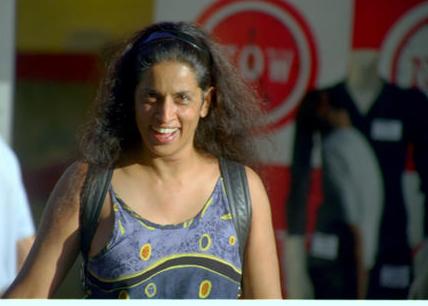
On 20 April 2012, we marked seven years since Saneeya Hussain left us. Journalist and activist Saneeya suffered a needless and tragic death at when she ran out of fresh air in South Asia and was caught up in the urban traffic congestion of Sao Paulo.

In this week’s Ravaya Sunday column, I remember Saneeya’s legacy and plight and discuss the latest dimensions of outdoor air pollution in Sri Lanka that threatens fellow asthma sufferers like myself. The same information is covered in English at: Gasping for Fresh Air, Seeking More Liveable Cities in South Asia

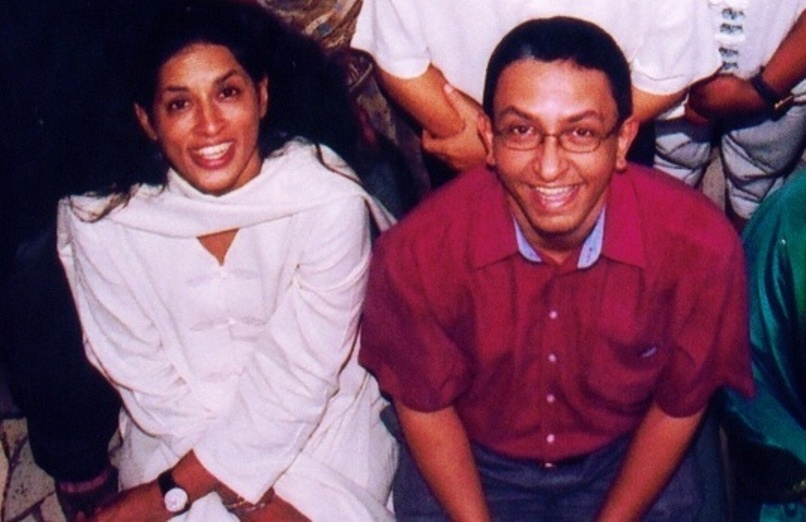
Saneeya Hussain & Nalaka Gunawardene: Singapore, Nov 2002

පාරිසරික ප‍්‍රශ්න විද්‍යාත්මක තොරතුරු මත පදනම් වී, තර්කානුකූලව හා තුලනාත්මකව විග‍්‍රහ කිරීම අවශ්‍යයි. එහෙත් බොහෝ දෙනා දත්ත හා සංඛ්‍යා ලේඛනවලින් පමණක් සෑහීමකට පත් වන්නේ නැහැ. සන්නිවේදකයන් හොදින් අත්දුටු සත්‍යයක් නම් ඕනෑ ම තර්කානුකූල විග‍්‍රහයකට මානුෂික මානයක් ද (human interest) තිබිය යුතු බවයි.

වාහන හා කර්මාන්ත ශාලාවලින් පිට වන දුමාරයෙන් ඇති වන වාත දුෂණය ගැන අප මීට පෙර විග‍්‍රහ කළා. මෙරට වාතදුෂණයේ අමිහිරි පැත්ත ගැන විද්‍යාත්මකව කළ කථාව එතැන් සිට ඉදිරියට ගෙන යන්නට මගේ මිතුරියකගේ සැබෑ කථාවක් අද යොදා ගන්නවා.

ඇගේ නම සනියා හුසේන් (Saneeya Hussain). ඇය උපන්නේ 1954දී පාකිස්ථානයේ ලාහෝර් නුවර. ඉසුරුබර පවුලක උපන්නත්, ලැබිය හැකි ඉහළ ම පාසල් හා සරසවි උගෙනුමක් ලැබුවත් ඇයට ඕනෑ වුණේ සමාජ සාධාරණත්වය හා පොදු උන්නතිය (public interest) සදහා ක‍්‍රියා කරන්නයි. මේ නිසා ඇය වෘත්තියෙන් පුවත්පත් කලාවේදීනියක් වුණා.

පාකිස්ථානයේ ඉංග‍්‍රීසි පුවත්පත් හා සගරාවල ගවේෂණාත්මක මාධ්‍යවේදිනියක් හැටියට වසර ගණනාවක් සනියා කටයුතු කළා. විශේෂයෙන් ම 1980 දශකයේ පාරිසරික ප‍්‍රශ්න ගැන හරිත කෝණයට සීමා නොවී (වනාන්තර හා වනජීවීන්ට පමණක් කොටු නොවී) මානව සමාජයට ම බලපාන සම්පත් පරිභෝජනය, ආපදා හා තිරසාර සංවර්ධනය ගැන ඈ පුරෝගාමී සන්නිවේදනයක යෙදුණා. පසුව ලෝක සංරක්‍ෂණ සංගමයේ (IUCN) පාකිස්ථානු කාර්යාලයේ සන්නිවේදන ප‍්‍රධානියා හැටියටත් කටයුතු කළා.

2002දී සනියා පැනෝස් දකුණු ආසියා (Panos South Asia) ආයතනයේ විධායක අධ්‍යක්‍ෂ හැටියට පත් වුණා. එය දකුණු ආසියාතිකයන් විසින් ම පාලනය කරන, දකුණු ආසියාව සඳහා ම කැප වූ ආයතනයක්. සාක් කලාපයේ රටවල සංවර්ධනය පිළිබඳව හරවත් සංවාද හා විවේචනයන් කිරීමට මේ කලාපයේ මාධ්‍යවේදීන්, ජන සංවිධාන ක‍්‍රියාකාරිකයන් හා පර්යේෂකයන්ට අනුග‍්‍රහය දීම මේ ආයතනයේ අරමුණයි.

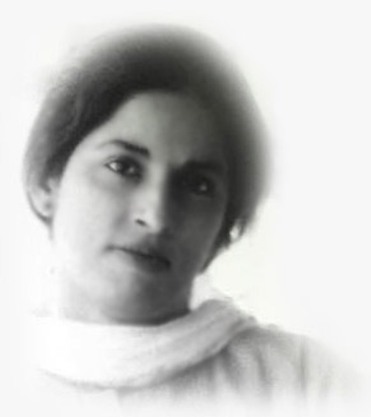
Saneeya Hussain 1954 – 2005

එහි මූලස්ථානය ඇත්තේ නේපාලයේ කත්මණ්ඩු නුවරයි. නව තනතුර භාර ගෙන ඉතා උද්‍යොගයෙන් සනියා කත්මණ්ඩු නුවරට පදිංචියට ගියත් ඇයට එහි වාසය කිරීම ලෙහෙසි වුණේ නැහැ. එයට හේතුව ඇය ළමා වියේ සිට ම ඇදුම රෝගියකු වීම.
කත්මණ්ඩු නුවර කදුවලින් වට වූ නිම්නයක්. හරියට අපේ මහනුවර වගෙයි (නමුත් මුහුදු මට්ටමින් ඊට වඩා පිහිටීම උසයි (මීටර 1,350; අඩි 4,430) නිම්නයේ වාතය එක් රැස් වුණත් පිට වන්නට කපොල්ලක් නැහැ. මේ නිසා දුෂණය වූ වාතය කත්මණ්ඩු නිම්නයේ ම රැඳෙමින් එහි වැසියන්ට පීඩා කරනවා.

කත්මණ්ඩු වාත දුෂණයට ප‍්‍රධාන හේතුව වාහනවලින් පිට වන දුමාරය. විශේෂයෙන් ම ද්විත්ව පහර (two stroke) එන්ජින් තිබෙන මෝටර් සයිකල හා ත‍්‍රීරෝද රථවල දුමාරය තුළ හරිහැටි නොදැවී පිටවෙන සියුම් අංශු (particulate matter) රැසක් තිබෙනවා. හුස්ම ගන්නා විට ශරීරගත වී වැඩි ම හානියක් කරන්නේ මේවායි.

වසර දෙකකට වැඩි කාලයක් කත්මණ්ඩු වාතය සමග සනියා පොර බැදුවා. ඒ කාලය තුළ ඇය පැනෝස් හරහා විශාල වැඩ කොටසක් කළා. එහෙත් ඇදුම රෝගය එන්න එන්න ම උත්සන්න වෙද්දී ඇයට පරාජය පිළි ගන්නට සිදු වුණා. (ඇය තරම් දරුණු ඇදුම රෝගියකු නොවූවත් මටත් කත්මණ්ඩු හා නවදිල්ලිය බදු නගර ගැන පෙනහල්ලෙන් අත්දුටු මතකයන් තිබෙනවා.)

අන්තිමේදී 2004දී ඇය පැනෝස් රැකියාවෙන් අස් වී, ඇගේ බ‍්‍රසීල ජාතික සැමියා සමග ඔහුගේ රටේ සාඕ පෝලෝ (Sao Paulo) නුවරට ගියා. එය දකුණු ඇමෙරිකාවේ තිබෙන විශාලතම හා අතිශය ජනාකීර්ණ නගරයයි. මිලියන 21ක ජනගහනයක් වාසය කරනවා. ඒ කියන්නේ ශ‍්‍රී ලංකාවේ සමස්ත ජන සංඛ්‍යාවයි.

ඇගේ ඇදුම රෝගය ඇයත් සමග සාඕ පොලෝ නගරයටත් ආවා. බෙහෙත් මගින් එය පාලනය කර ගන්නට ඇය උත්සාහ කලා. 2005 අපේ‍්‍රල් 7දා ඇයට ප‍්‍රබල ඇදුම තත්ත්වයක් හට ගත්තා. සැමියා ලූයිස් ඇය වාහනයේ දමා ගෙන ආසන්න ම රෝහලට ගියා. අවාසනාවට එසේ ගියේ නගරයේ සවස තදබදය තිබෙන විටයි. ආපදා එළි පත්තු කර ගෙනල හදිසියක් බව අගවමින් ලූයිස් හැකි තරම් ඉක්මනට රෝහලට යන්නට මහත් උත්සාහයක් ගත්තා.

ඒත් කිලෝමීටර් 2ක් යන්නට ඔහුට විනාඩි 20ක් ගත වුණා. රෝහලට ළගාවන විට සනියාට සිහිය තිබුණේ නැහැ. එහි ගිය විගස හදිසි ප‍්‍රතිකාර ලැබුණත් ඒ වන විට ඇගේ මොළයට ඔක්සිජන් නොලැබී විනාඩි 15ක් ගත වී තිබුණා. මේ නිසා වෙන කිසිදු ශාරීරික හානියක් නොමැති වූවත් ඇය කෝමාවකට පත් වුණා. ඒ කෝමාවෙන් ඇය යළිත් ප‍්‍රකෘති තත්ත්වයට ආවේ නැහැ.

මහාද්වීප හතරක විහිදුණු මිතුරු මිතුරියන් කම්පාවට පත් කරවමින් සනියා හුසේන් 2005 අපේ‍්‍රල් 20 වනදා මිය ගියා. එවිට ඇගේ වයස 51යි. ඇගේ වියෝවෙන් පසු ලොව වටා මිතුරන්ට ඊමේල් පණිවුඩයක් යවමින් ලූවිස් ඇසුවේ: “සනියා මැරුණේ ඇදුම නිසා ද? වාහන තදබදය නිසා ද?”

මේ ප‍්‍රශ්නයට උත්තරය කුමක් වූවත්, ශ්වසන රෝගාබාධ නිසා මෙන්ම නාගරික වාහන තදබදය නිසාත් අකාලයේ මිය යන මිනිසුන් සංඛ්‍යාව වසරක් පාසා ඉහළ යන බව සංඛ්‍යා ලේඛනවලින් ඔප්පු වනවා.

සනියා හුසේන්ගේ අවාසනාවන්ත ඉරණම අද හෝ හෙට දිනෙක අප බොහෝ දෙනකුටත් අත් විය හැකියි. ඇදුම රෝගයෙන් විටින් විට පීඩා විදින්නකු ලෙස මේ ප‍්‍රශ්නයට මා පෞද්ගලිකව ම මුහුණ දෙනවා.

ඇදුම උත්සන්න වීමට කාලගුණික හා වෙනත් භෞතික සාධක ද යම් තරමකට හේතු වූවත් එයට බලපාන ප‍්‍රධාන සාධකය වාත දුෂණයයි. වාත දුෂණයට අති විශාල දායකත්වයක් සපයන්නේ වාහනවලින් පිටවන දුමාරය මිස (අපේ ඇතැම් පරිසරවේදීන් පැරණි දත්ත මත පදනම් වී කියන හැටියට) කර්මාන්ත ශාලා නොවෙයි.

මීට වසර 15කට හෝ දශකයකට හෝ පෙර නවදිල්ලිය, කත්මණ්ඩු වැනි දකුණු ආසියාතික අගනගර මහත් සේ වාත දුෂණයට ලක් වී තිබුණා. කැළඹුණු මහජනයාගේ බලපෑම් නිසා වාත දුෂණය අඩු කිරීමේ දිගු කාලීන ප‍්‍රතිපත්ති හා පියවර හදුන්වා දීමට ඒ නගරවල හා රටවල බලධාරීන් පෙළඹුණා.

දකුණු ආසියාවේ නාගරික වාත දුෂණයට එරෙහිව තීරණාත්මක පියවර ගැනීම අතින් පෙරමුණ ගත්තේ නවදිල්ලි නාගරික ප‍්‍රදේශයයි. මිලියන් 14කට වැඩි ජනතාවක් වාසය කරනල ලෝකයේ මහා නගර (mega cities) අතර වඩාත් සීඝ‍්‍රයෙන් විශාල වන නගරයක් ලෙස සැළකෙන දිල්ලියේ වාත දුෂණය බරපතල සෞඛ්‍ය ප‍්‍රශ්නයක් බවට පත් වූයේ 1990 දශකයේදී.

එයට හේතු සාධක අධ්‍යයනය කළ පරිසරය හා විද්‍යාව සඳහා වන කේන්‍ද්‍රය (Centre for Science and Environment, CSE) නම් පර්යේෂණායතනය කියා සිටියේ නගරයේ වාහන සංඛ්‍යාව බලහත්කාරයෙන් අඩු කරනවා වෙනුවට වාහනවල දහනය වන ඉන්ධන වඩා ප‍්‍රශස්ත කිරීමෙන් වාත දුෂණය පටන් ගන්නා තැනදී ම සීමා කර ගත හැකි බවයි. මේ අනුව සම්පිණ්ඩිත ස්වාභාවික වායුව (Compressed Natural Gas හෙවත් CNG) නම් ඉන්ධනයෙන් දිල්ලියේ බස් රථ හා ත‍්‍රීරෝද රථ ධාවනය කිරීම ඇරඹුණා. මෙය 1990 දශකය පුරා විද්වතුන්, පාරිසරික ක‍්‍රියාකාරිකයන්, රාජ්‍ය නිලධාරීන් හා ශ්‍රේෂ්ඨාධිකරණය සාමූහිකව ගත් උත්සාහයක ප‍්‍රතිඵලයයි.

ඊට අමතරව පොදු ප‍්‍රවාහන සේවා දියුණු කිරීමට විධිමත් පියවර හා ආයෝජන සිදු කෙරුණා. දිල්ලි නගරයේ උමං දුම්රිය සේවයක් හදුන්වා දීම හරහා වාහන තදබදය අඩු වීමට පටන් ගෙන තිබෙනවා. දිගු කාලීන දැක්මක්, ප‍්‍රතිපත්තිමය කැප වීමක් හා නිසි ආයෝජන තුළින් වාහන තදබදය මෙන් ම වාත දුෂණය ද පාලනය කර ගත හැකි බවට දිල්ලිය කදිම උදාහරණයක්.

වගකීමකින් යුතුව දත්ත රැස් කොට සාක්‍ෂි මත උද්ඝෝෂණ කිරීම හරහා දේශපාලකයන් හා රාජ්‍ය නිලධාරීන් ද පොදු උන්නතියට ඒකරාශී කර ගත හැකි බව ඉන්දියානු අත්දැකීම්වලින් මනාව පැහැදිලි වනවා.

ඉන්දියාවේ වාහන තදබදය, වාත දුෂණය හා අවිධිමත් නාගරික සංවර්ධනය අඩු කර ගැනීමේ අත්දැකීම් ශ‍්‍රී ලංකාවට අදාල කර ගන්නේ කෙසේද යන්න ගැන CSE ආයතනයේ මූලිකත්වයෙන් ජාතික මට්ටමේ වැඩමුළුවක් හා මාධ්‍යවේදීන් දැනුවත් කිරීමේ සැසිවාරයක් 2011 අපේ‍්‍රල් මාසයේ කොළඹදී පවත් වනු ලැබුවා.

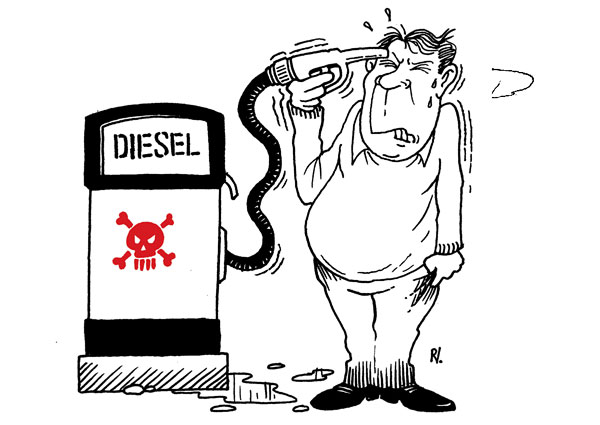
එහිදී ඉන්දියානු පාරිසරික පර්යේෂකයන් පෙන්වා දුන් වැදගත් කරුණක් වූයේ මෙරට පොදු ප‍්‍රවාහන සේවාවලින් 90%ක් හා සමස්ත වාහන සංඛ්‍යාවෙන් 45%ක් ඉන්ධන ලෙස ඞීසල් යොදා ගන්නා බවයි. මෙරට භාවිතයට ගැනෙන සල්ෆර් (ගෙන්දගම්) ප‍්‍රමාණය අධික වූ ඞීසල් දහනයේ බරපතල සෞඛ්‍ය විපාක ලොව පුරා හදුනා ගෙන තිබෙනවා.

Diesel fumes are now increasingly seen as carcinogenic

ලෝක සෞඛ්‍ය සංවිධානය දැන් ඞීසල් දහන දුමාරය පිලිකාකාරයක් ලෙස සළකන බවත්, ඞීසල් නිසා ඇති වන වාත දුෂණය, පෙට‍්‍රල් වාහනවලට වඩා බෙහෙවින් වැඩි බවත් CSE ආයතන දත්ත සහිතව පෙන්වා දුන්නා. මෙරට වාත දුෂකයන් වන සල්ෆර් ඩයොක්සයිඞ් හා pm10 අංශුවලින් 96%ක් ම පිට වන්නේ ඞීසල් වාහනවලන්. මේ නිසා ඞීසල් ඉන්ධන පවිත‍්‍ර කර ගැනිම හා ඞීසල් වාහන එන්ජින් නඩත්තුව ගැන වැඩි අවධානයක් යොමු කළ යුතු බව දැන් පිළි ගැනෙනවා. වැඩි විස්තර සඳහා බලන්න http://tiny.cc/Gasp සහ http://tiny.cc/Gasp2

කොළඹ හා තදාසන්න ප‍්‍රදේශවල වාහන තදබදය හා වාත දුෂණය ගැන නිතර කථබහ කෙරුණත් ඒ ගැන දිගුකාලින විසදුම් සෙවීමට අපේ සාමූහික උත්සාහයන් සාර්ථක වී නහැ. වාහන පිටරටින් ගෙන්වීම ඉහළ ගොස් අපේ මාර්ග පද්ධතිය දැඩි ලෙස තදබදයට ලක් වීමෙන් පසු විසදුම් සෙවීමට දැන් අපට සිදු වී තිබෙනවා!

අපේ රටේ මහාමාර්ගවල වාහන ධාවන වේගයේ ජාතික සාමාන්‍යය පැයට කිමි 26ක් බවත්, කොළඹ දිස්ත‍්‍රික්කයේ එය පැයට කිමි 22ක් බවත් මොරටුව සරසවියේ ප‍්‍රවාහනය පිළිබඳ මහාචාර්ය අමල් කුමාරගේ කියනවා. එළඹෙන වසරවලදී මෙය පැයට කිමි 19 දක්වා අඩු විය හැකි බවත්, කොළඹ දිස්ත‍්‍රික්කයේ පැයට කිමි 15 විය හැකි බවත් ඔහු ප‍්‍රකේෂපනය කරනවා.

රටක වාහන තදබදය අඩුකිරිමට මහාමාර්ග පළල් කිරිම හෝ අළුතෙන් පාරවල් තැනීම සෑහෙන්නේ නැහැ. එයින් ලැබෙන සහනය තාවකාලිකයි. ඊට වඩා ක‍්‍රමානුකූලවත්, දිගුකාලීනවත් වාහන තදබදයට හා වාත දුෂණයට පිළියම් සොයා සාමූහිකව යොමු වීමේ බලවත් අවශ්‍යතාවය අද මතු වී තිබෙනවා.

සනියා හුසේන් වාර්තා චිත‍්‍රපටය නරඹන්න http://tiny.cc/SanFilm

Breaking News on a Restless Planet: Covering Disasters in a Networked Society

Communicating Disasters: ZiF Conference in Bielefeld
How do we cope with a warming planet while living in an increasingly WikiLeakable world? Exactly one year ago, I explored this in my talk given at the University of Colombo during the LEAF Conference.

As I reflected then: “We live in a crisis-ridden world where we have to cope with multiple emergencies unfolding at the same time, impacting us on different fronts. This illustration captures three of them: crisis in biodiversity, man-made climate change, and the new reality of living in a rapidly WikiLeakable world — what I called the Global Glass House.”

I returned to this theme and explored it further this week when giving a keynote address at the Bielefeld University in Germany. I was participating in their international and inter-disciplinary conference on “Dealing with the Disaster of Others”, 26-28 January 2012. The conference was the culmination of a year-long research project on this theme carried out at the University’s Centre for Interdisciplinary Research (ZiF).

I also built on ideas initially discussed in my 2007 book, Communicating Disasters, which was part of the reference material used during th ZiF research project.

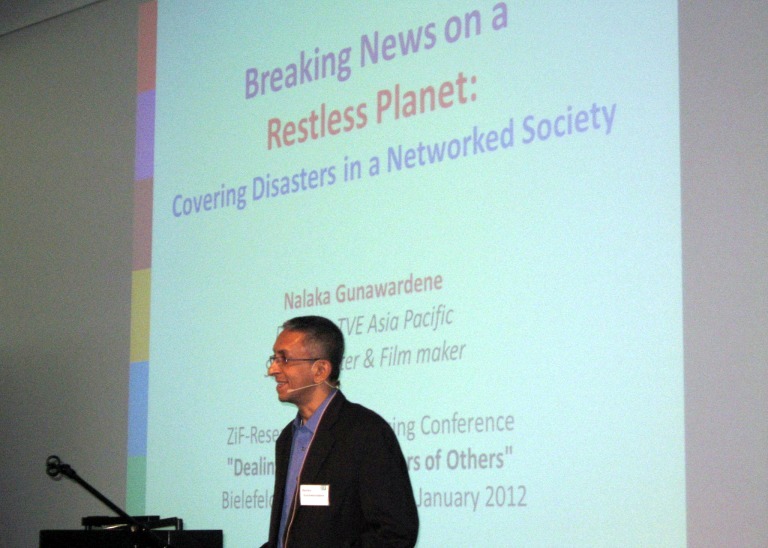
Nalaka Gunawardene speaks at ZiF Conference on Communicating Disasters, Bielefeld, Germany: 27 Jan 2012

Here’s the Summary (Abstract) of my talk. PowerPoint slides below.

Breaking News on a Restless Planet: Covering Disasters in a Networked Society

by Nalaka Gunawardene
Science Writer, Blogger & Columnist; Director – TVE Asia Pacific (TVEAP)

Communicating disasters — before, during and after they happen — is fraught with many challenges. The increased volume and flow of information, enabled by the proliferation of information and communication technologies (ICTs), fills some gaps — but not all. Other critical elements such as institution building, training and awareness raising are needed at all levels to create societies that are better informed and prepared.

The news media, driven by their quest for what is new, true and interesting, can be useful allies for disaster managers. But the nexus between these two groups has always been contentious, and the acceleration of the news cycle has made it more so. Having to sustain 24/7 coverage for their fragmented and distracted audiences places enormous pressures on news media to break news first — and reflect later. In this scenario, how can empathetic, ethical and balanced reporting happen?

As disasters increase in frequency and intensity partly due to climate change, mainstream media practitioners across Asia struggle to keep up. Disasters are more drawn out (e.g. Pakistan floods, 2010 & Thailand floods, 2011), geographically scattered (Indian Ocean tsunami, 2004) and economically devastating (Tohoku/Fukushima, 2011) than before. This stretches the capacities and resources of many news organisations. Saturation coverage of unfolding disasters can also cause ‘compassion fatigue’ and apathy in audiences.

In today’s networked society, news media are no longer the sole gatherers or distributors of news. Without the trappings and inertia of the institutionalised media, citizen journalists are quick to adopt ICT tools and platforms. What does this mean for communicating disasters that requires care and sensitivity? In which ways can we find synergy between mainstream and new/social media to better serve the public interest on a warming planet? What value-additions can the mainstream media still offer to the coverage of disasters near and far?

We examine these and other larger questions with reference to recent disasters in Asia.

Here’s the PPT:

Love that Bug: Spinal Beetle completes charity run across South Asia

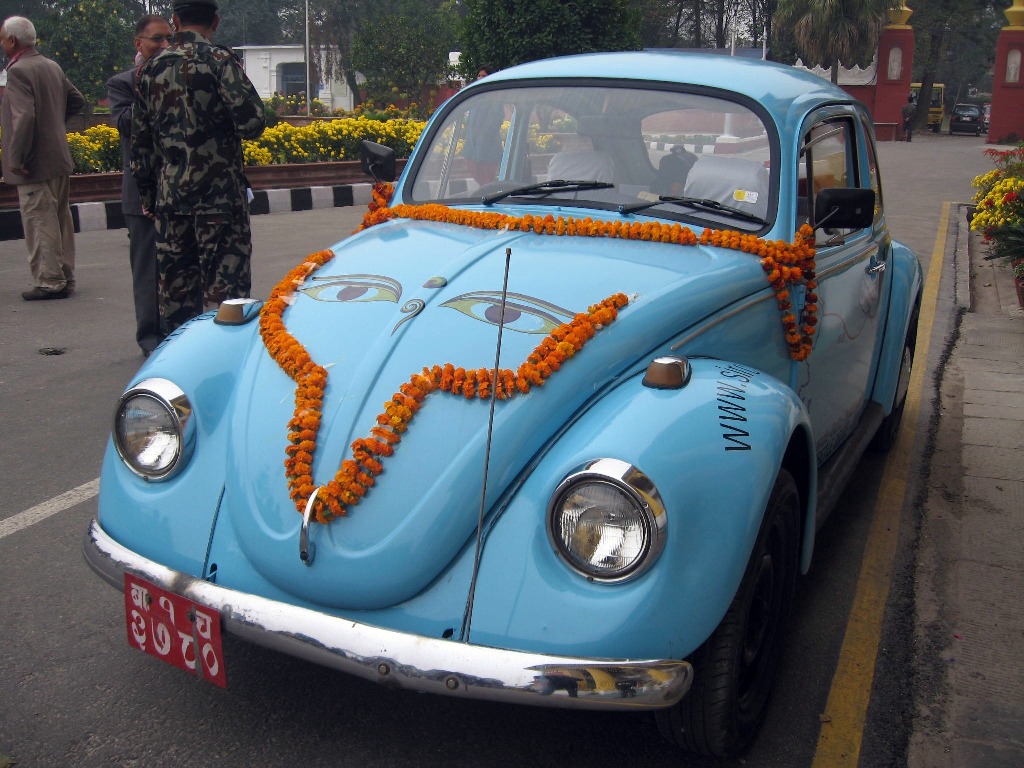
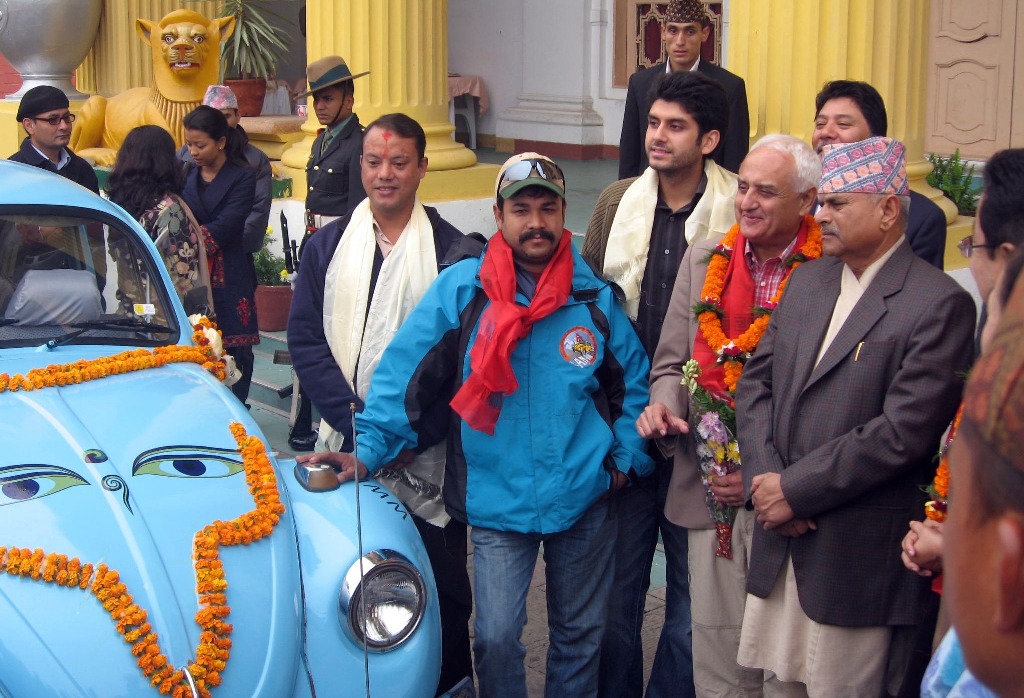
Here's looking at you, people! The Love Bug had only two eyes, but the Spinal Beetle has four. Photo by Nalaka Gunawardene

Deep down in our hearts, we are all Volkswagen Beetle fans: some of us have owned one (my first car was a red bug!), others dream of doing so. The world’s most enduringly popular car design has a particular appeal in South Asia.

And now, South Asian VW Beetle fans have a adorable new mascot. Move over, Disney’s Love Bug (thanks for tons of fun); welcome, Spinal Beetle!

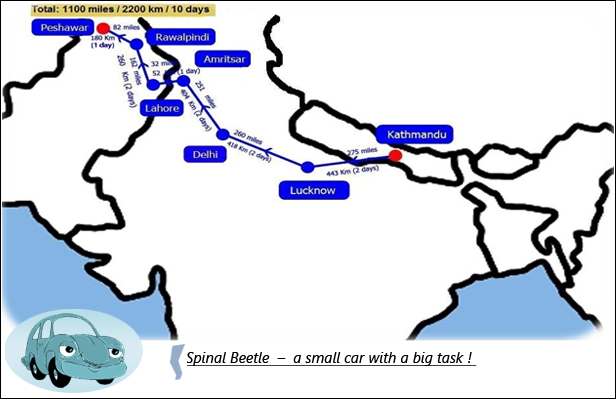
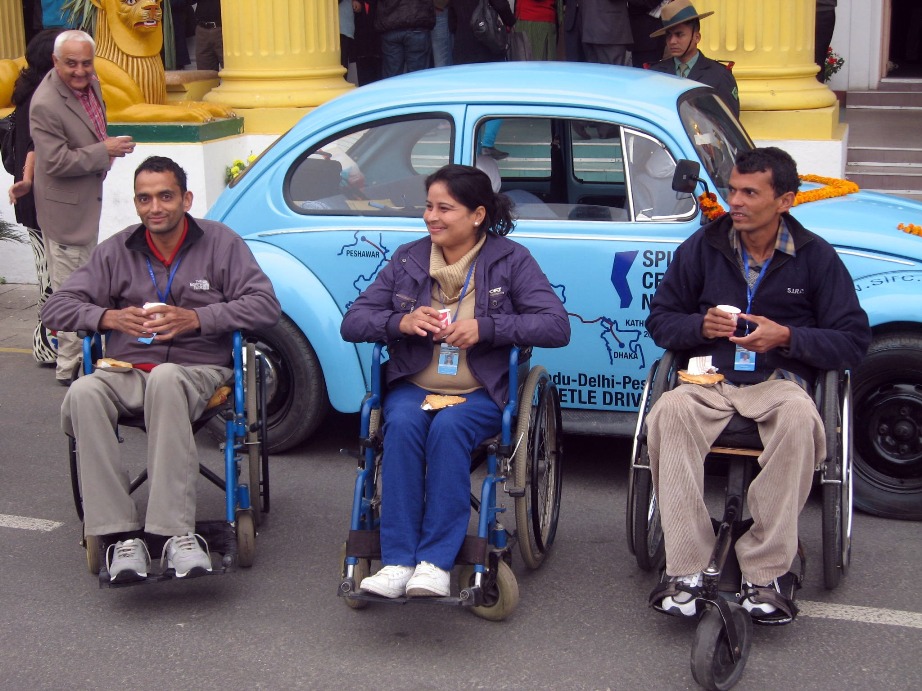
My friend – and hero – Kanak Mani Dixit and his wife Shanta have just completed a 2,200 km (1,100 mile) journey in their nearly 40-year-old Beetle that took them from Kathmandu in Nepal to Peshawar in Pakistan. It was a 12-day, 3-country drive that was to raise funds for spinal injury treatment in Nepal.

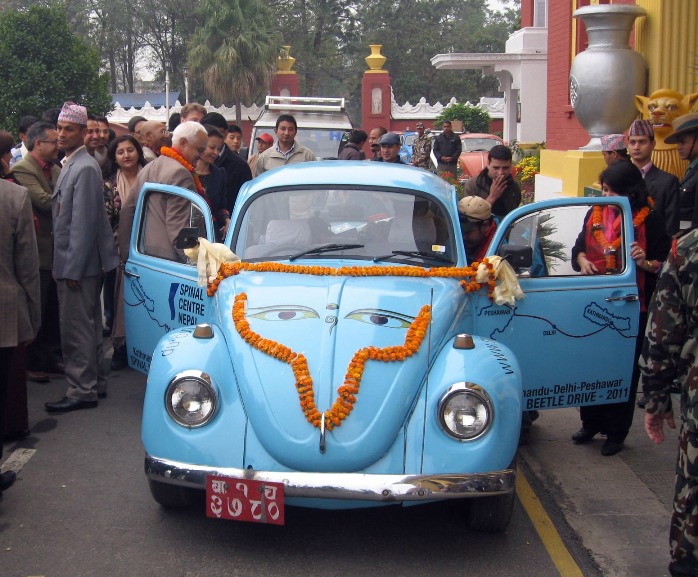
By happy coincidence, I was in Kathmandu on 4 Nov 2011 when the President of Nepal waved off Kanak and Shanta on their journey from the President’s House. It was an informal gathering of friends and well-wishers — with none of the pomposity usually associated with heads of state.

So the photos in this post are all mine. The text that follows is from Kanak and his media team:

President Ram Baran Yadav about to send off Kanak Mani Dixit and Shanta Dixit on 12-day journey in Spinal Beetle - Photo by Nalaka Gunawardene

The ‘Great Nepal-India-Pakistan Spinal Beetle Drive’ arrived in Peshawar on 16 November, ending a 1100-mile odyssey that took the 1973 VW Beetle from Kathmandu through Lucknow, Agra, Delhi, Amritsar, Lahore, Islamabad and Rawalpindi.

“It was an exhilarating journey across the friendly landmass of Southasia, and I hope a pointer towards easy land-crossings for people from all our countries,” said Dixit. “Most of our journey was along the Grand Trunk Road, built originally by Sher Shah Suri in the 16th century. The 21st century demands that we open this highway for the people, commerce and ideas to flow.”

The journey of the sky-blue Beetle was conducted with three goals of promoting ‘land connectivity’ in Southasia, developing links between spinal injury institutions across the Subcontinent, and raising funds for the Spinal Injury Rehabilitation Centre in Nepal.

“The matter of land connectivity is important because airline links can never provide the mass-level contact that our people and economies deserve. One would want to see the same cacophony at the Atari-Wagah border as at the Nepal-India border of Bhairahawa-Sunauli,” said Dixit.

The trip was helpful in developing linkages between organisations such as the Spinal Centre in Nepal, the Indian Spinal Injuries Centre in Delhi (ISIC), the Mayo Hospital in Lahore, the National Institute for Rehabilitation Medicine in Islamabad, the Armed Forces Institute for Rehabilitation Medicine in Rawalpindi, and the Paraplegic Centre in Peshawar.

As for the goal of raising emergency funds for the Spinal Centre-Nepal in order to cope with sudden rise in demand for its services, Dixit said that a little over half of the USD 110,000 goal had been raised. “We hope to complete our goal through a retroactive campaign because the spinally injured of Nepal badly need support,” he said.

Dixit is a civil rights activist, writer and journalist who injured his spine in a trekking accident a decade ago. The Spinal Centre was started in 2002 and inaugurated by the late Sir Edmund Hillary.

Kanak and Shanta Dixit setting off on their long journey in Spinal Beetle from Sheetal Niwas on 4 Nov 2011 morning - Photo by Nalaka Gunawardene

In the ‘Spinal Beetle’ driven by Dixit, he was accompanied by Shanta Dixit, educator and founding member of the Spinal Centre-Nepal. The back-up car, a Mahindra Bolero, included VW Beetle specialist Naresh Nakarmi, Spinal Centre staff member Suman Khadka and Eelum Dixit, doing videography and photography. Social worker Meera Jyoti is chair of the Spinal Centre-Nepal.

The Spinal Beetle drive was flagged off on 4 November by President Ram Baran Yadav of Nepal. In New Delhi, it was received by Maj. H.P.S. Ahluwalia, founder of ISIC, as well as journalist Kuldip Nayar and actor Om Puri. The physicist and peace activist A.H. Nayyar received the Spinal Beetle at the Wagah-Atari border. Throughout the Southasian drive, the team was graciously hosted by members of the Pakistan-India People’s Forum for Peace and Democracy and other organisations, such as the Indian Doctors for Peace and Development in Agra, and Asha for Education in Lucknow.

Among the many interesting aspects of the trip, from the emotional to the historical, Dixit includes the following:

• The Spinal Beetle team responded to the request of 96-year-old Barkat Singh ‘Pahalwan’ of Jalandhar (Indian Punjab) that some earth be collected from his childhood village of Fatehgarh near Sialkot (Pakistani Punjab). Taking a detour from the GT Road, the team found the place, which had now become an urban suburb of Sialkot, and collected a jarful of agricultural earth for Barkat Singh. (for a picture of Barkat Singh and other images, go to ‘Selected Photographs’ on http://www.sirc.org.np)

• The memory of Sher Shah Suri, the Afghan sultan from present-day Bihar who ruled from Agra, followed the team through much of the route, which he had regularised in the mid-16th century as an administrative and commercial artery. His memory was revived by the ‘kos’ markers along the Delhi-Chandigarh stretch, a neglected postal station outside Wazirabad, the great roadside banyans providing shade to travellers then and now, and the Rohtas Fort on the approach to Rawalpindi.

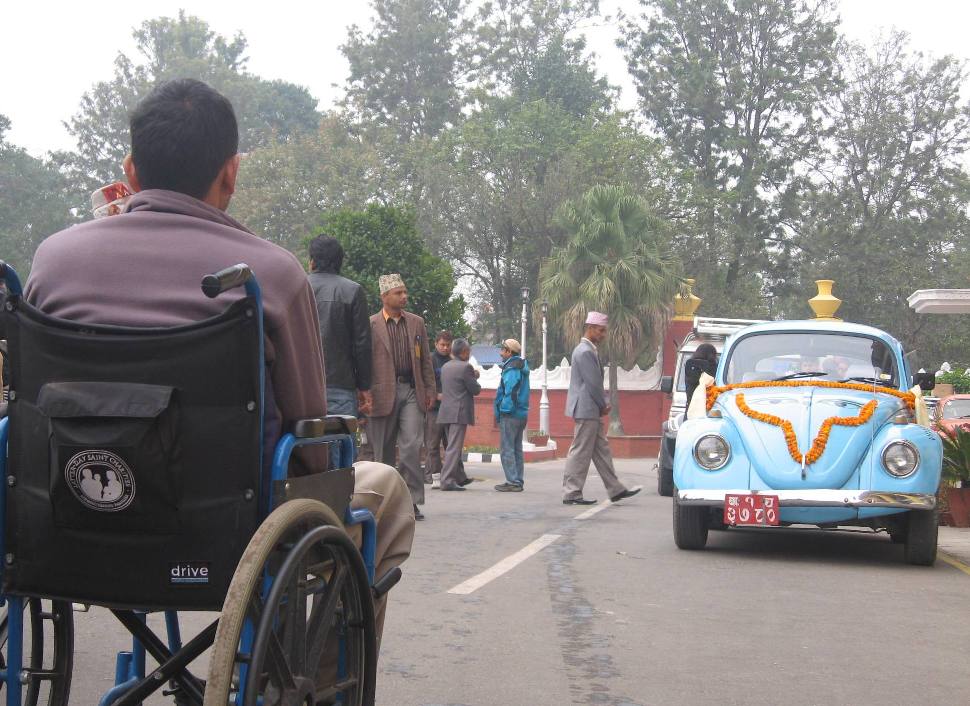
A Nepali on wheelchair watches Spinal Beetle about to depart on a long journey to raise funds for people like him - Photo by Nalaka Gunawardene

• Having started in the Lumbini region of Nepal, where the Buddha was born more than 2,500 years ago, the Spinal Beetle ended its journey in the Gandhar region around Peshawar, a vast centre for Buddhist learning, art and architecture where the Sakyamuni was first etched in human form a few centuries later. In the Potohar Plateau near Islamabad, the Spinal Beetle visited the gigantic Buddhist stupa at the village of Manikyal.

• Arriving in Agra, the Spinal Beetle visited the Taj Mahal on the day of Eid ul-Azha. It arrived in Amritsar and visited Harminder Saheb (the Golden Temple) on the Guru Nanak’s birthday. Passing Gorkha District of Nepal (named after the Gorakhnath temple situated there), the Spinal Beetle traversed Gorakhpur, the base of the Nath sect, and ended its journey in Peshawar where the team visited the Gorakhnath Temple there, opened only a month ago after 60 years of closure. The Delhi-Amritsar leg of the journey was started with a visit to the dargah of Nizamuddin Aulia.

• After watching the mock-militarist show at the Wagah-Atari border between the Indian and Pakistani goose-stepping men in khaki, that very evening the team attended a play on Bhagat Singh and his fight for independence, put on by the Ajoka Theatre of Lahore.

• The Bharatpur government hospital in Chitwan District of Nepal was the first stop of the Spinal Beetle out of Kathmandu. The Bharatpur hospital sought help for setting up a spinal injury rehabilitation unit, which is in line with the Spinal Centre’s belief in decentralising rehabilitation. As a gesture of goodwill for the Nepal-India-Pakistan drive, the hospital committee donated NRs 50,000, which was gratefully received.

• In New Delhi, Maj. H.P.S. Ahluwalia of ISIC suggested that Dixit work to set up a Southasian network for spinal injury rehabilitation, given the specificity of the need. There was an enthusiastic response to this idea throughout the rest of the trip all the way to the Paraplegic Centre in Peshawar.

• At the Mayo Hospital in Lahore, the Medical Superintendent Dr. Zahid Pervaiz and Head of Rehabilitation Medicine Dr. Waseem Iqbal provided information on spinal injury and trauma response that had been developed in Pakistan. They graciously offered four-year full fellowships for two doctors to be sent by the Spinal Centre-Nepal.

Only a Nepali team and a German Bug could get past border babus like this!

• In Islamabad, the Nepal team got specific information on the response to the 2005 earthquake which hit Kashmir and the Hazara division. The team invited Pakistani specialists to Kathmandu to share information on the medical, rescue, social work and humanitarian aspects, so that Nepal would be better able to tackle the mega-tremor that is projected to hit Kathmandu Valley and surrounding areas before long.

• In Islamabad, activist and politician Nafisa Khattak introduced the team to the Melody Theatre, which had served as a staging ground for the sudden rush of victims from the 2005 earthquake. Poignantly, this only cinema hall of the city had been set to torch by a radical mob some years earlier.

• In Agra, members of the Indian Doctors for Peace and Development reminded the team that while there were 8-9 neurosurgeons in the city, there was no rehabilitation centre.

• The Volkswagen Club of Pakistan (VCP) took the Spinal Beetle under its wings in Islamabad and made sure that the car was made ship-shape after the climb up from the Punjab plains. Discussion was started with the club members about organising a VW Beetle rally from Islamabad all the way to Dhaka through India and via Kathmandu, as an exemplary means to develop people-to-people contact in the Subcontinent. This would require cooperation between the VCP, the Association of Nepal’s Beetle Users (ANBUG), the Volkswagen Club of Bangladesh and the Volkswagen Beetle community in India.

• At a meeting organised by the Pakistan-India People’s Forum for Peace and Democracy and the Islamabad Cultural Forum, Dixit spoke on the theme of ‘land connectivity’ in Southasia. “If on an old VW Beetle can do the Kathmandu-to-Peshawar trip with ease, imagine how easy it will be for everyone else.” At this time of geopolitical rapprochement between India, Pakistan and Bangladesh, a special push must be made for land connectivity, he added. “Let a hundred thousand networks bloom across Southasia, in the spectrum from spinal injury to VW Beetles and beyond, to bring the people together.”

More on the Spinal Beetle drive: The sudden rise of the number of patients over the last year has forced the Spinal Centre-Nepal to raise its service from 39 beds to 51. We seek to raise USD 110,000 from the 1,100 mile journey of the Spinal Beetle, at the ‘rate’ of USD 100 per mile from friends and supporters worldwide. By the time the Spinal Beetle arrived at Peshawar on 16 November, a little over half that amount had been raised. The Spinal Beetle Rally is also an effort to raise awareness of spinal injury prevention, rescue, care and rehabilitation in the Subcontinent.

The Spinal Beetle has done the Kathmandu-Dhaka stretch twice, in 2002 and 2005, and touched base at the Centre for the Rehabilitation of the Paralysed (CRP) in Bangladesh. The CRP would be a key institution in the networking of spinal injury rehabilitation institutions that is proposed.

The Spinal Beetle will carry their hopes and dreams across three countries, driven by that small man standing behind - Photo by Nalaka Gunawardene

Sri Lanka’s Sacred Cows and Orbital Dreams: Asking difficult questions

Holy cow! How does she do it?
Cows have been a part of South Asian cultures, economics and societies for millennia. Many among us are connected to cows in one way or another – some worship them while others feast on them. Even a secular vegetarian in South Asia – like myself – can’t avoid bumping into the occasional cow on our delightfully messy streets…

We probably gave the term ‘sacred cow’ to the English language. It means an object or practice which is considered immune from criticism, especially unreasonably so. As the Wikipedia explains, “The term is based on the popular understanding of the place of cows in Indian religions as objects that have to be treated with respect, no matter how inconvenient.”

Well, some of us beg to differ on modern-day sacred cows. My latest op ed essay, just published on Groundviews.org, is all about sacred cows in rapidly modernising South Asia. It starts with my experience as a young science journalist covering the impending launch of Pakistan’s first digital communications satellite, Badr 1, in early 1990.

At the time, Pakistan had recently returned to civilian rule after many years of dictatorship, and Benazir Bhutto was Prime Minister (in her first term). The political mood was generally upbeat. But I soon found out — from Pakistani journalists and independent scientists — that they weren’t allowed to ask critical questions about the country’s nuclear or space programmes.

In Sacred Cows and Orbital Dreams in Sri Lanka, I write: “The message was clear: democracy or not, some sacred cows always enjoy their privileged status! This has certainly been the case with both the space and nuclear programmes in India and Pakistan: they have been shielded from public and media scrutiny for decades.

What price for having our own?
“For the past few months, it seemed as if we too were following this South Asian tradition. Plans to build Sri Lanka’s own satellites were announced and pursued with little information disclosure and no public debate. The government wanted to launch our very own ‘sacred cows’ into orbit. We the public were to just applaud on cue, and then cough up the money for it…”

The essay is a critique of Sri Lanka’s much hyped plans to build its own satellites. The project was announced in February 2009 and appeared to gain momentum during the year. Going by official statements and media reports, the plan was to launch not one but two satellites.

Suddenly, there seems to be a change of heart. In a interview on 6 June 2010 covering a range of issues, head of the Telecom Regulatory Commission (TRC) disclosed that the government was not going ahead with the much-hyped project. At least not in its originally announced form. The reason: the very high cost, and the need to ‘explore other options such as hiring satellites’ instead of building our own.

Hmmm. Better to be wise later than never. This is the first time in over 15 months that the high costs of this high cost project have been acknowledged.

The satellite is not the only mega-science project being pursued in post-war Sri Lanka. In June 2009, the Ministry of Science and Technology directed the Atomic Energy Authority to set up a national committee to study technical and financial aspects of setting up a nuclear power plant.

Again, this mega project has not been opened up for public discussion and debate, in spite of a few citizens and activists expressing concern, highlighting safety and public health risks, high cost of construction and the unresolved problem of nuclear waste disposal.

I end the essay arguing that as long as public safety and public funds are involved, sacred cows – whether orbital or radioactive – can’t be allowed free range.

Read the full essay on Groundviews: Sacred Cows and Orbital Dreams in Sri Lanka

A compact version appeared in The Sunday Times, 13 June 2010: Sri Lanka’s Satellite: Lost in Space?

Remembering Saneeya Hussain of Absurdistan, five years on…

Saneeya Hussain (1954 - 2005)
Exactly five years ago today, journalist and activist Saneeya Hussain left us. Hers was a needless death that left a deep impression in numerous friends she had around the world. We still remember.

We remember Saneeya as a journalist who took a special interest in environment and human rights issues. All her working life, she campaigned tirelessly for a cleaner, safer and more equitable society for everyone, everywhere.

We remember Saneeya as one who supported pluralism – not just in her own country Pakistan, but everywhere. She hated autocrats and military dictators. She spoke out and wrote against unfair domination and agenda setting by a handful of (usually graying) men. She had the courage to suggest re-naming her country as Absurdistan!

We remember Saneeya as a fun-loving, easy-going if slightly absent-minded friend. She wasn’t the most organised person, but was diligent and relentless on causes and issues that she passionately believed in.

Saneeya’s worldwide network of friends have keep her flame alive, and this blog post is as much a tribute to them as it is for Saneeya. Officially, the Saneeya Hussain Trustcontinues her vision and mission.

In fact, the chairperson of the trust (and Saneeya’s mother) Najma Hussain just wrote us a group email, saying: “Let’s share happy memories of Saneeya and celebrate her life.”

She asked: “If you have any anecdotes to share with us please write back. We will love to hear from you.” Saneeya Hussain Trust can be contacted here.

Read my blog post written on Saneeya’s second death anniversary, 20 April 2007, for more of my own memories

Our mutual friend Beena Sarwar has made a 14-minute documentary called Celebrating Saneeya. Here’s the shorter version available on YouTube:

Celebrating Saneeya (August 2005; 14 mins; language: English; Filmed in Karachi, Pakistan, with archives and footage from Brazil, South Africa and Nepal)

Synopsis: Saneeya, with her joyful laugh, lightness of spirit, striking height and long hair, embodied “feminism” and “women’s rights” in the most un-dogmatic way. Living life on her own terms, she countered the trends that militate against women’s individual freedoms in Pakistan. During the repressive years of military dictator General Ziaul Haq she worked as a journalist and was active in the women’s movement that defied the military rule. She also pioneered environmental journalism in Pakistan. Later, while working with the World Commission on Dams in South Africa she met a Brazilian geographer eleven years her junior. Their love story transcended age, culture, religion and nationalities.

In 2004, a severe allergic reaction stopped Saneeya’s breathing and her breathing stopped during a traffic jam in Sao Paulo, preventing her from reaching the hospital in time and sending her into a coma. This documentary is a celebration of her life and all that she stood for, through interviews with her husband, family and friends, and archive material. Sticker on Saneeya’s fridge: “Life is uncertain, eat dessert first”.

Read more about Saneeya Hussain on the trust website

Little strokes make big pictures: Covering climate change in South Asian media

Given the surfeit of media stories on climate in the build-up to the Copenhagen climate conference (7-18 Dec 2009), it would appear that journalists have little or no difficulty in covering this literally hot topic, right?

Wrong. The planet is warming, but not all editors and other media gate-keepers have yet warmed up to the topic. (We might even say: some are thawing more slowly than glaciers these days!).

“While environment is fast becoming a trendy topic, environmental journalists say they are finding it increasingly difficult to sell their stories to editors. This is a confounding trend in the news media, given the increasing confusion – and resultant calls for clarity – about scientific data for climate change in the run up to the United Nations Climate Change Conference in Copenhagen. The experts, however, say the trick is to repackage the story alluringly.”

Zofeen T Ebrahim
This is the thrust of an article just written by the experienced Pakistani journalist and blogger Zofeen T. Ebrahim on Dawn.com. In Little strokes make big pictures, she probes the challenges that South Asian journalists continue to face in reporting and analysing on climate change in their mainstream media.

Zofeen, who was with me at the recent IFEJ congress in New Delhi a few weeks ago, quotes me in her article: “Nalaka Gunawardene, a senior award-winning science writer from Sri Lanka, recalls that his mentor, Tarzie Vittachi, once advised that ‘ordinary people live and work in the day-to -day weather. Most can’t relate to long-term climate. It’s our job, as journalists, to make those links clear.’ Of course, three decades ago, well before climate change was a hot topic, Vittachi was speaking metaphorically. But the words have great import today.”

She also quotes South Asian colleagues like Kunda Dixit, Joydeep Gupta, Nirmal Ghosh and Aroosa Masroor Khan (all men, although they are among the finest in the profession :)).

Her conclusion: environmental stories may still be a hard sell in many media outlets, but committed journalists have found ways to market their stories first within their organisations, and then to their respective audiences. That is some good news as the crucial climate talks open in the cool climes of Copenhagen.

Read the full article: Little strokes make big pictures, by Zofeen T Ebrahim

Zofeen T. Ebrahim is a Karachi-based independent journalist and has been writing for IPS since April 2003. She also writes for Women’s Feature Service, IRIN and Indo Asian News Service. The stories she has covered include human rights, specially pertaining to women and children, health and how development impacts environment.

24/7 TV Deficit: When more (channels) gives us less (news)…

WCSJ London

When Cable News Network – or CNN – was launched in June 1980, it became the first network to provide 24-hour television news coverage, and the first all-news television network in the United States. Most people didn’t believe it would last for long, for they could hardly believe that there was enough news to fill all hours of the day and night.

They had reasons to be skeptical: at the time all major TV channels and networks in North America, Europe and elsewhere carried an hour or two of well-packaged and well-presented news bulletins per day. Viewers looked forward to these bulletins, when able and amiable anchors like Walter Cronkite – ‘the most trusted man in America’ – entered their living rooms for an update and reflection on the day’s events. A leader had to be assassinated or men had to walk on the Moon for this routine to be broken…

CNN founder Ted Turner changed all that. He proved the skeptics wrong, and blazed a new trail in broadcast journalism. In his wake, dozens and now hundreds of all-news channels have emerged, providing a cacophony of coverage and punditry as never before seen.

Saturated with news on TV? Reach out for this relief!

One of the early, unofficial expansions of CNN was ‘covering news needlessly’. This was sometimes necessary to fill 24 hours a day (or 1,440 minutes) and 7 days a week (or 168 hours). The channels say repetition is meant to give the chance for any viewer to catch up on the news whatever time she tunes in. But the question remains: is there so much news to fill not only 24/7 but hundreds of such channels?

The answer is both yes – and no. It all depends on the definition of news, and what each channel considers to be in the public interest. We won’t get into that big debate here. But the fact remains that, at least where the numerous all-news channels in Asia are concerned, they often struggle to fill their air time – and not always very successfully.

And do we have an abundance of such channels. India alone now has more than 60 all-news channels catering to a billion+ audience in dozens of languages…and more keep popping up. Elsewhere in countries such as the Philippines, Pakistan and Thailand, there have been similar channel explosions in recent years. This is partly triggered by media liberalisation which allowed local and foreign private companies to enter the broadcast sector that earlier remained a state monopoly.

Aryn Baker of TIME
Aryn Baker of TIME
But more channels has not necessarily meant better coverage of news. There was a perceptive observation by Time magazine’s Aryn Baker in a recent essay she wrote in June 2009 about the state of Pakistan’s media. In her essay titled Casualty of War, she noted: “In 2002, the then President, General Pervez Musharraf, permitted private TV stations to broadcast news instead of just the state-owned Pakistan Television Corp. At the time, Musharraf’s deregulation was hailed as a significant step for the nascent free-press movement; indeed, today there are more than 30 nongovernment TV stations in the country. As TV stations proliferated, I argued that increased competition would force the emergence of a strong, ethical and responsible media corps. But there simply aren’t enough well-trained and -informed local journalists to supply the dramatically greater number of media outlets. I also assumed that consumers would gravitate toward truth. Instead the bulk of readers and viewers seem comfortable with sensationalism and xenophobia — as reflected by an April poll conducted by Gallup Pakistan revealing that 76% of Pakistanis “believe Pakistani media [are] unbiased to a great or somewhat extent.” In other words, Pakistanis like their media the way they are.

Baker cites examples where the print and broadcast media in Pakistan regularly rumour and peddle conspiracy theories as news. She ends with a strong plea: “Pakistan’s press needs to take a hard look at itself and its level of professionalism. Only then will it live up to its potential, and only then will Pakistan get the media it deserves.”

Shooting the news...
I couldn’t agree more. Having cheered the collapse of state broadcasting monopolies across Asia in the 1990s, I have very much felt the same way about news channels across the region (here I’m talking about the English language channels only, which are outnumbered in most markets by local language channels). While there are a few news channels that stand above the rest, a majority would come close to what Aryn Baker describes for Pakistan.

Speaking at the 6th World Conference of Science Journalists held in London in early July, I called this the ’24/7 TV Deficit’ in Asia’s broadcast media. In summary, it is this: In the developed world, all-news channels like CNN evolved over time, building capacity and experience along the way. In emerging Asia, news channel explosion hasn’t allowed time for such evolution – so skills and resources are spread too thin. There are genuine limitations of competence and capacity. Sometimes this leads to sensationalism or distortion.

I said: “The long term response to this is to invest in training and capacity building of journalists and producers already working in the media. For the most part, they learn on the job, making mistakes on the air. This is far from ideal.”

‘The Final Inch’: Real ‘Oscar’ would be polio’s global eradication!

Not longer just a drop in the ocean...
No longer just a drop in the ocean..?
The Final Inch didn’t win the Oscar for the best short documentary film made in 2008. But the nomination has given a boost to the film and its cause: even before its official release in April 2009, it is already raising global awareness on the major public health challenge of banishing polio from the planet.

The Final Inch is a testament of the health workers around the world laboring to make polio the second globally eliminated disease behind small pox, says director Irene Taylor Brodsky.

The 37-minute film, due to air on HBO on 1 April 2009, looks at the “the final stages of a 20 year initiative” to eradicate polio. It focuses the polio vaccine efforts in India and Pakistan, which are among the last four countries where polio is still endemic (the other two being Afghanistan and Nigeria).

Watch the trailer for The Final Inch:

The campaign to eradicate polio is now 21 years old. World Health Organisation (WHO), UNICEF and Rotary Foundation embarked on this campaign in earnest in 1988, and as a young (and equally earnest) science journalist, I remember writing about its early strategies, goals and targets. But the virus has proven to be a lot more stubborn than originally expected.

Well, the campaign has scored remarkable victories, and a little over 1,600 people in the world were stricken by polio in 2008. (AIDS and malaria, in contrast, killed more than three million people.) Compare that with 350,000 cases per year when the global onslaught started, and we see there has indeed been progress.

But the virus – and the crippling disease it causes – persists in several poor, densely populated countries in Asia and Africa. Updates are available from Global Polio Eradication Initiative.

Thus it’s the ‘last inch’ – or last mile, if you like – that’s proving the hardest to traverse. In a perceptive essay published in Newsweek in January 2009, Fred Guterl noted: “It’s not easy to wipe a disease off the face of the planet—especially one like polio, which spreads easily and quickly through contact and occasionally through contaminated food and water. Only one in 200 children who contract the virus shows symptoms (usually paralysis), which makes the other 199 silent carriers.”

It’s not just biology that polio eradicators are up against. Indeed, human superstition and religious dogma have made the final inch particularly contentious and treacherous for public health workers.

In 2005, TVE Asia Pacific started distributing a global documentary on immunisation called Fragile Lives: Immunization at Risk. It showed how at least 2 million children die every year from diseases that that vaccination could easily prevent.

Foot soldiers of the largest non-military army in history engaged in its final battle
At one point, the film takes us to Uttar Pradesh, in northern India, to show how polio, eradicated in most of the world, stubbornly persists in a few countries. This very poor state with its 272 million inhabitants had two thirds of the world’s polio. We talk to the glamorous young cricketer, Mohamed Kaif, who helps publicise a massive campaign to get every single child to the vaccination booths. The film discovers the strange reason behind why so many Muslim parents refuse to have their children vaccinated.

The Final Inch features the heroic efforts of Munzareen Fatima, a field worker in Meerut, Uttar Pradesh, who is a part of UNICEF’s Social Mobilisation Network for ensuring vaccination coverage. She reaches out to her target group through personal and public intervention programmes.

As she told IANS: “It has been a tough journey for me over the last five years to convince 470 families at Dufferin block in Khairnagar to administer polio drops to their children. I met with resistance from the families, who initially refused to immunise their children. The conservative community also belittled me for stepping out of home to campaign against polio.”

India is not alone. If anything, misplaced resistance to polio vaccination has been stronger in Pakistan. As IPS reported in August 2006, the country’s drive against polio was hit by both rumours and litigation.

The news story, filed by Ashfaq Yusufzai in Peshawar, noted: “The reliability and safety of oral polio vaccine (OPV) has been put under scrutiny in Pakistan after wild rumours that it causes impotency snowballed into a writ petition in a high court.”

Bill Gates: geek power and bucks to battle polio...
Religion-inspired superstitions have often stood in the way of achieving sufficient vaccination coverage, leaving room for viruses to spread again. Religious leaders sometimes strengthen the hand of those making pseudoscientific claims, says South African science writer George Claassen. Writing in SciDev.Net in April 2008, he noted: “Attempts to eliminate polio in Nigeria, for example, ran into problems when Datti Ahmed, the chair of the Supreme Council for Sharia in Kano state, referred to the Global Polio Eradication Initiative as ‘modern-day Hitlers… who have deliberately adulterated the oral polio vaccines with antifertility drugs and contaminated them with certain viruses which are known to cause HIV and AIDS.'”

This brings up an interesting scenario of virus vs. virus. Richard Dawkins, the well known British evolutionary biologist and writer, has called religion the most malevolent form of a ‘mind virus’. According to Dawkins, faith − belief that is not based on evidence − is one of the world’s great evils. He claims it to be analogous to the smallpox virus, though more difficult to eradicate.

Of course, the mistrust of vaccines is not just limited to the developing world, nor is it always inspired by religion or superstition. Sometimes over-protective moms can be just as irrational. Fragile Lives, for example, took us to Dublin, Ireland, where there have been two serious outbreaks of measles – largely due to mothers rejecting vaccination because of the MMR controversy. In some parts of Ireland only 60% instead of the necessary 95%, have been vaccinated.